11 Surprising Iceland Facts That Will (Probably) Blow Your Mind

Sure, Iceland is pretty. But there are some wacky customs that go on here

Iceland is home to political corruption, identity crises, driftwood museums, Viking sagas, low crime, bizarre naming practices, a French Revolution conspiracy theory and possible inbreeding.


Iceland is all the rage. I hear more and more people talking about the country as a travel destination. But there’s more to this interesting nation than icebergs, hot springs and the Aurora Borealis.

Here are some of the little-known facts about Iceland that my friends Shaun and Lindsay learned on their trip.

The largest volcano, Helka, is supposedly responsible for the French Revolution.


RELATED: Why You Should Consider Visiting Iceland


1. Icelanders take politics very seriously.

Lindsay: The people are really politically involved. The president was involved in the Panama Papers [a massive data leak that exposed how the wealthy exploit offshore tax loopholes, often for illegal activities].

There are 300,000 people in the country, and 20% of the population came out to protest in Reykjavik, and he resigned that day.

In our country, all the bankers that caused the recession got bailed out. Our guide told us that in Iceland, they built a prison and imprisoned them.


2. They have a bit of an identity crisis.

Shaun: That same tour guide said, “We don’t know if we’re American or European — but we just know that we are not Dutch.”

Even though they all speak Dutch, they are very resentful of the fact that they were once ruled by the Dutch.

A lot of Vikings from Norway stole Irish women, Irish princesses, and ended up in Iceland.

Somewhere over the rainbow: Lindsay enjoying her trip to Iceland


3. There’s not much wildlife.

Lindsay: The only indigenous animal in the country is the artic fox.

They had one type of tree and it covered 40% of the country when they first started colonizing. And then because it was so cold, they chopped most of them down. So they have hardly any trees anywhere.

Shaun: So, once they chopped down all of their trees to stay warm, they then started relying on driftwood.

Lindsay: There’s a whole museum for it!

Shaun: If you were walking along the beach and you found some driftwood, it was essentially yours, so long as you claimed it. If you couldn’t carry all the driftwood back, people started leaving their symbols or their mark on the driftwood.


4. Their original homes were made of unusual materials.

Shaun: A lot of the early homes and tools were built with driftwood.

Lindsay: One of our tour guides said that she remembers her grandparents living in one of these houses they made out of sod, mud and driftwood. They’re really small. They had an exhibit where we got to go into these actual houses they had moved there.

This was when we took the Ring Road to the south, where there were all the waterfalls.


5. There’s a road that goes all the way around the country.

Shaun: The Ring Road, the best I understand it, goes completely around the country. It takes very little amount of time to go around Iceland — I think it’s like two days.

There are a lot of fjords in the northwest section, and the south section has a lot of waterfalls and beaches. Everything in the middle is glaciers and volcanoes.


6. A volcano helped cause the French Revolution.

Shaun: The largest volcano, Helka (the only thing I could pronounce), is supposedly responsible for the French Revolution. It exploded, and all this ash went all over Western Europe and killed all the crops and decimated the livestock — a meter high.

The people revolted against those who were able to maintain their lifestyle.


7. They live in the shadow of death.

Shaun: When we were walking between the American Tectonic Plate and the European one, it wasn’t until then that I realized something about this country. People said they get asked why they live there. And they say, “Well, this is our home” — regardless of the fact that a volcano could explode or a flood could happen, and it may kill 40% of the population.

That is just part of being Iceland, realizing that any moment could be your last, and that you’d have to repopulate. Which sounds like it’s quite the process, because there are so few people there.


8. Families are very proud of their sagas, which are historic books.

Lindsay: Every person who’s Icelandic has access to these books. Icelandic people are obsessed with books — it’s always been a huge part of their culture.

Every family has these storybook sagas, and the government helps take care of them.

There are stories in the sagas — some of it is accurate, but some has obviously been exaggerated.


9. Icelanders don’t have last names. And they have to choose their kids’ names from an approved list.

Shaun: There’s a list of names that you can choose from. You can’t just make up a name for your kid.

Lindsay: If you want something off that list, you have to ask the council and get it pre-approved. And you don’t name your kid until he or she is christened. So the child doesn’t have a name for what could be three months.

Shaun: You’ll get a lot of Jóhann Jóhannssons. People say their first name, then say they’re the son of their mother or father.


10. They have very few police officers, Plus people park crazy.

Lindsay: We saw one policeman the entire time we were there.

Shaun: In Reykjavik, people will just straight up park on the sidewalks. They have no care in the world about where they should park.

But somehow, when we were going to the Northern Lights boat, there was a person who was getting a ticket for parking on the street. Maybe all the other people parking on the sidewalk didn’t get tickets ’cause they didn’t get around to it with their one cop.


11. But the country is one of the safest.

Lindsay: There’s virtually no crime. Maybe one murder a year.


And finally, I had to ask:

Do they worry about inbreeding with so small a population?

Shaun: My interpretation is, how could you not be? But no one really wanted to talk about that. And of course no one wanted to ask them, “Are you inbred?”


Well, that’s something I’ll put on my list when we finally make it to Iceland. –Wally


RELATED: Off-the-Beaten Path Iceland: The Phallological Museum and Other Strange Delights
 

Beware This Shop in the Fes Medina

The store itself is full of interesting items — all ridiculously overpriced

When shopping in Fez, there’s one store you absolutely should avoid.


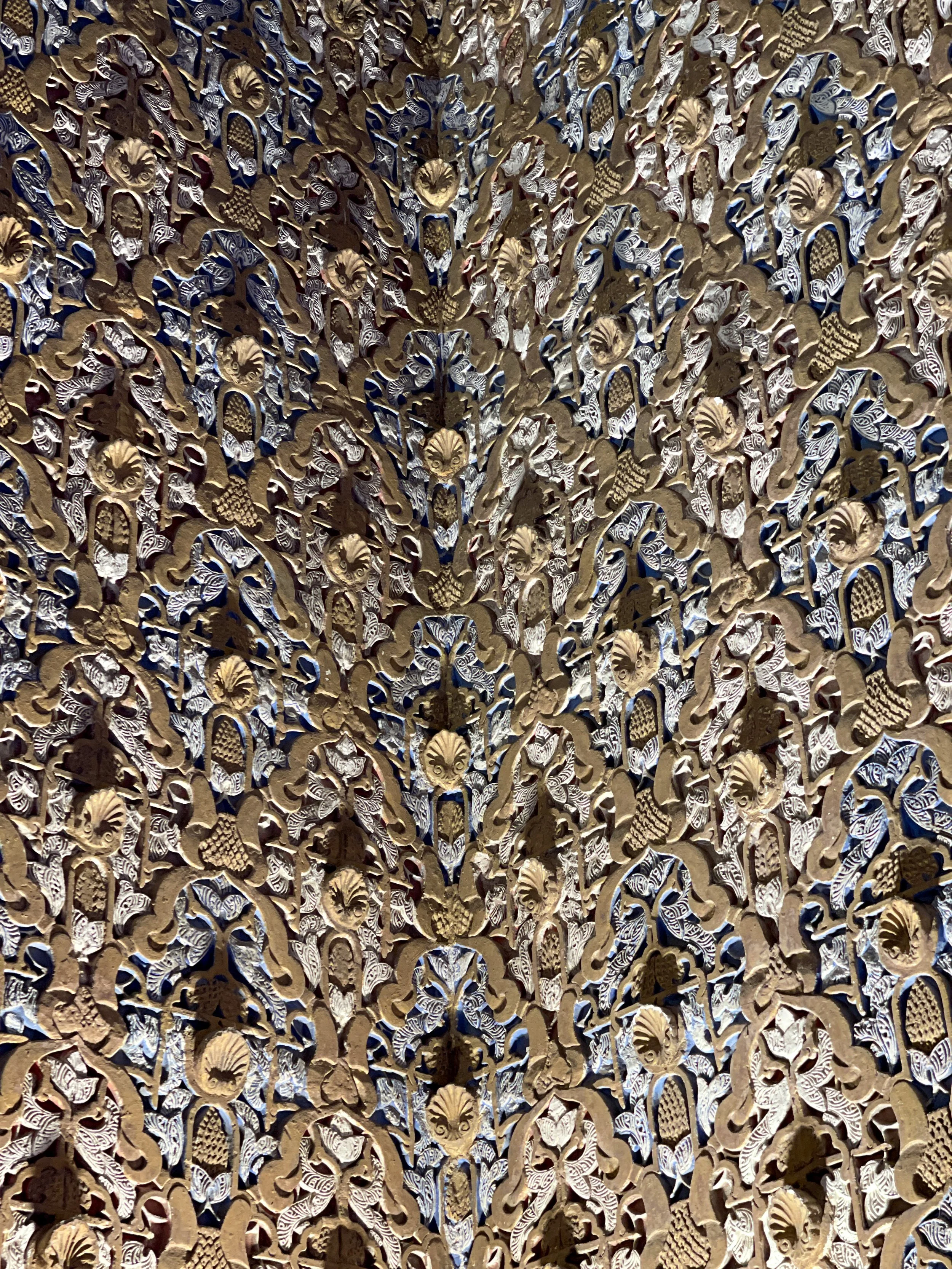
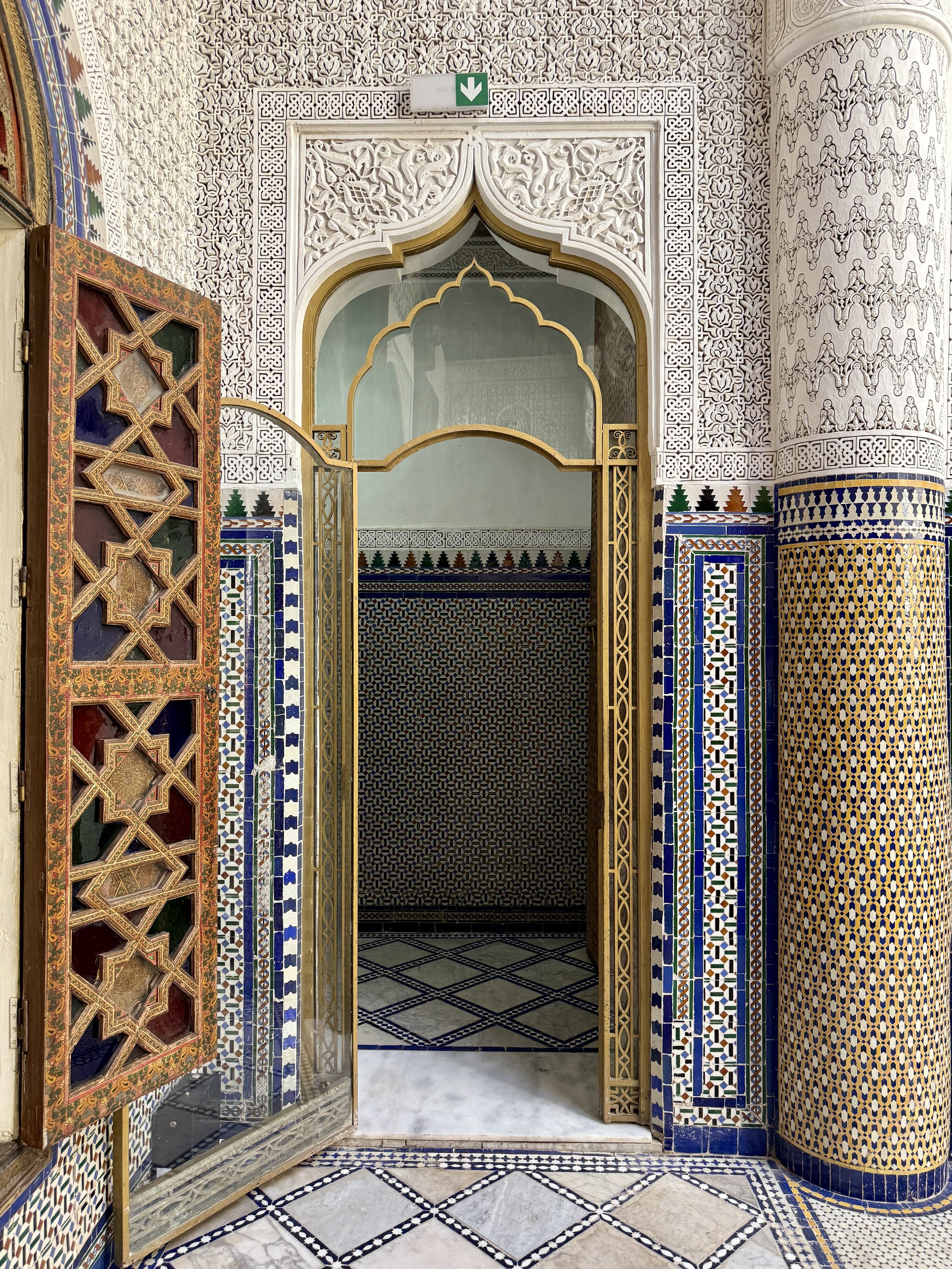
Feeling euphoric from our experience at Fès Bleu Art, we passed through an alleyway and entered a shop with an ornate stucco ceiling decorated with stalactites resembling the honeycomb of a beehive.

The shopkeeper invited us in saying, “No obligation to buy — just look around.” Wally began taking pictures and I surveyed the merchandise. The shop really is fun to explore; it’s just that the owner makes the experience awful.

He intimated that a powerful mafia ran the souk, stealing a portion of his profits.

When I paused to look at a stoneware inkwell decorated with Arabic calligraphy, the shopkeeper asked where I was from. I told him we were visiting from Chicago and really just looking.

He used a tactless ploy, telling me that he was Jewish and because of this he would offer us a fair price. He added that because we were his first customers we were obligated to purchase something.

“You have to buy something or you will have bad luck and I will have bad luck,” he told us. Charming.

He also intimated that a powerful mafia ran the souk, stealing a portion of his profits. There was nothing subtle or nuanced about his demeanor.

The shopkeeper does everything he can to finagle a sale, including pleading and, ultimately, cursing

I hadn’t expected to hear a shopkeeper speak this way, regardless of his personal opinion. I offhandedly asked how much he wanted for the inkwell, and he replied 3,500 dirham. I had also looked at a turquoise glazed stoneware basin oil lamp, which he quoted at 7,500 dirham. The basin had clearly broken off from its slender base and been reattached. He told us everything in his shop were artifacts. Honestly, I couldn't identify a valuable antique from an item that looks old, but clearly felt that this guy was duplicitous and trying to pull a fast one on me. I did sort of want the inkwell, but not for the equivalent of $350, so I put the objects down and told Wally we were leaving.
As we made our way towards the door the shop owner suddenly turned nasty, cursing us and muttering profanities under his breath.

We recommend that you do comparison shopping, as a neighboring shop may very well have the same item. We found one offering an array of beaded terracotta heads from Nigeria. We had purchased one in Marrakech three years prior for 250 dirham, and the shopkeeper in Fès started at 700. He also had some excellent bronzes and more than a few basin oil lamps, artifacts or otherwise — none of which were previously broken and all of which were a fraction of the price at the other store.

After exploring the cavernous shop (and escaping the clutches of the evil shopkeeper), flee out this door and back into the meandering medina

If you spot this short, dark-haired man in his pink plastic chair up the street from Place Seffarine, be on your guard. The prices are 10 times as high as they should be, and you just might face a curse from the tactless shopkeep. –Duke

The Monsters of "Supernatural" Season 1, Episodes 1-3

Now you’ll know what to do if you ever come upon La Llorona, the weeping Woman in White, a cannibalistic wendigo or a vengeful ghost.


I've been mad for monsters for as far back as I can remember. From my early love of Greek myths to my hours spent playing D&D, I've always had a fascination for folklore, and in particular the various monsters and legendary creatures around the globe and through the centuries. 

So perhaps it's a bit odd that I never got into Supernatural until recently. As I've been watching the show on Netflix, I decided to start a series of blog posts that delves into the assorted boogeymen Dean and Sam encounter.  

Parents warn that the woman in white looks for children who are out after dark and drags them into the water.
The woman in white, known in Mexico as La Llorona, comes back from the dead to mourn the children she has killed

The woman in white, known in Mexico as La Llorona, comes back from the dead to mourn the children she has killed


S1E1: "Pilot"

Monster: Woman in white (or La Llorona, the Weeping Woman)

Where it's from: Mexico

Description: A woman named Maria drowned her kids to exact revenge upon her husband, who left her for a younger woman (much like Medea in The Odyssey). When she realized what she had done, she committed suicide by drowning herself in the river as well. Other tales say she stopped eating and went mad, looking for her lost sons. 

What it does: Tall, slender, dark-haired and beautiful, La Llorona wails along riverbanks — ¡Ay, mis hijos! ("Oh, my children!") — causing misfortune to those who hear her. Parents warn that she looks for children who are out after dark and drags them into the water. 

How to defeat it: Unknown 


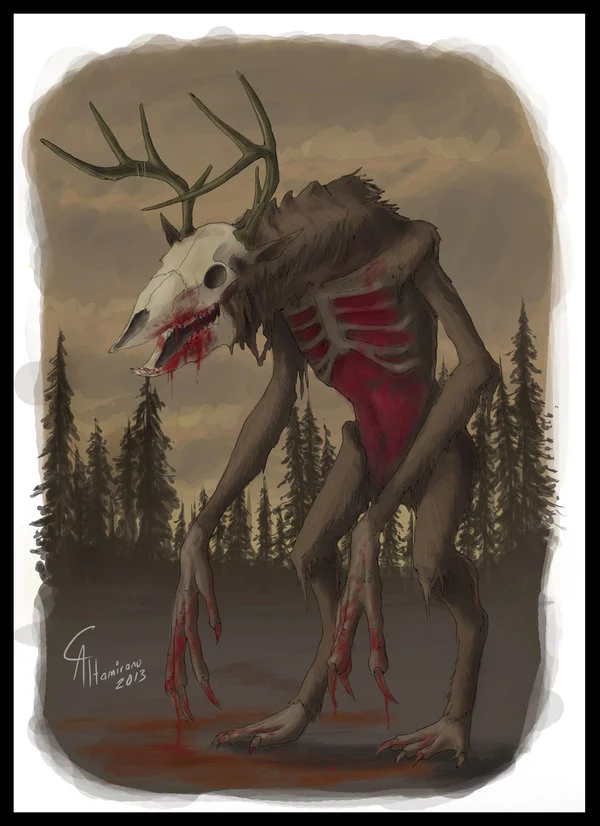
The wendigo is what becomes of those depraved enough to resort to cannibalism

The wendigo is what becomes of those depraved enough to resort to cannibalism

S1E2: "Wendigo"

Monster: Wendigo (Its name translates to "the evil spirit that devours mankind.")

Where it's from: North America, especially in the colder regions along the East Coast and Great Lakes

Description: These emaciated humanoid giants can reach 15 feet tall. They've got glowing eyes, yellow fangs and long tongues. Their skin is sallow and decaying, with patches of matted fur. Some depictions show the creature with antlers atop its head. 

What it does: Wendigos have an insatiable hunger for human flesh. In fact, when a person resorts to cannibalism, he or she becomes possessed by an evil spirit and transforms into a wendigo. 

How to defeat it: The original human is frozen inside the wendigo, where its heart would be. In most cases, when you kill the wendigo, the person trapped inside also perishes. 


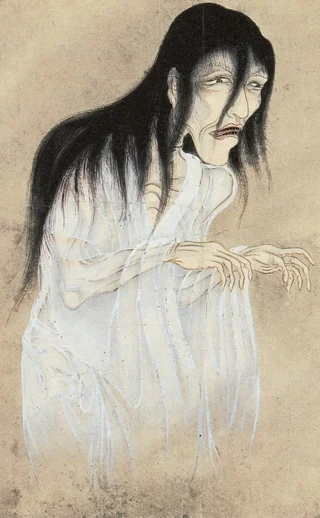
This yurei, a vengeful ghost from Japan, seeks revenge for a wrongful death

This yurei, a vengeful ghost from Japan, seeks revenge for a wrongful death

S1E3: "Dead in the Water"

Monster: Vengeful spirit, or vengeful ghost

Where it's from: All over the world

Description: These undead spirits return from the dead to exact revenge for a cruel, unnatural or unjust death — or because they weren't given a proper burial. There seem to be more female vengeful spirits than male. 

What it does: It wanders the Earth, with the ability to kill, until it has appeased its appetite for revenge. 

How to defeat it: Find the corpse and the instrument of death, if possible. Pour salt over them, then set them on fire. If the person wasn't given a proper burial, doing so might do the trick. –Wally

The Best Shop for Blue Pottery in the Entire Fez Medina

Fès is known for its delightful blue and white pottery

If you’re shopping in Fès, just off of Place Seffarine is a small shop with a friendly owner and great deals.


Each morning our breakfast at Dar Bensouda, our riad in the depths of the Fès, Morocco medina, was served in the most charming cobalt blue and white hand-painted pottery. Having read that Fassi craftsmen are known for their ceramic artistry, we ventured out to see what we could find.

RELATED: 8 Tips to Get the Best Deals in a Souk

Miraculously, by day three, we managed to make our way through the medina’s maze of alleyways and back to Place Seffarine, the metalworkers’ square. It was a Friday, so it was relatively quiet. Local guides will advise against shopping the souks on Fridays, the Islamic holy day, telling you that shops are closed in observance. However, we have found that this isn’t completely accurate. Although some shops may be closed, the souks are generally less chaotic and easier to navigate.

The shop was a visual feast for the senses. Every square inch of the floors and walls was covered with bowls, platters, soap dishes and pitchers.

A shop to the side of the square had some interesting and old-looking metalwork pieces on display. One in particular, a palm-sized tarnished brass astrolabe caught my eye. These scientific tools were used to track the position of the sun and stars to astronomically determine the five specific times of prayer and as an aid in finding the Qibla, the sacred direction of Mecca. I should have downplayed the fact that I was interested in it, as Wally’s ability to barter like a Berber seemed to have little to no effect on the shopkeeper.


Fès Bleu Art is overflowing with handcrafted pottery made by local artisans

True Blue

We moved on, following one of the offshoot alleyways. Located just off Place Seffarine, a pair of whimsical outstretched hands of Fatima drew us into Fès Bleu Art, a shop filled with hand-painted Fassi pottery.

The shop was a visual feast for the senses. Small and narrow, the shelves were full of petite, richly varied tagines and small lidded vessels like the ones we had seen at our riad. Every square inch of the floors and walls was covered with bowls, platters, soap dishes and pitchers.

The charming shop owner, Zouhir, offers reasonable deals — perhaps the best in the medina

The affable shop owner, Zouhir, who told us he was a descendant of the Idrisid dynasty, struck up a friendly conversation with us. Asking where we were from, he spoke to us in earnest, explaining how he offers a fair price on his pottery and how to identify the authenticity of a piece: Locally produced stoneware have the word Fas (the Arabic spelling of Fès) hand-painted on the bottom.

We had heard Zouhir speaking with another couple when we entered his shop, and during his exchange he had mentioned pricing, which we were pleased to realize is quite affordable.

Fassi pottery is glazed in white and embellished with cobalt oxide, which produces a vibrant shade of blue during kiln firing. Designs typically feature motifs and patterns including flowers, zigzags, chevrons, dots, triangles and crosshatching, all of which are used to convey messages.

For example, diamond or star-shaped lozenge motifs represent an eye that deflects evil, while a shape with five points or branches conjures the protection of the hamsa, or hand of Fatima.

We began to pick out pieces and put them to the side. What makes these so exceptional in my opinion is that matched sets do not exist, as they are entirely handmade. I think we purchased almost every hand-painted hamsa tile Zouhir had. Wally decided to give them out as gifts to his coworkers.

Zouhir’s prices, as we mentioned, are quite fair. So don’t expect him to come down substantially in price. And don’t worry — you’ll still be getting perhaps the best deal in the entire medina.

On our last day in Fès, we returned to the shop to purchase even more pottery — many of which I made sure to carry on, for fear of returning home with broken shards. –Duke

Learn These Spanish Curse Words to Make Your Conversations More Colorful

Turns out we know the graffiti artist responsible for this social commentary on how shitty it is to leave your dog poop on the sidewalk

Las palabrotas aren’t for everyone. But Spanish bad words can be so good.


“How do you say ‘swear words’ in Spanish?” I asked my friend José as we sat in his and Jo's living room during a recent visit to Málaga, Spain.

“Las palabrotas,” he said. “That means ‘broken words.’”

Me cago en la leche: literally, “I shit in the milk.”
It means, “No way!”

I gleefully handed him a notebook and had him write down all the swear words and naughty expressions he could think of in Spanish.

I feel it’s best to try to speak like locals — and that means learning the bad words as well. Heck, they’re usually the most fun anyway.

My love of swear words goes way back. In fact, in college, when I took a linguistics class, I titled one of my big reports for the semester, Fuck! The History of the Ultimate Four-Letter Word (and Other “Bad” Words).

My teacher, most likely bored with the usual goody-goody subjects, practically squealed in delight when I pitched my idea.

MORE CRASS: Michael and Kent on Living in Paris

Here’s the list that José wrote down for me:

  • joder: to fuck
  • la polla: dick (strangely, this word is feminine)
  • el coño: pussy, though it also works as an expression like, "Dammit!"
  • gilipolla: asshole, wanker (keep in mind some of these were shared by my British friend Jo)
  • chupapollas: cocksucker
  • Me cago en la leche: literally, "I shit in the milk." It means, “No way!”
  • Tengo una cita con Roca: literally, "I have a date with Roca" (the most common brand of toilet in Spain). It means, “I need the loo.”
  • mamón: from the verb meaning to breastfeed, this can mean sucker, loser or asshole
  • cara culo: butthead
  • Vete a tomar por culo: Get the fuck out of here
  • hijoputa: son of a whore
  • Me cago en tu padre/madre: I shit on your dad/mom (charming, eh?)
  • Salut y forza al canut: A Catalán toast meaning, "To health and a hard cock!"
  • marquita: literally, "ladybug." It means “gayboy”
  • una chupada/mamada: blowjob
  • correrse: to cum (notice it’s reflexive). Correr means “to run” — “Be very careful with these verbs,” Jo wisely warns. Let’s use them in a sentence: Correrme/Me corro: I’m cumming!
  • tener un pedo/estar pedo: to be wasted, drunk. Interesting, as pedo means “fart.”

Enjoy, hijoputas! –Wally

What are your favorite naughty expressions in Spanish?

A Brief History of Málaga, Spain

The Málaga Lighthouse sits on the harbor of this modern city with ancient origins

Fun facts about this city on Spain’s Costa del Sol that combines cosmopolitan chic with classic cool.
 

Worth Its Salt

As the adage goes, Rome wasn’t built in a day, and neither was Málaga. One of the oldest cities in the world, it was inhabited and settled by the Phoenicians around 770 BCE. They gave the modest port city the name Malaka, which was likely derived from malaha, the Phoenician word for salt.

The Phoenicians maintained a prosperous sea trade, and one of their primary exports was salt, obtained from evaporated seawater. Salt was prized for its ability to preserve food as well as seasoning. In fact, in Ancient Rome, soldiers were paid in salt — a salarium, the Latin origin of the word “salary.”

Like a game of hot potato, Málaga was besieged and conquered several times.


Hooked on Phoenics

The Phoenician alphabet is the oldest verified alphabet. Derived from Egyptian hieroglyphics, the 22 letters are simplifications of hieroglyphic symbols. This alphabet eventually evolved into modern Arabic. Eventually the Greeks, who had become familiar with the Phoenician alphabet through trade, added vowels — and that’s what became the foundation of the standardized Latin alphabet we use today.
 

History Repeating  

Like a game of hot potato, Málaga was besieged and conquered several times. Under the reign of Caesar Augustus, the Romans invaded and renamed the city Malaca.

After the decline and subsequent fall of the Roman Empire, the city was briefly occupied by the Visigoths, who were then defeated by the Moors. It remained under Islamic rule for 800 years as Mālaqa and became an important center of commerce.

The Crown of Castile later overtook the region in 1487, selling virtually the entire Muslim population into slavery, prior to the fall of Granada five years later.
 

Culture Club

Turbulent history aside, the archeological ruins make the historic city center a cultural open-air museum campus. This heritage earned Málaga a nomination for the European Capital of Culture (which was instead awarded to San Sebastián.) –Duke


The Gilded Glory of the Iglesia de los Santos Mártires in Málaga, Spain

The ornate interior of the Iglesia de los Santos Mártires in Málaga, Spain

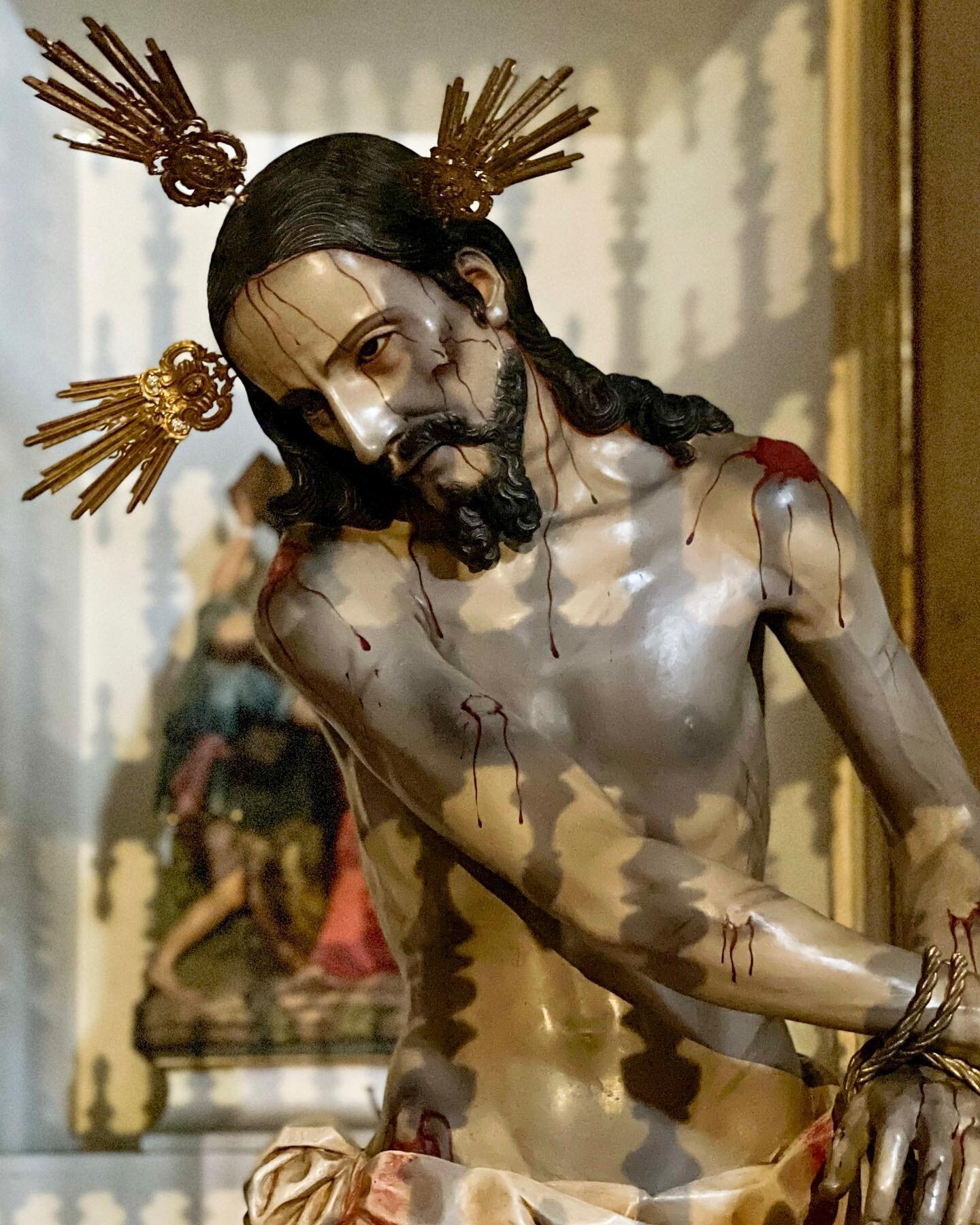
As our photos attest, this church, dedicated to Ciriaco and Paula, the patron saints of Málaga, is a wonderment of Catholic excess.


It's quite unassuming from the outside. A trio of Mudejar-inspired brick-lined arches, devoid of ornamentation, carved into the side of the structure. No steps leading up to a grand entrance. You'd think it was a side entrance, situated as it is on a jag of a narrow street.

But inside! The Iglesia de los Santos Mártires (the Church of the Holy Martyrs) is utterly dazzling, white arches everywhere, lined in gold, gilded and glittering. Altars accented with slabs of marble, one a deep crimson niche. The style could be considered Rococo Loco.

The Iglesia de los Santos Mártires is utterly dazzling. The style could be considered Rococo Loco.

We entered, overwhelmed. Your eyes don't know where to focus. So we turned to our right and began to work our way around the edges of the church.

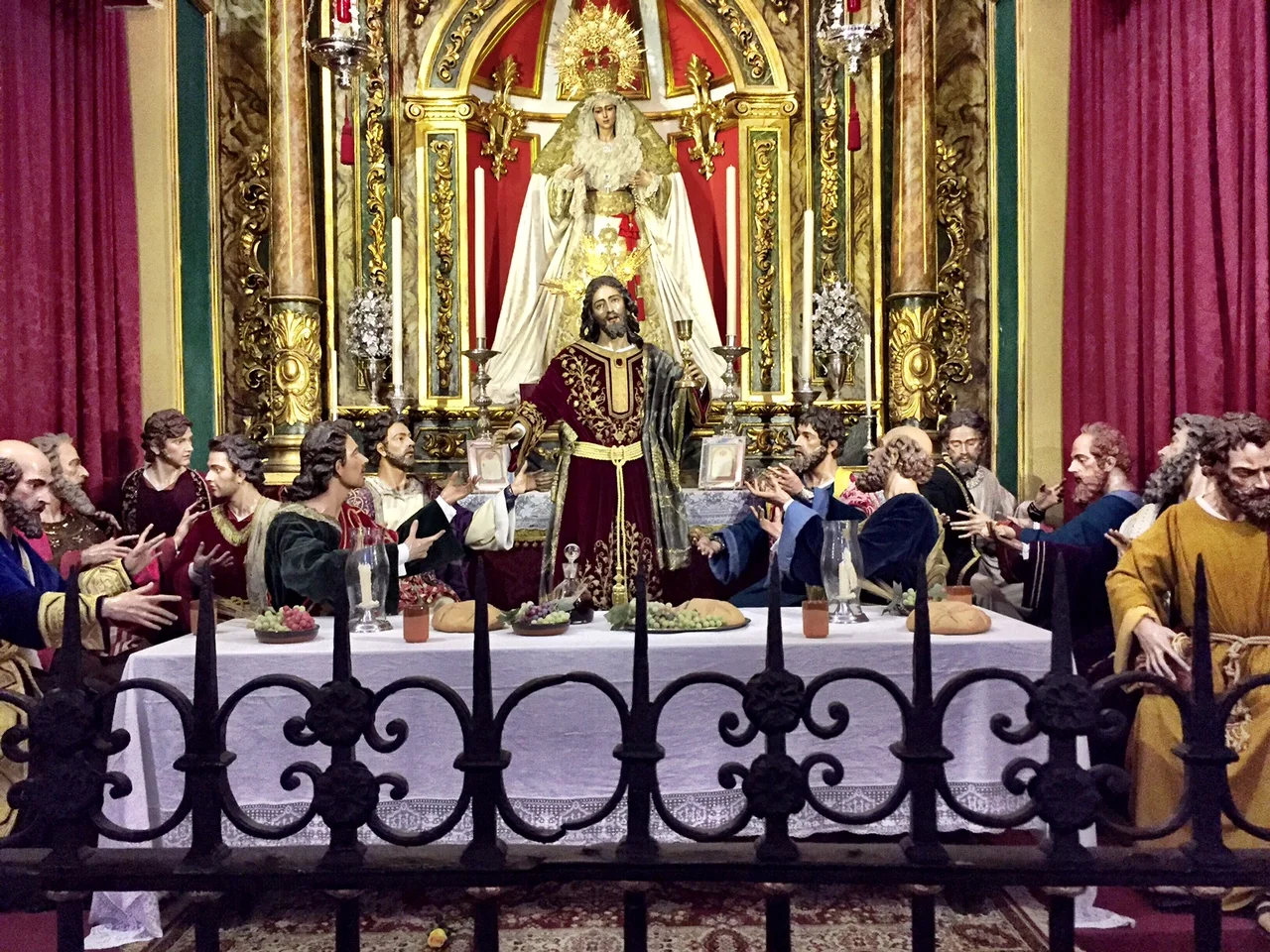
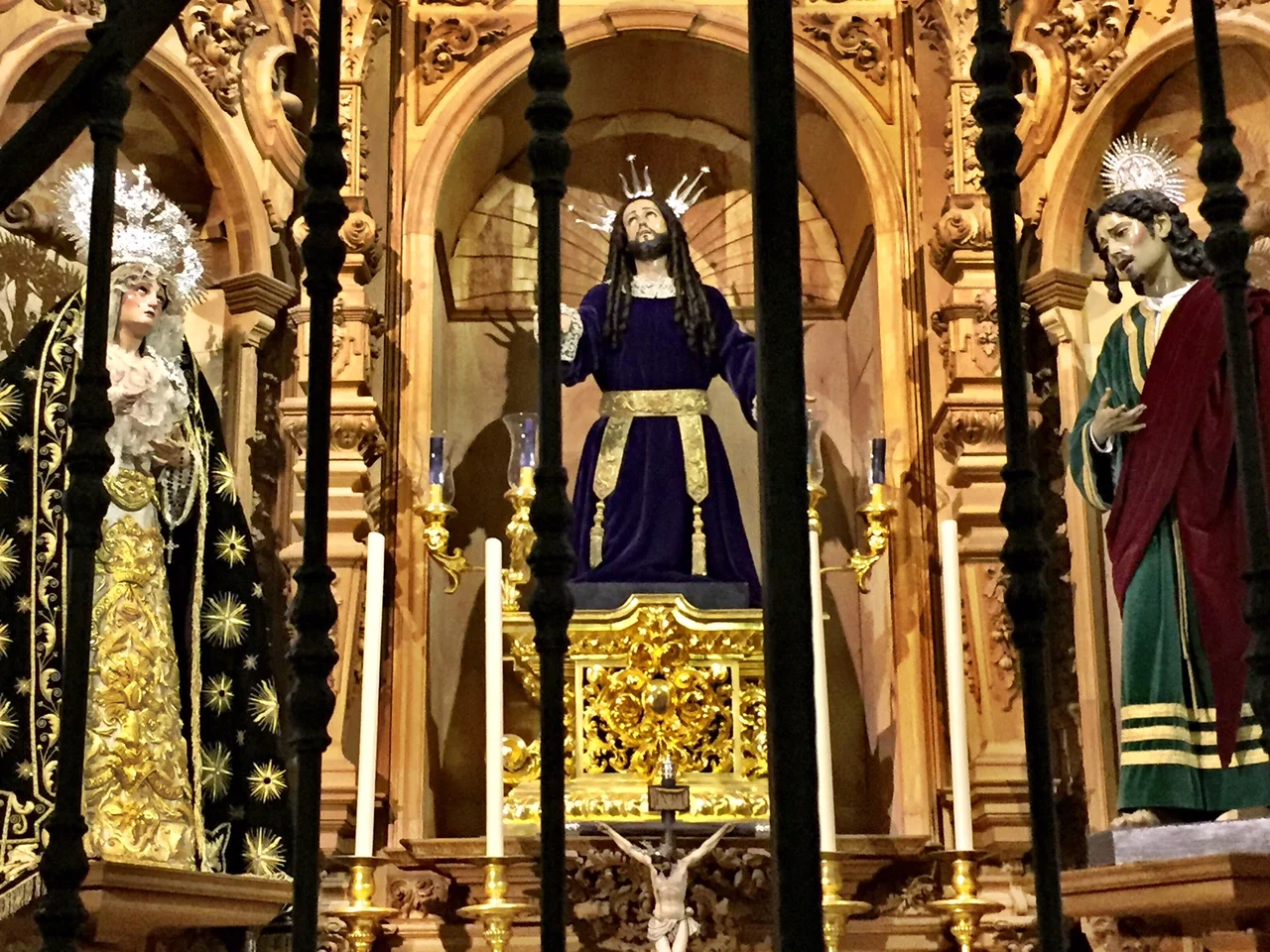
The first thing we saw was a lifesize statue depiction of the Last Supper behind a wrought iron fence. We couldn’t help but giggle. Sometimes the ostentatiousness of Catholics is astounding. But it makes for a fun exploration.

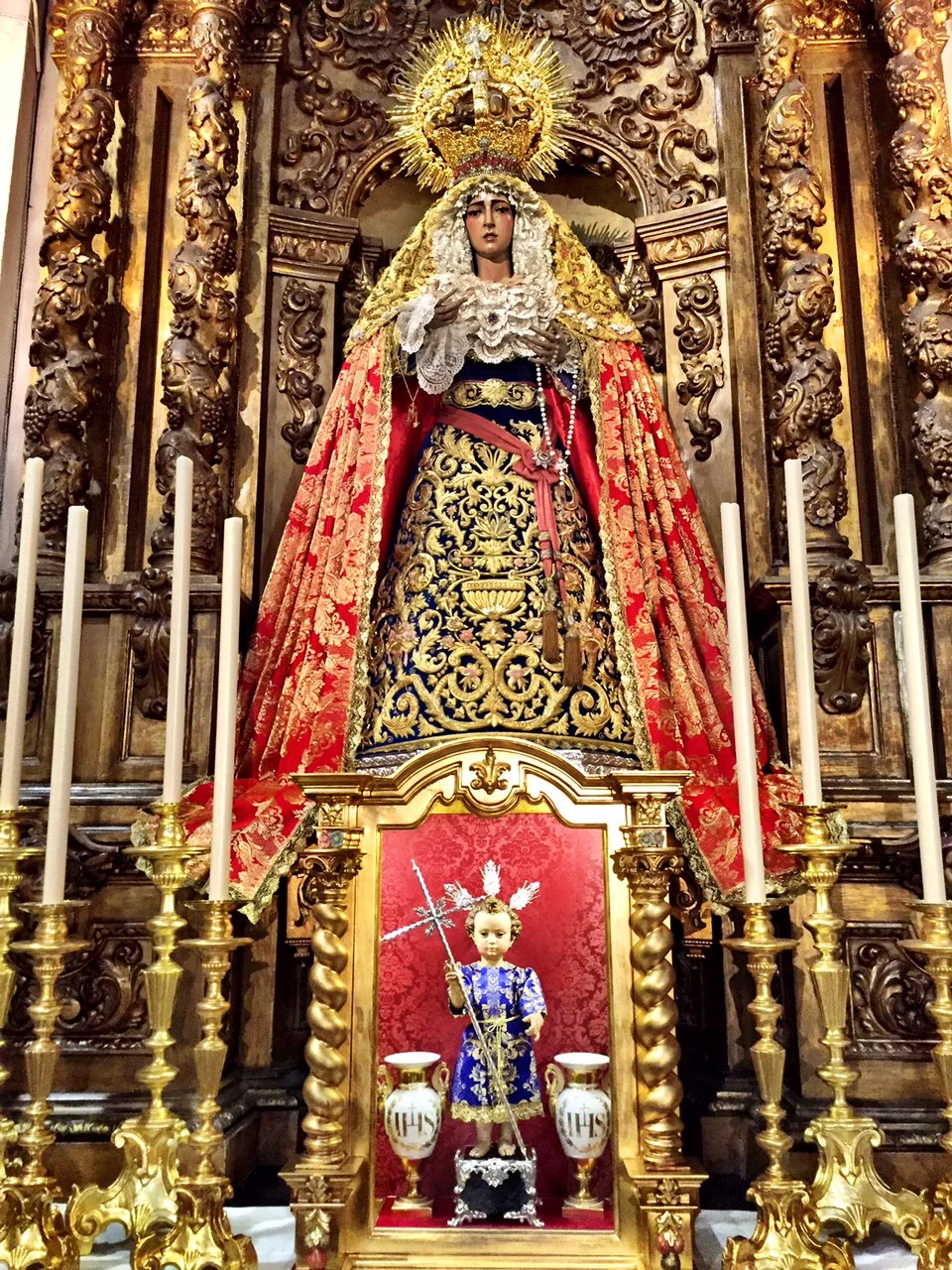
We walked the periphery of the sizable space, snapping away photos of the various niches, each with its own interpretation of the Virgin Mary and/or Jesus.

And unlike the city’s main cathedral, photography is allowed here.


The Patron Saints of Málaga

The church is dedicated to the two patron saints of Málaga: St. Ciriaco and St. Paula. These two were part of a Christian sect forbidden by the Roman Emperor Diocletian. The Christian community had a secret meeting place in Málaga. But on June 18, 303, Roman soldiers learned of the spot and raided it. Ciriaco and Paula were among those captured.

Even though they were tortured, the pair refused to renounce Christ. So they were tied to trees along the banks of the Guadalquivir River and stoned to death.

Not wanting anything that could be venerated, the soldiers built a massive bonfire to destroy the remains. But the skies opened up with a torrential downpour and doused the flames. When the soldiers left, the surviving Christians took the bodies and buried them in an unknown locale.

Fast forward to the Reconquista, when the Catholics started taking back the Iberian Peninsula from the Muslim rulers. A monk named Fray Juan de Carmona told the Catholic kings of a vision he had: Build a church dedicated to Ciriaco and Paula — and they would be victorious in the battle for Málaga in 1487.

It seems just the promise was good enough, for they did end up winning. They then dispatched a letter to Pope Innocent VIII, who approved construction of the Iglesia de los Santos Mártires.

Thus began a cycle of destruction and rebuilding from incidents including a cannonball (1854), earthquake (1884) and looting (1936).

In 1490, Ferdinand and Isabella appointed Ciriaco and Paula the official patron saints of Málaga.

Every June 18, there's a solemn procession through the historic quarter to honor the martyrs.

The church is home to four Semana Santa (Holy Week) brotherhoods.

Iglesia de los Santos Mártires, located in the city center, is certainly worth exploring. –Wally


RELATED: How to Enjoy Feria, Southern Spain’s Springtime Festival


The Whimsical, Feminist Street Art of Sara Fratini

Under the adorable mural by Sara Fratini, Duke and Wally enjoy coffee in the courtyard café of La Casa Invisible in Málaga, Spain

A Q&A with the artist who created the mural at La Casa Invisible in Málaga that kept making us smile.


When our friend Jo took Wally and I to the courtyard café of the La Casa Invisible cultural center, we knew it was a magical place from the moment our eyes fell upon the whimsical mural by the Venezuelan artist Sara Fratini.

Sara was invited to create the mural thanks to a project organized by La Guarimba International Film Festival in collaboration with Amnesty International and the University of Málaga.

I started drawing the curvy, rosy-cheeked girl when I realized that I wasn’t happy with the way society treated women. She is radiant, happy and doesn’t care about what society expects from her.
— Sara Fratini

I was so taken with Sara’s playful style, I decided to look her up online and email her some questions. Here are her responses. –Duke


What’s your connection to Madrid?

I lived in Madrid for six years and studied fine arts there. Currently, I live in the town of Amantea located in the Calabria region of southern Italy, where I’m one of the organizers of La Garimba International Film Festival, but Madrid will always be in my heart.


In what other cities have you done murals?

I have done murals in Madrid, Málaga, Amantea and San Vito dei Normanni, Italy.


Who are your favorite artists?

I like a lot of different artists. At the moment. I’m obsessed with Rubens. And after seeing the exhibition of Bosch at the Prado Museum, I’m equally obsessed with him. I already admired his work, but after seeing his paintings, I feel that I could spend hours looking and discovering new characters and demons.

I also love Ludwig Kirchner and a lot of German expressionists.


Many of your pieces feature a rosy-cheeked girl. Is she modeled after anyone?

No. I started drawing the curvy, rosy-cheeked girl when I realized that I wasn’t happy with the way society treated women. So she is my response to societal pressures. She is radiant, happy and doesn’t care about what society expects from her.


What’s the most interesting story you’ve had creating a mural?

I recently created a mural in the Asylum Seeker Center in the town where I live. It was one of the most beautiful experiences I’ve ever had. I drew on two big walls, and some of the refugees helped me. The mural was part of a project organized by La Guarimba called Cinema Ambulante.

We currently have more than 80 refugees living in a camp, and our goal is to help them integrate into the local community.


What’s your creation process?

I usually wake up in the morning, have a cup of coffee and put myself to work. I take a look at my notebook and begin working on a specific idea.


What inspires you?

Everything. What happens to me during the day, what I think or feel and, of course, music.


These Gruesome Photos of the Meknès Market Are Enough to Turn You Vegetarian

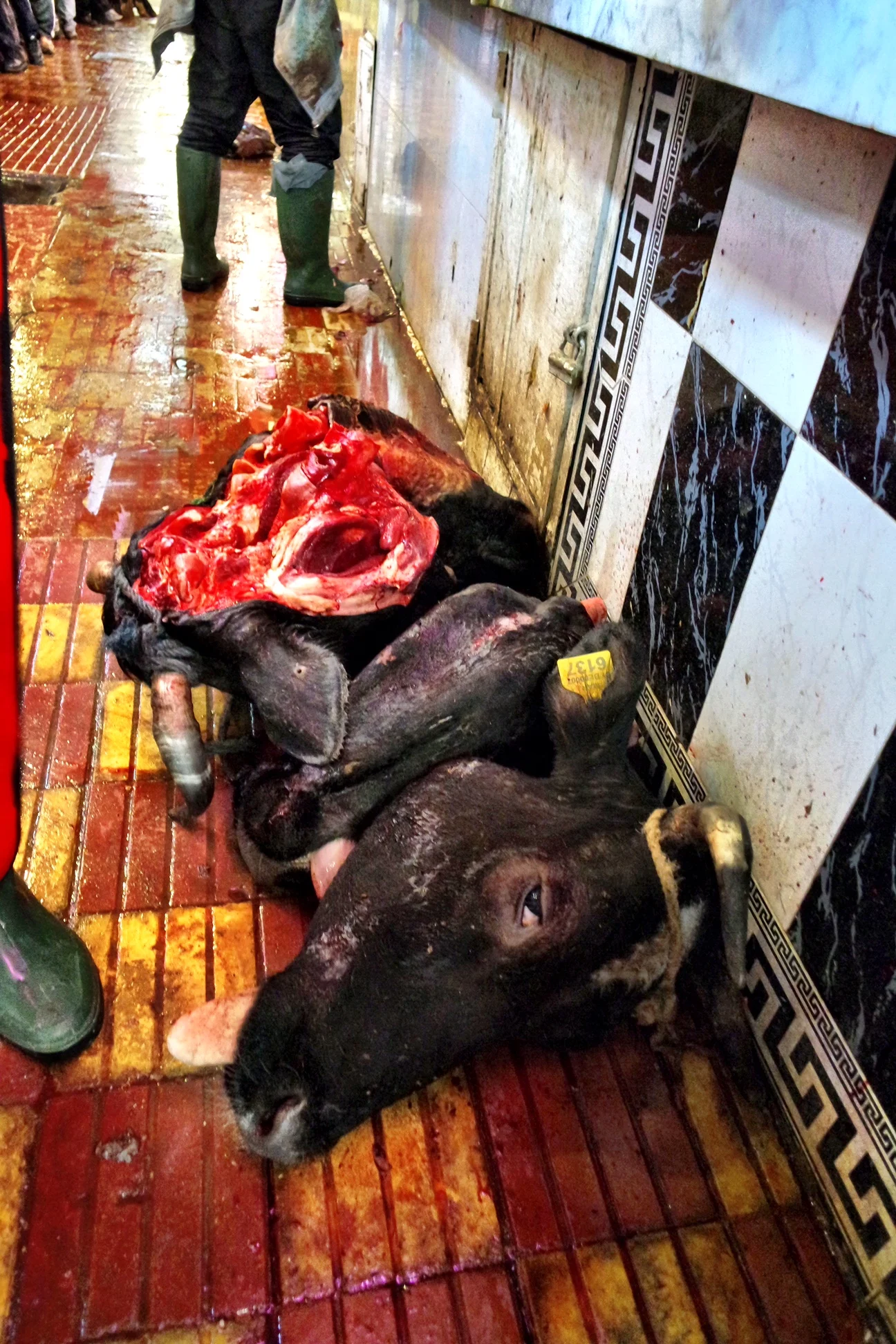
This is about as tame as the Meknès meat market got. More graphic shots to follow

Local markets provide a glimpse into the daily life of a culture. Just watch out for the decapitated cow heads.


One of the best ways to see a local culture in action is to visit a food market. You’ll also get plenty of awesome photo opps.

I first discovered this pleasure one day when I wandered off on my own in Cusco, Peru and stumbled upon a local food market. Since then, markets — whether they’re in Spain, Vietnam or Morocco — are must-stops for Duke and me.

It was as if we had found ourselves suddenly the unwitting victims of a horror movie.

So, when we noticed an interior market connected to the stalls of the main plaza in Meknès (on a day trip that included the Roman ruins of Volubilis), we were excited to wander through it. At first, we passed stalls of brightly colored fruits and vegetables. But at the back, it was as if we had found ourselves suddenly the unwitting victims of a horror movie. We had entered the horrific domain of the meat market.

It was unlike anything we had ever seen. In the United States, we’re so used to brightly lit, sterile supermarket aisles, where our meat is often deboned, trimmed of fat, individually wrapped in plastic. There’s no real hint that the pinkish cut of meat was once a chicken or that the hunk of red beef actually came from a cow.

That connection to the meat’s origin was like a slap in the face in the Meknès market. It’s inescapable.

Click on the photos below to enlarge. You know you want to see them in all their gory glory.

We wandered through the butchers’ stalls, dazed and amazed. Many chuckled at our reaction, while some of the men scowled as I snapped away quickly on my camera.

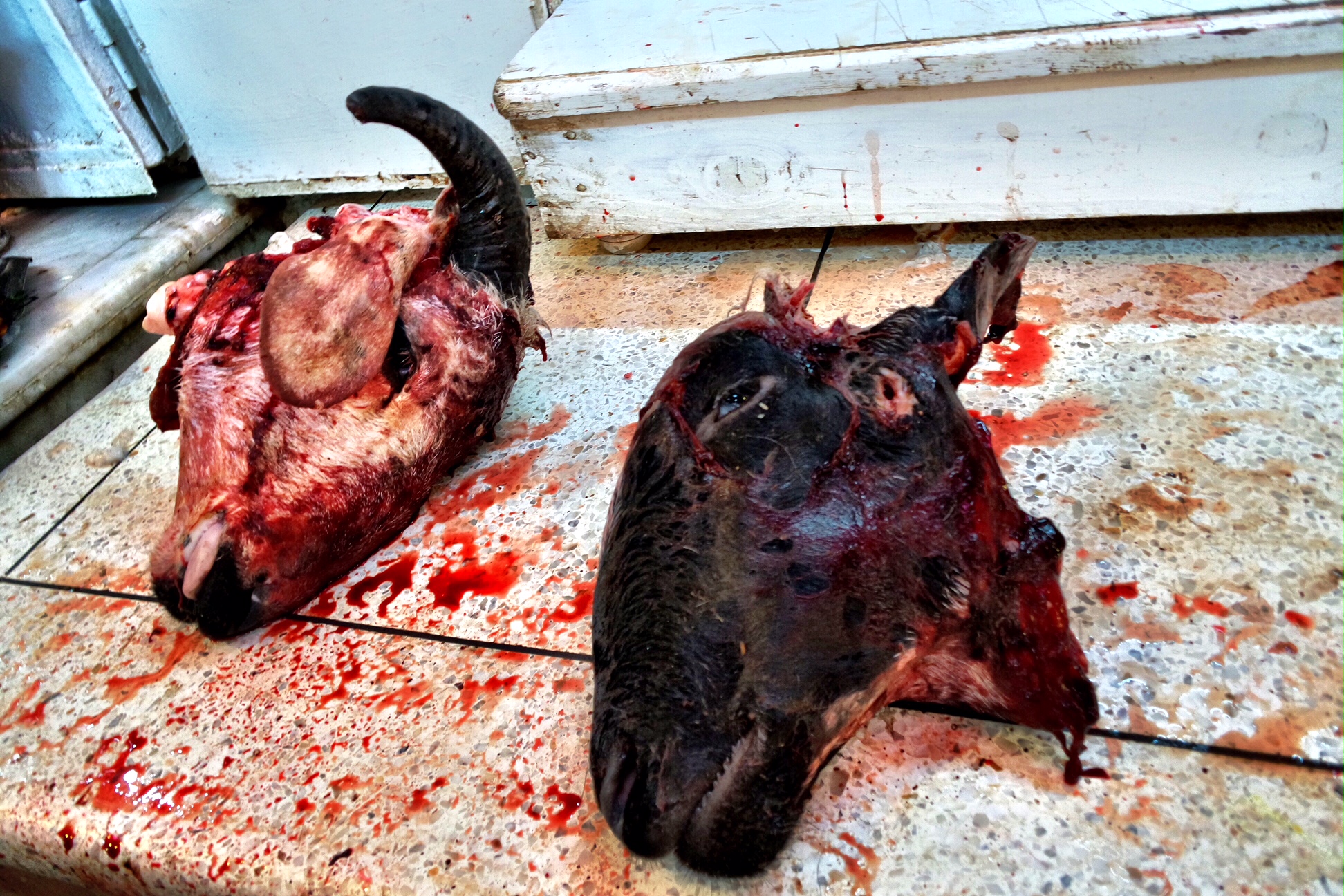
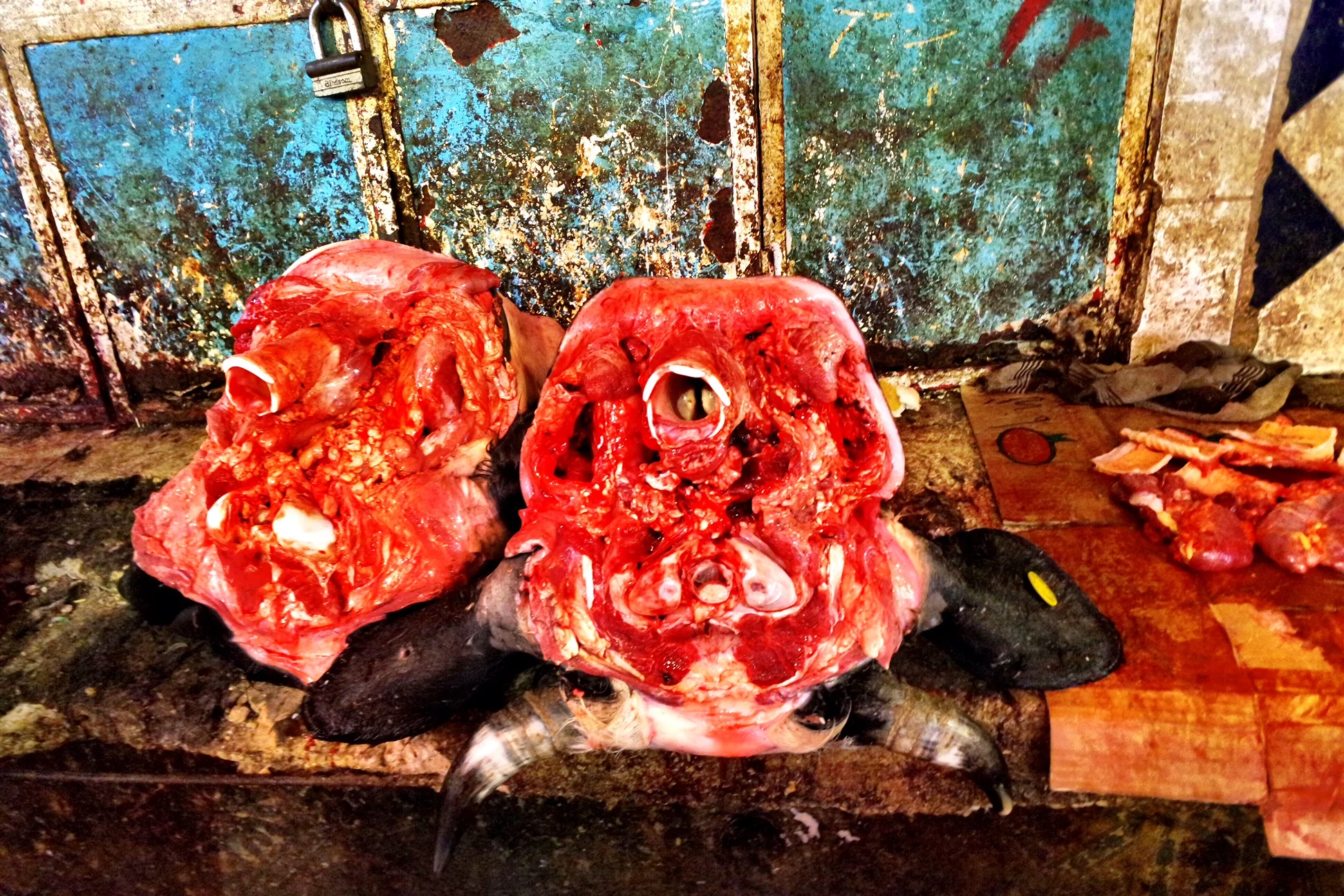
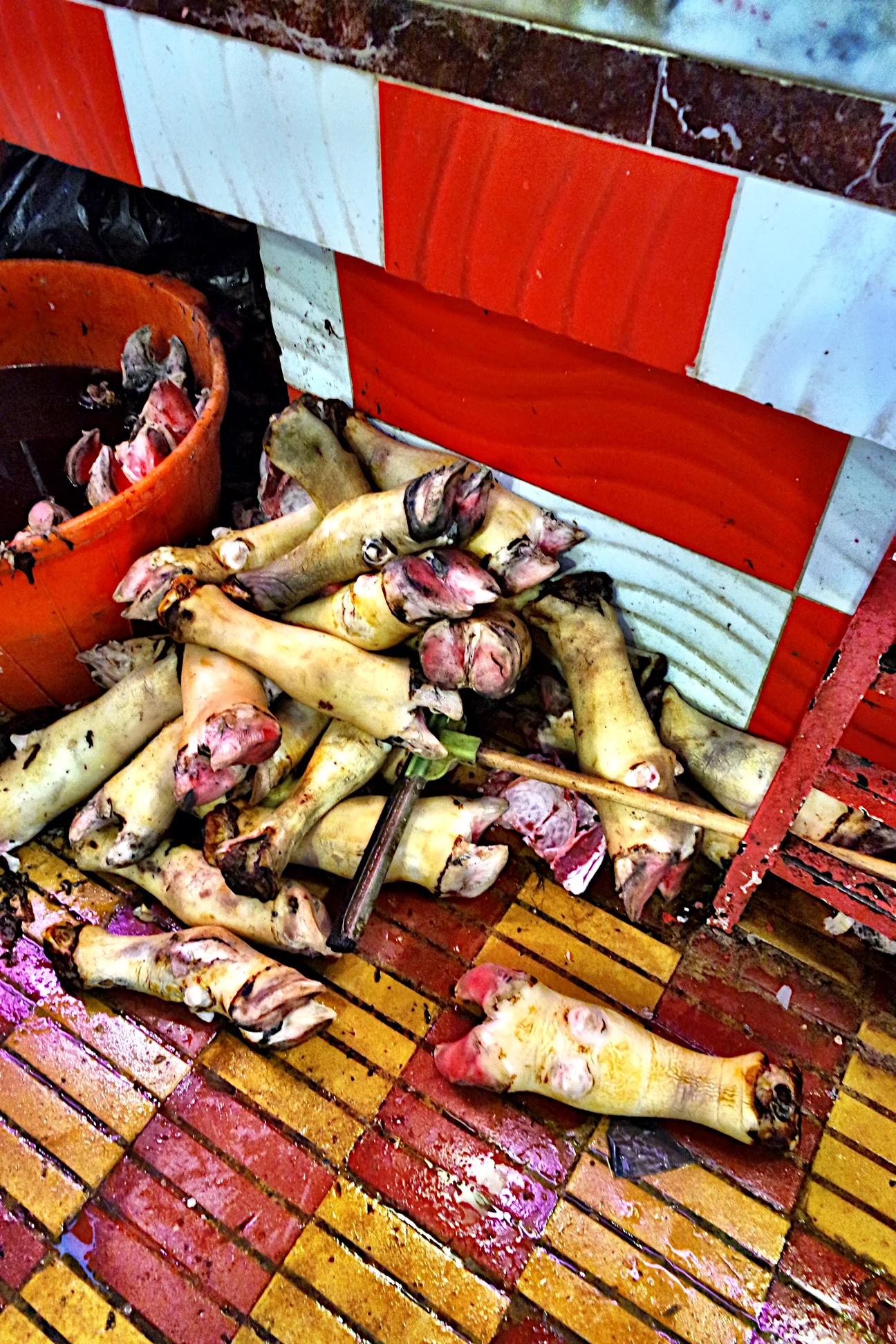
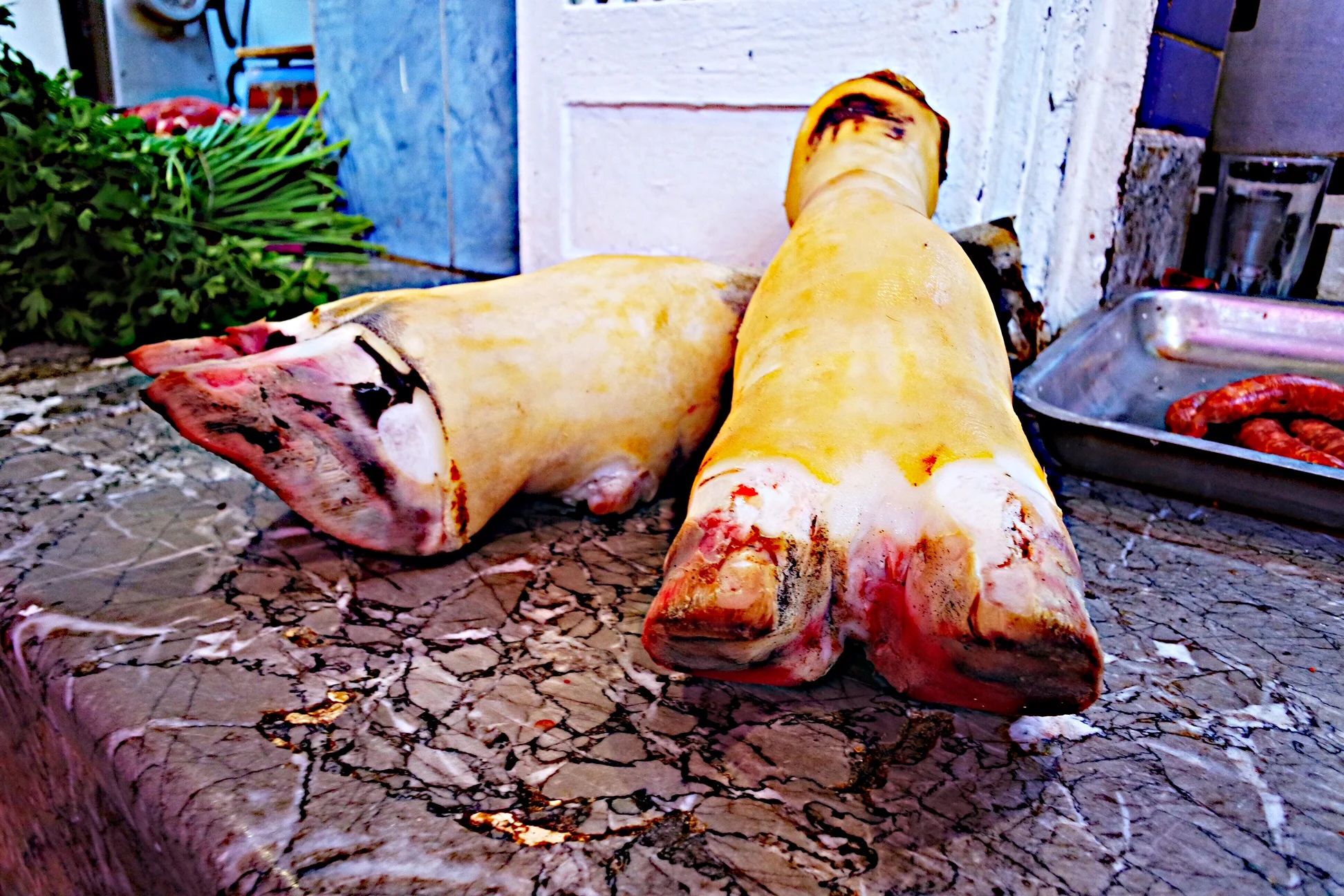
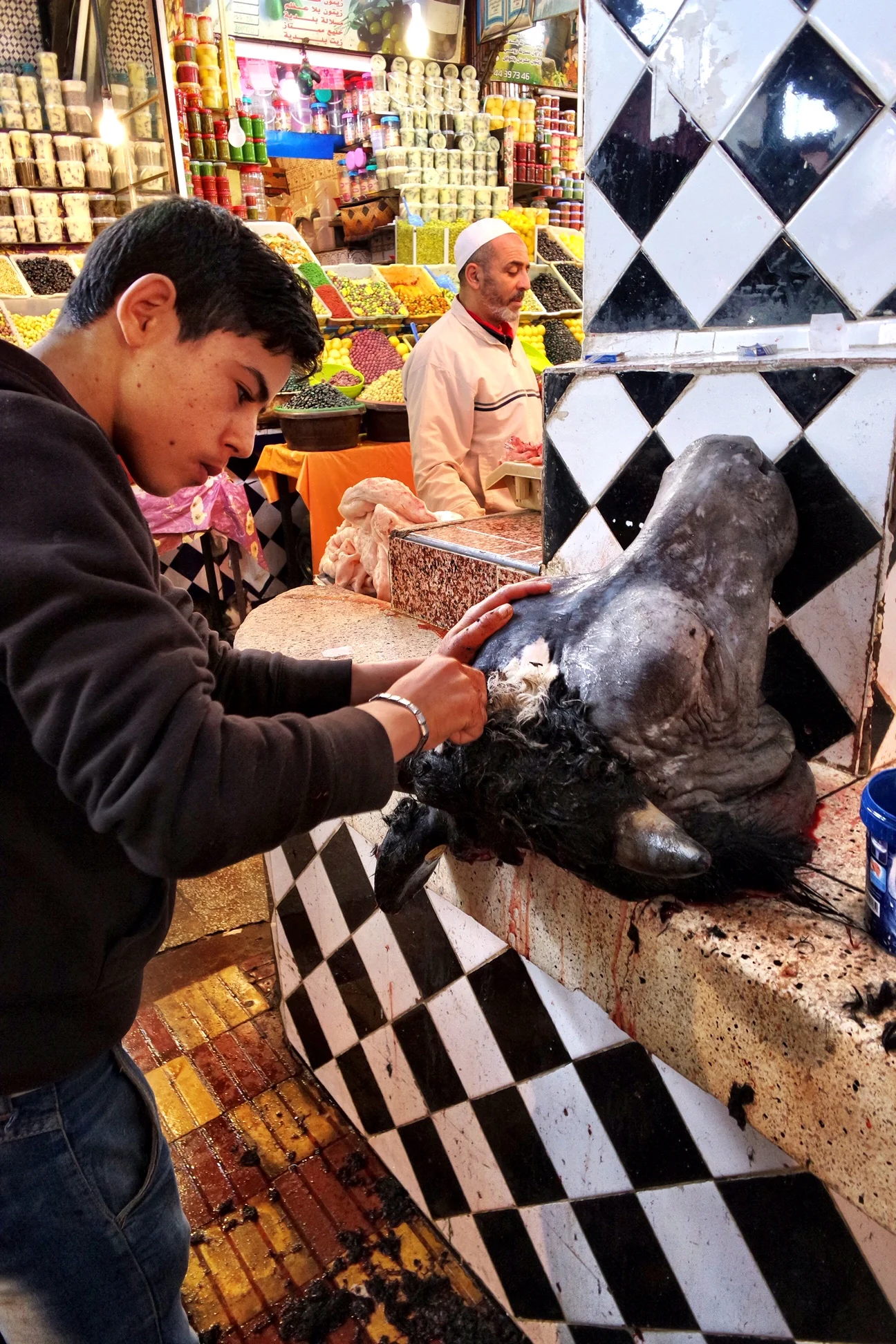
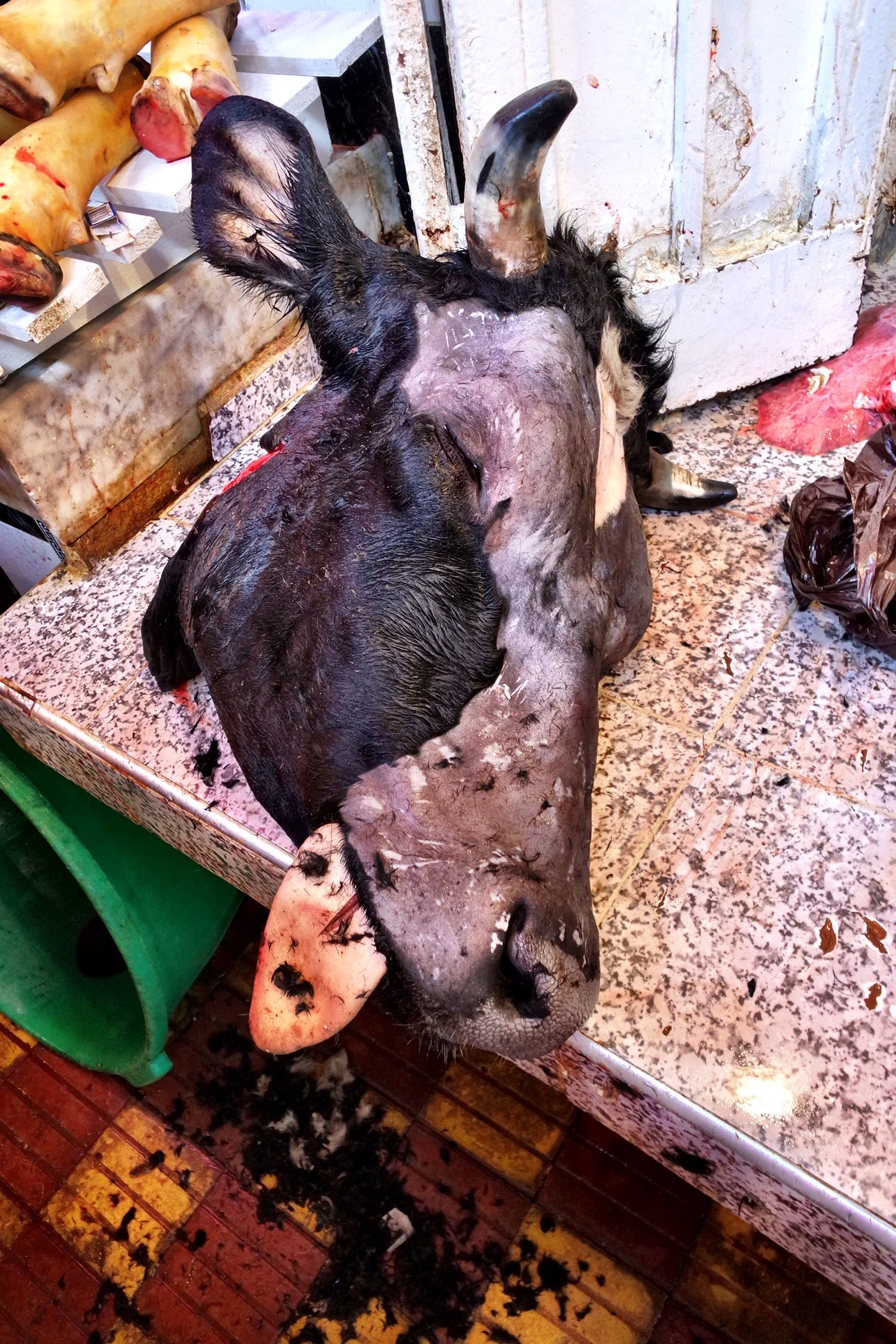
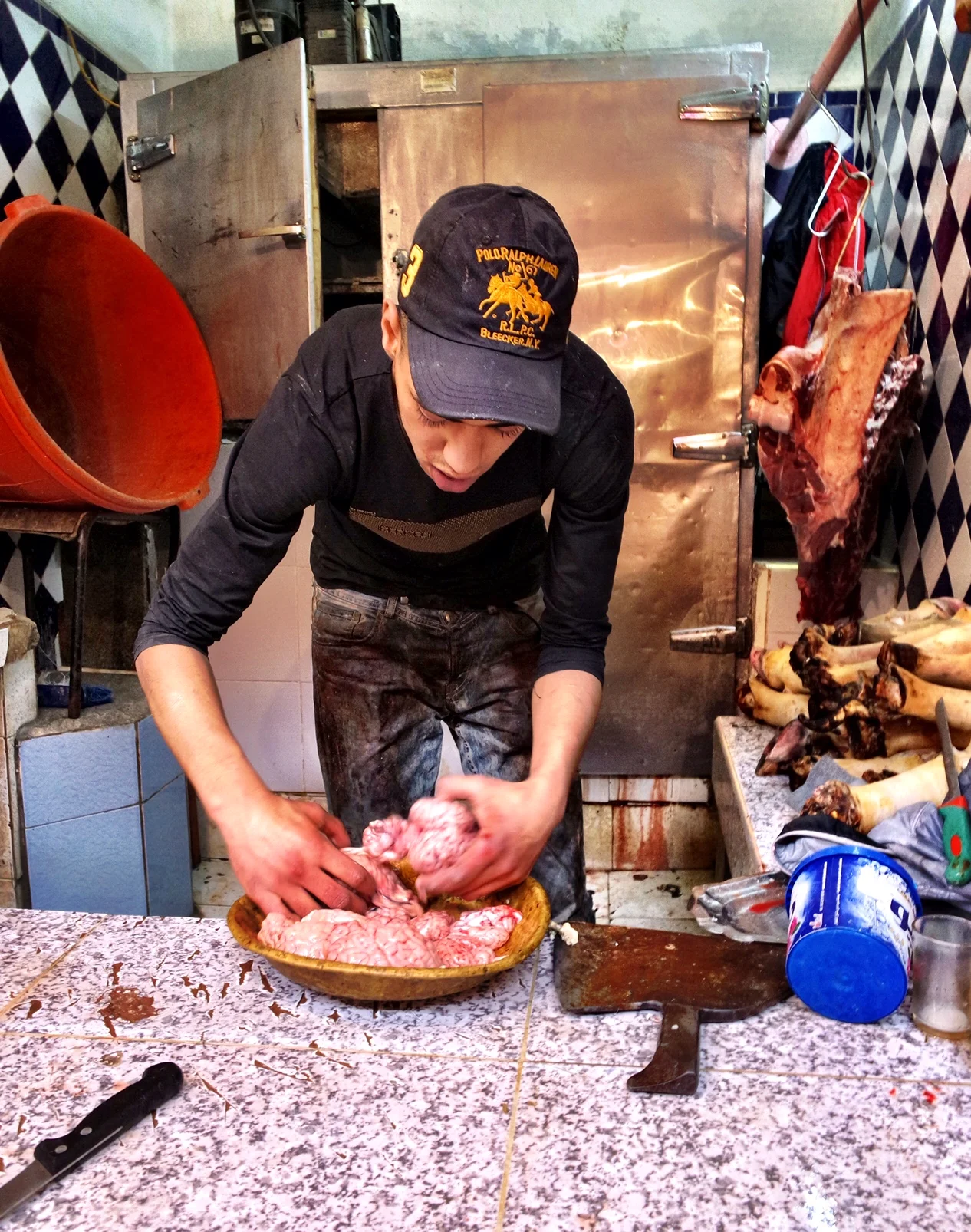
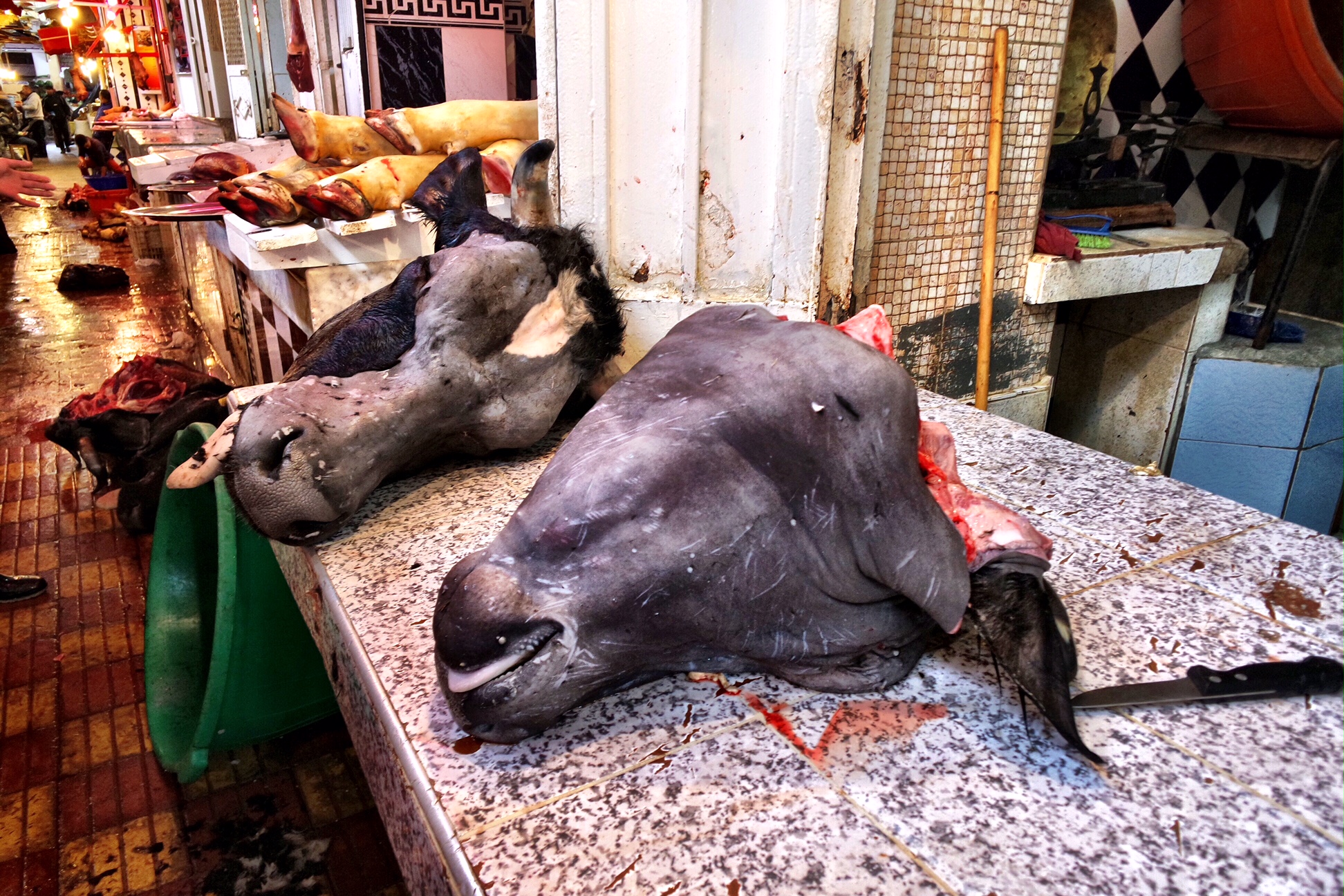
The images came quick and violent. Decapitated cow heads, their tongues lolling out. A boy digging his hands into a bowl of brains. Goat heads amidst a splattering of blood. Razor in hand, a young man intently shaving the side of an animal’s face. Haphazard piles of bloated legs, a nauseating yellow, ending in cloven hooves. Macabre dissections revealing raw, red tissue in stark contrast to the white of sawed-through bones.

Duke and I couldn’t stop smiling. –Wally

Decapitated cow heads, their tongues lolling out. A boy digging his hands into a bowl of brains. Goat heads amidst a splattering of blood.
 

A Tour of the Roman Ruins and Mosaics of Volubilis

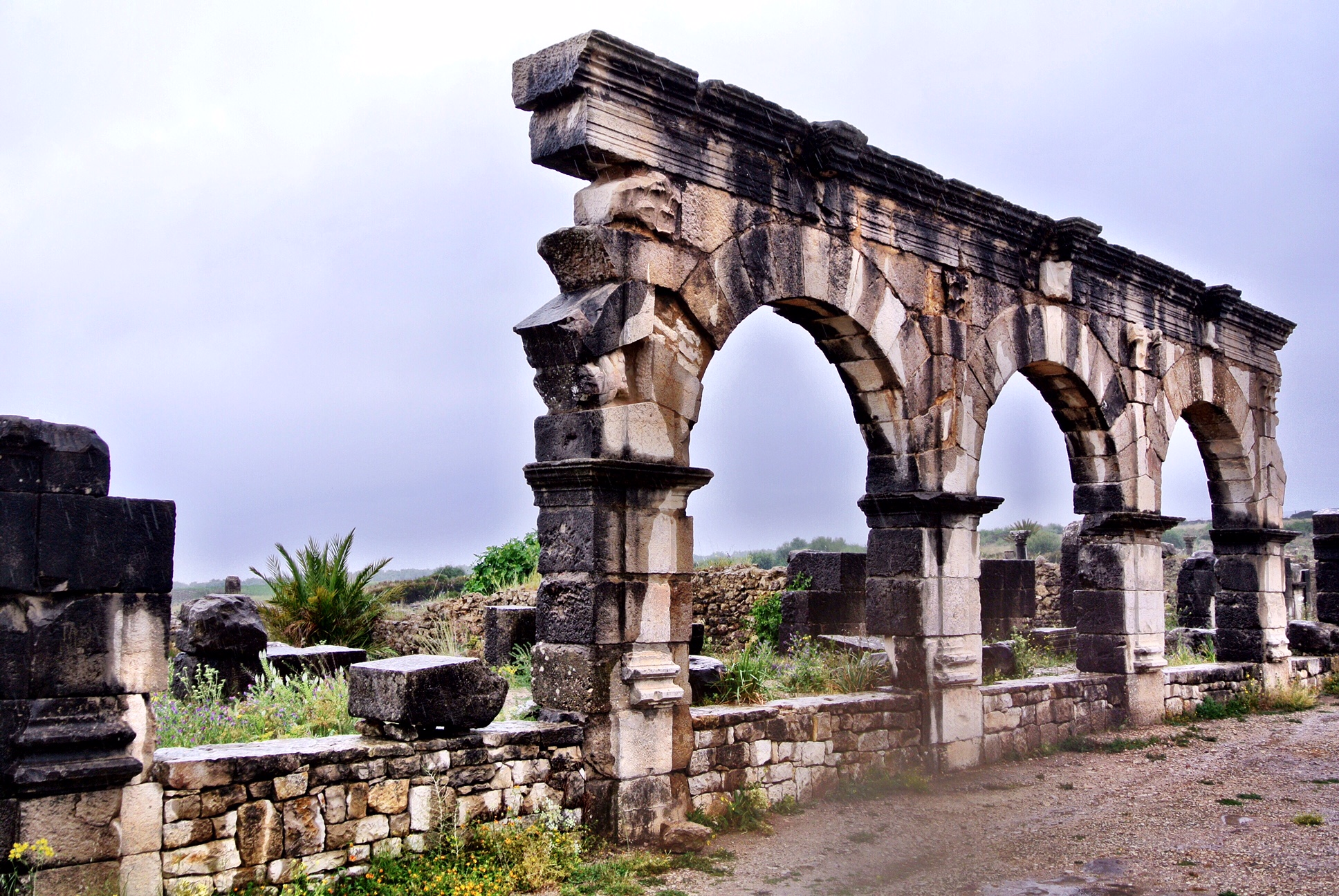
The ruins of the Roman city of Volubilis can be paired with an excursion to Meknès.

The ruins of the Roman city of Volubilis can be paired with an excursion to Meknès.

When visiting Fès, Morocco, be sure to take a day trip to see the remarkably well-preserved tile mosaics of the ancient city of Volubilis.


It never occurred to me that there’d be Roman ruins in Morocco, though I suppose I knew on some level that the Roman Empire extended to Northern Africa.

But when I read about the remains of the town of Volubilis, just outside of Fès, I knew it had to make our itinerary. And, as someone obsessed with Ancient Rome — poor Duke has had to sit through countless shows about the subject — I knew a visit to Volubilis was exactly how I wanted to spend my birthday. (A lady never reveals her age. But I’m not a lady. It was my 44th.)

“Bulemics. Vomitoriums. Feather to tickle the throat. They vomit. Eat more.”

He pointed across the way. “Then happy ending. At brothel. Secret passage from hammam to brothel.”

Even a rainy forecast wasn’t going to disappoint me.

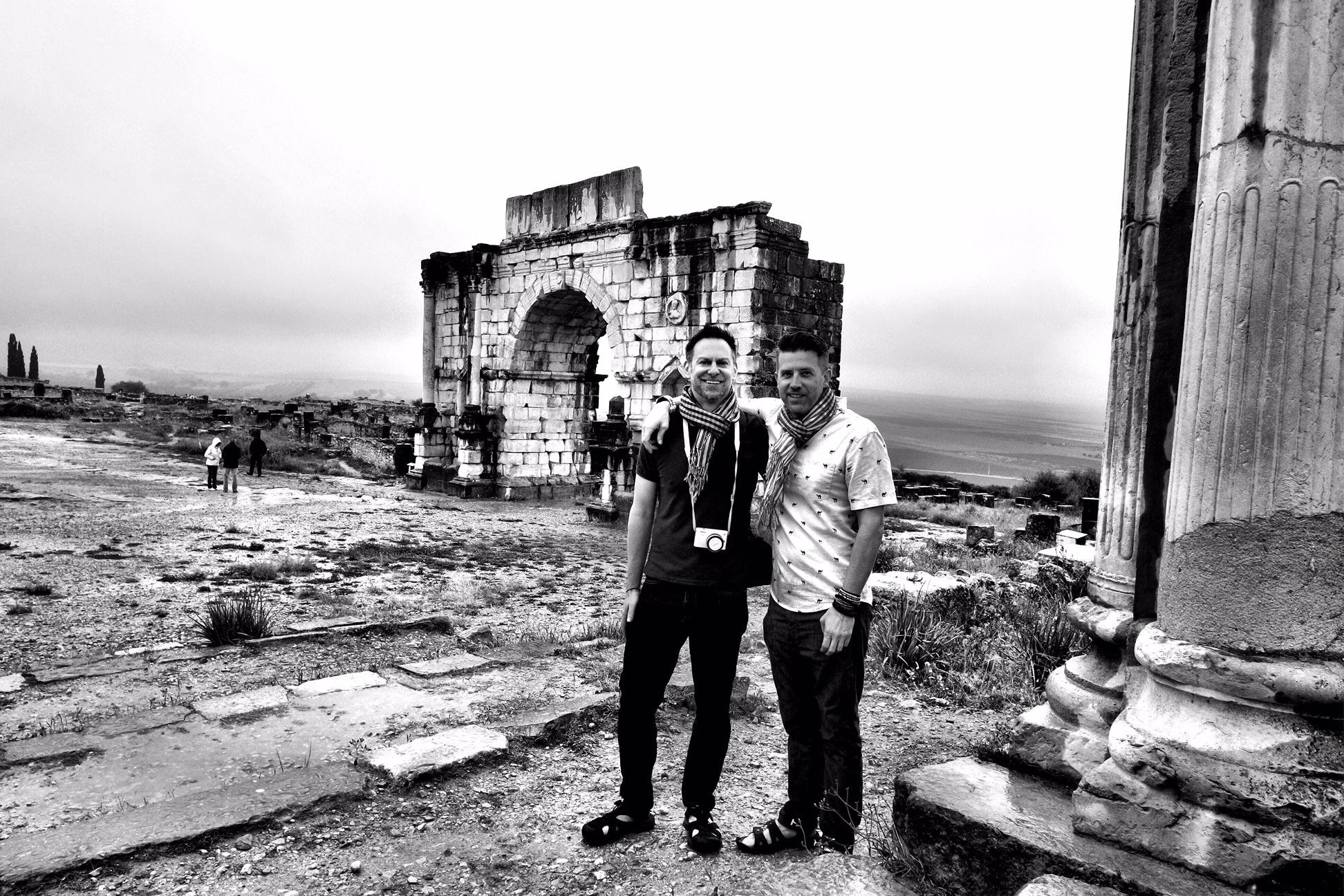
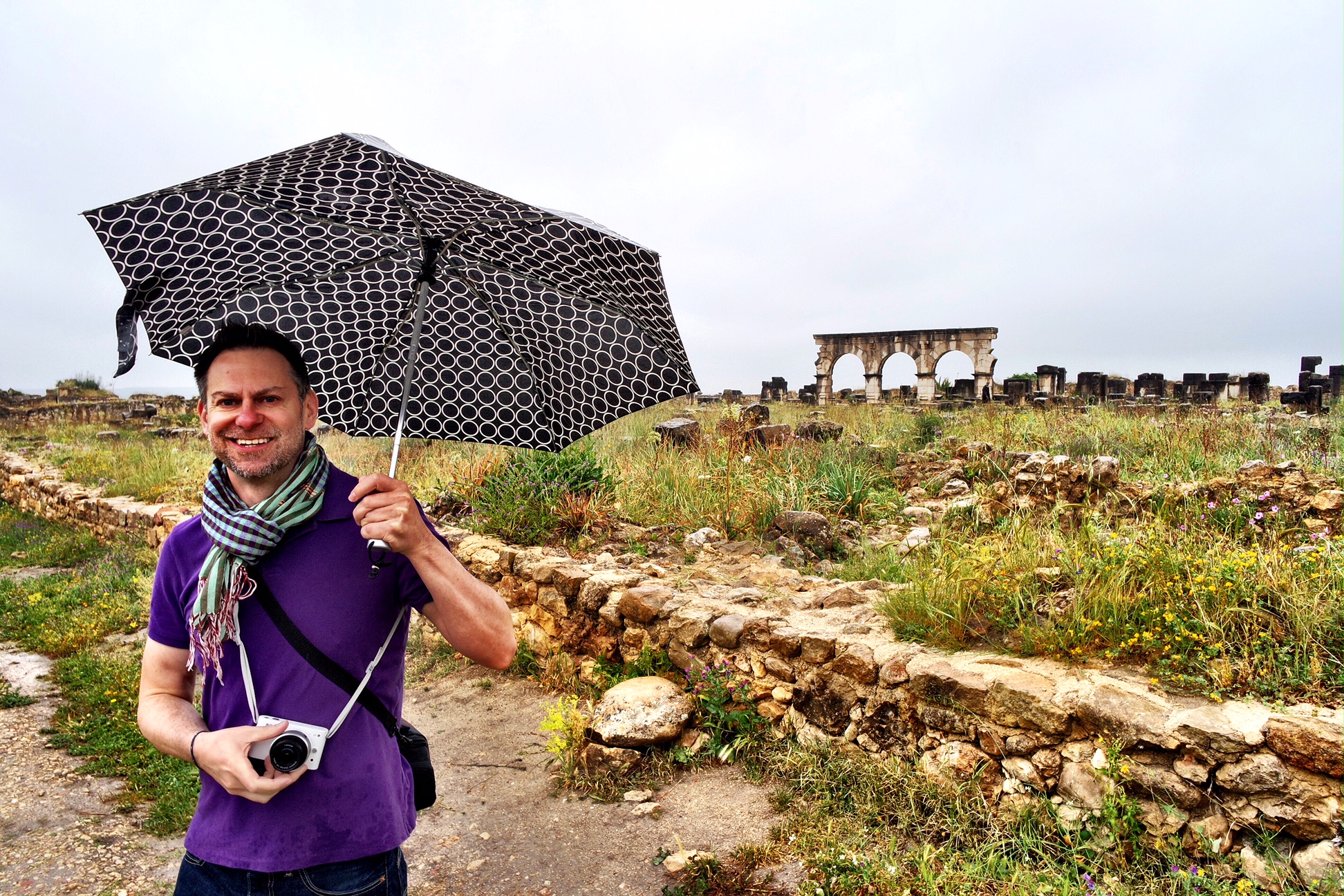
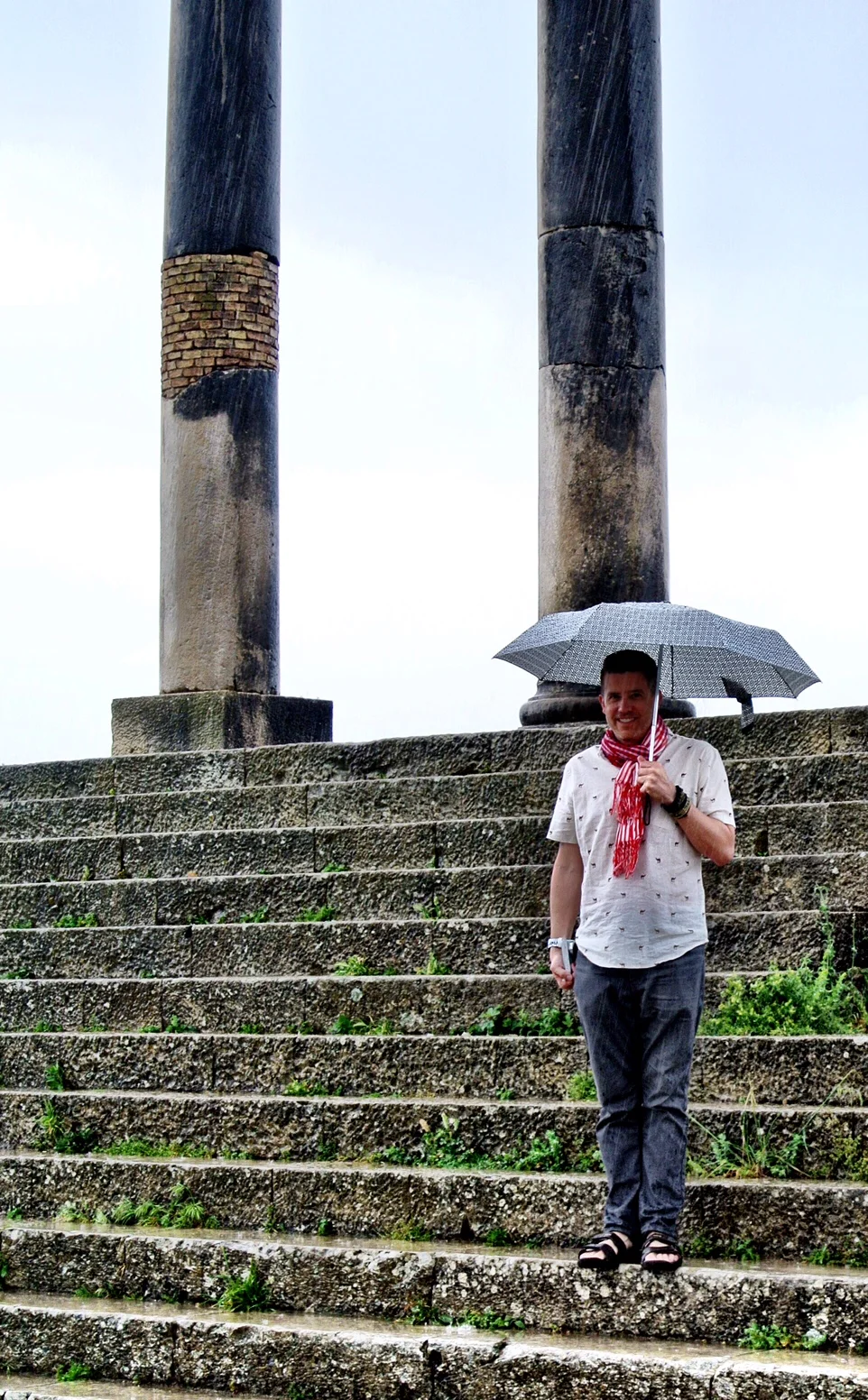
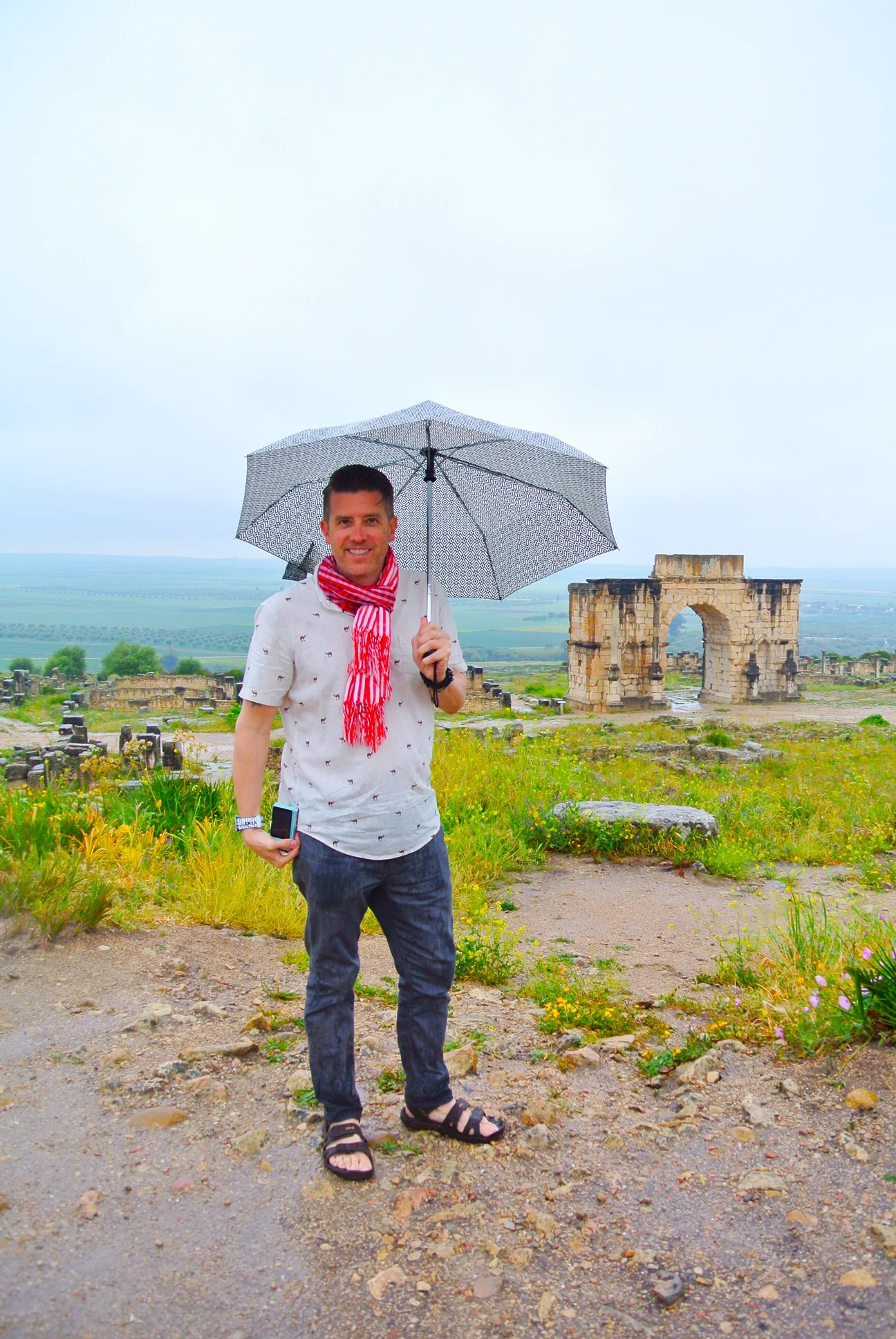
Duke and Wally didn't let a little rain get in the way of an enjoyable trip to Volubilis, Morocco.

We arranged a day trip to Volubilis and Meknès through our riad. A guide led us through the twists and turns of the narrow lanes, through an ornate gate and out into a square. Our driver for the day was a friendly young guy named Hafid.


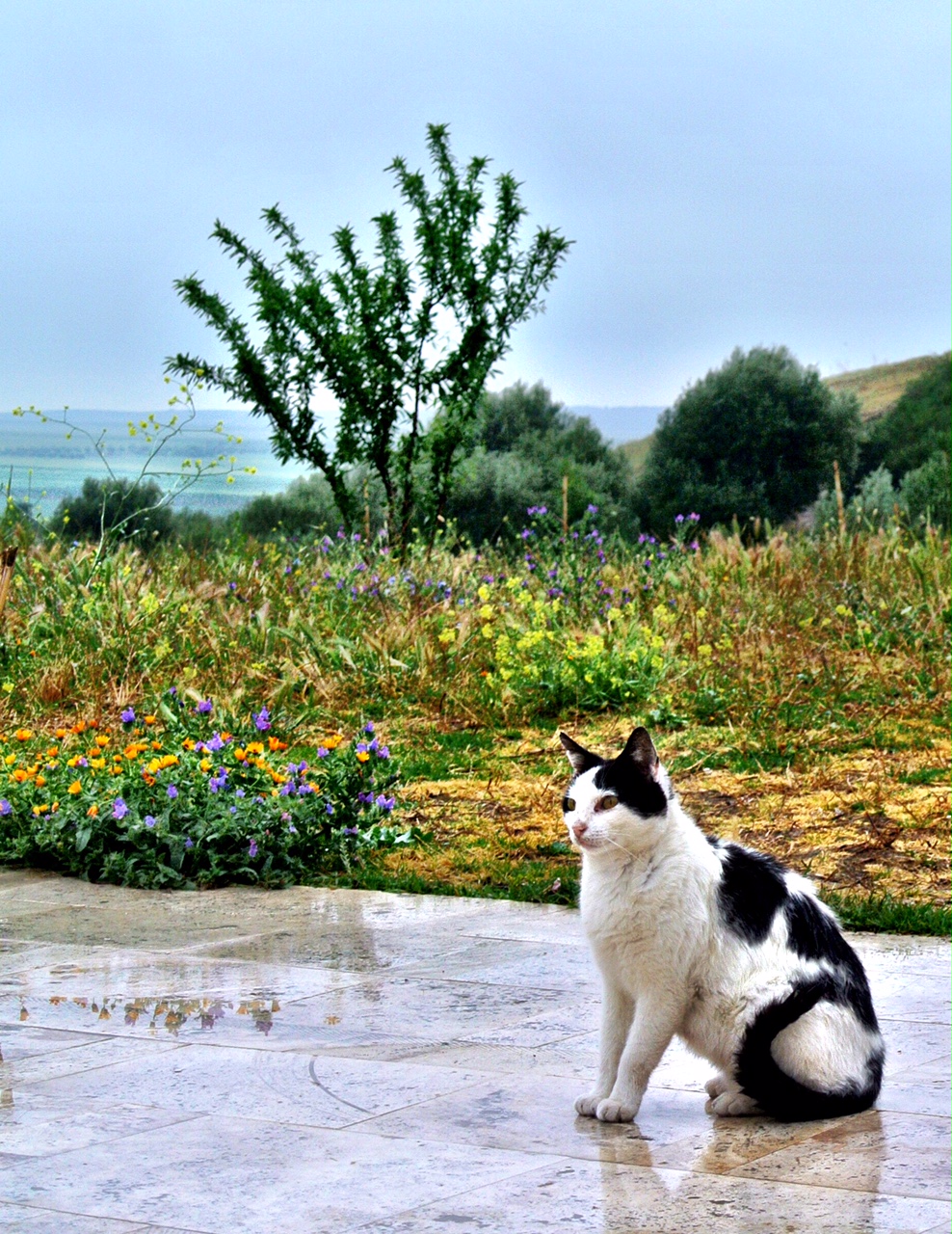
The drive wasn’t what we expected. I’m not sure what we thought the Moroccan countryside would look like but we were pleasantly surprised to pass through rolling green and golden hills dotted with green poofs of trees.

The view on the drive from Fès to Volubilis

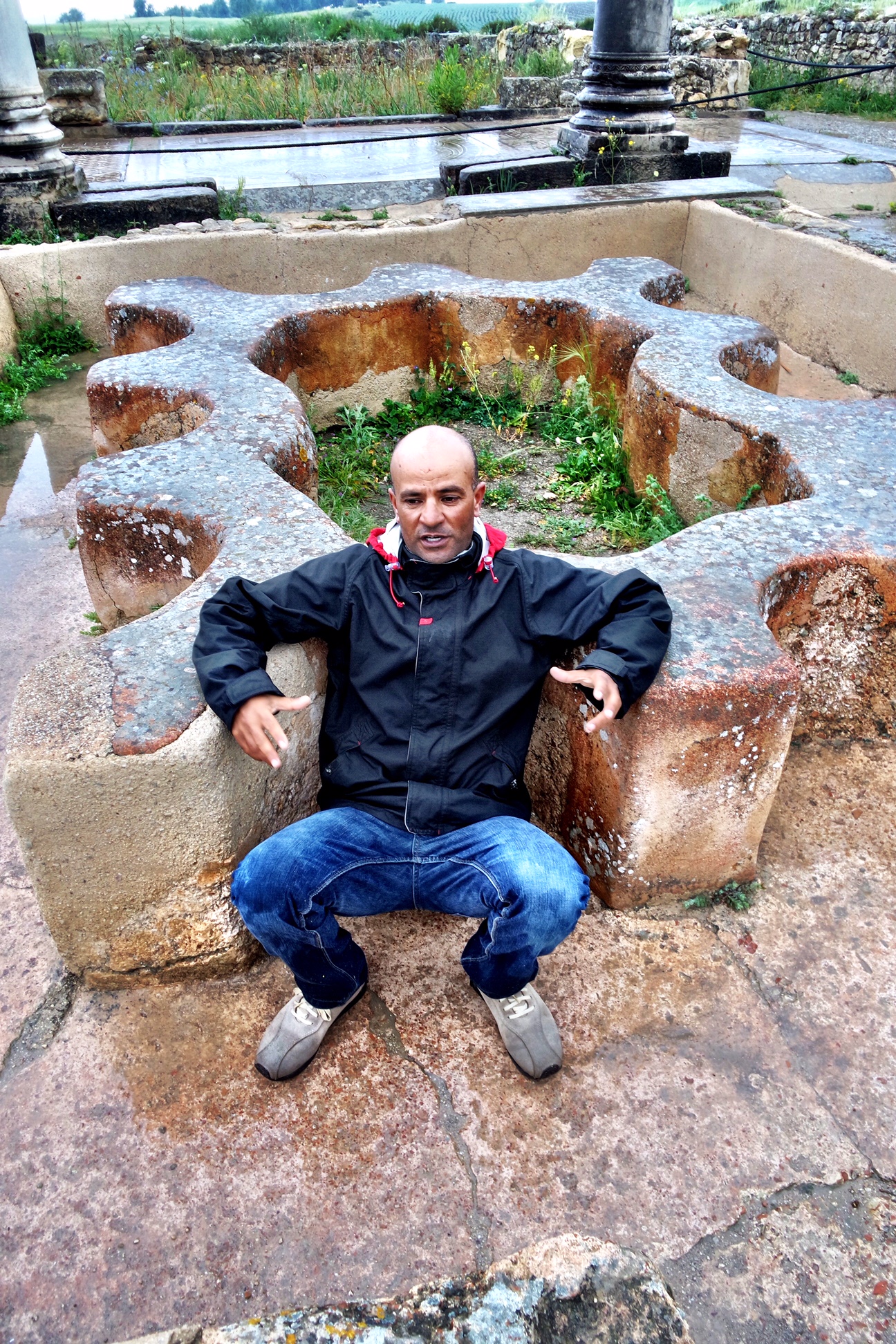
A half-hour or so later, we arrived at Volubilis. Hafid asked if we wanted a guide to the site and we decided we did. Boy, were we glad we made that choice. Our guide, Rashid (which I learned appropriately means “rightly guided”) was a complete comedian. He’d walk through the ruins, his hands in his pockets, the bright red hood up on his stylish black coat. Rashid, who was obviously very knowledgeable about the site, spoke in short sentences, everything layered with a dry wit. Like bullet bursts of naughty poetry.

If the dry-witted Rashid is around, we recommend requesting him as your guide.

“Carpe diem,” Rashid said. “Roman motto. Short lives. Lived life to fullest.”

We clamored over the damp grass to the remains of a nouveau riche home opposite the town baths. Rashid pointed to what was once a bathroom.

“Bulemics. Vomitoriums. Feather to tickle the throat. They vomit. Eat more.”

He pointed across the way. “Then happy ending. At brothel. Secret passage from hammam to brothel.”

We learned that the structures of Volubilis amazingly had heated floors and plumbing. Unfortunately, that plumbing was toxic.

“Romans all crazy,” Rashid said, his face a mask revealing no emotion. “Lead poisoning. Pipes.”

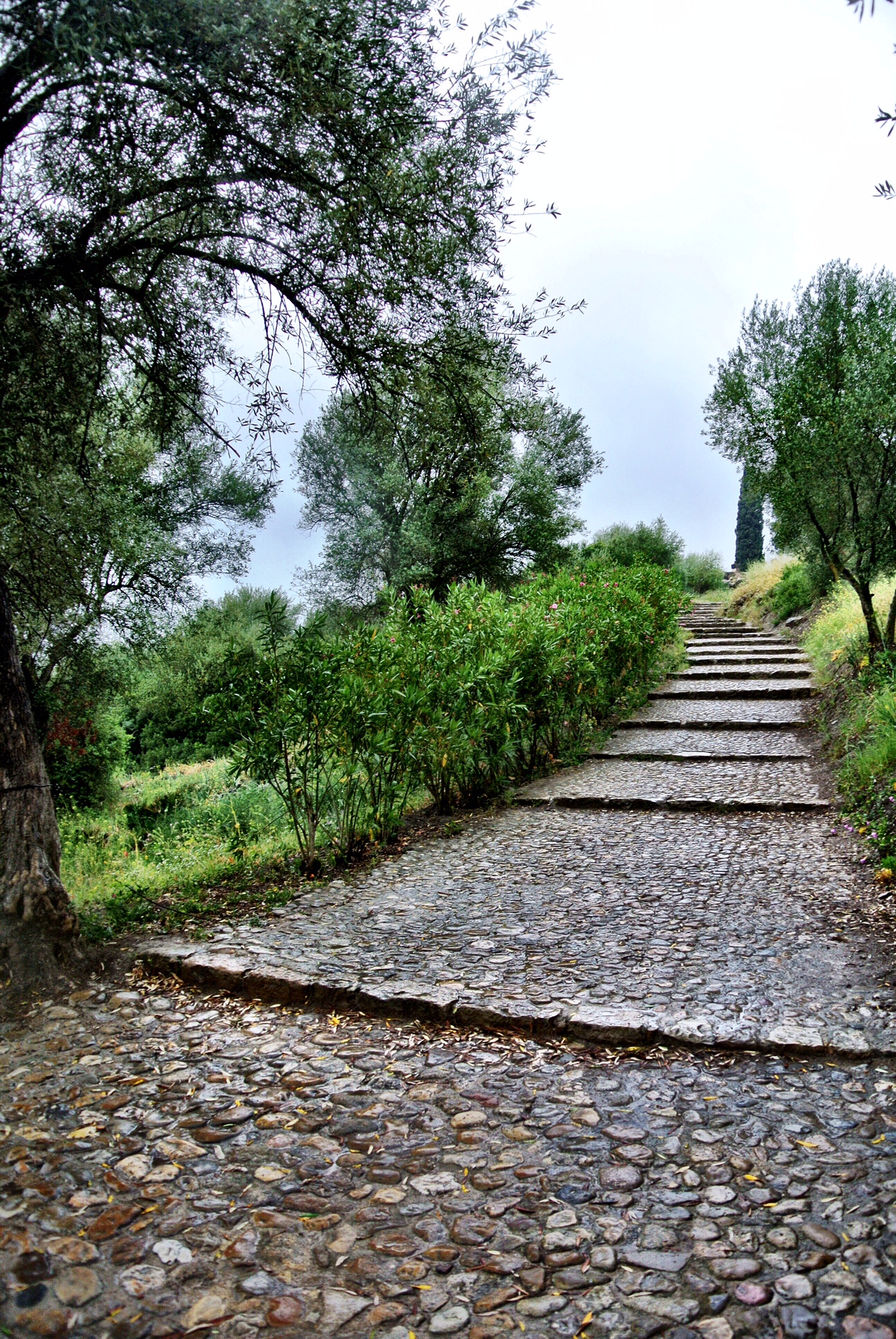
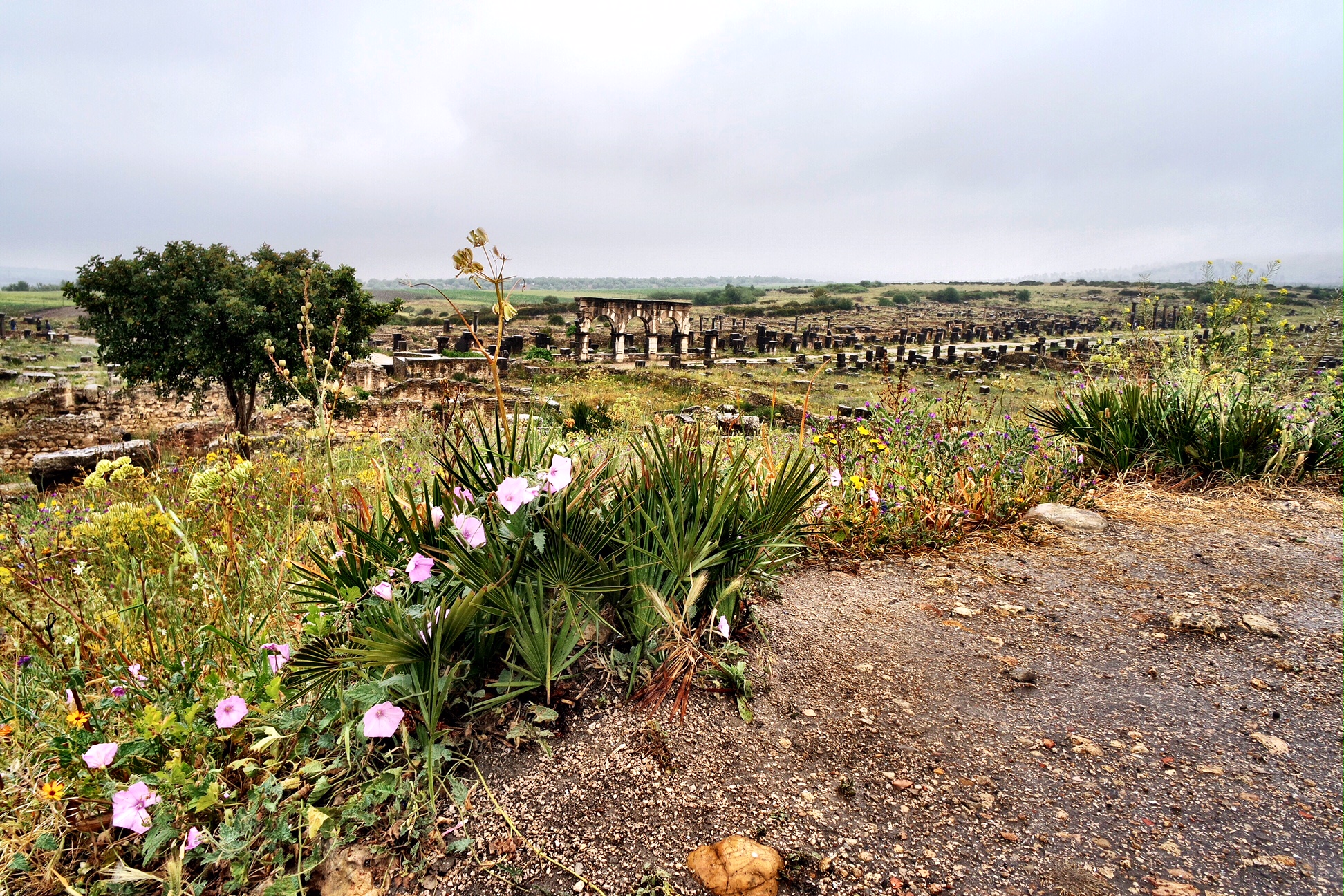
As we walked along a muddy path, Rashid pointed to wildflowers.

“Morning glory. Very pretty weed. We call it ‘mile-a-minute.’ Grows very fast. It’s what Volubilis means.”

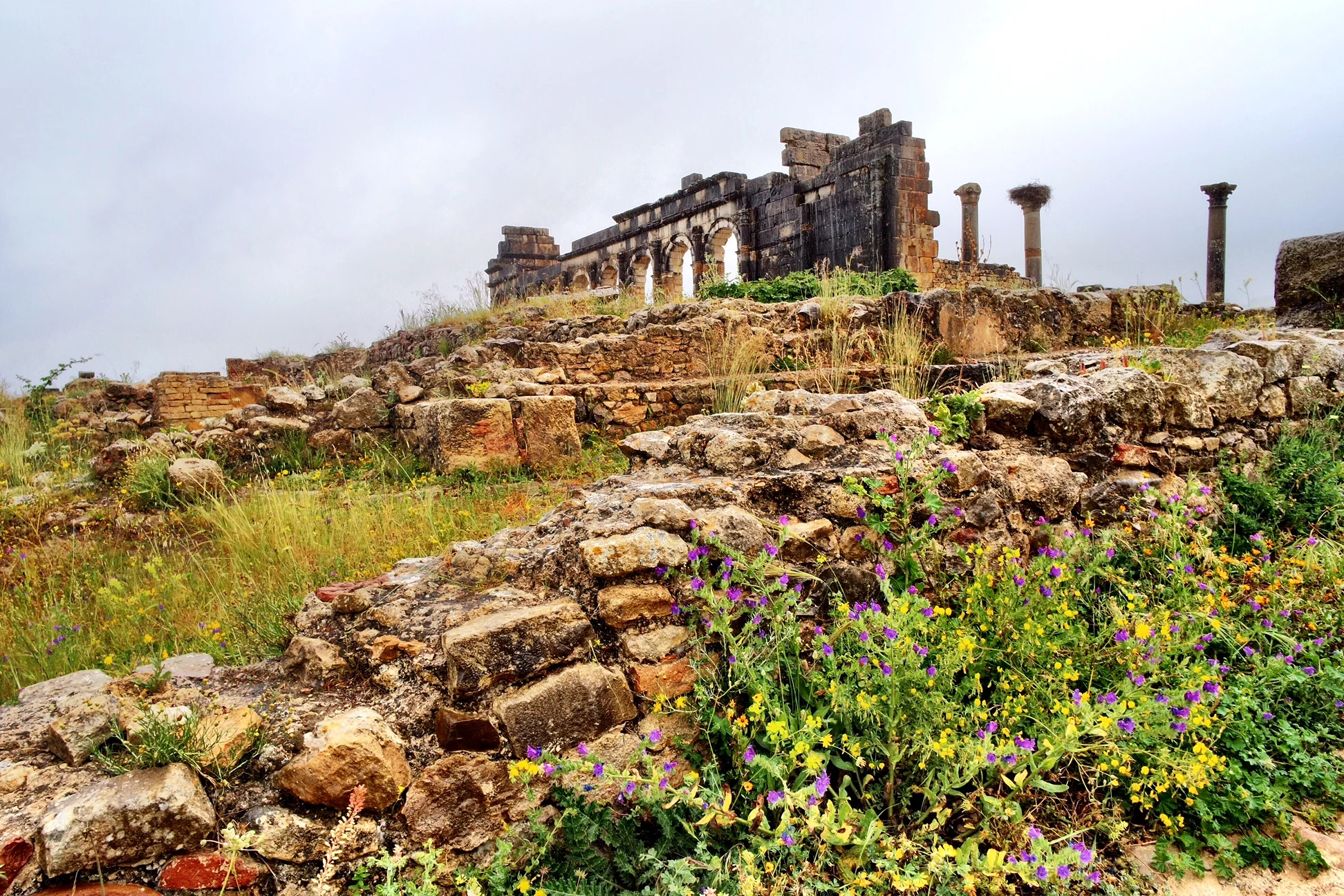
Flowers color the surrounding area, making a nice contrast to the stone ruins of this Roman town.

I didn’t know if I should believe everything Rashid told us. But I was also too entertained to worry too much about veracity. I’ve always been a huge proponent of Why let the truth get in the way of a perfectly good story?

Atop the crest of a small hill, we turned in a circle, surveying the landscape.

“Strategic location,” Rashid explained. “Water. Wheat. Olive. What more you need?” He put his head down and began descending the hill. We could barely hear him add, “Chocolate.”

Rashid was obviously very proud of this little-known historic site.

“Like Tuscany,” he said, his chest swelling ever so slightly. “Who would know this is Morocco? No one. If they do not come. Everyone should see Volubilis.”

The stork nests atop columns at the remains of the forum of Volubilis have become a tourist favorite.

The rain came down in spurts. Duke, trying to look on the bright side, pointed out that the site was probably a lot less crowded due to the inclement weather.

“We should pray to Apollo for the sun,” I said as we approached the forum, with its slender columns topped with stork nests.

“No,” Rashid said. “Jupiter was the god of the weather.” He pointed to a stone slab in the middle of a piazza. “You can make sacrifice. Goat or sheep.”

“We should have brought one,” I said.

Rashid commented, “Yes. Barbecue.”


Mosaic Masterpieces

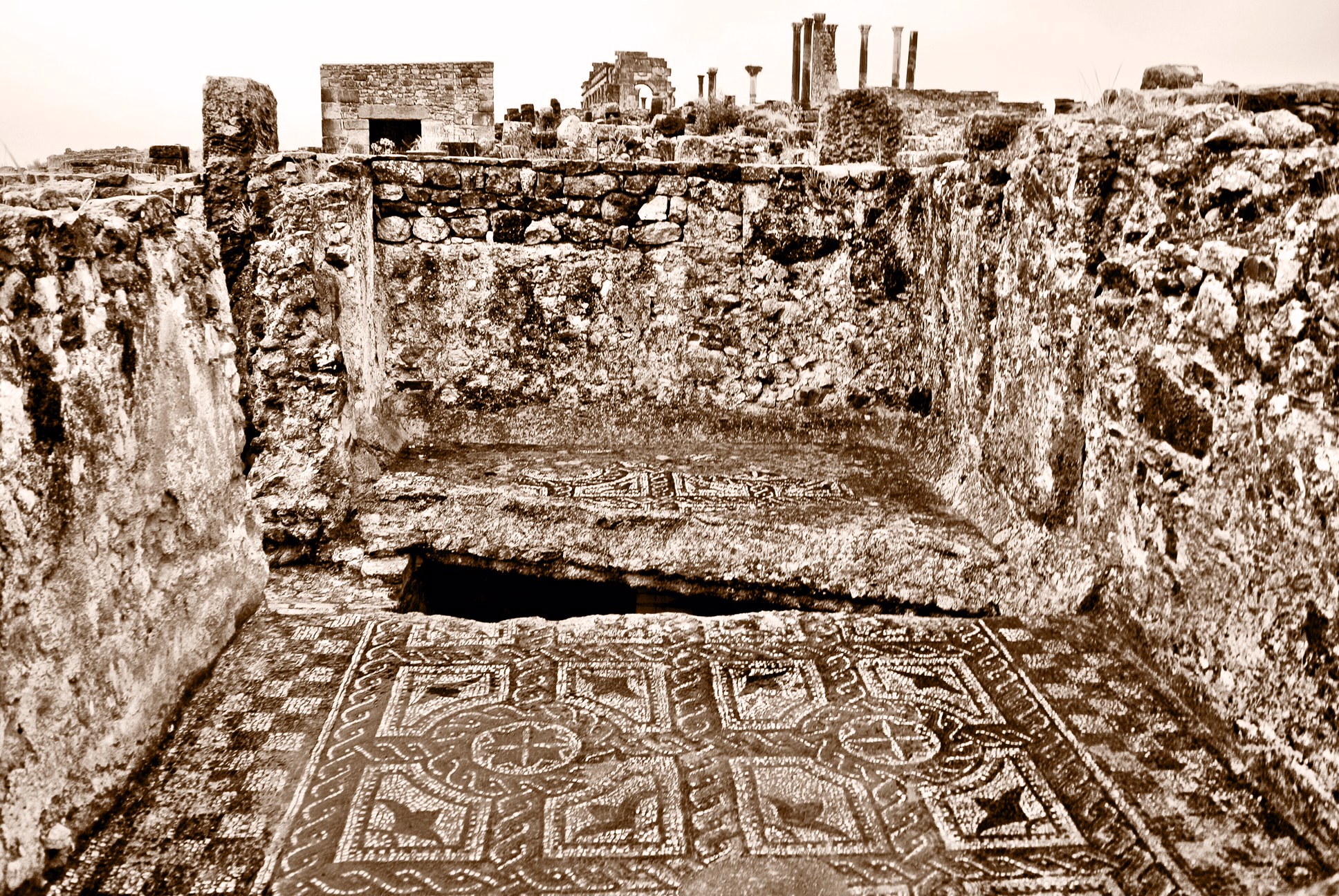
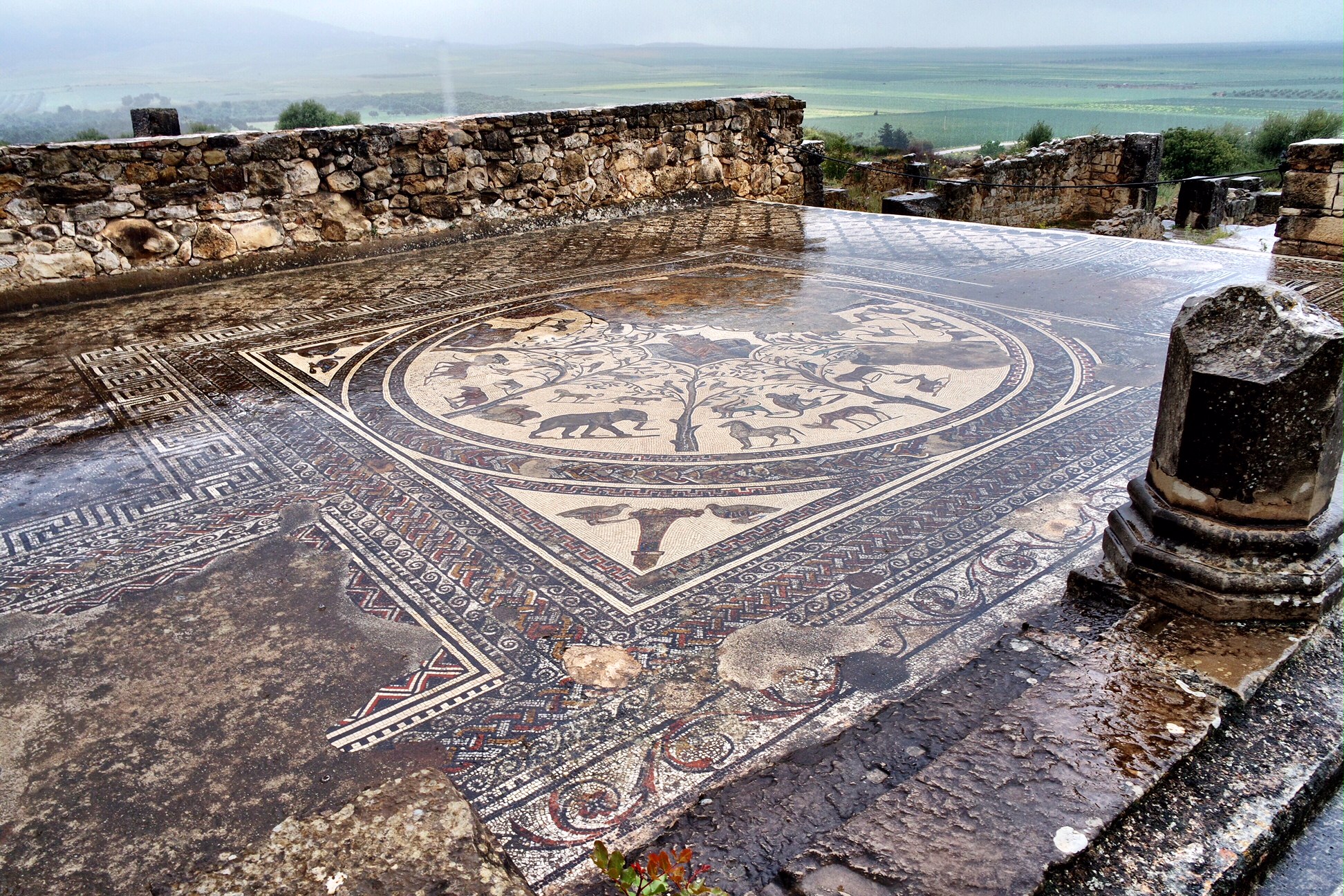
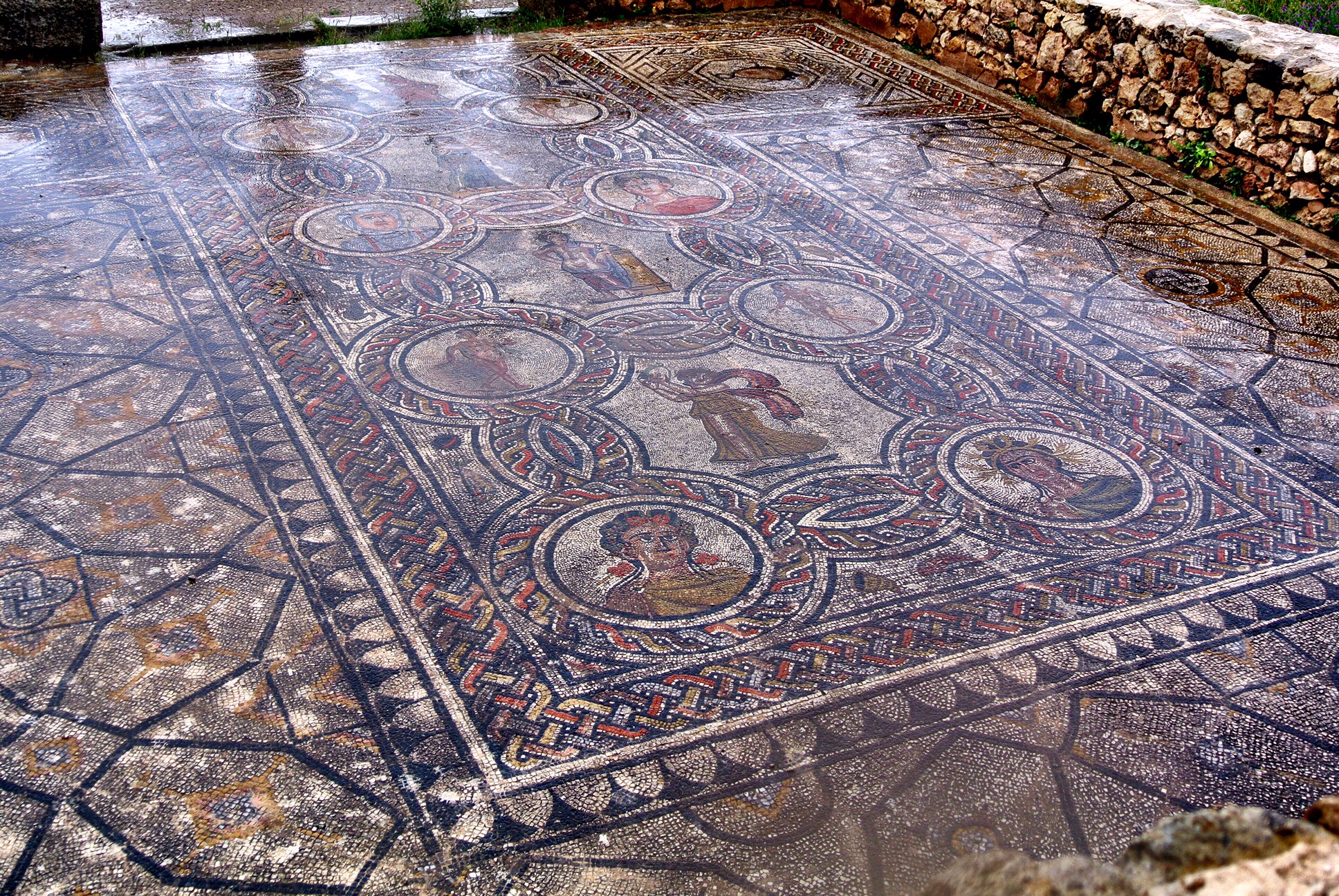
The site is most famous for its mosaics. These are remarkably well-preserved, especially those in the wealthier part of town, away from the hammam and the nouveau riche home. The rich didn’t need easy access to the public baths — they had their own.

Frankly, I’m astounded these mosaics haven’t been completely picked apart. They’ve been here in the middle of the countryside for centuries, with no security, nothing to stop pillagers. Imagine having a Roman ruin remaining relatively untouched for so long. I was giddy with excitement.

This mosaic of a guy who got on his horse backward is known as the Acrobat.

One of the mosaics features Diana, the goddess of the hunt, bathing. When the poor fellow Actaeon came upon her, and saw the goddess nude, she punished him by turning him into a stag. He was torn apart by his own hounds.

A mosaic of the goddess Diana bathing — before she catches a peeping Tom and devises a horrific fate for him

“Oh, deer!” Rashid said as he finished the story, and Duke and I burst out laughing.

Many of the mosaics of Volubilis are in surprisingly good shape.

After we had toured the mosaics, Rashid got a mischievous glint in his eye. “Come, come,” he said. “I saved the best for last.”

We hurried after him, wondering what he was up to. “You’ll see,” he said. “Best site in all of Volubilis.”

He stopped and turned around, blocking a rectangular stone. He almost cracked a smile as he moved to the side in a dramatic reveal.

There before our eyes was a carving of what was undeniably a huge penis.

Rashid explained that this marker designated the brothel. I of course couldn’t resist. I straddled the stone while Duke took a picture.

Wally clowns around with the phallic marker that designated the local whorehouse.

“Great photo,” Rashid said, utterly deadpan. “Can be your Christmas card.”

If he only knew that wasn’t so far-fetched. –Wally

Read more about the history of Volubilis here.