peru

Sacred Sips: Unusual Drinking Rituals Around the World

Travel the globe one drink at a time — from sake ceremonies in Japan to vodka toasts in Russia — and explore the sacred drinking rituals that reveal the heart of a culture.
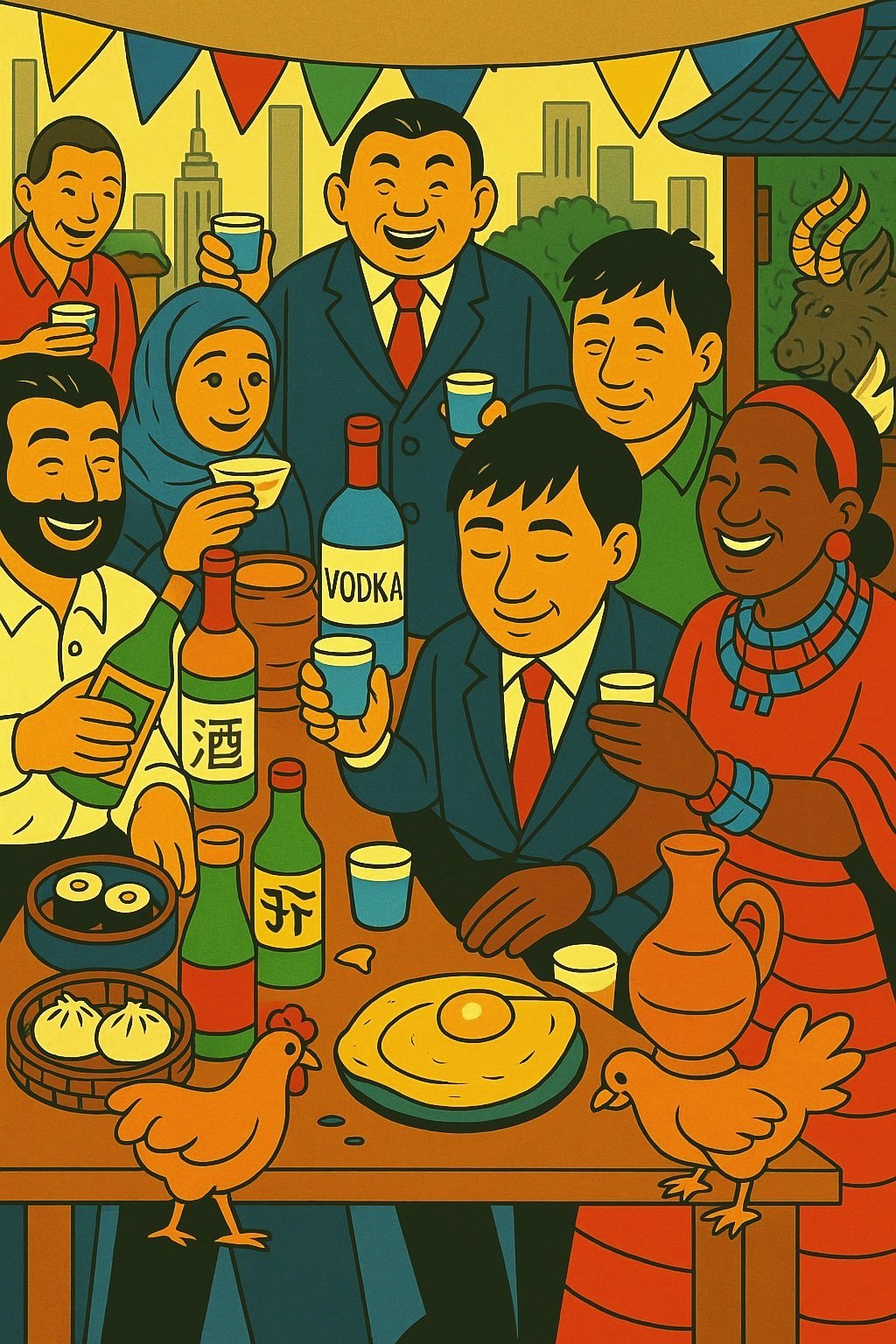
A group of people from around the world crowd around a table, holding traditional drinks from their countries

We’ve all had that moment: reclining on a sun-drenched patio, swirling a chilled drink, maybe a Malibu Bay Breeze, and thinking, Now this is living. But while your fruity cocktail might scream “vacation mode activated,” in many parts of the world, drinking goes far beyond recreation. It's ritual. It’s social glue. It’s ceremony, symbolism and, in some cases, sacred law.

Whether it’s the whisper of steam from a rice wine gourd in Bhutan or the thunderous clink of vodka glasses in Siberia, humanity’s connection to alcohol is as diverse as our languages and landscapes. So, if you're the kind of traveler who likes their libations with a dash of folklore, a twist of history, and a splash of anthropological intrigue, cheers to you. Let’s tour the world, one unusual drinking ritual at a time.
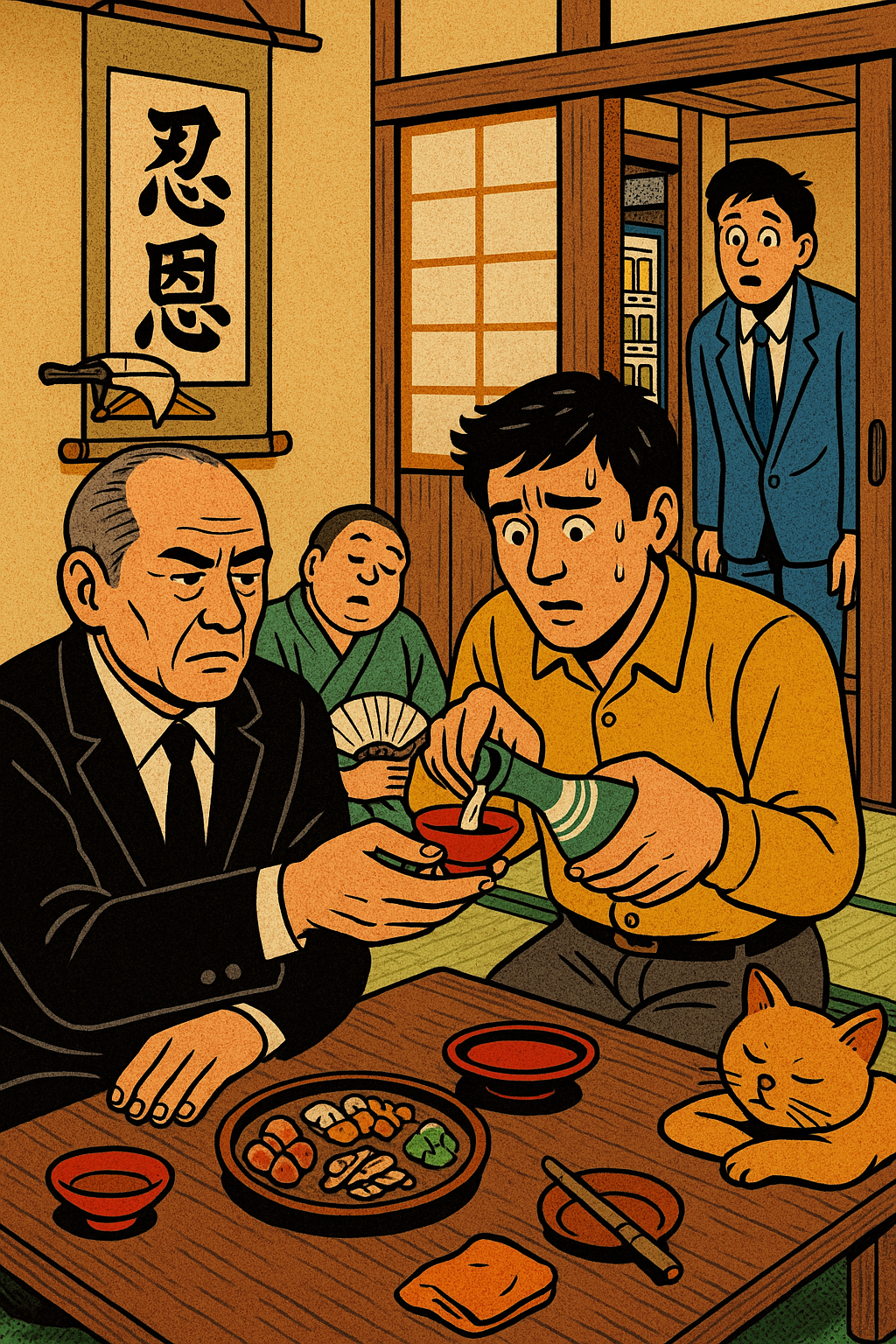
A younger man nervously pours sake for an older man in a suit at a Japanese teahouse, while a man sleeps in the corner and another enters, surprised

1. Japan’s Sakazuki Ceremony: The Art of Mutual Respect

In Japan, drinking isn't just about getting merry — it’s a ballet of etiquette and mutual reverence. Nowhere is this more evident than in the sakazuki ceremony, where two people exchange cups of sake to seal a bond. It can be between friends, business partners or during wedding rituals.

The process involves bowing, pouring for one another, and sipping from each other’s cups. If it sounds intimate, that’s because it is.

But beware: Hierarchy matters. If your boss pours for you, you’d better accept it with both hands and bow like your job depends on it — it just might.
RELATED: A Guide to Experiencing the Spectacular Koyo

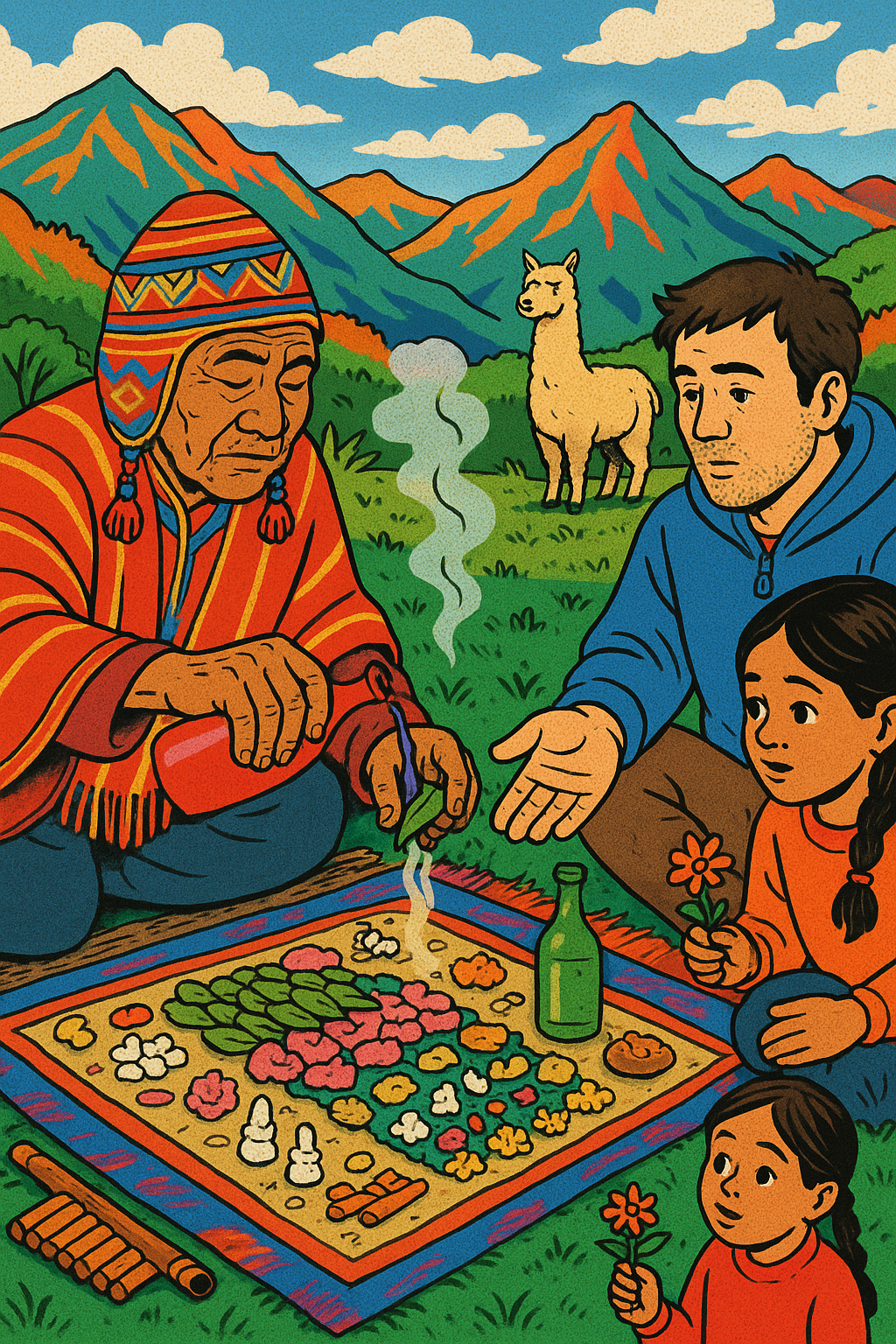
An older Andean man puts some chicha out for Pachamama, the earth goddess, over a spread of nibblies, while girls and a male traveler watch

2. Peru’s Pachamama Offering: A Sip for the Earth

Head into the highlands of Peru, and you’ll quickly learn that no drink enters your body without first blessing the earth. Before sipping chicha (a fermented corn beer), locals spill a few drops onto the ground. This is a symbolic offering to Pachamama, the Andean earth goddess.

This practice isn’t just reserved for locals, though; travelers who show respect are invited to share in the ritual. Just remember: Spill before you sip. Otherwise, you may offend a deity — and your host.

This reverence for nature in drinking rituals speaks to a deeper connection between land, spirituality and celebration. It’s not about intoxication. It’s about inclusion.

RELATED: The Pishtaco of Peru
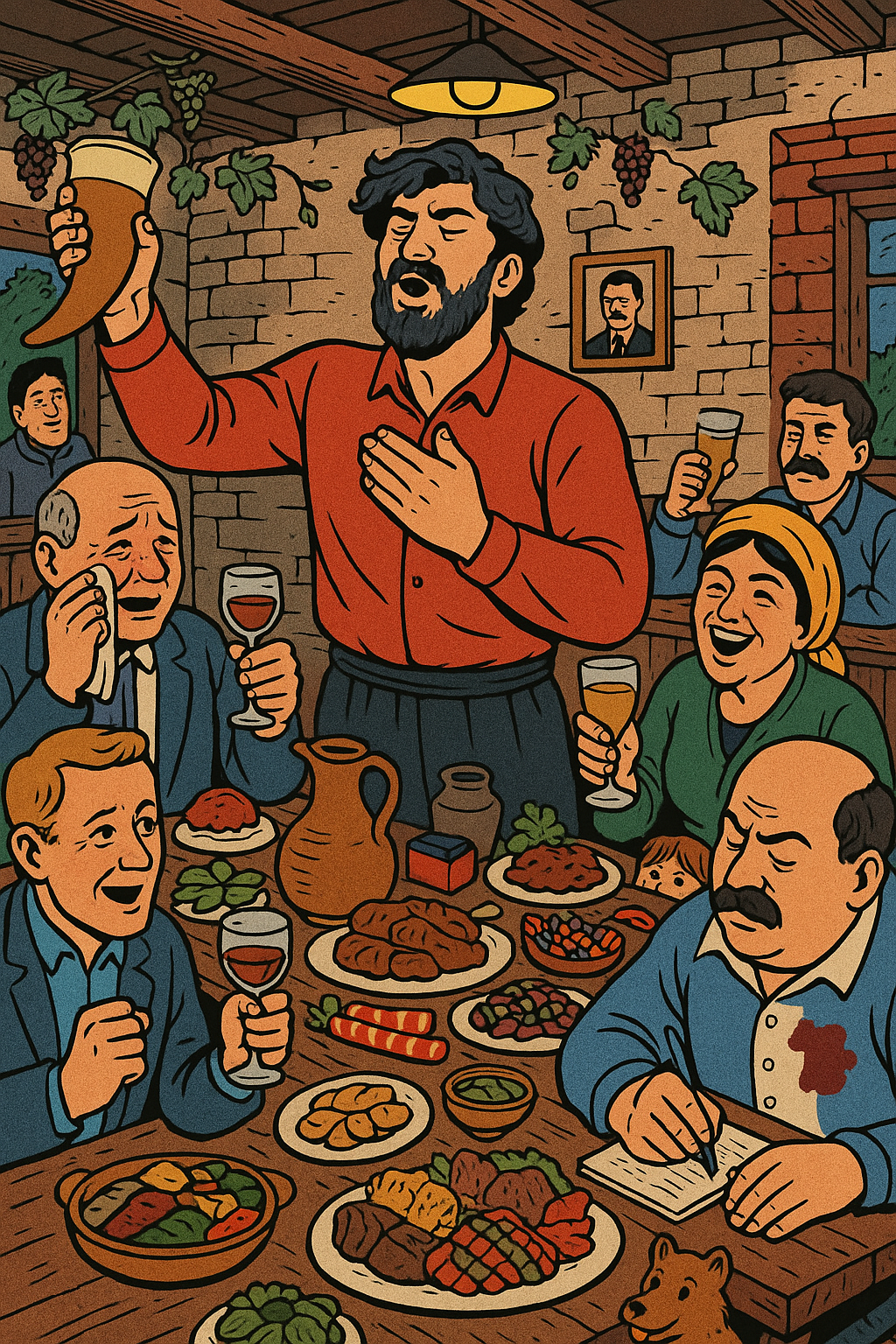
A bearded man stands, holding up a drinking horn, giving a toast, while people around him react

3. Georgia’s Supra: Toasting as a Competitive Art Form

No one toasts like the Georgians. And I mean no one. At a Georgian supra (a traditional feast), the tamada — a sort of designated toastmaster — leads an elaborate series of poetic, philosophical and sometimes comedic toasts that can go on for hours.

Each toast is met with wine horns raised and glasses drained. Guests are expected to participate, and interruptions are frowned upon. This is a structured, sacred ritual of storytelling, memory and reverence, made glorious with amber-toned Georgian wines.

There’s even a formal etiquette to how you hold your glass and how you respond to a particularly moving toast. Think TED Talk meets tavern.
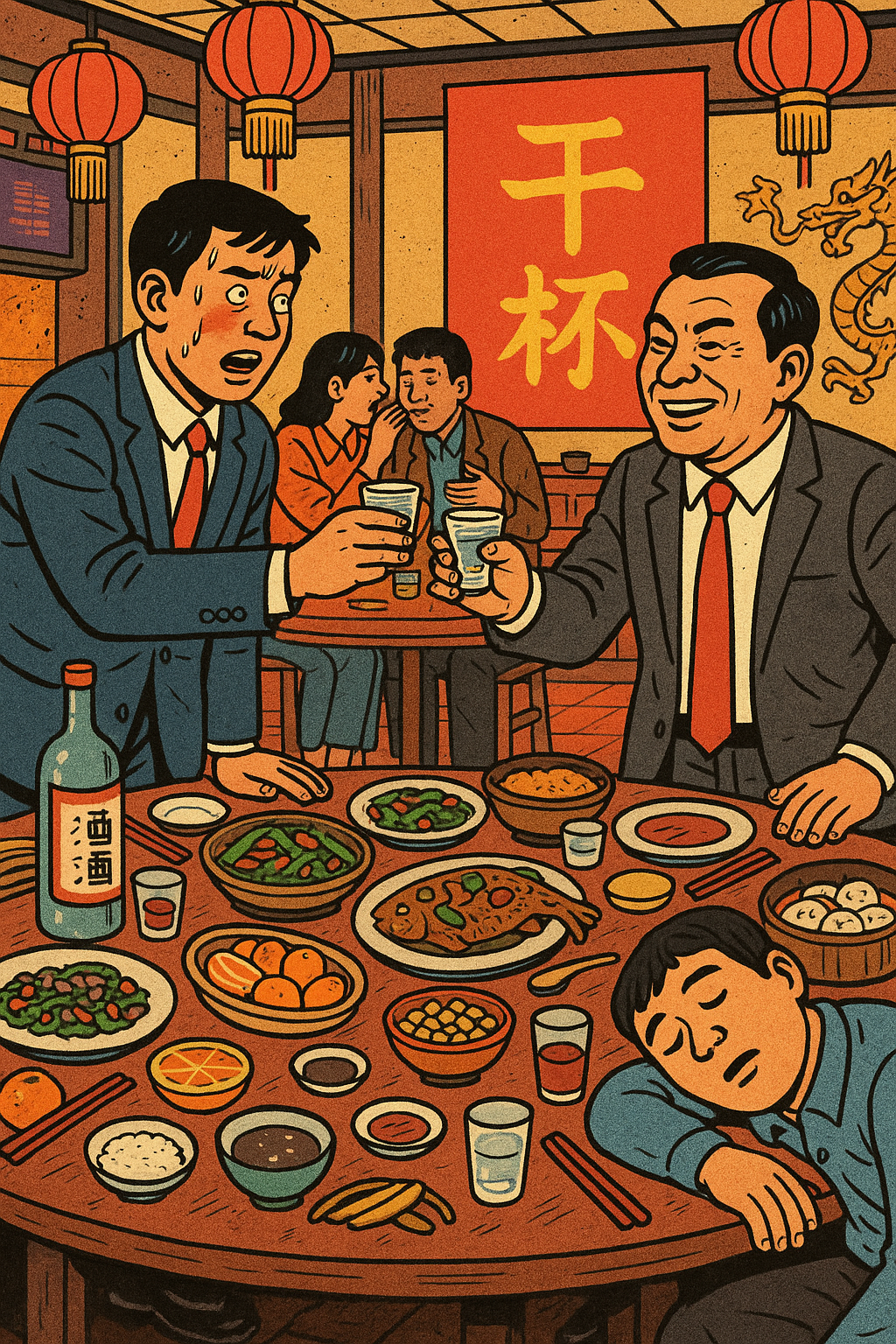
A middle-aged man toasts a nervous, drunken man at a Chinese ganbei ceremony by a table laden with food and a passed-out man, while couple whispers at another table

4. China’s Ganbei: Bottoms Up…or Else

In China, saying “Ganbei!” (干杯) is more than a simple “cheers.” It means “dry cup” — a declaration that you’ll finish your drink in one go. And they mean it.

Refusing a ganbei in a business setting is akin to rejecting a handshake. It’s a test of trust and camaraderie. This ritual can turn business dinners into something closer to drinking marathons, especially when baijiu — China’s fiery sorghum liquor — is involved.

Refusing to finish may offend. Finishing too quickly will win you another round. Good luck.
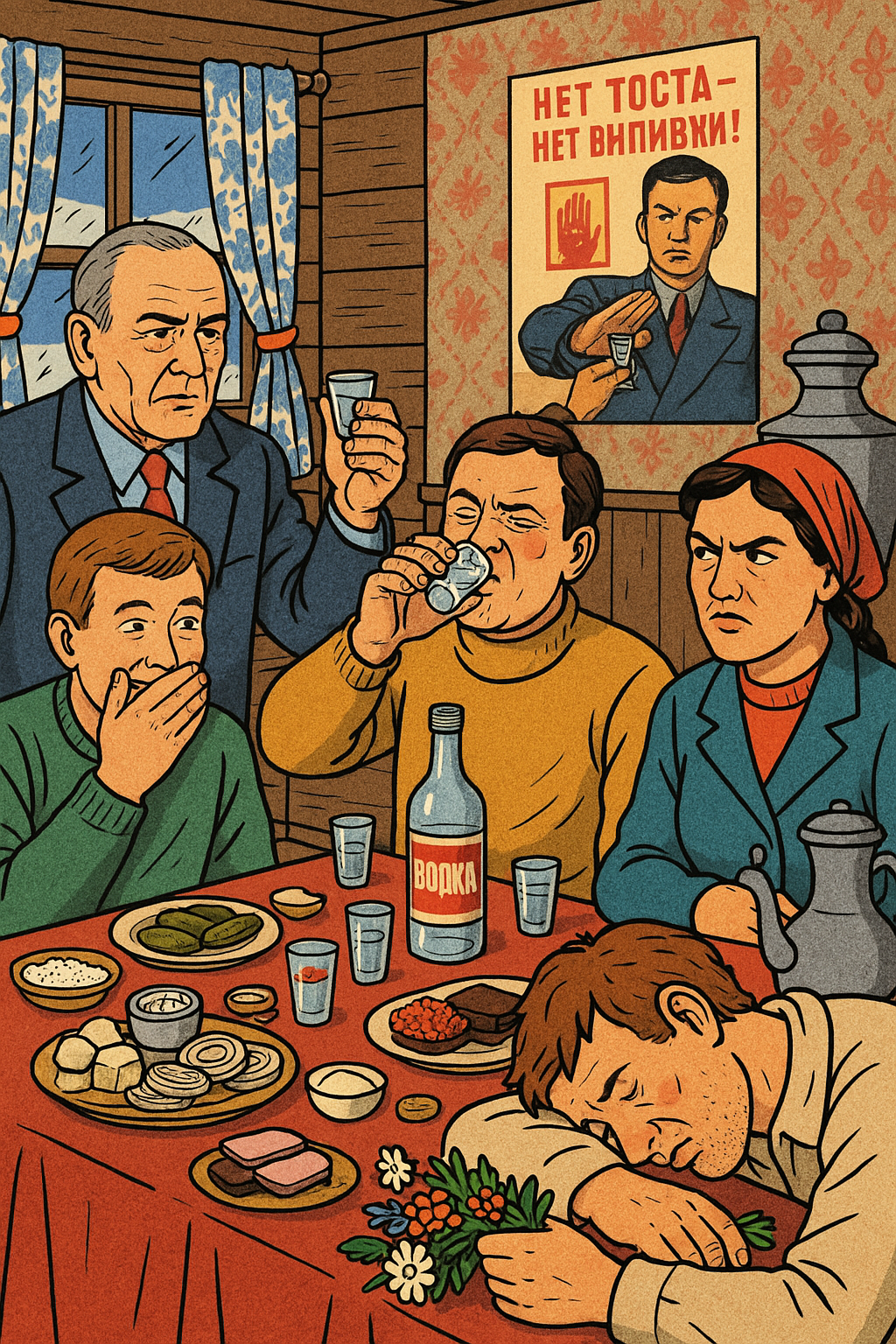
People sit at a table in Russia, drinking vodka, with one man laughing, another passed out and a woman scowling

5. Russia’s Vodka Etiquette: Drink First, Talk Later

If you think you know how to handle your liquor, try keeping up at a Russian celebration. Vodka in Russia is a no-nonsense affair governed by strict cultural codes.

Rule one: Toasts come first. Talking, eating, or even breathing too soon after someone raises a toast is considered rude.

Rule two: Never sip. Vodka is taken as a shot, straight. 

Rule three: Don’t refuse a round unless you’re ill or driving — and even then, prepare to explain yourself.

The act of drinking vodka in a group is deeply tied to expressions of hospitality and trust. It’s about showing heart (“dusha”), courage and belonging.
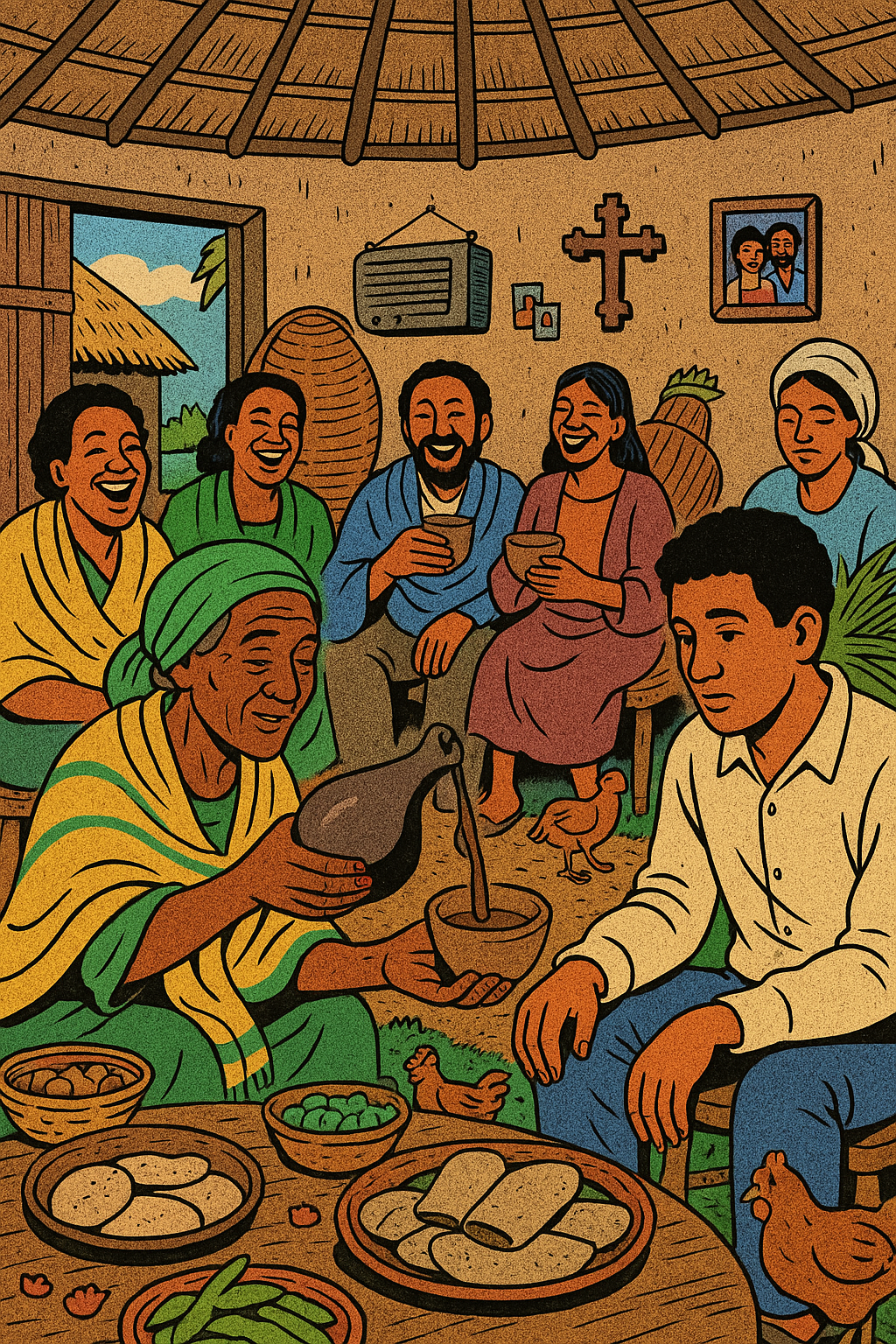
A group of people in an Ethiopian home pour tela by a table with food

6. Ethiopia’s Tela Ceremony: Fermentation Meets Friendship

In Ethiopia, drinking tela, a traditional homemade beer brewed from barley or maize, is a community affair.

Usually made by women and served in small neighborhood gatherings, tela is a ritual of hospitality and kinship. Guests may sit in a circle, drinking from shared containers and swapping stories under woven thatch roofs.

The brewing process itself is communal, passed down through generations, with recipes varying by region and family. Every sip is a testament to shared heritage.
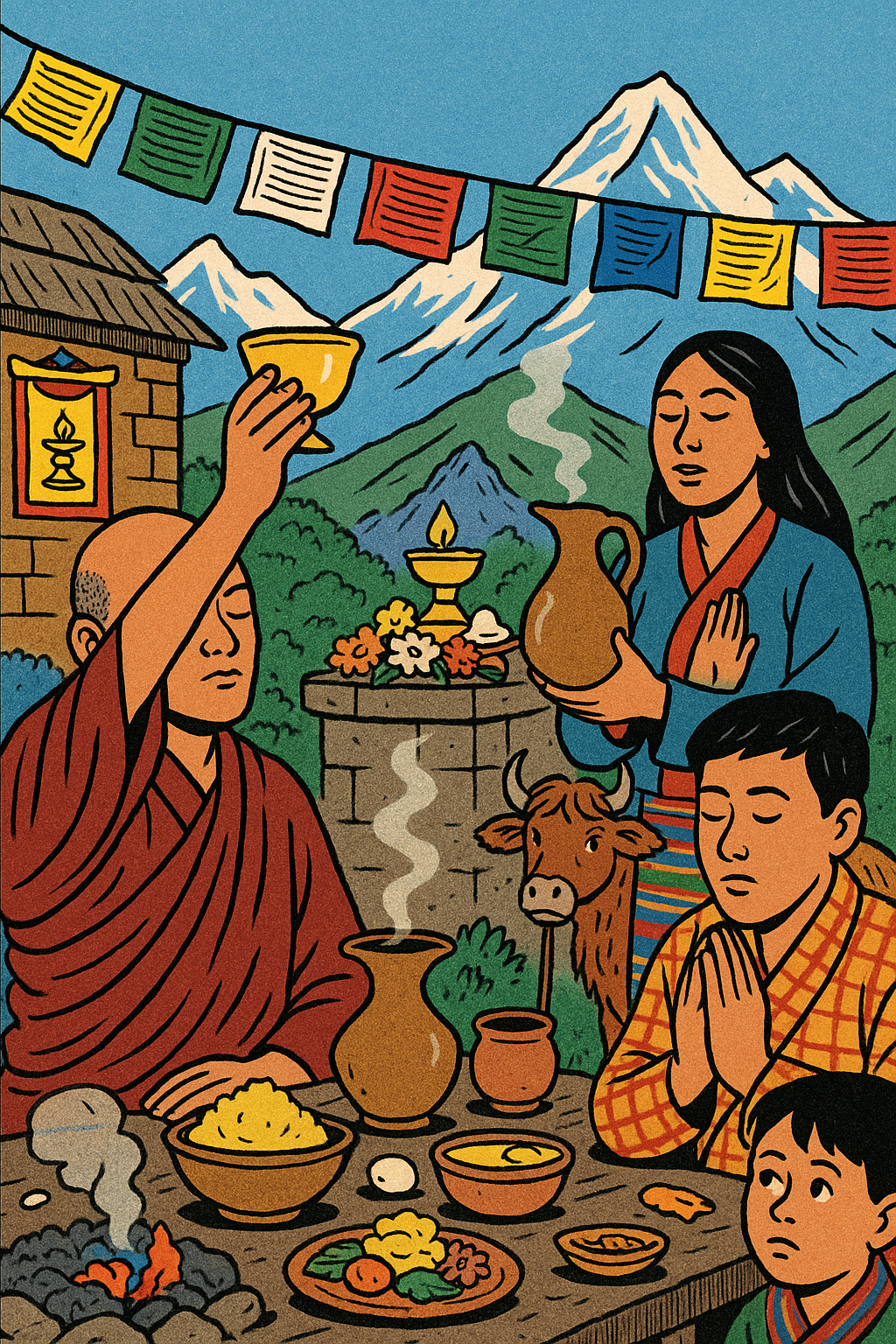
A monk in Bhutan holds up a vessel with ara, while a man prays, a woman holds a pitcher, and a boy and yak look on

7. Bhutan’s Ara Offering: Drink With the Divine

Bhutan isn’t the first place people think of when they imagine booze, but the Himalayan kingdom has its own take: ara, a rice-based liquor made in homes across the country.

When consumed, it’s often part of a lohso ritual: a prayer for peace, prosperity and warding off misfortune. The ara is sometimes mixed with butter and eggs (yes, really), and offered first to deities or the local lama.

While public consumption of ara is discouraged under Bhutanese law, its role in spiritual and community rituals remains deeply ingrained in local life.

RELATED: Bhutan and More of the World’s Most Underrated Adventure Travel Destinations
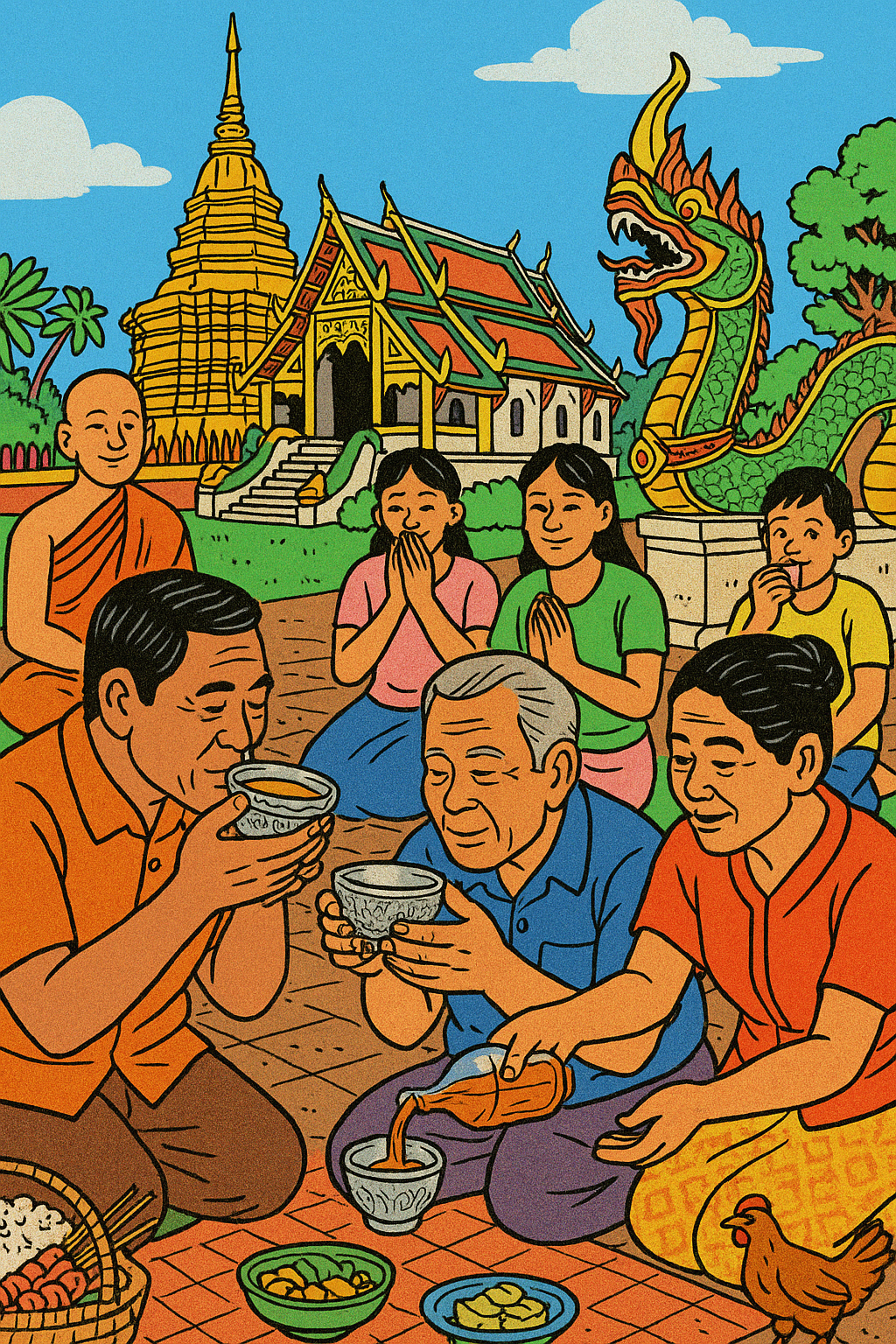
In front of a Thai temple and naga, people drink from silver bowls, while others, including a monk, watch

8. Thailand’s Communal Cups: Sharing in Celebration

At Thai ceremonies, including weddings and Buddhist merit-making rituals, alcohol often plays a social — not sacred — role. However, what stands out is the tradition of communal drinking from shared cups or small silver bowls (khan) at village gatherings.

This ritual fosters connection, trust and a sense of equality. Everyone shares from the same source, rich or poor, old or young.

Interestingly, some of these rituals are fading in urban centers but remain alive in rural areas, preserved by locals who see drinking as part of a holistic spiritual and social life.
RELATED: What’s the Best Chiang Mai Street Food?

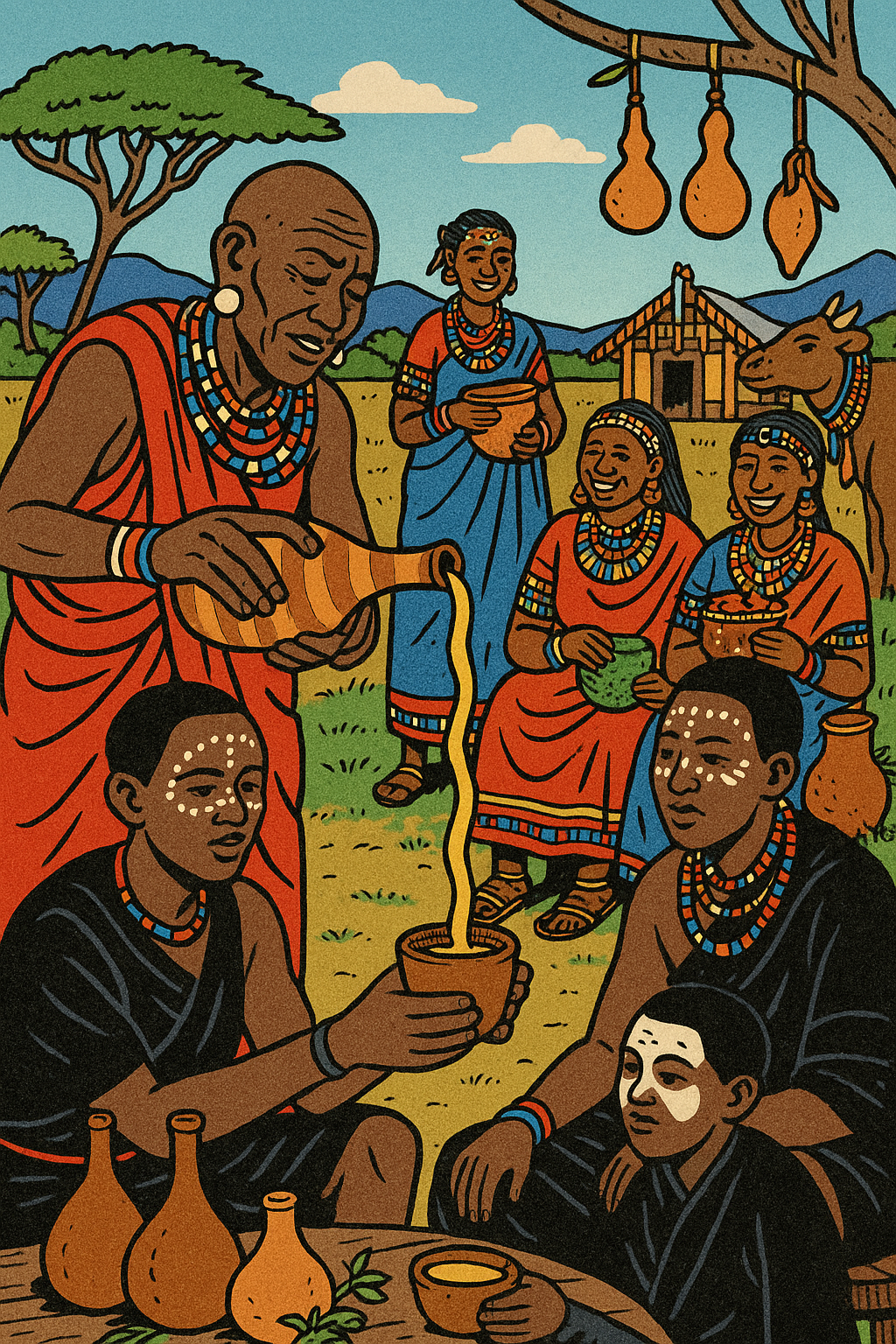
A Maasai man pours honey wine for young men with white face paint during a coming-of-age ceremony in Kenya, while women smile and watch

9. The Maasai’s Honey Wine: From Rite to Rite

In Kenya and Tanzania, the Maasai people brew a traditional honey wine that features prominently in ceremonies such as weddings, age-group initiations and spiritual blessings.

Drinking together symbolizes unity and is believed to strengthen bonds between clans. The brew itself — fermented over days — is thick, sweet and often served in gourds.

While it’s not exported or available commercially, it remains an important cultural practice among the Maasai — one that links heritage, land and rite of passage.

Drinking as Cultural Mirror

Across continents, drinks are more than refreshments; they’re vessels of meaning. They tell stories. They set boundaries. They open doors.

Alcohol has long been used to unite communities, mark transitions, and strengthen social structures—an insight that’s as true today in Peruvian villages as it is in downtown Tokyo.

And this is why the next time you're sipping that refreshing cocktail under a lazy sun, you might reflect on how drinks connect us — not just across tables, but across centuries and civilizations.
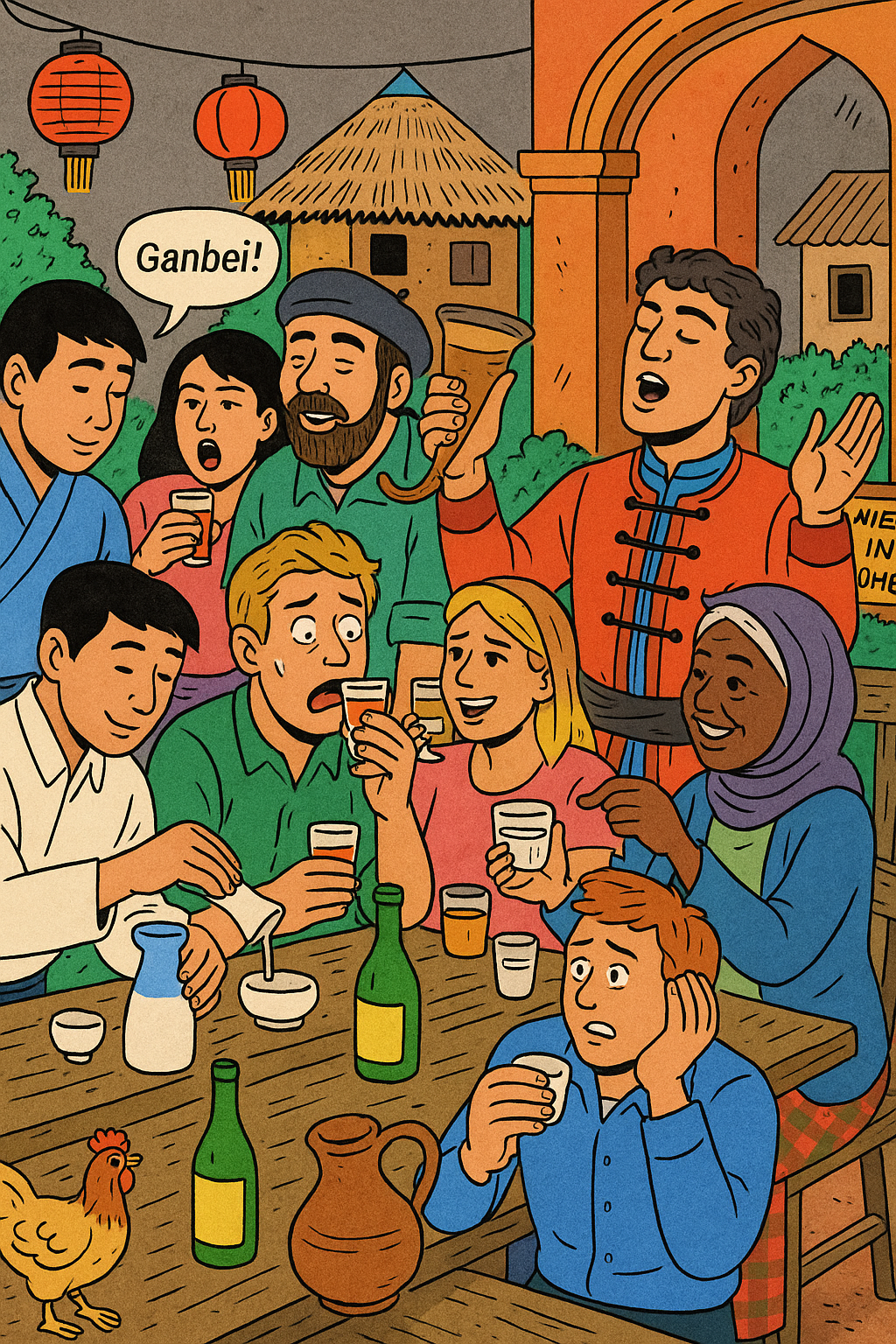
People from around the world try to follow drinking etiquette

Tips for the Culturally Curious Sipper

If you’re planning to engage in local drinking customs during your travels, here are a few do’s and don’ts:

  • DO research ahead: Some rituals have sacred meaning, and missteps can be disrespectful.

  • DON’T chug everything: Unless the culture dictates it (hello, China), pacing is usually fine.

  • DO accept if offered: In many cultures, declining a drink can signal rejection of hospitality.

  • DON’T assume Western norms apply: One person’s toast is another’s offense.

  • DO participate wholeheartedly: The ritual is often more important than the drink itself.

So, here’s to the world’s drinkers — not the binge crowd, but the ceremonial sippers, the storytellers, the sacred pourers. To the women brewing tela in Ethiopia, to the Andean farmers offering chicha to the gods, to the Japanese executives bowing over crystal sake cups.

And to you, fellow traveler, who now understands that sometimes, a drink is just a drink… but sometimes, it’s the soul of a people poured into a glass.

Cheers—or as they say in Georgia, “Gaumarjos!” –Ivana Babic

RELATED: Bizarre Foods Around the World

How to Plan Your Dream Amazon Adventure

Want to explore the largest rainforest on Earth? Should you head to Brazil, Peru or Colombia? Here are 5 tips to make your Amazon trip unforgettable.

A woman in a kayak looks through binoculars at the wildlife of the Amazon

One of the most memorable projects I ever worked on in school was about the Amazon. I remember it vividly: poring over pictures of sloths, parrots and winding rivers, reading about thick-canopied forests teeming with life and secrets. Since then, I’ve kept a close eye on what’s happening in South America and, when possible, have ventured to far-flung, wild places. But the Amazon — well, that’s still in a league of its own. And planning a trip there takes a bit of strategy. 

Few places on Earth compare to the Amazon — and with the right planning, you’ll be ready to discover it in all its intensity and wonder.
Two handsome tattooed men take a selfie on a canopy bridge in the Amazon


Here’s what you need to know to make the most of an adventure that, if done right, will feel like stepping into a whole new world.

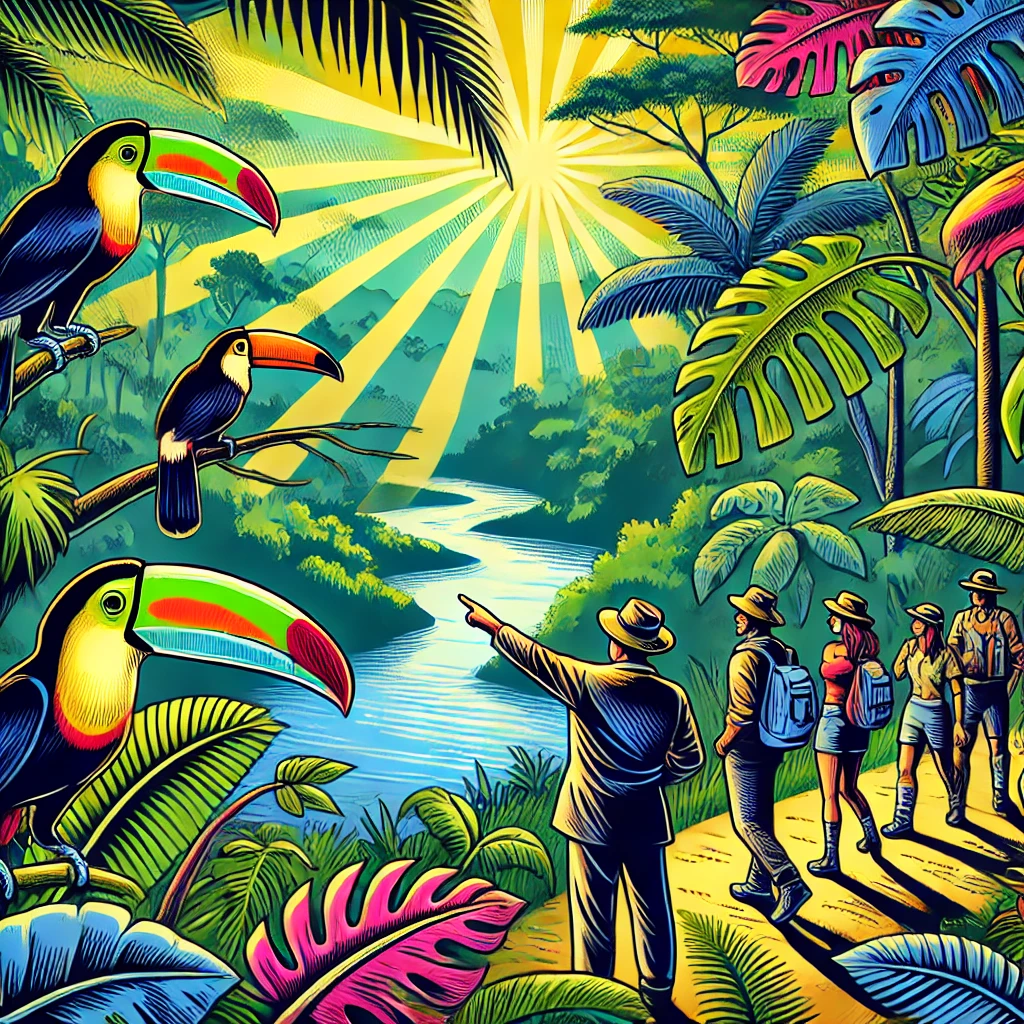
A guide points something out to a group of hikers in the Amazon with toucans perched nearby

1. Determine your adventure style. 

Let’s face it, “the Amazon” conjures up different images for everyone. Are you envisioning a canoe ride through quiet waterways, binoculars in hand, scanning for jaguars? Or are you more inclined toward guided nature hikes, where you can absorb insights on indigenous plants, medicinal herbs and Amazonian lore?

Brazil is your classic jungle adventure, with thrilling treks, wildlife galore and river communities, where you can experience a bit of daily life in the Amazon. Peru and Colombia, on the other hand, have national parks that blend cultural sites with nature, offering the chance to experience a little bit of everything — from visiting wildlife sanctuaries to learning about local customs.

A riverboat cruises down the Amazon while a jaguar and birds look on

2. Decide where in the Amazon you’re headed. 

The Amazon is a sprawling natural giant, stretching across nine countries and more than 2 million square miles. 

So, how do you decide where you want to go? Each Amazonian region offers something a bit different. Brazil’s Manaus is a popular gateway, but Peru offers incredible river cruises, and Ecuador is known for its pristine national parks. The location you choose will shape your experience, so let your interests lead the way. Want to get lost in deep jungle trails? Brazil might be your calling. More interested in a mix of culture, wildlife and guided excursions? Consider starting in Peru or Colombia.

An AI trip planner can be a lifesaver for navigating this decision, helping pinpoint destinations that fit your goals, timeline and budget.

A gay couple hold up a map with tropical birds around them as they plan an Amazon adventure

3. Find flights and accommodations. 

Getting to the Amazon usually starts with a flight into a major city, often São Paulo or Rio de Janeiro if you’re heading to Brazil. From there, you’ll hop on a regional flight to your main Amazonian destination, such as Manaus. For those aiming for Peru, Lima and Cusco serve as gateways to the country’s Amazon regions, with river cruises and jungle lodges that let you dive deep into the wilderness without having to go entirely off-grid.

While the Amazon isn’t a “budget” destination, booking early and looking at various starting points can help keep costs manageable. And if you’re going for Amazon guided tours, they often bundle accommodation and transport, so look for packages that offer flexibility and fit your adventure style. 

Don’t forget: Each region’s climate can vary, so check seasonal weather patterns. For instance, from late spring to early autumn, the dry season is ideal for wildlife spotting and hiking, whereas the wet season offers a lusher, greener landscape.

4. Pack like a pro. 

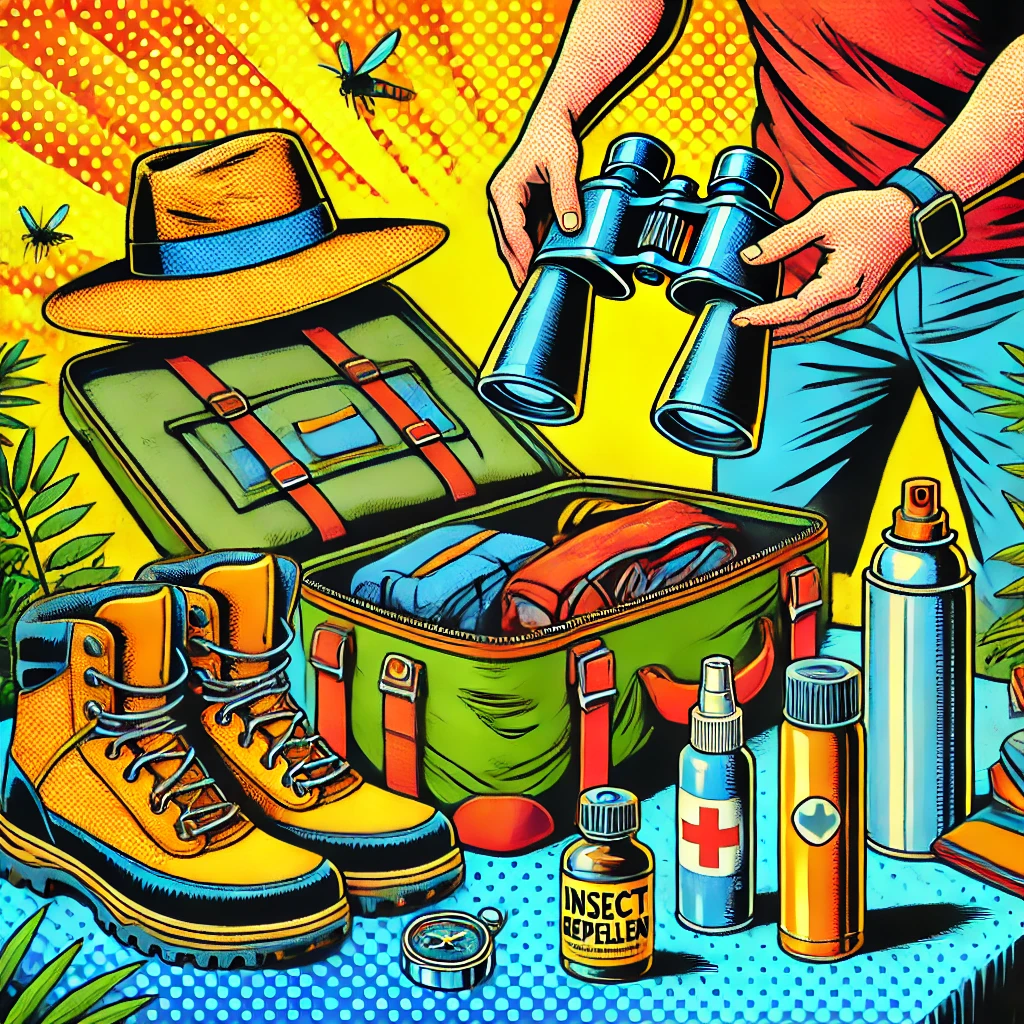
Packing for the Amazon isn’t quite like packing for your average vacation. It’s not just about comfort; it’s about being ready for any situation. Lightweight, moisture-wicking clothing is a must to handle the jungle’s heat and humidity, but you’ll also want durable hiking gear if you’re planning on hitting the trails. A waterproof jacket is non-negotiable, as are sunblock, a hat and any medications you need for the duration of your stay.

Here are some other important things to check off before you go:

  • Documents: Make sure your passport is current and you’ve got any necessary visas.

  • Vaccinations: Common vaccines like yellow fever are often recommended, along with malaria prevention.

  • Insect repellent: Trust me — you don’t want to skimp here. Stock up on good-quality repellent to keep those pesky bugs at bay.

  • Travel insurance: Medical emergencies in the Amazon are no joke. Make sure you’re covered for any unexpected costs in a remote area.

And be sure to bring a good flashlight, power bank and possibly a GPS for off-the-grid excursions. 

Even your packing strategy should be built for flexibility because in the Amazon, Mother Nature doesn’t always follow your plans. Prepare for a mix of hiking, boating and relaxing by packing a bit of everything — from flip-flops to sturdy boots.

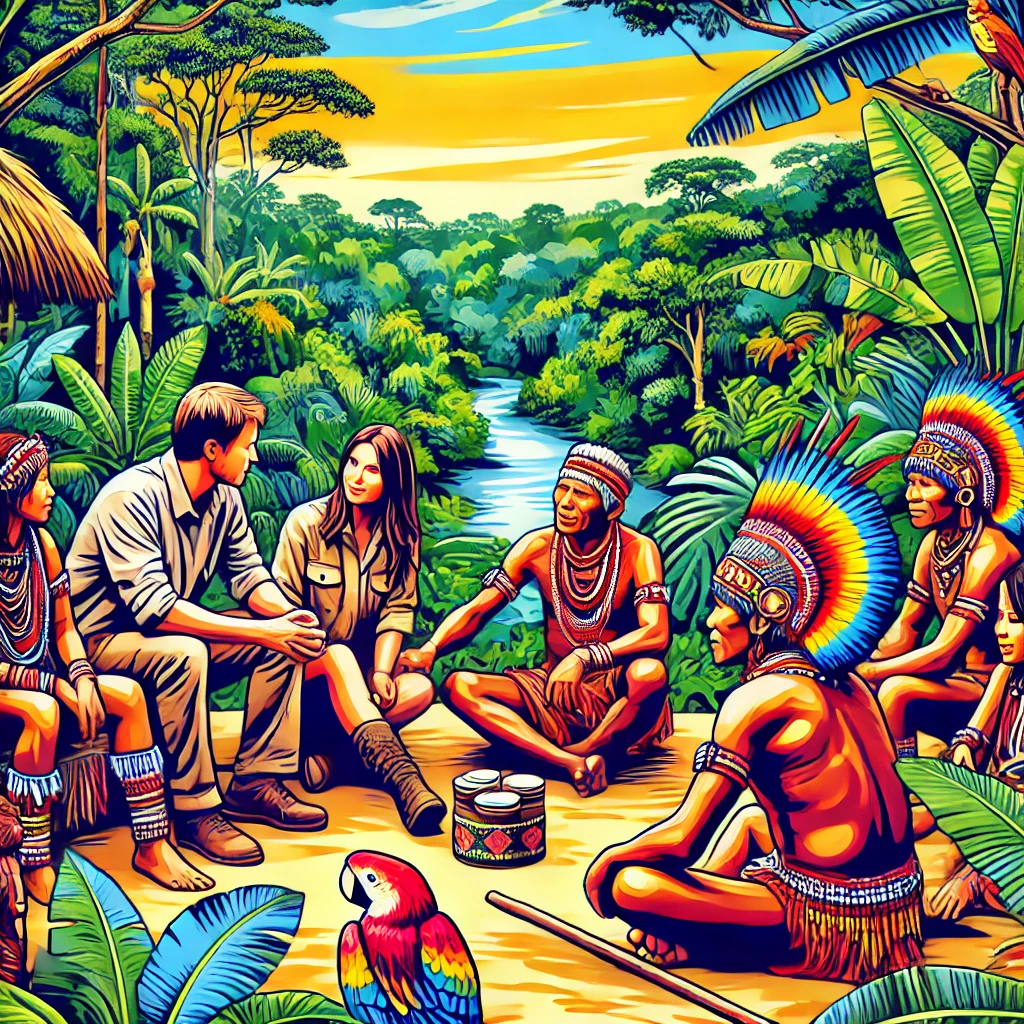
A couple sits in a circle with indigenous Amazonians in colorful feathered headgear

5. Embrace the local culture. 

One of the most rewarding parts of traveling in the Amazon is meeting people who call this vast region home. Tourism, when done thoughtfully, can support the communities and help preserve the forest. Look for ways to engage responsibly. Consider eco-lodges that prioritize sustainability, and always remember that you’re stepping into a place with its own rhythms and traditions.

Understanding and respecting local customs can lead to a richer experience. Many indigenous communities welcome travelers, but it’s always good to know local etiquette. And it doesn’t hurt to learn a few words of Portuguese or Spanish to show your respect and interest.

A girl stands on the bow of a small boat watching the pink dolphins of the Amazon

The Amazon Awaits

Few places on Earth compare to the Amazon, and with the right planning, you’ll be ready to discover it in all its intensity and wonder. So do your research, respect the rainforest and its people, and pack a good amount of curiosity. Get ready for a journey to one of the most unique ecosystems on the planet — one that, with any luck, will leave you a bit changed when you return. –Lucy Roberts

15 Best Articles of 2017

Our top blog posts cover the Paris Catacombs, India’s transsexual hijras, jinns, vintage Halloween, Fès hammans and more.


Duke and I tend to be drawn to the bizarre. We’re fans of the strange (chambers lined with skulls and bones, creepy vintage Halloween postcards and photos). We like to meet those who are societal outsiders (like India’s legal third sex, the hijra). We’re obsessed with the supernatural (jinns, gypsy love spells). But we also appreciate a good pampering (at a Fès hamman, say) and architectural beauties (such as the Milan Duomo).

Seems like you do, too. Here are the top 15 blog posts from last year. What was your favorite? –Wally


catacombs1.jpg

1. GRUESOME FACTS (AND HELPFUL TIPS) ABOUT THE PARIS CATACOMBS

No bones about it: If you think piles of skulls and hallways formed of bones are pretty effin’ cool (like us), then the Catacombs of Paris are for you.


hijras.jpg

2. SECRETS OF THE HIJRA: INDIA’S LITTLE-KNOWN TRANSSEXUALS

Prostitution, curses and dangerous sex change operations are a way of life for this marginalized community.


blackmagic.jpg

3. HOW TO PROTECT YOURSELF FROM JINNS AND BLACK MAGIC

Black magic in Islam is a serious concern — and the holy writings offer numerous ways to negate magic jinn.


gardenoffivesenses.png

4. THE BEST PLACE TO MAKE OUT IN PUBLIC IN DELHI

Not a typical tourist stop, the Garden of Five Senses is a whimsical sculpture park worth visiting. It’s also popular with local couples escaping societal judgment against PDA.


vintagehalloween.jpg

5. 24 VINTAGE HALLOWEEN CARDS THAT ARE NOSTALGIC — BUT A BIT CREEPY, TOO

Halloween greetings from the past featured common Halloween symbols: the witch, black cat, jack-o’-lantern, ghost, devil — and one that has been forgotten.


creepyhalloween.jpg

6. 21 VINTAGE HALLOWEEN PHOTOS THAT ARE SO CREEPY THEY'LL GIVE YOU NIGHTMARES

Halloween costumes of the past were scary as hell.


bainsamani.jpg

7. WHAT’S THE BEST HAMMAM SPA EXPERIENCE IN FES, MOROCCO?

Reinvigorate yourself at the luxury hammam Les Bains Amani.


milanduomo.jpg

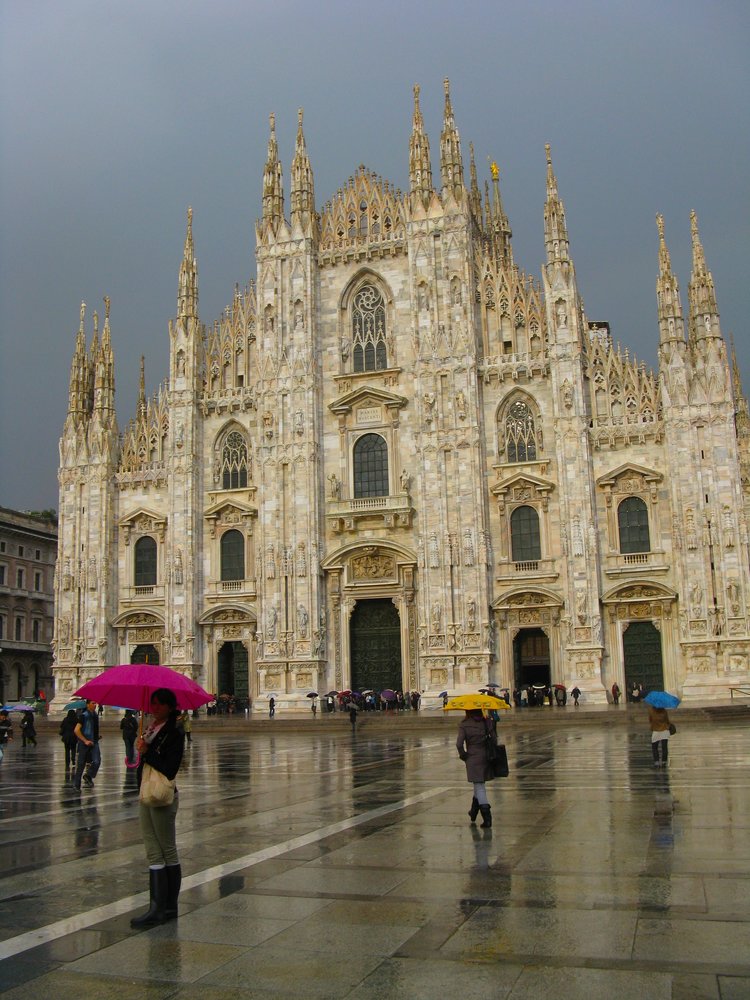
8. 7 FUN FACTS ABOUT THE MILAN CATHEDRAL

What to do in Milan, Italy? Visit the gorgeous Duomo di Milano, covered with statues of saints and gargoyles — and don’t miss the amazing view from the rooftop.


gypsydance.jpg

9. LOVE SPELLS FROM THE GYPSIES

How to cast a love spell to make someone fall in love with you — or fall out of love with you. Plus, secrets from the Roma that will reveal your future spouse!


pishtaco.png

10. THE PISHTACO OF PERU

Why one of the world’s creepiest vampire legends lingers to this day.


bluetemple.jpg

11. WAT RONG SUEA TEN, THE BLUE TEMPLE

No day trip to Chiang Rai is complete without a visit to this breathtaking wat, between the White Temple and Black Museum.


doha.jpg

12. THE BEST AND WORST PARTS OF LIVING IN QATAR

What’s it like living in a Muslim country that fasts for an entire month and limits the sale of booze? What do Qataris think of Americans? And how the heck do you pronounce Qatar?


brahmins.jpg

13. THE INDIAN CASTE SYSTEM EXPLAINED

Brahmin, Kshatriya, Vaishya, Shudra, untouchable: How did the caste system get started, what is the difference between castes — and how does this shameful practice persist to this day?


orthodoxstnick.jpg

14. HOW ST. NICHOLAS BECAME SANTA CLAUS

The surprising origins of jolly old St. Nick include a tie to prostitution, kids chopped into pieces, a devil named Krampus and a racist tradition around his helper Zwarte Pieter, or Black Peter.


fespottery.jpg

15. THE BEST SHOP FOR BLUE POTTERY IN THE ENTIRE FEZ MEDINA

If you’re shopping in Fès, just off of Place Seffarine is a small shop with a friendly owner and great deals.

Bizarre Foods Around the World

Weird food: Would you try crickets, scorpions, guinea pig…or dog?


I think of myself as adventurous when it comes to food. I’ll eat pretty much anything.

But when you start getting into Bizarre Foods With Andrew Zimmern territory, my stomach starts churning.

I think we all just ate dog.

I’ve gobbled down the delicious fattiness of pig cheeks, for instance. And when you really think about it, shrimp could be considered the insects of the sea.

Here are some of the foods I encountered on my travels — some of which I braved and others I chickened out on actually trying.


Guinea pig, or cuy, comes flayed open like something scraped off the road — you know, so you can sure you're not eating a cat

Guinea pig, or cuy, comes flayed open like something scraped off the road — you know, so you can sure you're not eating a cat

Guinea pigs

Known as cuy in Peru, these are a delicacy in the Andes. We visited villages where locals had tiny pens to keep in a few guinea pigs, awaiting a special occasion. 

I figured I had to try cuy at least once. It was on the menu at a restaurant in Puno, a town on the shore of Lake Titicaca (go ahead and giggle). 

When Cameron, one of my fellow travelers, ordered it, I sighed in relief. 

“I’ll just try a bite of yours,” I said, and ordered the alapaca medallions for myself.

We were all horrified when the cuy came out. It sat upon its plate, flayed open, ribs visible, head still on, teeth bared, looking more like roadkill than dinner.

Once Cameron had dug in, I reached across the table and grabbed some with my fork. It stretched like a rubber band before it broke off with a snap. And a rubber band was exactly how it tasted. 

“Why do they serve cuy like that?” I asked the waiter.

“That is how it is served everywhere,” he informed us. “The head is on to show that you are not eating cat. A lot of restaurants try to serve you cat, but not us.”

“That’s good,” I said, happy to return to my alpaca. Which was delicious, by the way.


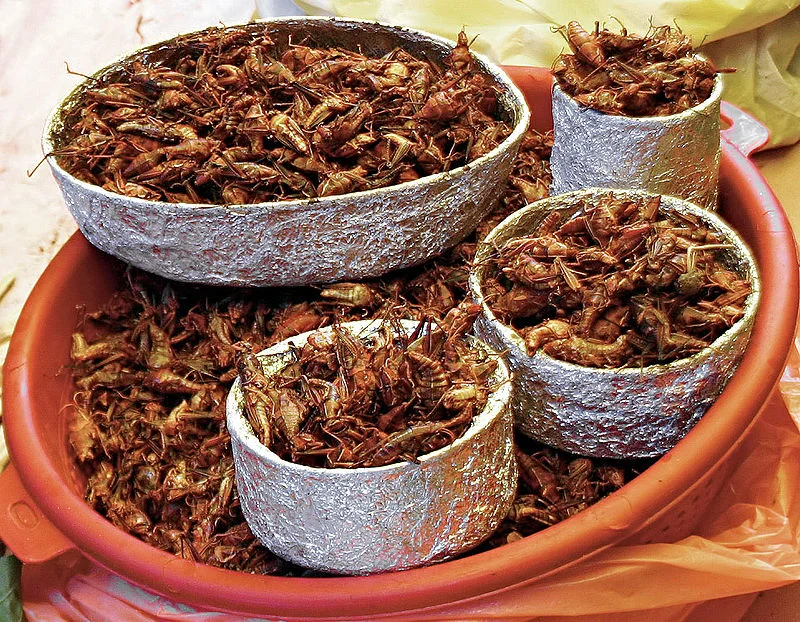
Crickets are popular snacks all over Thailand

Crickets are popular snacks all over Thailand

Crickets and scorpions

I stayed with friends in Bangkok, Thailand, and at the end of their street was a small cart that sold crickets as well as pitch-black scorpions.

I was glad to see that the stingers had been removed from the scorpions. But as someone who has an irrational phobia of these creatures (all that power to kill in one small, creepy crawly package just gives me the shivers), you couldn’t even get me to consider trying one. 

Every time we passed by, I said I’d try a cricket, though. And every time I wimped out. I just couldn’t see the appeal of noshing on a dried insect, and the inevitable crunch just wigged me out. Part of the fact was that my stomach was still adjusting to the intensely spicy Thai food, and I was afraid that forcing a cricket down wouldn’t help matters.

That being said, there were carts all over the country, and they were always busy. Hordes of passersby would buy a bag full of crickets or a skewer and would gobble them down like popcorn.


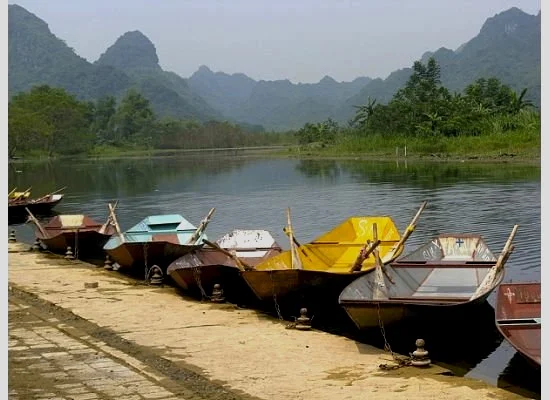
The Perfume Pagoda in northern Vietnam is a region known for a dish called thit cho, which consists of dog

The Perfume Pagoda in northern Vietnam is a region known for a dish called thit cho, which consists of dog

Dog

Before we traveled to Vietnam, I had read in the guidebooks that there’s a region up north that specializes in thit cho, or dog. Duke and I learned the phrase and made sure to avoid it.

We stayed in Hanoi and took a day trip to the Perfume Pagoda. On the way there, I had noticed a lot of the restaurants had signs out front proudly touting the specialty of the house: thit cho.

On the return trip, we stopped for dinner. They sat us in a room to the side of the restaurant, and served us family style, passing around big platters of entrées and sides. One of the dishes was indiscernible — the meat was like gamey, gristly beef.

“OK,” I announced to the table. “Here’s a dish of mystery meat. Everyone try it.”

It made the rounds, and after everyone had taken a bite or two, I dropped the bomb.

“This region specializes in serving dog. Did anyone else notice the two statues of German shepherds on the way in? I think we all just ate dog.”

Almost everyone grimaced, or protested the possibility, or mumbled a curse in my direction.

But the girl from Sweden piped up with, “That was good! Can you pass it back this way?”

As we left the restaurant, I asked our tour guide if we had eaten dog.

“No, no,” he said. “Pig.”

Well, I can assure you that was certainly not pork.

So we’re not certain we’ve eaten dog — we just have the sneaking suspicion we did.


What's the weirdest food you've seen on your travels? And did you try it? –Wally

The Pishtaco of Peru

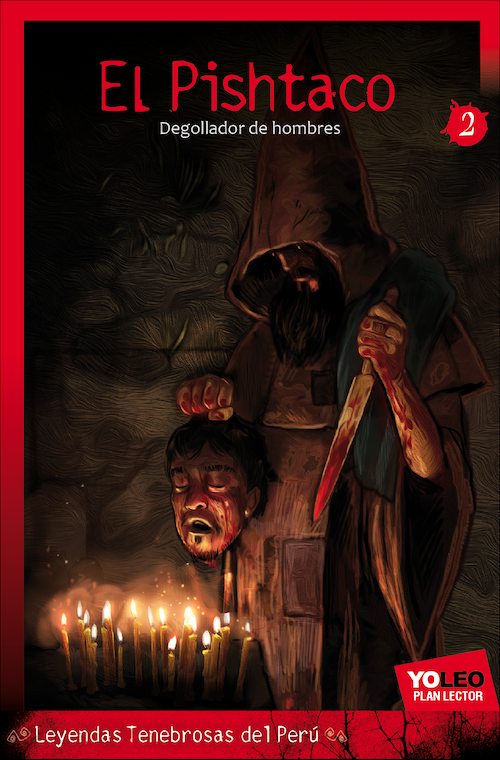
A publication on the Peruvian monster, the pishtaco

A publication on the Peruvian monster, the pishtaco

Why one of the world’s creepiest vampire legends lingers to this day.


While hiking the Inca Trail in Peru, we heard stories about the monster that haunts the Andes: the pishtaco.

Despite its goofy moniker, there’s nothing funny about this vampiric creature. Its name comes from the local Quechua word pishtay, which means to behead, slit the throat or cut into slices.

Pishtacos lure their victims into the depths of the jungle, where they…wait for it…suck out and feast upon their body fat.

That should give you an idea what this monster does to its victims. But that’s not all.

It’s described as looking suspiciously like a white man who’s sometimes seen wearing a broad-rimmed hat.

Our guides would tell us to be wary and not to follow any strangers down a mountain path at night, for pishtacos lure their victims into the depths of the jungle, where they…wait for it…suck out and feast upon their body fat.

The legend probably derives from the arrival of the conquistadors — lighter-skinned invaders rumored to kill locals for their prized body fat.

“The first written account of pishtacos — or at least of a belief in pishtaco-like behavior — comes from the 16th century,” Daniel Engber writes on Slate. “The priest Cristóbal de Molina, a scholar of native languages and Incan culture, described a certain squeamishness among the natives living around Cuzco. They wouldn’t even deliver firewood to a Spanish home, he wrote in 1571, for fear of being killed and having their fat used as a remedy for some foreign disease.”


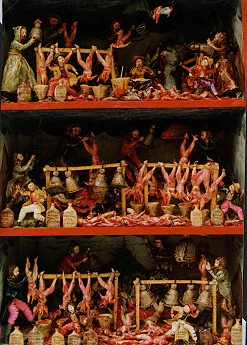
A retablo depicting the horrific work of the pishtaco

A retablo depicting the horrific work of the pishtaco

Modern-Day Pishtacos

Belief in the pishtaco lingers to this day. In fact, it’s been reported that the Andean people have rejected food aid, thinking it’s a ruse to plump them up to steal their fat. Honestly, from what I saw of them, their diet, which mainly consists of various varieties of potatoes, is doing a fine job of that all by itself.

A good deal of the blame lies with a gang of villains caught in 2009. The tale that arose was later considered a hoax or governmental cover-up — but it sure makes for a good ghost story.

The gang members hunted in the jungles of Huánuco, luring or kidnapping up to 60 victims, who were bludgeoned and beheaded.

Then came the grisly part: They’d hang the corpses upside-down and use candles below to melt off the bodies’ fat, which was collected in empty Inca Kola bottles. The human fat they collected was supposedly sold to supply the European beauty market.

Gathered around a campfire along the Inca Trail, far from civilization, it was easy to imagine figures lurking at the edges of the trees. We didn’t even consider investigating. –Wally

5 Strange World Traditions

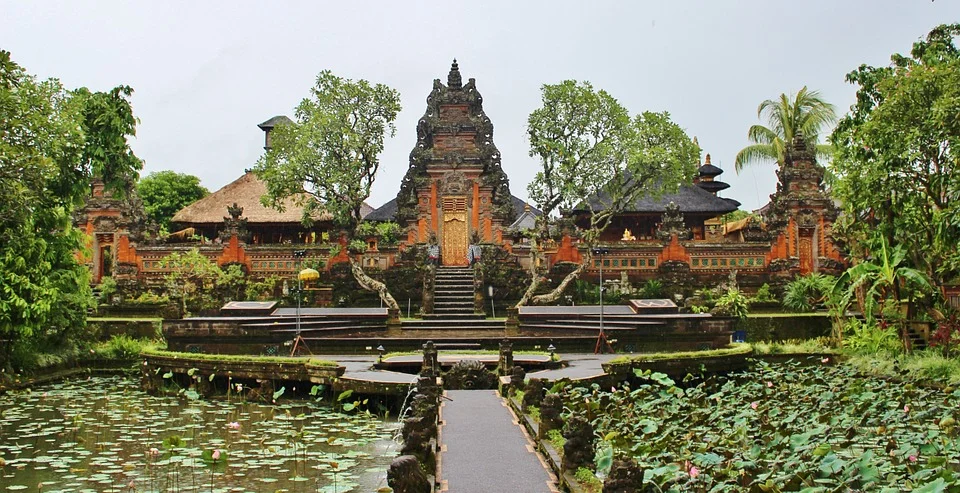
A temple in Ubud on Bali — just don't go in if you're on your period!

A temple in Ubud on Bali — just don't go in if you're on your period!

The more you travel, the more weird traditions you’ll encounter — and that’s some kind of wonderful.


Part of the wonderment of travel is experiencing cultures that are vastly different from your own. It expands your mind; it helps you understand how we’re indelibly shaped by our environments.

It’s easy to fall into the trap of feeling superior, that places that don’t follow our conventions are somehow more barbaric.

“I didn’t fly halfway around the world to not go into any temples just because it’s that time of the month,” she exclaimed.

But that’s what makes world travel so fun. Get out of your comfort zone. See things from another point of view. Travel truly changes you.
Here’s a sampling of some of the strangest customs I’ve experienced on my travels.


On Bali, menstruating women cannot enter Hindu temples.

The idea is that women on their periods are somehow “unclean.” But my friend Christina was having none of it.

“I didn’t fly halfway around the world to not go into any temples just because it's that time of the month,” she exclaimed.

“Hey,” I responded, “I won’t tell if you don’t.”


In Thailand, there’s no concept of the closet for gays.

As hard as this is to believe, this is what I was told by my friend Deb, who was living in Bangkok at the time.
Apparently being gay isn’t something you have to hide in Thailand. Which I suppose means there’s no repression, and you just tell everyone around you when you first realize you have feelings for the same sex.

Honestly, this one still astounds me, and I’m not sure I fully believe it. I feel like it would make Thailand the only country on Earth where it was totally OK to be gay.


In Morocco, men hold hands and kiss hello.

There’s nothing gay about it. But Muslim men are quite physical with each other. It’s not unusual to see two grown men walking arm in arm down the street or even holding hands.

And when they greet each other, they kiss on the cheek. The man who drove us to the Sahara used me to demonstrate the traditional greeting. He kissed me once. Twice. Thrice. Four times! It seemed a bit excessive. I mean, who’s got time for that?


In Sevilla, Spain, you toss your napkins right on the floor.

You stop at a tapas bar for some delicious nibblies, and when you’re done, you nonchalantly throw your soiled napkin onto the ground.

“It took me a while to get used to this,” my friend Jo said. “But honestly — they’d rather you do that than leave them on the bar.”


In Peru, you pour out booze as an offering to Mother Earth.

The Andean people worship the Earth as Pachamama, and whenever they have an alcoholic drink, they pour a bit out to honor her.

“What about if you’re in someone’s home?” I asked my guide one evening at our campsite on the Inca Trail.

“Yes,” he told me.

“What about if you’re at a restaurant?” I asked.

He nodded again. “Yes.”

“It’s kind of like pouring one for your homies,” I said. But he didn’t understand. –Wally

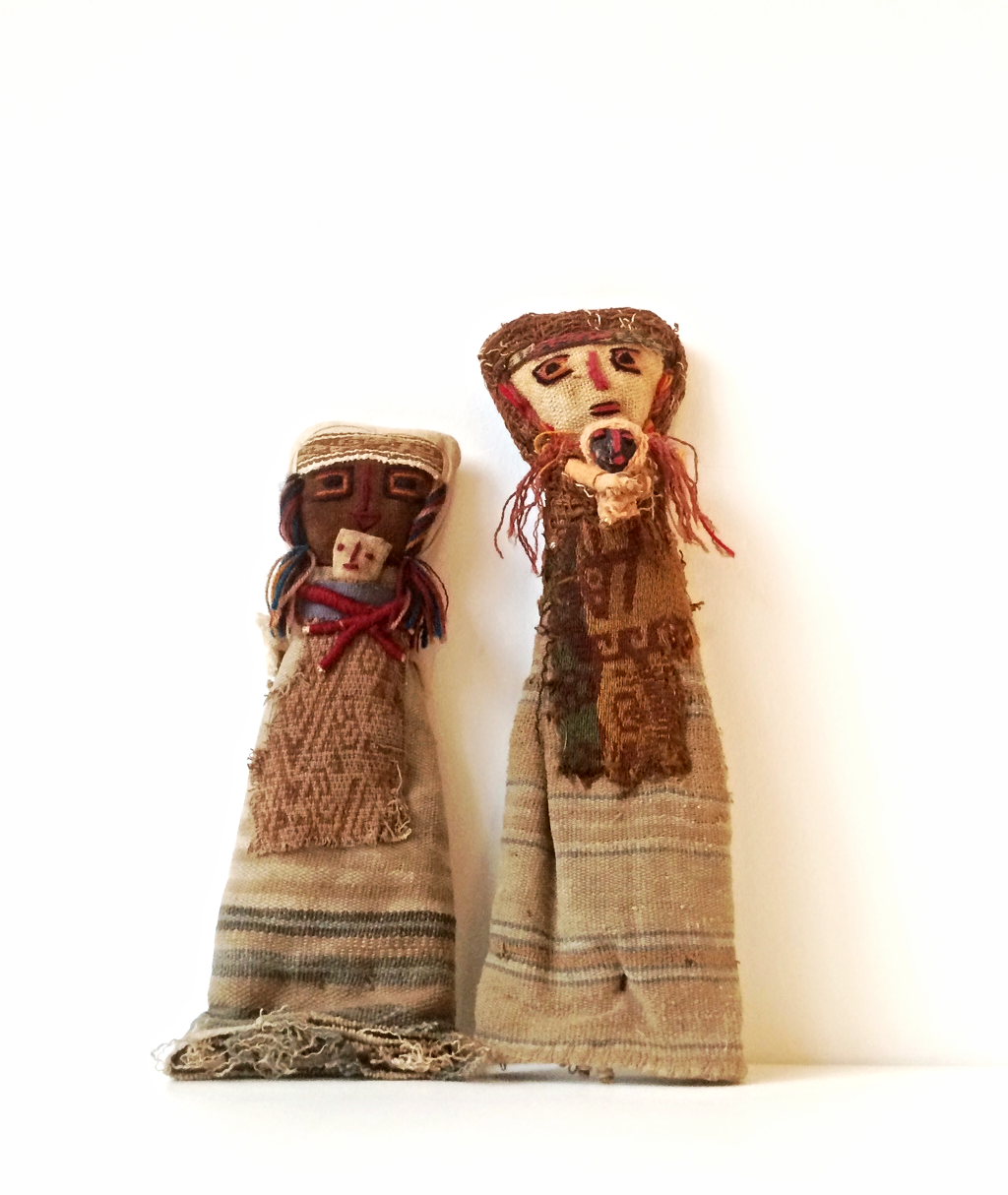
Chancay Burial Dolls

These Chancay burial dolls from Cusco, Peru, which Wally named Claudia and Lucha, have dollies of their own

These Chancay burial dolls from Cusco, Peru, which Wally named Claudia and Lucha, have dollies of their own

A pre-Incan people had these dolls to accompany them to the afterlife.

Wally purchased these folk art Chancay burial dolls in 2006 on a trip to Cusco, Peru. The dolls are modern-day reproductions modeled after ancient cloth figures found in the graves of elite Chancay people, whose culture flourished in the arid coastal valley of Peru during 1000-1460 CE. The Chancay culture is believed to have been conquered and incorporated into the Inca Empire in the mid to late 13th century. 

Their exact purpose has been a subject of debate, but I'd like to believe that these were similar to the figurines placed in ancient Egyptian tombs with the intent to follow their loved ones into the next life. 

I’d like to believe that these were similar to the figurines placed in ancient Egyptian tombs with the intent to follow their loved ones into the next life.

Indigenous Peruvian artisans recreate these dolls in a traditional style, incorporating remnants of ancient textile fragments recovered from pre-Colombian burial sites. –Duke