Step into the shadowy world of Samhain divination. Discover the eerie Halloween rituals — candle scrying, mirror gazing and love charms — that promised glimpses of fate and fortune.
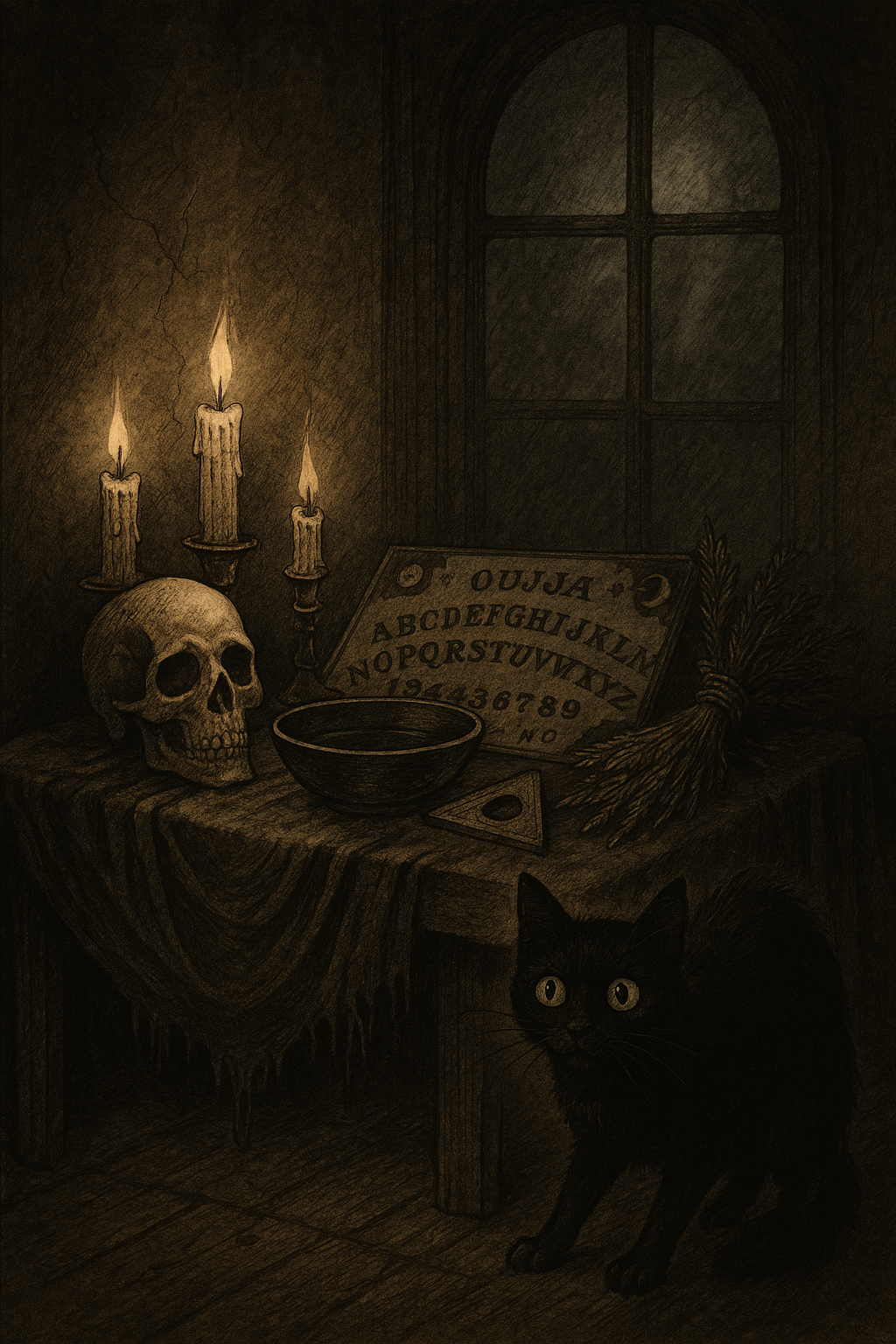
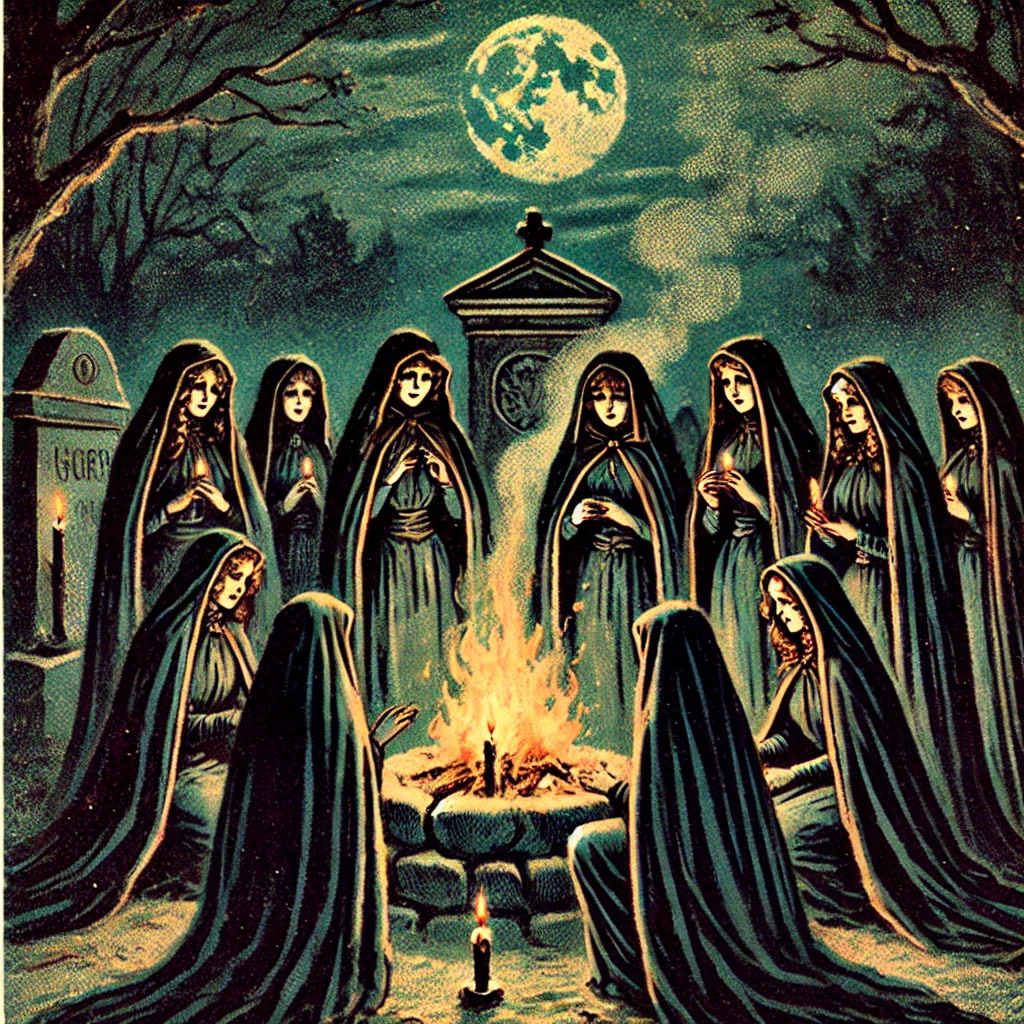
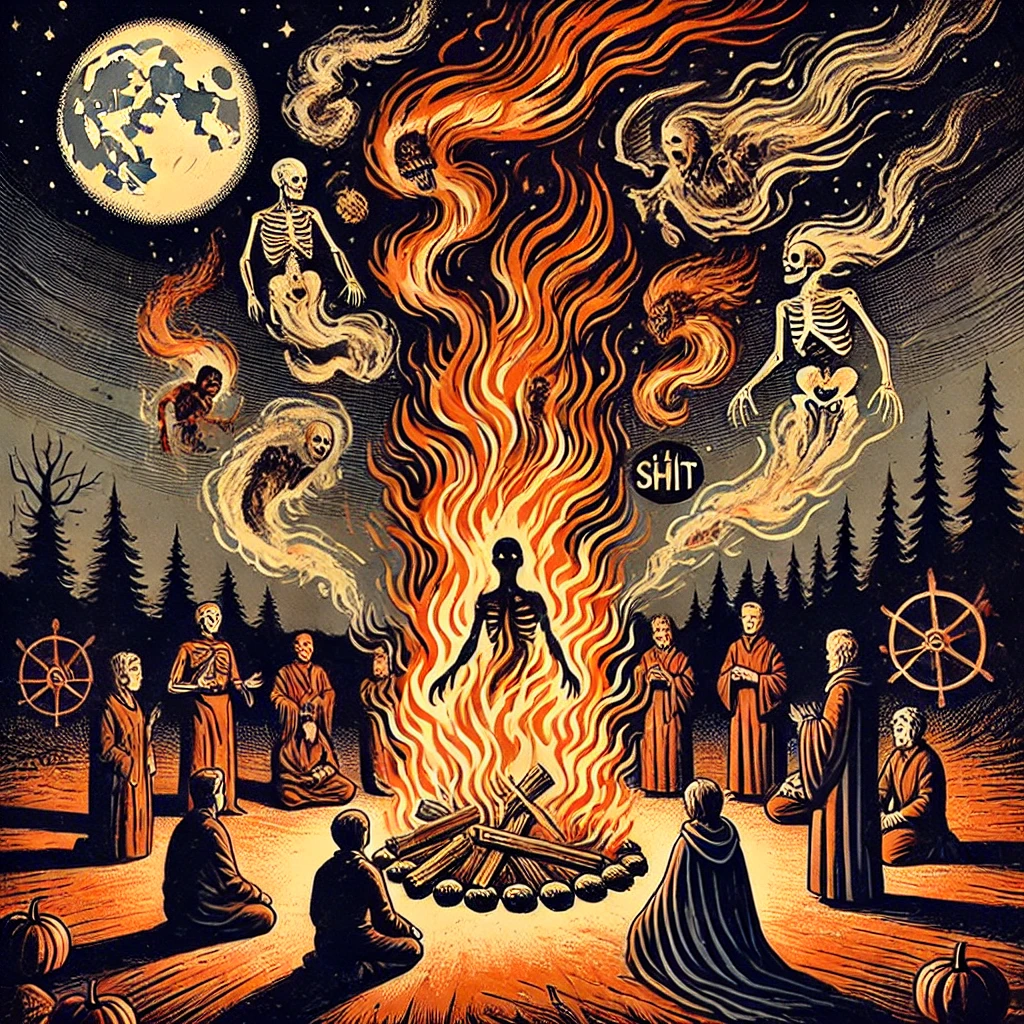
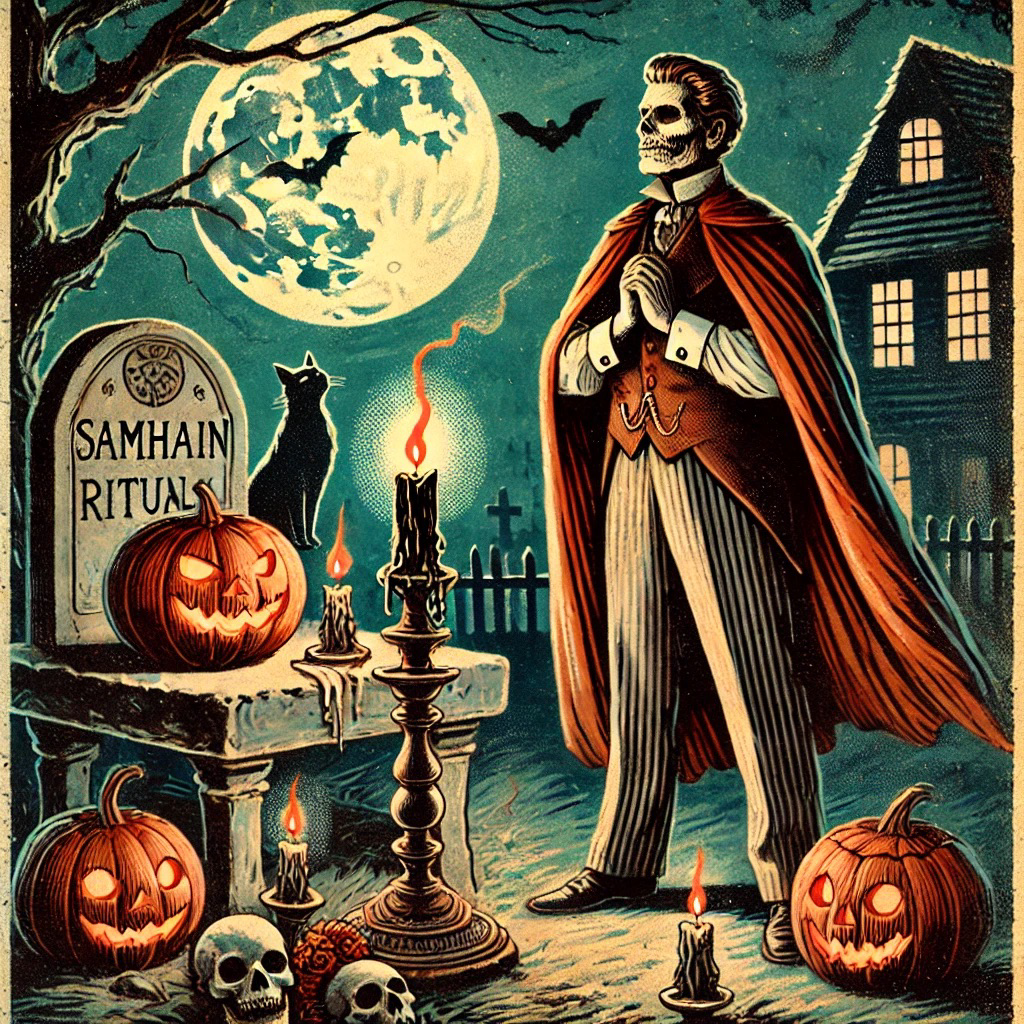
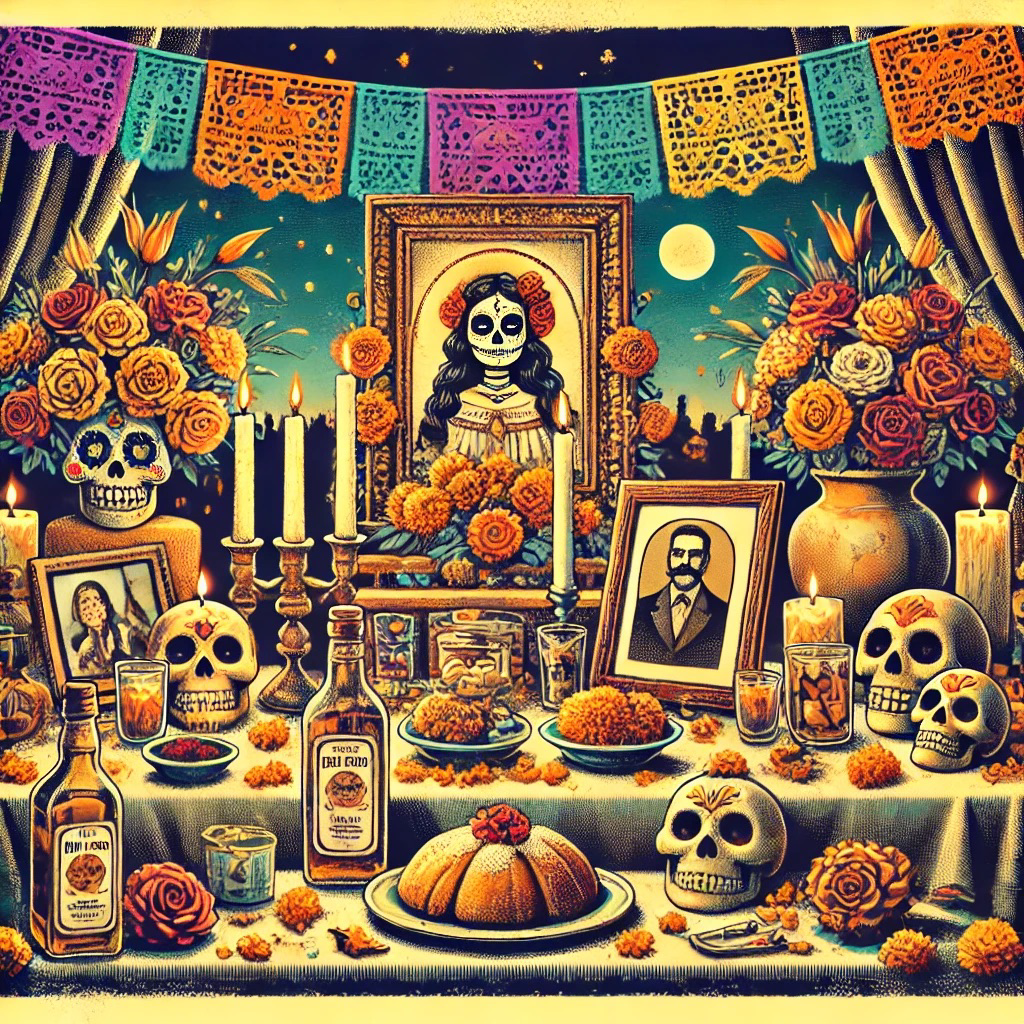
On a night when the wind rattled the last leaves from the trees, the Celts gathered in the darkness. Samhain marked the final harvest — the moment the light surrendered to the long shadow of winter. But it was more than the year’s turning. It was the hinge of the seasons, when the Veil between worlds hung loose.
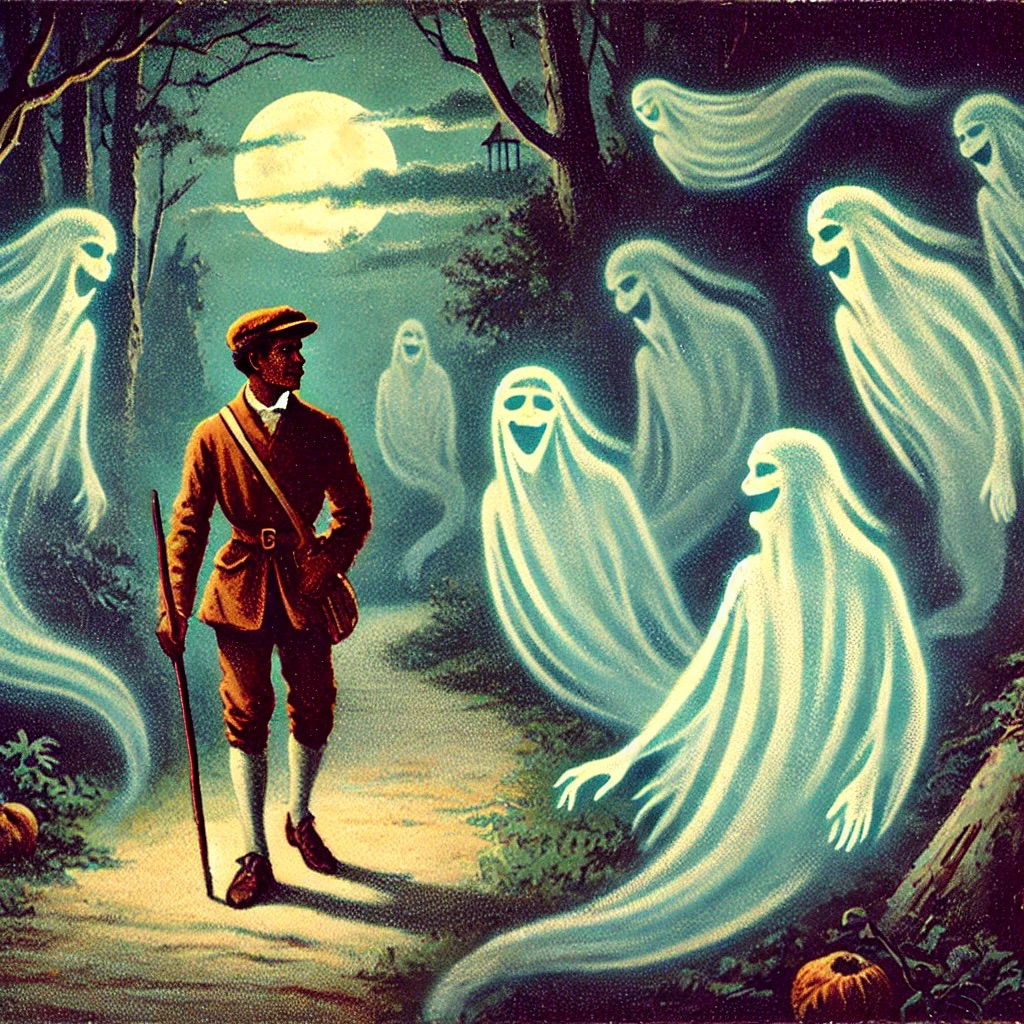
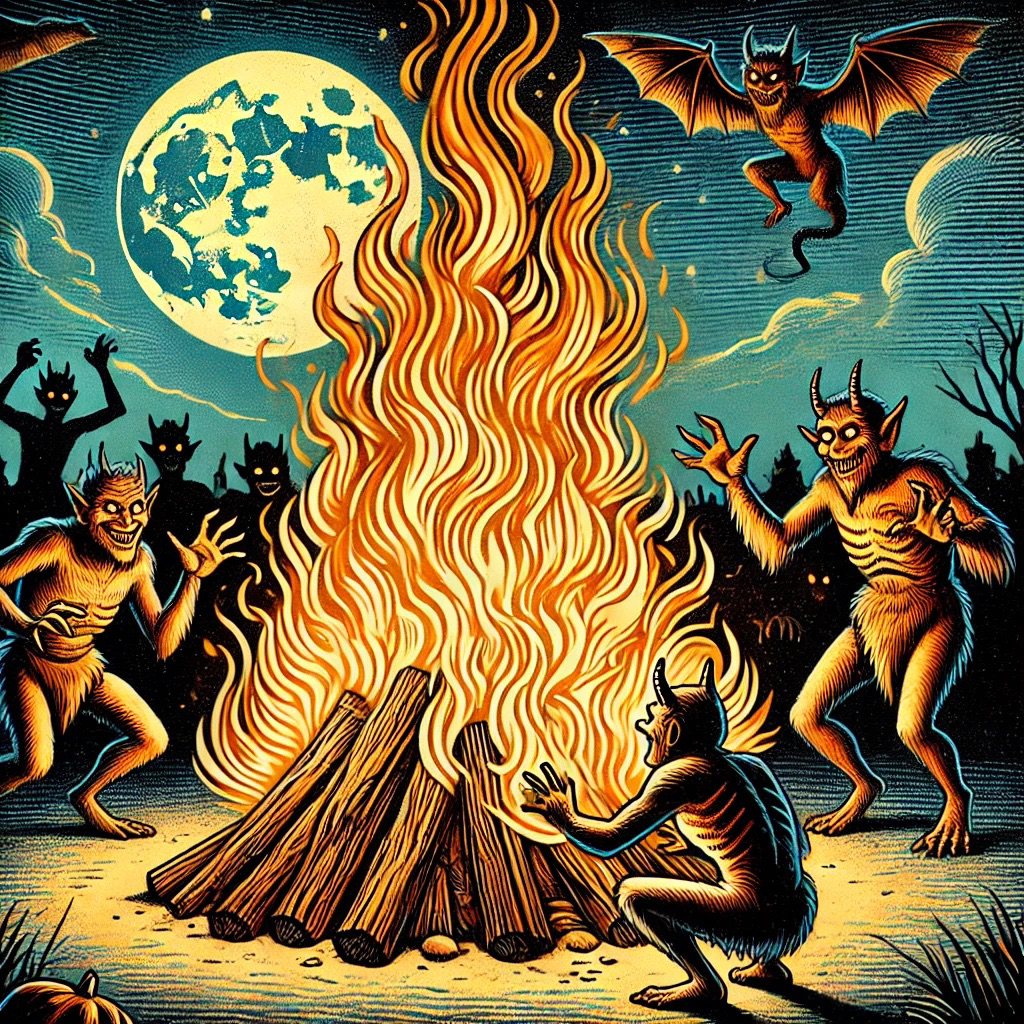
Fires roared on hilltops, and the smoke curled toward the Otherworld. People told stories of ancestors slipping through the mist, of the Fae wandering the fields, of spirits who could be welcomed — or warded off — with the right charms. And under the hush of night, away from the firelight, came the other part of Samhain: the asking.
Would the harvest last the winter? Would love come in the spring? Would danger walk the road ahead? The answers, they believed, could be coaxed from shadows, from flames, from the ripples of dark water. Samhain was a night for feasting and honoring the dead — but it was also a night for seeing what lay beyond.
The Witch’s Hour: Midnight Magic
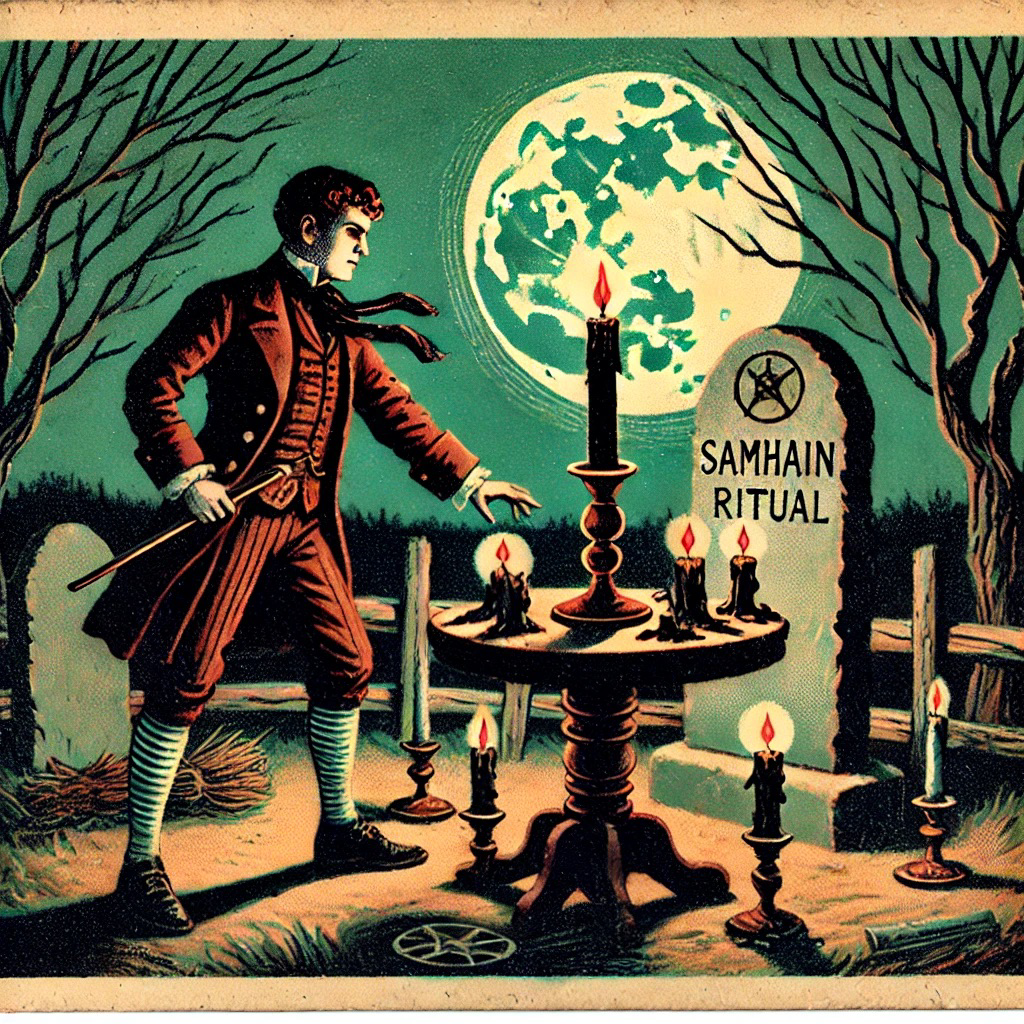
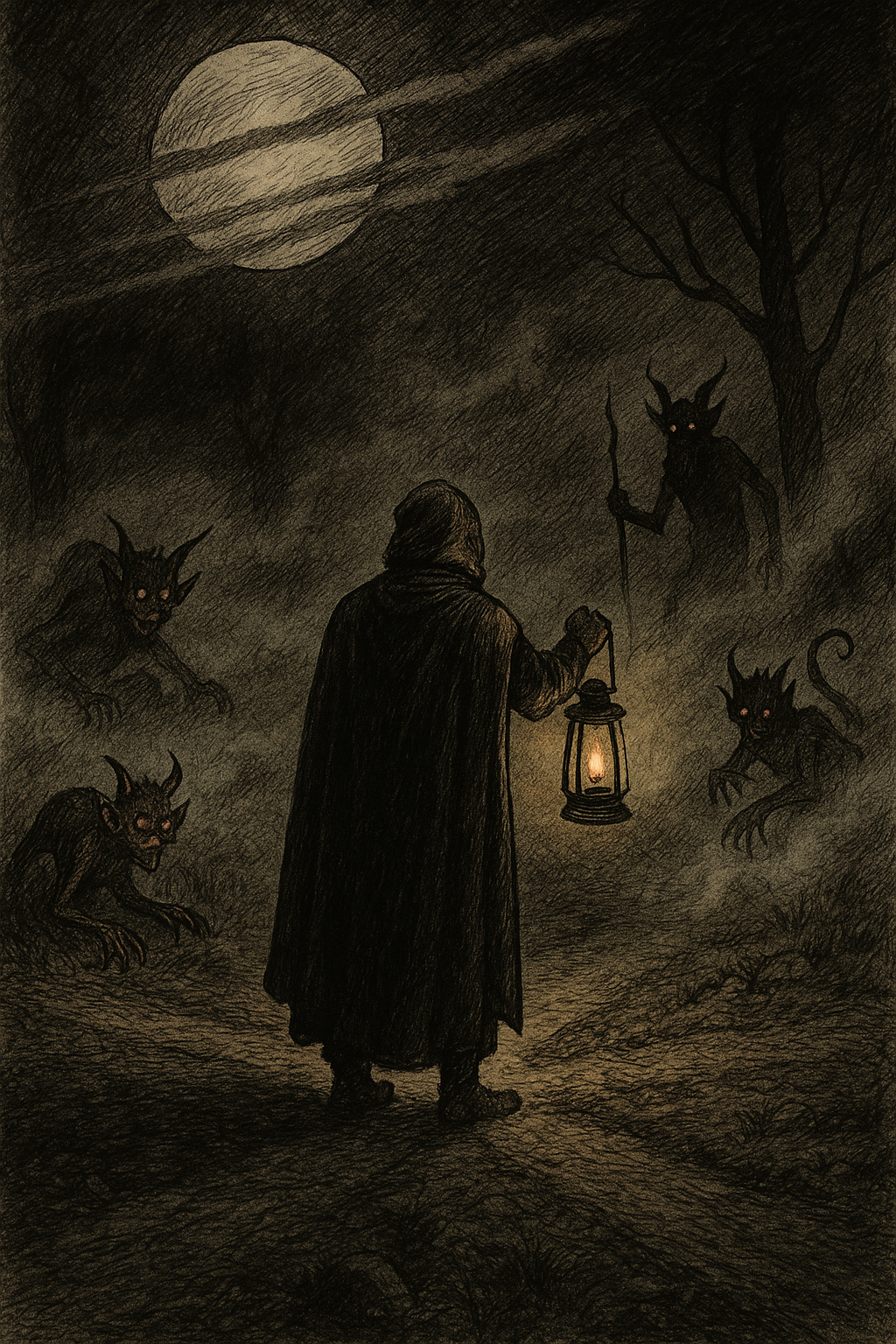
They called it the hour when the Veil thins to mere threads. Midnight on Samhain wasn’t for the faint of heart — the Celts believed it was when the Otherworld pressed closest, brushing against ours like a shadow across your skin. In later centuries, villagers in Ireland and Scotland would linger by the fire until the clock struck 12, then step outside, breath clouding in the cold, to test fate.
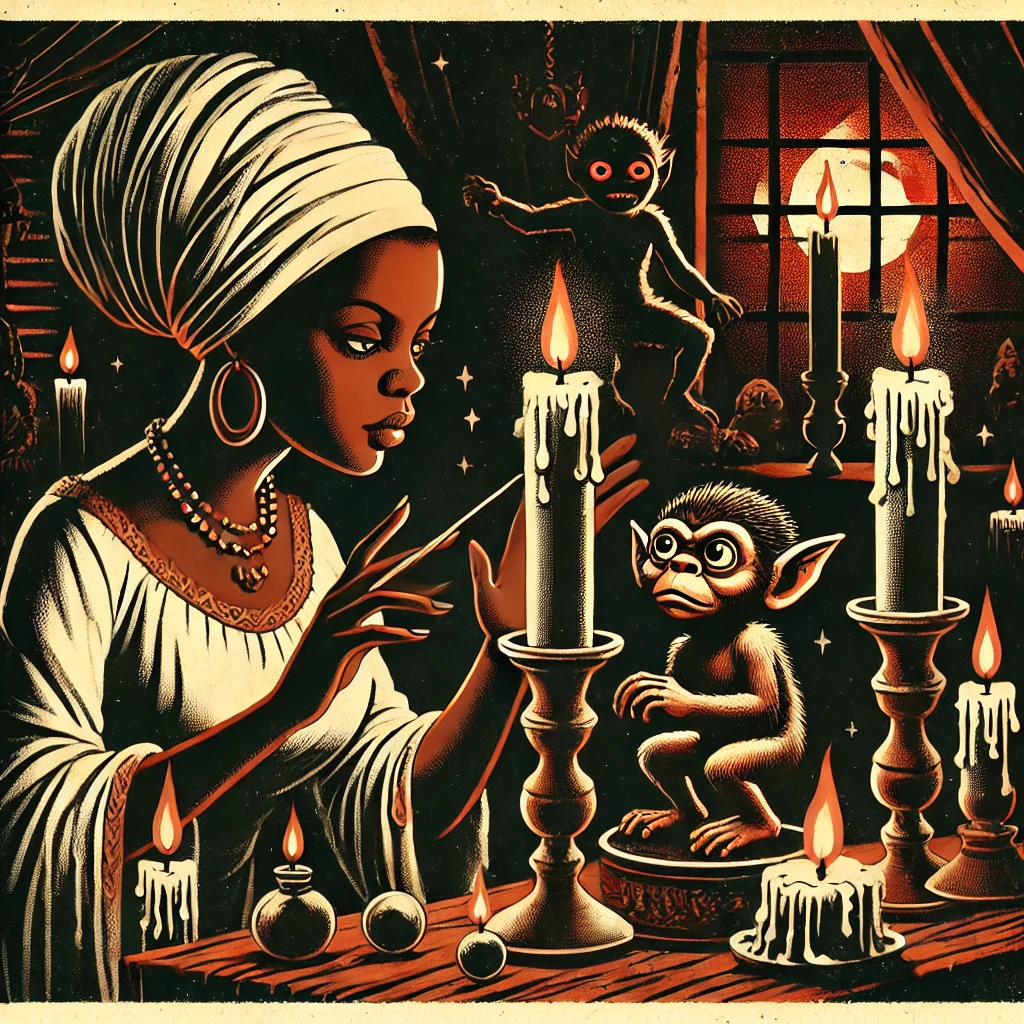
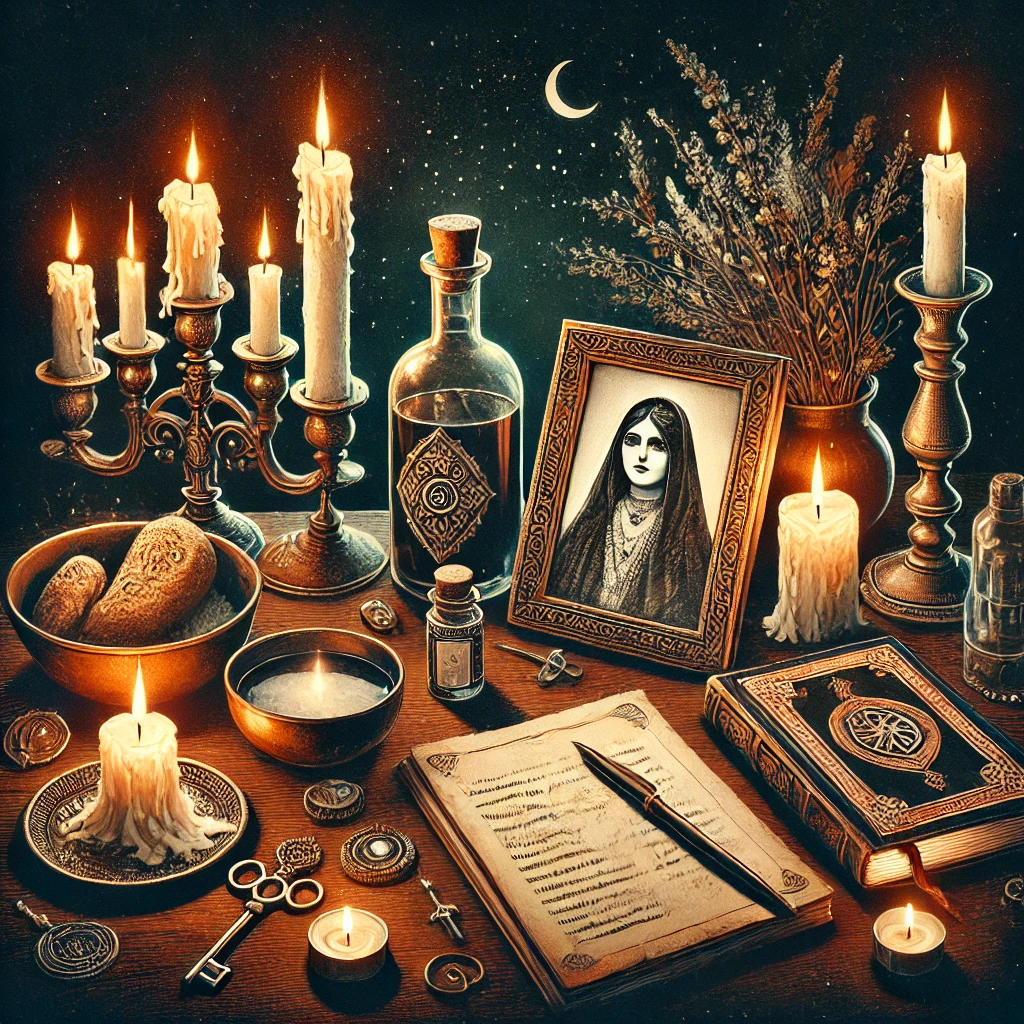
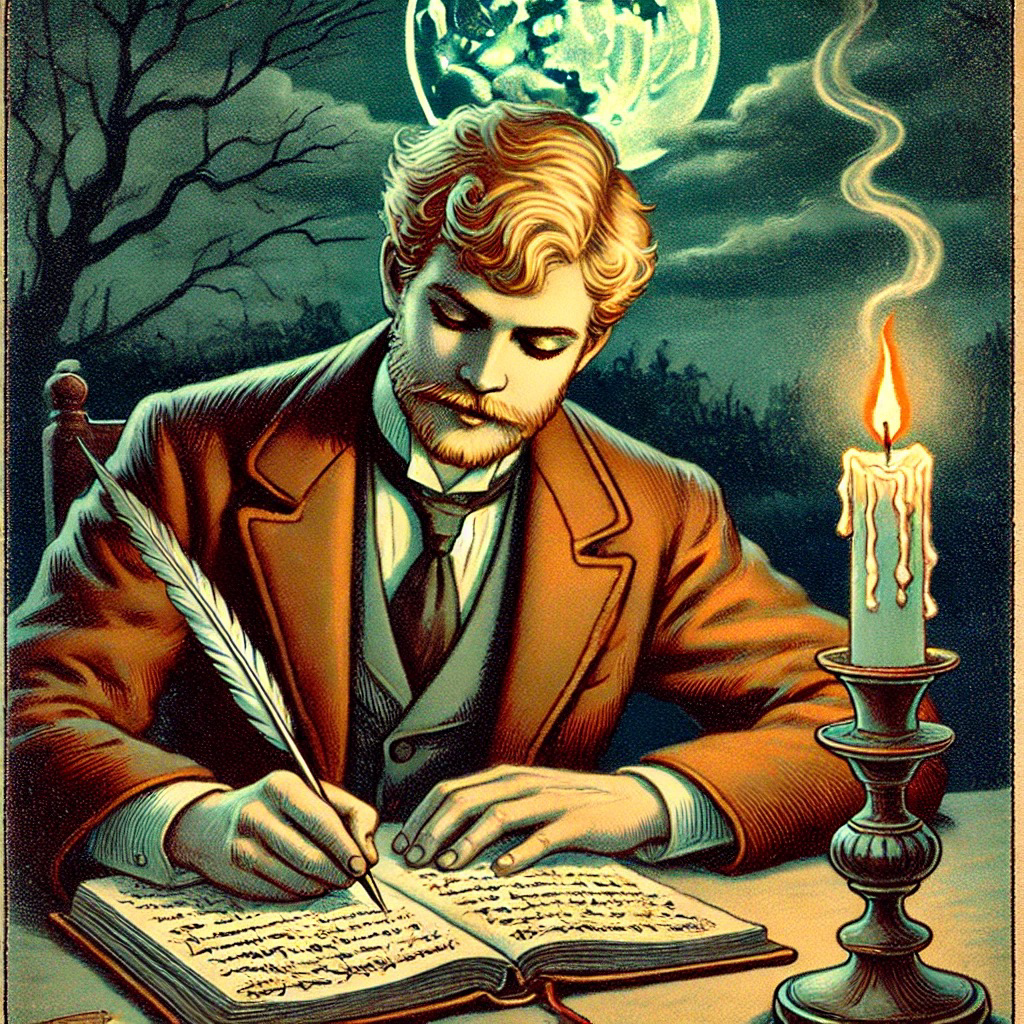
Some set a single candle in the window to draw their ancestors home. Others carried it to the crossroads to ask questions of the night — the flicker and sway of the flame said to be the spirits’ reply.
Even now, witches and mystics mark the hour with divination: a one-card tarot pull for the year ahead, a pendulum swinging over a bowl of fresh spring water, or a simple candle-flame scrying.
If you try it yourself, remember the old caution: Always open with protection: salt at your threshold, a whispered blessing, a circle of light in your mind. The door you open to seek answers is the same one anything else could walk through.
Mirror Magic
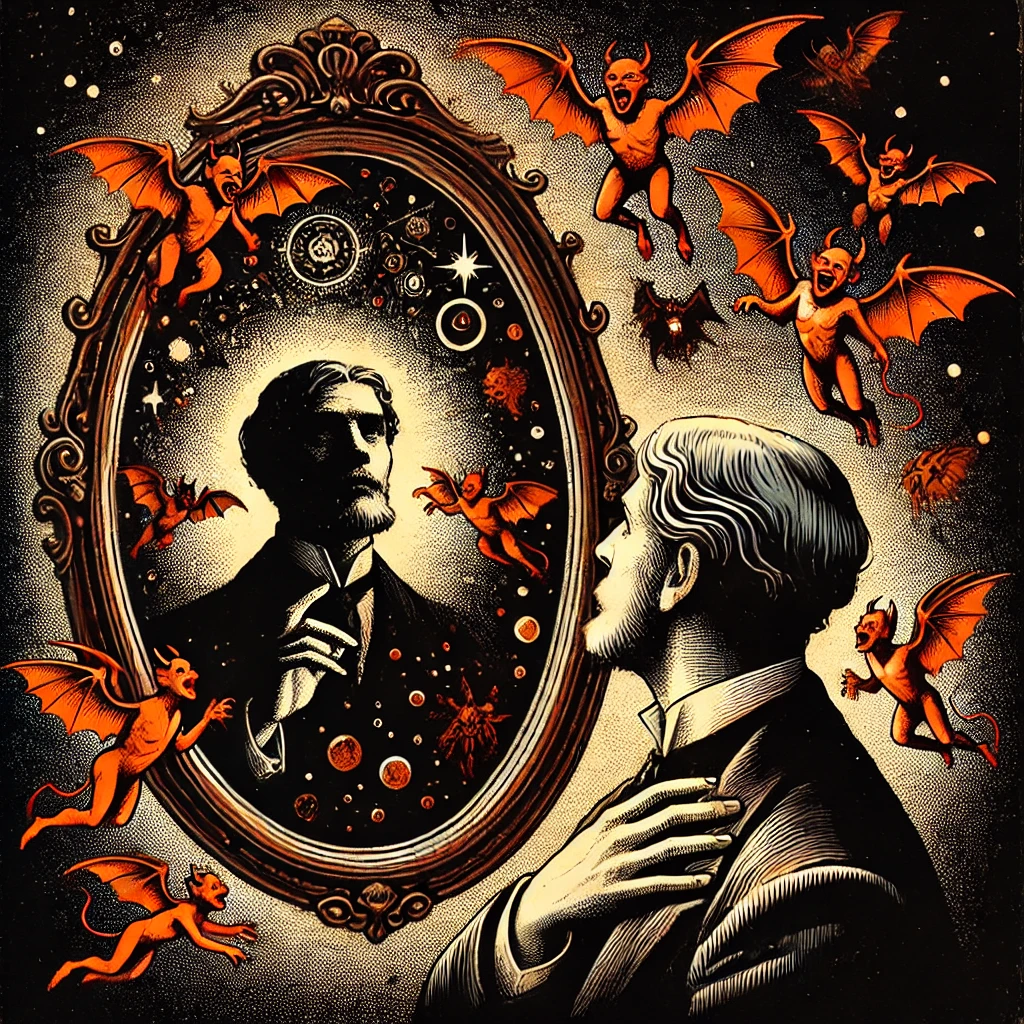
They say a mirror is more than glass; it’s a doorway, polished thin between worlds. On Samhain night, that doorway was thought to swing open, reflecting not just your face but the things that walked beside you.
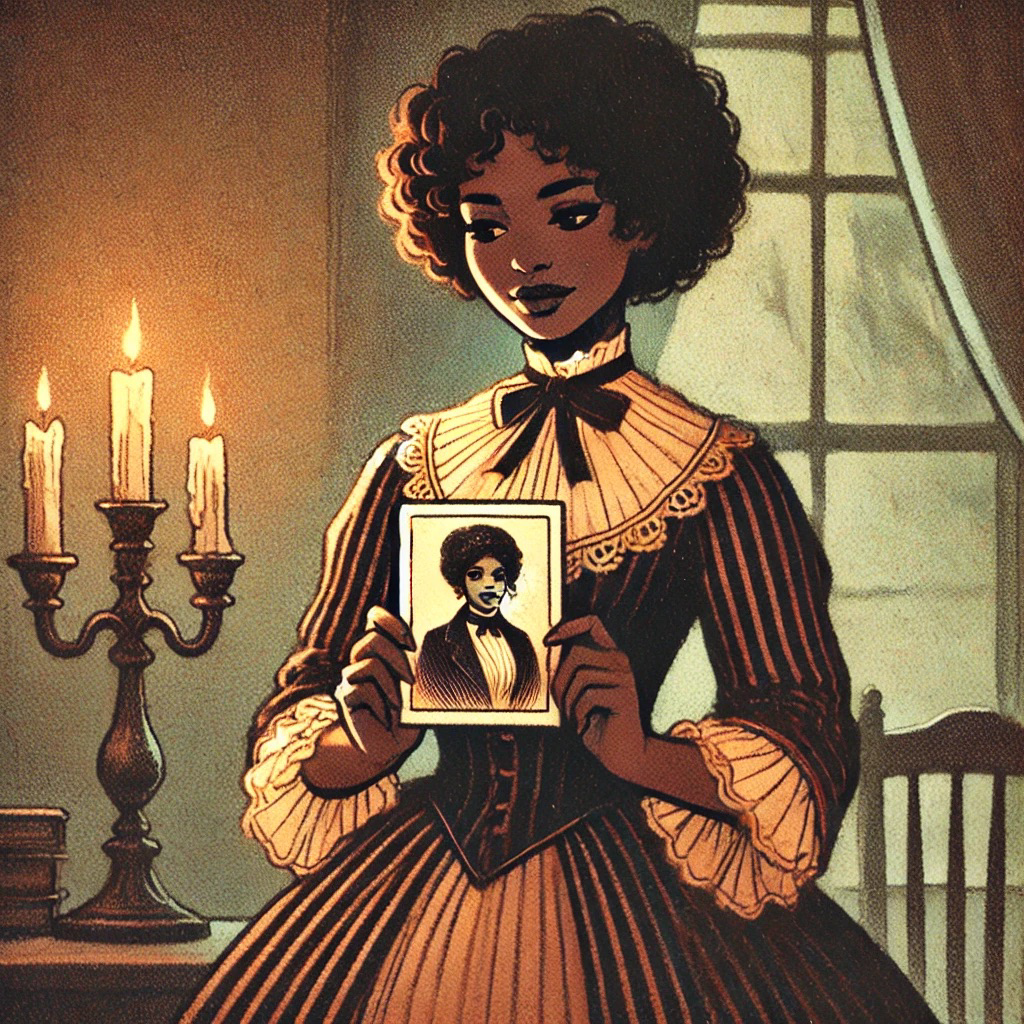
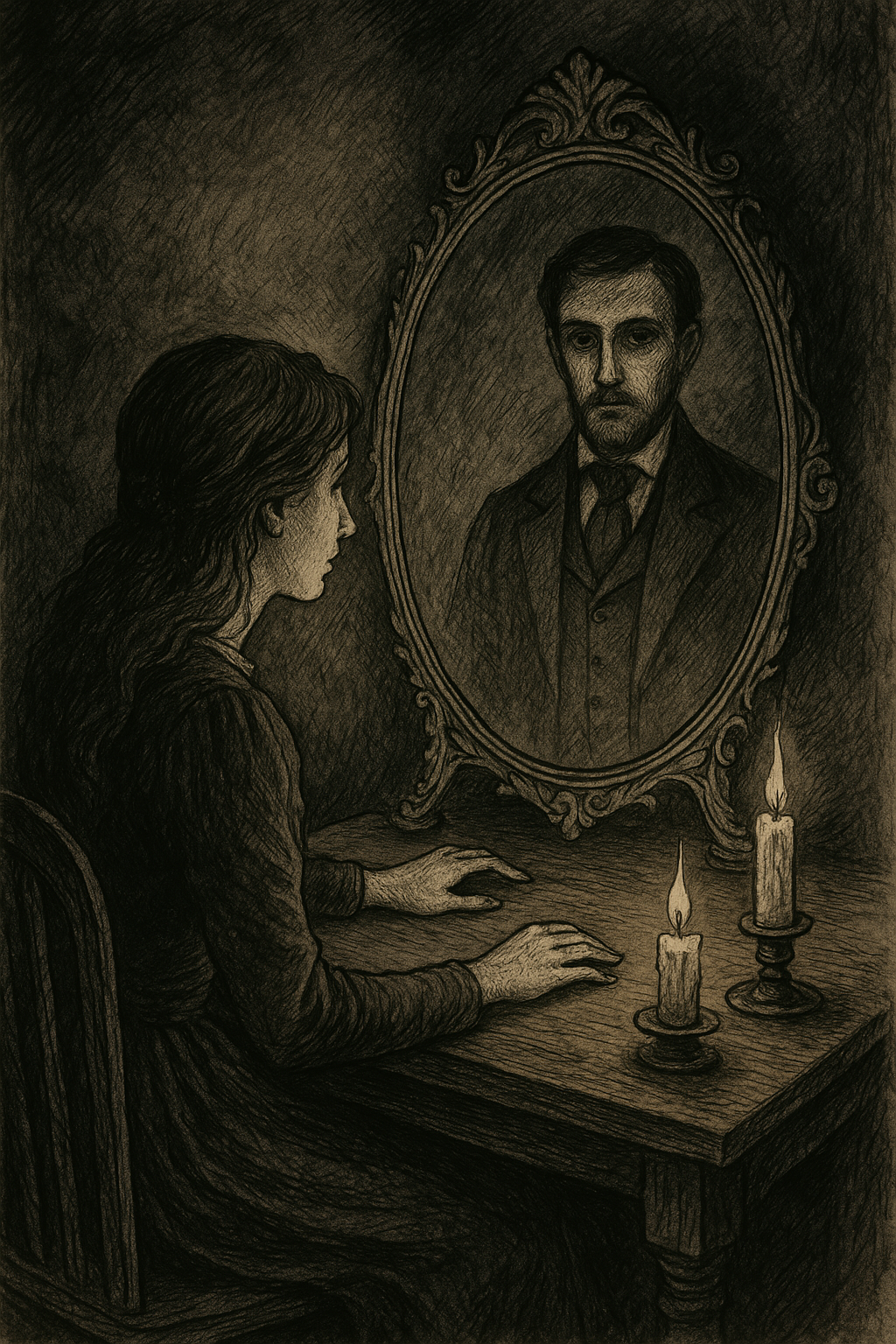
In Celtic lands, young women would sit alone in candlelight, staring into the glass to glimpse the man they’d marry.
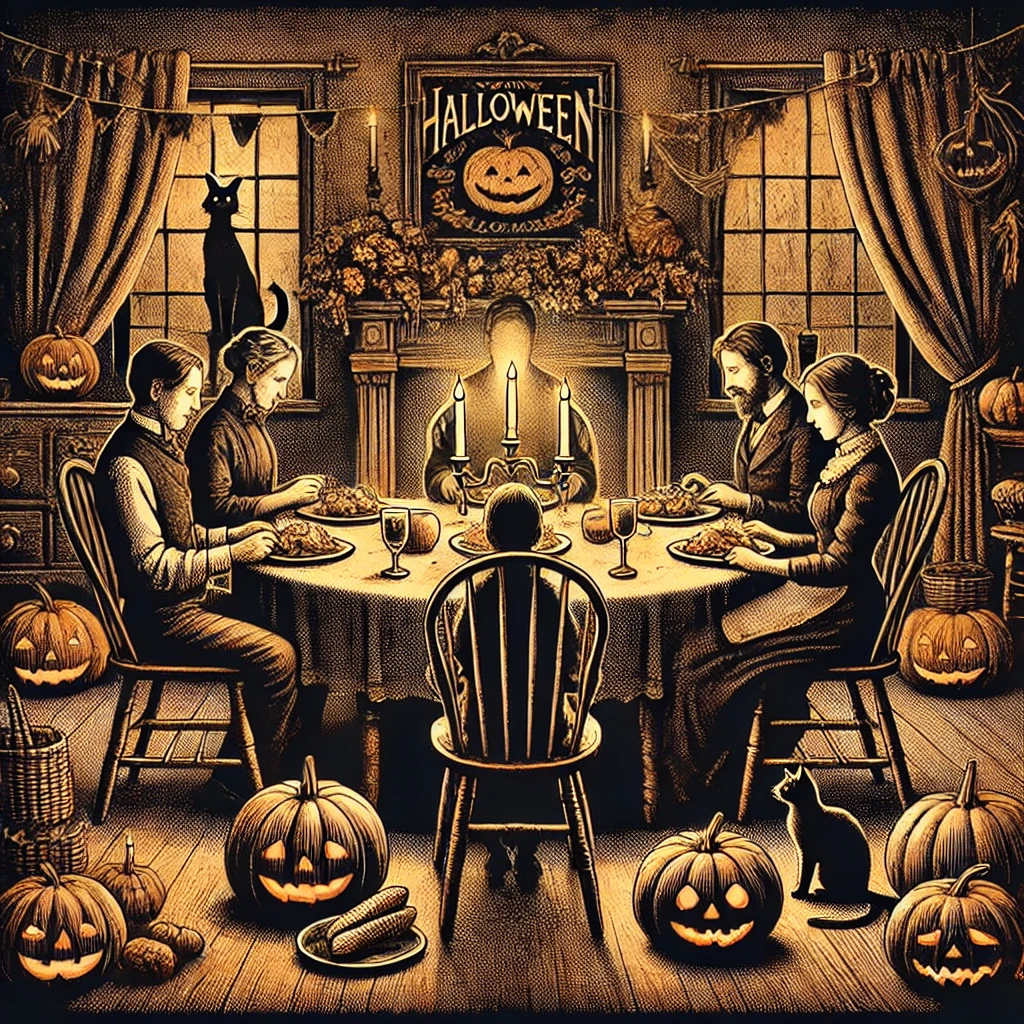
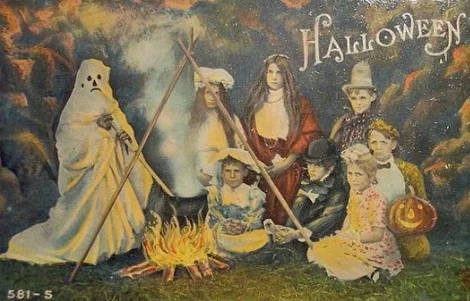
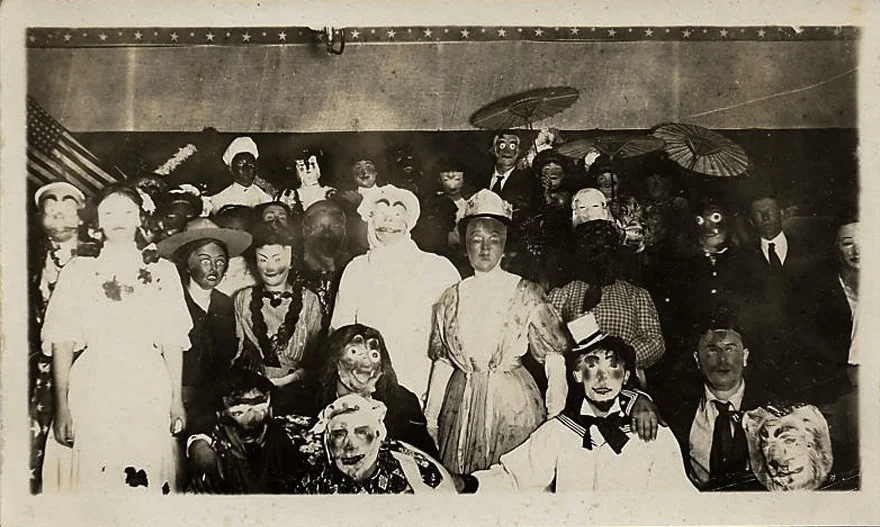
In Victorian parlors, Halloween party guests dared each other to walk backward into a darkened room, mirror in hand, to catch a fleeting vision of their future.
But the stories always came with a warning: The mirror will show you what is, not what you wish it to be. And if you look too long, you might not like what gazes back.
To try the old ways, place a candle on either side of a mirror and dim the rest of the lights. Focus on a question, soften your gaze, and wait. Shapes may stir in the shadows. Colors may shimmer at the edge of sight. Or nothing will come — which, on Samhain, might be its own kind of blessing.
If your reflection seems… different when you blow out the candles, remember to cover the glass. Every doorway needs to be shut.
Samhain’s Forgotten Love Spells
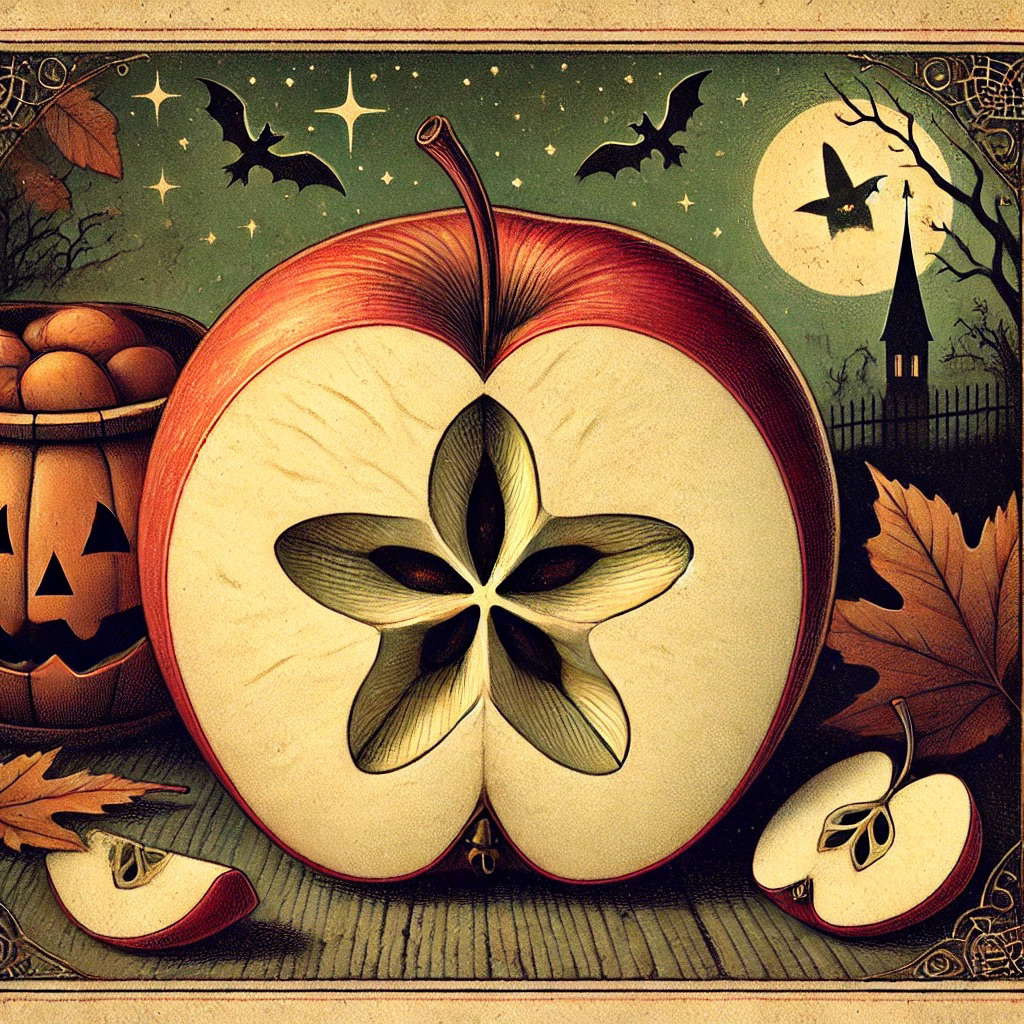
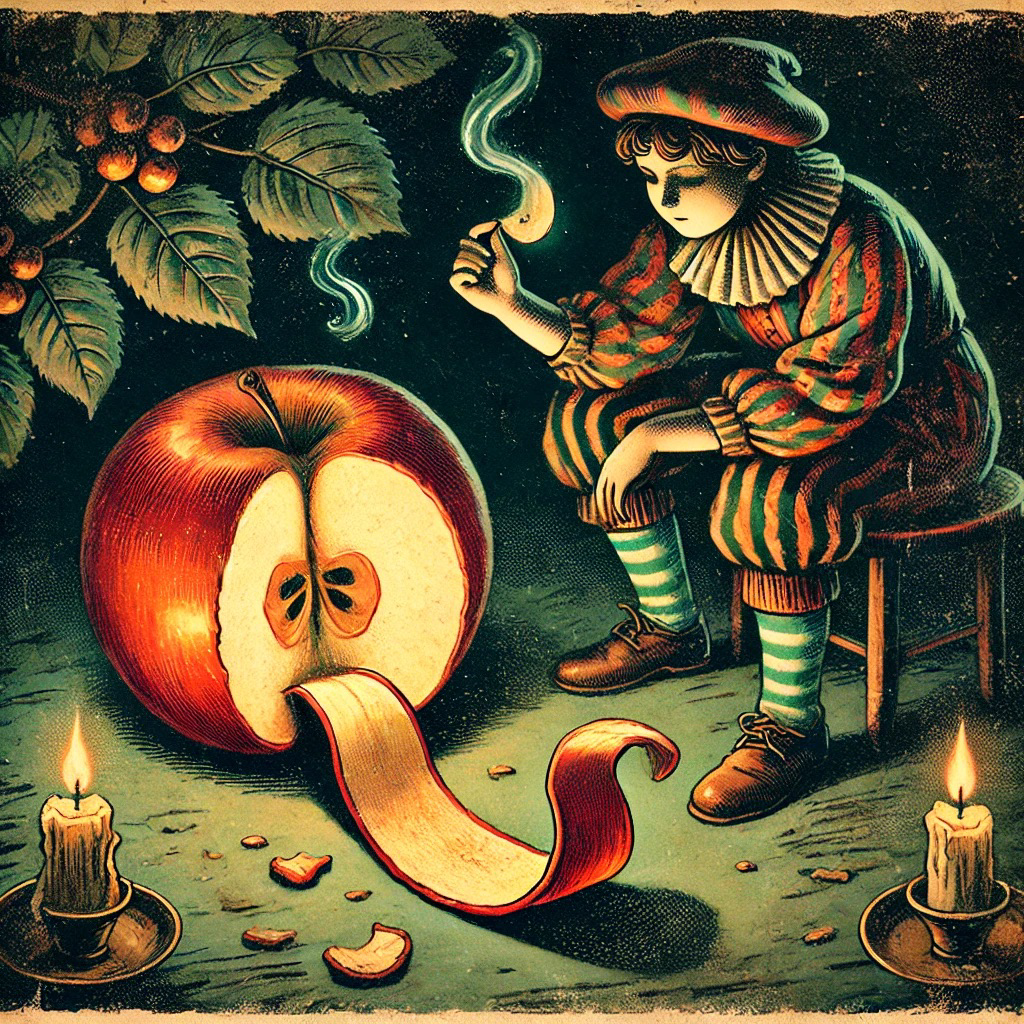
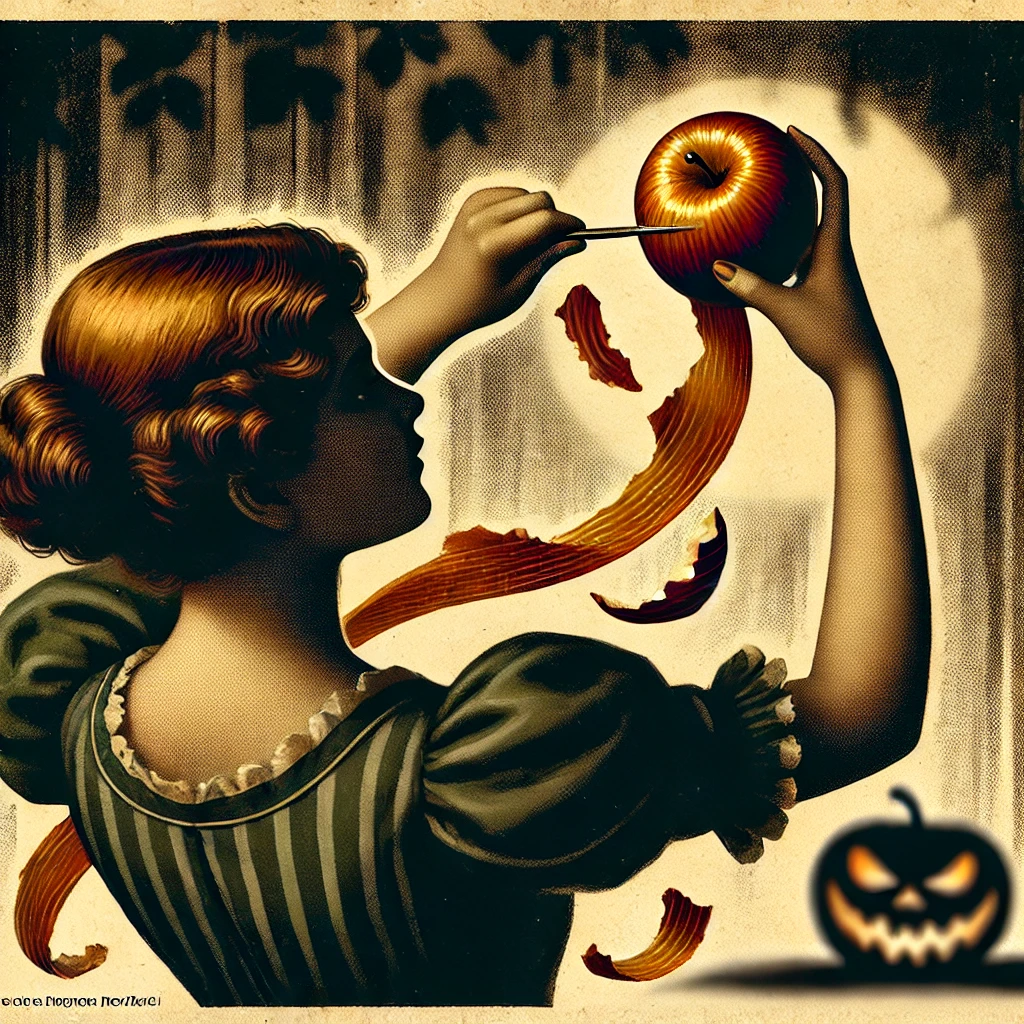
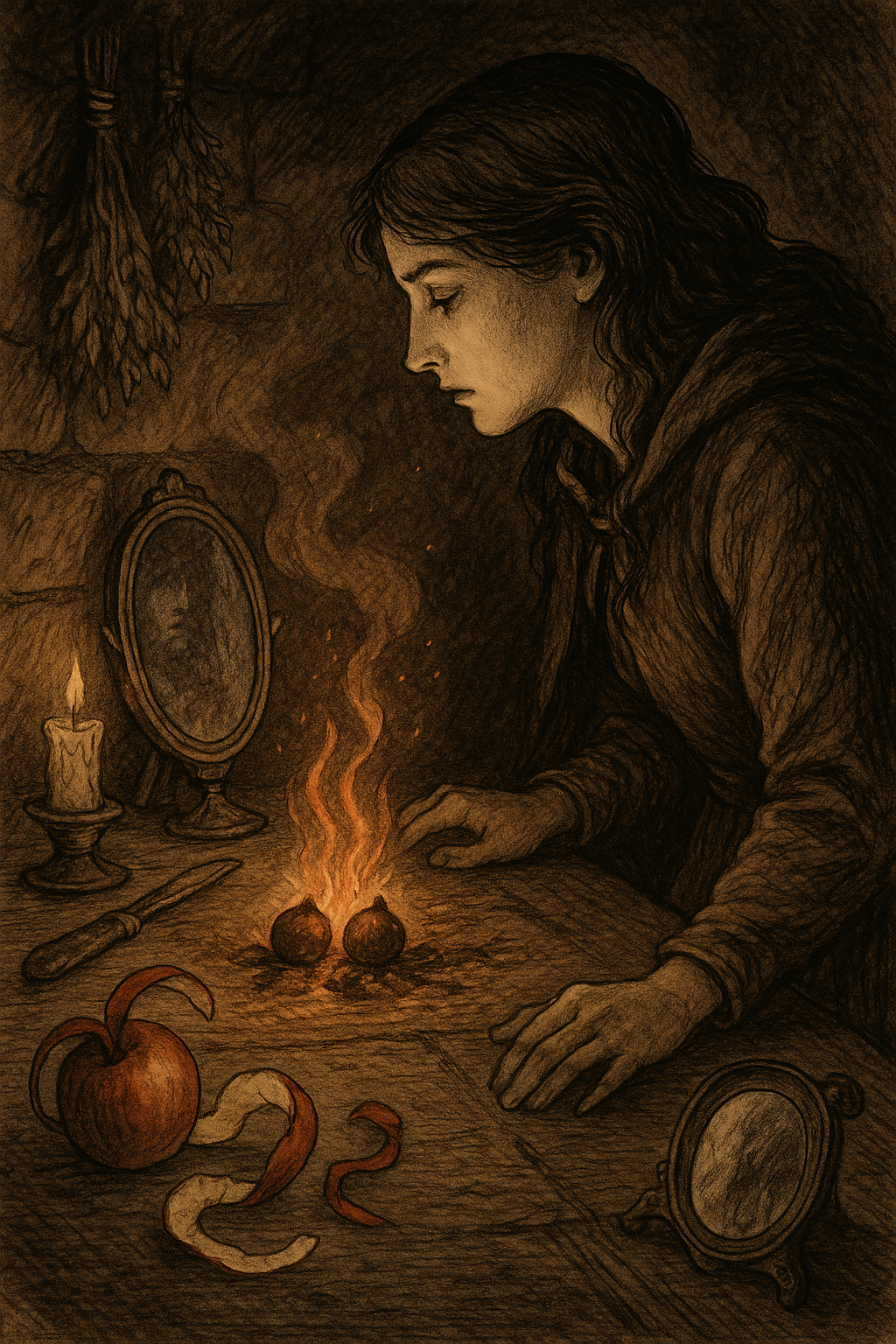
Not all Samhain divination was about warning of danger or calling the dead. Some of it was downright flirty — though with just enough edge to keep things interesting. In Ireland and Scotland, young women would peel an apple in one long strip, toss it over their shoulder, and squint at the shape it made on the floor — it was said to be the initial of their future love.
Others tossed two hazelnuts into the hearth fire — one for themselves, one for the person they fancied. If the nuts burned together, the match was true. If they popped apart, the romance was doomed.
And then there was the mirror trick: Walk backward into a candlelit room holding a hand mirror, and your future spouse’s face would appear over your shoulder. Unless, of course, something else got there first.
These games mixed giddiness with a hint of danger — the thrill of asking the unknown about something as unpredictable as love. On Samhain night, the heart was fair game for the fates.
MORE: Try these Gypsy love spells
Haunted Forms of Divination
Some tools are more powerful on Samhain night. The spirit or Ouija board, for example, had its great heyday in the early 1900s, when Halloween parties weren’t complete without one. Hands rested lightly on the planchette, waiting for it to slide toward letters and numbers, spelling out words no one dared to speak aloud. Whether the answers came from the subconscious or something far more sinister, people learned quickly to be careful about the questions they asked.
Others preferred scrying: gazing into a bowl of black water under moonlight until ripples of light and shadow shaped themselves into visions.
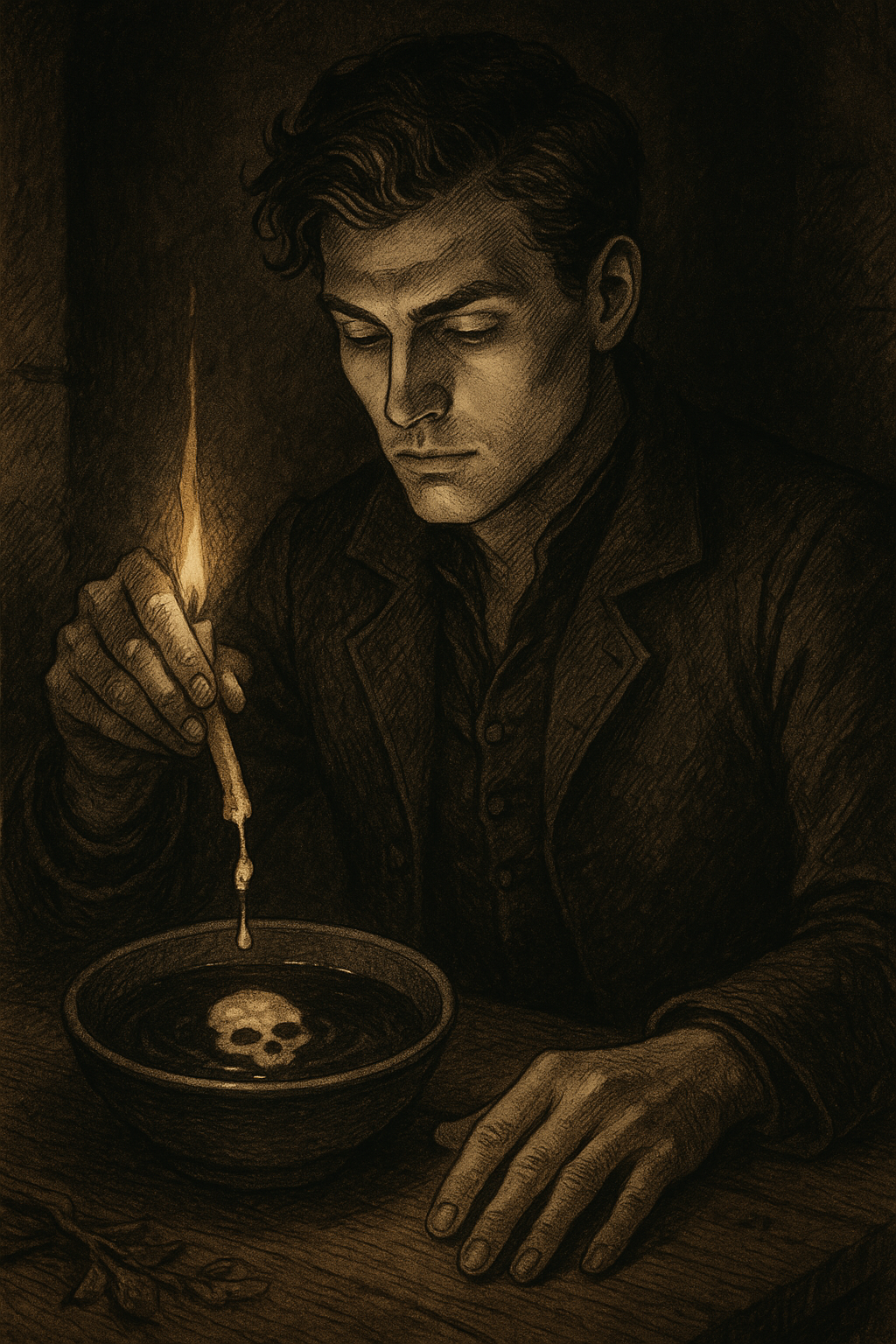
In candle-wax reading, molten drops hit a waiting bowl of water, forming strange shapes said to hold meaning — a ship, a ring, a skull — each one a whisper from the unseen.
These methods carry the same rule the old folk gave for Samhain itself: Open your senses, but guard your spirit. What you invite in to answer may not be in a hurry to leave.
So when the last question has been asked and the candles have burned low, close the door between worlds with these words:
By flame and shadow, moon’s pale light,
I’ve heard the truths that walk the night.
Now shut the door, let silence keep,
And send all spirits back to sleep.
The night has spoken. You’ve seen through the Veil. Now bolt the door… before anything follows you home. –Wally
MORE: Learn the freaky but fascinating history of Halloween