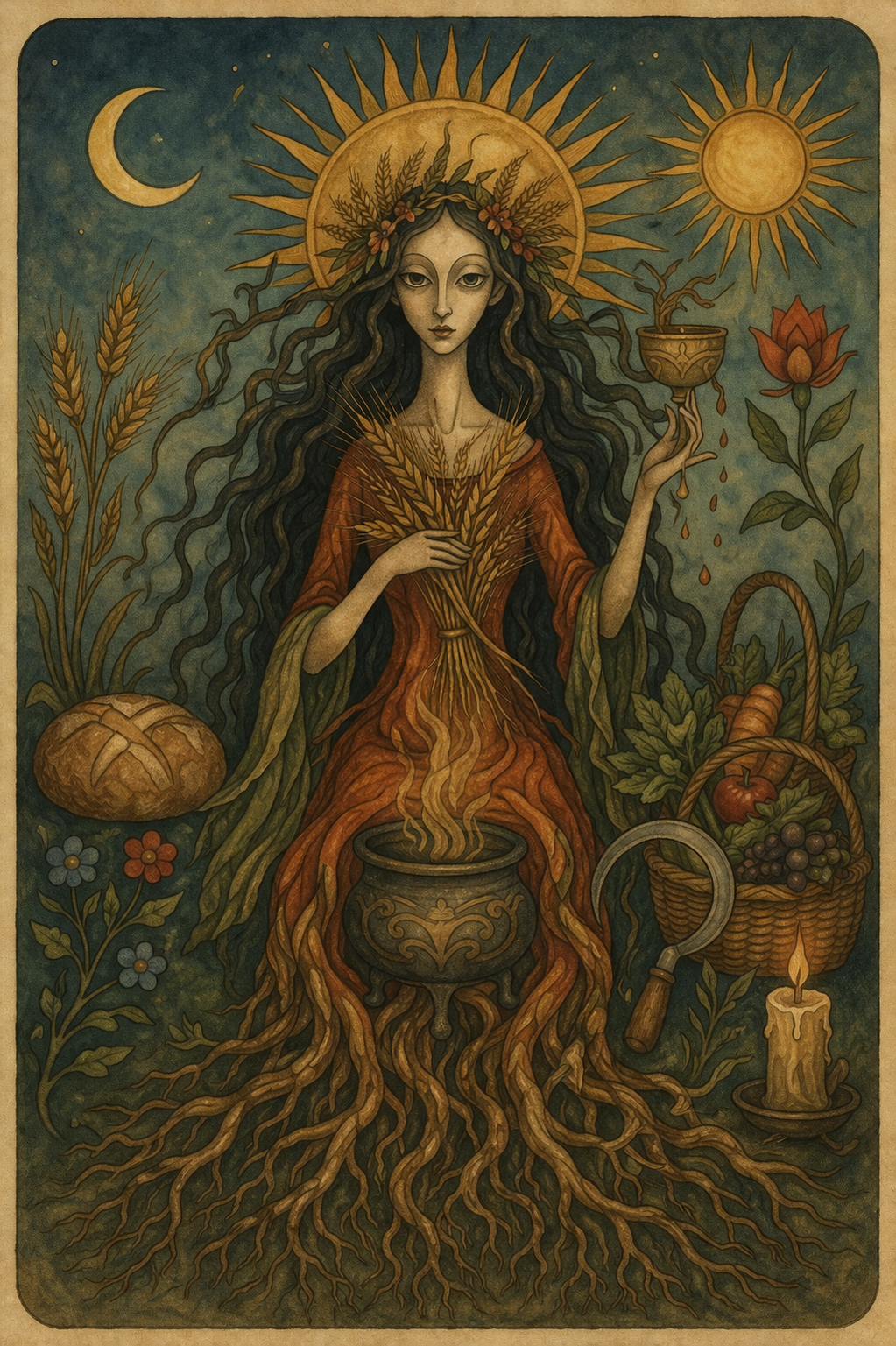
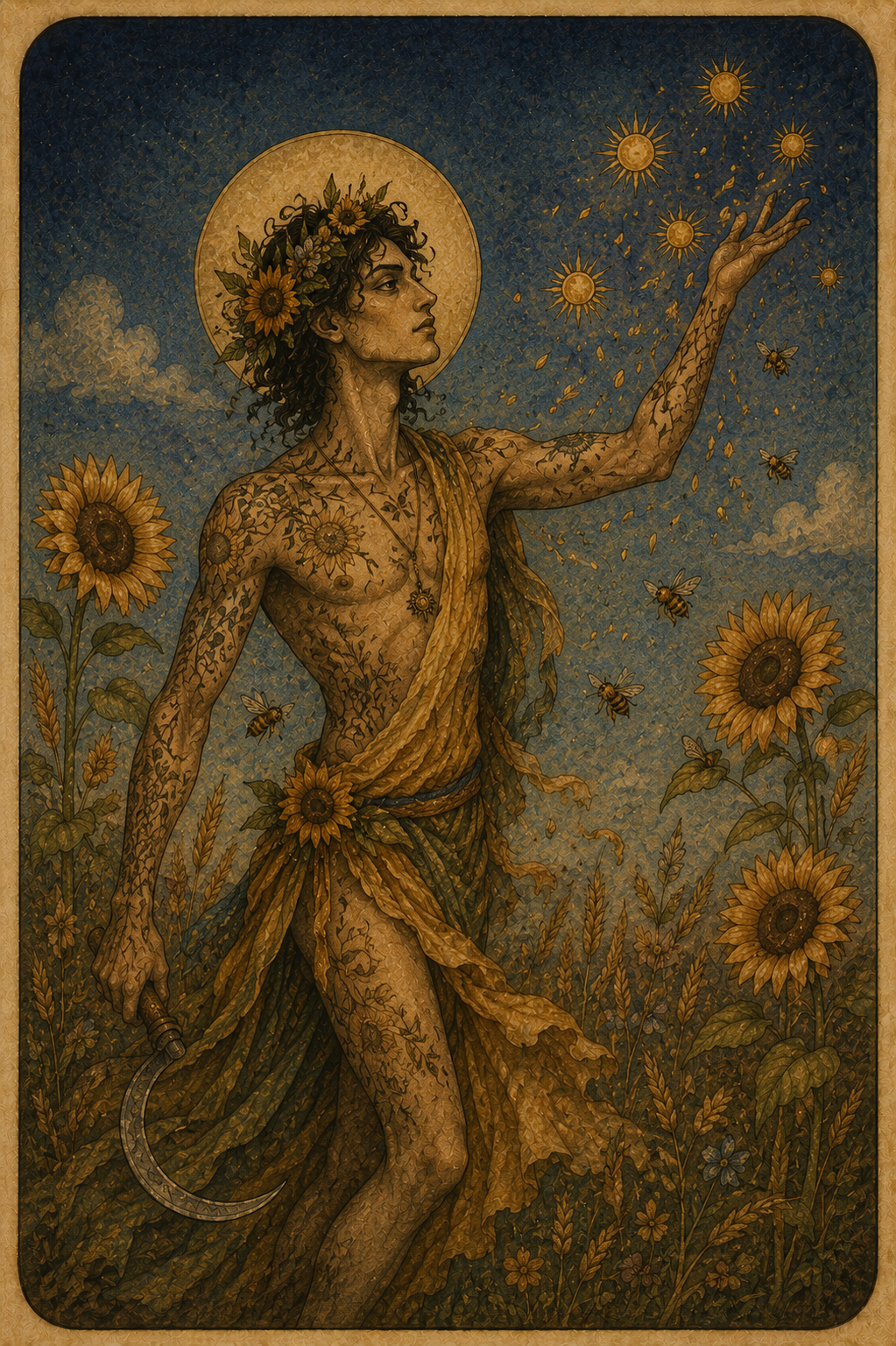
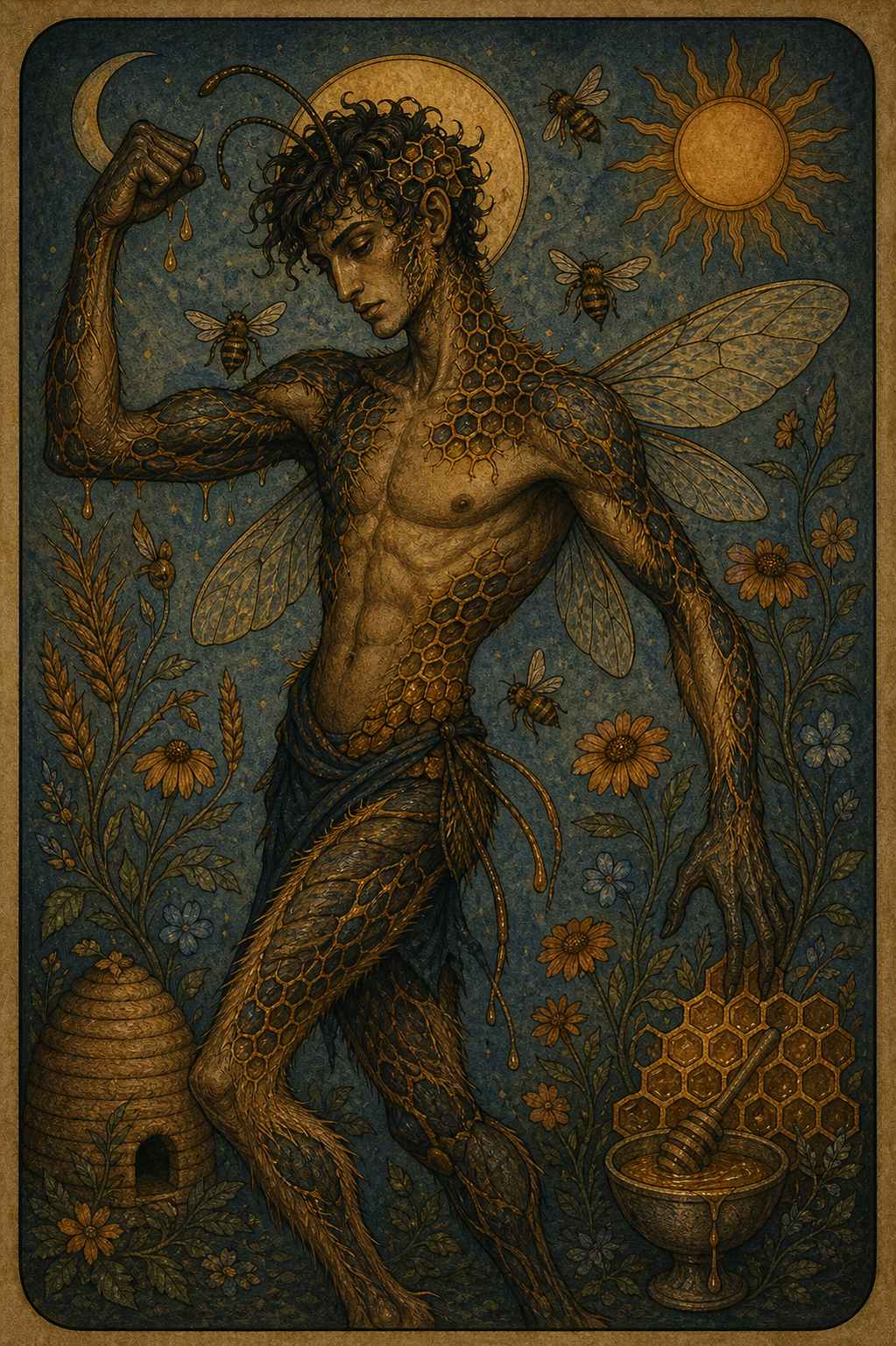
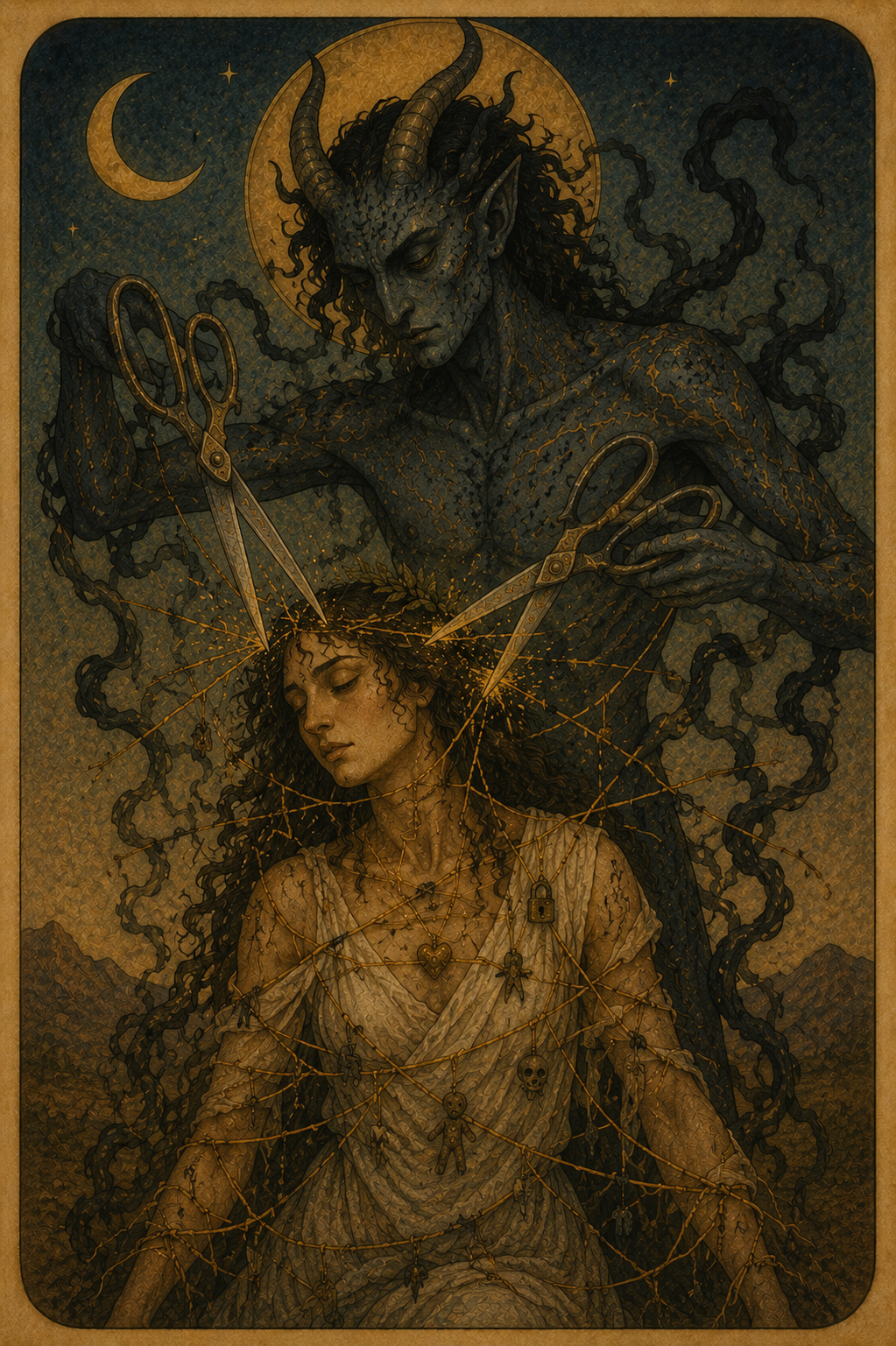
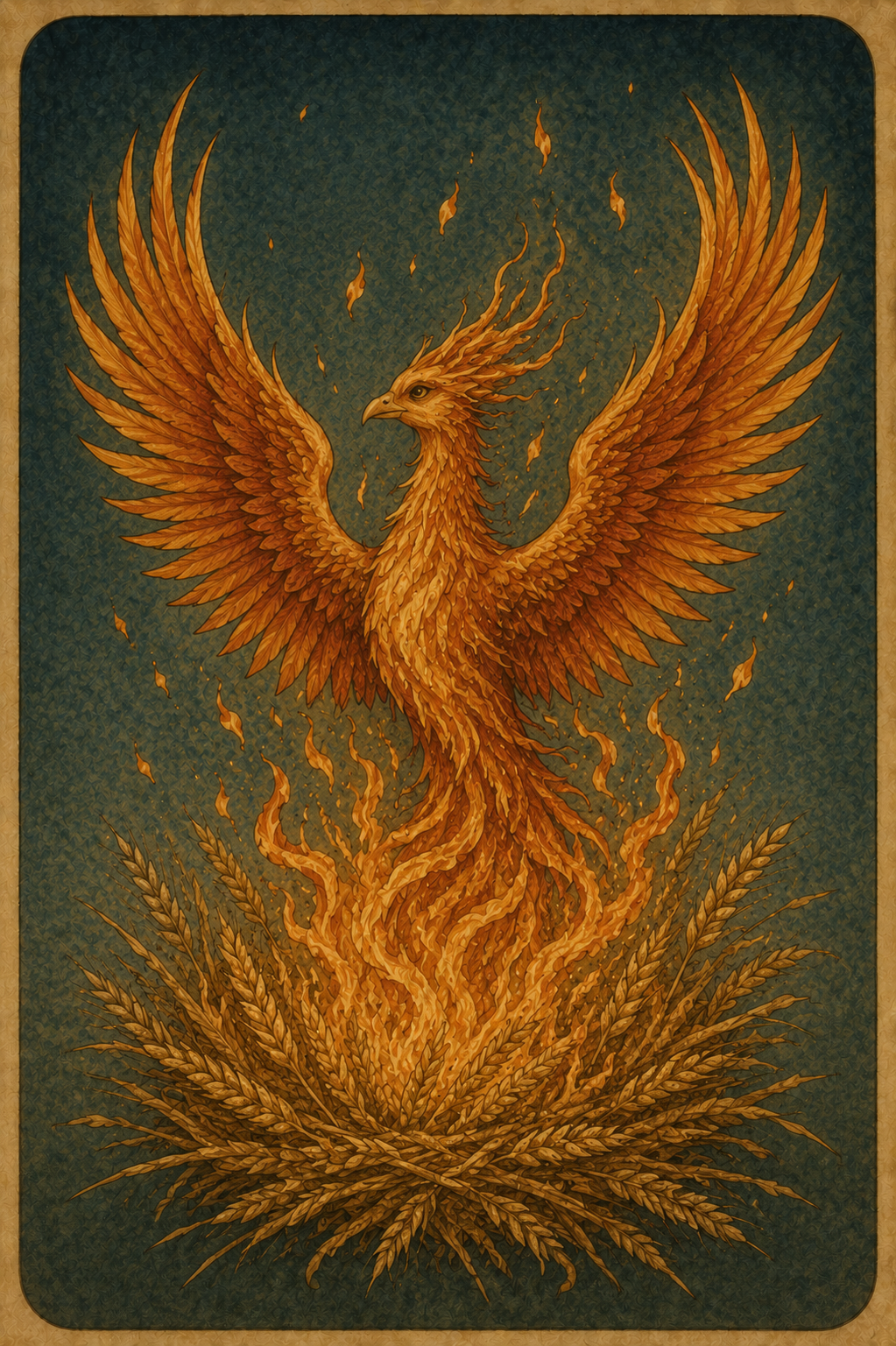
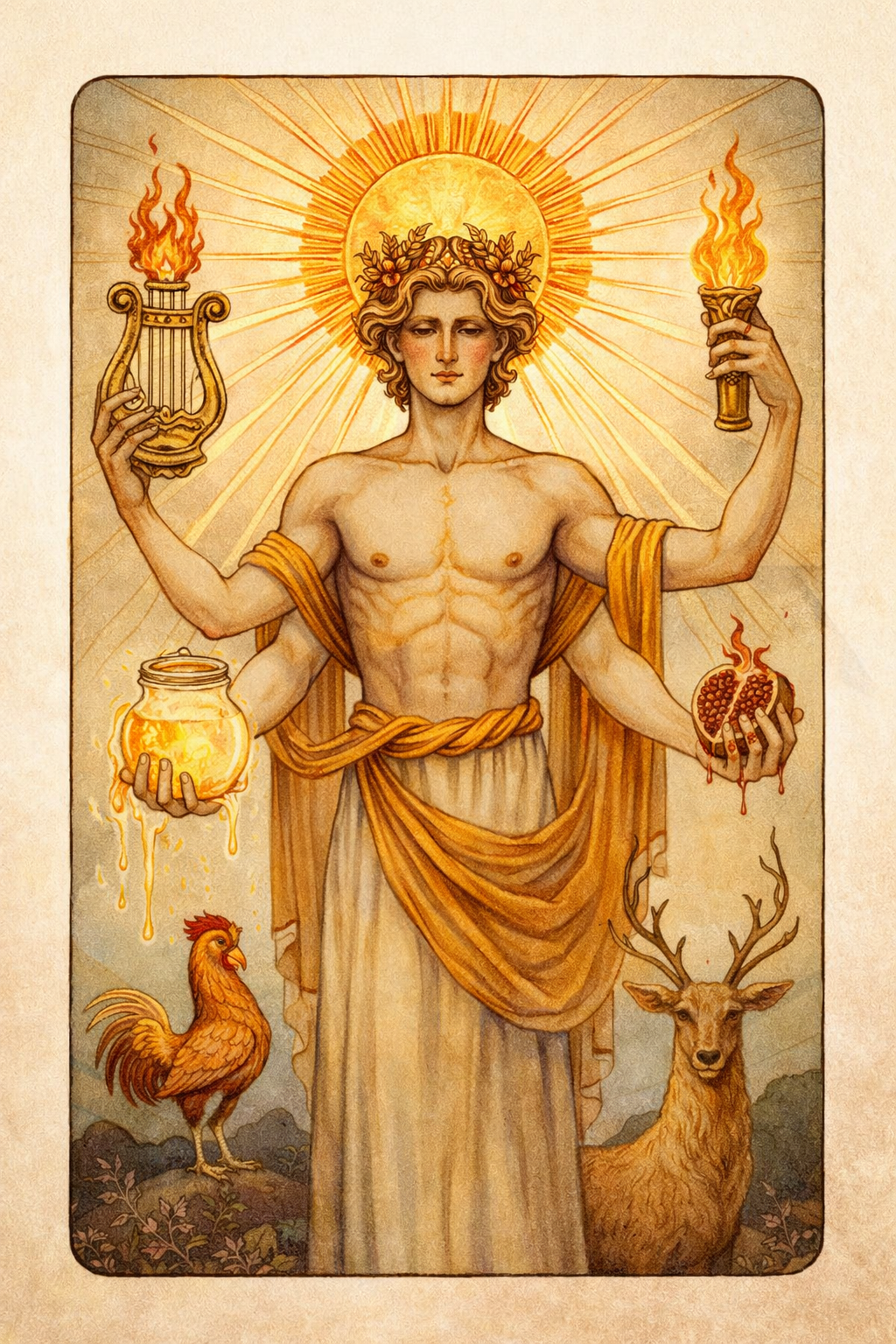
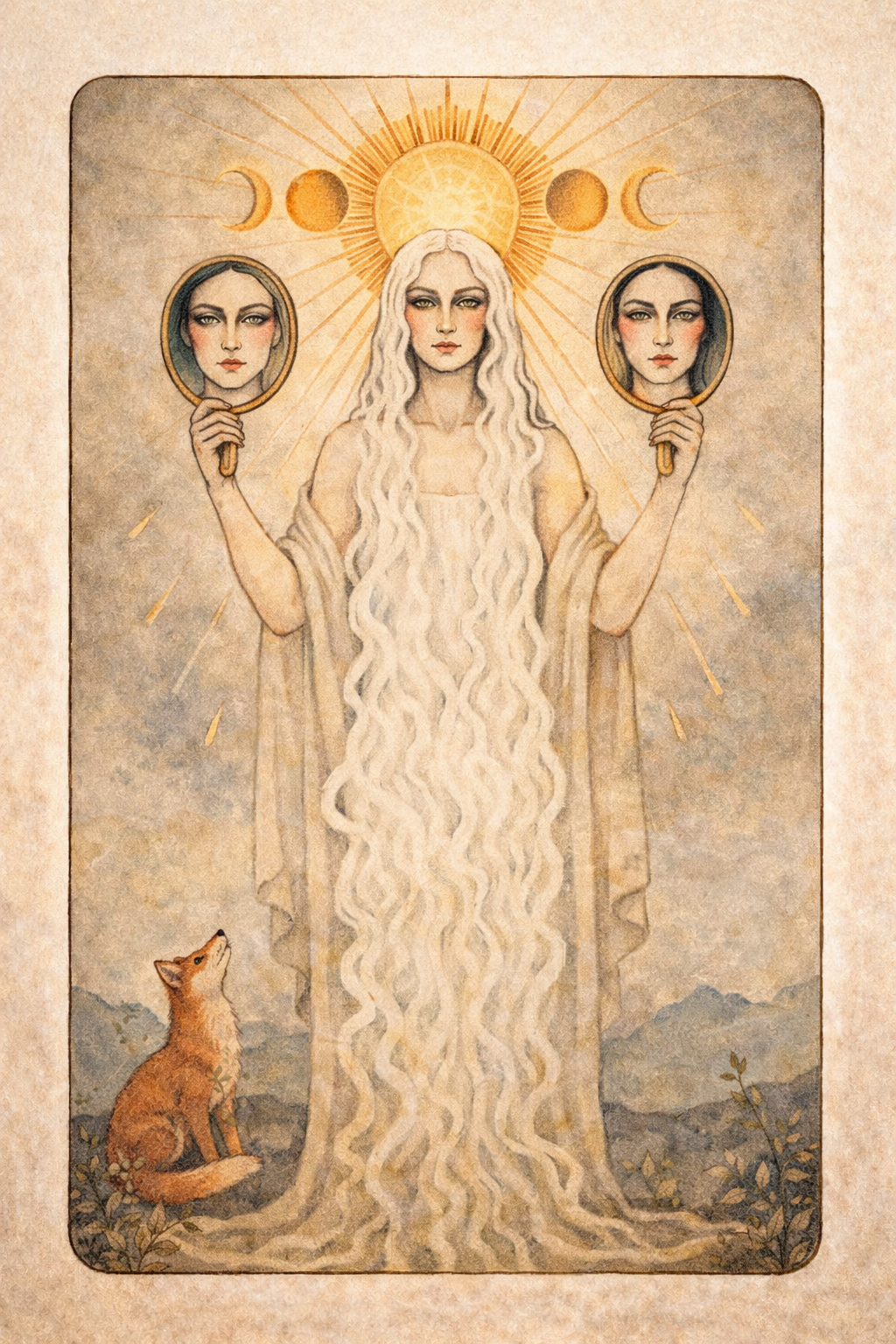
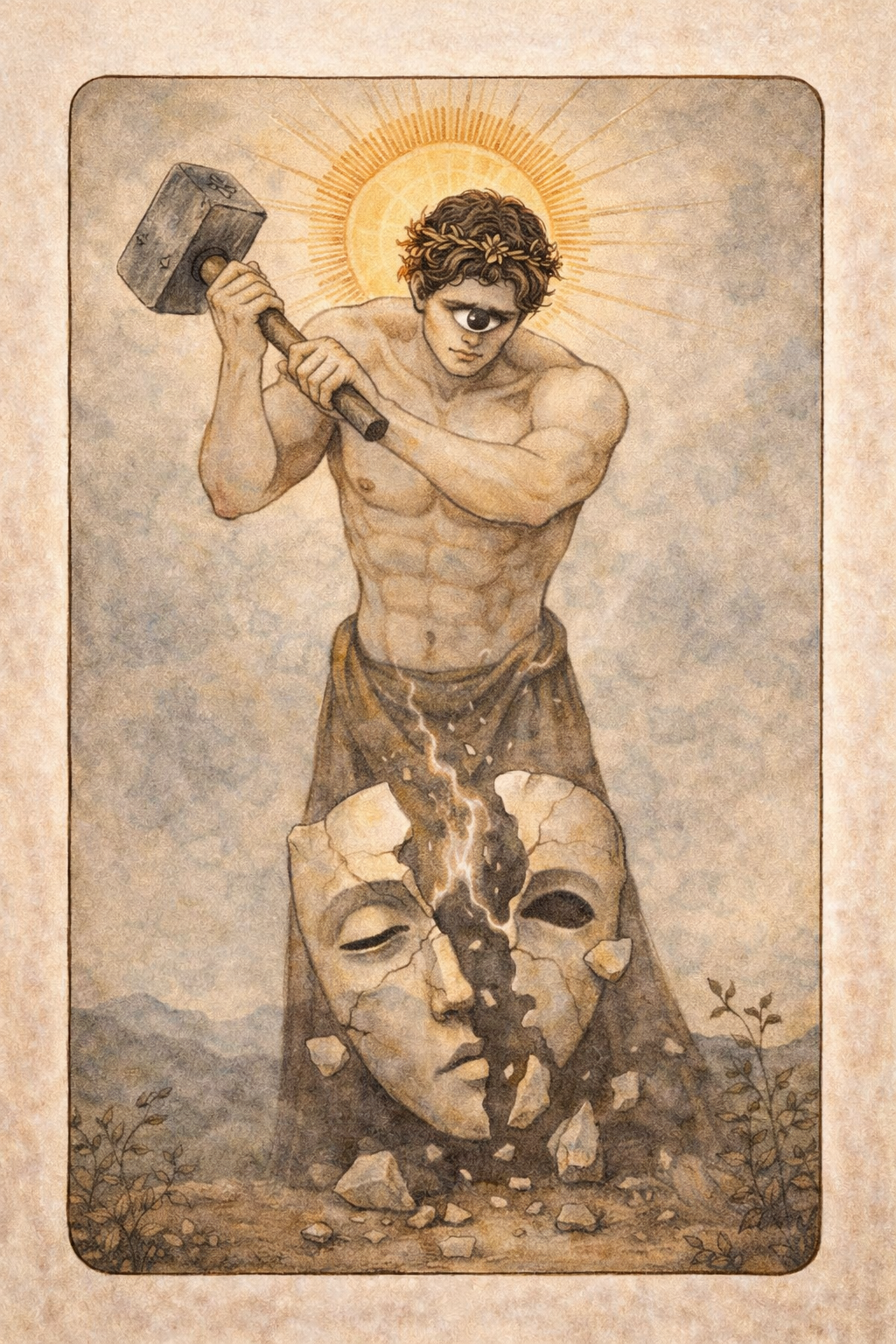
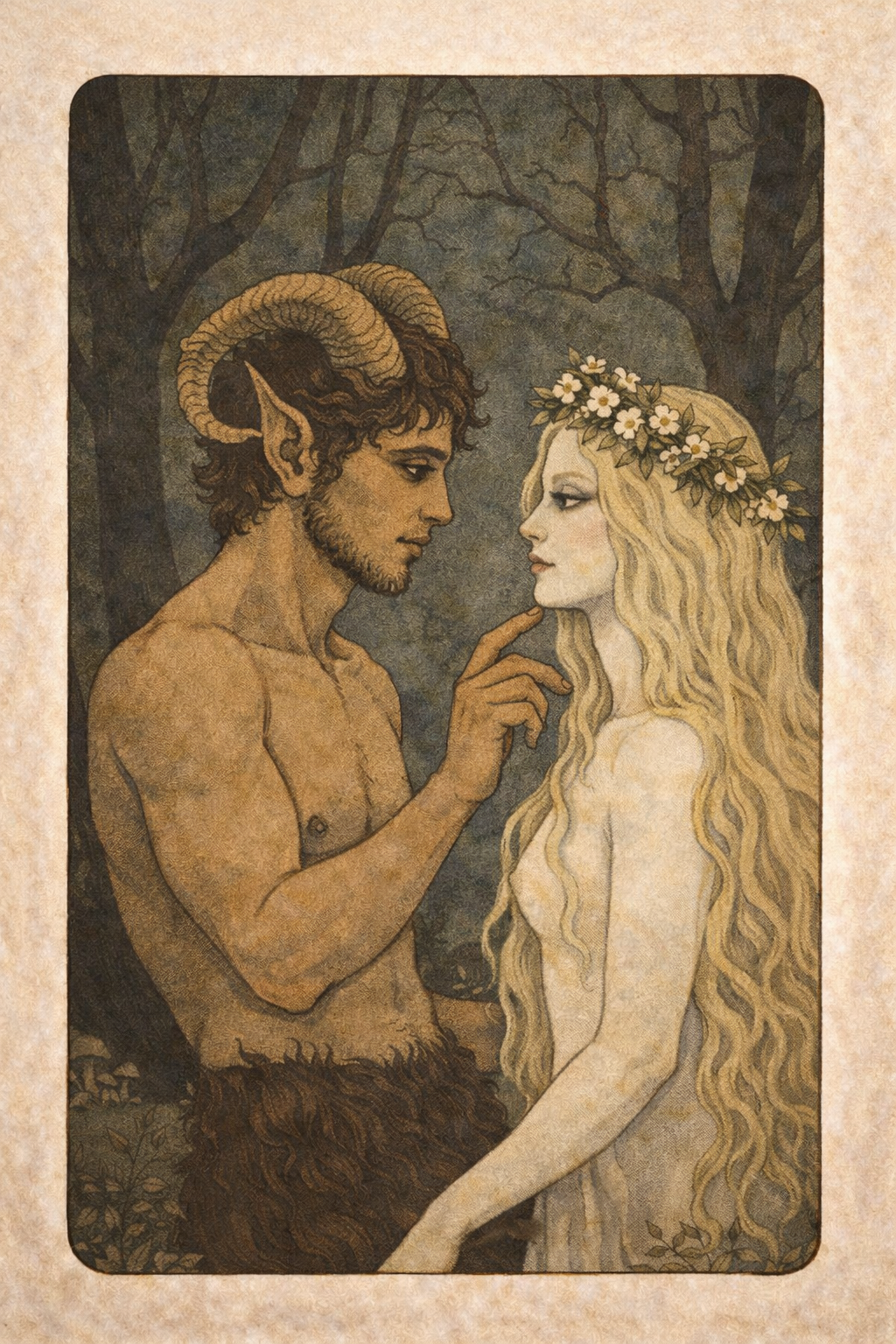
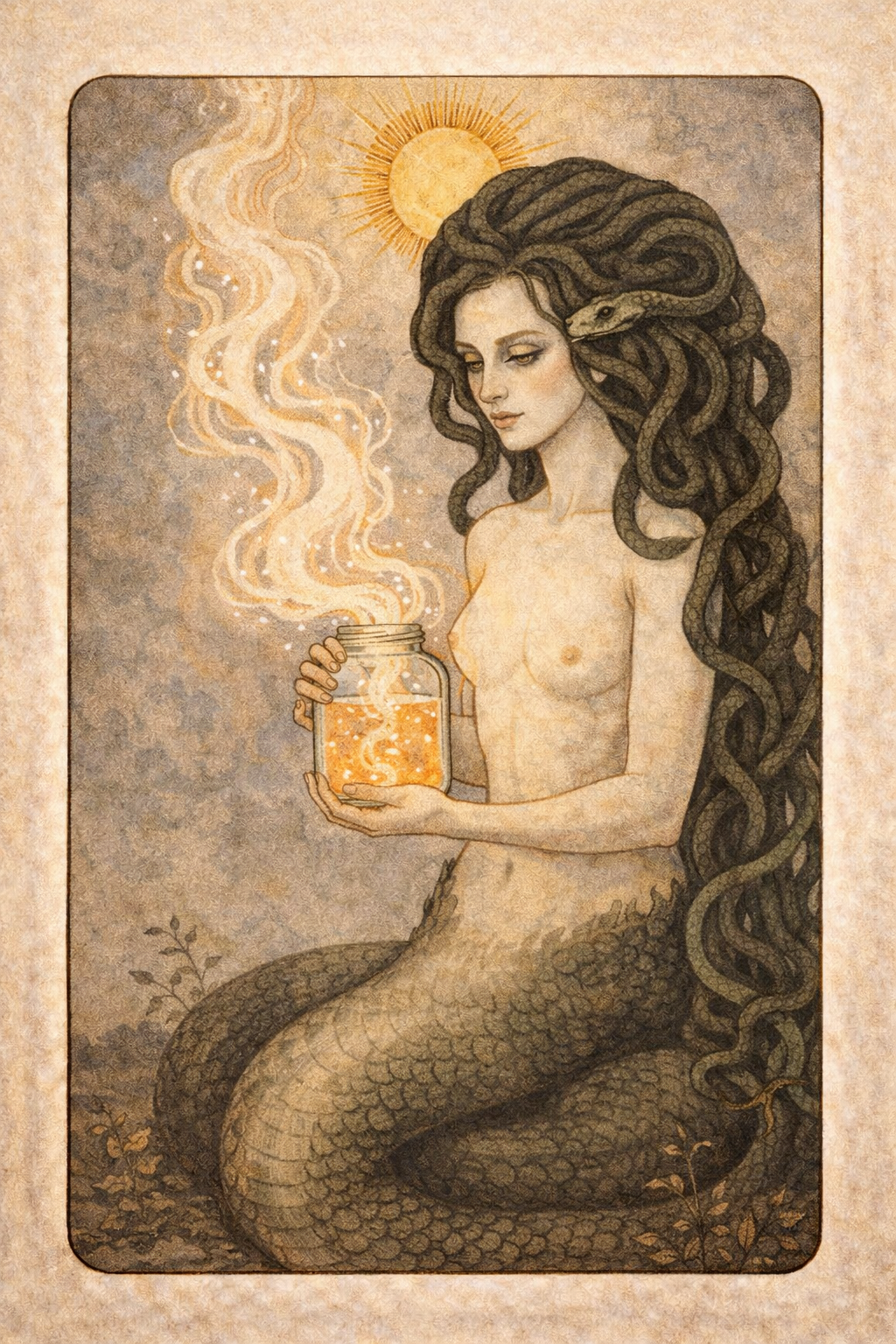
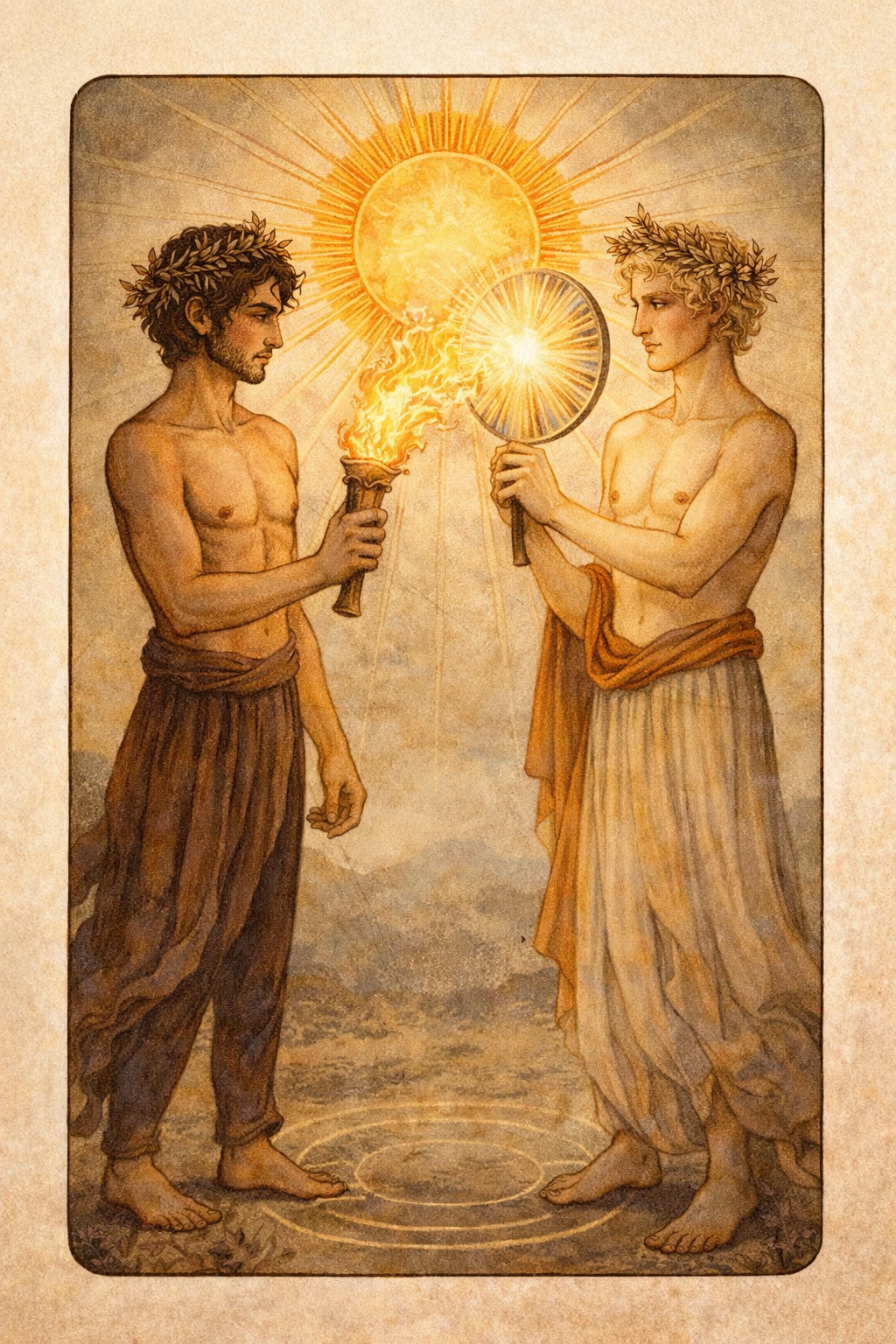
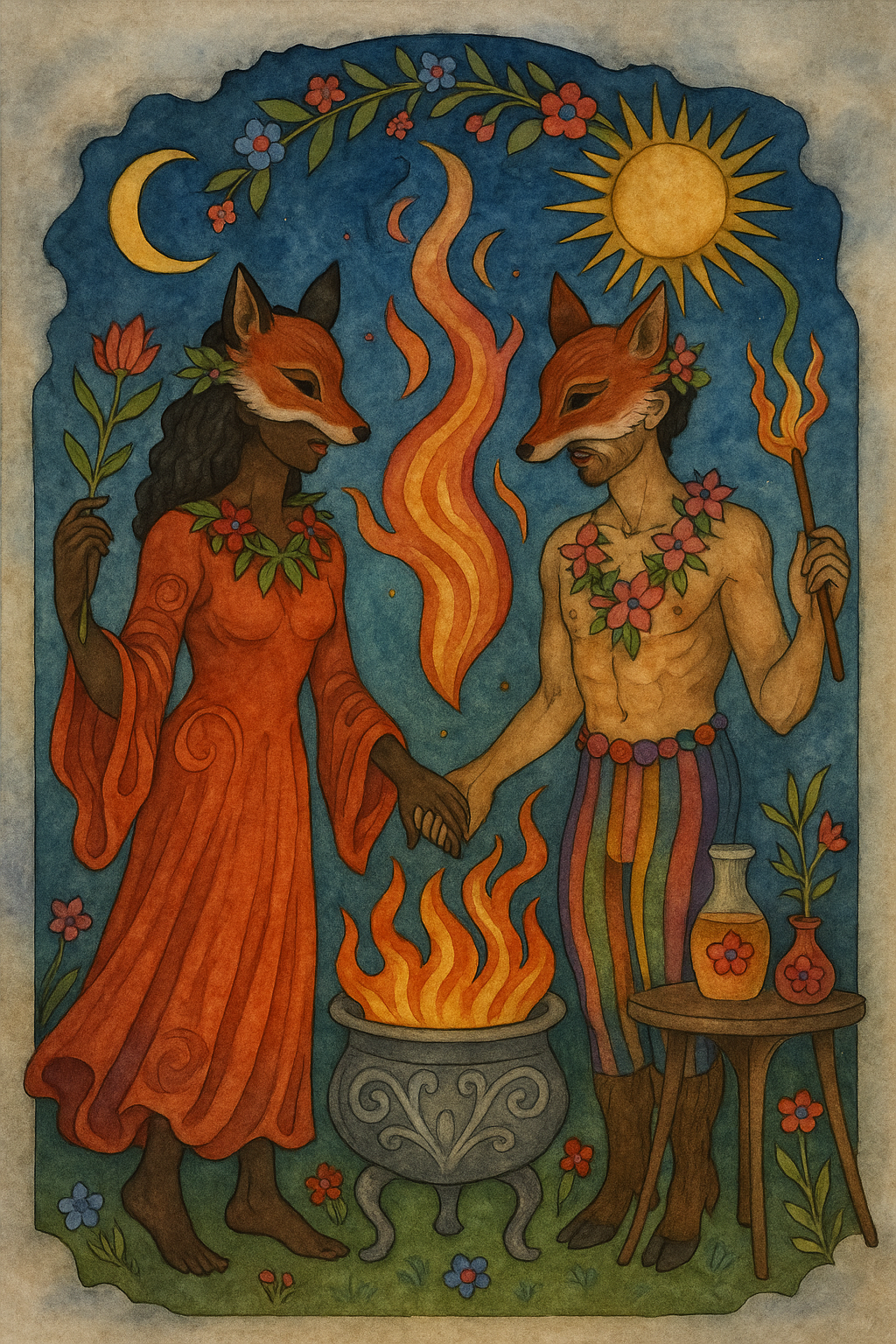
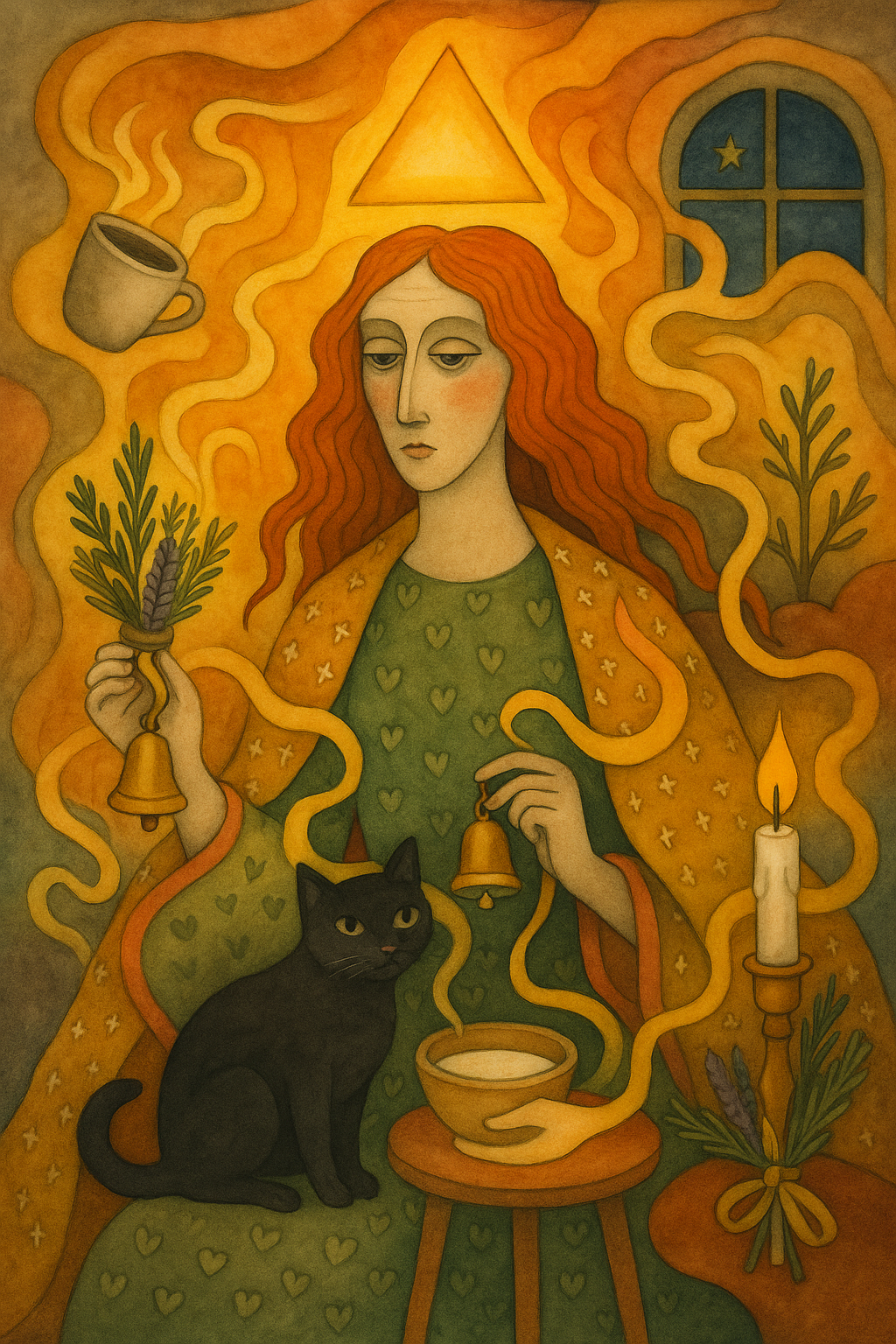
Celebrate the fall equinox with Mabon spells for release, protection, difficult decisions and preparing for the darker half of the year.
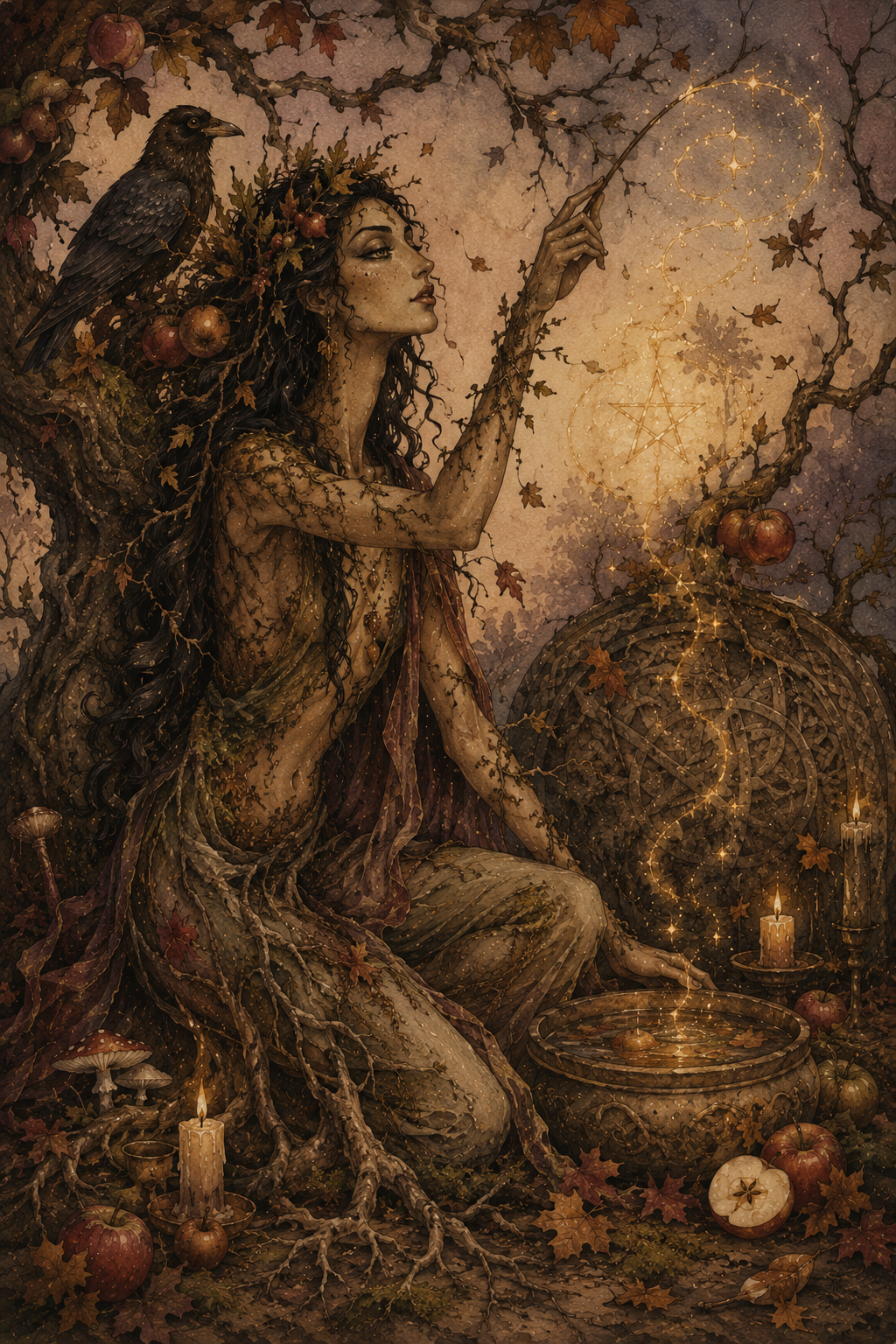
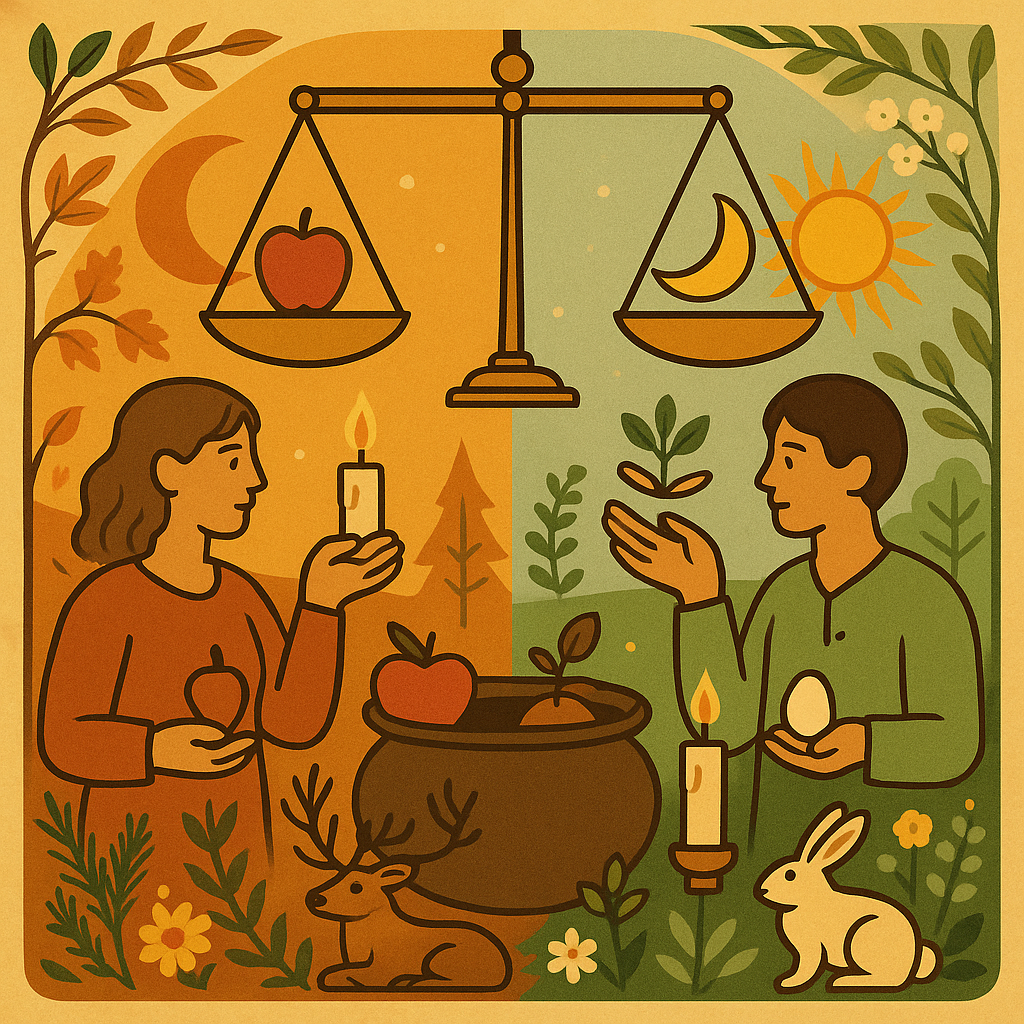
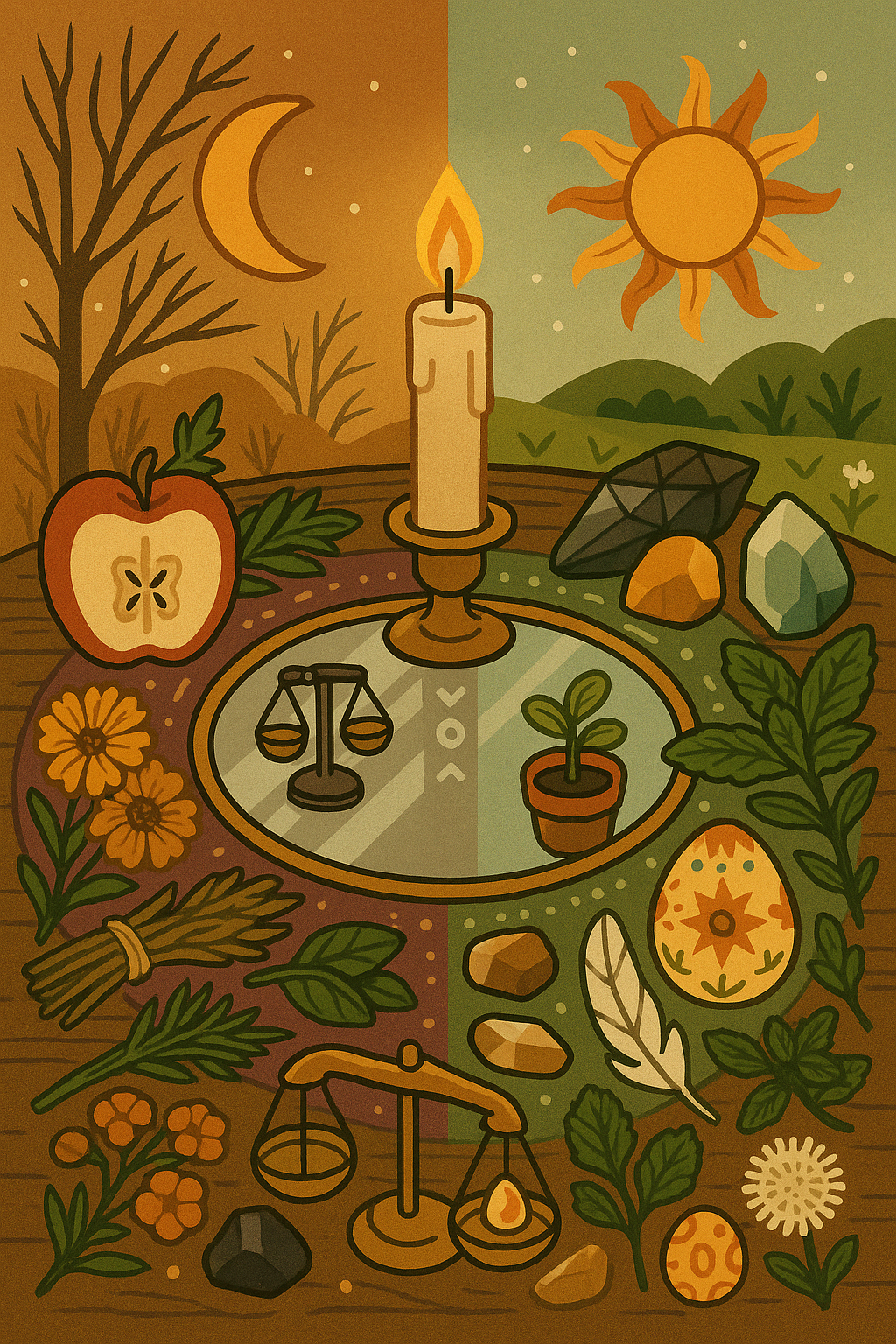
As the first crisp mornings arrive and the edges of the leaves begin to turn, the Wheel of the Year reaches a moment of perfect balance. Day and night stand as equals during Mabon, the autumn equinox. It falls between September 21–24, depending on the year, offering a brief pause between the abundance of summer and the introspection of the darker half of the year.
If Ostara spells are about planting intentions and nurturing new beginnings, Mabon asks a different question: What has actually grown? The hopeful energy of Ostara magic has matured into something tangible. The attraction and passion of Beltane spells have either deepened or faded. The bold confidence of Litha magic has been tested by action. Even the practical harvest work of Lammas and Lughnasadh spells has led here, to a moment of taking stock.
Mabon magic is thoughtful rather than impulsive. It excels at finding balance, making difficult decisions, expressing gratitude and releasing what no longer serves you. This is one of the most powerful times of the year for justice work, boundary setting and spells focused on preparing for what’s ahead. Rather than chasing more, Mabon invites you to appreciate what you already have and decide what deserves a place in the coming season.
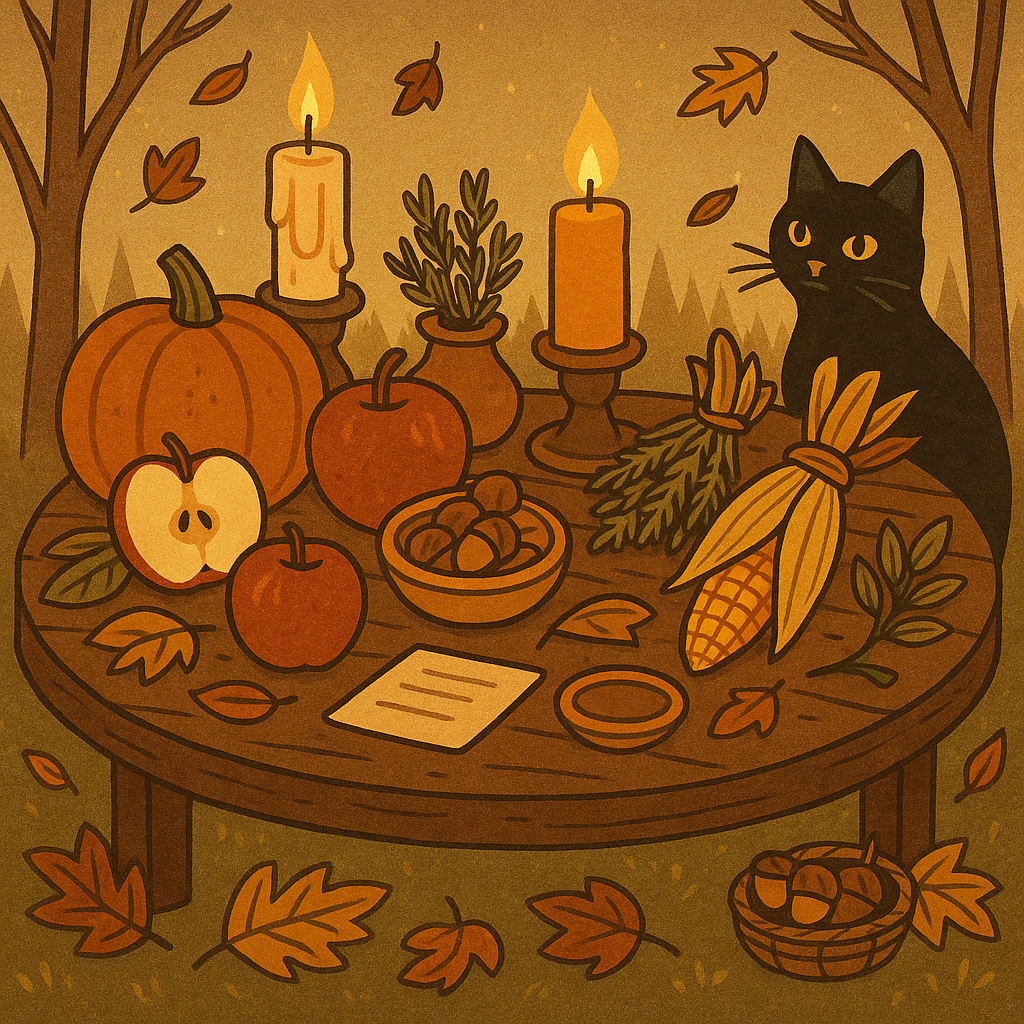
There’s a quiet honesty to autumn equinox magic. The harvest basket reveals what flourished and what struggled. Trees surrender their leaves without resistance. Animals gather and prepare for winter. Nature itself models the wisdom of discernment — keeping what nourishes, releasing what drains and trusting that rest and renewal will eventually come again.
As Samhain approaches and ancestor magic, divination and spirit work move closer to the forefront, Mabon offers one final opportunity to create balance before crossing that threshold. This is not magic of urgency or ambition. It is magic of evaluation, gratitude and choice.
At Mabon, the scales are perfectly balanced.
What you carry forward is up to you.
Mabon Spellbook
Spell to Bring More Balance Into Your Life
Spell to Let Go of What No Longer Serves You
Spell to Invite Gratitude and Abundance
Spell to Make a Difficult Decision
Spell to Prepare for Challenging Times Ahead
Spell to Encourage Justice and Fairness
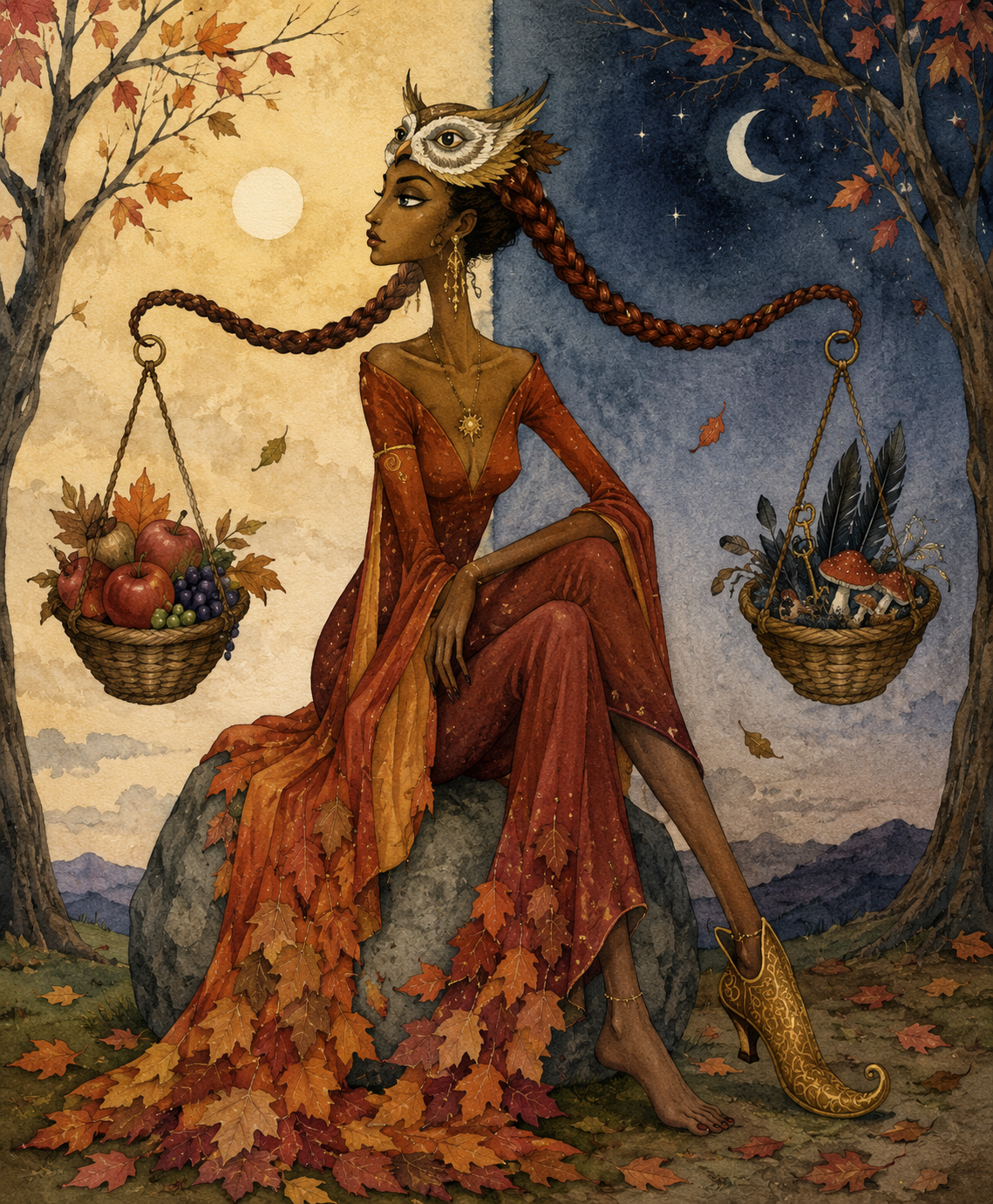
1. Spell to Bring More Balance Into Your Life
For restoring equilibrium when one part of life has begun to outweigh the others
Mabon is the autumn equinox — the brief moment when day and night stand as equals before darkness gradually takes the lead. It’s a reminder that balance isn’t something you achieve once. It’s something you return to, again and again.
You’ll need:
a small bowl or cup
a second matching bowl or cup
a ruler, wooden spoon or straight stick
string or twine
a place to suspend or balance your makeshift scales
8–10 small objects of similar weight (acorns, nuts, coins or small stones work well)
Set up your scales by tying a bowl to each end of the ruler or stick. Balance it carefully so both sides hang evenly.
Take a moment to consider where your life feels out of balance. Work and rest. Giving and receiving. Obligations and joy. Relationships and solitude.
Choose two areas that feel especially important. Designate one side of the scales for the first area and the other side for the second.
Place one object into the first bowl.
Say:
May balance guide me, steady and true.
Place one object into the second bowl.
Continue adding objects, one at a time, alternating sides as you reflect on what each part of your life genuinely needs. You may discover one side requires more support. You may realize you’ve been giving too much weight to one area while neglecting another.
Don’t force the scales into perfect balance immediately. Instead, adjust them slowly until they rest evenly.
When they do, say:
Equal light and equal night,
Guide my choices, set things right.
Where I wander, help me see,
The balance that is best for me.
Repeat this chant three times, allowing the feeling of equilibrium to settle in.
Sit quietly with the balanced scales for a few moments.
When you’re ready, dismantle them and return the objects to where they belong.
Balance isn’t about giving every part of your life equal attention all the time. It’s about recognizing when something has tipped too far and having the wisdom — and courage — to gently restore what matters most.
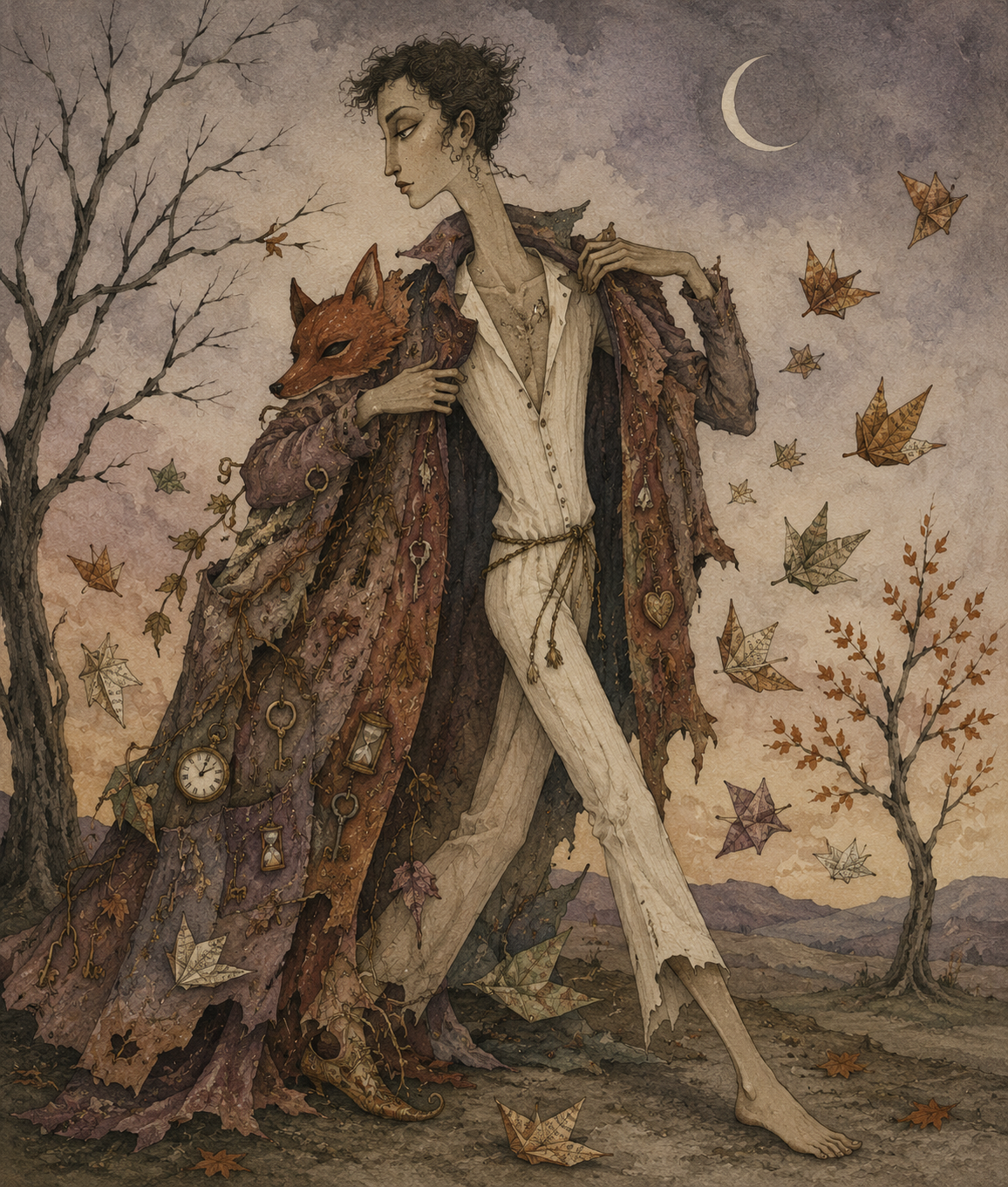
2. Spell to Let Go of What No Longer Serves You
For releasing burdens, habits and worries you don’t want to carry into the darker half of the year
Trees don’t cling to their leaves in autumn. dThey let them go.
Mabon reminds us that release isn’t failure — it’s part of the cycle. Making space for what’s ahead often means recognizing what has run its course.
You’ll need:
3–5 fallen leaves (freshly collected or dried)
a pen or marker
a bowl of water
Take a few moments to consider what you’re ready to release. This could be a habit, resentment, fear, unrealistic expectation or responsibility that no longer belongs to you.
Write one thing on each leaf.
Hold the first leaf and say:
With gratitude for what you’ve taught,
I release what I no longer need.
Place it gently into the bowl of water.
Continue with each leaf, one at a time.
As the leaves soften and drift, notice how different it feels to release each burden. Some may feel easy. Others may feel surprisingly difficult.
Once all the leaves are in the water, gently swirl the bowl clockwise three times.
Then say:
As autumn sheds what cannot stay,
I release these burdens on their way.
What nourishes remains with me,
What no longer serves, I set free.
Allow the leaves to rest in the water for several minutes.
When you’re ready, return them to nature — compost them, place them beneath a tree or let them decompose naturally.
Mabon teaches that you don’t have to carry everything forward into the next season.
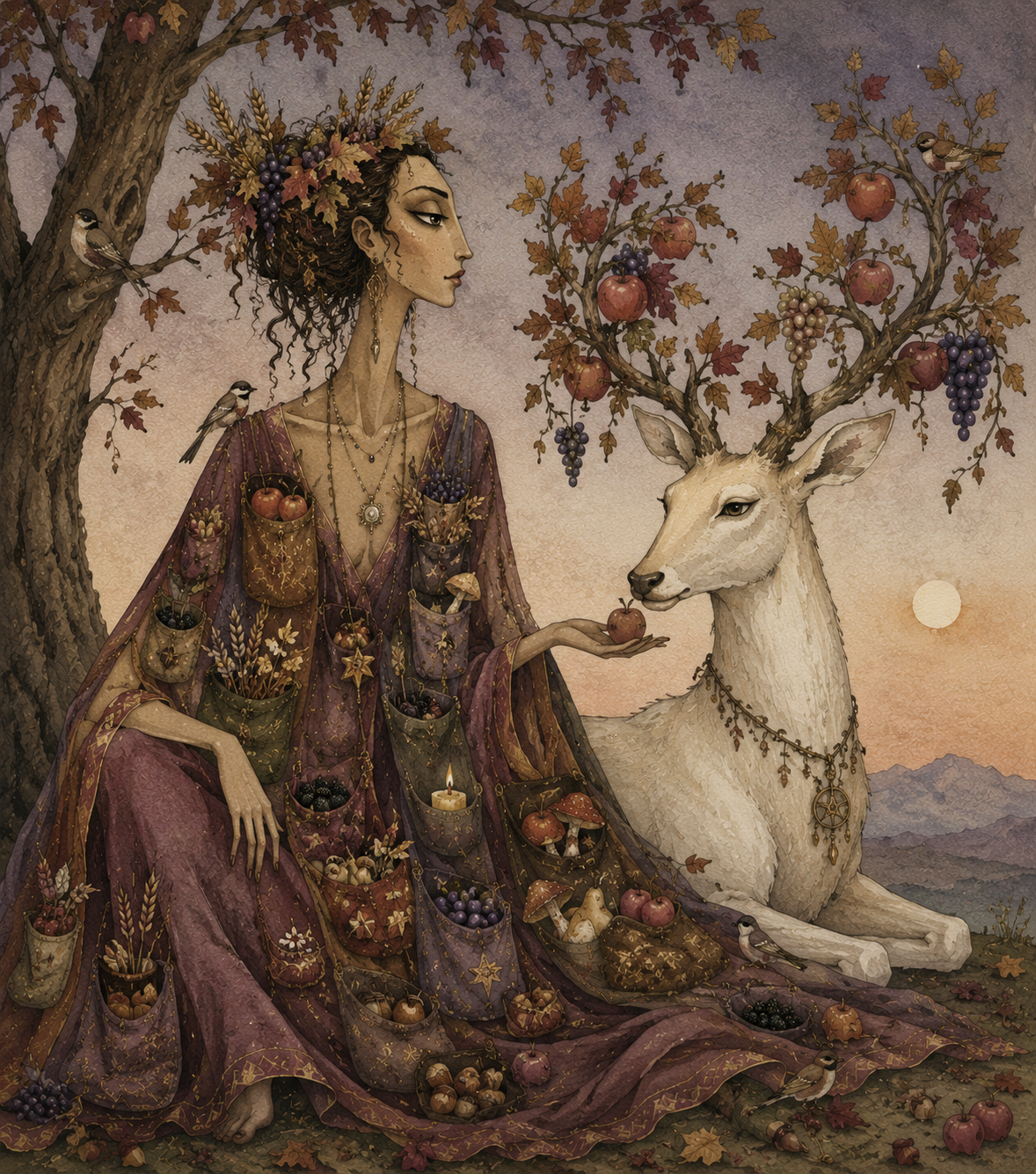
3. Spell to Invite Gratitude and Abundance
For recognizing what is already supporting you — and welcoming more of it
Mabon is the second harvest.
Before planning for winter, people took stock of what had already been gathered. This spell honors that tradition by shifting your focus from scarcity to sufficiency.
You’ll need:
a small basket or bowl
an apple
5 small objects that represent abundance to you (coins, acorns, dried beans, pretty stones, pieces of jewelry, herbs, etc.)
Place the empty basket before you.
Hold the apple in both hands.
Think about one thing in your life that nourishes you right now. It could be a relationship, a skill, a safe home, a pet, your health or simply making it through a difficult season.
Place the apple in the basket.
One at a time, add the five objects. As you place each object inside, name something you are grateful for. Don’t rush. Allow yourself to really acknowledge it.
When the basket is full, say:
Harvest gathered, blessings near,
May abundance flourish here.
What I have, I gladly see,
With gratitude, so may it be.
Repeat the chant three times.
Then lift the basket. Notice its weight in your hands.
This is what Mabon asks us to remember: Even when the year is changing and the light is fading, there’s still much to sustain us.
Eat the apple later that day as a final act of appreciation for the abundance already present in your life.
Gratitude reminds us that even during seasons of change, there are still things worth celebrating.
4. Spell to Make a Difficult Decision
For finding clarity when two paths both have something to offer
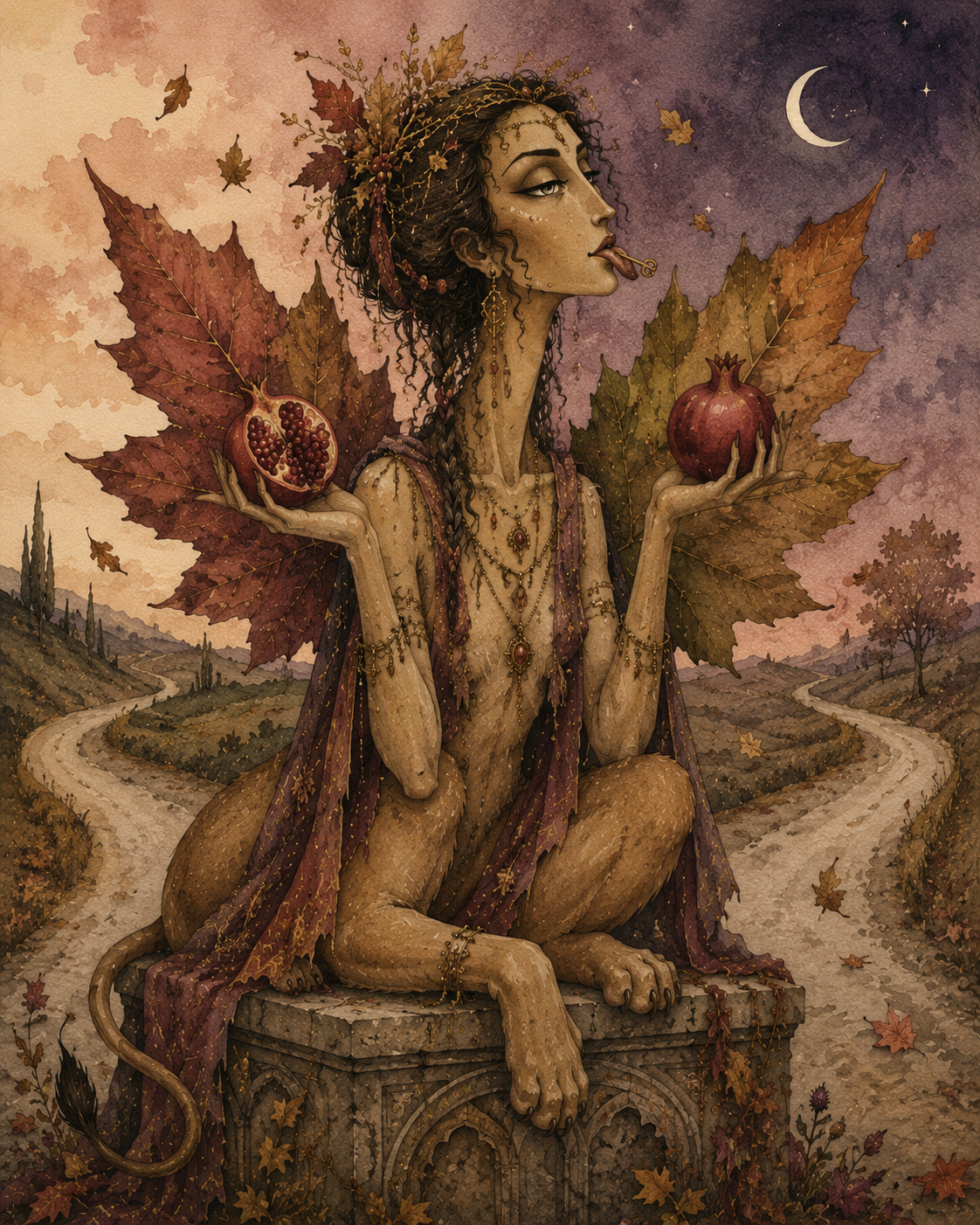
Mabon is ruled by the scales.
Equal day and night remind us that not every choice has an obvious answer. Sometimes both options carry risk. Sometimes both carry promise. This spell won’t make the decision for you — but it may reveal where your heart has already settled.
You’ll need:
two apples
a knife
a piece of paper and pen
a coin
Label one apple with each option you’re considering. Keep it simple: Take the new job versus Stay where I am. Move versus Stay. Reach out versus Let go.
Place them side by side.
Hold the coin in your hand and say:
Equinox of equal light,
Help me see and choose what’s right.
Not through fear or hurried mind,
But through the truth I seek to find.
Flip the coin. Before you look at the result, pay attention.
Do you suddenly hope it lands on one side?
Do you feel disappointment?
That reaction is information.
Now look at the coin.
Regardless of the outcome, cut both apples open.
Take a bite from the apple representing the option you secretly hoped the coin would choose.
Sit with it for a few moments. Notice what feelings arise: relief, excitement, resistance, dread.
Then take a bite from the second apple.
Compare.
When you’re ready, say:
Balanced scales and autumn skies,
Reveal the truth I hold inside.
Repeat the chant three times.
Finish the apple that feels right to you.
Return the other to nature by composting it or placing it beneath a tree.
Sometimes wisdom isn’t found in the flip of a coin. It’s found in the split second before it lands, when you realize what you’ve been hoping for all along.
5. Spell to Prepare for Challenging Times Ahead
For building resilience and confidence in your ability to weather what comes next
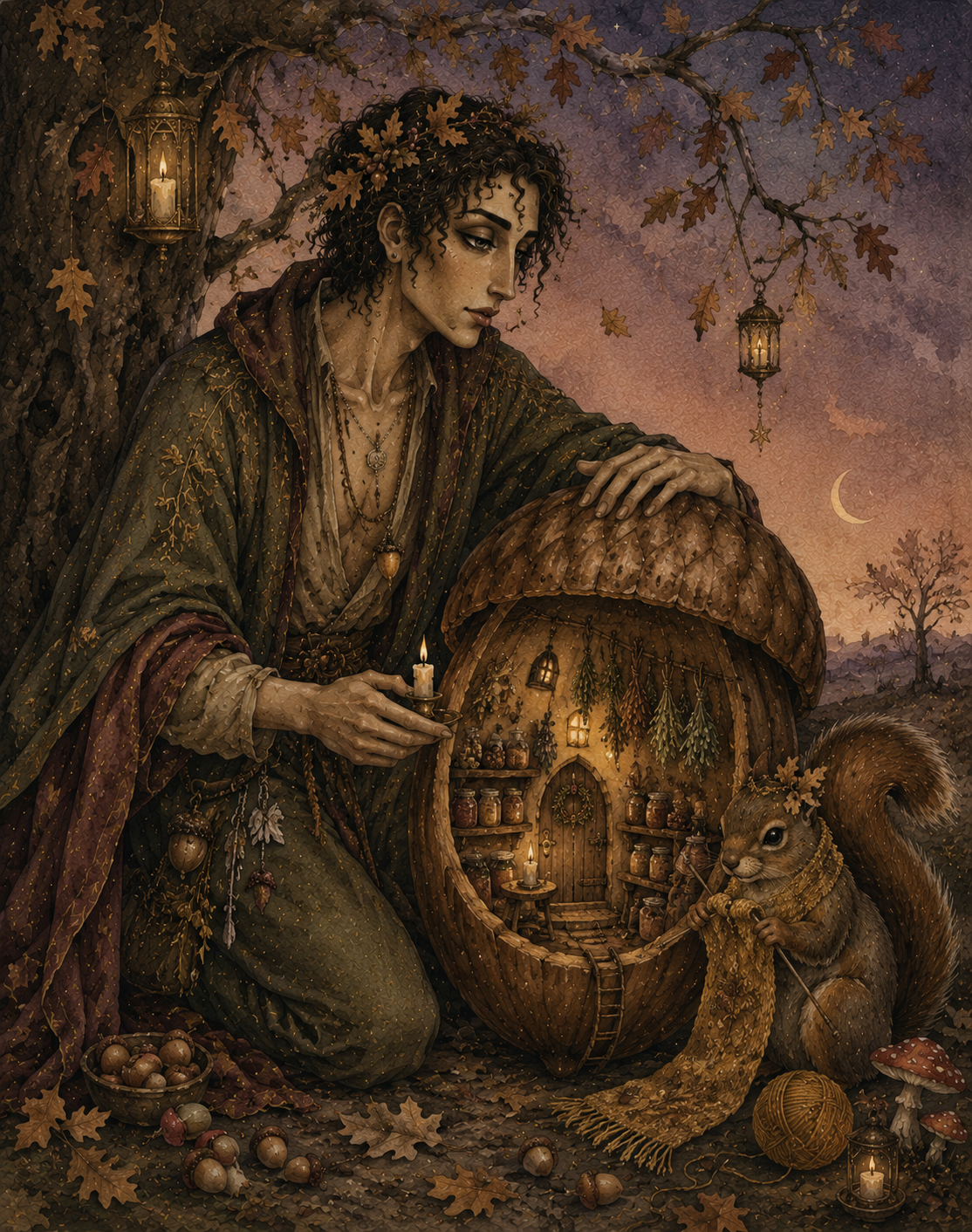
Squirrels don’t gather acorns because they expect disaster. They prepare because they understand the seasons.
Mabon reminds us that planning ahead isn’t pessimism. It’s wisdom. This spell focuses on recognizing the strengths and resources you already possess — and trusting that you have what you need to meet future challenges.
You’ll need:
5 acorns (or another type of nut if acorns aren’t available)
a small pouch, jar or box
Place the empty pouch in front of you.
Hold the first acorn and think of a personal strength that has helped you through difficult times before — perseverance, humor, adaptability, courage, creativity.
Place it in the pouch.
Say:
I carry strength within me.
Hold the second acorn.
Think of a person, community or relationship that offers support when you need it.
Place it in the pouch.
Say:
I am not alone.
Hold the third acorn.
Think of a skill or lesson you’ve learned through experience.
Place it in the pouch.
Say:
I trust the wisdom I’ve gained.
Hold the fourth acorn.
Think of something that brings you comfort or peace.
Place it in the pouch.
Say:
I know how to restore myself.
Hold the final acorn.
Think about one hope you have for the future.
Place it in the pouch.
Say:
I move forward with hope.
Close the pouch and hold it in both hands.
Say:
As seasons turn and shadows grow,
I trust the strength I already know.
Prepared in heart, prepared in mind,
The tools I need, I always find.
Repeat the chant three times.
Keep the pouch somewhere you’ll find it during moments of stress or uncertainty.
Mabon magic reminds us that preparation isn’t about expecting the worst. It’s about remembering that you’ve survived every difficult season before — and you carry more resources within you than you sometimes realize.
6. Spell to Encourage Justice and Fairness
For seeking a fair outcome when a situation feels unbalanced
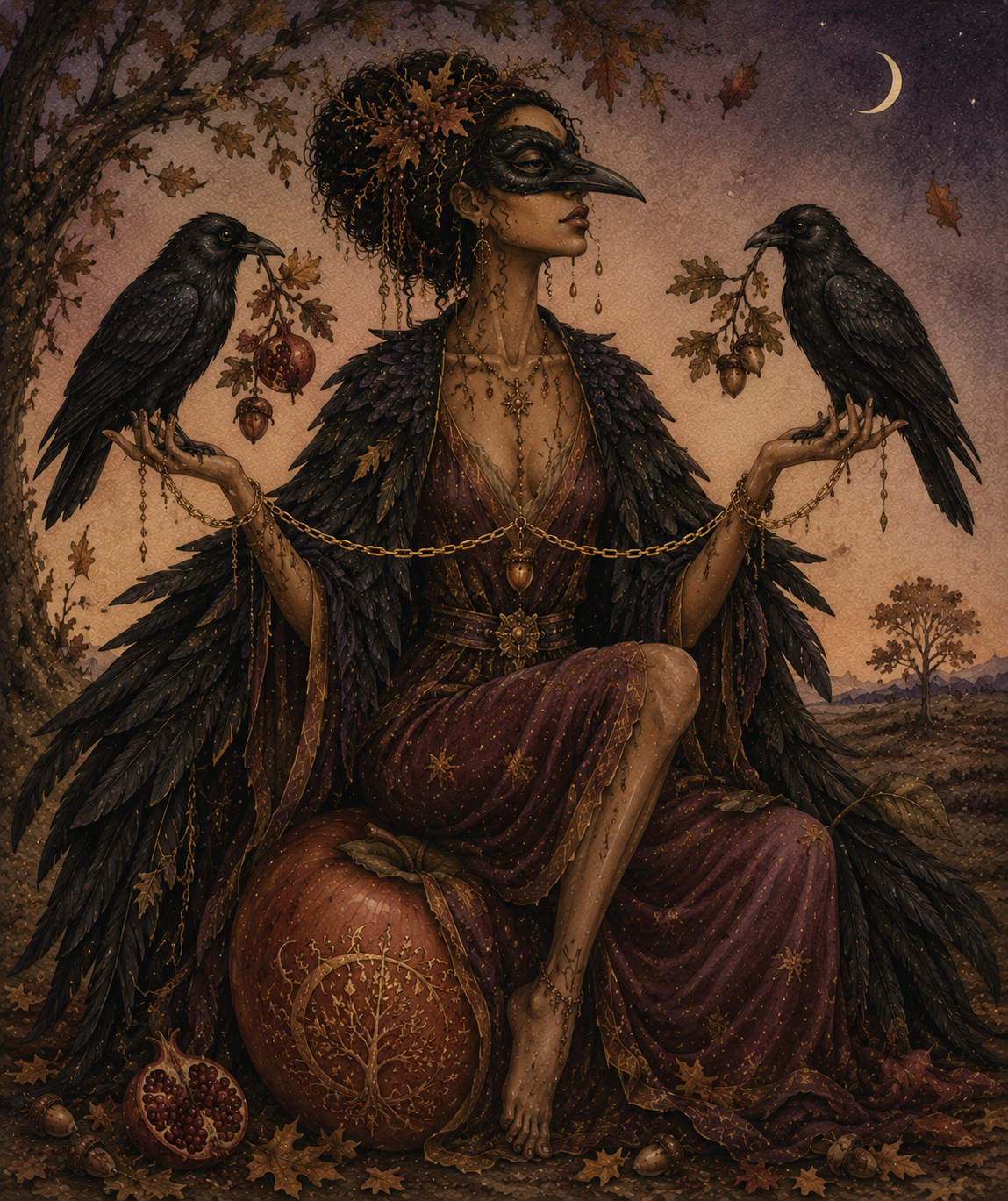
Mabon is the season of the scales.
The autumn equinox reminds us that balance isn’t always automatic. Sometimes it requires honesty, accountability and the willingness to trust that fairness will emerge in its own time.
This spell isn’t meant to control another person’s actions or guarantee a specific outcome. Instead, it invites clarity, equity and the restoration of balance where it has been lost.
You’ll need:
two identical candles
a lighter or matches
a small mirror
Place the mirror flat on your surface.
Set one candle on either side of it so they face one another.
Take a few moments to think about the situation. Focus on fairness rather than victory.
Light the first candle.
Say:
May truth be seen.
Light the second candle.
Say:
May balance be restored.
Look into the mirror between the flames.
Notice how both lights are reflected equally.
Then say:
By equal night and equal day,
May fairness find its rightful way.
Not through anger, fear or might,
But through wisdom, truth and light.
Repeat the chant three times.
Sit quietly for several moments, watching the candles burn.
You don’t need to solve the problem right now. Simply hold the intention that what is hidden becomes known, what is unjust is corrected and what is fair is allowed to unfold.
When you feel ready, extinguish both candles at the same time.
Cover the mirror briefly with your hand and say:
May balance return.
Leave the mirror undisturbed until the following morning.
Mabon reminds us that true balance comes from trusting that fairness, honesty and accountability ultimately serve everyone better than imbalance ever could.

Mabon Magic
Mabon magic is about balance.
As the autumn equinox brings day and night into perfect equilibrium, this is a powerful time for gratitude, release, difficult decisions and preparing for the season ahead. Unlike the expansive energy of Litha magic or the harvest-focused work of Lammas spells, Mabon asks you to pause, reflect and choose what deserves a place in your life moving forward.
Ostara plants. Beltane attracts. Litha claims. Lammas harvests. Mabon balances.
At the equinox, the scales rest in your hands. –Wally