Chapultepec Castle’s Lavish Décor and Imperial Intrigue in CDMX

Take a room-by-room tour of Chapultepec Castle — North America’s only royal palace — and uncover the imperial lives of Maximilian, Carlota and Porfirio Díaz in the heart of Mexico City.

Schoolchildren pass by Grasshopper Fountain at Chapultepec Castle in CDMX

The deeper we wandered into Chapultepec Castle, the more it felt like we were stepping back in time. 

It’s the only royal palace in North America that actually housed monarchs: Emperor Maximilian and Empress Carlota, who brought European grandeur, idealism (and a fair share of drama) to Mexico City. Their brief, ill-fated reign left a lasting mark on the castle and the country — a poignant reminder of how imperial ambition once shaped the course of Mexican history.
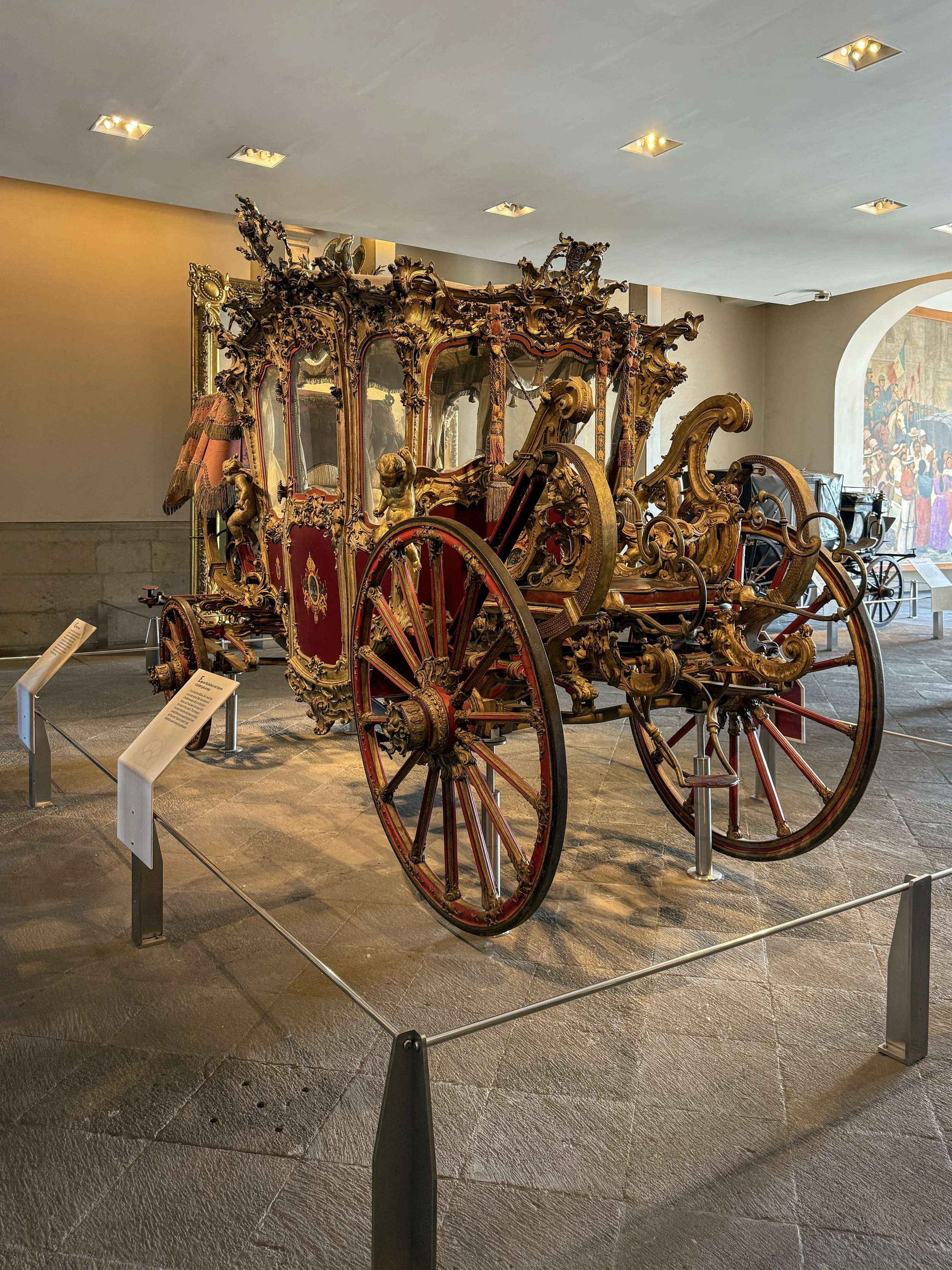
The carriage of Emperor Maximilian and Charlotte at the Alcázar of Chapultepec

This extravagant carriage belonged to Maximilian and Charlotte.

Sala de Carruajes (Carriage Room)

After making our way out of the west wing, which houses the Museo Nacional de Historia, Wally and I found ourselves in the Sala de Carruajes (Carriage Room). This covered space features historic carriages and serves as the main entrance to the Alcázar, or Royal Palace. 

At the center of the room is the royal coach that belonged to Maximilian and Charlotte. Designed for special occasions, the ornate Baroque-style carriage was meticulously fabricated in 1864 by the Cesare Scala workshop in Milan, Italy and later shipped to Mexico. 

Its gold detailing, sculpted cherubs, and doors bearing the coat of arms of the Mexican Empire, an eagle atop a nopal devouring a serpent, beneath an imperial crown — lend the carriage an air of majestic splendor.

According to records from the National Museum of History, the carriage was used only twice, contributing to its near perfect condition. You could almost imagine it rolling through the streets, drawing every eye in its path.

Additionally, a more modest four-wheeled carriage, designed in Paris, France by Henri Binder for everyday transport, is also on display. Originally built for Maximilian, it was adapted for President Benito Juárez. While its wheels kept turning, they no longer carried a king. Maximilian’s imperial crest was replaced with the emblem of the republic — minus the imperial crown.

We spent hours exploring the castle’s magnificent halls, grand stairways and stunning rooms — not to mention the breathtaking views from the top of Chapultepec Hill.

Just beyond the room’s entrance is the first of two large-scale works by Antonio González Orozco, one of the last great artists of the Mexican muralist movement: Entrada Triunfal de Benito Juárez al Palacio Nacional, Acompañando de Su Gabinete (The Triumphal Arrival of Benito Juárez at the National Palace, Accompanied by His Cabinet), painted in 1967.

Nearby is another painting by Orozco: Juárez, Símbolo de la República Frente a la Intervención Francesa (Juárez, Symbol of the Republic Against the French Intervention), which celebrates Juárez’s role in preserving Mexican sovereignty during the French Intervention. His resistance to foreign rule and efforts to restore the republic earned him the Colombian government’s honorific title Benemérito de las Américas (Worthy of the Americas).

Among the other artworks in the room are three equestrian portraits: one of Maximilian of Habsburg, painted in 1865 by French artist Jean Adolphe Beaucé; one of General Mariano Escobedo; and one of General Porfirio Díaz, painted by Spanish soldier and artist José Cusachs in 1901.

Visitors stand in the narrow Sala Introductoria (Introductory Hall) at Chapultepec Castle

A detail of the intricate Baroque plasterwork inside the Sala Introductoria.

Sala Introductoria (Introductory Hall)

Behind the Carriage Room, Wally and I stepped into a long, narrow hallway with wooden floors and a gilt plasterwork ceiling. This elegant corridor is now known as the Sala Introductoria (Introductory Hall), and features placards that tell the stories of its most notable residents, including Maximilian and Charlotte, as well as Díaz. 
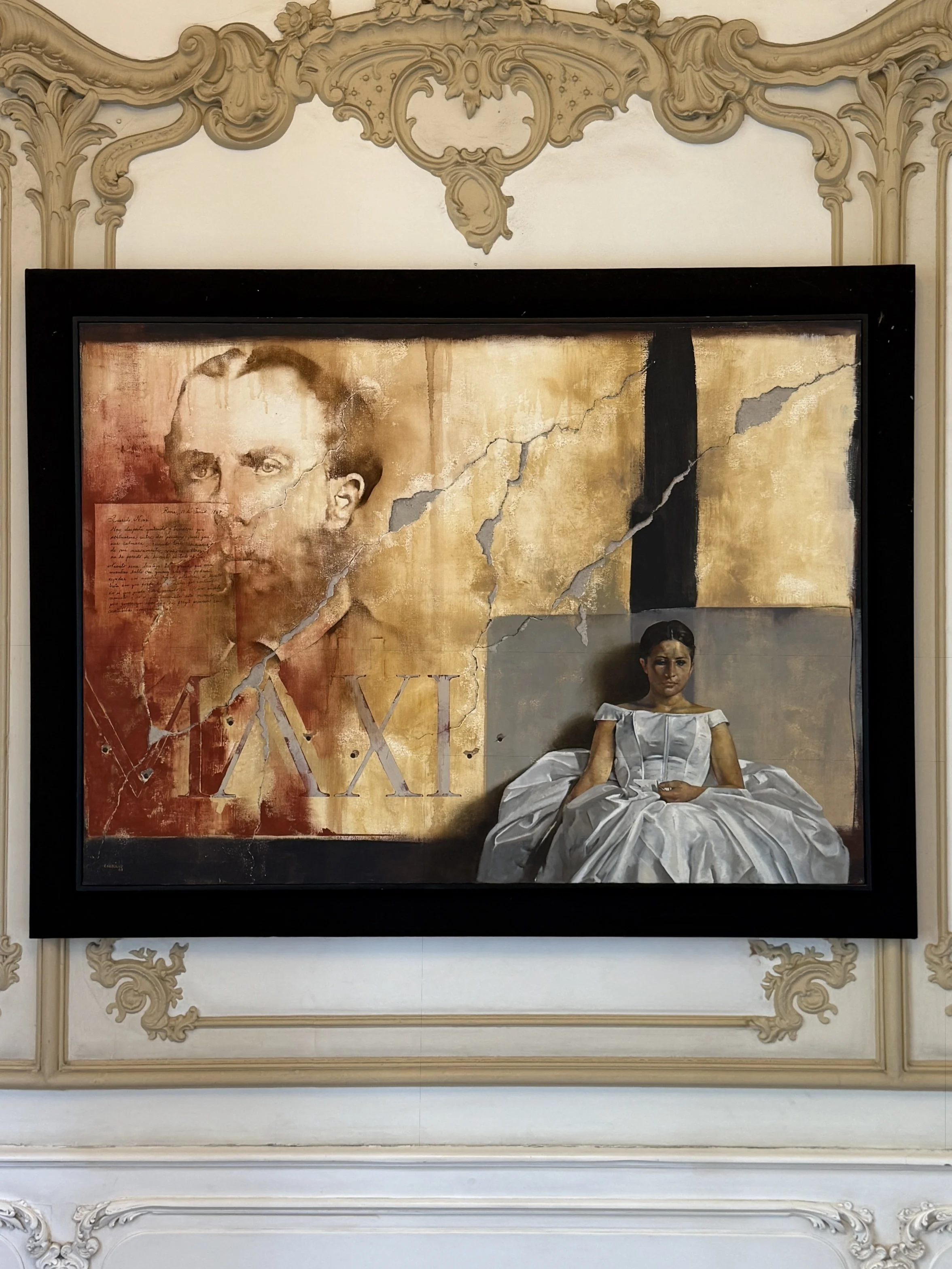
Querido Max (Dear Max) by Miguel Carillo Lara in the Introductory Hall at Chapultepec Castle

Querido Max (Dear Max) by Miguel Carillo Lara, 2003

During Maximilian’s reign, this space served a very different purpose. It was a skittles alley, a game similar to bowling, where players would roll a wooden ball or disc down the hall, aiming to knock over nine pins arranged in a diamond formation. 

Attack on the Castle Chapultepec, a print by Nathaniel Currier from 1848

Attack on the Castle Chapultepec, a print by Nathaniel Currier, 1848

History of Chapultepec Castle

Chapultepec Castle’s appearance was shaped largely by two men: Maximilian I of the Austrian House of Habsburg, who ruled Mexico from 1864 to 1867, and Porfirio Díaz, who took power in 1876 and held onto it for over 30 years. 

Maximilian transformed the castle into a lavish imperial residence, while Díaz, an avid Francophile, despite fighting against the French in the Second Franco-Mexican War, modernized and expanded the structure. The castle remained the official presidential residence until 1934, when President Lázaro Cárdenas relocated the residence to Los Pinos. 

Not long after, on February 3, 1939, Cárdenas declared that Chapultepec Castle would become the National Museum of History. It officially opened to the public on September 27, 1944, during the presidency of Manuel Ávila Camacho.

The Austrian Archduke Ferdinand Maximilian Joseph (future emperor of Mexico) and his wife Charlotte of Belgium

The Austrian Archduke Ferdinand Maximilian Joseph (future emperor of Mexico) and his wife Charlotte of Belgium

The French Intervention in Mexico 

So, how did Mexico come to have an Austrian emperor?

It all started in the 1830s, when France began eyeing Mexico as a place to extend its influence, most notably during the Pastry War (1838–1839), a brief conflict sparked by complaints over damages to French-owned businesses. Although France never established a formal colony, its cultural and economic presence grew, especially in cities like Veracruz and Mexico City.

After years of political turmoil, Mexico’s economy was in ruins. In 1861, President Juárez made a bold move — he suspended all foreign debt payments. European creditors were infuriated, prompting France, Spain and Britain to send troops, determined to collect what they were owed. 

But it soon became clear that France, under Napoleon III, had bigger ambitions than debt recovery. By April 1862, Britain and Spain, unwilling to be drawn into an imperial venture, withdrew, leaving France to pursue its grand designs alone.

Napoleon wanted to establish a French-backed monarchy in Mexico to boost French influence in the Americas and counterbalance the growing power of the United States. 

French troops marched inland, but on May 5, 1862, they ran into stiff resistance at the Battle of Puebla, where Mexican forces under General Ignacio Zaragoza pulled off a stunning victory — a moment still celebrated every Cinco de Mayo.

However, the French regrouped, and returned stronger. By June 1863, they captured Mexico City, and Juárez and his government were forced into exile in the north.

With Mexico under French control, Napoleon needed a suitable European noble to serve as emperor. He found his answer in Archduke Ferdinand Maximilian Joseph of Austria, the younger brother of Emperor Franz Joseph I. As the second son, Maximilian had lived in his brother’s shadow. He was idealistic, ambitious and increasingly disillusioned with his limited role in Europe. 

Departure for Mexico by Cesare dell'Acqua, 1865, showing Maximilian and Charlotte on a boat

Departure for Mexico by Cesare dell'Acqua, 1865. The royal couple head out to rule Mexico — a reign that would be short-lived and would end with Maximilian’s execution in 1867.

Emperor Maximillian Goes to Mexico

At first Maximilian hesitated. But the promise of power and glory in Mexico eventually won him over. With the encouragement of his equally determined wife, Princess Charlotte of Belgium, he accepted Napoleon’s offer. On May 28, 1864, the couple arrived in Mexico to begin their reign as Emperorador Maximiliano I and Emperatriz Carlota of Mexico.

Settling into their new roles, Maximilian and Charlotte chose Castillo de Chapultepec as their imperial residence, overseeing renovations to transform it into a grand European-style palace. They saw themselves as enlightened rulers, destined to bring stability and prosperity to a nation fractured by years of war.

While conservative elites had initially welcomed the monarchy, many Mexicans remained unconvinced. Juárez’s supporters, known as Juaristas, refused to recognize Maximilian’s authority and launched a sustained resistance movement. In an effort to win public support, Maximilian introduced several liberal reforms. These included protections for workers, efforts to limit working hours, and the promotion of fair labor practices. He also issued decrees aimed at restoring land rights to indigenous communities, reversing some of the damage done by earlier liberal reforms that had led to the loss of communal lands.

L'Exécution de Maximilien(The Execution of Emperor Maximilian) by Édouard Manet, 1869

L'Exécution de Maximilien (The Execution of Emperor Maximilian) by Édouard Manet, 1869

The End of the Second Mexican Empire

Ironically, Maximilian proved too liberal for the conservatives who had brought him to power. They hadn’t signed up for an emperor who challenged their privilege and wealth.

As tensions mounted, international pressure began to close in. After the American Civil War ended in 1865, the U.S. government officially recognized Juárez as Mexico’s legitimate leader and strongly urged France to withdraw support. By 1866, under increasing diplomatic pressure from the United States, Napoleon began withdrawing French troops from Mexico, effectively ending armed intervention and leaving Maximilian without critical support. 

Determined not to relinquish power, Charlotte sailed to Europe in July 1866, pleading with Napoleon III, Pope Pius IX and her royal relatives to continue supporting the empire. But her mission failed — and the emotional toll broke her. She suffered a mental breakdown  in Rome and never returned to Mexico.

Back home, Maximilian made his final stand in the city of Querétaro. On May 15, 1867, Republican forces broke through, after one of Maximilian’s own men, Colonel Miguel López, betrayed him. Captured along with his generals Miguel Miramón and Tomás Mejía, he was quickly sentenced to death.

Despite desperate pleas from European monarchs — including his own brother — President Juárez stood firm. Granting a pardon would have weakened his stance and undermined the republic. 

On June 19, 1867, Maximilian and his generals were executed by firing squad on Cerro de las Campanas, the Hill of the Bells, bringing the Second Mexican Empire to a dramatic and final end. (The First Mexican Empire, led by Agustín de Iturbide, had collapsed decades earlier in 1823, after barely two years of shaky rule following independence from Spain.)

Pink and white furniture in the Sala de Lectura (Reading Room) at Chapultepec Castle

A pair of alabaster vases, featuring the coat of arms of the Second Mexican Empire, sit atop pedestals flanking a grand bookcase, while the sideboard holds a bust of French poet and fabulist Jean de La Fontaine. 

Sala de Lectura (Reading Room)

Rooms on the ground floor are accessible from a gleaming black and white marble promenade and have been restored to reflect their appearance during the time of Emperor Maximilian and Empress Charlotte. 

After the skittles alley, the first room we saw was the Sala de Lectura (Reading Room), where Maximilian spent time reading, drafting decrees, and handling both official and personal correspondence. 

As we took it all in, something on the red damask-covered wall caught our eye: a dark, rectangular outline, like a shadow frozen in time. It was clear that a large painting had once hung there. Our curiosity got the best of us, so I did a little digging online later and found out it had been a full-length portrait of Maximilian.

To be honest, this is probably the least impressive of the palace rooms. It’s all uphill from here. Louis XV-style giltwood chairs and a settee, upholstered in Aubusson tapestries, depict scenes from Jean de La Fontaine’s fables. While the term “tapestry” is typically associated with wall hangings, Aubusson’s craftsmanship extends to rugs and furniture upholstery as well.
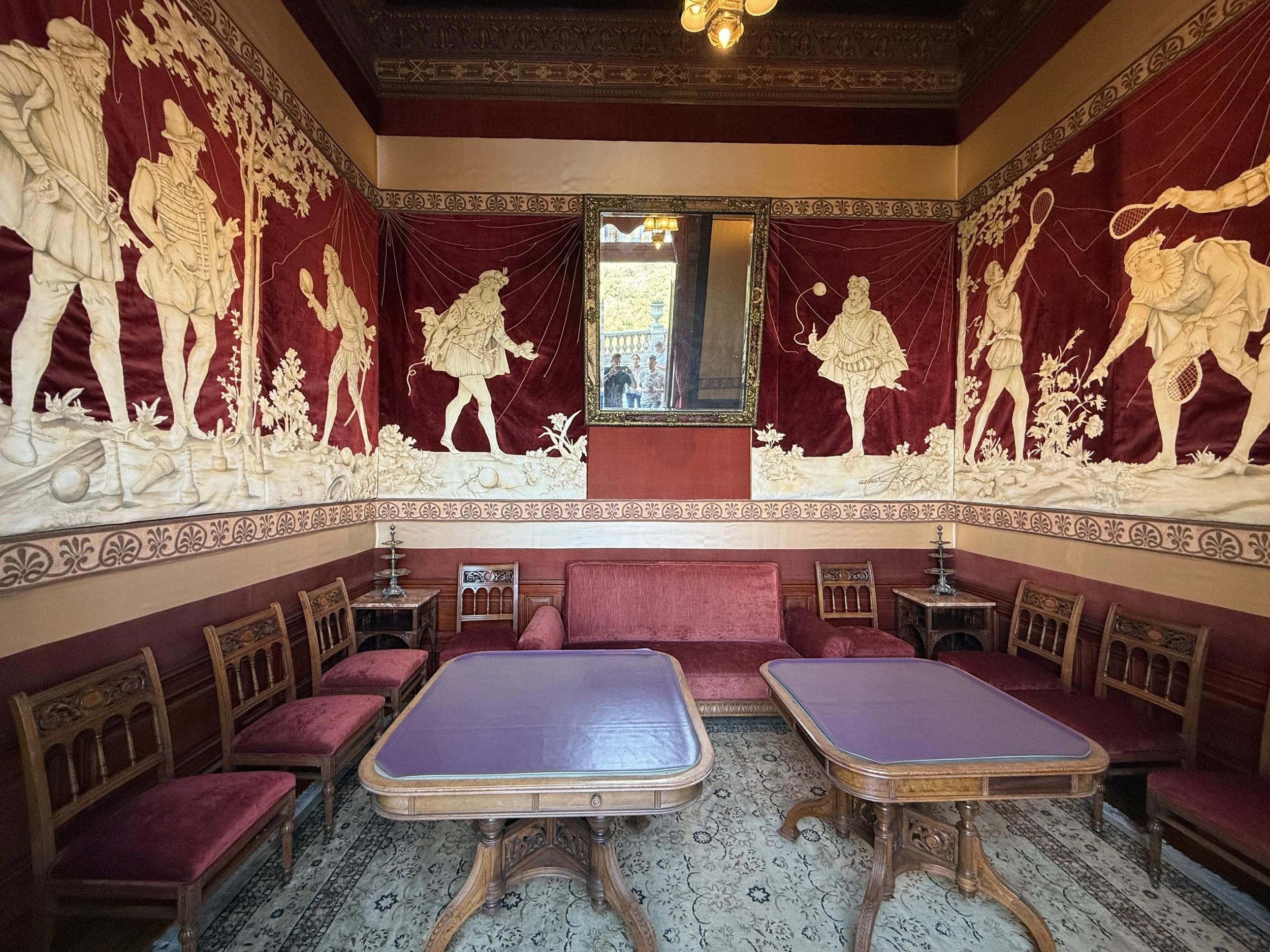
Burgundy and offwhite murals showing noblemen playing games in the Salón de Juego (Game Room) at Chapultepec Castle

The set of tapestries depicting nobleman playing games, fittingly adorning the Game Room, were a gift from Napoleon III to Maximilian for his birthday.

Salón de Juego (Game Room)

The next room was the Salón de Juego (Game Room), which was about half the size of the Reading Room. Its walls were decorated with scenes of noblemen dressed in elaborate 16th century finery — frilly pleated collars, puffed-out pumpkin breeches and cloaks — engaged in games such as badminton, bilboquet (a cup and ball toy) and the aforementioned skittles.
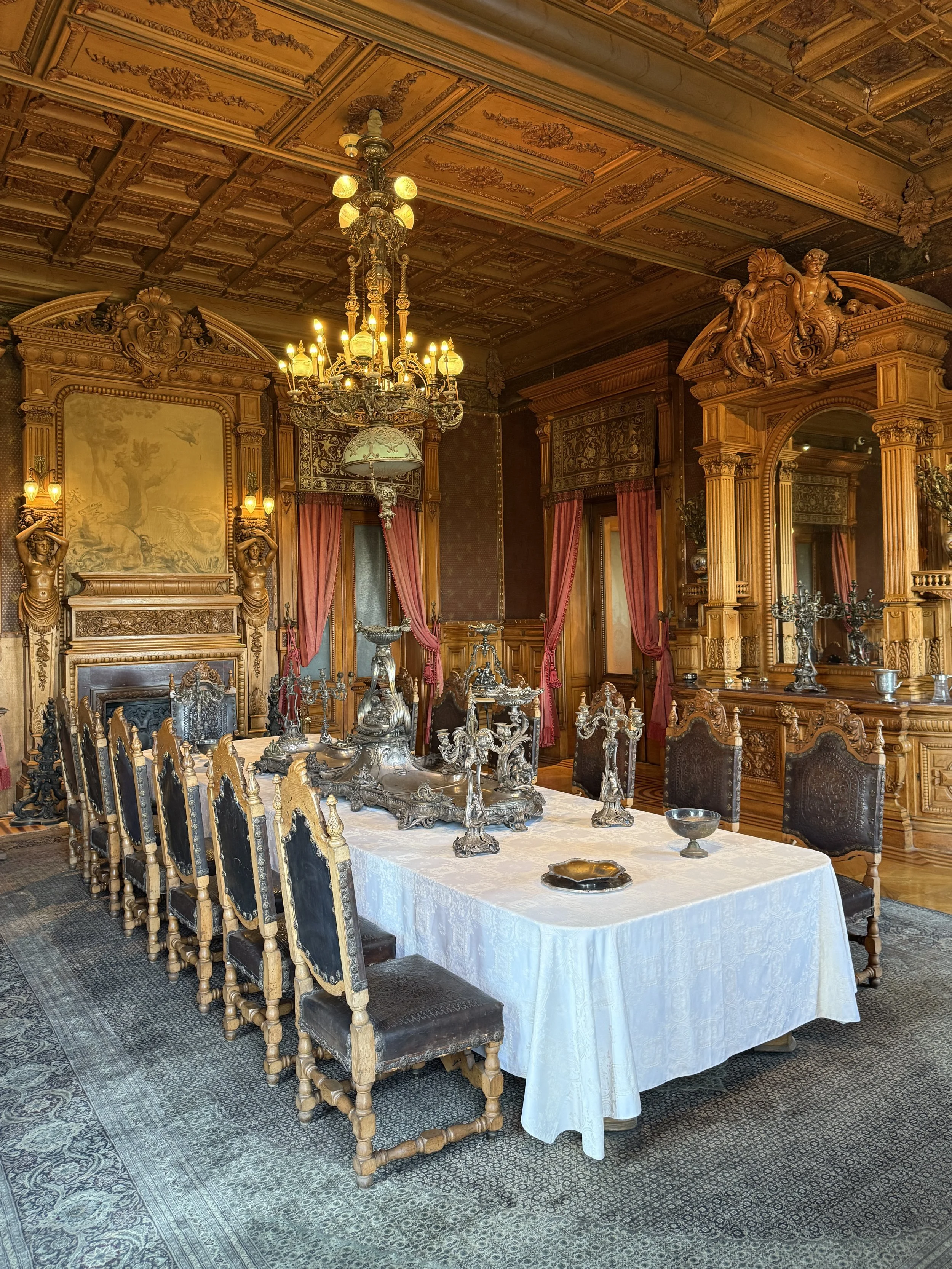
A long table in the Comedor (Dining Room) at Chapultepec Castle

The overmantle bears the eagle and snake coat of arms, while the sideboard features a pair of putti holding Díaz’s seal, ‘RM,’ which stands for República Mexicana.

Comedor (Dining Room)

Immediately following was the Comedor, or Dining Room. The fireplace mantelpiece and sideboards, masterfully handcarved from mahogany by Pedro Téllez Toledo and Epitacio Calvo, were commissioned during the 1880s during Díaz’s presidency. Above the topless caryatids, symbolizing Mexico’s agricultural abundance, hung another elegant Aubusson tapestry, this one depicting a fox and a duck.

The dining table was equally impressive. Tooled leather chairs with nailhead studs surrounded it, and the table itself was set with silver-plated serving pieces and candelabra from Maximilian’s own service — crafted by Christofle of Paris, no less, the same silversmith favored by Napoleon III. 

Salón de Gobelinos (Hall of Gobelins) with a piano and portraits on a pink wall at Chapultepec Castle

The Music Room includes chairs upholstered with tapestries depicting the fables of Jean de La Fontaine and two grand pianos.

Salón de Gobelinos (Hall of Gobelins)

Much to our disappointment, the Salón de Gobelinos (Hall of Gobelins) wasn’t named after mischievous little creatures from folklore, as we had hoped. Instead, it gets its name from the Gobelin family of clothmakers. Their Paris workshop became world-famous, and in this case, the name refers to the aforementioned Aubusson-woven textiles that cover the Louis XV furniture throughout the room.

Salón de Gobelinos (Hall of Gobelins) at Chapultepec Castle

Gazing back at us from the walls were full-length portraits of Maximiliano and Carlota by German painter Albert Gräfe, alongside those of Napoleon III and his wife, Eugénie de Montijo. In the center of the room stood two grand pianos — one French, the other English — which Maximilian and Charlotte once played.
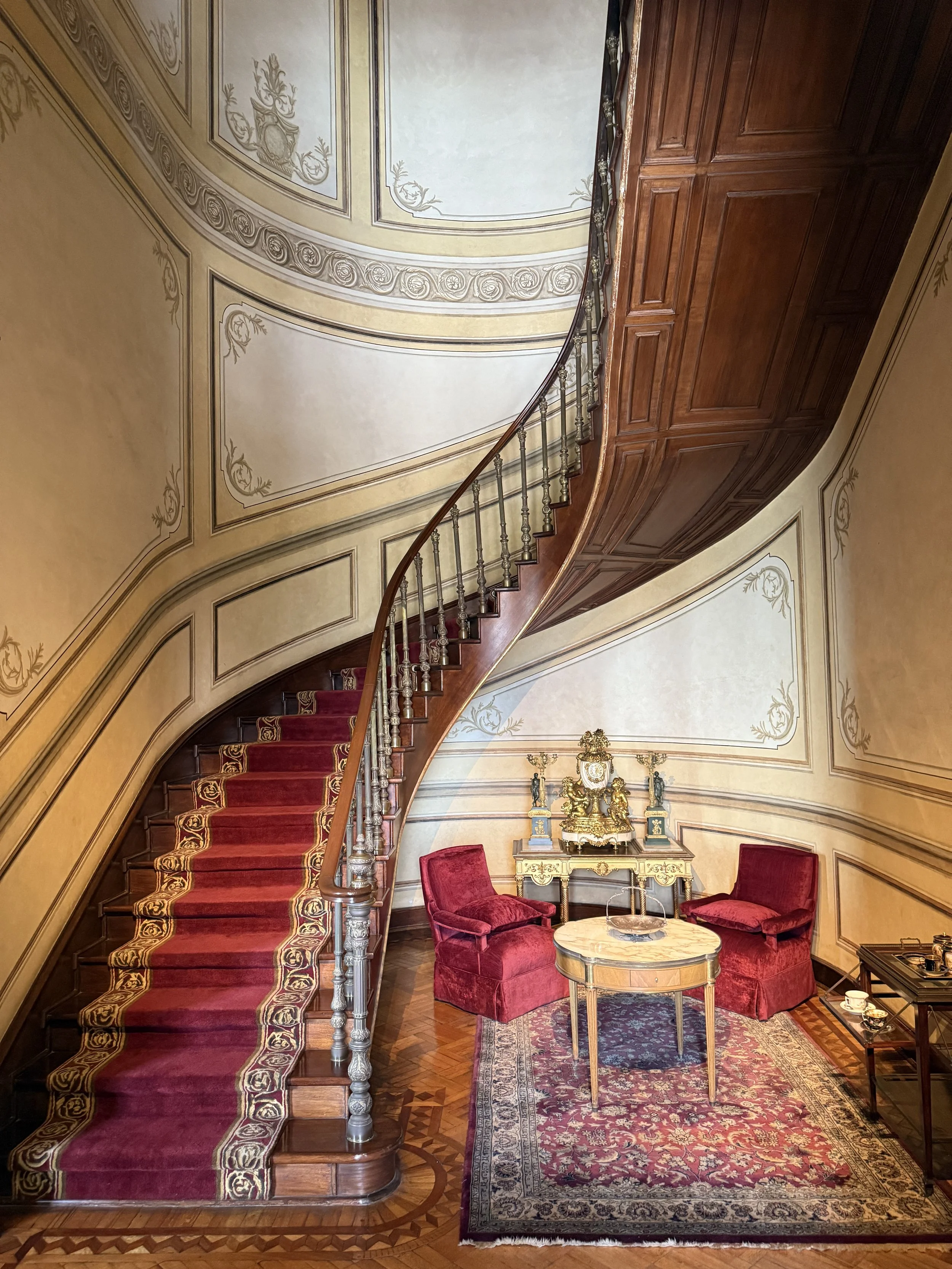
The curving Grand Staircase with red runner and a seating nook at Chapultepec Castle

The spiral staircase adjacent to the elevator was designed by architect Antonio Rivas Mercado. He contributed to the castle’s neoclassical design, transforming it into a grand structure suitable for use as a presidential residence and a venue for official events. Mercado’s influence extended beyond architecture, though; while serving as director of the Academy of San Carlos from 1903 to 1912, he was responsible for granting the scholarship that enabled Diego Rivera to study in Europe for several years. 

The light blue Recámara de Carlota (Charlotte’s Bedroom) at Chapultepec Castle

The brass bed in Carlota’s bedroom displays the coat of arms of Maximilian’s empire.

Recámara y Baño de Carlota (Charlotte’s Bedroom and Bathroom)

The Recámara de Carlota (Charlotte’s Bedroom) was the first in a suite of three rooms once used by the empress herself. Decorated in blue and gold, it features Boulle-style furniture, characterized by intricate inlays of tortoiseshell and brass. At the center stood a brass bed, its headboard topped by an oval medallion featuring the coat of arms of the Second Mexican Empire — an eagle and a snake, flanked by two griffins — while the footboard bears the imperial monogram “MIM” for Maximiliano I de Mexico. 

Next to the bedroom was the Baño de Carlota, or Charlotte’s Bathroom, where we saw the massive freestanding marble bathtub commissioned by Maximilian for Charlotte. Hewn from a single block of stone, it was produced by the Fratelli Tangassi workshop, an Italian family of alabaster artisans from Volterra, and exported to the castle at great expense. Standing before it, I could only imagine how much water it must have taken to fill.
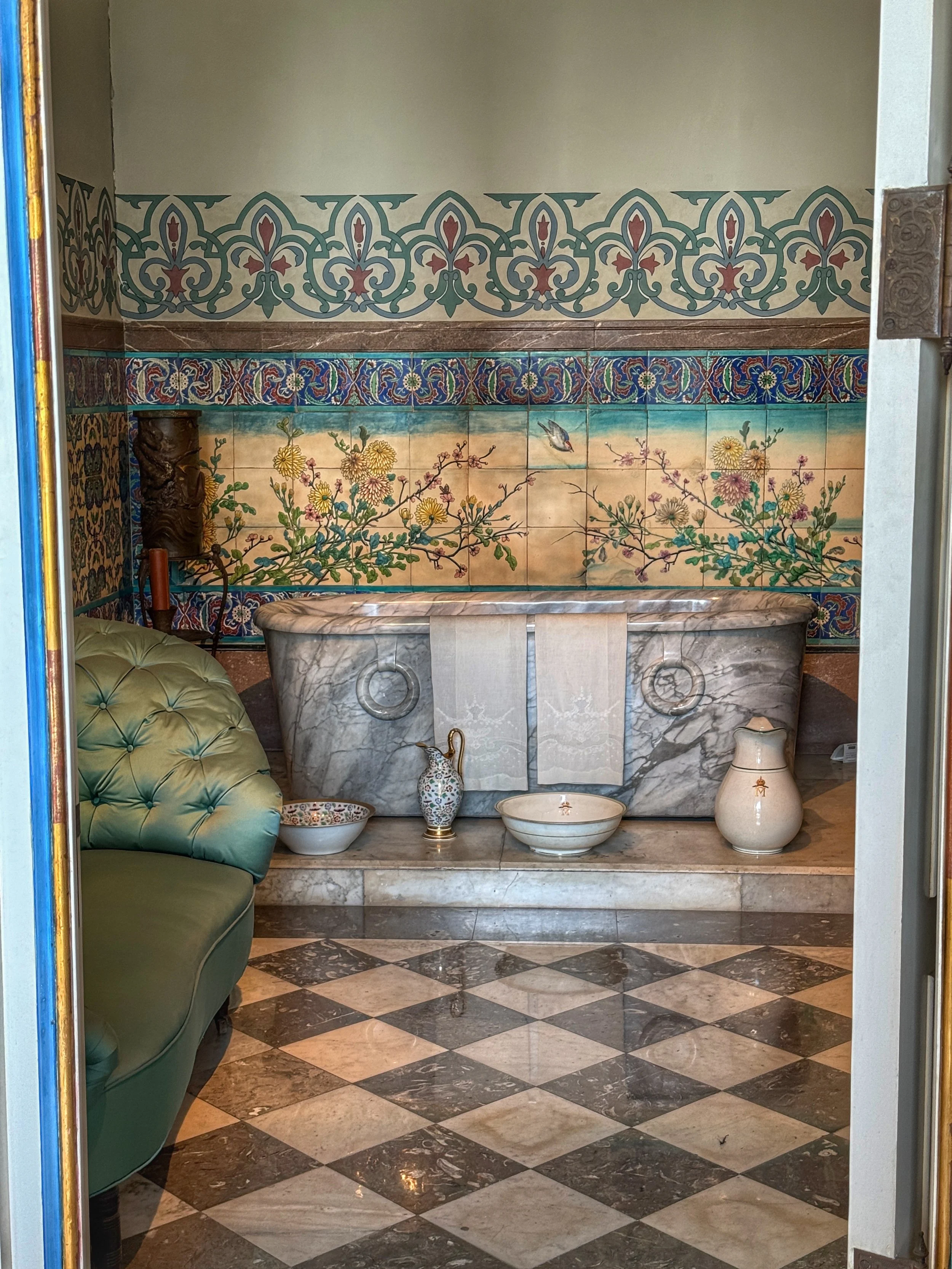
A marble bathtub and floral tiles in Charlotte's bathroom at Chapultepec Castle

Behind the tub, tiles imported from China were delicately painted with peonies and cherry blossoms. 

Sala de Estar Carlota (Charlotte’s Sitting Room) at Chapultepec Castle

Charlotte’s sitting room reflected her devout faith, with a rare bust of the Virgin Mary under glass and one of the earliest known images of Our Lady of Guadalupe in the castle’s collection.

Sala de Estar Carlota (Charlotte’s Sitting Room)

Beyond the bathroom was the Sala de Estar Carlota (Charlotte’s Sitting Room). 

As a deeply devout Catholic, she saw her role in Mexico as part of a divine mission, her religious devotion merging with a growing sense of connection to her adopted country. The room reflected her spirituality, with a bust of the Virgin Mary under a glass cloche, a painting of St. Peter’s Basilica in Vatican City, and a small painting of the Virgin of Guadalupe, a powerful national and religious symbol in Mexico.
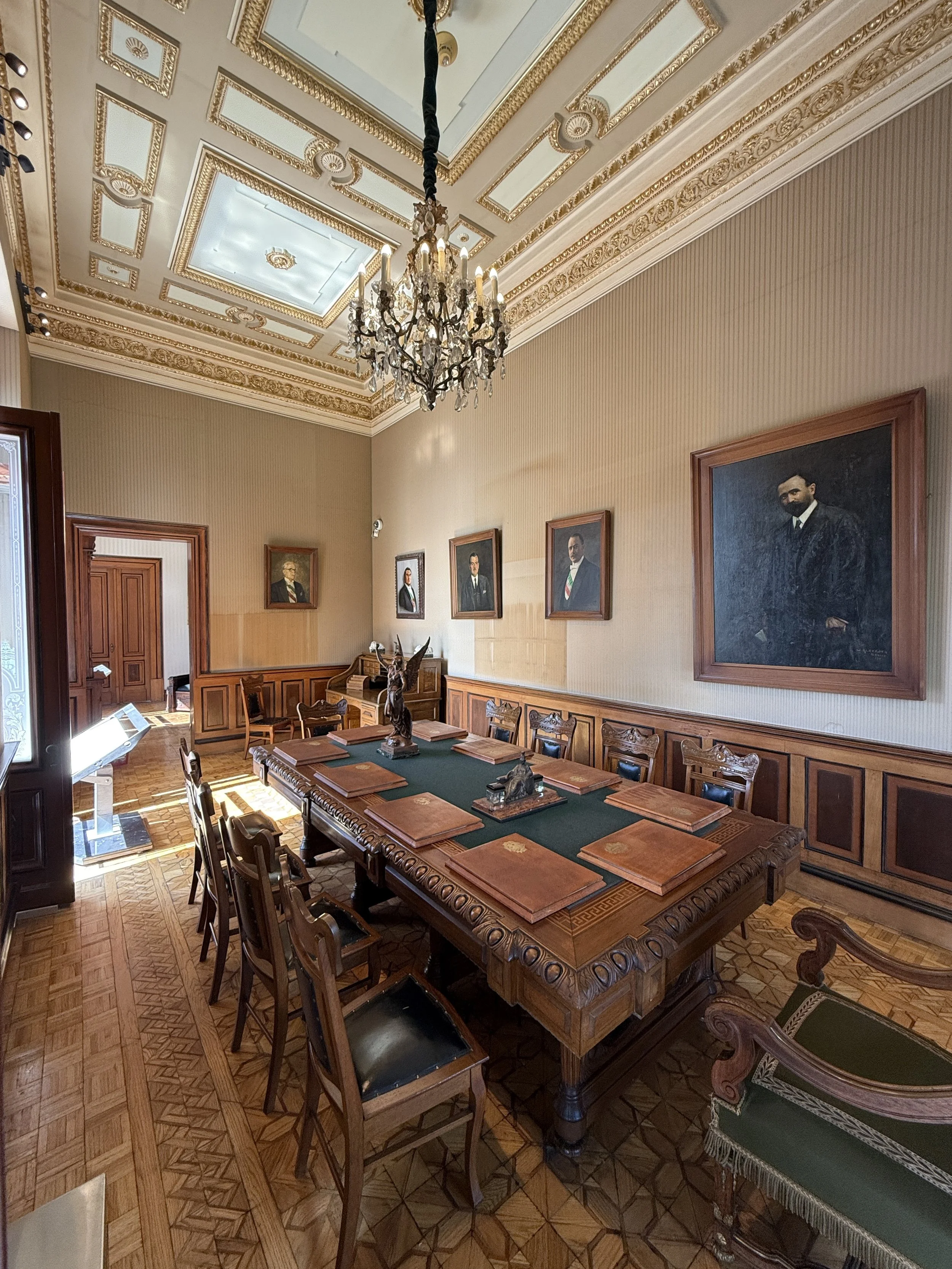
Salón de Acuerdos (Meeting Room) at Chapultepec Castle

With a green velvet tabletop and portraits of past leaders, the Salón de Acuerdos served as a formal space for cabinet discussions after the castle became the president’s official residence.

Salón de Acuerdos (Meeting Room)

Once Chapultepec Castle became the official presidential residence, there was a need for a dedicated space to receive cabinet members, and that’s where the Salón de Acuerdos (Meeting Room) comes in. Designed in the early 20th century, the green velvet tabletops and portraits of past leaders lining the walls make the room feel very presidential. Among those displayed are Presidents Francesco Madero, Álvaro Obregón, Emilio Portes Gil, Pascual Ortiz Rubio and Lázaro Cardenas.
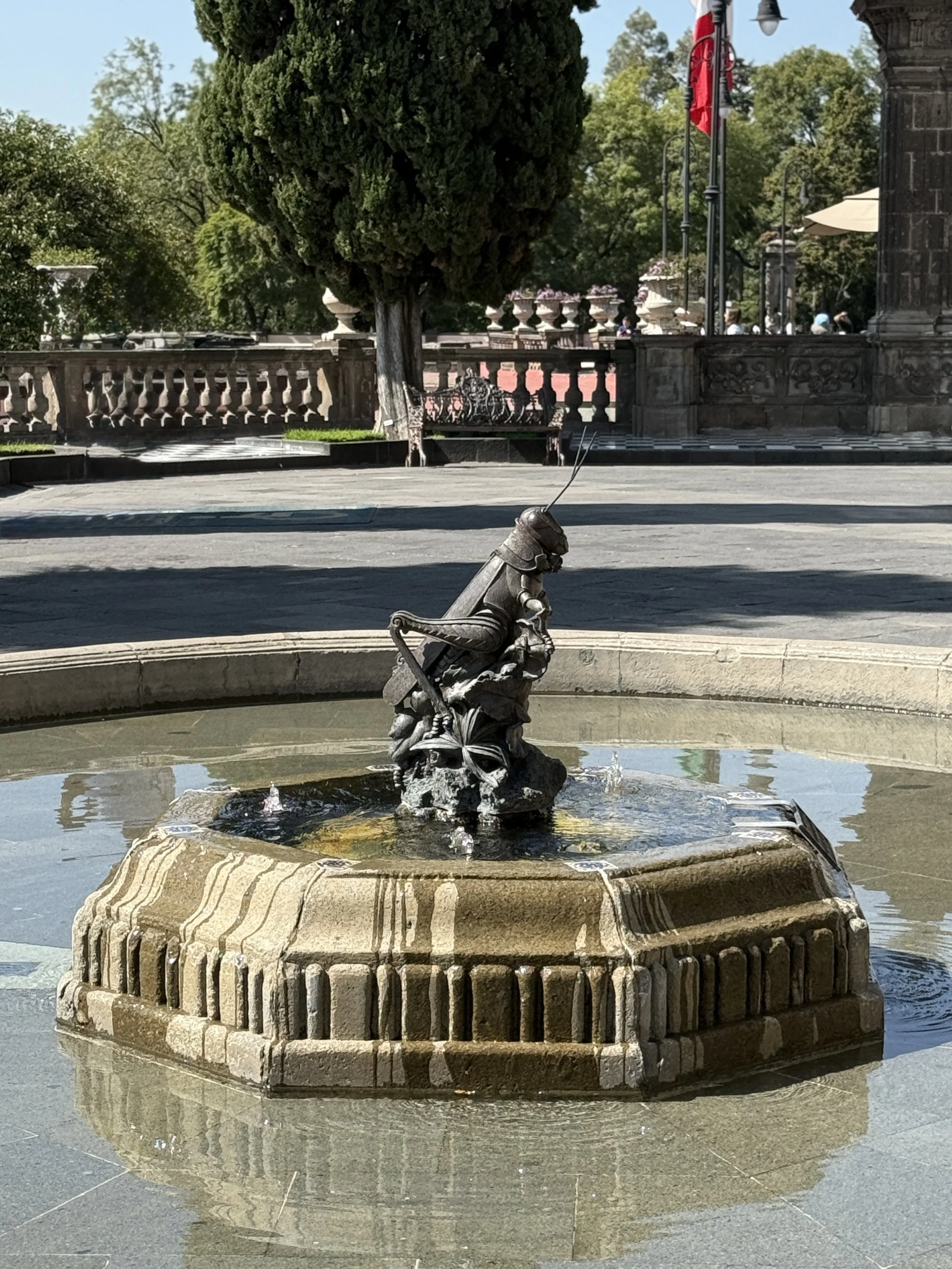
The fountain in the Patio del Chapulín (Courtyard of the Grasshopper) at Chapultepec Castle

The bronze grasshopper atop the Fuente del Chapulín was sculpted by Luis Albarrán y Pilego and installed in 1924.

Patio del Chapulín (Courtyard of the Grasshopper)

Before climbing to the second floor, we took a moment to explore the Patio del Chapulín (Courtyard of the Grasshopper). Framed by manicured hedges and anchored by the Fuente del Chapulín (Grasshopper Fountain), the courtyard opens onto a balcony terrace with breathtaking views of Mexico City below. 

Statues dedicated to the Niños Héroes stand atop the balustrade at the edge of the Patio del Chapulín at Chapultepec Castle

Six statues dedicated to the Niños Héroes stand atop the balustrade at the edge of the Patio del Chapulín.

Standing atop the terrace balustrade are six statues of the Niños Héroes, created in 1942 by artist Armando Quezada Medrano. They depict the young military cadets who died defending Mexico during the Battle of Chapultepec on September 13, 1847, during the Mexican–American War. Note that these figures are separate from the Altar a la Patria (Altar to the Homeland) monument, also located in Chapultepec Park, although both honor the same brave cadets.

The sweeping Escalera de Leones (Lion’s Staircase) links the first floor to the terraced gardens above. Its steps, carved from Carrara marble, are flanked at the base by two marble lions modeled after Antonio Canova’s monumental mausoleum for Pope Clement XIII in St. Peter’s Basilica at the Vatican. One rests peacefully, while the other stands watchful and alert. 
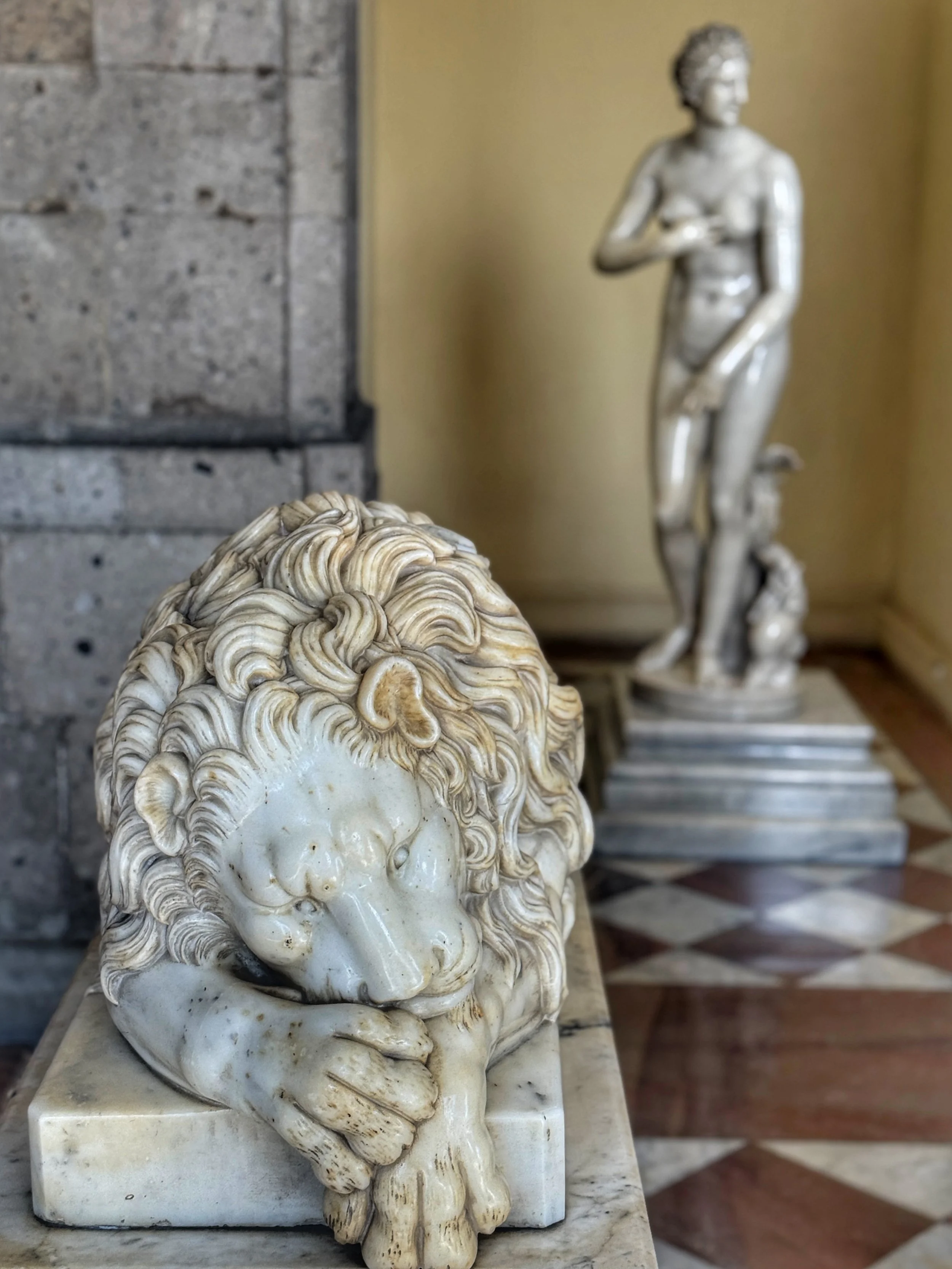
Marble lion with a statue of a naked woman behind it by a staircase in Chapultepec Castle
A man walks up the Escalera de Leones at Chapultepec Castle

The Escalera de Leones leads to the rooftop gardens and includes stained glass windows installed during the presidency of Venustiano Carranza.

At the top of the staircase, stained glass windows installed during the presidency of Venustiano Carranza (1859–1920) protect the stairwell from the elements. Their designs feature floral and vegetal patterns inspired by the Mexican landscape. One window depicts the glyph of a chapulín (a grasshopper, running with the theme), perched on a hill with flowing water beneath it. The other showcases the Mexican coat of arms. 

The observatory tower in the rooftop gardens at Chapultepec Castle

Above the treetops, the Tall Knight keeps watch — first as a military tower, then as Mexico’s gaze turned skyward in 1877, becoming a short-lived but advanced observatory.

Rooftop Gardens

Just beyond are the rooftop gardens designed by Austrian botanist Wilhelm Knechtel during the reign of Emperor Maximilian. At its center stands a tower called the Caballero Alto (Tall Knight), surrounded by neatly trimmed hedges and classical statues. This structure, built around 1842 as part of the Military College, was briefly repurposed in 1877 as an astronomical observatory, complete with meteorological instruments considered cutting-edge for the time.

A fountain in the rooftop gardens at Chapultepec Castle in CDMX

Designed in the 1860s by Austrian botanist Wilhelm Knechtel, these rooftop gardens were part of Maximilian’s vision to bring European elegance to Chapultepec Castle.

Adorning the walls of the elevated garden are colorful frescoes of bacchantes — female followers of Bacchus, the Roman god of wine. Painted in the Pompeian style, these works were created by Santiago Rebull, the court painter of Maximilian and one of the few individuals close to the monarchy who managed to remain in Mexico and even thrive in the subsequent decades under the Republic. He completed four of the figures between 1865 and 1866 during Maximilian’s reign, and nearly three decades later, painted the remaining two in 1894 under the Díaz administration.

A breast falls out of a dress in a fresco of a bacchante in the rooftop gardens of Chapultepec Castle

Nip slip! The bacchae depicted on the walls of the upper terrace were painted by Santiago Rebull in the Neoclassical style, inspired by the 18th century rediscovery of the ancient ruins at Pompeii and Herculaneum.

The day Wally and I visited, an orchestra and a vocalist were rehearsing an aria beneath the terrace pavilion.


Díaz and Chapultepec Castle

During his extended rule as president, Díaz was determined to position Mexico as a modern, forward-thinking nation, and the castle became part of that vision. Under his direction, Chapultepec Castle saw some major upgrades, including the installation of its very first elevator in 1900. It connected the basement, main floor and rooftop, and at the time, it was cutting-edge. In fact, the castle was one of the first buildings in all of Mexico to be outfitted with electricity.

The bedroom of Porfirio Díaz at the Alcázar of Chapultepec in CDMX

Díaz’s bedroom was appointed in French style with Louis XVI furniture.

Recámara de Porfirio Díaz (Bedroom of Porfirio Díaz)

Inside, the Recámara de Porfirio Díaz (Bedroom of Porfirio Díaz) reflects a refined French taste. Though not as lavish as Charlotte’s quarters downstairs, it still impresses with its Louis XVI furnishings: a stately mahogany bed and a pair of cream-colored slipper chairs with scrolled backs and elegant fringe.
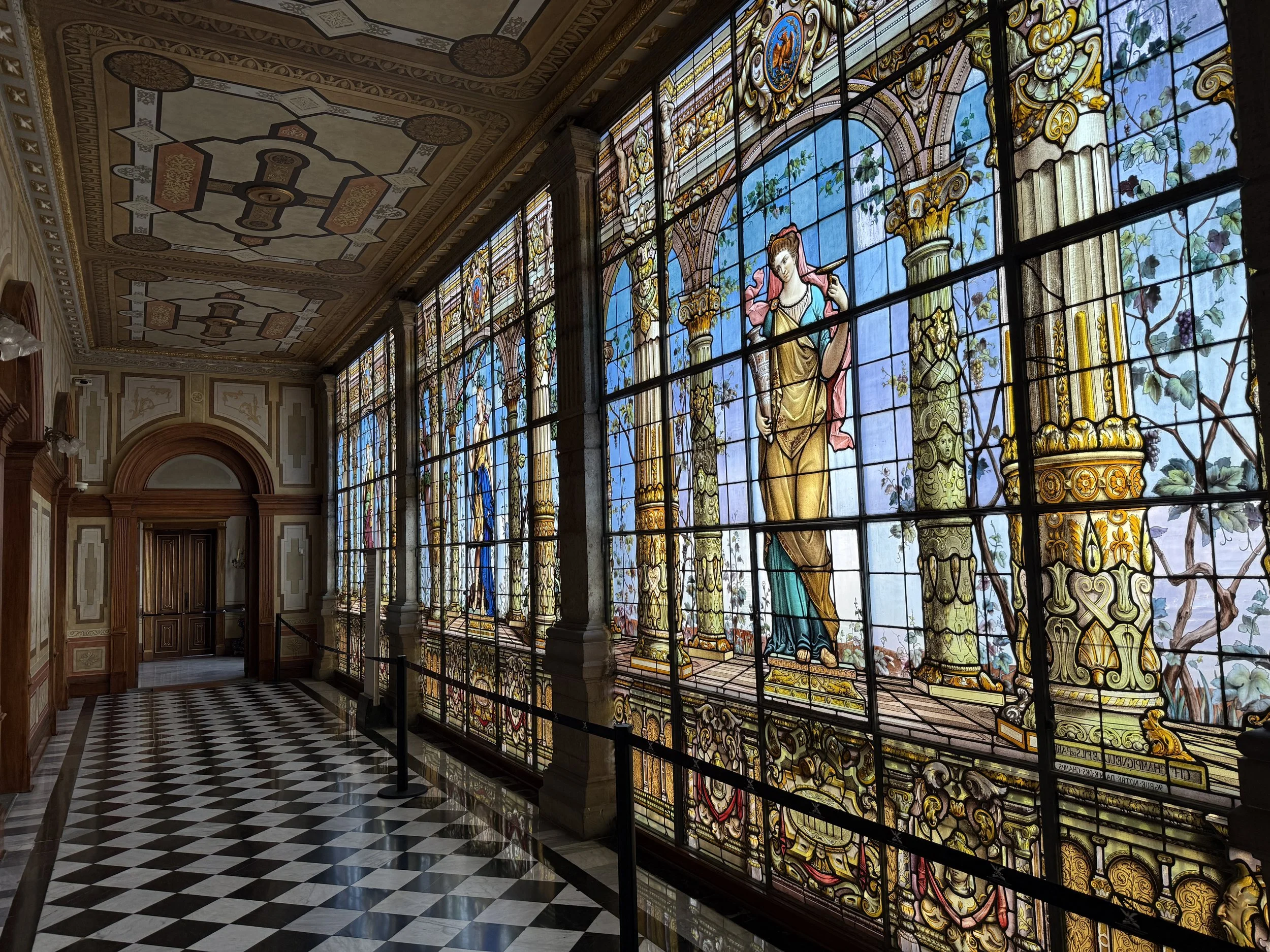
The Galería de Emplomados lined with stained glass windows

The Galería de Emplomados is lined with stained glass windows created by the French firm Champigneulle Fils, and were installed in 1901.

Galería de Emplomados (Stained Glass Gallery)

Beyond Díaz’s bedroom is the Galería de Emplomados (Stained Glass Gallery). Installed in 1901, the grand corridor features five stained glass windows crafted by the renowned French firm Champigneulle Fils, celebrated for their work in churches, palaces, and civic buildings across Europe and Latin America. Spanning nearly 800 square feet, the windows cover half the length and height of the Alcázar’s eastern elevation. Each depicts a nature goddess: Pomona (goddess of fruits), Flora (goddess of flowers), Hebe (bearer of divine nectar and grantor of eternal youth), Diana (goddess of the hunt), and Ceres (goddess of agriculture). 

It would have been the perfect photo op — if not for one particularly self-important visitor, who had commandeered the gallery, barking orders at her poor friend and critiquing every shot like she was Anna Wintour on a Vogue editorial shoot.

The Salón de Embajadores (Hall of Ambassadors) with a glowing chandelier at Chapultepec Castle

The Salón de Embajadores features furniture in the Louis XVI style and plaster painted to look like marble.

Salón de Embajadores (Hall of Ambassadors)

The final Díaz-period room we peered into was the Salón de Embajadores (Hall of Ambassadors) a French-inspired room where Díaz met with diplomats to discuss international relations. Originally Charlotte’s study, the room was repurposed by Díaz as Mexico gained prominence on the world stage, and the castle became a key venue for hosting foreign dignitaries. 

Designer Epitacio Calvo incorporated Baroque and French Neoclassical styles into the room’s furnishings. 
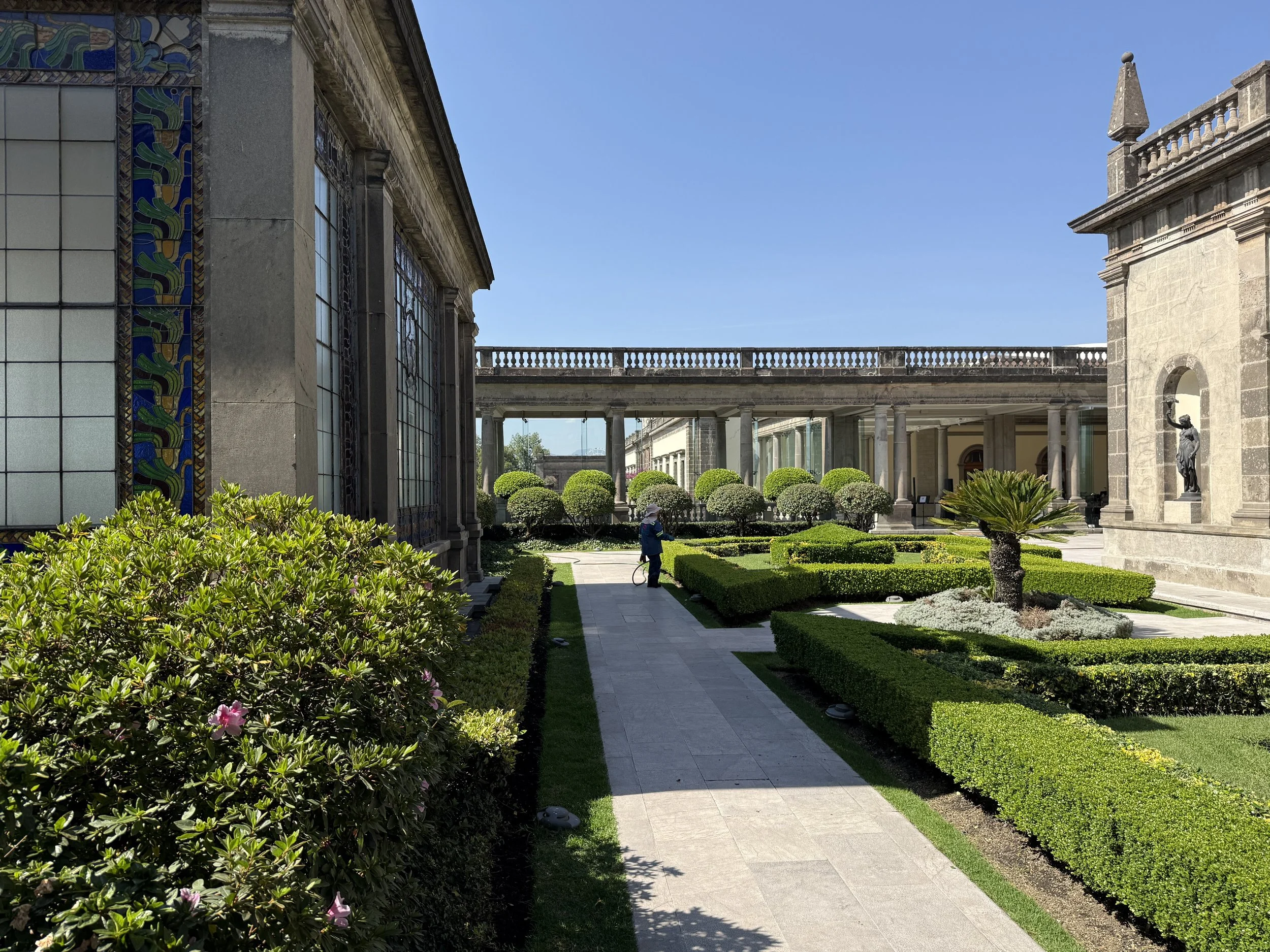
A walkway beyond hedges in the rooftop garden of Chapultepec Castle

Plan Your Visit 

The weather couldn’t have been better for our visit to this incredible landmark. We spent hours exploring its magnificent halls, grand stairways and stunning rooms, not to mention the breathtaking views from the top of Chapultepec Hill. If you’re in Mexico City, this place is an absolute must-see.

Hours:

  • Monday: Closed

  • Tuesday–Sunday: 9 a.m.–5 p.m. (Note: The museum begins clearing rooms at 4:45 p.m.)

Admission:

  • 100 MXN (about $5.50)

  • Free every day for children under 13, seniors 60+, students, teachers, pensioners/retirees, and visitors with disabilities with valid ID

  • Free on Sundays for Mexican nationals and residents

Ticket Purchase:

  • Tickets are sold at the bottom of the hill before the ramp — there aren’t ticket booths at the castle entrance.

  • You can buy your tickets online as well.

Accessibility:

  • The castle offers ramps, elevators and loaner wheelchairs.

  • Visitors with disabilities or those seeking adapted educational tours can arrange assistance by emailing difusion.mnh@inah.gob.mx.

Food & Drink:

  • Food and beverages aren’t permitted inside the castle. You must leave these in a locker at the bottom of the hill. Plan to eat and hydrate before or after your visit.

Two statues of the young military cadets known as the Niños Heroes at Chapultepec Castle

Chapultepec Castle

Primera Sección del Bosque de Chapultepec s/n 
San Miguel Chapultepec
Mexico City 11580
Mexico

72 Hours in Miami: A Sun-Soaked Escape Done Right

From cafecito in Little Havana to sunset strolls on South Beach, this three-day Miami itinerary covers Wynwood, Biscayne Bay, Coconut Grove and more.

The Miami skyline at night

There’s something about Miami that makes you feel like the main character. Maybe it’s the ocean breeze that hits just right, or the way the sunlight bounces off pastel buildings and into your soul. Whatever it is, it only took one weekend to realize I’d be coming back — and doing it right from the jump.

This is how I made the most of 72 hours in Miami. No fluff, no tourist traps — just beaches, bites and a few well-earned naps.

Two of the Art Deco hotels in South Beach, Miami, Florida, one with blue neon, the other red

Day 1: Landing, Rolling and Recharging

We landed late morning, bleary-eyed but buzzing. Instead of standing in line for rideshares or fumbling with apps, I’d pre-booked a rental — best move I made all trip. Cheap car rental services in Miami aren’t just affordable, they’re freedom on four wheels. Within 30 minutes, we were driving down Collins Ave with the windows down and reggae on the speakers.

The sign of Versailles Restaurant, serving Cuban cuisine, in Little Havana, Miami, Florida

First stop: Versailles Restaurant in Little Havana for a welcome-to-Miami cafecito and some ropa vieja. That hit different after a travel day. The elderly Cuban men playing dominoes outside felt like a scene from a movie, their animated conversations punctuating the afternoon heat.

We checked into a boutique hotel in South Beach, dropped our bags, and wandered the Art Deco district until sundown — neon reflections dancing off wet sidewalks after a surprise storm. The pastel buildings looked like candy in the golden hour light. Then: mojitos, shrimp tacos, and live music at a tucked-away bar that felt more Havana than Florida. The bassist had this infectious energy that had everyone swaying by the second set.

A person stands on a rocky promontory watching the sunrise over the ocean in Miami, Florida

Day 2: Sunrise, Sand and Spontaneity

I woke up early, restless in the best way. Threw on shorts, grabbed a pastelito from a corner café, and hit the sand solo while the city still slept. Watching the sun rise over the Atlantic in Miami is like pressing reset on your nervous system. The beach was empty, except for a few joggers and early fishermen casting their lines into the pink-tinged waves.

Three women walk past colorful murals in Wynwood in Miami, Florida

Later, we drove across the causeway to Wynwood — all murals and matcha. There’s a spot called Panther Coffee that became our HQ for a couple hours before we strolled into local shops and stumbled into a pop-up vinyl fair. Street artists were working on fresh pieces, and the smell of spray paint mixed with the aroma of Cuban coffee created this uniquely Miami sensory cocktail.

An aerial view of Key Biscayne, filled with motorboats, with Miami's skyline in the distance

Because we had the car, we made an impulsive drive down to Key Biscayne. I swear, 30 minutes out of downtown and you feel like you’re on a completely different planet: mangroves, stillness — the kind of quiet that recalibrates you. We spent an hour just walking barefoot along Crandon Park Beach, collecting shells and watching pelicans dive for fish.

A couple of people eat at Greenstreet Cafe in Coconut Grove, Miami, under an ivy-covered peak

Day 3: Brunch, Beaches and One Last Lap

We kicked off our final day with brunch at Greenstreet Café in Coconut Grove. Miami brunch hits different when you’ve got nowhere to be — no timelines, just good food and a table in the shade. The eggs Benedict was perfect, but honestly, it was the people-watching that made the meal memorable — locals walking their dogs, families speaking three languages at once, that effortless Miami energy everywhere.

Powerboats line the canal at Bal Harbour near Miami, with hotels and skyscrapers

Afterward, we took one last drive — just aimless, top 40 hits on shuffle, cruising up the coast past Bal Harbour. I wanted to stretch those final hours as far as they’d go. We stopped at a roadside stand for fresh coconut water, the vendor cracking it open with a machete right in front of us. These are the moments that make a trip unforgettable.

Returning the car was just as smooth as picking it up — no stress, no wasted time. Honestly, it’s one of the biggest travel hacks I’ve picked up lately. If you’re coming to Miami, skip the overpriced taxis and just grab a set of wheels. It’ll change how you experience the city.

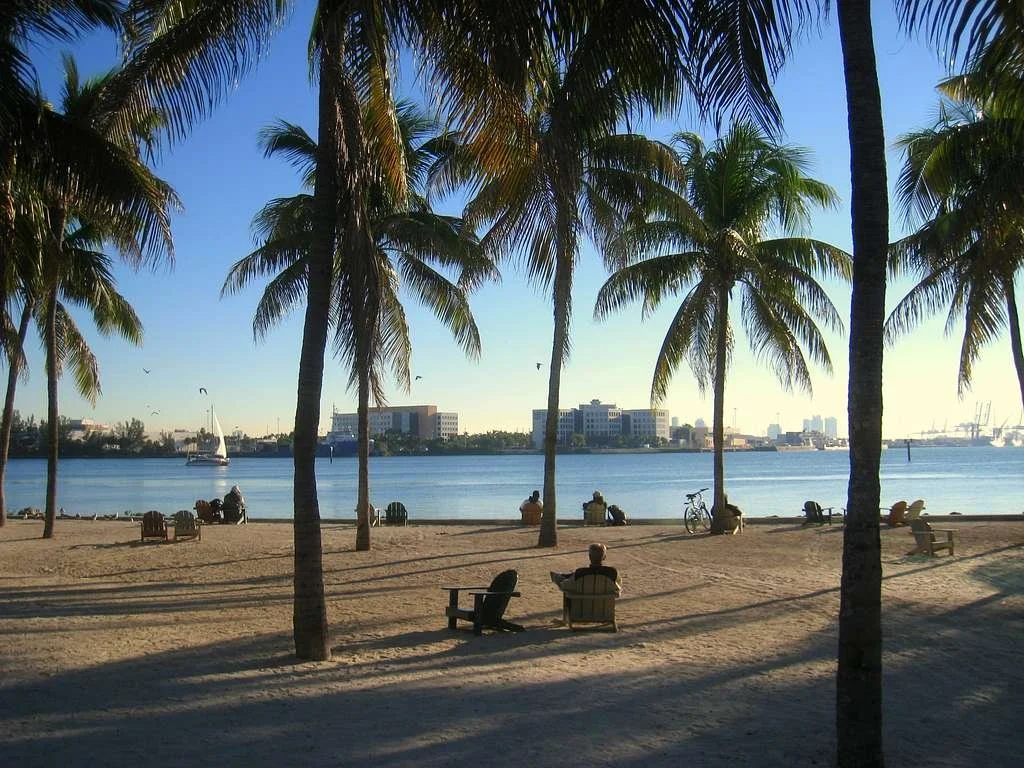
People sit under palm trees on the water at a park in Miami, Florida

Miami Nice

Miami doesn’t ask you to do much. Just to show up, stay open, and let the rhythm of the place move through you. If you do it right, even a short trip can feel like a deep breath for your entire being. The city rewards spontaneity and punishes rigid itineraries, so leave room for magic to happen.

And if you’re wondering whether it’s worth renting a car down here? I’ll say this: Three days wasn’t enough. But with the freedom to move, we lived like locals, not visitors. We discovered hidden gems that no guidebook mentioned and created memories that’ll last long after the tan fades.

That’s the whole point. –Graham Waller


Setting a Timeline for Your UK Wedding: What to Plan and When

Planning a UK destination wedding? This month-by-month wedding timeline breaks down exactly what to do — from venues and vendors to visas and veils.

A bride and groom hold hands atop a windy cliffside in the UK, with a chapel up the hill

Let’s face it — planning a wedding can feel like juggling flaming torches while trying not to spill your prosecco. Add in the glorious chaos of a destination wedding in the UK, and you’re suddenly Googling “how to politely elope.” But take a breath. With a little organization and the right timeline, your British bash can be as magical as a Colin Firth rom-com.

Here’s your month-by-month guide to pulling off a UK wedding that’s as smooth as clotted cream.

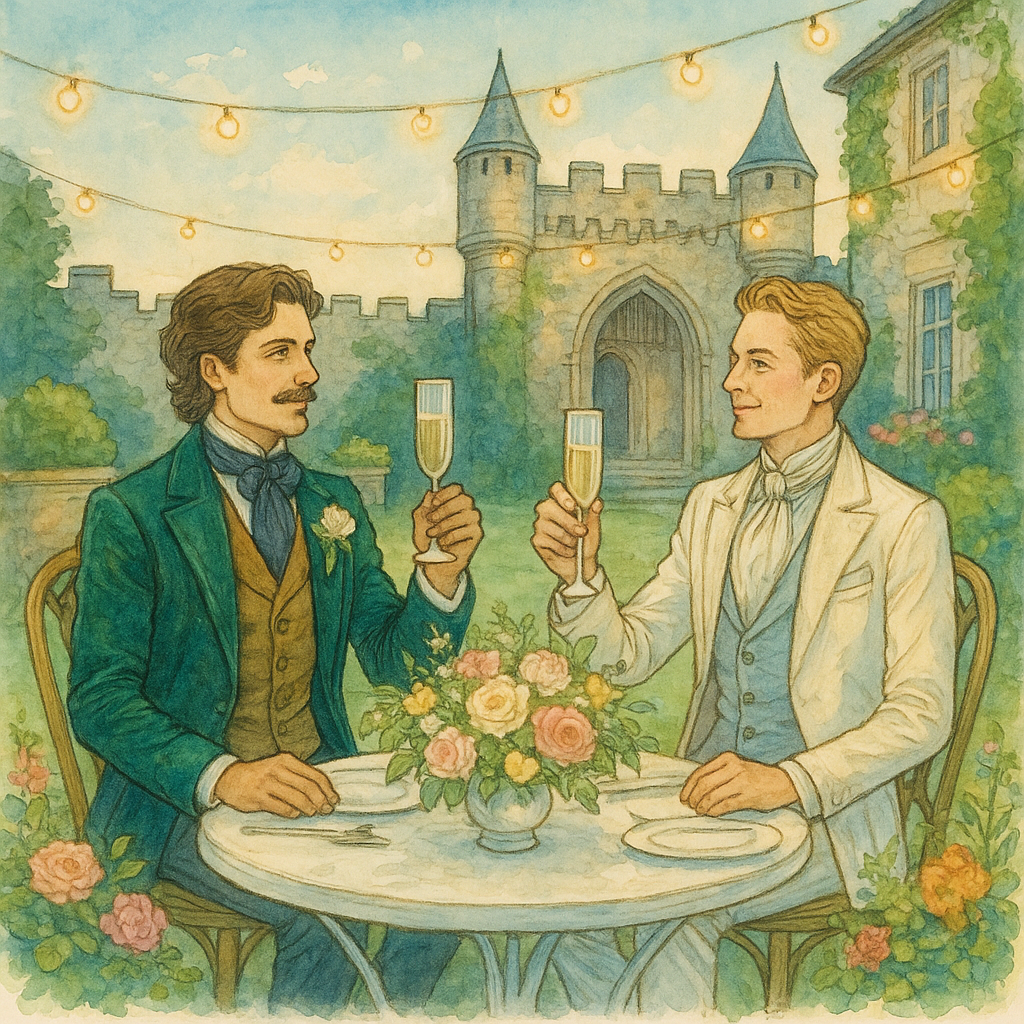
A gay couple in period dress toast champagne at their wedding at a castle in the UK

12–18 Months Before: Book It Like Beckham

If your engagement is longer than waiting for a new season of Bridgerton, congrats — you’ve got time to breathe. But not too deeply, because your venue? It’s already halfway booked up by couples named Pippa and Giles. Top UK venues fill up fast — we’re talking two years in advance — so don’t dawdle.

Before you get lost in the Pinterest black hole of table décor, lock down your guest count and budget. (Yes, even your third cousin’s new boyfriend who won’t stop talking about his pet rats might need a seat.)

The average cost of a wedding venue in the UK will run you £9,000–£11,000 ($12,200–$14,900), and that’s before you’ve added a single sausage roll.

If you’re hiring a planner, bring them on now. This is your co-captain for the chaos. Choose wisely.

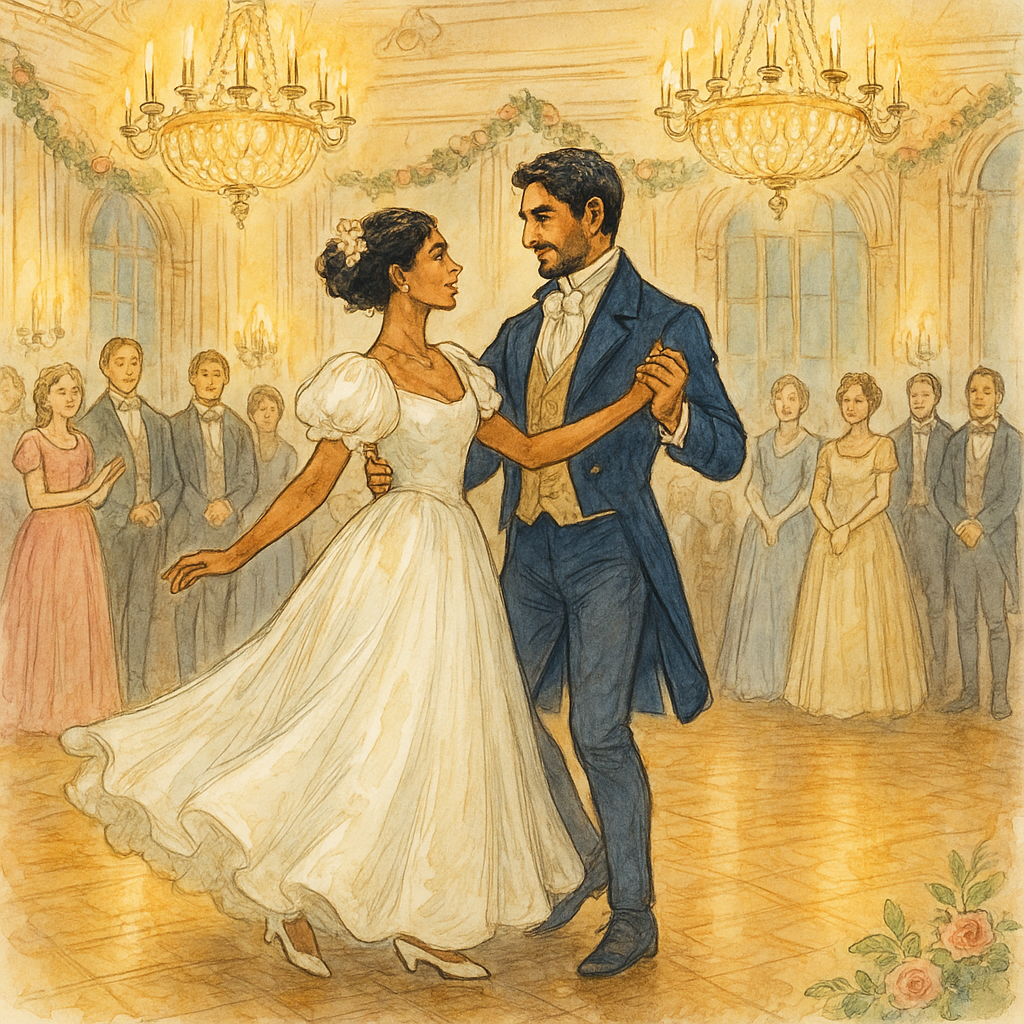
A bride and groom dance while guest circle them at a Bridgerton-themed wedding

9–12 Months Before: Lights, Camera, Catering

You’ve got a venue. You’ve got a date. You’re practically Kate and Wills. Now it’s time to book your VIPs: the caterer (pies or posh?), photographer (editorial or soft focus?), and entertainment (string quartet or DJ who refuses to play “Wonderwall”).

This is also dress/suit time, especially if you’re going bespoke or need major alterations. Same goes for glam — book your hair and makeup artists now, before they’re swept away by another bride who planned everything six years ago.

And please — make a wedding website. Especially for a UK wedding, where guests may need to navigate train timetables, weird voltage plugs, and the eternal mystery of what “half board” means. Include local hotels, transportation options, and even a pub recommendation or two.

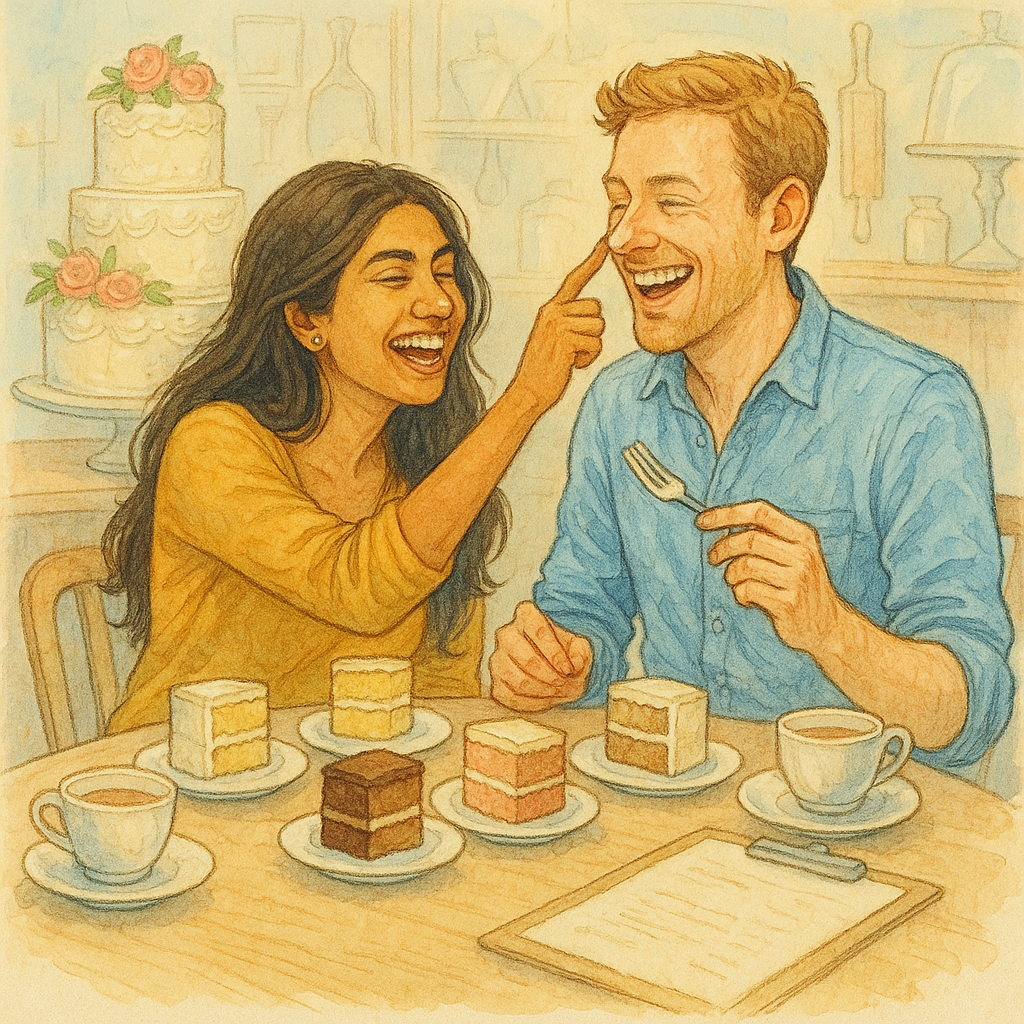
At a wedding cake tasting, a woman puts frosting on a man's nose while both laugh

6–9 Months Before: Cake It ’Til You Make It

Now we’re in the fun zone. Cake tastings, flower choices, table décor — all the frilly bits that make your day feel like you.

If you can swing a planning trip to the UK, do it now. You’ll get to sniff the blooms, taste the cake, and remember that your wedding is happening in a real, actual place and not just a shared Google doc.

Also: honeymoon planning time! Whether you’re heading straight to the Cotswolds for a cozy fireside escape or hitting up Edinburgh for whisky-fueled romance, start mapping it out. There are so many beautiful places to explore in the UK that are just a train ride away.

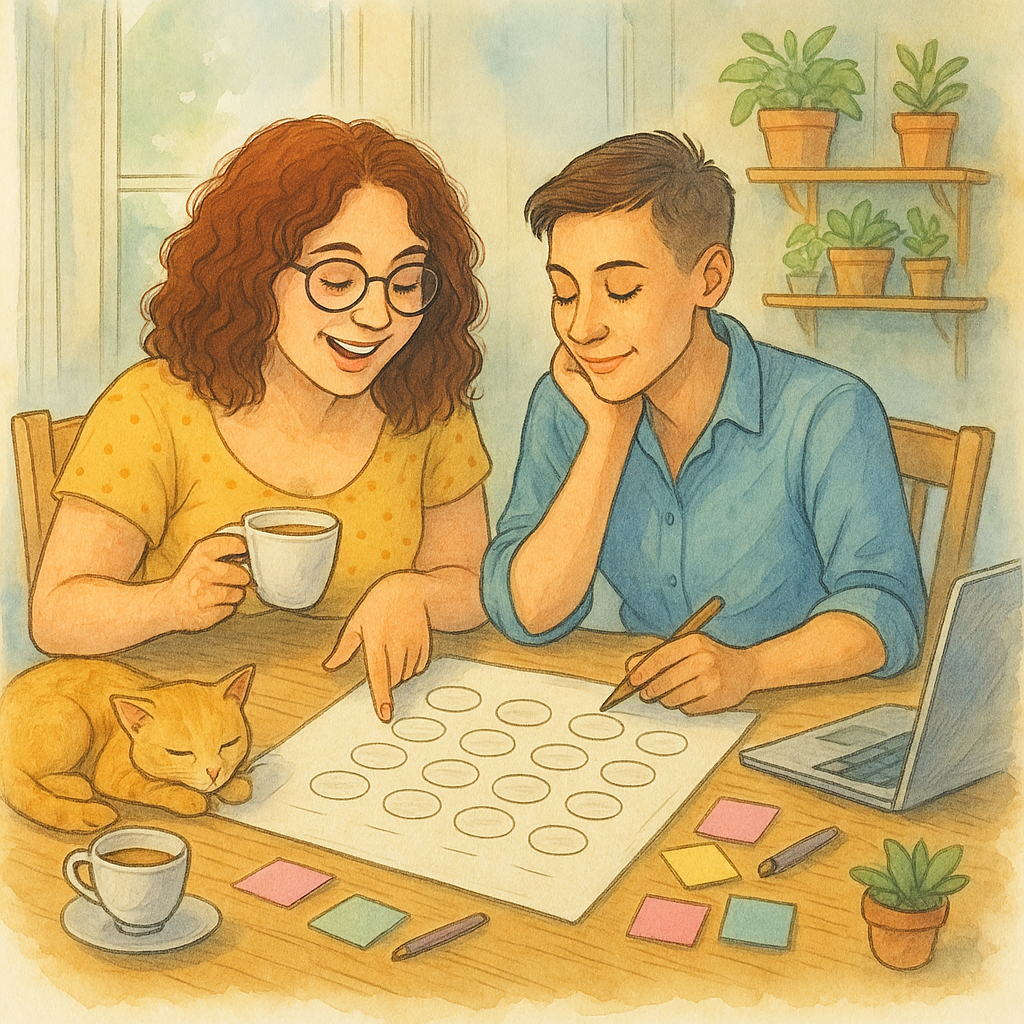
A lesbian couple finalize their wedding seating chart, while a cat sleeps nearby

The Final 6 Months: Legal Stuff and Last Touches

Planning to legally marry in the UK? If you’re not a British citizen, you’ll need a marriage visa — and no, it doesn’t come gift-wrapped. Apply for a marriage visa exactly three months before your wedding. You can’t do it earlier, and processing can take up to three weeks, so time it right.

Beyond bureaucracy, this is final-touch time:

  • Confirm the seating chart (yes, Uncle Barry is still coming)

  • Break in your wedding shoes (or suffer the hobble of regret)

  • Get the rings cleaned

  • Make a packing list

  • Panic briefly, then remember: You’ve got this

A bride and groom hold hands and face each other by a stained glass window

Tie the Knot in the UK

From misty moors to manor houses, cliffside chapels to converted cinemas, the UK has a venue for every vibe — and a wedding industry that knows its stuff. Whether you’re dreaming of kilts, castles, or a seaside knees-up with fish and chips, your British wedding can be anything but basic.

So here’s to love, as well as legal paperwork and logistics. You bring the vision. The UK has plenty to make your dreams a reality. –Melanie Huff

What Solo Travelers Secretly Love About Group Travel

From flexible structure to emotional backup, here’s why the solo set is giving group trips a second look.

A group of travelers in a Jeep on an African safari, with one looking through binoculars, another is holding a lizard, with a monkey on his backpack, and one frightened while taking a picture, with giraffes and a lion

There’s something undeniably satisfying about crafting your own itinerary, eating when you want, and never compromising on which waterfall or street food stall to visit. 

But let’s be honest: While solo travel has its perks, it’s not always sunshine and Instagram-worthy sunsets. Sometimes, you crave a little structure, a spontaneous laugh with someone who gets it, or just someone else to help navigate the chaotic train station.

You can still explore the world on your own terms — but with the bonus of shared stories, unexpected friendships and fewer awkward selfies.

That’s where group travel comes in — and not the old-school, flag-waving, follow-the-leader kind. Today, there are new ways of traveling that blend independence with meaningful connection. You can still explore the world on your own terms — but with the bonus of shared stories, unexpected friendships and fewer awkward selfies.

People enjoy the warm water of the Blue Lagoon in Iceland, including a bearded man with tattoos

Even Lone Wolves Like a Pack (Sometimes)

You’re the kind of person who books one-way tickets. Who happily eats solo at a buzzing night market, and finds joy in being the mysterious figure on the night bus. There’s power in that kind of freedom — in choosing your own rhythm, without compromise.

But confession time: Sometimes you find yourself tempted by the idea of a group trip. Not the awkward, name-tag-wearing kind, but something different — something that doesn’t scream “tourist,” yet still gives you the perks of not doing everything alone.

There are group travel options designed for solo travelers who value their independence but also enjoy human connection. Some even group travelers by age, so the people you meet are likely in the same stage of life — ready to co-create the kind of story you’ll still be telling (loudly and proudly) years from now.

It’s all about balance: enough structure to keep things flowing, enough freedom to make it feel like yours. The right group trip doesn’t take away your solo identity — it enhances it. With richer conversations, less isolation and group photos you’ll actually want to keep. 

So what makes group travel so unexpectedly appealing — even to the most fiercely independent travelers? Let’s break it down.

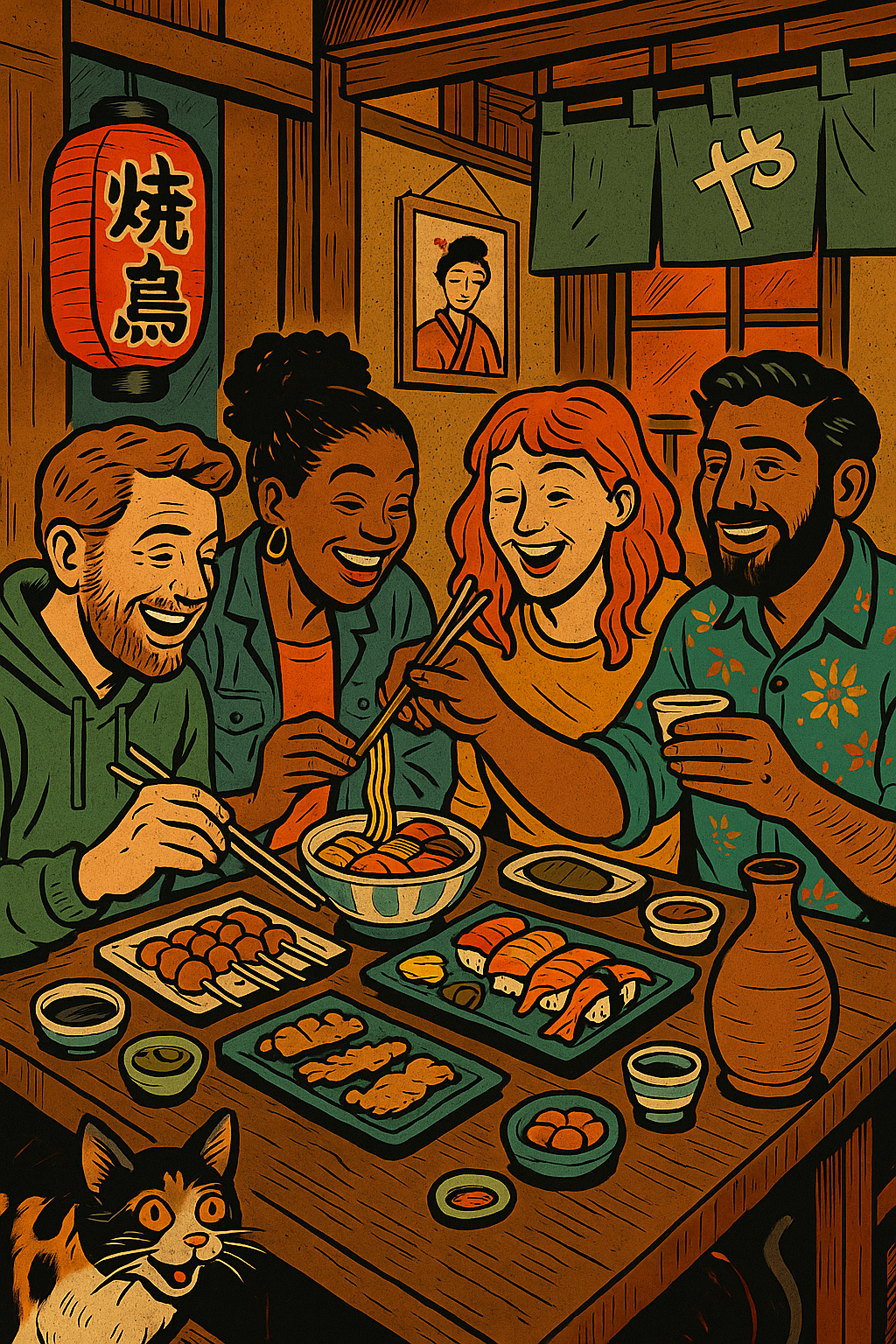
A group of travelers crowd around a table at a restaurant in Japan

Why Solo Travelers Do Group Travel (Once in a While) 

1. Independence, reimagined

Traveling alone is all about freedom, doing what you want, when you want. But who says being part of a group takes that away? One fanny pack-wearing group of tourists doesn’t define all groups. The right kind of group travel lets you keep your autonomy while adding just enough connection to make the journey richer. Being part of the right kind of group doesn’t mean independence has to go away. It just means you’re free to stay in the experience, choose how to show up and decide when it’s time to go it alone.

A group of travelers are mostly frustrated while kayaking in Croatia

2. Built-in “social battery” recharges

You don’t have to talk if you don’t want to. Traveling with a group means you can also enjoy the sound of silence when you feel like it. And it’s even better if you’re one of those travelers who prefer to go solo. Because let’s face it: You’re not always up for managing group dynamics, and the last thing you need on holiday is a schedule full of “compulsory fun.”

No, you prefer a real travel companion who won’t blink if you share dinner and then head off on your own for a sunset walk. That’s the sweet spot. The possibility of being able to make the most of a life-enriching experience within a small, reliable circle of people who share your same vibes: no strings attached, no pressure, no expectations — just the freedom to connect or disconnect as needed.

A group hikes through the American Southwest, with a woman offering a man her water bottle

3. Freedom within structure

The best group trips offer just enough structure to keep things flowing, but never feel rigid or overplanned. The kind where you can dip out of an excursion, take a detour, or spend an afternoon on your own without feeling like you’re breaking any rules.

That’s what makes certain group travel experiences so appealing to solo travellers — they keep your independence intact, while giving you the option to connect when it matters.

Some travel communities have found this balance — offering flexible itineraries, shared energy, and just enough freedom to feel like your own journey. One example? WeRoad, a community of travelers that groups people by age and lets you choose how much to engage, without ever feeling boxed in. Curious? Discover some group trips perfect for solo travelers.

4. The joy of shared firsts

The first time you eat durian. The first time you swim in glowing water. A powerful art exhibit. These things hit differently when you’re not the only one experiencing them. There’s a special kind of magic in the collective gasp, the shared laughter, or the look you exchange when something completely unexpected happens.

You can travel solo all you want — and it’s great — but some stories are simply better when there’s someone else to nod and say, “Yup, that really happened.”

5. Emotional backup when things go sideways

Missed planes, lost bags and violent food poisoning — vacations don’t always go exactly as planned. And in those moments, having a group by your side makes all the difference. Whether it’s someone offering their last electrolyte packet, helping you figure out a plan B, or just laughing with you when things get ridiculous — it’s these little human moments that turn travel fails into favorite stories.

Plus, when you’re traveling with people in a similar phase of life, it’s easier to feel seen, supported and genuinely understood — without needing to explain why you’re skipping the 6 a.m. hike in favor of sleeping in.

A group of travelers at a hostal: a man on a bunkbed, one in a towel holding cords, one writing in a journal, and two with souvenirs

You’re Still a Solo Traveler (Just Smarter Now)

You haven’t sold out by joining a group; you’ve upgraded. You’re still curious, independent and spontaneous — you just know when it’s okay to let someone else carry the snacks and make the dinner plans. 

Today, more and more solo travelers are choosing group trips that strike the right balance between freedom and connection. Experiences designed with flexibility, community and shared curiosity in mind — where you can explore the world on your own terms, but in good company. 

Whether it’s hiking in Morocco, eating your way through Japan or chasing sunsets in Tanzania, the beauty of this kind of travel is in the mix: meaningful moments on your own, and others you’ll want to share. –Tomasz Rezik

How to Celebrate Litha: A Wiccan Ritual, Traditions and the Magic of the Summer Solstice

Discover the meaning of Litha, the Wiccan sabbat that honors the summer solstice. Explore rituals, magical crafts, traditional foods, and ways to celebrate the longest day of the year with intention and sunlit joy.

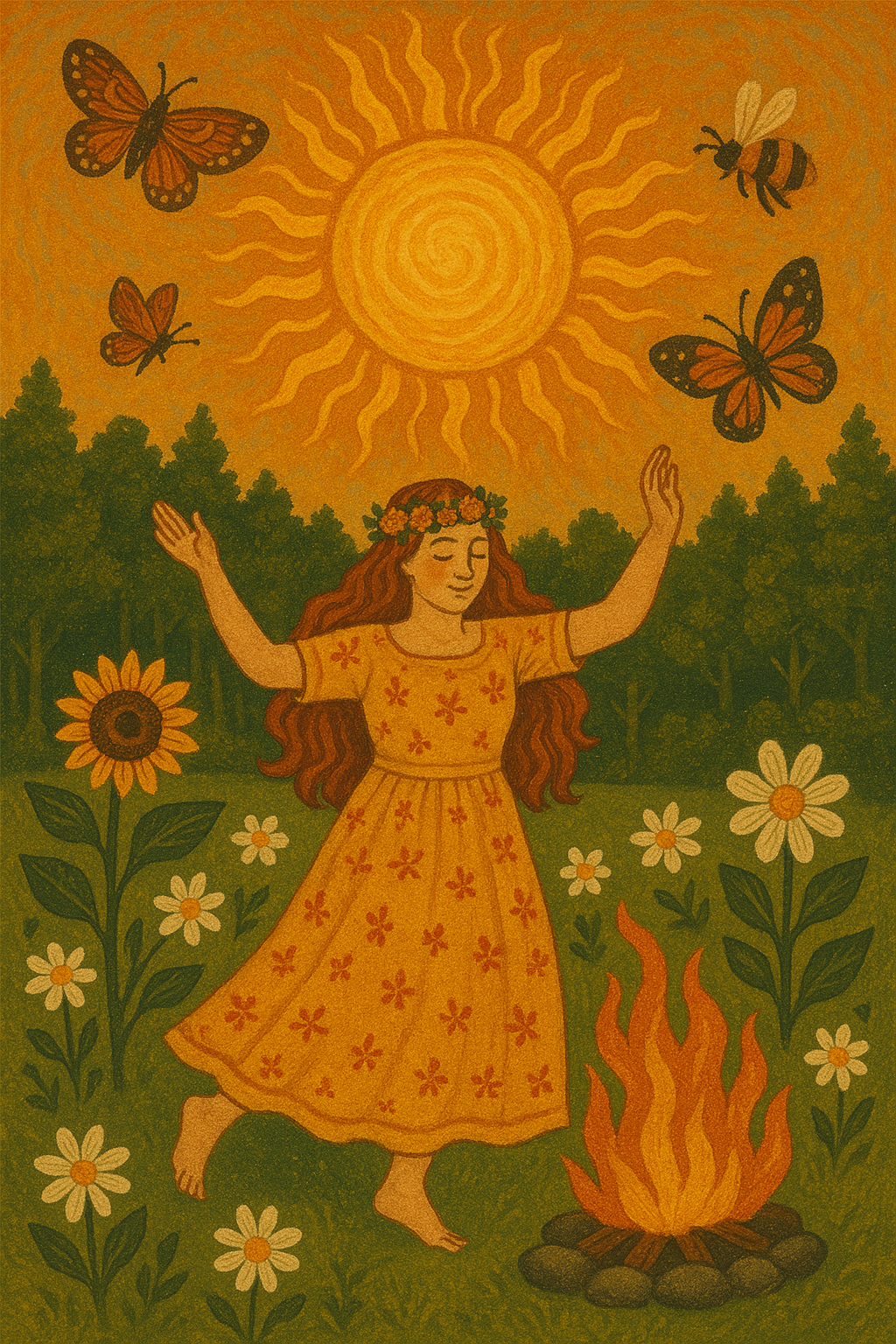
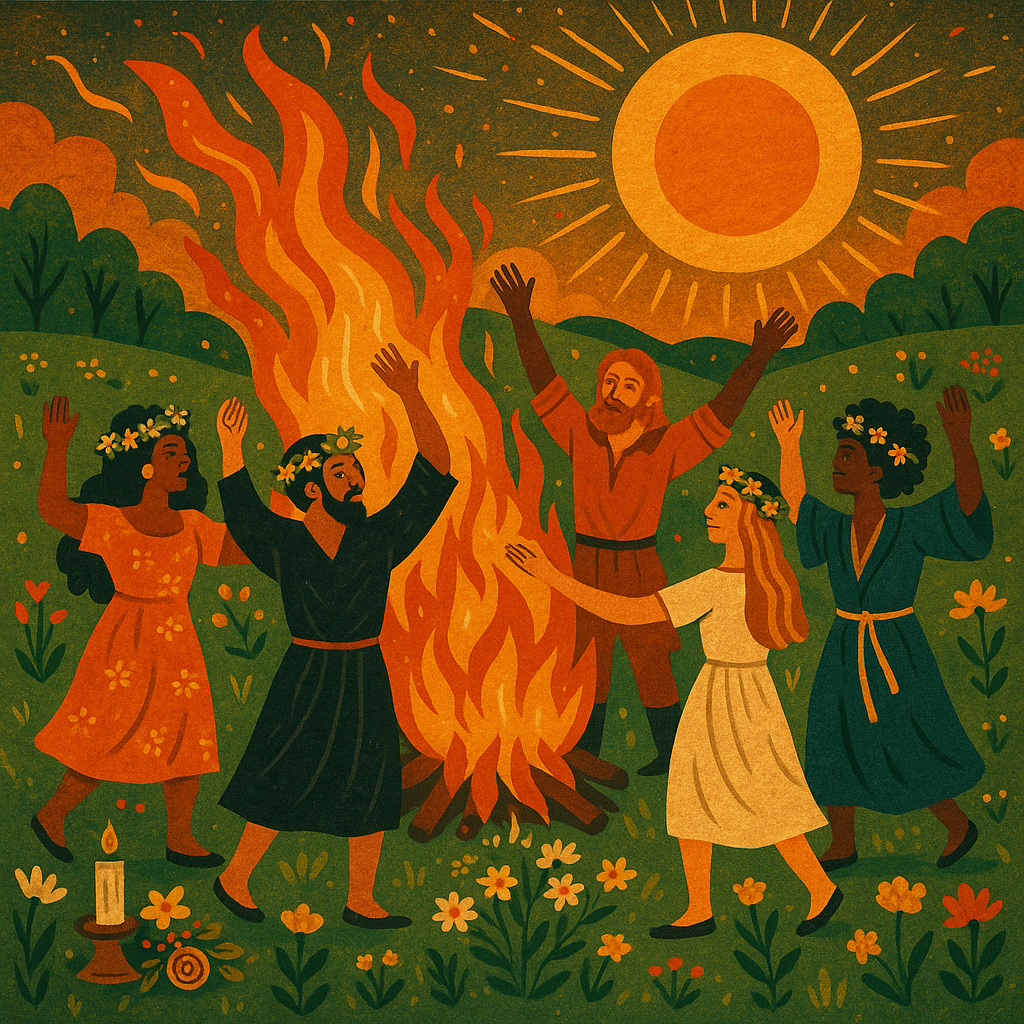
The first rays of morning stretch across the sky like golden fingers, warming the dewy grass and painting the treetops in fire. Birds are already busy in the hedgerows, bees hum like a chant in the fields, and somewhere in the distance, a barefoot figure turns their face to the sky.

It’s the longest day of the year — the sun’s triumphant moment. Everything is blooming, buzzing, bursting with life. The air feels thick with enchantment. If you listen closely, you might even hear laughter just beyond the veil — the kind that flickers at the edge of dreams. Midsummer is here, and with it, Litha — the sun’s high holiday, a time to celebrate light, strength, and the sweet fullness of the season.

Whether you rise with the dawn or dance beneath the stars, this is a moment to honor your power, your path, and the magic of being alive in the height of summer.

The Origins and Meaning of Litha

Litha (pronounced Lee-tha or sometimes Lit-ah, depending on tradition) marks the summer solstice — the longest day and shortest night of the year. It falls around June 20 and 21 in the Northern Hemisphere, when the sun reaches its highest point in the sky.

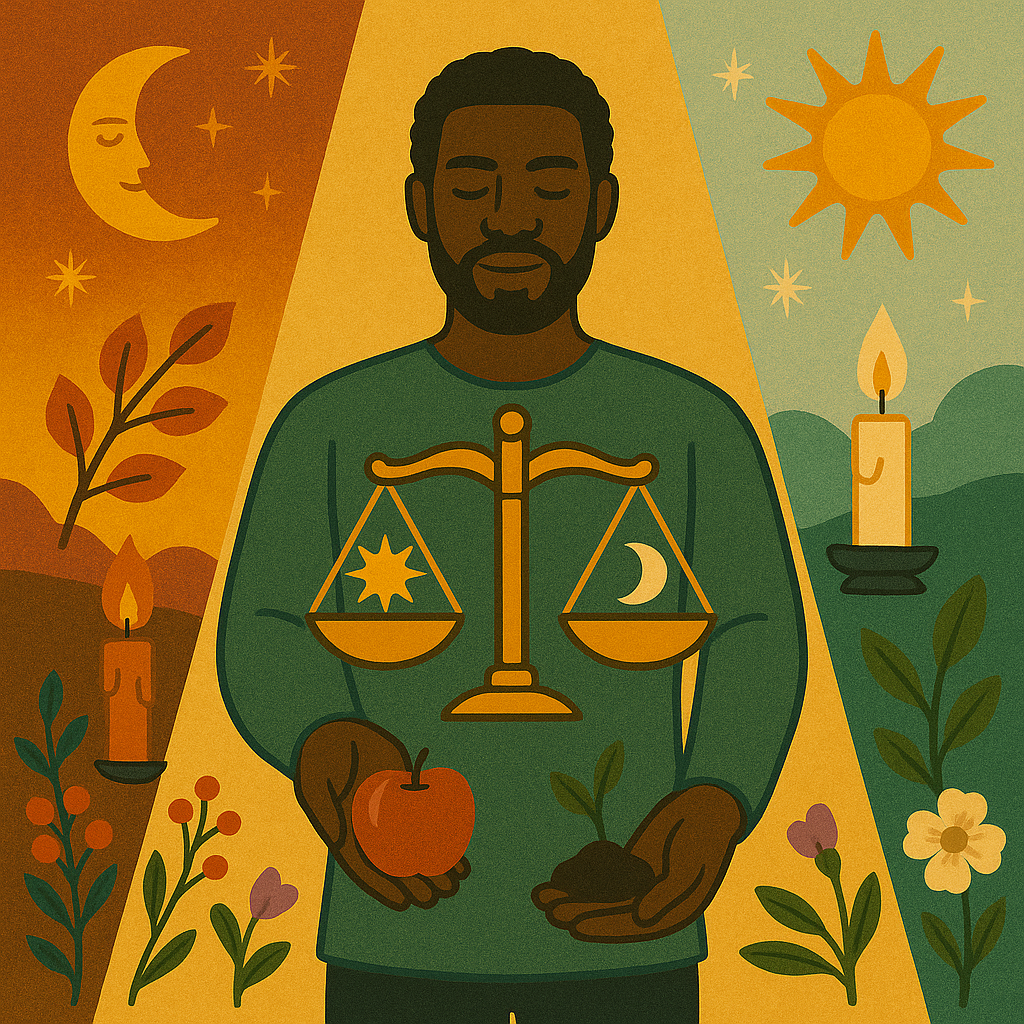
For Wiccans and many modern pagans, Litha is the solar climax of the Wheel of the Year — a fiery, golden celebration of growth, joy, abundance and light. It’s a time to revel in nature’s bounty, to celebrate all that has blossomed since spring, and to honor the turning point as the days now begin, slowly, to shorten.

It follows Beltane, the fiery celebration of fertility and union, and comes before Lughnasadh (or Lammas), the first harvest festival. While Imbolc and Ostara sparked the light, and Beltane ignited passion, Litha is the sun in full blaze — a moment to honor life at its fullest, just before the wheel turns toward the waning half of the year. Like Mabon and Yule, its power lies in transition — and in the magic of balance shifting.

As such, Litha invites reflection as well as revelry — a pause in the sunlight to take stock of what you’ve grown, and where you’re headed.

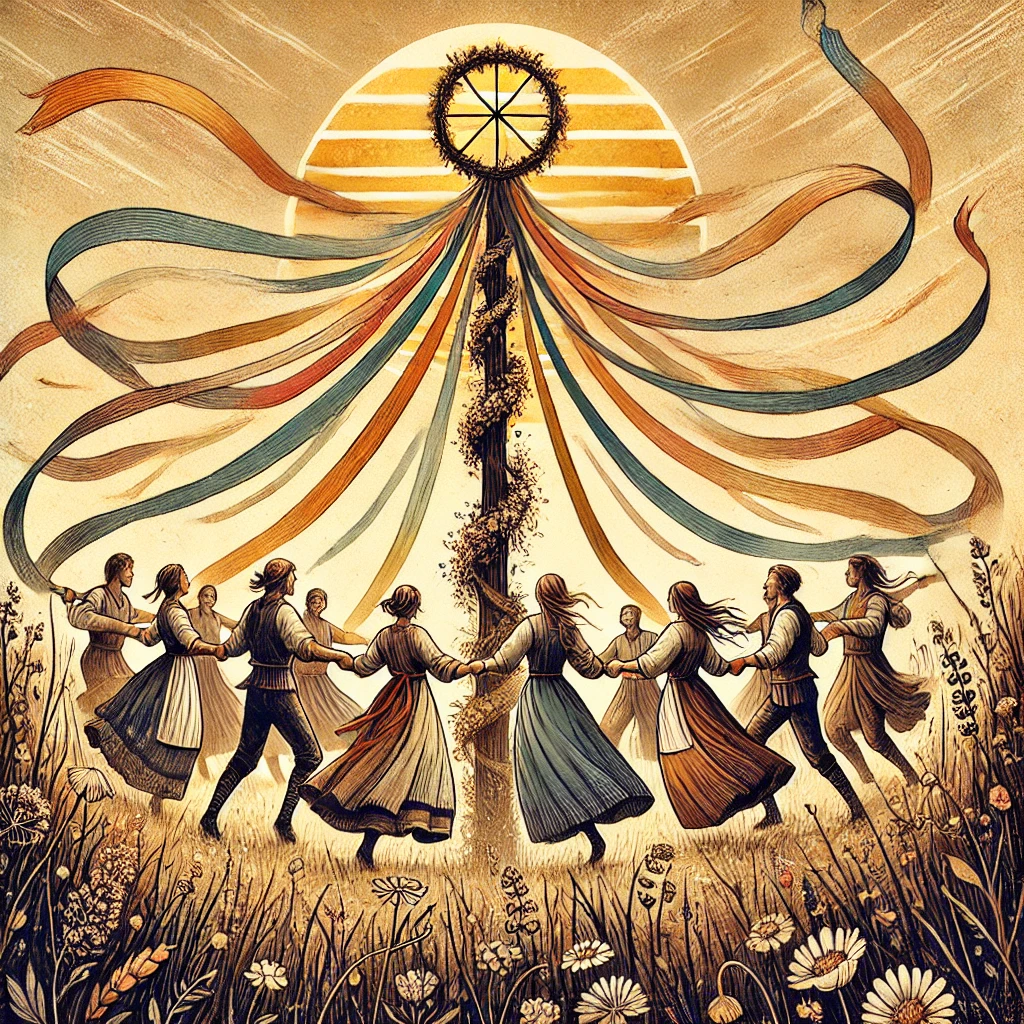
Historically, midsummer festivals were marked with bonfires, dancing, and rituals to protect crops, cattle and communities. In Norse tradition, blazing wheels were rolled down hills to mimic the sun’s path. In ancient Rome, festivals for Juno and Vesta aligned with the solstice, while in Slavic countries, it was a time of fertility rites and water magic.

Every culture that watched the sun’s rise knew this moment mattered. And it still does.

Myths and Folklore of Midsummer Magic

Long before clocks and calendars, our ancestors watched the skies. They knew when the sun lingered a little longer, when shadows shrank and golden light stretched into the evening. And on that brightest day, they told stories — of gods who set the sky ablaze, of faeries who danced through ferns, of fires lit to keep chaos at bay.

One of the most enduring myths of the solstice is that epic battle between the Oak King and the Holly King — twin aspects of the Horned God. At Yule, the Oak King is born, gaining strength as the days lengthen. At Litha, he reaches his peak — and then falls in ritual battle to the Holly King, who rules the waning year. It’s a beautiful allegory of the natural cycle: Even at the height of power, change is inevitable. Even in light, shadow waits.

Elsewhere, the solstice shines with the brilliance of deities:

  • Lugh, the Celtic god of the sun and many skills, whose name means “Light.” Though more often honored at Lughnasadh, his energy pulses through Litha’s creative fire.

  • Amaterasu, the Japanese sun goddess, who once hid herself away in a cave, plunging the world into darkness — until the laughter of the gods lured her out, restoring light.

  • Ra, the Egyptian sun god, who sails across the sky each day in his solar barque, battling the chaos serpent Apep each night to rise again.

  • Apollo, golden-haired and lyre-strumming, who, in some tellings, carries the sun in his chariot, and lights the world with prophecy, music and flame.

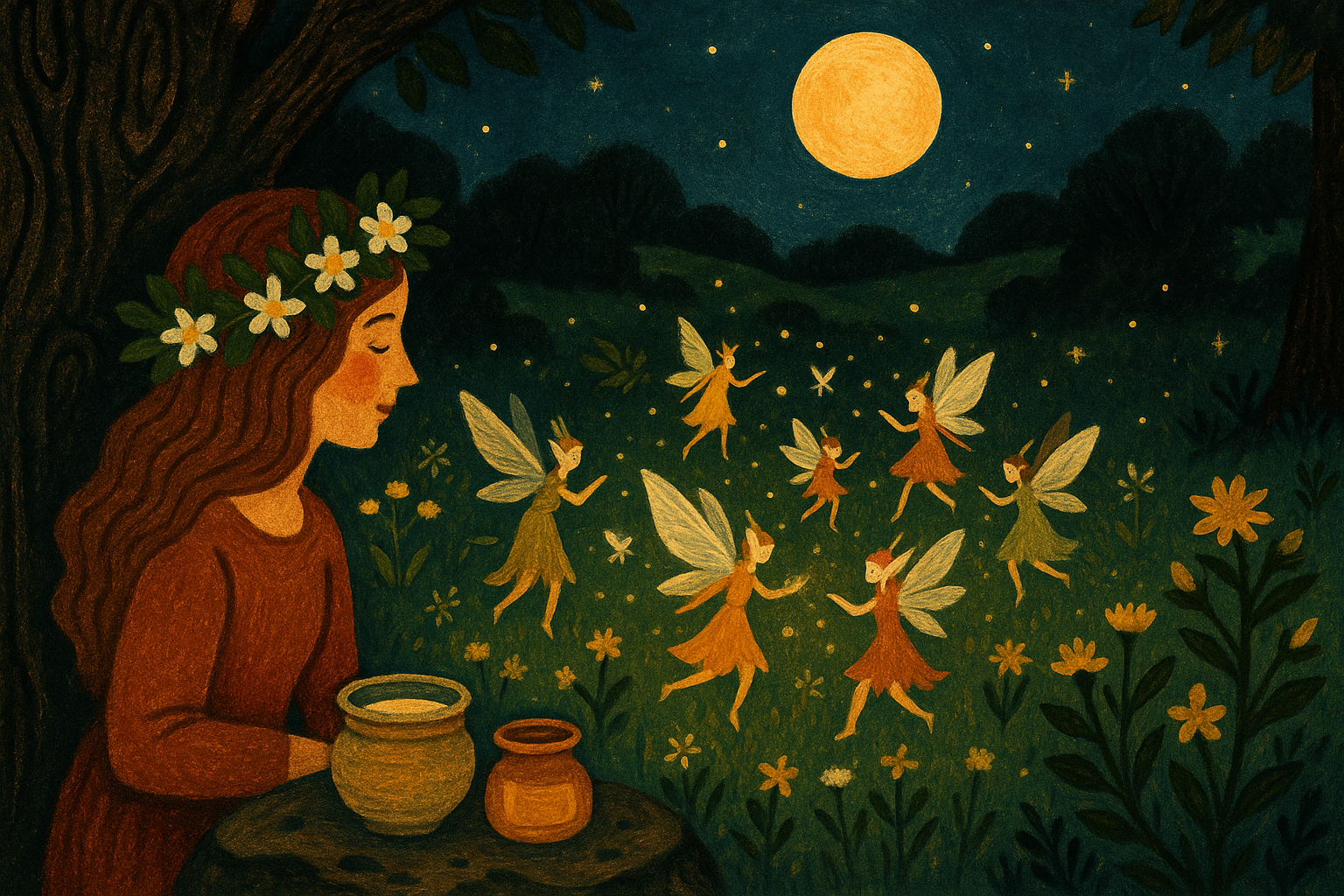
And then there are the tales of midsummer Fae — the Good Folk who slip more easily between worlds on nights like these. In Celtic and Germanic folklore, Midsummer’s Eve was a time of enchantment, when doors opened between realms. People wove flower crowns to protect themselves, gathered St. John’s wort to banish spirits, and placed iron charms at thresholds to keep mischief out. But some sought the fairies, laying out milk and honey and dancing under the moon in hopes of catching a glimpse of their revels.

Even Shakespeare knew the magic of this night. A Midsummer Night’s Dream — with its mix of love, trickery and wild enchantment — captures the sense that on this night, anything might happen.

So if the air feels thick with possibility… if a shadow in the trees lingers longer than it should… you’re not imagining it. Midsummer is a time of stories — and you’re living in one.

Traditions of Litha

Litha traditions shimmer with light: fire, flowers, golden feasts, and the joy of long, lingering days. At the heart of it all is a sense of celebration: The Earth is alive, generous and radiant. And you’re invited to join the dance.

Across centuries and cultures, solstice traditions share one common thread: light triumphing over darkness, even if only for a moment. People built bonfires to mimic the sun, leapt through flames for luck and fertility, and crafted garlands and charms to honor nature in full bloom.

Here are some of the most common — and magical — ways to honor Litha:

Sunrise and Sunset Vigils

Start your celebration with intention: Rise with the sun, and greet it as it crests the horizon. Some Wiccans stay up through the night to watch it rise; others pause at noon to feel the day’s full power. As the sun sets, light candles or a small fire to carry the energy into the evening.

Bonfires and Solar Flames

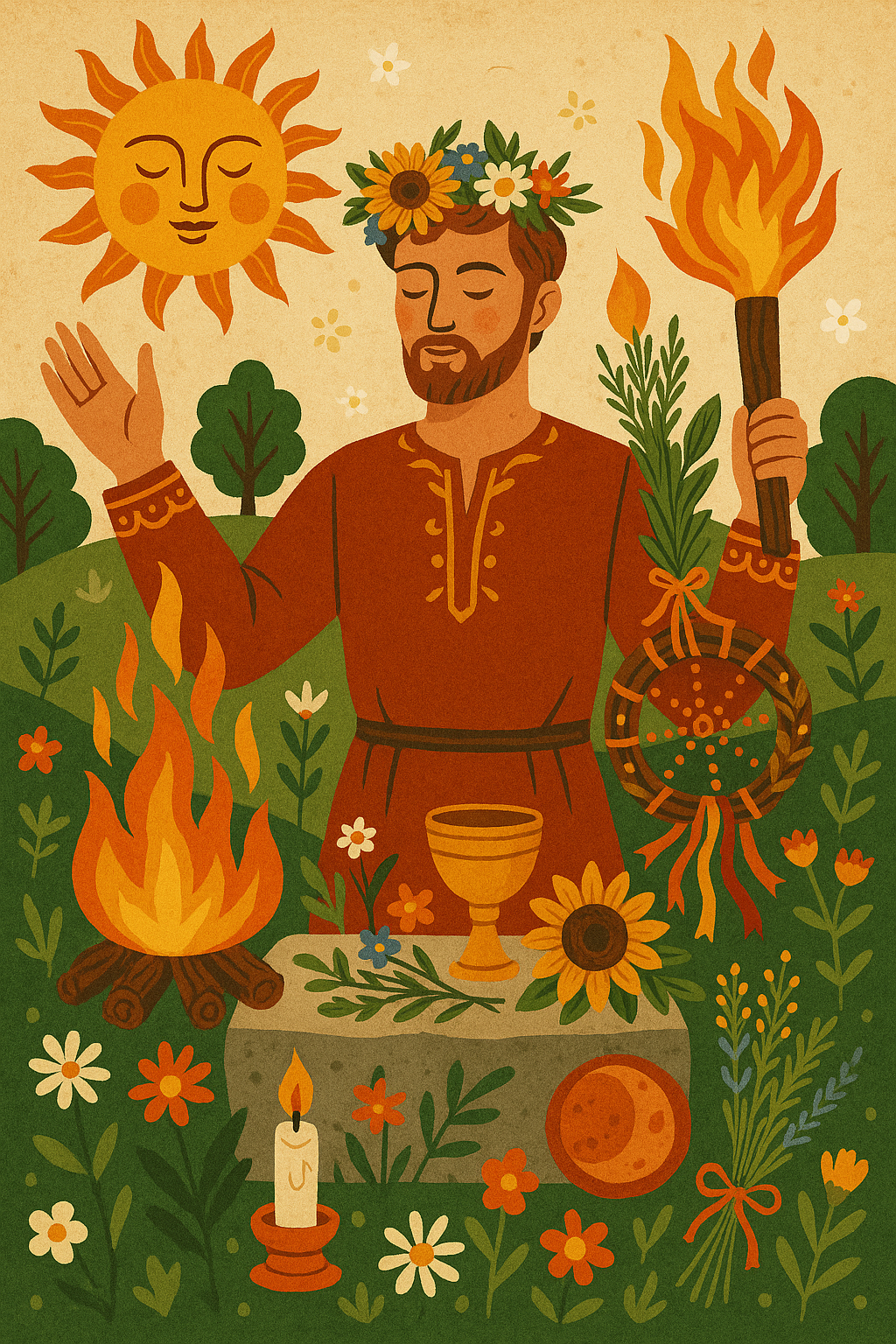
Traditionally, solstice fires were lit on hilltops to honor the sun and strengthen crops. Today, lighting a candle, firepit or even a flame in your heart can serve the same purpose — a symbol of your inner fire and the light you carry forward.

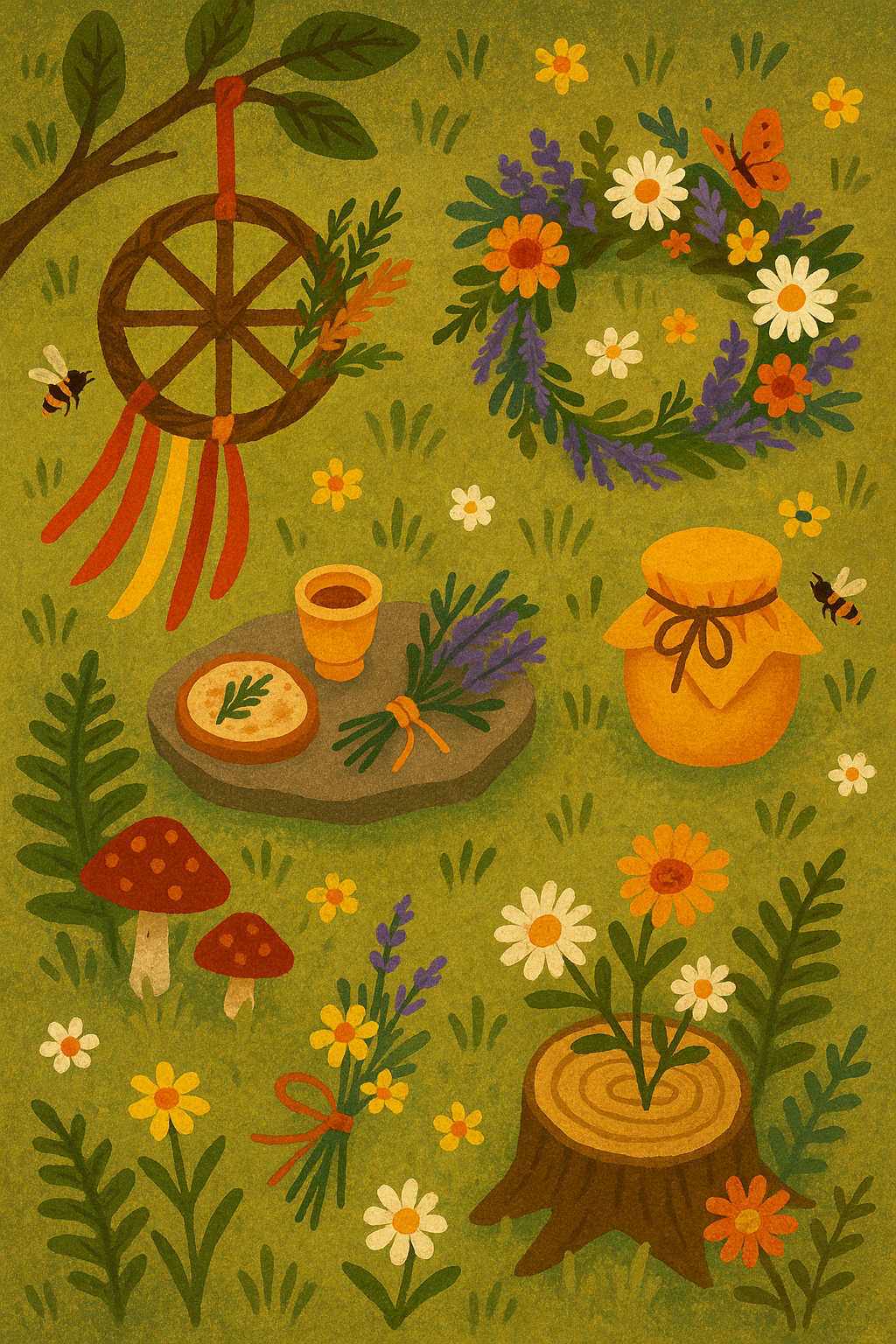
Floral Crowns and Herb Bundles

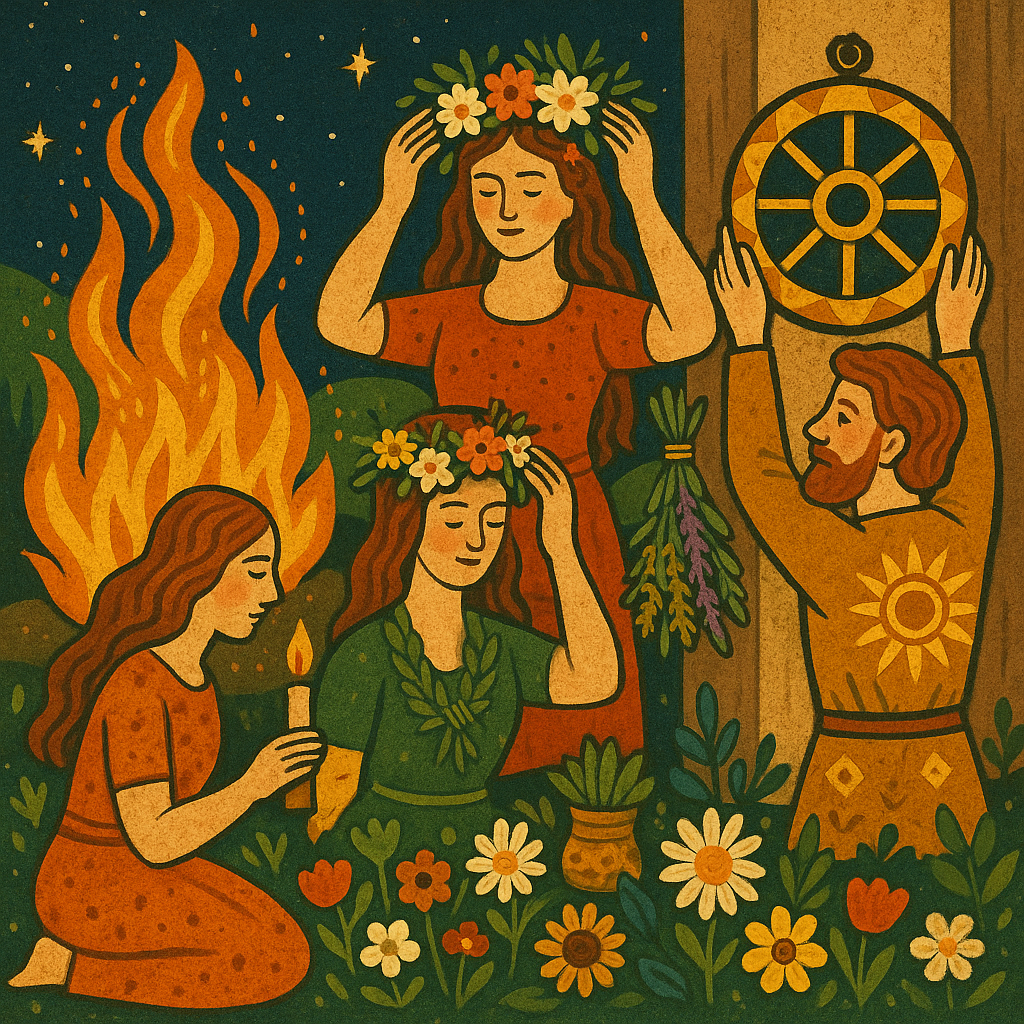
Wear the season on your head — quite literally — by weaving flower crowns from midsummer blooms: sunflowers, daisies, chamomile, roses. Bundle herbs like St. John’s wort, rosemary and lavender for protection and clarity. Hang them by your door or burn them as offerings.

Rolling Sun Wheels

In some traditions, wooden wheels were set ablaze and rolled down hills to represent the sun’s journey. You don’t need to torch your garden cart, but making a sun wheel from grapevine or craft supplies and hanging it on your door brings the symbolism home.

Symbols and Correspondences of Litha

Colors:

  • Gold, yellow, orange for the sun and fire

  • Green for growth and abundance

  • Red for passion and vitality

Crystals:

  • Sunstone boosts confidence and leadership

  • Citrine for joy, abundance, and energy

  • Carnelian fires up creativity and motivation

  • Amber links to ancient sunlight and protective energy

Herbs and Plants:

  • St. John’s wort to ward off negativity

  • Chamomile brings peace and clarity

  • Rosemary for memory, cleansing

  • Lavender provides calm and spiritual connection

  • Oak leaves and acorns, sacred to the Oak King

Animals:

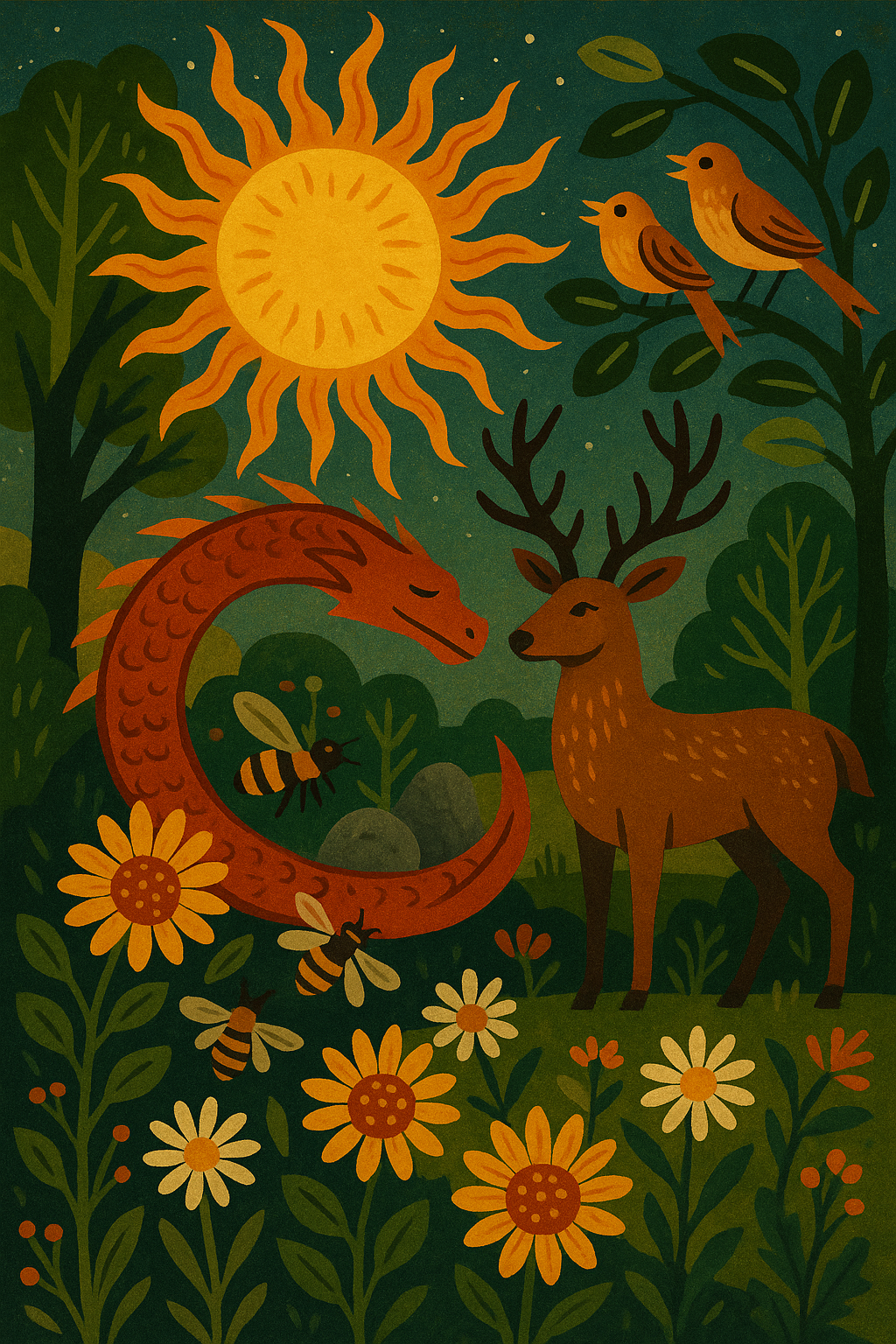
  • Bees represent industrious joy and sweet results

  • Stags for strength and the wild, sacred masculine spirit

  • Songbirds symbolize communication and delight

  • Dragons for the fire of transformation and protection

When you’re surrounded by sunflowers and the air hums with bees, it’s easy to understand why our ancestors paused to celebrate. Litha reminds us to honor our own light, too — to revel in what we’ve grown, and to shine brightly while we can.

A Litha Ritual to Ignite Your Inner Fire

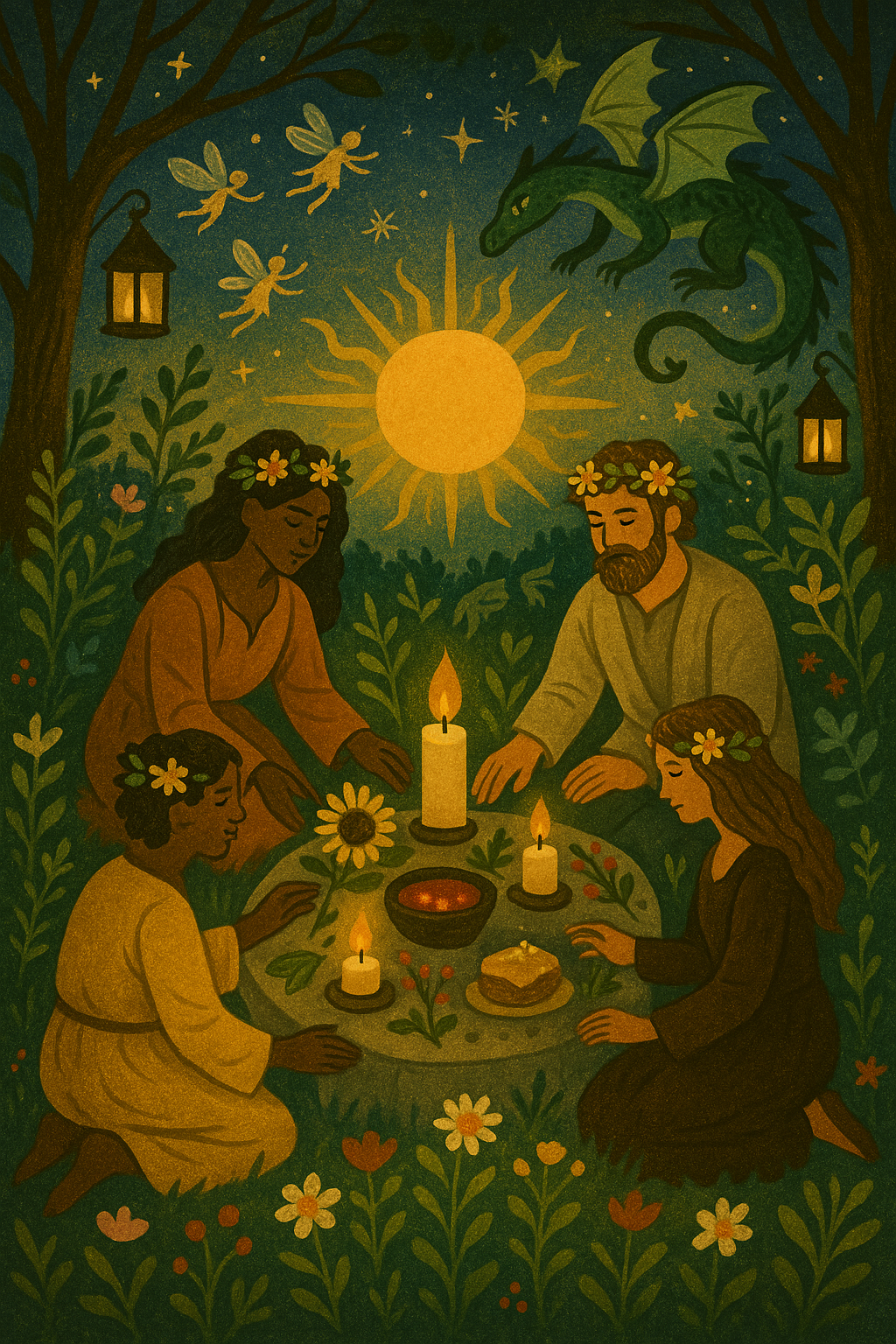
Whether you’re practicing alone or with your coven, Litha calls for something joyful, golden and alive. This isn’t the time for subtlety — it’s the sun’s main act. So light a flame, crown your head in flowers, and step into your strength. Midsummer has long been considered one of the most powerful times of the year for magic. 

Below is a ritual designed to help you align with midsummer’s powerful energy. It culminates in a spell crafted to awaken your personal power and confidence — to help you shine as brightly as the solstice sun.

Before You Begin

Choose a time near sunrise, noon or sunset. A backyard, balcony or sunny window is ideal. Dress in sun-kissed colors (yellows, reds, golds and greens). Optional: Wear a floral crown, sun charm, or something that makes you feel radiant.

What You’ll Need

  • A yellow or gold candle (or a fire-safe bonfire or cauldron)

  • A fresh bay leaf (or oak leaf), and a gold or red pen

  • A bowl of water (preferably rainwater or spring water)

  • A small mirror

  • Any altar decorations you like — sunflowers, herbs, crystals, seasonal fruit or a solar deity image

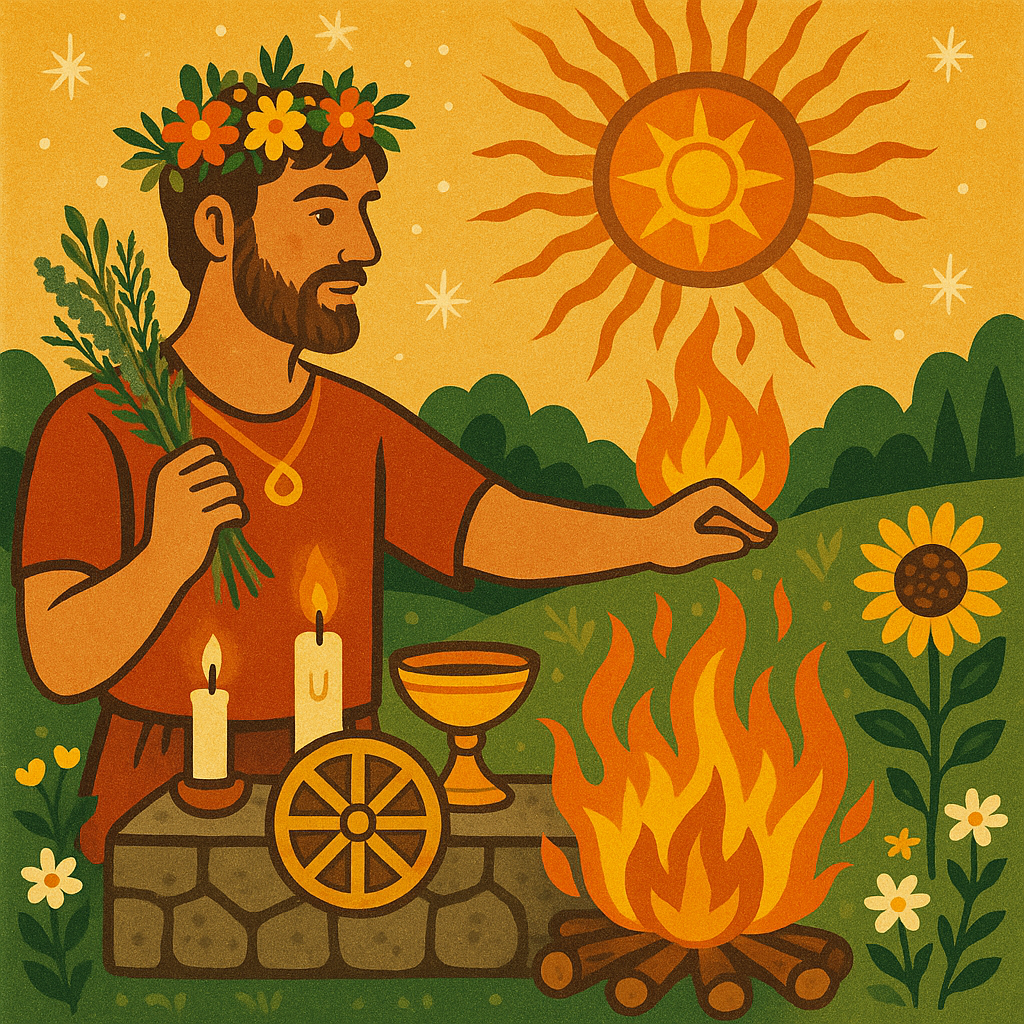
Step 1: Prepare your altar and cast the circle.  

Arrange your altar in the center of your space. Add symbols of the season: a sunflower in a jar, a handful of cherries, a sprig of rosemary. Light your candle and say:

Brightest day and golden flame,
I call the sun by sacred name.
With fire and fruit, with song and cheer,
Litha’s light, be with me here.

Cast your magic circle as you normally do, walking clockwise and calling on the elements. Emphasize fire and air, the season’s dominant energies.

Step 2: Call on the sun and the self.

Face the sun (or your candle flame) and speak:

Great Sun, high above, I honor your strength.
You blaze at your peak, and so do I.
Shine through me — may your light awaken what I already carry.
Take a deep breath and feel that light fill your chest.

Step 3: Cast a spell of solar strength. 

Take your bay leaf. With your gold pen, write one word that represents the strength you wish to step into now:

Confidence. Boldness. Courage. Radiance. Truth.

Hold the leaf in both hands. Focus on it — not just the word, but what it would feel like to live it. Speak this chant:

Sun above and fire below,
Grant me strength to rise and glow.
Let fear fall off, let doubt grow dim,
My inner light outshines the grim.

If you’re using a mirror, hold the leaf to your heart and look yourself in the eye. Say:

This is the truth I now reveal—
I am whole, and I am real.

Then, drop the leaf into the bowl of water. Imagine that as the leaf moves, your power rises. The strength you called is already yours.

Finish with:

With sun’s embrace and sky’s wide dome,
My power stirs and finds its home.

Step 4: Close the circle and celebrate. 

Thank the elements and release your circle. Let the candle burn out safely or snuff it with intention.

Dispose of the leaf respectfully — bury it beneath a blooming plant, compost it, or pour the water into the soil. If you used a mirror, keep it on your altar for a few days as a reminder of the light you claimed.

Then eat something delicious. Dance barefoot. Watch the sunset. You just honored the height of the sun — and the fire inside you.

Feasting With the Sun: Foods of Litha

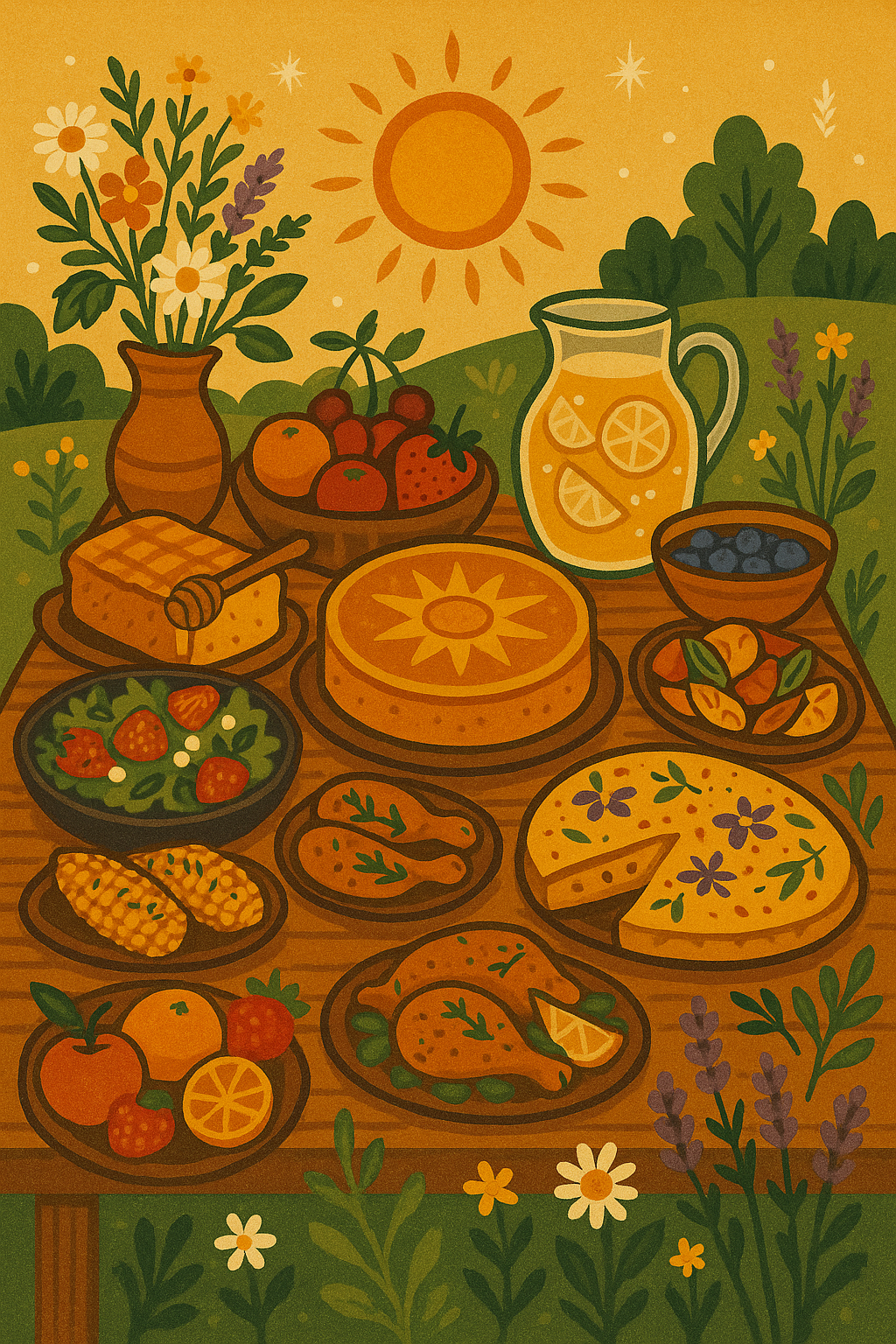
What better way to celebrate the fullness of life than with a feast bursting with summer’s brightest flavors? Litha is a festival of abundance — a time to honor the Earth’s generosity and the energy that ripens every fruit, herb and grain. Whether you’re throwing a solstice picnic or preparing a quiet sunlit brunch, let your table reflect the richness of the season.

Seasonal Staples

Litha food is sun food: golden, juicy, herbaceous and joyful.

Fruits:

  • Cherries, strawberries, blueberries, peaches — served fresh or baked into hand pies

  • Lemons and oranges for lemonade, tartlets or citrus-glazed cakes

Herbs:

  • Rosemary, basil, mint, lavender, thyme tossed into salads, folded into doughs, infused in syrups

  • St. John’s wort (not to ingest, but nice as a tea blend or altar offering)

Savory ideas:

  • Herbed flatbreads or focaccia with edible flowers

  • Grilled corn brushed with butter and smoked paprika

  • Honey-glazed chicken or lemon-rosemary roasted vegetables

  • Fresh greens with berries, goat cheese and sunflower seeds

Sweet treats:

  • Honey drizzled over everything, from toast to berries to cornbread

  • Sun cakes (round golden cakes flavored with honey or citrus)

  • Lavender shortbread cookies

  • Honey mead, lemonade or herbal sun tea brewed in a jar outside

Simple Recipe: Honey & Lavender Lemonade

You’ll need:

  • 1 cup fresh lemon juice

  • 3 to 4 tablespoons honey (to taste)

  • 2 teaspoons dried lavender

  • 4 cups water

Instructions:

1. In a small saucepan, heat 1 cup of water with the lavender and honey until the honey dissolves.

2. Let steep 10 to 15 minutes, then strain.

3. Mix the lavender-honey water with lemon juice and the remaining water. Chill and serve over ice with a sprig of mint or slice of lemon.

Bonus points if you brew this under the sun and stir it with intention.

Whether you eat alone, with loved ones, or leave an offering outside for the Fae, the act of feasting at Litha is a sacred one. That nourishment can be a spell in itself. That gratitude tastes best when shared.

Crafts and Offerings for the Solstice

At Litha, your hands can become an altar. Whether you’re weaving flowers, tying charms, or placing honey cakes in the garden, crafting is a form of spellwork — one that honors both the season and your own creative fire.

These are not just pretty pastimes. They’re echoes of ancient practices — ways to connect with the Earth, the sun and the unseen.

Make a sun wheel. 

This classic midsummer craft channels the ancient tradition of burning sun wheels rolled down hills. You can make a simple one from grapevine, willow branches or even embroidery hoops.

Decorate it with ribbons in gold, orange and red. Add sprigs of rosemary, wheat stalks or little sun charms. Hang it on your front door or above your altar as a symbol of light and strength.

Weave a flower crown. 

A floral crown is more than just a boho accessory — it’s a living halo. In old midsummer traditions, people wore garlands to protect against Fae mischief or attract blessings.

Use whatever blooms are local and seasonal — daisies, clover, lavender, marigolds, even wild herbs. As you weave each stem, speak a word of intention or blessing: joy, courage, abundance, love. Then wear your creation during your ritual or feast.

Create a fairy offering. 

Midsummer’s Eve is said to be one of the Fae’s favorite nights. If you’d like to stay on their good side (or invite a bit of their magic), prepare a small offering.

Ideas include:

  • A thimble of honey or mead

  • A slice of bread with butter and herbs

  • Wildflowers tied with twine

  • A shiny stone or tiny bell

Leave your offering at the base of a tree, beneath a fern, or on your windowsill. Whisper a wish as you walk away — and don’t look back.

Craft a solar sachet. 

Gather herbs associated with the sun — such as rosemary, chamomile, calendula and St. John’s wort — and tie them up in a yellow or gold cloth.

Hold it in your hands and say:

Sun in sky and fire in me,
Let this charm bring strength to be.

Keep it near your bed, your altar, or in your bag when you need a boost of solar energy.

These crafts may seem small — but they’re woven with meaning, intention and magic. And that’s the heart of Litha: turning sunlight into something sacred.

What Litha Teaches Us

Litha is a celebration of light — not just the kind that bathes the Earth in gold, but the kind that flickers in your chest when you laugh too hard, take a bold leap, or finally speak your truth out loud.

At the solstice, the sun stands still. Just for a breath. A golden pause between the rising and the falling. That stillness is a gift — an invitation to ask: What have I grown? What am I proud of? What do I carry forward into the next season of my life?

Because, after Litha, the light begins to wane. The wheel turns. The days shorten, slowly at first. So this moment — this fire-bright, blossom-heavy, bee-laced moment — is fleeting. And that’s what makes it sacred.

So wear the crown. Light the fire. Chant your name to the sky. Share the honeyed bread. Leave a gift for the Fae. And let yourself feel it all — the joy, the courage, the wild magic humming in your bones.

Because you, too, are made of sunlight.

And you were always meant to shine. –Wally

Curses and Consequences: What I Learned at a Black Magic Class

A curse class at Malliway Bros. in Chicago uncovers the truth about jinxes, hexes and curses, intent, consequences and protection. The dark arts, debunked.

Most people shy away from the idea of curses. We like to believe magic is all love, light and lavender-scented moon rituals. But what about the other side of the craft? The part that deals with justice, consequences and — let’s be honest — sometimes just good old-fashioned spite?

That’s why I found myself at Malliway Bros., a truly magical occult shop in Chicago’s Rogers Park neighborhood, sitting in a dimly lit room, about to learn the art of cursing. Not to throw hexes around willy-nilly, but to understand them. Because, as it turns out, curses aren’t always what we think they are.

Dark magic isn’t inherently evil, but it’s messy.
You have to be prepared for the consequences.

What Is a Curse?

Before diving into the how, we had to unpack the what. First up: learning the difference between a curse, a hex and a jinx. 

Jinx: “Jinxes are thought of as the lowest level of dark magic,” according to Wycke, one of the store’s owners — a guy who most definitely has some Fae in his blood. “It’s usually mischievous and causes minor and short-lived inconveniences. Quick bad luck, stubbed toes and stained clothing are some of the most common offenders. These are usually not cast with true spite and are used instead for silly inconveniences or minor retaliations.”

Hex: “Hex comes from the German word Hexe or Hexen meaning “witch” and originally would have just meant a spell,” he continued. “Now hexes are thought of as more serious forms of ill-wishing. These are usually harmful spells meant to teach a lesson and will often be undone once that lesson is learned.”

Curse: “Curses are the most dire form of maleficium,” Wycke said. “They are long lasting and cause serious harm. A curse is not always meant to justify a wrong and will instead do harm just to meet its caster’s satisfaction.”

One thing that surprised me? Curses aren’t always evil. Some practitioners use them for protection, to bind harmful people, or as a magical last resort. One example: a justice curse designed to make sure a person’s wrongdoings catch up with them. Turns out there’s a lot of gray areas when it comes to black magic. 

The Ethics of Maleficium

Malliway’s curse class raised the questions, “Should you?” Because no spell exists in a vacuum.

We talked about the Threefold Law (the belief that whatever you send out returns threefold) and the Wiccan Rede: “An it harm none, do what ye will.” 

But not all witches follow these principles. Some believe in justified cursing, especially when mundane justice fails. Others think magical consequences work on their own — curse someone unfairly, and you might get slapped back by the universe.

The class debated this: Is it ever okay to curse? Someone argued that curses are just another form of protection. Another felt they should be a last resort. And then there was the question of intent vs. action: Does wanting harm make you just as guilty as acting on it? Or what if your spell hurts someone, even though that wasn’t what you had planned?

The Risks of Dark Magic

Here’s where things got intense. Cursing isn’t just about what you do to others — it’s about what you invite in. If you decide to dabble in the dark arts, watch out for these possible consequences. 

  • Backfire is real. Misplace your intent, and you might hit the wrong target (including yourself).

  • Magical residue exists. Ever walked into a place that felt heavy? Curses leave behind energy, and if you don’t cleanse properly, it lingers.

  • Protection is key. Every good curse caster knows how to shield themselves. There are wards, protective symbols and cleansing techniques to avoid unwanted spiritual side effects.

One big takeaway: Dark magic isn’t inherently evil, but it’s messy. You have to be prepared for the consequences.

RELATED: How to Protect Yourself From Black Magic

Breaking Curses

Of course, we didn’t just learn how to make curses — we also learned how to break them.

Methods included:

  • Unbinding spells to reverse the intention

  • Cleansing rituals (smoke, salt or a bath) to remove lingering effects

  • Mirror spells to reflect the curse back

Keep in mind, though, that countercurses don’t always work the way you’d think. Sometimes, the best way to break a curse is simply to stop believing in it, and inadvertently fueling it.

Warding: A Shield Against Harm

While Defense Against the Dark Arts class at Hogwarts played it up with wand-waving and faux Latin, real spells aren’t far off — they still demand intent, ritual tools and words that cut like poetry.

Here’s a simple warding spell designed to shield against residual harmful energies. 

1. Plant your feet firmly on the ground and focus on its sturdiness. Say:

Iron as the blade, silver as the glass,
None what harms shall come to pass.

2. Make an X with your fingers in front of you. Say:

Not from afar. 

3. Keep your fingers linked, cross your forearms over each other. Say:

Nor on my par. 

4. Place both hands on opposite shoulders and say:

And none within may come to spar.

Visualize three crosses forming across your body — hard as iron, reflective as silver — locking into place for protection.

A Sundry of Spite: Cursing Methods From Folklore

Cursing techniques have been passed down through history. Some are simple but potent, requiring no special tools beyond one’s own energy and intent:

  • Spitting on someone or their belongings is considered a powerful curse. Some call this “witch’s venom.”

  • The Evil Eye can be cast simply by glaring at someone with jealousy or ill intent. This can be accidental but is dangerous when done deliberately.

  • Doing things in reverse can symbolically “undo” a person — writing their name backward, walking around their home counterclockwise, or dismantling their work in reverse order.

  • Collecting a taglock (a piece of hair, clothing or personal item) ensures a magical link to the target.

  • Tricking a victim into accepting a curse bypasses protections. Disguising a curse as a gift or using cleverly worded phrases can sneak past magical defenses.

  • Corrupting property with vinegar, urine or poison can attach harmful energies.

  • Foot track magic works by casting spells on a person’s footprints, shoes or the ground they regularly walk on.

The Hex of the Red Hand

This elaborate curse is designed to force someone to face the consequences of their actions — branding them with guilt and shame.

You’ll need:

  • A piece of paper

  • Red and black ink pens

  • Eyebright

  • Crash site soil

  • A red candle

  • Pins

  • Red cloth

  • Burdock burrs

  • Stinging nettle

  • Courthouse soil

  • Wood squill

  • A bowl of saltwater

  • A cauldron

Steps:

1. Write the victim’s name in red ink at the center of a square piece of paper.

2. Use black ink to surround their name with written records of their wrongdoings.

3. Mix eyebright and crash site soil in a bowl, chanting:

I see you with an eye unblinking. 
I mark you with your lies unlinking.

4. Scatter the mixture over the name and add any taglocks you have of the victim.

5. Fold the paper into a parcel and seal it with red candle wax.

6. Pierce the parcel with a pin, saying:

I pierce this hand,
And lay the brand.
Red as my fury and red as the crime.

7. Place the parcel on red cloth and scatter it with stinging nettle, burrs, courthouse soil and wood squill.

8. Tie the cloth into a bundle and suspend it between a burning kettle and a bowl of saltwater, chanting:

Burrs of burdock, unrelenting,
Stinging nettle, still tormenting.
With soil, guilt upon your name,
Wood squill bows your head in shame.
Burn and rue, burn and rue,
Mark the hand that earns its due!

9. Dunk the bundle back and forth between the fire and the saltwater, repeating the final lines.

The bundle can be kept and fed with saltwater to extend the curse’s duration.

A Minor Swifting: Cleansing After a Curse

Once a curse is cast, residual energy can linger, and it’s wise to cleanse yourself to avoid unintended consequences. The class provided this simple swifting ritual to wash away unwanted magical influence.

1. Prepare a bowl of saltwater and dip your fingers into it.

2. Anoint your palms and say:

My left, my right, by these two hands. 

3. Anoint your throat and say:

My voice, my words, to where I stand.

4. Pass sage smoke over yourself while repeating:

Hekas, hekas, este, bebeloi.
All that is unclean, evil or impeding to my ways,
From here, depart, depart, depart and be gone.

So, Should You Curse?

I’ve always heard that casting dark magic means it comes back to you threefold. I’m not sure the math checks out — but I do believe that if you’re fueled by anger and vengeance, putting that kind of negativity into the world increases the chances of it finding its way back to you. Just as we cast spells to manifest something good, the same principle applies to curses.

Here’s the thing: Magic isn’t good or bad. It’s a tool. Like fire, it can warm your home … or burn it down.

This class didn’t turn me into a wrathful hex-slinger, but it did change how I see magic. Curses aren’t just about revenge; they’re about intent, justice and power. And whether you choose to use them or not, it’s better to understand them than to fear them.

So next time someone warns you about the dangers of the dark arts, just remember: The real danger isn’t knowing too much. It’s knowing too little. –Wally


Interested in delving deeper into the mystical arts?

Malliway Bros. offers a variety of events at their shop, including tarot round robins, educational sessions, rituals and spell-casting workshops. Whether you’re a seasoned practitioner or simply curious, there’s something for everyone.

Explore their upcoming events


Malliway Bros. Magic & Witchcraft

1407 West Morse Avenue
Chicago, Illinois 60626
USA

The Best Places for Scuba Diving in Bali

From shipwrecks to manta rays, these are the top scuba diving spots in Bali — perfect for families, beginners, and underwater thrill-seekers alike.

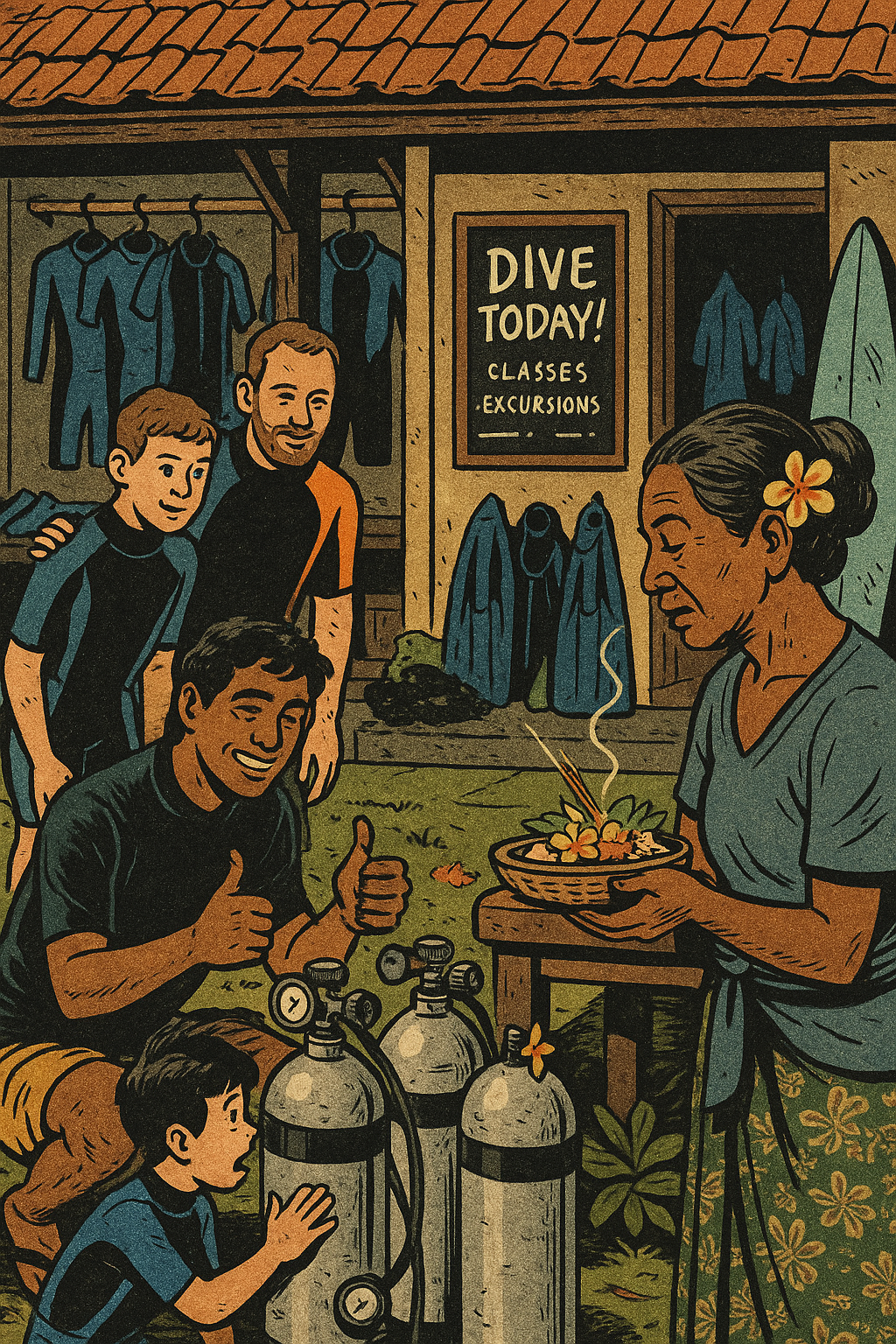
A Balinese man gives two thumbs up at a dive shop, while a tourist family puts on wetsuits and a Balinese woman carries an offering to the gods

Bali isn’t just for honeymooners and yoga influencers. It’s also a paradise for families who prefer their bonding time with a side of coral reefs, sea turtles and the occasional “Did you see that?!” squeal through a snorkel. With warm waters, outrageously colorful marine life, and dive sites for every level from “never seen a fin before” to “basically part mermaid,” Bali makes it easy — and wildly fun — to go underwater together.

Whether your crew includes seasoned divers, curious kids or reluctant spouses who were promised post-dive smoothies, Bali’s got the gear, the guides and the gentle currents to make everyone feel like Jacques Cousteau. Team up with a local scuba diving shop and you’ll get equipment, training, and a cheerful instructor who knows when to hold your hand and when to point at an octopus.

Top Dive Sites in Bali

Where to Get Your Fins Wet (and Your Mind Blown)

A family scuba dives by the wreck of the USS Liberty at Tulamben in Bali

Tulamben

You haven’t truly visited Bali until you’ve floated above a sunken ship. The U.S.S. Liberty wreck sits just off the shore of Tulamben, resting peacefully in shallow water and now swarming with fish, turtles and tiny creatures with big personalities. It’s beginner-friendly, surreal and basically an underwater playground for divers of all levels — a rare combo.

A family scuba dives at Nusa Penida in Bali, looking at a manta ray and a mola mola

Nusa Penida

Cue the dramatic music. This one’s for the more experienced divers (read: those who enjoy a good current and aren’t fazed when a manta ray with a wingspan wider than a car glides past. At Manta Point, you’ll likely meet these graceful giants up close. Head to Crystal Bay and, if you’re lucky and it’s the right season, you might catch a glimpse of the elusive mola mola — that weirdly wonderful ocean sunfish that looks like someone forgot to finish designing it. 

A family scuba dives under a boat among coral and fish at Amed in Bali

Amed

New to diving? Have a hesitant teen or an overeager 8-year-old in tow? Amed is your happy place. With easy shore dives and candy-colored reefs just offshore, this laidback spot is tailor-made for beginners. It’s like snorkeling’s cooler, deeper cousin — all the wow, none of the stress.

A family scuba dives at Padang Bai (Blue Lagoon) in Bali, looking at a clownfish while a turtle swims above

Padang Bai (Blue Lagoon)

As gentle and welcoming as a sleepy sea turtle, the Blue Lagoon is perfect for first-timers and families dipping their fins in for an inaugural dive. Shallow, warm and full of Nemo-style charm, this is where you go to fall in love with the ocean — or at least impress your family with how chill you look underwater.

A family scuba dives at Menjangan Island in Bali

Menjangan Island

Tucked away on Bali’s quieter western coast, this island offers a Goldilocks-perfect dive: calm waters, healthy coral walls, and just enough sea life to keep things thrilling but not overwhelming. Great for mixed-ability families — even the grandparent who just got certified last year.

Two men scuba dive at Secret Bay (Gilimanuk) in Bali, while one takes photos of interesting marine life

Secret Bay (Gilimanuk)

Calling all marine-life nerds and macro-photographers. Secret Bay is less about dramatic landscapes and more about the strange and wonderful: ghost pipefish, seahorses, frogfish and other creatures that look like they were dreamt up by Dr. Seuss. It’s calm, quirky and off the beaten reef — ideal for intermediate divers and underwater shutterbugs.

A toddler throws a tantrum, pointing at a monkey atop a demonic statue in the Ubud Monkey Sanctuary forest in Bali

Family-Friendly Activities in Bali

When You’re Not Blowing Bubbles

Sure, the diving’s great — but so is everything else. Between dives, you can have a beach picnic, take a traditional cooking class, or try to explain to your kids why you can’t take home a macaque from the Monkey Sanctuary in Ubud. Snorkeling is a fabulous compromise for non-divers, offering views of coral gardens without the need for tanks or training.

And don’t skip the culture: Balinese dance performances, temple tours (Temple of Death, anyone?), and day trips to gorgeous sites like the Tirta Gangga Water Gardens and the Tegallalang Rice Terrace. And don’t forget the hands-on workshops (make your own batik! carve a mask! learn to make offerings!). These activities give the whole family a taste of local life that’s just as memorable as spotting a cuttlefish.

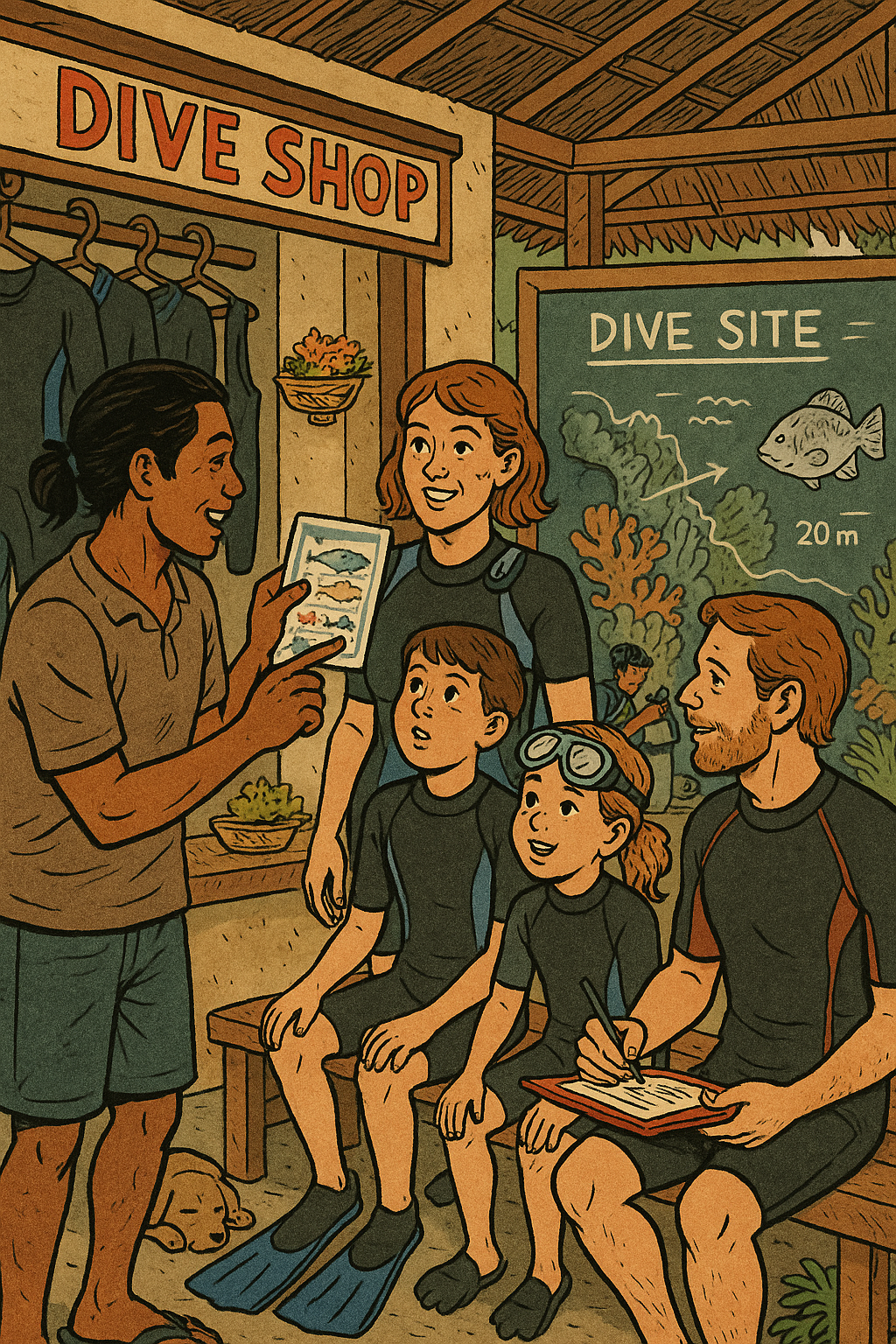
A Balinese man instructs a family getting ready to go scuba diving

Planning Your Dive Trip

Avoid the Chaos. Hire the Pros.

Want a stress-free, sea-filled adventure? Partner with a local dive shop. They’ll handle the logistics, provide well-maintained gear, arrange instructors who actually like teaching kids (bless them), and offer multilingual support so nothing gets lost in translation.

Many shops offer family-focused packages that include hotel pickup, kid-sized wetsuits, and coffee for parents who didn’t sleep thanks to jet lag or overly enthusiastic roosters. They also offer crash courses in marine ecology, so you leave knowing the name of that funky fish your daughter keeps calling a “glitter eel.”

Safety First (Because It’s Hard to Bond in a Hyperbaric Chamber)

This should go without saying, but diving isn’t the time to wing it. Even Bali’s gentlest dive sites require preparation — especially with a family crew. A reputable shop will give each person a skills check and adjust the experience to match. You’ll learn how to handle your gear, what to do in an emergency, and why you really shouldn’t touch that colorful fish (hint: It might touch back with its teeth).

Group briefings and guided sessions ensure everyone feels prepared, safe and thrilled. It’s not just about staying out of trouble. It’s about building confidence together, one dive at a time. –Sadie Smith

Sacred Sips: Unusual Drinking Rituals Around the World

Travel the globe one drink at a time — from sake ceremonies in Japan to vodka toasts in Russia — and explore the sacred drinking rituals that reveal the heart of a culture.

A group of people from around the world crowd around a table, holding traditional drinks from their countries

We’ve all had that moment: reclining on a sun-drenched patio, swirling a chilled drink, maybe a Malibu Bay Breeze, and thinking, Now this is living. But while your fruity cocktail might scream “vacation mode activated,” in many parts of the world, drinking goes far beyond recreation. It's ritual. It’s social glue. It’s ceremony, symbolism and, in some cases, sacred law.

Whether it’s the whisper of steam from a rice wine gourd in Bhutan or the thunderous clink of vodka glasses in Siberia, humanity’s connection to alcohol is as diverse as our languages and landscapes. So, if you're the kind of traveler who likes their libations with a dash of folklore, a twist of history, and a splash of anthropological intrigue, cheers to you. Let’s tour the world, one unusual drinking ritual at a time.

A younger man nervously pours sake for an older man in a suit at a Japanese teahouse, while a man sleeps in the corner and another enters, surprised

1. Japan’s Sakazuki Ceremony: The Art of Mutual Respect

In Japan, drinking isn't just about getting merry — it’s a ballet of etiquette and mutual reverence. Nowhere is this more evident than in the sakazuki ceremony, where two people exchange cups of sake to seal a bond. It can be between friends, business partners or during wedding rituals.

The process involves bowing, pouring for one another, and sipping from each other’s cups. If it sounds intimate, that’s because it is.

But beware: Hierarchy matters. If your boss pours for you, you’d better accept it with both hands and bow like your job depends on it — it just might.

RELATED: A Guide to Experiencing the Spectacular Koyo

An older Andean man puts some chicha out for Pachamama, the earth goddess, over a spread of nibblies, while girls and a male traveler watch

2. Peru’s Pachamama Offering: A Sip for the Earth

Head into the highlands of Peru, and you’ll quickly learn that no drink enters your body without first blessing the earth. Before sipping chicha (a fermented corn beer), locals spill a few drops onto the ground. This is a symbolic offering to Pachamama, the Andean earth goddess.

This practice isn’t just reserved for locals, though; travelers who show respect are invited to share in the ritual. Just remember: Spill before you sip. Otherwise, you may offend a deity — and your host.

This reverence for nature in drinking rituals speaks to a deeper connection between land, spirituality and celebration. It’s not about intoxication. It’s about inclusion.

RELATED: The Pishtaco of Peru

A bearded man stands, holding up a drinking horn, giving a toast, while people around him react

3. Georgia’s Supra: Toasting as a Competitive Art Form

No one toasts like the Georgians. And I mean no one. At a Georgian supra (a traditional feast), the tamada — a sort of designated toastmaster — leads an elaborate series of poetic, philosophical and sometimes comedic toasts that can go on for hours.

Each toast is met with wine horns raised and glasses drained. Guests are expected to participate, and interruptions are frowned upon. This is a structured, sacred ritual of storytelling, memory and reverence, made glorious with amber-toned Georgian wines.

There’s even a formal etiquette to how you hold your glass and how you respond to a particularly moving toast. Think TED Talk meets tavern.

A middle-aged man toasts a nervous, drunken man at a Chinese ganbei ceremony by a table laden with food and a passed-out man, while couple whispers at another table

4. China’s Ganbei: Bottoms Up…or Else

In China, saying “Ganbei!” (干杯) is more than a simple “cheers.” It means “dry cup” — a declaration that you’ll finish your drink in one go. And they mean it.

Refusing a ganbei in a business setting is akin to rejecting a handshake. It’s a test of trust and camaraderie. This ritual can turn business dinners into something closer to drinking marathons, especially when baijiu — China’s fiery sorghum liquor — is involved.

Refusing to finish may offend. Finishing too quickly will win you another round. Good luck.

People sit at a table in Russia, drinking vodka, with one man laughing, another passed out and a woman scowling

5. Russia’s Vodka Etiquette: Drink First, Talk Later

If you think you know how to handle your liquor, try keeping up at a Russian celebration. Vodka in Russia is a no-nonsense affair governed by strict cultural codes.

Rule one: Toasts come first. Talking, eating, or even breathing too soon after someone raises a toast is considered rude.

Rule two: Never sip. Vodka is taken as a shot, straight. 

Rule three: Don’t refuse a round unless you’re ill or driving — and even then, prepare to explain yourself.

The act of drinking vodka in a group is deeply tied to expressions of hospitality and trust. It’s about showing heart (“dusha”), courage and belonging.

A group of people in an Ethiopian home pour tela by a table with food

6. Ethiopia’s Tela Ceremony: Fermentation Meets Friendship

In Ethiopia, drinking tela, a traditional homemade beer brewed from barley or maize, is a community affair.

Usually made by women and served in small neighborhood gatherings, tela is a ritual of hospitality and kinship. Guests may sit in a circle, drinking from shared containers and swapping stories under woven thatch roofs.

The brewing process itself is communal, passed down through generations, with recipes varying by region and family. Every sip is a testament to shared heritage.

A monk in Bhutan holds up a vessel with ara, while a man prays, a woman holds a pitcher, and a boy and yak look on

7. Bhutan’s Ara Offering: Drink With the Divine

Bhutan isn’t the first place people think of when they imagine booze, but the Himalayan kingdom has its own take: ara, a rice-based liquor made in homes across the country.

When consumed, it’s often part of a lohso ritual: a prayer for peace, prosperity and warding off misfortune. The ara is sometimes mixed with butter and eggs (yes, really), and offered first to deities or the local lama.

While public consumption of ara is discouraged under Bhutanese law, its role in spiritual and community rituals remains deeply ingrained in local life.

RELATED: Bhutan and More of the World’s Most Underrated Adventure Travel Destinations

In front of a Thai temple and naga, people drink from silver bowls, while others, including a monk, watch

8. Thailand’s Communal Cups: Sharing in Celebration

At Thai ceremonies, including weddings and Buddhist merit-making rituals, alcohol often plays a social — not sacred — role. However, what stands out is the tradition of communal drinking from shared cups or small silver bowls (khan) at village gatherings.

This ritual fosters connection, trust and a sense of equality. Everyone shares from the same source, rich or poor, old or young.

Interestingly, some of these rituals are fading in urban centers but remain alive in rural areas, preserved by locals who see drinking as part of a holistic spiritual and social life.

RELATED: What’s the Best Chiang Mai Street Food?

A Maasai man pours honey wine for young men with white face paint during a coming-of-age ceremony in Kenya, while women smile and watch

9. The Maasai’s Honey Wine: From Rite to Rite

In Kenya and Tanzania, the Maasai people brew a traditional honey wine that features prominently in ceremonies such as weddings, age-group initiations and spiritual blessings.

Drinking together symbolizes unity and is believed to strengthen bonds between clans. The brew itself — fermented over days — is thick, sweet and often served in gourds.

While it’s not exported or available commercially, it remains an important cultural practice among the Maasai — one that links heritage, land and rite of passage.

Drinking as Cultural Mirror

Across continents, drinks are more than refreshments; they’re vessels of meaning. They tell stories. They set boundaries. They open doors.

Alcohol has long been used to unite communities, mark transitions, and strengthen social structures—an insight that’s as true today in Peruvian villages as it is in downtown Tokyo.

And this is why the next time you're sipping that refreshing cocktail under a lazy sun, you might reflect on how drinks connect us — not just across tables, but across centuries and civilizations.

People from around the world try to follow drinking etiquette

Tips for the Culturally Curious Sipper

If you’re planning to engage in local drinking customs during your travels, here are a few do’s and don’ts:

  • DO research ahead: Some rituals have sacred meaning, and missteps can be disrespectful.

  • DON’T chug everything: Unless the culture dictates it (hello, China), pacing is usually fine.

  • DO accept if offered: In many cultures, declining a drink can signal rejection of hospitality.

  • DON’T assume Western norms apply: One person’s toast is another’s offense.

  • DO participate wholeheartedly: The ritual is often more important than the drink itself.

So, here’s to the world’s drinkers — not the binge crowd, but the ceremonial sippers, the storytellers, the sacred pourers. To the women brewing tela in Ethiopia, to the Andean farmers offering chicha to the gods, to the Japanese executives bowing over crystal sake cups.

And to you, fellow traveler, who now understands that sometimes, a drink is just a drink… but sometimes, it’s the soul of a people poured into a glass.

Cheers—or as they say in Georgia, “Gaumarjos!” –Ivana Babic

RELATED: Bizarre Foods Around the World

Budget Travel Secrets That Won’t Make You Miserable

Traveling on a budget doesn’t have to mean sacrificing fun or comfort. Discover real money-saving travel tips — from off-peak deals and cheap eats to affordable destinations and smarter booking strategies.

A chairlift at a ski resort in the fall

Being broke doesn’t mean your travel dreams have to be. With the right hacks, you can skip the endless compromises, itchy sheets on hostel bunk beds, and surviving solely on instant noodles. 

In fact, mastering a few simple strategies can stretch your dollars further than you ever imagined, allowing you to fully enjoy your destination without constantly checking your bank balance. The trick lies in smart planning, knowing when to book, where to stay, and how to handle unexpected costs without panic or regret.

Think of your vacation fund like a monthly bill — set up a separate savings account and automate small deposits from each paycheck.

What about loans for travel expenses or credit cards? When used responsibly and with smart budgeting, these financial tools can enhance your trip rather than burden it. Whether covering an emergency abroad or simply managing cash flow more comfortably, thoughtful use of financing can provide peace of mind, turning potential travel headaches into stress-free experiences.

Chinese junks sail through Ha Long Bay in Vietnam

Real Money-Saving Travel Tips for Smart, Budget-Friendly Trips

Are you looking for budget travel tips that save real cash? Here you are: 

Consider cheap vacation ideas. 

For affordable travel destinations, timing is everything. Travel during shoulder seasons — late fall or early spring — when crowds thin out and prices drop. Europe in October or some of the best places to visit in April in the U.S. can offer the same beauty — without the crowds or high season prices. In 2024, the average U.S. airfare was $384, but savvy travelers found roundtrips under $200 by booking one to three months in advance or flying midweek.

Think beyond the usual tourist traps. Vietnam, Cambodia and Sri Lanka offer rich culture, beaches and meals under $5 — far more budget-friendly than Japan or Australia. Within the U.S., avoid overpriced beach towns and try hidden gems like Flagstaff, Arizona for red rock hikes, or Chattanooga, Tennessee for riverside views and free downtown shuttles. From mountain retreats to small art towns, your dollar goes further when you travel smart.

Three people walk through an airport, as a plane flies by outside

Book early to travel on a budget. 

Earlier is generally cheaper. As travel analyst Ted Rossman advises, “Book sooner rather than later.” Aim to get your tickets and reservations two to three months in advance and be flexible with dates. 

Try flying mid-week (Tuesdays and Wednesdays) or use fare alerts on Google Flights and Kayak to catch flash sales. Don’t be afraid of layovers: A connecting flight can save hundreds on long trips.

If you can swing it, take a red-eye or an early train — the ungodly hours usually cost less. 

A cabin on the beach

Travel off-peak for deals. 

Hotels follow the same rule. Many offer free cancellation, so you can rebook if a better deal arises. Using Kayak can tell you if your flight or room drops in price.

And think outside the big-name hotels: A resort three blocks from the beach is often pricier than a beachfront Airbnb down the street. The point is simple: Be the early bird and the savvy shopper.

For example, Caribbean beach resorts can be half-price in late spring, and ski towns are dirt-cheap in October, when the lifts are still snoozing and the slopes are bare. 

A motorbike on the sidewalk in a European city

Ditch taxis and Ubers. 

Transportation can quietly drain your travel budget. Instead of flagging down a $30 taxi, opt for public transit — most bus or subway rides cost under $3, and all-day passes in cities like Chicago, Madrid and Bangkok run just $10 to $15. That’s your whole day of getting around for the price of a single cab. 

Many cities also offer bike-share or scooter-share options through apps like Citybike, with rides starting at just $1 to $3. You’ll not only save money but also experience the city more like a local.

A train crosses a bridge in a mountainous landscape

Control travel expenses on rentals. 

For longer trips, skip the car or nonstop flight if you can. Long-distance buses or trains can be much cheaper, and you often see more scenery. For example, an overnight bus from New York to Washington, D.C. might cost $30, while a plane ticket is $150. 

If a car is really necessary, consider carpooling with friends. Splitting gas and tolls among four people means a $200 rental is suddenly $50 each. 

Take the city bus, join an UberPool, or carpool on road trips. Your wallet will thank you.

Two men eat street tacos at a small table in Mexico
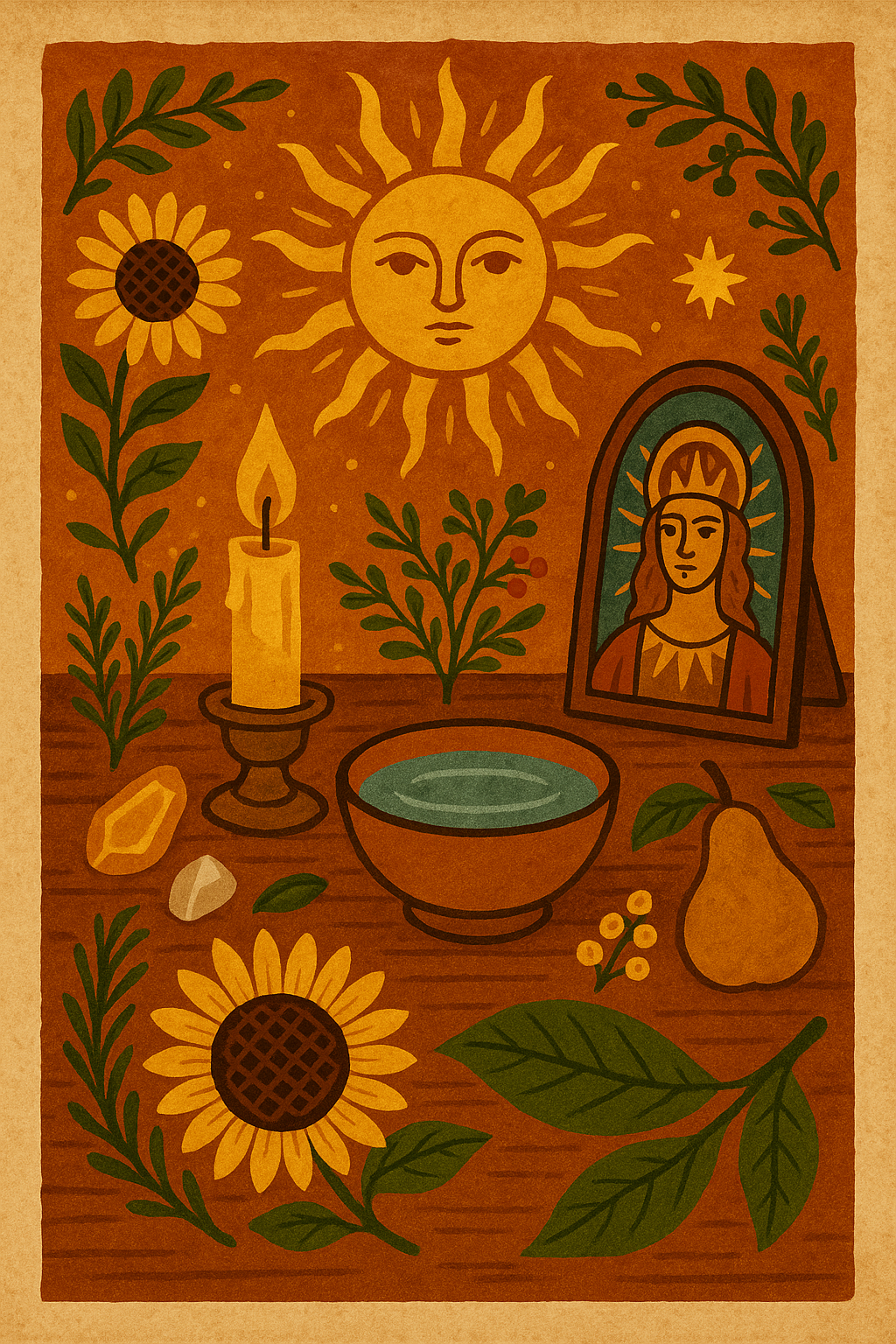
Eat local for under $10. 

Dining and activities are two big areas where you can  cut costs. First, food: Hit grocery stores, markets and street vendors instead of restaurants for every meal. Buy bread, cheese and fruit for picnics, or cook in your hostel or rental’s kitchen. Even making coffee or tea in your room can save you a few bucks daily.

Dining in at least once daily can cut your food bill in half. Local markets and small hole-in-the-wall eateries serve tastier food for less money than tourist traps. And look for happy hour and lunch specials. 

Two people hike through the U.S. Southwest, with beautiful rock formations
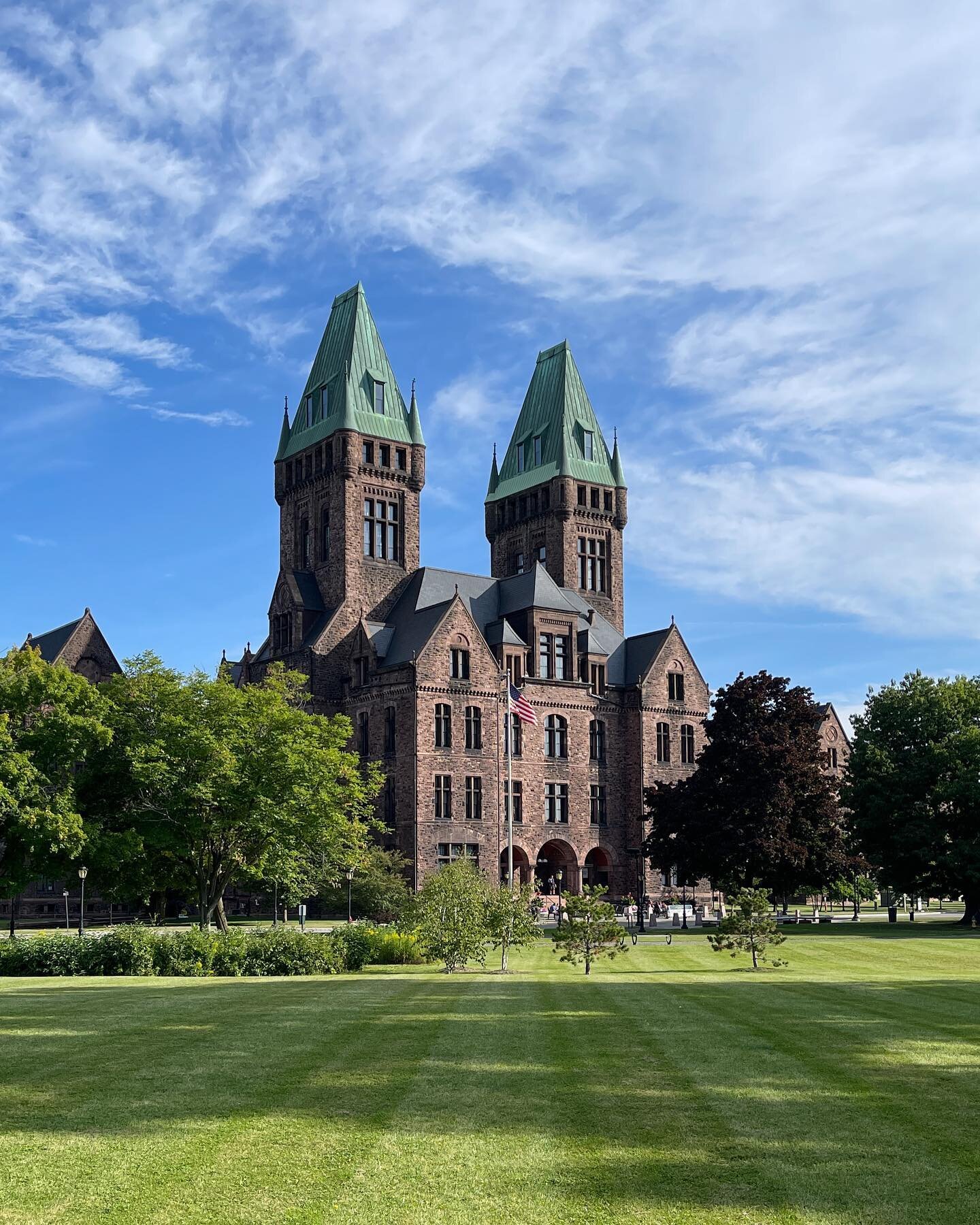
Hunt for free activities everywhere. 

Now, for free fun: Every city has options if you look hards. Google “free things to do” in the city you’re visiting, and you’ll find walking tours, public concerts, museum days (every Smithsonian museum in Washington, D.C., is free, for example), churches and parks.

Check local event calendars for street fairs and cultural festivals that cost nothing. Hiking, beach days and neighborhood walks are also free. 

When you crave a paid attraction, hunt for city passes or combo tickets. 

Remember: The best souvenirs are memories, which don’t cost a thing.

An airplane flies through the clouds

Save for travel with loyalty and rewards.  

Leverage loyalty programs and travel rewards. Use credit cards responsibly, and they can give you hundreds (or even thousands) of dollars back. Many cards offer big bonus points when you sign up. 

Airlines and hotels also run free loyalty and frequent-flyer programs. Even if you fly once a year, you can earn perks, such as a free checked bag or upgrade. The secret is not to overspend chasing points. Only charge what you’d buy anyway, and always pay the bill on time to get discounts on top of discounts.

Two women stand in a square in front of a monastery in Bulgaria

Budget for your trip to make it come true.  

The easiest travel budget starts with money you save ahead of time. Think of your vacation fund like a monthly bill — set up a separate savings account and automate small deposits from each paycheck. 

Even daily habits can shift the math: Instead of spending $5 on coffee every morning, invest in a home coffee maker. That one-time purchase can save you over $150 a month — nearly $2,000 a year you could put toward your next adventure.

With a little planning, you can unlock affordable adventures that feel anything but cheap. From traveling during shoulder seasons to hunting flight deals, skipping tourist traps, and embracing local eats, these strategies can stretch your budget and enrich your journey.

So pack your bags — affordable travel is waiting, and it’s more fun than you ever imagined. –Dawnesha Burns

Tips for a Healing Getaway for Travelers With Medical Concerns

How to plan a restorative trip when you’re managing implants, recovery or ongoing health needs. 

Travel is often seen as a chance to unwind — but for many people, it doesn’t always work that way. Disrupted routines, unexpected discomfort and medical concerns can quickly turn a trip from restful to draining.

Even the most peaceful destination can feel overwhelming if your body isn’t cooperating. And when you’re traveling with an implant or managing recovery, comfort depends on far more than the location or hotel rating.

So how do you truly recharge on the road? This guide offers tips for travelers navigating medical concerns — and what it really takes to turn your getaway into a healing one.

Planning your ideal relaxing getaway

Choosing the right destination is key to how your trip feels. Look for spots that naturally support rest and wellness — quiet coastal towns, scenic parks or slow-paced mountain villages.

If you’re traveling with an implant or recovering from a procedure, avoid destinations that require high altitudes or strenuous activity. Seek places with built-in tranquility, where birdwatching, yoga or nature walks are the norm.

Here are some of the best relaxing vacation options in the United States, according to U.S. News:

  • Cannon Beach, Oregon offers stunning coastal views and a welcoming arts scene. 

  • Pagosa Springs, Colorado is known for its healing hot springs and mountain backdrop. 

  • Amelia Island, Florida charms with quiet beaches and historic streets. 

  • Carmel-by-the-Sea, California impresses with ocean views and a relaxed, walkable town center. 

Should I plan for rest days during my trip?

Yes, wherever you go, build in rest time. Even the most enjoyable plans can become exhausting without breaks. Rest days give your body time to adapt and recover. Spacing out activities prevents fatigue and supports a more relaxing, enjoyable experience.

Maintaining comfort on the road

When you’re traveling with health concerns, comfort becomes a top priority. Medical implants — from pacemakers to IUDs — are common, and while they make life easier, they may require extra attention while away from home.

Air travel, changes in climate or increased physical activity can amplify discomfort. Hormonal or copper-based IUDs, for instance, can cause cramping or irregular cycles. Non-hormonal versions like the Paragard IUD have also raised concerns, with some users reporting breakage, expulsion or perforation. In fact, there’s a Paragard lawsuit over safety issues — with patients seeking compensation for physical injuries and emotional distress.

Traveling with a medical device doesn’t mean you have to be uncomfortable. The right preparation — from packing heating pads to knowing your physical limits — can help you stay well and enjoy the journey.

What precautions should travelers with implants take when flying?

Secure your device and avoid lifting heavy luggage. Book seats with extra legroom if possible, and bring any comfort aids you might need — like pain relievers or travel cushions.

Choosing activities that promote relaxation

High-energy adventures might look exciting on paper, but they don’t always deliver the rest your body craves. Focus on activities that allow your body and mind to relax without added strain.

For travelers with implants or medical concerns, this is a necessity. Even moderate exertion can trigger discomfort or complicate healing.

Stick to slow walks, spa visits or gentle yoga. These low-impact activities improve circulation and reduce stress without taxing your system.

Wellness tourism is growing fast — expected to top $1 trillion by 2030, according to Everyday Health. And it’s easy to see why. Travel focused on rest, mindfulness and well-being has real benefits, from improved sleep to reduced anxiety.

How do I choose activities that respect my energy levels?

Start with options that match your current capacity — like soaking in a thermal spring or strolling through a garden. Schedule breaks between activities to protect your energy and allow space for rest.

Staying hydrated and eating well

Good hydration and balanced meals go a long way toward supporting comfort and recovery on the road. 

Here are a few essentials:

  • Drink plenty of water — especially in warm or dry climates.

  • Choose meals with fresh produce, whole grains and lean proteins.

  • Avoid overly rich or processed foods that can lead to bloating or fatigue.

Travelers with IUDs sometimes notice reduced cramping and inflammation when they stay hydrated. Drinking enough water and getting enough rest can ease discomfort and support your body’s natural rhythms.

A healthy diet also supports the immune system, promotes better sleep and can boost your mood — all of which are crucial when you’re far from your normal routine.

Why is nutrition important for travelers with medical implants?

It helps reduce inflammation, supports recovery and keeps your energy steady. Nutritious meals also protect your immune system — something especially important when managing any chronic condition on the road.

Preparing for unexpected discomfort

Even well-planned trips come with surprises. If you’re managing recovery or living with a medical device, bring a few essentials to help you respond to discomfort as it arises.

Pack a small kit with pain relievers, heating pads and any prescribed medications. Research local clinics and pharmacies before you go, just in case.

For those with hip or joint implants, be aware that swelling or pain can flare up after a day of sightseeing. This is part of the normal healing process — trauma from surgery leads to inflammation, which can persist for months post-op.

The solution? Build in flexibility. Take breaks when needed, and be willing to change plans if your body asks for rest. You’ll feel better and enjoy the experience more when you listen to your needs.

What should I do if the pain becomes unbearable during travel?

Don’t try to push through. Get medical help if needed, and adjust your itinerary so you can rest. Taking care of your body is the most important part of a healing getaway.

A restorative trip isn’t about doing less; it’s about doing what serves you best. For travelers with medical concerns, thoughtful planning, gentle activities and self-awareness go a long way.

When you prioritize your health, you create space for calm, clarity and renewal. And that’s what turns a getaway into a true opportunity to heal.