diving

The Best Places for Scuba Diving in Bali

From shipwrecks to manta rays, these are the top scuba diving spots in Bali — perfect for families, beginners, and underwater thrill-seekers alike.
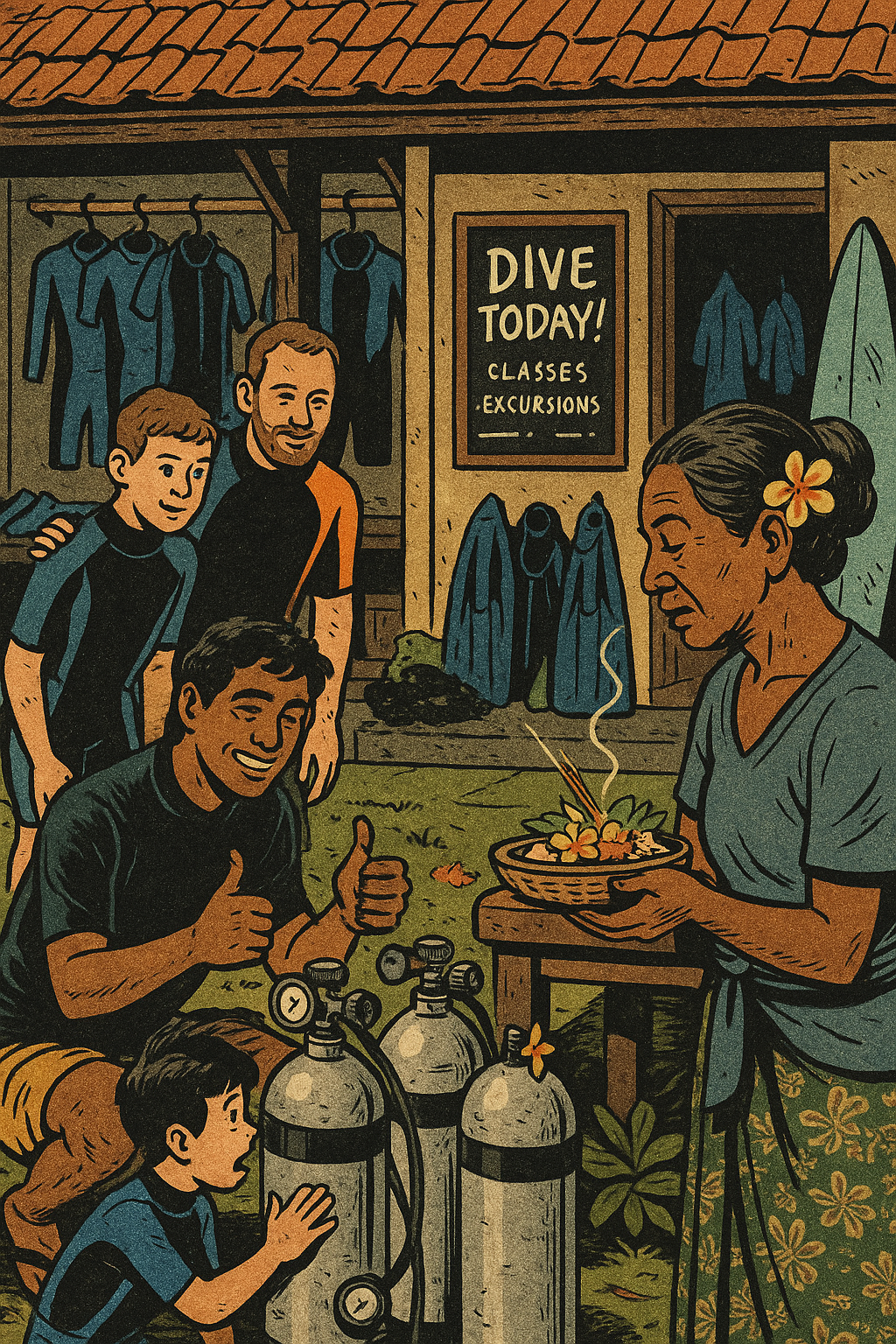
A Balinese man gives two thumbs up at a dive shop, while a tourist family puts on wetsuits and a Balinese woman carries an offering to the gods

Bali isn’t just for honeymooners and yoga influencers. It’s also a paradise for families who prefer their bonding time with a side of coral reefs, sea turtles and the occasional “Did you see that?!” squeal through a snorkel. With warm waters, outrageously colorful marine life, and dive sites for every level from “never seen a fin before” to “basically part mermaid,” Bali makes it easy — and wildly fun — to go underwater together.

Whether your crew includes seasoned divers, curious kids or reluctant spouses who were promised post-dive smoothies, Bali’s got the gear, the guides and the gentle currents to make everyone feel like Jacques Cousteau. Team up with a local scuba diving shop and you’ll get equipment, training, and a cheerful instructor who knows when to hold your hand and when to point at an octopus.

Top Dive Sites in Bali

Where to Get Your Fins Wet (and Your Mind Blown)
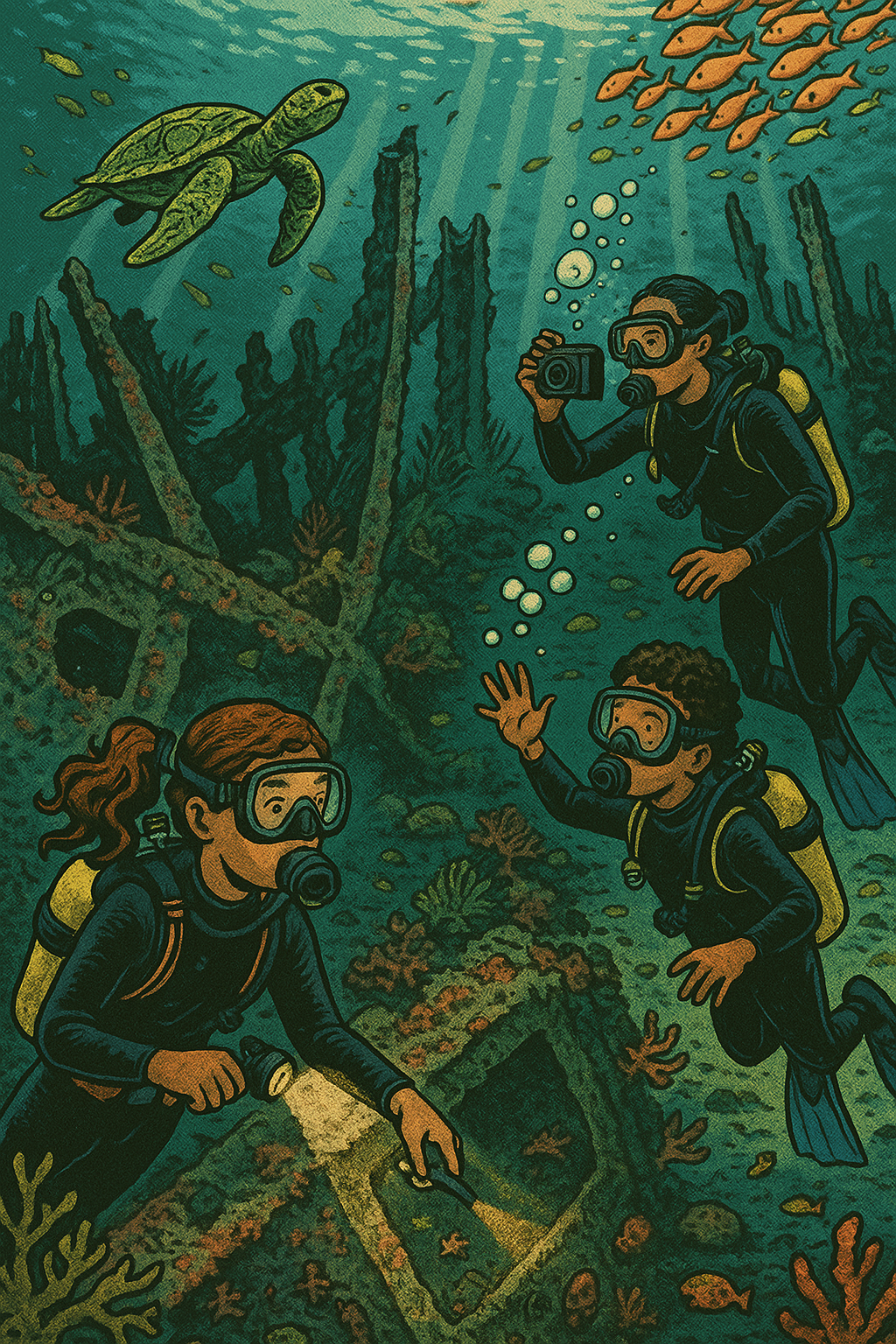
A family scuba dives by the wreck of the USS Liberty at Tulamben in Bali

Tulamben

You haven’t truly visited Bali until you’ve floated above a sunken ship. The U.S.S. Liberty wreck sits just off the shore of Tulamben, resting peacefully in shallow water and now swarming with fish, turtles and tiny creatures with big personalities. It’s beginner-friendly, surreal and basically an underwater playground for divers of all levels — a rare combo.
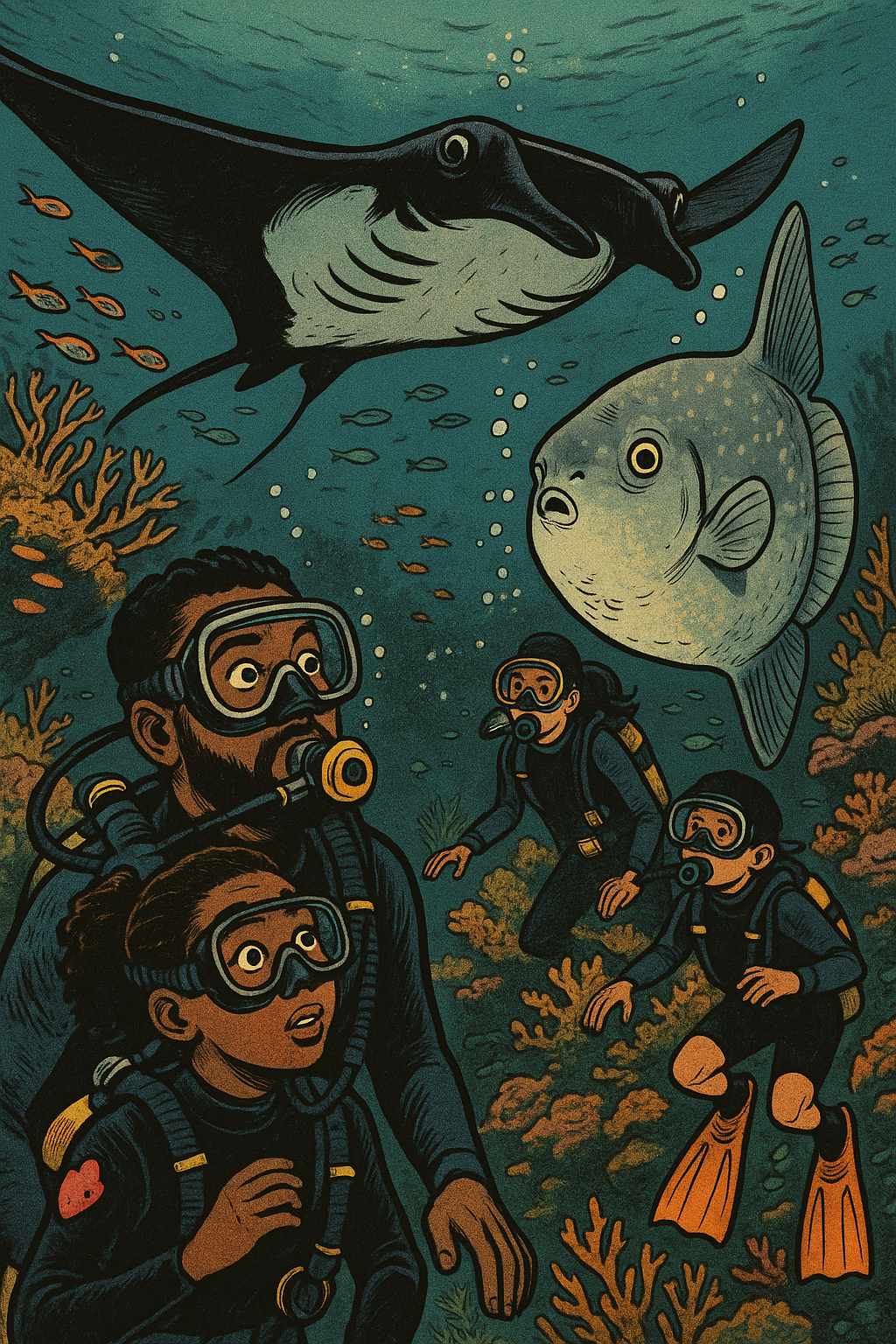
A family scuba dives at Nusa Penida in Bali, looking at a manta ray and a mola mola

Nusa Penida

Cue the dramatic music. This one’s for the more experienced divers (read: those who enjoy a good current and aren’t fazed when a manta ray with a wingspan wider than a car glides past. At Manta Point, you’ll likely meet these graceful giants up close. Head to Crystal Bay and, if you’re lucky and it’s the right season, you might catch a glimpse of the elusive mola mola — that weirdly wonderful ocean sunfish that looks like someone forgot to finish designing it. 
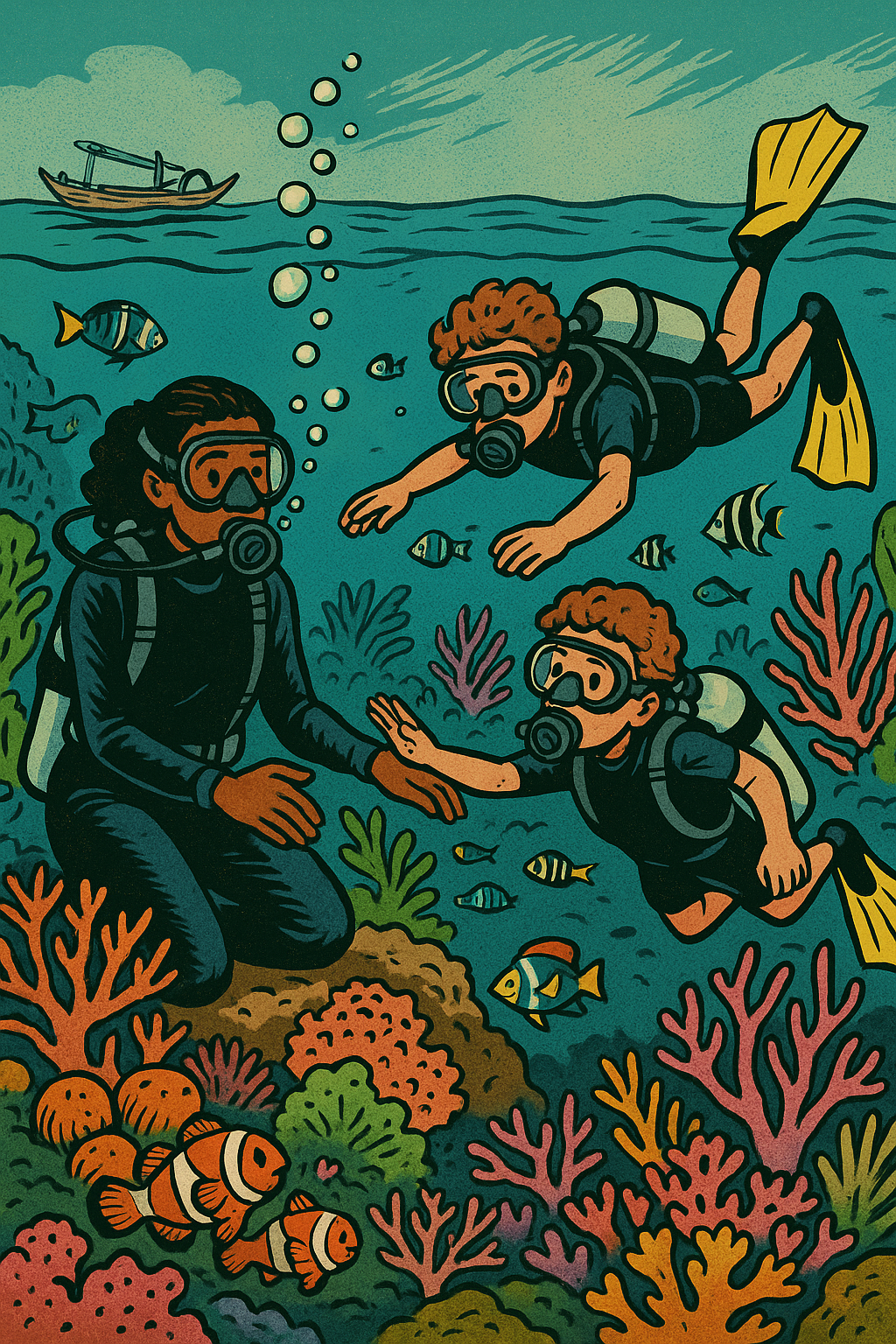
A family scuba dives under a boat among coral and fish at Amed in Bali

Amed

New to diving? Have a hesitant teen or an overeager 8-year-old in tow? Amed is your happy place. With easy shore dives and candy-colored reefs just offshore, this laidback spot is tailor-made for beginners. It’s like snorkeling’s cooler, deeper cousin — all the wow, none of the stress.
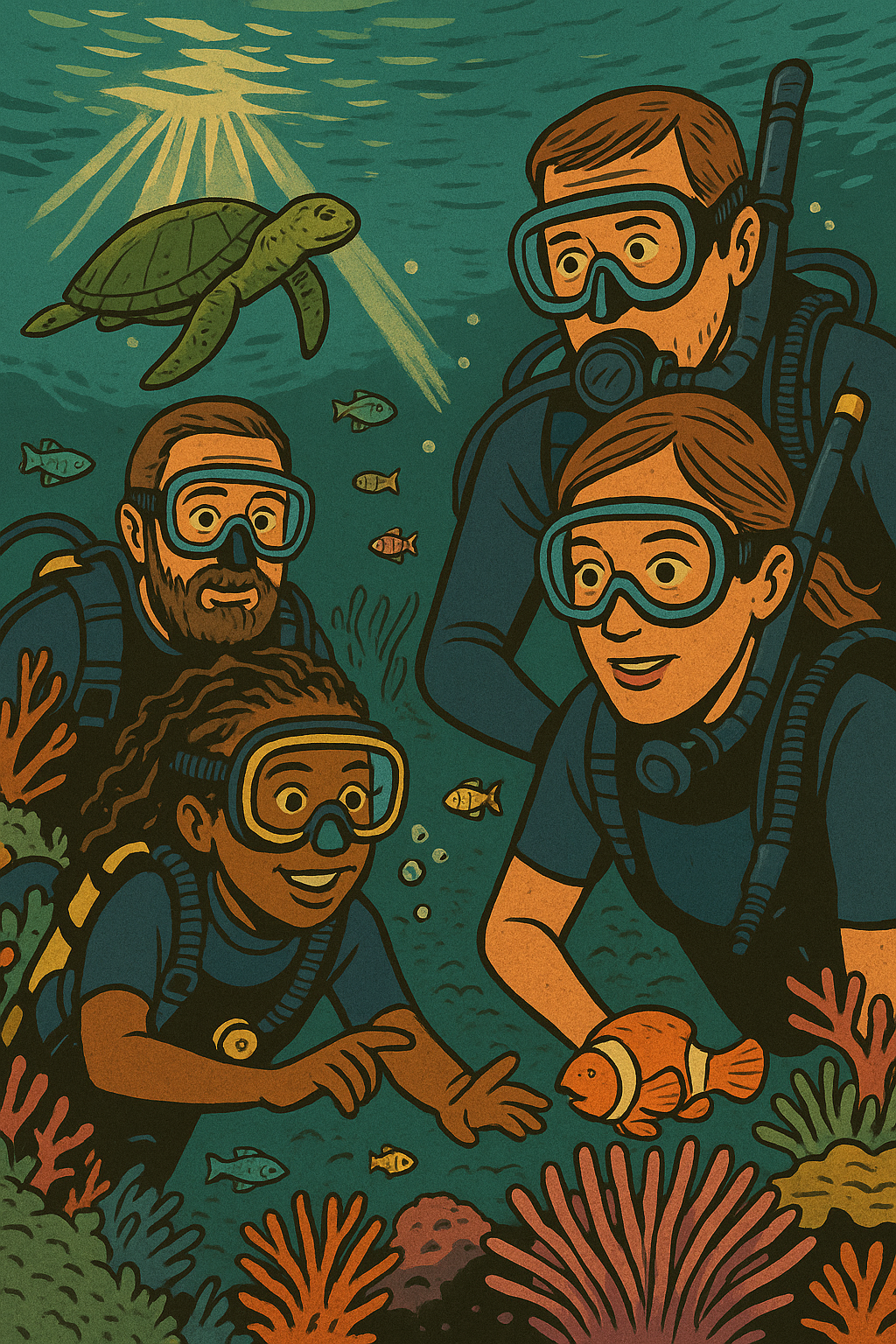
A family scuba dives at Padang Bai (Blue Lagoon) in Bali, looking at a clownfish while a turtle swims above

Padang Bai (Blue Lagoon)

As gentle and welcoming as a sleepy sea turtle, the Blue Lagoon is perfect for first-timers and families dipping their fins in for an inaugural dive. Shallow, warm and full of Nemo-style charm, this is where you go to fall in love with the ocean — or at least impress your family with how chill you look underwater.
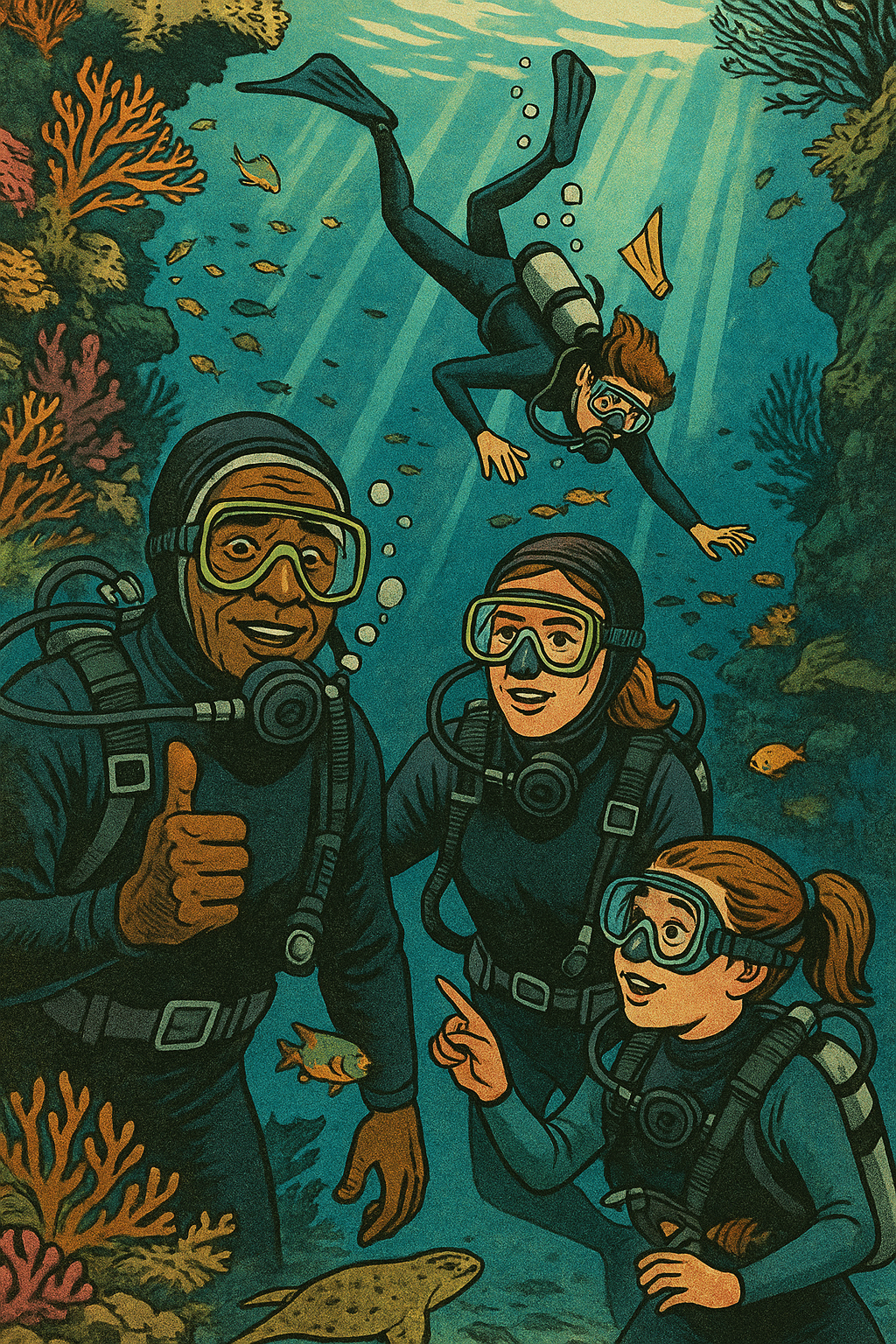
A family scuba dives at Menjangan Island in Bali

Menjangan Island

Tucked away on Bali’s quieter western coast, this island offers a Goldilocks-perfect dive: calm waters, healthy coral walls, and just enough sea life to keep things thrilling but not overwhelming. Great for mixed-ability families — even the grandparent who just got certified last year.
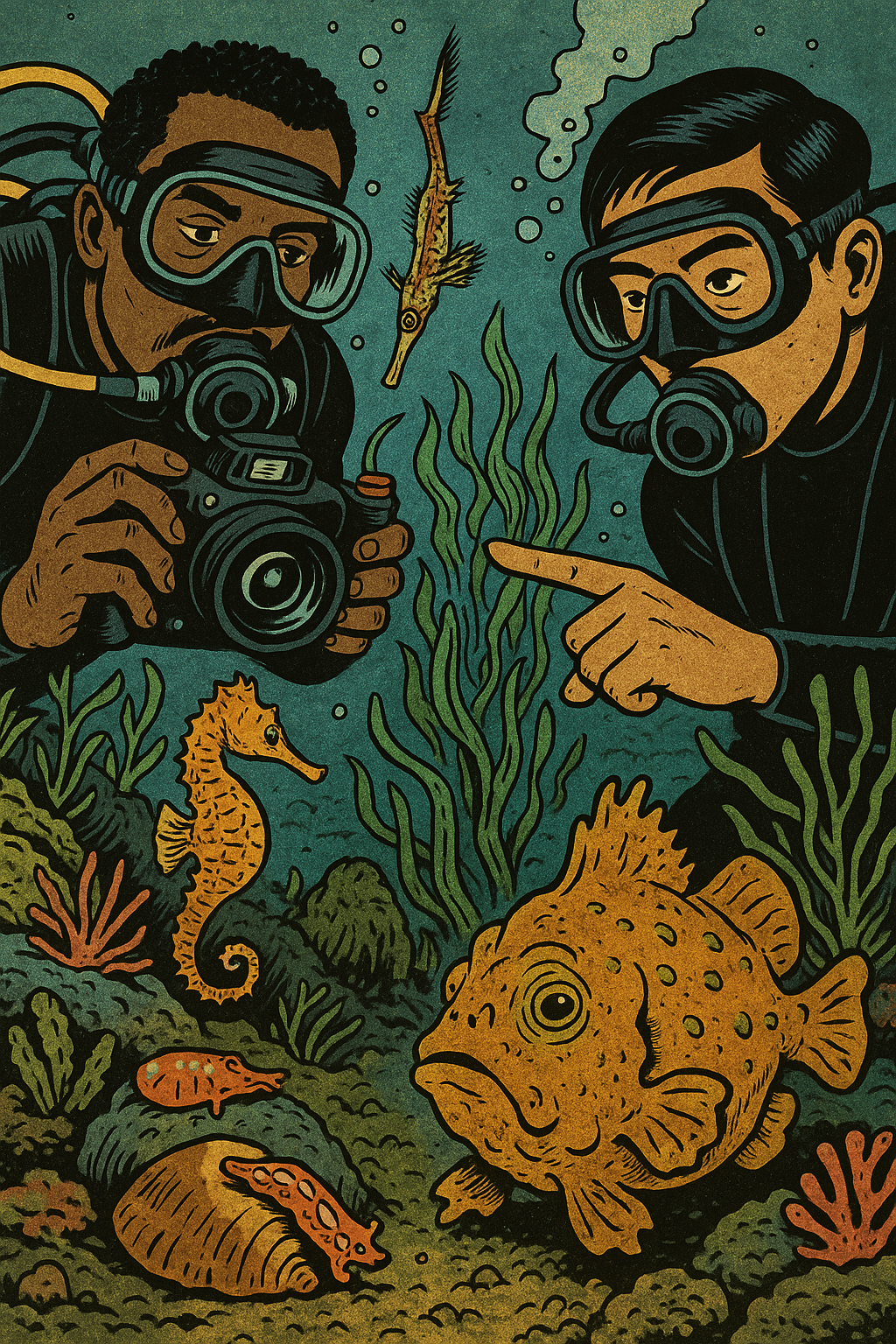
Two men scuba dive at Secret Bay (Gilimanuk) in Bali, while one takes photos of interesting marine life

Secret Bay (Gilimanuk)

Calling all marine-life nerds and macro-photographers. Secret Bay is less about dramatic landscapes and more about the strange and wonderful: ghost pipefish, seahorses, frogfish and other creatures that look like they were dreamt up by Dr. Seuss. It’s calm, quirky and off the beaten reef — ideal for intermediate divers and underwater shutterbugs.

A toddler throws a tantrum, pointing at a monkey atop a demonic statue in the Ubud Monkey Sanctuary forest in Bali

Family-Friendly Activities in Bali

When You’re Not Blowing Bubbles

Sure, the diving’s great — but so is everything else. Between dives, you can have a beach picnic, take a traditional cooking class, or try to explain to your kids why you can’t take home a macaque from the Monkey Sanctuary in Ubud. Snorkeling is a fabulous compromise for non-divers, offering views of coral gardens without the need for tanks or training.

And don’t skip the culture: Balinese dance performances, temple tours (Temple of Death, anyone?), and day trips to gorgeous sites like the Tirta Gangga Water Gardens and the Tegallalang Rice Terrace. And don’t forget the hands-on workshops (make your own batik! carve a mask! learn to make offerings!). These activities give the whole family a taste of local life that’s just as memorable as spotting a cuttlefish.
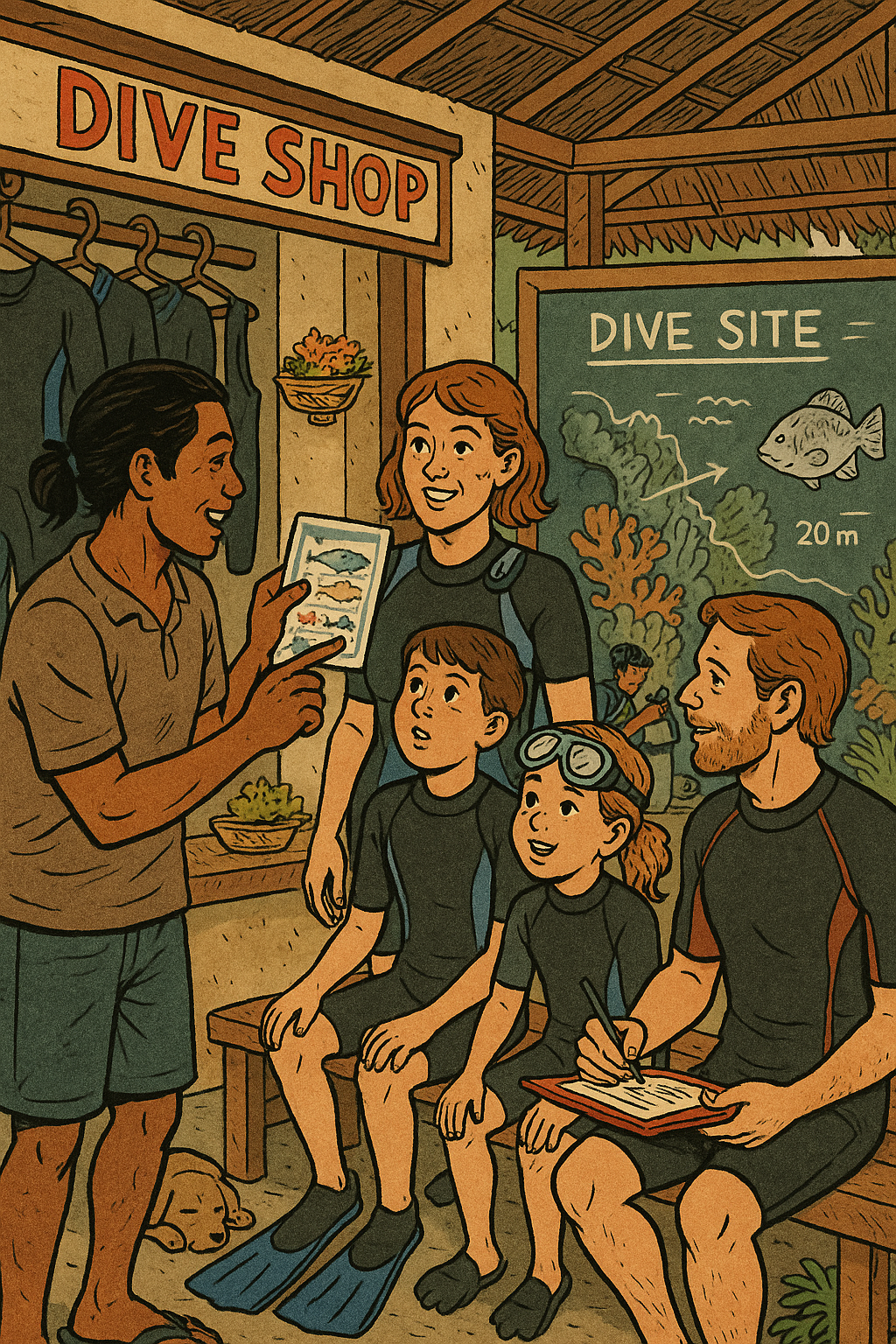
A Balinese man instructs a family getting ready to go scuba diving

Planning Your Dive Trip

Avoid the Chaos. Hire the Pros.

Want a stress-free, sea-filled adventure? Partner with a local dive shop. They’ll handle the logistics, provide well-maintained gear, arrange instructors who actually like teaching kids (bless them), and offer multilingual support so nothing gets lost in translation.

Many shops offer family-focused packages that include hotel pickup, kid-sized wetsuits, and coffee for parents who didn’t sleep thanks to jet lag or overly enthusiastic roosters. They also offer crash courses in marine ecology, so you leave knowing the name of that funky fish your daughter keeps calling a “glitter eel.”

Safety First (Because It’s Hard to Bond in a Hyperbaric Chamber)

This should go without saying, but diving isn’t the time to wing it. Even Bali’s gentlest dive sites require preparation — especially with a family crew. A reputable shop will give each person a skills check and adjust the experience to match. You’ll learn how to handle your gear, what to do in an emergency, and why you really shouldn’t touch that colorful fish (hint: It might touch back with its teeth).

Group briefings and guided sessions ensure everyone feels prepared, safe and thrilled. It’s not just about staying out of trouble. It’s about building confidence together, one dive at a time. –Sadie Smith

48 Hours in Cairns, Australia’s Gateway to the Great Barrier Reef

In addition to the marine wonderland of the Great Barrier Reef, there’s so much to do in the Cairns area — including the Kuranda Scenic Railway, Trinity Inlet and the Cairns Museum — that you’ll have to plan your visit, especially if you’ve only got a couple of days.

Two scuba divers swimming past the Great Barrier Reef

The Great Barrier Reef stretches over an area of 134,634 square miles (344,400 square kilometers) — not surprisingly, it’s the largest coral reef in the world.

Considered one of the Seven Wonders of the Natural World, Australia’s Great Barrier Reef, is home to an incredible diversity of marine life, and a visit to the reef is an unforgettable experience. 

The best jumping-off point to see the largest coral reef on the planet is the city of Cairns, on Australia’s northeast coast. 

With its clear waters and abundance of marine life, the Great Barrier Reef is a truly once-in-a-lifetime experience. 
But as impressive as the Great Barrier Reef is, it’s not the only thing to see in the area. Here’s a guide to making the most of a couple of days in Cairns. 

Man snorkeling the Great Barrier Reef as woman sits on boat

Snorkeling or diving the reef is an experience you’ll never forget.

Start with a snorkeling or diving tour of the Great Barrier Reef. 

If you only have 48 hours in Cairns, be sure to book a snorkeling or diving tour of the reef. The Great Barrier Reef is home to an astonishing variety of marine life, and there’s no better way to see it than up close.

A snorkeling or diving tour will give you the chance to explore the reef at your own pace, but a qualified guide can point out the best bits. With its clear waters and abundance of marine life, the Great Barrier Reef is a truly once-in-a-lifetime experience. 
Riders on a glass-bottom boat looking down at the Great Barrier Reef

If you want to be close to the water but not in it, take a glass-bottom boat tour of the reef instead.

See the reef on a glass-bottom boat tour — or a helicopter ride. 

If snorkeling or diving isn’t your thing, a glass-bottom boat tour is a must if you’re looking for an unforgettable way to experience the Great Barrier Reef. You’ll have the chance to see the reef up close — while staying dry — as you glide over the colorful coral and fish. Be sure to keep an eye out for turtles, manta rays and sharks. If you’re short on time, plenty of tour operators offer half-day or even three-hour tours.

And there’s nothing quite like a helicopter ride for a bird’s-eye view of the reef. You’ll marvel at the size and scale of the reef as you soar over its vast expanse. Helicopter rides typically last around 30 minutes, so they’re perfect if you’re pressed for time. Just be sure to book in advance, as spaces fill up fast.

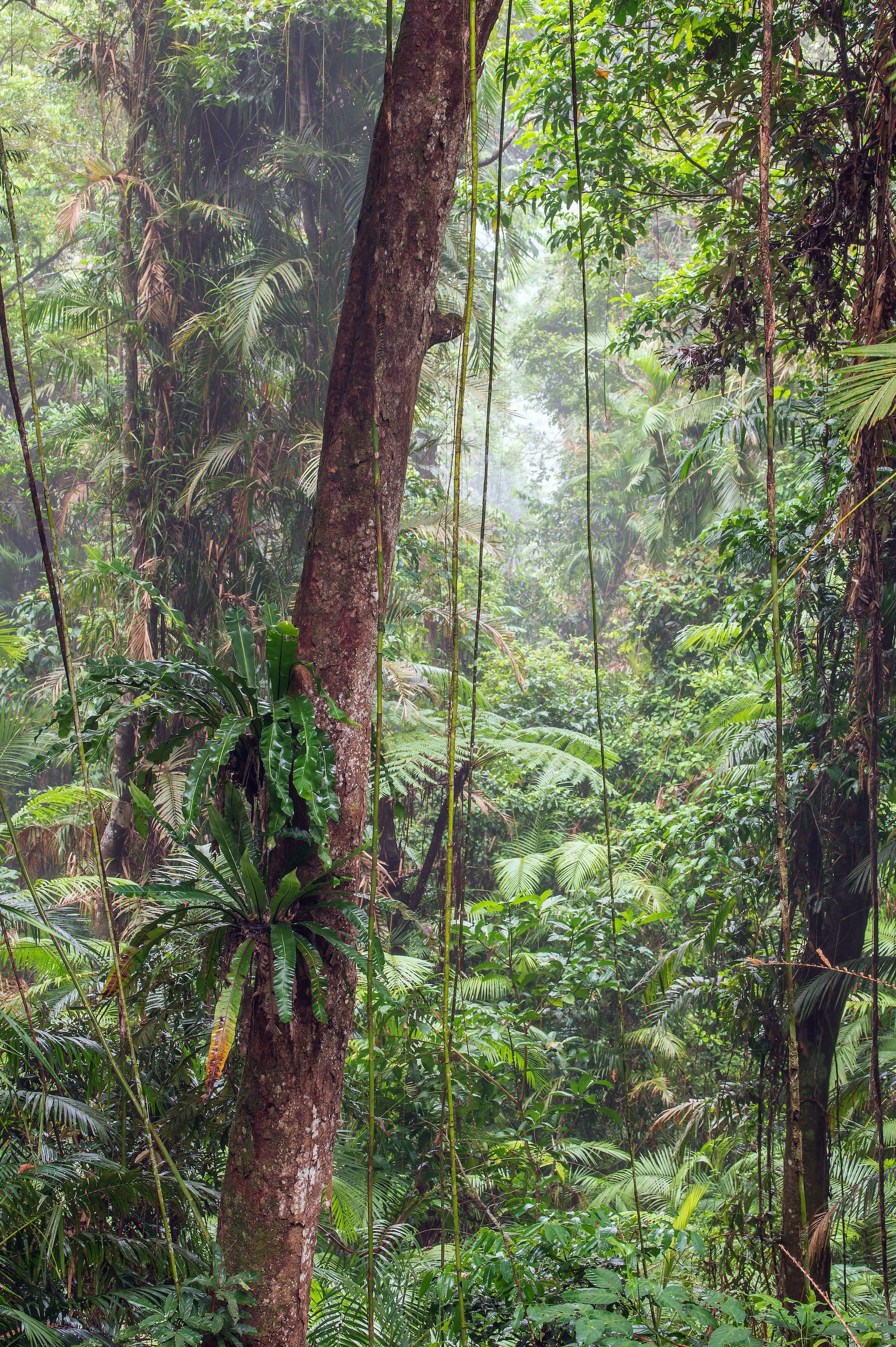
Lush plant life at the Kuranda rainforest

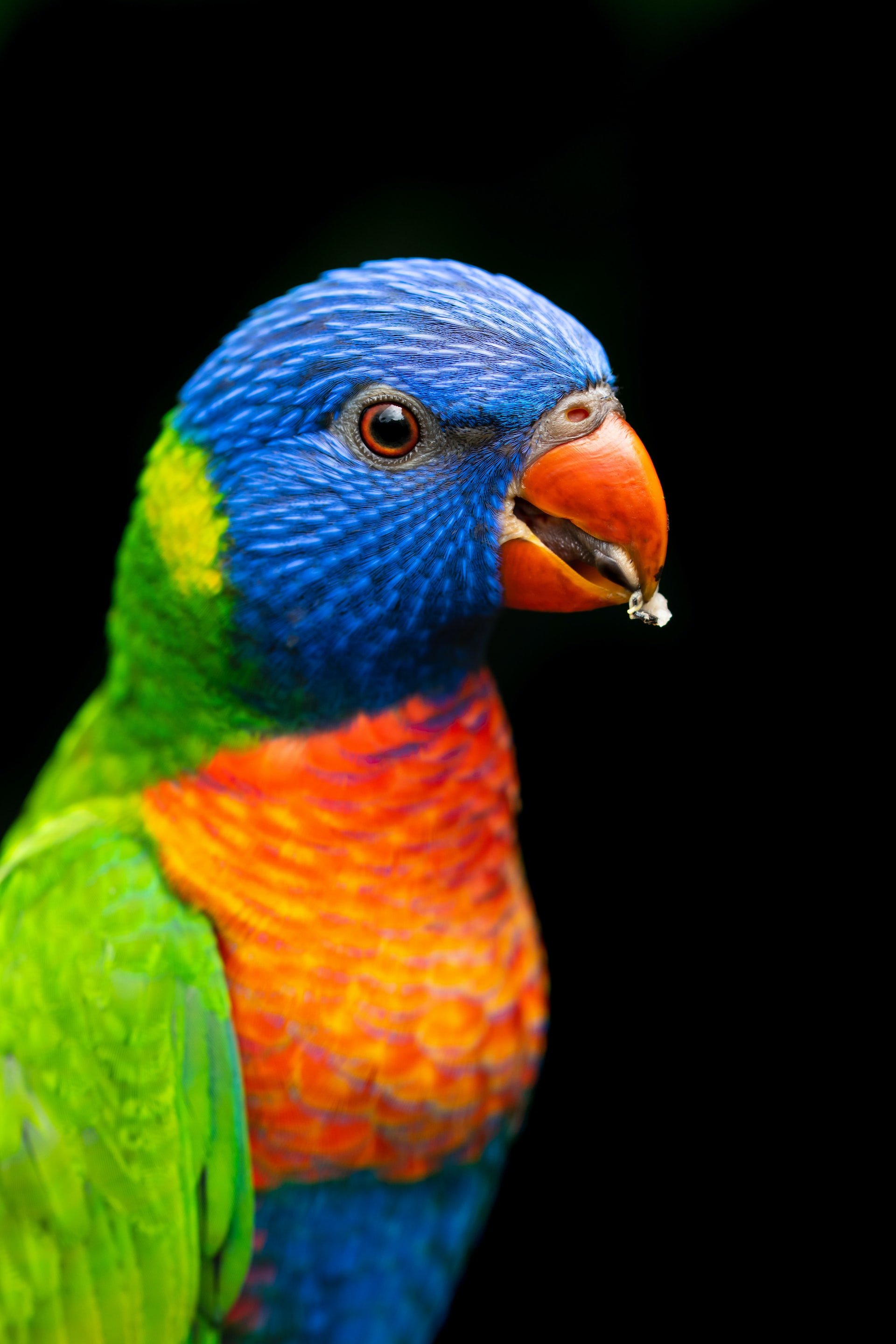
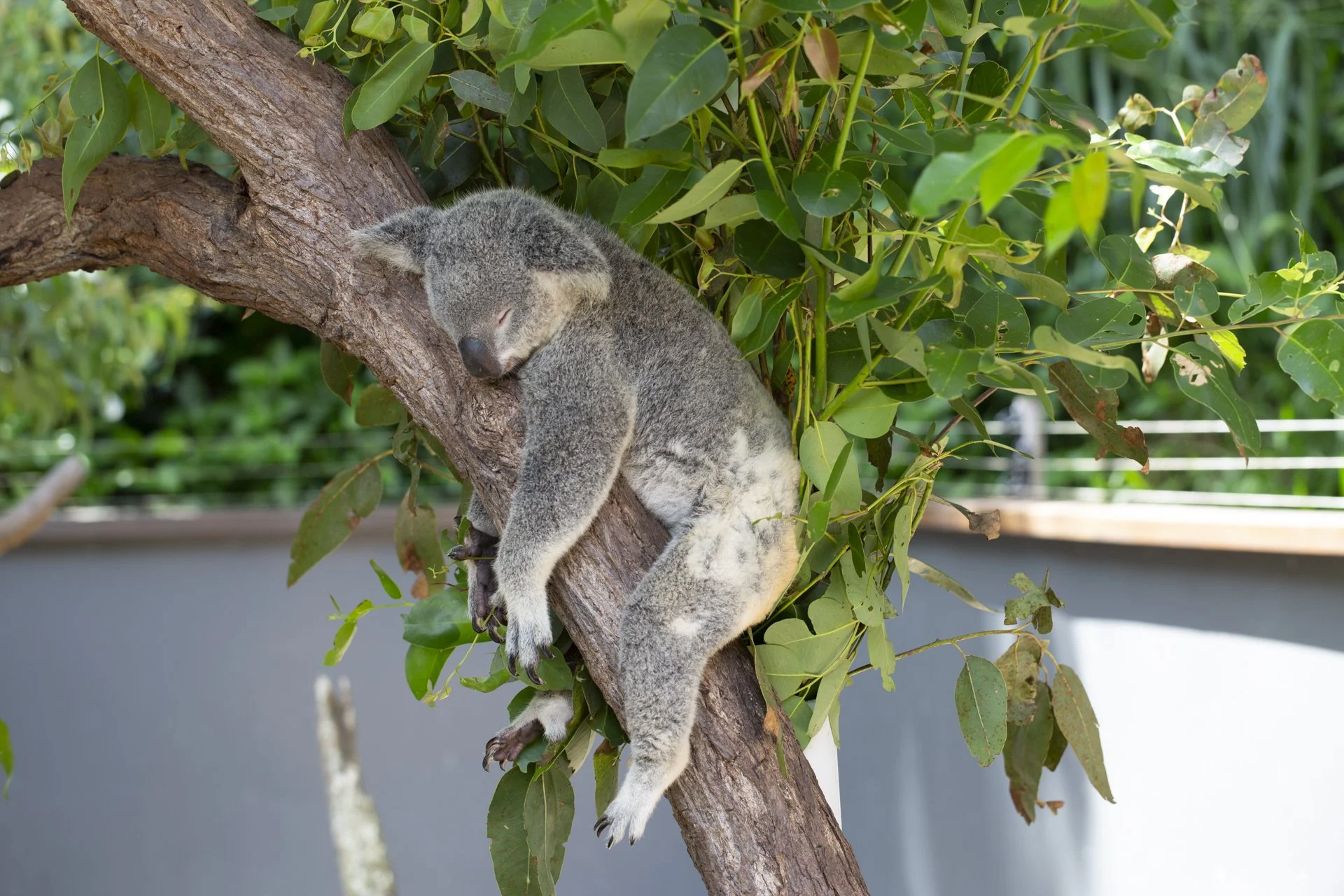
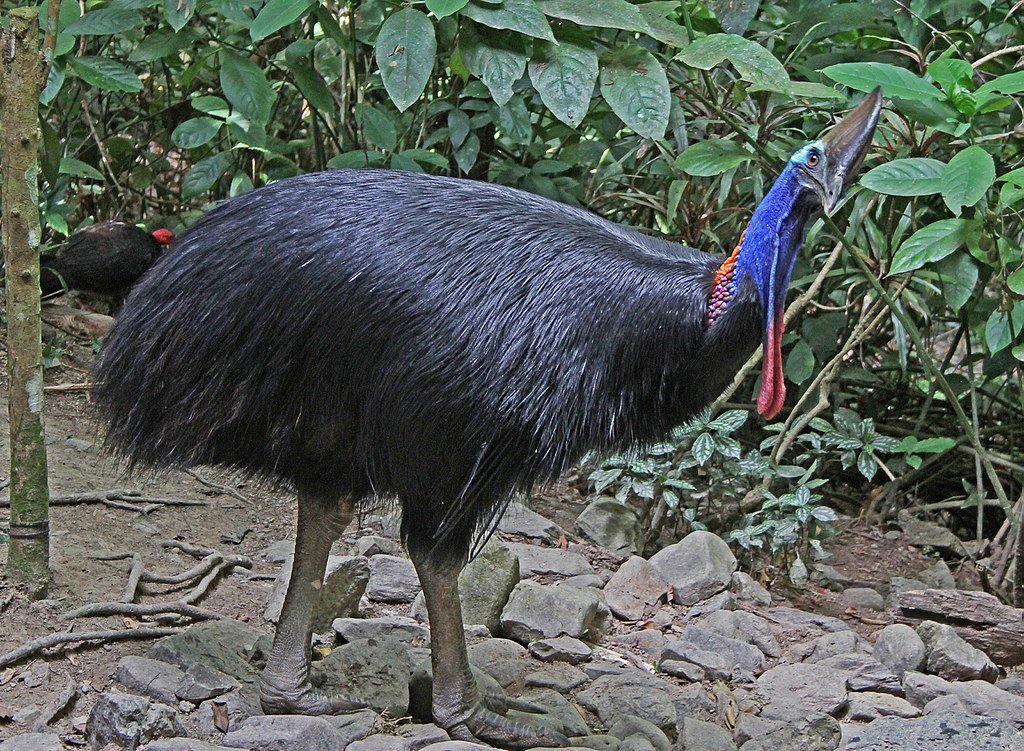
The Skyrail Rainforest Cableway takes you through lush greenery, where you can see rainbow lorikeets, koalas and cassowaries.

Admire the flora and fauna along the Kuranda Scenic Railway and Rainforest Cableway. 

There’s no time to waste when you only have 48 hours in Cairns. Make the most of your limited time by taking a walk through the rainforest via the Kuranda Scenic Railway. This popular tourist operation offers breathtaking views of the lush rainforest canopy, as well as opportunities to spot some of the area’s wildlife, including koalas, rainbow lorikeets (parrots as colorful as their name suggests) and even a large flightless bird called the cassowary (if you stop off at Birdworld).

The railway is also a great way to learn about the local Aboriginal culture, with guided tours available in several languages. 

And if you’re feeling adventurous, you can even take a dip in one of the many natural swimming holes along the way.

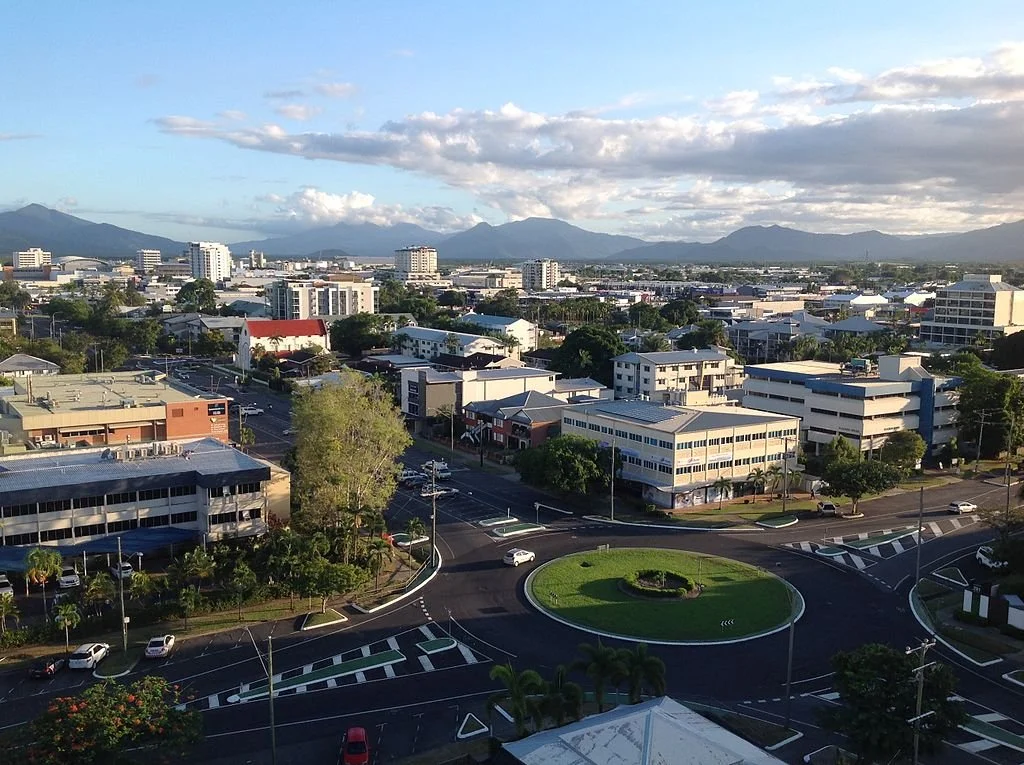
Cairns, Australia CBD with grassy roundabout

Go for a swim in the Esplanade Lagoon, then explore the CBD, the central business district.

Spend the day exploring Cairns CBD. 

To explore the city, start with a visit to the Esplanade Lagoon, where you can take a dip or simply relax on the beach. Then, head to the Cairns Museum to learn about the city’s history and culture.

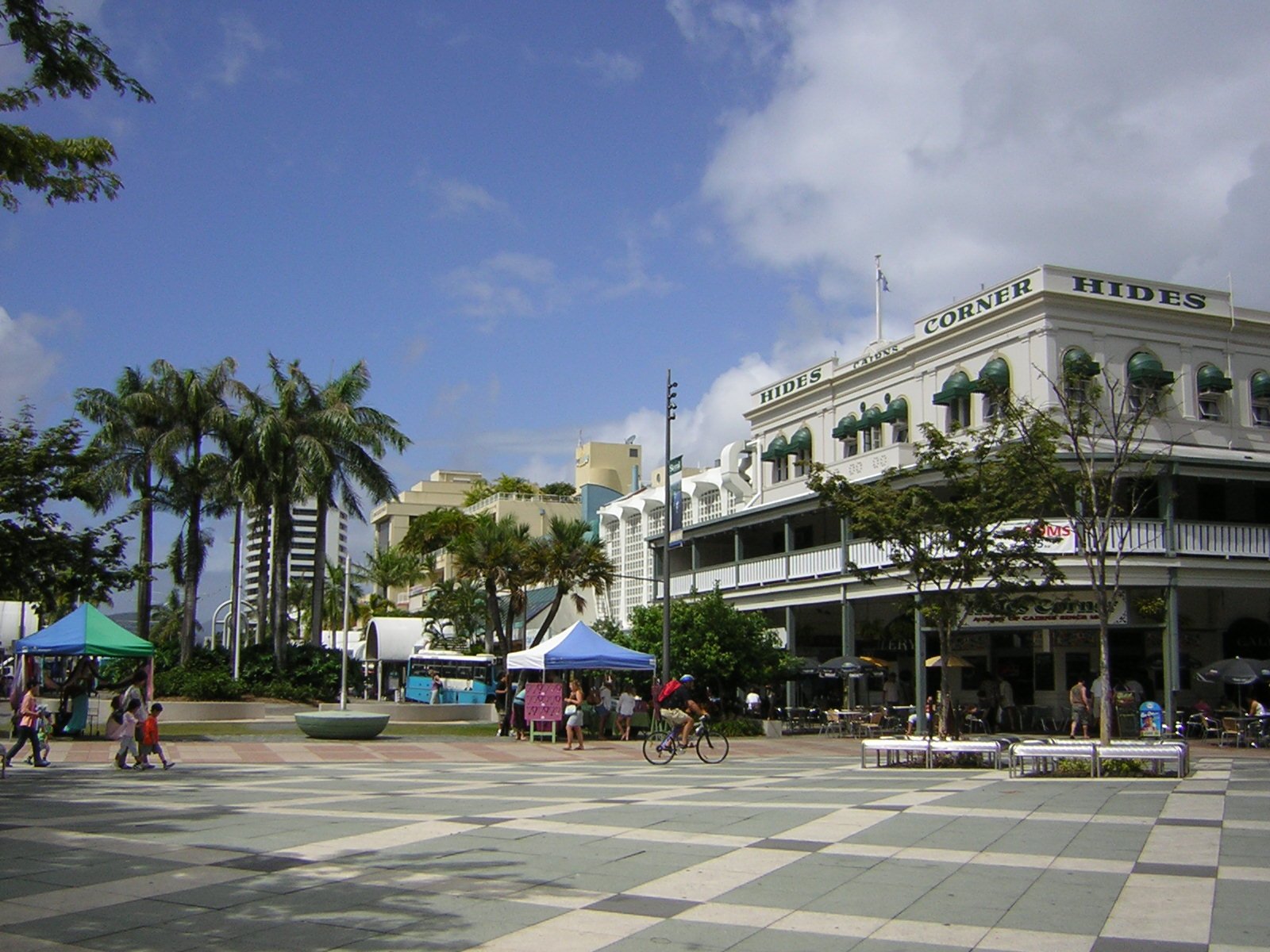
Hides Corner and plaza in downtown Cairns

Visit a local history museum, the botanic gardens or zipline over a crocodile at Cairns Zoom and Wildlife Dome.

Finish up your day with a walk through the botanic gardens, where you can admire the diverse plant life of Tropical North Queensland. With so much to see and do, you’re sure to have an unforgettable experience when you spend a day exploring Cairns CBD.

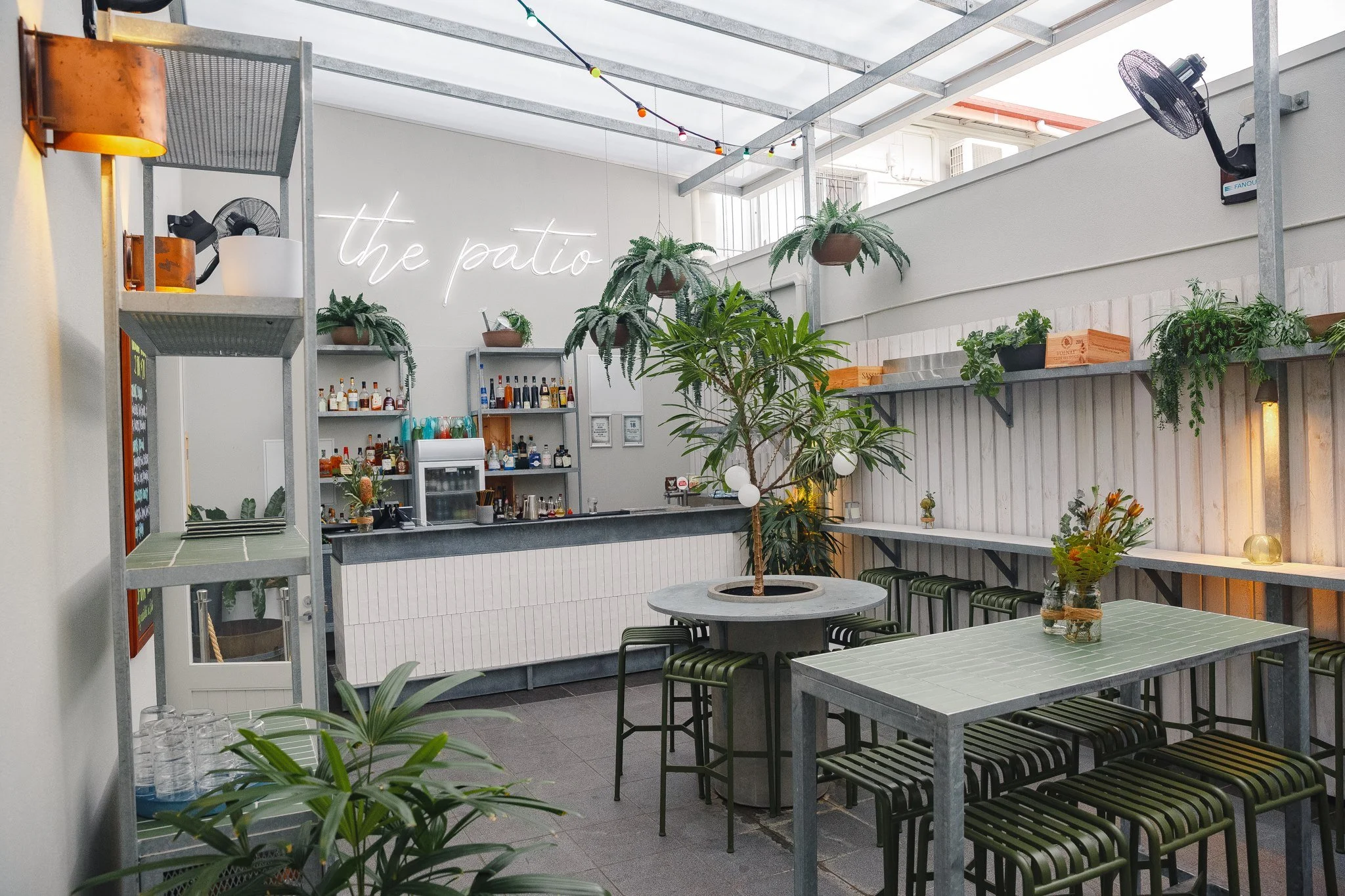
Gray tables, lots of plants and the back counter at the patio of The Chambers restaurant in Cairns

The patio at the hip Chambers café, known for its brunch and cocktail bar.

Enjoy a meal at one of the city’s many restaurants or food trucks. 

There’s no denying that food is an important part of the travel experience. Trying new dishes and sampling local specialties is a great way to get a taste for the culture of a place. If you’re short on time but big on appetite, make sure to check out some of Cairns’ best restaurants. 

From casual cafés like Caffiend and the Chambers to fine dining establishments like the French restaurant C’est Bon and Tamarind at the Reef Hotel Casino, there’s something to suit every taste and budget.

For a quick bite, head to one of the city’s many food trucks or grab a slice of pizza from a pizzeria. 

Whether you’re looking for a quick snack or a gourmet meal, Cairns’ restaurants won’t disappoint.

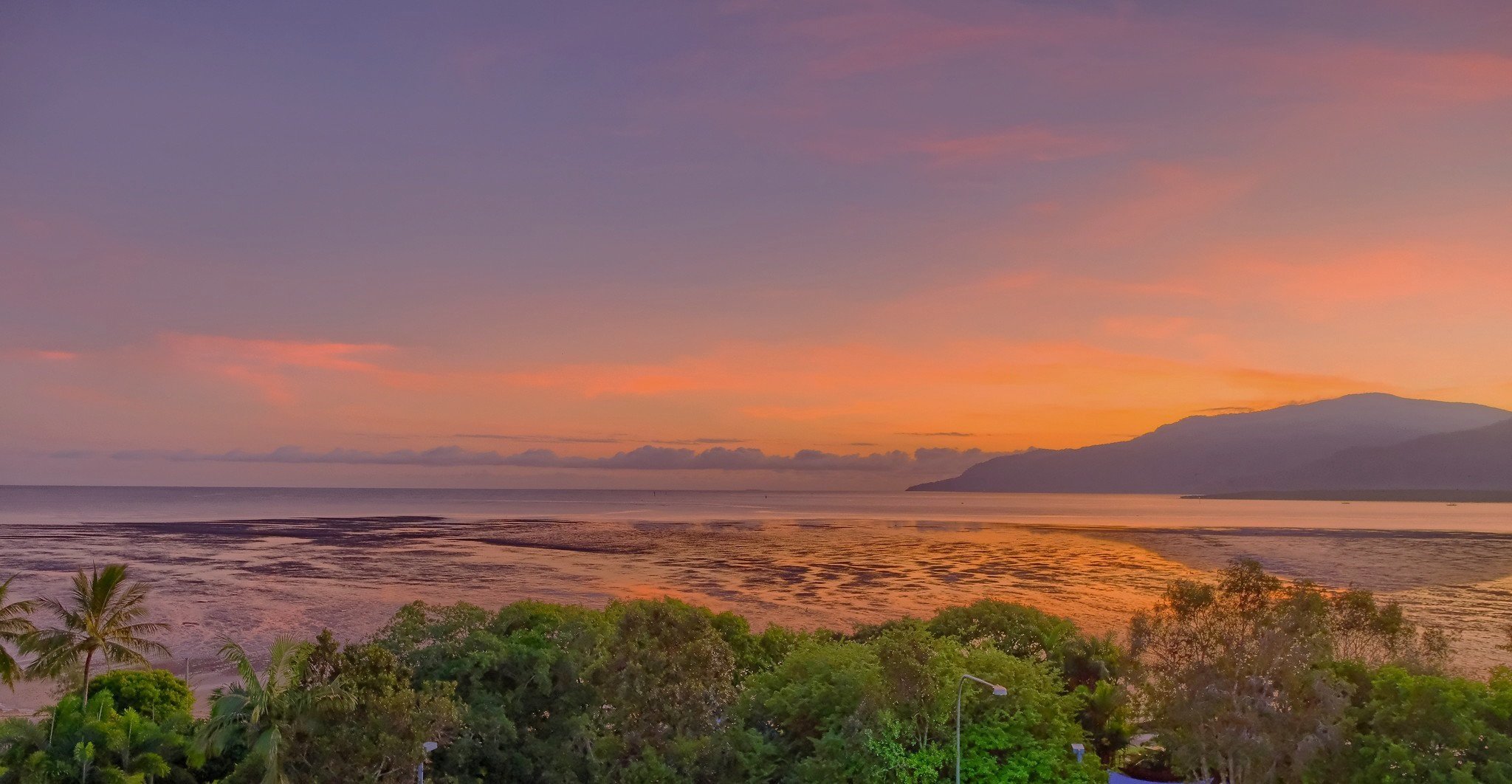
Sunrise over Trinity Inlet, Australia

A gorgeous sunrise over Trinity Inlet

Head to the lookout for views of Cairns and Trinity Inlet. 

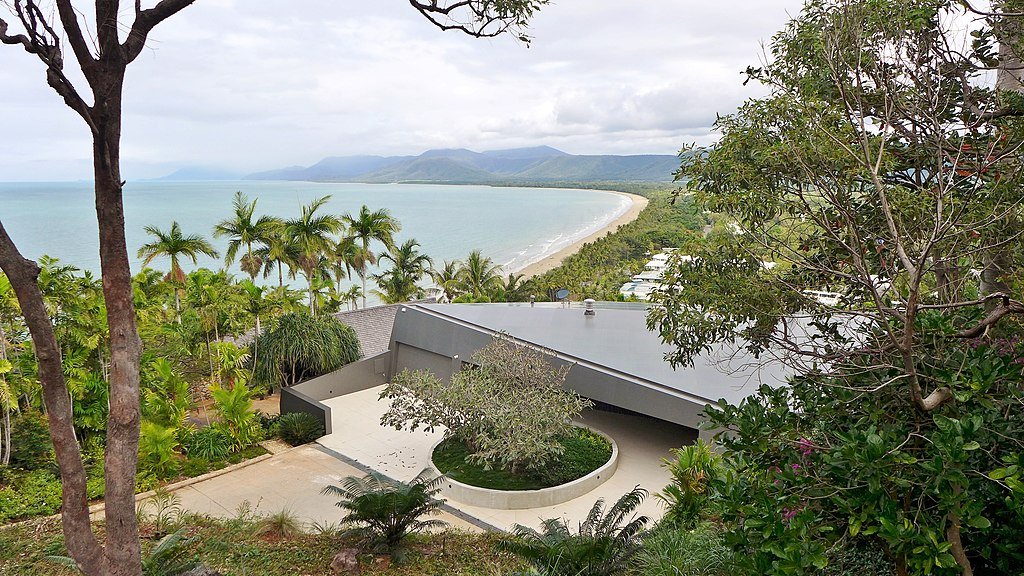
If you find yourself in Port Douglas (about an hour up the coast), make sure you stop at the Trinity Bay Lookout. It’s just a short walk from Four Mile Beach, and from here you'll be able to see the city skyline, including the iconic palm trees that line the waterfront.

Trinity Bay Lookout

Climb to the top of the Trinity Bay Lookout for views of Four Mile Beach.

On a clear day, you may even be able to see as far as Double Island off the coast. The lookout also offers stunning views of Mount Whitfield, which is worth hiking to the top of for another vantage point.


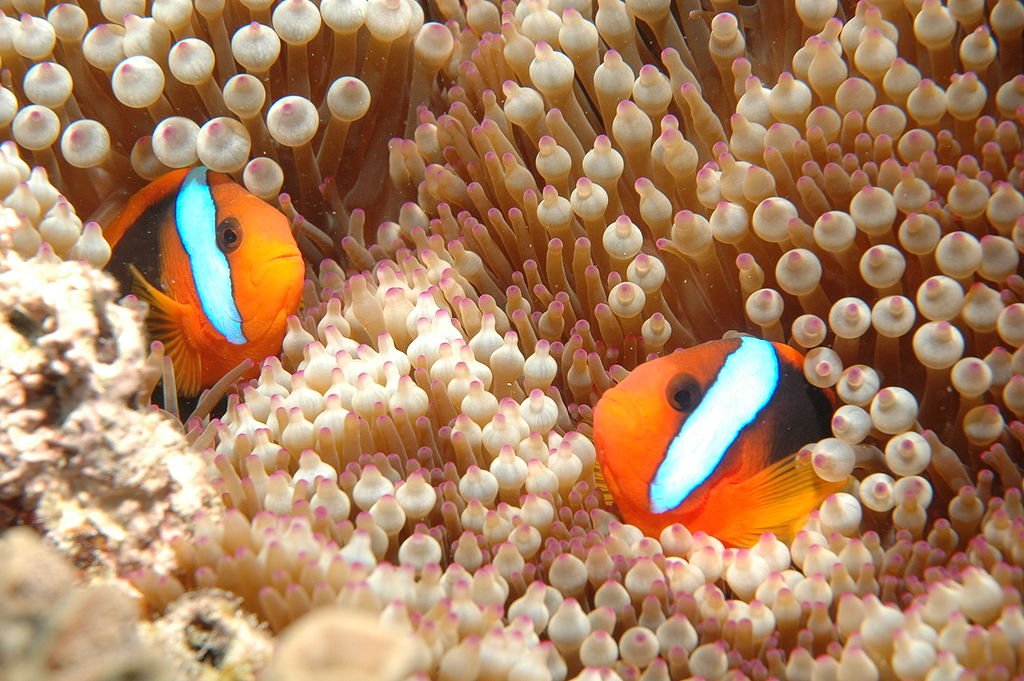
Two clownfish hiding in the sea life of the Great Barrier Reef

You might not find Nemo (or any other clownfish) with only two days in Cairns. But plan your itinerary — and make sure you include the Great Barrier Reef.

So there you have it: 48 hours in Cairns doesn’t have to be rushed. By following these tips, you can make sure you have a truly memorable experience, even when time is limited. –Charlie Btallent


Palm trees on beach at Palm Cove, Australia
4 UNFORGETTABLE EXPERIENCES IN PALM COVE

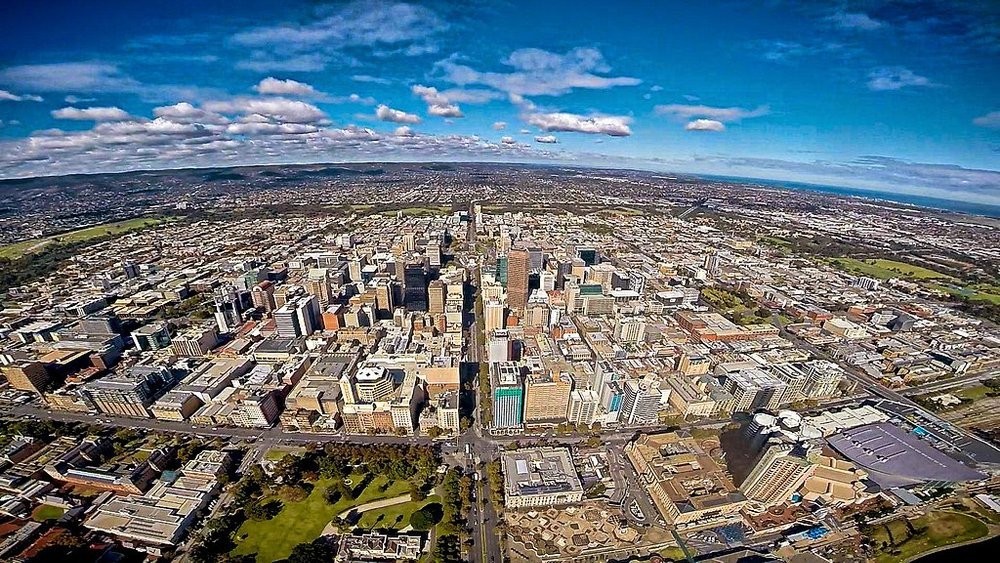
Aerial view of the city of Adelaide, Australia
A Local’s Guide to Adelaide

8 Reasons to Visit Marsa Alam, the Hot, New Egypt Beach Destination

Much more laidback than Hurghada and Sharm el-Sheikh, Marsa Alam offers pristine sea life for scuba divers and snorkelers, European-style service, desert excursions and nearby Wadi El Gemal National Park. And, of course, there are the dugong sea cows.

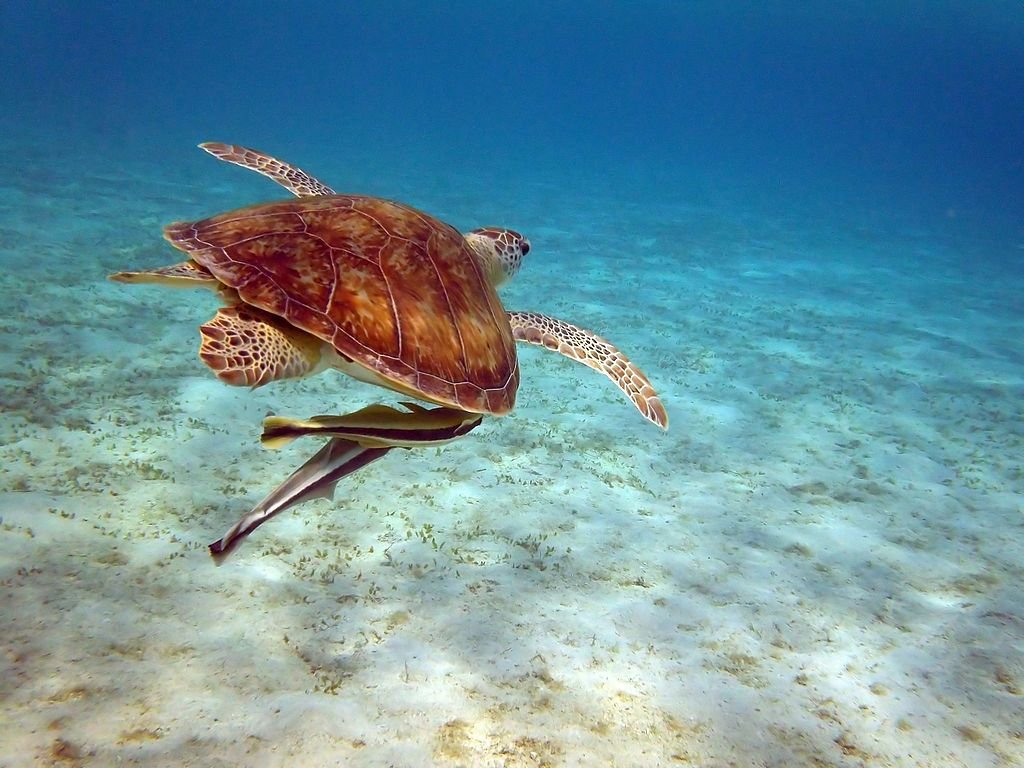
Sea turtle in the Red Sea

Not too long ago, Marsa Alam, Egypt was known only as a hidden gem for divers. The secret’s getting out — and the area is rapidly developing as a more laidback alternative to the northern Red Sea beach party destinations.

Home to one of the oldest ancient civilizations in the world, Egypt is a mysterious and fascinating travel destination that should be on your radar. However, the pyramids, temples and tombs are only the beginning — it's also a beach destination bordering both the Mediterranean and Red Seas. Located on the western shore of the Red Sea, the town of Marsa Alam offers a less-crowded alternative to Sharm el-Sheikh and Hurghada.  

Not long ago, Marsa Alam was a small fishing village whose only tourists were avid in-the-know scuba divers. In recent years, though, it has grown into a promising European-style resort destination. Almost directly east of Edfu on the Red Sea, it’s farther south than most other beach towns in Egypt. 

There’s a small international airport that services Marsa Alam, though it’s actually an hour or so north, in Port Ghalib. Whether you’re looking to relax and enjoy pristine sand beaches, high-quality luxury accommodations, desert trekking, or exploring the abundant sea life, there’s something for everyone here. 

Another gorgeous sunrise at Marsa Alam — which you’ll be up to see since you weren’t partying till the wee hours at the club

8 Reasons Why Marsa Alam Is Becoming a Hot Travel Destination

More and more tourists are skipping Cairo and heading to the beach resorts of Hurghada and Sharm el-Sheikh. However, Marsa Alam is one of the newest destinations and is quickly rising in popularity. Here’s why you should consider this up-and-coming hotspot in Egypt. 

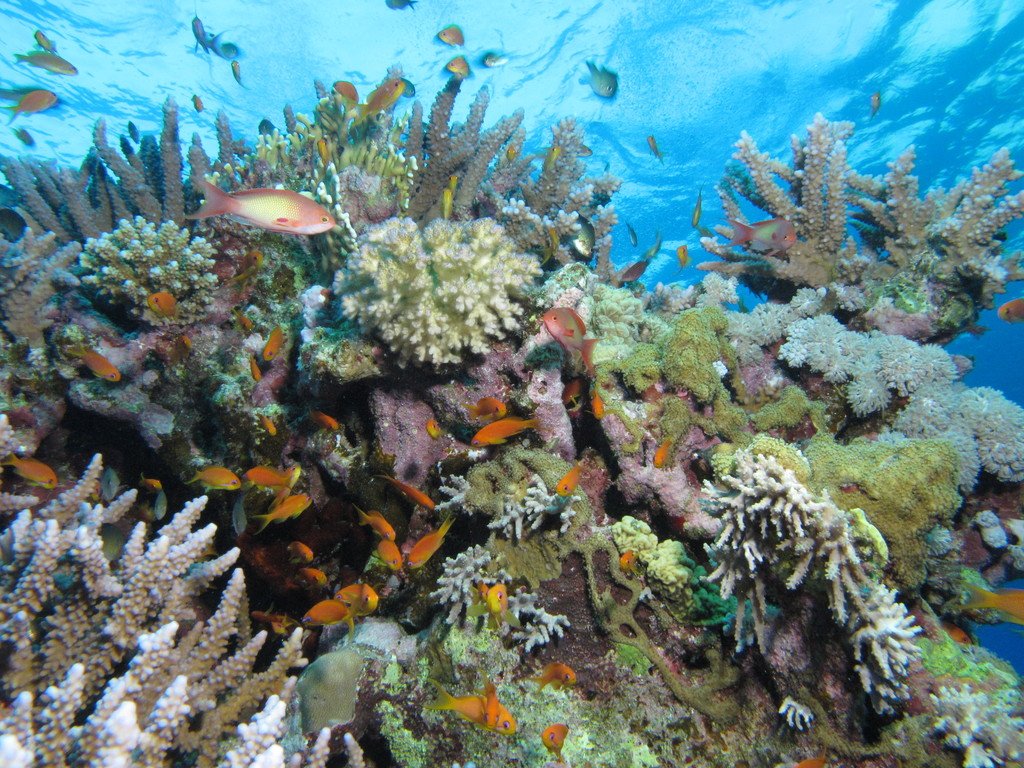
Gorgeous reef teeming with sea life in Marsa Alam, Egypt

This part of the Red Sea isn’t yet crowded or polluted — and the aquatic life is stunning.

1.   An untouched underwater world

Thanks in large part to its remote location, the underwater world of Marsa Alam is more wild and currently less affected by tourism — a real paradise for divers and snorkelers.

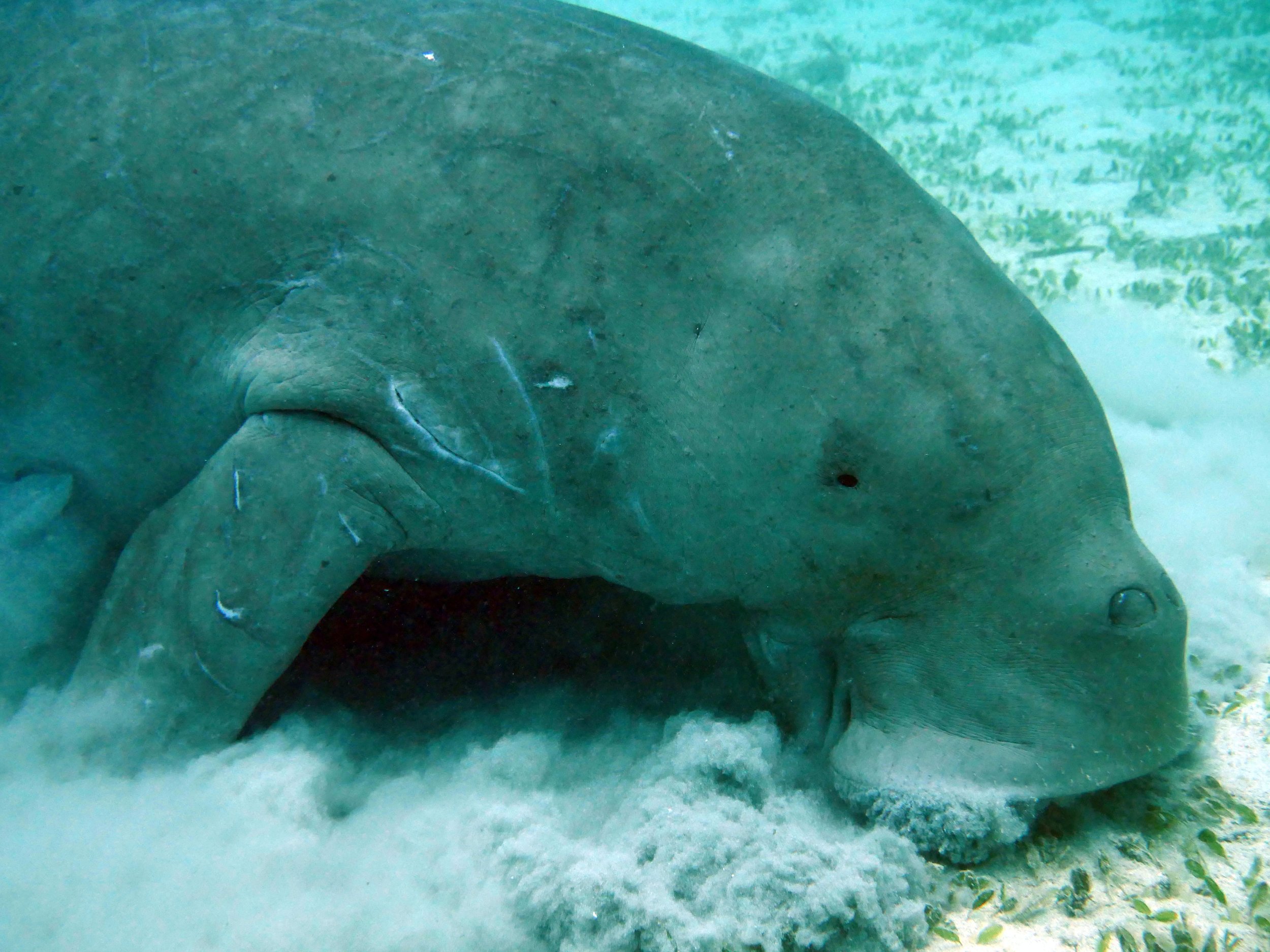
dugong sea cow

Who doesn’t love dugongs, this area’s version of the manatee?

Schools of exotic fish, vibrant coral reefs, sea turtles, dolphins and dugong sea cows can all be found in this part of the Red Sea. And if you’re not a fan of snorkeling or diving, there’s always the option of booking a glass-bottom boat excursion to enjoy the wonders of this enchanting underwater world.

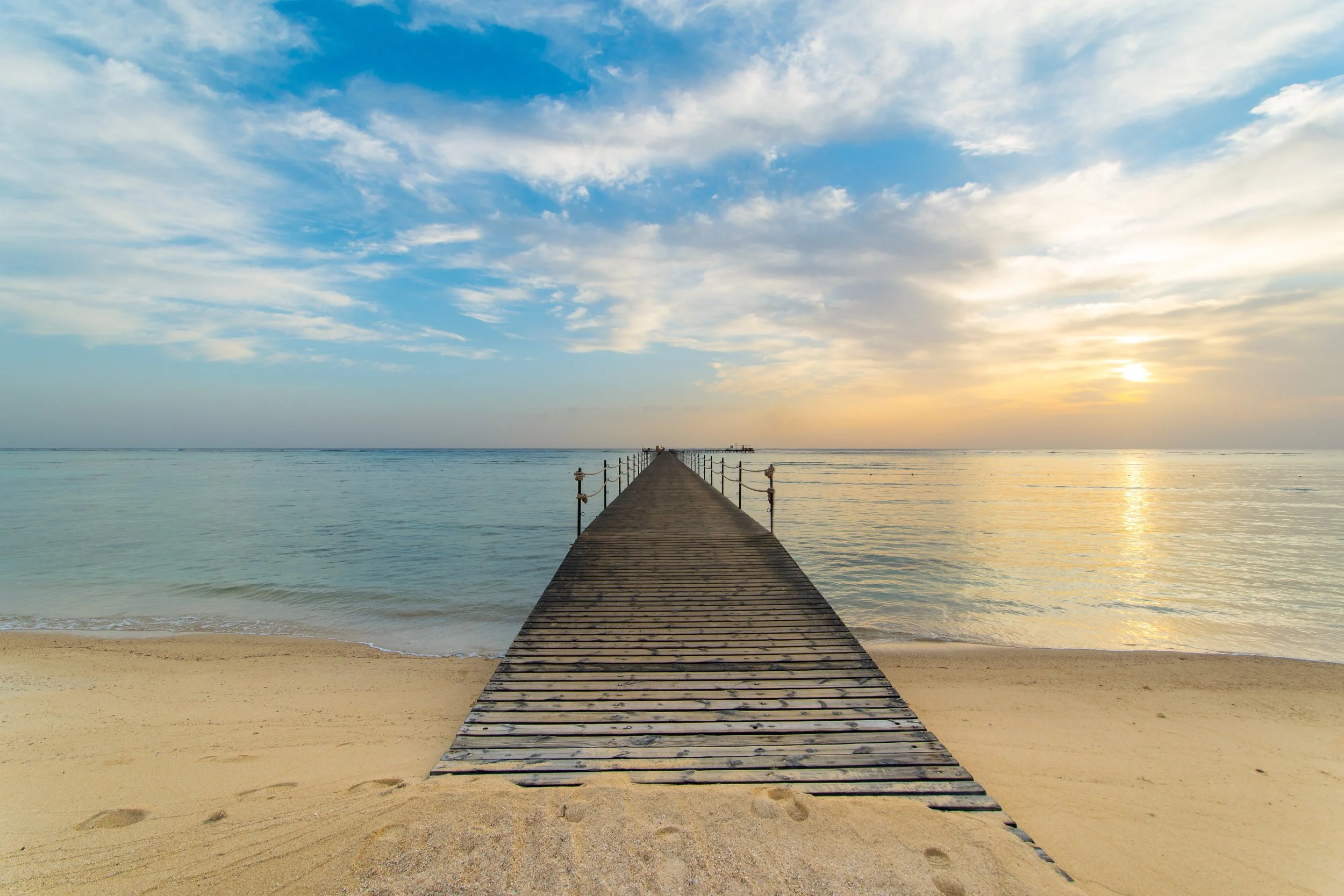
Pier going into the Red Sea at Marsa Alam, Egypt

First and foremost, Marsa Alam is a beach destination, where you can relax on the sand, swim, snorkel and scuba dive.

2.   Gorgeous beaches

The beach stretches for over 30 miles (50 kilometers). Almost every hotel has its white sand beach — a great place to admire the sunrise. 

And because Marsa Alam isn’t as crowded as Hurghada or Sharm el-Sheikh, it’s a good option for families with children. There’s a calmness to this region for those who want the opportunity to be alone with nature.

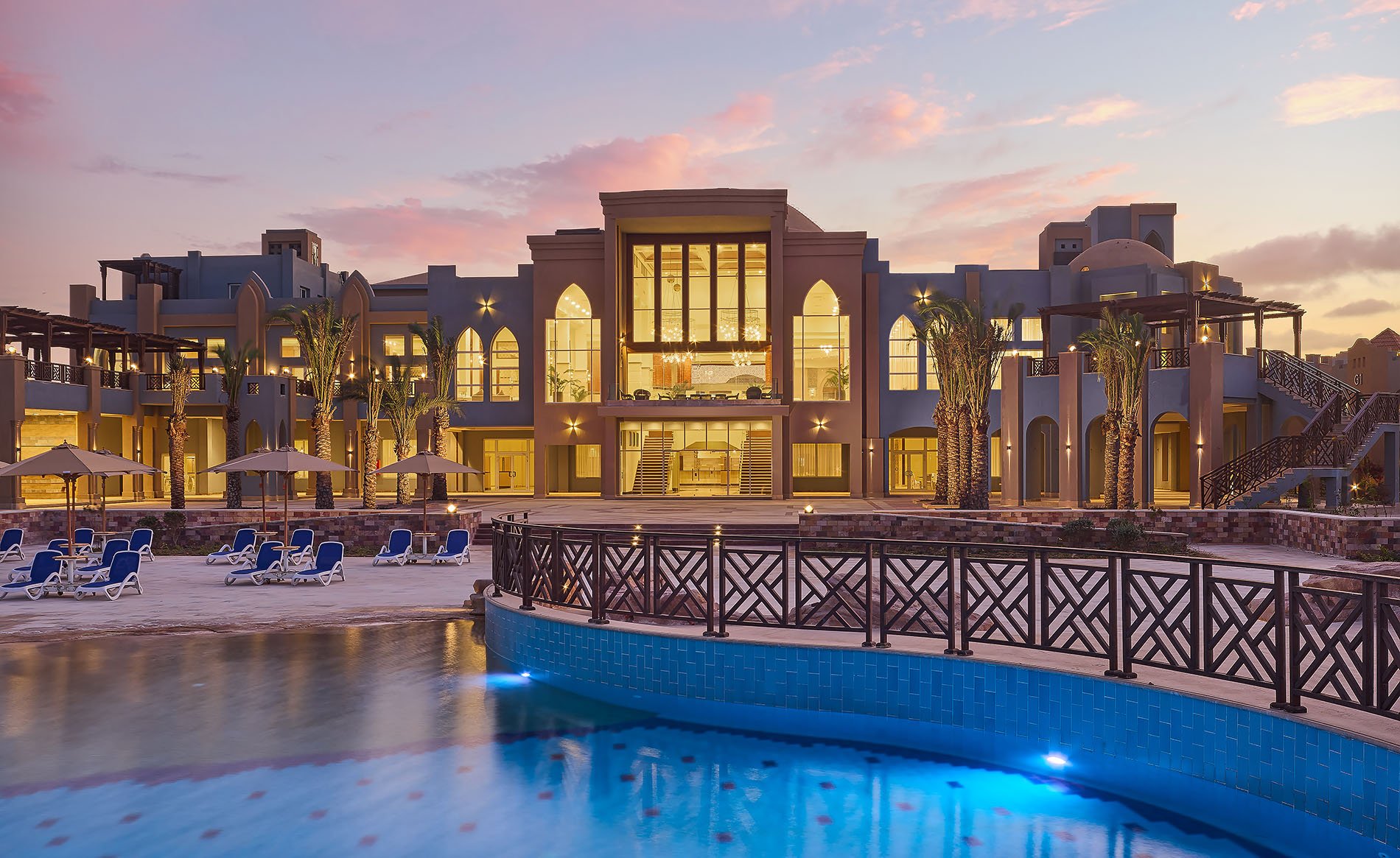
Pool at night at Lazuli Hotel in Marsa Alam, Egypt

The Lazuli Hotel in Marsa Alam is just one of many luxury resorts popping up in the area.

3.   High-quality service

Tourists here mainly hail from Germany, Poland, Austria and the Czech Republic, giving Marsa Alam a European feel. In fact, unlike other resort destinations in Egypt, prices are in euros. And for those of you who have experienced bad service elsewhere in Egypt, you shouldn’t find it in Marsa Alam. 

It is also worth noting that, unlike other beach hotspots, vendors and travel services representatives aren’t as pushy here. 

Beach with umbrellas and chairs at Marsa Alam, Egypt

Even the winter isn’t too cold in Marsa Alam, and most beaches are protected from the infamous Egyptian winds.

4.   Good weather

Because Marsa Alam is farther south than other beach resorts, the enviable climate is warmer, especially in winter, when the temperature averagess between 60 and 84 degrees Fahrenheit — making it a comfortable holiday destination all year round. Also, most hotels have bays that are protected from the infamously strong Egyptian winds. 

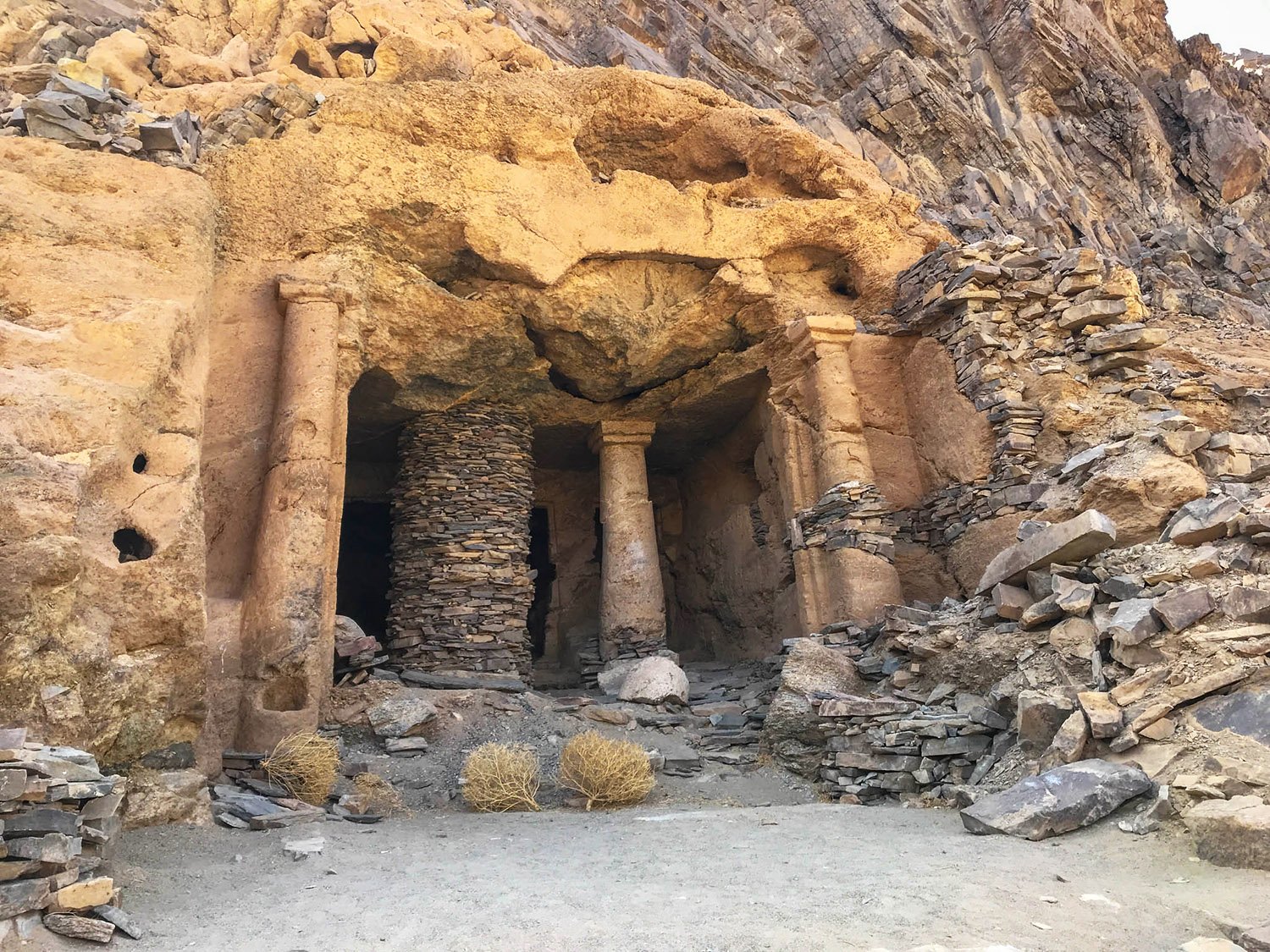
Roman ruins at Wadi El Gemal National Park, Egypt

Explore the ancient Roman ruins at Wadi El Gemal National Park.

5.   Excursions and activities

Marsa Alam is a place where you can swim for hours, ride an ATV in the desert next to the sea, and visit nature reserves and national parks. 

Wadi El Gemal National Park (Valley of the Camels) is a must-do day trip just 28 miles (45 kilometers) to the south of Marsa Alam. It’s the third largest park in the East Arabian Desert, consisting of 1,840 square miles of land and 810 square miles of marine life. Here you have the opportunity to observe rare birds and animals as well as wander among the ruins of temples and other buildings that date back to Ancient Rome!  This area was known as the Emerald Mountains and supplied the empire with green beryl gemstones.  

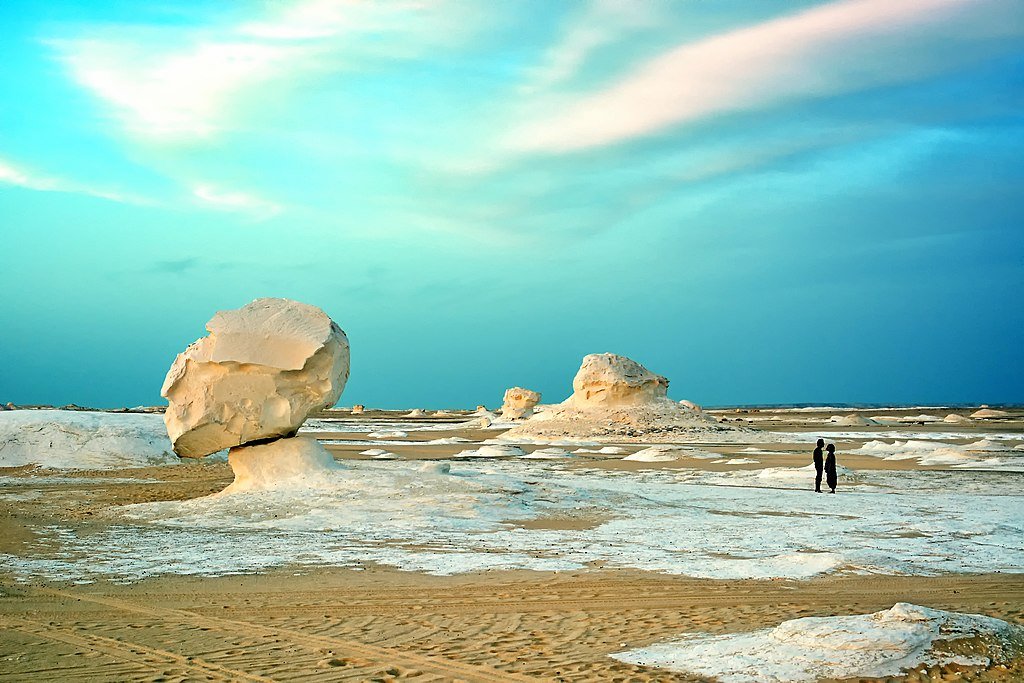
White Desert National Park natural formations in Egypt

Take a day trip to marvel at the natural sculptures in White Desert National Park.

6.   Awesome deserts

If you want a break from the beach, then a trip to the Sahara el Beyda is a great option, with its stunning scale and boundless space. The surreal chalk-white landscape, punctuated by natural sculpture shaped by the harsh desert winds, is now a protectorate known as White Desert National Park. 

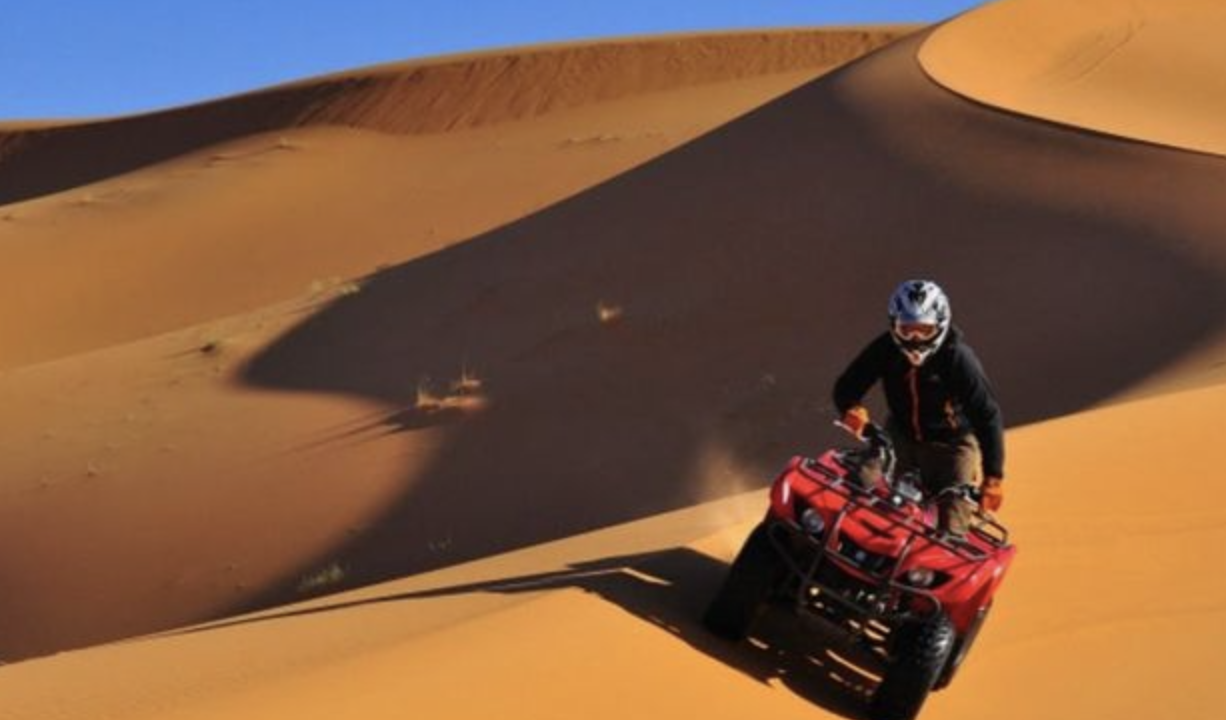
Four-wheeler on the dunes of Sahara el Beyda desert in Egypt

Who says Marsa Alam has to be relaxing all the time? Hop on an ATV and go for a ride in the dunes of the nearby desert.

To me, the desert represents freedom. Don’t worry about it getting too hot — it’s particularly pleasant even in the spring. Go for a ride on a quad bike or jeep, ending with a trip to the closed nature reserve beach to look for giant shells and pieces of coral. The sand here rivals that of the Maldives in its whiteness.

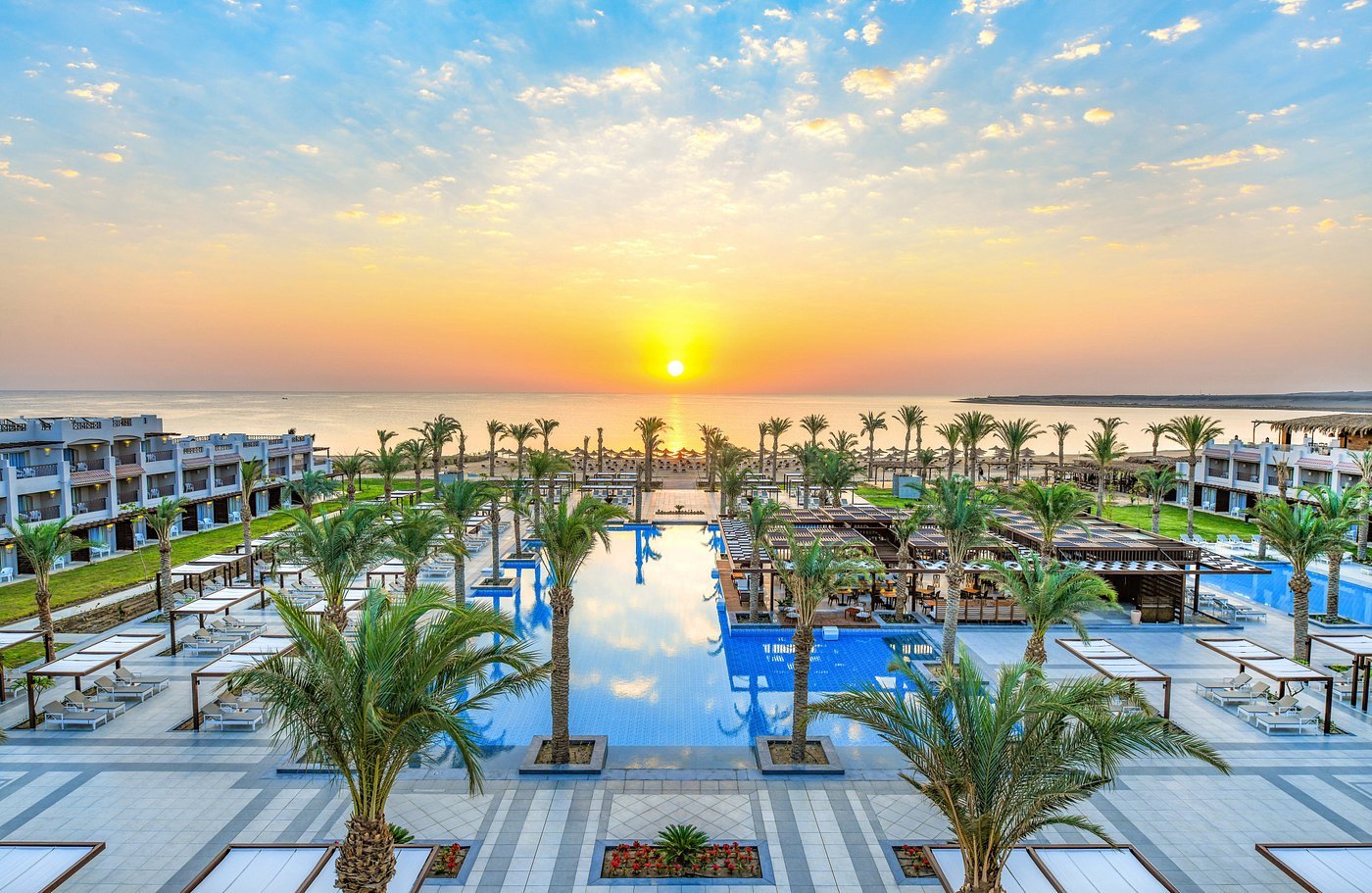
Swimming pool at Iberotel Costa Mares hotel in Marsa Alam, Egypt

The Iberotel Costa Mares is but one of several five-star hotels in the Marsa Alam area.

7.   New world-class hotels and resorts 

So many four- and five-star hotels to choose from! They stretch along the coast in either direction from Marsala Alam. Yes, they are right on the beach — but, at the same time, there is a lot of greenery here. The staff will set you up with sports, wellness treatments and other activities. 

8.   Tourist infrastructure

Pharmacies, shops, bars and restaurants are popping up all over town. You can also head to neighboring Port Ghalib, about an hour away, to eat at one of the restaurants there.

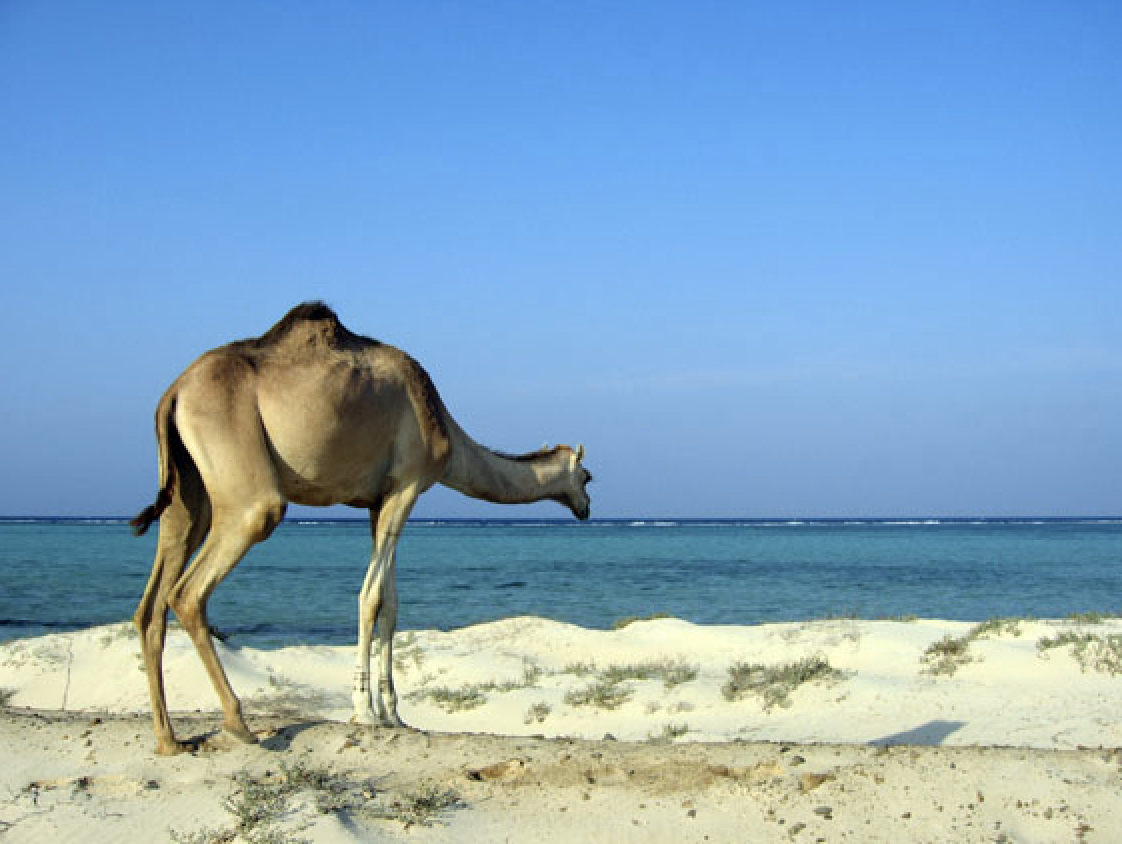
Dromedary on sand at edge of the Red Sea in Egypt

Marsa Alam, where the desert meets the Red Sea

Oh-So-Chill Marsala Alam 

Compared to other popular resorts in Egypt, Marsa Alam is much more relaxed. This is an opportunity to experience amazing beaches and sea life away from noisy tourists and discos. But, like many other on-the-rise destinations, it might not be long before Marsa Alam becomes overcrowded. I recommend going sooner than later. –Isabelle Jordan


Also in the area

Temple of Horus at Edfu, Egypt

Edfu is a little over three hours away, directly west.