solo travelers

Solo Female Travel at 18: Safety Tips for Your First Independent Hotel Stay

Traveling solo at 18 for the first time? Here’s how to choose a safe hotel, protect your room and travel with confidence on your first independent trip.
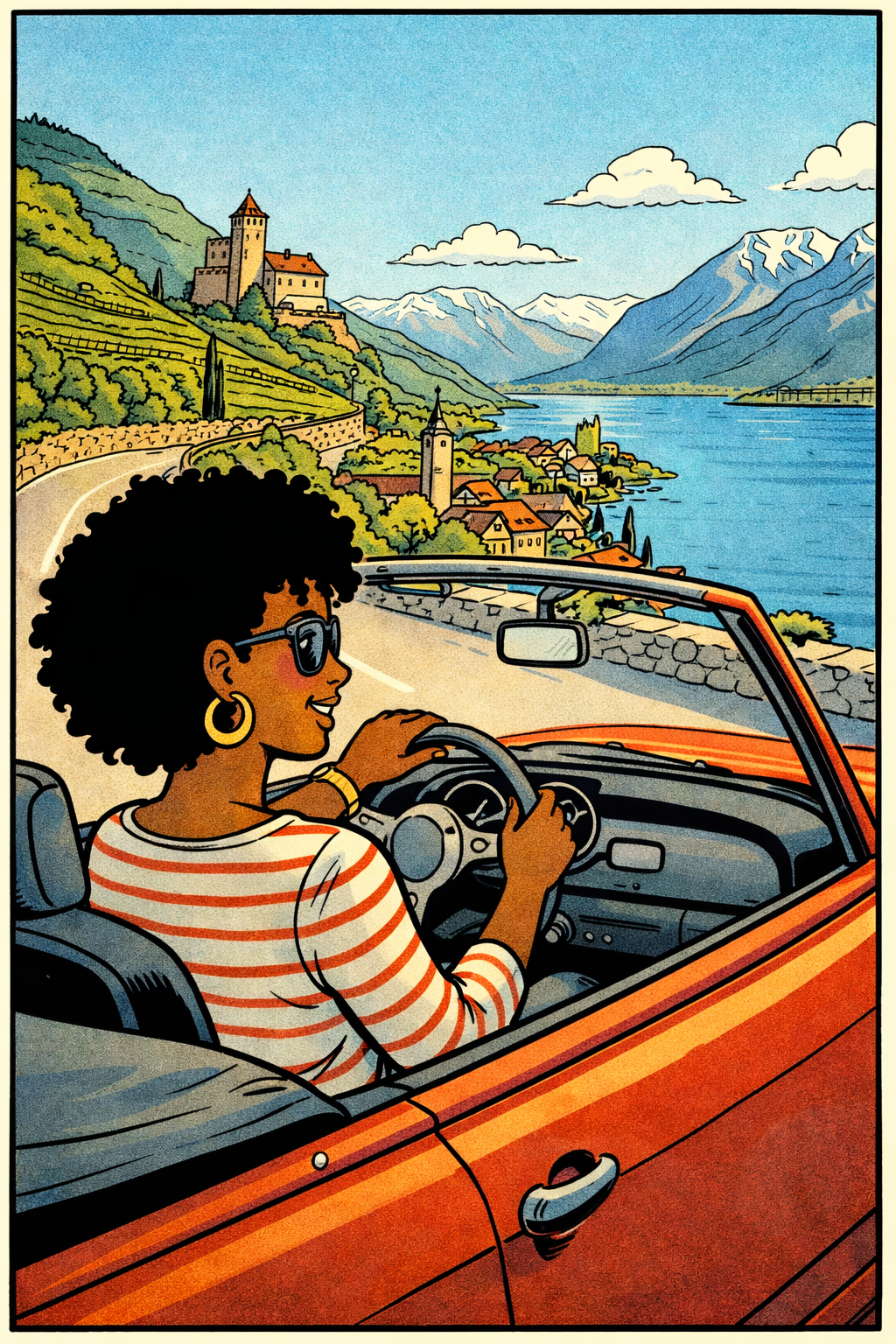
A young woman drives a red convertible rental car into a quaint European village, with mountains a lake and tan stone buildings

Turning 18 comes with a new kind of freedom — including the chance to travel on your own. Your first solo trip can feel exhilarating, a little nerve-wracking and completely unforgettable all at once.

One of the most important decisions you’ll make is where you stay. The right hotel can make you feel safe, confident and ready to explore. The wrong one can leave you uneasy before your trip even begins.

One of the most powerful safety tools you have while traveling is your intuition.

If a situation feels wrong — whether it’s a strange interaction, an uncomfortable hotel environment or a neighborhood that doesn’t feel safe — listen to that instinct.

From choosing the right neighborhood to securing your room once you arrive, a little preparation goes a long way. Here are practical safety tips to help you enjoy your first solo hotel stay with confidence.
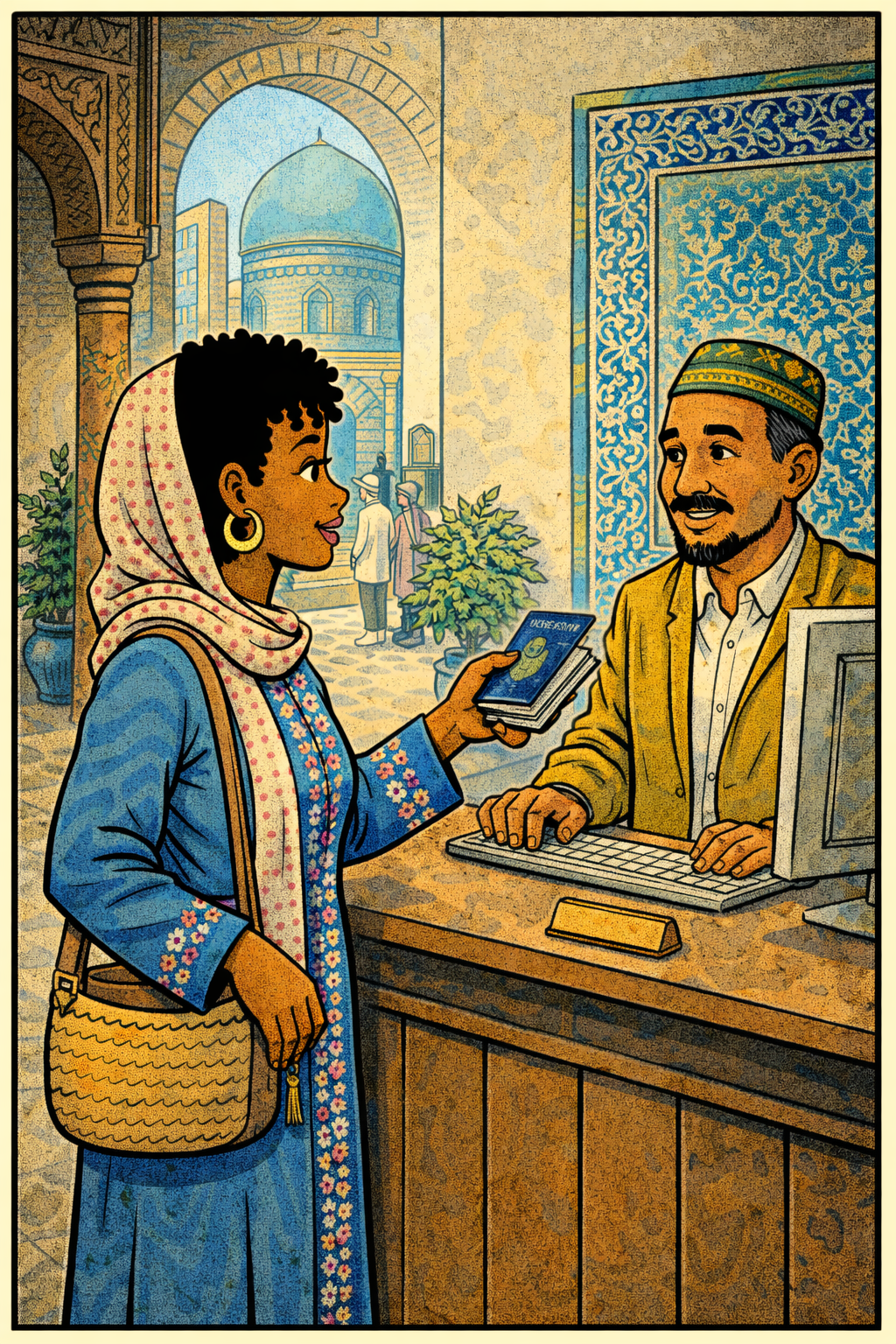
A young woman in traditional garb and a headscarf hands her passport and documents to the man at the front desk of a hotel in Uzbekistan

How to Choose a Safe Hotel for Your Solo Trip

The hotel you pick will shape your entire experience, so it’s worth taking the time to research carefully.

Start by looking at properties in well-lit, busy neighborhoods where restaurants, shops and public transit are nearby. Areas with consistent foot traffic tend to feel safer, especially if you’re arriving late in the evening.

Next, check reviews — particularly from other solo travelers. These can reveal useful details about how safe guests felt, whether the staff were attentive and how secure the building actually is.

If you’re booking by phone or directly through the property, it’s also smart to confirm: Can you get a hotel room at 18 at that specific hotel? Check before making final arrangements, since some properties have age restrictions.

Whenever possible, plan to arrive during daylight hours. It’s easier to get your bearings and evaluate the area when you can clearly see your surroundings.

And above all, trust your instincts. If a hotel or neighborhood feels uncomfortable, keep looking.
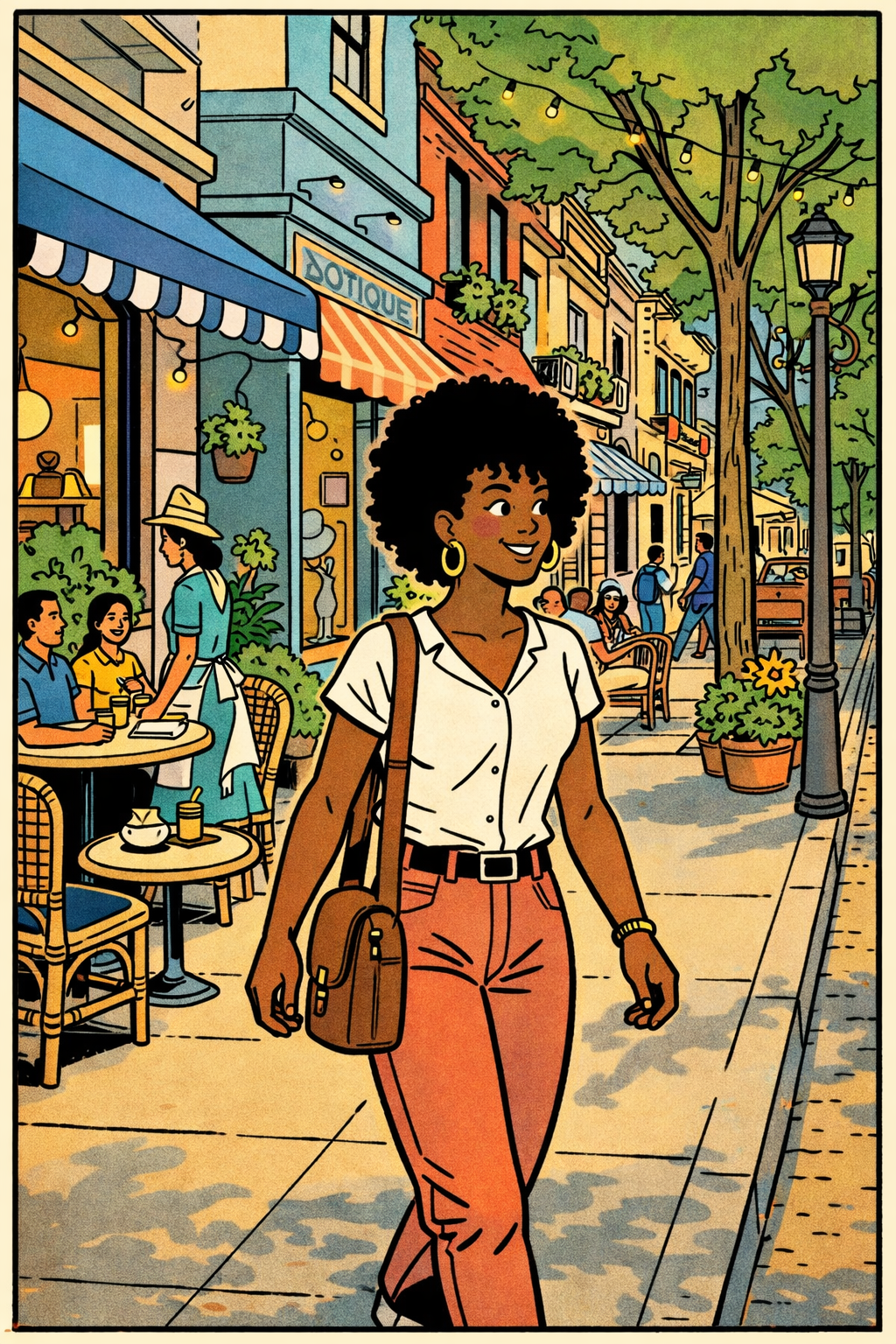
A young woman walks on the sidewalk of a cute neighborhood with sidewalk cafes in CDMX

Solo Travel Safety Tips Before You Check In

Preparation is one of the best safety tools a traveler can have.

Before your trip begins, take a little time to learn about your destination, confirm your accommodation details and make sure someone you trust knows your plans.

Research your destination. 

Understanding your destination helps you travel more confidently and avoid surprises.

Start by learning about local customs and cultural norms so you can blend in and avoid unintentional faux pas. Look up which neighborhoods are popular with visitors and which areas are best avoided after dark.

You should also familiarize yourself with transportation options so you know how to get from the airport or train station to your hotel safely.

Online travel communities, forums and social media groups can also provide useful firsthand insights from other travelers who’ve recently visited.

Finally, check travel advisories issued by your government. These can highlight any safety concerns that may affect your trip.

Find a safe place to stay. 

Choosing safe accommodation can have a huge impact on how comfortable and secure you feel during your trip.

When comparing hotels or hostels, prioritize places located in active neighborhoods. Read reviews carefully and pay attention to comments from other solo travelers about safety and staff responsiveness.

And don’t hesitate to ask questions before booking. A hotel that responds quickly and clearly to safety questions is often a good sign that the staff takes guest security seriously.

If something about a place feels off during your research, move on. Peace of mind is worth the extra effort.
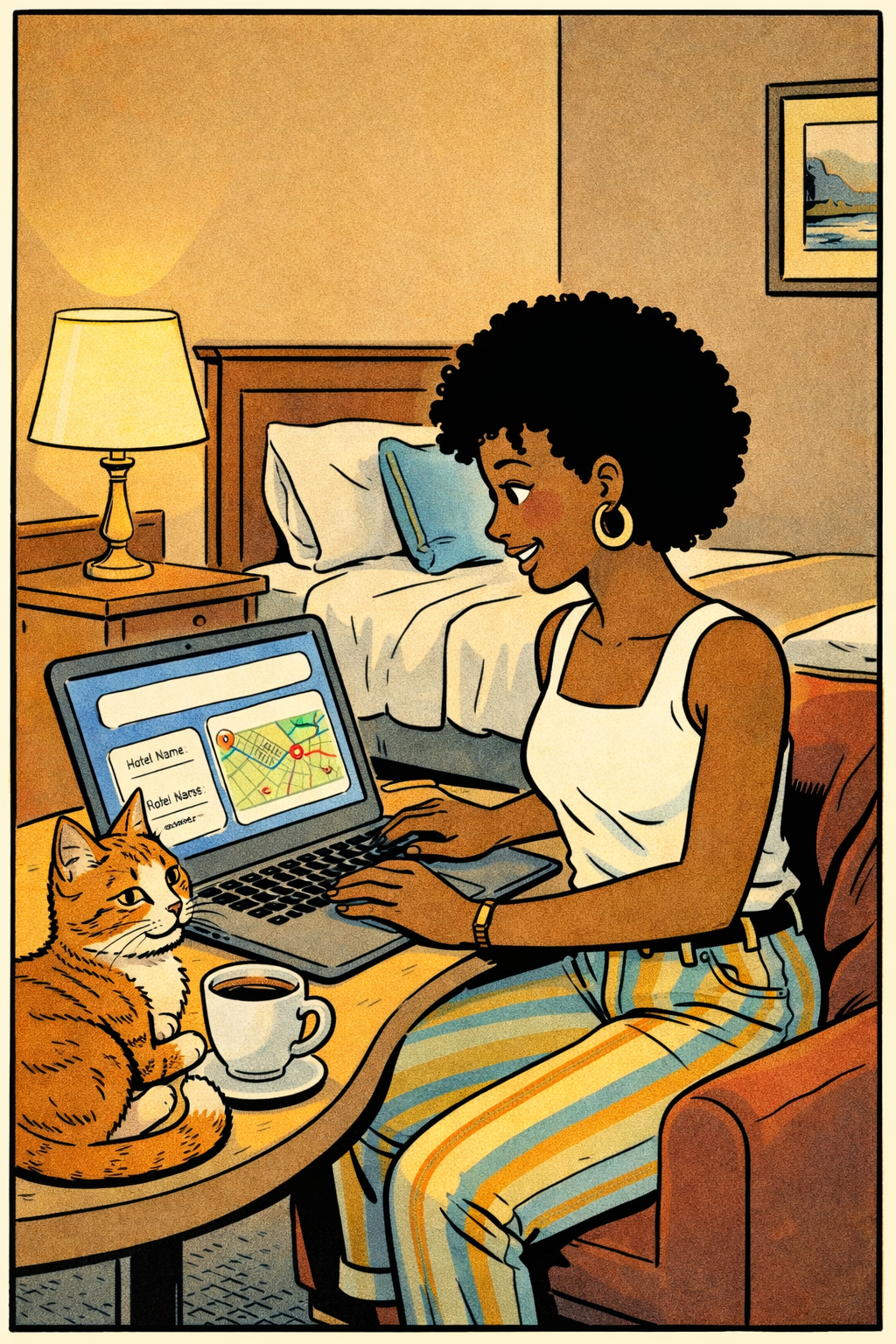
A young woman calls up her travel itinerary on her laptop by her bed, while her cat sits on the table by her coffee cup

Share your itinerary with someone you trust.

Before you leave, send your travel details to a friend or family member.

Include your hotel name, address, reservation dates and a general outline of your plans. This ensures someone knows where you’re staying and how to reach you if needed.

You can share this information through email, messaging apps or shared documents that can be updated if your plans change.

It’s a simple step that adds an extra layer of safety — and reassurance for both you and the people who care about you.
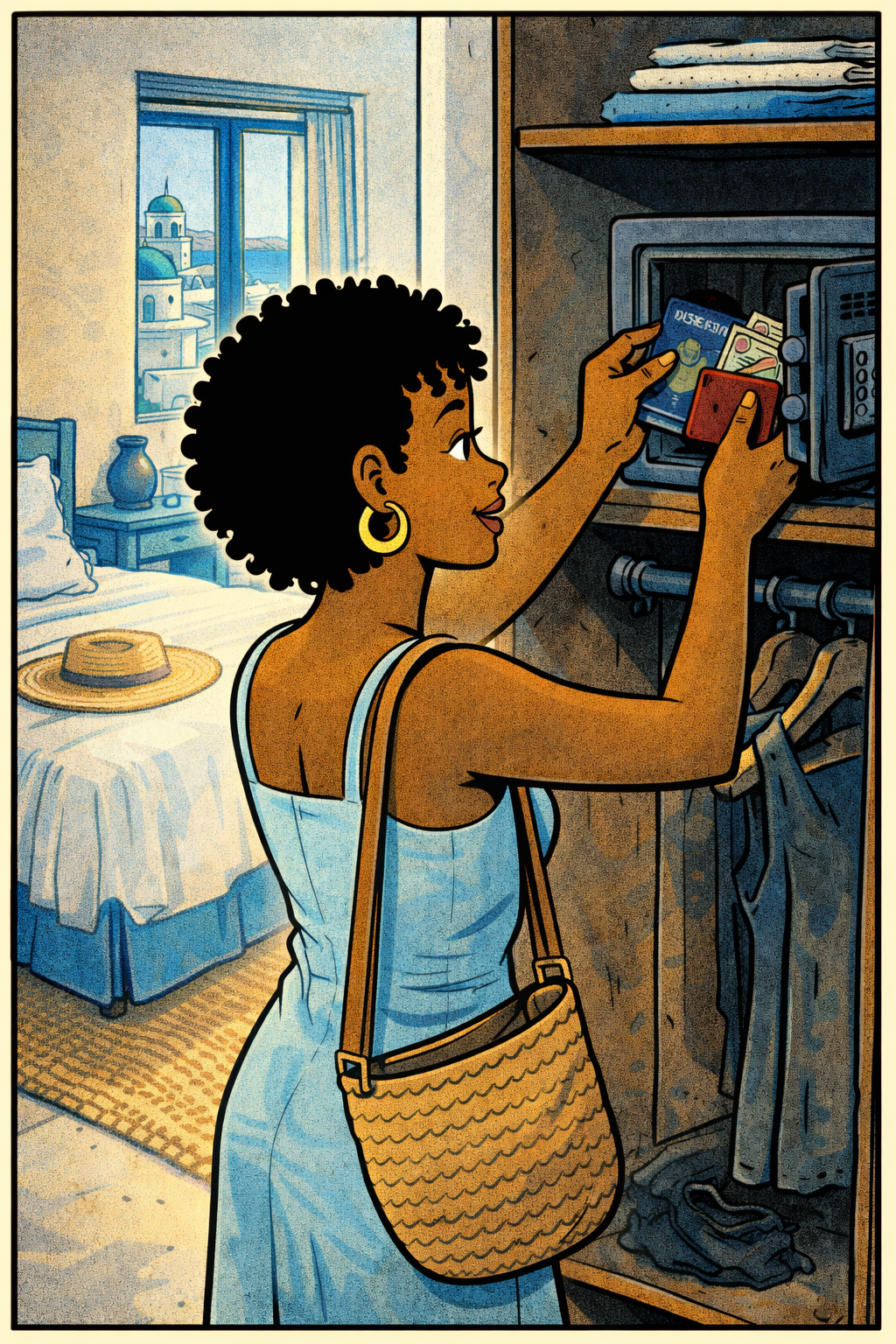
A young woman puts her passport, valuables and money into her hotel room safe on a solo trip to Mykonos, Greece

Securing Your Hotel Room When You’re a Solo Traveler

Once you arrive at your hotel, take a few moments to check that everything in your room feels secure.

Make sure the door locks work properly and use the deadbolt or chain lock whenever you’re inside. If anything seems broken or unsafe, ask the front desk to fix it or request a different room.

Other small precautions can help you feel safer during your stay:

  • Store valuables in the hotel safe

  • Use the peephole before opening the door

  • Never let strangers into your room

  • Consider using a small doorstop or travel door lock for extra security

If your room location makes you uncomfortable — for example, if it’s isolated or near an exterior entrance — it’s perfectly reasonable to ask for a different room.

Your comfort and safety come first.
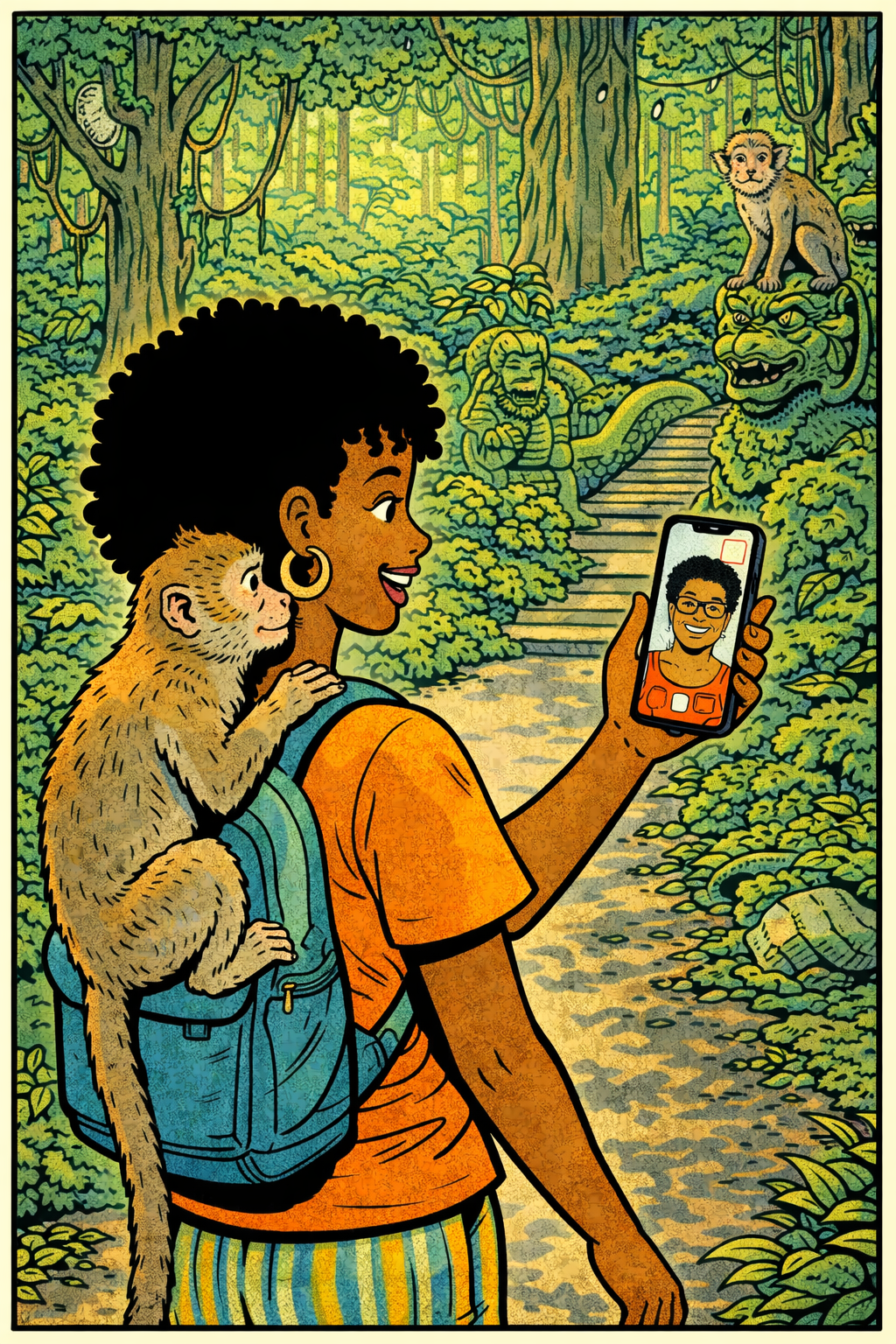
A woman FaceTimes her mother while a monkey clings to her back in the Ubud sacred monkey sanctuary on Bali

Staying Connected With Family and Friends on Solo Travel

Traveling solo doesn’t mean disappearing off the grid.

Staying in touch with people back home can provide reassurance and help you feel supported while you explore.

Set a regular check-in schedule. 

Choose a consistent time each day — or every couple of days — to send a quick message or make a call.

Let your friends or family know where you are, what you’ve been doing and where you’ll be next. Messaging apps like WhatsApp or FaceTime make this quick and easy.

If your plans change or you feel uneasy, reach out sooner. Knowing someone is keeping an eye on your journey can make solo travel feel much more comfortable.

Share updates along the way.

Updating your itinerary as your trip unfolds helps your support network stay informed.

You might share a quick text about a day trip you’re taking, a new city you’ve arrived in or the hotel you’ve just checked into.

It’s not about constant reporting — just enough communication so someone knows where you are if anything unexpected happens.
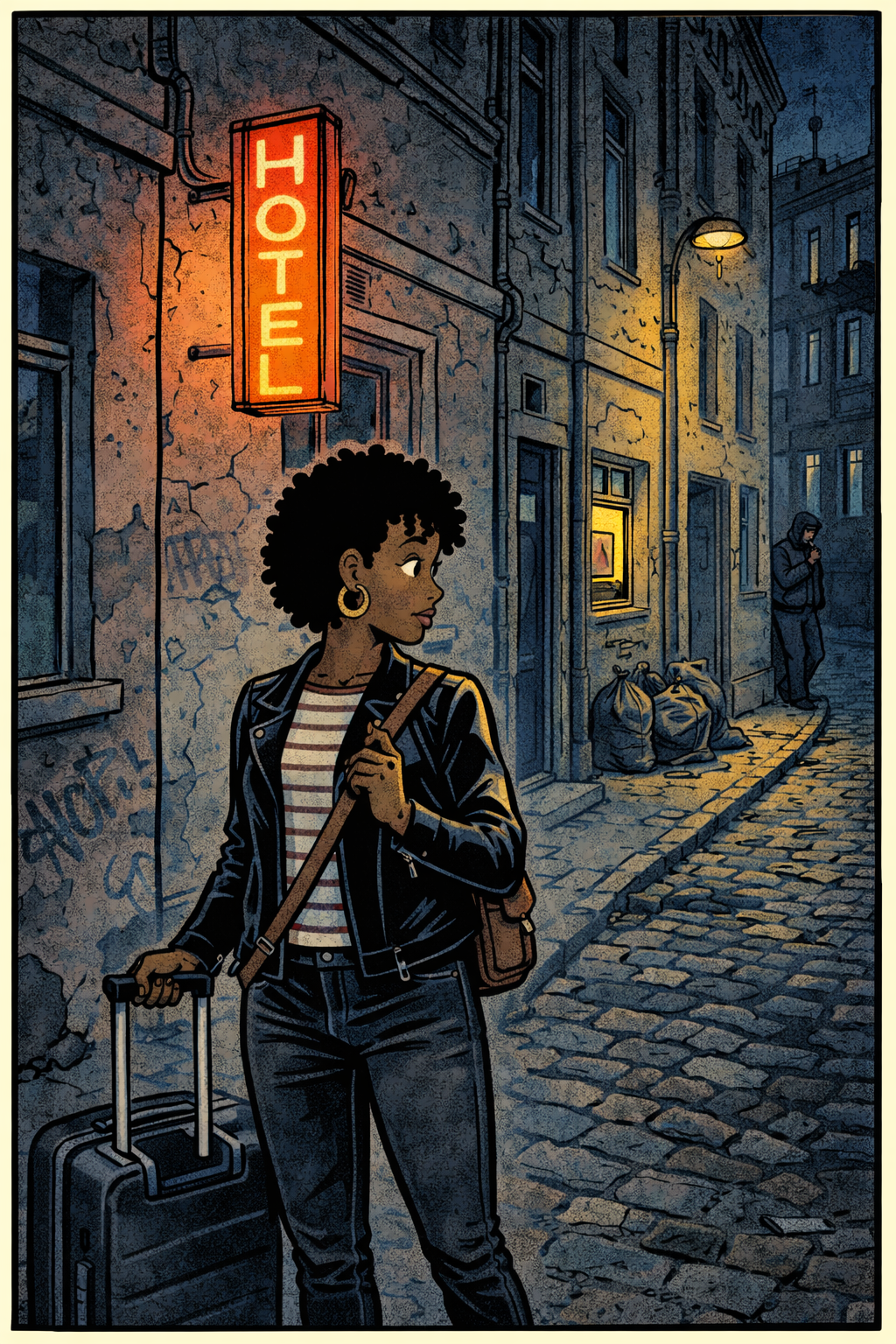
A young woman solo traveler looks over her shoulder at a man in a hood while walking past a hotel in a dodgy part of a city, with trash bags on the sidewalk and crumbling facades

Trusting Your Instincts in Uncomfortable Situations

One of the most powerful safety tools you have while traveling is your intuition.

If a situation feels wrong — whether it’s a strange interaction, an uncomfortable hotel environment or a neighborhood that doesn’t feel safe — listen to that instinct.

You’re never obligated to stay in a situation that makes you uneasy. Change plans, leave the area or ask for help if necessary.

Confidence grows with experience, but trusting your gut is always a smart starting point.

What to Do If Something Goes Wrong as a Solo Traveler

Even the best-planned trips can run into unexpected situations. Having a simple emergency plan can help you stay calm if something happens.

Before your trip, make sure you know:

  • the location of the nearest hospital or urgent care center

  • the contact number for your hotel

  • local emergency numbers

  • the contact information for your country’s embassy or consulate

Keep these numbers saved on your phone and written down somewhere accessible.

If you find yourself in trouble, hotel staff can often help you navigate local services or contact authorities. You can also carry a small personal alarm or whistle to attract attention if needed.

Preparation allows you to respond quickly and focus on staying safe.

A young woman has frozen cocktails with a family by the pool at sunset in Hawaii, like a scene from White Lotus

Solo Female Travel: Playing It Safe

Traveling solo at 18 is an exciting milestone. With the right preparation and a few smart precautions, it can also be an incredibly empowering experience.

Choose your accommodation carefully, stay aware of your surroundings and keep trusted people informed about your journey. Most importantly, trust yourself.

With a little planning and confidence, your first independent trip can become the beginning of a lifetime of unforgettable adventures. –Mashum Mollah 

What Solo Travelers Secretly Love About Group Travel

From flexible structure to emotional backup, here’s why the solo set is giving group trips a second look.

A group of travelers in a Jeep on an African safari, with one looking through binoculars, another is holding a lizard, with a monkey on his backpack, and one frightened while taking a picture, with giraffes and a lion

There’s something undeniably satisfying about crafting your own itinerary, eating when you want, and never compromising on which waterfall or street food stall to visit. 

But let’s be honest: While solo travel has its perks, it’s not always sunshine and Instagram-worthy sunsets. Sometimes, you crave a little structure, a spontaneous laugh with someone who gets it, or just someone else to help navigate the chaotic train station.

You can still explore the world on your own terms — but with the bonus of shared stories, unexpected friendships and fewer awkward selfies.

That’s where group travel comes in — and not the old-school, flag-waving, follow-the-leader kind. Today, there are new ways of traveling that blend independence with meaningful connection. You can still explore the world on your own terms — but with the bonus of shared stories, unexpected friendships and fewer awkward selfies.

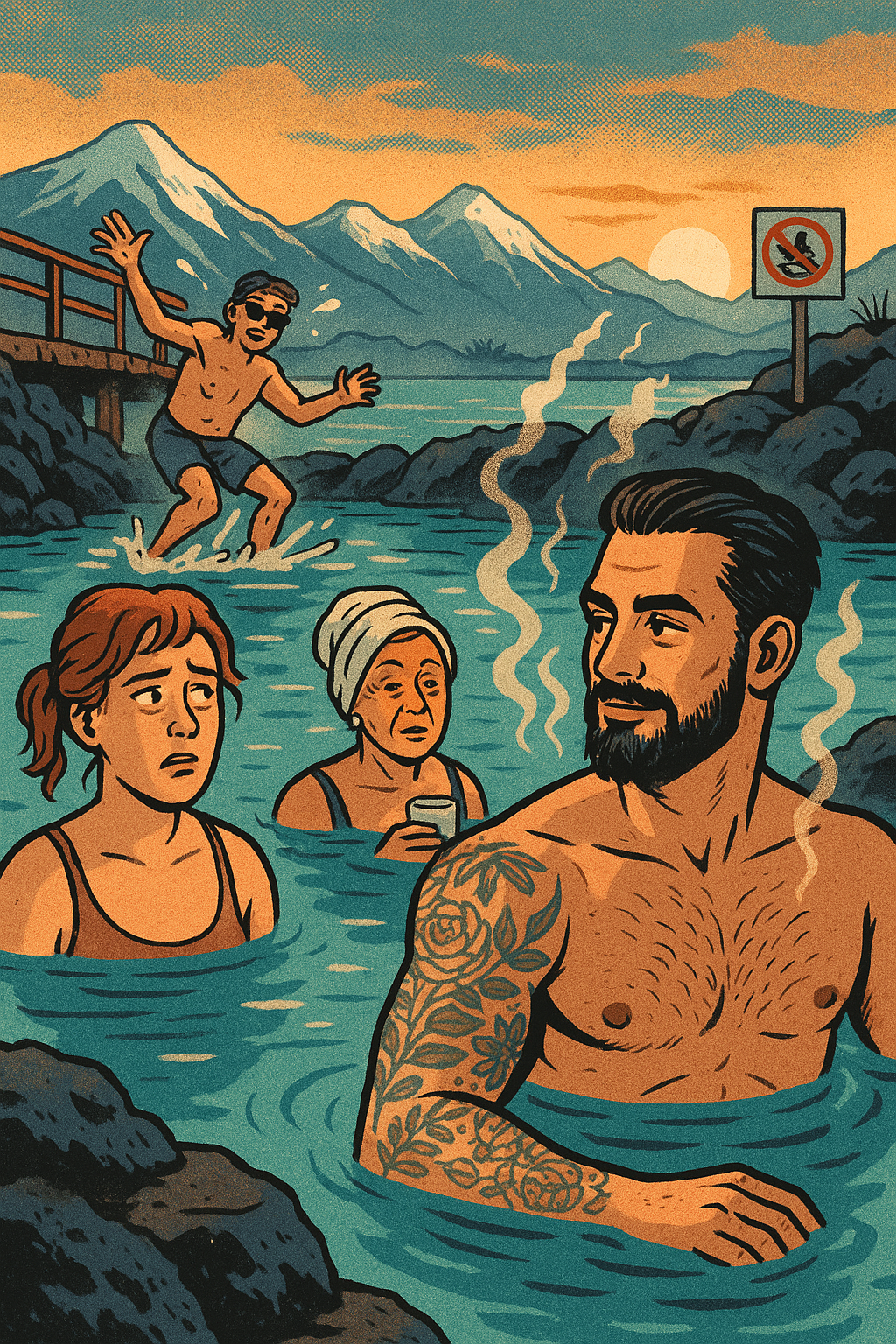
People enjoy the warm water of the Blue Lagoon in Iceland, including a bearded man with tattoos

Even Lone Wolves Like a Pack (Sometimes)

You’re the kind of person who books one-way tickets. Who happily eats solo at a buzzing night market, and finds joy in being the mysterious figure on the night bus. There’s power in that kind of freedom — in choosing your own rhythm, without compromise.

But confession time: Sometimes you find yourself tempted by the idea of a group trip. Not the awkward, name-tag-wearing kind, but something different — something that doesn’t scream “tourist,” yet still gives you the perks of not doing everything alone.

There are group travel options designed for solo travelers who value their independence but also enjoy human connection. Some even group travelers by age, so the people you meet are likely in the same stage of life — ready to co-create the kind of story you’ll still be telling (loudly and proudly) years from now.

It’s all about balance: enough structure to keep things flowing, enough freedom to make it feel like yours. The right group trip doesn’t take away your solo identity — it enhances it. With richer conversations, less isolation and group photos you’ll actually want to keep. 

So what makes group travel so unexpectedly appealing — even to the most fiercely independent travelers? Let’s break it down.

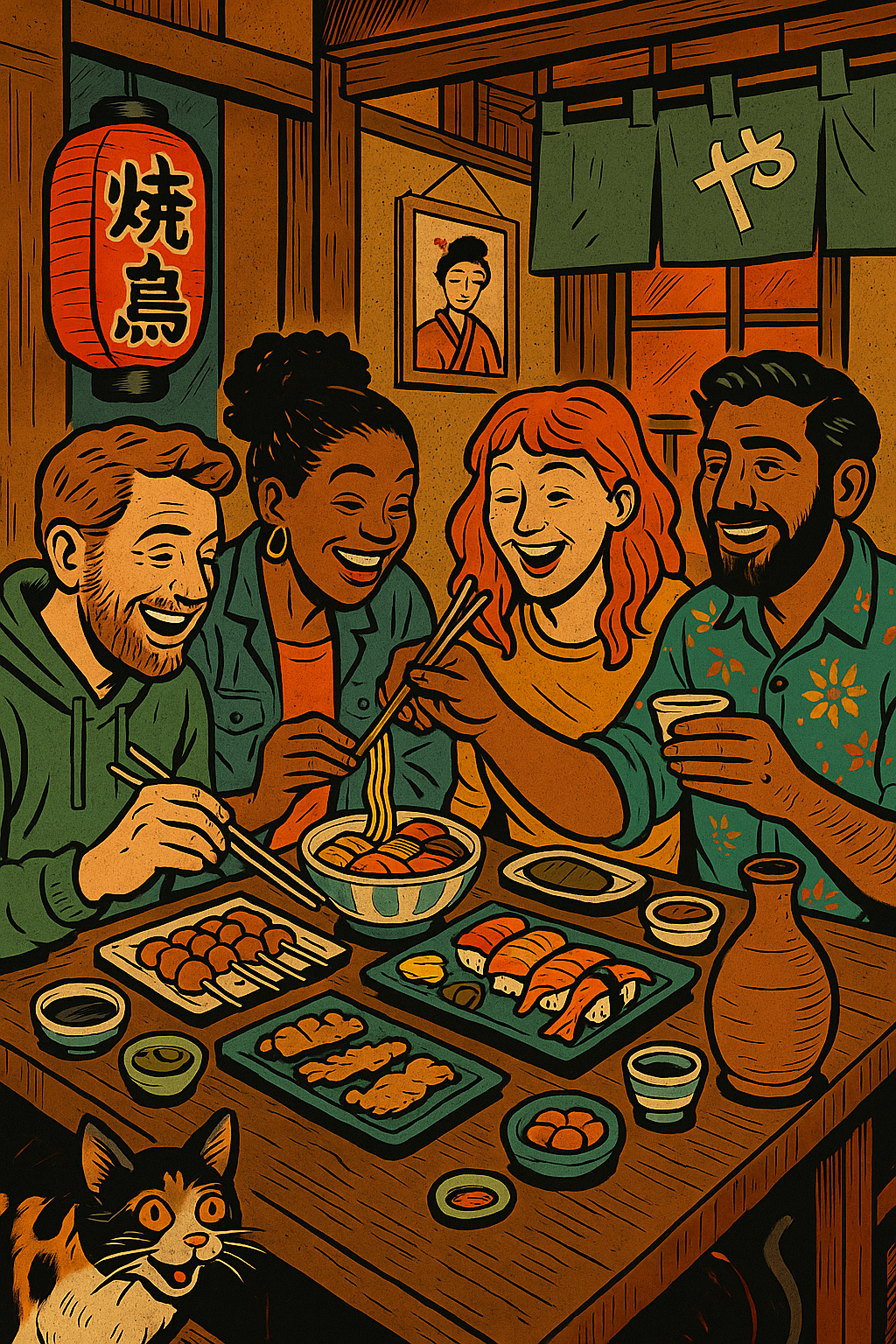
A group of travelers crowd around a table at a restaurant in Japan

Why Solo Travelers Do Group Travel (Once in a While) 

1. Independence, reimagined

Traveling alone is all about freedom, doing what you want, when you want. But who says being part of a group takes that away? One fanny pack-wearing group of tourists doesn’t define all groups. The right kind of group travel lets you keep your autonomy while adding just enough connection to make the journey richer. Being part of the right kind of group doesn’t mean independence has to go away. It just means you’re free to stay in the experience, choose how to show up and decide when it’s time to go it alone.

A group of travelers are mostly frustrated while kayaking in Croatia

2. Built-in “social battery” recharges

You don’t have to talk if you don’t want to. Traveling with a group means you can also enjoy the sound of silence when you feel like it. And it’s even better if you’re one of those travelers who prefer to go solo. Because let’s face it: You’re not always up for managing group dynamics, and the last thing you need on holiday is a schedule full of “compulsory fun.”

No, you prefer a real travel companion who won’t blink if you share dinner and then head off on your own for a sunset walk. That’s the sweet spot. The possibility of being able to make the most of a life-enriching experience within a small, reliable circle of people who share your same vibes: no strings attached, no pressure, no expectations — just the freedom to connect or disconnect as needed.

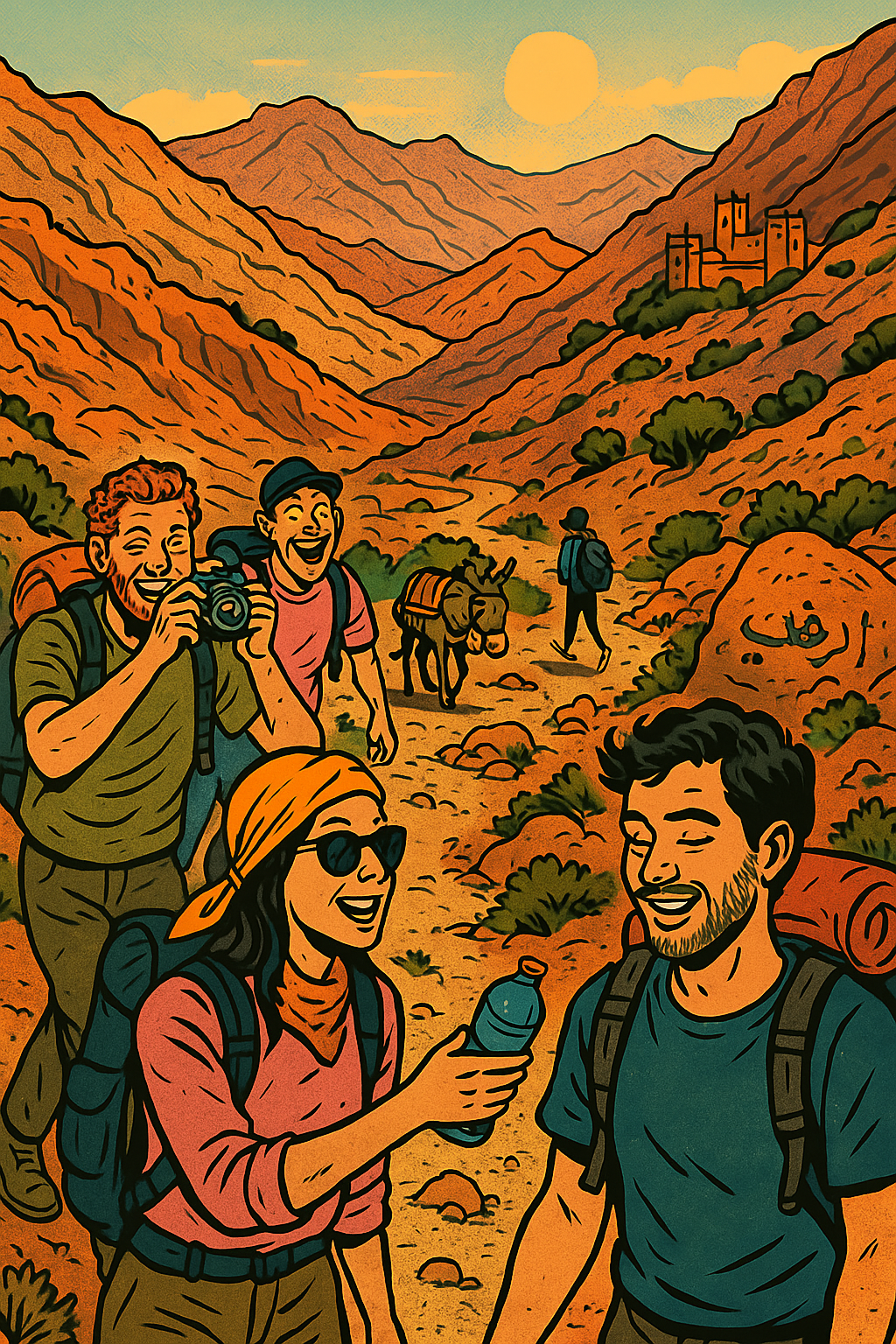
A group hikes through the American Southwest, with a woman offering a man her water bottle

3. Freedom within structure

The best group trips offer just enough structure to keep things flowing, but never feel rigid or overplanned. The kind where you can dip out of an excursion, take a detour, or spend an afternoon on your own without feeling like you’re breaking any rules.

That’s what makes certain group travel experiences so appealing to solo travellers — they keep your independence intact, while giving you the option to connect when it matters.

Some travel communities have found this balance — offering flexible itineraries, shared energy, and just enough freedom to feel like your own journey. One example? WeRoad, a community of travelers that groups people by age and lets you choose how much to engage, without ever feeling boxed in. Curious? Discover some group trips perfect for solo travelers.

4. The joy of shared firsts

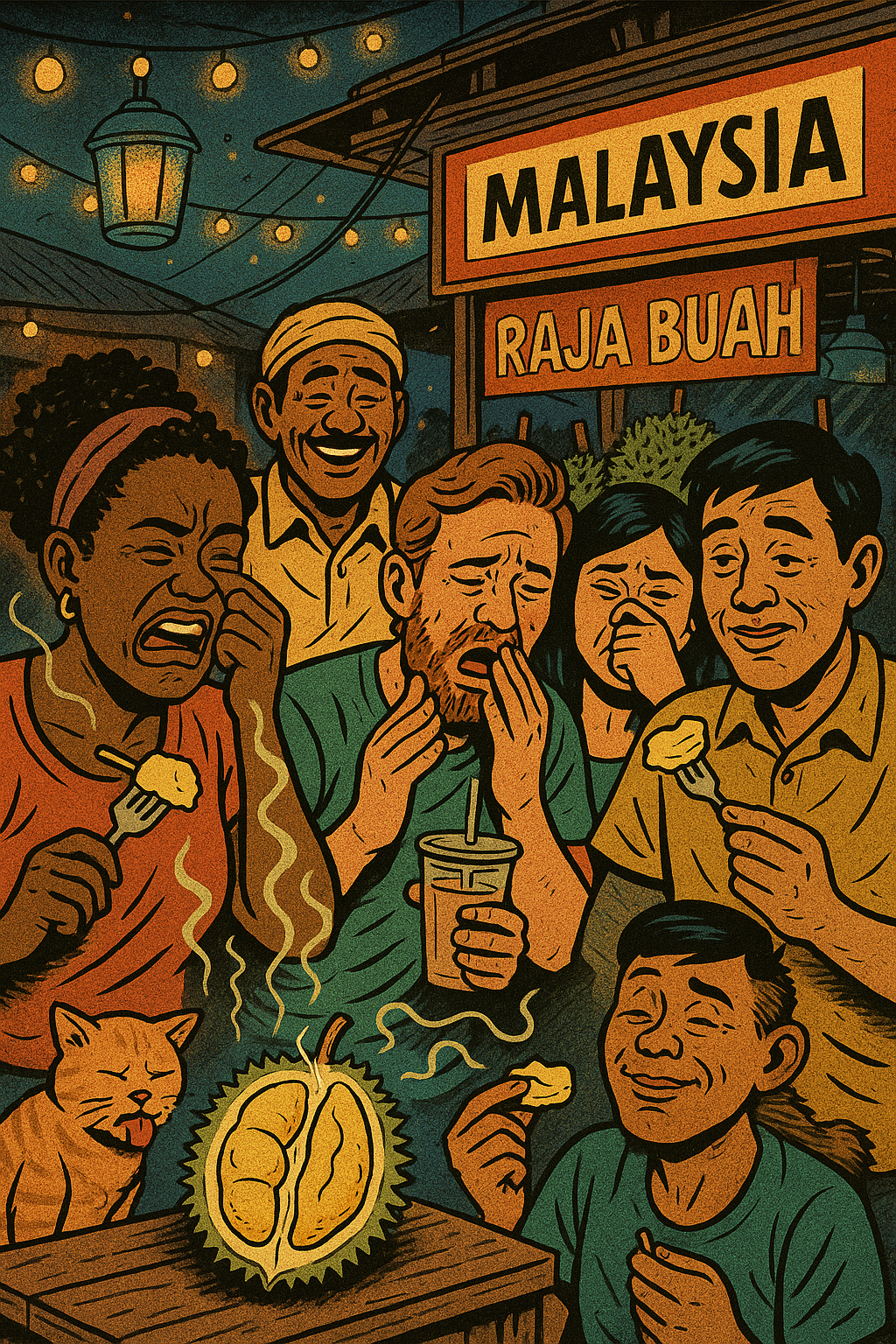
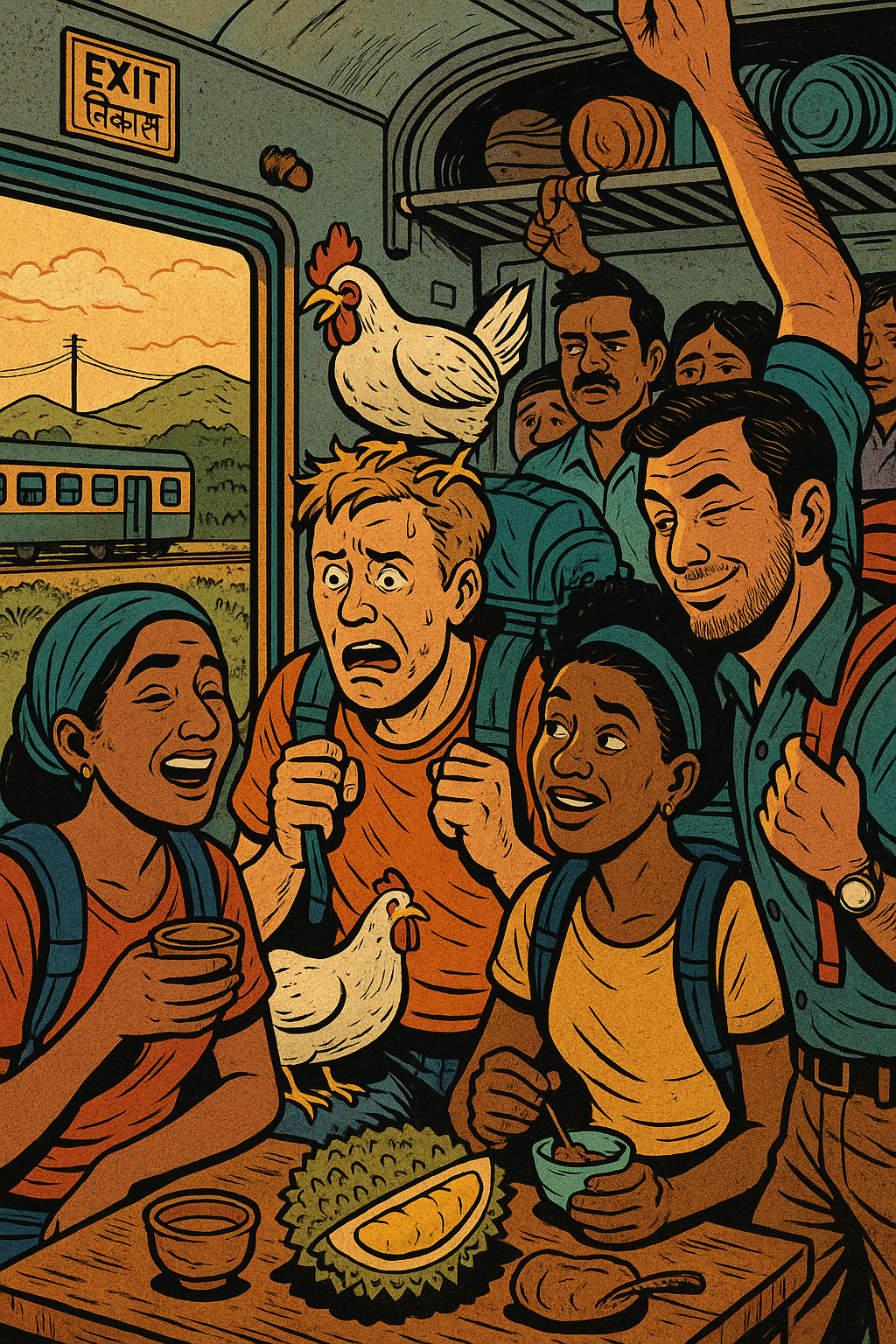
The first time you eat durian. The first time you swim in glowing water. A powerful art exhibit. These things hit differently when you’re not the only one experiencing them. There’s a special kind of magic in the collective gasp, the shared laughter, or the look you exchange when something completely unexpected happens.

You can travel solo all you want — and it’s great — but some stories are simply better when there’s someone else to nod and say, “Yup, that really happened.”

5. Emotional backup when things go sideways

Missed planes, lost bags and violent food poisoning — vacations don’t always go exactly as planned. And in those moments, having a group by your side makes all the difference. Whether it’s someone offering their last electrolyte packet, helping you figure out a plan B, or just laughing with you when things get ridiculous — it’s these little human moments that turn travel fails into favorite stories.

Plus, when you’re traveling with people in a similar phase of life, it’s easier to feel seen, supported and genuinely understood — without needing to explain why you’re skipping the 6 a.m. hike in favor of sleeping in.

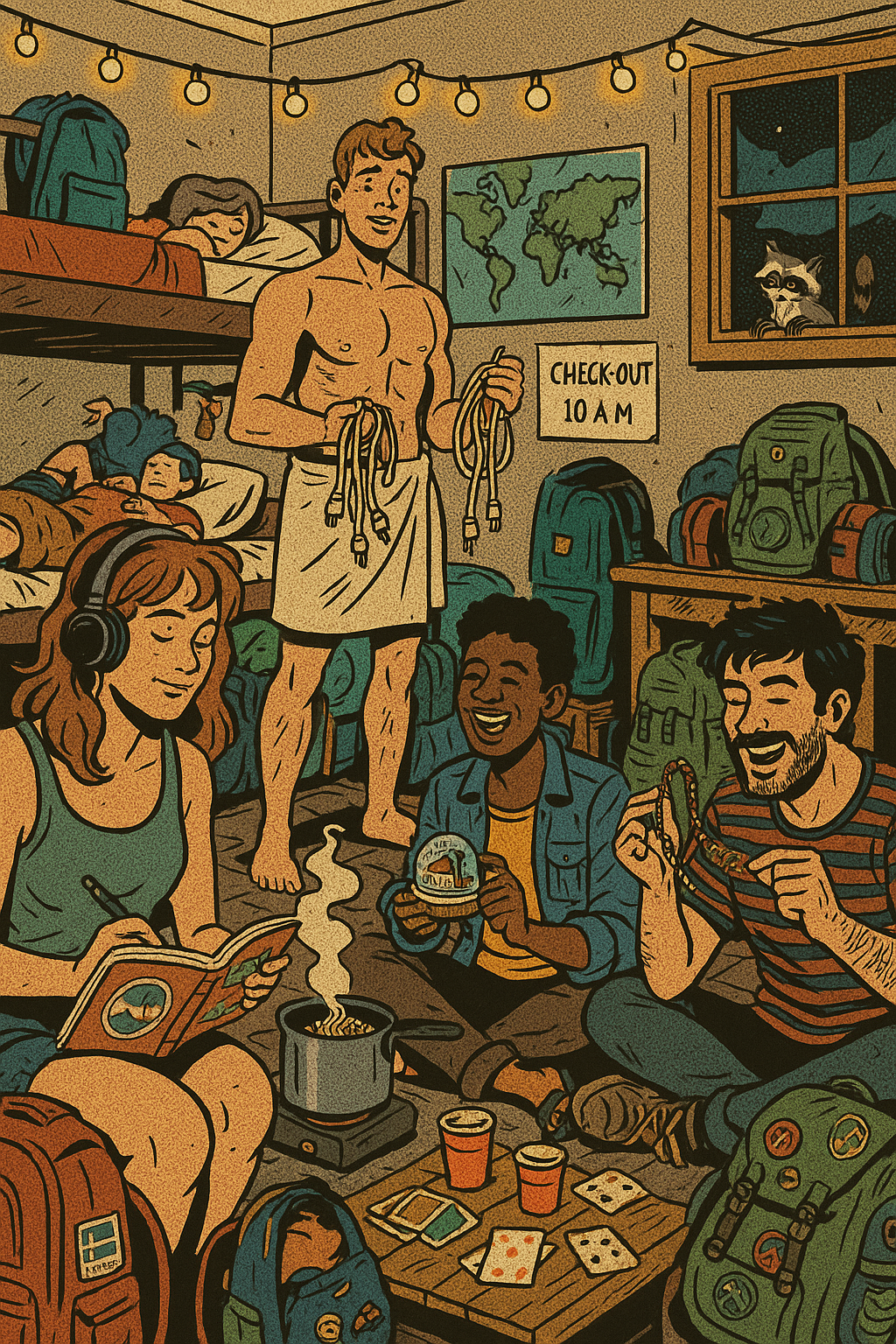
A group of travelers at a hostal: a man on a bunkbed, one in a towel holding cords, one writing in a journal, and two with souvenirs

You’re Still a Solo Traveler (Just Smarter Now)

You haven’t sold out by joining a group; you’ve upgraded. You’re still curious, independent and spontaneous — you just know when it’s okay to let someone else carry the snacks and make the dinner plans. 

Today, more and more solo travelers are choosing group trips that strike the right balance between freedom and connection. Experiences designed with flexibility, community and shared curiosity in mind — where you can explore the world on your own terms, but in good company. 

Whether it’s hiking in Morocco, eating your way through Japan or chasing sunsets in Tanzania, the beauty of this kind of travel is in the mix: meaningful moments on your own, and others you’ll want to share. –Tomasz Rezik