Building Financial Independence While Living a Nomadic Lifestyle

Dreaming of life on the road without wrecking your finances? Here’s how digital nomads are building financial independence — from minimalist living to smart investing — while exploring the world.
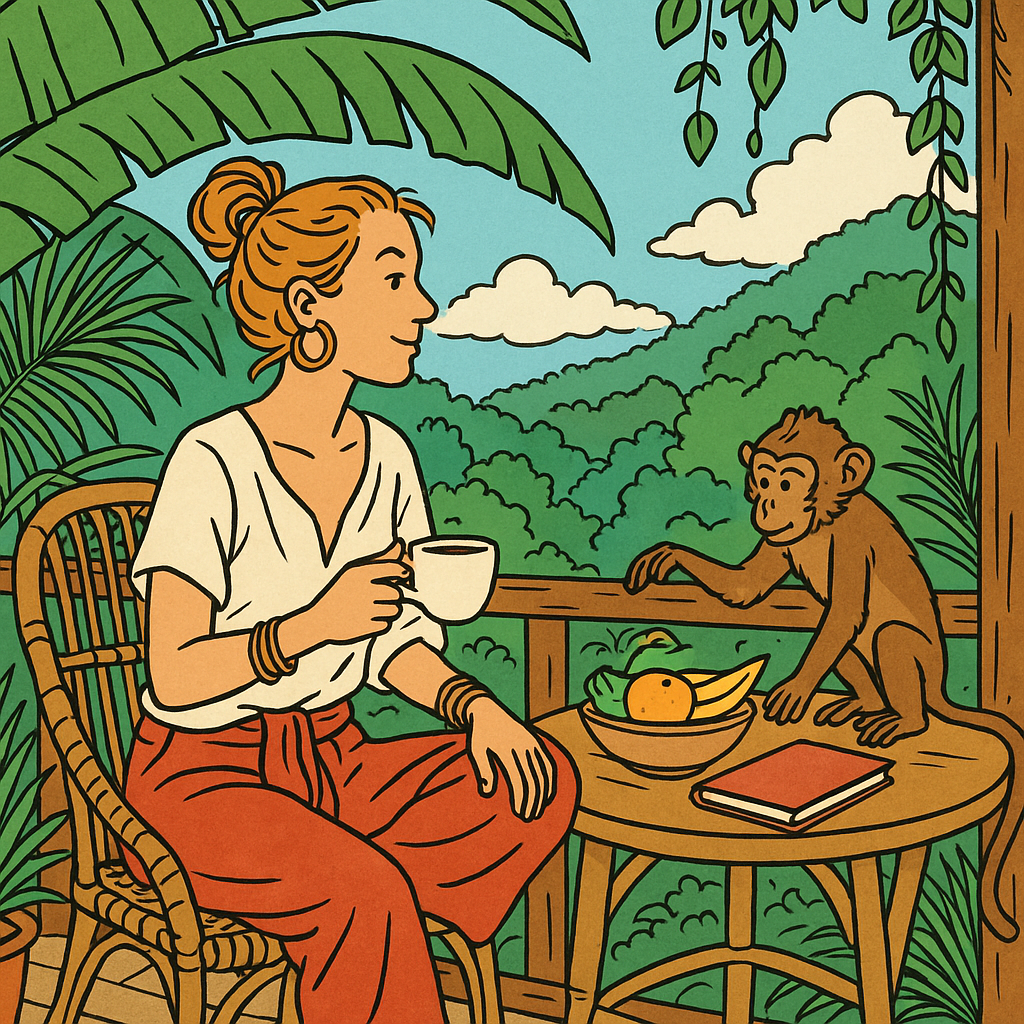
A woman sits on a balcony in the jungle of Bali, drinking coffee, while a monkey reaches for fruit on a nearby table

Living a nomadic lifestyle is an escape from the 9-to-5 grind and a rebellion against routine. Imagine swapping fluorescent office lights for sunrises in Bali or coffee breaks in Budapest. For many, this life on the move is the ultimate dream. But here’s the twist: It can also be a legitimate path to financial independence. 

That might sound counterintuitive — trading a steady home base for a backpack — but with a few smart strategies, you can actually earn, save and invest your way toward long-term freedom while living on your own terms. Here’s how:
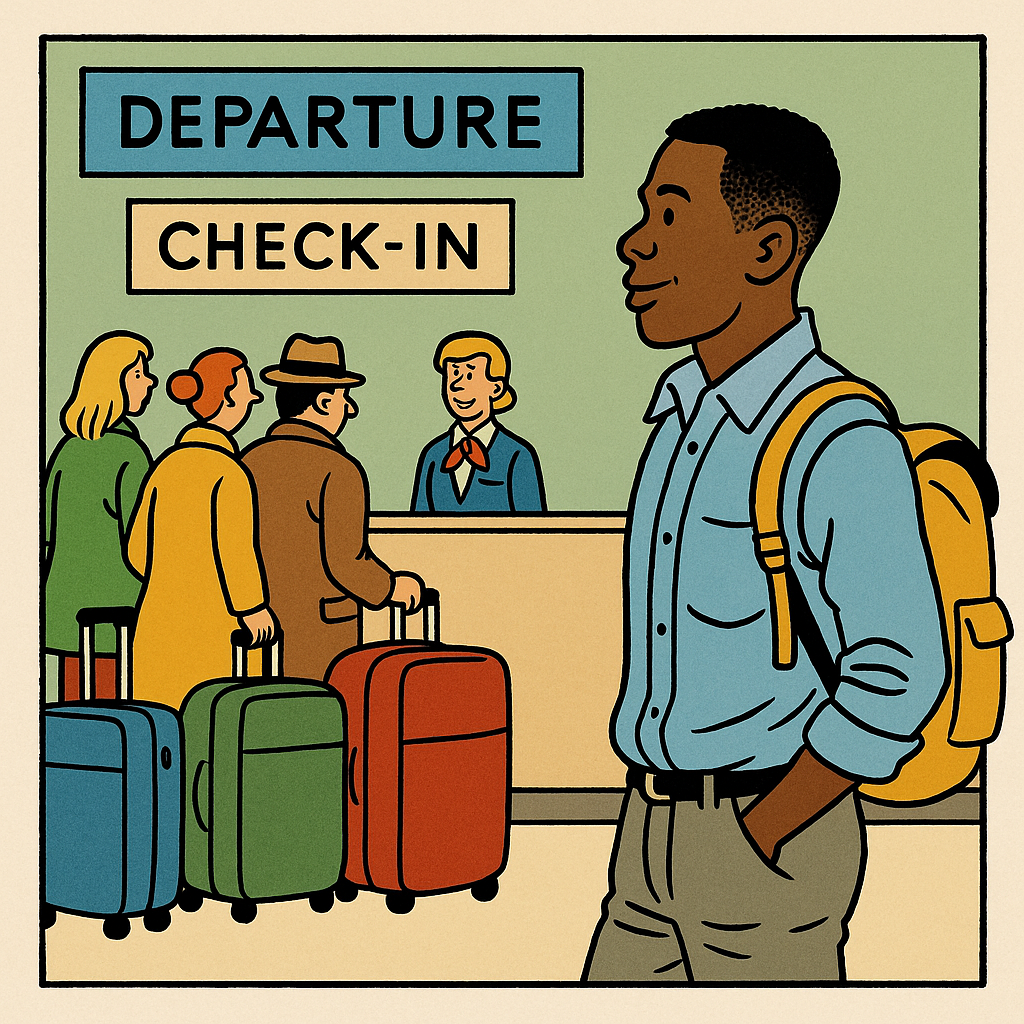
A man walks through the airport with a backpack, past travelers at the check-in desk carrying large suitcases

1. Embrace minimalism (and kiss clutter goodbye).

One of the secret perks of nomadic life? There’s only so much you can fit in a carry-on. Minimalism isn’t just aesthetic; it can be financial liberation. When you’re not tied to a lease, a car payment or endless Target runs, your budget suddenly breathes easier.

Stay flexible with your housing: Rotate between hostels, short-term rentals and local guesthouses, and lean into regions with a lower cost of living. Every month without a utility bill or pricey subscription is a win for your savings.

And beyond the dollars, there’s something quietly euphoric about realizing you don’t need much. The less you own, the lighter you travel — and the freer you feel.
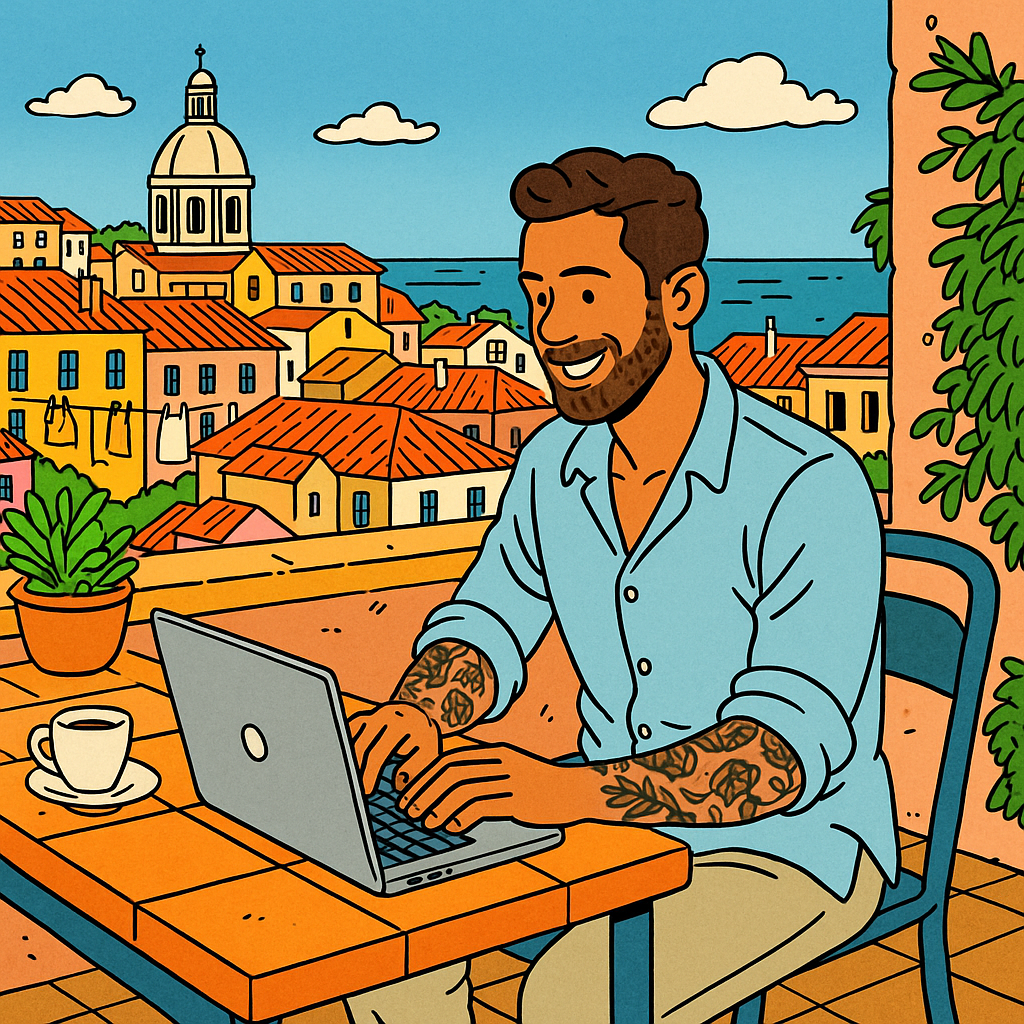
A man with arm tattoos smiles as he works on a laptop on a balcony overlooking Lisbon, Portugal

2. Build steady remote income.

Financial independence on the road starts with income that doesn’t care where your Wi-Fi signal comes from. Thanks to the global digital economy, your laptop is your office.

Writers, designers, developers, marketers — the world is your coworking space. Tap into platforms like Upwork, Fiverr or Freelancer, or pitch your services directly to clients who value remote talent. For the entrepreneurial set, content creation — blogs, YouTube channels, online courses — can evolve into sustainable, even passive income through ads, affiliate links and sponsored partnerships.

Diversify your revenue streams like a pro investor. That way, if one project fizzles, another keeps you afloat (and caffeinated).
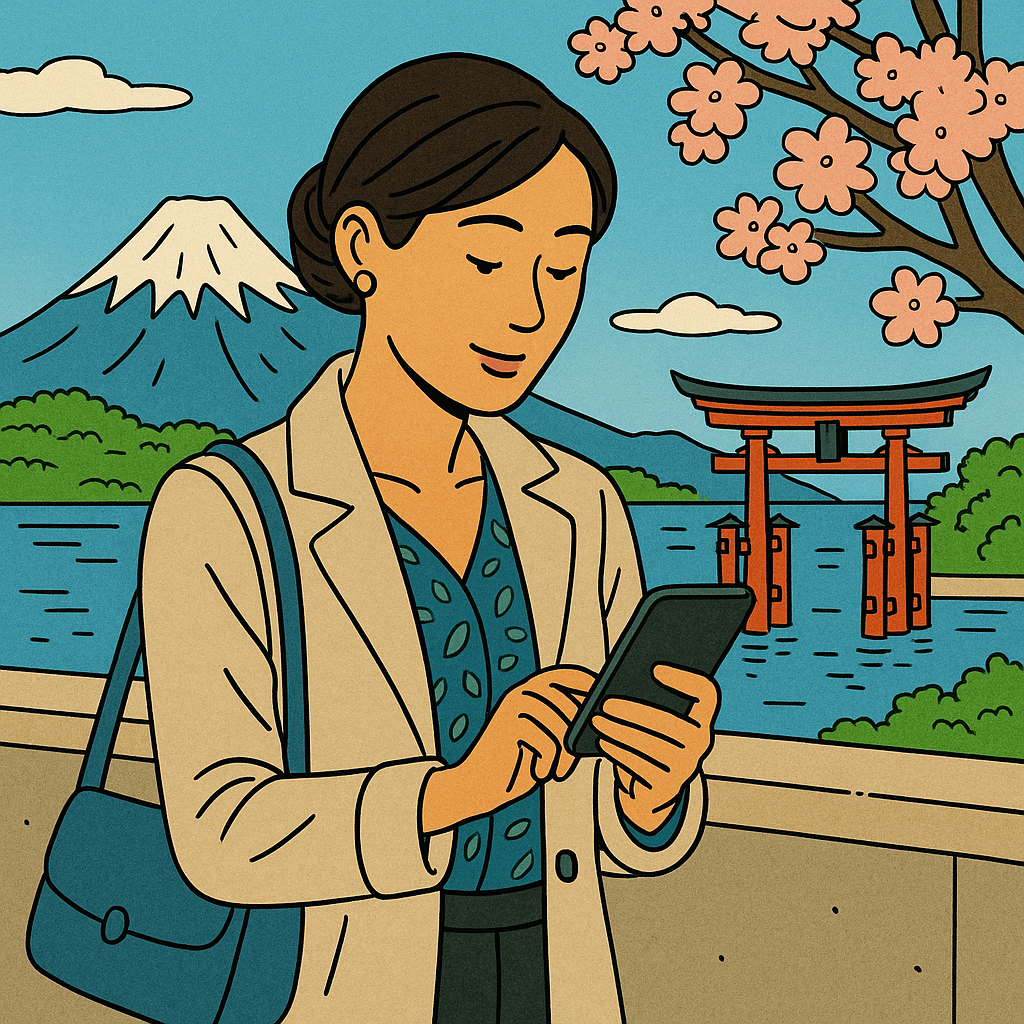
A woman on her smartphone by a Japanese lake, mountain and torii gate

3. Save and invest like it’s your next adventure. 

It’s easy to justify splurging on yet another scuba trip in Koh Tao, Thailand — but every dollar saved gets you closer to long-term freedom. The key is balance: Experience the world and fund your future.

Start with a simple budget that reflects your new lifestyle. With fewer fixed expenses, your savings rate can soar — but don’t let that money sit idle. Invest it. Set up tax-advantaged accounts like a 401(k) or IRA, or automate regular contributions to low-cost index funds and exchange-traded funds (ETFs). That’s where the magic of compounding quietly works behind the scenes while you’re off chasing sunsets.

And if you need guidance, resources like ThinkSaveRetire.com break down budgeting and early retirement strategies tailored to digital nomads.

A man in Andean garb works on his laptop, overlooking Machu Picchu in Peru

4. Automate your money.

You’ve got better things to do than juggle bill payments while crossing time zones. Automation is your best travel companion. Set up automatic transfers to your savings and investment accounts. Schedule recurring payments for credit cards, insurance and subscriptions.

Then let budgeting apps like Mint or YNAB track your spending and alert you before things go off the rails. They’re especially handy when currency exchange rates shift from one destination to the next.

Automation keeps your finances humming quietly in the background — no panic, no missed due dates, just smooth sailing.
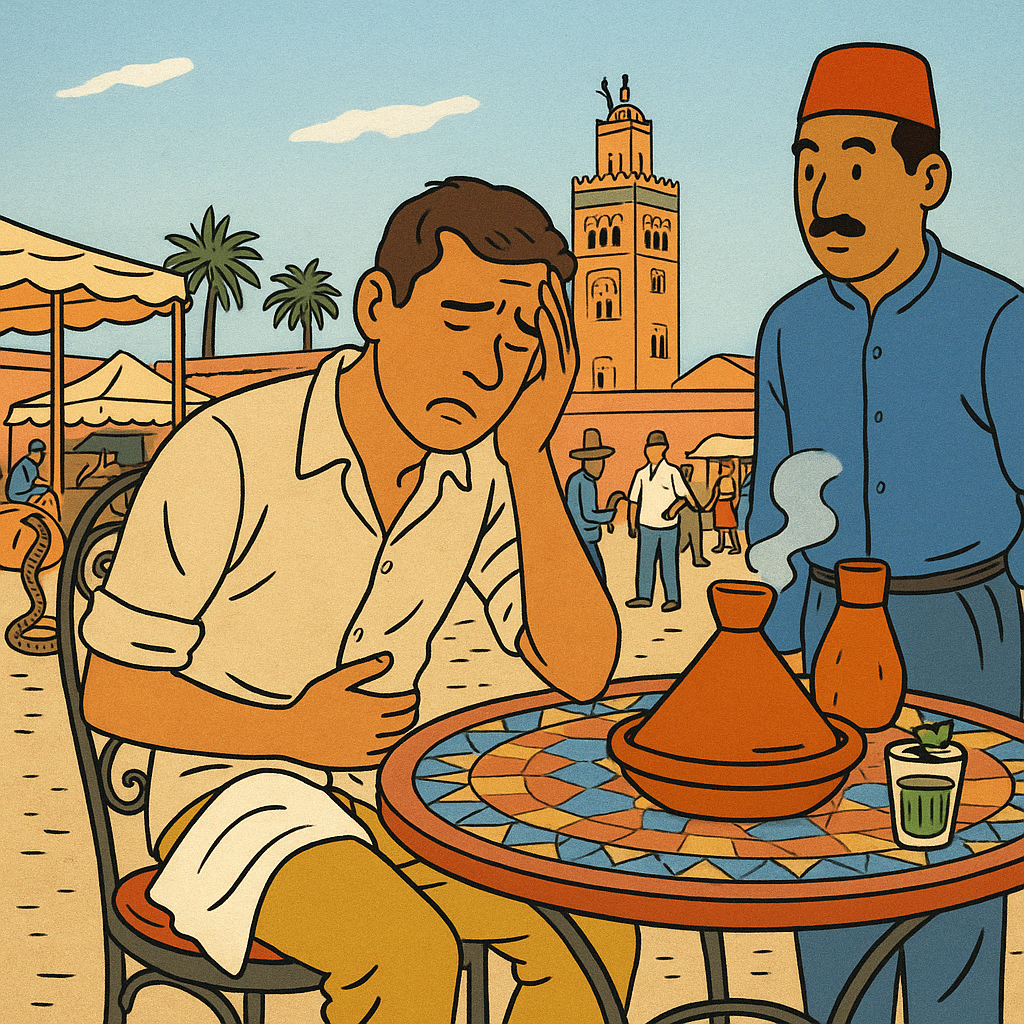
A man clutches his stomach at a cafe table in Djemaa-el -Fna, Marrakech, Morocco, while a waiter looks like and a tagine sits on the table

5. Don’t skip the boring stuff: insurance and healthcare. 

Freedom’s fun until you get food poisoning in Morocco. Health insurance isn’t glamorous, but it’s essential. Many digital nomads go for international insurance coverage that follows them across borders — flexible, comprehensive, and less of a headache than patchwork local policies.

Read more: Here’s how to pick the best travel insurance plan for your lifestyle.

Add a layer of protection with life or disability insurance to secure your future plans. The goal is peace of mind, not paranoia — but when you’re building long-term independence, a little planning goes a long way.

A man steers a sailboat through the Caribbean, past a small isle, while his wife sits next to him, reading a book

6. Think beyond early retirement. 

Early retirement isn’t the end of your financial journey; it’s the next adventure. If you plan to keep exploring after hitting financial independence, think about what sustainable income looks like long-term. Maybe it’s rental properties, dividend-paying investments, or a business that runs itself while you’re trekking the Andes.

The point is: Financial independence isn’t about stopping work. It’s about designing a life where you only do the work you love — and do it from anywhere.
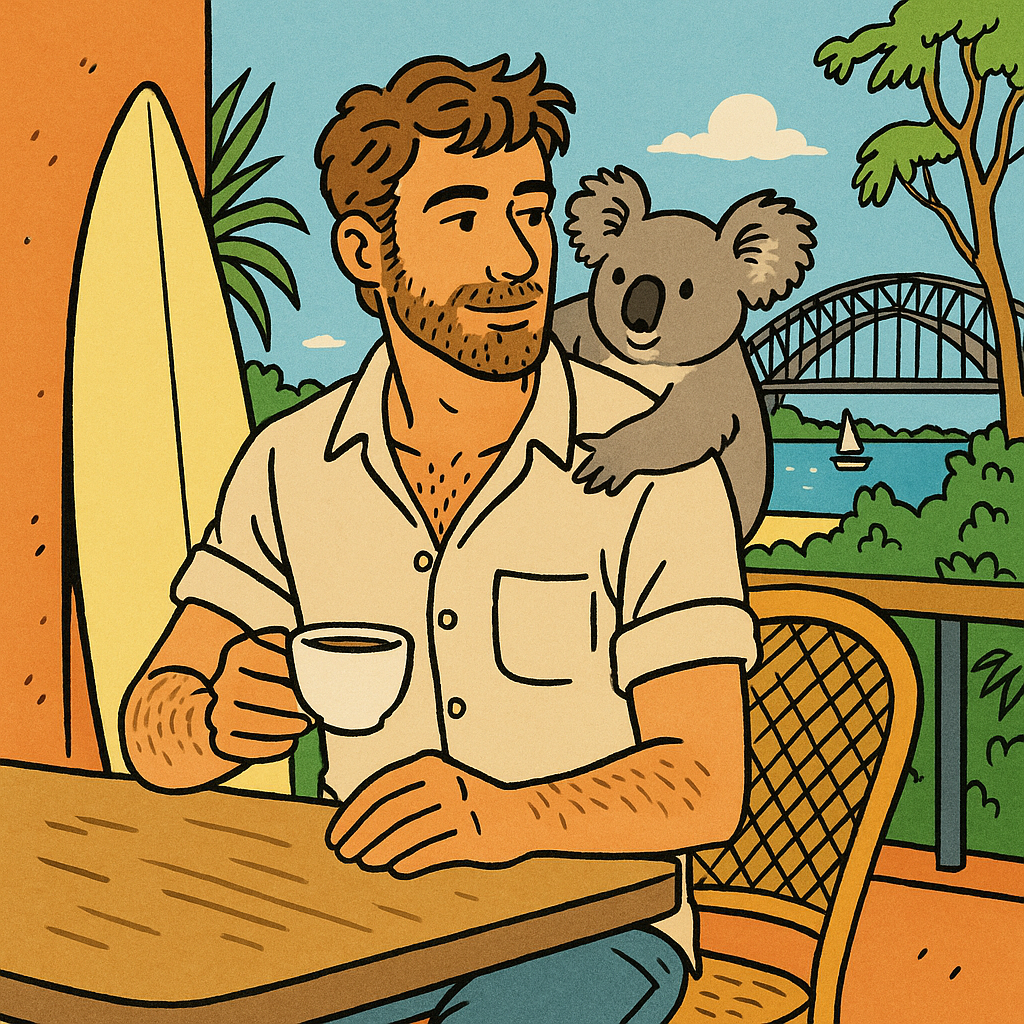
A man in Australia holds a coffee cup as a koala holds onto his back and shoulder, with a surfboard nearby and a bridge in the background

Living Free and Building Wealth

Financial independence and nomadic living aren’t opposites; they’re allies. With a minimalist mindset, multiple income streams and a little automation, you can craft a life that’s both adventurous and secure.

Freedom is about choice. So start now. Build your financial safety net, pack your essentials, and go see the world on your terms. –Christy Baker
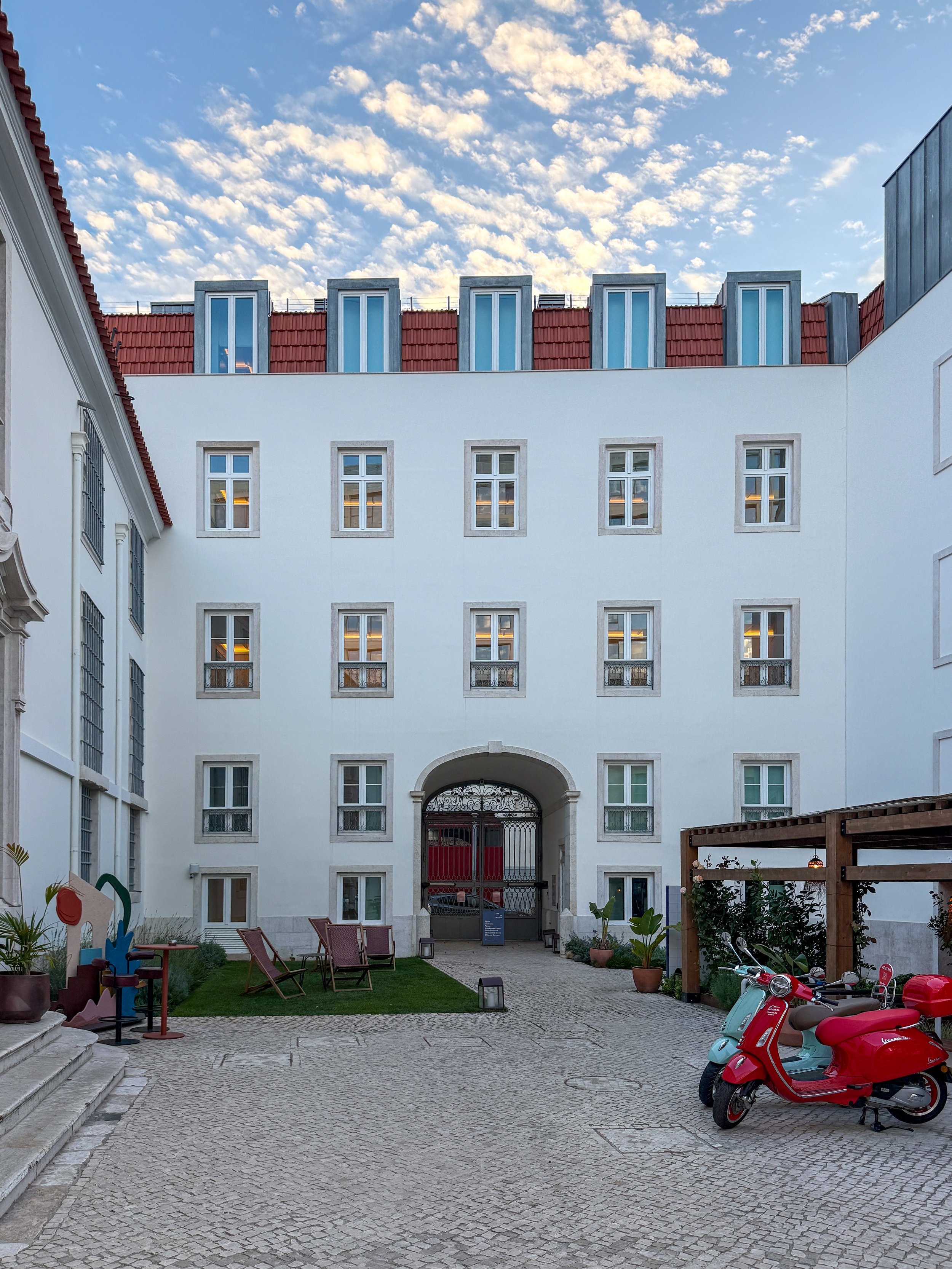
Locke de Santa Joana Hotel in Lisbon: From Convent to Chic Retreat

Want to spend a few nights in a converted 17th century convent in Lisbon? Look no further than the apartment-like rooms of Locke de Santa Joana. 

The Santa Marta wing of Locke de Santa Joana in Lisbon, with two Vespa parked in the courtyard

For me, one of the best parts of planning any trip lies in finding the perfect home base — a place within walking distance of the sights we want to see, yet far enough removed to kick back and unwind at the end of a day spent exploring. 

After narrowing down our options for Lisbon, Portugal, Locke de Santa Joana was a no-brainer. The property’s about a 15-minute cab ride from Lisbon Airport, located near Marquês de Pombal Square and Avenida da Liberdade — Lisbon’s grand, tree-lined boulevard modeled after Paris’ Champs-Élysées. It’s also within walking distance of the barrios históricos (historic neighborhoods) of Baixa, Chiado and Bairro Alto, home to many landmarks, shops and cafés.

Thanks to strict preservation laws, a large percentage of the original convent’s architecture remains untouched, including arches, columns and the azulejo tiles that can be seen throughout the hotel’s hallways.
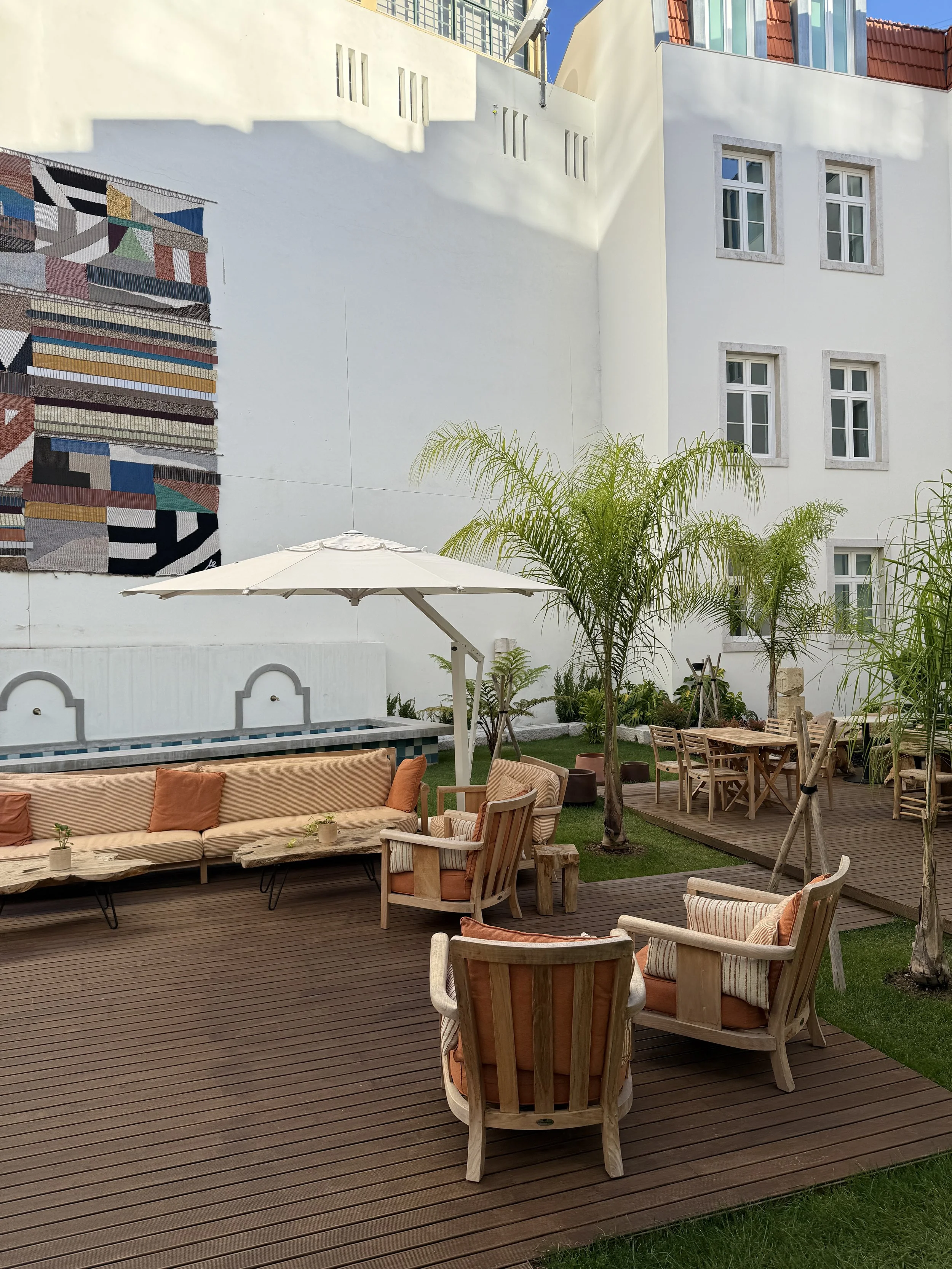
Looking down at the pool area in the interior courtyard of Locke de Santa Joana in Lisbon

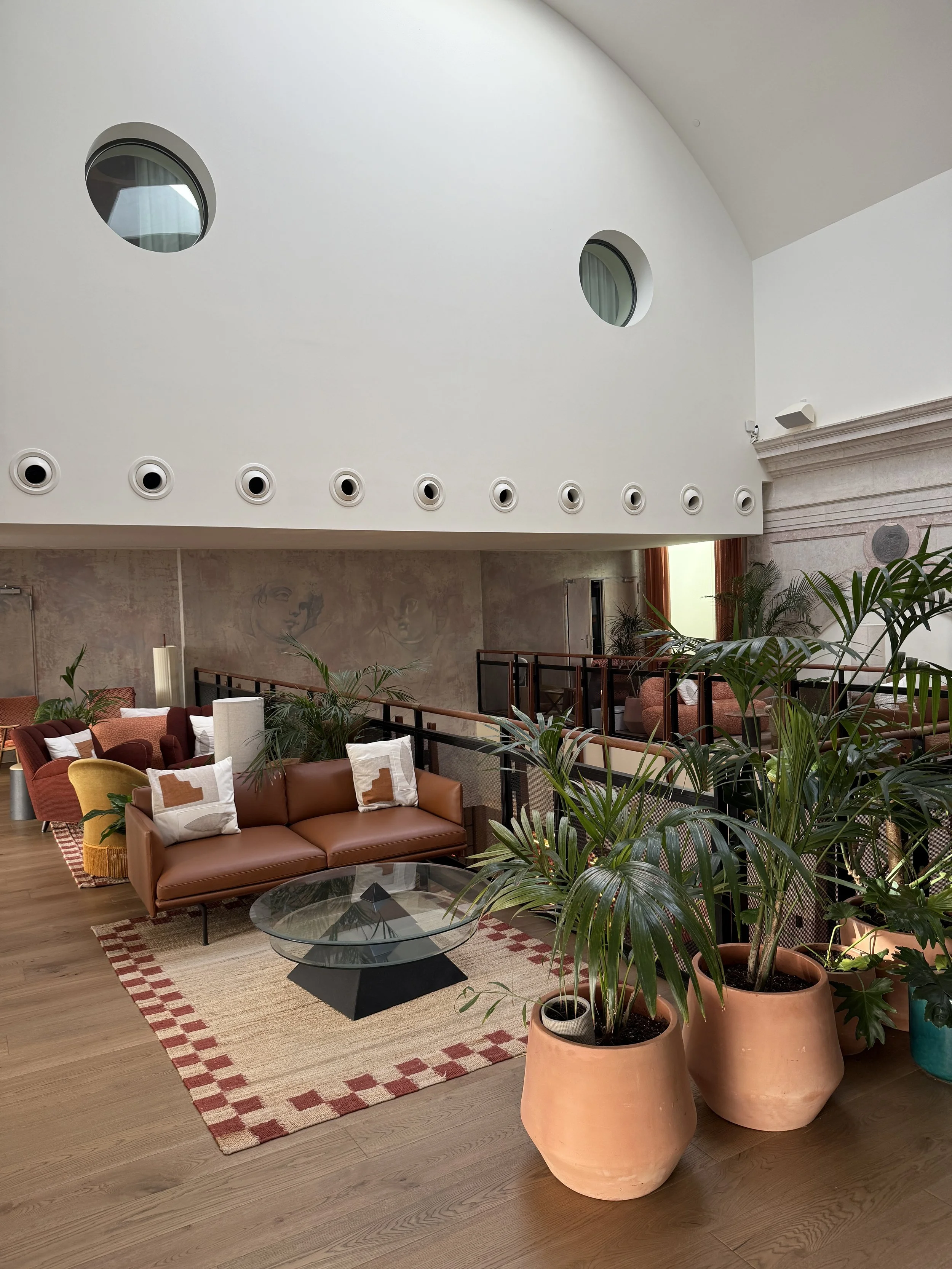
I was smitten from the moment Wally and I stepped into the lobby and passed Castro’s, the hotel’s in-house café. We were surrounded by a captivating mix of old and new: handpainted azulejo tiles unearthed during excavation, plush low-slung seating in rich hues of ochre, umber and cornflower blue, and clusters of tropical plants spilling from oversized terracotta pots, giving the space a laidback, residential warmth.

The original entrance to the convent at the now-hotel Locke de Santa Joana in Lisbon

A Brief History of Locke de Santa Joana

The hotel occupies four distinct buildings — Arte, Beato, Convento and D. Álvaro —  naming conventions that pay homage to its heritage, notable historical figures and the original purpose of the structures. 

Inside, you’ll find preserved artifacts from the former Convento de Santa Joana de Lisboa (Convent of Saint Joana), dedicated to Joana of Portugal, the princess and daughter of King Afonso V and Queen Isabella of Coimbra, who later took her vows as a Dominican nun and was beatified for her devotion.

The convent’s story begins in 1699, when the first buildings were established by the Dominicans of the Order of Preachers. For centuries, the complex housed nuns who lived largely in seclusion through prayer, work and self-sufficiency. 

Its buildings were heavily damaged during the catastrophic earthquake that struck Lisbon on All Saints’ Day in 1755 but were later repaired. Over a century later, the convent was officially decommissioned following the death of its last nun, and the property passed to the state. Over the ensuing decades, the buildings fell into disrepair and were repurposed for various uses. The last known occupant before the site's transformation into Locke de Santa Joana was a modest office used by the police department’s traffic division.

Looking back, I realize that we’ve stayed in more than a few places formerly dedicated to monastic life. 

Casa Antonieta in Oaxaca, Mexico was originally part of the Convent of San Pablo before becoming a private residence and, eventually, a boutique hotel. While in Córdoba, Spain’s serene Judería, Los Patios de Pañuelos occupies what was once a bishop’s manor. There’s something undeniably special about staying in a place that has a story to tell.

The upstairs bar at the Santa Joana restaurant at Locke de Santa Joana in Lisbon

The 370-room property is spread across four interconnected buildings, or blocks, with several offering views of the central courtyard terrace that houses the pool, outdoor bar and Santa Marta restaurant, located on Rua de Santa Marta, the street that provides an additional entrance to Locke de Santa Joana. The restaurant is open daily from 12 p.m. to 10 p.m., and serves Mediterranean fare, as well as wood-fired pizzas for when you’re craving something beyond traditional Portuguese cuisine. 

Fun fact: In Christian tradition, Santa Marta (Saint Martha of Bethany), sister of Lazarus and Mary, is the patron saint of hospitality, cooks, servants and innkeepers — basically the ultimate foodie and hostess. Makes you think the restaurant might have her blessing, don’t you?

A bedroom at Locke de Santa Joana in Lisbon

The Rooms of Locke de Santa Joana

Architecture studio Saraiva+Ássociados designed the modern Beato wing, fittingly named after Santo António (Saint Anthony), the patron saint of Lisbon, who, according to legend, began the construction of the Convento do Beato (Convent of the Blessed) with just seven tostões, a small denomination of currency, given as alms. 

Inside, Lázaro Rosa-Violàn oversaw the design of the hotel’s communal spaces, which gracefully honor its monastic past while embracing its new purpose as a luxury hotel. The guest rooms reflect the refined, modern sensibility of Brooklyn-based Post Company, blending comfort and contemporary style in every detail. 

Thanks to strict preservation laws, a large percentage of the original architecture remained untouched, including arches, stone columns, and the aforementioned centuries-old azulejos that can be seen throughout the hotel’s winding white hallways.

Full disclosure: We found ourselves lost several times due to inner staircases that required a key card to pass through and elevators that served only specific floors. And we weren’t alone; we passed quite a few fellow guests shaking their heads, unable to figure out how to get where they wanted to go. 

The kitchenette in a room at Locke de Santa Joana in Lisbon

We stayed in a Locke Studio in the Beato block for five nights, a space that perfectly balanced thoughtful design with understated comfort. The bathroom, tiled in dusty rose, featured a walk-in rainfall shower, thick cotton towels and toiletries by Kinsey Apothecary.

The queen-size bed was soft and inviting, and above it hung a framed textile by Peruvian artist Ana Teresa Barboza. Woven from dyed cotton and wool fibers, the piece reflected the colors of Lisbon and incorporated fragments of a geological map of Portugal, to create a layered, tactile homage to the city’s history. 

A curved wooden frame with subtly rippled glass separates the sleeping area from a well-equipped kitchenette, complete with a Nespresso coffee machine, washer/dryer, mini-fridge, dishwasher, sink, oven and two-burner induction cooktop. 

The kitchenette is a nice touch — we enjoyed being able to have leftovers for dinner one evening. 

There’s also a sofa that’s perfect for lounging and a small dining table and chair where you can linger over your morning coffee.

A bathroom at Locke de Santa Joana in Lisbon

At one point, Wally peered down from our room’s large windows, saw a couple of young women lounging with books by the pool, and remarked that the scene gave him serious White Lotus vibes. 

Heads up — this isn’t your typical hotel. Housekeeping is limited to weekly service, or midway through longer stays, though extra cleanings can be arranged upon request. The upside? You get your own beautifully designed space to actually live in, not just stay in.

Drinks on a tray at Kissaten, a bar at Locke de Santa Joana in Lisbon

Food and Drink Options at Locke de Santa Joana

Breakfast is served daily from 7 a.m. to 10:30 a.m. at Santa Joana, the hotel’s namesake restaurant, located inside the centrally situated Arte building, which features the restored façade of the former 17th century convent. Like other guests, we entered through the courtyard and checked in with the host before going inside. 

Looking down at the tables at the restaurant at Locke de Santa Joana in Lisbon

The restaurant’s interior is a feast for the eyes, blending preserved architectural elements with contemporary design. Its grand dining room features soaring ceilings, pink marble tables, and a focal wall adorned with modern tribal masks reduced to geometric shapes in blush, brick and aubergine tones by Lisbon-based Grau° Cerâmica. Like the lobby, the room is filled with greenery, offering privacy between the tables and upholstered banquettes.

The patio for outside dining at the Santa Joana restaurant at Locke de Santa Joana in Lisbon

The indulgent buffet covers table after table, offering a variety of thinly sliced cured meats, including presunto, the Portuguese take on prosciutto, along with smoked salmon, local cheeses, fruit, yogurt and freshly squeezed juices, as well as a selection of freshly baked breads and pastries, including the legendary pasteis de nata. There are also self-serve hot options such as scrambled eggs, sausage, bacon and roasted potatoes.

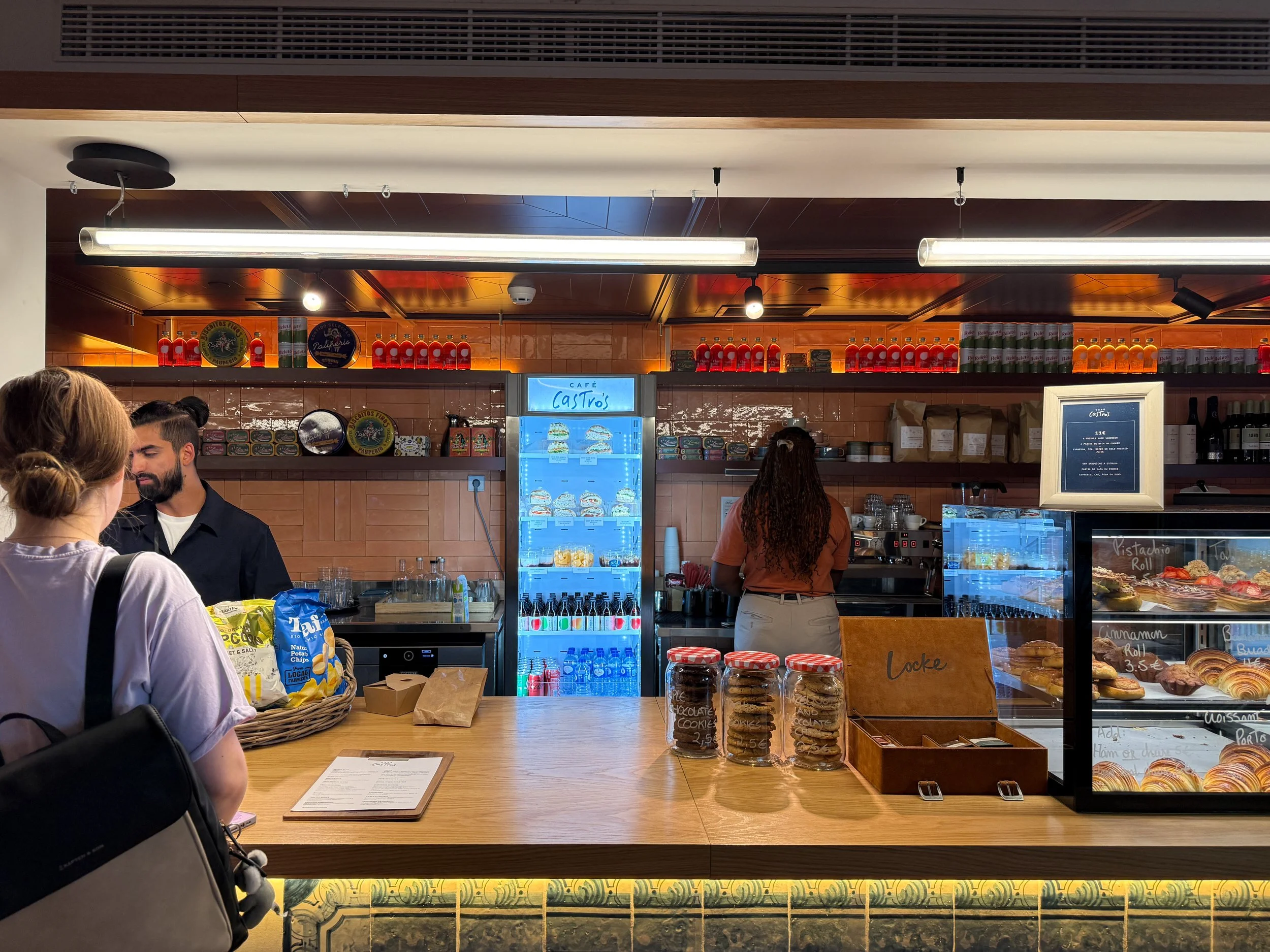
Castro's coffee bar in the lobby of Locke de Santa Joana in Lisbon

Castro’s was our first stop before heading out each morning and offered a variety of pastries, sandwiches, cookies and of course coffee. I regret not purchasing a pistachio cookie but somehow found the willpower to restrain myself. 

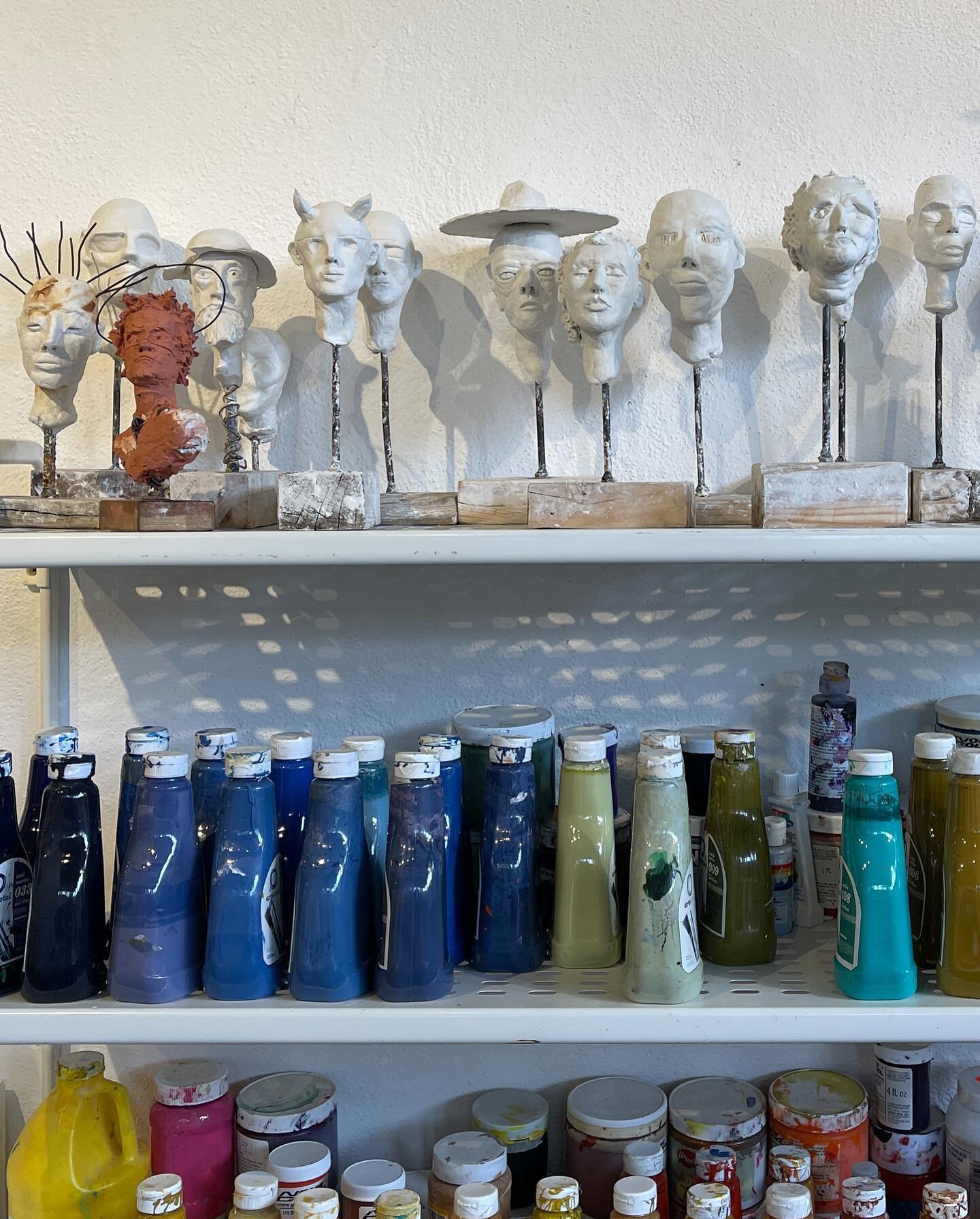
A teal speaker and bottles at Kissaten, a bar at Locke de Santa Joana in Lisbon
We ended one evening at Kissaten (which Wally of course called Kiss & Tell), the hotel’s late-night Japanese jazz kissa — a listening bar where the soundtrack drifted from jazz to blues, rock, soul and singer-songwriter classics. The menu boasts Lisbon’s largest whiskey collection, curated by Glasgow-born expert Dave Broom. 

We loved the vibe of the dimly lit lounge and cozied up to the bar. I snapped a photo of the menu and sent it to my dad — he’s a bit of a connoisseur — who suggested Compass Box, but I ended up ordering the Spicy Mezcalita, a bright, smoky mix of mezcal, yuzu, lime and jalapeño. Wally went for the Plum, a smooth, refreshing blend of Japanese whisky, plum, sake and soda water. We probably would’ve ordered a second round if we hadn’t been getting up early the next morning for a tour of Castelo de São Jorge

People lay on double lounge chairs by the pool at Locke de Santa Joana in Lisbon

Service and Amenitites 

From the moment we arrived, the genuine warmth and hospitality of the staff made a lasting impression. Everyone we met was friendly, attentive and went above and beyond to ensure our stay was as comfortable as possible. 

I overheard a man (one half of a couple who was checking out on the day we arrived) say to the concierge, “We didn’t get to enjoy the pool.” When the concierge asked why, he deadpanned, “Because we’re British.”

I’d packed our swimsuits knowing there was a pool, but, alas, like the British pair, the most we managed was to relax poolside on sun loungers with a cocktail one late afternoon. 

Part of the modern structure at Locke de Santa Joana in Lisbon

While Santa Joana is right in the thick of it, step inside, and suddenly, you’re in an unexpected oasis that feels about as far from the city chaos as you can get. 

So, if you’re looking for a chic Lisbon base beyond the traditional hotel format, Locke de Santa Joana is just the place. –Duke

The front entrance to Locke de Santa Joana in Lisbon

Locke de Santa Joana

Rua Camilo Castelo Branco, 18
1150-084 Lisbon
Portugal 

The Smarter Way to Stay Near Barcelona: Rent a Villa in Sitges

Looking for a place to stay near Barcelona? Just 30 minutes away, Sitges combines a gay-friendly beach vibe with easy city access. Here’s why renting a villa in Sitges might be the smartest move for your next trip.

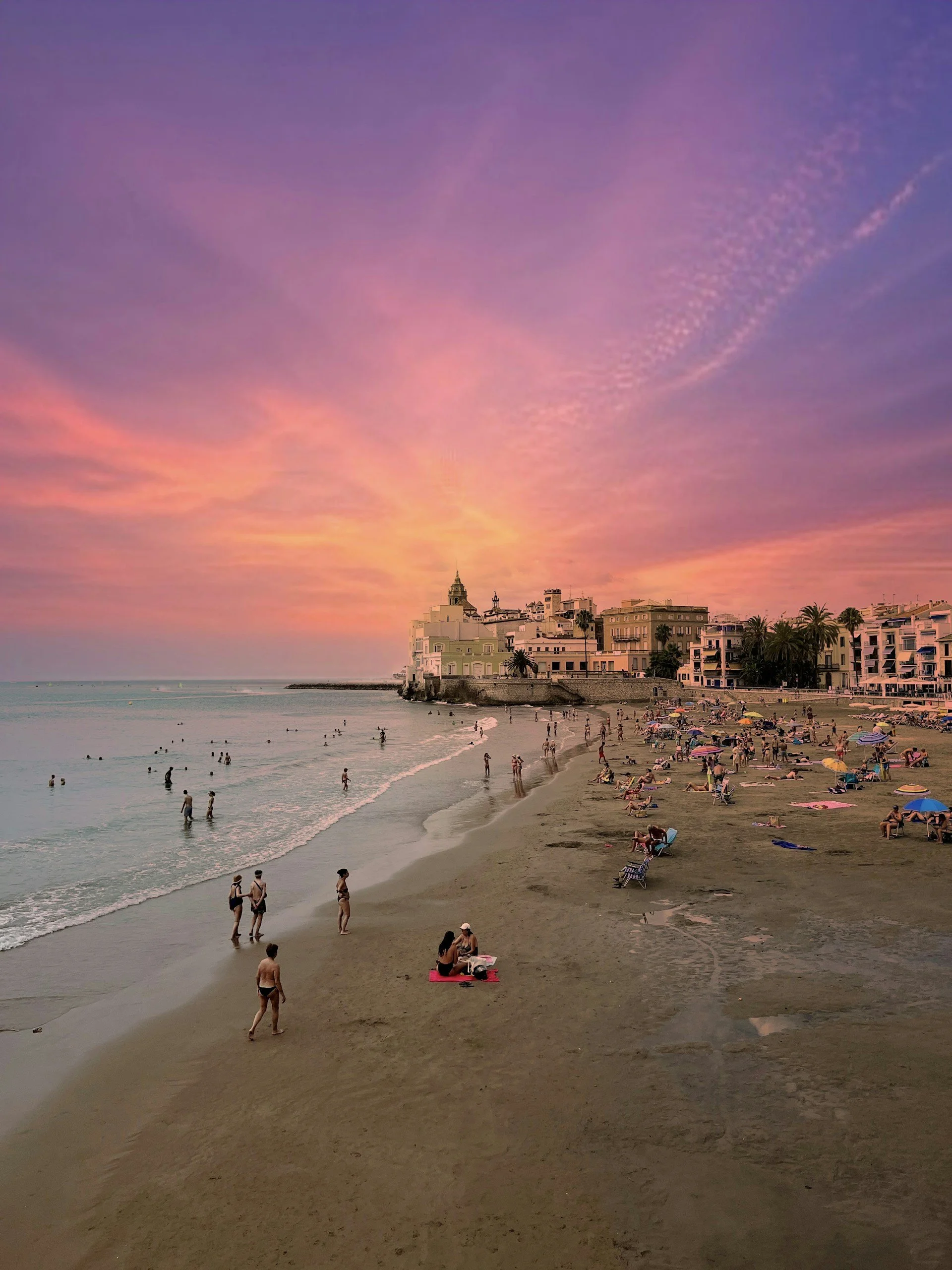
The waterfront of Sitges, Spain at sunset

Barcelona gets a lot of love — and rightfully so. It’s a city bursting with culture, creativity and food that makes you want to cancel your return flight. But if you’re planning a trip to this part of Spain and want a slower, more intimate experience without sacrificing access to the city, it’s worth looking just a bit down the coast.

Welcome to Sitges, a seaside town with enough charm to rival its famous neighbor — and a growing reputation as one of the best spots in Catalonia for relaxed, authentic travel.

Beachgoers on the sand and in the water in Sitges, Spain, with a purplish pink sunset

So Why Sitges?

Sitges sits just 30 minutes from Barcelona by train, but it offers a very different rhythm. With its whitewashed façades, palm-lined promenades, art galleries and hidden beaches, Sitges feels like a Mediterranean postcard come to life. It’s long been a favorite of artists, writers and other creatives, and in recent years, it's become a go-to for travelers seeking a mix of beachside tranquility and cultural flair.

You’ll still find great food (from local seafood to global fusion), a lively LGBTQ+ scene and plenty of opportunity to dance until dawn. But you’ll also find moments of quiet: morning walks by the sea, wine tastings in the hills of Penedès, and long, unhurried lunches.

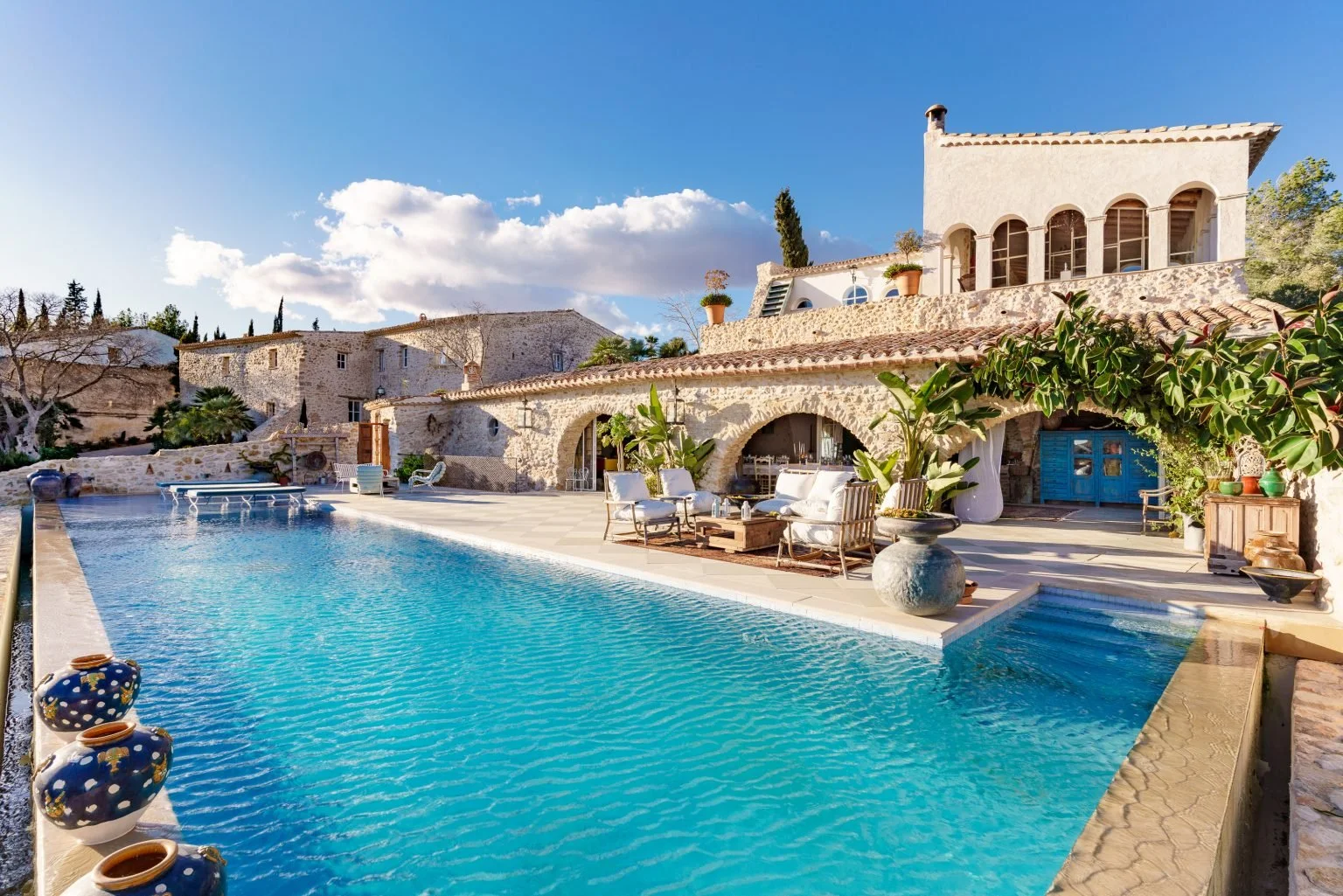
A Mediterranean-style villa with large pool in Sitges, Spain

Why Choose a Villa Over a Hotel?

When most people plan a trip to Spain, they default to hotels or rentals in the city. But Sitges offers a different kind of accommodation — one that’s growing in popularity, especially for longer stays or group travel: private villas.

So, what makes a villa special?

  • Space: Villas often come with multiple bedrooms, living areas, private gardens and pools — making them ideal for families, friend groups or even digital nomads seeking more comfort.

  • Flexibility: There’s no need to wake up for the hotel breakfast or worry about noisy hallways. You eat when you want, swim when you want, and relax on your own schedule.

  • Connection: Villas create a different kind of experience. Cooking together, lounging by the pool, having conversations over wine at sunset — it’s the kind of setting that invites you to truly connect with your travel companions.

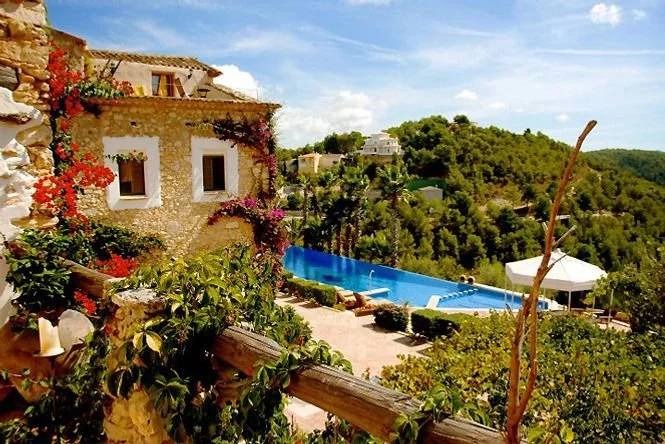
A tan stone villa with pool and greenery in the hills of Sitges, Spain

What to Look For in a Villa Stay

Not all villas are created equal, of course. Some are better suited for couples, others for large groups or remote workers. If you’re considering this kind of stay in Sitges, here are a few things to keep in mind:

  • Location: Some villas are tucked away in the hills with panoramic views, while others are walking distance to the beach or town center. Choose based on your priorities: peace and quiet or easy access to town.

  • Amenities: A pool, outdoor dining area, well-equipped kitchen and air conditioning are essentials during summer. Some villas also offer concierge services, bike rentals or yoga sessions.

  • Local insight: Booking through platforms that know the area — or local agencies — often gives you access to insider tips that make your stay even better.

A modern white villa with pool in Sitges, Spain

Where to Start Your Search for a Sitges Villa

There are plenty of platforms to browse villa rentals, from the big global ones to smaller local specialists. One option worth exploring is Utopia Villas, a Sitges-based company that curates a selection of stylish, well-located properties across the region. They offer villas for different types of travelers and budgets, and can also help organize extras like airport transfers or private chefs.

If your idea of a good trip includes space to breathe, the sound of waves instead of city traffic, and the chance to live more like a local than a tourist, renting a villa in Sitges might be your best move.

It’s a slower, more intentional kind of travel — one where you don’t just visit, but stay. –Sophia Martin


Sophia Martin is a travel writer who focuses on Mediterranean destinations. She has explored Spain’s coast, from Costa Brava to Sitges, and writes about local culture, food and travel experiences. When not writing, she enjoys wine tasting and sketching seaside towns from a café terrace.

Underrated Weekend Getaways From San Diego

Perfect weather. Gorgeous beaches. Ho hum. From Julian to Baja Wine Country, these underrated weekend getaways from San Diego offer desert stars, mountain cabins, Mexican vineyards, retro pool scenes and all the apple pie you can handle.

A palm tree-lined road in San Diego, leading to the water, at sunset

Let’s be honest: Living in San Diego is both a blessing and a trap. Sunshine 300 days a year. Fish tacos everywhere. Beaches that make postcards jealous.

So why on Earth would anyone want to leave?

The thing about living in San Diego is that the constant perfection can start to feel monotonous.

That’s why it’s essential to escape, even if it’s just for a weekend.

Because perfection gets boring. Eventually, even the world’s most ideal climate starts to feel like a screensaver that won’t turn off. And when that happens, you need to swap your palm trees for pine trees, your surfboard for a road map, and your Baja hoodie for something that actually counts as a jacket.

Here’s how to do that — without joining the crowds in L.A. or pretending Joshua Tree isn’t overrun.

Snow covers the ground at Lake Cuyamaca near Julian, California

1. Julian (for Pie, Pines and People Who Think Snow Is a Novelty)

An hour east of San Diego, Julian feels like stepping into a parallel universe where the air smells like apples and nobody owns a surfboard. The town sits in the Cuyamaca Mountains, complete with crisp air, gold rush history and a suspicious number of pie shops.

Go in autumn if you can — apple-picking season turns the place into a Hallmark movie, minus the sappy soundtrack. In winter, there’s even snow. Actual snow! For San Diegans, it’s practically witchcraft.

Stay overnight, hike around Lake Cuyamaca, and leave with the smug glow of someone who “did the mountains this weekend.”

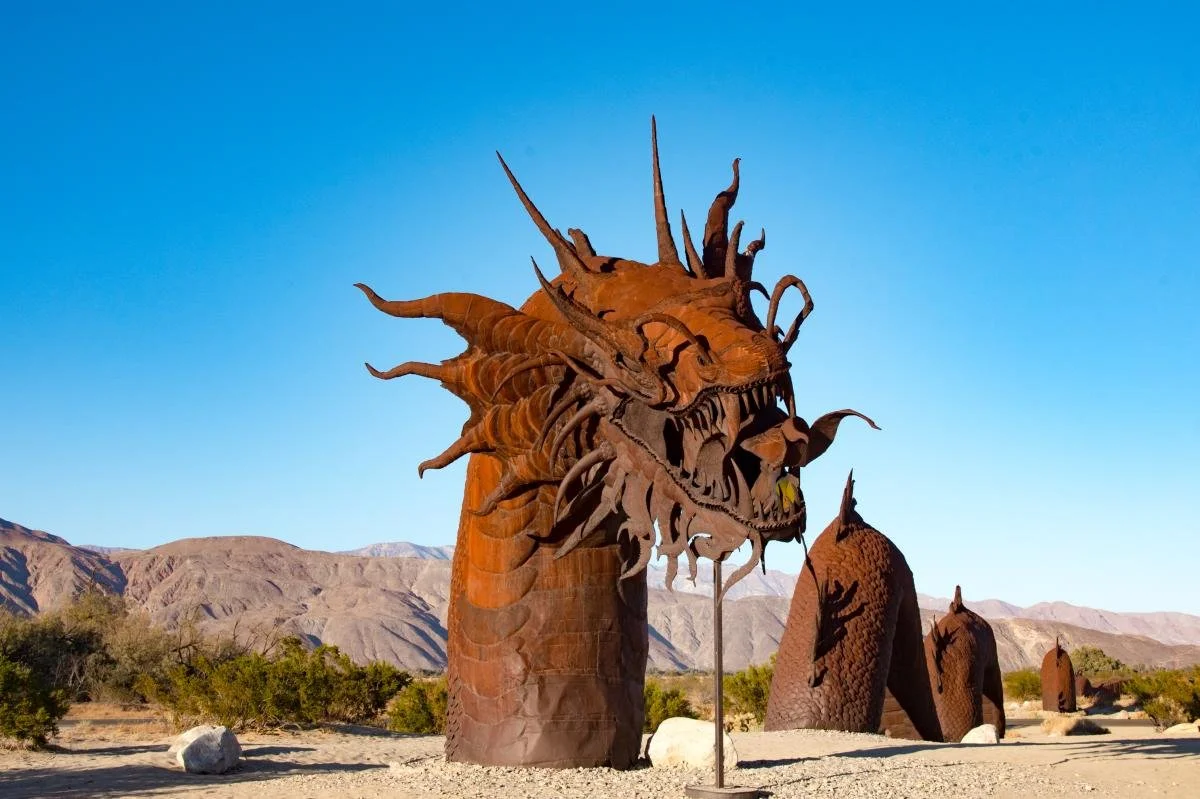
A giant brown snake sculputre in the desert at Borrego Springs, California

2. Borrego Springs (Desert Solitude With Bonus Giant Lizard)

Two hours northeast lies Borrego Springs, the only International Dark Sky Place in California. Translation: The stars are so intense, they look like they’ve been Photoshopped.

By day, explore Anza-Borrego Desert State Park. Think canyons, slot trails and giant metal sculptures scattered through the sand. The 350-foot serpent alone is worth the drive (and the photos).

By night, grab a drink at a local dive, then lean back and watch the Milky Way show off. It’s as close as you’ll get to peace without joining a silent retreat.

Colorful chaise deck chairs by a pool at a Mid-Century Modern home in Palm Springs, California

3. Palm Springs (Mid-Century, Modern Escape)

Palm Springs isn’t exactly a secret, but it remains one of the easiest transformations you can make in a single afternoon: from San Diego surf rat to martini-sipping poolside minimalist.

The desert heat, the Mid-Century design, the ridiculous pool floats — it all works. Rent a retro Airbnb or book a spa hotel, and spend the weekend pretending you’re in a Slim Aarons photo.

Yes, it’s a bit performative. That’s half the fun.

Vineyards in the misty hills of Baja Wine Country in the Valle de Guadalupe, Mexico

4. Baja Wine Country (The World’s Most Chill Vineyard Scene)

Cross the border and drive an hour south into Valle de Guadalupe, Mexico’s not-so-secret wine country. It’s Napa … if Napa cost half as much and didn’t take itself so seriously.

You’ll find open-air restaurants, rolling vineyards and boutique hotels built from reclaimed shipping containers. Order a mezcal cocktail you can’t pronounce, and accept that you’ll probably come home with a few extra bottles.

Pro tip: The sunsets here are the kind that make your phone camera give up and say, “Just live in the moment.”

Trees and a rocky stream near Idyllwild, California

5. Idyllwild (A Forest Hideaway for People Who Still Own Flannel)

Two hours north, tucked into the San Jacinto Mountains, is Idyllwild — a tiny town of artists, hikers and dogs who all seem suspiciously happy. It’s cabin country at its best: pine needles underfoot, jazz bars at night, and trailheads that start behind coffeeshops.

It’s the ideal reset button after a week of traffic, Slack notifications and ubiquitous oceanfront.

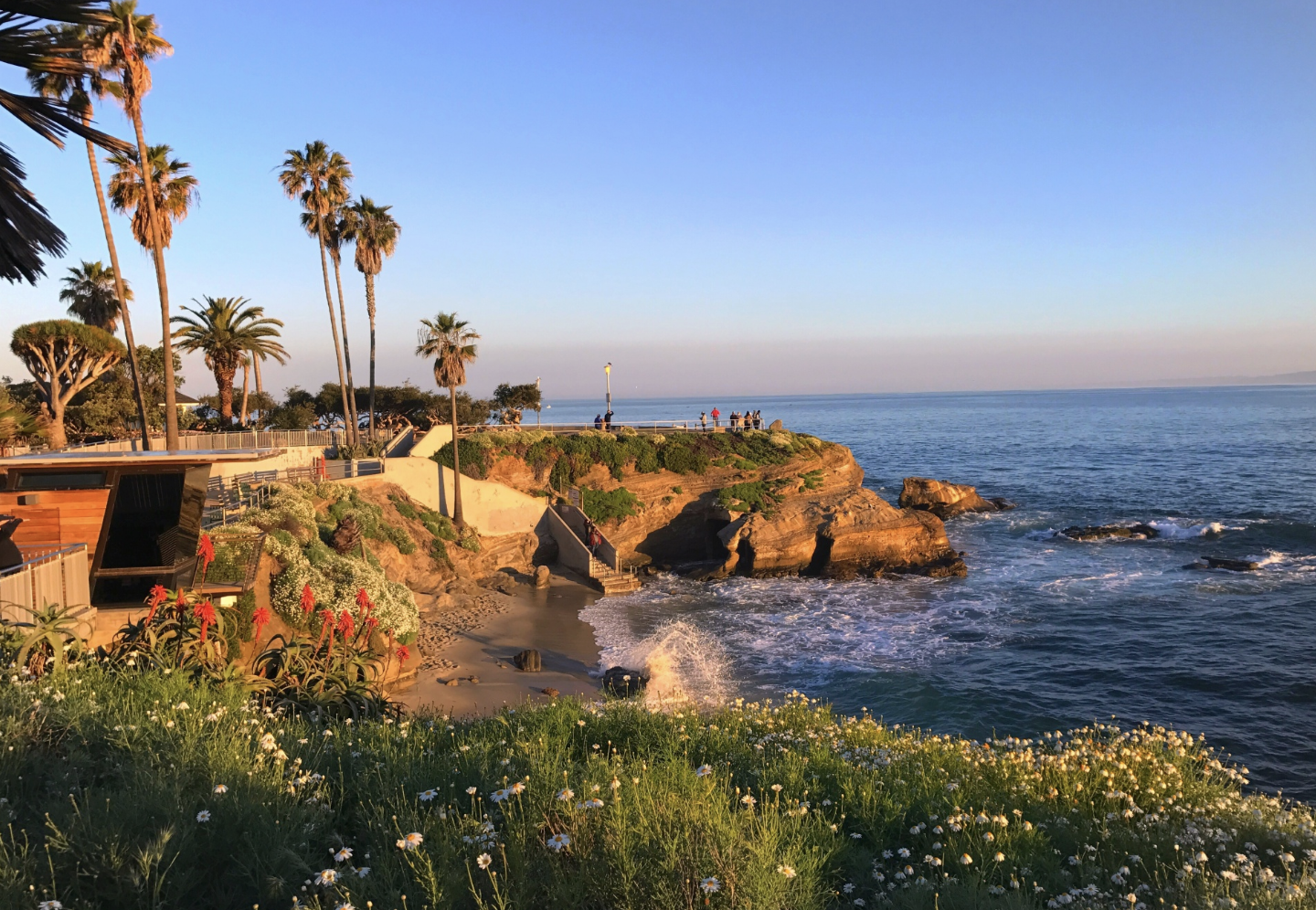
A rocky promontory with flowers and palm trees in San Diego overlooks the Pacific Ocean

The Joy of Leaving Paradise

If you’ve ever thought, “I need a vacation from my vacation city,” you get it. The thing about living in San Diego is that the constant perfection can start to feel monotonous. That’s why it’s essential to escape, even if it’s just for a weekend.

You don’t have to plan it from scratch, either. Here’s a curated list of weekend getaways from San Diego that’ll help you find your next mini-adventure — whether that means soaking in a hot tub with mountain views or eating your body weight in pie.

The trick isn’t leaving San Diego forever; it’s remembering that there’s a whole world beyond your idyllic bubble. Sometimes, stepping into the desert or up into the mountains makes you appreciate the beach even more.

And when you roll back into town, tanlines fading and cooler full of wine, you’ll remember why you live here in the first place.

Just don’t tell the tourists that paradise actually gets old. It’ll ruin the mystique. –Shahroz Yousaf


How Traveling Opens the Mind and Nurtures Empathy and Innovation

Discover how travel fuels real-world learning and personal growth. Explore how cultural immersion strengthens empathy, creativity and adaptability.

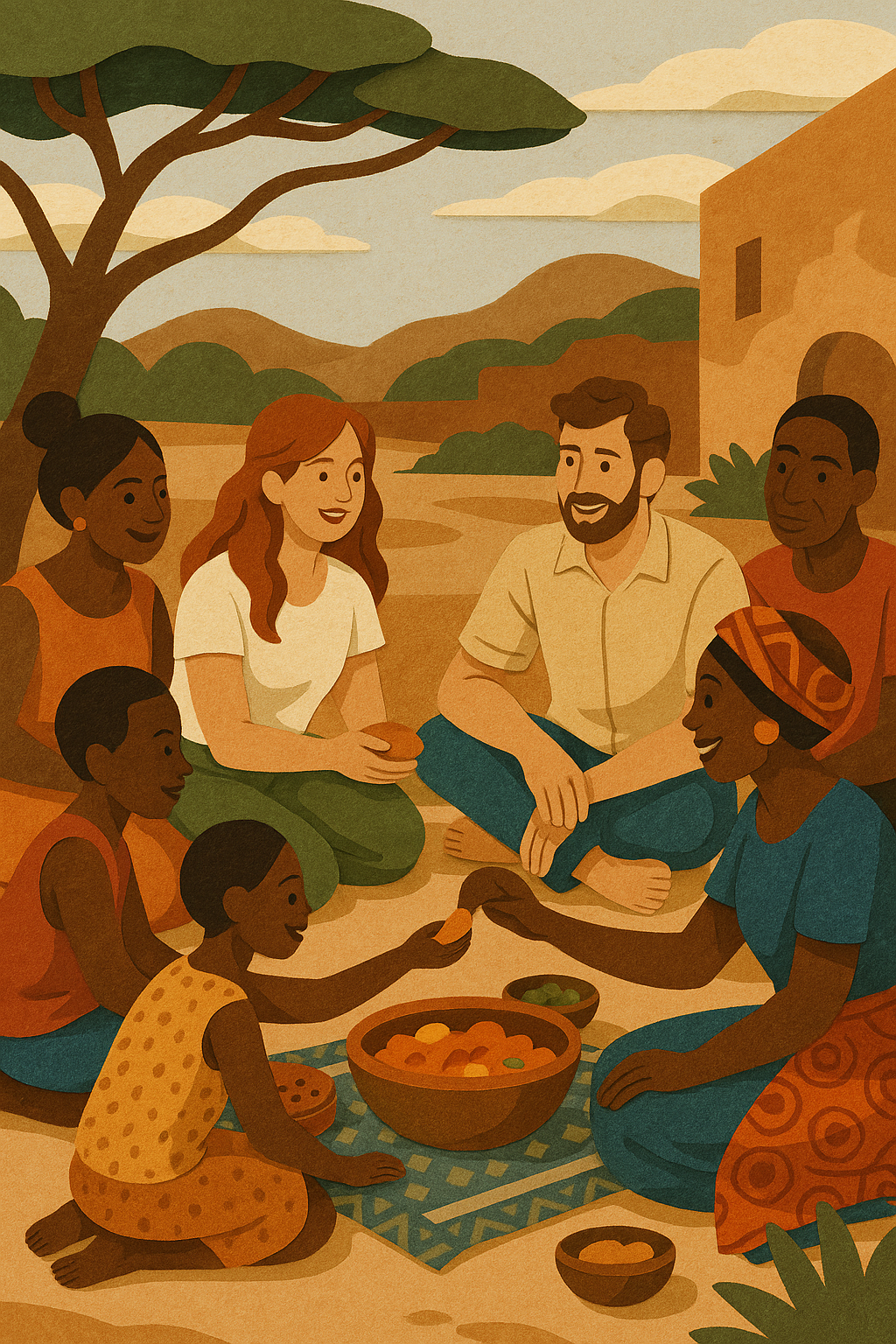
A couple shares a family meal on the ground with an African family

Traveling is more than collecting stamps in your passport. It’s a transformative journey that expands your worldview and deepens your understanding of humanity.

If you’ve ever lived in New York, you might’ve heard of the F-03 practice test for a certification exam firefighters and building safety staff take to prove they can stay calm under pressure and make quick, critical decisions. In a way, travel does something similar for the rest of us. It tests our ability to adapt, think clearly and find our footing in unfamiliar territory. But instead of fire alarms and emergency exits, the challenges come as flight delays, language barriers, and moments that test patience, humility and humor.

Every new city, culture and conversation becomes a lesson in empathy, adaptability and creativity — the kind no written exam can prepare you for.

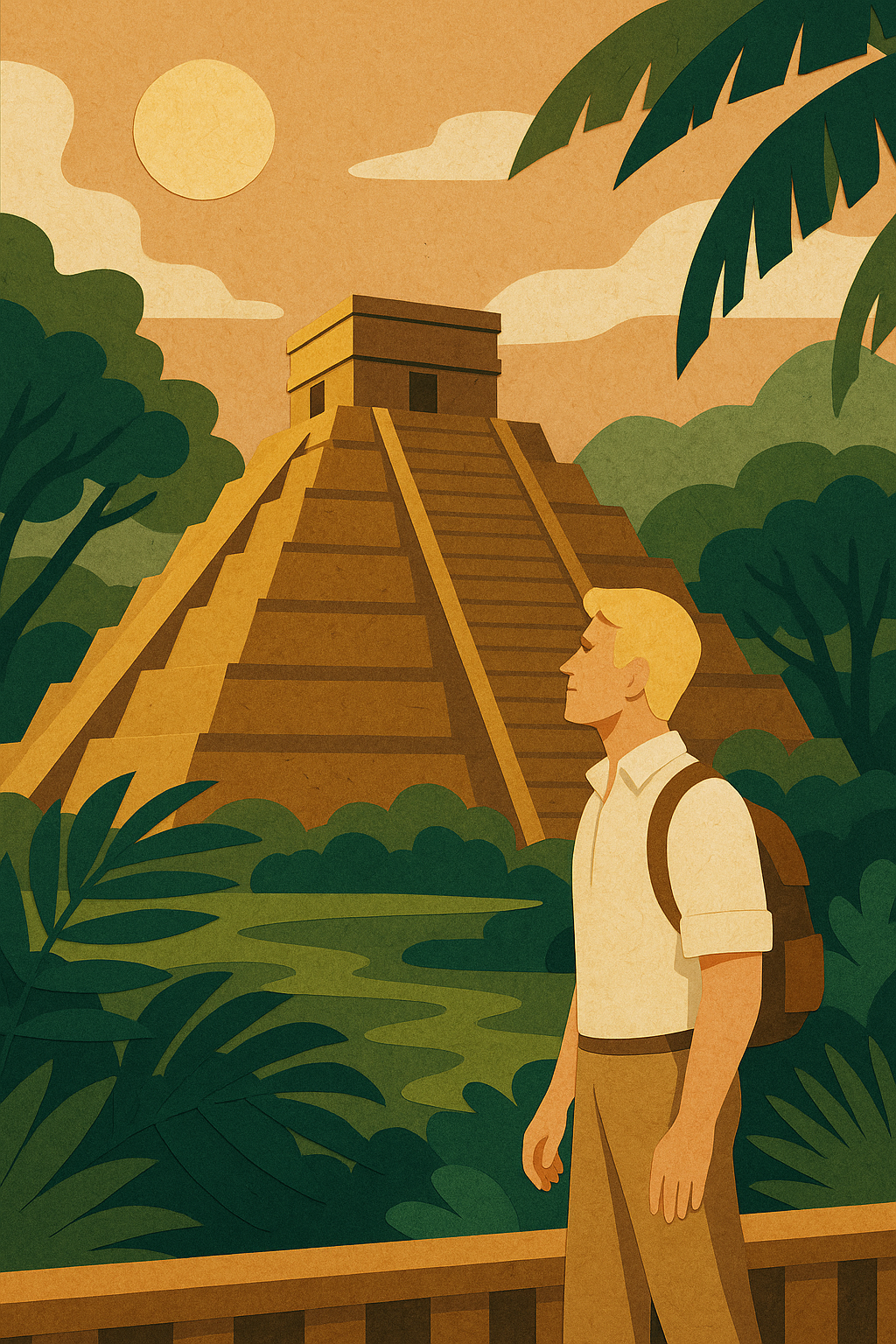
A man gazes up at a temple at Chichen Itza in Mexico

The Transformative Power of Travel

There’s a reason so many writers, thinkers and entrepreneurs describe travel as the greatest education. When you step into an unfamiliar environment, you engage your brain in deep learning — not just memorizing facts, but decoding culture, language and behavior in real time.

1. Learning beyond the classroom

Traditional education leans on theory and memorization. Travel, on the other hand, is unapologetically hands-on. You’re not just learning about transportation systems — you’re standing in a foreign subway station trying to buy the right ticket. You’re not just reading about customs — you’re living them, and occasionally getting them wrong in the most endearing ways.

2. Building cultural intelligence

Cultural intelligence (CQ) is the ability to relate to and work effectively across cultures — a skill that’s invaluable in an interconnected world. Travel builds CQ by challenging your assumptions and exposing you to unfamiliar norms that broaden your empathy and worldview.

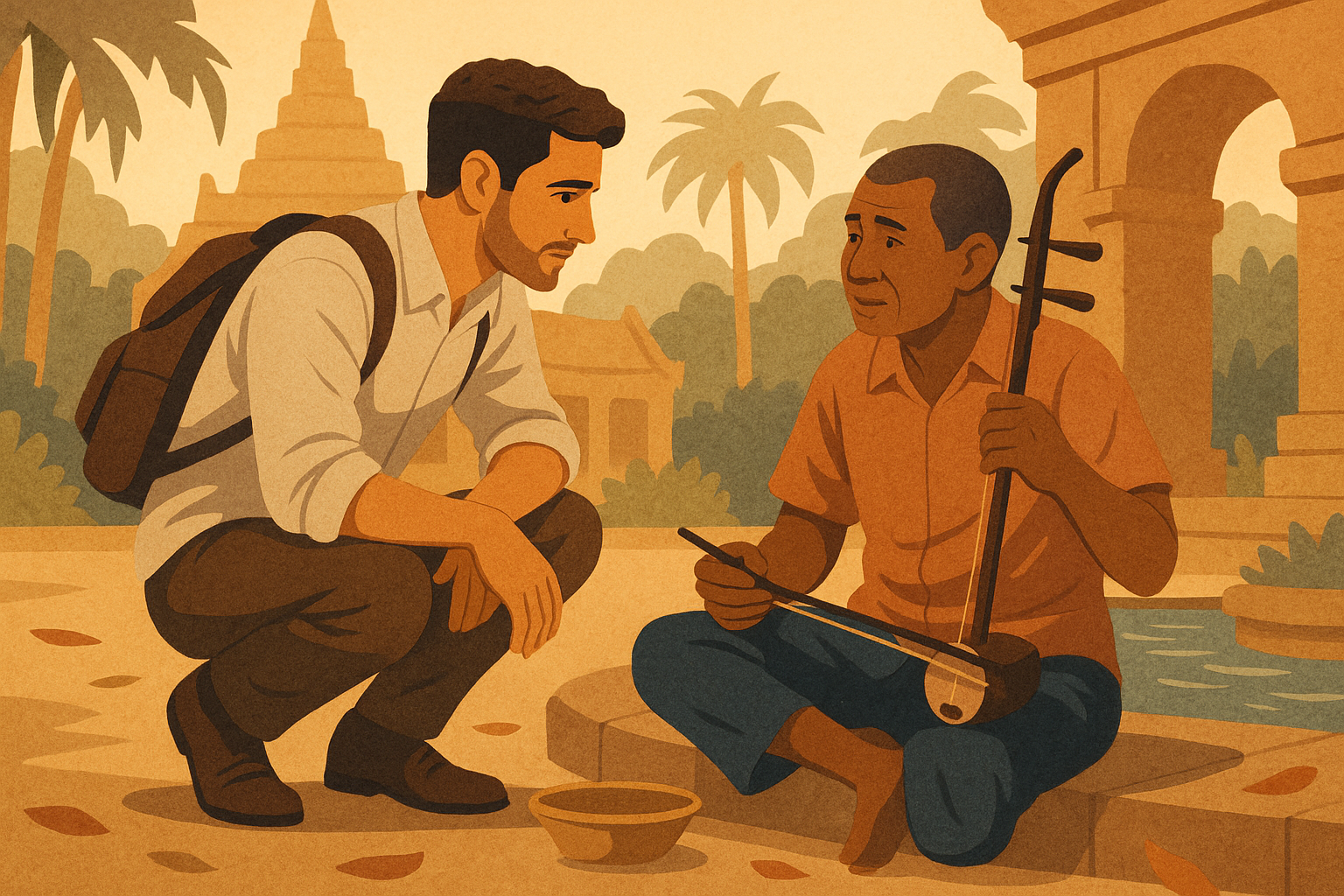
A man squats down to talk to a Cambodian beggar with an amputated leg and a traditional instrument

Empathy: The Hidden Gift of Exploration

Empathy is the heartbeat of meaningful connection, and travel is one of its best teachers. Seeing how others live, work and dream reshapes how we interpret our own lives.

  • Walking in another’s shoes

    Daily routines can narrow perspective. Travel blows it wide open. You might witness communities thriving despite hardship or traditions preserved against the odds. You come home seeing your own life — and privileges — in sharper focus.

  • The psychology of perspective

    When we experience something new, our brains form fresh neural connections, boosting cognitive flexibility. That’s why travelers so often return more open-minded, patient and tolerant.

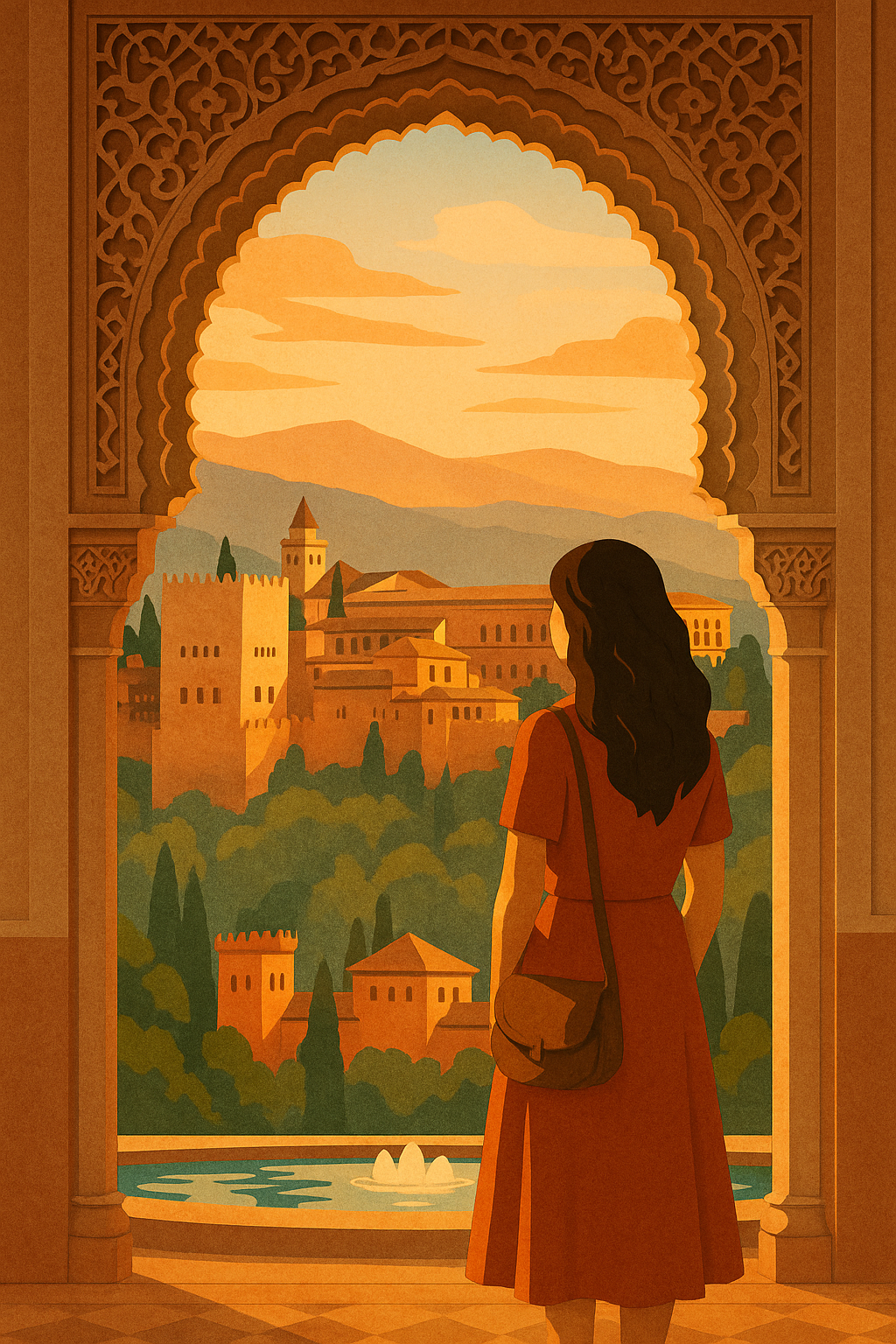
A woman gazes out at the Moorish fortress, the Alhambra, in Grenada, Spain

Innovation Through Exploration

Innovation often blooms where ideas intersect — and travel plants you right in the middle of that cross-pollination.

  • Adaptability: the root of creative thinking

    Every traveler knows plans rarely go perfectly. Flights get delayed, directions get lost in translation, and rain shows up uninvited. But those moments — the unplanned ones — build flexibility. And flexibility is the birthplace of creativity.

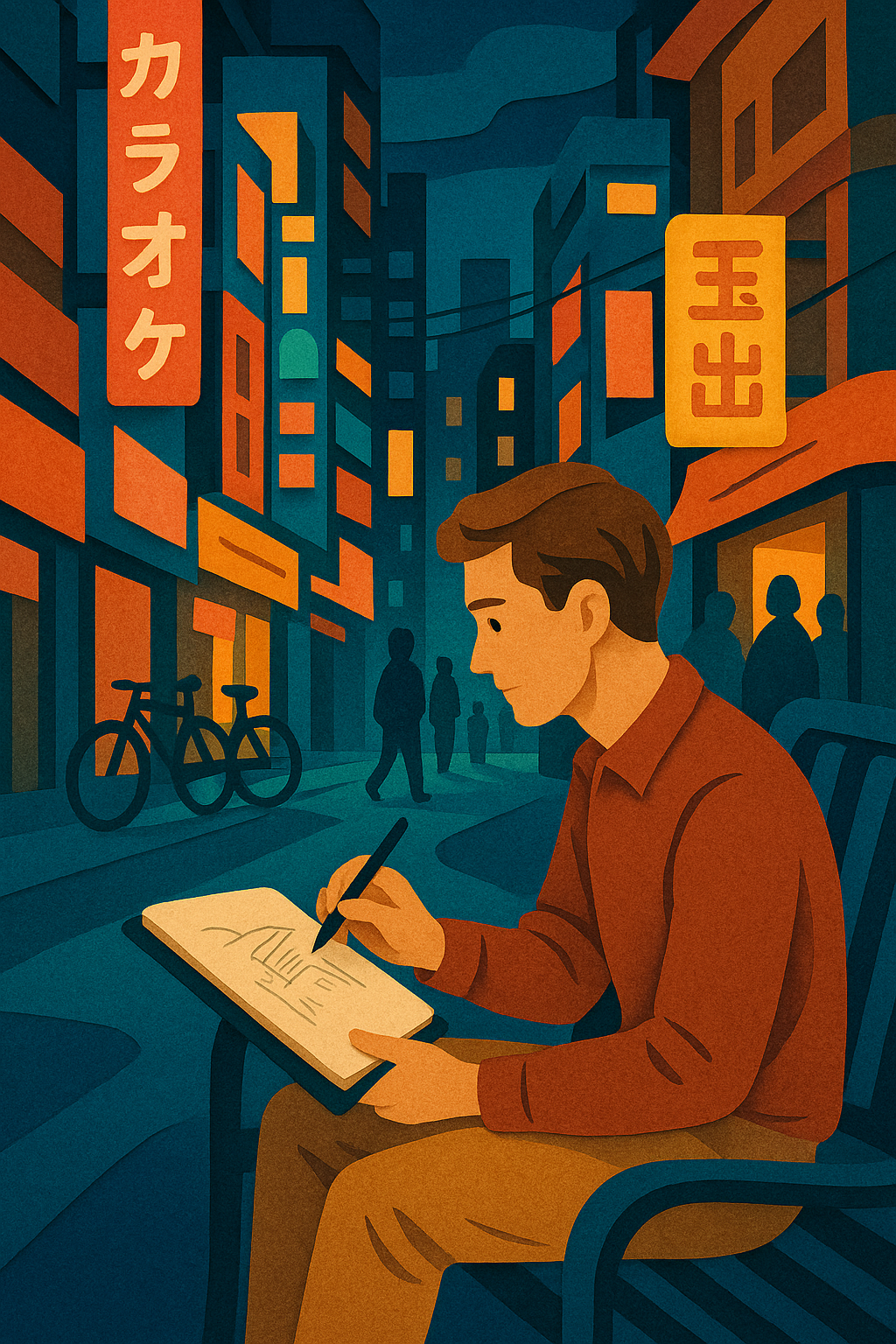
A man sits on a bench, sketching in a sketchbook on a sign-filled street in Tokyo, Japan

The Science of Travel and the Brain

Research in cognitive psychology shows that travel enhances neuroplasticity — the brain’s ability to form new connections.

  • Language learning and cognitive health

    Even attempting to learn a few words in a new language sharpens memory and engages brain regions tied to problem-solving, empathy and self-control. Think of it as a mental workout, but with better scenery.

A man helps two Peruvian women, in traditional attire, including brimmed hats, harvest potatoes in the Andes, with a couple alpaca nearby

Experiential Learning in Motion

Educational theorist David Kolb described learning as a cycle of doing, reflecting, conceptualizing and experimenting. Travel is that model brought to life.

  1. Doing: Immerse yourself in a new culture, try the food, explore local customs.

  2. Reflecting: Consider how these experiences challenge what you thought you knew.

  3. Conceptualizing: Connect the dots and uncover the broader lessons.

  4. Experimenting: Apply those insights to your next journey — or your next project.

Travel is experiential learning in its purest form: sensory, emotional and transformative.

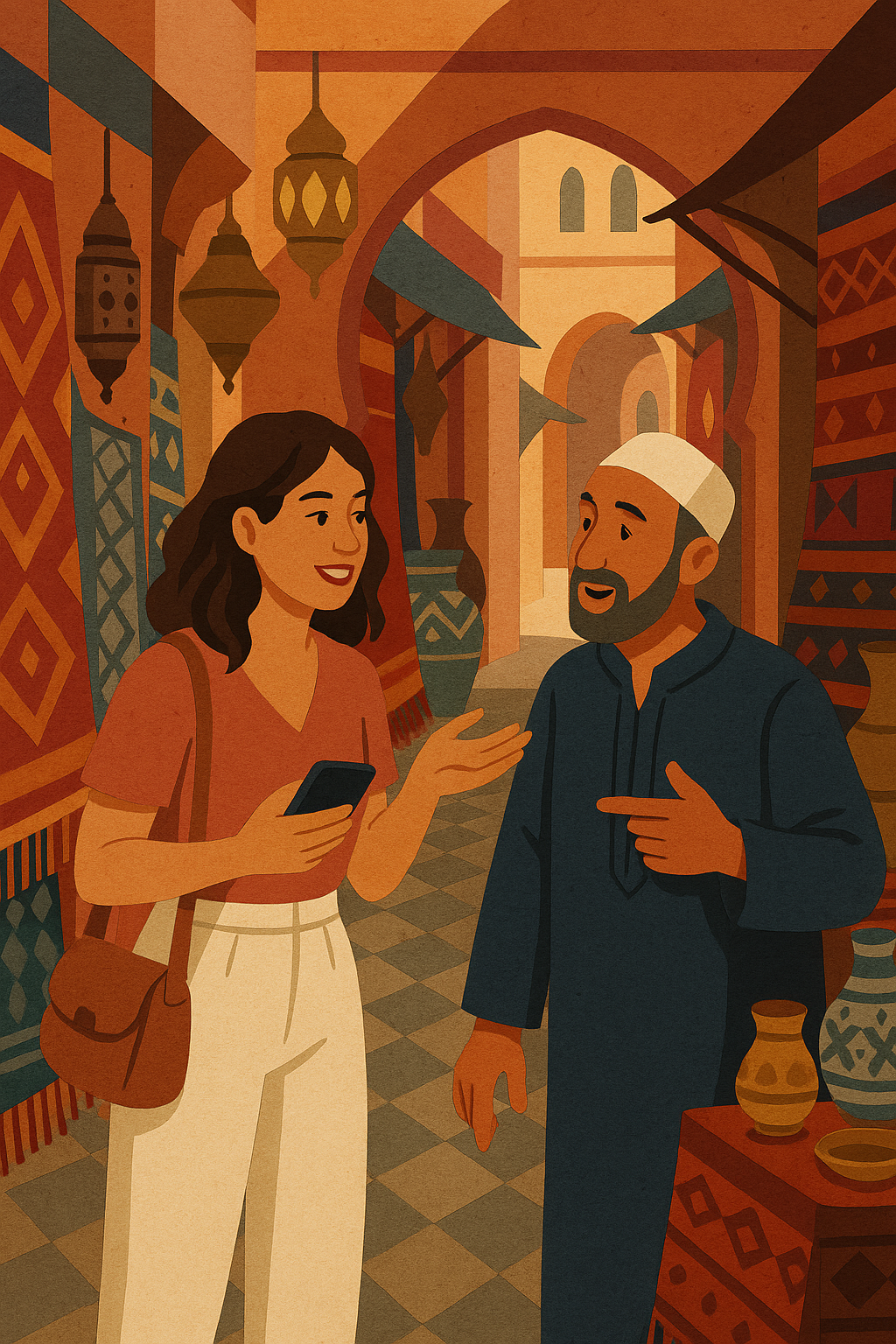
A woman holding her phone asks for directions from a vendor a Moroccan souk

How Travel Strengthens Communication

In a globalized world, communication skills are gold. Travel polishes them in subtle but lasting ways.

1. The art of listening

Understanding someone who speaks another language — or even just a different version of English — requires patience and focus. Travelers become expert listeners, tuned in to tone, gesture and intent.

2. Overcoming barriers

When words fail, creativity steps in. You gesture, you draw, you pantomime — and you connect. Those moments hone emotional intelligence and empathy far better than any workshop.

3. The confidence effect

Each successful exchange builds confidence. Ask for directions, barter at a market, share a laugh with a stranger — every small win expands your social comfort zone and spills into everyday life.

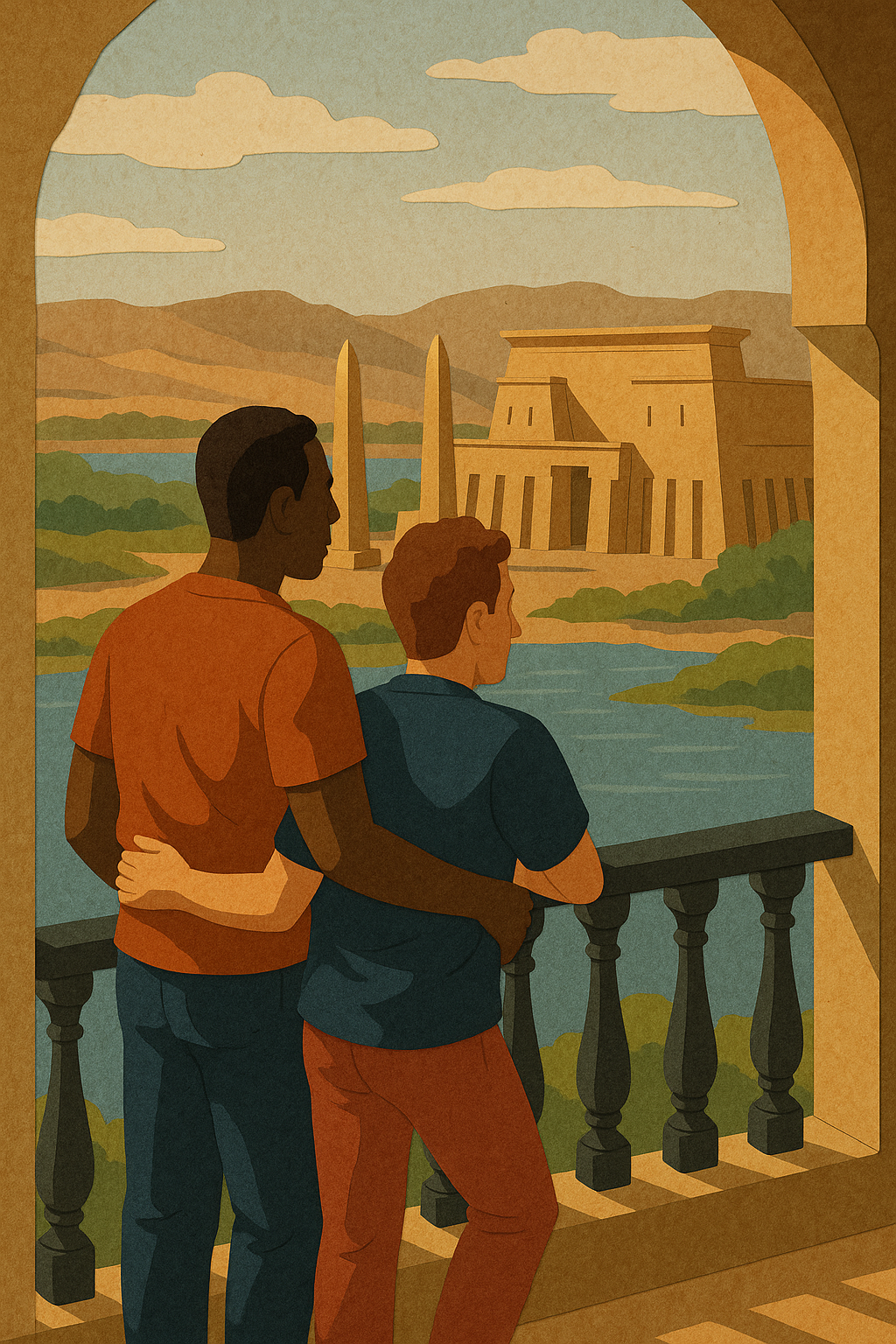
A gay couple puts their arms around each other as they stand on a balcony, gazing out at a temple in Luxor, Egypt

Travel as a Catalyst for Global Citizenship

In a divided world, travel stitches common ground. Experiencing other perspectives firsthand transforms tourists into advocates for empathy, inclusion and respect.

  • Appreciation without appropriation

    Real travelers don’t collect cultures like souvenirs; they honor them. Respecting traditions and supporting local communities turns travel from consumption into connection.

  • Becoming a storyteller

    Every journey gives you stories worth sharing — the kind that make others see the world differently. When you tell them with honesty and heart, you pass on the empathy travel gave you.

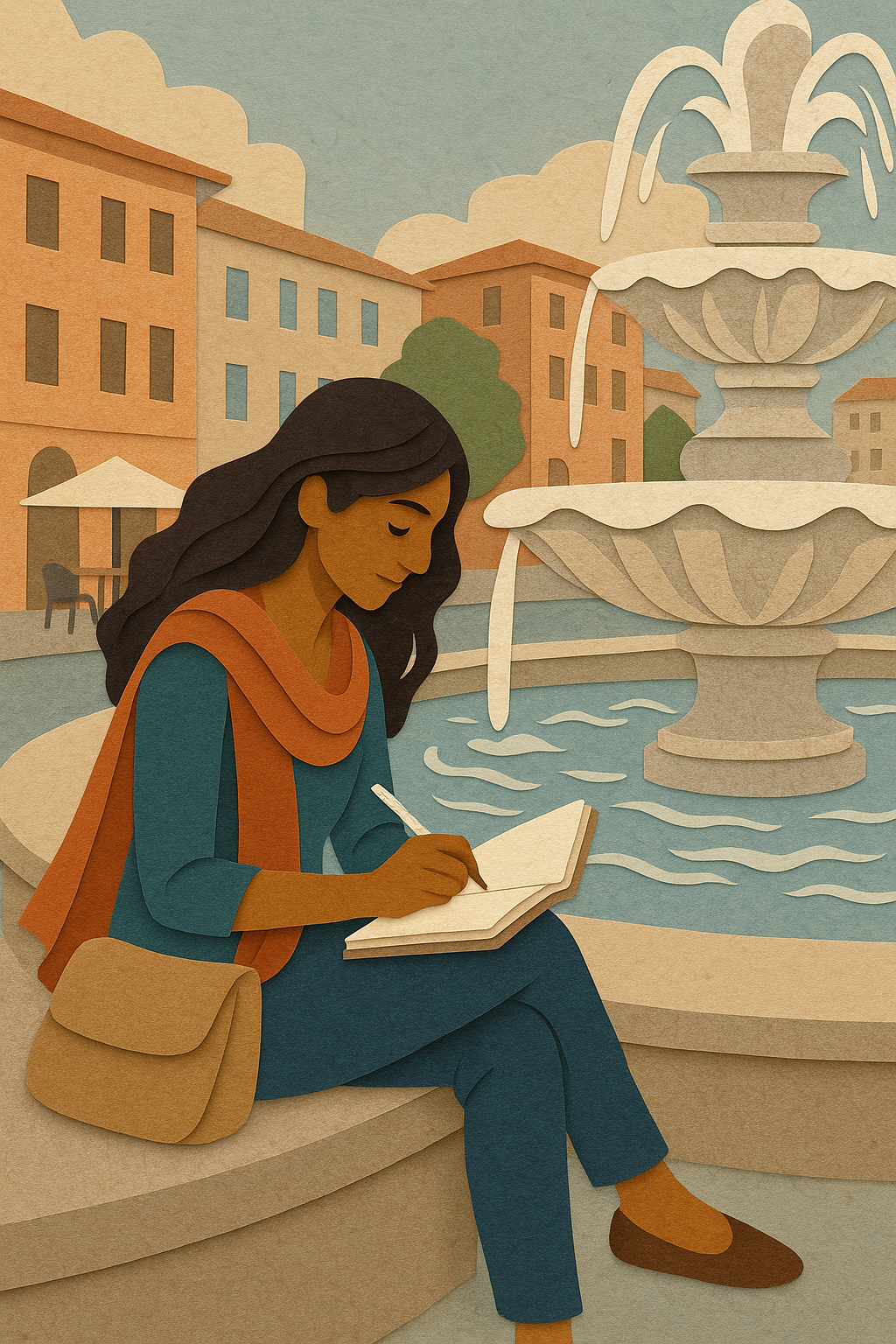
A woman writes in her journal, seated near a fountain in a town square

Practical Tips to Learn Deeply While Traveling

  1. Stay curious. Ask about people’s lives, not just the landmarks.

  2. Engage locally. Visit workshops, markets or community projects.

  3. Keep a journal. Write about feelings and insights, not just itineraries.

  4. Learn key phrases. A few words can open more doors than a map ever could.

  5. Travel slowly. Fewer stops, deeper experiences.

  6. Unplug. Let moments settle before you post them.

  7. Reflect after you return. What changed in how you see the world — or yourself?

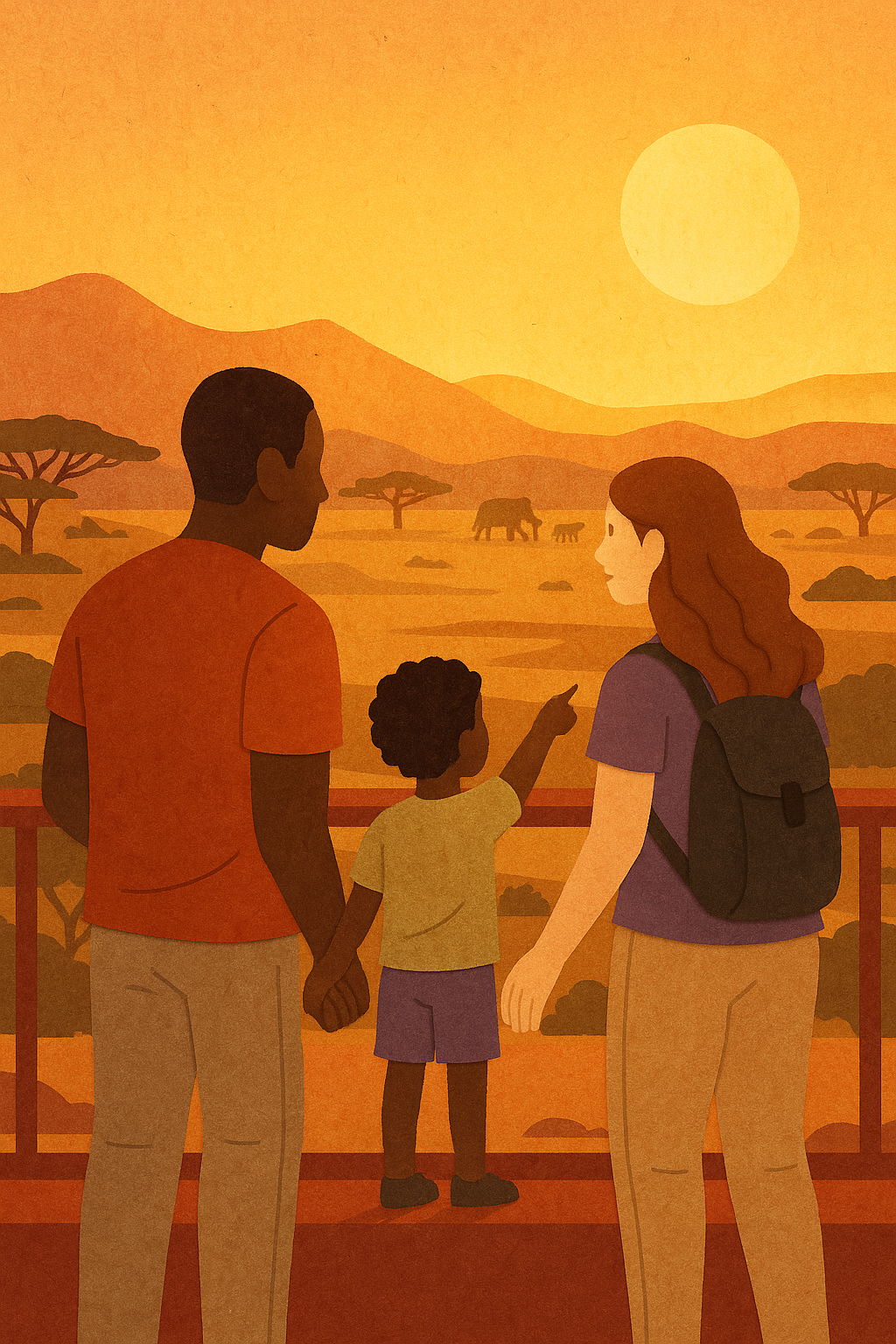
A child with his parents points to animals in the African savannah at sunset

Learning to See With New Eyes

Travel isn’t just an escape — it’s also an education. It reminds us that learning doesn’t stop at graduation; it lives in every border crossed, every story shared, every kindness exchanged.

Just as an F-03 practice test builds focus and mental agility, travel trains both heart and mind to work together in understanding the world. But travel doesn’t hand you a score. It hands you perspective, and that’s the kind of lesson that lasts a lifetime. –Nathan Beja


Samhain Divination: Spooky Ways to See Beyond the Veil

Step into the shadowy world of Samhain divination. Discover the eerie Halloween rituals — candle scrying, mirror gazing and love charms — that promised glimpses of fate and fortune.

A skull, candles, bowl, sachet and Ouija board on altar at Samhain with black cat

On a night when the wind rattled the last leaves from the trees, the Celts gathered in the darkness. Samhain marked the final harvest — the moment the light surrendered to the long shadow of winter. But it was more than the year’s turning. It was the hinge of the seasons, when the Veil between worlds hung loose.

Fires roared on hilltops, and the smoke curled toward the Otherworld. People told stories of ancestors slipping through the mist, of the Fae wandering the fields, of spirits who could be welcomed — or warded off — with the right charms. And under the hush of night, away from the firelight, came the other part of Samhain: the asking.

Would the harvest last the winter? Would love come in the spring? Would danger walk the road ahead? The answers, they believed, could be coaxed from shadows, from flames, from the ripples of dark water. Samhain was a night for feasting and honoring the dead — but it was also a night for seeing what lay beyond.

Demonic ghouls emerge from the mist to surround a lone walker in a cloak holding a lantern on Samhain
The Witch’s Hour: Midnight Magic

They called it the hour when the Veil thins to mere threads. Midnight on Samhain wasn’t for the faint of heart — the Celts believed it was when the Otherworld pressed closest, brushing against ours like a shadow across your skin. In later centuries, villagers in Ireland and Scotland would linger by the fire until the clock struck 12, then step outside, breath clouding in the cold, to test fate.


Some set a single candle in the window to draw their ancestors home. Others carried it to the crossroads to ask questions of the night — the flicker and sway of the flame said to be the spirits’ reply. 
Even now, witches and mystics mark the hour with divination: a one-card tarot pull for the year ahead, a pendulum swinging over a bowl of fresh spring water, or a simple candle-flame scrying.
If you try it yourself, remember the old caution: Always open with protection: salt at your threshold, a whispered blessing, a circle of light in your mind. The door you open to seek answers is the same one anything else could walk through.

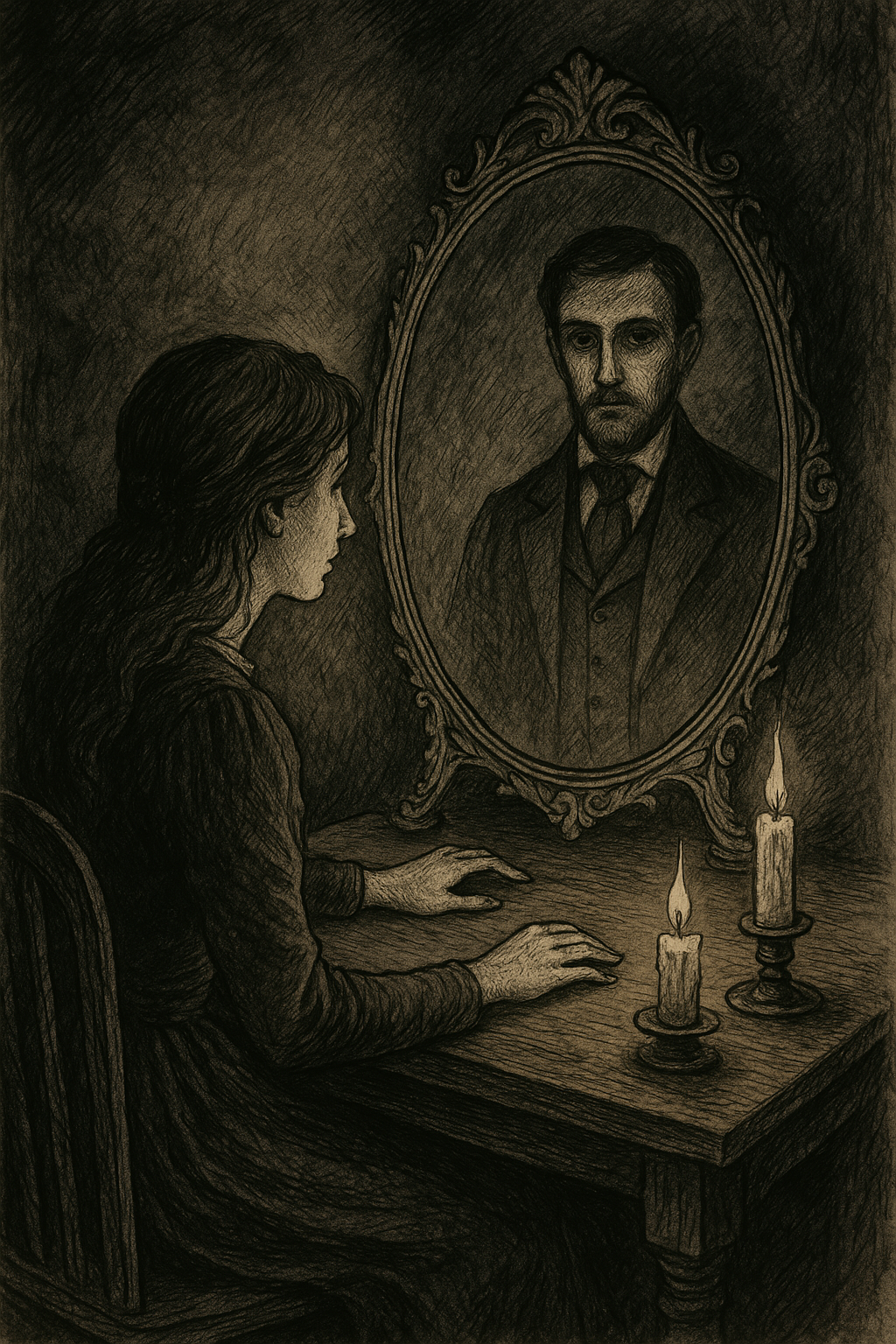
A woman does a Samhain love divination spell to see her future husband in a mirror

Mirror Magic

They say a mirror is more than glass; it’s a doorway, polished thin between worlds. On Samhain night, that doorway was thought to swing open, reflecting not just your face but the things that walked beside you. 

In Celtic lands, young women would sit alone in candlelight, staring into the glass to glimpse the man they’d marry. 

In Victorian parlors, Halloween party guests dared each other to walk backward into a darkened room, mirror in hand, to catch a fleeting vision of their future.

But the stories always came with a warning: The mirror will show you what is, not what you wish it to be. And if you look too long, you might not like what gazes back.

To try the old ways, place a candle on either side of a mirror and dim the rest of the lights. Focus on a question, soften your gaze, and wait. Shapes may stir in the shadows. Colors may shimmer at the edge of sight. Or nothing will come — which, on Samhain, might be its own kind of blessing.

If your reflection seems… different when you blow out the candles, remember to cover the glass. Every doorway needs to be shut.

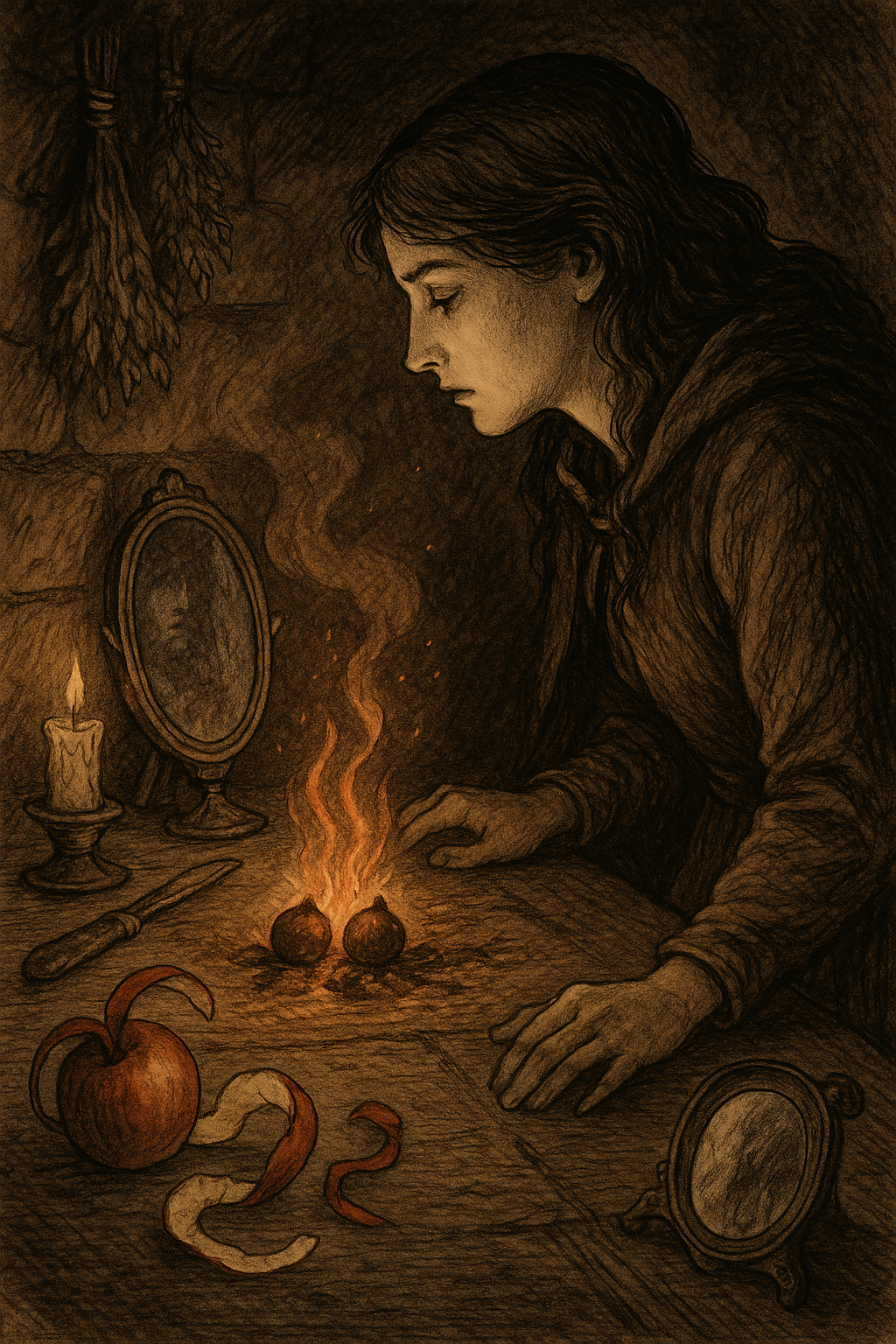
A woman performs love divination spells, with burning hazelnuts, a peeled apple, a candle and a mirror

Samhain’s Forgotten Love Spells

Not all Samhain divination was about warning of danger or calling the dead. Some of it was downright flirty — though with just enough edge to keep things interesting. In Ireland and Scotland, young women would peel an apple in one long strip, toss it over their shoulder, and squint at the shape it made on the floor — it was said to be the initial of their future love.

Others tossed two hazelnuts into the hearth fire — one for themselves, one for the person they fancied. If the nuts burned together, the match was true. If they popped apart, the romance was doomed. 

And then there was the mirror trick: Walk backward into a candlelit room holding a hand mirror, and your future spouse’s face would appear over your shoulder. Unless, of course, something else got there first.

These games mixed giddiness with a hint of danger — the thrill of asking the unknown about something as unpredictable as love. On Samhain night, the heart was fair game for the fates.


MORE: Try these Gypsy love spells


A man drips wax into a bowl as it forms a skull during a Samhain divination spell

Haunted Forms of Divination

Some tools are more powerful on Samhain night. The spirit or Ouija board, for example, had its great heyday in the early 1900s, when Halloween parties weren’t complete without one. Hands rested lightly on the planchette, waiting for it to slide toward letters and numbers, spelling out words no one dared to speak aloud. Whether the answers came from the subconscious or something far more sinister, people learned quickly to be careful about the questions they asked.

Others preferred scrying: gazing into a bowl of black water under moonlight until ripples of light and shadow shaped themselves into visions. 

In candle-wax reading, molten drops hit a waiting bowl of water, forming strange shapes said to hold meaning — a ship, a ring, a skull — each one a whisper from the unseen.

These methods carry the same rule the old folk gave for Samhain itself: Open your senses, but guard your spirit. What you invite in to answer may not be in a hurry to leave.

So when the last question has been asked and the candles have burned low, close the door between worlds with these words:

By flame and shadow, moon’s pale light,
I’ve heard the truths that walk the night.
Now shut the door, let silence keep,
And send all spirits back to sleep.

The night has spoken. You’ve seen through the Veil. Now bolt the door… before anything follows you home. –Wally 


MORE: Learn the freaky but fascinating history of Halloween

Church of São Domingos: Lisbon’s Beautiful Burnout

Visiting Igreja de São Domingos in Lisbon? Just off Rossio Square, this fire-scarred church turns ruin into reverence.

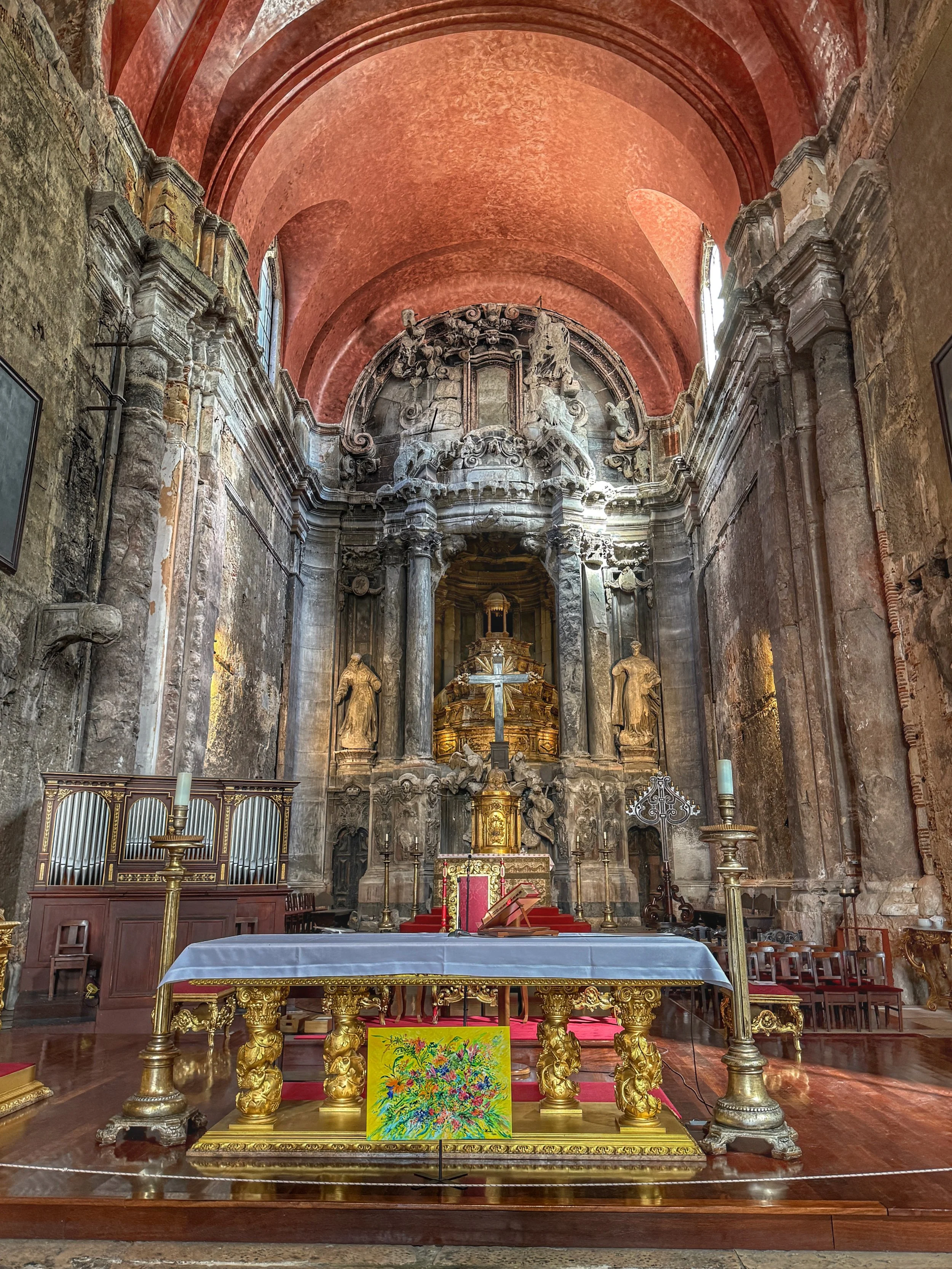
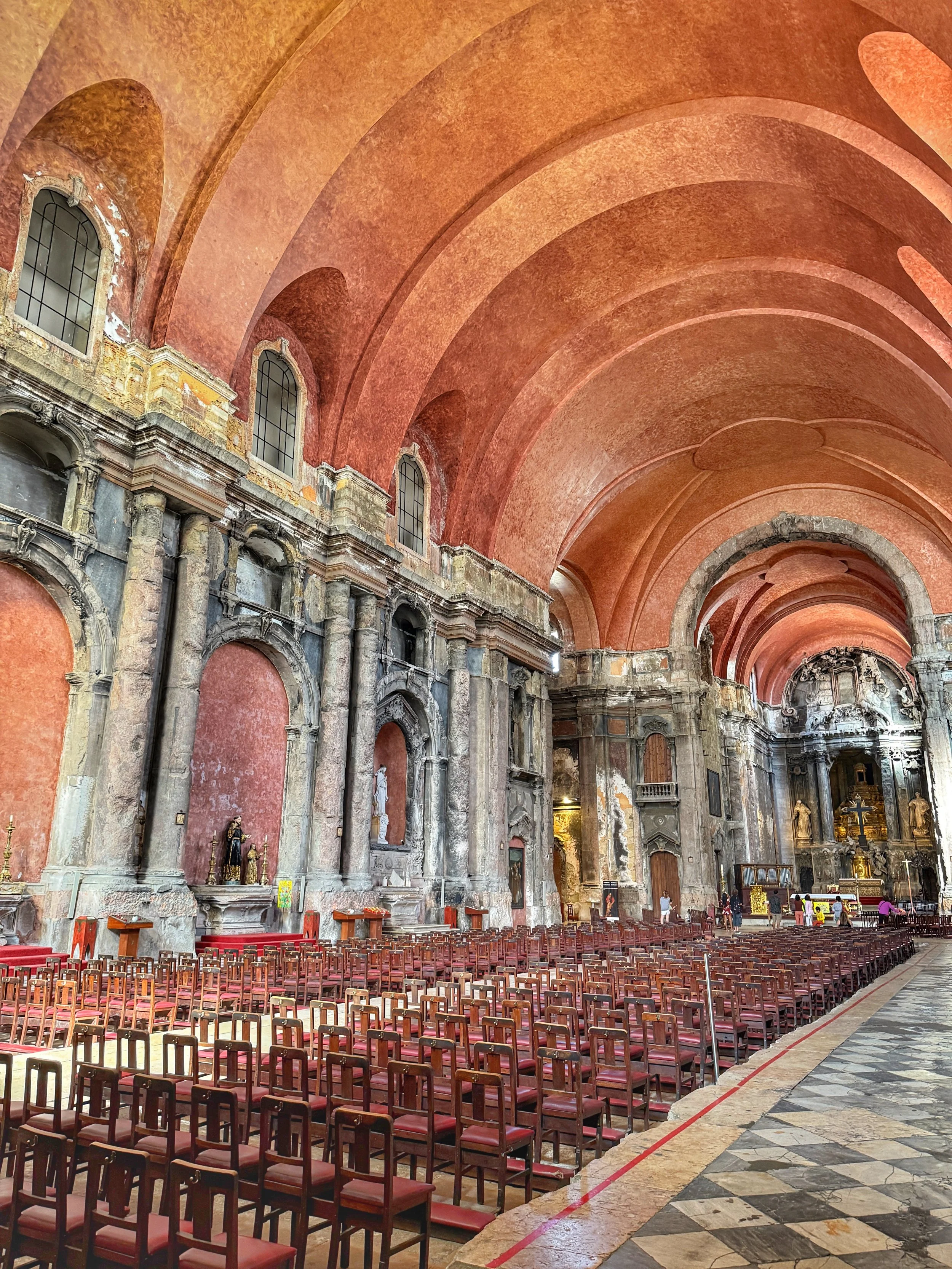
Once dripping in gold and glory, the Church of São Domingos in Lisbon, Portugal now wears its wounds with pride. A fire-charred interior, a bloody past, and a defiant refusal to hide the damage make it one of the most hauntingly honest churches in Europe.

We’d already been in Lisbon a couple of days when I flipped through a guidebook and saw a photo of São Domingos’ interior, with those scorched terracotta-colored walls and raw stone arches. I stopped mid-page. It didn’t look like any church I’d ever seen; it looked like something that had survived the end of the world. I turned to Duke and said, “We have to find this place.”

Workers reinforced the structure but left the burn marks as they were, creating an atmosphere that feels halfway between holy and haunted.

It’s not “beautiful” in the traditional sense, but it’s impossible to forget.

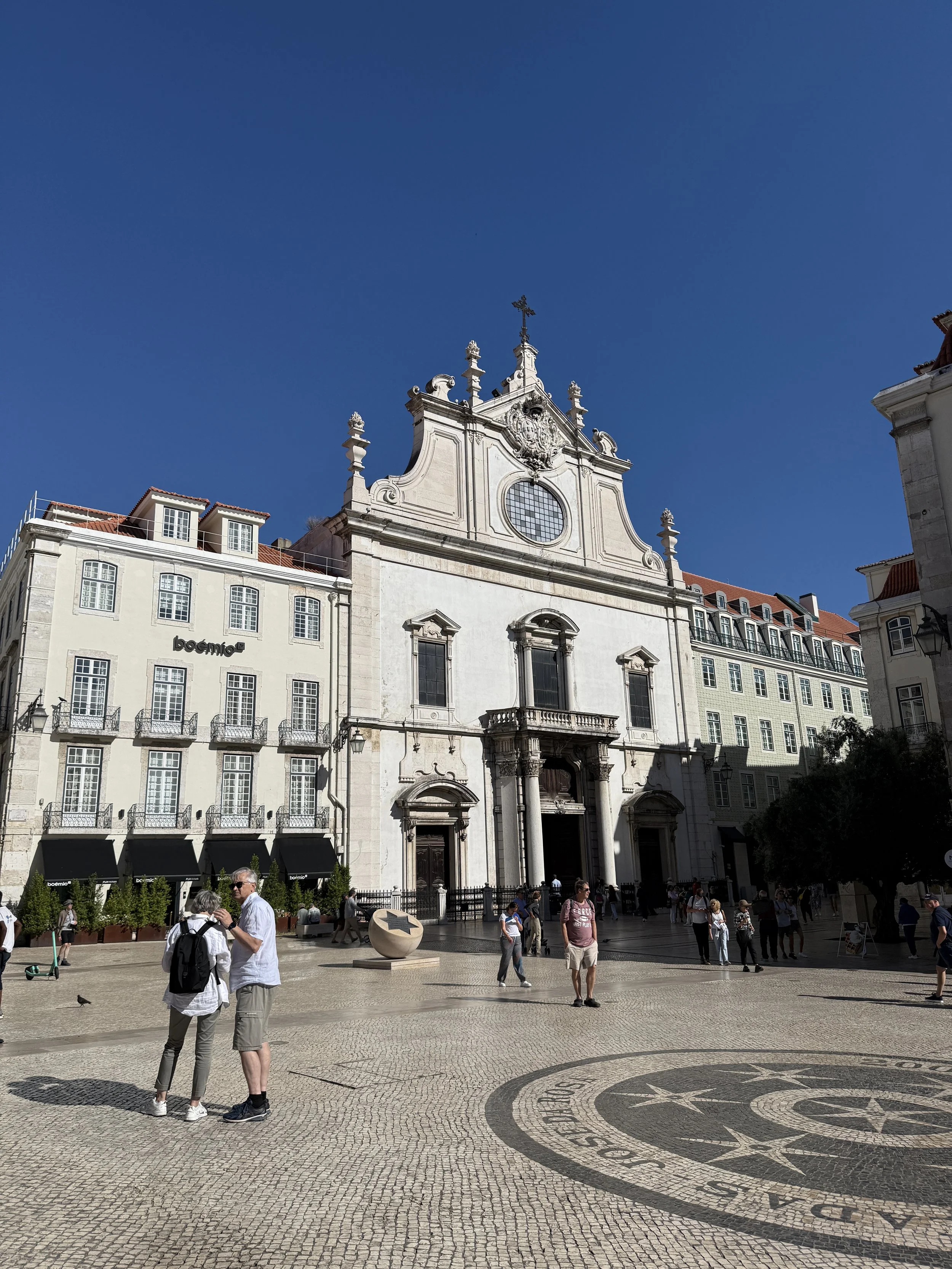
Imagine our surprise when we realized it was right under our noses — tucked just off Rossio Square in a strangely angled building we’d already walked past several times without noticing. From the outside, São Domingos looks a bit plain, its façade rather unassuming. But step through the doors and it’s like falling through time. Lisbon’s brightest square gives way to one of its darkest, most moving spaces.

Inside Igreja de São Domingos

The first thing you notice inside Igreja de São Domingos isn’t the altar or the statues — it’s the walls. They’re scorched, cracked and blistered like the inside of a volcano. You half-expect to smell smoke. Once upon a time, this was one of Lisbon’s most lavish Baroque churches — all gold leaf, marble and over-the-top devotion. Then, in 1959, fire ripped through it, devouring the splendor and leaving behind something much more human.

Most churches would have been restored to postcard perfection. São Domingos wasn’t. The decision to leave its wounds visible — blackened stone, warped columns, burnt sienna ceilings that look like they still ache — feels radical, especially in a city that prides itself on polished tiles and pastel façades. This one’s not pretending. It’s survived earthquakes, massacres and flames, and it’s still standing — raw, imperfect and more sacred for it.

The fire that ravished São Domingos is believed to have started at the high altar — with, possibly, a candle to blame.

The Fire That Changed Everything

In 1959, a fire tore through São Domingos, leaving only its stone skeleton behind. The blaze gutted centuries of gilded wood and painted ceilings, the kind of gaudy grandeur that Baroque churches specialized in. Parishioners watched in horror as molten gold dripped from the altar and statues melted into unholy puddles. Yet instead of rebuilding it to its former blingy glory, Lisbon decided to do something almost heretical: It left the scars.

The fire broke out on August 13, 1959, just after dawn, starting near the high altar — the very heart of the church. No definitive cause was ever confirmed, though some reports suggested a stray candle or heat rising through an old chimney shaft. 

Within minutes, flames shot through the wooden roof and raced down the nave, feeding on centuries of lacquer, paint and gilt. 

More than 100 firefighters from across Lisbon rushed to the scene, and crowds filled Rossio Square to watch in disbelief and despair. 

Despite the firefighters’ efforts, the roof collapsed, killing two of them and reducing the sanctuary to a molten ruin.

Saint Dominic’s vision of receiving the rosary from the Virgin Mary

Saint Thomas Aquinas, the Dominican Order’s scholar-saint

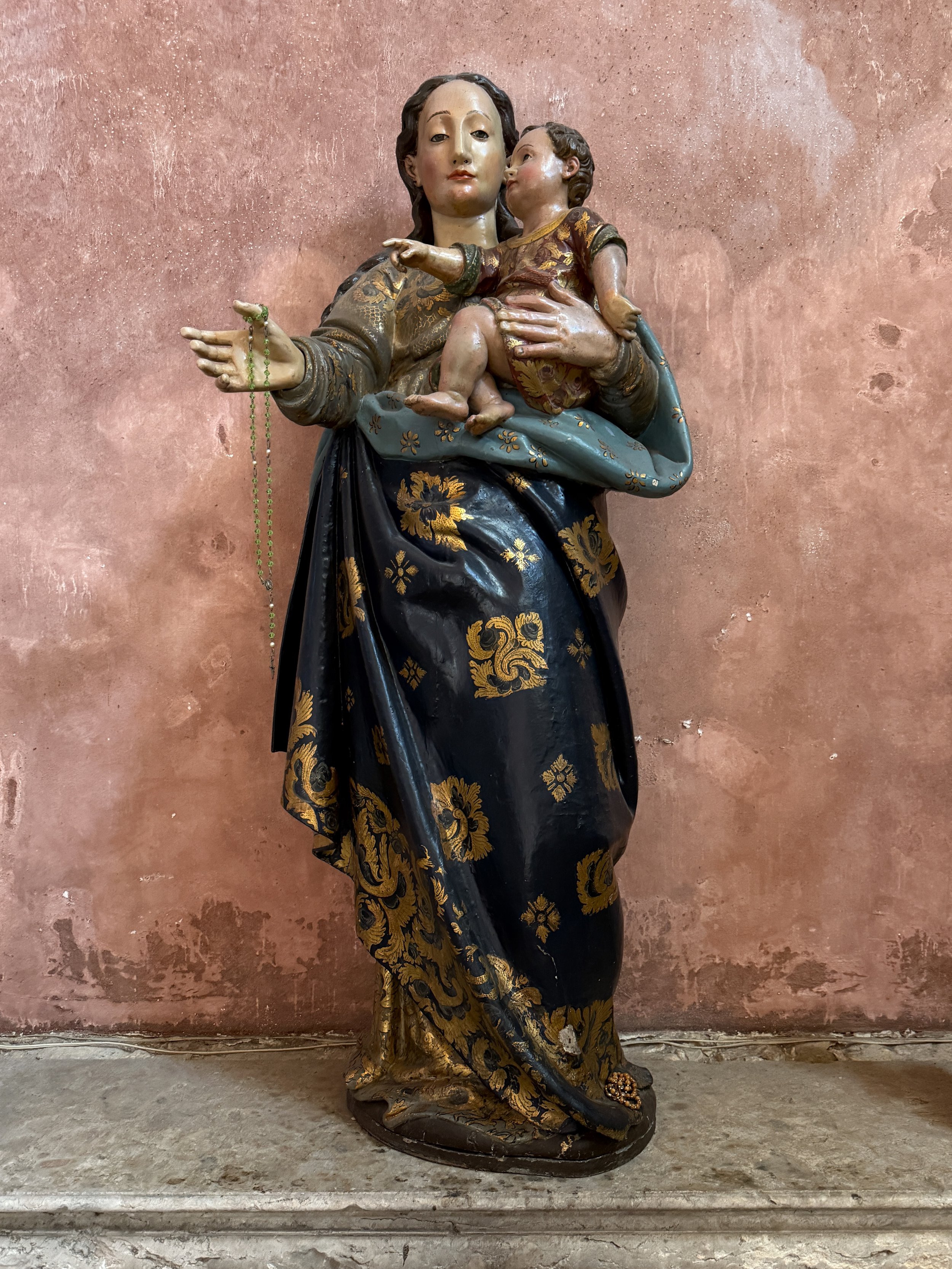
The losses were staggering. The great pipe organ, centuries of paintings and sacred objects — including a revered 17th century image of Our Lady of the Rosary — were destroyed. 

The heat was so intense that the marble itself split, and the once-golden altars ran like wax. 

For a church that had hosted royal weddings, funerals, baptisms and national ceremonies, the devastation felt almost personal — a wound carved into Lisbon’s collective memory. That same year, São Domingos was declared a National Monument, ensuring that what survived would never again be hidden behind fresh plaster.

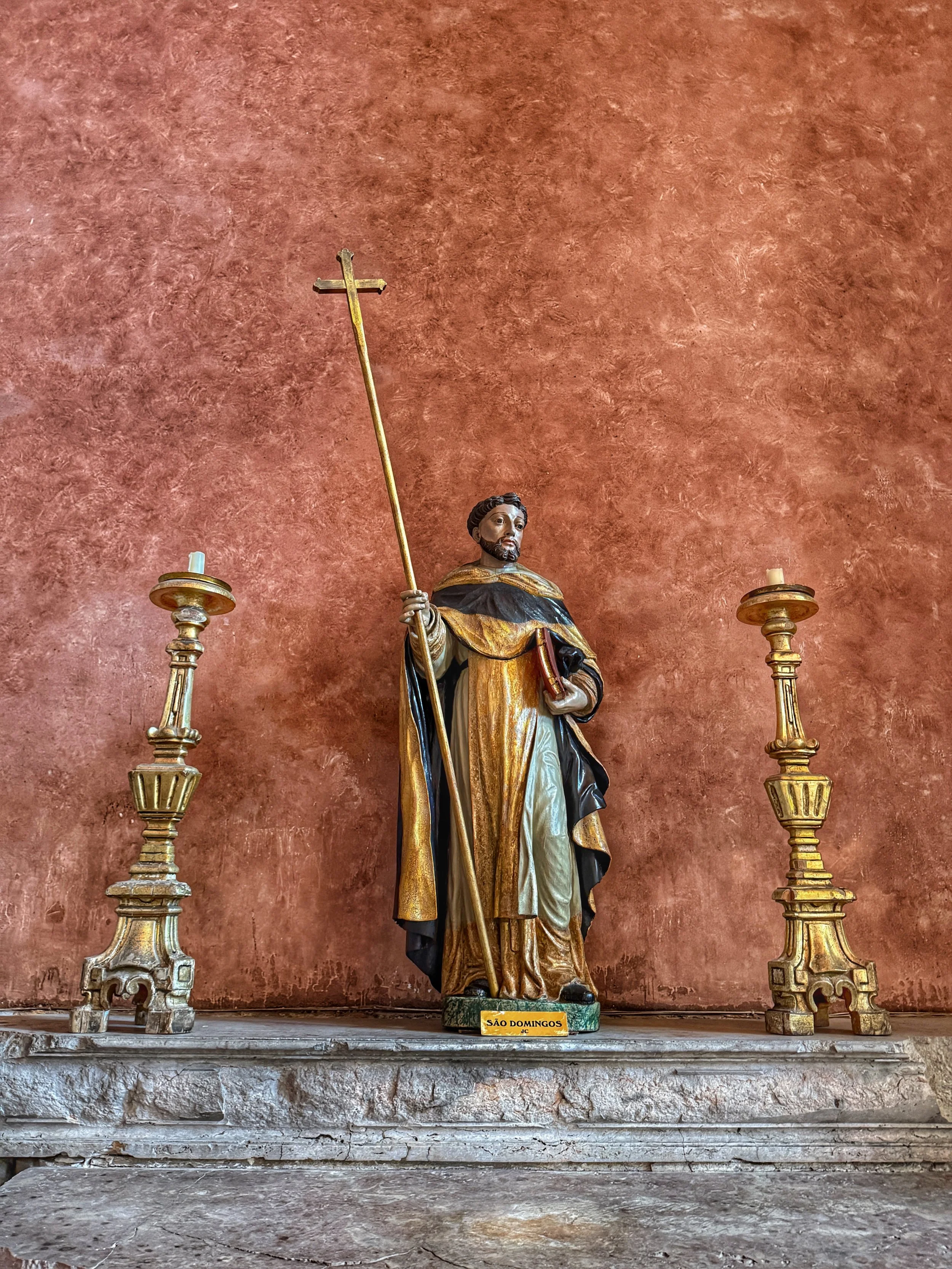
Saint Dominic (São Domingos), founder of the Dominican Order, was devoted to truth through study and preaching.

São Domingos, the Saint Who Started It All

It feels poetic — maybe even karmic — that the church dedicated to Saint Dominic, the man who founded the Dominican Order, should end up looking like penance. Dominic was no quiet monk. Born in 1170 in Spain — supposedly on a Sunday (domingo), hence his name — he was a fiery preacher famous for fighting heresy and convincing people through debate rather than violence. At least, that was the idea. His order later became the intellectual arm of the Inquisition — less conversation, more confession under duress. Not quite the legacy he’d hoped for.

Dominic himself, though, was fascinating. Legend says his mother dreamed of a dog carrying a torch in its mouth, setting the world aflame — a symbol of how her son would spread faith like wildfire. (“Dominican,” after all, comes from Domini canes — “the dogs of the Lord.”) 

He died in Bologna, Italy in 1221, apparently of sheer exhaustion from walking and preaching barefoot across Europe. 

Standing inside São Domingos today, it’s hard not to think of that dream — of flames and faith intertwined. 

Saint Joseph (São José), the carpenter stepfather of Jesus and patron of Portugal, gets more reverence here than perhaps any other country.

The Shadow of the Inquisition

For a church that now feels so peaceful, São Domingos has a disturbingly violent past. Long before the fire, before Lisbon’s earthquakes and rebuilds, this was the epicenter of something far darker: the 1506 Massacre of Lisbon’s Jews.

It started with a miracle gone wrong. A drought had gripped the city, and crowds filled the church, praying for rain. When someone claimed to see Christ’s face glowing on the altar, a man in the crowd dared to doubt it — and was beaten to death on the spot. The frenzy that followed spilled into the streets, egged on by Dominican friars who urged the mob to “cleanse” Lisbon of unbelievers.

For three days, chaos ruled. Jews and New Christians (converted Jews, many forcibly baptized) were dragged from their homes and slaughtered. By the time it ended, an estimated 2,000 people were dead. The king was away; the city, soaked in blood. And São Domingos — that grand, gold-drenched house of God — had become a stage for fanaticism.

Outside the church today, there’s a modest memorial stone, easy to miss unless you’re looking for it. It reads, in both Portuguese and Hebrew: “In memory of the thousands of Jews who were victims of intolerance and religious fanaticism.” A single Star of David rests at its center, quietly defying centuries of silence.

Nearby lies Rossio Square — once the site of Lisbon’s public executions, where the condemned were burned at the stake in the name of faith. The Dominican friars, the same order tied to this church, often presided over those ceremonies, chanting prayers as flames rose.

It’s impossible not to sense the irony: The very order that once helped fuel the Inquisition now prays beneath ceilings blackened by fire. The church that once blessed the flames became a victim of them.

Step inside afterward and the air feels heavier, as if the walls themselves are still atoning. Maybe it’s Lisbon’s way of keeping the story honest — no whitewash, no denial, just stone and ash and memory.

Rebuilding, Remembering, Reclaiming São Domingos

Lisbon has a complicated relationship with ruin. It’s a city that’s burned, crumbled and drowned more times than seems fair — yet it always finds a way to look good doing it. After the devastating 1755 earthquake, much of Lisbon was rebuilt with Enlightenment precision: straight boulevards, orderly plazas, symmetrical façades — all courtesy of the Marquês de Pombal (Marquis of Pombal), who refused to let chaos have the final word. But São Domingos never quite conformed.

When fire tore through the church in 1959, the city could’ve easily restored it to its former Baroque bling. Instead, Cardinal Manuel Gonçalves Cerejeira, the Patriarch of Lisbon at the time, made the startling decision to leave the damage visible. He wanted the church to stand as a monument to survival — a spiritual scar that reminded worshippers of both faith and fragility. 

In the days after the fire, thousands of Lisboetas crowded around the smoldering ruins, stunned by what they saw. The interior that had once hosted royal weddings and state funerals was gone, its marble columns cracked and its altars reduced to cinders. Yet amid the shock, something shifted — the city seemed to accept the ruin as part of itself. When rebuilding began, Lisbon’s leaders chose not to repaint or replaster. The church’s new status as a National Monument cemented that choice, enshrining the damage as a public act of remembrance.

The heat had cracked the limestone, buckled the arches, and scorched the marble into shades of rust and rose. Replastering it would’ve been like putting concealer on a masterpiece.

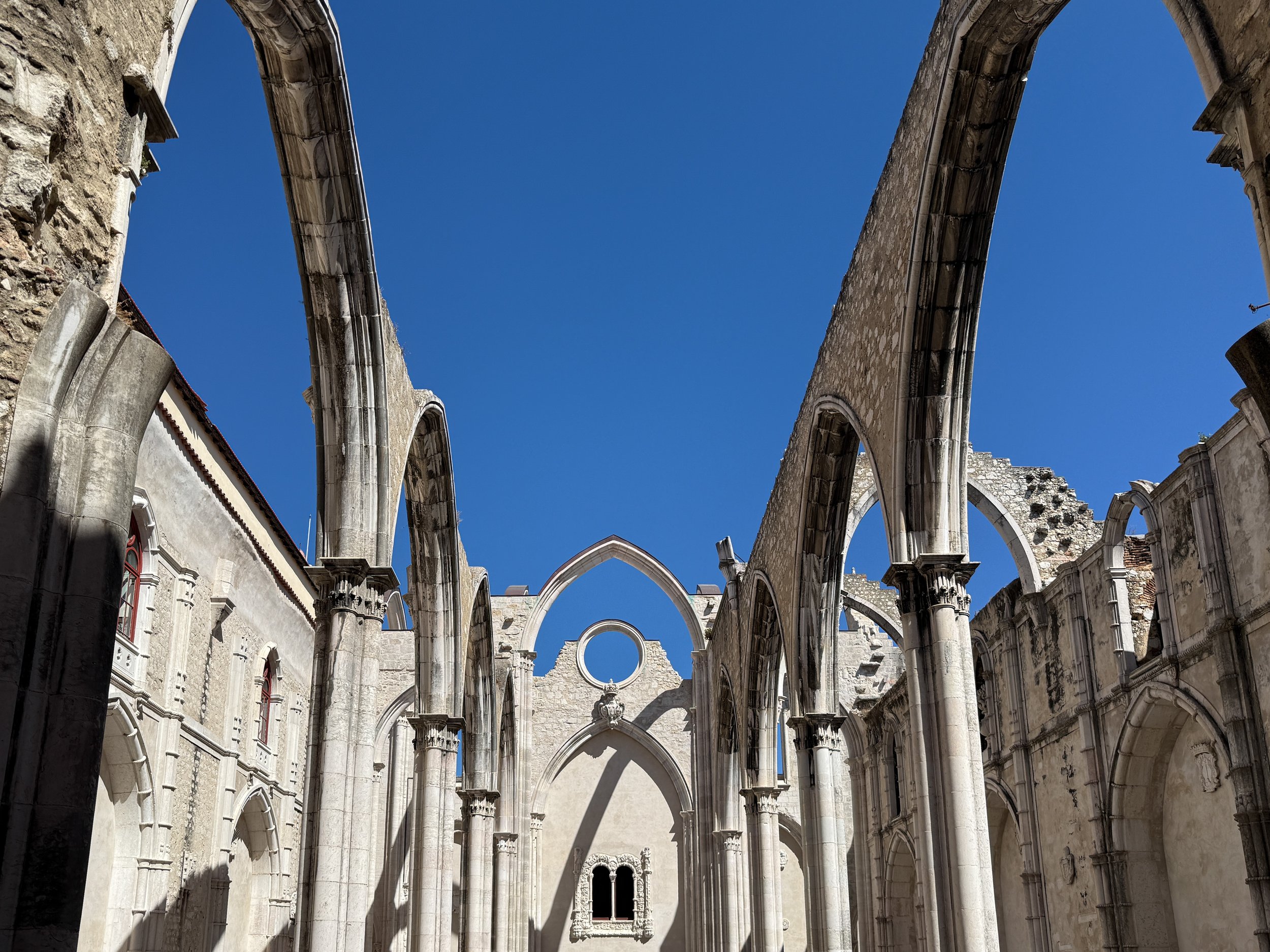
So the charred stone stayed. Workers reinforced the structure but left the burn marks as they were, creating an atmosphere that feels halfway between holy and haunted. It’s not “beautiful” in the traditional sense, but it’s impossible to forget. The decision echoed another Lisbon landmark: the Carmo Convent, whose roof collapsed in the same 1755 quake and was never rebuilt. It now houses the Carmo Archaeological Museum, a stunning open-air ruin that, like São Domingos, celebrates what survived rather than what was lost.

Both spaces — Carmo’s skeletal Gothic arches and São Domingos’s fire-blistered vaults — speak to the same Lisbon instinct: to remember through ruin. There’s a kind of integrity in that — a refusal to rewrite history with fresh paint. Walk into São Domingos today and you can still see the melted lines where gilding once was, like ghosts of devotion past. 

A Living Testament

Step inside São Domingos on any given morning and you’ll find people lighting candles in front of walls that look like they’ve survived the apocalypse. The soot stains catch the flicker of each flame. Tourists wander in hushed awe, cameras half-lowered as if they’re intruding on something sacred. Locals cross themselves and sit quietly, lost in prayer. 

If you look closely, the worst fire damage still clings to the area around the high altar — the spot where the 1959 blaze began. The marble floor still gleams in places, though time has softened its edges.

There’s a quiet honesty here. In a city famous for azulejos and ornament, São Domingos doesn’t try to impress you. It doesn’t sparkle or hide the damage. It simply endures. That’s its sermon.

A statue of the Virgin Mary as Our Lady of the Rosary

The Church That Refused to Hide Its Pain

Lisbon does polished beautifully — the colorful façades, the shiny blue tiles, the pastry cases that look like art installations. But São Domingos offers something braver. It’s a church that said no to cosmetic miracles, a reminder that survival itself can be sacred.

Maybe that’s what makes it unforgettable. The gold is gone, the glory has burned away, and yet what’s left feels closer to the truth — the raw, cracked heart of a city that refuses to give up. Lisbon rebuilt itself a dozen times over, but here, at São Domingos, it decided to remember instead. 

Visiting São Domingos 

You’ll find Igreja de São Domingos tucked just off Rossio Square, in the Largo de São Domingos, where locals queue for ginjinha (Lisbon’s famous cherry liqueur) right outside its doors. It’s hard to miss — the façade is stately but unassuming, the real drama waiting inside.

Hours: The church is usually open daily from 7:30 a.m. to 7 p.m., and entry is free. Early morning or late afternoon is best if you want to feel the light shifting across the walls. –Wally

Igreja de São Domingos

Largo São Domingos
1150-320 Lisboa
Portugal


Timeshares vs. Flexible Travel: Why Modern Nomads Choose Freedom and Adventure

Timeshares lock you in. Flexible travel lets you live free. Explore why expats are saying goodbye to contracts and hello to flexibility. 

A family walks past a pool and ice cream vendor at a timeshare complex, with Disney World's castle and a roller coaster in the background

In a world where travel has become more accessible than ever, the debate between timeshares and flexible travel options is heating up. Modern nomads value freedom and spontaneity, seeking experiences that adapt to their ever-changing lifestyles. Timeshares, with their fixed schedules and locations, often feel restrictive in contrast to the allure of flexible travel.

As digital nomadism gains traction, many are opting for the freedom to explore new destinations without the constraints of a timeshare commitment. This shift reflects a broader trend toward personalized travel experiences that cater to individual preferences. Understanding why travelers are gravitating toward flexibility reveals insights into the future of vacationing.

Timeshares provide a consistent getaway for people who prefer routine holiday planning.

In contrast, those who embrace flexible travel typically prioritize adventure and variety.
A-frame chalets in the snow at Aspen, with people sitting in hot tubs out front and a chairlift above them

Understanding Timeshares

Timeshares represent a popular option for individuals seeking vacation ownership, where multiple parties share the rights to use a property. Typically, owners purchase a specific time period each year at a designated resort. This model allows access to a pre-selected location, creating a sense of stability and planning for vacations. For those who find this arrangement too restrictive, learning how to cancel my timeshare has become an important step in transitioning to more flexible, experience-driven travel.

A couple walk by a pool and Mid-Century Modern buildings with palm trees and mountains in Palm Springs, California

What Is a Timeshare and How Does It Work?

Timeshares function primarily through fixed or floating weeks. Fixed weeks assign owners a specific week each year, while floating weeks offer flexibility in choosing dates within a designated season. 

Ownership can be deeded, granting real estate rights, or non-deeded, operating like a lease. Usually, owners pay annual maintenance fees, covering property upkeep and related expenses. This structured approach appeals to many, as it simplifies vacation planning and provides a degree of predictability.

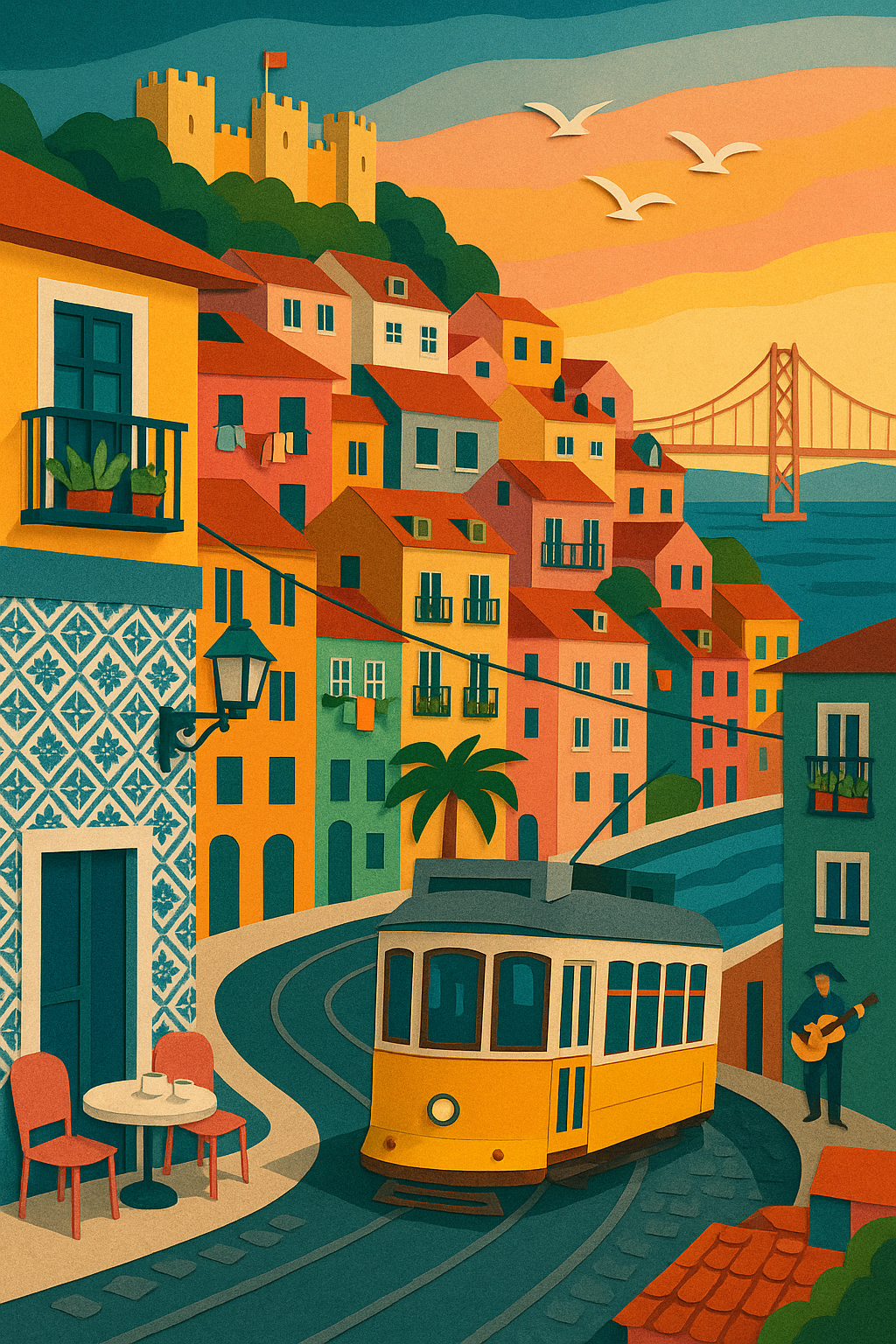
An amber streetcar goes up a hill in colorful Lisbon, with the castle atop the hill, a bridge and a man playing guitar

Pros and Cons of Timeshares

Timeshares come with notable advantages as well as downsides. Benefits include guaranteed accommodations, often at lower rates than traditional hotel bookings. 

Owners also enjoy amenities offered by resorts, such as pools and fitness centers. 

Conversely, drawbacks include high upfront costs and ongoing maintenance fees, which may spike over time. Limited flexibility in scheduling can frustrate some owners, making it challenging to adapt travel plans. 

Additionally, selling a timeshare can be difficult, impacting its overall desirability.

A gay couple walk through the Majorelle Gardens in Marrakech, Morocco

The Allure of Flexible Travel

Travelers today cherish the freedom that comes with spontaneity. Many seek experiences that allow them to explore destinations without the constraints of fixed itineraries. This desire to embrace the unknown encourages individuals to make last-minute decisions and pursue unique adventures. 

Flexibility leads to discovering hidden gems, whether it's a quaint café in a bustling city or a serene beach off the beaten path. Travelers can adapt their plans based on personal interests, weather conditions or local recommendations. This dynamic approach makes each journey an embodiment of adventure and self-discovery.

Embracing Spontaneity

Spontaneity characterizes modern travel, appealing to those who reject rigid structures. Individuals relish the opportunity to change direction in their journeys based on newfound inspiration. They often use technology to book accommodations or transportation on the fly, enhancing their ability to seize fleeting opportunities. 

This freedom fosters a sense of empowerment and excitement, with many travelers reporting increased satisfaction from unplanned escapades. Whether hiking a mountain or wandering through local markets, the ability to pivot enhances personal experiences and fuels deeper connections with destinations.

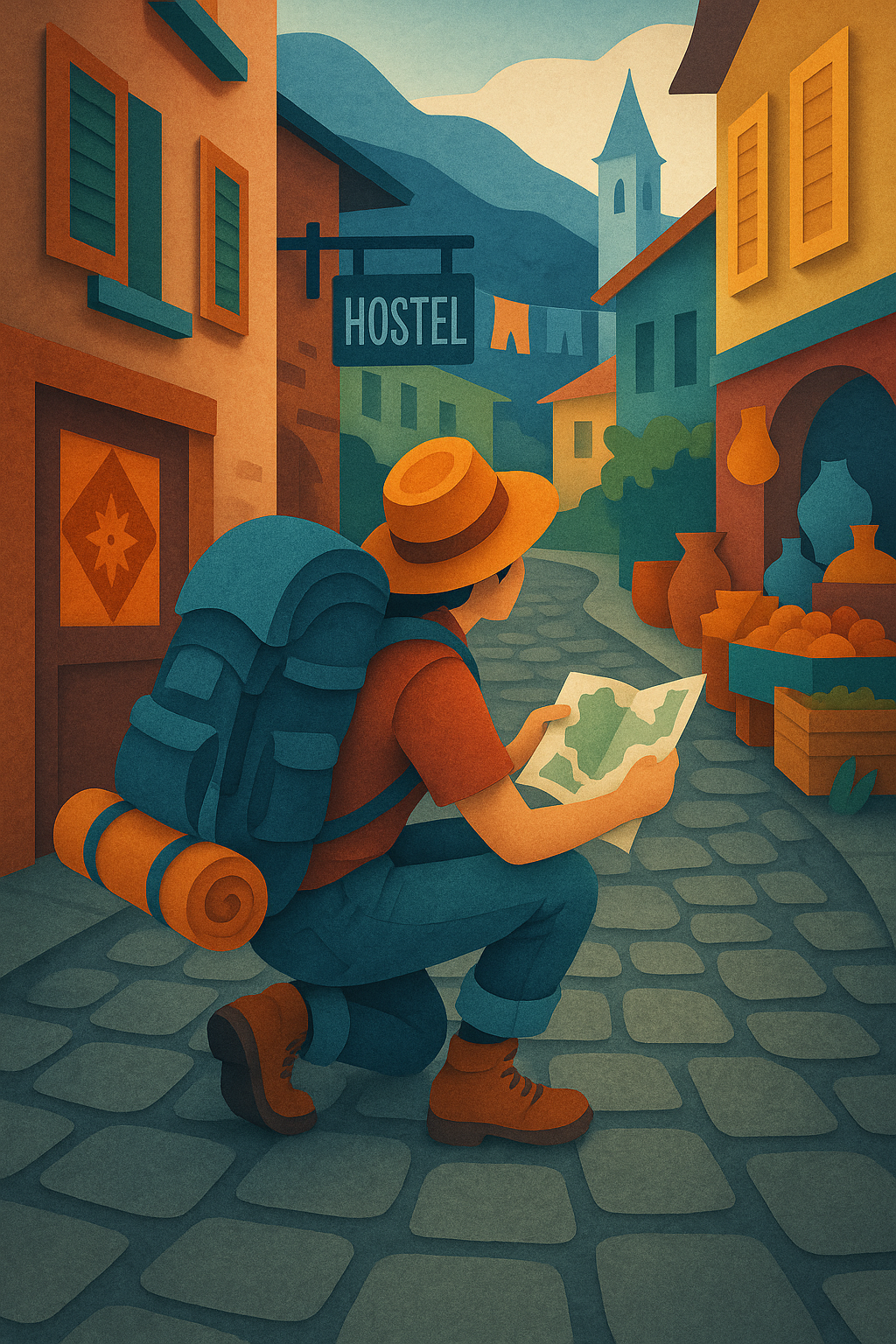
A backpacker looks at a map outside a hostel near a market in a European town

Types of Flexible Travel Options

Numerous flexible travel options cater to diverse preferences. Backpacking allows adventurers to traverse multiple countries with minimal planning, while roadtrips provide the freedom of the open road. Vacation rentals offer customizable accommodations, allowing travelers to tailor their stay according to their needs. 

Digital nomadism promotes a lifestyle where remote work supports ongoing travel, enabling longer stays in various locales. 

Furthermore, short-term rentals and hostels present unique opportunities for social interaction among travelers. Each option reflects the evolving landscape of travel, emphasizing adaptability and individuality.

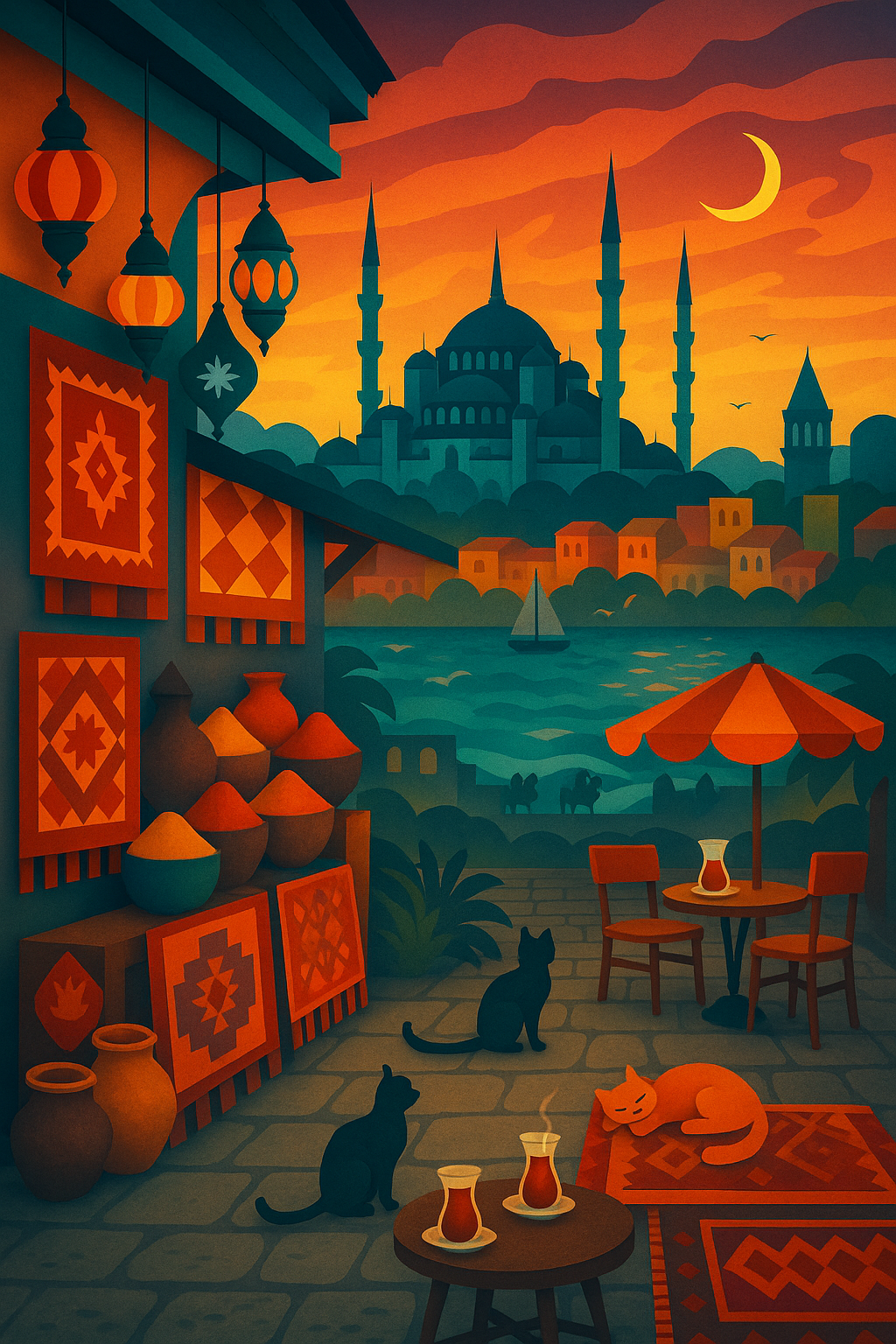
Cats hang out by a cafe near a spice and rug market in Istanbul, Turkey, with the river and the Hagia Sophia across the way

Freedom: The Modern Nomad's Priority

Flexibility defines the contemporary travel experience. Today's travelers favor personalized adventures that cater to individual preferences. This desire for customization impacts how people approach their journeys, leading to diverse options that allow for spontaneity. Travelers can easily adjust itineraries based on interests or local insights, embracing the unexpected.

Personalization of Travel Experiences

Personalized travel experiences cater to individual preferences, allowing travelers to choose destinations that resonate with them. Less-corporate accommodations, such as boutique hotels and vacation rentals, provide the freedom to explore varied environments, enhancing overall enjoyment. 

And customized itineraries enable travelers to pick activities aligning with their interests, from cultural experiences to outdoor adventures. This level of personalization fosters a sense of ownership over the travel experience, making each trip more tailored and memorable.

Budget Considerations 

Budget plays a significant role in choosing travel methods. Flexible options often present more cost-effective alternatives to traditional vacation packages. Travelers can seek affordable accommodations, local dining experiences and transportation solutions that fit their budgets. This adaptability allows individuals to allocate resources towards activities that amplify their experiences. 

Moreover, last-minute travel deals and off-peak season discounts permit travelers to maximize their spending power, enabling them to enjoy enriching experiences — with minimal financial strain.

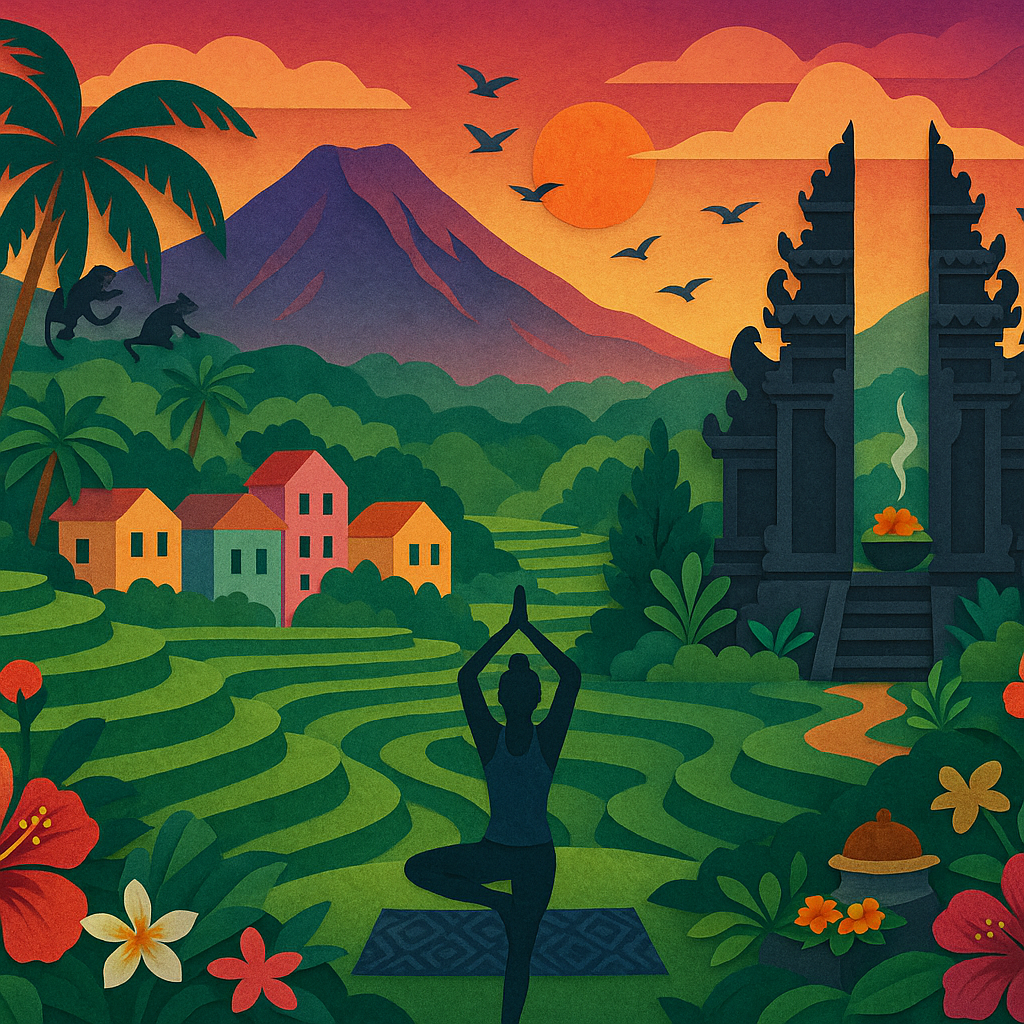
A woman does yoga while looking out at rice terraces, a temple gate and a volcano on Bali, Indonsesia

Comparing Timeshares vs. Flexible Travel

The distinction between traditional vacation ownership models and adaptable travel options shows a significant shift in consumer preferences. This contrast highlights the varying costs and lifestyle effects associated with each choice.

Cost Analysis

Timeshare ownership often requires a substantial upfront investment, with prices ranging from $10,000 to $50,000. Prospective owners face additional ongoing maintenance fees that usually range from $500 to $2,500 annually. These costs add to the financial burden, particularly for those who may not regularly use the property. 

Conversely, adaptable travel options offer more variety in pricing. Costs vary significantly based on destination, time of year and traveler flexibility. Budget-conscious individuals can often secure affordable accommodations and activities, allowing for cost-effective travel experiences that suit their financial circumstances. This adaptability encourages last-minute bookings and spontaneous adventures, which can lead to overall lower expenses.

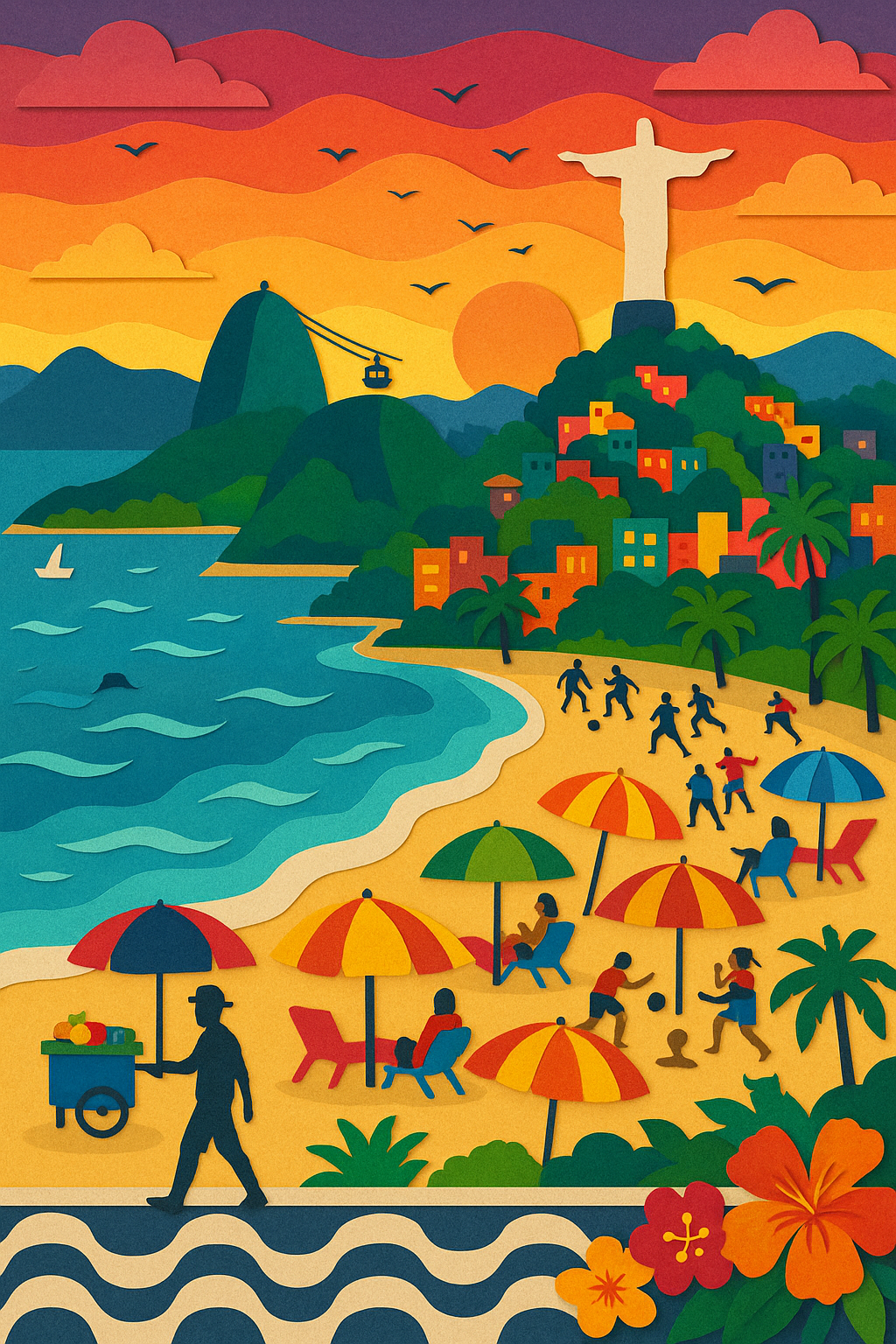
A beach in Rio, Brazil, where people sit in chairs, play soccer, and a man sells treats from a cart, with buildings on the hill, a sky tram and the giant statue of Christ

Lifestyle Impact

Lifestyle greatly influences traveler choices, with commitment levels differing between ownership and flexibility. Timeshare arrangements provide a consistent getaway experience for families or individuals who prefer routine holiday planning. However, this predictability can also restrict spontaneity, limiting exploration to established locations. 

In contrast, those who embrace flexible travel typically prioritize adventure and variety. They often seek meaningful experiences that foster personal growth and connection to new places. This lifestyle is appealing, as it allows travelers to immerse yourself in local cultures and adapt their itineraries based on personal preferences. 

Ultimately, the choice between ownership and flexibility reflects differing lifestyles, with each option catering to specific travel aspirations and desires.

Two men walk through a street food market in Seoul, Korea at night

From Ownership to Adventure: A New Way to See the World

The shift toward flexible travel signals a new era for modern nomads who value freedom and spontaneity. As travelers increasingly seek personalized experiences that cater to their unique interests, the rigid structure of timeshares falls short. Flexible travel options not only accommodate diverse preferences but also offer budget-friendly solutions that align with today’s dynamic lifestyle.

This transformation in travel preferences reflects a broader desire for adventure and adaptability. The future of travel is undoubtedly leaning toward flexibility, empowering individuals to create memorable journeys on their own terms. –Vivek Singh

Controversial Theories of Sodom and Gomorrah, Lot’s Wife and His Daughters’ Incest

Long held up as a reason God hates gays, the Bible’s tale of Sodom and Gomorrah is soaked in fire, lust and cruelty — and its true meaning might not be what you expect.

Lot, his wife, and their two daughters flee Sodom, which burns behind them

The tale of Sodom and Gomorrah is so disturbing, I have to imagine it’s skipped over in Sunday school.

We read parts of the Bible as literature in my Honors English class (it was the ’80s, and it was in California). I couldn’t believe what I was reading: attempted gang rape of a couple of angels, a father offering his daughters to be raped instead, a city wiped out by fire from heaven, and a woman killed in a bizarre fashion for daring to look back on the destruction of her city. And all that’s before the insane incest episode.

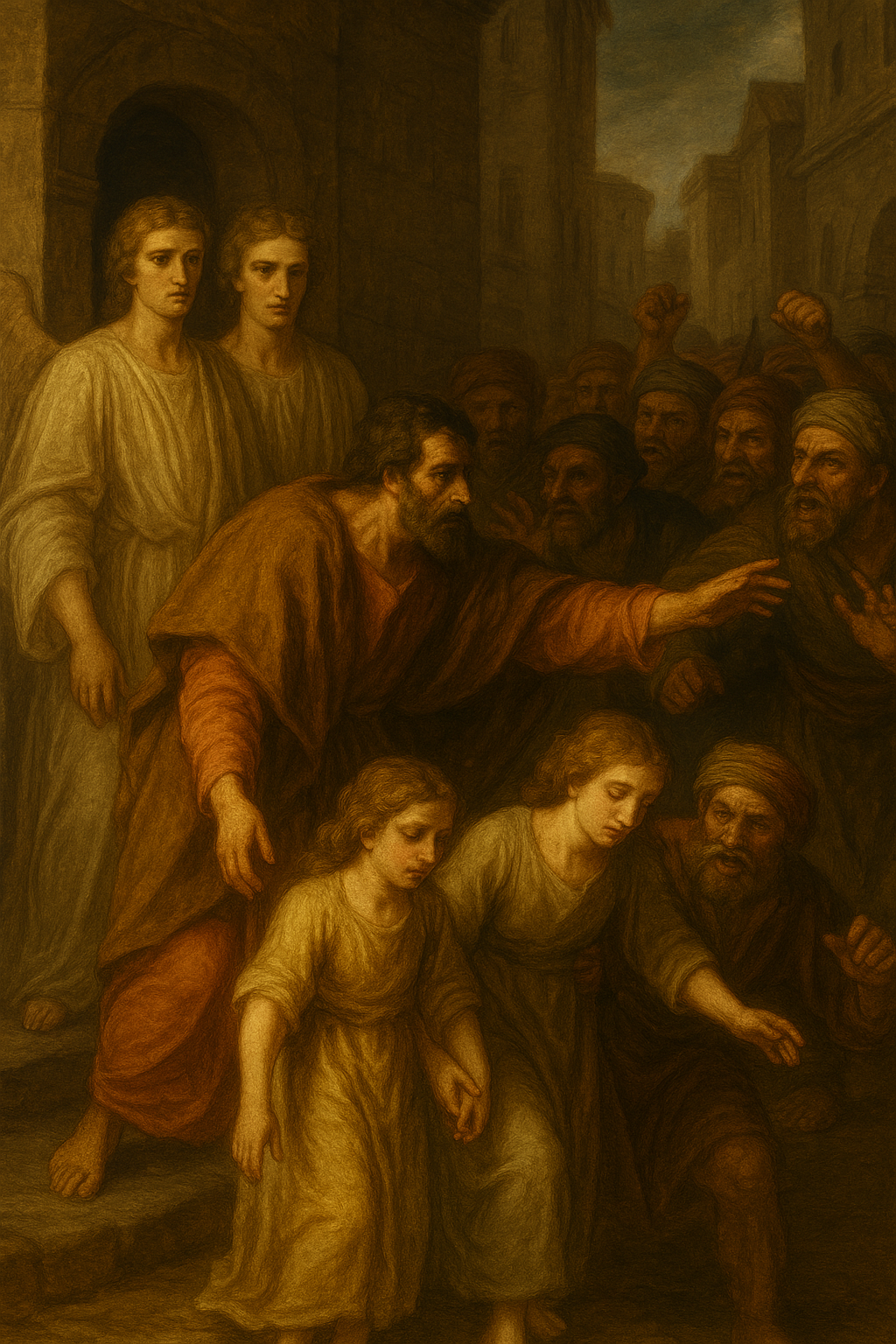
Lot protects two angels from a mob of men who want to rape them, offering up instead his two young daughters

If the men of your town want to gang rape a couple of angels, you could offer up your virgin daughters instead, like Lot did.

The Story of Sodom and Gomorrah Retold

The tragic tale of Sodom and Gomorrah begins with Abraham receiving three visitors near his tent (Genesis 18:1–2). One is presented as the Lord himself, the others as angelic messengers. (Follow the link if you’re curious about what God looks like, according to descriptions in the Bible.)

After announcing that Abraham’s barren wife Sarah will bear a son, the conversation shifts:

“Because the outcry against Sodom and Gomorrah is great and their sin is very grave, I will go down to see whether they have done altogether according to the outcry that has come to me” (Genesis 18:20–21).

It’s Noah’s Ark and the Flood all over again.

But Abraham does something no one expects: He bargains with God. “Will you indeed sweep away the righteous with the wicked?” he demands. Starting at 50 innocents, Abraham haggles down, until God finally agrees that if 10 righteous people can be found, the cities will be spared. Spoiler: It’s not looking good.

Two angels arrive at Sodom in the evening. Lot, Abraham’s nephew, sees them at the city gate and insists they stay at his house. Hospitality is a sacred duty in the ancient world — it involved food, shelter and protection for strangers.

RELATED: What did angels and monsters of the Bible actually look like?

But soon the men of the city surround Lot’s house and demand, “Bring them out to us, that we may know them” (Genesis 19:5). The Hebrew verb yadaʿ (“to know”) can mean simply “to be acquainted,” but this is unmistakably a sexual context: The crowd is demanding sexual access to the strangers — in plain terms, a gang rape.

Lot steps outside and does the unthinkable. “I beg you, my brothers, do not act so wickedly. Behold, I have two daughters who have not known any man; let me bring them out to you, and do to them as you please” (Genesis 19:7–8). In protecting his guests, Lot offers his own innocent daughters to the mob. It’s one of the Bible’s most horrifying moral reversals: The sacred code of hospitality is upheld by sacrificing family.

The crowd surges forward, but the angels intervene. They strike the men blind and warn Lot: Gather your family, because the city is about to be destroyed. Lot hesitates, so the angels drag him, his wife and his daughters outside the city and command them not to look back.

Then comes the fire and brimstone:

“The Lord rained on Sodom and Gomorrah sulfur and fire from the Lord out of heaven. And he overthrew those cities, and all the valley, and all the inhabitants of the cities, and what grew on the ground” (Genesis 19:24–25).

As they flee, Lot’s wife can’t help herself; she looks back — and she is instantly turned into a pillar of salt. The text doesn’t explain why. We’ll get into that later.

By morning, Abraham looks down and sees the aftermath: The cities are ash. The people have been slaughtered.

Lot stops a mob from raping two beautiful strangers in Sodom who are actually angels

Was the sin of Sodom actually not homosexuality, but inhospitality? That’s what a prophet states in the Bible.

What Was the Sin of Sodom, Really?

Ask most people what Sodom and Gomorrah were destroyed for, and you’ll get one answer: homosexuality. The very word sodomy was coined from this story. For centuries, preachers and politicians alike have pointed to Genesis 19 as God’s final word on same-sex relations.

But here’s the problem: The text itself is more complicated — and so is the Bible’s own commentary on it. Let’s break down the main theories.

1. The homosexuality reading

On the surface, it seems straightforward. The men of Sodom demand Lot’s guests be brought out so they can “know” (rape) them (Genesis 19:5). For traditional interpreters, this sealed the case — Sodom was destroyed because of same-sex desire.

This reading has dominated Christian tradition for centuries. Theologians from Augustine to Aquinas hammered it home. English law codified it: “Sodomy” became shorthand for outlawed sexual acts, especially between men. Even today, when someone thunders about “the sin of Sodom,” they usually mean homosexuality.

2. Inhospitality and cruelty

But later prophets in the Bible revisit the story — and they say something else entirely. Ezekiel, writing in the 6th century BCE, names Sodom’s real guilt:

“This was the guilt of your sister Sodom: she and her daughters had pride, excess of food, and prosperous ease, but did not aid the poor and needy” (Ezekiel 16:49).

For Ezekiel, the problem isn’t sex. It’s arrogance, greed and cruelty to outsiders. Rabbinic tradition runs with this, imagining Sodom as a place where feeding the poor was a crime, and where cruelty to strangers was institutionalized. Michael Carden, author of Sodomy: A History of a Christian Biblical Myth, calls this the “counter-myth”: Sodom as the anti-charity city, not the gay city.

3. Sexual violence, not orientation

Another line of argument: The story isn’t about homosexuality at all, but about rape. The mob’s demand to “know” the strangers isn’t a request for consensual intimacy — it’s the threat of gang rape as a weapon of humiliation. In the ancient world, raping a man wasn’t about desire; it was about domination.

Scholars like Daniel M.G. Peterson (Journal of the Evangelical Theological Society, 2016) argue that Genesis 19 is about violent abuse of guests, not a blanket condemnation of same-sex relations. Todd Morschauser (Journal for the Study of the Old Testament, 2003) adds that the real violation here is against the sacred duty of hospitality — a core social law in the ancient Near East.

4. Angelic lust and “strange flesh”

And then there’s Jude 7, one of the New Testament’s strangest verses. It says Sodom and Gomorrah “indulged in sexual immorality and pursued strange flesh.” What’s “strange flesh”? Some scholars, like Richard Bauckham, argue it means the townsmen were lusting after non-human beings: the angels. This ties Sodom’s sin to another bizarre biblical episode, Genesis 6, where “sons of God” mated with human women. In this reading, Sodom’s crime is literally interspecies sex. Philo and Josephus, Jewish writers of the 1st century CE, leaned into the same interpretation.

So which is it?

Here’s the uncomfortable truth: The Bible itself doesn’t give a single answer. Genesis suggests violent sexual intent. Ezekiel condemns arrogance and neglect of the poor. Jude hints at lust for angels. And later interpreters layered centuries of theology on top.

The result? Sodom has been weaponized in debates over everything from sexual orientation to social justice to migration. Which makes the story less about what really happened in some desert city, and more about what every generation wants it to mean.

A meteor or fire from heaven shoots down up the city of Sodom

Did a Meteor Destroy Sodom and Gomorrah?

Modern scientists have even tried to explain this “fire from heaven” literally. In 2021, archaeologists at Tall el-Hammam in Jordan argued the site was destroyed by a cosmic airburst — a meteor exploding in the sky with the force of a nuclear bomb. They pointed to melted pottery, “shocked quartz” (minerals only formed under extreme heat), and destruction debris. The resemblance to Genesis 19 was uncanny: an entire city leveled in an instant.

But in 2025 the journal Scientific Reports retracted the paper, citing flaws in methodology and dating. Critics warned the evidence could just as easily be explained by conventional fire. Still, the idea isn’t so far-fetched. Events like Tunguska in 1908 prove that airbursts can flatten cities. If something like that happened near the Dead Sea, it’s easy to see how storytellers would remember it as divine fire raining from the sky.

Lot's wife dying in anguish, half turned into a pillar of salt for looking back at the destruction of her city, Sodom

Don’t look back. You might get turned into a pillar of salt like poor Lot’s unnamed wife.

Lot’s Wife: Punished, Petrified or Politicized?

When fire rains down on Sodom, Lot’s family flees into the hills. The angels warn them not to look back. But then comes the infamous moment:

“But Lot’s wife, behind him, looked back, and she became a pillar of salt” (Genesis 19:26).

No explanation. No name. Just a glance — and she’s erased.

This hauntingly brief verse has spawned centuries of speculation, interpretation and flat-out weirdness.

1. The moralistic reading

Most traditional commentators take it at face value: Lot’s wife was punished for disobedience. The church fathers doubled down on this, making her the ultimate warning against nostalgia for a sinful past. Augustine in City of God saw her as an allegory for those “who set their heart upon the things they left behind.” In Christian sermons she becomes a cautionary tale: Look back, and you’ll turn to salt, too.

But this interpretation is shaky. Genesis doesn’t say she disobeyed an explicit command not to look back (only that the family should “not look behind you” in Genesis 19:17). Was one backward glance really enough to justify obliteration?

2. The misogynist scapegoat theory

Feminist scholars point out that Lot escapes with impunity despite offering his daughters to a mob, yet his wife is destroyed for… turning her head. Phyllis Trible, in Texts of Terror, argues the story reflects a patriarchal worldview, where women’s bodies and choices are more heavily policed than men’s. Her erasure is less about sin than about the text’s need to silence her.

3. Geology and topography

Mount Sedom is a giant salt diapir (an underground dome of salt pushed up by tectonics) that produces natural pillars as it erodes. One pillar, still standing today, is even called “Lot’s Wife.”

Geologist Amos Frumkin has studied the region extensively, showing how the salt formations collapse and reform over time. In 2019, researchers mapped Malham Cave beneath it — the world’s longest salt cave, stretching more than six miles. This landscape generates what might be considered women of salt. The biblical story may have been a myth grafted onto a strange geological reality.

4. Josephus and the “I saw it myself” school

The Jewish historian Josephus (Antiquities 1.203) claimed he personally saw her salt statue near the Dead Sea: “I have seen it, and it remains at this day.” He wasn’t alone — later pilgrims also reported a “Lot’s Wife” pillar, treating her as a literal tourist attraction.

But note: Josephus is writing centuries after the supposed event. Was he describing an actual salt formation — one of many human-shaped columns along Mount Sedom — or simply playing into readers’ appetite for proof?

5. The metamorphosis theory

Others see the salt transformation not as punishment but as mythic metamorphosis, a trope familiar in Greek and Mesopotamian stories, where humans turn into stone, trees, stars or other objects. Scholar Tikva Frymer-Kensky points out that in the ancient world, such transformations were ways to explain uncanny natural features. Lot’s wife isn’t so much executed as fossilized into story — the Bible’s version of a myth explaining why a salt pillar looks like a woman.

Why the Story of Lot’s Wife Still Shocks Us

Lot’s wife lingers because she’s the most human character in the tale. Who wouldn’t look back as your entire world burns? Yet the text freezes her into silence, her memory crystallized in salt. Whether you read her as a moral lesson, patriarchal scapegoat or geological metaphor, she embodies the story’s strangest truth: Sometimes the Bible isn’t about justice at all, but about the terrifying cost of looking back.

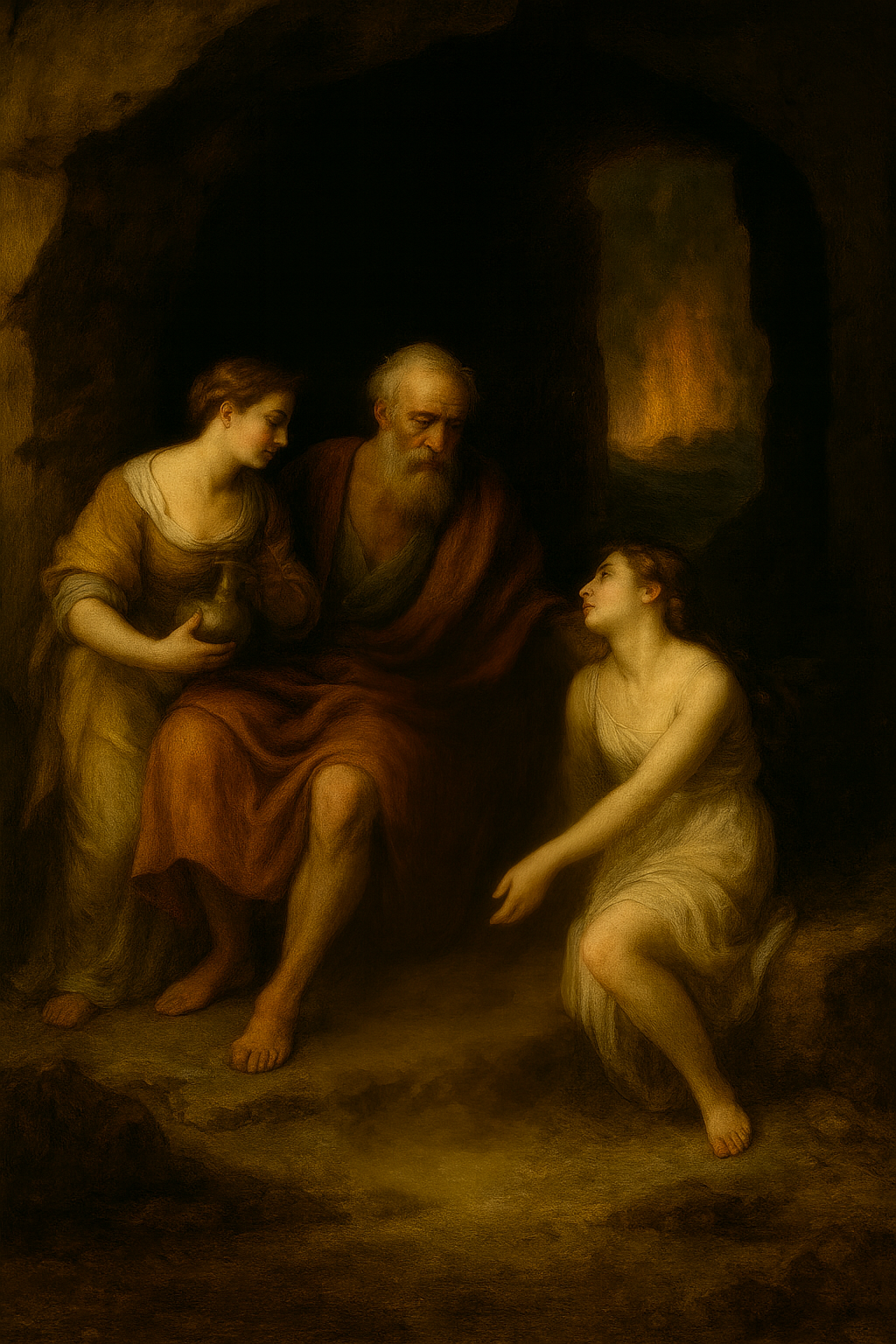
In a cave, Lot's two young daughters offer their dad wine to get him drunk to have sex with him

What do you do when you think you’re the last survivors of an apocalypse? If you’re Lot’s daughters, the answer is as twisted as it gets: Get your father drunk, seduce him, and call it saving the human race.

Lot’s Daughters: Desperate Survival or Smear Campaign?

The story doesn’t end with fire or a wife turned to salt. It takes an even darker turn. In a cave outside of town, Lot’s daughters are some of the most intriguing women of the Bible. They believe they’re the last people alive and decide they must preserve humanity. Their shocking solution? Get their father so drunk that he won’t know what’s happening, then sleep with him on successive nights to conceive children. As disturbing as it sounds, the plan works:

“Thus both the daughters of Lot became pregnant by their father. The firstborn bore a son and called his name Moab… The younger also bore a son and called his name Ben-Ammi” (Genesis 19:36–38).

Why is this story here?

On the face of it, this is a grotesque act of survival — women convinced that humanity has been annihilated, preserving the family line at any cost. But as most scholars point out, this is less about family drama and more about national smear.

1. A political insult
These names could be construed as insults in Hebrew: Moab = “From Father,” Ben-Ammi = “Son of My Kin.” The text is inventing an incestuous origin story for Israel’s neighbors, the Moabites and Ammonites. 

2. Echoes of trauma and survival

Some feminist and trauma theory interpreters argue the daughters’ actions should be read less as villainy and more as desperation. Trible calls them “victims turned perpetrators,” noting the way the text frames women as responsible for preserving lineage in a collapsing world. The fact that Lot is passed out drunk — silent, passive — makes him more of a tool than a father. In this reading, the daughters are both condemned and heroic, doing what’s necessary when the men fail.

3. Lot’s moral collapse
Readers often notice the contrast: Lot, once rescued by angels, is reduced to a drunken vessel of incest. He who offered his daughters to a mob now unknowingly fathers their children. It’s as if the text is saying: This man is no patriarch. His line doesn’t produce Israel but its despised neighbors instead.

4. Comparative myth: drunken fathers and cursed sons

Scholars like Frymer-Kensky point out that stories of drunkenness leading to shameful sex or exposure appear elsewhere in the Bible (think Noah and Ham in Genesis 9). 

Even in a book filled with violence and betrayal, this story stands out. Incest, intoxication, national insult — it’s as messy as myth gets. And that’s the point. For Israel’s storytellers, the worst thing you could say about your enemies was that their ancestors were born of drunken incest in a cave. For modern readers, it’s a reminder that not all Bible stories are morality tales. Some are propaganda with a razor’s edge.

The ruins of a city that could be Sodom or Gomorrah

Have archeologists found evidence of an actual city of Sodom?

Did Sodom Exist? The Archaeology Wars 

It’s one thing to read about sulfur raining from heaven. It’s another to try to find the ruins. For over a century, archaeologists and Bible-believers alike have gone hunting for the “cities of the plain.” The results? Charred ruins, wild theories and even a retracted scientific paper.

1. The southern Dead Sea theory
Back in the 1970s and ’80s, excavations at Bab edh-Dhrāʿ and Numeira, sites along the southeastern shore of the Dead Sea, revealed Bronze Age cities suddenly destroyed by fire. Ash and collapsed buildings looked like a smoking gun. Scholars like Paul Lapp and later Bryant Wood suggested these were Sodom and Gomorrah.

The problem? The dating doesn’t quite line up with when Genesis was written. These cities were destroyed around 2350 BCE, more than a thousand years before Israel’s storytellers put pen to papyrus. Still, for many, the fit was too good to ignore: real ruins for a fiery legend.

2. The Tall el-Hammam explosion

Fast forward to the 2000s. Archaeologist Steven Collins began excavating Tall el-Hammam, a massive mound in Jordan northeast of the Dead Sea. He argued this was the real Sodom — and in 2021, his team published a blockbuster paper in Scientific Reports.

The claim? Around 1650 BCE, Tall el-Hammam was obliterated by a cosmic airburst — basically, a meteor exploding in the sky with the force of a nuclear bomb. The story went viral: The Bible was right all along, and Sodom was nuked from the heavens.

3. The retraction bombshell
But science, unlike myth, has peer reviews. In 2025, the Scientific Reports editors retracted the paper after a wave of criticism. Other archaeologists pointed out flaws in dating, methodology and interpretation. Was there a destructive event? Probably. Was it a meteor? The evidence was inconclusive. And was it Sodom? That was wishful thinking.

In the end, the shovel hasn’t solved what the story means. Archaeology can uncover ash and ruin. But it can’t make the leap from disaster to divine fire.

Gomorrah barely gets its own story — it’s lumped in with Sodom, doubling the body count and amping up the horror.

Burning Questions About Sodom and Gomorrah

Taken as a whole, the story of Sodom and Gomorrah is one of the most unsettling in the Bible. Abraham bargains with God, only to watch the city go up in flames. A mob demands to rape angelic visitors, and Lot offers his virgin daughters instead. His wife is erased for a single glance. His daughters seduce him in a cave and give birth to Israel’s future enemies. And hovering over it all is the question: What, exactly, was the sin that brought fire from heaven?

For centuries, most Christians have answered: homosexuality. Yet the Bible itself offers multiple interpretations — violent inhospitality, arrogance and greed, even lust for angels. 

What Sodom shows us is not divine clarity but interpretive chaos. The story has been a weapon, a warning, a myth to explain geology, a national insult and a theological Rorschach test. Every generation has found in it what it fears most: sex, strangers, arrogance, outsiders, women, enemies.

And maybe that’s the real controversy. Not whether sulfur actually fell from heaven, or whether a salt pillar still stands along the shores of the Dead Sea — but the way this story keeps being recycled to serve human agendas. The text itself smolders with a fire that never quite goes out. –Wally

MORE: Read controversial theories about the Tower of Babel

Aging Abroad: What Happens When Wanderlust Meets Healthcare Reality?

Dreaming of retiring overseas? Just don’t forget the part where healthcare abroad can make or break the adventure.

Picture it: a cocktail in hand, sea breeze in your hair, and the smug glow of knowing your rent costs less than a latte back home. Retiring overseas is no longer a pipe dream — it’s a lifestyle choice gaining traction. Some chase affordability, others crave warmer climates, slower living, or cultures that actually value elders rather than treating them as invisible.

There’s also the undeniable thrill of slipping out of old routines — endless medical bills, icy driveways, and cookie-cutter schedules. Aging abroad feels like a second adolescence, only this time with better wine and an expat WhatsApp group. But while the sunsets are real, so are the shadows. And the biggest one? Healthcare.

When Health Complicates the Journey

A sprained ankle in your 30s is a funny travel story. A sprained ankle in your 70s can derail the whole adventure. Suddenly those cobblestoned streets aren’t charming — they’re a liability. Even with good insurance, medical care abroad is a maze. Some expats luck into private clinics with glossy waiting rooms. Others meet Kafka in scrubs: long waits, opaque procedures, and paperwork that makes taxes look fun.

And if independence starts slipping — dementia, chronic pain, mobility loss — distance from family can morph from liberating to isolating. The dream of freedom abroad can curdle into the nightmare of facing it all alone.

Elder Care: A Global Comparison

Here’s the truth: no country has cracked the code on perfect elder care.

  • Japan: robust policies, but family caregiving still carries much of the load.

  • Sweden: enviable systems, but coverage depends on region.

  • Latin America & Southeast Asia: private care may be affordable, but it’s often unregulated.

  • U.S.: many lean on nursing homes — structured, yes, but not risk-free. Understaffing and neglect have made more than a few families call a trusted nursing home abuse lawyer to fight for loved ones’ dignity.

The global patchwork is evolving, but consistency remains elusive. For expats, the question is less “Will care be available?” and more “Will it be available for me?”

Expat Vulnerabilities: No One Plans to Need Help

Living abroad comes with a seductive aura of independence. But aging can puncture that bubble fast. Falls, misdiagnoses, or slow-creeping memory loss all carry heavier consequences when there’s no family nearby to intervene.

And let’s be blunt: non-citizens aren’t always top of the priority list in public health systems. Residency status, language barriers, and red-tape legalities can turn an ER visit into a bureaucratic endurance test. Even fluent speakers get tripped up on medical jargon. And in cultures where elder care is expected to be family-driven, expats may find themselves dangling without a safety net.

These quiet risks don’t make glossy Instagram posts — but they’re part of the full picture, as this reflection on the deeper challenges of expat life reminds us.

Planning for the “What-Ifs”

The antidote to uncertainty? A plan — preferably before things get messy. That means:

  • Legal documents: local wills, power of attorney, medical directives.

  • Healthcare intel: know what’s included, what isn’t, and how private options stack up.

  • Residency requirements: some countries restrict benefits to permanent residents, others mandate proof of insurance.

  • Provider prep: research elder care facilities and caregivers now, not in crisis.

  • Social scaffolding: build strong community ties; they’ll matter more than you think.

As one account of how living abroad reshapes people over time suggests, optimism alone doesn’t cut it — perspective and preparation do. For a bigger-picture view, the World Health Organization’s global strategy on aging and health lays out how nations are trying (and sometimes failing) to meet the needs of their graying populations.

The Bottom Line on Aging Abroad

Aging abroad can be dazzling — full of freedom, discovery, and a life less ordinary. But it isn’t a fairy tale. It’s a story that requires honesty about frailty, foresight in planning, and the right community around you.

Preparation doesn’t diminish the dream. It sustains it. With the right groundwork, expats can age not with fear, but with clarity — knowing the sunsets and slow mornings will keep coming, even when health takes a turn. –Shahroz Yousaf