travel benefits

Best Secrets to Find Common Ground Anywhere

You don’t need a shared language to understand someone — just an open mind, a curious heart and maybe a meal together. Discover the simple, human gestures that turn strangers into friends anywhere in the world.

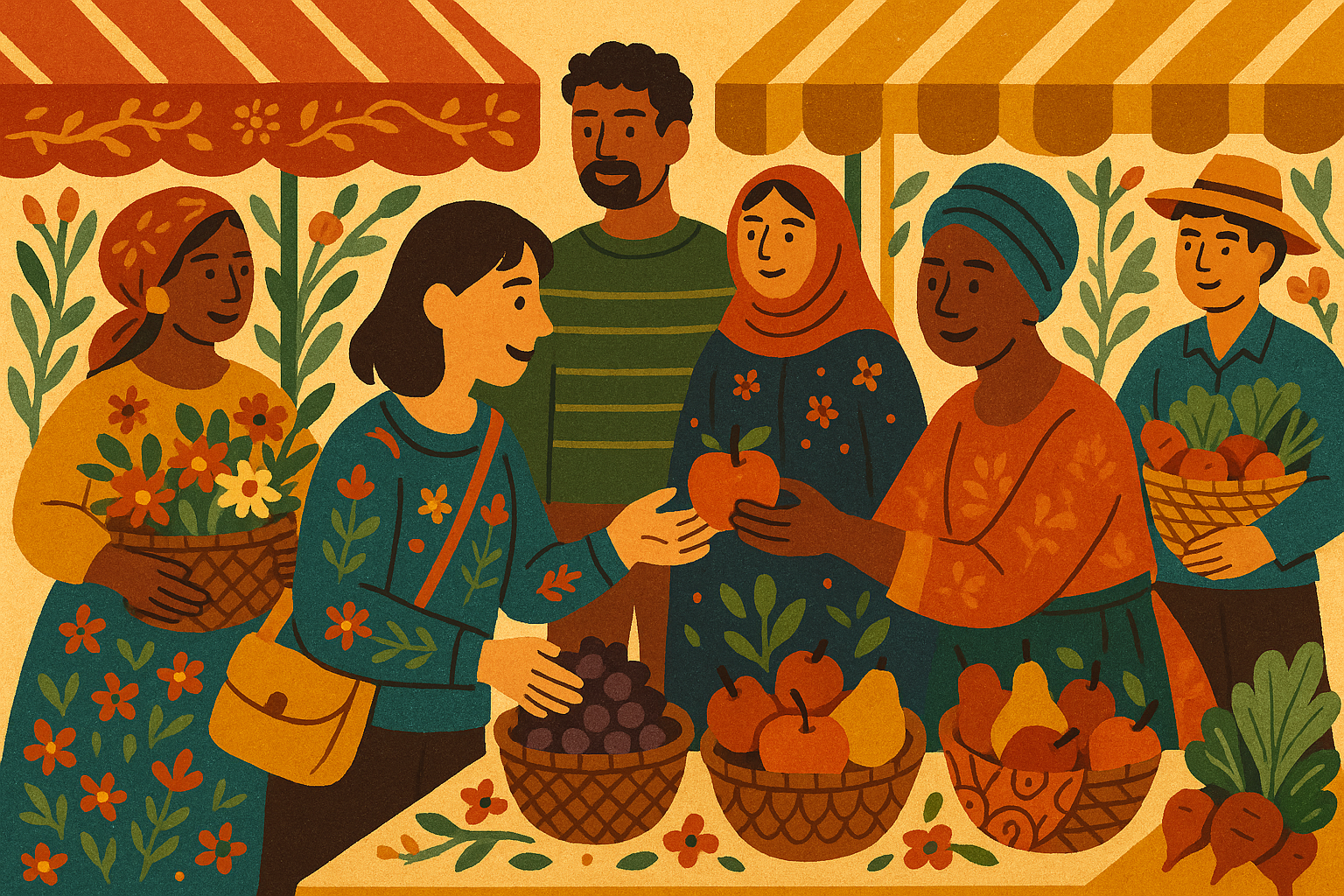
A woman shops at a fruit stand at a market, with awnings and other shoppers and vendors carrying baskets of flowers and vegetables

It doesn’t matter where you go — the language, the food or even the way people cross the street can feel alien. Yet, beneath all that difference, a pulse remains the same: People want to connect. In a world that moves faster than your next flight, finding common ground is more than just being polite; it’s survival for the modern traveler, the curious mind and the restless soul.

Travel is a series of encounters. And in every one, culture becomes both a bridge and a wall. According to a recent survey by Arival, over 65% of travelers say their most memorable experiences come from interactions with locals, not sightseeing. That statistic tells a quiet truth — shared understanding turns destinations into stories.

Here’s how to find common ground and make connections no matter where you travel: 

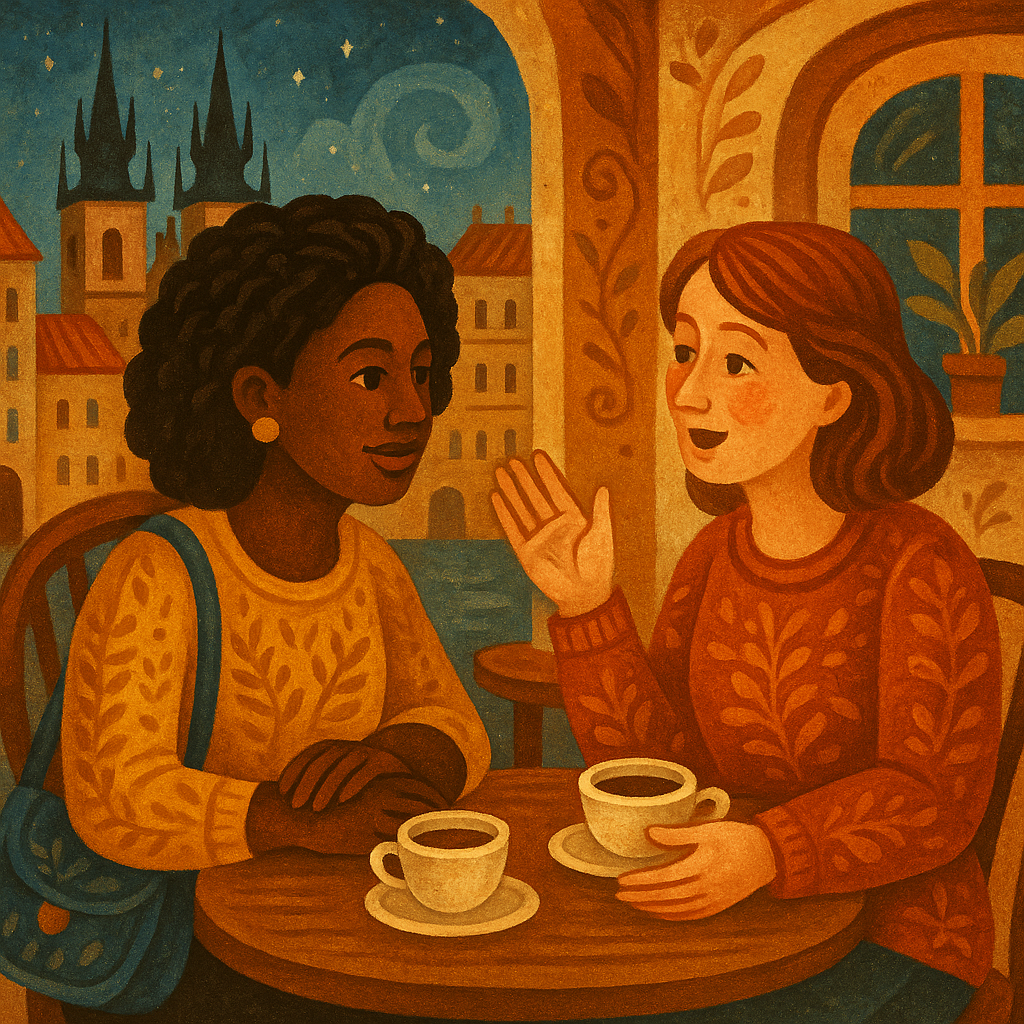
Two women talk over coffee at a cafe in Prague, Czech Republic

1. Start with listening — not talking. 

The first and most underestimated secret is silence. People often mistake connection for conversation, but the reality is gentler. Listening is what opens the door. When traveling to new cultures, the rhythm of speech, tone and pauses can often tell more than words themselves.

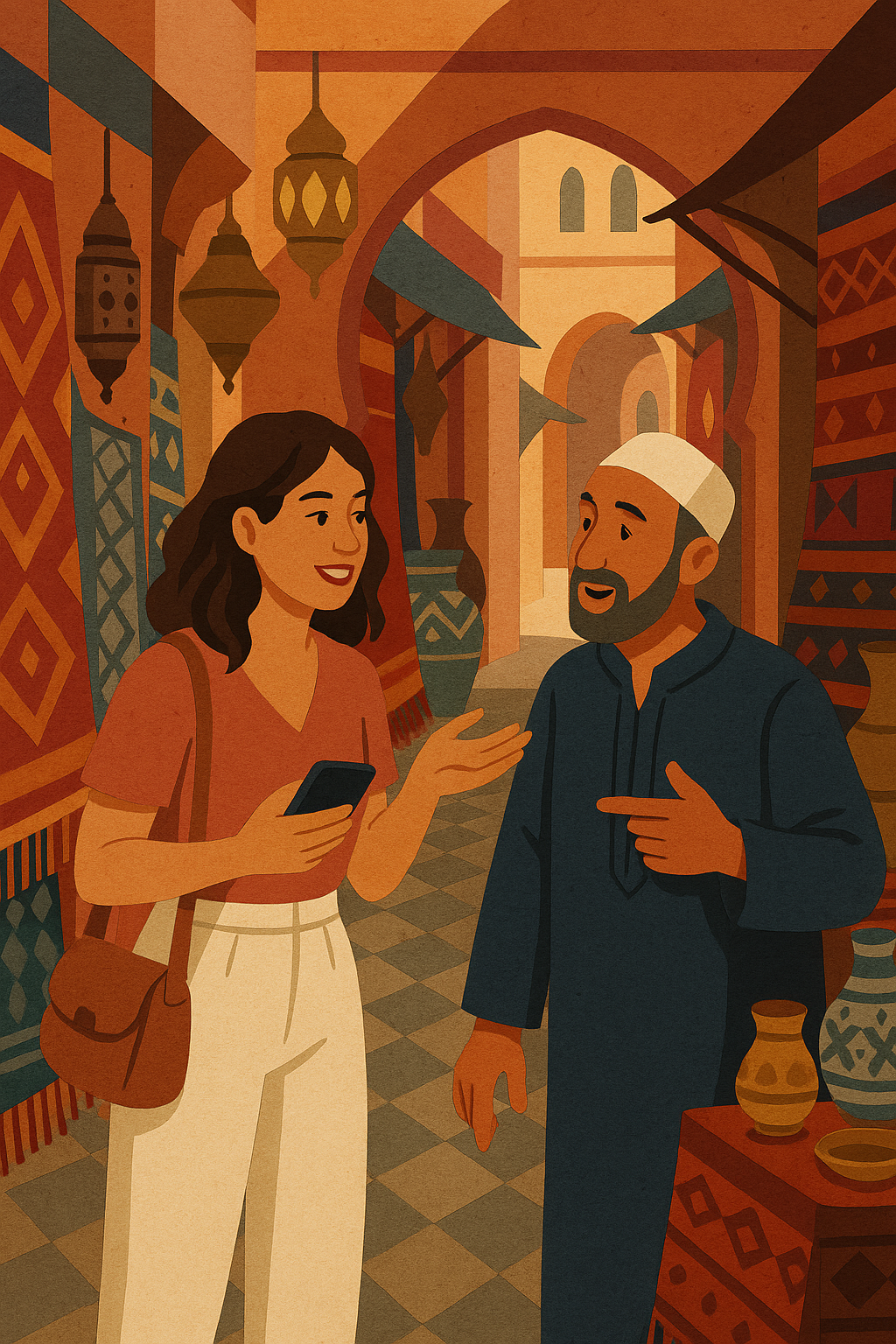
Think about it. When you’re in a market in Morocco, in a café in Prague or waiting for a train in Japan, what makes you part of that place isn’t what you say — it’s how you observe. Active listening, psychologists note, improves empathy and helps form trust almost 40% faster than normal conversation.

So, whether you’re in the middle of an adventure through remote villages or navigating a big city, the rule holds: The quieter you become, the more you hear.

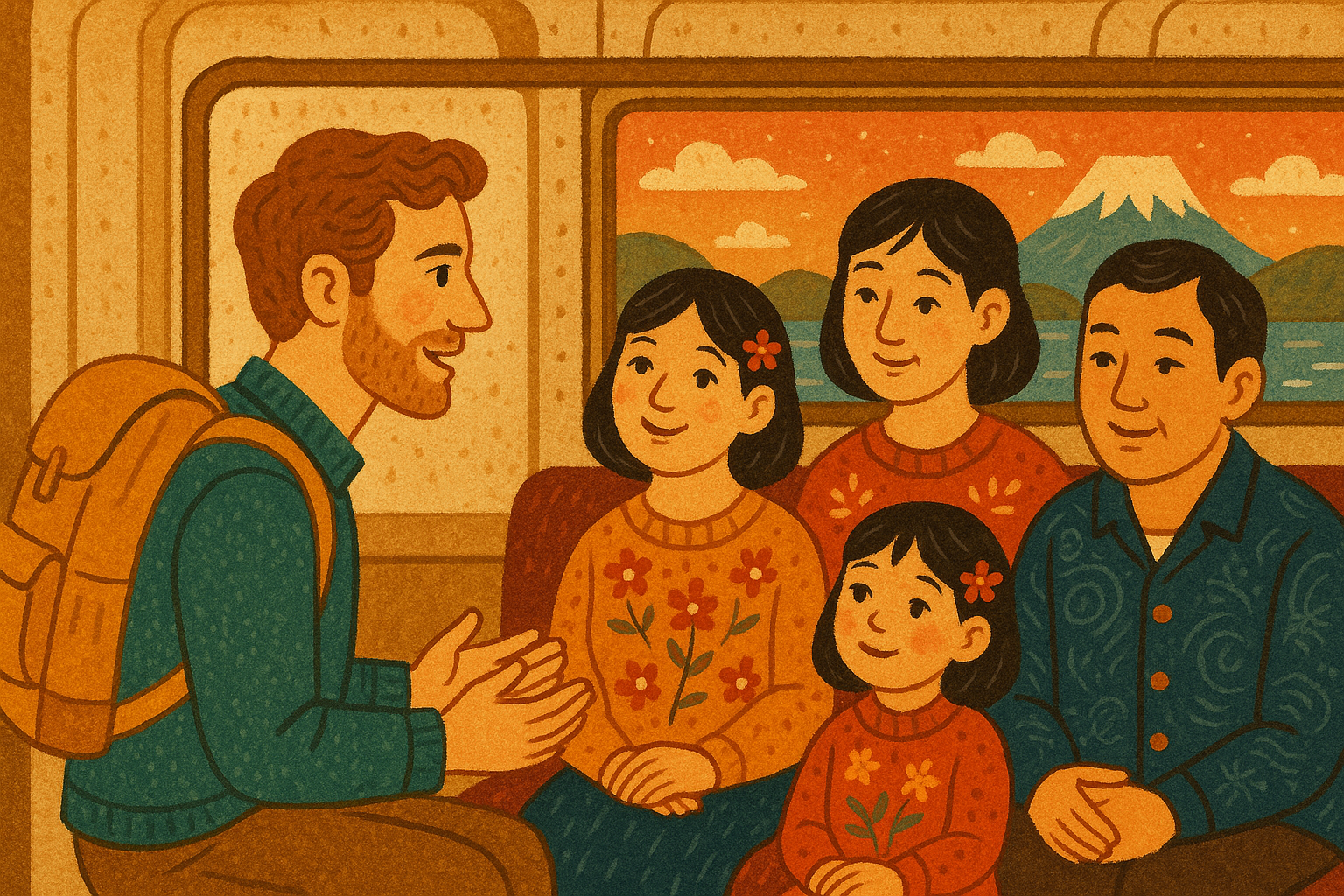
A man with a backpack talks with a Japanese family in a train compartment, with Mount Fuji seen out the window

2. Learn the little things. 

Culture isn’t always grand architecture or traditional festivals. Sometimes it hides in how people greet each other or how they serve tea. A traveler who learns to notice those things becomes less of an outsider.

Try saying just one word in the local language — not perfectly, just honestly. A study from the University of Cambridge showed that even a small attempt at local language increases positive reactions by nearly 70% in social encounters abroad. Why? Because effort is universal respect.

Adventure can also be about humility — learning from others without trying to prove that you already know something.

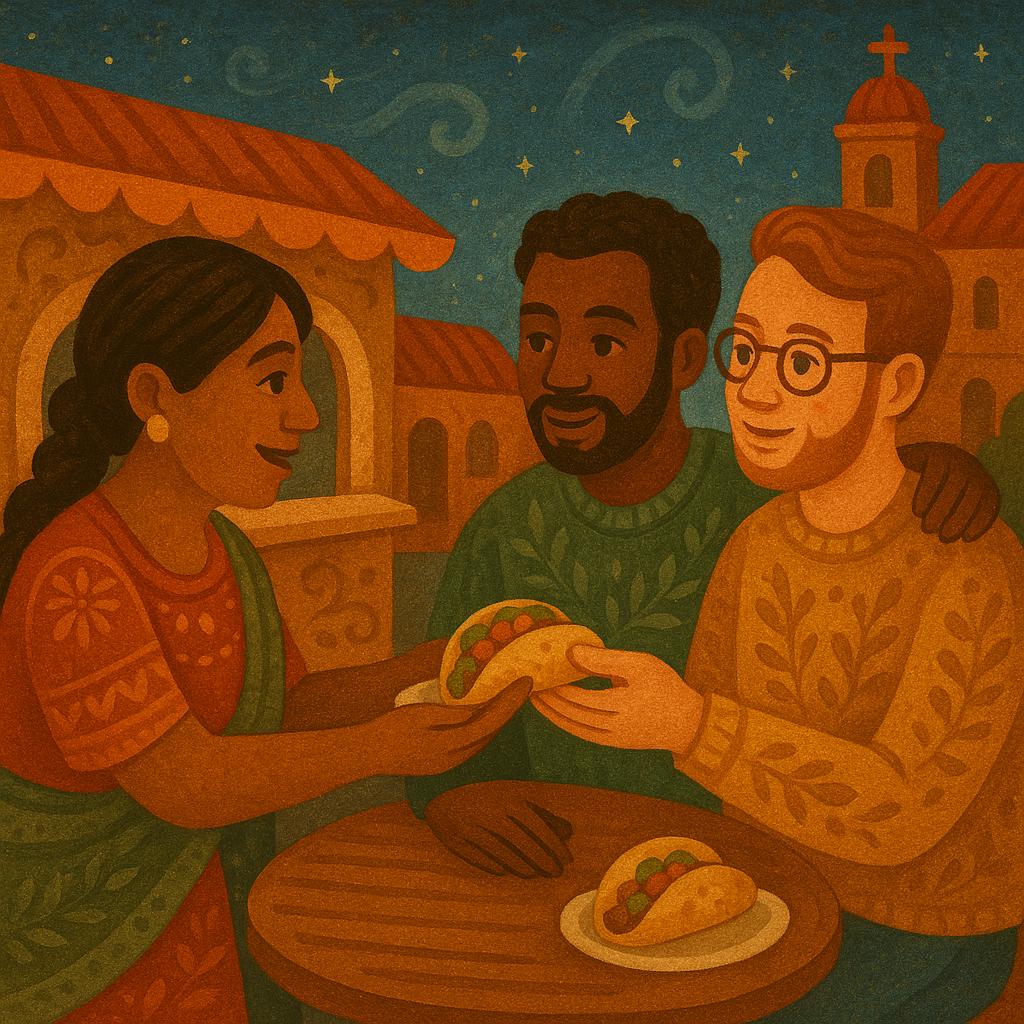
A gay couple is handed tacos from a street vendor in Mexico

3. Share food, share worlds. 

There’s no faster way to find common ground than by sharing a meal. Every dish is a cultural message — spicy, sweet, bitter or subtle, it tells a story of geography, history and survival. Sitting at a table, even in silence, can melt barriers faster than words.

In Thailand, you’ll see travelers and locals sharing street food without hesitation. In Italy, long lunches turn strangers into family. In Mexico, a tortilla passed from one hand to another carries warmth that no translation can express. Food, in essence, is diplomacy in disguise.

And yet, it’s more than that. Eating together reminds us that human adventure is shared — that we all need nourishment, warmth, laughter.

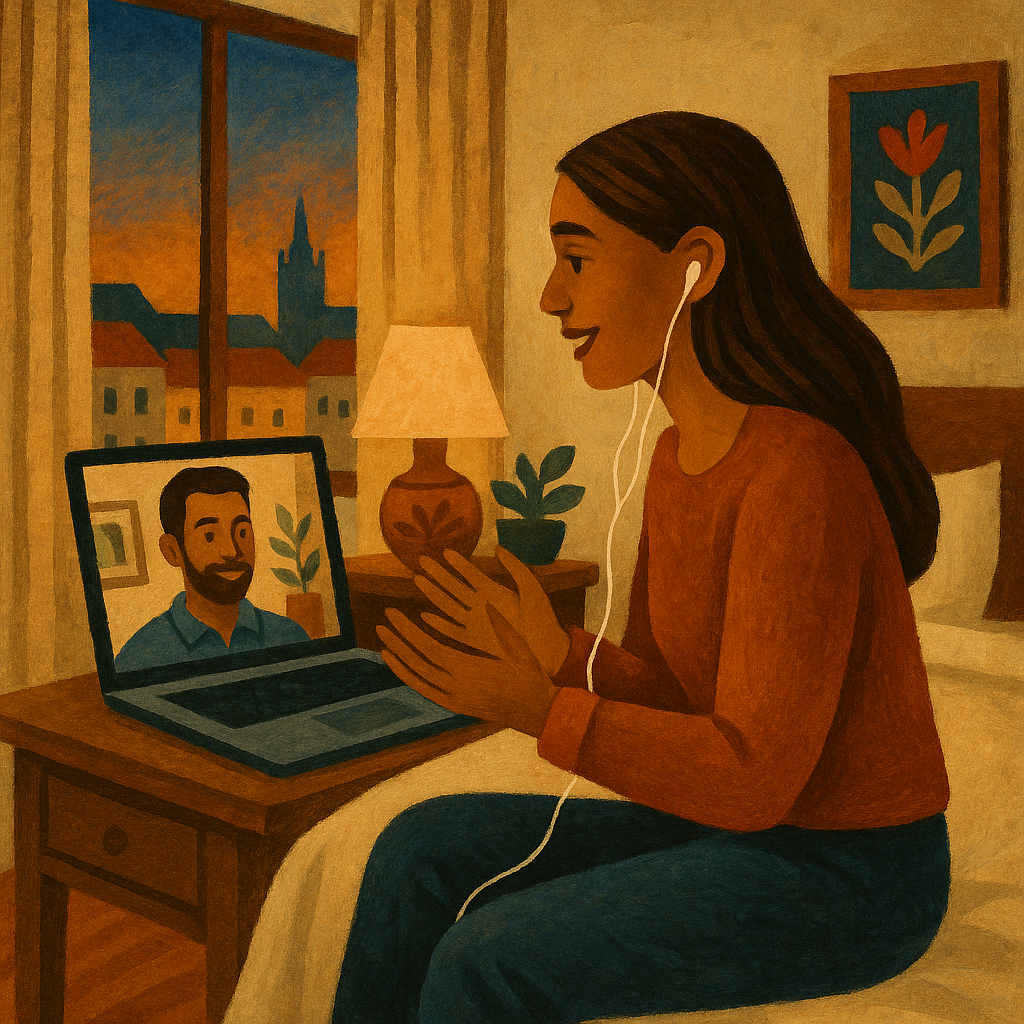
A woman video chats with a man on her laptop in a hotel room

4. Be curious, not  judgmental. 

It’s tempting to compare. To measure one culture by another. But to find common ground, curiosity must replace judgment. Curiosity leads to stories. Judgment leads to silence.

When you ask, ”Why?” instead of saying, “That’s strange,” you invite the world to explain itself to you. A traveler once said, “The moment you stop being surprised, you stop traveling.” And you don’t have to physically travel the world; you can open a window through live video platforms like CallMeChat and similar services. Chatting online helps you get to know new cultures and people, and develop your curiosity right from your smartphone or PC.

A family in a tuk tuk laughs with the driver

5. Use shared emotions. 

You may not share a language, but you share emotions. Laughter, surprise, gratitude — these are cultural passports. A smile can speak faster than Google Translate ever could. In moments of misunderstanding, humor eases the tension.

When someone helps you find your way or teaches you something local, gratitude bridges the gap. Travel is a lesson in vulnerability — in allowing yourself to be seen not as a tourist, but as a fellow human being.

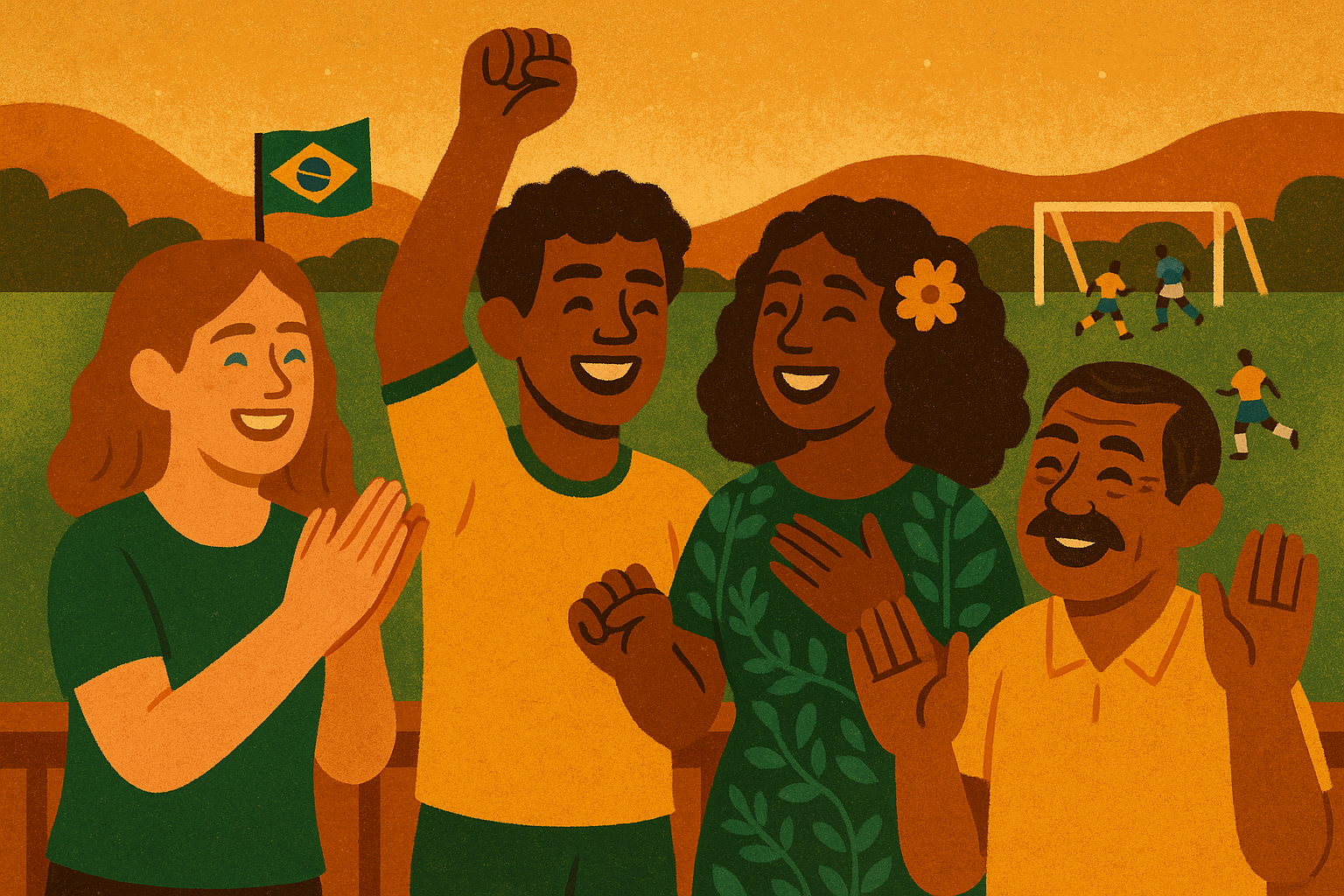
Fans cheer on the sidelines of a football game in Brazil

6. Join local life, even briefly. 

To find common ground, you must step into daily rhythms — even if just for a short time. Take a bus, visit a community market, attend a local game or help in a small project. When you participate, you cross the line between observer and participant.

In studies, cultural immersion is said to increase empathy after a week or so of active engagement. That means walking the same streets, sharing the same weather, even facing the same small inconveniences — because in those moments, you stop being a visitor and start being part of the place.

Adventure becomes a two-way story. You take memories, yes, but you also leave traces — laughter, kindness, maybe a promise to return.

A nonbinary person smiles and holds their phone while talking with two boys by ancient ruins

7. Let technology help — but not lead. 

It’s tempting to rely on translation apps, maps or social platforms to connect. Yes, they’re useful — essential even. But the risk is losing the raw, human unpredictability that makes connection real.

Technology should foster connection, not isolation. It can help you learn a few words, understand customs or find cultural events nearby. Yet the deepest understanding happens offline — when you look up, make eye contact and exchange gestures instead of data.

A woman visiting a mosque takes off her shoes, puts on a scarf and kneels while a woman watches, smiling

Respect: The Core of Connection

Respect is the quiet foundation of all shared ground. It’s not about agreement; it’s about acknowledgment. You can admire another culture without adopting it. You can disagree without disrespecting.

When you travel through new lands, remember that your exploration unfolds in someone else’s home. Remember that. The more respect you give, the more culture gives back.

In fact, surveys across multiple countries show that travelers rated “respect for local customs” as the most appreciated trait in foreigners — above generosity or politeness. That says everything.

A multicultural group sits around a brazier with fire, some drinking hot beverages, and one man playing the guitar while the sun sets

Finding Universal Ground

Every culture is a mirror — sometimes clear, sometimes foggy — reflecting a version of humanity back at you. Finding common ground isn’t about losing your identity; it’s about expanding it.

Travel, when done right, teaches that there is no them. There’s only us, in different forms, languages and stories. And adventure — the real kind — begins when you start to see yourself in others.

In the end, the best secret to finding common ground anywhere is simple: Be human, and let others be, too. Everything else — the smiles, the shared food, the laughter, the lessons — will follow naturally. –William Charest

RELATED: How Living Abroad Will Challenge and Change You

How Traveling Opens the Mind and Nurtures Empathy and Innovation

Discover how travel fuels real-world learning and personal growth. Explore how cultural immersion strengthens empathy, creativity and adaptability.

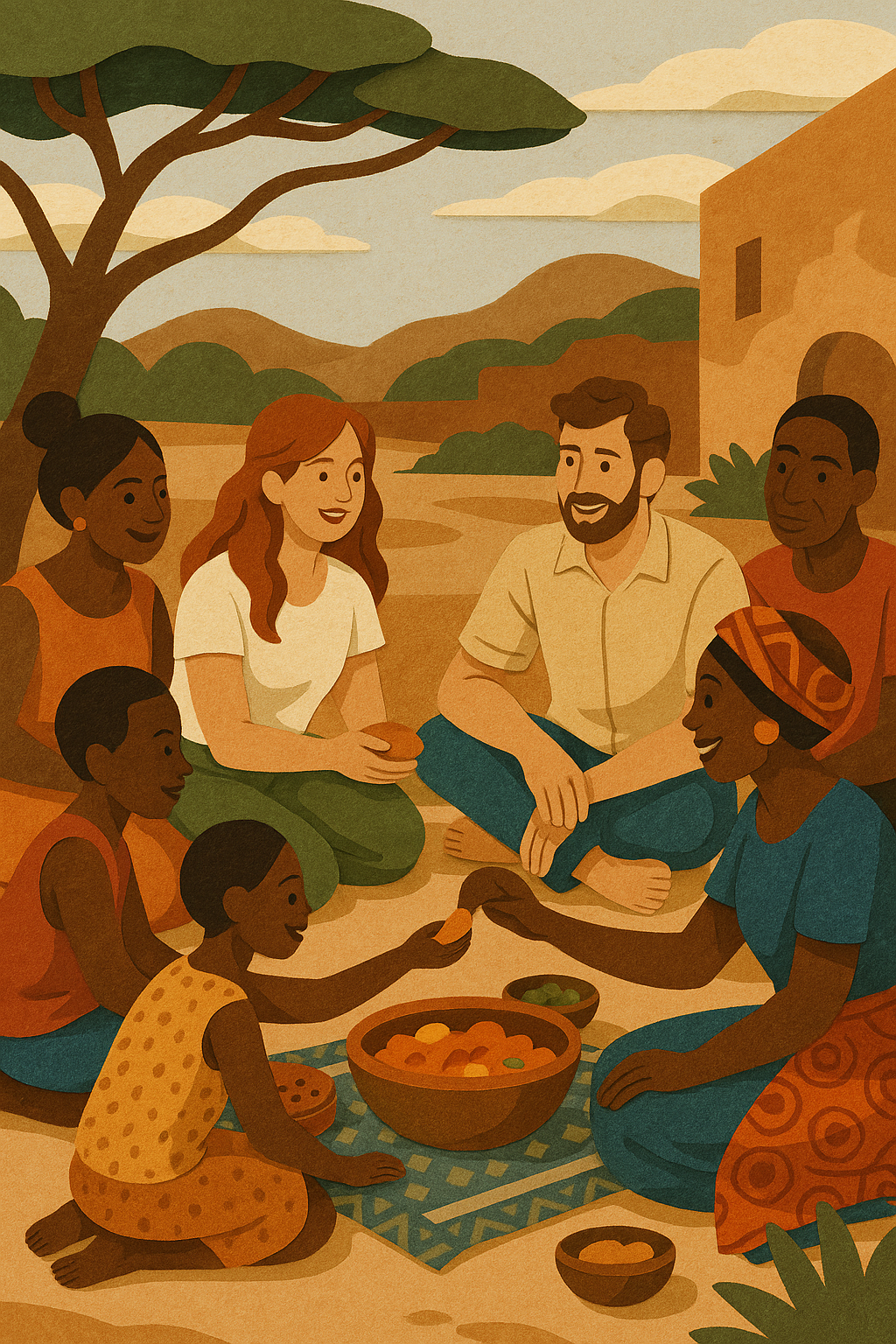
A couple shares a family meal on the ground with an African family

Traveling is more than collecting stamps in your passport. It’s a transformative journey that expands your worldview and deepens your understanding of humanity.

If you’ve ever lived in New York, you might’ve heard of the F-03 practice test for a certification exam firefighters and building safety staff take to prove they can stay calm under pressure and make quick, critical decisions. In a way, travel does something similar for the rest of us. It tests our ability to adapt, think clearly and find our footing in unfamiliar territory. But instead of fire alarms and emergency exits, the challenges come as flight delays, language barriers, and moments that test patience, humility and humor.

Every new city, culture and conversation becomes a lesson in empathy, adaptability and creativity — the kind no written exam can prepare you for.

A man gazes up at a temple at Chichen Itza in Mexico

The Transformative Power of Travel

There’s a reason so many writers, thinkers and entrepreneurs describe travel as the greatest education. When you step into an unfamiliar environment, you engage your brain in deep learning — not just memorizing facts, but decoding culture, language and behavior in real time.

1. Learning beyond the classroom

Traditional education leans on theory and memorization. Travel, on the other hand, is unapologetically hands-on. You’re not just learning about transportation systems — you’re standing in a foreign subway station trying to buy the right ticket. You’re not just reading about customs — you’re living them, and occasionally getting them wrong in the most endearing ways.

2. Building cultural intelligence

Cultural intelligence (CQ) is the ability to relate to and work effectively across cultures — a skill that’s invaluable in an interconnected world. Travel builds CQ by challenging your assumptions and exposing you to unfamiliar norms that broaden your empathy and worldview.

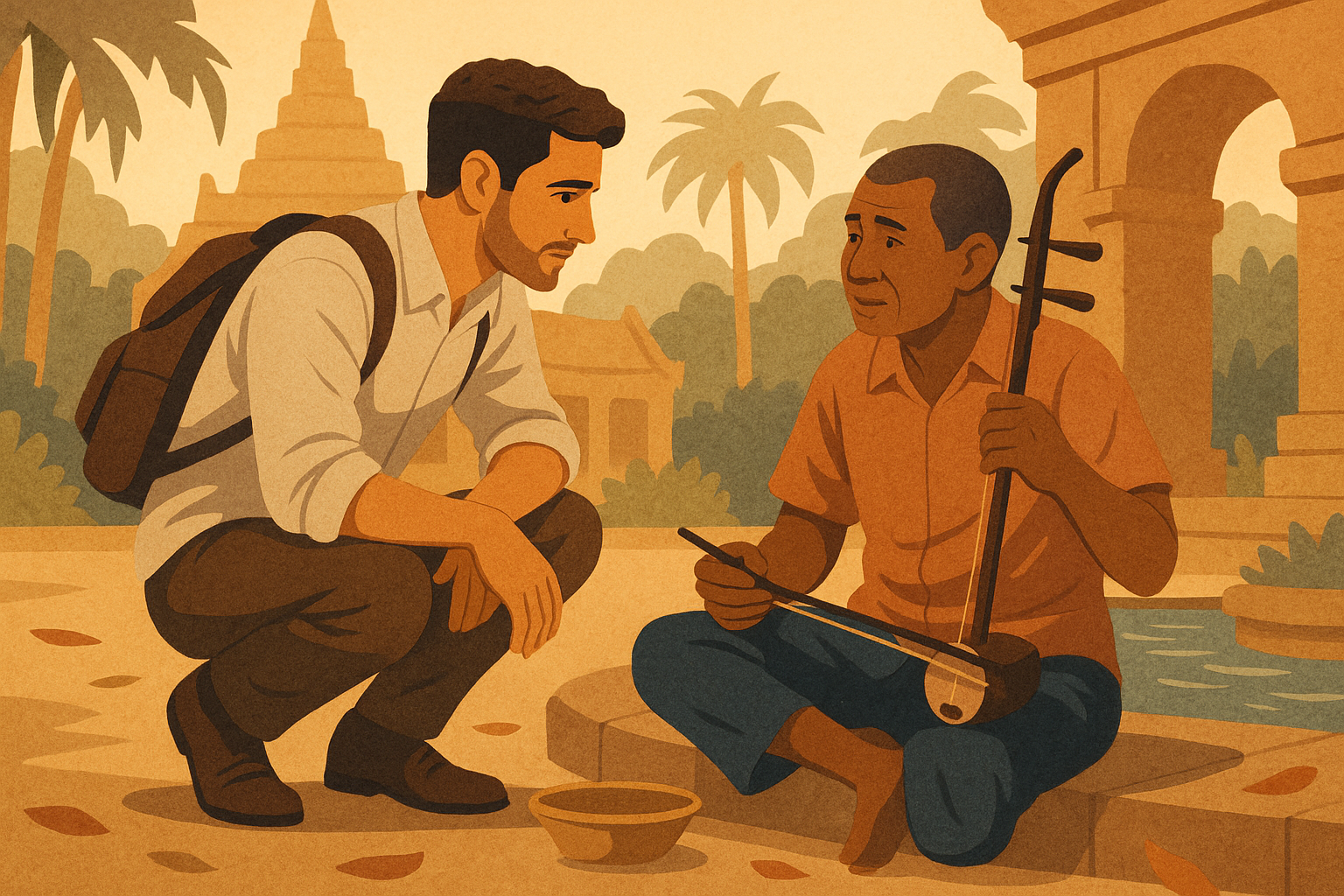
A man squats down to talk to a Cambodian beggar with an amputated leg and a traditional instrument

Empathy: The Hidden Gift of Exploration

Empathy is the heartbeat of meaningful connection, and travel is one of its best teachers. Seeing how others live, work and dream reshapes how we interpret our own lives.

  • Walking in another’s shoes

    Daily routines can narrow perspective. Travel blows it wide open. You might witness communities thriving despite hardship or traditions preserved against the odds. You come home seeing your own life — and privileges — in sharper focus.

  • The psychology of perspective

    When we experience something new, our brains form fresh neural connections, boosting cognitive flexibility. That’s why travelers so often return more open-minded, patient and tolerant.

A woman gazes out at the Moorish fortress, the Alhambra, in Grenada, Spain

Innovation Through Exploration

Innovation often blooms where ideas intersect — and travel plants you right in the middle of that cross-pollination.

  • Adaptability: the root of creative thinking

    Every traveler knows plans rarely go perfectly. Flights get delayed, directions get lost in translation, and rain shows up uninvited. But those moments — the unplanned ones — build flexibility. And flexibility is the birthplace of creativity.

A man sits on a bench, sketching in a sketchbook on a sign-filled street in Tokyo, Japan

The Science of Travel and the Brain

Research in cognitive psychology shows that travel enhances neuroplasticity — the brain’s ability to form new connections.

  • Language learning and cognitive health

    Even attempting to learn a few words in a new language sharpens memory and engages brain regions tied to problem-solving, empathy and self-control. Think of it as a mental workout, but with better scenery.

A man helps two Peruvian women, in traditional attire, including brimmed hats, harvest potatoes in the Andes, with a couple alpaca nearby

Experiential Learning in Motion

Educational theorist David Kolb described learning as a cycle of doing, reflecting, conceptualizing and experimenting. Travel is that model brought to life.

  1. Doing: Immerse yourself in a new culture, try the food, explore local customs.

  2. Reflecting: Consider how these experiences challenge what you thought you knew.

  3. Conceptualizing: Connect the dots and uncover the broader lessons.

  4. Experimenting: Apply those insights to your next journey — or your next project.

Travel is experiential learning in its purest form: sensory, emotional and transformative.

A woman holding her phone asks for directions from a vendor a Moroccan souk

How Travel Strengthens Communication

In a globalized world, communication skills are gold. Travel polishes them in subtle but lasting ways.

1. The art of listening

Understanding someone who speaks another language — or even just a different version of English — requires patience and focus. Travelers become expert listeners, tuned in to tone, gesture and intent.

2. Overcoming barriers

When words fail, creativity steps in. You gesture, you draw, you pantomime — and you connect. Those moments hone emotional intelligence and empathy far better than any workshop.

3. The confidence effect

Each successful exchange builds confidence. Ask for directions, barter at a market, share a laugh with a stranger — every small win expands your social comfort zone and spills into everyday life.

A gay couple puts their arms around each other as they stand on a balcony, gazing out at a temple in Luxor, Egypt

Travel as a Catalyst for Global Citizenship

In a divided world, travel stitches common ground. Experiencing other perspectives firsthand transforms tourists into advocates for empathy, inclusion and respect.

  • Appreciation without appropriation

    Real travelers don’t collect cultures like souvenirs; they honor them. Respecting traditions and supporting local communities turns travel from consumption into connection.

  • Becoming a storyteller

    Every journey gives you stories worth sharing — the kind that make others see the world differently. When you tell them with honesty and heart, you pass on the empathy travel gave you.

A woman writes in her journal, seated near a fountain in a town square

Practical Tips to Learn Deeply While Traveling

  1. Stay curious. Ask about people’s lives, not just the landmarks.

  2. Engage locally. Visit workshops, markets or community projects.

  3. Keep a journal. Write about feelings and insights, not just itineraries.

  4. Learn key phrases. A few words can open more doors than a map ever could.

  5. Travel slowly. Fewer stops, deeper experiences.

  6. Unplug. Let moments settle before you post them.

  7. Reflect after you return. What changed in how you see the world — or yourself?

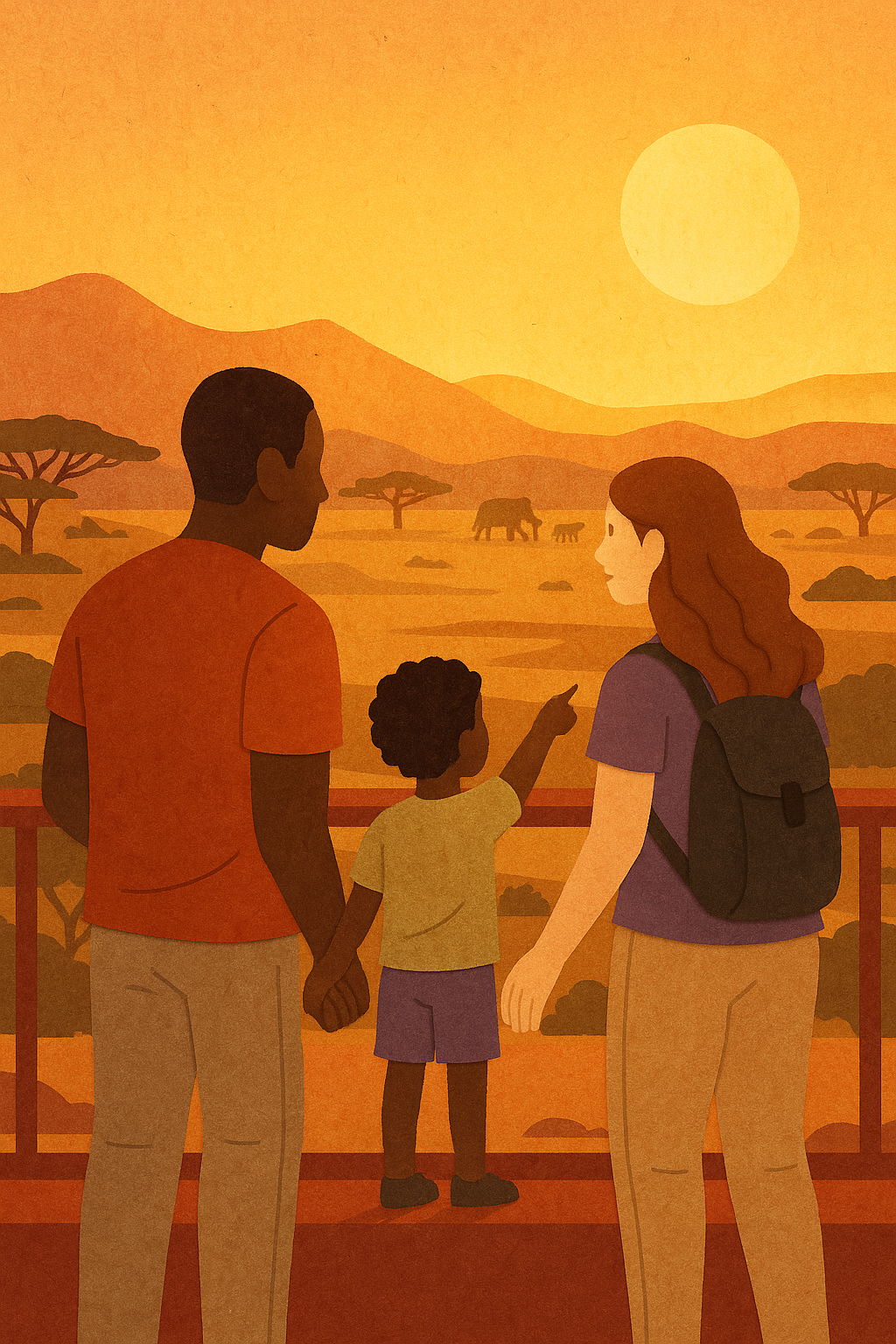
A child with his parents points to animals in the African savannah at sunset

Learning to See With New Eyes

Travel isn’t just an escape — it’s also an education. It reminds us that learning doesn’t stop at graduation; it lives in every border crossed, every story shared, every kindness exchanged.

Just as an F-03 practice test builds focus and mental agility, travel trains both heart and mind to work together in understanding the world. But travel doesn’t hand you a score. It hands you perspective, and that’s the kind of lesson that lasts a lifetime. –Nathan Beja


New Horizons: How Living Abroad Will Challenge and Change You

Discover how living abroad shatters old perspectives, immerses you in vibrant cultures, and enriches your life in ways you never imagined.

A diverse group of friends from all around the world have dinner together

Packing your bags and leaving behind the comforts of home for a foreign land is a journey of courage and discovery. The first time you wander into a grocery store abroad and realize you can’t decipher half the labels, you’ll feel it. The moment you attempt to order a coffee and inadvertently insult someone’s grandmother in their native tongue, it hits you again. Living abroad doesn’t just transform your worldview; it flips it upside down, shakes out the loose change, and hands it back to you a little more wrinkled but infinitely richer.

This isn’t a vacation. It’s real life, lived through the lens of another culture, and it will challenge every “normal” you’ve ever known. Whether you’re discovering the joy of a two-hour siesta or enduring the agony of a midnight call to your bank back home, the journey forces you to adapt, learn and grow in ways you didn’t know you needed. And, spoiler alert: You might not even recognize the person you’ve become by the end of it.

Living abroad is about collecting moments that transform you, piece by piece, into a more resourceful, curious and confident version of yourself.

Living abroad isn’t for the faint of heart. But for those brave enough to take the leap, the rewards — personal growth, cultural immersion and an entirely new perspective — are worth every awkward interaction and misplaced piece of luggage.

Understanding the Decision: The Moment You Choose Adventure Over Comfort

Deciding to uproot your life and move abroad is rarely a spur-of-the-moment decision (unless you’re running from something — and that’s a different article entirely). For most, it begins with a whisper: a curiosity about what life could look like beyond the borders you’ve always known. Maybe it’s a chance to study abroad, a late-night Google search about expat life in Paris or a conversation with a friend who couldn’t stop raving about their year in Tokyo. Slowly, the whisper grows louder, turning into a call for adventure.


But let’s be honest — this isn’t just about chasing sunsets and Instagrammable skylines. The decision to move abroad means stepping away from the familiar. It’s about weighing the excitement of discovering new cultures, foods and friendships against the inevitable challenges: learning to navigate a bureaucracy in a foreign language, figuring out how to convert Fahrenheit to Celsius without melting your brain, or realizing you’ll have to start from scratch to find “your” coffeeshop.

A man walks through a gay neighborhood

For some, the tipping point comes when the allure of growth outweighs the comfort of routine. You recognize that the risks — getting lost, feeling out of place, battling homesickness — are part of the reward. After all, what’s life without a little discomfort? It’s in those awkward, uncertain moments that transformation begins.

And here’s the best part: You don’t need to have it all figured out before you go. Sure, research helps (read: do not move abroad without understanding visa requirements), but the decision to move is more about courage than preparation. The logistics will follow. What matters is that first step — the one where you decide to trade the known for the unknown and see what kind of person you’ll become when the world opens its arms to you.

Overcoming Initial Challenges: The Beautiful Chaos of Starting Over

Moving abroad is exhilarating — until you try to buy toothpaste and accidentally grab denture cream because you didn’t understand the label. The honeymoon phase of living abroad fades quickly when you’re grappling with language barriers, societal norms that seem to make no sense, and the gnawing ache of homesickness. But here’s the truth: Every misstep is a building block in your transformation.

Partnering with a professional international mover can take the edge off the chaos of relocating, letting you save your energy for the real adventure — settling in and making your new home feel like yours.

Because, of course, there’s plenty to deal with when you move abroad, starting with the language barrier. If you thought a quick Duolingo streak would make you fluent, welcome to reality. Whether it’s fumbling through a dinner order or mispronouncing the name of your own street, language barriers can be humbling. But they’re also hilarious and oddly unifying. Smiling, pointing and a little humility go a long way. Bonus tip: Learn the phrase for “I’m sorry” immediately — it will be your best friend.

Then there’s the culture shock. Maybe you’re thrown by the fact that people in Spain eat dinner at 10 p.m., or you’re wondering why no one in Germany jaywalks even when the street is empty. The trick? Lean in. Observe. Adapt. It’s less about becoming a local overnight and more about showing respect for the way things are done while finding your own rhythm.

And yes, homesickness is real, even if you swore you wouldn’t miss your cousin’s weekly game nights. But you’ll survive. Create a support network early — join expat groups, take a class, or become a regular at a local café where someone eventually remembers your name (or at least your coffee order).

The secret to overcoming challenges abroad isn’t perfection — it’s perseverance. Every wrong turn, awkward moment and unexpected obstacle is a chance to build resilience. The struggles don’t just toughen you up; they make the victories — like successfully navigating a foreign pharmacy — feel like winning the lottery. Keep going. The chaos is part of the beauty.

Building Relationships Across Borders: Turning Strangers Into Your Global Family

When you move abroad, relationships become your lifeline. The good news? Living in a new country is like speed-dating for friendships — your shared adventures (and misadventures) with locals and fellow expats form bonds that run deep and fast. The bad news? Building these relationships takes effort, patience and a willingness to embrace awkward moments.

Start with the locals. Whether it’s your neighbor who politely chuckles at your botched pronunciation or the barista who teaches you how to order coffee properly, these small connections are the seeds of something bigger. Pro tip: Show genuine interest in their culture. Ask about traditions, learn a few key phrases in their language, and, for the love of everything holy, never compare their country unfavorably to your own. You’re here to connect, not critique.

Then there’s the expat community — a band of misfits just as lost as you are. These are the people who will help you figure out how to open a local bank account or commiserate over your craving for peanut butter (if you’re lucky, one of them smuggled some in their suitcase). Expats may not always share your cultural background, but they’ll share your journey, creating a uniquely diverse support system.

Building relationships abroad is about growth. Every interaction teaches you something new — about others, about yourself and about the world. You’ll learn to navigate cultural differences, appreciate new perspectives, and, most importantly, laugh at yourself when you inevitably make mistakes.

These connections often become your global family — people who will send you postcards from their next adventure and crash on your couch when they’re passing through. They’ll remind you that home isn’t just a place; it’s a feeling. And that feeling? It grows stronger with every relationship you build across borders.

Cultural Immersion: A New Lens on Life

Cultural immersion isn’t just about snapping selfies at festivals or trying the local delicacies (though both are highly encouraged). It’s about stepping into the rhythm of a place, seeing the world through its people’s eyes, and letting their traditions reshape your own understanding of life. Spoiler alert: It’s going to be messy, humbling — and utterly transformative.

The first step? Leave your tourist mindset at the airport. Cultural immersion means going beyond the guidebook highlights and diving headfirst into the quirks and nuances of daily life. Learn to love the things that feel strange at first — whether it’s eating soup for breakfast in Vietnam or navigating the labyrinth of Italian bureaucracy with more patience than you thought humanly possible.

The key to immersion is curiosity. Ask questions about traditions, try your hand at local customs and don’t be afraid to mess up. Attempting to master a salsa step at a neighborhood party or fumbling through a traditional toast at a wedding might make you feel foolish in the moment, but those experiences are where the magic happens.

And let’s not forget the food. If you’re not exploring a country’s culture through its cuisine, you’re missing half the story. That doesn’t mean you have to love everything you try (I’m looking at you, pickled herring), but tasting unfamiliar dishes opens a window into the heart of a culture.

True cultural immersion happens in the little things: chatting with the street vendor who sells your morning coffee, celebrating a local holiday with your coworkers, or simply watching life unfold from a park bench. It’s in these moments that you begin to see the world not as a collection of “others,” but as a vibrant, interconnected tapestry.

By the time you’ve fully embraced the culture, something remarkable happens — your perspective shifts. You stop seeing your host country as “different” and start seeing it as a part of you. That new lens? It stays with you, coloring every experience long after you’ve packed your bags.

How Living Abroad Can Transform Your Worldview: A Lesson in Seeing Differently

Living abroad doesn’t just expand your horizons; it dismantles them entirely. It challenges the very foundations of what you once believed to be universal truths — like the “right” way to line up for something, what’s considered a delicacy, or how loud is too loud on public transport. If you’re living abroad in China, for example, you’ll have to give up Facebook for the time being.

You’ll learn that there is no universal truth, only cultural preferences. And once you learn to let go of your assumptions, the transformation begins.

It’s about seeing the world — and yourself — with new eyes. You’ll learn to navigate not just unfamiliar streets but unfamiliar perspectives, realizing that what you once thought was “weird” is simply different.

Take stereotypes, for example. Living abroad forces you to confront them head-on. Spend enough time immersed in another culture, and you’ll start noticing the nuances that stereotypes miss. You might be surprised to have your ideas of gender norms challenged, like how the masculine ideal in Bali is wearing a skirt and putting a flower behind your ear. 

The “reserved” Brit might just be hilariously witty after their second pint, and the “effortlessly chic” Parisian has likely perfected the art of looking fabulous while walking a barking dog and juggling a baguette. 

Everyday moments become lessons in humility and curiosity. Whether it’s figuring out how to recycle in a country with six different bins (and none of them labeled in your language) or experiencing a holiday you’ve never heard of, living abroad teaches you to question, adapt and appreciate. These moments strip away arrogance and replace it with empathy.

Perhaps the most profound change is how you begin to see your own culture. Stepping outside it allows you to notice the unspoken rules, the traditions, and even the contradictions you once took for granted. You’ll find yourself defending some aspects and cringing at others, but always with a deeper understanding of where you come from.

In the end, the greatest gift of living abroad is perspective. You’ll learn to see the world as a mosaic of cultures, each with its own beauty, challenges and wisdom. And maybe — just maybe — you’ll find yourself a little less certain of your own answers and a lot more curious about everyone else’s.

A woman teaches in a classroom in Asia

Personal Growth Through New Experiences: Trial, Error and Triumph

Living abroad has a way of turning the mundane into the extraordinary — or at least the unexpected. You thought you’d just be buying groceries, but now you’re in an intense pantomime with a shopkeeper trying to explain that you need baking soda, not powdered sugar. Each small victory, each tiny failure, becomes part of your growth story.

Adapting to a new culture tests you in ways you never saw coming. That first attempt to navigate public transit? It might end with you on the wrong side of town, hungry and clutching a map like a relic from a bygone era. But by the second or third attempt, you’re navigating like a local — or at least blending in enough to fake it.

The real magic of these experiences lies in what they teach you. Forget the classroom; this is real-world problem-solving at its finest. Need to pay a utility bill but can’t read the instructions? You’ll learn to ask for help, overcome language barriers and maybe even laugh at your own ineptitude. These moments of trial and error sharpen your adaptability and build a quiet confidence that sneaks up on you when you least expect it.

And then there’s the joy of trying something new just because you can. Taking a pottery class in Kyoto, attempting flamenco lessons in Seville, or trying street food that looks like it might fight back — these experiences push you beyond your comfort zone, sometimes literally. Each one stretches your perspective and shows you how capable you really are.

The beauty of personal growth abroad is that it doesn’t stop when you move somewhere else. The resilience you develop while figuring out life in another country sticks with you. It shapes how you handle challenges, interact with others and view the world. By the time you’ve returned home — or moved on to your next adventure — you’re no longer the same person who stepped off that plane.

Living abroad is about collecting moments that transform you, piece by piece, into a more resourceful, curious and confident version of yourself.

Professional Opportunities in a Globalized World: More Than Just a Fancy Line on Your Résumé

Living abroad csn also supercharge your career in ways you probably didn’t anticipate. Sure, it’s a killer talking point in interviews, but the professional benefits of an international stint go far beyond a polished anecdote about that time you negotiated a deal in a foreign language.

First, there’s the adaptability factor. Employers love a candidate who can roll with the punches, and nothing says “I can handle pressure” like navigating a workplace where meetings happen over three-hour lunches, deadlines are “suggestions,” or office etiquette includes kissing your boss on both cheeks. 

Then there’s cross-cultural communication. Working abroad teaches you to find common ground with people who may not share your language, background or sense of humor. Whether it’s collaborating with a diverse team or working with a client from a culture entirely different from your own, these skills are invaluable in today’s interconnected job market. And let’s not forget: Being able to mediate between the office tea enthusiasts and the coffee loyalists is a skill in itself.

Exposure to different work environments also gives you a fresh perspective on problem-solving and innovation. Maybe your time in Japan taught you the value of precision, or your stint in Brazil showed you how to embrace flexibility. These lessons don’t just make you a better employee — they make you a more thoughtful and resourceful one.

And the professional growth doesn’t stop at soft skills. Many industries actively seek out candidates with international experience, particularly if they’ve picked up a second (or third) language along the way. Companies operating in a global market value employees who can navigate cultural complexities with ease — and who understand that mañana doesn’t always mean tomorrow.

Living abroad also broadens your network. The connections you make — colleagues, mentors and even that woman from HR who always knew the best lunch spots — can open doors to opportunities you never imagined. These relationships often transcend borders, becoming valuable assets as your career evolves.

Ultimately, professional growth abroad complements personal growth, creating a well-rounded, globally minded individual. Employers notice that. And while living abroad might begin as an adventure, it often ends with a career advantage that lasts a lifetime.

The Journey Home: Seeing the Familiar Through Fresh Eyes

Coming home after living abroad isn’t as simple as unpacking your suitcase and falling back into old routines. It’s a full-circle moment that challenges you in unexpected ways. You’ve changed. Your worldview is broader, your patience (hopefully) longer, and your stories far more entertaining. But the place you once called home? That hasn’t changed nearly as much, and that’s where the real adjustment begins.

At first, you may feel like a stranger in your own life. The roads are the same, but they somehow look smaller. The conversations feel familiar, but you’re itching to share stories of that café in Rome where the barista knew your name, or how you mastered the art of haggling in a bustling Moroccan souk. Don’t be surprised if your enthusiasm is met with glazed-over eyes — reverse culture shock is real, and not everyone will understand the depth of your transformation.

But it’s not all disconnection. Distance gives you perspective, and perspective brings clarity. You’ll notice the beauty in things you once overlooked — like the smell of a family dinner or the comfort of hearing everyone around you speak the same language. You’ll also see cracks you didn’t notice before, whether it’s outdated customs or societal blind spots that now stand out against the broader cultural tapestry you’ve experienced. Maybe, after living abroad in Qatar, where booze is monitored and hard to get, you find yourself less of a lush.

Coming home is also an opportunity. It’s a chance to blend the best of both worlds: the traditions and values of your home country with the lessons and habits you’ve picked up abroad. Maybe you’ll bring home a love for siestas or a newfound commitment to public transport. Maybe you’ll start cooking dishes from your host country, turning dinnertime into a celebration of your journey.

And the reintegration process might inspire more than nostalgia — it might spark change. Living abroad doesn’t just transform how you see the world; it changes how you want to interact with it. You may find yourself advocating for more diversity in your community, traveling more consciously, or simply encouraging others to step out of their comfort zones.

In the end, the journey home is just as transformative as the one that took you abroad. It’s a chance to reflect on who you were, who you’ve become and who you want to be. And while home may feel different, that’s the point — it is different, because now, so are you.

Embracing the Transformation: Living Abroad as a Catalyst for Change

Living abroad rewires how you see the world, your place in it and even yourself. It’s not always easy, and it’s rarely picture-perfect. You’ll stumble over unfamiliar words, question your decisions and find yourself longing for the comforts of home. But those very challenges are what make the experience so profound.

Every misstep teaches you resilience. Every cultural exchange broadens your perspective. And every new connection reminds you that humanity, in all its diversity, is more interconnected than you ever imagined. 

The transformation doesn’t happen all at once; it sneaks up on you in moments — like when you suddenly realize you’re navigating your new life with confidence or when your old assumptions feel too narrow to contain your new worldview. It teaches you that stepping out of your comfort zone is where the real magic happens.

Whether you’re chasing personal growth, professional opportunities or simply an adventure, living abroad is a testament to the transformative power of saying yes to the unknown. So pack your bags, take the leap and embrace the world — not just as a traveler, but as someone ready to be changed by it. –Ramona Lucia

Cultural Immersion: How to Truly Experience Local Life While Traveling

Go beyond sightseeing. Discover the art of cultural immersion — connect with locals, explore traditions, and transform travel into an authentic, unforgettable experience. 

A family immerses itself in the culture of a Southeast Asian hill tribe

In a world where travel is often a race against your itinerary, cultural immersion offers a refreshing alternative. It’s about diving deeper — beyond landmarks, beyond selfies, beyond the guidebook’s greatest hits. Instead of capturing the same staged shots that feel like stock photography, cultural immersion encourages you to forge genuine connections with local people, customs and traditions, turning your journey into something uniquely your own. It’s a practice that transforms travel from simply seeing a place to truly knowing it.

A couple talk with an artisan mask maker on Bali

What Is Cultural Immersion?

Cultural immersion is the art of stepping into the shoes (or perhaps sandals) of the locals. It’s about experiencing life as they do — embracing their routines, learning their stories, engaging in their traditions. This kind of travel focuses on savoring the subtleties: a grandmother teaching you her family’s secret recipe, a street musician sharing the meaning behind their song, or an artisan explaining the centuries-old techniques behind their craft. It’s not just about ticking off the “must-sees” — it’s about discovering the everyday, the unexpected and the extraordinary that lies beyond.

Three people enjoy mint tea in Morocco

How Cultural Immersion Enriches Your Travel Experience

Why just skim the surface, when you can dive into the true depths of a destination? Cultural immersion gives you a richer, more layered understanding of the places you visit. Instead of collecting picture-perfect moments that blur into Instagram sameness, you’ll collect stories, relationships and insights that stick with you for years. You’ll witness how people live, celebrate and adapt to their environments — and come away with a profound respect for different ways of life.

Immersion also fosters empathy. By experiencing someone else’s “normal,” you gain perspective that’s hard to find in a tour bus or from behind a camera lens. It’s travel with purpose — a way to grow as a global citizen while creating memories that transcend the fleeting thrill of ticking a box.

A traveler helps bathe an elephant at a sanctuary in Thailand

Tips for Achieving True Cultural Immersion

If you’re ready to go beyond sightseeing and start connecting, here are some strategies to help you engage meaningfully with local communities.

A traveler speaks with a Japanese woman by a restaurant stall

1. Learn basic phrases in the local language. 

“Hello,” “please,” “thank you” — a handful of simple phrases in the local language can work wonders. Even if your accent is less than perfect, locals appreciate the effort and often respond with warmth and humor. These small gestures signal respect for the culture and open doors to meaningful interactions.

Language apps, guides or quick lessons can help prepare you, but the real magic happens in unscripted moments: laughing over a mispronunciation or exchanging stories with someone eager to share theirs. And those connections? They’re often more memorable than the landmarks you visited.

A couple sit at a table in a guesthouse in South America

2. Stay with locals through homestays or small guesthouses. 

Skip the cookie-cutter hotel room and opt for accommodations where you can experience local life up close. Homestays and family-run guesthouses often come with personal touches you won’t find elsewhere: meals cooked with love, hosts eager to share traditions, and opportunities to learn about the community from those who know it best.

Over a shared dinner or a casual chat, you might learn about festivals, stories or recipes passed down through generations — insights no travel brochure could ever provide.

A crowd of people toss colored dust during the Indian celebration of Holi

3. Participate in community events and festivals. 

Few things reveal the heart of a culture like its celebrations. From the joyous chaos of Holi in India to the reflective beauty of Día de los Muertos in Mexico, festivals offer a window into the soul of a community. These events are vibrant showcases of traditions, values and creativity, with music, food, and rituals that connect past and present.

Attending a festival isn’t just about observing — it’s about joining in, whether you’re learning a local dance, sharing a communal meal or marveling at the artistry on display. And the photos you take here? They won’t just be snapshots; they’ll be personal stories, captured in vivid color and emotion.

A chef leads a pasta making cooking class in Italy

4. Take local cooking classes. 

Food is culture on a plate, and there’s no better way to taste a place than by learning how its people cook. A local cooking class introduces you to the flavors, techniques and traditions that make a cuisine unique. Whether you’re learning to fold dumplings in China or perfecting pasta in Italy, you’ll leave with new skills and a deeper appreciation for the culinary heritage of your destination.

Cooking classes also foster connection — not just with your instructor but with fellow participants, who might come from all corners of the globe. The laughter, stories and shared meals make the experience unforgettable.

People shop at a market in Africa

5. Engage in everyday local activities. 

Not every meaningful moment should be planned. Some of the best cultural experiences come from participating in the daily life of a community. Browse a local market, take public transportation, or simply sit in a park and watch the world go by.

Everyday routines offer unfiltered glimpses into a culture’s rhythms and priorities. You might learn about local ingredients from a market vendor, exchange smiles with commuters, or stumble upon a neighborhood tradition that surprises and delights you.

A woman in a headscarf looks down into a courtyard with a fountain and arches

6. Respect local customs and dress code. 

Immersion requires sensitivity. Before you travel, take the time to understand local customs, etiquette and dress codes — especially in religious or sacred spaces. Dressing appropriately and showing respect for traditions demonstrates your openness to learning and your appreciation for the culture.

A man teaches an English class in Prague

7. Volunteer locally. 

If time allows, consider volunteering with a local organization. Whether you’re planting trees, teaching English or helping at a community event, volunteering offers a way to connect with locals while making a positive impact. It’s a mutually enriching experience that deepens your understanding of the community.

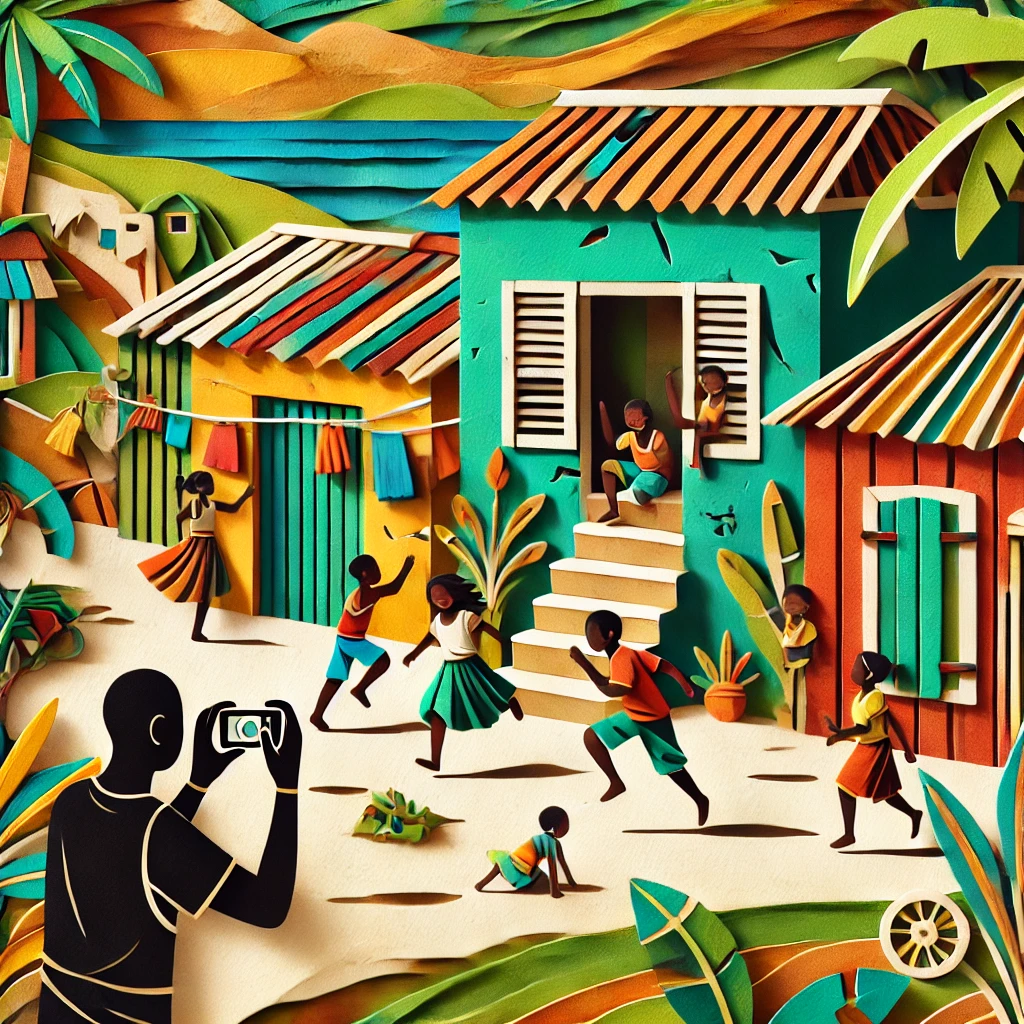
A man takes a picture of children playing in a shantytown

Capturing the Essence of Cultural Immersion

Documenting your experiences is natural, but cultural immersion photography should be as genuine as the journey itself. Focus on candid moments: an artisan at work, children playing or a shared meal with new friends. Authenticity shines through when the images reflect your personal experience, rather than a staged version of it.

A gay couple try on traditional clothes

Embrace the Journey Beyond Sightseeing

Cultural immersion takes effort and patience, but the rewards are worth it. By stepping into local life and embracing its nuances, you’ll gain a deeper understanding of the world — and of yourself. The connections you make, the stories you hear and the lessons you learn will stay with you far longer than any souvenir.

So, on your next adventure, don’t just look at the world — experience it. Dive into the details, embrace the unfamiliar, and discover that the most meaningful moments of travel are the ones that stock photography could never capture. –Boris Dzhingarov