digital nomads

Digital Nomad Taxes: What You Need to Know

A practical guide to filing U.S. taxes abroad, understanding the foreign earned income exclusion, avoiding state tax traps, and staying compliant while living the laptop lifestyle.

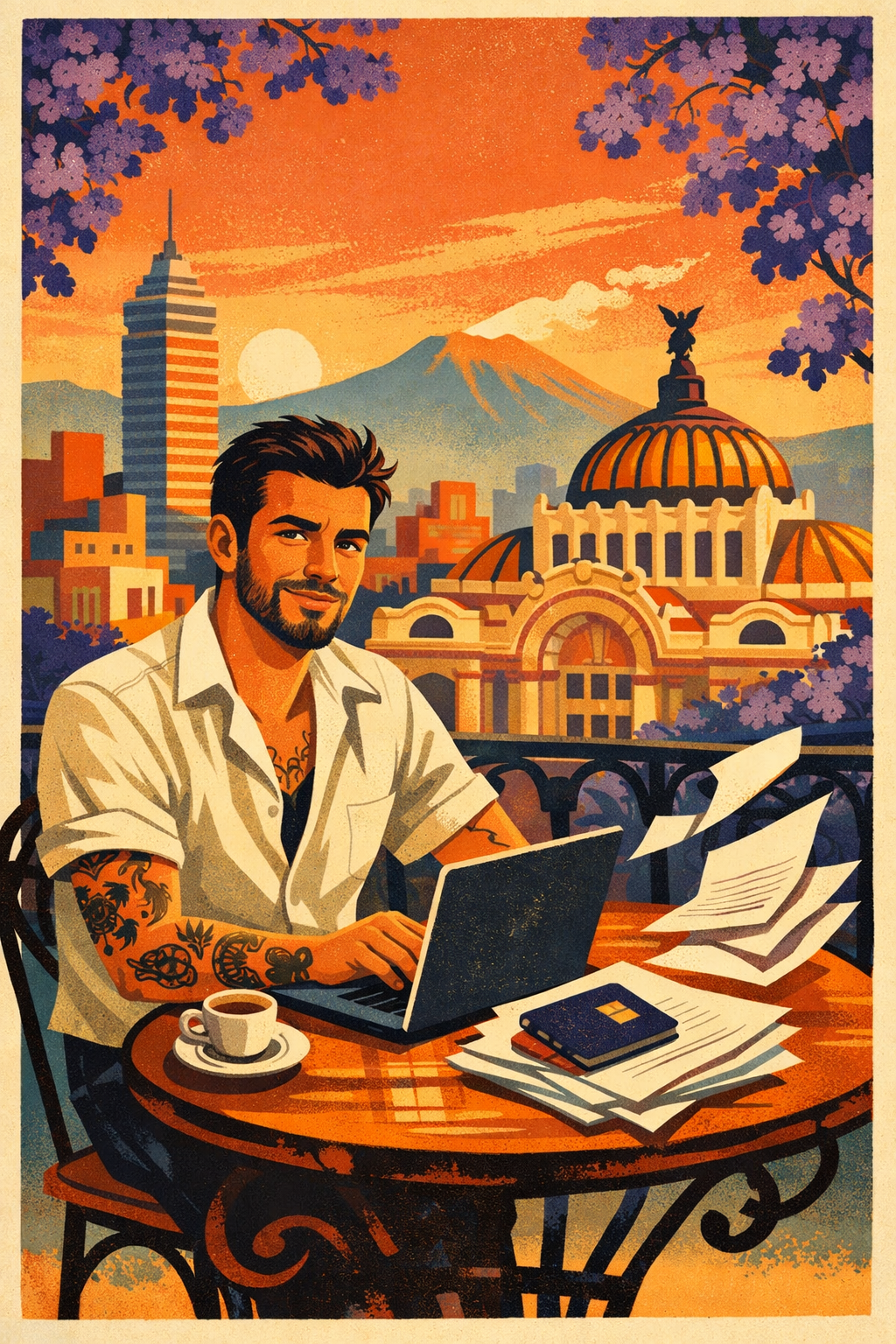
A tattooed man works on his laptop, as some of his papers blow away on a balcony in Mexico City, overlooking the Palace of Fine Arts and Centro

You’ve swapped your office desk for a laptop lifestyle. You’re working from Lisbon one month, Bali the next. Your Instagram feed looks incredible.

But then tax season hits, and reality sets in.

Here's the thing: Even when you’re sipping coffee in a Chiang Mai café while working, the IRS still expects to hear from you. The good news? Most digital nomads end up owing little to nothing in federal income tax when they file correctly.

This guide covers the tax basics every digital nomad needs to understand.

A woman with sunglasses sits on a balcony in Antigua, Guatemala, working on her laptop, with Volcán de Agua volcano in the background

Do you still need to file U.S. taxes?

If you're a U.S. citizen or green card holder, you file taxes no matter where you live. Your tax bill follows your passport, not your location.

The filing requirements are straightforward:

  • Single filers earning over $13,850 must file for the 2025 tax year

  • Self-employed? You need to file if you made more than $400

This applies whether your clients are in New York, your income comes from a Berlin startup, or you’re running an affiliate marketing site from your laptop.

But here’s what matters most: Filing doesn’t automatically mean paying. That's where things get interesting.

Where do you actually pay taxes?

The question “Where do I pay taxes if I work remotely?” comes up constantly. The answer depends on three things.

Your citizenship matters first. As a U.S. citizen, you always file with the IRS. Always.

Your location matters second. Most countries only tax you if you become a tax resident, which usually kicks in after 183 days. Keep moving and never spend more than six months in one place? You probably won’t owe taxes to any foreign country.

Your state ties matter third. California, New York, Virginia and a few other states are notorious for chasing you even after you leave. They’ll keep taxing you if you maintain connections like property, a driver’s license or bank accounts there.

A man with a messenger bag rides a moped along the lake on the bustling steets of Hanoi, Vietnam

How does the foreign earned income exclusion save you money?

The foreign earned income exclusion, or FEIE, is your best friend as a digital nomad. For 2025 taxes filed in 2026, you can exclude up to $130,000 of foreign income from U.S. taxes. Married couples where both work abroad? That’s potentially $260,000 excluded.

But you need to qualify first. And understanding how to file correctly makes all the difference. Check out this guide on filing expat taxes to make sure you're doing it right.

What’s the 330-day rule?

To claim the FEIE, you need to pass something called the physical presence test. Here’s what that means:

  • You must be outside the United States for at least 330 full days in any 12-month period

  • Those 12 months don’t need to match the calendar year

  • You can move between different countries freely

  • You don’t need a permanent home anywhere

  • You can bounce from Thailand to Portugal to Mexico and still qualify

The tricky part? A “full day” means the entire 24 hours. If your flight lands in Miami at 11:55 p.m., that whole day doesn’t count. You can travel through international airspace between countries, but time over U.S. airspace doesn’t count toward your 330 days.

Keep detailed records. The IRS will ask you to prove every single day if they audit you.

A man stands on a hill overlooking Athens, Greece, at sunset, holding his laptop

What income actually qualifies?

The FEIE only covers earned income — money you make from actually working:

  • Salary or wages from any employer

  • Freelance and consulting income

  • Your online business profits

  • Bonuses and commissions

What doesn’t qualify:

  • Investment returns, dividends or interest

  • Rental income from properties

  • Retirement account withdrawals

  • Any work you did while physically in the US

What’s self-employment tax?

This surprises a lot of digital nomads. The FEIE eliminates your income tax — but if you’re self-employed, you still owe self-employment tax.

Self-employment tax covers Social Security and Medicare — that’s 15.3% of your net business income. For 2025, you pay 12.4% on the first $176,100 for Social Security, plus 2.9% for Medicare on everything you earn.

Location doesn’t matter. Work from Bali, work from Barcelona — you still owe this tax.

An example: Sarah earned $85,000 freelancing from Europe in 2025. Thanks to the FEIE, she pays $0 in federal income tax. But she still owes roughly $12,000 in self-employment tax.

There’s an escape route: totalization agreements. Countries like Germany, France, Spain and Canada have deals with the United States. If you’re paying into their social security systems, you might avoid U.S. self-employment tax. But popular spots like Thailand, Mexico, Portugal and Costa Rica don’t have these agreements.

A gay couple take a video of themselves in Lisbon, Portugal

What about digital nomad visas and tax traps?

More countries are rolling out digital nomad visas. But each one handles taxes differently.

Digital Nomad Visas and Tax Situations

Country Visa type Tax situation
Portugal D8 Digital Nomad Visa Usually no Portuguese tax on foreign income
Estonia Digital Nomad Visa Typically no Estonian tax on foreign income
Spain Digital Nomad Visa Special tax rate available, but 183+ days = tax resident
Croatia Digital Nomad Visa One year exemption on foreign income
Thailand LTR Visa 180+ days can trigger tax residency on global income
Mexico No specific visa 183+ days or economic ties = tax resident

Do your homework before you apply for any visa. The tax bills can be thousands more than you expect.

Tax Tips for Digital Nomads

Track every day you’re abroad.

The IRS doesn’t take your word for it. If they question whether you qualify for the FEIE, you need proof of where you were every single day.

Start a spreadsheet today. Track:

  • Date, city and country

  • Where you stayed (hotel name, Airbnb address)

  • Entry and exit stamps in your passport

  • Flight tickets and boarding passes

  • Hotel and Airbnb confirmations

  • Credit card statements showing foreign purchases

  • Coworking space memberships

  • Photos with timestamps and location data

Trying to piece this together a year later is a nightmare. Track as you go.

Know which tax forms you’ll need.

Digital nomads typically file these forms:

  • Form 1040: Your main tax return

  • Form 2555: Claims the foreign earned income exclusion

  • Schedule C: Reports self-employment income

  • Schedule SE: Calculates self-employment tax

  • Form 1116: Claims foreign tax credit if you paid foreign taxes

  • FBAR (FinCEN Form 114): Required if foreign accounts hit $10,000 at any point

  • Form 8938: Required if foreign assets exceed $200,000 (single) or $400,000 (married)

Mark the key deadlines for 2025 taxes:

  • June 15, 2026: Automatic filing deadline for Americans abroad

  • October 15, 2026: Extended deadline if you request it

  • April 15, 2026: Payment deadline (even with filing extensions, interest starts here)

A woman looks at her phone, sitting at a table with a laptop, coffee and documents, with a Thai temple in the background

How to Break Ties With Your Home State

Some states won’t let you go easily. Before you leave the United States, cut your ties cleanly:

  1. Cancel your state driver's license and get one in a tax-friendly state.

  2. Close bank accounts registered in your old state.

  3. Change your voter registration.

  4. Stop using family addresses for mail or documentation.

  5. Sell or rent out the property you own there.

Smart move: Establish residency in one of the seven states with no income tax first. That's Alaska, Florida, Nevada, South Dakota, Texas, Washington or Wyoming. This one step can save you thousands every year.

Document everything you do to prove you’ve left. States like California will fight to keep taxing you.

If You Haven’t Filed in Years

Discovered you should’ve been filing but didn’t? Don’t panic.

The IRS has a program called streamlined filing compliance procedures designed for exactly this situation. You’ll need to:

  • File your last three years of tax returns

  • File six years of FBARs (if you had foreign accounts over $10,000)

  • Submit Form 14653 saying you didn’t skip filing on purpose

If accepted, they typically waive all penalties. The catch: You must come forward before the IRS contacts you. Once they reach out first, this option disappears.

Working From Different U.S. States

Traveling around the U.S. instead of abroad? Different headache.

Some states tax you for every day you work there. Others have agreements with neighboring states. You might end up owing taxes to multiple states if you’re not careful.

Track which state you’re working from each day. If you’re earning a high income while traveling domestically, your employer might need to withhold taxes for multiple states. Talk to your payroll department before you start moving around.

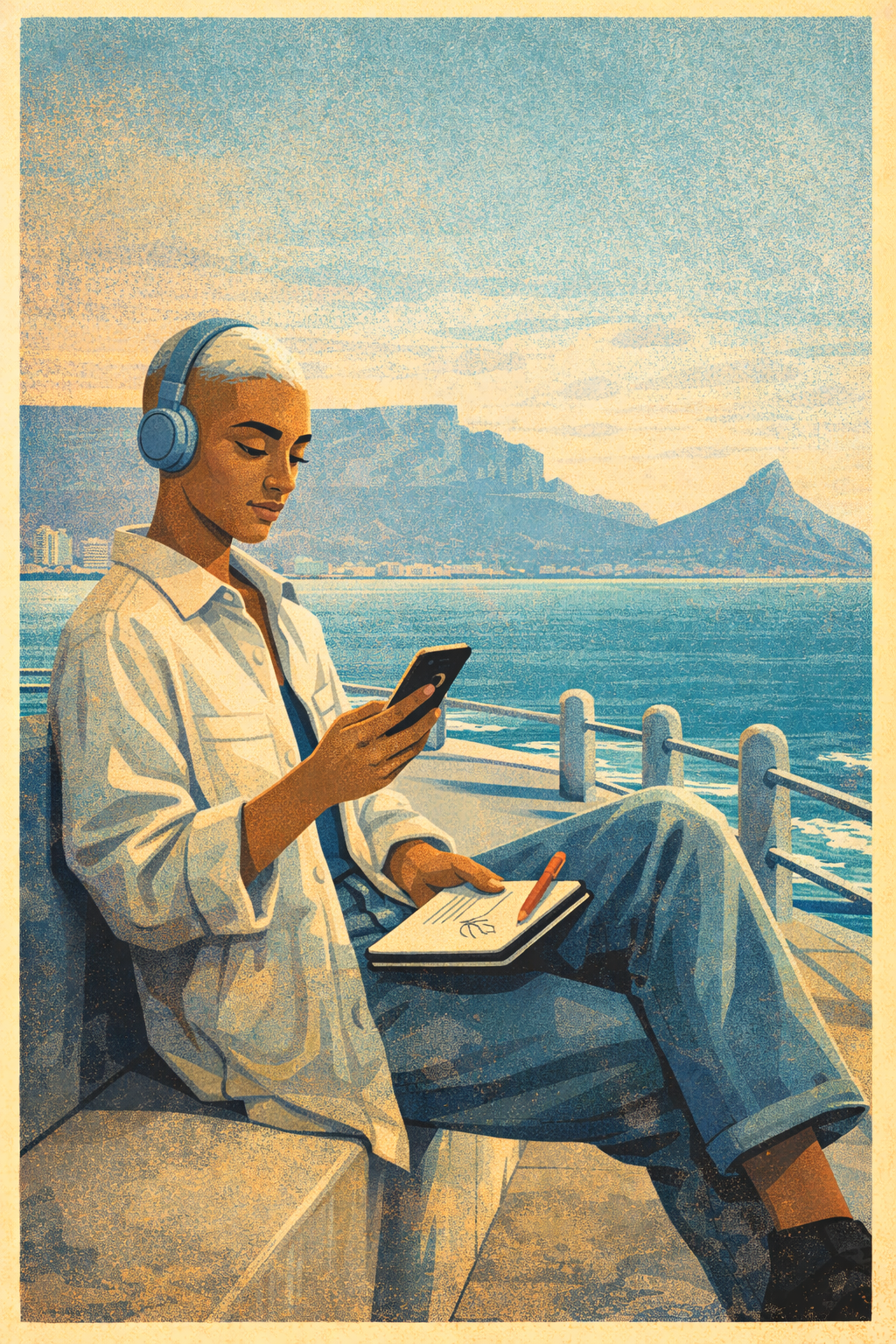
A nonbinary young person with headphones on sits by the water in Cape Town, Africa, looking at their phone with a notebook in their lap

What Changed for 2026

  • FEIE limit: $130,000 for 2025 (filed now), increasing to $132,900 for 2026 (filed in 2027)

  • Self-employment Social Security cap: $176,100 for 2025

  • Thailand’s new rules: Global income taxation now affects tax residents

  • More countries are launching digital nomad visas with varying tax rules

When to Get Professional Help

Most digital nomads who track their days carefully and file on time end up owing little in federal income tax. The FEIE handles most of it if you’re earning under $130,000.

The real danger? Not filing at all. You can get hit with penalties even when you don’t owe any tax.

When you’re dealing with income from different countries, multiple currencies and various client types, a CPA who specializes in expat taxes is worth every penny. They’ll help you claim every exclusion you’re entitled to while keeping you compliant.

Your laptop lifestyle shouldn’t be complicated by taxes. Get the basics right, keep good records, and you can focus on your work and travels instead of worrying about the IRS. –Ivana Babic

3 Books That Reveal the Emotional Reality of Living Abroad

Instagram sells sunsets and spritzes. Literature sells the truth. These novels peel back the glossy veneer of expat life: the loneliness, identity shifts and new versions of ourselves.

Browse any expat-life hashtag and you’ll be greeted with the usual: sun-drenched piazzas, digital nomads perched at beach bars, and enviably plated foreign delicacies. What you rarely see is the silence of a Friday night in a place you don’t yet understand — or the bewildering moment when your sense of humor doesn’t translate.

Travel guides tell you where to eat; novels tell you what it feels like to stay. For anyone navigating life in a new country, books can be a form of quiet companionship — a reassurance that the “expat blues” aren’t a personal failing, but a very normal human response to being unmoored.

Many expats liken the first months abroad to early childhood: dependent, humbled and frequently misunderstood.

Below are three novels that resist romanticism and instead capture the emotional, cultural and existential complexities of living abroad.

1. The Namesake by Jhumpa Lahiri

The plot: Lahiri traces the Ganguli family from Calcutta to Cambridge, Massachusetts — from arranged marriage to second-generation childhood — chronicling Ashima’s attempts to build a life in icy New England and her son Gogol’s push-pull between Bengali family expectations and American identity.

The emotional reality: Cultural displacement

The Namesake articulates the ache of displacement — not the dramatic kind, but the mundane, lingering kind that creeps into grocery lists and breakfast rituals. Ashima’s loneliness is found in Rice Krispies and peanuts that approximate a snack from home.

For expats, the book affirms what rarely makes it into Instagram captions: that living abroad often splits a life in two — who you were at home versus who you must become to survive.


Tip: Now and then, take a break from the heavy stuff.

Acculturation isn’t always light reading. Sometimes you just need pure escapism: a mafia love story, twisty thriller, or whatever helps you forget visa appointments and tax forms for an hour. Digital platforms make it easy to read novels online and keep entertainment at arm’s reach, wherever you land.

2. Americanah by Chimamanda Ngozi Adichie

The plot: Ifemelu and Obinze leave a military-controlled Nigeria in pursuit of opportunities abroad. In the U.S., Ifemelu thrives academically while confronting race in a way she never had to at home. Obinze navigates the precarious underbelly of life in London.

The emotional reality: Race, identity and reassignment 

Where travel writing typically delights in discovery, Americanah examines the shock of racial and social recoding. Adichie renders the exhaustion of learning a new country’s unspoken rules regarding class, language, etiquette, race.

It’s a powerful depiction of what could be called the “expat syndrome”: being a permanent outsider in the country you’ve moved to, yet no longer fully belonging to the country you left.


Tip: Find some freebies.

Apps like FictionMe put an entire library in your pocket at no cost.

3. Brick Lane by Monica Ali

The plot: Nazneen leaves Bangladesh for an arranged marriage in London’s Tower Hamlets. Confined to a small flat, isolated by language, and observing the world through net curtains, her life unfolds at the unsettling intersection of duty, culture and desire.

The emotional reality: Language as barrier and cage

Ali captures the claustrophobia of linguistic exclusion — when you possess a vivid interior world yet lack the vocabulary to make it legible to others. Many expats liken the first months abroad to early childhood: dependent, humbled and frequently misunderstood.

Brick Lane argues that literature’s real power lies in helping immigrants and expats name the parts of the experience that feel otherwise unsayable.

Why Literature Matters When You’re Far From Home

Relocating abroad is not merely a logistical endeavor — it rearranges you at a molecular level. Travel guides help you navigate new streets; novels help you navigate new selves.

Finding stories that mirror your experience — whether through online platforms or a well-loved local bookshop — is a form of self-preservation. It’s the reminder that confusion, loneliness and otherness aren’t evidence of failure but essential parts of transformation.

On the loneliest nights in the most dazzling cities, books insist on the one thing expat life often withholds: that you are not alone. –Layla Young


Building Financial Independence While Living a Nomadic Lifestyle

Dreaming of life on the road without wrecking your finances? Here’s how digital nomads are building financial independence — from minimalist living to smart investing — while exploring the world.

A woman sits on a balcony in the jungle of Bali, drinking coffee, while a monkey reaches for fruit on a nearby table

Living a nomadic lifestyle is an escape from the 9-to-5 grind and a rebellion against routine. Imagine swapping fluorescent office lights for sunrises in Bali or coffee breaks in Budapest. For many, this life on the move is the ultimate dream. But here’s the twist: It can also be a legitimate path to financial independence. 

That might sound counterintuitive — trading a steady home base for a backpack — but with a few smart strategies, you can actually earn, save and invest your way toward long-term freedom while living on your own terms. Here’s how:

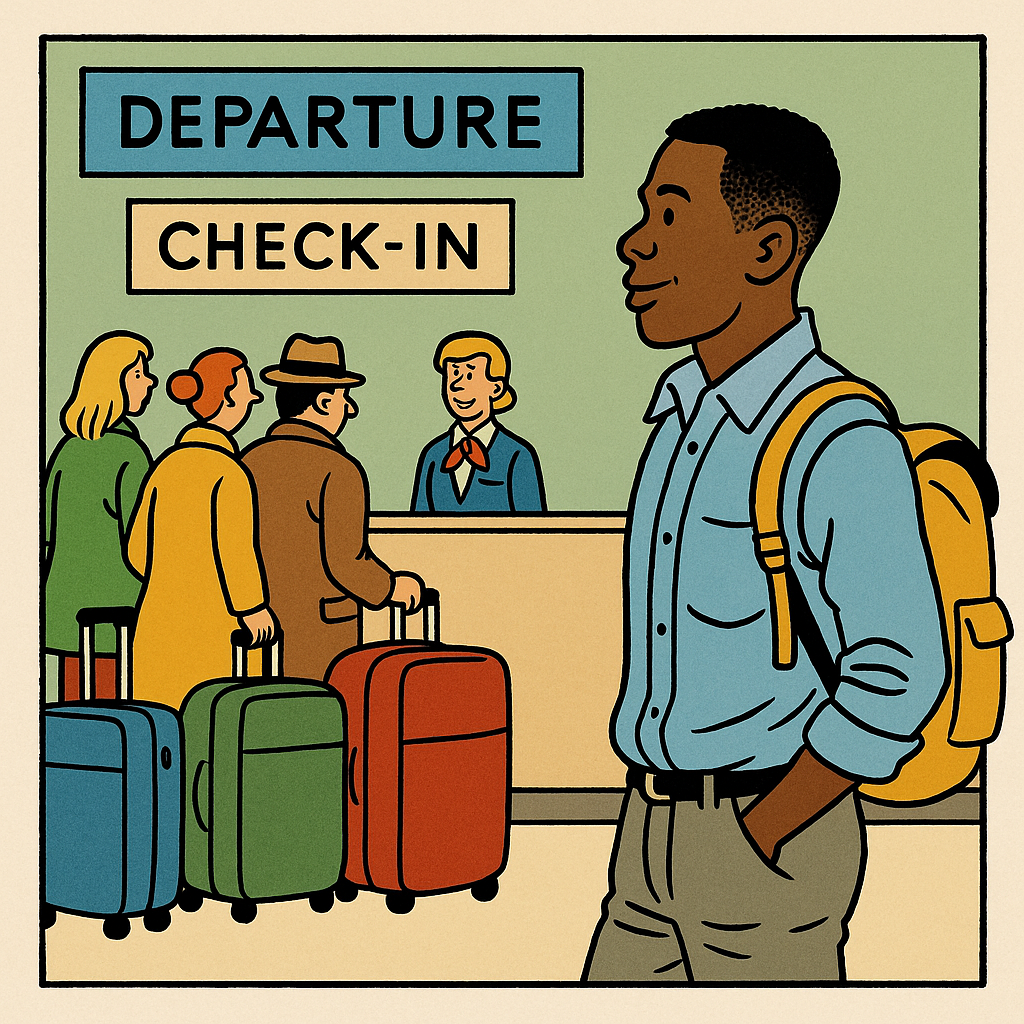
A man walks through the airport with a backpack, past travelers at the check-in desk carrying large suitcases

1. Embrace minimalism (and kiss clutter goodbye).

One of the secret perks of nomadic life? There’s only so much you can fit in a carry-on. Minimalism isn’t just aesthetic; it can be financial liberation. When you’re not tied to a lease, a car payment or endless Target runs, your budget suddenly breathes easier.

Stay flexible with your housing: Rotate between hostels, short-term rentals and local guesthouses, and lean into regions with a lower cost of living. Every month without a utility bill or pricey subscription is a win for your savings.

And beyond the dollars, there’s something quietly euphoric about realizing you don’t need much. The less you own, the lighter you travel — and the freer you feel.

A man with arm tattoos smiles as he works on a laptop on a balcony overlooking Lisbon, Portugal

2. Build steady remote income.

Financial independence on the road starts with income that doesn’t care where your Wi-Fi signal comes from. Thanks to the global digital economy, your laptop is your office.

Writers, designers, developers, marketers — the world is your coworking space. Tap into platforms like Upwork, Fiverr or Freelancer, or pitch your services directly to clients who value remote talent. For the entrepreneurial set, content creation — blogs, YouTube channels, online courses — can evolve into sustainable, even passive income through ads, affiliate links and sponsored partnerships.

Diversify your revenue streams like a pro investor. That way, if one project fizzles, another keeps you afloat (and caffeinated).

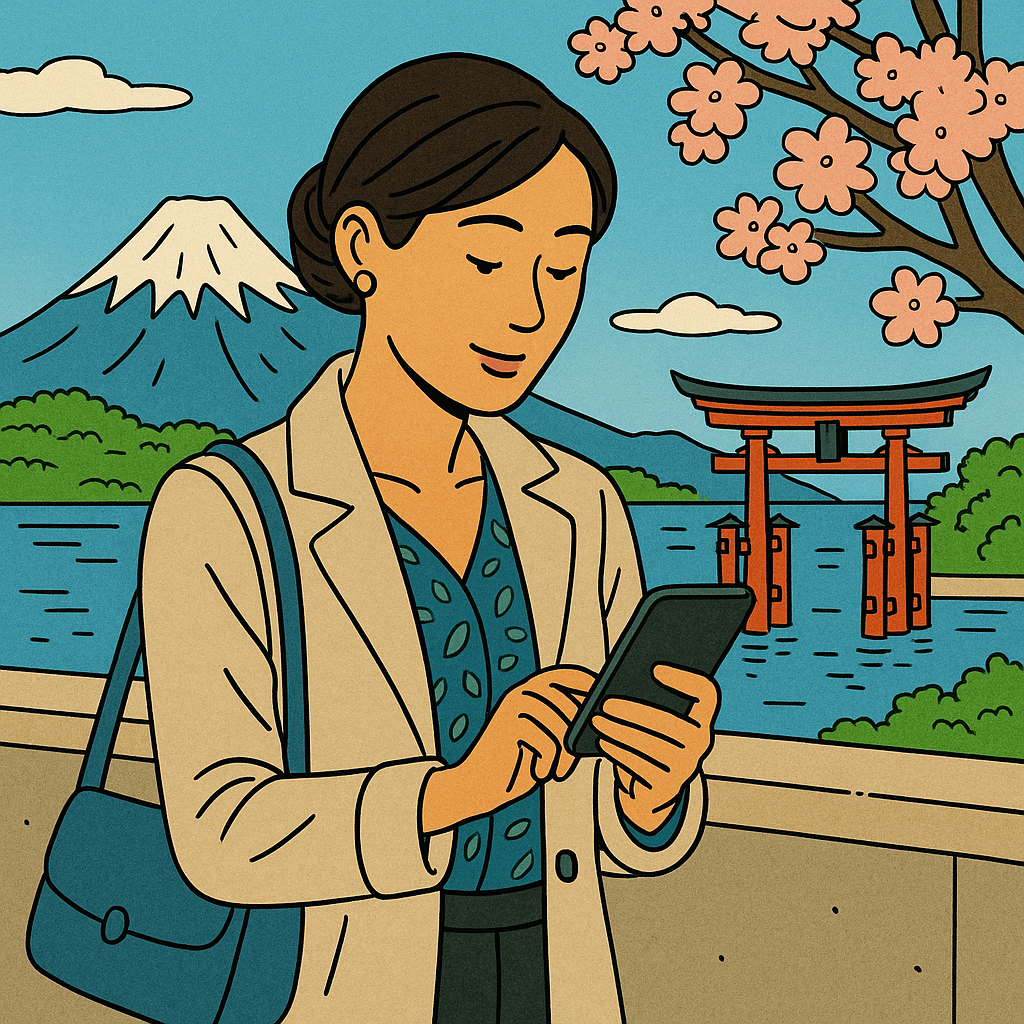
A woman on her smartphone by a Japanese lake, mountain and torii gate

3. Save and invest like it’s your next adventure. 

It’s easy to justify splurging on yet another scuba trip in Koh Tao, Thailand — but every dollar saved gets you closer to long-term freedom. The key is balance: Experience the world and fund your future.

Start with a simple budget that reflects your new lifestyle. With fewer fixed expenses, your savings rate can soar — but don’t let that money sit idle. Invest it. Set up tax-advantaged accounts like a 401(k) or IRA, or automate regular contributions to low-cost index funds and exchange-traded funds (ETFs). That’s where the magic of compounding quietly works behind the scenes while you’re off chasing sunsets.

And if you need guidance, resources like ThinkSaveRetire.com break down budgeting and early retirement strategies tailored to digital nomads.

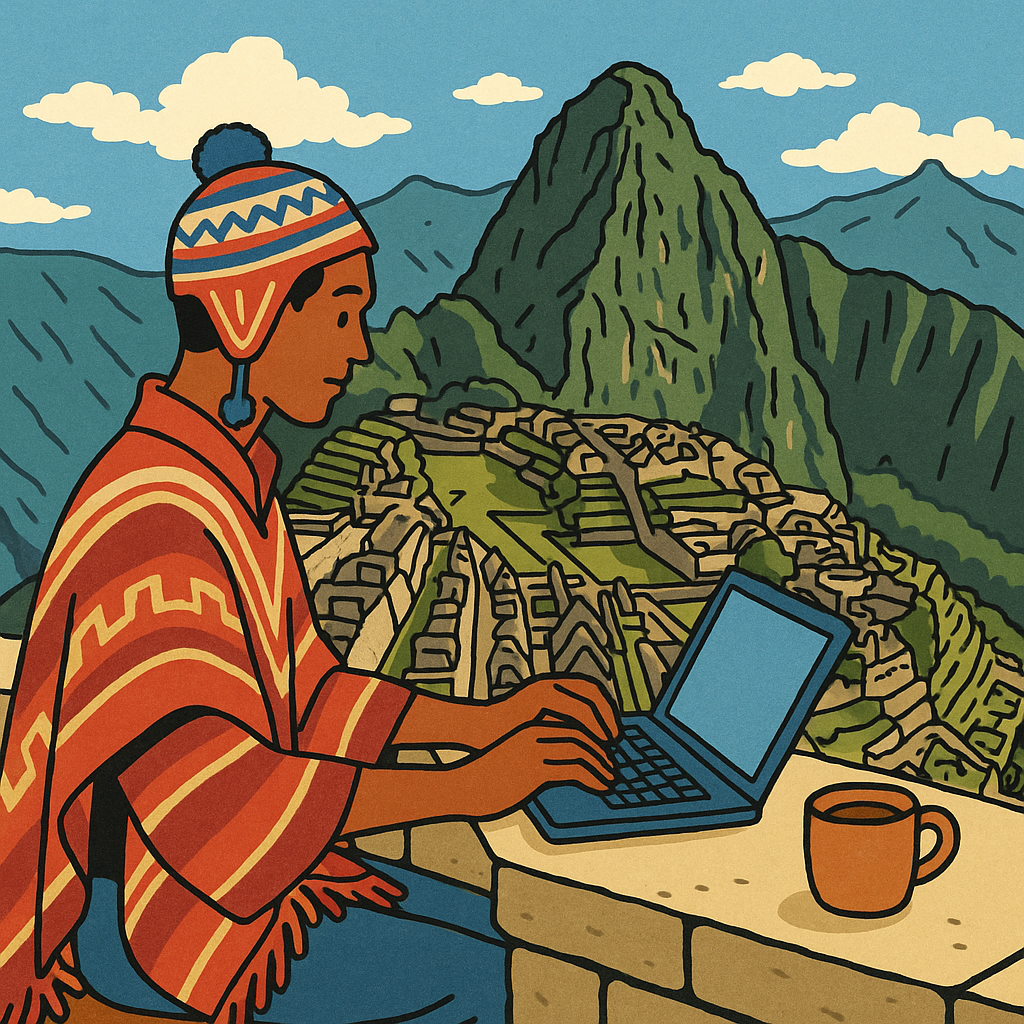
A man in Andean garb works on his laptop, overlooking Machu Picchu in Peru

4. Automate your money.

You’ve got better things to do than juggle bill payments while crossing time zones. Automation is your best travel companion. Set up automatic transfers to your savings and investment accounts. Schedule recurring payments for credit cards, insurance and subscriptions.

Then let budgeting apps like Mint or YNAB track your spending and alert you before things go off the rails. They’re especially handy when currency exchange rates shift from one destination to the next.

Automation keeps your finances humming quietly in the background — no panic, no missed due dates, just smooth sailing.

A man clutches his stomach at a cafe table in Djemaa-el -Fna, Marrakech, Morocco, while a waiter looks like and a tagine sits on the table

5. Don’t skip the boring stuff: insurance and healthcare. 

Freedom’s fun until you get food poisoning in Morocco. Health insurance isn’t glamorous, but it’s essential. Many digital nomads go for international insurance coverage that follows them across borders — flexible, comprehensive, and less of a headache than patchwork local policies.

Read more: Here’s how to pick the best travel insurance plan for your lifestyle.

Add a layer of protection with life or disability insurance to secure your future plans. The goal is peace of mind, not paranoia — but when you’re building long-term independence, a little planning goes a long way.


A man steers a sailboat through the Caribbean, past a small isle, while his wife sits next to him, reading a book

6. Think beyond early retirement. 

Early retirement isn’t the end of your financial journey; it’s the next adventure. If you plan to keep exploring after hitting financial independence, think about what sustainable income looks like long-term. Maybe it’s rental properties, dividend-paying investments, or a business that runs itself while you’re trekking the Andes.

The point is: Financial independence isn’t about stopping work. It’s about designing a life where you only do the work you love — and do it from anywhere.

A man in Australia holds a coffee cup as a koala holds onto his back and shoulder, with a surfboard nearby and a bridge in the background

Living Free and Building Wealth

Financial independence and nomadic living aren’t opposites; they’re allies. With a minimalist mindset, multiple income streams and a little automation, you can craft a life that’s both adventurous and secure.

Freedom is about choice. So start now. Build your financial safety net, pack your essentials, and go see the world on your terms. –Christy Baker

Digital Nomad Life: What No One Tells You About Working From Anywhere

Remote work from anywhere isn’t always a dream. From visa runs to Wi-Fi fails, here’s what digital nomads really face.

You’ve seen the Instagram posts: Laptop perched on a sunlit café table, feet buried in the sand, a coconut drink in hand. It’s the digital nomad dream, right?

But let’s be honest: Remote work from paradise isn’t always as effortless as it looks. Nobody posts about their Wi-Fi dropping mid-Zoom call, the sketchy hostel that overbooked their room, or the unexpected trip to a foreign hospital (because, yes, street food roulette is real).

So, let’s get real about what working from anywhere actually means — and how to keep your sanity (and your wallet) intact.

1. Your “office” might be a disaster waiting to happen. 

You imagine working from a trendy coworking space in Bali, but reality often looks more like:

  • A café where the Wi-Fi is slower than dial-up.

  • A beach where your laptop overheats in the sun.

  • A hostel with one power outlet…that isn’t compatible with your plug.

Solution? Research before you go. Check coworking spots, invest in a portable Wi-Fi hotspot, and always have an offline backup of important files. And, of course, make sure you’re covered if your laptop takes an unfortunate dive off a tuk-tuk (because, yes, that can happen).

2. Visa runs can feel like a full-time job. 

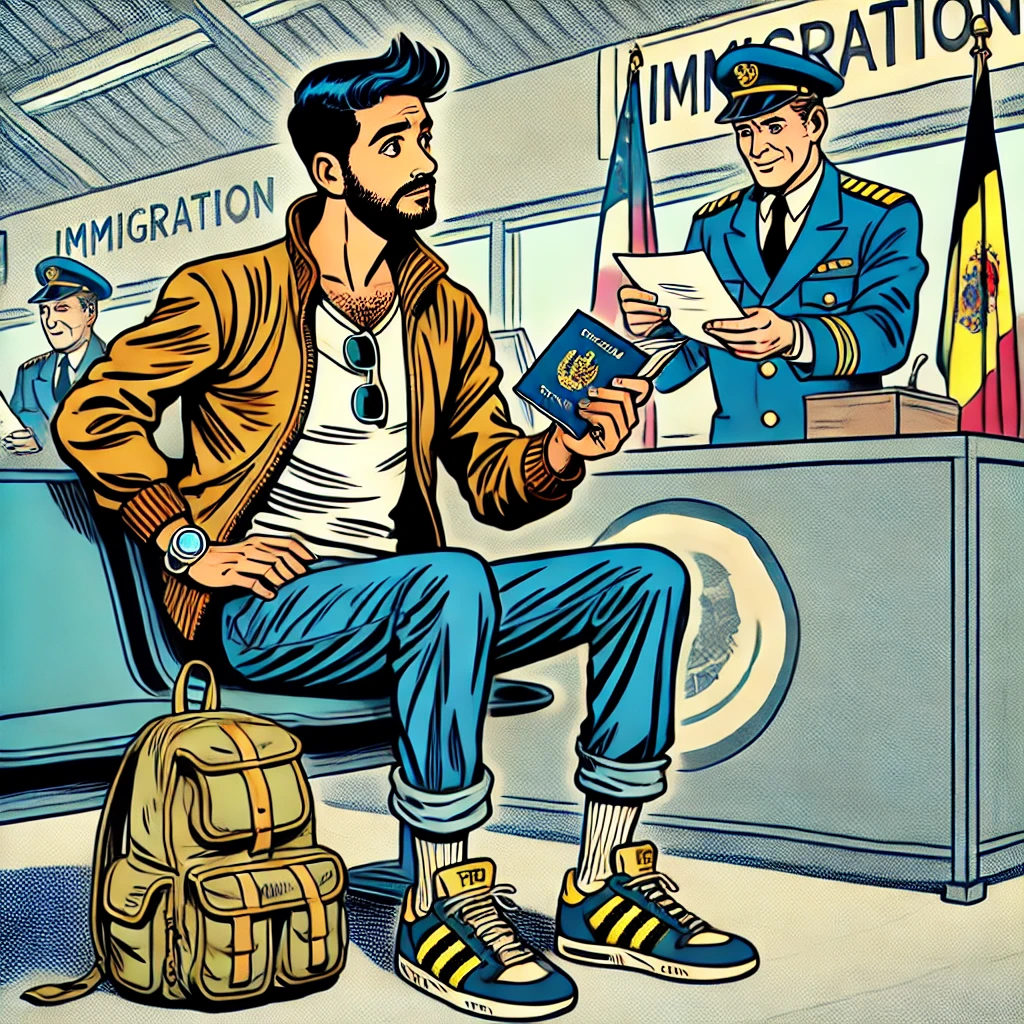
Digital nomads often get by on tourist visas, which means every few months, you’ll be scrambling for a visa run. Cheap flights to nearby countries sound fun — until you’re stuck in an immigration office explaining why you’re back again after only 24 hours.

Pro tip: Some countries are getting strict about this. If you’re hopping around, check visa policies before you arrive, and consider places with long-stay digital nomad visas.

3. You will get sick at the worst time possible.

It’s not if, it’s when. One day, you’ll eat the wrong street taco, get a surprise ear infection before a long-haul flight, or sprain your ankle trying to look cool on a scooter.

And unless you want to drain your savings on an ER visit in Thailand, having travel medical insurance is a non-negotiable.

Consider a policy specially designed for your lifestyle, like Nomad Essential so you’re covered for the basics, like unexpected medical bills, emergencies and even COVID. And if you want full coverage, including trip protection, electronics theft and liability insurance, Nomad Complete has you covered. Because the only thing worse than getting sick abroad is getting stuck with the bill.

4. Loneliness is real (even when you’re in a crowded hostel).

Digital nomad life can be thrilling, but it also means constantly saying goodbye. It’s easy to feel untethered when your friends are scattered across five continents.

Fix it: Join local digital nomad communities, coworking spaces and online groups. And if you can, pick a few “home bases” instead of constantly moving — it helps with routine, friendships and, let’s be honest, finding a reliable coffee spot.

5. The nomad life isn’t a vacation (though it can feel like one). 

Working from the beach sounds cool…until you realize the sand, sun and people having actual vacations are just distractions. Finding work-life balance while constantly on the move is an art form. Some tips:

✅ Set work hours.

✅ Take real days off.

✅ Don’t burn out in the name of “freedom.”

Because at the end of the day, being a digital nomad isn’t about escaping reality — it’s about designing a life that works for you.

Stay Covered, Stay Nomadic

Whether you’re bouncing between continents or settling into a new home base, Nomad Essential and Nomad Complete insurance plans are designed for remote workers like you. They’re flexible and built for life on the move — so you can focus on the adventure, not the what-ifs.

Get covered today and travel with peace of mind. Learn more about SafetyWing Nomad insurance. –Wally