Dreaming of life on the road without wrecking your finances? Here’s how digital nomads are building financial independence — from minimalist living to smart investing — while exploring the world.

Living a nomadic lifestyle is an escape from the 9-to-5 grind and a rebellion against routine. Imagine swapping fluorescent office lights for sunrises in Bali or coffee breaks in Budapest. For many, this life on the move is the ultimate dream. But here’s the twist: It can also be a legitimate path to financial independence.
That might sound counterintuitive — trading a steady home base for a backpack — but with a few smart strategies, you can actually earn, save and invest your way toward long-term freedom while living on your own terms. Here’s how:
1. Embrace minimalism (and kiss clutter goodbye).
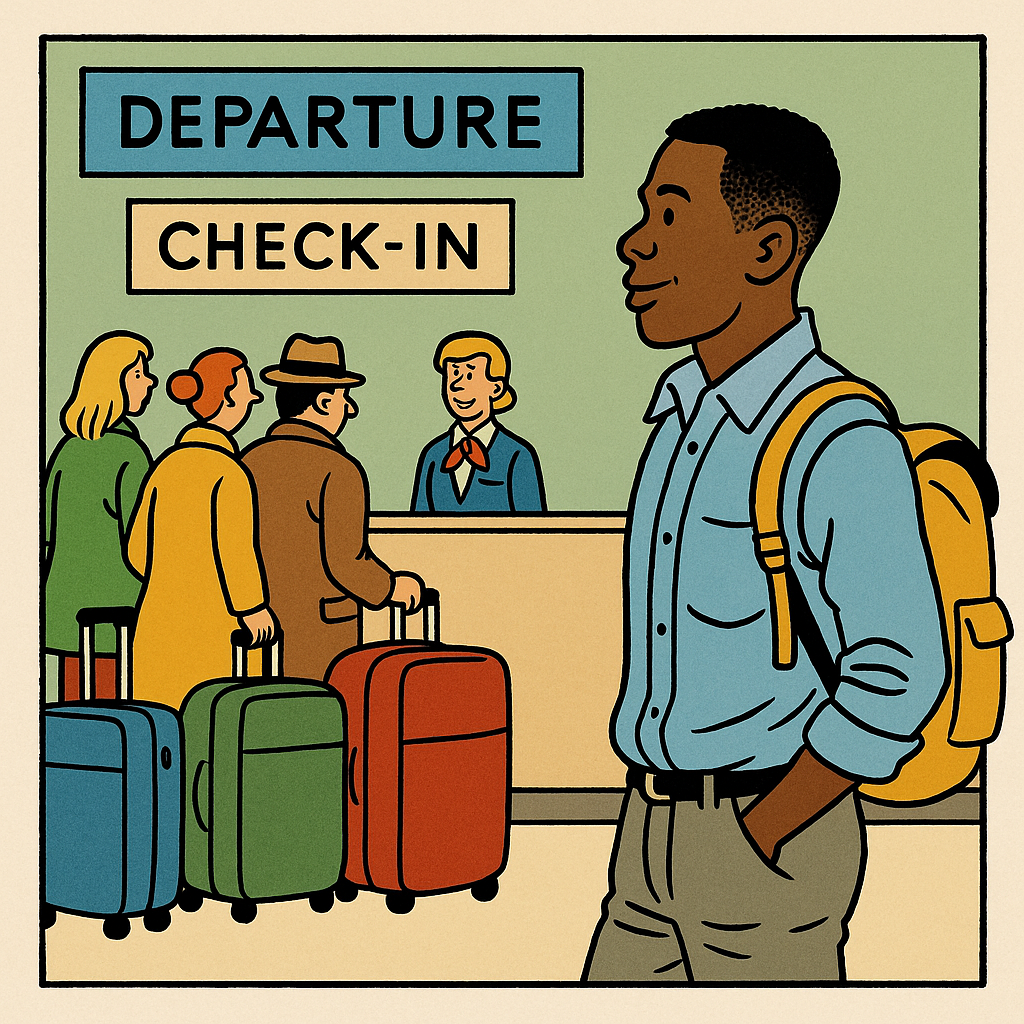
One of the secret perks of nomadic life? There’s only so much you can fit in a carry-on. Minimalism isn’t just aesthetic; it can be financial liberation. When you’re not tied to a lease, a car payment or endless Target runs, your budget suddenly breathes easier.
Stay flexible with your housing: Rotate between hostels, short-term rentals and local guesthouses, and lean into regions with a lower cost of living. Every month without a utility bill or pricey subscription is a win for your savings.
And beyond the dollars, there’s something quietly euphoric about realizing you don’t need much. The less you own, the lighter you travel — and the freer you feel.

2. Build steady remote income.
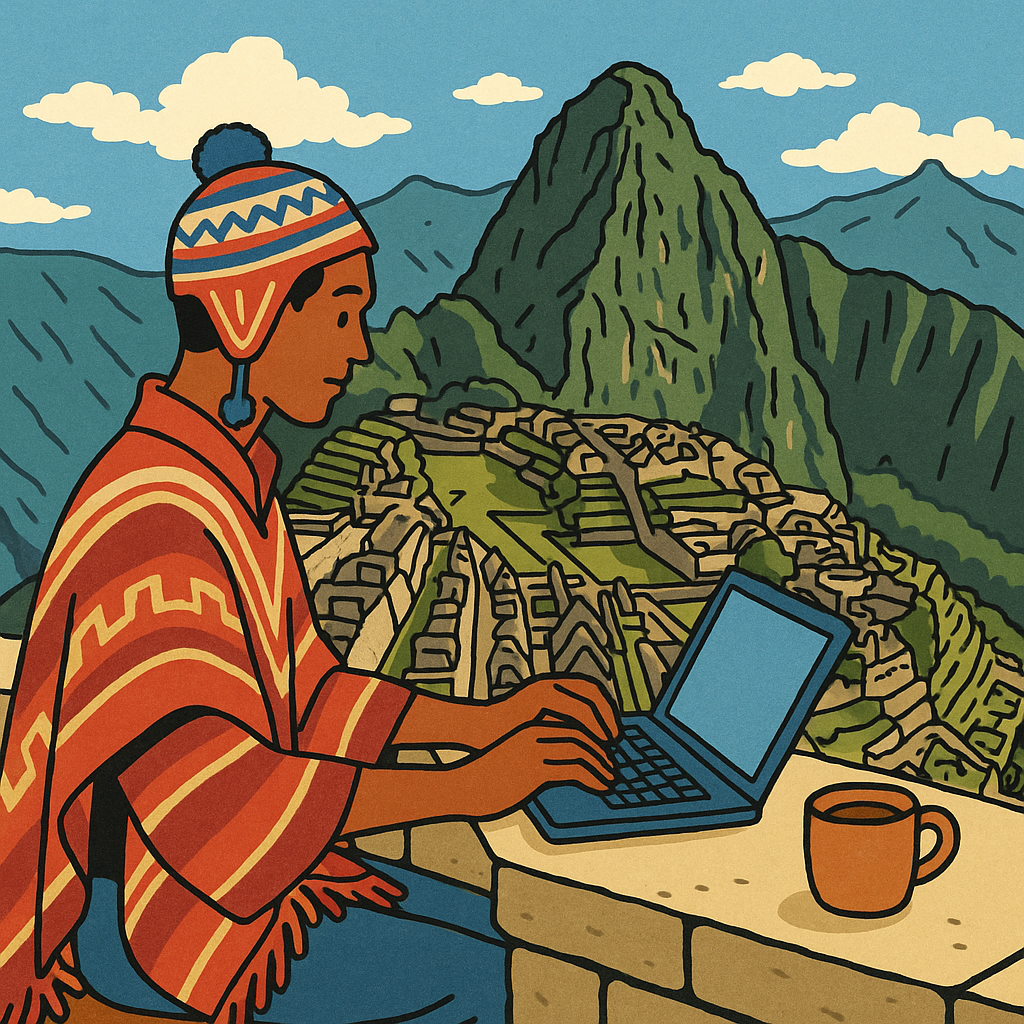
Financial independence on the road starts with income that doesn’t care where your Wi-Fi signal comes from. Thanks to the global digital economy, your laptop is your office.
Writers, designers, developers, marketers — the world is your coworking space. Tap into platforms like Upwork, Fiverr or Freelancer, or pitch your services directly to clients who value remote talent. For the entrepreneurial set, content creation — blogs, YouTube channels, online courses — can evolve into sustainable, even passive income through ads, affiliate links and sponsored partnerships.
Diversify your revenue streams like a pro investor. That way, if one project fizzles, another keeps you afloat (and caffeinated).

3. Save and invest like it’s your next adventure.
It’s easy to justify splurging on yet another scuba trip in Koh Tao, Thailand — but every dollar saved gets you closer to long-term freedom. The key is balance: Experience the world and fund your future.
Start with a simple budget that reflects your new lifestyle. With fewer fixed expenses, your savings rate can soar — but don’t let that money sit idle. Invest it. Set up tax-advantaged accounts like a 401(k) or IRA, or automate regular contributions to low-cost index funds and exchange-traded funds (ETFs). That’s where the magic of compounding quietly works behind the scenes while you’re off chasing sunsets.
And if you need guidance, resources like ThinkSaveRetire.com break down budgeting and early retirement strategies tailored to digital nomads.
4. Automate your money.
You’ve got better things to do than juggle bill payments while crossing time zones. Automation is your best travel companion. Set up automatic transfers to your savings and investment accounts. Schedule recurring payments for credit cards, insurance and subscriptions.
Then let budgeting apps like Mint or YNAB track your spending and alert you before things go off the rails. They’re especially handy when currency exchange rates shift from one destination to the next.
Automation keeps your finances humming quietly in the background — no panic, no missed due dates, just smooth sailing.

5. Don’t skip the boring stuff: insurance and healthcare.
Freedom’s fun until you get food poisoning in Morocco. Health insurance isn’t glamorous, but it’s essential. Many digital nomads go for international insurance coverage that follows them across borders — flexible, comprehensive, and less of a headache than patchwork local policies.
Read more: Here’s how to pick the best travel insurance plan for your lifestyle.
Add a layer of protection with life or disability insurance to secure your future plans. The goal is peace of mind, not paranoia — but when you’re building long-term independence, a little planning goes a long way.

6. Think beyond early retirement.
Early retirement isn’t the end of your financial journey; it’s the next adventure. If you plan to keep exploring after hitting financial independence, think about what sustainable income looks like long-term. Maybe it’s rental properties, dividend-paying investments, or a business that runs itself while you’re trekking the Andes.
The point is: Financial independence isn’t about stopping work. It’s about designing a life where you only do the work you love — and do it from anywhere.

Living Free and Building Wealth
Financial independence and nomadic living aren’t opposites; they’re allies. With a minimalist mindset, multiple income streams and a little automation, you can craft a life that’s both adventurous and secure.
Freedom is about choice. So start now. Build your financial safety net, pack your essentials, and go see the world on your terms. –Christy Baker