finances

Confident Card Management for Travelers Navigating International Expenses

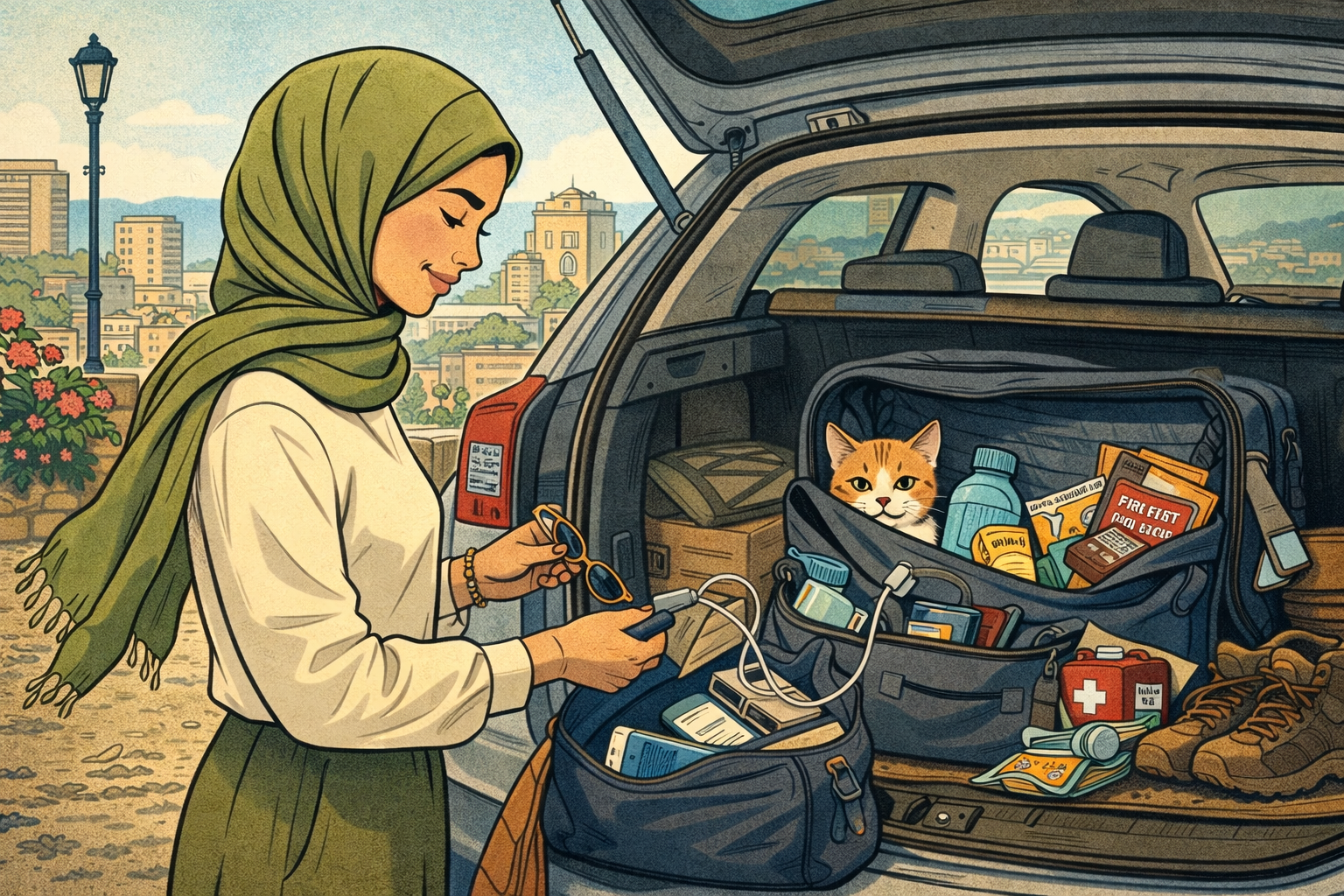
Travel teaches you many things. How fragile your credit limit is abroad tends to be one of the faster lessons. Here’s what credit card management actually means when you’re traveling.

Credit card management sounds like something you do once a year with a spreadsheet and good intentions. In reality, it’s the ongoing practice of keeping your cards — credit, debit, prepaid — usable, visible and dependable when money is moving in unfamiliar systems.

At home, poor card management is inconvenient. On the road, it’s disruptive.

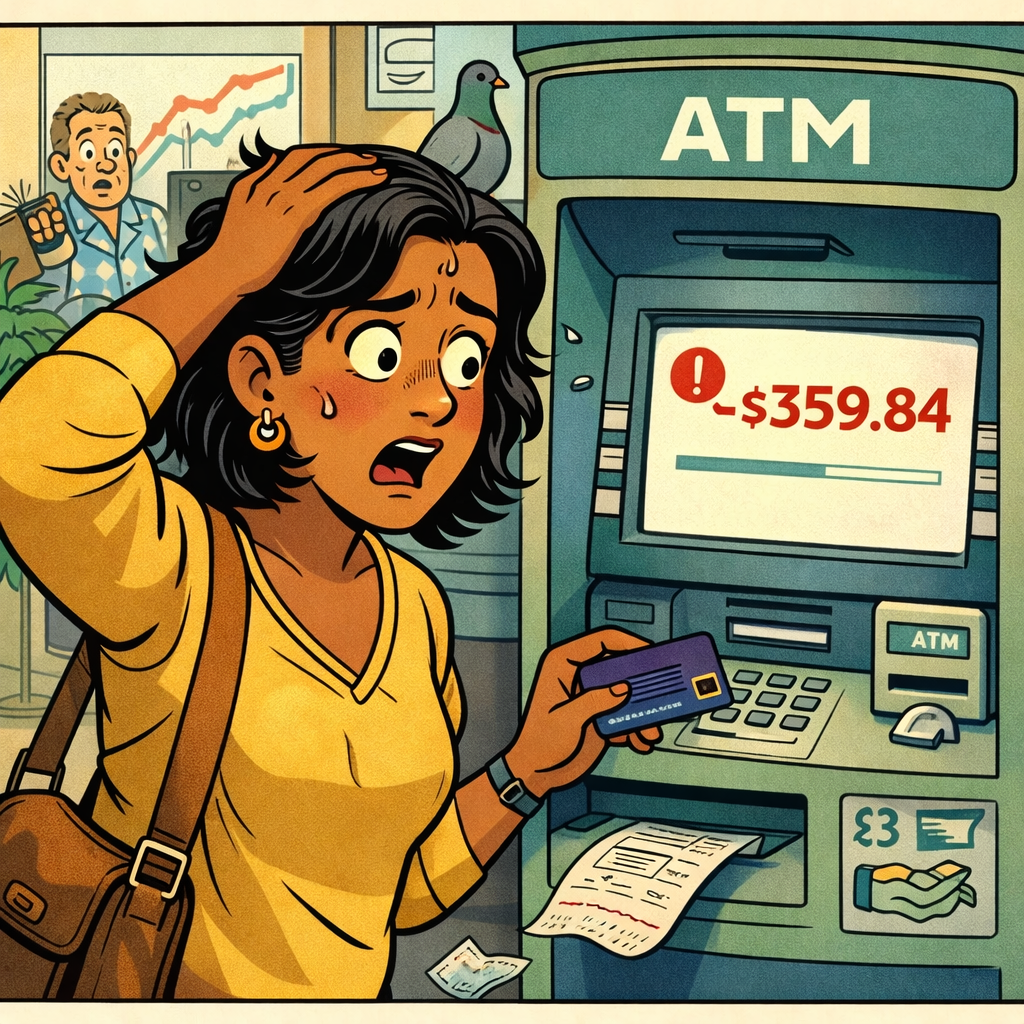
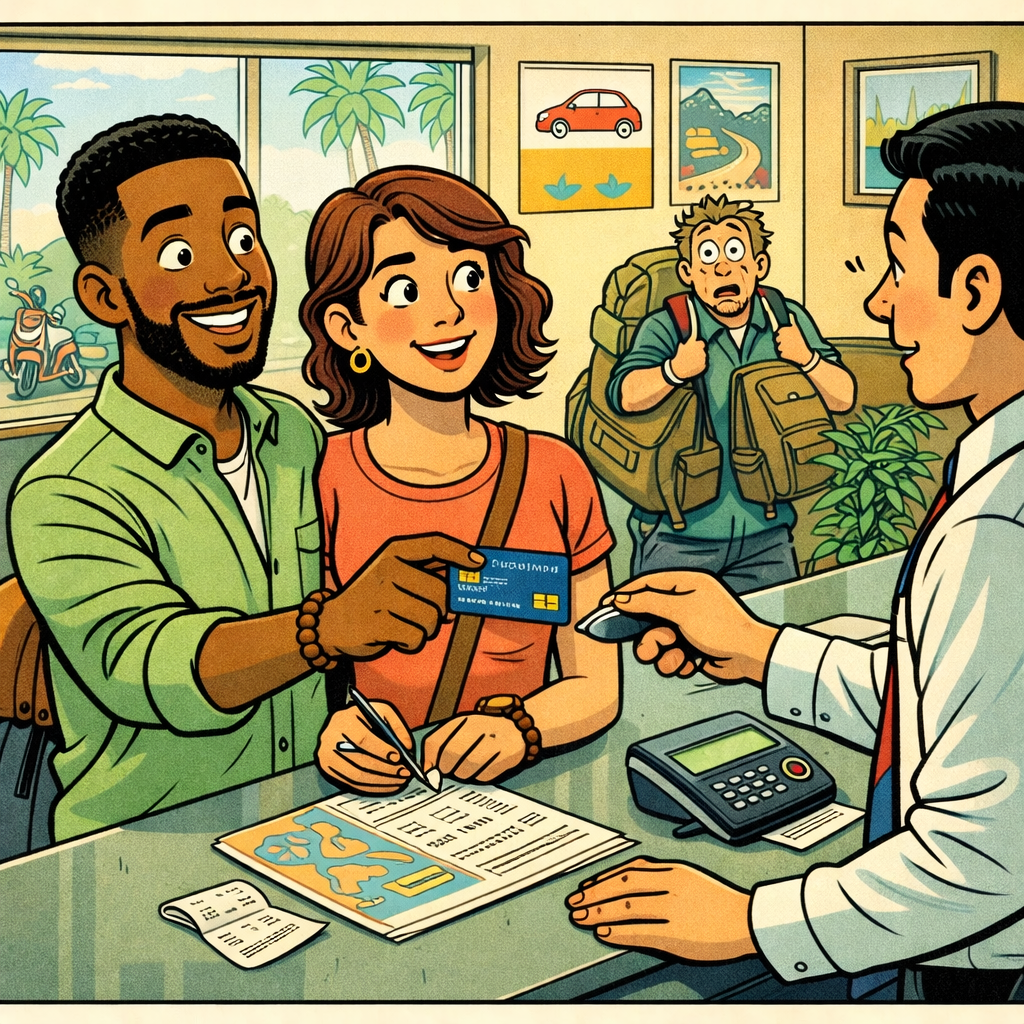
Because when your card fails abroad, it rarely fails quietly. It fails in front of a hotel desk, a rental counter, or a waiter who has already brought the check and is now waiting.

When your card fails abroad, it rarely fails quietly. It fails in front of a hotel desk, a rental counter, or a waiter who has already brought the check and is now waiting.

Credit Crunch Moments Abroad

It usually starts with a hotel.

You’ve paid in advance. You’ve checked in. Everything seems fine — until you realize the property has placed a pre-authorization that quietly eats a chunk of your available credit. Then the rental car does the same. Then a restaurant charge posts as pending. Then currency conversion nudges a number just far enough to matter.

None of this is unusual. Almost none of it is explained.
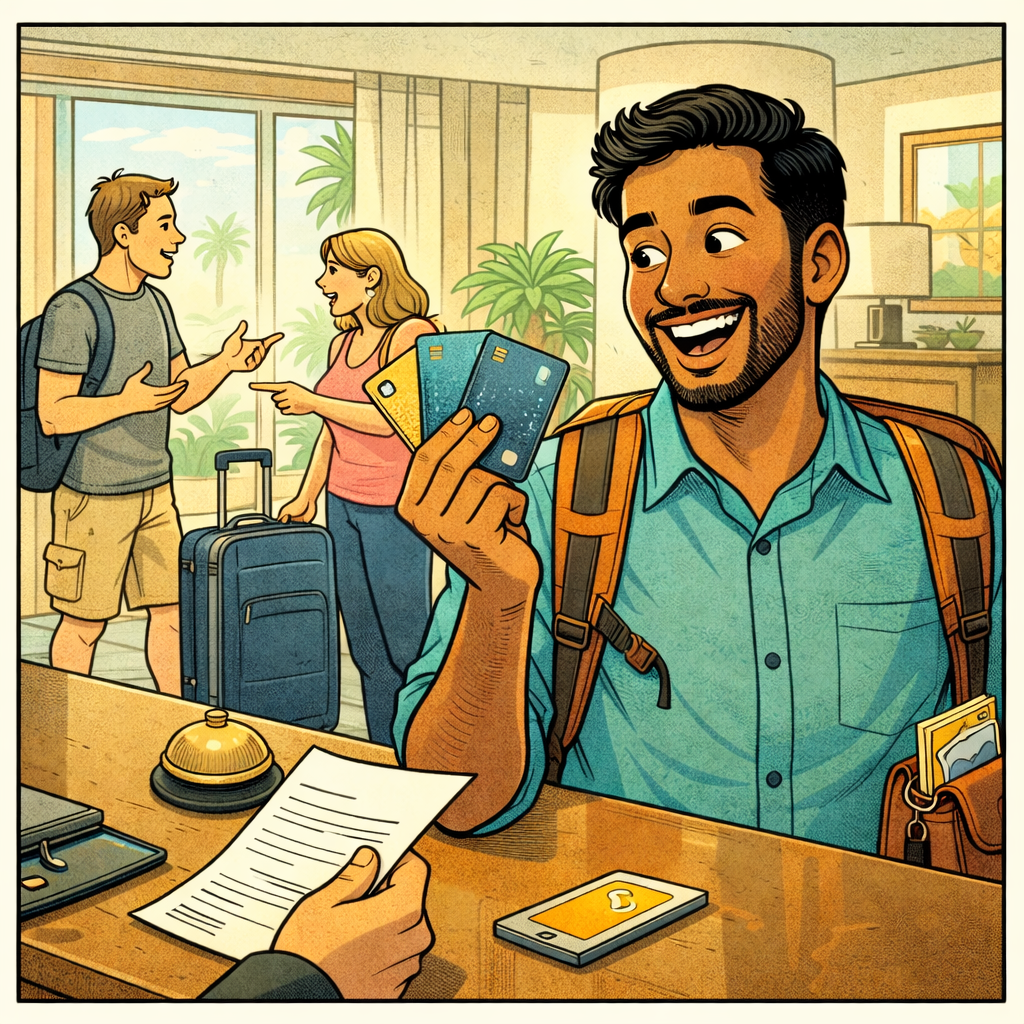
Suddenly, your “plenty of room” credit limit is very much in play.

This is why card management matters more once you cross a border: International travel compresses time, money and margin for error. Charges stack faster. Holds linger longer. And the systems deciding what’s “normal” behavior are no longer familiar.

The Invisible Mechanics Draining Your Available Credit

Travelers often assume their balance tells the whole story. It doesn’t.

What affects your usable credit abroad includes:

  • Pre-authorizations that remain pending for days

  • Currency fluctuations that change final settled amounts

  • Merchant batching delays that make charges appear late

  • ATM and foreign transaction fees that post separately

Individually, these are minor. Together, they quietly reduce flexibility — especially if you’re relying on one card or traveling close to your limit.

What many people don’t realize: You can “have money” — and still be unable to use it.

When Things Go Sideways

Then there are the moments that actually raise your pulse.

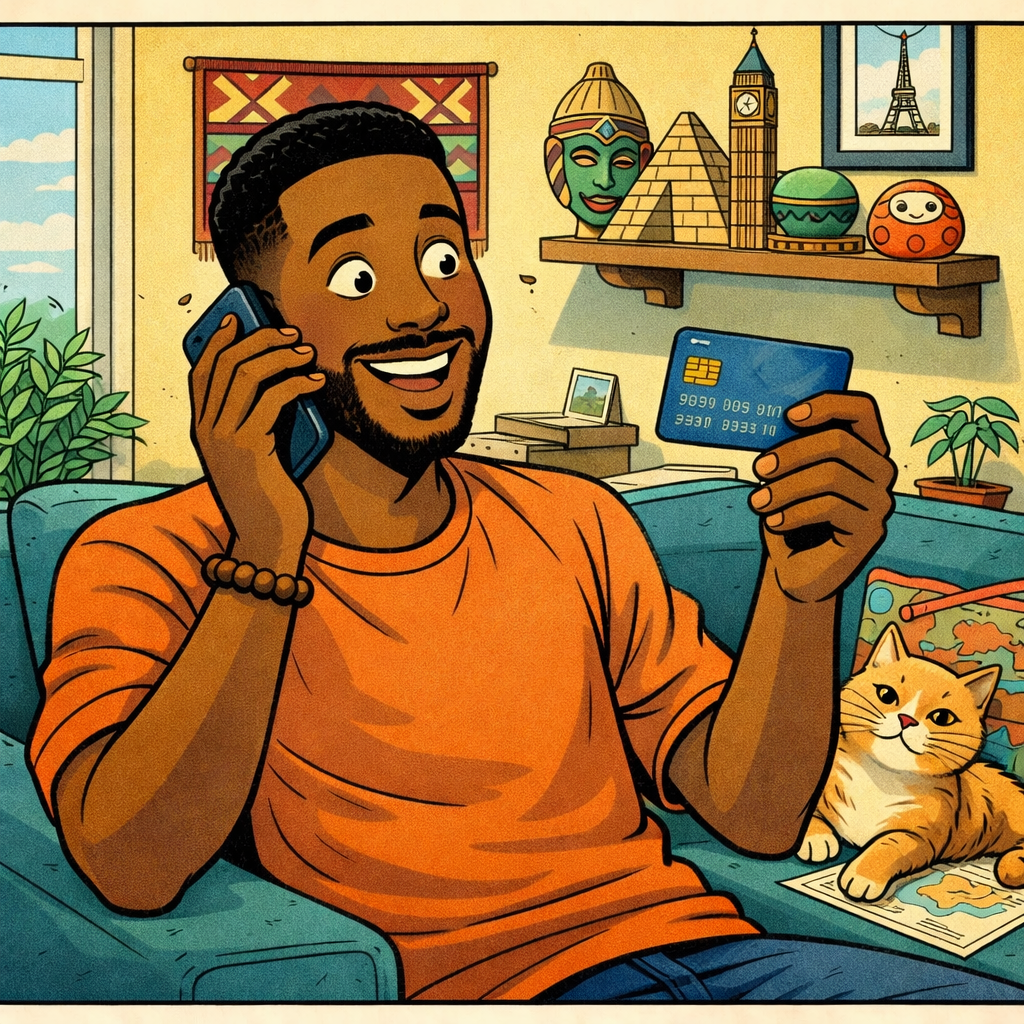
  • A card freeze triggered by foreign spending patterns

  • A declined transaction for something essential

  • A banking app that won’t load because you’re on hotel Wi-Fi in a stone building from 1742

In these moments, card management stops being theoretical. It becomes logistical triage.

The travelers who stay calm aren’t luckier. They’re prepared.

Credit Confidence Starts Before the Airport

Good card management is front-loaded.

Before traveling internationally, experienced travelers:

  • Check available credit, not just balances

  • Review limits and upcoming payments

  • Notify banks of travel plans (yes, it still helps)

  • Pack at least one backup card on a different network

This isn’t paranoia. It’s redundancy — the same principle that makes travel adapters and offline maps a good idea.

After the Trip, the Work Isn’t Over

What happens after you return matters just as much.

Foreign charges can post days later. Holds don’t always release immediately. Fees sometimes appear after you’ve mentally closed the trip.

Strong post-travel credit card management means:

  • Paying balances promptly

  • Paying more than the minimum when possible

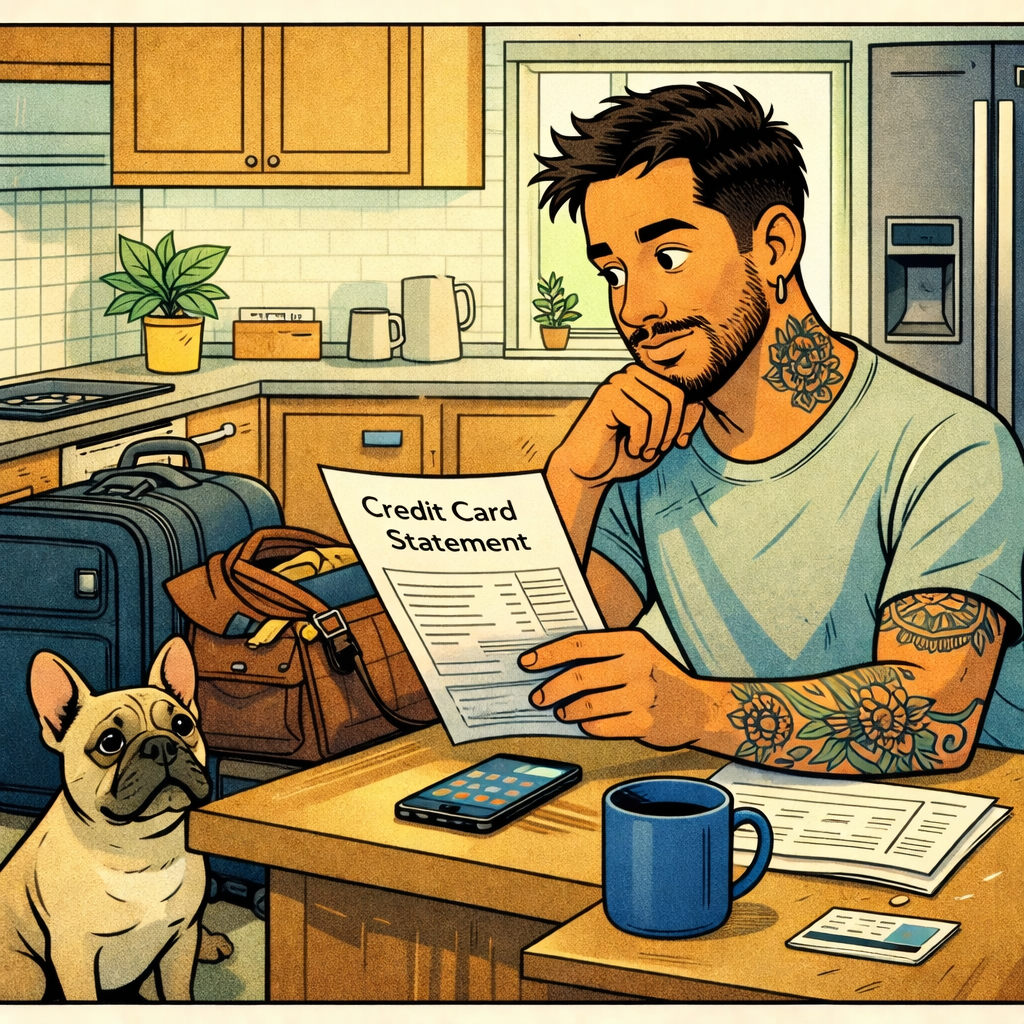
  • Reviewing statements for delayed or duplicate charges

  • Letting your credit recover quickly from temporary usage spikes

This is how one trip doesn’t quietly echo into your financial life for months.

The Tools That Actually Earn Space on Your Phone

This is where modern card management gets easier.

Mobile banking apps give travelers real-time visibility into balances, pending transactions and available credit — which is far more useful than checking statements after the fact.

Spending alerts, instant card freezes and secure authentication features reduce risk when something feels off.

Budgeting and currency-conversion tools add another layer of clarity, especially when you’re moving between countries with different pricing norms.

And digital wallets — Apple Pay, Google Pay — aren’t just convenient. They reduce physical card exposure and often process more smoothly abroad than plastic alone.

Why Seasoned Travelers Never Carry Just One Card

Payment infrastructure varies wildly by country. When it comes to international travel:

Some places expect chip and PIN.
Others default to contactless with low transaction caps.
Some terminals reject cards for reasons no one can explain.

Multiple cards mean:

  • A fallback if one is declined or frozen

  • Compatibility across networks and verification systems

  • The ability to spread spending and manage utilization

The insight here is subtle but important: Card management is about making sure you have options.

Credit Confidence on the Go

International travel will always involve financial friction — holds, fees, delays and the occasional decline. The difference between stress and confidence is understanding how those systems behave and planning accordingly.

When travelers manage cards proactively, use tools that provide real-time awareness, and build in redundancy, money becomes a background system instead of a recurring problem.

And if that still feels like too much to navigate alone, a trusted financial professional can help create a strategy that supports both travel habits and long-term credit health.

Because the best travel memories come from what you saw, ate and wandered into — not from the moment your card didn’t work and everyone was watching. –Mashum Mollah


Mashum Mollah is the founder and CEO of Blog Management. He also runs the site Blogstellar.

Building Financial Independence While Living a Nomadic Lifestyle

Dreaming of life on the road without wrecking your finances? Here’s how digital nomads are building financial independence — from minimalist living to smart investing — while exploring the world.

A woman sits on a balcony in the jungle of Bali, drinking coffee, while a monkey reaches for fruit on a nearby table

Living a nomadic lifestyle is an escape from the 9-to-5 grind and a rebellion against routine. Imagine swapping fluorescent office lights for sunrises in Bali or coffee breaks in Budapest. For many, this life on the move is the ultimate dream. But here’s the twist: It can also be a legitimate path to financial independence. 

That might sound counterintuitive — trading a steady home base for a backpack — but with a few smart strategies, you can actually earn, save and invest your way toward long-term freedom while living on your own terms. Here’s how:

A man walks through the airport with a backpack, past travelers at the check-in desk carrying large suitcases

1. Embrace minimalism (and kiss clutter goodbye).

One of the secret perks of nomadic life? There’s only so much you can fit in a carry-on. Minimalism isn’t just aesthetic; it can be financial liberation. When you’re not tied to a lease, a car payment or endless Target runs, your budget suddenly breathes easier.

Stay flexible with your housing: Rotate between hostels, short-term rentals and local guesthouses, and lean into regions with a lower cost of living. Every month without a utility bill or pricey subscription is a win for your savings.

And beyond the dollars, there’s something quietly euphoric about realizing you don’t need much. The less you own, the lighter you travel — and the freer you feel.

A man with arm tattoos smiles as he works on a laptop on a balcony overlooking Lisbon, Portugal

2. Build steady remote income.

Financial independence on the road starts with income that doesn’t care where your Wi-Fi signal comes from. Thanks to the global digital economy, your laptop is your office.

Writers, designers, developers, marketers — the world is your coworking space. Tap into platforms like Upwork, Fiverr or Freelancer, or pitch your services directly to clients who value remote talent. For the entrepreneurial set, content creation — blogs, YouTube channels, online courses — can evolve into sustainable, even passive income through ads, affiliate links and sponsored partnerships.

Diversify your revenue streams like a pro investor. That way, if one project fizzles, another keeps you afloat (and caffeinated).

A woman on her smartphone by a Japanese lake, mountain and torii gate

3. Save and invest like it’s your next adventure. 

It’s easy to justify splurging on yet another scuba trip in Koh Tao, Thailand — but every dollar saved gets you closer to long-term freedom. The key is balance: Experience the world and fund your future.

Start with a simple budget that reflects your new lifestyle. With fewer fixed expenses, your savings rate can soar — but don’t let that money sit idle. Invest it. Set up tax-advantaged accounts like a 401(k) or IRA, or automate regular contributions to low-cost index funds and exchange-traded funds (ETFs). That’s where the magic of compounding quietly works behind the scenes while you’re off chasing sunsets.

And if you need guidance, resources like ThinkSaveRetire.com break down budgeting and early retirement strategies tailored to digital nomads.

A man in Andean garb works on his laptop, overlooking Machu Picchu in Peru

4. Automate your money.

You’ve got better things to do than juggle bill payments while crossing time zones. Automation is your best travel companion. Set up automatic transfers to your savings and investment accounts. Schedule recurring payments for credit cards, insurance and subscriptions.

Then let budgeting apps like Mint or YNAB track your spending and alert you before things go off the rails. They’re especially handy when currency exchange rates shift from one destination to the next.

Automation keeps your finances humming quietly in the background — no panic, no missed due dates, just smooth sailing.

A man clutches his stomach at a cafe table in Djemaa-el -Fna, Marrakech, Morocco, while a waiter looks like and a tagine sits on the table

5. Don’t skip the boring stuff: insurance and healthcare. 

Freedom’s fun until you get food poisoning in Morocco. Health insurance isn’t glamorous, but it’s essential. Many digital nomads go for international insurance coverage that follows them across borders — flexible, comprehensive, and less of a headache than patchwork local policies.

Read more: Here’s how to pick the best travel insurance plan for your lifestyle.

Add a layer of protection with life or disability insurance to secure your future plans. The goal is peace of mind, not paranoia — but when you’re building long-term independence, a little planning goes a long way.

A man steers a sailboat through the Caribbean, past a small isle, while his wife sits next to him, reading a book

6. Think beyond early retirement. 

Early retirement isn’t the end of your financial journey; it’s the next adventure. If you plan to keep exploring after hitting financial independence, think about what sustainable income looks like long-term. Maybe it’s rental properties, dividend-paying investments, or a business that runs itself while you’re trekking the Andes.

The point is: Financial independence isn’t about stopping work. It’s about designing a life where you only do the work you love — and do it from anywhere.

A man in Australia holds a coffee cup as a koala holds onto his back and shoulder, with a surfboard nearby and a bridge in the background

Living Free and Building Wealth

Financial independence and nomadic living aren’t opposites; they’re allies. With a minimalist mindset, multiple income streams and a little automation, you can craft a life that’s both adventurous and secure.

Freedom is about choice. So start now. Build your financial safety net, pack your essentials, and go see the world on your terms. –Christy Baker