Discover how travel fuels real-world learning and personal growth. Explore how cultural immersion strengthens empathy, creativity and adaptability.
Traveling is more than collecting stamps in your passport. It’s a transformative journey that expands your worldview and deepens your understanding of humanity.
If you’ve ever lived in New York, you might’ve heard of the F-03 practice test for a certification exam firefighters and building safety staff take to prove they can stay calm under pressure and make quick, critical decisions. In a way, travel does something similar for the rest of us. It tests our ability to adapt, think clearly and find our footing in unfamiliar territory. But instead of fire alarms and emergency exits, the challenges come as flight delays, language barriers, and moments that test patience, humility and humor.
Every new city, culture and conversation becomes a lesson in empathy, adaptability and creativity — the kind no written exam can prepare you for.
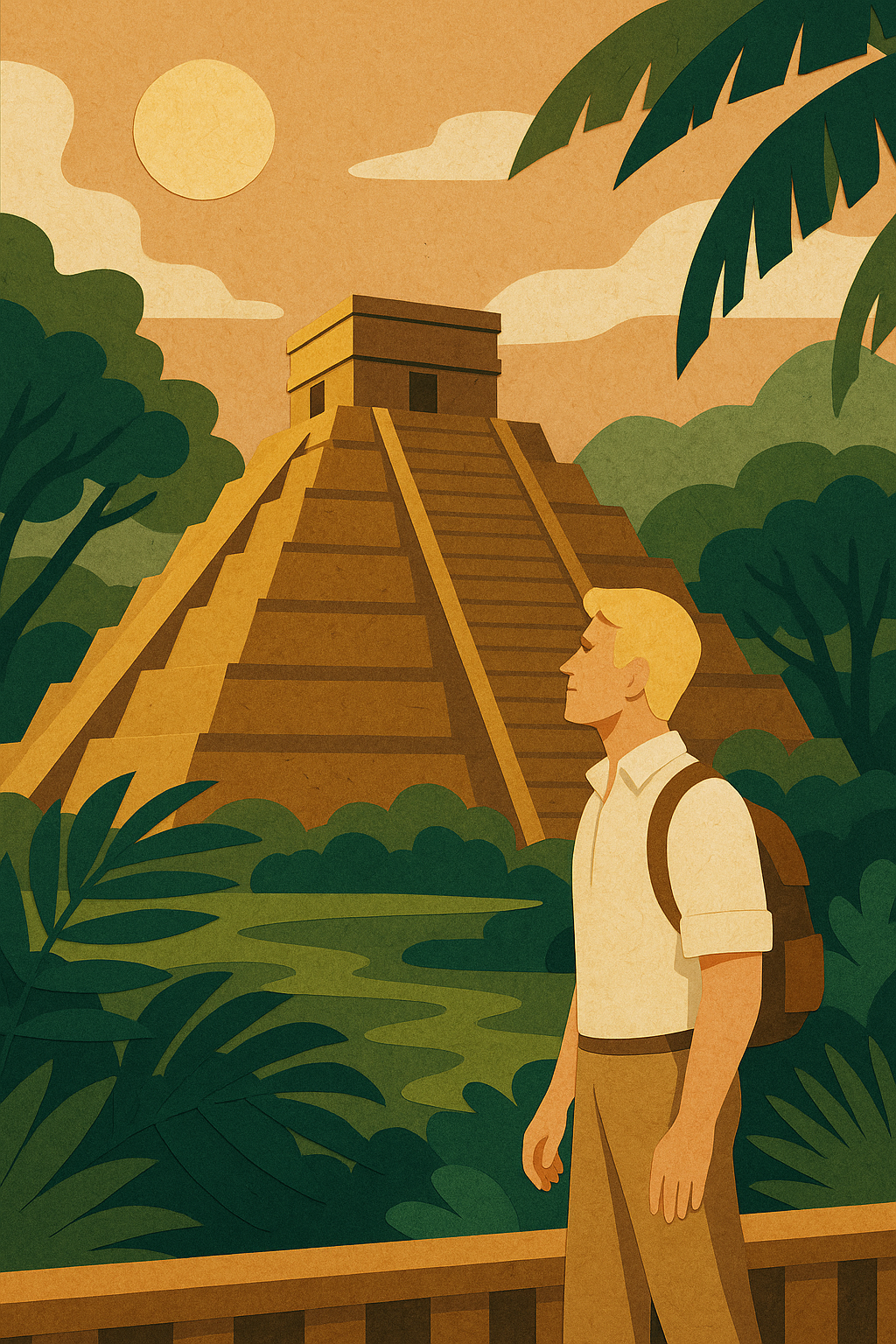
The Transformative Power of Travel
There’s a reason so many writers, thinkers and entrepreneurs describe travel as the greatest education. When you step into an unfamiliar environment, you engage your brain in deep learning — not just memorizing facts, but decoding culture, language and behavior in real time.
1. Learning beyond the classroom
Traditional education leans on theory and memorization. Travel, on the other hand, is unapologetically hands-on. You’re not just learning about transportation systems — you’re standing in a foreign subway station trying to buy the right ticket. You’re not just reading about customs — you’re living them, and occasionally getting them wrong in the most endearing ways.
2. Building cultural intelligence
Cultural intelligence (CQ) is the ability to relate to and work effectively across cultures — a skill that’s invaluable in an interconnected world. Travel builds CQ by challenging your assumptions and exposing you to unfamiliar norms that broaden your empathy and worldview.
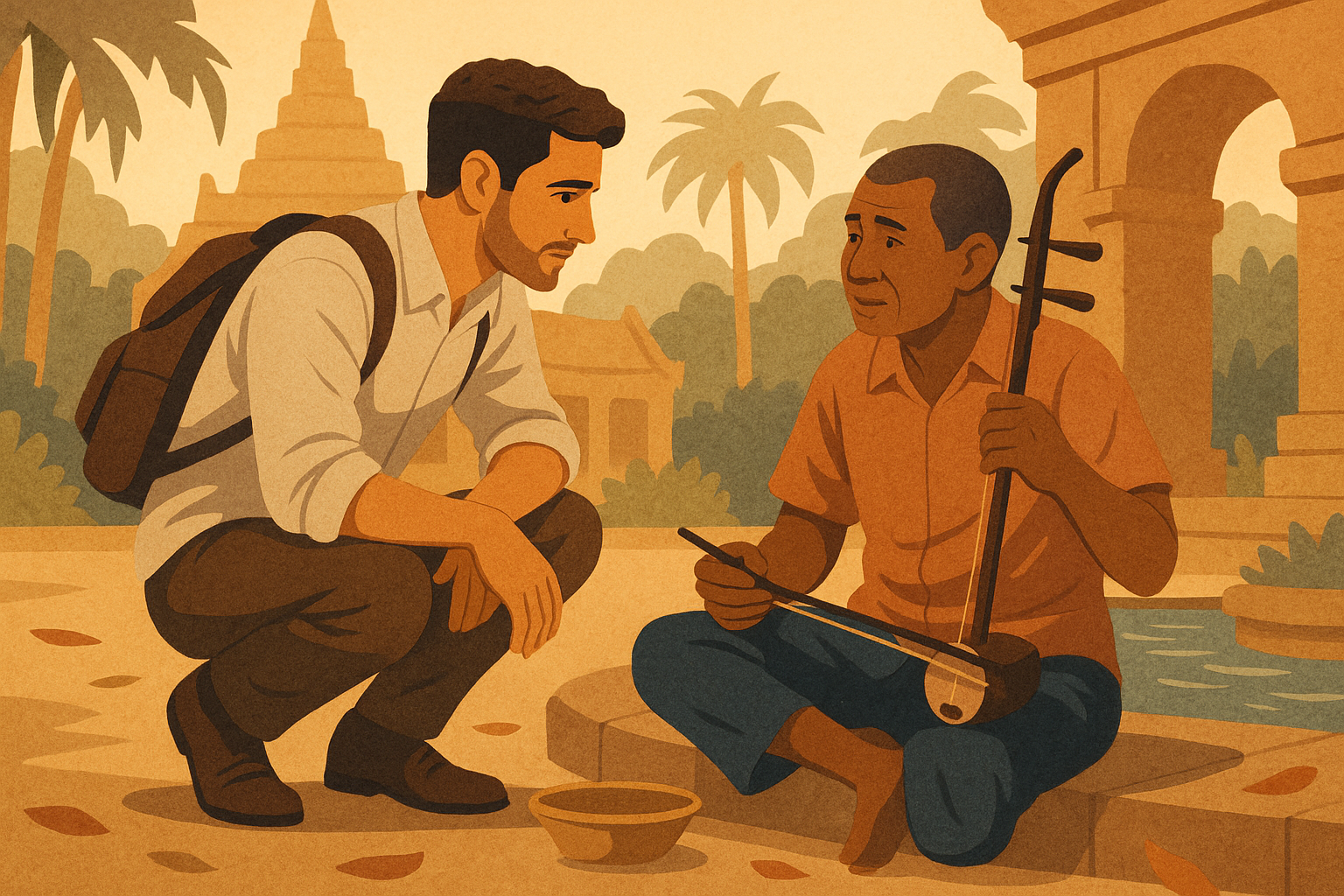
Empathy: The Hidden Gift of Exploration
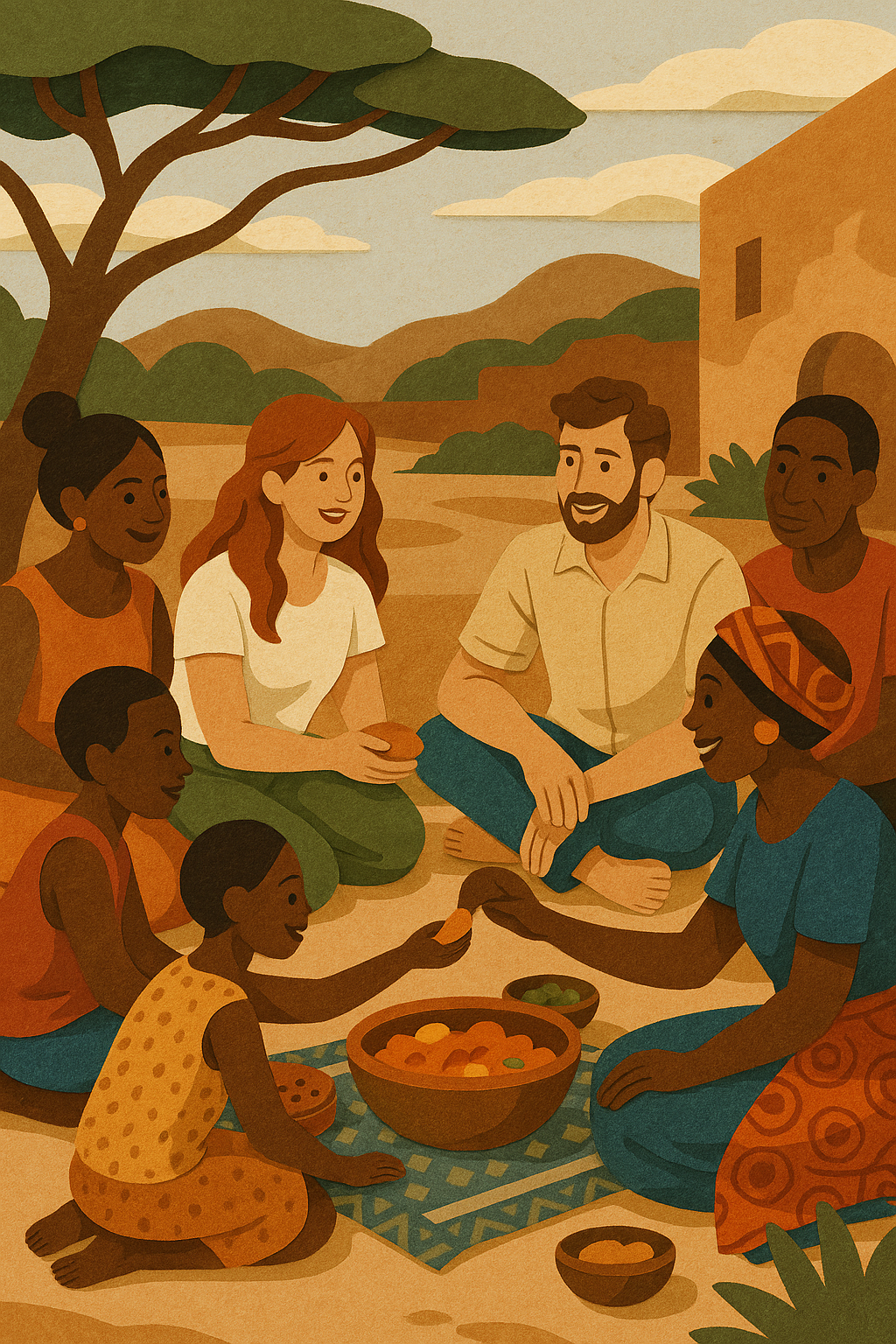
Empathy is the heartbeat of meaningful connection, and travel is one of its best teachers. Seeing how others live, work and dream reshapes how we interpret our own lives.
Walking in another’s shoes
Daily routines can narrow perspective. Travel blows it wide open. You might witness communities thriving despite hardship or traditions preserved against the odds. You come home seeing your own life — and privileges — in sharper focus.
The psychology of perspective
When we experience something new, our brains form fresh neural connections, boosting cognitive flexibility. That’s why travelers so often return more open-minded, patient and tolerant.

Innovation Through Exploration
Innovation often blooms where ideas intersect — and travel plants you right in the middle of that cross-pollination.
Cross-pollination of ideas
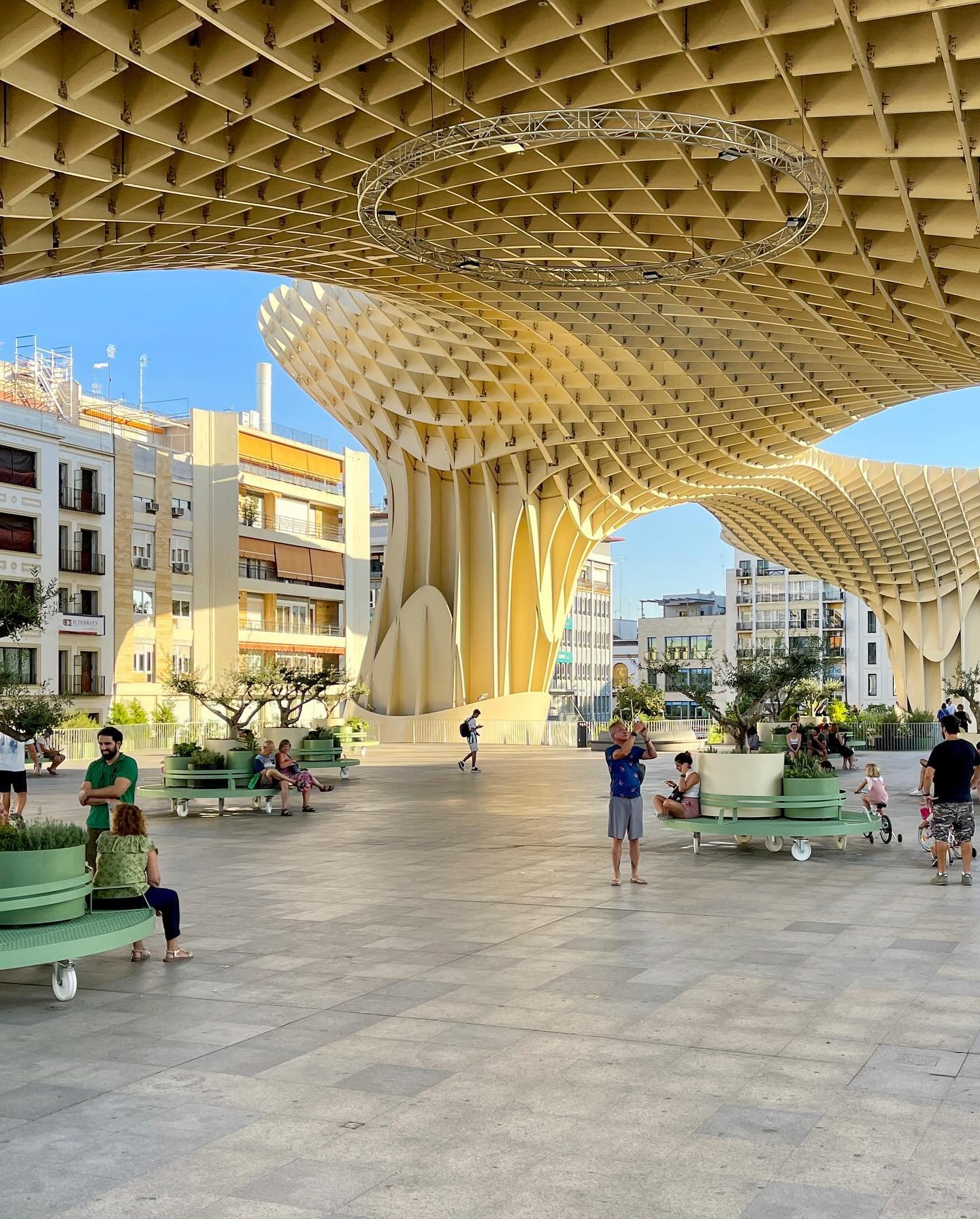
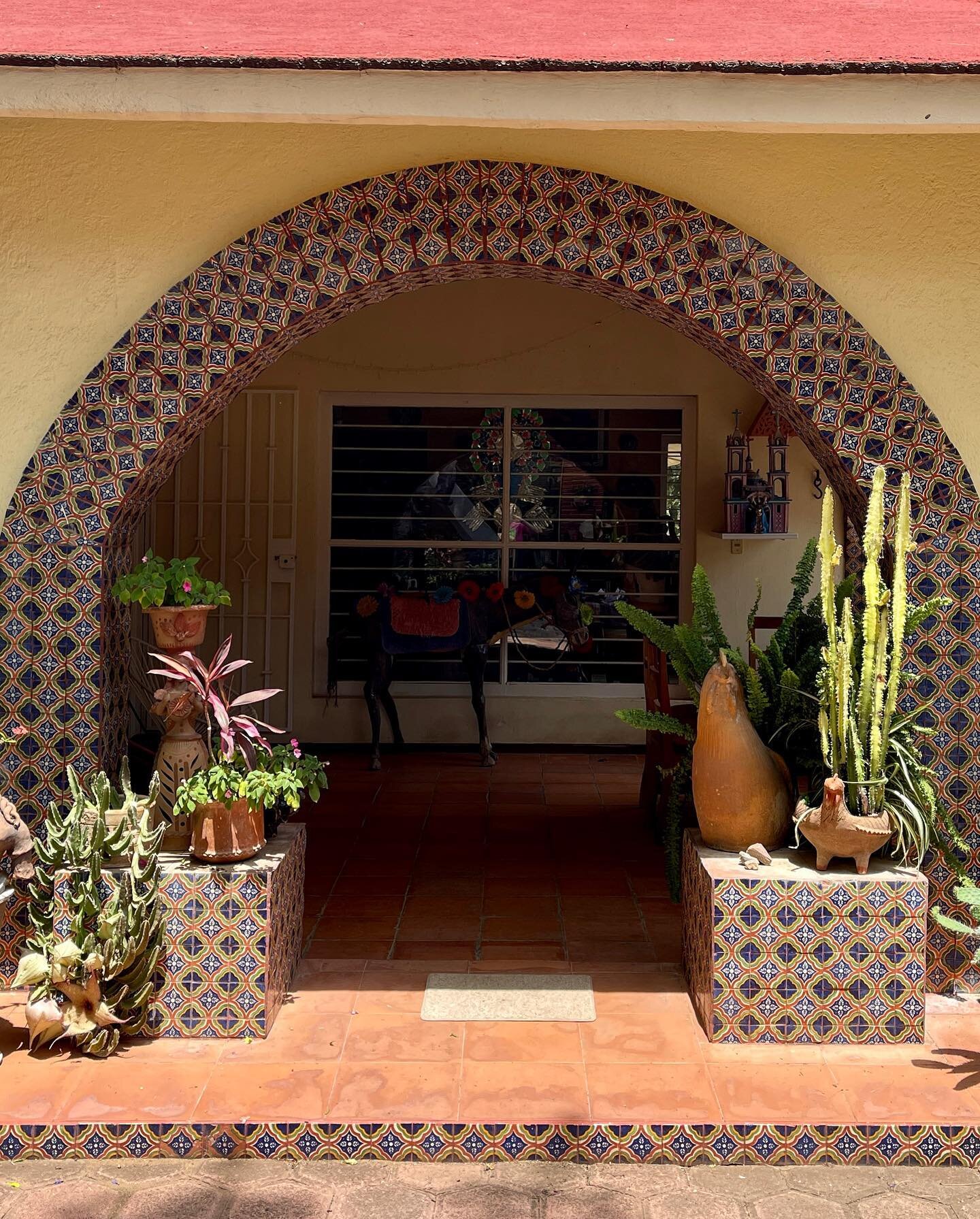
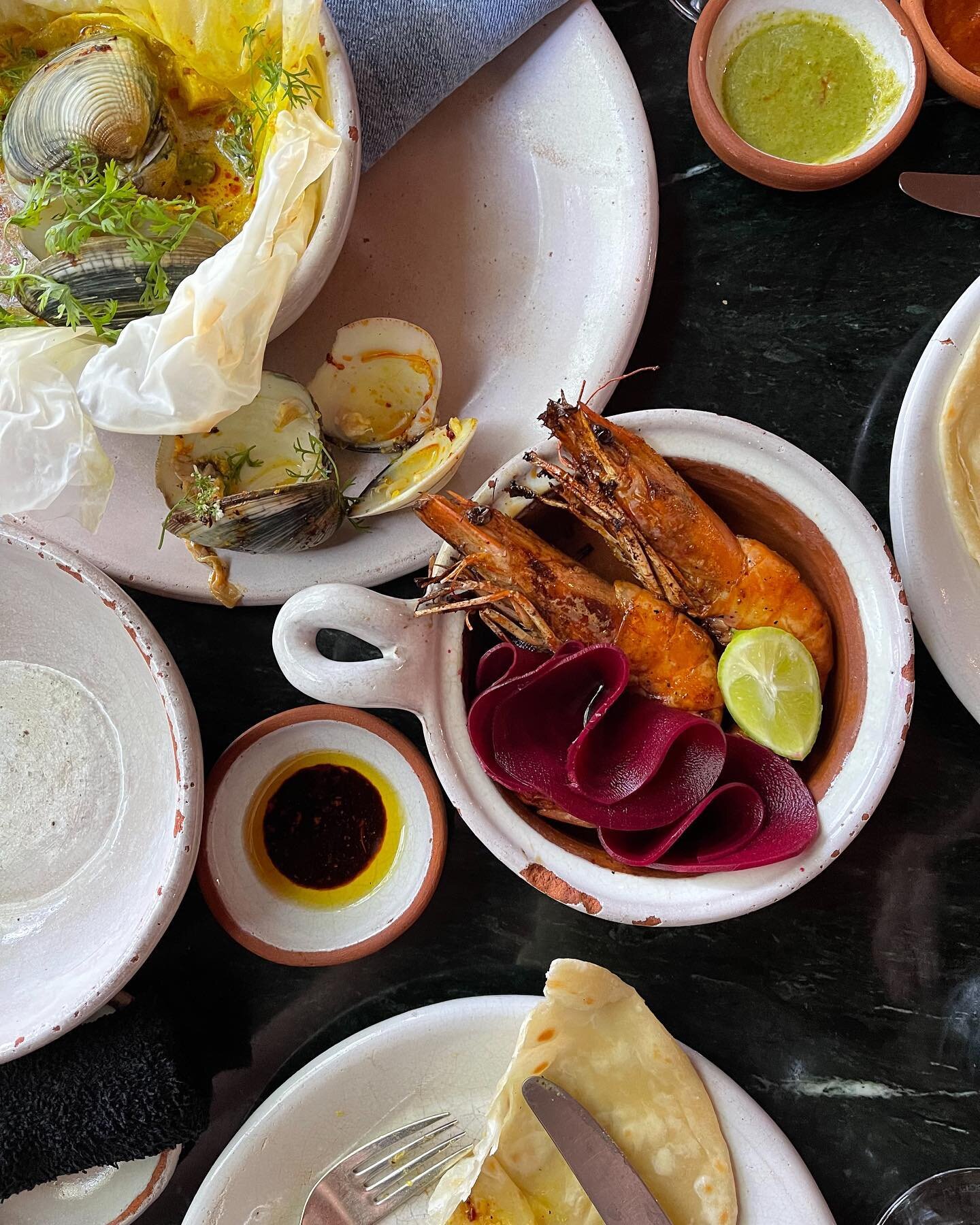
An architect might find inspiration in the Moorish tilework of the Alhambra. A chef might reinvent a recipe after a late-night street food run in Chiang Mai, Thailand. A teacher might reimagine classroom dynamics after observing schools abroad. Travel gives you new lenses for seeing familiar problems.
Adaptability: the root of creative thinking
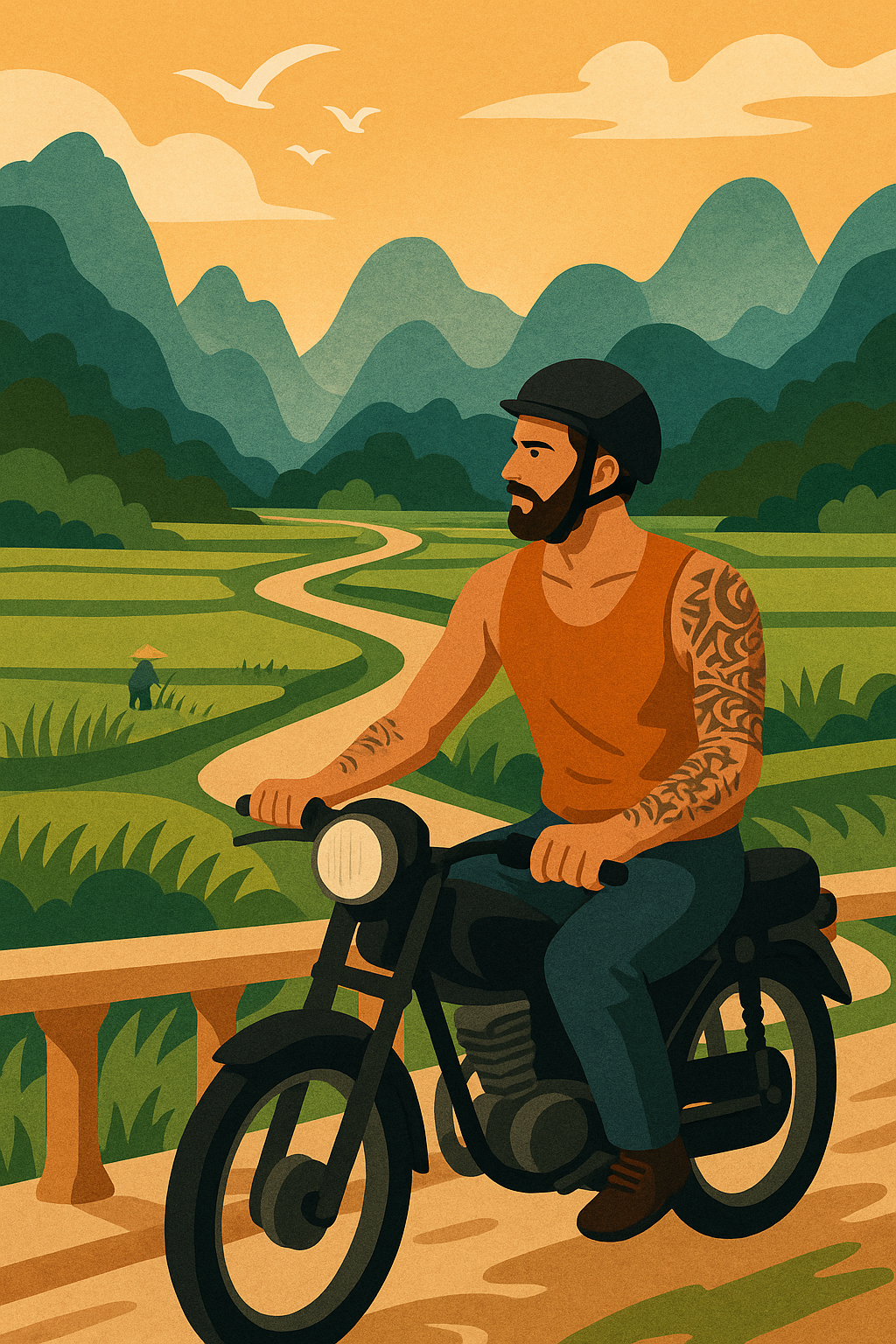
Every traveler knows plans rarely go perfectly. Flights get delayed, directions get lost in translation, and rain shows up uninvited. But those moments — the unplanned ones — build flexibility. And flexibility is the birthplace of creativity.
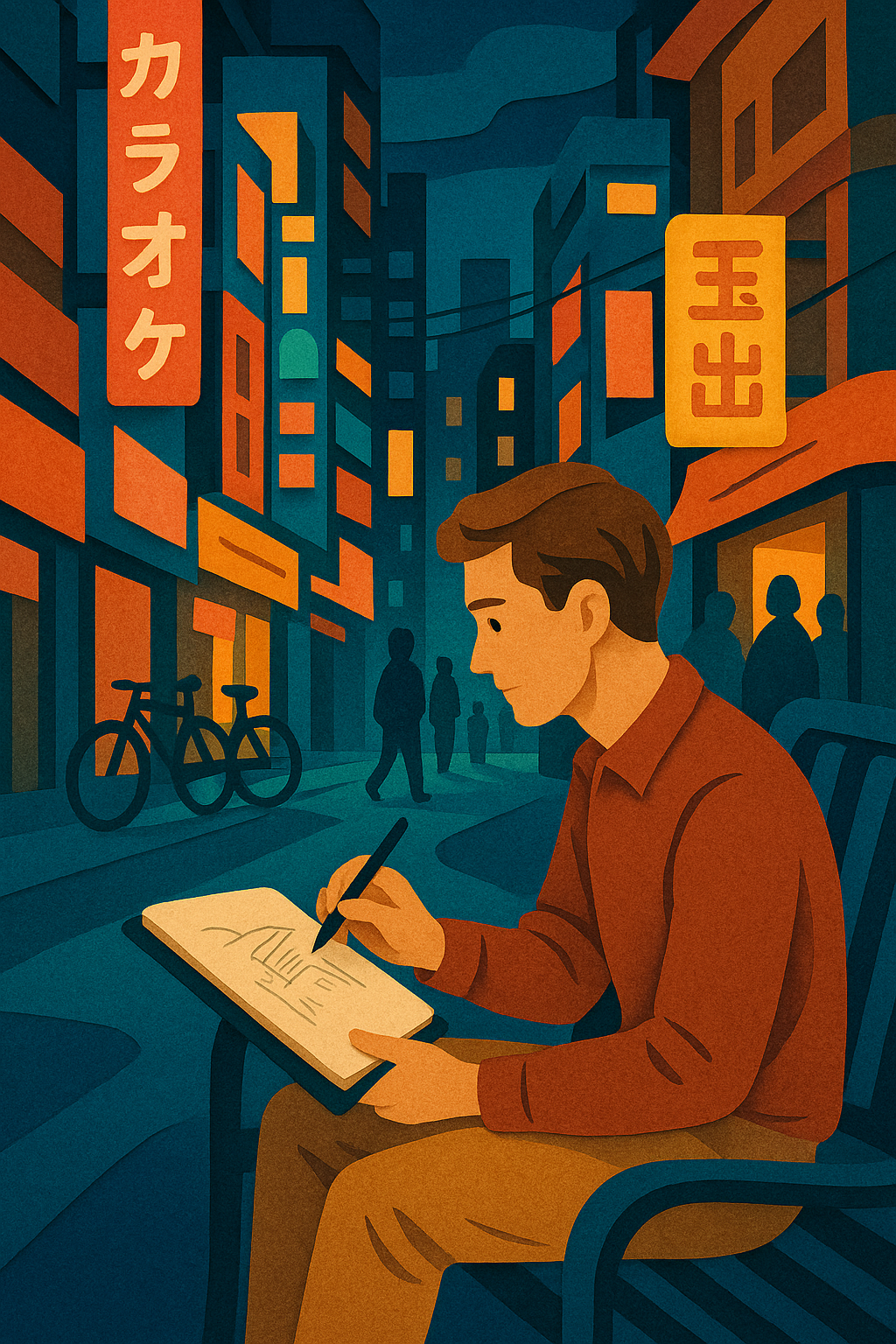
The Science of Travel and the Brain
Research in cognitive psychology shows that travel enhances neuroplasticity — the brain’s ability to form new connections.
A boost in creativity
A study in the Journal of Personality and Social Psychology found that people who live abroad tend to score higher on creativity tests. Immersing yourself in another culture literally rewires your brain to see from multiple perspectives.
Language learning and cognitive health
Even attempting to learn a few words in a new language sharpens memory and engages brain regions tied to problem-solving, empathy and self-control. Think of it as a mental workout, but with better scenery.

Experiential Learning in Motion
Educational theorist David Kolb described learning as a cycle of doing, reflecting, conceptualizing and experimenting. Travel is that model brought to life.
Doing: Immerse yourself in a new culture, try the food, explore local customs.
Reflecting: Consider how these experiences challenge what you thought you knew.
Conceptualizing: Connect the dots and uncover the broader lessons.
Experimenting: Apply those insights to your next journey — or your next project.
Travel is experiential learning in its purest form: sensory, emotional and transformative.
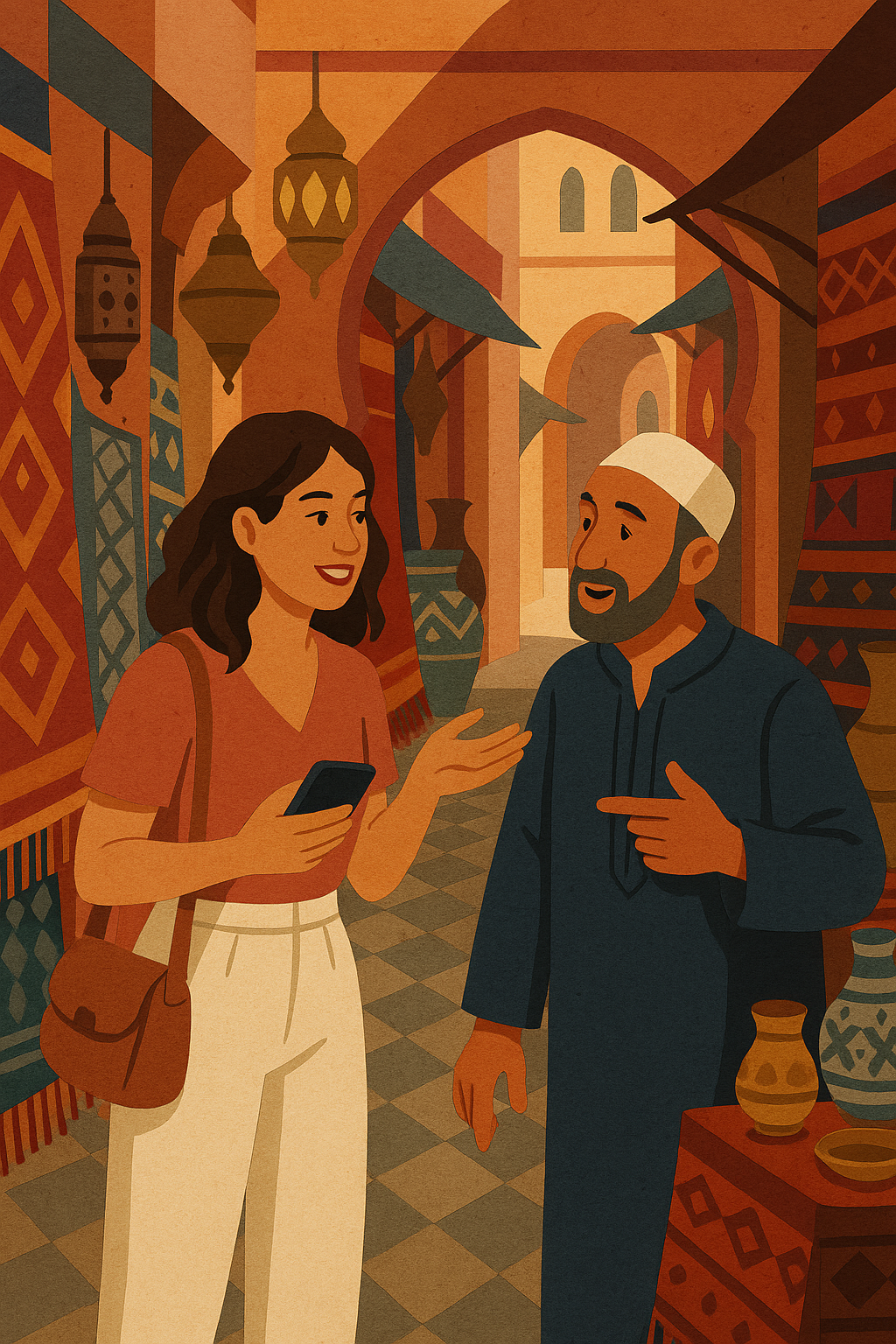
How Travel Strengthens Communication
In a globalized world, communication skills are gold. Travel polishes them in subtle but lasting ways.
1. The art of listening
Understanding someone who speaks another language — or even just a different version of English — requires patience and focus. Travelers become expert listeners, tuned in to tone, gesture and intent.
2. Overcoming barriers
When words fail, creativity steps in. You gesture, you draw, you pantomime — and you connect. Those moments hone emotional intelligence and empathy far better than any workshop.
3. The confidence effect
Each successful exchange builds confidence. Ask for directions, barter at a market, share a laugh with a stranger — every small win expands your social comfort zone and spills into everyday life.
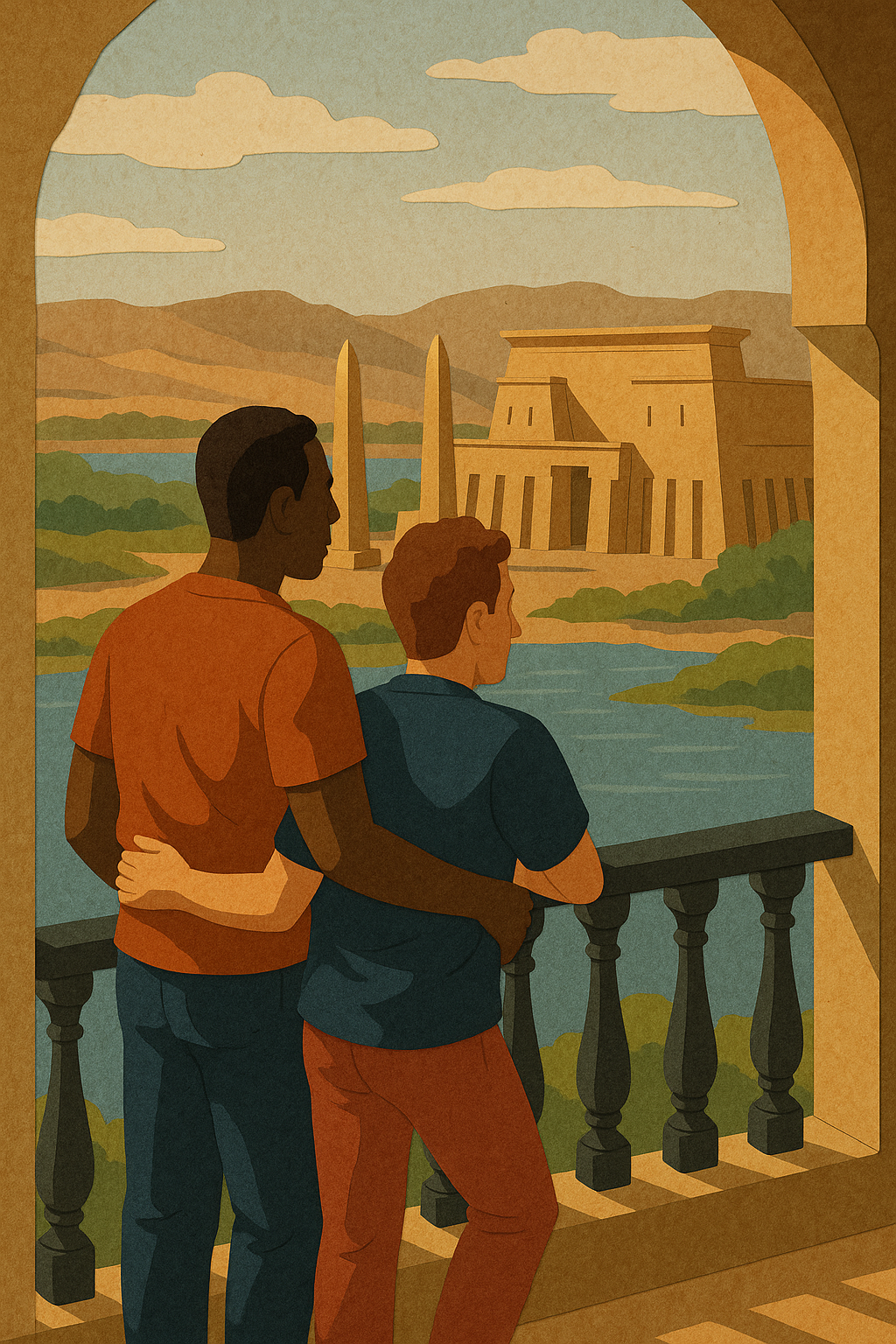
Travel as a Catalyst for Global Citizenship
In a divided world, travel stitches common ground. Experiencing other perspectives firsthand transforms tourists into advocates for empathy, inclusion and respect.
Appreciation without appropriation
Real travelers don’t collect cultures like souvenirs; they honor them. Respecting traditions and supporting local communities turns travel from consumption into connection.
Becoming a storyteller
Every journey gives you stories worth sharing — the kind that make others see the world differently. When you tell them with honesty and heart, you pass on the empathy travel gave you.
Practical Tips to Learn Deeply While Traveling
Stay curious. Ask about people’s lives, not just the landmarks.
Engage locally. Visit workshops, markets or community projects.
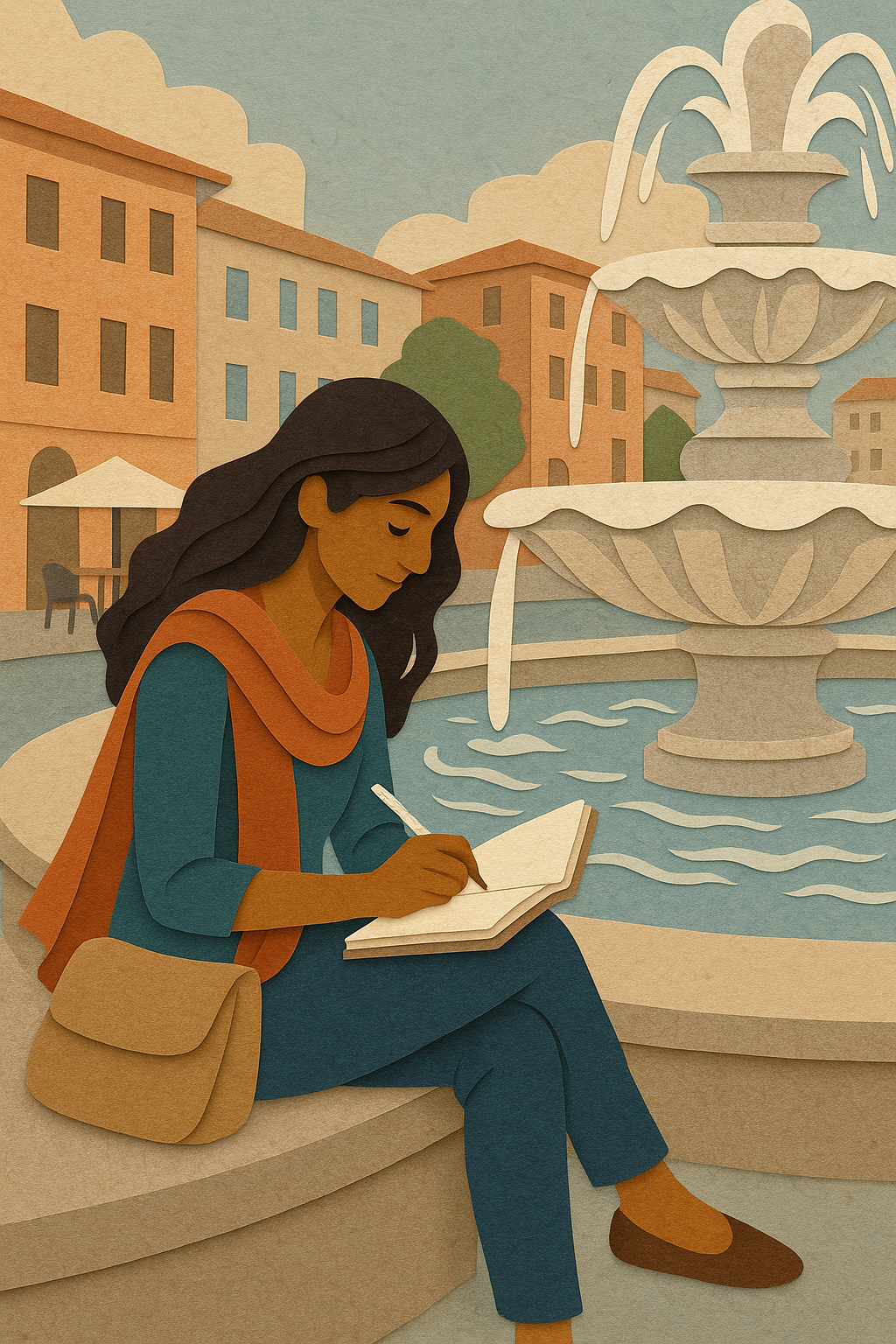
Keep a journal. Write about feelings and insights, not just itineraries.
Learn key phrases. A few words can open more doors than a map ever could.
Travel slowly. Fewer stops, deeper experiences.
Unplug. Let moments settle before you post them.
Reflect after you return. What changed in how you see the world — or yourself?
Learning to See With New Eyes
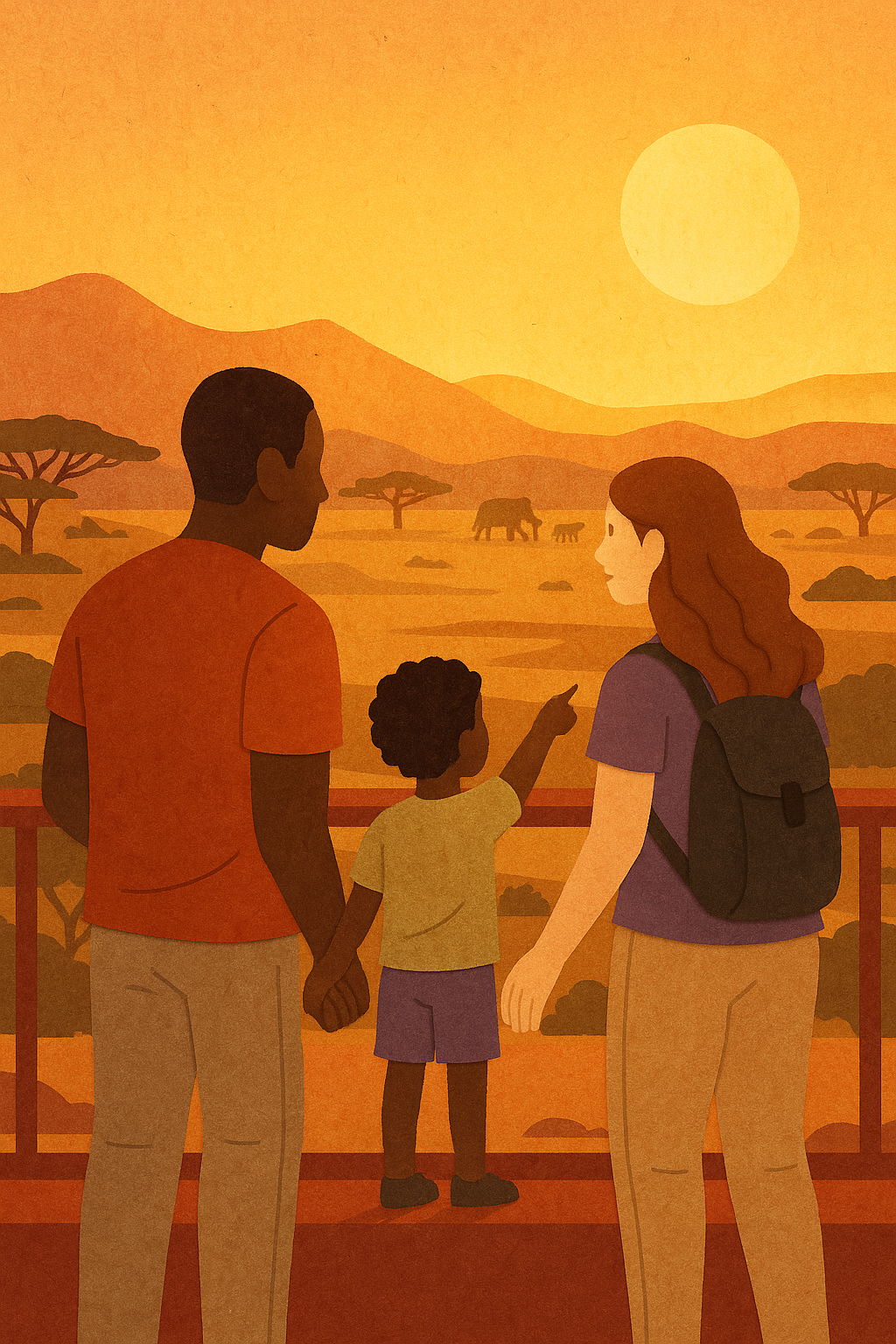
Travel isn’t just an escape — it’s also an education. It reminds us that learning doesn’t stop at graduation; it lives in every border crossed, every story shared, every kindness exchanged.
Just as an F-03 practice test builds focus and mental agility, travel trains both heart and mind to work together in understanding the world. But travel doesn’t hand you a score. It hands you perspective, and that’s the kind of lesson that lasts a lifetime. –Nathan Beja