cultural immersion

From Tourist Traps to True Stories: Why Your Next Trip Should Be About Living, Not Just Looking

Slow down, ditch the checklist and discover how meaningful, local experiences turn ordinary vacations into the stories you’ll still be telling years later.

A young man with camera and tattoos scratches a purring kitty outside the Colosseum in Rome

Ever scrolled through your own vacation photos and thought, Wait… was I actually there?

You recognize the landmark — the Eiffel Tower, the Colosseum, that one aggressively blue Greek church dome everyone photographs — but the memory itself feels fuzzy. You remember the angle of the selfie more clearly than the air, the noise, the way the place actually felt to stand inside it. Thirty seconds, one obligatory shot and then you were hustling off to the next stop because the museum tickets were timed and dinner was across town and somehow you were already late.

By the end of the day, you’d “seen everything.” And experienced… what exactly?

Travel, somewhere along the way, turned into a checklist.

A tattooed guy licks gelato by the Trevi Fountain in Rome while on a date with a bearded man

The Problem With Bucket Lists

Bucket lists aren’t evil. They’re the reason we start dreaming in the first place. They get us through February. They give us something to Google at midnight. But they’ve also trained us to treat cities like tasks — as if Rome or Paris were items to complete rather than places to inhabit.

Success becomes a numbers game. How many cities in one week. How many landmarks before lunch. How many “must-sees” squeezed into five days like you’re cramming for an exam.

You see it everywhere. Two days in Rome and people are speed-walking between the Colosseum, the Vatican and the Trevi Fountain, phones held high above the crowd, eyes glued to Google Maps. They’ve technically done the city, but if you asked what they smelled, tasted or heard, they’d probably say, “Uh… traffic?”

Rome — a city built slowly and gloriously over thousands of years — deserves better than a drive-by. Most places do.

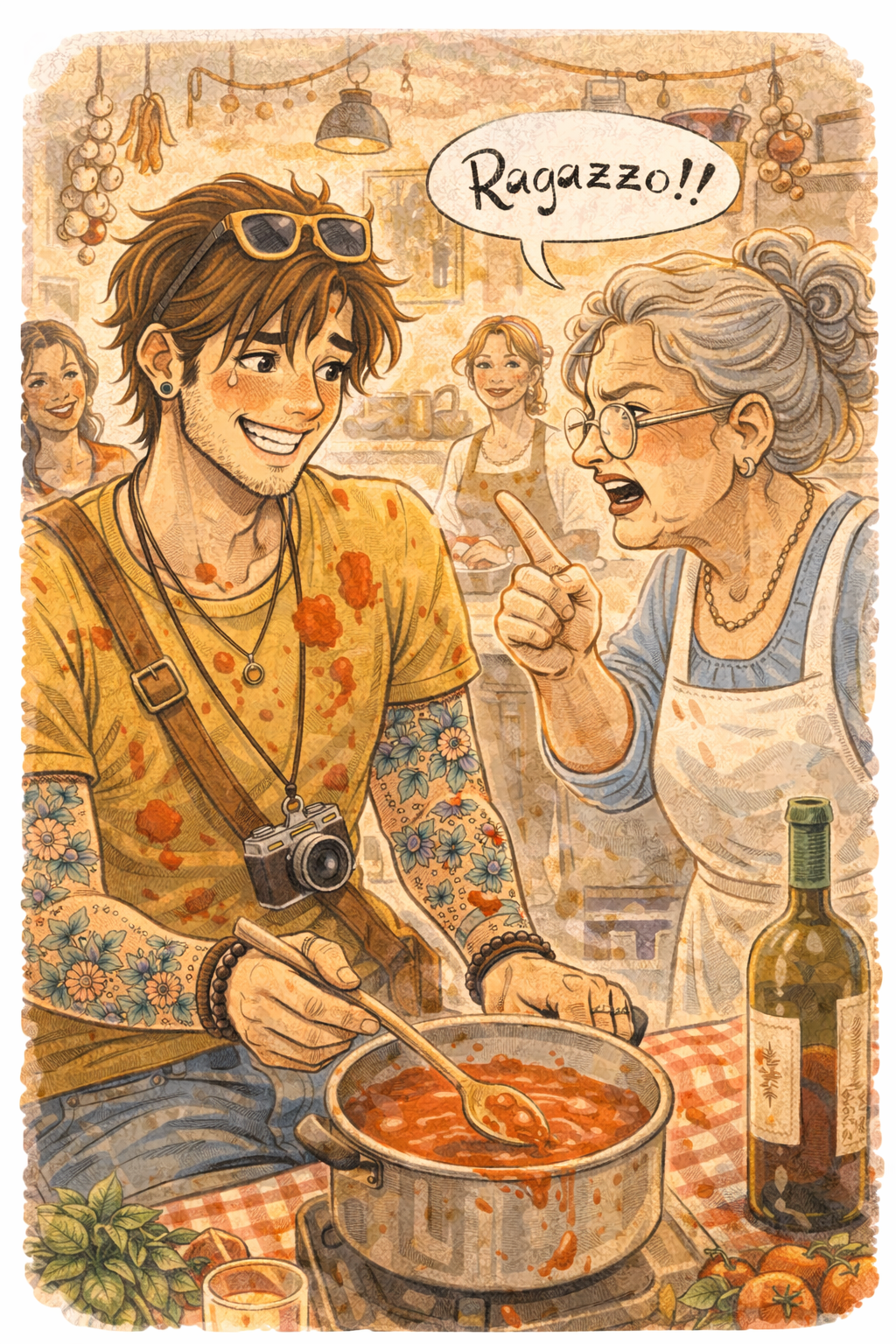
A young man smiles sheepishly as he is covered in tomato sauce and gets yelled at by an Italian nonna who yells, "Ragazzo" at him

What Storyliving Actually Means

Here’s where things get interesting. What if, instead of trying to see Rome, you tried to live a tiny slice of Roman life?

Not forever. Not dramatically. Just enough to let the place seep in.

Maybe that looks like skipping one monument and wandering into Trastevere instead, where laundry hangs between buildings and Vespas buzz past your ankles. Maybe you duck into a tiny cooking class because the sign in the window looks charmingly chaotic and suddenly you’re covered in flour while someone’s nonna scolds you for overworking the dough.

Hours later, you’ve learned to make pasta badly but enthusiastically. You’re laughing with strangers. You smell like garlic and tomatoes. You don’t have a single photo that screams “bucket list achievement.”

And yet, ten years from now, that’s the moment you’ll remember. That’s storyliving. Not collecting destinations like Pokémon cards, but collecting experiences that actually become part of you.

Two people sit on a balcony in Rome at sunset, cheersing their red wine glasses

Small Moments Make the Best Memories

If you think about your favorite travel stories, they’re rarely about the obvious stuff. They’re about the accidents.

Missing a train and stumbling into the best café of your life. Getting lost and discovering a neighborhood you never would’ve planned for. Asking for directions and ending up sharing a bottle of wine on someone’s balcony while the sun sets over the rooftops.

None of it shows up on a Top 10 list. But those are the stories you tell later — the ones that make people lean in at dinner parties. Not “we stood in line for an hour,” but “you won’t believe what happened…”

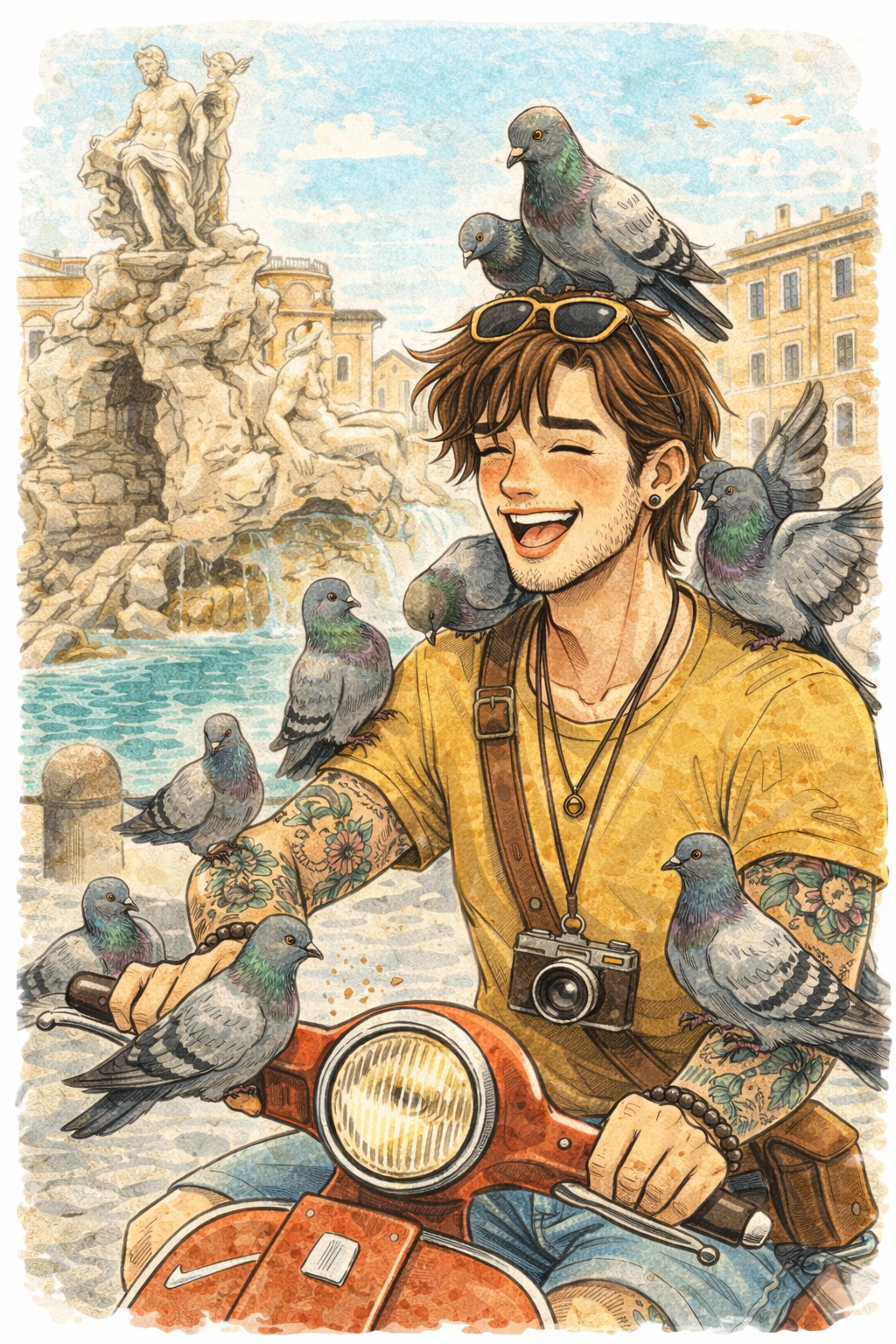
A man on a Vespa drives past a Bernini fountain in Rome, laughing as he's covered by pigeons

Making The Switch From Sightseeing To Storyliving

The shift is surprisingly simple, and it doesn’t require giving up museums or famous sights. It just means loosening your grip on the itinerary. Immersing yourself in the culture.

Build in breathing room. Leave entire afternoons unscheduled and let yourself wander. When you’re not rushing from place to place, you start noticing things — the way morning light hits a quiet piazza, the old men arguing over espresso, the rhythm of daily life that tourists usually blur past.

Then say yes more often than feels logical. Follow the interesting side street. Take the restaurant recommendation from the shop owner instead of the guidebook. Accept the invitation to something slightly random. Travel has a funny way of rewarding mild recklessness. Give a place space, and it usually gives something back.

RELATED: How Traveling Opens the Mind and Nurtures Empathy and Innovation 

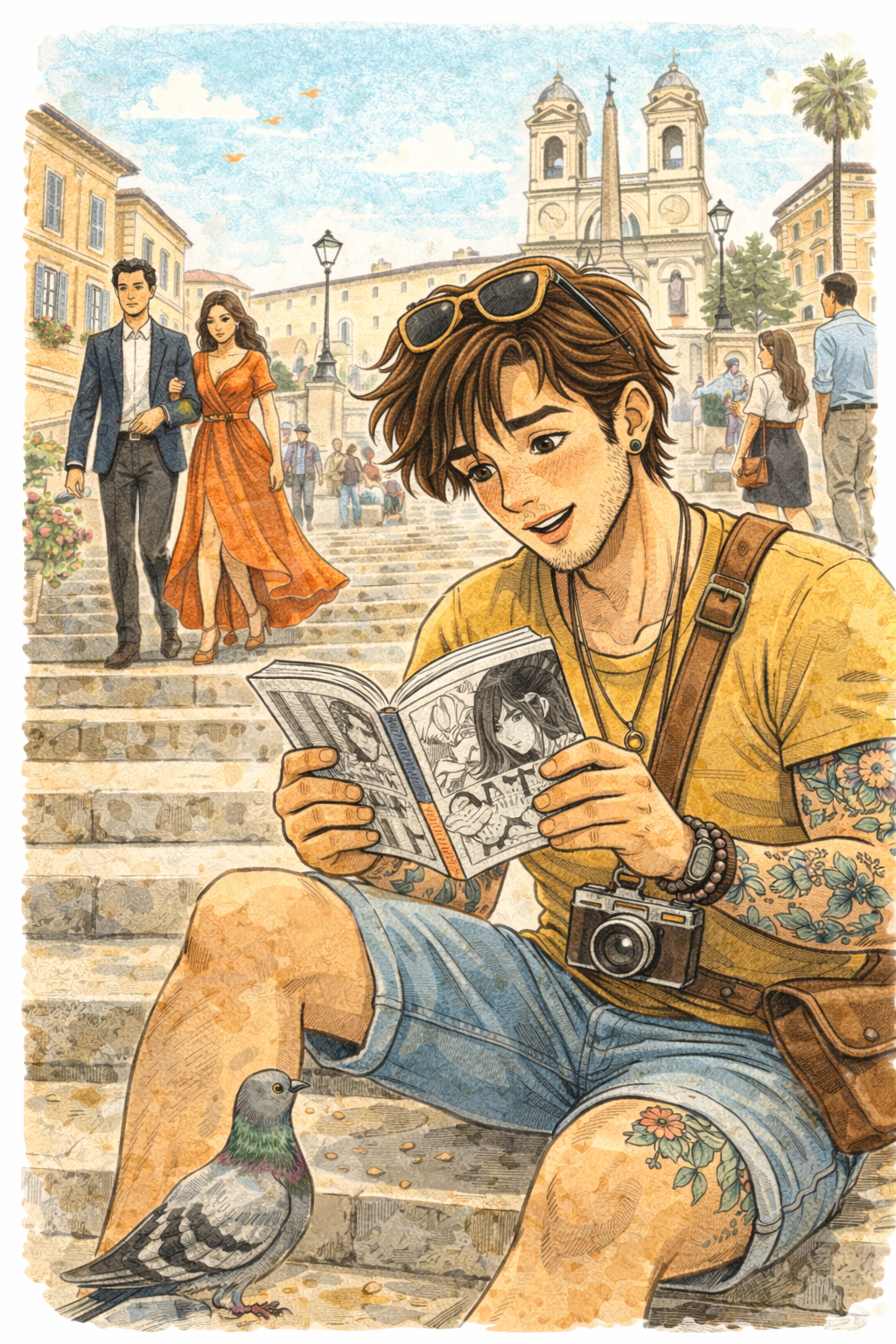
A boy reads manga on the Spanish Steps in Rome while a chic couple walks by him

Why Europe Is Perfect For Slower, More Meaningful Travel

Europe, especially, seems built for this style of wandering. History isn’t tucked neatly into museums — it’s layered into everyday life. You’ll pass a 400-year-old church on the way to buy toothpaste. People live above Roman ruins. Markets pop up in medieval squares like it’s the most normal thing in the world.

It’s the kind of place where you can spend the morning learning a traditional craft in a tiny Italian village, the afternoon biking along a canal in Amsterdam and the evening listening to local musicians in a candlelit bar in Prague, wondering how the day unfolded so perfectly when you barely planned it at all.

That’s also the philosophy behind Phil Hoffmann Travel, which focuses less on rushing travelers through a greatest-hits tour and more on helping them connect with places in ways that feel personal and authentic. Because the best trips aren’t the ones where you check every box. They’re the ones where you come home with stories you couldn’t have scheduled even if you tried.

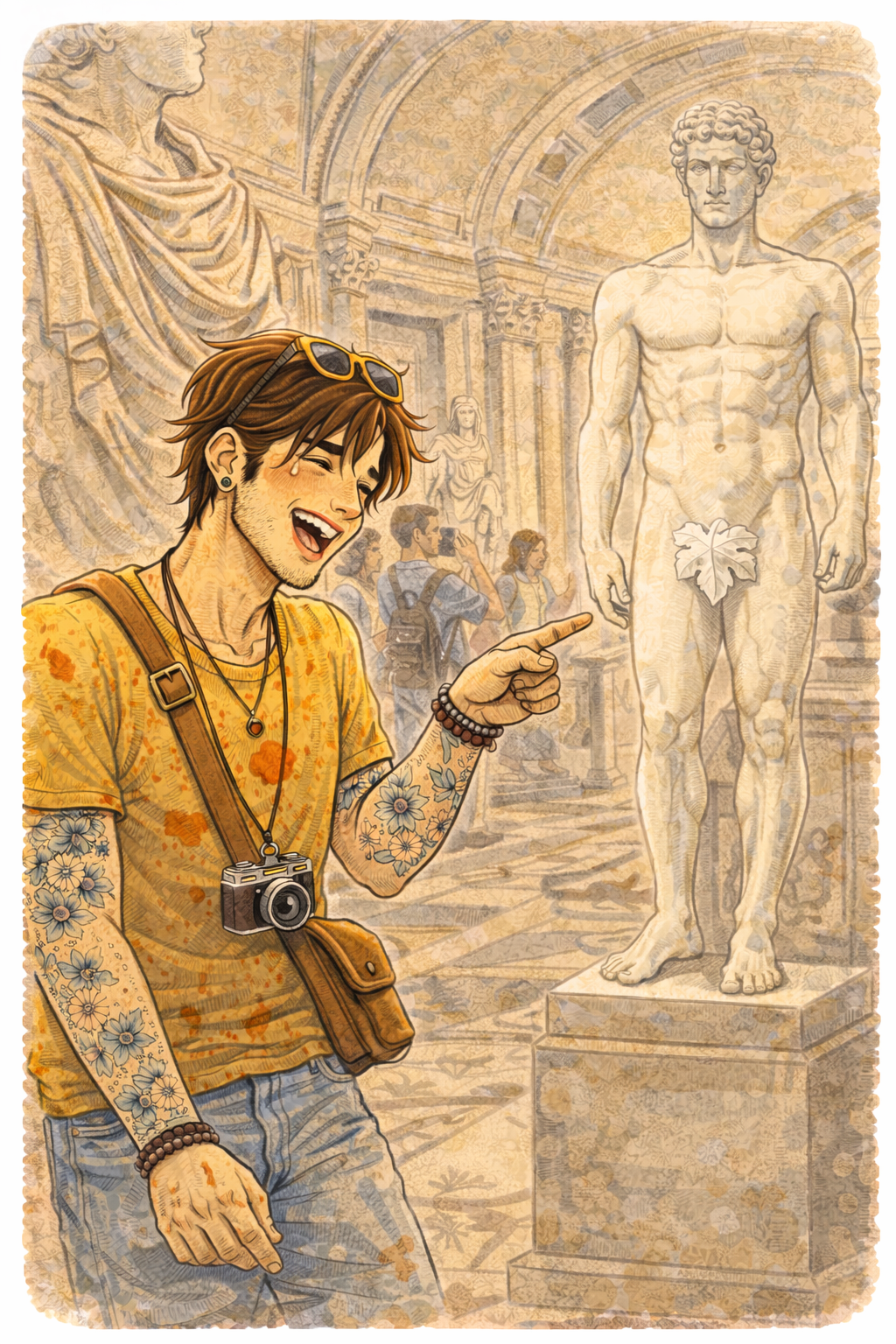
A young man points to a fig leaf covering a nude statue at the Vatican Museum in Rome

The Stories You’ll Actually Tell

Here’s a quick test: Years from now, what are you more likely to talk about — the exact angle of the photo you took in front of a famous monument, or the time you got caught in a sudden rainstorm in Prague and ended up hiding in a tiny bar with three locals and a very questionable playlist?

Exactly. The second one wins every time. Because it’s yours.

The moments that surprise us are the ones that stick. And they’re usually waiting just off the main street, a little past the crowd, if we slow down enough to notice.

A young man with tattoo sleeves dances at a nightclub

So the next time you’re planning a trip, try asking a different question. Not “What should I see?” but “What might I discover?”

It sounds small, but it changes everything. You stop looking at places through your phone. And start actually being there. –Charlie Smith

Best Secrets to Find Common Ground Anywhere

You don’t need a shared language to understand someone — just an open mind, a curious heart and maybe a meal together. Discover the simple, human gestures that turn strangers into friends anywhere in the world.

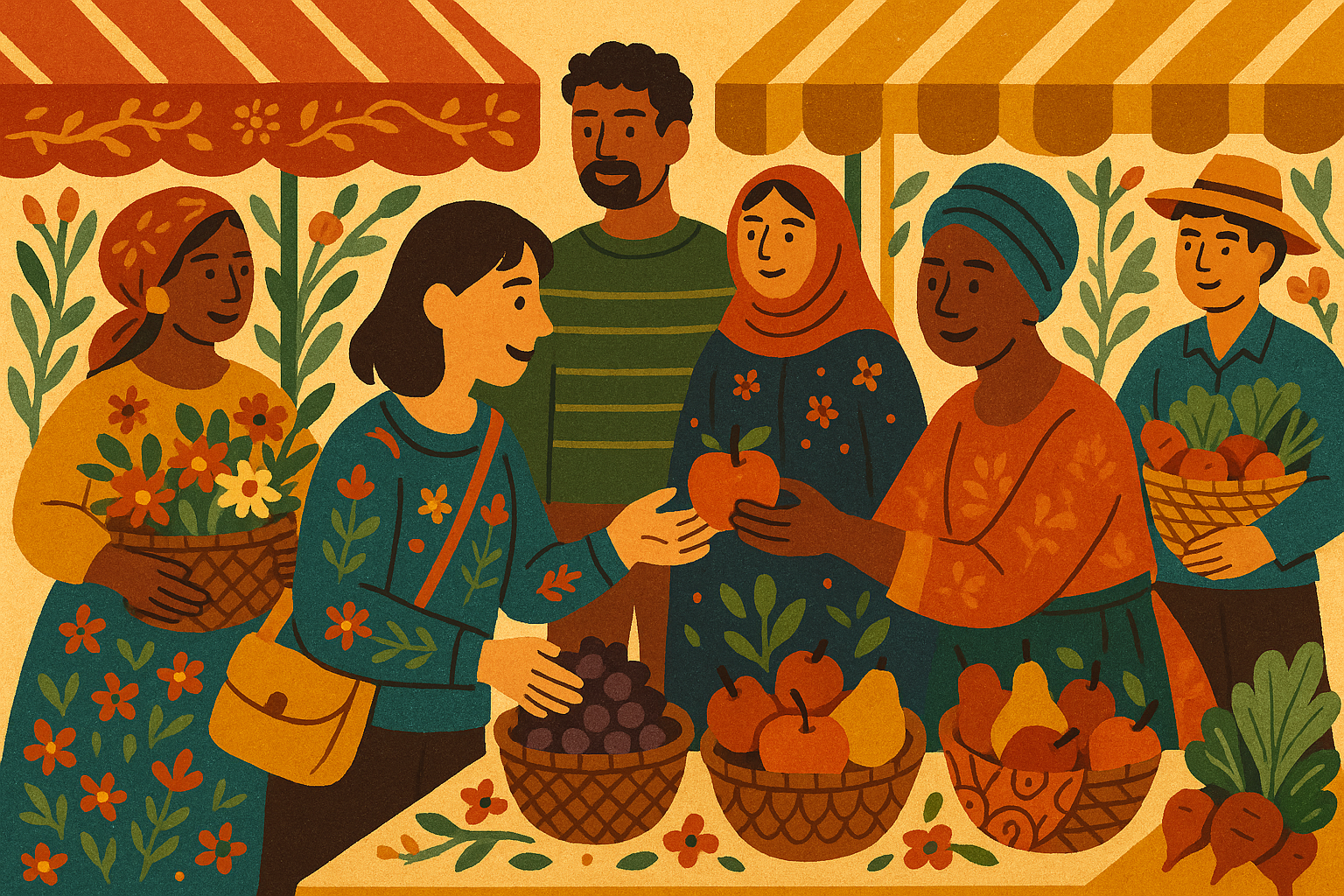
A woman shops at a fruit stand at a market, with awnings and other shoppers and vendors carrying baskets of flowers and vegetables

It doesn’t matter where you go — the language, the food or even the way people cross the street can feel alien. Yet, beneath all that difference, a pulse remains the same: People want to connect. In a world that moves faster than your next flight, finding common ground is more than just being polite; it’s survival for the modern traveler, the curious mind and the restless soul.

Travel is a series of encounters. And in every one, culture becomes both a bridge and a wall. According to a recent survey by Arival, over 65% of travelers say their most memorable experiences come from interactions with locals, not sightseeing. That statistic tells a quiet truth — shared understanding turns destinations into stories.

Here’s how to find common ground and make connections no matter where you travel: 

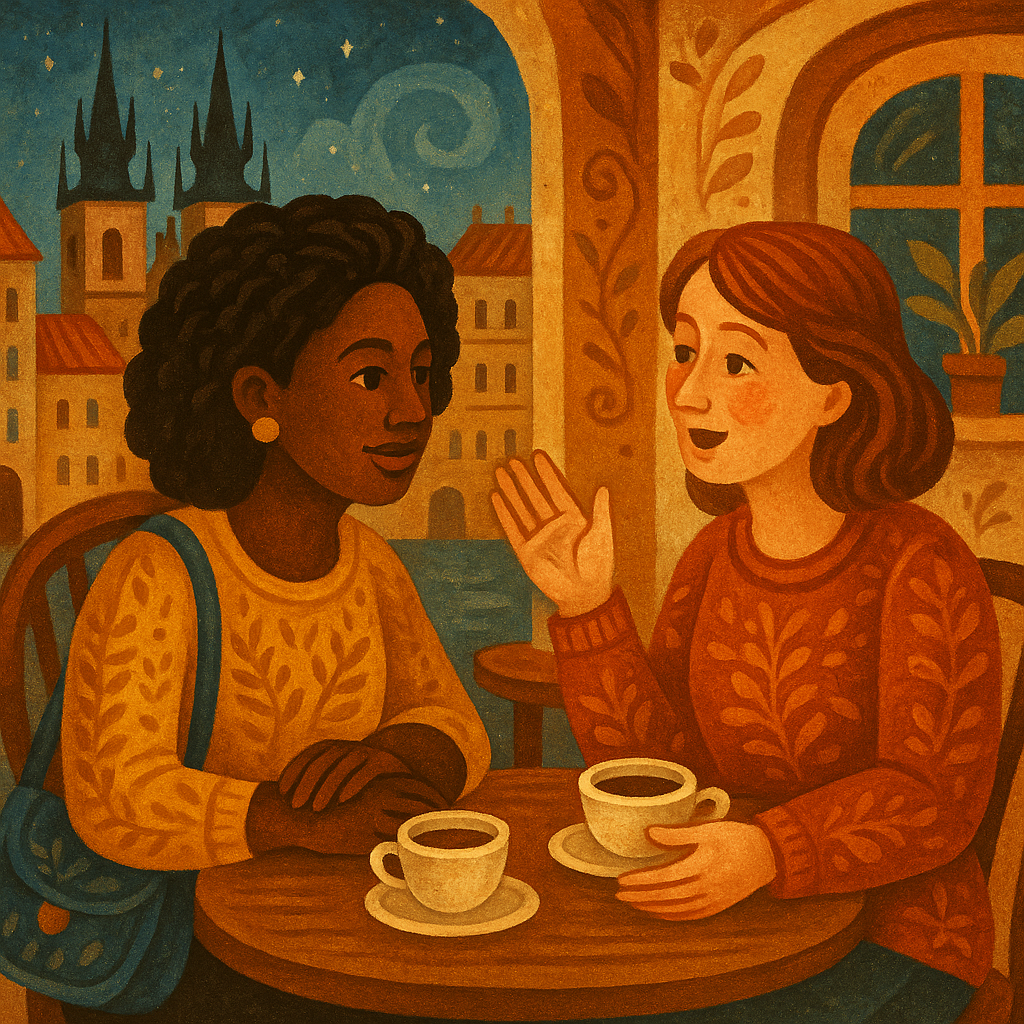
Two women talk over coffee at a cafe in Prague, Czech Republic

1. Start with listening — not talking. 

The first and most underestimated secret is silence. People often mistake connection for conversation, but the reality is gentler. Listening is what opens the door. When traveling to new cultures, the rhythm of speech, tone and pauses can often tell more than words themselves.

Think about it. When you’re in a market in Morocco, in a café in Prague or waiting for a train in Japan, what makes you part of that place isn’t what you say — it’s how you observe. Active listening, psychologists note, improves empathy and helps form trust almost 40% faster than normal conversation.

So, whether you’re in the middle of an adventure through remote villages or navigating a big city, the rule holds: The quieter you become, the more you hear.

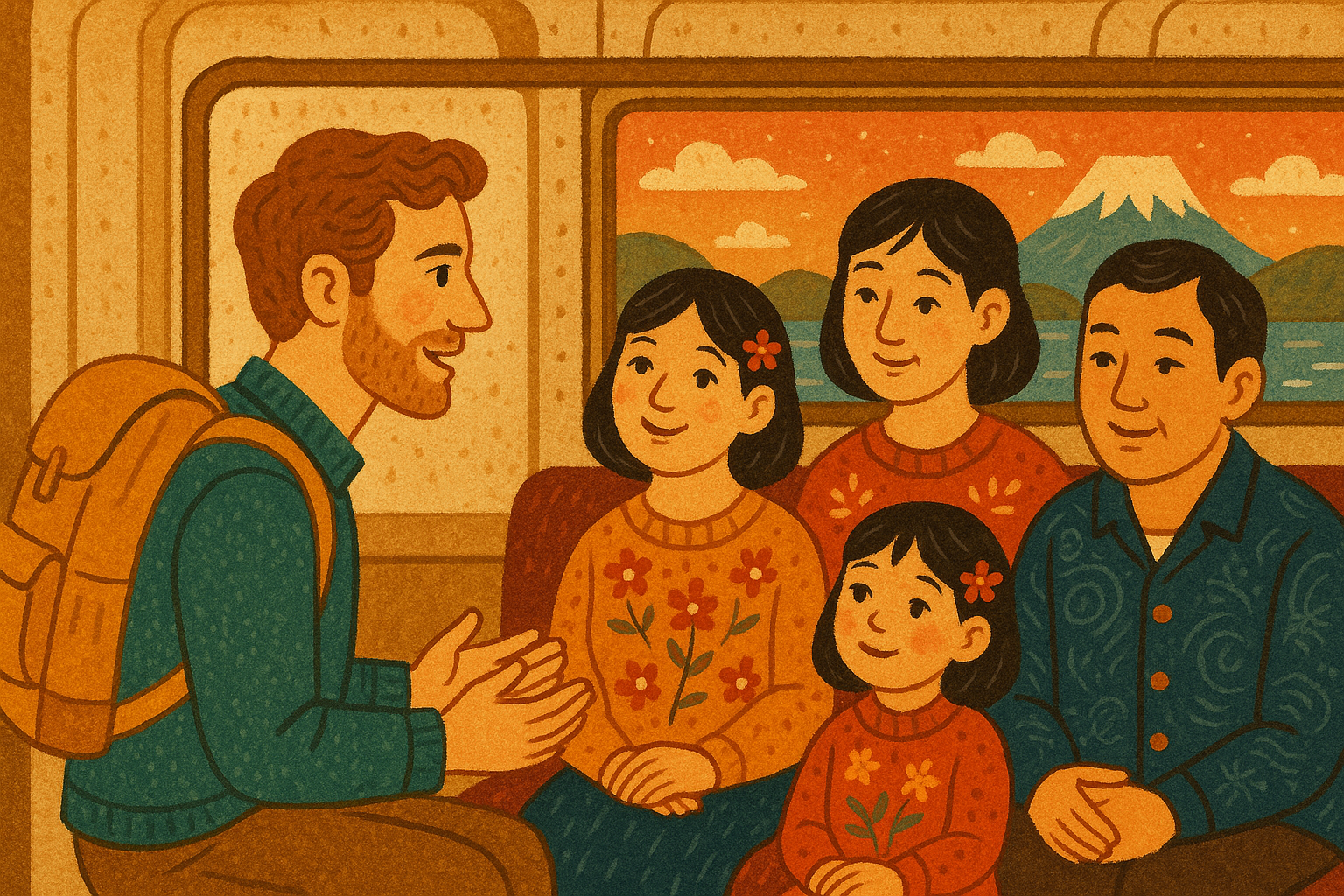
A man with a backpack talks with a Japanese family in a train compartment, with Mount Fuji seen out the window

2. Learn the little things. 

Culture isn’t always grand architecture or traditional festivals. Sometimes it hides in how people greet each other or how they serve tea. A traveler who learns to notice those things becomes less of an outsider.

Try saying just one word in the local language — not perfectly, just honestly. A study from the University of Cambridge showed that even a small attempt at local language increases positive reactions by nearly 70% in social encounters abroad. Why? Because effort is universal respect.

Adventure can also be about humility — learning from others without trying to prove that you already know something.

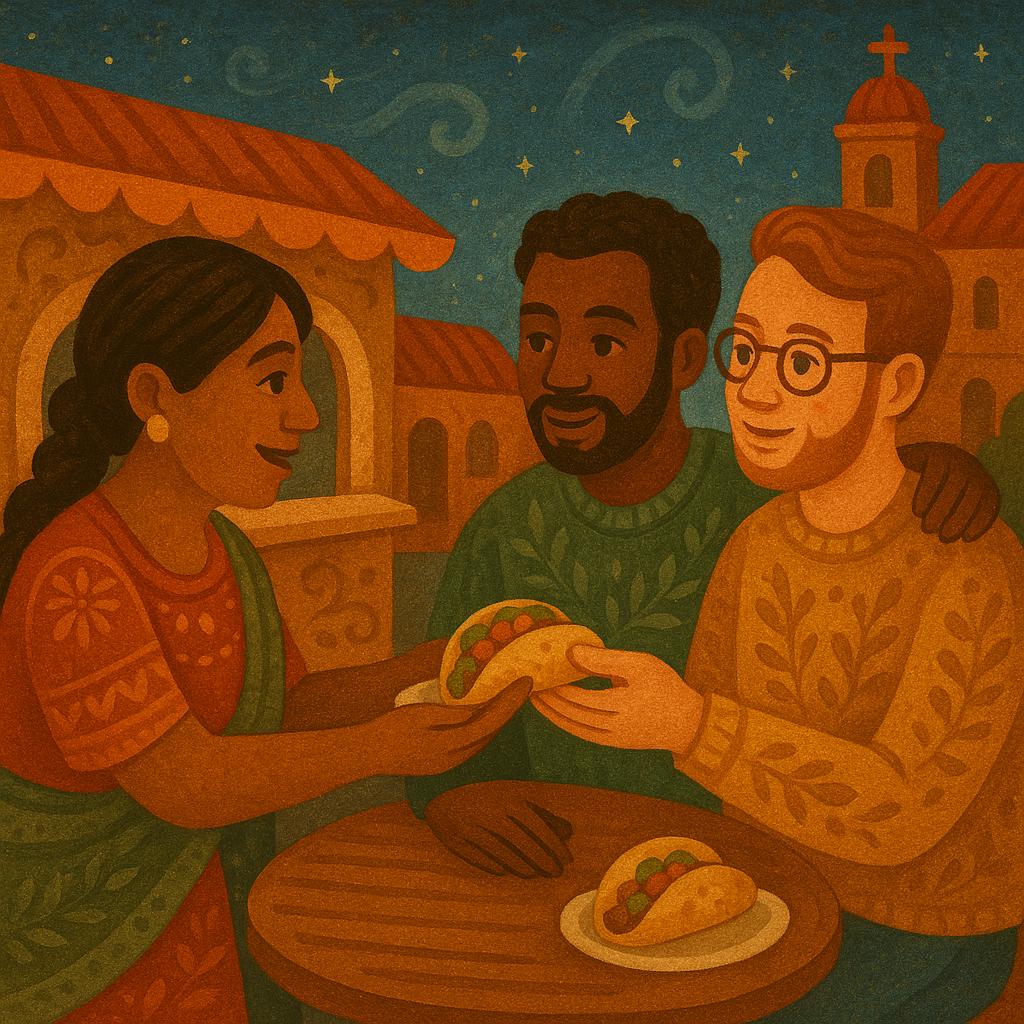
A gay couple is handed tacos from a street vendor in Mexico

3. Share food, share worlds. 

There’s no faster way to find common ground than by sharing a meal. Every dish is a cultural message — spicy, sweet, bitter or subtle, it tells a story of geography, history and survival. Sitting at a table, even in silence, can melt barriers faster than words.

In Thailand, you’ll see travelers and locals sharing street food without hesitation. In Italy, long lunches turn strangers into family. In Mexico, a tortilla passed from one hand to another carries warmth that no translation can express. Food, in essence, is diplomacy in disguise.

And yet, it’s more than that. Eating together reminds us that human adventure is shared — that we all need nourishment, warmth, laughter.

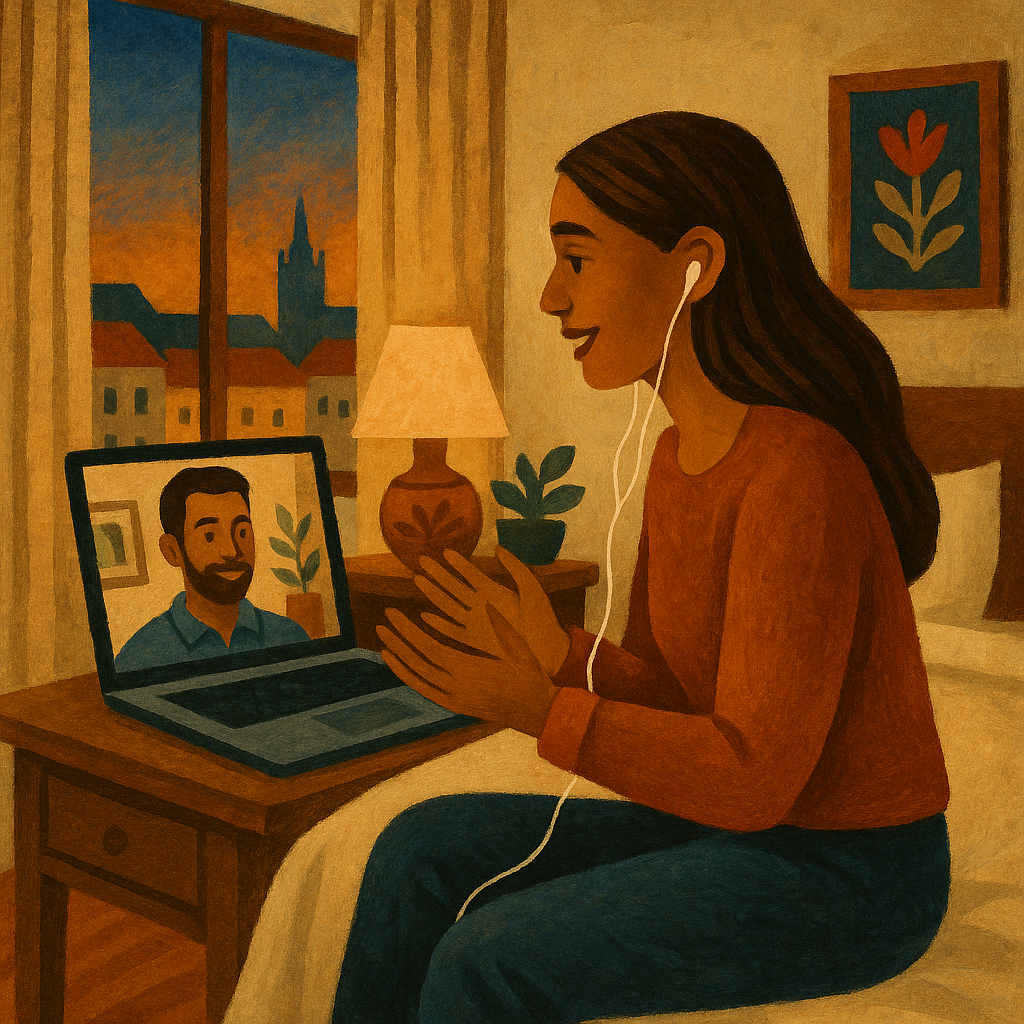
A woman video chats with a man on her laptop in a hotel room

4. Be curious, not  judgmental. 

It’s tempting to compare. To measure one culture by another. But to find common ground, curiosity must replace judgment. Curiosity leads to stories. Judgment leads to silence.

When you ask, ”Why?” instead of saying, “That’s strange,” you invite the world to explain itself to you. A traveler once said, “The moment you stop being surprised, you stop traveling.” And you don’t have to physically travel the world; you can open a window through live video platforms like CallMeChat and similar services. Chatting online helps you get to know new cultures and people, and develop your curiosity right from your smartphone or PC.

A family in a tuk tuk laughs with the driver

5. Use shared emotions. 

You may not share a language, but you share emotions. Laughter, surprise, gratitude — these are cultural passports. A smile can speak faster than Google Translate ever could. In moments of misunderstanding, humor eases the tension.

When someone helps you find your way or teaches you something local, gratitude bridges the gap. Travel is a lesson in vulnerability — in allowing yourself to be seen not as a tourist, but as a fellow human being.

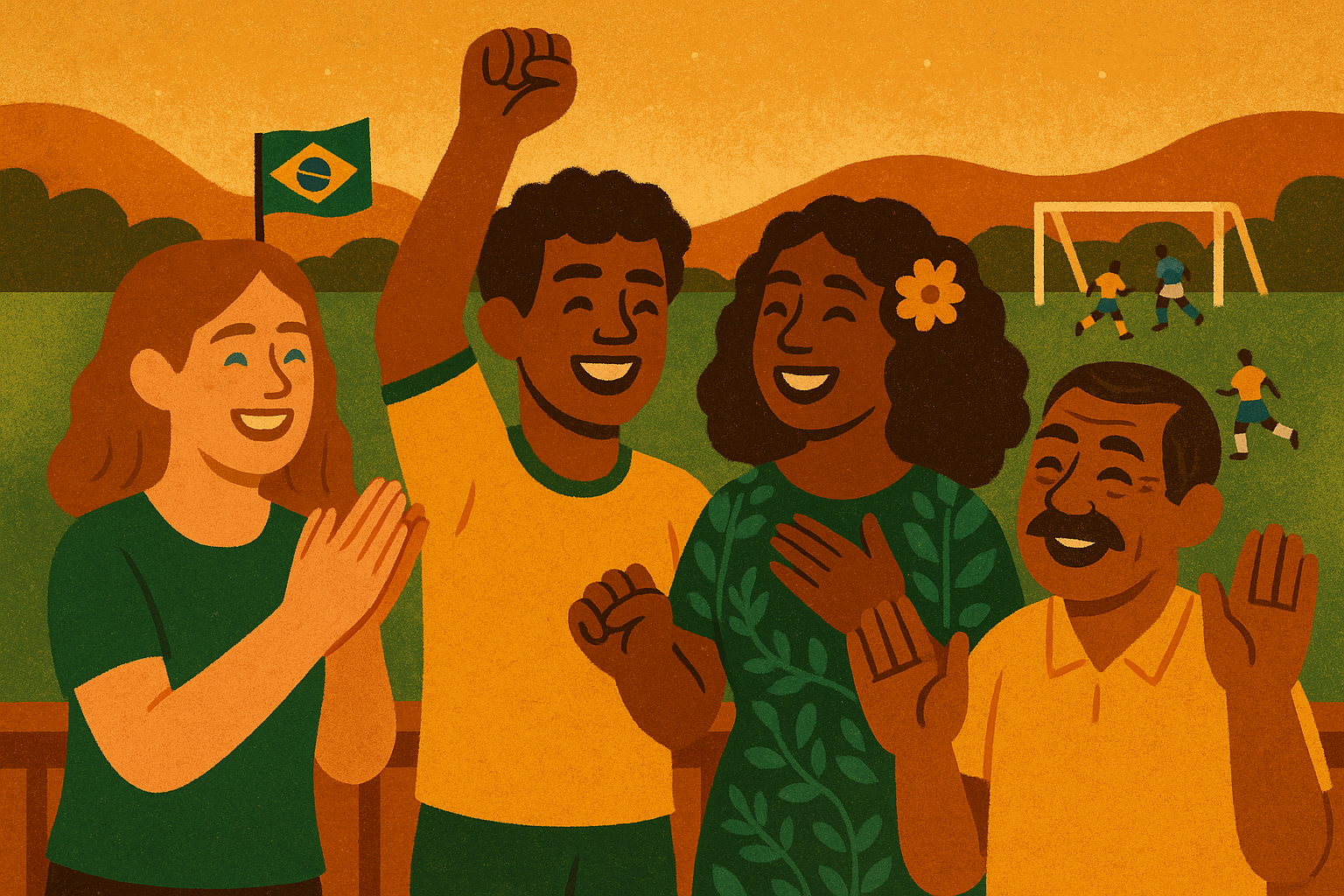
Fans cheer on the sidelines of a football game in Brazil

6. Join local life, even briefly. 

To find common ground, you must step into daily rhythms — even if just for a short time. Take a bus, visit a community market, attend a local game or help in a small project. When you participate, you cross the line between observer and participant.

In studies, cultural immersion is said to increase empathy after a week or so of active engagement. That means walking the same streets, sharing the same weather, even facing the same small inconveniences — because in those moments, you stop being a visitor and start being part of the place.

Adventure becomes a two-way story. You take memories, yes, but you also leave traces — laughter, kindness, maybe a promise to return.

A nonbinary person smiles and holds their phone while talking with two boys by ancient ruins

7. Let technology help — but not lead. 

It’s tempting to rely on translation apps, maps or social platforms to connect. Yes, they’re useful — essential even. But the risk is losing the raw, human unpredictability that makes connection real.

Technology should foster connection, not isolation. It can help you learn a few words, understand customs or find cultural events nearby. Yet the deepest understanding happens offline — when you look up, make eye contact and exchange gestures instead of data.

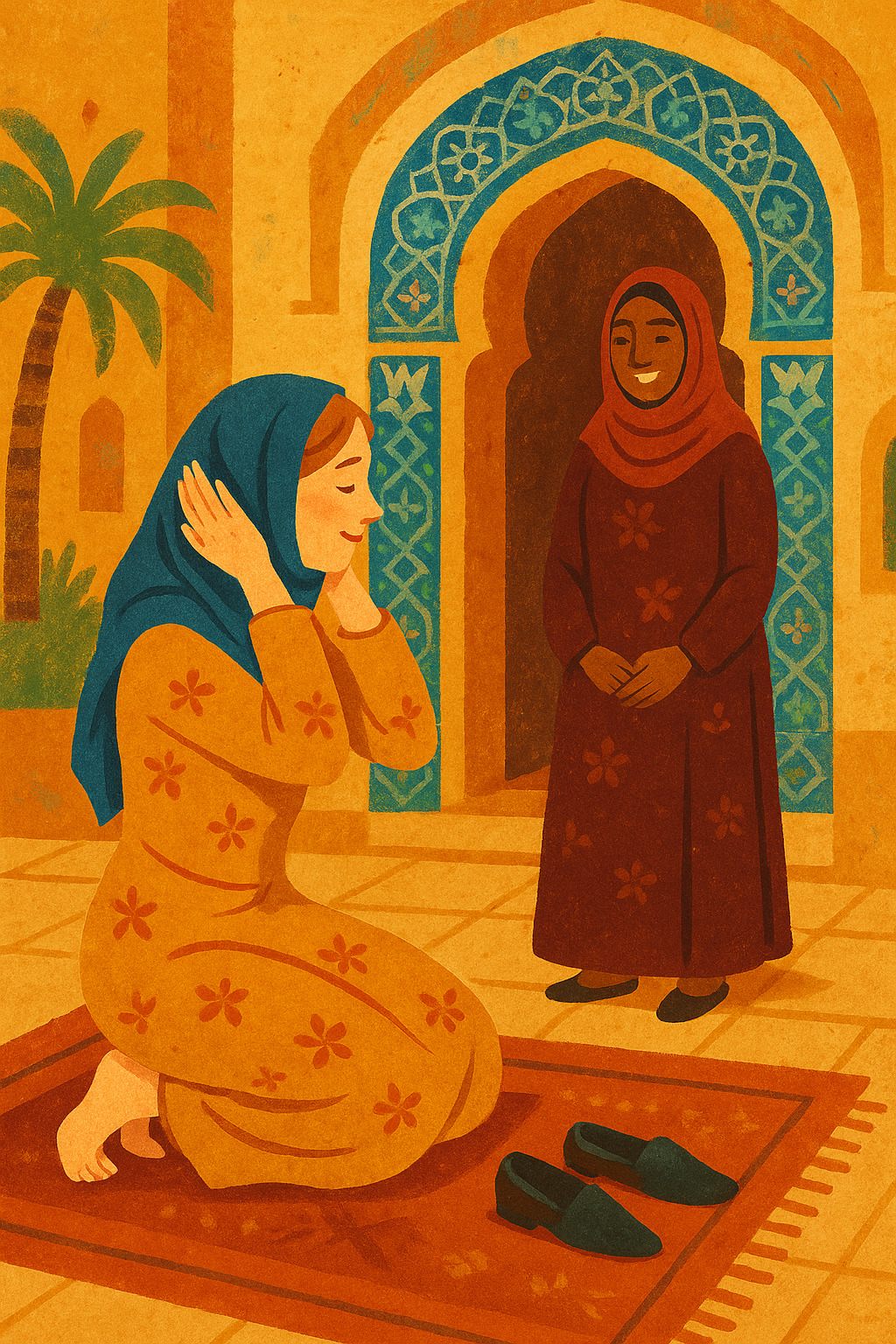
A woman visiting a mosque takes off her shoes, puts on a scarf and kneels while a woman watches, smiling

Respect: The Core of Connection

Respect is the quiet foundation of all shared ground. It’s not about agreement; it’s about acknowledgment. You can admire another culture without adopting it. You can disagree without disrespecting.

When you travel through new lands, remember that your exploration unfolds in someone else’s home. Remember that. The more respect you give, the more culture gives back.

In fact, surveys across multiple countries show that travelers rated “respect for local customs” as the most appreciated trait in foreigners — above generosity or politeness. That says everything.

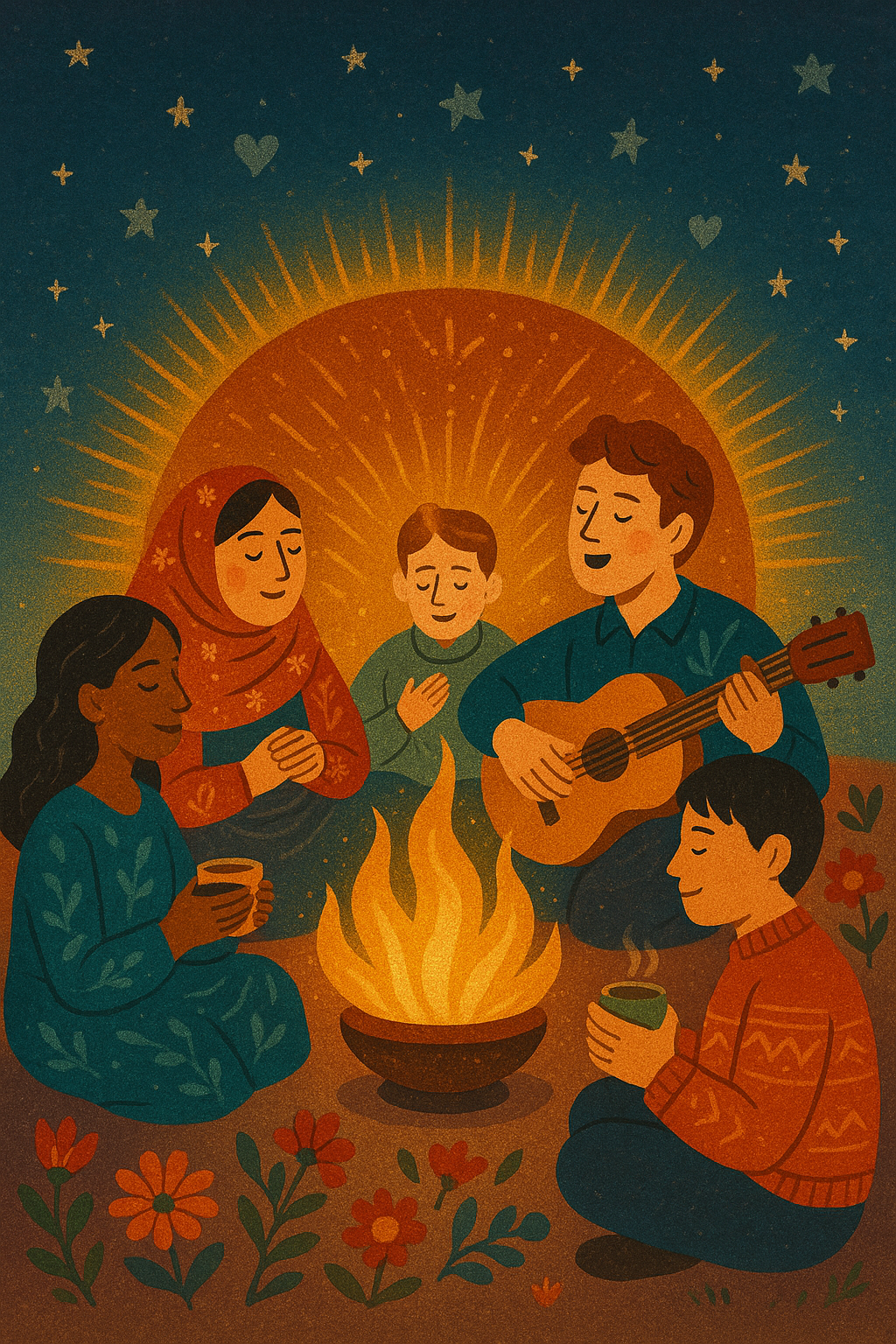
A multicultural group sits around a brazier with fire, some drinking hot beverages, and one man playing the guitar while the sun sets

Finding Universal Ground

Every culture is a mirror — sometimes clear, sometimes foggy — reflecting a version of humanity back at you. Finding common ground isn’t about losing your identity; it’s about expanding it.

Travel, when done right, teaches that there is no them. There’s only us, in different forms, languages and stories. And adventure — the real kind — begins when you start to see yourself in others.

In the end, the best secret to finding common ground anywhere is simple: Be human, and let others be, too. Everything else — the smiles, the shared food, the laughter, the lessons — will follow naturally. –William Charest

RELATED: How Living Abroad Will Challenge and Change You

How Traveling Opens the Mind and Nurtures Empathy and Innovation

Discover how travel fuels real-world learning and personal growth. Explore how cultural immersion strengthens empathy, creativity and adaptability.

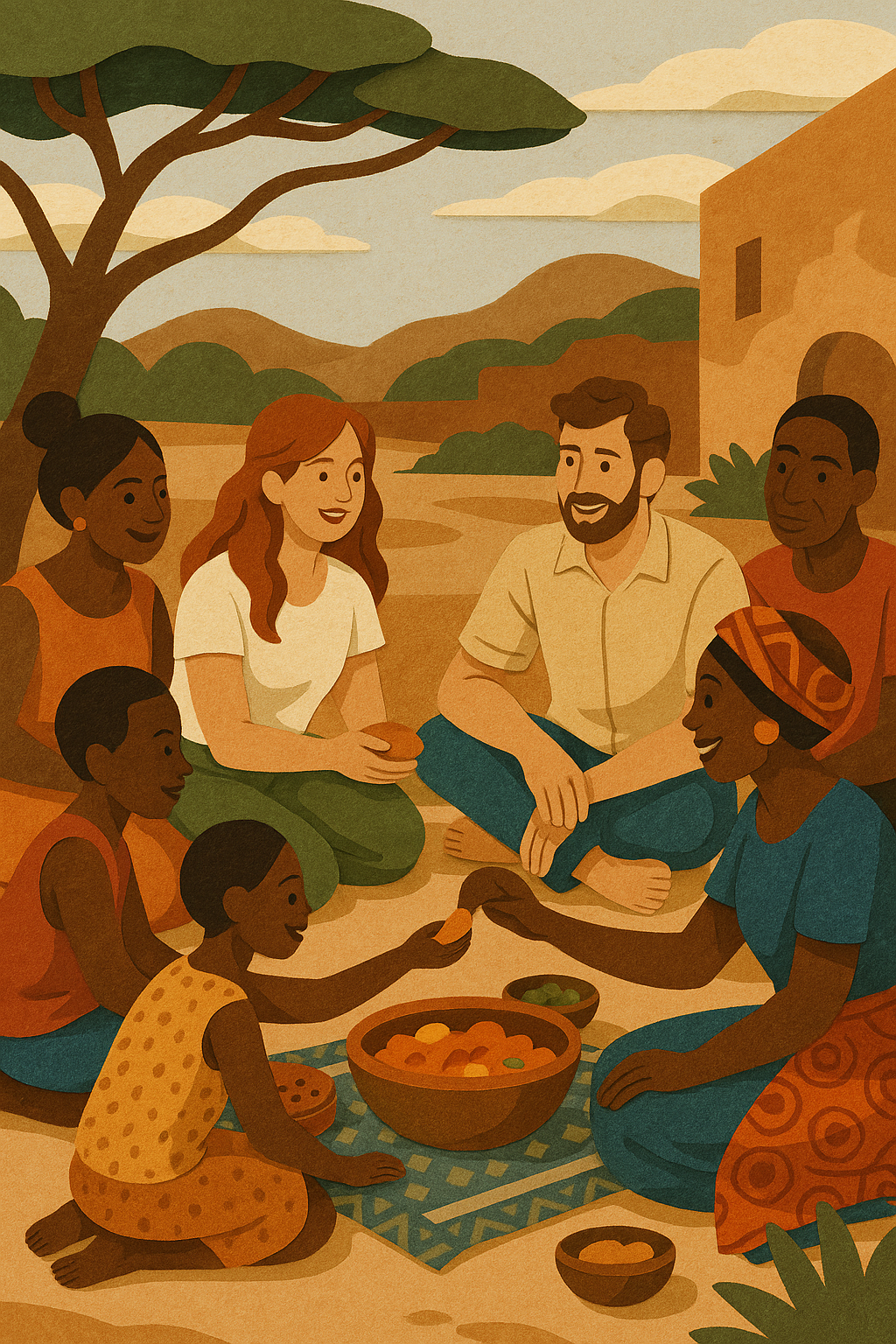
A couple shares a family meal on the ground with an African family

Traveling is more than collecting stamps in your passport. It’s a transformative journey that expands your worldview and deepens your understanding of humanity.

If you’ve ever lived in New York, you might’ve heard of the F-03 practice test for a certification exam firefighters and building safety staff take to prove they can stay calm under pressure and make quick, critical decisions. In a way, travel does something similar for the rest of us. It tests our ability to adapt, think clearly and find our footing in unfamiliar territory. But instead of fire alarms and emergency exits, the challenges come as flight delays, language barriers, and moments that test patience, humility and humor.

Every new city, culture and conversation becomes a lesson in empathy, adaptability and creativity — the kind no written exam can prepare you for.

A man gazes up at a temple at Chichen Itza in Mexico

The Transformative Power of Travel

There’s a reason so many writers, thinkers and entrepreneurs describe travel as the greatest education. When you step into an unfamiliar environment, you engage your brain in deep learning — not just memorizing facts, but decoding culture, language and behavior in real time.

1. Learning beyond the classroom

Traditional education leans on theory and memorization. Travel, on the other hand, is unapologetically hands-on. You’re not just learning about transportation systems — you’re standing in a foreign subway station trying to buy the right ticket. You’re not just reading about customs — you’re living them, and occasionally getting them wrong in the most endearing ways.

2. Building cultural intelligence

Cultural intelligence (CQ) is the ability to relate to and work effectively across cultures — a skill that’s invaluable in an interconnected world. Travel builds CQ by challenging your assumptions and exposing you to unfamiliar norms that broaden your empathy and worldview.

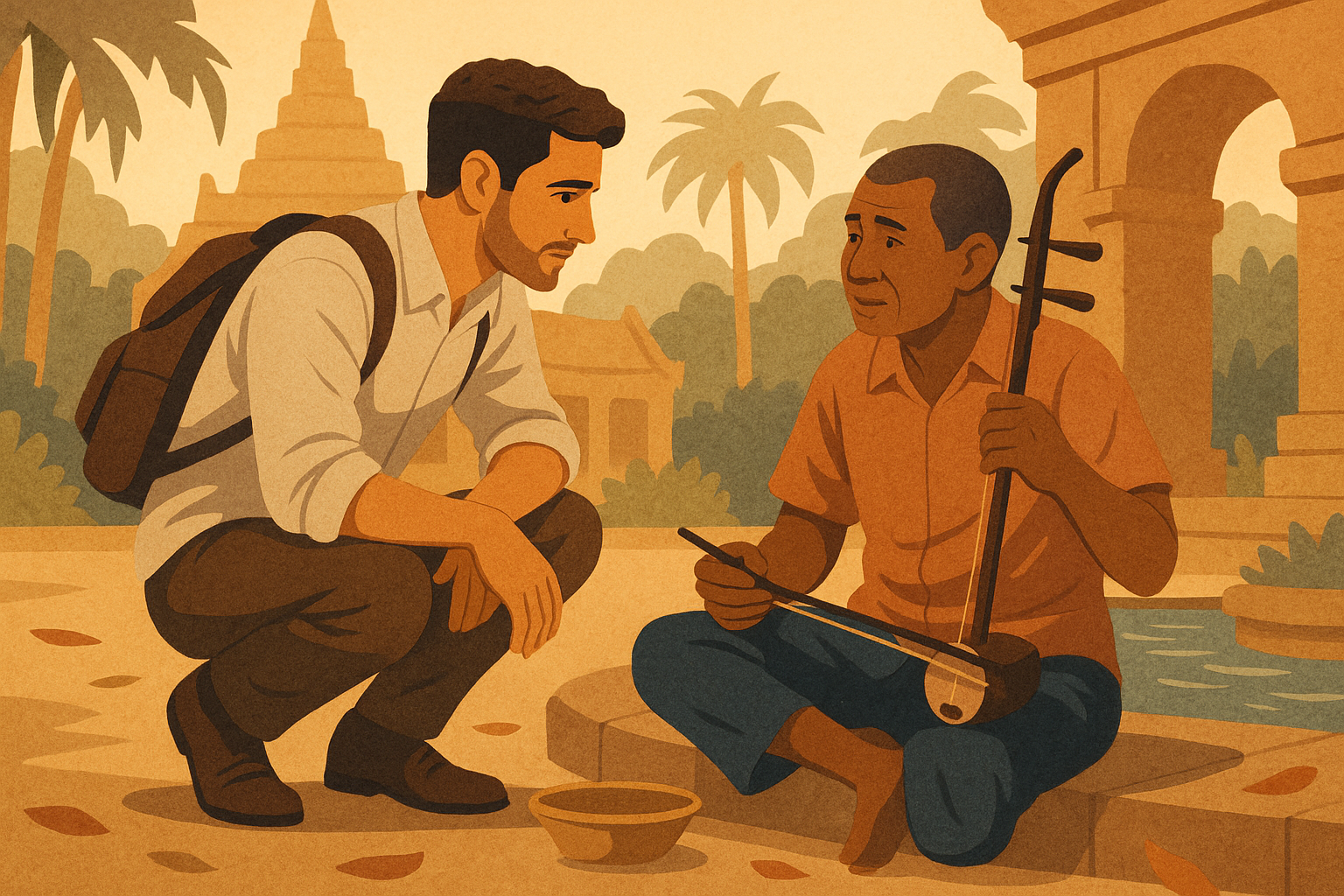
A man squats down to talk to a Cambodian beggar with an amputated leg and a traditional instrument

Empathy: The Hidden Gift of Exploration

Empathy is the heartbeat of meaningful connection, and travel is one of its best teachers. Seeing how others live, work and dream reshapes how we interpret our own lives.

  • Walking in another’s shoes

    Daily routines can narrow perspective. Travel blows it wide open. You might witness communities thriving despite hardship or traditions preserved against the odds. You come home seeing your own life — and privileges — in sharper focus.

  • The psychology of perspective

    When we experience something new, our brains form fresh neural connections, boosting cognitive flexibility. That’s why travelers so often return more open-minded, patient and tolerant.

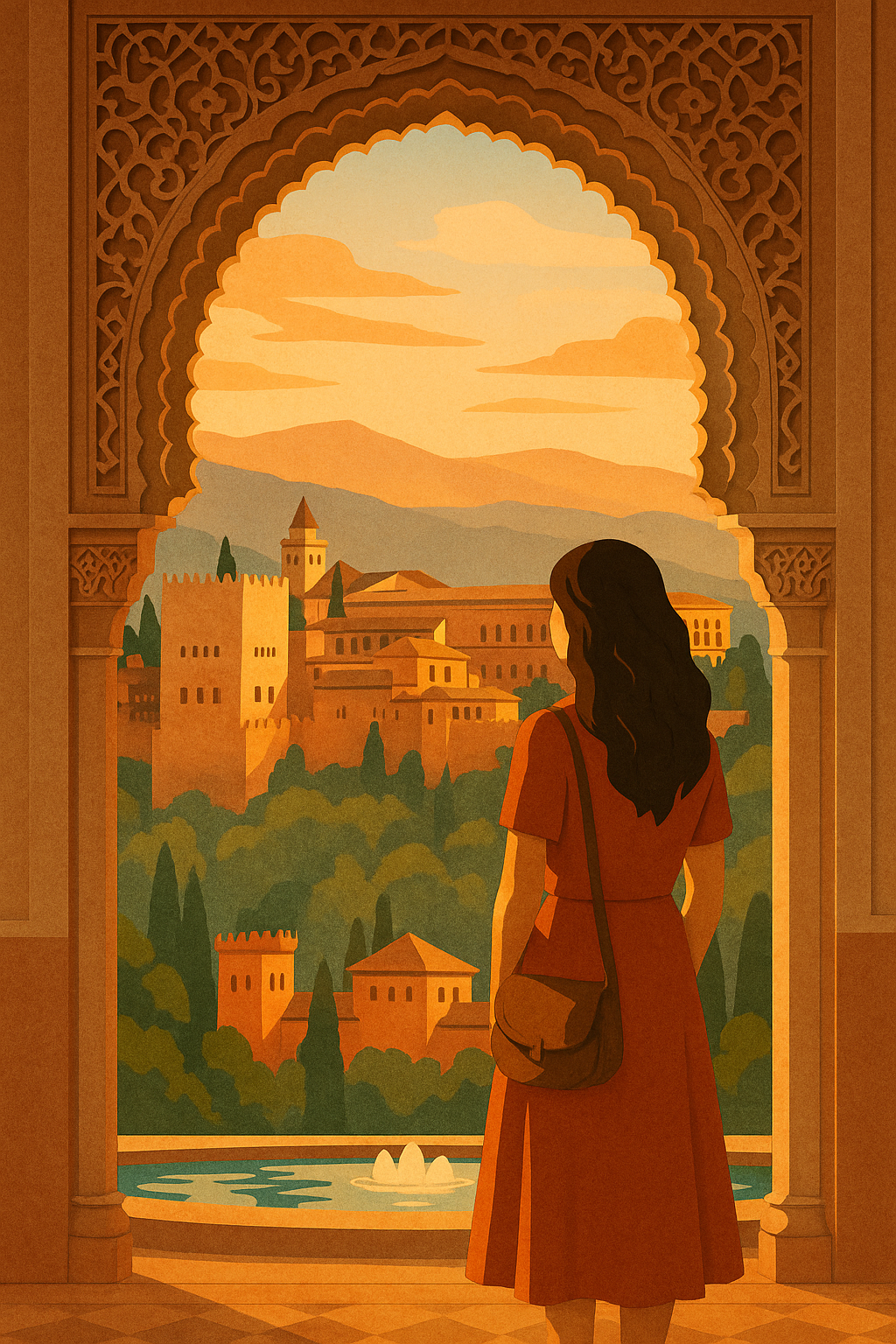
A woman gazes out at the Moorish fortress, the Alhambra, in Grenada, Spain

Innovation Through Exploration

Innovation often blooms where ideas intersect — and travel plants you right in the middle of that cross-pollination.

  • Adaptability: the root of creative thinking

    Every traveler knows plans rarely go perfectly. Flights get delayed, directions get lost in translation, and rain shows up uninvited. But those moments — the unplanned ones — build flexibility. And flexibility is the birthplace of creativity.

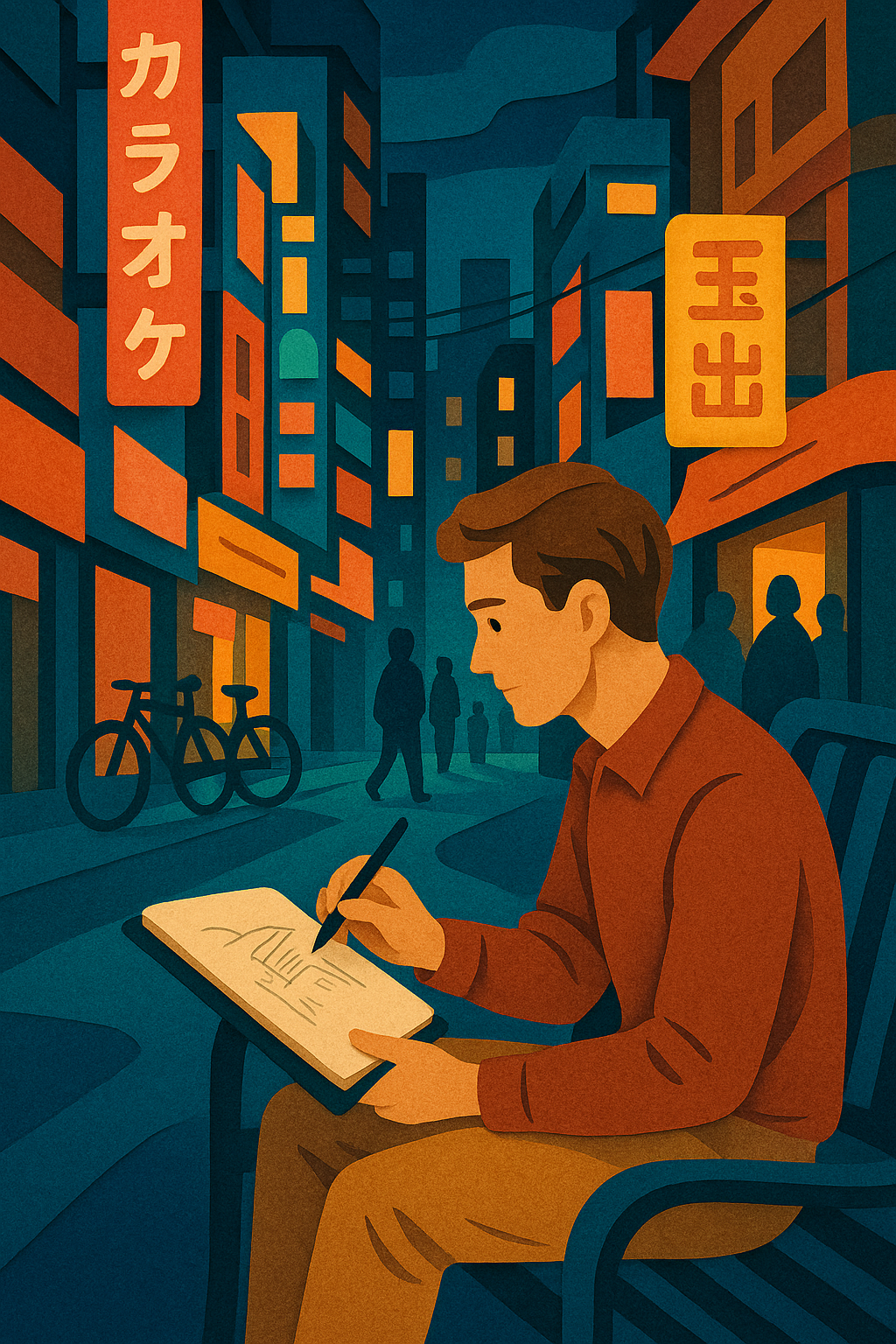
A man sits on a bench, sketching in a sketchbook on a sign-filled street in Tokyo, Japan

The Science of Travel and the Brain

Research in cognitive psychology shows that travel enhances neuroplasticity — the brain’s ability to form new connections.

  • Language learning and cognitive health

    Even attempting to learn a few words in a new language sharpens memory and engages brain regions tied to problem-solving, empathy and self-control. Think of it as a mental workout, but with better scenery.

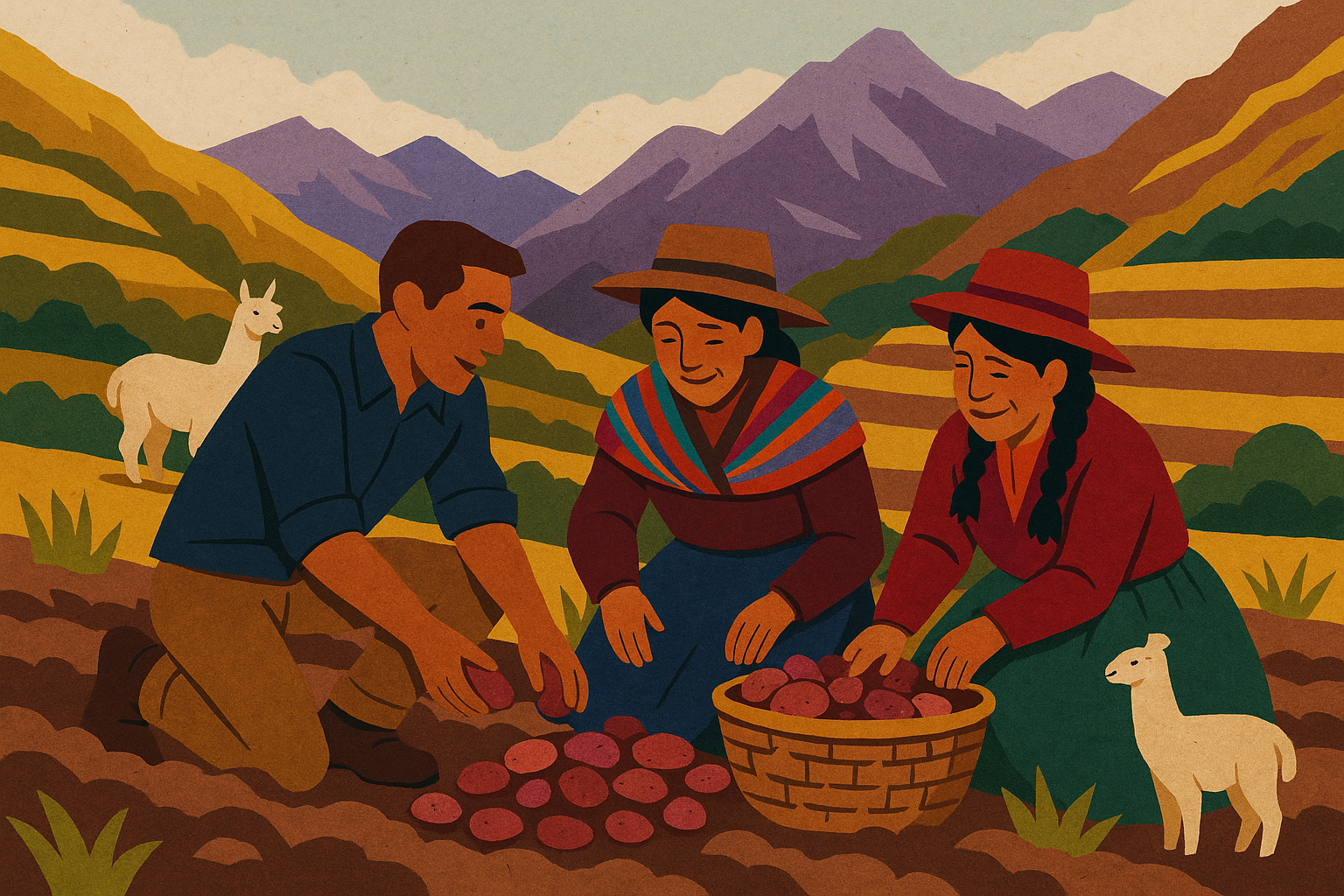
A man helps two Peruvian women, in traditional attire, including brimmed hats, harvest potatoes in the Andes, with a couple alpaca nearby

Experiential Learning in Motion

Educational theorist David Kolb described learning as a cycle of doing, reflecting, conceptualizing and experimenting. Travel is that model brought to life.

  1. Doing: Immerse yourself in a new culture, try the food, explore local customs.

  2. Reflecting: Consider how these experiences challenge what you thought you knew.

  3. Conceptualizing: Connect the dots and uncover the broader lessons.

  4. Experimenting: Apply those insights to your next journey — or your next project.

Travel is experiential learning in its purest form: sensory, emotional and transformative.

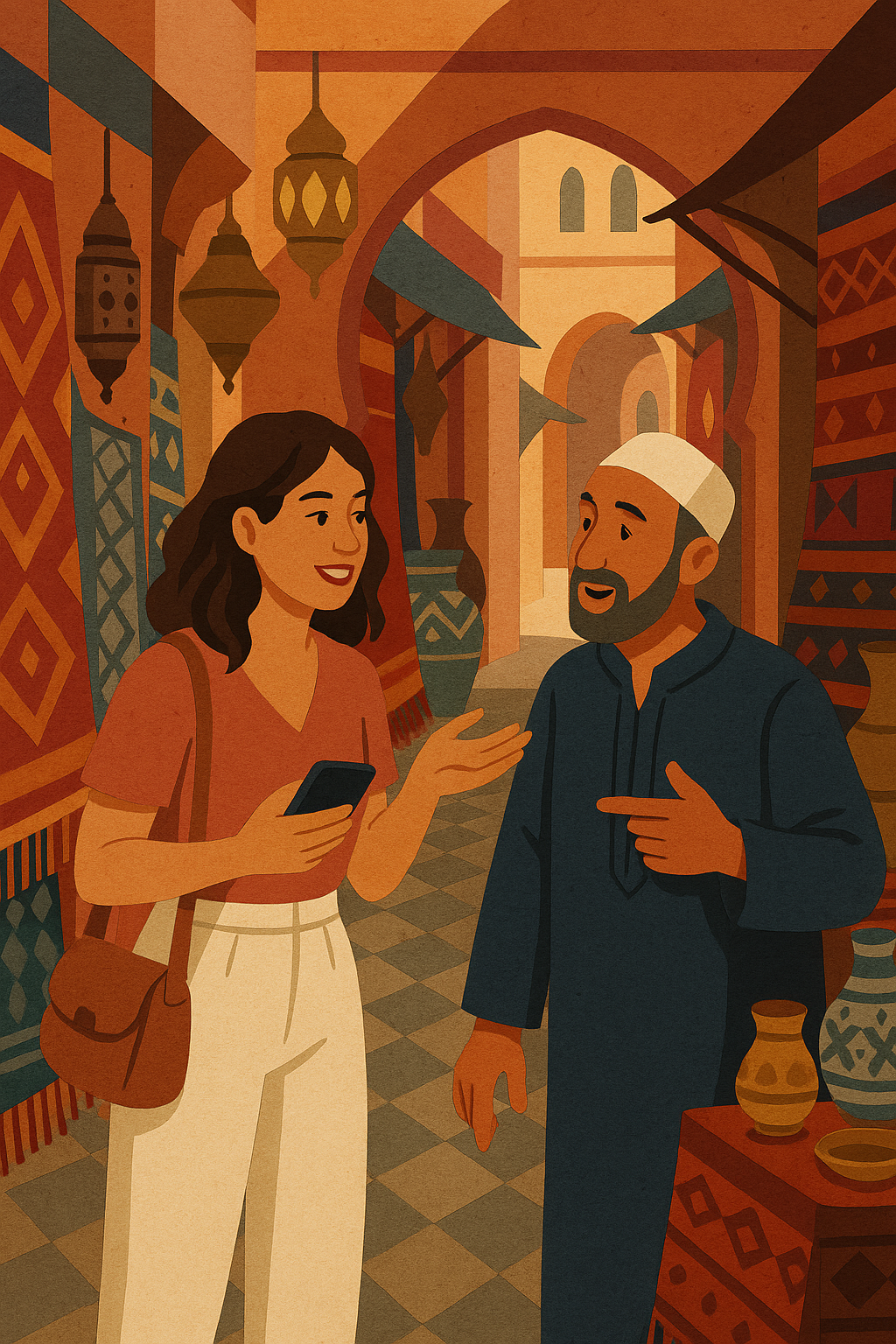
A woman holding her phone asks for directions from a vendor a Moroccan souk

How Travel Strengthens Communication

In a globalized world, communication skills are gold. Travel polishes them in subtle but lasting ways.

1. The art of listening

Understanding someone who speaks another language — or even just a different version of English — requires patience and focus. Travelers become expert listeners, tuned in to tone, gesture and intent.

2. Overcoming barriers

When words fail, creativity steps in. You gesture, you draw, you pantomime — and you connect. Those moments hone emotional intelligence and empathy far better than any workshop.

3. The confidence effect

Each successful exchange builds confidence. Ask for directions, barter at a market, share a laugh with a stranger — every small win expands your social comfort zone and spills into everyday life.

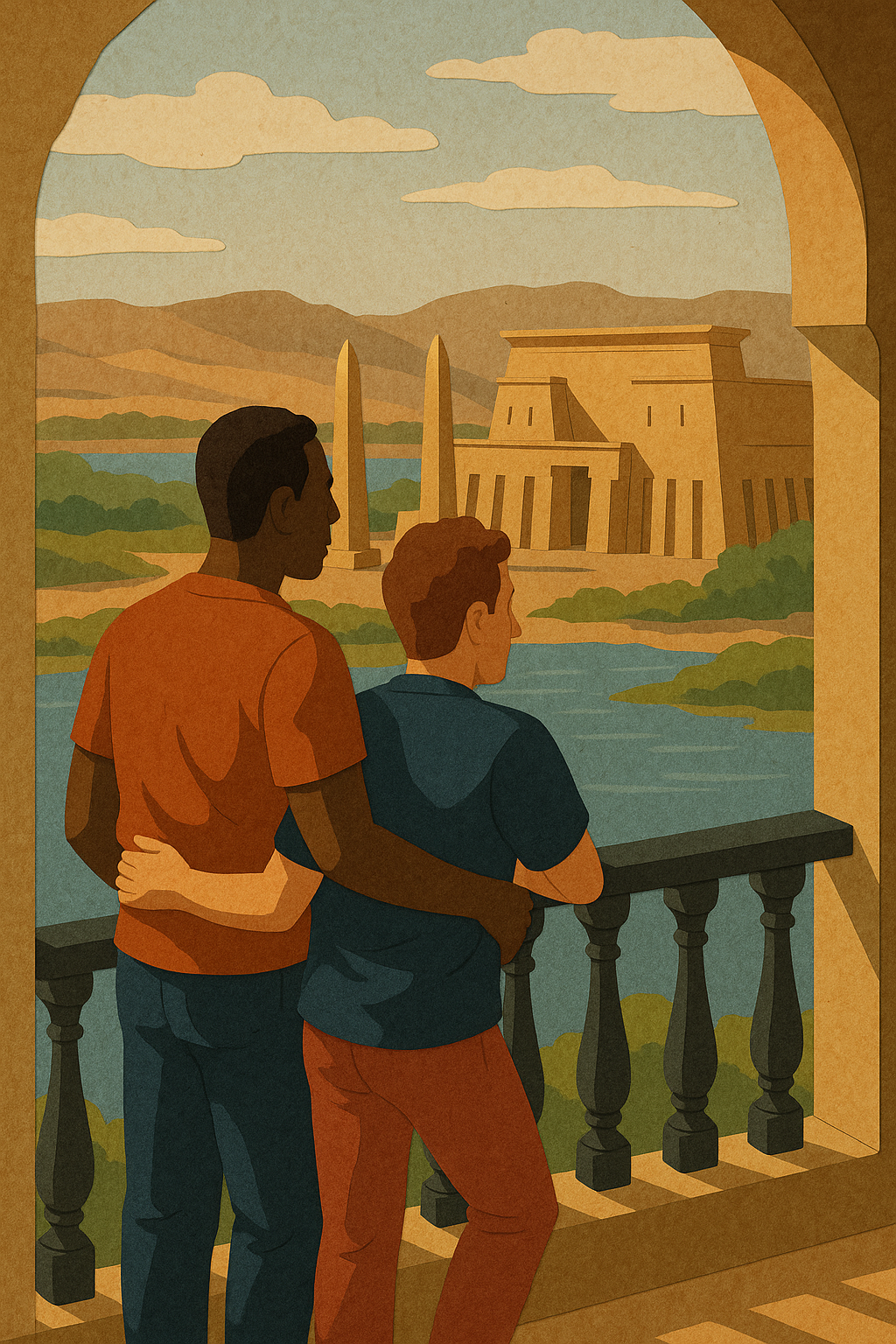
A gay couple puts their arms around each other as they stand on a balcony, gazing out at a temple in Luxor, Egypt

Travel as a Catalyst for Global Citizenship

In a divided world, travel stitches common ground. Experiencing other perspectives firsthand transforms tourists into advocates for empathy, inclusion and respect.

  • Appreciation without appropriation

    Real travelers don’t collect cultures like souvenirs; they honor them. Respecting traditions and supporting local communities turns travel from consumption into connection.

  • Becoming a storyteller

    Every journey gives you stories worth sharing — the kind that make others see the world differently. When you tell them with honesty and heart, you pass on the empathy travel gave you.

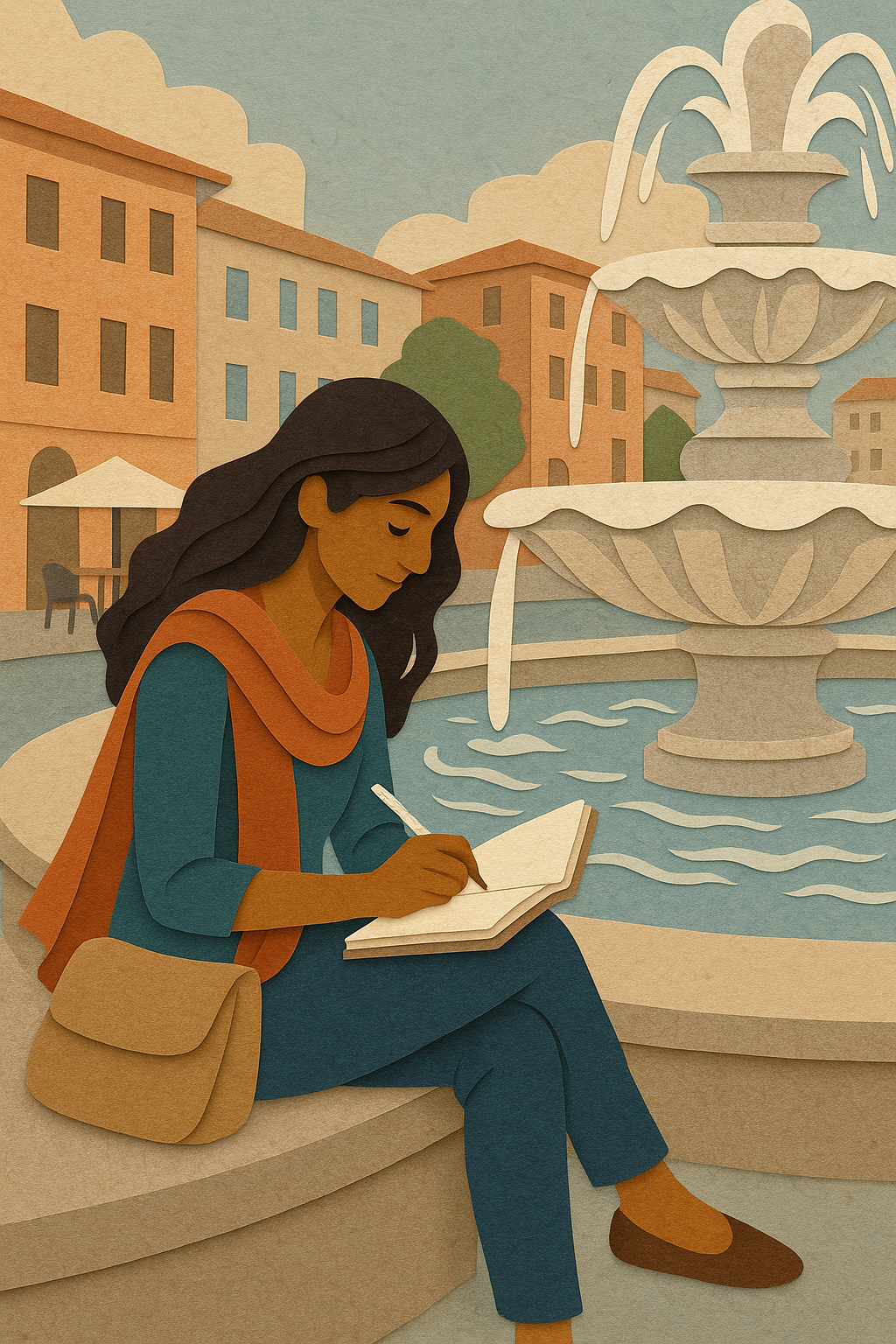
A woman writes in her journal, seated near a fountain in a town square

Practical Tips to Learn Deeply While Traveling

  1. Stay curious. Ask about people’s lives, not just the landmarks.

  2. Engage locally. Visit workshops, markets or community projects.

  3. Keep a journal. Write about feelings and insights, not just itineraries.

  4. Learn key phrases. A few words can open more doors than a map ever could.

  5. Travel slowly. Fewer stops, deeper experiences.

  6. Unplug. Let moments settle before you post them.

  7. Reflect after you return. What changed in how you see the world — or yourself?

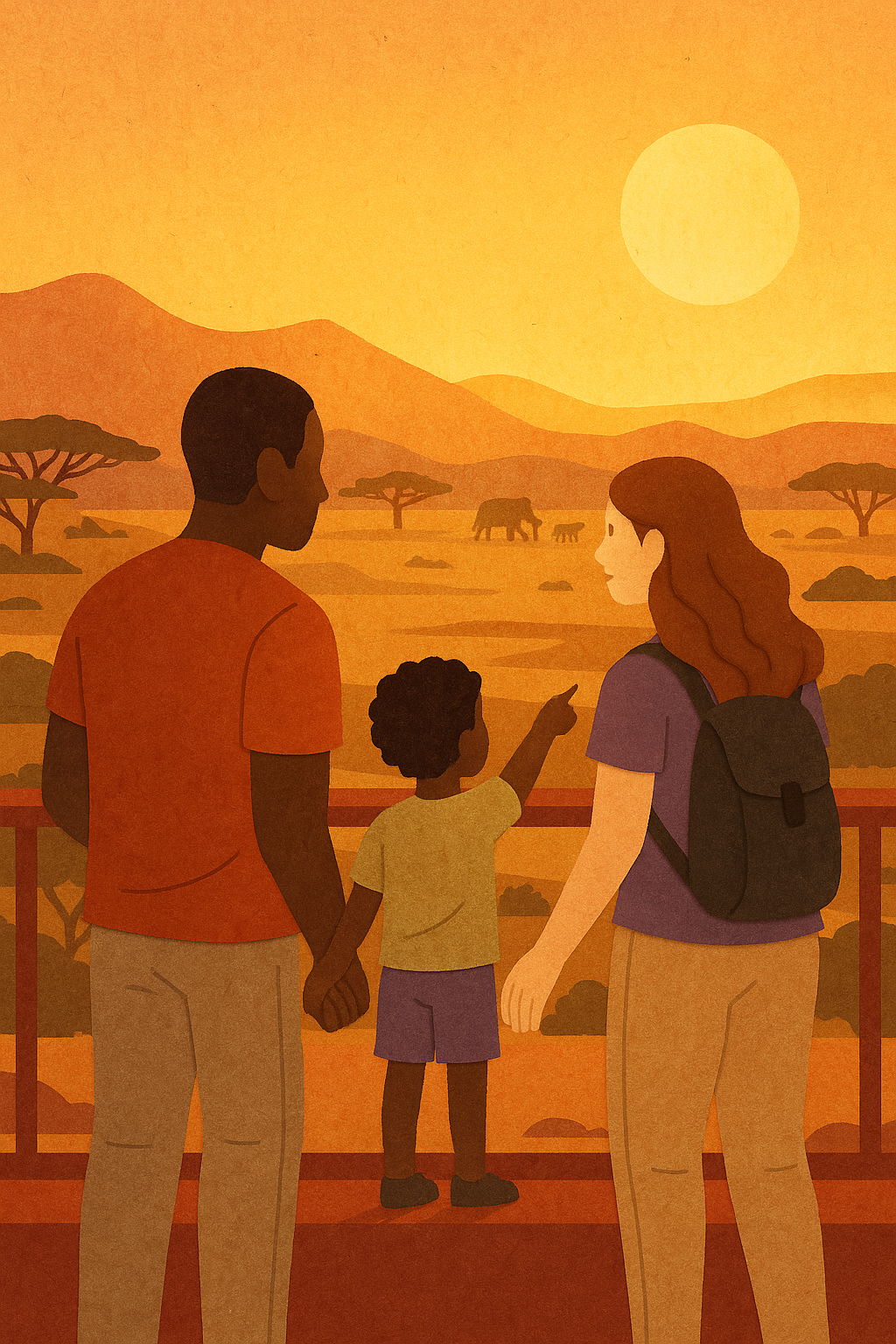
A child with his parents points to animals in the African savannah at sunset

Learning to See With New Eyes

Travel isn’t just an escape — it’s also an education. It reminds us that learning doesn’t stop at graduation; it lives in every border crossed, every story shared, every kindness exchanged.

Just as an F-03 practice test builds focus and mental agility, travel trains both heart and mind to work together in understanding the world. But travel doesn’t hand you a score. It hands you perspective, and that’s the kind of lesson that lasts a lifetime. –Nathan Beja


The Art of Slow Travel: Savoring Every Moment of Your Journey

Slow travel is about taking your time, embracing detours and connecting deeply with a place. Here’s how to make your trips more intentional.

Travel isn’t a race. You shouldn’t be rushing to complete a checklist or collecting sites like Pokémon. The real magic of travel happens in the in-between moments — the ones that don’t come with an audio guide or a perfect Instagram angle.

When you slow down, you notice things. The way light shifts in a quiet café, the rhythm of a city waking up, the unexpected kindness of a stranger who points you to the best food you’ve ever eaten. Instead of hustling from one attraction to the next, you let a place sink in. You give yourself time to get lost, to linger, to just be somewhere.

There’s no single way to embrace slow travel, but there are plenty of ways to make your trips more intentional. Here’s how.

1. Choose destinations that let you slow down. 

Some places practically force you to take it easy. Cities built for strolling, towns where café tables spill into the streets, regions where “mañana” is the closest thing to a schedule.

Instead of cramming six destinations into one trip, pick just one or two and let yourself settle in. Stay long enough to recognize faces, to find your favorite corner café, to not need Google Maps.
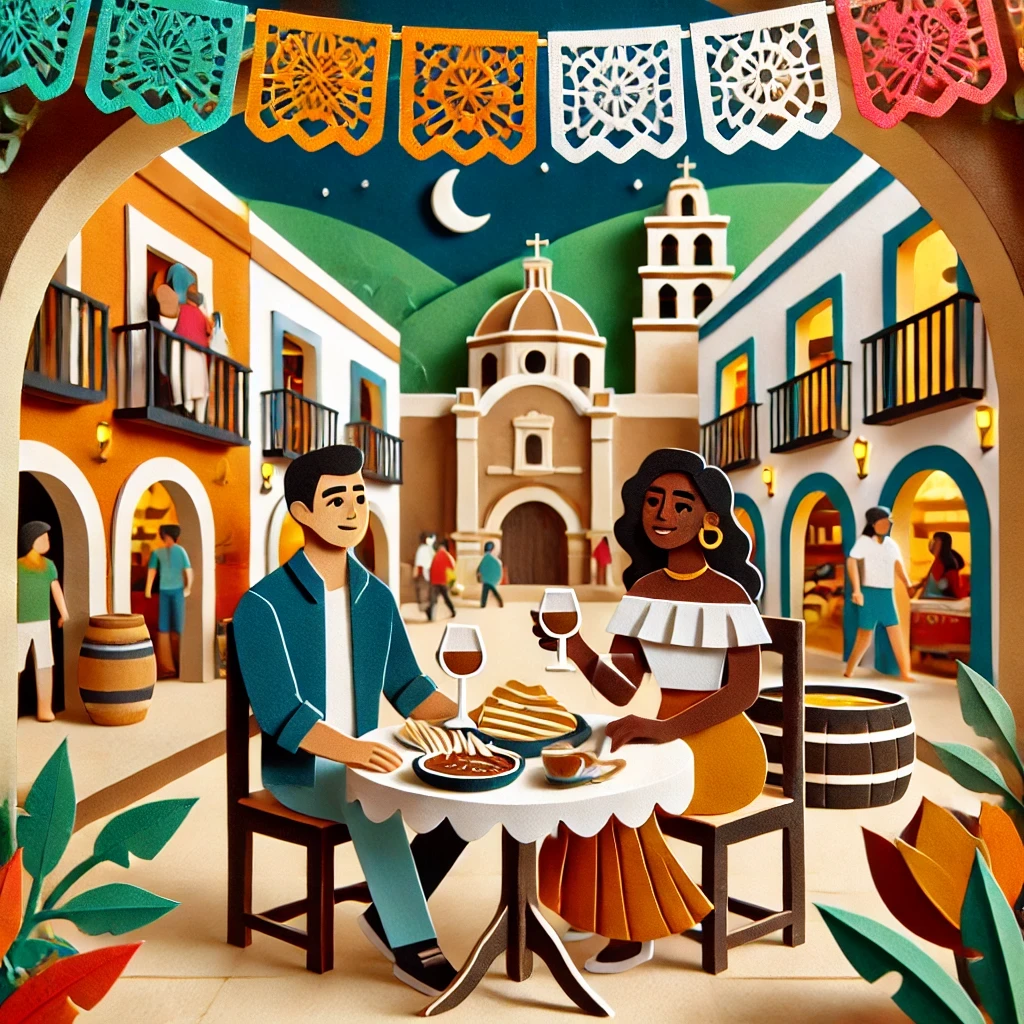
Smaller towns and rural areas tend to do slow travel best. There’s no rush, no urgency — just the quiet hum of daily life. But even in cities, you can carve out your own slow-travel pocket by choosing neighborhoods over tourist centers. A place’s soul isn’t in its top 10 attractions; it’s in its markets, its parks, its ordinary moments.
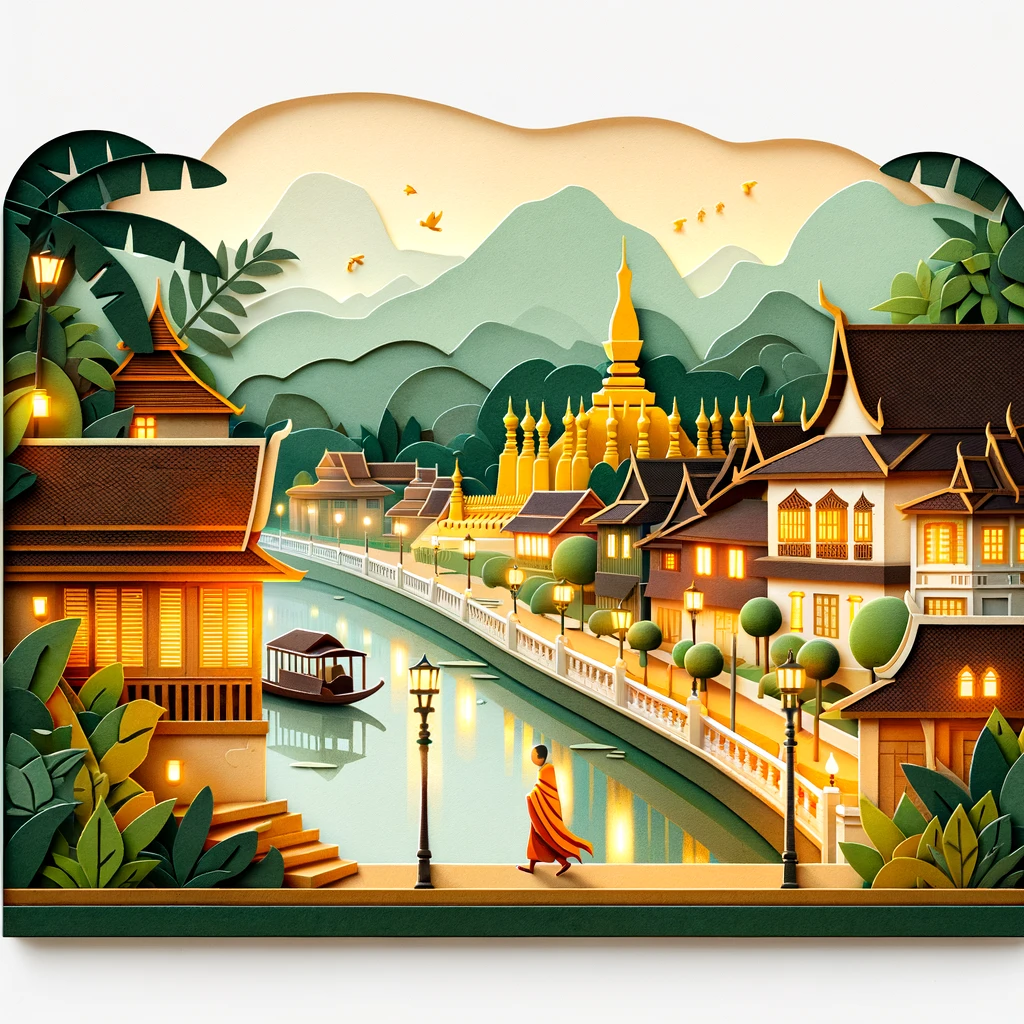
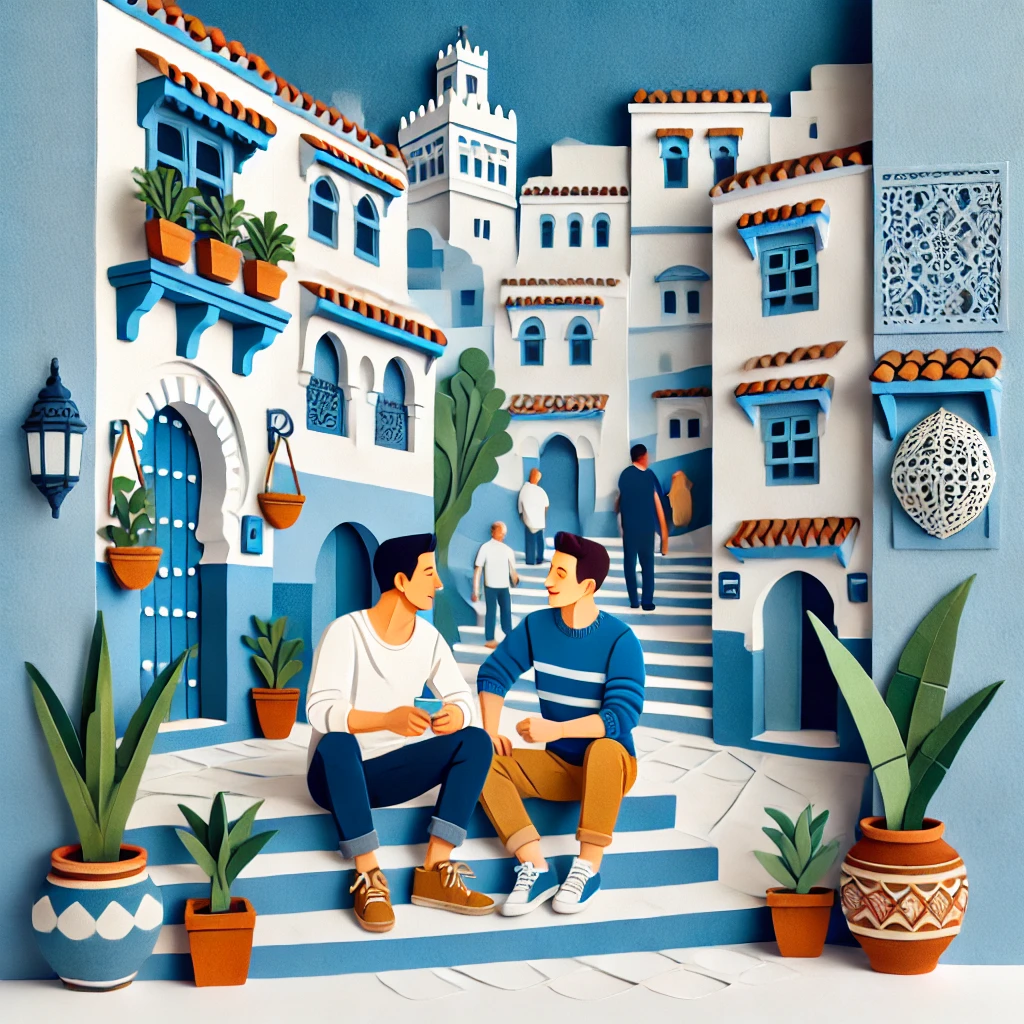
2. Travel in a way that enhances the experience. 

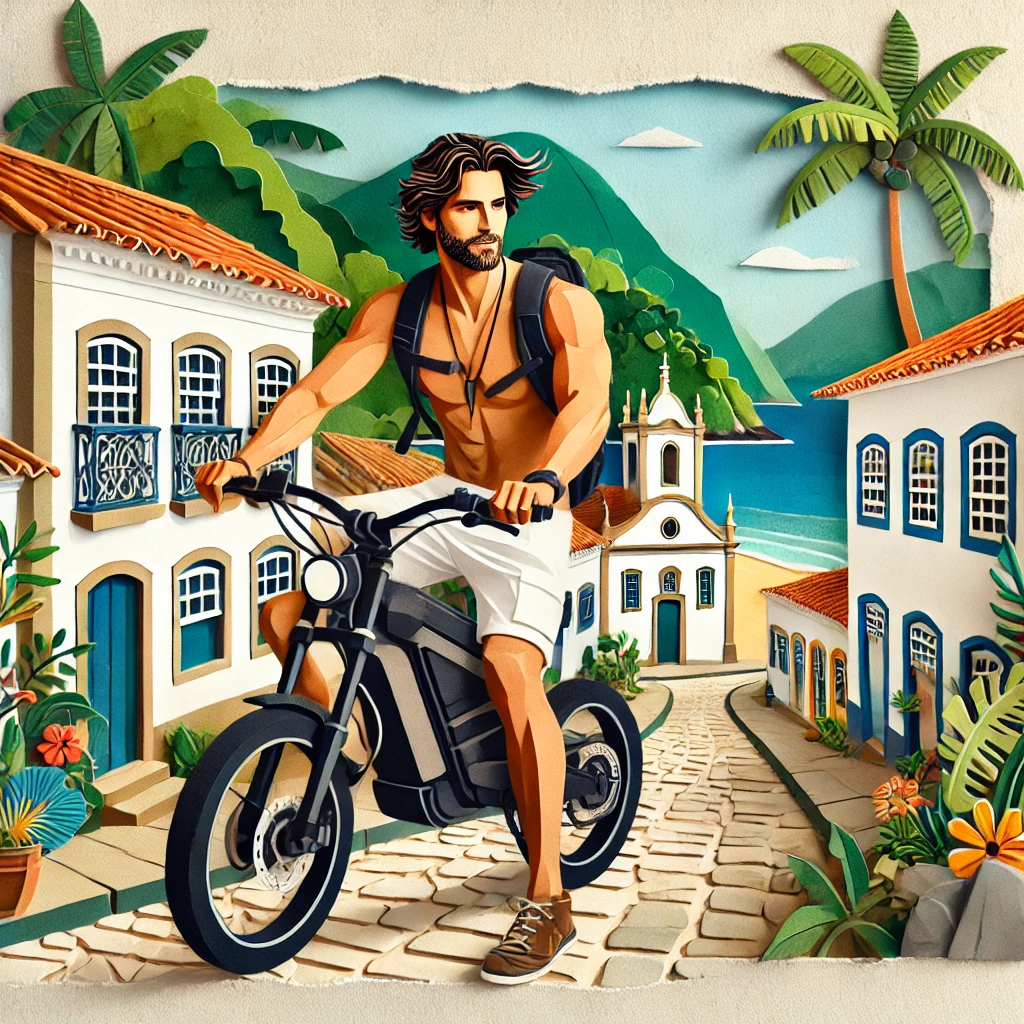
The way you move through a place shapes what you see. Walking lets you pause whenever something catches your eye. Public transport throws you into the rhythm of local life. Biking? That’s the sweet spot between getting places and experiencing the in-between.

And if you’re thinking, Biking sounds nice, but hills? No thanks — there’s an answer for that. Electric bikes. They let you glide through cities, coast up inclines, and cover more ground without looking like you just ran a marathon.

If you’re bringing an e-bike on your travels, Velosurance has your back. It offers some of the best e-bike insurance, covering theft, damage and all the unpredictable moments that make travel exciting (but sometimes expensive). Because nothing kills the slow-travel vibe faster than a missing bike.

3. Create a flexible itinerary.

There’s a time and place for spreadsheets, and it’s not on vacation. Overloading your schedule turns travel into a job, and no one enjoys a trip that feels like an assembly line.

Some of the best travel moments happen when plans go sideways — when you follow a local’s recommendation instead of Yelp, when you stumble into a festival you didn’t know existed, when you decide to stay just one more day.

So plan some things — just not everything. Pick a few experiences that actually excite you, then leave room for surprises. Let curiosity, not a schedule, dictate your next move.

4. Immerse yourself in local culture. 

Slow travel isn’t just about moving at a leisurely pace; it’s about actually engaging with where you are. Enter cultural immersion

That means skipping the chain restaurants in favor of the tiny hole-in-the-wall spot where the menu is only in the local language. It means wandering through neighborhood markets instead of souvenir shops. It means striking up conversations — not just with hotel staff but with the young woman making your morning espresso.

Food is often the easiest way in. Try the regional specialties. Eat at places where the locals eat, not where the guidebooks tell you to go. If you’re really committed, take a cooking class or visit a farm and see where the magic begins.

And if you want bonus points, learn a few words in the local language. Even just “hello” and “thank you” go a long way. It’s about showing respect and making human connections.

5. Discover hidden gems.

The most unforgettable places are rarely the ones that pop up first on Google. The best experiences often happen when you wander off-script — whether you’re in Barcelona or Dallas, Texas

One of the easiest ways to find hidden gems? Ask. Not the internet — actual humans. Hotel clerks, bartenders, bookstore owners, the person next to you at the coffeeshop. They’ll know where to go, what to eat, and what’s worth your time.

Taking the road less Google-mapped also helps. Instead of the busiest streets, slip into quiet alleyways, walk a few extra blocks, take the longer scenic route. You’d be amazed at what’s hiding just beyond the tourist zones.

And sometimes, the hidden gems aren’t places at all. Maybe it’s a musician playing in the park, a perfectly aged wooden door, a shopkeeper who tells you their life story. When you stop rushing, you start noticing.

6. Balance adventure with doing absolutely nothing. 

Not every moment of travel needs to be productive. Some of the best parts of a trip happen in the spaces between doing things.

Give yourself permission to just exist in a place. Sit at a café and watch the world go by. Read in a park. Take an aimless walk. Have a drink on a terrace with no agenda beyond enjoying it.

Because here’s the thing: You don’t have to earn rest. Slowing down isn’t laziness — it’s the whole point.

7. Make the most of staying put. 

The longer you stay somewhere, the deeper you sink into it. You stop being just a visitor and start belonging — even if only for a little while.

Return to the same café a few times, and the barista might start remembering your order. Walk the same streets at different times of day, and you’ll see how a place shifts and breathes.

Some of the best discoveries happen when you’re not seeking them, just being present enough to let them unfold.

Take It Slow

Slow travel isn’t about how many places you go — it’s about how deeply you experience them. It’s about stepping away from itineraries and expectations and just being in a place.

So walk more. Linger longer. Say yes to detours. Talk to strangers. And if nothing else, remember: The best part of a journey isn’t always where you go, but how you feel while you’re there. –Lewis Bagshaw