5 Off-the-Beaten-Path Chiang Mai Temples

There’s no shortage of things to do in Chiang Mai. Spend a day visiting some of the lesser-known wats.

With literally hundreds of ancient and beautiful temples (known as wats) to choose from it’s easy to become overwhelmed when trying to decide which to visit when staying in Chiang Mai, Thailand. The city’s history is a melting pot of cultures which are reflected in the architectural influences from outside the region, including Sri Lanka, Burma, China and Laos. Here’s our guide to four hidden gems you might miss unless you know where to look.
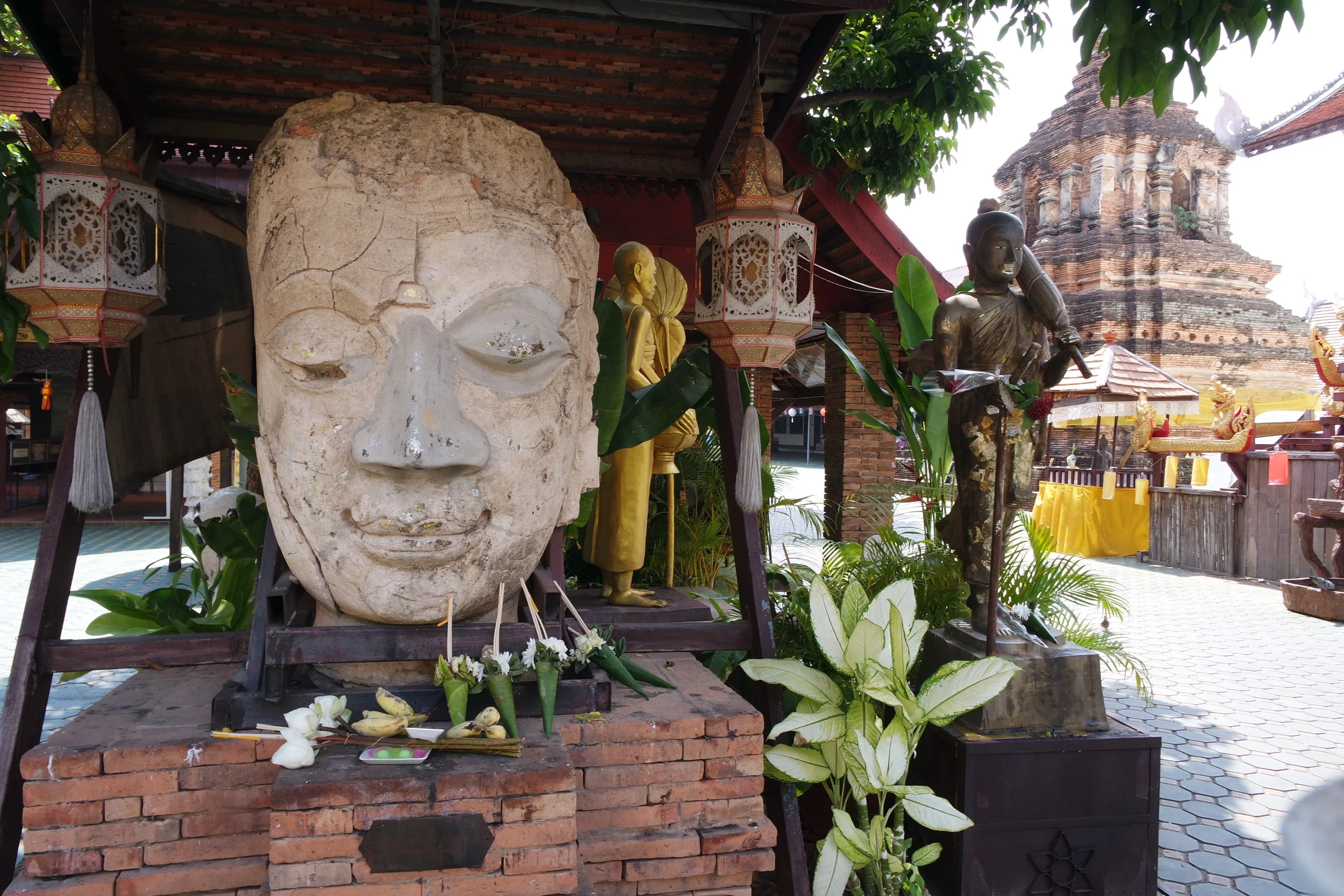
 

A giant Buddha head greets visitors to Wat Jetlin

A giant Buddha head greets visitors to Wat Jetlin

Wat Jetlin (aka Jedlin, Chedlin)

While this temple is not exactly a major tourist destination, it does contain a few quirky elements worth seeing.

Just inside the entrance a massive stone Buddha head greeted us. The courtyard includes a bizarre five-eyed panda-like creature that eats hot coals and poops out gold, as well as an open-air pavilion with a seated skeleton sporting a pair of black sunglasses and a colorful dashiki shirt. We saw a variation of the coal-eating creature at Wat Sang Kaew, just outside of Chiang Rai.

Say hi to the dapper skeleton at Wat Jetlin

Say hi to the dapper skeleton at Wat Jetlin

This mutated beast eats coals and defecates gold!

This mutated beast eats coals and defecates gold!

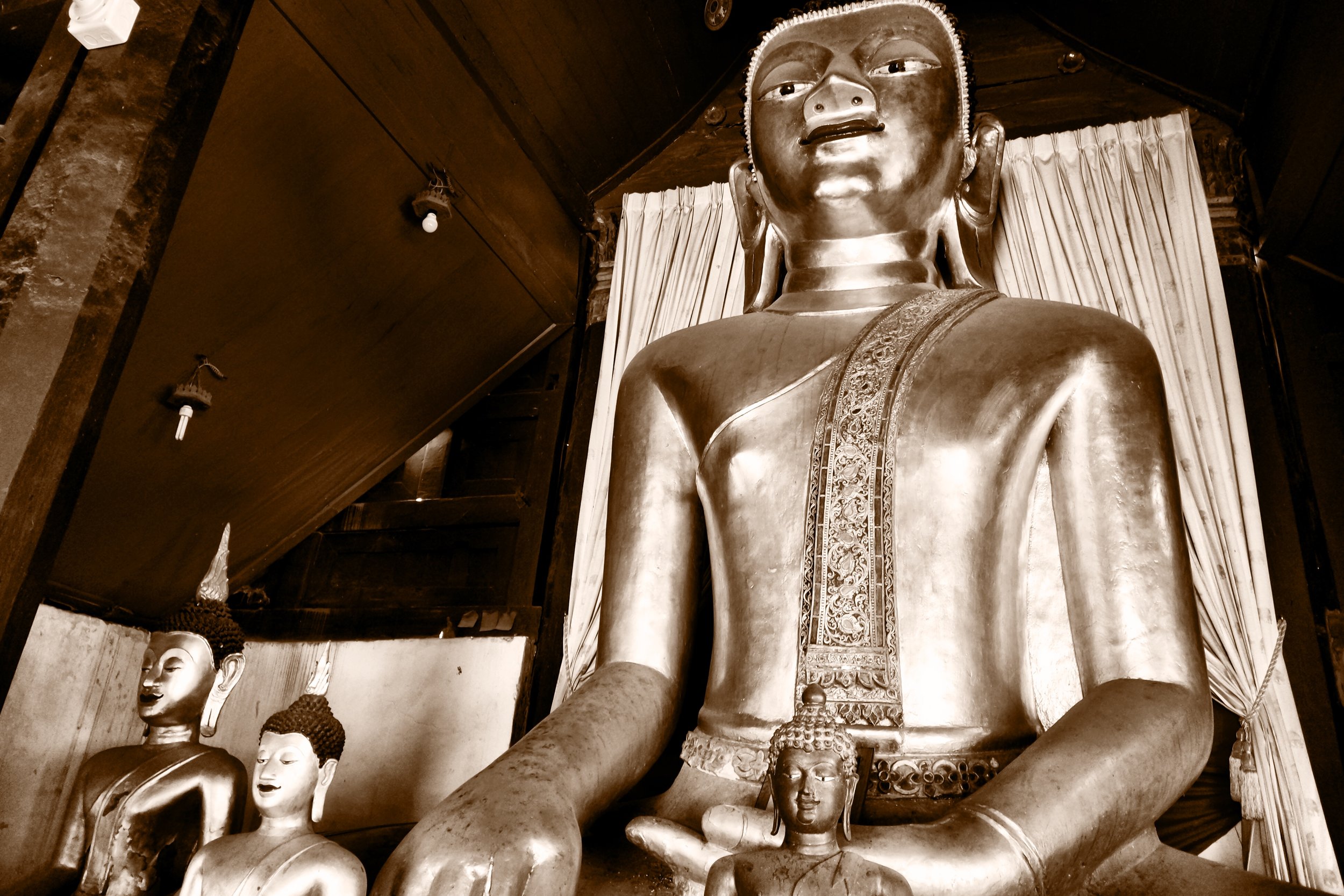
The interior of the Lanna-style viharn contains red lacquered columns and a large golden Buddha seated in the Bhumisparsha mudra, or Earth witness position, a gesture that symbolizes the Buddha’s enlightenment under the sacred bodhi tree. King Mekuthi, the 18th monarch of the Mangrai dynasty, was coronated here.

Most chedi throughout the province are clad in copper, brass plate or white plaster. The chedi of Wat Jetlin is in its original state: lime mortar and red clay bricks. Halfway up the four sides of the chedi are niches containing Buddha images.

Walk past the chedi until you reach a narrow covered bridge that leads across a pond where humongous lily pads float. The gaping maws of giant carp break the mirrored surface to slurp insects and the food pellets we purchased.

Address: 6 Salan Road, Soi 7
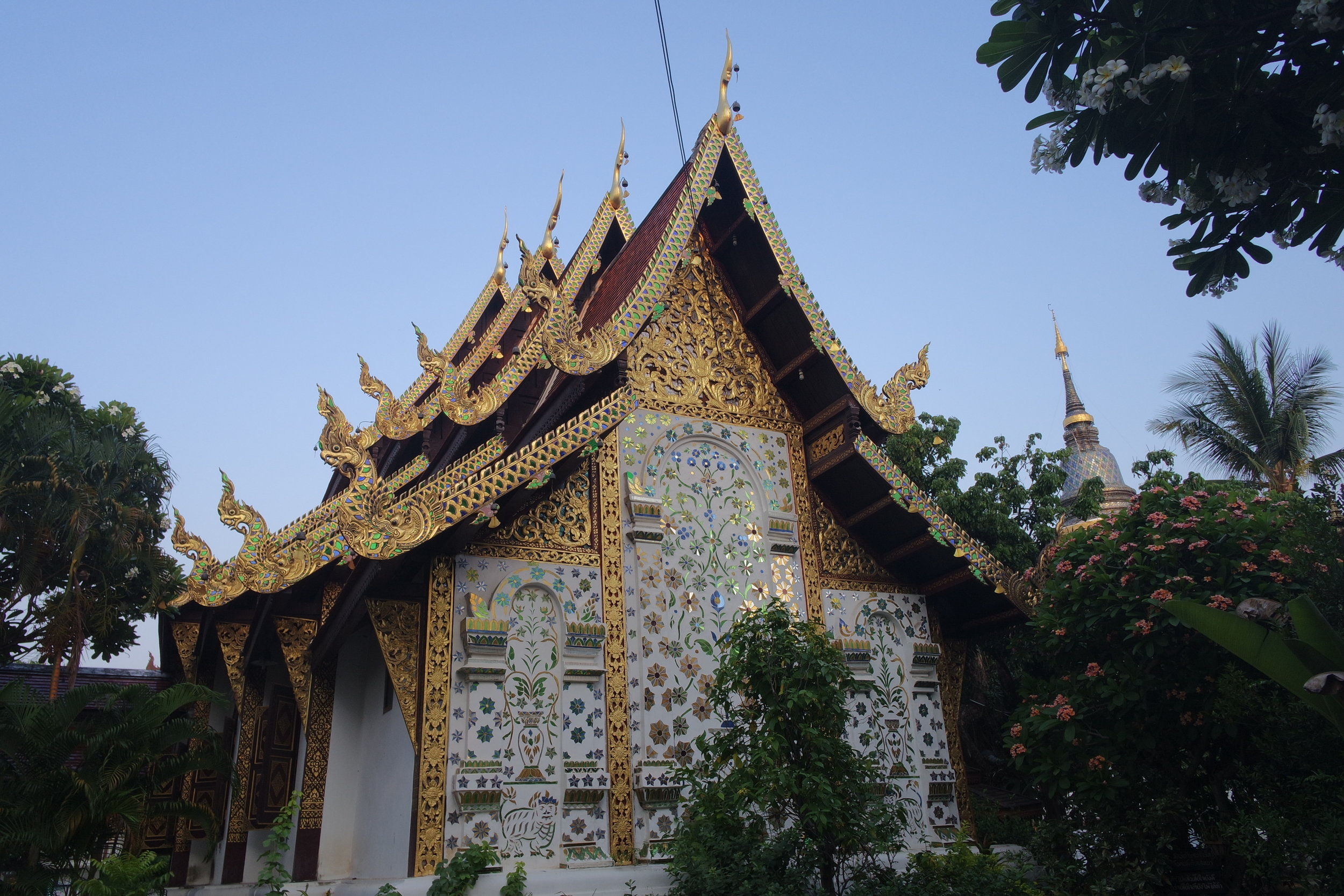
 

The prettiest part of Wat Ket Karam is the metallic mosaic on the back of the viharn

The prettiest part of Wat Ket Karam is the metallic mosaic on the back of the viharn

Wat Ket Karam

Situated on the east bank of the Mae Ping river outside of the Old City, the Wat Ket district was provided as an enclave for foreigners, many of whom were involved in the teak trade and were required by law to live there. The center was on Charoenrat Road, which was also one of the largest Chinese communities outside of China.

The 15th century compound of Wat Ket Karam is dedicated to those born in the Thai Year of the Dog. You’ll see an assortment of dog figurines throughout the grounds, bordering on kitsch.
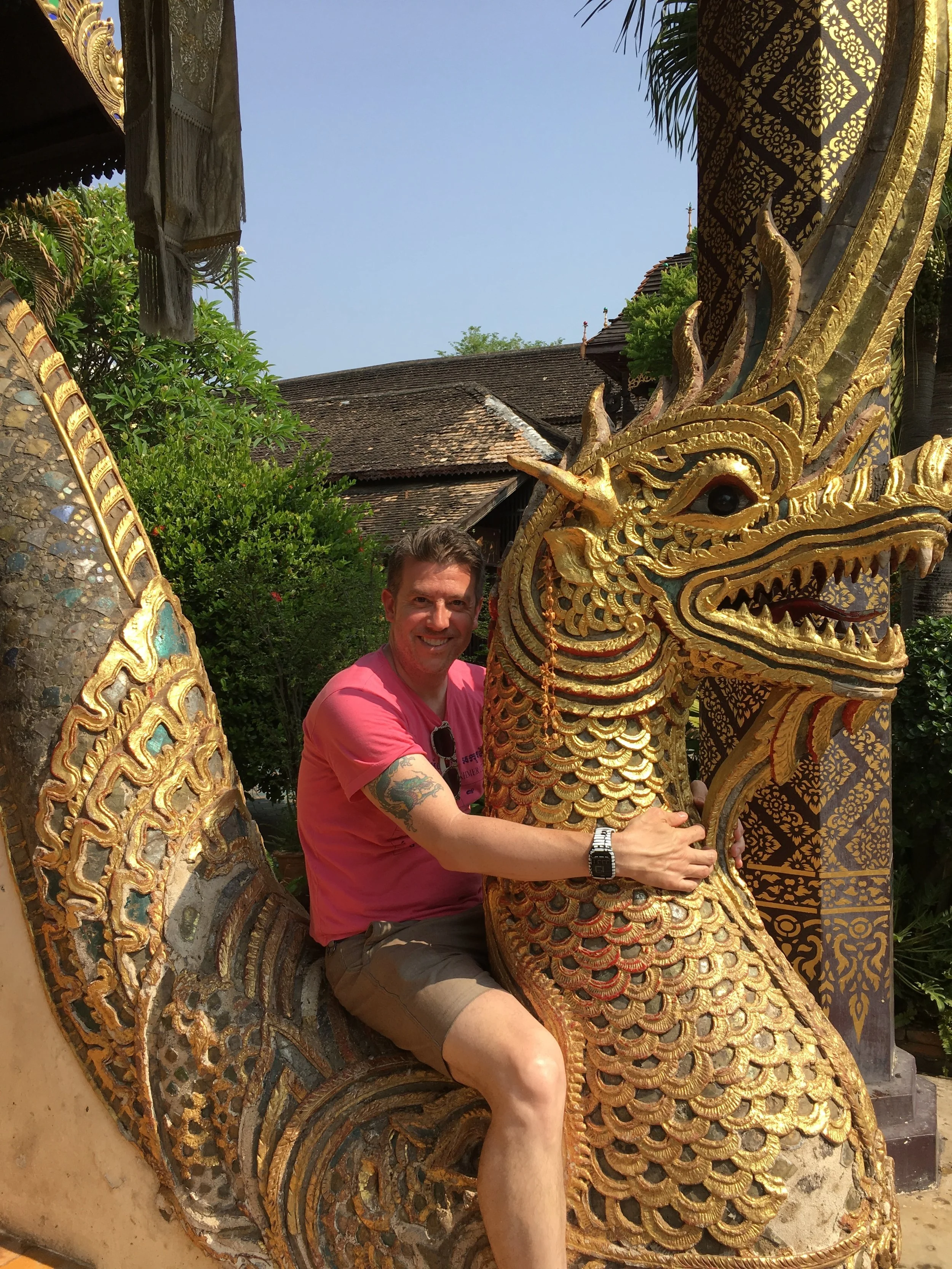
Wally wants a pet naga

Wally wants a pet naga

The entrance of the viharn is guarded by a pair of colossal glass-inlaid naga-makaras (sea monsters disgorging snakelike dragons sprouting antler tines from their heads). Multiple roof tiers give the structure the illusion that there are five prayer halls in succession instead of just one.

The ubosot at Ket Karam wasn’t open when we visited, but the exterior is beautiful

The ubosot at Ket Karam wasn’t open when we visited, but the exterior is beautiful

At the side of the viharn is the former abbot’s residence, which was converted into a museum by Jack Bain, son of William Bain, the last managing director of the East Borneo Trading Company. Walls and shelves are filled with ancient farm tools, pottery, antique drums and period clothing, some of which belonged to Chiang Mai royalty. We visited several times, peeking into the dusty, cluttered space, but the museum was never open.

The entire complex of Wat Ket Karam is gorgeous and fun to explore

The entire complex of Wat Ket Karam is gorgeous and fun to explore

The compound contains an impressive large, squat, whitewashed chedi, Ket Kaew Chura Manee, erected in 1428 to house a relic of the Buddha’s hair (funny, we thought he had a shaved head). According to a plaque, the spire of the pagoda is purposely tilted “to avoid indecency in pointing it to the one in heaven.” The chedi is guarded by four chinthe, Shan leonine creatures related to the Thai singh.

Address: Chang Moi, Mueng Chiang Mai District


There’s not a lot to see at Wat Kuan Kama, aside from the line of horses on the wall enclosure

There’s not a lot to see at Wat Kuan Kama, aside from the line of horses on the wall enclosure

Wat Kuan Kama

Located on Sriphoom Road, a few blocks from the Chang Phuak Gate is Wat Kuan Kama. You can’t really miss this temple due to the golden horse statues that run the entire length of its outer walls — although our tuk-tuk driver dropped us off a couple blocks away.

The temple was commissioned by a royal soldier in 1492 and dedicated to memorialize his most beloved horse. A plaque inside reads, “This temple was the garden of the horse groom who was a close royal soldier of Jaomundamtuang. After his horse died, he was very sad and he decided to donate his garden for the temple and he gave the temple the name Khunkama.”

On the inside of the walled enclosure are golden statues symbolizing the 12 animals of the zodiac.

Address: 242/6 Manee Nopparat Road


Wat Rajamontean is nicknamed the Big Buddha Temple for obvious reasons

Wat Rajamontean is nicknamed the Big Buddha Temple for obvious reasons

Wat Rajamontean

This temple, next to Wat Kuan Kama, has some serious curb appeal. Elaborate tiered red and gold mini-chedi, or stupika, emerge from its exterior wall. Climb the steps to get a closer look at the giant seated Buddha overlooking the street below. Two fierce-looking bug-eyed dragons stand guard outside the viharn.

We had left our sandals at the viharn entrance and scampered quickly across the tiled surface, which gets quite hot in the midday sun. The viharn itself, with its gold details, is quite impressive.
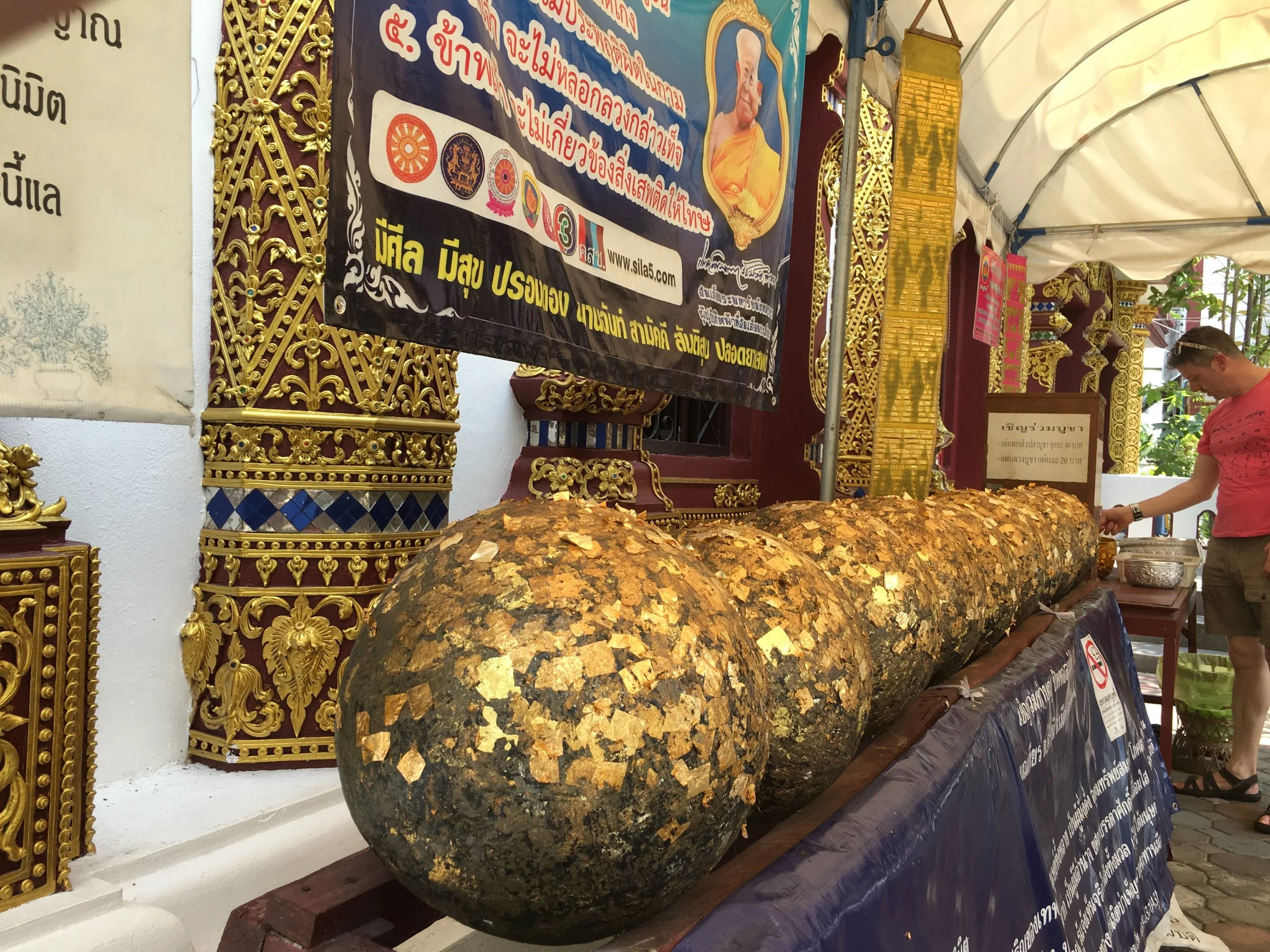
These balls, known as luk nimit, are usually buried under an image of the Buddha

These balls, known as luk nimit, are usually buried under an image of the Buddha

To the side of the viharn were nine luk nimit, consecrated spherical stones. These are rarely seen as they are typically buried beneath sima, leaf-shaped boundary marker stones, placed at the four cardinal points, the center of each wall and beneath the principal Buddha image of an ubosot. When a new ubosot is to be constructed, temples often put up huge banners, offering the faithful the opportunity to gain merit by contributing money and precious objects, including Buddha images and amulets to bury with the luk nimit. These were covered with gold leaf offerings by those seeking to gain kharmic bonus points.

Address: Si Phum
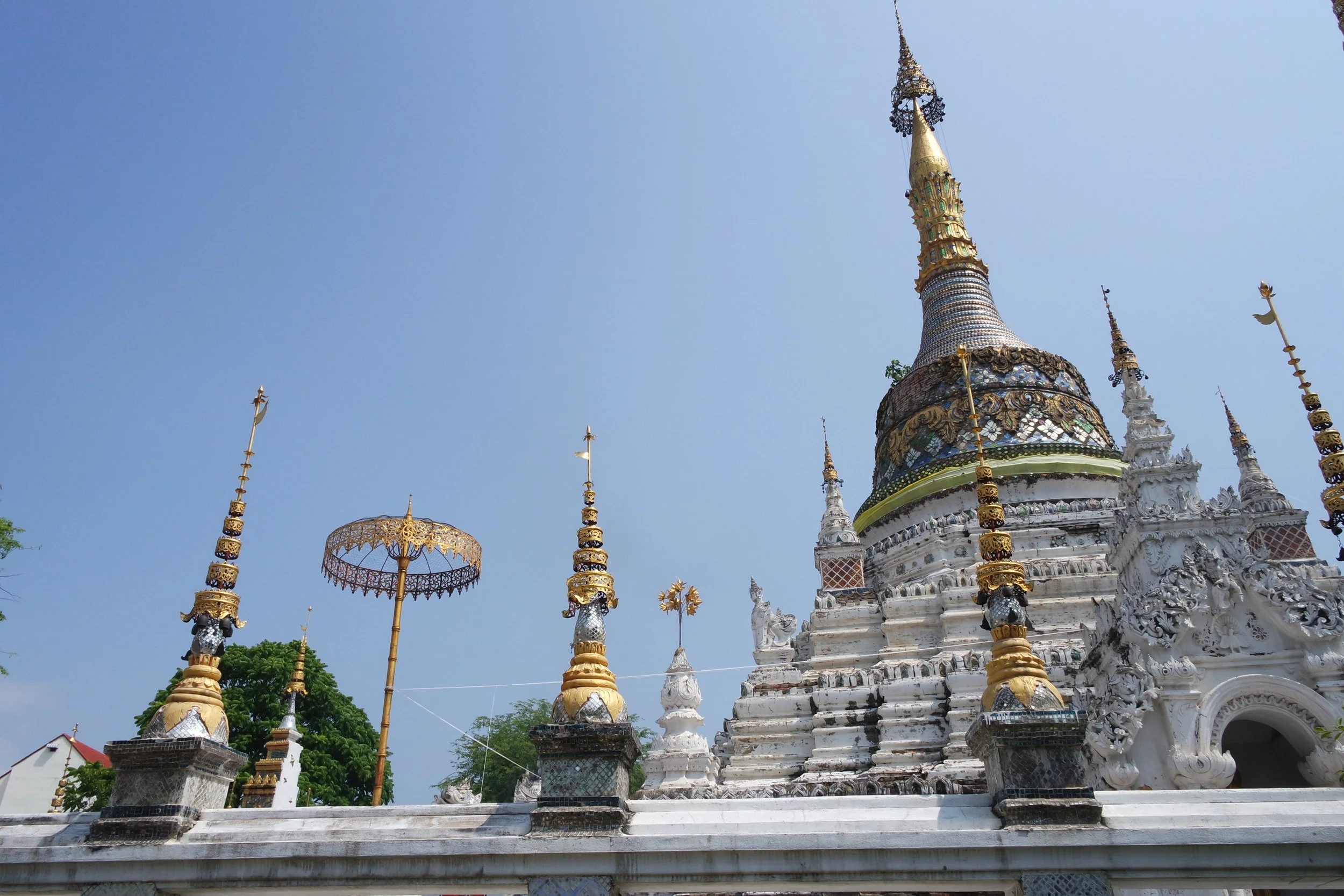
 

The beautiful whitewashed chedi at Wat Saen Fang is surrounded by gold umbrellas and offeratory fires

The beautiful whitewashed chedi at Wat Saen Fang is surrounded by gold umbrellas and offeratory fires

Wat Saen Fang

Slip past a pair of tall red-painted cast iron gates and into the naga-lined passage off Tha Phae Road, and you’ll find yourself entering the peaceful 14th century compound of Wat Saen Fang.

Figurines of mythological guardian spirits known as kinaree, mythical half-bird, half human creatures, adorn the hipped roof of the ordination hall.

The original chedi was renovated during the Burmese occupation of Chiang Mai. Its whitewashed bell-shaped body is embellished with dazzling colored-glass mosaic and topped with a golden hti umbrella. As if this wasn’t stimulating enough, over 40 stupika sit atop the low wall surrounding the pedestal base.

The intricately carved and gilded panels of the viharn pediment are painted in brilliant red and gold. The structure was the former ho kham, the royal residence of Chao Kawilorot, the sixth prince of Chiang Mai. It was moved to the temple grounds in 1878 and converted into a viharn by his successor, Inthawichayanon.

During the ceremony of sai sin, people loop strings around each other’s heads

During the ceremony of sai sin, people loop strings around each other’s heads

A blessing ceremony known as sai sin was taking place as we explored the temple grounds. A sacred white cotton thread that has been blessed was being looped around the heads of the attendees. Because the thread connects the individuals, it’s believed to help reach enlightenment and form an unbroken line of protective power. –Duke

Address: 164 Thapae Road, Soi 3


Wat Chedi Luang: A Main Chiang Mai Attraction

The ruined stupa and monk chats are worth checking out.

It seems as if everyone traveling to Chiang Mai, Thailand puts Wat Chedi Luang on the to-do list

It seems as if everyone traveling to Chiang Mai, Thailand puts Wat Chedi Luang on the to-do list

Dating back more than 600 years old, Wat Chedi Luang is one of the most popular temples in Chiang Mai, Thailand. And while it’s worth a visit — especially to see the ruins of the namesake chedi — Duke and I find ourselves more drawn to some of the lesser-known temples, including Wat Lok Molee and Wat Buppharam.

Located at pretty much the center of the Old City, Wat Chedi Luang is about halfway down the major east-west thoroughfare Rachadamnoen Road.

Its name gets translated alternatively as the Royal Pagoda, or Great Stupa, Temple. Same same but different.

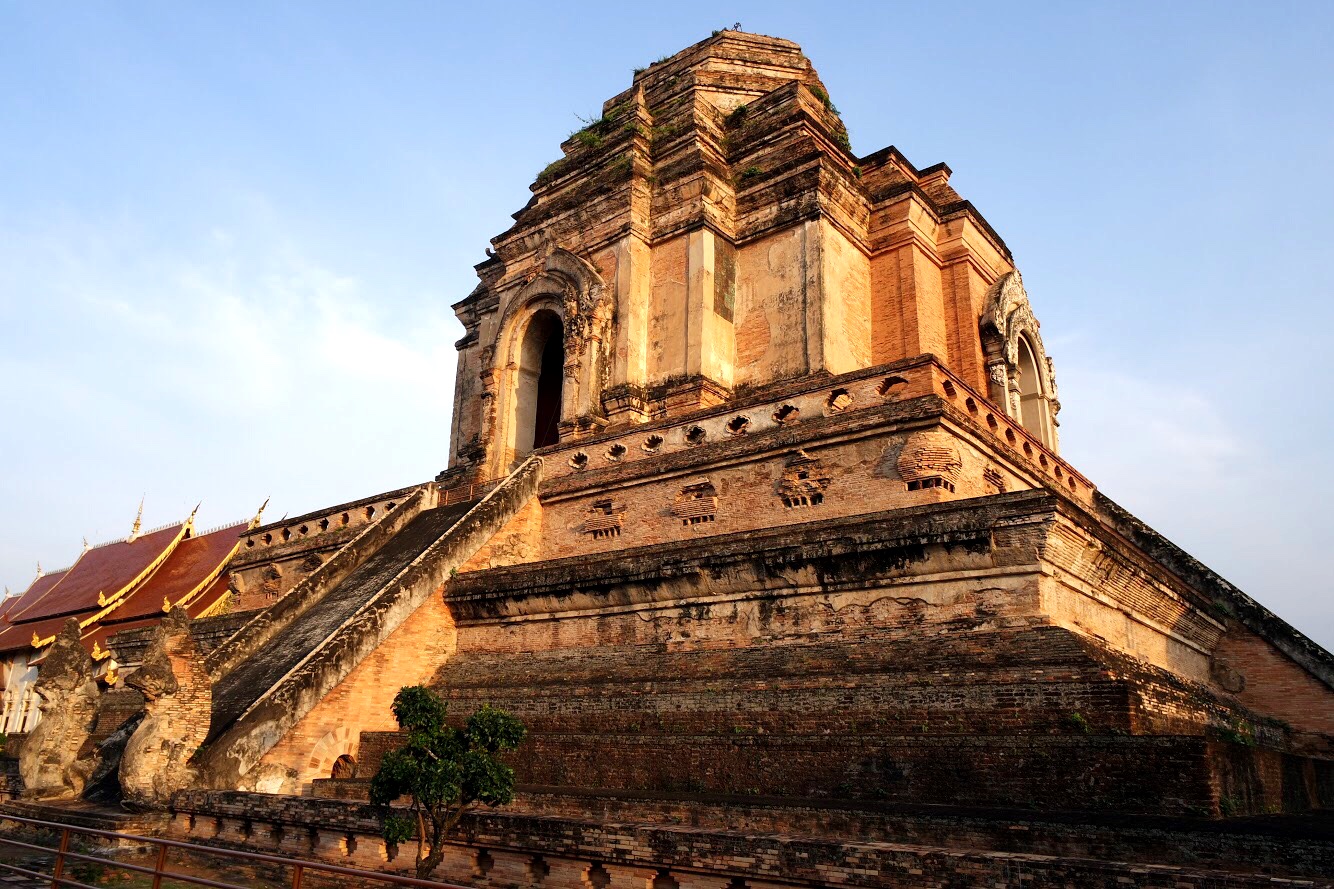
The chedi (or pagoda, or stupa) has been cleaned up but left uncompleted — in part cuz no one can agree on what it originally looked like

The chedi (or pagoda, or stupa) has been cleaned up but left uncompleted — in part cuz no one can agree on what it originally looked like

Toward the back of the complex, you’ll find the chedi itself. What you see today is but a shadow of its former grandeur. Construction on the structure began in the late 1300s, during the Lanna Kingdom, when its ruler, King Saen Muang Ma, wanted a place to house his father’s ashes. At the time, at about 280 feet high, it was by far the tallest structure in town. Legend has it that it was built “as high as a dove could fly.”

The chedi wasn’t finished until the mid-1400s, though, during the reign of King Tilokaraj.

There are two main theories why most of the chedi is destroyed: Some blame an earthquake in 1549, while others point the finger at King Taksin, who fired cannons on Chiang Mai to regain the city from the Burmese in the 1700s.

As part of Chiang Mai’s modern renaissance, the chedi has been stabilized during a project by UNESCO and the Japanese government (though I have no idea why Japan got involved). The restorers didn’t fully rebuild the chedi, because no one could agree what it used to look like. Some locals think the chedi should have been left as it was, overgrown with vegetation — a true ruin.

This historic photo shows what the chedi looked like prior to its restoration

This historic photo shows what the chedi looked like prior to its restoration

Elephants (one original and four reproductions) line part of one of the upper tiers, and intimidating many-headed naga line the staircases like fierce hydras.

For nearly a century, the chedi housed what is considered the most sacred object in Thailand, the legendary Emerald Buddha. It’s now in Bangkok, revered in its own temple, Wat Phra Kaew. But the king sent a replica to its former home, and it now sits in the eastern niche of the chedi here in Chiang Mai. (I’ve seen the Emerald Buddha, and while it’s pretty impressive, I suppose, it really just looks like a 2-foot jade doll.)

This reclining Buddha fills a pavillion at the back of the chedi

This reclining Buddha fills a pavillion at the back of the chedi

Behind the chedi is an open-air pavilion with a reclining Buddha (the pose I like to call “Sleepy-time Buddha”).

If this tree ever falls, the city of Chiang Mai is said to be in big trouble

If this tree ever falls, the city of Chiang Mai is said to be in big trouble

The City Pillar and “Why Can’t Women Entry Inthakhin Pillar Vihara”

I’m not a fan of the restrictions against women that you find at some Buddhist temples, like the Silver Temple, also in Chiang Mai — especially since it’s tied to the fact that they’re somehow unclean because of their periods.

Giant dragon snakes called naga guard the entrance to many Thai temples

Giant dragon snakes called naga guard the entrance to many Thai temples

Near the temple entrance stands an ornately detailed shrine, where the City Pillar (Sao Inthakin or Lak Meuang, Spirit of the City of Chiang Mai) is locked away. A sign outside reads, in part:

Women are prohibited to enter because they menstrate. It is believe that it humiliates and ruins the sanctity of the city pillar. Besides, men who dress inappropriately are not allowed to walk in. It is believed that any disobeying of the rules will cause social instability.

Supposedly that means no shorts or tank tops for you gents.

Women can go into all the buidlings on the grounds of Wat Chedi Luang, except for the one that houses the City Pillar

Women can go into all the buidlings on the grounds of Wat Chedi Luang, except for the one that houses the City Pillar

The City Pillar is believed to have been erected by King Mengrai in 1296, when the city was founded. Local legend says it was brought down from Heaven by giants or spirits to protect the city. Unless it gets too close to a vagina, that is.

In addition, a giant dipterocarp tree towers above the building. This, too, is said to protect the city — and catastrophe will follow should it ever fall.

The immense viharn at Chedi Luang is lined with gorgeous gilded pillars

The immense viharn at Chedi Luang is lined with gorgeous gilded pillars

Stand and Deliver: the Phra Chao Attarot Viharn

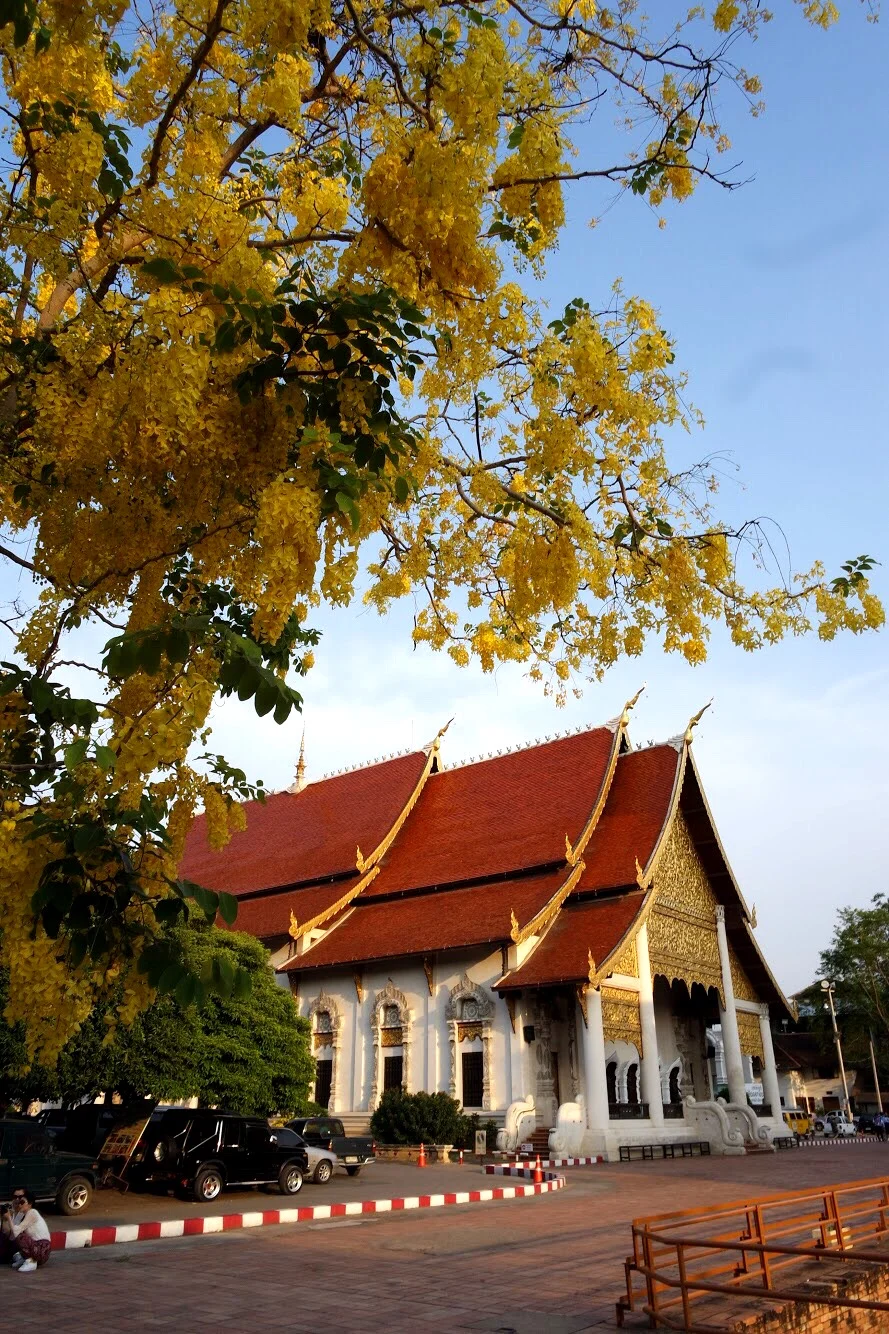
The complex originally housed three temples but is now known collectively as Wat Chedi Luang. The main viharn is indeed impressive. The ceiling soars above you, the wood a highly lacquered deep burgundy, supported by tall straight columns covered with gorgeous gold floral work atop a black backdrop.

At the front of the temple are three gold figures, the tallest a standing Buddha in the center. This is known as Phra Chao Attarot (the 18-Cubit Buddha), and his hand gesture is the abhaya mudra, which dispels fear. When visiting, why not take some time to say a little prayer to overcome something you’re scared of?

Many travelers stop by Chedi Luang to chat with young monks to learn about their way of life

Many travelers stop by Chedi Luang to chat with young monks to learn about their way of life

When we visited, a group of young monks sat in prayer, gazing up at the Enlightened One.

Colorful banners depicting the animals of the Thai zodiac line one side of the viharn

Colorful banners depicting the animals of the Thai zodiac line one side of the viharn

Off to the left hung strings overloaded with colorful banners representing the Thai zodiac.

There are daily Monk Chats on the temple grounds between 9 a.m. and 6 p.m., where you can ask questions about the Thai monastic lifestyle. Most of the monks are novices, and it’s a great way for them to practice their English while you get an opportunity to learn about their culture. Don’t be afraid! –Wally

Wat Chedi Luang
103 Road King Prajadhipok Phra Singh
Muang District
Chiang Mai, 50200
Thailand

The Sea Pines Shell Ring Mystery

Hidden in the Sea Pines Forest Preserve on Hilton Head is a 3,500-year-old Native American archaeological treasure.

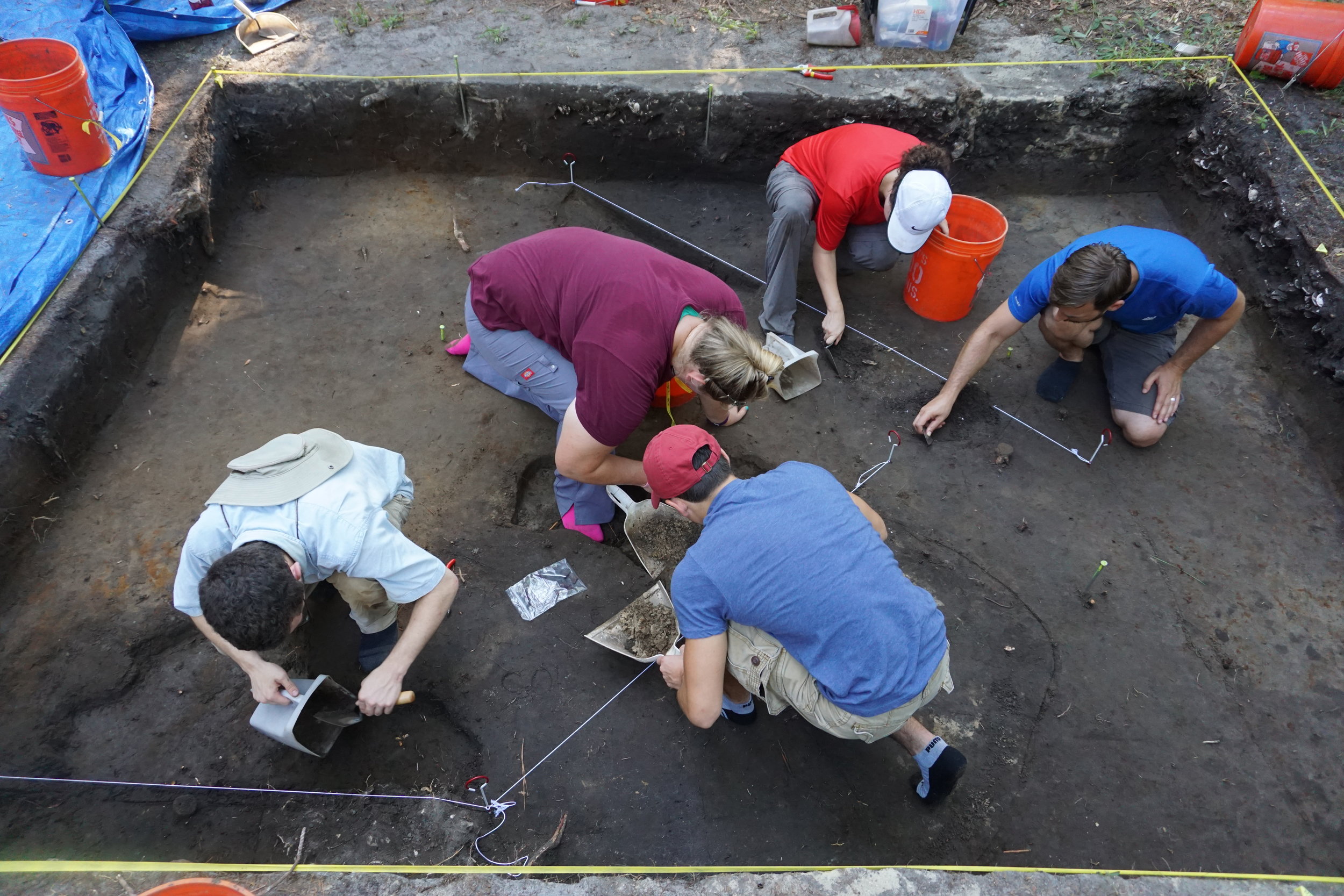
An archeological team excavates the Sea Pines Shell Ring to better understand what it was used for thousands of years ago

An archeological team excavates the Sea Pines Shell Ring to better understand what it was used for thousands of years ago

Whenever we visit my parents on Hilton Head Island, South Carolina, we like to explore the forest preserve. As we wander the trails, we cross boardwalks over pitch-black bogs covered in neon green flora. We’ll see a line of horseback riders plodding along on an excursion from nearby Lawton Stables. Families throw lines in the water in the hopes of catching a fish for dinner.

And if we head between Lake Joe and Lake Thomas, we’ll come upon the Indian Shell Ring, as we did one day a couple of years ago. It’s usually a quiet spot under the cover of trees — but on this day, we stumbled upon the midst of an archeological dig.

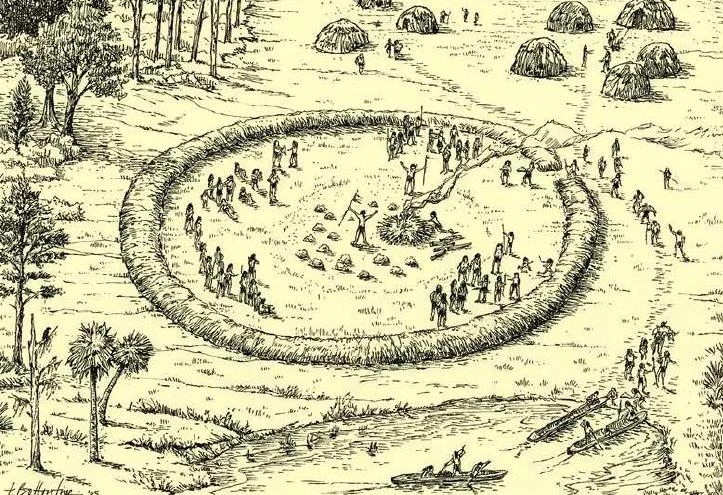
Our best guess is that the ring was a place where people lived year-round and would occasionally hold large-scale gatherings in which they feasted on shellfish and other foods.
— Matthew Sanger, Binghamton University, New York

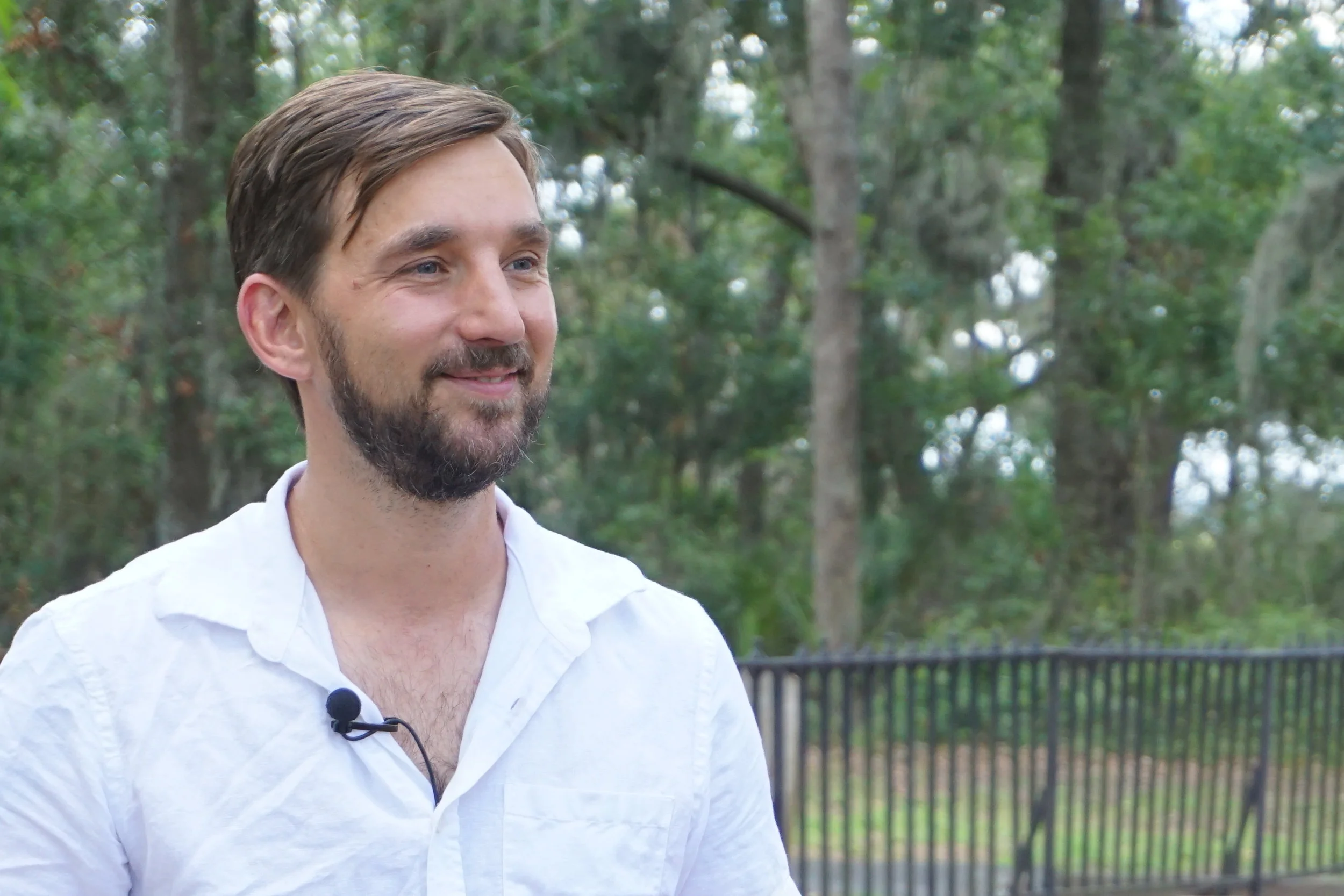
The man in charge of the excavation is Matthew Sanger, assistant anthropology professor and co-director of the public archaeology program at Binghamton University in New York. He came right over and told us all about the mysterious shell ring. He obviously has a passion for the project.

Matthew Sanger, a professor at Binghamton University in New York, leads the project

Matthew Sanger, a professor at Binghamton University in New York, leads the project

What first drew you to the Sea Pines Shell Ring?

I have worked at other shell rings located in Georgia and had heard about the one at Sea Pines. There are at least 50 known shell rings spread across the coast between South Carolina and through the Gulf Coast to Mississippi.

The Sea Pines Shell Ring is well known for being one of the most accessible (others are often on uninhabited islands or well off the beaten path) and being one of the best preserved (many others are under parking lots, have been disturbed or destroyed by rising sea levels, etc.).

A team of students gets hands-on experience unearthing artifacts at the Sea Pines Shell Ring

A team of students gets hands-on experience unearthing artifacts at the Sea Pines Shell Ring

Tell us a bit about how the project works.

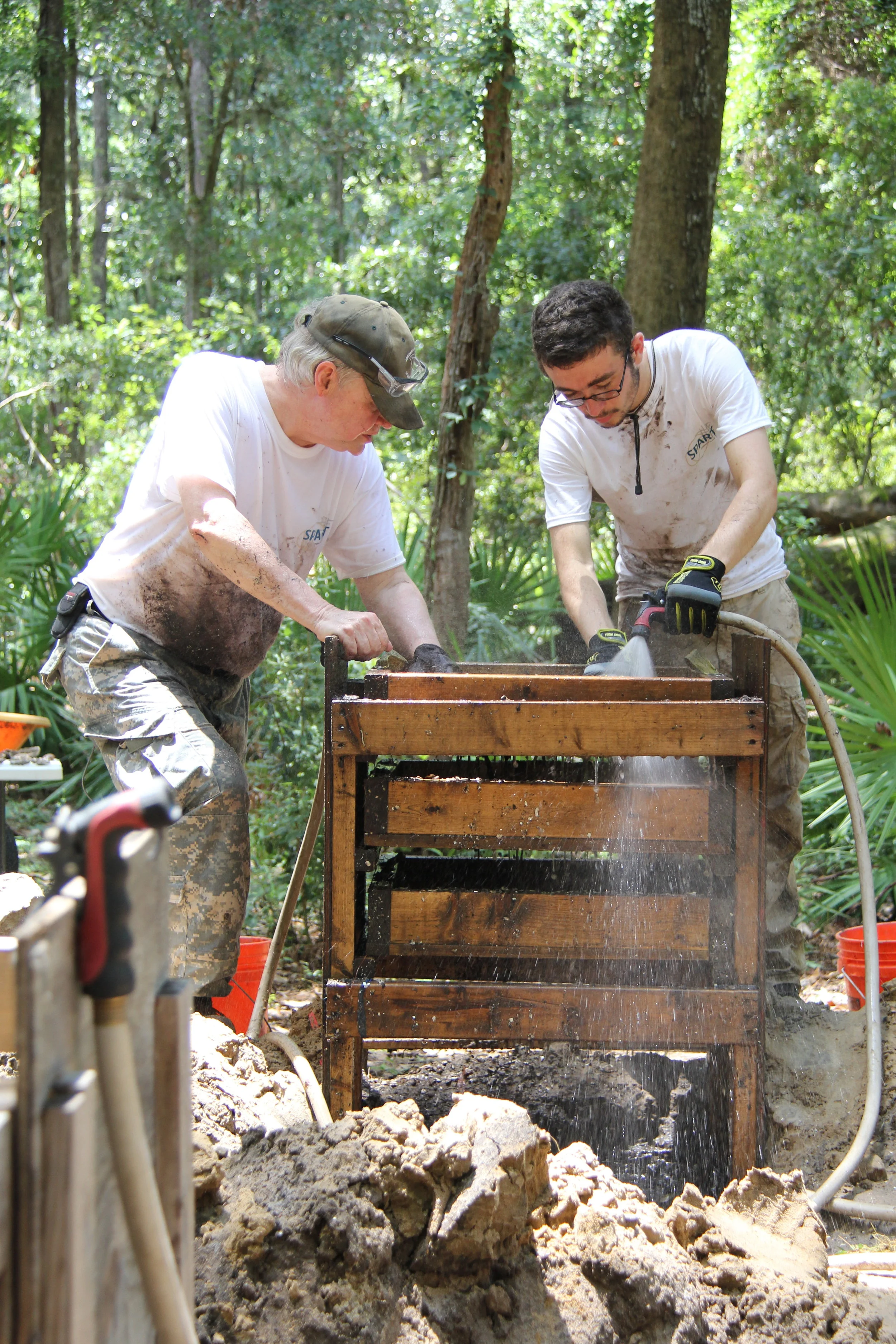
I bring a crew of students to Hilton Head every summer as well as occasionally during our other breaks (Winter and Spring Breaks are the most common). The crew works with me over a month or so as we excavate the site in search of clues to how the ring formed, who lived there, etc.


Where will the artifacts end up?

We bring all of the artifacts back to Binghamton with us at the end of the summer. We then spend the rest of the year processing and analyzing the artifacts. We will hold onto the artifacts for the next few years, but plan on ultimately transferring them to a local institution in South Carolina.


What’s the timeline?

We are currently planning on continuing to do excavations at the Sea Pines Shell Ring for the next two to four years, depending on funding and what we find.


Hurricanes Matthew and Irma caused Hilton Head Island to be evacuated in recent years. How did the hurricanes affect the project?

We were very lucky that the ring survived both hurricanes unscathed. We had some downed trees, but really almost no damage at all.

Archeologists attempt to solve the mystery of the shell ring and the house that might have once been situated inside it

Archeologists attempt to solve the mystery of the shell ring and the house that might have once been situated inside it

What’s your best guess about what the ring was used for?

So far, our best guess is that the ring was a place where people lived year-round and would occasionally hold large-scale gatherings in which they feasted on shellfish and other foods.

The Sea Pines Shell Ring is one of the smallest shell rings, so it may have been a year-round home to a small group of families — perhaps only four to six households.

But on occasion, the ring might have hosted events that brought together dozens, perhaps more than 100 people.


What type of people lived in this area at the time of the shell ring?

Roughly 3,500 years ago, when the Sea Pines Shell Ring was forming, the South Carolina coast was inhabited by Native Americans. It is impossible to characterize these Native Americans as belonging to a particular modern tribe, but their progeny likely includes members of a wide number of tribal groups, including the Yemessee, Escamacu, Edisto, Coosa, Pee Dee and Sewee, to name a few.


What was the biggest surprise you found on the dig?

Last summer we came across what looks to be the remains of a house inside of the ring. The evidence is very ephemeral — which is not surprising, considering that the house has been gone for more than 3,000 years. But we came across some stains in the soil that look like where a few walls might have been located as well as an area that looks like it could have been a floor. We are returning to further excavate this area this coming summer to see if this is indeed an ancient home.


Note: For the past couple of years, the Sea Pines Shell Ring has been off limits due to hurricane cleanup in the forest preserve. –Wally


Heading to Hilton Head?

Floating Village Siem Reap Scam

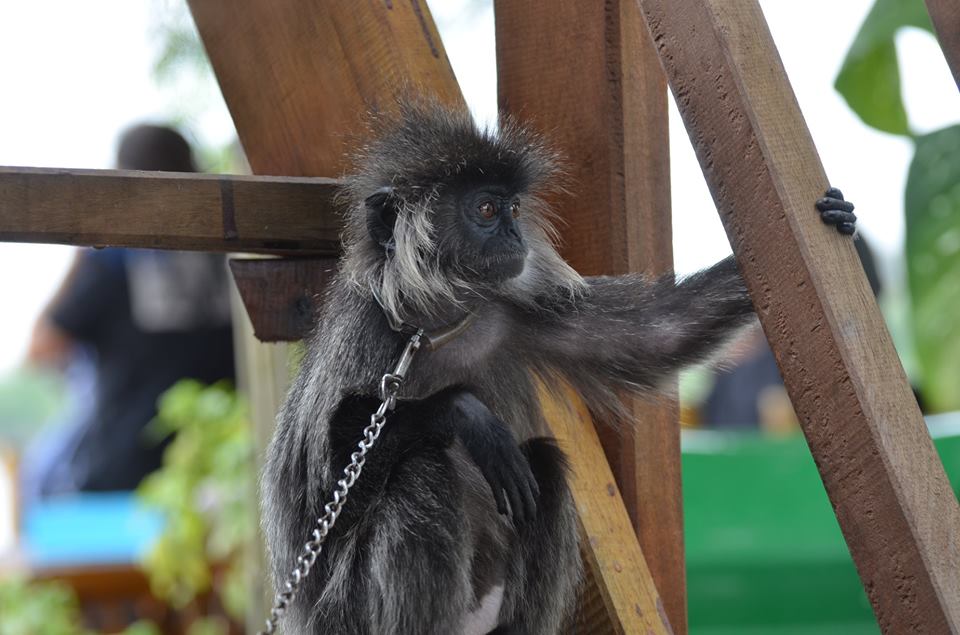
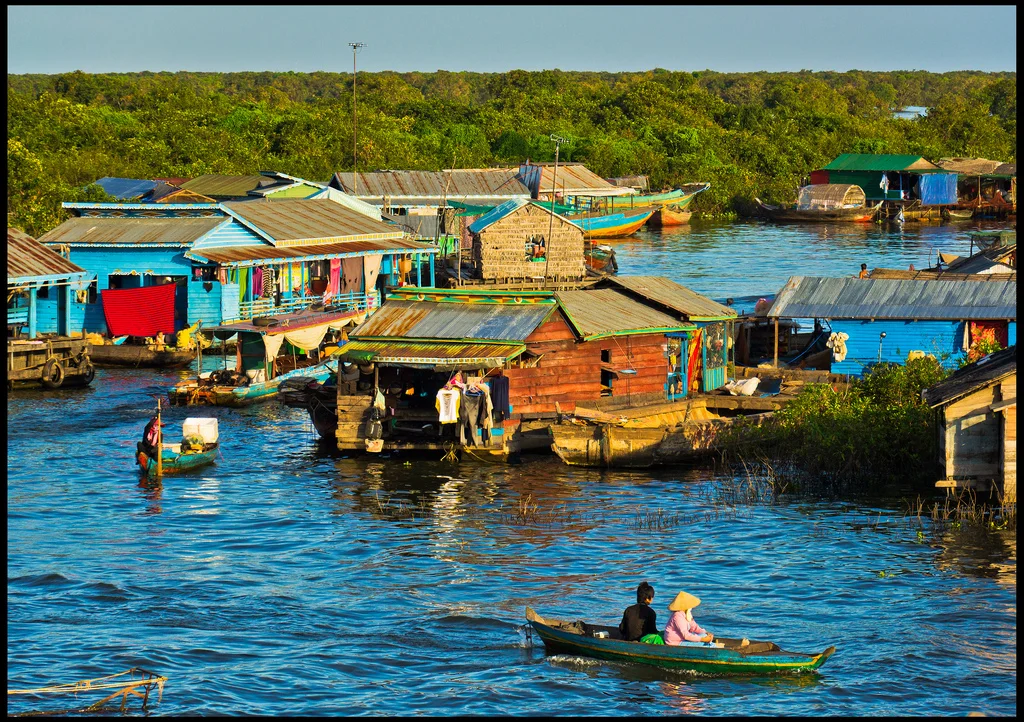
Avoid Chong Kneas on Tonlé Sap — it’s not a floating village. All you’ll see are crocodiles, monkeys, snakes and bats being treated cruelly, and you’ll overpay for your ticket and for rice to supposedly feed the local children.

All of the animals at Chong Kneas are treated cruelly, including this monkey on a chain

All of the animals at Chong Kneas are treated cruelly, including this monkey on a chain

One of the best parts of living in Asia is that so many great locations are a relatively short flight away (not literally halfway around the world, as the U.S. is). Our friend Brian and his husband, Jeff, recently moved to Suzhou, China and decided to take a trip to Cambodia. They flew into Bangkok, Thailand and took the bus to Siem Reap. Once there, they explored the Angkor Wat temple complex — as well as getting lured into a “floating village” scam.

Here Brian writes about their cautionary tale:

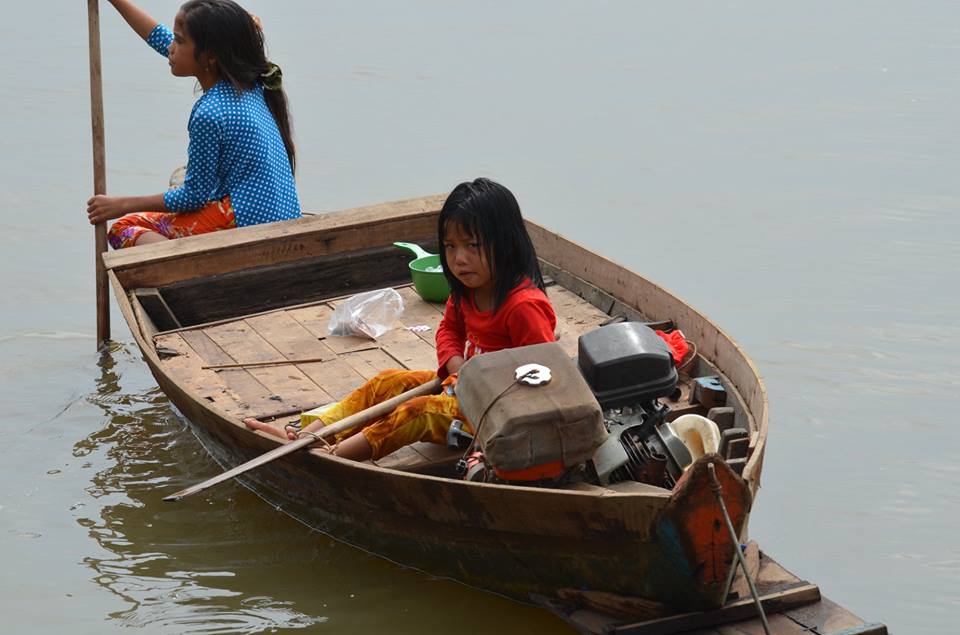
Children are brought in to help scam tourists

Children are brought in to help scam tourists

Chong Kneas “Floating Village” Rip-Off

There are ads all around for visits to floating villages. The one we went to we were directed to by our tuk-tuk driver, who was our first driver from the airport when we arrived, and we made arrangements for two more days after. Up until that point, he had been a good driver and had shown up when he said he would.

When I took a picture of the snake, a guy rushed over trying to get us to hold it.

When we said no, the guy taped the snake’s mouth shut with electrical tape.

We drove for about a half-hour outside Siem Reap and enjoyed the drive, seeing a different part of Cambodia. When we got to the little building near the canal, we were ushered to a ticket counter. The price for the tour was quite expensive at $30 each, but it looked kind of official and we thought that the money would go toward the local community. Plus, we were already there and kind of in the middle of nowhere.

Our tour guide was quite friendly and spoke English pretty well. He claimed to have only learned English from tourists and in the last two years. He also claimed to have grown up in the fishing village.

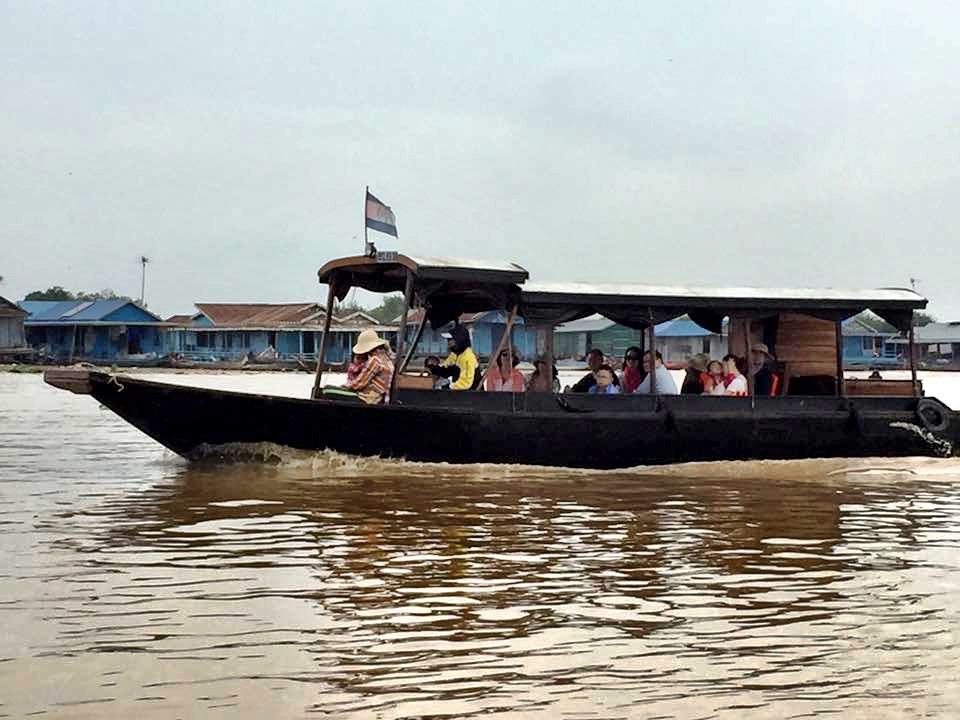
There’s no floating village — just a row of houseboats in the distance

There’s no floating village — just a row of houseboats in the distance

We traveled along a canal and did not get very close to any of the houseboats that were scattered along the way. Our guide told us about a floating school full of orphans from a big storm that killed about 100 local fishermen. He mentioned a tsunami also. It was kind of confusing. He showed us a video on his phone of children eating rice crowded on a boat.

Our first stop was in the middle of the lake — not really near anything, with not much to look at. Even with the zoom lens on my Nikon, I couldn’t find a decent picture to take. He said we were going to stop for 10 minutes so the boat driver could eat lunch.

The crocodile farm is one of the main attractions at Chong Kneas

The crocodile farm is one of the main attractions at Chong Kneas

Next we went to a little floating shop that also had the crocodile farm (which was just depressing), bats, a monkey and snakes. He tried to get us to buy some dried crocodile that looked like a rawhide dog chew toy for $10. To give a sense of pricing, I had a skirt steak the previous night for $9, and beef here is considered a luxury. We declined. It’s interesting because it’s only $10 and then you can say tried it, so you’re tempted to do it even though you know you’re being ripped off.

Snakes in cages and other atrocities are all you’ll see at Chong Kneas

Snakes in cages and other atrocities are all you’ll see at Chong Kneas

When I took a picture of the snake, a guy rushed over trying to get us to hold it. But Jeff was like, no way, so the guy started taping the snake’s mouth shut with electrical tape, which just seemed cruel, so we walked away.

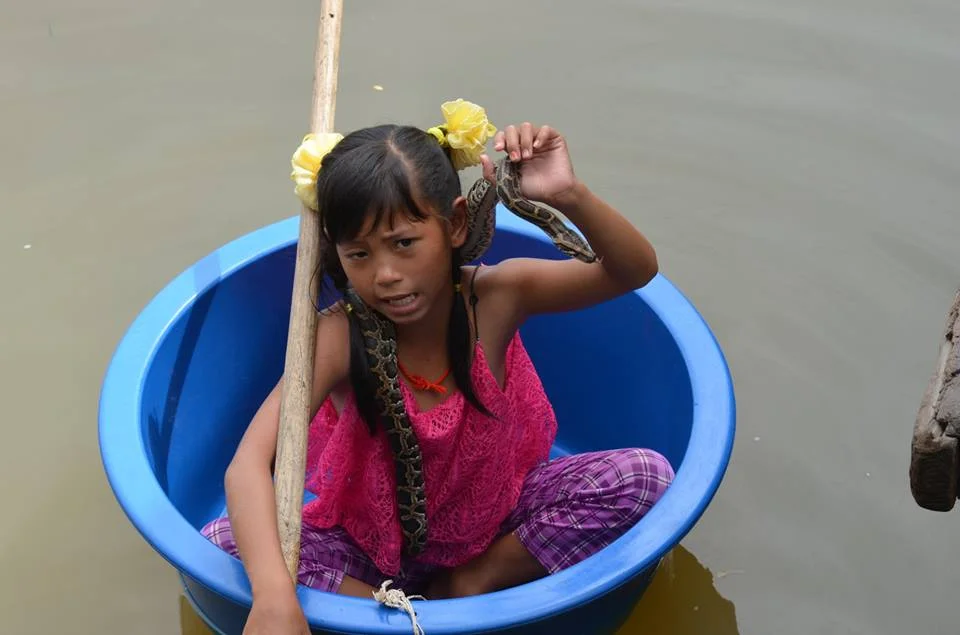
A girl bobbing along in a plastic wash basin with a snake around her neck, begging for money for having her photo taken

A girl bobbing along in a plastic wash basin with a snake around her neck, begging for money for having her photo taken

As soon as we had arrived, a girl less than 10 years old had started rowing toward us in what looked like a plastic wash basin from a nearby houseboat. I thought it looked cute, so I took a picture. I then realized she also had a 3-foot python around her neck. As soon as I took the picture, she began asking for a dollar. I figured she’d earned it, so I pulled out my wallet — but our guide rushed over and said it wasn’t good to give money to her and that her parents make her do it and if we wanted to give money it should be to the school. All of which made the girl whine quite loudly until we left.

Bats in cages round out this scam, which costs $30 per ticket

Bats in cages round out this scam, which costs $30 per ticket

So then we were brought to another little store, and a guy spoke to Jeff as though from a script about the nutritional value of rice and that a 50-kilo bag for $50 will feed the school for a day. We declined and felt bad in the moment. Our guide, who had been so friendly was standoffish after that for the rest of the boat trip back. Except to ask for a tip and a tip for the driver as we docked.

The entire time, we never got close to anything resembling a village. There were a number of houseboats along the canal, but we didn’t get near them.

We looked them up after the fact and, according to reviews on TripAdvisor, it could have been worse. But thanks to my husband’s experience and intuition, we made it out better than many. As we went past the school, there were maybe 15 kids on it. They were just running around playing. Most likely it was no more than daycare for local kids.

Afterwards, we were meant to go to the national museum, but the events of the boat ride left a bad taste in our mouth, so we had our driver take us back to our hotel. He didn’t try to arrange another day of driving. He must have known we had a bad experience. –Brian


You don’t want to miss the true floating village: Read about Kompong Kleang and see the amazing photos here.

Jardin Majorelle: A Moroccan Garden Oasis in Marrakech

What exactly is Majorelle Blue? What does Yves Saint Laurent have to do with the Majorelle Garden? And what’s this about a new Musée Yves Saint Laurent?

Escape the chaos of the medina for a calming visit to le Jardin Majorelle 

Escape the chaos of the medina for a calming visit to le Jardin Majorelle 

Marrakech, Morocco is famous for many things: thick, fortified ramparts of beaten red clay, the towering minaret of the Koutoubia Mosque and the vast open square Djemaa el-Fna with its network of narrow, winding market-filled alleys known as souks. Oh, and “Berber whiskey”: hot, sweet mint tea served in small glasses.

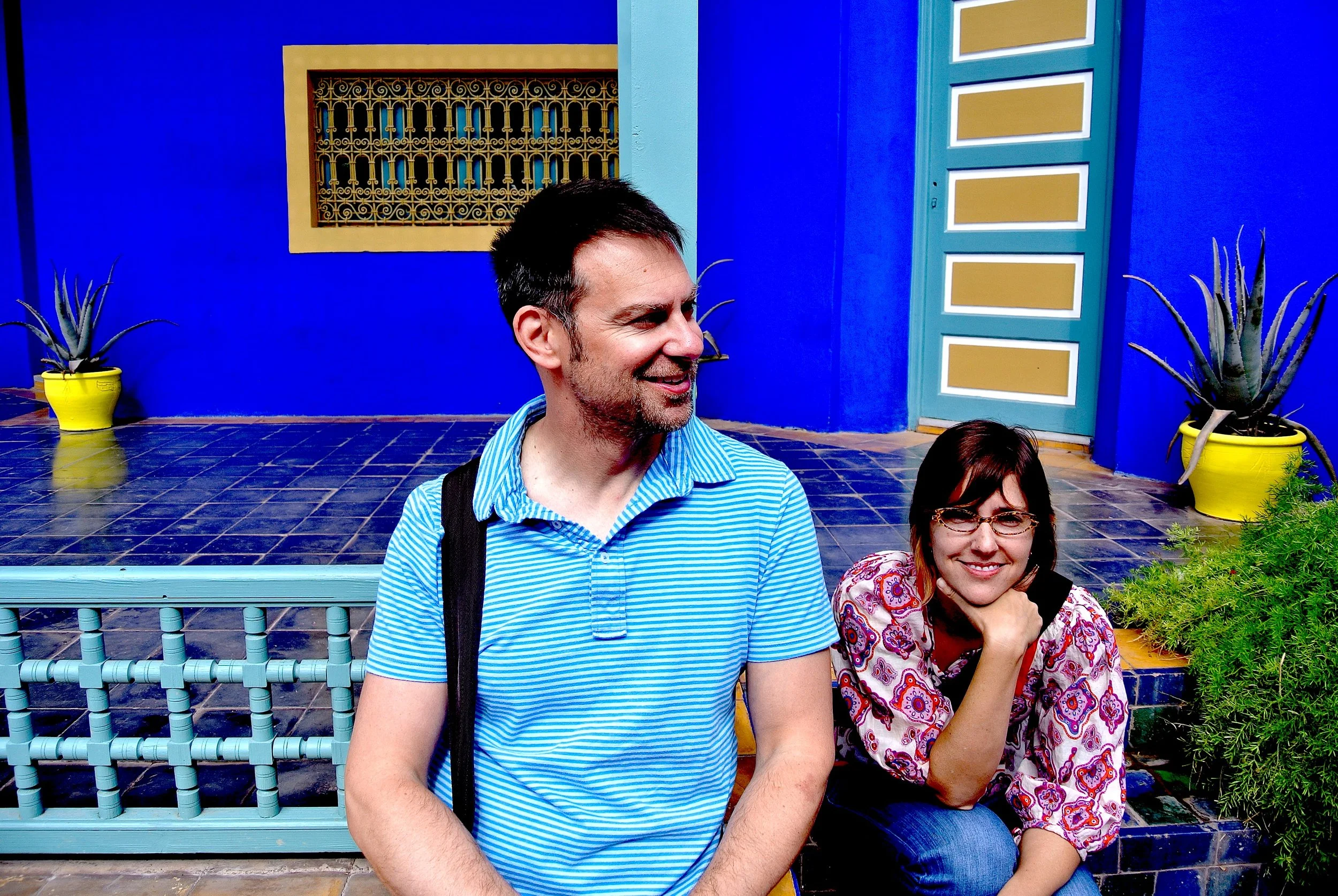
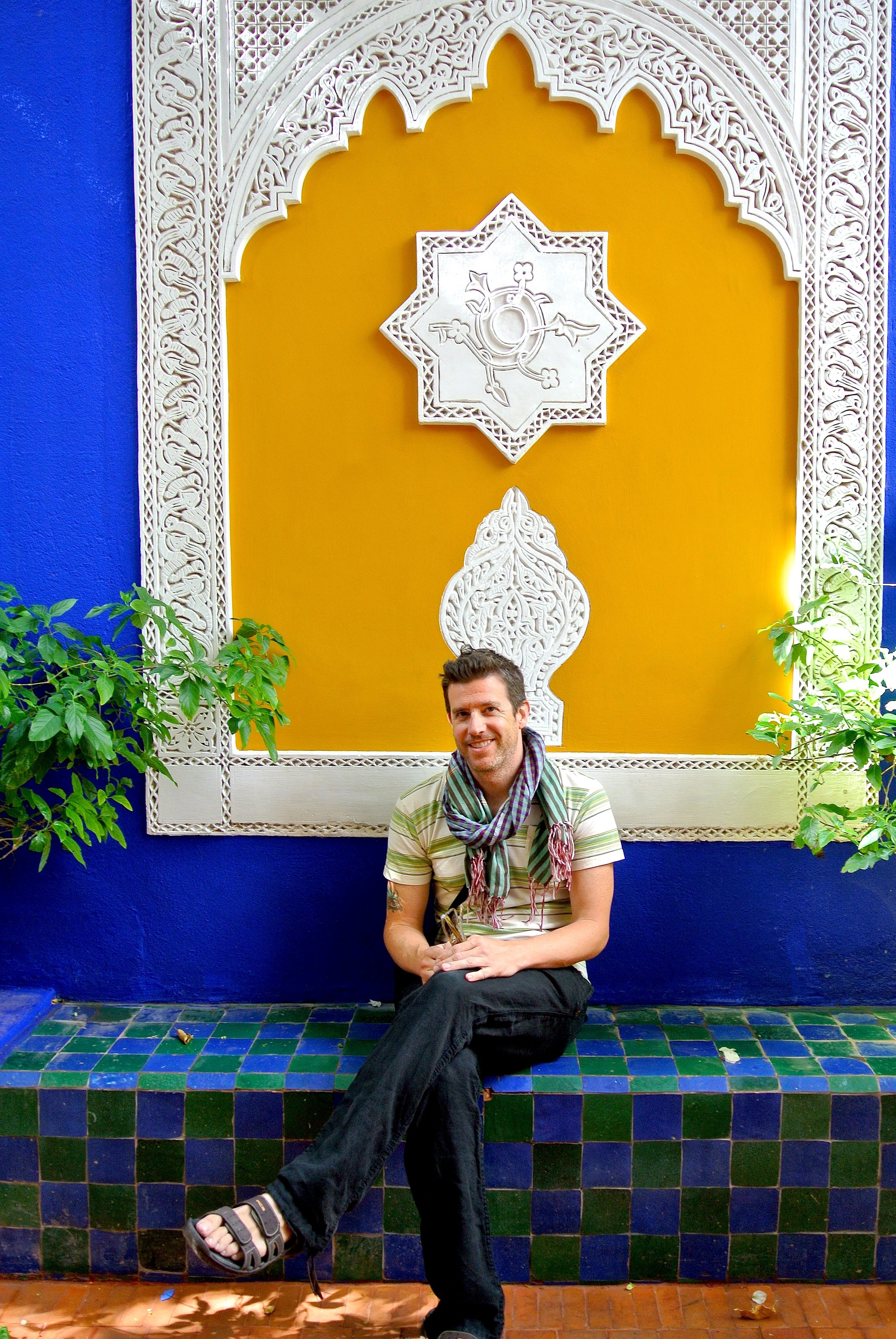
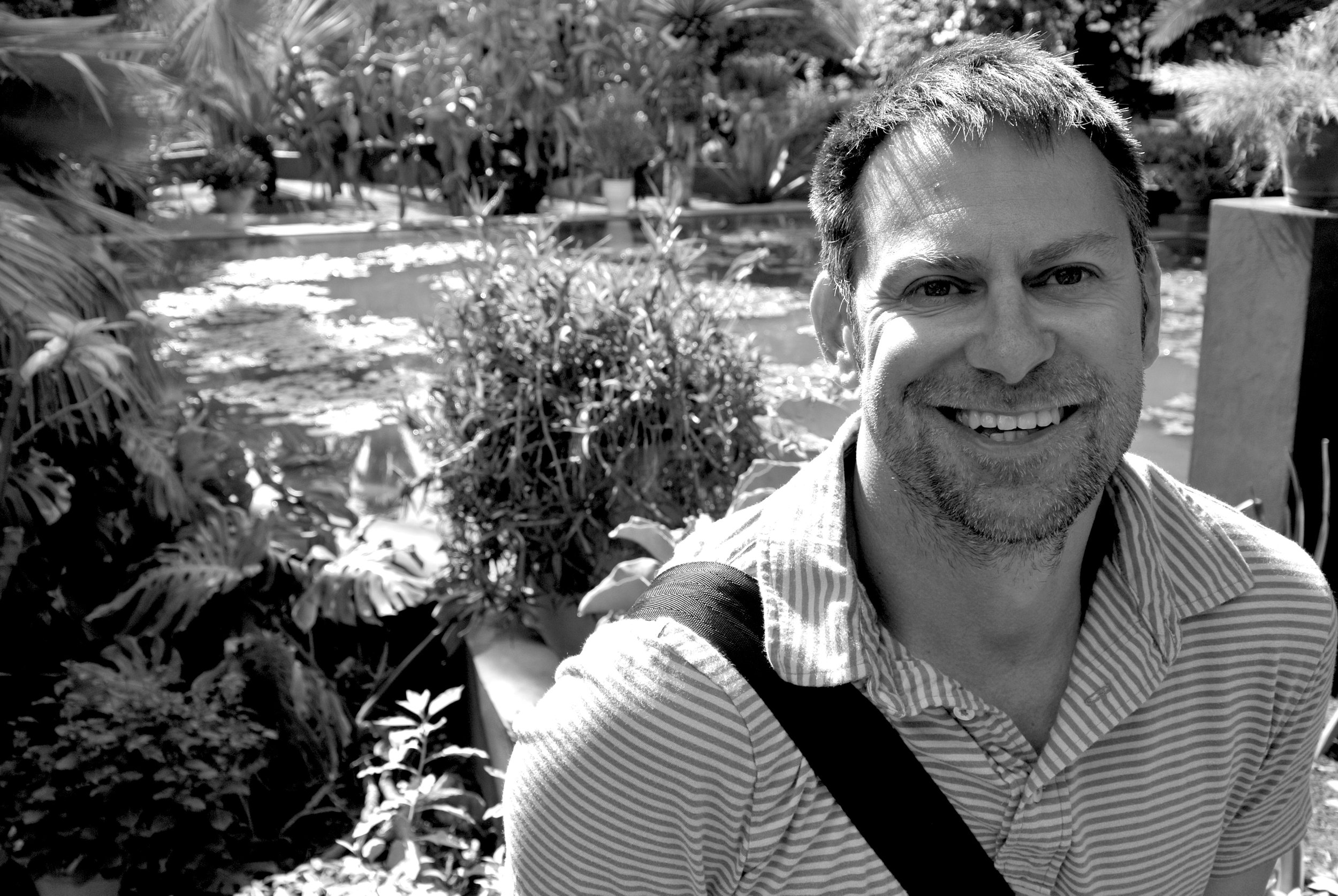
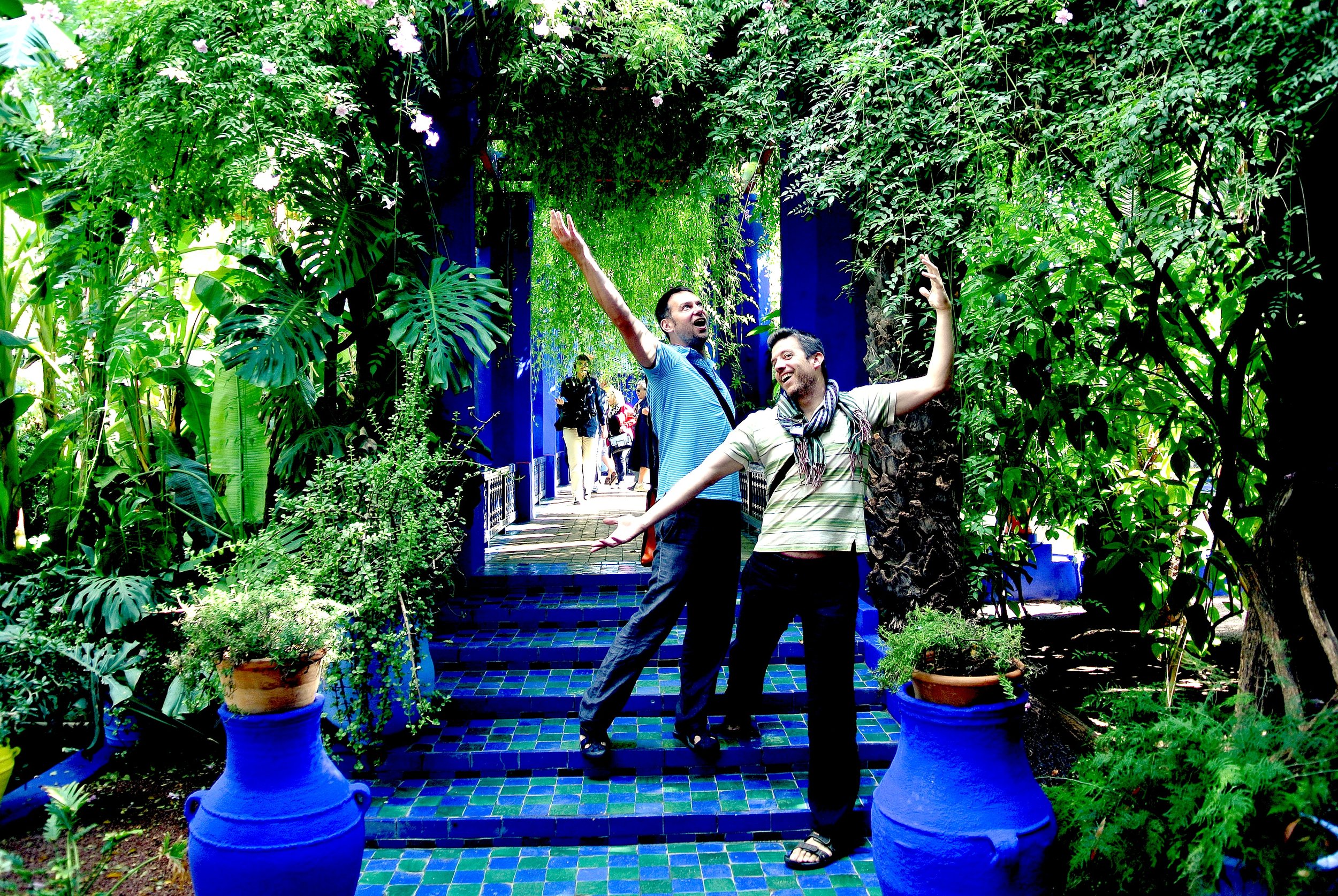
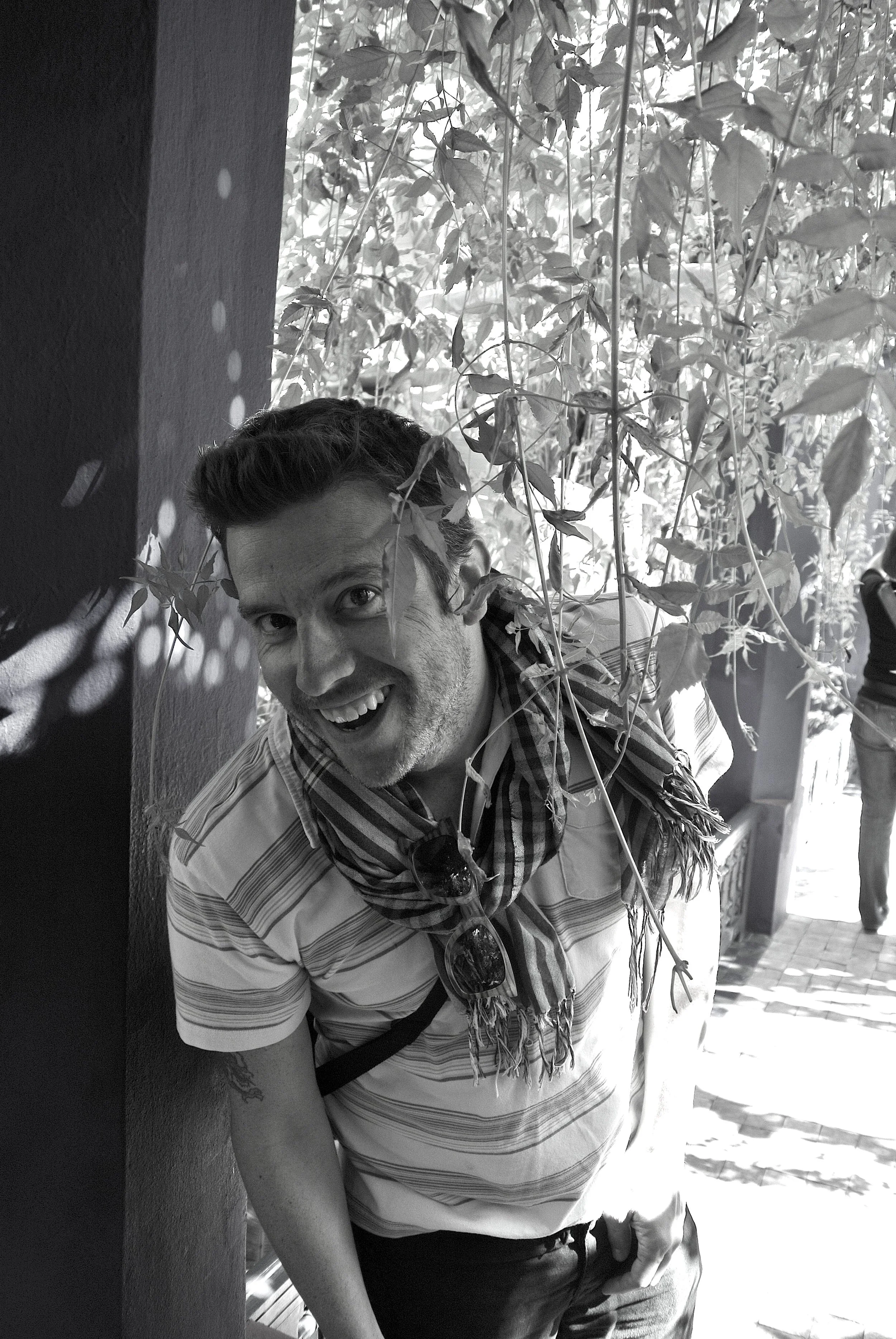
Duke and Vanessa in the Majorelle Gardens

Duke and Vanessa in the Majorelle Gardens

On our last full day in Marrakech, Wally, Vanessa and I walked from the medina to the Nouvelle Ville — French for New City. Our plan was to visit the Jardin Majorelle and to purchase a new memory card for our digital camera. We hoped to retrieve the images from our corrupted memory card, which had stopped working when we arrived in the Sahara, further proof that jinns exist.

We found a camera store, and Wally conversed with the shopkeeper in French, who took the card and inserted it into a reader. He looked up at us, shook his head and said, "C’est grillé.”

“I think that means it’s toast,” Wally said, sadly.

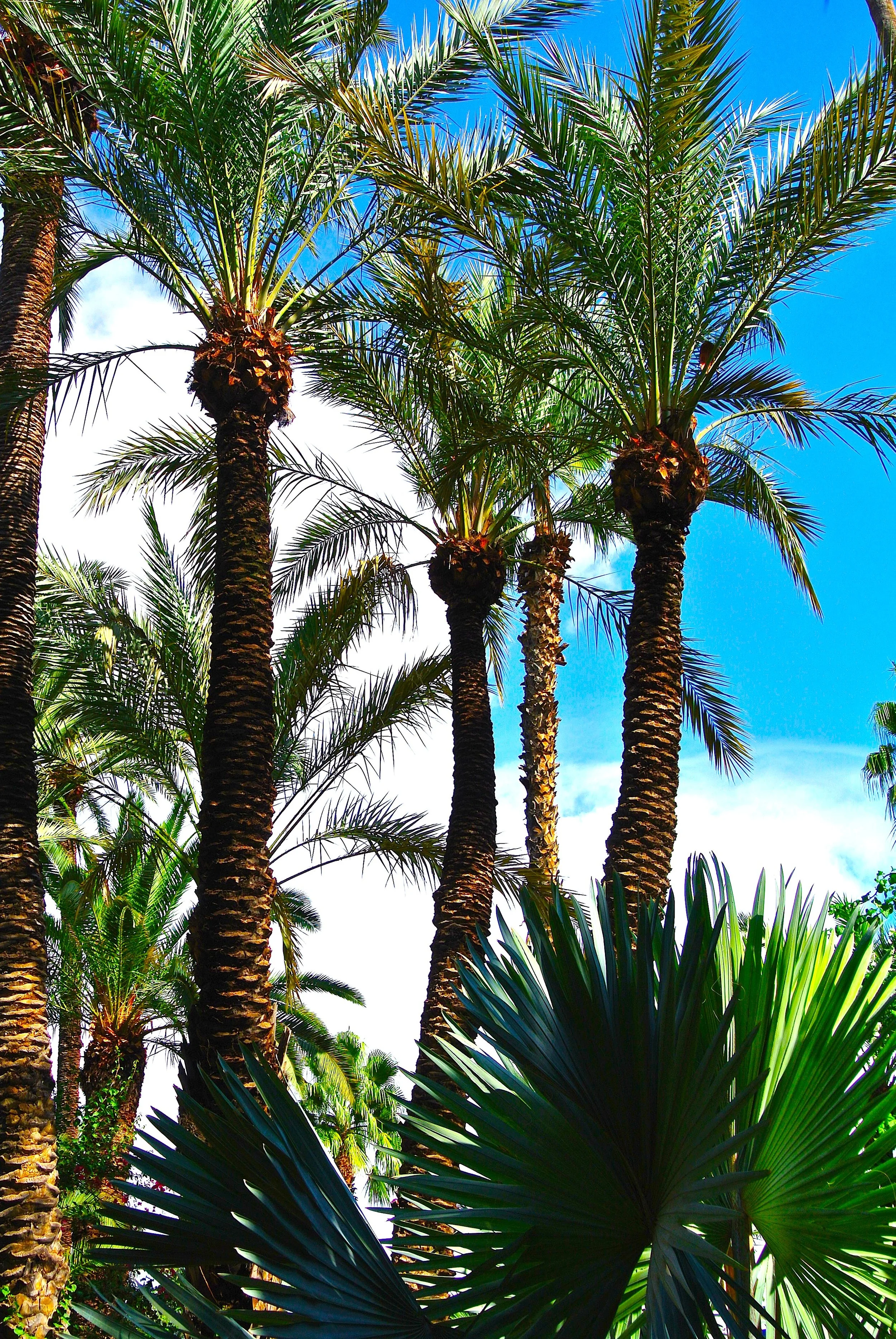
Towering palms seen through an archway

Towering palms seen through an archway

We went on with our day, happy to at least have a new memory card to start taking more pictures. As the three of us made our way around the walled enclosure surrounding the Jardin Majorelle, we became a bit concerned it wouldn’t be open. Our guide from our desert trek, Barack, had told us that the most important prayers of the week are those at noon on Friday, and because of this, Muslim cities essentially close from 11 a.m. to 3 p.m. We were in luck, though — the garden was open.
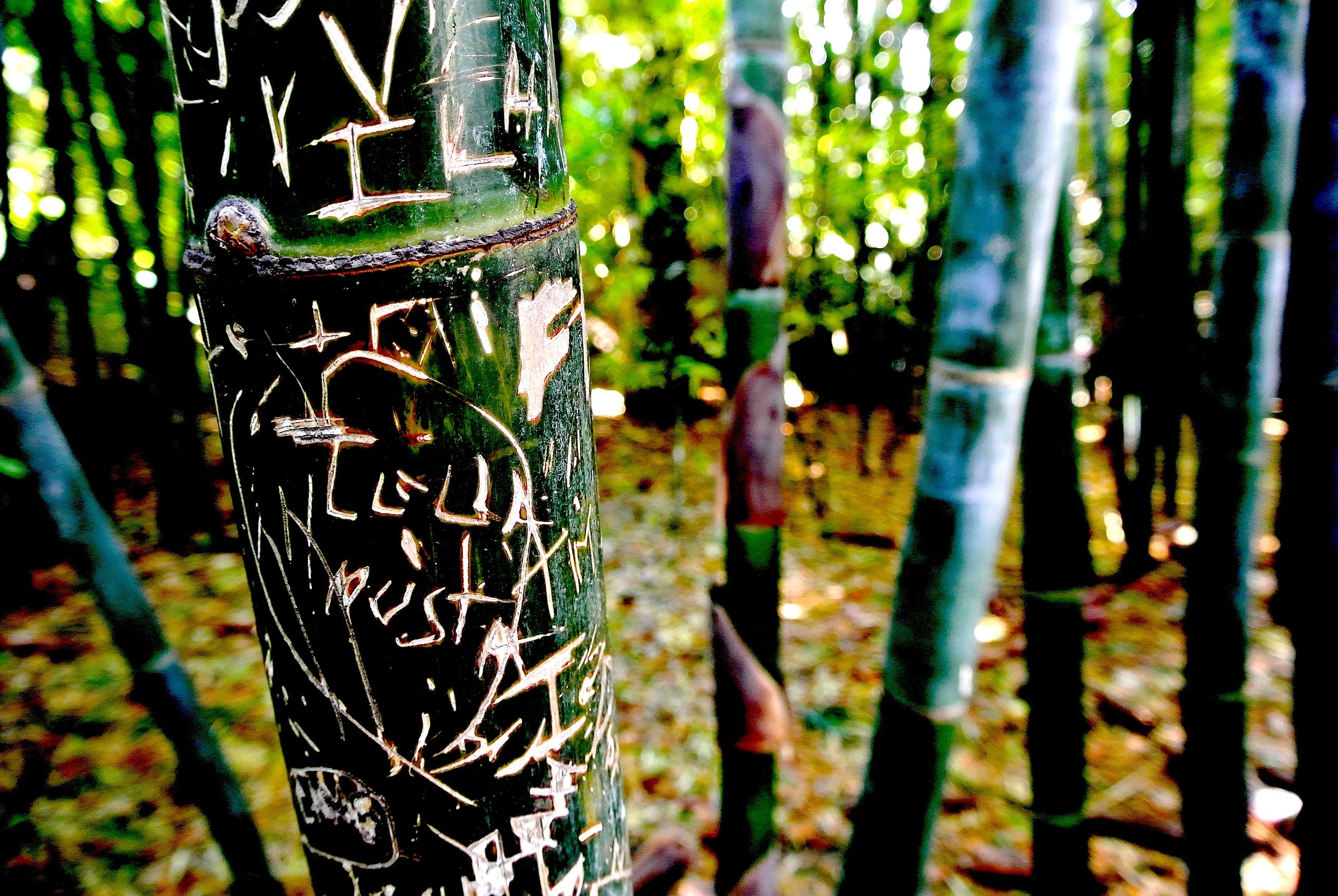
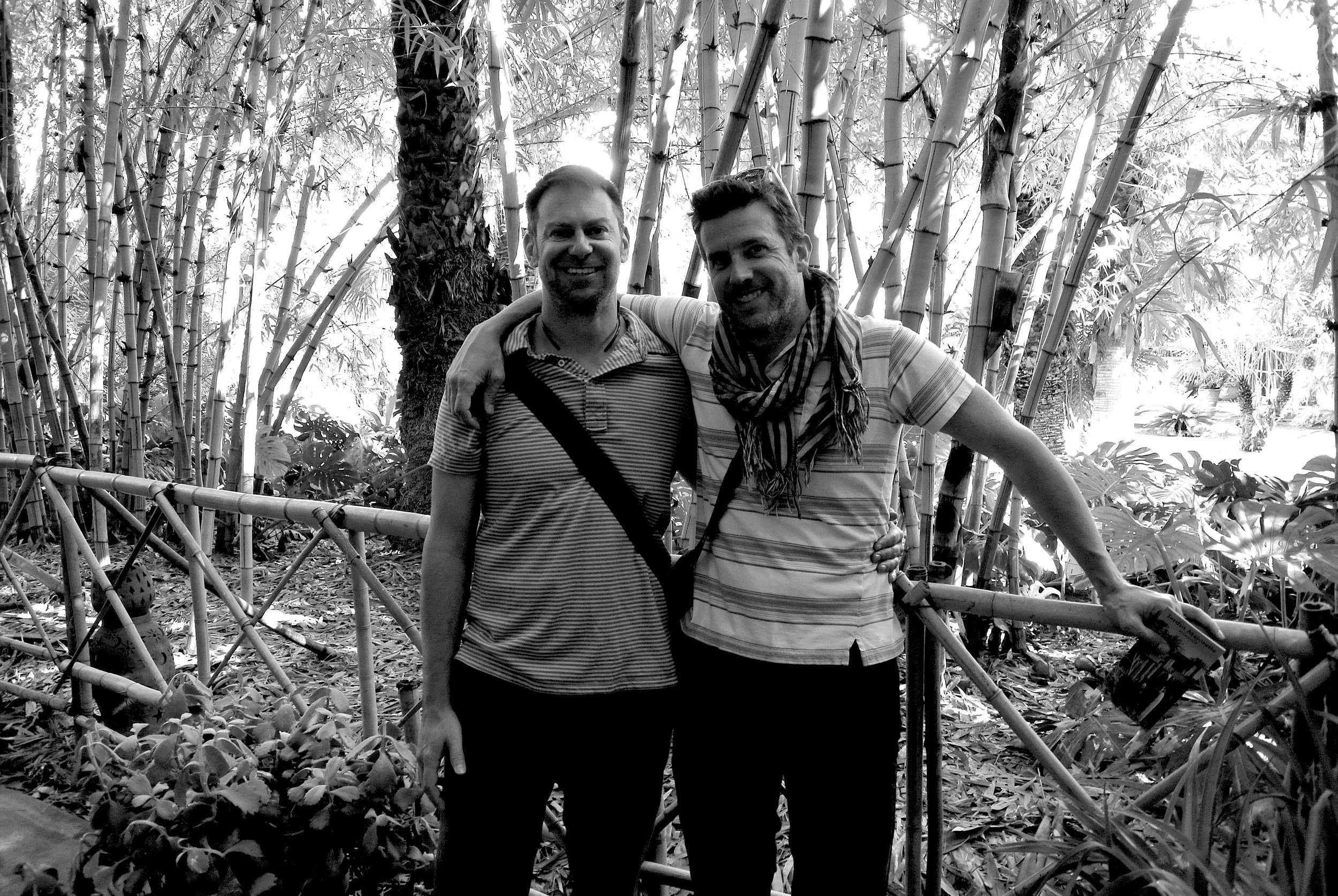
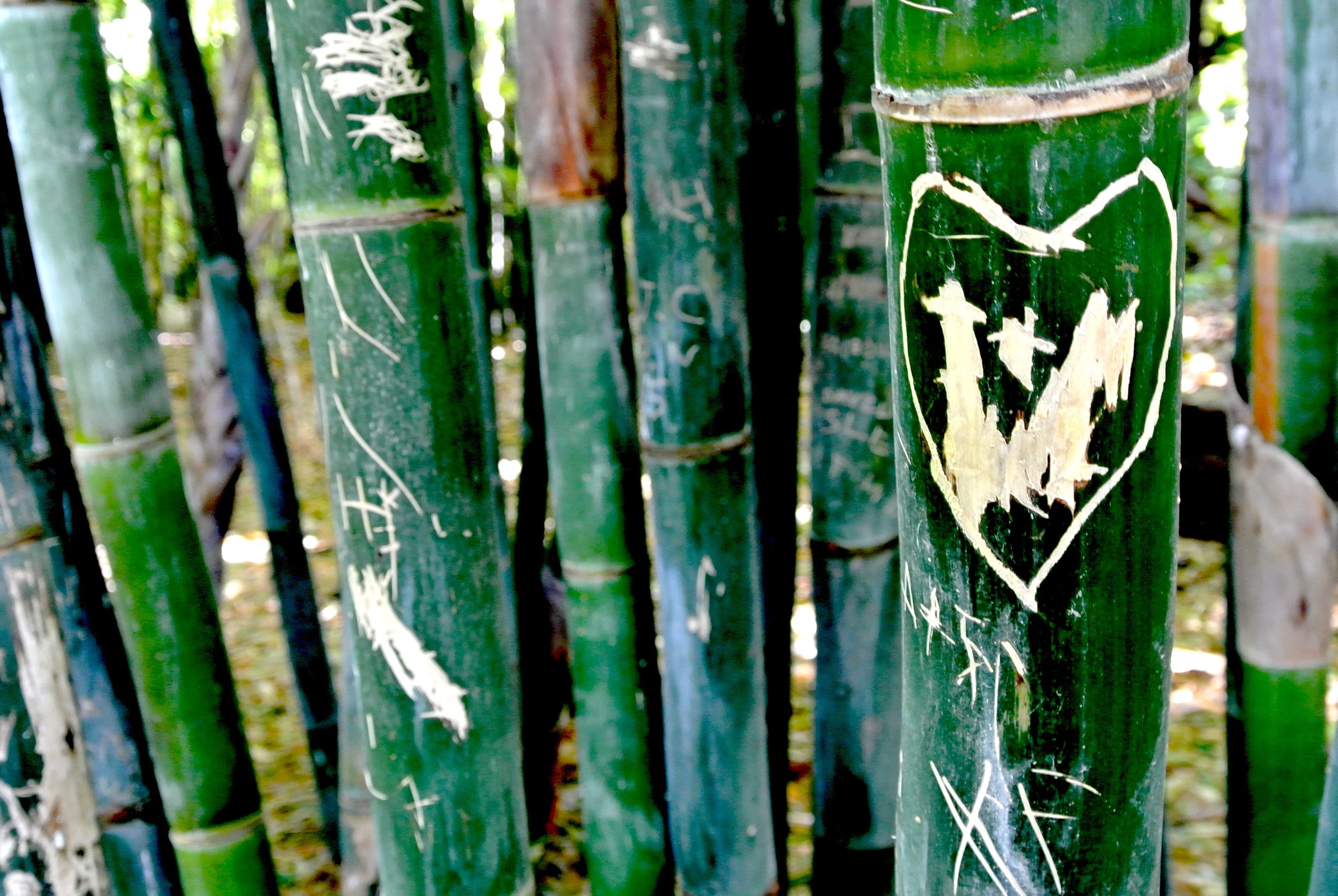
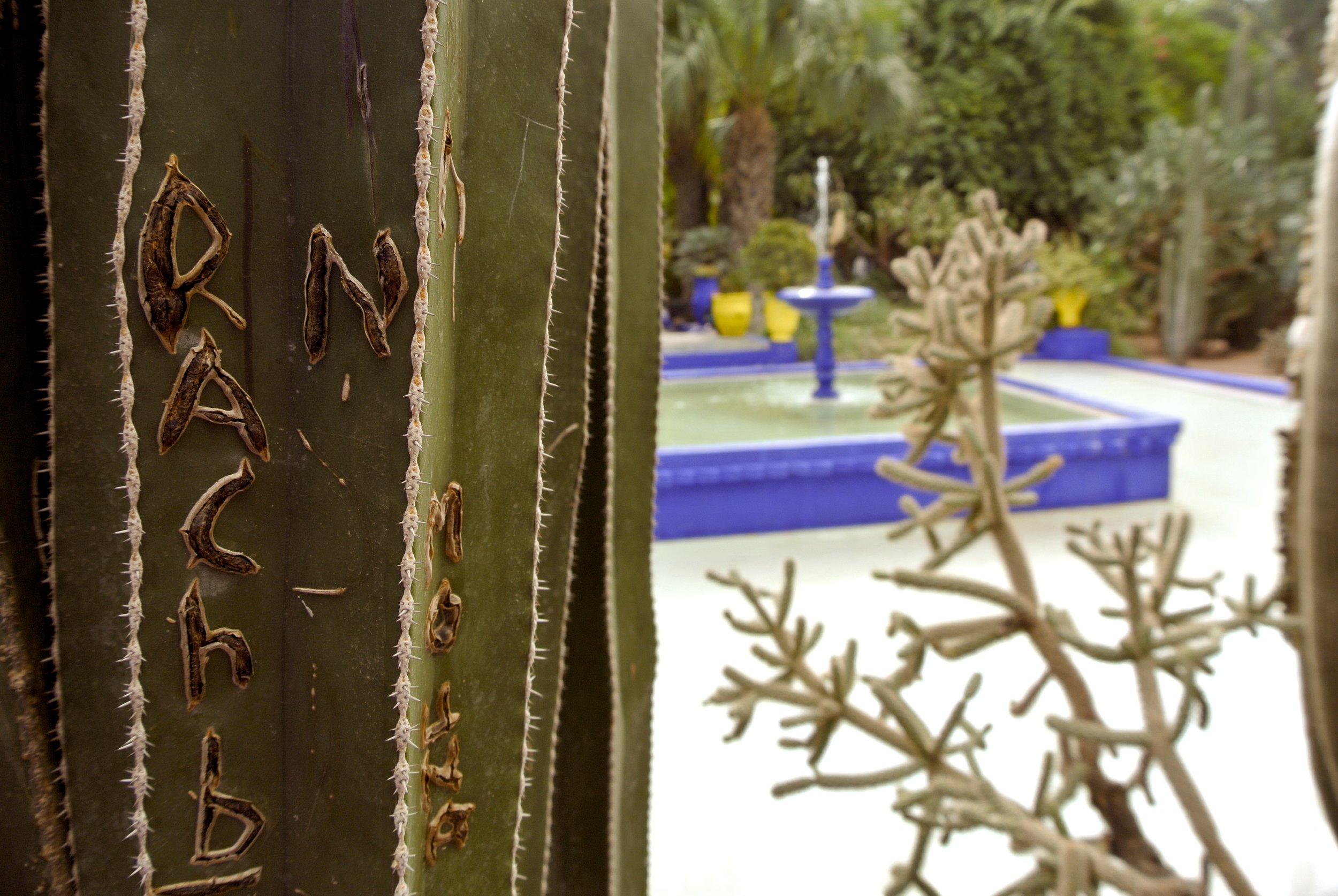
We entered the garden through a weathered wooden door, and although there were many people visiting that morning, I was struck by its serenity. The pebbled garden path led through a dense cluster of bamboo. Sadly, countless visitors have left their mark by carving their initials into the shafts of bamboo.

Visitors past have left their mark in the bamboo section of the garden

Visitors past have left their mark in the bamboo section of the garden

Wally loves the exquisite Moroccan detailing at the nearby villa 

Wally loves the exquisite Moroccan detailing at the nearby villa 

The villa houses a gift shop and Berber museum

The villa houses a gift shop and Berber museum

True Blue: The History of the Majorelle Garden

The garden’s creator was Jacques Majorelle, a French Orientalist painter, the son of furniture designer and manufacturer Louis Majorelle. On the advice of his physician, Majorelle the junior travelled to Morocco for the sake of his health, and was immediately captivated by the vibrant colors and quality of light.

He settled in Marrakech in 1917, and in 1923 purchased four acres of land bordering a palm grove outside the city’s ancient walled medina. Eventually, Majorelle purchased an adjacent plot, expanding the property to 10 acres.
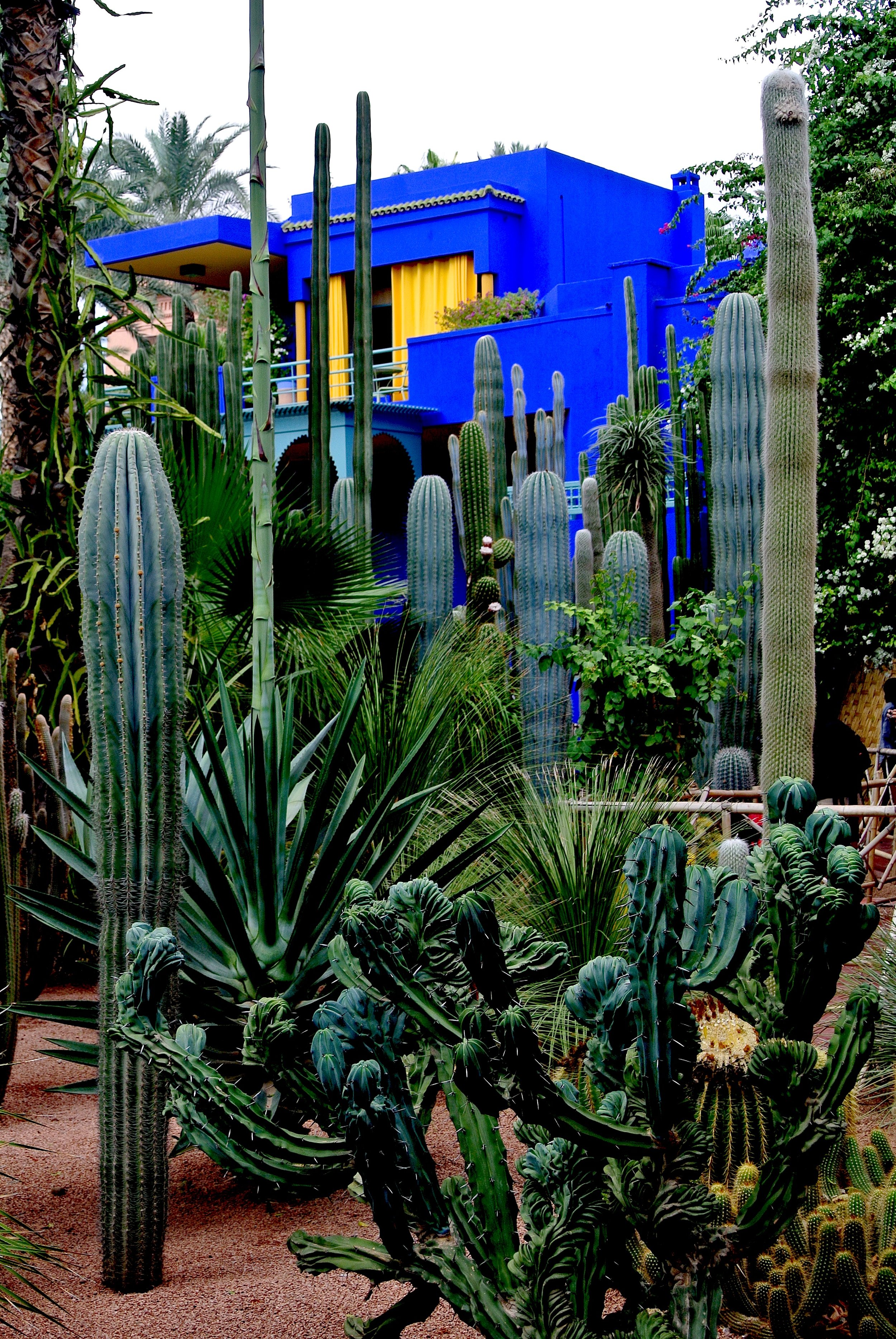
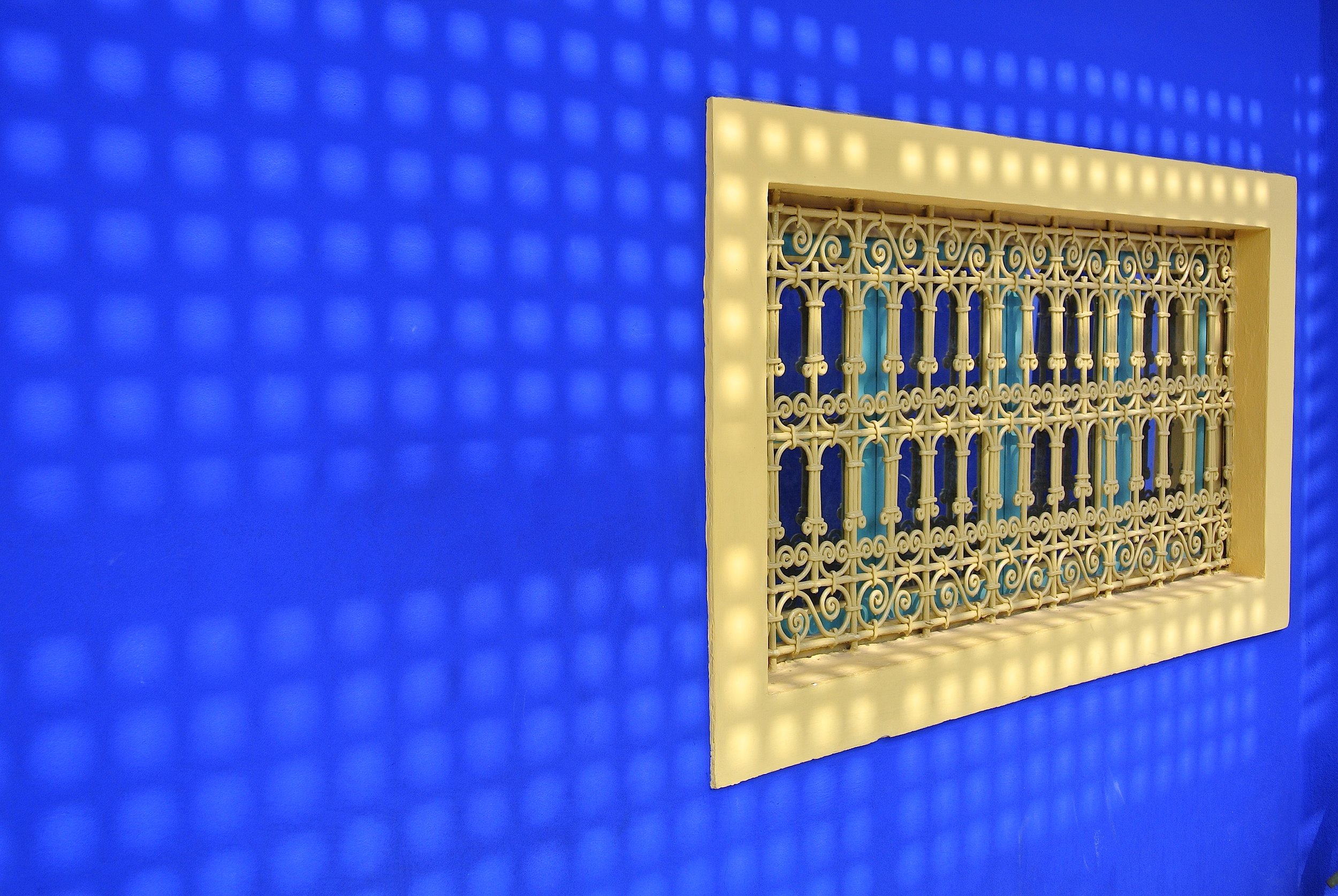
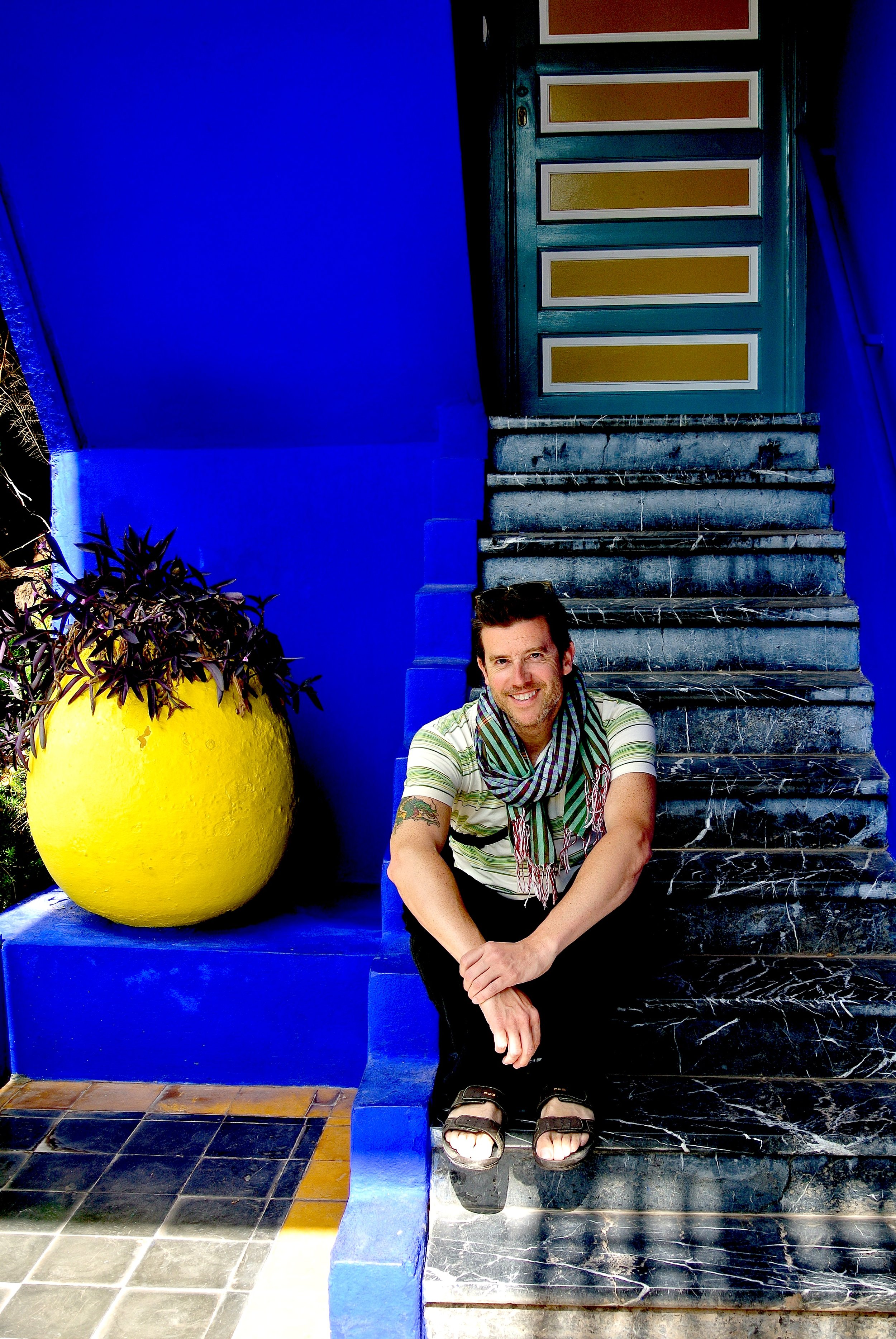
In 1931, he commissioned architect Paul Sinoir to design a Cubist villa to serve as his studio. Majorelle painted the fountains, planters and atelier a specific shade of cobalt blue, now appropriately named bleu Majorelle.

This striking cobalt is known as Majorelle blue

This striking cobalt is known as Majorelle blue

Around his new dwelling, Majorelle, a passionate amateur botanist, cultivated the gardens, which he opened to the public in 1947 to help offset their costly maintenance. After Majorelle’s death in 1962, the gardens remained open but gradually fell into a state of disrepair, lacking the care necessary to maintain them.

The designer Yves Saint Laurent saved the garden from disrepair

The designer Yves Saint Laurent saved the garden from disrepair

Yves Saint Laurent to the Rescue

Couturier Yves Saint Laurent acquired a second guesthouse, Dar Es Saada, in Marrakech in 1973 with his then-boyfriend Pierre Bergé. Arabic for the House of Happiness in Serenity, it was located near one of their favorite places, the Jardin Majorelle. When they learned seven years later that the gardens were slated for demolition to make way for a pool and bungalows. Saint Laurent and Bergé decided to purchase the 12-acre garden and villa. The couple enlisted American landscape architect Madison Cox to meticulously restore the gardens. According to Cox, Saint Laurent had the vision to have the flowerpots scattered throughout the garden painted in lemon yellow, sky blue and the famous bleu Majorelle. Saint Laurent and Bergé kept the garden open for visitors to enjoy, just as Majorelle did. 

(Bergé and Cox married in a private civil ceremony shortly before Bergé’s death in 2017. Cox is  also the director of the Fondation Jardin Majorelle, an organization that operates under the Fondation Pierre Bergé-Yves Saint Laurent.)

YSL’s genderbending aesthetic included le smoking, a feminized take on the tux

YSL’s genderbending aesthetic included le smoking, a feminized take on the tux

Musée Yves Saint Laurent

Saint Laurent often designed his collections while in Marrakech, inspired by the city’s colors and shapes. So it’s fitting, pun intended, that a museum dedicated to the influential designer’s life and legacy was built next to the Jardin Majorelle.

Although it wasn’t open when we visited, the Musée Yves Saint Laurent, abbreviated as mYSLm, was spearheaded by Bergé and conceived by Studio KO architects Karl Fournier and Olivier Marty. The museum contains an extensive collection of couture garments, sketches, fashion photos and assorted objects showcasing YSL’s signature genderbending style from 1962 until his retirement in 2002.

The bamboo copse at Majorelle

The bamboo copse at Majorelle

Secret Garden

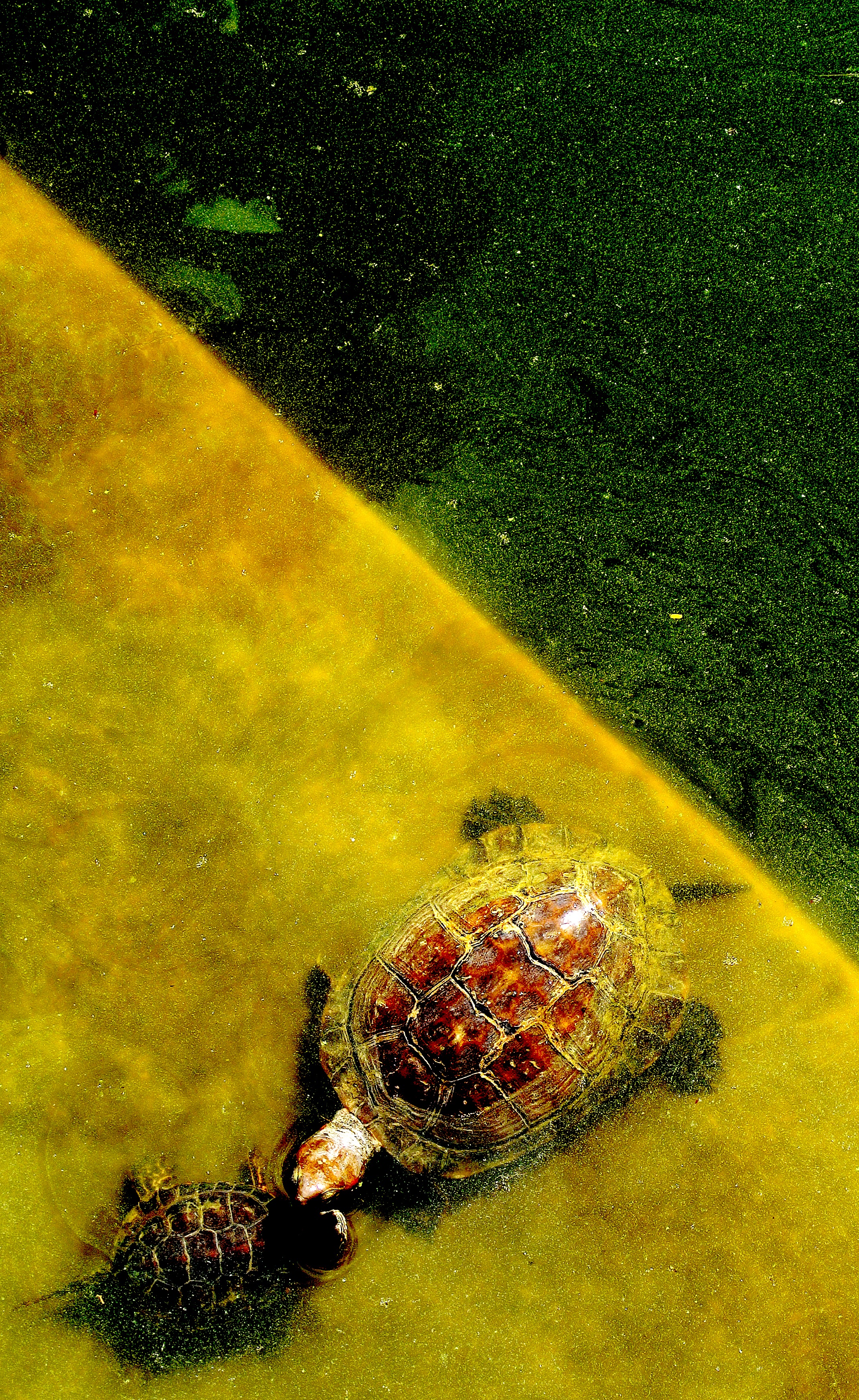
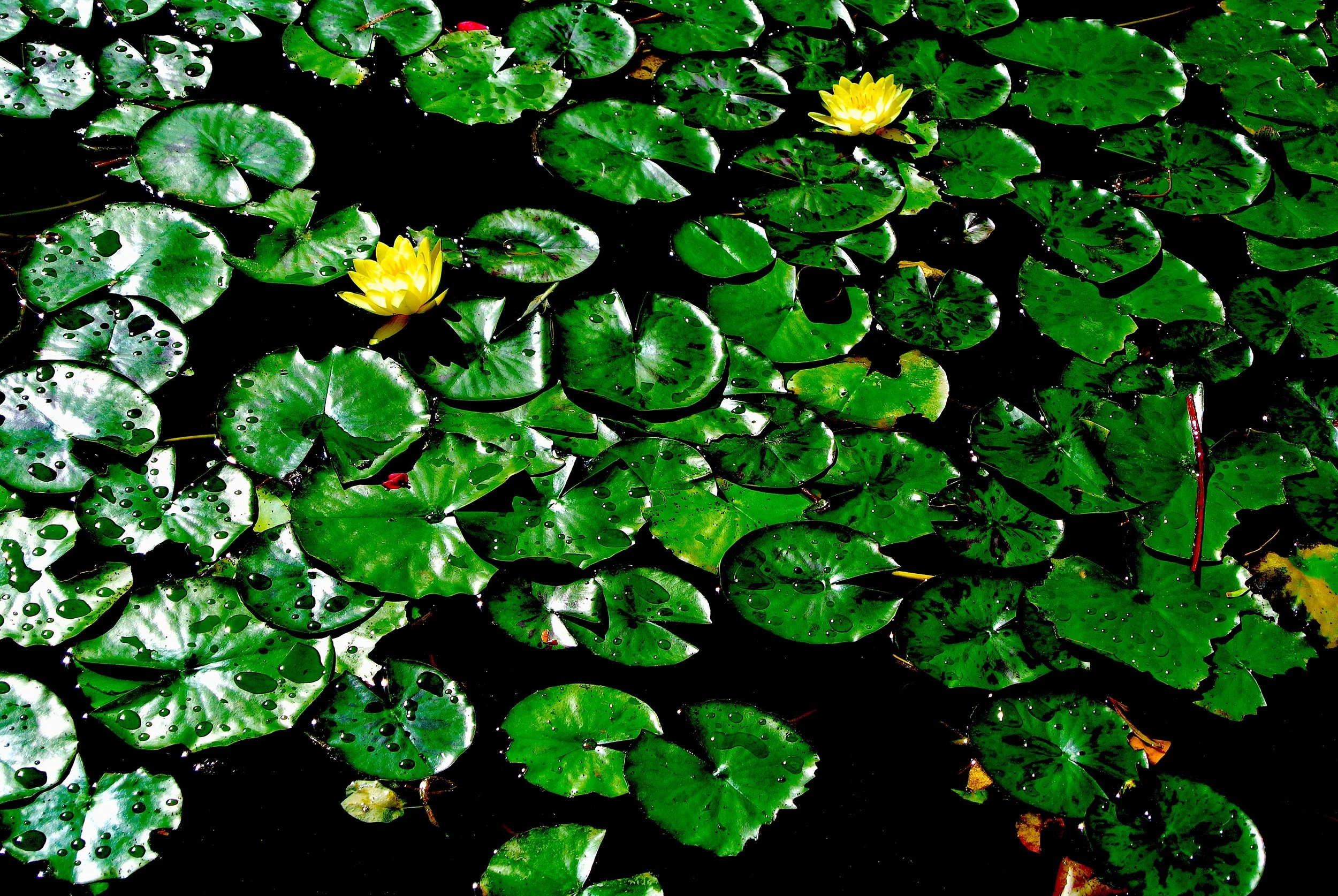
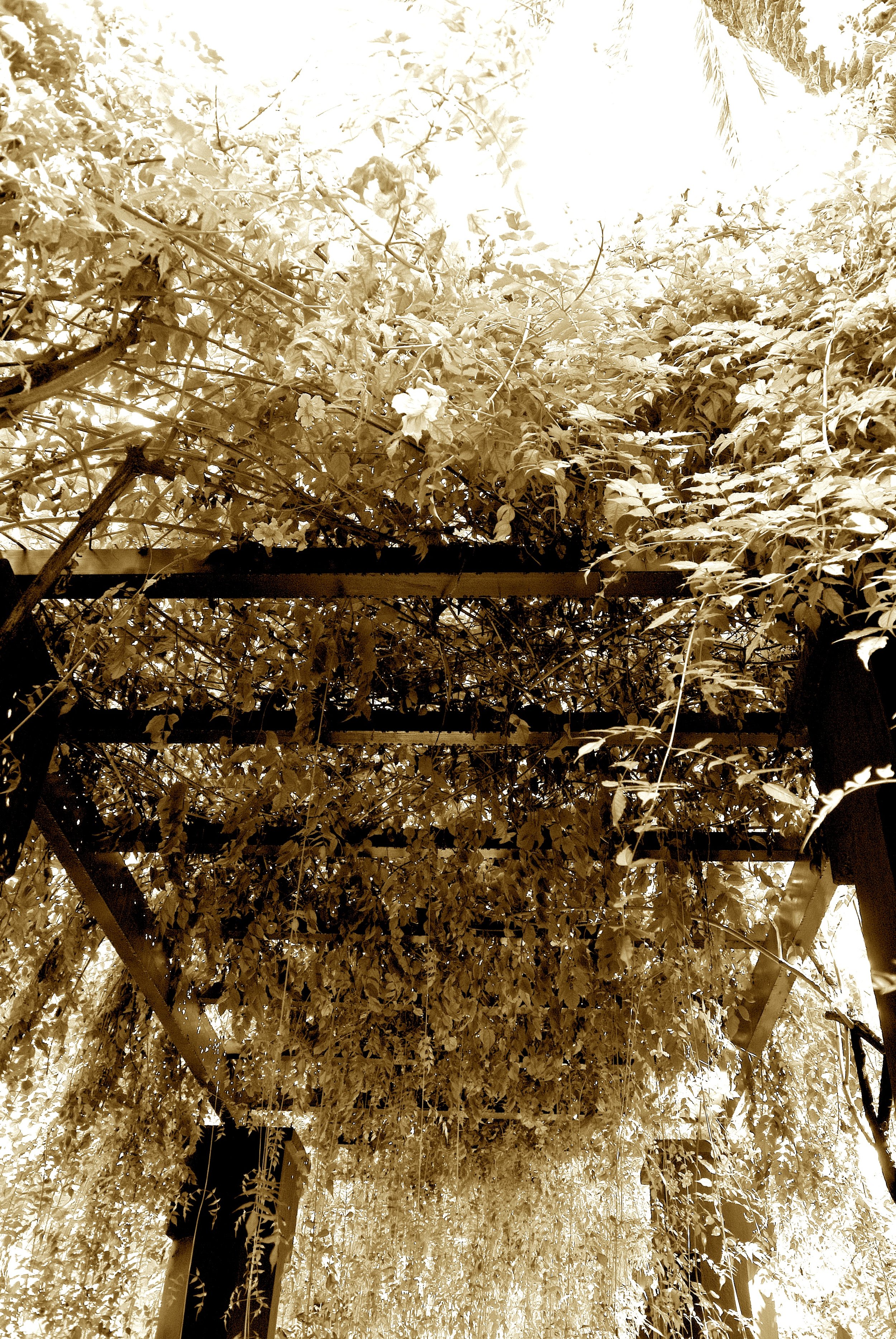
We passed through a pergola covered with bougainvillea and paused to look into a reflecting pool containing water lilies and a pair of turtles resting at its edge.

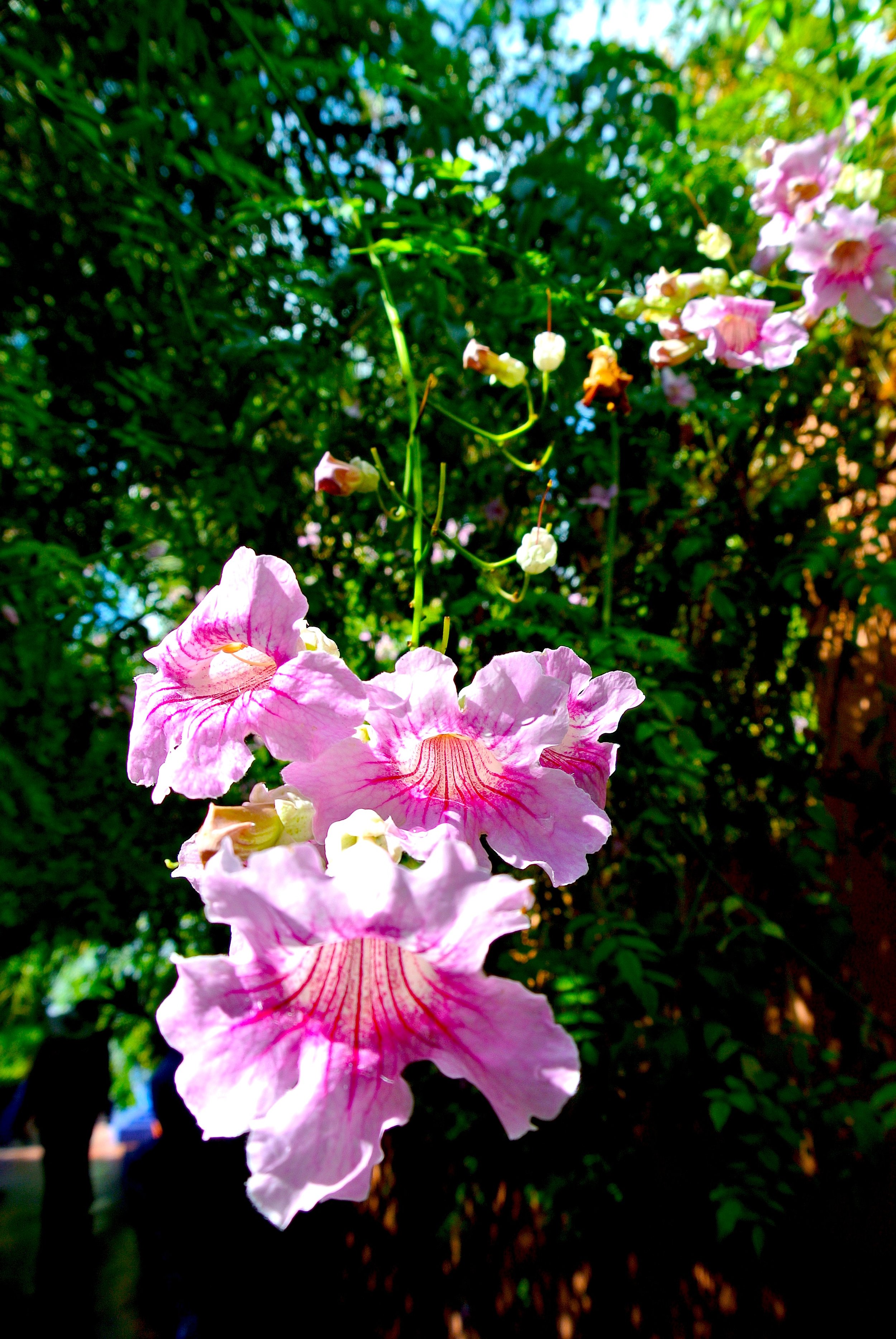
The garden is mostly green with periodic bursts of pink and red

The garden is mostly green with periodic bursts of pink and red

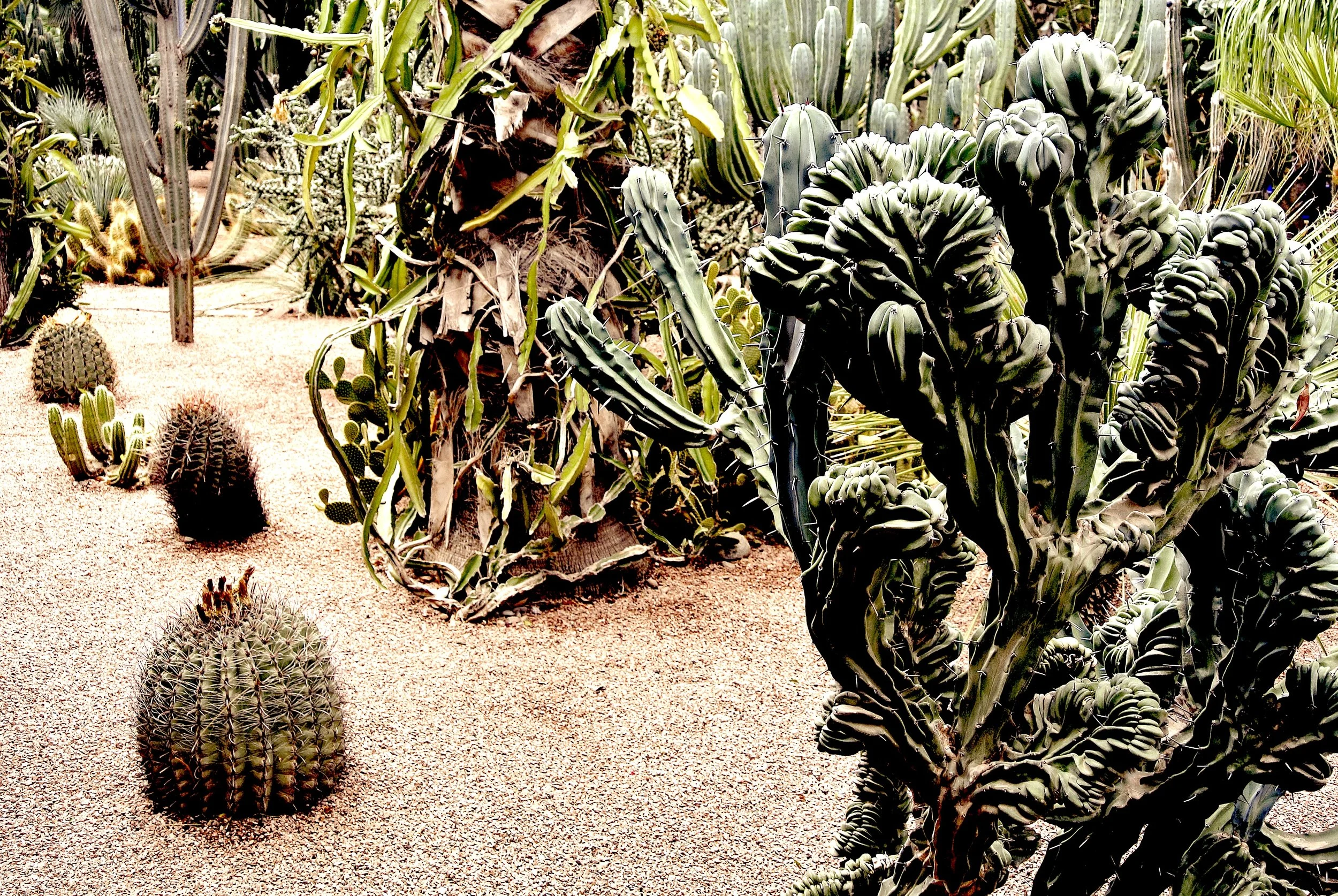
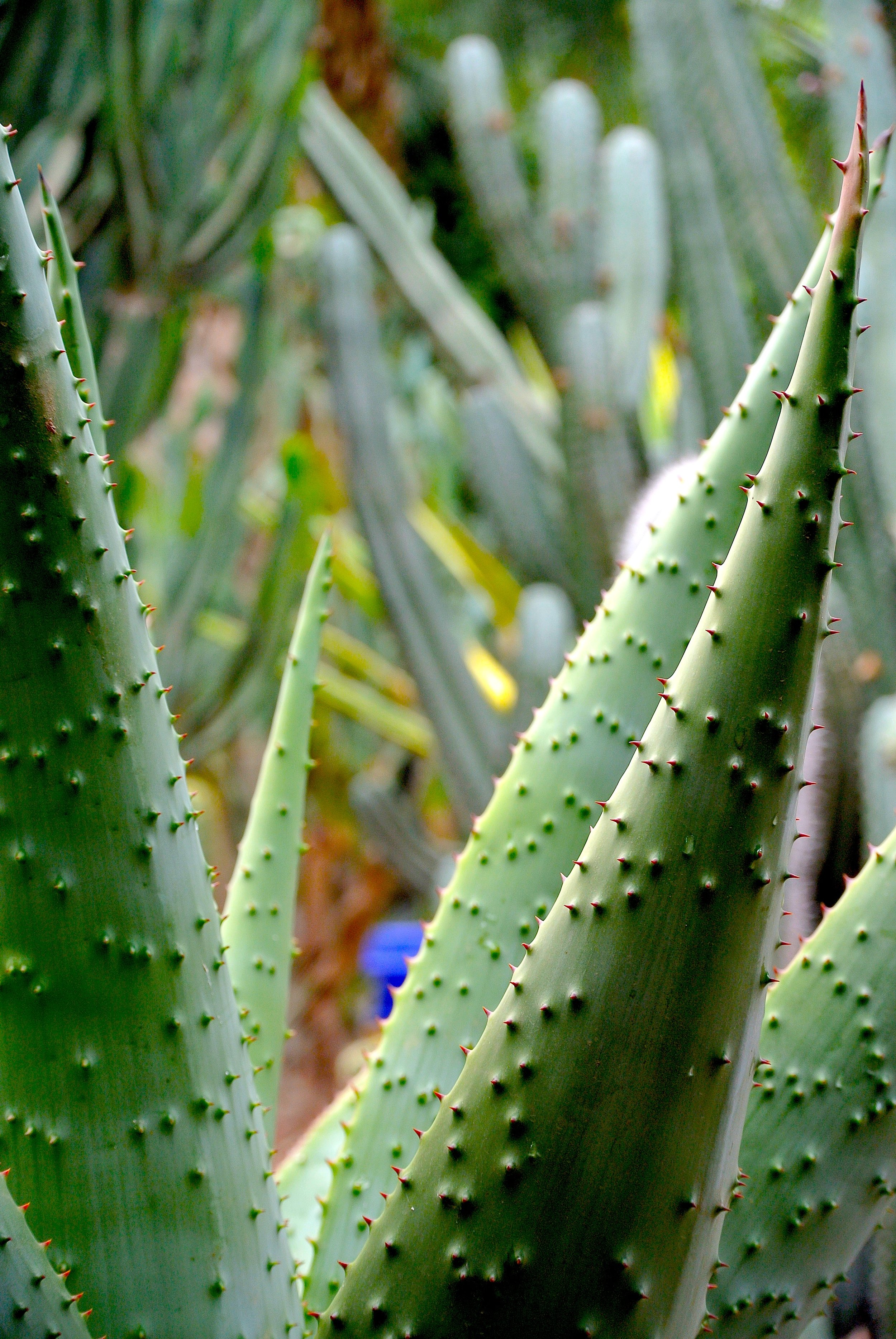
Drought-tolerant cacti make up the majority of plants at the Majorelle Garden

Drought-tolerant cacti make up the majority of plants at the Majorelle Garden

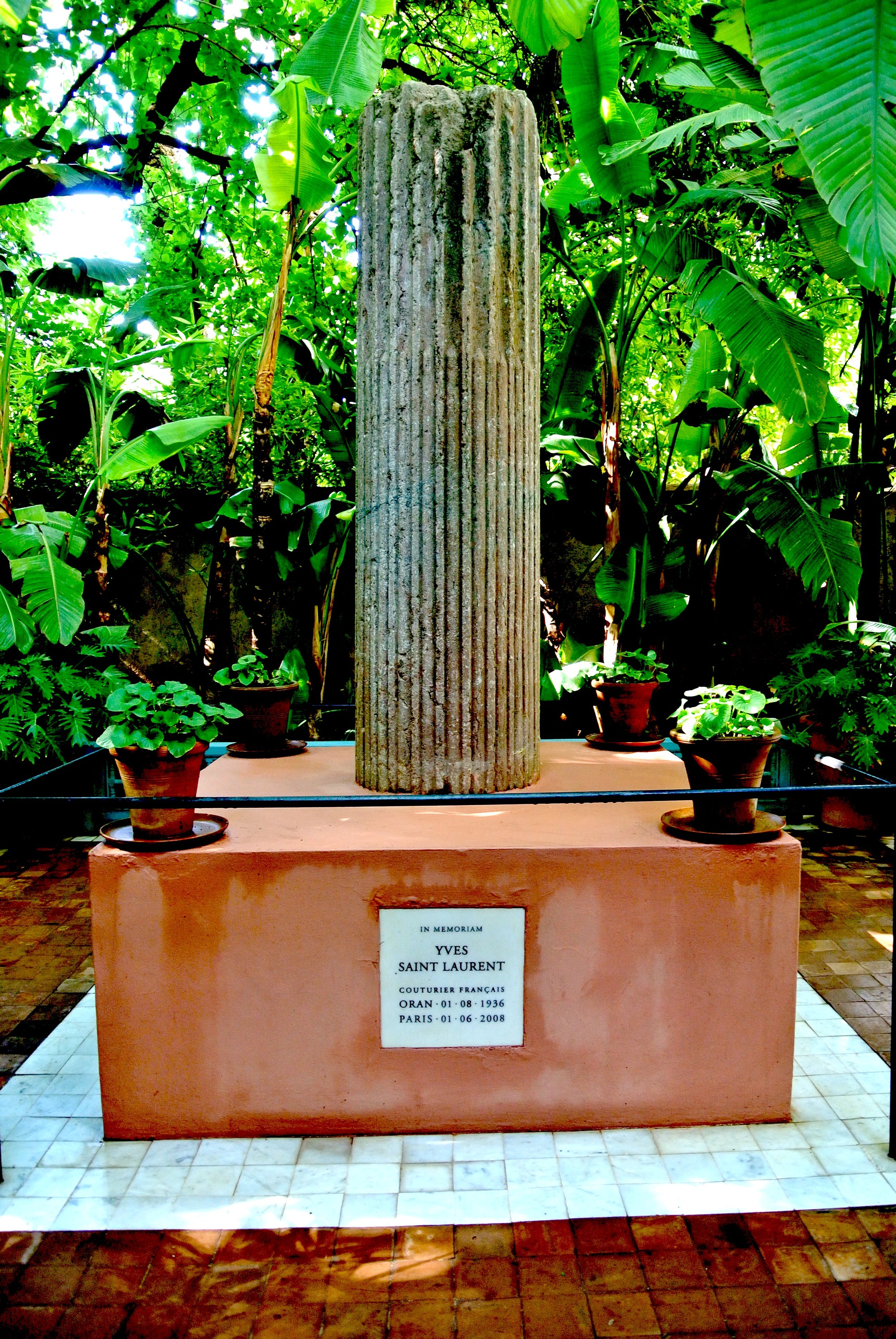
Following the garden path, we came upon a modest memorial dedicated to Saint Laurent. When he passed away in 2008, his ashes were scattered amongst the garden he and Bergé so lovingly restored.

This decaying column serves as Saint Laurent’s memorial 

This decaying column serves as Saint Laurent’s memorial 

Wally and Vanessa enjoy the serenity of this oasis

Wally and Vanessa enjoy the serenity of this oasis

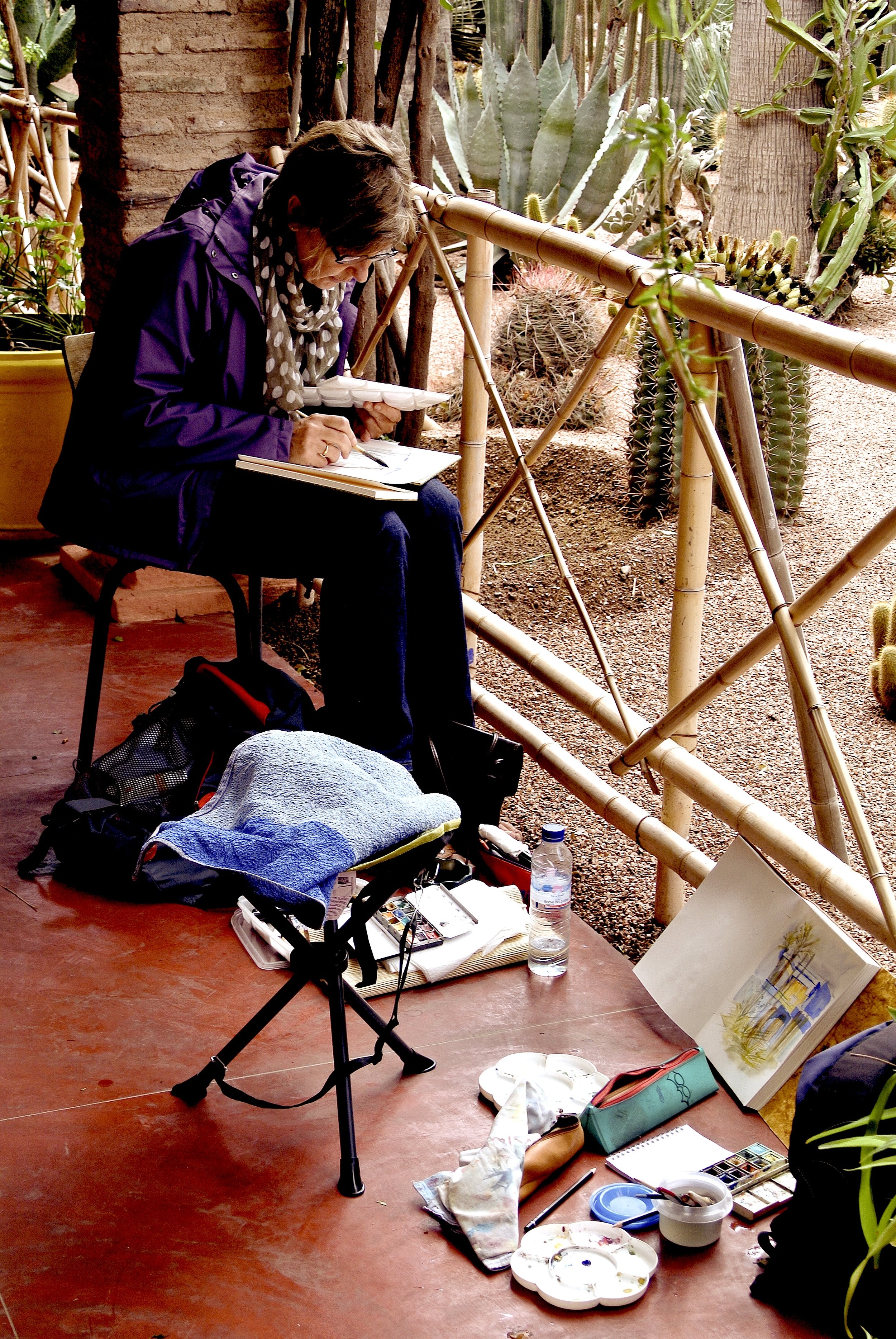
Artists paint the plantlife

Artists paint the plantlife

A peek over an artist’s shoulder

A peek over an artist’s shoulder

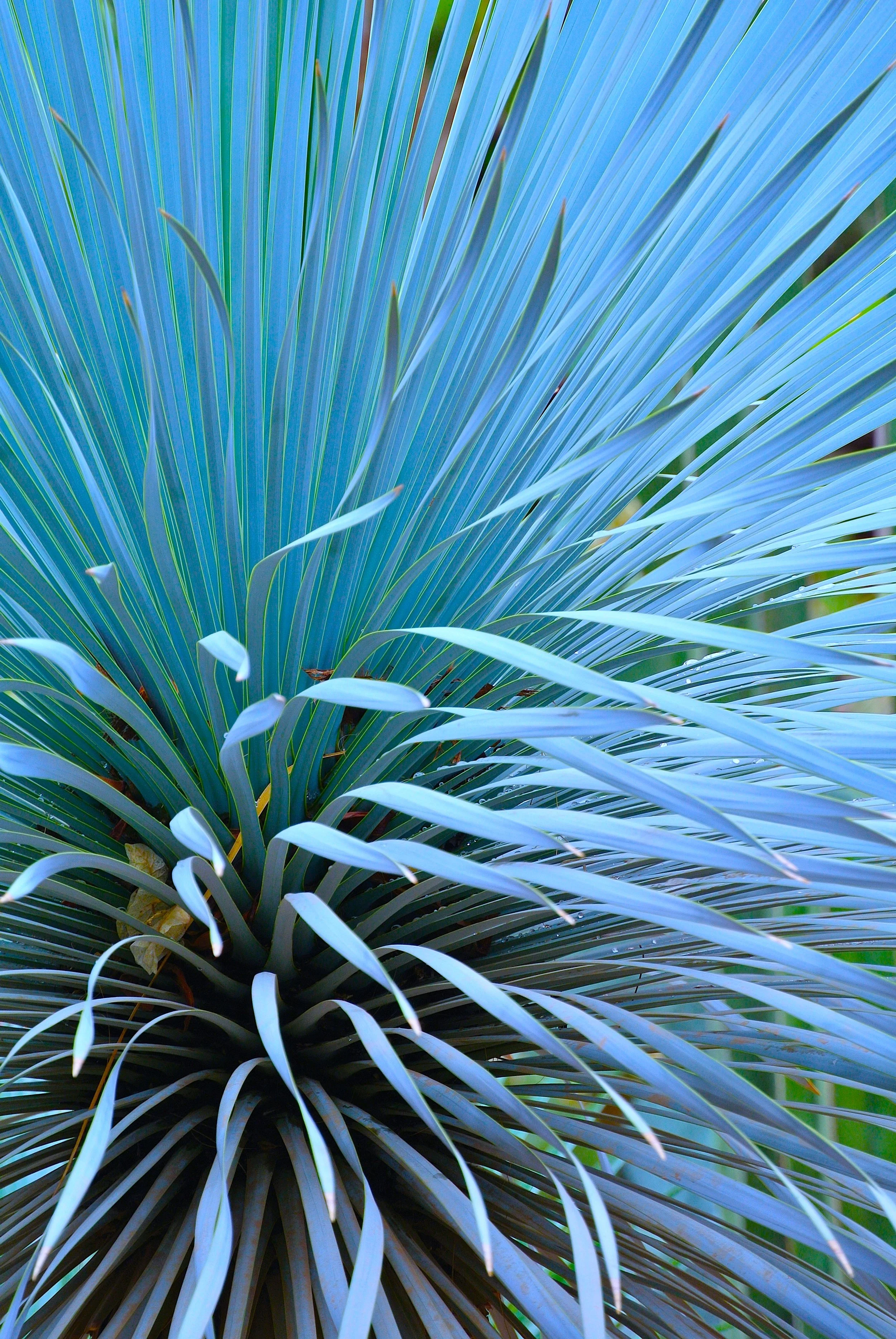
The magnificence of this garden reminded me of the exotic Generalife gardens located beside the Alhambra in Granada, Spain. The arid landscape, originally almost devoid of vegetation, like the gardens of the Alhambra, were utterly transformed by Majorelle over a span of 40 years. From what I could identify, the garden includes agave, bamboo, cacti, cypress, datura, succulents and bougainvillea.

In the Cubist villa, there’s a gift shop and a museum dedicated to artifacts from the pre-Arab inhabitants of North Africa, the Berbers. Just don’t try to sneak in, or you might get kicked out, like Wally did.

Birds chirping, bamboo rustling in the breeze, and the sound of trickling fountains truly turn the garden into a welcome oasis from the hustle and bustle of the medina. –Duke

We recommend adding le Jardin Majorelle to your Marrakech itinerary

We recommend adding le Jardin Majorelle to your Marrakech itinerary

Jardin Majorelle
Rue Yves Saint Laurent

Admission: 30 dirham, or around $3.25


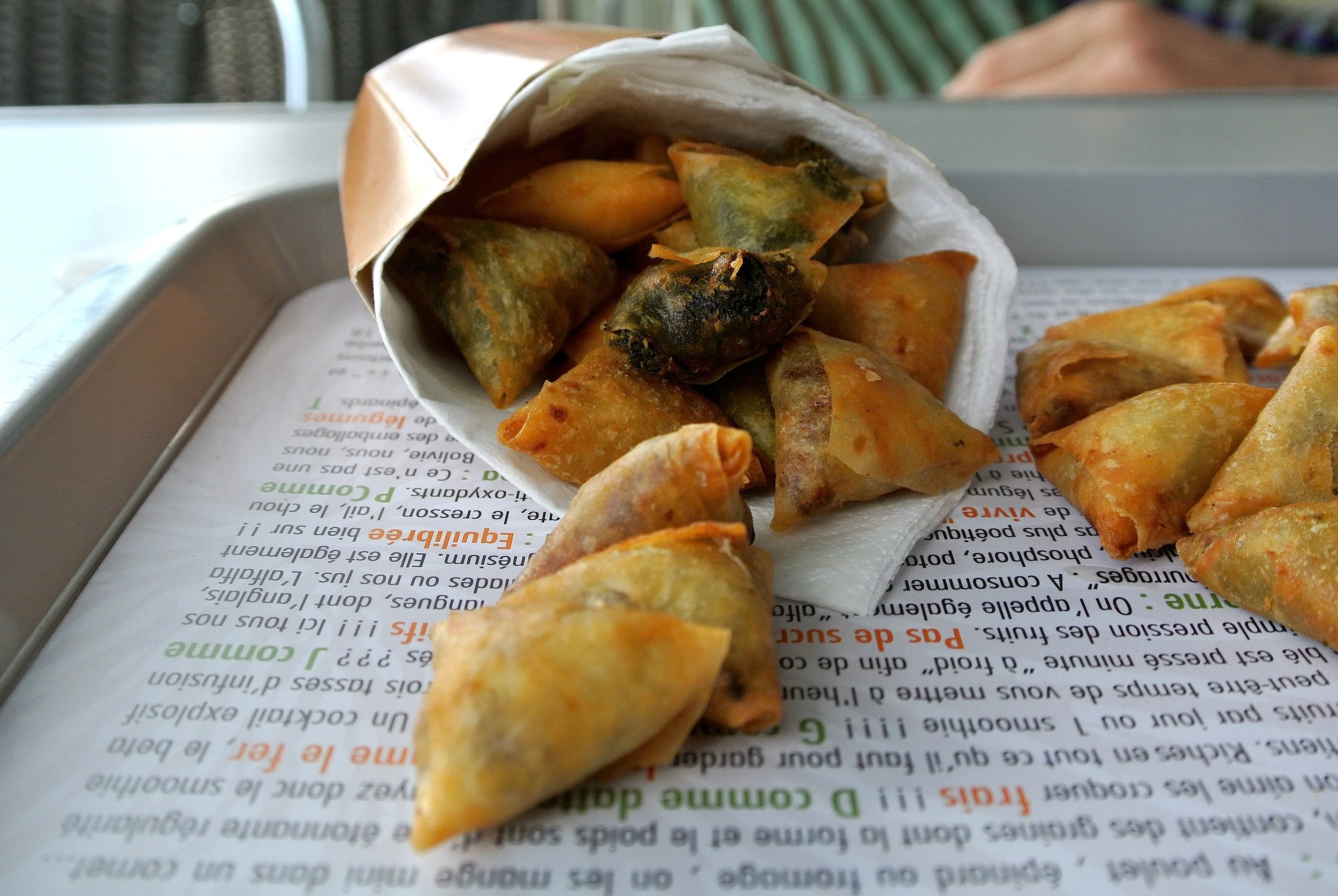
Spinach-filled phylo puffs at the neighboring Kaowa Café

Spinach-filled phylo puffs at the neighboring Kaowa Café

Nearby

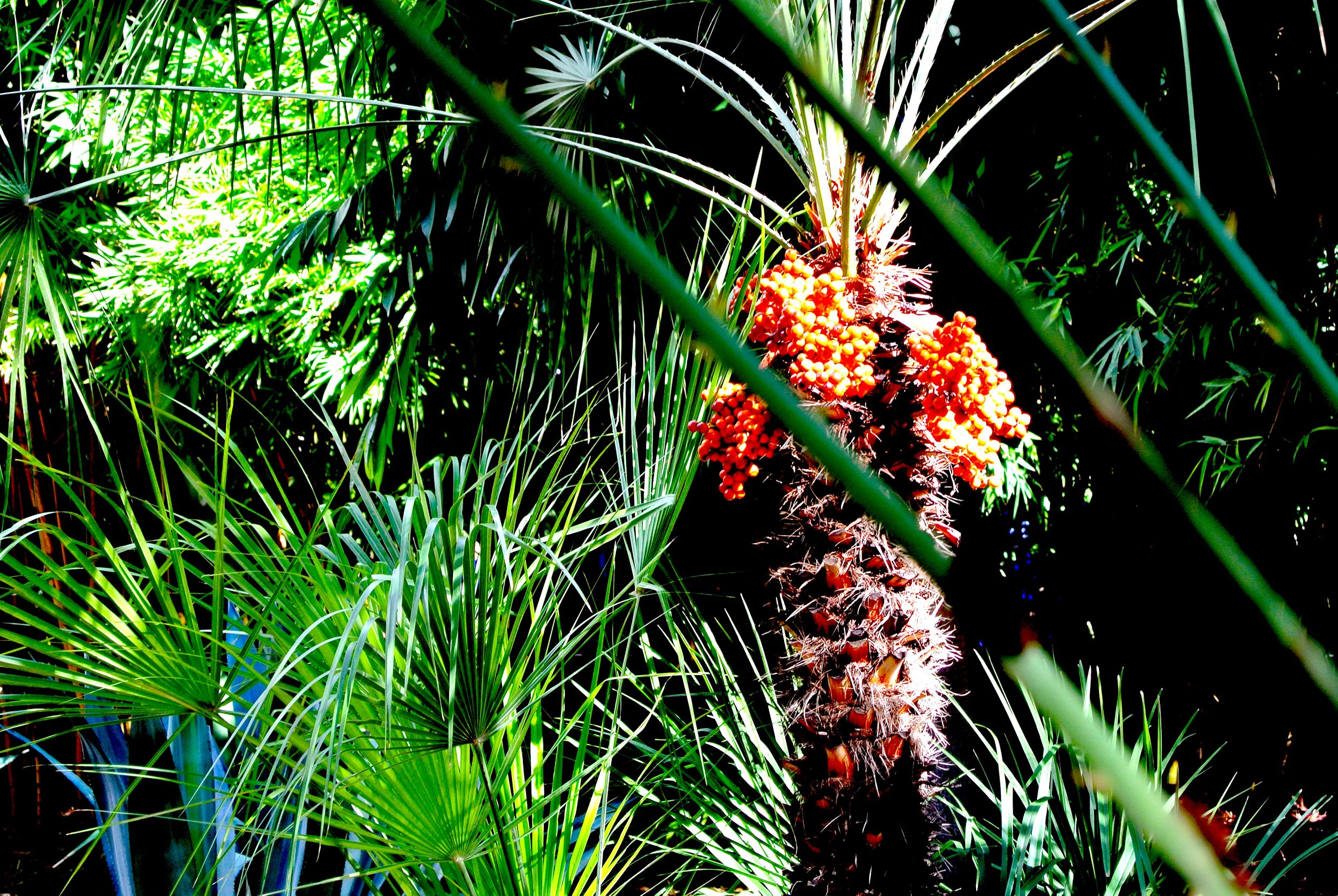
Thirsty and hungry after visiting the gardens, we dined on the terrace of Kaowa Café, a snack and juice bar situated across the way. We ate delicious puffs filled with cheese and tried some of their signature juices.

Top Instagram Travel Photography of 2017

Vietnam, Cambodia, Thailand: The delights of Southeast Asia have captured your hearts — and your eyes as well.

Don’t get us wrong. Europe is filled with architectural marvels and rich history. We’re totally smitten with the winding labyrinths of Moroccan medinas. And India is a thrilling and sometimes intense travel experience like no other.

But nothing makes our hearts pitter-patter like Southeast Asia, with its delicious food, Buddhist temples, ancient ruins, lush scenery and kind locals.

As we looked back at last year’s top posts on Instagram, we detected a theme: It seems we’re not the only ones in love with Southeast Asia. All but two of our most-favorited photos are of Cambodia, Thailand or Vietnam.

Enjoy! –Wally

Chinese Zodiac Explained

What’s your spirit animal on the Chinese calendar? Find out what your horoscope signs mean — and who you’re compatible with.

In the Chinese zodiac, every year is paired with one of 12 animals that determine your personality traits and compatability in love

In the Chinese zodiac, every year is paired with one of 12 animals that determine your personality traits and compatability in love

I’ve always been skeptical of Chinese astrology. I have my doubts about Western astrology as well, but I find it easier to believe that people born within the same month share some overall characteristics than people within an entire year possessing similar traits.

Then again, maybe it’s just because I was born in the unflattering-sounding Year of the Rat. You can tell me how awesome it is to be a Rat, but I’ll never be convinced, when I could have been something rad like a Dragon or a Tiger.

The sign of your birth year shapes your destiny, including your personality and whom you should marry.

Despite my skepticism, Chinese astrology has been around in some form for 3,000 years, and many scholars think its roots trace back to antiquity.


Origins of the Chinese Zodiac

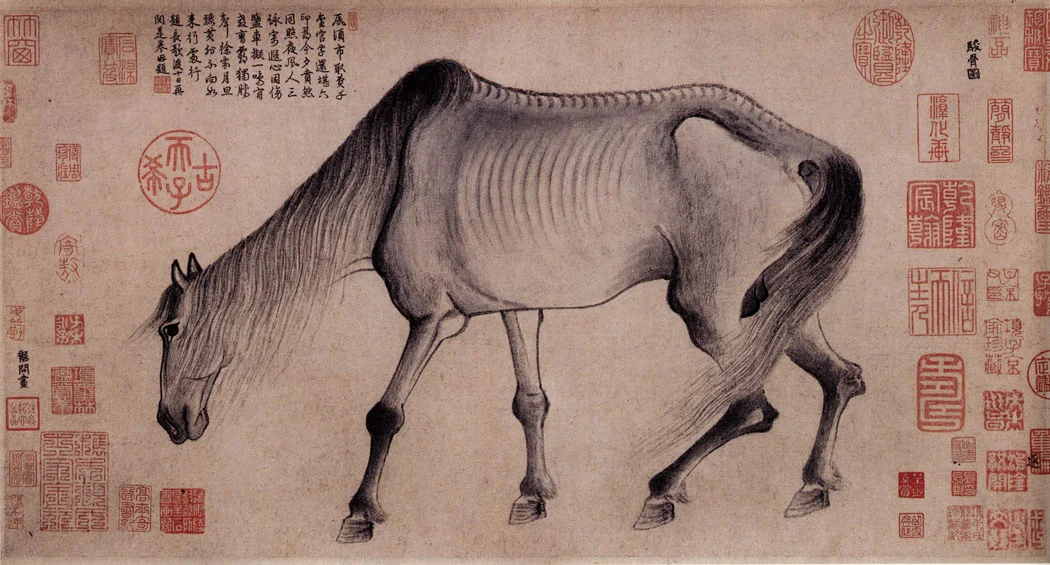
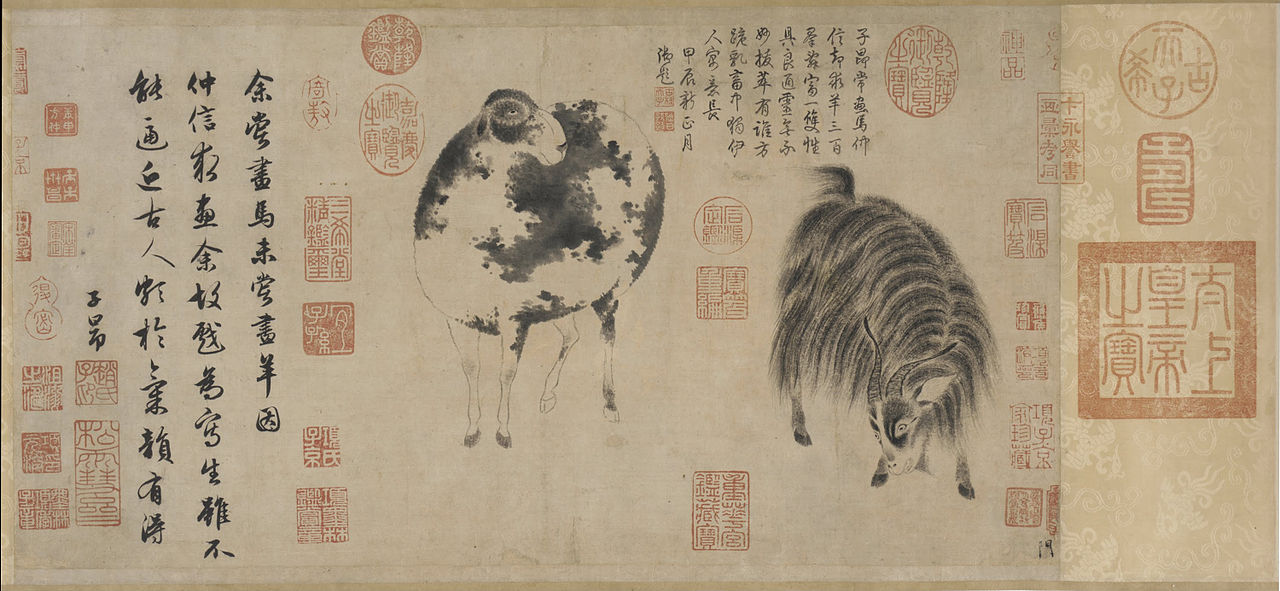
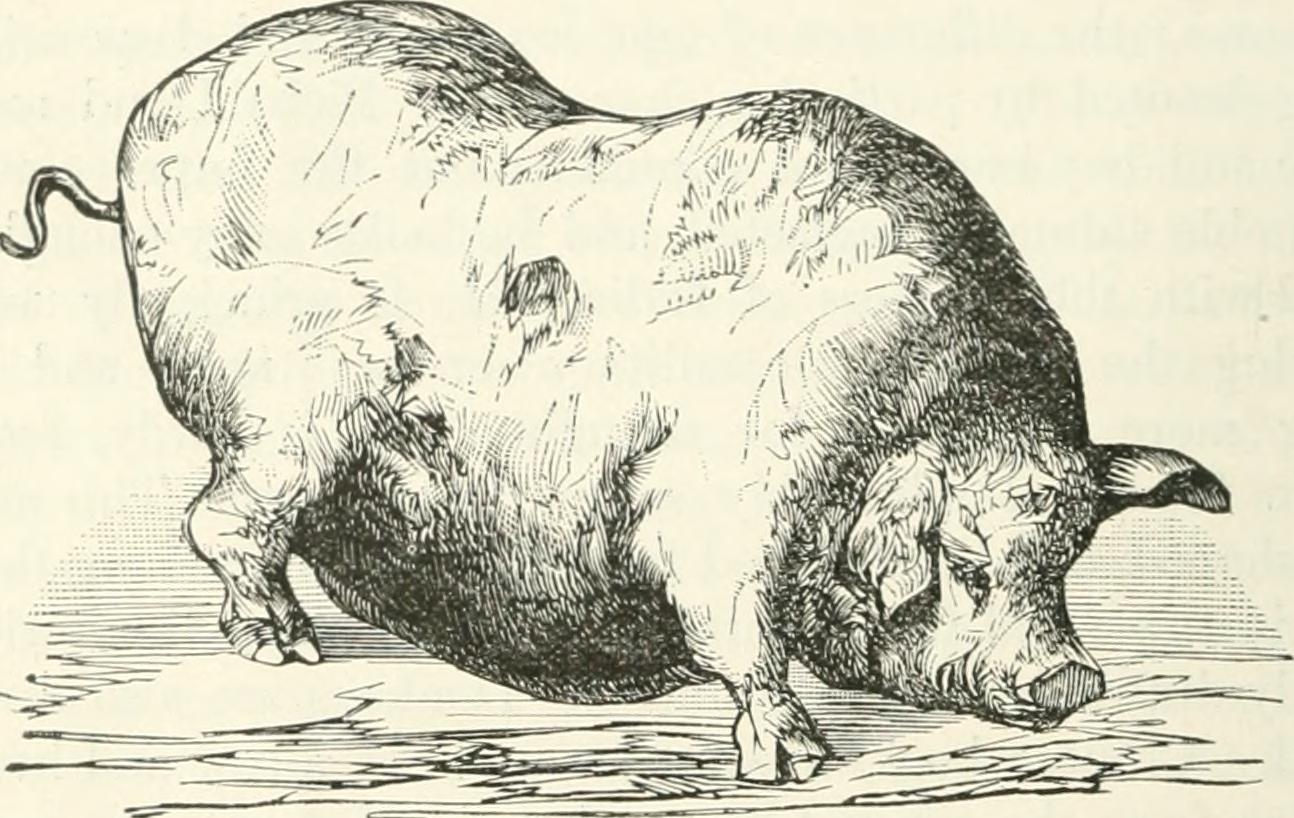
There are 12 animal signs, determined by what year you were born. According to legend, Buddha summoned all the animals to come to him before he left the Earth. Only 12 came to bid him farewell. He named a year after each creature in the order they arrived: Rat, Ox, Tiger, Rabbit, Dragon, Snake, Horse, Sheep (also called Goat and sometimes Ram), Monkey, Rooster (aka Cock), Dog and Pig.

Another popular tale says that the Jade Emperor, a representation of the first Taoist god, held a race. The Rat won by riding on the back of the Ox and hopping off to cross the finish line first. The Pig, meanwhile, stopped to eat and came in last.

The sign of your birth year shapes your destiny, including your personality and whom you should marry.

As counterintuitive as it seems, you’re supposed to actually have bad luck when your year rolls around. The best way to prevent this is to wear something red — and because you should be doing so all year long, maybe try a bracelet.

The Chinese have a saying about their zodiac: “This is the animal that hides in your heart.” Guess I have to accept there’s a Rat in mine. –Wally


rat.jpg

THE RAT

“Wisdom without industriousness leads to triviality.”

Years include: 1912, 1924, 1936, 1948, 1960, 1972, 1984, 1996, 2008, 2020

Characteristics: intelligent, adaptable, quick-witted, charming, popular with the opposite sex, artistic, creative, generous, hard-working, perfectionists, highly judgmental, do well in business, easily angered, gossipy, thrifty with money

Compatible with: Dragon, Monkey and Ox

ox.jpg

THE OX

“Industriousness without wisdom leads to futility.”

Years include: 1913, 1925, 1937, 1949, 1961, 1973, 1985, 1997, 2009, 2021

Characteristics: Loyal, reliable, thorough, strong, reasonable, determined, good leaders, bull-headed, eccentric, bigoted, fierce tempers, don’t speak much but eloquent when they do, easy-going, hate to fail or be opposed

Compatible with: Snake, Rooster and Rat

tiger.jpg

THE TIGER

“Valor without caution leads to recklessness.”

Years include: 1914, 1926, 1938, 1950, 1962, 1974, 1986, 1998, 2010, 2022

Characteristics: Enthusiastic, courageous, ambitious, leaders, confident, charismatic, sensitive, tendency to go overboard, fight for causes they believe in, short-tempered, not good with authority, indecisive, suspicious

Compatible with: Horse, Dragon and Dog

rabbit.jpg

THE RABBIT

“Caution without valor leads to cowardice.”

Years include: 1915, 1927, 1939, 1951, 1963, 1975, 1987, 1999, 2011, 2023

Characteristics: Trustworthy, modest, diplomatic, sincere, sociable, caretakers, sensitive, sentimental, snugglers, articulate, talented, ambitious, virtuous, have excellent taste, admired, trusted, financially lucky, gossips but generally kind, seldom lose their temper, never back out of a contract, good gamblers (though they seldom do)

Compatible with: Sheep, Pig and Dog

dragon.jpg

THE DRAGON

“Strength without flexibility leads to fracture.”

Years include: 1916, 1928, 1940, 1952, 1964, 1976, 1988, 2000, 2012, 2024

Characteristics: Lucky, flexible, eccentric, imaginative, artistic, spiritual, larger than life, quick-witted, charming, fun, passionate, healthy, energetic, short-tempered, stubborn, honest, brave, inspire confidence and trust, compassionate — letting others take advantage of them

Compatible with: Rat, Snake, Monkey and Rooster

snake.png

THE SNAKE

“Flexibility without strength leads to compromise.”

Years include: 1917, 1929, 1941, 1953, 1965, 1977, 1989, 2001, 2013, 2025

Characteristics: Philosophical, organized, intelligent, intuitive, elegant, attentive, decisive, psychic, want to give and receive unconditional love, say little, possess great wisdom, never need to worry about money, vain, selfish, stingy, self-reliant, calm on the surface but intense and passionate inside, good-looking, have marital problems because they’re fickle

Compatible with: Ox and Rooster

horse.jpg

THE HORSE

“Forging ahead without unity leads to abandonment.”

Years include: 1918, 1930, 1942, 1954, 1966, 1978, 1990, 2002, 2014, 2026

Characteristics: Adaptable, loyal, courageous, ambitious, intelligent, adventurous, strong, independent, free spirits, great work ethic, natural leaders, popular, cheerful, good with money, perceptive, talk too much, have a weakness for the opposite sex, impatient, like entertainment and are OK with large crowds, rarely listen to advice

Compatible with: Tiger, Dog and Sheep

sheep.jpg

THE SHEEP/GOAT/RAM

“Unity without forging ahead leads to stagnation.”

Years include: 1919, 1931, 1943, 1955, 1967, 1979, 1991, 2003, 2015, 2027

Characteristics: Tasteful, crafty, warm, elegant, charming, intuitive, sensitive, calm, extremely gentle and loving, possess quiet strength, elegant, artistic, shy, pessimistic, confused, deeply religious, passionate, well off, wise

Compatible with: Rabbit, Pig and Horse

monkey.jpg

THE MONKEY

“Changeability without being constant leads to foolishness.”

Years include: 1920, 1932, 1944, 1956, 1968, 1980, 1992, 2004, 2016

Characteristics: Quick-witted, charming, lucky, adaptable, bright, versatile, lively, confident, great sense of humor, skillful, flexible, inventive, too agreeable, impatient, often abandon projects partway through, look down on others, have excellent memories, strong-willed, their anger cools quickly

Compatible with: Dragon and Rat

cock.jpg

THE ROOSTER/Cock

“Being constant without changeability leads to woodenness.”

Years include: 1921, 1933, 1945, 1957, 1969, 1981, 1993, 2005, 2017

Characteristics: Honest, energetic, intelligent, flamboyant, flexible, diverse, confident, extravagant, attention-seekers, progressive, talented, loners, don’t take failure well, have difficult relationships, outspoken, they think they’re right — though they usually are, seem adventurous but are timid, selfish, emotions and fortunes swing from high to low

Compatible with: Ox, Snake and Dragon

dog.jpg

THE DOG

“Fidelity without amiability leads to rejection.”

Years include: 1922, 1934, 1946, 1958, 1970, 1982, 1994, 2006, 2018

Characteristics: Loyal, sociable, courageous, diligent, steady, lively, adaptable, smart, trustworthy, protect those they love, put others’ needs above their own, can keep secrets, stubborn, care little for money but somehow always have it, cold-hearted, distant, sharp-tongued, good leaders

Compatible with: Horse, Tiger and Rabbit

pig.jpg

THE PIG

“Amiability without fidelity leads to immorality.”

Years include: 1923, 1935, 1947, 1959, 1971, 1983, 1995, 2007, 2019

Characteristics: Honorable, determined, optimistic, sincere, sociable, altruistic, humanitarians, studious, stick to goals, quiet, well-informed, have few friends, kind, intuitive

Compatible with: Rabbit and Sheep


Sources: Building Beautiful Souls, China Highlights, Goway Travel, Whats-Your-Sign.com

The Thai Zodiac and Songkran, the Thai New Year

How the Thai calendar differs from the Gregorian, what Thai fortune-tellers do and the Thailand water festival that’s all wet.

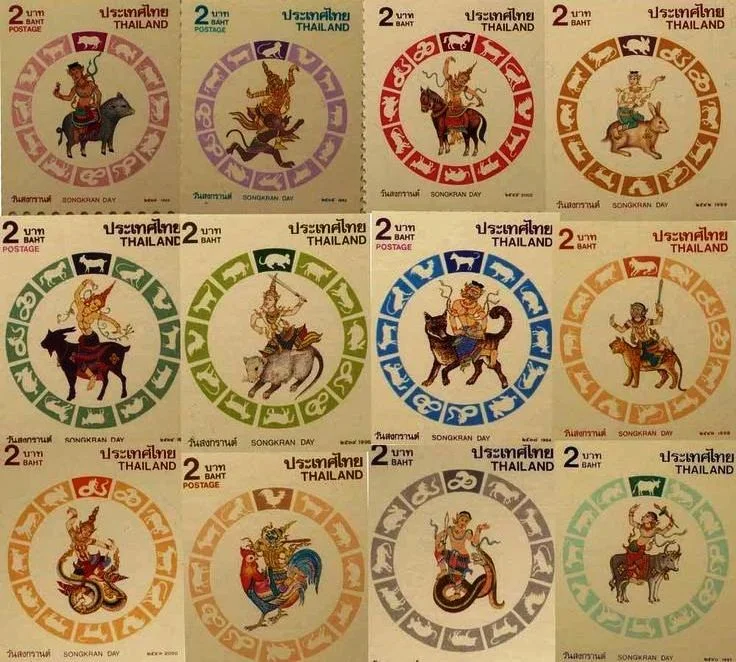
Thai stamps honor the signs of their zodiac, inspired by the animals of the Chinese zodiac

Thai stamps honor the signs of their zodiac, inspired by the animals of the Chinese zodiac

Those of us who follow the Gregorian calendar ring in the the New Year at midnight on January 1, hitting the reset button and making year-end resolutions we’ll definitely, maybe follow. While we only have ourselves to blame for our overindulgent last hurrah, Wally and I venture out to console ourselves with pho ga at our favorite local Vietnamese restaurant, which does seem to help.

The Gregorian calendar, consisting of 365 days, is off kilter with the Earth’s trip around the sun and is adjusted every four years in February with a leap day. Meanwhile, other cultures, such as Thailand, have their own complex system that aligns with the lunisolar Buddhist calendar of 354 days, which have dates that indicate the moon phase and the time of the solar year.

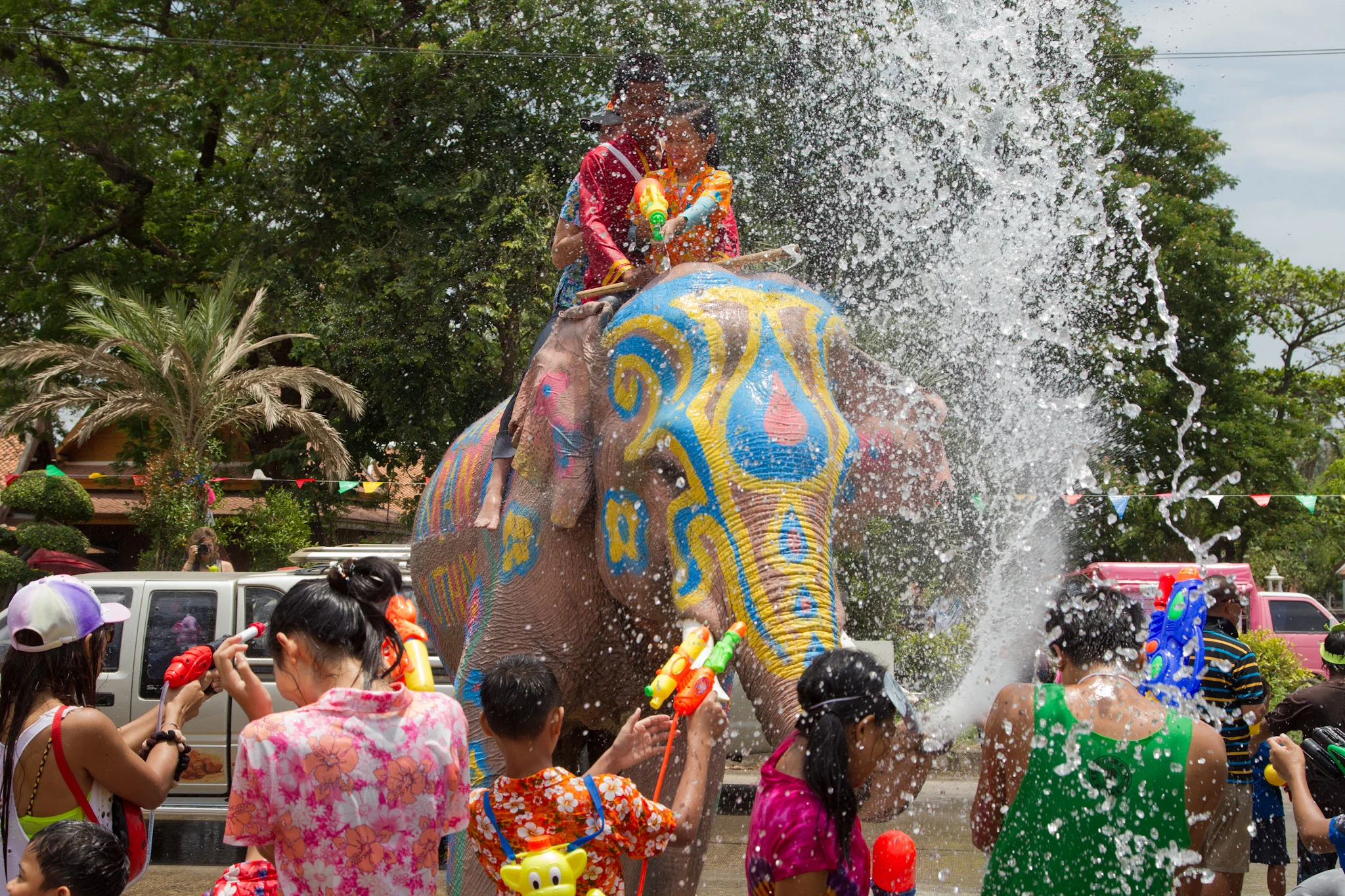
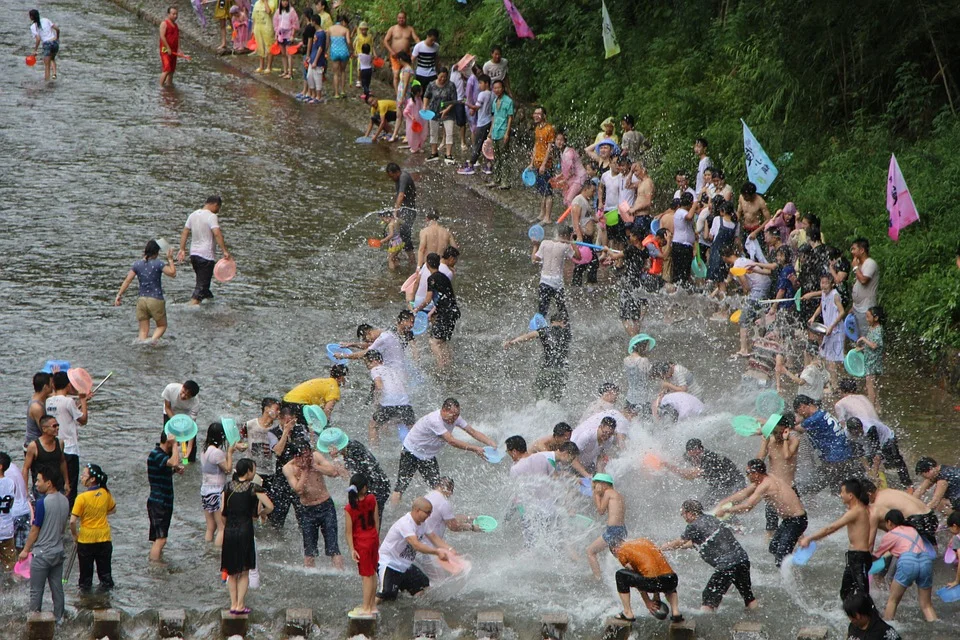
April 13 marks the beginning of the Thai New Year, when they partake in Songkran, the world’s largest water fight.
The spring festival of Songkran marks the Thai New Year

The spring festival of Songkran marks the Thai New Year

Songkran: Making It Rain

April 13 marks the beginning of the Thai New Year. This is when they partake in the world’s largest water fight, known as Songkran. The festival celebrates the end of the dry season to welcome the rain needed for a successful rice harvest. The communal holiday takes place over a period of three days or more and is when the year assumes the next animal in the rotating zodiac of 12 animals.

The etymology of Songkran comes from the Sanskrit word sankranti, or the passage of the sun from one side of the zodiac to the other, and is symbolic of transformation and change. The tradition may have originated from the Hindu harvest festival Makar Sankranti, which welcomes the onset of spring with colorful soaring kites.

Songkran has always been associated with water, and according to Thai custom, a small bowl of scented water is sufficient to wash away the previous year’s troubles and start anew.

This holiday is also the time for villagers to honor their elders, give offerings of food to monks, ignite firecrackers to scare away evil spirits and ritually bathe household Buddha images.

Songkran has turned into the world’s largest water fight

Songkran has turned into the world’s largest water fight

Over time, this tradition has evolved into water being thrown less ceremoniously, as men, women and children armed with Super Soaker water guns and buckets of dirty moat water await unsuspecting friends and tourists alike.

Although our friends David and Arnie insisted that this is fun time to visit Chiang Mai, Wally and I decided to wait until the festivities had passed. For the most part, I consider us adventurous, but the thought of experiencing this firsthand and getting drenched (not to mention having our phones and cameras ruined) while exploring the Old City was not high on either of our lists.

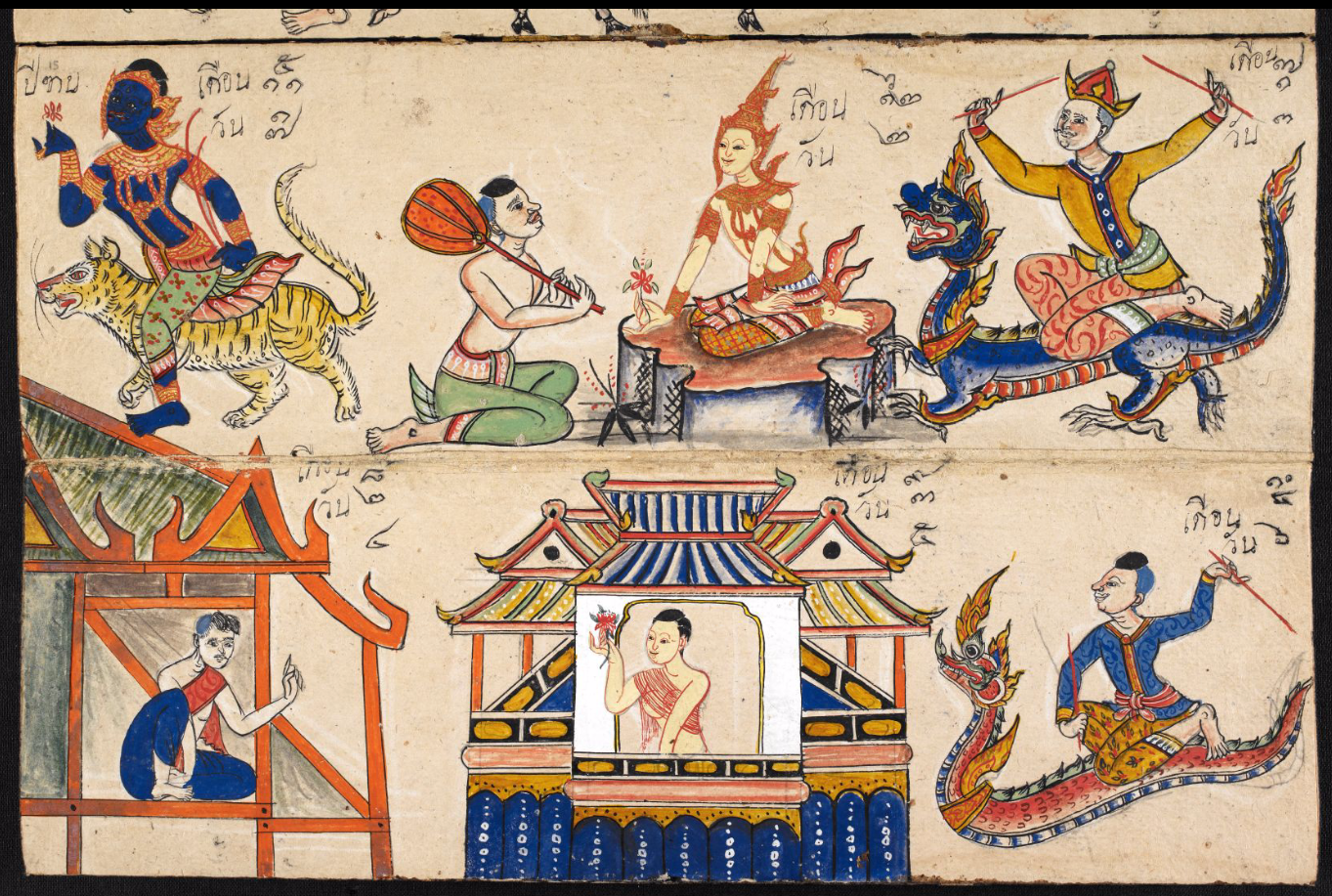
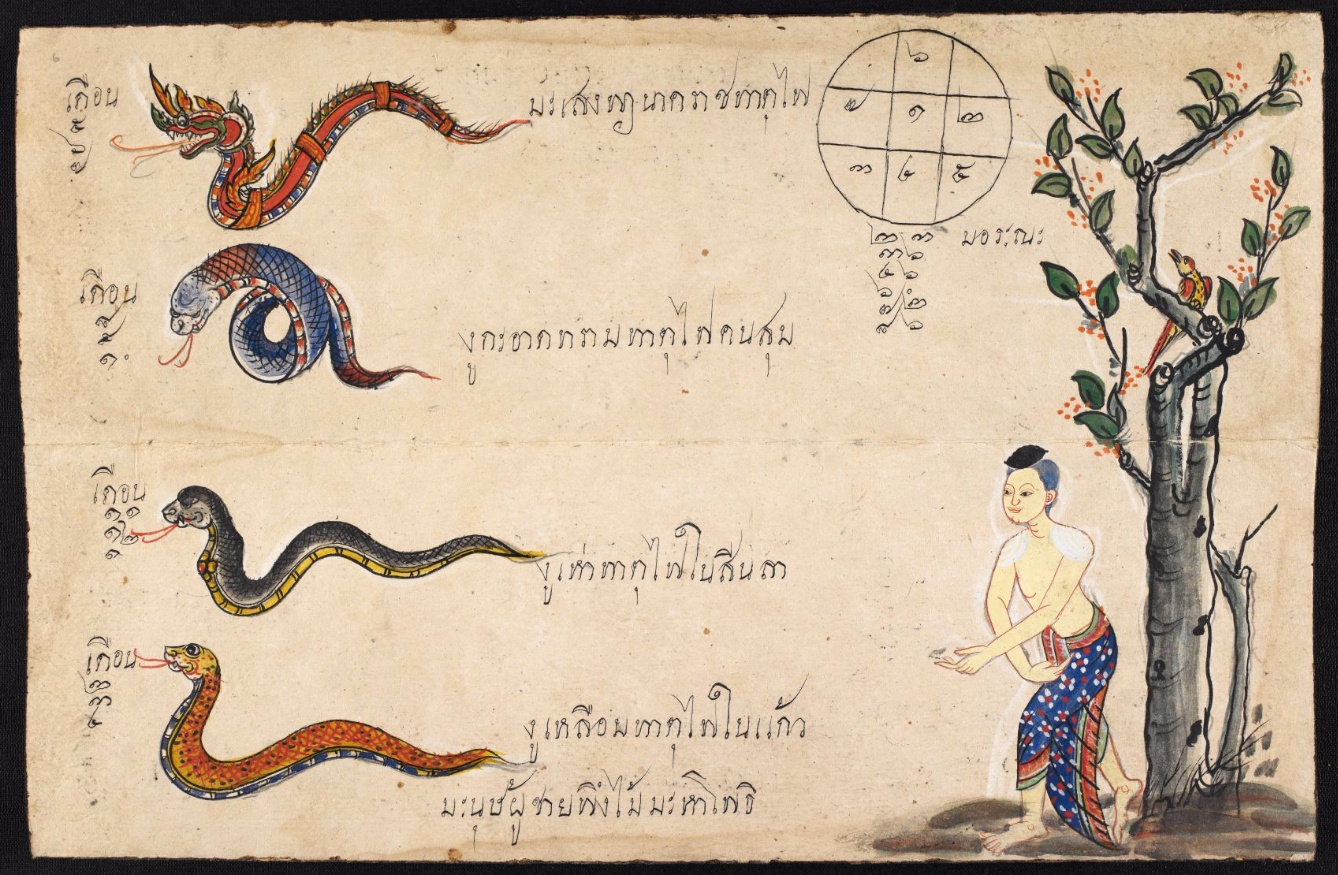
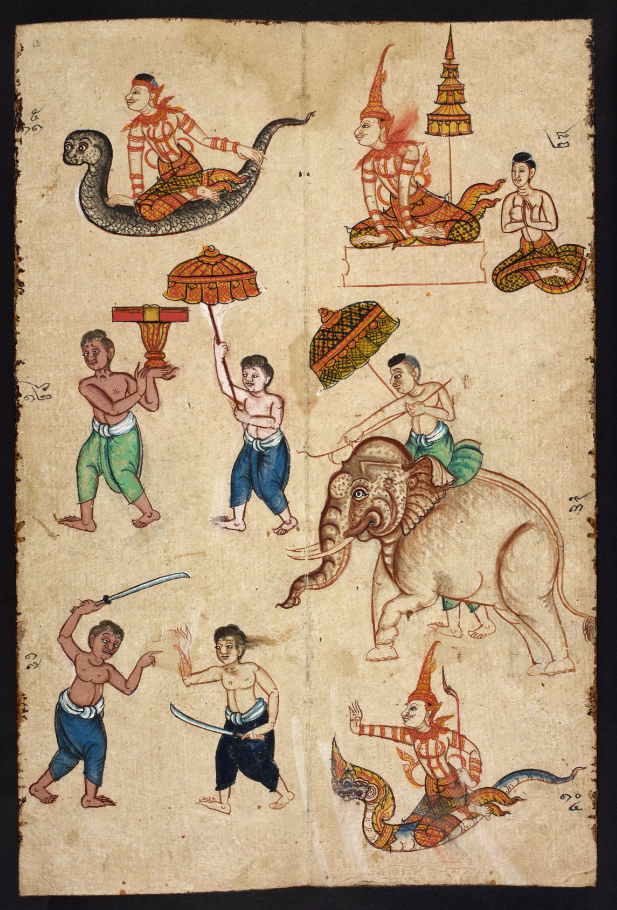
Phrommachat manuscripts determine the compatabilty of Thai couples

Phrommachat manuscripts determine the compatabilty of Thai couples

Hey, Baby, What’s Your Sign?

The 12 animals of the Thai zodiac were borrowed from the Chinese zodiac, with a decidedly Thai twist and include naga iconography on the snake and dragon. Each animal has a predominant natural element that rules over them: earth, wood, fire, iron or water. For Thai people, the completion of each 12-year cycle brings them back to their birth-year animal. It should be noted that the Thai adaptation shifts by about 23 days compared to the Gregorian calendar.

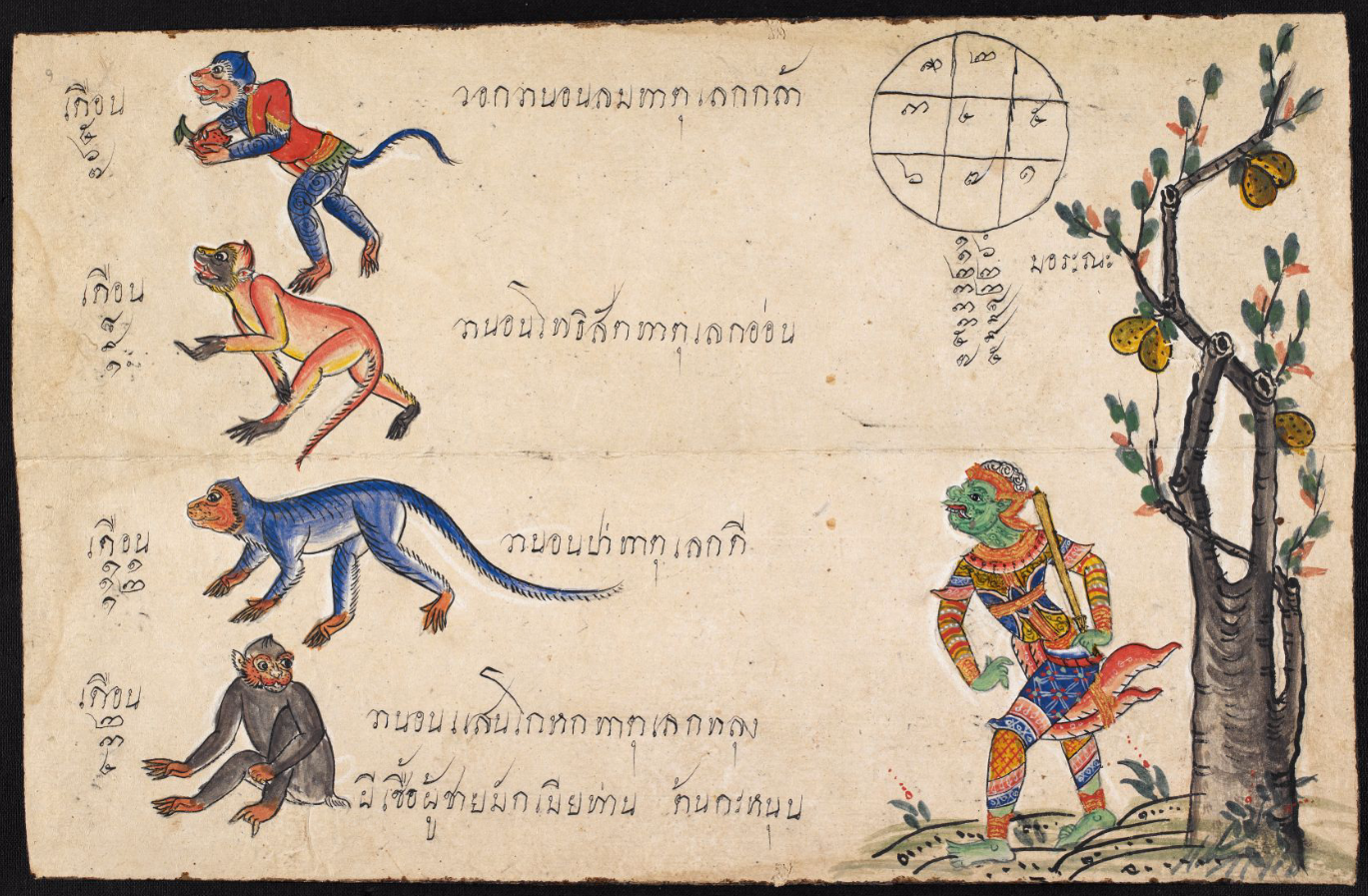
Those born in the year of the monkey are sociable but selfish

Those born in the year of the monkey are sociable but selfish

An important part of the decision-making process in traditional Thai culture is to consult a divination specialist, known as a mor doo, on the uncertainties of love and everyday challenges. These fortune-telling specialists consult divination manuscripts, known as phrommachat, matching the horoscopes of prospective couples. The mor doo possesses knowledge hidden from ordinary people, particularly on the perceived influences of stars, planets, numbers, plants, animals of the zodiac and divinities on the lives of humans.

According to the Thai zodiac, people born in the year of the snake are deep thinkers, though they can be vain about their good looks

According to the Thai zodiac, people born in the year of the snake are deep thinkers, though they can be vain about their good looks

Phrommachat manuscripts include texts and illustrations of unlucky constellations for prospective couples, taking into consideration their character traits as well as their horoscopes. The pages are richly illustrated with four images of each of the 12 animals of the zodiac, combined with alternating male and female avatars, the material appearance or incarnation of a deity on earth, and a symbolic plant in which the khwan, multiple souls or life forces, resides.

A mor doo, or Thai fortune-teller, lets you know if you’re a good match with the one you love

A mor doo, or Thai fortune-teller, lets you know if you’re a good match with the one you love

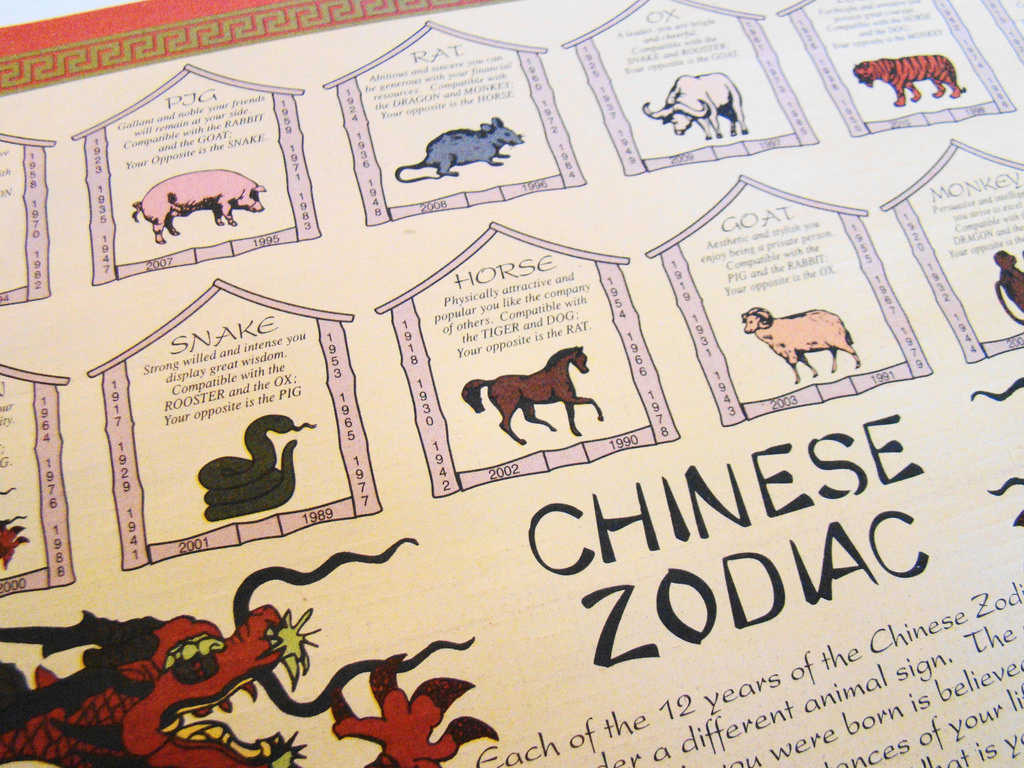
Personally, the closest I ever came to this type of divination manual was reading the paper placemats with animal signs of the Chinese zodiac when my family would stop in Fort Erie, Canada on our way back from visiting Toronto. –Duke

15 Best Articles of 2017

Our top blog posts cover the Paris Catacombs, India’s transsexual hijras, jinns, vintage Halloween, Fès hammans and more.


Duke and I tend to be drawn to the bizarre. We’re fans of the strange (chambers lined with skulls and bones, creepy vintage Halloween postcards and photos). We like to meet those who are societal outsiders (like India’s legal third sex, the hijra). We’re obsessed with the supernatural (jinns, gypsy love spells). But we also appreciate a good pampering (at a Fès hamman, say) and architectural beauties (such as the Milan Duomo).

Seems like you do, too. Here are the top 15 blog posts from last year. What was your favorite? –Wally


catacombs1.jpg

1. GRUESOME FACTS (AND HELPFUL TIPS) ABOUT THE PARIS CATACOMBS

No bones about it: If you think piles of skulls and hallways formed of bones are pretty effin’ cool (like us), then the Catacombs of Paris are for you.


hijras.jpg

2. SECRETS OF THE HIJRA: INDIA’S LITTLE-KNOWN TRANSSEXUALS

Prostitution, curses and dangerous sex change operations are a way of life for this marginalized community.


blackmagic.jpg

3. HOW TO PROTECT YOURSELF FROM JINNS AND BLACK MAGIC

Black magic in Islam is a serious concern — and the holy writings offer numerous ways to negate magic jinn.


gardenoffivesenses.png

4. THE BEST PLACE TO MAKE OUT IN PUBLIC IN DELHI

Not a typical tourist stop, the Garden of Five Senses is a whimsical sculpture park worth visiting. It’s also popular with local couples escaping societal judgment against PDA.


vintagehalloween.jpg

5. 24 VINTAGE HALLOWEEN CARDS THAT ARE NOSTALGIC — BUT A BIT CREEPY, TOO

Halloween greetings from the past featured common Halloween symbols: the witch, black cat, jack-o’-lantern, ghost, devil — and one that has been forgotten.


creepyhalloween.jpg

6. 21 VINTAGE HALLOWEEN PHOTOS THAT ARE SO CREEPY THEY'LL GIVE YOU NIGHTMARES

Halloween costumes of the past were scary as hell.


bainsamani.jpg

7. WHAT’S THE BEST HAMMAM SPA EXPERIENCE IN FES, MOROCCO?

Reinvigorate yourself at the luxury hammam Les Bains Amani.


milanduomo.jpg

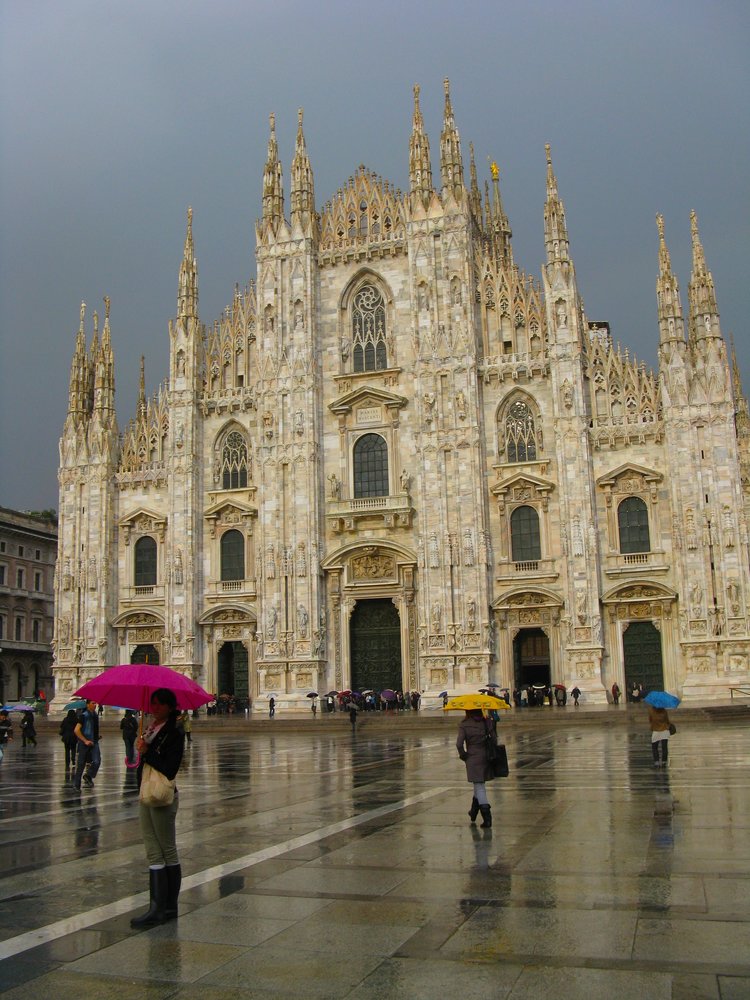
8. 7 FUN FACTS ABOUT THE MILAN CATHEDRAL

What to do in Milan, Italy? Visit the gorgeous Duomo di Milano, covered with statues of saints and gargoyles — and don’t miss the amazing view from the rooftop.


gypsydance.jpg

9. LOVE SPELLS FROM THE GYPSIES

How to cast a love spell to make someone fall in love with you — or fall out of love with you. Plus, secrets from the Roma that will reveal your future spouse!


pishtaco.png

10. THE PISHTACO OF PERU

Why one of the world’s creepiest vampire legends lingers to this day.


bluetemple.jpg

11. WAT RONG SUEA TEN, THE BLUE TEMPLE

No day trip to Chiang Rai is complete without a visit to this breathtaking wat, between the White Temple and Black Museum.


doha.jpg

12. THE BEST AND WORST PARTS OF LIVING IN QATAR

What’s it like living in a Muslim country that fasts for an entire month and limits the sale of booze? What do Qataris think of Americans? And how the heck do you pronounce Qatar?


brahmins.jpg

13. THE INDIAN CASTE SYSTEM EXPLAINED

Brahmin, Kshatriya, Vaishya, Shudra, untouchable: How did the caste system get started, what is the difference between castes — and how does this shameful practice persist to this day?


orthodoxstnick.jpg

14. HOW ST. NICHOLAS BECAME SANTA CLAUS

The surprising origins of jolly old St. Nick include a tie to prostitution, kids chopped into pieces, a devil named Krampus and a racist tradition around his helper Zwarte Pieter, or Black Peter.


fespottery.jpg

15. THE BEST SHOP FOR BLUE POTTERY IN THE ENTIRE FEZ MEDINA

If you’re shopping in Fès, just off of Place Seffarine is a small shop with a friendly owner and great deals.

The Seven Deadly Sins and Binsfeld’s Classification of Demons

Defeat the monsters of Supernatural Season 3, Episode 1 with the help of palo santo.

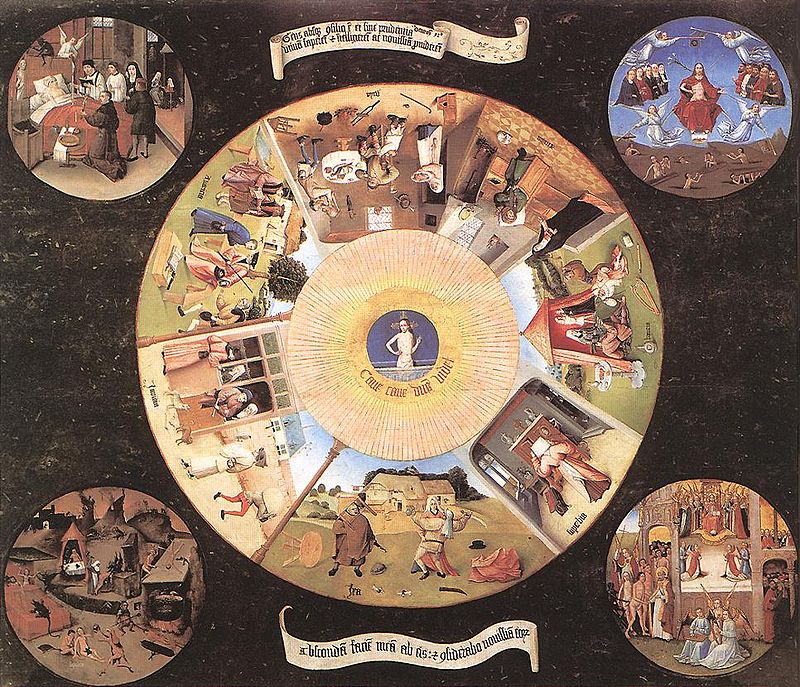
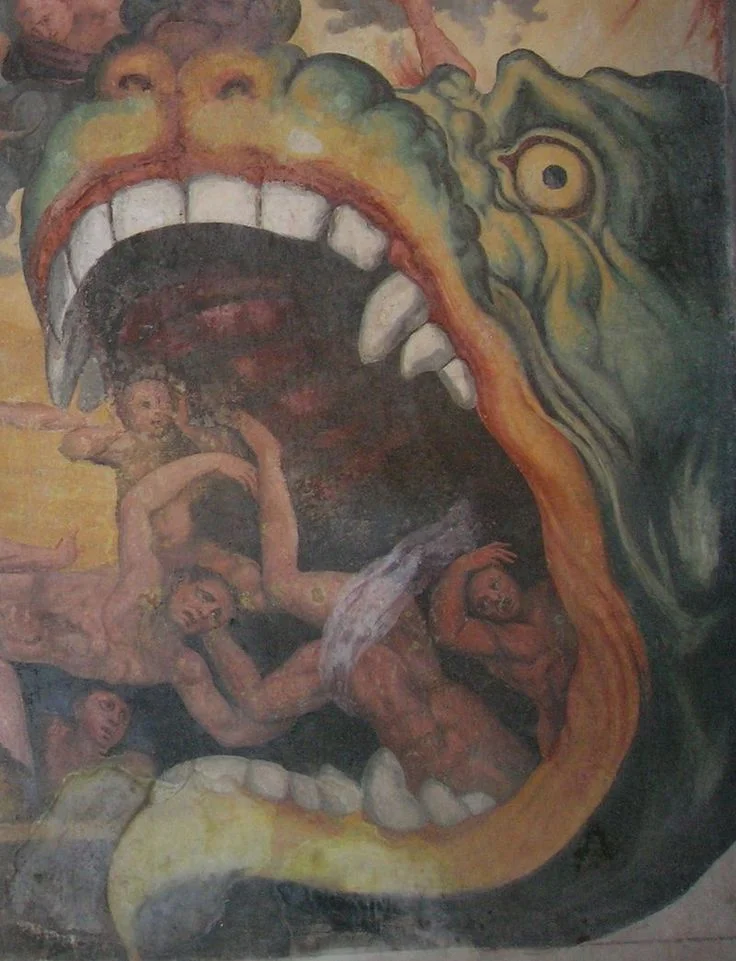
The Seven Deadly Sins and the Four Last Things is attributed to Hieronymus Bosch, though some scholars think it might be by one of his followers

The Seven Deadly Sins and the Four Last Things is attributed to Hieronymus Bosch, though some scholars think it might be by one of his followers

S3E1: “The Magnificent Seven”

Monster: The Seven Deadly Sins (pride, envy, gluttony, lust, wrath, greed and sloth)

Where it’s from: Egypt, then Italy. In 375 CE, Evagrius Ponticus, one of the so-called Desert Monks, created a list of eight evil thoughts or temptations that lie at the heart of all sinful behavior. A couple of centuries later, in 590 CE, Pope Gregory I, known as Gregory the Great, refined the list to the seven we know today.

“You can repress and deny us all you want,” Envy says, “but the truth is you’re just animals. Hungry, greedy, horny, violent animals.”
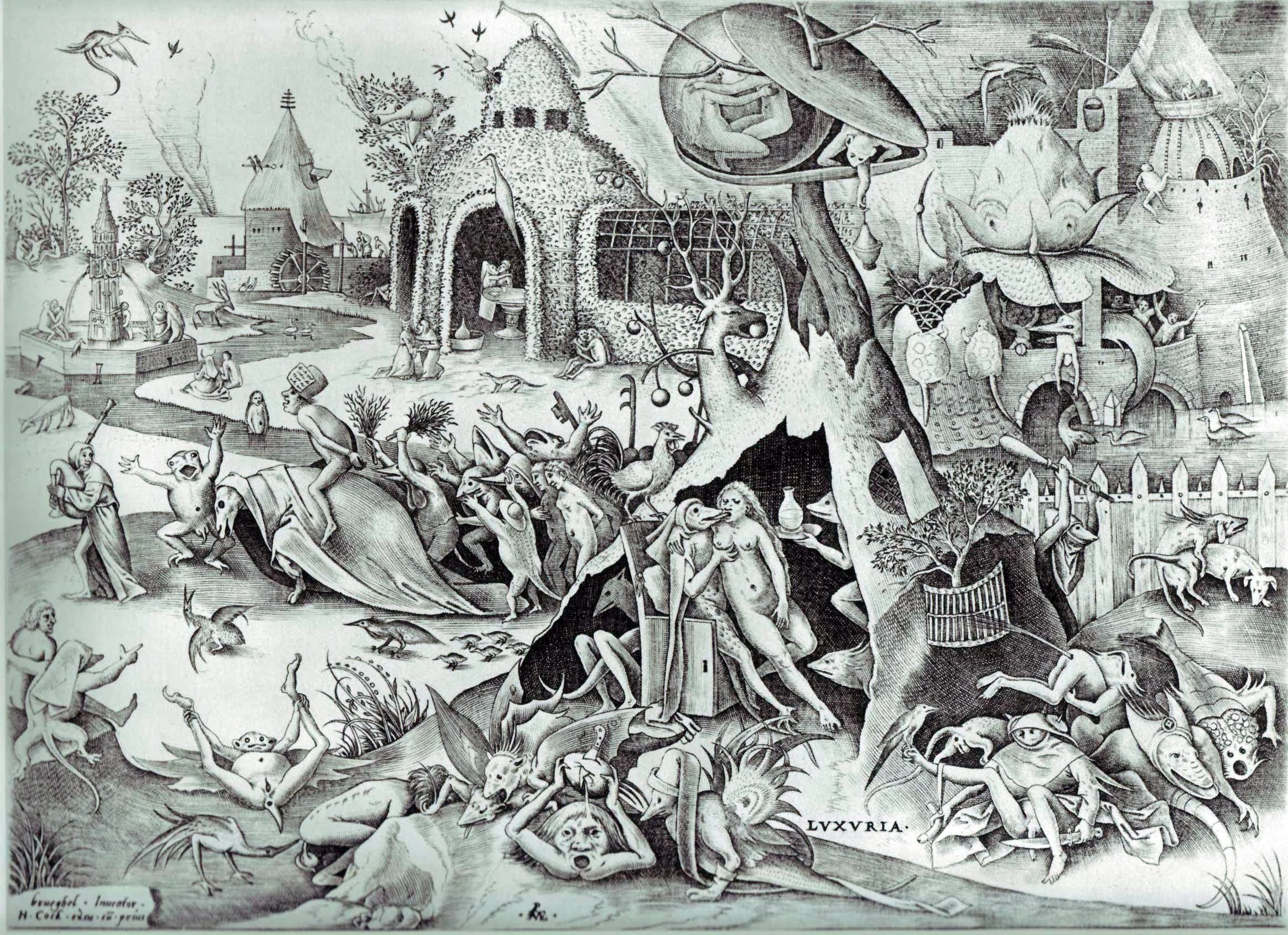
Pieter Bruegel’s Lechery, part of a series of etchings and engravings from 1558 on each of the Deadly Sins

Pieter Bruegel’s Lechery, part of a series of etchings and engravings from 1558 on each of the Deadly Sins

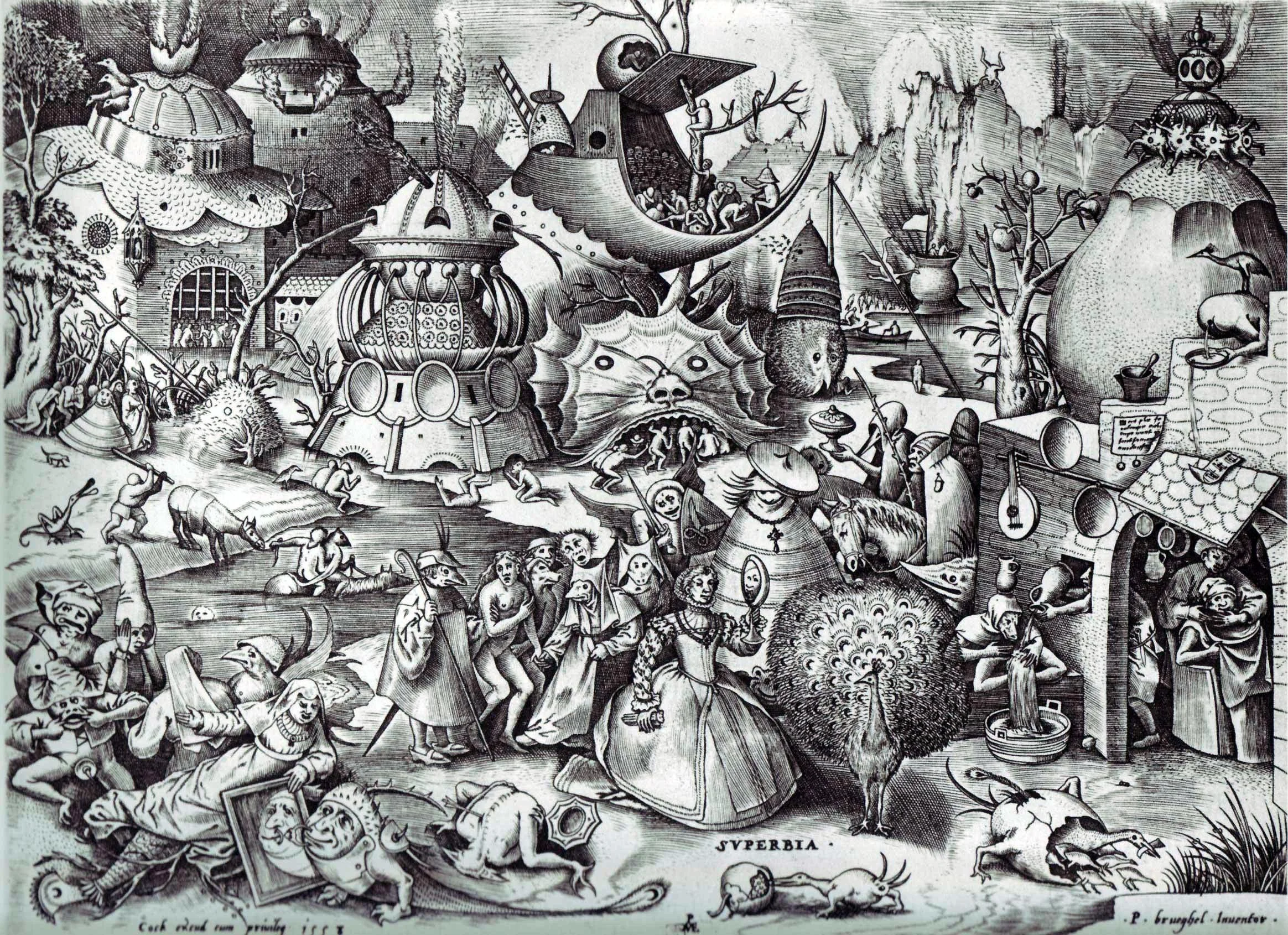
Pride by Bruegel, 1558

Pride by Bruegel, 1558

Description: On Supernatural, the demonic entities look a lot like the Smoke Monster from Lost. They flow into a person’s mouth and possess them, turning their hosts into personifications of the Seven Deadly Sins.

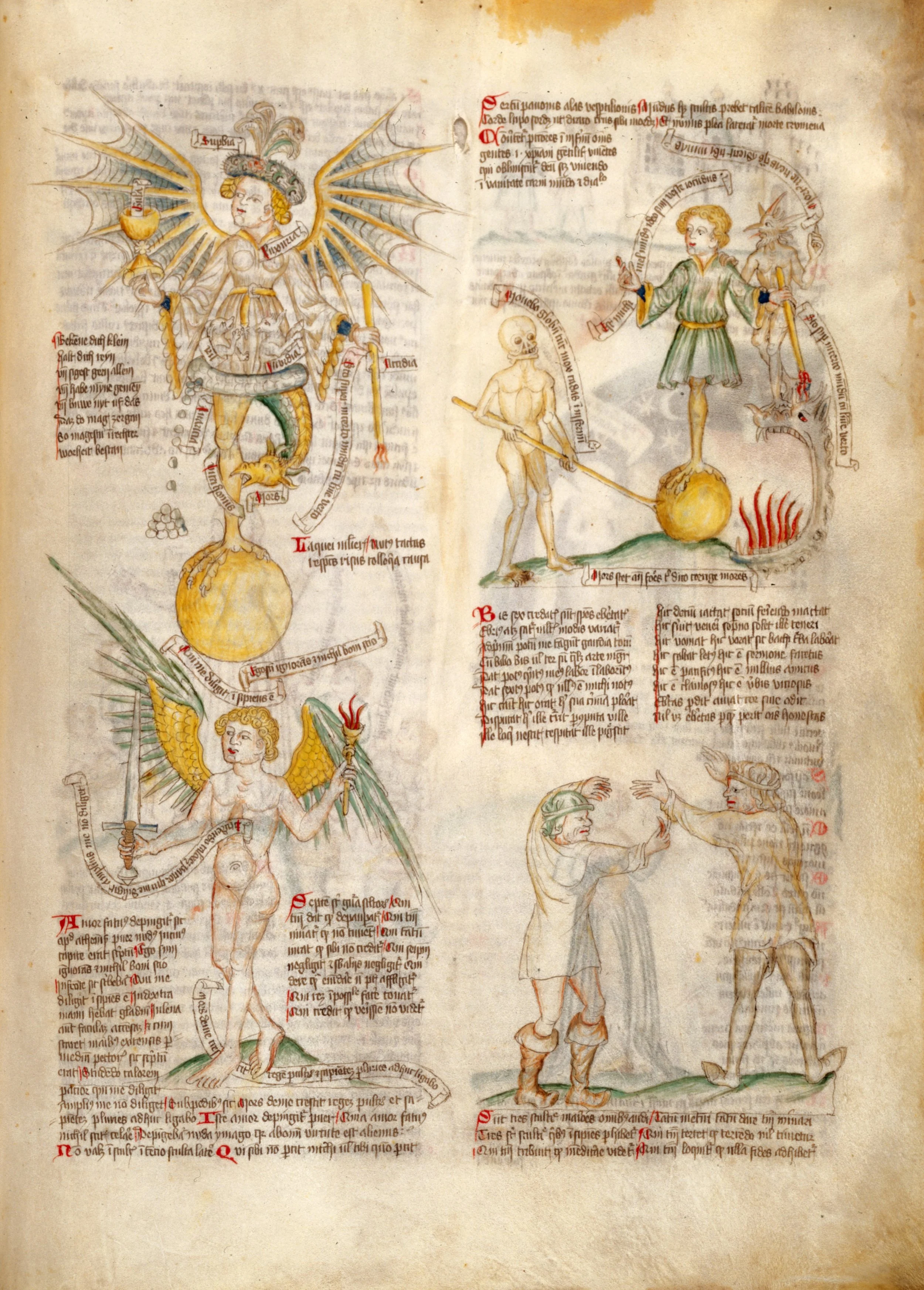
A page from an illuminated manuscript on the personification of the Seven Deadly Sins

A page from an illuminated manuscript on the personification of the Seven Deadly Sins

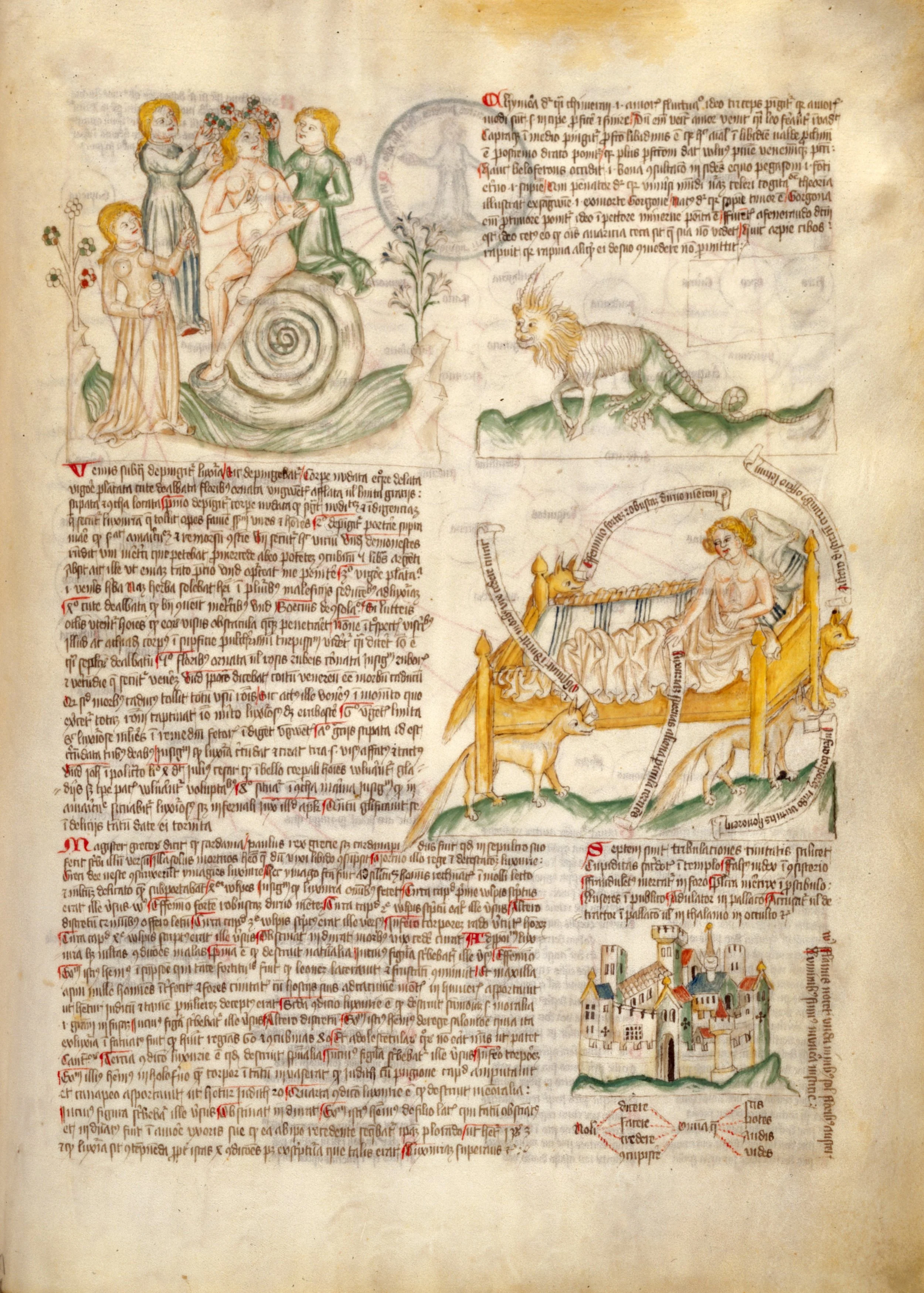
This page shows the personification of lechery

This page shows the personification of lechery

What it does: There’s a cicada swarm at ground zero. How biblical. A family is found rotting away on their couch, having died of dehydration and starvation (that is, sloth). A woman gets touched by a man who puts a suggestion in her mind. She really, really likes a pair of shoes — enough to smash another woman’s head into a windshield (envy). Talk about fashion to die for.

And poor Isaac, another hunter, gets persuaded to chug-a-lug a big ol’ container of Drano (gluttony).

Envy insists that the supposed Deadly Sins are really natural human instincts: “You can repress and deny us all you want,” she says, “but the truth is you’re just animals. Hungry, greedy, horny, violent animals.”


Binsfeld’s Classification of Demons

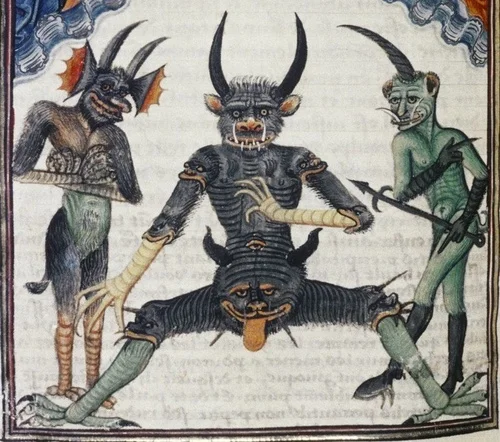
In 1589 the German bishop and notorious witch hunter Peter Binsfeld paired each of the Deadly Sins with a demon who uses it to tempt people.

lucifer

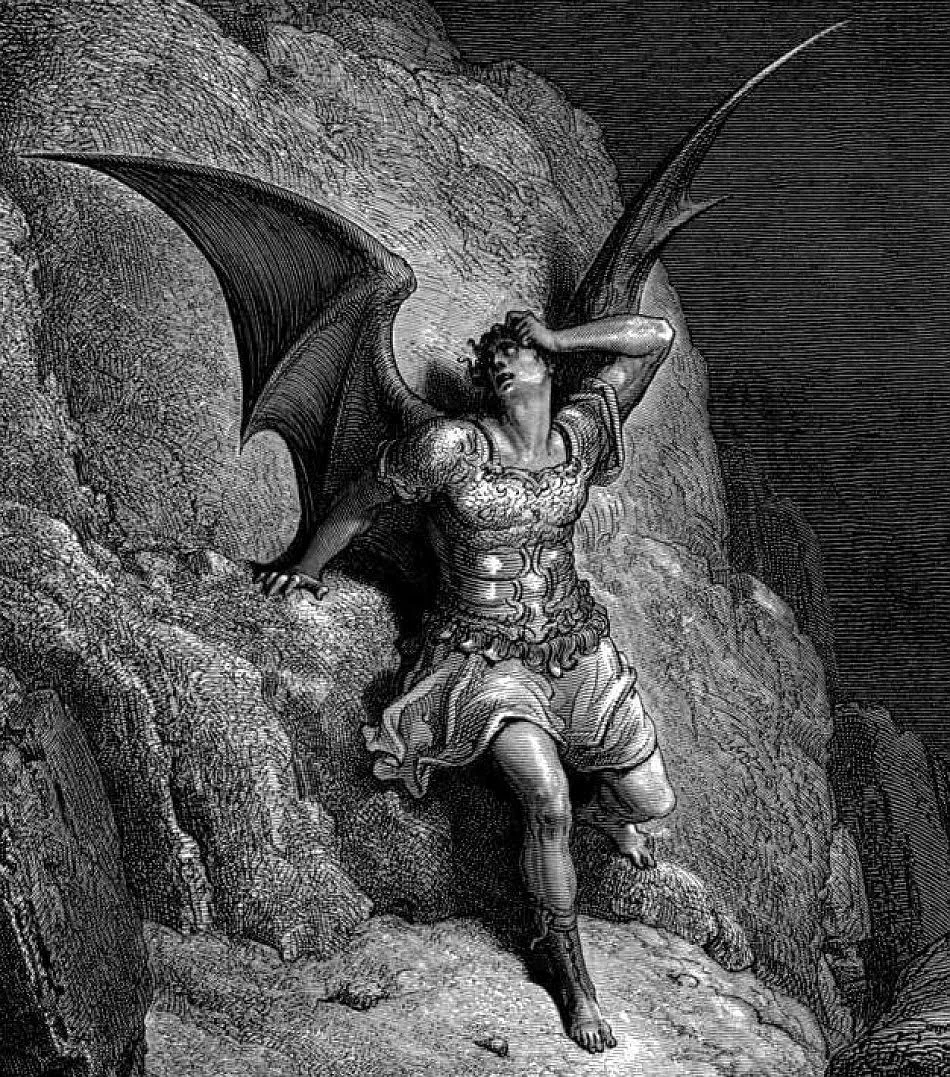
Lucifer: Pride

Lucifer was the first fallen angel (you know what they say about pride goeth-ing before a fall). He’s now the ruler of Hell and the Father of All Devils.


mammon.jpg

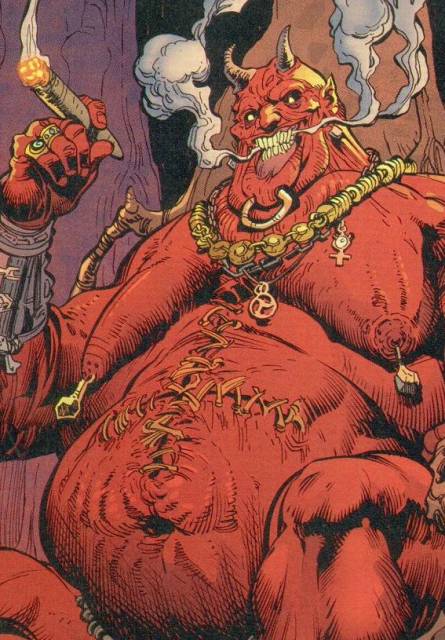
Mammon: Greed

One of the princes of Hell, Mammon literally means “money” in Hebrew.


asmodeus.jpg

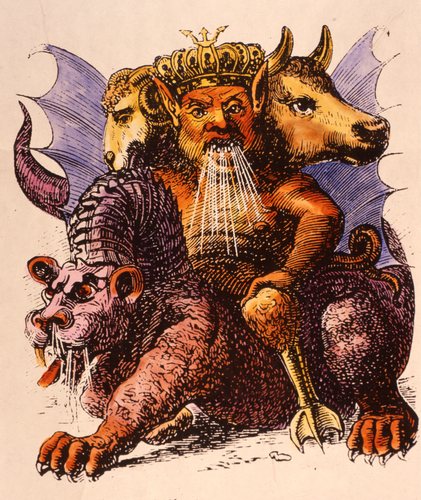
Asmodeus (Asmodai): Lust

There must be some power struggles in the fiery pits, because Asmodeus is known as the King of the Nine Hells. He’s described as being quite the mishmash of animal parts in the Dictionnaire Infernal by J. Collin de Plancy: three heads (a man spitting fire, a sheep and a bull), the torso of a man, one rooster leg and a serpent’s tail. As if that’s not enough, he rides a lion that has a dragon’s neck and wings.


satan

Satan: Wrath

One of the highest-ranking demons of Hell and certainly the best-known today (he’s become synonymous with the Devil).


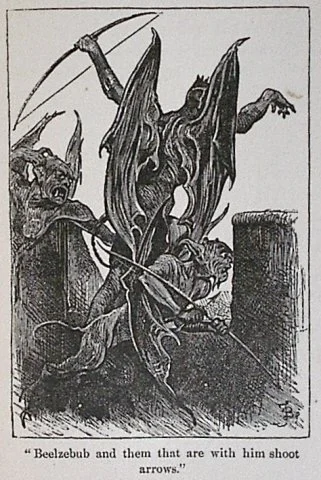
beelzebub

Beelzebub: Gluttony

Not surprisingly, the Lord of the Flies looks like a disgustingly large fly.


leviathan

Leviathan: Envy

A sea monster thought by some to be a crocodile, though it later came to represent a whale. Its name means “twisted in folds,” leading many scholars to believe it’s a sea serpent.


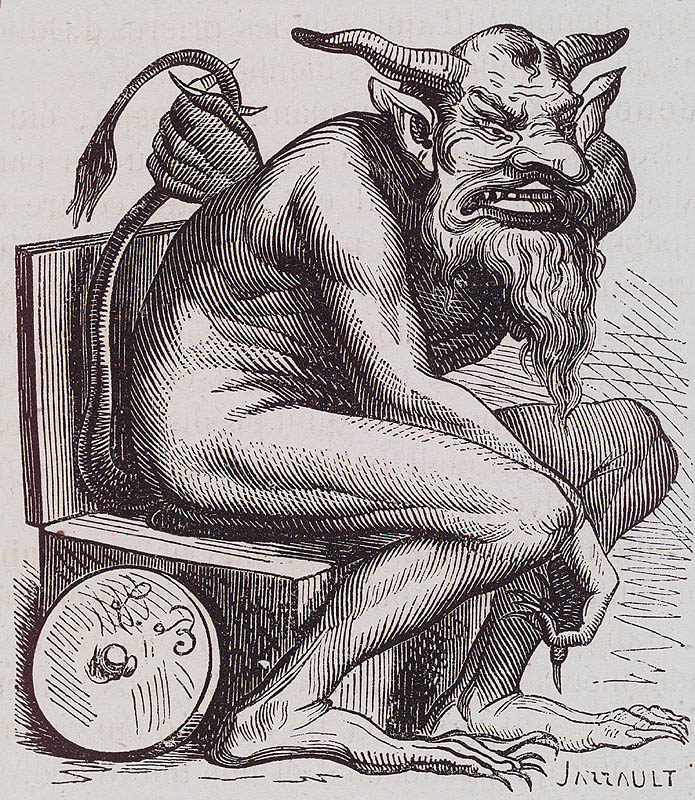
belphegor.jpg

Belphegor: Sloth

One of the Seven Princes of Hell, Belphegor is connected to sloth by Binsfeld, though others say he seduces people by giving them ingenious ideas for inventions that will make them rich and that he was originally worshiped as a phallus and was associated with orgies. In the Dictionnaire Infernal, he’s Hell’s ambassador to France.

How to defeat it: Palo santo, a holy wood from the coast of South America used by the Inca. It’s a mystical tree that’s part of the citrus family and related to frankincense and myrrh, according to Sacred Wood Essence. Not only is it good for keeping insects away, which is why it’s so popular in Ecuador and Peru, it cleanses an area, much like sage.

“Its smoke is so powerful that it has become a staple in sacred rituals, becoming an essential energy tool for shamans and saints alike,” writes the Energy Muse Blog.

In addition, “it provides an uplifting scent that raises your vibration in preparation for meditation and allows for a deeper connection to the source of all creation,” Sacred Wood Essence says. “It is also said that palo santo enhances creativity and brings good fortune to those who are open to its magic.”

If you’re dealing with someone possessed by a demon, you should always try the rite of exorcism. You’ve been practicing your Latin…right?

Getting saved in the nick of time by a mysterious girl with a magic demon-slaying blade certainly helps, too. –Wally