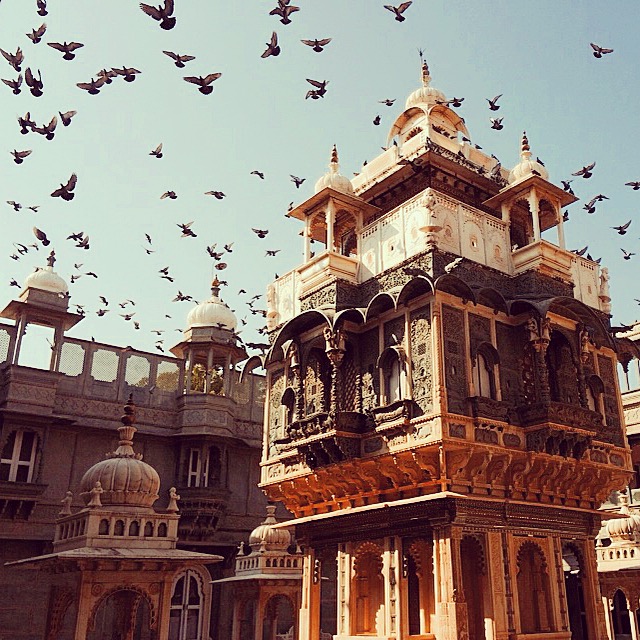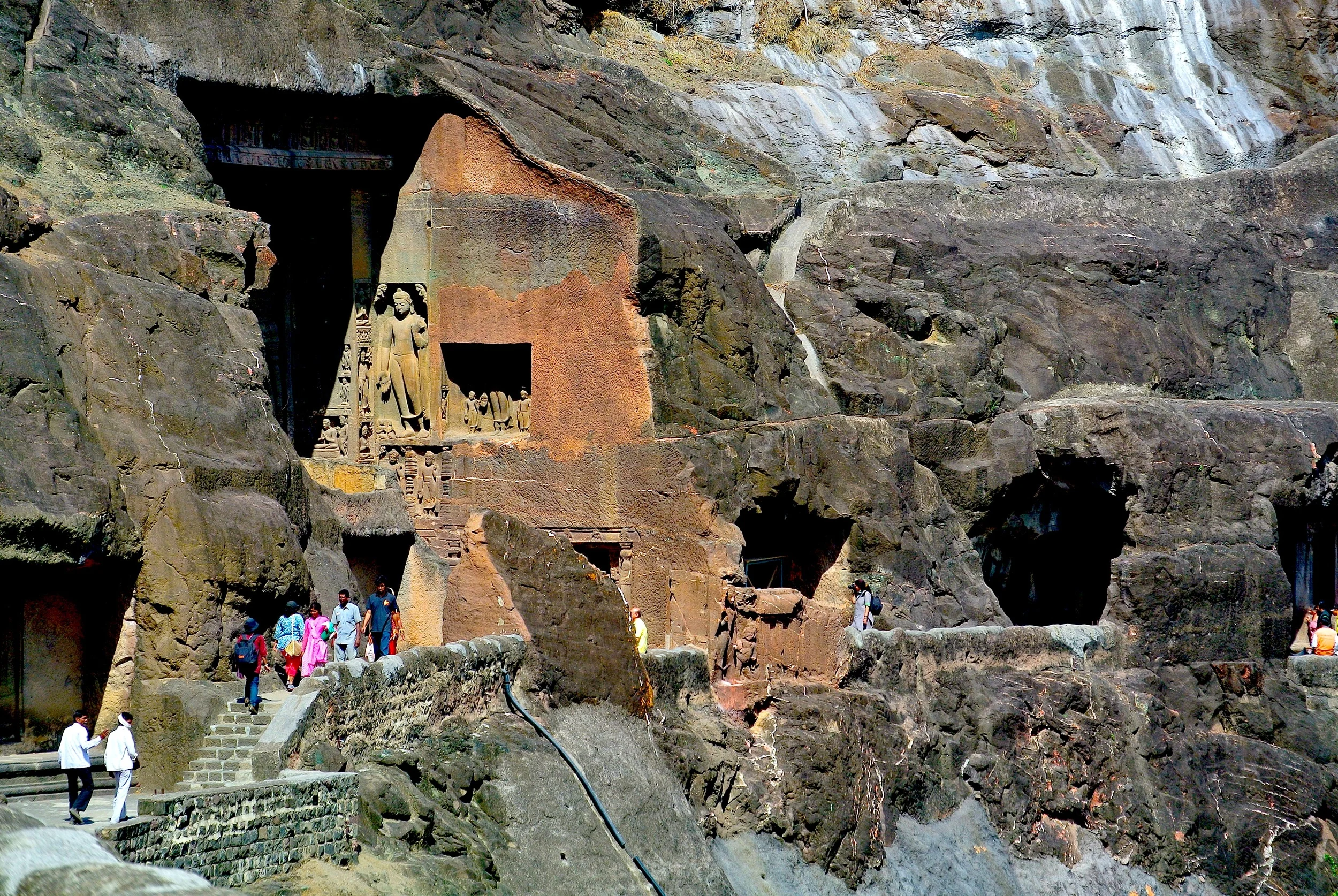
Ajanta Caves: 8 Tips Before You Go

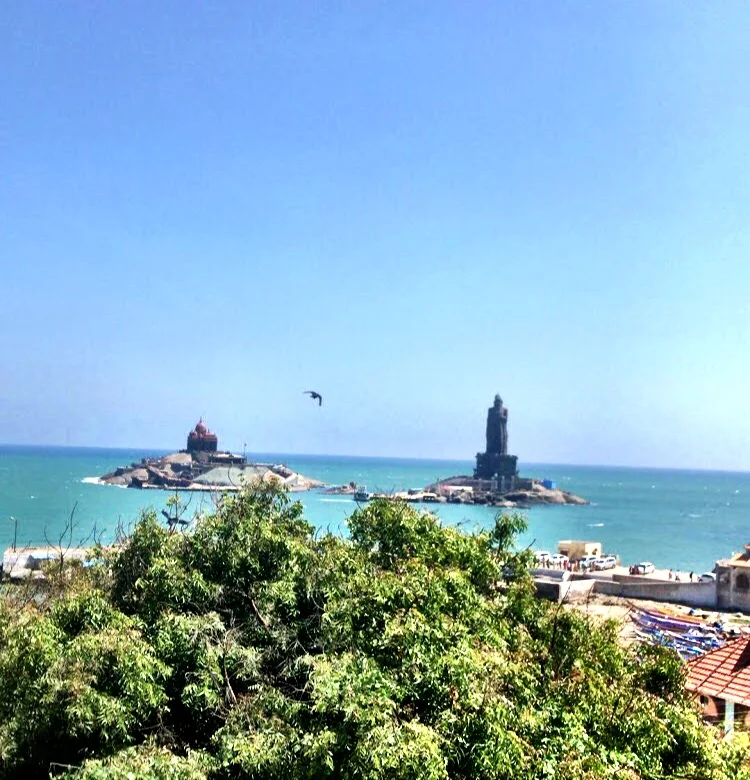
The Ajanta Caves outside of Aurangabad, India

The Ajanta Caves outside of Aurangabad, India

Stay in Aurangabad and be prepared to explore this ancient Buddhist monastery carved out of the mountainside.


Tip 1: Head off the beaten path.

If you like going all Indiana Jones on your vacation, as Wally and I do, consider adding the Ajanta and Ellora Caves to your India itinerary. These spots aren’t too well known among Western tourists — you’ll mostly see Indians and Buddhist monks from Southeast Asia.

By midday, the ground was intensely hot, making our barefoot trek across the rocks like walking over coals.


Tip 2: Decide if you have time to hit both Ajanta and Ellora.

We had two days in Aurangabad, so we were able to visit both sets of caves. The concierge pretty much insisted that we visit Ajanta first, and we couldn’t figure out why. After we had explored both, we wondered if this was because Ajanta, which are entirely Buddhist, might be a bit of a letdown after the diversity of the Ellora site.


Tip 3: Stay in Aurangabad.

Ajanta is nearly two hours away from Aurangabad, a big city with an airport that works as a good base for both the Ajanta and Ellora Caves.


Tip 4: Make sure you understand where you’ll meet your driver.

We arranged transport to the Ajanta Caves through our hotel, Lemon Tree.

The driver who had picked us up the evening before told us he would be there promptly at 8 a.m. so that we could beat the throngs.
What we did not know was that he actually meant a driver from the hotel — not necessarily him, and that said driver would not come into the hotel lobby to announce he had arrived. We’re not sure that this is the norm, but he waited outside until we went out to him.  

Thankfully, a concierge working that morning realized this and directed us to the vehicle after we had sat in the lobby for 45 minutes.


Tip 5: Beware the touts.

After reaching the parking lot outside the caves, we passed through an open-air market with aggressive touts, a couple of which approached us and asked our names and where we were from. They offered each of us a small quartz crystal, pressing them into the palms of our hands and saying, “No money — you visit my shop after.” 

Believe us — they’ll remember you. We did visit their shops, hardball haggled (going into other tents to compare prices) and scored some good deals.


Tip 6: Take your shoes with you.

We boarded a tour bus and soon caught our first glimpse of the horseshoe-shaped bend in the Waghora River gorge where the caves are located. 

As it was required for us to remove our sandals prior to entering the caves, we decided to leave them at Cave 1 rather than putting them on and taking them off every single time.

We failed to realize that there were 29 caves in all, and by midday the ground was intensely hot, making parts of our barefoot trek across the rocks like walking over coals.

The best thing to do is bring a pair of shoes you can easily slip on and off before entering each cave.

Tip 7: Learn a bit about how these caves and paintings were made.

After you enter the dimly lit cave interiors, your eyes begin to adjust, revealing frescoes depicting the magical Jataka stories about the previous incarnations of Buddha, in both human and animal form.

The oldest caves date back to the 2nd century BCE, with a more elaborately painted addition from the 6th century BCE.

Interiors of many of the cave surfaces are covered with a plaster mixture consisting of clay, lime, hay and dung.

Paintings were made while the plaster was wet. Oxide red and yellow were created from ochre, black from soot, white from the clay mineral kaolin, lime and green from another local mineral. You’ll occasionally see blue, which came from pulverized semiprecious lapis lazuli.


Tip 8: Get your head around the fact that these caves were once a Buddhist monastery.

The caves are comprised of two types. The chaitya (prayer halls) were excavated around 200 BCE and were among the first used purely for congregational worship. The viharas (monasteries) contain chapels as well as small cubical dormitory cells where monks once slept.

The site was abandoned in 477 after the sudden death of Ajanta's most important sponsor, Emperor Harisena.

It must have been incredible when English hunter John Smith accidentally rediscovered the largest of the caves, later named Cave 10, in 1819 in the middle of chasing a tiger. –Duke


Top 6 Wellness Tourism Trips

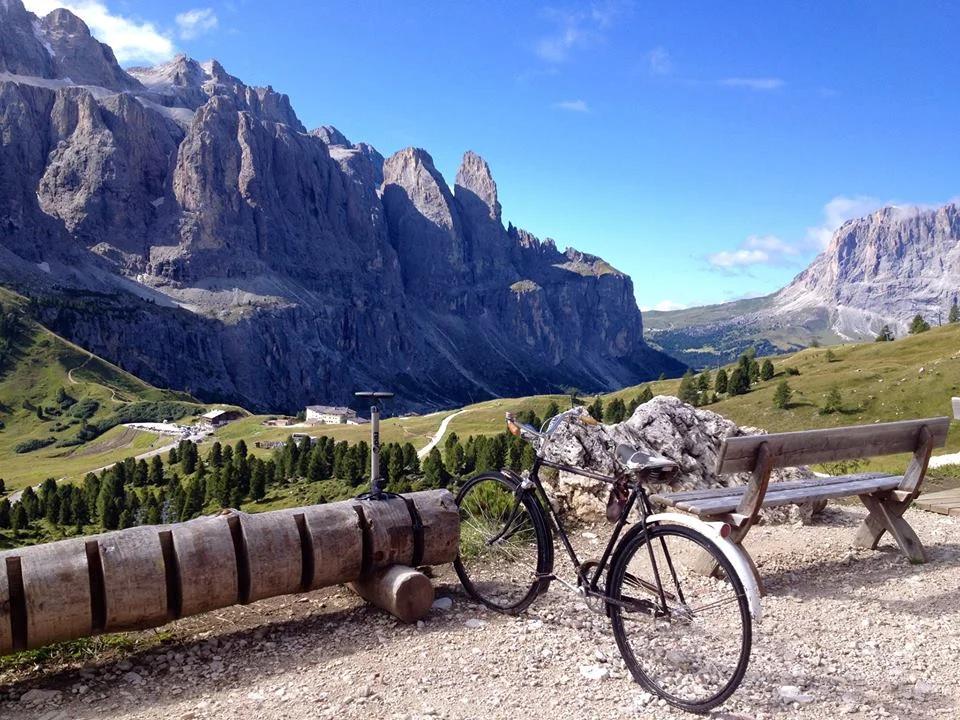
Hiking and biking the Dolomites along the Italian and Austrian border

Hiking and biking the Dolomites along the Italian and Austrian border

Yoga on the Mexican beach, hikes to Machu Picchu, Pilates in Morocco — the best health tourism adventures.


You know the type. Their Facebook page is full of beautiful photos of fabulous trips. You’re simultaneously insanely jealous and giddy with excitement at the opportunity to live vicariously through your friend’s adventures.

Well, that’s Nancy.

I leave with a feeling of renewal and that I can take on all of my biggest dreams.

As I battled my jealousy of and happiness for her, I noticed a trend among Nancy’s trips: They all had some sort of wellness angle. She’d be doing yoga on a beach in Mexico or hiking across Europe or doing Pilates in Morocco.

I decided to get her take on wellness travel. Here are her top trips and advice. Namaste. –Wally


What draws you to wellness travel?

I cannot just sit on a beach. I always feel like I need to “earn the day.”

I love combining culture, physical activity, regional food and wine, like-minded people, spirituality and mindfulness into one trip. 


What trends have you seen in wellness travel lately?

Adding volunteerism to the experience. For example, in Marrakech, Morocco, we delivered school supplies to a local school and spent some time in the classroom. 


Most surprising thing you’ve discovered on a trip?

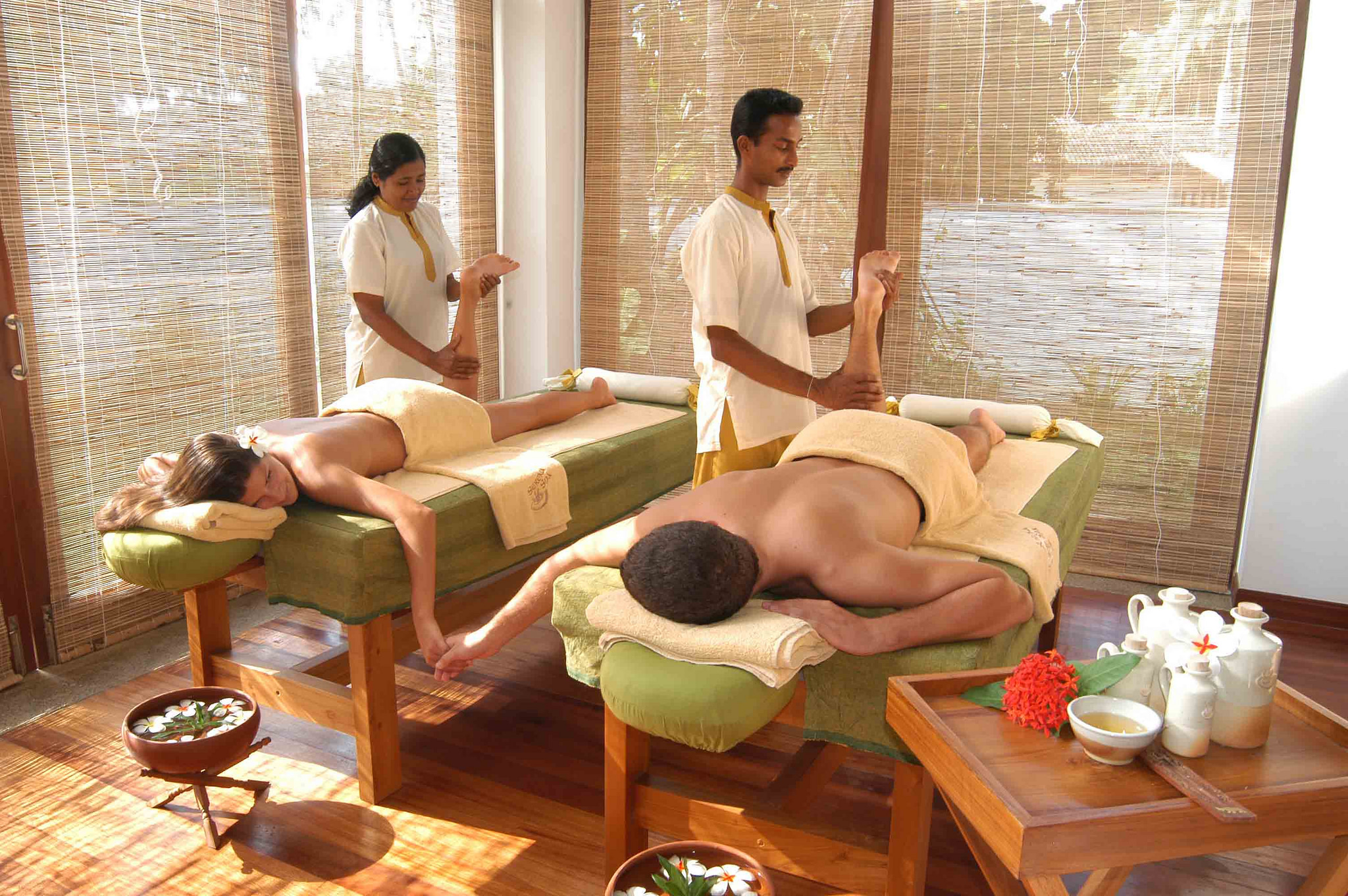
In Tulum, Mexico, I got a massage from a Mayan healer. These healers can pick up on energy in your body. He told me that the sciatic nerve area can represent “stalled advancement” and that I was experiencing this right now. He basically summed up a few key areas of my life at the time.

This experience motivated me to go after a new career opportunity at my company, which I successfully landed.


Nancy’s Top Wellness Travel Destinations 

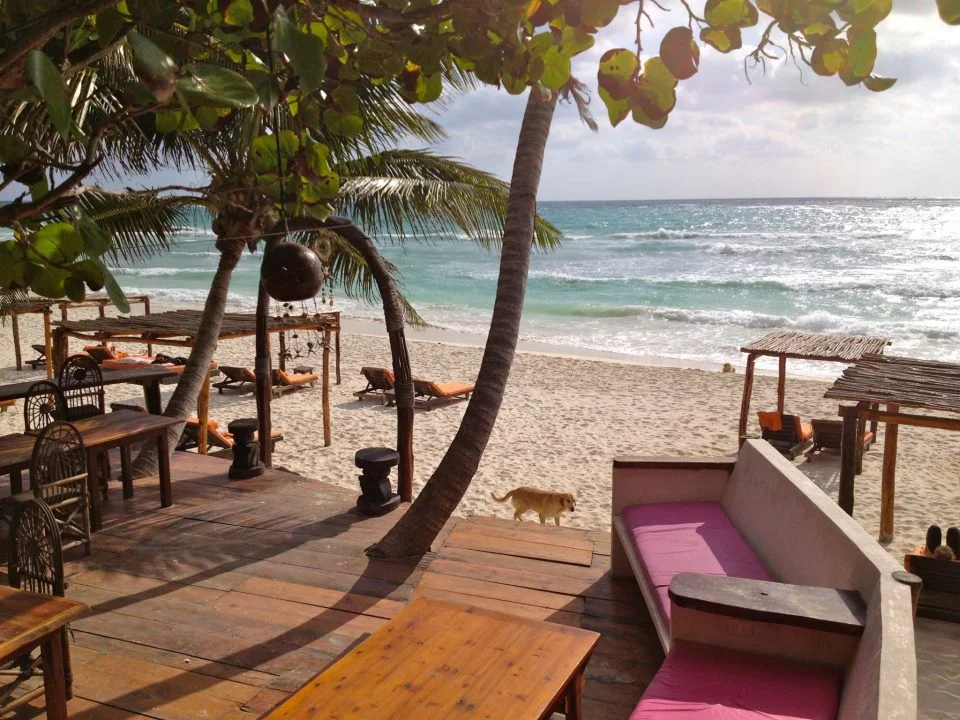
Amansala in Tulum, Mexico offers runs along the beach and candlelit yoga

Amansala in Tulum, Mexico offers runs along the beach and candlelit yoga

1. Amansala Bikini Bootcamp, Tulum, Mexico

I go to Amansala every year for the last week of the year as a way to undo all of the debauchery from the holidays and to kick-start the New Year.

The setting is boho chic huts and palapas [open-sided shelters with thatched palm roofs] on a white sand beach with Caribbean blue water.

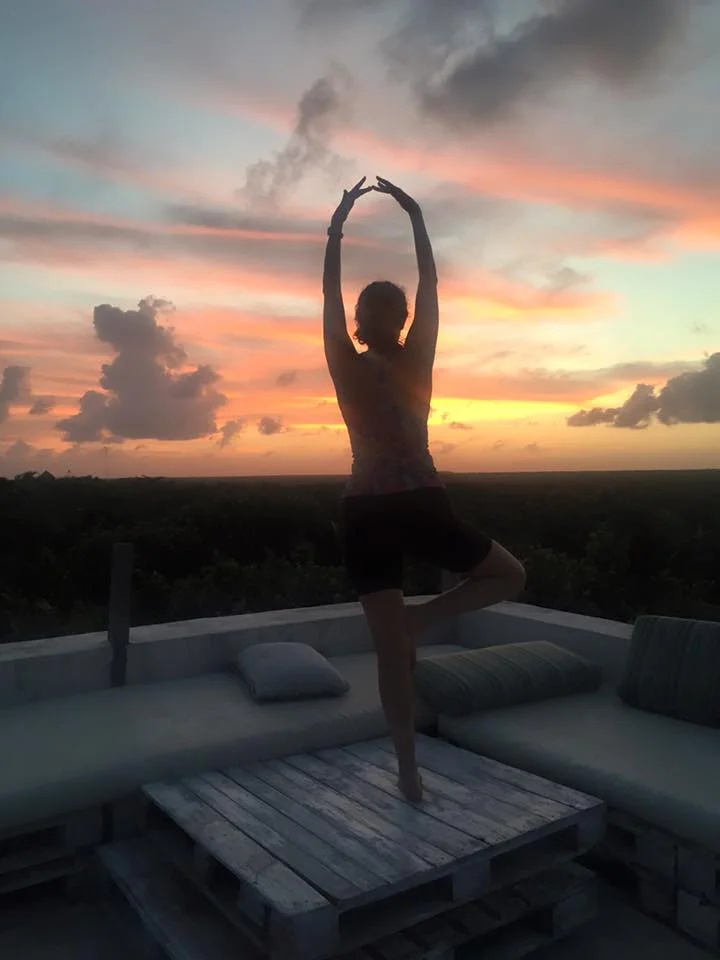
One of her favorite annual traditions: Nancy does yoga at sunset on New Year's Eve

One of her favorite annual traditions: Nancy does yoga at sunset on New Year's Eve

Guests have the option to make the week as active or as chill as they would like. Most choose active due to the wide variety of activities and high-caliber instructors.

The daily routine at Amansala includes morning beach walks or runs, yoga with beach views, cardio class (kickboxing, circuit training, etc.), dance class and/or sunset candlelit yoga.

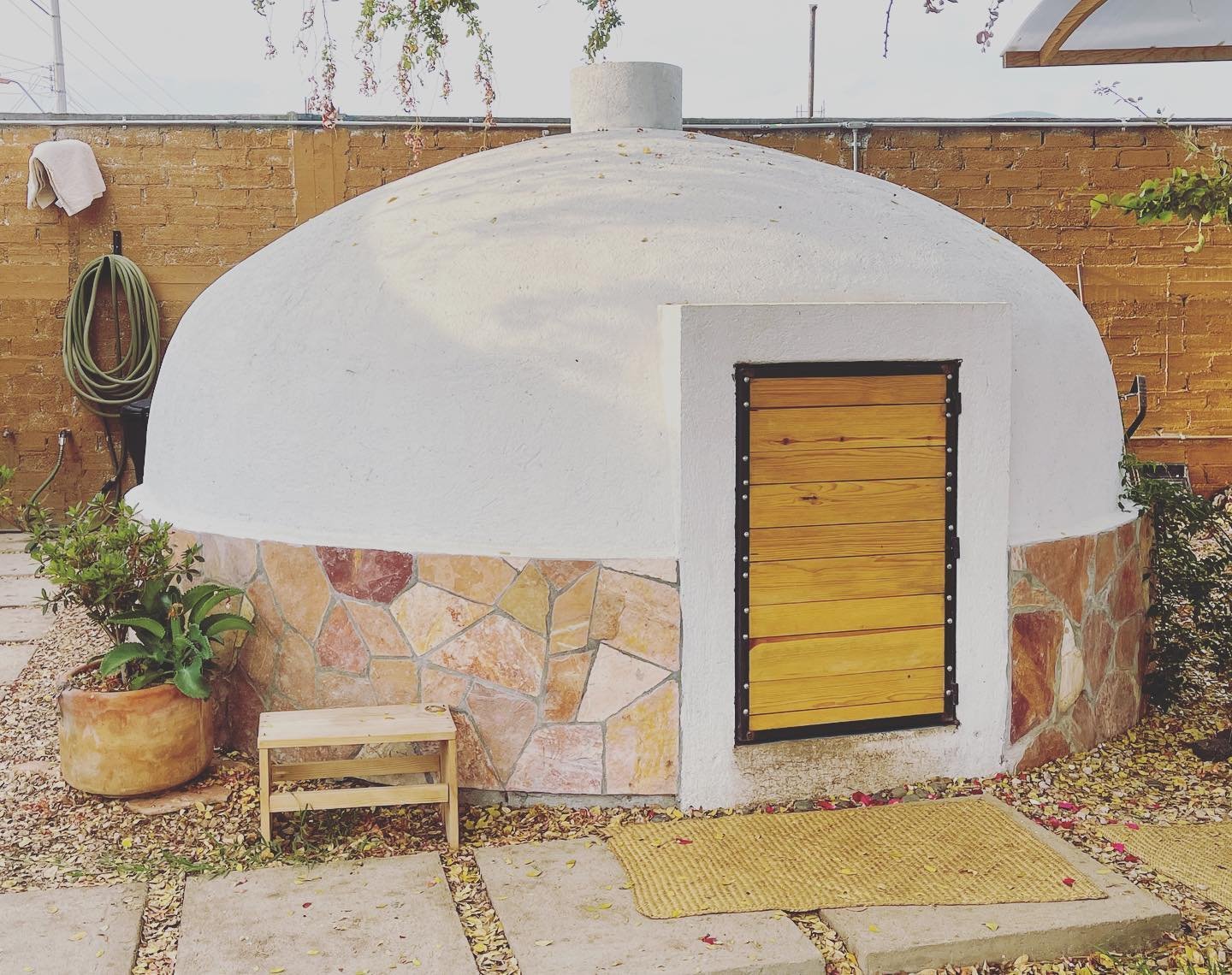
Experiences such as cultural excursions, massages, a Mayan clay renewal ritual and tarot card readings are all offered at Amansala. You can also sweat out all of your toxins/sins at their Temezcal (Mayan sweat lodge) ceremony, led by an elder Mayan healer.

In between all of this, you can relax on the gorgeous white sand beach. The three golden Labs, who are pets of the property, might join you or try to rally you for a game of “fetch the coconut.”

The food is also healthy and tasty — they even have their own cookbook. 

Amansala combines the physical, mental and spiritual aspects of wellness, which is why I go back every year. I leave with a feeling of renewal and that I can take on all of my biggest dreams. This special place attracts like-minded people, so I have met several friends with whom I am still in touch. 


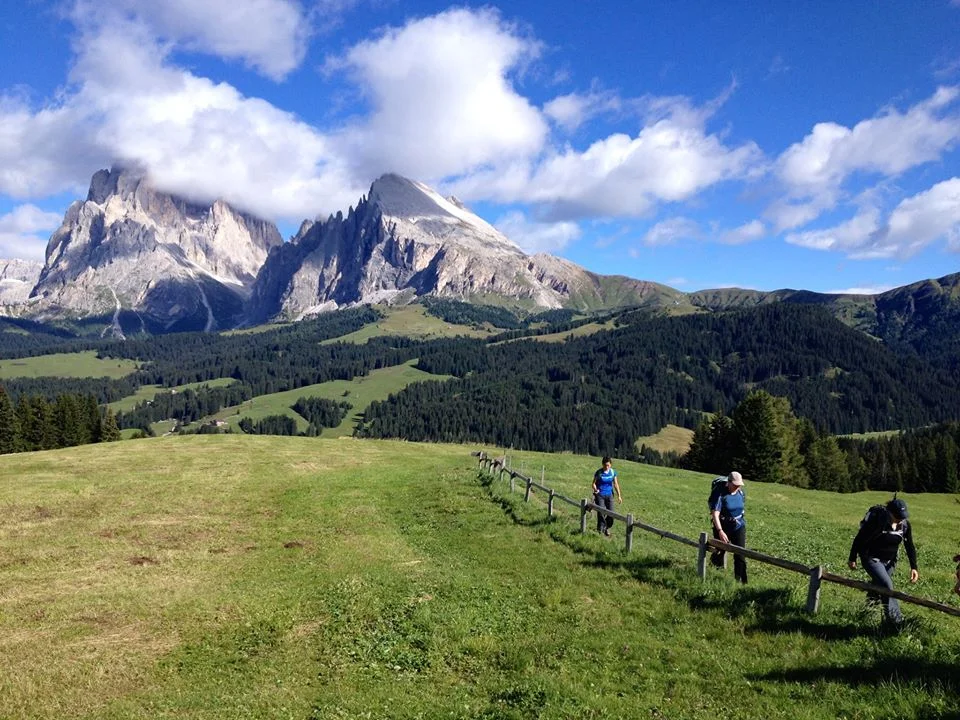
Hiking through the Dolomites mountain range, which straddle Italy and Austria

Hiking through the Dolomites mountain range, which straddle Italy and Austria

2. Backroads Breakaway Walking & Hiking Tour, the Dolomites, Italy

On this tour, you hike every day (four to six hours) in the spectacular setting of the Dolomites mountain range in-between Italy and Austria.

There’s amazing Italian and Austrian food. You might have apple strudel and beer at lunch and then pasta and red wine at dinner.

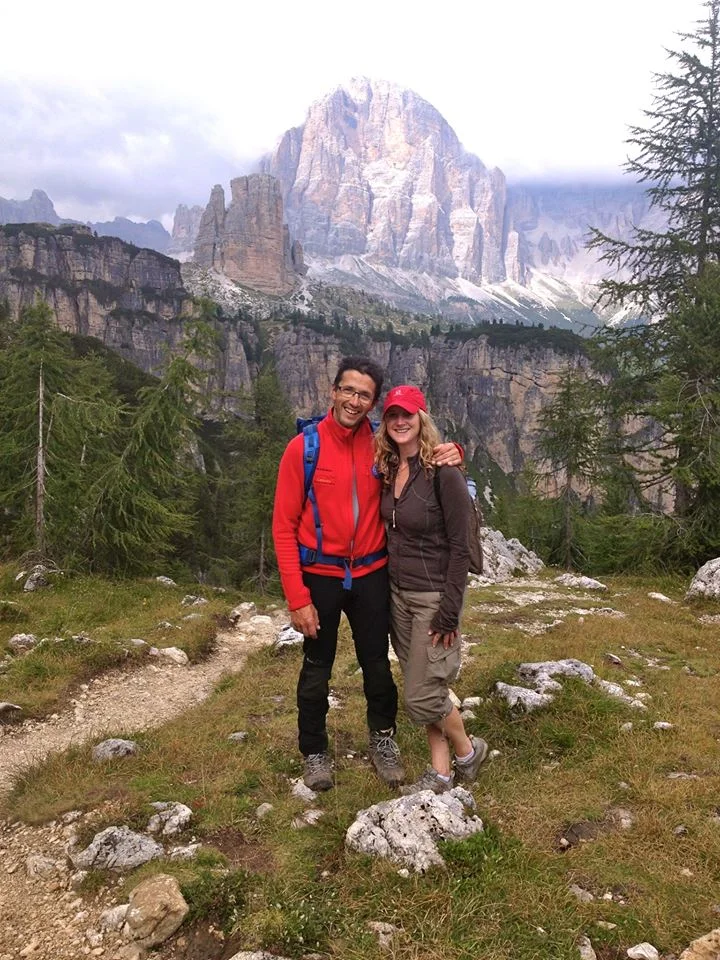
Nancy and her local guide, with the Cinque Torri in the Dolomites as a backdrop

Nancy and her local guide, with the Cinque Torri in the Dolomites as a backdrop

We hiked from one resort to the next over a seven-day period. We would stop in at ski huts along the way to refuel.

It was the perfect combination of outdoor activity, breathtaking scenery, culture — Italy and Austria! — amazing food and awe-inspiring boutique hotels. 


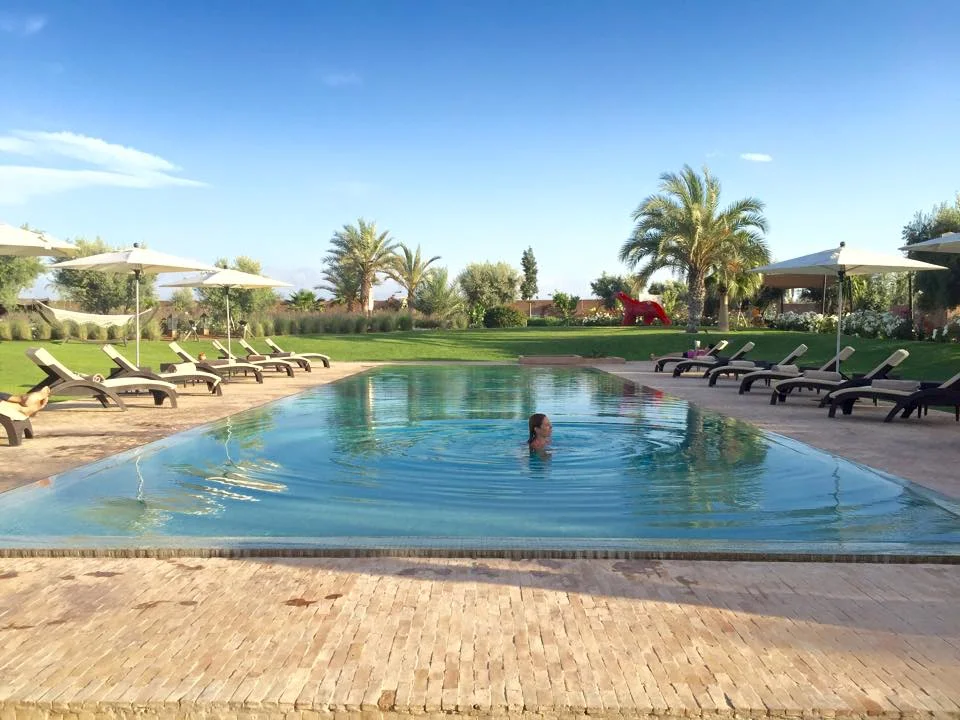
The amazing pool at the Escape to Shape resort in Marrakech, Morocco

The amazing pool at the Escape to Shape resort in Marrakech, Morocco

3. Escape to Shape, Marrakech, Morocco

This yoga and Pilates retreat was hosted at our own private amazing villa in Marrakech, located outside of the medina. Lodging, meals, cultural excursions, and yoga, Pilates and circuit training classes were all included.

This was a great combination of physical activity (about two to three hours per day) and cultural immersion.

Nancy in her favorite store in Marrakech

Nancy in her favorite store in Marrakech

Escape to Shape provided a very safe, fun and invigorating way to experience Marrakech. Erica Gragg, the owner, has been doing this for years, and she curates the perfect trip. She knows Marrakech like the back of her hand and showed us all of the hidden jewels and hot spots. She would open a door in the medina that you did not even know was there, and inside you would find four floors of amazing treasures.

Shopping is a must in Marrakech, and Erica is the perfect sherpa/stylist. Our group came away with beautiful rugs, caftans and home accents that we never would have found without Erica’s expert eye and relationships.

The yoga and Pilates classes allowed us to indulge without guilt in all of the amazing Moroccan cuisine.  


4. Miraval Resort & Spa, Tucson, Arizona, USA

Their tagline is “Life in Balance.” Miraval offers hiking in the Sonoran Desert and Santa Catalina Mountains, a large variety of fitness classes, meditation, healthy, delicious food, mindfulness sessions, equine therapy and other outdoor adventure activities.

Their spa is beautiful. Relax by the pool during your downtime. 

I always come away feeling amazing after four to five days here. 


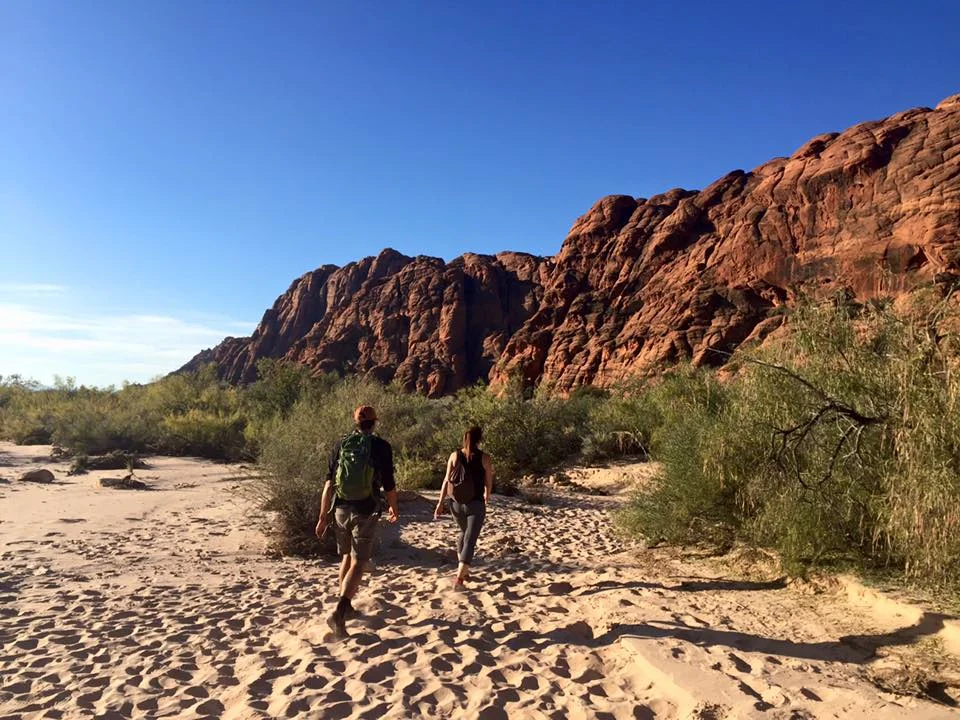
Snow Canyon State Park in Utah

Snow Canyon State Park in Utah

5. Red Mountain Resort, Ivins, Utah, USA

Red Mountain offers hiking in a gorgeous setting — literally in red rocks in Snow Canyon State Park, Zion National Park and Bryce Canyon National Park.

Hikes are guided, or you can go on your own — all different levels.

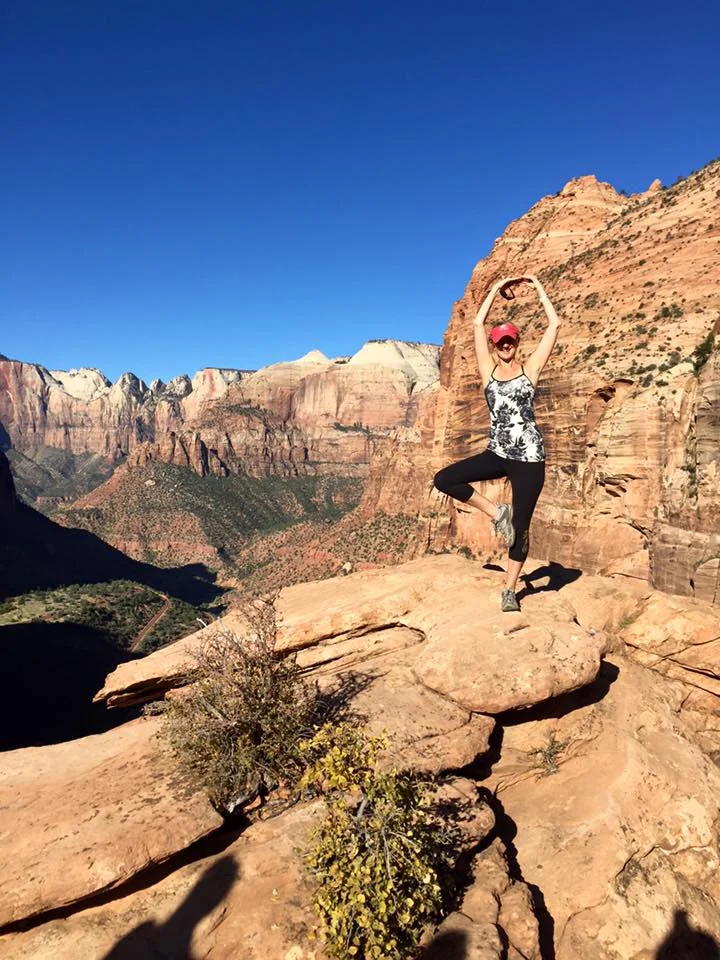
Nancy in Zion National Park, Utah

Nancy in Zion National Park, Utah

The setting is breathtaking and awe-inspiring.

Fitness classes and outdoor activities keep you physically active. There are also great opportunities for personal discovery and mindfulness: intuitive energy reading, guided imagery, etc., as well as artistic pursuits, such as photography and pottery classes.  


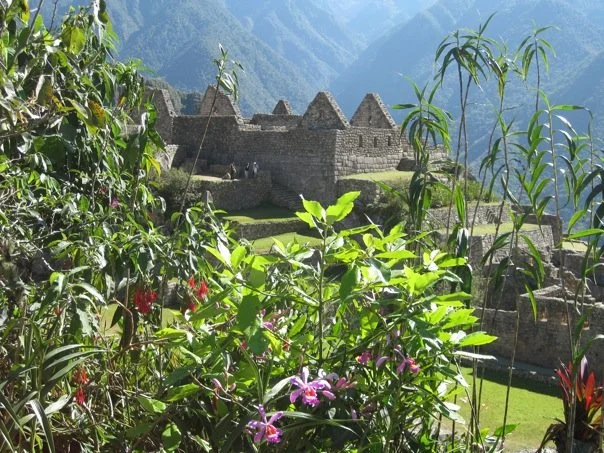
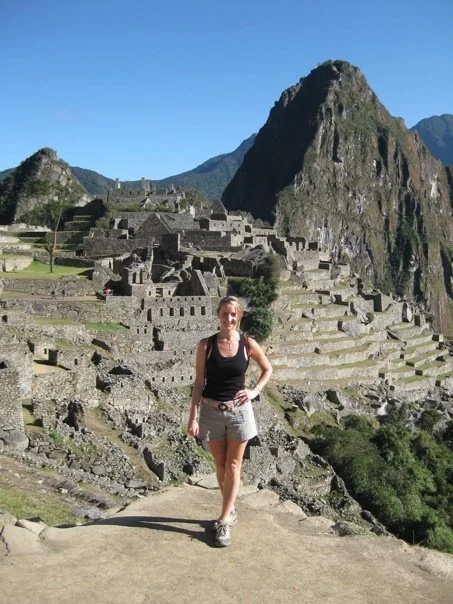
Machu Picchu, Peru

Machu Picchu, Peru

6. Mountain Travel Sobek Machu Picchu Inn-to-Inn Express Trek, Peru

This was a seven-day lodge-to-lodge trek to Machu Picchu through a variety of terrain, scenery and elevation. 

It was a great combination of scenic hiking, excellent Peruvian food and wine, cultural exposure and great lodging.

Nancy at the peak of Machu Picchu

Nancy at the peak of Machu Picchu

How to Protect Yourself From Jinns and Black Magic

blackmagic

Black magic in Islam is a serious concern — and the holy writings offer numerous ways to negate magic jinn.


I’m torn. Sometimes I think there’s a power in belief. That just by acknowledging something’s existence, you’re giving it relevance, even substance.

On the other hand, I know I can’t just force myself to not think about djinns while I’m in their lands. Heck, telling me not to think about something is pretty much guaranteeing it’ll be top of mind the entire time we’re in Fès.

There’s even one to recite, ahem, before you have sex.

So, I ultimately decided to investigate ways to protect yourself from djinns (also called jinns and, to most Westerners, genies).

Not that I think we’re really in any danger — or that these superstitions will actually help prevent something bad from happening.

But heck, after what happened last time, I figure it sure couldn’t hurt.

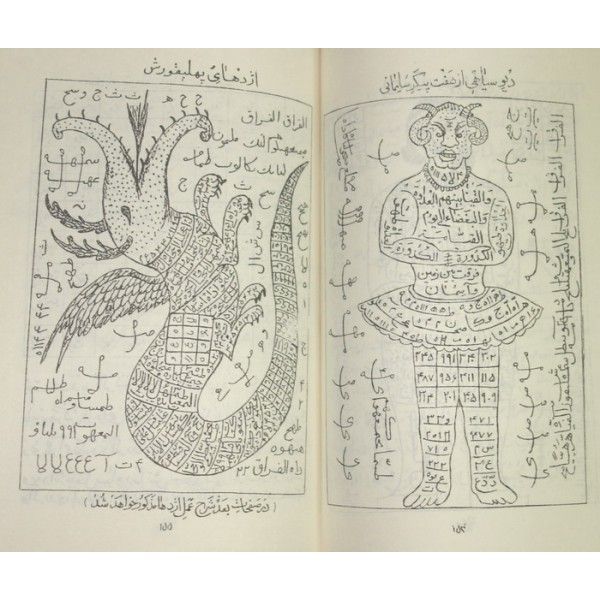
Pages from the Iran Islam Temtem-e Hendi Pictorial Book on Talisman, Charm & Mysterious Sciences in Persian (Farsi ): Instructions on What to Do to Put Demons & Genie ( Jinni ) Under Your Control & Info About How to Make Brass Plates to …

Pages from the Iran Islam Temtem-e Hendi Pictorial Book on Talisman, Charm & Mysterious Sciences in Persian (Farsi ): Instructions on What to Do to Put Demons & Genie ( Jinni ) Under Your Control & Info About How to Make Brass Plates to Avoid Black Magic & Use White Magic


Spells, Prayers and Protective incantations

A lot of the sites I found during my research focused on prayers to Allah for protection, such as this one:

“I seek refuge in Allah from you. I curse you with the curse of Allah.”

That seems a bit extreme — maybe it’s best to keep that one as backup if things get particularly dire.

This is one you recite upon leaving your house:

“In the name of Allah, I place my trust in Allah. There is no solution, no way out and no power except by Allah.”

There’s even one to recite, ahem, before you have sex:

“In the name of Allah, O Allah! Keep us away from Shaytaan [Satan] and keep Shaytaan away from what you bestow upon us.”

This assures that if a baby is conceived, Satan will never dare harm it. It also prevents a djinni from “taking part in a man’s sexual intercourse with his wife,” according to IdealMuslimah.

Here’s a nice general-purpose prayer that works all day long. Say this upon rising in the morning, and you’re said to be protected from djinns until you retire in the evening:

“I seek refuge in Allah from Satan the outcast. Allah! There is none worthy of worship but he, the ever-living, the one who sustains and protects all that exists. Neither slumber nor sleep overtakes him. To him belongs whatever is in the heavens and whatever is on the Earth. Who is he that can intercede with him except with his permission? He knows what happens to them in this world, and what will happen to them in the hereafter. And they will never encompass anything of his knowledge except that which he wills. His throne extends over the heavens and the Earth, and he feels no fatigue in guarding and preserving them. And he is the Most High, the Most Great.”

Here it is in Arabic:

أَعُوذُ بِاللهِ مِنَ الشَّيْطَانِ الرَّجِيمِ "اللهُ لَا إِلَهَ إِلَّا هُوَ الْحَيُّ الْقَيُّومُ لَا تَأْخُذُهُ سِنَةٌ وَلَا نَوْمٌ لَهُ مَا فِي السَّمَاوَاتِ وَمَا فِي الْأَرْضِ مَنْ ذَا الَّذِي يَشْفَعُ عِنْدَهُ إِلَّا بِإِذْنِهِ يَعْلَمُ مَا بَيْنَ أَيْدِيهِمْ وَمَا خَلْفَهُمْ وَلَا يُحِيطُونَ بِشَيْءٍ مِنْ عِلْمِهِ إِلَّا بِمَا شَاءَ وَسِعَ كُرْسِيُّهُ السَّمَاوَاتِ وَالْأَرْضَ وَلَا يَئُودُهُ حِفْظُهُمَا وَهُوَ الْعَلِيُّ الْعَظِيمُ

'A 'oothu billaahi minash-Shaytaanir-rajeem. Allaahu laa 'ilaaha 'illaa Huwal-Hayyul-Qayyoom, laa ta'khuthuhu sinatun wa laa nawm, lahu maa fis-samaawaati wa maa fil-'ardh, man thai-lathee yashfa'u 'indahu 'illaa bi'ithnih, ya'lamu maa bayna 'aydeehim wa maa khalfahum, wa laa yuheetoona bishay'im-min 'ilmihi 'illaa bimaa shaa'a, wasi'a kursiyyuhus samaawaati wal'ardh, wa laa ya'ooduhu hifdhuhumaa, wa Huwal- 'Aliyyul- 'Adheem

This is the one Duke and I ended up reciting every morning before we left the riad. And we didn't have one bad djinni experience! It works!

Here's another, though, to play it safe:

“In the name of Allah, the Beneficent, the Merciful. All praise is due to Allah, the Lord of the Worlds, the Beneficent, the Merciful. Master of the Day of Judgment, thee do we serve and thee do we beseech for help. Keep us on the right path. The path of those upon whom thou has bestowed favors — not of those upon whom thy wrath is brought down, nor of those who go astray.”

And one more for good measure:

“I seek refuge in the Lord of the Dawn from the evil of what he has created. And from the evil of the utterly dark night when it comes. And from the evil of those who blow on knots. And from the evil of the envious when he envies.”

Wonder what that blowing on knots is all about? It appears to be a term for (and practice of) the secrets arts of sorcery.

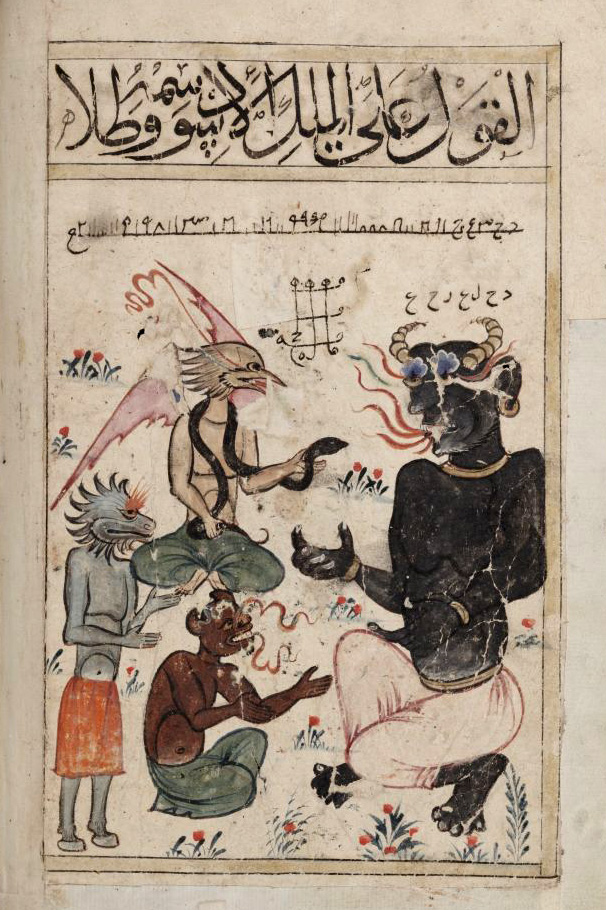
The black king of the djinns, Al-Malik al-Aswad, in the late 14th century Kitab al-Bulhan or Book of Wonders

The black king of the djinns, Al-Malik al-Aswad, in the late 14th century Kitab al-Bulhan or Book of Wonders


Other Means of Protection

Finally, I found some types of protection aside from spoken prayers or spells:

dates

The Prophet (peace and blessing upon him) said, “Whoever eats seven pressed dates every morning before eating any food, will not be affected by poison or sihr [witchcraft]!”

Preferably, you’re eating ajwa, a kind of date grown in Madinah, Saudi Arabia.

This is from Al-Bukhari, one of the major collections of Sunni Islam: 10/249, the Book of Medicine, Chapter: Treatment of Sorcery With 'Ajwah.)


ablution (wudu)

First think about your niyyah (intention) in performing ablution to cleanse yourself of impurities.

Say, “Bismillah,” which means “in the name of Allah.”

Wash your right hand up to the wrist (and between the fingers) three times.

Repeat with the left hand.

Rinse your mouth and spit out the water three times and rub the teeth with a miswak, a teeth-cleaning twig.

This site has a more elaborate form of wudu that includes putting water up your nose and washing your feet.

Do this and you’ll be protected by an angel and therefore immune to black magic.


potty prepping

Apparently, Satan likes to lurk in bathrooms. So before you go in, you might want to say, “O Allah! I seek refuge in you from the male/female Satans.” The Devil apparently likes to hide in “this filthy place, which is the home of Satanic jinn,” according to Al-Bukhari


I'm not saying I'll follow all of this advice…but I do feel that I'm going back onto the djinns' turf better-armed. –Wally


The Worst Chauffeur in India

We wouldn't have been surprised to find our car up in a tree, like this one you pass on the way to the Mews at Udai Bilas Palace

We wouldn't have been surprised to find our car up in a tree, like this one you pass on the way to the Mews at Udai Bilas Palace

When we tried to leave Dungarpur, our driver was nowhere to be found. What ensued has become a story we can laugh about…now.


We had heard that you should expect the unexpected in India — especially when it comes to travel plans. We hadn’t experienced anything too egregious, our two-hour wait for a driver to Dungarpur aside.

Well, that was nothing compared to what happened when we tried to leave Dungarpur.

George recognized the word “police.”
“I don’t like the sound of that,” he said.

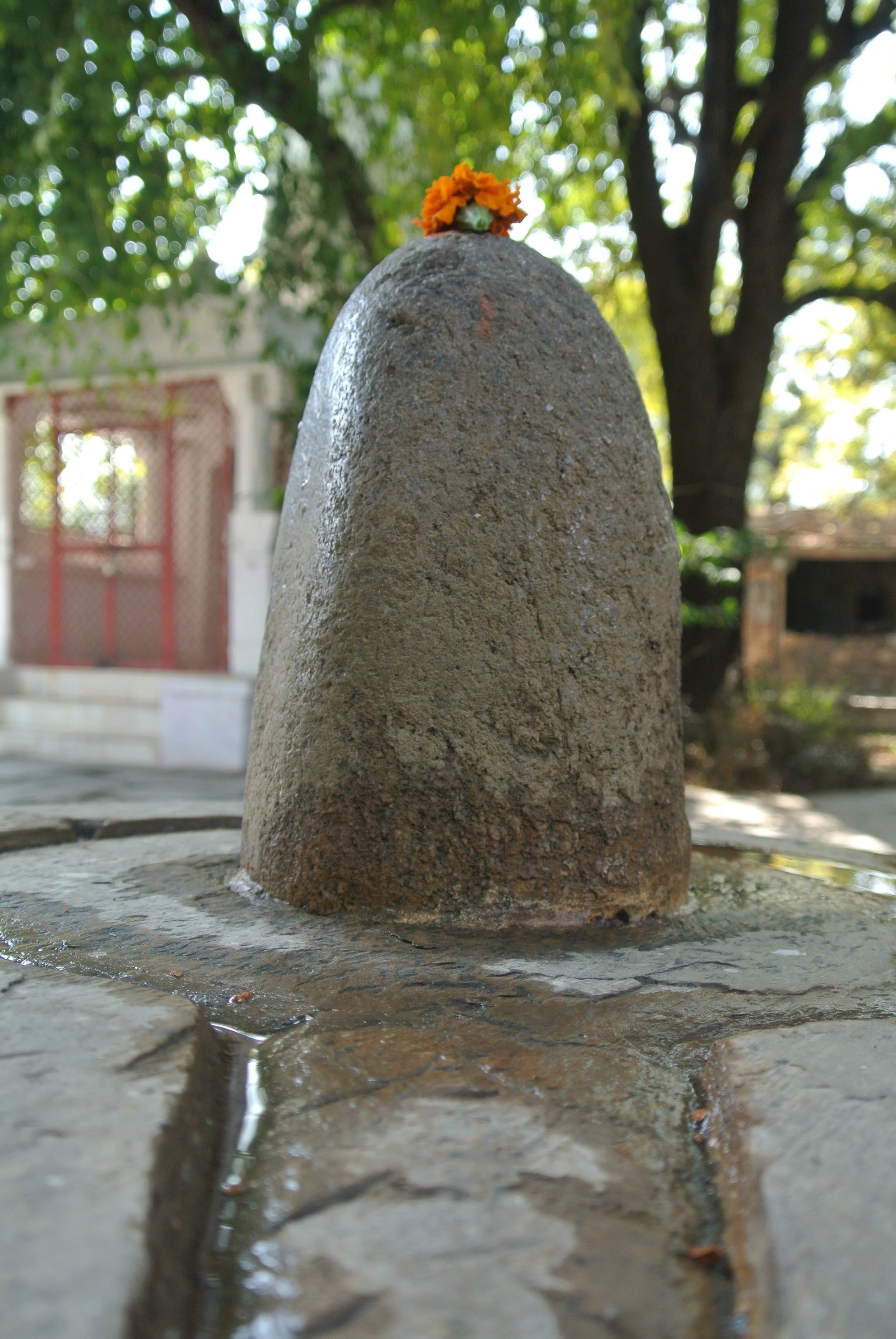
The day started off pleasantly enough. After breakfast, we explored a temple complex not far from our heritage hotel, Udai Bilas Palace, where a brahmin greeted and welcomed us. The complex has several lingams (a phallic representation of the Hindu god Shiva) and a shrine to Krishna.

A lingam, which is really just a stylized penis meant to represent the god Shiva

A lingam, which is really just a stylized penis meant to represent the god Shiva

“This Car Is Going Nowhere”

When we checked out at noon, we learned that our driver was unable to meet us, but that it he would be no more than an hour.

In the interim, we went and sat beside the pool and ordered some snacks to nibble on before our return trip to Baroda.

At one point, a supervisor stopped by our table and asked if we would be amenable to him contacting our driver to see what the situation was.

As the man was speaking on his mobile phone, George recognized the word “police.”

“I don’t like the sound of that,” George said.

The supervisor hung up the phone and told us that our driver had had an accident but was OK. Except that he was currently being held at the police station.

It became clear that we wouldn’t be leaving any time soon.

This prompted George to contact the company we had hired the driver through, TaxiForSure. They had a completely different account of the unfolding events: It was an accident. The car just had to be fixed, but we can leave soon. Maybe today. Tomorrow at the latest. Two days tops.

I was worried about getting back to Baroda in time for our flight the next morning. Wally, on the other hand, was enjoying himself, lounging in the sun and telling me repeatedly that there are worse ways to spend a day.

The supervisor left for the local police station with a promise to update us on the situation. When he returned, he showed us pictures of the badly damaged sedan. The driver’s side was crushed in, both windows smashed.

“This car is going nowhere,” he said.


We Get the Real Story

Turns out our driver was in jail, waiting for the commissioner, who would or would not show up within the next several hours. We learned that our driver, probably excited to be on his own with a vehicle, had left the complex and gone for a joyride. We’re not sure he was drinking — but it wouldn’t surprise us if he was eager to get some booze in his system, living as he does in Gujarat, a dry state (something to do with Gandhi being from there, George explained).

The car had gone off the road into a ditch and flipped over. Fortunately he was fine, but unfortunately for us, we no longer had transport back to Vadodara.

Thankfully, the hotel made arrangements for a new driver. Our driver took the state highway and we were back in Baroda within a few hours.

The ride was cheaper (and much more pleasant) than our trip to Dungarpur, and our driver was courteous, so we tipped him extravagantly. It wasn’t that much money to us — equal to a taxi ride across Chicago, say — but the man acted like he had just won the lottery. He thanked us profusely and offered us all bidis, tiny cigarettes hand-rolled in leaves. –Duke
Bizarre Foods Around the World

Weird food: Would you try crickets, scorpions, guinea pig…or dog?


I think of myself as adventurous when it comes to food. I’ll eat pretty much anything.

But when you start getting into Bizarre Foods With Andrew Zimmern territory, my stomach starts churning.

I think we all just ate dog.

I’ve gobbled down the delicious fattiness of pig cheeks, for instance. And when you really think about it, shrimp could be considered the insects of the sea.

Here are some of the foods I encountered on my travels — some of which I braved and others I chickened out on actually trying.


Guinea pig, or cuy, comes flayed open like something scraped off the road — you know, so you can sure you're not eating a cat

Guinea pig, or cuy, comes flayed open like something scraped off the road — you know, so you can sure you're not eating a cat

Guinea pigs

Known as cuy in Peru, these are a delicacy in the Andes. We visited villages where locals had tiny pens to keep in a few guinea pigs, awaiting a special occasion. 

I figured I had to try cuy at least once. It was on the menu at a restaurant in Puno, a town on the shore of Lake Titicaca (go ahead and giggle). 

When Cameron, one of my fellow travelers, ordered it, I sighed in relief. 

“I’ll just try a bite of yours,” I said, and ordered the alapaca medallions for myself.

We were all horrified when the cuy came out. It sat upon its plate, flayed open, ribs visible, head still on, teeth bared, looking more like roadkill than dinner.

Once Cameron had dug in, I reached across the table and grabbed some with my fork. It stretched like a rubber band before it broke off with a snap. And a rubber band was exactly how it tasted. 

“Why do they serve cuy like that?” I asked the waiter.

“That is how it is served everywhere,” he informed us. “The head is on to show that you are not eating cat. A lot of restaurants try to serve you cat, but not us.”

“That’s good,” I said, happy to return to my alpaca. Which was delicious, by the way.


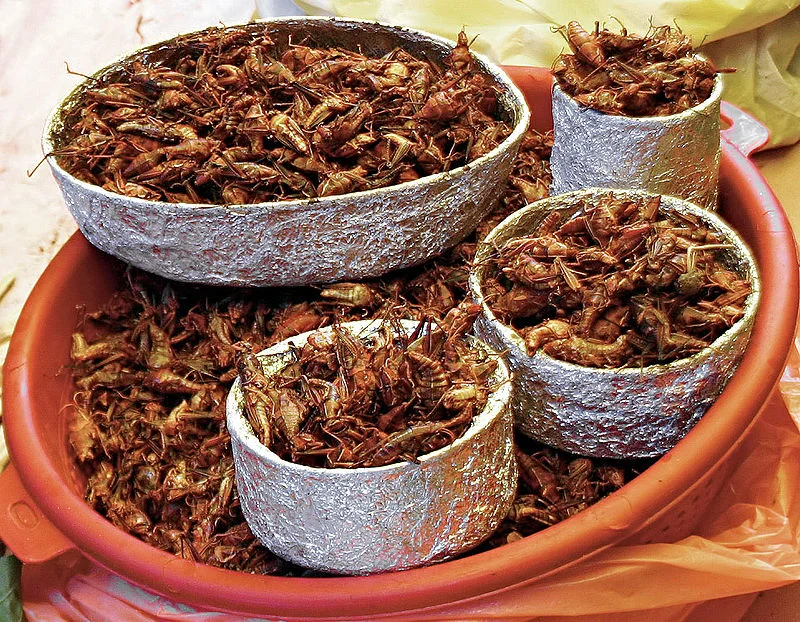
Crickets are popular snacks all over Thailand

Crickets are popular snacks all over Thailand

Crickets and scorpions

I stayed with friends in Bangkok, Thailand, and at the end of their street was a small cart that sold crickets as well as pitch-black scorpions.

I was glad to see that the stingers had been removed from the scorpions. But as someone who has an irrational phobia of these creatures (all that power to kill in one small, creepy crawly package just gives me the shivers), you couldn’t even get me to consider trying one. 

Every time we passed by, I said I’d try a cricket, though. And every time I wimped out. I just couldn’t see the appeal of noshing on a dried insect, and the inevitable crunch just wigged me out. Part of the fact was that my stomach was still adjusting to the intensely spicy Thai food, and I was afraid that forcing a cricket down wouldn’t help matters.

That being said, there were carts all over the country, and they were always busy. Hordes of passersby would buy a bag full of crickets or a skewer and would gobble them down like popcorn.


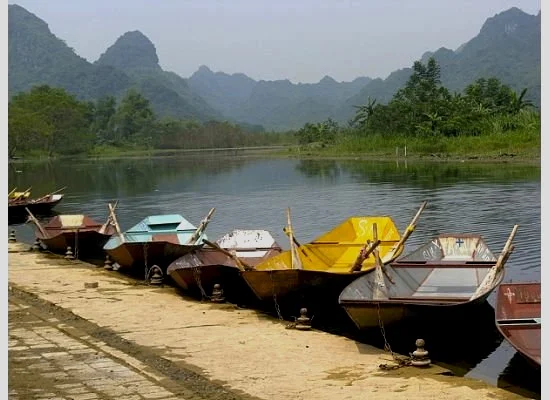
The Perfume Pagoda in northern Vietnam is a region known for a dish called thit cho, which consists of dog

The Perfume Pagoda in northern Vietnam is a region known for a dish called thit cho, which consists of dog

Dog

Before we traveled to Vietnam, I had read in the guidebooks that there’s a region up north that specializes in thit cho, or dog. Duke and I learned the phrase and made sure to avoid it.

We stayed in Hanoi and took a day trip to the Perfume Pagoda. On the way there, I had noticed a lot of the restaurants had signs out front proudly touting the specialty of the house: thit cho.

On the return trip, we stopped for dinner. They sat us in a room to the side of the restaurant, and served us family style, passing around big platters of entrées and sides. One of the dishes was indiscernible — the meat was like gamey, gristly beef.

“OK,” I announced to the table. “Here’s a dish of mystery meat. Everyone try it.”

It made the rounds, and after everyone had taken a bite or two, I dropped the bomb.

“This region specializes in serving dog. Did anyone else notice the two statues of German shepherds on the way in? I think we all just ate dog.”

Almost everyone grimaced, or protested the possibility, or mumbled a curse in my direction.

But the girl from Sweden piped up with, “That was good! Can you pass it back this way?”

As we left the restaurant, I asked our tour guide if we had eaten dog.

“No, no,” he said. “Pig.”

Well, I can assure you that was certainly not pork.

So we’re not certain we’ve eaten dog — we just have the sneaking suspicion we did.


What's the weirdest food you've seen on your travels? And did you try it? –Wally

The Crumbling But Majestic Dungarpur Palace

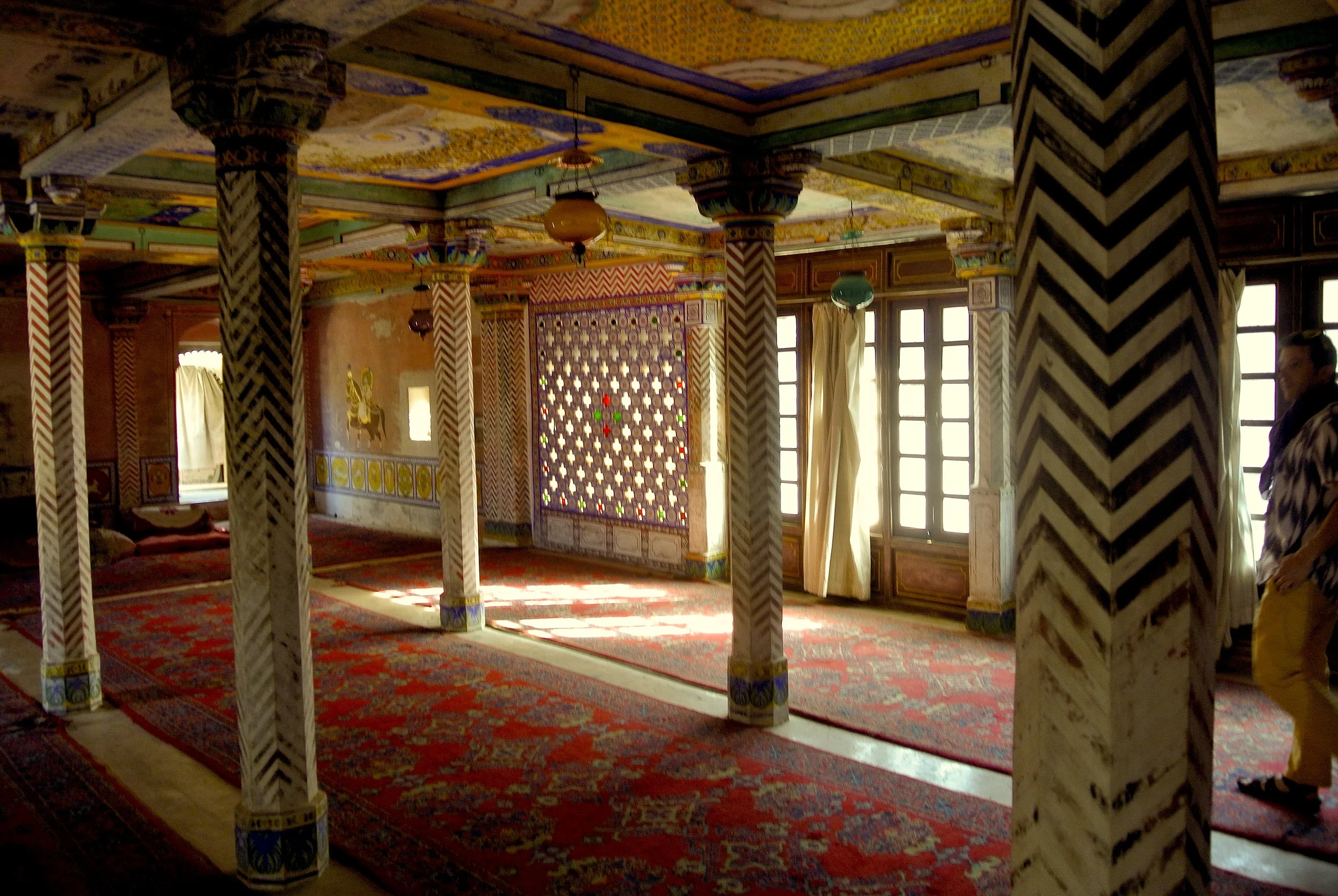
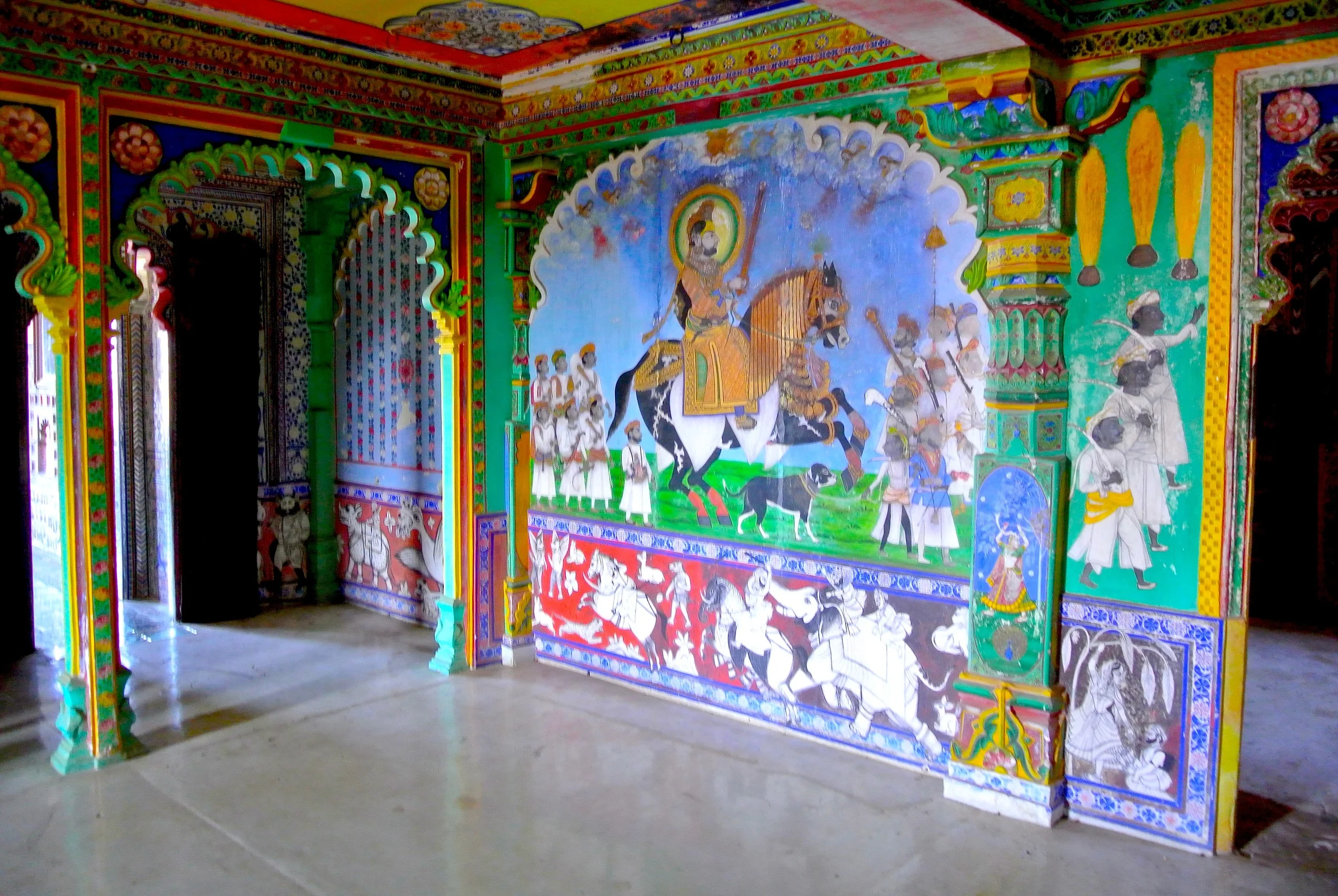
The reception hall in the Juna Mahal

The reception hall in the Juna Mahal

One of Rajasthan’s lesser-known sites, the Juna Mahal is filled with brightly painted rooms — and a naughty collection of scenes from the Kama Sutra.


I first learned about the former royal residence from the book India: In Word and Image by photographer Eric Meola. He described the Juna Mahal as one of his favorite under-the-radar places, a faded old palace (indeed, that’s what its name translates to), located in the quiet town of Dungapur.

No longer occupied, visits are arranged upon request, which our hotel coordinated for us in advance.

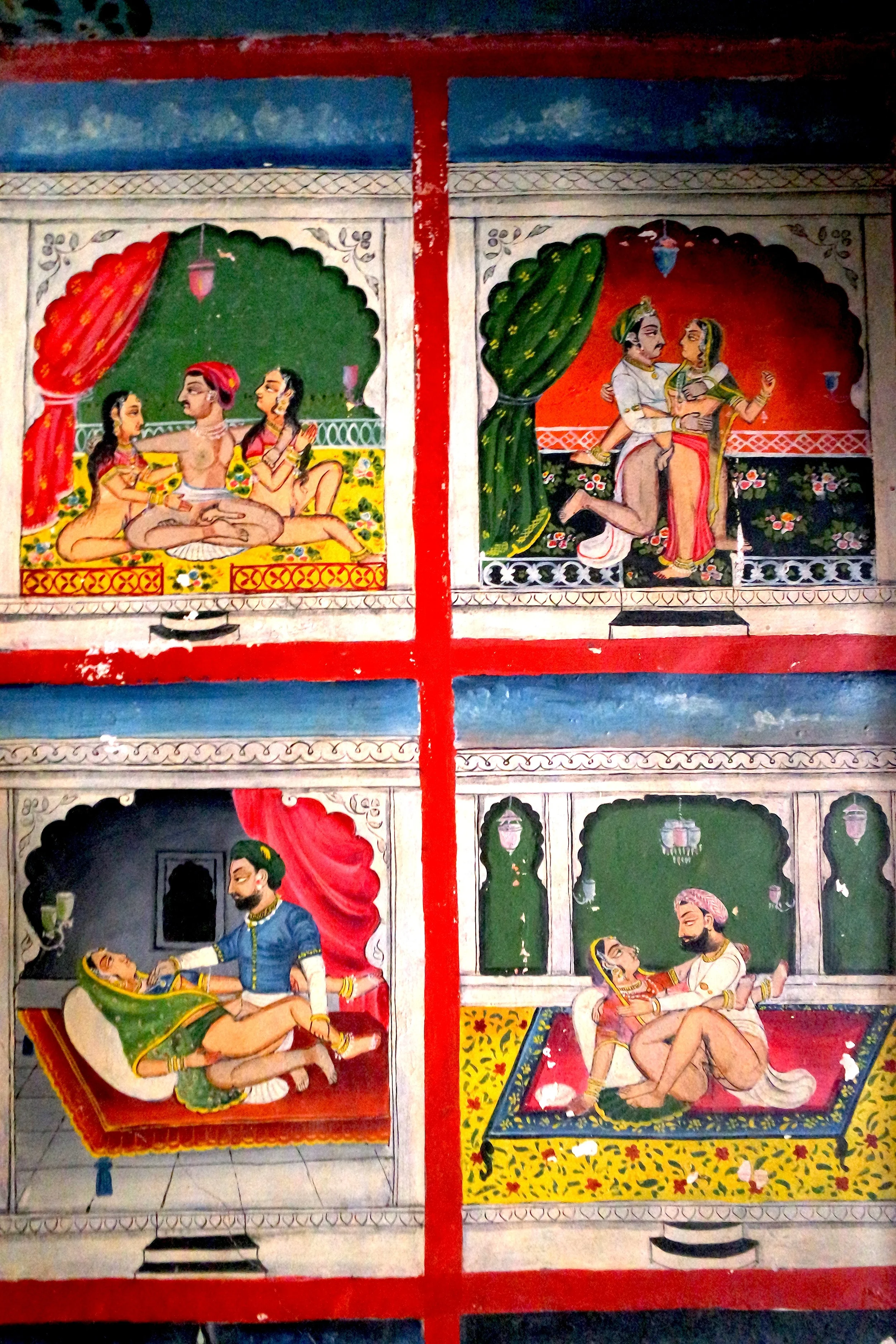
Hidden inside a cupboard on an upper floor were scenes from the Kama Sutra.
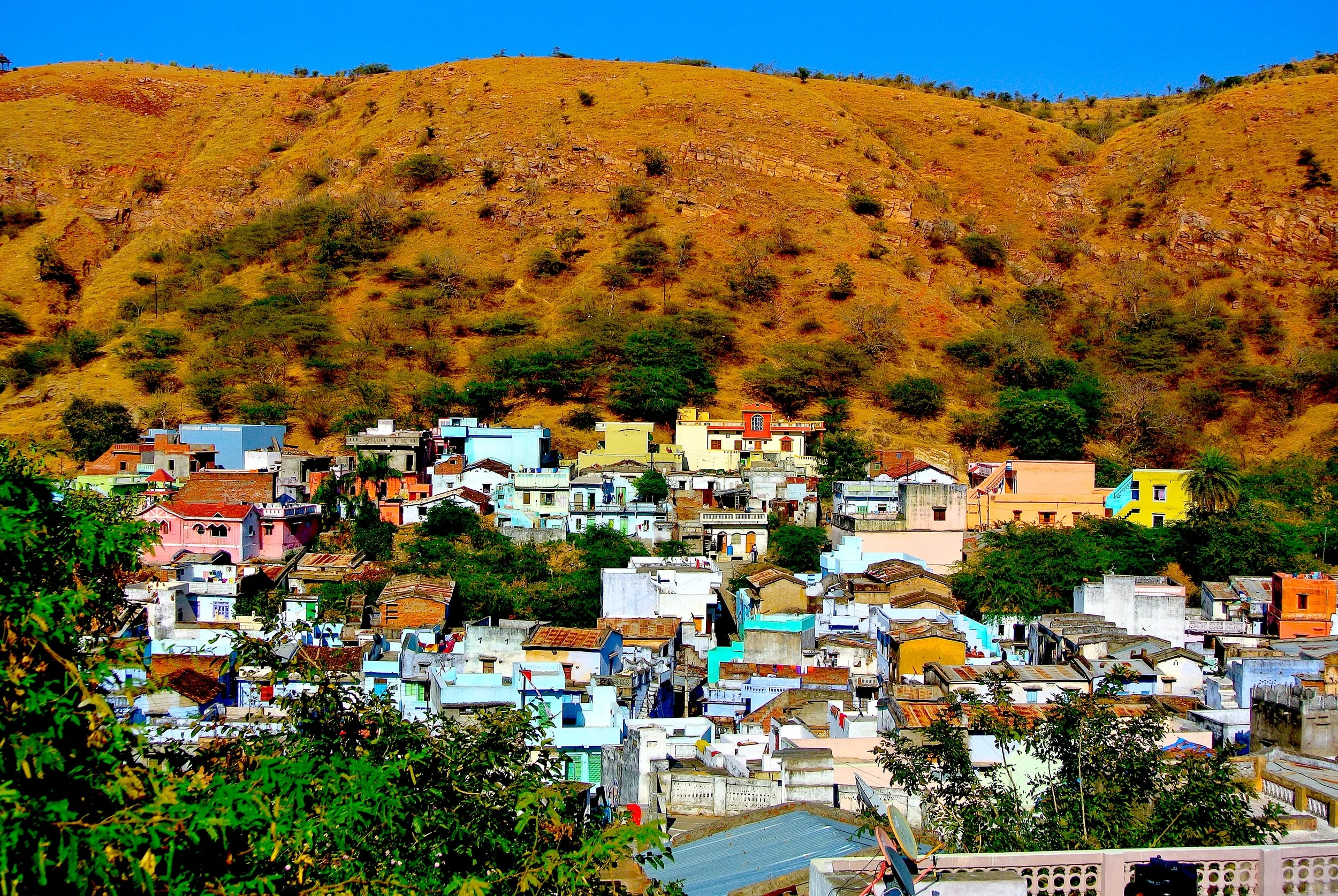
The colorful town of Dungarpur

The colorful town of Dungarpur

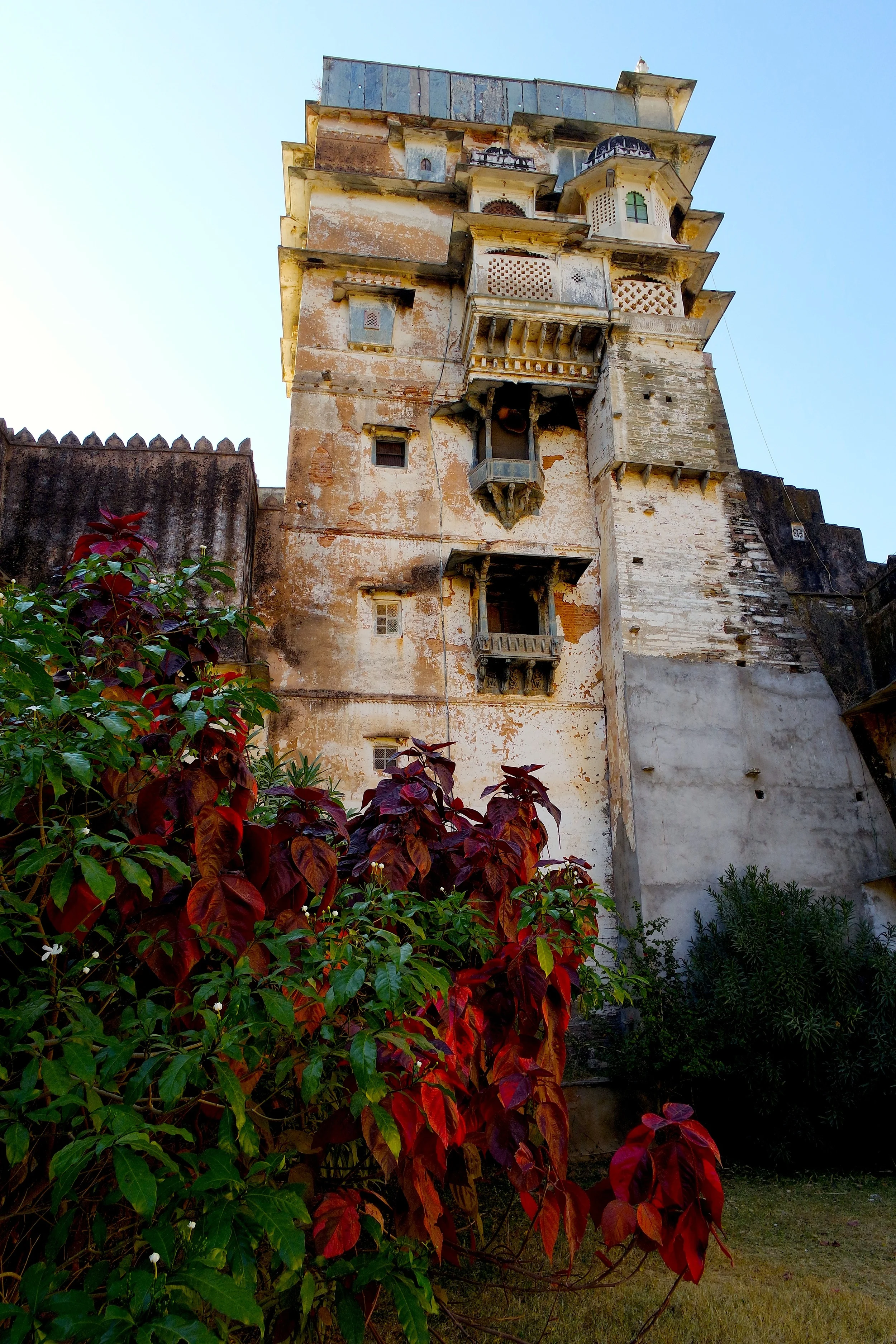
Perched on the brow of a hill with a panoramic view of the colorful village of Dungapur sprawled out below, the seven-story palace exterior resembles a narrow, dilapidated fortress. The façade is embellished with friezes carved from bluish-gray pareva stone.

A single staircase connects all seven floors of the Juna Mahal, or Old Palace

A single staircase connects all seven floors of the Juna Mahal, or Old Palace

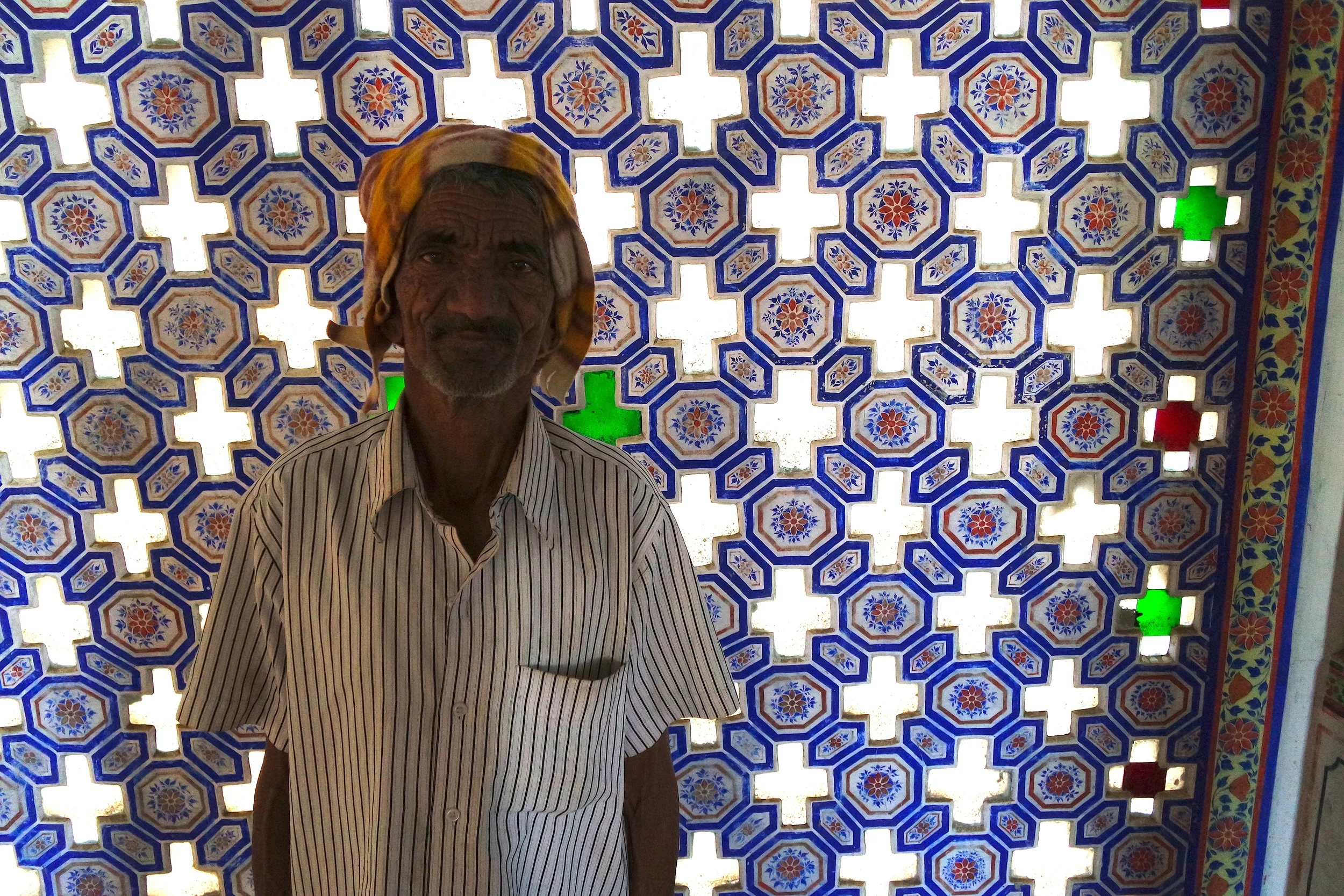
Once we entered the palace, an elderly man with leathery skin and a smiling face, most likely the Juna Mahal’s guardian, ushered us from room to room.

Our silent guide led us from room to room

Our silent guide led us from room to room

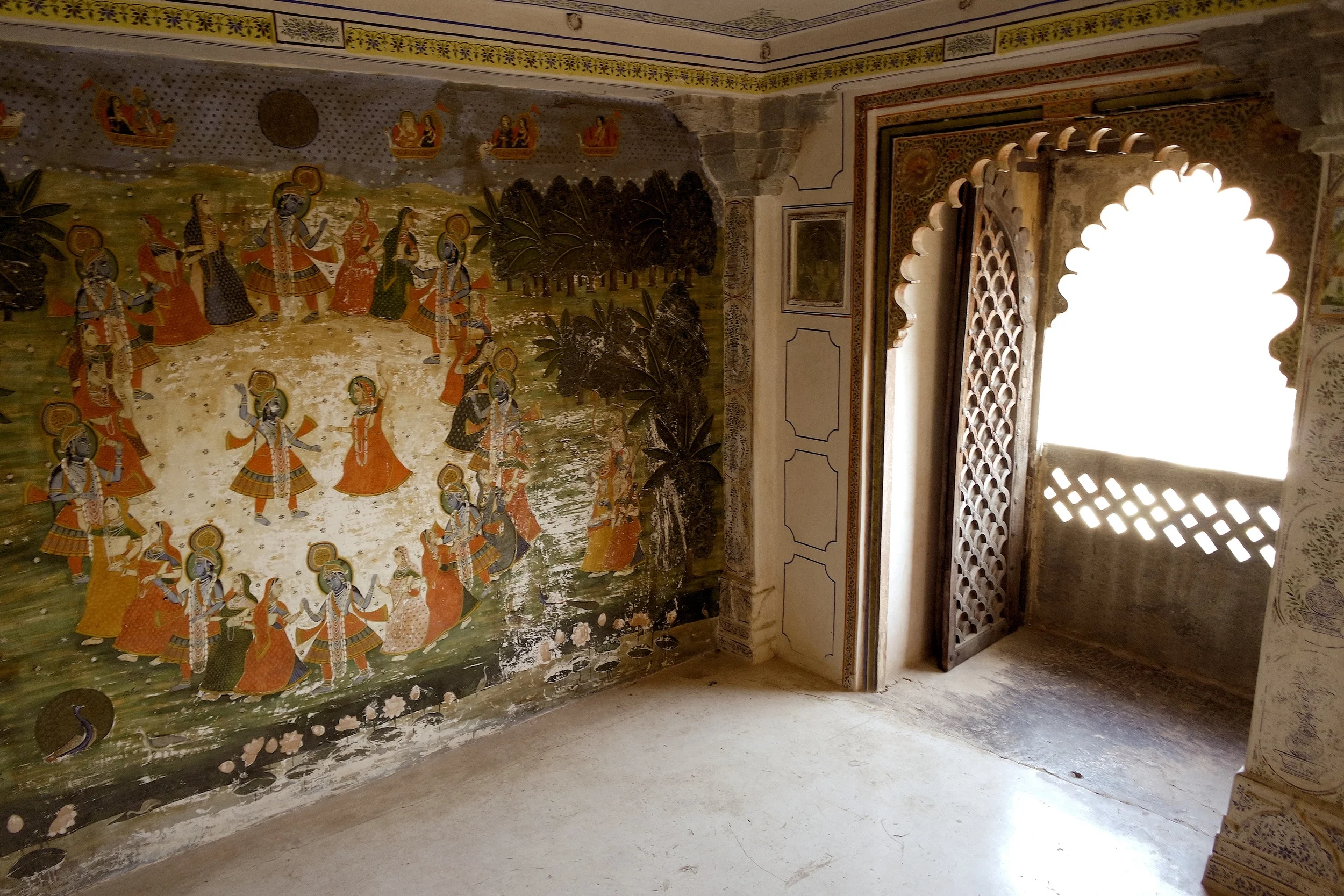
Late afternoon light streamed through the windows, lingering upon the colorful murals, frescoes and an interior apartment that contains a glass and mirror inlay.

Hidden inside a cupboard on an upper floor were scenes from the Kama Sutra, India’s revered treatise on sexuality.

A cabinet on one of the top floors of the Juna Mahal depicts naughty scenes from the Kama Sutra

A cabinet on one of the top floors of the Juna Mahal depicts naughty scenes from the Kama Sutra

The rooftop is covered with a mosaic of broken pottery pieces and offers a magnificent view of the landscape.

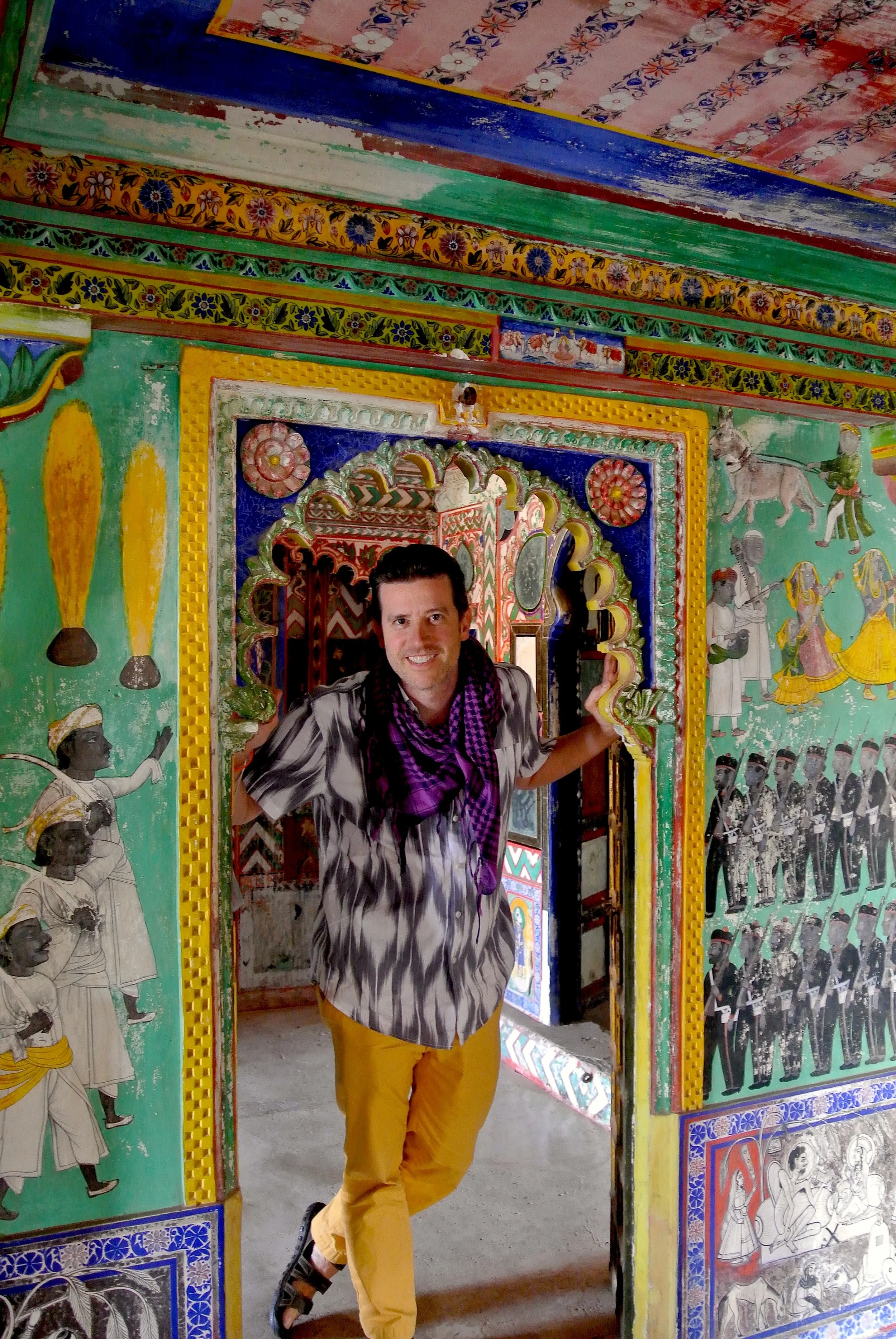
Wally in the Juna Mahal

Wally in the Juna Mahal

This extraordinary structure is the embodiment of both splendor and decline. It was in use until the mid-20th century and is one of the oldest continuously inhabited buildings in the country.

The brightly painted but fading walls of the Juna Mahal in Dungarpur, India

The brightly painted but fading walls of the Juna Mahal in Dungarpur, India

It is currently on the watch list of the World Monuments Fund, a New York City-based nonprofit organization whose goal is to preserve architectural and cultural heritage sites around the globe.

A room at the top of the Juna Mahal

A room at the top of the Juna Mahal

The vividly painted and decorated rooms are fun to explore — and the luxe accommodations nearby make this a great stop on a tour of Rajasthan. –Duke
Best Guacamole Recipe Ever

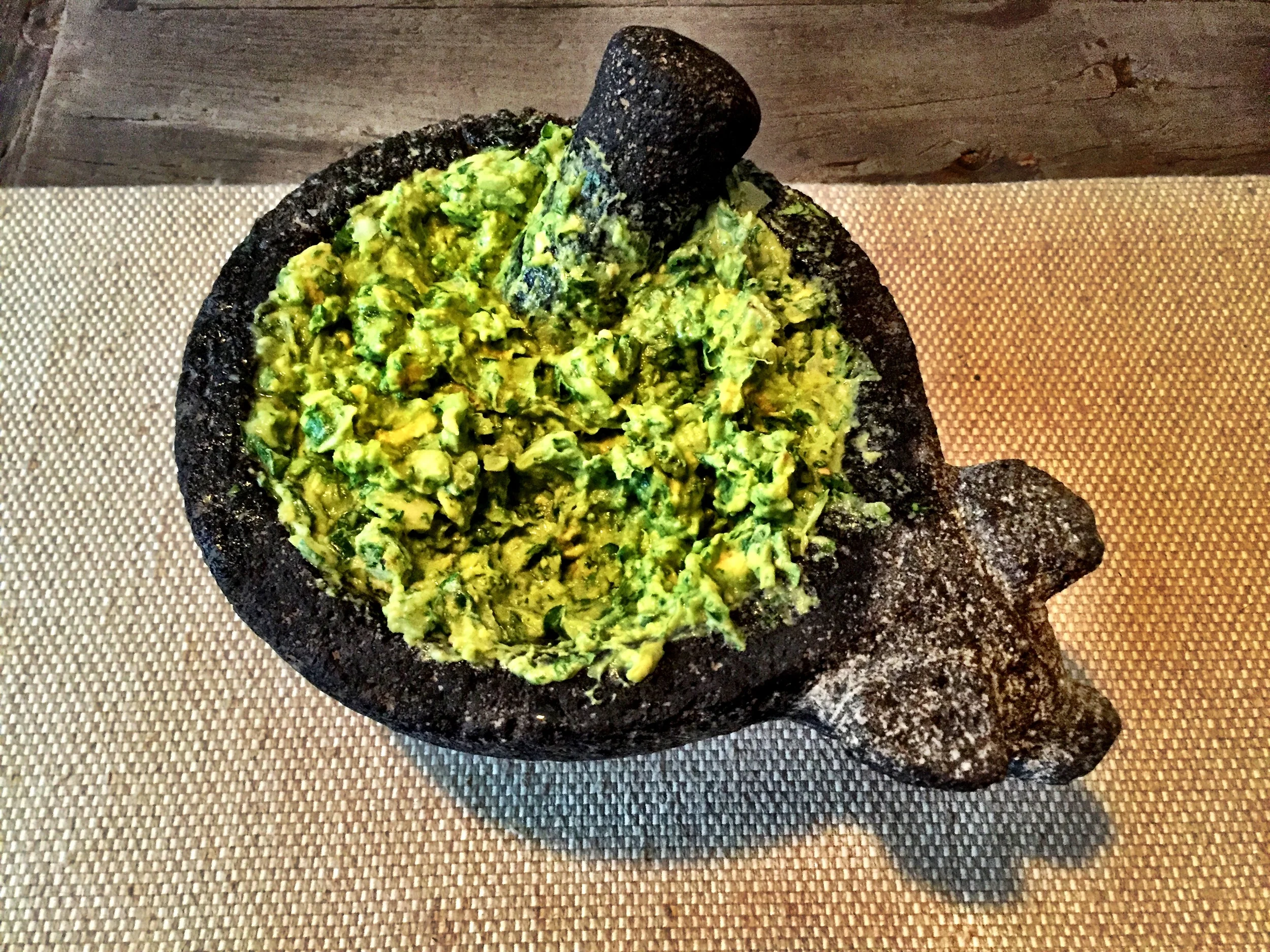
Maybe this guacamole tastes so delicious because it's served in a pig-shaped molcajete

Maybe this guacamole tastes so delicious because it's served in a pig-shaped molcajete

Es la verdad. Wally’s famous guacamole never fails to please. Just make sure you get a molcajete.


One of the most essential ingredients for guacamole is a molcajete — the mortar and pestle made of volcanic basalt first used by Aztecs and Mayas thousands of years ago.

I went to a restaurant in Chicago and was served guacamole from a molcajete shaped like a pig. I decided then and there that I would one day possess one just like it.

Yes, this recipe is a little spicy. Deal with it.

So when I stayed with my family in La Cruz de Huanacaxtle, Mexico one Christmas, I made it my mission to find a pig-shaped molcajete. I explored the market in Bucerías, the neighboring town, looking in each and every stall.

As I neared the end of the market, I began to give up hope.

Then, in one of the stalls, I saw a grouping of molcajetes. Alas, none of them were pig-shaped. And really, how could I ever be content with a regular one, knowing that there were pig-shaped ones out there?

But then, sitting on the ground underneath one of the shelves, there it was. I bought it immediately, and lugged that heavy mofo back to the States.

Would I ever serve guacamole in anything else? Maybe when pigs fly.


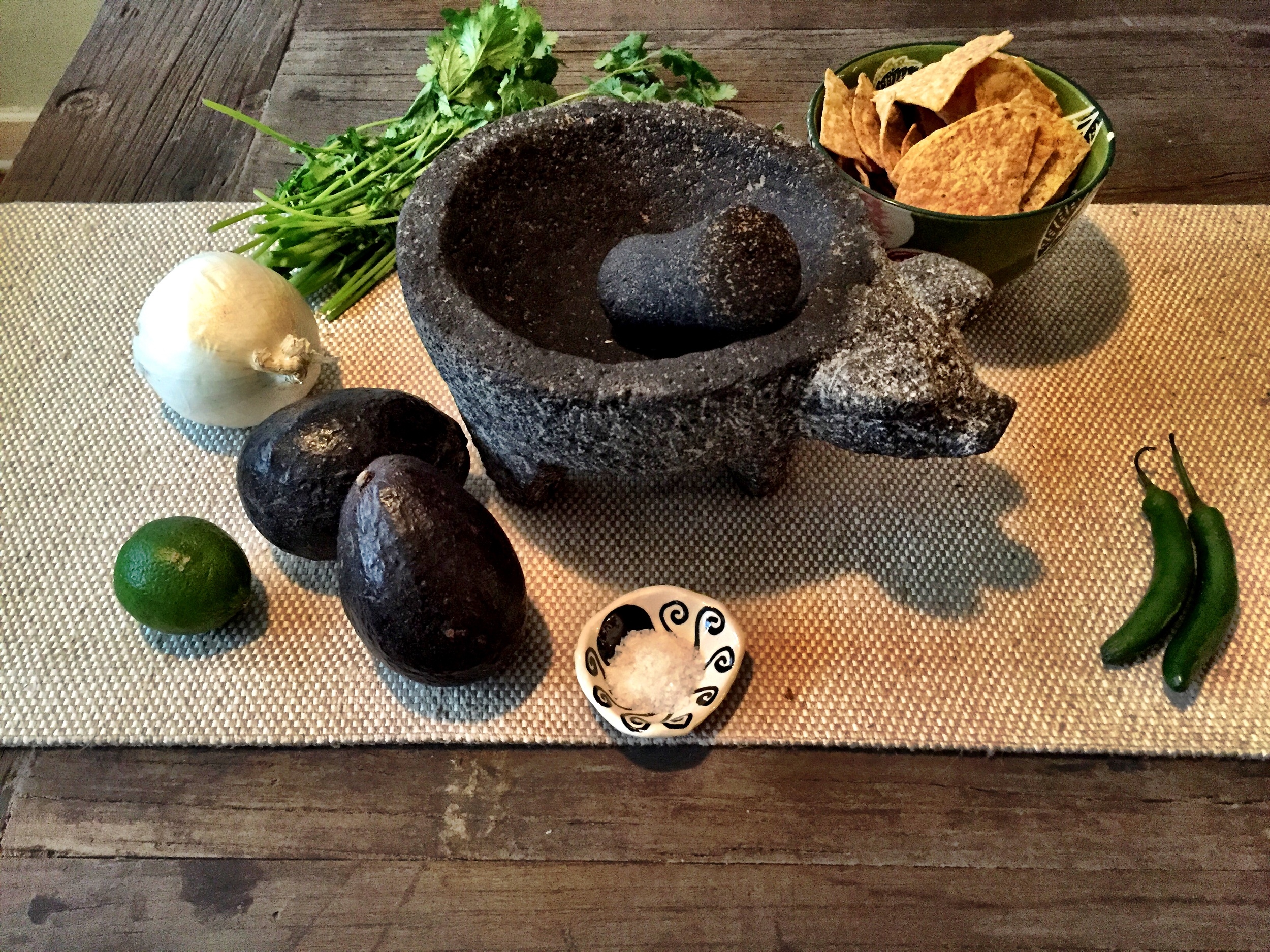
This is all you need to make a crowd-pleasing guacamole

This is all you need to make a crowd-pleasing guacamole

Ingredients

  • 2 avocados

  • ½ cup fresh cilantro, chopped

  • ½ cup white onion, minced

  • 2 serrano chiles, minced

  • 1 lime, juiced

  • 1½ teaspoons salt


Preparation

Mix all the ingredients together in the molcajete. I leave half of an avocado to the end. That way you can have some chunks mixed in with the smooth texture.

You do know the trick to getting the pit out of an avocado, don’t you? Slice it open lengthwise, then thrust your knife into the pit in a chopping motion. Turn sideways and pull it out. It doubles as a party trick and makes you look pretty badass.

And yes, this recipe is a little spicy. But I can’t in good faith recommend cutting down on the spice level. Deal with it.

Every time I’ve made this for people, it has gone over extremely well. I’ve even won dip contests at work with this recipe.

Pair it with an all-natural margarita (though I'd try agave sweetener instead of maple syrup). 

Simple but ¡que rico! –Wally

Heritage Hotels: Dungarpur Edition

The stunning One-Pillared Palace inside the courtyard of the Udai Bilas heritage hotel in Dungarpur, India

The stunning One-Pillared Palace inside the courtyard of the Udai Bilas heritage hotel in Dungarpur, India

At Udai Bilas Palace, you can literally live like a king — or Hercule Poirot.


After a rocky start, we arrived at the historic Udai Bilas Palace, a 19th century summer palace-turned-heritage hotel and were greeted by its manager, Kalvendra Singh.

As we went to gather our luggage, he stopped us and told us that the porter would take it to our suite — which, incidentally, was amazing. The time-weathered hand-carved wooden doors opened into a spacious, high-ceilinged room with a sitting area near an open window, where a panoramic view of the royal family’s private temple seemed to float serenely upon a small isle in the waters of Gep Sagar Lake.

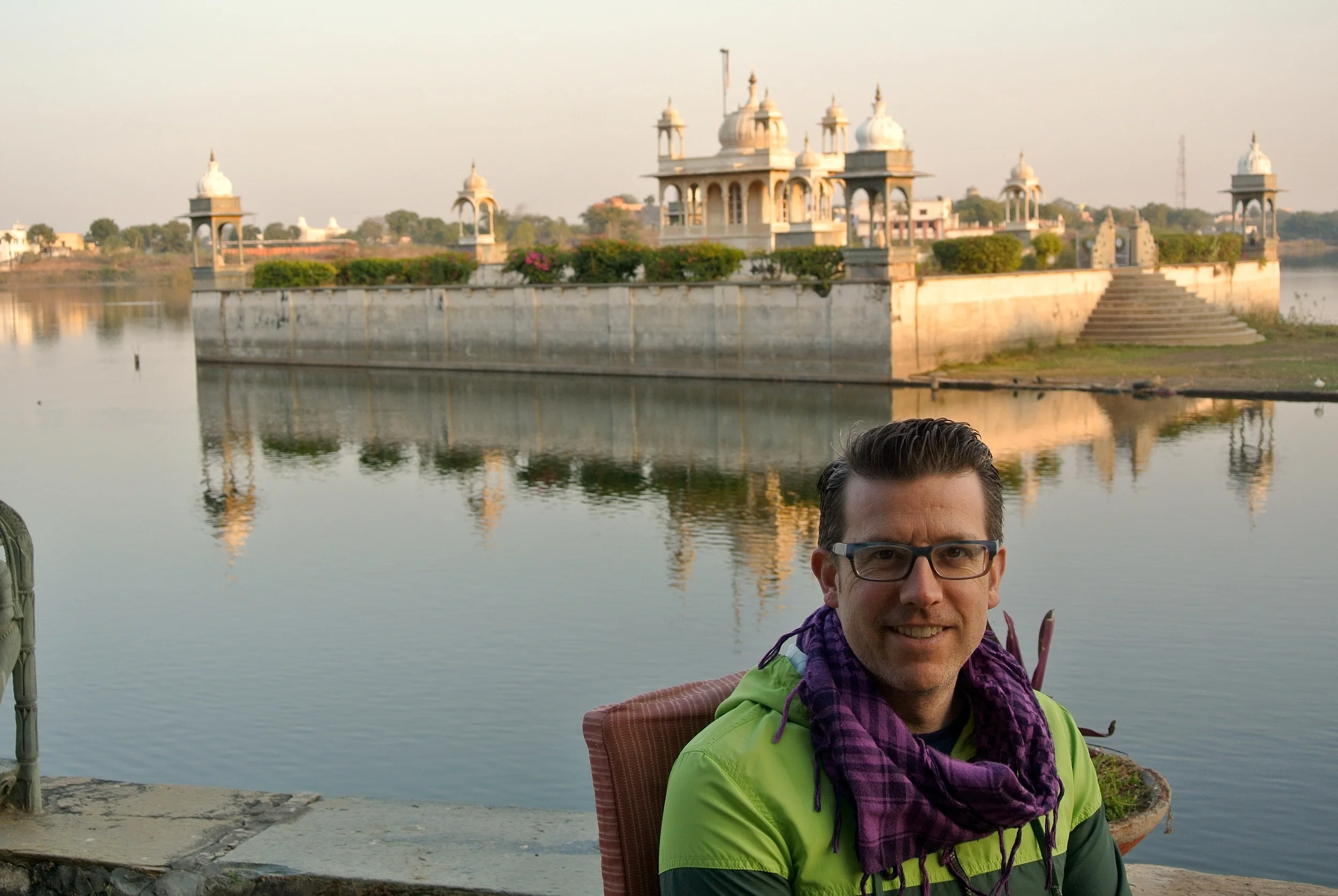
Wally with the impressive backdrop of the family temple on a small island at Hotel Udai Bilas Palace

Wally with the impressive backdrop of the family temple on a small island at Hotel Udai Bilas Palace

When you first turn the corner into the dining room, you honestly cannot help but gasp.

Best of all, we got to stay in this luxury for what equated to about $75 a night.

The interior courtyard contains a magnificent mini-palace pavilion know as the Ek Thambia Mahal or the One-Pillared Palace — so named as it is built around a single pillar.

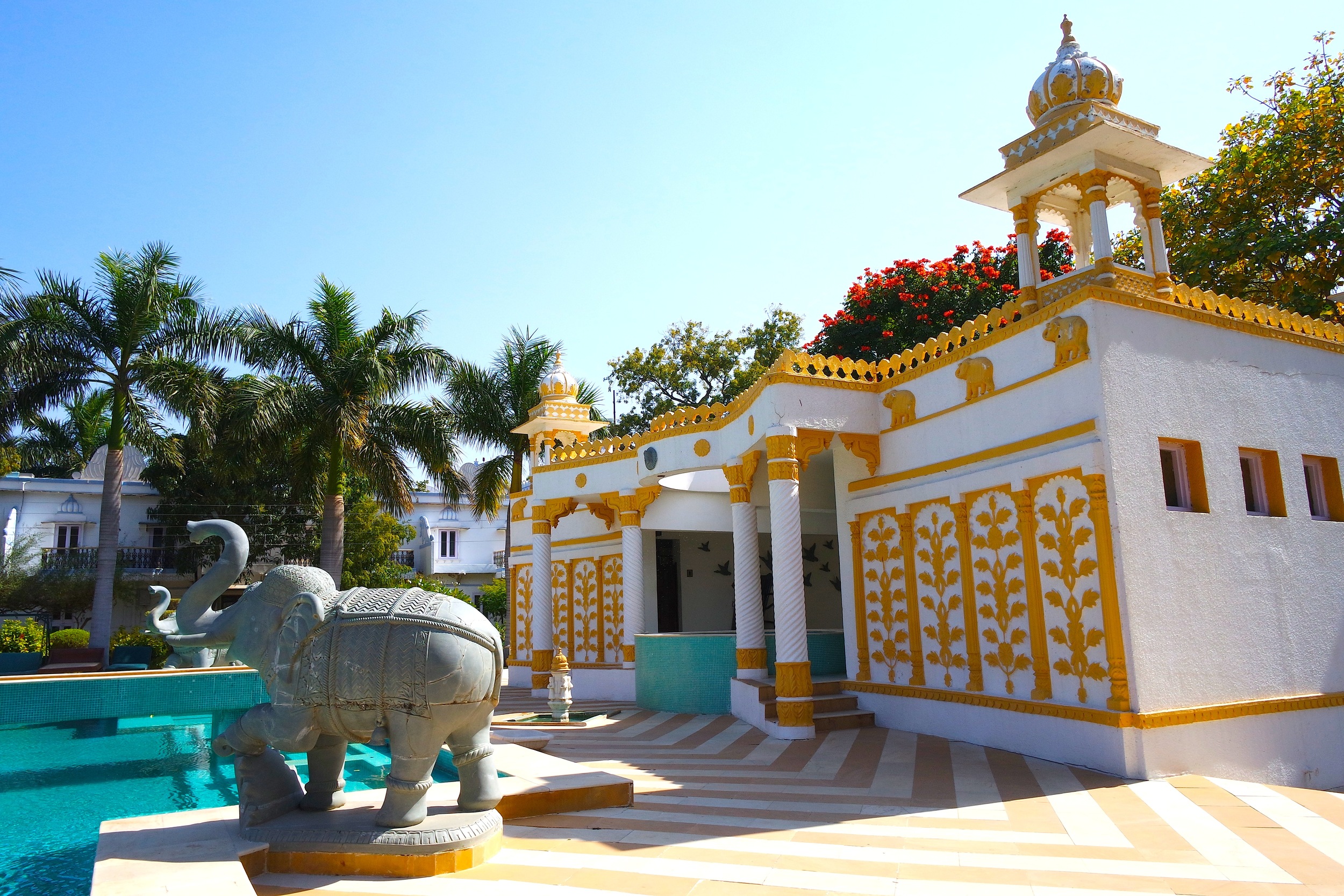
The gorgeous pool at Udai Bilas

The gorgeous pool at Udai Bilas

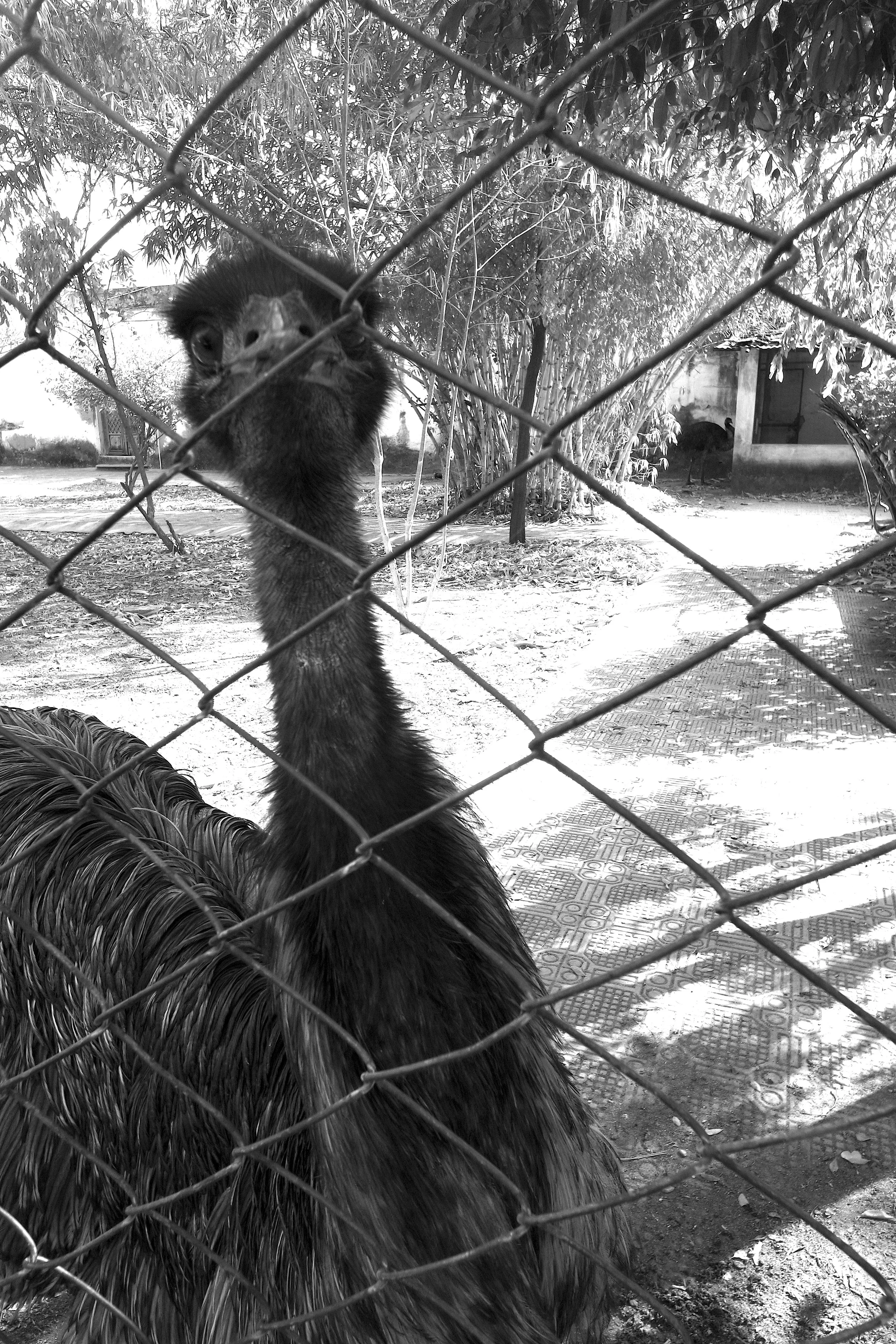
The grounds were amazing. You can enjoy refreshments by the infinity pool or take a walk through the gardens, which have a menagerie of exotic fowl, including a pair of emus.

Keep your distance from the emu, part of the menagerie at Udai Bilas Palace

Keep your distance from the emu, part of the menagerie at Udai Bilas Palace

As I was passing through the courtyard to return to our room, Mr. Singh asked if I wanted to meet the maharajah. I'll admit I was a bit star-struck. I’m not sure what I was expecting, but I certainly was a bit surprised to see that the maharajah was wearing a burgundy nylon tracksuit and sitting behind the manager’s desk, reviewing a ledger.

I shook his hand and told him what an impressive place the palace was. He told me he was not the maharajah of Dungarpur but was instead from Sirohoi, Rajasthan. He owns the Bikaner House located on Mount Abu, Rajasthan's lone hill station.

He asked if the accommodations were suitable and if I was having a pleasant stay.

Of course the answer was yes.


Murder Most Foul

Wally is a bit (OK, completely) obsessed with the BBC Agatha Christie series. So it was no surprise when he suggested that Udai Bilas was exactly the sort of place Hercule Poirot would stay — and end up solving the mystery of the corpse found floating in the dining room’s water feature.

I agreed: The palace was like stepping into the exotic setting of an Agatha Christie novel. Many rooms contained taxidermied animals, the prized trophies from various royal hunting expeditions.

While we were staying at Udai Bilas, I imagined a plot out of a Christie novel.


Cast of Characters

(In order of appearance)


Daphne Beaumont, an aging and fading actress and central character

Gemma Marsh

Emily Grey

Julia Woolgar

Margaret Trout, a dowdy American tourist on holiday

Nathan Grey

Dr. Trevor Marsh

Jasper Tennant, ornithologist

Patrick Cook

Cecil Hawthorne, ethnologist


The players include a group of wealthy elderly tourists. This was inspired by real life: Sharing the palace with us was a small group of tourists from Oregon on a tour of Rajasthan. The local attraction, the Juna Mahal, happened to be on their guide’s list of must-see sights. George affectionately referred to them as “the raisin ranch.”

In my murder mystery, which I’ve titled Birds of Paradise, the group of tourists is led by Jasper Tennant, an ornithologist who promises this group a glimpse of the rare bird species, the great Indian bustard, which has been hunted nearly to extinction.

I never got around to penning a plot, though. Suffice it to say, the weapon most definitely would have been the small bronze statuette that stood at the end of the dining table holding a votive.

After the sun had set, we enjoyed pre-dinner cocktails inside the Mews, the old stables, which have been converted into a museum for the maharajah’s classic car collection and a small airplane with a motorized propeller.

George and Duke enjoy the hydraulic lift, part of the fun of pre-dinner cocktails at the Mews at Udai Bilas

George and Duke enjoy the hydraulic lift, part of the fun of pre-dinner cocktails at the Mews at Udai Bilas

There's a bar at the end that features a hydraulic lift. After some of the raisin ranchers had cleared out, we were able to have a seat on the platform, which raised up for a bit.

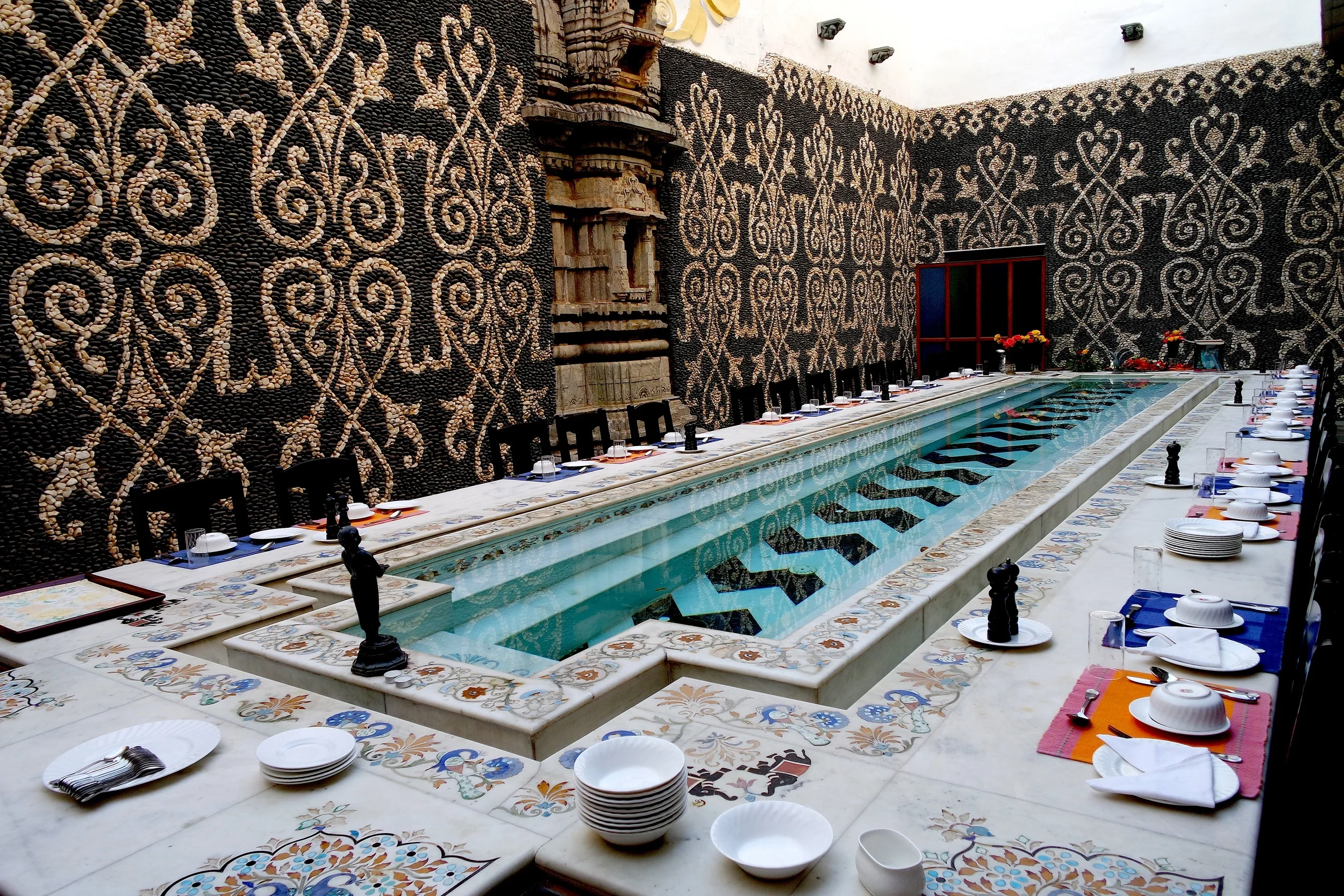
When you first turn the corner into the dining room, you honestly cannot help but gasp.

The epic open-air dining room at Hotel Udai Bilas Palace. A quick swim before supper, anyone?

The epic open-air dining room at Hotel Udai Bilas Palace. A quick swim before supper, anyone?

Dinner is served at a monolithic white marble table inlaid with pietra dura and a water feature that could double as a lap pool running along the center. Our roof was the expansive, star-filled sky. –Duke
In Search of Bahamian Food

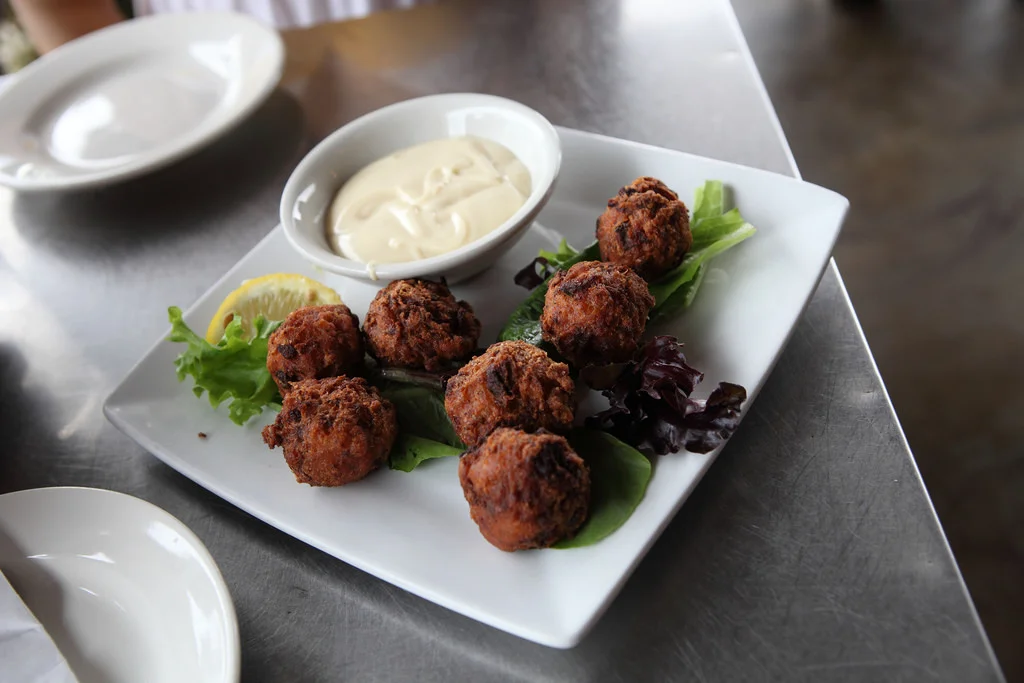
Wally sure would have loved to have tried some conch fritters like these in the Bahamas

Wally sure would have loved to have tried some conch fritters like these in the Bahamas

Wally tries his hardest to sample conch fritters, conch chowder — heck, anything conch.


When I travel, I enjoy experiencing authentic traditional cuisine. So when I visited Grand Bahama Island one holiday season, I felt it was my rite of passage to sample conch, a local favorite.

Technically, they’re sea snails — but I’m afraid that if I say this, no one will want to try them.

Conch (pronounced “konk”) is similar in texture to a clam. The shells, with their flared, thick outer lip and pink-colored orifice, are commonly sold in souvenir shops. Heck, you’ve probably held one up to your ear to “hear the ocean.”

Technically, they’re sea snails —  but I’m afraid that if I say this, no one will want to try them.

You might also recall conch as the shell the boys in Lord of the Flies use as a trumpet to call meetings and the item you had to hold if you wanted to speak — before all hell broke loose. Which brings me to my first meal on the island.


Shell Shocked

I found a Bahamian restaurant specializing in conch. It was small, no-frills and empty.

Ten minutes later, a skinny girl emerged, handed us menus and disappeared into the back of the restaurant. 

Ten minutes later, she returned, presumably to take our order.  

“We’ll start with the conch fritters,” I said.

She wrote the order down carefully and disappeared again.

Ten minutes later, she reappeared.

 “No conch fritters,” she told us.

I was a bit disappointed, but persistent, so I replied, “We’ll have two cups of the conch chowder then, please.”

She wrote the order down and strolled back to the kitchen.

After another 10-minute lapse, she returned. “No conch chowder,” she said. I was beginning to understand what they mean by “island time.”

Hungry and determined, I scanned the menu and replied, “Oh, OK, we’ll have the crack conch.”

With great concentration, she wrote this down.

As she began to walk away I decided to call her back. “May I ask: Do you have anything conch?”

She shook her head. “No conch. Bad weather.”

This struck me as particularly absurd — not only because she could have told us this half an hour ago, but because the weather in the Bahamas is pretty much gorgeous year-round, with the temp barely fluctuating between the high 70s and the low 80s.

Later in the week, as I was wandering the island, I came upon a man collecting conch. Next to him was a huge pile of the beautiful, pinkish, coral-colored shells. The weather must have improved.

To this day, Duke and I will use that refrain to get a laugh out of each other, like the Soup Nazi on Seinfeld: No conch. Bad weather. –Wally
The Unpleasant Experience of Hiring a Driver in India

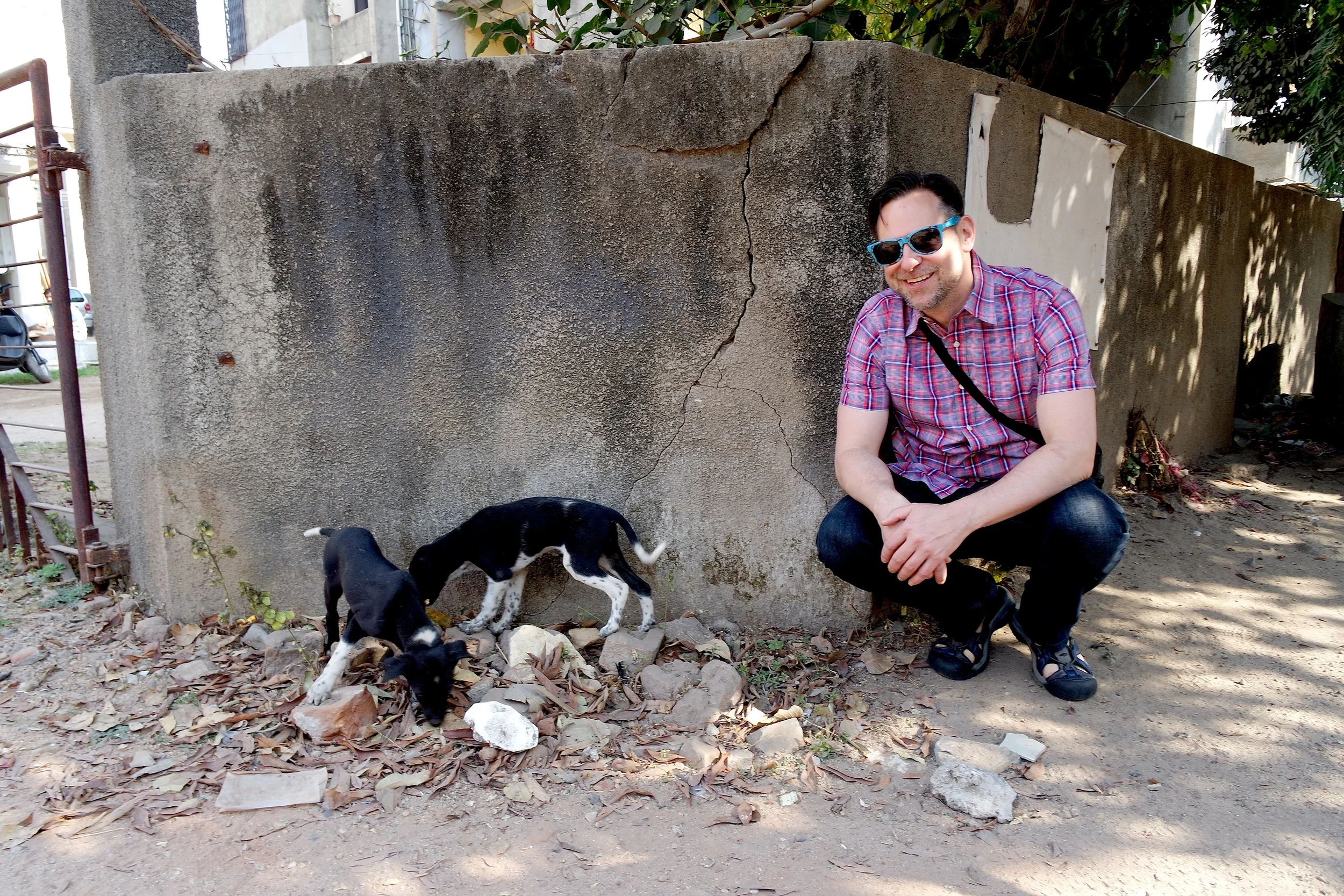
Darkness turned to daylight as we awaited our driver. At least we had stray dogs to keep us company

Darkness turned to daylight as we awaited our driver. At least we had stray dogs to keep us company

Our road trip from Baroda to Dungarpur taught us not to expect your driver to speak English, show up on time or care about your sanity.

We weren't having any luck finding a driver who spoke English. (Prakash informed us that people who spoke English got the good jobs, and apparently “chauffeur” doesn’t fit into that category.)

An online search revealed a company called TaxiForSure. It seemed professional. It was also pretty much our only option. So we arranged transport to Dungapur. We requested a pick-up of 5 a.m. According to Google Maps, it’s a pretty straightforward four-hour drive from Baroda.

A sullen, if handsome, 20-something driver showed up, playing what seemed to be techno versions of Bollywood music blared at full volume.

At 5 the next morning, our friend and host George got a confirmation text from TaxiForSure, which provided the driver’s name, license plate number and estimated arrival time.

A few minutes later, he received a call from someone at TaxiForSure, who regretted to inform us that our original driver would not be coming — his car broke down.

I’d like to point out that no matter how much you try to plan, things can change unexpectedly (and inevitably, it seems), for India moves in its own unpredictable way.

We were waiting outside in front of George’s apartment building (he calls it his “tenement”). George saves his kitchen scraps to leave outside for the cows. As he was tossing a bag onto the heap, a neighbor who was up early yelled at him, telling him not to just throw it there — that there’s an actual place to leave food scraps down the street near the ashram. The neighbor was just doing his part to attempt to reduce the ridiculous amount of garbage strewn about. Indeed, everywhere you go, you see cans, paper and plastic bags picked at and chewed on by rats, jackdaw birds, stray dogs and cows.


How “OK, OK” Can Mean Anything But

We waited. George called back after a half-hour had passed, and then again every 15 minutes. The conversations went something like this:

“The driver is in the area.”

“The driver is very close.”

“The driver is 3 to 5 minutes away.”

“The driver is 2 to 3 minutes away.”

George hung up in a huff. “Indians will always tell you, ‘OK, OK,’” he said. “But that doesn’t mean anything. It can mean he’s hours away, or he could be here in 5 minutes. I’ve learned they tell you what you want to hear — even if it’s not the truth.”

Two hours in total had passed before George received another text from TaxiForSure.

Your taxi has arrived.

It was now 7 a.m.

Beep! Beep! A sullen, if handsome, 20-something driver named Pankach, who only spoke Gujarati showed up, playing what seemed to be techno versions of Bollywood music blared at full volume, which we endured the entire trip.

Before we left Baroda, he pulled the car over, and a man approached and gave him a bag full of clothes. Then our road trip was in full swing.


Road Trippin'

Once we were outside the city limits, the scenery changed, and we began to pass rural homes, which were transformed into hand-painted advertisements for the sturdy but humble materials cement and brick.

Many of the signs touted Ambuja Cement. The company's logo is a comically proportioned man with a tiny head and a ginormous right bicep embracing a pair of buildings.

Elaborate conical Hindu temples dotted the landscape, confections in bubblegum pink, white, mint and lemon yellow. Cloth flags atop spires fluttered in the breeze.

We weren't sure we were ever going to make it. But we were finally en route to Dungapur, otherwise known as the City of Hills, located at the southernmost Aravalli mountains of Rajasthan.

We almost got used to the Bollywood Molly dance party in the car. Almost. –Duke
RELATED: 3 Tips for Hiring a Driver in India

No matter how much you try to plan, things can change unexpectedly (and inevitably, it seems), for India moves in its own unpredictable way.