From tipping and sales tax to massive distances and surprise hotel fees, here’s what international travelers should know on their first trip to the USA.
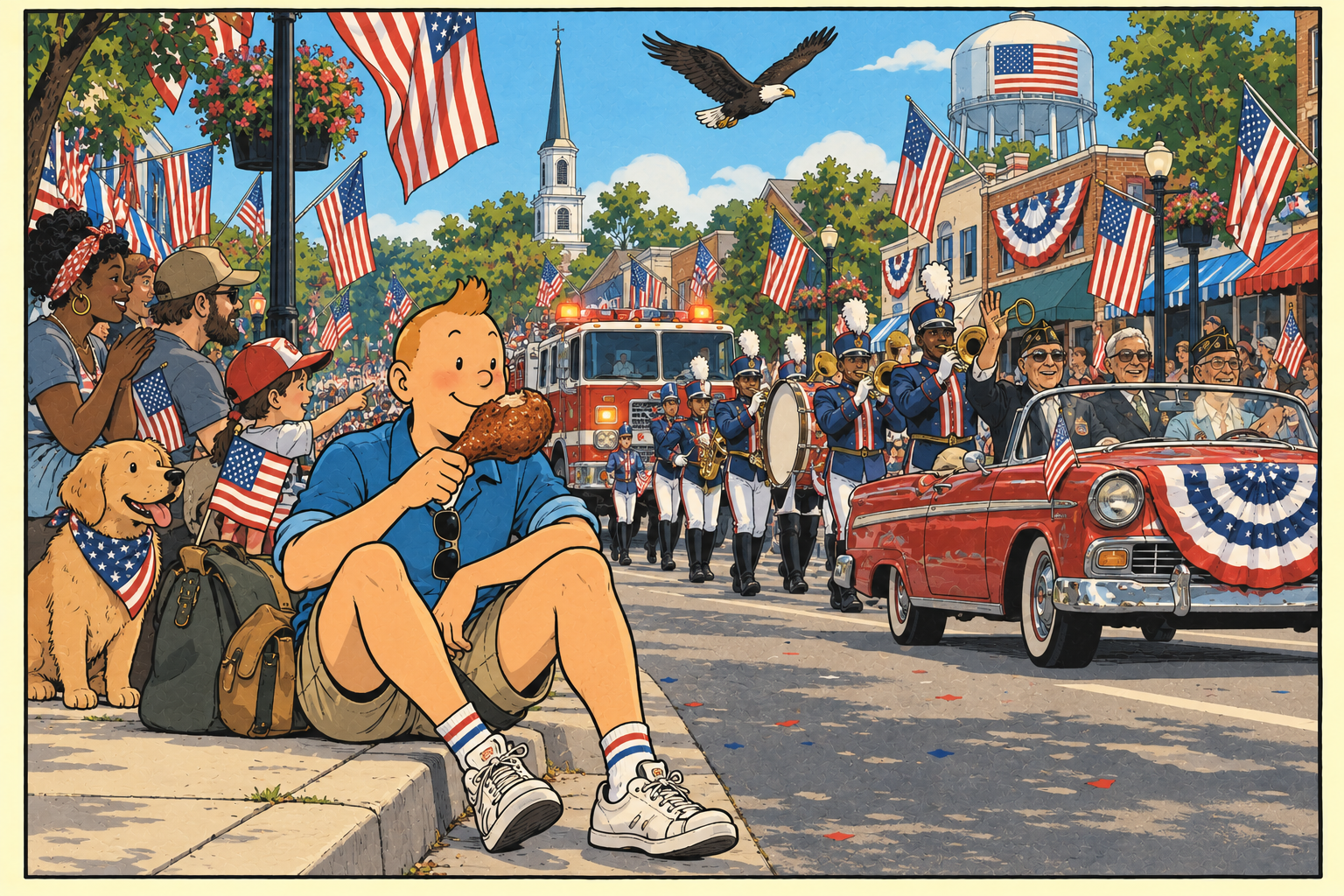
The United States is familiar before you ever arrive. You’ve seen New York apartments on TV, heard a thousand American accents and probably know what a Walmart looks like without ever setting foot inside one.
That can make your first visit surprisingly disorienting.
Prices aren’t quite what they seem. A two-hour drive is considered perfectly reasonable. Restaurant servers keep bringing you water you didn’t ask for. And just when you think you’ve figured out tipping, someone swivels an iPad toward you and asks whether you’d like to leave 20%, 25% or 30% for handing you a muffin.
Welcome to America.
Here are some of the things worth knowing before your first trip to the USA — including a few that could save you money, time and an awkward moment or two.
1. The price on the tag usually isn’t the price you’ll pay
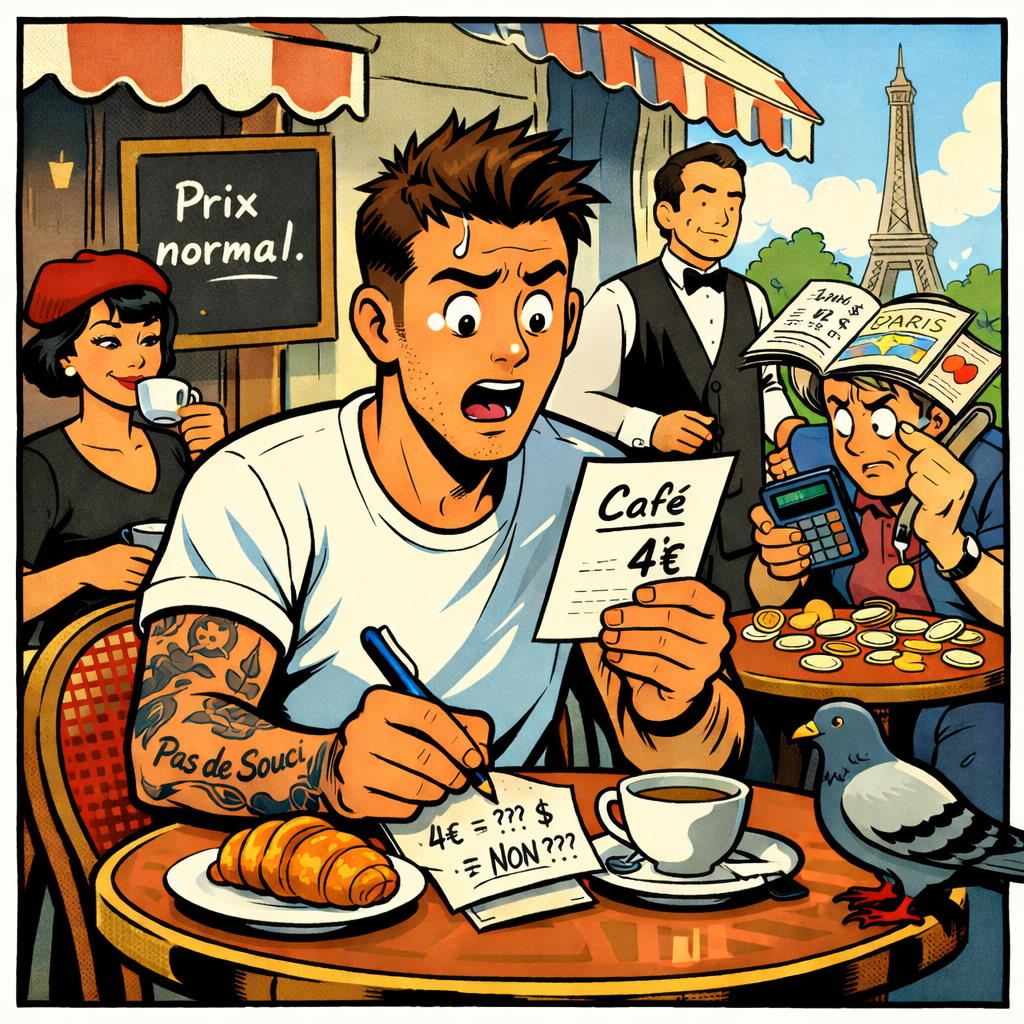
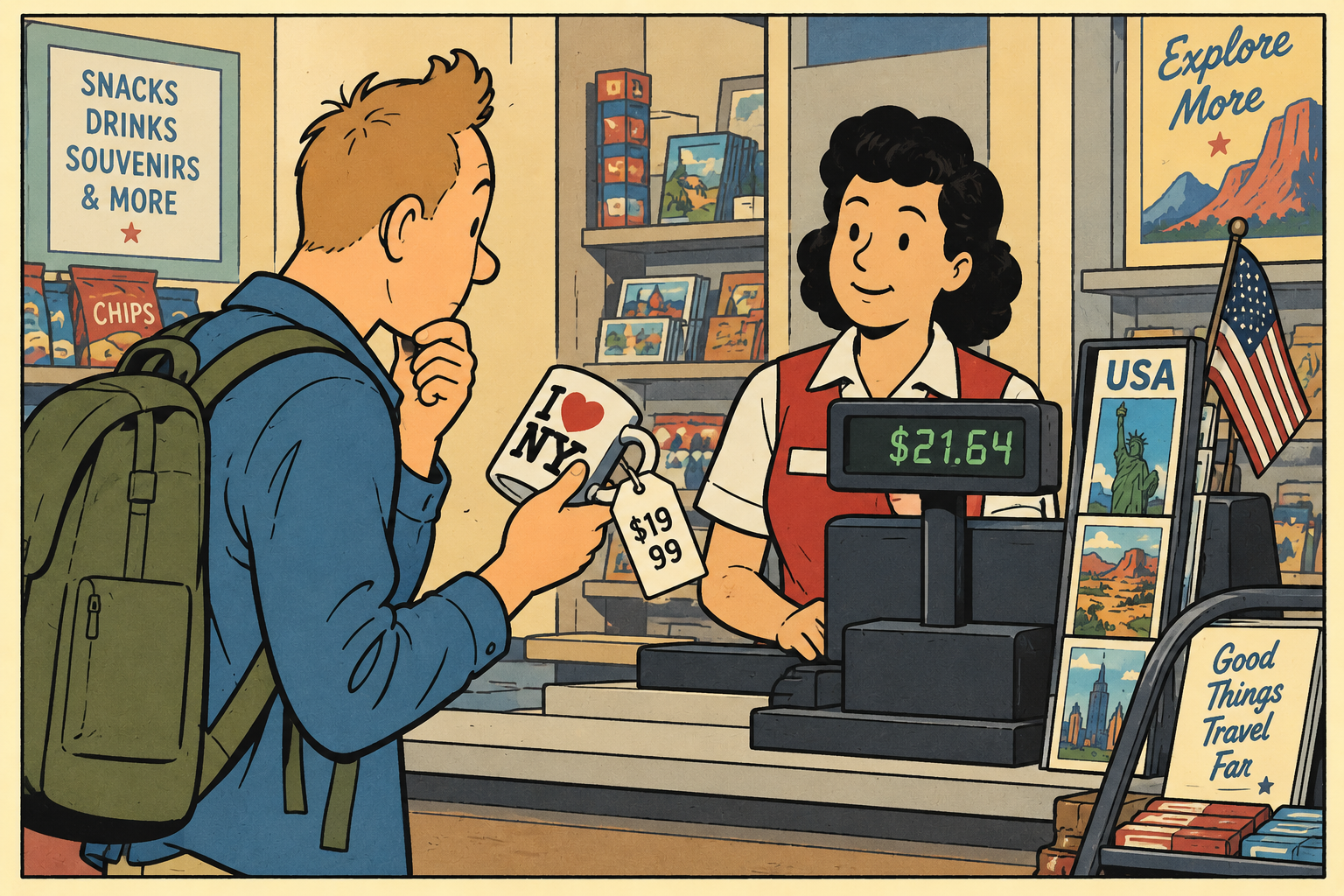
You find something for $39.99. You take it to the register. Suddenly, it costs $43 and change.
No, you’ve probably not been scammed.
Unlike in many countries, U.S. stores generally display prices before sales tax. The tax gets added when you pay, and because rates can include both state and local taxes, the amount varies depending on where you are.
The average combined state and local sales tax rate in the United States is about 7.5%, but there’s considerable variation. Some states have no statewide sales tax, while combined rates in parts of the country can exceed 10%.
Good to know: Taxes can also differ according to what you’re buying. Groceries, clothing and other products may be taxed differently, depending on the state or city.
In other words, don’t construct an extremely precise vacation budget by adding up the numbers on American price tags. America has other plans.
2. The distances are probably bigger than you think
One of the easiest first-time mistakes is looking at a map and thinking, While we’re there, we could also visit…
Maybe. Zoom out first.
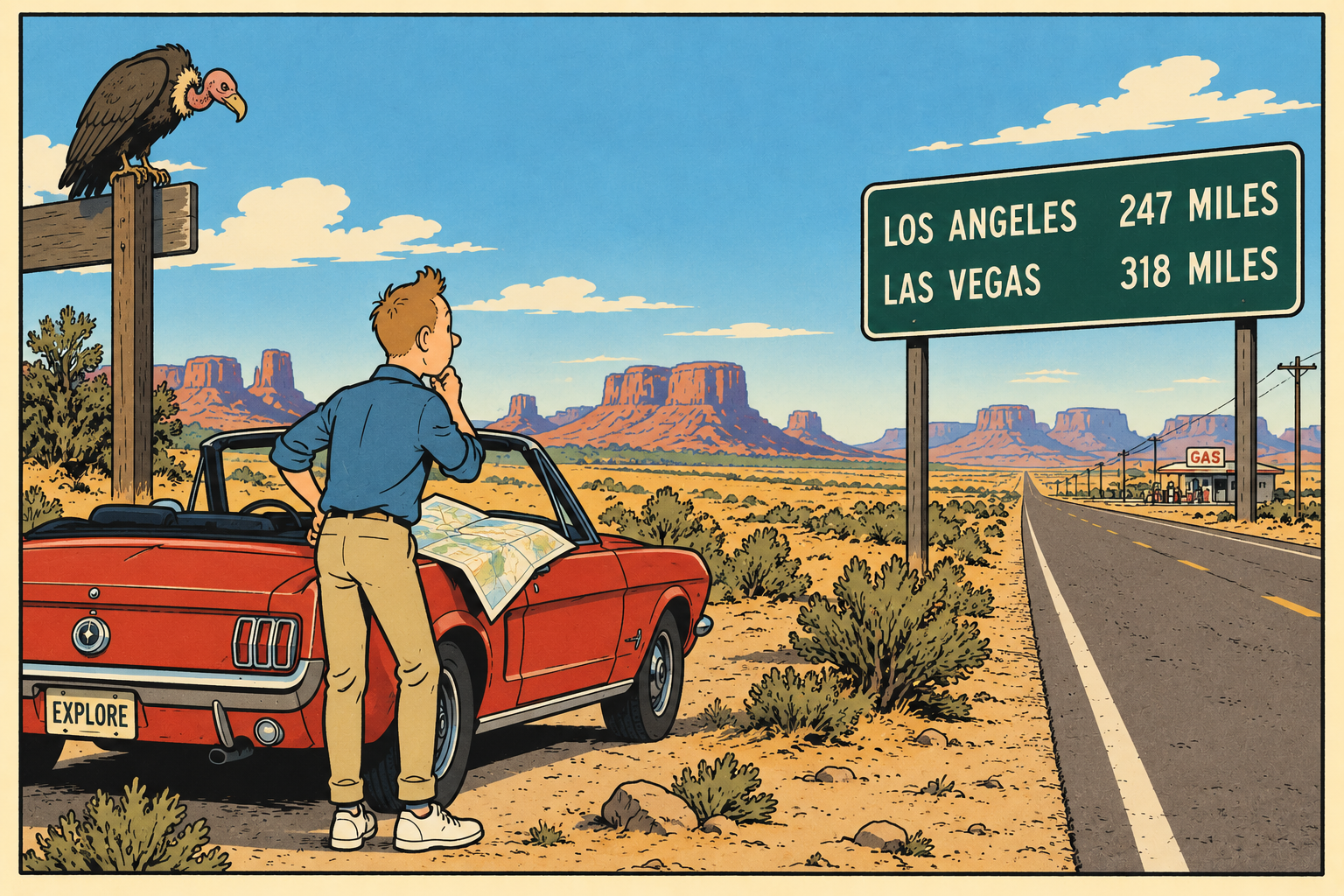
The continental United States stretches roughly 2,800 miles (4,500 kilometers) from coast to coast. Just driving from San Francisco to Denver, for example, takes roughly 18 hours without lengthy stops.
Even destinations within the same state can be surprisingly far apart. Los Angeles to San Francisco is around a six-hour drive in decent conditions. Miami to Key West can take close to four hours. Texas is apparently attempting to contain several countries.
Before planning a multi-city trip, look up the actual travel time, not just the distance.
For longer journeys, domestic flights often make the most sense. Rental cars are especially useful for national parks, scenic drives and areas with limited public transportation. Trains can be a wonderful way to see parts of the country, but the U.S. passenger rail network isn’t nearly as extensive or frequent as those in many European and Asian countries.
And public transit varies dramatically. You can comfortably explore cities including New York, Chicago, Boston and Washington, D.C., without a car. In many other American cities, that’s a lot harder.
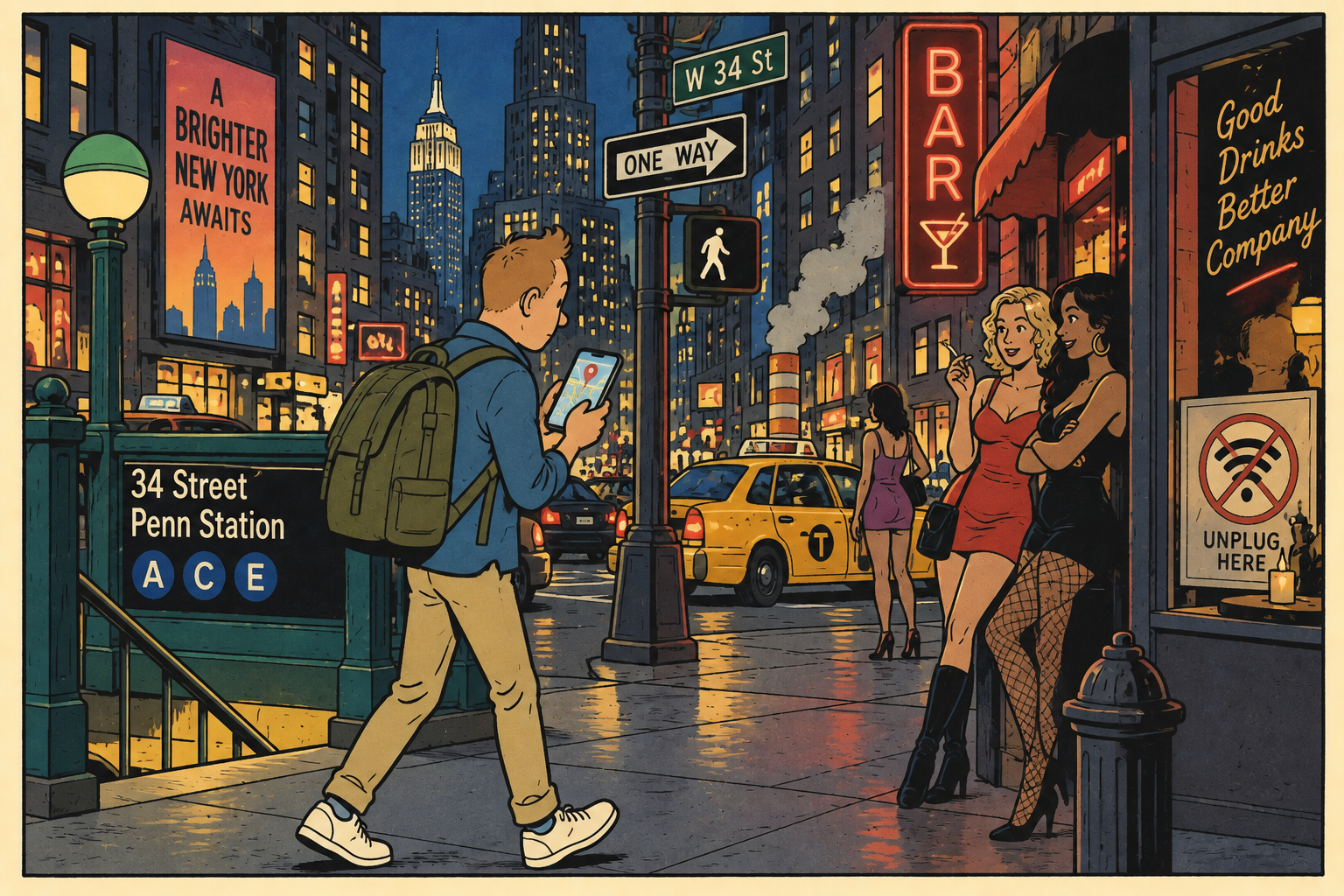
3. Your phone becomes your travel survival kit
You can certainly explore the United States without constant internet access. It’s just considerably more annoying.
Your phone may become your map, transit planner, boarding pass, restaurant finder, translator and rideshare connection all at once. Some restaurants and attractions also rely on QR codes, online reservations or mobile ticketing.
Before leaving home, check what your mobile carrier charges for U.S. roaming. International roaming packages can be perfectly reasonable; using data without one can be decidedly less so.
A prepaid SIM is another option. If your phone supports one, an eSIM app can be more convenient because you can activate a data plan without removing your existing physical SIM.
Whatever you choose, sort it out before you’re standing outside an airport trying to figure out how to get to your hotel using airport Wi-Fi.
Smart backup: Download offline maps for your destination before your trip. They’ll still work if your signal disappears — something that’s particularly useful on road trips and in national parks.
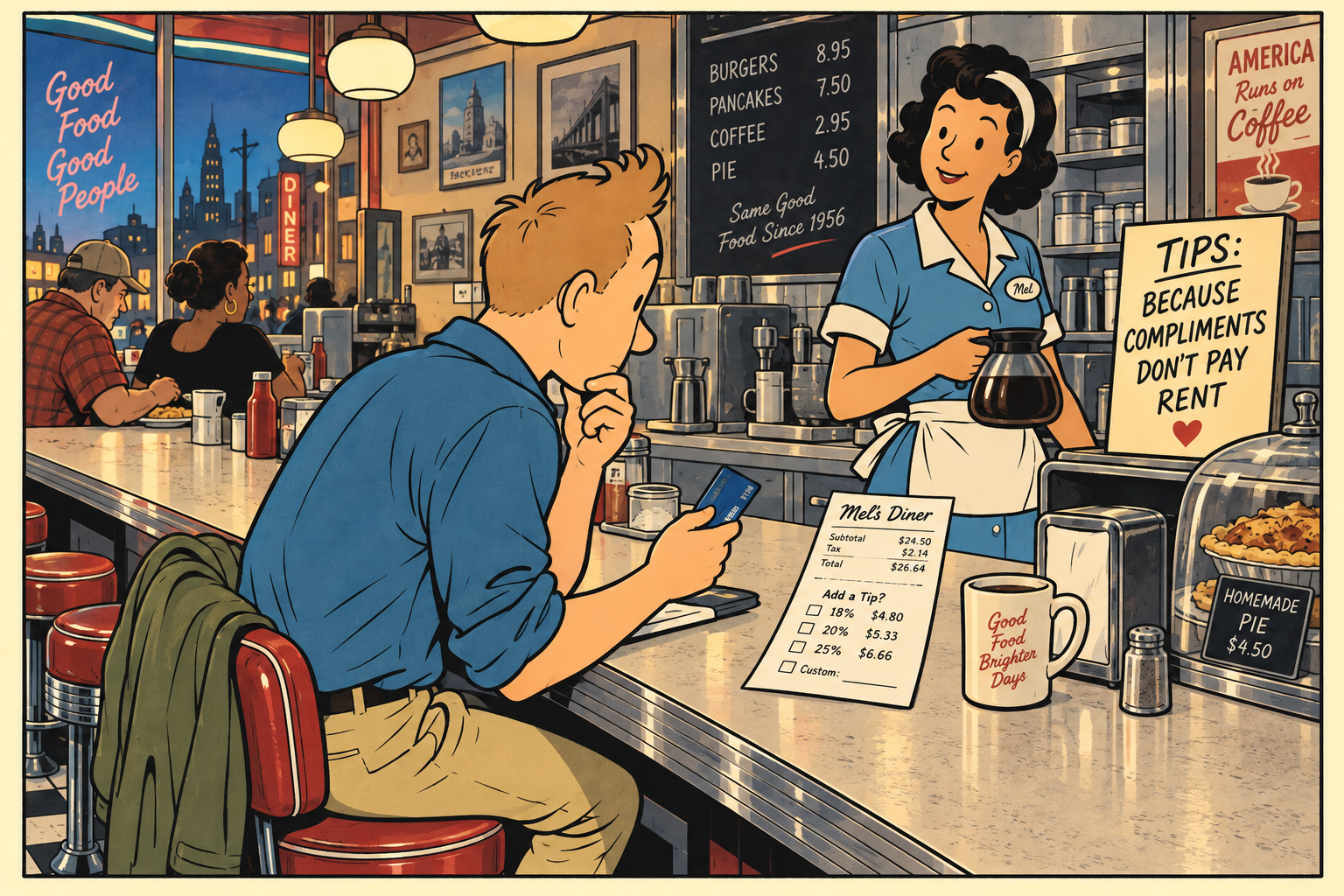
4. Tipping isn’t optional everywhere — but it isn’t mandatory everywhere either
American tipping culture is confusing even to Americans.
For travelers, the easiest rule is this: At a sit-down restaurant with table service, 20% of the pre-tax bill is a safe standard tip for good service.
Bars, taxis and rideshares, hotel staff, tour guides and other service workers are also commonly tipped.
But don’t panic every time a payment screen presents you with three enormous percentage buttons.
At coffeeshops, bakeries, fast-casual restaurants and other counter-service businesses, 10% is a good rule of thumb. And don’t feel pressured when the touchscreen offers only 20%, 25% and 30%. Look for the option to enter a custom tip instead.
Yes, America has somehow turned buying a muffin into a math problem.
Before tipping at a restaurant, check the bill for phrases such as “gratuity included,” “service charge” or “service fee.” Some restaurants automatically add a charge, particularly for larger groups. Find out what it covers before adding another 20%.
Why is tipping such a big deal here? Federal law still permits qualifying employers to pay certain tipped workers as little as $2.13 per hour in direct wages if applicable requirements are met. So your server depends on tips to make a living.
The system is complicated. Fortunately, your vacation doesn’t have to be.
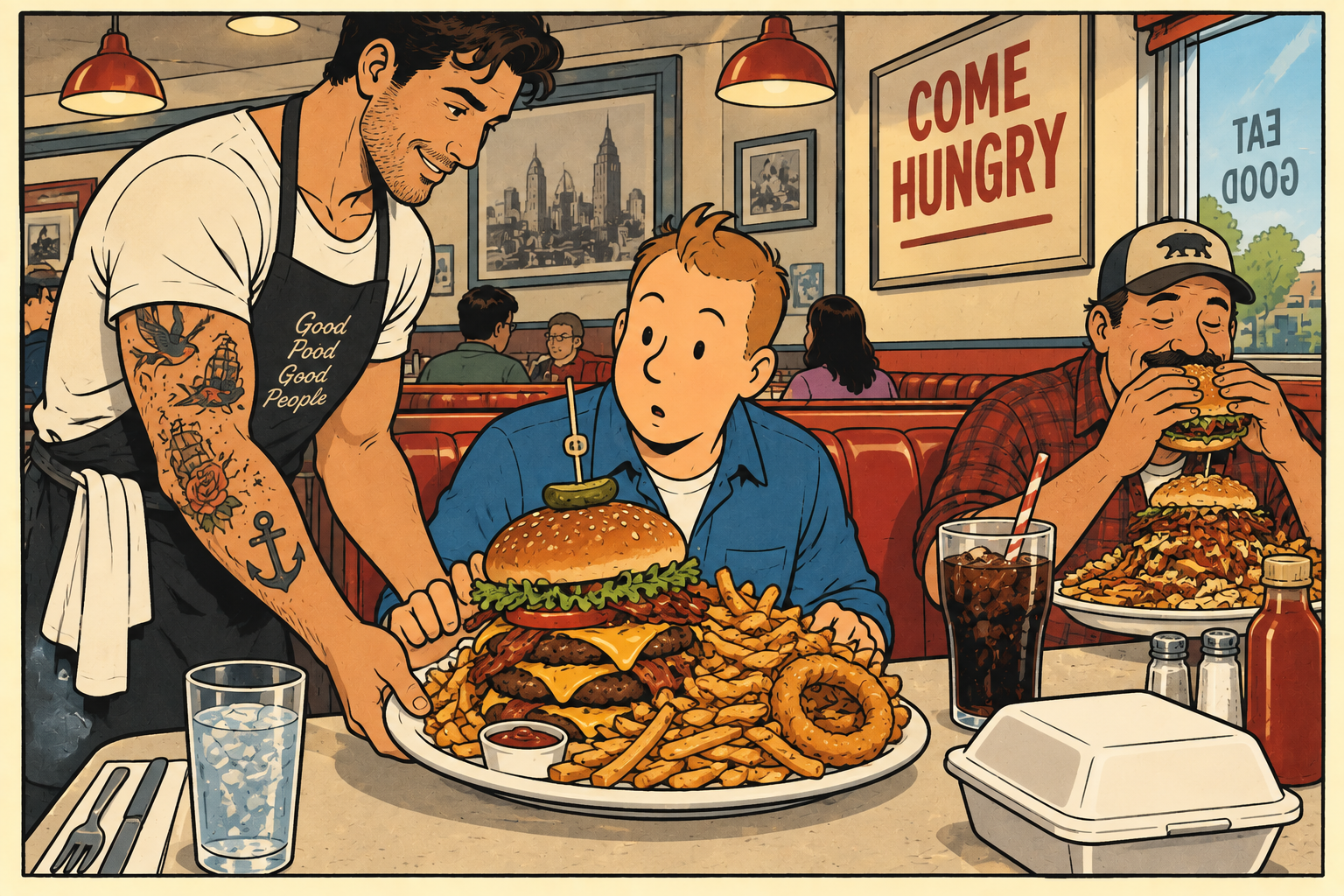
5. Restaurant portions can be enormous — and taking leftovers home is normal
The stereotype has some truth behind it: American restaurant portions can be big.
Fortunately, you aren’t expected to finish everything.
Asking for a box to take leftovers with you is completely normal, including at many nice restaurants. You may hear people call it a “to-go box” or occasionally a “doggie bag,” although your dog has no legal claim to the contents.
Another pleasant surprise: Tap water is generally brought to the table free at sit-down restaurants, and free refills are common for fountain sodas, iced tea and drip coffee.
Just don’t assume every beverage comes with unlimited refills. Your second margarita is definitely going on the bill.
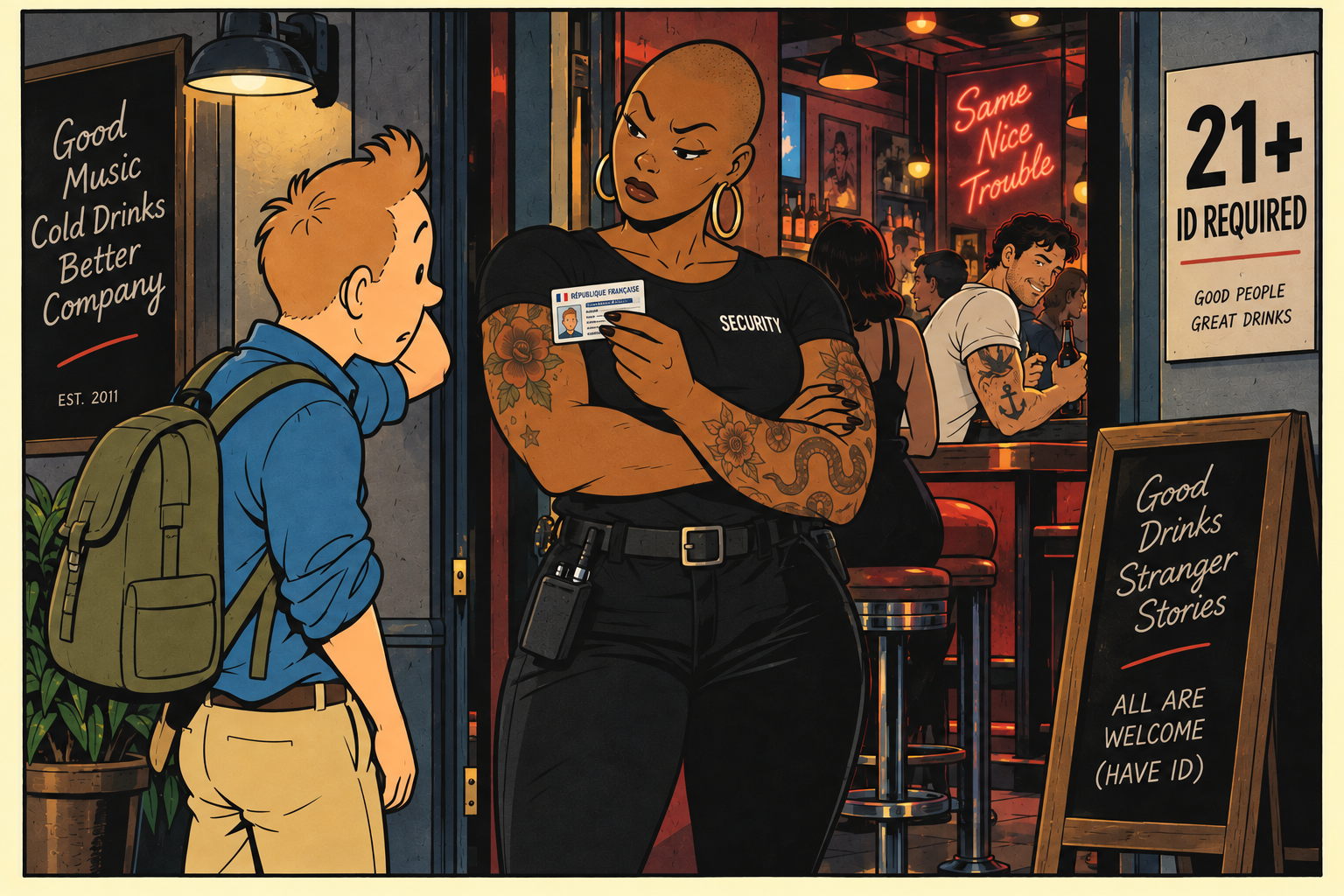
6. Carry your ID — even if you haven’t been asked for it in years
The legal drinking age throughout the United States is 21, and businesses can be strict about checking identification.
Don’t be offended if you’re well past 21 and someone asks for ID. Some bars, restaurants and stores have policies requiring staff to check everyone who appears below a certain age, and others simply check everyone.
For international visitors, a passport is the most universally recognized form of identification. Some establishments may accept foreign driver’s licenses or national ID cards, but acceptance isn’t guaranteed.
That creates an annoying tradeoff: Nobody wants to carry a passport around all night, but nobody wants to be denied a celebratory cocktail because their charming laminated card from home means nothing to the bartender either.
Check local requirements and use your judgment about when carrying your passport is necessary.
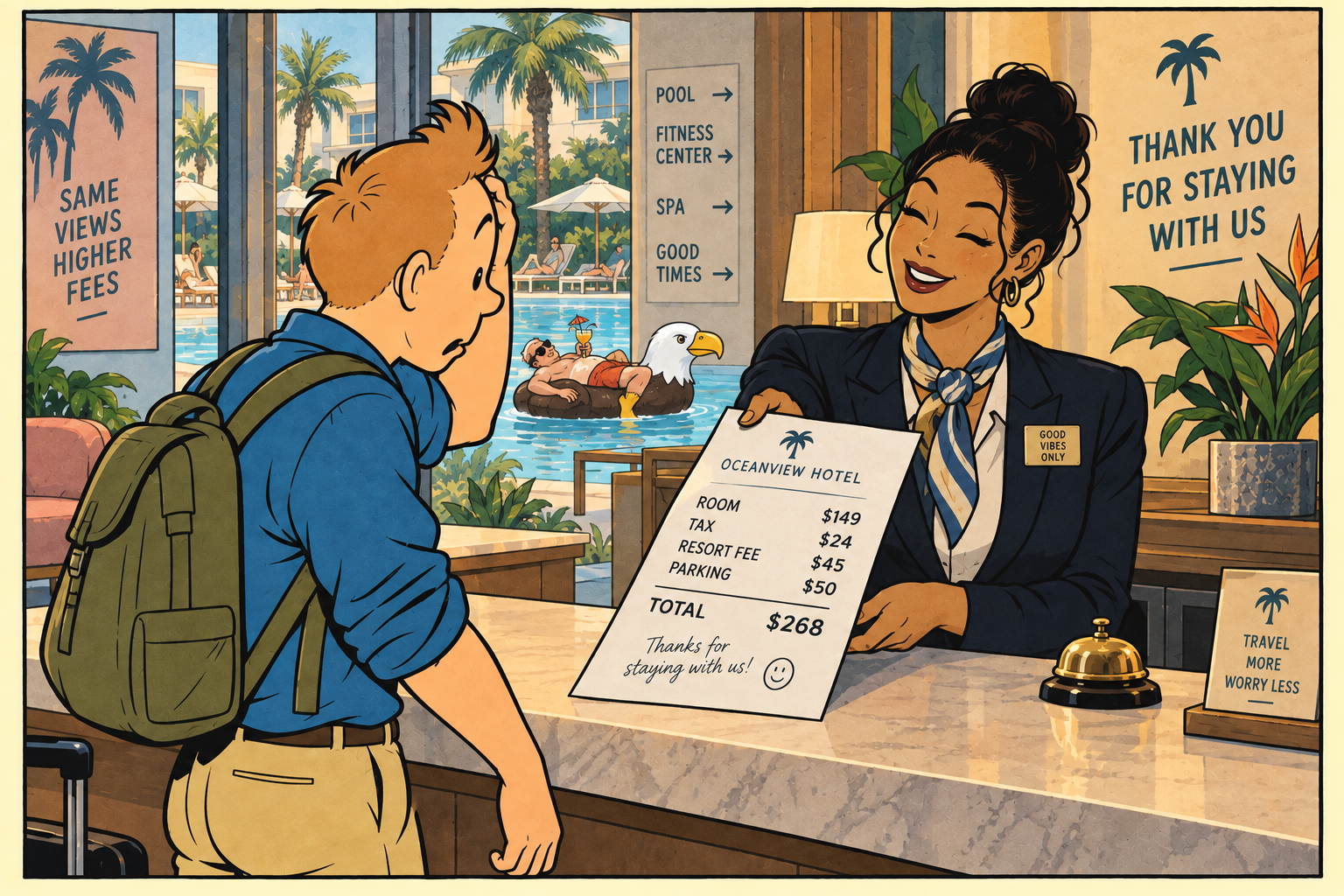
7. Hotels can have surprise fees too
Sales tax isn’t the only number that can mysteriously grow.
Some U.S. hotels — particularly resorts and properties in major tourist destinations — charge mandatory resort, destination or amenity fees on top of the advertised room rate. These may supposedly cover things such as Wi-Fi, gym access, pool towels or other amenities, whether you use them or not.
Parking can also be shockingly expensive at urban hotels.
Before booking, look for the total price including mandatory fees and taxes, and check the parking charge if you’re renting a car.
A cheap hotel room becomes much less cheap after a nightly fee and $50 parking enter the chat.
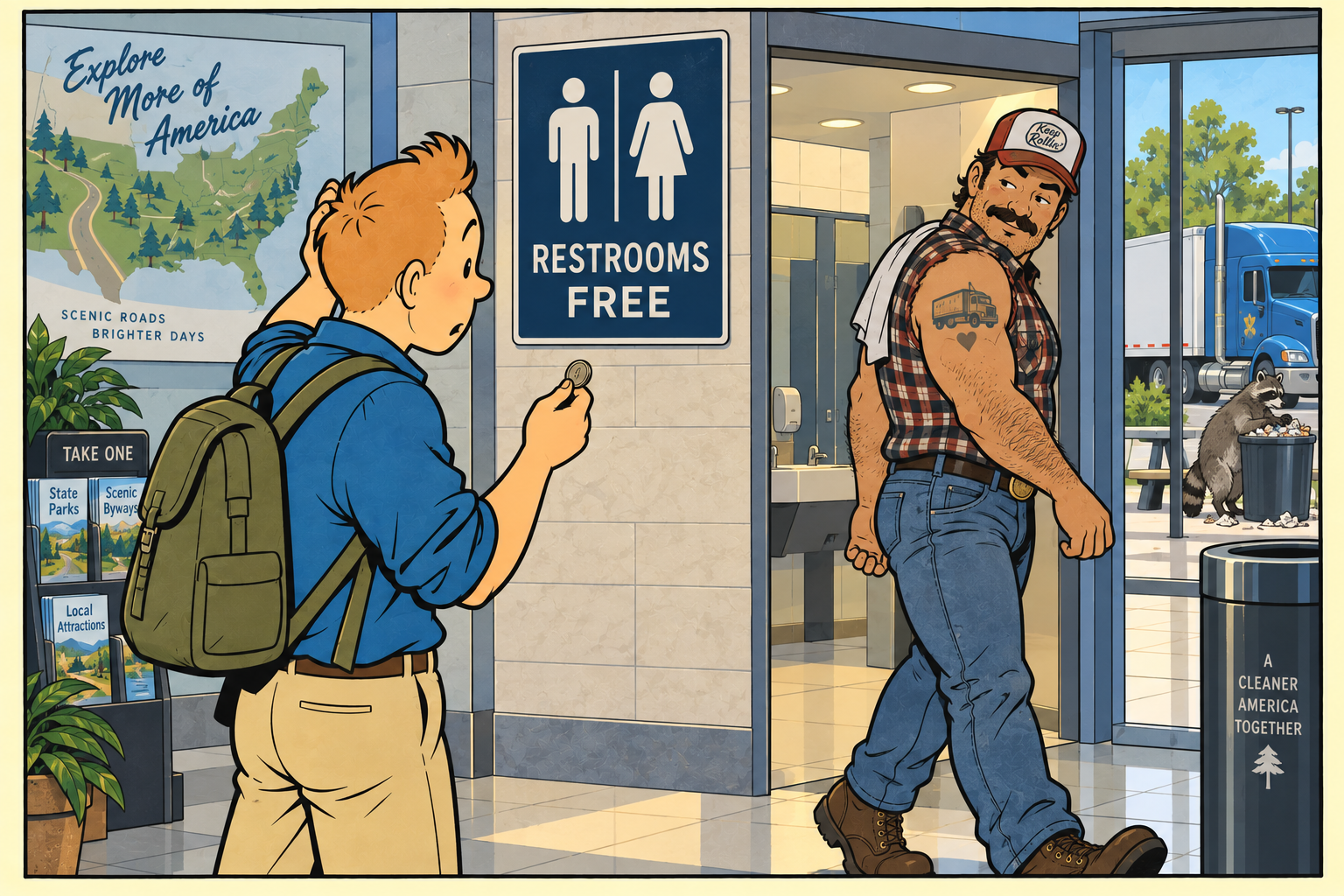
8. Public bathrooms are easier to find than in many countries — with one catch
Here’s some good news: You won’t need a pocketful of coins to use a restroom in the United States.
Public toilets are free. Museums, department stores, malls, airports, large supermarkets, highway rest areas and many chain restaurants have them.
The catch is that availability varies by city, and some businesses restrict bathrooms to customers or require a code to get in.
On road trips, highway rest areas and large gas stations are your friends. In dense cities, use a bathroom when you see one rather than confidently assuming another will materialize exactly when required.
This is wisdom acquired through suffering.
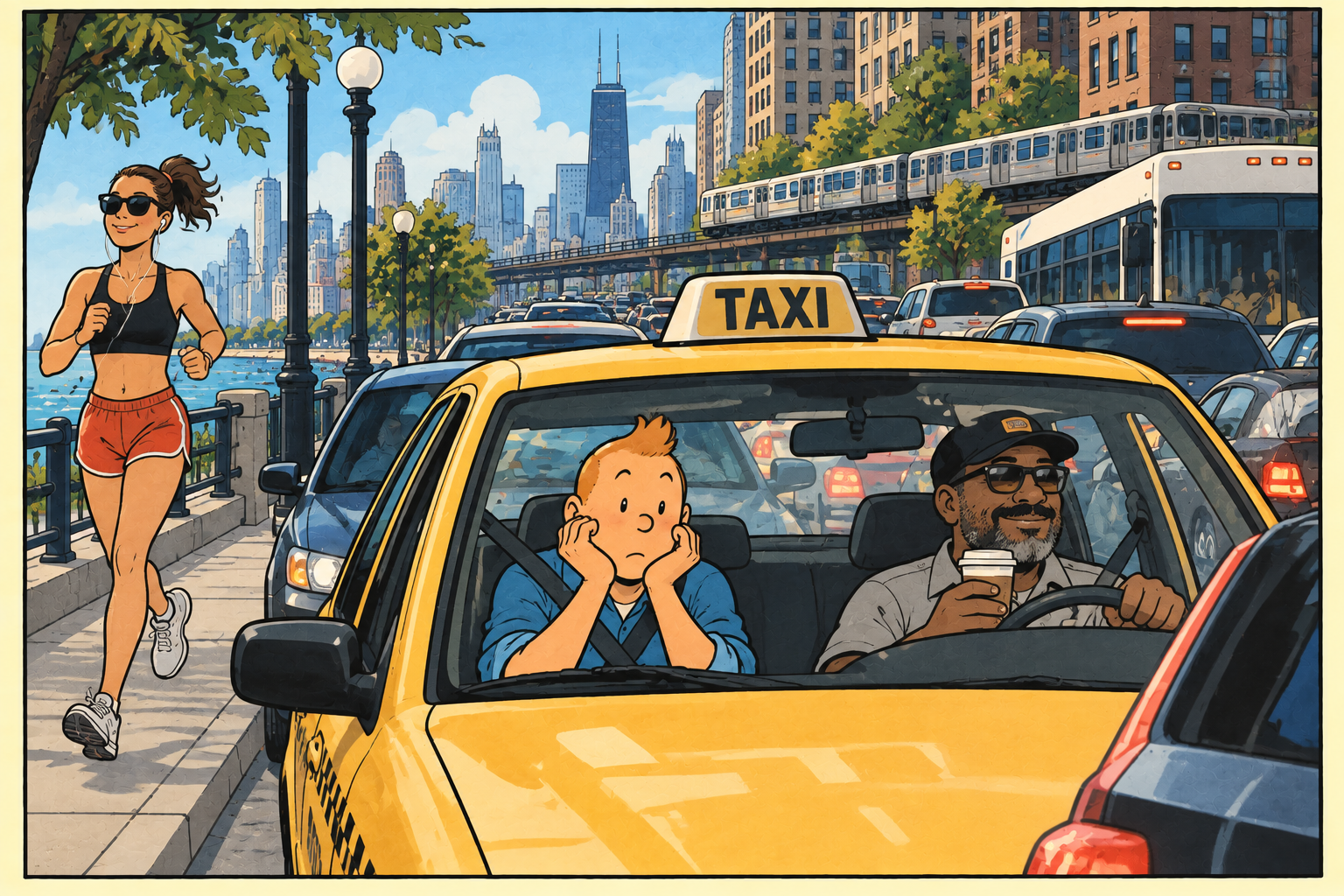
9. Americans measure distance in time
Ask an American how far away something is and you may hear:
“About 20 minutes.”
You did not ask how long it takes. You asked how far it is. This distinction is irrelevant in the U.S.
That’s partly because a five-mile journey could take 10 minutes in one place and an hour in another. Traffic, road type and time of day often matter more than mileage.
Google Maps might tell you something is “only” 12 miles away. In Los Angeles at 5 p.m., those could be the longest 12 miles of your natural life.
When planning your days, check travel times at approximately the time you’ll actually be making the trip. And leave extra room for traffic, parking and the inexplicable American phenomenon of needing 15 minutes to get from a parking lot into the building you came to visit.
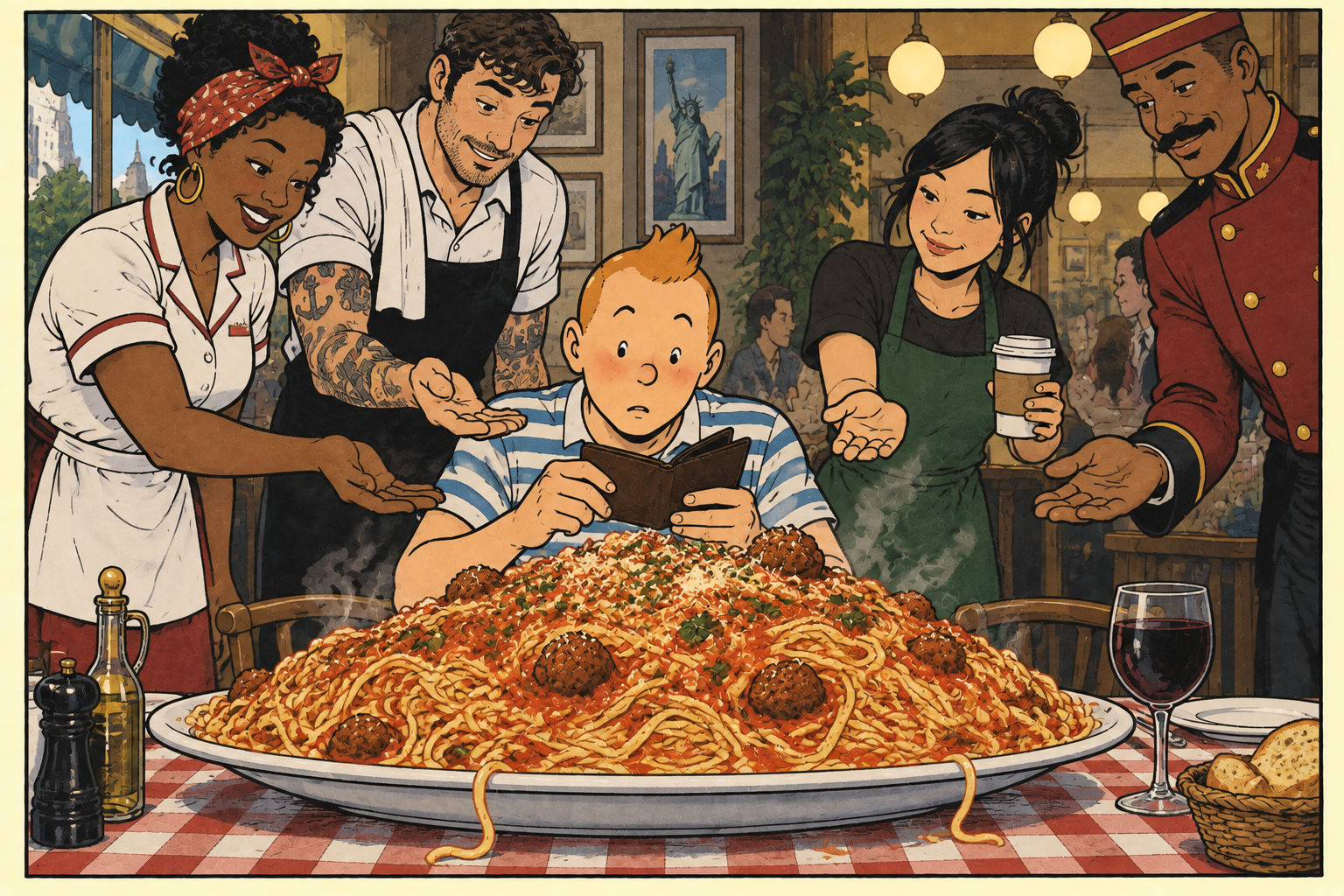
First Trip to the USA: A Little Preparation Goes a Long Way
The fun of visiting another country is discovering all the little things nobody thought to warn you about.
In the United States, that might mean learning that the $5 coffee isn’t actually $5, dinner is large enough to become tomorrow’s lunch, a “nearby” attraction is 90 minutes away and the smiling person behind the counter would now like you to answer a complicated ethical question about tipping on a touchscreen.
None of these things should make the United States intimidating to visit. They’re simply part of figuring out how the place works.
Sort out your transportation and mobile data, budget a little extra for taxes and tips, keep an eye on travel times, determine the best eSIM for the USA — and then enjoy the weirdness. –Megan Brooks