Thinking of ditching the grid for a few days of wilderness and wonder? From forest cabins to desert van life, here’s how to do remote travel right — with the help of a few modern upgrades.
Let’s be honest: Most of us aren’t heading into the wild to prove we can rub two sticks together and make fire. We’re there for the views, the peace, and maybe to post a smug little sunrise story once we’ve brewed our campsite coffee.
But remote travel isn’t always as romantic as the drone shots make it look. Get too cocky, and “off the grid” becomes “off your rocker”: You’re hangry, lost and out of power as the sun is setting.
“Off-grid doesn’t mean punishment. You don’t have to summit Everest or poop into a hole in the rain to prove you’re badass.”
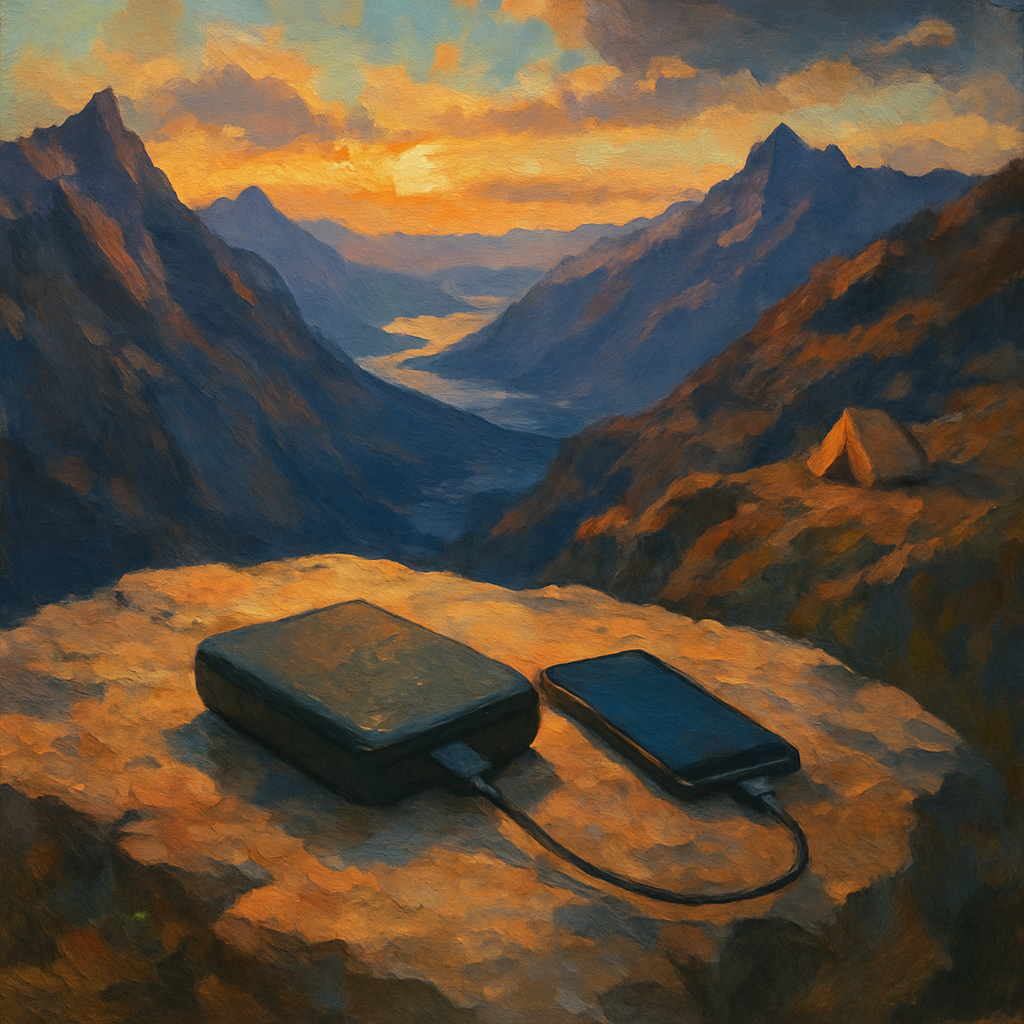
The good news? With a little planning, a few creature comforts, and the right gear (like a portable power station that keeps your phone, fridge and flashlight going strong), you can actually enjoy your unplugged adventure.
Let’s break it down — from what to pack to the biggest surprises no one tells you about going remote. Spoiler: You’ll want extra snacks, backup socks and just enough signal to cue up your hiking playlist.
1. Choose your wild wisely
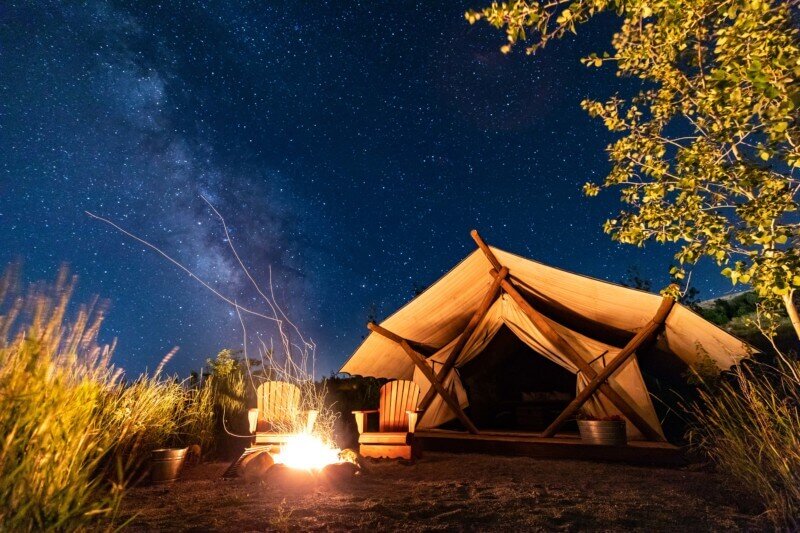
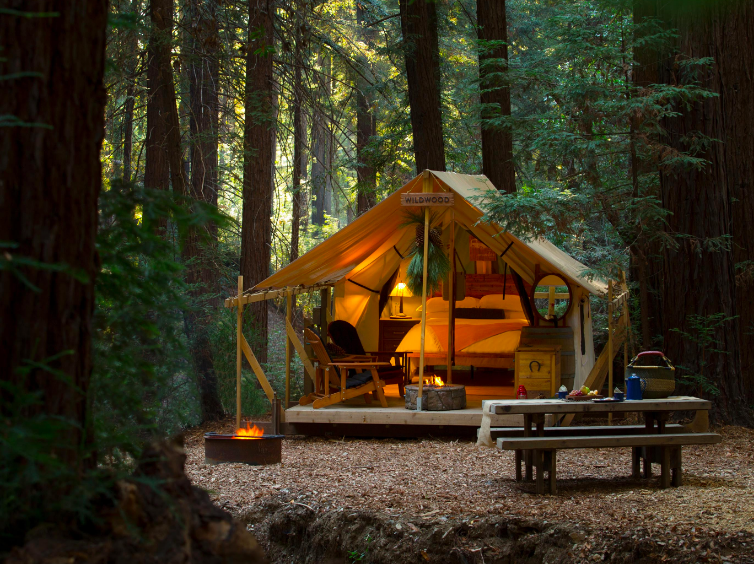
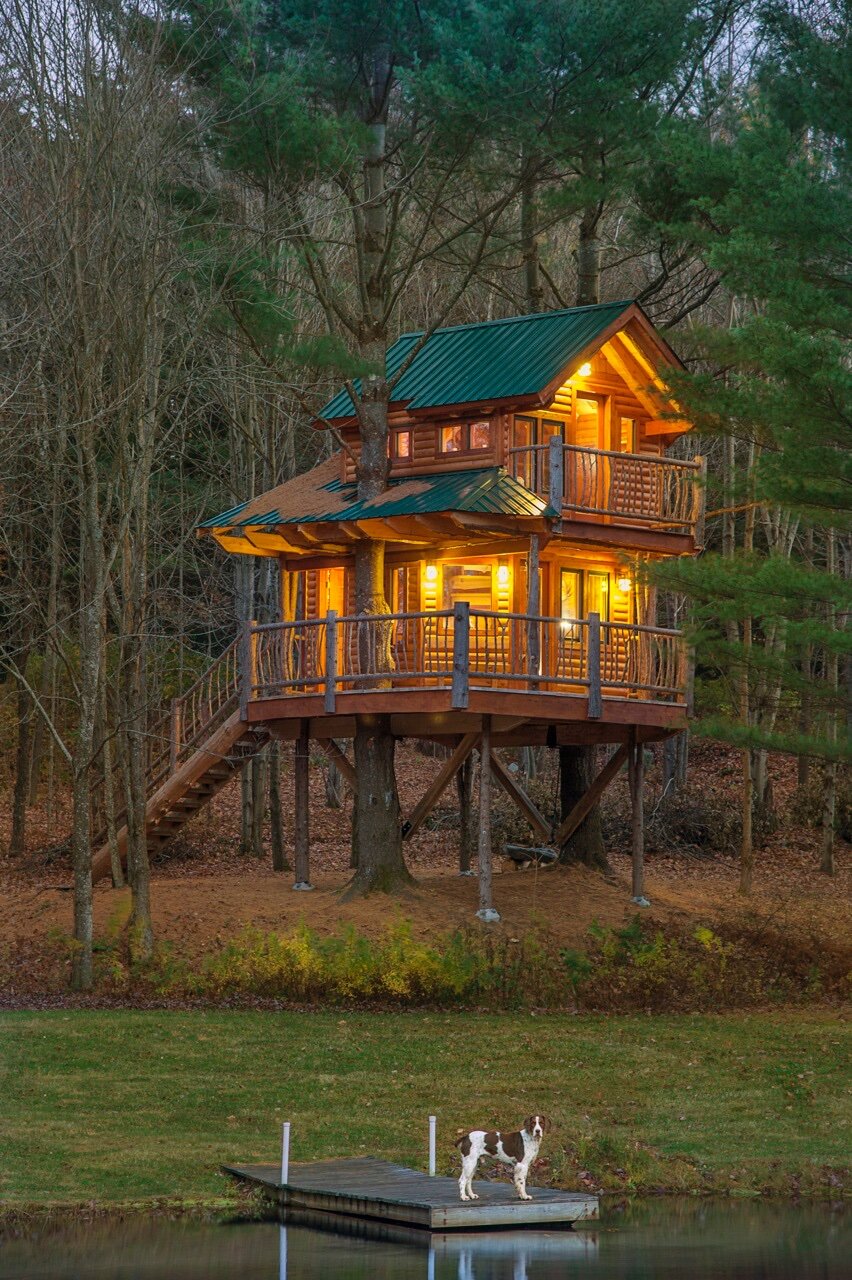
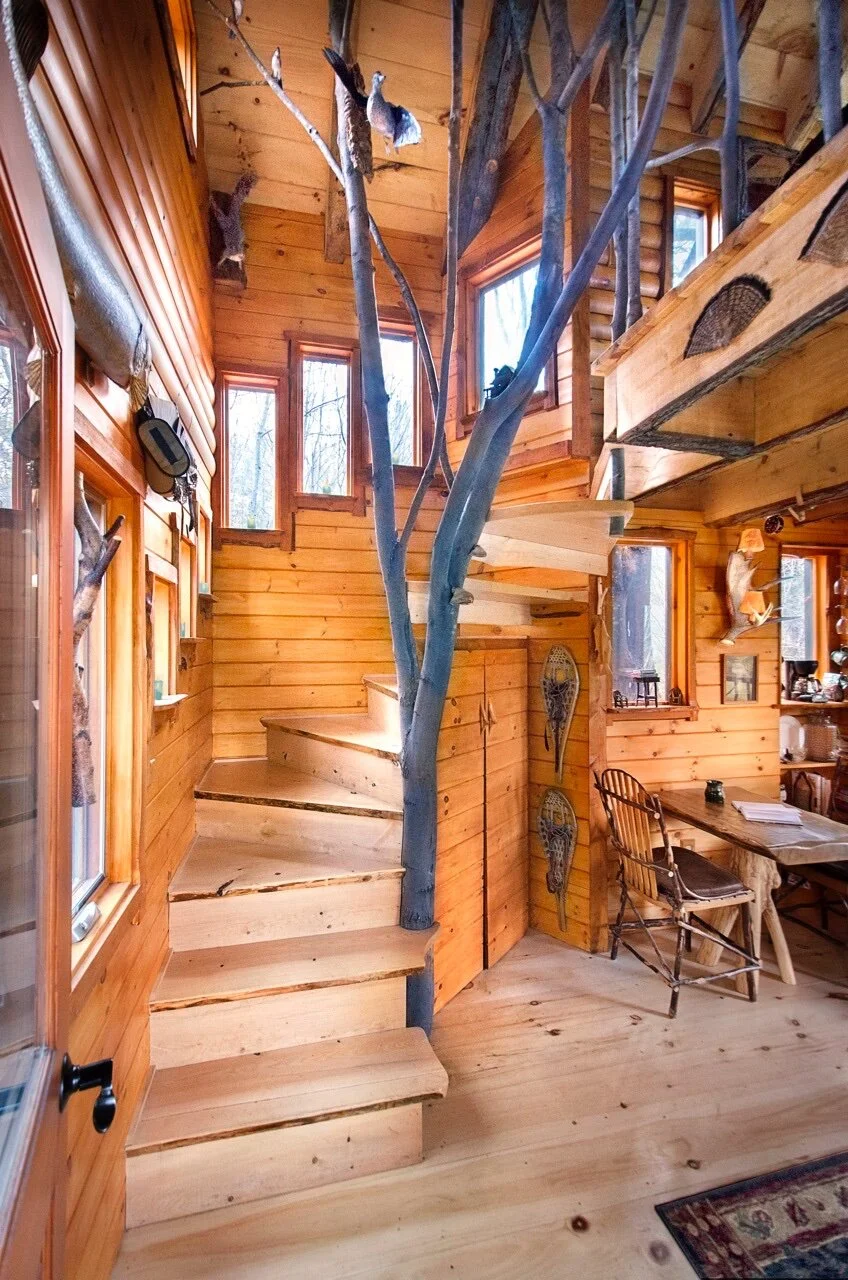
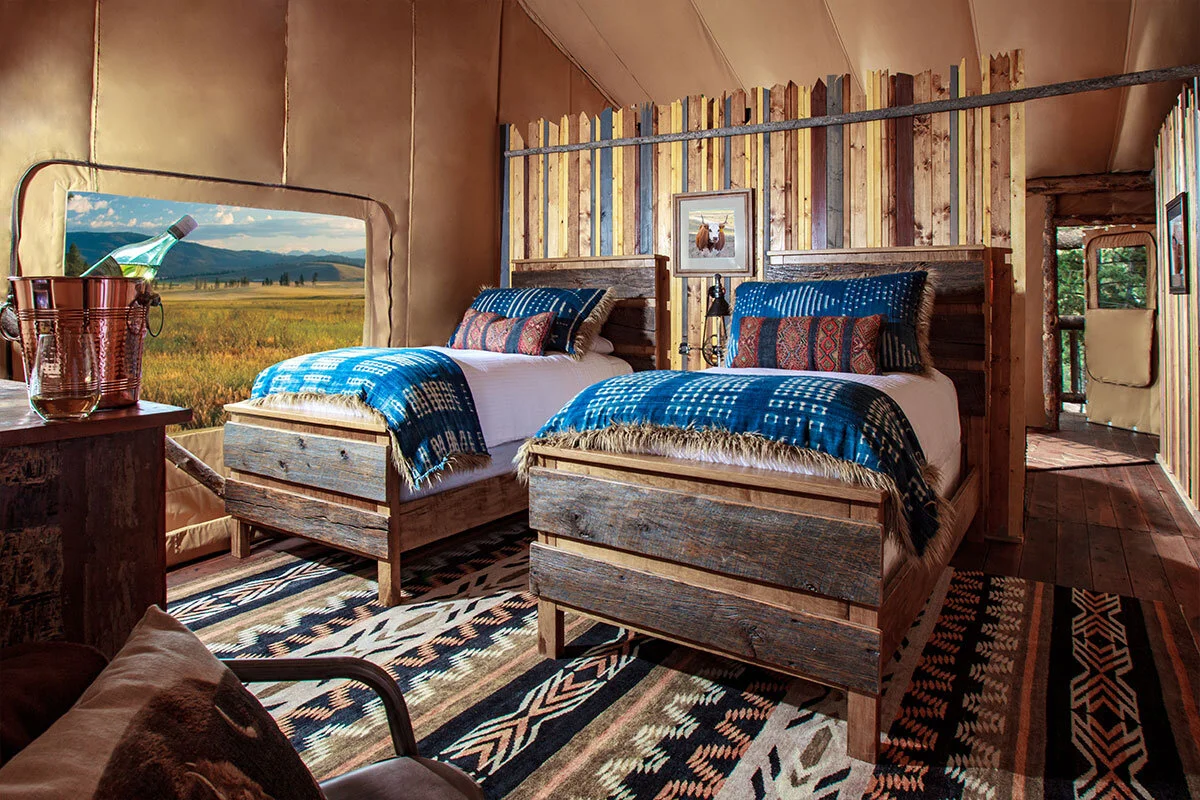
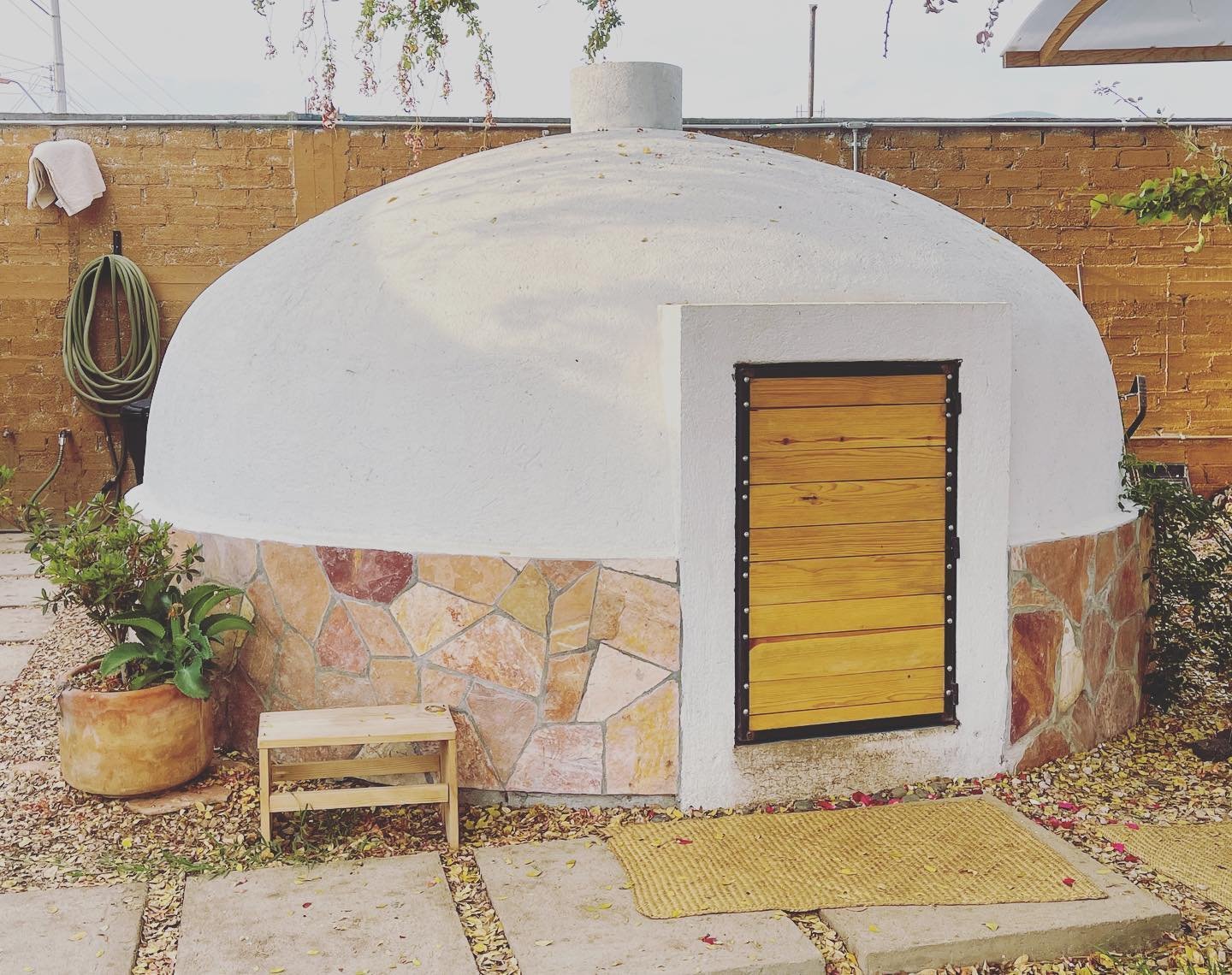
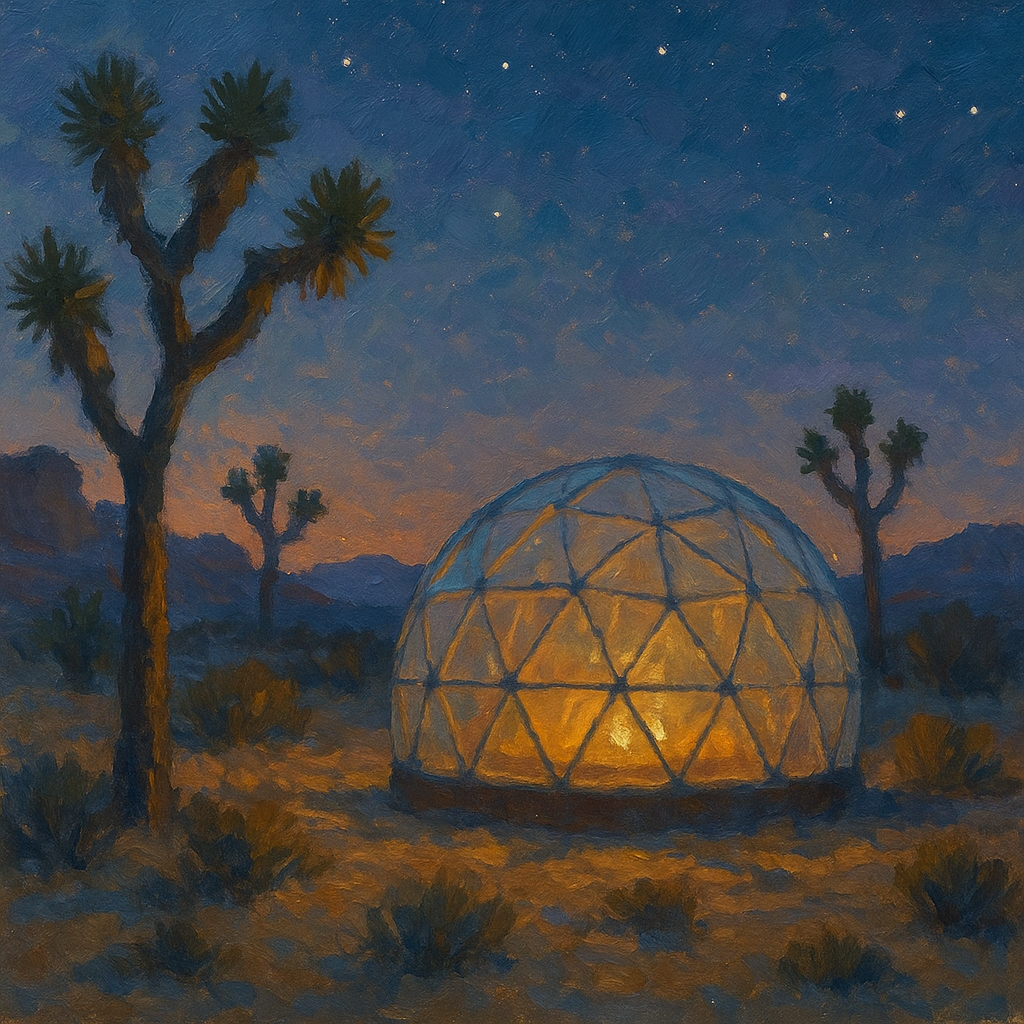
Off-grid doesn’t mean punishment. You don’t have to summit Everest or poop into a hole in the rain to prove you’re badass. Remote travel can look like a stargazing dome in the desert, a lakeside yurt, or a national forest cabin with a wood-burning stove and exactly zero bars of service.
Start with a place that thrills and comforts you. Is there a stream to dip your feet in? A boulder to pose dramatically on? A backup gas station within 45 minutes? All valid considerations.
Pro tip: Check trail conditions, weather, and the closest place to get both tacos and gas. If either is over an hour away, you’re in real “better-have-a-power-source” territory.
2. Pack for your mood, not just the map
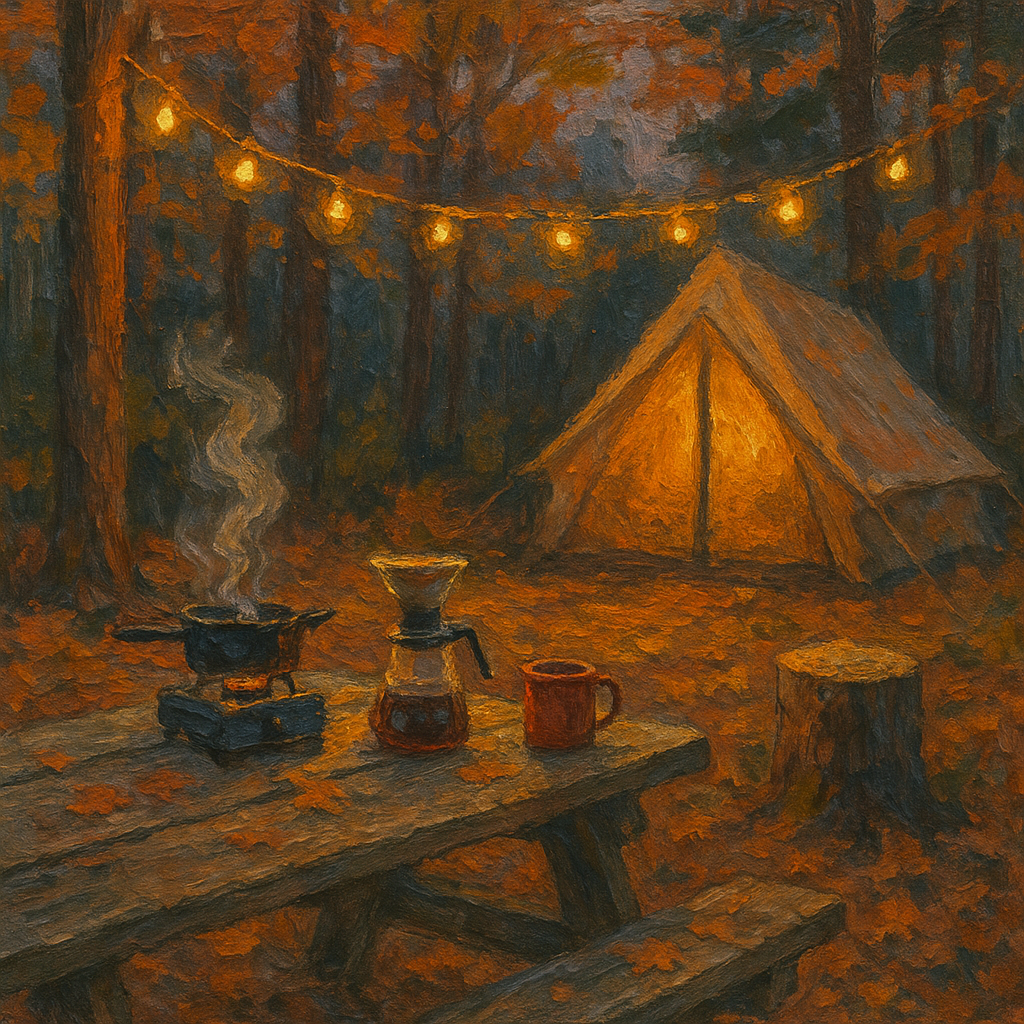
Sure, you’ve got hiking boots, granola and a bandana. But what about a fan for when your camper turns into a sweat lodge? Or a way to light up your tent with soft fairy lights instead of blinding headlamps?
Modern adventurers don’t just pack for survival. They pack to set the mood — for cooking, journaling, reading, vibing. That might mean a camp stove for real meals, a portable pour-over coffeemaker, or a solar string of fairy lights that turns your tent into a woodland cocktail lounge. Bonus points if you’ve got a way to power a fan or charge your Kindle without draining your car battery.
3. Make your car your command center
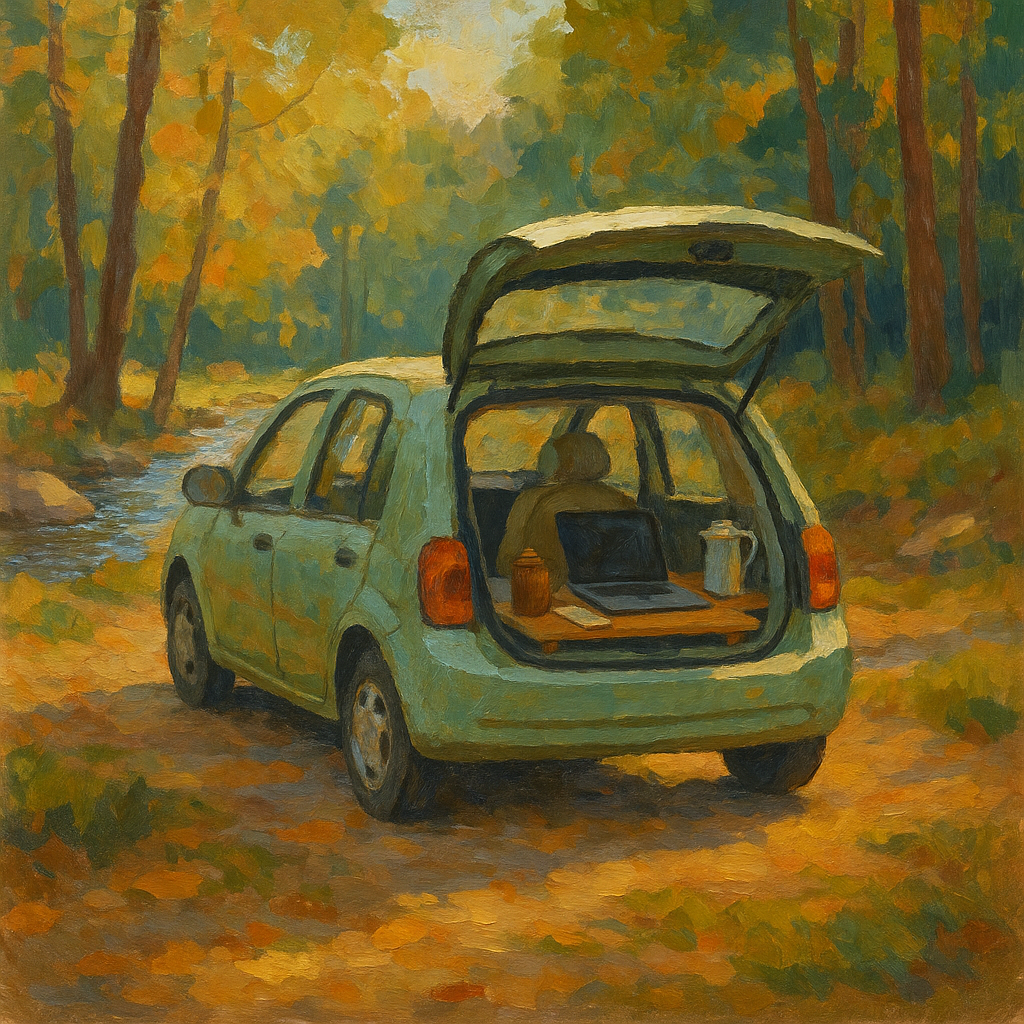
In remote areas, your car isn’t just for transport; it’s your fortress, pantry and power hub. Whether you’re camping out of it or just relying on it to get back to town, treat it like mission control.
Stock it with snacks, water, emergency gear and something that doesn’t run off your car battery. That way, your GPS can stay juiced and your cooler can hum along without draining your vehicle’s life force.
4. Unplug intentionally
Going remote doesn’t mean disappearing. The goal isn’t to vanish like a 2013 Facebook friend. It’s to choose when and how to disconnect.
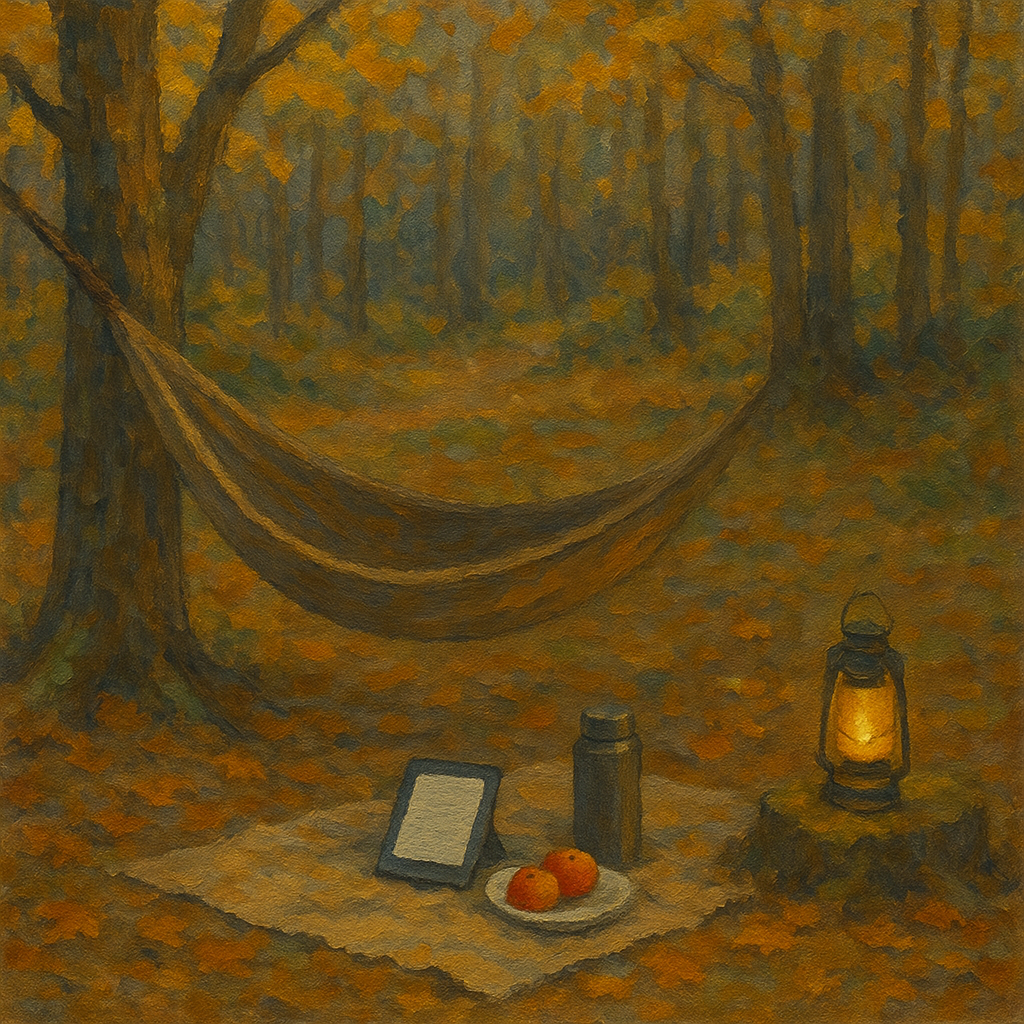
Want to film your hike? Great. Want to read an ebook in a hammock with your phone on airplane mode? Fab.
The trick is to prep before you lose signal: Download maps, cue your playlist, set that away message. And bring backup power so you’re not stuck watching your battery die at 12% while you argue over whether the trail split left or right.

5. Eat like you’re on a picnic, not a survival show
We all love a good challenge — but soggy oatmeal and a melted protein bar does not a wilderness feast make.
Just because you’re off the grid doesn’t mean you need to live like a raccoon. A mini stove, a small cooler and a foldable pan can turn a clearing into a forest bistro. Pancakes hit different at 10,000 feet.
6. Embrace the elements — but also outsmart them
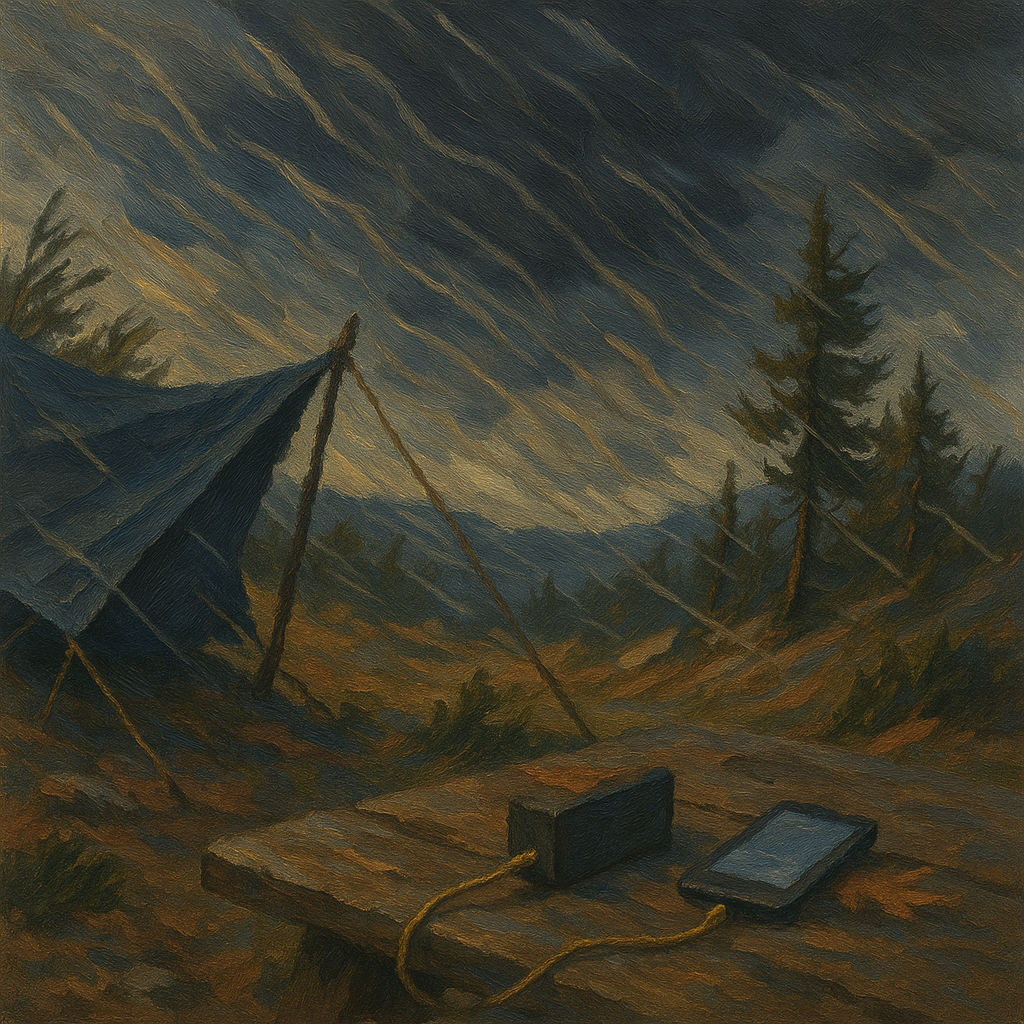
Nature is stunning. It’s also rude. It will throw wind at your tent, sunburn you while you nap, and laugh while your map disintegrates in the rain.
Smart adventurers embrace the elements, sure — but they also plan like they’ve been bitch-slapped by Mother Nature before.
Bring layers, slather on sunblock, stay hydrated — and always have a backup battery when the wind kills your power line and you need to Google “how to build a windbreak with a tarp.”
7. Sleep smarter, not harder
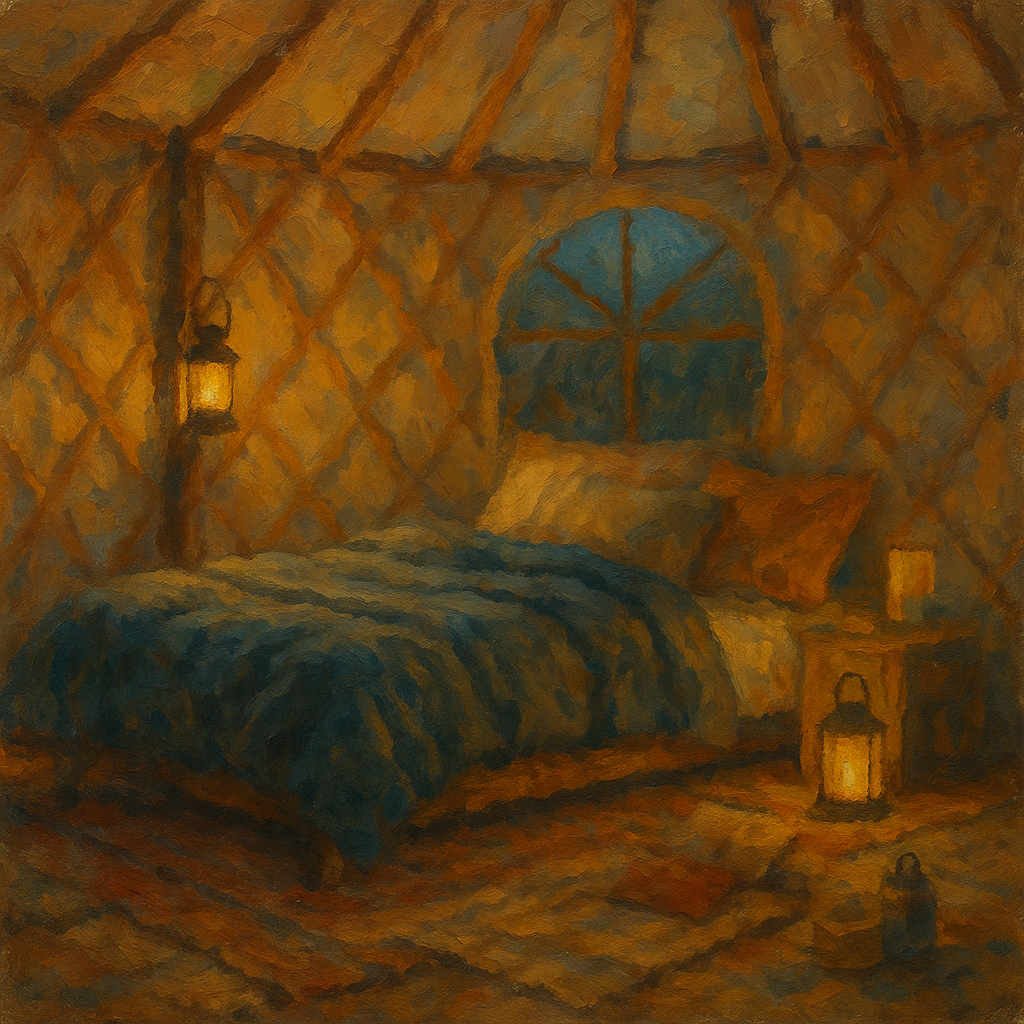
There’s nothing quite like a night under the stars. Until your air mattress deflates, your lantern dies, and something snuffles around your tent at 3 a.m.
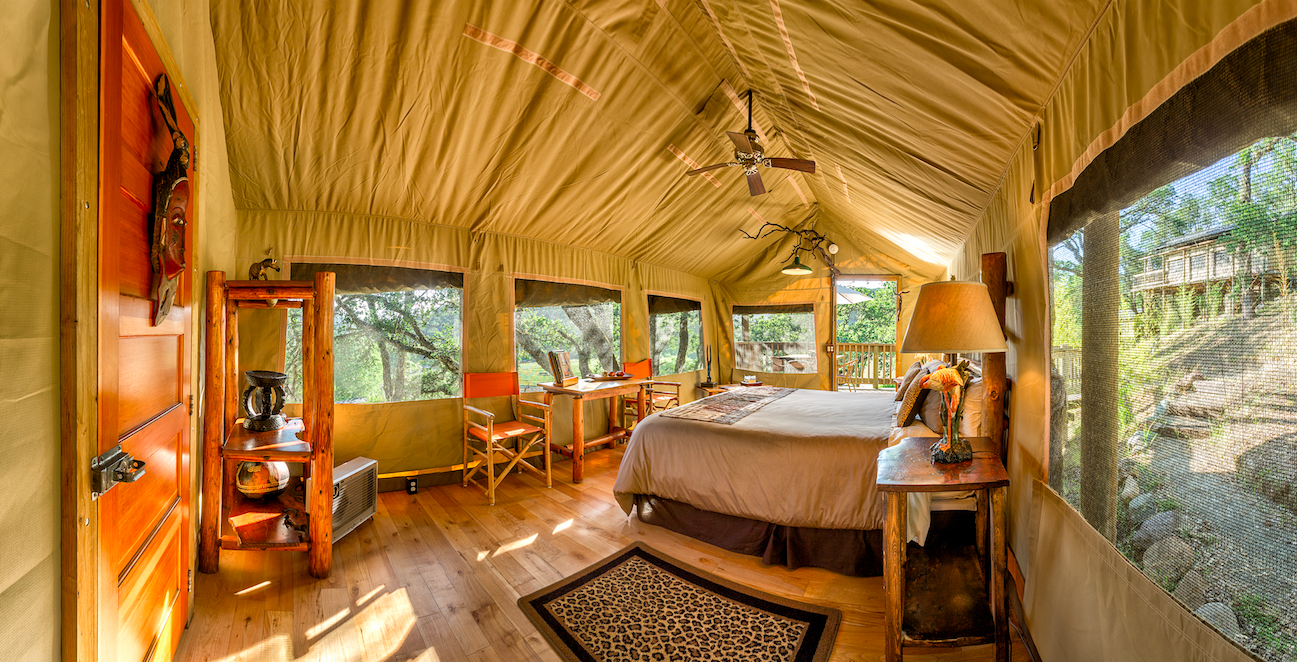
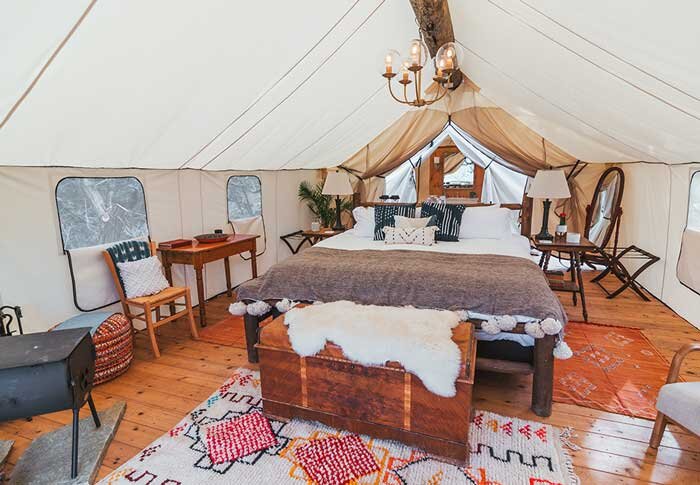
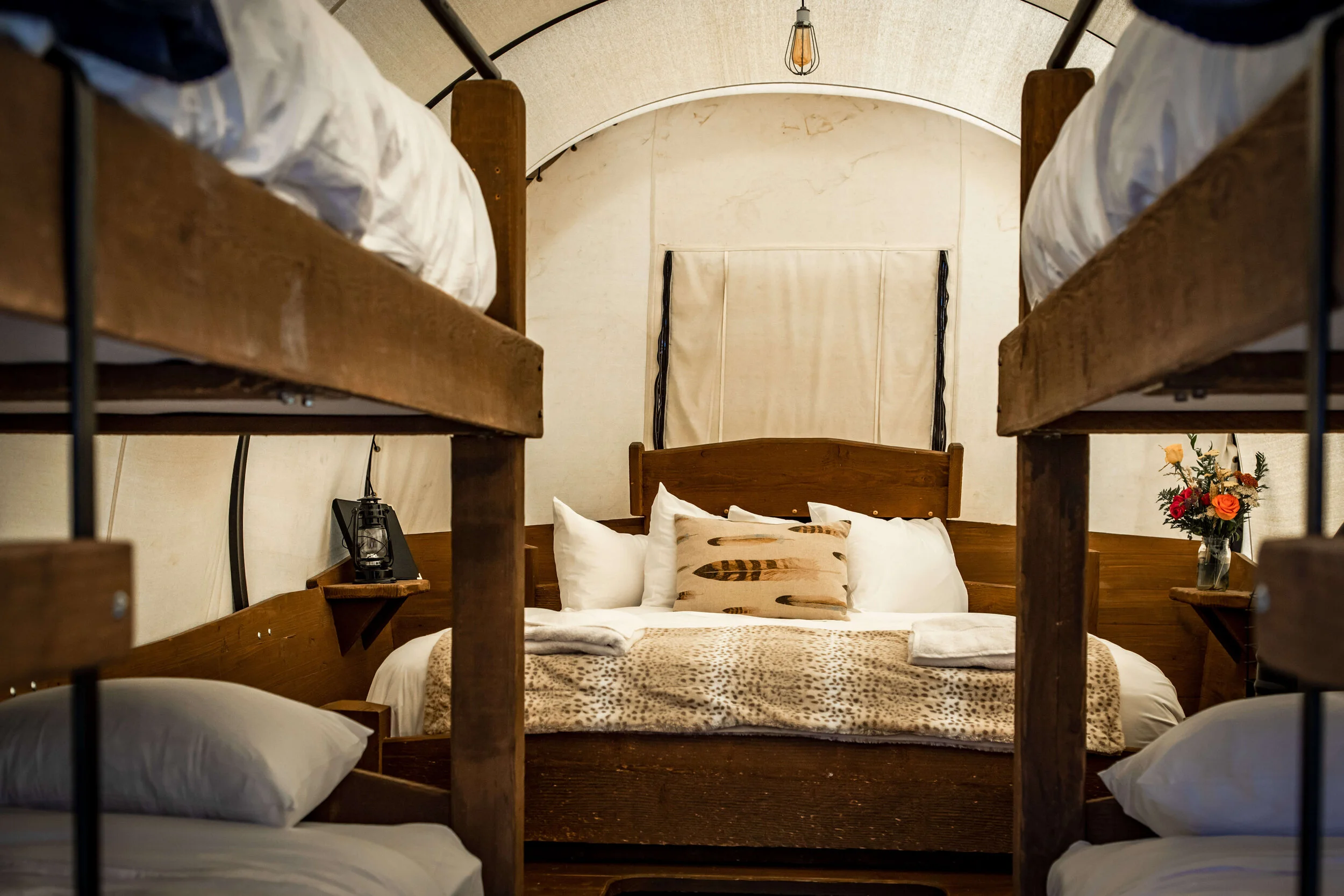
Here’s the fix: Prep your sleep zone like it’s the Ritz-Carlton of canvas. Pack a cozy sleeping bag, throw in some soft lantern lighting (pro tip: solar-powered lights save you the panic of dead batteries), and make peace with the fact that every twig snap will sound like a bear.

8. Make your trip your own kind of wild
Not every off-grid trip needs to look like a Patagonia ad. Some people want to summit peaks. Others want to write poetry in a hammock, sip local wine, or catch their dinner in a creek.
Build your experience around what you love. And make sure you’ve got the power — literal and metaphorical — to do it.
Whether you’re filming waterfalls with your drone or journaling by lantern light, build your own version of wild. Download your maps ahead of time. Pack a rechargeable fan if it’s going to be toasty — or a pocket hand warmer if you’re chasing frost-kissed views.

Get Lost — Just Not Completely
Remote travel isn’t about proving you can suffer. It’s about trading noise for birdsong, to-do lists for trail maps, and overhead fluorescents for moonlight. And honestly? It’s a lot more magical when you’re not fumbling in the dark with 2% battery.
With a little prep, a healthy respect for the unexpected, and a few modern lifesavers, you can leave chaos behind — without going full caveman.
So go off-grid-ish. Hike until your legs hurt. Eat grilled cheese in the forest. Read by lantern light. And when someone says, “I could never do that,” smile — because you know the secret: The wild’s a lot more fun when you’re ready for it. –Wally