car rentals

Dubai on Wheels: Lease vs. Long-Term Rental for Travelers

Leasing vs. long-term rental in Dubai: costs, paperwork and real-life scenarios to help travelers pick the right wheels for their stay.

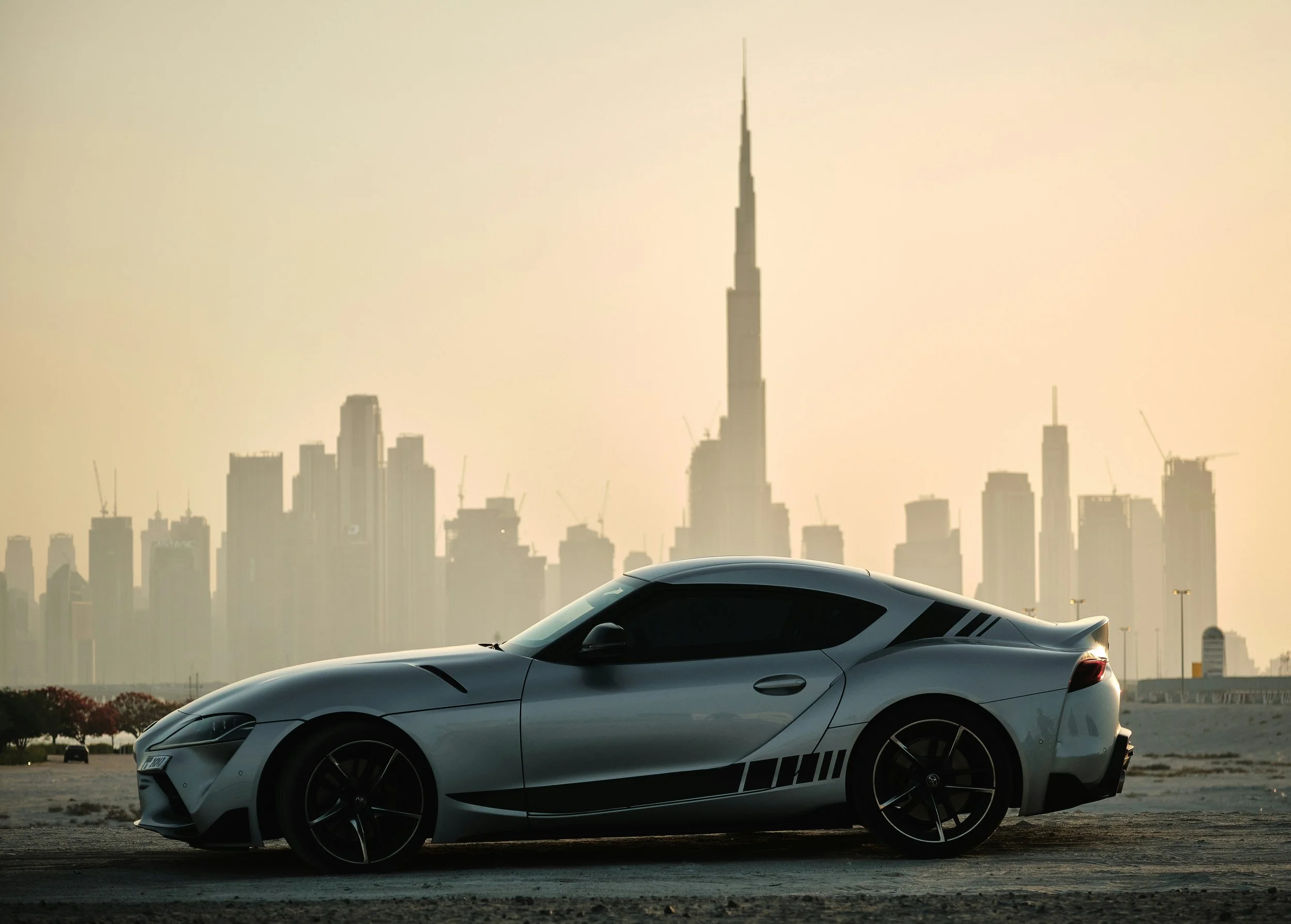
A sports car facing forward in front of the skyline of Dubai

Dubai feels effortless — until transportation gets weird.

A traveler lands for a few weeks, sketches out beach days, malls, late dinners, maybe a desert drive, the most over-the-top attractions in Dubai — and then realizes taxis add up fast and the metro won’t get you everywhere. That’s when the real question hits: Do you lease a car or go with a long-term rental and keep things flexible?

This guide breaks down what actually changes between the two: deposits, insurance, paperwork, parking and the fine print that tends to ambush tired travelers. It also explains where car lease Dubai fits into the bigger picture, so the choice matches the trip, not a sales pitch.

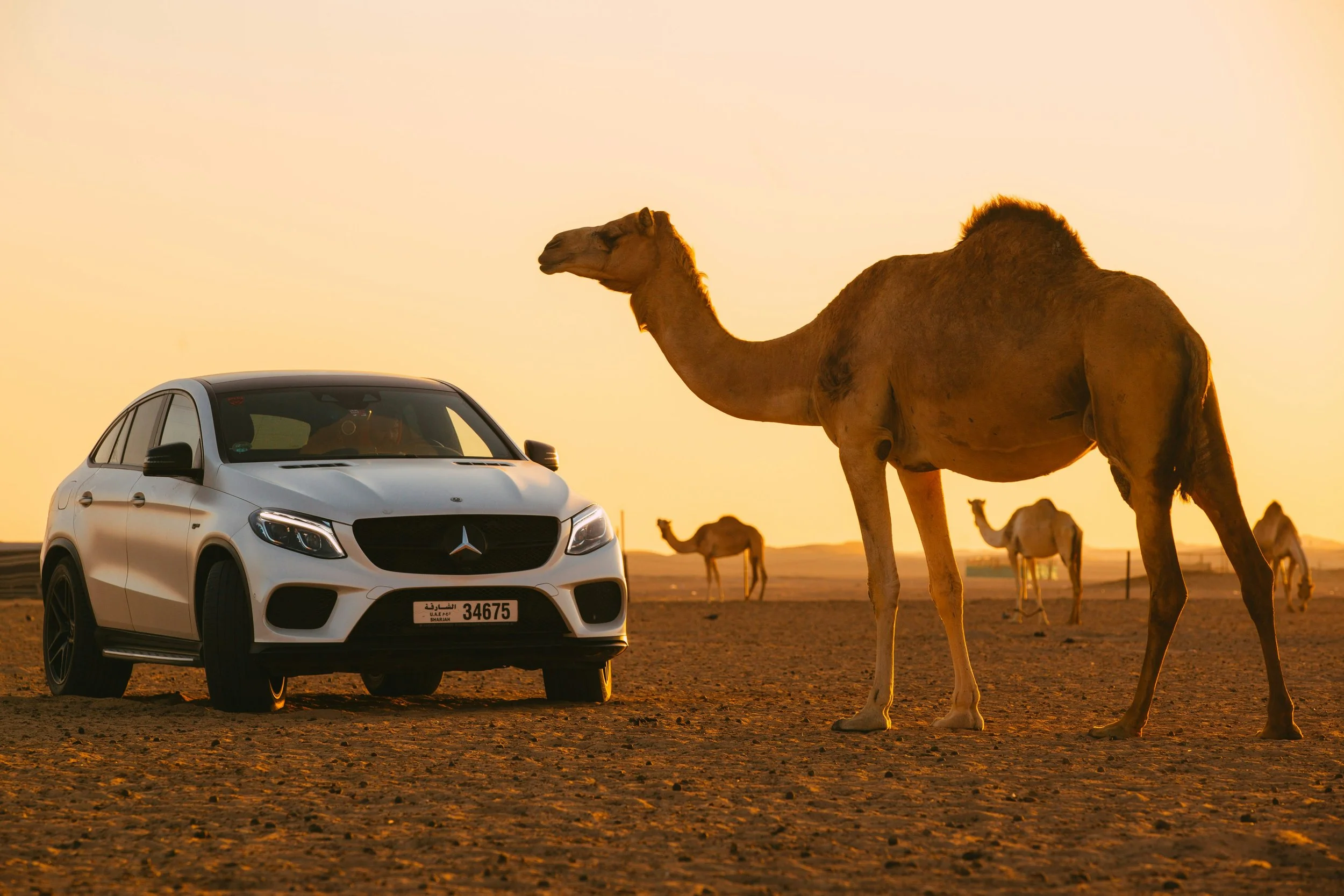
A car parked in the desert outside of Dubai, with camels nearby

Start With the Timeline, Not the Car

Trip length decides almost everything.

A long-term rental usually works best for stays that feel long but still temporary — roughly one to eight weeks. It’s familiar, flexible, and often lets you extend or swap cars if plans change.

Leasing makes more sense for stays measured in months, not weeks. But it only works if the dates are locked in. Mileage caps, early-exit fees and rigid contracts can turn the “cheaper” option into an expensive headache fast.

If flexibility matters, rent.

If the calendar is set in stone, leasing can work.

A street in Dubai running past a row of modern skyscrapers

Leasing vs. Long-Term Rental: What Actually Changes

A long-term rental is basically an extended version of a normal car booking. You deal with a rental company, the process feels familiar, and the rate usually bundles the basics.

Leasing feels more like living with the car.

It often comes with:

  • More paperwork

  • Longer commitments

  • Stricter return rules

Flexibility is the real dividing line. With a rental, you can book a month, extend week by week, then downsize when parking starts to feel personal. With a lease, switching cars or ending early usually costs real money.

The car matters.

The contract matters more.

A sports car parked in front of a hazy view of the Dubai skyline

The Money Side: Deposits, Insurance and Sneaky Add-Ons

In Dubai, the price you see rarely tells the whole story.

Most deals include a deposit, and that hold can sit on your card for days after the car is returned. Long-term rentals can creep up once insurance upgrades, parking fees and extra-driver charges get added.

Leasing often looks calmer month to month — but usually asks for more cash up front. Think larger security deposits and setup fees before you even turn the key.

Damage rules are where trips go sour. Getting billed for a mystery scratch after a great stay is a special kind of buzzkill. Take photos at pickup and return, and keep them.

Daily rates matter.

Insurance terms matter more.

The Dubai skyline at night along a waterway

Paperwork and Rules That Can Ruin a Good Deal

Dubai runs on clear rules, and car contracts follow suit.

Renting is usually straightforward. You’ll need your:

  • Passport

  • Driver’s license

  • Credit card

Some travelers will also need an international driving permit, depending on where their license was issued.

Leasing is tougher for visitors. Many setups require a UAE ID or local address — things short-term travelers simply won’t have.

Then there are the road realities:

  • Salik tolls are automatic and billed later

  • Parking varies wildly by neighborhood

  • Speed cameras miss nothing

Anyone planning regular day trips should read the fine print on tolls, fines and late returns so the final bill doesn’t come as a surprise.

The back of a jeep and other vehicles passing by the Arabic-covered ring of the Dubai Museum of the Future

A Quick Decision Guide for Travelers

Before signing anything, especially if you’re comparing Dubai with cities where rules feel looser and refunds move faster, run through this:

  • Choose a long-term rental if plans might change, the stay is under two months, or flexibility matters

  • Lean toward leasing if the stay runs for months and the contract terms are crystal clear

  • Pick a basic car when parking feels tight and errands matter more than appearances

  • Skip luxury rentals unless the cost fits the trip without stress — repairs and deposits add up fast

  • Photograph everything at pickup, note existing marks, and keep a copy of the agreement

Some travelers rent first, settle into their schedule, and only then decide whether leasing makes sense. Are you taking road trips or staying local to perhaps see the best things to do with kids in Dubai?

Choosing the Right Wheels for Your Stay

A car makes Dubai feel smaller — in the best way.

Beach mornings, desert drives, late-night food runs, excursions to see the best museums in Dubai and quick hops between neighborhoods all get easier once the wheels match the trip. Long-term rentals tend to suit travelers who want flexibility, easy extensions, and a clean exit if flights shift or work wraps early. Leasing can work for longer stays, but it asks for more commitment and more paperwork.

  • Read the agreement.

  • Understand the deposits.

  • Document the car from day one.

That way, the focus stays where it should — on the city, not the contract. –Serhii Stepanysko

Essential Tips for Planning Your First Road Trip

Heading out on your first road trip? From choosing a route to budgeting, packing and accommodation, here’s how to plan a smooth, unforgettable adventure without the stress.

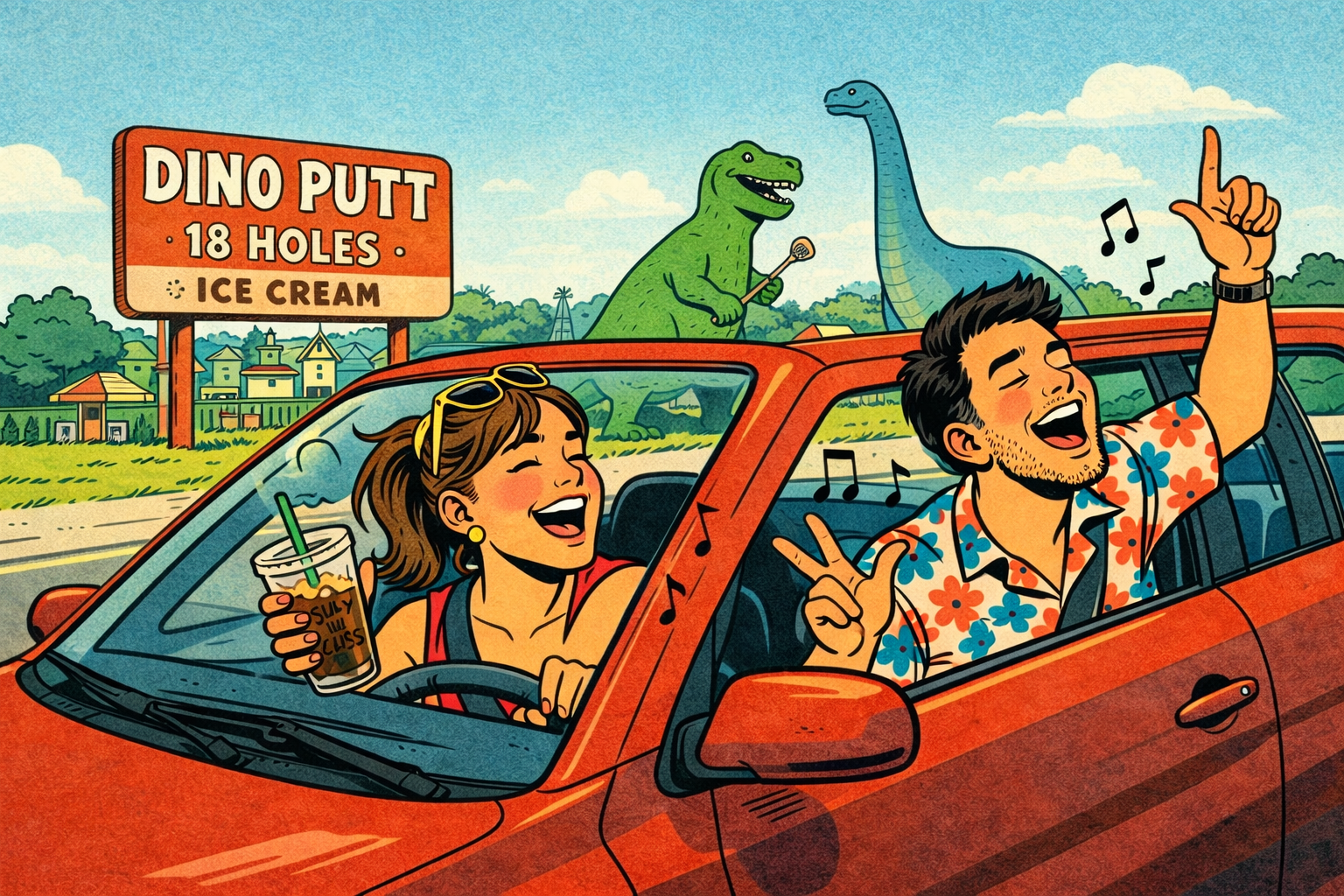
A young woman driving a car holds an iced coffee while her friend leans out the window, singing a song as they pass Dino Putt, a mini golf course

Taking your first road trip is one of life’s defining little milestones — right up there with your first kiss, your first proper night out and your 18th birthday.

Imagine hitting the open road to find the meaning of life. Singing at the top of your voice to your favorite playlist. Stopping at random roadside towns you never knew existed. It sounds dreamy because it is.

Whether you’re going out of state or across the country, your first road trip will give you stories you’ll tell for years. But for all the romanticism, preparing for it can feel overwhelming. There’s a lot to organize — transport, logistics, packing, accommodation and more — and being prepared makes all the difference.

Below are the most important road trip planning tips for first-timers.

Why Planning Matters for Your First Road Trip

Road trips in the classic Jack Kerouac sense were all impulse and adventure: Jump in the car, full tank of gas, a vague compass direction and nothing but vibes.

These days, most of us prefer to plan at least the basics. It might feel less rebellious, but the practical payoff is huge. Life on the road can throw curveballs: flat tires in the middle of nowhere, long detours, closed diners, no vacancies as the sun goes down, or entire stretches without fuel.

Trust us — the moment you’re stuck on a remote dirt road without reception or accommodation, you’ll be grateful you thought ahead.

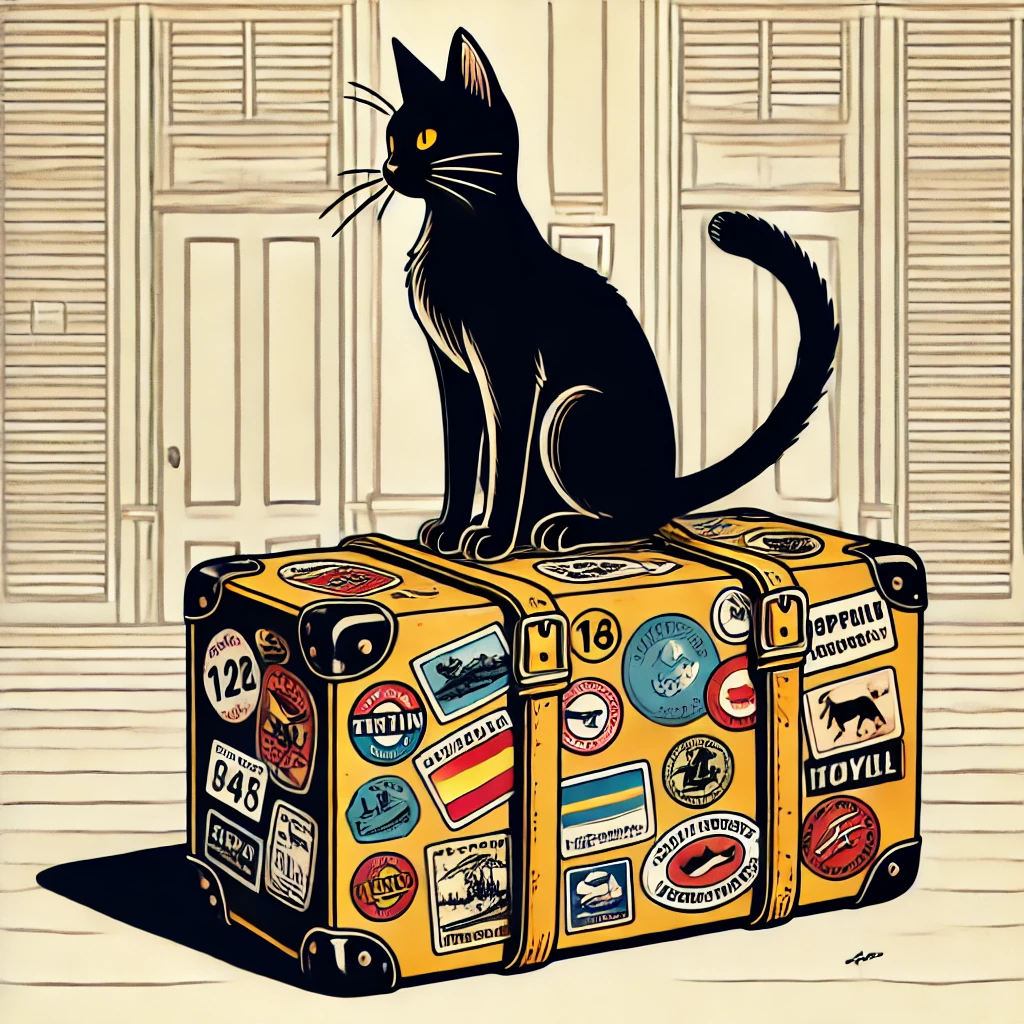
A lesbian couple plan a road trip with a map of the United States, which their cat walks over, with a corkboard and table covered with postcards, candy, iced coffees and other items

How to Plan Your First Road Trip (Without Overplanning)

The goal isn’t to script every moment; it’s to cover the big things so the small surprises stay fun rather than stressful. Knowing where you’re headed, what you’re driving and what you’re packing will give you the confidence to roam.

1. Choose your route and your turnaround point. 

Start by deciding where you’re actually going. Pick the main destination or the point where you’ll turn around to head home, then mark the interesting places you could visit along the way.

Time will shape everything, so map out how long you have. Turn that into a loose schedule and — importantly — leave room for spontaneous detours. The best stories often come from the unplanned stops.

When mapping, look at driving times rather than distances. A short stretch of road may still take hours due to speed limits, winding mountain passes or road conditions. Apps like Google Maps or Waze can help, and it’s smart to download offline maps for areas with spotty reception.

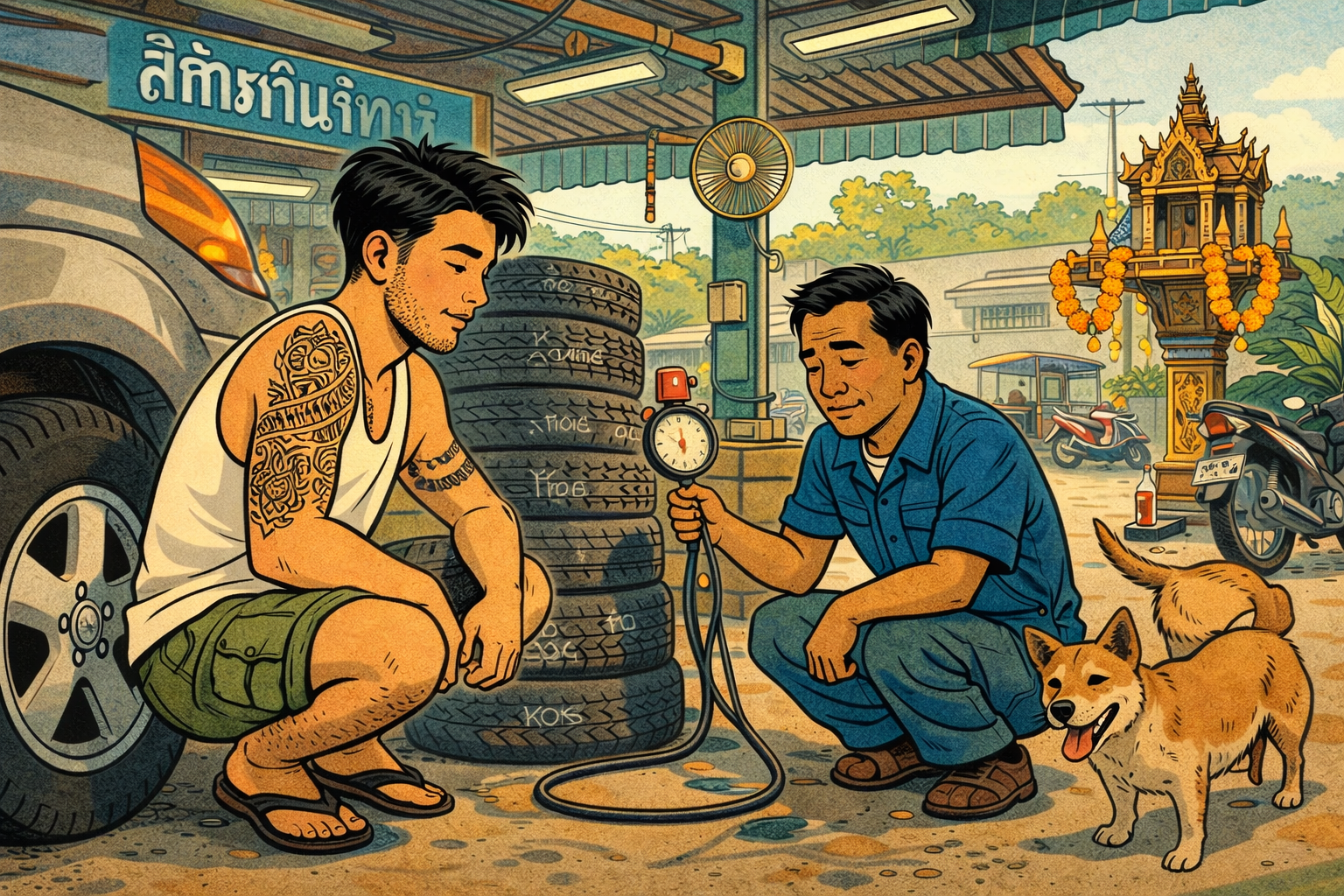
A young man with tattoos squats down by a mechanic in Thailand, inspecting tire pressure, with dogs and a spirit house nearby

2. Make sure your vehicle is ready to go.

No vehicle, no road trip — so make sure you trust the one you’re taking.

If you own a car, get it serviced by a qualified mechanic before you go. Fresh tires, working brakes and topped-up fluids go a long way to prevent drama on the highway.

If you want to rent, companies like Hertz, Budget, Avis and Europcar offer long-term rentals in airports, cities and select hotels. Compare prices and car types based on where you’re going — a coastal highway is very different from a dusty outback or desert stretch.

If you’re considering buying a car that can handle the trip, you may need finance to make it happen. There are lenders online who can help even if your credit isn’t perfect. For example, companies like Azora can help you find out how to get a car loan with bad credit.

A family sits at a picnic table in Uzbekistan, budgeting for a roadtrip, with watermelon slices and a souslik

3. Budget for fuel, food, fun — and surprises. 

Road trips can be budget-friendly or full-luxury holidays — totally up to you. What matters is that you know roughly what you’ll spend.

Create a simple budget for fuel, accommodation, food and activities. Keep it realistic so you’re not forced to skip out on the fun stuff. And always add a small buffer for contingencies — unexpected tolls, repairs, snacks or a last-minute night somewhere nicer than planned.

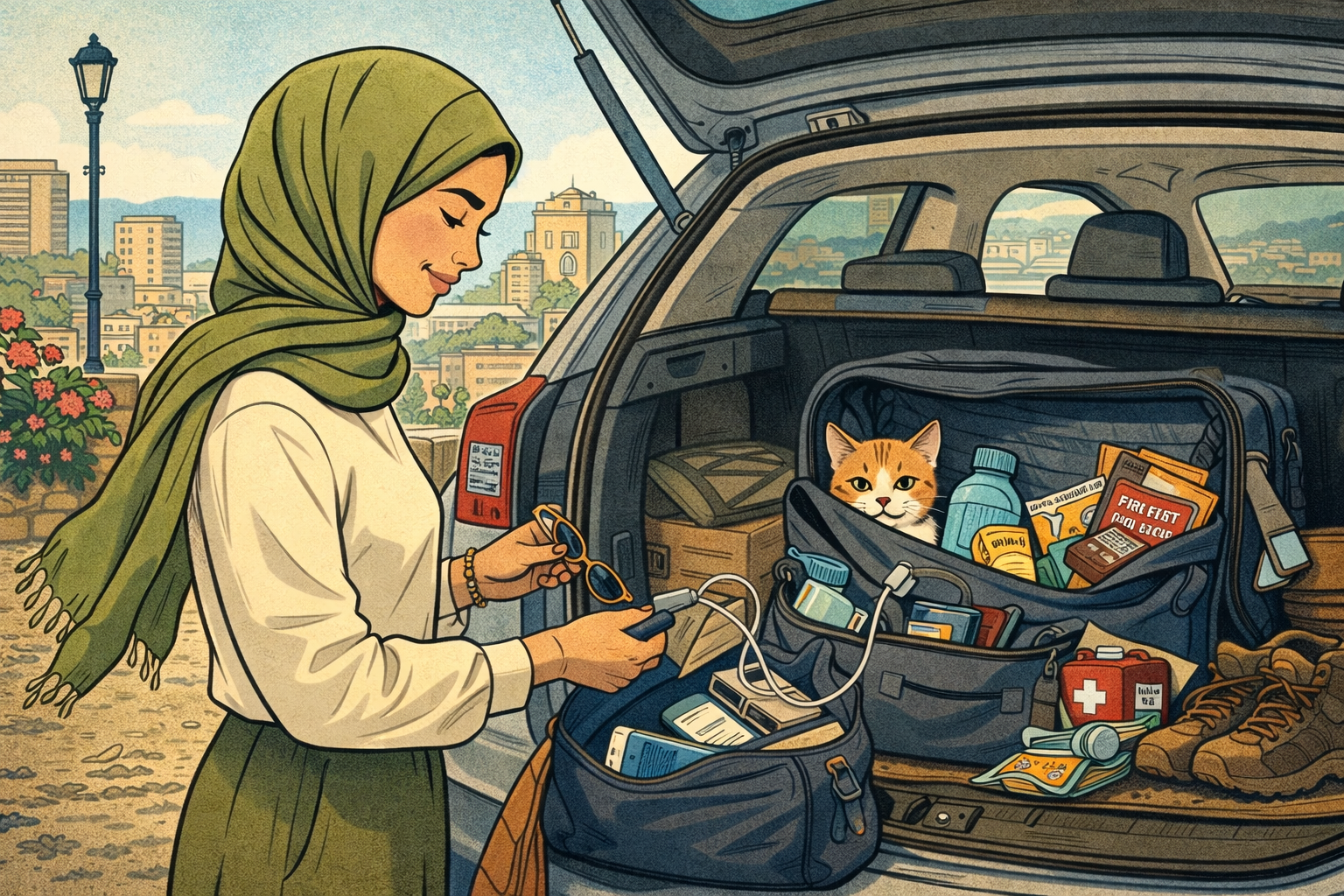
A woman in a headscarf in Lebanon packs her trunk full of items for a roadtrip, including first aid kit, chargers, boots, and a bag that her cat has snuck into

4. Pack smart and bring road trip essentials. 

Packing is all about balance. You don’t want to overpack, but you also don’t want to be six hours from home wishing you had a sweater, sunglasses or real shoes.

Choose clothes you can layer and mix-and-match, plus proper walking or hiking shoes if you plan to explore on foot.

Useful road trip essentials include:

  • Water bottles

  • Snacks

  • Phone chargers

  • Power bank

  • Sunglasses

  • Sunscreen

  • Offline maps

  • First-aid kit

Three young women excitedly arrive at their glamping spot in Tulum, Mexico, carrying bags, drinks and a yoga mat, while a monkey sits on a branch above them

5. Research accommodation options along your route. 

Knowing roughly where you’ll sleep each night removes a huge amount of road trip stress.

Research options across a mix of price points and styles: motels, caravan parks, glamping sites, campsites, Airbnbs and budget hotels. You don’t have to pre-book the entire route, but having a shortlist saved to your phone (plus contact details written in a notebook) gives you options if plans change or daylight runs out faster than expected. 

In the end, it’s you, the miles, and whatever magic you make of it. –Lucy Mitchell


Best Car Rental Company in Queenstown

Renting a car in Queenstown is the easiest way to explore wineries, alpine scenery, and filming locations from Lord of the Rings. How to choose the best. 

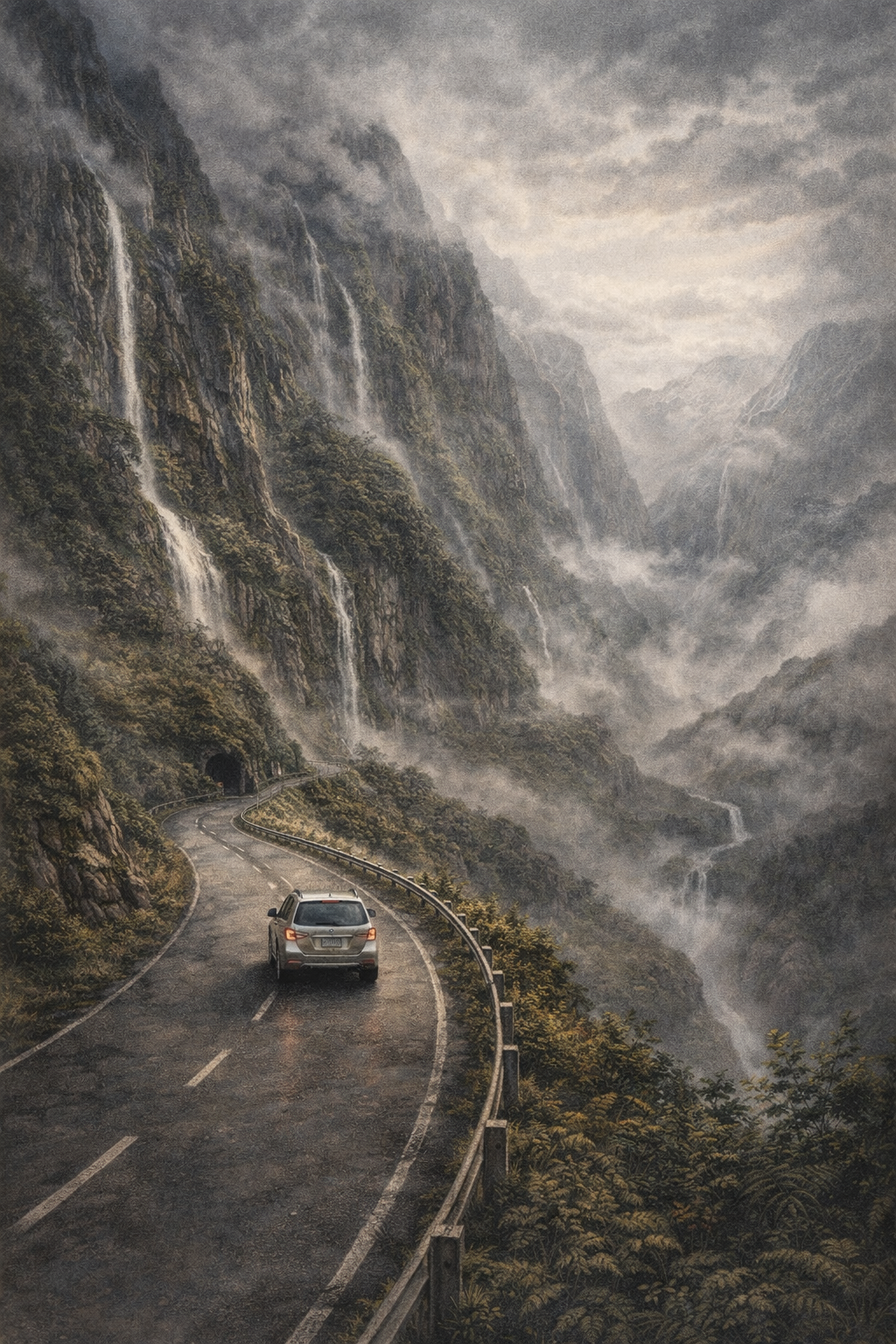
A car drives past misty waterfalls in the mountains of New Zealand

Queenstown is one of New Zealand’s most beloved destinations — and one of the few places where you can bungee jump before lunch, sip pinot noir by dinner, and wind up stargazing at night while half-seriously plotting a move to the South Island.

Set against Lake Wakatipu and backed by the Southern Alps, Queenstown’s “Adventure Capital of the World” title isn’t marketing fluff. Between skiing, jet boating, hiking and visiting Lord of the Rings filming sites, there’s a lot to do — with most of the best beyond the town center.

Queenstown’s “Adventure Capital of the World” title isn’t marketing fluff.

Between skiing, jet boating, hiking and visiting Lord of the Rings filming sites, there’s a lot to do — with most of the best beyond the town center.

At 3,361 square miles (8,705 square kilometers), Queenstown isn’t enormous, but the highlights are spread out. Renting a car gives you the flexibility to get to wineries, lakes, view points and small villages without relying on tours or buses.

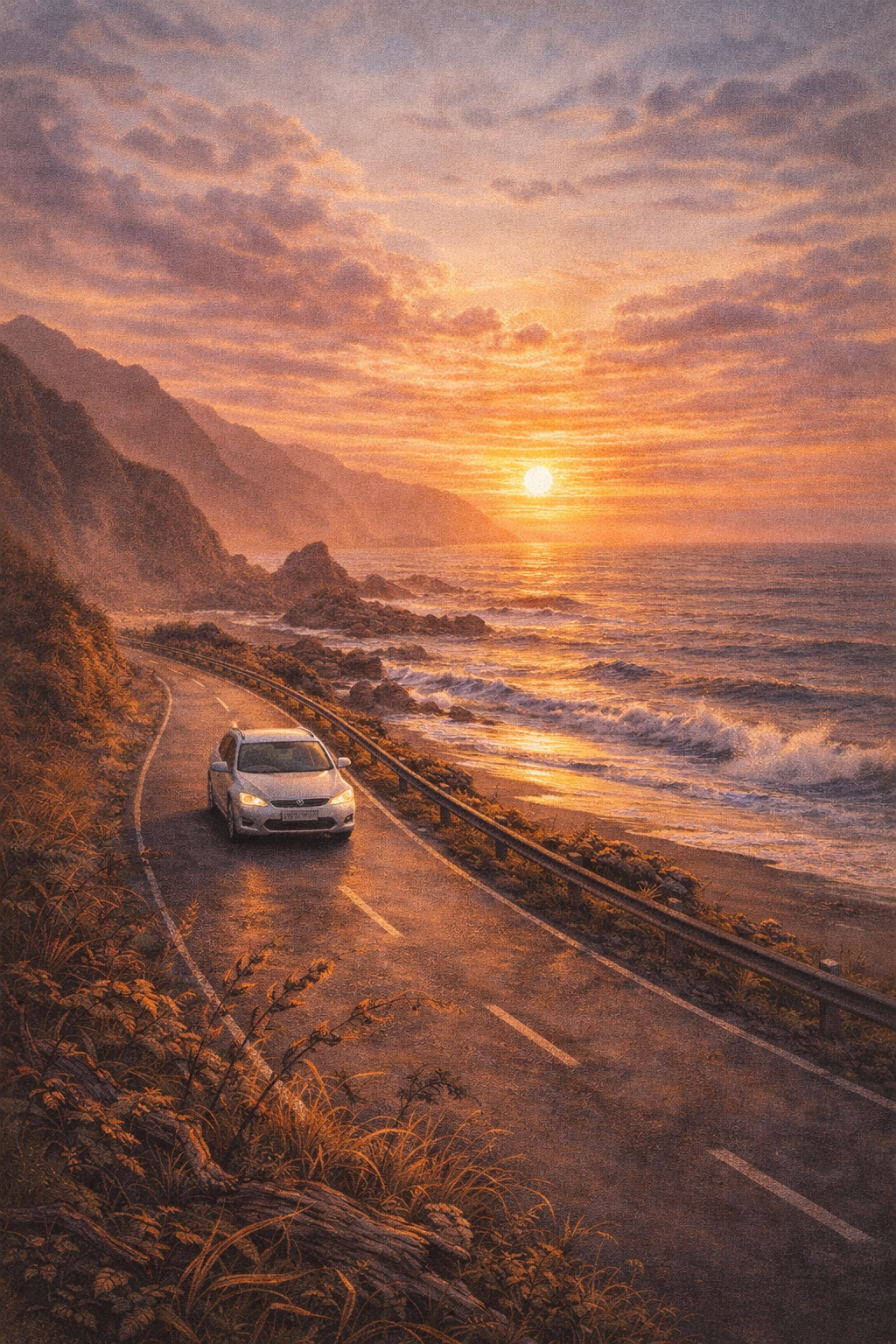
A car drives past the beach at sunset in Queenstown, New Zealand

What to Look for in a Queenstown Rental Car

The first price you see isn’t the whole story. Ski season, insurance add-ons, and whether you’re picking up at the airport or in town can make a big difference. It helps to think through a few basic questions before you click “reserve”:

How much does it cost to rent a car in Queenstown?

Prices vary by season, car type and availability. High summer and ski season run higher.

What insurance do I need for driving in Queenstown?

Extra coverage is recommended for mountain roads and winter driving conditions.

Should I rent a compact car or an SUV in Queenstown?

Compacts work for town and wineries; SUVs are better for ski trips and road adventures.

Is Queenstown Airport the best place to pick up a rental car?

Yes — it’s efficient, small, and most major companies operate directly on site.

Do I need roadside assistance?

Roadside support adds peace of mind for alpine roads and longer drives.

Answering these up front makes comparing companies easier and keeps surprises to a minimum.

A car drives along a road by a lake in the mountains of Queenstown, New Zealand

The Best Car Rental Companies in Queenstown

Here are six options across price, convenience and service — without fluff.

1. Go Rentals

Topping the list is Go Rentals. They’re an award-winning New Zealand car rental company who operate right from Queenstown Airport. They also offer easy pickups and dropoffs, handy for all types of travelers.

The great thing about Go Rentals is that their fleet is well maintained and offers a nice mix of vehicles to suit city driving and off-roading. Their staff is also friendly and has in-depth knowledge of the region. On top of that, the booking process is straightforward and transparent: You know exactly what you’re paying for before you arrive.

If you are a first-time visitor to Queenstown, a business traveler, or just someone who wants the convenience of an airport pickup and dropoff without a fuss, they’re a great option.

2. Omega Rental Cars

Omega Rental Cars has been around since 1992 and operates from 10 locations in New Zealand, including Queenstown Airport. They’re known for their good service and competitive pricing, and should be an attractive proposition to people over the age of 65, given that they offer a 10% seniors discount.

They offer a range of vehicles, including smaller cars that suit couples or solo travelers. While they don’t have as large a presence in New Zealand as some international brands, Omega’s vehicles usually offer good value. They’re perhaps best suited to those intending to do self-drive itineraries that stick mostly around Queenstown and nearby lakes. 

3. Budget

Budget is a leading player in the car hire industry, and as its name suggests, it offers some of the most competitive rates for cheap car rental in Queenstown. Their fleet includes a variety of smaller cars and mid-size models that are ideal for everyday exploring.

You can often find good deals on their site, especially outside peak holiday seasons. Their airport service is known for being solid, and they make picking up a vehicle easy if you’re arriving early or late, especially if you booked through their online portal.

Light shines through a cloud as a car drives along a twisting road in the mountains in Queenstown, New Zealand

4. Avis

Avis brings international recognition and a broad fleet of newer vehicles to the Queenstown car rental industry.

One of the most dependable companies in this space, they offer a fleet of cars that includes everything from compact hires to larger sedans. This means their range accommodates different travel styles, such as off-roading or hitting the best beaches in New Zealand.

While prices can sometimes be higher than rivals’, some travelers like the peace of mind that comes with booking with a well-known name. Avis also offers extras like GPS and child seats for those who need them, and their customer service is very good.

5. Hertz

Hertz is another well-established name in the global car hire world. They offer a range of comfortable vehicles and enjoy a reputation for excellent customer service.

They’re a particularly good choice for those requiring larger-sized vehicles or high-end cars with premium added features. Their pickup and dropoff processes are efficient, and their insurance coverage is extensive.

6. Ezi Car Rental

Ezi is a solid choice for travelers who want safe, modern cars without fancy features. Their fleet focuses on practical vehicles that get the job done without unexpected charges. 

You won’t find all the luxury extras here. But Ezi is a solid pick if you want flexible bookings and something affordable.

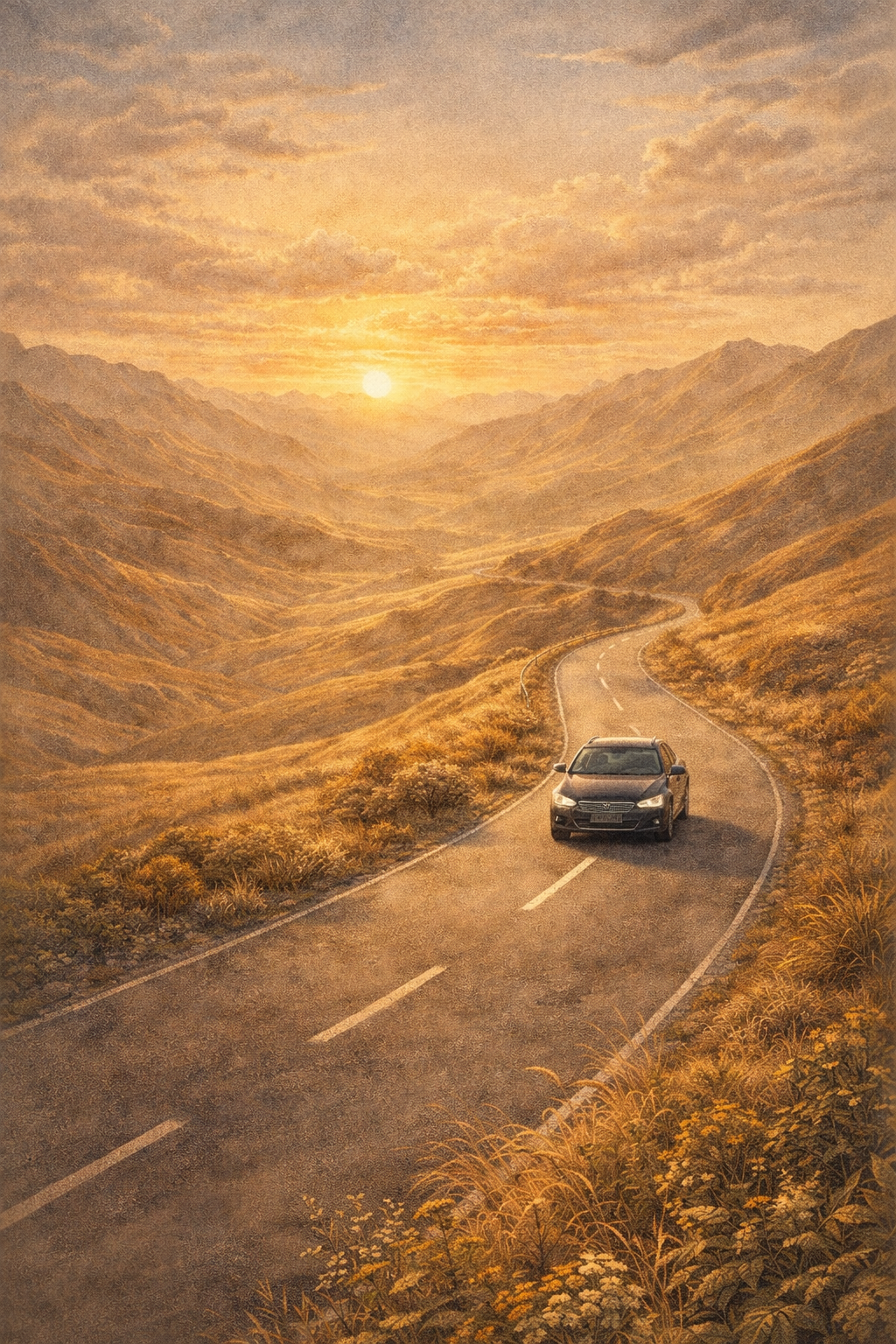
A car drives along a road in Queenstown, New Zealand at golden hour

Choose the Car Based on the Trip

Queenstown road trips aren’t one-size-fits-all. If you’re skiing, upgrade to an SUV. If you’re spending your days at wineries and cafés, a compact is perfect. If you’re road-tripping to Glenorchy or Arrowtown (both stunning drives), comfort matters more than bells and whistles.

Renting a car in Queenstown is how you unlock the South Island’s best scenery — on your own terms. –Lucy Mitchell