Heading out on your first road trip? From choosing a route to budgeting, packing and accommodation, here’s how to plan a smooth, unforgettable adventure without the stress.
Taking your first road trip is one of life’s defining little milestones — right up there with your first kiss, your first proper night out and your 18th birthday.
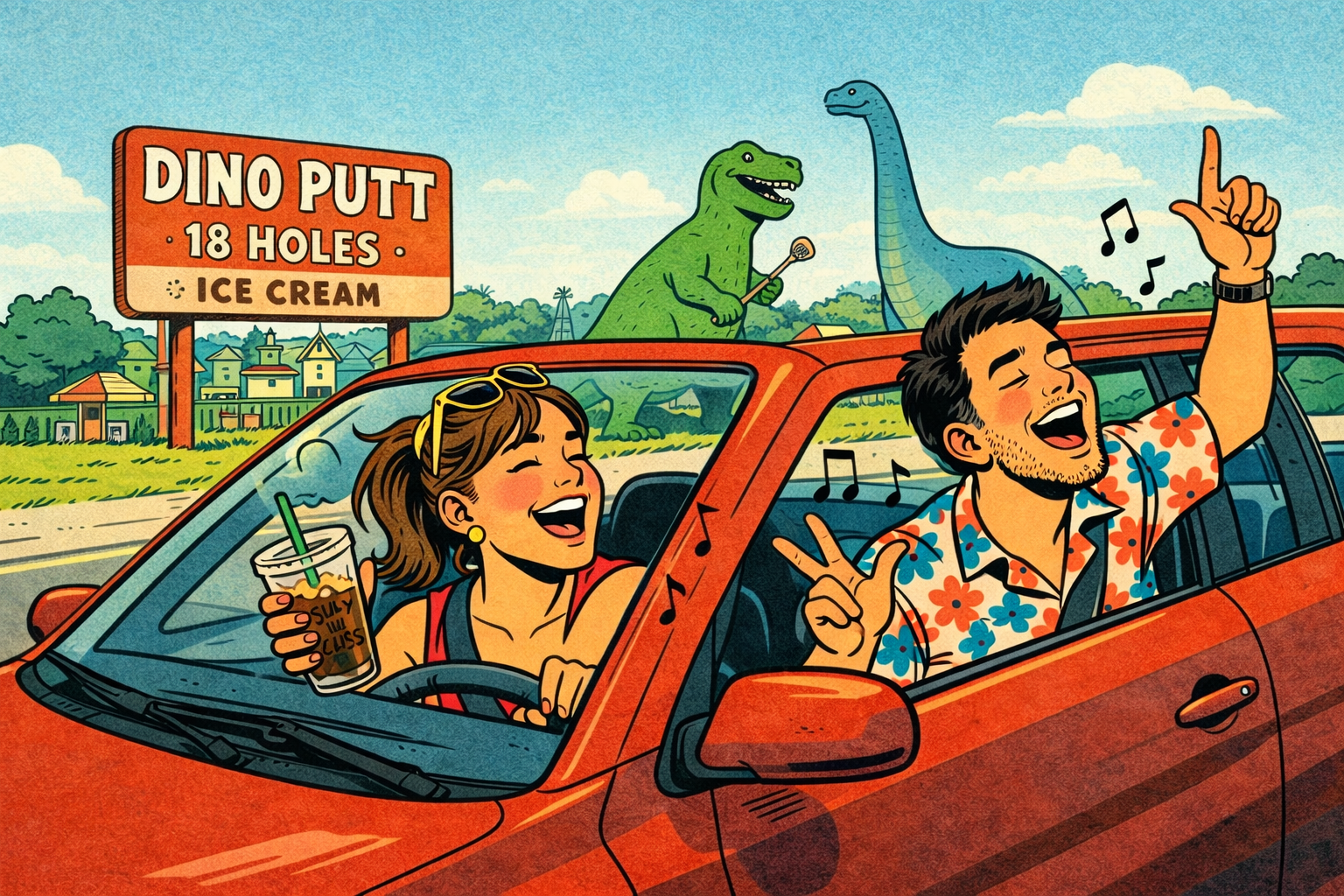
Imagine hitting the open road to find the meaning of life. Singing at the top of your voice to your favorite playlist. Stopping at random roadside towns you never knew existed. It sounds dreamy because it is.
Whether you’re going out of state or across the country, your first road trip will give you stories you’ll tell for years. But for all the romanticism, preparing for it can feel overwhelming. There’s a lot to organize — transport, logistics, packing, accommodation and more — and being prepared makes all the difference.
Below are the most important road trip planning tips for first-timers.
Why Planning Matters for Your First Road Trip
Road trips in the classic Jack Kerouac sense were all impulse and adventure: Jump in the car, full tank of gas, a vague compass direction and nothing but vibes.
These days, most of us prefer to plan at least the basics. It might feel less rebellious, but the practical payoff is huge. Life on the road can throw curveballs: flat tires in the middle of nowhere, long detours, closed diners, no vacancies as the sun goes down, or entire stretches without fuel.
Trust us — the moment you’re stuck on a remote dirt road without reception or accommodation, you’ll be grateful you thought ahead.
How to Plan Your First Road Trip (Without Overplanning)
The goal isn’t to script every moment; it’s to cover the big things so the small surprises stay fun rather than stressful. Knowing where you’re headed, what you’re driving and what you’re packing will give you the confidence to roam.
1. Choose your route and your turnaround point.
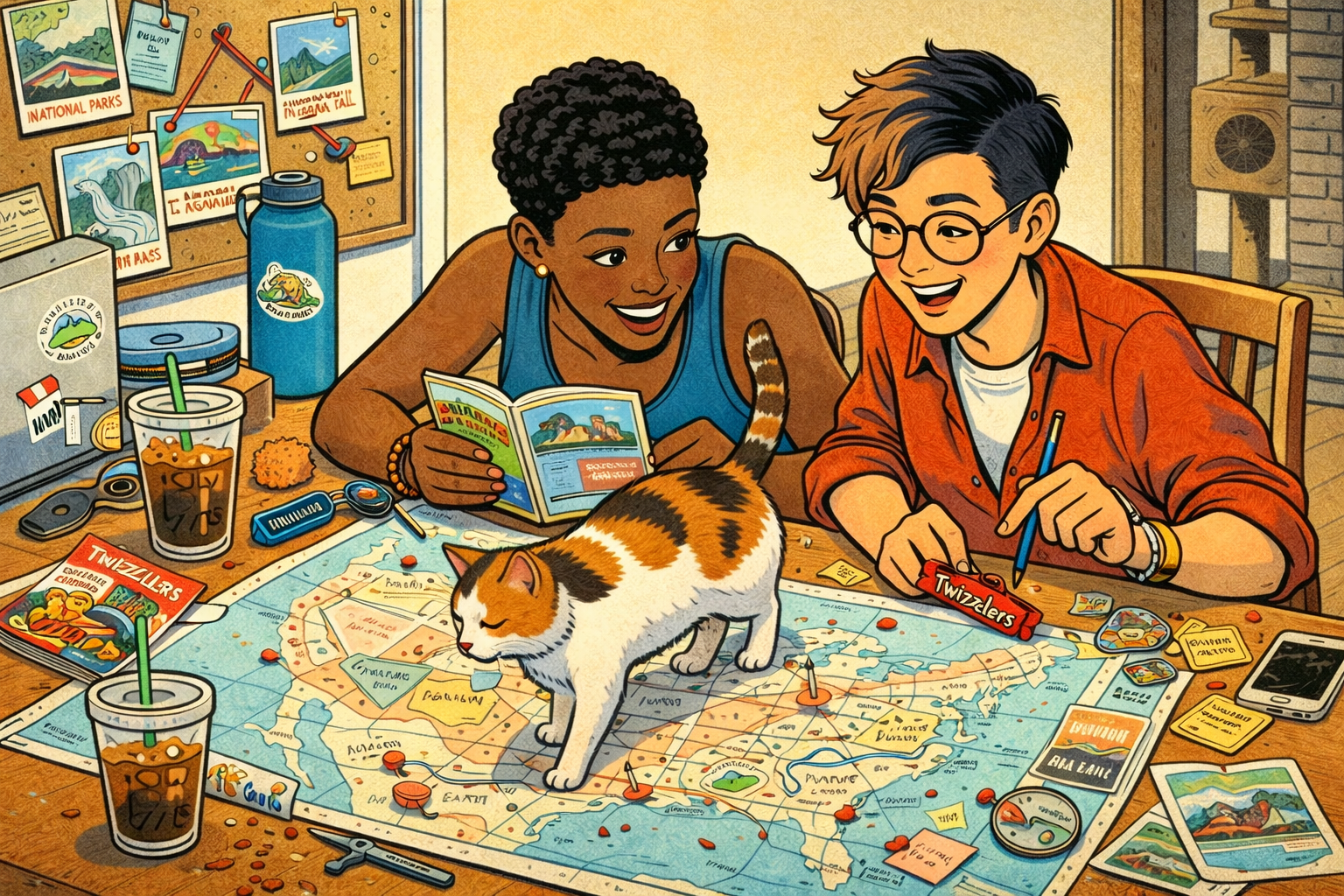
Start by deciding where you’re actually going. Pick the main destination or the point where you’ll turn around to head home, then mark the interesting places you could visit along the way.
Time will shape everything, so map out how long you have. Turn that into a loose schedule and — importantly — leave room for spontaneous detours. The best stories often come from the unplanned stops.
When mapping, look at driving times rather than distances. A short stretch of road may still take hours due to speed limits, winding mountain passes or road conditions. Apps like Google Maps or Waze can help, and it’s smart to download offline maps for areas with spotty reception.
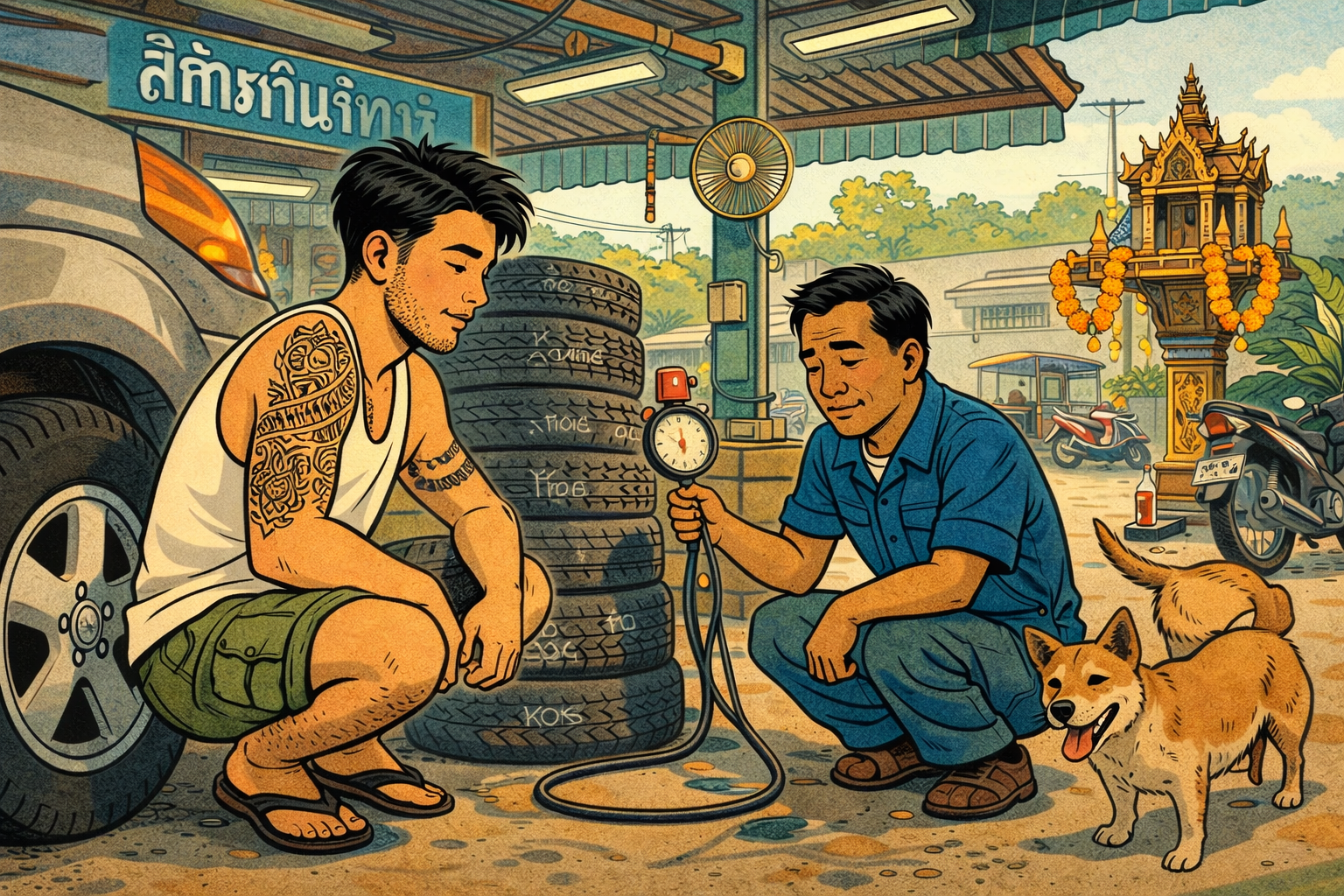
2. Make sure your vehicle is ready to go.
No vehicle, no road trip — so make sure you trust the one you’re taking.
If you own a car, get it serviced by a qualified mechanic before you go. Fresh tires, working brakes and topped-up fluids go a long way to prevent drama on the highway.
If you want to rent, companies like Hertz, Budget, Avis and Europcar offer long-term rentals in airports, cities and select hotels. Compare prices and car types based on where you’re going — a coastal highway is very different from a dusty outback or desert stretch.
If you’re considering buying a car that can handle the trip, you may need finance to make it happen. There are lenders online who can help even if your credit isn’t perfect. For example, companies like Azora can help you find out how to get a car loan with bad credit.
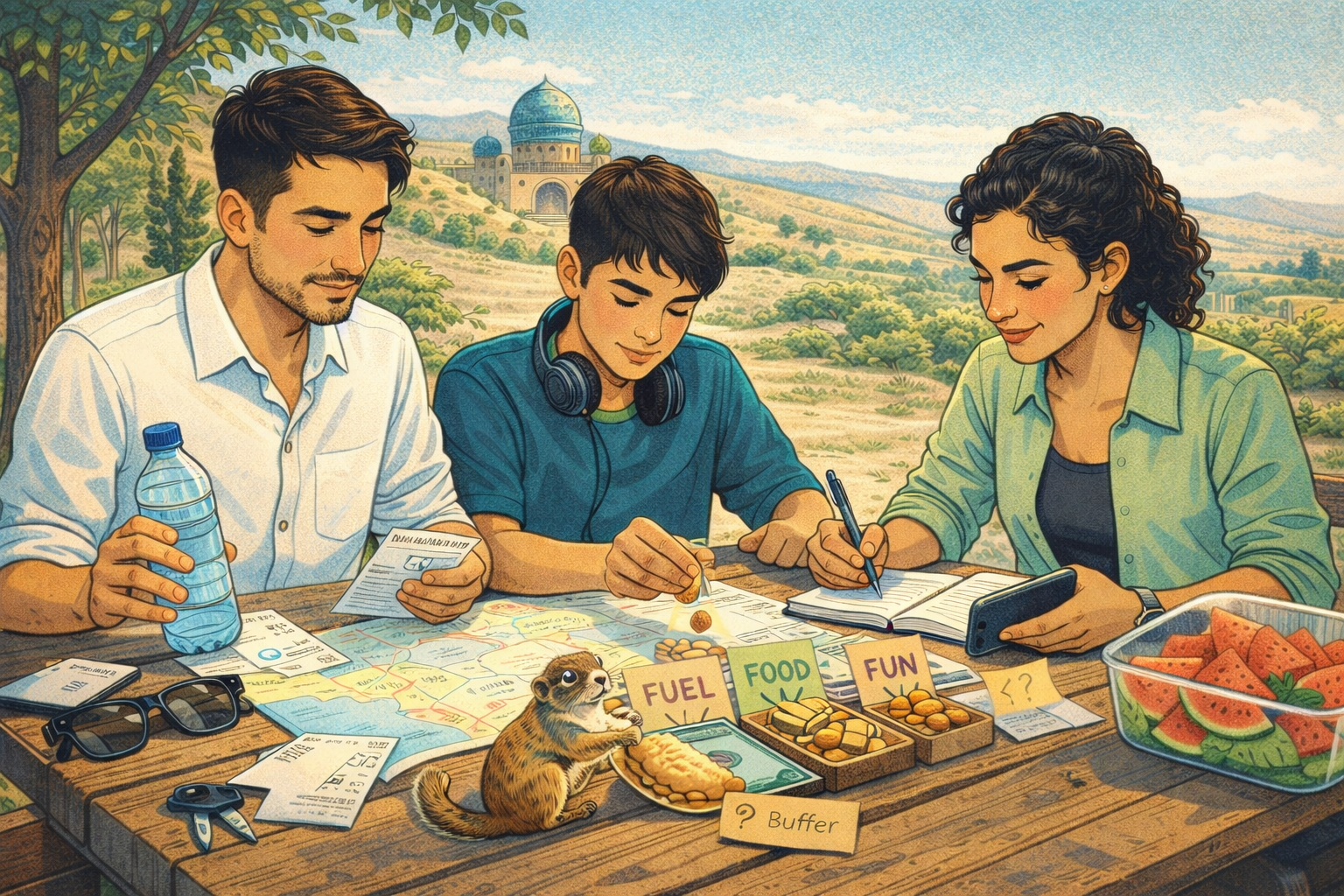
3. Budget for fuel, food, fun — and surprises.
Road trips can be budget-friendly or full-luxury holidays — totally up to you. What matters is that you know roughly what you’ll spend.
Create a simple budget for fuel, accommodation, food and activities. Keep it realistic so you’re not forced to skip out on the fun stuff. And always add a small buffer for contingencies — unexpected tolls, repairs, snacks or a last-minute night somewhere nicer than planned.
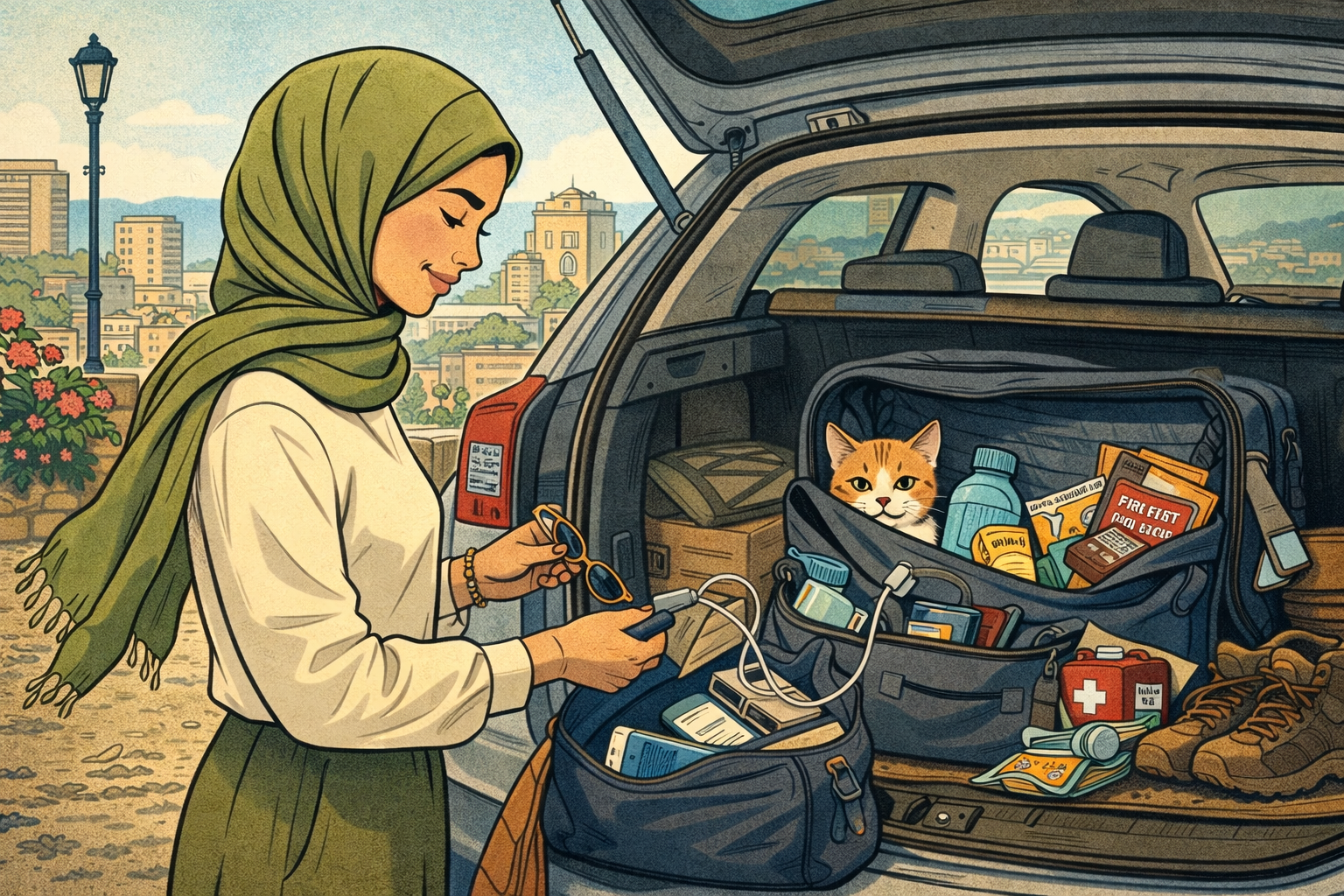
4. Pack smart and bring road trip essentials.
Packing is all about balance. You don’t want to overpack, but you also don’t want to be six hours from home wishing you had a sweater, sunglasses or real shoes.
Choose clothes you can layer and mix-and-match, plus proper walking or hiking shoes if you plan to explore on foot.
Useful road trip essentials include:
Water bottles
Snacks
Phone chargers
Power bank
Sunglasses
Sunscreen
Offline maps

5. Research accommodation options along your route.
Knowing roughly where you’ll sleep each night removes a huge amount of road trip stress.
Research options across a mix of price points and styles: motels, caravan parks, glamping sites, campsites, Airbnbs and budget hotels. You don’t have to pre-book the entire route, but having a shortlist saved to your phone (plus contact details written in a notebook) gives you options if plans change or daylight runs out faster than expected.
In the end, it’s you, the miles, and whatever magic you make of it. –Lucy Mitchell