packing

Essential Tips for Planning Your First Road Trip

Heading out on your first road trip? From choosing a route to budgeting, packing and accommodation, here’s how to plan a smooth, unforgettable adventure without the stress.

A young woman driving a car holds an iced coffee while her friend leans out the window, singing a song as they pass Dino Putt, a mini golf course

Taking your first road trip is one of life’s defining little milestones — right up there with your first kiss, your first proper night out and your 18th birthday.

Imagine hitting the open road to find the meaning of life. Singing at the top of your voice to your favorite playlist. Stopping at random roadside towns you never knew existed. It sounds dreamy because it is.

Whether you’re going out of state or across the country, your first road trip will give you stories you’ll tell for years. But for all the romanticism, preparing for it can feel overwhelming. There’s a lot to organize — transport, logistics, packing, accommodation and more — and being prepared makes all the difference.

Below are the most important road trip planning tips for first-timers.

Why Planning Matters for Your First Road Trip

Road trips in the classic Jack Kerouac sense were all impulse and adventure: Jump in the car, full tank of gas, a vague compass direction and nothing but vibes.

These days, most of us prefer to plan at least the basics. It might feel less rebellious, but the practical payoff is huge. Life on the road can throw curveballs: flat tires in the middle of nowhere, long detours, closed diners, no vacancies as the sun goes down, or entire stretches without fuel.

Trust us — the moment you’re stuck on a remote dirt road without reception or accommodation, you’ll be grateful you thought ahead.
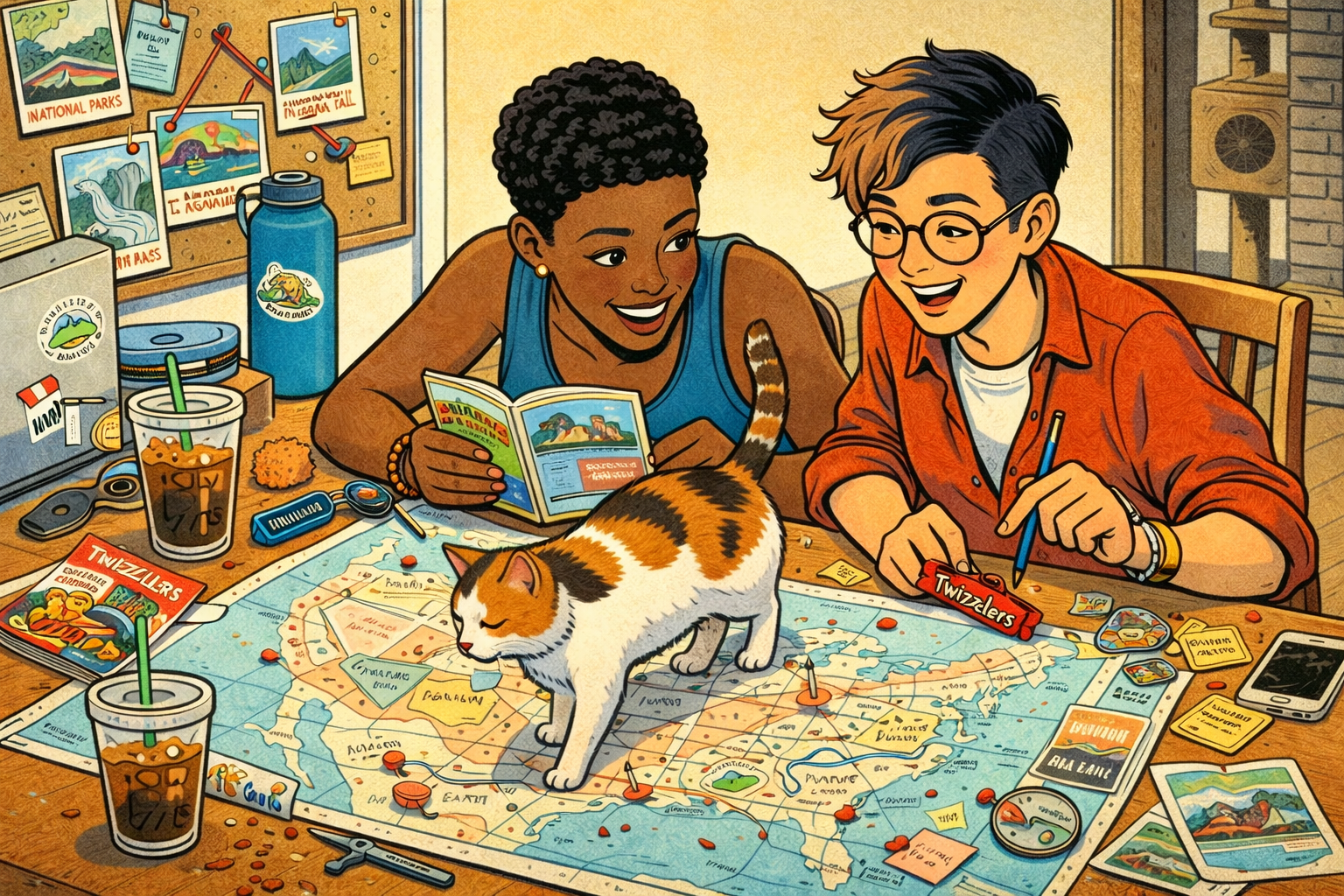
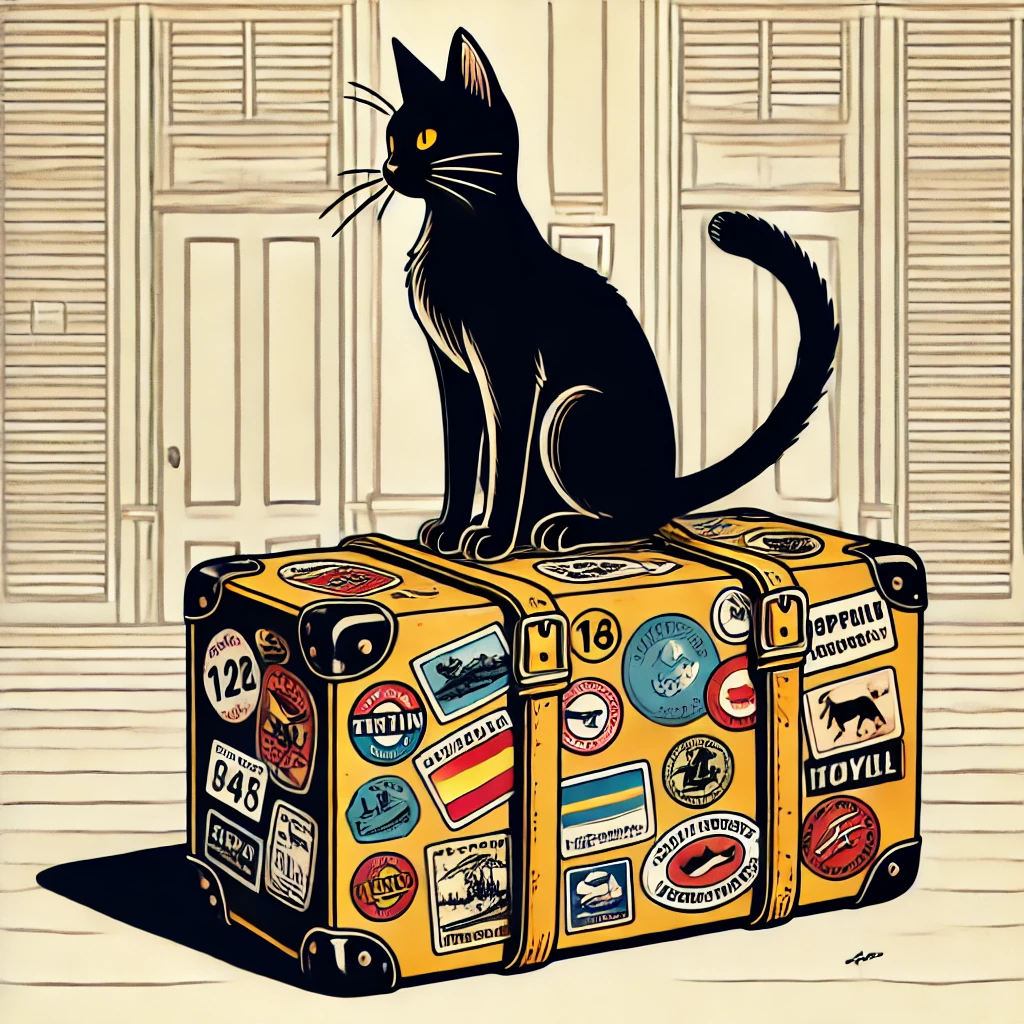
A lesbian couple plan a road trip with a map of the United States, which their cat walks over, with a corkboard and table covered with postcards, candy, iced coffees and other items

How to Plan Your First Road Trip (Without Overplanning)

The goal isn’t to script every moment; it’s to cover the big things so the small surprises stay fun rather than stressful. Knowing where you’re headed, what you’re driving and what you’re packing will give you the confidence to roam.

1. Choose your route and your turnaround point. 

Start by deciding where you’re actually going. Pick the main destination or the point where you’ll turn around to head home, then mark the interesting places you could visit along the way.

Time will shape everything, so map out how long you have. Turn that into a loose schedule and — importantly — leave room for spontaneous detours. The best stories often come from the unplanned stops.

When mapping, look at driving times rather than distances. A short stretch of road may still take hours due to speed limits, winding mountain passes or road conditions. Apps like Google Maps or Waze can help, and it’s smart to download offline maps for areas with spotty reception.

A young man with tattoos squats down by a mechanic in Thailand, inspecting tire pressure, with dogs and a spirit house nearby

2. Make sure your vehicle is ready to go.

No vehicle, no road trip — so make sure you trust the one you’re taking.

If you own a car, get it serviced by a qualified mechanic before you go. Fresh tires, working brakes and topped-up fluids go a long way to prevent drama on the highway.

If you want to rent, companies like Hertz, Budget, Avis and Europcar offer long-term rentals in airports, cities and select hotels. Compare prices and car types based on where you’re going — a coastal highway is very different from a dusty outback or desert stretch.

If you’re considering buying a car that can handle the trip, you may need finance to make it happen. There are lenders online who can help even if your credit isn’t perfect. For example, companies like Azora can help you find out how to get a car loan with bad credit.

A family sits at a picnic table in Uzbekistan, budgeting for a roadtrip, with watermelon slices and a souslik

3. Budget for fuel, food, fun — and surprises. 

Road trips can be budget-friendly or full-luxury holidays — totally up to you. What matters is that you know roughly what you’ll spend.

Create a simple budget for fuel, accommodation, food and activities. Keep it realistic so you’re not forced to skip out on the fun stuff. And always add a small buffer for contingencies — unexpected tolls, repairs, snacks or a last-minute night somewhere nicer than planned.
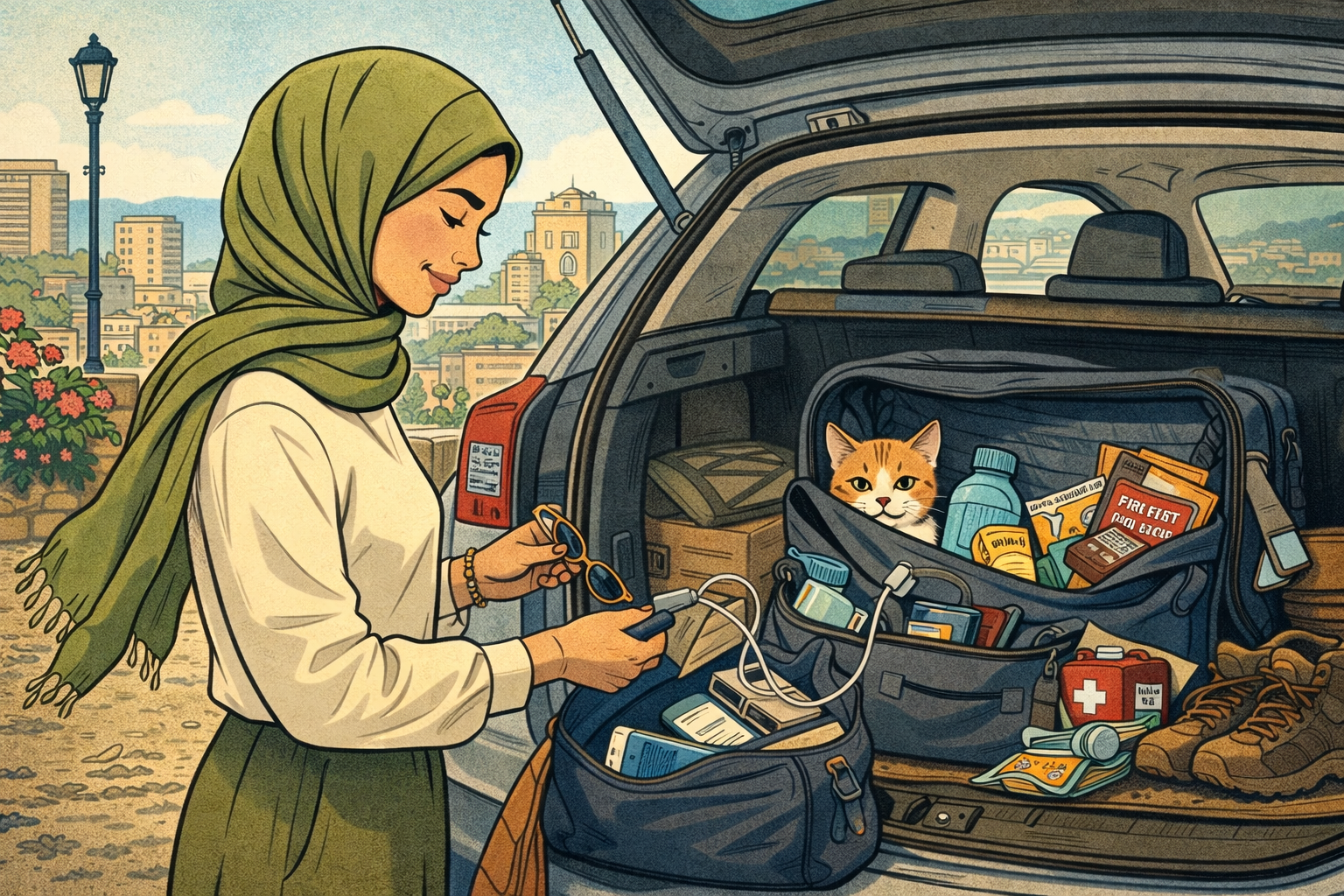
A woman in a headscarf in Lebanon packs her trunk full of items for a roadtrip, including first aid kit, chargers, boots, and a bag that her cat has snuck into

4. Pack smart and bring road trip essentials. 

Packing is all about balance. You don’t want to overpack, but you also don’t want to be six hours from home wishing you had a sweater, sunglasses or real shoes.

Choose clothes you can layer and mix-and-match, plus proper walking or hiking shoes if you plan to explore on foot.

Useful road trip essentials include:

  • Water bottles

  • Snacks

  • Phone chargers

  • Power bank

  • Sunglasses

  • Sunscreen

  • Offline maps

  • First-aid kit

Three young women excitedly arrive at their glamping spot in Tulum, Mexico, carrying bags, drinks and a yoga mat, while a monkey sits on a branch above them

5. Research accommodation options along your route. 

Knowing roughly where you’ll sleep each night removes a huge amount of road trip stress.

Research options across a mix of price points and styles: motels, caravan parks, glamping sites, campsites, Airbnbs and budget hotels. You don’t have to pre-book the entire route, but having a shortlist saved to your phone (plus contact details written in a notebook) gives you options if plans change or daylight runs out faster than expected. 

In the end, it’s you, the miles, and whatever magic you make of it. –Lucy Mitchell


The Ultimate Winter Packing List for Travelers Who Hate Being Cold

A smarter way to stay comfortable in freezing temperatures with the right layers, accessories and footwear. Because toughing it out is overrated.

A young person is uncomfortably cold because they didn't pack right, sitting with arms around themselves as people skate in the background under the Northern Lights

No one should have to fear the cold — not when a suitcase can become armor.

Let the winter lovers have their fun. Let them talk about “bracing air” while hopping in place, insisting they’re fine. Those of us wired for warmth know better. When it comes to winter wilderness travel, we don’t need bravado. We need a plan. Precision. The kind of packing that holds up from airport lounge to icy village street, long after the novelty of snow has worn thin.

Staying comfortable in winter isn’t about overpacking or clearing out the nearest outdoor megastore. There’s elegance in restraint — fabrics that trap heat instead of moisture, layers that adjust instead of suffocate, and socks that quietly determine whether the day continues or ends early. Forget fashion statements on snow-slick sidewalks. Prioritize safety. Let others gamble with numb toes. There’s a smarter way to travel when temperatures drop.

A bearded man sits in a cafe at Christmas, hands around a large steaming cup of hot chocolate, looking out the window at skiers and a gondola lift

Layering Without Regret

Forget the “one big jacket” fantasy. It has betrayed more travelers than delayed flights.

The people who never complain about the cold aren’t tougher. They’ve mastered packing for winter travel — and they know it’s all about layers. They start with a thermal base layer (merino wool or a solid synthetic blend), add insulation like fleece or down, and finish with a weatherproof shell. That’s it. Not glamorous. Extremely effective.

The beauty of layering is control. Planes and cafés insist on tropical heat while the streets outside feel personally hostile. Layers let you adapt without soaking your clothes in sweat, only to step back outside and freeze instantly. Thick sweaters seem comforting until they trap moisture and turn against you. Layers work with the body instead of fighting it.

Pack for flexibility. Winter weather never negotiates, but layers give you leverage.

A woman bundled up warmly in a coat, gloves and scarf, holds her tickets as she sits on her travel trunk in the snow as a train approaches the station

Accessories That Matter More Than You Think

Scarves aren’t decorative afterthoughts. They seal the gap your coat leaves behind.

Gloves aren’t just about warmth — they’re about function. Being able to unzip a bag, answer a text, or fumble for transit tickets without pain changes how long you’re willing to stay outside. 

Hats matter more than anyone wants to admit. Heat loss is real, and cold weather puts real strain on the body. The head is one of the first places it escapes.

And socks — this is where trips quietly succeed or unravel. Cotton gives up the moment it gets damp. Wool keeps going. Standing near slushy curbs or stepping into an icy puddle becomes survivable instead of catastrophic. Feet decide your mood, your stamina, and how far you’re willing to wander before calling it quits.

If these items need to live in an oversized tote, fine. Skip even one and the cold will find the weak spot. It always does.

A man sits outside in the snow in Patagonia, reading a book, with a fox, mountains, eagle and tents in the distance

Footwear That Doesn’t Betray

Boots should do two things without debate: keep water out and keep toes unfrozen.

Anything less is a gamble. Cheap sneakers and “stylish” loafers surrender immediately to slush-filled sidewalks and salted streets turned skating rinks overnight. Waterproof leather holds the line. Insulated soles quietly save hours of sightseeing by keeping circulation intact while waiting for transit or wandering blocks too charming to avoid.

Wet socks don’t just ruin the moment — they end the day. Good boots extend it.

A couple in their pajamas snuggle in their hotel bed, with red wine, popcorn and other snacks, with the man holding a remote as they prepare to watch a movie

Don’t Underestimate Indoor Comfort

The streets may be cold, but indoor neglect is where rookie mistakes thrive.

Hotel rooms swing wildly between blast-furnace heat and icy drafts sneaking in through windows older than anyone present. After long days outside, slippers stop being indulgent and start feeling essential — especially when tile floors bite back at midnight while you hunt for a charger that’s migrated under the bed.

Pack pajamas warm enough for a ski chalet but decent enough for the unexpected. Hallway evacuations at 2 a.m. are rare, but winter has a way of producing stranger moments than planned.

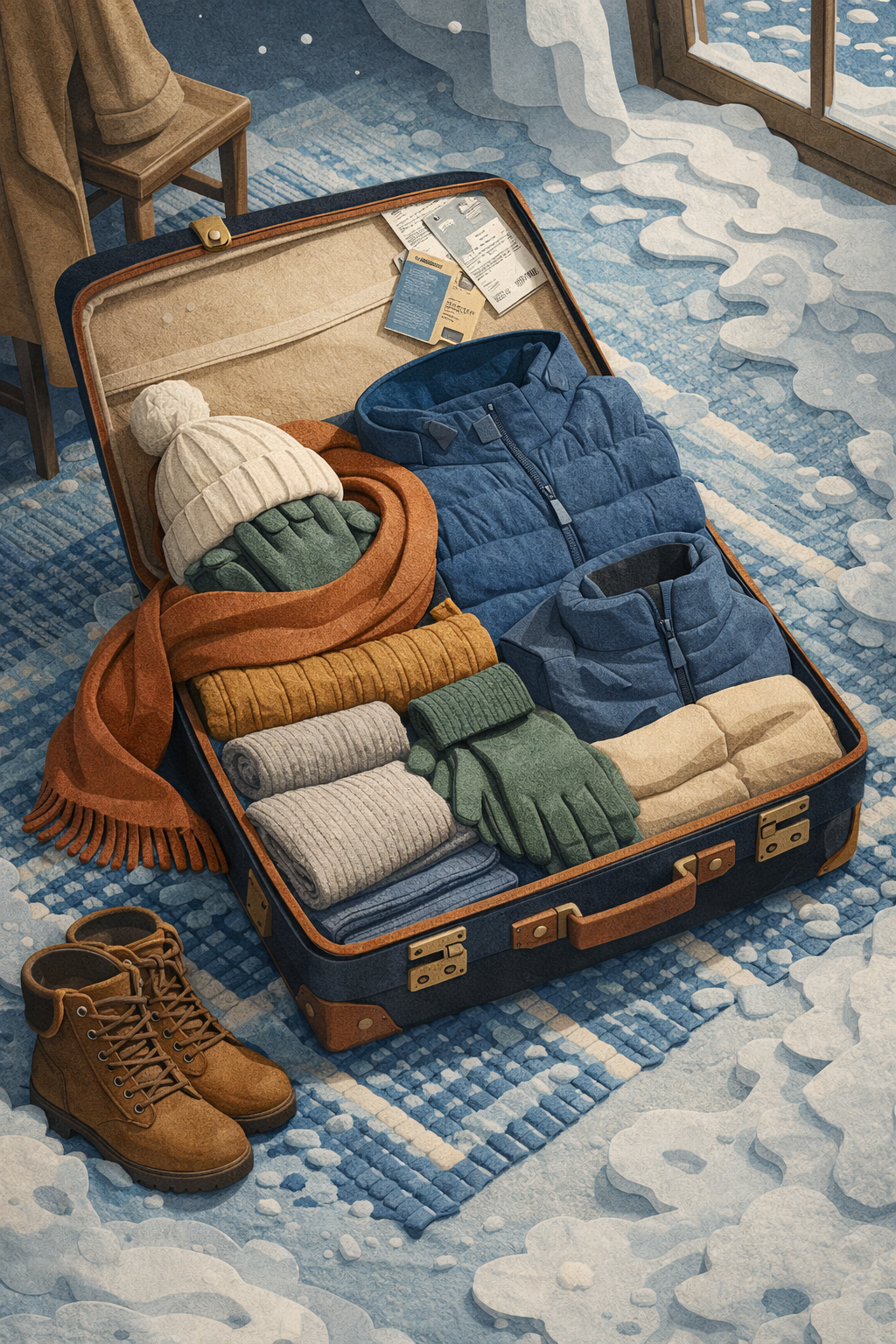
A suitcase is open with winter travel gear: knit cap, scarf, gloves, jackets and other layers, with boots nearby and snow that has gotten into the room

How to Travel Comfortably in Cold Weather

Whether the trip involves meetings downtown or sledding outside Reykjavík, the cold doesn’t change. It exposes weak links quickly, especially when travelers try to bluff their way through winter with optimism instead of preparation.

Packing lists built on denial unravel fast — usually by day three. Comfort comes from decisions made back home, when the sun is still warm on packing day and common sense has the floor. With smart layers, reliable accessories, trustworthy boots, and a few creature comforts tucked close, even those who loathe winter can move through it confidently — and maybe even enjoy it — wherever the cold leads next. –Lucy Roberts

MORE PACKING TIPS: Footwear, Clothing and More: What to Pack for Travel to South America

7 Must-Have Items Every First-Class Flight Traveler Should Pack

From noise-canceling headphones to skincare essentials and perfectly packed travel bags, these first-class must-haves elevate comfort, style and serenity from takeoff to touchdown.

A gay couple, one with glasses, one with headphones, cheers their wine glasses in their first-class seats on an airplane

Flying first class is one of life’s most refined pleasures. From the moment you step into the airport lounge to the second you recline your seat midair, every detail is designed for comfort and class. 

Yet the difference between a good flight and a truly memorable one often comes down to what you bring with you. Packing smartly means you’ll arrive refreshed, stylish and ready to enjoy your destination.

Whether you’re an experienced jet-setter or preparing for your first luxury flight, these essential items will help you stay comfortable, polished and perfectly organized from takeoff to touchdown.

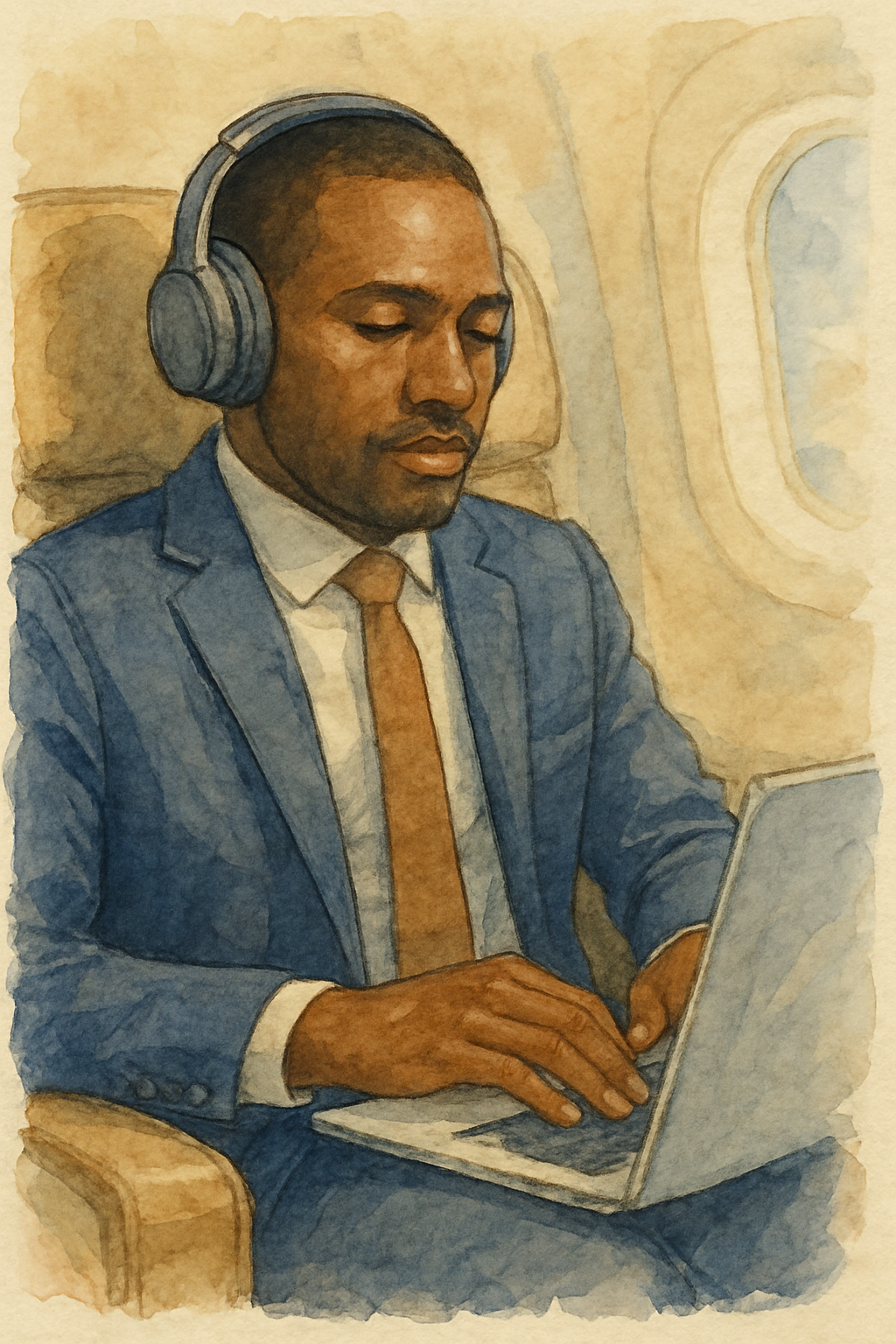
A man in a suit wears noise-canceling headphones while working on a laptop in first class on a flight

1. Noise-canceling headphones

Even in a first-class cabin, there are moments when silence becomes the ultimate indulgence. A pair of high-quality noise-canceling headphones blocks out the constant hum of the aircraft and creates a personal space of calm. You can immerse yourself in your favorite playlist, catch up on a podcast or watch a film without the distraction of background noise.

Look for headphones that offer excellent sound balance, long battery life and a comfortable fit for extended wear. Over-ear models often deliver superior noise isolation, while wireless options with Bluetooth connectivity ensure a clutter-free experience. Brands like Bose, Sony, and Bang & Olufsen consistently deliver superior performance for discerning travelers.

A woman puts on moisturizer in her first-class seat on a flight

2. Skincare and hygiene kit

Cabin air is notoriously dry, and even a short flight can leave your skin dehydrated and dull. A well-curated skincare and hygiene kit ensures you land looking as refreshed as when you boarded. Include essentials such as a hydrating mist, moisturizer and lip balm. These small items go a long way in maintaining comfort during the flight.

For hygiene, pack travel-sized toothpaste, sanitizing wipes and a mini deodorant to freshen up mid-journey. It’s not about carrying a full vanity, but about smart choices that keep you feeling confident and clean. A gentle face cleanser and hand cream can also help counter the effects of dry cabin conditions.

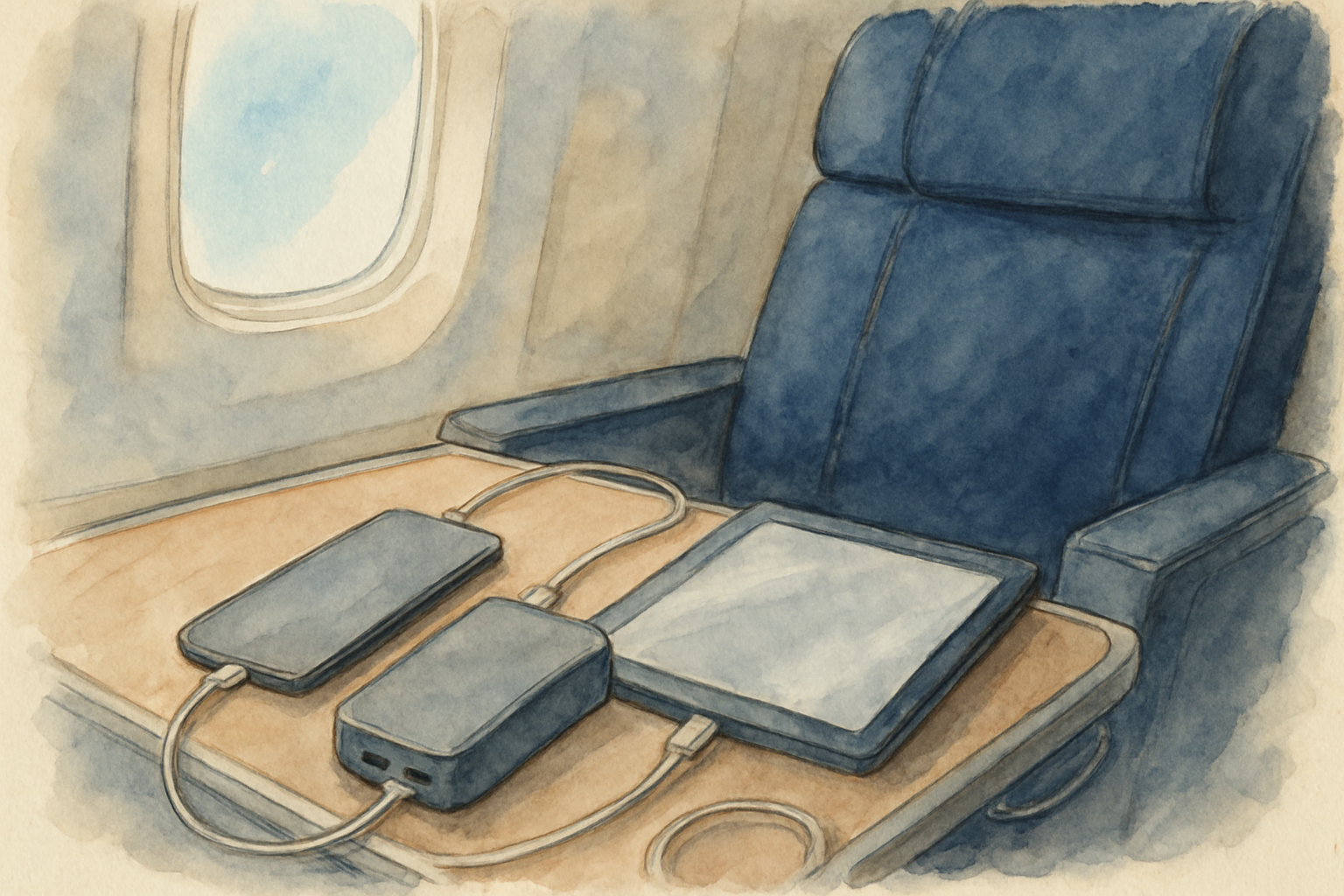
A portable charger and power pack connect to a tablet on a tray table in a first-class cabin of an airplane

3. Portable charger and power bank

Even first-class passengers can find themselves running low on battery power mid-flight, especially when using multiple devices. A reliable portable charger ensures your phone, tablet or laptop remains powered for entertainment, communication or work.

Choose a power bank with a high capacity but compact size so it doesn’t add bulk to your carry-on. USB-C compatibility and fast-charging capability are essential features for modern travelers. A charged device lets you stay connected or unwind with your favorite shows, music and audiobooks throughout the flight.

A woman in a scarf and glasses has an open book on her tray table in a first-class seat of an airplane

4. Scarfs, watches, glasses and other accessories

Luxury travel isn’t only about where you sit but also how you present yourself. Accessories that strike the right balance between comfort and sophistication can enhance your overall flying experience. A soft silk scarf or pashmina adds warmth without compromising elegance, while a stylish wristwatch helps you keep track of different time zones with ease.

Equally important is eyewear that complements your personal style while offering comfort and protection. Stylish eyeglasses can add refinement to your look and reduce digital eyestrain from in-flight screens. Whether you prefer bold frames or minimalist designs, the right pair completes your ensemble and ensures your eyes stay comfortable throughout the journey.

Don’t forget to include a sleep mask and a pair of compression socks for added relaxation. Together, these accessories help you maintain a sense of calm and poise while traveling at 30,000 feet.

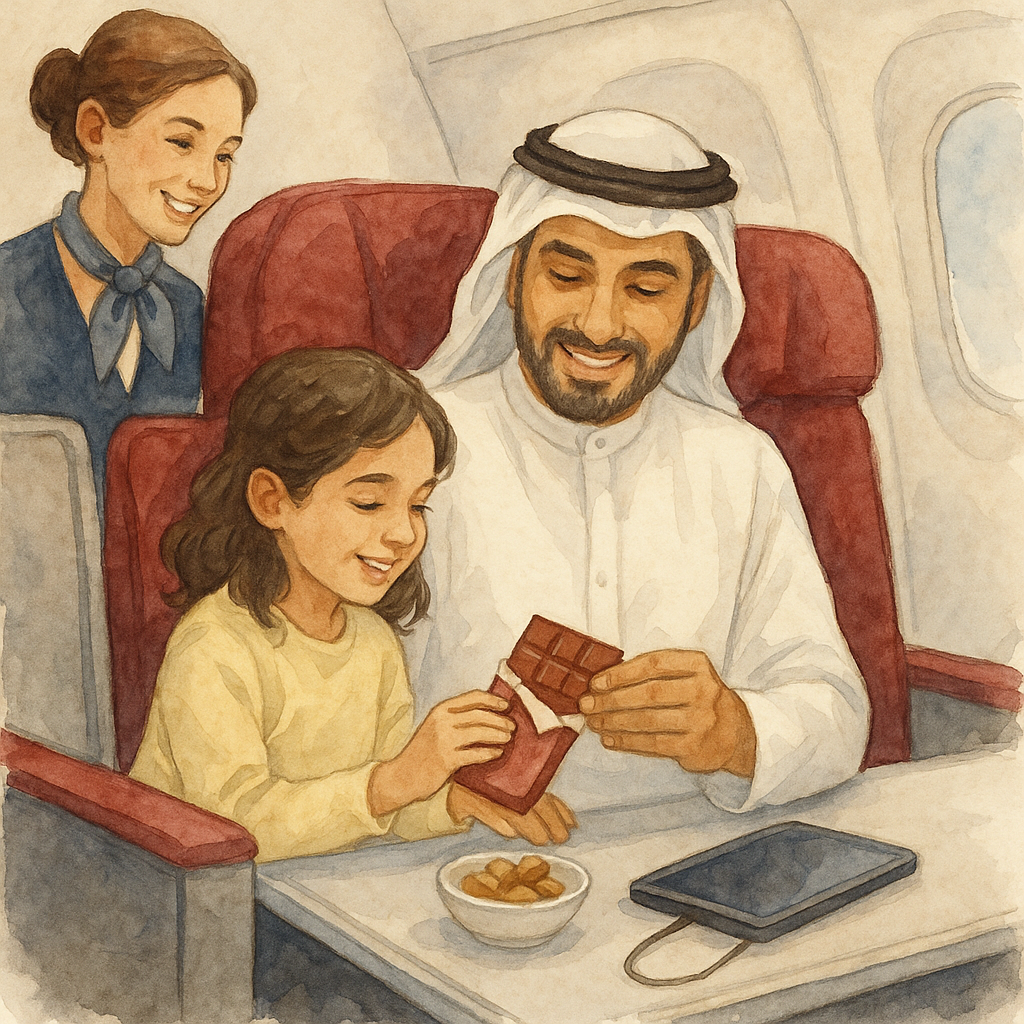
A Middle Eastern man shares a chocolate bar with his daughter in a first-class seat of a plane while a flight attendant watches and smiles

5. Gourmet snacks

While first-class menus are typically curated by renowned chefs, sometimes your body craves something familiar or light between meals. Bringing your own snacks allows you to enjoy a personalized treat that fits your preferences and dietary needs.

Opt for wholesome options such as mixed nuts, dark chocolate, dried fruit or protein bars. These choices provide sustained energy without the crash associated with sugary snacks. Pack them in resealable pouches or compact containers for convenience. Having your favorite snack on hand adds a touch of comfort and control to your journey.

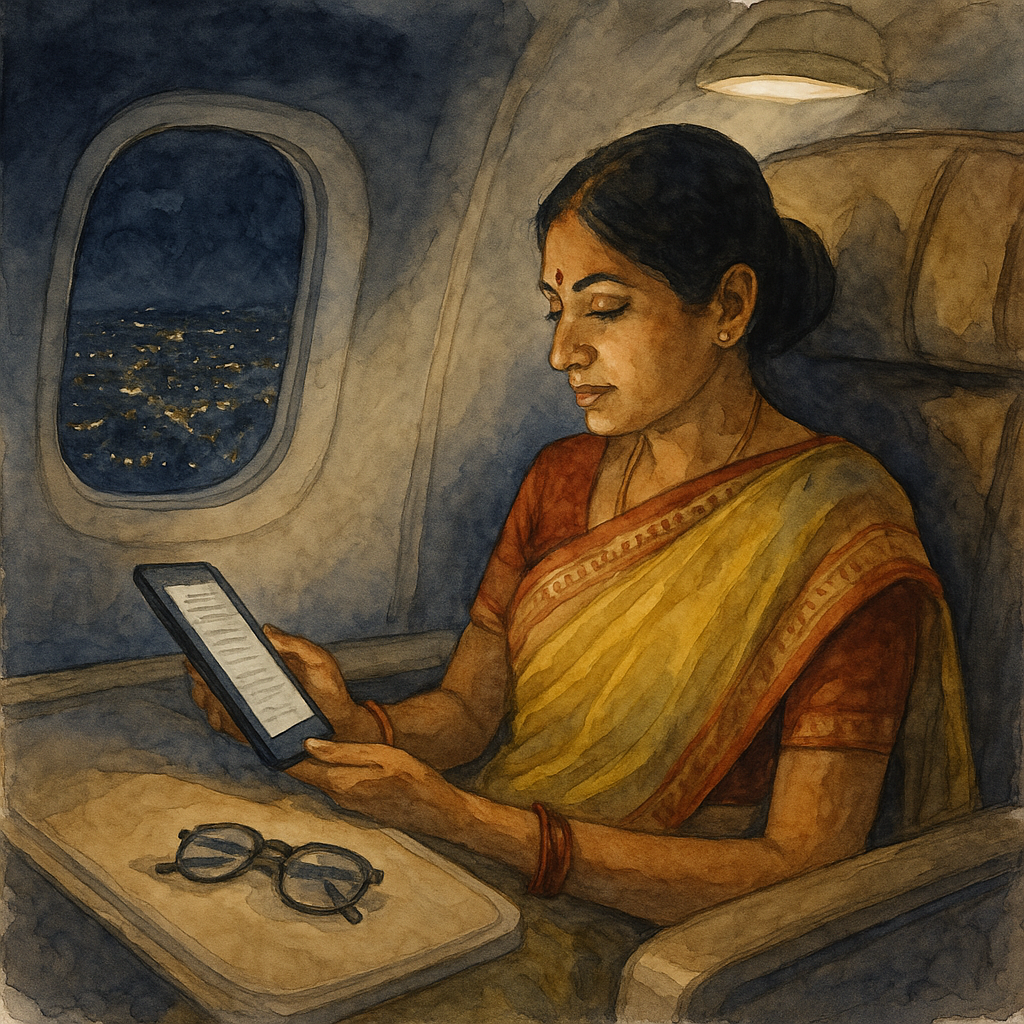
A woman in a sari reads an e-reader with glasses on her table in a first-class seat of a plane flying above a city at night

6.E-readers loaded with e-books and magazines

A good book has long been a traveler’s best companion. With an e-reader, you can carry an entire library without taking up space. Load it with a mix of fiction, biographies, travel memoirs and magazines before you board. If reading feels too demanding after a long day, consider audiobooks for a hands-free experience.

For something more interactive, many e-readers and tablets now allow you to annotate or highlight interesting passages. This makes them useful not only for leisure but also for personal reflection or study. Pairing your e-reader with noise-canceling headphones transforms your cabin seat into a private reading nook at 40,000 feet.

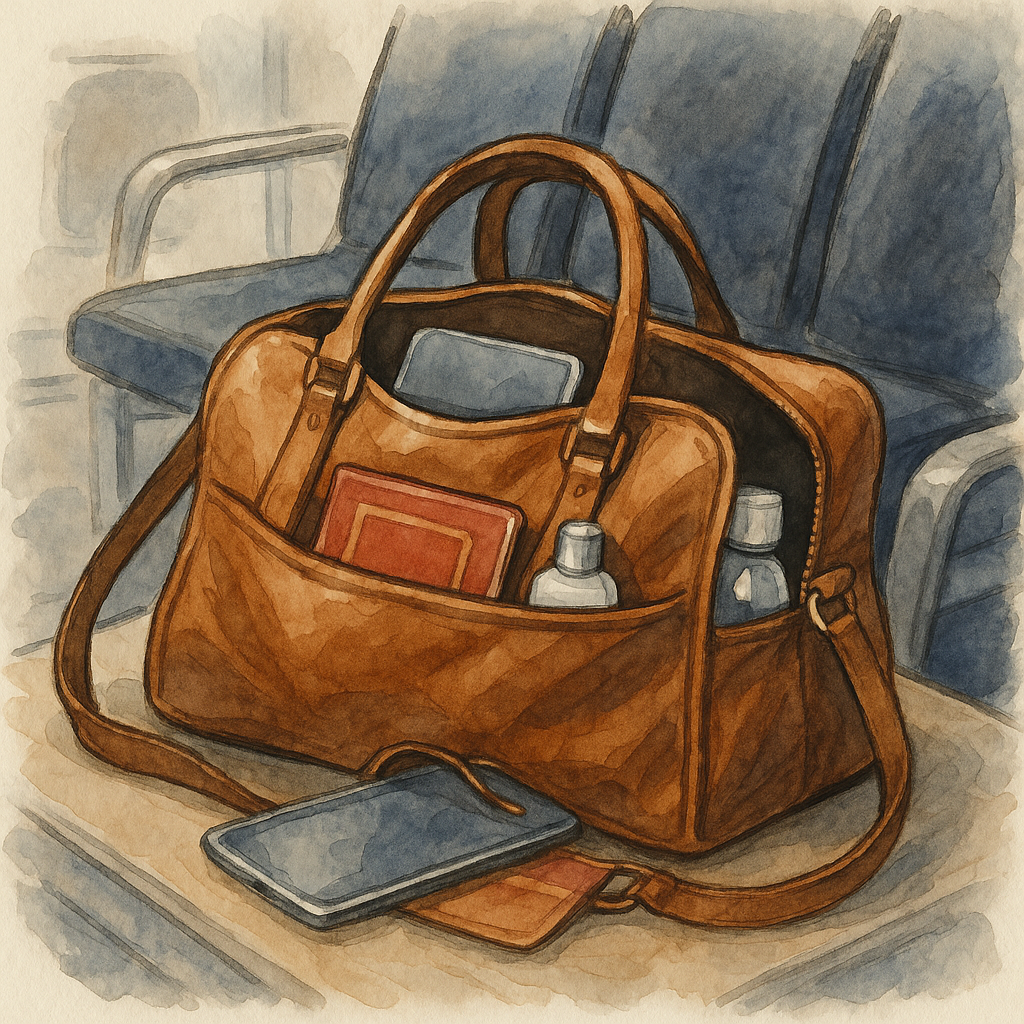
A packed travel bag full of devices, water, documents and hygiene items on a table in the waiting area of a gate at an airport

7. Travel bag

A well-designed travel bag is the finishing touch that ties your journey together. It keeps your essentials organized and accessible while adding an unmistakable sense of sophistication to your look. Choose a structured, high-quality bag made from durable materials like leather or water-resistant nylon.

Interior compartments help separate your electronics, toiletries and travel documents, while an exterior pocket keeps your passport and boarding pass within reach. For longer flights, a tote or weekender bag with both handles and a detachable shoulder strap offers versatility and comfort.

Investing in a travel bag that combines style with practicality not only enhances convenience but also reflects the attention to detail that defines first-class travel.

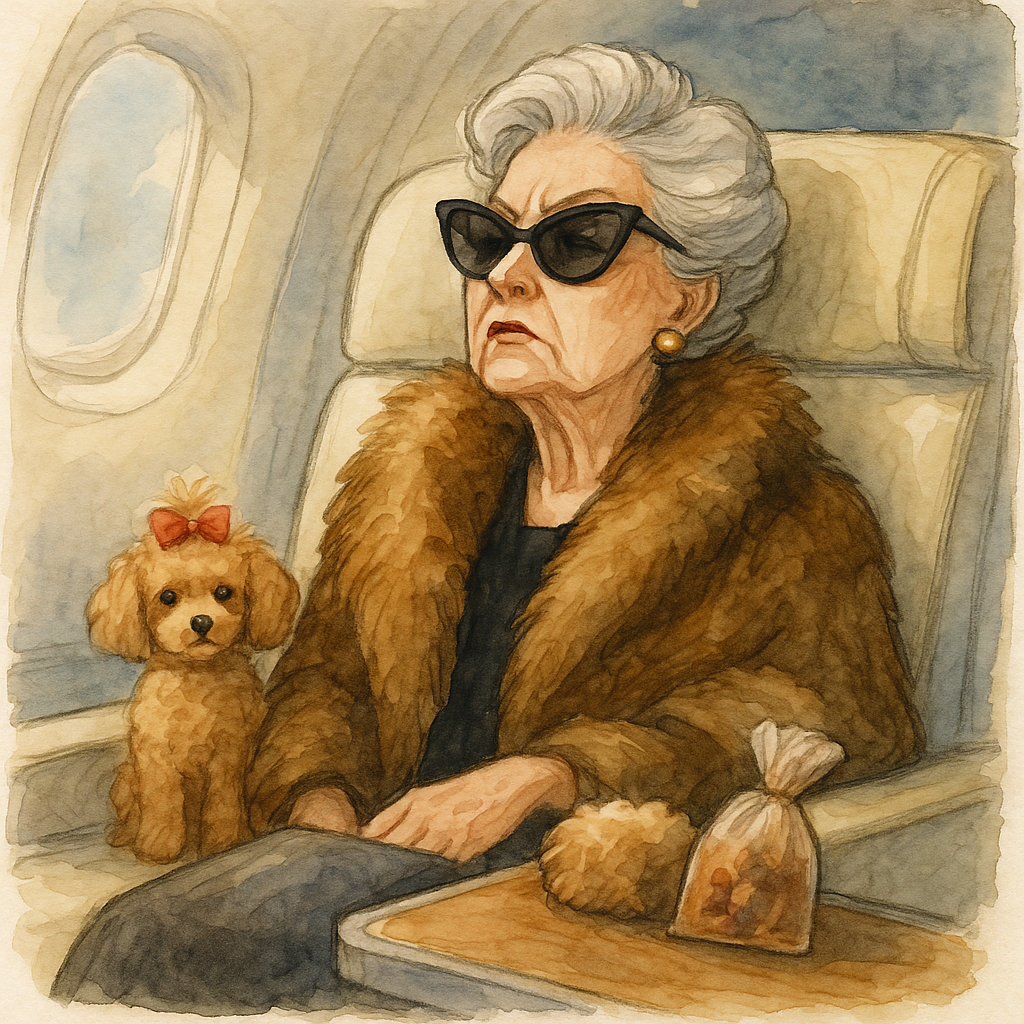
A rich bitch in a fur coat and sunglasses sits in her first-class seat of a plane, with her toy poodle with a red bow and a bag a treats on the tray table next to her

Packing With Purpose 

Flying first class offers a unique opportunity to experience comfort, style and serenity all at once. However, what truly sets the tone for a smooth journey is how well you prepare. Nothing ruins a trip faster than forgetting to pack something essential. Including these items ensures that every aspect of your trip from entertainment to relaxation feels effortless.

Noise-canceling headphones, skincare essentials and elegant accessories like eyeglasses all work together to elevate your comfort and confidence. Add a touch of indulgence with gourmet snacks, a good book and a beautifully crafted travel bag, and you’ll have everything you need to enjoy every moment of your flight.


In luxury travel, it’s not about packing more, but packing with intention. Every carefully chosen item contributes to an experience that feels seamless, sophisticated and entirely your own. –Adam Mark


Adam Mark is a travel storyteller and culture enthusiast who explores the world with a curious mind and an unfiltered lens. Passionate about uncovering the humor, humanity and hidden realities behind every journey, he writes to inspire readers to see travel not just as movement, but as a transformative experience.

RELATED: What to Pack for South America 

8 Things You’ll Forget to Pack When Traveling — and Instantly Regret

From dying phones to aching feet, it’s always the little things that mess with your trip. Don’t let these easy-to-miss essentials sabotage your adventure.

You remembered your passport. Your tickets. Even that extra pair of underwear. 

But no matter how seasoned you are, there’s always something that slips through the cracks — and it’s usually something small but mighty.

Travel has a funny way of revealing your blind spots. That “tiny detail” you skipped? It’s suddenly a major inconvenience when your phone dies, it rains, or your feet feel like they’ve walked across lava. These forgotten items aren’t bulky or expensive. That’s what makes it worse. They’re cheap, light and easy to toss in your bag — which only adds to the regret when they’re not there.

Before you zip up that suitcase, make sure these eight unsung heroes are along for the ride — whether you’re jetting off for a weekend getaway or a monthlong wander.

1. A reusable water bottle — because dehydration is not a vibe

The moment you step off a plane or train, your body starts whispering, “Water, please.” A reusable bottle is a game changer — easy to refill at the airport, in your hotel or at public fountains. You’ll save money, skip single-use plastic, and avoid that woozy, I-forgot-to-drink feeling. Bonus: Many hotels and hostels now offer filtered water stations for guests.

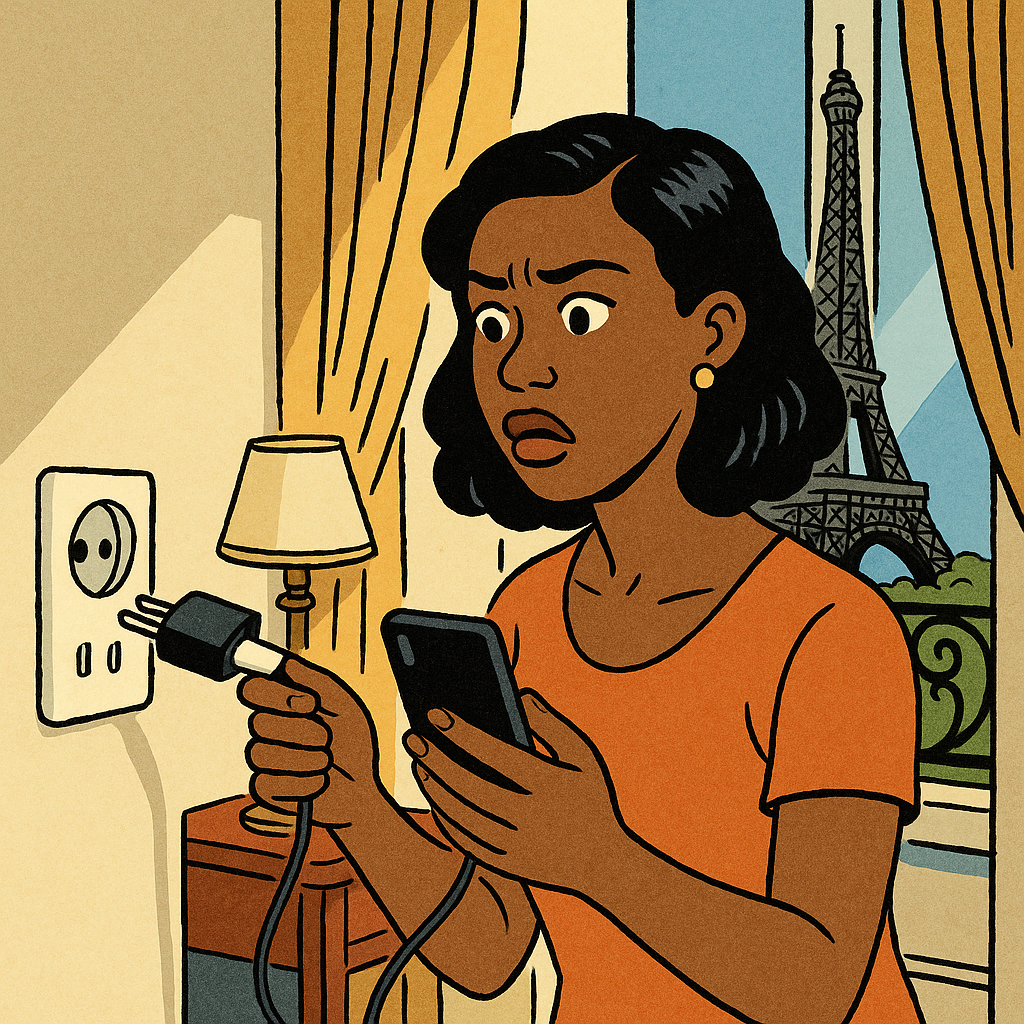
2. A universal adapter — so your devices don’t die in despair

Nothing says “rough start” like realizing your charger won’t plug in anywhere. A universal adapter keeps your phone, tablet and camera powered up across continents. No frantic airport shopping. No overpriced kiosk versions. Just sweet, sweet electricity right when you need it.

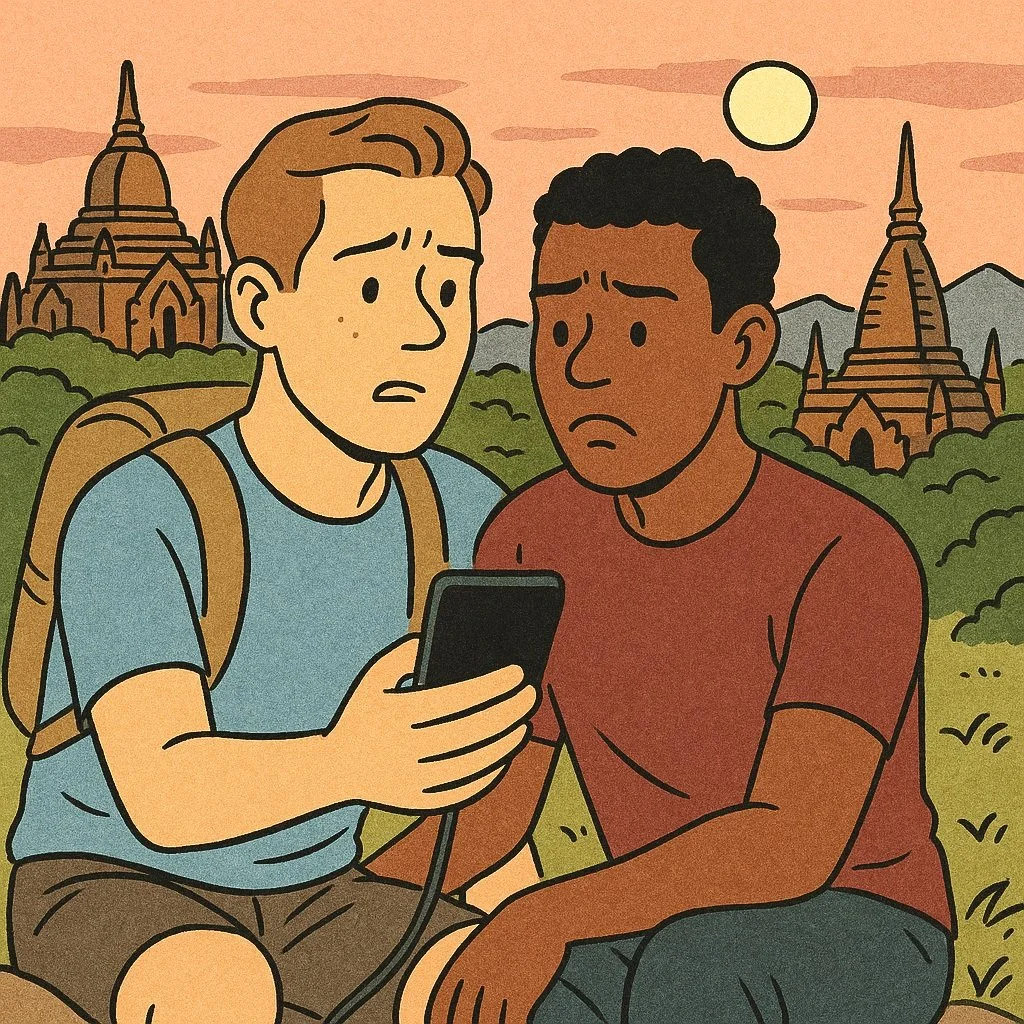
A gay couple at Bagan in Myanmar are upset because their phone has died

3. A global eSIM — to stay connected without the roaming horror show

Staying online shouldn’t cost more than your plane ticket. A global eSIM unlimited gives you reliable mobile data in over 200 countries — no SIM swapping, no sketchy wifi, no absurd roaming fees. Choose a plan that fits your needs, top up online, and monitor usage in real time. All you need is an unlocked phone. Travel smarter — your wallet will thank you.


RELATED: What Is an eSIM?


A woman has scraped her knee by a thermal pool

4. A mini first-aid kit — because stings and stumbles happen

Even dream trips come with the occasional scrape, headache or motion sickness surprise. A tiny pouch with bandages, painkillers, antihistamines and wipes is your best friend when a pharmacy is nowhere in sight. It doesn’t take up much room — but it can save you a whole lot of discomfort.

A woman hikes the Inca Trail to Machu Picchu in heels

5. Real walking shoes — not just your cute ones

Sure, you packed your trendiest shoes. But are they ready for 20,000 steps through cobblestones, markets and museums? Uncomfy shoes are a surefire way to sabotage your sightseeing. Don’t let style overrule sanity. Trust me: Blisters are not a good travel souvenir.

A man at a souk in Morocco has his arms full of things he's bought — because he doesn't have a bag

6. A reusable shopping bag — lightweight, foldable, invaluable

Great for groceries, souvenirs, beach towels, dirty laundry — or that spontaneous wine-and-cheese picnic you didn’t know you were planning. Many cities now charge for plastic bags, so having your own fold-up tote saves money, and the planet, in one fell swoop.

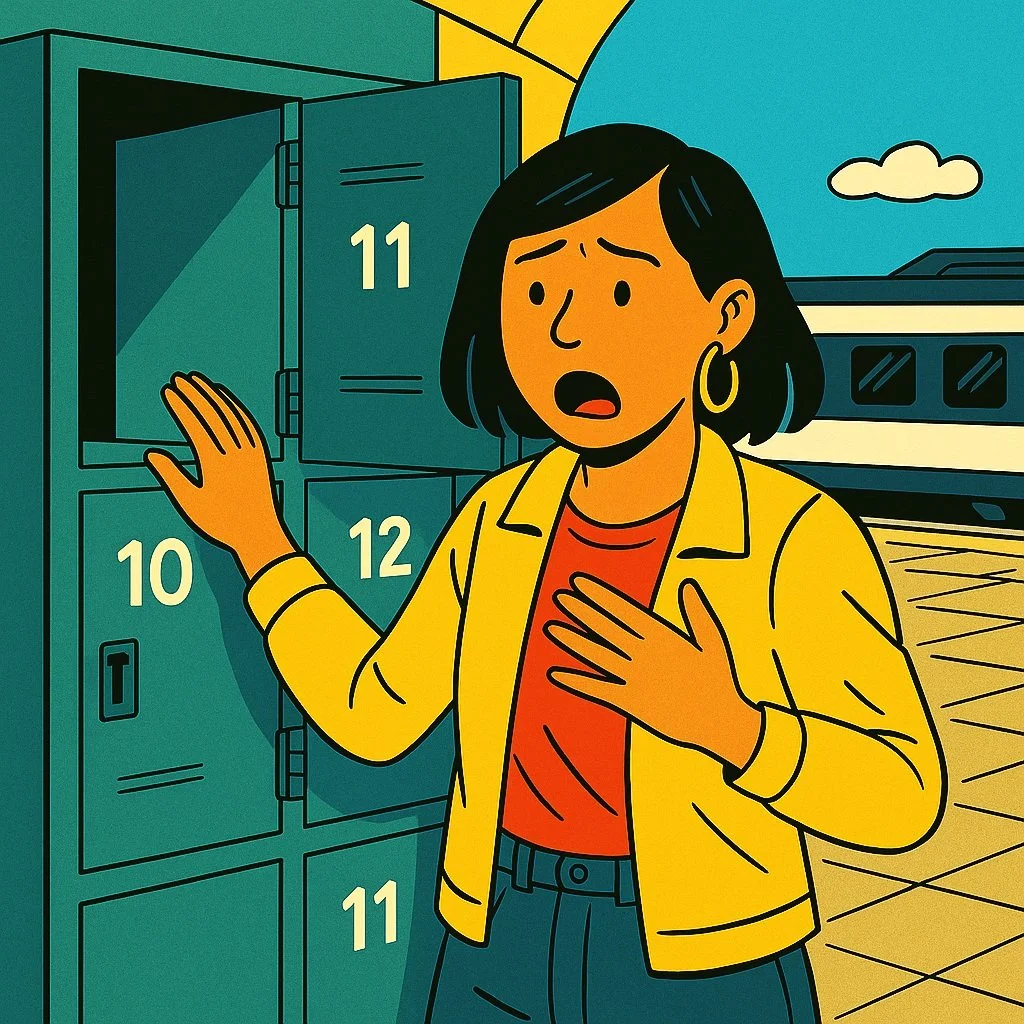
A woman at a train station is alarmed because her locker has been robbed

7. A small padlock — for peace of mind in strange places

Whether you’re bunking in a hostel or just want extra security while in transit, a tiny padlock can be surprisingly handy. Use it to secure your backpack zippers, locker doors or gym lockers if you’re squeezing in a workout. It’s not a high-drama item, but it’s a high-payoff one. You’ll thank yourself when you’re not stuck asking the front desk for spare change and a sense of safety.

A couple in a town in Asia with paper lanterns hanging from balconies are worried because their phone isn't working

8. A portable power bank — because your phone will die at the worst time

Whether you’re navigating unfamiliar streets, snapping the perfect photo or just trying to call your Airbnb host who insists the door code “definitely works” — your devices need juice. And public outlets are few and far between when you’re out exploring. A lightweight power bank lets you stay charged and connected without the panicked hunt for a plug. Because a dead phone isn’t just inconvenient — it’s sort of the end of the world.

Don’t Ruin Your Trip 

These eight easy-to-forget items may not be flashy, but leave them out of your bag and you’ll notice immediately. Best part? They’re all lightweight, affordable and wildly useful. So before you zip that suitcase closed, double-check for the little things — and maybe tuck in a global eSIM while you’re at it. Instant access to data in 200+ countries means no roaming panic, no airport SIM line, and no missed messages from your tour guide, your travel buddy or your mom.

Pack smart — and you won’t just travel better. You’ll regret less. –Shraddha Bhojwani