Weird Bali: 7 Crazy Balinese Customs

Cat poop coffee, temples of death and Balinese names are a few of the unusual aspects of Bali culture.

What makes islands so interesting is that they act as closed environments and often adopt their own distinct cultures. It’s curious that Bali is a Hindu island in the midst of the most populous Muslim nation in the world. Its unique religion permeates daily life.

Here’s a sampling of seven unusual things we observed or learned about on our trip to Bali.

The passage of the beans through the civet’s digestive tract, pressed against their anal scent glands makes the resulting coffee to die for.
Kopi luwak, made from the excrement of a cute wild cat, has become a craze. But we recommend boycotting it

Kopi luwak, made from the excrement of a cute wild cat, has become a craze. But we recommend boycotting it

1. A popular coffee on Bali is made from animal poop — and it’s the most expensive coffee on Earth.

Known as kopi luwak, this is essentially coffee beans that have been eaten, digested and shat out by the palm civet, a cute animal that looks like a cross between a wild cat and a mongoose. You’ll see signs for kopi luwak all over Bali, and Duke and I were like, no thank you. The British couple next to us at dinner one night said they quite enjoyed it, though, that the beans were a honeyed color, that the coffee was smooth, and they’d have gotten some if it wasn’t so bloody expensive.

Many poor civets are kept in cages and mistreated to make sure there’s a steady supply of luwak coffee

Many poor civets are kept in cages and mistreated to make sure there’s a steady supply of luwak coffee

Civets are shy, nocturnal creatures that roam coffee plantations at night, eating ripe coffee cherries. They can’t digest the pits, or beans, and poop them out. Somehow locals got it into their heads that the passage through the civet’s digestive tract, pressed against their anal scent glands, somehow makes the resulting coffee to die for.

One of the many places we were offered civet shit coffee. We declined each time

One of the many places we were offered civet shit coffee. We declined each time

What’s sad, though, is that the novelty of kopi luwak has turned into a booming industry, with many coffee farms mistreating the animals. They “suffer greatly from the stress of being caged in proximity to other luwaks, and the unnatural emphasis on coffee cherries in their diet causes other health problems too; they fight among themselves, gnaw off their own legs, start passing blood in their scats, and frequently die,” writes Tony Wild, the man who blames himself for bringing the kopi luwak craze to the West, in The Guardian. Treating an animal like that is just crappy.

There’s a very good chance that half the people in this photo are named Wayan. Seriously!

There’s a very good chance that half the people in this photo are named Wayan. Seriously!

2. All the kids have the same names, depending on their birth order.

As you become acquainted with more and more Balinese locals, you’ll notice something strange: They all seem to have the same name. And it’s not just that certain names are popular, like John and Jennifer in the States — there literally seem to be only a few names on the island to choose from. As bizarre as that seems, that is indeed the tradition on Bali.

In most cases, Balinese parents from the lower caste (that is to say, most of the population) give their children the same names, depending on their birth order — whether or not they’re boys or girls. Firstborns are named Wayan, Putu or Gede; the second-born is Made or Kadek; the third-born is Nyoman or Komang; and the fourth-born is Ketut. What happens if you have five kids? The cycle repeats itself, with the addition of Balik. So the fifth-born would be Waylan Balik, which basically means Waylan Returns.

You’ll meet tons of Wayans and Mades (this last one is pronounced Mah-deh), so how do people know who’s who? Most Balinese add a nickname or middle name. Our driver, for instance, was Made Ada.

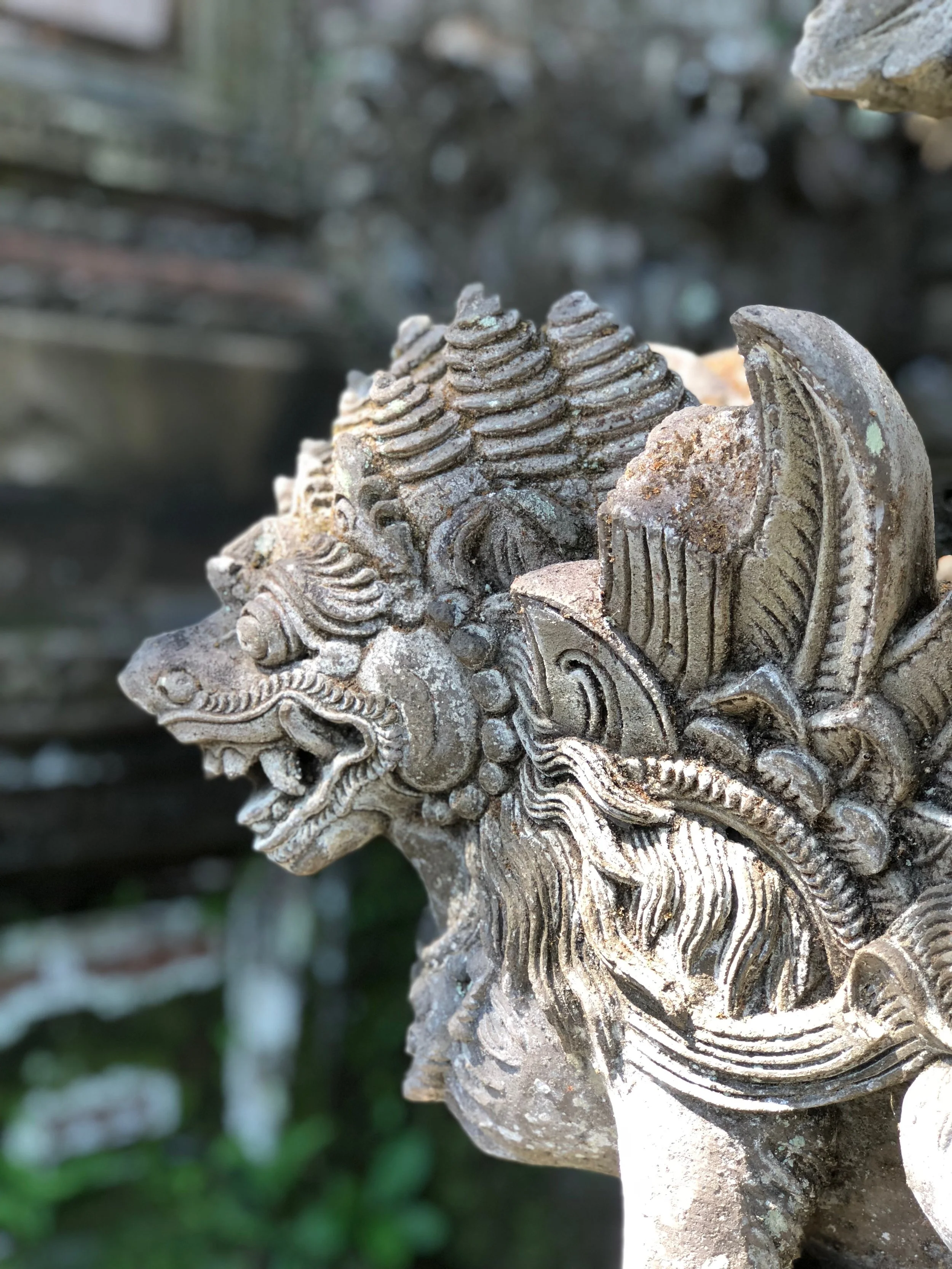
Temples of death on Bali feature frightening statues out front

Temples of death on Bali feature frightening statues out front

3. Every village has at least one temple of death.

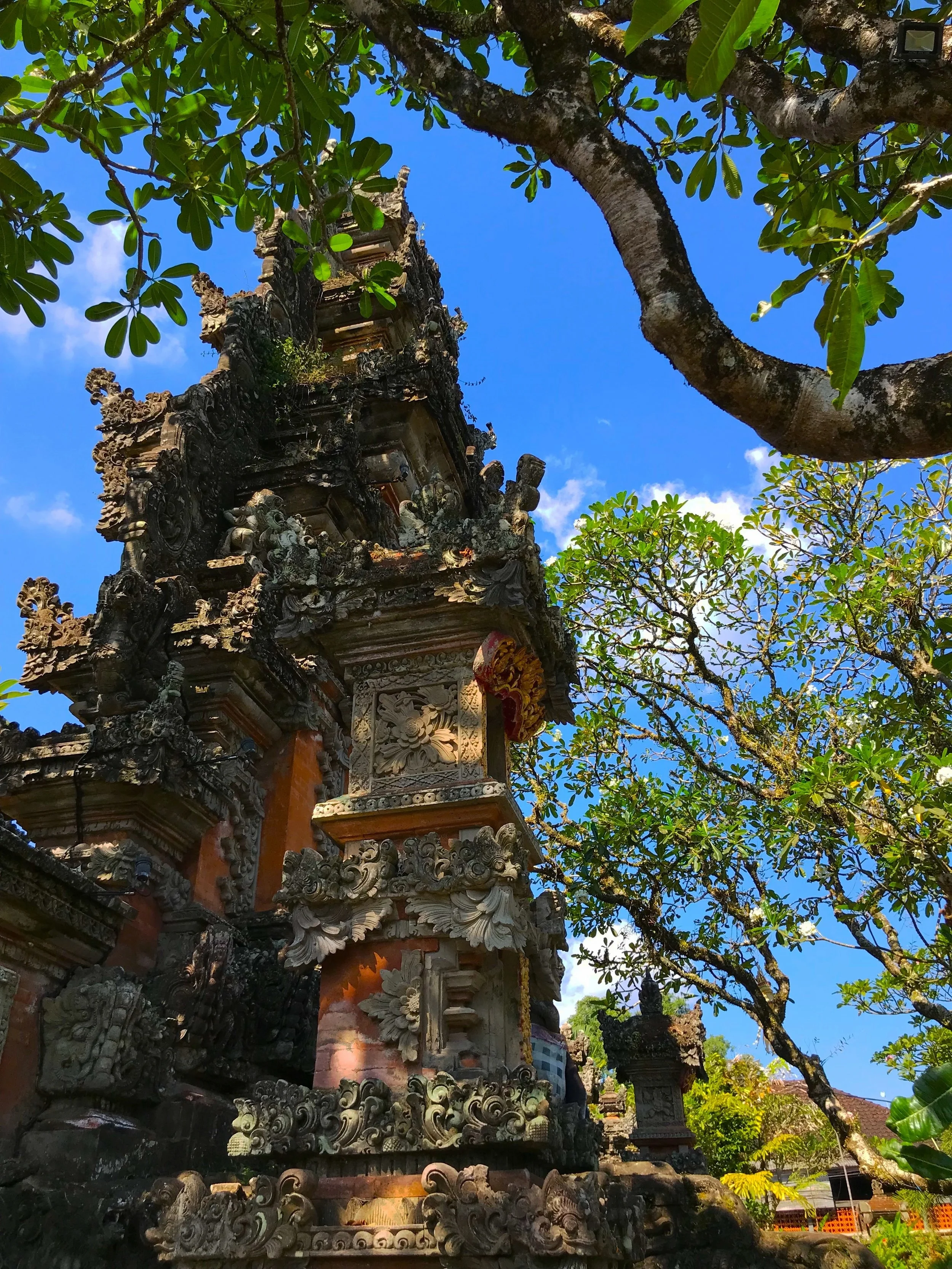
Known as pura dalem, every village has at least one death temple, often located in the lowest part of town, facing the sea, which is considered the gateway to the underworld. Bodies are buried in the nearby cemetery, awaiting the purification of a cremation ceremony. Pura dalem, not surprisingly, are typically dedicated to the most gruesome gods and goddesses of the Hindu pantheon: Shiva the Destroyer, Kali, Durga or Rangda.
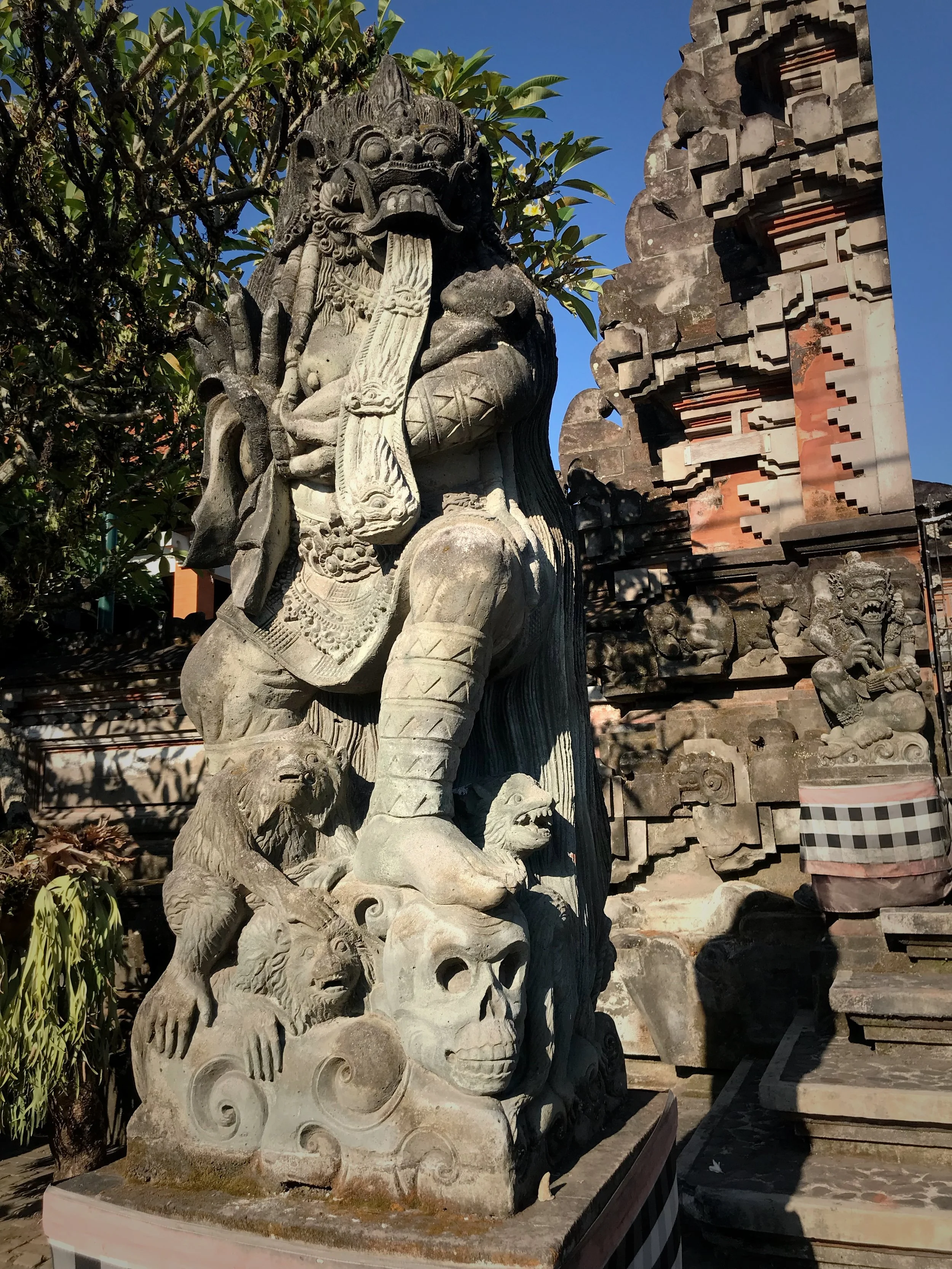
Many temples of death are dedicated to the demoness Rangda, who has a long tongue, droopy breasts, phallic dreadlocks and a fondness for eating babies

Many temples of death are dedicated to the demoness Rangda, who has a long tongue, droopy breasts, phallic dreadlocks and a fondness for eating babies

Monstrous demonic statues line the entrance — many featuring bulging bug eyes, fierce fangs and large, saggy breasts. Some hold innocent babies in their arms as they stand atop a pile of skulls. These serve as a vivid reminders of what awaits the wicked.
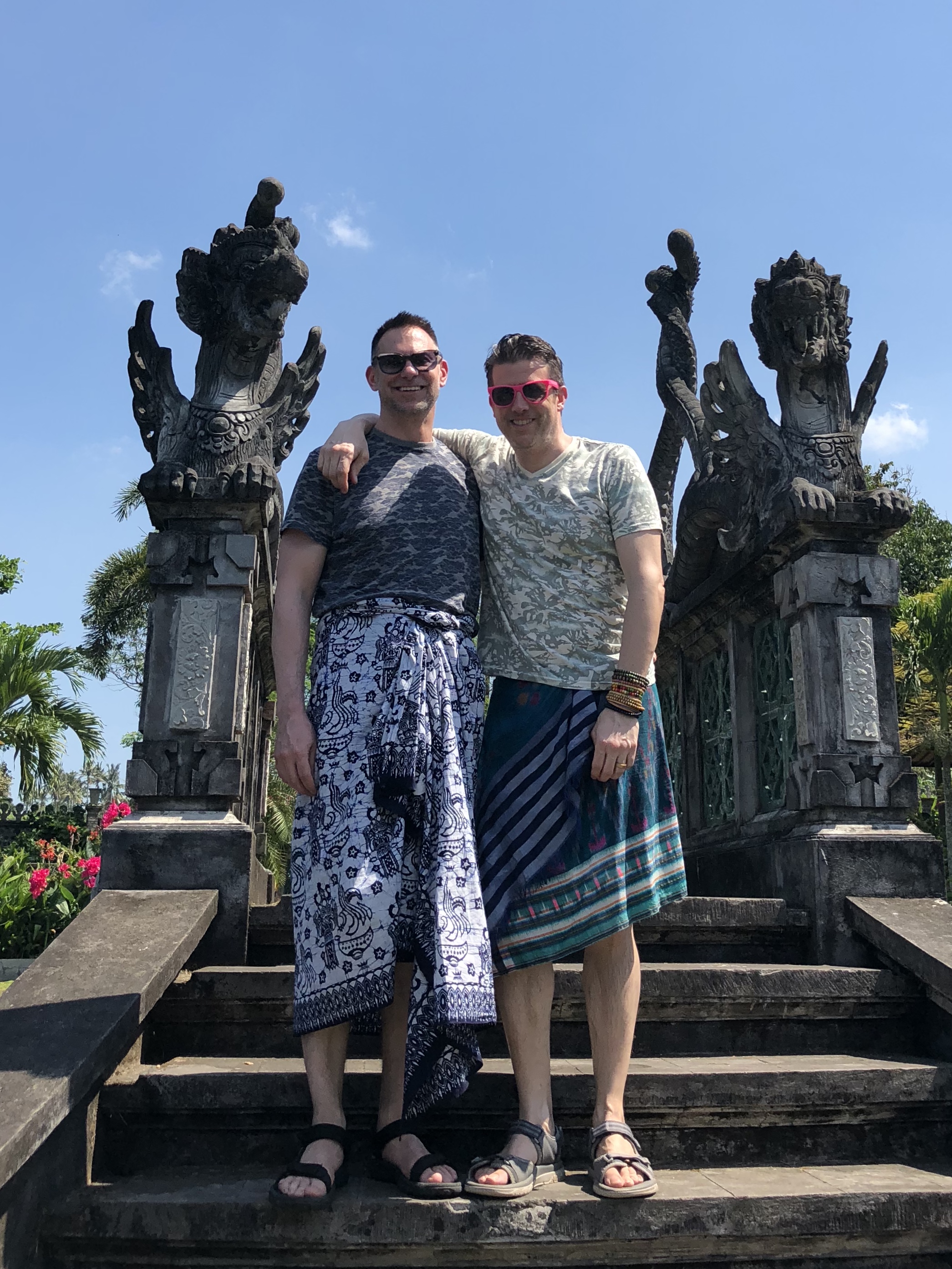


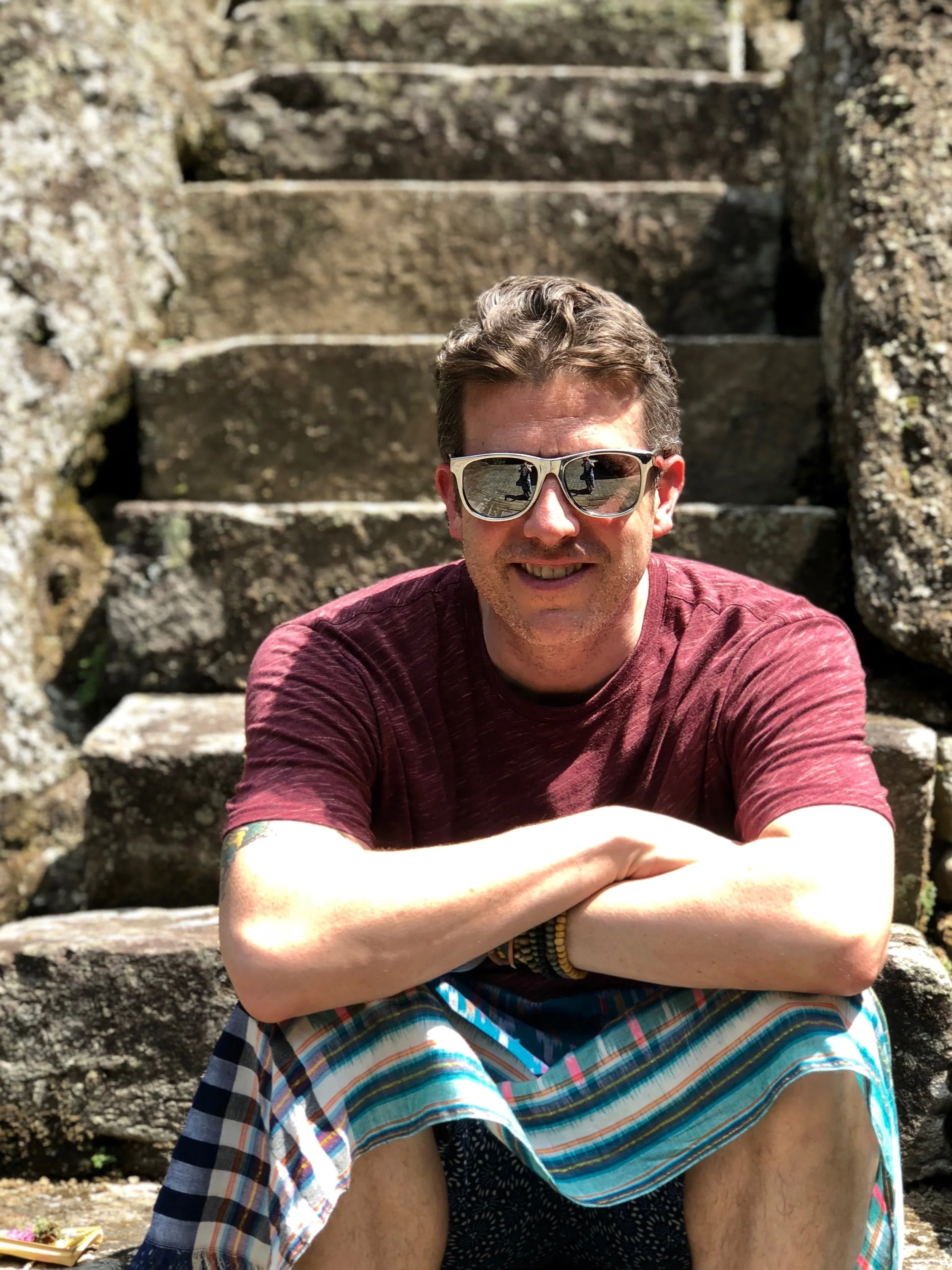
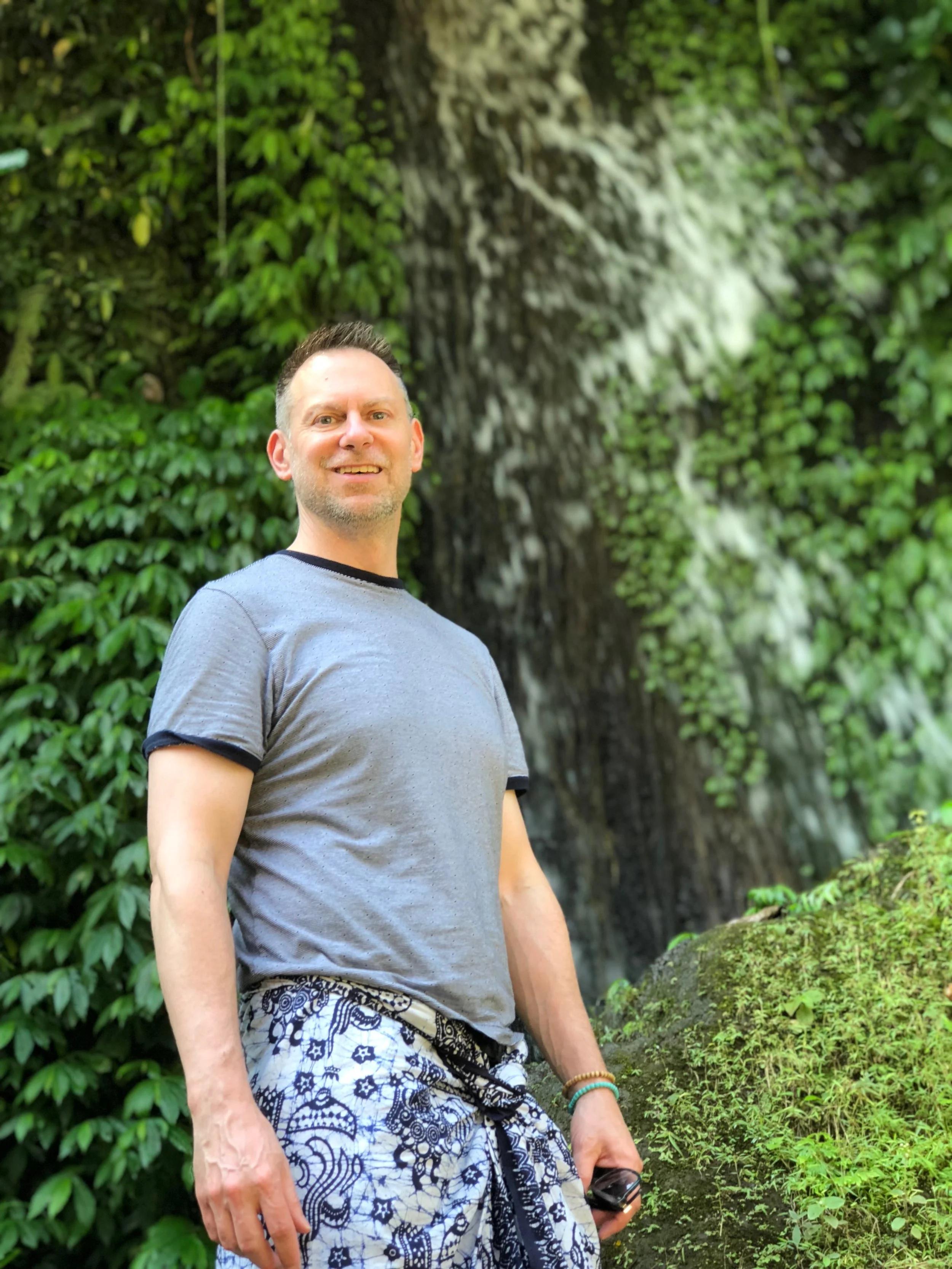
The only thing that would make Duke and Wally even more macho than these sarongs is if they had flowers behind their ears, too

The only thing that would make Duke and Wally even more macho than these sarongs is if they had flowers behind their ears, too

4. Wearing a skirt and tucking a flower behind your ear is thought of as the epitome of masculinity.

At temples on Bali you have to wear a sarong, wrapping these bright cloths around your waist like a long skirt. When I first visited Bali almost two decades ago, I’d wear a sarong every day, and it was common to see local men doing the same. On this visit, though, we only saw one young man wearing a sarong in Ubud (and that’s why I approached him to be our driver for the week).

I’d also pluck a flower and put it behind my ear, having seen temple priests do so. When men on Bali would see me with my sarong and flower, they’d exclaim, “Look at you! You are so masculine!” Bali has got to be the only place on Earth where a man is considered macho for wearing what’s essentially a skirt and a flower behind his ear.

Newborns on Bali are so holy they aren’t allowed to crawl on the ground

Newborns on Bali are so holy they aren’t allowed to crawl on the ground

5. Babies on Bali aren’t allowed to touch the ground for the first three months or so.

Being Hindus, Balinese believe in reincarnation — more specifically, newborns are thought to be the spirit of an ancestor returning to live another life. Because babies are still so close to the sacred realm they came from, they should be venerated. And in a culture where the ground represents all that is demonic and impure, that means newborns aren’t allowed to touch the earth for at least 105 days after birth, and up to 210 in some communities. That’s when the soul officially becomes a part of the child.

At this time, there’s a ceremony called nyabutan or nyambutin, where the baby’s hair is cut off and he or she touches the ground for the first time. It’s often at this time that the child is given its name.
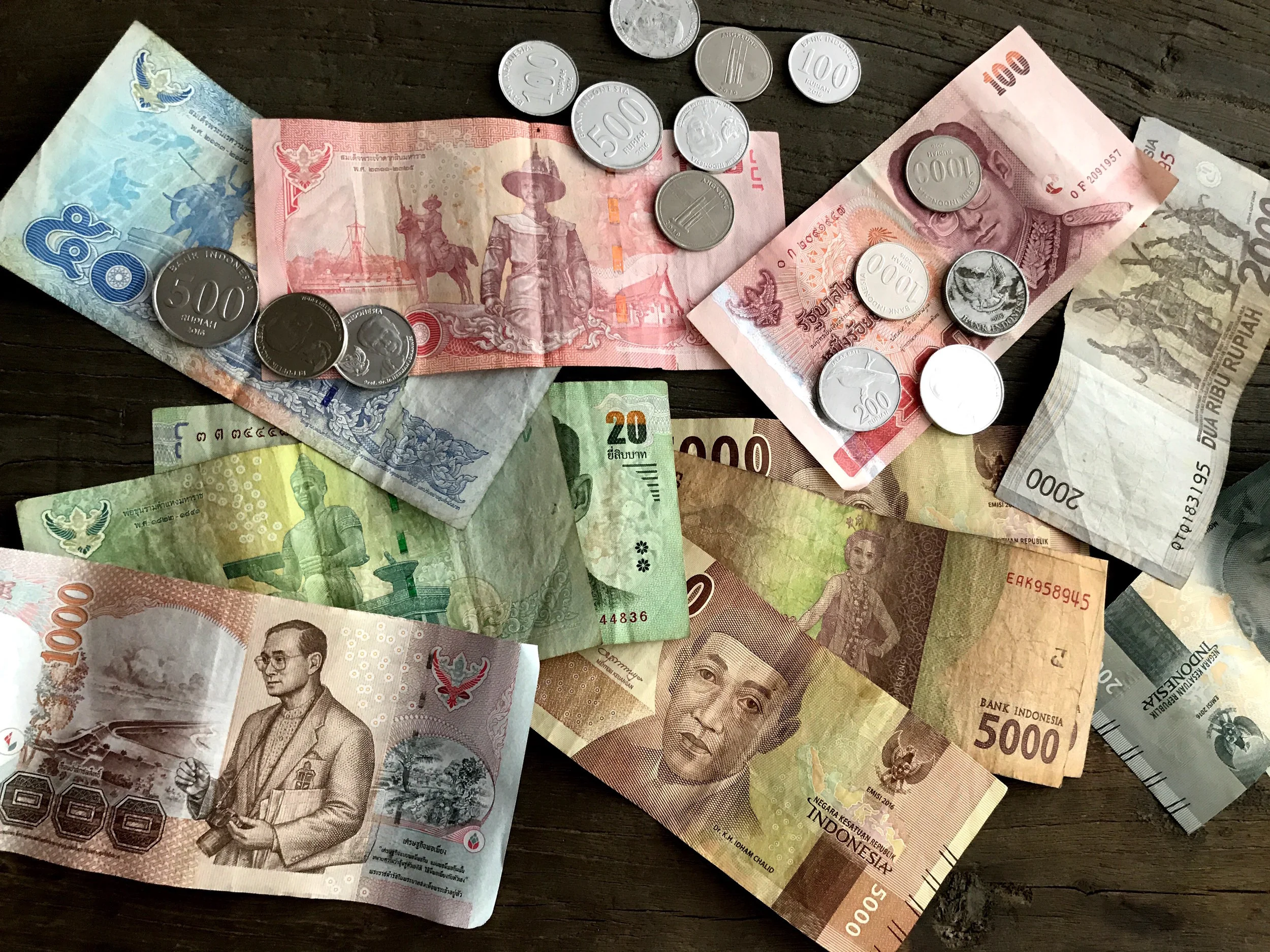
You’ll be a total baller in Bali!

You’ll be a total baller in Bali!

6. In Indonesian currency, you’ll be a multimillionaire.

Literally every time we hit the ATM, we got out the maximum amount: 1.5 million rupiah, which, at the time we visited, was only about $100.

We passed at least four Polo stores in Ubud — and they all seemed to be having a 70% off sale

We passed at least four Polo stores in Ubud — and they all seemed to be having a 70% off sale

Are these officially licensed Ralph Lauren stores? Probably not

Are these officially licensed Ralph Lauren stores? Probably not

7. There are Ralph Lauren Polo stores everywhere.

The preppy look is huge on Bali, at least among tourists. The island is lousy with Polo stores — though they might be of dubious affiliation with the brand. Walking through Ubud, we passed at least six Polo stores. Let the buyer beware: The online consensus is that these deals are too good to be true and are most likely knock-offs. –Wally

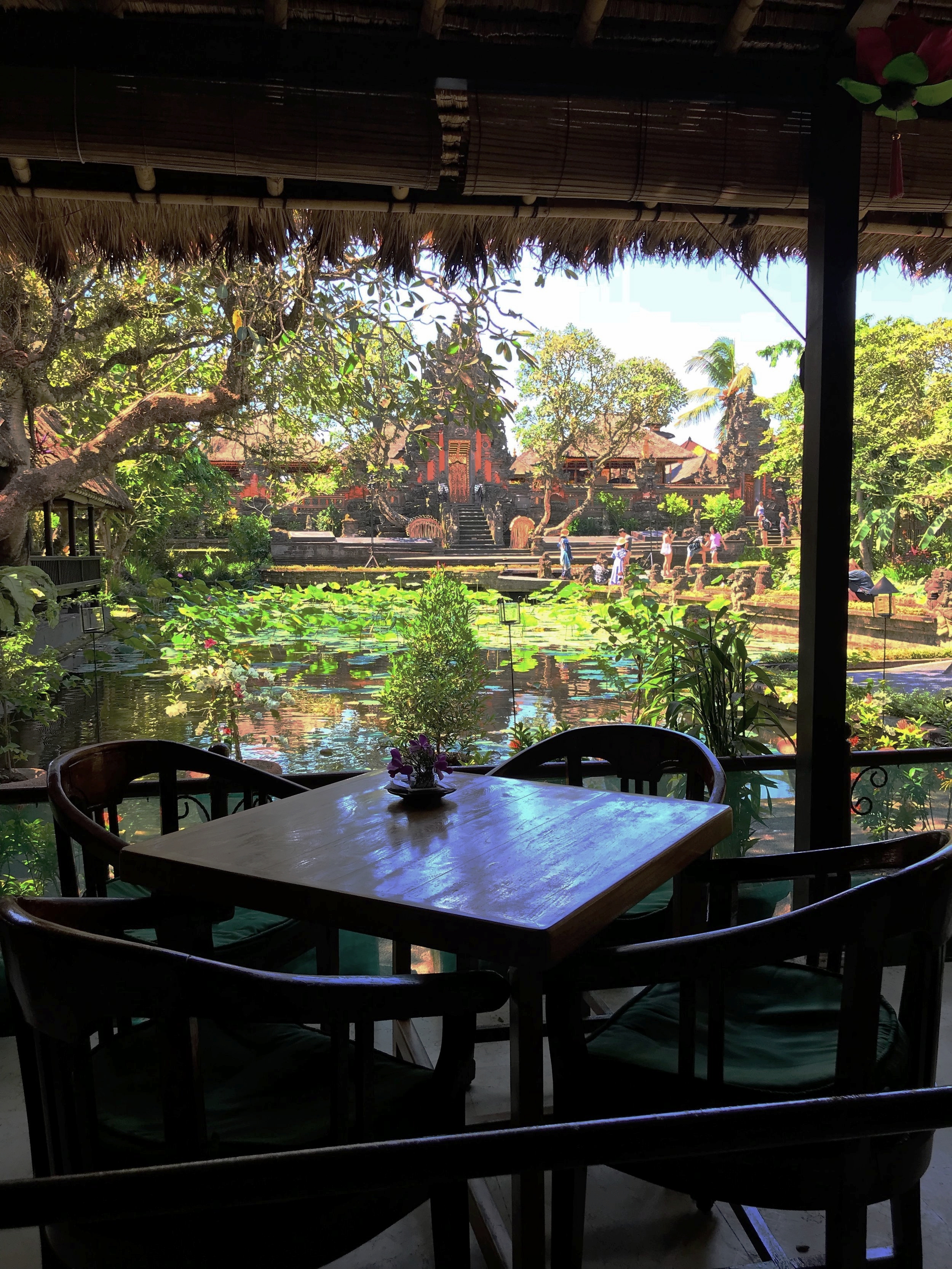
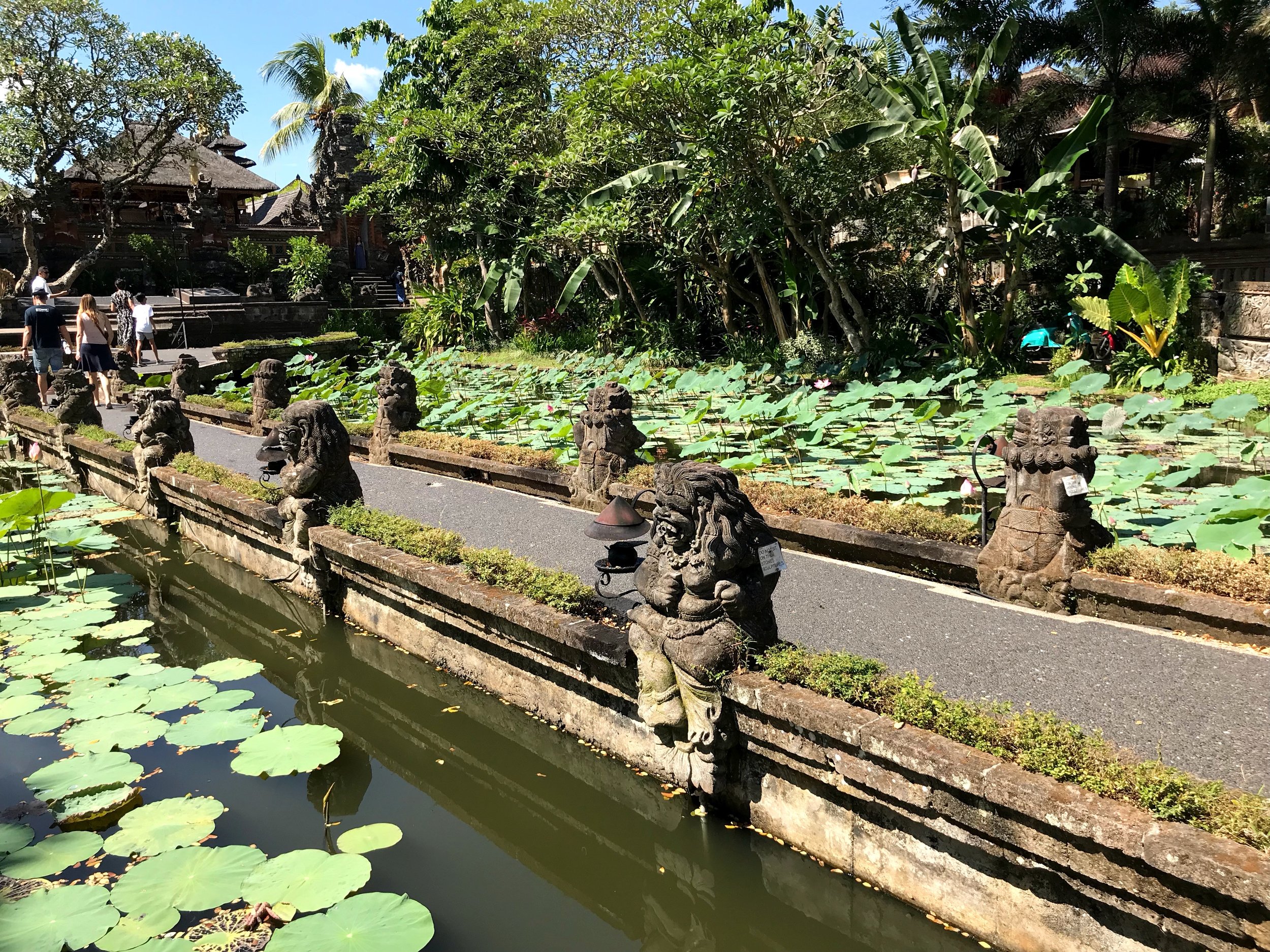
Pura Taman Saraswati: The Heart of Ubud

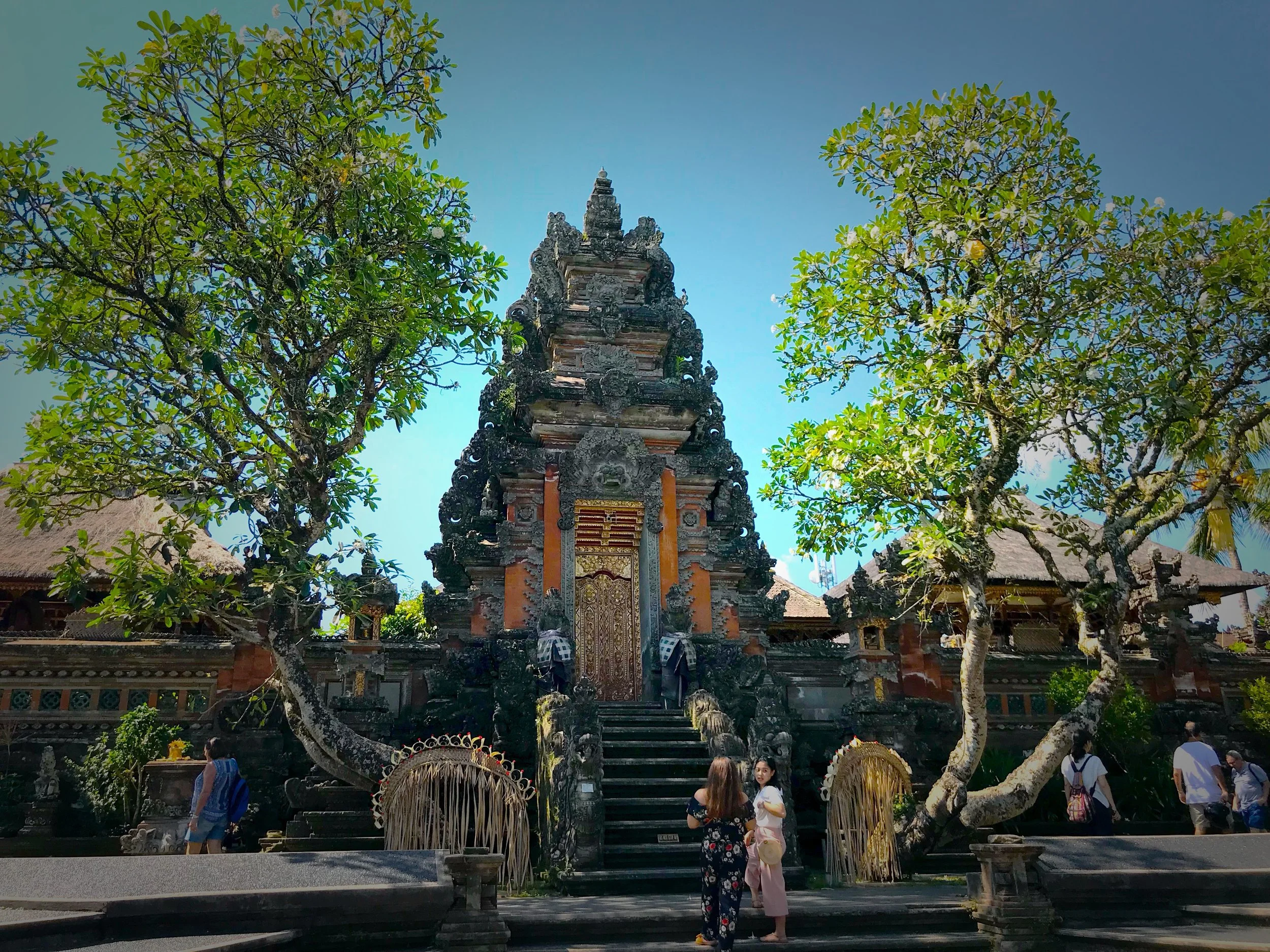
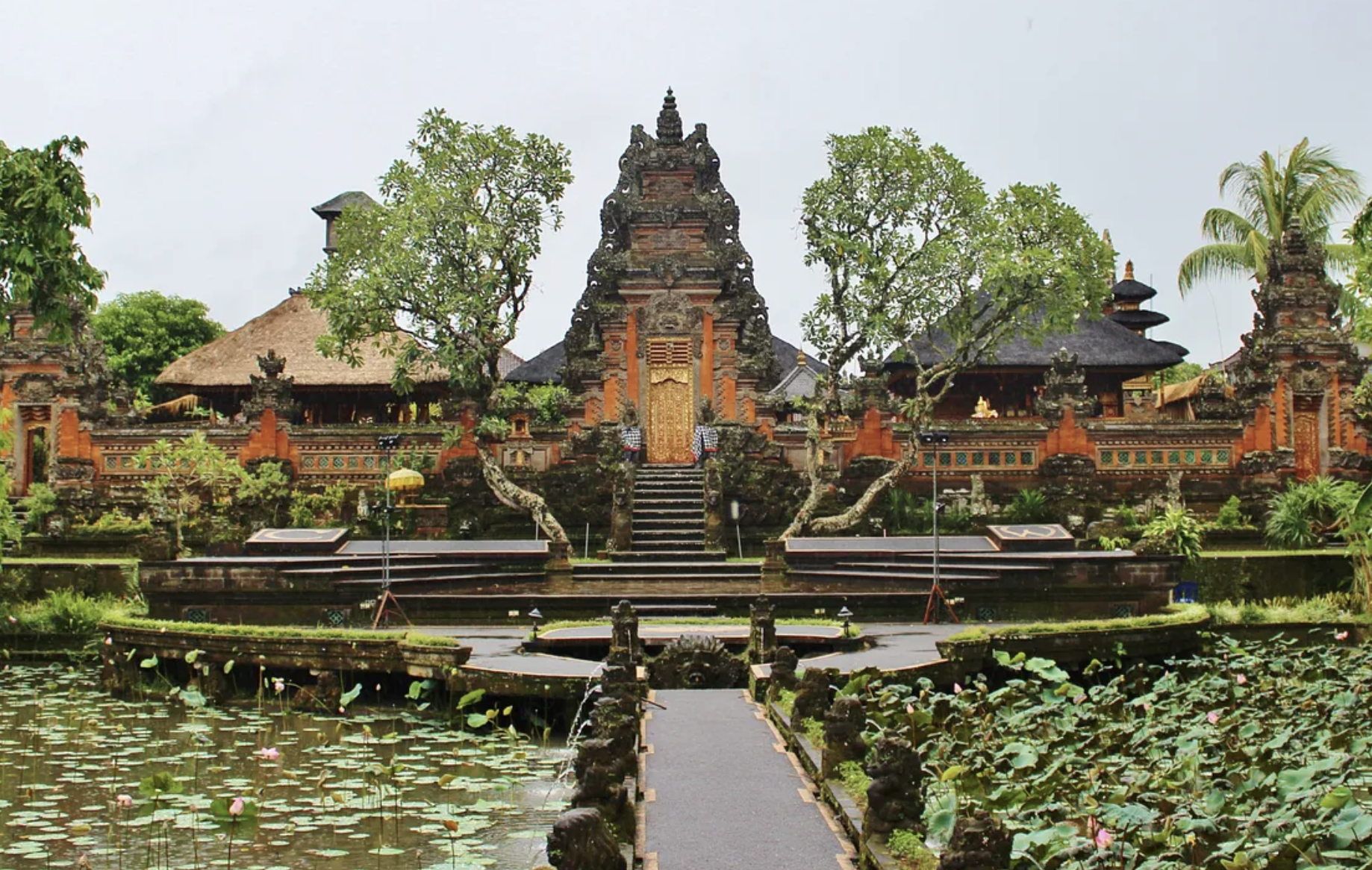
You can’t miss the Saraswati Temple, famous for its lotus pond and dedicated to the Hindu goddess of learning.

The Saraswati Temple is a peaceful oasis in Ubud

The Saraswati Temple is a peaceful oasis in Ubud

On our first afternoon exploring Ubud, Wally and I decided to grab a bite at Cafe Lotus. Our table within the café’s open-air dining pavilion had a lovely view of the pond in front of the temple. There’s an undeniably magical quality to the multitudes of vibrant pink buds rising upon their stems above the murky waters, with the bricks of the temple beyond glowing orange.

Grab a bite at Cafe Lotus and admire the view

Grab a bite at Cafe Lotus and admire the view

The temple is dedicated to Saraswati, who, according to Hindu mythology, is the divine consort of Brahma, the four-faced creator deity. Her name is a combination of two Sanskrit words, “sara,” a lake or pool, and “vati,” to possess. Loosely translated, her name means She Who Has an Abundance of Water. Originally, she took the form of the sacred Saraswati River in India. That river has since dried up, and over time, she transformed to become the patroness of knowledge, literature and the arts, the creative essence flowing within the human heart and soul.

This pathway bisects the lotus pond and leads to the temple

This pathway bisects the lotus pond and leads to the temple

Who doesn’t love a lotus?

Who doesn’t love a lotus?

It is believed that Saraswati lives on the tip of the tongue and is present whenever words are spoken. She is the goddess of speech, and her blessings are invoked through the mantras written on sacred traditional palm leaf manuscripts, known as lontar. She is often depicted with four arms, seated upon a swan or lotus flower. In her hands she holds a lute, prayer beads and a lontar, representing the intellect, alertness and ego.

The temple is dedicated to the Hindu goddess Saraswati, patroness of learning and the arts

The temple is dedicated to the Hindu goddess Saraswati, patroness of learning and the arts

Pura Taman Saraswati

Prince Tjokorda Gede Agung Sukawati commissioned the temple, which was designed by the Balinese artist Gusti Nyoman Lempad. Construction began in 1951 and was completed the following year. Under patronage of the royal family, Lempad played an important role in the design and construction of palaces and temples throughout Ubud and its neighboring villages. When Lempad died in 1978, he was believed to have been 116 years old.

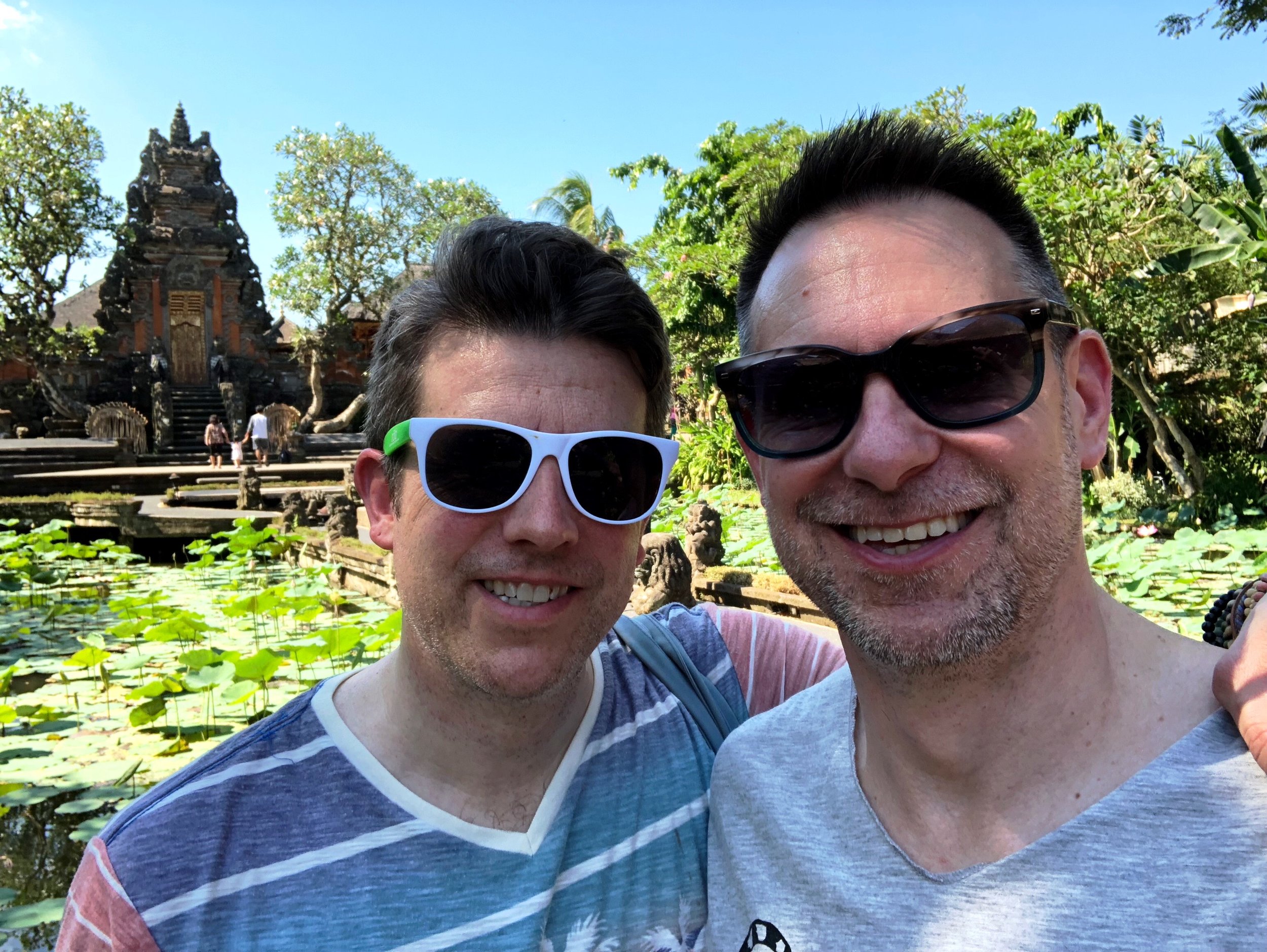
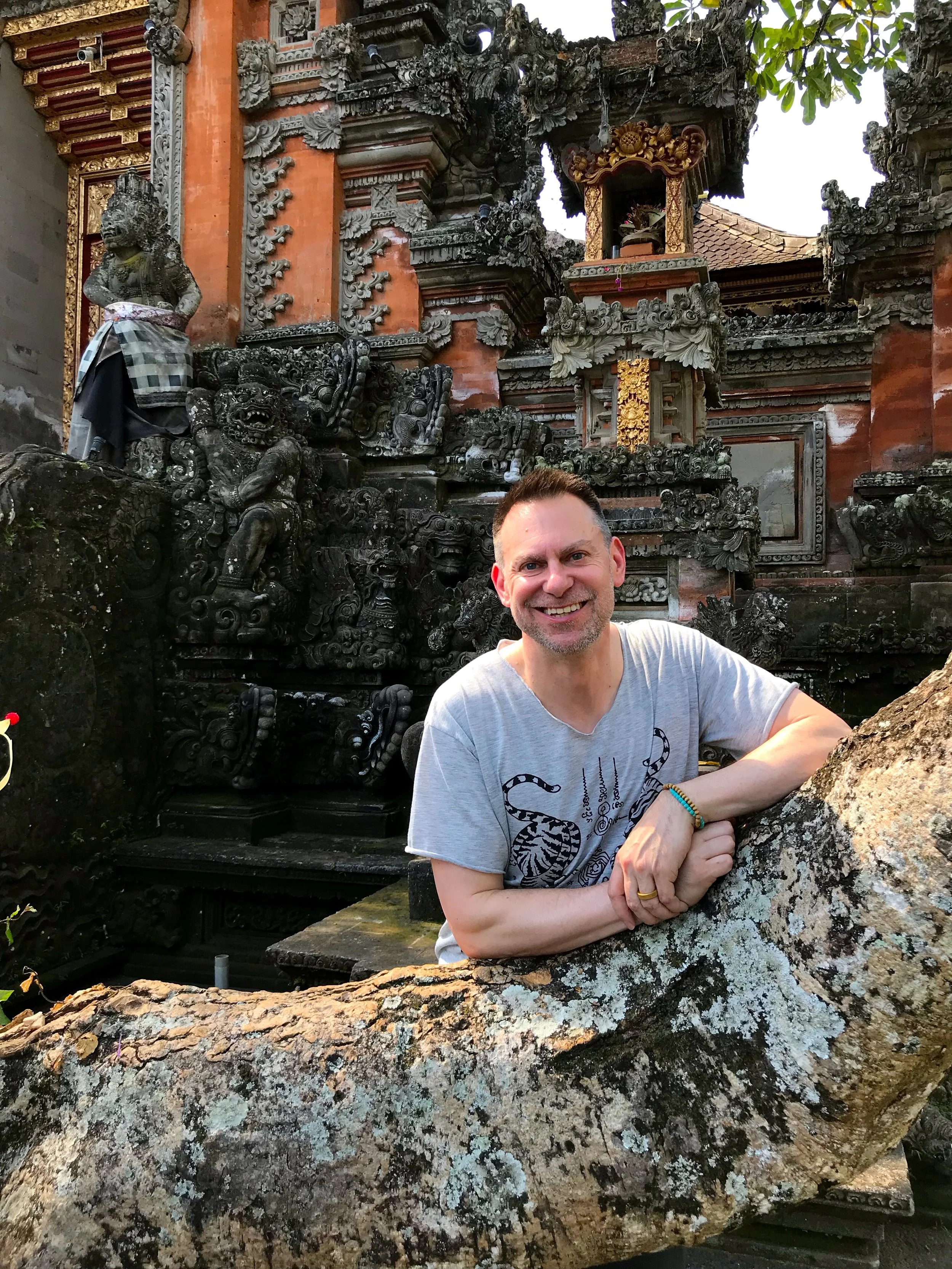
Wally and Duke in front of the temple and pond

Wally and Duke in front of the temple and pond

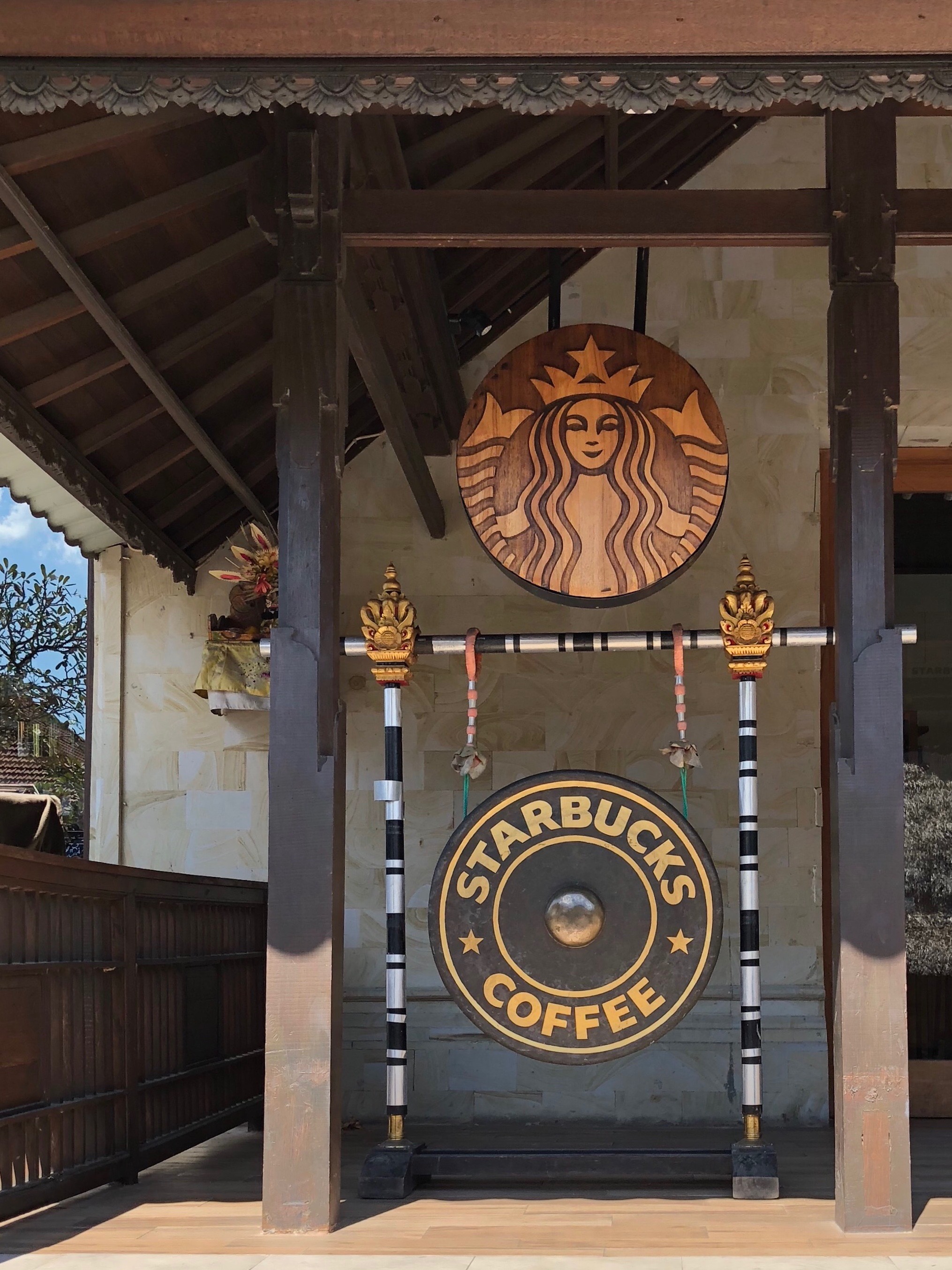
There’s a Starbucks right in front of the temple. Grab a venti iced latte on the way out!

There’s a Starbucks right in front of the temple. Grab a venti iced latte on the way out!

The temple is easy to find, sandwiched between Cafe Lotus and a Starbucks off the main thoroughfare of Ubud. To enter the grounds, cross a footbridge that bisects the scenic lotus ponds. The path is flanked by theatrical and grotesque sculptures of Hindu mythological figures, many of which are the original works of Lempad himself.

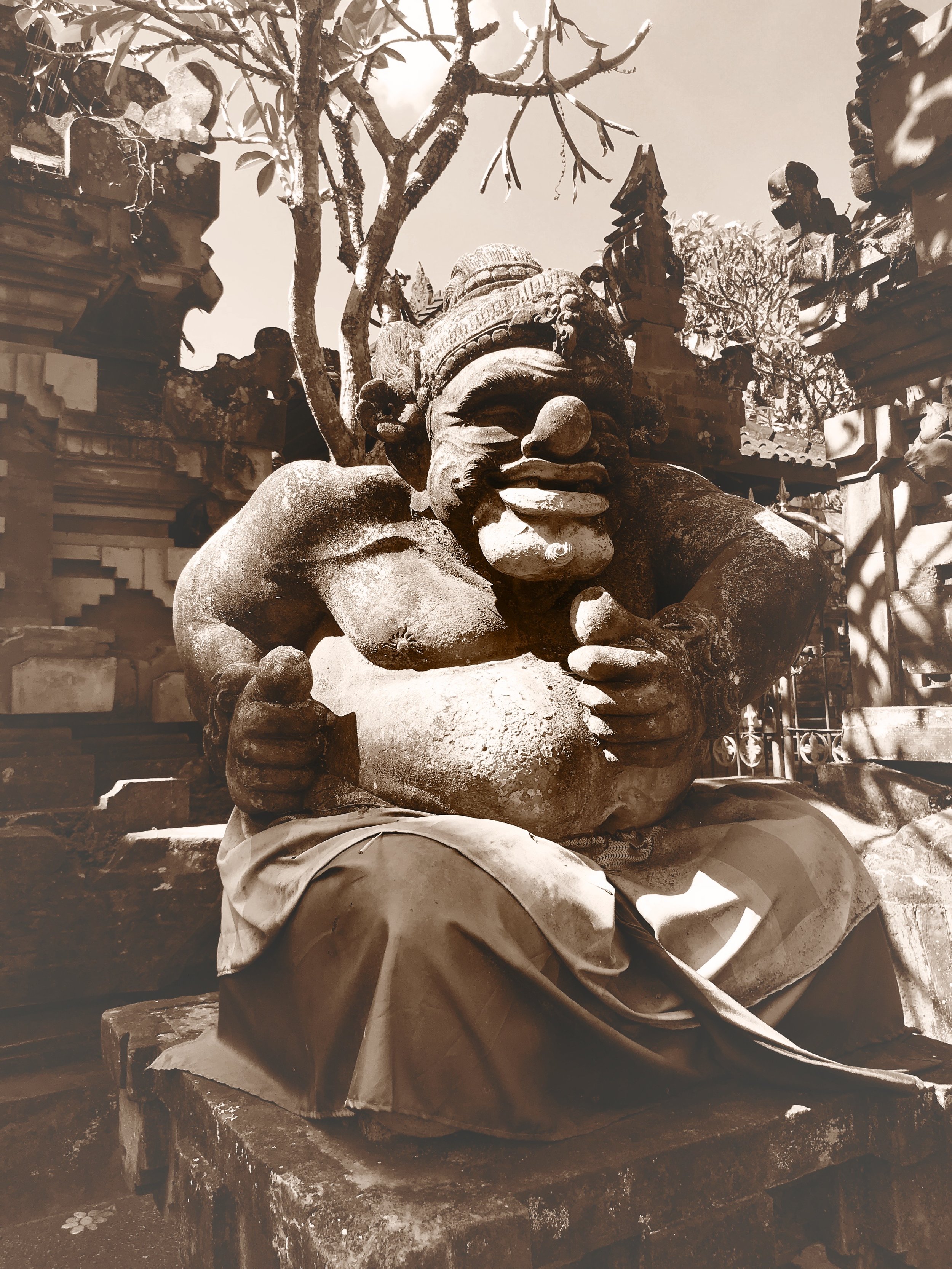
Grotesque statues like this one are characteristic of Gusti Nyoman Lempad’s style

Grotesque statues like this one are characteristic of Gusti Nyoman Lempad’s style

Lempad carved many of the statues and was the architect of the temple

Lempad carved many of the statues and was the architect of the temple

Wally and I were only able to explore the front platform of Pura Taman Saraswati, as the inner courtyard was closed to visitors. The temple exterior is a traditional assemblage of orange-red bricks embellished with gray volcanic stone ornamentation. A towering central gate known as a paduraksa stands at its center. A pair of intricately carved wooden doors functions as a symbolic boundary marker between the outer world and the temple’s sacred interior.

The central gate into the sacred interior of the temple was locked every time we visited

The central gate into the sacred interior of the temple was locked every time we visited

Gold detailing on the temple doors features heads of guardian spirits

Gold detailing on the temple doors features heads of guardian spirits

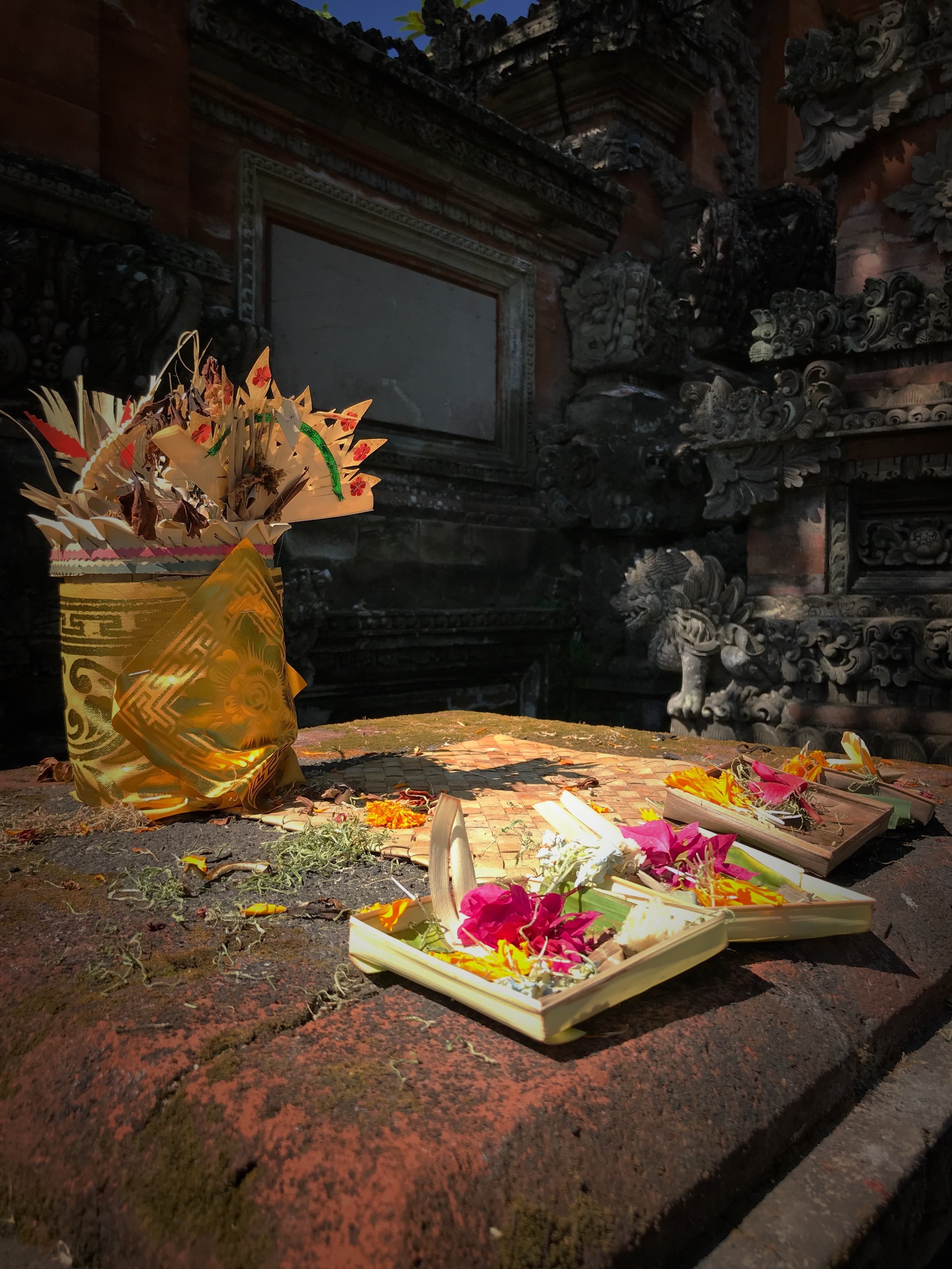
On either side of the main gate at Pura Taman Saraswati are two tall frangipani trees whose gnarled branches and dark green leaves grow outwards and upwards like a pair of wings. When in bloom, these trees produce small, fragrant white flowers with yolk-yellow centers. The flowers are called jepun in Bali and are commonly used in the daily devotional offerings to the gods known as canang sari.

People leave offerings of flowers for Saraswati

People leave offerings of flowers for Saraswati

As Saraswati is associated with the arts, it’s fitting that the courtyard serves as an open-air stage for nightly kecak performances, traditional stories depicting the constant struggle between good and evil, told through dance.

W is for Wally

W is for Wally

Duke branches out at Pura Taman Saraswati

Duke branches out at Pura Taman Saraswati

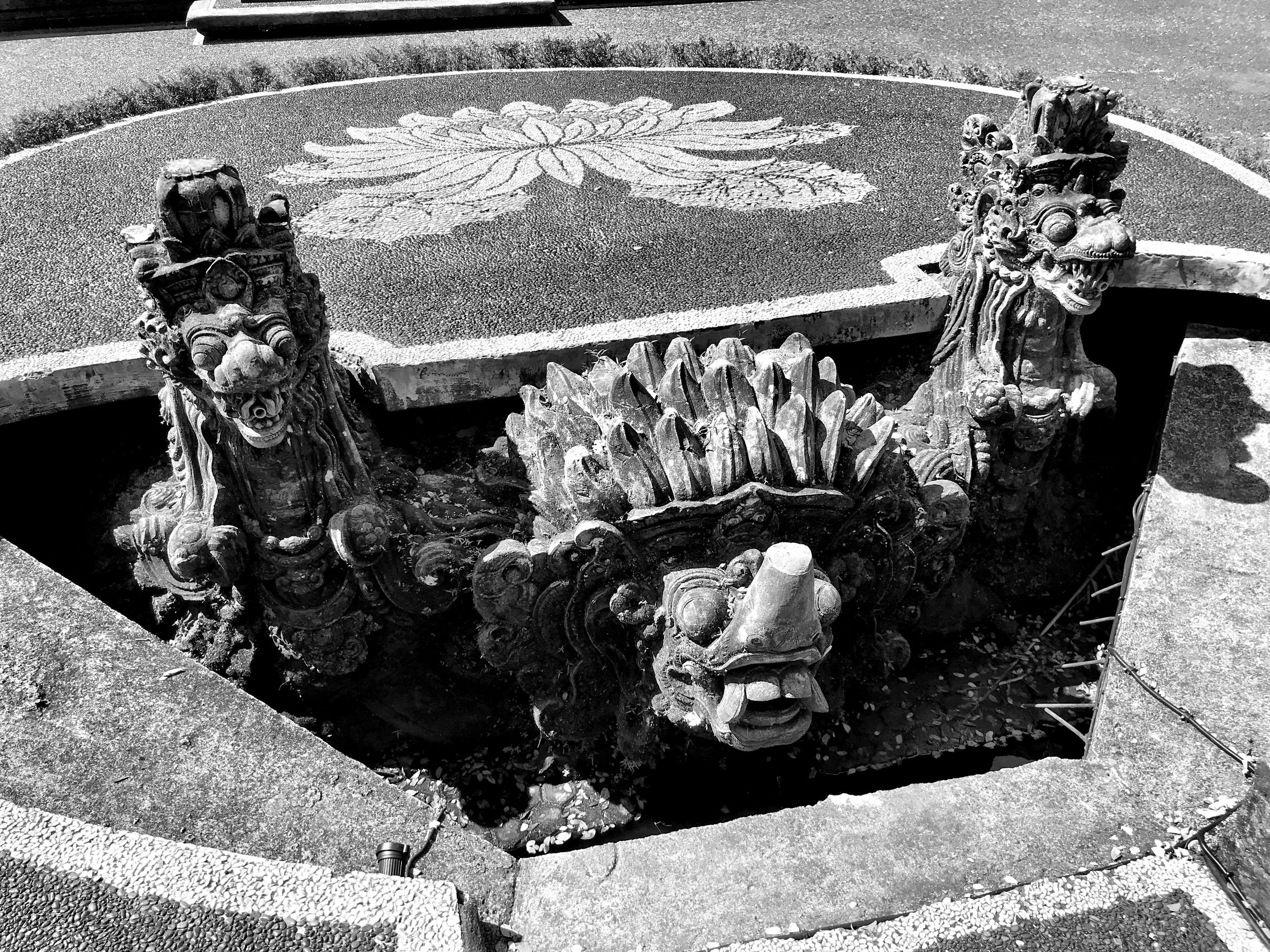
On a platform in front of the temple, a spiny-backed turtle flanked by two dragon-looking creatures emerge from below

On a platform in front of the temple, a spiny-backed turtle flanked by two dragon-looking creatures emerge from below

On the couple of occasions we visited, we entered directly from Jalan Raya, the main street that runs through the center of Ubud. The water temple is apparently also accessible from Jalan Kajeng, which runs perpendicular to Jalan Raya. No matter how you arrive there, it’s a peaceful oasis amid the throngs of tourists and worthy of a quick visit. –Duke

The Saraswati Temple in Ubud

The Saraswati Temple in Ubud

Pura Taman Saraswati
Jalan Kajeng
Ubud
Kabupaten Gianyar
Bali 80571
Indonesia

The Mysterious Cliff Shrines of Candi Gunung Kawi

Make the long trek down to the enigmatic “Valley of the Kings” in Tampaksiring on Bali.

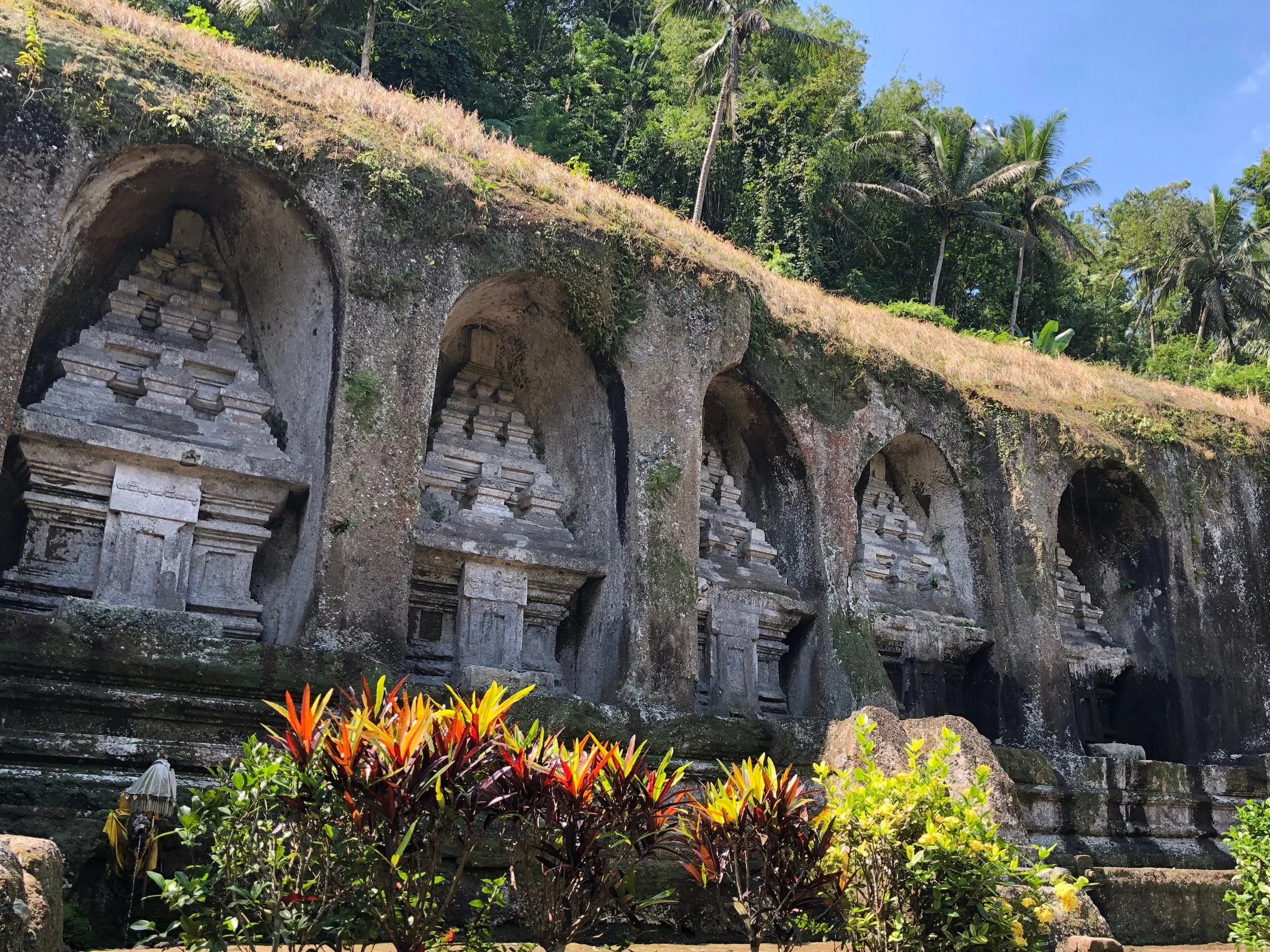
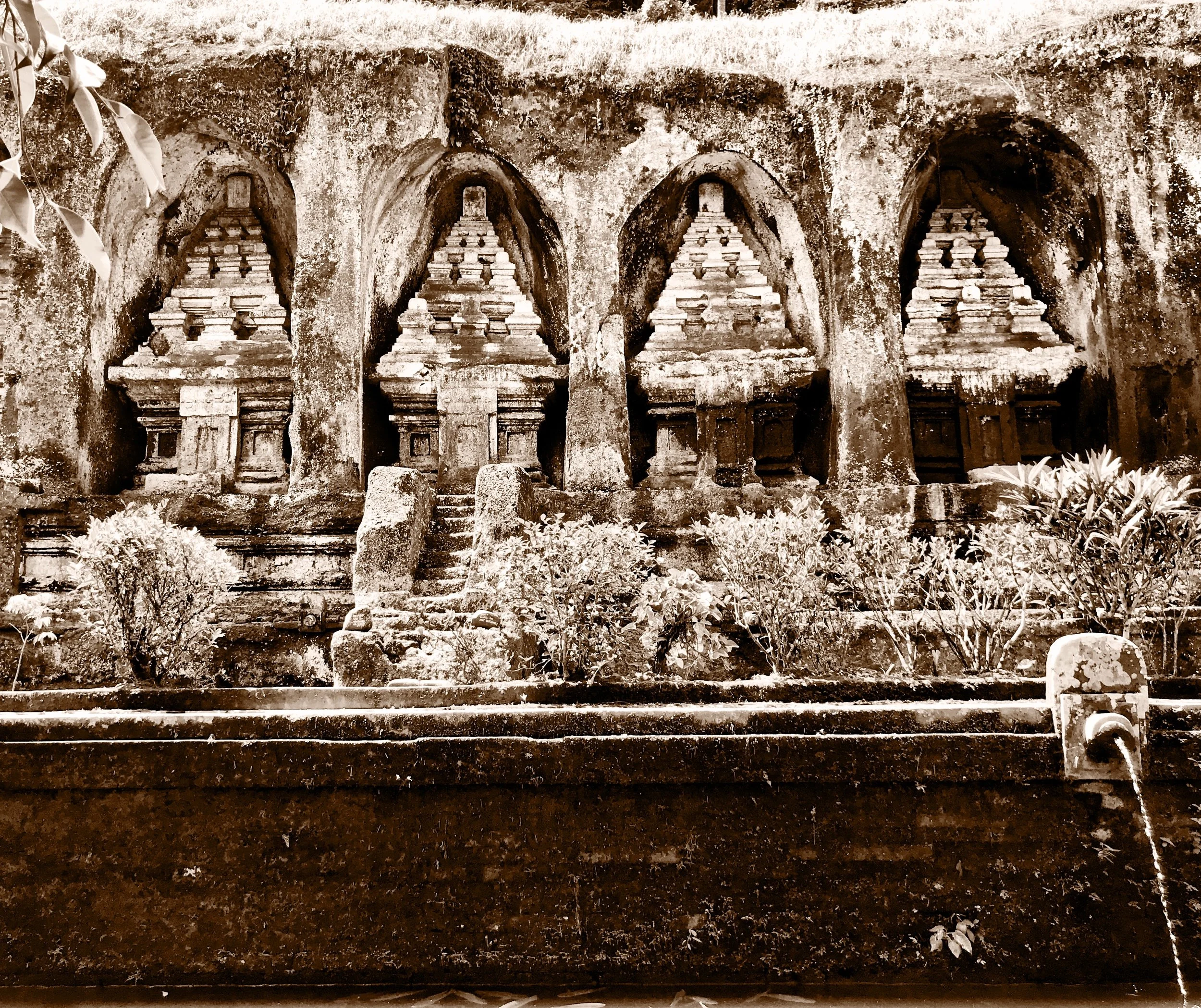
When the king died, his wives were ceremoniously killed — and they were all honored with these memorial shrines

When the king died, his wives were ceremoniously killed — and they were all honored with these memorial shrines

After paying the admission fee of 15,000 rupiah (just $1), Wally and I made our way down the hundreds of steep stone steps leading to the 11th century funerary complex of Gunung Kawi. Its name literally translates as Mountain of the Poets, taken from an ancient literary language used by poets and Brahmin high priests.

When we finally arrived at the the river valley below, after a long walk through the sweltering heat, we entered a lush, green oasis — the colors all the more vibrant against the contrast of the gray basalt cliffs.

A mighty giant warrior named Kebo Iwa is said to have carved out the entire group of shrines in one night with his fingernails.
A typical split gate found at many Balinese temples

A typical split gate found at many Balinese temples

The 10 memorials were created for royal family members — and their concubines

The 10 memorials were created for royal family members — and their concubines

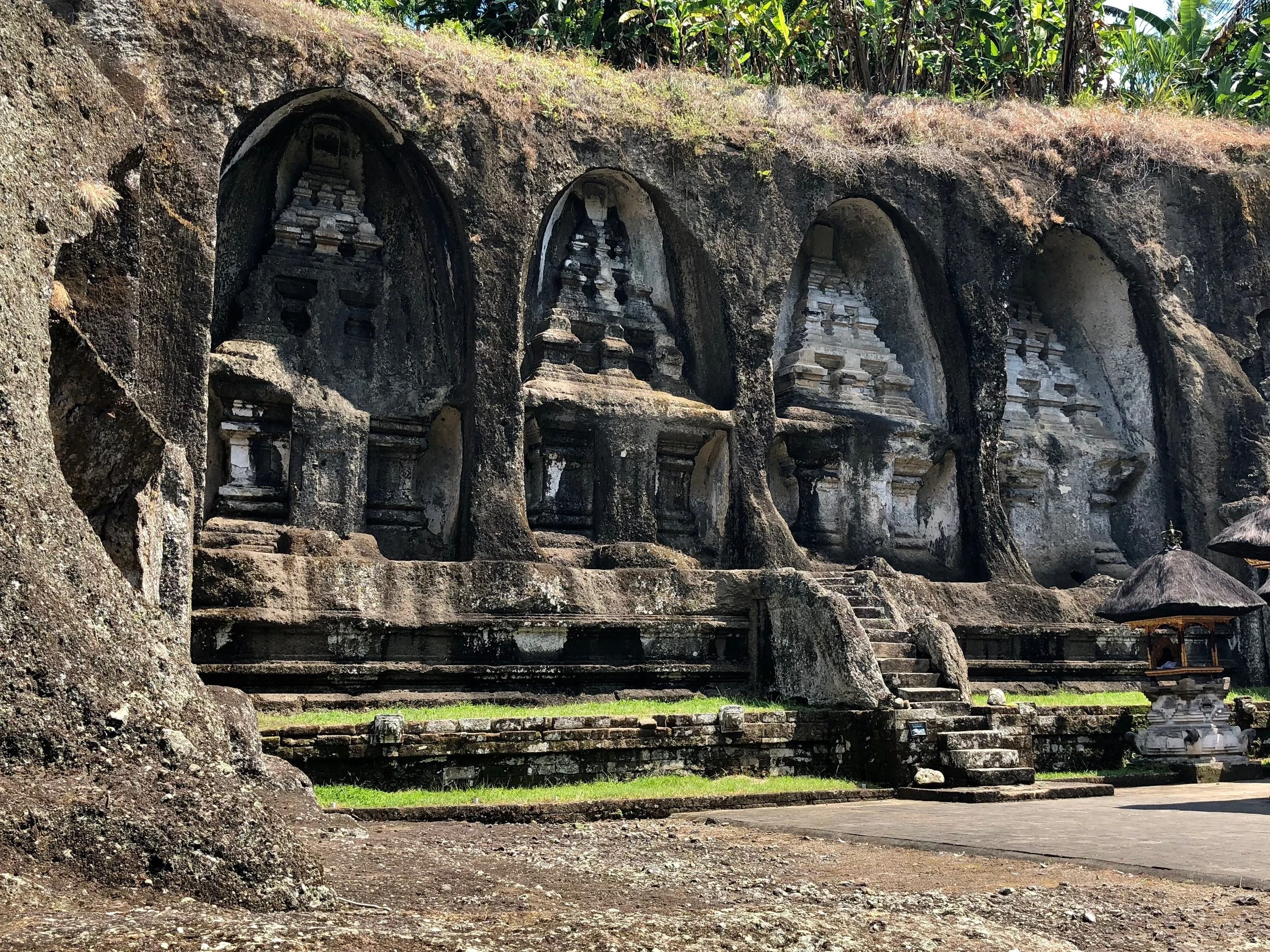
The complex consists of 10 slender 23-foot-high memorials shaped like candi, ancient burial towers, which have been carved directly into the igneous rock face. Each temple façade is framed within an arched niche: Four stand on the west side and five on the east, separated by the sacred Pakerisan River.

An interesting Balinese folktale attributes the entire group to a mighty, mythical giant warrior named Kebo Iwa, who, according to legend, carved out the entire group in one night with his fingernails. He’s also credited with the creative of the monster mouth cave of Goa Gajah. In reality, these magnificent structures were sculpted from the top down by hand, most likely using only pickaxes, hammers and chisels.

The shrines were carved right into the cliffs

The shrines were carved right into the cliffs

Candi Land

Although the monuments remain a mystery, it has been speculated that they were built to honor King Anak Wungsu, who ruled in Tampaksiring from 1049 to 1077. An inscription found above the central shrine on the east side mentions that the king, whose name isn’t given, made a temple here. The additional shrines were for his favorite wives, who would have ceremonially committed suicide after his death.

Another theory amongst historians is that the candi were commissioned by Anak Wungsu to honor his father, King Udayana, his mother, Queen Mahendradatta, and his brothers Airlangga and Marakata (along with himself), with the remaining four dedicated to his concubines.

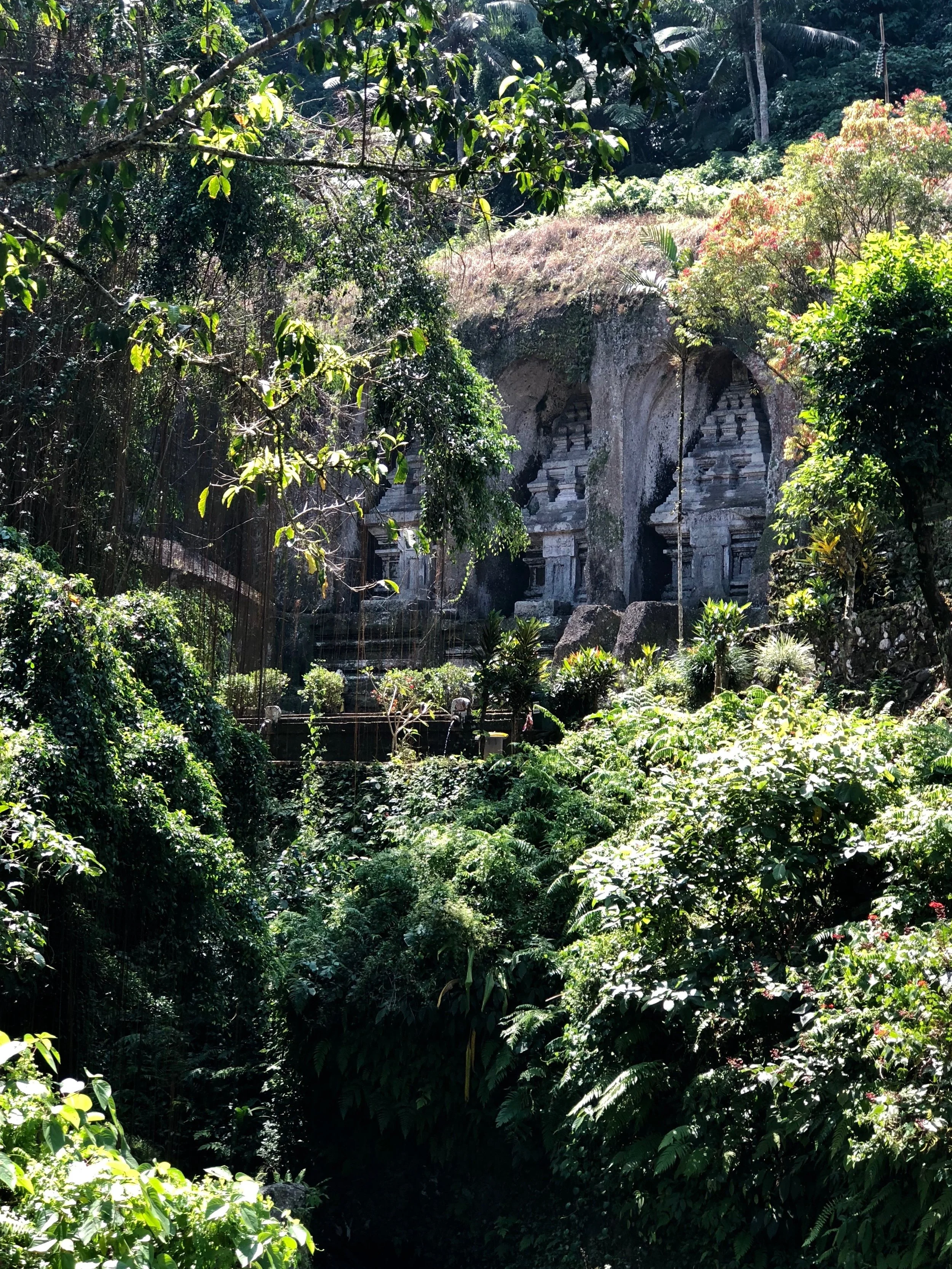
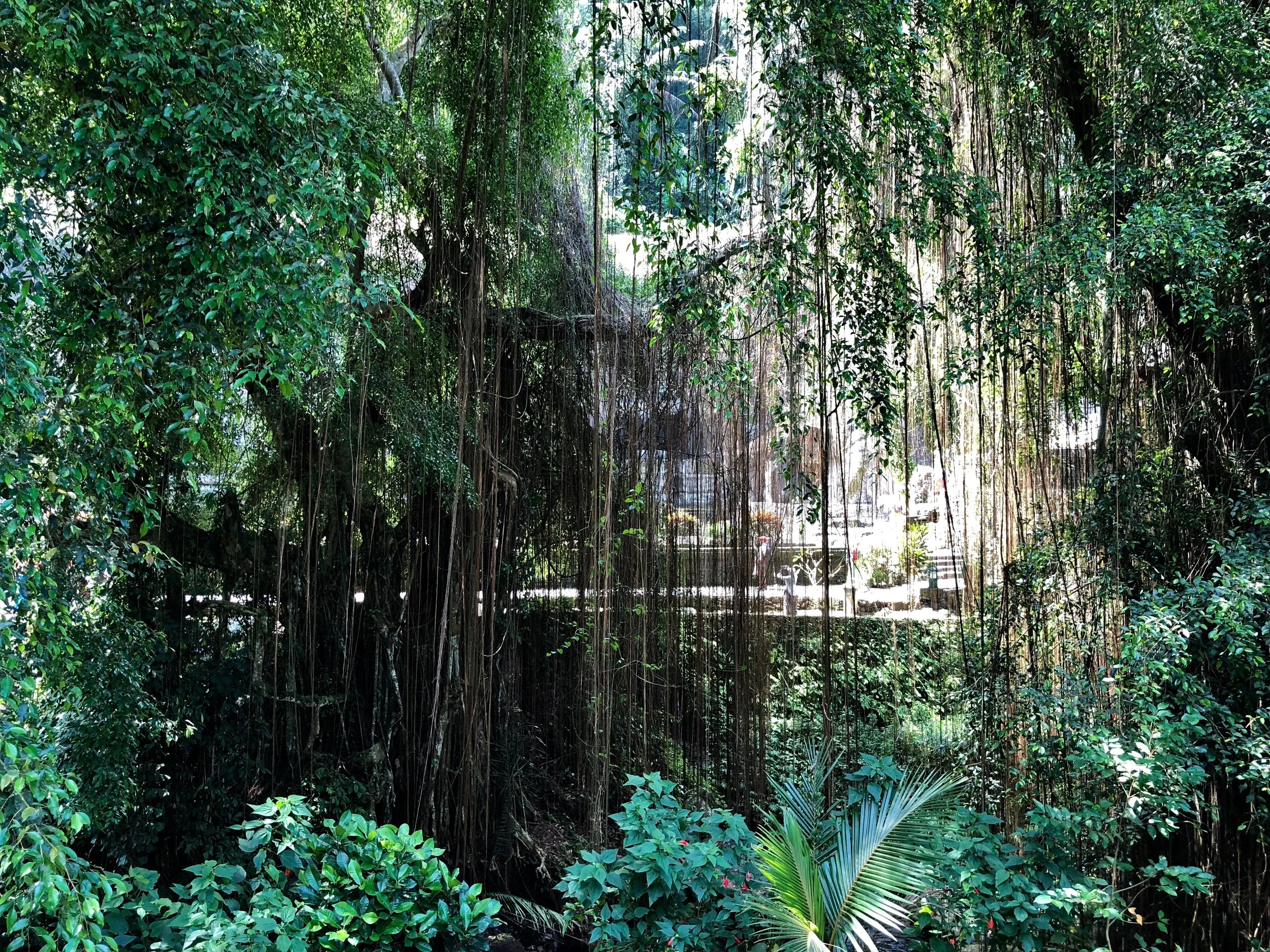
The other side of the river can be seen through curtains of banyan roots

The other side of the river can be seen through curtains of banyan roots

When so little is known for certain, anything is possible. In any event, the candi at Gunung Kawi resemble the free-standing shrines of East Java and were built as an abode for the souls of deceased royalty. Their residences have steps leading to false doors. To the right of the monuments are five cells carved into the rock, where the caretakers formerly stayed.

The caretakers didn’t get the best digs — they lived in these caves

The caretakers didn’t get the best digs — they lived in these caves

Eye Candi

Wally and I followed the stone bridge across the Pakerisan River, which gurgles and flows through the center of the complex. The five main funerary monuments remained partly obscured by a copse of trees and gradually came into full view.

A river separates the two sides of Gunung Kawi

A river separates the two sides of Gunung Kawi

The Pakerisan River is considered sacred on Bali

The Pakerisan River is considered sacred on Bali

The location felt like the setting for an Indiana Jones adventure. Whatever its origin, I found myself gazing up at the five rock-hewn memorial shrines before us, taken in by the mystical atmosphere of ancient legends and long-lost tales of forgotten Balinese kings.

Behind Duke is the waterfall that’s across the river at one end of the complex

Behind Duke is the waterfall that’s across the river at one end of the complex

Wally takes a break on all those damn stairs!

Wally takes a break on all those damn stairs!

What was not so magnificent was the brutal climb back up to the parking lot. Suffice to say, that it would not be accessible to anyone who is mobility impaired.

Because this is a sacred site, be sure to bring a sarong. If you don’t have one, they’re available for rent at the ticket kiosk. –Duke

gunungkawisepia.JPG

Candi Gunung Kawi
Banjar Penaka
Tampaksiring
Gianyar, Bali 80552
Indonesia

Cold Soup Recipe: Carrot and Healing Roots Bisque With Crostini

Beat the heat with this bright and refreshing vegan chilled soup that will transport you to the enchanting open-air pavilion of Herb Library in Ubud, Bali.

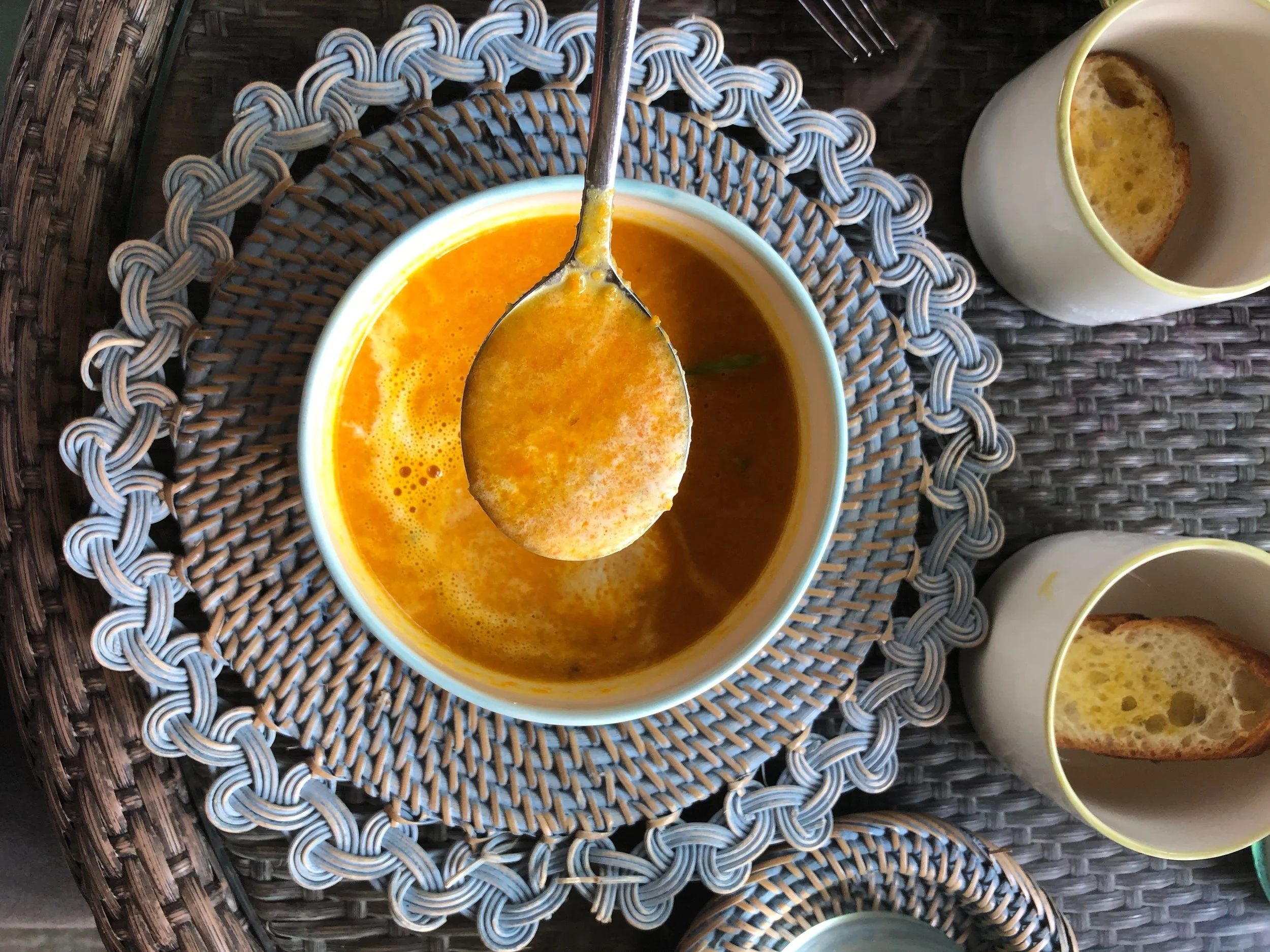
Can’t stand the heat? Whip up a batch of this refreshing cold soup we first had in Bali

Can’t stand the heat? Whip up a batch of this refreshing cold soup we first had in Bali

This past week brought some hot and humid days, a little reminder that the dog days of summer have arrived in Chicago. Naturally, I found myself wanting to be cooler and craving the creamy, chilled carrot and healing roots bisque I enjoyed when Wally and I dined at Herb Library in Ubud, Bali this past spring. Their menu is an extension of the Alaya Jembawan Resort’s wellness concept and features healthy and delicious options.

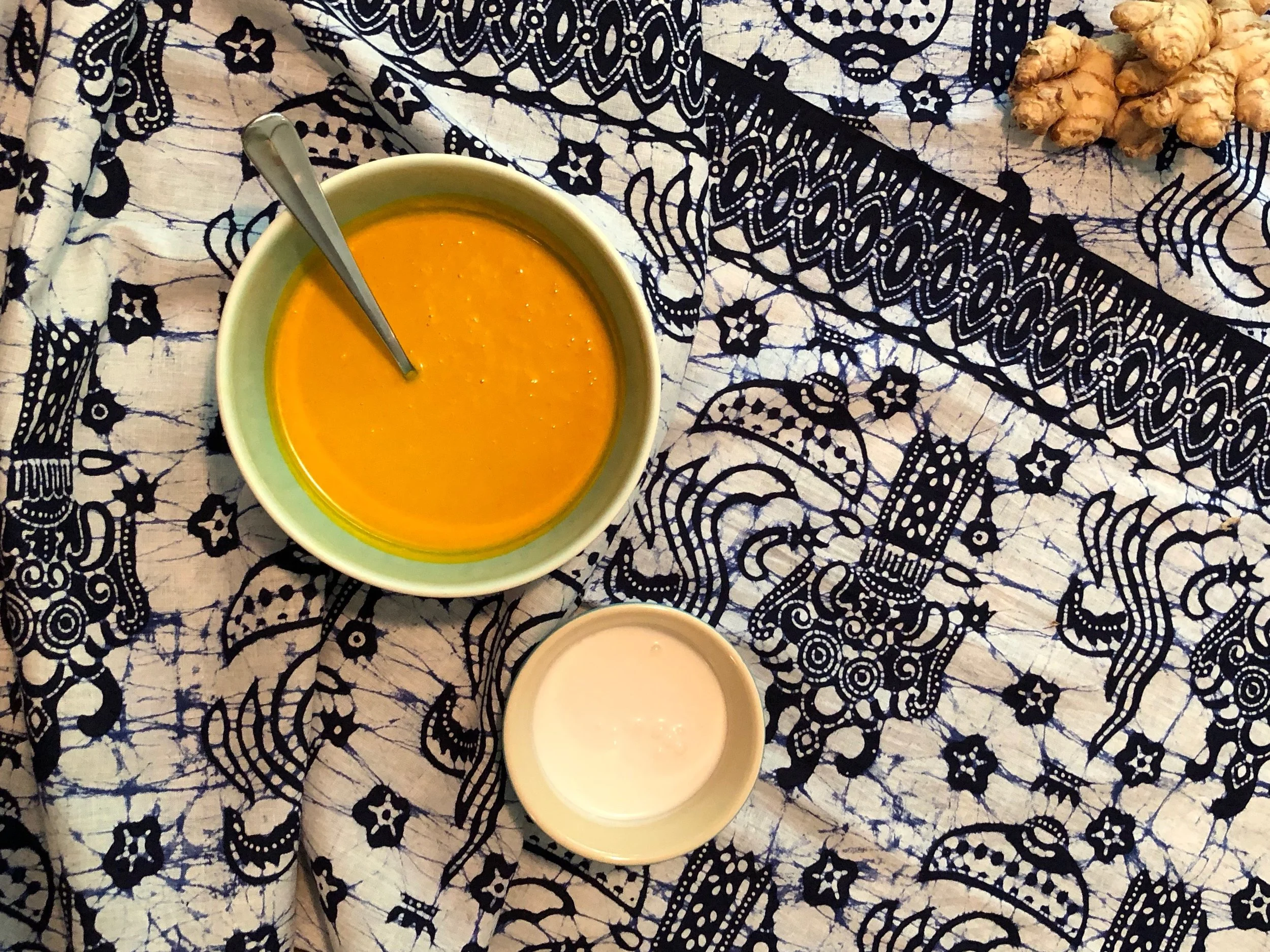
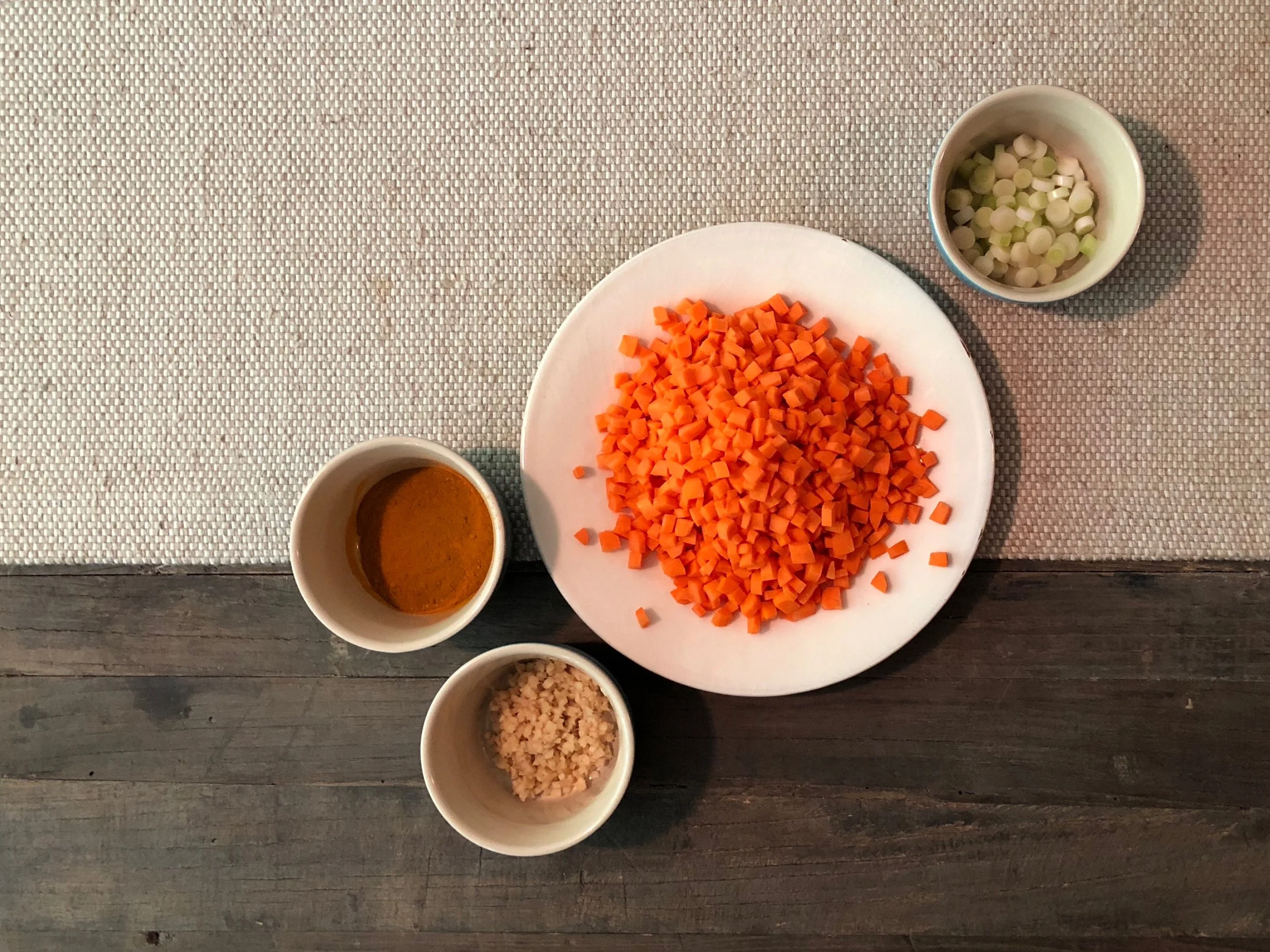
The bisque was silky smooth, light and delicious, like the brightness of the Balinese sun in a bowl. Ginger, galangal, garlic and earthy turmeric give the soup its complex layers, while carrots serve as the foundation. Carrots are high in beta-Carotene, which works inside our bodies as an antioxidant, while ginger, galangal and turmeric purge toxins and reduce inflammation. Plus, with a bit of prep, these nutritious ingredients cook up quickly, and when blitzed in a blender, give the soup a velvety texture.

The bisque is silky smooth, light and delicious, like the brightness of the Balinese sun in a bowl.

This recipe was kindly provided by Herb Library’s executive sous chef, Wayan Adhe Suwetha. The soup is substantial enough on its own, but can be served with crostini and a mixed greens salad. I like to finish mine with a good dollop of plain yogurt or swirl of coconut milk to round out the flavors.

Servings: 4

Turmeric, garlic, galangal, ginger, carrots and green onions form the base of this summertime bisque

Turmeric, garlic, galangal, ginger, carrots and green onions form the base of this summertime bisque

Ingredients

  • 2 tablespoons virgin coconut oil
  • 3½ tablespoons green onion, white part only
  • 4 cups carrots (about 1½ lbs), peeled and finely diced
  • 1 tablespoon garlic
  • 1 tablespoon fresh ginger, minced
  • 1 tablespoon fresh galangal, minced
  • pinch of grated kencur
  • pinch or more of red pepper flakes
  • ⅛ teaspoon salt
  • ⅛ teaspoon ground pepper
  • pinch of cinnamon
  • 1 tablespoon turmeric
  • 4 cups water
     

Preparation

Melt coconut oil in a large pot over medium-high heat.

Add the whites of green onions, ginger, galangal and garlic. Sauté 2 minutes, until glossy.

Add carrots and spice mixture. The kencur is optional but adds another layer to this soup. I purchased mine online through Épices de Cru. Sauté 1 minute, stirring to coat carrots.

Add 4 cups water and bring to a boil. Reduce heat, cover partially and simmer until carrots are very tender, about 20 minutes. Cool slightly.

Purée soup in batches until smooth. Season with salt and pepper.


I recommend making it a day ahead — that way you get more depth of flavor and it’ll be properly chilled.

If the soup is too thick, thin with more water.

Ladle into bowls. Serve with crostini and salad.


Crostini

Ingredients

  • 12 day-old baguette slices, ¼ inch thick
  • ¼ cup unsalted butter, melted
  • chives, to taste
  • garlic, to taste


Preparation

Preheat oven to 350ºF. Mix in chives and garlic to melted butter. Brush both sides of bread with butter. (Try olive oil instead to keep this recipe vegan.) Place in a single layer on a baking sheet.

Bake until golden brown, about 15 minutes, turning halfway through baking. –Duke


GET COOKING: More recipes

Goa Gajah: An Easy Ubud Day Trip

The so-called Elephant Cave has an iconic and demonic gaping cave mouth.

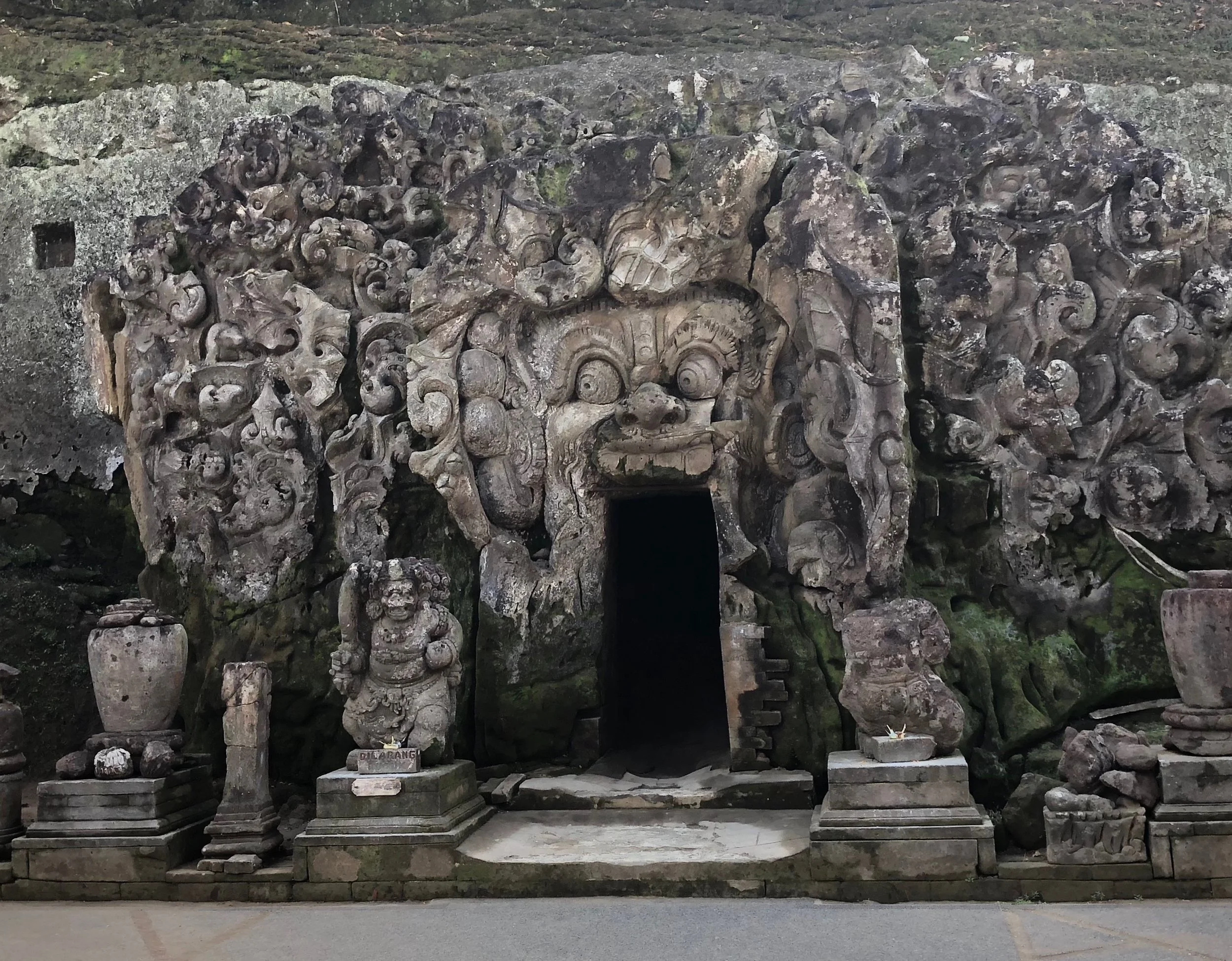
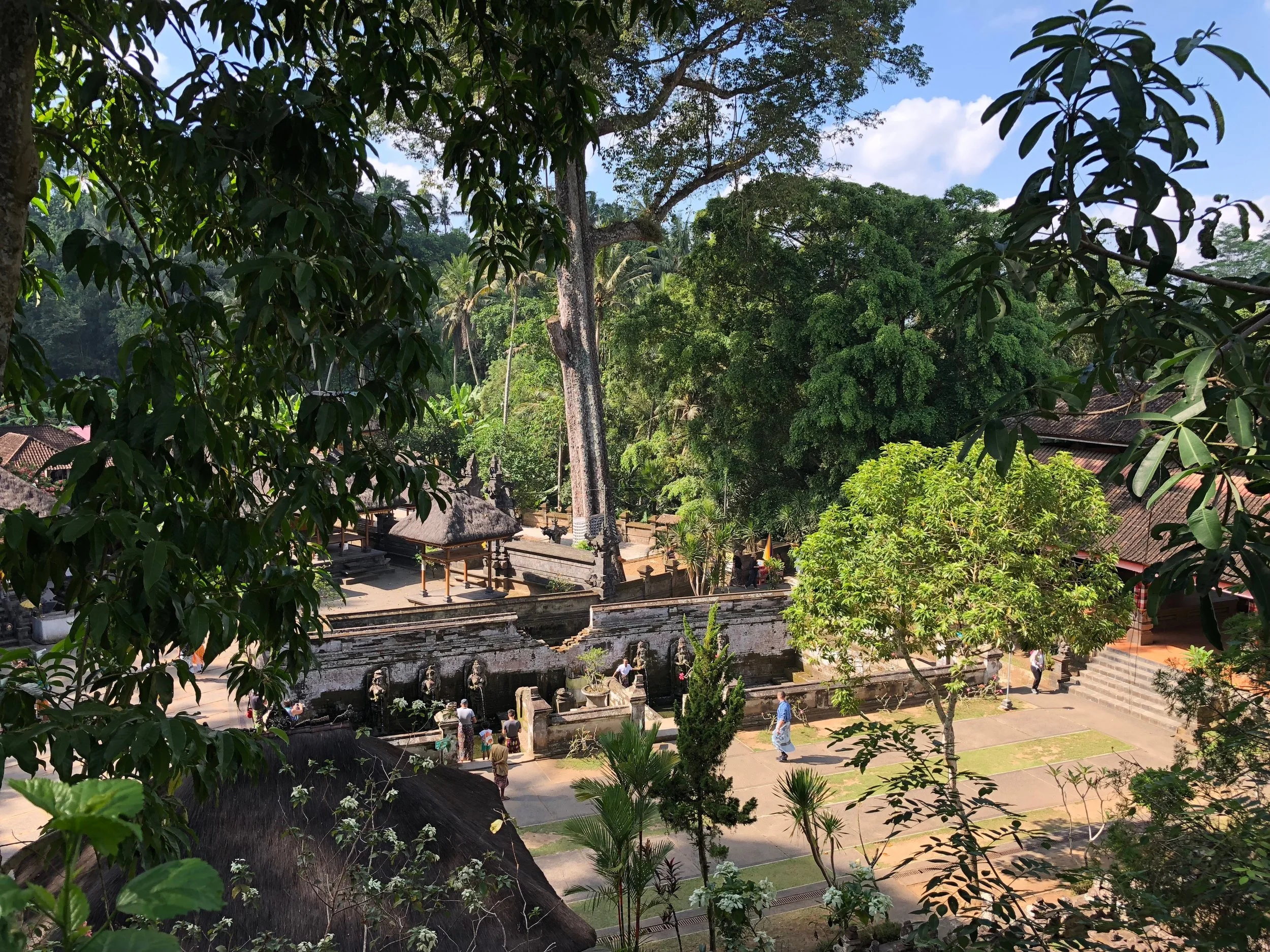
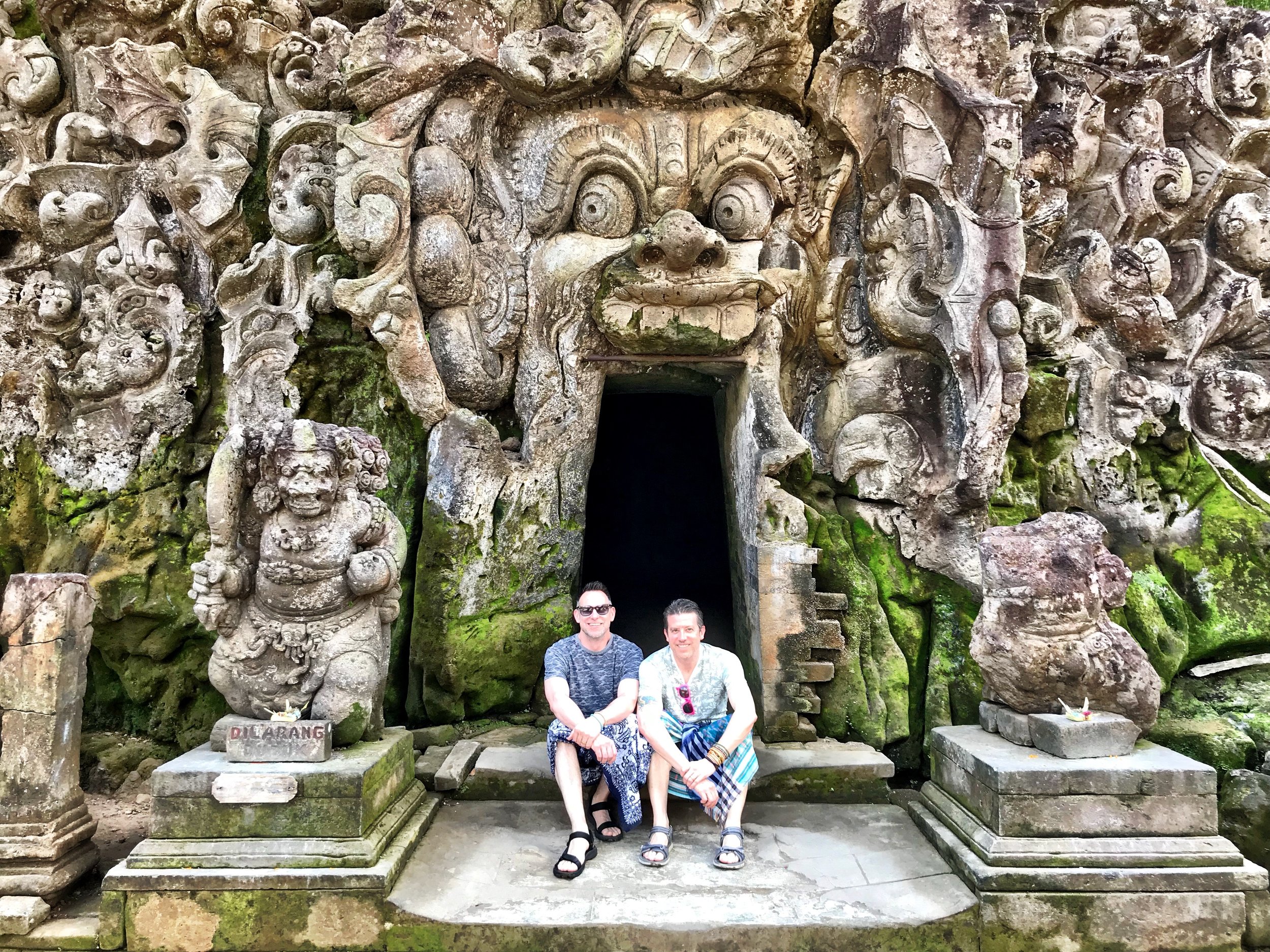
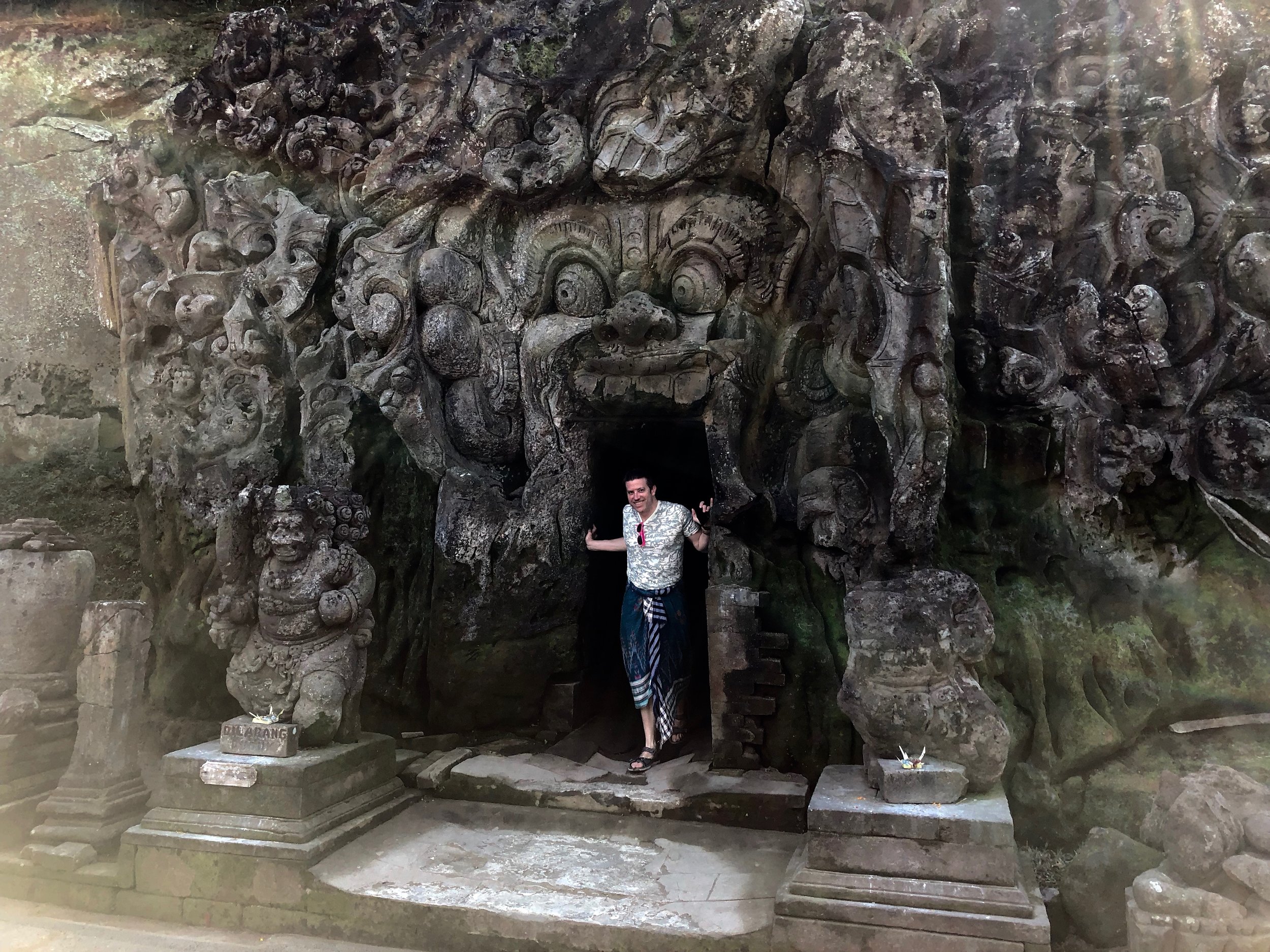
When staying in Ubud, make a quick stop to see the monster mouth at Goa Gajah

When staying in Ubud, make a quick stop to see the monster mouth at Goa Gajah

Balinese words can be so fun to pronounce. You’ve got the water palaces of Klungkung and Tirta Gangga. And just outside of Ubud is a small temple complex called Goa Gajah that dates from the 9th to 11th centuries.

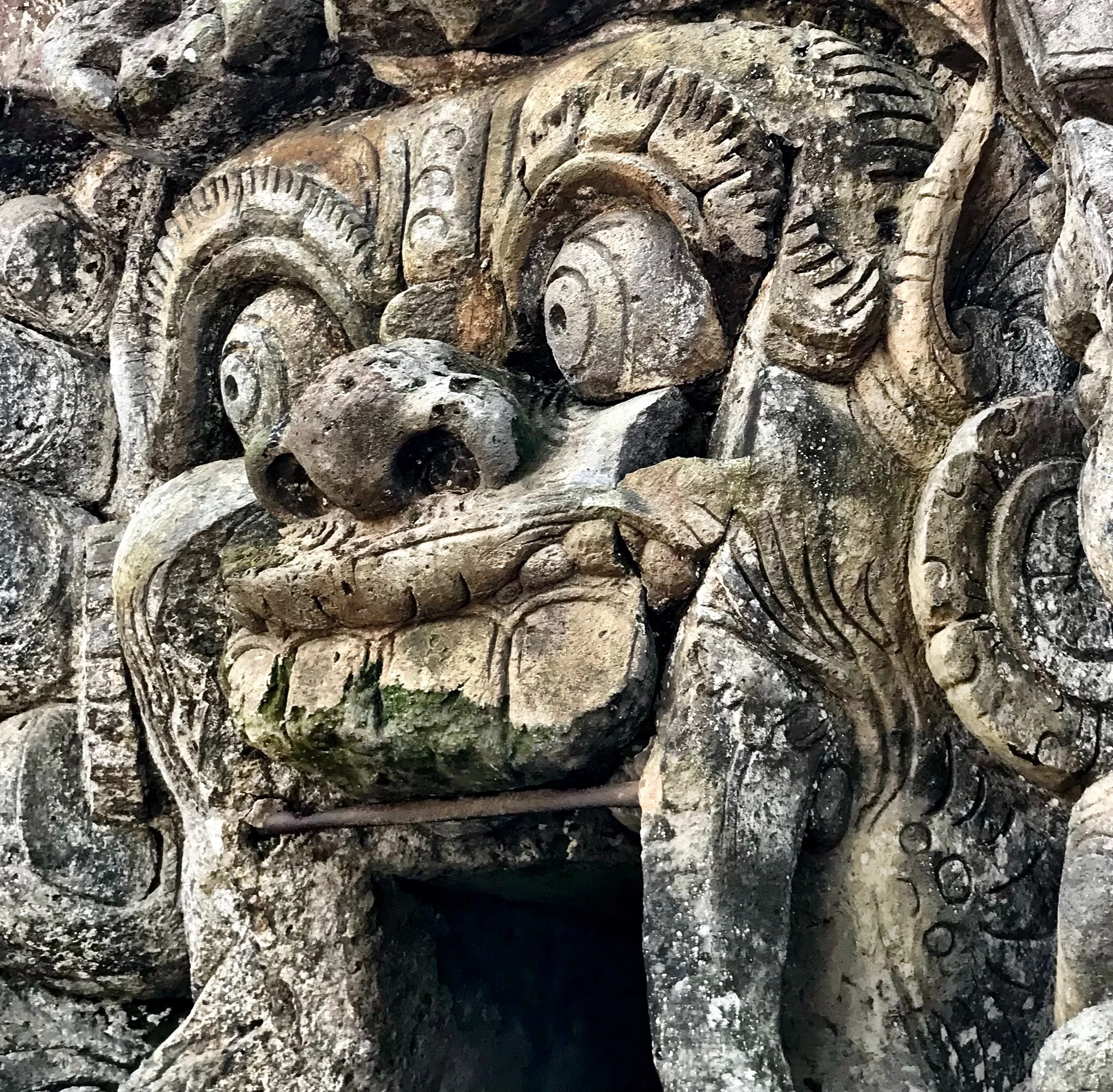
Turns out Goa Gajah has been mistranslated to Elephant Cave, but you won’t find even the remotest hint of a pachyderm anywhere on the small temple complex — aside from a stone statue of the elephant-headed Hindu god Ganesh inside the cave. And, perhaps, the tusk-like fangs that adorn the demonic mouth that forms the cave entrance.

Those bulging eyes and elongated mouth are a familiar sight in Indonesian temple architecture.
Flights of stairs lead down to the Goa Gajah complex

Flights of stairs lead down to the Goa Gajah complex

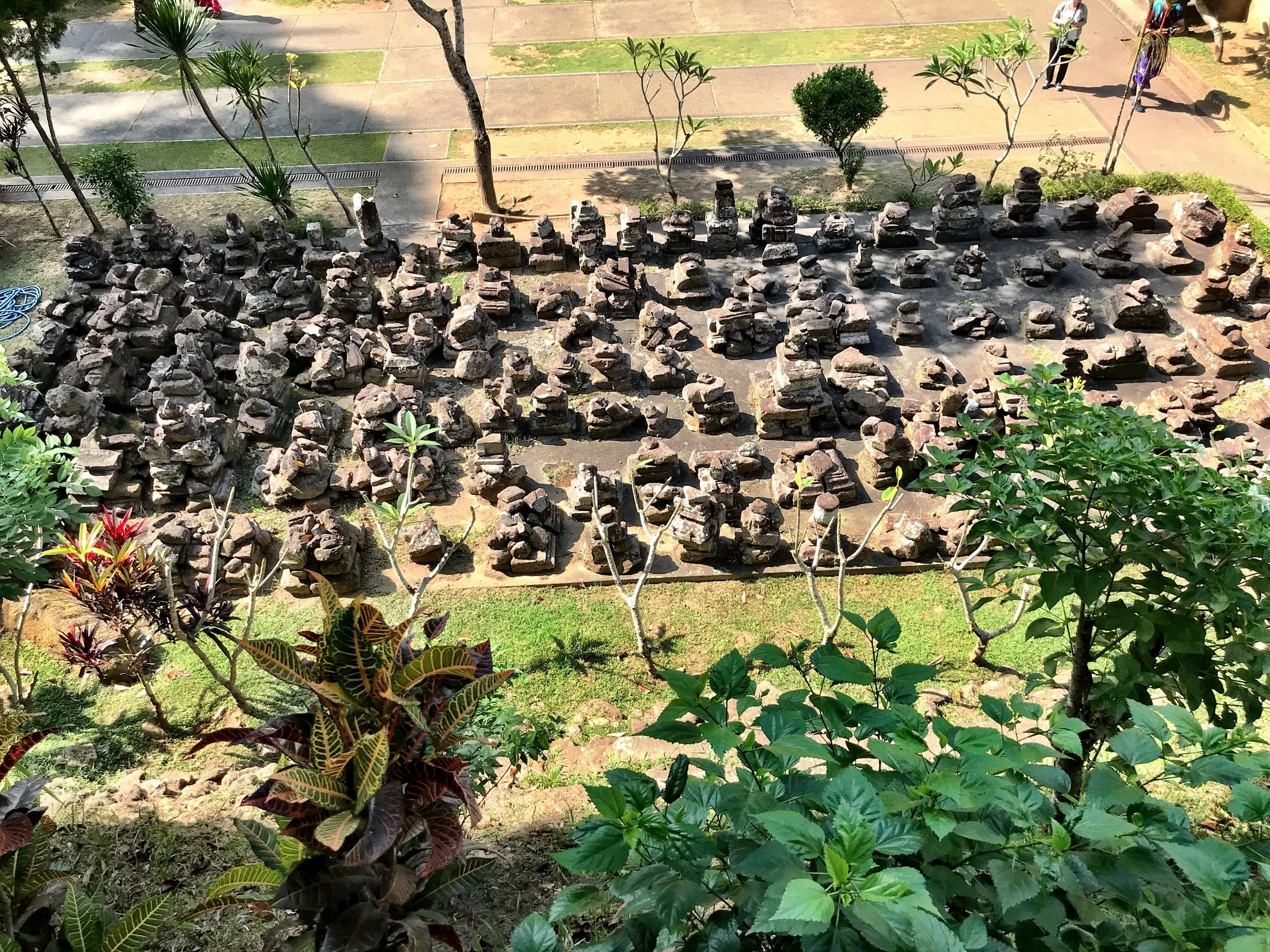
The first thing you’ll come across are these ruins

The first thing you’ll come across are these ruins

Goa Gajah’s a good stopover to pair with other sites. Excavated in 1954, there are a few buildings in the complex, but it’s really all about the giant mouth cave. Wait for the tourists to clear out, snap the money shot — and you’ll be good to go.

Those bulging eyes and elongated mouth stretching into an entrance are a familiar sight in Indonesian temple architecture. As scary as they look, they’re depictions of Bhoma, a nature god who symbolically cleanses visitors as they enter the most sacred part of holy sites.

What mysteries await Duke and Wally inside the Elephant Cave?

What mysteries await Duke and Wally inside the Elephant Cave?

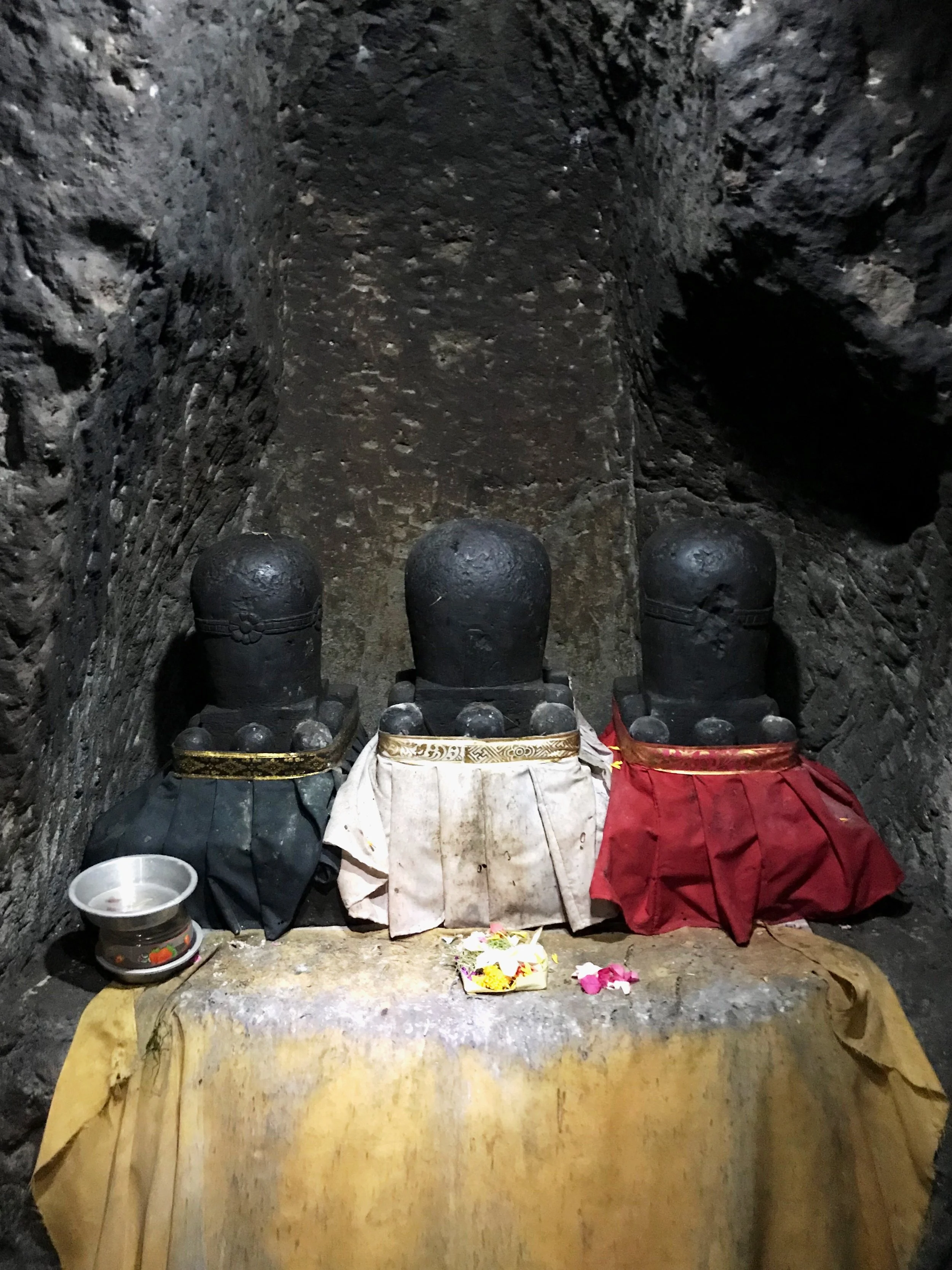
Inside the cave, a narrow T-shaped passageway forks to the left and right, the walls blackened from incense smoke. You can make out small niches in the darkness, some with worn-away statues, including a trio of phallic linga wearing black, white and red skirts. The adorable palm-woven square offering baskets I love so much are placed at the base of the statues.

Inside the cave are three phallic linga in honor of the Hindu deity Shiva the Destroyer

Inside the cave are three phallic linga in honor of the Hindu deity Shiva the Destroyer

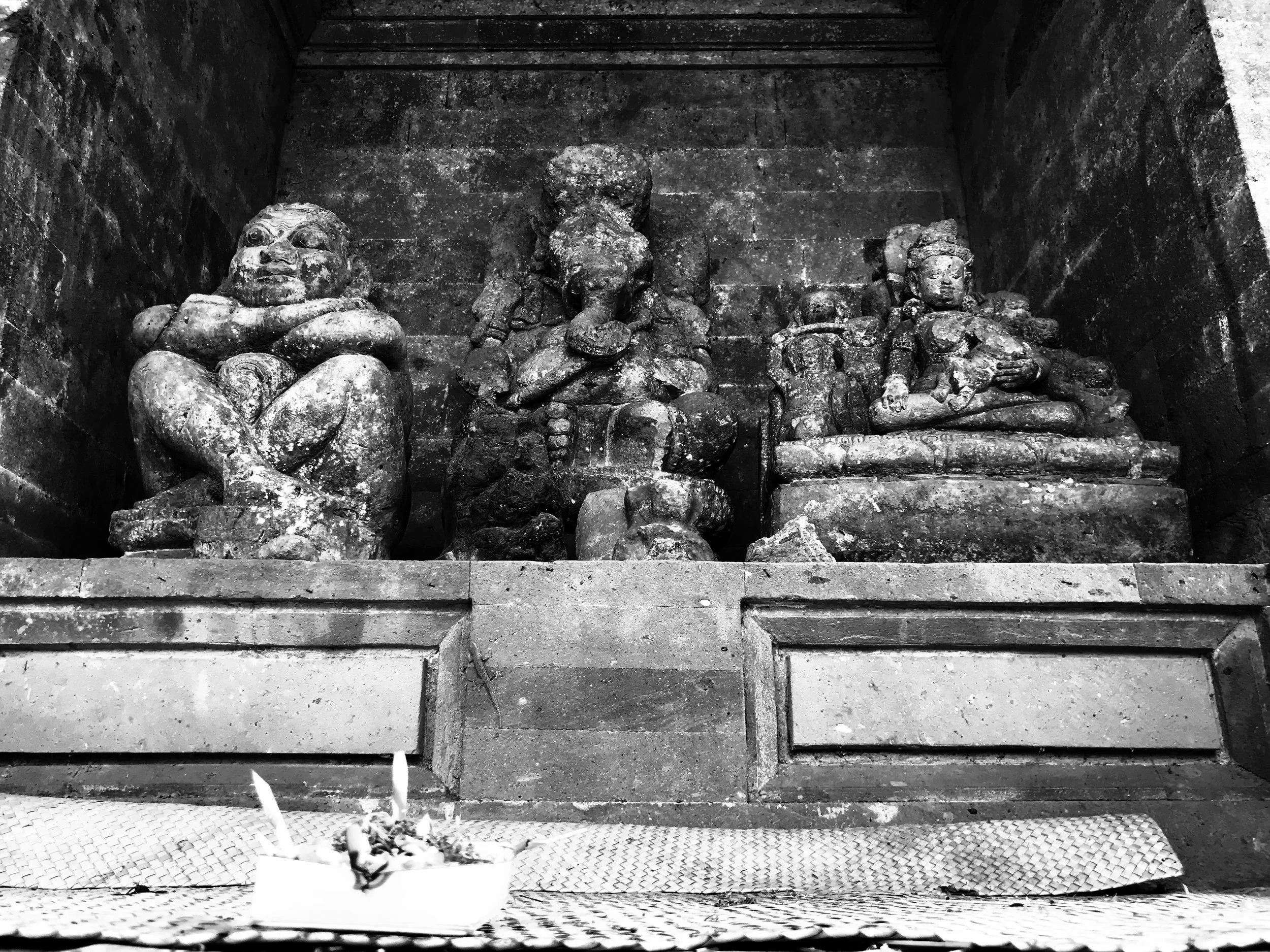
The only elephant you’ll see at the Elephant Cave is this statue of Ganesha

The only elephant you’ll see at the Elephant Cave is this statue of Ganesha

Statues fill a niche. Compared to other holy sites on Bali, Goa Gajah is quite small

Statues fill a niche. Compared to other holy sites on Bali, Goa Gajah is quite small

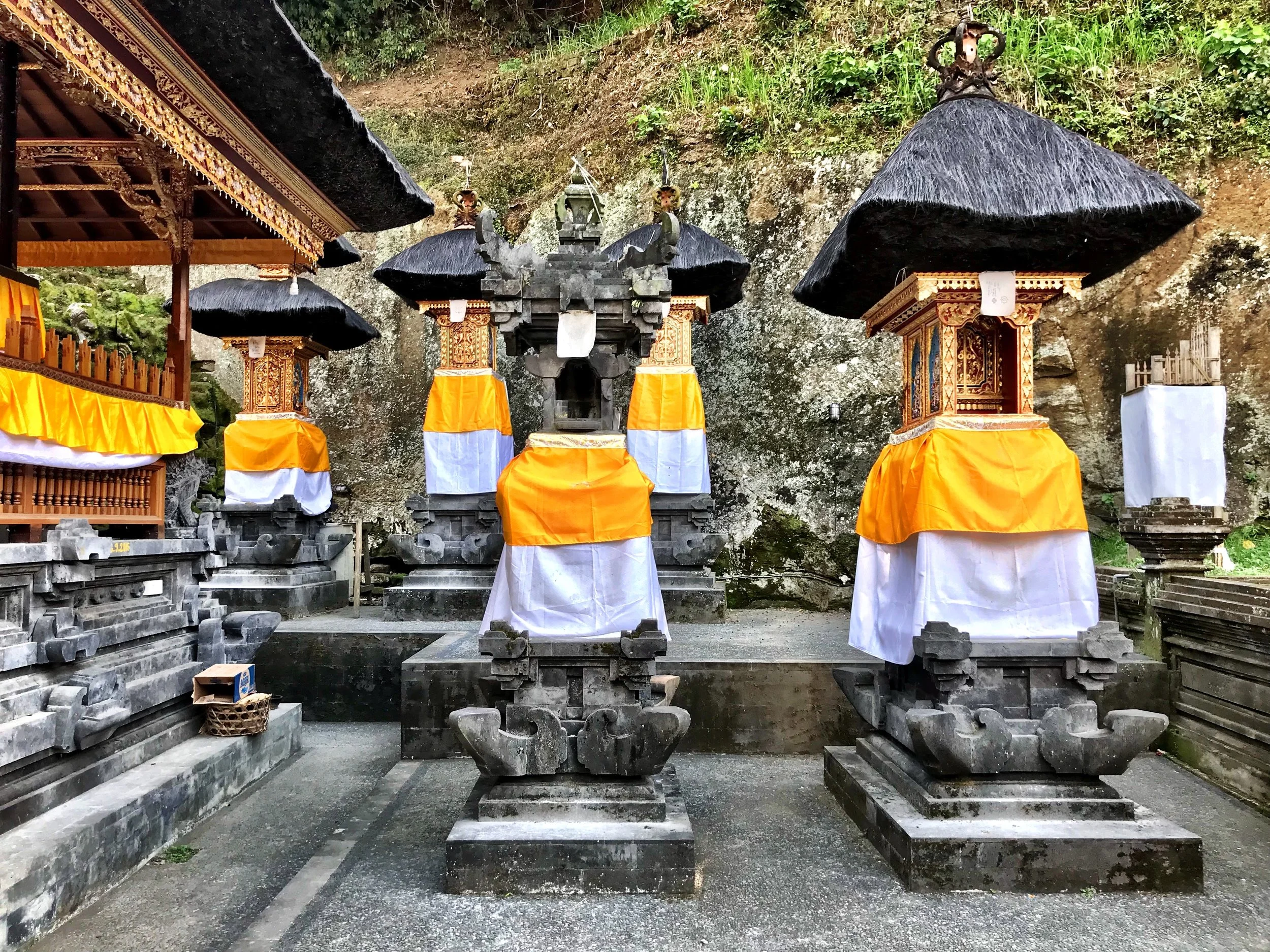
At the back of the complex are colorfully decorated shrines

At the back of the complex are colorfully decorated shrines

It’s thought that Buddhist monks would meditate in the quiet confines of the cave.

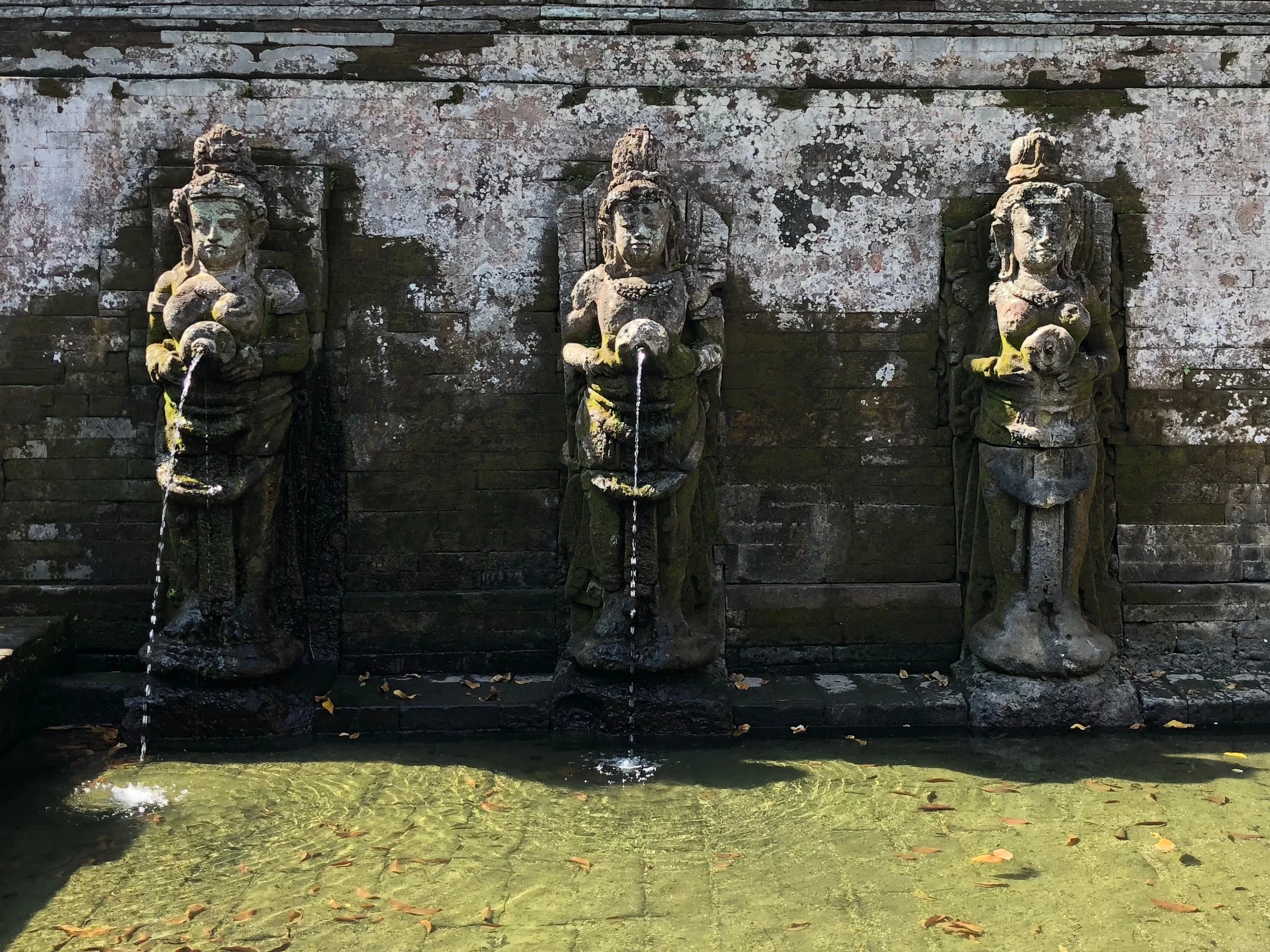
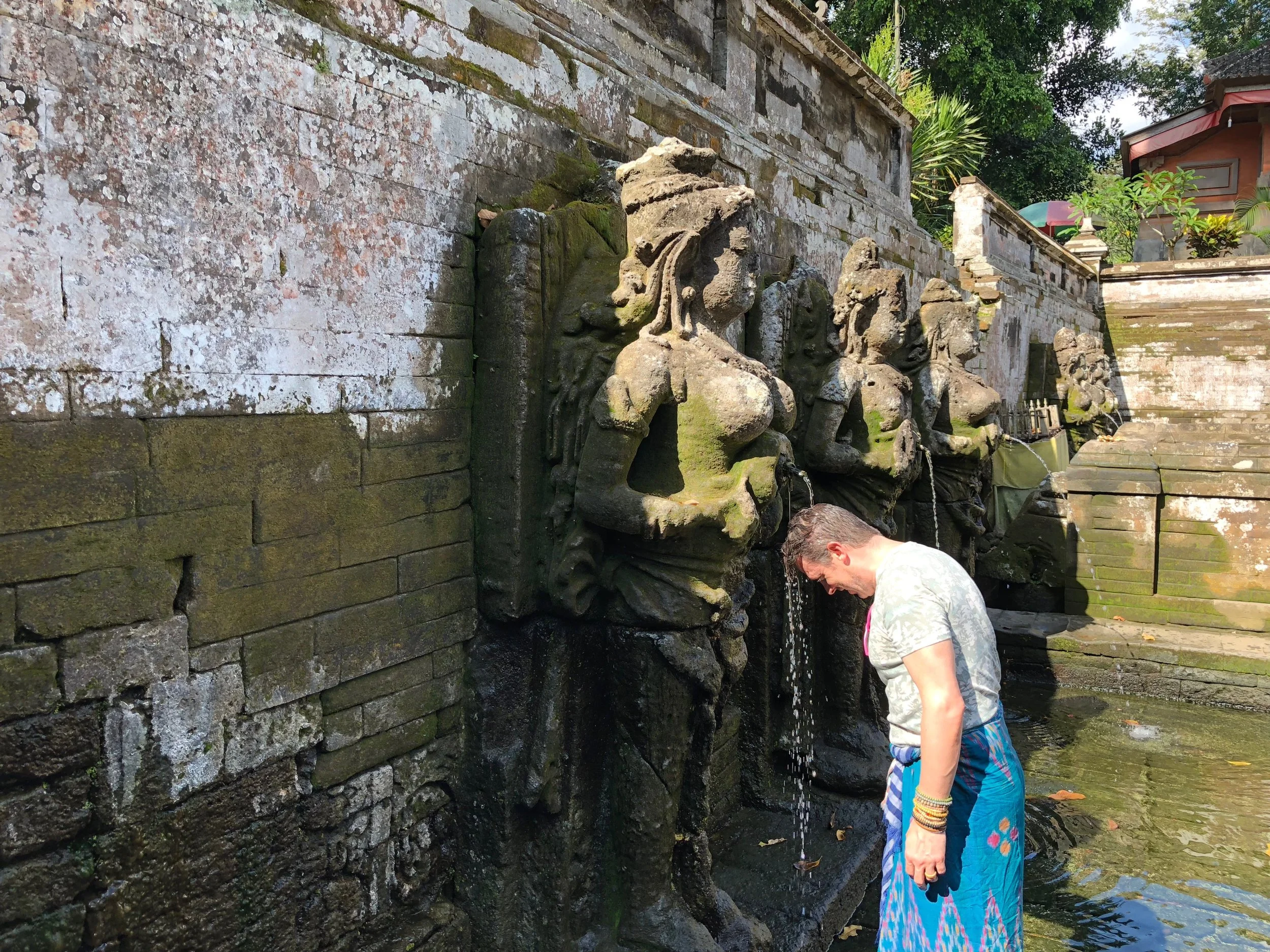
The other notable site at Goa Gajah is the bathing pool, where water pours from the urns held by statues of busty Hindu divine spirits. The holy site was chosen because it’s the spot where two rivers converge.

Female Hindu spirits form the fountains

Female Hindu spirits form the fountains

Wally bathes in the holy water

Wally bathes in the holy water

Get to Goa Gajah as early as possible to avoid the inevitable tourist buses that show up later in the day. It’s a fun place to visit, and you can be in and out in about half an hour. –Wally
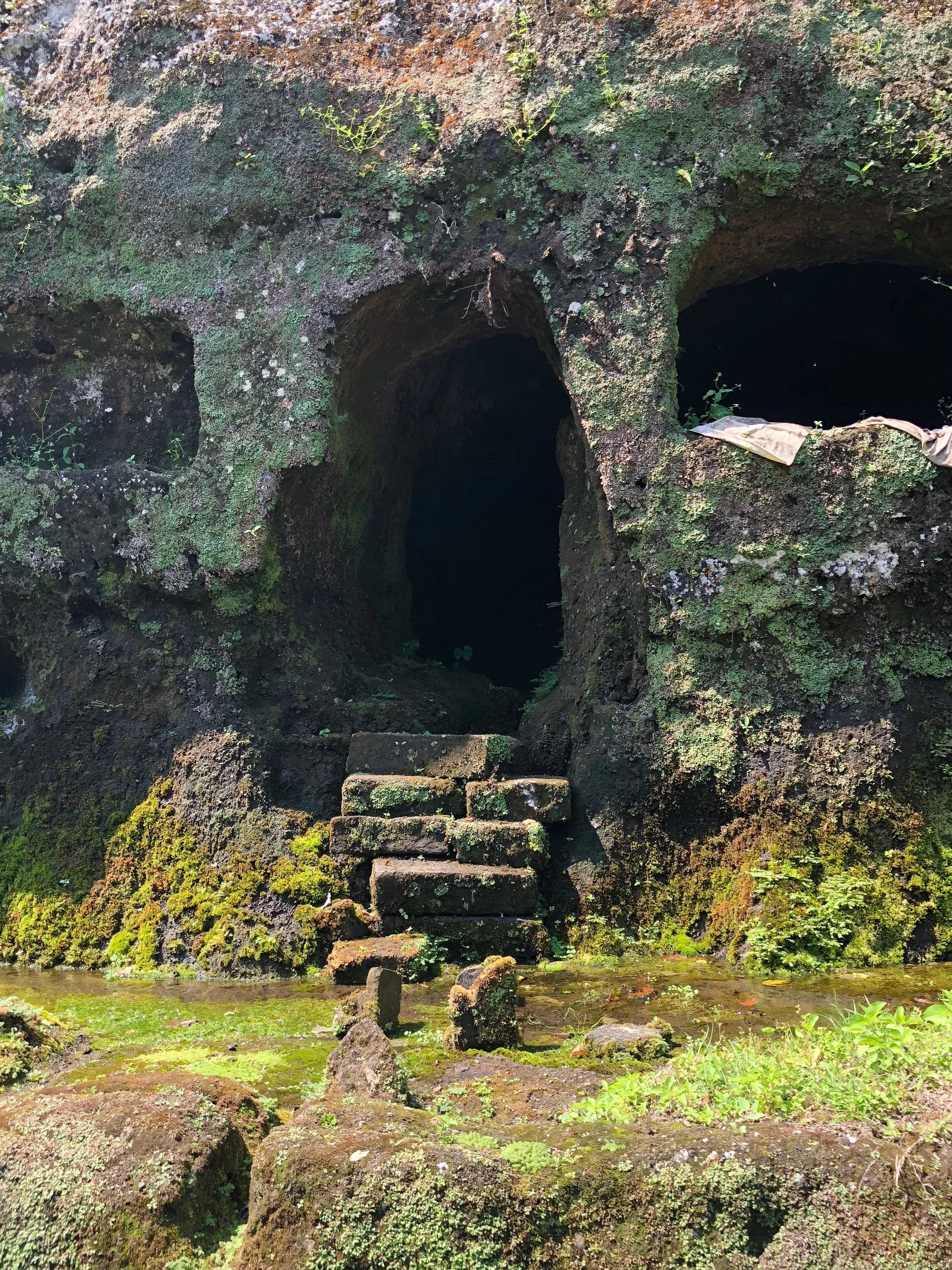
goagajahwally.JPG

Goa Gajah
Ubud, Bedulu
Blahbatuh
Kabupaten Gianyar
Bali, Indonesia

Gaya Ceramic: Italy Meets Bali

If you’re interested in handmade pottery, stop in this charming Ubud boutique.

An Italian couple took their native country’s dedication to quality and paired it with Balinese craftsmanship

An Italian couple took their native country’s dedication to quality and paired it with Balinese craftsmanship

It's true, Wally and I have a shared fascination with folklore, history and handicrafts which ultimately drives most of our travel destinations, and is why we decided to stay in Ubud, the cultural heart of Bali. The island has a special energy all its own, but if you want to enjoy it and have only a few days, you may find that seeing everything you would like to on your itinerary is logistically impossible. However, one of the places I refused to cut was the Gaya Ceramic showroom.

Gaya Ceramic has formed a perfect marriage of Italian design and Balinese craftsmanship.
Stop by Gaya Ceramic to pick up some gifts for family and friends — and treat yourself while you’re at it

Stop by Gaya Ceramic to pick up some gifts for family and friends — and treat yourself while you’re at it

The boutique is located on Jalan Raya, the main thoroughfare that passes through the center of Ubud, in the village of Sayan. If you’re hiring a taxi or driver, make sure to let them know that it’s not the smaller branch of the road, as our driver took us to the Ceramic Arts Center by mistake. While this educational division with classes, workshops and a residency program for artists from around the globe is certainly interesting, I wanted to see the goods for sale at the shop.

The duo behind the craft are husband and wife Marcello Massoni and Michela Foppiani. Both passionate creatives who caught the attention of Gaya Fusion's director, Stefano Grande. After meeting with Stefano, they made the decision to move from Italy to Bali and established Gaya Ceramic. It should come as no surprise then, that their aesthetic is the perfect union of Italian design and Balinese craftsmanship.

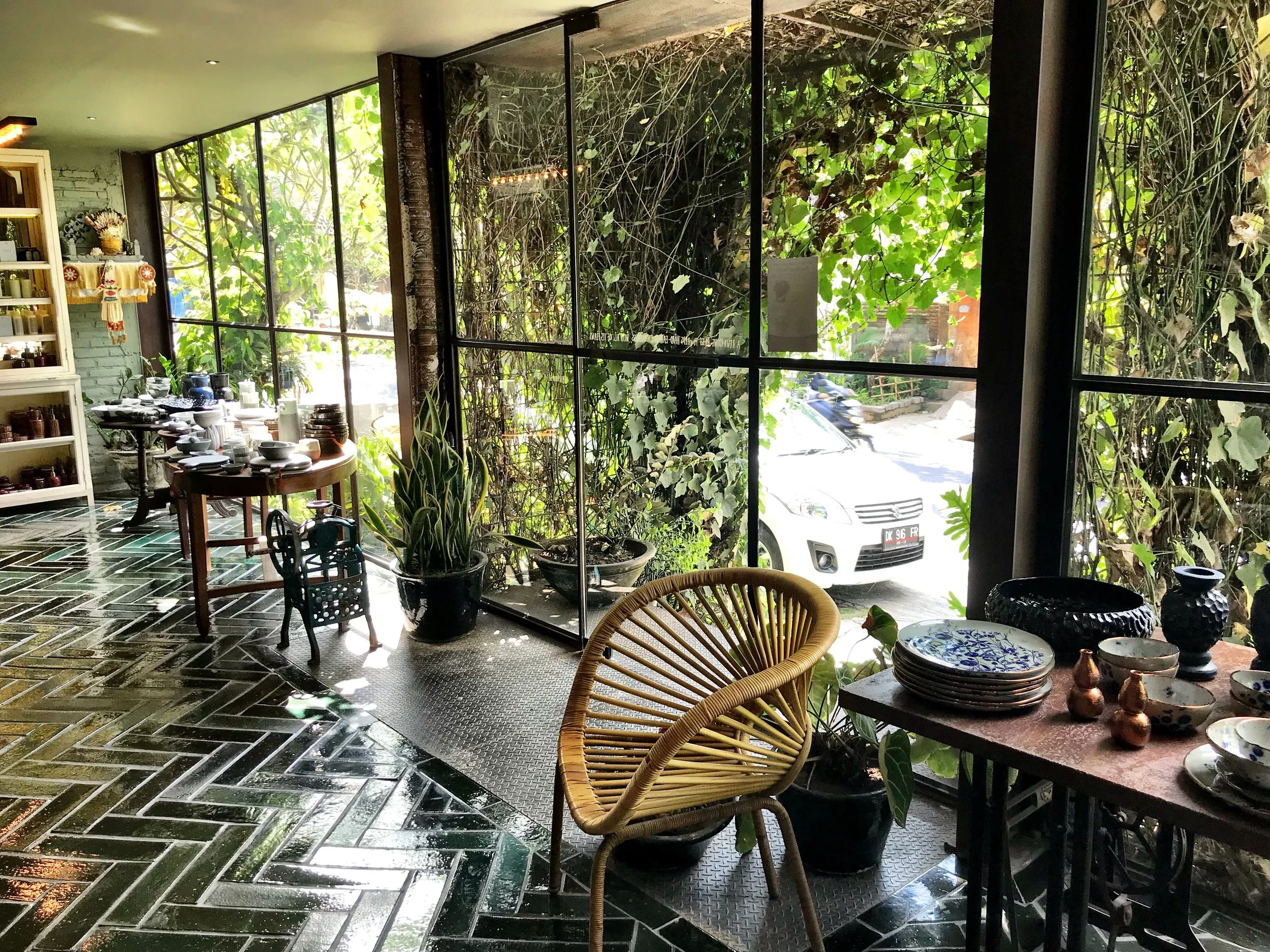
One of the first things we noticed when we arrived at the showroom were exotic, climbing vines with pale lavender blooms. The dense growth framed and partially concealed the façade, lending the exterior an air of curiosity, as if letting you know you’re about to enter somewhere enchanting.

Marcello Massoni, the CEO of Gaya Ceramic, still throws the original prototype for each new piece

Marcello Massoni, the CEO of Gaya Ceramic, still throws the original prototype for each new piece

The Gaya Ceramic shop is like walking through an art exhibit

The Gaya Ceramic shop is like walking through an art exhibit

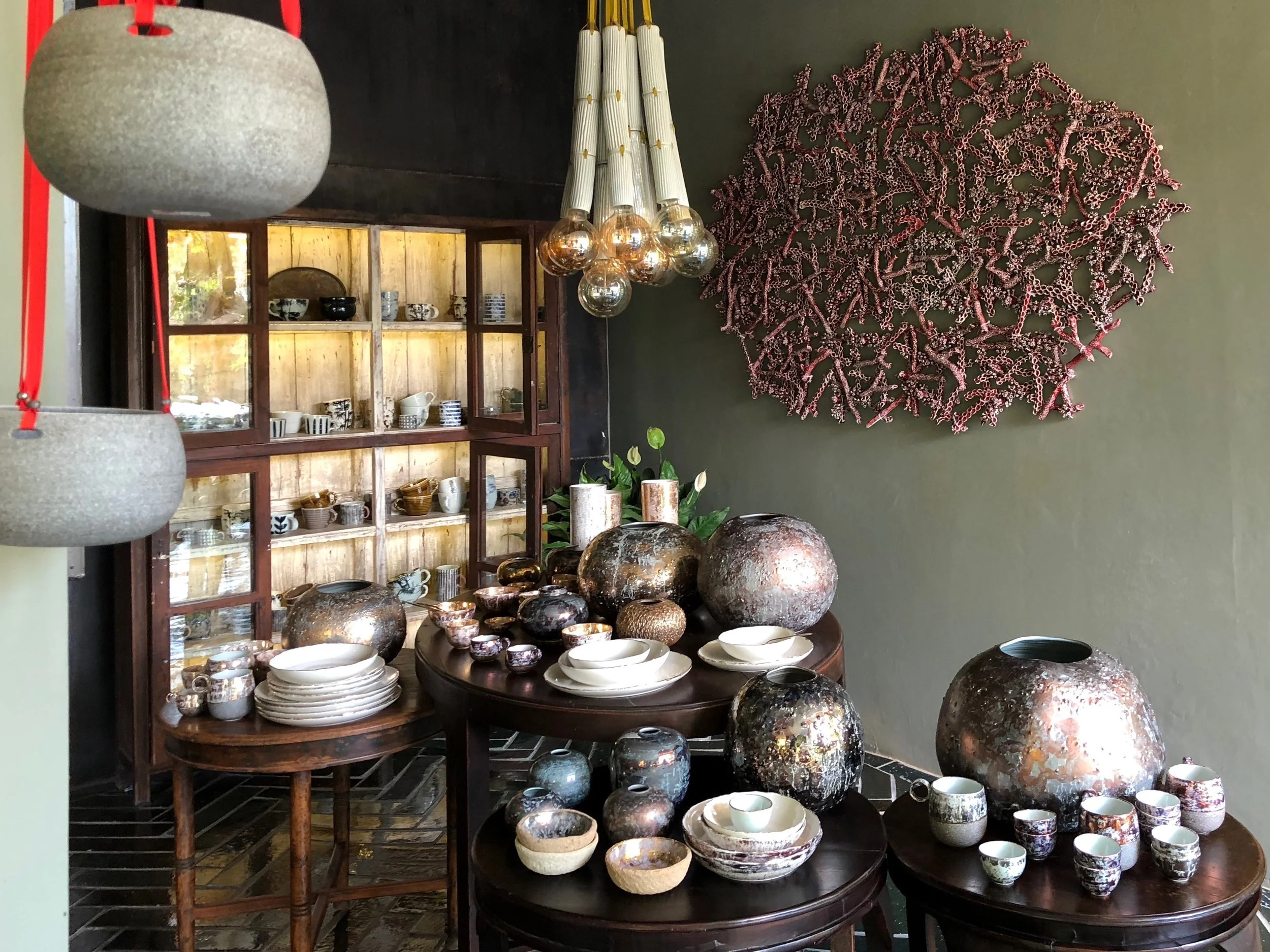
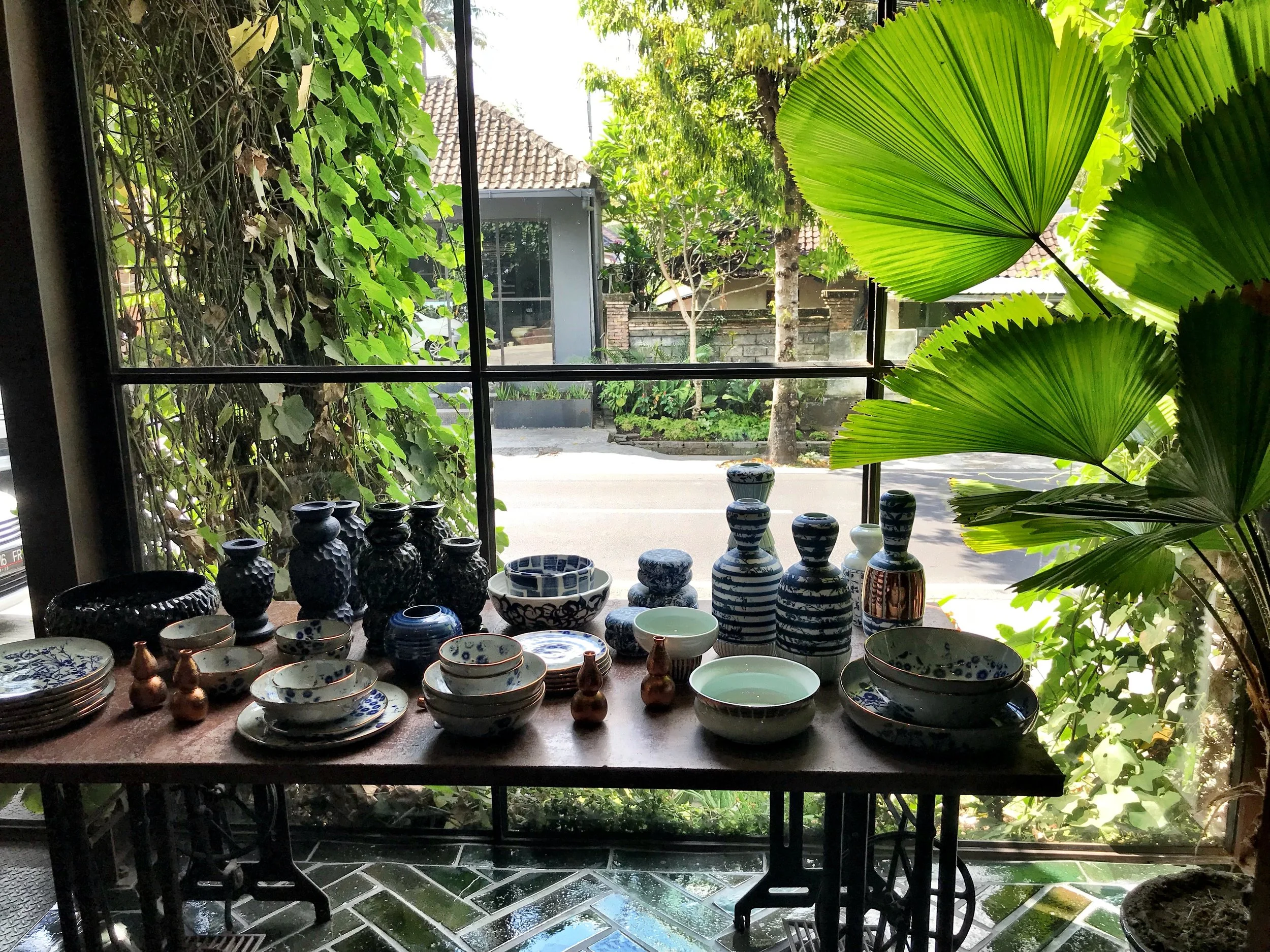
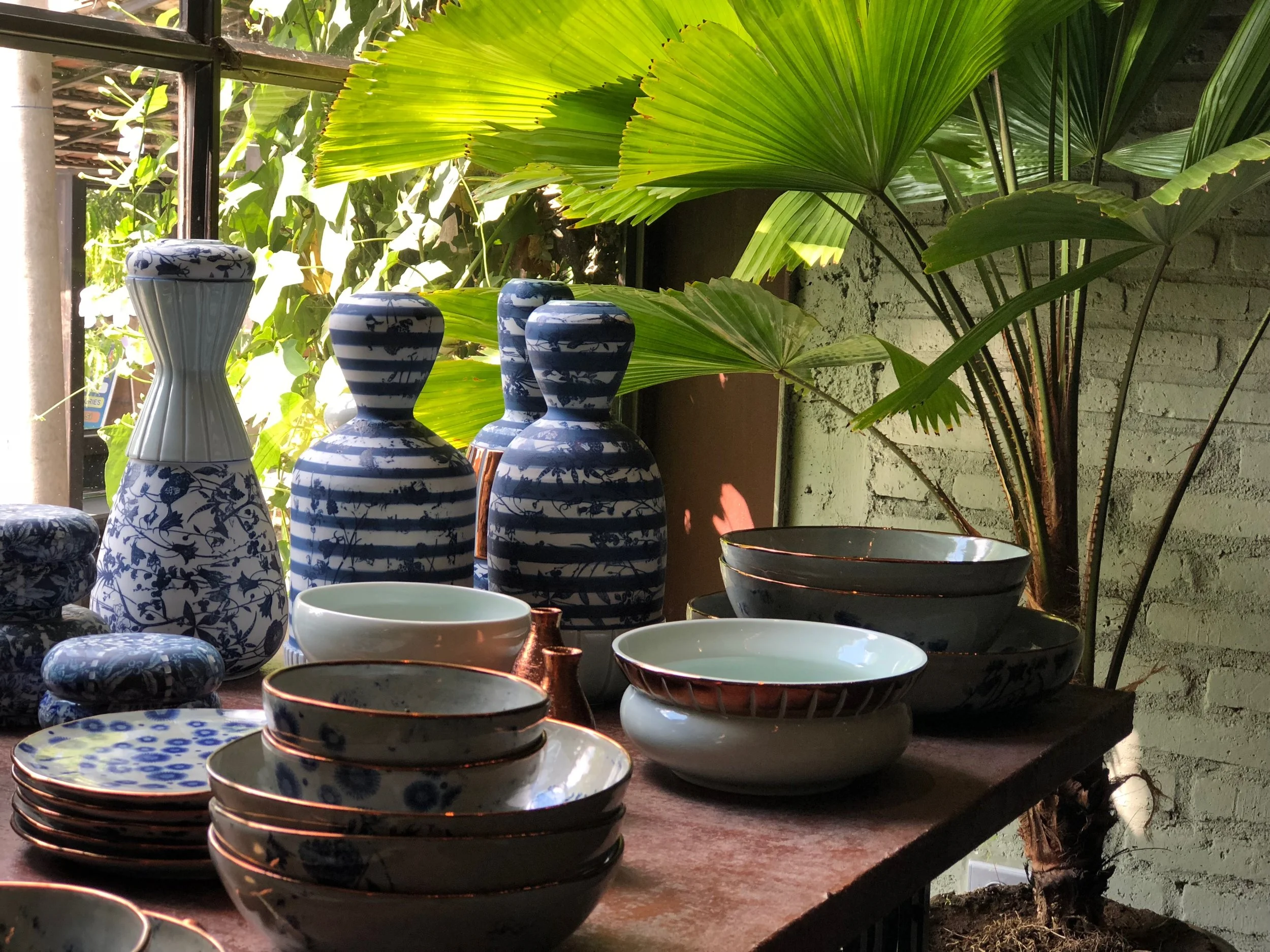
Inside, a rich, jewel-tone malachite green tile covers the floors. The boutique contains an array of luxurious, refined hand-crafted objects. Gaya’s designs include sculptural porcelain and lava sand mortar and pestles, to more elaborate ceramic coral wall art, bowls, plates and one of my personal favorites, “tattoo” vases embellished with a deconstructed pattern of twining cobalt blue chinoiserie flowers, all handmade in Bali.

What’s most impressive, though, is the relationship Marcello and Michela have fostered within the village of Sayan, where the company is based. Villagers who have mastered the intensive hands-on apprenticeship program have gone on to become fully vested employees, ensuring that these skills live on for generations to come.

Gaya makes up to 9,000 pieces a month!

Gaya makes up to 9,000 pieces a month!

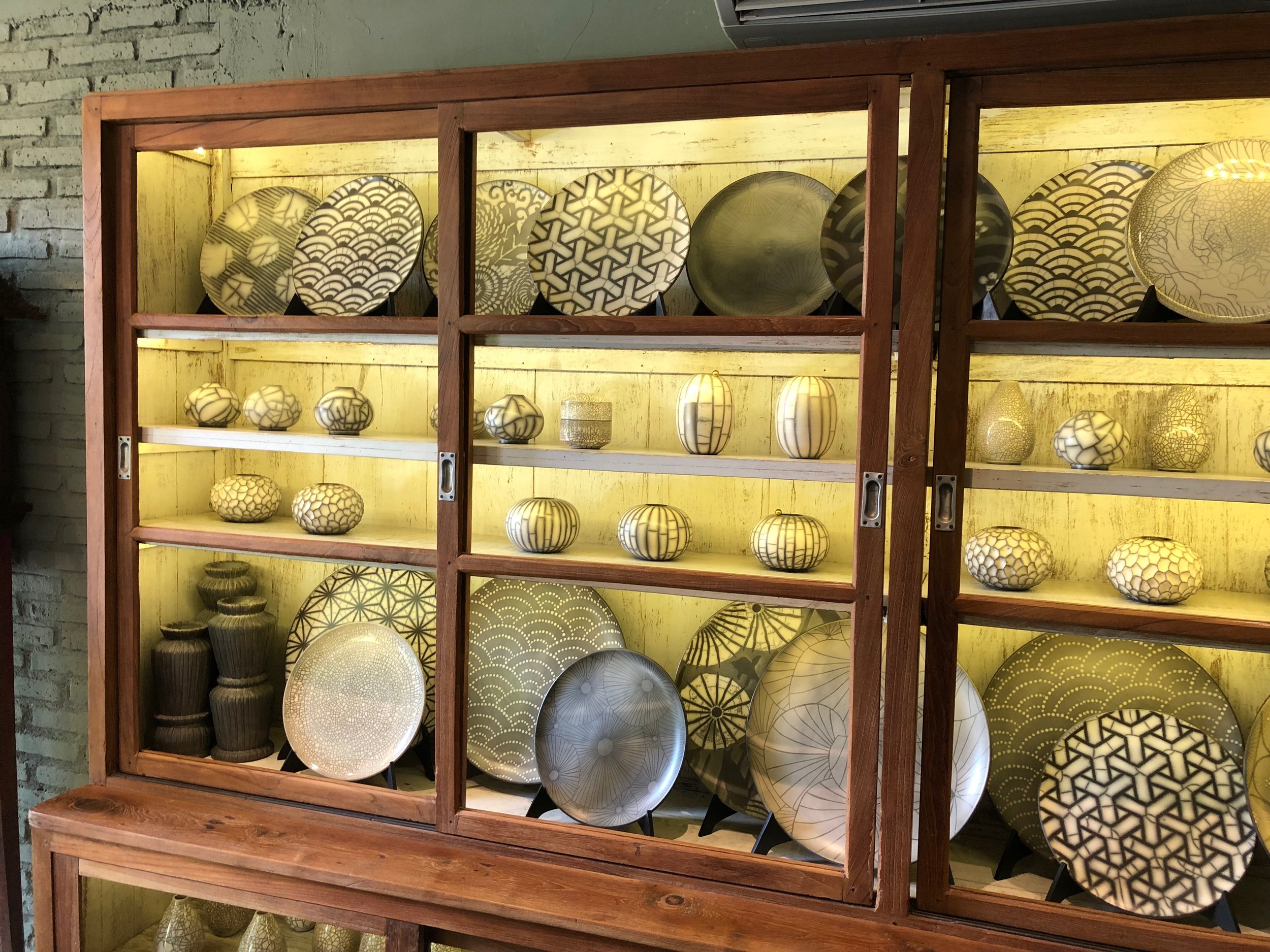
Intricately patterned Raku ware pottery pieces are grouped together

Intricately patterned Raku ware pottery pieces are grouped together

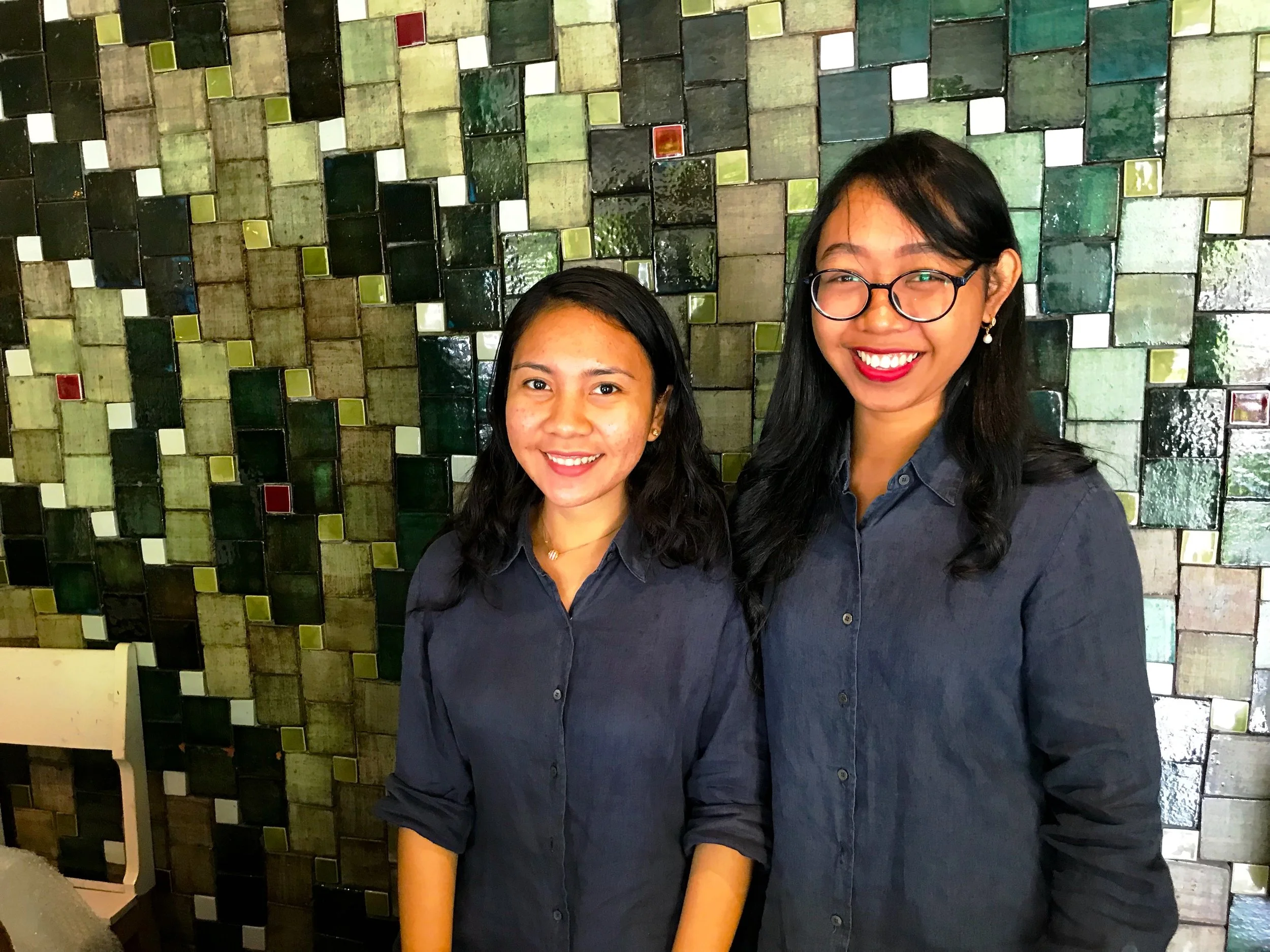
A couple of the delightful employees who work at Gaya

A couple of the delightful employees who work at Gaya

Every element, from the wireless radio — they even have a Spotify playlist — to the small circular clay tokens with their logo stamped into them that adorn their shopping bags, has been thoughtfully considered.

Visit their showroom and take your time to admire the beauty of each piece. And if your suitcase isn’t big enough, they ship.


Q&A with Marcello Massoni, owner of Gaya Ceramic

How has your cultural background been incorporated into Gaya?
We always put a bit of Italian flavor into our ceramics. The innovation and attention to detail that Italians are well known for is embedded in all our creations.


How has the culture of Bali influenced you?
Balinese culture helped us to reach a high level of craftsmanship and inspires us every day with its architecture, nature and ceremonies.


Tell about us your process. How does a lump of clay become a beautiful object?

All of our pieces begin their life in the studio. I still throw the original piece from which a prototype is made. For our hospitality projects, we custom create ceramic collections based on a client’s functional and aesthetic needs. We use different clays, glazes and diverse firing techniques (gas, raku, wood firings). All of our processes are handmade.


On average, how many pieces are produced per month?

Between 7,000 to 9,000.


Now for a few fun non-business related questions. What are a couple of your and Michela’s favorite local restaurants?  

Locavore or the restaurant at Bambu Indah.


Where’s the best place to get a cup of coffee?  

My house.


Favorite place to visit on Bali?

Pura Gunung Kawi or Geger Beach in Nusa Dua.


Best place to get gelato (and we know you’re biased)?

Gaya Gelato :)

gayaubud

Gaya Ceramic
Jalan Raya Satan No. 105
Sayan, Ubud
Bali, Indonesia 80571

Cocaine and Crazy Clubs: Nightlife in Brazil

Tips for going out in Rio and São Paulo, from the drink card system to the abundance of coke.

Who’s high on coke? Probably this guy at Illumination in São Paulo

Who’s high on coke? Probably this guy at Illumination in São Paulo

When our friends Ben and Derrick visited Brazil, they hit the sights during the day — and decided to hit a few night clubs in Rio and São Paulo at night. They were a bit surprised by what they experienced and offer the following advice about what to expect from the Brazilian party scene.

Food vendors call out, “Do you want fried cheese, cocaine or meth?”
The massive, multi-floor mosh pit that’s the Week

The massive, multi-floor mosh pit that’s the Week

Cocaine is huge there.

One evening they were at a small bar. “Of the 50 or so people there, 40 of them went to the bathroom to do coke every five minutes,” Derrick tells me.

And it’s all done pretty much out in the open. The drug use was taking place in an antechamber to the bathroom. “You could straight up see everyone doing cocaine,” he says.

“We thought it was just a weird byproduct of this bar,” Ben says. “But it was not.”

At the big clubs, guys stood in front of the restrooms dealing drugs. “They do it in the open,” he says. “No one’s making any effort to hide it.”

A lot of the food vendors near the beach were also drug dealers. They’d call out, “Do you want fried cheese, cocaine or meth?”

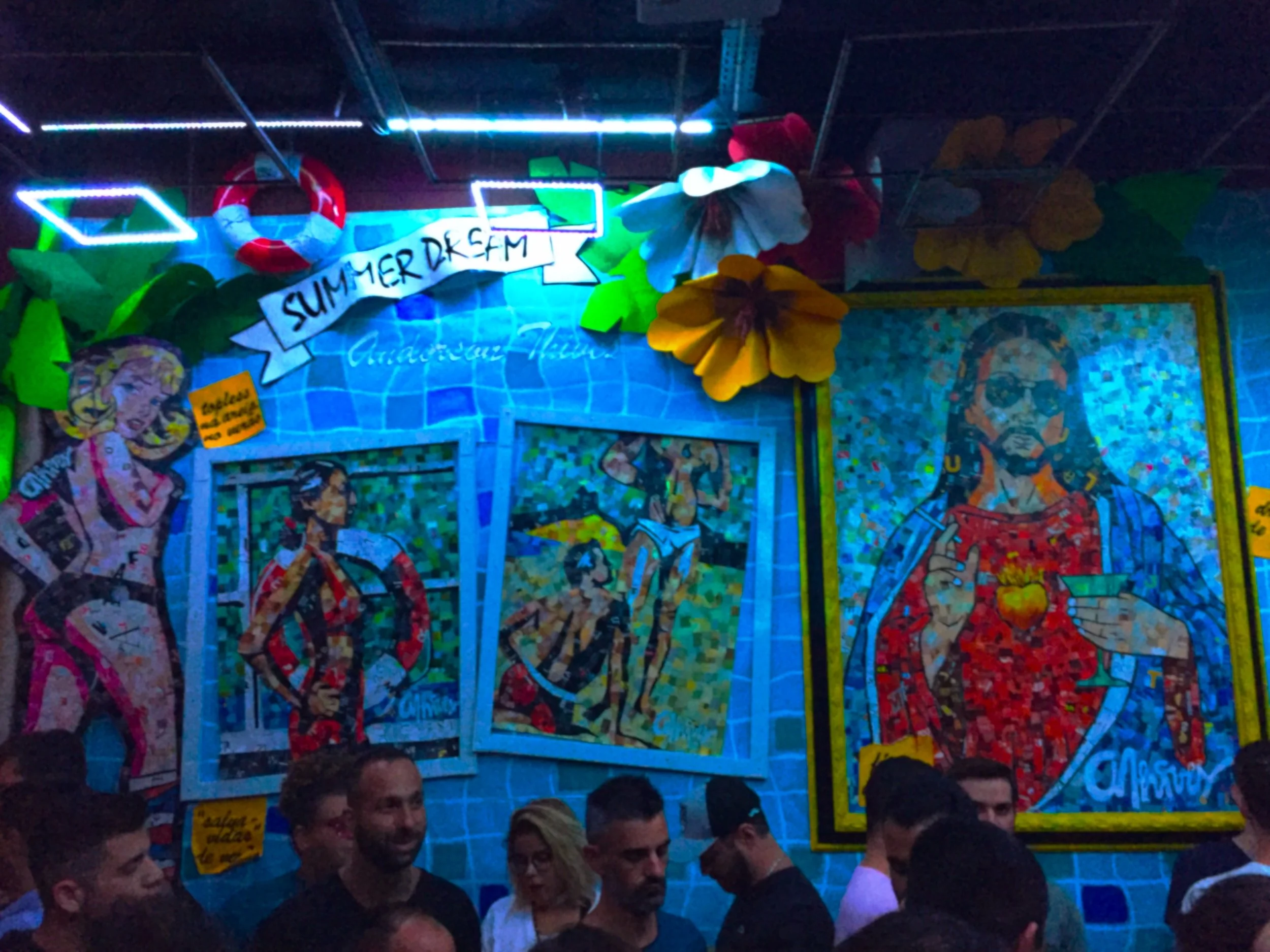
A gay bar in the Bela Vista neighborhood in São Paulo

A gay bar in the Bela Vista neighborhood in São Paulo

It’s a late-night party culture — and the clubs are insane.

One of the things that surprised them is that most bars don’t even open until 11 p.m. and close at 5 a.m.

There aren’t many small bars where you can grab a drink in the afternoon or evening, aside from some cafés or the few establishments that cater to tourists.

Galeria Café in Rio

Galeria Café in Rio

Ben and Derrick went to a party at a massive discotheque called the Week. “There must have been 10,000 people over five floors,” Derrick says. “You could hear it from blocks away.”

“Which was good,” Ben chimes in. Their Lyft driver pulled into a dead end on a mountain road and said they had arrived. They were able to follow the music, though, and headed down the hill to the club entrance.

The Week in Rio, where pretty much everyone’s high on coke

The Week in Rio, where pretty much everyone’s high on coke


Tips for Going Out in Brazil

  • Don’t bring your passport or driver’s license. A copy of one of these forms of ID is sufficient. Have this ready or they won't let you in. Playing the dumb American card won’t work.

  • Once inside the club you'll be asked to pay a cover fee. This varies, but for the night they went to the Week it was $12. If you're also drinking, you’ll get a consumption card, which acts as your bar tab. You don’t settle your bill until you’re ready to head out. Once you’ve paid up, you'll receive a stamp — which you need to show to the bouncer before you can leave.

  • Even the smaller bars charge $5 to $10 as a cover. “Because people come in and do a ton of cocaine and don’t drink a thing,” Derrick explains.

With this in mind, should you find yourself out in a club late at night in Brazil, raise your glass and remember to say, “Tim-tim!” –Wally

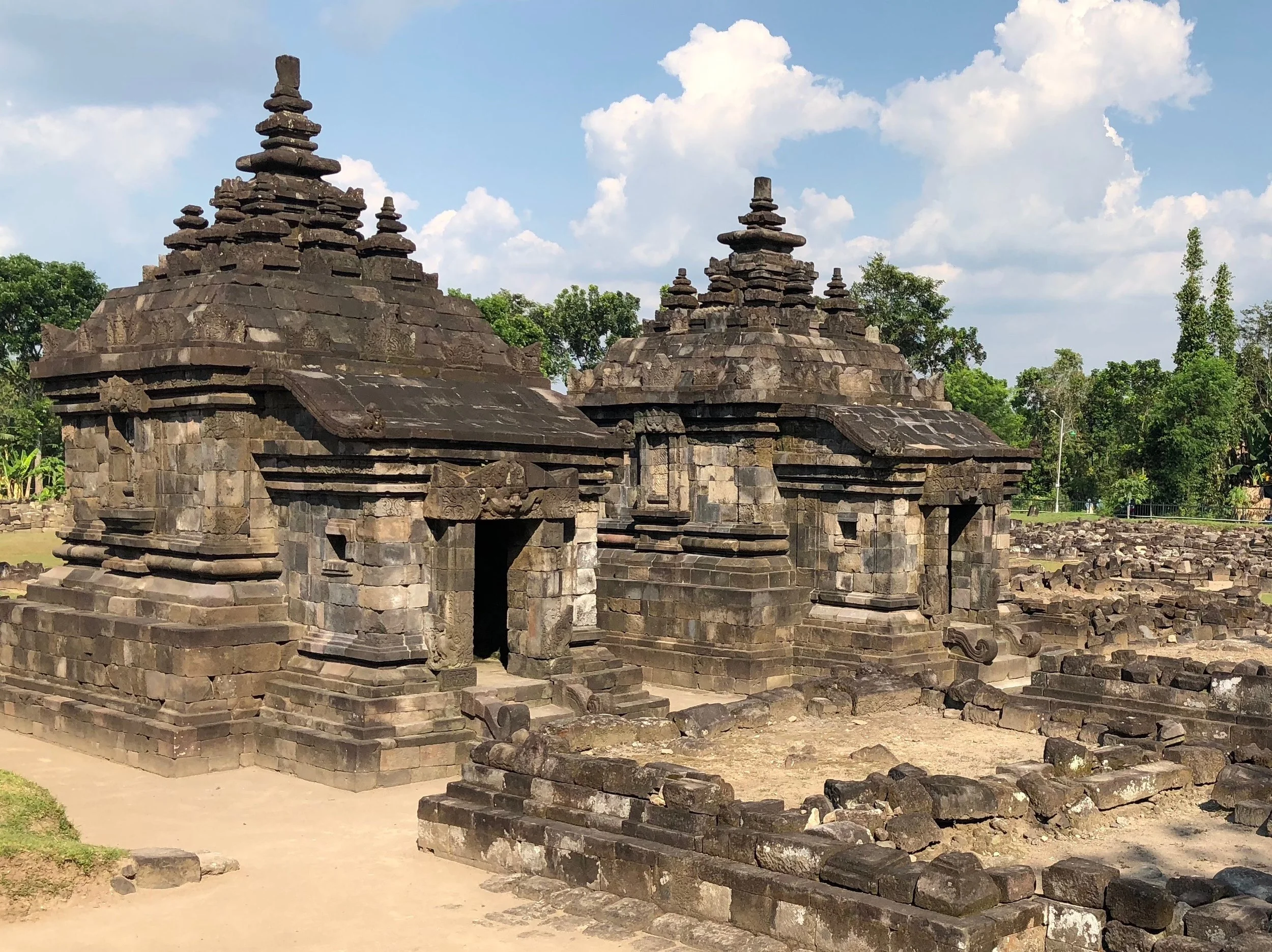
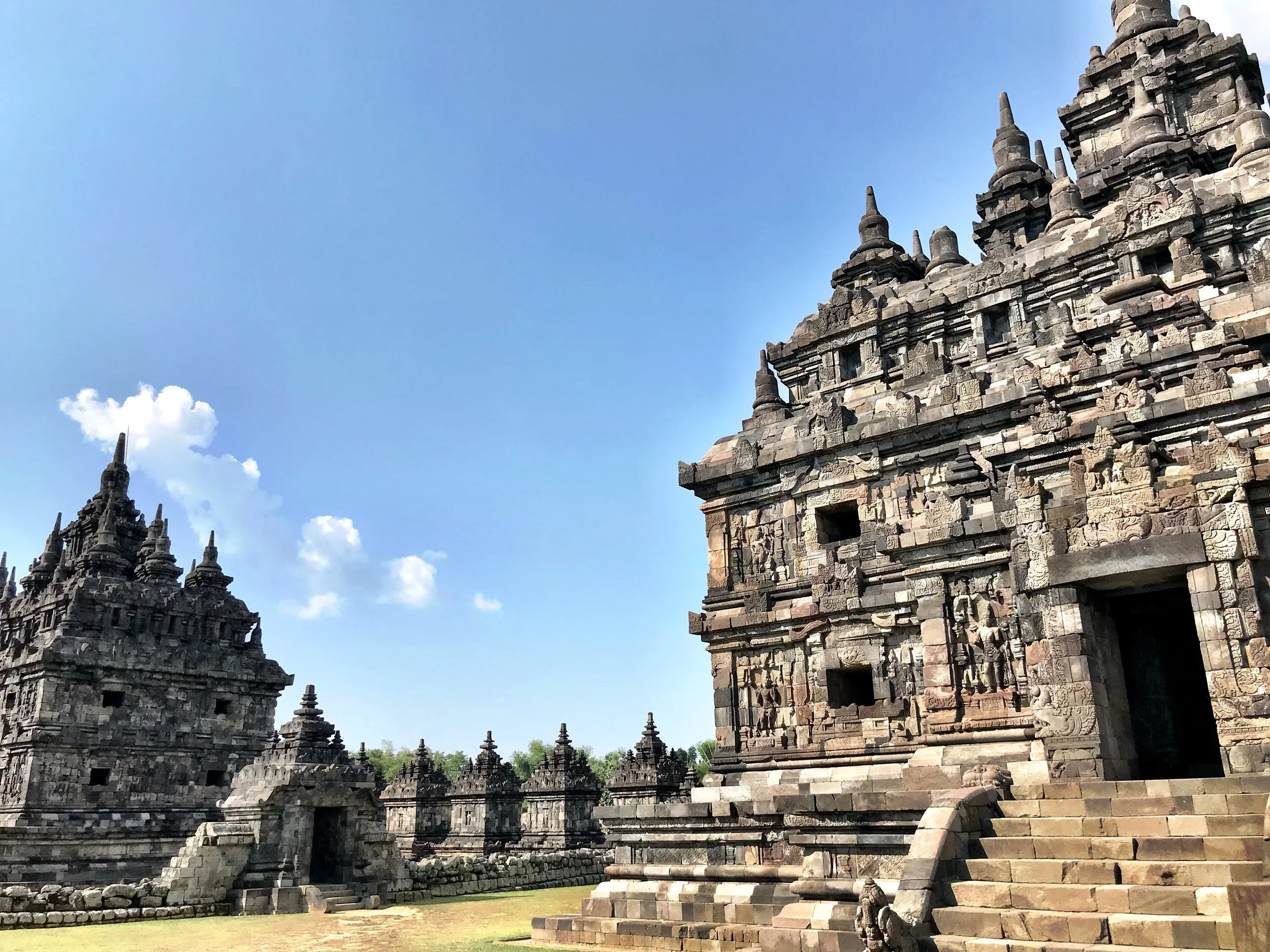
Beyond Prambanan: The Love Temples of Plaosan

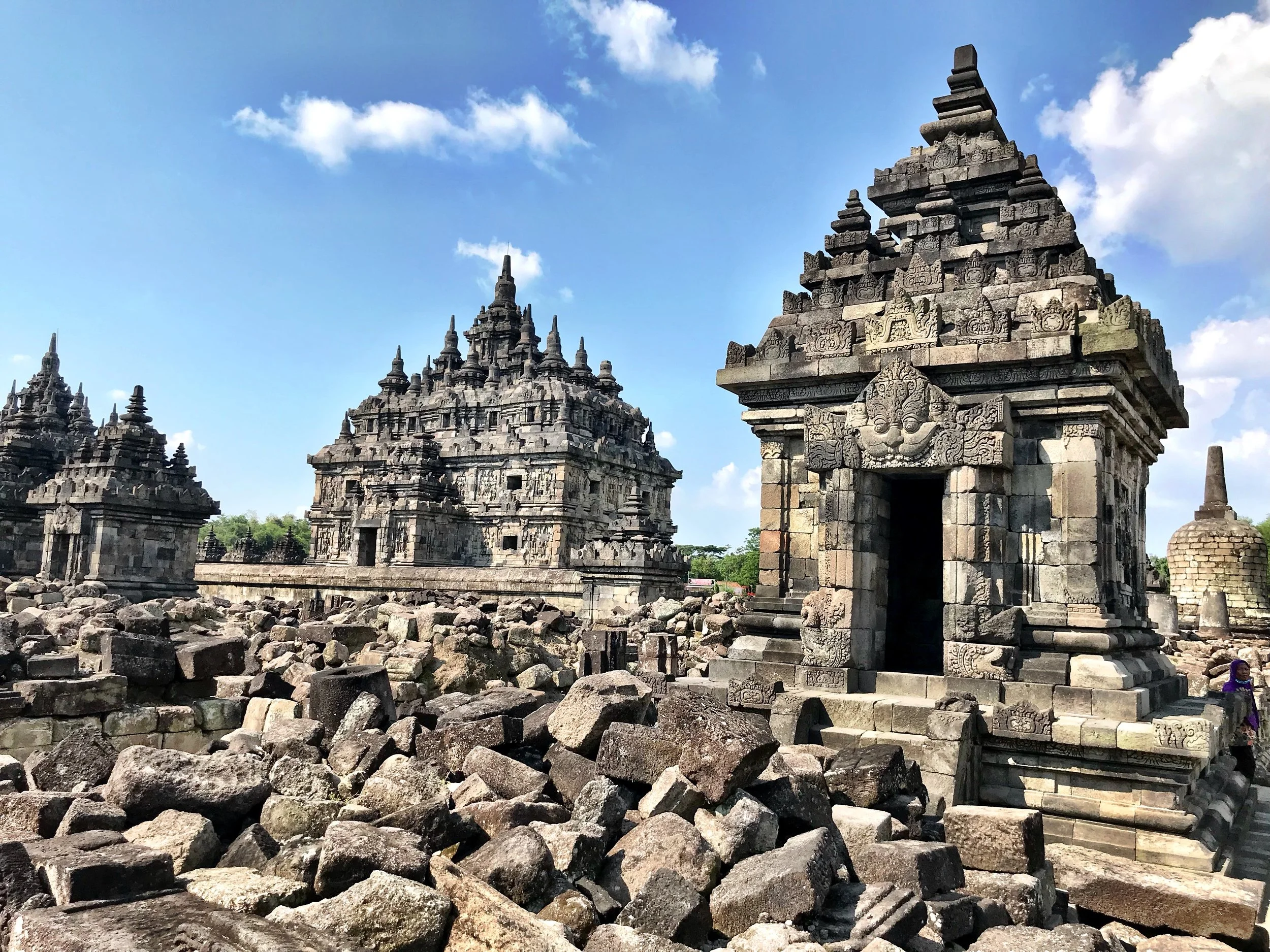
Explore the twin temples of Candi Plaosan, built by a Hindu prince for his Buddhist bride in Central Java.

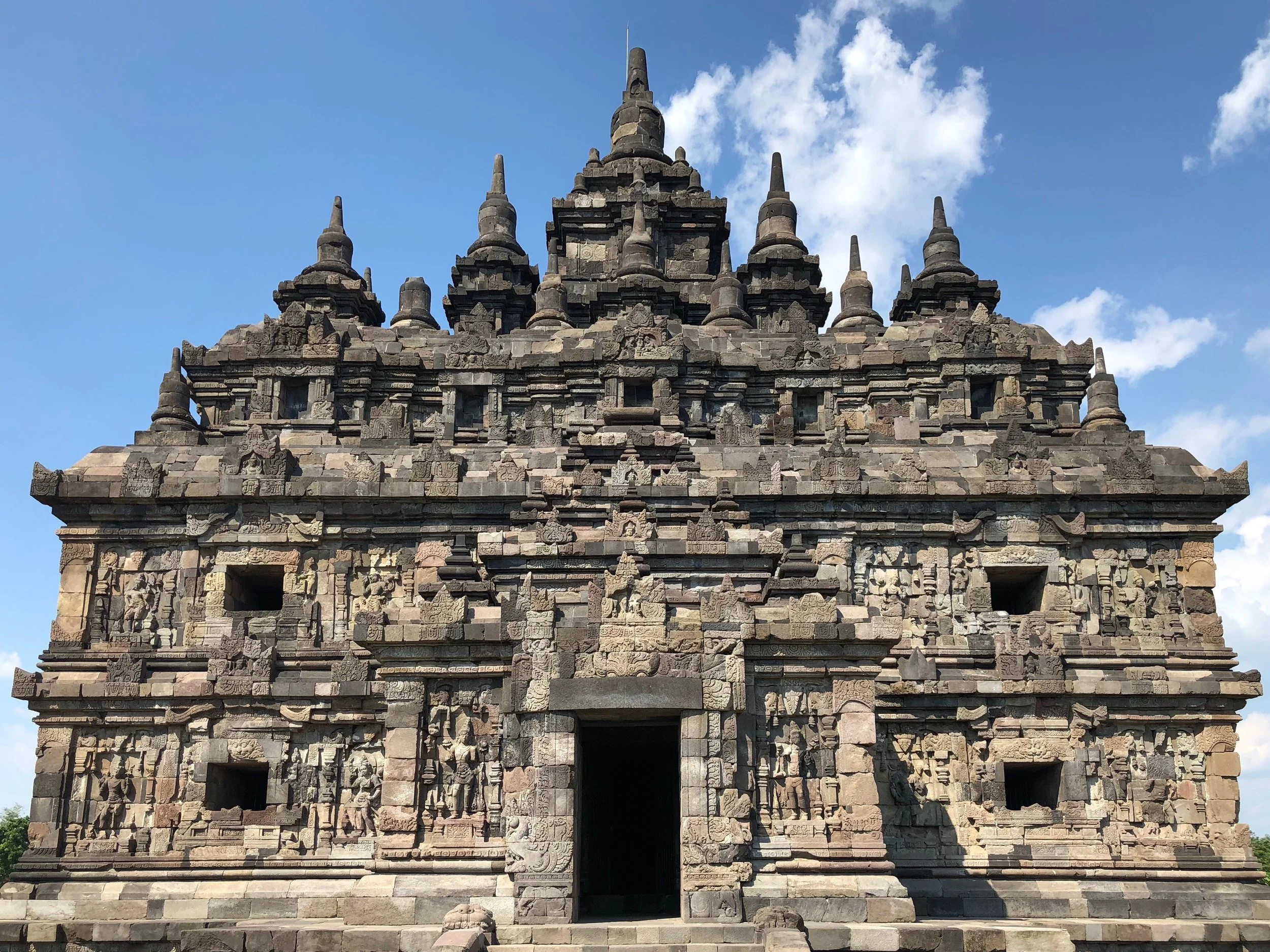
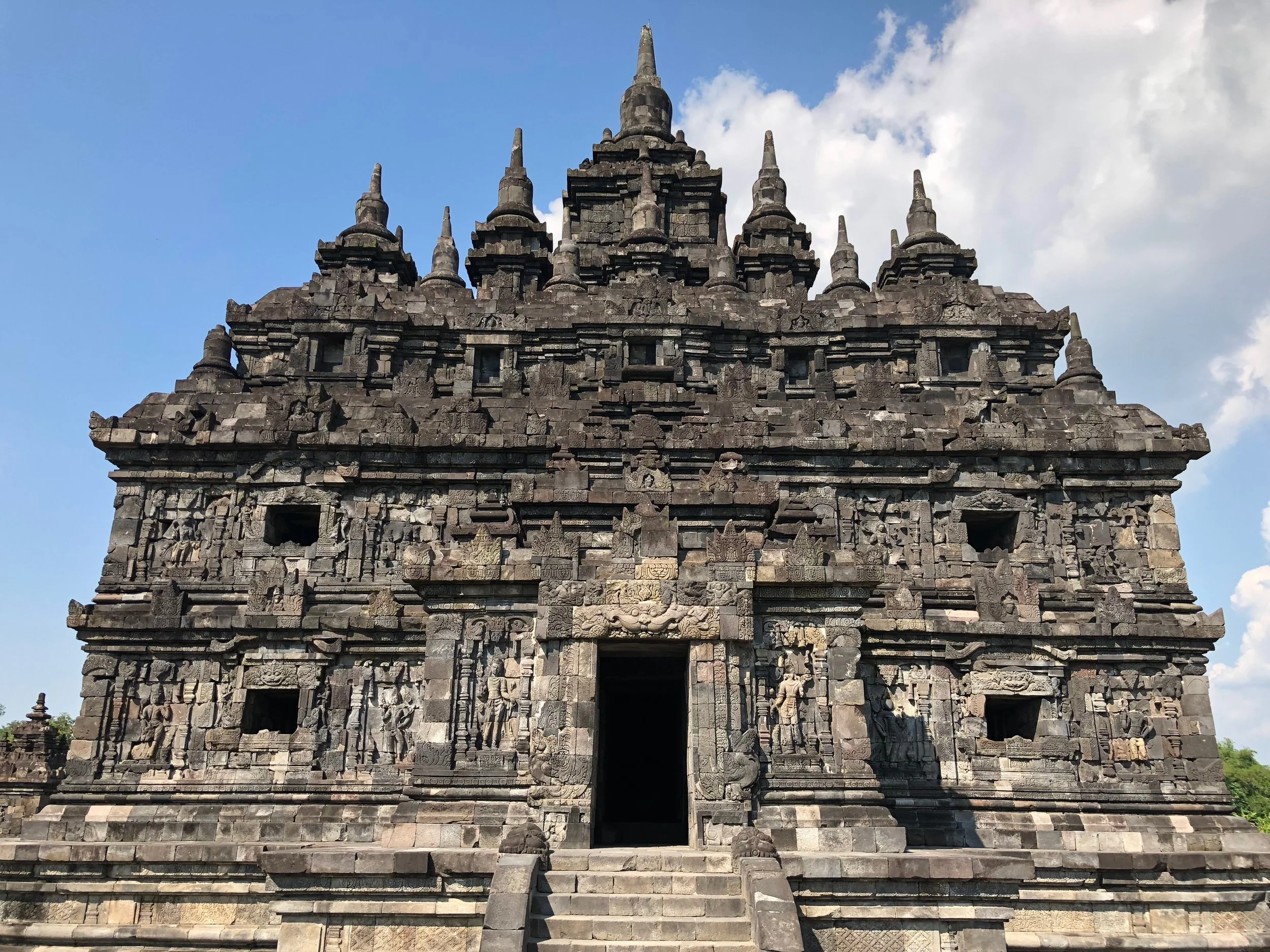
Plaosan is an often-overlooked addition to a day trip to Prambanan

Plaosan is an often-overlooked addition to a day trip to Prambanan

Our Borobudur guide, Wishnu, was showing us a few pictures that other tourists and guides had shared with him, when he paused to play us footage taken from a drone, soaring above a couple of stunning temples.

“What’s that?” I asked, and then, “Can we visit it?”

Wishnu replied that locals call these the Love Temples, and of course we could visit them — we just needed to let our driver for the Prambanan trip know that we’d like to add it to our itinerary.

The great love story began with an interfaith union between a Buddhist princess and a Hindu prince.
The northern complex is the one worth exploring

The northern complex is the one worth exploring

In the Name of Love

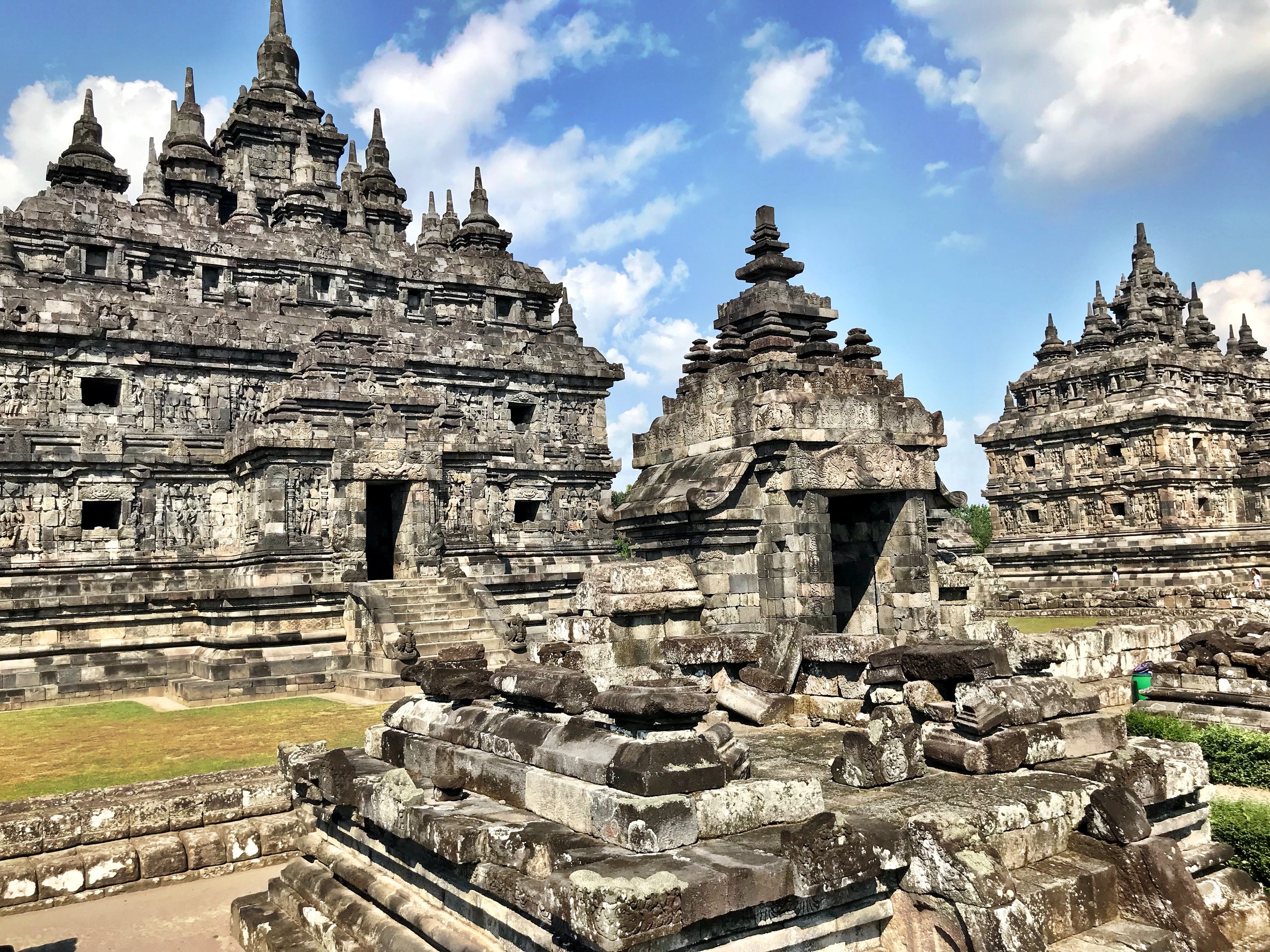
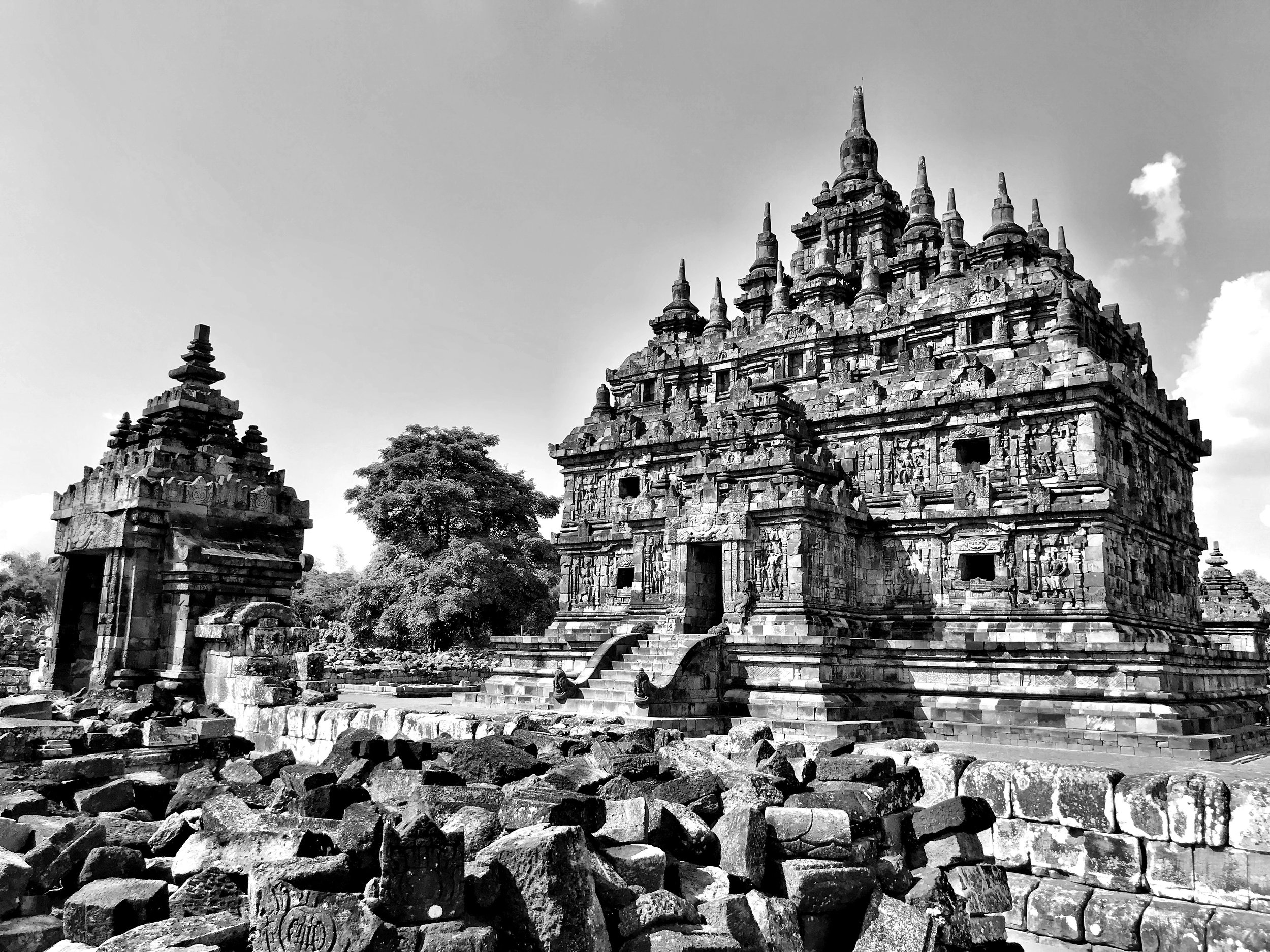
The site is officially called Candi Plaosan, a complex of Buddhist temples located in Klaten, Yogyakarta, a short distance north of the Hindu temples of Prambanan. What makes it truly unique is that both complexes were built by the same Javanese king.

Plaosan is a testament to the love that brought a Hindu prince and Buddhist princess together

Plaosan is a testament to the love that brought a Hindu prince and Buddhist princess together

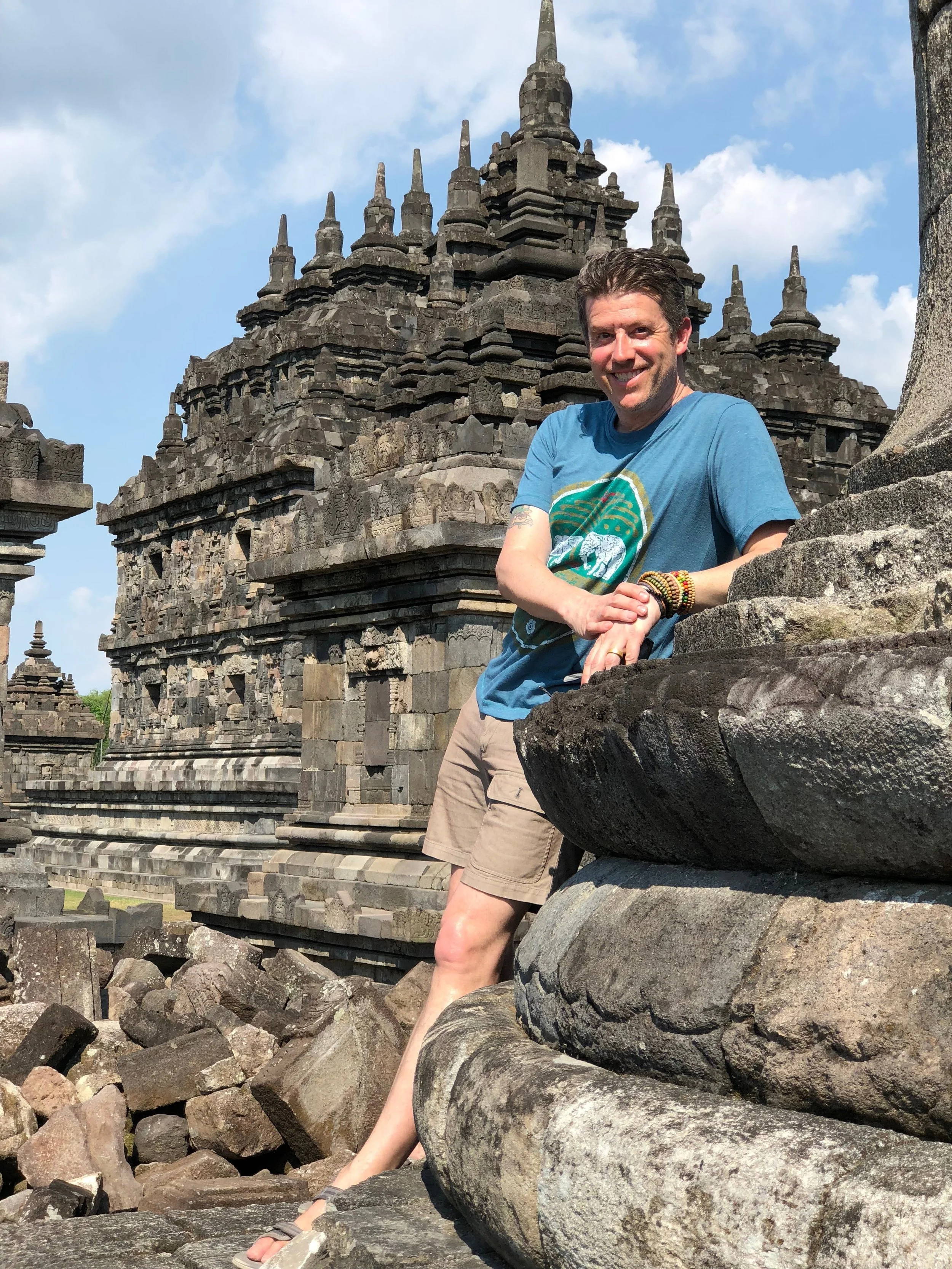
Wally climbs over the stones at Plaosan

Wally climbs over the stones at Plaosan

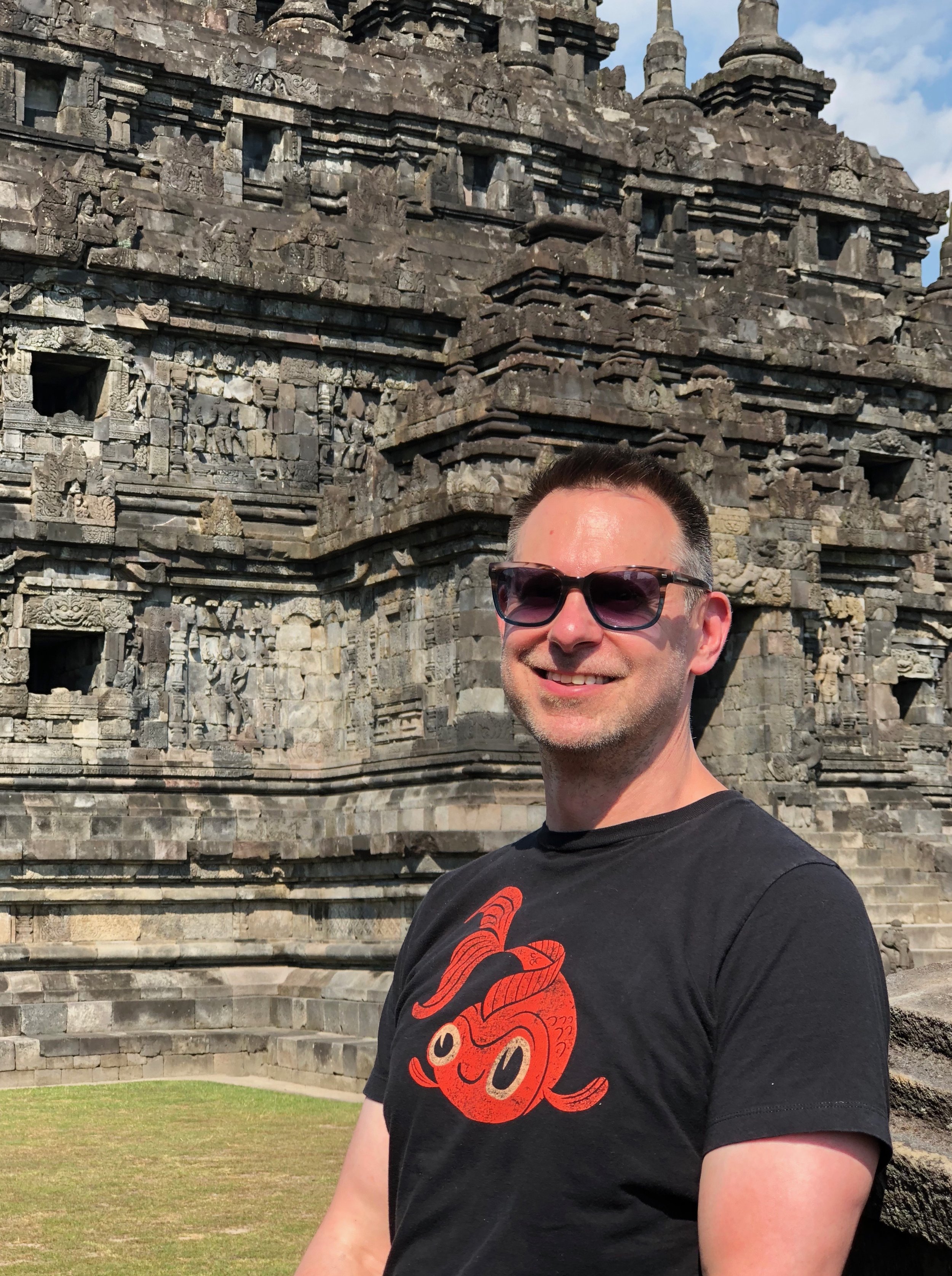
Duke on the temple complex

Duke on the temple complex

Looking toward the female viharn (monastery) from the one for males

Looking toward the female viharn (monastery) from the one for males

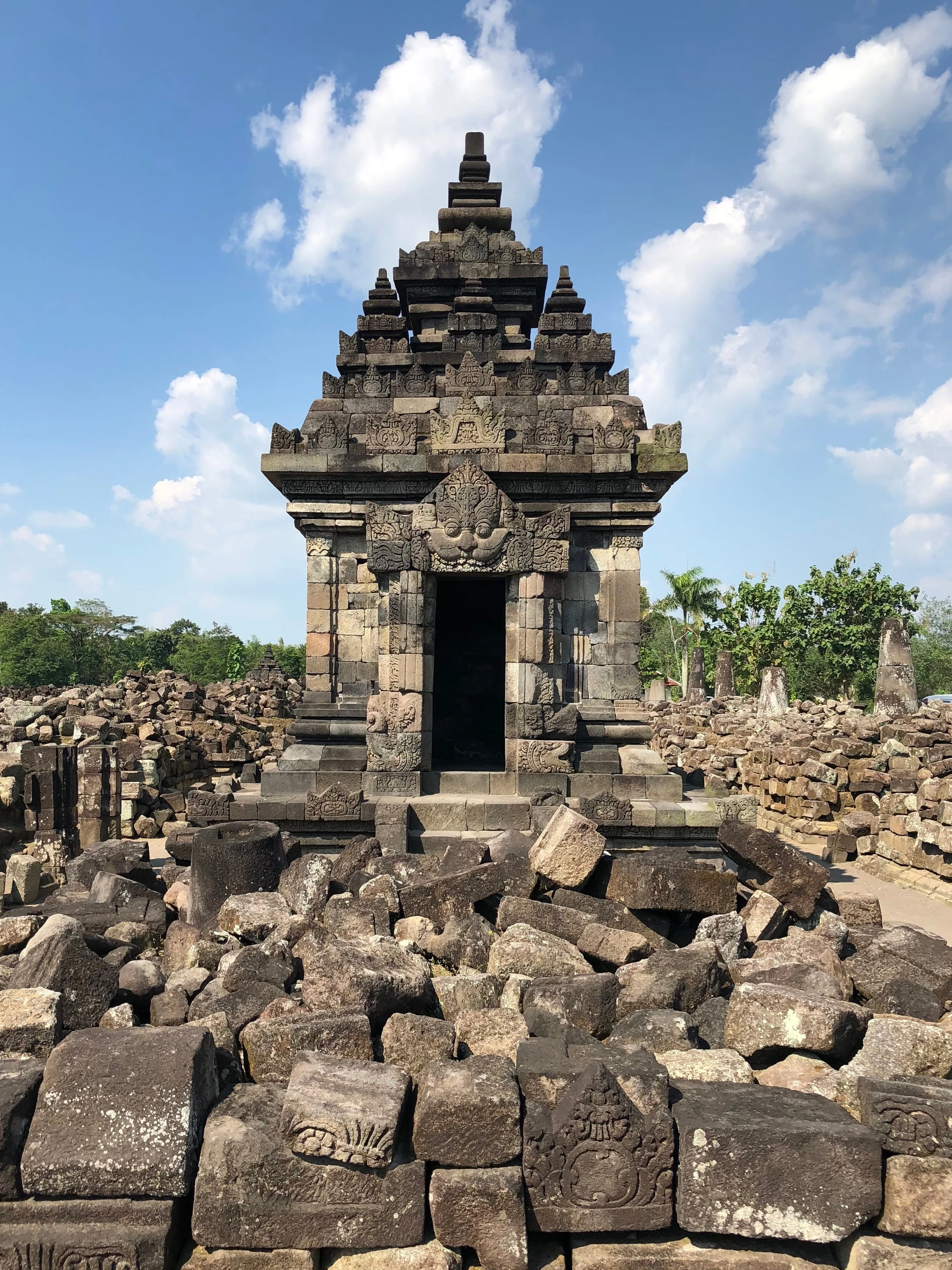
There are piles of rubble all over Plaosan, testifying that there’s still a lot of restoration work to be done

There are piles of rubble all over Plaosan, testifying that there’s still a lot of restoration work to be done

There were once many more of these smaller shrines

There were once many more of these smaller shrines

The great love story behind Plaosan began with an interfaith union between the two ruling dynasties of Central Java during the 9th century. Pramodhawardhani, a Buddhist princess and daughter of Samaratungga, the last known king of the Sailendra Dynasty, married Prince Rakai Pikatan, from the Hindu Sanjaya family. When Pikatan ascended to the throne, Pramodhawardhani became his queen and was given the name Sri Kuhulunan. Religious differences didn’t separate the couple, and together they played a significant role in building some of the finest Hindu and Buddhist temples of Central Java.

Plaosan is a 9th century complex built at the height of the Mataram Kingdom. Once part of a single site, Plaosan Lor, the northern main temples and the smaller Plaosan Kidul to the south are now separated by a public road.

Because Plaosan isn’t too well known, you could have the temple grounds virtually to yourself

Because Plaosan isn’t too well known, you could have the temple grounds virtually to yourself

A Temple for Men, A Temple for Women

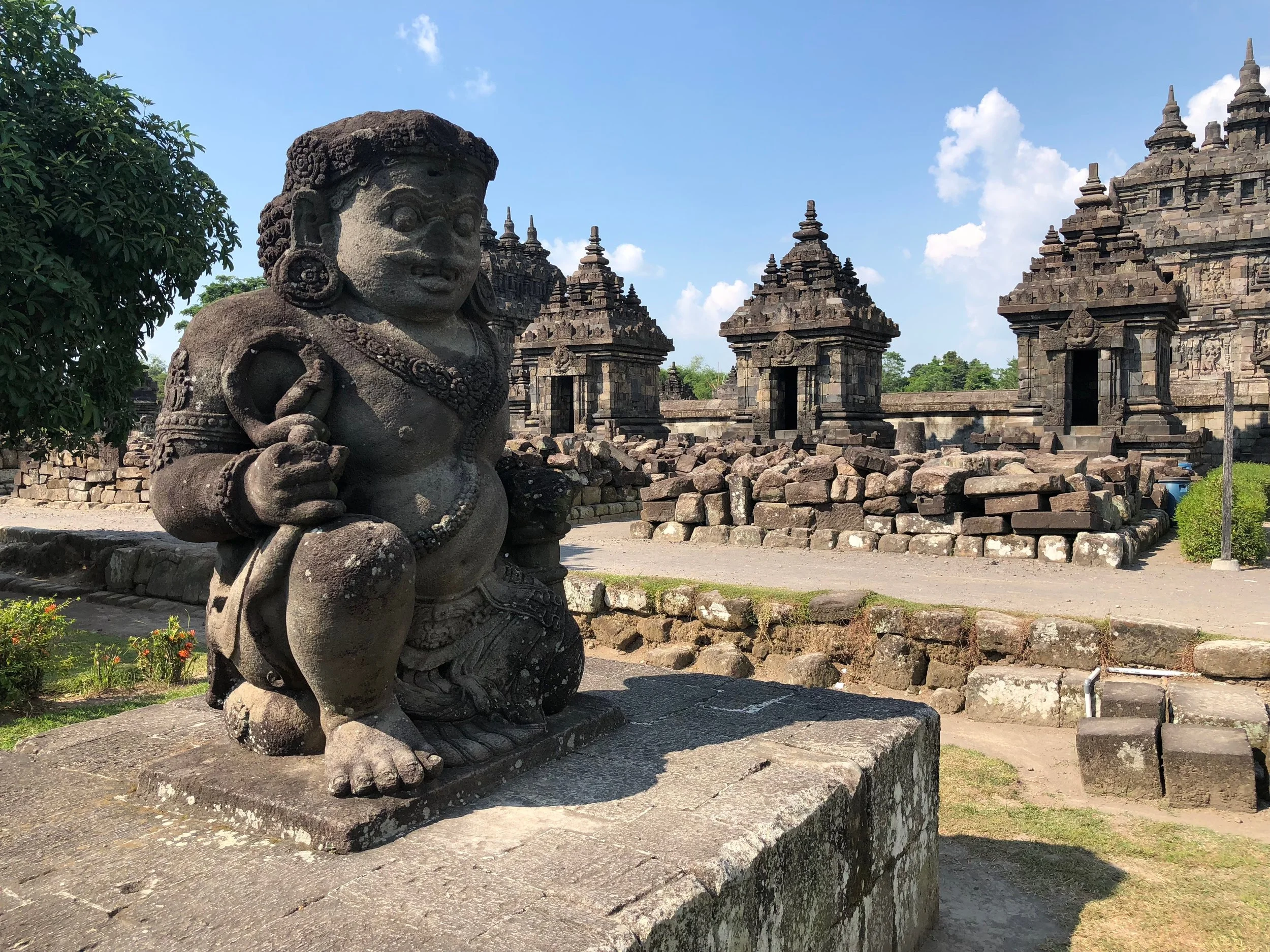
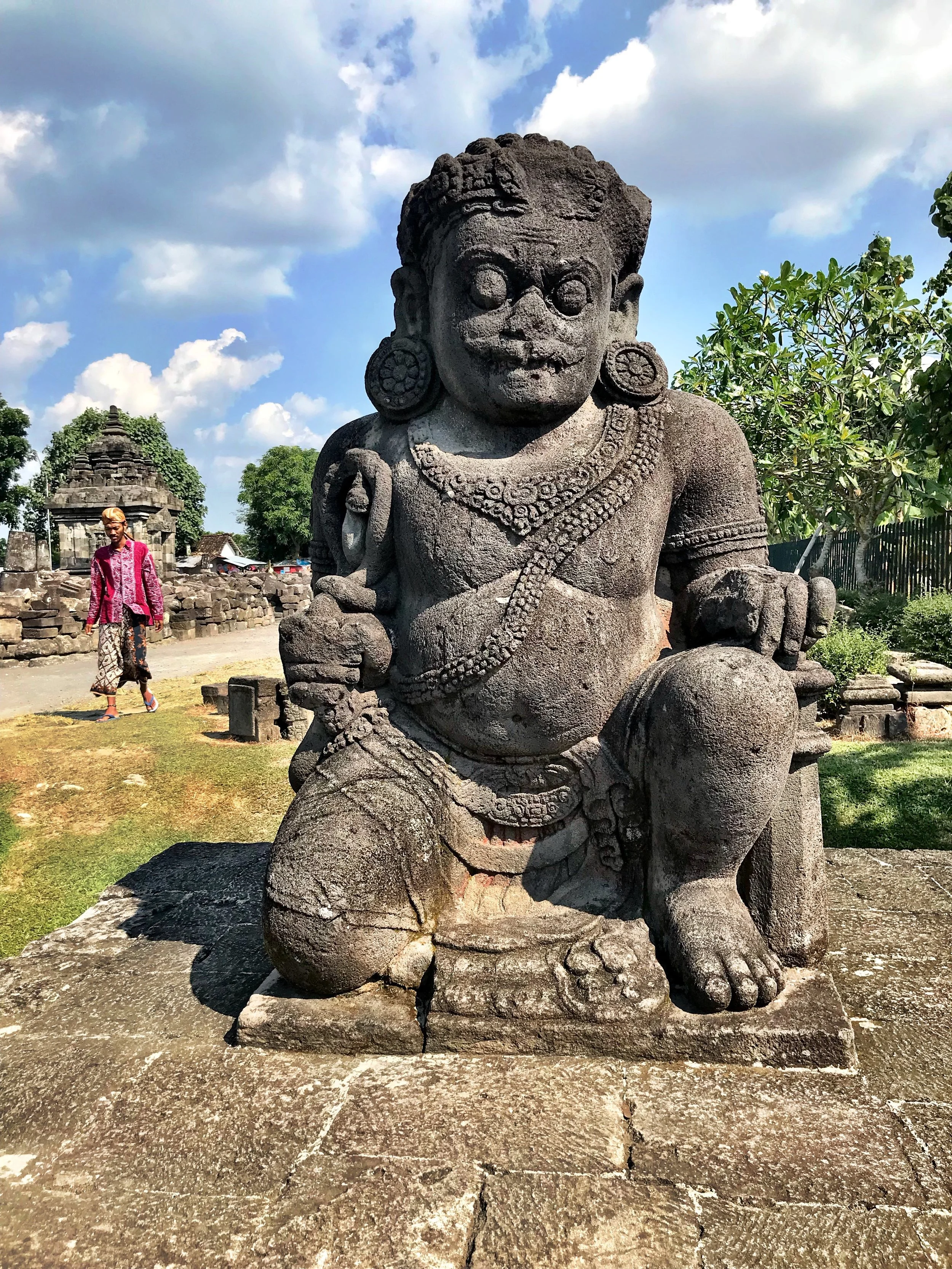
One of the first things Wally and I noticed as we entered the temple grounds of Plaosan Lor were four imposing stone ogres. Known as dwarapala, the stocky and squat semi-kneeling guardians grip a short thick club in their right hand, while the other rests upon a bent left knee.

Creatures known as dwarapala guard the entrance to the temple

Creatures known as dwarapala guard the entrance to the temple

This giant will fight to protect Plaosan

This giant will fight to protect Plaosan

Like Prambanan, the sanctuary follows a square grid system with groups of smaller ancillary shrines laid out in orderly rows. The buildings were constructed without mortar, their stones quarried and precisely cut. A small number have been reconstructed, standing amongst piles of gray andesite blocks yet to undergo restoration.

The temples are quite similar —but we’re pretty sure this is the one for men

The temples are quite similar —but we’re pretty sure this is the one for men

And this is the temple for women (actually living quarters for female monks)

And this is the temple for women (actually living quarters for female monks)

At the center of Plaosan Lor, the two nearly identical structures were viharas, meaning they were designed as Buddhist monasteries.

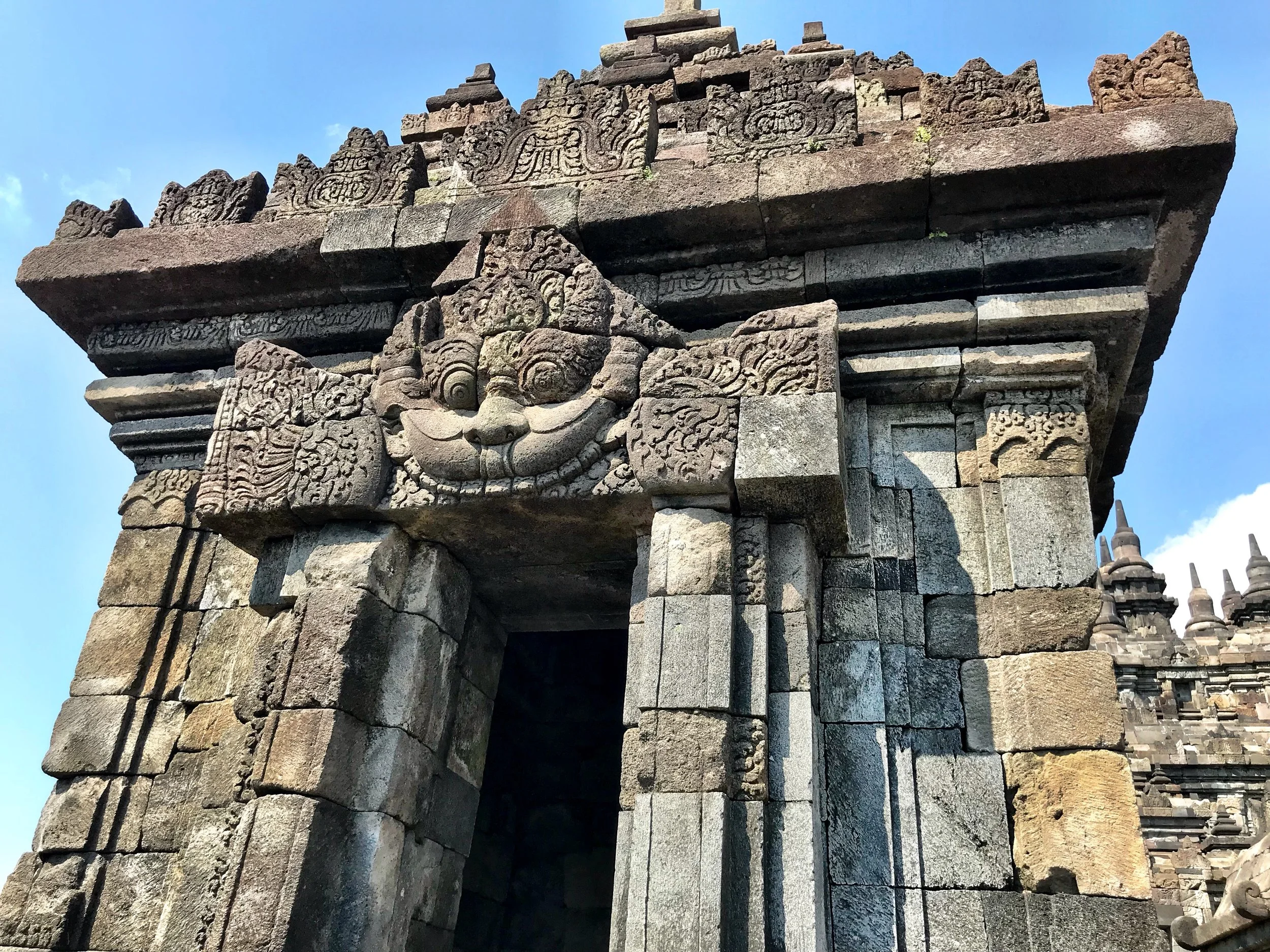
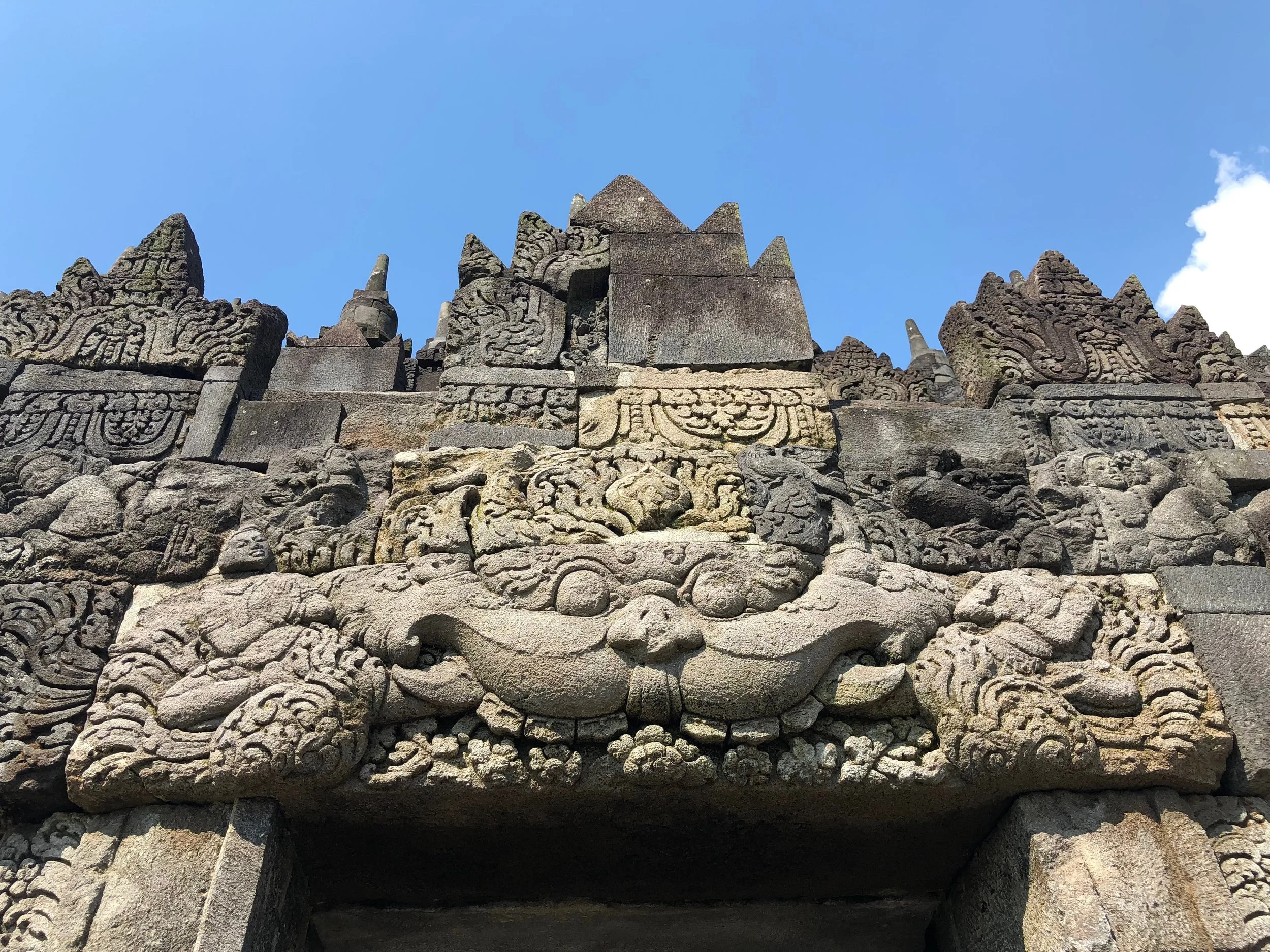
Above the arched gate portal leading to the temple is a Kala head whose gaping mouth symbolically swallows our mortal impediments and permits passage into the sacred inner courtyard.

Some entryways in the inner temple are shaped as the mouth of the deity Kala

Some entryways in the inner temple are shaped as the mouth of the deity Kala

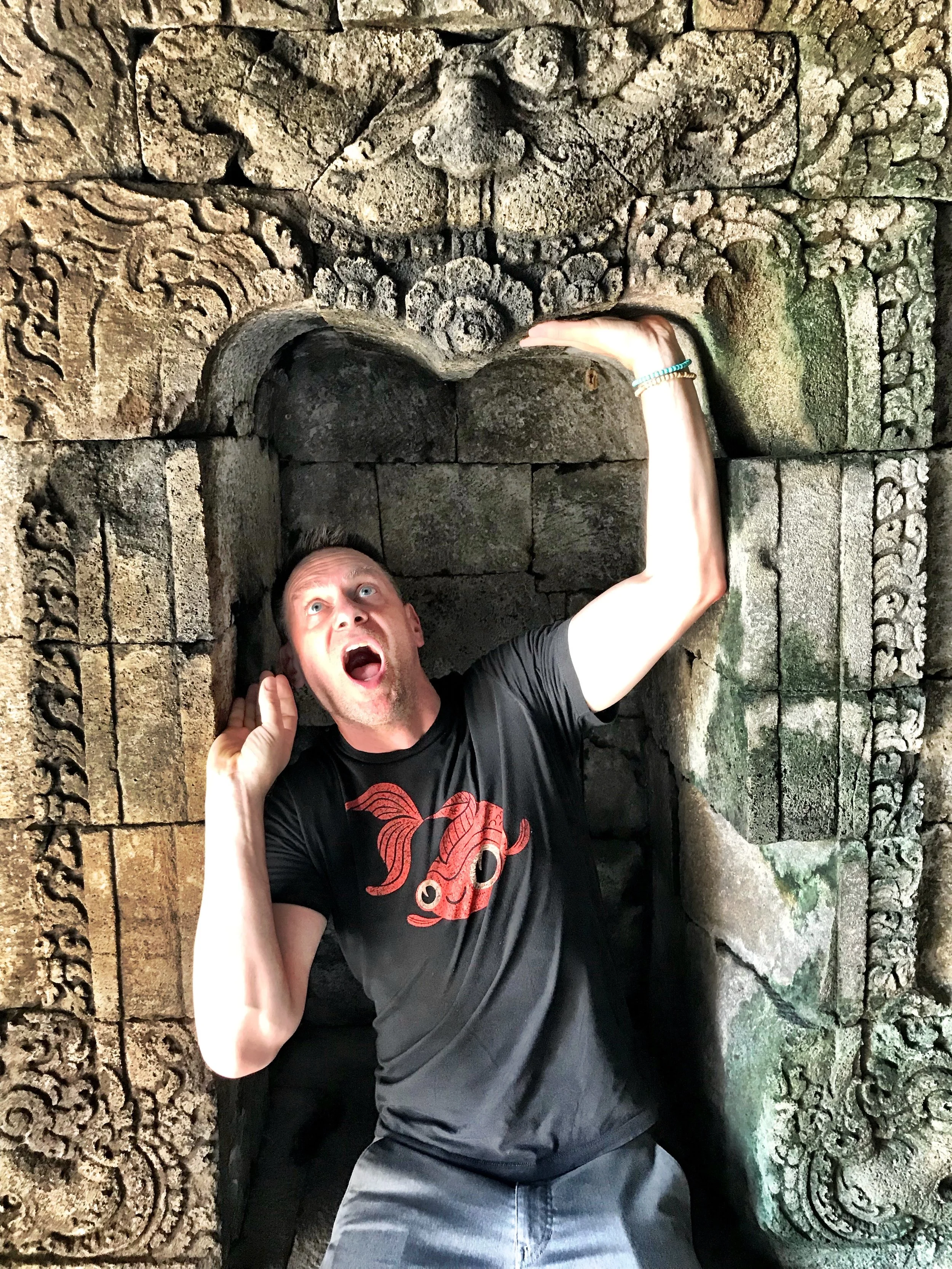
Legend has it that Kala’s mouth crushes those impure of heart. Poor Duke!

Legend has it that Kala’s mouth crushes those impure of heart. Poor Duke!

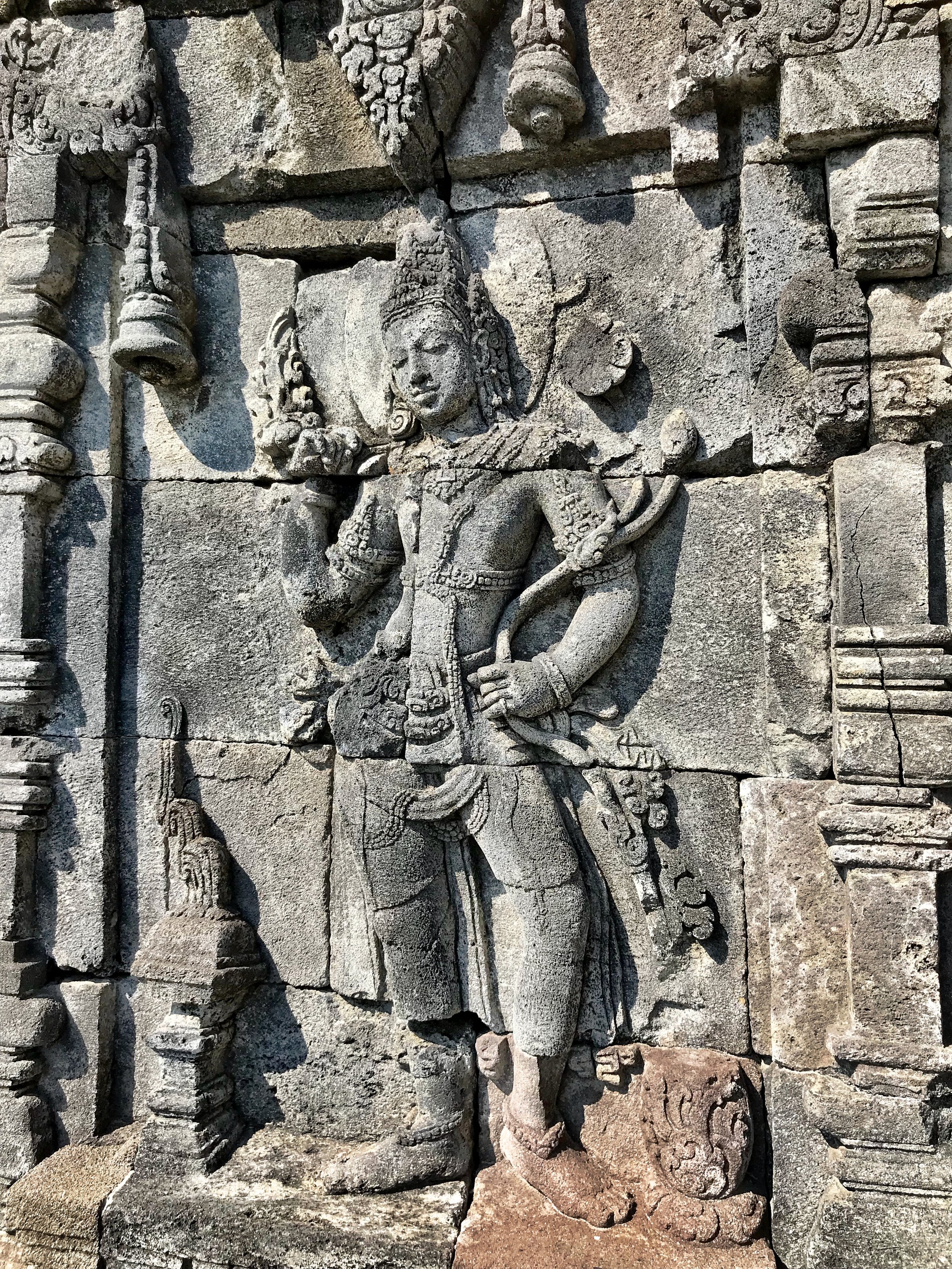
Towering stalagmite-like spires crown the multistory vihara, rising like the jagged peaks of Mount Meru, the holy mountain abode of the gods, and a pair of mythical serpentine makara form the railings of the staircase leading to the monastery — a small Kewpie-doll like dwarf figure stands within the creature’s gaping jaws.

The monument sits on a high rectangular stone podium with an apron that extends several feet outward, forming a porch where visitors can circumambulate the structure. Its exterior walls feature false windows, an architectural element meant to maintain symmetry on the façade. These are embellished with distinctive Kala-makara ornamentation, but unlike the ones above the gateways, these depictions of include a lower jaw with a wide mischievous grin similar to the Cheshire Cat in Lewis Carroll’s Alice’s Adventures in Wonderland.

Kala is a giant who was born from Shiva’s sperm

Kala is a giant who was born from Shiva’s sperm

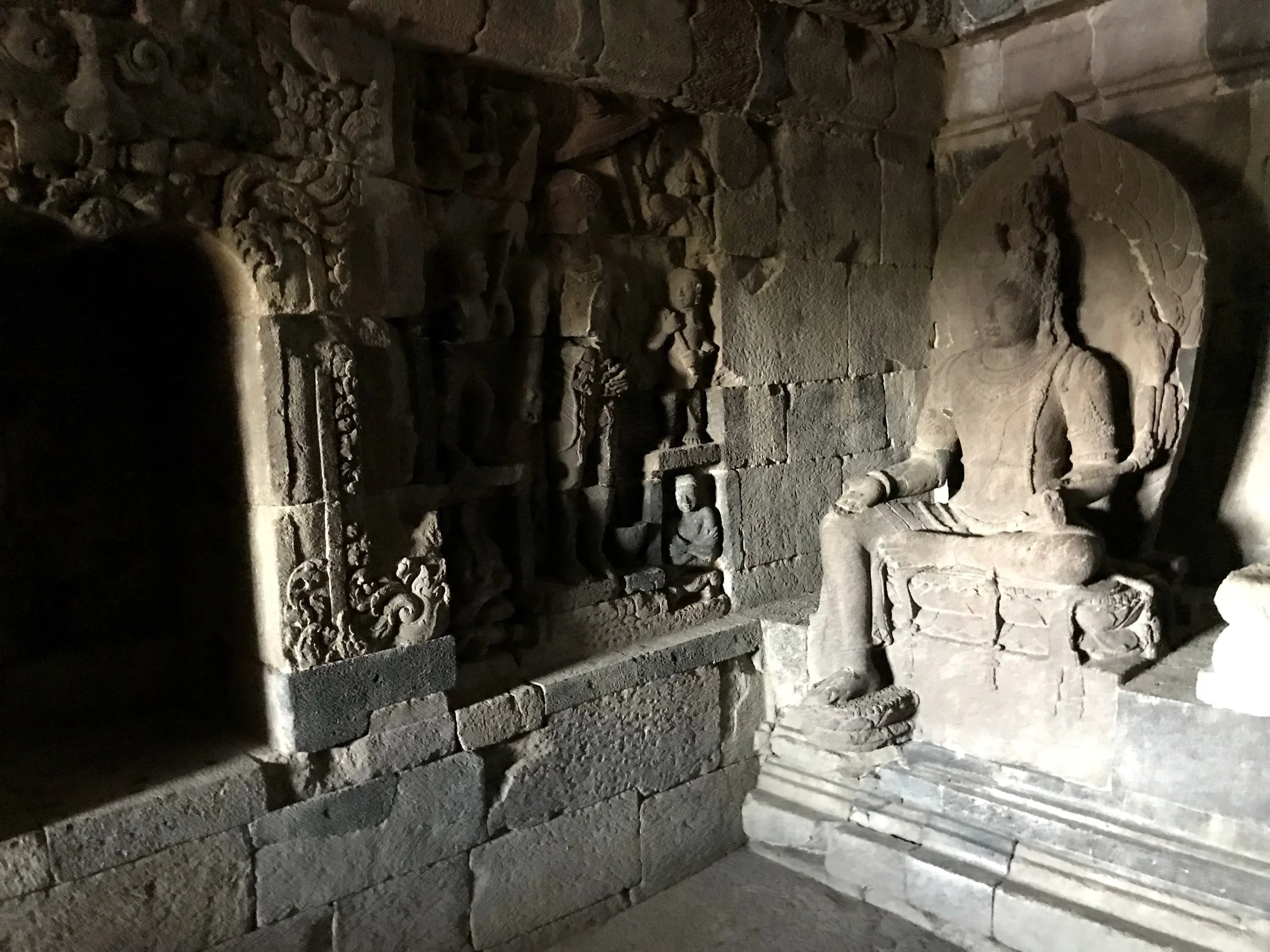
Enshrined within the central hall are a pair of headless seated Bodhisattva statues, one that is more or less a torso, presumably plundered and decapitated by relic thieves. An empty pedestal between the pair possibility held an enthroned bronze Buddha.

There’s not a whole lot to see inside the temples — mostly seated statues of Bodhisattva, those who have reached enlightenment but remain behind to instruct others

There’s not a whole lot to see inside the temples — mostly seated statues of Bodhisattva, those who have reached enlightenment but remain behind to instruct others

Some of the statues inside the temples are now decapitated

Some of the statues inside the temples are now decapitated

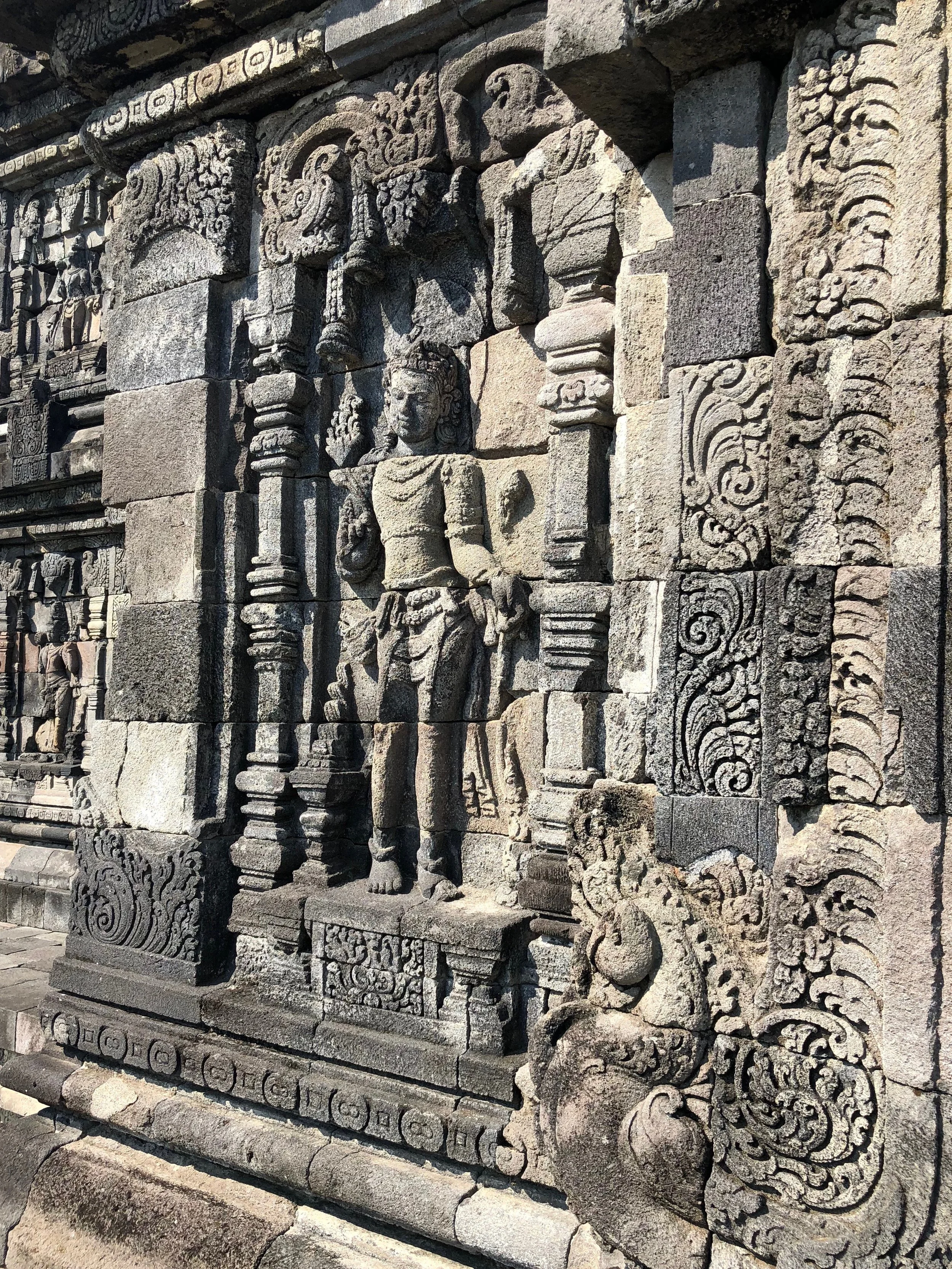
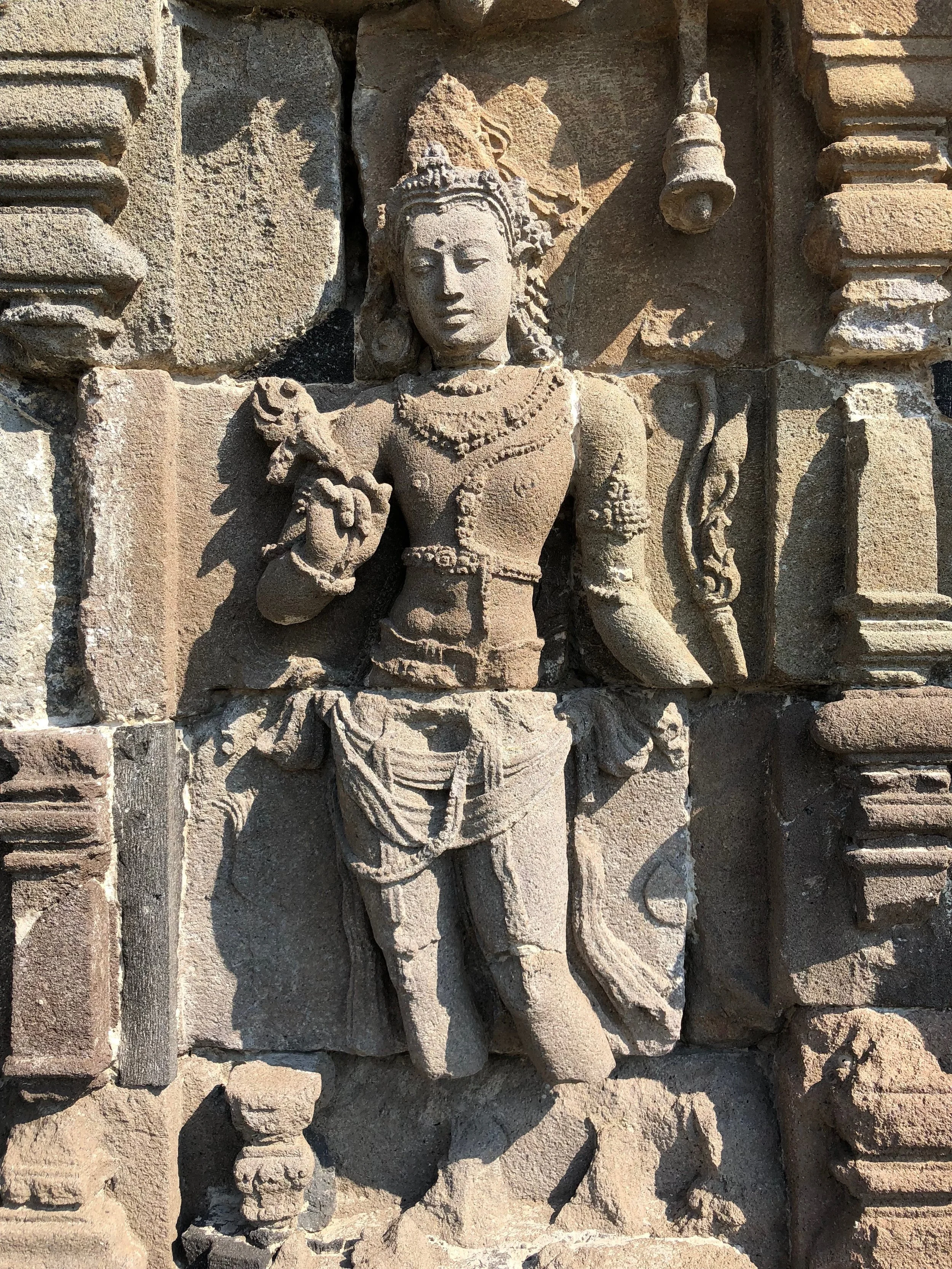
Intricately detailed reliefs of various demigods and deities adorn the exterior walls. According to a theory presented by Nicholas Johannes Krom, head of the early 20th century Dutch Archeological Society, the two vihara were sponsored by influential patrons and built for male and female monastics — not as a tribute to love, as locals prefer to believe.

Bas-reliefs line the exterior of Plaosan

Bas-reliefs line the exterior of Plaosan

The south-facing vihara depicts male figures, while the north depicts female figures. The south temple was probably a monastery for Bhikkhu monks, while the north housed Bhikkhuni nuns.

You can see the construction style in action: squares of interlocking stone

You can see the construction style in action: squares of interlocking stone

Deities and demigods adorn the outer walls, which you can circumambulate on a platform

Deities and demigods adorn the outer walls, which you can circumambulate on a platform

In the distance, behind the vihara, a celebration complete with multicolored garlands made of balloons was taking place. We passed through a side gate in the low wall separating the two temples and explored the second vihara.

Whether or not Plaosan was constructed as a symbol of Pikatan’s devotion to Sri Kuhulunan or as a display of political reconciliation to placate the Buddhist Sailendra Dynasty, it certainly makes for an interesting story. –Duke

plaosan5.JPG

Candi Plaosan

Jalan Candi Plaosan
Plaosan Lor
Bugisan
Kecamatan Prambanan
Kabupaten Klaten
Jawa Tengah 57454
Indonesia

The Crocotta and Other Monsters

The villains of Supernatural, Season 3, Episodes 12-14 include the old standbys demons and ghosts, as well as Thomas Edison’s spirit phone.

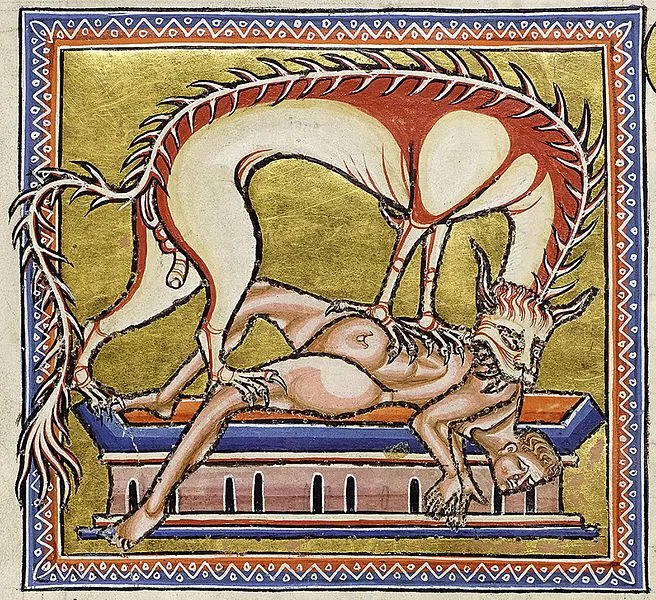
The crocotta, seen in this illustration from the Aberdeen Bestiary, lures its victims by sounding like someone they know in need of help

The crocotta, seen in this illustration from the Aberdeen Bestiary, lures its victims by sounding like someone they know in need of help

Rip out the crocotta’s crystal eyes, put them under your tongue — and you’ll be able to tell the future!
A demon found at Ostia, as depicted in Demonology and Devil-Lore

A demon found at Ostia, as depicted in Demonology and Devil-Lore

S3E12: “Jus in Bello”

Monster: Demon

Where it’s from: All over the world

Description: There’s something demonic in even the most appealing of gods, argues Moncure Daniel Conway, in his 1879 work Demonology and Devil-Lore. “Man found that in the earth good things came with difficulty, while thorns and weeds sprang up everywhere,” he writes. “The evil powers seemed to be the strongest. The best deity had a touch of the demon in him. The sun is the most beneficent, yet he bears the sunstroke along with the sunbeam, and withers the blooms he calls forth.” In fact, “deity and demon are from words once interchangeable,” Conway points out.

What it does: We’ve covered demons before, and their propensity for possessing people.

In this episode, demons are beelining for the Winchester boys, surrounding the sheriff’s office they’re in. “It’s like we got a contract on us,” Dean says, adding, “I think it’s ’cause we’re so awesome.”

How to defeat it: You can get matching pentagram sun tattoos, like Dean and Sam. They’re cheesy as hell, but hey: They keep you from being possessed.

A snouted demon, also from Demonology and Devil-Lore

A snouted demon, also from Demonology and Devil-Lore

You can also use a rosary to make holy water in the toilet. And, of course, there’s good old salt. Which leads to this funny exchange with the FBI agent:

Henriksen: Fighting off monsters with condiments. So, turns out demons are real.

Dean: FYI, ghosts are real, too. So are werewolves, vampires, changelings, evil clowns that eat people.

Henriksen: Okay, then.

Dean: Makes you feel better, Bigfoot’s a hoax.

Henriksen: It doesn’t.

The boys learn about a “big new up-and-comer” named Lilith. “And she really, really wants Sam’s intestines on a stick.” Grilled sausage, anyone?

Dean and Sam contemplate a spell that will vaporize all demons in a square radius — but it requires the sacrifice of a “person of virtue,” which is just another way of saying “virgin.” Not up to cutting Nice Nancy’s heart out of her chest, the Winchester Brothers decide to fight their way out, with the help of an exorcism over the PA system.

Demon Ruby gives them black mojo bags to throw Lilith off their trail. For now…

Some ghosts are trapped in continuous loops that play out their deaths

Some ghosts are trapped in continuous loops that play out their deaths

S3E13: “Ghostfacers”

Monster: Ghost

Where it’s from: Morton House, a haunted house possibly in Benton Harbor, Michigan

Description: This ghost looks remarkably lifelike.

What it does: The phantom returns every four years. Some call it the Leap Year Ghost. A crew of ghost hunters is filming an episode of their show Ghostfacers, and of course the Winchester boys show up masquerading as police to take on the evil spirit as well.

An apparition of a gangster gets gunned down. It’s a death echo, Dean explains. They seem to be an invention of the show, though there are plenty of reports of ghosts caught in neverending loops.

The Ghostfacers crew has some competition, including Josh Burger and Stan Maczek, shown using an electromagnetic field (EMF) detector

The Ghostfacers crew has some competition, including Josh Burger and Stan Maczek, shown using an electromagnetic field (EMF) detector

There are multiple death echoes, including a man hit by a train. These people didn’t die in Morton House, though. So why are their spirits trapped there?

Turns out the home’s last owner, Daggett, was a janitor at the hospital. He brought the bodies home “to play with them.”

Sam disappears. He and Corbett the intern are in some creepy kitchen while “It’s my party, and I’ll cry if I want to” plays over and over. Poor Corbett, who was in love with Ed, one of the Ghostfacer crew, gets poked through the neck and dies.

Daggett is wearing a party hat. He gets lonely, you see. But Dean has no sympathy. “He’s never heard of a RealDoll?” he quips.

How to defeat it: “You gotta be gay for that poor dead intern,” the other Ghostfacer host tells Ed. He concedes and is able break Corbett out of the death echo and convince his spirit to take down Daggett. Remember, people, as Ed says, “Gay love can pierce through the veil of death and save the day.”

The crocotta looks like a big wolf-hyena hybrid, seen in the illuminated manuscript the Rochester Bestiary

The crocotta looks like a big wolf-hyena hybrid, seen in the illuminated manuscript the Rochester Bestiary

S3E14: “Long-Distance Call”

Monster: Crocotta

Where it’s from: India and Ethiopia

Description: In folklore, the crocotta is a mishmash of animals, often described as a giant wolf-like hyena with cloven hooves. On the show, though, it’s a humanoid who lives in filth. In both versions, the monster has a unique means of luring its victims: It can mimic human speech and will call out someone’s name and other personal information, pretending to be someone in trouble. It then devours the poor suckers with the bone ridges it has instead of teeth.

Fun fact: Rip out its crystal eyes, put them under your tongue — and, by Merlin, you can tell the future!  

What it does: A man gets a call on the phone from a woman named Linda. She wants him to join her. They love each other. He pulls the phone out of the wall, but it still rings. “Okay, Linda, you win,” he says. And blows his brains out.

The man’s wife confesses that she picked up the phone during one of these calls — and she only heard static.

The caller ID on the phone reads, SHA33. It’s actually a phone number that’s over a century old. Ten different homes all got calls from that number in the past two weeks, including Dean, who spoke with what sounded like his dead dad.

Which leads us to a red herring — but a fascinating one nonetheless. The Winchester boys are in Milan, Ohio, the birthplace of Thomas Edison. The inventor told The American Magazine in 1920 that he had been working on a spirit phone, “building an apparatus to see if it is possible for personalities which have left this earth to communicate with us.” He thought that a scientific device could detect the “life units” that get scattered throughout the universe when we die.

Thomas Edison tried to invent the spirit phone, which would let us speak with the dead

Thomas Edison tried to invent the spirit phone, which would let us speak with the dead

The killings all turn out to be the work of a crocotta: in this case, a man at the phone company. He’s a bit of a Luddite, offering up this meditation on the modern condition: “You’re all so connected. But you’ve never been so alone.” Preach!

How to defeat it: Ramming its head into a metal hook will do the trick. –Wally
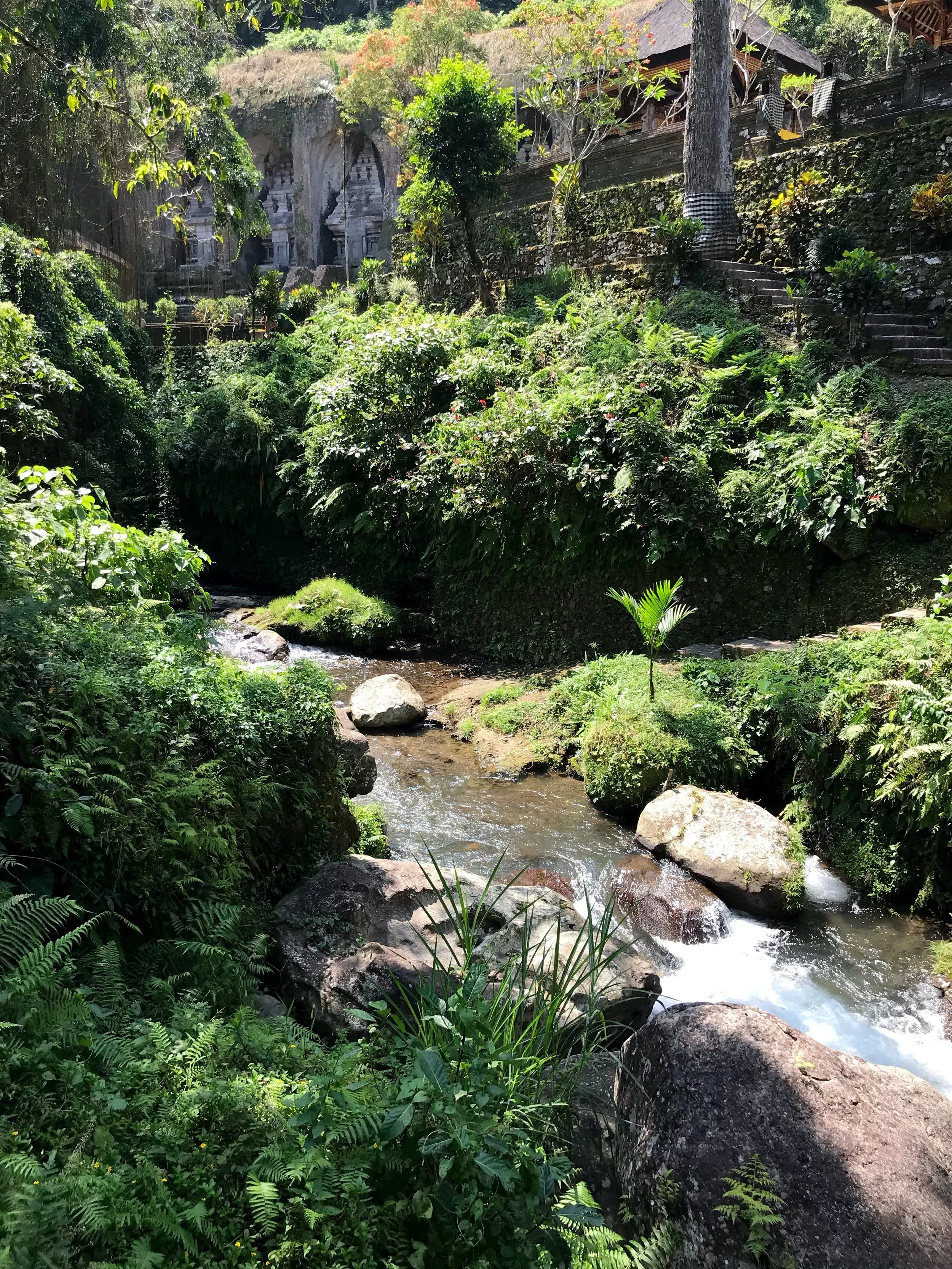
What It’s Really Like to Walk the Camino Frances

Everything you need to know about the Camino de Santiago, from the difficult first day to the frustrating ending — with all the serenity in between.

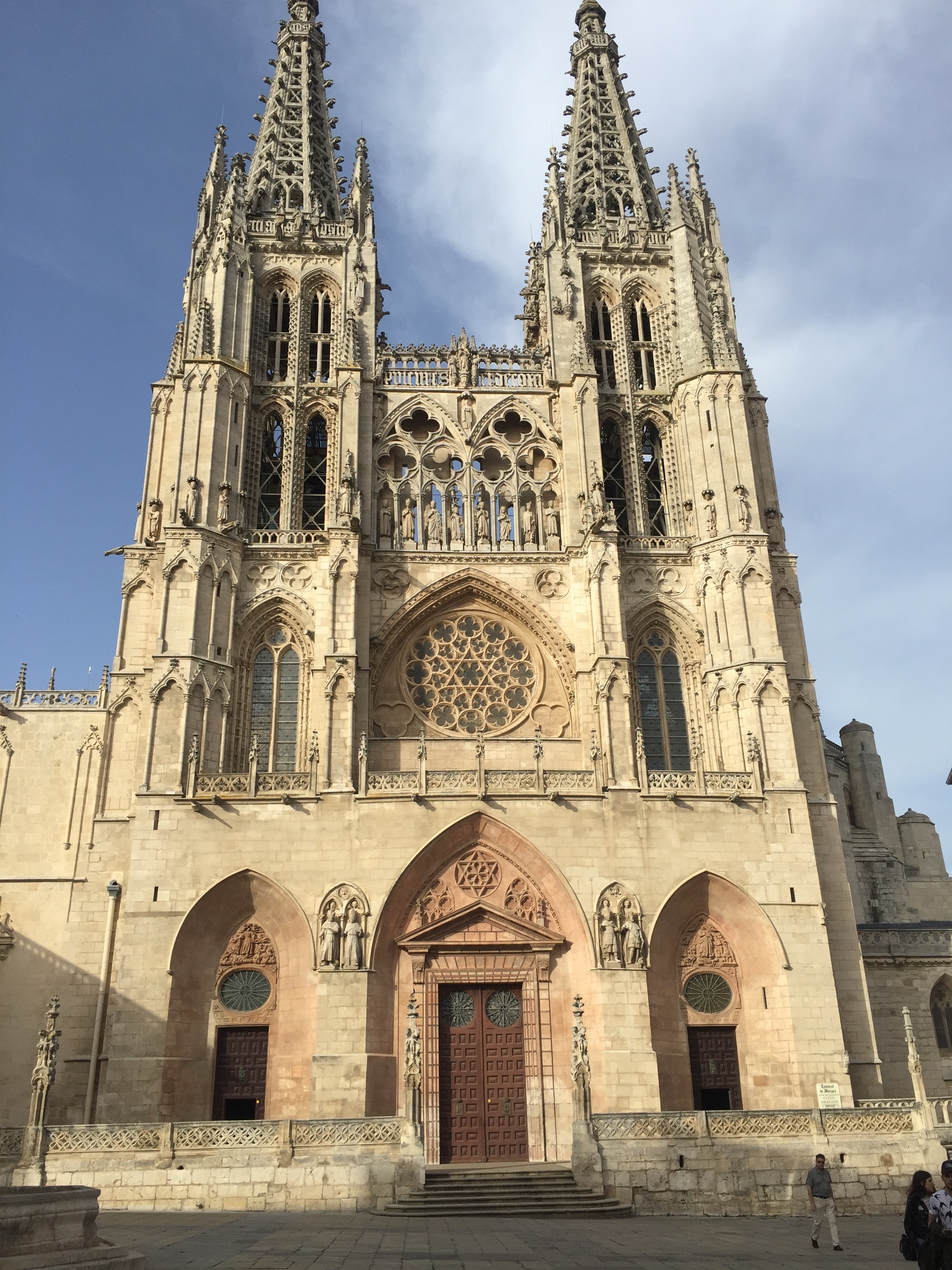
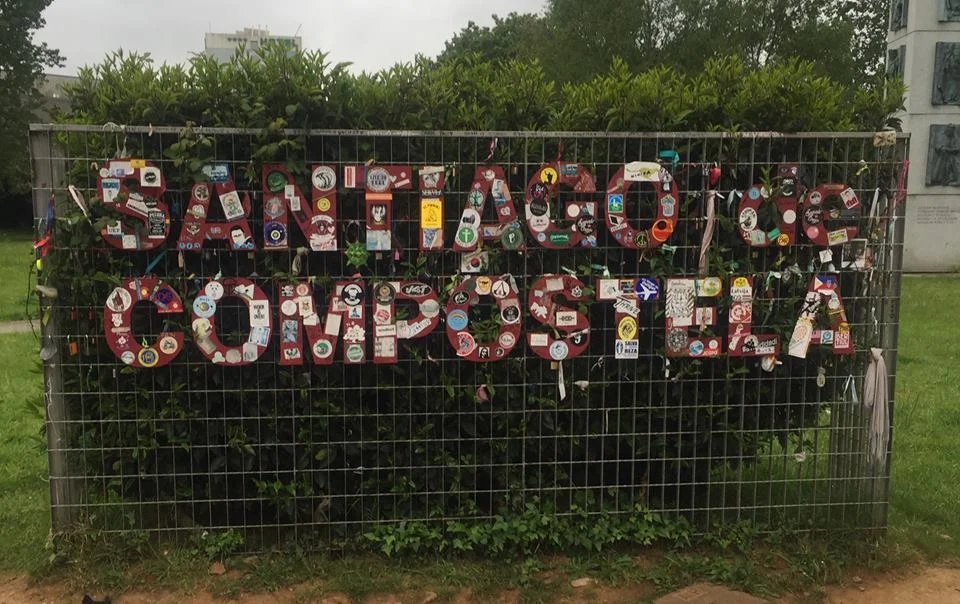
The Camino Francés is the most popular of the pilgrimage routes that end up in Santiago de Compostela, where Saint James the Great’s body is said to be buried

The Camino Francés is the most popular of the pilgrimage routes that end up in Santiago de Compostela, where Saint James the Great’s body is said to be buried

Walking for 35 days. A 500-mile trek through northern Spain. It’s not everyone’s idea of a vacation. So what got our friend Susan to decide to take on the Camino de Santiago?

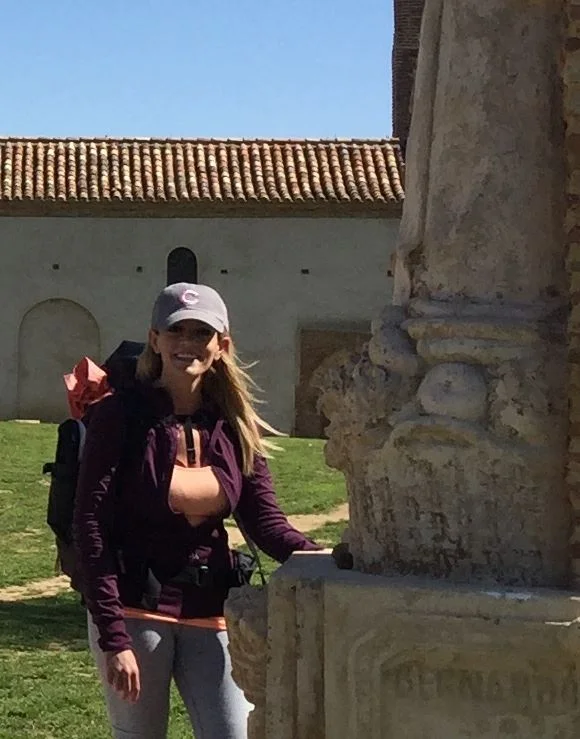
Susan decided to hike the Camino de Santiago by herself

Susan decided to hike the Camino de Santiago by herself

Blame Oprah. At least in part. You see, Susan saw Winfrey’s special about spiritual belief, and was intrigued by the camino. She was going through a transition in her life and wanted to do something epic.

There are at least eight different routes to choose from, and Susan decided upon the Camino Francés, the most popular option.

Here’s what this intense pilgrimage entails.


Why did you decide to do the Camino de Santiago?

I had heard about the Camino de Santiago back in 2011 when I was living abroad in Ireland. I always had it in the back of my head that it sounded really cool. I was burnt out as a lawyer and wanted to do something that was completely out of my element. I decided to quit my job and go back to school. I had about five weeks from my last day of work before my master’s program started, and the camino seemed perfect because you can do it by yourself and it’s safe. You can walk alone, but there are also lots of opportunities to meet other people from all over the world. When I told everyone I was going to go to Spain to walk 500 miles, they all said it sounded crazy — but also really cool.

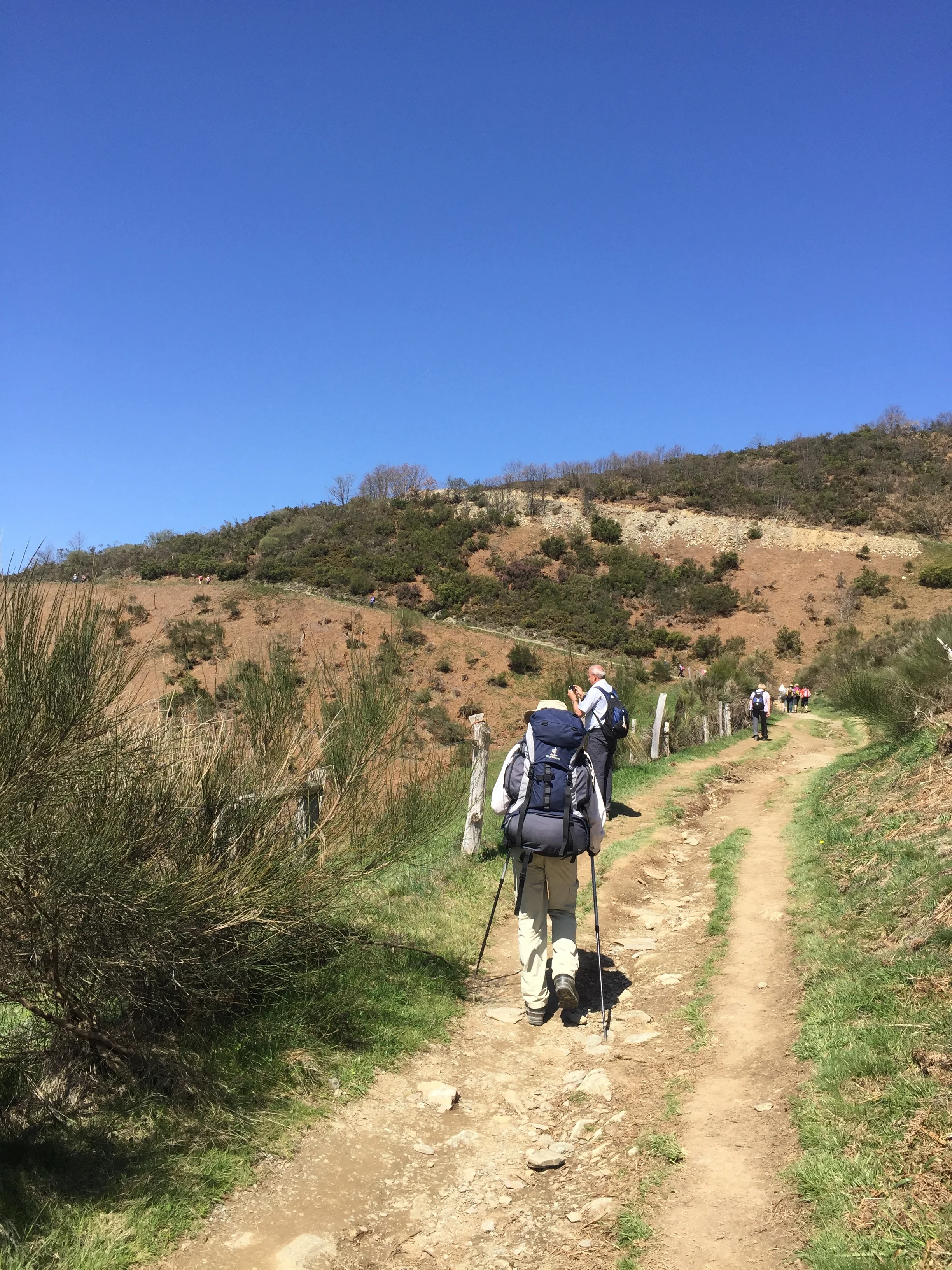
The first day was uphill through the Pyrénées. It was raining and muddy, and I was thinking to myself, “What have I gotten myself into?!”

I didn’t know if I was going to make it.
In the spring, the camino is less crowded than in the summer

In the spring, the camino is less crowded than in the summer

When did you go?

There’s a ton of people in June, July and August, but not in May, when I was there. There are stretches where you don’t see anyone.


How long was the hike?

About five weeks. It took me a few days to get to the starting point. I flew into Biarritz, France. The walk starts in a town called Saint-Jean-Pied-de-Port. The overall route took me 32 days to walk 560 miles.

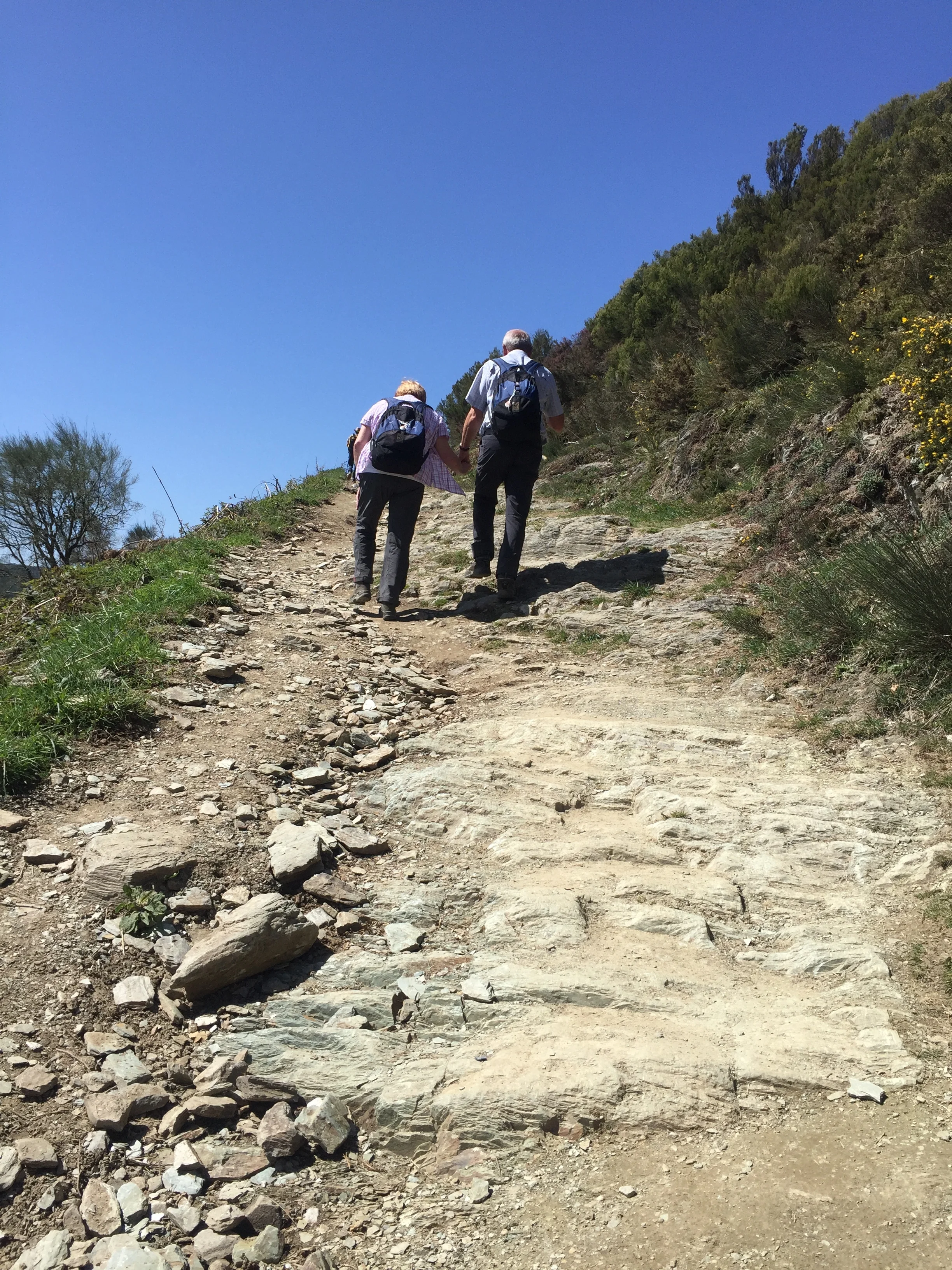
Some days involve hiking uphill in the Pyrénées, though some people find it even more difficult going downhill

Some days involve hiking uphill in the Pyrénées, though some people find it even more difficult going downhill

What’s it like when you start the Camino de Santiago?

Scary. I didn’t prepare much. When I met people along the way, they had done so much research. I ordered hiking shoes and a backpack, and booked my flight. I got into Saint-Jean-Pied-de-Port and I was terrified. I didn’t know what to expect. The first day I got there, it was pouring rain. I got up at 7 a.m., put my backpack on…and just started walking.


How was the French leg of the journey?

You only spend about a day and a half in France. Unlike in Spain, where everything’s well marked, there are no signs in France. Within the first 500 feet, I took a wrong turn, which I’m gonna blame on this girl from Hungary. I followed her, and after a while, we were like, this doesn’t look right. So we had taken an hour-long detour.

The second half of the day was uphill through the Pyrénées, so it was very difficult. It was raining and muddy, and I was thinking to myself, “What have I gotten myself into?!” I didn’t know if I was going to be able to make it through the whole thing. And apparently, this was the easy route! We had heard horror stories from people who had done the harder route.

Things got so much easier after that. I’m kind of glad I didn’t know about the huge incline ’cause I would have been really anxious about it.


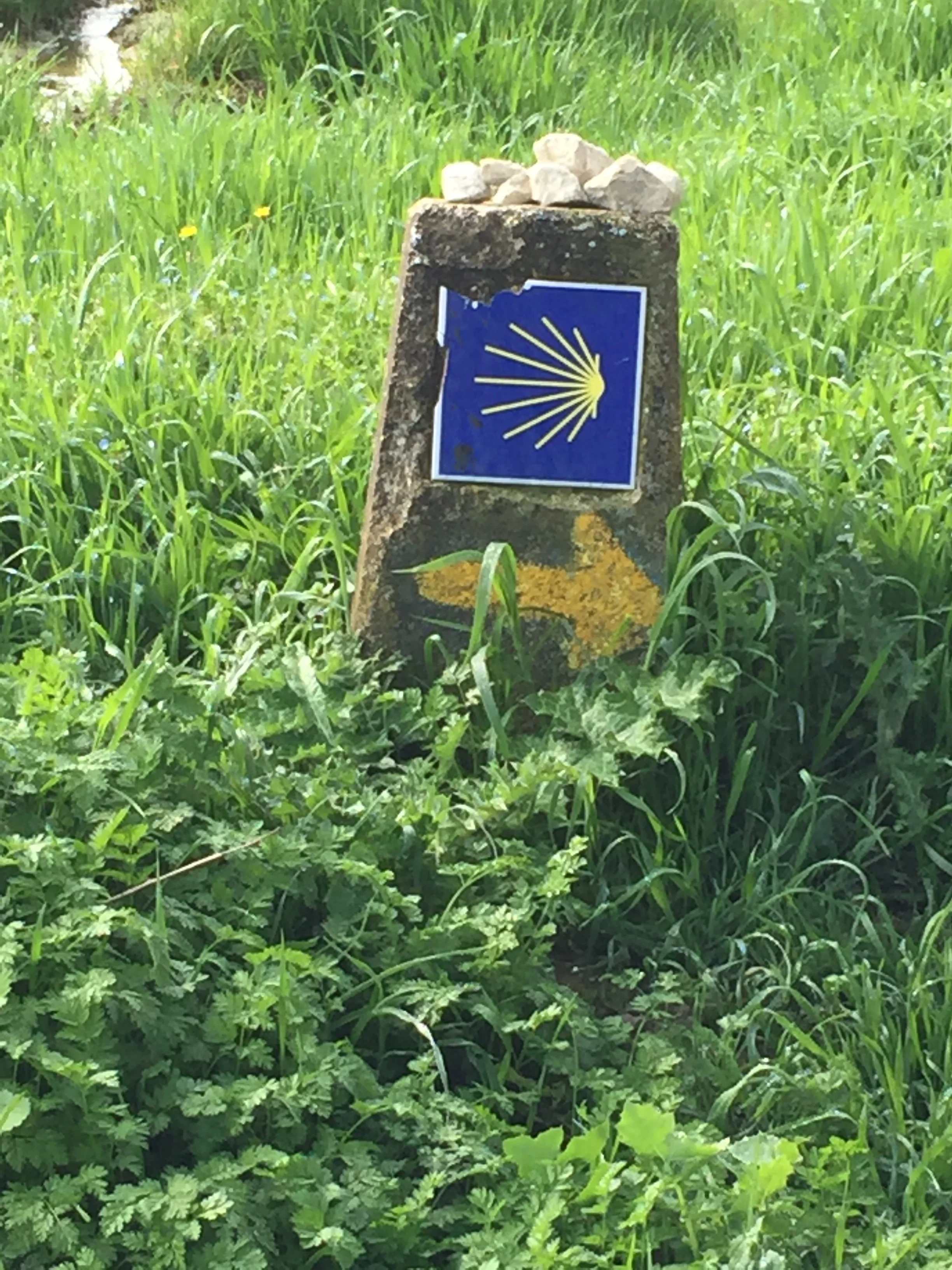
Look for this icon to keep on the camino

Look for this icon to keep on the camino

Was it easy to get lost on the camino?

There’s an app for the Camino de Santiago — which I didn’t realize until the third day. The app tells you all the different places you can stay, if it’s flat, if you have inclines or declines.

It’s called Buen Camino, which is what everyone says to you when you pass them. It means “good way.” You see yourself as a little yellow dot, so you can see if you’re straying off the path.

And once you get to Spain, it’s fabulous. The paths are marked with the shell that’s the symbol of the Camino de Santiago. Every so often you’ll see a cement pillar with a shell on it. And when you’re in towns, there are yellow arrows.


What’s the terrain like?

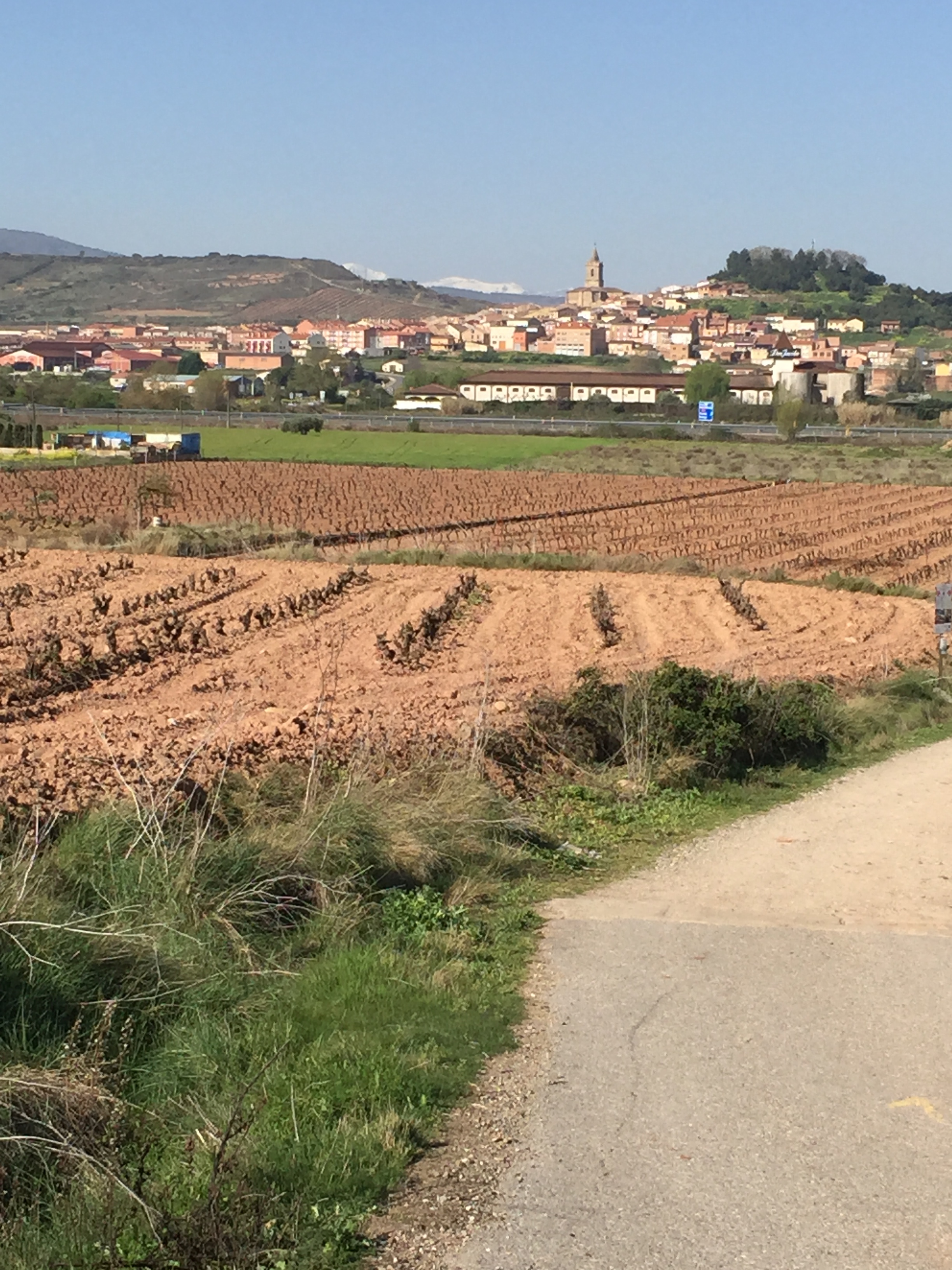
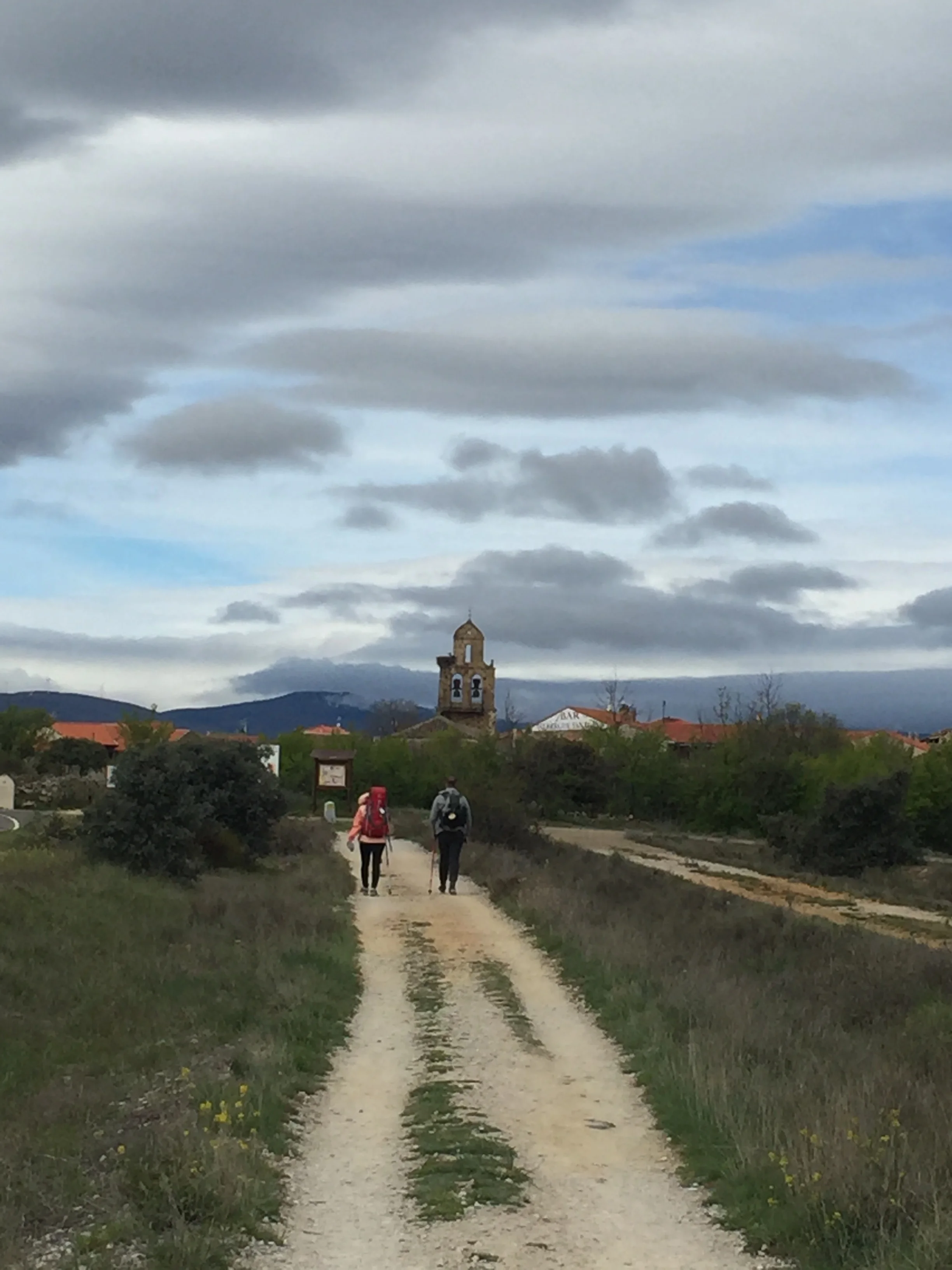
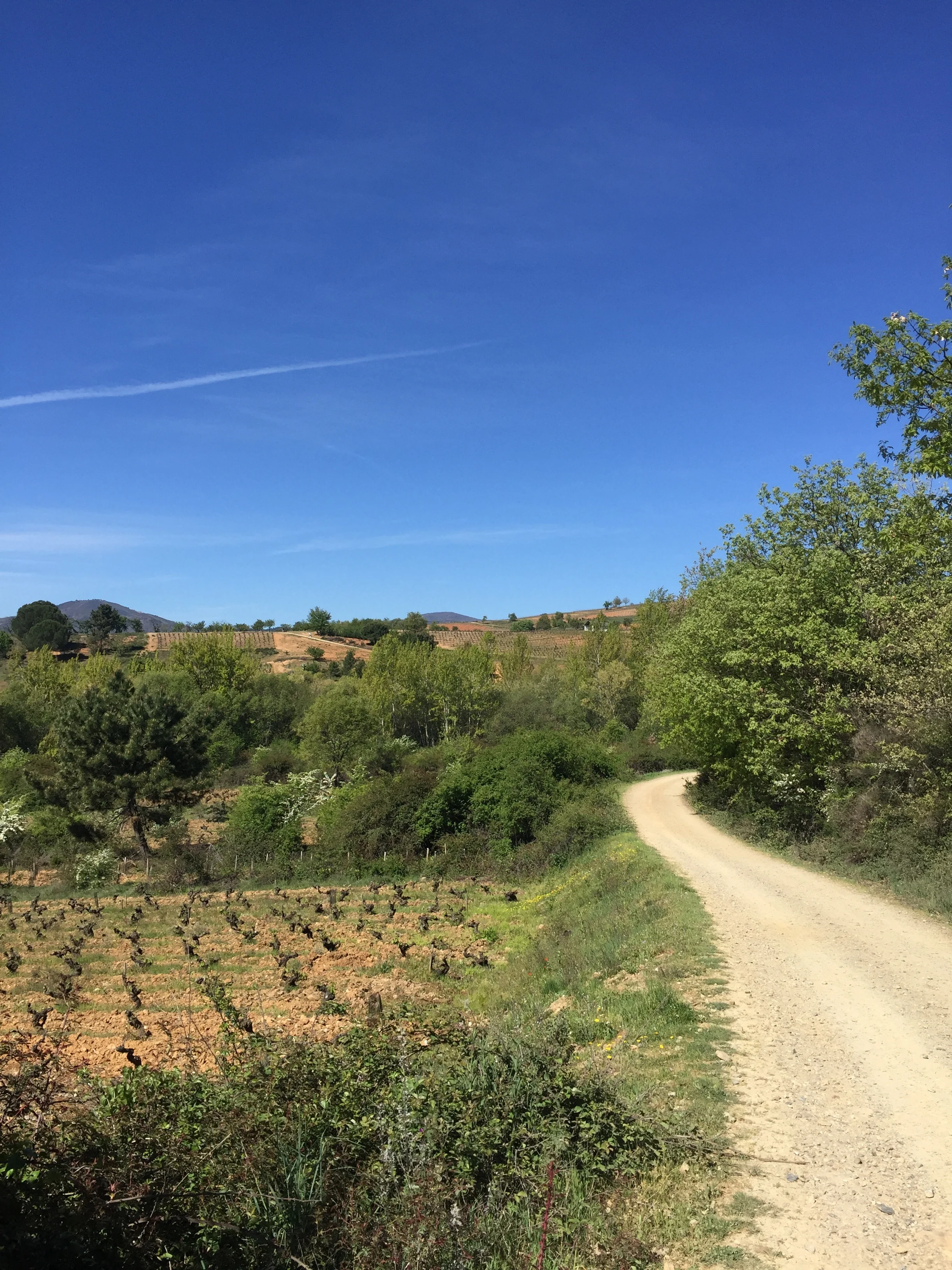
At first it was a path through the mountains, but most of the camino is gravel. There are other days when you’re in the forest or have to walk on the street. It’s beautiful. At some points, you’re walking through vineyards. I liked the smaller towns more than the cities. It was so peaceful and nice. I tried to bond with nature and take in my surroundings.

The first thing you see in every village is the church tower

The first thing you see in every village is the church tower

Who else was on the camino?

I didn’t meet a lot of Americans — mostly Europeans, Australians and Koreans. You have all ages, women, men. Most people were by themselves, though you did have some couples. Some people did it for religious reasons, but most were doing it as a spiritual experience, trying to take a break from their lives. Some people were really fit; some people didn’t last the whole time.

People formed little groups. Most of them stayed in the albergues, the hostels.


How difficult was the hike?

About seven days in is a town called Logroño, and there’s a big hospital there. And that’s where they say a lot of people’s bodies break down. They have shin splints, plantar fasciitis, knee injuries.

The declines are actually the worst. You’ve got a heavy backpack on, it’s gravel, and you have to support yourself and not fall forward.

Some people ended up taking shortcuts because they physically weren’t up for it. I didn’t take any shortcuts!

I was surprised I held up as well as I did. But I live in Chicago and don’t have a car. I walk a lot. I had some blisters, but that was doable — I just put some band-aids on those.

The training plans are pretty intense. They say you should walk an hour a day and then six hours a day on the weekend with your backpack. I didn’t do that.

I’m not a hiker, but I would say it’s a moderate trek. I’d say a third of it is more difficult: up or down, rocky terrain.


What kind of shoes did you get?

I didn’t have any light hiking shoes, so I ordered some cute pink ones. I did a lot of reading on discussion boards, and I knew I didn’t want anything too heavy. People thought they looked like running sneakers. I ordered them a month before, and wore them every time I’d go out to walk the dog to break them in.

What’s Susan got in her bag? A couple extra outfits, toiletries, a hat, a portable charger, an extra pair of shoes, PJs, a rain jacket and a fleece

What’s Susan got in her bag? A couple extra outfits, toiletries, a hat, a portable charger, an extra pair of shoes, PJs, a rain jacket and a fleece

What was in your backpack?

They say to bring only two outfits — I brought three.


That would be the hardest part for us. We would’ve brought like 10 outfits.

There are services where you could have your backpack transported. I didn’t have a hiking backpack, so I bought one that was 34 liters. I brought tank tops, three pairs of stretchy yoga pants, small toiletries, a small sleeping bag — which I ended up ditching. You only need it if you’re staying at hostels. The second day I ditched a lot of stuff in my pack ’cause you just want to get it as light as possible. Bring a portable charger, just in case you’re in the middle of nowhere and your cell phone dies. I had a hat and an extra pair of shoes, one pair of pajamas, a rain jacket and a fleece, which I wore to bed a lot since I got cold. I had some pairs of thin hiking socks but ended up buying thicker ones when I got there that gave more support.

I ended up cutting two pairs of my pants and made shorts, ha ha. No shame! It’s one of those things you’d normally never do.

A lot of people that go in the summer get up early to hike before sunrise to avoid the heat. They bring headlamps to see in the dark, but I couldn’t imagine doing that on some of the terrain.

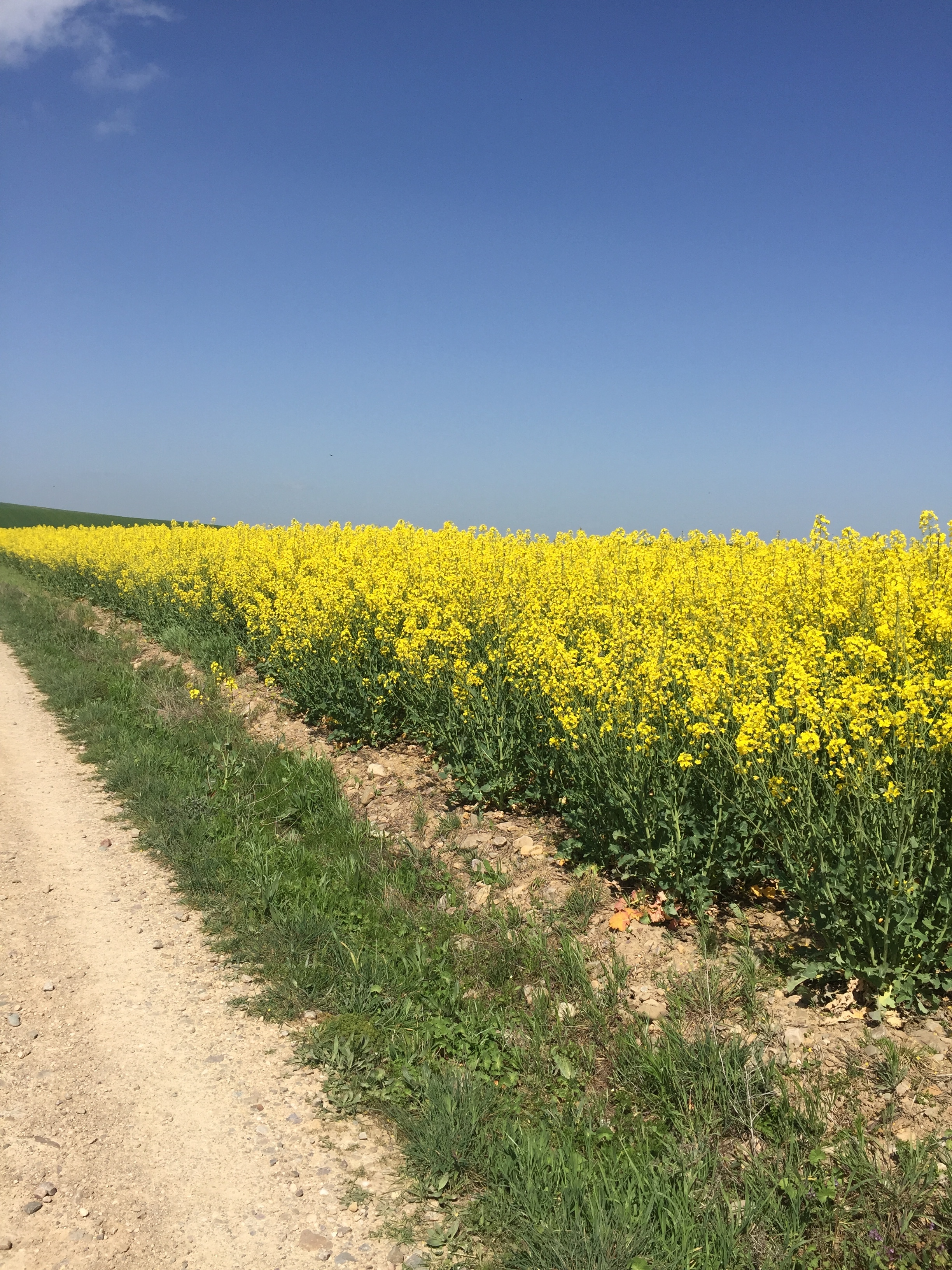
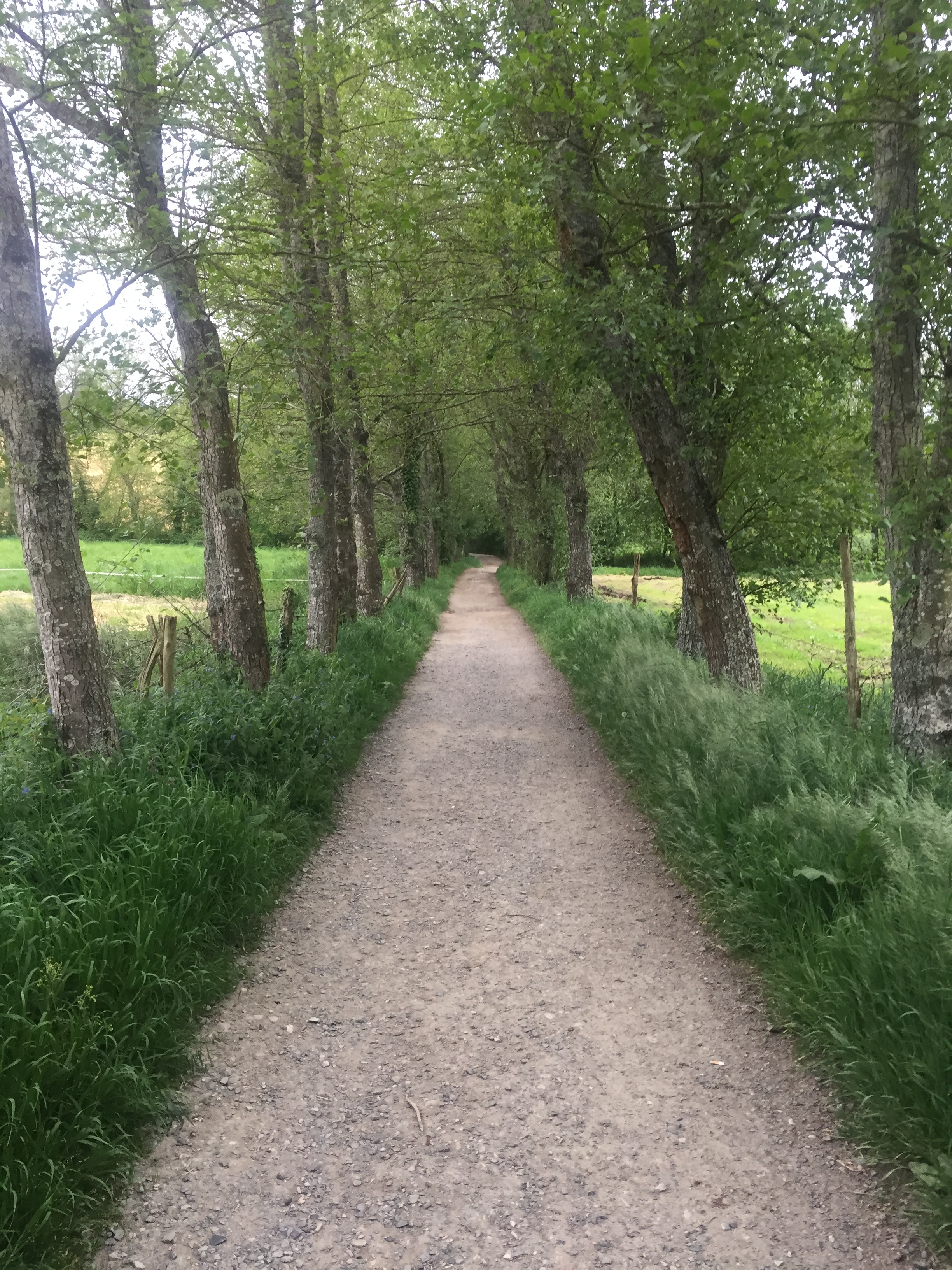
Gravel paths, paved roads, stony mountain passes and dirt trails through the woods — every day on the camino offers something different

Gravel paths, paved roads, stony mountain passes and dirt trails through the woods — every day on the camino offers something different

Take us through a typical day on the camino.

I’d wake up — I’d have all my stuff laid out and I’d take a shower the night before. So I’d grab my backpack and go, around 7 or 8 a.m. The night before, I’d look at the app and all the towns and figure out how far I was gonna walk. I’d always book beforehand online. A lot of people just walked until they got tired and would find a place. I liked to have the security of knowing I had a room — a lot of these places were in the middle of nowhere.

I never ate breakfast, so I’d head out. Around 10 a.m., I’d find a place to stop and get a café con leche and a croissant. There wasn’t a lot of great food — these are tiny towns that cater to the pilgrims, as they call us. And none of the pilgrims are looking for good food; they’re looking for cheap stuff. The menu was the same at every place.

I’d eat around 8 p.m. and go right to bed. And then do the same thing the next morning.

It was kind of like “Groundhog Day” — but I loved every minute of it.

Every time you come up to someone — I’m a fast walker and would pass everybody — you would say hello, “buen camino.” If they seem like they wanted to chat, I’d walk with them for a bit. You’d see people you’d seen before, so it was very social. But I did spend a lot of the time by myself.

I would usually get to where I was going between 1 to 3 p.m. So I didn’t eat until I got there. A lot of people who stopped to eat breakfast and lunch got there much later. I liked to get there and relax — not that there was a lot to do there most of the time. But I’d walk around, and if I saw people I knew, I’d hang out with them.

I’d eat around 8 p.m. or so, and go right to bed because I was exhausted. And then do the same thing the next morning. It was kind of like Groundhog Day — but I loved every minute of it.

caminovineyards.JPG

Where’d you stay?

You can pay 8 euros for a bed at a hostel, and dinner was €10. You can do this super cheap — for about €30 a day. For me, getting a private room, I’d pay about €20. In a bigger city, like Pamplona, Burgos, Léon and Santiago, I’d stay at a hotel and pay up to €75 euros.

The smaller villages were very downtrodden and economically depressed. I wanted to tell these people, “You should raise your prices!”


How about pee breaks?

I didn’t take a lot. There’s not a lot of places to go to the bathroom. Maybe every 15 kilometers, there’ll be a small coffeeshop you could go in. I’m not a person who can pee outside. So this is going to sound weird, but I didn’t drink a lot of water during the day. I’m sure a lot of people would say that’s really bad. When I got to where I was going, I’d drink a ton of water.


Most people do pee outside, though?

Yes! I saw a lot of people peeing outside. It’s acceptable to do so. I saw people’s asses. I felt like people should have had a little more discretion.


Were there differences between the French and the Spanish?

I don’t want to offend anybody. The French just weren’t as welcoming, though I was only in France for a day and a half. They don’t want to speak English to you. I don’t want to be an ignorant American saying they should speak English, ’cause I don’t think that. I felt like they were, why are you in my country? But maybe that’s not representative of everyone one else’s experience.

In Spain, everyone tried to speak English. They know what you want: You get your passport in Saint-Jean-Pied-de-Port and you have to get it stamped at the hostels and cafés. And that’s what they inspect when you get to Santiago de Compostela to prove you did the whole thing, and then they give you a certificate called the compostela. I waited in line for two hours to get this. You have to walk at least 100 kilometers to get one — and what annoyed me is that it’s the same certificate, whether you’ve walked 100 kilometers or the entire 800 like I did.

For many, the Camino de Santiago is a spiritual journey — just don’t get bummed if you don’t “find yourself”

For many, the Camino de Santiago is a spiritual journey — just don’t get bummed if you don’t “find yourself”

Was it a spiritual journey?

It’s funny — you’re walking 15 to 20 miles a day and are in your own head. But it’s not like I had all these deep thoughts and came to these epiphanies, which I thought I might! I was hoping to find myself, ha ha. A lot of your mind is taken up with thinking about the next town you’re getting to, following the trail, talking to people. I thought I’d have a lot of time to figure things out, but I didn’t contemplate life as much as I should have, maybe. You think you’re going to work out all the things in your life and come back perfect.


What’s it like when you finally get to Santiago?

It’s anticlimactic. You walk into Santiago and you think there’s going to be trumpets or a parade — you just walked 500 miles! It’s so crowded; it’s so commercialized. It’s very stressful. It wasn’t a good experience. Everyone ends up going to the Pilgrims’ Mass at the cathedral, where they say your name. But I didn’t end up going because I was in line to get my certificate.

The camino is technically a pilgrimage, so locals try to get you go into the village church

The camino is technically a pilgrimage, so locals try to get you go into the village church

What then?

I didn’t think I was going to go anywhere else after Santiago. But I ended up doing it in less time than I had planned. You can keep going another 60 miles to the coast, an extra three days. And it was absolutely beautiful, a place called Finisterre. It’s right on the ocean and they call it the End of the World. That’s where the 0 Kilometer pillar is, so that’s cool. There wasn’t a lot of people there, and there’s a lighthouse and a guy playing bagpipes. There’s a beach with seashells. It’s very peaceful. It’s a great place to reflect and feel rewarded, rather than Santiago, which was so dispiriting. I got a room at a hotel that had a beautiful view of the ocean that wasn’t that expensive. It was such a fabulous way to end the trip.

Keep walking! Susan recommends going beyond Santiago to Finisterre, a lovely, more calm way to end the epic journey

Keep walking! Susan recommends going beyond Santiago to Finisterre, a lovely, more calm way to end the epic journey

A lot of people, if they’re not going to walk, they’ll take a bus. I took the bus back to Santiago since I was flying out of there. I ran into the Hungarian girl I met on the first day and other people, so I went out with them.


What surprised you about the Camino de Santiago the most?

I’m not a huge athlete or anything, so I was surprised by how effortlessly I was able to do it — apart from that first day.

I had always heard about the culture of Spain, but I was surprised by how poor a lot of the towns were. They’re all centered around the pilgrims. The places I stayed were acceptable, but I heard a lot of stories about people staying in albergues that weren’t. But when you’re paying €8 a night…

There was a lot of dirt and stray animals — it was a lot less glamorous than I expected. I didn’t realize how economically downtrodden this part of Spain was. But at the same time, the people were very generous and welcoming.

You can hike the Camino de Santiago very affordably — as low as 30 euros a day!

You can hike the Camino de Santiago very affordably — as low as 30 euros a day!

Siestas were crazy, too. Everything in town closes from 2 to 5 p.m. Hotels and restaurants tended to be open, but no grocery or clothing stores. I’d go to the store when it opened and get snacks for the next day.

Sometimes restaurants would be open, but the kitchen would be closed from 6 to 9 p.m. You could get drinks, but there wasn’t any food.

Religion was everywhere. Whenever you’d come into a town, the biggest building there would be the church — the first thing you’d see is that cross. So church bells were ever-present during my trek, which I really enjoyed. People would be there, trying to get you to go into the church.


Susan didn’t do a whole lot of planning for the trip — and it all worked out

Susan didn’t do a whole lot of planning for the trip — and it all worked out

What was the laundry situation?

I did a lot of sink-washing. But a lot of the places have washing machines, but not dryers. People would hang their stuff outside. But you’d have to get there first. Most of the time, I’d wash my stuff in the bathtub with shower gel.

It was simple. You don’t have creature comforts, but you have everything you need. Normally when I go on a trip, I bring big suitcases and all this shit. It was so nice to put everything into one backpack and that was it. I survived. Now I’m just gonna bring a backpack everywhere I go.


Really?

We’ll see.


Any final advice do you have for people who want to walk the Camino de Santiago?

Don’t plan too much. Take it as it comes — don’t overcomplicate things, because it’s all going to work out totally fine. –Wally
It’s acceptable to pee outside. I saw people’s asses.

I felt like people should have had a little more discretion.