Caganer: A Crappy Spanish Christmas Tradition Explained

No Catalan Christmas is complete without Caga Tio’s crazy counterpart, the Christmas Shitter.

As hard as it might be to believe, this figurine of a man squatting and taking a poop, known as the Caganer, is actually placed in nativity scenes.

On the sick and demented show South Park, which never fails to serve up brilliant zeitgeist zingers, there’s an unlikely Yuletide character: Mr. Hankey, the Christmas Poo. He’s literally a merry little piece of shit. Part of what makes him so funny — besides the fact that he flies out of the toilet and leaves brown schmears everywhere he goes — is how absurd it is to connect what was once the holiest of holidays with, well, fecal matter.

Turns out the Catalans had already been doing just that for a couple of centuries.

The Caganer has his pants pulled down to expose his ample bottom — and there’s a spiral of shit at his feet.

You can find dozens of defecating delights at Barcelona’s Christmas fair, the Fira de Santa Llúcia.

Who exactly is the Caganer?

He’s a cheerful little guy dressed in a traditional Catalan outfit: white shirt, red cap and belt, black pants. Innocuous from the front, there’s a surprise around back. The Caganer has his pants pulled down to expose his ample bottom — and there’s a spiral of shit at his feet.


How do you pronounce Caganer? 

My friend Albert, who lives in Barcelona, sent voice recordings so I could hear how you properly pronounce Caganer. To me, it sounded like “ka-ga-nay,” but said very quickly. I suggested that pronunciation guide to Albert, and he wasn’t quite sold.

Moral of the story: End the word with an “ay” sound rather than “er” — and you should get an A for effort.


RELATED: ¿Como se dice “shit” en español? Learn Spanish swear words here!


Holy crap! The defecating figurine is actually placed in the nativity scene.

It sounds sacrilegious to include someone dropping a deuce near Jesus, Mary, Joseph, the Three Wise Men and the rest of the nativity bunch. But that’s exactly what Catalan families do — though the Caganer is placed far away from the manger.

“The Caganer is never in the front of the nativity scene. That would be a lack of respect. He’s always hidden in a corner, under a bridge or behind a tree, and every morning the children play a game, hunting for the Caganer,” Joan Lliteras, a self-proclaimed “Caganer connoisseur,” told the BBC.


How the heck did this tradition start?

As strange as it sounds, the Caganer is seen as a symbol of fertility and good fortune.

“There was the legend that if a countryside man did not put a Caganer in the nativity scene, he would have a very bad year collecting vegetables,” Lliteras explained.

“Others say that the irreverent figure is meant to humble establishment figures or that it demonstrates that no one can be prepared for when Jesus will appear,” Smithsonian.com reported.

There’s another theory: Not everyone could give the Son of God expensive gifts of gold, frankincense and myrrh like the Magi.

“It was the only thing the little shepherd boy had to give the Baby Jesus,” Nancy Duneuve told the BBC. “So it’s not at all disrespectful — it’s a great gift.”

Manure, after all, makes good fertilizer.

Political, pop culture and sports figures all get the Caganer treatment

Was that the Queen of England I saw taking a dump?

Why, yes, yes, it was. The Caganer tradition has entered the modern era. While you can still find the original Caganer, the Christmas markets of Barcelona and the nearby area are filled with Star Wars characters, political figures (yes, Trump has become popular this year), football stars, the Pope, Spider-Man and SpongeBob SquarePants.

Vendors insist it’s not an insult but rather a great honor to be depicted as a Christmas crapper.


Believe it or not, this isn’t the only Scatological Catalan Christmas tradition!
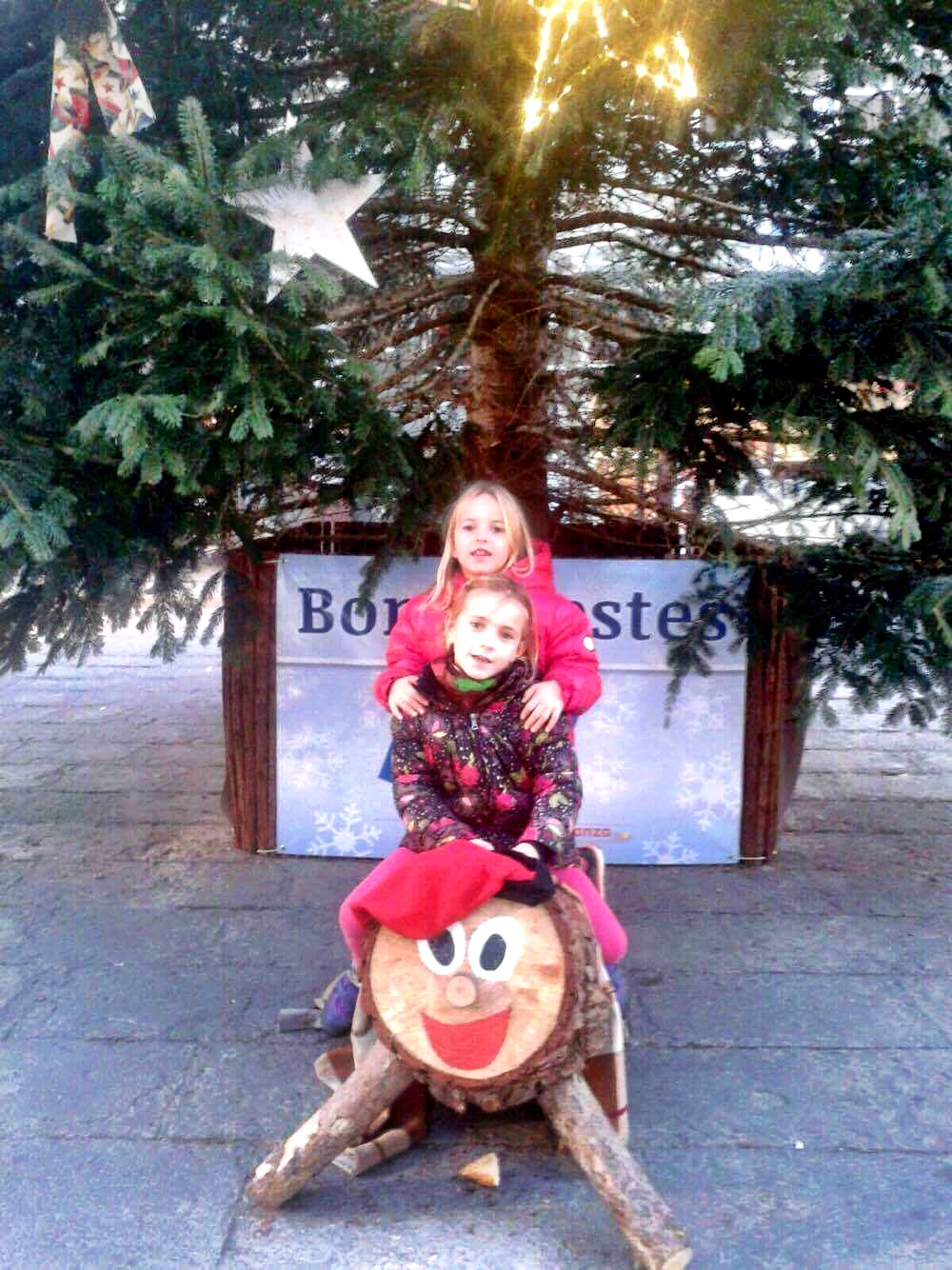
Our friend Albert’s nieces sit atop a giant Caga Tío, a log you feed and beat until it poops out treats.

Our friend Albert’s nieces sit atop a giant Caga Tío, a log you feed and beat until it poops out treats.

There’s also the Caga Tío, the Pooping Log. This is a piece of wood with a cartoonish face (googly eyes, big smile). It wears a traditional red Catalan cap like the Caganer and is covered with a blanket. Kids feed it their leftovers, beat it with sticks, sing a song — and hope it poops out yummy treats. I guess you could say they literally beat the shit out of it.


Visit Caganer.com — and start your own collection. Catalan Christmases truly are the shit. –Wally


ANOTHER BIZARRE XMAS TRADITION: Krampus, the Christmas Devil
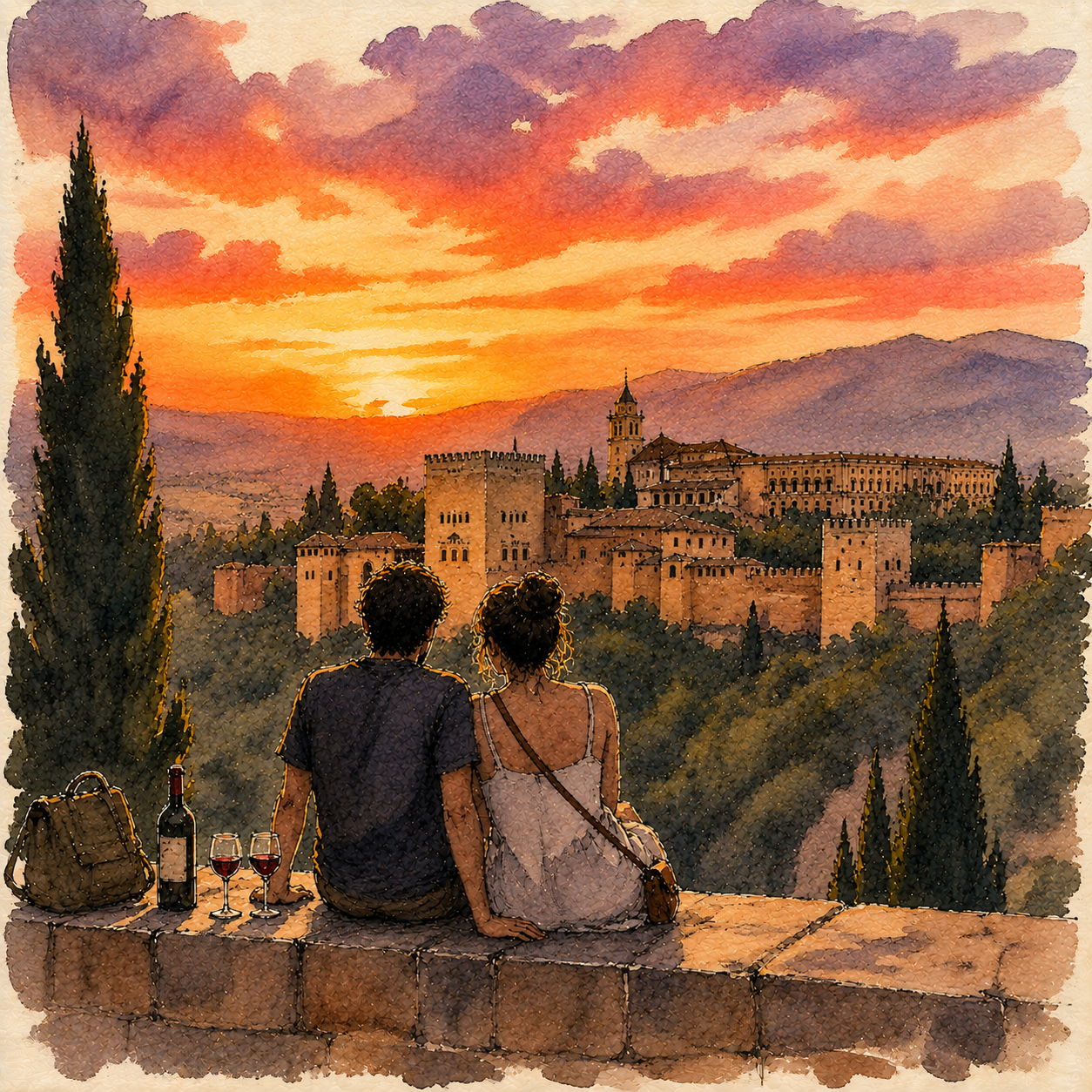
The Gibralfaro: The Most Spectacular Views in Malaga

This ancient fortress is one of the best things to do in Málaga, Spain — and it beats out the Alcazaba.

Be sure to walk the ramparts of the Gibralfaro, the Moorish fortress that looms above Málaga, Spain

Somehow our friends had never experienced it — and it turned out to be one of our favorite parts of Málaga (aside from the delicious food and over-the-top religious iconography, of course).

Jo and José had been to the Alcazaba before, but hadn’t gotten around to exploring the Gibralfaro yet. After joining us there on an afternoon hike, it has become one of the places they’ll now take everyone who visits them in Málaga.

You can walk the entire perimeter of the fortress — affording the best views in the entire city.

The Málaga Cathedral stands proud as the buildings of the city center encroach upon it

The defensive wall of the Gibralfaro

When was the Gibralfaro built?

The castillo was built in 929 CE, commissioned by Abd-al-Rahman III, Caliph of Cordoba, reports andalucia.com.

The structure was enlarged by Yusef I, Sultan of Granada, at the beginning of the 14th century, after realizing that Málaga’s other Moorish castle, the Alcazaba, was too vulnerable to cannonfire, according to visit-andalucia.com. The sultan also added the wall that connects the two fortresses.

How'd the Gibralfaro get its name?

Because it was built on the site of a former Phoenician enclosure and lighthouse, it was given a name that's derived from an Arabic and a Greek word: Gebel-Faro: Rock of the Lighthouse.

Wally jumps for joy during a visit to the Gibralfaro

How was the Gibralfaro designed?

It was considered the most impregnable fortress on the Iberian Peninsula for a time, according to the Ayuntamiento de Málaga. It has two lines of zigzagging walls and eight towers.

The coolest part is that you can walk the entire perimeter of the fortress — affording the best views in the entire city. You can look down upon the Plaza de la Merced, where Picasso was born, the cathedral, the coast and the bullring.

You can look down upon the Plaza de la Merced, famous for being the birthplace of Pablo Picasso

When I was researching our trip, I kept coming across pictures of the bullring taken from above. (Of course at the time, I was sure it was a remarkably well-preserved Roman colosseum. That turned out to be bull, ha ha.) I wanted to be sure to capture the same dramatic view. Well, I needn’t have worried. You, too, can capture this glorious scene from the ramparts of the Gibralfaro fortress.

The fortress affords fantastic views, including the iconic bullring of Málaga

Was the Gibralfaro part of any famous battles?

Not a battle per se, but a siege conducted by the Catholic monarchs, Ferdinand and Isabella, which ended only when hunger forced the Malagueños to surrender.

Afterwards Ferdinand occupied the site, while his queen took up residence in the town.

Interesting historic fact: This was the first conflict in which gunpowder was used by both sides.

You can even see down to the harborfront. That colorful glass box is the entrance to the Centre Pompidou Málaga

Any advice for exploring the Gibralfaro?

If you only have time for one of these historic sites, hit the Gibralfaro. The views are worth it.

And wear sensible shoes. As the Young Adventress points out, it’s a bit of a hike to the top, and then you’ll be walking around the periphery walls without any real shelter from the sun.

But! The good news is that there’s a pot of gold at the end of the rainbow — or at least a nice tinto de verano or cold beer at Terrazita, the small outdoor bar. –Wally

What Is Krampus, the Anti-Santa?

Everything you wanted to know about Krampus the Christmas Devil but were afraid to ask.

This frightening monster is called Krampus — and he's actually part of Christmas celebrations in Austria and other countries in Central Europe

A demonic goat man with massive fangs, twisted horns and a frighteningly long tongue. It’s a creature that’s almost too horrifying to even be associated with Halloween — and yet, in some parts of Europe, this ghastly beast is actually Santa’s sidekick.

Not surprisingly, Krampus became the subject of a horror movie last year.

Misbehaving kids in the United States should count their blessings. They only get coal in their stockings. Krampus beats bad children with a bundle of birch sticks — and then drags them down to his lair in Hell.

How the heck did this nightmarish demon, known as the “Christmas Devil,” come about?


Don't look, but I think there’s a Krampus behind you!

This little girl looks like she doesn’t have anything to worry about. But that bad little boy is being packed off to Hell!

What does Krampus look like?

The stuff of nightmares. Think of a satyr or faun on acid. A fur-covered half-goat, half-man, all-demon monstrosity.

The Los Angeles Times describes him as “a hairy, horned, chain-toting biped that resembles a Wookiee on a bender.”

He shambles along, dragging chains and the shackles he has broken free of. (It begs the question who locked him up in the first place?)

Vintage holiday cards from Austria feature the Christmas Devil, and read, “Greetings from Krampus!”

Like Santa Claus, he, too, has a large sack he carries over his shoulder (sometimes depicted as a large basket). Except Krampus’ isn’t filled with presents — it’s stuffed with kidnapped children.


When did Krampus first appear?

“Vague written accounts mentioning pelts and horns date back to the 17th century,” Atlas Obscura reports.

But his devil-like form didn’t really get solidified until holiday postcards trumpeting, “Gruß vom Krampus!” (Greetings from Krampus!) became all the rage in Austria.

“Another factor that likely influenced the character’s satyr-like appearance was the fin de siècle obsession with Pan,” the Greek god of nature, according to Atlas Obscura.


What’s he do to naughty children?

Misbehaving kids in the United States should count their blessings. They only get coal in their stockings. Krampus is much more of a disciplinarian: He beats bad children with a bundle of birch sticks — and then drags them down to his lair in Hell, National Geographic reports.


What kind of freak gave birth to this monster?

Not surprisingly, Krampus’ mother is said to be Hel, the Norse goddess of the dead. She in turn is the daughter of the mischief-maker Loki. Hel is half-dead, looking like a living, if gloomy, woman — aside from her legs (and, one would assume, her lady bits), which are those of a rotting corpse. Variously, she’s depicted as her living and dead halves literally split down the middle, revealing half a skeletal face and body, usually on her left side.


How’d Krampus get his name?

His name derives from the German word krampen, meaning claw.

Kind St. Nicholas became the Santa Claus we know today, while the evil Krampus punishes naughty children
They know if you’ve been bad or good — so be good for goodness’ sake

What sick fucks came up with this creature?

The Germans, apparently. Krampus is seen as the yin to St. Nicholas’ yang. The devilish figure raids towns the night of December 5, known as Krampusnacht, or Krampus Night. The next day is St. Nicholas Day, when German children find one of two items in the shoes or boots they’ve left out on their doorsteps: presents if they’ve been good or a rod if they’ve been bad (to beat them with, presumably).

A man dressed in his horrific finery takes part in a Krampuslauf, or Krampus Run

What other countries have incorporated Krampus into their Yuletide traditions?

Austria, in particular, caught Krampus fever. There, as well as in Hungary, Slovenia and the Czech Republic, men dress up as devils, get wasted and chase people through the streets for a Krampuslauf, or Krampus Run.

Where the wild things are: What do you call a collection of Krampuses?

“For these runners, Krampus is the dark counterpart to the gemütlichkeit Christmas evokes,” Fest300 writes. “Gemütlichkeit is a hard word to translate, but it encompasses both coziness and conviviality, whereas Krampus is the other half of the winter solstice: darkness, cold and snowy fir forests where branches snap and things go bump in the frozen night.”

Apparently not everyone is terrified of Krampus. This little girl feeds her Krampus dolly

Seriously, though, what’s up with a demon being St. Nick’s cohort?

The Alps must have a dark mystery to them. Krampus embodies “the season of autumn and early winter — the twilight, the slowing down and the mystical feeling that foreshadows these traditional events, the tales of mythical creatures, the forests of the mountains where they lurk and the presence of the unknown,” a person who dresses as Krampus told the L.A. Times.


As the Christmas carol goes, “You better watch out” indeed! –Wally

The French Election: A Choice Between Two “Nazis”

France’s next president is shaping up to be the far-right François Fillon or the farther-right Marine Le Pen.

François Fillon won the primary to become the presidential candidate for the French Republican party

France is in the midst of its election season, and François Fillon, an ultraconservative French version of Trump, won the primary on November 27.

The country is in a panic. The most likely top two candidates for French presidency now are Fillon and Marine Le Pen, the French David Duke (a notorious white supremacist)! So it’s likely Nazi-light or Nazi-totale for France.

Trump’s America would look like a democracy in heaven versus Le Pen’s France!

Most of us expats are freaking out! Trump’s America would look like a democracy in heaven versus Le Pen’s France!

Marine Le Pen, the representative of France’s xenophobic Front National party, could be the next French president

How did this happen?

It’s the same as the United States: Ultraconservatives felt pushed too fast and too far to the left with sweeping social changes.

France has two faces: open and bohemian in Paris and conservative, Catholic, everything-phobic in the backlands.

Poland, Hungary and the U.K. are on the fast track to the alt-right already. British Prime Minister Theresa May is even invoking God to help in the Brexit!

The U.S. has succumbed, and next is France. Europe is falling to pieces.

Me? I’m renewing my Canadian passport! –Kent

A Perfect Afternoon in Málaga Centro

What to do in Malaga? Hit these three sites: the Malaga Cathedral, a hidden abbey and a shop filled with amazing local ceramics.

One of the highlights of Málaga Centro is its impressive cathedral

There’s no shortage of centuries-old landmarks in the historic Málaga Centro — the entire city center is an open-air museum of sorts, dotted with monuments, restaurants, cafés and shops.

When we found ourselves leisurely wandering through the Moorish-inspired cobblestone streets of Málaga Centro one afternoon with our friend and guide Jo, she did not disappoint, sharing a few of her favorite spots with us.

Here is our short list of three sights worth checking out (the food and drink stops will follow shortly in other posts). From iconic landmarks like the Catedral de Málaga to hidden gems like the Santa Ana Abbey, these are all within a short walking distance of each other.


The quiet Santa Ana Abbey was a fun discovery

The quiet Santa Ana Abbey was a fun discovery

Stop 1: Santa Ana Abbey

Tucked into a narrow alleyway in Málaga, we stumbled upon the Santa Ana Abbey. More commonly known as the Cistercian Abbey, the vibrant coral-hued façade contains an 18th century statue of Santa Ana.

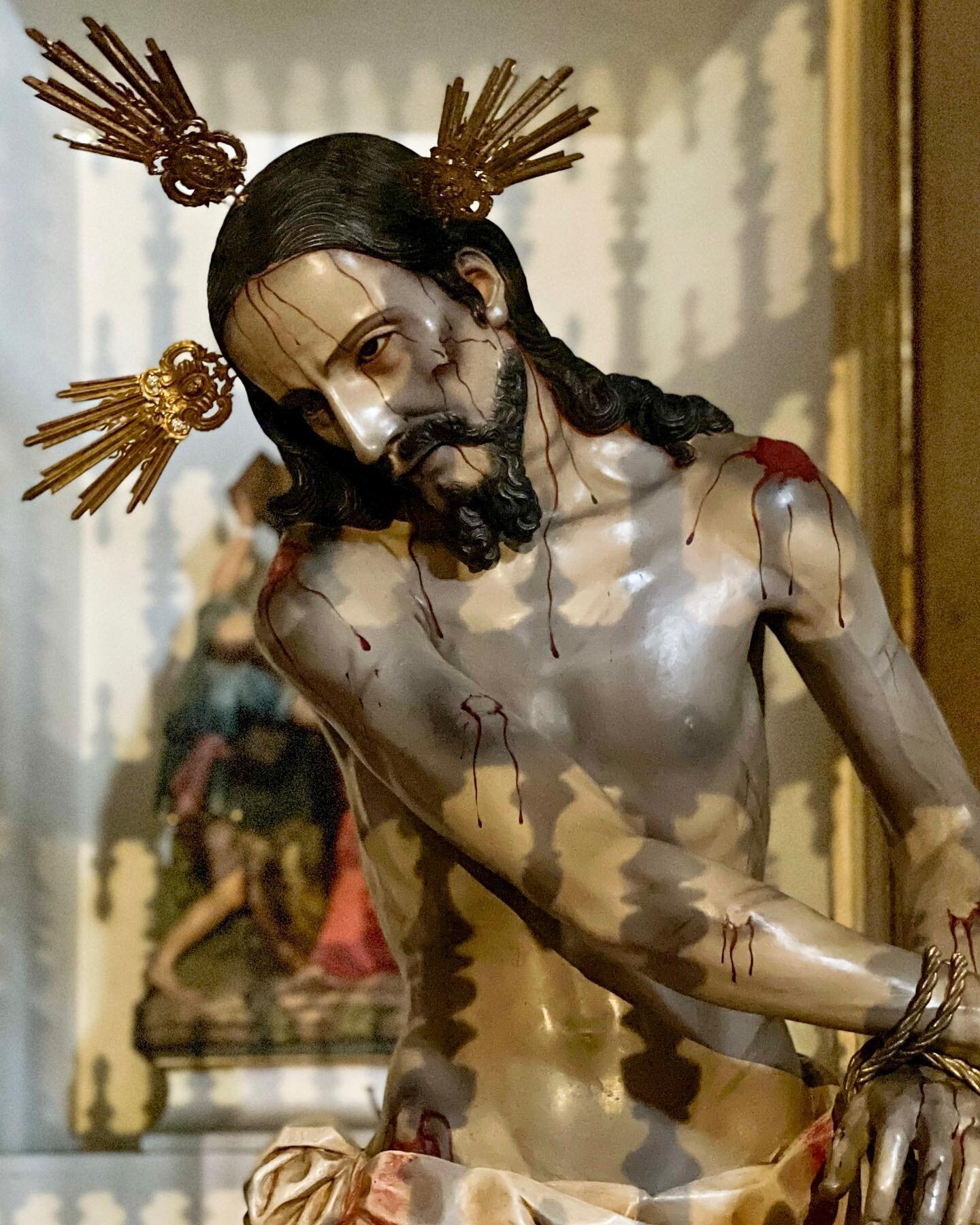
A statue of Jesus in a niche at Santa Ana Abbey

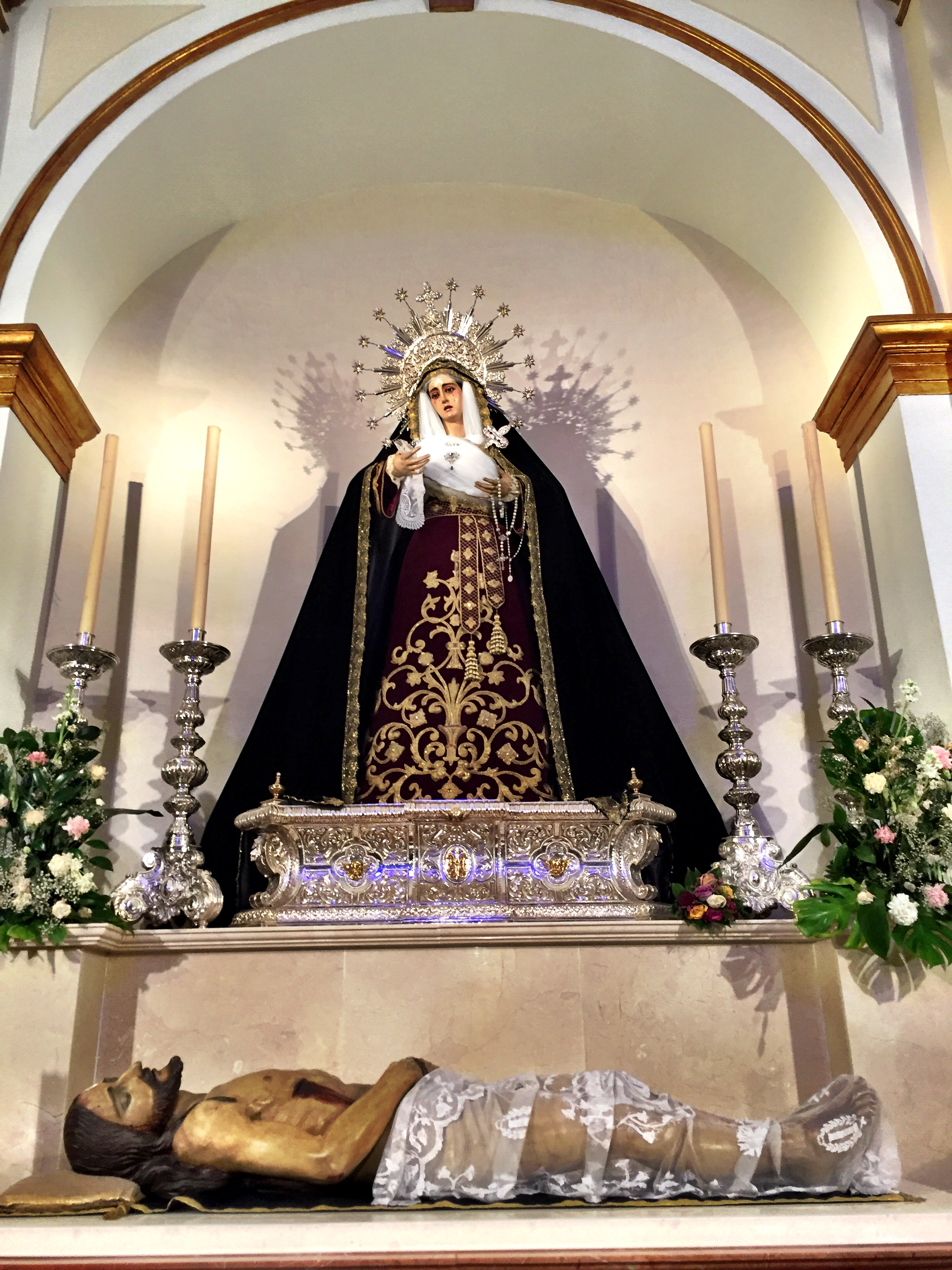
This could be Santa Ana herself…or it might be Mary

The abbey comprises a sole nave and includes works by celebrated Spanish Baroque sculptor Pedro de Mena and his daughters, Andrea and Claudia, both of whom were Cistercian nuns. De Mena dedicated his life's work to producing sculptures depicting religious imagery, just as his father had done before him.

Off to the right of the sanctuary is a small candlelit nave

Originally from Granada, de Mena had a studio in the nearby Calle de los Alfligidos, and by his request was interred and buried at the entrance. According to local lore, the artist’s wish was “that he should lay in a place where his remains could be trodden on by the faithful because of his humble person.”


While shopping at Alfajar, Duke and Wally ended up buying this ceramic handcrafted dove, a symbol connected to Picasso, who loved to paint them

Stop 2: Alfajar

You’re bound to find something at Alfajar, a boutique shop specializing in high-quality contemporary handmade ceramics created by local artists.

The store is located within the historic Zea-Salvateria Palace, a Baroque-period structure built in the late 17th century. The building was originally host to the City Council of Málaga during the reign of Isabel ll and subsequently home to the post office for many years after.

The fanciful signed pieces are displayed on open shelving among the white walls and high ceilings of the former estate. Inspired by the heritage of regional pottery craft, the shop’s philosophy is to celebrate these divergent influences and breathe originality into the medium.

Wally and I knew we had to take one home, but it was difficult to make a decision, as each piece was unexpected and unique. The colors employed are the result of metallic oxide glazes that are only revealed once the piece has been kiln-fired and cooled. We finally decided upon a ceramic dove on a wooden stand — emblematic of hometown hero Picasso — and a horse in the Nazari style. These pieces were quite affordable, and the shopkeeper took great care in wrapping our purchases.


The single tower gives the cathedral a lopsided feel — and earned it the nickname la Manquita, the One-Armed Lady

Stop 3: Catedral de Málaga

It’s time to go for Baroque (amongst other styles)! Across from Alfajar is the Catedral de Málaga, the main church of the city. Built on the foundations of a former mosque, the cathedral façade is Baroque, the floor plan Gothic and its interior Renaissance. This mishmash of styles is due to the fact that construction took more than three centuries to complete.

Apparently the original plan of its architect, Diego de Siloe had two towers. However, the second is incomplete and earned the structure the nickname la Manquita, the One-Armed Lady.

Jo and Wally on the front steps of the Malaga Cathedral

Jo and Wally on the front steps of the Malaga Cathedral

A plaque located at the base of the tower states that funds raised by the parish were sent to aid colonists who had fled Great Britain to gain their independence — although there is evidence that the money actually went to fund emergency public works in the province.

The cathedral gardens are worth exploring

We were unable to enter the cathedral proper that day (get there before 5 p.m.), but followed a wedding party smoking cigarettes in the side garden before the ceremony in the Church of El Sagrario, an ancillary chapel on the property filled with impressive religious artworks. We popped into the church only briefly, not up for actually crashing the wedding (as Wally pointed out, Catholic mass takes way too long).

We decided not to crash the wedding at the Church of El Sagrario after all

Returning the following day, we were able to see the cathedral’s interior. The space is majestic, with ribbed vaulted ceilings, an impressive 18th century pipe organ and finely carved statues of the saints by de Mena. 

Photography was not permitted, as a service was taking place, and I got yelled at by one of the guards who were watching us closely, and quickly put my camera away. (Wally, however, is more fearless than me and was able to sneak in a shot.) Don’t dare try taking interior photos if you don’t want to get scolded. 

Wally took this one shot of the interior of the Málaga Cathedral, before the guards gestured violently at him

If you don’t make it inside, don’t feel too badly — the exterior courtyard and gardens are worth exploring. I’m not sure if the no-photography policy was only when services are taking place, but you can always wander around the over-the-top Church of the Holy Martyrs instead. They let you take as many photos as you want. You can see ours here. –Duke


ALSO ON THE MALAGA CENTRO LIST: The Alcazaba Fortress

The Monsters of “Supernatural,” Season 1, Episodes 4-6

The origins of — and how to defeat — demons, doppelgängers and the ghost of urban legend, Bloody Mary.


I went through a ghost phase during junior high. My best friend, Kevin, had a little sister, Michelle, and the two of us would sneak out in the middle of the night to try various techniques to summon ghosts. One of those spells shows up in this roundup of Supernatural baddies: Bloody Mary.

For the record, while we sure freaked ourselves out, sneaking into the bathroom at midnight with a candle, chanting, “Bloody Mary,” we never did end up summoning a freaky wraith, alas.

She’s said to scratch out your eyes upon appearing. Or she might just scream at you, strangle you or steal your soul.

S1E4: “Phantom Traveler”

Monster: Demon

Where it’s from: All over the world

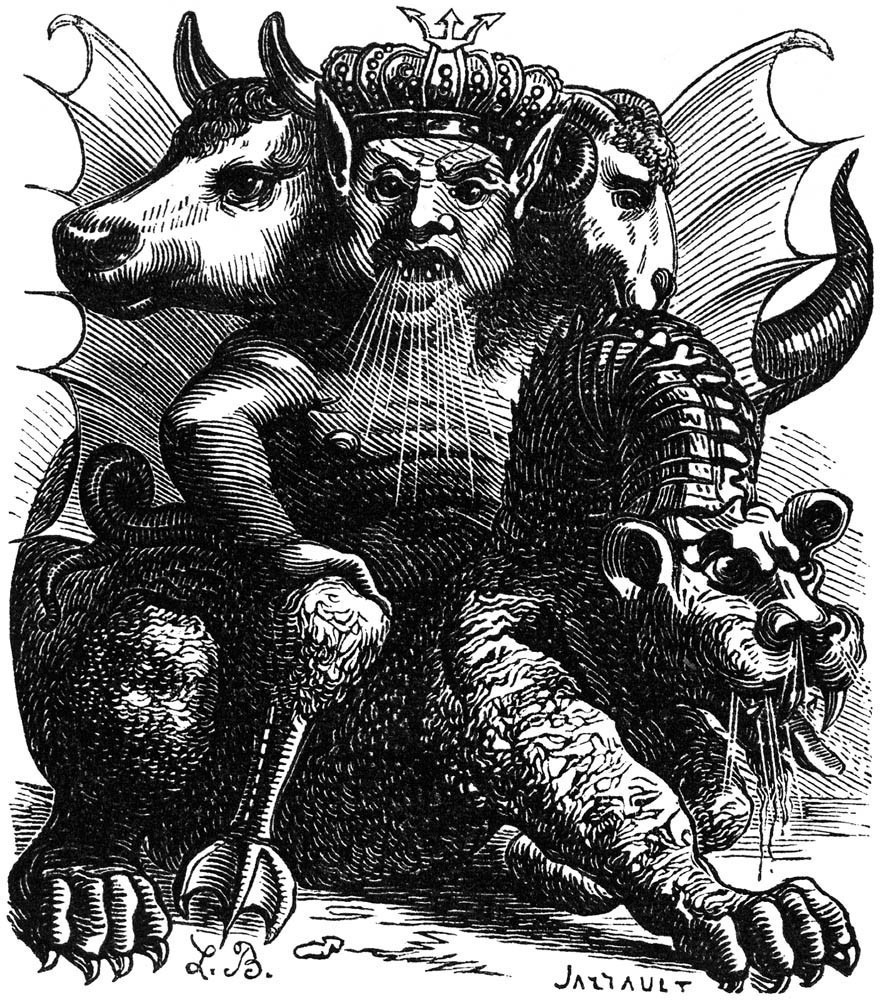
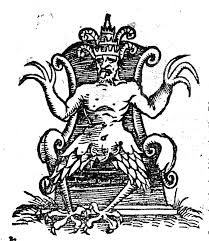
Description: Demons come in all sorts of shapes and sizes — but they’re almost always horrifying distortions of nature. Beelzebub, for instance, is depicted as a giant fly, while another demon, Asmodeus, has the torso of a man, the leg of a rooster, the tail of a serpent and three heads (those of a sheep, a bull and a man spewing fire).

What it does: A demon’s favorite pastime seems to be possession. They like to take control of unsuspecting humans, causing them to act bizarrely. This can mean everything from being more aggressive, laughing maniacally or speaking in tongues to having supernatural knowledge or strength.

How to defeat it: In the Bible, Jesus spent a lot of time casting demons out of people. Since that’s not an option nowadays, it’s time to call in the exorcist. Entering a church or coming into contact with holy water really seem to piss off demons. Matthew 17: 21 says, “But this kind does not go out except by prayer and fasting,” so that might be a good idea for spiritual preparation. You really just have to be forceful with the suckers and be persistent in commanding them to leave. It’s a battle of willpower.


Chant “Bloody Mary” into a bathroom mirror, and the ghost of Queen Mary I just might appear

S1E5: “Bloody Mary”

Monster: Bloody Mary

Where it’s from: United States

Description: Light a candle, enter a bathroom, stare into the mirror and chant her name three (or 13) times. Legend has it, Bloody Mary will appear, but don’t expect a delicious brunch beverage. A ghostly woman is said to materialize, sometimes reported to be covered in blood. Some say she’s Queen Mary I, known as Bloody Mary for her propensity to burn Protestants at the stake. Others insist she’s a woman named Mary Worth, who died in a car crash.

If you really want to stir the pot, add this chant: “I killed your baby!” This is probably an allusion to Queen Mary’s “ghost baby.” She supposedly exhibited all the signs of pregnancy — she stopped menstruating, gained weight in her belly and felt nauseous in the mornings. But she never gave birth, and eventually her stomach shrank. (Historians think her intense desire for an heir resulted in a bizarre medical phenomenon called a “false pregnancy.”)

What it does: I’m not sure why anyone would summon Bloody Mary, except as a way to prove your bravery at slumber parties, as she’s said to scratch out your eyes upon appearing. Or she might just scream at you, strangle you or steal your soul.

How to defeat it: There doesn’t seem to be much about killing Mary once you’ve summoned her, but Dean and Sam wisely decide to destroy her connection to this world: the mirror she traveled through. Sounds like it’s probably worth risking seven years of bad luck.


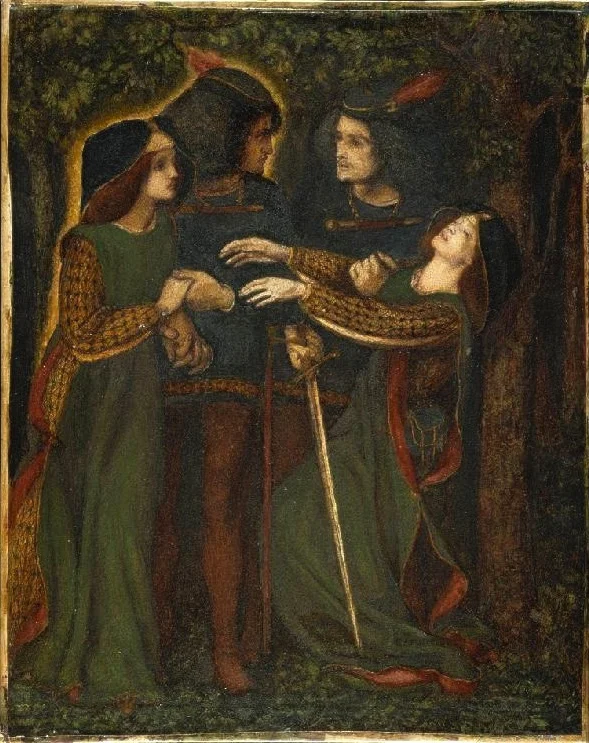
How They Met Themselves, Dante Gabriel Rossetti, c. 1860-1864. A couple comes upon their doppelgängers glowing in the woods. The woman faints, while the man draws his sword

S1E6: “Skin”

Monster: Shapeshifter / Doppelgänger

Where it’s from: Doppelgänger is a German word literally meaning “double walker.”

Description: Shapeshifters show up in legends from all around the world, the most common being werewolves. The baddie in “Skin” is the ultimate evil twin and only shifts into other human forms.

What it does: Seeing a dopplegänger is an omen of severe illness or death. The doppelgänger morphs into an exact replica of another human being, which it then kills and assumes its place. One clue that’s it’s not who you think it is: These creatures supposedly don’t cast a shadow.

How to defeat it: Kill it…before it kills you. –Wally

More Takes on What the World Thinks About a Trump Presidency

Is there any country that’s pleased with the results of the 2016 U.S. presidential election? (Besides Russia, that is.)

Donald Trump is pumped he won the U.S. presidential election. But how does the rest of the world feel?

Americans are perhaps more divided than we’ve ever been since the Civil War. Donald Trump won the electoral college and therefore the presidency — despite the fact that more people actually voted for Hillary Clinton.
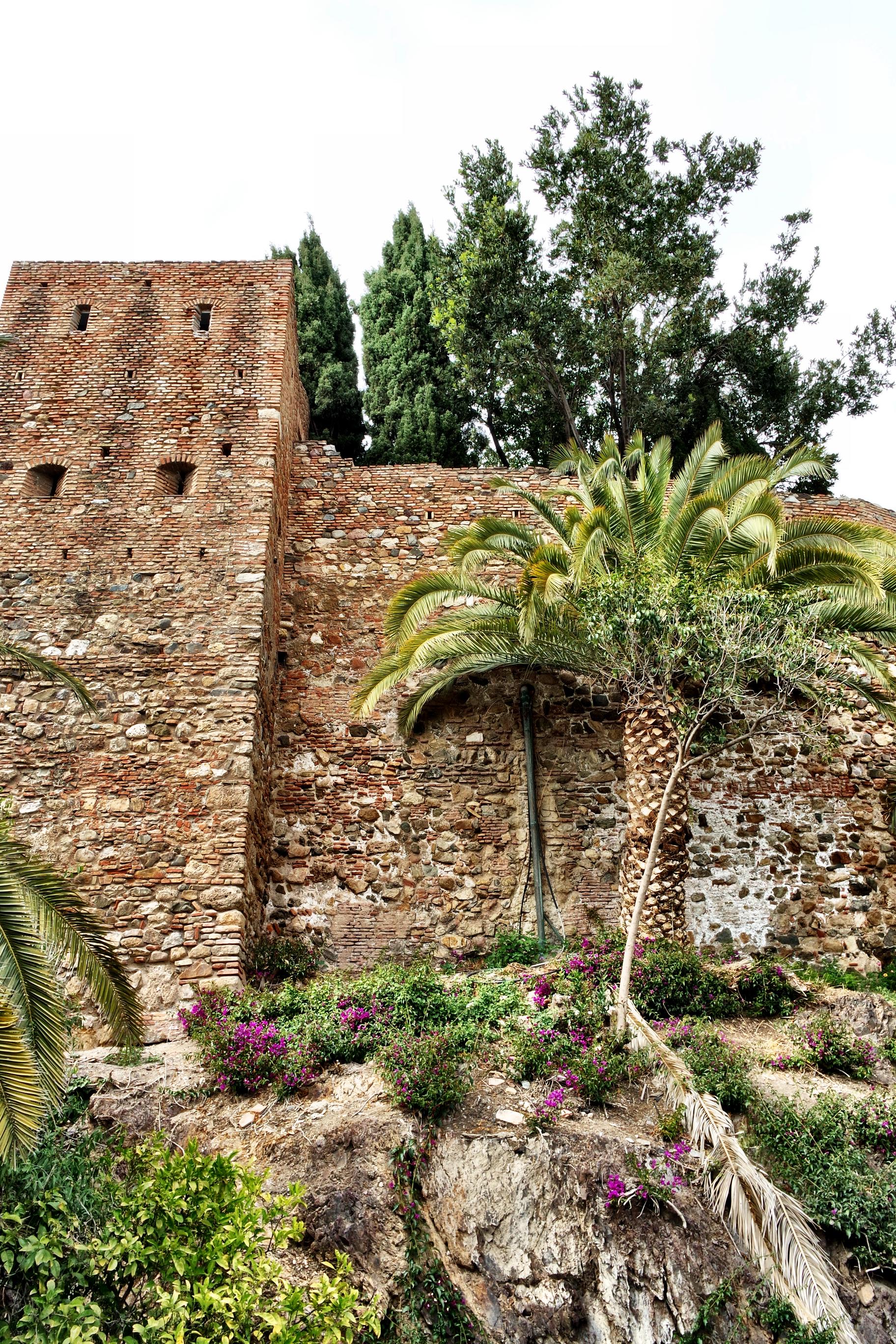
But what does the rest of the world think about President-elect Trump? I reached out to friends who live abroad or who have family in foreign countries. Read Part 1 of their responses here.

The reactions kept coming in. Here’s Part 2. –Wally


Donovan and Kate, Americans living in Qatar

Regarding the local view of That Horrible Thing That Happened:

The initial reaction in Qatar was probably the same as everywhere else: shock. Everyone here went to bed Tuesday night (Doha time) assuming to wake up to a Hillary presidency, and then…that.

Georgetown University Qatar had an Election Morning celebration, featuring the U.S. ambassador and all kinds of red, white and blue décor. She stayed long enough to realize that Trump would win, and the embassy released a tight-lipped statement saying that they would serve the next president as expected; you could hear the tears in the press release.

Several of the universities here had emergency community meetings to address student fears; these are, after all, schools rooted in the U.S. with students here who have been told they won’t be allowed to travel to the U.S.

From an expat perspective, the kind of person who would live in Qatar is not the kind of person who believes the Trump view of the world, and especially the Muslim world, so the last week has been essentially a funeral out here. All we’ve tried to do is ensure that all our coworkers, friends, etc., understand that we’re on their side, and that tens of millions of Americans are, too.

We’ll wake up tomorrow to the call to prayer, and as is tradition, Donovan will have his morning beer in his underwear while hundreds of Muslims pray beneath us. Is that not the ideal we should strive for?


RELATED: The Best and Worst Parts of Living in Qatar


Alan from Spain

Showman: That’s the first idea that comes to me when I hear Donald Trump’s name. Probably because I have seen him and his family since I was a kid on E! television or because the first image that comes to my mind is Trump firing people on a TV show where he was “the boss.” He was not nice from what I remember — he is not nice from what he had said on his political campaign.

His campaign was one of the biggest broadcasted shows ever. People that have followed it have been a total part of it: lovers and haters, critics and passionate homophobic-racist-misogynists.

Half of the United States supports Trump, while the other half hates what he stands for

In Spain, we have this kind of political behavior and media. It starts being like soccer or football…Red vs. Blue, yelling at each other without listening a word. Passionate hooligans.

For some of us, the idea of a “politician” like Trump seems like a joke. But it makes sense when you realize that there are governments that are not supporting education. Education is the base of the society, and when you segregate people for their origin since they were born, cut the spending for public schools and teachers, and don’t allow people to have real opportunities to grow, there will be a Donald Trump yelling in representation of “everyone else.”

People in the USA seem to be mad. But without asking questions or trying to figure out what is happening with their system, they blame the disadvantaged — those who are trying to survive in a society that exploits their work and undervalues their skills.

Maybe things will change, when in some circles they start realizing that having a black-skinned president does not make your country less racist.


Heather from England

Basically we have had the same response as the level-headed Americans. It’s a worry for us. But we are still reeling from our own stupid decision about Brexit back in June.

This meme circulated after the U.S. election of Donald Trump and draws a connection between the racism/isolationism/nationalism of the alt-right and Brexit voters.

On the plus side, there have been some lovely shots of the new first lady in a furry bikini on the front pages of the tabloids!


Lynn from Guam

I think Guam’s polls were 75% for Clinton. So most people on Guam favored her over Trump.

The doctor I worked with followed the campaign closely and was in favor of Trump: a businessman who made some bad business decisions, while Clinton was an unethical person who damaged computer systems after a subpoena was served.

There are no protests on Guam at this time against Trump as president of the USA. Our governor is full of support for him and hopes to have a valuable presence with him.

The same doctor says, no they won’t impeach him because he is making fast adjustments (i.e., not eliminating the Affordable Care Act but using parts of it.)

There is a movement that says that the USA is not concerned about the island. We are brown-skinned people who would not weigh in with Trump.

I have not heard about predictions for the next four years. In my mind is great uncertainty: fear of global war, human suffering, lack of food and huge immigration.

Perhaps I should focus on hope, joy, harmony and peace that is here and now. I am not in Syria or Africa and we live a very good life because of Uncle Sam.

Humanity is global, so I can only pray for all people to have the quality of life that I am able to enjoy.


Ivo, a Bulgarian living in the United States

In Bulgaria we are mostly for the Democrats, for Hillary.

We have a prime minister, Boyko Borissov, who reminds me of Trump. He is very frank and authoritative. He was actually the bodyguard of the old communist president who ruled for 45 or so years.


Angie, an American living in China

It is hard to give a good answer to what people think about Trump, as I think you are asking about how locals, meaning a typical Chinese person, feels about the elections, and I don’t think they know/care much. My ayi (housekeeper) hasn’t said anything about it.

The day of the elections at school were interesting, however, but I don’t think representative. The students were obsessed with the elections, and it was hard to get anything else done that day. They seemed to be legitimately surprised at the outcomes, as were the teachers here. I am still at a loss as to how this happened. 

I don’t know any teachers here that were pro-Trump, but there may have been some in hiding. The students we teach are from families who chose to send their kids to a liberal school and have plans to send their kids out of the country for university. These kids have been taught by us teachers, so not surprising they were surprised at the outcome, too. For them it seems like a question of discrimination. One student, a Chinese girl in 10th grade, was worrying about where she was going to go to college now. Some of my 12th graders have voiced concerns about going to the U.S. next year for university. In all honesty, I don’t know if I will be keen to send my daughter Fatima to the U.S. in three years for school.

This election puts China in a position to potentially rule the South China Sea. Some policies are starting to be put in place to limit foreigners and Western education here, so we will see how that goes.


RELATED: The Truth About Living in China


BONUS! Nicolás, an editor from Spain, presented us with his take. Trouble is, neither Duke nor I speak Spanish fluently. That being said, we can get the gist, and he seems to put quite a bit of blame on Hillary and her supporters for the rise of Trump.


Tal vez, no hayan entendido nada: Hillary, todas esas Hillary políticamente correctas de “izquierda,” les han arruinado literalmente la vida a esa gente (principalmente del interior, pobre, blanco y aislado), liberalizando la economía al extremo y entregándoles a las corporaciones todo lo que han pedido.

Esa gente, ahora trabaja en Walmart de mierda con horarios infinitos, sin derechos y están envenenados de comer basura porque no pueden permitirse alimentarse a base de otra cosa, gracias a que políticos como Hillary subvencionan la industria alimenticia tecnificada en detrimento de industrias rurales.

El americano rural y clase media está desapareciendo.

Los Hillary (su marido, sin ir más lejos), han quitado todo tipo de regulaciones sobre el mercado de valores (Ley Glass-Steagall) que finalmente ha creado una burbuja para tragarlo todo y quedarse con las casas de quienes no han podido pagar sus hipotecas infladas. Han sido los Hillary quienes han contribuido, como nadie, a la deslocalización de empresas que afectan, sobre todo, a la clase media de ciudades del interior. Han sido los Hillary, de Estados Unidos y el mundo, quienes siguen pariendo monstruos por el hartazgo y la traición que ellos mismos representan...

Fue Hillary, por cierto, quien con su aparato Demócrata amañado frenó las aspiraciones de Bernie Sanders, el único que podía parar este desastre.

Ahora díganme: ¿Qué parte del triunfo de Trump no entienden?


RELATED: Learn These Spanish Curse Words to Make Your Conversations More Colorful

Exploring the Alcazaba, Malaga

Looking for things to do in Málaga? There just happens to be a Roman Theatre and Moorish fortress right in the city center.

The Alcazaba, a Moorish fortress, and the Roman Theatre are right in the centro of Málaga, Spain

Walking the pedestrian-friendly city center of Málaga you’ll discover historic architecture, shops, restaurants and cafés with outdoor seating. Cars are restricted or prohibited in certain areas. You’ll also find the ruins of a Roman theater and one of Málaga’s most important landmarks: the Alcazaba, a Moorish hilltop fortress.

The Moorish citadel was strategically located on the summit of a hill to defend Málaga from invading pirates.

The eastern side offers panoramic views of the city and port below.

While shopping and eating your way through Málaga’s city center, be sure to visit the Alcazaba

A Day at the Theatre

Wally, our friend Jo and I had sat across from the Roman Theatre on our first afternoon in Málaga, when we dined on the terrace at El Pimpi. After a short walk from the sun-drenched city port the following day, the three of us arrived at the impressive ruins, finally able to stop and marvel at the fortress looming above.

A cat preens itself within the ruins of a Roman Theatre beneath the Alcazaba fortress

The remarkably intact ruins of what’s known as the Roman Theatre located beneath the Alcazaba were unearthed in 1951 during an exploratory excavation. The area was originally intended for a formal garden for the Archive and Library Palace — since demolished in the mid-’90s.

Jo and Wally get ready to explore the Alcazaba

The semicircular theater, nearly the size of a football field, measures 203 feet across and was erected during the reign of Caesar Augustus. Its purpose was to provide a place for the public to see dramatic spectacles, including comedies, tragedies and orations. Jo told us it’s still used as a performance space.

Adventure and beauty await a stroll through this ancient fortress

The tiered design enhanced the acoustics, and tarps could be drawn overhead to provide cover from extreme sunlight or rain. The theater also included an exit passage known as a vomitorium, which derives from the Latin verb vomere, “to spew forth.”

During Islamic rule, elements from the theater, including columns and capitals were incorporated into the building of the Alcazaba. Its name derives from the Arabic al-kasbah, a fortified citadel.

The Puerta de las Columnas, or the Gate of the Columns, was built using Roman marble columns to hold up the Moorish horseshoe arches

A Tour of the Fortress

A cobblestone footpath to the right of the Roman Theatre ambles upward amid lush greenery and Arabian jasmine. We got into the site for free, as it happened to be Spain’s Labor Day.

We passed through the Puerta de las Columnas, later named the Torre del Cristo (Tower of Christ), when it served as a chapel. The twists and turns of the passage beyond were designed to impede the progress of a potential invasion.

Duke and Jo admire the view from the hilltop citadel. You can see the lighthouse in the distance

Encircled by fortified ramparts, the formidable Alcazaba fortress overlooks of the port below. It was no mistake that the Moorish citadel was strategically located on the summit of a hill in the center of the city, as its original intent was to defend the city from invading pirates.

The Alcazaba offers a picture-perfect view of the pastel-colored city and port below

During the 11th century, these fortifications were strengthened, and a palace was added by the Sultan of Granada, Badis Al-Ziri. The structure was renovated to such a degree that some historians of the time credited the sultan as the original architect.

The reflecting pool in the Nasrid Palace area of the Alcazaba

Inside the citadel there are two palaces, one of the Nazari period and another from the Taifa period. The inner enclosure is reached through the Puerta de los Cuartos de Granada (Gate of the Granada Quarters), which acts as the defense to the western side of the palace. On the eastern side is the Torre del Homenaje (Tribute Tower) which offers panoramic views of the city and port below.

Notice the detailing atop this column at the Alcazaba

Don’t forget to look up: The tilework on the ceiling is impressive, if faded, in parts

Inside the tower is an exhibit containing reproductions of traditional Nazari pottery. The pieces do not have their ornamental coating in order to focus the attention on their typology and production techniques.

After the reconquest in 1487 by Ferdinand and Isabella the Alcazaba fell into decay — restoration work didn’t occur until the 1930s and continues today. At one point, the crumbling structures were used as shelter by Málaga’s homeless.

Take time to stop and smell the roses. An Islamic garden is a place of reflection and a reminder of paradise

The Alcazaba doesn’t offer the views afforded by Málaga’s other fortress, the Gibralfaro, situated even higher above the city. And it’s not on the lavish scale of the Alhambra in Granada. But it does contains similar architectural elements, including horseshoe arches, fountains and Andalusian garden courtyards. It’s a must-see for anyone interested in the storied past of Málaga. –Duke

7 Vegas Restaurants for Foodies

Where to eat when you’re on a Vegas trip — from world-class restaurants to fast food.


Some of the best-known restaurateurs open locations in Vegas — and why not? From bachelor and bachelorette parties to conferences, plenty of people make their way to this glittering oasis. They’ve got to eat, too, right?

Herminia and Brandon are old pros at Vegas (despite their young age). Here are their seven favorite spots to grab a bite in one of their best-loved cities, from fancy-schmancy to fast food.

“We have a nice crop of restaurants we rotate between, but we always try to go to at least one new restaurant each trip,” Herminia told me. “But here are a list of our faves and why.”

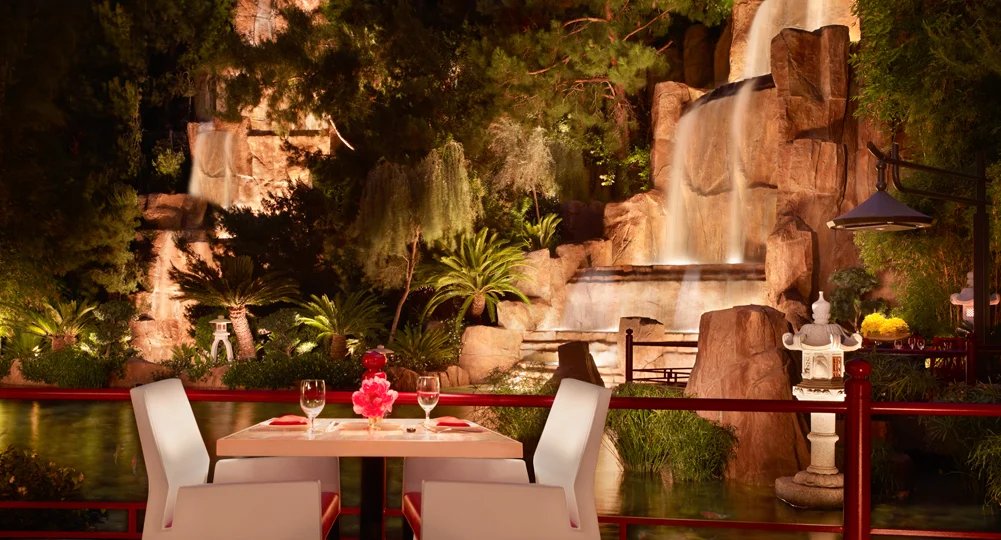
Great sushi and more in a lush garden setting at Mizumi, located at the Wynn hotel in Vegas

1. Mizumi at Wynn

It’s a gorgeous Japanese restaurant offering a few different cuisine options and a beautiful view of the Wynn’s lake. The black truffle teriyaki steak is one of our faves.


Mediterranean cuisine from the famous chef Todd English + the best views of the Bellagio fountain show make Olives a hot spot on the Strip

2. Todd English’s Olives at Bellagio

Come here for lunch and request a table on the terrace. You’ll get the best view of the fountain show, every 30 minutes.


Famed French Laundry chef Thomas Keller serves up Parisian-styled sweets and baked goods at Bouchon in the Venetian hotel

3. Bouchon at the Venetian

Our favorite brunch place on the Strip. The hot dishes are amazing, and the baked goods are so scrumptious. Brandon’s favorite dish is the corned beef hash, while I love the chicken and waffles.


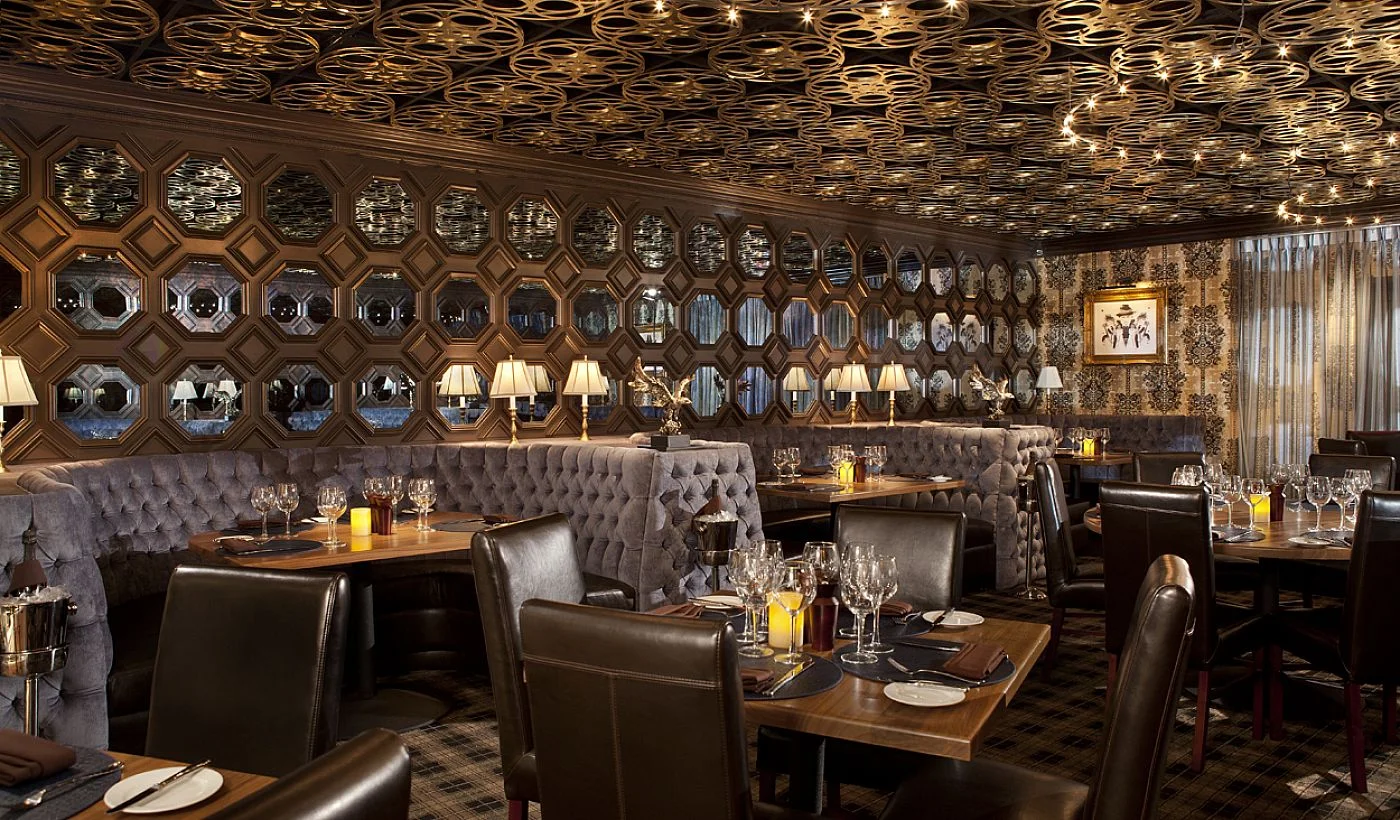
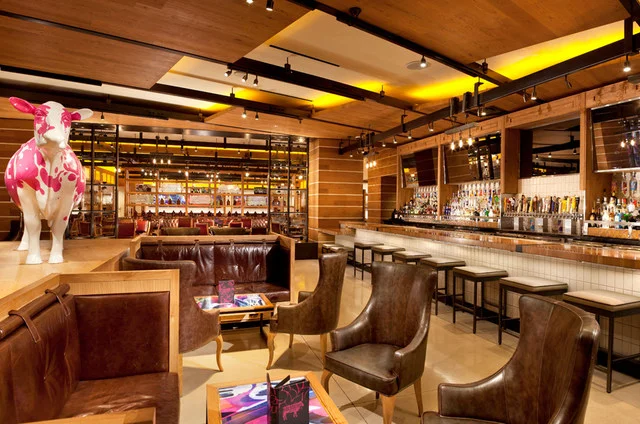
Vintage Hollywood glam at the Barrymore — check out the movie reel-lined ceiling!

4. The Barrymore

This one is a little off the Strip but really close to the Wynn. It’s a great American-style restaurant with an old Hollywood vibe.


Holsteins Shakes and Buns dishes up gourmet burgers and boozy milkshakes

5. Holsteins at the Cosmopolitan

Delicious burgers and boozy milkshakes. Need we say more?


In-N-Out Burger is famous for its secret menu — here are some burgers and fries “animal style”

6. In-N-Out Burger

Off the Strip, but so good. There’s one near the airport, so that’s usually our first meal after we pick up the rental car.


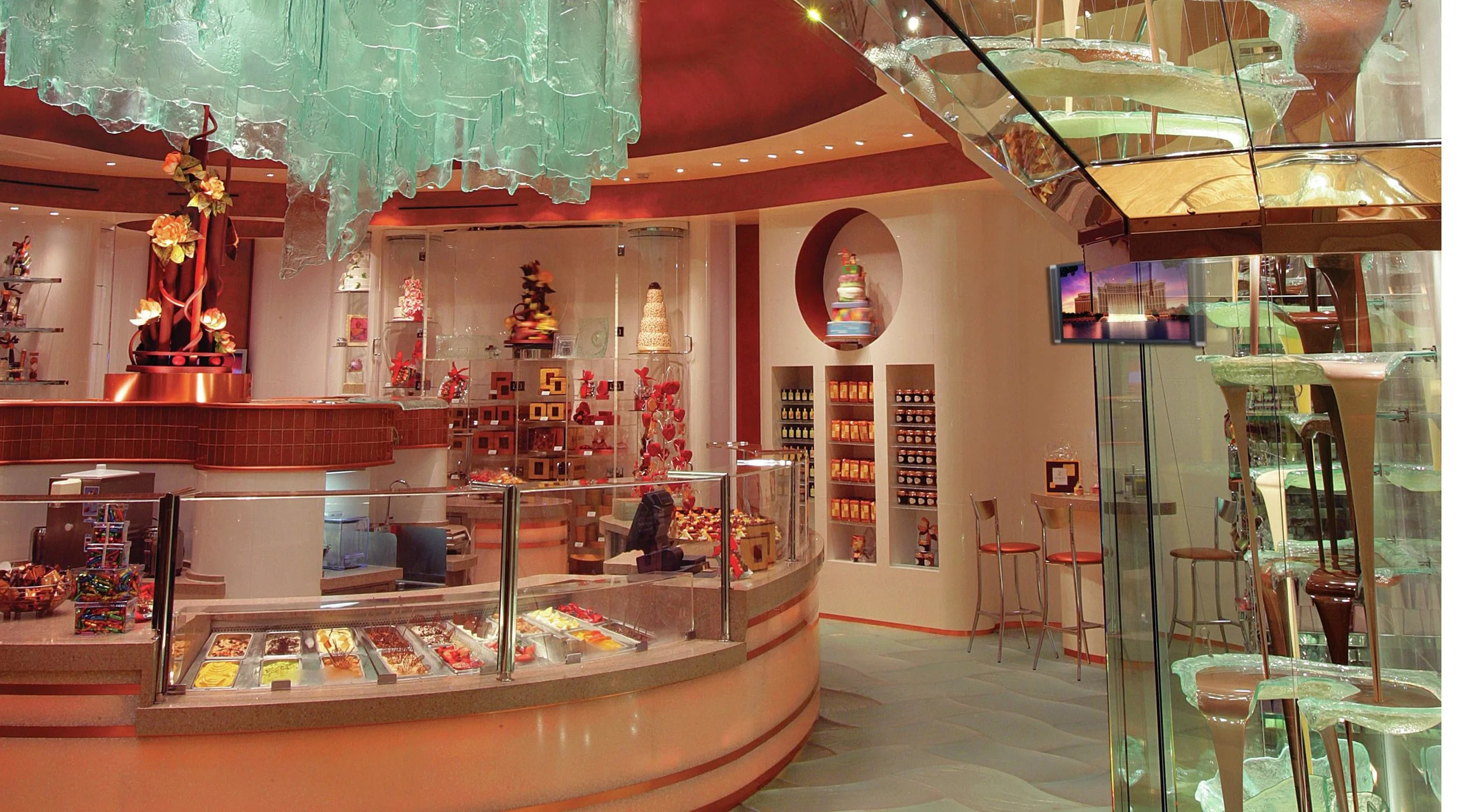
Jean Phillipe Patiisserie has two Vegas locations — the Bellagio and Aria — and claims to have the world’s largest chocolate fountain

7. Jean Philippe Patisserie at Bellagio and Aria

Such a great little bakery. The very best crême brulée and other desserts are perfect for the sweet tooth. They also have great savory sandwiches for a quick bite to eat after a tiresome craps game.


Don’t gamble when it comes time to eat in Vegas — take the experts’ advice. –Wally


MORE ON VEGAS! The Ultimate Las Vegas Vacation: The Best Hotels, Shows and Nightclubs

What the World Thinks of a President Trump

Spoiler alert: From Europe to Asia to Latin America, the outlook isn’t very optimistic.

All hail, President Trump! What does the rest of the world think of our controversial choice for the Leader of the Free World?

Full disclosure: Duke and I fall into the half of America that was absolutely shocked, mortified and despondent that our next president will be a man who openly lies and regularly spouts sexist and racist remarks.

As we try to come to terms with the idea of a President Trump, we wanted to find out how the rest of the world felt. So we reached out to friends who live abroad or who have family there.

The French are scared like we are.
They keep asking why the overqualified candidate lost to someone with no experience. I can’t answer them.
— Michael, an American living in France

Not surprisingly, the rest of the world seems to be as freaked out as we are. –Wally


Brent, an American living in Taiwan

What a sad day, not only for the U.S. but for the whole world. I think America regressed 50 years today.

Walking down the streets of Taipei, I have always stuck out like a sore thumb: “Mommy, look, waiguoren [a foreigner].” As an American living in Taiwan, you get used to it, but walking the streets today I actually felt ashamed to be American. I felt the stares and whispers more than usual.

Taiwanese very rarely ever talk about politics outside of the home. It’s a bit taboo. Today was different. Many Taiwanese spoke to me, all in utter disbelief about our new president-elect: “How could Americans vote for such an evil person?” “Was there a mistake with the election?” “Can this be overturned?” They are all very scared, and rightfully so I believe.

Taiwanese have always respected and appreciated Americans in Taiwan (the U.S. has done a lot for Taiwan). I think that changed for the worse today, and I imagine that Trump’s crassness will only exacerbate that here in Taiwan and within the international community.

I’m still in shock that America chose this bigot. I’m hoping that I wake up in the morning and it’s all a joke. It is such a joke.


Malcolm, a Welshman living in the United States

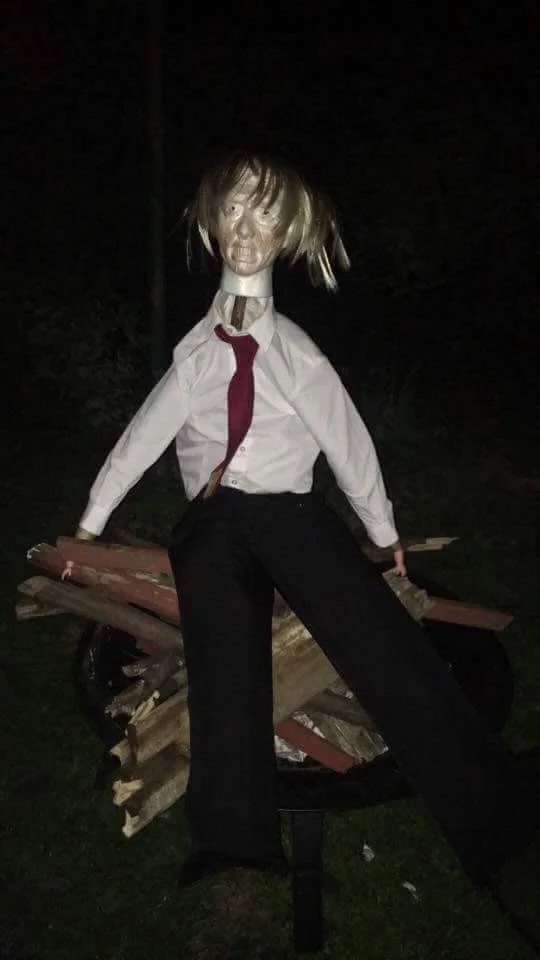
On Guy Fawkes Night, Malcolm and his friends burned an effigy of Trump

Actually, we had a little Guy Fawkes Night bonfire for a few Chicago-based Welsh folks on November 5. It’s a tradition to burn an effigy of Guy Fawkes — ours might have borne a passing resemblance to a certain president-elect.

A news crew from Wales stopped by to film it and do a few interviews. Though I don’t think the effigy burning made it past the editors, and just the interviews (in Welsh) aired back in Wales.

For the Lewes Bonfire Night, they burned an enormous Trump effigy.

And here are a few more from around the country.

My cousin in the U.K. did say, “I can’t believe how many Americans voted for this.”

On the bright side, at least we’re (the U.K.) no longer the dumbest country of 2016.


RELATED: Guy Fawkes Day / Bonfire Night: A Bizarre British Holiday


Kent, an American living in France
Europeans are all concerned that democracy in America has completely died. Anti-American sentiment is already being regurgitated from the Bush years.

My boyfriend Michael, my friend Chris and I already had a share of verbal mockery when we were speaking English in the streets of Paris. Some guys were shouting, “Donald Trump” at us. Whether you voted for him or not, America as a whole is seen as responsible.

The German newsmagazine Der Spiegel depicts Trump hurtling toward Earth like a giant meteor with the text, “The End of the World (As We Know It)”

The controversial satirical magazine Charlie Hebdo recently featured a cover that addresses Obama leaving office and the problem of police violence against blacks

Germans are shocked and appalled; they recognize this is the rise of America’s neo-national socialist movement.

Street interviews express disgust, awe and fear. People prefer saying they have zero opinion on Trump because he is not even worth commenting on.

My colleagues and even direct reports are inquiring how the ban on Muslims will impact future travel and training in the U.S. next year: “Will we be excused from our annual meeting in Florida next year?”

France is in a state of panic, as their presidential elections take place next year. The current socialist president, Hollande, has been weak and ineffective, leaving the door wide open for the opposing right, including the Front National, France’s most radical and very real neo-Nazi party. Trump’s win has emboldened and legitimized their campaign going into 2017 so much so that key experts are even predicting a potential win.

Unlike the U.S., any supporter in Europe of Trump’s ascension to power can only be a fellow nationalist and fascist. No middle ground on that.

Europe doesn’t even know how to engage the new American administration. Hollande didn’t even prepare a congratulations communiqué for Trump, as it seemed so unlikely — unfortunately the radical right beat him to the punch.

Europe is essentially as overwhelmed as the U.S. and plunged in an even deeper sense of uncertainty about the future. Germany fears a risk of a relationship breakdown, as they cannot support or work with any government that could cross over into the gray area of human rights violations.

By adding Trump’s win to the Brexit also spells an even more fragile situation for the stability of the European Union. Anti-globalization sentiment is further justified and confirmed now than it has ever been before.

American expats are reconsidering any plans to move back to the U.S. now.

While it’d be wonderful to feel Europe is so disconnected from the U.S., we’re here in our own, protected little island, but the realistic truth is that we’re tied and bolted to the U.S. in so many ways.

The media here is not timid or holding back on opinion. Trump is portrayed exactly as if the U.S. just voted in a fascist to government. Faith in democracy and our future is bleak.
 

RELATED: American Expats Tell What It’s Really Like to Live in Paris


Andrea, a Puerto Rican living in the United States

With P.R., it gets a bit tricky because my mom’s generation (and older) and my generation have a very different reaction to this whole Trump situation. The simplest way of explaining it is as follows:

For some idiotic reason, millennials don’t want to be part of the U.S. — they want P.R. to become independent (even though we’ve been supported by the U.S. for so long that becoming independent would probably transform P.R. into a third world country like the Dominican Republic). But anyway, my generation’s reaction to Trump winning the presidency is, “Suck it, U.S.! You get what you deserve! You’ve become the circus of the world!”

My mom’s generation (and most of P.R.) on the other hand are very concerned. They are terrified that Trump will take away our citizenship. They are angry that the entire island is obligated to follow the U.S.’s laws and regulations, when they are not even allowed to vote for the U.S. president.

The island’s election happened the same day as the U.S. elections, and the PNP (Partido Nuevo Progresista) won. This party is the one that wants to do everything in their power to make the island a state. But now that Trump won, they’re not sure it’s the best time to request this, considering Trump is a racist and is threatening to take away our citizenship.

It’s a very complex situation.


Aneta, an American with family in Switzerland and Serbia

My Swiss family and I have had a lot of discussions about U.S. politics over the years. They are not fans of the U.S. political system and even refused to visit D.C. when they’ve come here. They seem to believe that our choice reflects the heart of the majority of Americans.

My family in Serbia are also not fans of the U.S. due to the bombings and intervention in the Yugoslav civil war in the ’90s and recently in Kosovo. They hold us responsible for the instability in the Middle East. They relish a bit in the election of Trump, who is seen as a caricature of American arrogance. I don’t think they like Hillary any better because Clinton was president during the civil war in Yugo and they see him responsible for the bombing of civilian schools, restaurants, bridges, etc.

I think their views are not different from most of the world, which is taking some delight in our dirty laundry being televised. But Europeans see our behavior now, with the protests, as American entitlement and temper tantrums. At the end of the day, we are one of the oldest democracies in the world and they respect that. If we believe in the process, we have to accept the results with dignity, even when it doesn’t go our way.


Morgan, an American living in the Netherlands

There are so many feelings and emotions about the recent election of Trump happening here in the Netherlands.

First of all, the entire presidential race was covered by almost every newspaper in the Netherlands. There were at least two articles a day giving the most recent gossip and news. This I found kind of shocking considering that it’s not their country and their election, but it just confirms the fact that the fate of the United States holds the fate of so much of the rest of the world.

Next, lots of people talked to me about the election before the big day. People from all walks of life knew all about it and wanted to tell me how they felt.

I volunteer at a homeless shelter, and one of the main points of conversation lots of the nights was about Trump and how crazy he is and how terrible and scary it would be if he were elected.

One of my other Dutch friends told me that to her Hillary was just the lesser of the two evils. We argued about how she thought Hillary needed to lighten up a bit and her worry that Bill would be involved in the presidency somehow.

The night of the election, we had another American couple over to watch the results. They showed up at 2 a.m. and we started out watching the bad news roll in. It wasn’t until 9 a.m. here that we watched Trump speak and announce his phone call with Clinton. At this point, the entire world lost its mind.

So many of my Dutch friends started texting with their condolences. Screenshots of Dutch Twitter accounts were sent to me by a few people, saying that the Netherlands is very scared for the results and worried about what this means for the future. Many others simply told us that we are always welcome to stay here.

Many people here have told me about their concern for the climate. Others have told me that they’re worried that something like this may happen with the Netherlands in March 2017. Geert Wilders, a very notorious conservative political figure, may now win the general elections. The fact that this has already happened in the U.S. doesn’t help.

This is the government news site for the Netherlands and what they say about Trump. It’s pretty direct and to the point — but it’s clear that they think this was a big mistake and a big step backwards. Newspapers from all over the world have had Trump's face on the front page for days.
 

RELATED: The Best Spots to Hit When Visiting Utrecht