wales

The Enchanting and Perilous World of the Fae

Explore the hidden world of fairies — from pixies and brownies to elves and gnomes. Discover why these mysterious beings captivate imaginations … and what secrets lie just beyond the mortal realm.

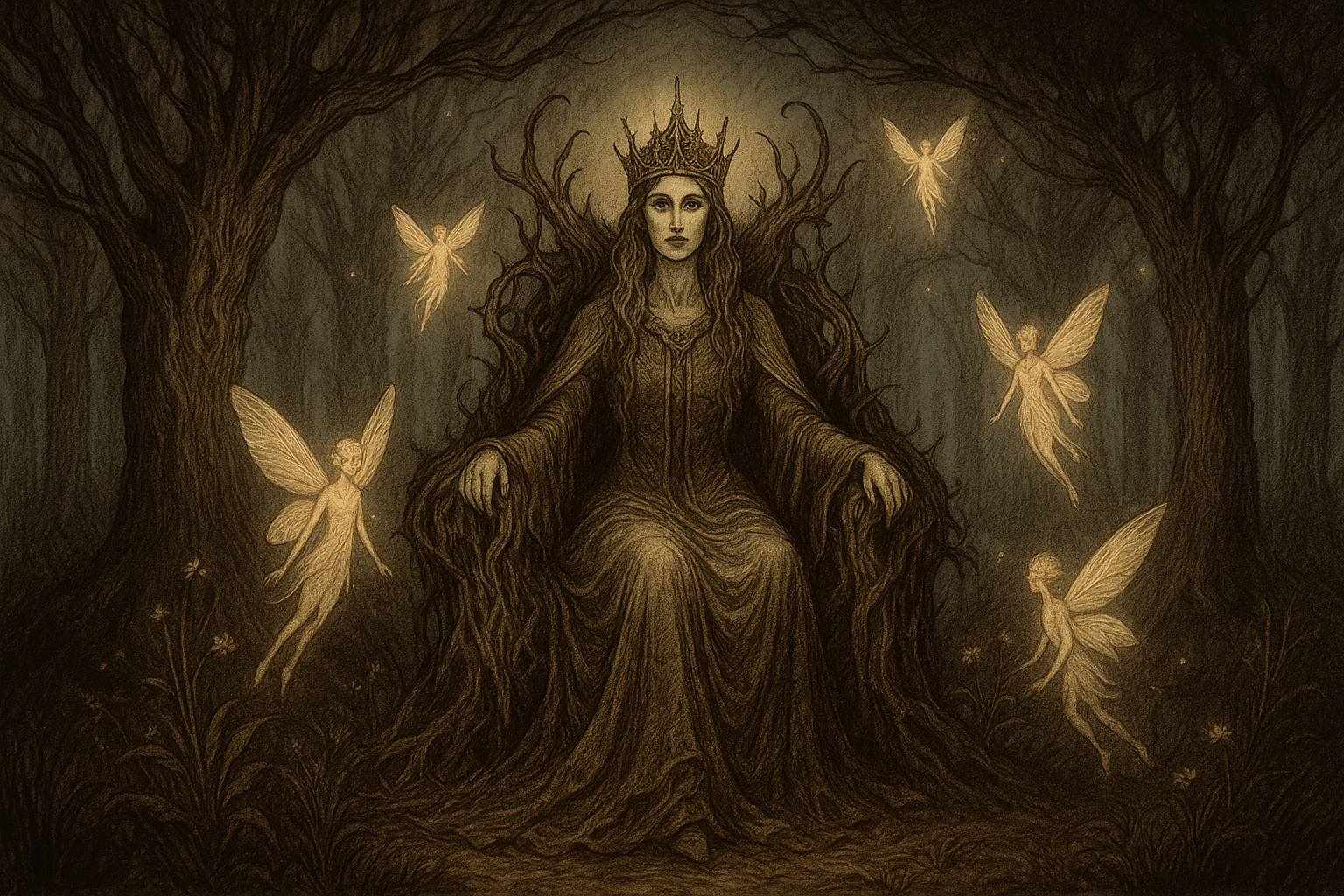
The Fae queen of the Seelie Court sits on her wooden throne, while smaller glowing fairies fly around her

The Seelie Queen on her thornwood throne

There are places in this world where the veil between realms grows thin: a lonely stretch of moorland, a glade deep in the woods, a ring of mushrooms. 

But beware, for the Fae are not the charming, glitter-winged sprites of modern fairy tales. They’re older than memory, creatures of wild magic, bound to no human morality. They can bless you with impossible luck or curse you with misfortune that lingers for generations. Some are beautiful beyond compare — slender and radiant, with eyes like moonlit pools. Others are twisted things, hunched and sharp-toothed, watching from the shadows.

To stumble upon the Fae is to risk losing yourself. Accept their gifts, and you may find they come at a terrible price. Eat their food, and you may never leave their world. Speak too freely, and they may steal your name, your shadow or your very soul. And if you are very unlucky or unwise — if the music lures you in, if the golden-haired stranger takes your hand — you may wake to find a hundred years have passed while you danced, and everyone you once knew is dust.

Yet still, we seek them out. We leave out offerings of milk and honey at Beltane, Litha and Samhain, whisper our wishes into the wind, and step just a little too close to the edge of the veil, hoping for a glimpse of something otherworldly.

Across the globe, countless myths and legends speak of these elusive beings, each culture shaping its own version of the Fae. Some are noble, some monstrous, some little more than a trick of the light. But one truth remains: The Fae are watching. And if you’re not careful, they may just take notice of you.

Small fairylike sprites fly under the light of a full moon in a forest with toadstools

Fairy Folklore Around the World

In different cultures, stories of the Fae take many forms — some enchanting, some terrifying, all captivating. Whether they’re the luminous Sidhe of Ireland, the cunning yōkai of Japan, or the water-dwelling rusalki of Slavic lore, fairies defy easy categorization. They’re both protectors and tricksters, wise beings and dangerous predators, granting favors with one hand and snatching them away with the other.

Let’s step into the shadowy glens and moonlit crossroads where the Fae linger, exploring how different cultures have imagined these otherworldly creatures — and where you might still find traces of them today.

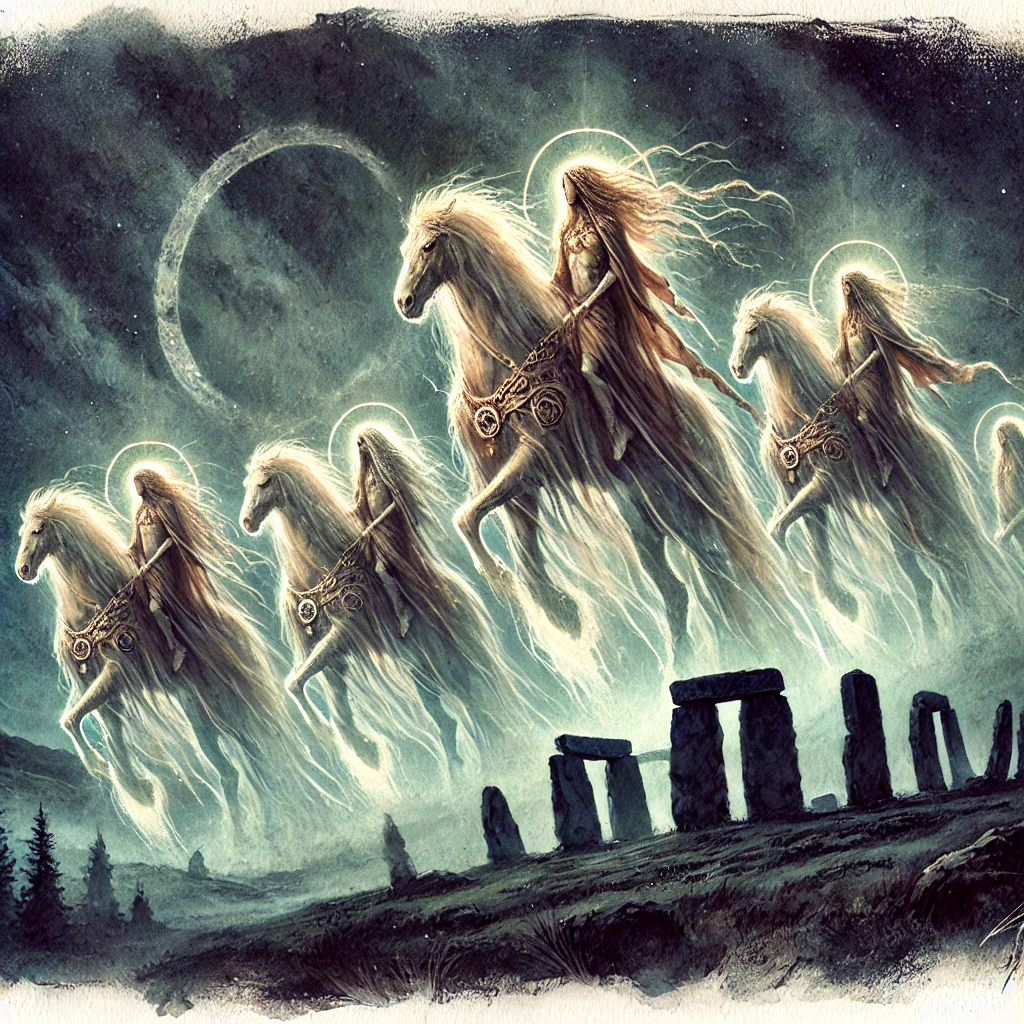
The Tuatha Dé Danann, or Sidhe, ride their spectral horses above Stonehenge

The Tuatha Dé Danann, or Sidhe, riding their spectral horses

The Tuatha Dé Danann and Irish Fairies

Beneath the rolling green hills of Ireland, hidden within ancient mounds and hollowed-out trees, dwell the Sidhe (pronounced “Shee”), the Shining Ones. These are no fluttering pixies, but tall, radiant beings, their beauty almost painful to behold. Clad in shimmering garments, their eyes hold the weight of centuries, and their voices carry the echoes of forgotten songs.

The Tuatha Dé Danann, Ireland’s old gods, were said to have retreated into the earth after their defeat, becoming the Sidhe of legend. They ride out on spectral horses, sweeping mortals away in a fever dream of music and revelry. Some who enter their world return, forever changed; others vanish without a trace.

Not all Irish fairies are so regal. The púca, a shapeshifter, appears as a sleek black horse with burning eyes, a rabbit, or even a goblin-like creature with long fingers and an unsettling grin. 

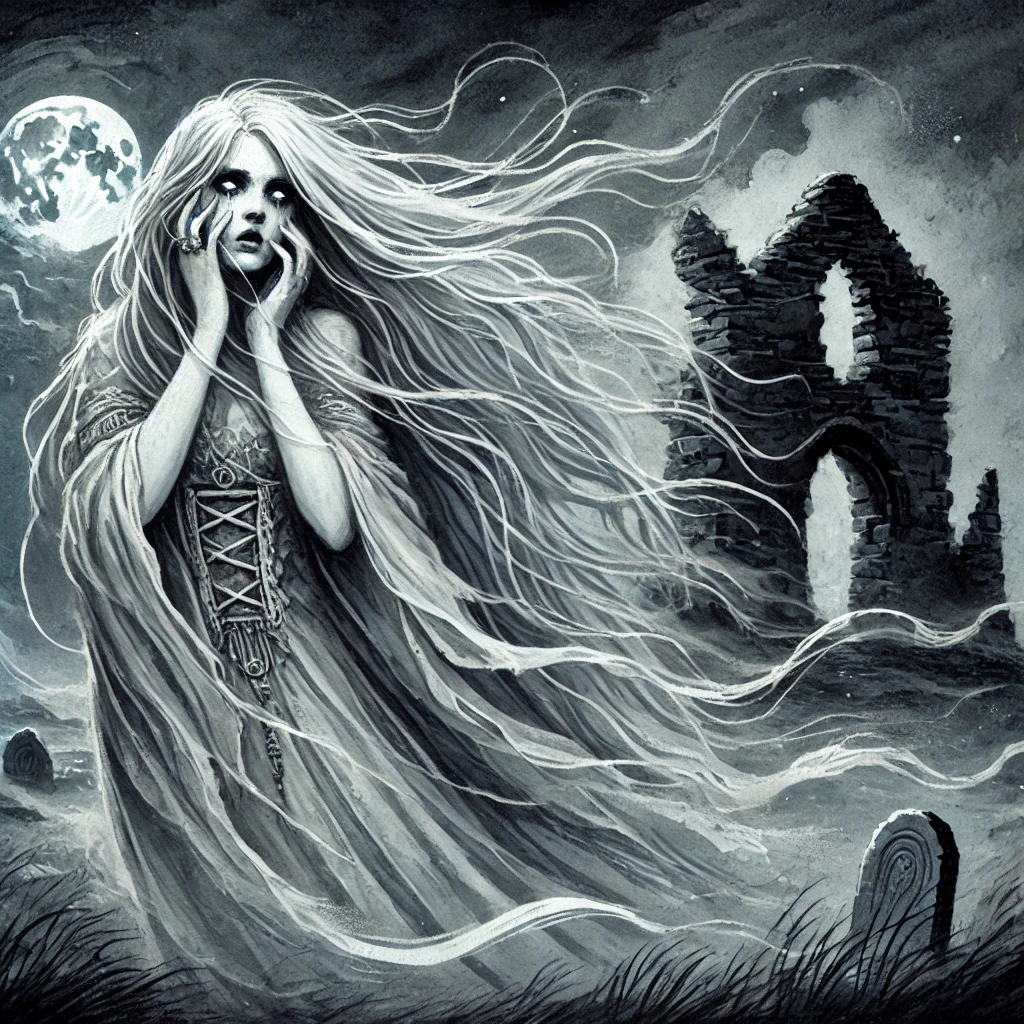
The banshee, with her silver hair and wailing cries, is a harbinger of death, while changelings — sickly, eerie children left in place of stolen human babies — are a reminder of the Fae’s more sinister tendencies.

A banshee with long flowing hair clutches her face at night by a ruined church and graveyard

A banshee’s wail means someone you love is about to die.

Irish Fae in Popular Tales

  • The Stolen Child by W.B. Yeats captures the allure of the fairies, calling children away to a land of “waters and the wild.”

  • In The Call by Peadar Ó Guilín, modern teenagers are abducted into the Grey Land of the Sidhe, where they must survive deadly hunts.

  • Jonathan Strange & Mr Norrell by Susanna Clarke presents a version of the Fae as manipulative and powerful, with the Gentleman with the Thistledown Hair embodying their eerie and unpredictable nature.

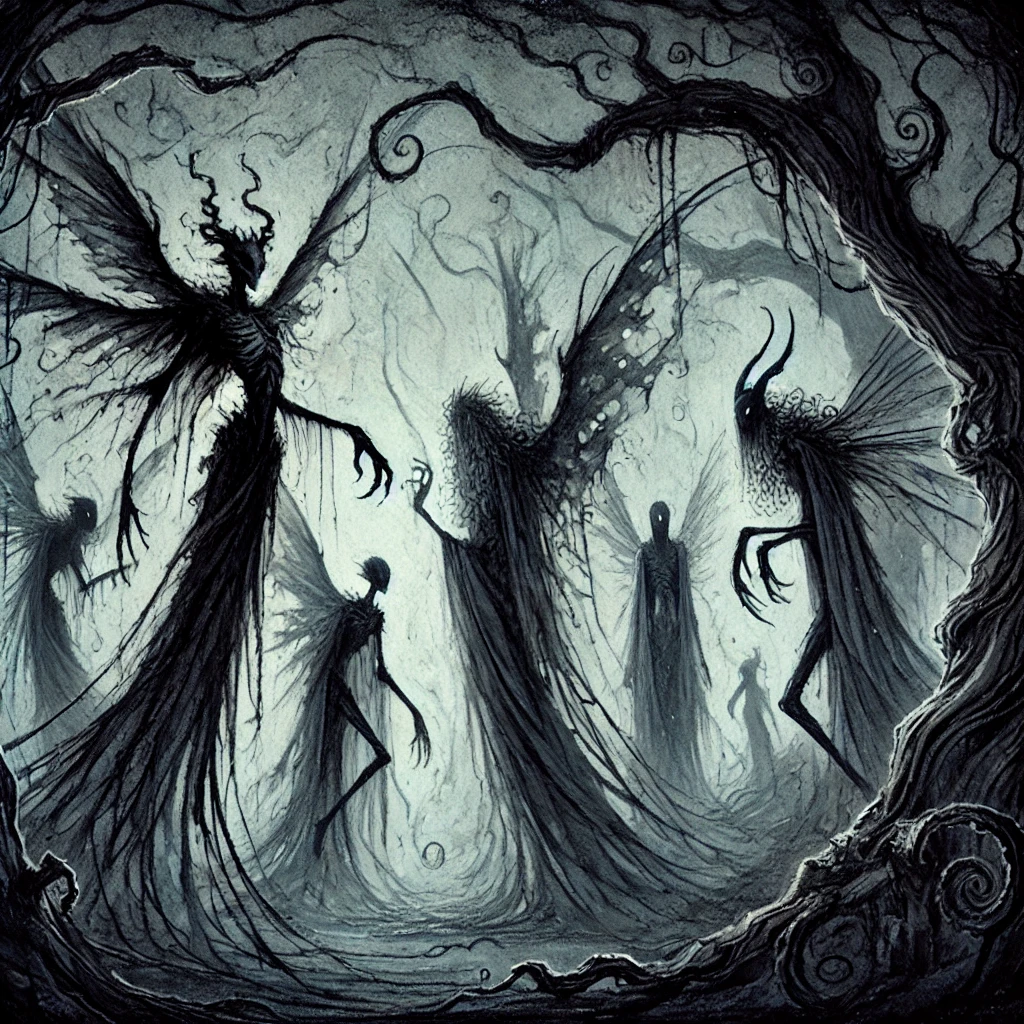
Dark, horned, spectral Fae in the woods of the Unseelie Court

The Unseelie Court is home to the more malevolent fairy folk.

Scottish Fairy Lore and the Seelie and Unseelie Courts

In Scotland, the fairy realm is split into two factions: the Seelie Court, filled with fairies who are mischievous but not entirely malevolent, and the Unseelie Court, where malevolence runs rampant.

Seelie fairies might grant favors to those who respect them, though their “gifts” often have unintended consequences. The Unseelie, however, are another matter entirely. These fairies lurk at crossroads and lonely moors, hunting in packs and carrying off travelers who wander too close to their domain.

Among them are the redcaps, murderous goblins that dwell in ruined towers, their caps stained with the blood of their victims. 

The kelpies, sleek black water-horses, lure riders onto their backs before dragging them into the depths. 

And the brownies, small, shaggy-haired house spirits, help with household chores — so long as they are respected and well fed.

A shaggy-haired brownie sweeps its home by a fire in the stove

A helpful brownie

Scottish Fae in Popular Tales

  • Tam Lin, a classic Scottish ballad, tells of a mortal man, stolen away by the Fairy Queen, who can only be rescued through a terrifying midnight ritual.

  • In The Falconer by Elizabeth May, Scottish fairies are reimagined as deadly creatures warring against humans.

  • The Unseelie Court’s dangerous and dark magic is woven into Holly Black’s The Cruel Prince series, where the Fae are as beautiful as they are treacherous.

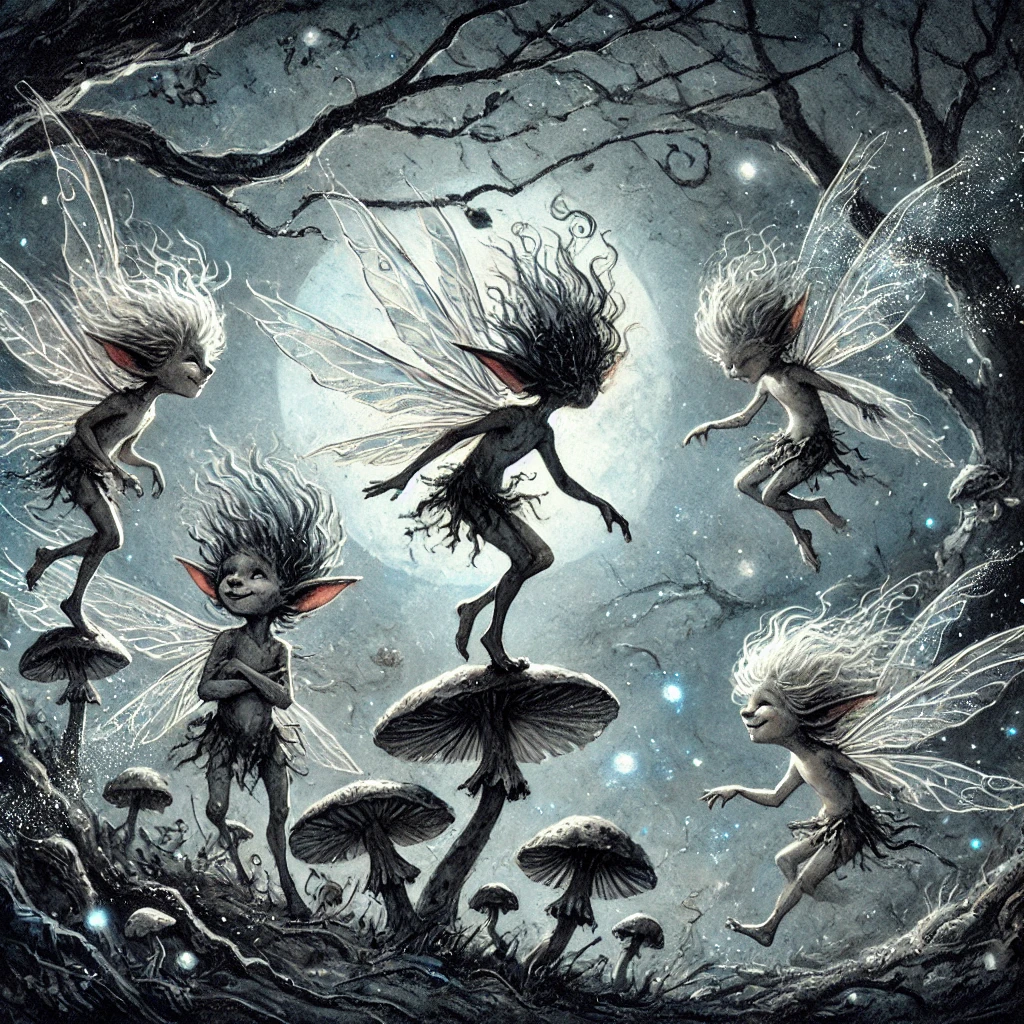
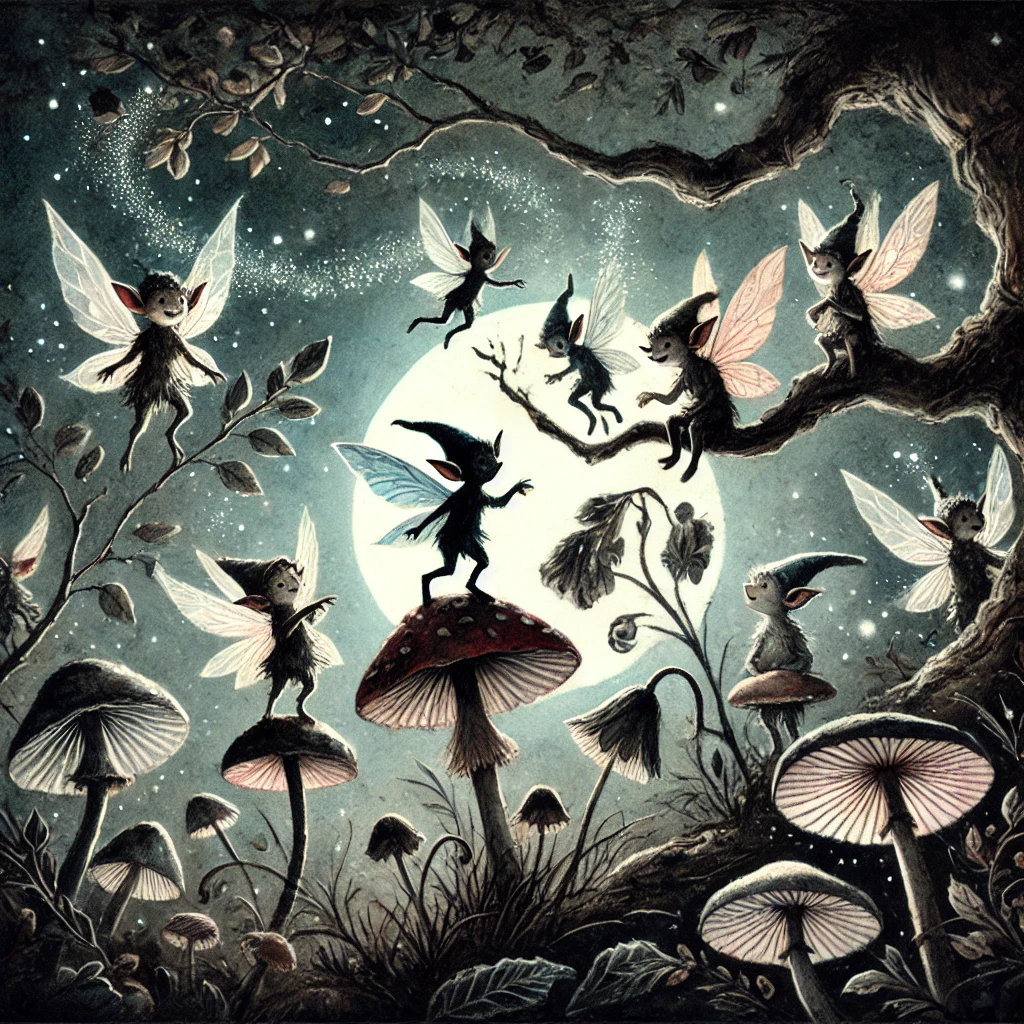
Pixies fly merrily by mushrooms and trees on a night with a full moon

A plague of pesky pixies

English and Welsh Fairies: Tricksters, Ghosts and the Wild Hunt

In the misty forests and moors of England and Wales, the fairy folk take on many forms — some charming, some terrifying, all deeply tied to the land.

The pixies of Devon and Cornwall are small, impish creatures with pointed ears and mischievous grins, known for leading travelers astray with will-o’-the-wisps or tangling horses’ manes into fairy knots. Unlike their Irish or Scottish counterparts, they’re more playful than malicious, though they can still cause trouble if insulted. 

But the Fae of England aren’t all harmless. The Wild Hunt, a spectral procession of ghostly riders led by a dark figure — sometimes the Devil himself, sometimes the mythic Herne the Hunter — thunders across the sky, sweeping up any mortal unlucky enough to cross its path. 

Meanwhile, the Green Children of Woolpit, a medieval legend, tell of two strange, green-skinned kids who appeared in a village, speaking an unknown language and claiming to be from an underground world. Were they lost fairies?

Even the land itself is said to be enchanted. The Fairy Paths, invisible roads used by the Fae, must never be obstructed by buildings, or bad luck will follow. 

The Fairy Godmothers of later fairy tales may have originated from old beliefs in household fairies, protective spirits who could bestow gifts or curses on infants.

British Fae in Popular Tales

  • Susanna Clarke’s The Ladies of Grace Adieu reimagines English fairy lore with eerie and elegant storytelling.

  • Terry Pratchett’s Lords and Ladies features fairies that are predatory and cruel, a nod to their older, darker origins.

  • The legend of the Wild Hunt plays a major role in Katherine Arden’s The Winter of the Witch and Hellboy comics. 

  • Pixies show up in the Harry Potter series and the game Harry Potter: Wizards Unite

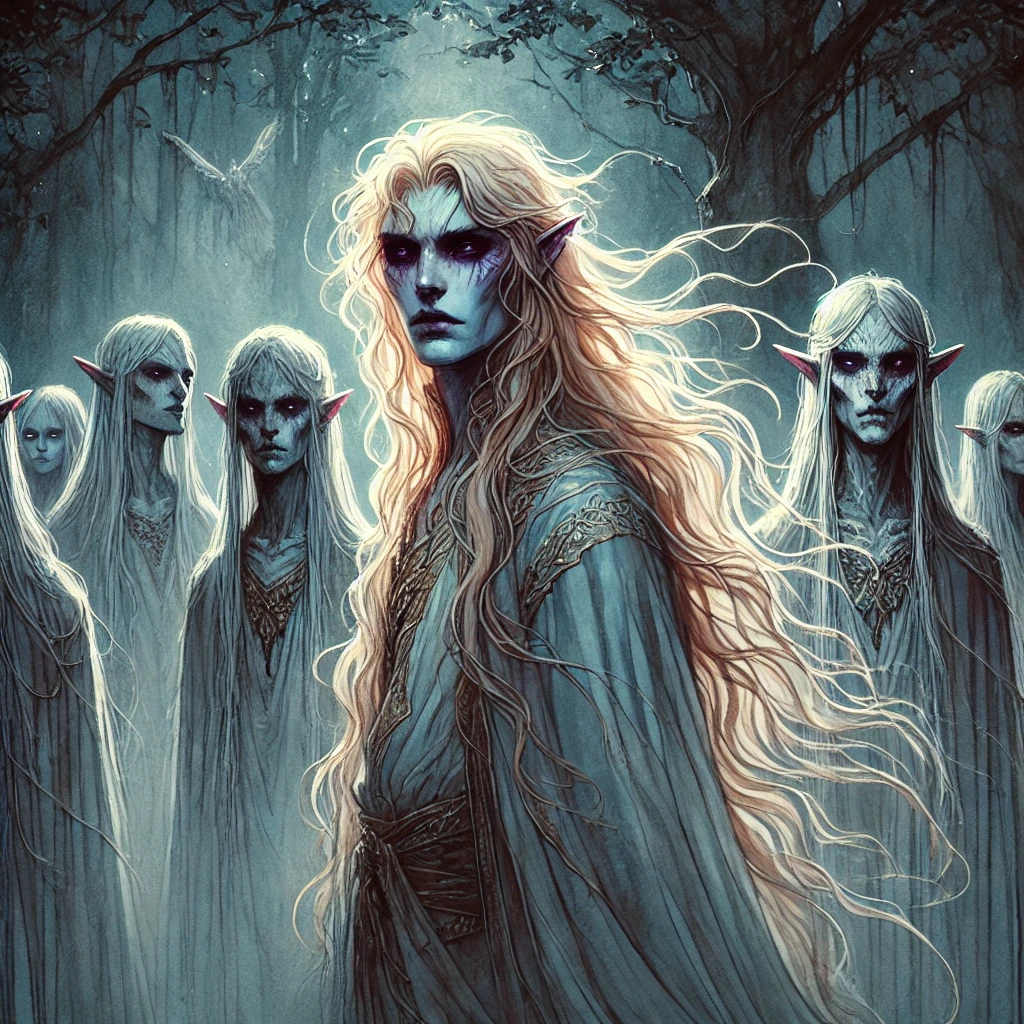
A group of Álfar, tall, thin elves with long light hair and pointed ears

The Álfar, tall, luminous, godlike entities, influenced the elves of Tolkien and D&D.

Norse and Germanic Fairies: Elves, Forest Spirits and the Nachtmahr

Long before fairies flitted through English gardens, the Norse and Germanic peoples told of the Álfar, or elves: tall, eerily beautiful beings who lived in hidden places and wielded great magic. Unlike later fairies, these elves were closer to minor gods, capable of both great kindness and great wrath. In some sagas, they were luminous, golden-haired beings; in others, they were pale and unsettling, dwelling in mist-shrouded groves and demanding offerings.

But not all the hidden folk were so noble. The nachtmahr, a twisted shadow spirit, crept into homes at night, sitting on the chests of sleepers and filling their dreams with terror; our word nightmare comes from this legend. 

The erlking, a malevolent woodland fairy, lured children to their doom with whispered promises, immortalized in Goethe’s haunting poem.

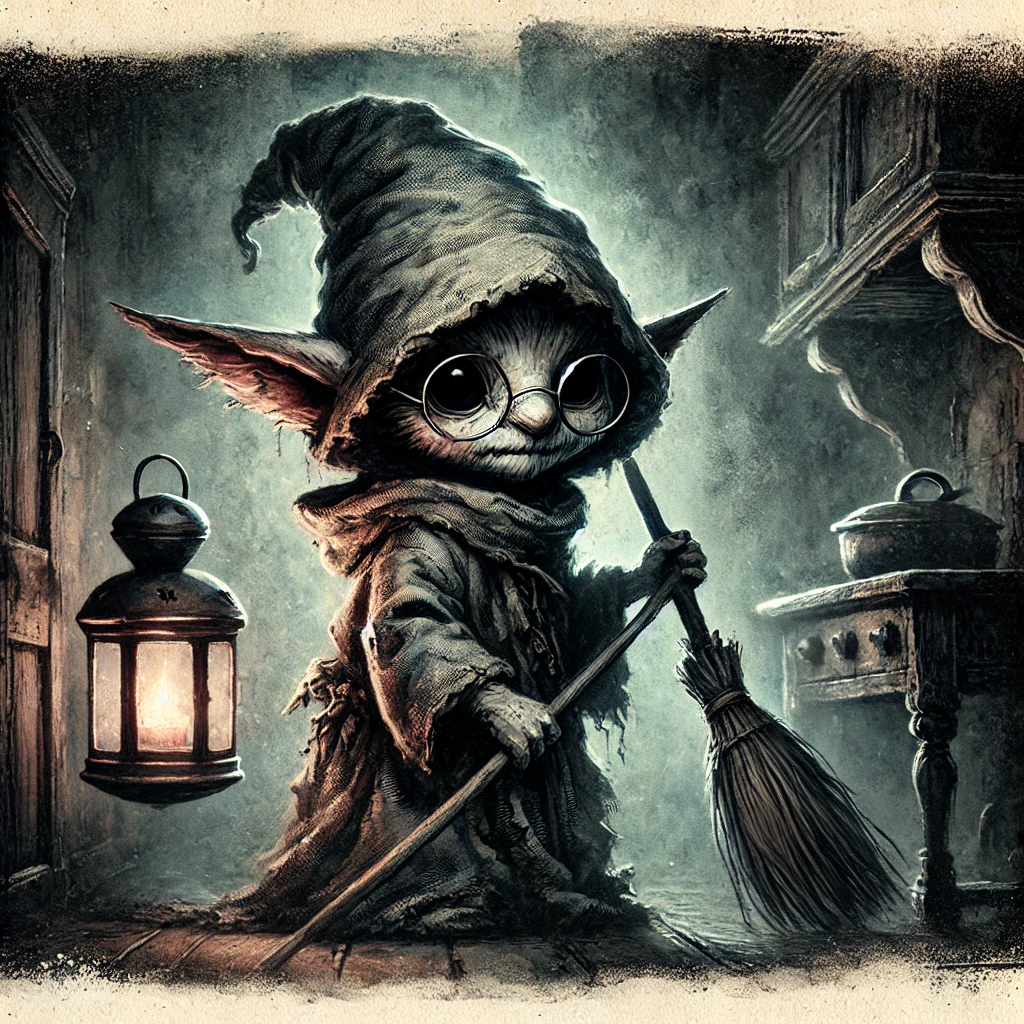
Then there were the kobolds, household spirits that could be either helpful or destructive. Resembling small, gnome-like figures, they lived in homes and ships, protecting the inhabitants if treated well, but turning mischievous or even vengeful if neglected. Some German miners believed kobolds lived in the mines, warning workers of cave-ins — or causing them.

A small kobold dressed in rags, a pointed hat and round glasses, holding a broom in his small home while a lantern floats next to him

The helpful kobolds of folklore and much different from the lizard-like monsters from D&D.

Norse and German Fae in Popular Tales

  • The erlking appears in literature from Goethe’s poetry to Jim Butcher’s Dresden Files, always as a chillingly powerful figure.

  • Tolkien’s elves, with their captivating beauty and ancient wisdom, owe much to Norse and Germanic fairy lore.

  • Neil Gaiman’s Norse Mythology explores the strange, otherworldly side of the Álfar. (Learn more about the Norse gods.)

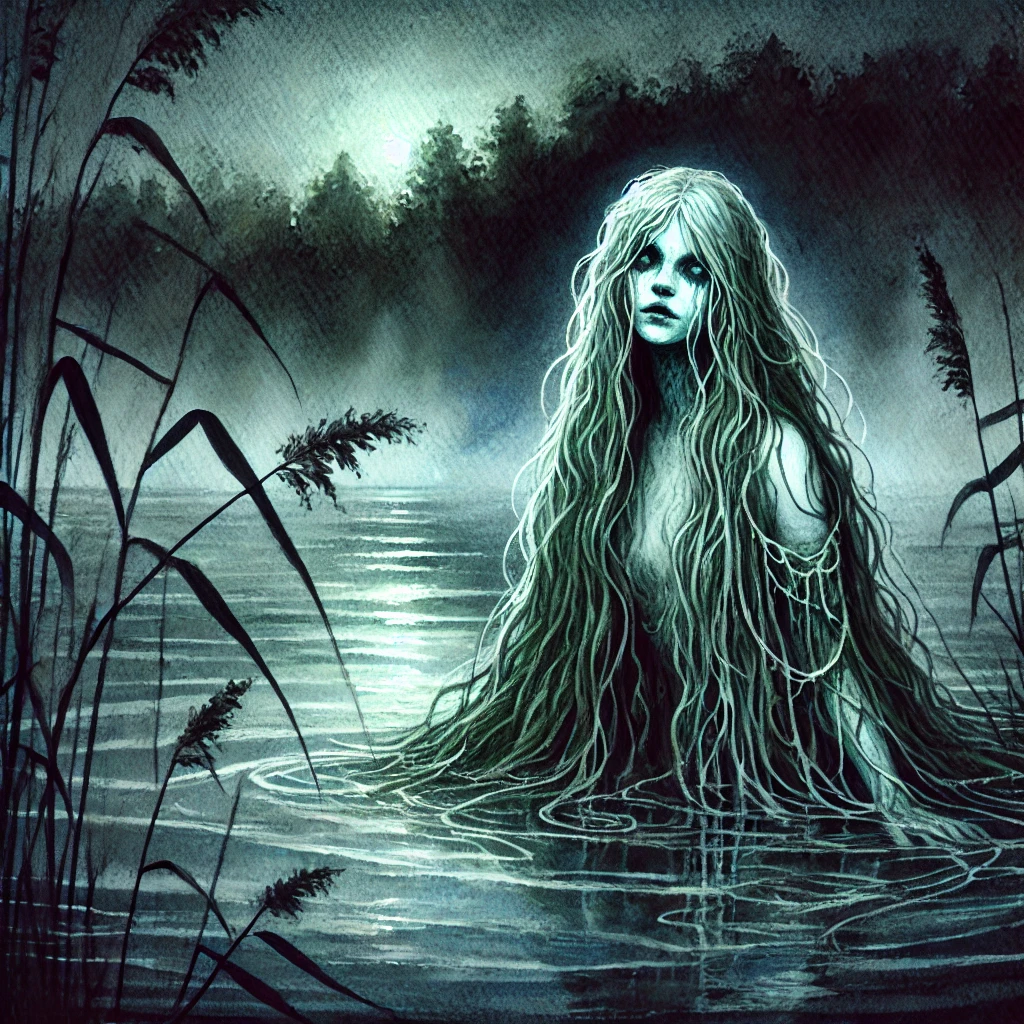
A rusalka, the spirit of a drowned young woman, with long hair, stands in the water at night

A rusalka, the spirit of a drowned young woman, wants men to share her fate.

Slavic Fairies and the Rusalka: Spirits of Water and Wood

Slavic folklore is thick with spirits, many of whom blur the line between fairy, ghost and demon. The rusalka is one of the most haunting: a drowned maiden with pale, luminous skin and long, green-tinted hair, she lingers near lakes and rivers, singing to lure men into the depths. Some legends say she’s vengeful, dragging victims under; others say she’s  simply lonely, forever searching for a lost love.

Then there are the domovoi, small, hairy house spirits with glowing eyes. Unlike the trickster fairies of the British Isles, a domovoi was a family guardian, keeping the household safe — so long as it was honored with milk, bread and respect. A neglected domovoi could become vengeful, making life miserable for the home’s inhabitants.

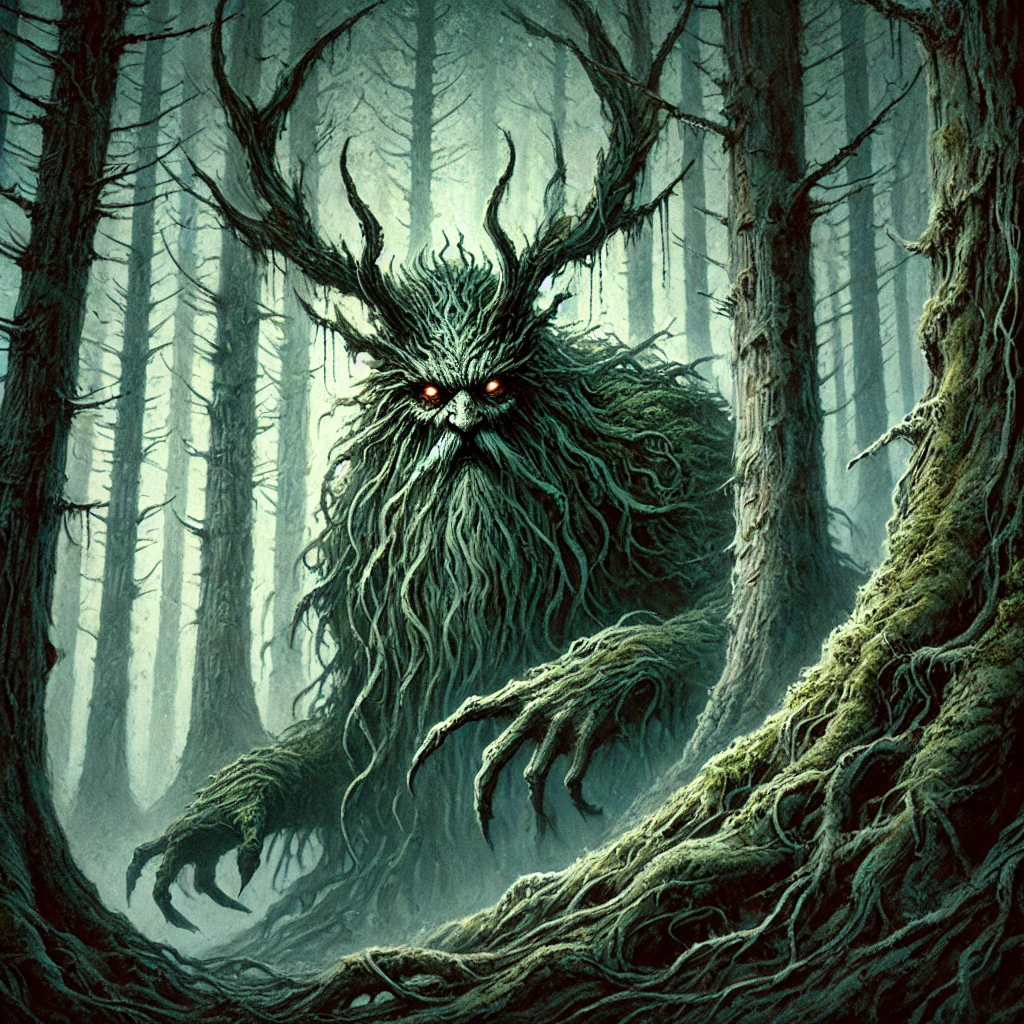
In the dark forests, the leshy reigns: a towering, moss-covered figure with bark for skin and eyes like glowing embers. He’s the master of the woods, able to shift size at will. Travelers who fail to pay their respects may find themselves lost for days, their paths twisting back on themselves under the leshy’s watchful gaze.

A leshy, large, gnarled like a tree, with glowing eyes and staglike horns

The leshy, shapeshifting master of the woods

Slavic Fae in Popular Tales

  • The Bear and the Nightingale by Katherine Arden weaves Slavic fairy spirits like the domovoi and rusalka into a lush historical fantasy.

  • The leshy appears in numerous Russian fairy tales and in modern fantasy, including The Witcher series.

  • The eerie, dreamlike world of the rusalka is captured in Alexander Pushkin’s poetry and Dvořák’s opera.

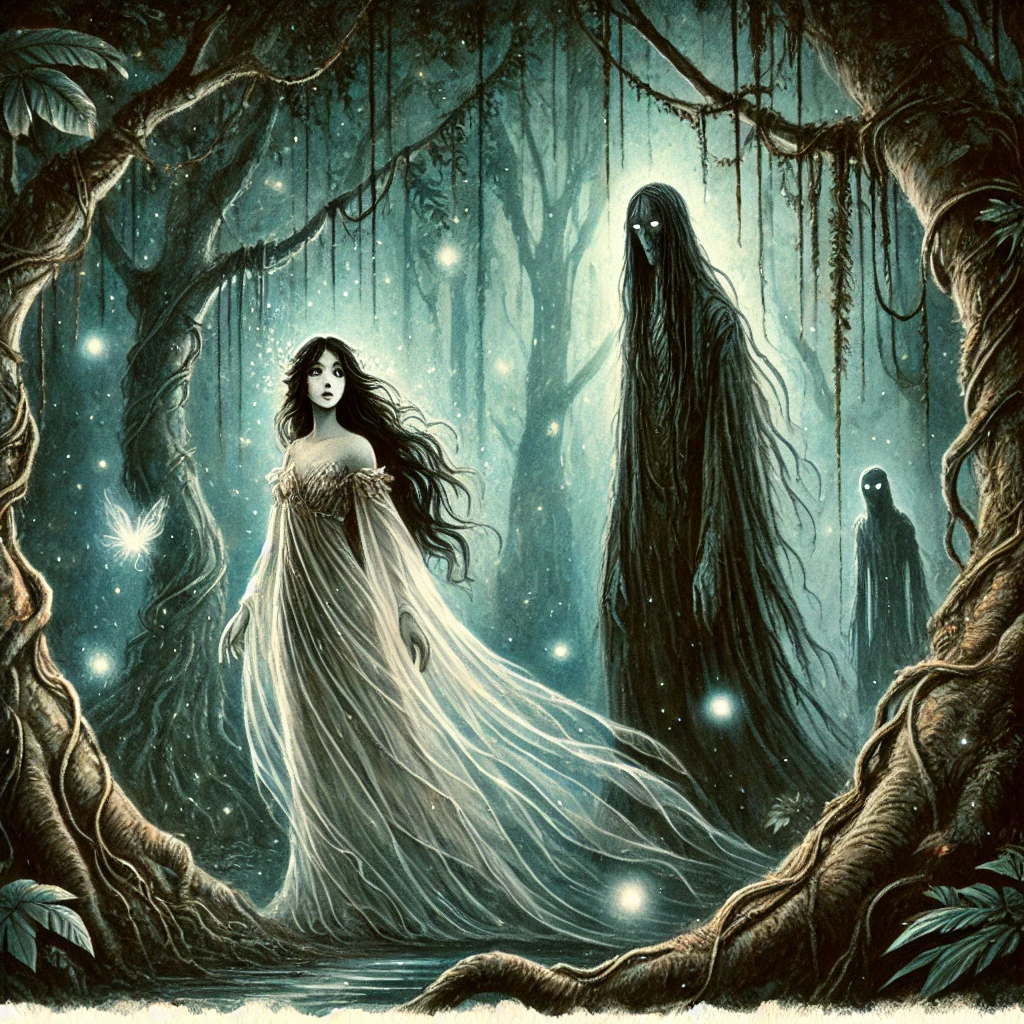
A diwata, a ghostly woman, and engkantos, a tall, thin, black, menacing spirit

The diwata and engkantos of the Philippines can be kind or cruel, depending on how you treat them.

The Fairies of Other Cultures

Fairy-like beings exist worldwide, often blending nature spirits, ancestral ghosts and mischievous tricksters.

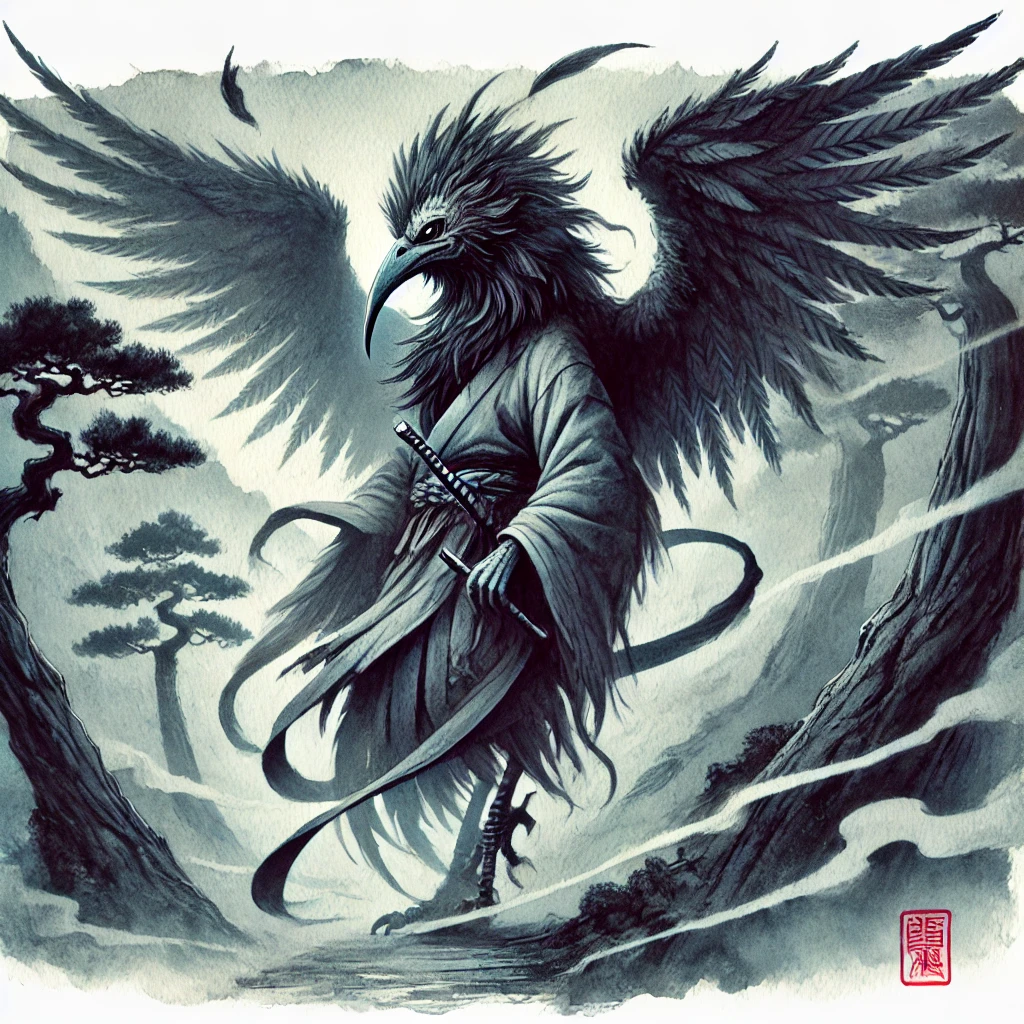
The tengu, a bird spirit dressed like a samurai by bonsai trees in the mist

Tengu love to mess with overly proud samurai — creating illusions, stealing weapons or dragging them into duels they can’t win. I

Japanese Yōkai: Creatures like kodama, tree spirits that live in ancient forests, or tengu, bird-like beings who trick travelers and test warriors, share many fairy-like qualities.

Filipino Diwata and Engkantos: Often compared to elves, these spirits of the forests and mountains can be either generous or cruel, depending on how they’re treated.

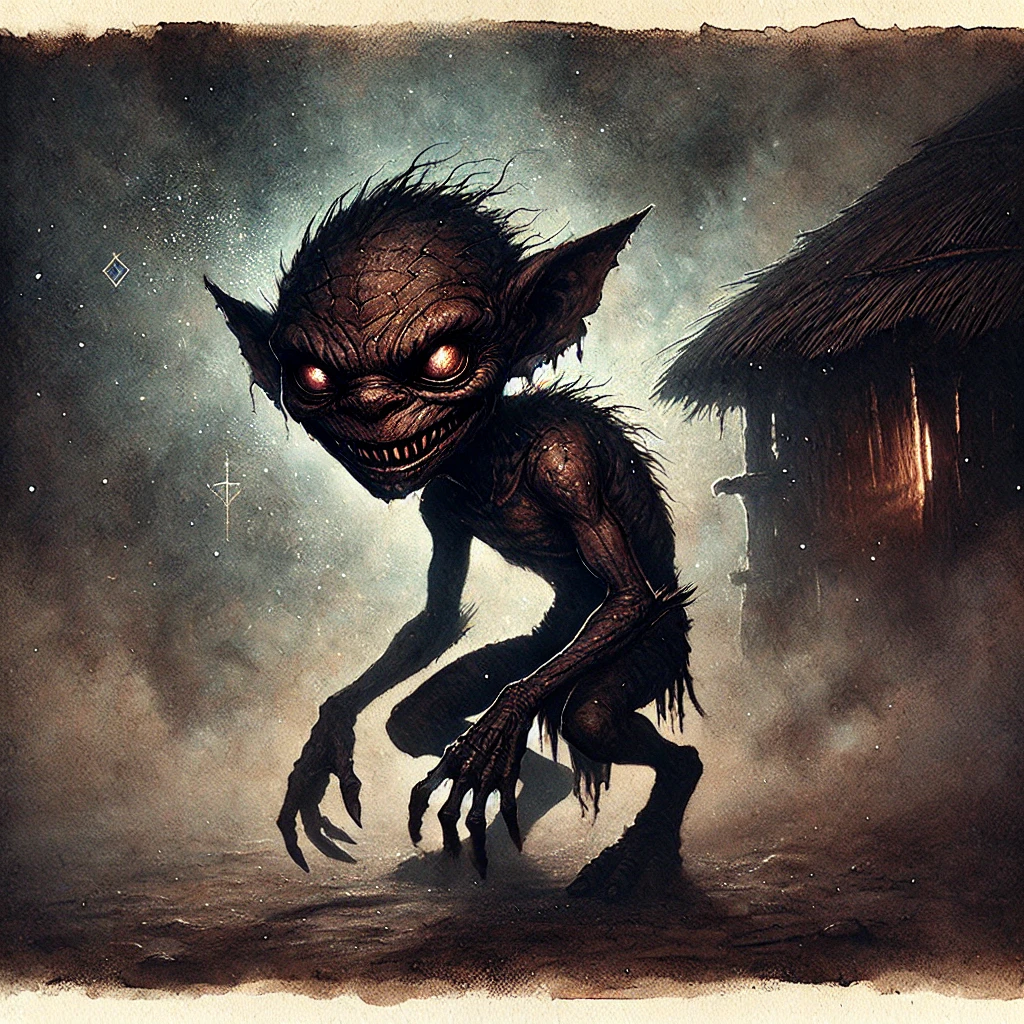
African and Caribbean Spirits: Figures like the tokoloshe in South Africa — a small, goblin-like trickster — bear similarities to European goblins and sprites.

A tokoloshe, a menacing gremlinlike creature with glowing eyes and a creepy smile, by a thatched-roof hut

The trickster tokoloshe from South Africa

Fae From Around the World in Popular Tales

  • Spirited Away, the Studio Ghibli film, is a masterful portrayal of Japanese fairies and spirits.

  • The Girl From the Well by Rin Chupeco draws on Japanese and Filipino ghost fairy traditions.

  • Nalo Hopkinson’s Brown Girl in the Ring weaves Caribbean folklore into a dystopian fairy tale.

Fairy magic swirls in a forest at night

Fairy Rings, Time Distortion and Other Fae-Related Mysteries

Step carefully, traveler. A ring of mushrooms in the forest, a strange circle of scorched grass on the moors, an ancient oak with a hollow just large enough for a child to crawl through — these are signs that the Fae have been here. And if you cross into their domain, you may never leave the same.

The Danger of Fairy Rings

Fairy rings are among the most famous — and most feared — phenomena in fairy lore. These naturally occurring circles of mushrooms or oddly vibrant grass are said to be the sites of fairy gatherings. Some legends claim that at night, the Fae emerge from their hidden realm to dance under the moonlight, weaving enchantments into the earth.

Stepping into a fairy ring, however, is a terrible mistake. Some say you’ll be forced to dance until you collapse from exhaustion, your mind lost in a delirium of music and light. Others warn that time within the ring doesn’t match the world outside. What feels like minutes to you might be years, decades, even centuries beyond the circle’s edge. Many a mortal has stepped inside, only to return as a withered husk or crumble into dust as soon as they leave.

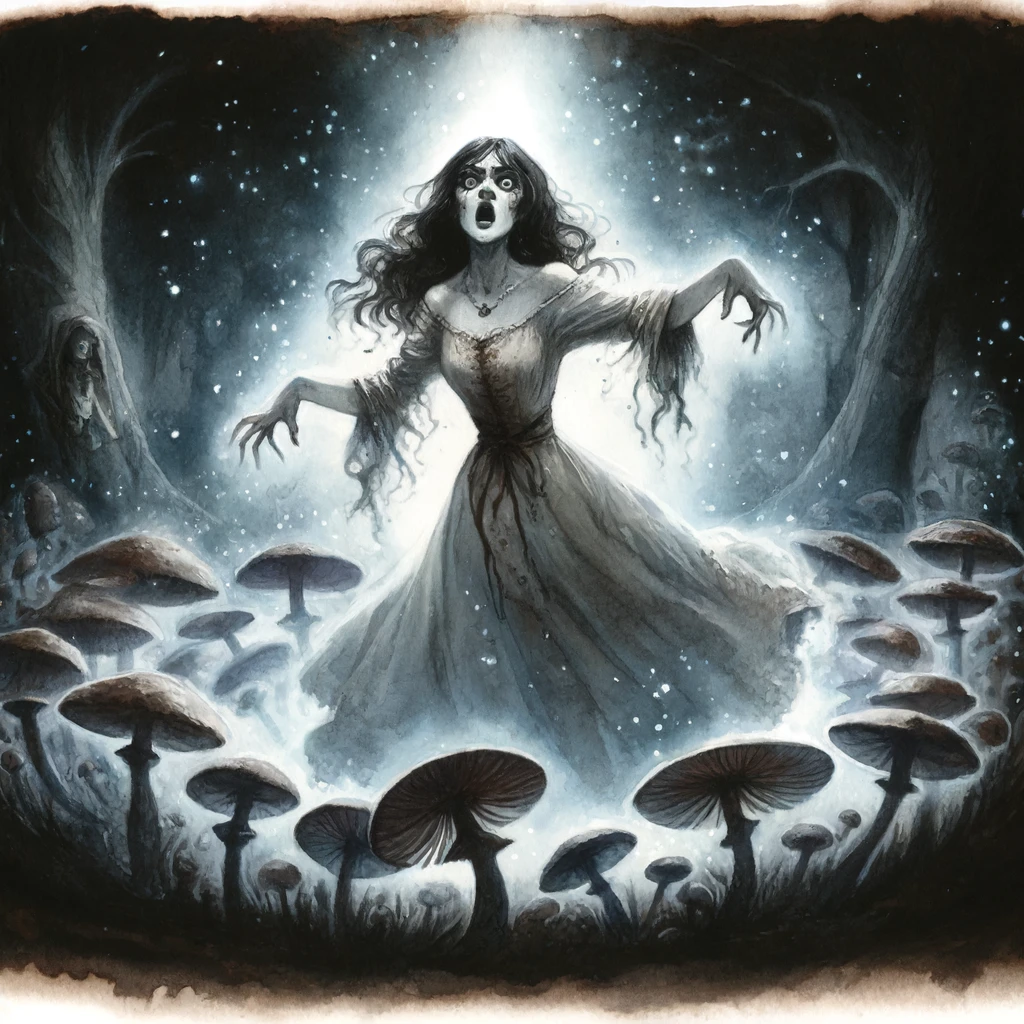
A horrified woman dances without stop in a fairy ring of mushrooms

Even outside of fairy rings, the Fae’s ability to warp time is well known. Travelers who accept a fairy’s hospitality — feasting in their halls, drinking their wine — often find that what seemed like a single evening was, in truth, a hundred years. The legend of Oisín, the Irish warrior who rode away with a fairy queen and returned to find his homeland changed beyond recognition, is one of the most haunting examples.

Never Accept a Fairy’s Gift

The Fae are infamous for their tricks, and one of their cruelest is the giving of gifts. A fairy’s boon may seem like a blessing — a pouch of gold coins, an enchanted flute, a charm of protection — but such gifts always come with a price. Some mortals find their gold turns to dead leaves as soon as they step out of the fairy realm. Others find themselves bound by invisible contracts, compelled to serve the Fae for eternity.

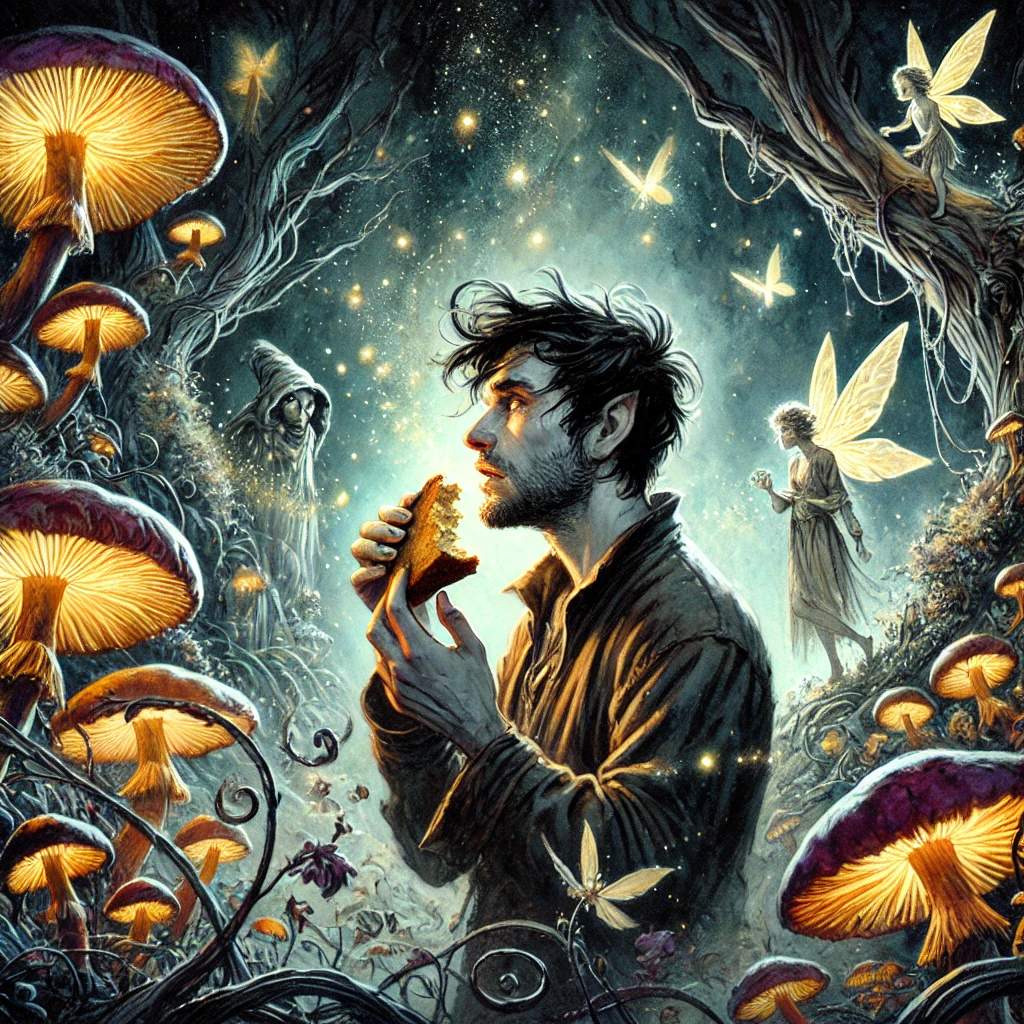
A man stupidly eats in the land of fairy, where mushrooms glow and creatures watch him

I don’t care how hungry you are — never eat anything in fairlyland.

Then there’s the matter of fairy food. It’s a well-known rule that no mortal must ever eat in the land of the Fae. To do so is to bind yourself irrevocably to their realm. Countless legends tell of mortals who took a single bite of fairy bread, only to find themselves unable to leave, their very souls woven into the fabric of that otherworldly place.

The Power of Fairy Music

Fairy music is unlike anything mortal ears have ever heard. It’s haunting, beautiful, impossible to resist. It can put a man into a trance, make a woman dance nonstop until dawn, or lull an entire village into a deep, dreamless sleep. Fiddlers and harpists in Celtic legend often claimed to have learned their skill from the Fae. But such a gift always came with a cost — many returned changed, unable to hear ordinary music without longing for the songs of the otherworld.

One of the most famous tales of fairy music is that of the Pied Piper of Hamelin, who lured away the town’s children with a tune so enchanting the kids followed him into the hills, never to be seen again. Was he simply a vengeful man — or something far older, a fairy trickster leading the children to another world?

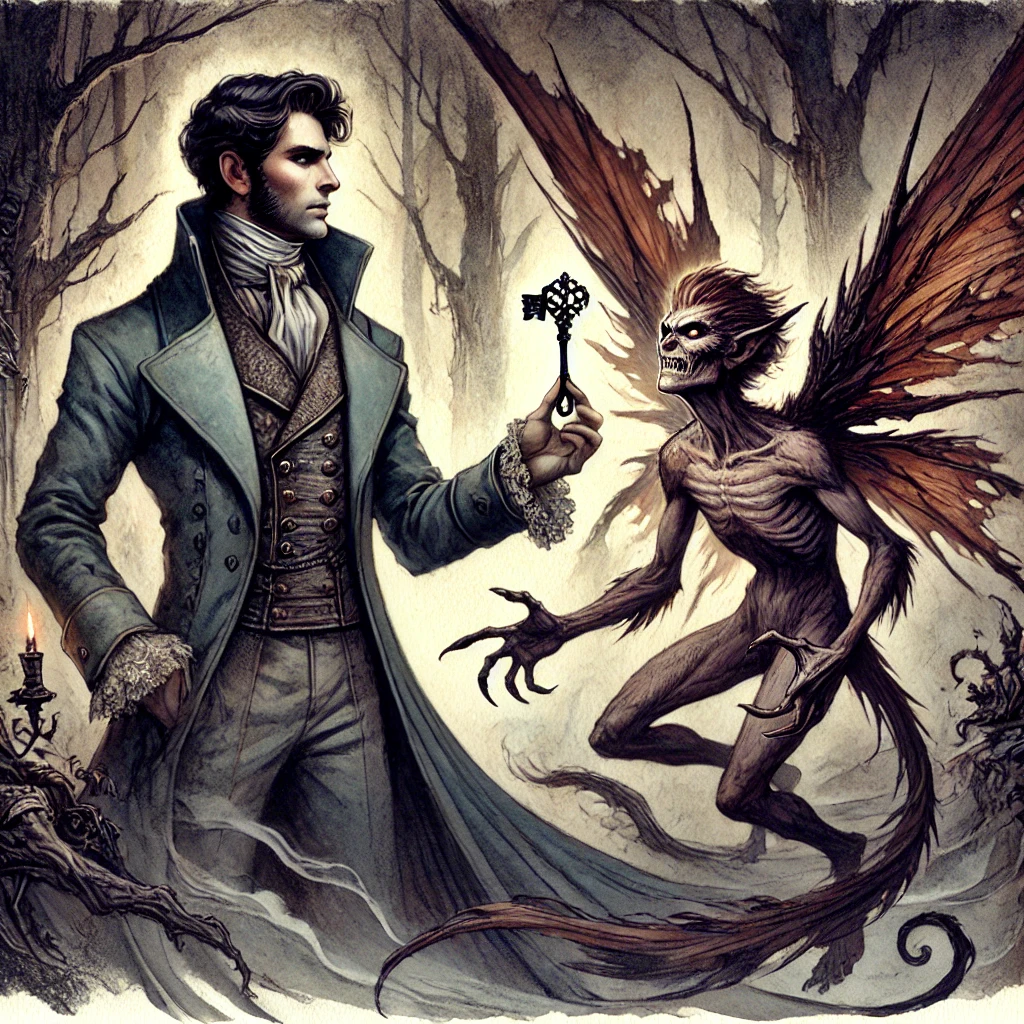
A well-dressed man holds up an iron key to keep a scary fairy at bay

How to Protect Yourself From the Fae

The Fae aren’t easily thwarted, but old wisdom offers a few tried-and-true defenses.

1. Iron is your best friend.

Iron is anathema to fairies, burning them like fire. A horseshoe over the door, iron nails driven into the threshold of a home, or even a simple iron key in your pocket can keep them at bay. Many believe that the industrial age — full of iron railways and steel buildings — was what finally drove the fairies into hiding.

2. Keep salt, rowan and red thread handy. 

A circle of salt around your home is said to keep fairies from crossing the boundary. Rowan wood, especially in the form of a staff or cross, is a sacred protector against fairy mischief. And red thread tied around your wrist or doorknob prevents enchantments and bewitchment.

3. Never give your name.

Names have power. If a fairy learns your true name, they can control you, call you to their realm at will, or steal your identity altogether. If you must interact with the Fae, use a false name, a nickname, or no name at all.

4. Watch what you say.

Forget those good manners instilled in you as a kid. Thanking a fairy is dangerous — it implies that a debt has been repaid, and fairies despise that. If a fairy grants you a favor, say, “This is well done” or “You have my respect,” but never, ever say “thank you.”

5. Avoid liminal spaces.

Fairies are strongest at twilight, dawn, and during the turning of the seasons (Beltane, Samhain, Midsummer). Crossroads, hollow hills and standing stones are all places where the veil is thin. Step too close, and you may step into their world without even realizing it.

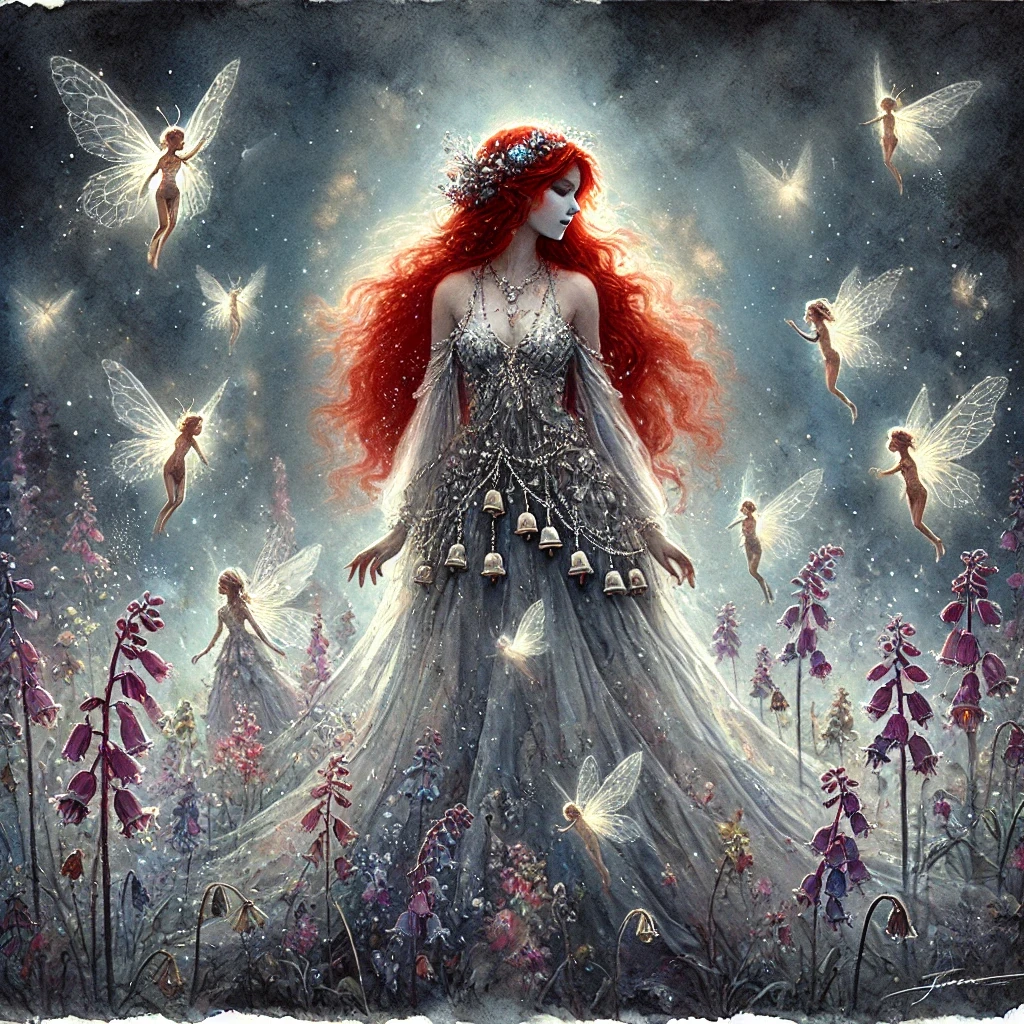
A red-haired woman wears a silvery dress and strings of bells to attract fairies, which surround her amid flowers

How to Attract Fairies

Not all fairies are malevolent. Some are simply mischievous, while others may be persuaded to lend a little magic to those who honor them properly.

1. Leave offerings.

Fairies appreciate small gifts: bowls of milk, honey, fresh-baked bread or mead. Leave these in a quiet outdoor space, particularly near a fairy ring, a tree hollow or a stream. But never check to see if they’ve been taken; that breaks the spell.

2. Keep a wild garden.

The Fae love untamed beauty. Gardens filled with wildflowers, overgrown ivy and hidden nooks are far more likely to attract them than neat, orderly beds. Plants like foxglove, lavender and thyme are said to be especially beloved by fairies.

3. Speak in riddles and poetry.

The Fae enjoy cleverness. Those who speak in riddles, offer playful banter or recite poetry may find themselves in their favor. Beware, though: If a fairy challenges you to a game of wits and you lose, the consequences will be strange, and sudden — and never fair.

4. Wear silver or bells.

Silver is associated with moonlight and magic, and fairies are drawn to it. Small bells, often worn on clothing, were once thought to please the Fae (though some say they keep trickster spirits away).

5. Celebrate Beltane and Samhain.

These two festivals are when the Fae are closest to the mortal world. Dancing, feasting and lighting candles in their honor may win their favor. Just be careful not to invite the wrong kind.

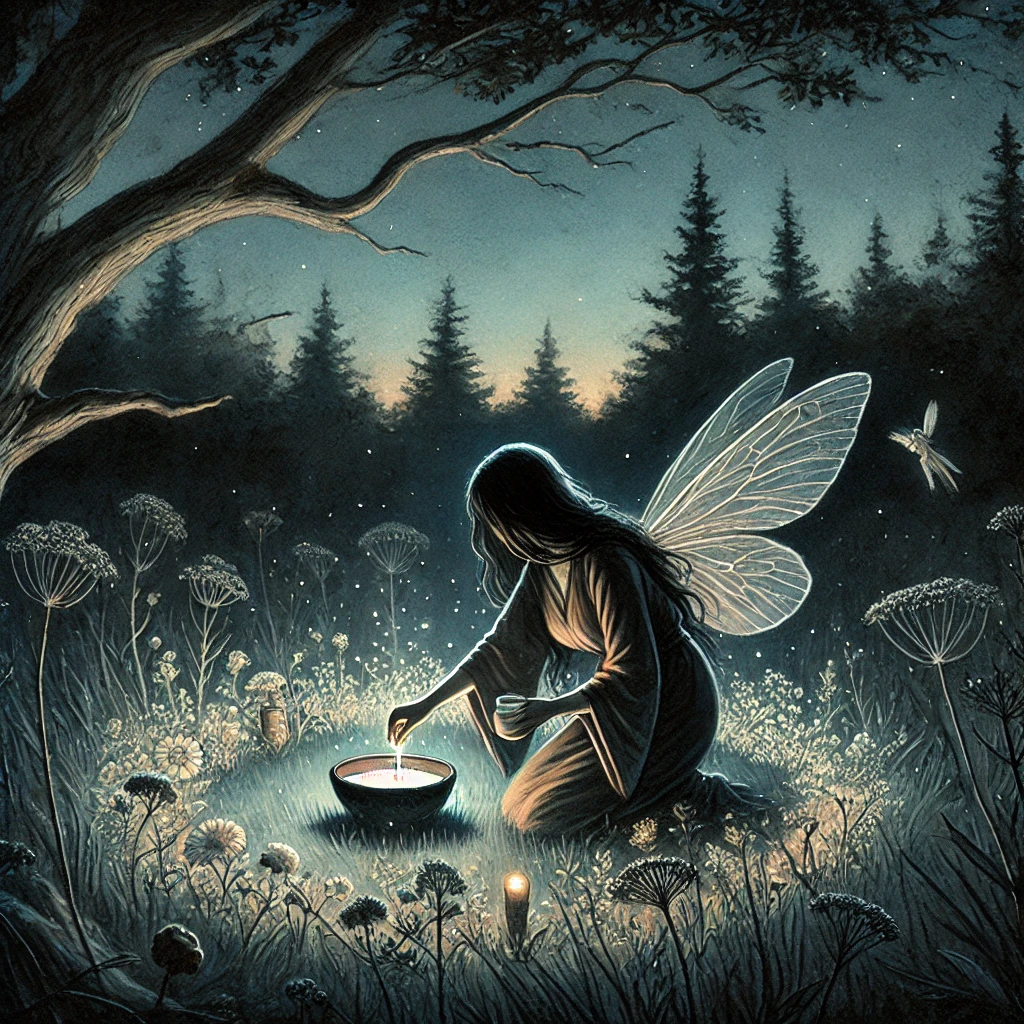
A Wiccan woman wearing fairy wings has a bowl with milk outside, performing a ritual to attract the Fae

A Spell to Connect With the Fae

If you wish to invite the presence of the Fae — gently, respectfully and understanding the risks involved — this simple spell will help you call upon their magic.

You’ll need:

  • A small bowl of milk and honey (a traditional fairy offering)

  • Fresh wildflowers (such as daisies, foxglove or lavender)

  • A silver coin

  • A candle (preferably green or white)

  • A quiet place in nature, preferably near a tree, stream or fairy ring

The Ritual

As twilight falls, take your offerings to a secluded, peaceful spot where you feel a connection to nature.

Arrange the wildflowers in a small circle and place the bowl of milk and honey in the center.

Set the silver coin beside the bowl as a token of respect.

Light the candle and focus your intent on reaching out to the Fae — not to command, but to invite.

Recite the following incantation:

O spirits fair, of earth and sky,
By moon’s soft glow and stars on high,
With gift of sweet and silver bright,
I call thee forth this sacred night.

If friend ye be, then come in grace,
With laughter light and wisdom’s trace.
No harm, no trick, no ill intent,
But blessings true and magic sent.

Let the candle burn for a few moments while you listen to the sounds of the evening. If the wind stirs, if a sudden hush falls, or if you feel a shift in the air — know that the Fae may be near.

Thank them silently, then leave the offerings behind as you depart. Never look back.

A final caution: The Fae don’t grant favors lightly, nor do they take kindly to broken promises. If you feel their presence, treat them with respect. If you receive a sign — a feather, a leaf falling on you, a strange dream — consider it a gift, not a debt to be repaid.

A man in a long coat walks through the woods at night with a tiger-striped cat

Tread Carefully in the Land of the Fae

The Fae are as fickle as the wind, as ancient as the stones, and as unpredictable as the tide. They’re neither wholly good nor wholly evil, existing in a realm beyond human morality. They can bring fortune or misfortune with a careless flick of a hand, charm you with laughter, or steal you away in a dance that never ends.

Yet still, we seek them. We whisper our wishes into the night, leave offerings on our windowsills, and tell their stories in hushed voices. Perhaps it’s because we, too, long for the hidden places, for the unseen world just beyond our reach.

But if you hear laughter from the trees when no one’s near, or see a flicker of light dancing in the mist, remember: Step lightly, choose your words carefully, and never, ever eat the food. –Wally

Licking Legends: The UK’s Myths and Legends Stamps

The stories behind the UK’s magical new stamps are sure to enchant you: the Loch Ness Monster, Beowulf and Grendel, Cornish piskies, selkies and more.

The entire Royal Mail’s Myths and Legends stamp series

Eight stamps. Eight legends. A whole world of magic compressed into miniature artwork — and honestly? I’ve never wanted to send more mail in my life.

Each one of these beautifully illustrated postage stamps from the Royal Mail is a tiny portal into the legends that have haunted the British Isles for centuries. They’re wild and eerie. I was hooked.

This 2025 Myths and Legends series was brought to life by British illustrator Adam Simpson, whose crisp, almost woodcut-like style feels like it could adorn a high-end gallery wall — or illustrate a children’s book. 

It’s perfect for a set of stamps that spans the heroic, the heartbreaking and the downright horrid. The collection draws from English, Scottish, Welsh and Irish folklore, and features not just the obvious icons (yes, Nessie makes an appearance) but some deeper, darker cuts too. Why hello, Grindylow.

Each stamp is a love letter to the past, a celebration of story, and a reminder that folklore isn’t dead — it’s just waiting for the right delivery system. Consider this your guided tour through the tales behind the stamps, complete with monsters, magic, betrayal … and brine.

Beowulf fights Grendel in the Royal Mail’s Myths and Legends stamp series

Beowulf and Grendel

Hero vs. horror in the original monster story

Long before superheroes wore capes, they wore chainmail and boasted a mead hall’s worth of swagger. Beowulf is the OG epic hero — the kind of guy who crosses the sea just to fight your monsters for you. His most famous foe? A grotesque creature named Grendel, who spent his nights tearing warriors limb from limb at the hall of Heorot. The king, Hrothgar, was helpless. Enter Beowulf.

This story comes from the Old English poem Beowulf, thought to have been composed between the 8th and 11th centuries, set in Scandinavia but recorded in a single surviving manuscript from Anglo-Saxon England (now safely stored at the British Library). It’s the oldest known epic in English literature — and it doesn’t pull punches. Beowulf doesn’t just defeat Grendel; he rips his arm clean off and hangs it like a trophy. Brutal. Poetic. Metal.

Grendel himself is one of literature’s great monsters — described as a descendant of Cain, that fratricidal son of Adam and Eve, shunned by God, and tormented by the joy he hears in Hrothgar’s hall. He’s more than beast; he’s a symbol of alienation and rage, a product of exile and pain. Some later interpretations even paint him as a tragic figure. Not that Beowulf cared.

Simpson’s stamp captures the legendary fight with clean lines and mythic energy: Beowulf wrestles the monstrous figure of Grendel in a composition that feels part medieval tapestry, part comic book panel. It’s dynamic, dramatic — and faithful to the grit of the tale.

This is the legend that launched a thousand English Lit classes, inspired everything from The Lord of the Rings to The Witcher, and proved that even a millennium ago, people loved a good monster fight.

Blodeuwedd, the flower maiden who turned into an owl in the Royal Mail’s Myths and Legends stamp series

Blodeuwedd

The flower bride who became an owl

Once upon a time in the mythic heart of Wales, a woman was conjured — not born, but created. The magicians Math and Gwydion, meddling in mortal matters (as wizards are wont to do), wove her from the blossoms of oak, broom and meadowsweet. Her name was Blodeuwedd, meaning Flower Face, and she was made for one purpose: to be the wife of a man cursed never to marry a woman of earthly origin.

You can probably guess how well that turned out.

This tale comes from the Mabinogion, a collection of Welsh medieval stories first written down in the 12th and 13th centuries but based on oral traditions that are far older. It’s one of the most bewitching episodes in the Fourth Branch, a saga steeped in magic, betrayal and transformation.

Though crafted to be the perfect bride, Blodeuwedd had her own ideas. She fell in love with another man, Gronw Pebr, and together they plotted to kill her husband, Lleu Llaw Gyffes. The murder attempt failed, and the consequences were swift and strange (this is myth, after all): Gronw was killed with a spear through a standing stone, and Blodeuwedd was transformed into an owl — a creature of the night, cursed to never show her face in daylight again.

Her story is tragic and richly symbolic. Depending on your lens, Blodeuwedd is either a femme fatale born of male hubris or a wild spirit trapped by expectation who seized a sliver of freedom. Either way, she’s unforgettable.

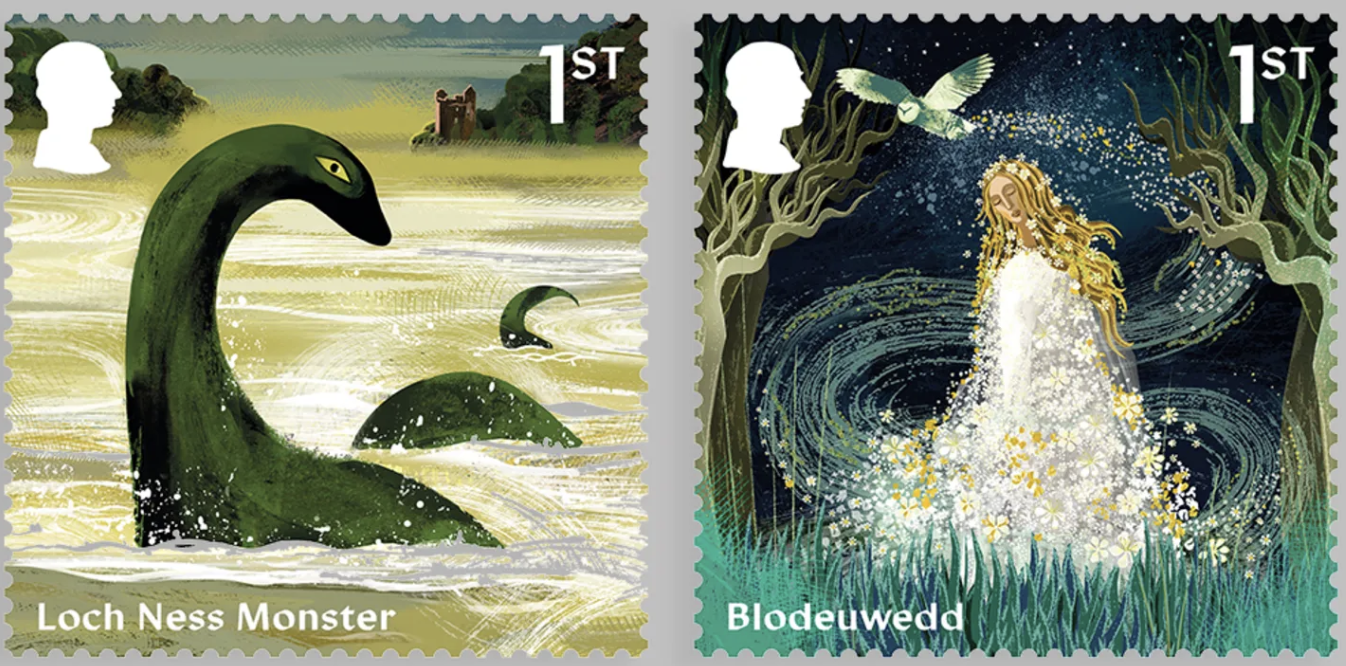
Simpson’s stamp channels the tale’s eerie beauty with a stylized woman caught mid-transformation — petals swirling into feathers as she takes her owl form. It’s the kind of image that lingers, much like the legend itself.

The Loch Ness Monster in the Royal Mail’s Myths and Legends stamp series

The Loch Ness Monster (Nessie)

The queen of cryptids surfaces again

You can’t talk about UK folklore without invoking Nessie, the shadowy shape that launched a thousand blurry photos and conspiracy theories. She’s the most famous resident of Loch Ness, a deep, cold freshwater lake tucked into the Scottish Highlands — and she’s been allegedly living there since at least the 6th century.

The earliest written mention comes from The Life of St. Columba, penned in the 7th century by Adomnán. According to the account, the saint encountered a “water beast” in the River Ness and performed a miracle to save a man from its jaws. And just like that, Nessie swam her way into the margins of history.

But her modern fame really took off in the 1930s, after a couple driving near the loch claimed to see a massive creature cross the road and slip into the water. Headlines dubbed it a “monster,” and the tabloids never looked back. Since then, Nessie’s been spotted, debunked, photographed, hoaxed and even hunted with sonar. (Spoiler: She remains elusive.)

While scientists say the sightings are likely otters, logs or wishful thinking, the legend endures. Nessie is more than just a maybe-dinosaur. She’s a symbol of mystery, of nature keeping secrets, of something just out of reach. And let’s face it: Everyone wants her to be real.

In Simpson’s stamp, Nessie arches out of stylized waters, distant and dreamlike, framed by curling waves and Highland mist. There’s no need to explain her. She just is.

She’s proof that sometimes, the most powerful legends are the ones we can’t quite catch.

Cornish Piskies

Mischief, mayhem and magic in miniature

If you ever find yourself turned around on a familiar path in the southwest of England, don’t blame your GPS — blame the piskies. These pint-sized pranksters from Cornish folklore are legendary for leading travelers astray, stealing shiny things, and generally causing low-level chaos with high-level charm.

Piskies (sometimes spelled pixies) have been part of Cornish oral tradition for centuries, possibly even tied to pre-Christian beliefs in nature spirits or ancestral ghosts. They’re native to the moors, tors and coastal cliffs of Cornwall, often dressed in ragged green and red, with pointy ears and a love of laughter at your expense.

But unlike fairies who might hex you or goblins who’ll rob you blind, piskies are mostly harmless. Annoying? Yes. Dangerous? Rarely. They’ve been known to braid horses’ manes, move your keys, and lure people into marshes with giggles and flickering lights. The only remedy if you’ve been “piskie-led”? Turn your coat inside out. That supposedly confuses them (and maybe earns you their grudging respect).

In Victorian times, Cornish tourism latched onto piskies as whimsical local mascots — think of them as the original chaotic neutral brand ambassadors. But in older tellings, they’re wild, weird, and deeply tied to the landscape.

Simpson’s stamp captures that dual nature perfectly. The piskies glide through a moonlit glade, wide-eyed and impish, carrying the evidence of their mischief-making: a lost key, a frayed rope. There’s joy here, but also a touch of the uncanny.

In a world that often takes itself far too seriously, the piskies remind us that a little chaos can be good for the soul.

Irish folk hero Fionn mac Cumhaill in the Royal Mail’s Myths and Legends stamp series

Fionn mac Cumhaill

The Irish giant whose legend spans countries

Fionn mac Cumhaill (pronounced roughly like  “Finn mac Cool”) is Ireland’s answer to Hercules, with a bit of that trickster Hermes thrown in. A warrior, leader, poet and occasional giant, depending on who’s telling it, Fionn is the towering figure at the heart of the Fenian Cycle of Irish mythology, a body of tales passed down orally for centuries before being written in Middle Irish texts around the 12th century.

He’s best known as the leader of the Fianna, a band of noble warrior-hunters who roamed Ireland getting into gloriously poetic trouble. But the story that often gets the spotlight — especially on tourist brochures — is the one where Fionn creates the Giant’s Causeway, that eerie, hexagonal rock formation on the northern coast of Ireland. According to legend, Fionn built it as a bridge to Scotland so he could fight a rival giant, Benandonner.

The punchline? When he saw how massive Benandonner really was, Fionn panicked. His wife, Oonagh, disguised him as a baby in a cradle. When Benandonner saw the size of the baby, he assumed the father must be terrifying and fled back to Scotland, tearing up the bridge behind him. One of those mythic traditions where wit — and a good partner — wins the day.

Fionn also gained prophetic wisdom by burning his thumb on the Salmon of Knowledge, which, yes, is exactly what it sounds like. (It has a role in the tradition of Mabon, the Wiccan holiday celebrating the Autumnal Equinox.) From that day on, sucking his thumb gave Fionn bursts of insight — a sort of mythic precursor to Google, if Google required seafood and pain.

Simpson’s stamp goes bold: Fionn stands enormous against the rising Causeway, cloak billowing, face stoic. The stones stretch beneath him in their perfect geometric strangeness, while his gigantic foe stands silhouetted across the way.

Fionn mac Cumhaill is the kind of figure who straddles legend and landscape — literally — and he still looms large today.

The black shuck, a shaggy black doglike monster howling by a church in the Royal Mail’s Myths and Legends stamp series

Black Shuck

The devil dog that stalks the coast

If you ever find yourself walking alone through the misty lanes of East Anglia — especially near a windswept churchyard — and feel the prickle of something behind you … it might be Black Shuck. Described as a massive, ghostly black dog with glowing red (or sometimes green) eyes, Shuck is one of the U.K.’s most enduring pieces of spectral folklore. He’s part omen, part legend, and all menace.

The name “Shuck” is believed to come from the Old English scucca, meaning “demon” or “fiend.” Reports of this supernatural hound go back centuries, but his most infamous appearance took place on August 4, 1577, during a thunderstorm that ripped through the churches of Bungay and Blythburgh in Suffolk. According to terrified witnesses, the beast burst into the churches during the storm, killing or injuring several people before vanishing in a flash of fire. To this day, scorch marks on the church doors in Blythburgh are said to be Shuck’s claw marks.

But like many creatures of folklore, Shuck’s meaning has shifted over time. In some tales, he’s a harbinger of death, like the Grim Reaper with paws. In others, he’s a protective spirit, quietly walking beside lone travelers to keep them safe. 

Simpson’s stamp leans into the fearsome version: a shaggy, howling beast with glowing eyes, set against a backdrop of a castle in a thunderstorm. It’s the kind of image that makes you instinctively glance over your shoulder. 

Whether he’s a ghost, a guardian or something in between, Black Shuck reminds us that the line between safety and terror can be as thin as a shadow in the mist.

The grindylow, a scary monster emerging from the water, in the Royal Mail’s Myths and Legends stamp series

Grindylow

The creature in the water who waits for misbehaving children

The Grindylow isn’t interested in riddles or redemption. This creature — slimy, long-fingered and lurking just beneath the surface — is the reason your grandmother told you not to go too close to the pond. Native to the folklore of Yorkshire and Lancashire, the Grindylow is a water-dwelling bogeyman whose sole hobby appears to be grabbing children by the ankle and dragging them to a watery doom.

Pleasant, right?

The tale likely began as a cautionary myth, passed through generations in England’s misty north as a way to keep kids away from dangerous pools, marshes and millponds. But the Grindylow isn’t just a PSA in monster form; it’s a creature of genuine nightmare fuel. Often described as having green skin, long, spindly arms and razor teeth, the Grindylow hides in shallow waters, waiting for a ripple, a footstep or a foolish dare.

While it rarely ventures beyond regional lore, the Grindylow got a boost in popular imagination thanks to fantasy literature and modern media — most notably showing up as a minor monster in Harry Potter and the Goblet of Fire, where it menaces underwater champions during the Triwizard Tournament. But the original version? Far less CGI-friendly, and far more chilling.

Simpson’s stamp leans into the fearsome. You see the Grindylow emerging from the water — alarmingly sharp claws and teeth just waiting to tear into its next victim. There’s no question what will happen next if you take one more step closer to the edge.

More obscure than Nessie and more vicious than the piskies, the Grindylow doesn’t want your attention. It wants your ankles.

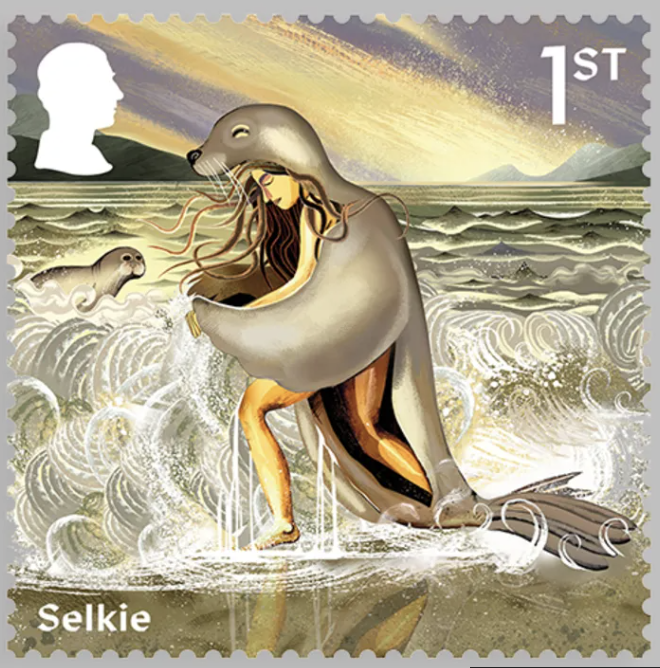
A selkie mid-transformation in the waves, half-woman, half-seal in the Royal Mail’s Myths and Legends stamp series

Selkie

The seal who loved and left

The selkie’s story is one of yearning: for freedom, for the sea and for a life that can never fully belong to land. These shape-shifting beings come from Orkney and Shetland folklore, where the wind howls and the sea sings. Selkies are seals in the water — but when they come ashore, they shed their sleek skins and become beautiful humans, often just long enough to fall in love, or be taken.

And that’s where the heartbreak begins.

The most common version of the tale? A fisherman (or crofter, or lonely islander) spies a selkie woman dancing on the shore in her human form. He steals her seal skin so she can’t return to the sea, and convinces her — sometimes gently, sometimes not — to become his wife. They live together, raise children, and for a time, there’s a strange sort of peace. But the selkie always gazes longingly at the waves. And when she finds her hidden seal skin at last, she returns to the ocean without a backward glance.

Other versions flip the roles — selkie men seduce mortal women, especially those with “the yearning,” and disappear when the tide calls. Regardless of who leaves, the ending is rarely happy. Selkie stories are salt-soaked with longing, freedom and loss. They’re metaphors for desire, captivity and returning to one’s true self — even if it hurts.

These tales date back centuries, passed down orally in Scotland’s far northern islands and coastal fishing communities. And while they’ve inspired everything from poetry to films (The Secret of Roan Inish and Song of the Sea, for instance), the root myth remains as fluid and mysterious as the tide itself.

Simpson’s stamp is pure melancholy magic: a selkie woman caught mid-transformation, cloak of seal skin slipping from her shoulders, hair trailing like seaweed. The horizon behind her is misted, the waves beckoning. You can almost hear them whispering her name.

The selkie doesn’t roar or bite. She simply leaves — and that’s what makes her legend linger.

The Loch Ness Monster and Blodeuwedd from the Royal Mail’s Myths and Legends stamp series

Stamped, Sealed, Enchanted

The Royal Mail’s Myths and Legends series doesn’t just celebrate folklore; it resurrects it. These aren’t dusty old tales tucked away in textbooks — they’re living, breathing stories full of monsters, mischief, heartbreak and heroism. And thanks to artist Adam Simpson’s stunning illustrations, they feel both timeless and vividly alive.

From the brute strength of Beowulf to the quiet sorrow of the selkie, each stamp invites you to pause and dive deeper. To trace the origins. To hear the whispers of ancient moors, haunted coastlines and flower-strewn spells. They remind us that storytelling is a kind of magic.

So yes, I’ll be collecting these. But more importantly, I’ll be sharing their stories — because folklore, like a good letter, was meant to be passed on. –Wally

British Cuisine: A Culinary Adventure

A sampling of traditional British food explained, including a full English breakfast, Yorkshire pudding, haggis, and bangers and mash. 

A sampler of a wide variety of British cuisine sits on a wooden table

When you think of British food, hearty, comforting dishes often come to mind. This guide takes you on a delicious journey through British cuisine, exploring the history of iconic meals and revealing where to find the best of them. 

For a truly immersive experience, consider indulging in wine and dine hotel breaks in the United Kingdom to elevate your culinary adventure. These special hotel packages include both accommodation and a gourmet dining experience, especially popular for short getaways. 

Scotland’s national dish, haggis, is a savory pudding made from sheep’s heart, liver and lungs, mixed with onions, oatmeal and spices, all encased in the sheep’s stomach.
Sketch and watercolor of UK wine and dine hotel break

A Journey Through Regional U.K. Specialties

The full English breakfast

Closeup sketch of full English breakfast, with baked beans, mushrooms, bacon, sausage, fried eggs, toast and tomatoes

Start your day the British way with a full English breakfast. This robust morning meal features eggs, bacon, sausages, black pudding (aka blood sausage), baked beans, tomatoes and mushrooms, and is often accompanied by toast or fried bread. 

Dating back to the early 1800s, this breakfast staple was designed to fuel workers for the day ahead. 

Variations like Scottish and Irish breakfasts add regional twists, showcasing local products and cooking methods. An Irish breakfast might include white pudding (no blood involved) and soda bread, while a Scottish version could swap black pudding for haggis — a savory “pudding” made with sheep offal (more on this later). 

Yorkshire pudding and Sunday roast

Sketch of Yorkshire pudding

Head north to Yorkshire for a taste of their famous Yorkshire pudding, a savory delight traditionally served with Sunday roast. This classic British meal includes roasted meat, potatoes, vegetables and plenty of gravy. Yorkshire pudding, made from meat drippings — the juices and fat that accumulate at the bottom of a roasting pan — has roots going back to the 18th century. Today, countless pubs and restaurants across the U.K. serve this cherished dish, particularly on Sundays.

Fish and chips

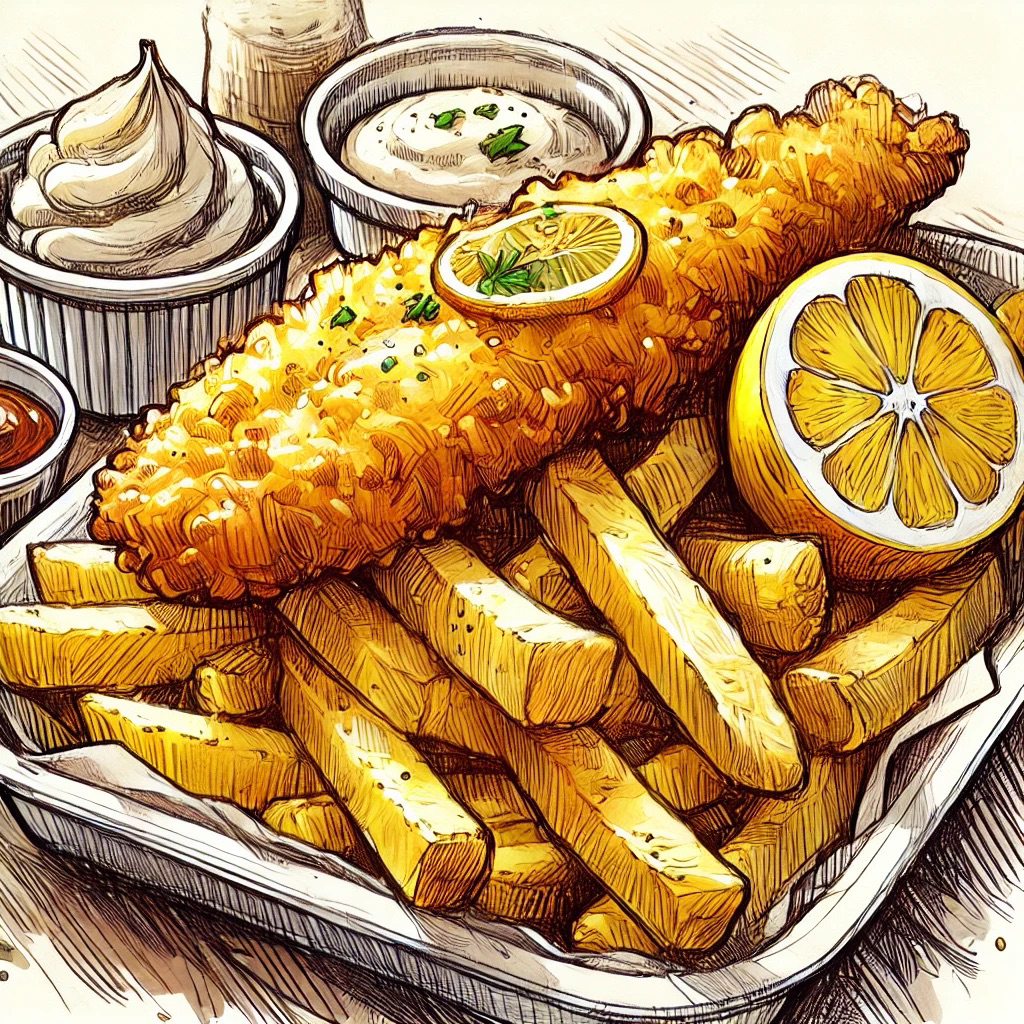
Closeup sketch of fish n chips, with lemon, tartar sauce and other condiments

No discussion of British cuisine is complete without fish and chips. This beloved dish, featuring battered and deep-fried fish with thick-cut chips (what Americans call French fries), originated in the 19th century. Jewish immigrants introduced fried fish, while the working class embraced potatoes. Coastal towns like Whitby and Brighton are famed for their fresh, seaside-sourced fish and chips.

The Welsh cawl

Closeup of Welsh cawl, a meat, potatoes and veggie stew

Welsh cuisine’s standout dish, cawl, is a hearty soup made from lamb or beef, leeks, potatoes and other root vegetables. Perfect for winter, cawl reflects Wales’ agricultural heritage. Enjoy it with crusty bread and cheese in a Cardiff pub or a rural Welsh village for an authentic experience.

Scottish haggis

Closeup sketch of haggis, a pudding made from sheep offal, with veggies on the side

Scotland’s national dish, haggis, is a savory pudding made from sheep’s heart, liver and lungs, mixed with onions, oatmeal and spices, all encased in the sheep’s stomach. Despite its unusual ingredients, haggis is cherished for its rich flavor and cultural significance. Traditionally served with neeps (turnips) and tatties (potatoes), you can find haggis across Scotland, especially during Burns Night in January.

Historical Influences on British Cuisine

The Impact of the British Empire

The British Empire’s extensive reach brought a diverse array of global flavors to the U.K., transforming British cuisine in remarkable ways.

Indian spices, curry dish, rice and naan

India: Spices like turmeric, cumin and coriander became staples in Britain, leading to popular dishes such as chicken tikka masala and various curries.

Closeup sketch of UK tea service, with a floral teapot, pastries and finger sandwiches

China: The British fascination with tea from China led to the development of afternoon tea, a beloved tradition featuring tea accompanied by scones, finger sandwiches and pastries.

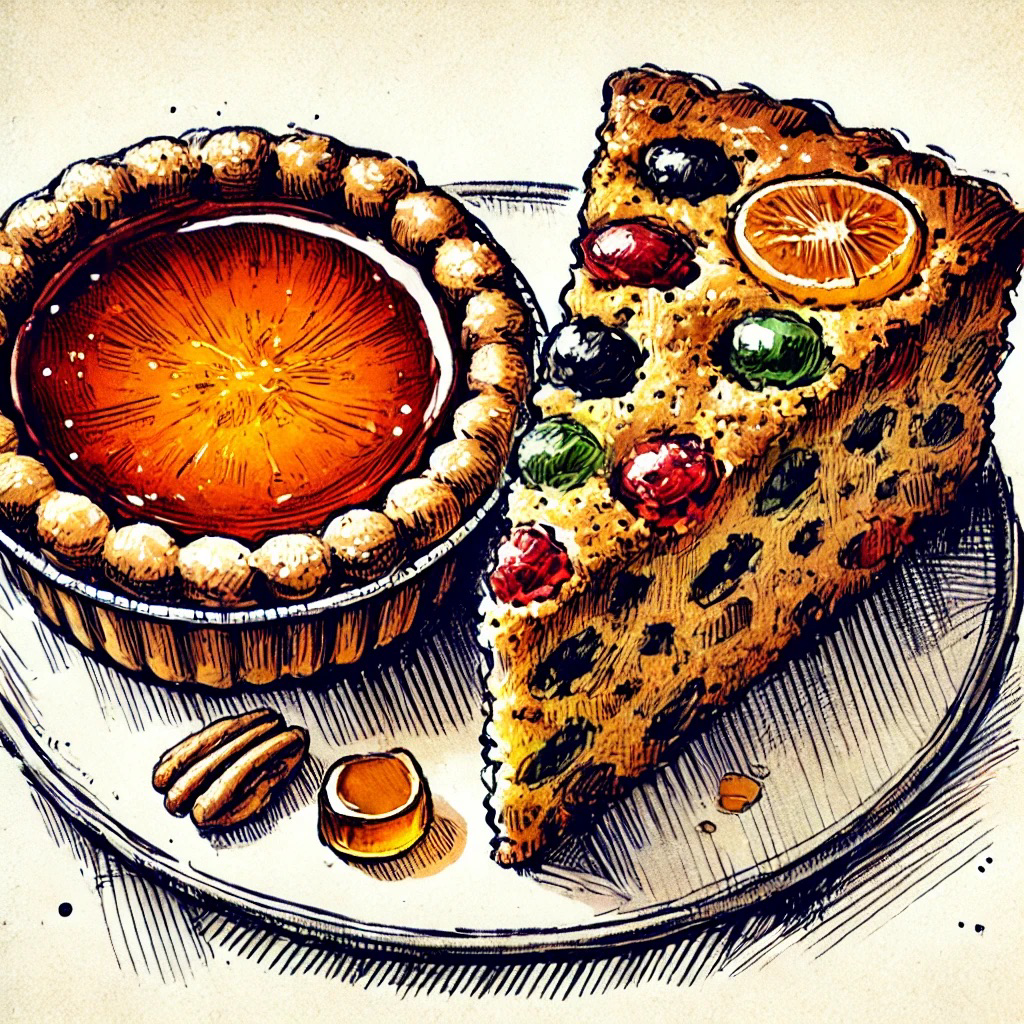
Sketch of treacle tart and slice of fruitcake

The Caribbean: Sugar from the Caribbean revolutionized British desserts, introducing sweet treats like treacle tart and fruitcake, as well as the use of molasses in baking.

Starches from Africa, including yams and plantains

Africa: Ingredients like yams and plantains found their way into British kitchens, enriching the culinary landscape with new textures and flavors.

Closeup sketch of Australian foods that influenced British cuisine, including bone-in lamb, kiwi and passionfruit

Australia: Lamb from Australia influenced British meat dishes, while exotic fruits like kiwis and passionfruit added a new dimension to British desserts.

These global influences melded with traditional British cooking to create a rich and varied culinary heritage, reflecting the empire’s far-reaching connections.

Sketch and watercolor of fancy British pub with table filled with U.K. food and drink

The Rise of Pub Culture

British pubs are more than just places to drink; they’re community hubs offering traditional English fare. Pub grub includes traditional fare like:

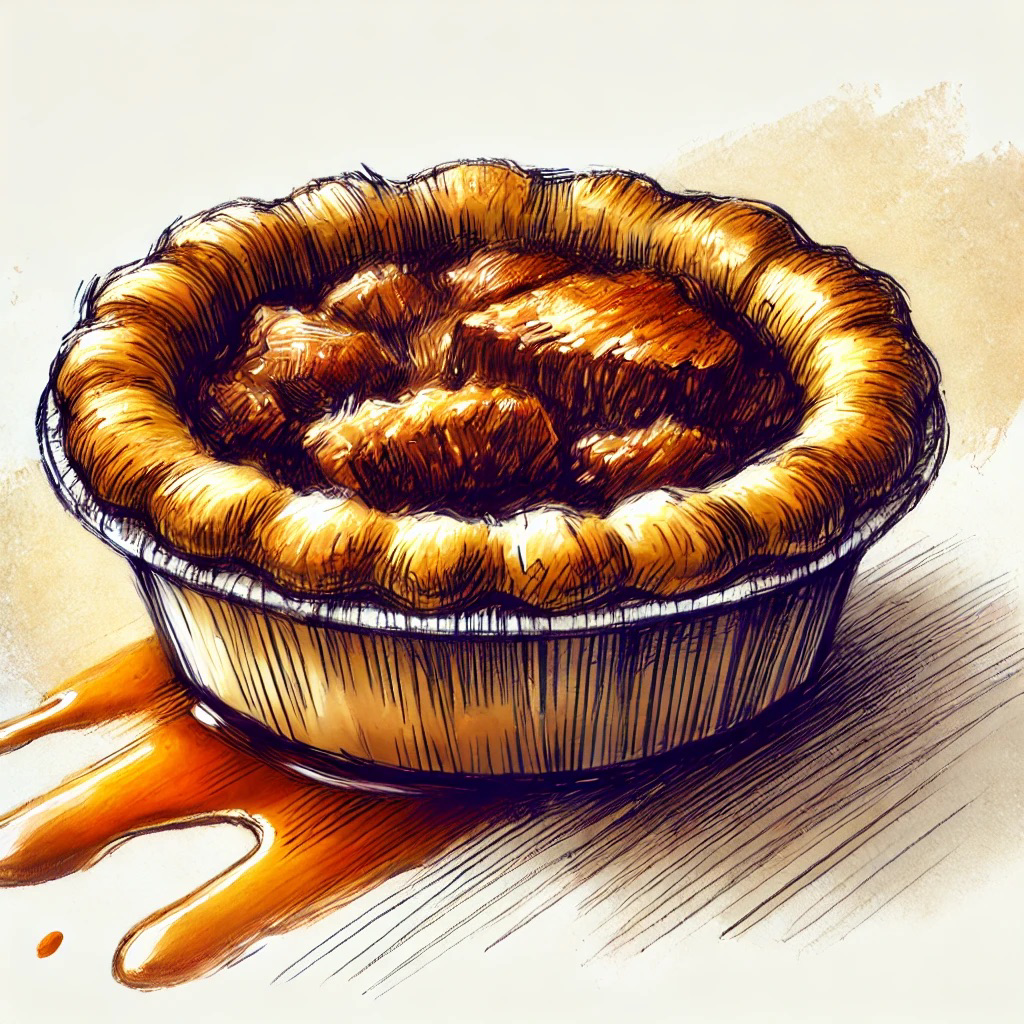
Steak and ale pie

Watercolor of steak and ale pie

This hearty dish features tender beef stewed in rich ale, encased in a flaky pastry crust. It’s a comforting classic often served with mashed potatoes and vegetables.

Bangers and mash

Closeup of bangers and mash with gravy

A traditional favorite, this dish consists of sausages (bangers) served with creamy mashed potatoes (mash) and usually accompanied by a savory onion gravy.

Ploughman’s lunch

Closeup of ploughman's lunch on board, with cheese, meat, pickles and more

A cold meal typically including cheese, pickles, bread and cold meats, often served with chutney and salad. It’s a staple in pubs, offering a simple yet satisfying option.

Enjoy these classics in the convivial atmosphere of a local pub, accompanied by regional ales and ciders.

Where to Savor Authentic British Flavors

Outdoor fruit and veg market stall in London

London’s Diverse Food Scene

London’s food culture is a blend of tradition and modernity. Borough Market and Covent Garden are hotspots for British cuisine, offering everything from artisanal cheeses to savory pies. 

The city’s dining establishments range from traditional to contemporary, providing a true taste of Britain’s culinary heritage. 

London is a world-class dining city, home to numerous Michelin-starred restaurants and innovative chefs who push culinary boundaries. 


Watercolor of fancy London restaurant

Whether you’re in the mood for a classic pub meal or an avant-garde dining experience, London’s vibrant and diverse food scene has something for everyone.

A variety of British seafood, including salmon, shrimp, clams, lobster and cockles

Coastal Culinary Adventures

For seafood enthusiasts, the U.K.’s coastal regions are a treasure trove of fresh fish and shellfish. Savor smoked salmon from Scotland, and shellfish like scallops, mussels and oysters, some of the finest in the world. In Whitby, enjoy kippers, a type of smoked herring, while Wales offers delicacies such as cockles (mollusks that are usually steamed or boiled) and laverbread, a traditional seaweed dish. And Cornwall is famous for its crab and lobster. 

Cornish pasty

Watercolor of hand holding Cornish pasty

While you’re in Cornwall, try a Cornish pasty: diced meat (traditionally beef), potatoes, turnips (swedes) and onions encased in a sturdy, crimped pastry shell, making it a convenient and hearty meal for miners and other laborers. Today, it remains a popular British snack, enjoyed hot or cold.

Sketch of cozy B&B interior with British wine and dine hotel break

Countryside Retreats

The British countryside, with its cozy pubs and charming restaurants, is perfect for a gastronomic tour. Wine and dine U.K. hotel breaks are popular among tourists, offering comfortable stays and meals featuring British recipes and seasonal ingredients.

A Flavorful Tour of British Cuisine 

British cuisine, with its comforting yet exciting variety, reflects the diverse regions of the United Kingdom. From a full English breakfast to haggis, each dish tells a story of the land and its people. 

Whether you’re enjoying lunch in a village pub, savoring seafood on the coast, or munching on fish and chips by the seaside, the flavors of Britain will leave a lasting impression. –Mashum Mollah


Christmas Around the World

Learn strange Christmas traditions from other countries.

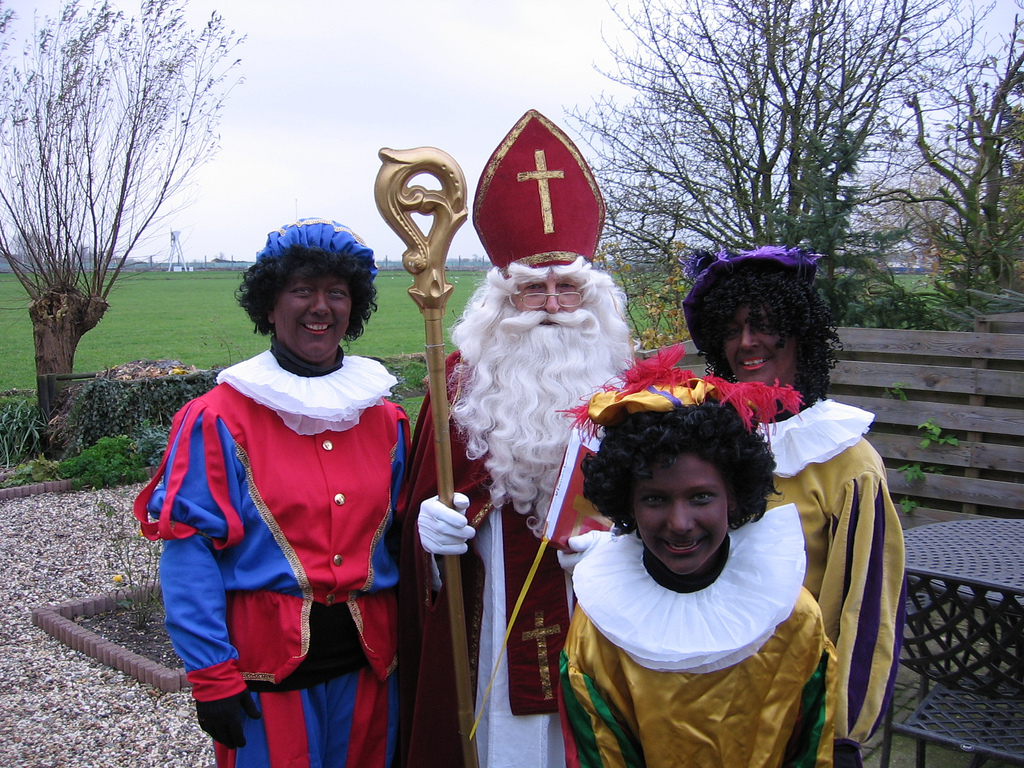
Why are these people in blackface? It’s just one of the quirky Dutch Christmas traditions!

Why are these people in blackface? It’s just one of the quirky Dutch Christmas traditions!

It’s the most wonderful time of the year, as the song goes. But in many parts of the world, it’s one of the strangest times of the year as well.

Americans have their share of kooky Christmas traditions, including the belief that a misfit reindeer with a glowing red nose named Rudolph flies through the sky, helping pull a fat man’s sleigh. Not to mention that said fat man somehow fits all the presents for every kid onto this sleigh and makes it around the world, slipping down chimneys, all in a single night.
But that’s nothing compared to some of the holiday traditions in other parts of the world.

People in the Netherlands dress as Black Peter, a Moor, by putting on blackface.

For example, Christmas takes on a strangely scatalogical bent in Catalonia, a region of Spain. People place the figurine of a guy in the act of deficating in their nativity scenes as well as beat a log until it poops out treats for kids.

And in Austria and other parts of Europe, if you’re a naughty child, a devil named Krampus will kidnap you, beat you savagely with a stick and drag you to Hell.

Here are some of the more bizarre ways to celebrate the holidays in other parts of the world.

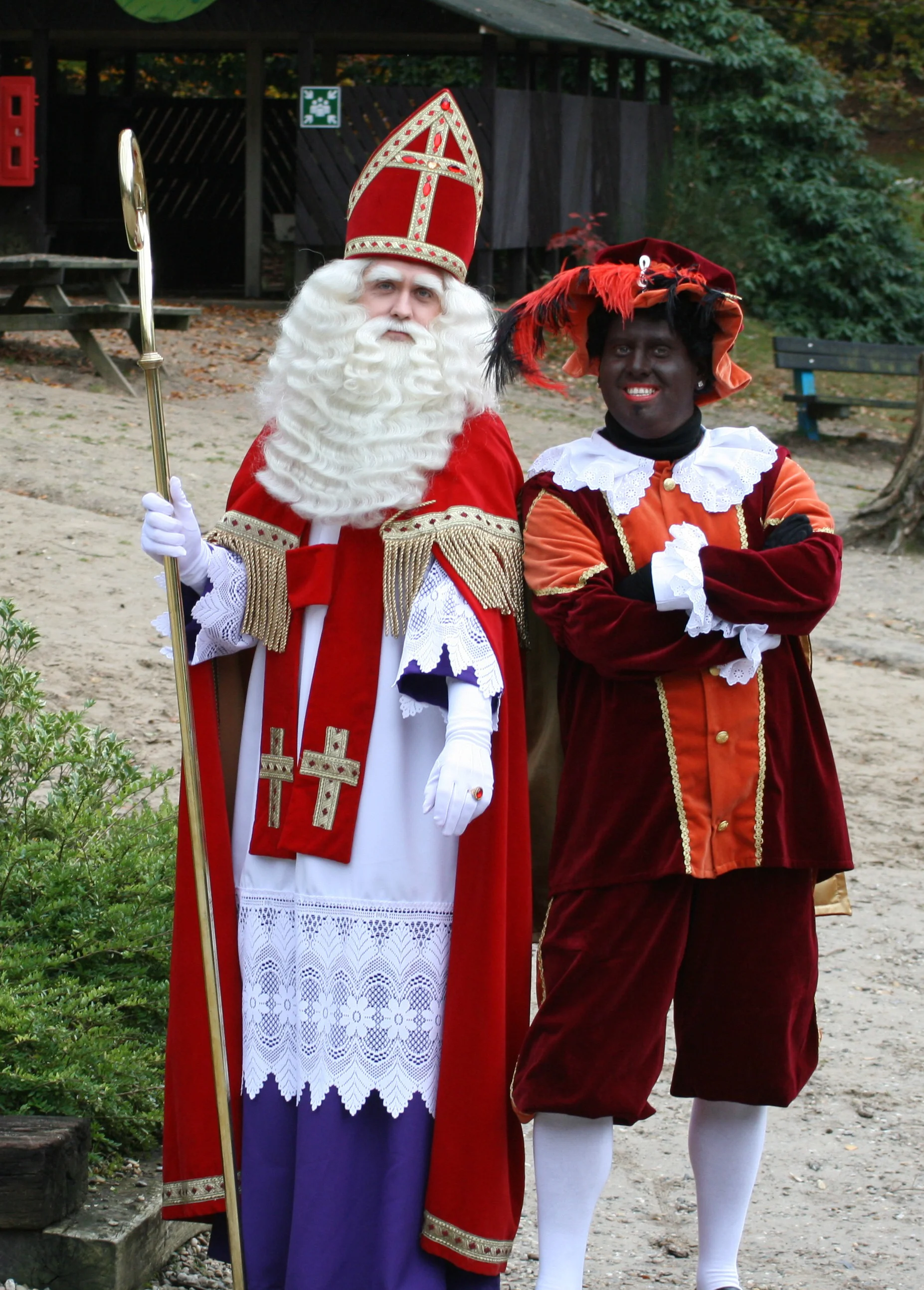
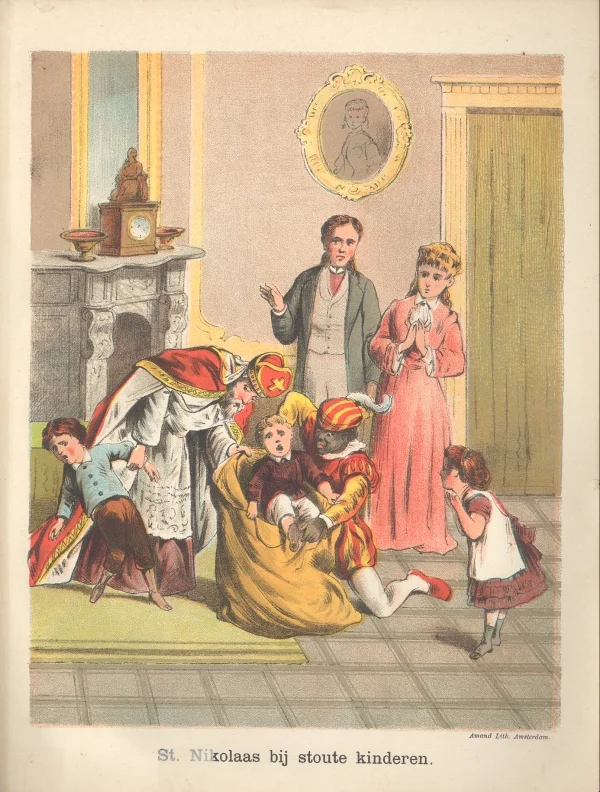
The Dutch version of Santa Claus has a helper named Zwarte Piet, or Black Peter

The Dutch version of Santa Claus has a helper named Zwarte Piet, or Black Peter

Go in blackface as Santa’s helper in the Netherlands.

Sinterklaas, as Santa Claus is known to the Dutch people, travels with his servant. But instead of diminutive elves, Sinterklaas is accompanied by Zwarte Piet, or Black Peter. Today people dress as Black Peter, a Moor, by putting on blackface. Not very PC — it’s amazing this tradition still exists. It wouldn’t in the United States, I’ll tell ya that.

Someone’s been naughty and needs to get stuffed into a sack and sent off to Spain!

Someone’s been naughty and needs to get stuffed into a sack and sent off to Spain!

It’s these fellows who keep tabs on who’s been naughty and who’s been nice. The good kids get presents, while the bad ones are shoved into a sack and taken off to Spain for a year of reform school.

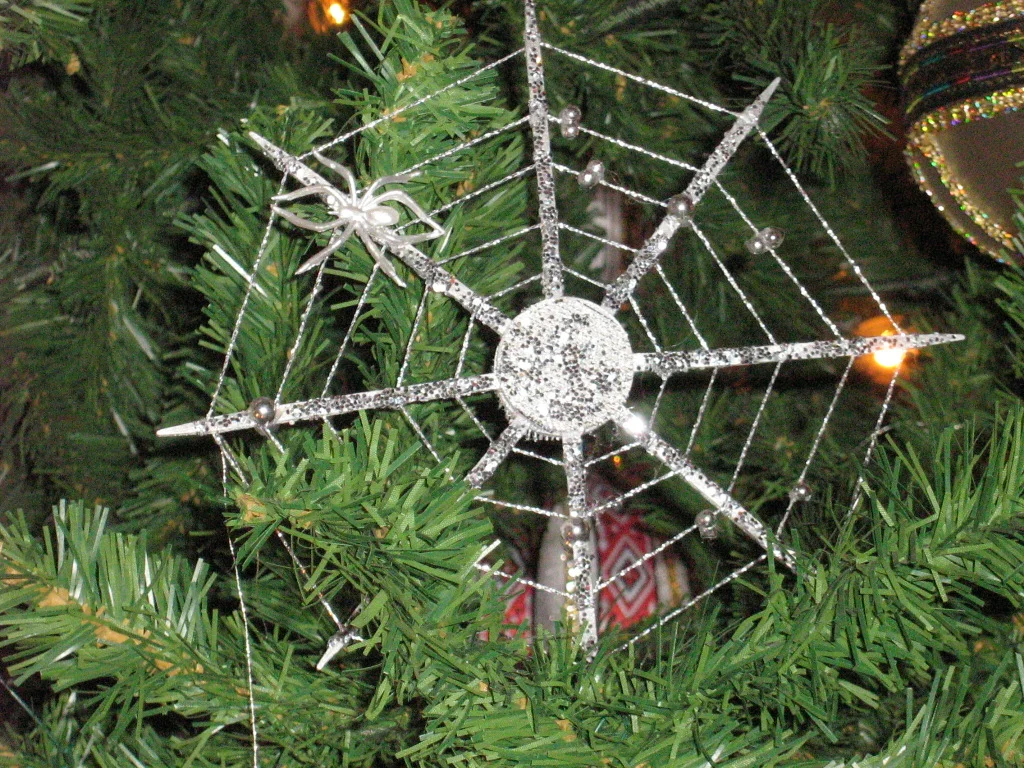
Spiderweb decorations are common in Ukraine and Poland

Spiderweb decorations are common in Ukraine and Poland

Decorate the tree with spiderweb ornaments in Ukraine and Poland.

Spiderweb ornaments might sound more Halloween than Christmas, but there’s a story behind them. A poor Ukrainian widow lived with her children in a hut. The kids saw a majestic evergreen outside and wanted it to be their Christmas tree. Trouble was, they didn’t have any ornaments and couldn’t afford them.

So the woman cried herself to sleep that night. The hut’s spiders heard her sobs and decorated the tree in intricate webs overnight. In the morning, the sunrise caught the webs and made them glisten like metal. And everyone lived happily ever after, as they tend to do in these fairy tales.

In Poland, they also decorate Christmas trees with spiderwebs, but there’s a different tale behind this tradition. They believe a spider wove a blanket for baby Jesus. I’m sure it wasn’t warm and was annoyingly sticky, but I suppose they appreciated the sentiment.  

If a witch can’t find a broom in your house, Norwegians think she’ll leave you alone

If a witch can’t find a broom in your house, Norwegians think she’ll leave you alone

Hide brooms from the witches in Norway.

Apparently witches and evil spirits like to come out to play on Christmas Eve. So Norwegians, to keep them at bay, hide their brooms, which we all know is a witch’s favorite means of travel. To thwart the witches and evil spirits, men will also fire three shots from their rifles into the air.

These nuns in Venezuela were off to celebrate Christmas mass on roller skates

These nuns in Venezuela were off to celebrate Christmas mass on roller skates

Roller skate to church in Venezuela.

Amid the explosions of firecrackers, entire Venezuelan families in Caracas don roller skates and head off to Catholic mass. As tradition has it, children go to bed with a piece of string tied around their toe with the other end dangling out the window. As the skaters roll past, they give the string a tug, and children know that it’s time to put their own skates on. It’s such a popular tradition that the government took to closing entire streets to traffic so families could skate together in safety. This has gotta be the only time church feels like a disco club. All that’s missing is the mirror ball.

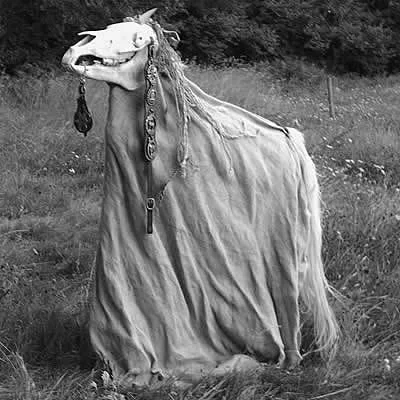
Grab your horse skull! It’s time to go wassailing in Wales!

Grab your horse skull! It’s time to go wassailing in Wales!

Carol (and beg for booze) with a dead horse in Wales.

Perhaps you’ve heard the song that begins, “Here we come a-wassailing.” This is the Welsh version of caroling. Wassail is an old England word for “cheers” and can also refer to the boozy beverages the carolers are begging for: ale or mulled wine.

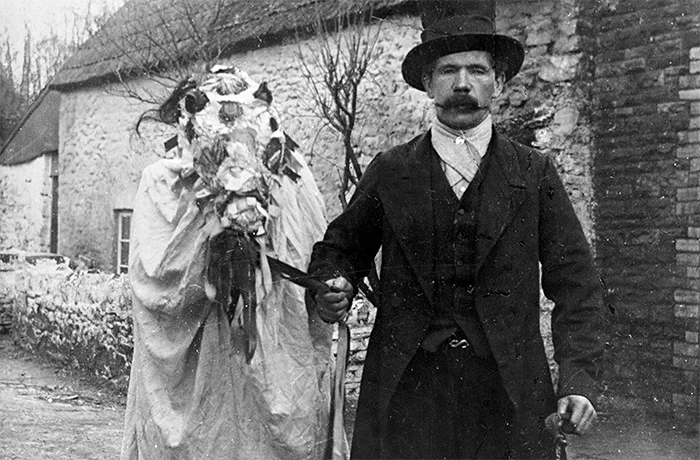
The old Mari Lwyd just ain’t what she used to be

The old Mari Lwyd just ain’t what she used to be

The tradition, known as Mari Lwyd, translates to the Gray Mare, involves people going from house to house, singing and challenging the families inside to a battle of rhyming insults until they get a boozy beverage. What makes this creepy is that one person dresses up like a horse, donning a white sheet topped with an actual horse skull adorned with ears and eyes.

Take me to church

Take me to church

Bring a rooster to mass in Bolivia.

Bolivians celebrate Misa del Gallo (Mass of the Rooster), the midnight service on Christmas Eve, by bringing along a rooster. It must get quite boisterous. But what’s with all the cocks? It’s to honor the creature that is believed to be the first to have announced the birth of baby Jesus.

Dark-haired men, come on in! Blonde and red-haired women, stay the heck away!

Dark-haired men, come on in! Blonde and red-haired women, stay the heck away!

Hope for a dark-haired man to visit you on Christmas in Estonia and Ireland.

Your first Christmas visitor (the first-footer) can determine if your household will have a good year or not — at least that’s what the Estonians believe. If you’re a woman, blonde or red-haired, just stay home, though, please. It’s really only dark-haired gents who bring good luck.

Ireland has the same tradition, though they light a candle and, at the last stroke of midnight, throw open their front doors to welcome in the New Year. Women will beat the door with a loaf of bread, while hoping for a dark-haired gentleman to darken their doorway.

People in Finland buy small tin horseshoes to melt on New Year’s Eve as part of a fortune-telling ritual

People in Finland buy small tin horseshoes to melt on New Year’s Eve as part of a fortune-telling ritual

Melt tin and predict the future in Finland.

You might need a book of symbols and their meanings for this tradition. On New Year’s Eve, Finns purchase small tin horseshoes to melt and ladles. The molten tin is dropped  into a bucket of snow or ice-cold water. Once it hardens, they hold the blob up to the light to see what shape its shadow casts. If it looks like a hill, for example, there will be obstacles ahead. If it looks like a coin, you’ll be coming into some money.

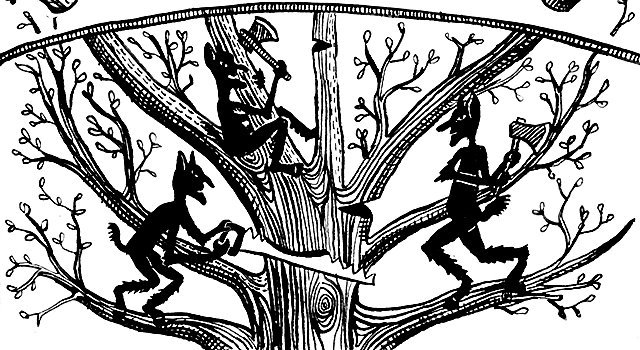
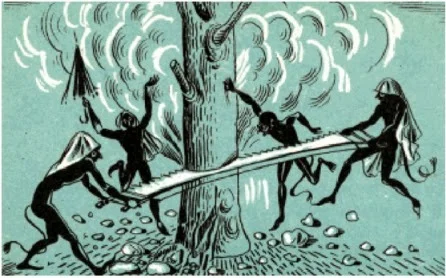
Pesky Greek goblins called the kallikantzari take a break from trying to cut down the World Tree to cause mischief on the 12 days of Christmas

Pesky Greek goblins called the kallikantzari take a break from trying to cut down the World Tree to cause mischief on the 12 days of Christmas

Kallikantzari like to scare humans — and poop in their food

Kallikantzari like to scare humans — and poop in their food

Watch out for goblins in Greece.

According to Greek legend, the hobgoblins called kallikantzari come up from their underground homes on Christmas Day to play tricks on humans until Ephiphany, January 6. They’re particularly fond of sneaking down the chimney like Santa to hide in your home and jump out and scare you. The kallikantzari also rearrange the furniture and, shudder, take dumps in any open containers of food they find.

Grab a colander — it’s one of the best ways to get rid of these Greek goblins

Grab a colander — it’s one of the best ways to get rid of these Greek goblins

If you want to avoid goblin crap on your cookies, burn logs or old shoes, or hang sausages or sweetmeats in the chimney. In addition, many Greeks put a colander on their doorsteps because the goblins will be compelled to count the holes. They don’t make much headway, though, according to A Scary Little Christmas, because the dim-witted creatures can only count to two.

They’re burning Mickey Mouse?! What did he ever do to hurt anyone?

They’re burning Mickey Mouse?! What did he ever do to hurt anyone?

Burn effigies in Ecuador.

In their own version of Guy Fawkes Day, Ecuadorians celebrate La Quema de los Años Viejos, the Burning of the Old Years. They make life-size dolls that resemble someone they dislike — maybe a local politician or the ever-popular Osama bin Laden. (I’m going to guess that Trump is a new fave.) People write notes explaining why the dolls should be burned and what changes they’d like to see in the coming year.

The effigies are proudly displayed on balconies or in windows until New Year's Eve, when they’re burned in a bonfire in the street. People jump over the fires for good luck.

Don’t be late on the winter solstice — you’ll be the Thomas Donkey and will end up the butt of jokes all day

Don’t be late on the winter solstice — you’ll be the Thomas Donkey and will end up the butt of jokes all day

Try not to become a donkey in Germany.

Don’t be an ass! In Germany, the Winter Solstice is also known as St. Thomas Day. It’s not a good day to be tardy. In parts of the Sauerland region, if you sleep in or get to work late, you’re given a cardboard donkey. called the Thomas Donkey and you’ll be the butt of jokes all day.

At least you’re rewarded at the end of the day with Thomasplitzchen, iced currant buns.

The Greek goblins known as the kallikantzari like to take dumps in any open containers of food they find.

Put on your skates and grab your cock before hitting midnight mass! Maybe you can incorporate some of these traditions into your Yuletide celebrations! –Wally

What the World Thinks of a President Trump

Spoiler alert: From Europe to Asia to Latin America, the outlook isn’t very optimistic.

All hail, President Trump! What does the rest of the world think of our controversial choice for the Leader of the Free World?

Full disclosure: Duke and I fall into the half of America that was absolutely shocked, mortified and despondent that our next president will be a man who openly lies and regularly spouts sexist and racist remarks.

As we try to come to terms with the idea of a President Trump, we wanted to find out how the rest of the world felt. So we reached out to friends who live abroad or who have family there.

The French are scared like we are.
They keep asking why the overqualified candidate lost to someone with no experience. I can’t answer them.
— Michael, an American living in France

Not surprisingly, the rest of the world seems to be as freaked out as we are. –Wally


Brent, an American living in Taiwan

What a sad day, not only for the U.S. but for the whole world. I think America regressed 50 years today.

Walking down the streets of Taipei, I have always stuck out like a sore thumb: “Mommy, look, waiguoren [a foreigner].” As an American living in Taiwan, you get used to it, but walking the streets today I actually felt ashamed to be American. I felt the stares and whispers more than usual.

Taiwanese very rarely ever talk about politics outside of the home. It’s a bit taboo. Today was different. Many Taiwanese spoke to me, all in utter disbelief about our new president-elect: “How could Americans vote for such an evil person?” “Was there a mistake with the election?” “Can this be overturned?” They are all very scared, and rightfully so I believe.

Taiwanese have always respected and appreciated Americans in Taiwan (the U.S. has done a lot for Taiwan). I think that changed for the worse today, and I imagine that Trump’s crassness will only exacerbate that here in Taiwan and within the international community.

I’m still in shock that America chose this bigot. I’m hoping that I wake up in the morning and it’s all a joke. It is such a joke.


Malcolm, a Welshman living in the United States

On Guy Fawkes Night, Malcolm and his friends burned an effigy of Trump

Actually, we had a little Guy Fawkes Night bonfire for a few Chicago-based Welsh folks on November 5. It’s a tradition to burn an effigy of Guy Fawkes — ours might have borne a passing resemblance to a certain president-elect.

A news crew from Wales stopped by to film it and do a few interviews. Though I don’t think the effigy burning made it past the editors, and just the interviews (in Welsh) aired back in Wales.

For the Lewes Bonfire Night, they burned an enormous Trump effigy.

And here are a few more from around the country.

My cousin in the U.K. did say, “I can’t believe how many Americans voted for this.”

On the bright side, at least we’re (the U.K.) no longer the dumbest country of 2016.


RELATED: Guy Fawkes Day / Bonfire Night: A Bizarre British Holiday


Kent, an American living in France
Europeans are all concerned that democracy in America has completely died. Anti-American sentiment is already being regurgitated from the Bush years.
My boyfriend Michael, my friend Chris and I already had a share of verbal mockery when we were speaking English in the streets of Paris. Some guys were shouting, “Donald Trump” at us. Whether you voted for him or not, America as a whole is seen as responsible.

The German newsmagazine Der Spiegel depicts Trump hurtling toward Earth like a giant meteor with the text, “The End of the World (As We Know It)”

The controversial satirical magazine Charlie Hebdo recently featured a cover that addresses Obama leaving office and the problem of police violence against blacks

Germans are shocked and appalled; they recognize this is the rise of America’s neo-national socialist movement.
Street interviews express disgust, awe and fear. People prefer saying they have zero opinion on Trump because he is not even worth commenting on.

My colleagues and even direct reports are inquiring how the ban on Muslims will impact future travel and training in the U.S. next year: “Will we be excused from our annual meeting in Florida next year?”

France is in a state of panic, as their presidential elections take place next year. The current socialist president, Hollande, has been weak and ineffective, leaving the door wide open for the opposing right, including the Front National, France’s most radical and very real neo-Nazi party. Trump’s win has emboldened and legitimized their campaign going into 2017 so much so that key experts are even predicting a potential win.

Unlike the U.S., any supporter in Europe of Trump’s ascension to power can only be a fellow nationalist and fascist. No middle ground on that.

Europe doesn’t even know how to engage the new American administration. Hollande didn’t even prepare a congratulations communiqué for Trump, as it seemed so unlikely — unfortunately the radical right beat him to the punch.

Europe is essentially as overwhelmed as the U.S. and plunged in an even deeper sense of uncertainty about the future. Germany fears a risk of a relationship breakdown, as they cannot support or work with any government that could cross over into the gray area of human rights violations.

By adding Trump’s win to the Brexit also spells an even more fragile situation for the stability of the European Union. Anti-globalization sentiment is further justified and confirmed now than it has ever been before.

American expats are reconsidering any plans to move back to the U.S. now.
While it’d be wonderful to feel Europe is so disconnected from the U.S., we’re here in our own, protected little island, but the realistic truth is that we’re tied and bolted to the U.S. in so many ways.

The media here is not timid or holding back on opinion. Trump is portrayed exactly as if the U.S. just voted in a fascist to government. Faith in democracy and our future is bleak.
 

RELATED: American Expats Tell What It’s Really Like to Live in Paris


Andrea, a Puerto Rican living in the United States

With P.R., it gets a bit tricky because my mom’s generation (and older) and my generation have a very different reaction to this whole Trump situation. The simplest way of explaining it is as follows:

For some idiotic reason, millennials don’t want to be part of the U.S. — they want P.R. to become independent (even though we’ve been supported by the U.S. for so long that becoming independent would probably transform P.R. into a third world country like the Dominican Republic). But anyway, my generation’s reaction to Trump winning the presidency is, “Suck it, U.S.! You get what you deserve! You’ve become the circus of the world!”

My mom’s generation (and most of P.R.) on the other hand are very concerned. They are terrified that Trump will take away our citizenship. They are angry that the entire island is obligated to follow the U.S.’s laws and regulations, when they are not even allowed to vote for the U.S. president.

The island’s election happened the same day as the U.S. elections, and the PNP (Partido Nuevo Progresista) won. This party is the one that wants to do everything in their power to make the island a state. But now that Trump won, they’re not sure it’s the best time to request this, considering Trump is a racist and is threatening to take away our citizenship.

It’s a very complex situation.


Aneta, an American with family in Switzerland and Serbia

My Swiss family and I have had a lot of discussions about U.S. politics over the years. They are not fans of the U.S. political system and even refused to visit D.C. when they’ve come here. They seem to believe that our choice reflects the heart of the majority of Americans.
My family in Serbia are also not fans of the U.S. due to the bombings and intervention in the Yugoslav civil war in the ’90s and recently in Kosovo. They hold us responsible for the instability in the Middle East. They relish a bit in the election of Trump, who is seen as a caricature of American arrogance. I don’t think they like Hillary any better because Clinton was president during the civil war in Yugo and they see him responsible for the bombing of civilian schools, restaurants, bridges, etc.

I think their views are not different from most of the world, which is taking some delight in our dirty laundry being televised. But Europeans see our behavior now, with the protests, as American entitlement and temper tantrums. At the end of the day, we are one of the oldest democracies in the world and they respect that. If we believe in the process, we have to accept the results with dignity, even when it doesn’t go our way.


Morgan, an American living in the Netherlands

There are so many feelings and emotions about the recent election of Trump happening here in the Netherlands.

First of all, the entire presidential race was covered by almost every newspaper in the Netherlands. There were at least two articles a day giving the most recent gossip and news. This I found kind of shocking considering that it’s not their country and their election, but it just confirms the fact that the fate of the United States holds the fate of so much of the rest of the world.

Next, lots of people talked to me about the election before the big day. People from all walks of life knew all about it and wanted to tell me how they felt.

I volunteer at a homeless shelter, and one of the main points of conversation lots of the nights was about Trump and how crazy he is and how terrible and scary it would be if he were elected.

One of my other Dutch friends told me that to her Hillary was just the lesser of the two evils. We argued about how she thought Hillary needed to lighten up a bit and her worry that Bill would be involved in the presidency somehow.

The night of the election, we had another American couple over to watch the results. They showed up at 2 a.m. and we started out watching the bad news roll in. It wasn’t until 9 a.m. here that we watched Trump speak and announce his phone call with Clinton. At this point, the entire world lost its mind.

So many of my Dutch friends started texting with their condolences. Screenshots of Dutch Twitter accounts were sent to me by a few people, saying that the Netherlands is very scared for the results and worried about what this means for the future. Many others simply told us that we are always welcome to stay here.

Many people here have told me about their concern for the climate. Others have told me that they’re worried that something like this may happen with the Netherlands in March 2017. Geert Wilders, a very notorious conservative political figure, may now win the general elections. The fact that this has already happened in the U.S. doesn’t help.

This is the government news site for the Netherlands and what they say about Trump. It’s pretty direct and to the point — but it’s clear that they think this was a big mistake and a big step backwards. Newspapers from all over the world have had Trump's face on the front page for days.
 

RELATED: The Best Spots to Hit When Visiting Utrecht