What made you want to go to Iran?
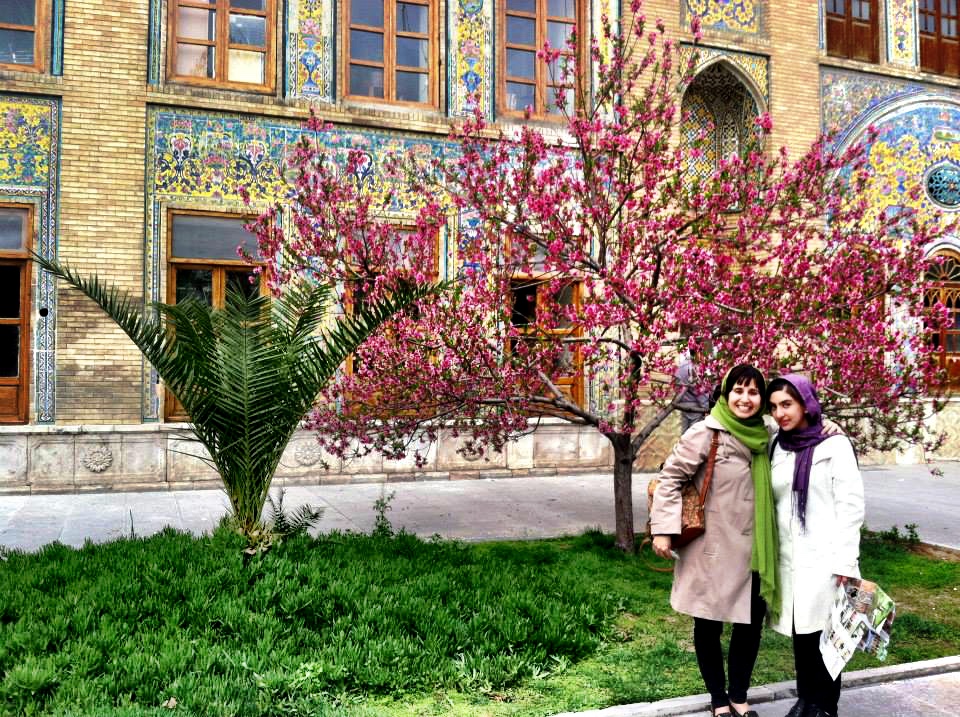
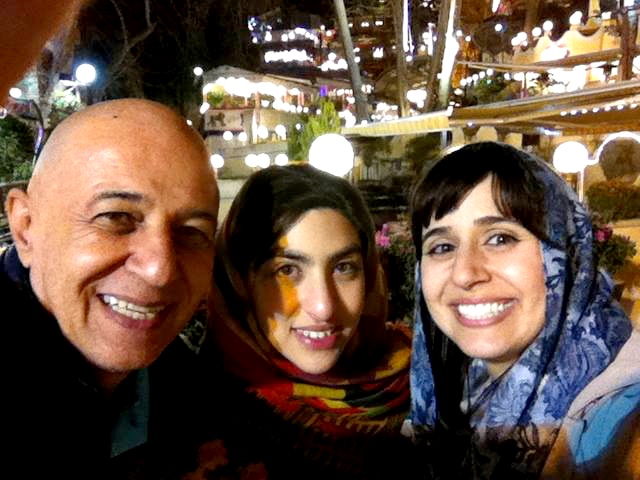
I wanted to see the country of my heritage. Both my parents are Iranian, but I was born in the U.S. Half of my family lives there and because I’d never been to Iran, I never met them. And as I’ve gotten older, I’ve felt the ties to my culture loosening, so I wanted to be immersed.
Were you scared at all?
I was a little nervous because the country has a pretty terrible reputation for anti-American sentiment, civil rights violations and religious fanaticism, among other things. But I had to go see for myself.
What was the most surprising thing about your trip?
I was most surprised at how easy it was to balance my identities. I was afraid I’d stick out. I felt like I had a giant neon sign above my head that read, “FOREIGNER.” I speak Farsi but I was terrified my accent would give me away. But it was easy to get around — nobody minded me.
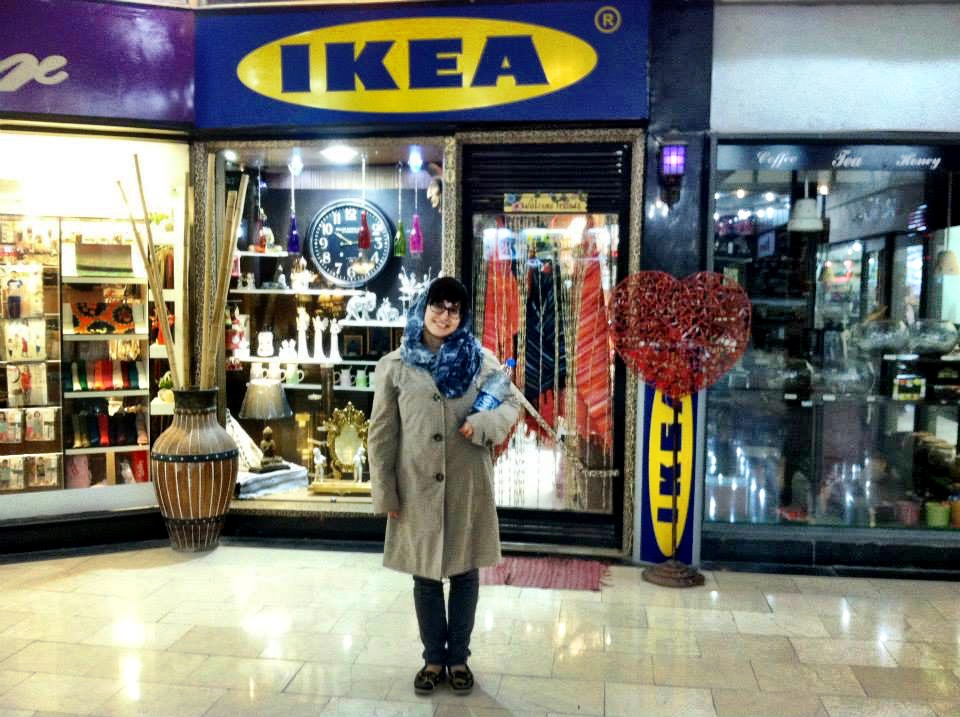
And I hate to admit it, but I was surprised at how modern Tehran is. Credit cards aren’t a thing, but most any modern luxuries we enjoy in the U.S. are available (sometimes at a price). People have smartphones and post to Instagram. I even picked up a few new apps when I was there, including Viber and Fastdic.
What were the people like?
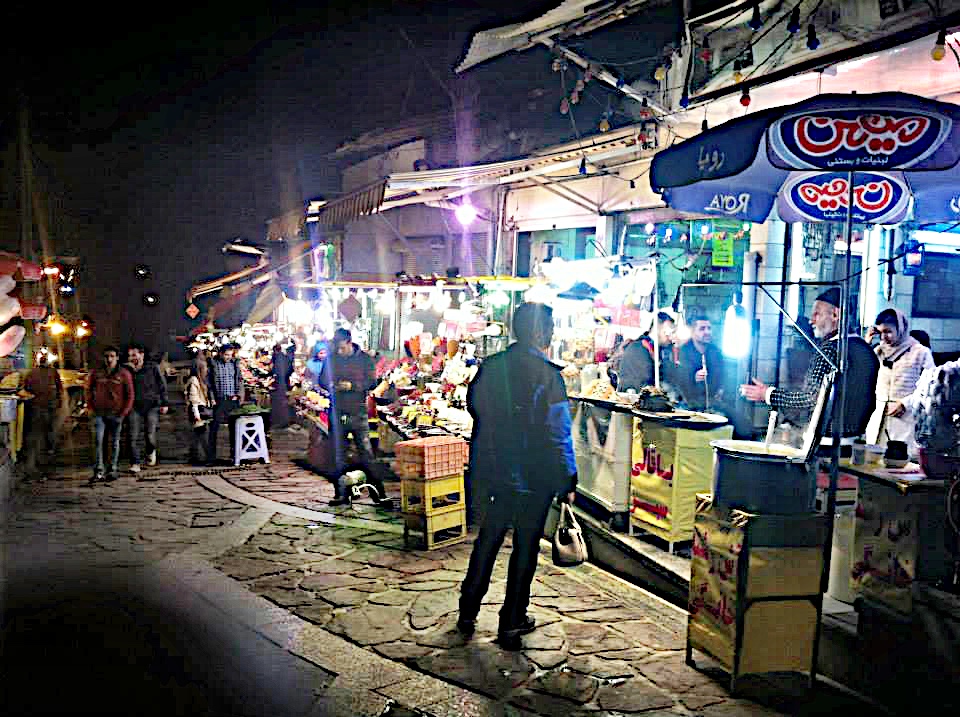
Any sort of person you’d meet in a major metropolitan area, you can meet in Tehran. Iranians are generally very friendly and gracious, but you’ll find just as many people who mind their own business. It’s a big city, like any other.
Though, a lot of people are obsessed — or at least mildly amused — by Western culture, particularly the young people. My cousins told me English is cool and trendy, and they thought my accent was cute. I think they were just being polite.
Did you run into any trouble?
Before I went on my trip, my mom told horror stories about the gasht-e ershad, the morality police. Back in the early days of the Iranian Revolution, they would arrest people for the slightest trespasses.
We saw a small group of them once: a military man with a machine gun and a couple of women in chadors (the full-length cloaks with a headscarf). We were in an unfamiliar part of town, so my dad asked the man for directions. Why? I don’t know. He’s not afraid of anything. The woman asked him if I was “of this country,” then told me to button my jacket. It was a little scary, but nothing happened.
What was the food like?
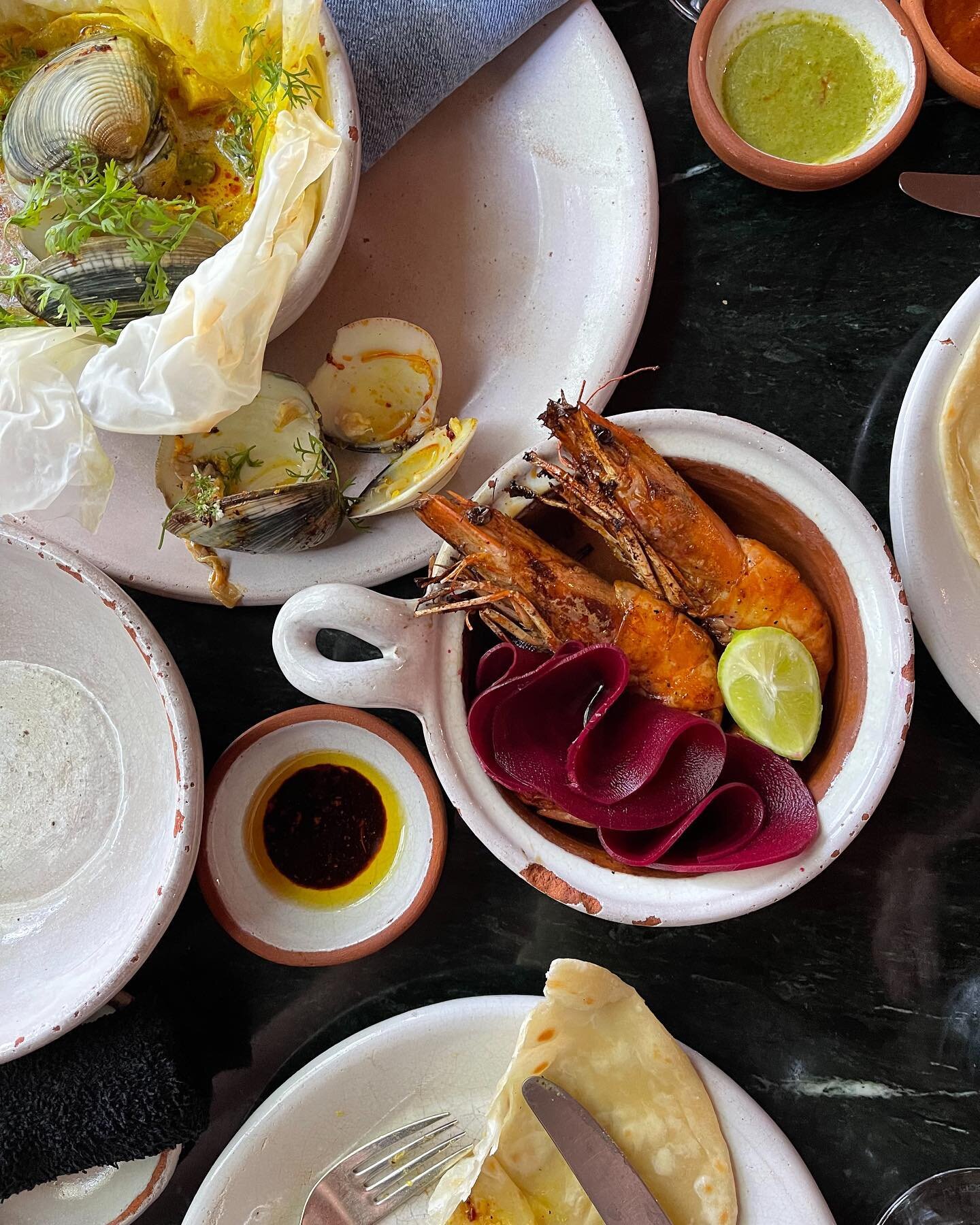
The food was one of the best parts. For me, Persian food was always “home food.” Cooking Persian food is very time-consuming, so we ate it at home and family gatherings. There are Persian restaurants in the U.S., but they were always so far away, and not always a great place to take small kids. As we got older, it became more and more of a special occasion meal than a daily occurrence.
In Iran, home food is everywhere and it was incredible: basmati rice, stews, kababs, pita bread, tea. I love it!
Any strange customs you witnessed?
There’s an aspect of Persian etiquette called “ta’arof.” It’s not strange as much as just culturally different. There’s no equivalent in Western culture but I like to explain is as “never inconveniencing anyone in any way ever.”
It was fascinating to see it in action outside of my family members. The best example of ta’arof is offering guests food or drink. As the host, your job is to make your guests feel comfortable, like they’re in their own home. But as the guest, you do your darnedest to avoid burdening your host any further. That means refusing food and drink while the host continues to offer. Accepting too soon is impolite, and I certainly forgot about this.
It happens in shops, too. We asked the price of items, and the shopkeepers would tell us to just take it or that it’s “not worthy of you.” You still need to pay for it, though.
What’s the best part about Iran?
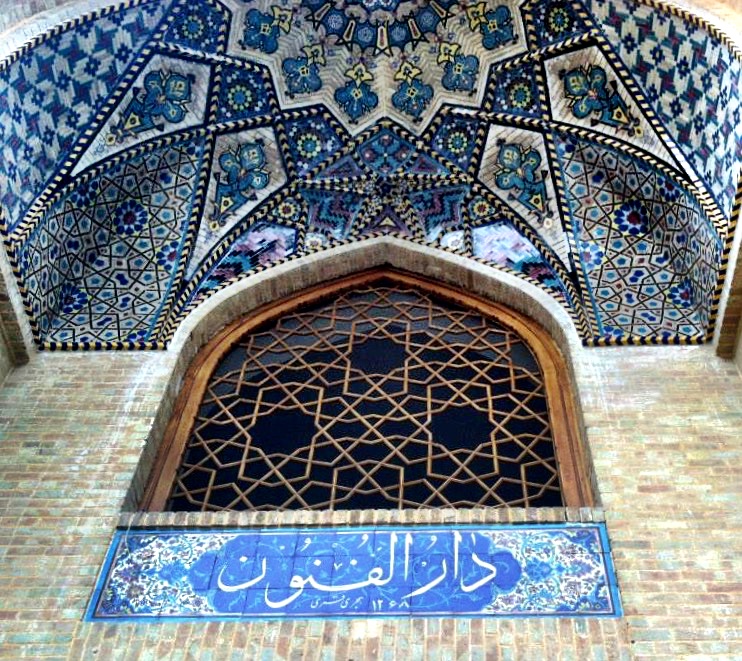
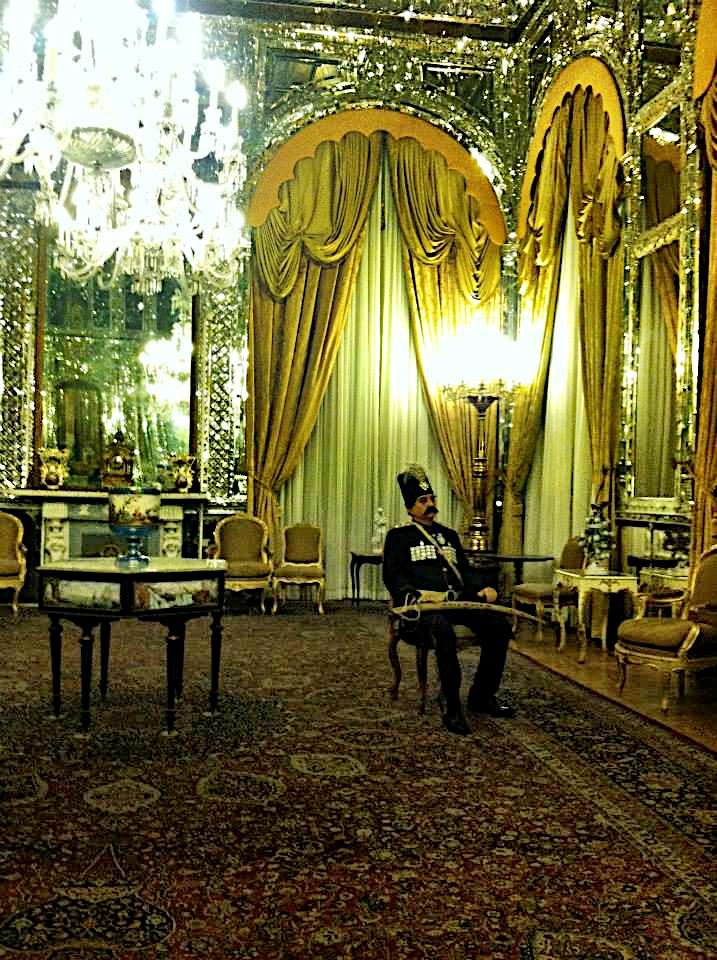
Iran has so many layers. There is so much history and so many stories to tell. I barely scratched the surface.
Worst part?
The political negativity shrouds such a beautiful country and its beautiful culture.
Be sure to read Alma’s article, “Iran and I: Falling in Love With the Homeland That Never Was My Home,” which ran on The Week’s website. It’s a fascinating and moving piece of writing. –Wally