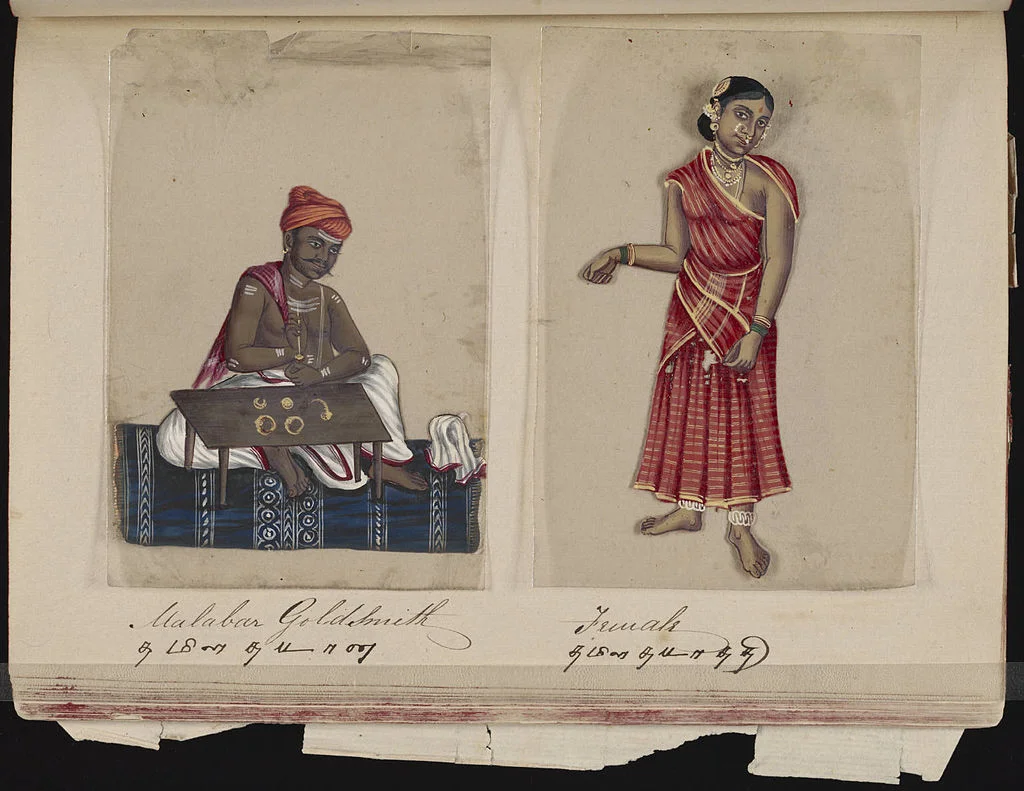
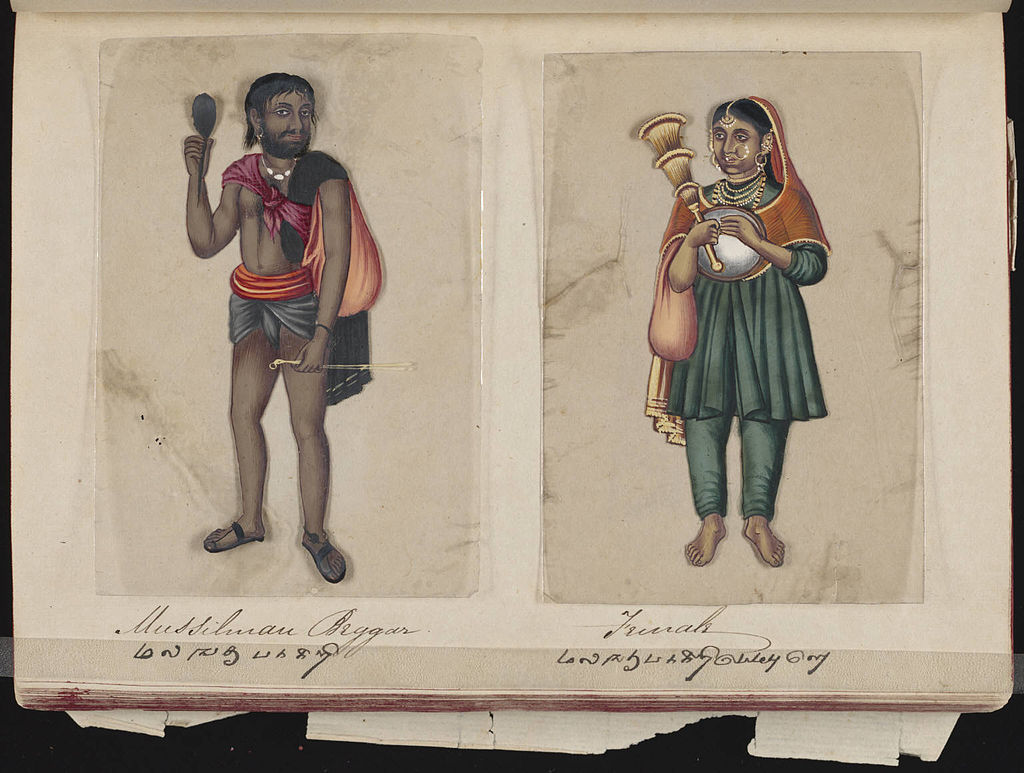
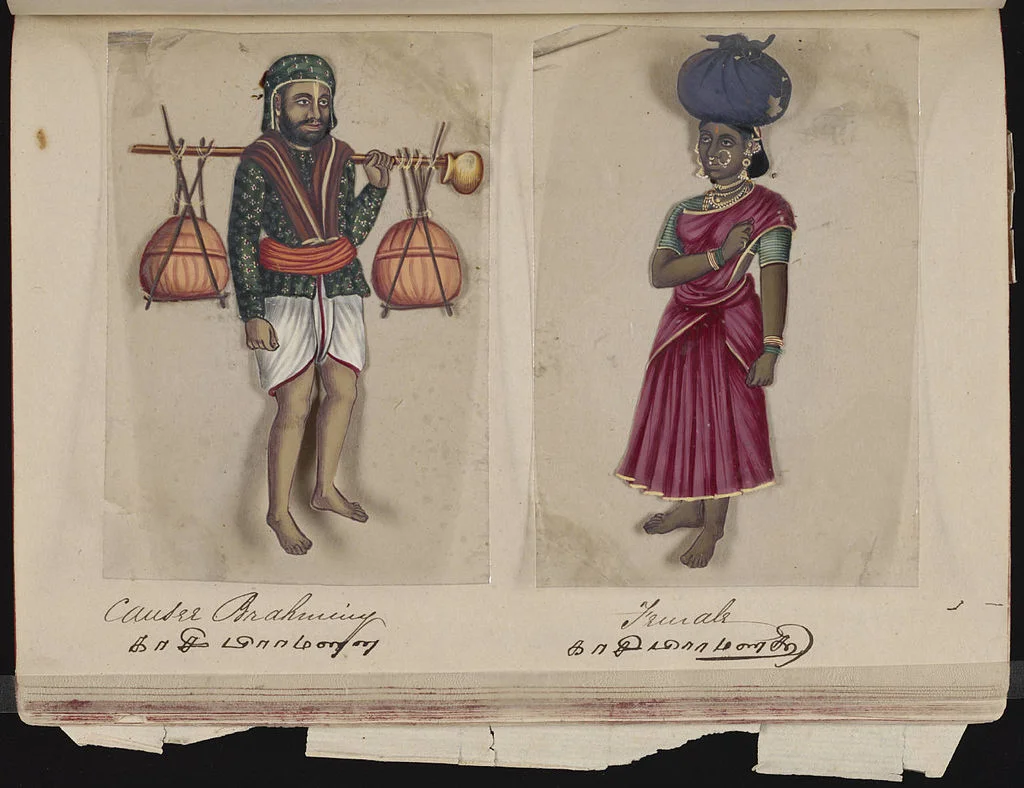
Once revered, hijras are now feared.
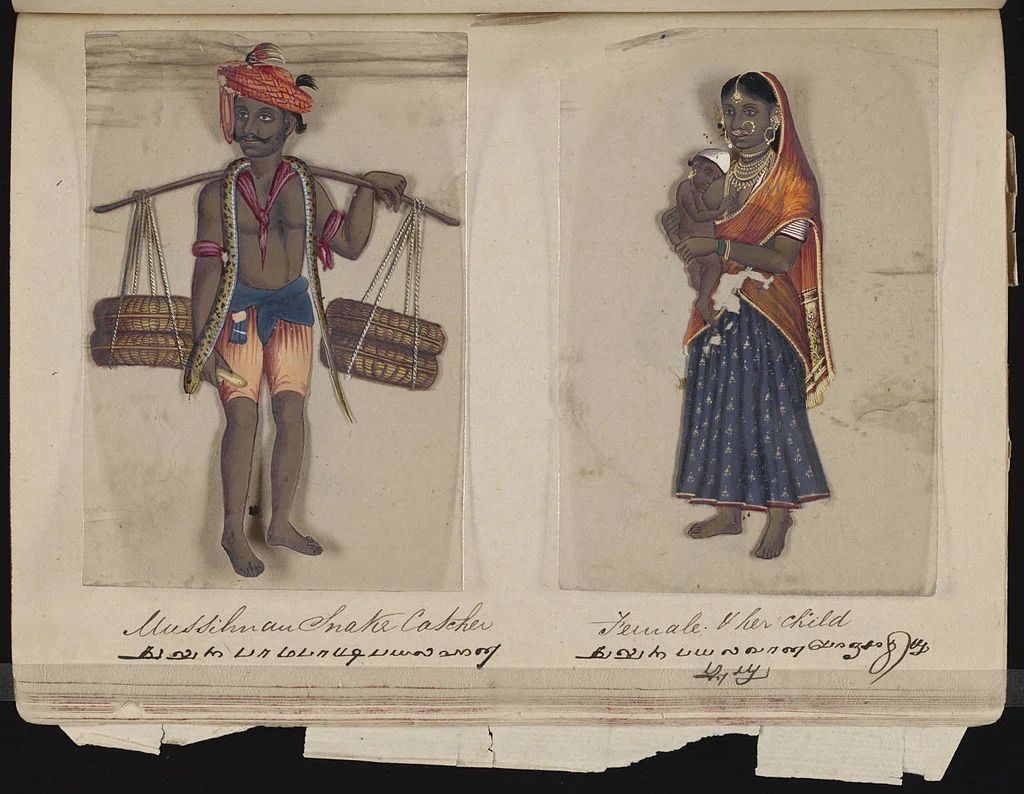
“Their communities across Southeast Asia date back more than 4,000 years, and they appear in ancient texts as bearers of luck and fertility,” according to the U.K.’s Daily Mail. There are mentions of hijra in the sexual position guide the Kama Sutra as well as the Hindu epic Mahabharata.
And while Muslims tend to be traditionalists in terms of gender roles as well, they also have a longstanding tradition of holding eunuchs in the highest regard. In ancient times, Mughal rulers had eunuchs guard their most prized and holy objects as well as serve as advisors. Eunuchs were seen as pure, uncorrupted; they had sexual temptation removed from the equation.
Today, though, hijras face discrimination and outright abuse.
“If you were to ask a middle-class or upper-class boy what they think about hijras, they’ll tell you they’re scared of them,” George told us. “Because they remember being that little boy and being exposed. It’s kind of an evil Santa Claus. You see this clown-looking thing in a sari flashing your parents. And they won’t go away until you give them money.”
When George invited hijras to a party he hosted, many of the guests promptly left, asking how he could associate with such “filthy, diseased, lower-class” scum.
The sex-change surgeries are barbaric.
Most castrations (known as “nirvan,” which is awfully close to “nirvana”) aren’t performed in hospitals. It’s part of a 40-day ritual of self-emasculation, according to the Daily Mail.
The surgery is, essentially, a rebirth. It happens in the morning, with the rising of the sun.
A very tight cord is wrapped around your penis and balls so you cannot pass urine. You become bloated, like you’re pregnant. You’re in a lot of pain.
The village midwife then comes in with a knife. “She takes a swipe up and a swipe down. No anesthesia,” George said, though there are stories of hijras being dosed with opium first.
As the blood and urine come gushing out, “it’s supposed to be your male essence is leaving your body,” George told us.
The hijra is supposedly presented with her castrated parts, which she buries next to a tree as a sacrifice.
“After the castration, you cannot work for almost one and a half months,” a hijra named Abhina Aher told NPR. “It was not an easy task — it was a journey of pain.”
You can get the operation done in a hospital — if you can bribe a doctor willing to take the risk — though it doesn’t sound much more safe.
“It happens in a dingy room, a 10-by-10 probably,” Aher said, describing her procedure. “Immediately after the castration, two hours, the hijra is asked to leave that place, because it is illegal. The operations are normally done by quacks, and a lot of hijras die because of that.”