What It’s Really Like to Visit Iran

Despite a bad reputation and the gasht-e ershad (morality police), Tehran features many big-city amenities, including delicious Persian food, an obsession with Western culture and an accommodating way of life called taarof.

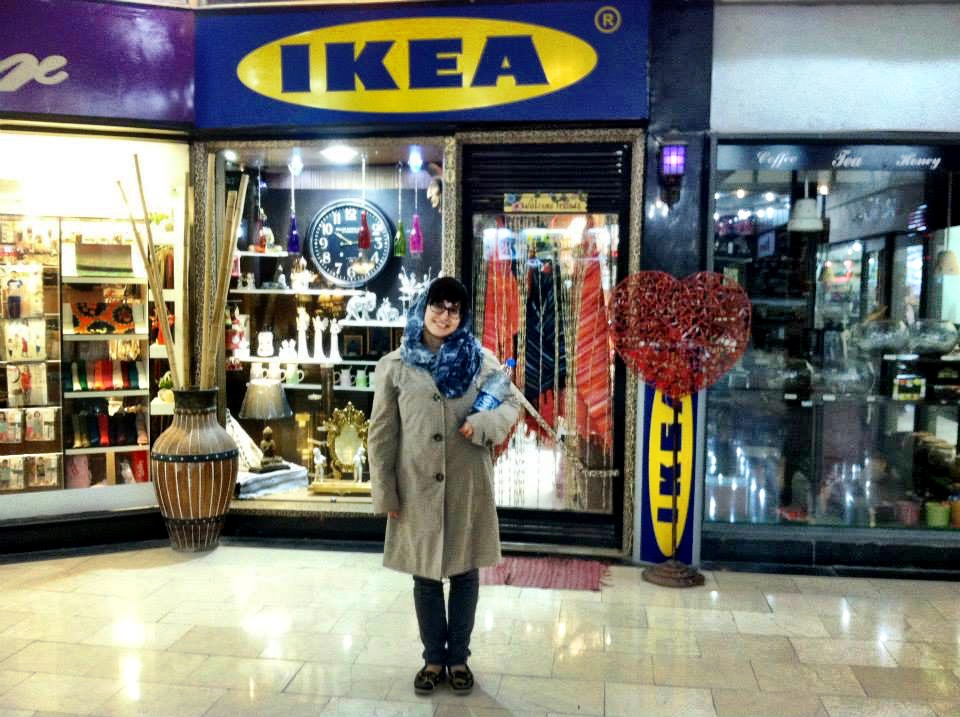
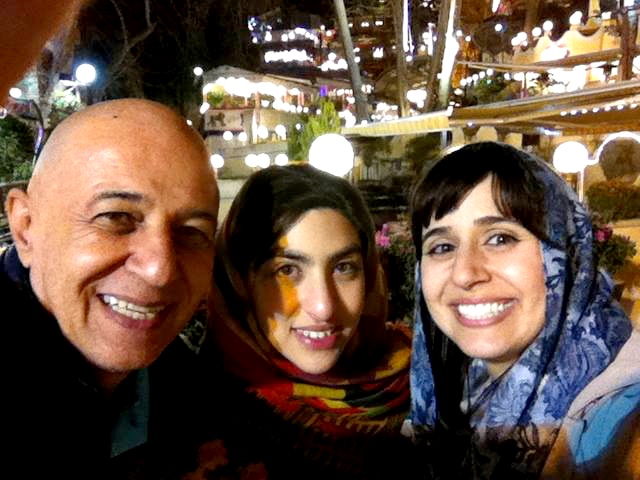
Alma wanted to honor her Iranian heritage and visit the family members she had never met.

To most Americans, Iran is a mystery. It’s lumped in with the rest of the Middle East and cited as an example of a theocracy, where an intolerant religious leader rules with an iron fist.

It wasn’t until I read Persepolis by Marjane Satrapi, an amazing graphic novel that was adapted into an excellent movie of the same name, that I realized there’s much more to Iran. 

The woman asked my dad if I was “of this country,” then told me to button my jacket.

What many of us aren’t aware of is how well Iran and the United States got along in the 1970s, when Mohammed Reza Shah Pahlavi was in power. He was pro-American (and supported by the U.S.), and Western culture thrived in Tehran. Then the 1979 Iranian Revolution took place, which put Supreme Leader Ayatollah Ruhollah Khomeini in power — and Islamic law became the norm. That includes dress codes and forbidding Iranian women from having relationships with non-Muslim men. Needless to say, homosexuality is illegal and can result in execution.

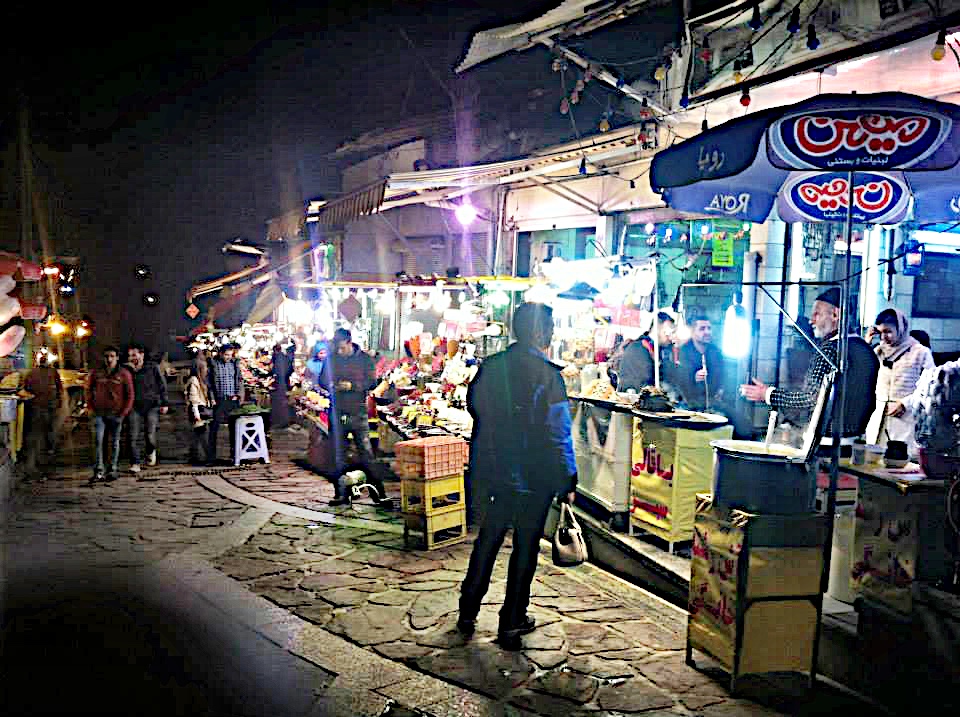
But it turns out there’s so much more to Iran. Tehran, in many ways, is very similar to any big city. There’s delectable Persian food to be found everywhere. And embedded in the culture is a graciousness and hospitality that may be unfamiliar to Westerners.

Here’s an interview conducted with my co-worker Alma, who surprised me (and her poor mother) with a decision to visit the homeland she never knew.
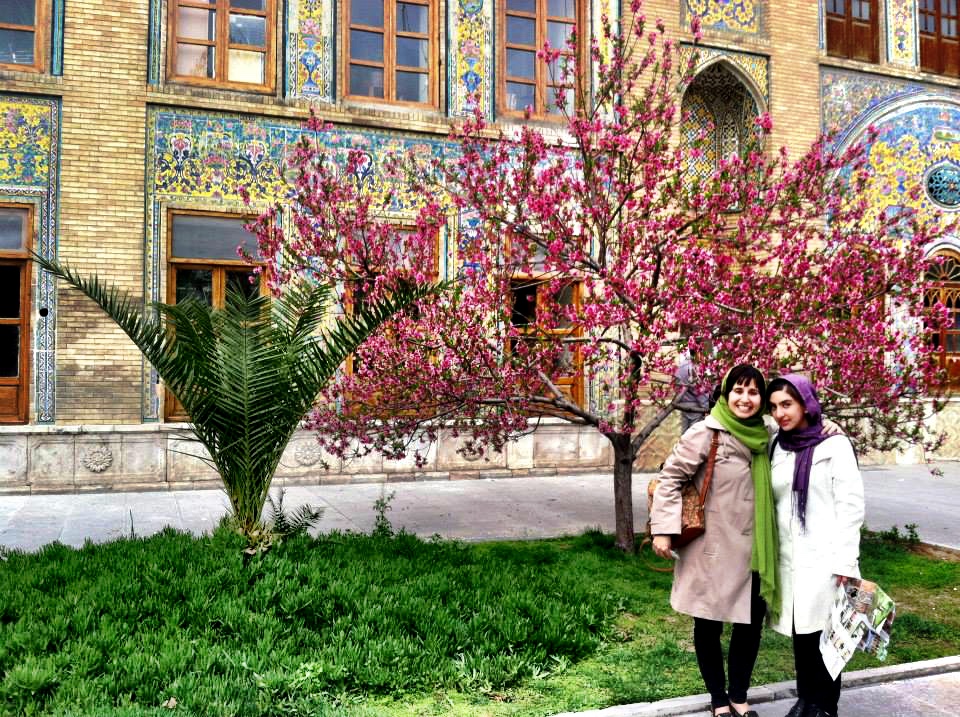
What made you want to go to Iran?
I wanted to see the country of my heritage. Both my parents are Iranian, but I was born in the U.S. Half of my family lives there and because I’d never been to Iran, I never met them. And as I’ve gotten older, I’ve felt the ties to my culture loosening, so I wanted to be immersed.

Were you scared at all?
I was a little nervous because the country has a pretty terrible reputation for anti-American sentiment, civil rights violations and religious fanaticism, among other things. But I had to go see for myself.

What was the most surprising thing about your trip?
I was most surprised at how easy it was to balance my identities. I was afraid I’d stick out. I felt like I had a giant neon sign above my head that read, “FOREIGNER.” I speak Farsi but I was terrified my accent would give me away. But it was easy to get around — nobody minded me.

And I hate to admit it, but I was surprised at how modern Tehran is. Credit cards aren’t a thing, but most any modern luxuries we enjoy in the U.S. are available (sometimes at a price). People have smartphones and post to Instagram. I even picked up a few new apps when I was there, including Viber and Fastdic.

What were the people like?
Any sort of person you’d meet in a major metropolitan area, you can meet in Tehran. Iranians are generally very friendly and gracious, but you’ll find just as many people who mind their own business. It’s a big city, like any other.

Though, a lot of people are obsessed — or at least mildly amused — by Western culture, particularly the young people. My cousins told me English is cool and trendy, and they thought my accent was cute. I think they were just being polite.

Did you run into any trouble?
Before I went on my trip, my mom told horror stories about the gasht-e ershad, the morality police. Back in the early days of the Iranian Revolution, they would arrest people for the slightest trespasses.

We saw a small group of them once: a military man with a machine gun and a couple of women in chadors (the full-length cloaks with a headscarf). We were in an unfamiliar part of town, so my dad asked the man for directions. Why? I don’t know. He’s not afraid of anything. The woman asked him if I was “of this country,” then told me to button my jacket. It was a little scary, but nothing happened.
 
What was the food like?
The food was one of the best parts. For me, Persian food was always “home food.” Cooking Persian food is very time-consuming, so we ate it at home and family gatherings. There are Persian restaurants in the U.S., but they were always so far away, and not always a great place to take small kids. As we got older, it became more and more of a special occasion meal than a daily occurrence.

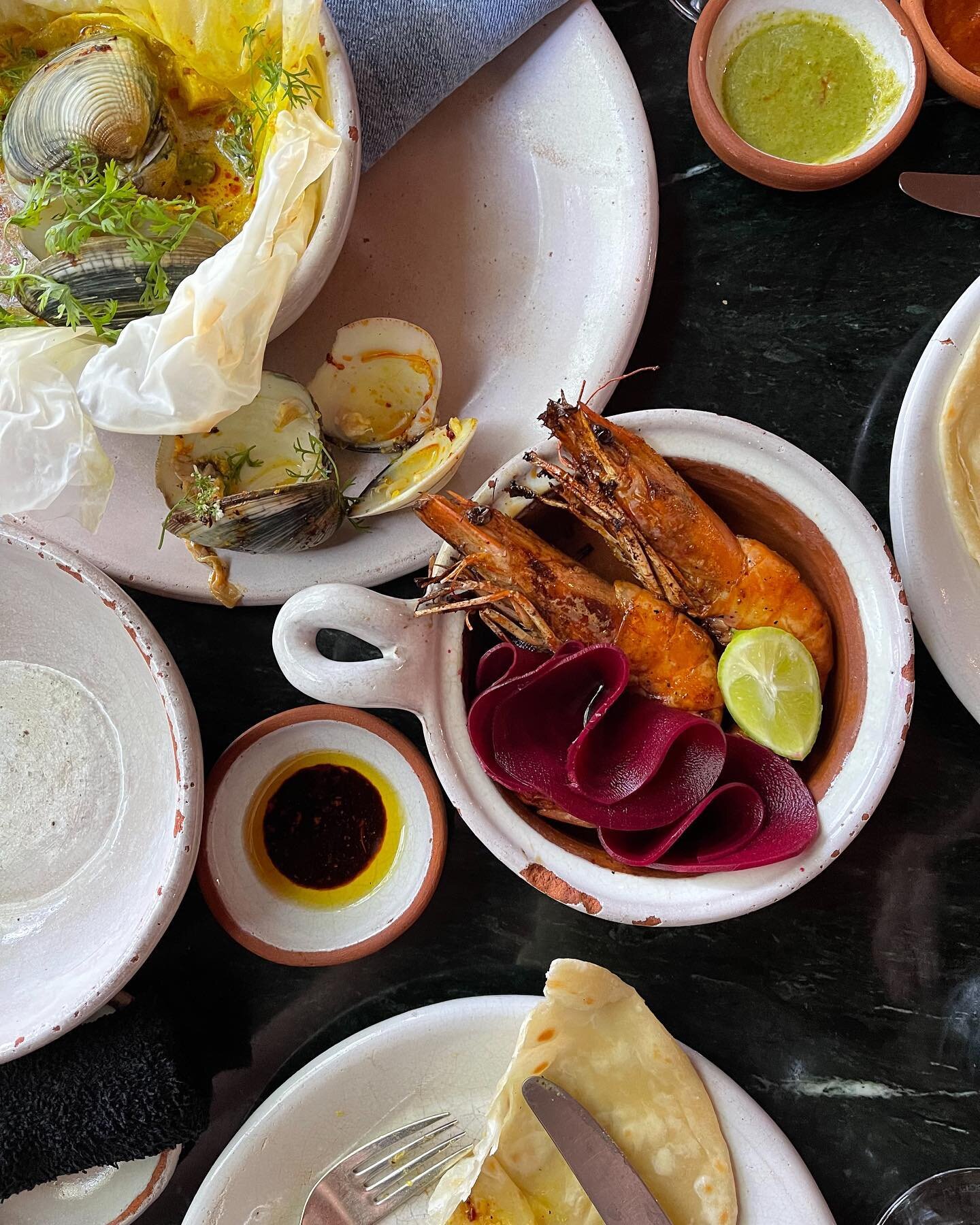
In Iran, home food is everywhere and it was incredible: basmati rice, stews, kababs, pita bread, tea. I love it!

Any strange customs you witnessed?
There’s an aspect of Persian etiquette called “ta’arof.” It’s not strange as much as just culturally different. There’s no equivalent in Western culture but I like to explain is as “never inconveniencing anyone in any way ever.”

It was fascinating to see it in action outside of my family members. The best example of ta’arof is offering guests food or drink. As the host, your job is to make your guests feel comfortable, like they’re in their own home. But as the guest, you do your darnedest to avoid burdening your host any further. That means refusing food and drink while the host continues to offer. Accepting too soon is impolite, and I certainly forgot about this.

It happens in shops, too. We asked the price of items, and the shopkeepers would tell us to just take it or that it’s “not worthy of you.” You still need to pay for it, though.

What’s the best part about Iran?
Iran has so many layers. There is so much history and so many stories to tell. I barely scratched the surface.
 
Worst part?
The political negativity shrouds such a beautiful country and its beautiful culture.


Be sure to read Alma’s article, “Iran and I: Falling in Love With the Homeland That Never Was My Home,” which ran on The Week’s website. It’s a fascinating and moving piece of writing. –Wally
Cafe Central: The 9 Ways to Order Coffee in Malaga

What’s the difference between a solo corto and a mitad? How about a sombra and a nube? We’ll help you learn how to get the perfect cup of coffee in Málaga, Spain.

Wally enjoys a coffee at Café Central in Málaga, Spain. For the record, he’s pretty much a mitad kind of guy

Málaga is notable for its numerous cafés where you can enjoy the unhurried ceremony of savoring a cup in a leisurely way. In Spain it’s not unusual to drink several coffees a day (our kind of country!).

Whether you take your coffee black or with milk, when executed perfectly, the outcome yields a cup exacted to your personal taste.

In 1954, import products, including coffee, were rationed and expensive to obtain. As a result, the owner of Café Central, devised nine different ways to order a customized cup of coffee.

The legendary Café Central, located in the palm-dotted Plaza de la Constitución, is famous for its unique method for ordering coffee that characterizes Malagueños.

In 1954, import products, including coffee, were rationed and expensive to obtain. As a result, José Prado Crespo, the owner of Café Central, devised a coffee menu adapted to suit the varied tastes of his clientele. That led to nine different ways to order a customized cup of coffee — putting Crespo well ahead of the consistent customer experience one expects from a Starbucks.

From that moment on, the residents of Málaga became accustomed to ordering their coffee exactly the way they wanted.

Inside the café on one of the walls, a tile mosaic created by the famous Málaga ceramic artist Amparo Ruiz de Luna, illustrates the options. The name used for each is based on the ratio of coffee to milk.


If you’re not sure how to order a coffee at Café Central, there’s a helpful picture menu on the back wall

9 Ways to Order Coffee in Málaga

Solo: A short single espresso without milk.

Largo: A double espresso with a little milk.  

Semi Largo: 70% coffee, 30% milk.

Solo Corto: 60% coffee, 40% milk

Mitad: Half coffee, half milk.

Entrecorto: 40% coffee, 60% milk

Corto: Just under half a glass, or “short” on coffee

Nube (“cloud”): 25% coffee, 75% milk

Sombra (“shadow”): 20% more coffee than a nube


Enjoy a customized cup of coffee and people-watch at Café Central’s sidewalk seating, situated on the beautiful Plaza de la Constitución in Málaga

The café has outdoor seating where you can relax and sit with the perfect cup of joe and gaze out upon urban life within the historic square. –Duke

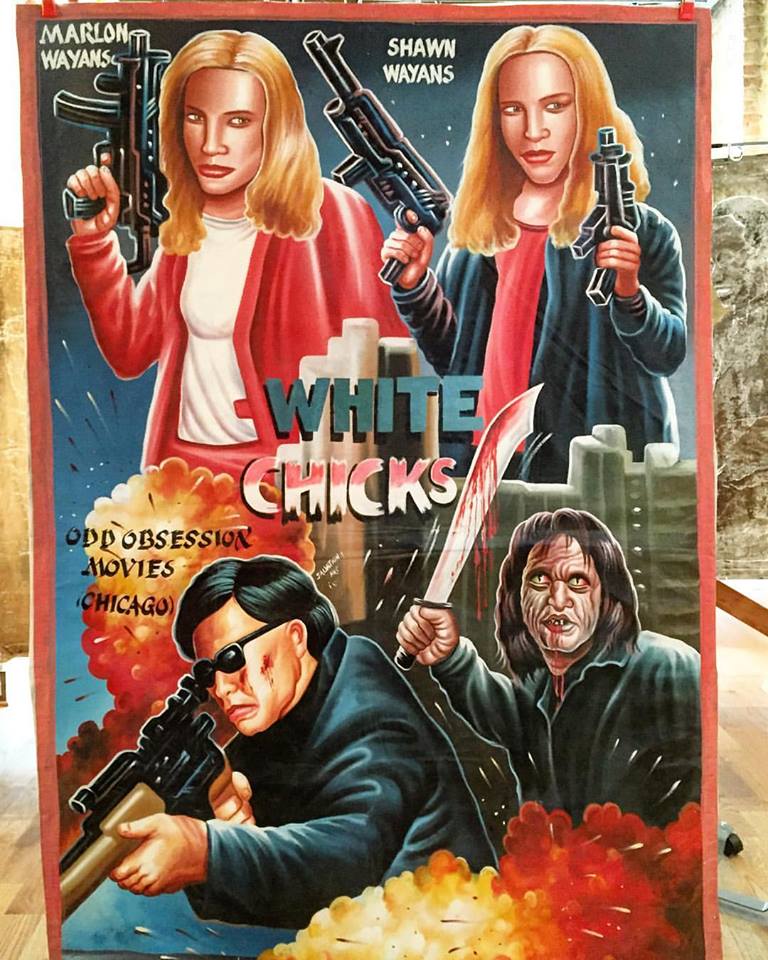
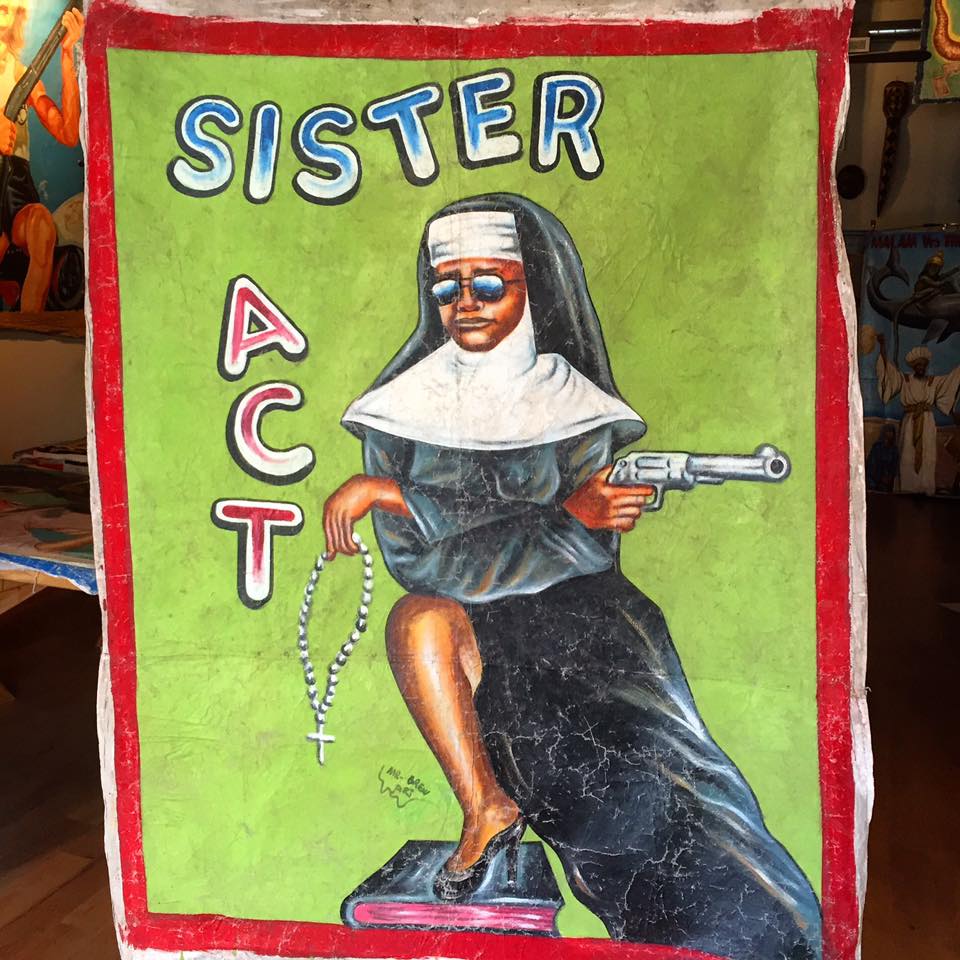
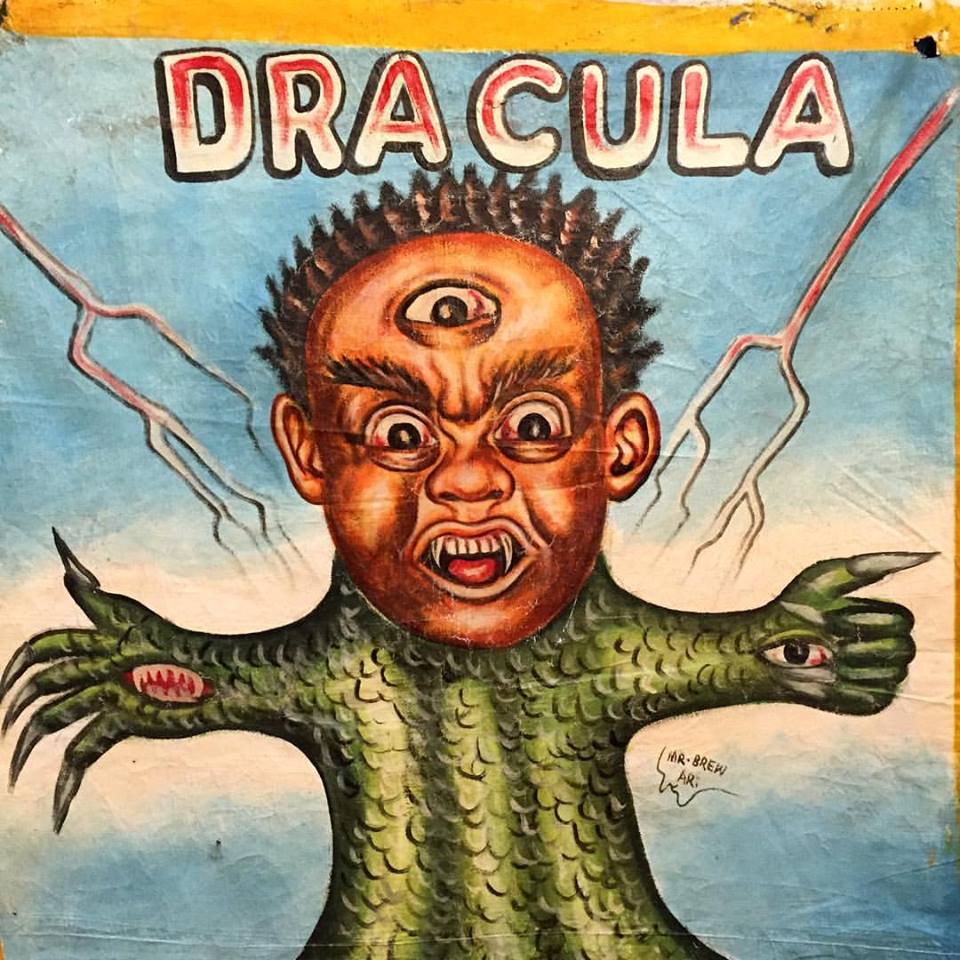
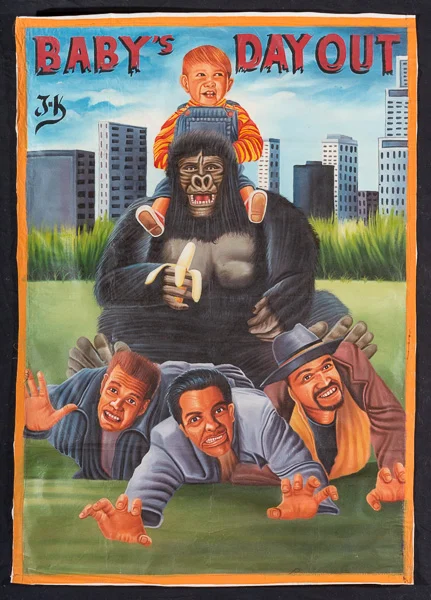
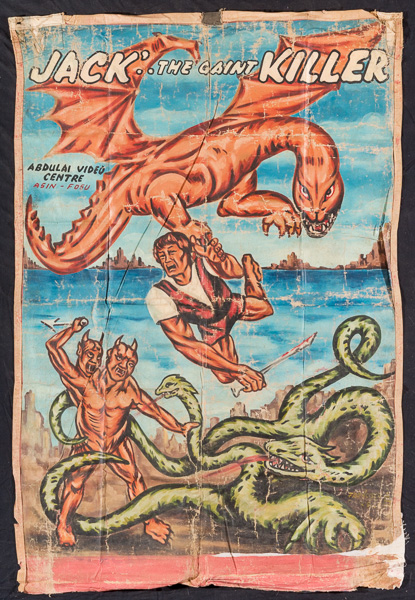
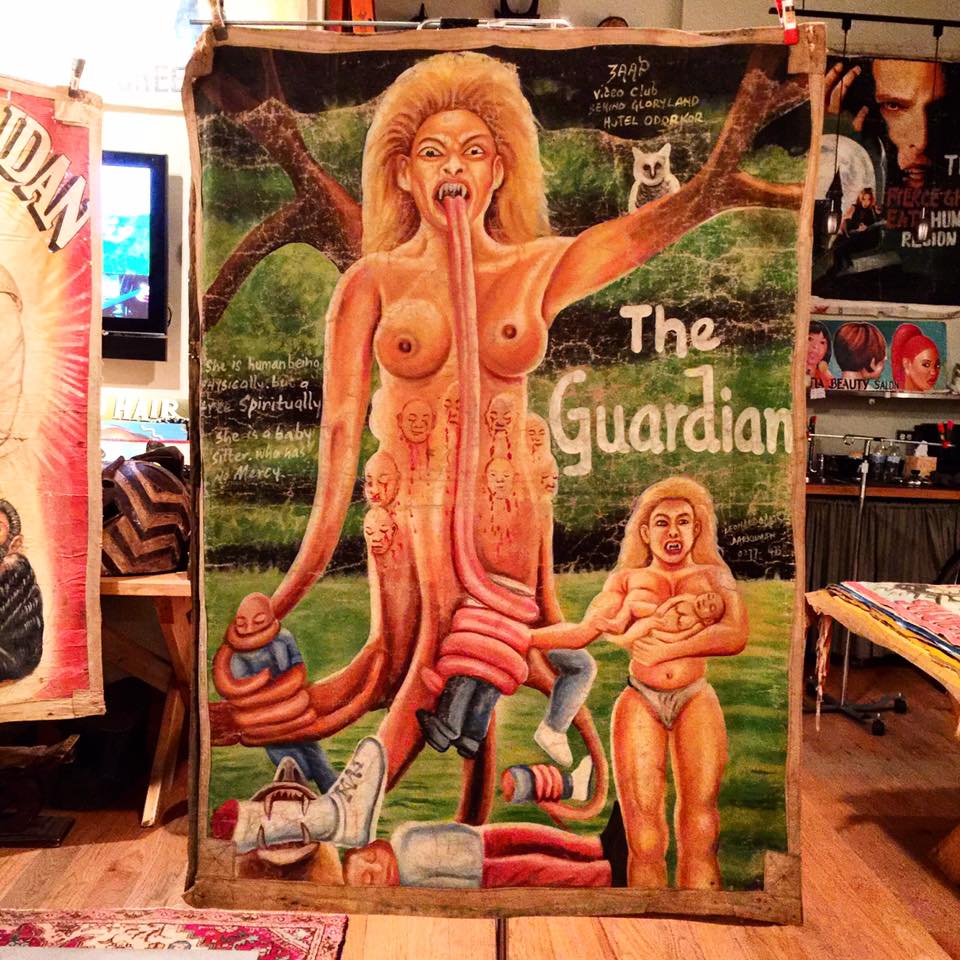
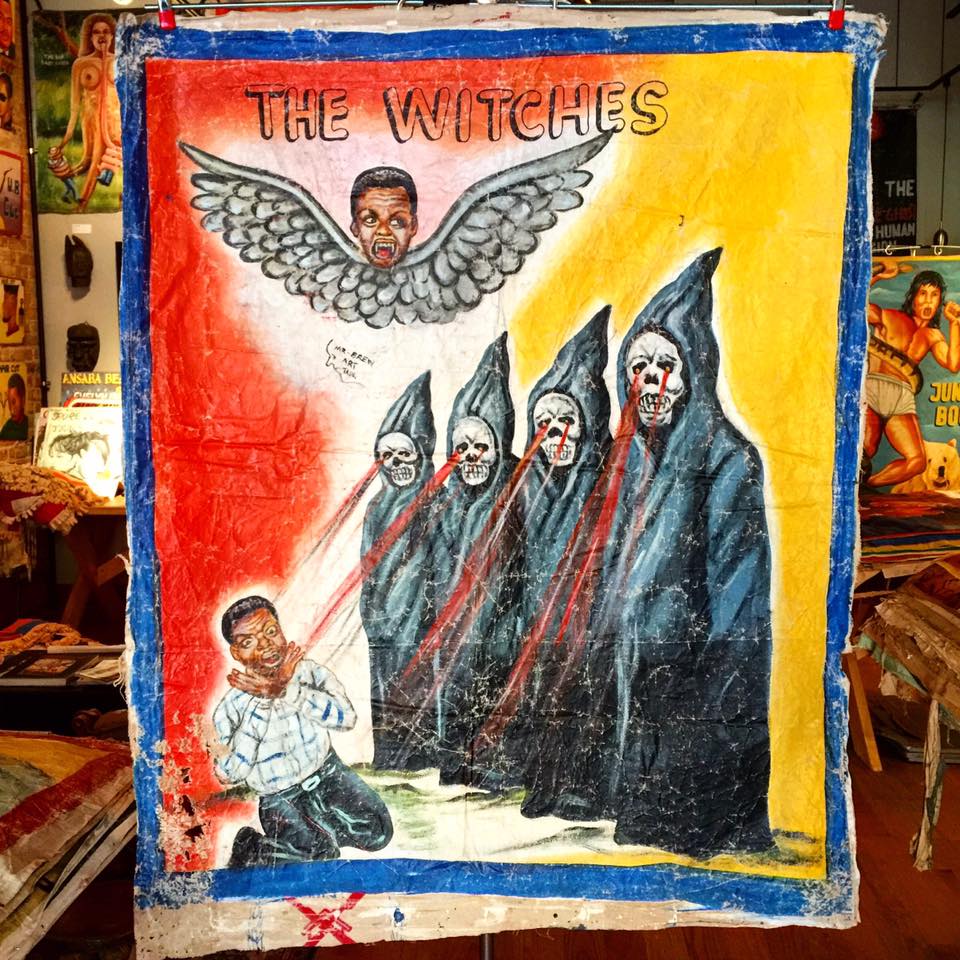
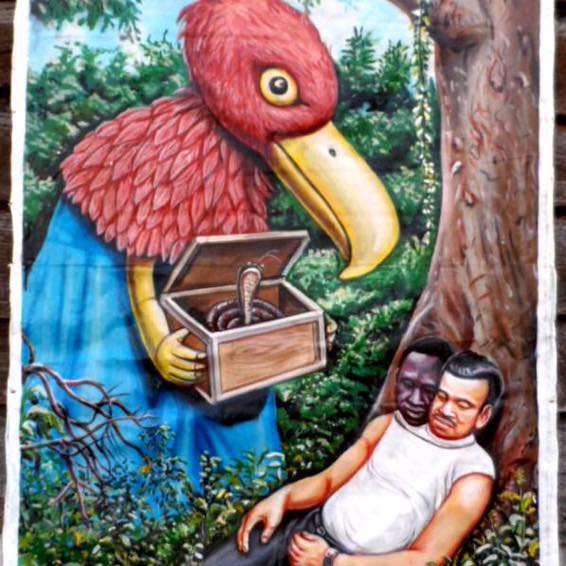
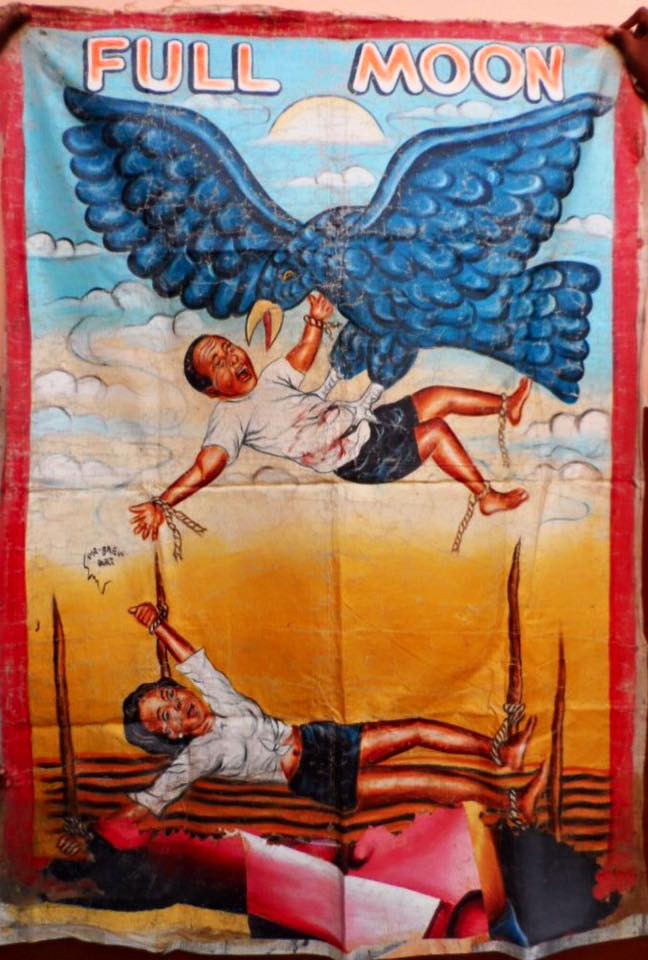
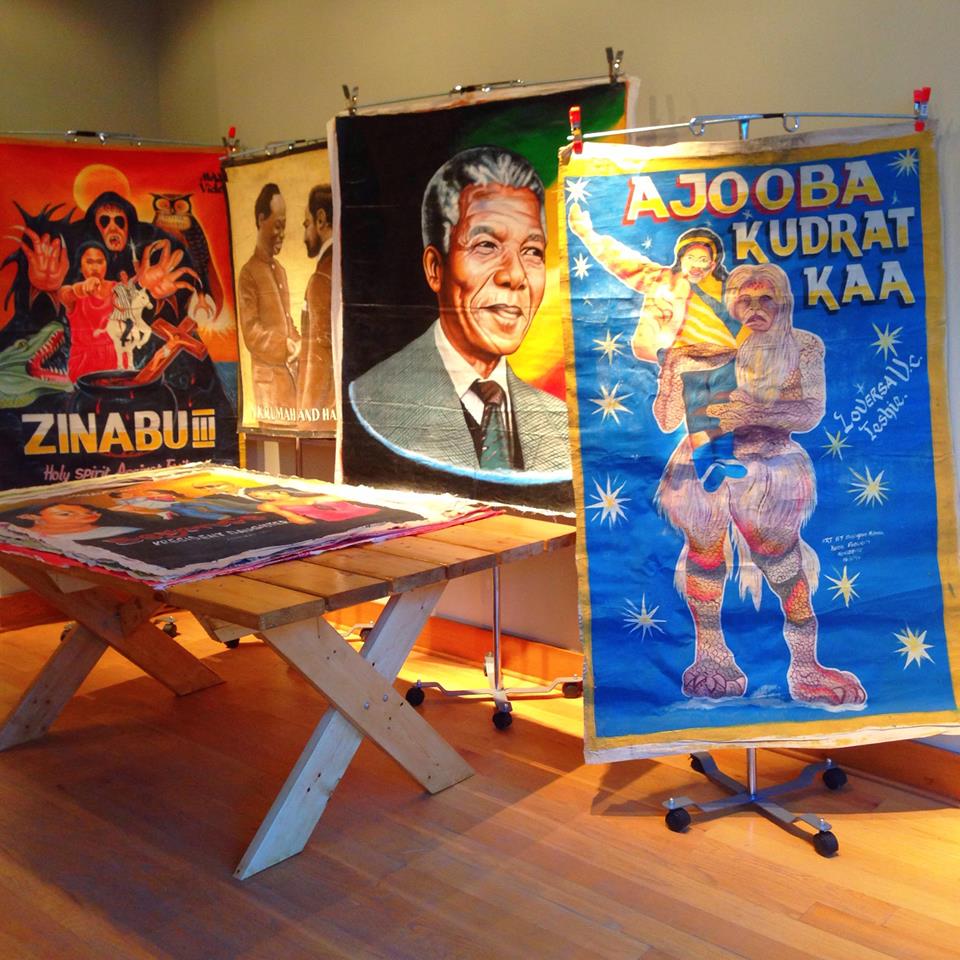
Ads for Ghana Movies You Have to See to Believe

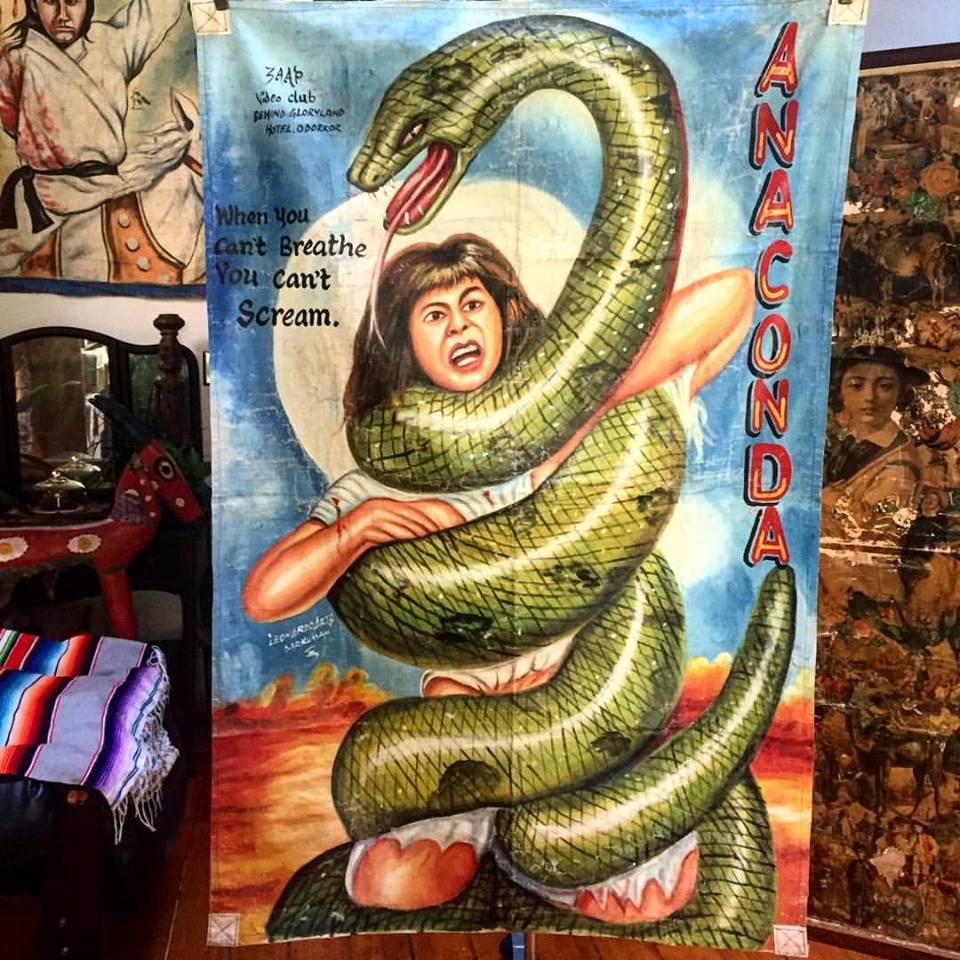
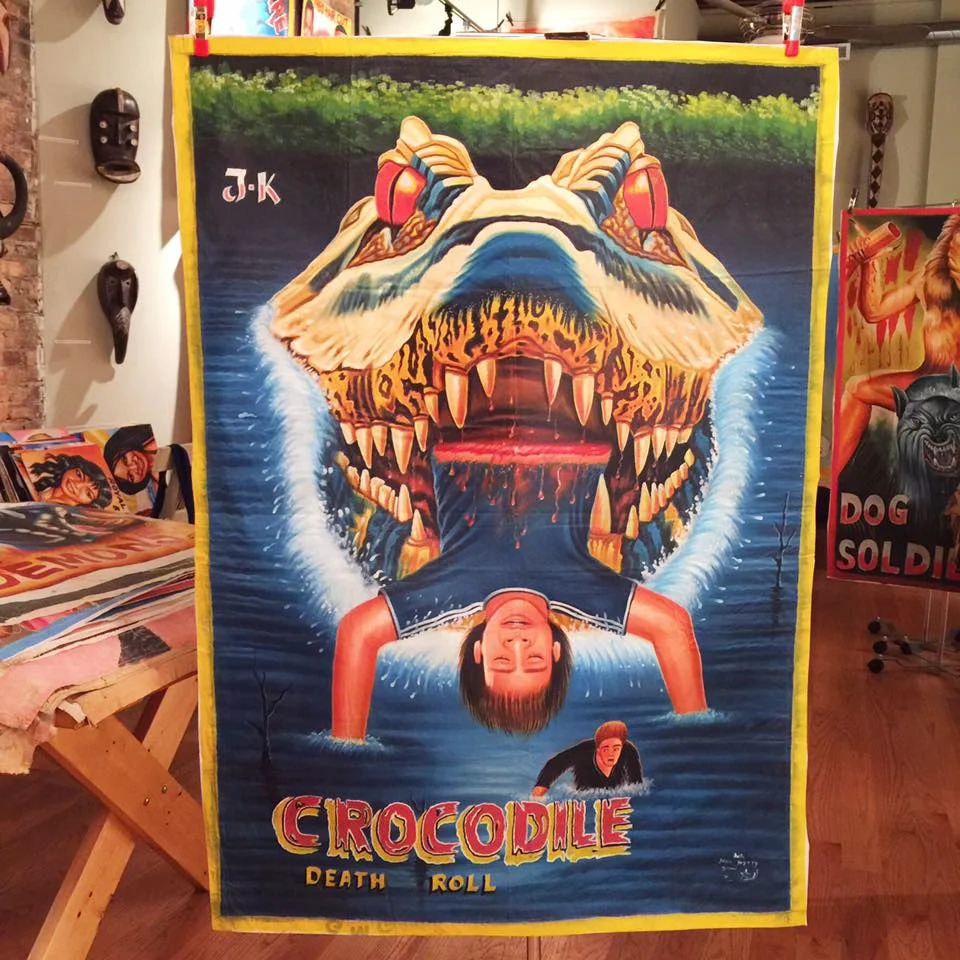
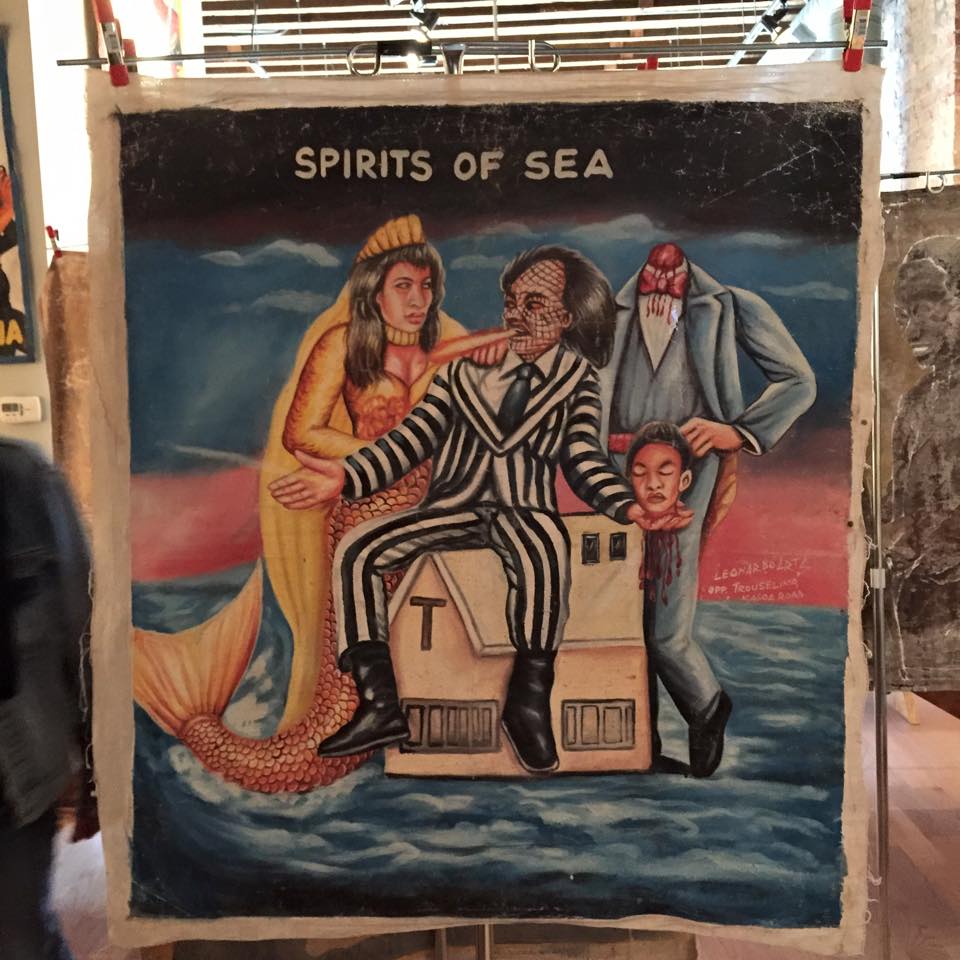
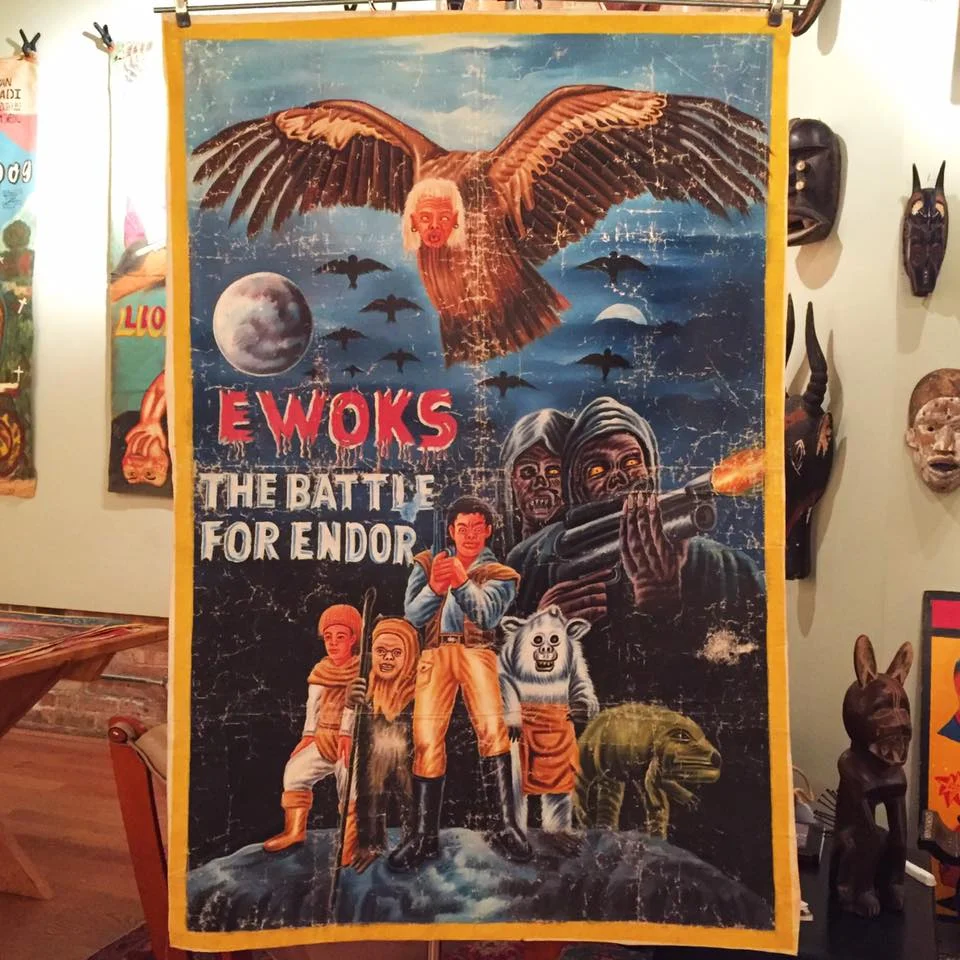
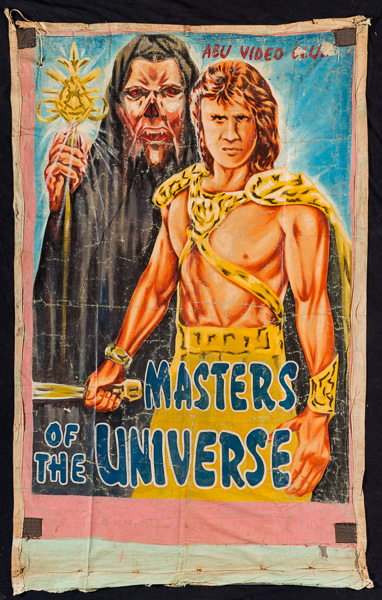
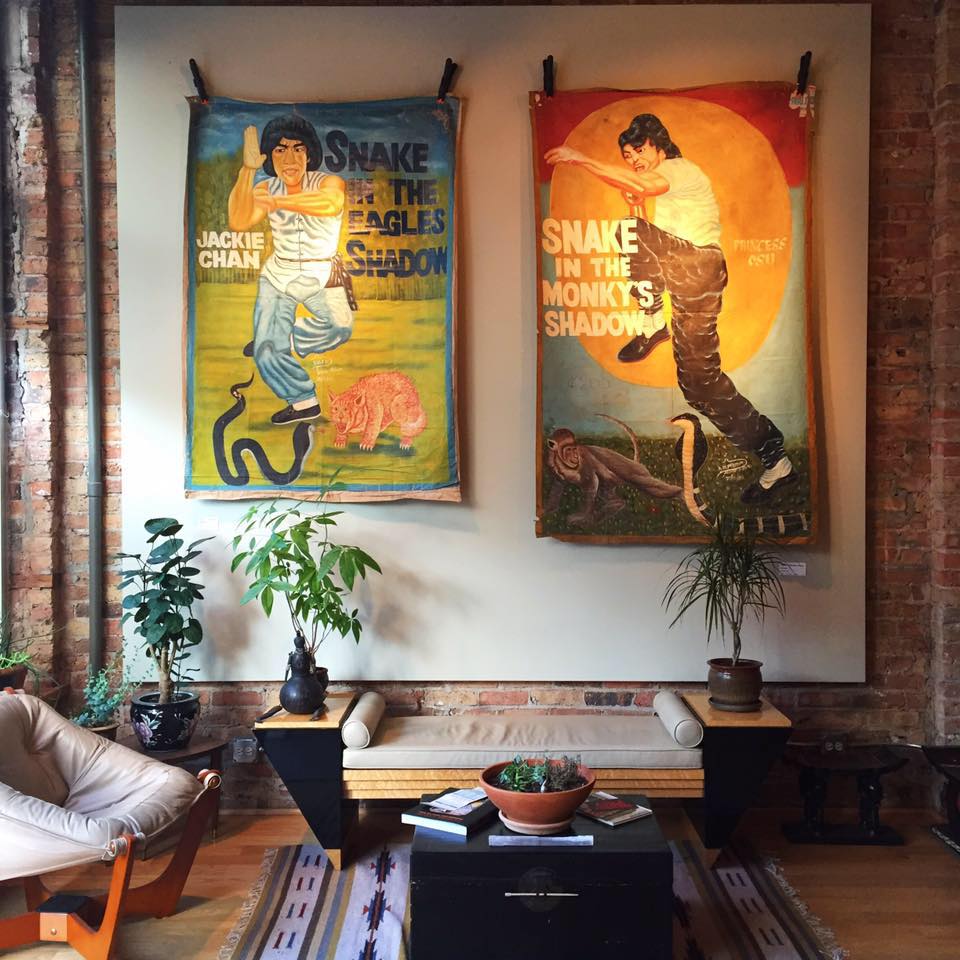
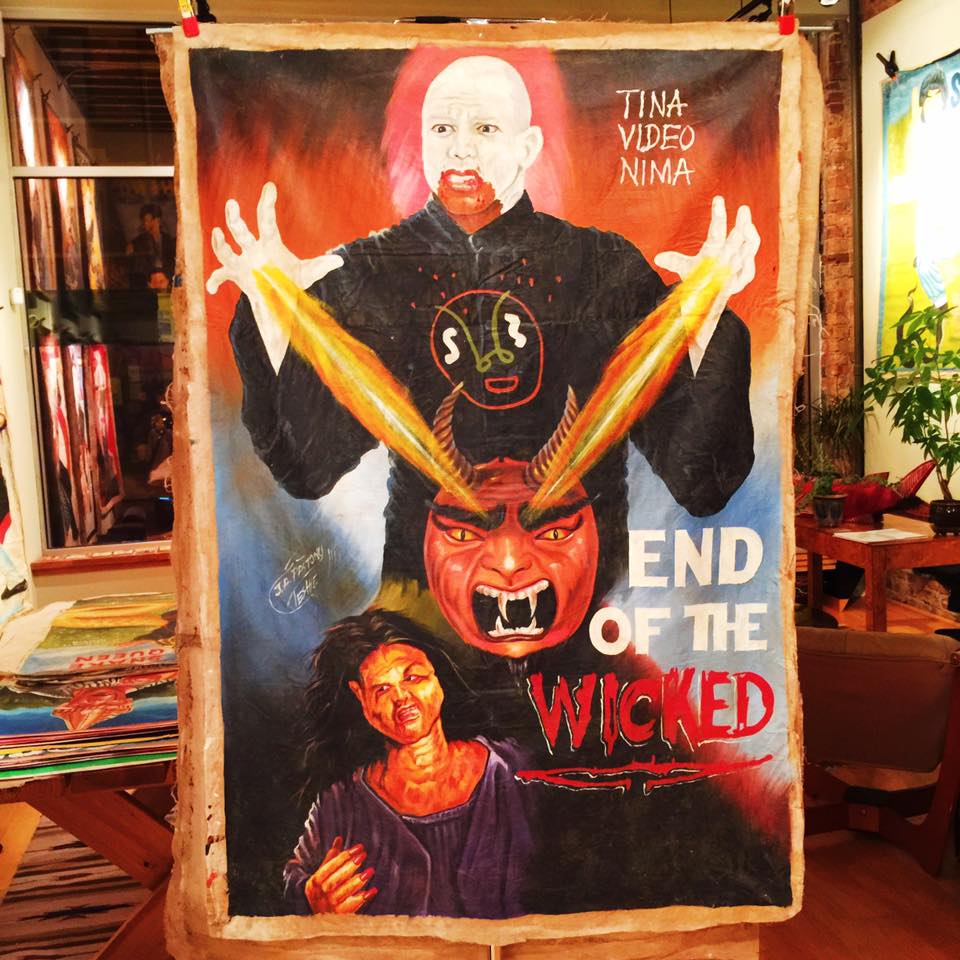
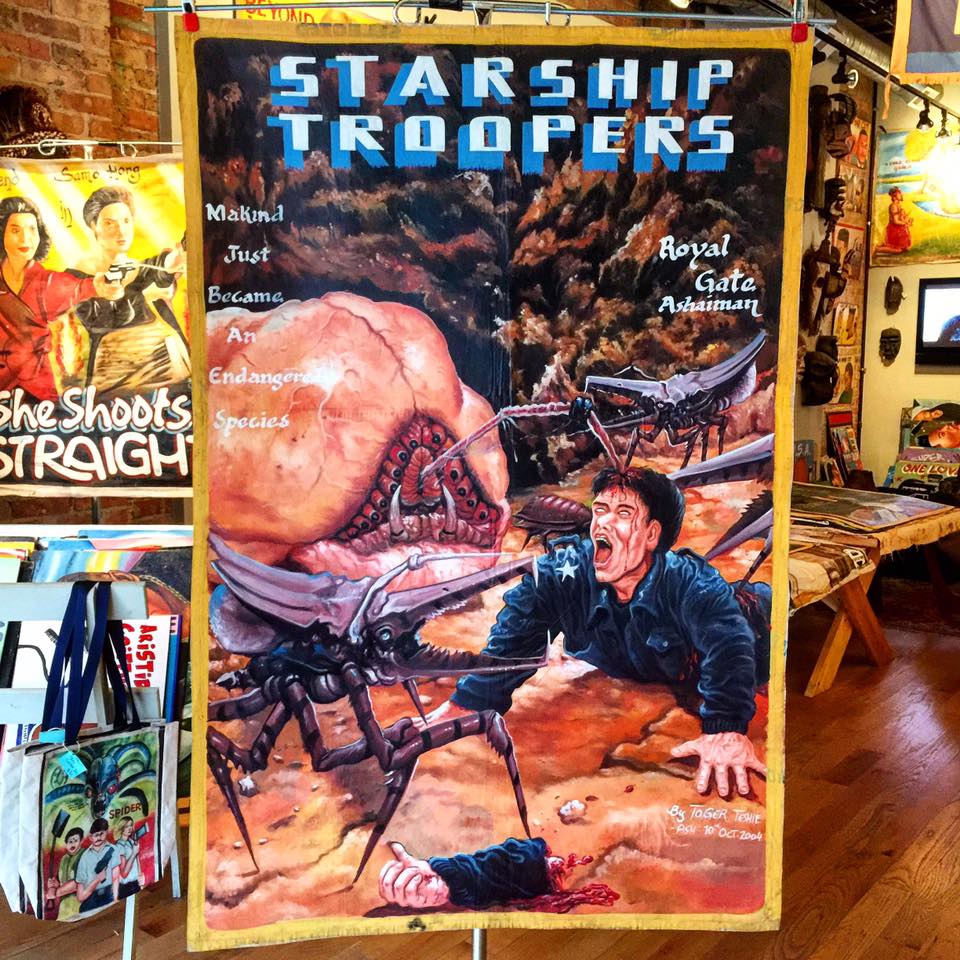
Hand-painted Ghana movie posters from Deadly Prey Gallery are hyper-violent, super-sexualized — and take great artistic liberties.

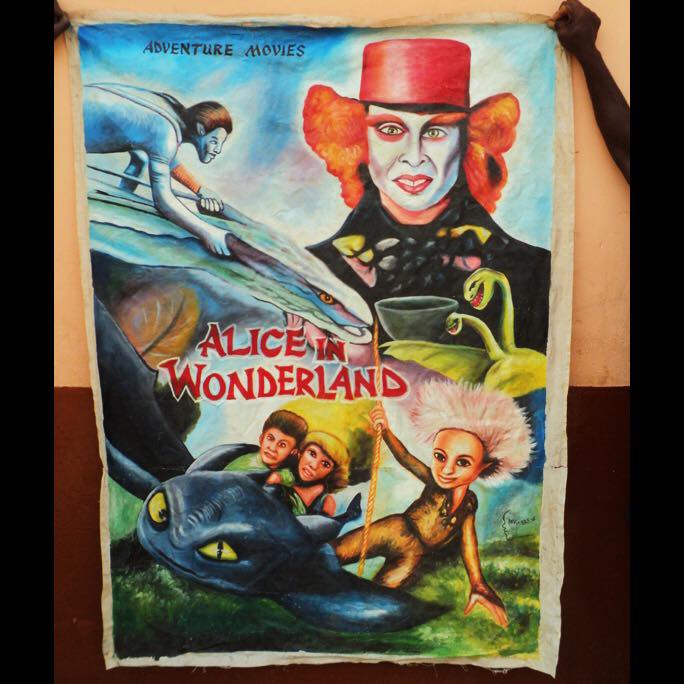
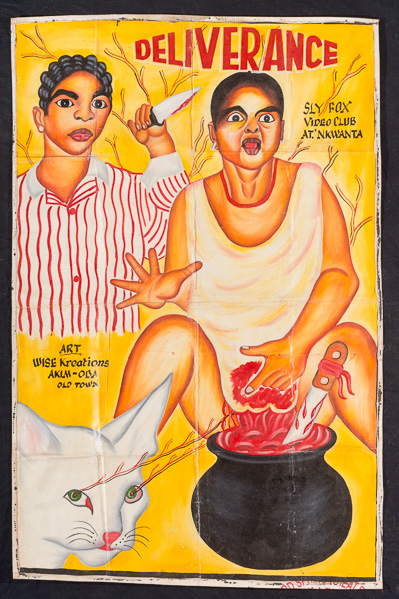
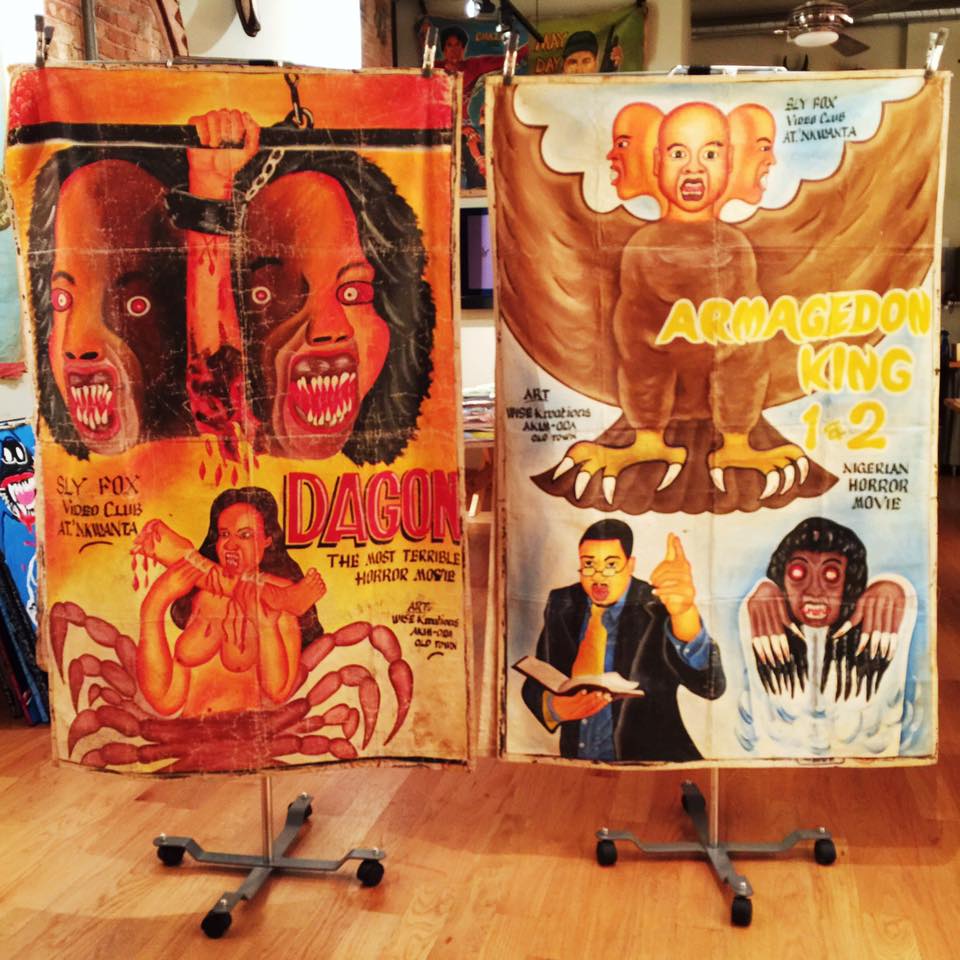
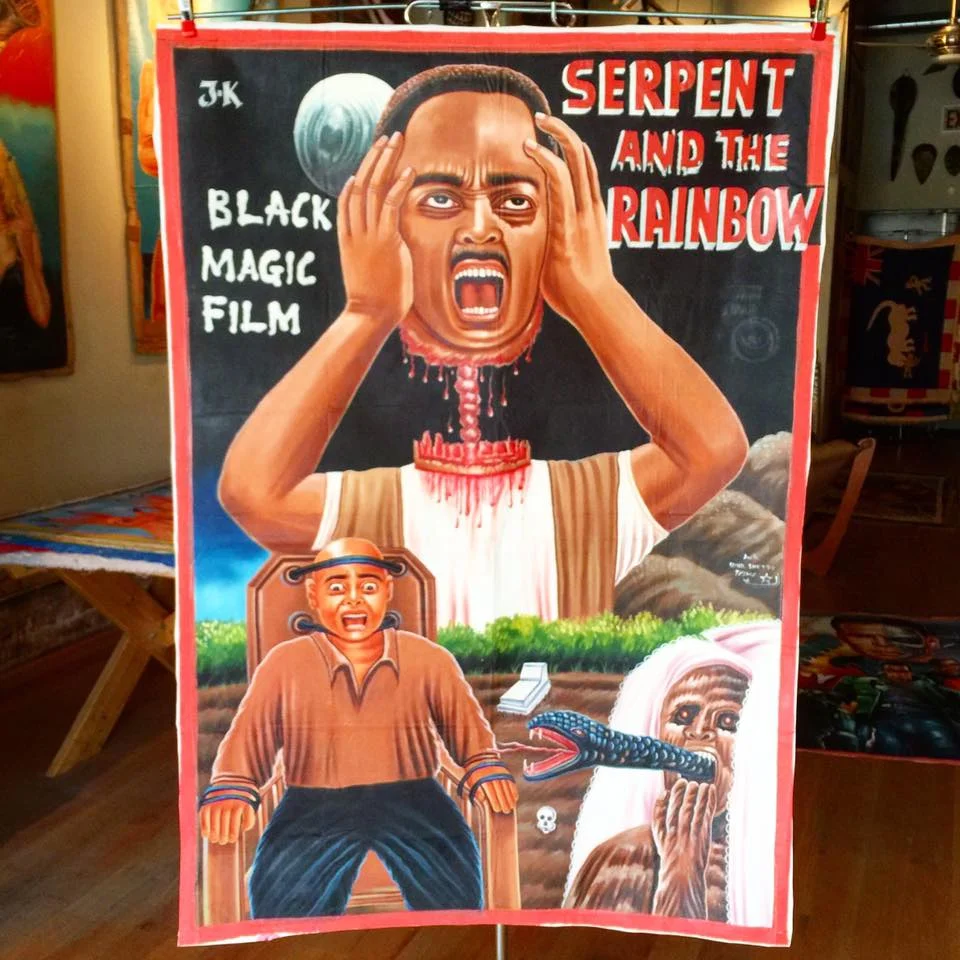
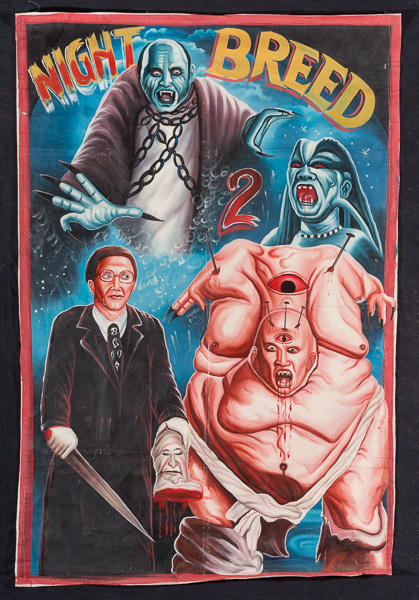
We had never seen anything like these movie posters from Ghana that were hand-painted on flour sacks

They were the most bizarre movie advertisements we had ever seen. Hand-painted from Ghana, the artists took quite a bit of creative license. When Duke came across a shoutout on Majestic Disorder’s Instagram feed for an opening at Deadly Prey Gallery, I didn’t need much convincing.

We giggled our way through piles of “posters” and ended up buying one for Head of Medusa (actually Clash of the Titans, one of my favorite movies from childhood).

Duke and Wally bought this poster called Head of Medusa, though it’s really advertising Clash of the Titans

Traveling video clubs were formed, consisting of an operator or two, a truck, a television, a VCR, VHS movie tapes and a portable gas generator. Traveling from village to village, these clubs would transform any space made fit into a makeshift movie theater.

As you can see, the movie posters take quite a bit of liberties with their subject matter

As we flipped through the crazy artwork, we couldn’t help wondering, Where the heck did they come from? And how did Brian Chankin, owner of Deadly Prey, begin collecting them? We simply had to get the story.

Brian models one of his collection of Ghana movie posters for sale

Tell us about what the posters were used for.

The posters were first part of a much larger industry called the Ghanaian Mobile Cinema. In the mid-80s, several groups of industrious Ghanaians eager to find business opportunity in the blossoming home video market put together some plans. The idea was to bring movies and a movie theater-like experience to areas in the Ghanaian countryside void of electricity.

Traveling video clubs were formed, consisting of an operator or two, a truck, a television, a VCR, VHS movie tapes and a portable gas generator. Traveling from village to village, these clubs would transform any space made fit into a makeshift movie theater.

How did the advertisements come about?

The clubs were immediately popular, so naturally much competition arose. One village might have two or more movies playing at a time, so an advertising motif came into play.

African artists have long hand-painted their signs for barber shops, pharmacies and other businesses. This hand-painted approach is not only economical in times of high-cost printing, but also highly personal.

Video club operators understood the need to have their service stand out, so they started commissioning work to sign painters and other talented local artists to advertise specific movies they’d be showing.

The traveling cinema flourished until the turn of the century, but soon after then printing prices became affordable, and many more people throughout Ghana had access to in-home television and movies. The hand-painted poster however is still the true standard in local theaters, city and countryside. Though in lower numbers, there are many working movie poster artists in Ghana today making commissioned work, local and international.


What were they painted on?

They are painted on used flour sacks. Usually two sewn together together, though it is common to paint on a single sack or a piece of a sack. The smallest I’ve seen measure approximately 32 by 24 inches, while the largest I have measures 85 by 48 inches.


How did you come across them?

I first discovered them six-plus years ago, in an amazing book called Ghanavision. It covers posters made after the year 2000. There’s a beautiful two-part monograph on the movie posters made pre-2000 titled Extreme Canvas as well.

We don’t recall this scene in Mrs. Doubtfire — do you?

We noticed the posters have violence on them, even when the movie doesn’t have any, like Mrs. Doubtfire. Why is that?

Violence is definitely a device used to draw attention to the poster. In the case of Mrs. Doubtfire, that was a special commission where over-indulgence was definitely asked for.

Oftentimes, the American, European or Hong Kong movie poster might have been used by the artist as a reference point — however, you’ll rarely find a copy without many many liberties being taken. This is the beautiful thing.


Brian took his gallery name from this movie, a cult classic in Ghana

What’s your personal fave?

I have two favorites, both acquired very early in my collecting. Deadly Prey and The Warrior, both by the artist Leonardo for Zaap Video Club, painted in the mid-2000s.


How long have you had the gallery?

I’ve been collecting the posters for six years, but first put a name to the gallery and the collection in April 2015.

I closed the Chicago Ave. location in favor of selling online and having local and traveling clients visit me at the studio connected to my apartment. I have intentions of moving to another commercial space, but it’s still being situated.


What’s the mission behind Deadly Prey?

My mission is to help talented Ghanaian artists continue to make their living by hand-painting these beautiful, functional signs and posters. It’s a tradition I want to see prosper and continue to prosper. In a day where cookie-cutter mentality is king, especially in everyday signage, this artwork makes the freshest and often most uncanny decisions in subject matter.


And how did you get that name?

Deadly Prey is an American exploitation movie from 1987 by David A. Prior. It’s essentially a mercenary movie, much in the way of Rambo, but with way less of a budget. The type of movie you’d expect to see back in the day on the USA channel’s Up All Night show, but not quite well known enough for that.

Anyhow, I love this movie, but it’s by no means a popular movie, aside from a small cult audience. In Ghana, however, this is not the case. It’s been a huge hit ever since VHS tapes of it arrived in Ghana in the late 80s/early 90s. A typical Ghanaian action movie fan would easily list Deadly Prey right alongside the likes of Terminator 2, The Matrix, Rambo: First Blood, Predator or any similar high-budget American feature. I absolutely love this phenomenon, which mainly exists because of these posters.


See more (and buy one for yourself!) on Deadly Prey’s Instagram and Facebook pages. –Wally

The Ups and Downs of Running a Somerset Inn

The Bowlish House, a gem of Georgian architecture near Bath and Wells, honors the past, while the English village of Shepton Mallet marches into the modern era.

The Bowlish House in the village of Shepton Mallet is a beautiful inn and wedding venue


I met Len and Martin many years ago when they were living in a three flat they owned in Evanston, Illinois that they had lovingly restored. Their home, on the top floor, was tastefully appointed with a mix of traditional furnishings and antiques (Martin ran an antique business, which I briefly worked for, and Len ran the Chicago Children's Memorial White Elephant Resale Shop).

According to Len, the property was haunted, particularly the front entrance hall and basement. “I never saw the bearded man who walked up and down the front stairs, but others did. In the basement, you would get an occasional sighting of a woman in 1920s dress. You always knew when she was around, as the scent of patchouli was in the air.”

The Bowlish House’s drawing room was featured in the compelling BBC series “Broadchurch.”

Len and I caught up recently and it was not a complete surprise to discover that he and Martin had moved to the U.K. and purchased the Bowlish House, a storied historic guesthouse in the town of Shepton Mallet. The drawing room was featured in the compelling BBC series Broadchurch. –Duke

You don’t have to be staying at the Bowlish House to enjoy tea or a drink in the Georgian Room, modeled after an English country house

What led you to the village of Shepton Mallet?

When we first moved to Britain, we tried to find jobs that we thought would be satisfactory, but what we were used to does not exist. So we decided to either run a pub or an inn. After looking for a year, we found the Bowlish House listed on an online real estate site. It was the right size and also the right price.


How’d the town get its unusual name?
The town got its name from two brothers, Roger and Robert Mallet (pronounced “mal-lay”) who fought with William the Conqueror when the Normans invaded England in 1066. Shepton is an old word for a sheep enclosure. All the money here was made in the woolen trade.

One of the bedrooms at the Bowlish House

How did you decide to start a B&B?
We actually bought the business that was up and running, though not doing well. We then set to turning it around, which has been quite successful. However, the downside is that the amount of maintenance required on a 300-year-old house is shocking.


Did you renovate at all?

We are continuously working on the house to upgrade it and also to bring back the look of a country house in the 18th century.

Breakfast, lunch and dinner are available in the Cape Cod Room at the Bowlish House, where diners can enjoy panoramic views of the gardens

Are there any fun local traditions?

Unfortunately, the most popular local activity seems to be getting drunk and brawling on the high street, with an occasional bit of Morris dancing thrown in.


What is there to do in town?

The town is minute and suffers the same fate of most rural English villages have: the shopping mall. All the little shops are gone and have been replaced by Chinese takeaways. It is much better to drive 10 minutes to the city of Wells. Farther afield are Bath and Bristol, which are worth a visit.


What’s Bath like?

Bath is second only to London where style, fashion and the arts are concerned. Lots of beautiful and occasionally quirky architecture, interesting museums and nice restaurants. It is also very expensive to live there. I like going there when I need to reconnect with my inner city persona.


Any interesting or funny stories about guests or running the inn?
Yes there are stories — most are gross or indecent or both, though.


What’s the most charming part of British village life?

Nice pubs, when you come across them. Market days, some of the antiques shops, castles and gardens and the most amazing wildlife. You can see foxes and hedgehogs in the wild. I’m not too wild about the giant slugs, though. Some of the smells are not so good, particularly from the pig farms.


Has Brexit affected you at all?

It’s too early to tell about Brexit. The pound has certainly dropped, but it is a benefit to me, as my pensions are in U.S. dollars (yes, I am that old), so I get more than I did a few months ago.


And what the heck do Brits think about Trump?

The Donald is considered a huge joke here. There is a sort of horror and amusement regarding him and his politics. There is absolutely no way that any politician here would ever get away the stuff he does. Another aside is that is any politician here started in about their religion, it would be total political suicide.

Guy Fawkes Day / Bonfire Night: A Bizarre British Holiday

The British remember, remember the 5th of November. But who exactly was Guy Fawkes — and why do kids burn his effigy?

Bonfire Night can be a bit scary — a time when Brits burn effigies and, apparently, even crosses

To the outsider, November 5, Bonfire Night or Guy Fawkes Day, can seem horrifying. I mean, who wouldn’t be creeped out by children creating effigies of Fawkes as well as the Pope — and then throwing them atop bonfires and cheering as they burn?

Here’s the story behind this bizarre British holiday.

The authorities had quite the execution planned for the traitor. They were going to lop off his testicles and cut his stomach open so he could watch his own guts spill out.


It goes back to the British struggle between Catholics and Protestants.

King James I, despite having a Catholic mother, Mary Queen of Scots, who was executed, continued the persecution of Catholics begun by his predecessor, Queen Elizabeth I. In 1604, he condemned Catholicism as superstition and ordered all priests to leave the country. The next year, 13 young men decided to take violent action in protest.

Guy (who preferred to be called Guido) Fawkes and his cohorts in the Gunpowder Plot. There were two Wrights involved, though hopefully they weren’t related to me

Guy Fawkes wasn’t the leader of the terrorists.

A man named Robert Catesby led the group, devising the plan: blow up the Houses of Parliament and kill the king — and hopefully throw in the next in line, the Prince of Wales and some members of Parliament.

“In the meantime, as Fawkes escaped by boat across the River Thames, his fellow conspirators would start an uprising in the English Midlands, kidnap James’ daughter Elizabeth, install her as a puppet queen and eventually marry her off to a Catholic, thereby restoring the Catholic monarchy,” the History channel reports.


The plot involved 36 barrels of gunpowder — which, it turns out, wouldn’t have done much.

The gunpowder was placed in the cellar below the House of Lords. In theory, it could have blown Parliament to bits. But some experts think it had decayed to such a state it might not have fully ignited, according to The Telegraph.


And he wasn’t even born Catholic.

While his maternal grandparents were Catholic, Fawkes’ parents were Protestant. But after his dad died, his mom remarried a Catholic when Fawkes was 8. He converted to the faith when he was a teenager.

An effigy of Guy Fawkes before it’s burned on Bonfire Night in England

One member of the group seems to have betrayed the plot.

Some of the rebels started to realize that innocents — and even those sympathetic to their cause — would be what we today call “collateral damage” and began having second thoughts. There’s a theory that someone in the gang sent a letter detailing what would become known as the Gunfire Plot to Lord Monteagle.

The letter eventually found its way to the king.


Guy Fawkes was caught red-handed.

The reason Fawkes is the best-known British traitor is that the poor sucker was in the cellar when the king’s forces raided. He must’ve drawn the short straw, for it was his job to light the explosives.

Incidentally, that cellar no longer exists. It was part of the 1834 fire that destroyed much of the medieval structure.

Every year at the opening of session, the yeoman of the guard checks to make sure there aren’t any conspirators plotting in the cellars. “This has become more of a tradition than a serious anti-terrorist precaution,” The Telegraph writes.

Bonfire Night celebrations take place in front of Windsor Castle in this illustration from 1776

The tradition of lighting a bonfire began that very night.

The people celebrated the king’s escape by lighting bonfires. Nowadays, the tradition continues, along with setting off fireworks and burning effigies of Guy Fawkes, the Pope and sometimes politicians (Trump, anyone?) and celebrities.

“In 1677, an elaborate Pope effigy was burned with live cats in its stomach, so their cries would symbolize the sound of the devil whispering in the Pope’s ear,” according to Vox.


Fawkes wasn't actually executed.

The authorities had quite the execution planned for the traitor. They were going to lop off his testicles and cut his stomach open so he could watch his own guts spill out before his eyes, The Telegraph reports.

But Fawkes foiled them. He leapt to his death, dying from a broken neck.


That didn’t stop them from chopping him into pieces.

One of the favorite ways of disposing of the bodies of those who were executed was a practice known as drawn and quartering. It’s a bit like it sounds: The body was divided into four parts. Fawkes’ mutilated corpse was sent to “the four corners of the kingdom” — to teach would-be traitors a lesson, one would imagine.


King James admired Fawkes.

Before his suicide, Fawkes was tortured for two days straight, refusing to admit his part in the Gunpowder Plot. At one point, he was asked why they had so much gunpowder and he replied, “To blow you Scotch beggars back to your native mountains.”

He eventually caved, but lasted long enough to have the monarch say he was impressed by his “Roman resolution.”


Guy preferred to be called Guido.

He felt the Italian variant of his name better suited a Catholic. In fact, when he was forced to sign a document admitting his role in the Gunpowder Plot, he signed it Guido Fawkes.

This is one of the more horrific effigies created for Guy Fawkes Day

Children wheeled around their effigy, begging for “a penny for the Guy.”

As they went along, they’d sing this song, which dates back to around 19870:


The Fifth of November
 

Remember, remember! 
The fifth of November, 
The Gunpowder treason and plot; 
I know of no reason
Why the Gunpowder treason
Should ever be forgot!


Guy Fawkes and his companions
Did the scheme contrive, 
To blow the King and Parliament
All up alive. 
Threescore barrels, laid below, 
To prove old England’s overthrow. 
But, by God’s providence, him they catch, 
With a dark lantern, lighting a match! 
A stick and a stake
For King James’s sake! 
 

If you won’t give me one, 
I’ll take two, 
The better for me, 
And the worse for you. 
A rope, a rope, to hang the Pope, 
A penn’orth of cheese to choke him, 
A pint of beer to wash it down, 
And a jolly good fire to burn him. 
 

Holloa, boys! holloa, boys! make the bells ring! 
Holloa, boys! holloa boys! God save the King! 
Hip, hip, hooor-r-r-ray!

A scene from Alan Moore’s V for Vendetta graphic novel

Guy Fawkes masks have swept the world, as seen in this group in Vienna, Austria

Popular culture has referenced Fawkes.

The masks in the graphic novel and movie V for Vendetta feature Guy Fawkes. The masks have become the go-to for the hacker group Anonymous.

Dumbledore’s phoenix, Fawkes, from an exhibit on The Making of Harry Potter

And in the Harry Potter books, Headmaster Dumbledore’s phoenix is named Fawkes for its propensity to spontaneously combust. (Don’t worry — phoenixes always rise from the ashes.) –Wally

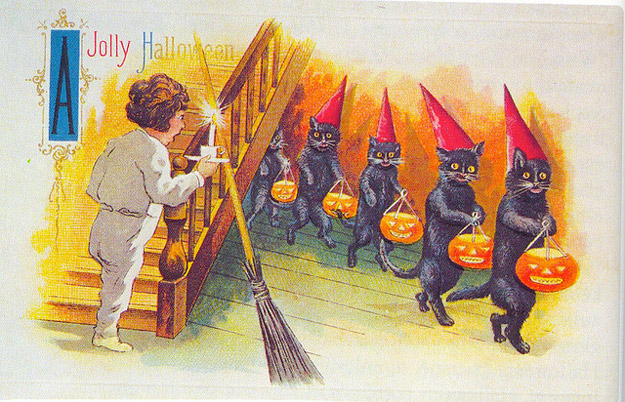
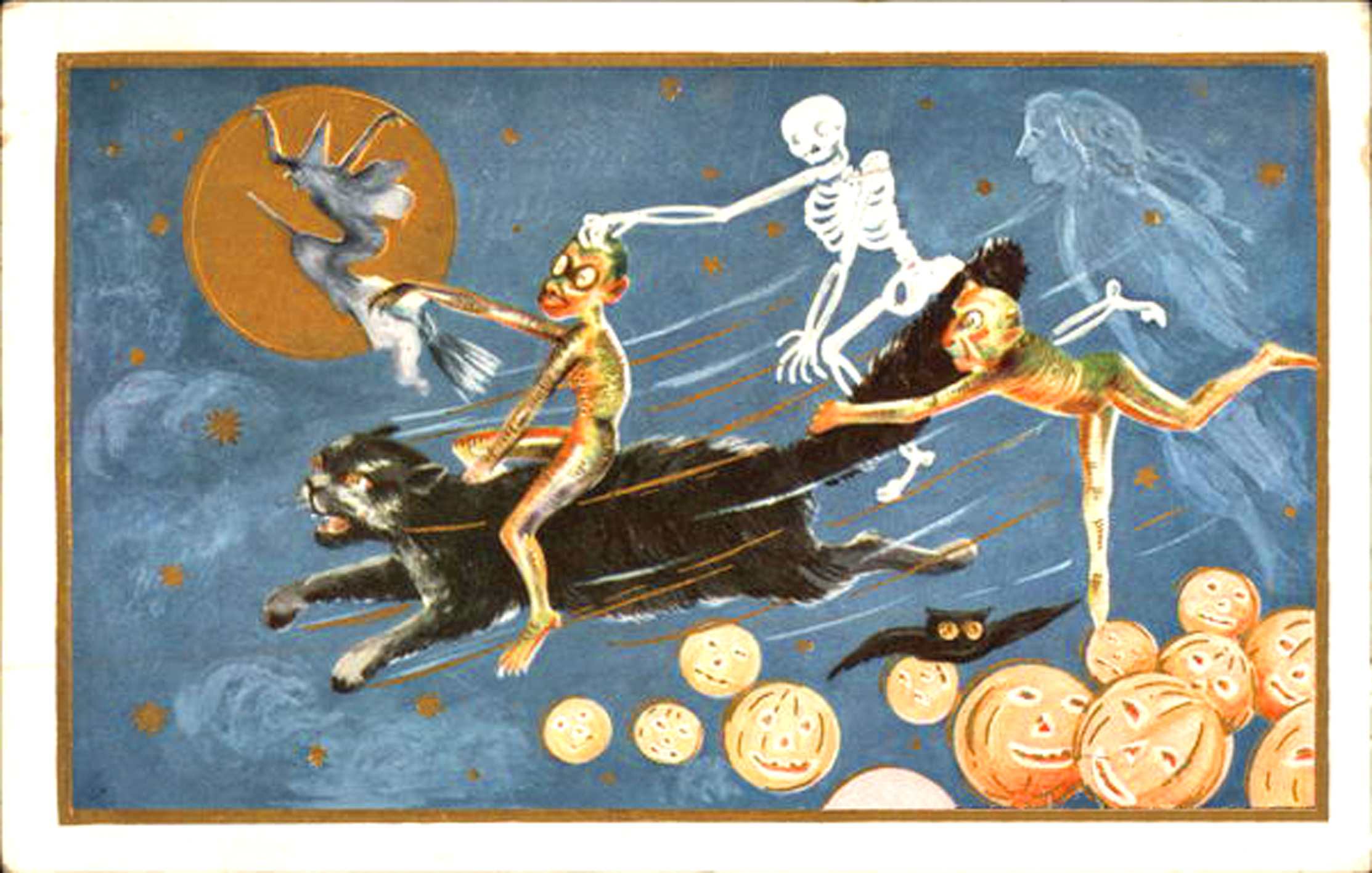
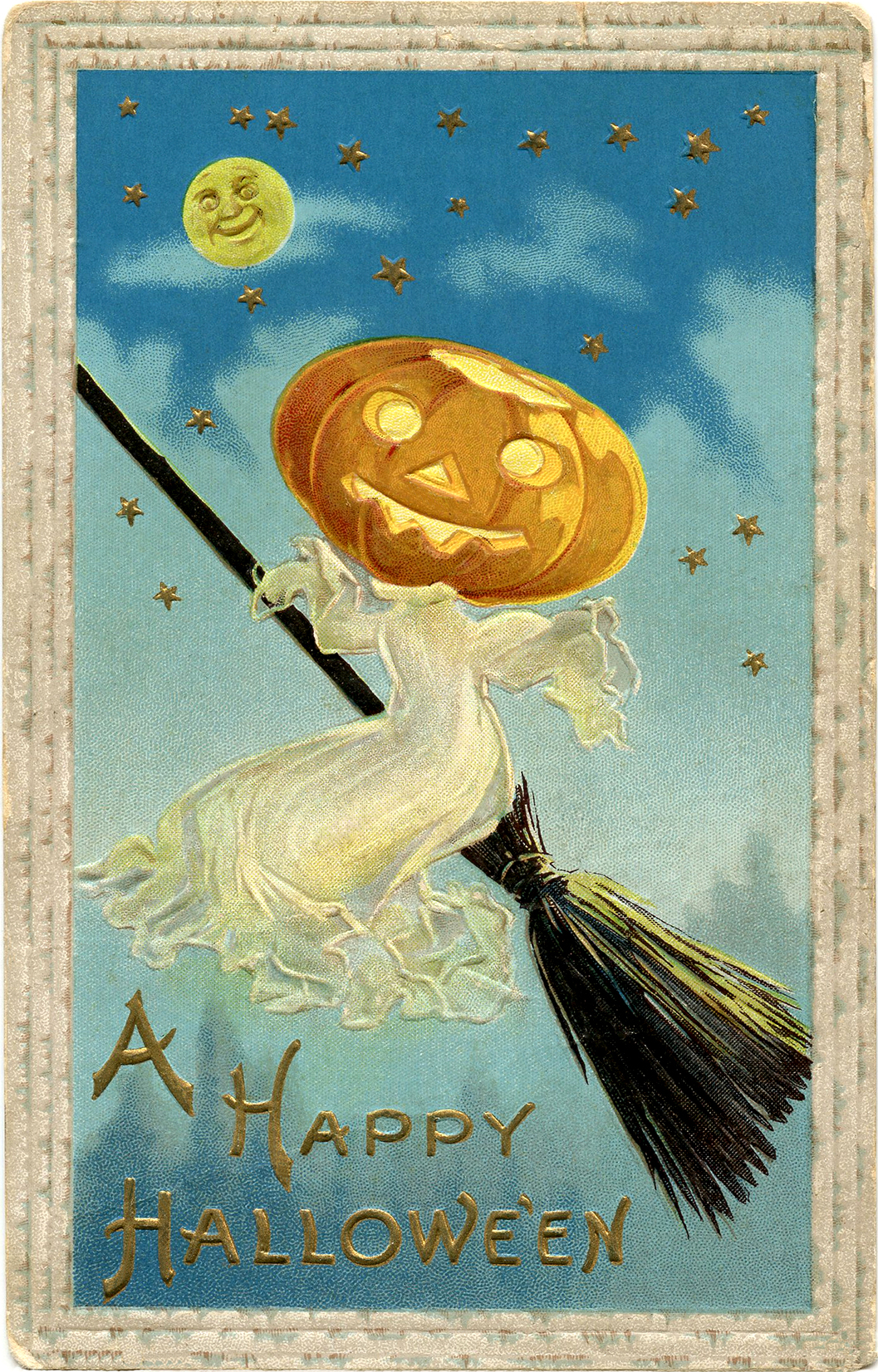
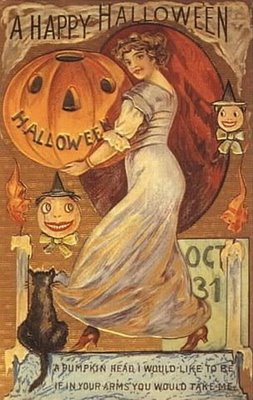
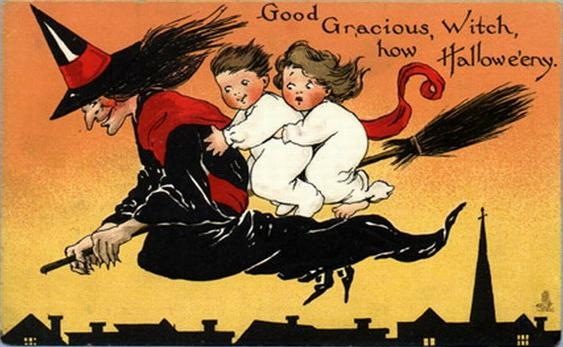
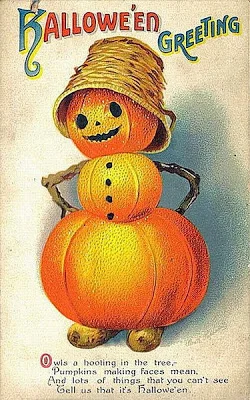
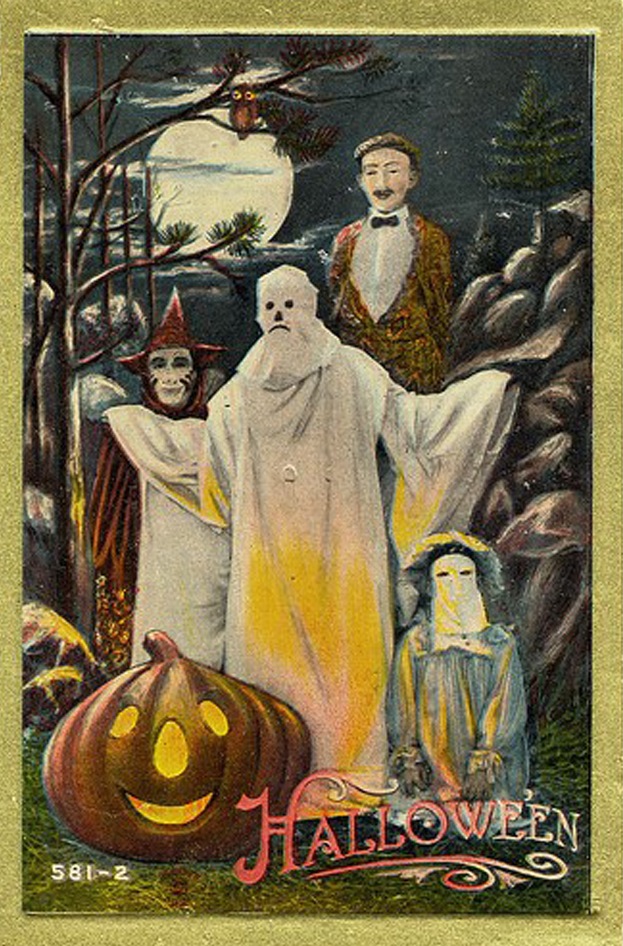
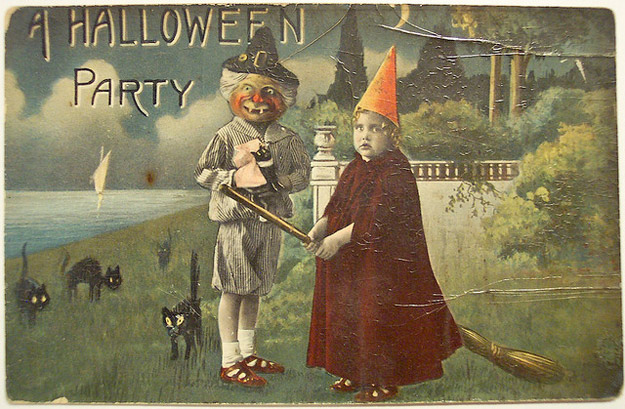
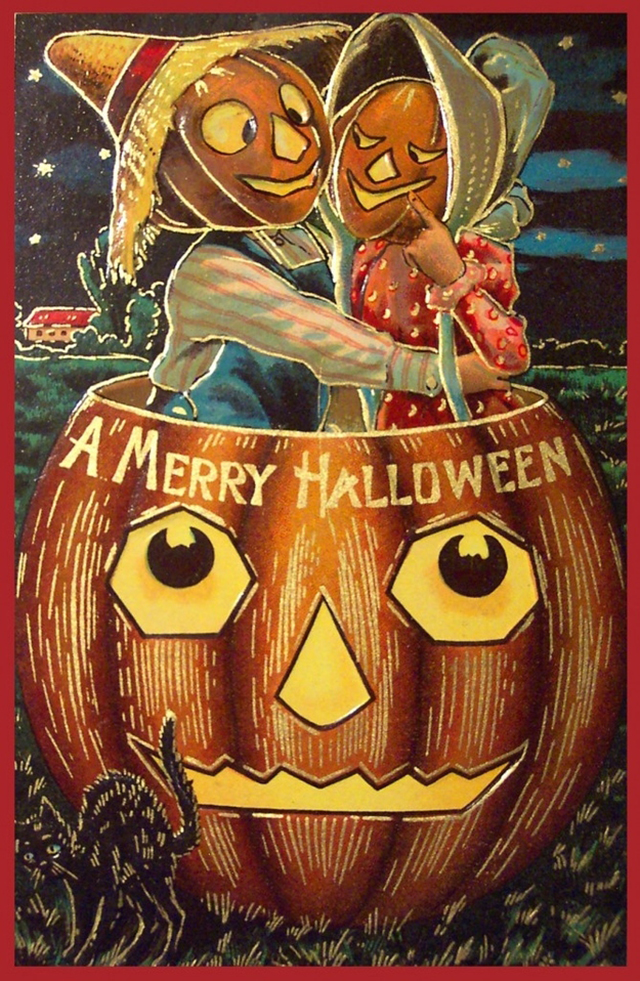
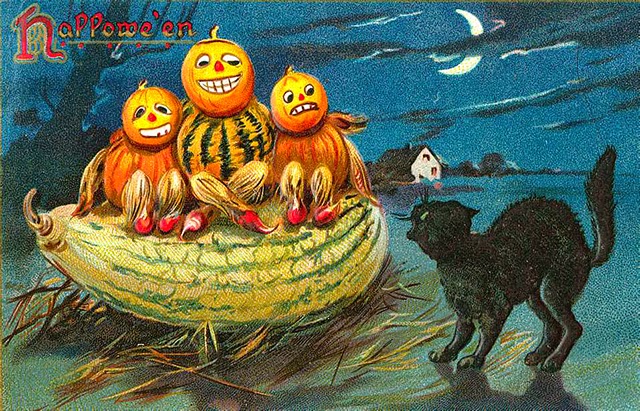
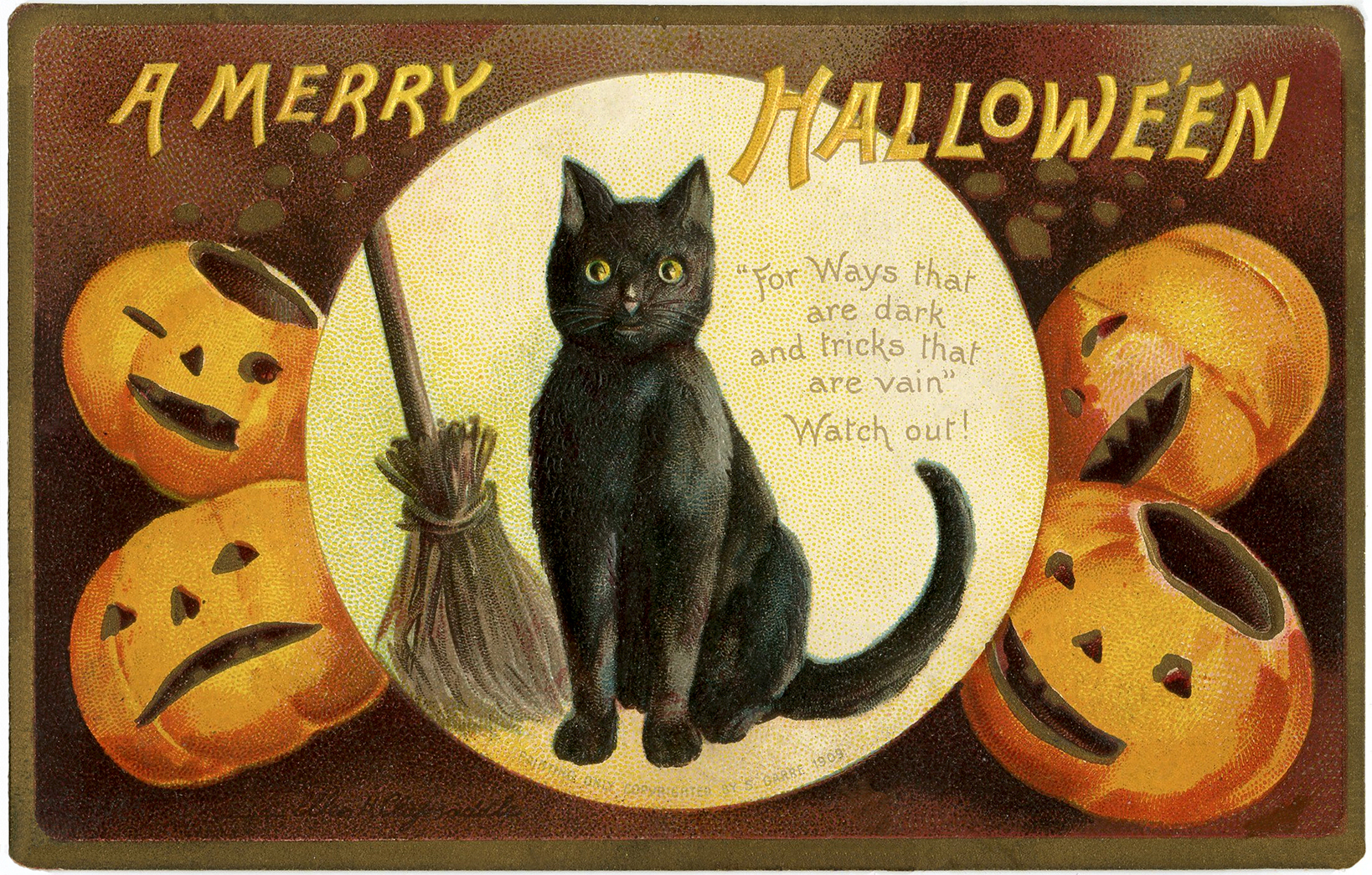
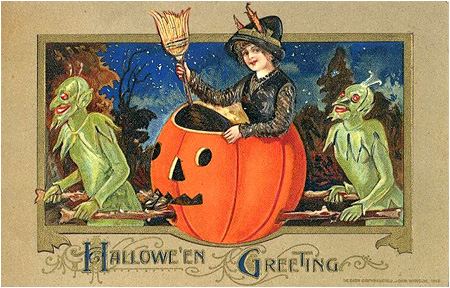
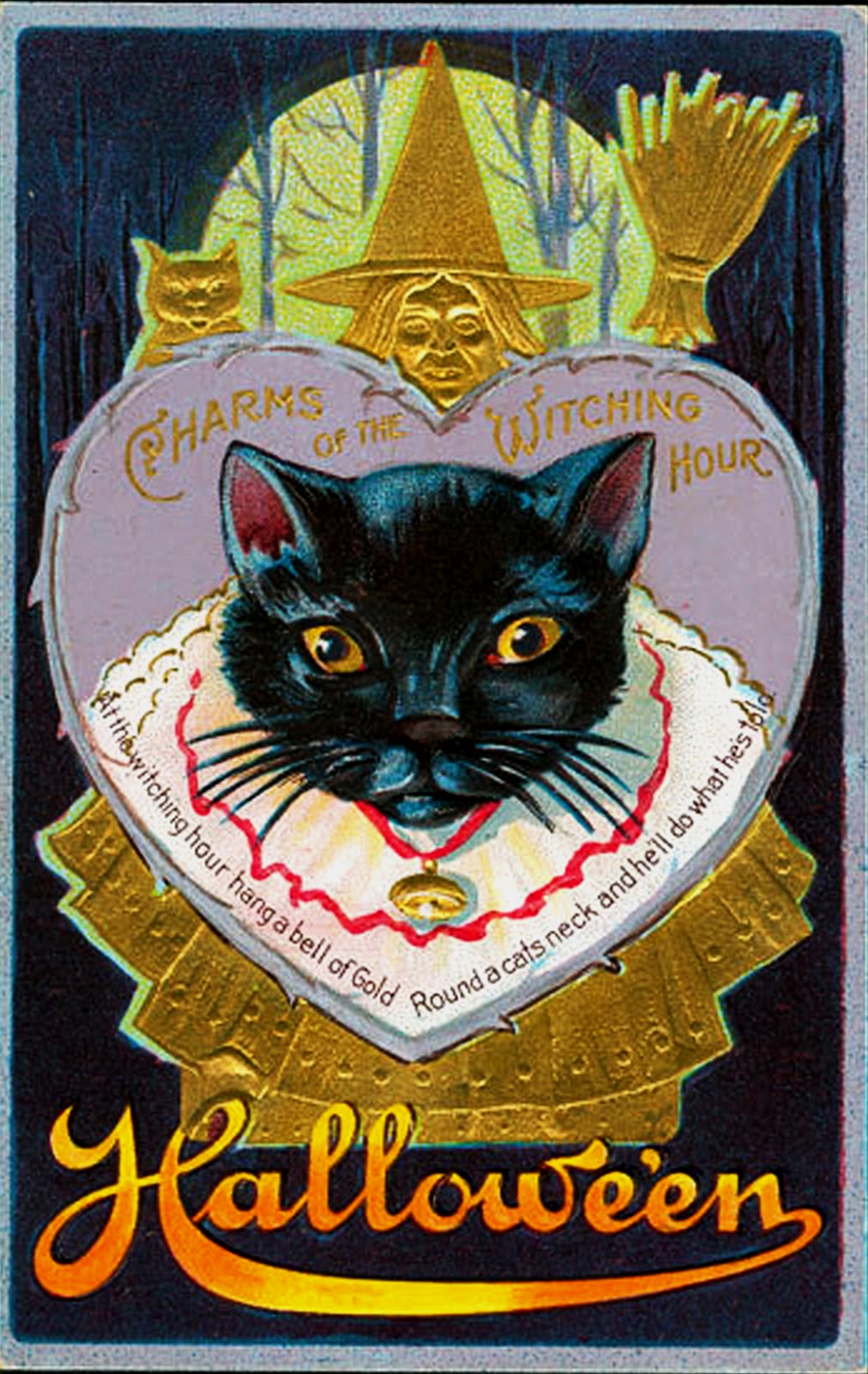
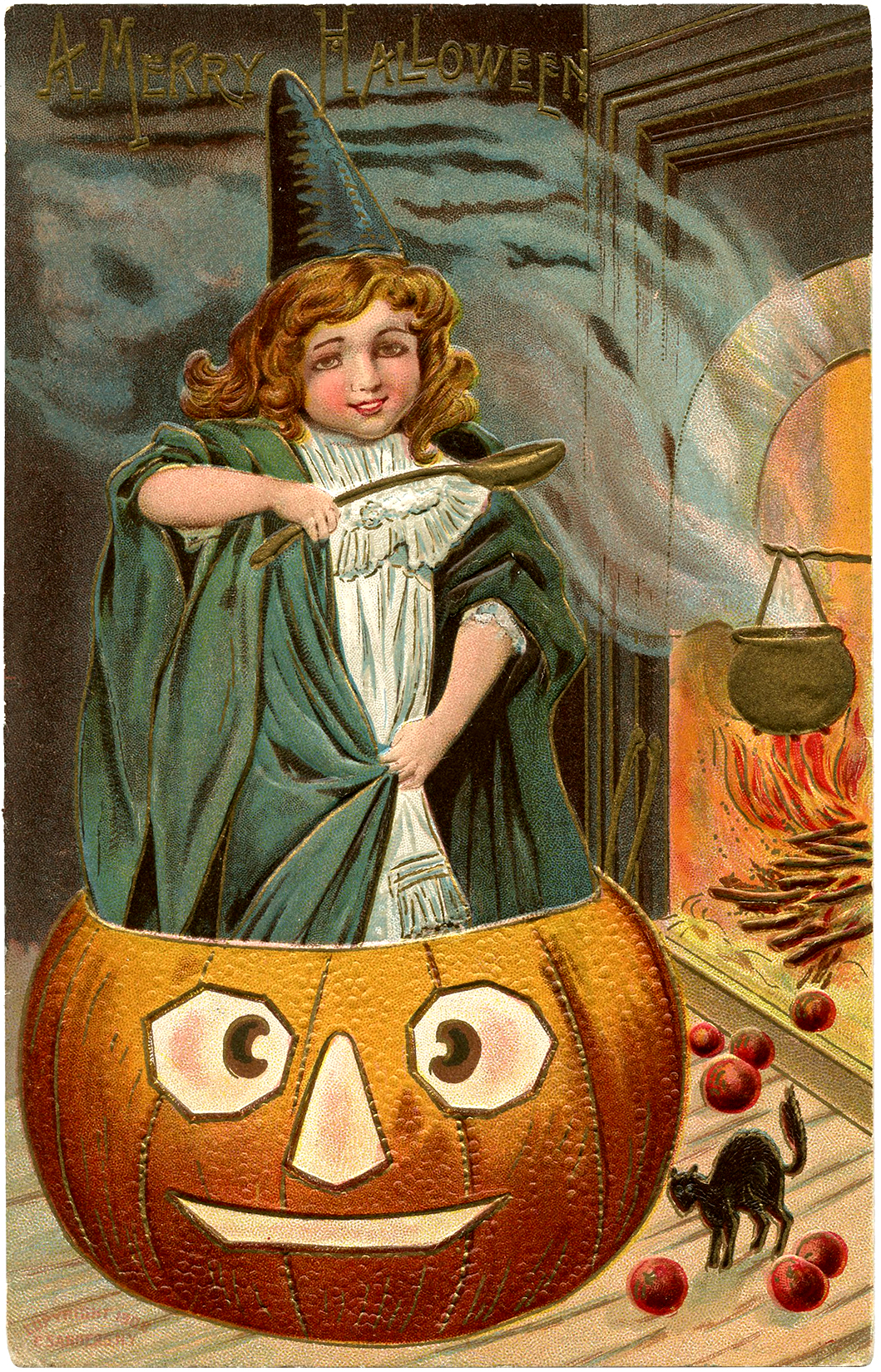
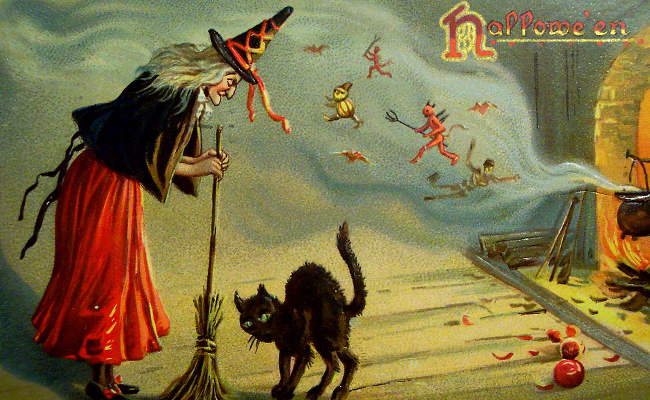
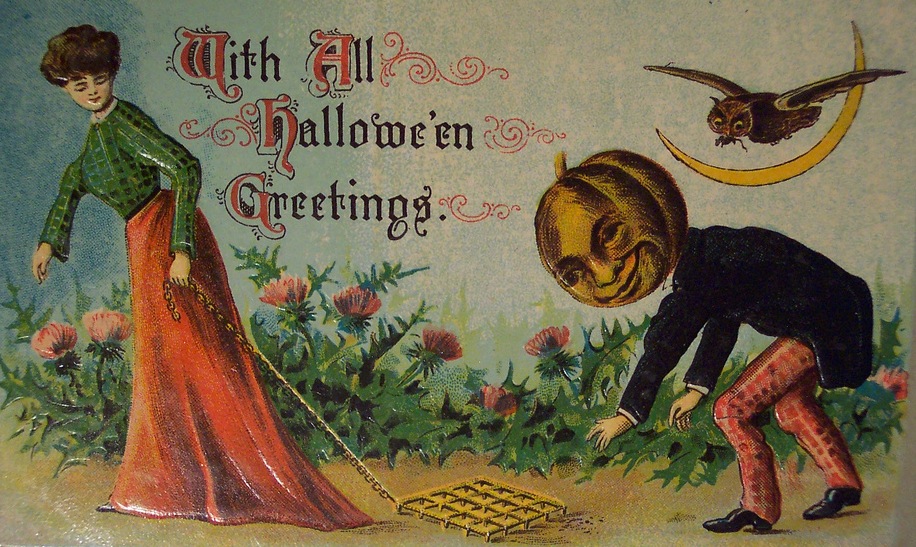
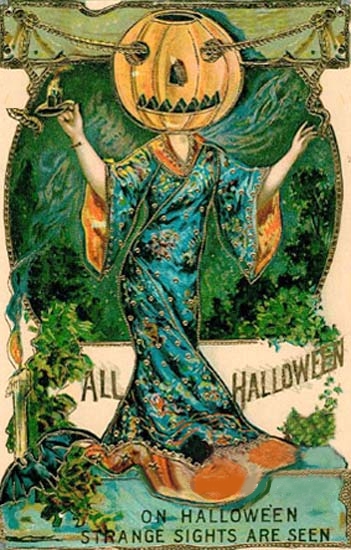
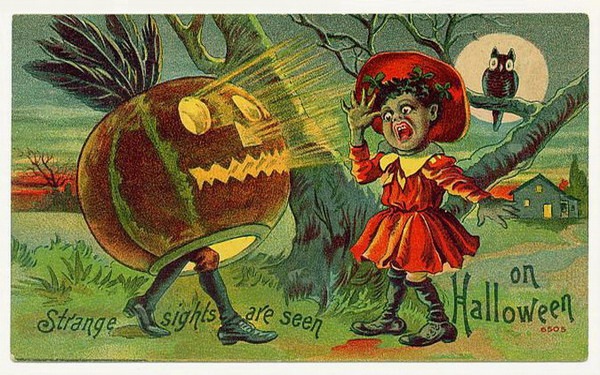
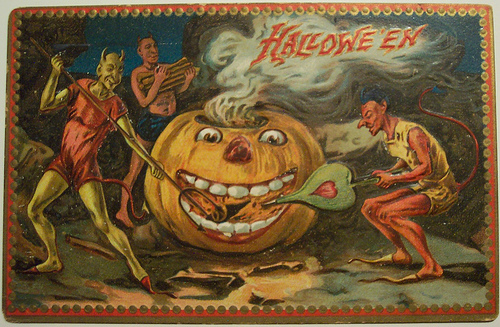
24 Vintage Halloween Cards That Are Nostalgic — But a Bit Creepy, Too

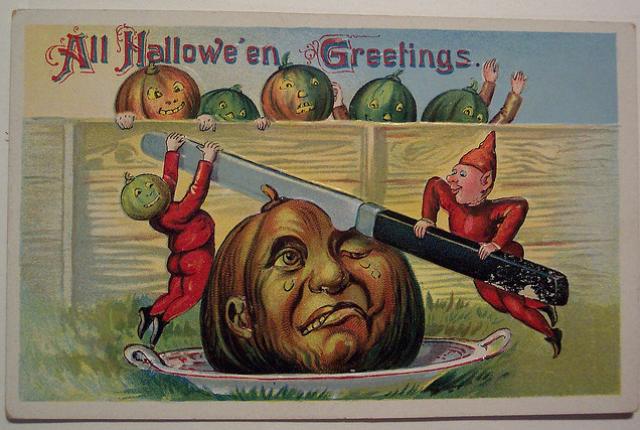
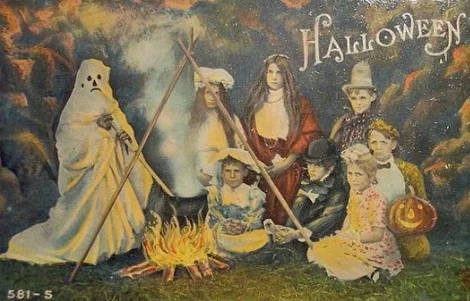
Halloween greetings from the past featured common Halloween symbols: the witch, black cat, jack-o’-lantern, ghost, devil — and one that has been forgotten.

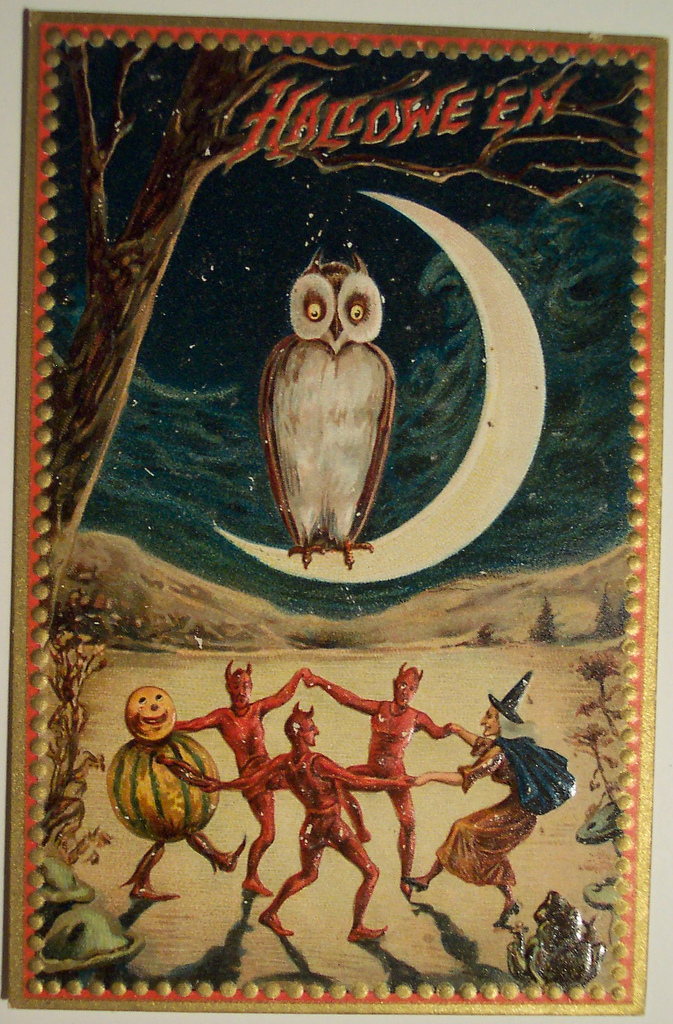
A pumpkin-headed boy and an owl decorate this vintage Halloween card

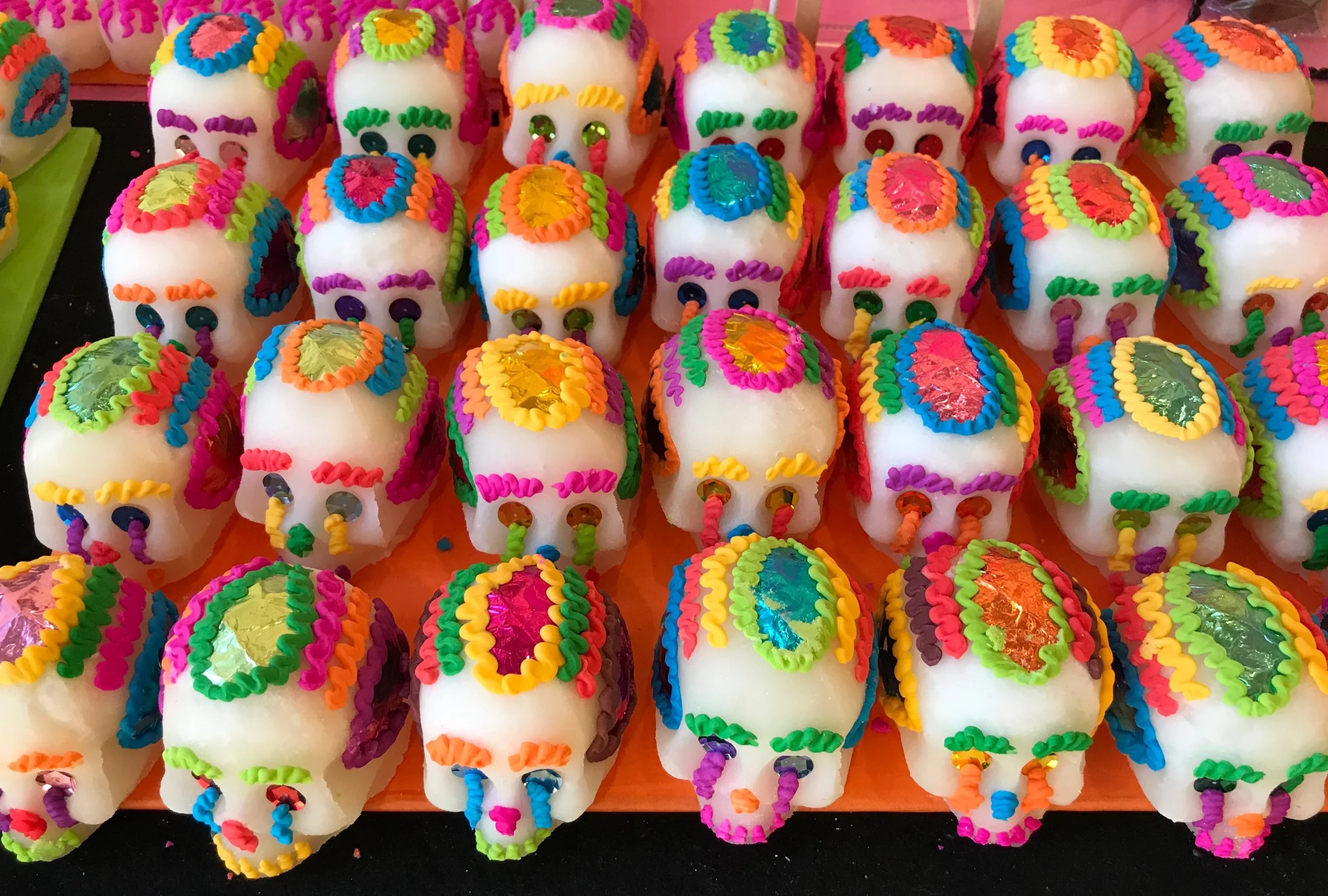
There's something charming and yet disturbing about vintage Halloween cards. They're loaded with the symbols that are still associated with All Hallow’s E’en: witches, black cats, devils, jack-o’-lanterns and ghosts.

But one once-common symbol seems to have fallen by the wayside: the owl. Maybe the creepier, blood-sucking bat won out.

Owls were associated with Halloween back when the Celts would build bonfires at Samhain, their autumn festival. The light attracted insects, which in turn drew bats and owls to feast upon them.

From the time Athena, the Greek goddess of wisdom, had an owl as her symbol, the birds have been thought of as wise (though I've read that they're not too intelligent actually).

Mirror magic was common on October 31, as seen in this vintage Halloween card

At Halloween, when the veil between our world and the spirit realm is at its thinnest, we have the power to learn hidden knowledge. And witches took owls as well as cats as their familiars. So perhaps it makes sense that owls were once popular icons of the holiday.

You'll see some owls, along with the other, more lasting, symbols of Halloween in the selection of vintage cards below. –Wally
Gruesome Facts (and Helpful Tips) About the Paris Catacombs

No bones about it: If you think piles of skulls and hallways formed of bones are pretty effin’ cool (like us), then the Catacombs of Paris are for you.

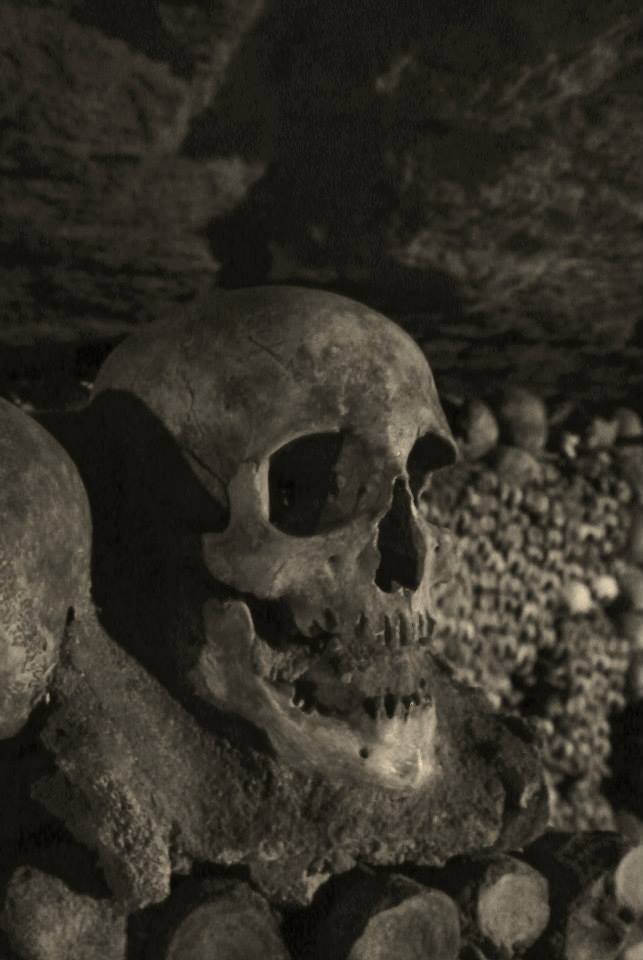
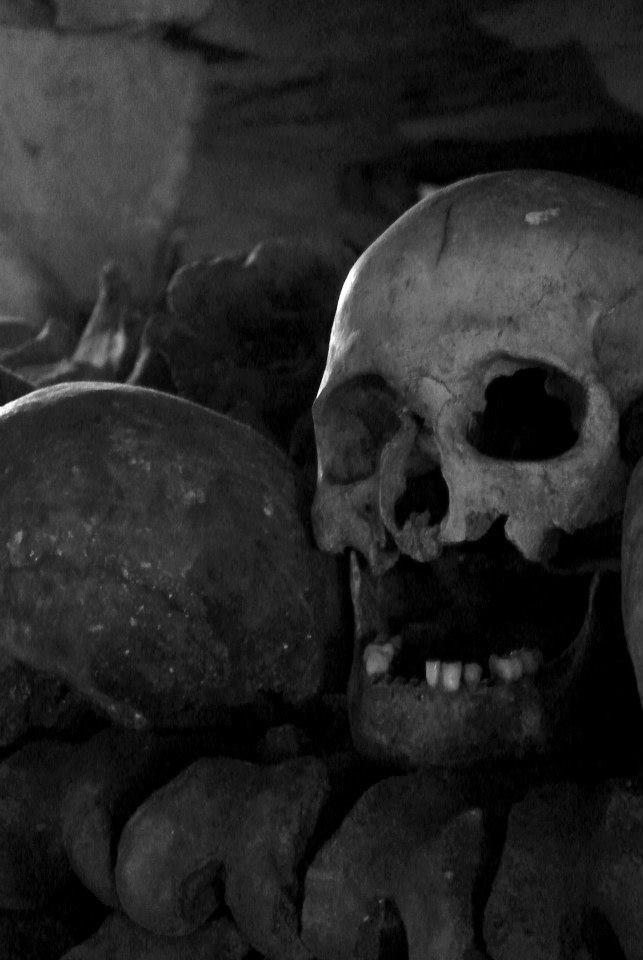
The bones of about 7 million Parisians were relocated and stacked artistically in the Catacombs below the city

Wally’s parents don’t share our morbid curiosity about death. So there were a couple things we had to hit before they arrived: one being Père Lachaise Cemetery, and the other being the Catacombs.

The Catacombs are an underground ossuary (literally “bone receptacle”), said to contain the remains of 7 million or so Parisians.

It took over 15 months to relocate the bones of an estimated 7 million Parisians from local cemeteries.

Get there early.

Our friends Kent and Michael had advised us to get there right at opening. There’s usually a long wait, as they only permit a limited number of visitors in at a time.

We were both hungry that morning, but because we had woken up later than we intended to (damn jet lag), we decided not to stop for breakfast — we were not going to miss the Catacombs.
 

Grab breakfast nearby.

We took the 88 bus to les Catacombes. The line that had formed was already around the block and longer than the previous day. I held our place in line while Wally sought out coffee and something for us to eat.
Across the street, he found a Paul, a chain of pâtisseries and boulangeries that serves a surprisingly good breakfast. That day he got us two cafés crèmes and jambon and brie sandwiches on crusty baguettes.

People-watch and admire the nearby statue to kill time in line.

A tot in a bright orange corduroy coat ahead of us was finding it difficult to wait in line and wandered away from her parents, the hurried footsteps of her father not far behind. She paused to entertain a couple of water bottle vendors by imitating the nearby Lion of Belfort statue, which our friend Kent has dubbed Aslan, from the Chronicles of Narnia. The little girl raised both her tiny hands and roared, which made us and the vendors laugh.

The entrance to the Catacombs is marked with an inscription that translates to “Stop! Here lies the Empire of Death”

Don't Stop! Here Lies the Empire of Death

We entered the dark green building located at Place Denfert-Rochereau, paid our admission and descended the spiral staircase 60 feet beneath the streets of Paris.

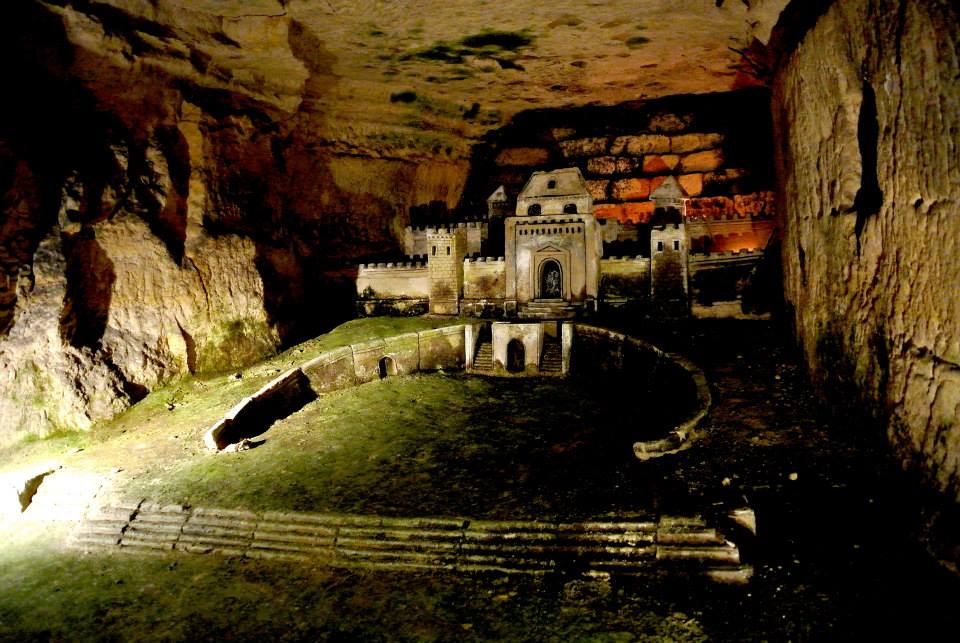
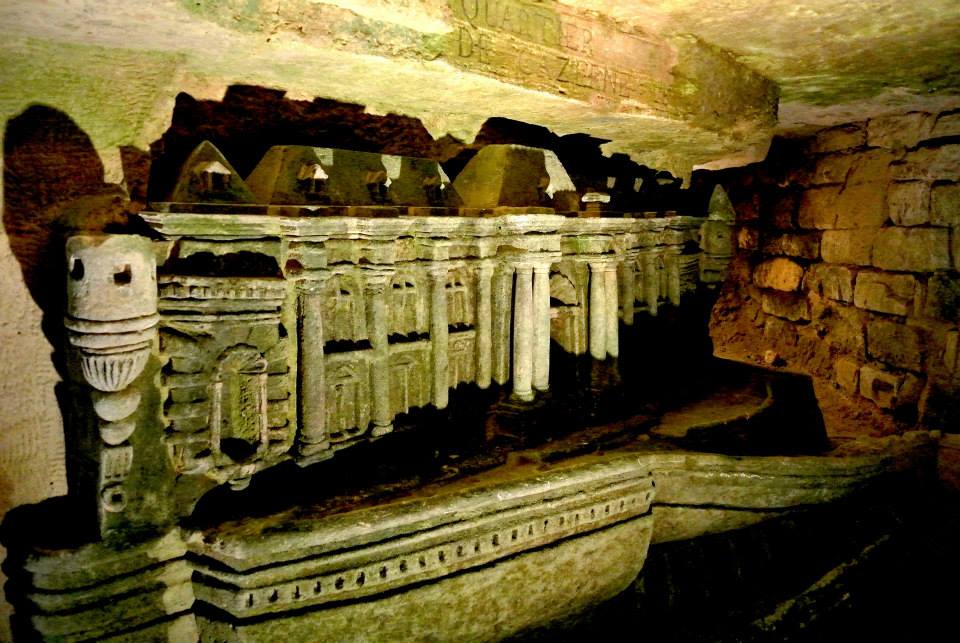
One of the first things we encountered on our exploration was a rock-cut palace chiseled from memory between 1777-1782 by a quarry inspector who had served time in a prison situated across from it. According to the sign next to the sculpture he died from a “cave-in while trying to build an access stairway at this location.”

I couldn’t help but wonder if he had been added to the crypt we were about to explore.

Isn't it strange how similar "la morte" (death) and "l'amour" (love) are in French?

Poor Souls

Most of the disinterred bones are from the Cimetière des Innocents in Paris. It was the chosen local burial ground, as the site had been consecrated with a handful of dirt from the Holy Land.

This sign shows that most of the remains in the Catacombs came from the Cemetery of the Innocents and were moved in the 1700s

So numerous was the quantity of burials there, that most were interred in large open pits that were covered over when full. Once these were overflowing, the exhumed bones were stored within arcades around the perimeter of the cemetery.

In an effort to reduce the risk of fatal disease caused by bacteria spread from the putrefying remains, Alexandre Lenoir, the Lieutenant-General of Police, proposed that the remains be stored and placed in the abandoned subterranean limestone quarries beneath Paris. Stone from these mines was used in the construction of both the Louvre and Notre Dame Cathedral.

Even though the Catacombs were not affiliated with a particular church, they were still considered a consecrated site. The bones had been transferred from respective cemeteries led by clergy, who performed benediction rites upon them.

It took over 15 months to relocate the bones of an estimated 7 million Parisians from Les Innocents and other local cemeteries. The remains were dropped down chutes by night to workers, who stowed them away in the passageways.

Skulls, femur and tibia bones were packed high and tight, some up to 10 feet deep. The Catacombs are just a small part of the quarries, which date back to Roman times. The bones reinforce these mines, which had been known to collapse, taking the buildings above down with them.

One part of the Paris Catacombs is covered in graffiti scratches. (Did you hear something behind us?)

Famous Residents

Among these are the remains of Charles Perrault, the author of the Tales of Mother Goose, architect Solomon de Brosse (who designed the city's Luxembourg Palace) as well as a few poor souls who lost their heads to the guillotine.

Napoleon, wishing to outdo the ancient Catacombs of Rome, allowed Louis-Étienne Héricart de Thury, Inspector-General of Quarries, to elaborately rearrange the site, resulting in an impressive if macabre monument.

Duke’s only pretending to be scared. He loved exploring the Catacombs

Plaques were placed throughout the passages noting from which cemetery the remains were taken. Some inscriptions came from classical sources, others from sacred texts. A biblical passage in Latin — “Memento Creatoris tui in diebus juventutis tuae antequàm veniat tempus afflictionís” — translates to "Remember your Creator in the days of your youth, before the evil days come."

During World War II, the tunnels were used by Parisian members of the French Resistance.

The chamber containing the Rotonde des Tibias in particular was thought to have impressive acoustics, and in 1871 it hosted a 45-member orchestra playing Chopin's funeral march.

Because the guards stagger groups who can enter at a time, we found we mostly had the tunnels to ourselves, which allowed Wally to get up to his usual antics
It had rained recently, and some sections of the tunnels were dripping, rendering the floor beneath them wet. We heard that the Catacombs close when there’s been a bad storm because they get flooded.

At the end of the adventure — Wally kept saying it was like real-life Dungeons & Dragons, sans the dragons — there's a table where they go through your bags. Apparently, there's a large number of people who try to steal a skull or bone.
No one was stationed at the table when we left, so of course Wally was bummed we could have gotten away with pilfering a skull or two.
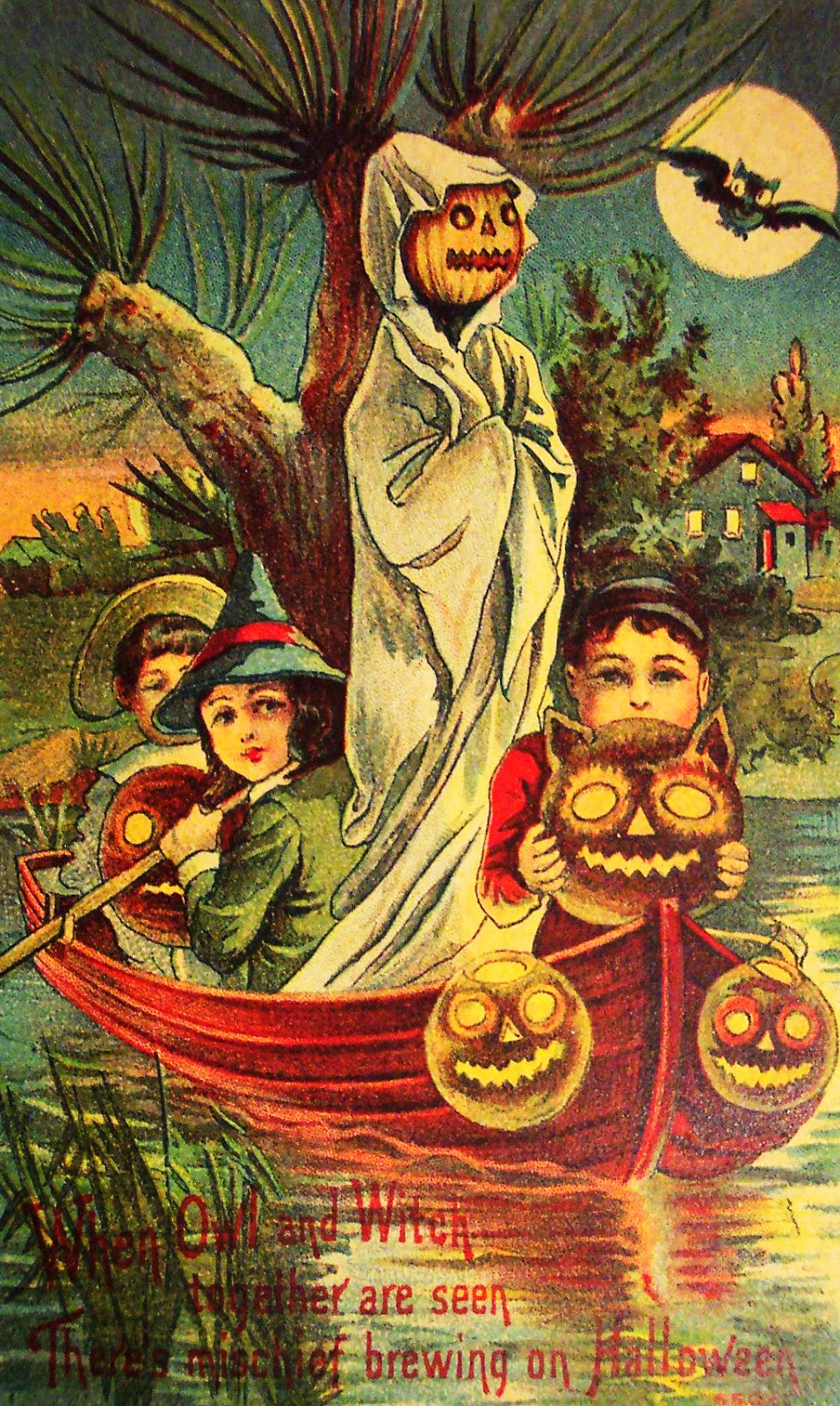
Arriving back at the Métro, I had to hop the turnstile, as my ticket didn't validate. My novice technique was not graceful — the space is limited once you hop said turnstile and proceed to squeeze through the half-door behind it. But having seen numerous kids do so, I felt I was now a true Parisien. –Duke

At the end, there’s a table where they go through your bags. Apparently, there’s a large number of people who try to steal a skull or bone.


If you’re interested in this subject, check out the gorgeous book The Empire of Death: A Cultural History of Ossuaries and Charnel Houses by Paul Koudounaris.


The Strange History of Halloween

Ever wondered why we carve pumpkins, dress up in costumes and go trick-or-treating? Learn the pagan origins of Samhain, when spirits roam the Earth and we can see into the future.

Halloween is the best time to cast divination spells

Halloween: You love it or you hate it.

Our office manager dreads Halloween. She’s religious and sees it as an evil night, when devils and witches and demons and ghouls literally roam the streets.

That, of course, is why many of us love it. It’s a chance to become someone else for a night. To embrace our dark (or sexy) sides.

To the pre-Christian Celts of Western Europe, it was referred to as Samhain (actually pronounced “sow-en”) — a term still used by Wiccans. It’s the one day of the year when the veil between this world and the next is at its thinnest.

Halloween has its dark side — but it can also be a time of good luck

That means it’s the ideal opportunity to try to glimpse into the future. Divination spells work best on All Hallow’s E’en.

Young women would try to glimpse their future lover’s face in the mirror on Halloween night

Witchy Ways

If you want to get into the Samhain spirit, try these spells: 

Contact a Deceased Loved One
See a Vision of Your True Love

Witches, black cats and jack-o’-lanterns have become associated with Halloween

But it also means that ghosts and other unpleasant wraiths have the opportunity to invade the world of the living once darkness falls. People felt they had to protect themselves.

How did these origins lead to our traditions of carving pumpkins into jack-o’-lanterns, dressing up in costumes and asking for candy with thinly veiled threats of mischief? What’s the history of Halloween, our strangest holiday?

Here’s an infographic I wrote (and the talented Kevin LeVick designed) for a website that’s sadly now defunct. –Wally
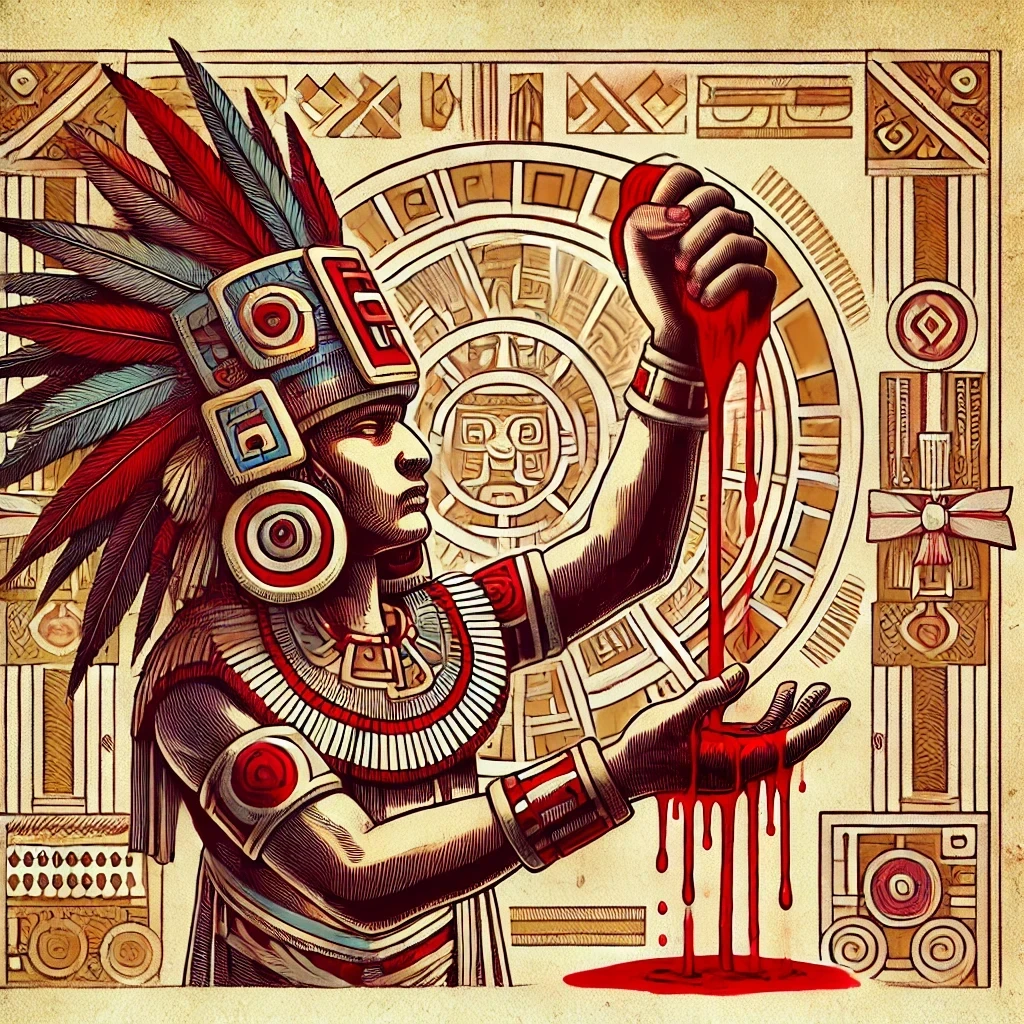
 

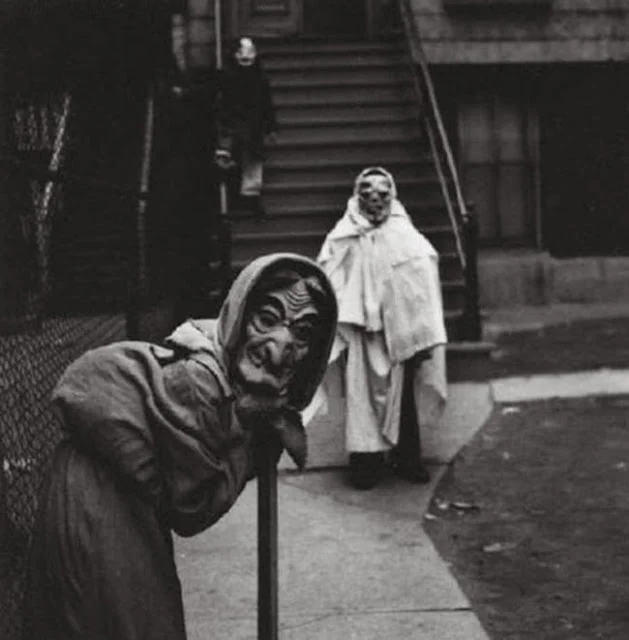
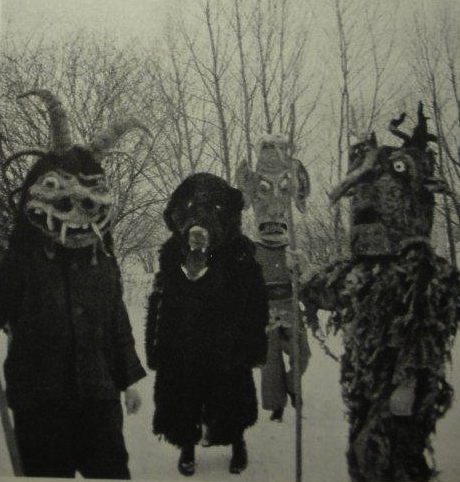
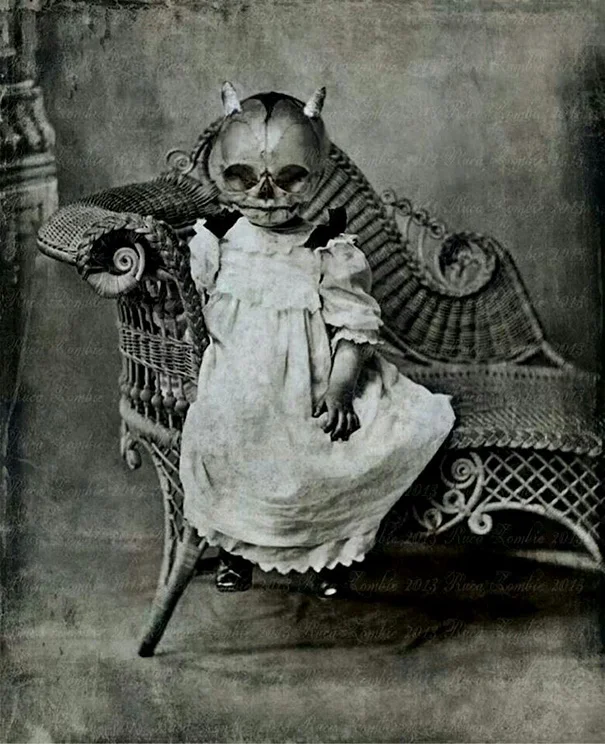
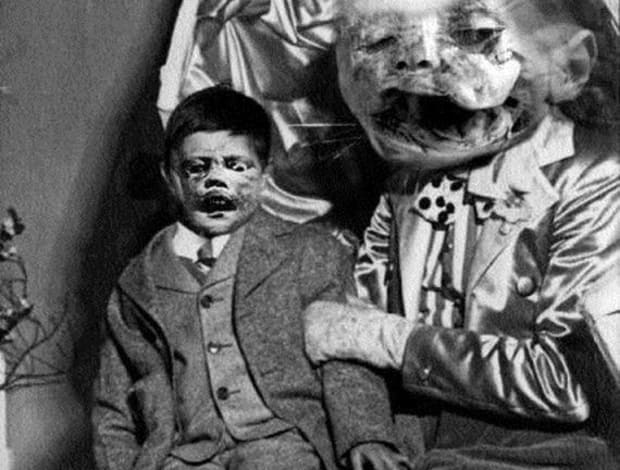
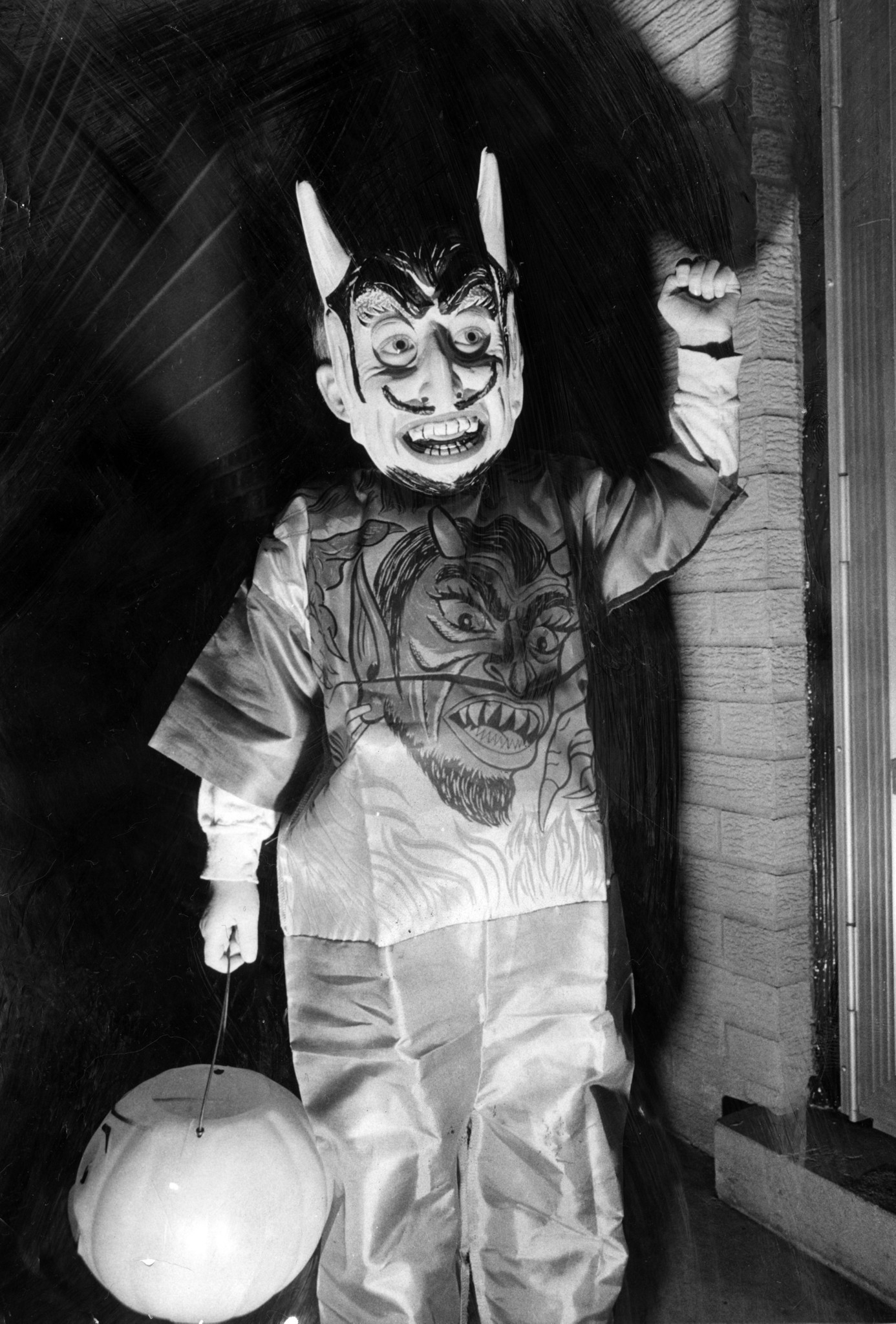
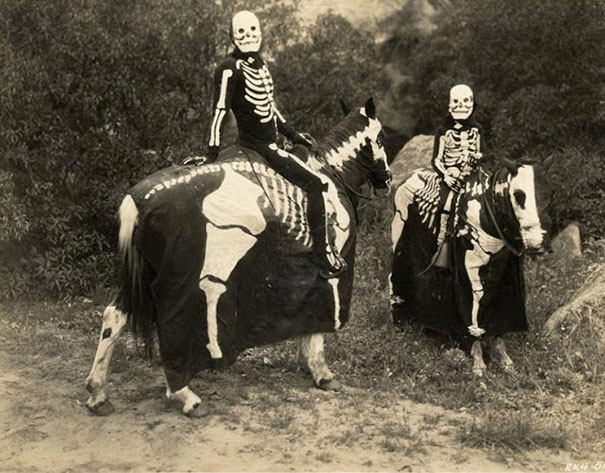
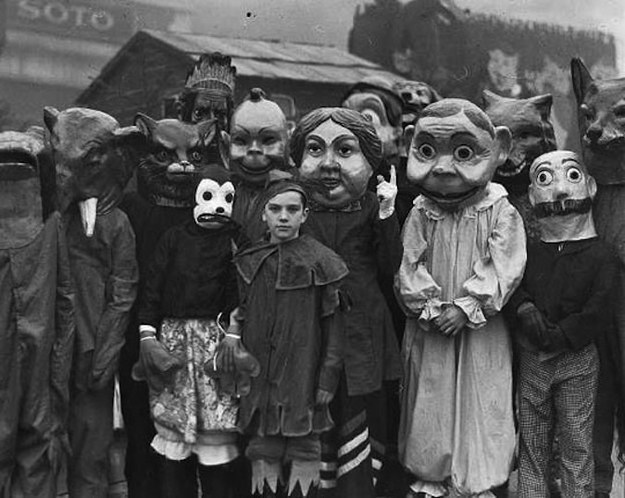
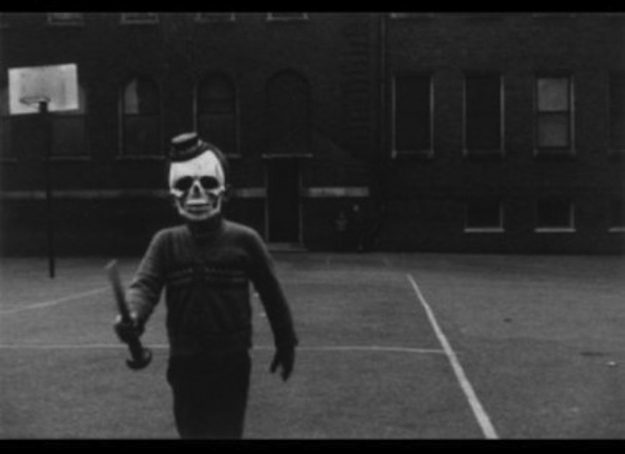
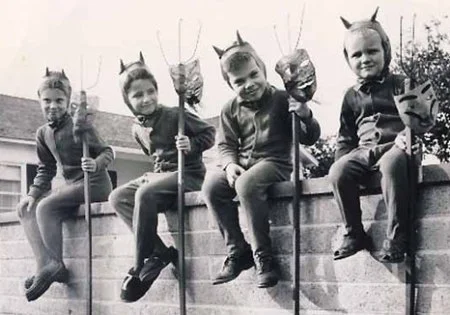
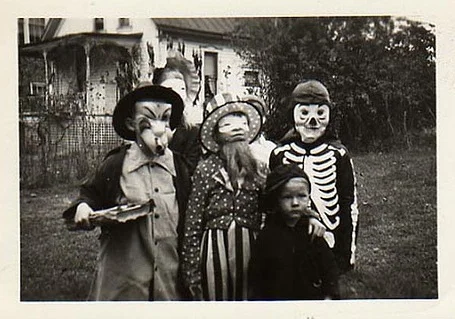
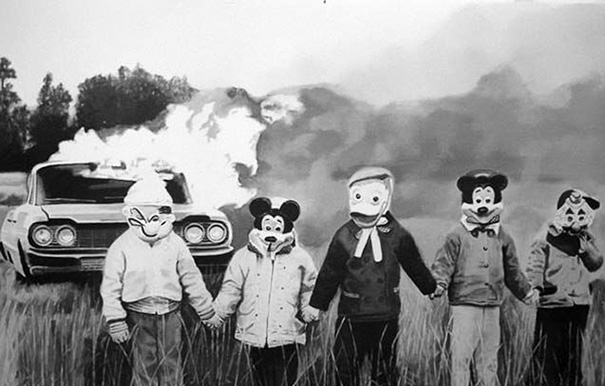
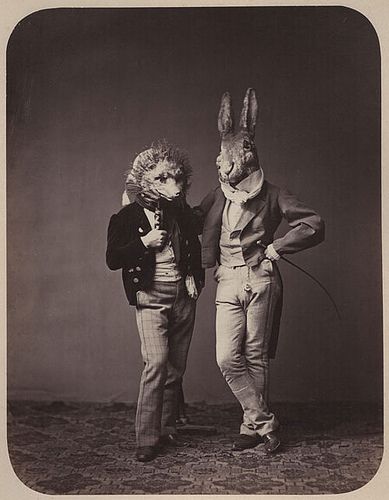
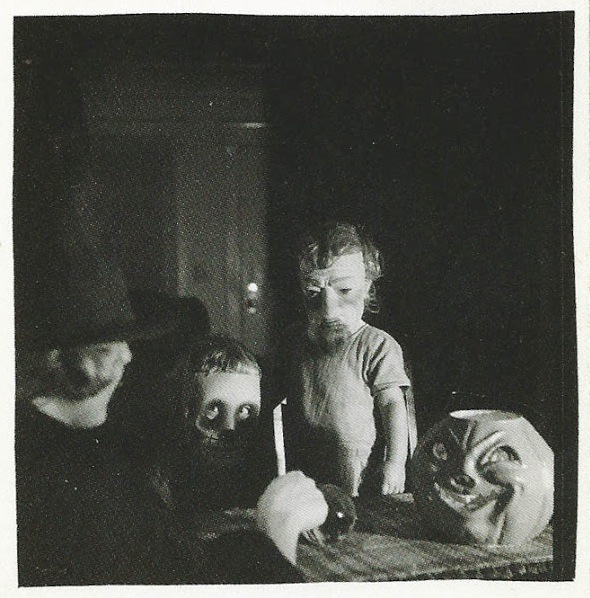
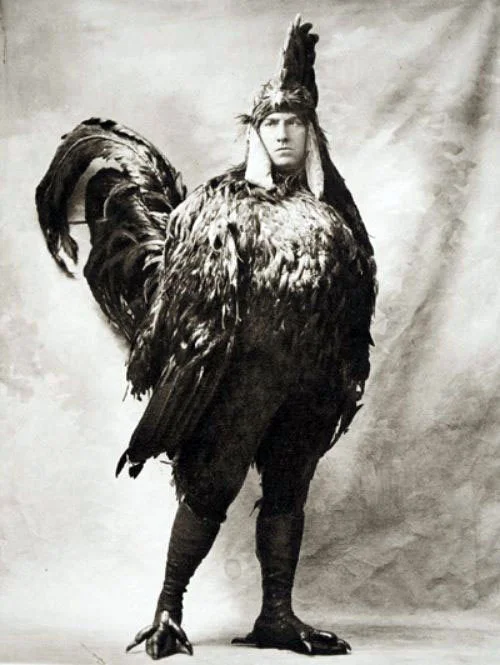
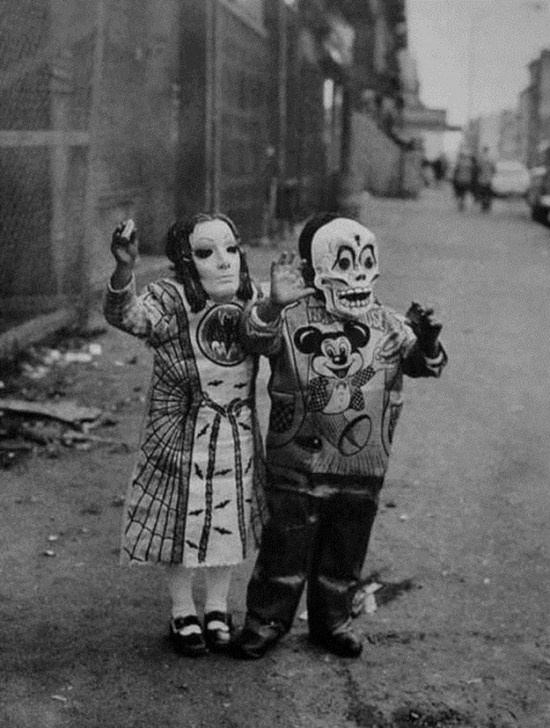
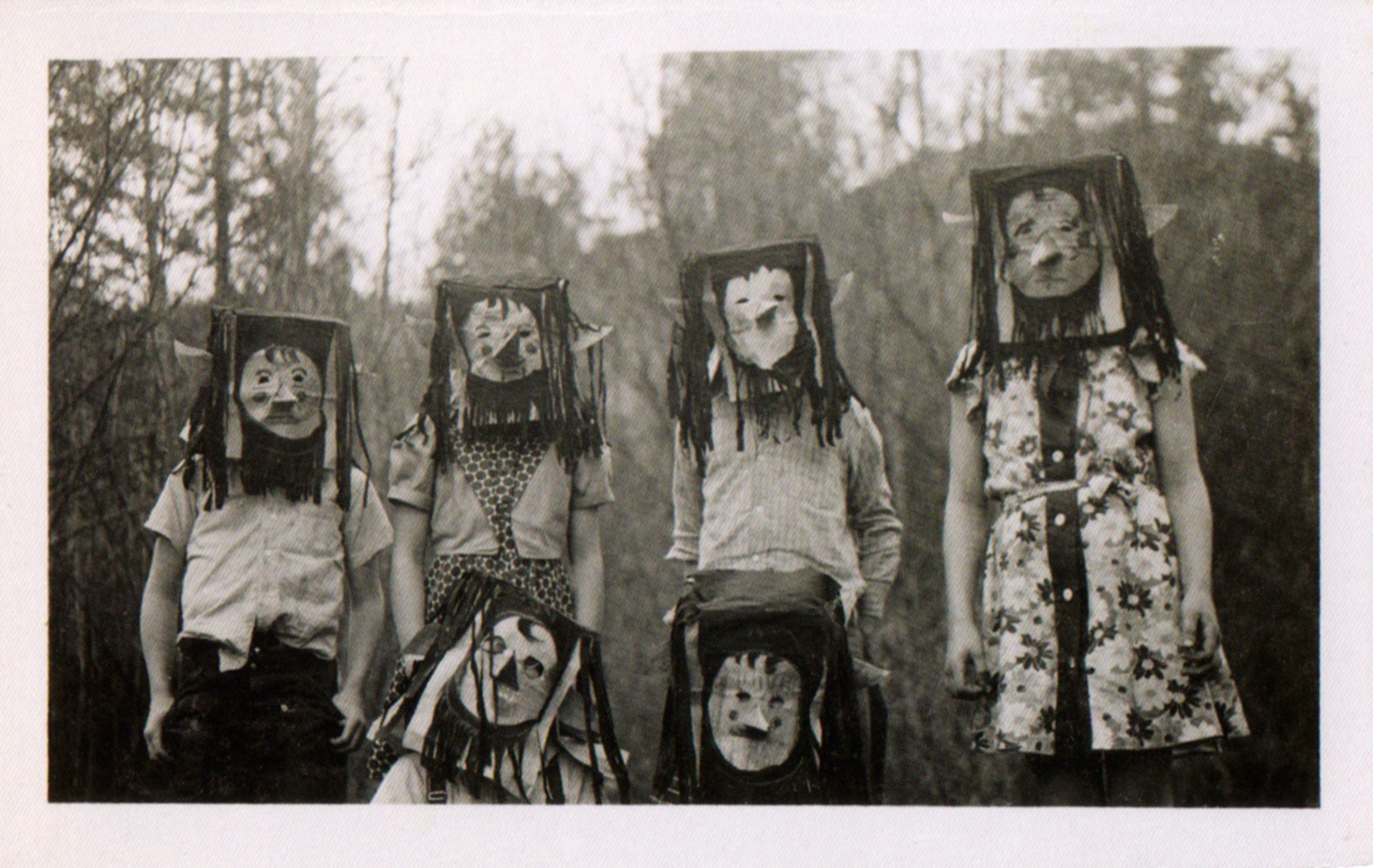
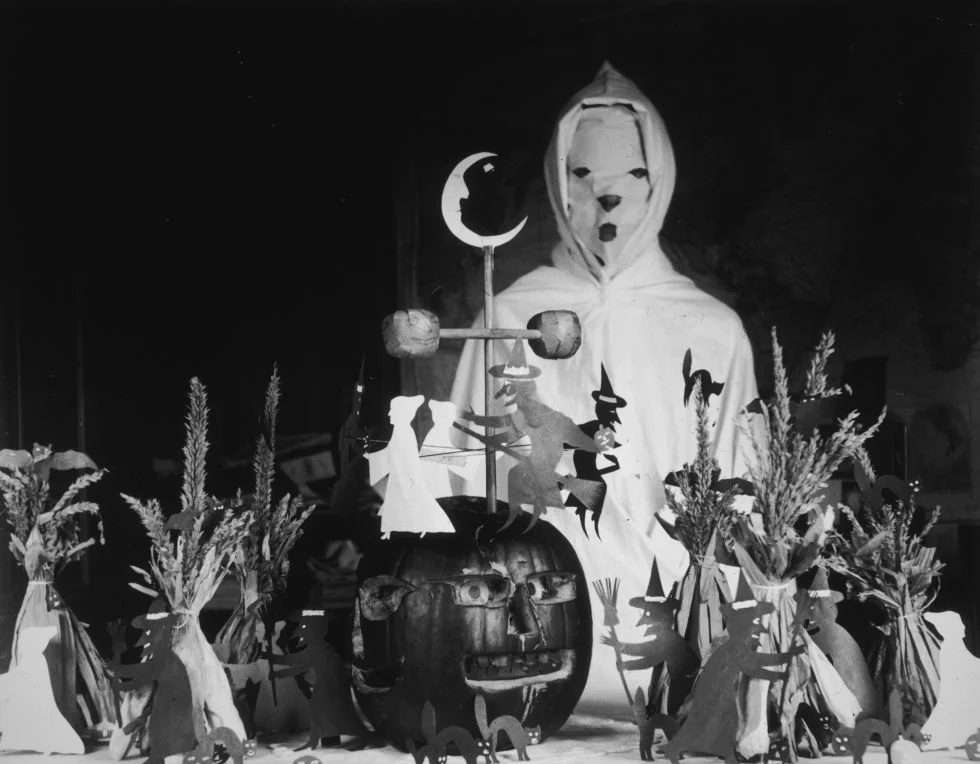
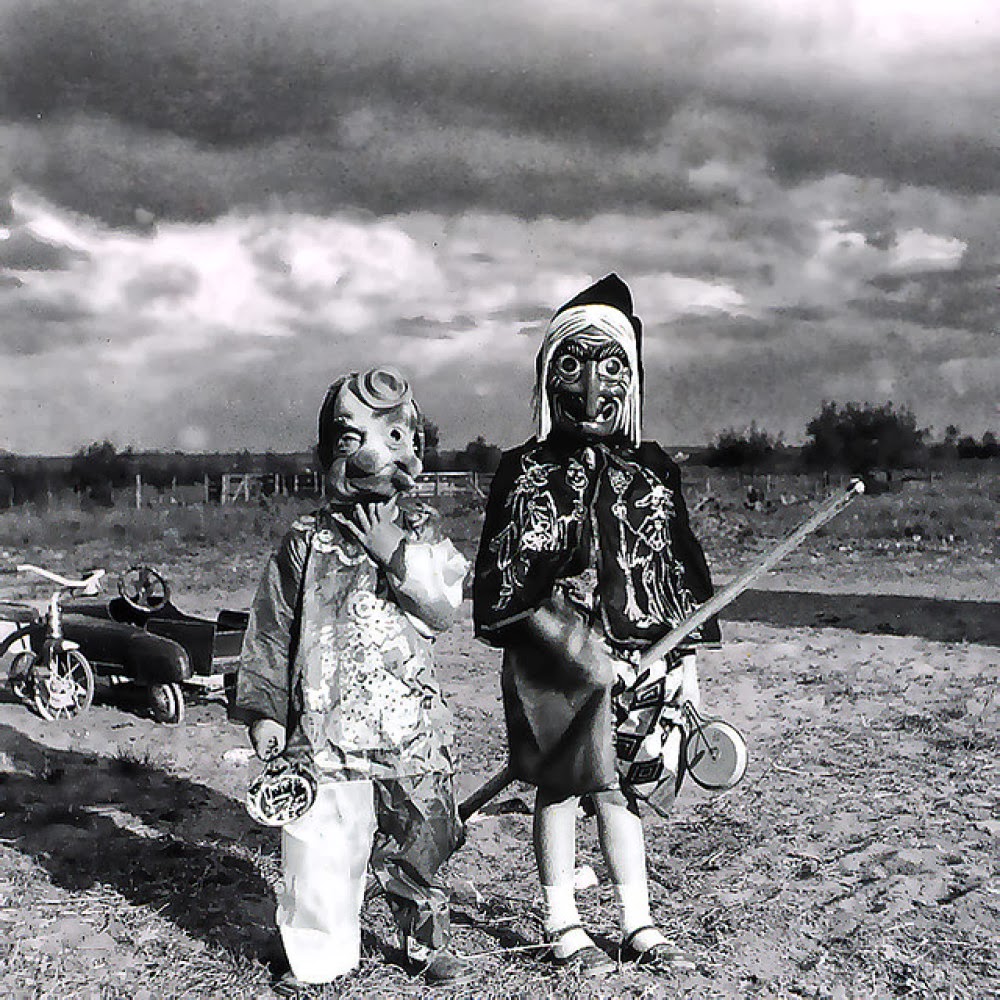
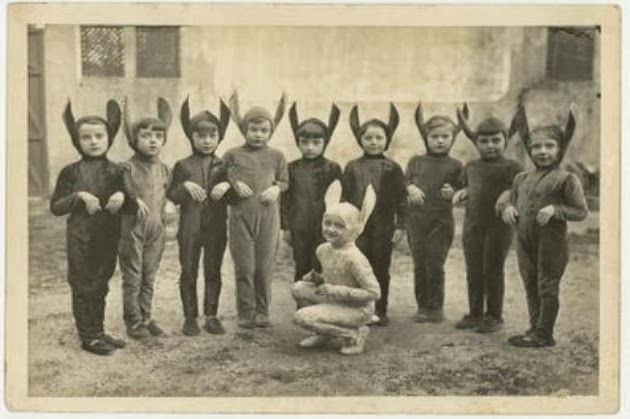
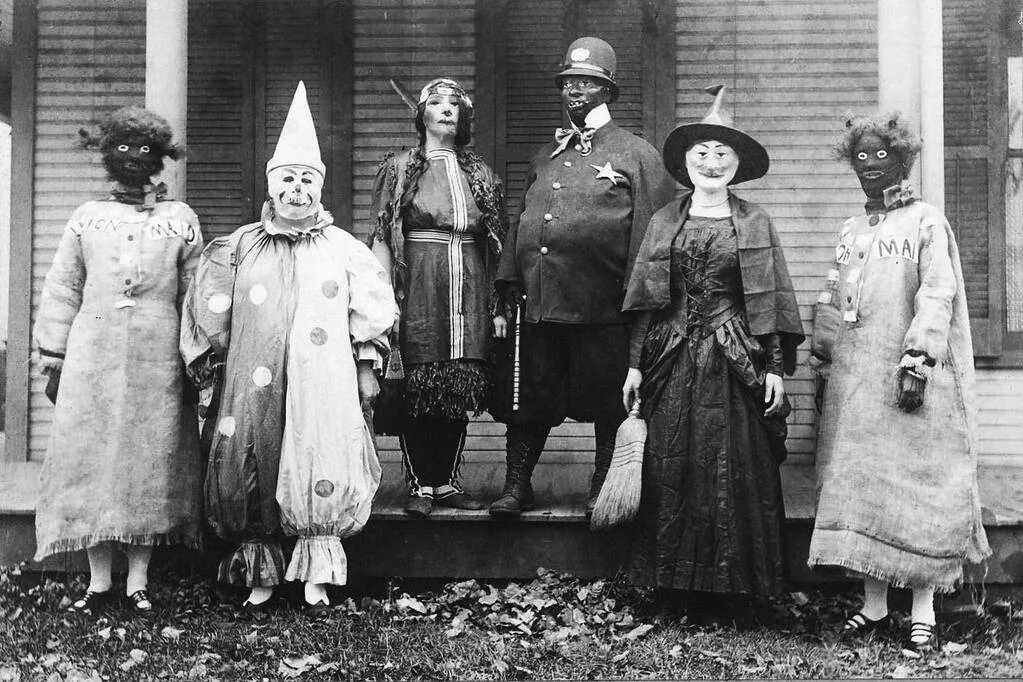
21 Vintage Halloween Photos That Are So Creepy They'll Give You Nightmares

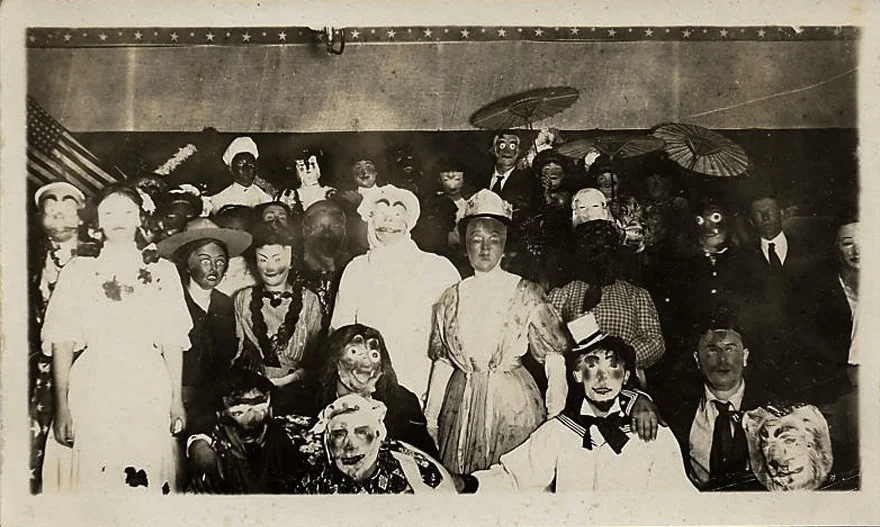
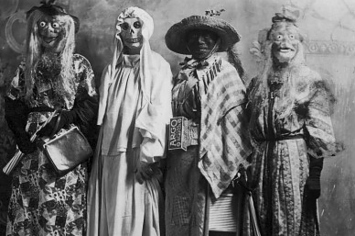
Halloween costumes of the past were scary as hell.


They’re like stills from the opening credits of an American Horror Story

Maybe it’s the grainy quality of these black and white photos. Or maybe it’s the handmade roughness of the freaky masks and costumes the kids are wearing. But there’s no denying that these vintage shots of Halloweens past are the stuff of nightmares. 

Scroll through them — if you dare. –Wally
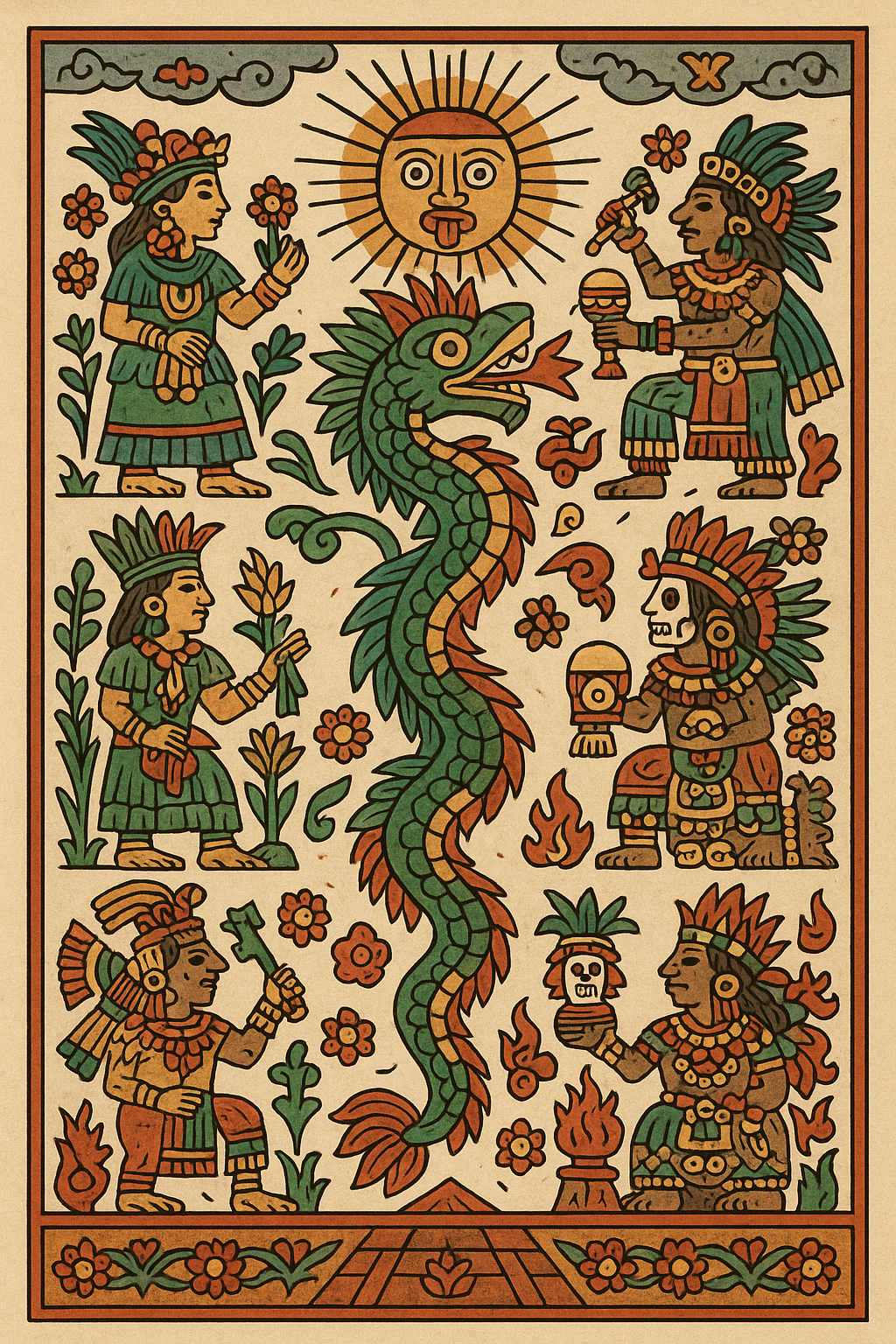
6 Fun Facts About Pablo Picasso

The Cubism pioneer, born in a building off the Plaza de la Merced, didn’t stay long in Malaga, Spain. But that doesn’t stop the city from proudly claiming him as its own.

The Plaza de la Merced in Málaga, Spain, where Picasso was born. This shot was taken from atop the Gibralfaro fortress

Despite the fact that Picasso left Málaga when he was still a boy, his legacy continues to be deeply rooted to the city he was born in. Heck, the rented floor of a building off the Plaza de la Merced where Picasso was born has been designated a heritage site since the early ’80s.

RELATED: A Brief History of Málaga, Spain

Picasso’s fascination with pigeons came from his father, who bred them (A Child With Pigeons, Picasso, 1943)

1. Picasso’s father, José Ruiz Blasco, was an artist in his own right. He bred pigeons, which became one of Picasso’s favorite subjects to paint — and they still rule the plaza square.

Picasso’s relationship with his muse began when she was only 17 years old and he was 45 and living with his wife.

Picasso took his surname from his mother — the tail end of his 23-word name (Mother and Child, 1902)

2. His complete name was a series of the names of saints and relatives and had a whopping 23 words: Pablo Diego José Francisco de Paula Juan Nepomuceno María de los Remedios Cipriano de la Santísima Trinidad Martyr Patricio Clito Ruíz y Picasso. Spanish tradition has children take maternal surnames as well, and Picasso adopted his mother’s, as he felt it better suited him.

Picasso’s iconic Breton stripe shirt was worn by members of the French Navy

3. The iconic Breton stripe shirt he often wore humbly began as the uniform of the French Navy. According to lore from Brittany, the shirt originally included 21 horizontal stripes, one for each of Napoleon’s military victories against the British, a heritage tied to France’s Normandy coast.

The subject of this and many other paintings was Picasso’s number-one muse, Marie-Thérèse Walter (Reclining Woman Reading, 1960)

4. During the course of his career, Picasso changed companions as often as he changed focus and painting styles. He never did marry his greatest model and muse, Marie-Thérèse Walter. Their relationship began when she was only 17 years old and he was 45 and living with his first wife, Olga Khokhlova, a former Russian ballerina, with whom he had a 5-year-old son, Paulo.

The Dream, 1932

Some of his most acclaimed works, including The Dream, were inspired by her.

They had a daughter together who was named Maria de la Concepción after his dead sister, Conchita.

Four years after Picasso’s death, Marie-Thérèse was unable to go on living and hanged herself.

Georges Braque and Pablo Picasso are credited with creating Cubism

5. Picasso and Georges Braque co-founded the revolutionary art movement of Cubism. The pair were influenced by such things as ancient Iberian sculpture and African masks. Their working relationship lasted until 1914, when Braque enlisted in the French Army at the beginning of World War I.


Chicagoans have grown quite fond of The Picasso — even though it looks like a giant baboon head

6. In 1963, Picasso was commissioned by Skidmore, Owings and Merrill to create a unique monumental public sculpture for the Chicago Civic Center (now called Daley Plaza). Refusing payment, he created a maquette (smaller-sized model) for the monument and gifted the full-scale reproduction to the city.

Perhaps because Picasso had not titled the piece, it was left open to ambiguous interpretation. At its unveiling, in the summer of 1967, the 50-foot work was widely criticized and universally disliked. Some critics likened it to the head of a baboon or perhaps the artist’s Afghan dog.
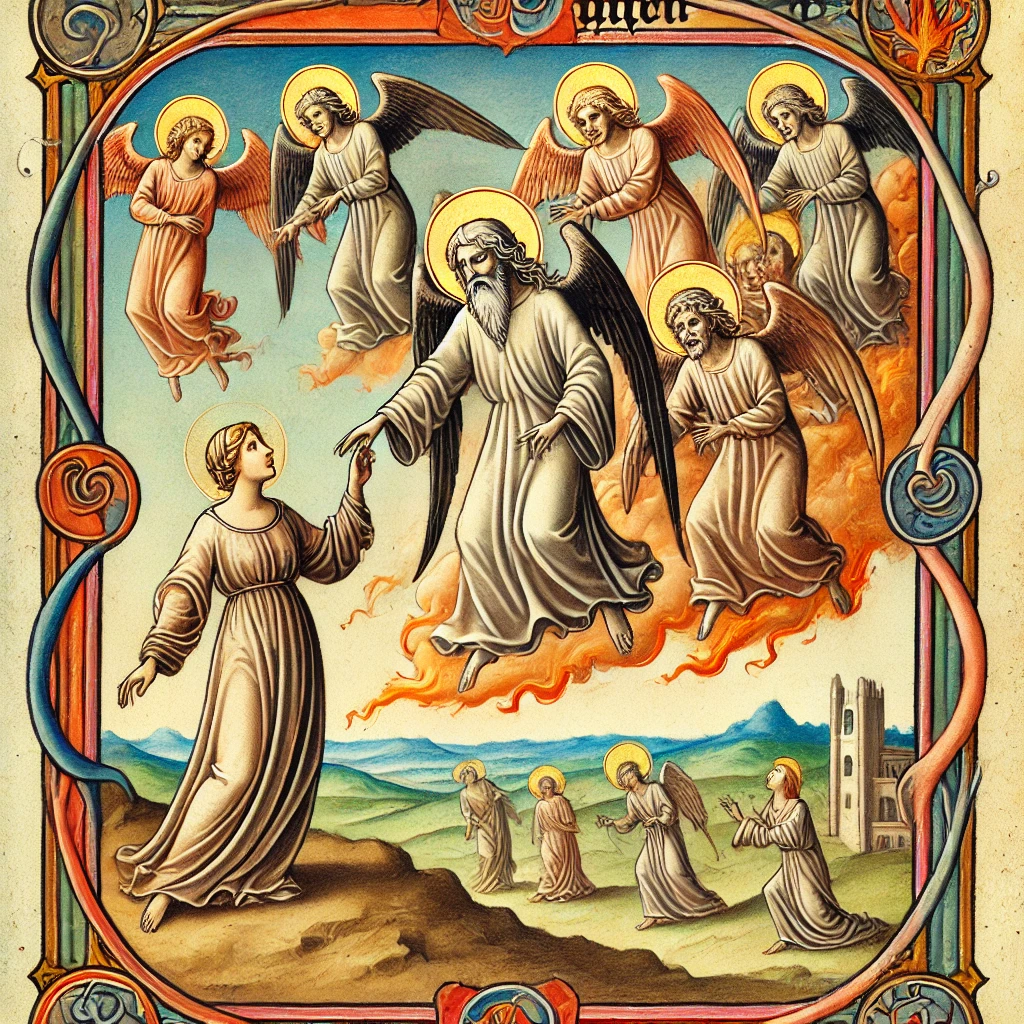
Now known simply as The Picasso, opinions have softened and it has since become an iconic symbol of Chicago. You can now watch kids skateboard and slide up and down the metal base. –Duke


RELATED: El Pimpi: A Famous Málaga Restaurant in the Courtyard of Antonio Banderas’ Building