wineries

Choosing the Right Wine Tour in Bordeaux

A guide to exploring Saint-Émilion’s vineyards, village and tasting rooms — and how to pick a wine tour that matches your style.

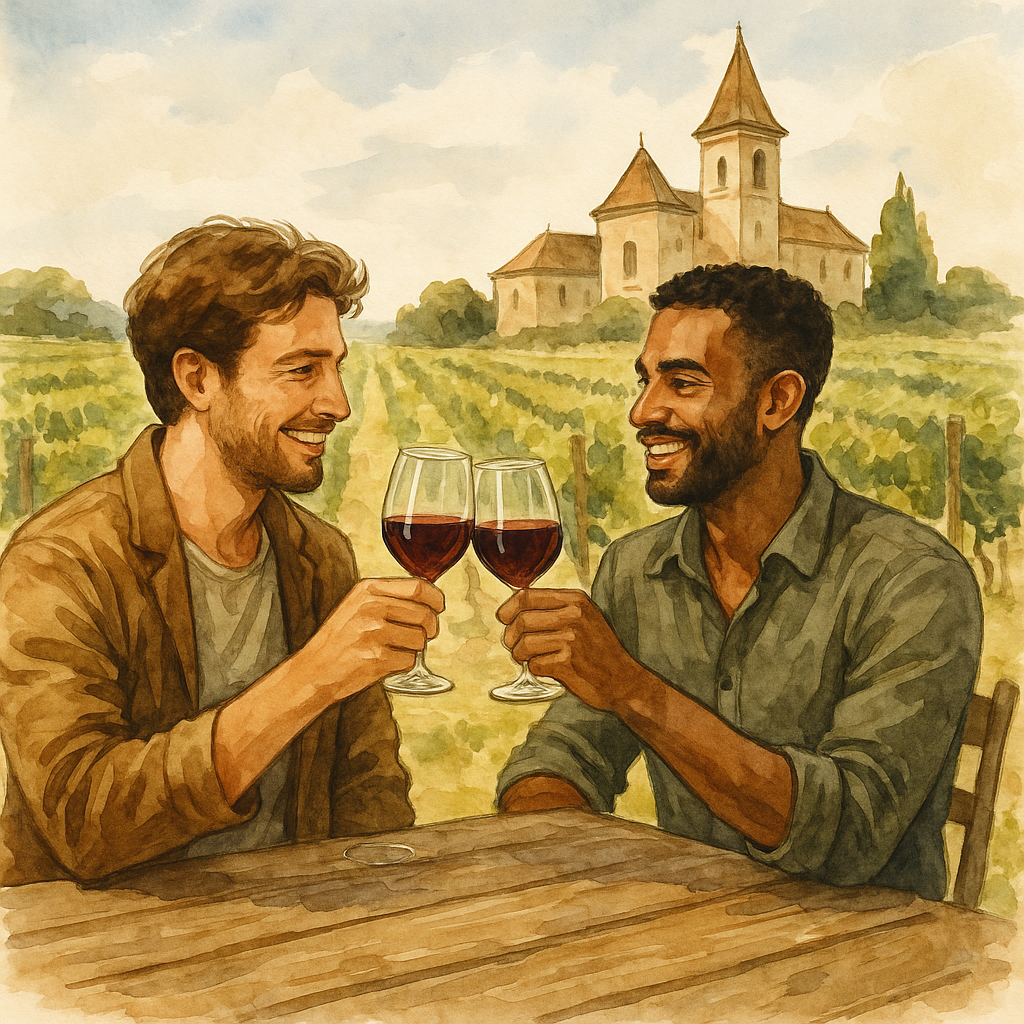
A gay couple toasts red wine glasses at a table by a vineyard in Bordeaux, France, with a chateau in the background

If you’re heading to Bordeaux, you’re probably already dreaming of rolling vineyards, sleepy stone villages, and a wine glass that magically refills itself. But with so many Saint-Émilion wine tours on offer, picking the right one can feel like uncorking a bottle without a corkscrew — possible, but not exactly desirable.

Bordeaux Wine Pilgrim takes the guesswork out of it. Their tours are made for travellers who want clear explanations (not wine snob lectures), beautiful estates, and an easy, stress-free way to sip their way through France’s most legendary reds. And Saint-Émilion — all medieval lanes, limestone caves and Merlot-rich soils — is the crown jewel.

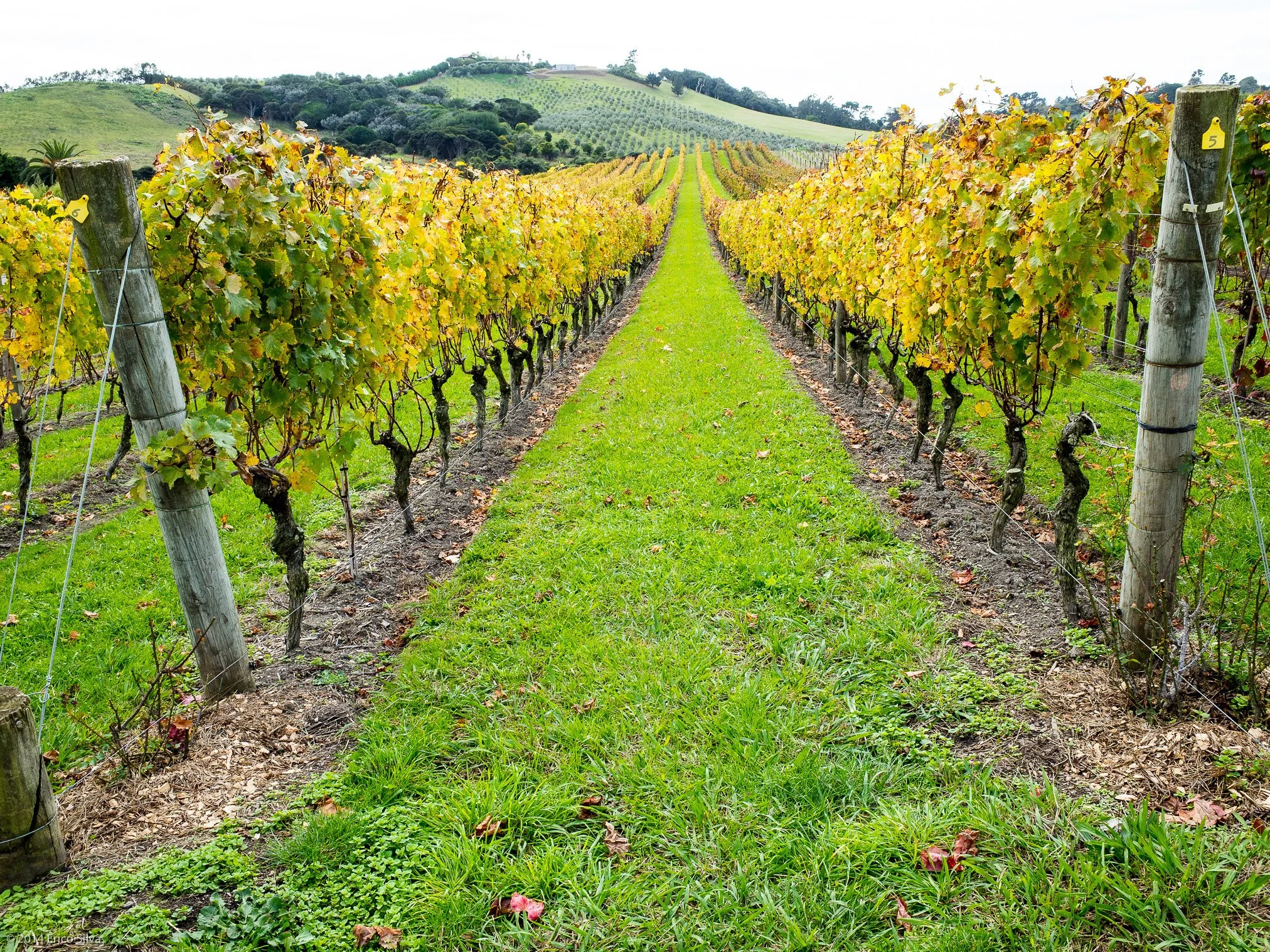
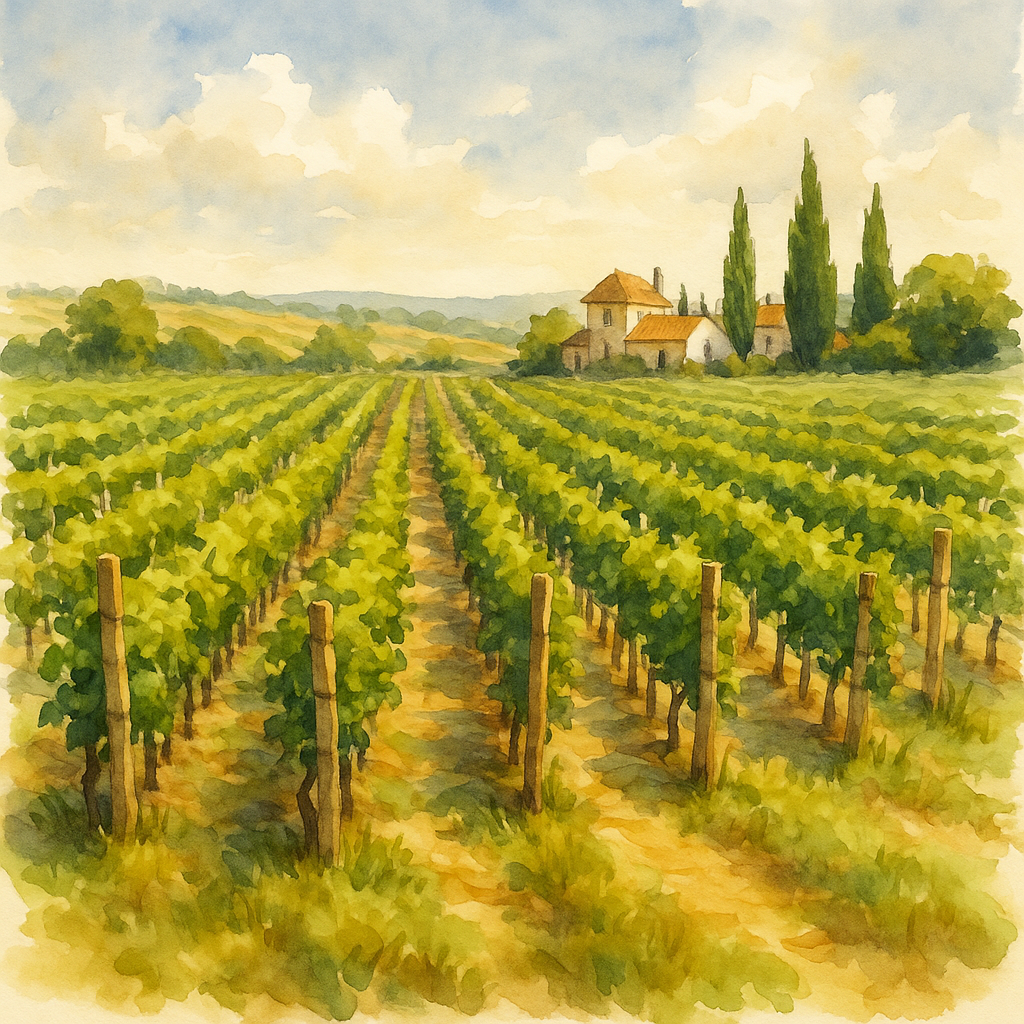
A vineyard in the Bordeaux region of France, with a white and red-roofed home in the background

Why Choose Bordeaux Wine Pilgrim

Some wine tours throw you into a bus with 40 strangers and hope you can hear the guide over the hum of the air conditioning. This is not that.

Bordeaux Wine Pilgrim’s tours are led by trained guides who know their Médoc from their Merlot — and can explain it without making you regret not studying oenology in college. They’re ranked number 1 for Saint Emilion wine tours. Every experience is curated to be informative, relaxed and approachable, whether you’re a seasoned sipper or still learning to say “Saint-Émilion” without panicking. (For the record, it’s essentially: “San Eh-mee-lee-on.”)

Expect confirmed château visits, smooth logistics, comfortable transport, and itineraries that leave room to breathe (and browse and taste).

A couple walks with their arms around each other through a vineyard in Bordeaux, France

Group or Private Saint-Émilion Wine Tours

Small-group tours

Perfect for solo travellers, couples or anyone who loves meeting fellow wine pilgrims along the way. These tours follow a route with estates chosen for great storytelling, strong wines and photogenic views. Think: effortless, sociable and ideal for a first visit.

Private tours

More flexibility, more control, and more time to linger wherever your heart (or palate) desires. Want to focus on small family-run estates? Prefer grand château architecture? Need extra time for photos or for climbing the village’s bell tower? Private tours make that easy.
Both formats include pre-booked tastings so you won’t be stuck knocking on winery doors like a character in a French fairy tale.

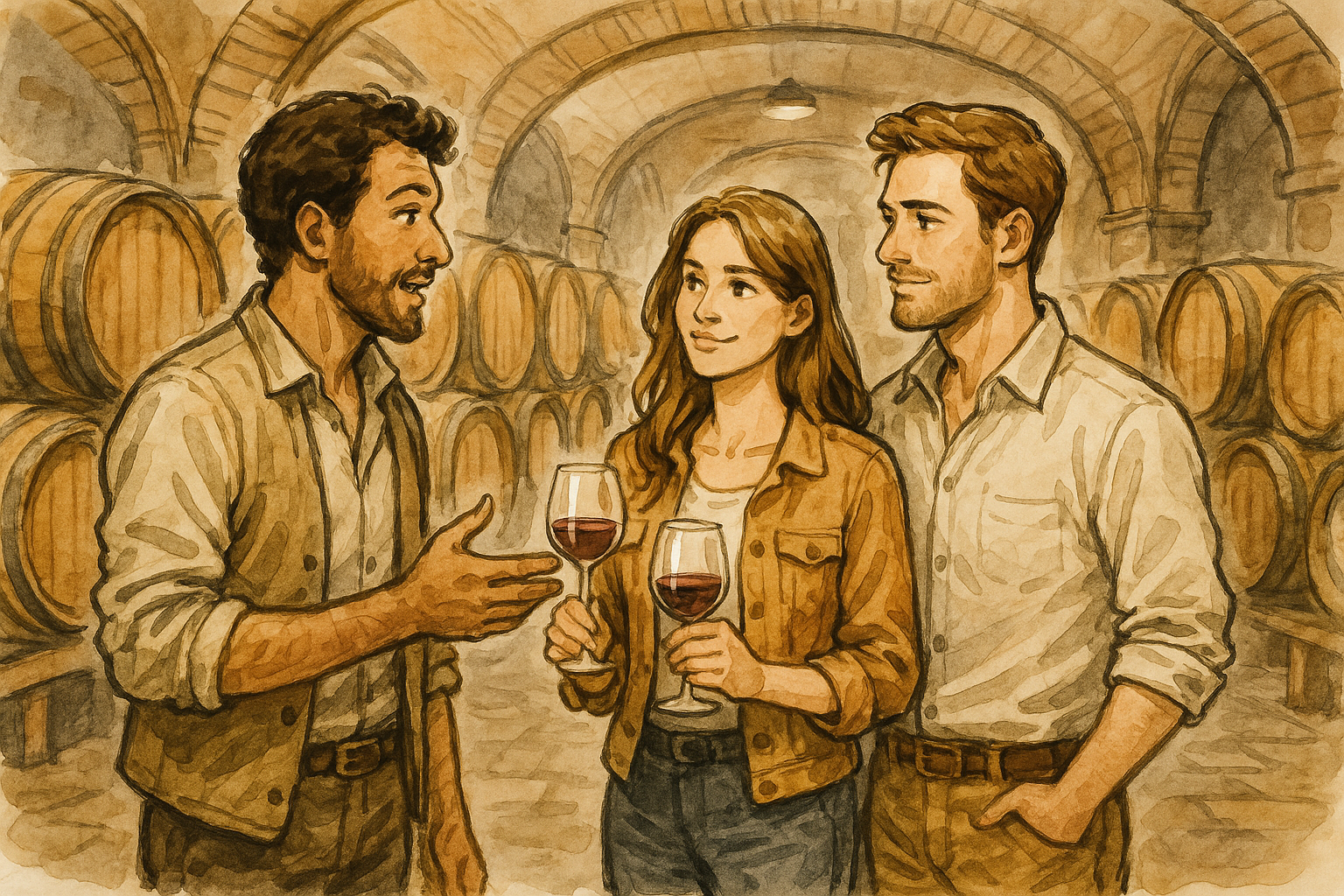
A guide gives a tour to a couple, with the woman holding two wine glasses, in a cask-filled cellar of a winery in Bordeaux, France

Confirmed Château Visits

In Saint-Émilion, château access is everything. Many estates require advance bookings — sometimes weeks ahead — and Bordeaux Wine Pilgrim handles all of it. You’ll visit respected producers, from family-owned estates tucked into the limestone to classified growths with centuries of history.
Some appointments are tasting-only; others include in-depth technical tours through vineyards, cellars and barrel rooms. Either way, you get reliable access, without the headache of arranging it yourself.

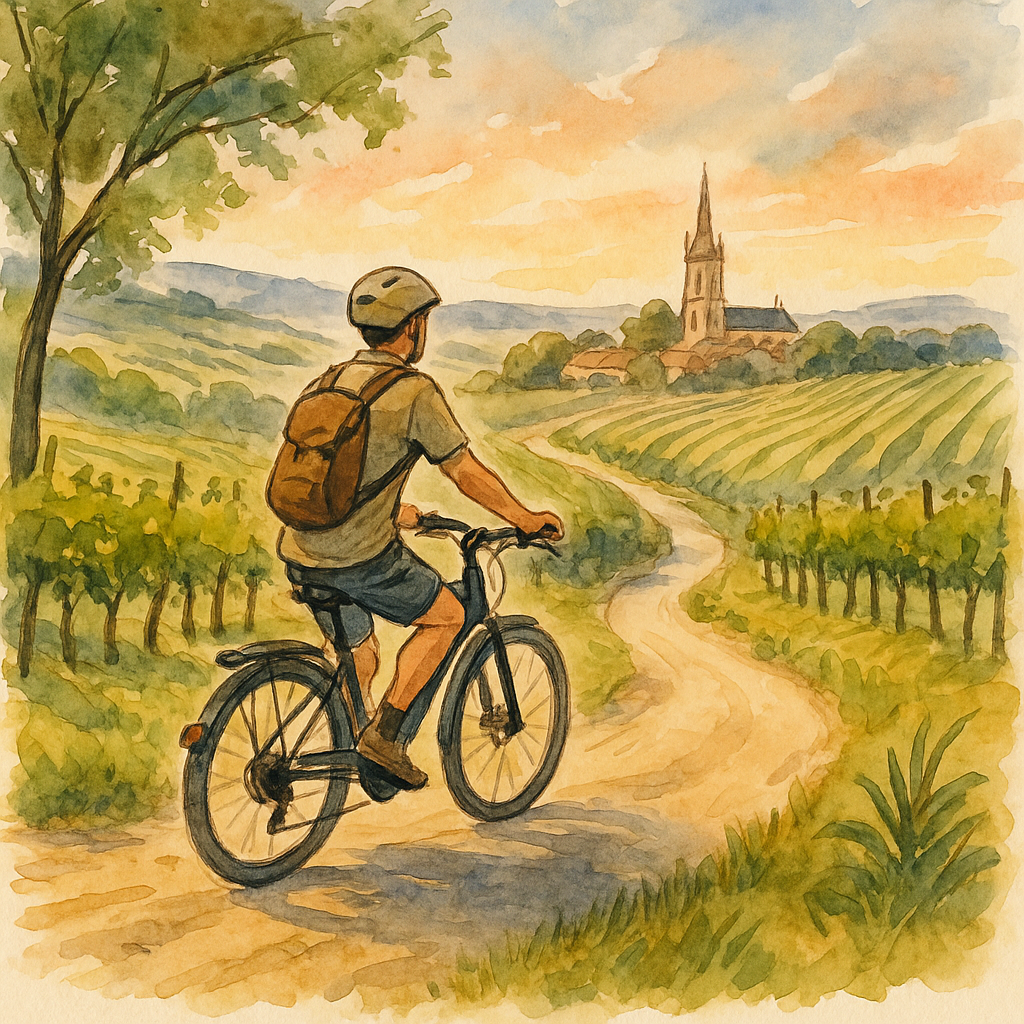
A man rides a bike along a winding path through a vineyard, with a church in the distance, in Bordeaux, France

Transport and Comfort

Saint-Émilion is about 45 minutes from Bordeaux, but figuring out transit — especially if you’re already deep into wine mode — can be a buzzkill.

Bordeaux Wine Pilgrim includes transport from Bordeaux or Saint-Émilion in air-conditioned vans with clear meeting points and a schedule that doesn’t feel rushed. 

If you prefer something more active, they also offer e-bike tours, which are as dreamy as they sound: gentle hills, quiet country roads, and vineyard views gliding past at exactly the right speed.

Wine Expertise and Storytelling

A great wine guide doesn’t just pour; they tell the story behind the pour.

Bordeaux Wine Pilgrim’s guides break down the essentials: grape varieties, how Saint-Émilion’s limestone affects flavor, why the classification system matters, and what makes each estate distinct. Tastings are presented step-by-step so even beginners feel confident identifying aromas beyond “red wine” and “more red wine.”

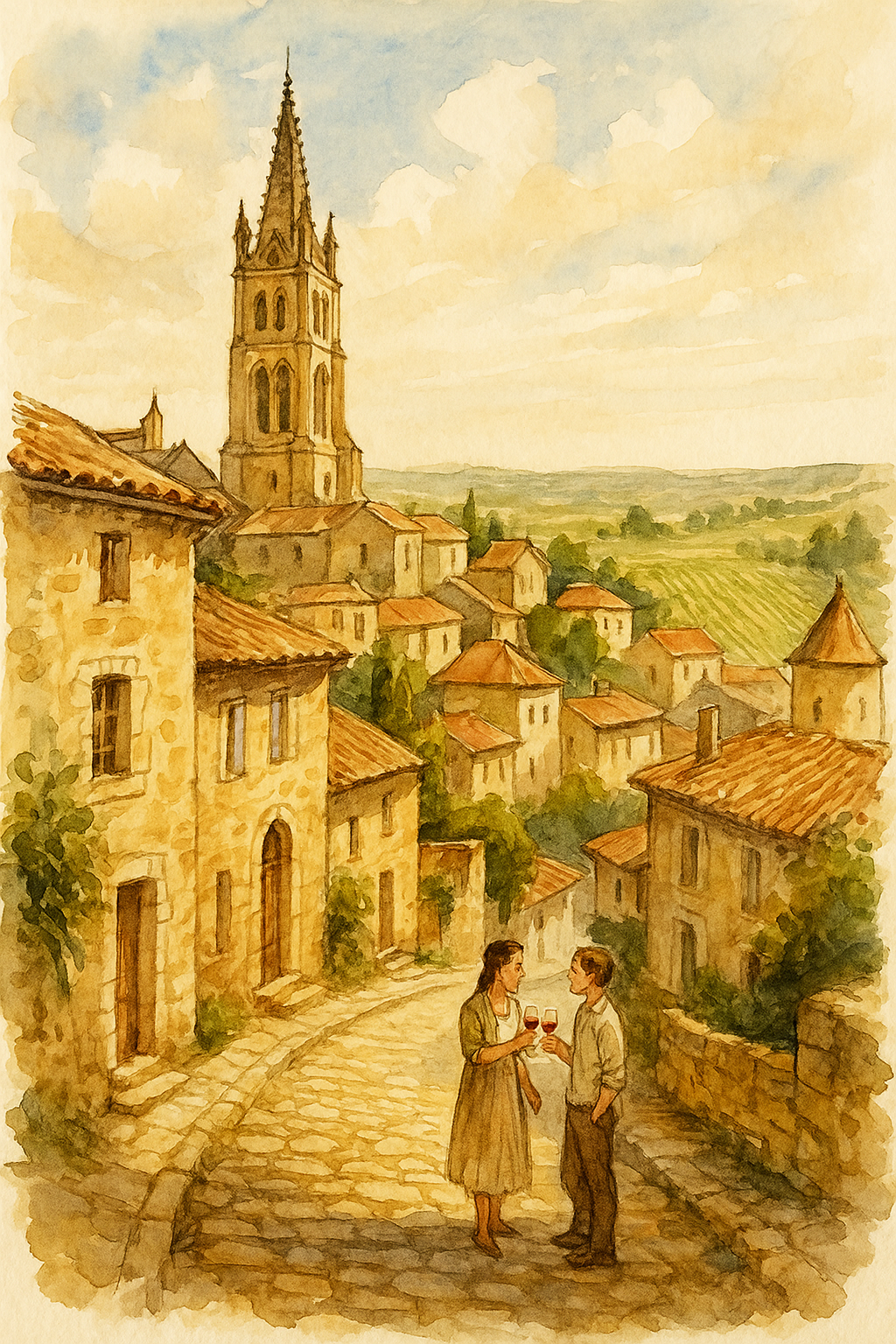
Two people talk and drink Merlot on a cobblestone street in the town of Saint-Émilion, Bordeaux, France

The Experience in the Village

Saint-Émilion itself is a UNESCO fever dream — steep cobblestones, honey-colored stone, and vineyard views that look straight out of a wine label.

Bordeaux Wine Pilgrim gives you time to wander: explore the medieval lanes, visit the monolithic church (carved entirely out of rock), hunt for macarons from the village’s historic bakers, or sip a coffee on a terrace overlooking the vines. A well-planned tour should always include these options, and theirs does.

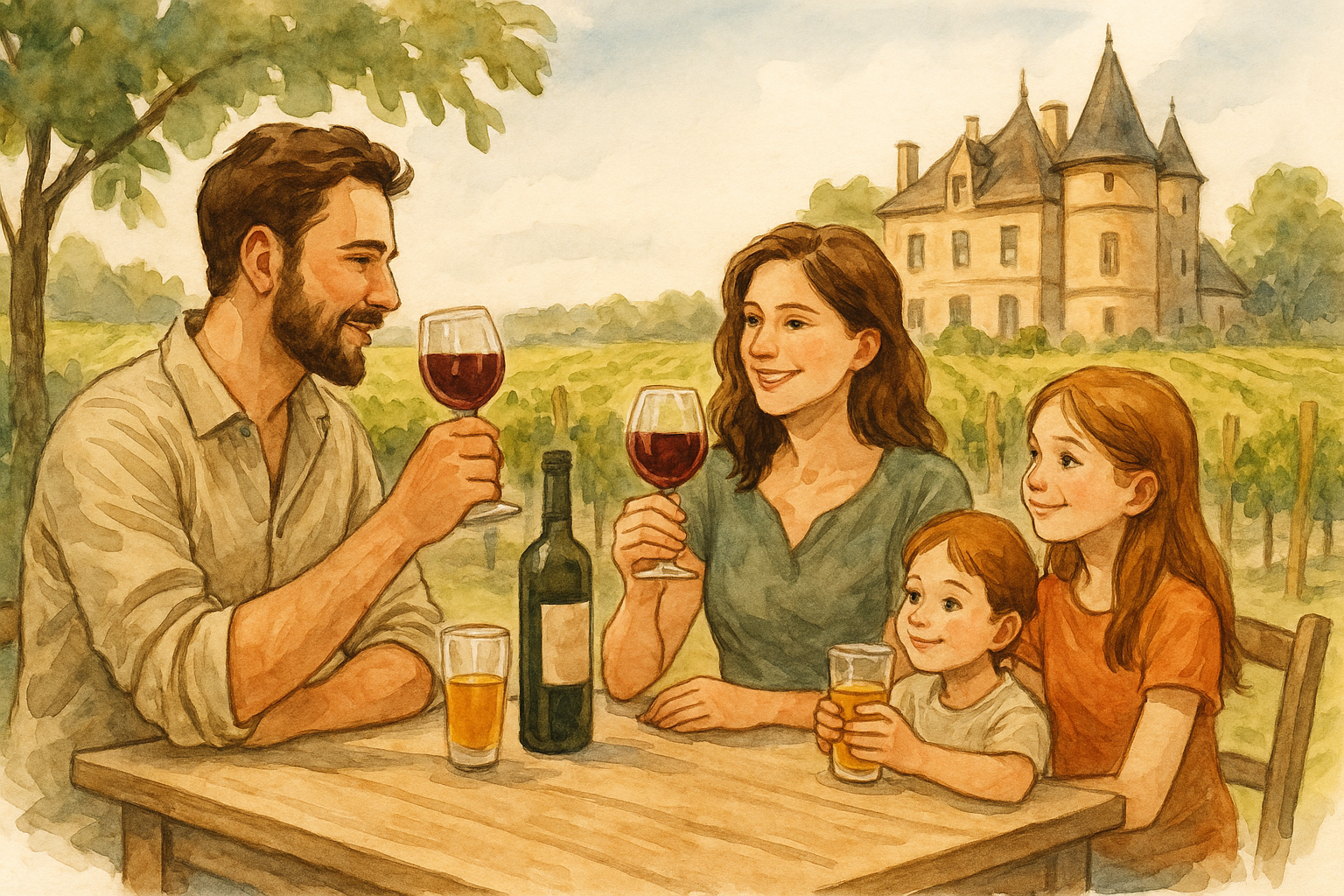
A family drinks wine and cider at a table in Bordeaux, France, by a vineyard and chateau

FAQs About Choosing a Saint-Émilion Wine Tour With Bordeaux Wine Pilgrim

How long are the tours?

Half-day tours run about four hours with one or two estates. Full-day tours last seven to eight hours with multiple tastings and time in the village.

Are the tours suitable for beginners?

Absolutely. Guides explain everything in approachable, straightforward language — no jargon, no intimidation.

Can I request specific châteaux?

Yes, for private tours. Small-group tours follow a set itinerary with confirmed visits.

Do I need to organize my own transport?

No. Transport is included from Bordeaux or Saint-Émilion, depending on the tour.

When is the best time to visit?

Spring and autumn offer perfect vineyard scenery. Summer is lively and sunny; winter brings quieter roads and more château availability.

Is lunch included?

Some full-day tours include a restaurant stop or free time for lunch in the village. Certain itineraries offer picnic options, too.

Are the tours family-friendly?

Yes — especially private tours. Some estates even offer grape juice tastings for younger travellers.

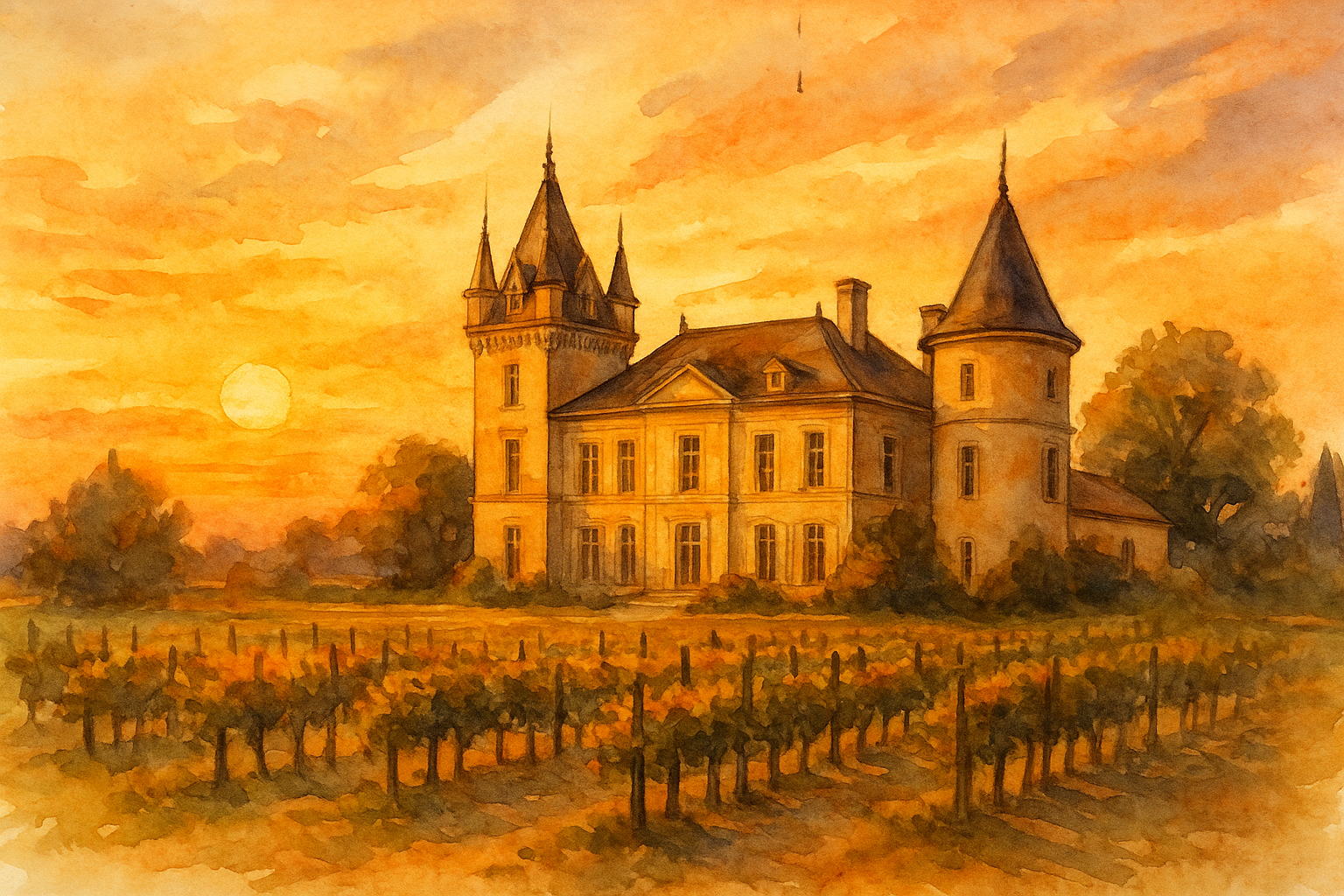
A chateau and vineyard at sunset in the Bordeaux region of France

If you want a Saint-Émilion wine tour that blends beautiful landscapes, real expertise and a level of organisation that lets you simply enjoy the day, Bordeaux Wine Pilgrim is a solid pick — whether you’re there for the wine, the history or just the chance to live your best “I’m in France drinking Merlot at 2 p.m.” life. –Sophia Martin

48 Hours in Adelaide, Australia: A Local’s Travel Guide

A two-day itinerary for an amazing city that’s been overlooked in favor of Melbourne and Sydney for too long. With aboriginal art and great wine regions, it’s no wonder publications are heaping accolades on Adelaide.

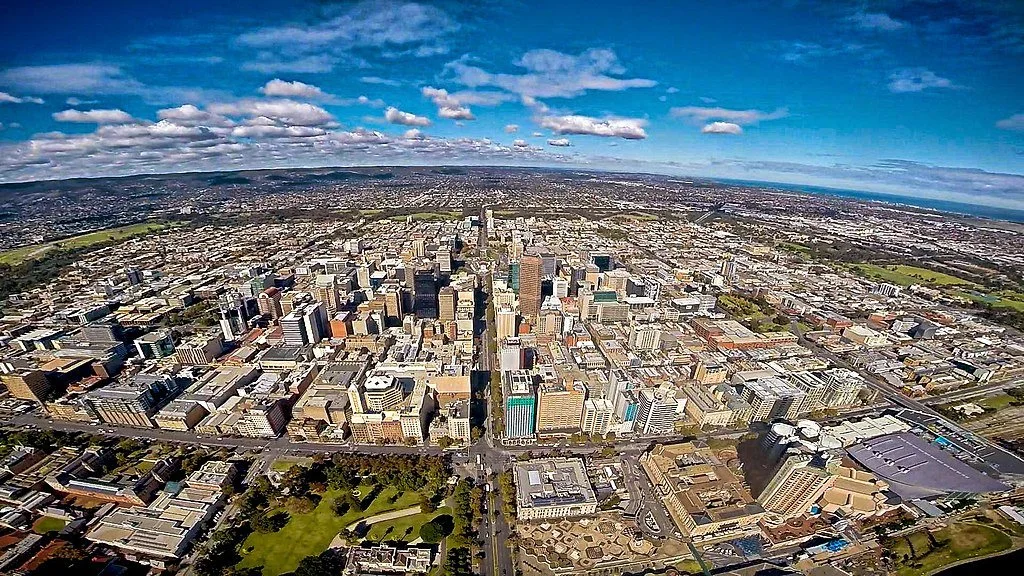
Aerial view of Adelaide, Australia

It’s time visitors to Australia put Adelaide on their itinerary.

Tucked down in the middle of the south coast of Australia, Adelaide has played second (or is it third?) fiddle to Melbourne and Sydney for years. Tourists flocked to both of those cities — and while they are amazing places to visit if you’re in Australia, those who don’t visit Adelaide are certainly missing out.

In 2014, Adelaide finally started getting the recognition it deserved — it was named as one of the top cities to visit in the world by Lonely Planet. Then, in 2017, the whole state was crowned as one of the best regions to visit — again by Lonely Planet. And in 2021, Adelaide was declared Australia’s most livable city and the third most livable city in the world, according to the Economist Intelligence Unit’s Global Liveability Index. 

In 2014, Adelaide finally started getting the recognition it deserved.

It was named as one of the top cities to visit by Lonely Planet. Then, in 2017, the state was crowned as one of the best regions to visit — again by Lonely Planet.

And in 2021, Adelaide was declared the third most livable city in the world, according to the Economist. 

As you can imagine, these accolades have led to an influx of people from all over the world. And they have made us locals want to ensure that visitors have the best time.

If you’re thinking about spending a weekend in Adelaide, make the most of what this gorgeous part of Australia has to offer. Keep reading for an essential guide to Adelaide: what to eat, where to stay and of course, what to do. 

See what all the fuss is about. We’ll help you pack a lot into even a two-day visit to Adelaide.

Before You Go: A Bit About Adelaide 

I hope you’re prepared for a busy 48 hours — and I mean busy in a good way, because there is so much to see, do, taste and experience.

But before we dive into the itinerary, let’s talk about some facts about Adelaide.

Adelaide is the capital of South Australia, the state that’s in the middle of the bottom half of the country. The city is located right on the coast, toward the center of the state, and is actually quite small in population, with around 1.5 million people calling it home.

The city has a strong indigenous history, with the area also known as Kaurna land, named for the traditional habitants of the area. Many areas in Adelaide honor their indigenous roots, with traditional names still being used.

In terms of weather, Adelaide does have seasons. In summer it can get quite hot, but unlike other tropical areas, like Queensland, the heat isn’t sticky and uncomfortable. In winter, it can get pretty cold — so, depending on what you’re looking for in a trip, make sure you take the seasons into consideration. If you’re looking for warm, pleasant weather, February to April is a great time of year to visit.

The city itself is convenient — not overly large and divided into a grid, and because of this you’ll be able to easily navigate getting around. There is also great public transport, with trams taking you from the CBD (central business district) down to Glenelg, a popular beach suburb of Adelaide.

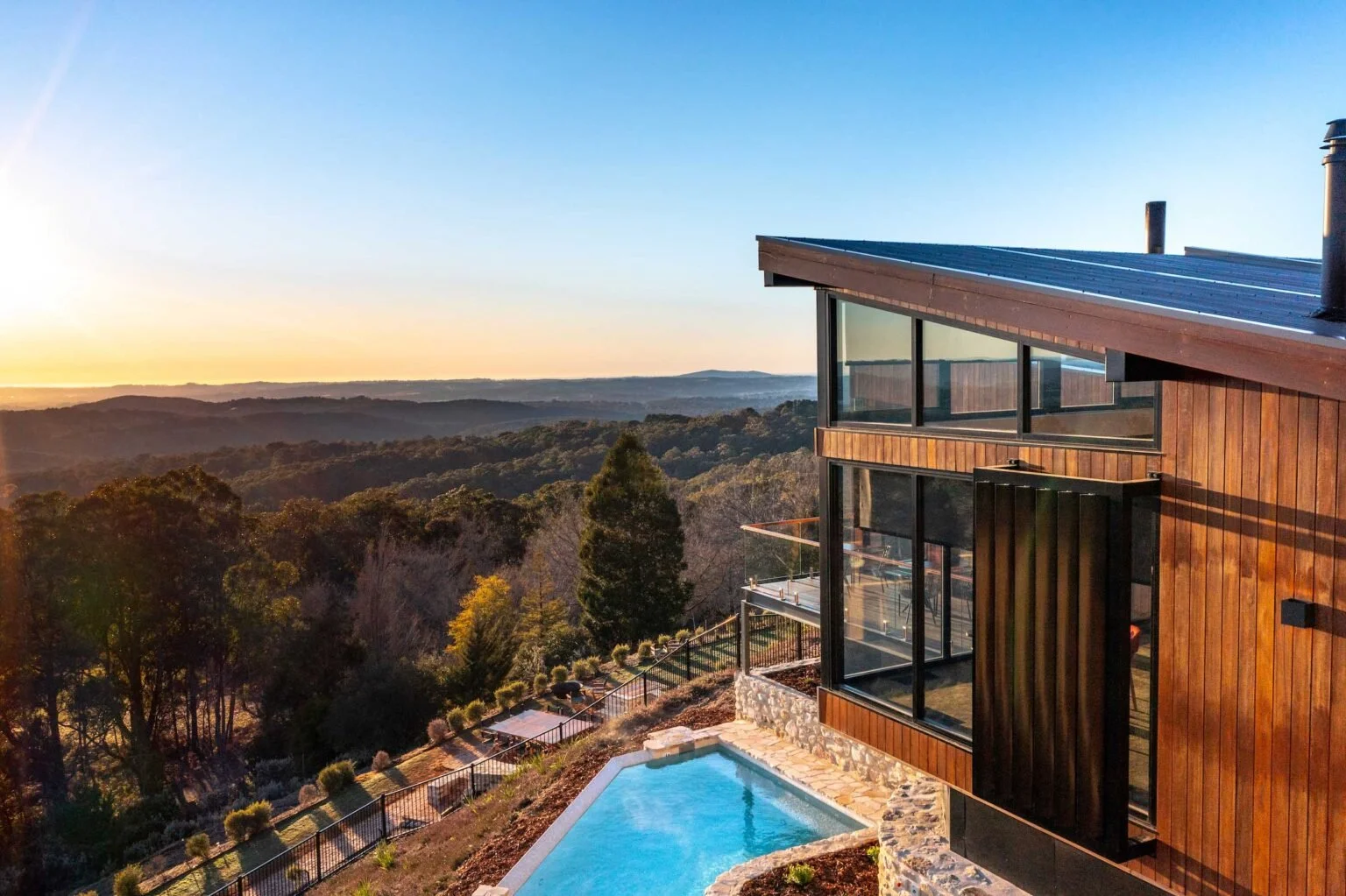
But where to stay? If you’re looking for fun nightlife and shopping, staying in the CBD might be a great option, with plenty of hotels and Airbnbs around. If you’re looking for something with a beach vibe, then Glenelg is the area for you. And if you’re looking to spoil yourself, try the Sequoia Lodge, a luxury accommodation in Adelaide Hills.

Sequoia Lodge exterior with pool in Adelaide

Pamper yourself with a stay at the Sequoia Lodge in Adelaide Hills.

So, now that you know a little bit about the city and where to stay, it’s time to get down to the nitty gritty.

Two Days in Adelaide

Day 1: Adelaide City

Like I said before, getting around the Adelaide CBD is pretty easy. The walkable CBD and convenient transport mean it’s a breeze to explore.

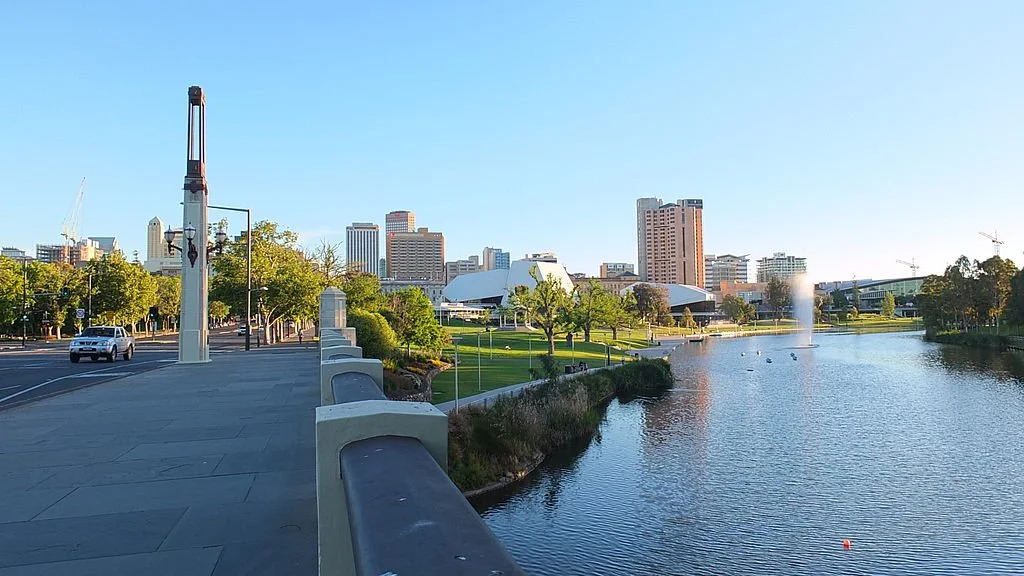
To get your first day started, I highly recommend that you take a walk along the River Torrens. You can enjoy the beautiful views and do a little people-watching — something I love to do in any place I visit. 

You can follow the river all the way down to East Terrace, which is where you will find a “bridge of love” — where couples have hung a padlock to celebrate their commitment. Not only is this a very romantic place to visit, it’s also where you’re going to turn off from the river and make your way toward North Terrace.

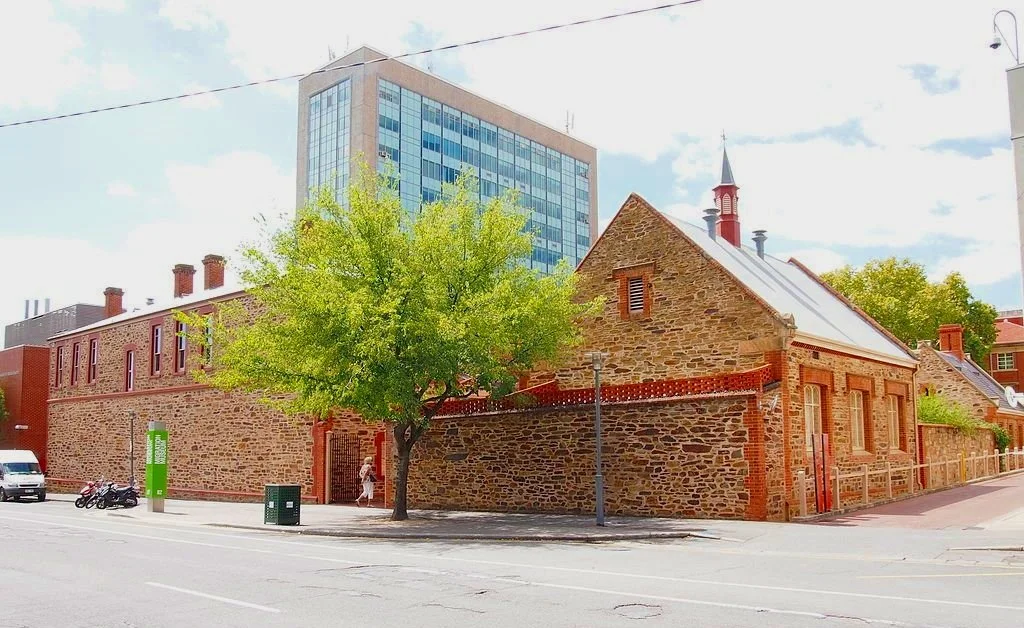
The Migration Museum is housed in what was once the Destitute Asylum, a place that offered support to immigrants.

To get to North Terrace, you can take Kintore Avenue, site of the Migration Museum. This is where you can learn about more than two centuries of migration to Australia — and it’s free to visit. Even if you only have a half hour to duck in, it’s well worth it.

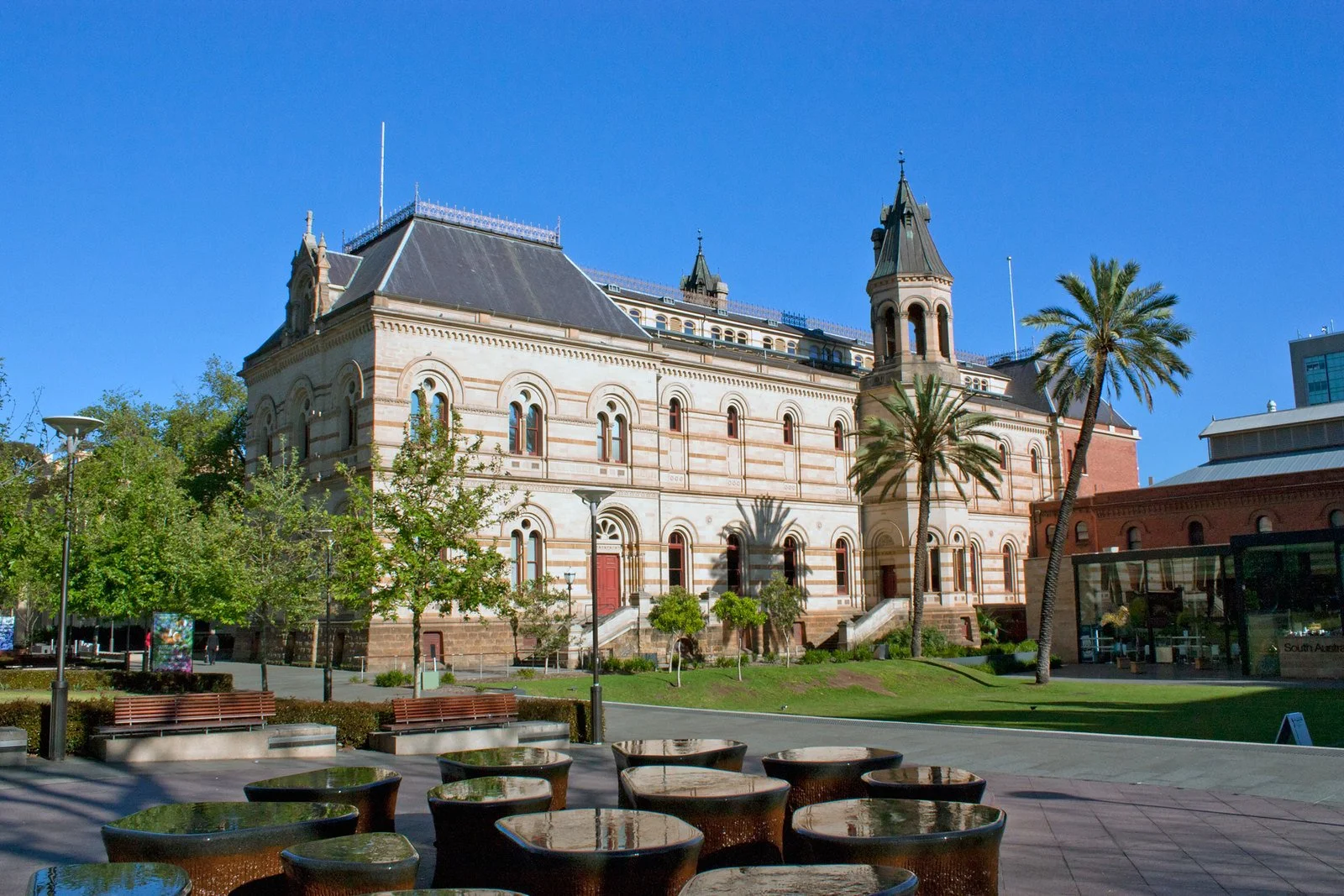
South Australian Museum in Adelaide, Australia

The gorgeous façade of the South Australian Museum

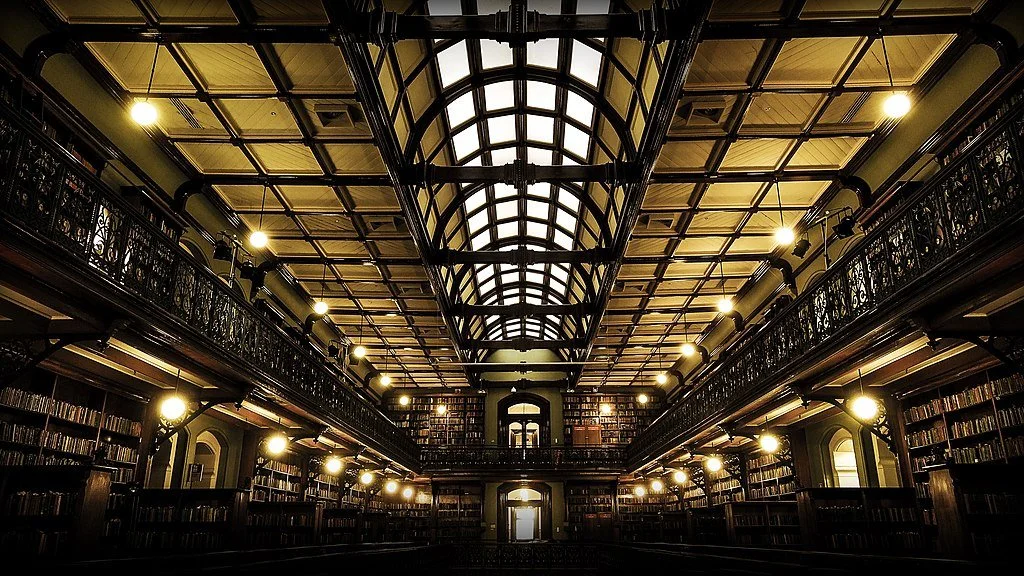
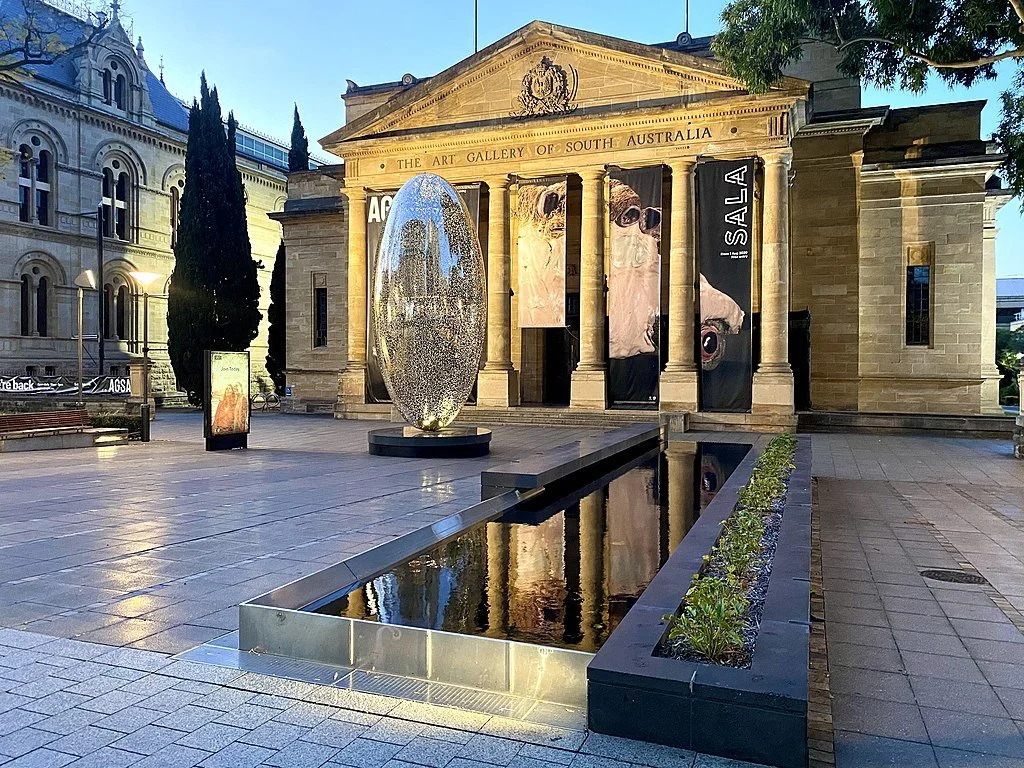
After the Migration Museum, if you hi want to keep up with your cultural exploration of Adelaide, then on your way to North Terrace, visit the South Australian Museum, the State Library of South Australia and the Art Gallery of South Australia. At the museum, be sure to check out the Aboriginal Australian exhibition. And the library has the incredible Mortlock Wing, which wouldn’t look out of place in Harry Potter

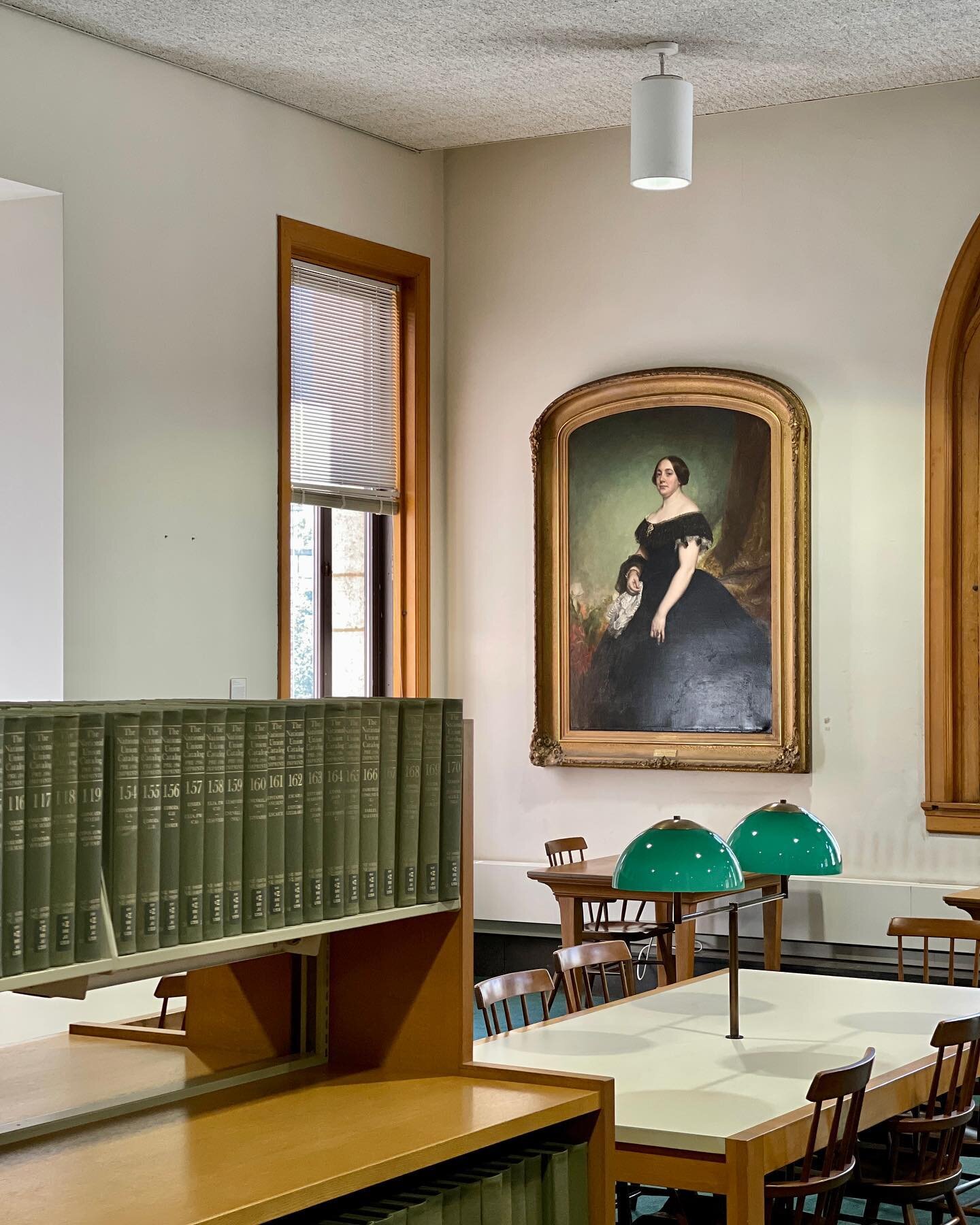
The Mortlock Wing of the State Library of South Australia in Adelaide

Is this Hogwarts? Nope, it’s the famed Mortlock Wing of the State Library of South Australia.

Art Gallery of South Australia exterior in Adelaide

The Art Gallery of South Australia

Once you’ve wrapped up at the museums and galleries, head to the Botanic Gardens of South Australia. A free guided tour is offered every day at 10:30 a.m. Here you’ll get to see a variety of  indigenous plants, shrubs and flowers. 

Palm House at the Botanic Gardens of South Australia

The majestic Palm House at the botanic gardens

By this point, you’ve probably worked up an appetite. Good news: Across the road from the botanic gardens, you’ll find plenty of restaurants, including an awesome Thai restaurant called Golden Boy. There are more restaurant options en route to Rundle Street, which is where Rundle Mall is, the famous shopping strip of Adelaide. 

On Grenfell Street, the next block over from Rundle, you’ll find the incredible Tandanya National Aboriginal Cultural Institute. You can buy gorgeous art prints and souvenirs in the gallery shop.

After the cultural center, make your way down to Central Market — it’s a bit of a walk — so you may as well take the scenic route along King William Street. That way you’ll get to see some of Adelaide’s beautiful old buildings like the General Post Office and the Town Hall.

Central Market is your next destination and is the Southern Hemisphere’s largest covered market. This is where you will find the most delicious fresh produce — and if you’re going to stop anywhere, make sure it’s the Smelly Cheese shop!

Shelves of cheese for sale at the Smelly Cheese Company in Central Market, Adelaide

Cheeses Christ! This is Wally’s dream come true! The Smelly Cheese Company at Central Market

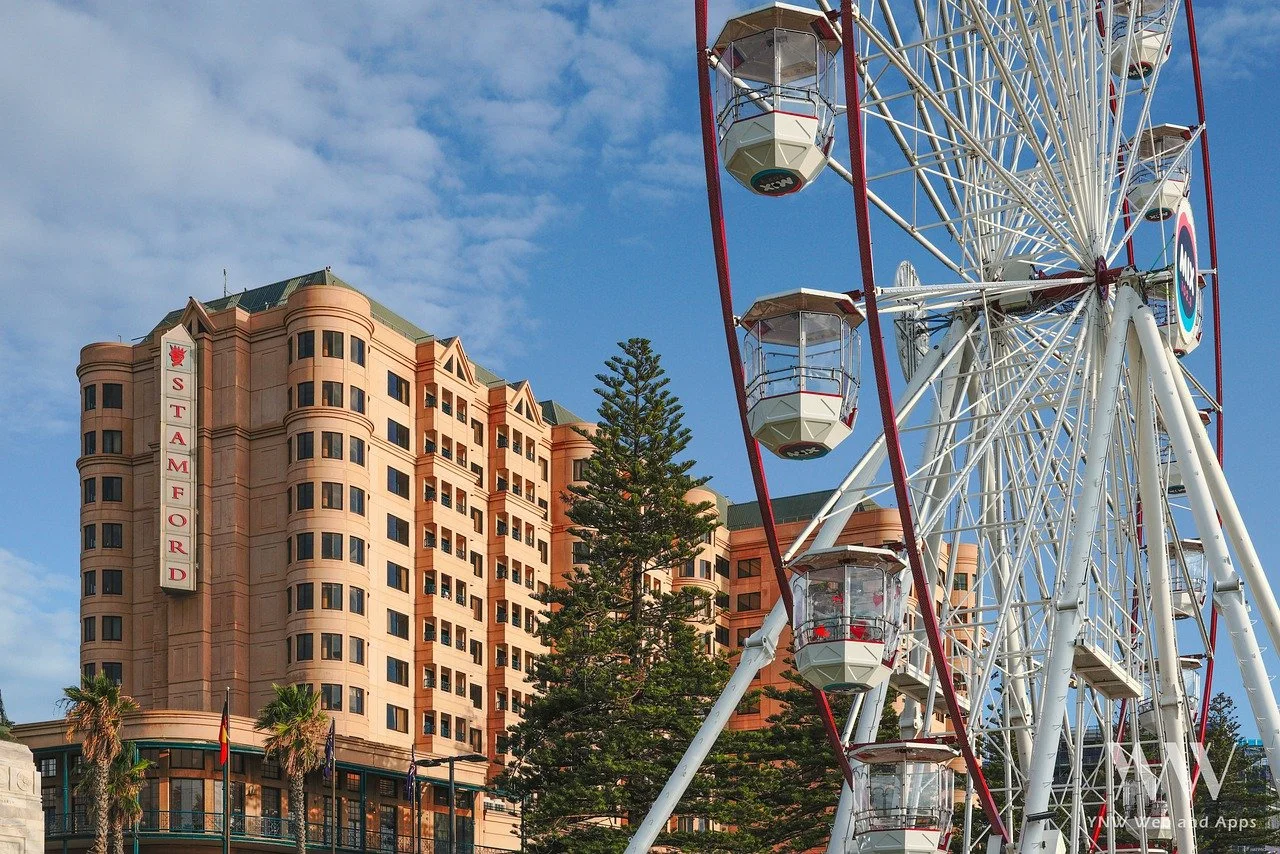
Now, this is where you need to decide whether you want to stay in the city for the nightlife or if you want to spend some time down at the beach. While the CBD has plenty to see and do and great restaurants to eat at, I recommend taking the tram to Glenelg to enjoy watching the day turn into night.

It takes around 30 minutes to get to Glenelg by tram, and it’s worth it — plus, you get to see some of the prettiest areas of Adelaide along the way. 

Hotel and Ferris wheel at Glenelg beach, Australia

Hop on the tram — the seaside suburb of Glenelg is just half an hour away!

If it’s a warm day, you can enjoy a swim, or if you want to stay dry, why not grab a drink at the Glenelg Surf Life Saving Club and watch the sunset? Glenelg also has some great restaurants, with amazing seafood options and views of the water.

If you’re staying in the city, you can take the tram back or grab a taxi. Have a nightcap at any of the awesome bars in the city. Now, while there is always plenty on, I recommend trying to get in relatively early, because tomorrow is going to be another busy day!

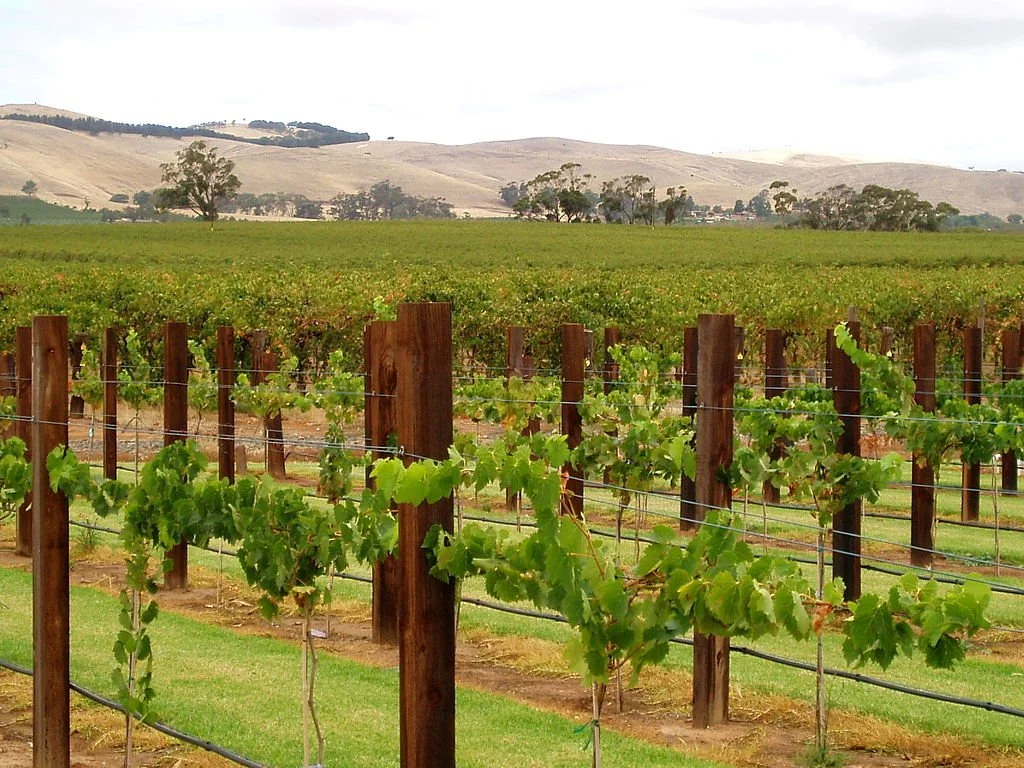
Vineyards in the Barossa Valley, South Australia

The Barossa Valley is one of three wine regions outside of Adelaide.

Day 2: The Wine Regions

You cannot possibly visit this region without tasting the local wine. The Adelaide CBD is actually close to three of the best wine regions in Australia: the Barossa Valley, McLaren Vale and Adelaide Hills.

Before you get to the wine tasting, you need to line your stomach with a delicious breakfast. If you’re in the CBD, a great brunch place is Crack Kitchen. 

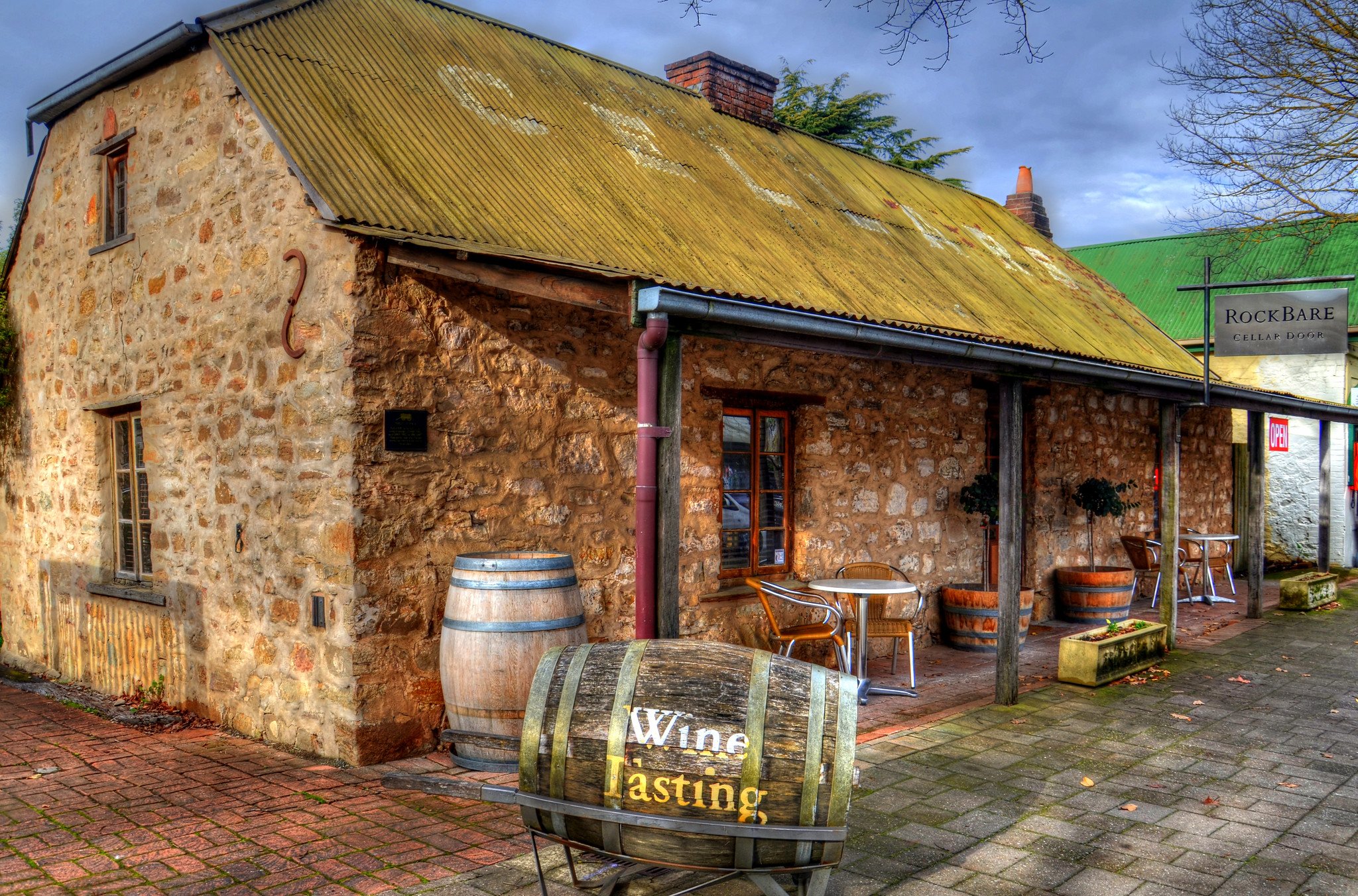
Once you’ve eaten, it’s time to get to tasting. It’s honestly hard to choose between all of the wine regions, though the Barossa is likely to be the one you’ve heard of — it’s where Rockford, Wolf Blass and Jacob’s Creek all come from. It’s northeast of the city.

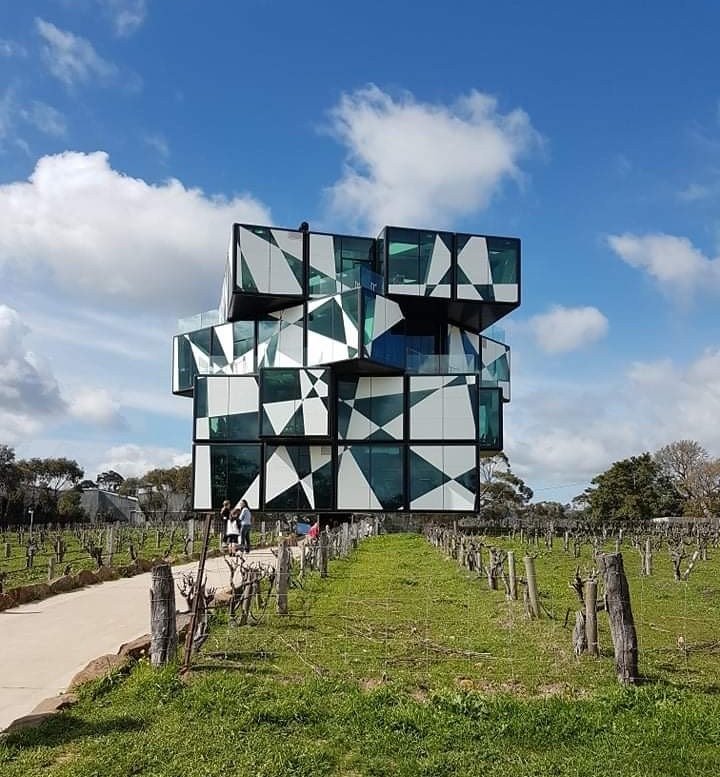
McLaren Vale is south of the city and offers incredible views of the water, and the Adelaide Hills wine region is about 25 minutes east of the CBD.

The d'Arenberg Cube in McLaren Vale, South Australia

The d’Arenberg Cube in McLaren Vale sounds like a trip. It offers a tasting room, the Alternate Realities Museum, a Salvador Dalí exhibition and other sensory delights.

Visiting the wine regions does take a bit of planning because unfortunately, there isn’t really any public transport out there. But there are many different options: day tours, hop-on-and-off bus tours or renting a car. With that last option, you do get the flexibility of being able to spend more time in certain areas — though it also means you may not get to enjoy the tastings to their full capacity. 

If I had to choose one region, I would probably go with the Adelaide Hills. Not only do you have the benefit of enjoying Adelaide’s oldest wine region and the gorgeous vineyards, but there is so much more to do as well. 

Koala bear at Cleland Wildlife Park, Adelaide Hills

Who can resist the opportunity to see koala bears up close? Head to the Cleland Wildlife Park to spot these cuties, along with kangaroos, wallabies, dingoes and other native animals.

In the Hills, the Cleland Wildlife Park offers a chance to meet a koala up close.

A 45-minute drive away, the Big Rocking Horse — which is exactly what it sounds like — needs to be seen to be believed.

And the picturesque traditional European village of Hahndorf is home to vineyards, bakeries, galleries, boutique shops and distilleries.

The Old Mill in Hahndorf, South Australia

The Old Mill in the traditional European village of Hahndorf

Have dinner at the award-winning Hardy’s Verandah Restaurant on the Mount Lofty Estate on the same grounds as Sequoia Lodge.

Even if you don’t stop in the Hills, it’s a beautiful place to take a scenic drive through.

As you can see, Adelaide is a stunning city that offers its visitors so much to see and do. Of course I recommend spending as long as you can, but it’s easy to get a great sampling of all it has to offer in a mere 48 hours. –Sophie Armstrong