The Monsters of “Supernatural,” Season 2, Episodes 1-3

In which we’re visited by the Grim Reaper, the original vampire baddie Vlad the Impaler and the Hindu shapeshifter rakshasa. Plus, we play with a Ouija board and learn how to make Abramelin Oil.

What’s a Halloween party without a Ouija board? It’s the best time to talk with the dead

We had a phase in college when we’d whip out the Ouija board and try to talk to the spirits we were sure roamed our dorm. A group of my friends was sitting around the board when I walked in one night. Nothing was happening.

I took a seat — and suddenly the planchette started darting around, spelling out a story of a young girl who had drowned.

Vlad is said to have invited a large group to dinner, had them stabbed and then impaled their still-twitching bodies.

Of course everyone thought I was nudging it along, so they had me sit the next round out. The planchette didn’t budge.

“See?” one of them said. “He was totally pushing it.”

“I’ll tell you what,” I replied. “I’ll go back in, but I won’t touch it.” And I left my fingers hovering an inch or so above the planchette. It started darting around again. Everyone freaked out — and my connection to the spiritual realm was undisputed.
 

A reaper reveals itself

S2E1: “In My Time of Dying”

Monster: Reaper

Where it’s from: All over the world

Description: The reapers of Supernatural can alter perceptions. So this one appears to Dean as a pretty girl since he didn’t like her natural (spectral, freakyass) form.
Typically, the Grim Reaper is depicted as a skeleton wearing a black hooded robe, often carrying a scythe.

We covered reapers in a previous Supernatural roundup.

The ep also mentions fetches. These creatures from English and Irish folklore look just like you, but the time you see them makes all the difference. If you see your double in the morning, good news! You’re going to have a nice long life. See a fetch at night, and you’re soon to be a goner.

Queen Elizabeth I of England was shocked to find a corpse lying on her bed. Upon closer inspection, she saw that the body was identical to her own. She died shortly thereafter.

Queen Elizabeth saw a fetch lying on her bed — and she died not long after

What it does: What do you think the personification of death does? It kills you, duh.

If you’d like to communicate with someone who’s died, do like Sam and break out the Ouija board (oh, I’m sorry, I mean the Mystical Talking Board).
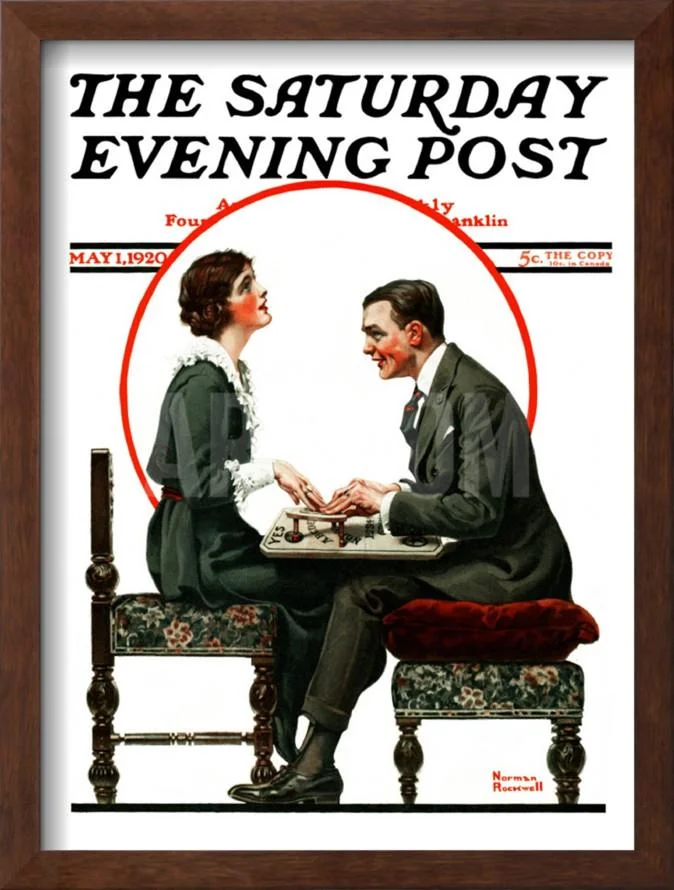
Norman Rockwell painted a scene of a couple using a Ouija board for a cover of The Saturday Evening Post

Norman Rockwell painted a scene of a couple using a Ouija board for a cover of The Saturday Evening Post

The Ouija board debuted in 1891, and for $1.50 you could have the opportunity to answer questions “about the past, present and future with marvelous accuracy,” according to an ad at the time.

Victorians were obsessed with spiritualism and occultism.

Victorians were kind of obsessed with spiritualism and trying to speak with the dead

Communicating with the dead was common — it wasn’t seen as bizarre or weird,” explains Robert Murch, who has researched the history of Ouija boards.

How to defeat it: You can’t kill death, silly.

The fellas mention a couple of items they learn are used to summon a demon. Oil of Abramelin is on the list. It’s a hoodoo formula named for its inclusion in a medieval grimoire called The Book of the Sacred Magic of Abramelin the Mage, written by a man with the unfortunate appellation Abraham of Worms. He was a 15th century Jewish Kabbalist who adapted from the Jewish Holy Oil of the Tanakh. Moses whipped up a batch in the Bible’s Book of Exodus.
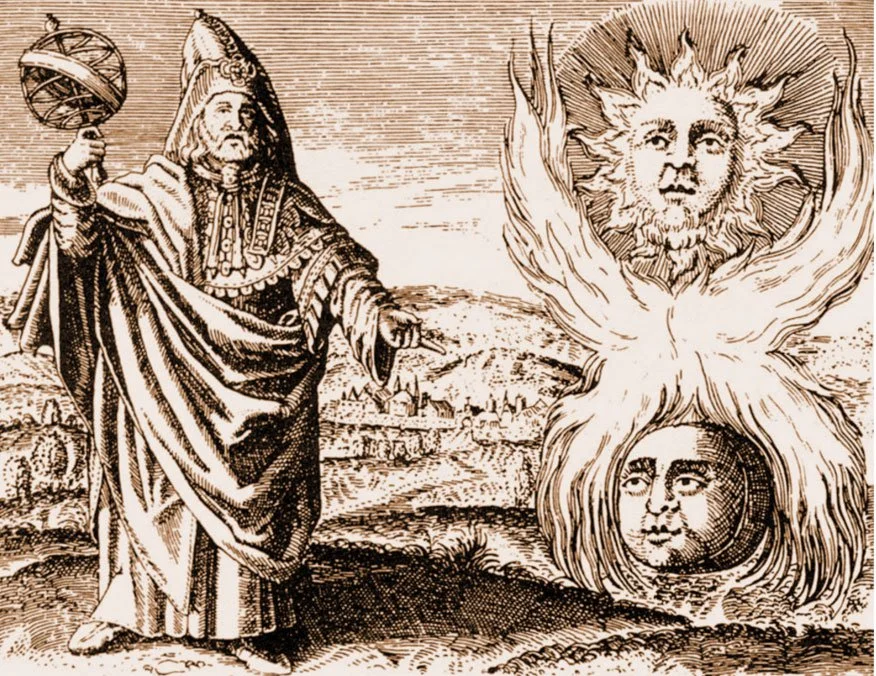
Abramelin the Mage. I’m sure he’s slathered in his namesake oil

Abramelin the Mage. I’m sure he’s slathered in his namesake oil

Old Wormy said that the oil is a part of rituals that involve “the gifts of flight, treasure-finding and invisibility, as well as the power to cast effective love spells.”

The sex-crazed ceremonial magician Aleister Crowley believed Abramelin Oil “consecrates everything that is touched with it.”

There’s a lot of talk about variations on the recipe, some of which resulted from a French dude’s mistranslation. Here’s one that seems legit (and not overly archaic).


Abramelin Oil

  • 4 parts cinnamon bark quills, reduced to powder

  • 2 parts myrrh resin, finely ground

  • 1 part calamus chopped root, reduced to powder

  • half of the foregoing total weight olive oil


The mixture is macerated for one month, then decanted and bottled for use, producing a fragrant oil suitable for anointing the body. It may be applied liberally, after the manner of traditional Jewish holy oils, such as the one that was poured on Aaron’s head until it ran down his beard. 

Daddy Winchester also wanted acacia. And though he had lied about the reason he wanted those ingredients, acacia is more likely to be used for protection than for summoning a demon. The bush has become a symbol of renewal, strength and purity, as well as immortality due to its evergreen nature, according to Building Beautiful Souls. It was common in Hebrew tradition to plant an acacia at the head of a person’s grave. The instructions for Noah’s Ark were written on acacia wood. And in Tibet, acacia incense wards off evil spirits.

The only way you could really beat death is to make a swap — a life for a life. John sacrifices himself to get the reaper off Dean’s back.


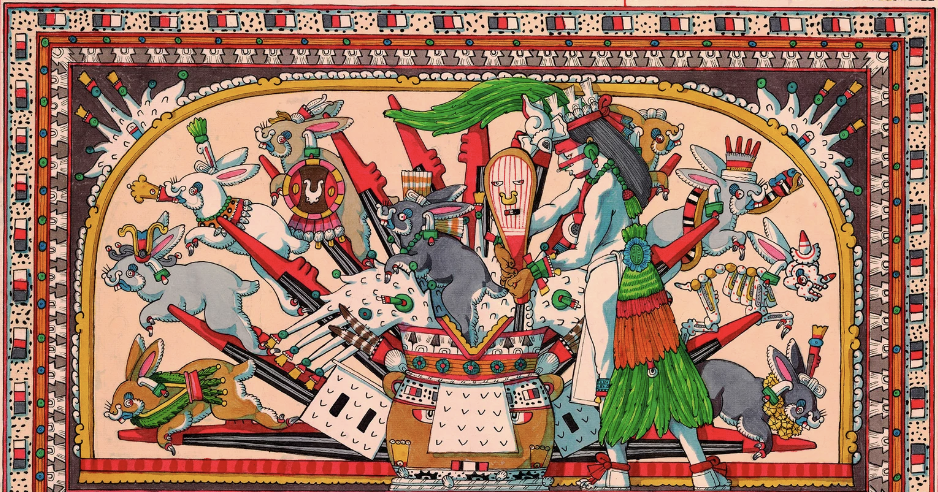
The Hindu demon rakshasha is known for tearing people apart

S2E2: “Everybody Loves a Clown”

Monster: Rakshasa, a Hindu monster

Where it’s from: India

Description: These demons can shapeshift into any animal or monster they wish. Sculptors were told to carve them with a “terrifying appearance, complete with fearful side tusks, ugly eyes, curling awkward brows, and carrying a variety of horrible weapons.”

In the Hindu epic, the Ramayana, Hanuman, the monkey god, enters a town full of rakshasas:

“Some of them disgusted the eye, while some were beautiful to look upon. Some had long arms and frightful shapes; some were very fat and some were very lean; some were mere dwarfs and some were prodigiously tall. Some had only one eye and others only one ear. Some had monstrous bellies, hanging breasts, long projecting teeth and crooked thighs; whilst others were exceedingly beautiful to behold and clothed in great splendour. Some had two legs, some three legs, and some four legs. Some had the heads of serpents, some the heads of donkeys, some the heads of horses and some the heads of elephants.”

What it does: Well, they devour people. And sleep on beds full of insects.

Ravana, the 10-headed King of Rakshasas kidnapped the lovely Sita in the Hindu epic the Ramayana

Rakshasas are ruled by their 10-headed king, Ravana, arguably the main villain in the Ramayana. “He was possibly a wonderful leader,” writes Vampires.com. “He was also a murdering rapist who ate people.”

Ravana makes an appearance shaking a mountain on a carving in a temple in the Angkor complex in Cambodia.

We probably don’t even want to know what this rakshasa is up to

Rakshasas are notorious for disturbing sacrifices, desecrating graves, harassing priests, possessing human beings and so on,” according to the New World Encyclopedia.

Rakshasas can shapeshift, enjoy devouring people and always fade away at the start of a new day

How to defeat it: A rakshasa’s power grows in the evening, and they’re at their strongest during the dark of a new moon. But they disappear with the rising of the sun.

The rakshasa page from the AD&D Monster Manual

On the show, they must be invited in, like some vampire legends.

The Brothers Winchester kill the rakshasa with a dagger made of pure brass.

If you play D&D, here are the stats for a rakshasa. Not only can you fight them, you play a rakshasa character!

They don’t give out medals for dungeon masters extraordinaire…but if they did, my friend Mike would receive one. I asked him what he thought about rakshasas in the world of Dungeons & Dragons.

“Rakshasas are one of my fave monsters!” he said. “They focus on stealth and deception, they possess both powerful magical abilities and immunities, and they can more than hold their own in physical combat. If you’re looking for a big bad for a story arc, rakshasas are the perfect masterminds.”
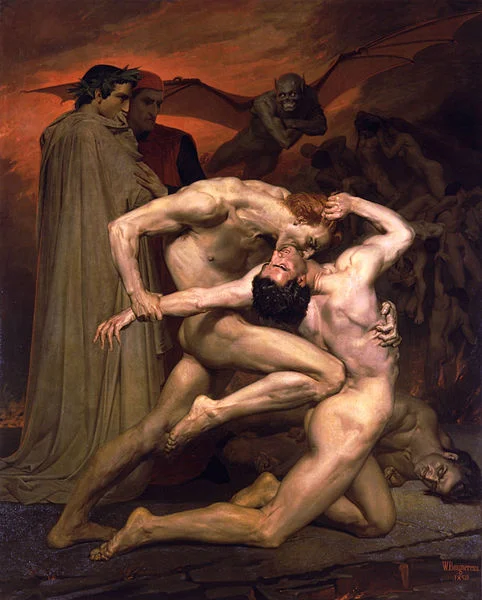
Wally has always secretly wanted to be a vampire

Wally has always secretly wanted to be a vampire

S2E3: “Bloodlust”

Monster: Vampire

Description: You all know what vampires look like. For more background, we first covered vampires on Supernatural in this post.

What it does: Here’s where we get into moral ambiguity: What exactly makes something a monster? Are vampires inherently evil? What about the ones in this brood who don’t hurt humans but instead drink cow blood? (Does it matter that they do so mostly so there aren’t missing people that will lead hunters to them?) Discuss amongst yourselves.

Vlad Tepes, a Romanian prince from the 1400s, became the infamous Dracula

As for our modern vampire folklore, many trace it back to the man who became Dracula: Vlad III, known as Dracul (Drăculea in old Romanian). He also earned the name Vlad Tepes (which translates to “the Impaler”). That gives you an idea of his favorite hobby.

Born in 1431, Vlad was the prince of Wallachia in what is now Romania. He might not have been the monster we’ve all been taught to believe.

“His preferred method of execution, impalement, wasn’t just a sadistic way to get rid of his opponents; it was also a good way to scare them away,” Florin Curta, a professor of medieval history at the University of Florida, told Live Science.
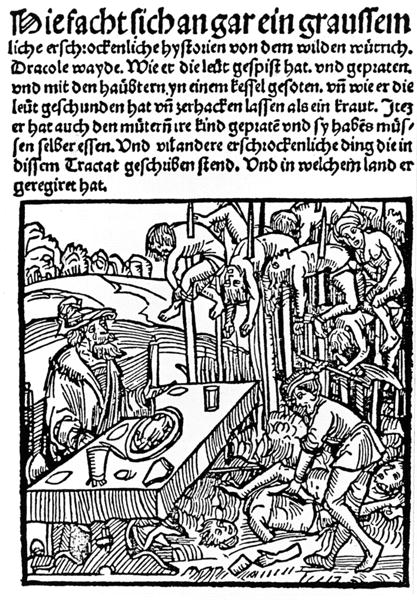
Vlad the Impaler is said to have enjoyed dining amidst his eccentric décor (bodies impaled upon stakes)

Vlad the Impaler is said to have enjoyed dining amidst his eccentric décor (bodies impaled upon stakes)

His habit of impaling Ottoman invaders was a form of psychological warfare used to level the playing field with an army much larger than his own. It doesn’t quite explain why he used that horrific means of death on Saxon merchants and local nobles he feared would question his authority. (He’s said to have invited a large group to dinner, had them stabbed and then impaled their still-twitching bodies.)

Some say his cruelty went even further. “He would impale women for nothing, his reason being they weren’t working hard enough. Some say he took sexual pleasure from this. He even impaled the children and the elderly because to him, they were useless,” according to The Good, the Bad and the Monstrous.

Apparently, it wasn’t the only way Dracula punished his enemies, according to the website Vlad the Impaler. He also was fond of “cutting of limbs, blinding, strangulation, burning, cutting off noses and ears, mutilation of sexual organs, scalping, skinning, exposure to the elements or to wild animals and boiling alive.”
Are vampires inherently evil? Would you slay one if it only dined on animal blood?

There’s evidence that Vlad would insert the spike through his victims’ rectums and angle it to avoid hitting the vital organs so the person would live as long as possible.

One of the myths surrounding Dracula is that he drank the blood of his enemies. Turns out the original source, a German poem, actually says he really just liked to wash his hands in the blood of his enemies before he ate dinner. Bon appétit!

How to defeat it: If you’re in danger, cut its friggin’ head off. –Wally

He was possibly a wonderful leader.
He was also a murdering rapist who ate people.

The Secrets of Parc des Buttes Chaumont

What to do in Paris? Visit this off-the-beaten-path park. It’s lovely now but had a gruesome origin.

Parc des Buttes Chaumont isn’t at the top of tourists’ itineraries, but it’s a great natural break from the heart of the city

Parc des Buttes Chaumont isn’t at the top of tourists’ itineraries, but it’s a great natural break from the heart of the city

On a sunny Sunday afternoon, our friends Michael and Kent took us to one of their favorite spots in Paris: Parc des Buttes Chaumont, located in the 19th arrondissement. We took the Métro to the Botzaris Station and walked until we arrived at the park.

Michael and a couple friends who also happened to be visiting Paris, Jennifer and Kirsten, went off in search of the guinguette (defined in the 1750 Dictionnaire de la langue français, as a “small cabaret in the suburbs and the surrounds of Paris, where craftsmen drink in the summer and on Sundays and on Festival day”). It’s called Rosa Bonheur, but Michael refers to it as the “Log Cabin.”

After the French Revolution, the tract of land became a refuse dump, a place for processing horse carcasses and a depository for sewage.
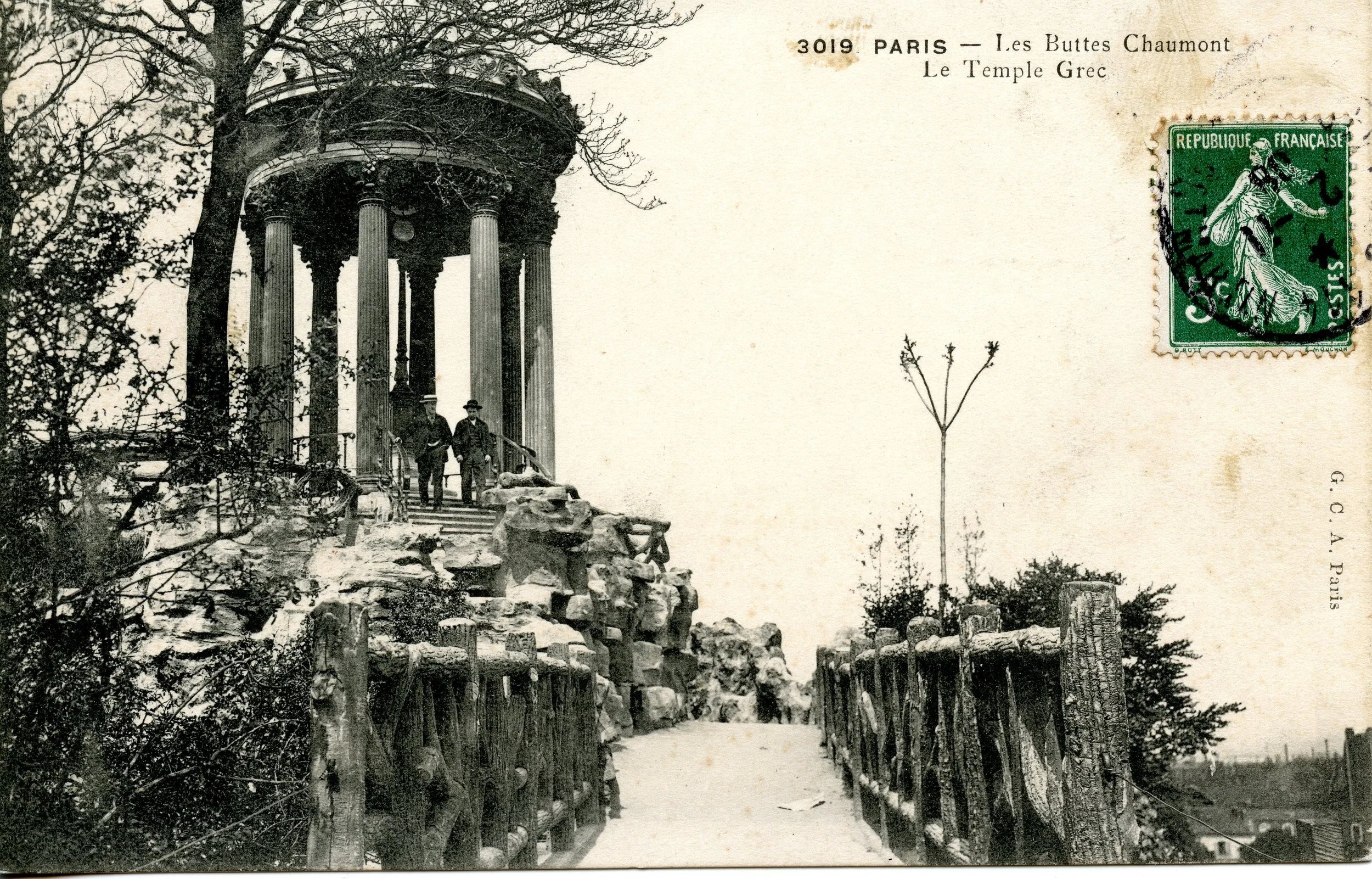
A historic postcard of the Temple of Sybille, the folly in Buttes Chaumont

A historic postcard of the Temple of Sybille, the folly in Buttes Chaumont

Kent, Wally and I decided to wander the idyllic and hilly park. It’s hard to believe, but the site, which loosely translates to “Bald Mountain,” took its name from the once-barren land, which, because of the chemical composition of its soil, used to be almost free of vegetation.

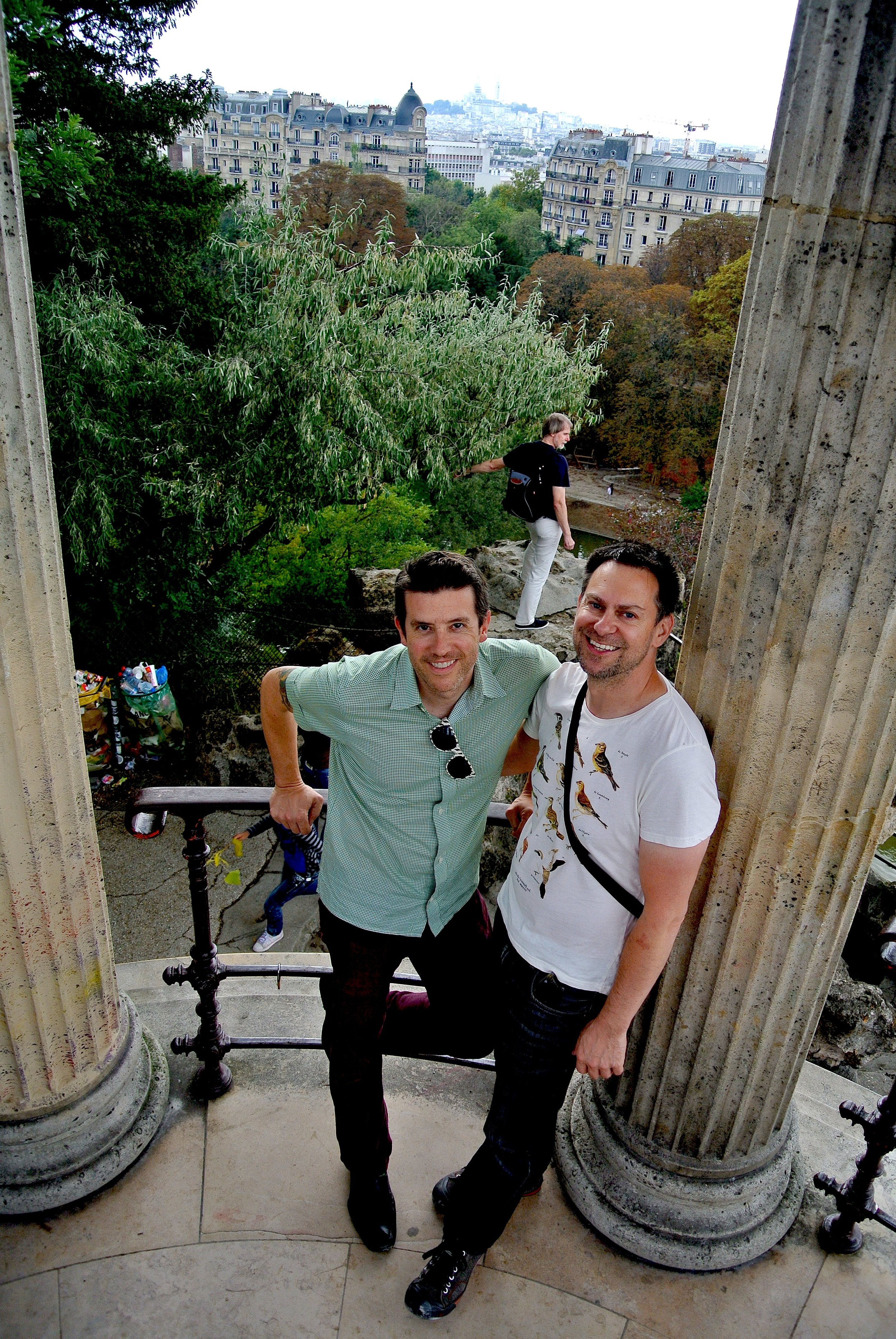
Wally and Duke in the folly at Buttes Chaumont, a little-known park in Paris

Wally and Duke in the folly at Buttes Chaumont, a little-known park in Paris

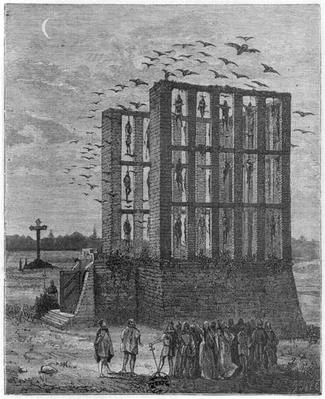
This horrific structure, known as a gibbet, displayed hanged corpses on the site of what is now Parc des Buttes Chamont

This horrific structure, known as a gibbet, displayed hanged corpses on the site of what is now Parc des Buttes Chamont

Park Life

Before the 19th century, it was considered just outside the city limits and near the Gibbet of Montfaucon, the main gallows of the kings of France. The natural elevation made it well suited to displaying the bodies of hanged criminals in a multi-tiered gibbet, a scaffold of sorts, from the 13th century until 1760.

After the French Revolution, the tract of land became a refuse dump, a place for processing horse carcasses and a depository for sewage. Another part of the acreage was a former gypsum and limestone quarry.

Emperor Louis-Napoléon III envisioned a bucolic public park with meandering paths, water features and cliffs. Though it was hardly an ideal location for such a park, Buttes Chaumont was the very spot on which Georges-Eugène Haussmann, who was chosen by Napoleon III to carry out his vision, commissioned landscape architect and civil engineer Jean-Charles Alphand to construct.

Alphand reported that “the site spread infectious emanations not only to the neighboring areas, but, following the direction of the wind, over the entire city.”

Despite this, work commenced in 1864, and the park made its debut during the 1867 Exposition Universelle.

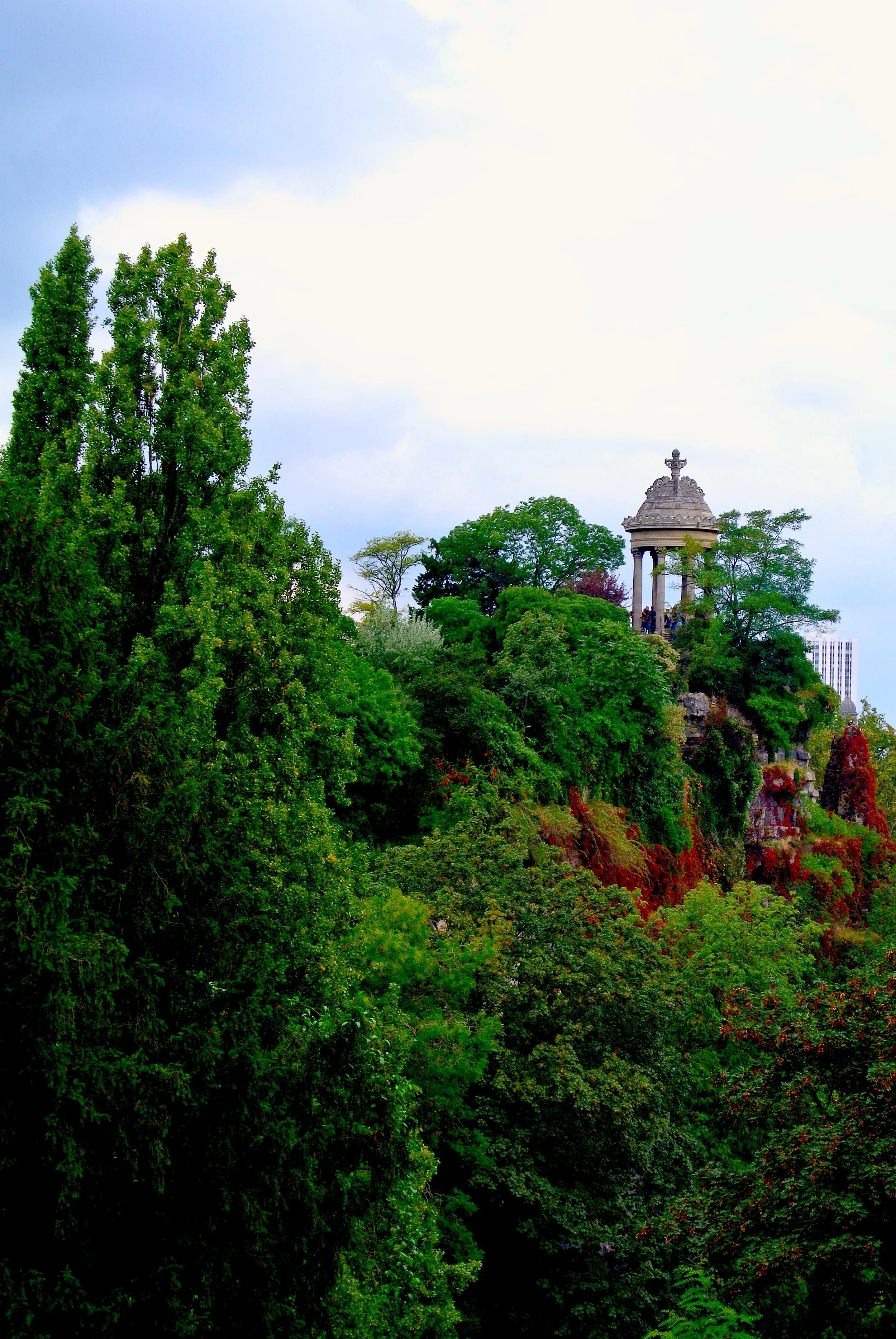
The Greek temple, or folly, at Buttes Chaumont affords a fantastic view of Montmartre, topped by Sacré Coeur cathedral

The Greek temple, or folly, at Buttes Chaumont affords a fantastic view of Montmartre, topped by Sacré Coeur cathedral

Kent, who lives in Paris, took us on a tour of the park

Kent, who lives in Paris, took us on a tour of the park

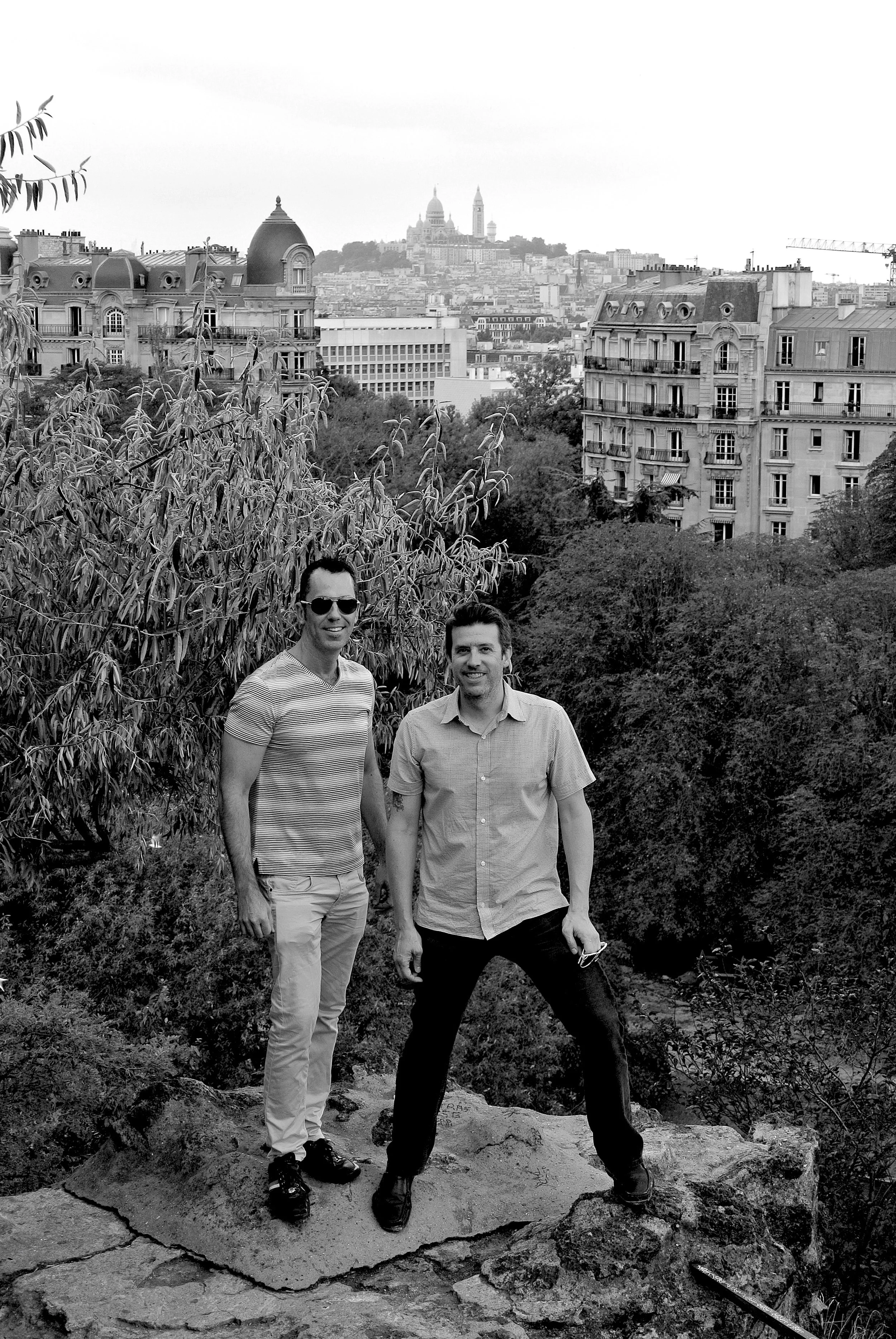
Even though Kent and Wally are joking around, there are some precarious perches in Buttes Chaumont — be careful!

Even though Kent and Wally are joking around, there are some precarious perches in Buttes Chaumont — be careful!

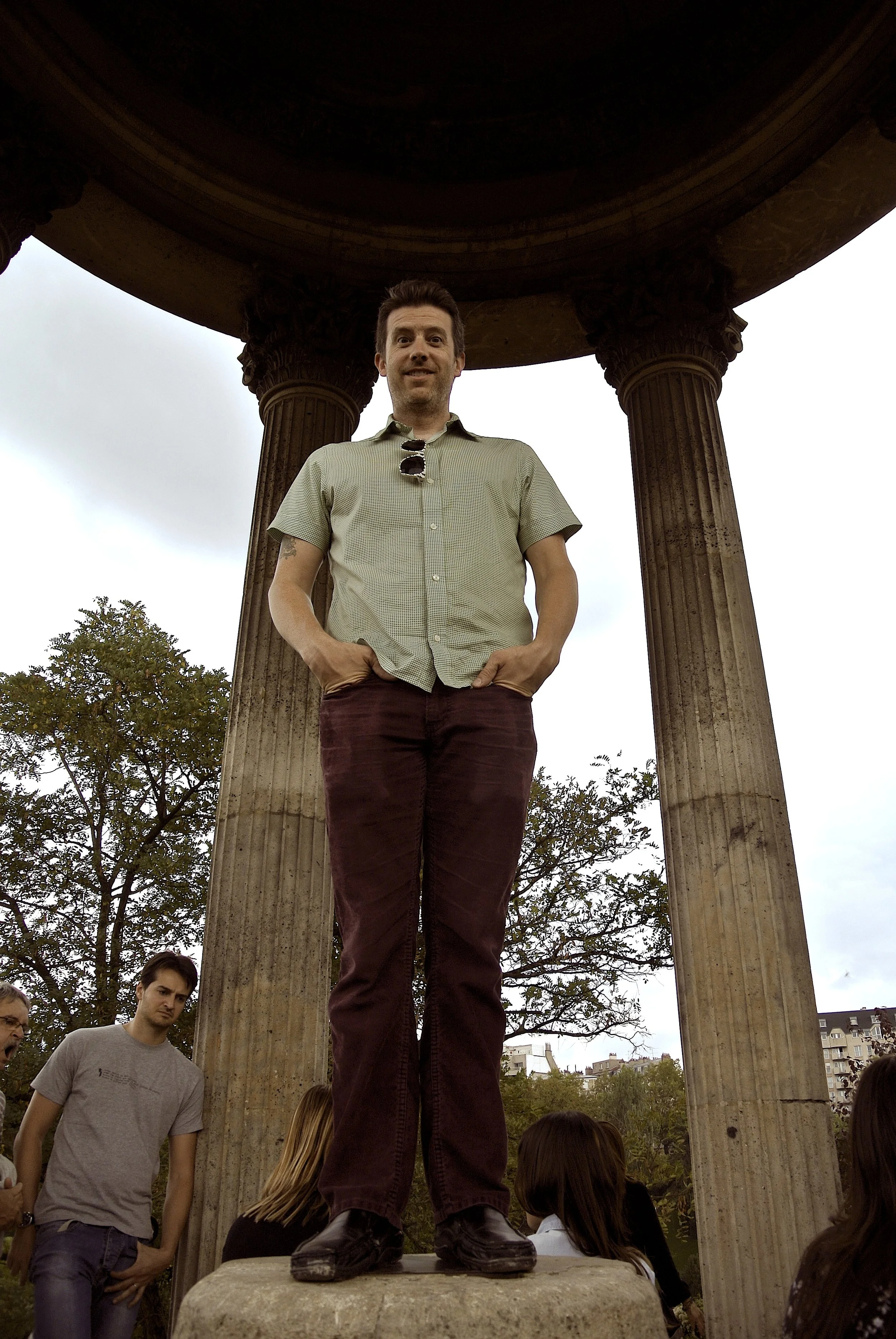
Wally in the folly at Buttes Chaumont

Wally in the folly at Buttes Chaumont

We took a trail, crossing the Pont des Suicidés, or Suicide Bridge (at one point, it was a popular spot to off yourself), to reach the neo-Greek folly known as the Temple of Sybille. Perched atop a limestone cliff, it was inspired by the Temple of Vesta in Tivoli, Italy. From its vantage point, we could see the geometry of Paris laid out before us, with Sacré-Cœur Basilica glittering in the distance. –Duke

1, rue de Botzari
Paris, France

The site spread infectious emanations not only to the neighboring areas, but, following the direction of the wind, over the entire city.
— Jean-Charles Alphand, creator of Buttes Chaumont

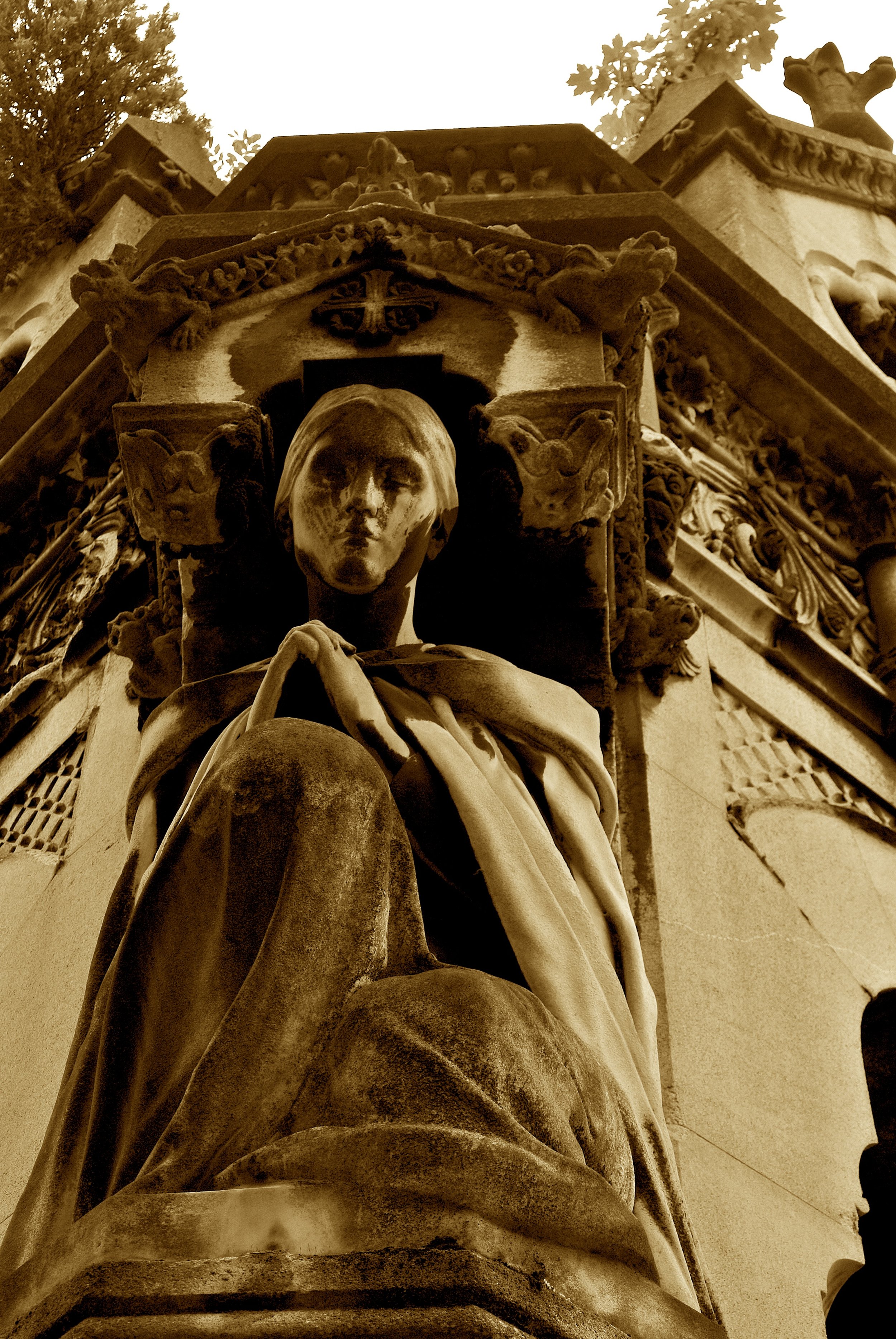
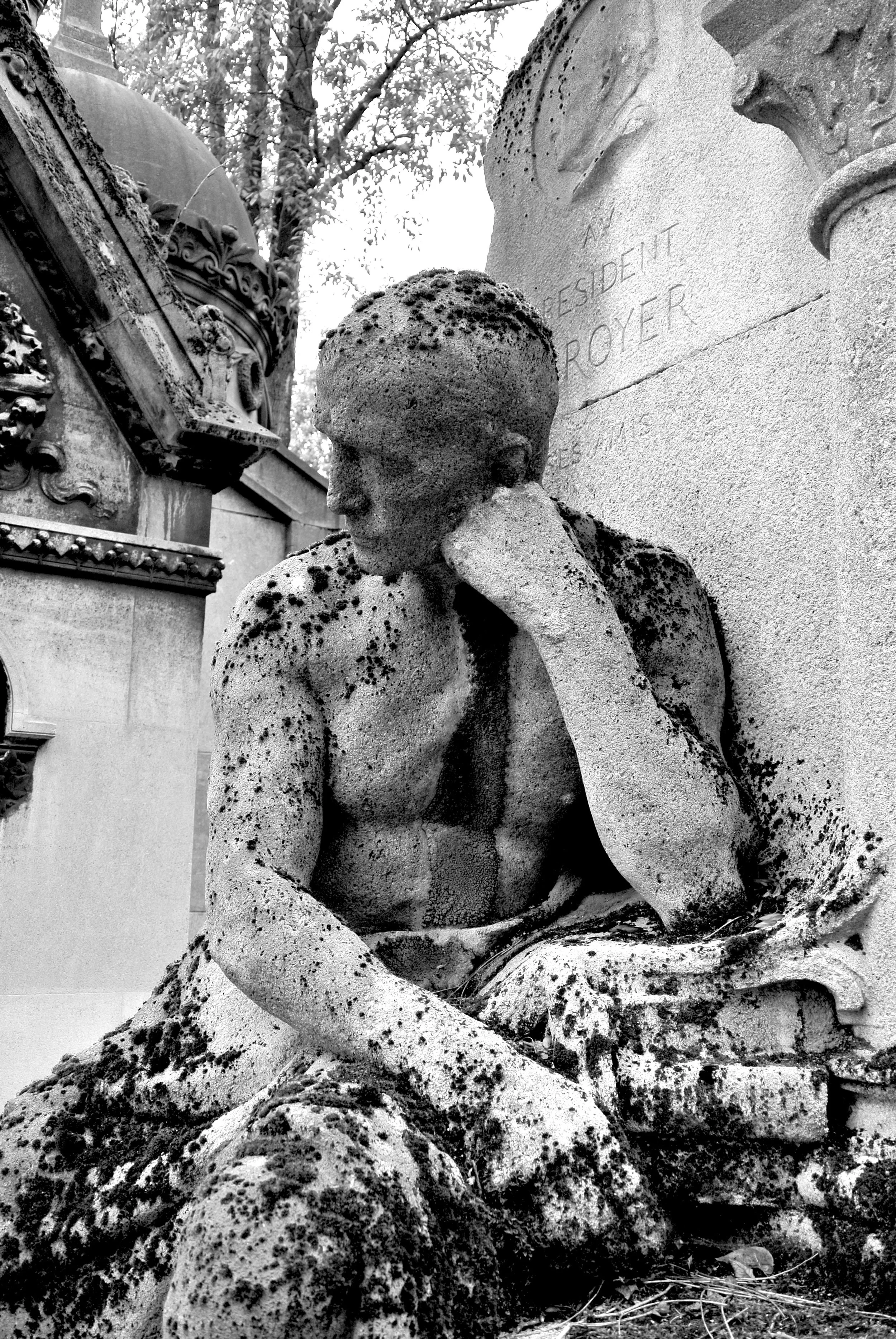
Père Lachaise Cemetery: A Historical and Pictorial Tour

Once an undesirable place to be buried, the Paris cemetery has lured many dead celebrities, starting with Moliere, Jean de la Fontaine, and Abelard and Heloise.

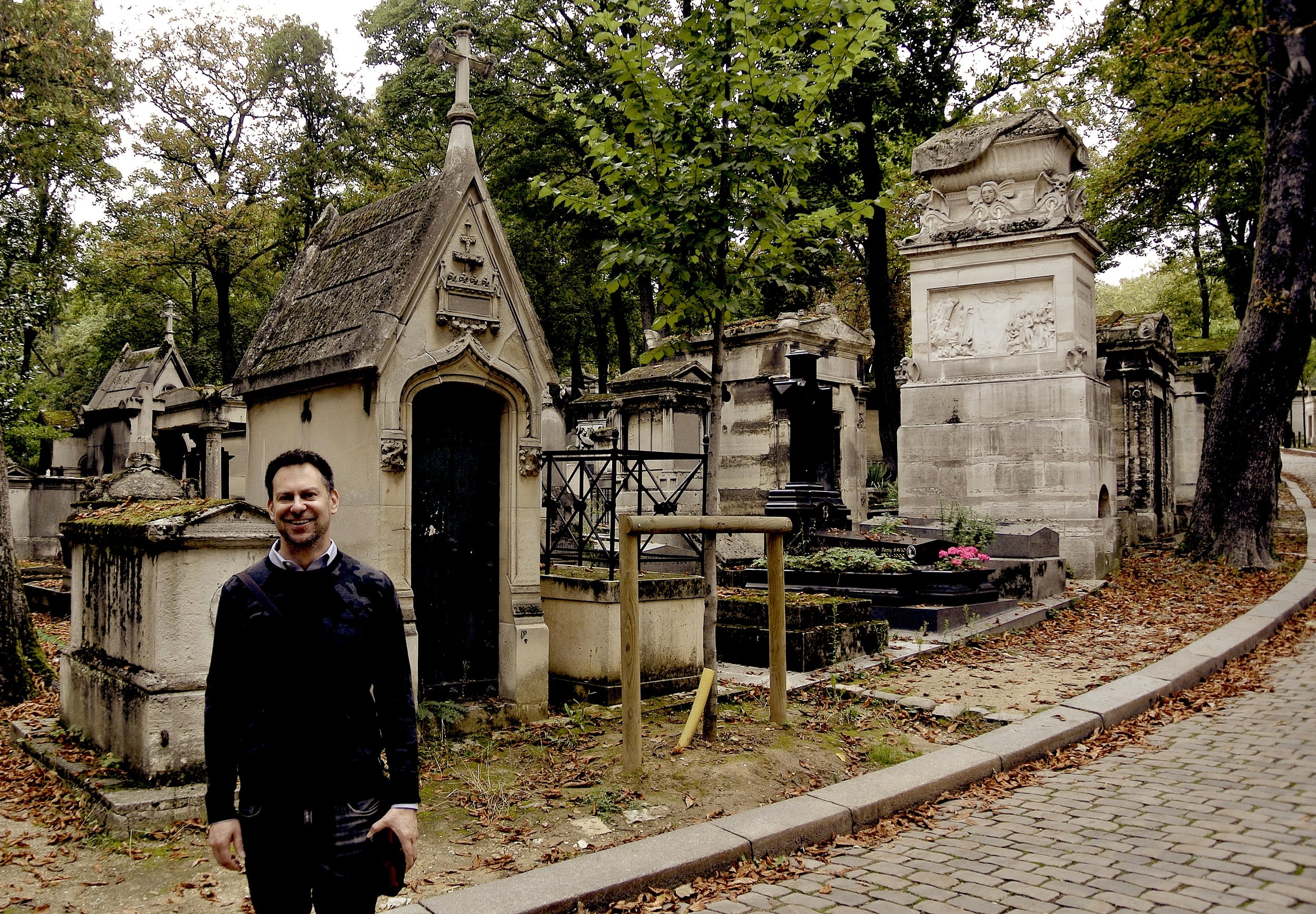
A day spent wandering a cemetery as cool as Père Lachaise sure makes Wally happy

A day spent wandering a cemetery as cool as Père Lachaise sure makes Wally happy

Père Lachaise is the most popular cemetery in the world — and Duke can see why

Père Lachaise is the most popular cemetery in the world — and Duke can see why

Now reported as the most-visited cemetery in the world, Père Lachaise Cemetery in Paris, France, was not so when it opened in 1804. Established on the site of a former Jesuit retreat, it was originally considered too far from the city limits to be a desirable place to spend eternity.

In addition to location, the land where it stood had not yet been blessed by the Church, thus deterring Roman Catholics from burying their relatives here. In fact, the cemetery contained only 13 graves in its first year.

The citizens of Paris began clamoring to be buried among the famous folk.

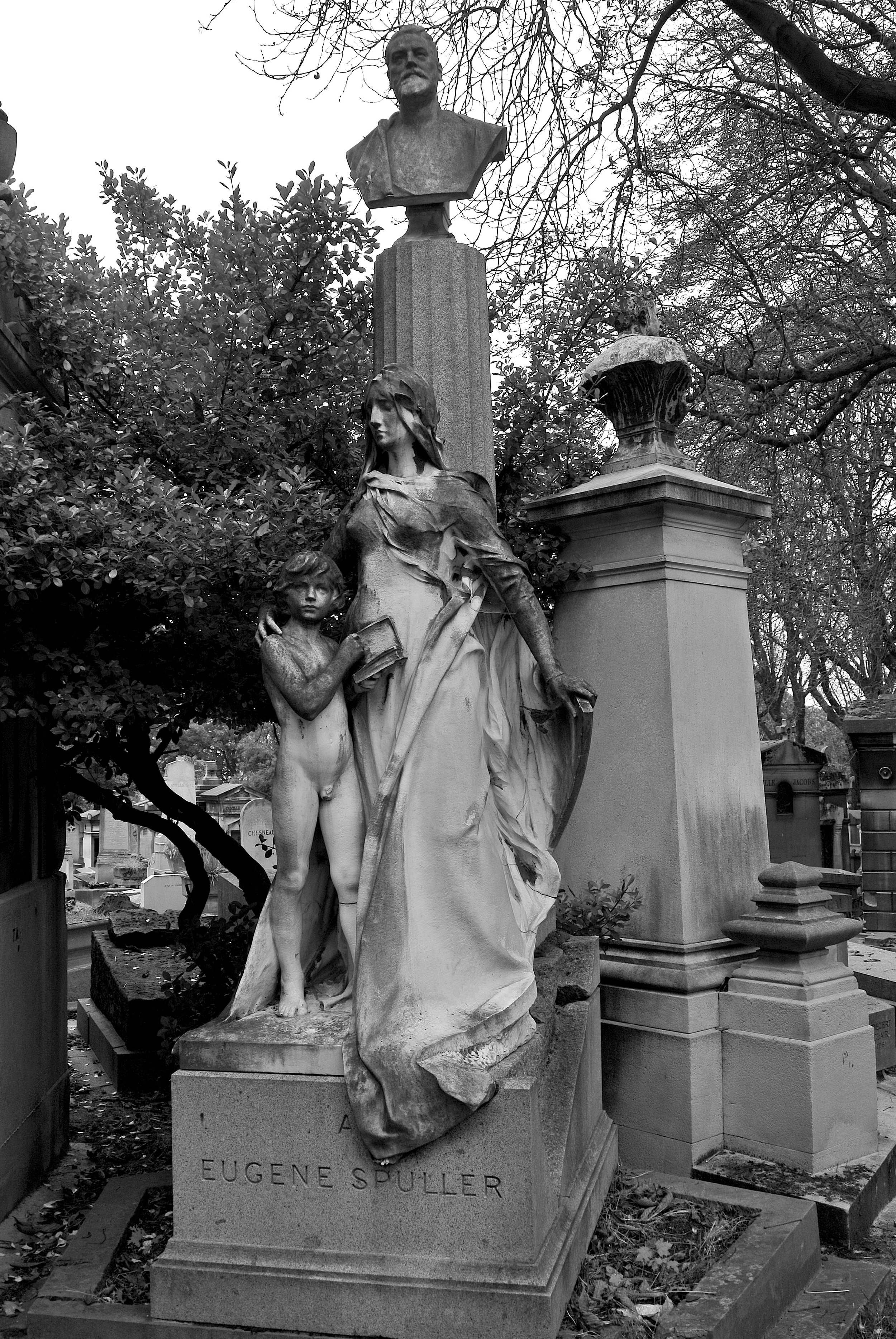
Headstones of the Dead and Famous

Because death is also a business, the administrators needed to find a way to attract the citizens of Paris to want to be buried there. With great fanfare, they devised a plan: They arranged the transfer of the remains of Jean de la Fontaine, famous for his Fables, and Molière, who wrote comedic plays, including Tartuffe and The Misanthrope. The campaign showed results, and in 1817, the remains of the legendary lovers Abélard and Hélöise were also transferred there. Again, the strategy proved successful, as the citizens of Paris began clamoring to be buried among these famous folk.

For a list of some of the most famous “residents” of Père Lachaise and how to make a game of honoring them, read our previous post.

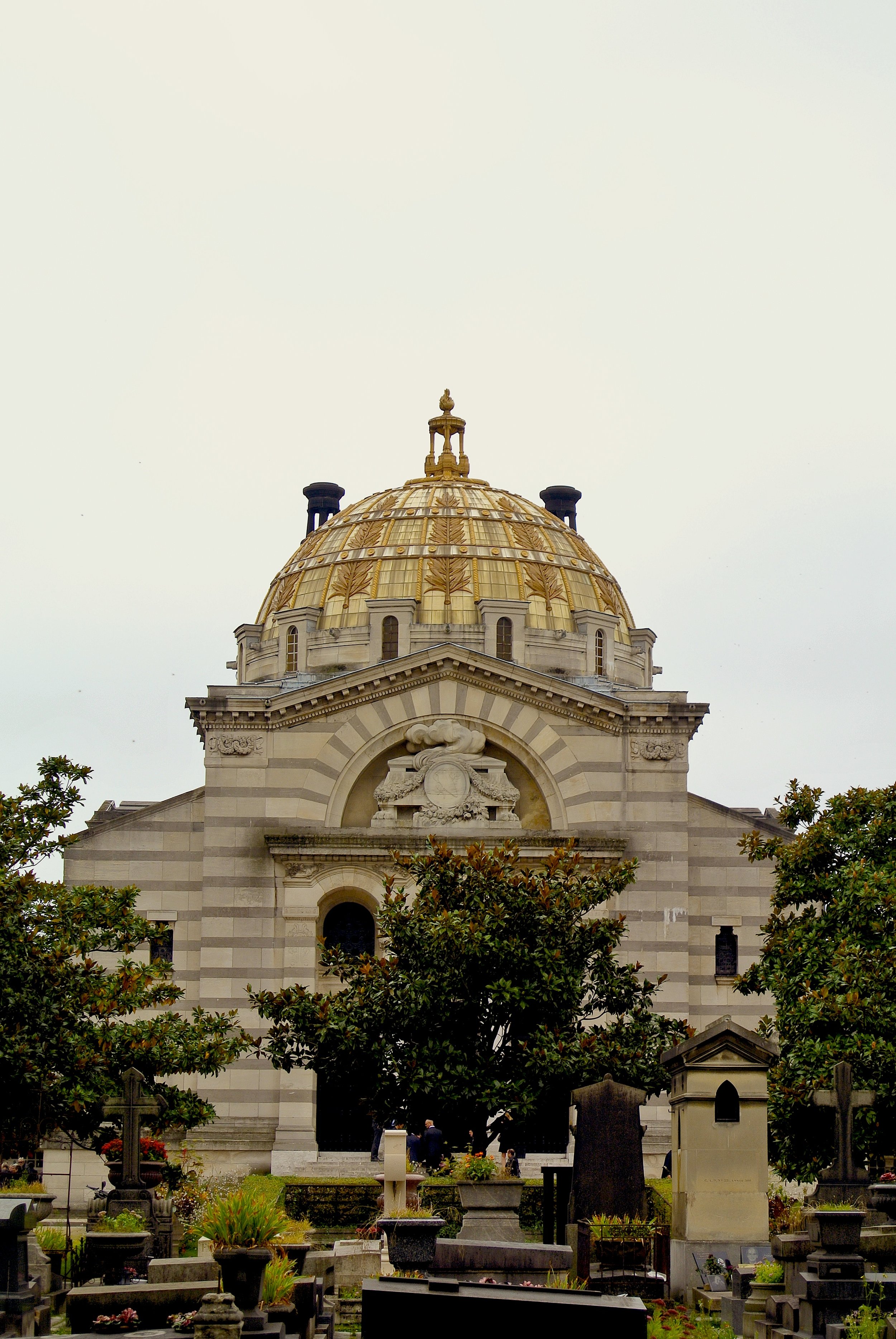
The columbarium and cremation house were built in 1894 and designed by Jean Camille Formigé in a Neo-Byzantine style.

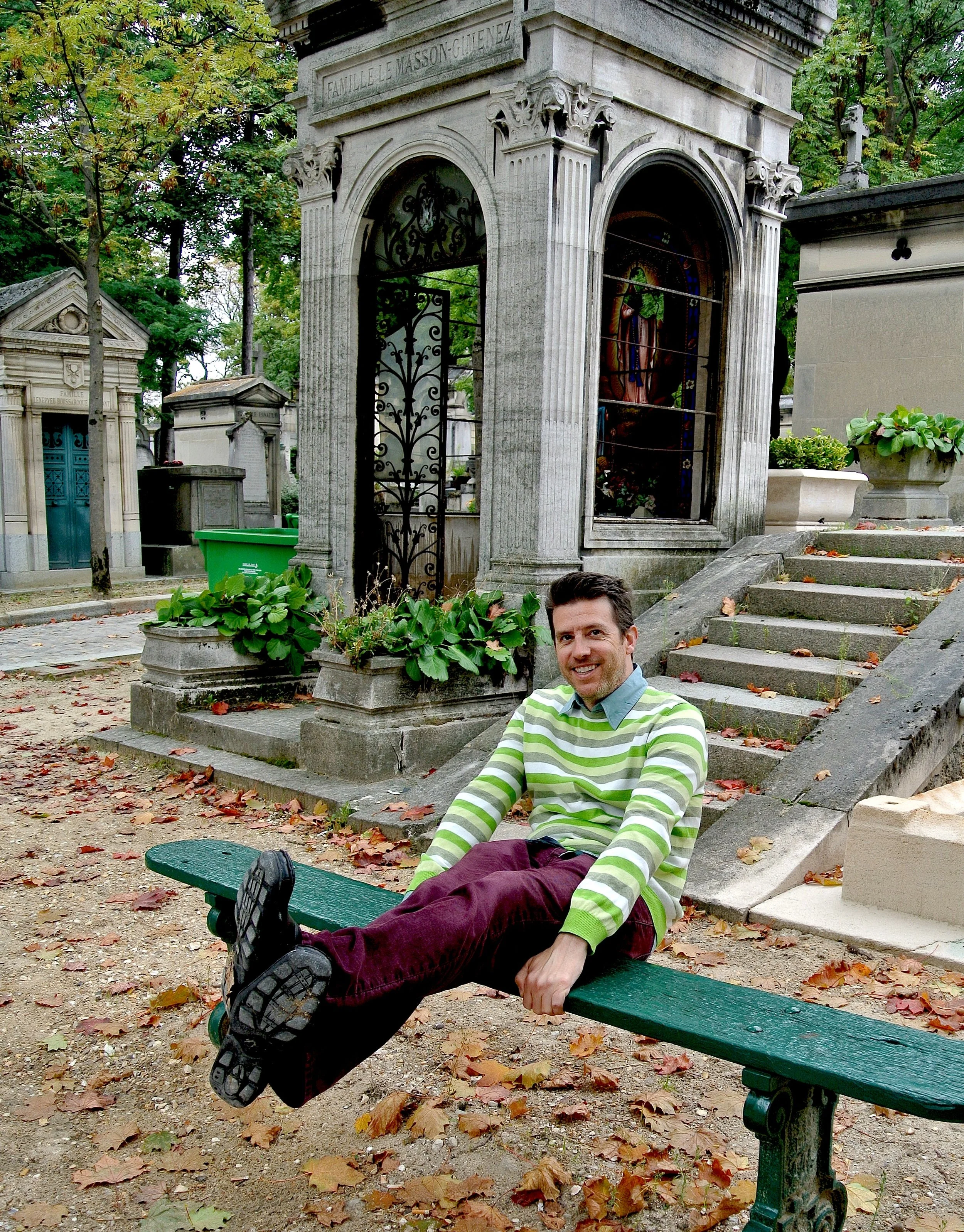
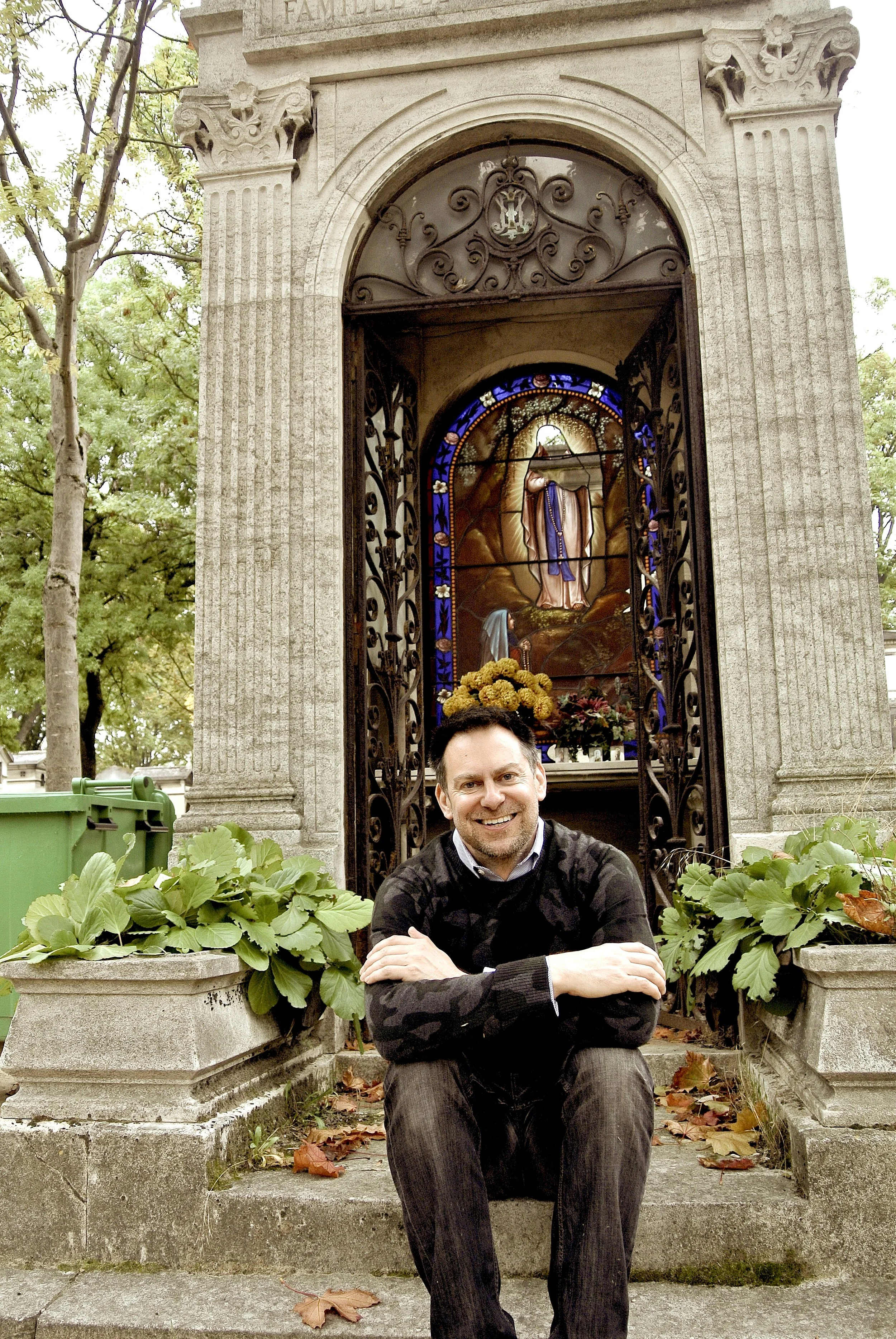
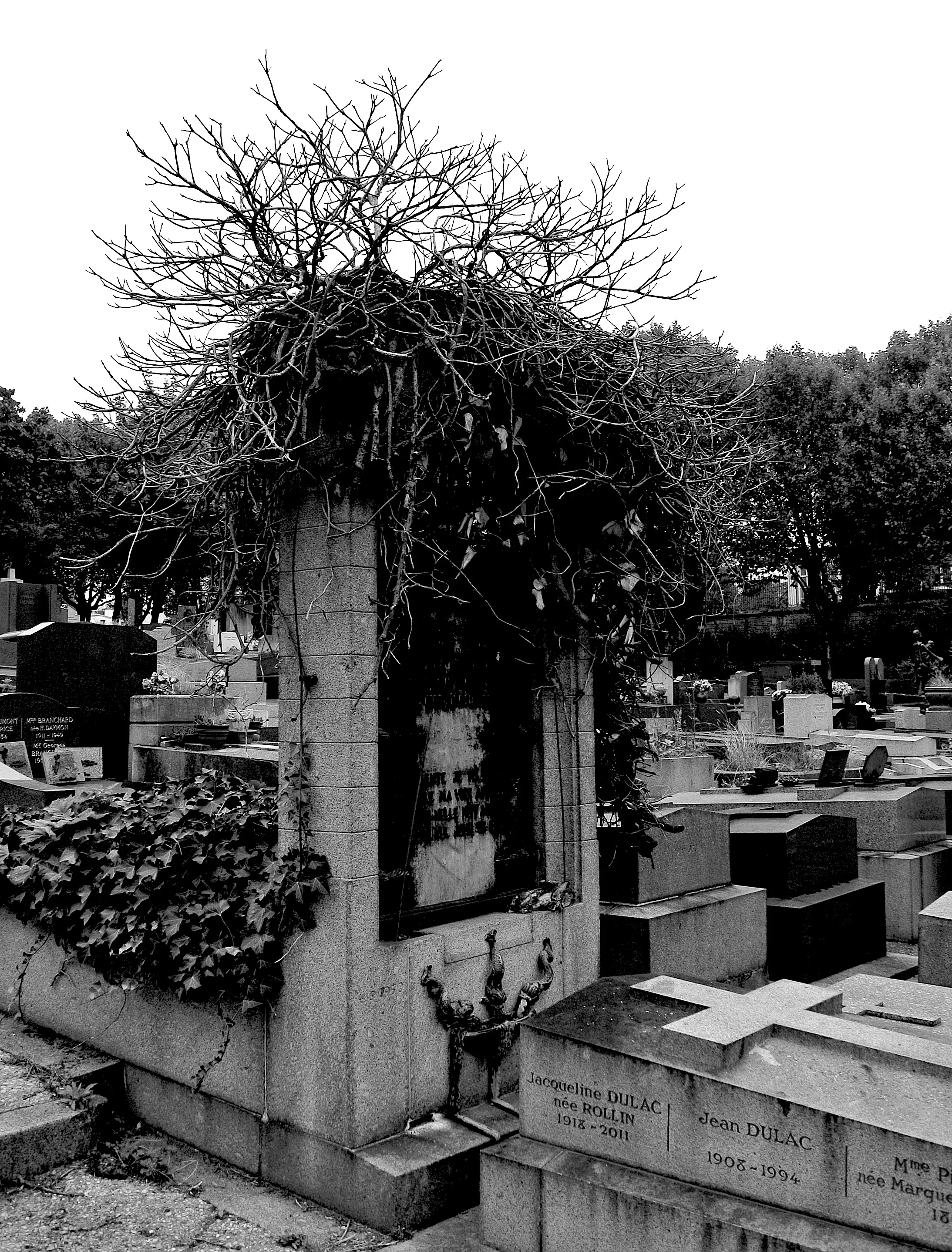
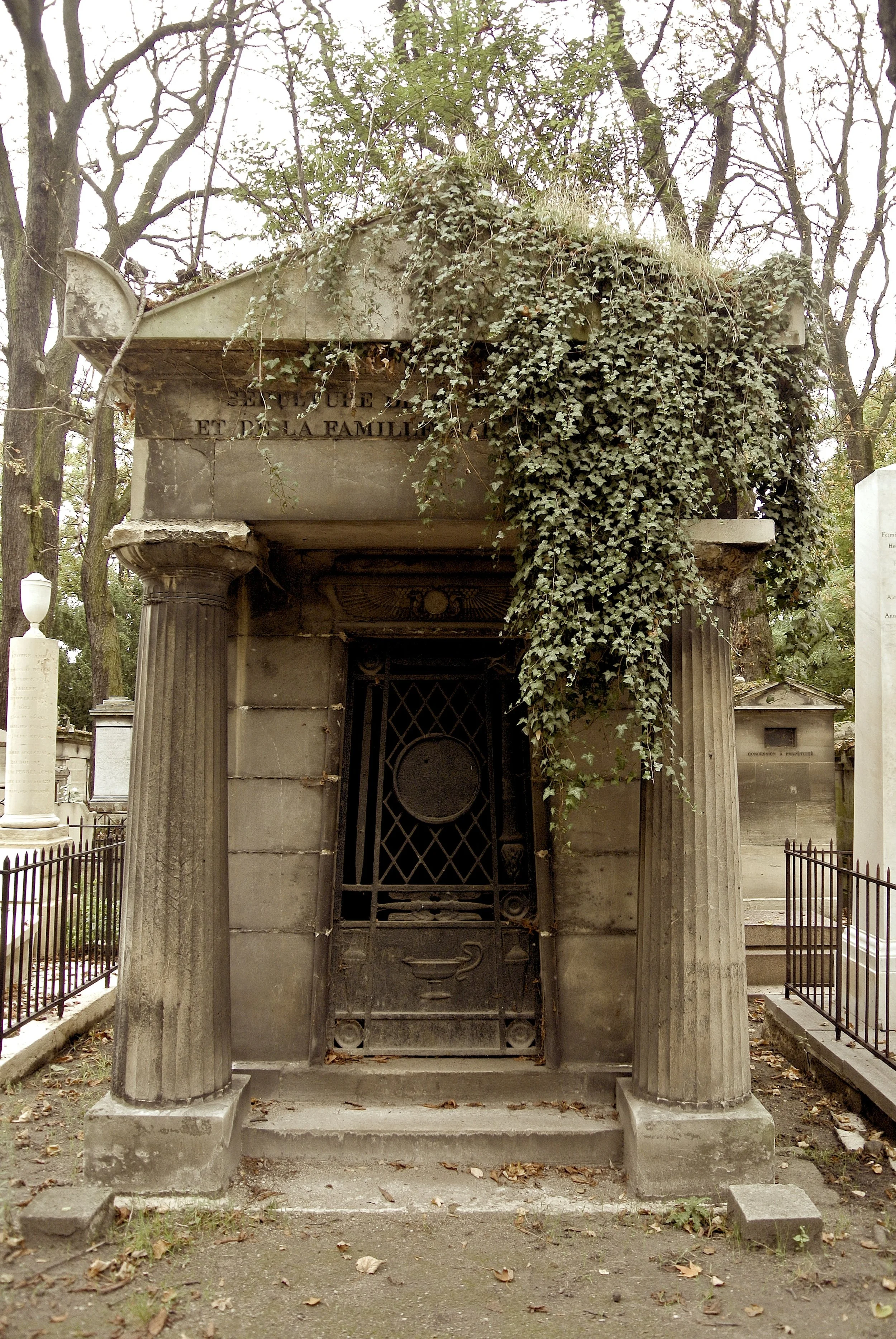
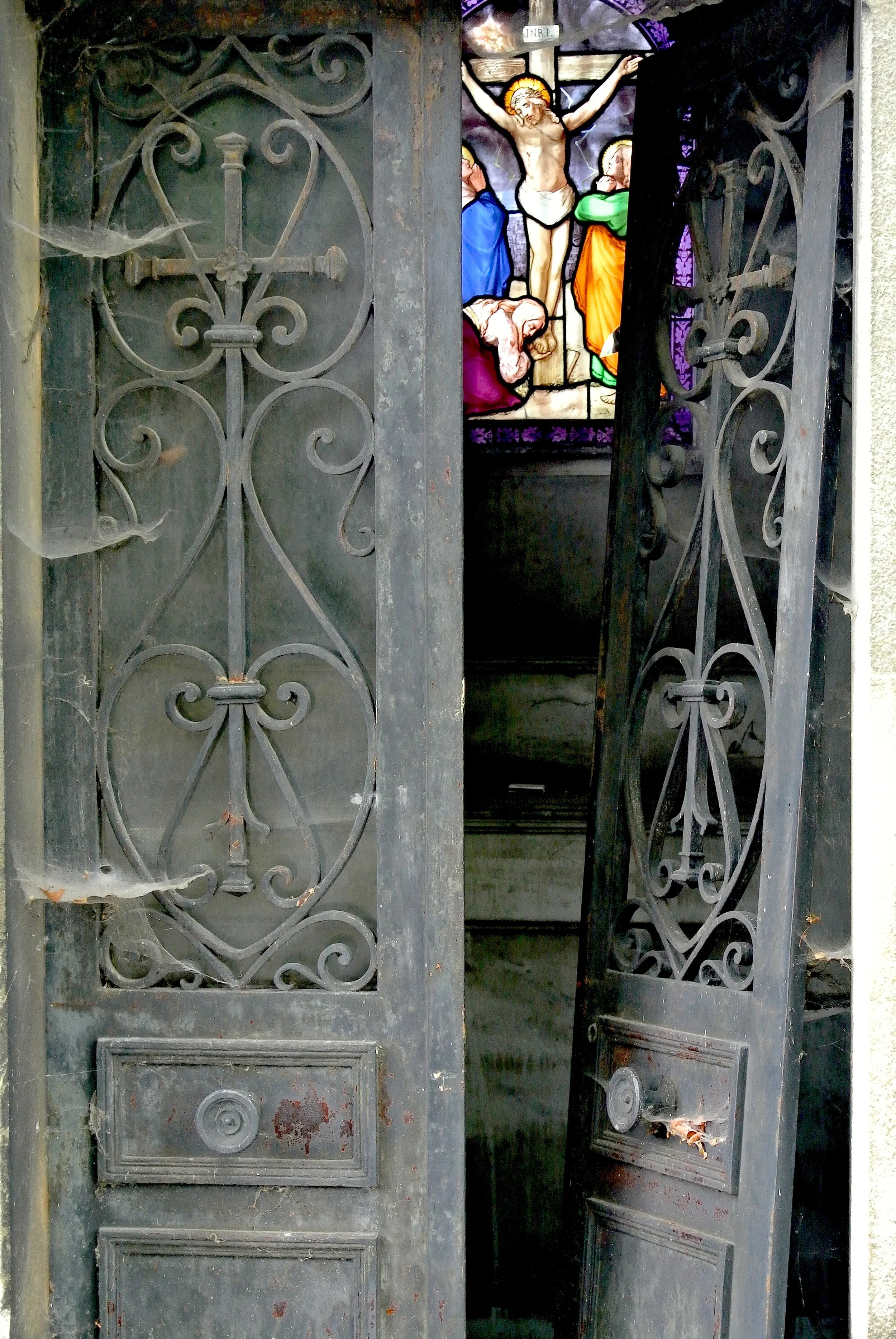
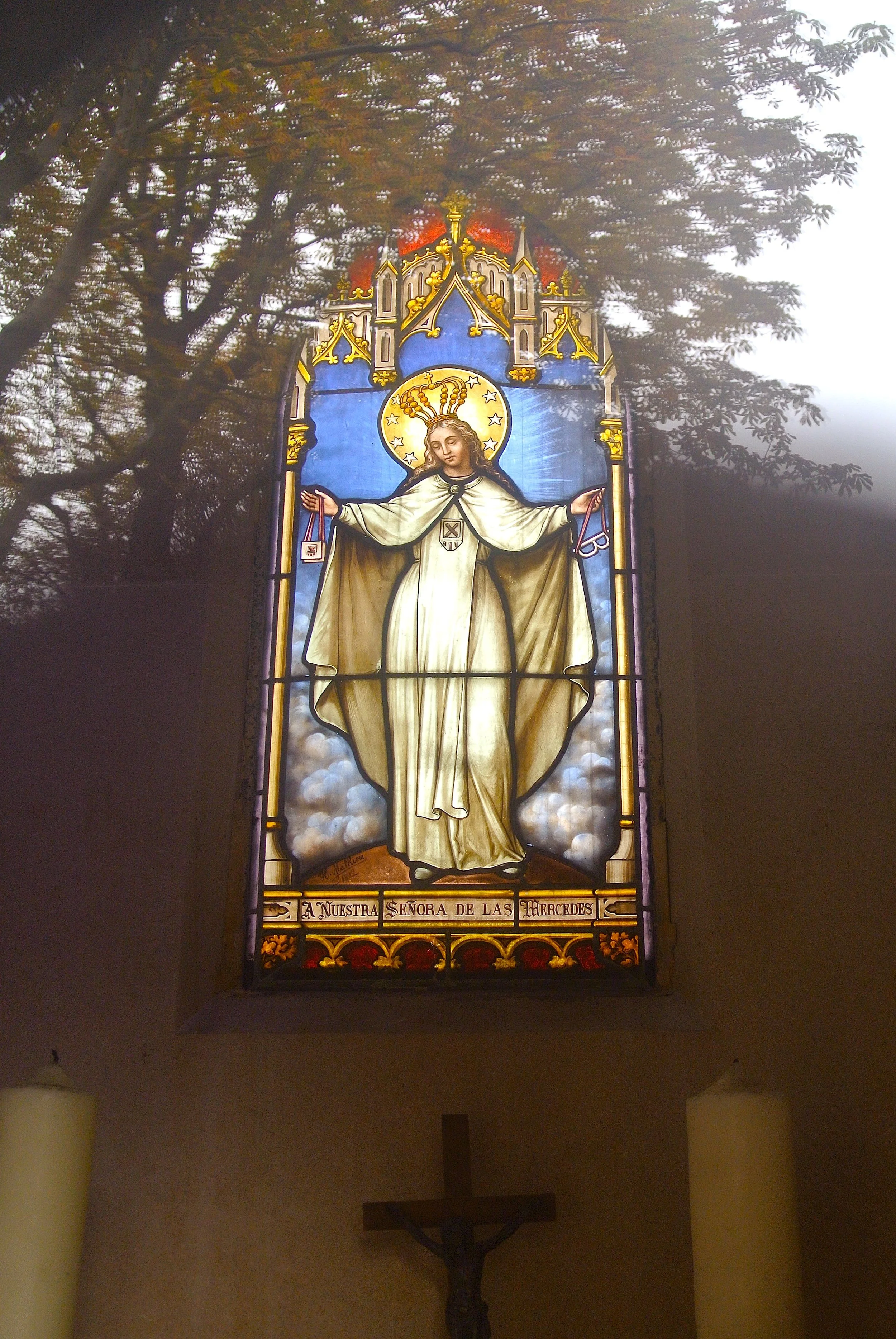
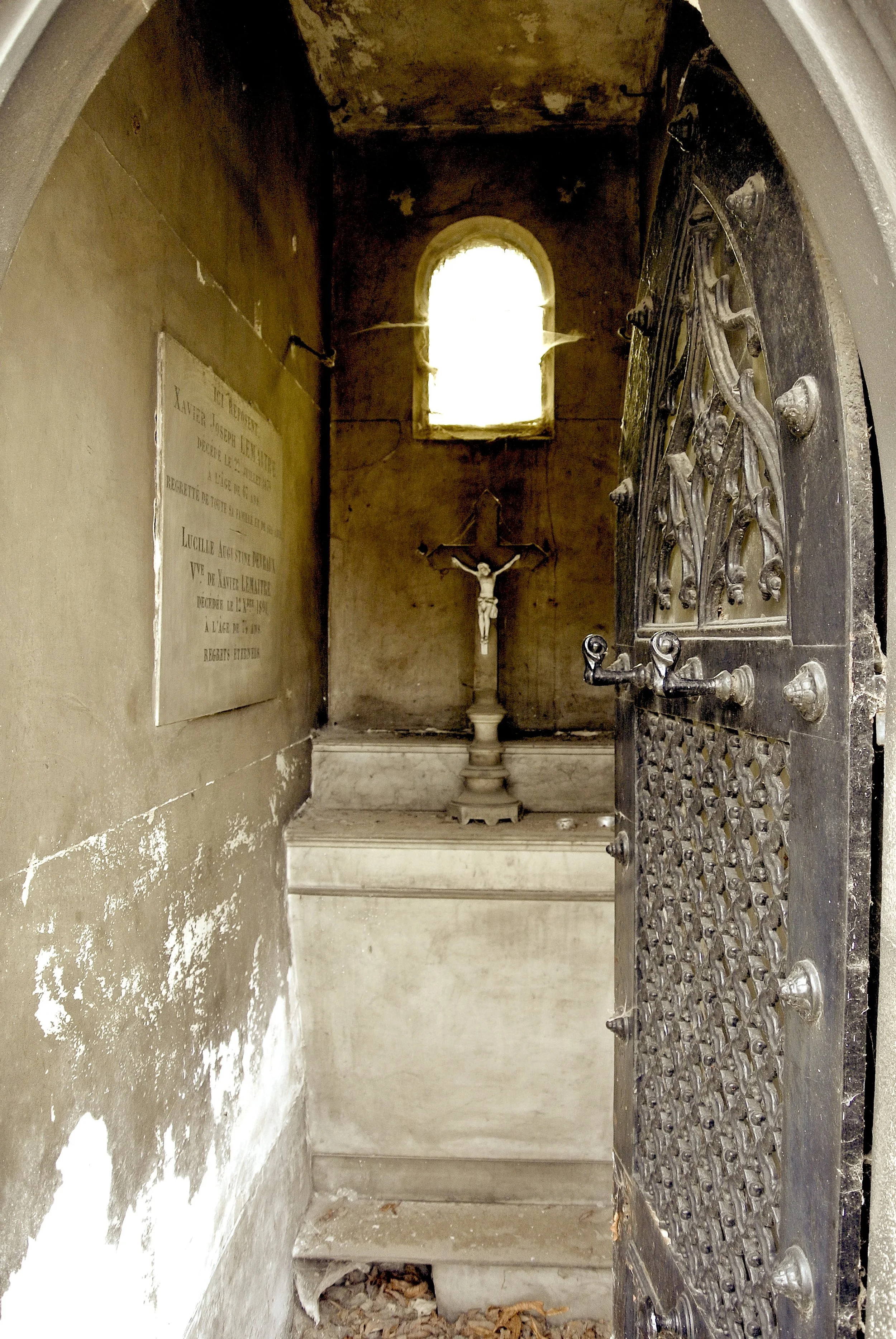
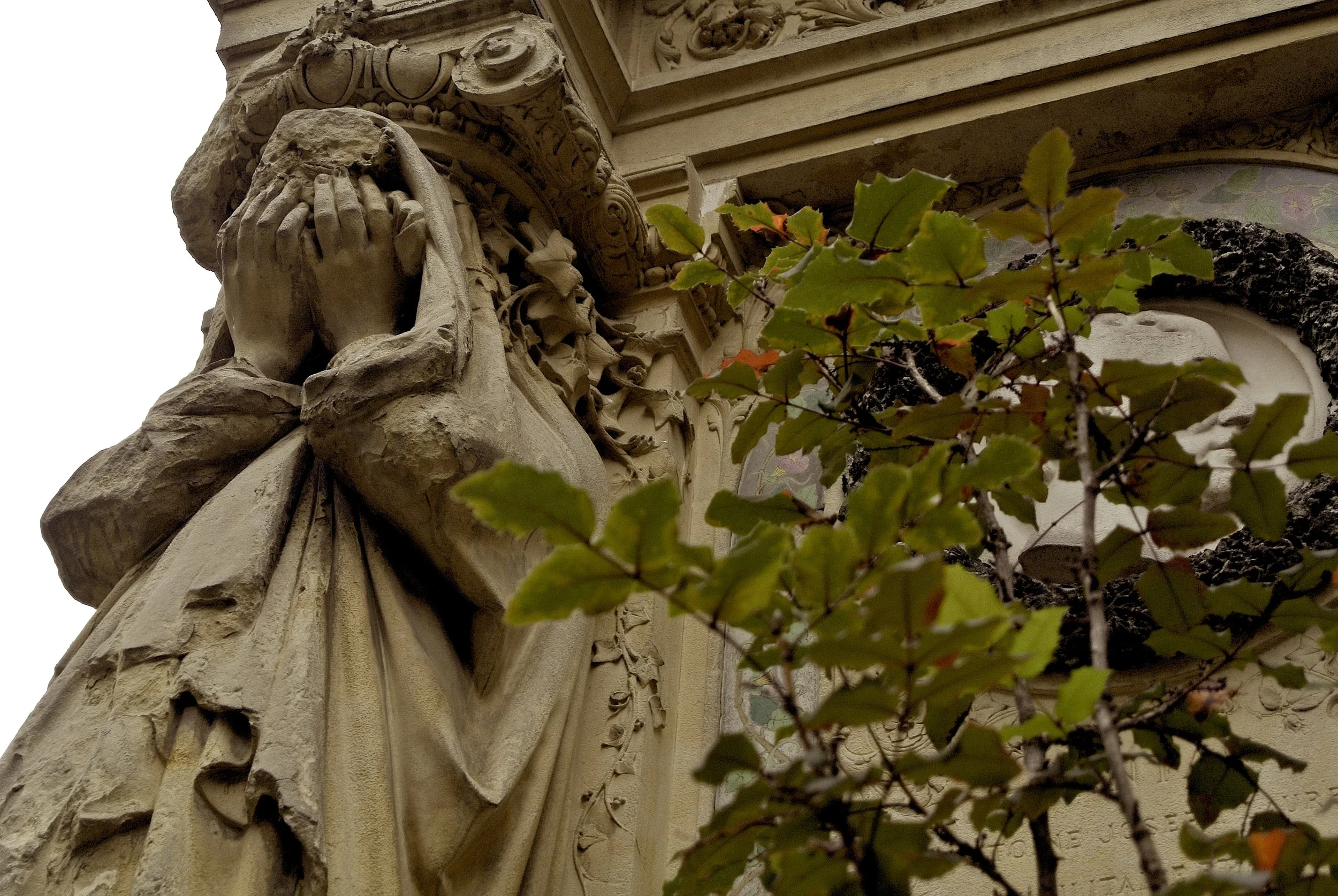
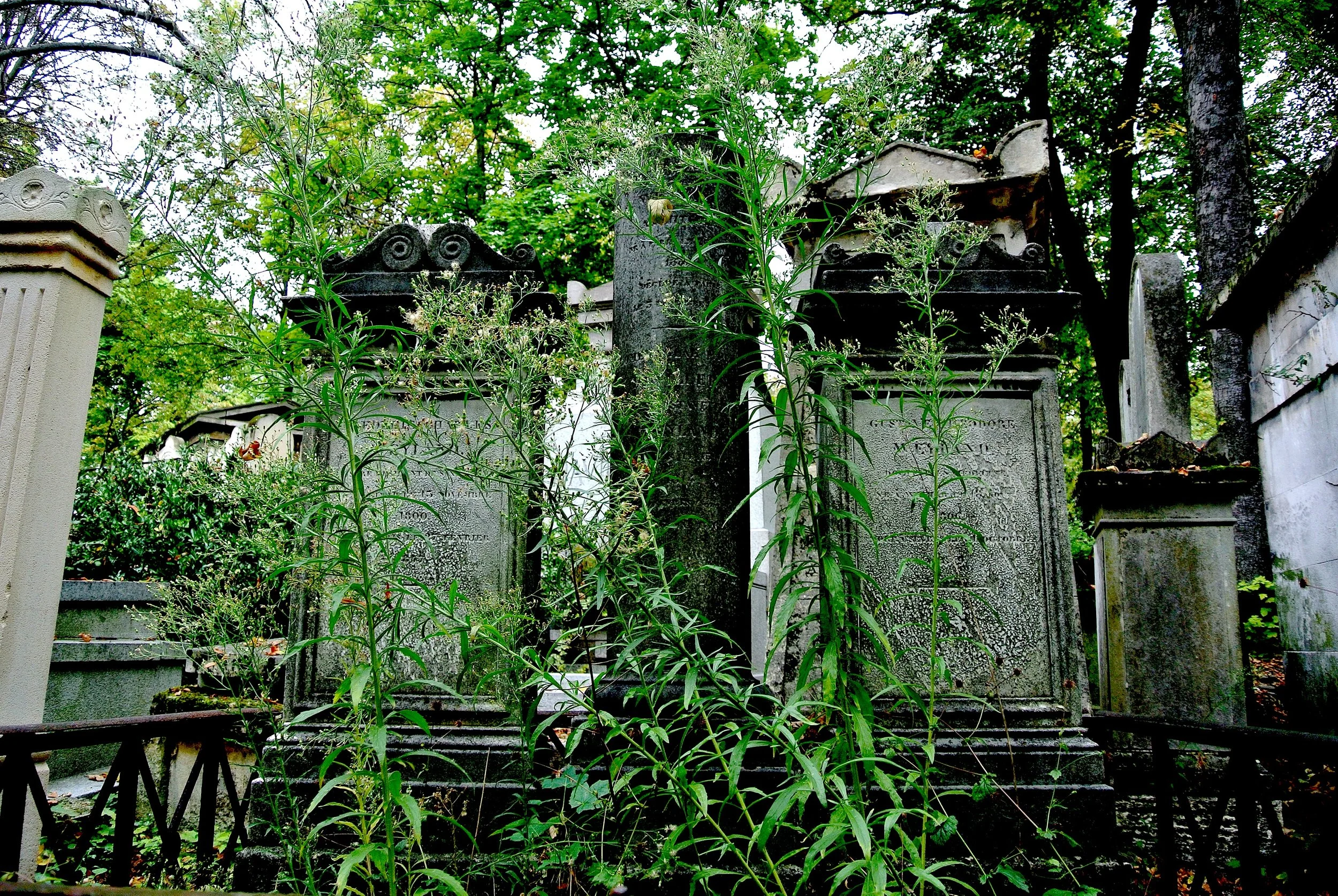
Vandalism is rampant throughout this immense space. Old family crypts have been pried open, their interior windows of stained glass broken or altogether missing.

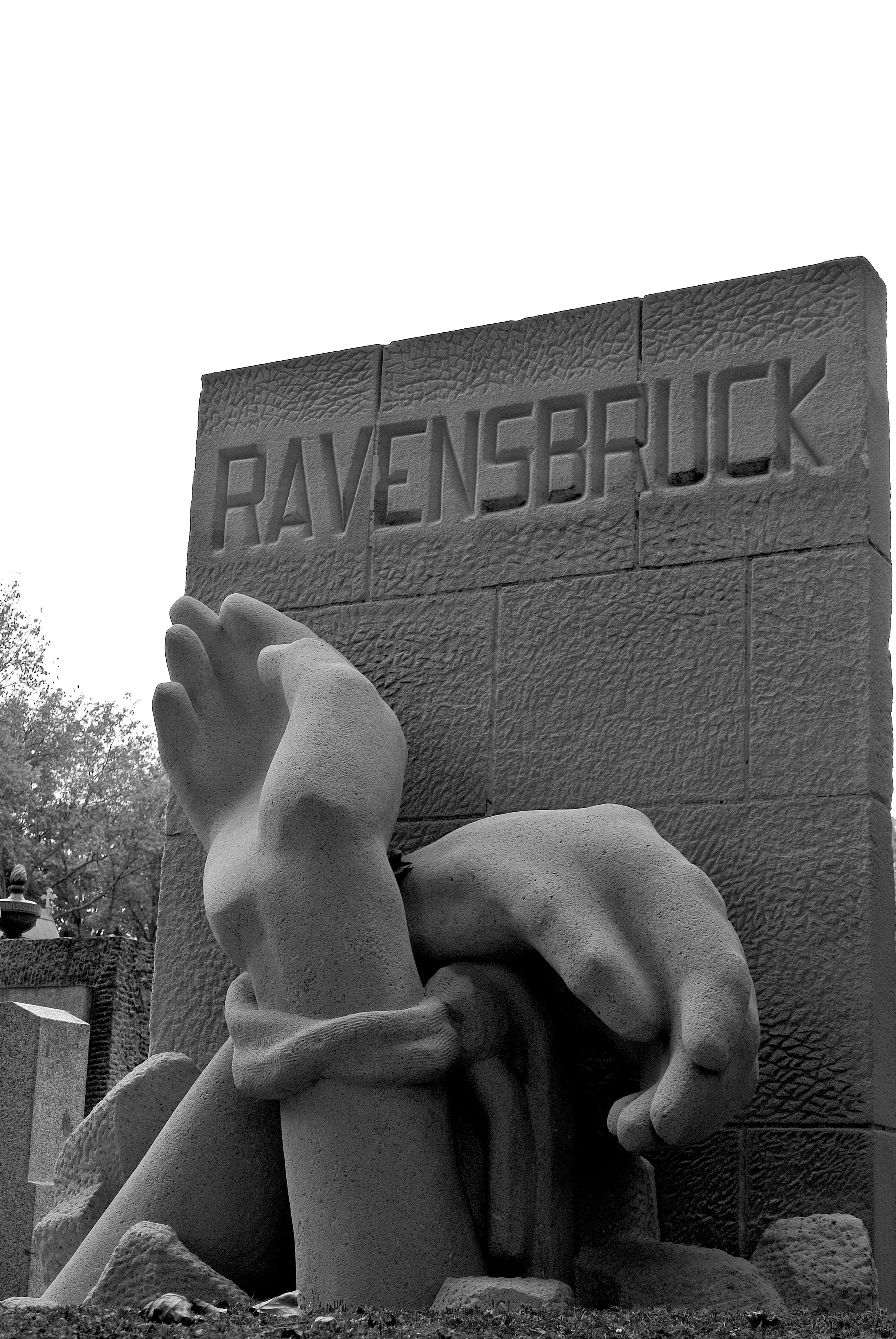
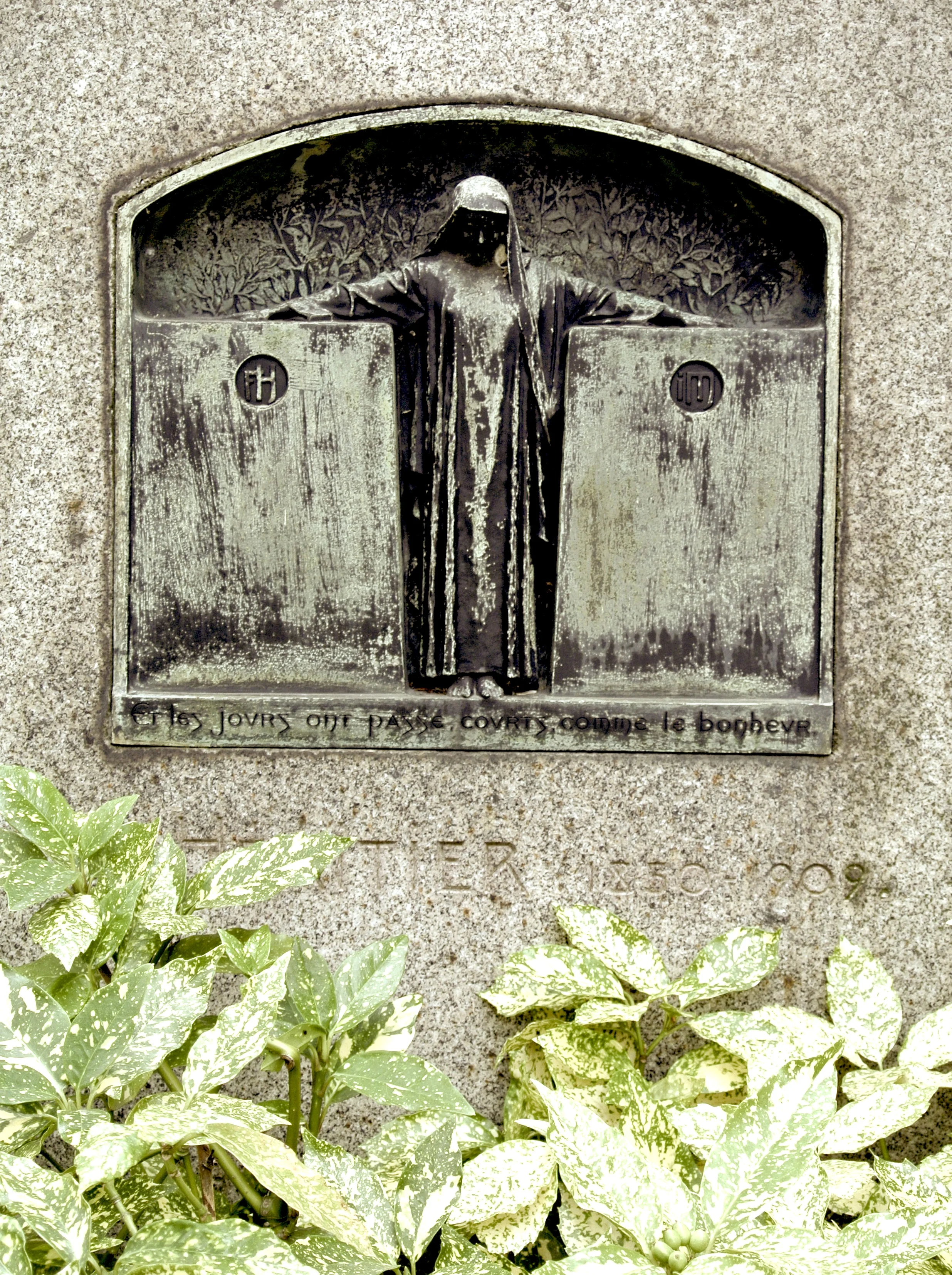
The most moving memorials to me were those dedicated to the Jews deported to Nazi death camps.

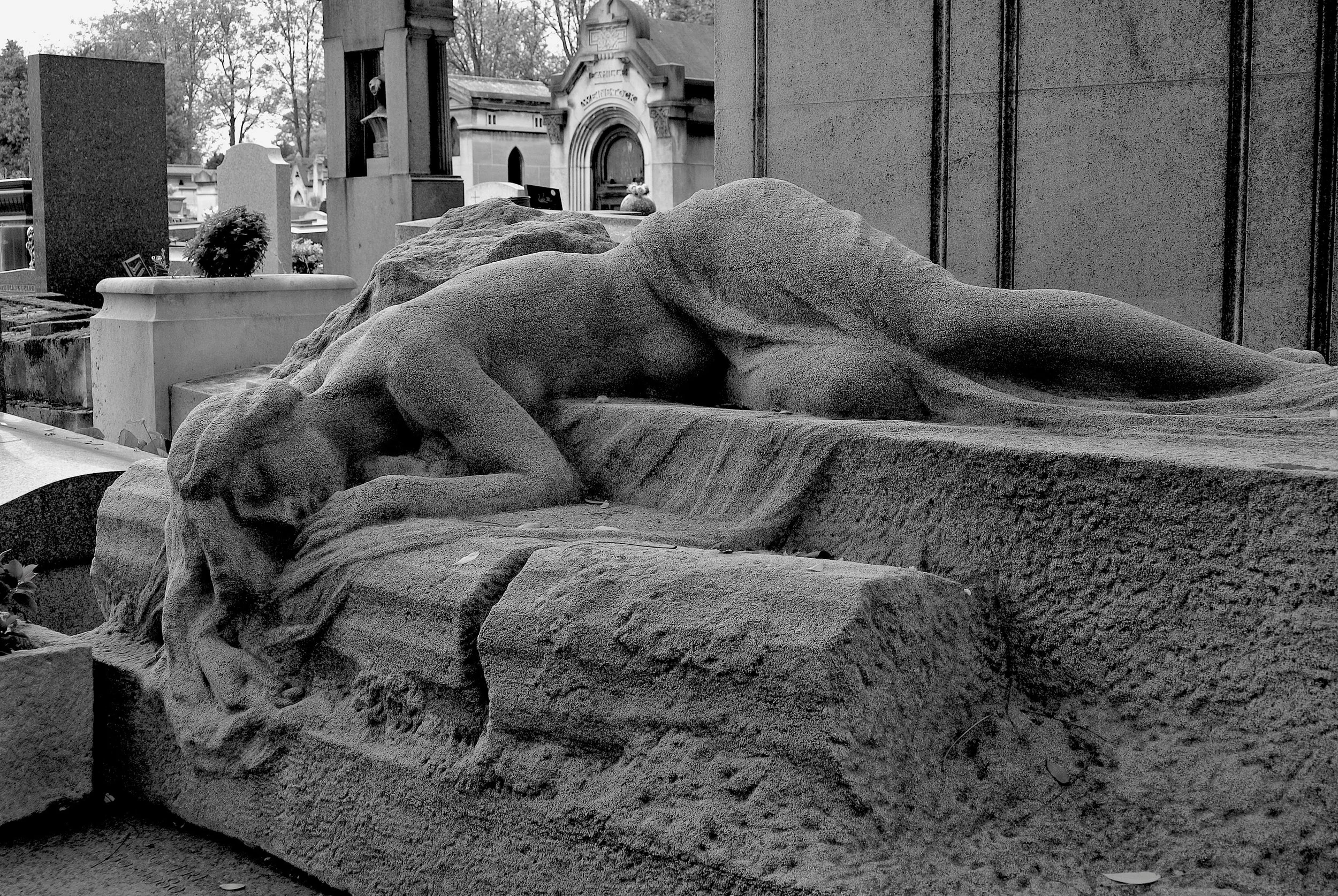
Père Lachaise is filled with remarkable works of art and has become a hotspot for the dead and living alike. –Duke

Travel Advice: 4 Essential Tips for Planning a Trip

Our vacation planning process involves a lot of research, blog surfing — and negotiation.

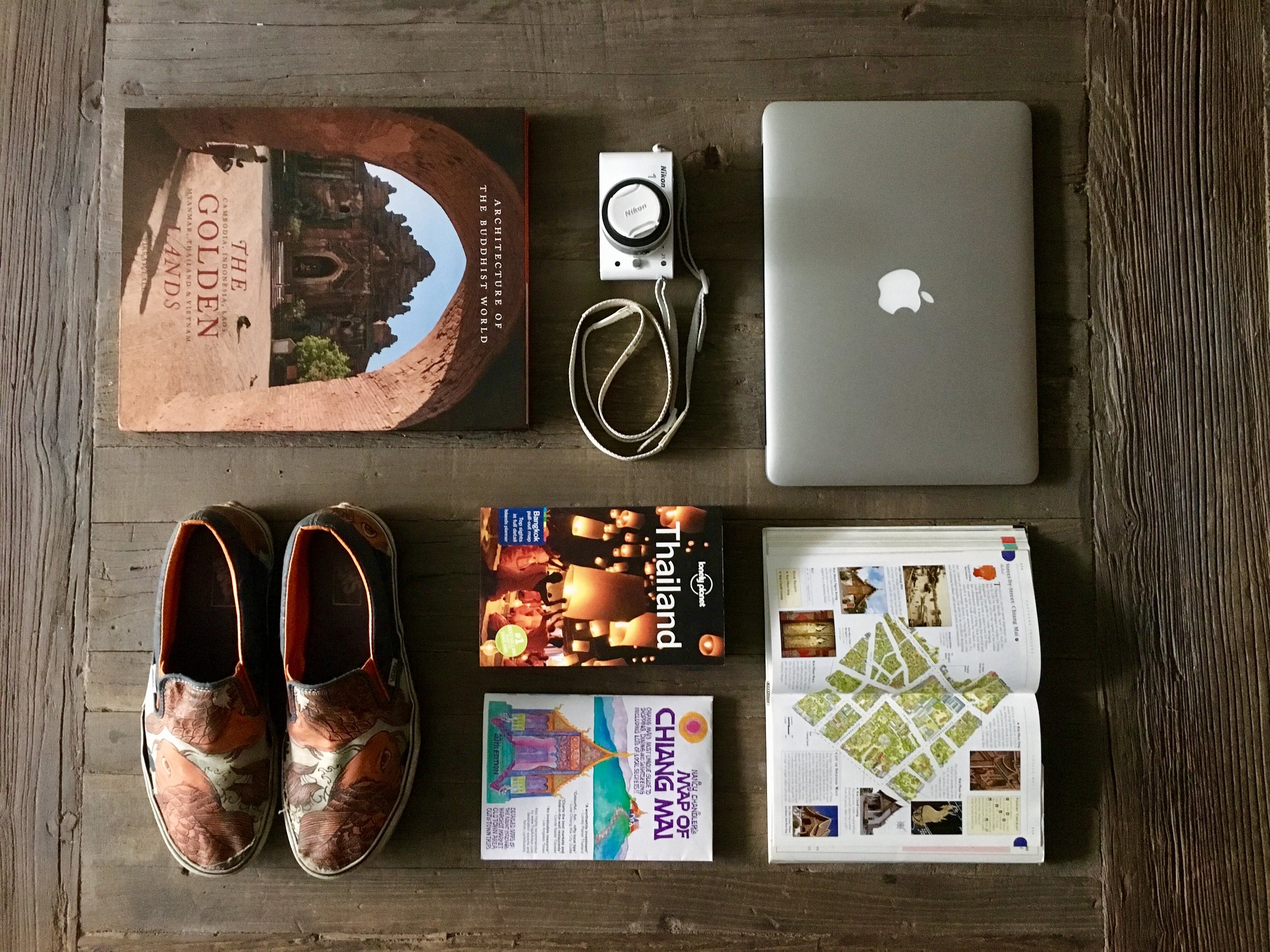
Travel guides, maps, blogs and photo books are all part of our travel planning process

Travel guides, maps, blogs and photo books are all part of our travel planning process

As Wally and I count down the days to embark on our next adventure, I wanted to share a glimpse of our planning process that occurs during the months prior. The anticipation is part of the fun of travel.

Southeast Asia had me at hello after our first trip abroad eight years ago. I’m super-excited for our trip to the Northern Thai city of Chiang Mai.


1. Do research. A whole lot of it.

How do we plan our trips? It typically involves reading through numerous travel blogs, an assortment of travel guides, books on traditional architecture, religion and history, and digging into Pinterest and Instagram. This process consumes countless hours, transforming our itinerary as we add and adjust based on our discoveries. Our interests include history, culture, heritage, arts and shopping.

Typically, I create broad brushstrokes first, which we then whittle down together. I use Google docs so we can both share and contribute. It’s important for each of us to express our desires and agree upon what kind of vacation we want to experience.


2. Be flexible.

While it's important to have a game plan, be sure you leave yourself free to make unexpected discoveries.

For our recent trip planning, the hotel we originally agreed upon was not available for a few of the days we would be there, so we found another place. We made the reservation about four months ago.


3. Make a list. Or two.

When it comes to plotting our itineraries, Wally has a system which he refers to as A-list and B-list. A-list activities are top priority, and B-list less so. For example, on Instagram I saw that someone we follow, @alexblock, visited a restaurant in Chiang Mai called As Café. It has a 3D printer that will make a pancake in the likeness of your face. When I told Wally about it, he said, “Definite B-list,” but I'd argue that it's a strong B+ for sure. Who wouldn't want to exclaim, “I’m gonna eat my face?”

What type of things made it onto our A-list, you ask? Ziplining through the jungle. An elephant sanctuary. And temples. Lots and lots of temples.

There really are a seemingly endless amount of things to see and experience in and around the second largest city in Thailand. Pretty soon we had a short list(s) and were able to come to an agreement on prioritization.


4. Don't try to pack too much in.

Originally we debated tacking on a few days in Bagan, Myanmar. I'll admit I'm slightly obsessed since having read that it’s one of interior designer Vicente Wolf's favorite travel destinations. But after some thoughtful consideration and gentle affirmation from Alana Morgan of the indispensable blog Paper Planes, we knew we had made the right decision to stay the entire time in Chiang Mai.

Why rush things? It’ll be fun to really get to know a place, without rushing off to another country. –Duke

Père Lachaise Cemetery Scavenger Hunt

What you should leave on the graves of Oscar Wilde, Edith Piaf, Marcel Proust, Georges Méliès and others. Finding them is part of the fun.

Think of Père Lachaise Cemetery as a large park — that just so happens to have a bunch of dead people buried in it

Think of Père Lachaise Cemetery as a large park — that just so happens to have a bunch of dead people buried in it

On the first day of class, a lot of my college professors would have everyone state an interesting fact about themselves. My go-to response was, “I like to hang out in cemeteries.”

I thought it was just odd enough to make me seem mysterious and it revealed my quirky nature.

At one point, the oversized testicles were removed, with the rumor being that the cemetery manager used them as paperweights.

It’s also true. I’m a sucker for cemeteries, whether they’re small graveyards tucked next to a church, with moldering tombstones or grand affairs with elaborate statues like the Cimiterio Monumentale I stumbled upon in Milan, Italy.

I’m a cemetery aficionado, a connoisseur, if you will. And hands down, there’s one cemetery that beats out all competitors: Père Lachaise in Paris, France.

Jim Morrison’s grave is barricaded off. Apparently his fans can be a bit unruly and destructive to other tombs

Jim Morrison’s grave is barricaded off. Apparently his fans can be a bit unruly and destructive to other tombs

It’s no surprise that Père Lachaise is said to be the most visited cemetery in the world. Situated in Paris’ 20th arrondissement, the necropolis is named for Father François d’Aix de La Chaise, who heard the many confessions of King Louis XIV.

There are 70,000-some graves packed into the 109 acres, many of them of famous individuals of all stripes. It became a scavenger hunt of sorts to use the map to try to locate particular graves — and once you find them, you realize many have a certain way people pay tribute to the ghosts of these great men and women.  


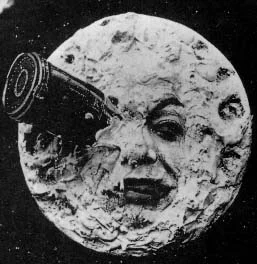
The iconic shot from Mélièrs’ A Trip to the Moon

The iconic shot from Mélièrs’ A Trip to the Moon

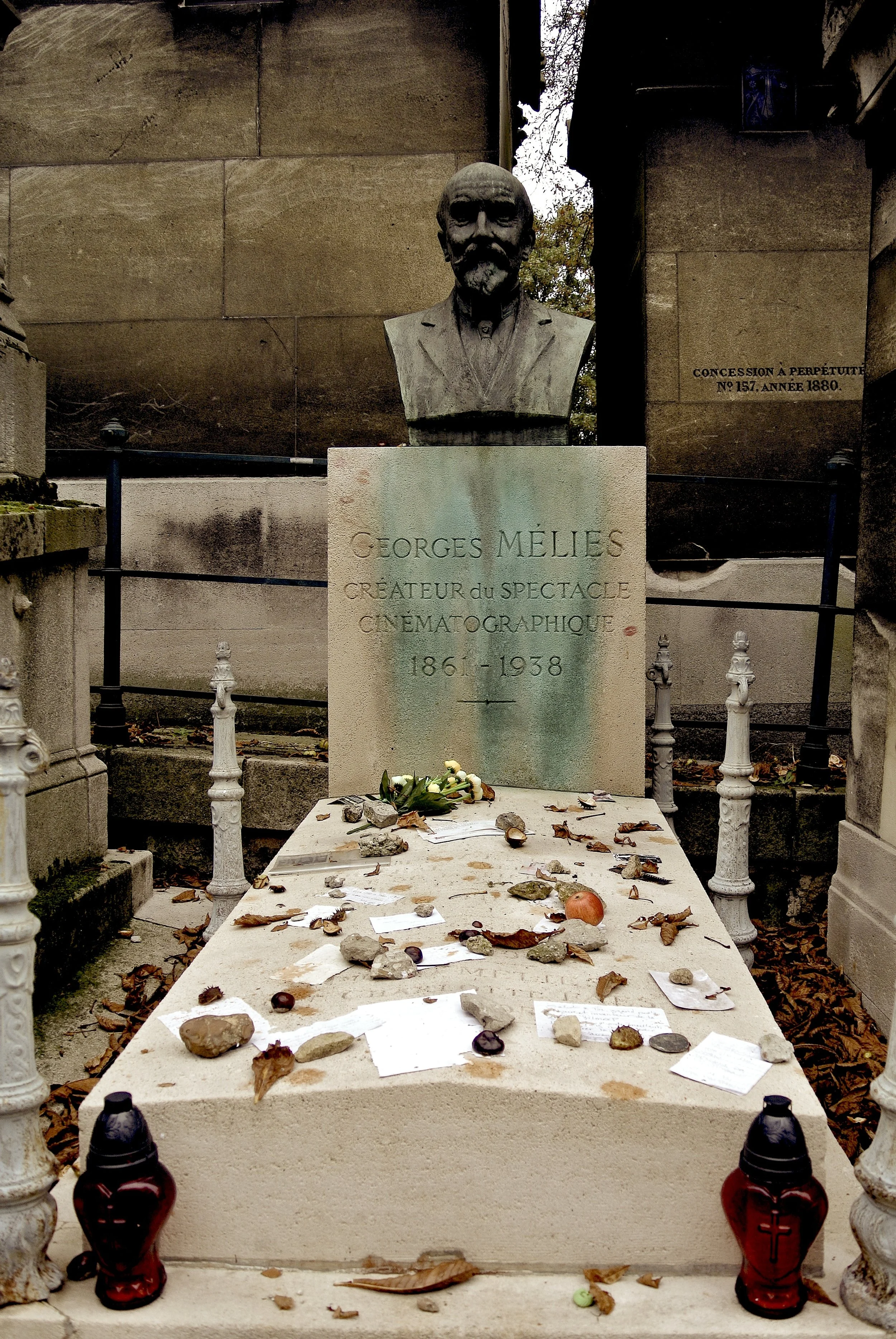
WHO: Georges Mélièrs, 1861-1938

FAMOUS FOR: Helping create the birth of cinema

WHAT TO LEAVE: Film canisters or something photography-related

Our first stop was at Méliers’ grave. He’s famous for A Trip to the Moon — you might have seen the iconic image of a rockship that lands in the eye of the Man in the Moon. The gorgeous and magical movie Hugo is a worthy tribute to Mélièrs.

This was our first hint at how difficult finding particular graves can be. We were sure we were in the right spot, but just couldn’t find Mélièrs’ tombstone. A nice older gentleman must have known what we were looking for — he came over and pointed down into a mass of tombstones. I spoke with him briefly in French. We realized the grave was a couple of rows deep on a narrow side path.

“There goes the stereotype of French people being rude,” Duke said. 

We still couldn’t find a way down into the depths, but then we saw a couple coming up the hill from the main road, like the entrance to a secret passage.

Leave something photo- or film-related on Mélièrs’ grave — or just a note

Leave something photo- or film-related on Mélièrs’ grave — or just a note

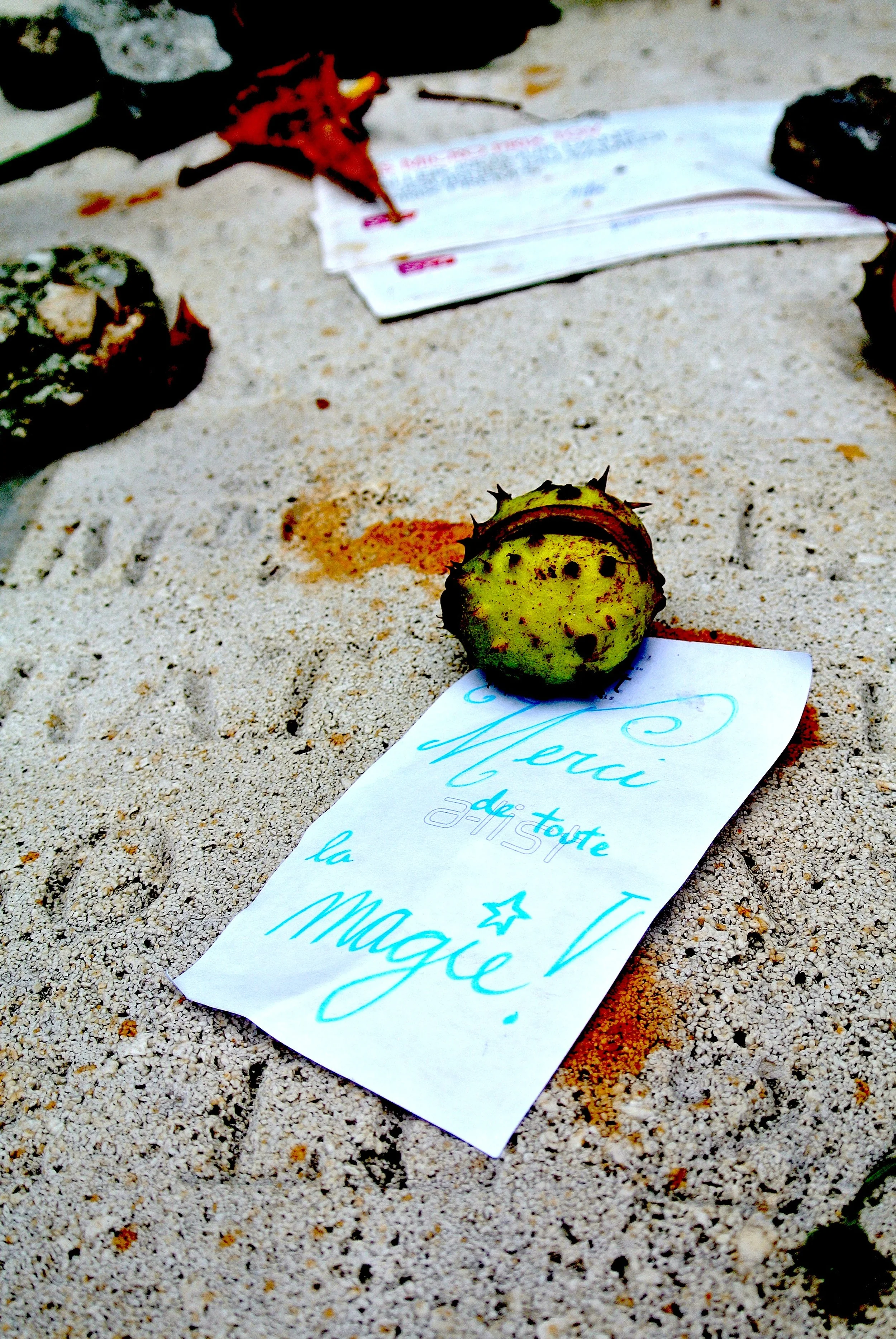
Wally’s note reads, “Thanks for all the magic!”

Wally’s note reads, “Thanks for all the magic!”

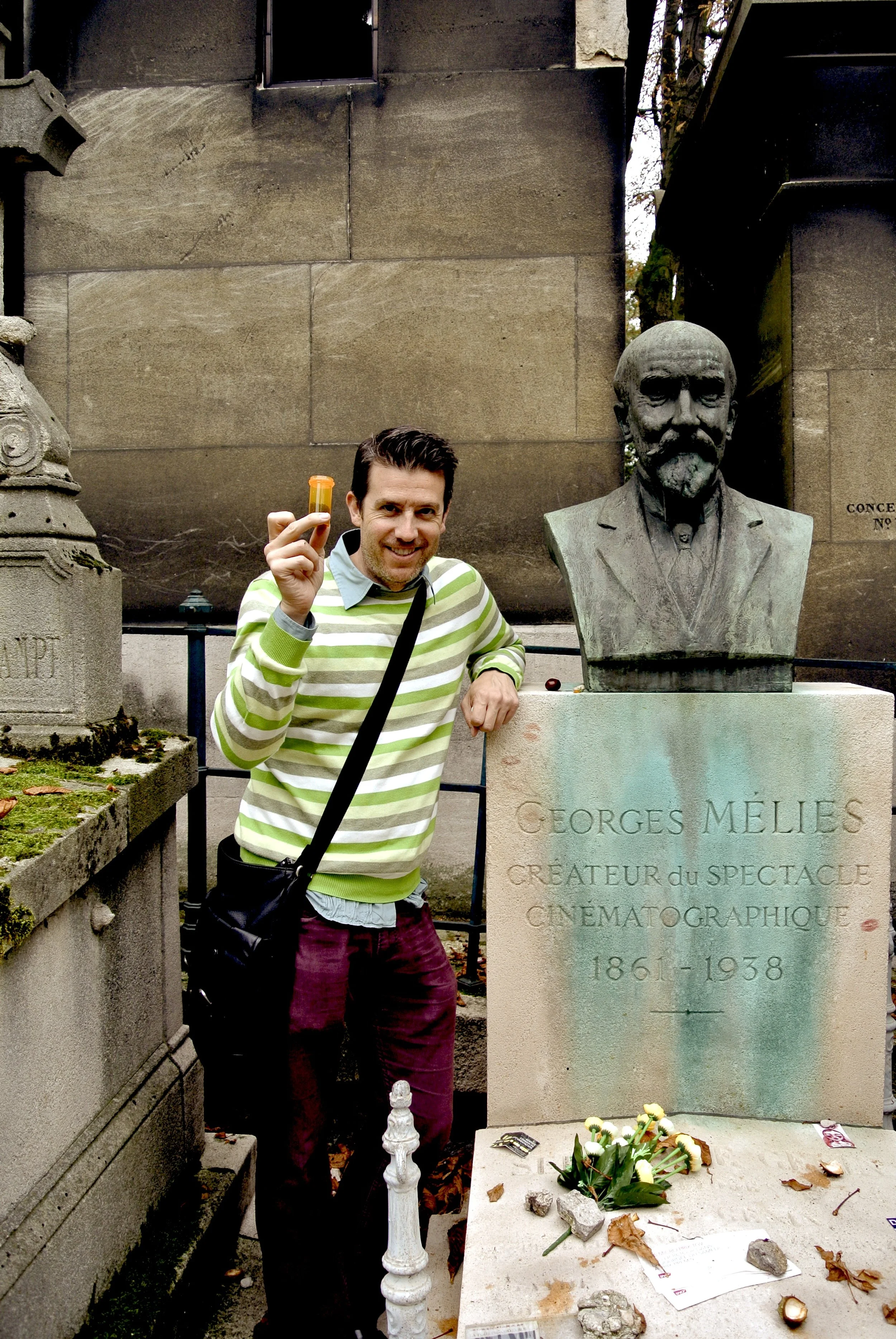
One never knows when some graveyard dirt will come in handy

One never knows when some graveyard dirt will come in handy

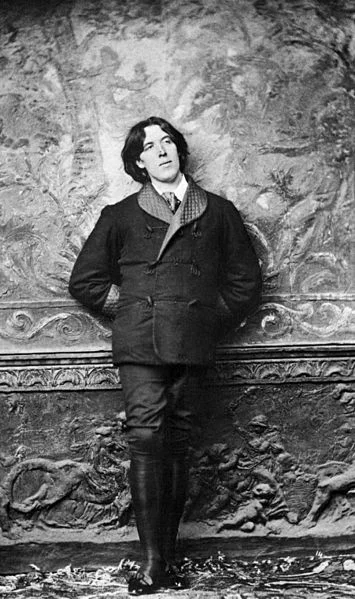
Oscar Wilde, the dandy himself

Oscar Wilde, the dandy himself

WHO: Oscar Wilde, 1854-1900

FAMOUS FOR: Writer (The Portrait of Dorian Gray, The Importance of Being Earnest), witticist, gay pioneer

WHAT TO LEAVE: A lipstick kiss

Wilde had some great lines. My personal favorite has always been: “I never travel without my diary. One should always have something sensational to read in the train.”

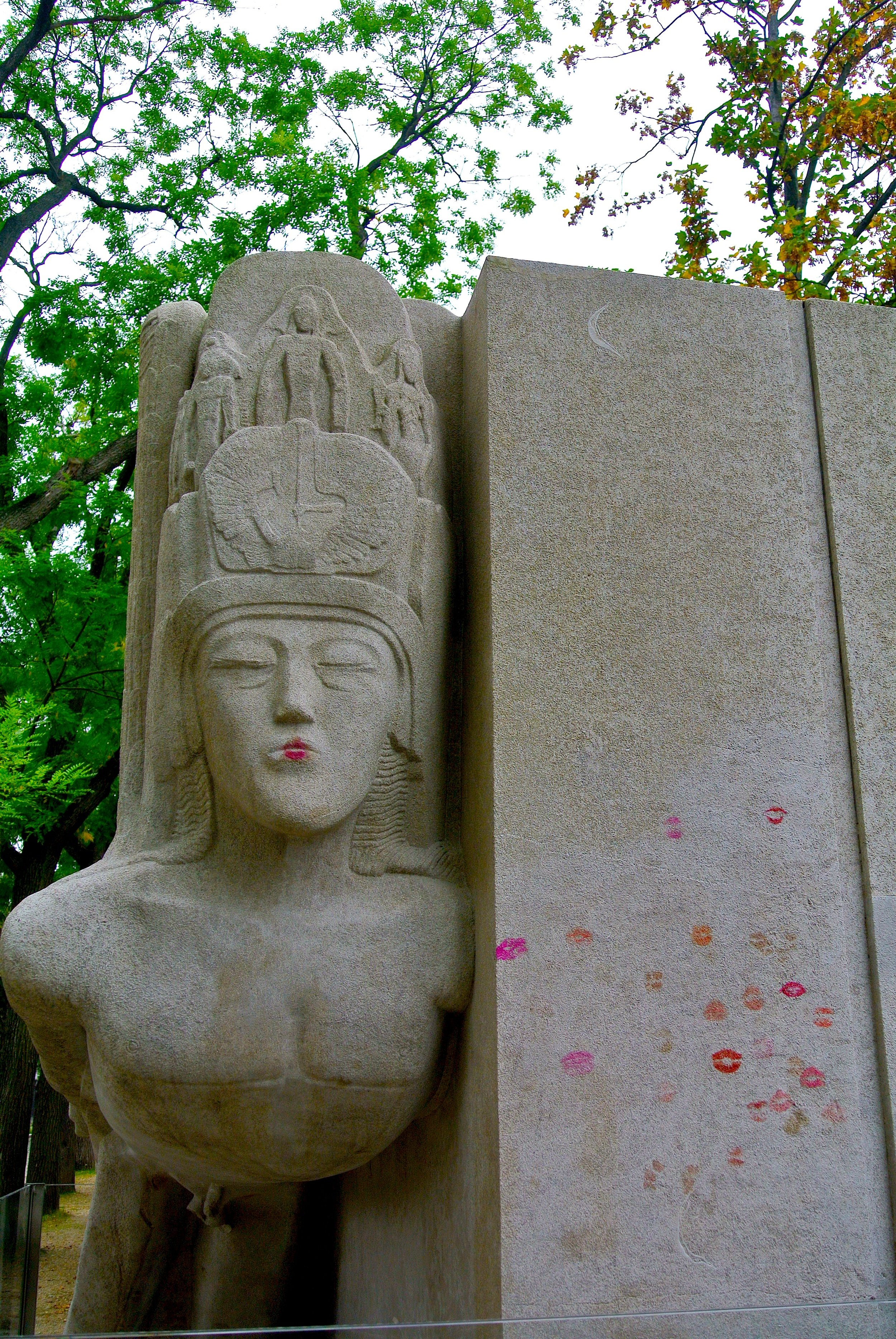
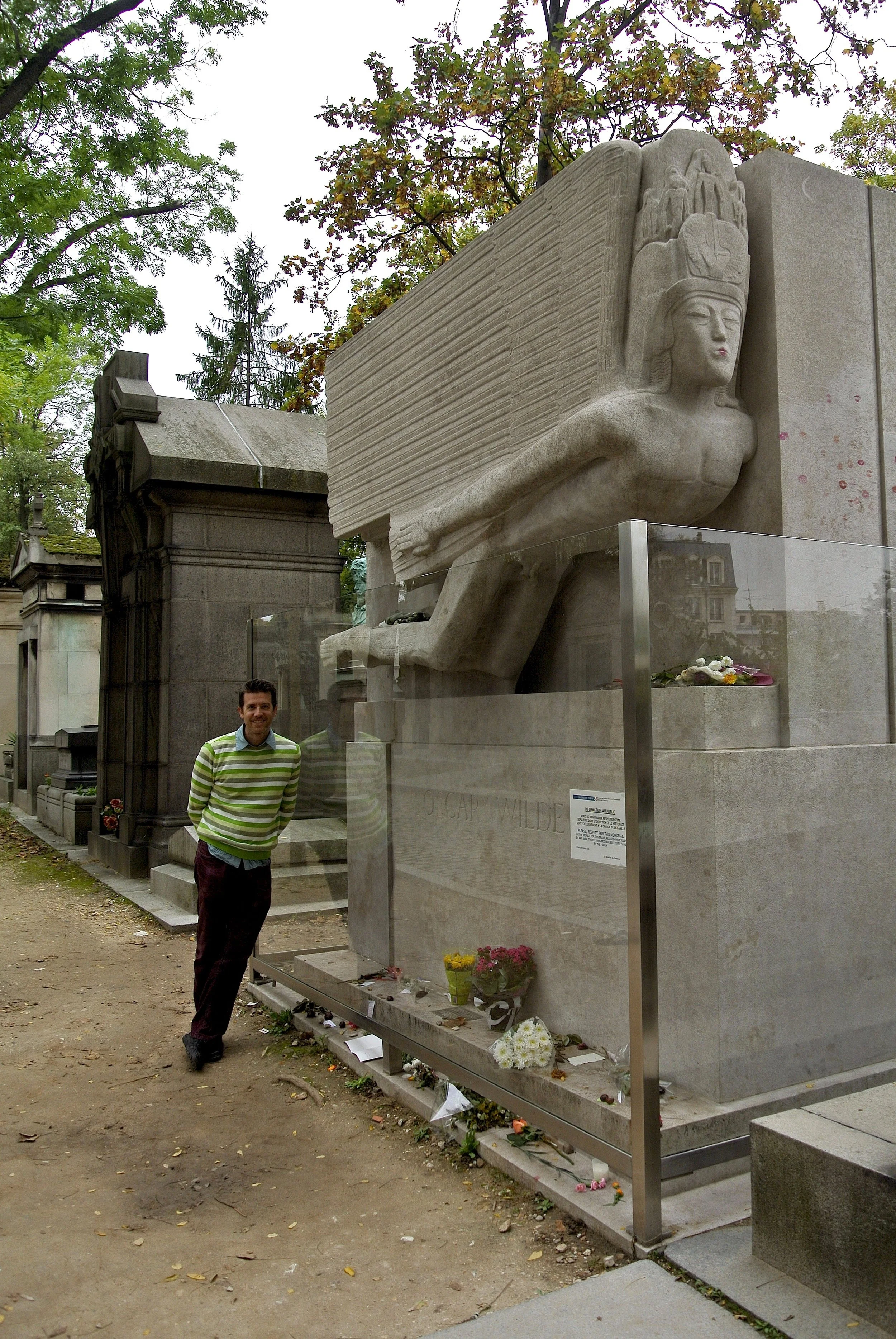
His grave is one of the more interesting ones at Père Lachaise. Part of the Art Deco stone monolith is an angular angel, with massive wings and anatomically correct privates. At one point, the oversized testicles were removed, with the rumor being that the cemetery manager used them as paperweights.

In the 1990s, a new tradition started: People would leave lipstick kisses on Wilde’s grave. It’s a sweet idea, and one I think Wilde himself would approve of. But the cemetery staff kept cleaning them off, which was causing irreparable damage.

So, in 2011, a glass wall was erected around the grave. So you can leave a kiss for Wilde — without damaging his tomb.

I didn’t happen to have any lipstick, so I wrote him a nice note and left that instead.

Even with a glass barrier, people still find ways to kiss Wilde’s grave. I’m sure he wouldn’t mind

Even with a glass barrier, people still find ways to kiss Wilde’s grave. I’m sure he wouldn’t mind

Wally is wild about Wilde

Wally is wild about Wilde

Édith Piaf

Édith Piaf

WHO: Édith Piaf, 1915-1963

FAMOUS FOR: Songstress (“La Vie en Rose”)

WHAT TO LEAVE: Roses

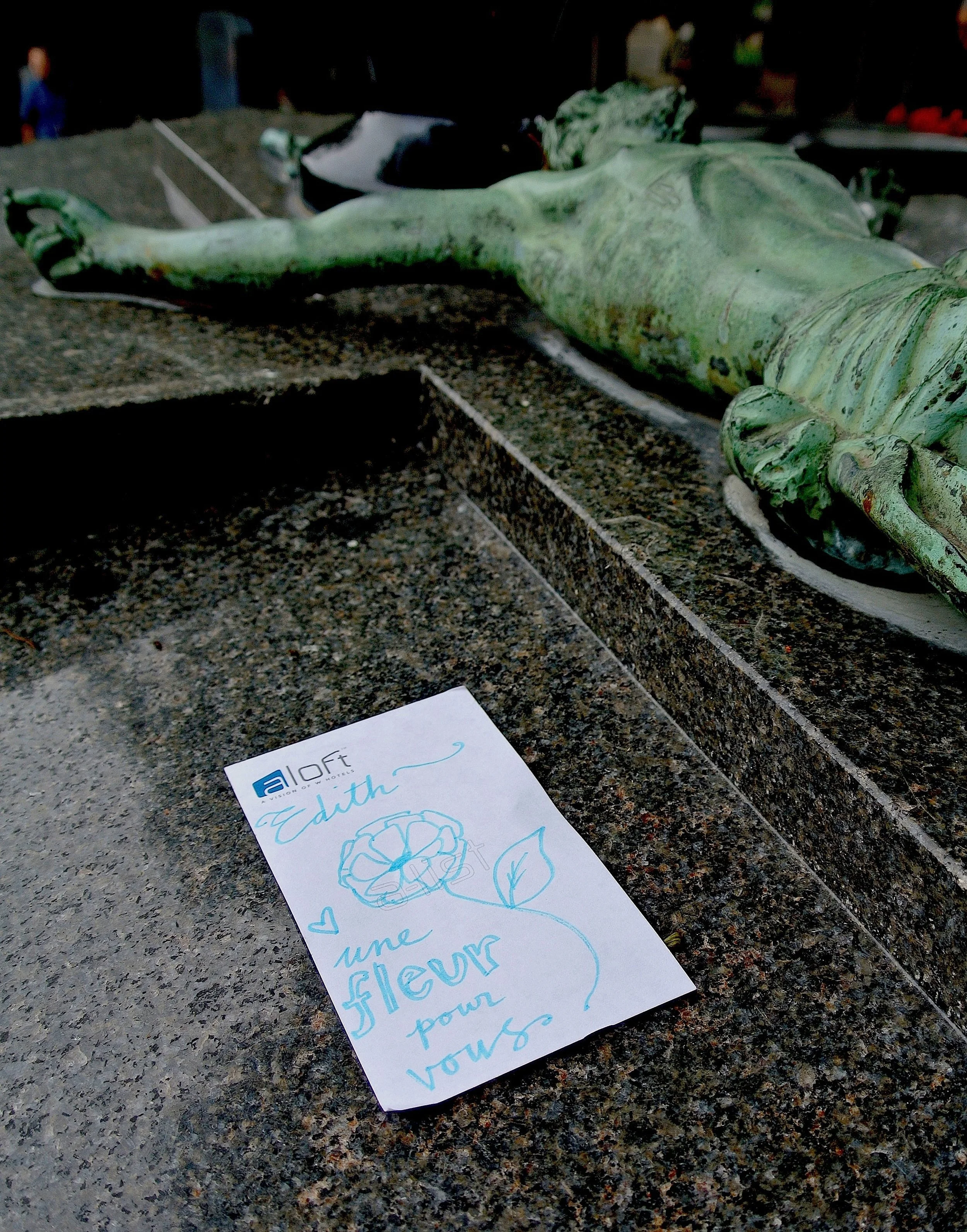
You’ll have to hunt for a grave marked, “Famille Gassion-Piaf.” I didn’t have any flowers, so I tried to draw one on a note I left on her tomb.

Not Wally’s best work, but he wanted to offer Piaf a flower of sorts

Not Wally’s best work, but he wanted to offer Piaf a flower of sorts

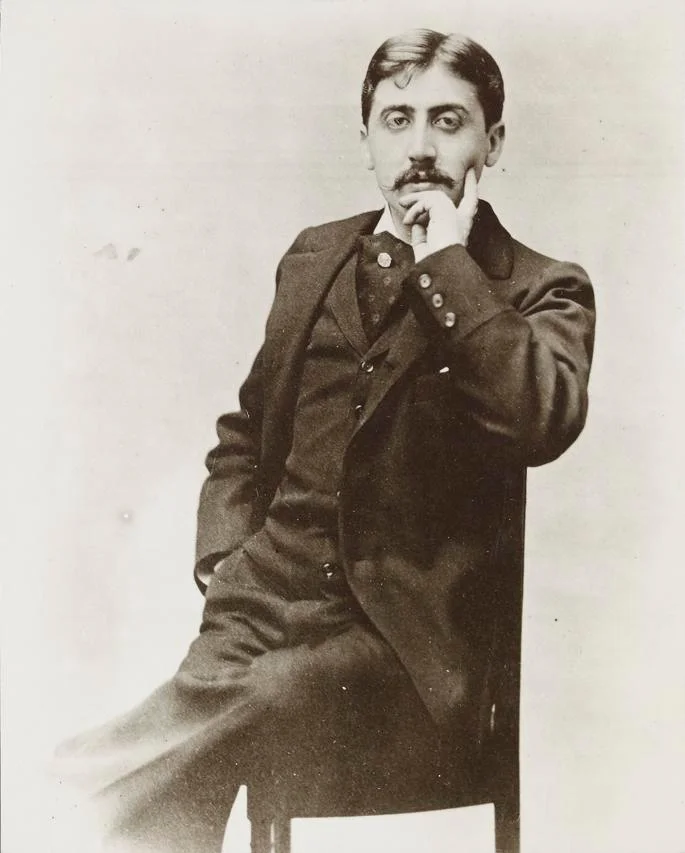
Marcel Proust

Marcel Proust

WHO: Marcel Proust, 1871-1922

FAMOUS FOR: Writer (In Search of Lost Time)

WHAT TO LEAVE: Métro ticket stubs

I couldn’t find anything about why people decided to start leaving subway ticket stubs. I could make up some bullshit about the subway trains symbolizing the passage of time — but it was probably the only thing a tourist had in their pocket, others followed suit, and a tradition was born.

These were the main graves we left tributes on. There are plenty of other celebrities’ graves to hunt down at Père Lachaise. When in doubt, bring a pad of paper and write a note about how the person touched your life. Or start your own tradition.

If you’ve never spent an afternoon wandering through a cemetery, Père Lachaise is a great place to start. You’re sure to be converted. It might sound creepy, but it’s really not. Maybe it even helps us, in some small way, accept the inevitability of death. –Wally

Coconut Macaroons Recipe

A cookie recipe that’s sure to brighten your day.

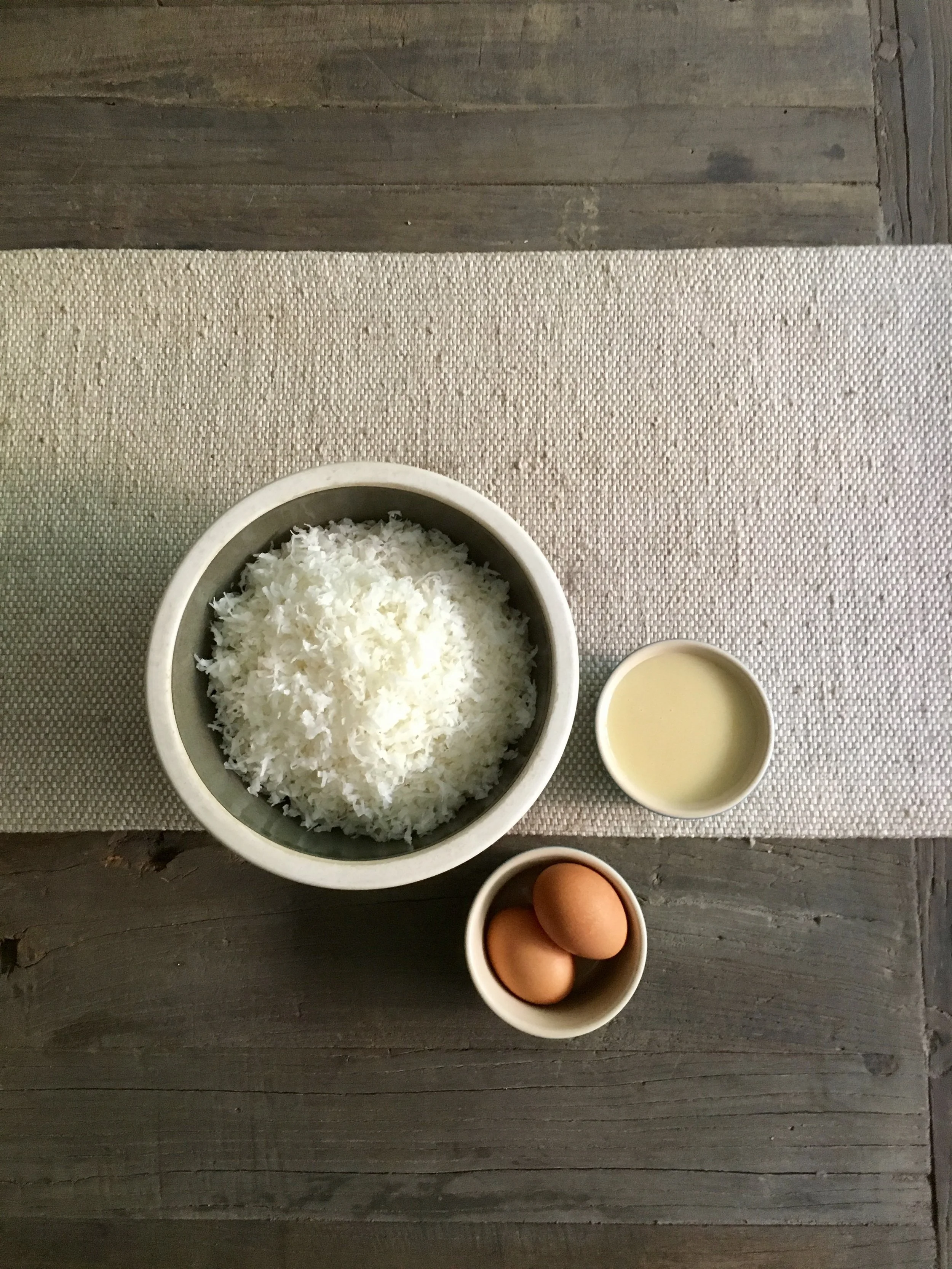
Delectable toasted coconut macaroons, like the ones we had after our hamman in Fès, Morocco

Springtime weather in Chicago can be wildly unpredictable at best. Sure, you made it through winter, but March often throws a combination of wind, rain and, more than occasionally, snow our way. Days can vary from sunny and warm to cold and rainy up until the end of May, before summer officially arrives.

Recently, on one of these blustery and chilly early spring days, I was humming “Holiday” by Madonna and daydreaming about a faraway rooftop bar with vibrant pink bougainvillea in bloom and the delicious, bite-size, toasty, golden coconut macaroons with soft chewy centers we were served at Palais Amani in Fès, Morocco.

This simple recipe, adapted from Ina Garten, is bound to make your day better. It always reminds me of the ones we enjoyed on a warm and sunny afternoon on our spa day in the historic medina. A perfect combination of toasted coconut, meringue-fluffy egg whites and sweetened condensed milk yield a dense and slightly tangy interior.

These confections are not to be confused with macarons, the meringue-based French cookie filled with buttercream, ganache or fruit curd.


Makes: 24 to 30 cookies

Active Time: 10 minutes

Total Time: 40 minutes

It doesn’t take much to whip up a batch of these little balls of sunshine

It doesn’t take much to whip up a batch of these little balls of sunshine

Ingredients

  • 14 ounces sweetened flaked coconut
  • 14 ounces sweetened condensed milk
  • 1 teaspoon pure vanilla extract
  • 2 extra-large egg whites at room temperature
  • ¼ teaspoon kosher salt


Preparation

Preheat the oven to 325 degrees.

Combine the coconut, condensed milk and vanilla in a large bowl.

Whip the egg whites and salt on high speed in the bowl of an electric mixer fitted with the whisk attachment until they make medium-firm peaks.

Carefully fold the egg whites into the coconut mixture.

Drop the batter onto sheet pans lined with parchment paper using either a 1¾-inch-diameter ice cream scoop or 2 teaspoons.

Bake for 25 to 30 minutes, until golden brown.


Go ahead — you deserve a little to time to relax, and if you fancy a cup of tea, might I suggest chamomile? –Duke

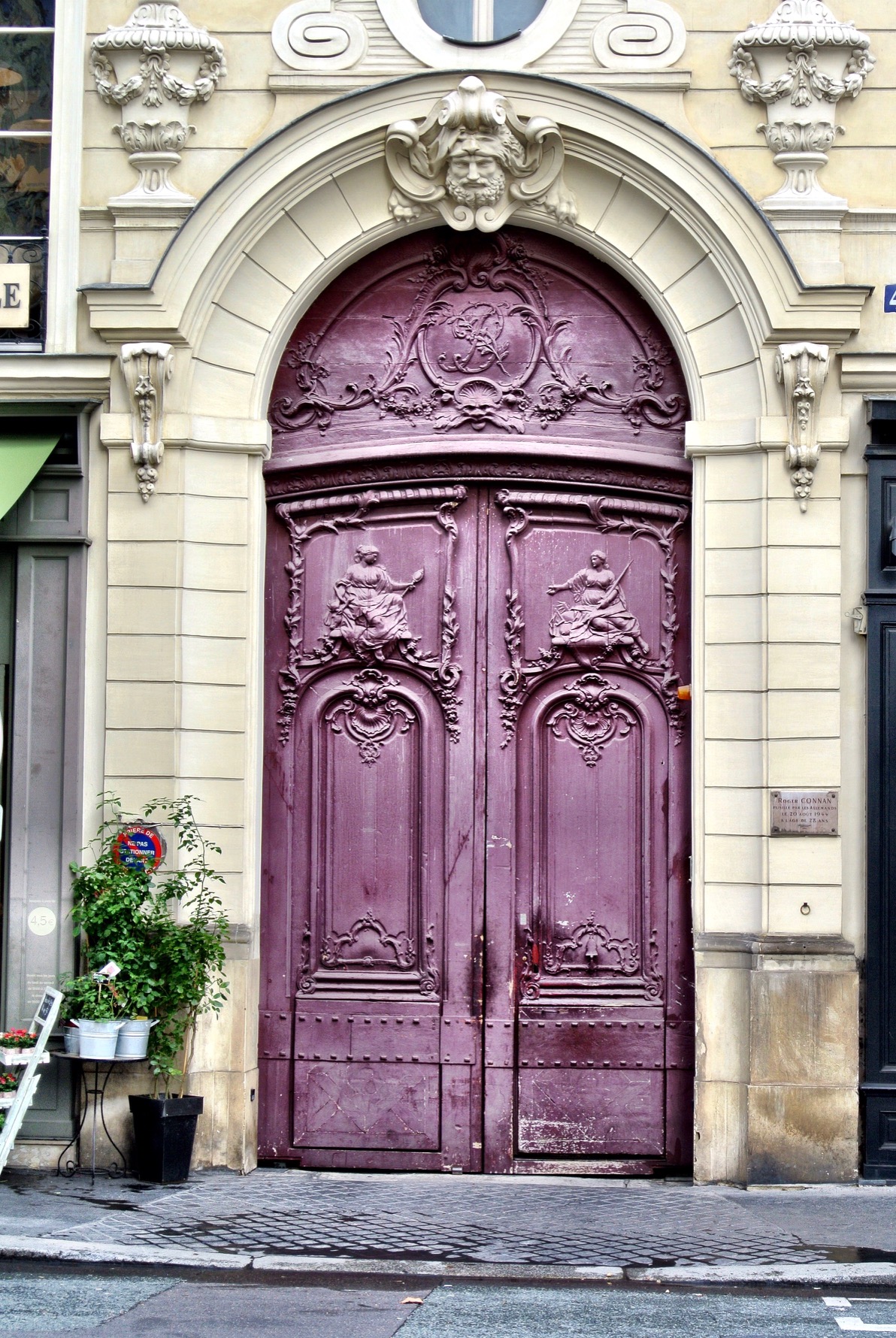
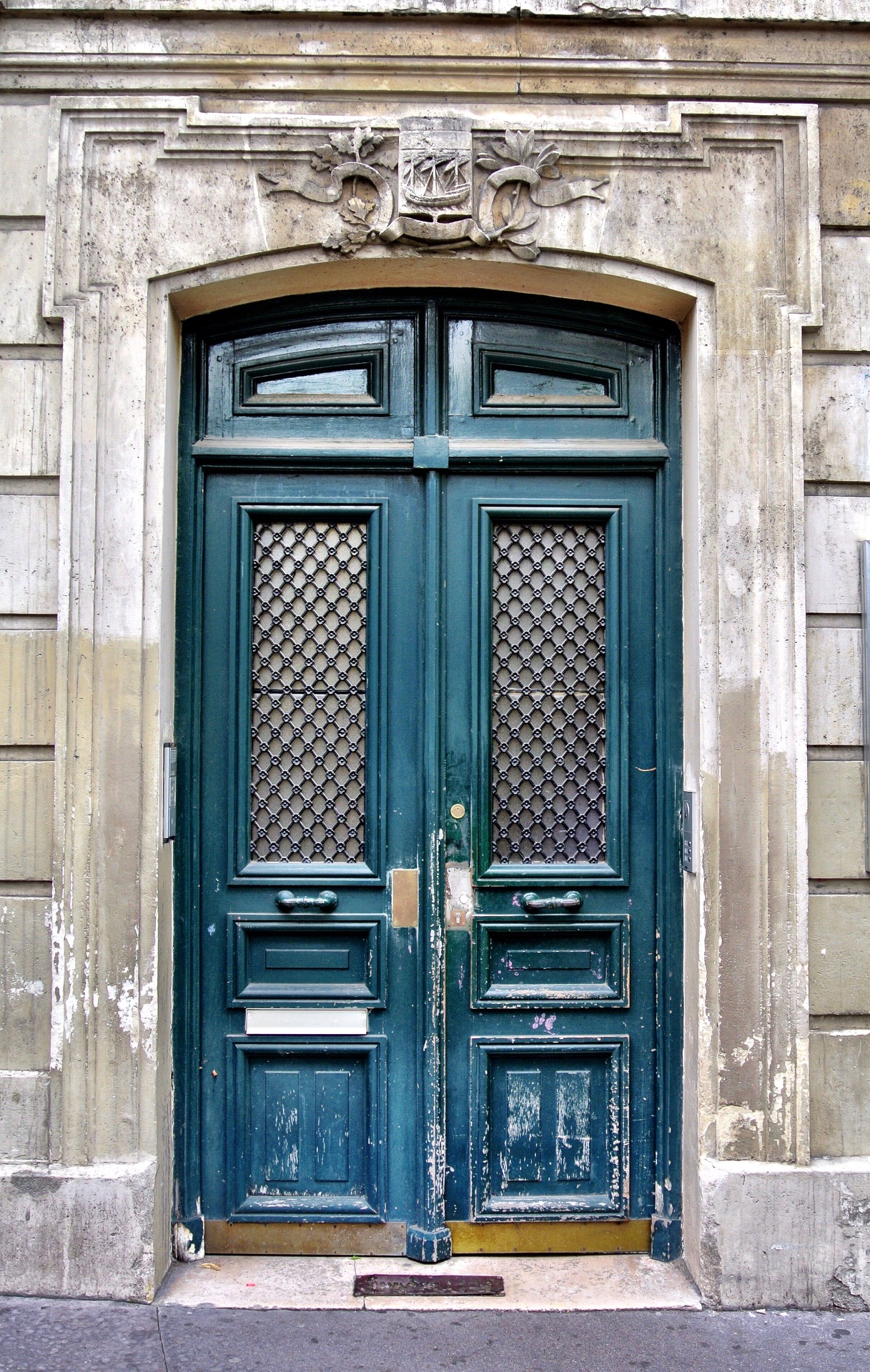
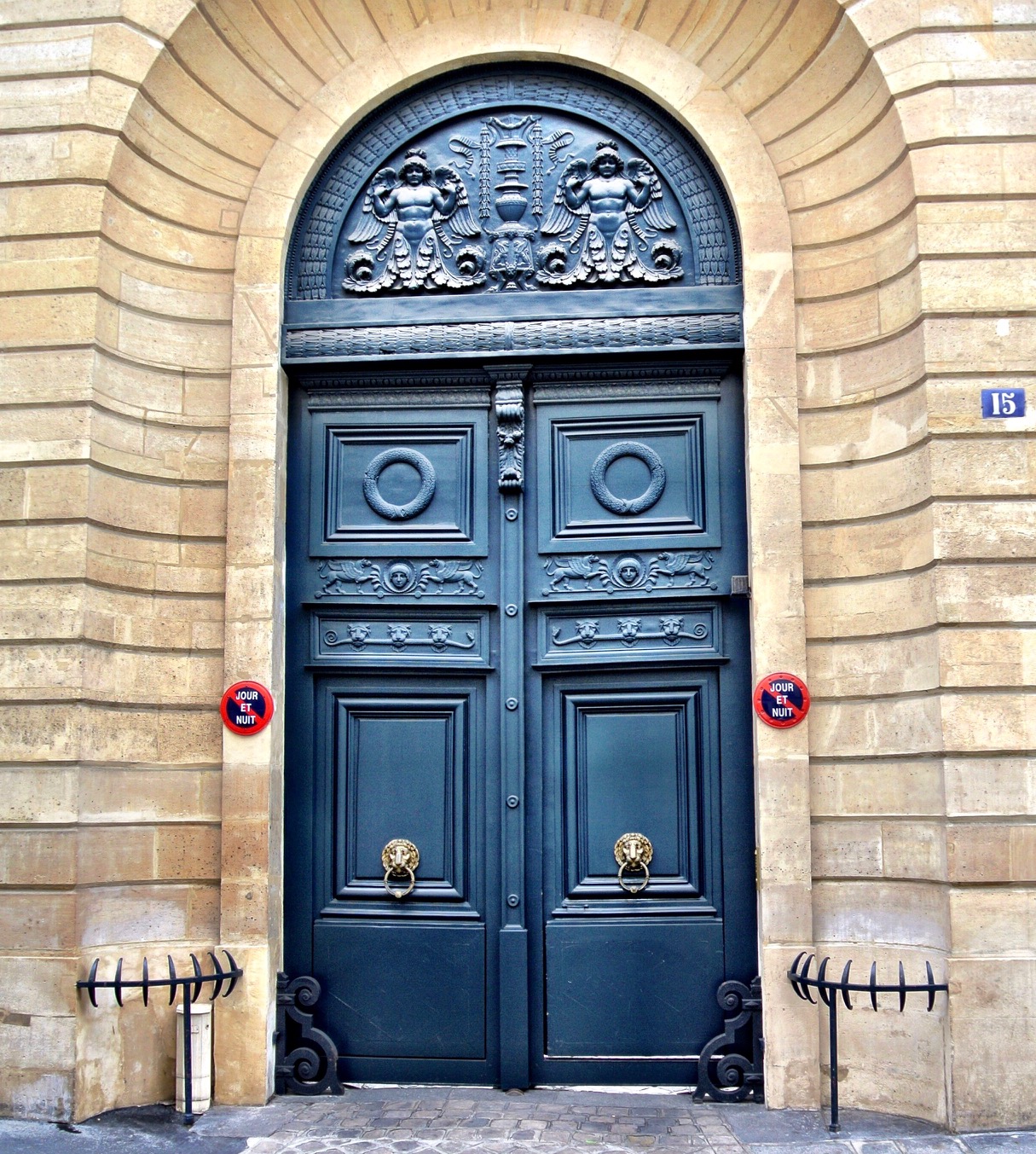
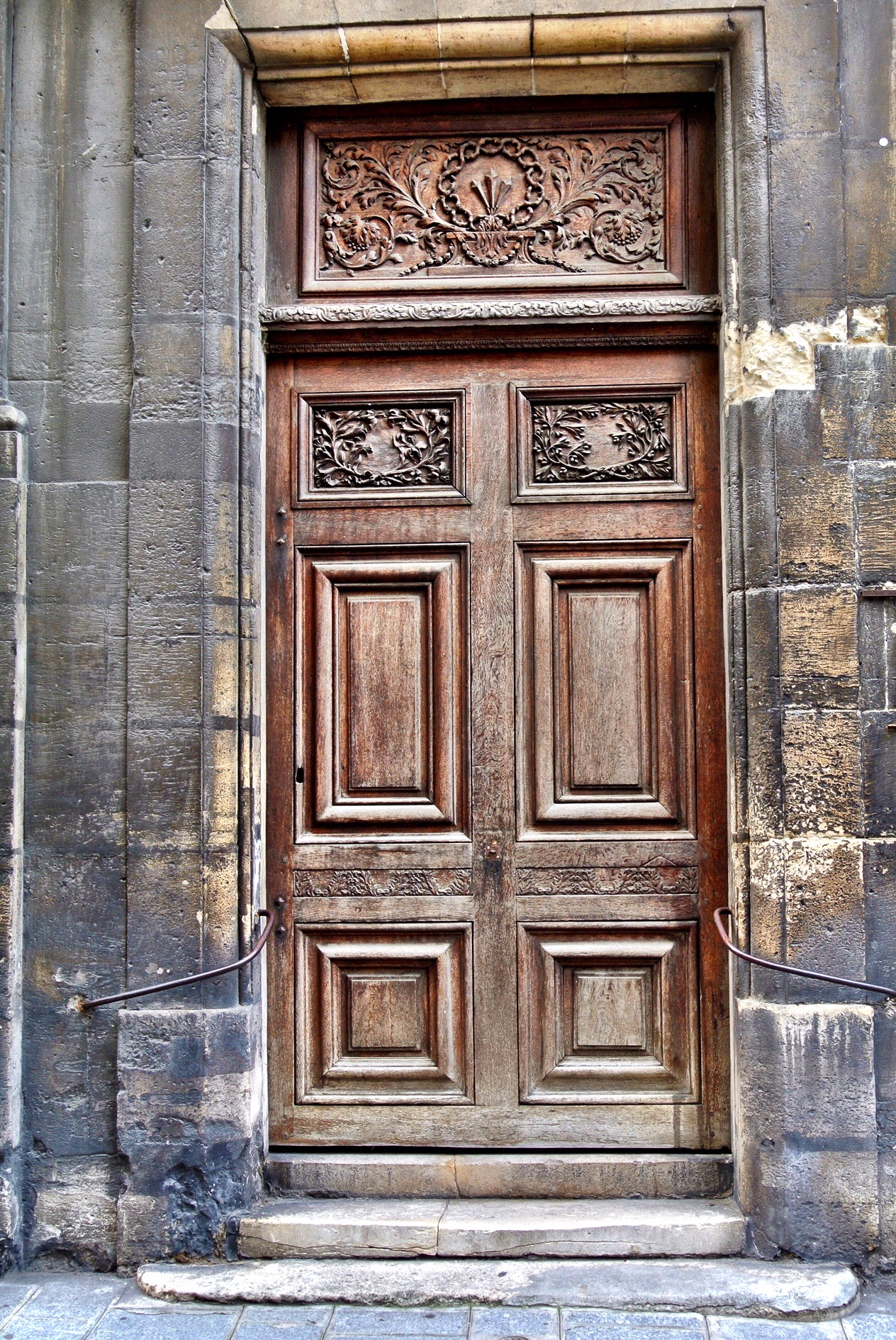
Les Portes de Paris – The Doors of Paris

If you’re one of those people who love pictures of doors, come right in.


You’ve seen the posters. They show pictures of doors found throughout a particular city.

What is it about doors that so peaks our interest? Doors simultaneously close you off and welcome you in. There’s a sense of mystery surrounding them: What world will you discover once you cross the threshold?

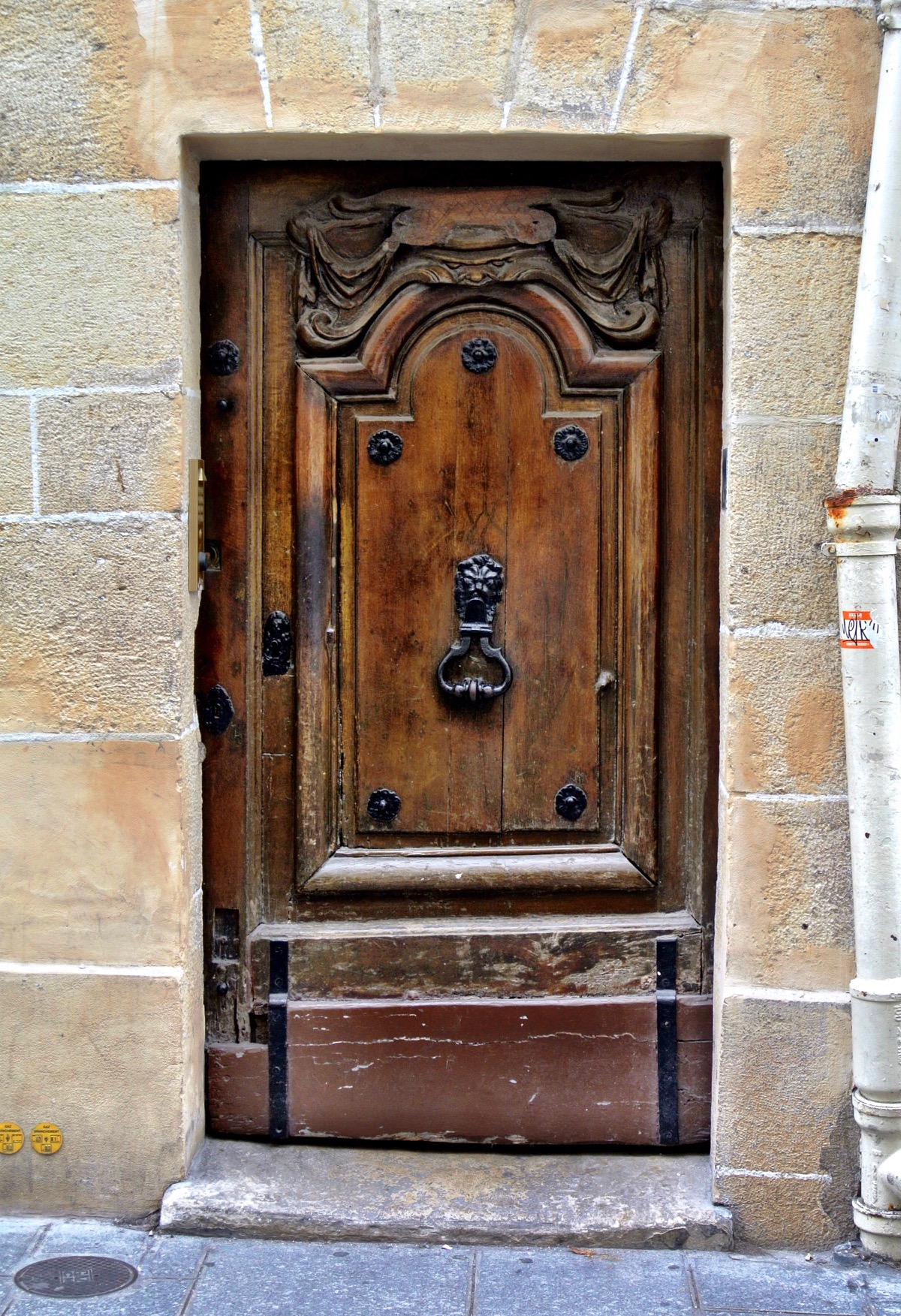
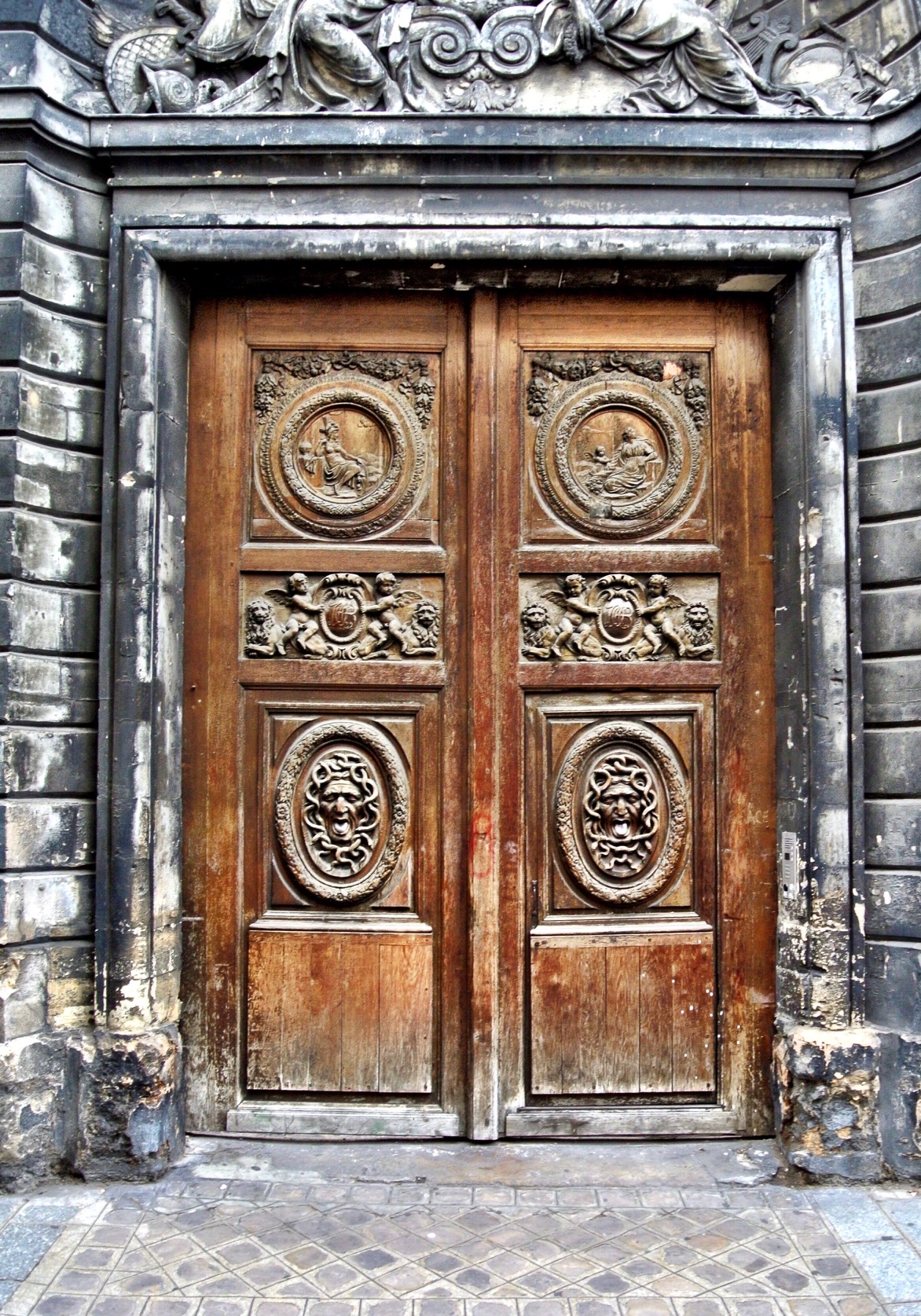
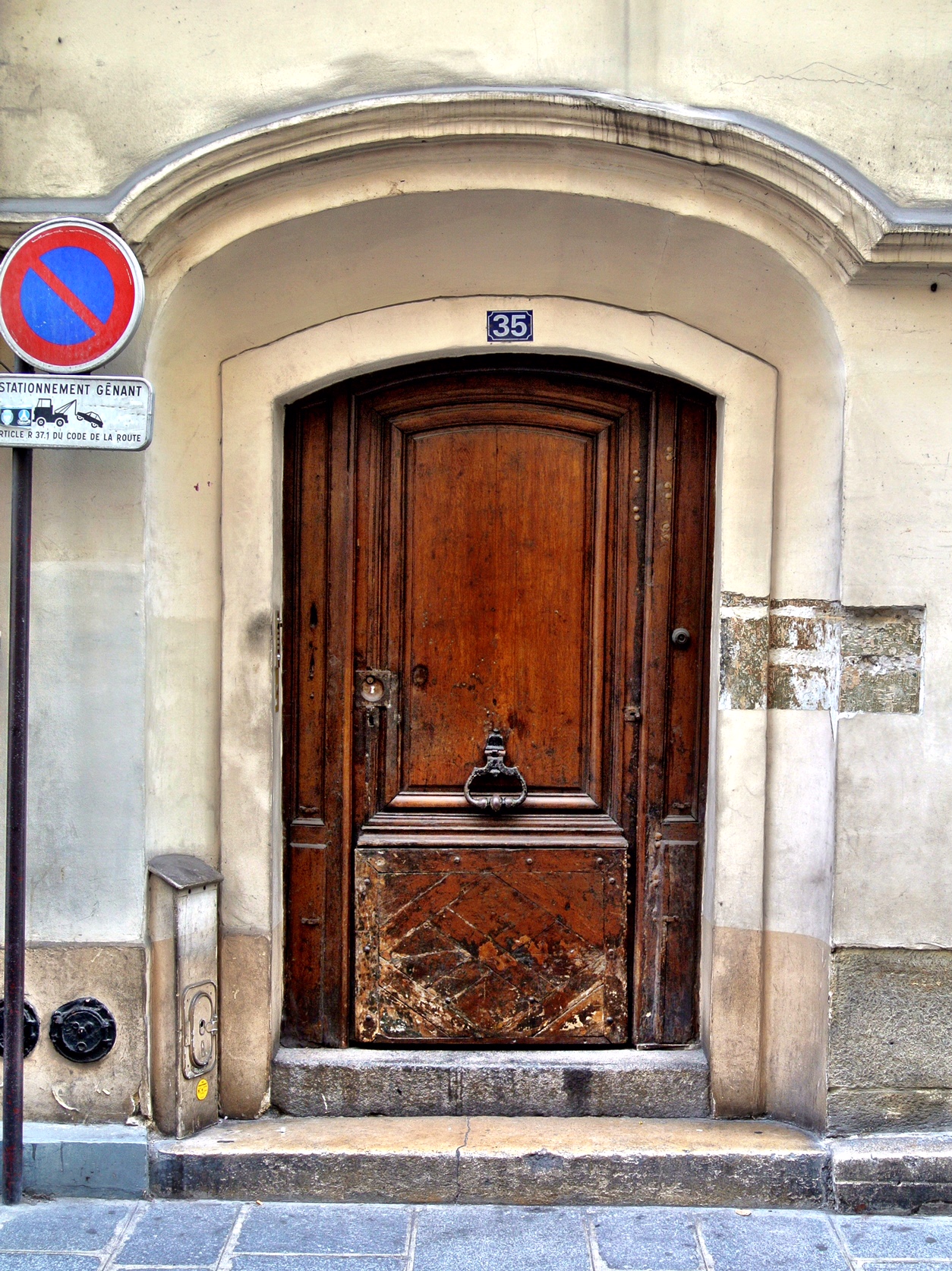
As we wandered around Paris, Duke periodically snapped pics of doors. In lieu of making our own poster, here’s a sampling of some of the most stylish doors of a stylish city. 

While doors are lovely and all, Duke and I much prefer to take photos of the stray cats found throughout a city. They’ve got more personality. –Wally

The Monsters of “Supernatural,” Season 1, Episodes 20-22

Many of the legends about vampires aren’t true. Learn how to make holy water and the exorcism prayer to fight even the most powerful demons. Plus: the Devil’s Trap!

The rite of exorcism and the secret to making holy water will come in handy to defeat vampires and demons!

Dracula bores me. I’ve tried reading it twice and gave up pretty quickly.

But Buffy the Vampire Slayer? That’s another story. My friends and I were so obsessed with it, we’d have viewing parties every week, gathering at one of our homes, ordering pizza and drinking beer and watching one of the best shows on TV.

Before Supernatural, Buffy the Vampire Slayer was fighting all sorts of evil — and doing so while dressed fabulously and making clever quips

Most vampire lore is crap.
— John Winchester

Vampires finally make an appearance on Supernatural, and it’s a moment of comedic gold that Dean and Sam, after all the crazy shit they’ve seen, still think vampires are a myth. Turns out they were wrong. Dead wrong.


S1E20: “Dead Man’s Blood”

Much of what we know about vampires turns out to be wrong

Monster: Vampire

Where it’s from: Legends of vampire-like creatures date back to the ancient civilizations of Persia, Greece, Egypt, China and Japan. But the vampire we’re familiar with today comes from Romania and other parts of Eastern Europe.

If you’re interested in finding a vamp, the Romanians have an interesting method, according to LiveScience: Take a 7-year-old boy, dress him in white and put him on a white horse. Let them wander a graveyard at midday — whatever grave the horse stops at houses a vampire!

Description: Babies born with a third nipple in Romania were thought to be vampires.

Much of our modern-day depictions of vampires were solidified by Bram Stoker’s Dracula and Bela Lugasi’s take on the famously charming bloodsucker.

We can thank Bram Stoker and Bela Lugasi for our modern-day versions of vampire lore

They’re undead humans, with pale skin (caused by an aversion to sunlight, one would imagine) and sharp fangs (so they don’t need a straw to consume their favorite beverage). Unlike zombies, which are more savage and don’t seem to retain any of their humanity, vampires keep much of the personality of the person they once were. They tend to be pretty intelligent and can pass as living humans.

What it does: Some vampires are said to be able to turn into bats or wolves or smoke. In some legends, vampires cannot come into your house without being invited. Some are said not to reveal reflections in mirrors. They’re supposed to have supernatural strength. They don’t age and can be immortal. Some have hypnotic mind control they can exert over humans.

Some legends say that vampires have the ability to turn into a bat at will

But the one thing that pretty much every tale agrees upon: Vampires vant to sock your blood.

On the show, the vampires take their victims back to their nest, where they bleed them for days.

How to defeat it: “Most vampire lore is crap,” Daddy Winchester tells his sons.

So take this advice with a grain of the salt Dean and Sam are so fond of.

Supporting this take is Thought Catalog, which reports that the idea of a vampire being harmed by sunlight is a fairly recent literary invention.

The jury’s still out on crosses and holy water as well.

Europeans would stab certain corpses through the chest at burial to prevent them from returning from the dead. This led to the belief that a stake through the heart would dispatch a vampire.

Decapitation also seems to work well. Play it safe and stuff the mouth full of garlic for good measure.

If you’re being chased by a vamp and happen to have a bag of salt handy (and after watching Supernatural, who doesn’t?), LiveScience reveals this neat trick: You need only spill the salt on the ground behind you, and the vampire is obligated to stop and count each and every grain before continuing the pursuit.

According to Supernatural, dead man’s blood is like poison to vampires, though it wears off after a while.

In addition, you can hide your scent from vamps with this trick: Burn trillium, saffron and skunk cabbage. Rub the ashes on your clothes, and the suckers won’t smell you coming.
 

S1E21: “Salvation”

Not all demons are horrific distortions of nature — some take the form of a beautiful woman

Monster: Demons, including murderous Meg and the Big Baddie, the main villain of Season 1

Where it’s from: All over the world

Description: Most demons are grotesque, but there are a few that are actually hot like Meg. Upon closer inspection, though, you’ll usually note some sort of perversion of nature — they might have hawk claws, for instance, or maybe a serpent’s tail.

What it does: The demon that killed the boys’ mom and Sam’s girlfriend has strong telekinetic powers and can make bodies fly through the air with its mind. It also has a penchant for burning women on bedroom ceilings and torching houses on the night a child turns six months old. We all have our fetishes.

How to defeat it: You know the demon is coming if there’s been a pattern of electrical storms and cattle deaths. It’ll soon be upon you when there are electrical disturbances like lights flickering and you smell traces of sulfur.

If you’re fighting a minor demon, hallowed ground could protect you. But as this Big Bad says, “Maybe that works in the minor leagues, but not with me.”

Try creating a huge batch of holy water by dropping a rosary into a vat of water and say this prayer in Latin:

Prayer to Make Holy Water

Deus, qui ad salutem humani generis maxima quæque sacramenta in aquarum substantia condidisti: adesto propitius invocationibus nostris, et elemento huic, multimodis purificationibus præparato, virtutem tuæ benedictionis infunde; ut creatura tua, mysteriis tuis serviens, ad abigendos dæmones morbosque pellendos divinæ gratiæ sumat effectum; ut quidquid in domibus vel in locis fidelium hæc unda resperserit careat omni immunditia, liberetur a noxa. Non illic resideat spiritus pestilens, non aura corrumpens: discedant omnes insidiæ latentis inimici; et si quid est quod aut incolumitati habitantium invidet aut quieti, aspersione hujus aquæ effugiat: ut salubritas, per invocationem sancti tui nominis expetita, ab omnibus sit impugnationibus defensa. Per Dominum nostrum Jesum Christum filium tuum, qui tecum vivit et regnat in unitate Spiritus Sancti, Deus, per omnia saecula saeculorum. Amen.

If you happen to have that magic Colt gun, aim well — and aim quickly. That sucker can dematerialize before being shot.


S1E22: "Devil's Trap"

You, too, can trap demons in elaborate magic summoning circles like King Solomon supposedly did

Monster: Demon

How to defeat it: Peruse The Lesser Key of Solomon, a 17th century grimoire filled with sigils to call forth and control demons.

The Key of Solomon’s magic circle and triangle from the manuscript of Sir Hans Sloane, a famous collector who bequeathed his books to the British Museum

The Devil’s Trap is a great way to trap powerful demons

The Devil’s Trap, as Dean says, is “like a satanic roach motel.” Draw it on the ground, lure in a demon — and it will be unable to leave it.
Make sure not to smudge it, though. “A devil’s trap loses its power if its lines are erased or partially erased,” according to Reference. “The circle must remain intact in order to keep the demon trapped inside.”
In this episode, we learn that Meg is actually an innocent girl possessed by a demon. (Demons are obsessed with possessing people, remember?)

The fellas decide to perform an exorcism, even though her body sustained fatal injuries from a previous fall, and the only thing keeping her alive is the demon’s spirit.

Here’s what you need to say if you want to try your own exorcism, from The Hunting. By the way, it seems like it’d be a good idea to learn Latin if you plan on being a hunter like the Winchesters.

Practice your Latin — you’ll need it for exorcisms and making holy water

The Rite of Exorcism

Exorcizamus te, omnis immundus spiritus, omnis satanica potestas, omnis incursio infernalis adversarii, omnis legio, omnis congregatio et secta diabolica

Ergo, draco maledicte et omnis legio diabolica, adjuramus te,

Cessa decipere humanas creaturas, eisque æternæ perditionìs venenum propinare

Vade, satana, inventor et magister omnis fallaciæ, hostis humanæ salutis,

Humiliare sub potenti manu Dei, contremisce et effuge, invocato a nobis sancto et terribili Nomini quem inferi tremunt

Ab insidiis diaboli, libera nos, Domine.

Exorcizamus te, omnis immundus spiritus, omnis satanica potestas, omnis incursio infernalis adversarii, omnis legio, omnis congregatio et secta diabolica

Ergo, draco maledicte et omnis legio diabolica, adjuramus te … cessa decipere humanas creaturas, eisque æternæ perditionìs venenum propinare

Ut Ecclesiam tuam secura tibi facias libertate servire, te rogamus,

Audi nos.

If someone looks like this, there’s a pretty good chance they’re possessed by a demon

And here it is in English:

We exorcise you, every impure spirit, every satanic power, every incursion of the infernal adversary, every legion, every congregation and diabolical sect.

Therefore, accursed dragon and every diabolical legion, we adjure you.

Cease to deceive human creatures and give to them the poison of eternal damnation.

Begone, Satan, inventor and master of all deceit, enemy of man’s salvation.

Humble yourself under the mighty hand of God, tremble and flee when we invoke the holy and terrible name which causes hell to tremble.

From the snares of the devil, deliver us, O Lord.

We exorcise you, every impure spirit, every satanic power, every incursion of the infernal adversary, every legion, every congregation and diabolical sect.

Therefore, accursed dragon and every diabolical legion, we adjure you … Cease to deceive human creatures and give to them the poison of eternal damnation.

That Thy church may serve Thee in secure liberty secure, we ask Thee,

Hear us.

You’re all set to take on even the most powerful demon. Just watch out for projectile vomiting of pea soup! –Wally

Babies born with a third nipple in Romania were thought to be vampires.

Beng Mealea, the Lotus Pond Temple

You’ll feel like Indiana Jones exploring this ancient Khmer temple outside of Siem Reap, Cambodia, where the Two Brothers movie was filmed.

Beng Mealea, the most fun temple to explore in the Angkor area

Located about 90 minutes from the city of Siem Reap, Cambodia, Beng Mealea is an otherworldly set of ruins far from the typical crowds of the Angkor Archaeological Park. The site was not opened to the general public until it was cleared of landmines in late 2003.

As we drove to the destination, our guide Kimsan explained that it was inaccessible prior to the completion of the paved royal highway. I was just happy not to revisit the unpaved “dancing” dirt roads of Phnom Kulen.

One of our party members was fiddling with his camera — and, much to our horror, almost tumbled into the stone-filled moat.

Duke and Wally had a blast playing Indiana Jones as they explored the remote Beng Mealea, or Lotus Pond Temple

While the “Tomb Raider Temple,” Ta Prohm, is striking, it is downright manicured compared to Beng Mealea.

There are worse jobs than guarding Beng Mealea

Its Khmer name translates as “Lotus Pond,” and the structure was built in the 12th century by King Suryavarman II. Our group and a few guards were the only presence there.

The temple is comprised of a moat, a handful of libraries and galleried courtyards. Verdant and overgrown, we felt like explorers discovering a lost world as we clambered and crawled over piles of moss-covered rubble and sprawling roots, occasionally coming across an intricately carved sandstone fragment.

Piles of stone rubble that have tumbled down from Beng Mealea’s upper walls lie haphazardly throughout the site

Rubble Rubble

Devoid of restoration, colossal piles of fallen sandstone blocks overgrown with gnarled vines and tree roots give you a good idea of what French archeologists saw when these ruins were discovered. The result is a serene and atmospheric temple dappled by sunlight streaming through the jungle canopy above. If I wasn’t bitten by the travel bug before, I was now.

One of the temple libraries, which at one time held sacred manuscripts

There are some safety measures in place, thanks to Jean-Jacques Annaud’s 2004 movie Two Brothers, starring two tiger cubs, set in 1920s French Indochina, which was filmed here. Narrow wooden walkways that were used to operate a camera dolly intersect the temple ruins, making it easier to navigate some of the areas. However, once off this path, each step needs to be carefully negotiated to prevent a fall. One of our party members was fiddling with his camera — and, much to our horror, almost tumbled into the stone-filled moat.

Sandstone corbels mimicking wood now compete with the real thing

Verdant and overgrown, we felt like explorers discovering a lost world as we clambered and crawled over piles of moss-covered rubble and sprawling roots.

Keep a lookout for death’s head spiders — their venom is more poisonous than that of a scorpion

Lichen-covered carvings at Beng Mealea, where nature has reasserted itself 

Beng Mealea was our favorite temple on our Cambodian trip and brought out the inner adventurer in all of us. –Duke

The Indian Caste System Explained

Brahmin, Kshatriya, Vaishya, Shudra, untouchable: How did the caste system get started, what is the difference between castes — and how does this shameful practice persist to this day?


Quite a few Asian cultures I’ve experienced think of the head as the holiest of body parts and the feet as the filthiest. Sure, that can be taken literally — but it applies on the spiritual level as well.

In India, they’ve taken this concept to the next level, connecting body parts with actual societal classes. They’ve used that belief to help justify a horrific system of oppression.

The “untouchables” are forced to perform the worst jobs, including cleaning public toilets, raising so-called unclean animals like pigs, curing hides and sweeping streets.

What is the caste system?

Think of it as the opposite of the American Dream. In the caste system, people are born into their situation in life, including the occupations open to them. And because they can only marry people within their caste, it’s a vicious cycle that never ends.

“Rooted in religion and based on a division of labor, the caste system, among other things, dictates the type of occupations a person can pursue” as well as the social interactions he or she is allowed, according to Dummies, the company that brings us those …for Dummies books.

“The most obvious problem with this system was that under its rigidity, the lower castes were prevented from aspiring to climb higher, and, therefore, economic progress was restricted,” the site reports.

Each caste is said to have come from a different part of the body of Brahma, the Hindu creator god

What exactly are the main castes — and how do they relate to the body?

Each caste is affiliated with a part of the body of Brahma, the Hindu god of creation.

Brahmins: These are the top dogs. They’re mostly priests, teachers and scholars who supposedly came from Brahma’s heads, or mouths (he had four).

Brahmins are the highest caste in India, composed of priests and those lucky enough to be well educated

Kshatriyas: These are the warriors and rulers, so it shouldn’t be surprising that they originated from Brahma’s arms. Nowadays, they tend to be bureaucrats working in public administration, maintenance of law and order, and defense.

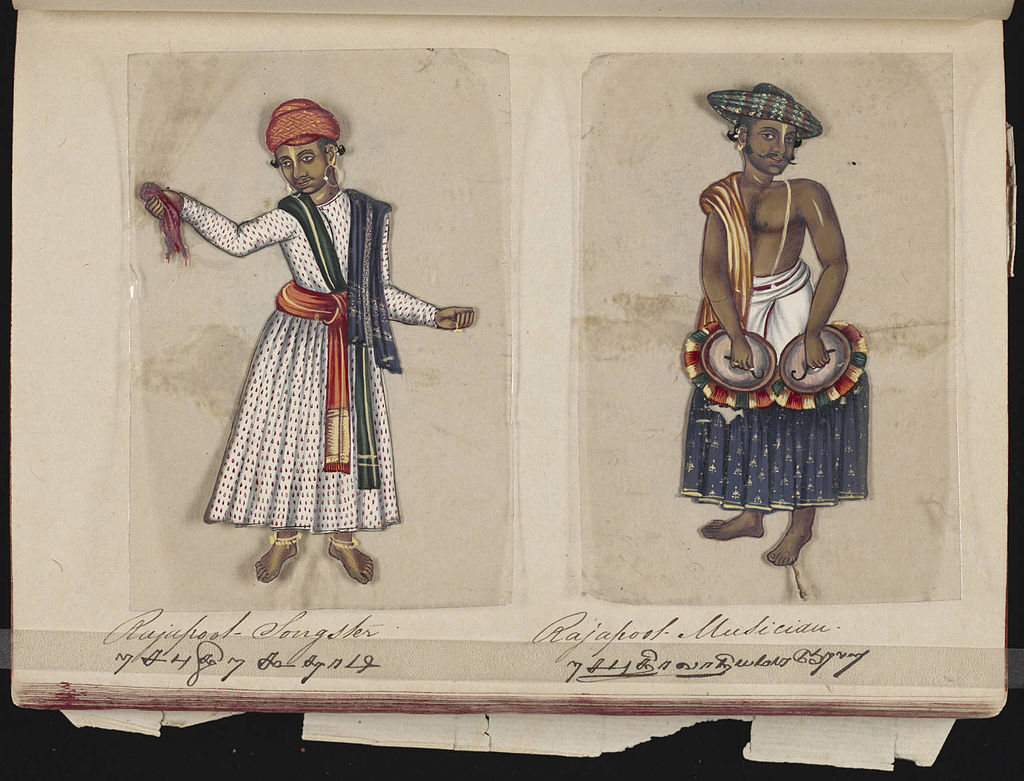
The highest secular class, Kshatriyas include the subcaste Rajputs. Traditionally, they were warriors

Vaishyas: This caste consists of the merchants and traders (e.g., businessmen) as well as farmers, cattle herders and artisans. Hindu myth states that they were created from Brahma’s thighs.

The Vaishya caste includes farmers and those involved in business

Shudras: Also called Sudras, this low caste is comprised of menial laborers and service providers. They derive from Brahma’s feet.

A still from the 2012 Hindi movie Shudra: The Rising?, about the poor treatment of this low caste (I’m pretty sure most of them aren’t this hot)

Avarnas/Dalits: The “untouchables” are forced to perform the worst jobs, including cleaning public toilets, raising so-called unclean animals like pigs, curing hides and sweeping streets. Dalit is the more modern term for this class and translates to “oppressed.”

So low on the totem pole, they’re technically outside of the caste system, Dalits, or untouchables, are relegated to jobs deemed too unclean for the rest of society

These castes get broken down into subsets as well by region.


How did the caste system get started?

It was written in the book — the Manusmriti, that is. This tome, dating back to 1000 BCE or more, is widely regarded to be the most important and authoritative book on Hindu law, the BBC reports. It “acknowledges and justifies the caste system as the basis of order and regularity of society.”

This social stratification might go back even further than that, according to The Logical Indian: The site states that the first mention was called “the Varna system” and was in the Rig Veda, an ancient Indian hymnal believed to have been written between 1500 and 800 BCE.


How does the caste system work?

“The upper and lower castes almost always lived in segregated colonies, the water wells were not shared, Brahmins would not accept food or drink from the Shudras, and one could marry only within one’s caste,” according to the BBC.

If it sounds awful, it was: The caste system trapped people into a social stratification they couldn’t escape from.

The ancient texts helped perpetuate stereotypes about each caste, the Logical Indian reports. “Brahmins were considered to be pure, wise and gentle; Kshatriyas were linked with anger, pleasure and boldness; Vaishyas were deemed to be hard-working people living off the plough; and Shudras were associated with violence and impurity, worthy of contempt.”


Isn’t the caste system supposed to have been abolished?

It was, in 1950. Legally, at least. The constitution banned discrimination on the basis of caste, and, in an attempt to correct historical injustices and provide a level playing field to the traditionally disadvantaged, the authorities announced quotas in government jobs and educational institutions for the lowest castes.

By 1990, the quota rose to just under 50%, applying to groups the government classified by such charming names as “Other Backward Classes,” “Scheduled Castes” and “Scheduled Tribes.”

Mahatma Gandhi fought for the rights of the Dalits, calling them Harijans, or the Children of God.


What about the deadly protests against the caste system?

Outbreaks of violent protests have raked into an ugly spotlight the views of those people who are dissatisfied with affirmative action,” CNN writes.

In February 2016, the Jats, a well-off group of farmers and traders from Northern India, protested. By the end, 30 people had been killed while clashing with the police, buildings were burned, and canals damaged.


Have there been any success stories for those from lower castes?

K.R. Narayanan, the first Dalit president in India — and hopefully not the last

There have been some strides towards equality thanks to the quota system, including the election of a Dalit president, K.R. Narayanan, in 1997.

Despite this, only one Harijan in 3,000 can read (compared with India’s average of one in six) and Harijans make up 33% of India’s landless, The Guardian writes.

Some of the lower castes have sought refuge in Buddhism, while others have found urban centers to be an easier place to mix with other castes.

Discrimination and prejudice continue to this day, our friend Prakash told us when we visited Vadodara, India. He’s a Dalit, whose parents are both school janitors. He explained that many Indians today judge people by their skin color. The lower castes tend to have darker skin, which is seen as less desirable by many.

If it sounds awful, it was: The caste system trapped people into a social stratification they couldn’t escape from.

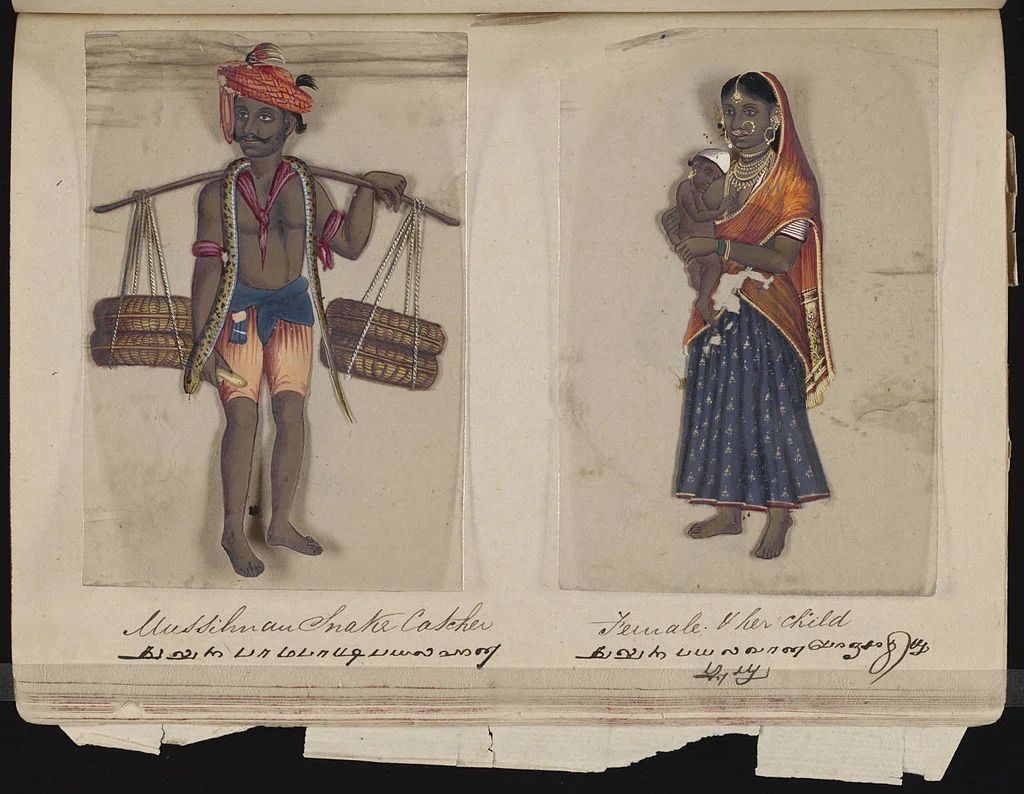
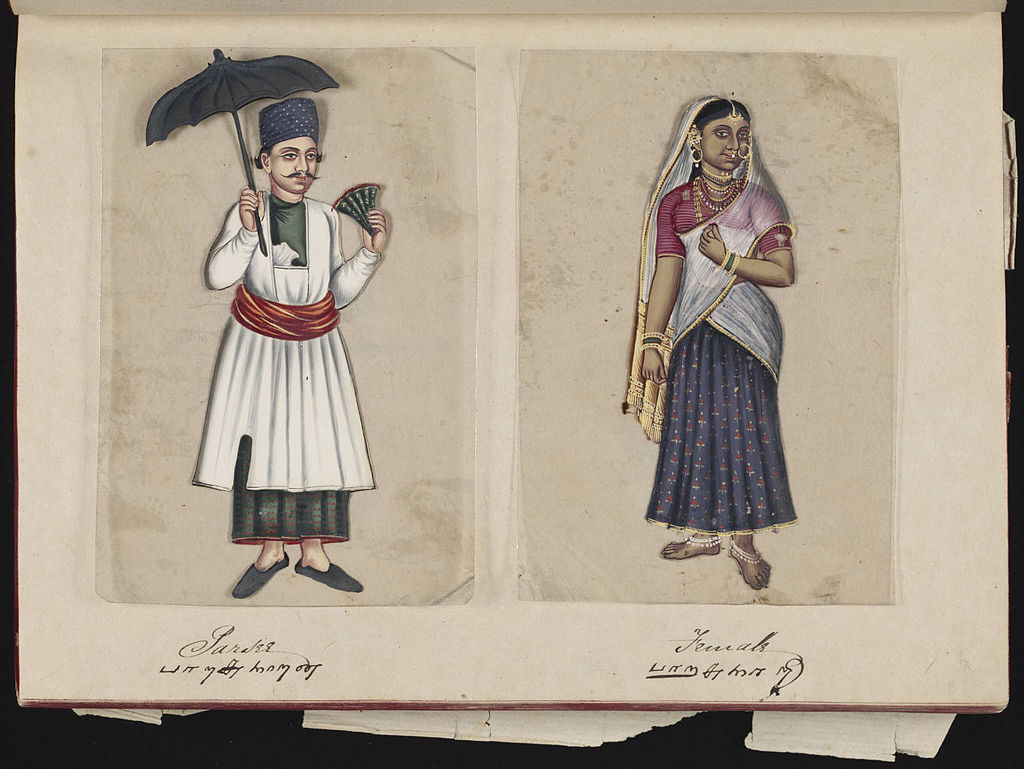
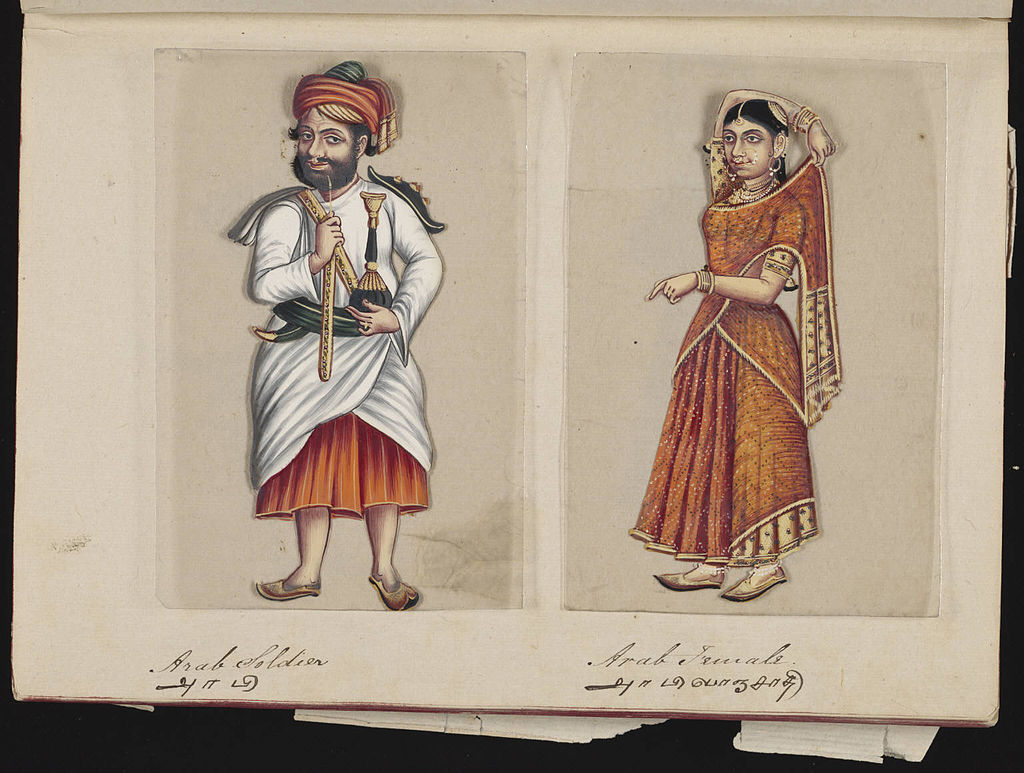
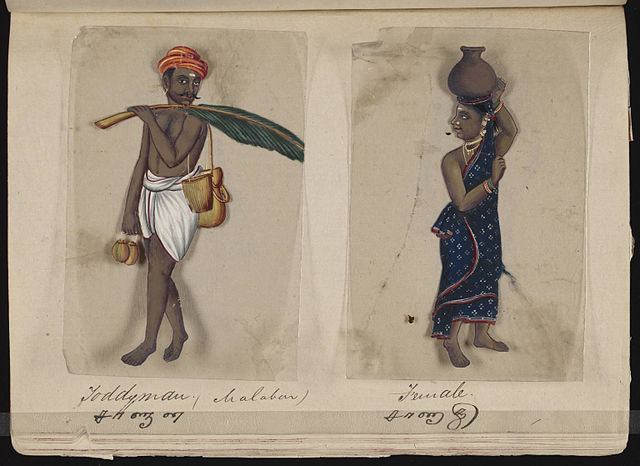
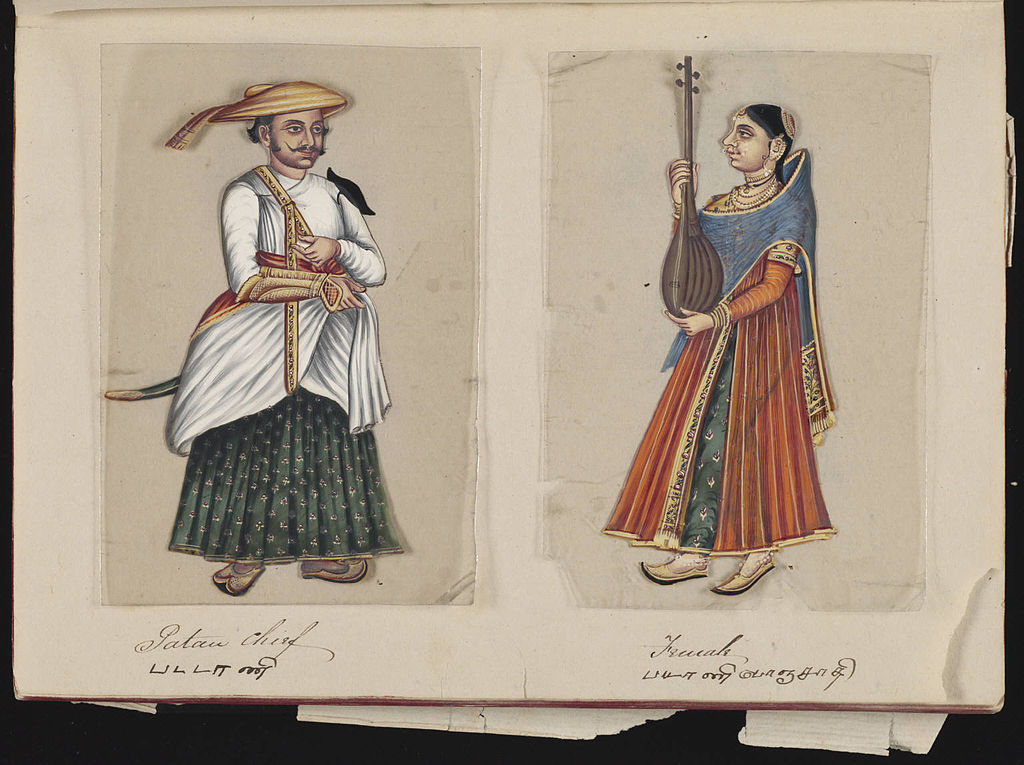
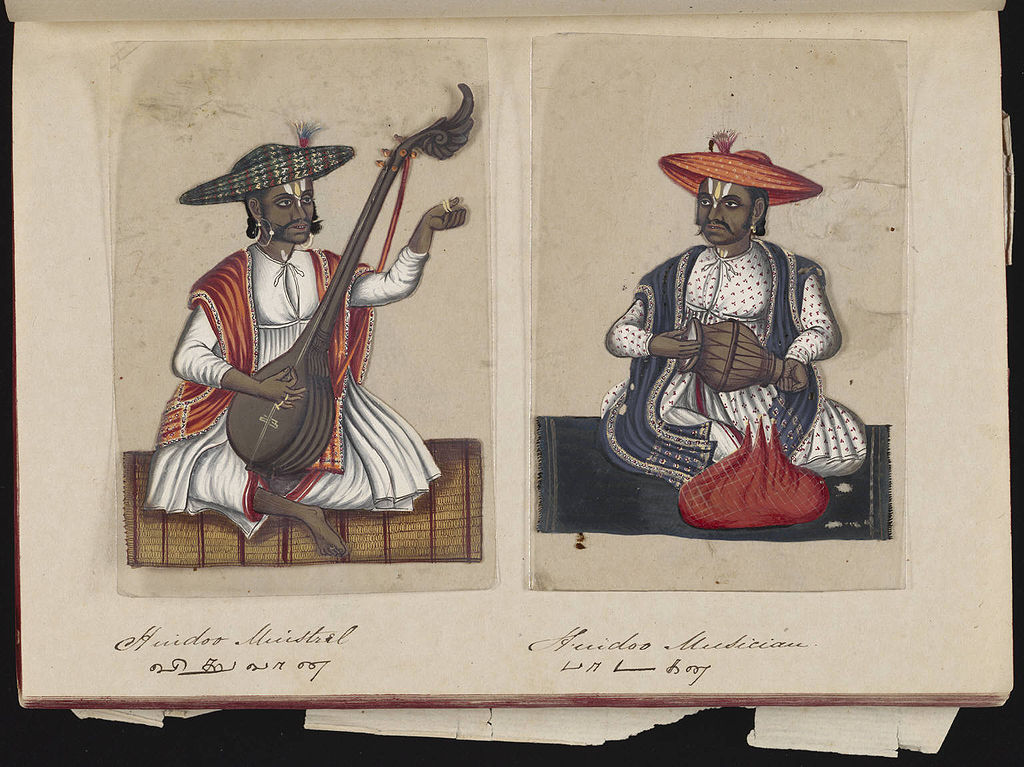
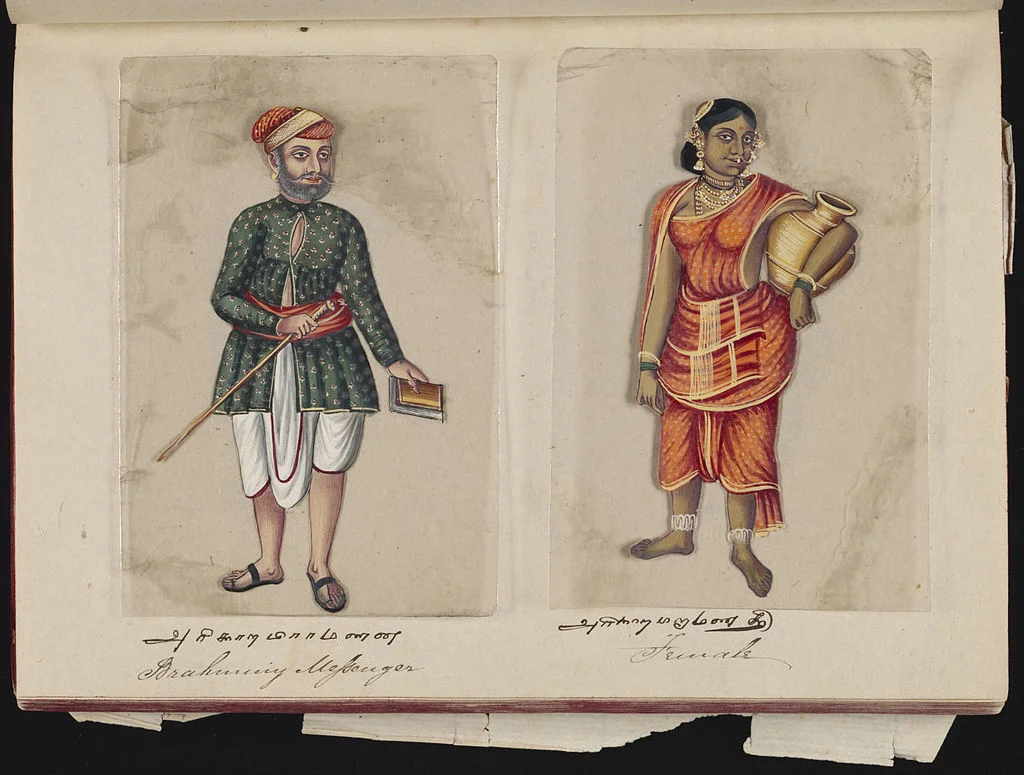
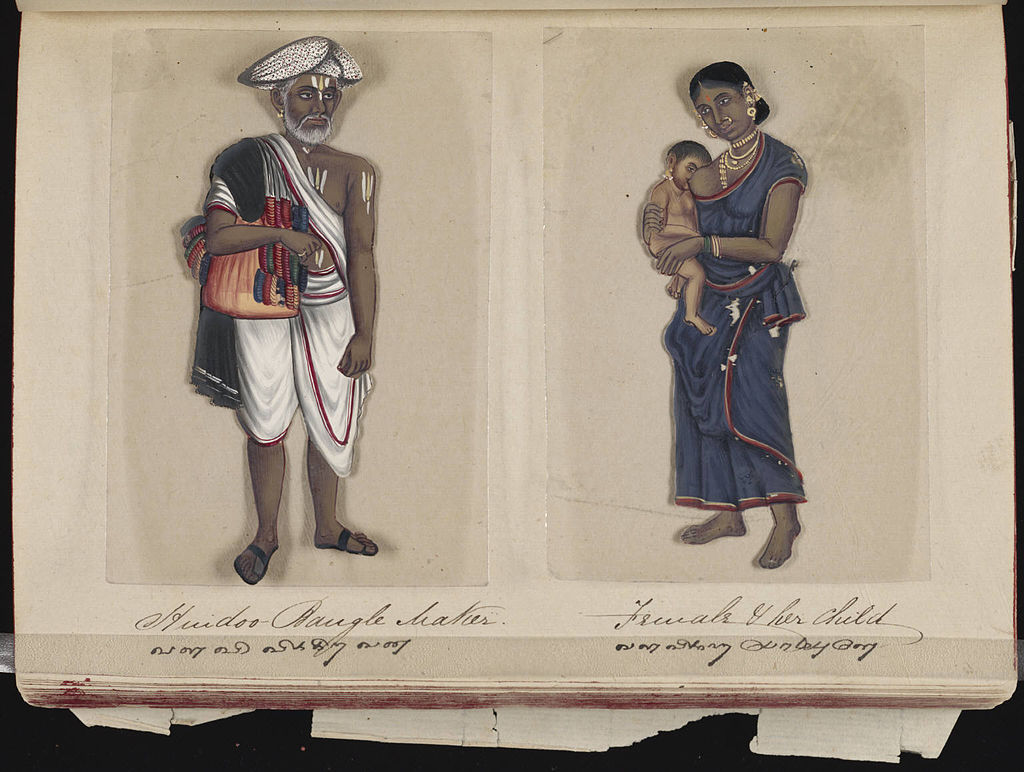
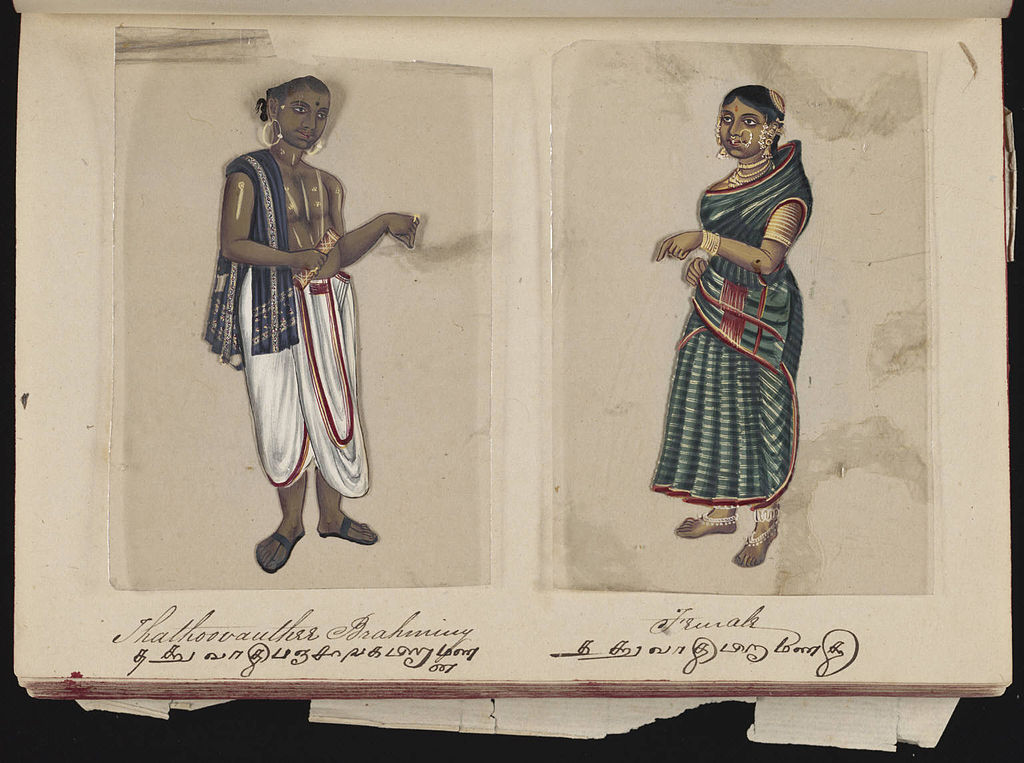
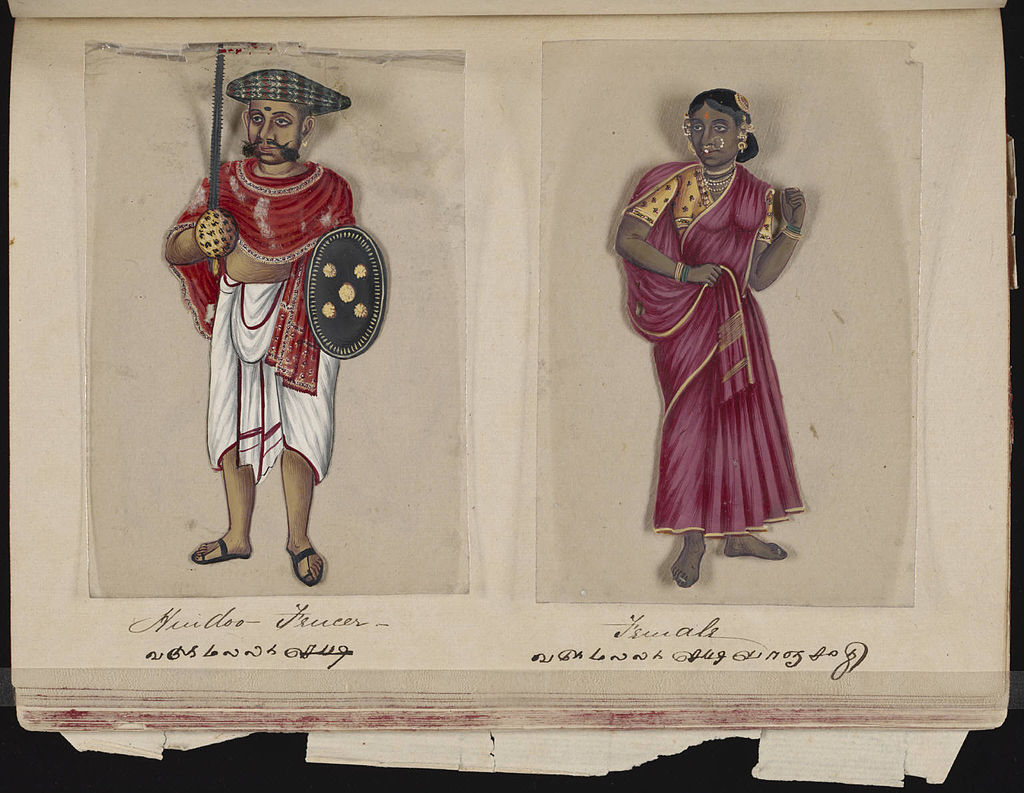
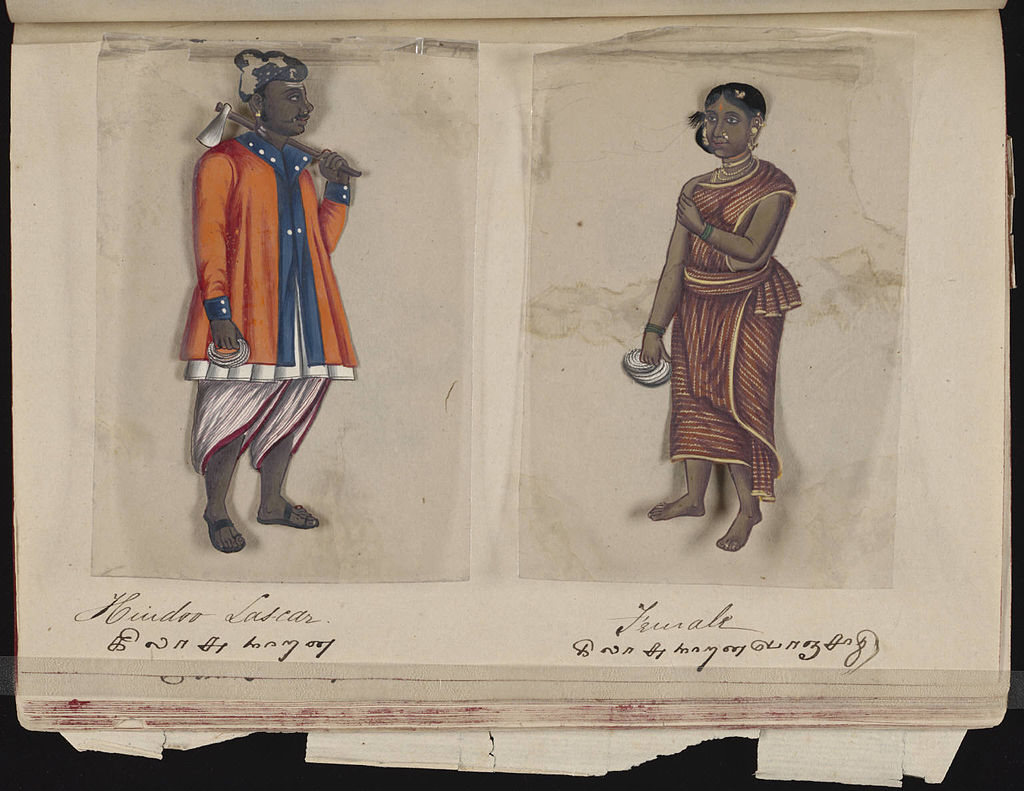
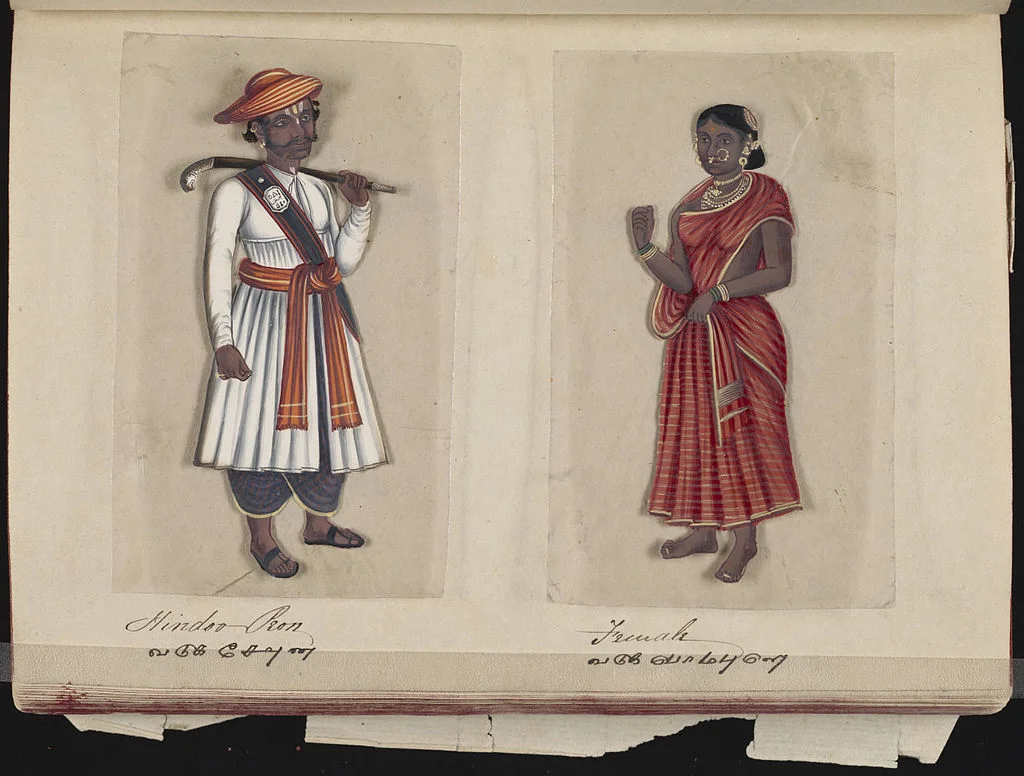
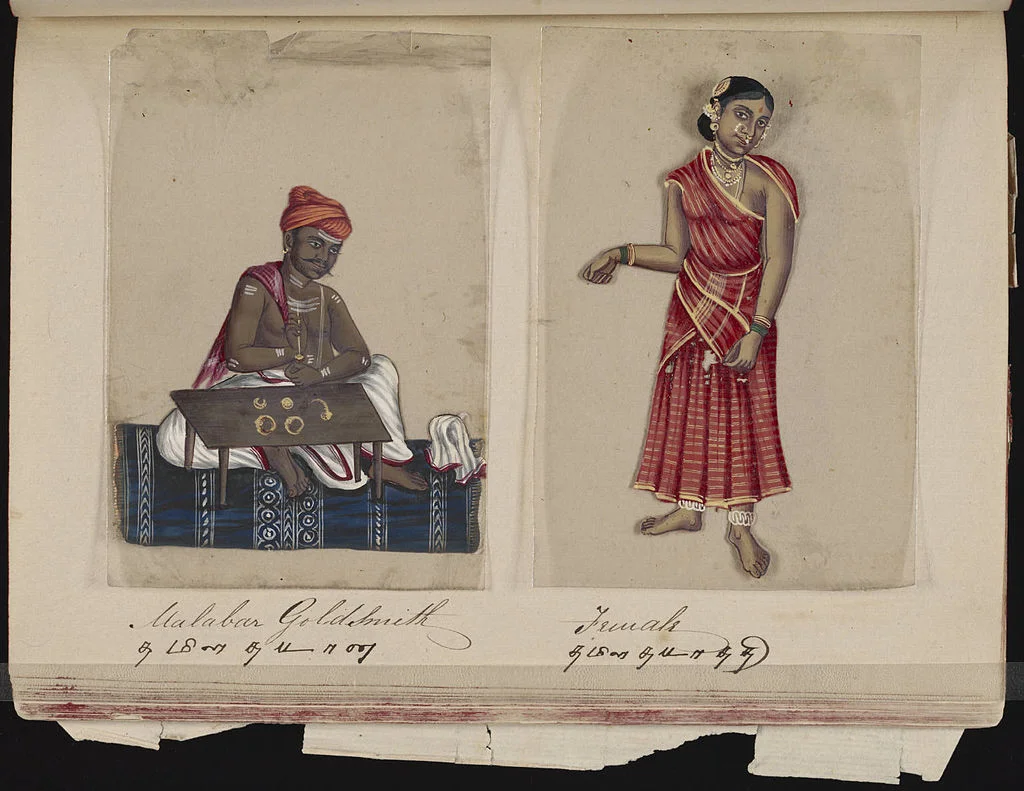
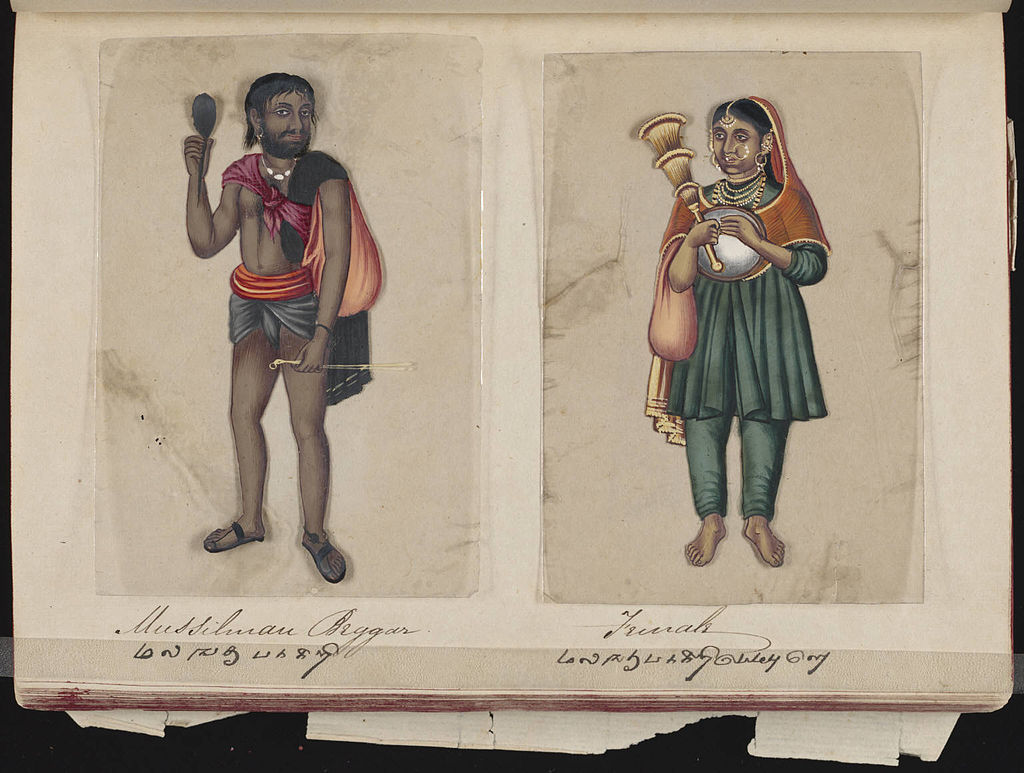
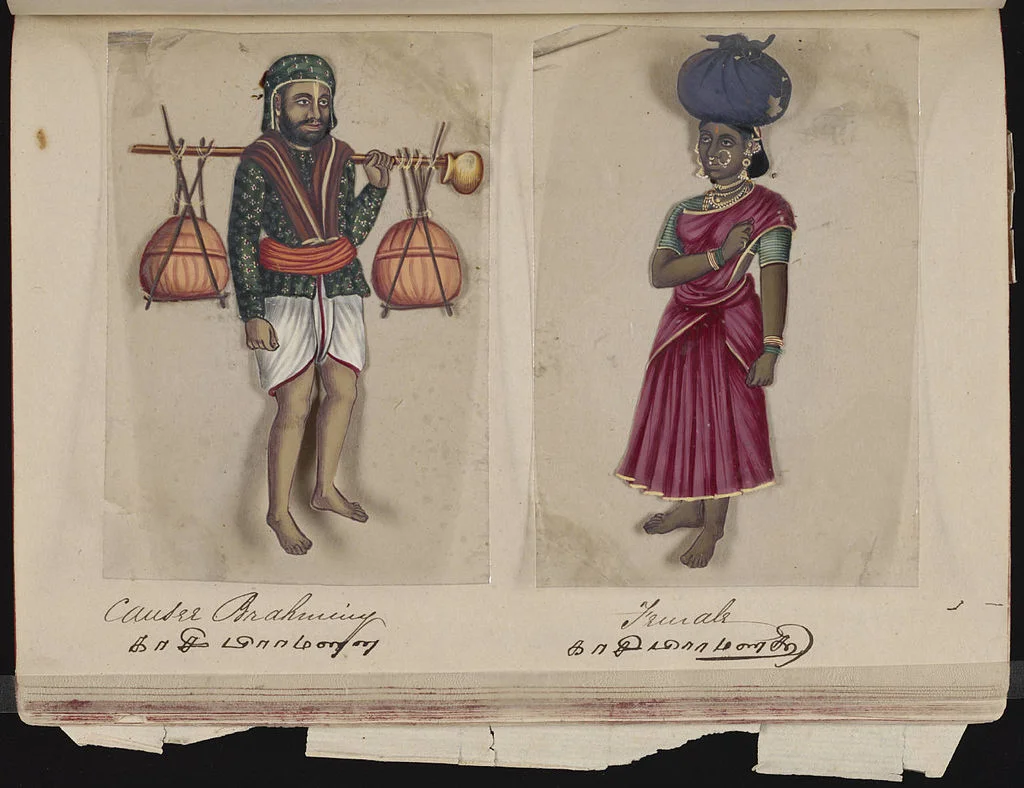
These images come from the manuscript Seventy-two Specimens of Castes in India. They were all hand-painted portraits of people living in Madura, India. The album dates back to 1837 and was compiled by the Indian writing master at an American missionary school and was given to a Reverend William Twining. –Wally