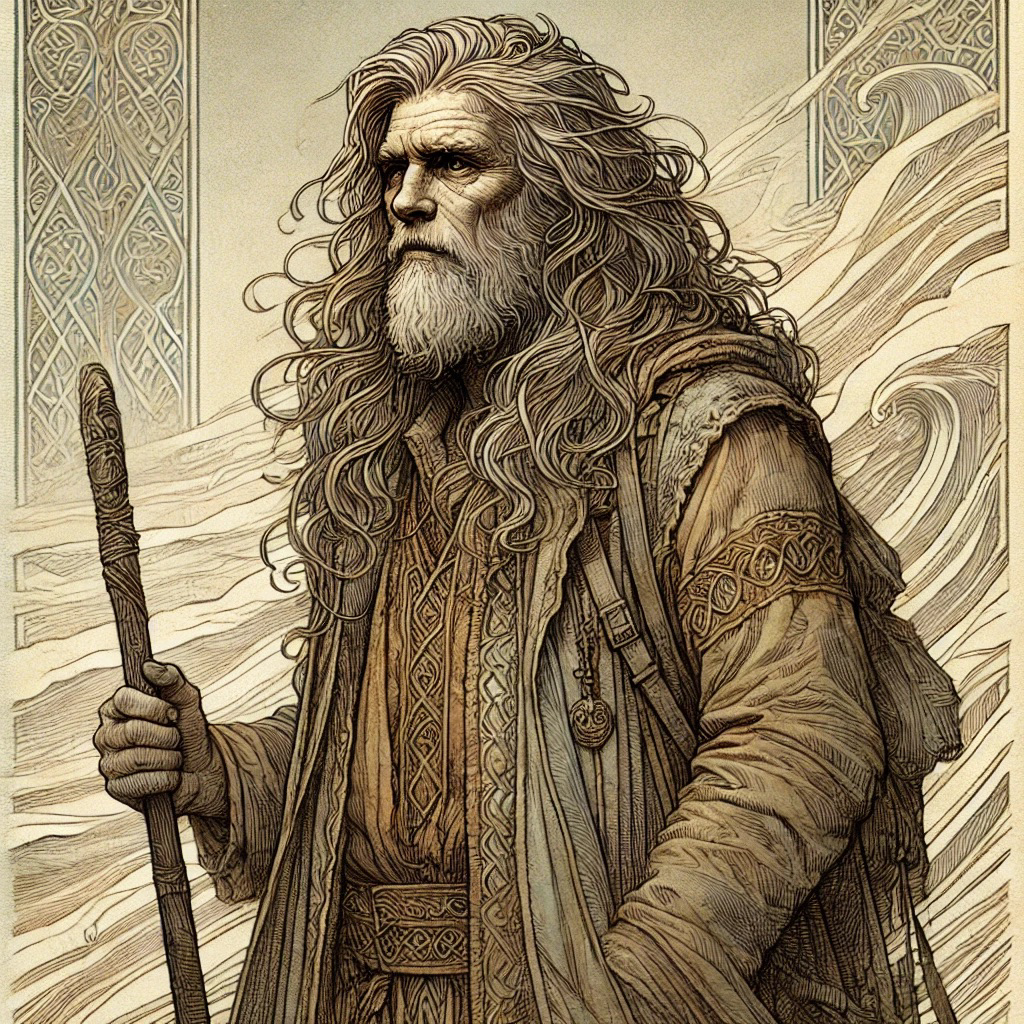
thor

The Norse Gods: The Deities Who Knew They Would Die

Meet the Norse gods: a fierce pantheon of warlike deities, doomed heroes and mischief-makers. Learn about Odin, Thor, Loki, Freyja, and Ragnarök, the end of the world they can't escape.
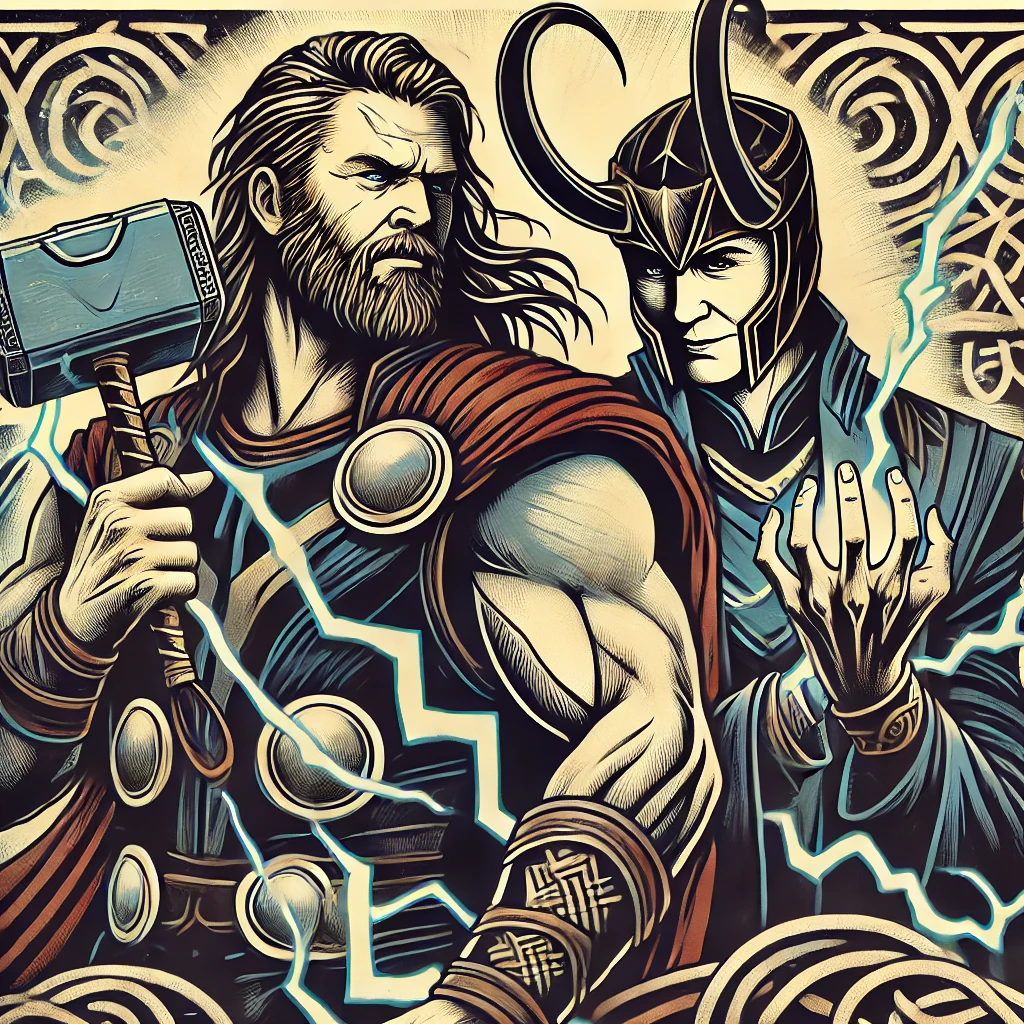
Thor holds his hammer and Loki works his magic

The Norse gods don’t rule from some shining eternal paradise. They sit in Asgard, a realm of feasting halls and battle scars, knowing full well that doom is coming. They drink, they fight, they love, and they scheme — but above all, they live with the knowledge that one day, it all ends in fire and ruin. 

The Norse gods aren’t distant, perfect figures sitting on golden thrones.

They struggle, they fail, they sacrifice, and they rage against the inevitable. They’re larger than life — until they die. 

Unlike the gods of other mythologies, the Norse deities aren’t immortal in the traditional sense. They age, they can die, and they know how the story ends: Ragnarök, the final battle, where most of them are fated to perish.

But until then? They shape the cosmos, meddle in human affairs, and prove that gods the world over have complicated relationships, questionable choices and a flair for the dramatic.
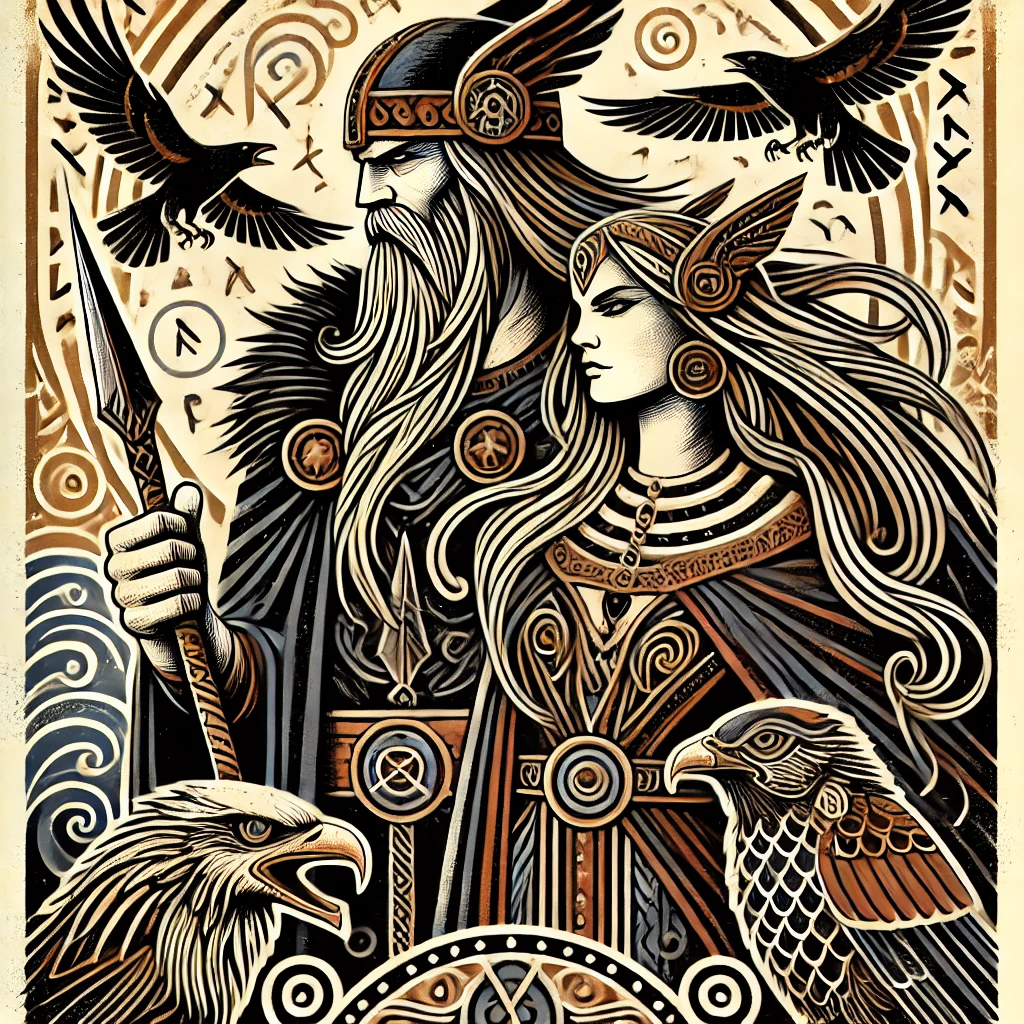
A Norse god and goddess look fierce, with ravens and eagles around them

A Tale of Two Tribes: The Aesir and the Vanir

The Norse gods are divided into two distinct groups:

The Aesir: The warlike, ruling gods of Asgard. Odin, Thor and Loki belong to this camp, focusing on battle, wisdom and power.

The Vanir: The gods of nature, fertility and prosperity. Freyja, Freyr and Njord are part of this mysterious older group.

The two groups weren’t always allies. They started out as enemies, locked in a brutal war that ended in a truce and an exchange of hostages. The Aesir and Vanir eventually merged into a single pantheon, but their differences remain: One is bound by war and fate; the other by nature’s cycles.

Now, let’s meet the major players.

Norse gods and the animals associated with them, including a raven and wolf

The Norse Pantheon: A Who’s Who of the Gods of Norse Mythology 

ODIN

Dominion: Wisdom, war, death

Gave up an eye for knowledge

THOR

Dominion: Thunder, strength, protection

Wields the hammer Mjölnir

LOKI

Dominion: Trickery, shapeshifting

Fathered a giant wolf, serpent and eight-legged horse

FREYJA

Dominion: Love, magic, battle

Slept with four dwarves to get a necklace

FREYR

Dominion: Fertility, prosperity, peace

Has a golden boar and a self-fighting sword

TYR

Dominion: Justice, law, sacrifice

Lost his hand to the giant wolf Fenrir

BALDER

Dominion: Light, beauty, hope

Was killed by a mistletoe arrow

HEIMDALL

Dominion: Guardianship, perception

Has golden teeth and guards the Rainbow Bridge

FRIGG

Dominion: Fate, foresight, motherhood

Can see the future but doesn't speak of it

NJORD

Dominion: Sea, wind, wealth

Hated living in the mountains with his wife

HODR

Dominion: Darkness, mystery

Accidentally killed his brother Balder

HEL

Dominion: Death, the underworld

Rules over those who die of illness or old age
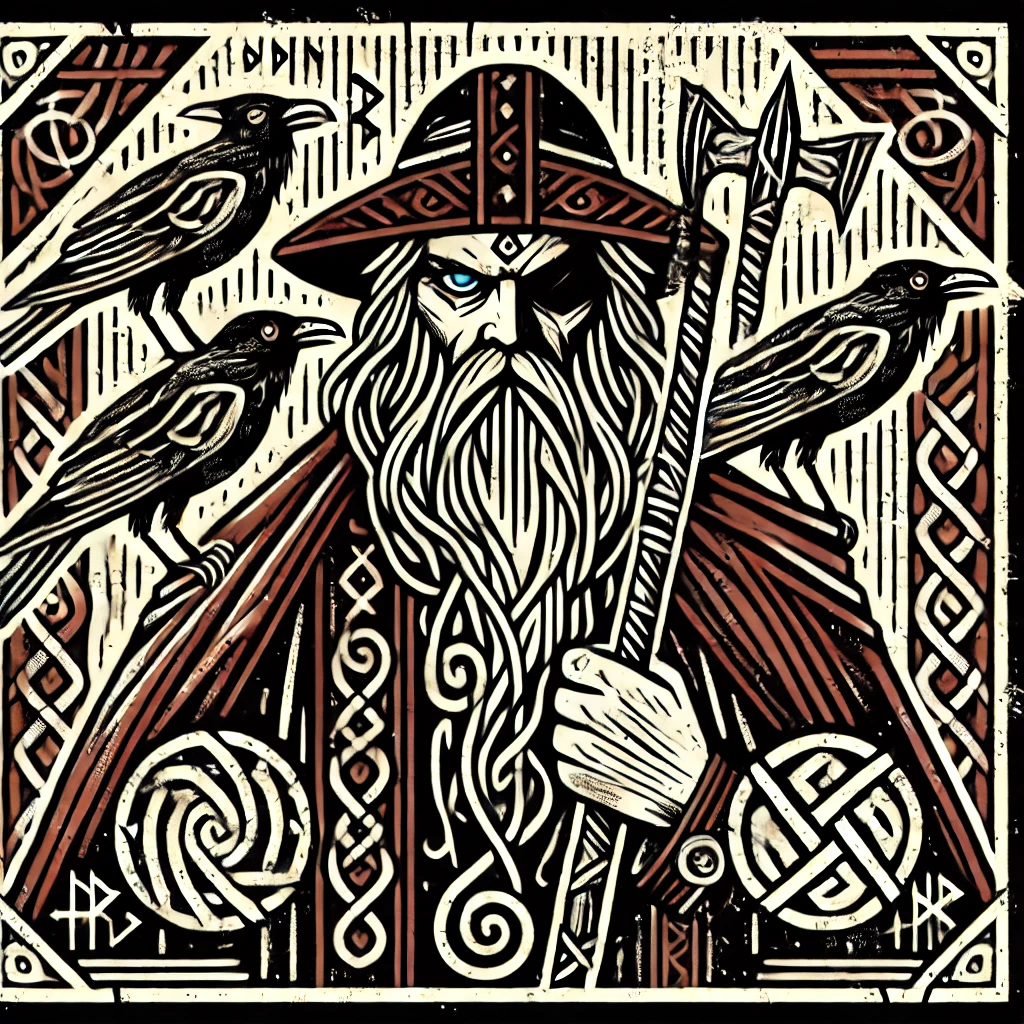
The Norse god one-eyed Odin with his ravens around him

Odin

Divine Dominion: Wisdom, war, poetry, death and generally knowing more than everyone else

Temperament and Tendencies: Odin isn’t your typical benevolent all-father. He’s the kind of guy who trades his own eye for knowledge and thinks that’s a fair deal. He wanders the world in disguise, testing mortals with riddles and cryptic wisdom, all while hoarding every scrap of magical power he can get his hands on. He’s half battle god, half poetry nerd, and 100% obsessed with avoiding his own fate — though deep down, he knows it’s inevitable.

Signature Style:

  • Gungnir, a spear that never misses its mark

  • Huginn and Muninn, his two ravens who fly across the world gathering intel. Basically, his personal spy network

  • Sleipnir, an eight-legged horse that is technically his grandchild, thanks to Loki’s … creative approach to problem-solving

Inner Circle:

  • Frigg, his wife, who knows the future but refuses to tell him

  • Thor, his muscle-bound son who solves everything with his hammer

  • Loki, his brother and occasional worst enemy

  • The Valkyries, his elite warrior-maidens who collect the souls of fallen fighters for the heavenly hall of Valhalla

Saga-Worthy Moment: He once hanged himself from the World Tree for nine days just to unlock the secrets of the runes. Talk about commitment.

Ragnarök Status: Doomed. He’ll go head-to-head with Fenrir, the giant wolf, and it will not end well for him.
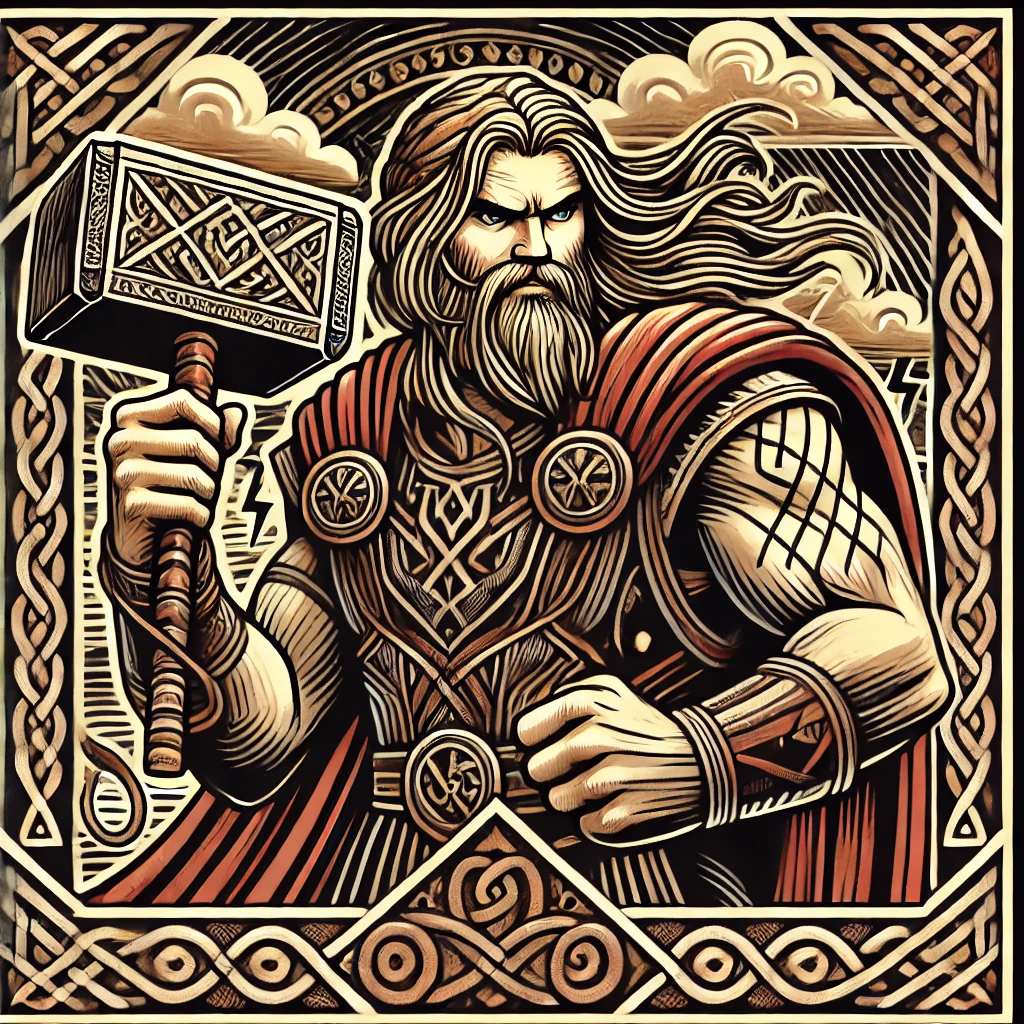
The Norse god Thor, holding his hammer in a border of runes

Thor

Divine Dominion: Thunder, strength, protection and smashing things really hard

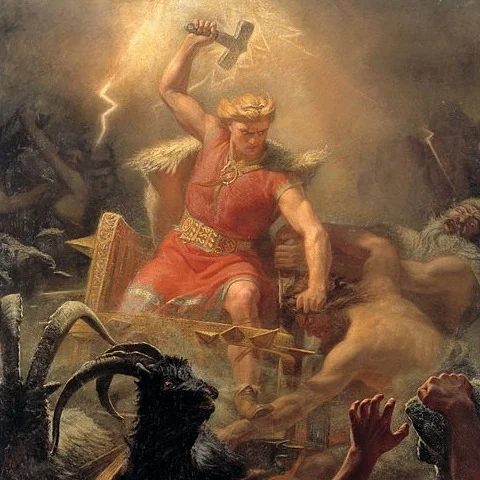
Temperament and Tendencies: Thor is the kind of guy who kicks down doors instead of knocking. He’s loud, boisterous, fiercely loyal and completely incapable of subtlety. He’s the gods’ first line of defense against giants, trolls and anyone who looks at Asgard funny. Despite being a god of war, he has a soft spot for mortals — probably because they cheer the loudest when he shows up swinging his hammer.

Signature Style:

  • Mjölnir, his hammer, which always returns to his hand after being thrown

  • A magic belt that doubles his strength

  • A chariot pulled by two immortal goats, which he occasionally eats and then resurrects the next day

Inner Circle:

  • Sif, his wife, best known for her golden hair (which Loki once shaved off, and somehow survived)

  • Odin, his complicated father figure

  • Loki, his on-again, off-again adventure buddy who causes 95% of his problems

Saga-Worthy Moment: Once had to disguise himself as a bride to retrieve his stolen hammer. It ended in a massacre — but not before some very uncomfortable moments with the groom.

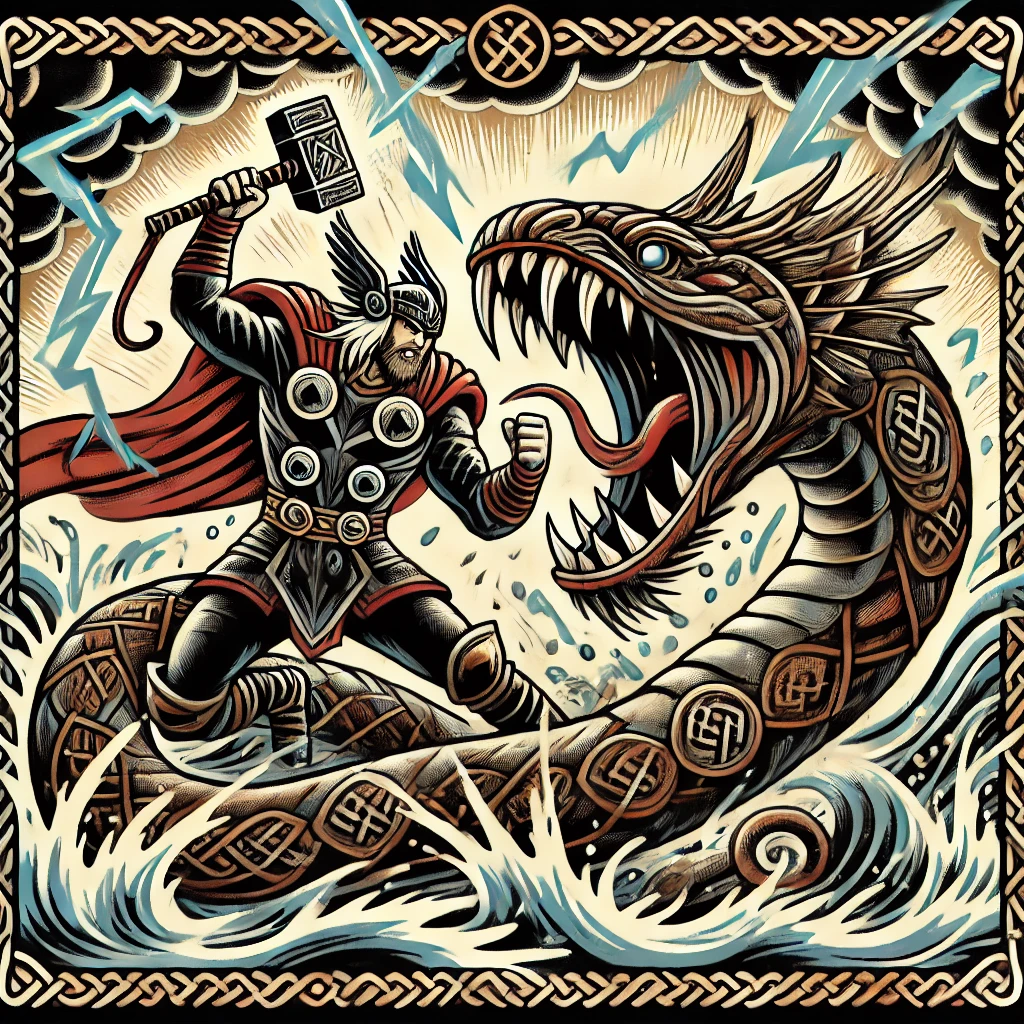
Ragnarök Status: Will go down swinging against Jörmungandr, the world-serpent — he kills it but dies shortly after from its venom

MORE: Norse Mythology That the Movie Thor: Ragnarok Got Wrong
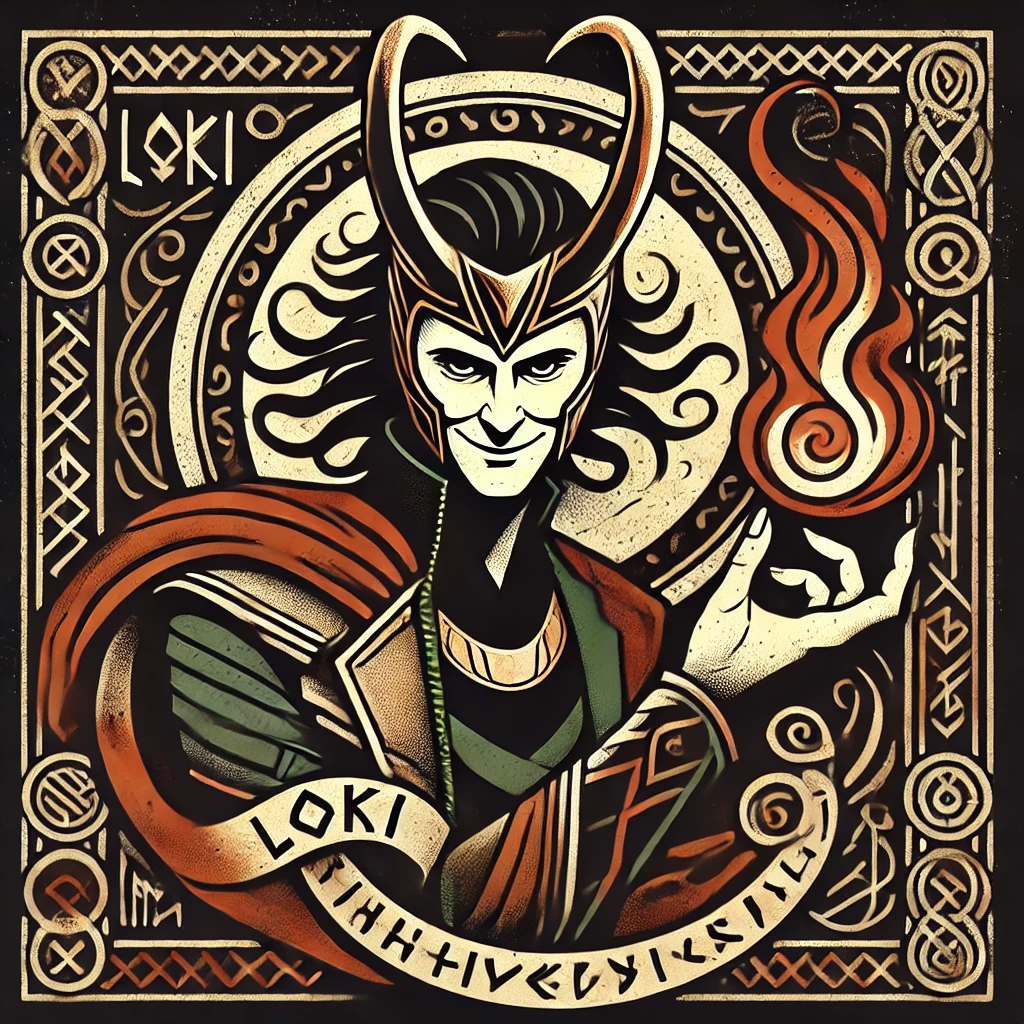
Loki, the Norse trickster god, wearing his horned helmet and conjuring fire in his hand, smiling mischievously

Loki

Divine Dominion: Trickery, chaos, fire and making bad decisions seem fun

Temperament and Tendencies: Loki is equal parts hilarious and horrifying. One minute he’s pulling off an elaborate prank on Thor, and the next, he’s indirectly responsible for the downfall of the gods. He’s a shapeshifter, a smooth talker and a chaos magnet. He’s technically Odin’s brother but doesn’t really fit in with the rest of the Aesir — probably because he keeps switching sides.

Signature Style:

  • Shapeshifting into literally anything, from a fish to a fly to, infamously, a female horse. (Yes, this is how Odin’s eight-legged horse was born. No, we don’t talk about it)

  • A silver tongue, which gets him both into and out of trouble

  • A flair for the dramatic, because being subtle is boring

Inner Circle:

  • Odin, when they’re on good terms

  • Thor, when they’re not trying to kill each other

  • His wife, Sigyn, who’s way too patient for her own good

Saga-Worthy Moment: Loki once gatecrashed a feast at the underwater hall of the giant and master brewer Ægir, where he insulted every god in attendance, bragged about sleeping with half of them, and aired everyone’s dirty laundry in verse — all while very drunk. When Thor finally stormed in and threatened to hammer Loki into paste, the trickster decided it was probably time to leave. This delightful trainwreck of a roast is known as Lokasenna, or Loki’s Flyting. 

Ragnarök Status: Will lead the charge against the gods and go down in a final showdown with Heimdall.

THINK NORSE MYTHOLOGY IS CRAZY? Wait’ll you get a load of this tale of incest, lettuce and jizz from Egyptian mythology!
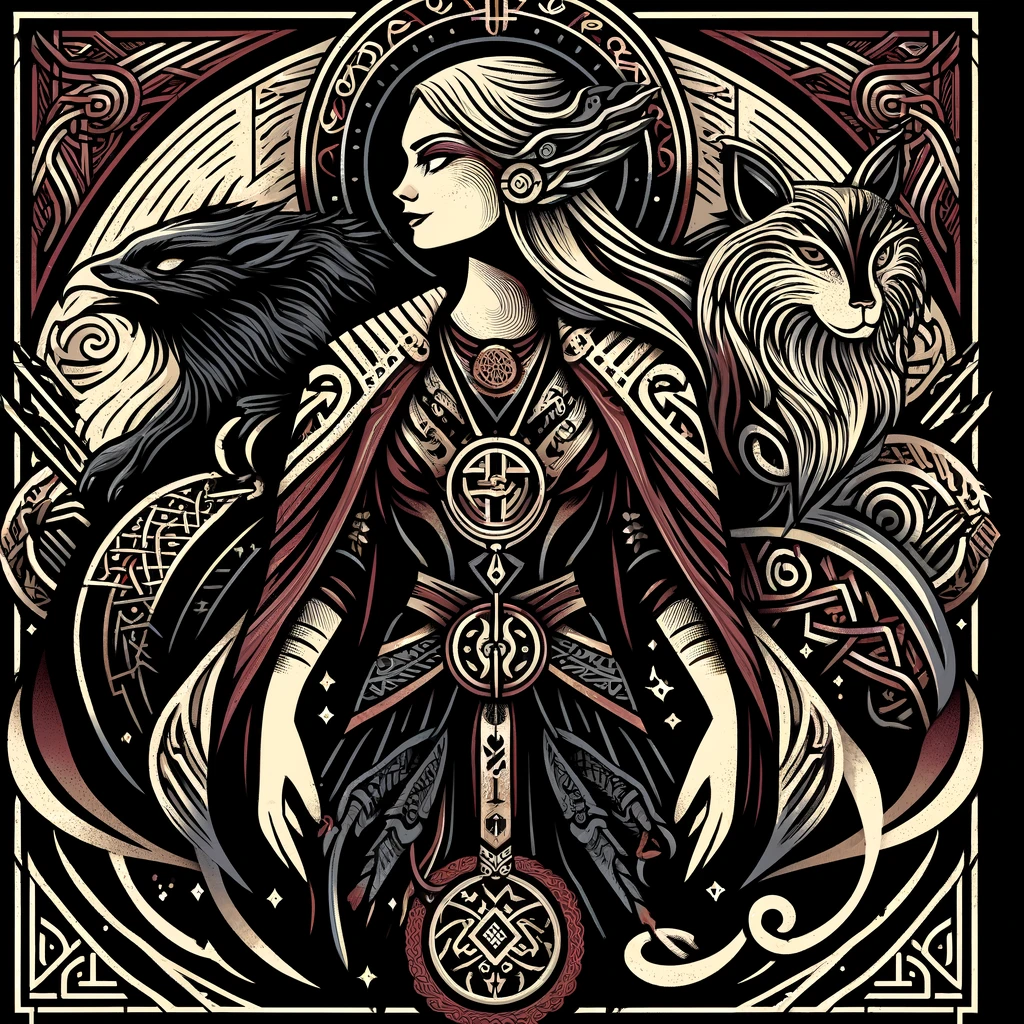
The Norse goddess Freyja, with a raven and cat

Freyja

Divine Dominion: Love, beauty, war, magic and getting whatever she wants

Temperament and Tendencies: Freyja’s not your typical love goddess. Sure, she’s beautiful and enchanting — but she’s also a battle-hardened warrior who rides into combat and takes half the fallen warriors before Odin gets his pick. She’s also the queen of sorcery, which makes her both alluring and utterly terrifying.

Signature Style:

  • Brísingamen, a dazzling necklace that she definitely didn’t have to sleep with four dwarves to obtain. (Except she did)

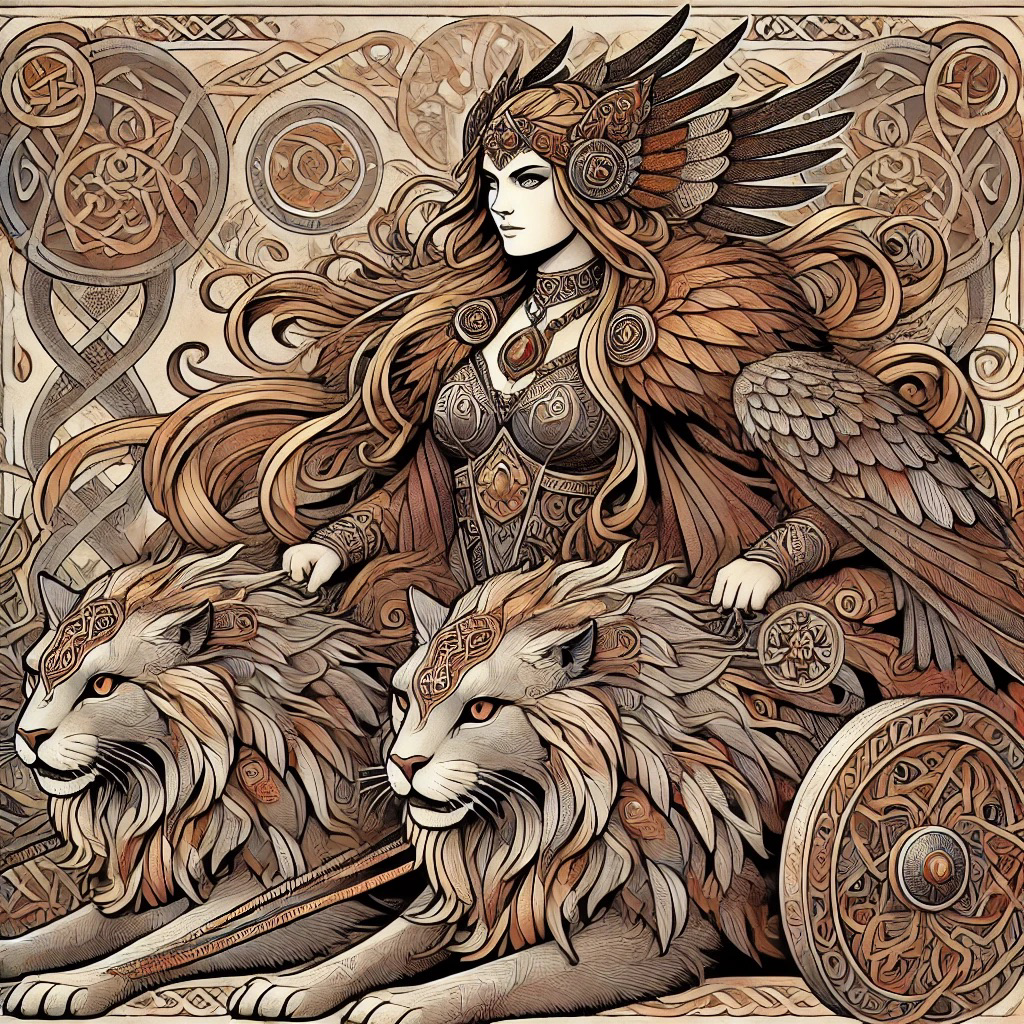
  • A chariot pulled by two big cats, because dogs are overrated

  • A falcon-feathered cloak, allowing her to fly

Inner Circle:

  • Freyr, her twin brother, also associated with fertility and prosperity

  • Odin, who learned magic from her

  • A lot of broken-hearted lovers

Saga-Worthy Moment: Once turned down a marriage proposal from a giant so dramatically that Thor had to step in and smash things.

Ragnarök Status: Unclear. She might survive — because no one tells Freyja what to do.

LEARN MORE about Freyja

The Norse god Freyr smiles and pets his golden boar while his swords floats next to him

Freyr

Divine Dominion: Fertility, prosperity, peace and romantic decisions that haunt you forever 

Temperament and Tendencies: Freyr is one of the Vanir, a fertility god with a soft spot for beautiful women and good harvests. Unlike his battle-happy Aesir cousins, Freyr prefers peace, feasting and abundance — but when love strikes, he goes full disaster romantic.

Signature Style:

  • A magic sword that fights on its own (which he gave away to impress a girl… Great call)

  • Gullinbursti, a glowing golden boar that pulls his chariot

  • An aura of extremely fertile energy — the kind that makes crops grow just by being near them

Inner Circle:

  • Freyja, his twin sister and occasional partner-in-crime

  • Njord, their laidback sea god dad

  • Gerðr, the giantess he fell for so hard, he handed over his magic weapon

Saga-Worthy Moment: At Ragnarök, Freyr goes into battle unarmed because of that whole sword-for-love swap, and gets absolutely wrecked by Surtr, the fire giant.

Ragnarök Status: Heroic, but very dead
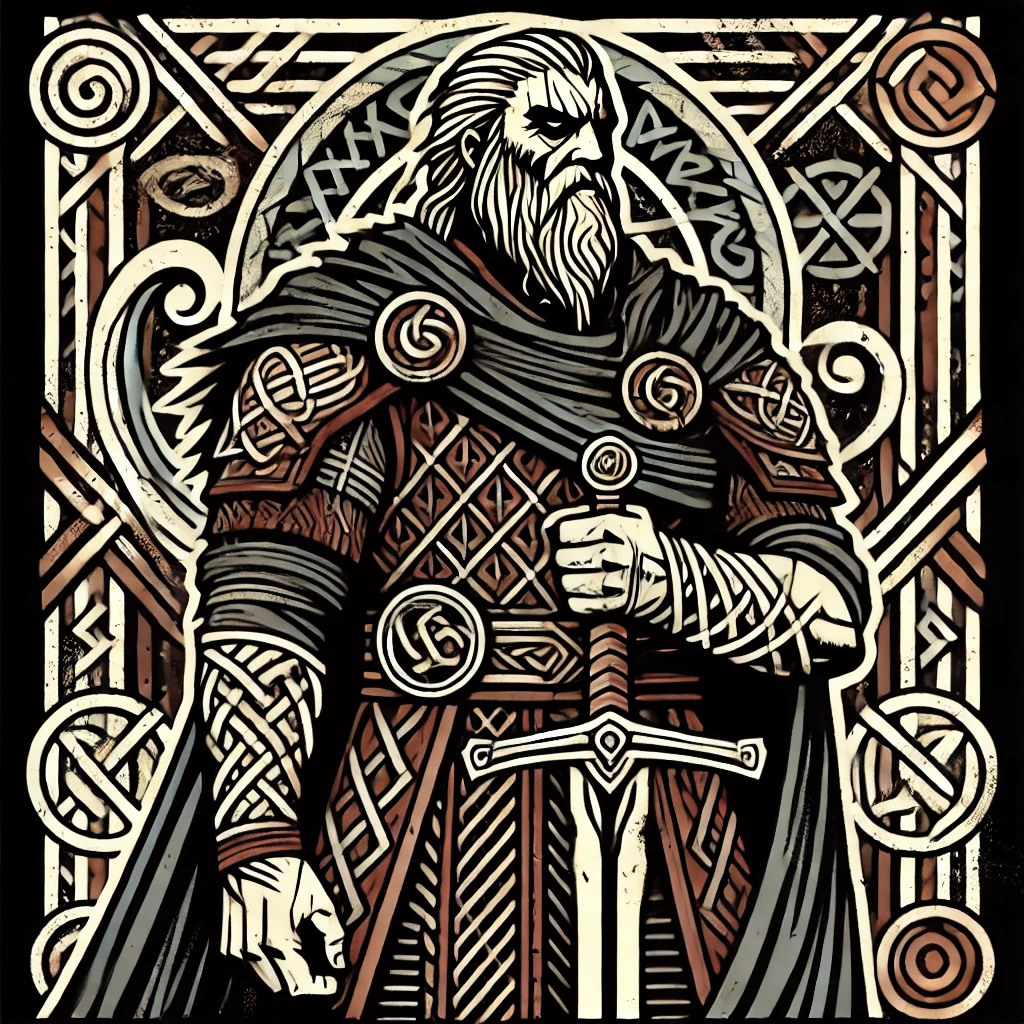
The Norse god Tyr clutches his sword, looking stern, surrounded by runes

Tyr

Divine Dominion: Justice, law, honorable combat and making the ultimate sacrifice

Temperament and Tendencies: Tyr is the god you call when things need to be done the right way. He’s honorable, courageous, and possibly the only Norse god who actually thinks before acting. Unlike Thor, who solves problems with a hammer blow, and Odin, who solves them with riddles, Tyr solves them with logic and sheer willpower — and sometimes, by personally sacrificing body parts.

Signature Style:

  • A missing hand, courtesy of Fenrir the giant wolf. (More on that in a second)

  • A sword, because even a god of justice needs a way to back it up with force

  • An aura of quiet competence, which makes him stand out in a pantheon full of drama

Inner Circle:

  • Odin, when things need a legal expert

  • The other gods, when they need someone to do the hard job

  • Not Fenrir, for obvious reasons

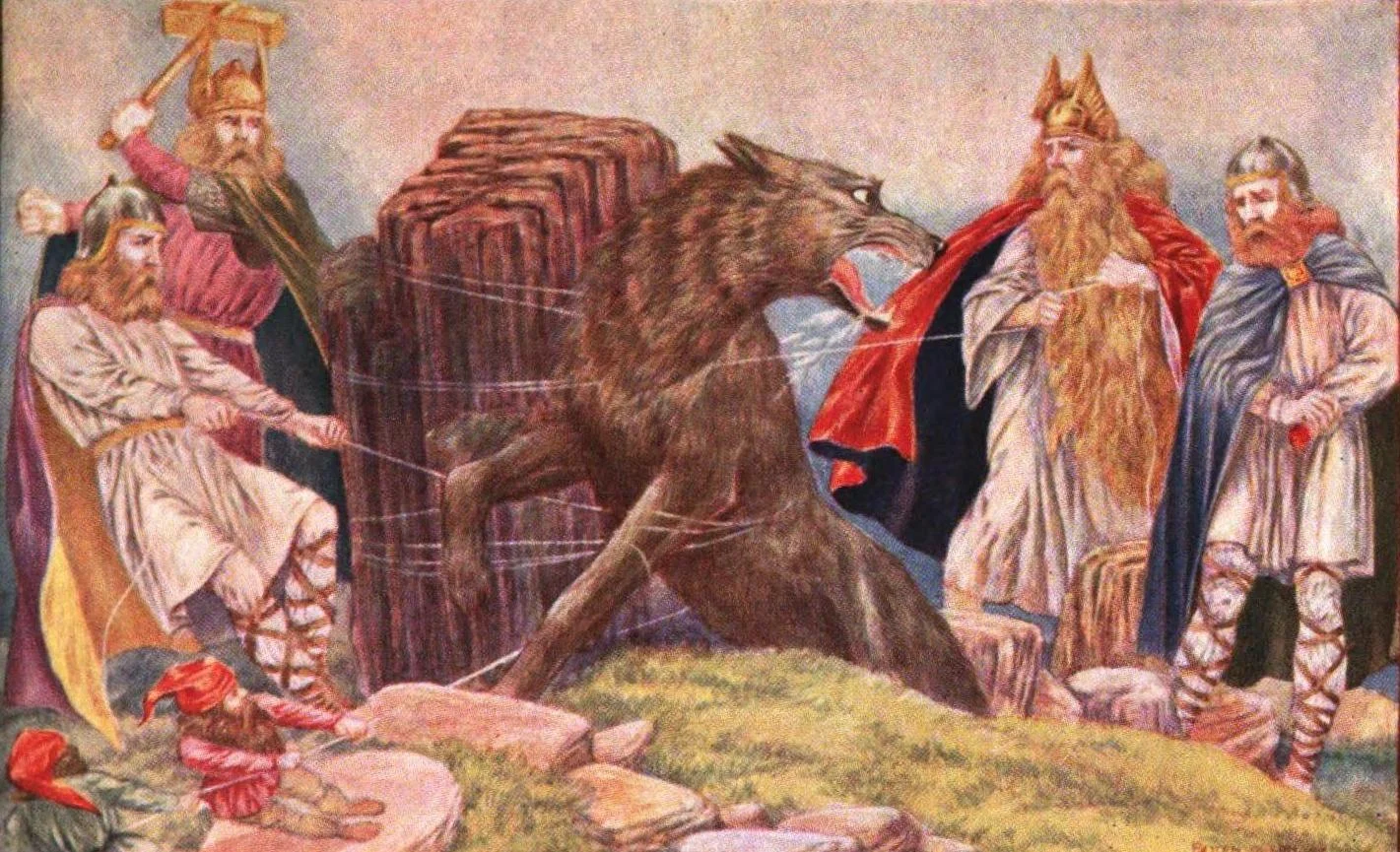
Saga-Worthy Moment: The gods needed to bind Fenrir, the monstrous wolf who would one day help destroy the world. The wolf, being somewhat intelligent, refused to let them tie him up unless one of them put their hand in his mouth as collateral. Tyr immediately stepped up, fully aware of how this was going to end. Sure enough, the second Fenrir realized he was tricked, he bit down — and Tyr didn’t even flinch.

Ragnarök Status: Will fight Garm, the underworld’s monstrous hound, in a final battle. The result? Mutual destruction. But honestly, that’s just how Tyr rolls.
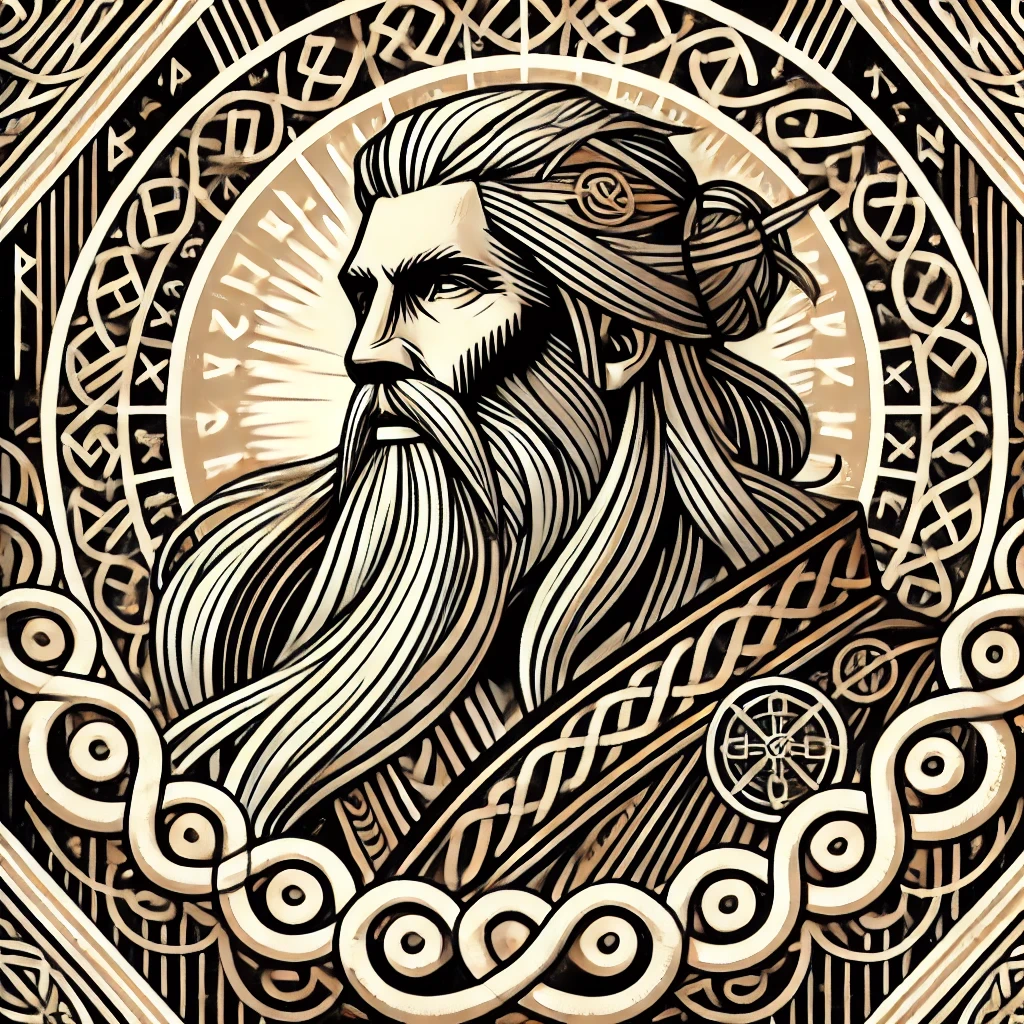
The golden Norse god Balder, ringed by runes

Balder

Divine Dominion: Light, purity, joy and making everyone love him (too much)

Temperament &land Tendencies: Balder is the golden boy of the Norse pantheon — literally. He’s charming, kind, handsome and basically too good for this world (which, spoiler alert, is a problem). Everyone adores him: gods, mortals, even inanimate objects — except for Loki, of course.

Signature Style:

  • Glowing with divine radiance, because normal beauty isn’t enough

  • Wearing the best armor ever, because Frigg, his mother, made everything in existence promise not to harm him. (Again, almost everything)

  • Being the center of attention, mostly because the gods liked to throw things at him just to watch them bounce off

Inner Circle:

  • Frigg and Odin, his doting parents

  • Hodr, his blind twin brother

  • Literally everyone (again, except Loki)

Saga-Worthy Moment: Thanks to his mother’s magical oath, nothing in existence could hurt Balder. The gods turned this into a game, throwing weapons at him and laughing as they bounced off. Enter Loki, who found the one thing Frigg forgot to make swear an oath: mistletoe. He handed a mistletoe-tipped arrow to Balder’s blind brother, Hodr, and guided him to shoot. Balder died instantly, and everyone lost their minds.

Ragnarök Status: Already dead, but he’ll make a glorious return after the world ends, because Balder always gets a happy ending.
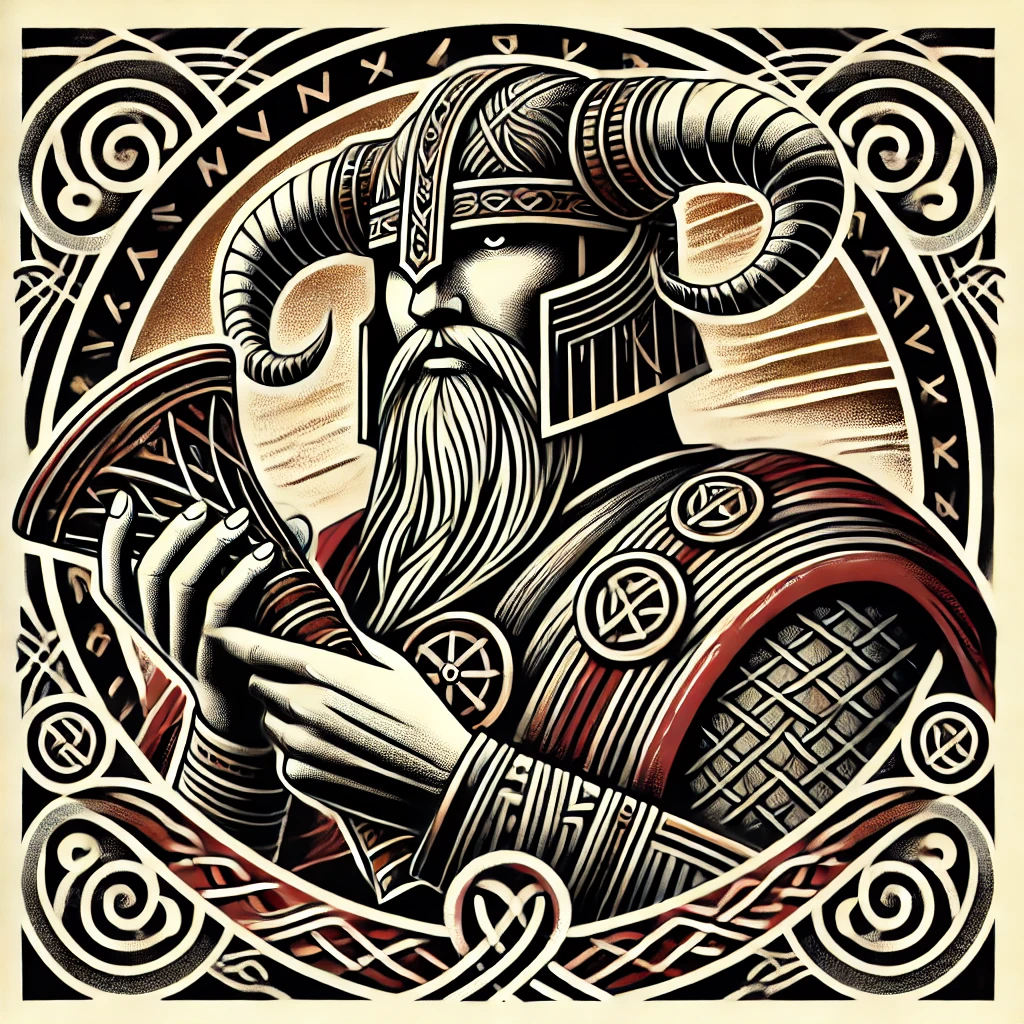
Heimdall, the Norse god, wears a helmet with horns curving down and holds his horn

Heimdall

Divine Dominion: Guardianship, foresight and being literally the most alert being in existence

Temperament and Tendencies: Heimdall is the guy who never sleeps. He’s the guardian of Bifröst, the rainbow bridge, and his one job is to watch for any threats to Asgard. And he does it very well — his hearing is so sharp he can hear grass grow, and his vision is so good he can see across the realms. Basically, he’s the divine equivalent of a security system cranked up to 11.

Signature Style:

  • The Gjallarhorn, the horn he will blow when Ragnarök begins

  • Golden teeth, cuz why not?

  • A sword — he’s not just standing guard for fun

Inner Circle:

  • Odin, because somebody has to be responsible

  • The other gods, when they actually listen to his warnings

Saga-Worthy Moment: One day, when the world finally starts crumbling, Heimdall will blow the Gjallarhorn, signaling the beginning of the end. And after a lifetime of standing guard, he’ll finally step into battle against Loki himself in a legendary duel where both will die.

Ragnarök Status: As mentioned, he’ll go out in the ultimate grudge match against Loki. No survivors.
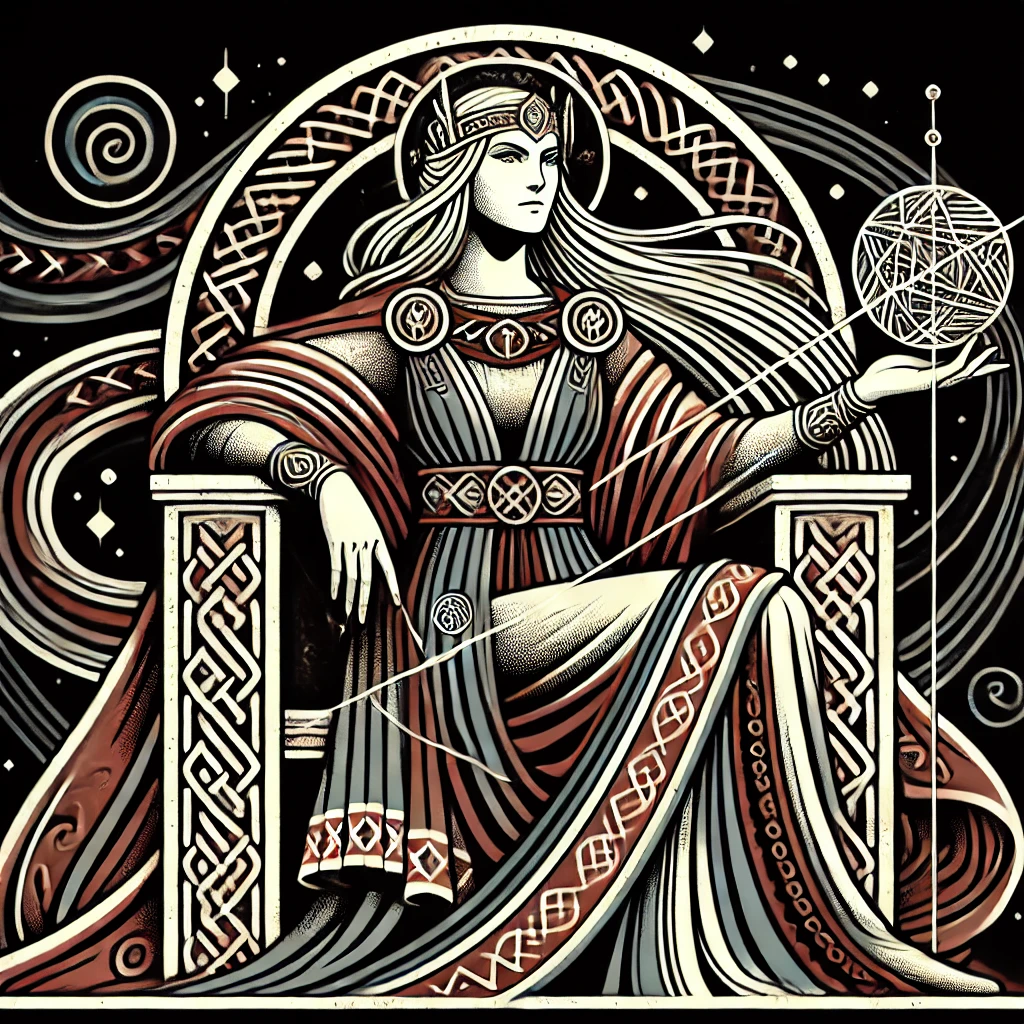
The Norse goddess Frigg sits regally in her throne, weaving fate itself

Frigg

Divine Dominion: Fate, motherhood, marriage and knowing absolutely everything — but keeping it to herself

Temperament and Tendencies: Frigg is the ultimate quiet power player. As Odin’s wife and queen of the Aesir, she has the gift of foresight; she knows exactly how everything will end. But does she share this knowledge? Absolutely not. Instead, she spends her time weaving the threads of fate and occasionally trying (and failing) to save her golden boy, Balder. 

Signature Style:

  • A spindle and distaff, because fate doesn’t weave itself

  • A throne right next to Odin, where she sees everything

  • A talent for making oaths happen, which works great — until Loki finds a loophole

Inner Circle:

  • Balder, her beloved son (RIP)

  • Odin, her mysterious, wandering husband

  • A host of minor goddesses who help her manage fate

Saga-Worthy Moment: She got everything in existence to swear an oath not to harm Balder … except for mistletoe. That one oversight set off the entire apocalypse countdown.

Ragnarök Status: Survives (but she already knew that) 
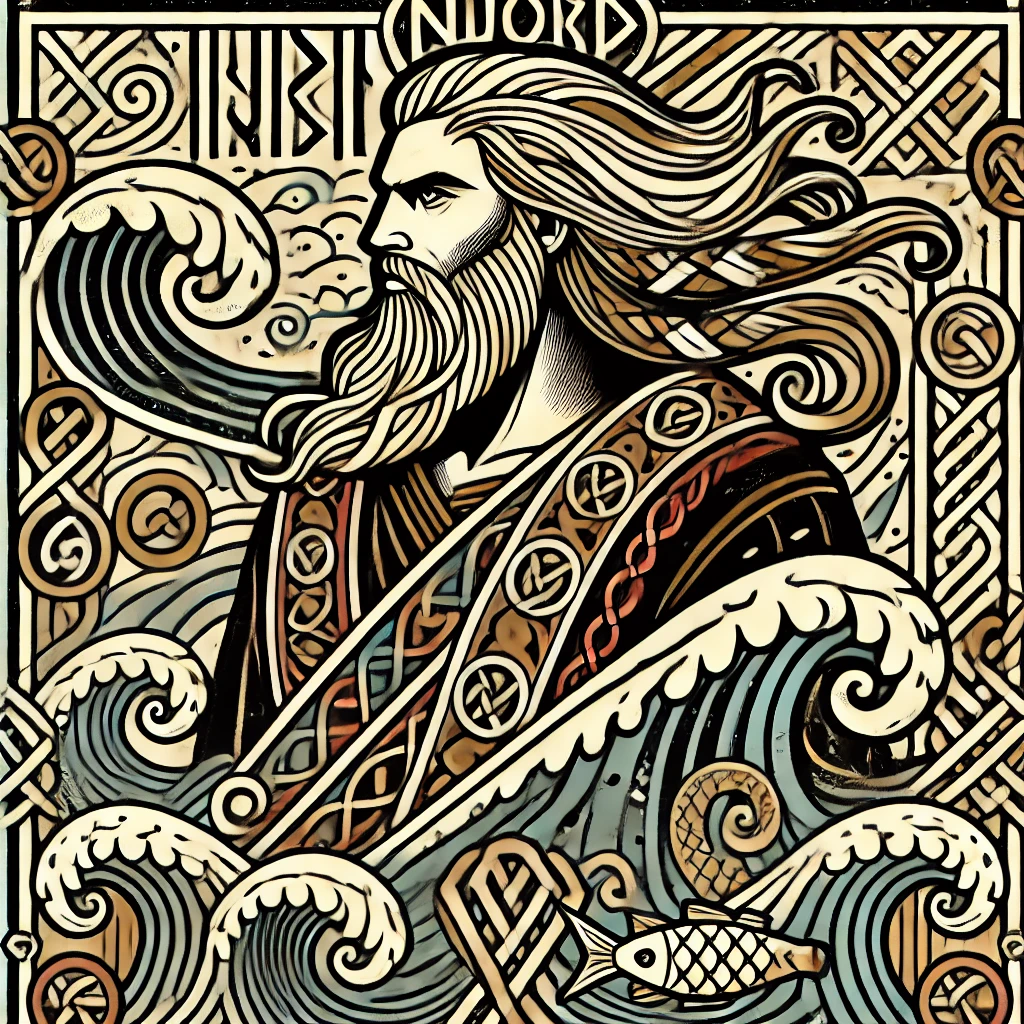
The Norse god of the sea, Njord, stands amid waves and runes

Njord

Divine Dominion: The sea, wealth, boats and awkward family vacations

Temperament and Tendencies: Njord is chill. He’s a sea god who just wants everyone to be rich, happy and sailing the open waves. But thanks to an arranged marriage with Skadi, a snow-loving giantess, his life is one long compromise between the beach and the mountains. Spoiler: Nobody’s happy.

Signature Style:

  • A ship that can sail on land if needed

  • An eternal tan, because sea gods don’t do SPF

  • A lot of treasure — the sea is a profitable business

Inner Circle:

  • Freyr and Freyja, his beloved kids

  • Skadi, his extremely outdoorsy ex

Saga-Worthy Moment: He and his wife, Skadi, agreed to split their time between his beach house and her mountain lodge. Both hated each other’s homes, so they split up, making Njord the god of divine irreconcilable differences.

Ragnarök Status: Not really a fighter, so he might just float off into the sunset
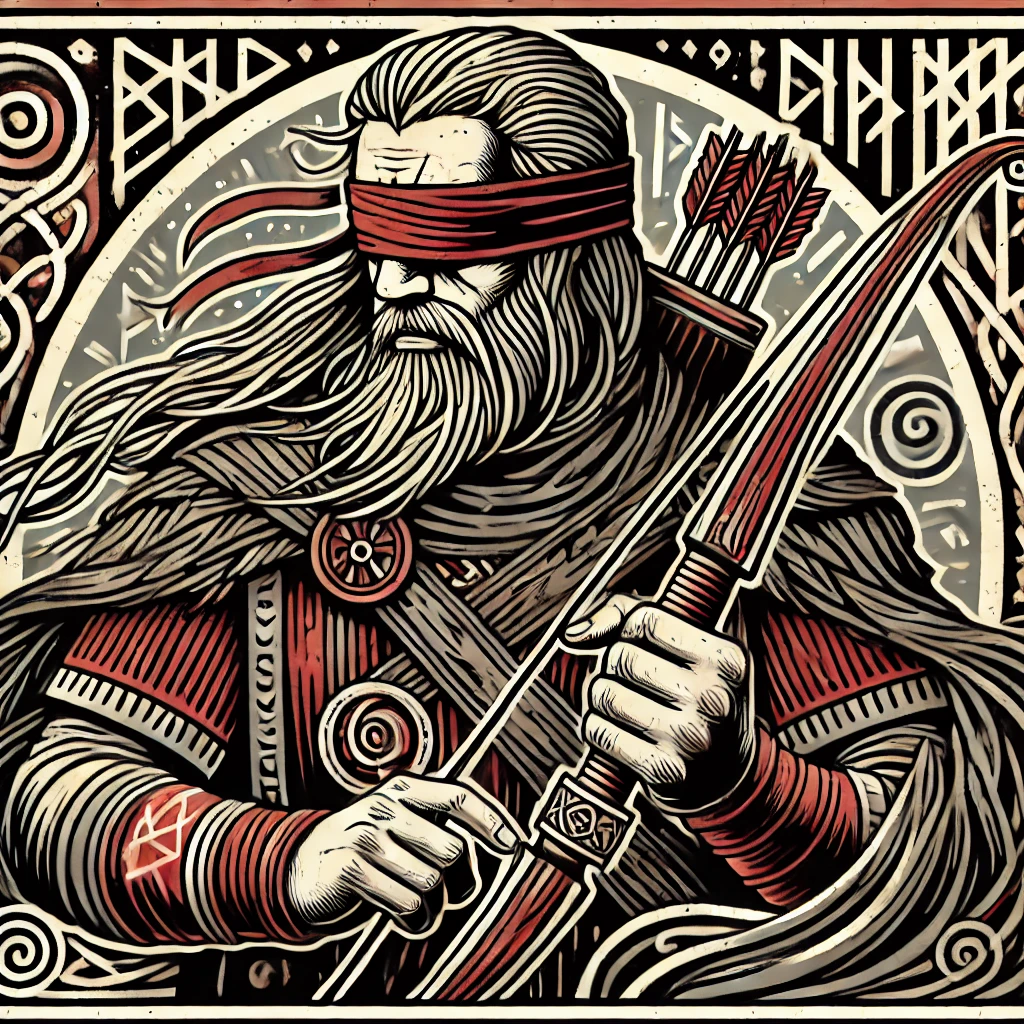
The blindfolded and blind Norse god Hodr, holding his bow

Hodr

Divine Dominion: Darkness, tragic accidents and being way too trusting of Loki

Temperament and Tendencies: Hodr is kind-hearted but doomed, born blind and destined to kill his own brother Balder — which is super-awkward because they actually liked each other. But the gods don’t even blame him. They all know it was Loki’s fault.

Signature Style:

  • A bow and arrow, because nothing could possibly go wrong handing that to a blind guy

  • A general vibe of tragic inevitability

  • Being the saddest pawn in the whole mythology game

Inner Circle:

  • Balder, his ill-fated brother

  • Frigg, his mom, who really tried her best

  • Loki, who hands him the murder weapon like some cosmic prank gone too far

Saga-Worthy Moment: When the gods played their “let’s throw stuff at Balder” game, Hodr got handed a mistletoe-tipped arrow by Loki, who kindly helped him aim. Instant tragedy.

Ragnarök Status: Already dead before Ragnarök even starts. A true overachiever in cosmic misfortune.
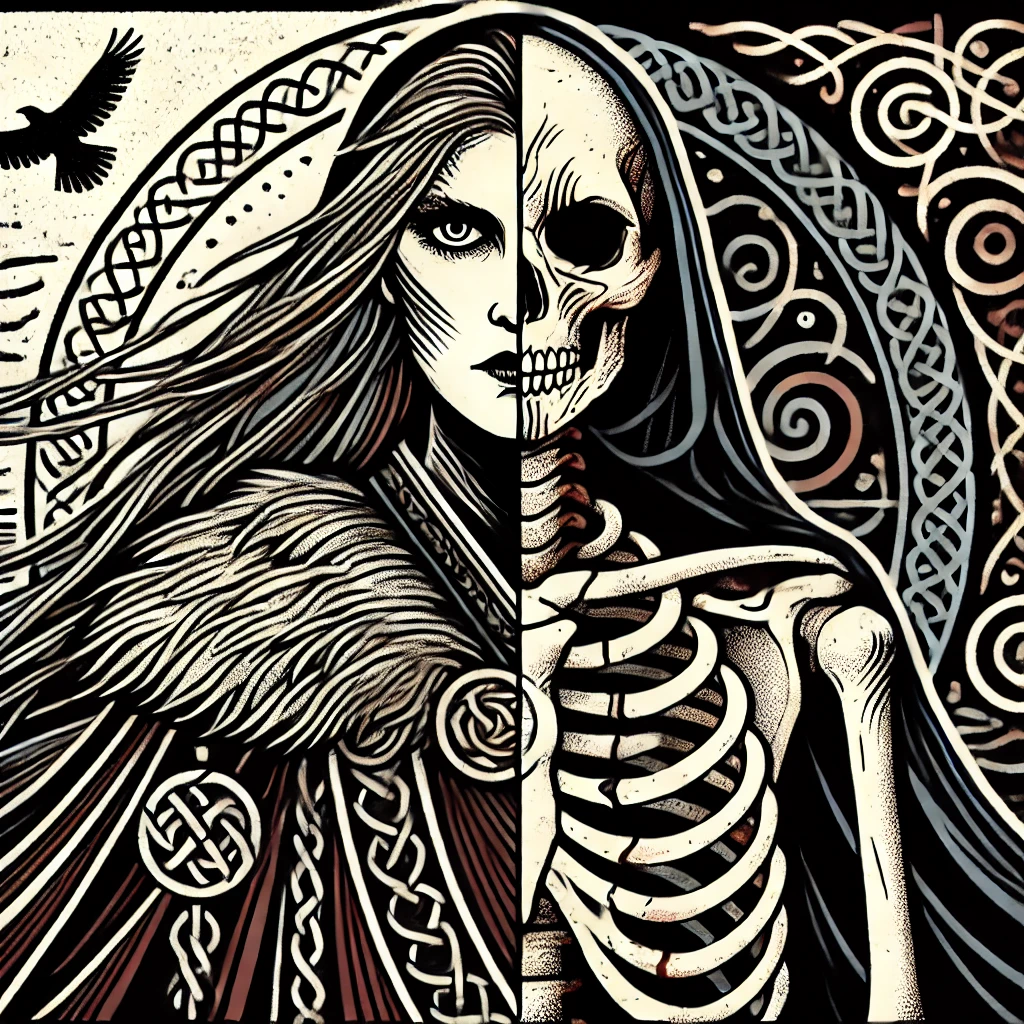
Hel, the Norse goddess of the underworld, half beautiful woman, half skeleton

Hel

Divine Dominion: The underworld, death, and giving zero fucks about your feelings

Temperament and Tendencies: Hel is half living woman, half rotting corpse, which really sets the tone. Unlike the fiery torment of some afterlives, Helheim is more of a cold, dreary waiting room for souls who didn’t die in battle. Hel’s not really cruel; she just doesn’t give a shit.

Signature Style:

  • A kingdom named after herself, because branding matters

  • An expression that says, “This meeting could’ve been an email.”

  • A general air of “why are you bothering me?”

Inner Circle:

  • Loki, her dad, who barely visits

  • The dead, who don’t exactly have options

Saga-Worthy Moment: When Balder died, Hermod (Odin’s other son) rode into Helheim to beg Hel to release him. Hel said sure — if literally everything in the world would weep for him. When one giantess (Loki in disguise, naturally) refused, she slammed the gates shut and went back to not caring.

Ragnarök Status: Stays put in Helheim, because she has a kingdom to run, thank you very much.
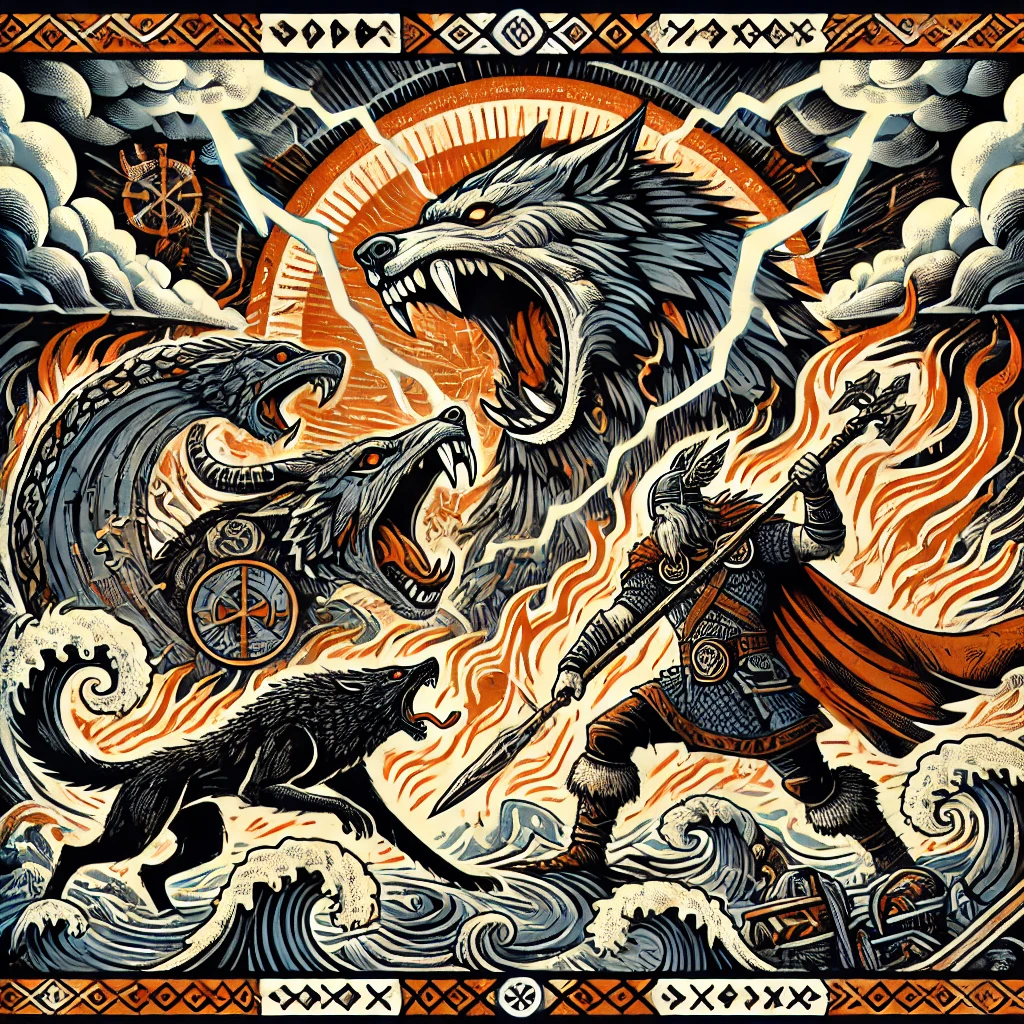
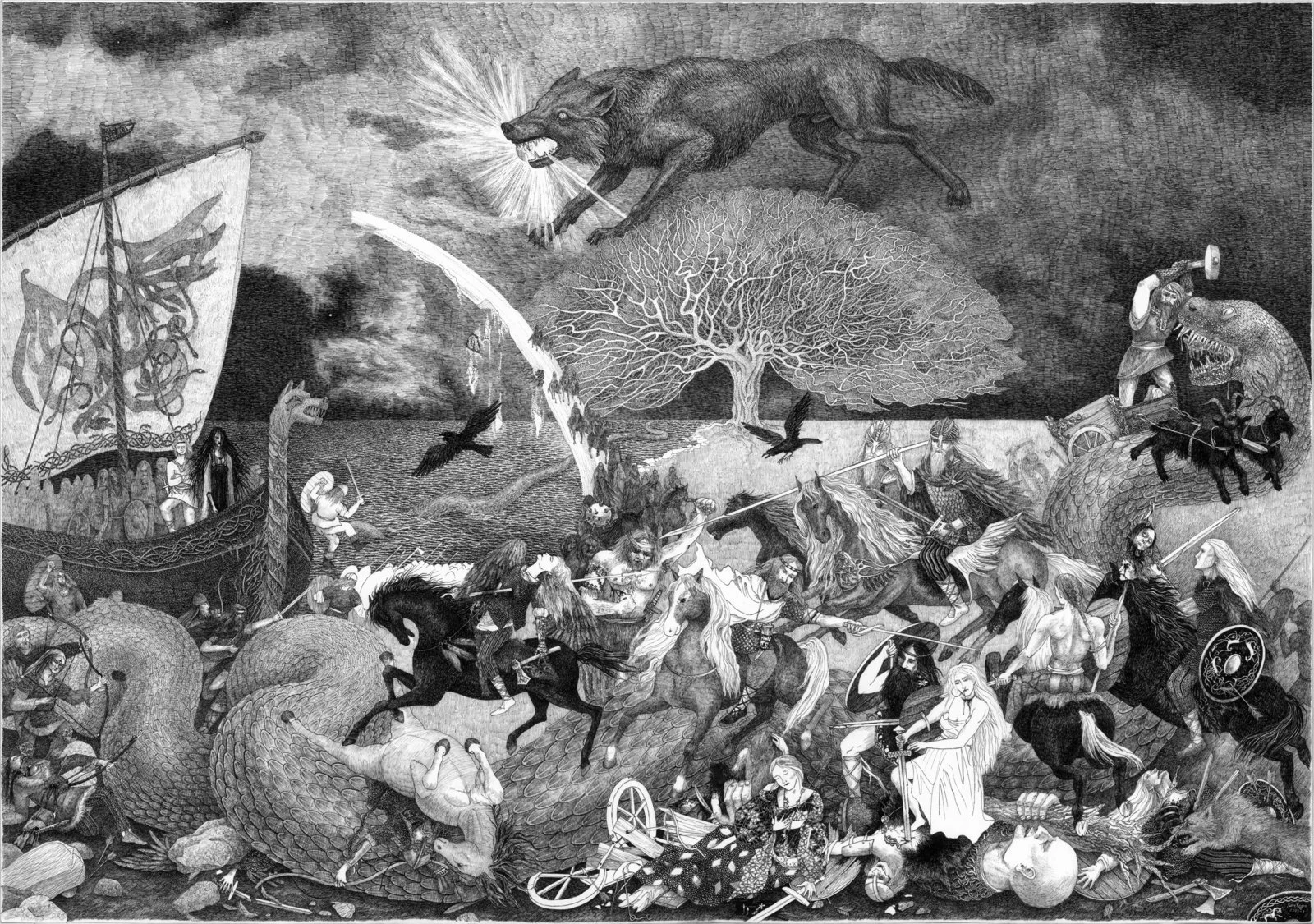
The Norse gods battle monsters, including giant wolves and serpents during Ragnarök, the end of the world

The Norse Pantheon: Gods of Glory and Doom

The Norse gods are a paradox: mighty yet mortal, powerful yet doomed. Unlike the serene and eternal deities of other mythologies, they live in the shadow of an ending they can’t escape. 

But rather than despair, they fight harder, love wilder and drink deeper. They’re warriors, tricksters, rulers and seers, but above all, they’re beings who embrace their fate and make every moment count.

And maybe that’s what makes them so compelling. The Norse gods aren’t distant, perfect figures sitting on golden thrones. They struggle, they fail, they sacrifice, and they rage against the inevitable. They’re larger than life — until they die. 

So raise a horn of mead, toast to the Aesir and Vanir, and remember: Even gods can fall, but legends live forever. –Wally
Who Is Freyja? The Fierce and Enigmatic Goddess of Norse Mythology

Duality defines Freyja, the Norse goddess of love and war, beauty and death. She’s also a powerful sorceress, wielding seid — magic tied to fate, transformation and prophecy.

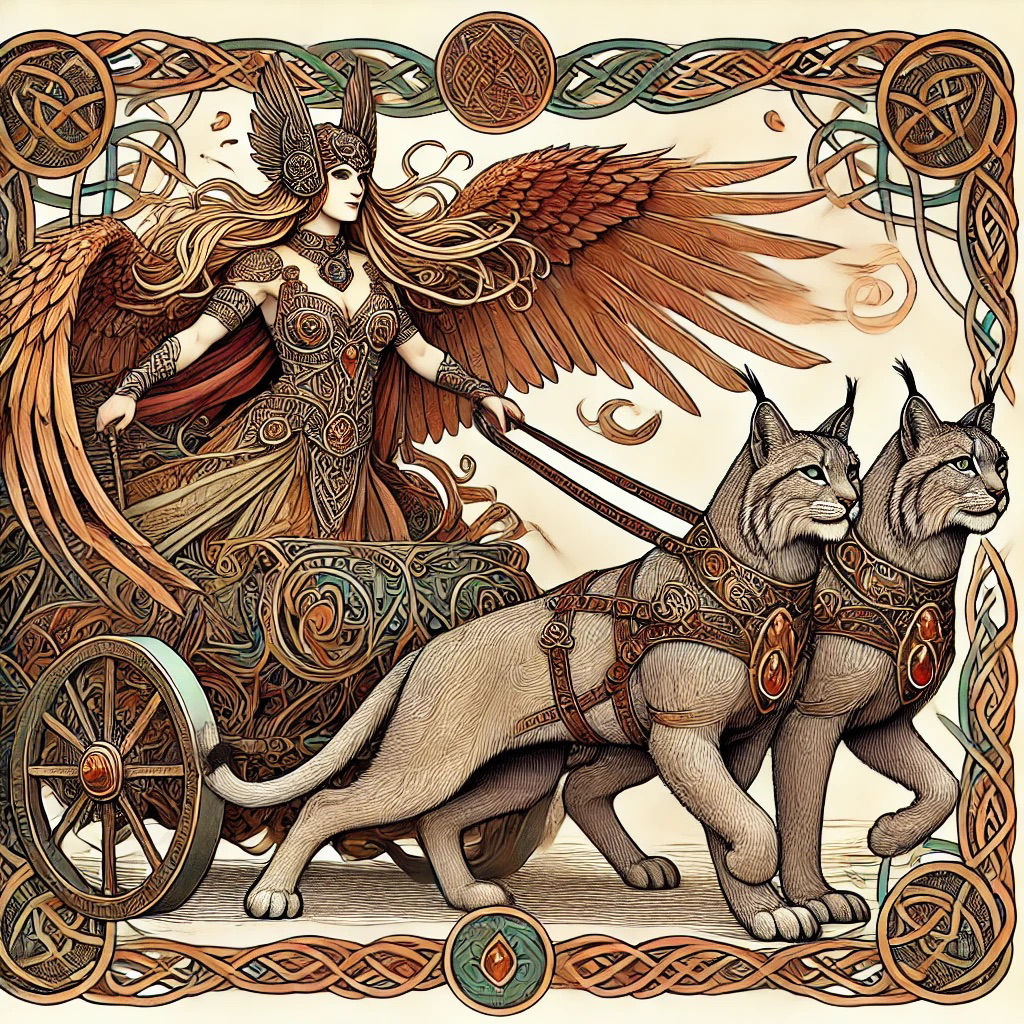
The Norse goddess Freyja with her falcon garb and armor in her chariot drawn by two big cats

Duke and I adopted a cat from a shelter named Freya — and quickly fell under her spell. I was always more of a Greek and Roman mythology buff than Norse, so my curiosity was piqued — I wanted to know more about the goddess our new kitty was named after. I dove into learning about the goddess, and it soon became clear that our Freya is every bit as beautiful, fierce and wild as her divine namesake, with both embodying a blend of grace, power and an untamed spirit.

Freyja (as it’s most commonly spelled), the Norse goddess of love, beauty, war and magic, both captivates and unnerves. 

Freyja stands as one of the most captivating figures in Norse mythology — a goddess of dualities who embodies beauty and ferocity, love and war, magic and mystery.
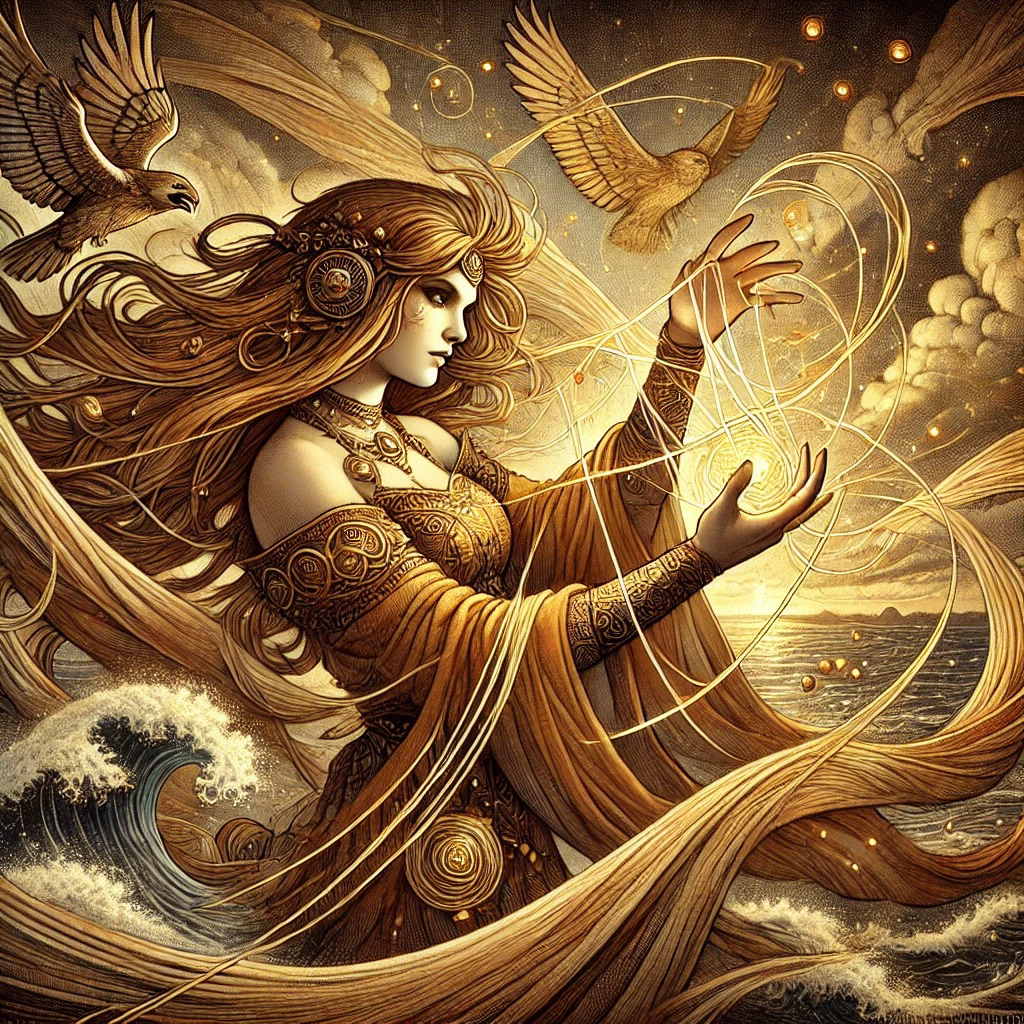
Falcons fly by at the Norse goddess Freyja casts a magic spell by the water

What Does Freyja Look Like?

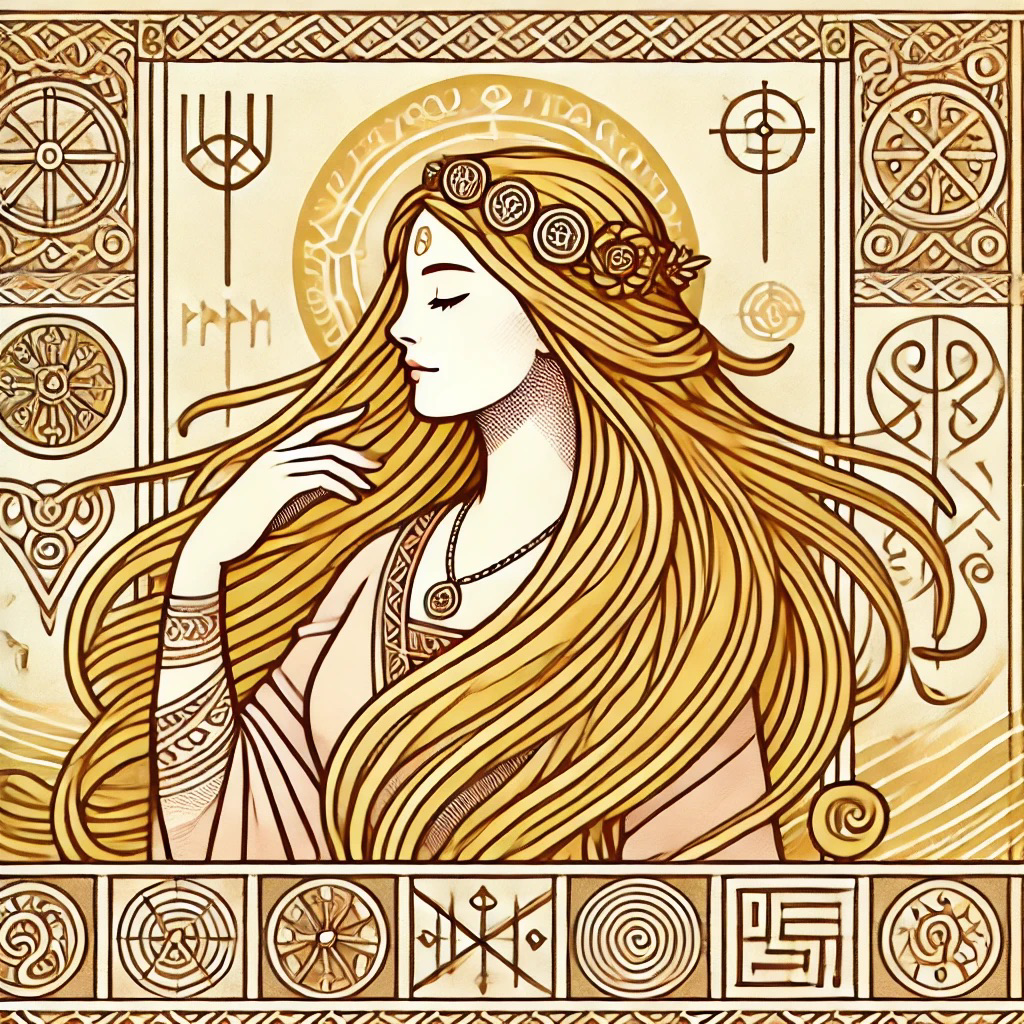
She’s draped in a cloak of falcon feathers, shimmering with the colors of the sunrise — golden and russet hues that catch the light as she moves. 

Her hair, long and flowing like streams of molten amber, contrasts with eyes that seem to hold the mysteries of the cosmos. 

Adorning her neck is Brísingamen, the legendary necklace forged by dwarves in the depths of the Earth. (See the full myth of the necklace below, in which Freyja whores herself out to dwarves.)

The Norse goddess Freyja with wings spread, rides in her chariot, drawn by two lynx-like cats

Freyja’s Chariot

She commands a chariot drawn by two formidable big cats. These silver-furred creatures, known as Bygul and Trjegul, glide with the grace of wild predators, their eyes glowing with the sharp intelligence and cunning of the goddess they serve. 

The chariot moves as if weightless, whether it glides across the earth or soars through the sky. 

The origin of the Norse goddess Freyja, emerging from the sea at dawn

The Origin of Freyja

Back when the cosmos were still untamed, swirling in chaotic mists and shadows, the Vanir emerged from this primal void — gods and goddesses intrinsically tied to nature’s cycles, ancient and wild. Among them was Freyja, born of the sea god Njörðr and sister to Freyr. 

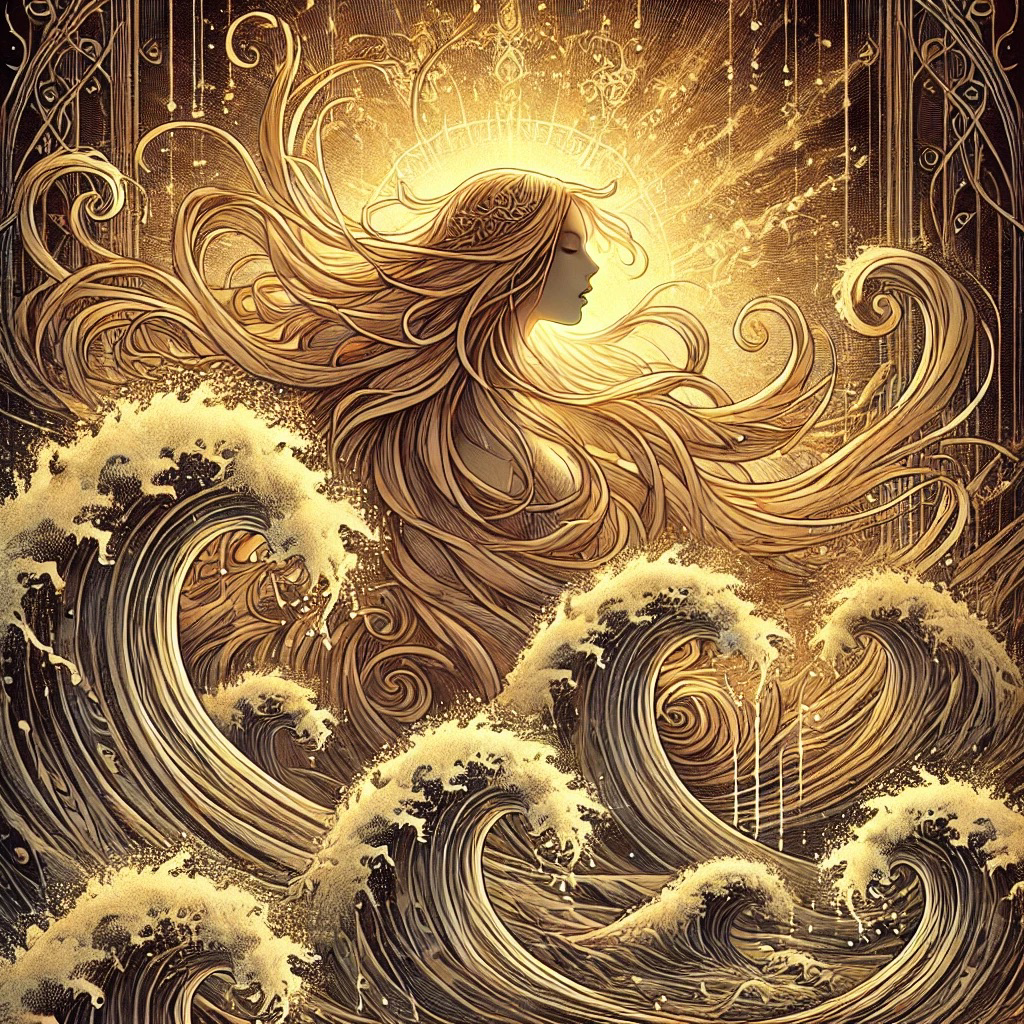
But Freyja’s birth was unlike any other — rumor has it that she emerged from the crashing waves, fully grown, as the saltwater mixed with the dawn’s first light, setting her hair aglow with a golden sheen. (Sounds quite a bit like Aphrodite, doesn’t it?)

From the very start, Freyja carried a duality within her: a grace that could soothe even the most troubled hearts, and a ferocity that could shake the heavens. 

As she grew, her allure was unmatched, yet it was her wisdom in seiðr, the mysterious Norse magic, that truly set her apart. It was said that she could weave the very threads of fate, bend reality to her will and command the elements themselves. Her presence could sway the tides of war, and her tears, when shed, turned into precious amber, glittering tokens of her sorrow and joy.

The Vanir, Freyja’s original tribe, went to war with the Æsir in a conflict that shook the Nine Realms. To establish peace, Freyja played a key role as a mediator. As part of the truce, the Vanir sent Freyja and her family to live with the Æsir — a gesture that underscored her immense value and the high stakes of the agreement.

She craved adventure, adored beautiful things and was never afraid to wield her formidable powers to get what she wanted. This was a goddess who is as multifaceted as the jewels she wears — beautiful and fearsome, compassionate and unyielding, with a touch of mischievous charm. Just like our cat.

Freyja in full armor, holding a sword on a battlefield, as the Norse goddess of war

Goddess of Love and War

Freyja is a goddess of dualities, straddling seemingly opposing forces with effortless grace. She’s most commonly associated with love, beauty and fertility, but she’s far from a simple goddess of romance. Freyja’s love is fierce and complex, reflecting both the sweetness of new beginnings and the passion that can lead to conflict and heartache. 

Her beauty is more than skin deep, tied to the power she wields and the control she exercises over those who desire her favor. Her role in fertility isn’t just about the growth of crops or even the bearing of children — it’s about the vital force of life itself, the energy that sustains both the Earth and its people.

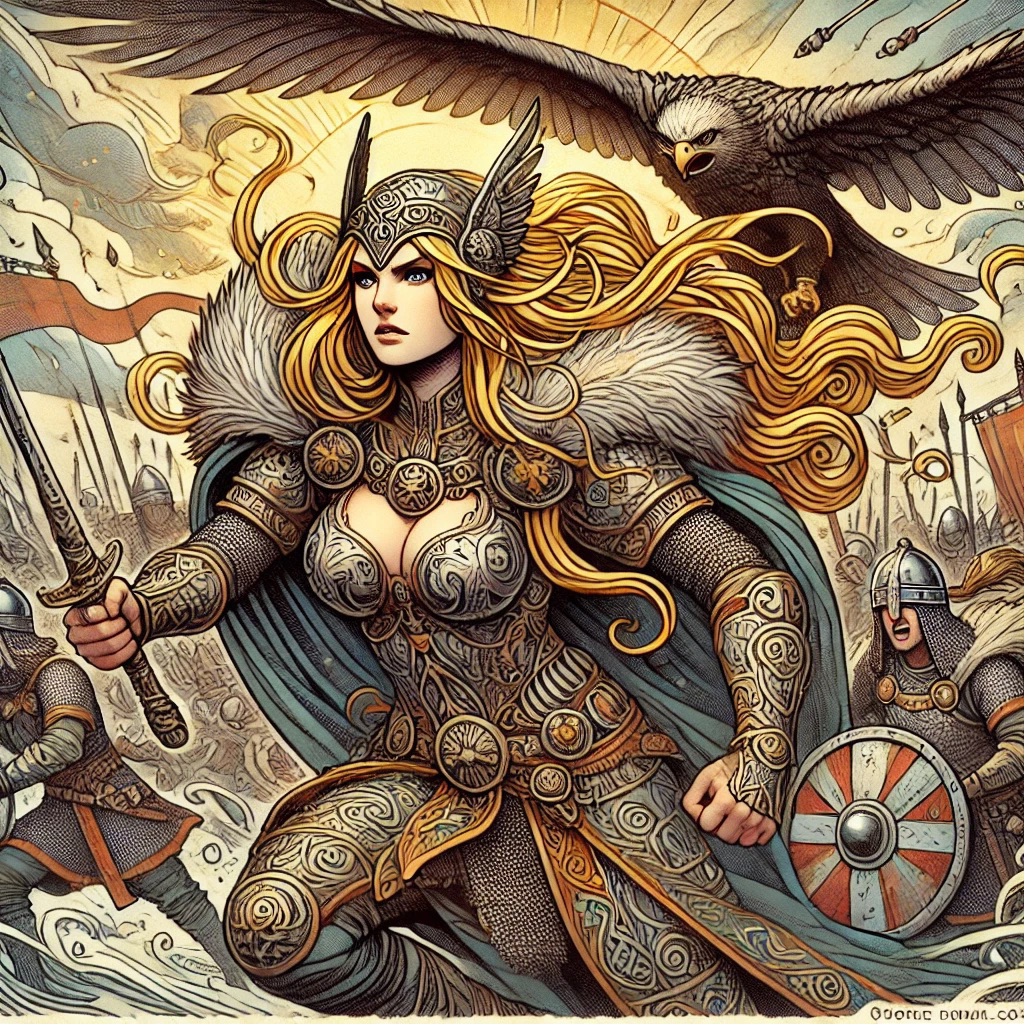
But Freya’s also a goddess of war, presiding over the battlefield in a role similar to that of Odin. Half of those who die in battle are claimed by Freyja, who takes them to her hall, Fólkvangr, while the other half go to Valhalla. This dual role reflects the Norse view of death, where even in war, the concepts of love, honor and sacrifice are deeply intertwined. Freyja’s warriors are chosen not just for their valor but for the passion with which they lived and fought.

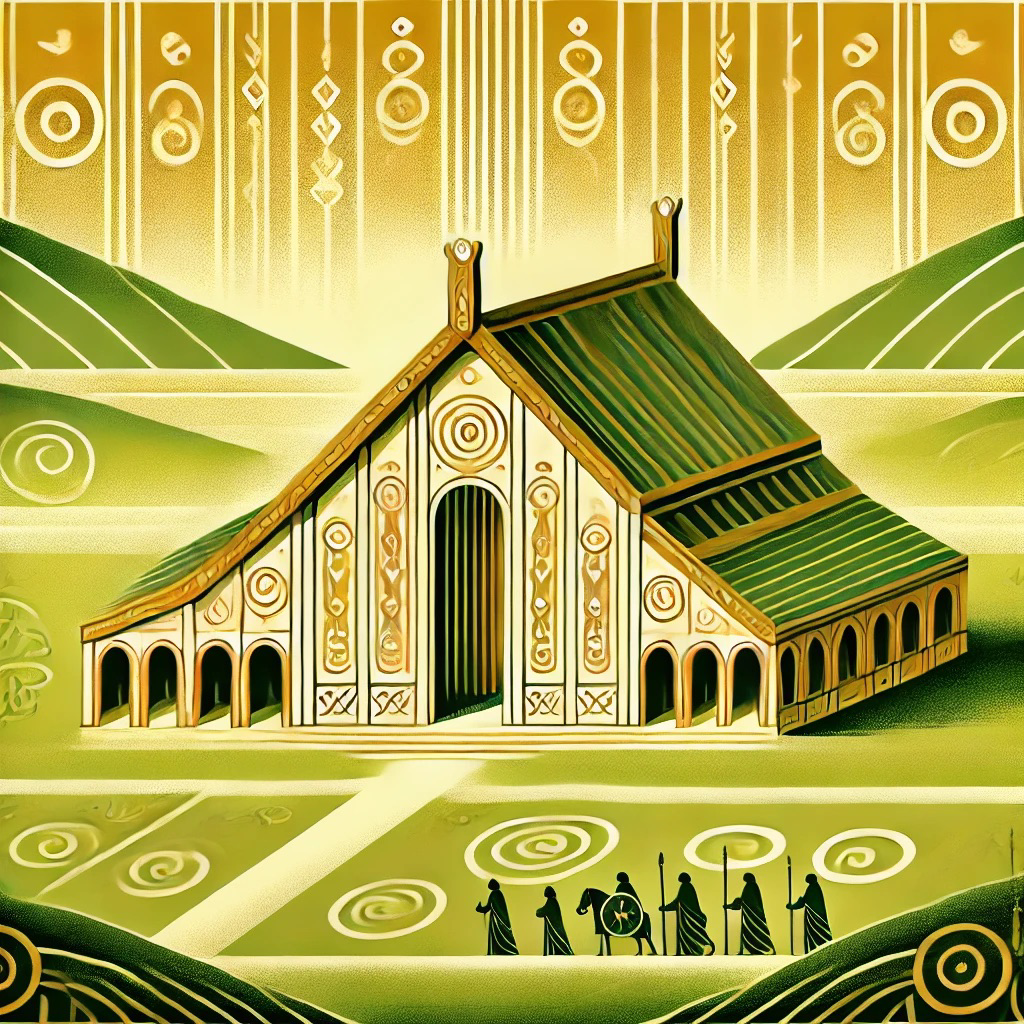
Fólkvangr, the hall of the dead ruled over by the Norse goddess Freyja

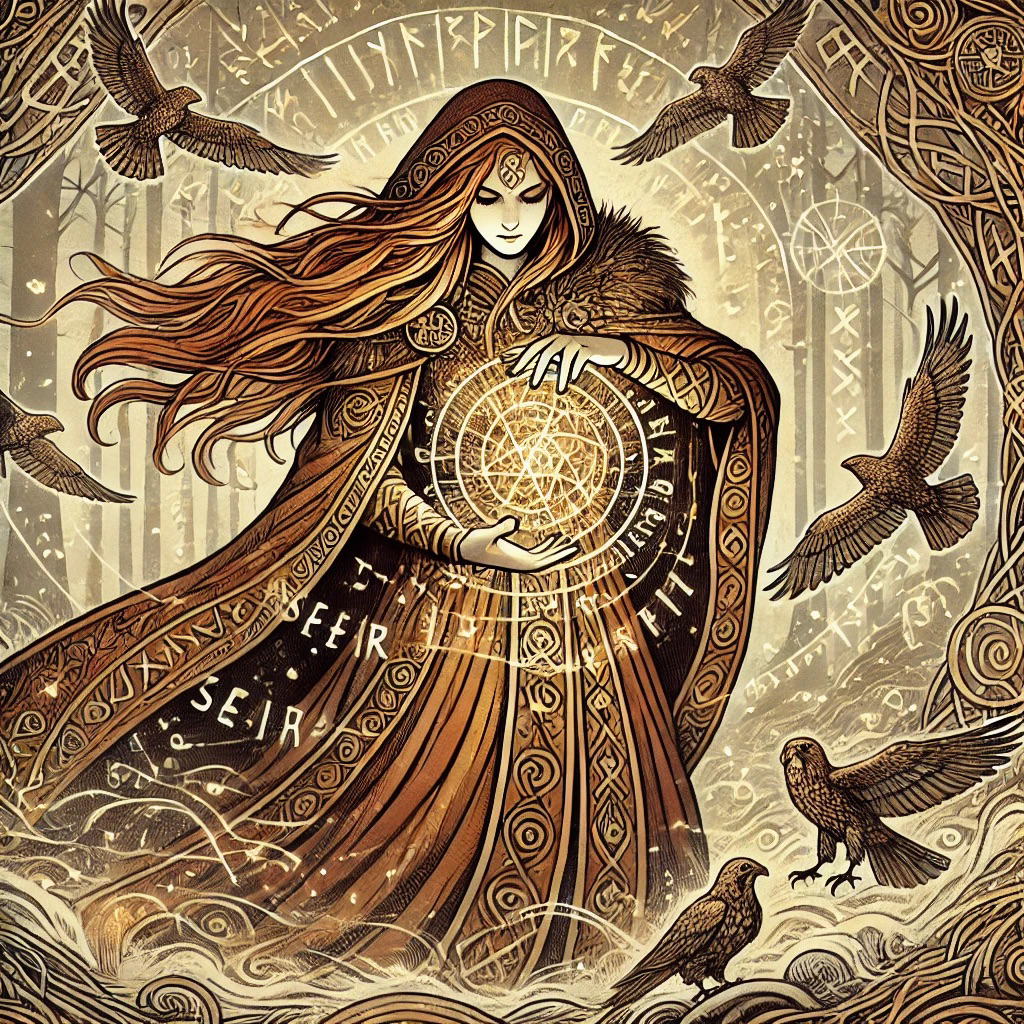
Freyja’s power also extends into the realm of magic, specifically seiðr — a type of Norse sorcery associated with fate, transformation and prophecy. She’s said to have taught this art to Odin, a significant detail that underscores her mastery of one of the most feared and revered practices in Norse culture. Seiðr allowed her to manipulate the threads of destiny, control the elements and see into the future, making her both respected and dreaded.

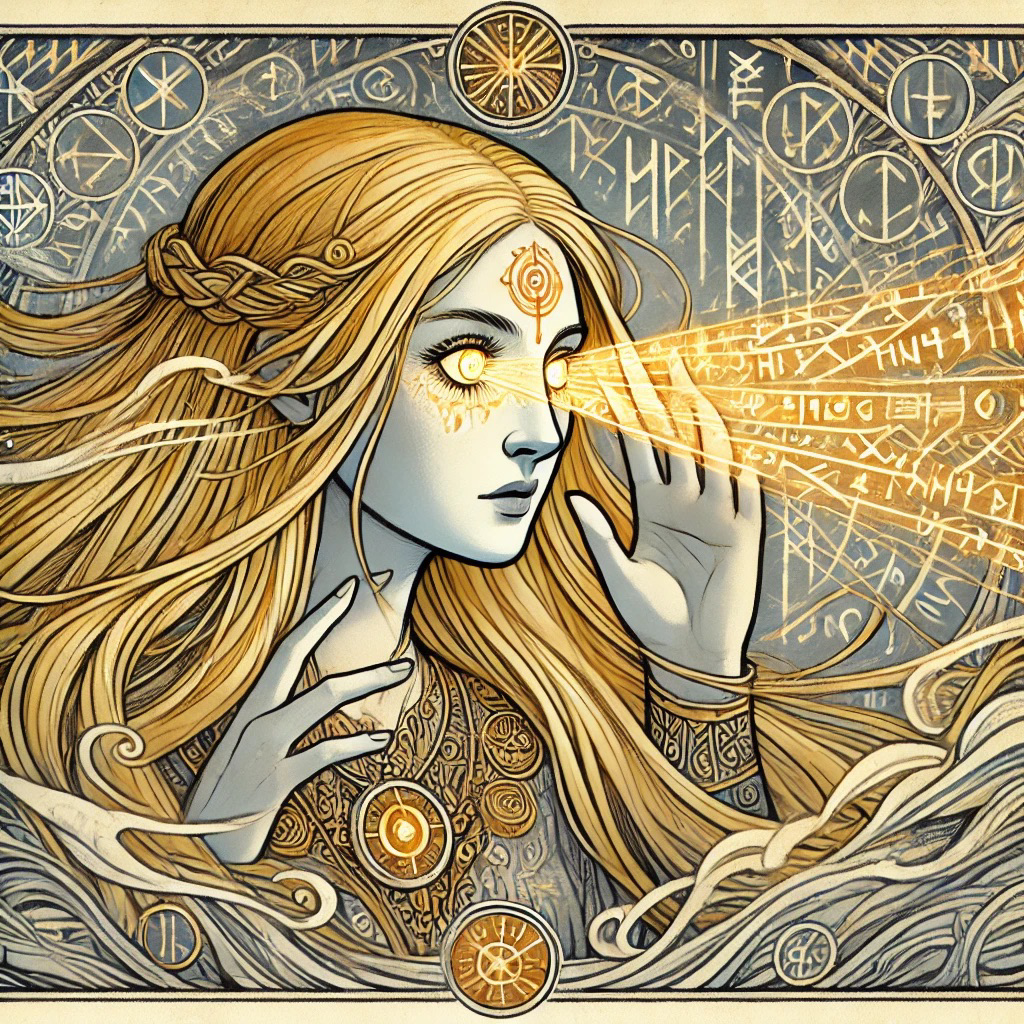
Norse goddess Freyja holds dominion over magic, as runes swirls around her as well as falcons
Norse goddess Freyja, surrounded by runes, sees into the future

Freyja’s Symbols and Associations 

Freyja’s symbols further reflect her complex nature. Brísingamen, her radiant necklace, is a source of power and authority. The cats that draw her chariot embody her independence and mystery, as felines have long been associated with both sensuality and cunning. Her falcon cloak, which allows her to take the form of a bird and fly, represents her ability to traverse the boundaries between worlds — between life and death, love and war, magic and reality.

Finally, Freyja’s association with gold and amber, symbolized by the tears she sheds for her missing husband, ties her to the earth’s treasures. These tears, said to be found along the shores of rivers and forests, show how deeply her emotions are connected to the natural world. 

Freyja’s domains make her one of the most complex figures in Norse mythology — her influence extends across all realms, and through her associations, we see a goddess who embodies the full spectrum of human and divine experience.

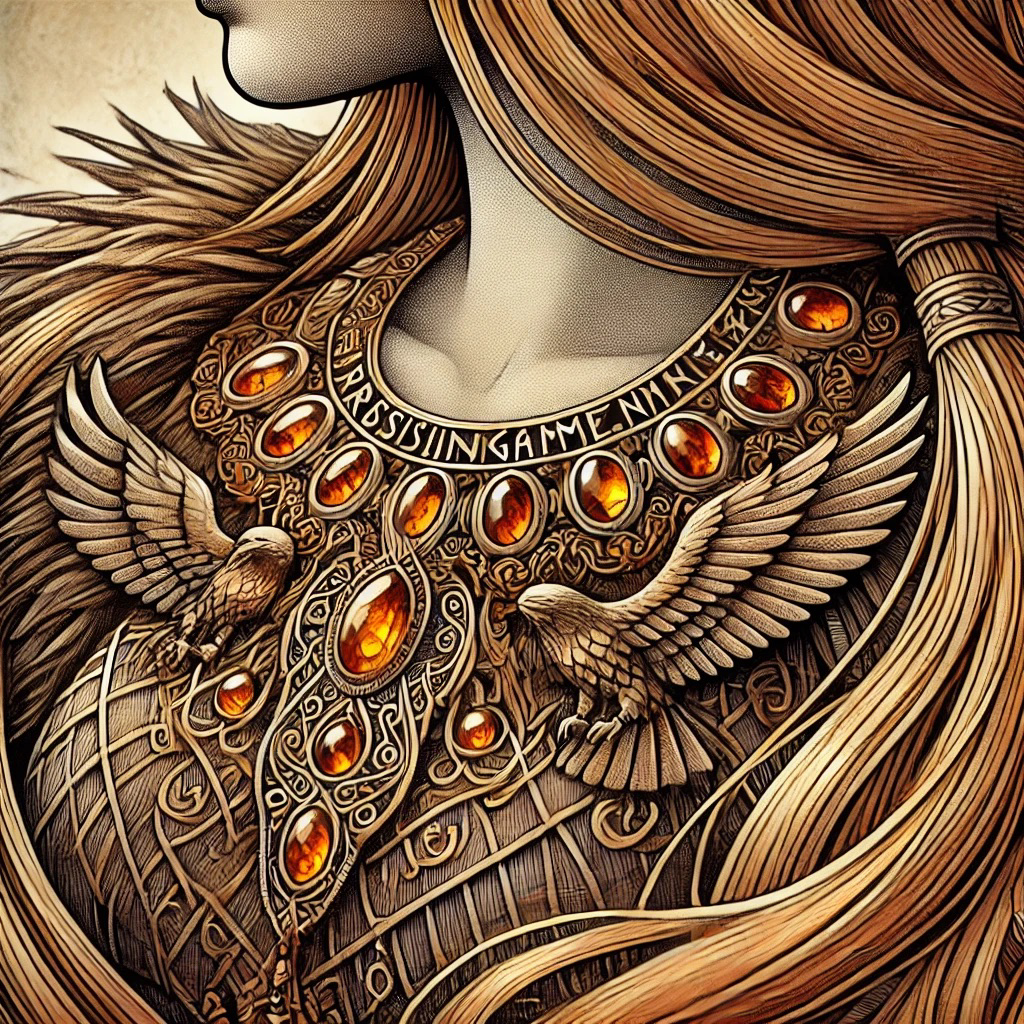
Brísingamen, the Norse goddess Freyja's gorgeous necklace

Freyja’s Necklace, Brísingamen

It’s a masterpiece of craftsmanship — each link in the chain engraved with ancient runes of power and protection, glowing with an otherworldly radiance. Inset with gemstones that flicker between deep amber and blood-red, it pulses in time with Freyja’s heartbeat, amplifying her beauty and authority, making even gods and giants bow in awe. And like any good Norse artifact, it has its own name: Brísingamen.

The tale of how Freyja came to possess Brísingamen is a perfect blend of ambition, desire and a touch of scandal — exactly the kind of tale you’d expect from the goddess of love and war.

One evening, Freyja was wandering through the forests of Midgard when her eye caught the glimmer of something extraordinary: a necklace unlike any she had ever seen. It was Brísingamen, forged by four dwarves deep within the earth, and it shone with a brilliance that rivaled the stars. Instantly captivated, Freyja knew she had to have it. But dwarves are a tricky bunch — they aren’t easily bribed with gold or treasures. No, these craftsmen had something else in mind.

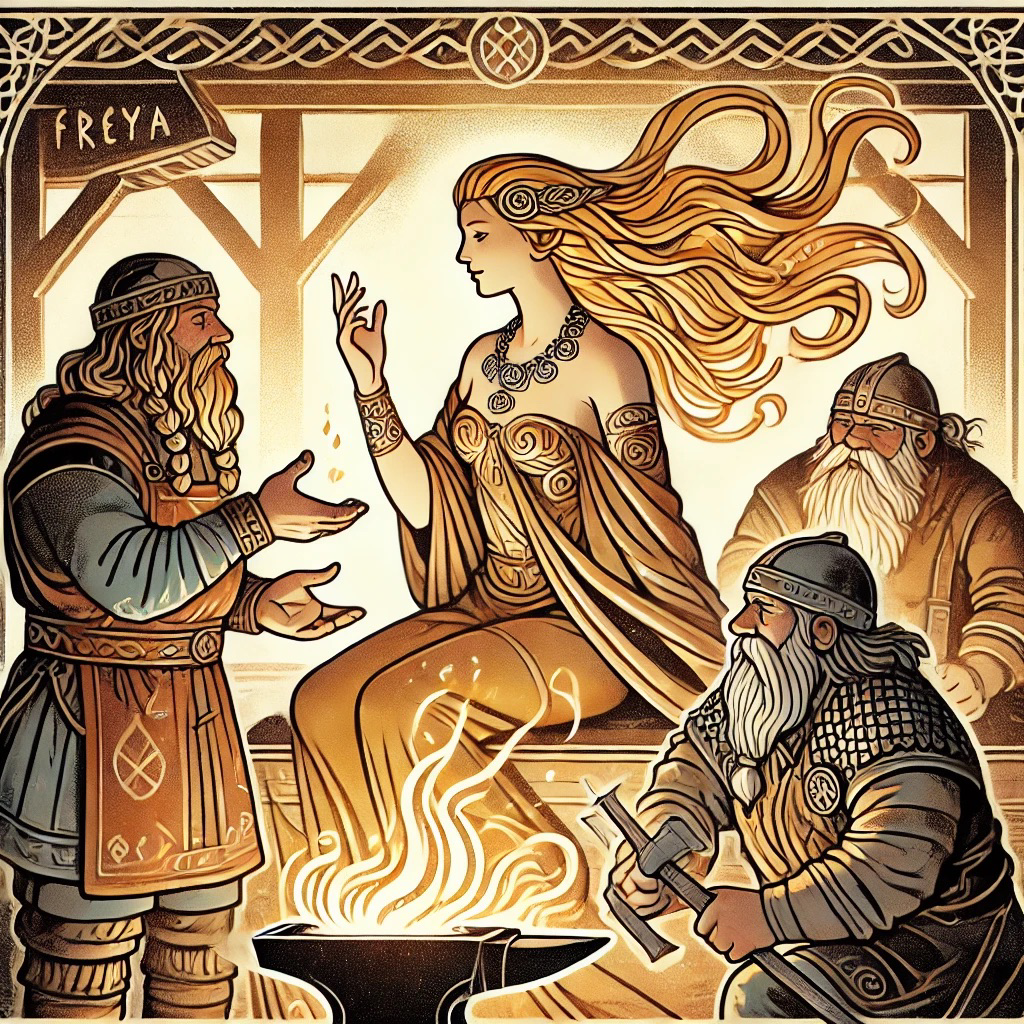
When Freyja approached them, the dwarves, grinning slyly, made their offer: sleep with each of them, and the necklace would be hers. Now, Freyja isn’t one to shy away from a deal — especially when something as dazzling as Brísingamen is at stake. She weighed her options, considered the price, and agreed. The deal was struck, she had sex with each dwarf in turn — and the necklace was hers, glittering proudly around her neck. 

Norse goddess Freyja offers herself up dwarves in return for the neckace Brísingamen

But not everyone was thrilled by Freyja’s deal.

Loki, the trouble-making trickster, caught wind of the arrangement and couldn’t resist stirring up trouble. He went straight to Odin, gleefully spilling the beans about how Freyja had “negotiated” for her new accessory. Odin was outraged and demanded the necklace be taken from her as a lesson in humility.

Loki, looking a lot like Tom Hiddleston, steals the necklace Brísingamen from Freyja

Loki, always ready to stir the pot, snuck into Freyja’s hall, slipped past her defenses and stole Brísingamen right from under her nose. When Freyja discovered the theft, she didn’t take it lightly. She stormed into Asgard, confronting Odin with a fury that shook the heavens. 

Odin decreed that if Freyja wanted her precious necklace back, she would have to incite a war. And even if Freyja wasn’t particularly keen on Odin’s terms, she knew she wasn’t walking away from Brísingamen. 

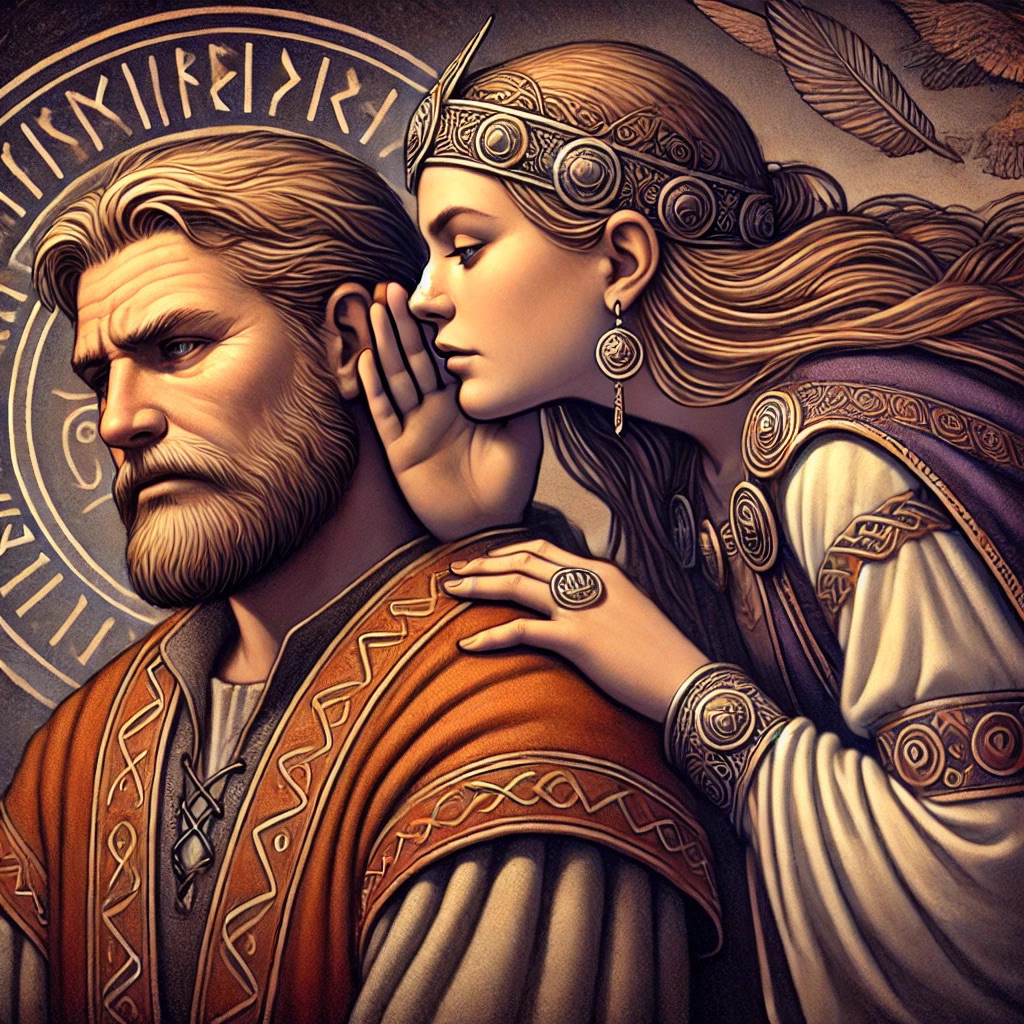
The Norse goddess Freyja whispers into a bearded man's ear to start a war

Now, how to start a war? Freyja took a surprisingly subtle approach. She traveled through villages and courts, planting seeds of jealousy, rivalry and greed. Her whispers acted like a slow poison, and soon, those tiny sparks of discord ignited into flames. Neighbor turned against neighbor, tribes clashed over petty slights, and kings sought expansion through conquest. War was declared, and Freyja got her necklace back. 

The giant Thrym holds up Mjölnir, Thor's hammer, which he has stolen

Freyja and Thor’s Hammer

In another myth, Thor woke up one day to find that his beloved hammer, Mjölnir, had vanished. Now, losing Mjölnir isn’t like misplacing your car keys — it’s a catastrophic event that leaves Asgard vulnerable to all sorts of enemies. 

As Thor fumed and threatened to smash anything in sight, Loki (who else?) volunteered to investigate. Using his usual cunning, Loki discovered that the hammer had been stolen by Thrym, a giant with a particularly thick skull and a bad case of greed. Thrym wasn’t interested in riches or glory, though — he had his eyes set on something far more valuable: Freyja.

Thrym sent a message to the gods: “You want the hammer back? Fine, but I want Freyja as my bride in exchange.” 

When Freyja heard the demand, her face turned scarlet, her eyes blazed, and she unleashed a roar so powerful that it caused the very foundations of Asgard to tremble. 

“Do you really think I’d let myself be bartered off like some prize cow?” she thundered, sending all the gods scrambling for cover. 

With Freyja’s refusal made perfectly clear, the gods had to get creative. They hatched a hairbrained plan that could only work in the world of Norse mythology: Thor would disguise himself as Freyja and trick Thrym into giving back Mjölnir. 

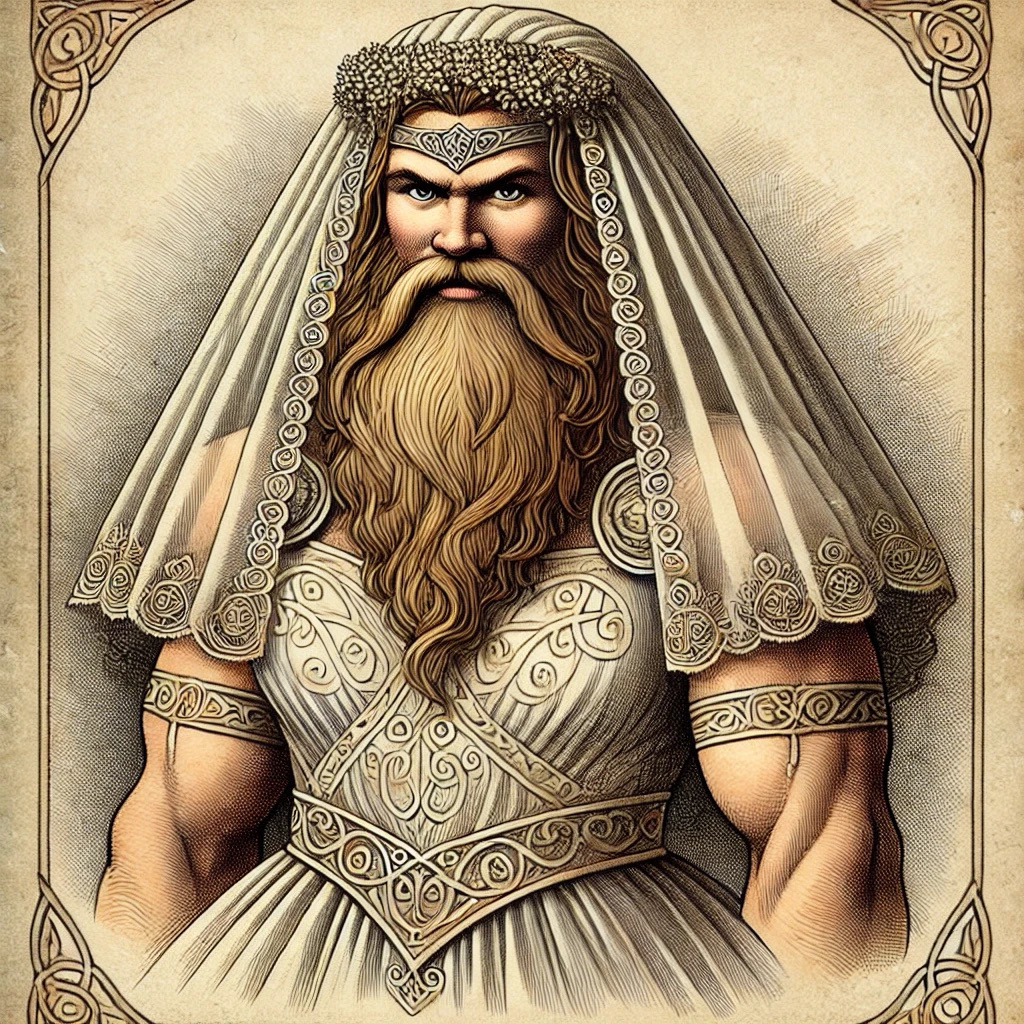
So there he was — Thor, the mighty god of thunder, his bulging muscles squeezed into a bridal gown, wearing a veil that barely concealed his thick beard. Loki, never one to miss out on a prank, gleefully played the role of Thor’s maid of honor and accompanied him to Thrym’s hall.

Thor dressed up as a bride to fool the giant Thrym

When Thrym saw his “bride,” he was thrilled — though a little confused by Freyja’s sudden appetite, as she devoured platter after platter of food and drained barrels of ale in one sitting. Loki, quick on his feet, explained that Freyja hadn’t eaten in days, out of excitement for her wedding. Dim-witted Thrym was sold and brought out the hammer as part of the wedding ceremony.

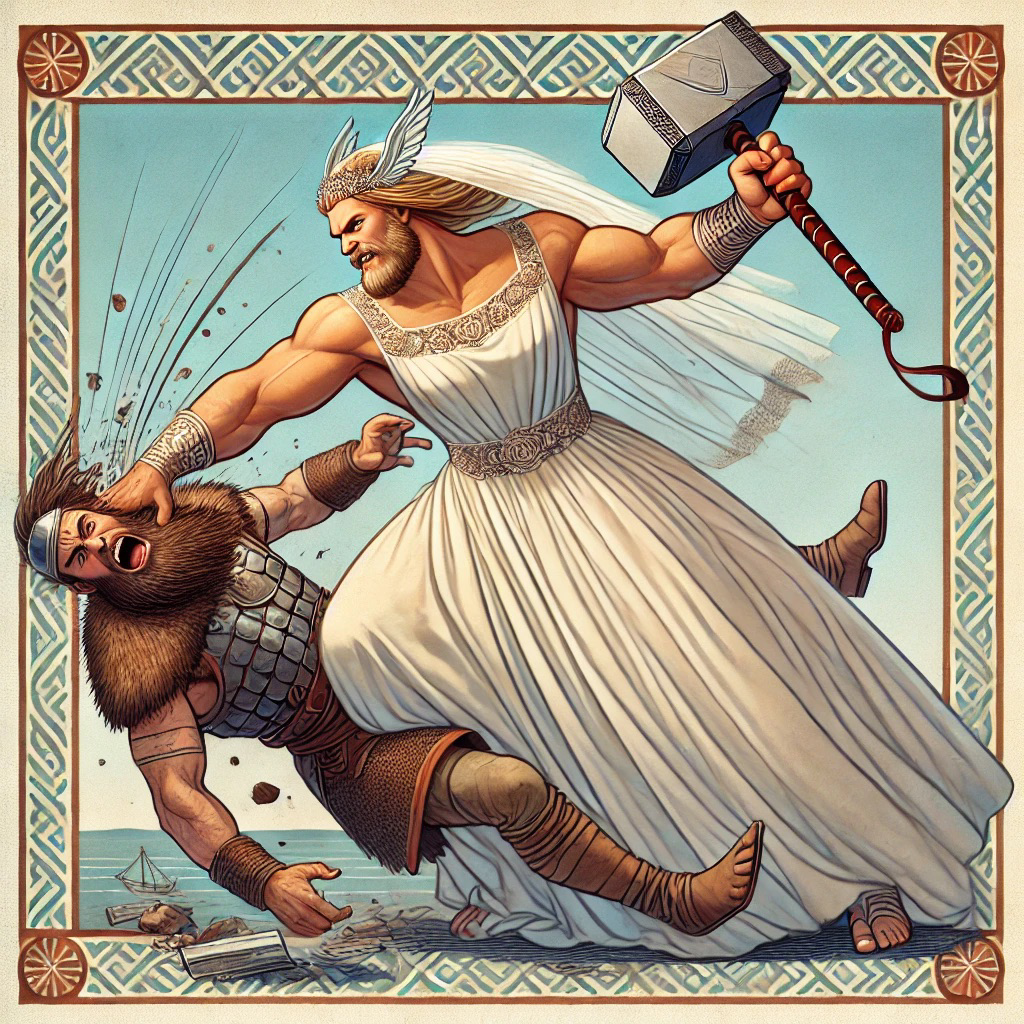
The moment Mjölnir was placed in “Freyja’s” lap, the charade was over. Thor ripped off his veil, seized the hammer, and with a single swing, sent Thrym and his cronies flying. The feast turned into a battlefield, with Thor gleefully smashing his way through the giant’s hall while Loki cackled in the background.

Thor, dressed in a wedding dress as Freyja, used Mjölnir, his hammer, to kill the giant Thrym

The gods returned to Asgard victorious, hammer in hand and no bride sacrificed. And Freyja? She watched the whole spectacle from afar with an amused smirk. 

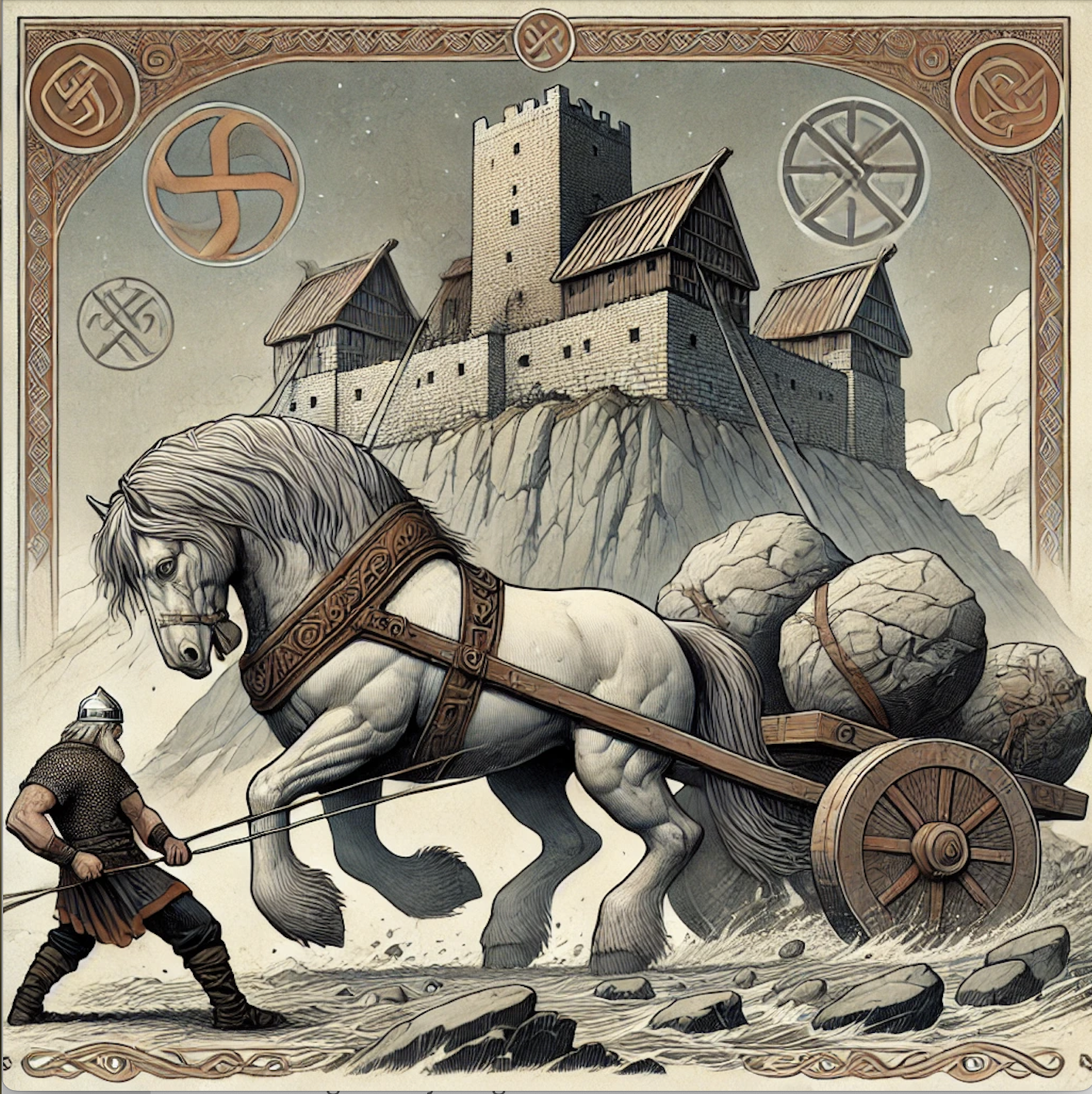
A giant uses the stallion Svadilfari to build Asgard's defences

Freyja as the Price of Asgard’s Defences

As we have seen, Freyja’s beauty and allure were legendary, which made her a target for unwanted attention — particularly from giants, who always seemed to be scheming for ways to get their hands on her. One such tale involves a giant who came to Asgard with an offer the gods couldn’t refuse…or so he thought.

The giant approached the gods with a bold proposition: He would build a wall around Asgard strong enough to keep out any enemy — an impenetrable fortress that could withstand even the fiercest of attacks. In return, he demanded three things: the sun, the moon and — most importantly — Freyja as his bride. Now, the gods weren’t exactly thrilled about the idea of losing the sun and moon, but the thought of handing over Freyja? Unthinkable.

Still, they figured they could outsmart the giant. After all, he was offering a monumental task, and they were confident that no one could complete such a project in the tight deadline they’d impose. The gods agreed to the deal but insisted that the wall had to be finished within a single season. Thinking they’d bought themselves an easy win, they relaxed…until the giant started making serious progress.

What they hadn’t anticipated was that the giant had a secret weapon: his powerful stallion, Svadilfari, who was hauling massive stones at lightning speed. As the deadline drew near, the gods realized they were in deep trouble. Freyja, fuming at the thought of being handed over like a prize, made it clear that if this deal went south, heads would roll. Literally.

Desperate for a solution, the gods turned to Loki, the trickster they could always count on for a scheme, however unconventional.

Loki didn’t disappoint. “Leave it to me,” he said with a sly grin, already hatching a plan.

That night, under the cover of darkness, Loki transformed himself into a sleek, graceful mare. His shimmering coat caught the moonlight as he trotted toward Svadilfari, the giant’s powerful stallion, who was tirelessly hauling massive stones for the wall.

Svadilfari, enchanted by the sight of this new and alluring horse, immediately lost interest in his work. Loki, in mare form, whinnied coyly, flicked his tail, and galloped into the forest. The stallion, spellbound, followed without hesitation.

The Norse trickster god Loki, disguised as a mare, seduces the stallion Svadilfari, luring him into the woods

What happened in the woods isn’t certain, but let’s just say Loki as a mare was just a bit too entrancing. He ended up pregnant and gave birth to Sleipnir, an extraordinary eight-legged horse with unmatched speed and strength. Sleipnir would go on to become Odin’s trusted steed, capable of crossing realms and outrunning the wind itself.

Meanwhile, with the horse gone, the giant’s progress slowed to a crawl. 

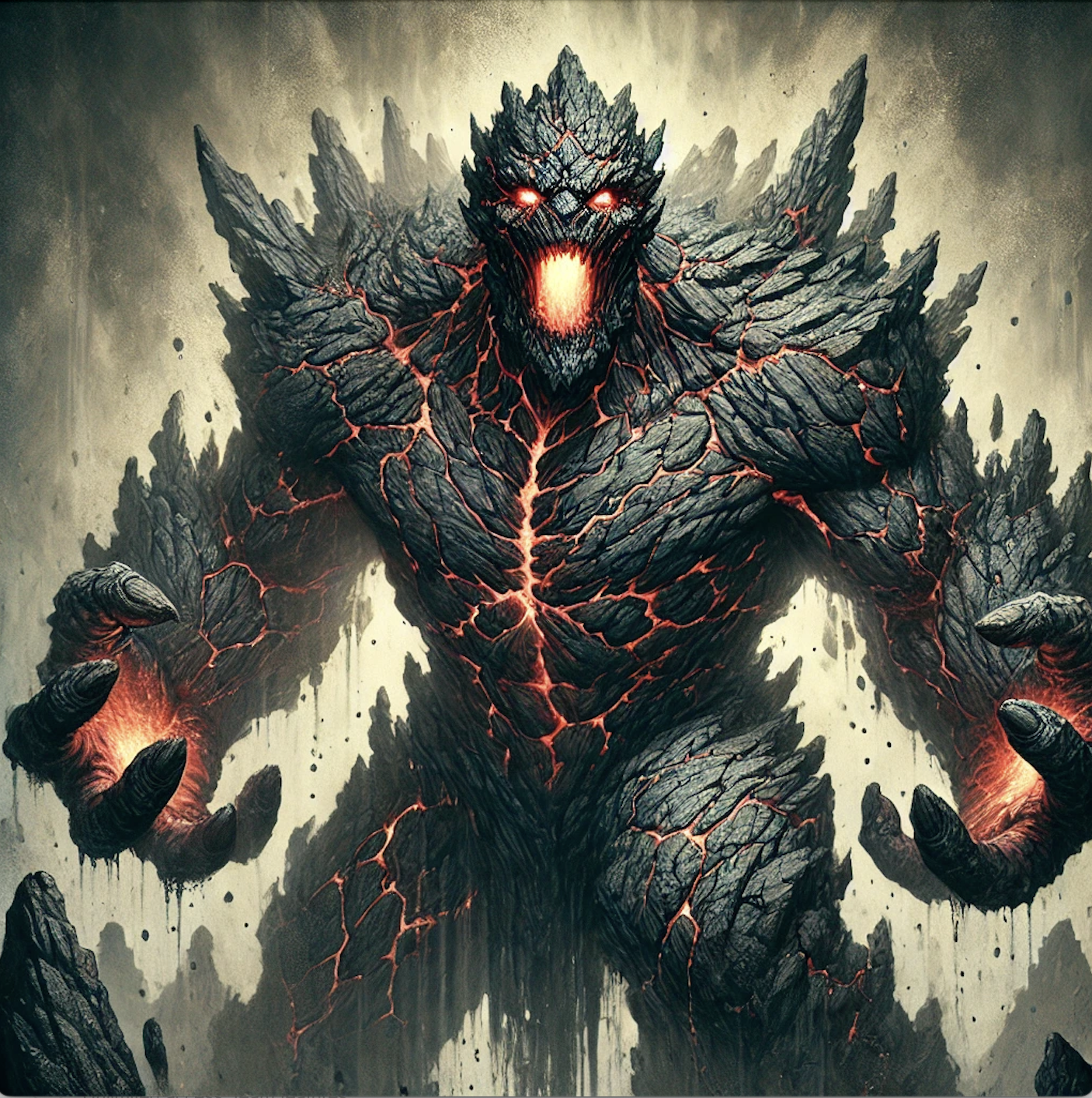
Enraged and realizing he’d been duped, the giant revealed his true form. It was terrifying to behold: His once humanoid features twisted and expanded, his body swelling to an immense size. His skin turned a dark, stony gray, cracked and weathered like ancient rock, with jagged ridges jutting from his shoulders and spine. His eyes burned like molten lava, seething with fury, and his hands became massive, clawed appendages capable of crushing stone. Veins of fiery red pulsed across his body, as if his rage was fueling him from within, and his voice thundered like an earthquake as he roared his fury, shaking the very ground beneath him.

A giant of Norse myth in its true form of jagged rocks and molten lava

But before he could make a move, Thor swooped in and took care of the problem the way he usually does — with a swift blow from Mjölnir, turning the giant into rubble. Crisis averted, the gods celebrated, and Freyja remained free, much to her relief.

Óðr, husband of the Norse goddess Freyja, wandering the worlds

Óðr, Freyja’s Wandering Husband

Freyja is married to Óðr (pronounced “Oh-thur”), a figure shrouded in mystery. His identity has long been debated by scholars. Some suggest that he’s another aspect of Odin, given the similarity in their names and roles as wanderers. If that’s true, it would make Freyja and Frigg — Odin’s wife, and a wise, reserved goddess of domestic life — two sides of the same coin, representing different aspects of a single goddess. 

Óðr, a mysterious figure even by Norse standards, was known for his wanderlust. For reasons unknown, he left Freyja, vanishing into the far reaches of the world. Heartbroken but determined, Freyja set out on a relentless quest to find him, traveling through every corner of the Nine Realms.

In her search, Freyja disguised herself many times, using her falcon cloak to fly over mountains, seas and distant lands. Her journey took her through realms of both gods and mortals, and wherever she went, she asked after Óðr. Yet her search was filled with more questions than answers, and with every door she knocked on, the trail seemed to grow colder. As the days turned into months and the months into years, Freyja’s sorrow became legendary.

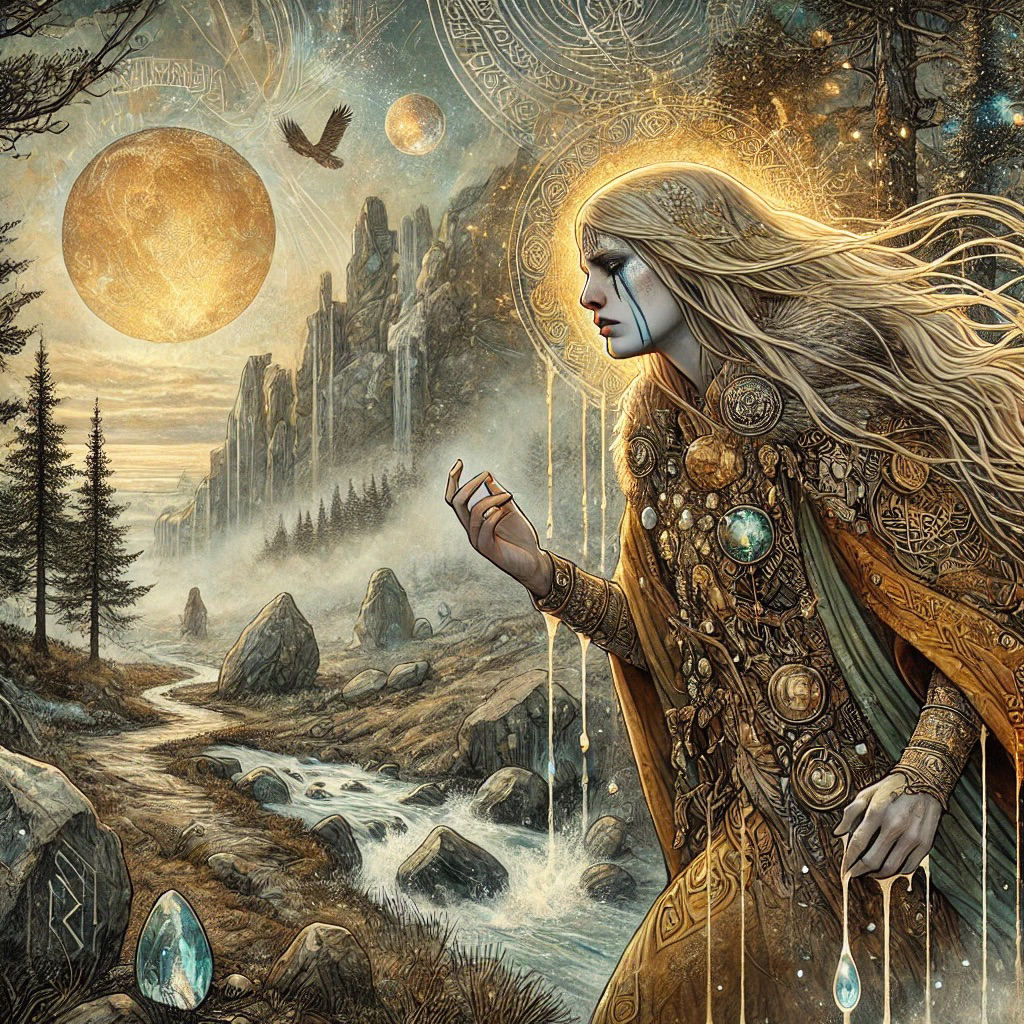
The tears she shed in her search turned into shimmering gold or amber as they hit the ground. These tears were found scattered across forests and shores, becoming treasured jewels sought after by mortals and gods alike. Even in her despair, Freyja’s presence brought beauty into the world, a fitting symbol for a goddess whose love and pain are intertwined.

The Norse goddess Freyja cries as she searches for her husband, Óðr, walking past a stream

Despite the depth of her love and the lengths she went to, Freyja’s search for Óðr was ultimately fruitless. Whether he ever returned or remained lost to her, the myths don’t say clearly. What they do tell us, though, is that Freyja’s longing became a part of who she is: a goddess who, despite her formidable powers and fierce independence, knows the sting of loss. It’s this complexity that makes Freyja one of the most relatable figures in Norse mythology. She’s both the mighty goddess who commands the battlefield and the grieving wife searching for the one she loves.

Interestingly, despite her marriage, Freyja remains a goddess whose love is sought after by many. Giants, gods and dwarves alike have tried to win her hand or bargain for her favor. Yet, even when she strikes deals, it’s always on her terms, showcasing her autonomy and power within relationships. Whether she’s using her beauty to achieve her goals or fiercely guarding what she holds dear, Freyja’s never reduced to just a love interest. 

The tale of Freyja’s search for her lost husband, Óðr, is one of longing, resilience, and the deep, bittersweet love that lies at the heart of her myth. Unlike the larger-than-life battles or witty escapades of other gods, this story reveals a more poignant side of the fierce goddess, one that resonates with the universal pain of losing someone dear.

The Norse goddess of beauty, war and magic, Freyja

Freyja, Goddess of Dualities

Freyja stands as one of the most captivating figures in Norse mythology — a goddess of dualities who embodies beauty and ferocity, love and war, magic and mystery. Her stories remind us that power comes in many forms: the strength to fight, the wisdom to weave destiny, and the resilience to seek what’s lost. Much like our own Freya, who prowls the house with a mix of wild grace and playful charm, the goddess Freyja continues to enchant and inspire. –Wally
Norse Mythology "Thor: Ragnarok" Got Wrong

Learn the truth about Thor, Hela, Ragnarok, Loki, Odin and Valkyries.

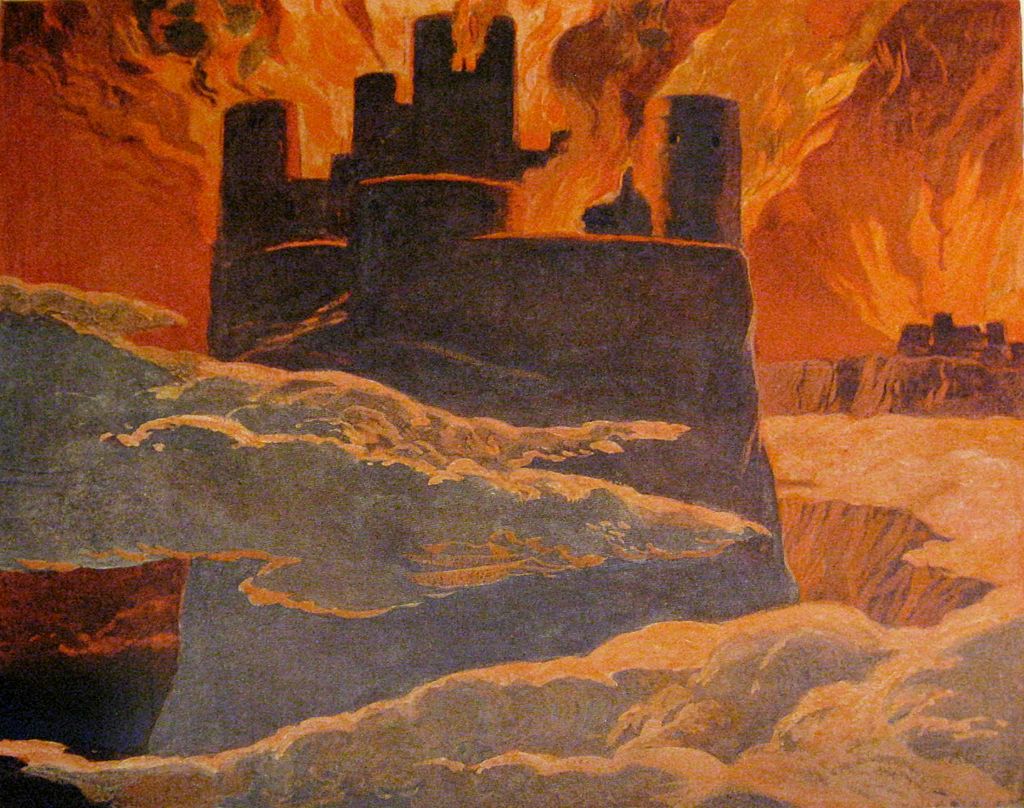
There’s a lot going on during Ragnarok, the Norse version of the apocalypse. In fact, practically everyone dies — before the world is engulfed in flames

There’s a lot going on during Ragnarok, the Norse version of the apocalypse. In fact, practically everyone dies — before the world is engulfed in flames.

While Thor: Ragnarok was a surprisingly funny intergalactic romp, Marvel’s version doesn’t quite match up to the actual Norse mythology. Here’s a look at some of the big themes from the movie, and how they differ from the legends.

Be warned: Spoilers below.

Hel, the goddess of death, is actually Loki’s daughter, not his sister

Hel, the goddess of death, is actually Loki’s daughter, not his sister.

Who was Hela really?

Cate Blanchett’s badass bitch is more commonly called simply Hel (which means “Hidden”) in Norse mythology. And while she is indeed the goddess of death — an extremely powerful one at that — she’s not Thor and Loki’s older sibling. In fact, she’s Loki’s daughter, her mom being the giantess Angrboda, whose name has the pleasant translation of She Who Brings Grief. Hel’s siblings are the monstrous wolf Fenrir and Jormungand, the Midgard Serpent.

Hel’s putrid stink is a sure sign she’s in the vicinity.
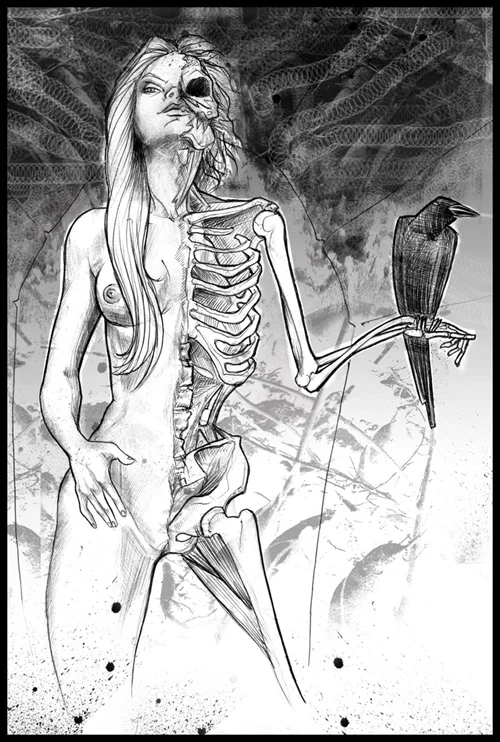
Hel is half a beautiful woman, half a rotting, skeletal corpse

Hel is half a beautiful woman, half a rotting, skeletal corpse.

The goddess doesn’t have Blanchett’s steely beauty — well, at least half of her doesn’t. Hel is usually depicted as being split down the middle, with one half a young woman, the other half a rotting skeleton, according to Northern Tradition Paganism. Hel’s putrid stink is a sure sign she’s in the vicinity.

Hel rules over a dominion that shares her name (much like Hades in Greek mythology). It’s this word that inspired the Christian version of Hell.

The fire giant Surtur leads the army that battles the Asgardian gods during Ragnarok

The fire giant Surtur leads the army that battles the Asgardian gods during Ragnarok.

Who’s Surtur the fire giant?

Perhaps not surprisingly, he’s Loki’s godfather, having helped raise that little troublemaker.

The fire giant is more commonly called Surt (“Black”) due to his charred appearance. Instead of being a cool flaming demon as he’s depicted in Thor: Ragnarok, he’s more humanlike in Norse mythology, with a flowing beard.

He carries a flaming sword and has a destiny to fulfill (everyone in Norse myths seems to be playing out preordained roles): Lead his kin and Hel’s undead minions into battle against the gods of Asgard during Ragnarok, the cyclical destruction of the cosmos. Surt sweeps his sword across the earth, leaving nothing but an inferno. He killed the god Freyr, who in turn offed him. Few survived Ragnarok.

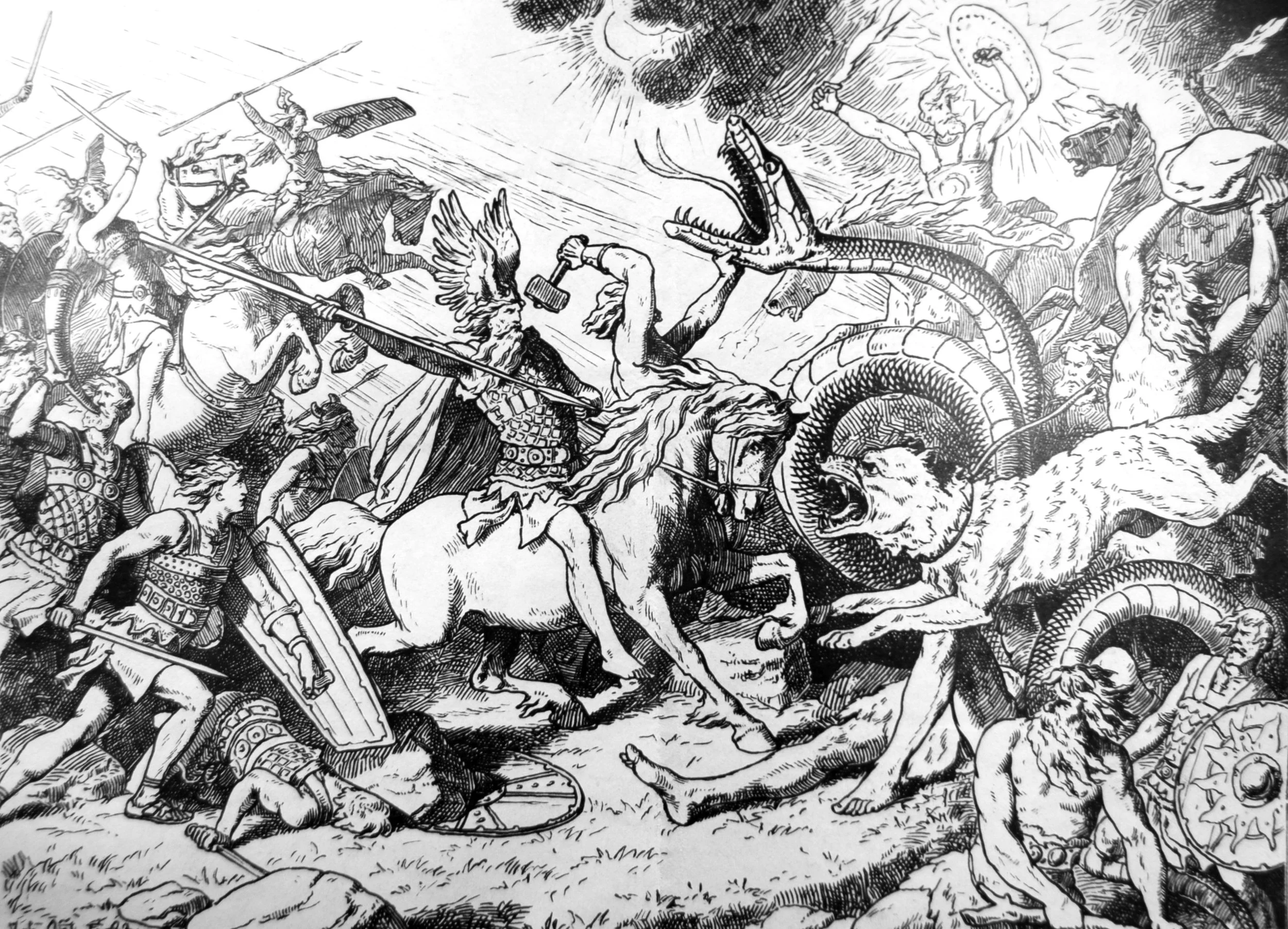
Everyone seems to kill each other during Ragnarok, including Thor and the Midgard Serpent

Everyone seems to kill each other during Ragnarok, including Thor and the Midgard Serpent.

What exactly is the Ragnarok prophecy?

The “Doom of the Gods” is an appropriate name for the Norse version of the end of the world.

Like the Christian apocalypse described in the book of Revelation in the Bible, Ragnarok, too, is foretold by a series of omens, starting with a Great Winter (how very Game of Thrones) that lasts for three years, brought on after humans and even the gods have sunk into nihilism.

Then come the three cocks. One red rooster warns the giants that Ragnarok has begun, while a second alerts the dead. The third, which resides in Valhalla, the majestic drinking hall afterlife for heroes, lets the divine partiers know their fun has come to an end.

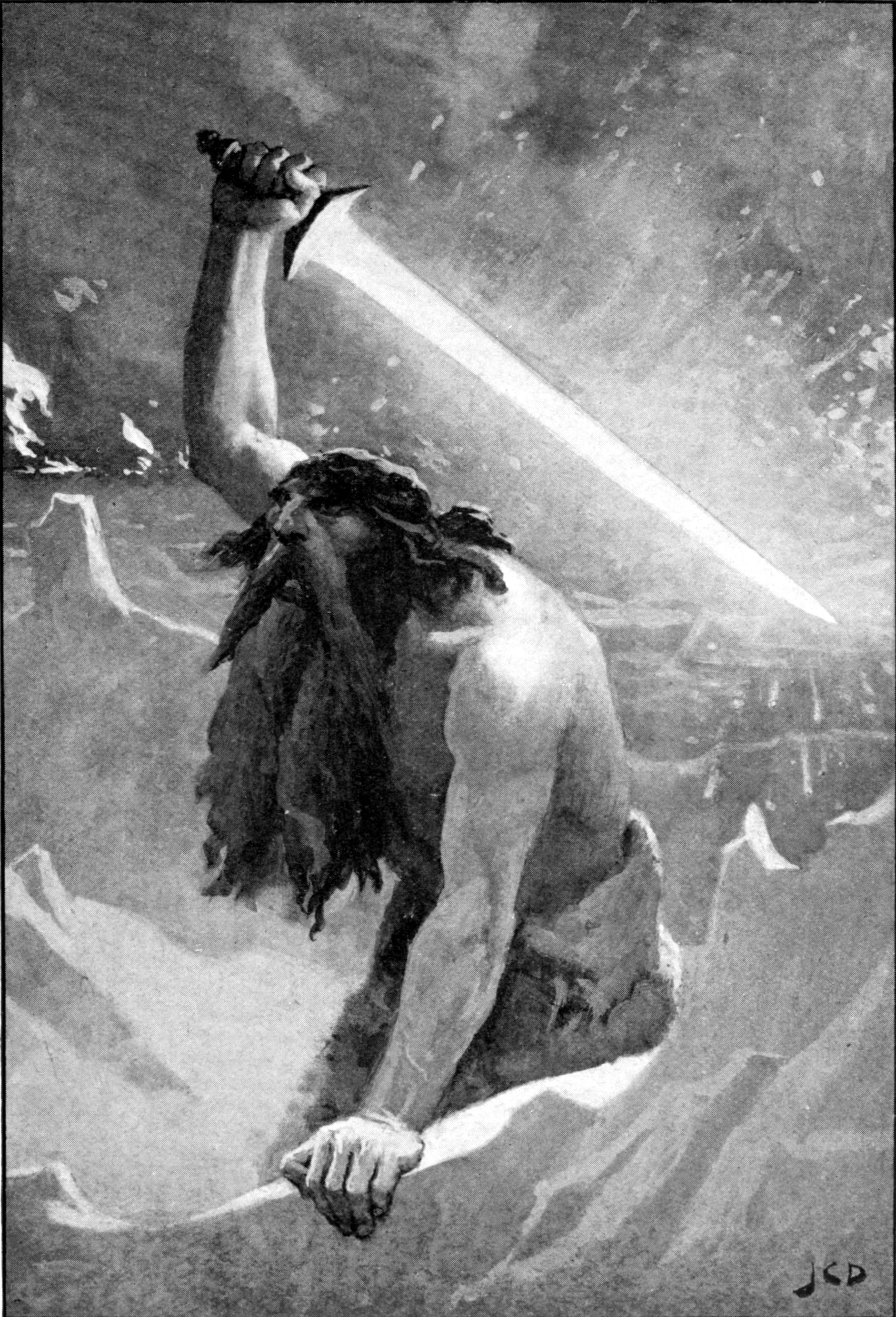
Even though Odin could foresee that there was no defeating Surt and his army, he and the gods still fought valiantly. During this epic war, the world is utterly destroyed and sinks into the sea. The end.

And yet it’s not the end. A new world rises from the depths of the water, and two mortals will repopulate the Earth.

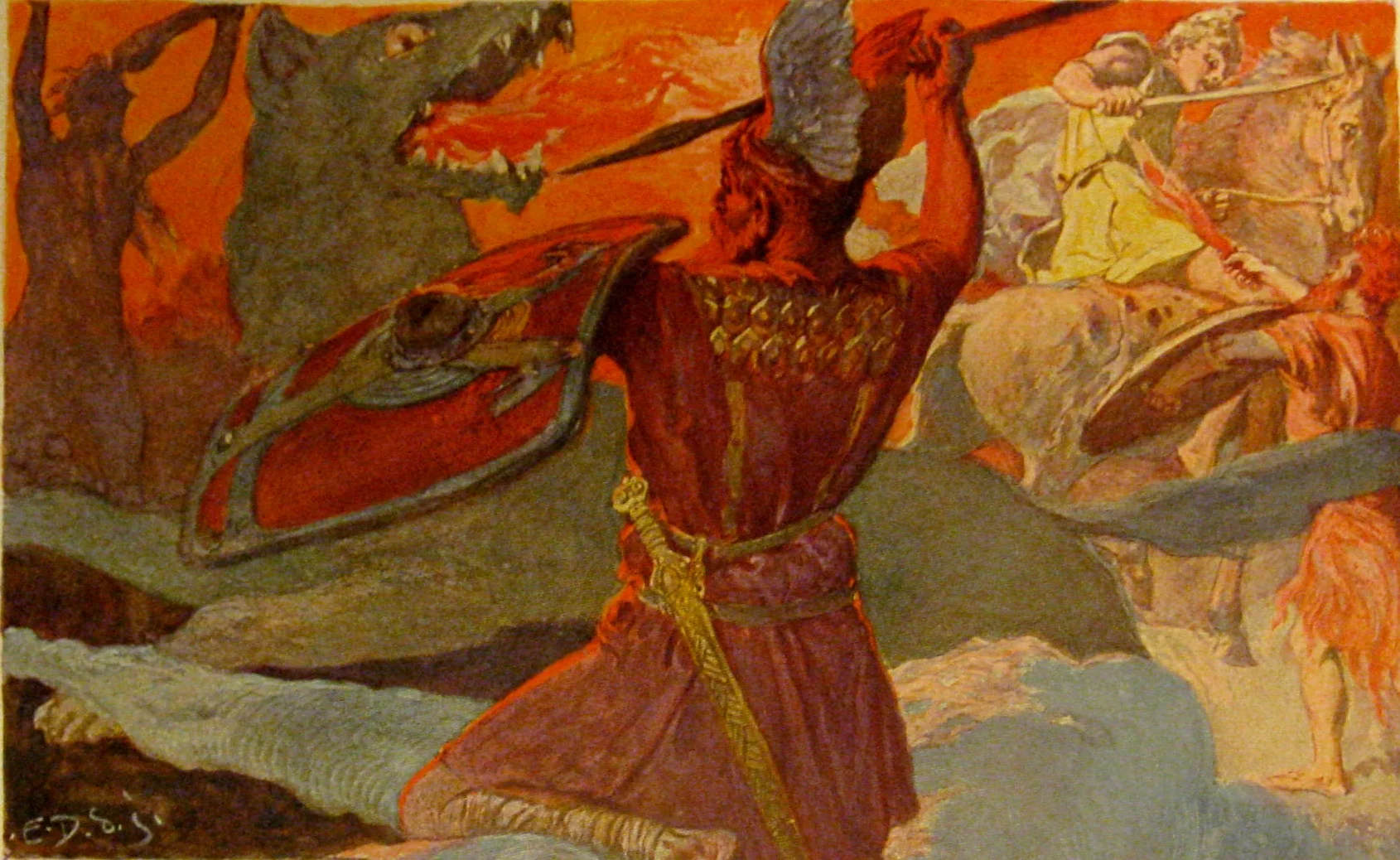
The giant wolf Fenrir kills Odin, swallowing him whole during Ragnarok

The giant wolf Fenrir kills Odin, swallowing him whole during Ragnarok.

How does Odin really die?

Though he was prone to wander, Odin doesn’t go off to Norway to die (after his rest home gets destroyed) and dissolve into gold dust. Instead, he perishes during the battle of Ragnarok.

The naughty Fenrir was kept chained up — until he escaped to wreak havoc during Ragnarok

The naughty Fenrir was kept chained up — until he escaped to wreak havoc during Ragnarok.

Fenrir, the massive wolf who’s Loki’s son and Hel’s brother, has been a bit too wild and has been chained up by the gods. He escaped, though, and “ran across the land with his lower jaw on the ground and his upper jaw in the sky, consuming everything in between. Even the sun itself was dragged from its height and into the beast’s stomach,” according Norse Mythology for Smart People. He also swallows Odin whole, ending the life of the Father of the Gods.

You wouldn’t want to fight Thor, especially when he’s armed with his hammer Mjollnir

You wouldn’t want to fight Thor, especially when he’s armed with his hammer Mjollnir.

Do Loki and Thor have a troubled relationship?

In a word, hell yes — though they did bond once in a cross-dressing ruse to win back Thor’s hammer, Mjollnir.

Thor and Loki did bond once in a cross-dressing ruse to win back Thor’s hammer, Mjollnir.
Loki convinces the manly Thor to dress up as a woman to pretend to be the goddess Freya (it’s a long story)

Loki convinces the manly Thor to dress up as a woman to pretend to be the goddess Freya (it’s a long story).

Loki is a trickster, so you never know what to expect. He’s likely to cause damage — in fact, at the time of Ragnarok in Norse mythology, he’s been chained inside a mountain as punishment for his involvement in the death of the god Balder, a favorite of the Asgardians. (Loki gave his blind brother Hod a mistletoe dart — the only thing that could harm Balder — and guided his aim so it struck and killed the deity.)

But Loki’s also known to actually help the gods as well. The Marvel universe has captured his mercurial spirit; you never know if he’s on Thor’s side — and you know you should never fully trust him.

During Ragnarok, Loki breaks free of his chains and launches an attack on his Asgardian brethren, sailing on a ship that’s somehow constructed of dead men’s nails. Eww.

In some versions of the myth, it’s Loki and not his daughter Hel who leads the army of the undead.

Thor defeats the massive serpent Jormungand — but perishes from its poison right after

Thor defeats the massive serpent Jormungand — but perishes from its poison right after.

Loki’s offspring Jormungand and the god of thunder have an intertwined destiny. The two have always been bitter enemies, and the serpent is a formidable foe: He’s so large that he encircles the Earth, biting his own tail — what’s known as an ouroboros. During the apocalyptic war of Ragnarok, Thor kills the Midgard Serpent — only to die from its poison. There’s a lot of these double deaths going around.

The Valkyries choose who lives and dies in battles

The Valkyries choose who lives and dies in battles.

What’s the truth about the Valkyries?

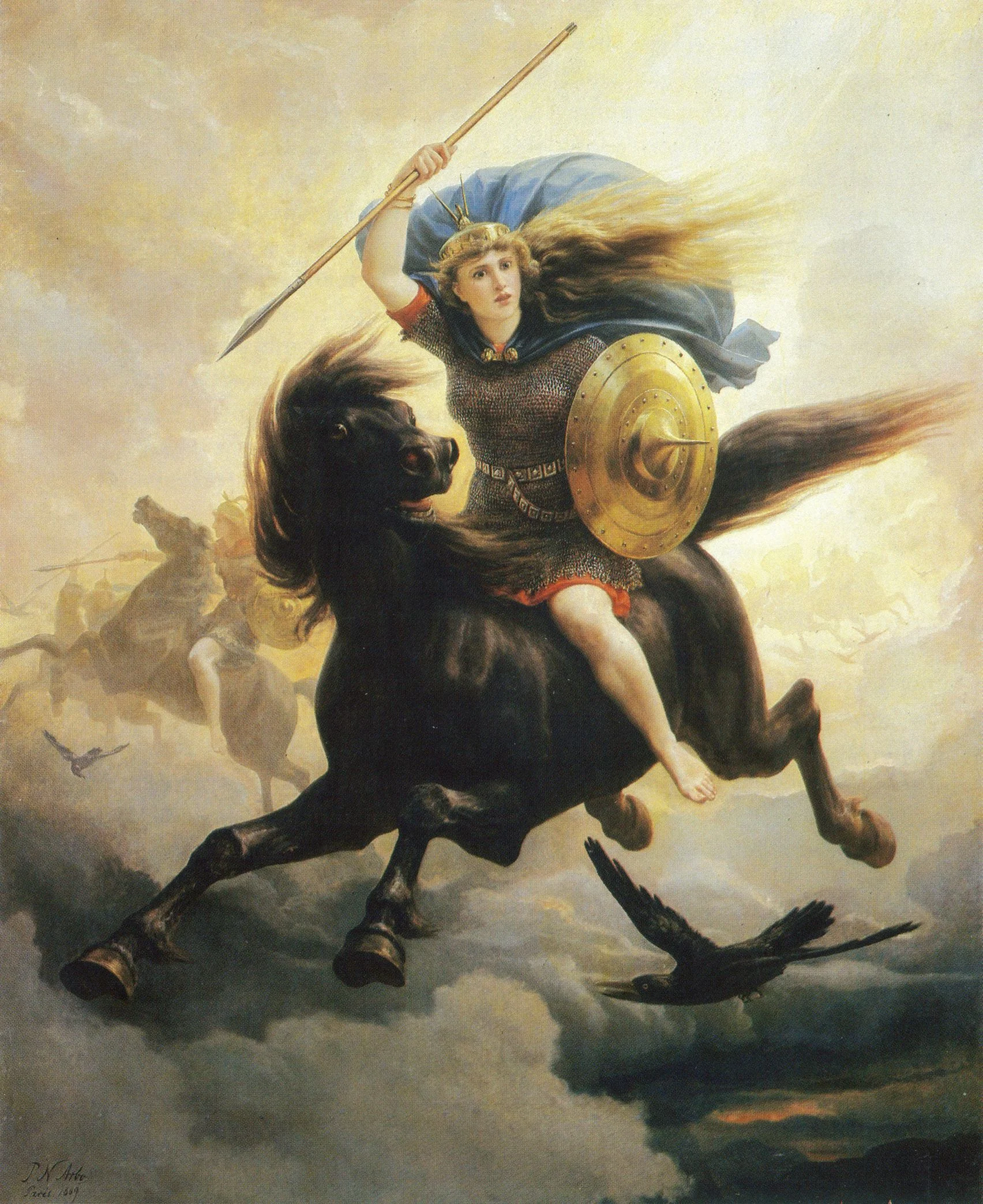
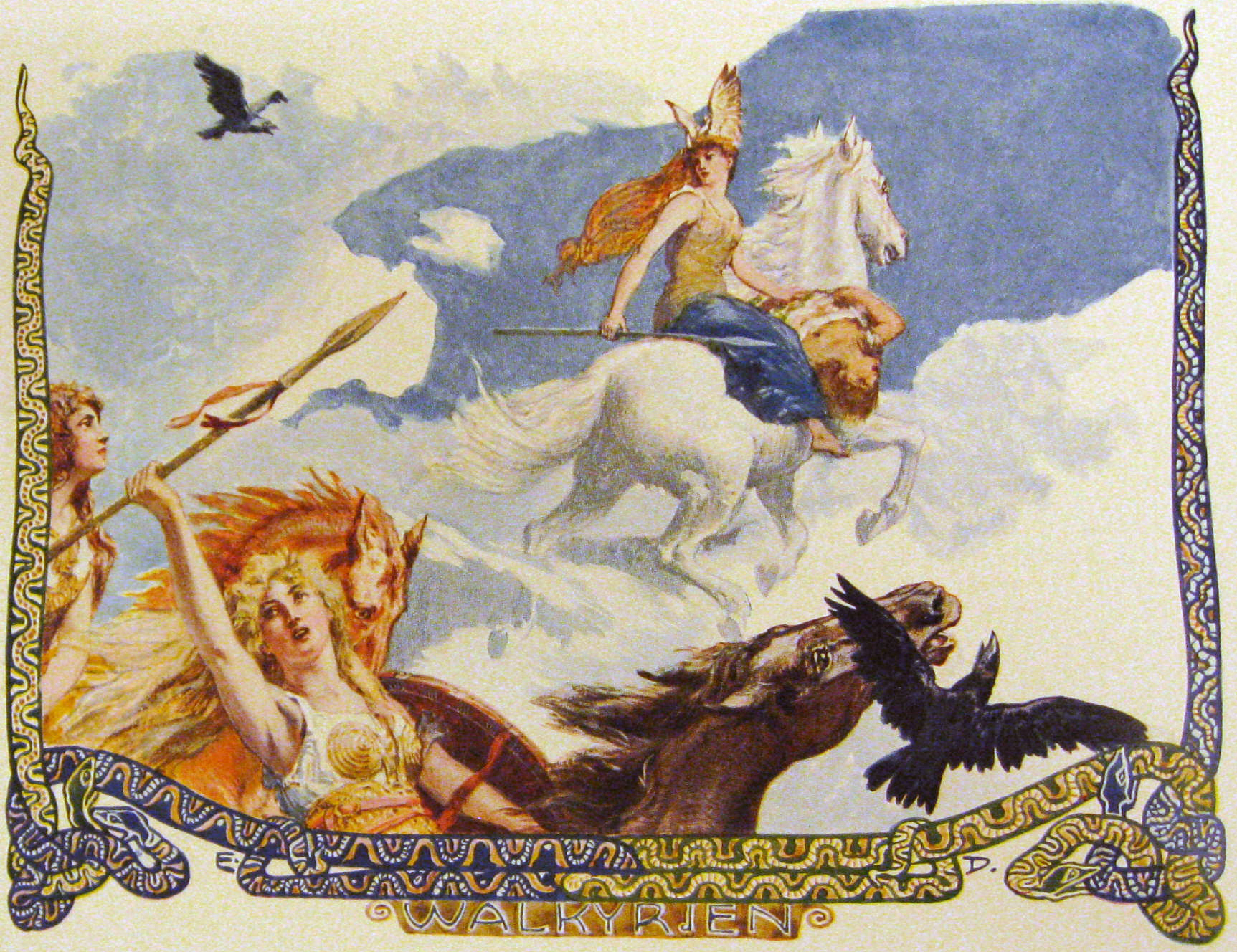
These fierce, beautiful maidens ride in groups of nine upon flying horses and guide fallen heroes to Valhalla for Odin.

Scandinavians in the Middle Ages believed the gorgeous streaks of the Northern Lights, or Aurora Borealis, were the Valkyries sweeping across the night sky, according to Credo.


LEARN MORE ABOUT THE NORTHERN LIGHTS: Why You Should Consider Visiting Iceland


A common misconception is that the Valkyrie are warriors — probably because they’re decked out in armor, are often depicted holding spears and like to hang out on battlefields.

“The meaning of their name, ‘choosers of the slain,’ refers not only to their choosing who gains admittance to Valhalla, but also to their choosing who dies in battle and using malicious magic to ensure that their preferences in this regard are brought to fruition,” writes Norse Mythology for Smart People.

The Valkyries were fierce woman who soared over battlefields on flying horses — until they were relegated to waitresses at Valhalla

The Valkyries were fierce woman who soared over battlefields on flying horses — until they were relegated to waitresses at Valhalla.

While they started out as dark angels of death swooping over the slaughter of a battlefield, the Valkyries later became associated as Odin’s shield maidens, lovely virgins with golden hair and snow-white skin who serve an all-you-can-eat-and-drink buffet of mead and meat in the great feasting hall in the sky. Dead heroes remained there until called to fight by Odin’s side during Ragnarok.

Marvel’s version of Ragnarok might be a bit off-base, but it’s still a fun one nevertheless. And as much as I’d love to have seen Loki captaining that ship of yellowed fingernails and toenails, I’m glad that hottie Chris Hemsworth’s Thor survives to star in another movie. –Wally
During Ragnarok, Loki launches an attack on Asgard, sailing on a ship constructed of dead men’s nails. Eww.