Meet the Norse gods: a fierce pantheon of warlike deities, doomed heroes and mischief-makers. Learn about Odin, Thor, Loki, Freyja, and Ragnarök, the end of the world they can't escape.
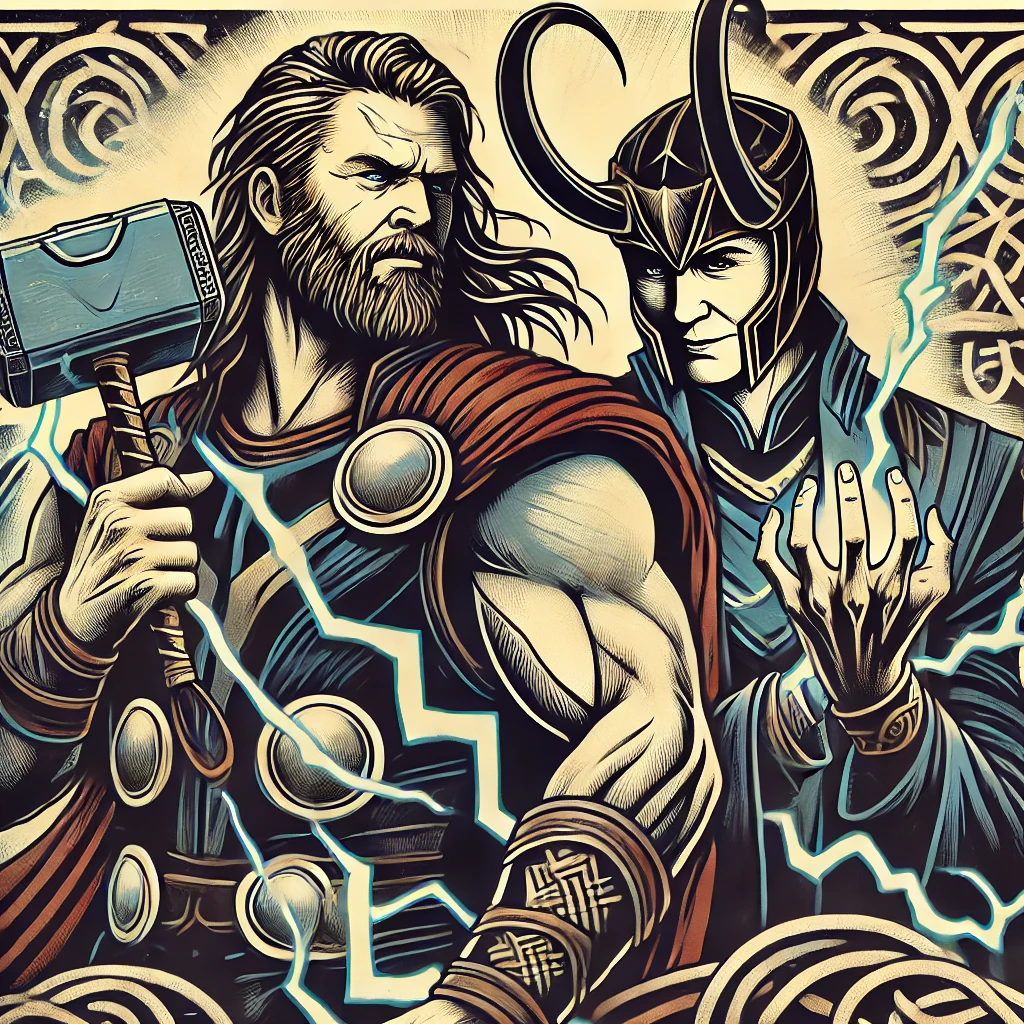
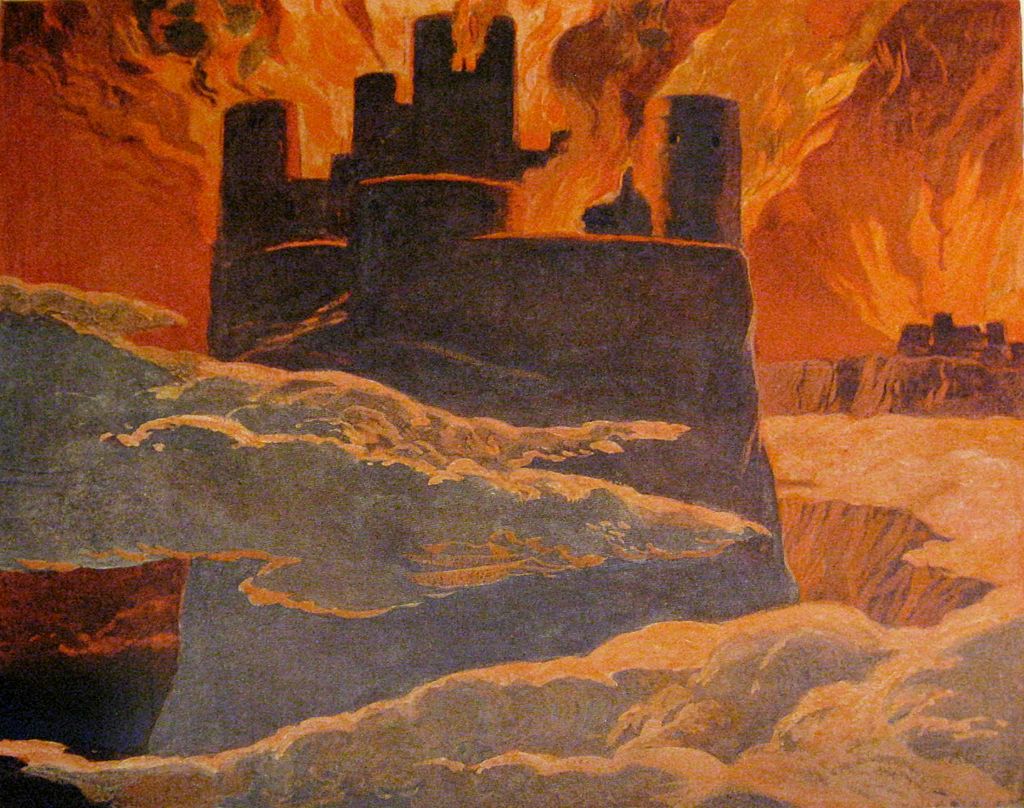
The Norse gods don’t rule from some shining eternal paradise. They sit in Asgard, a realm of feasting halls and battle scars, knowing full well that doom is coming. They drink, they fight, they love, and they scheme — but above all, they live with the knowledge that one day, it all ends in fire and ruin.
“The Norse gods aren’t distant, perfect figures sitting on golden thrones.
They struggle, they fail, they sacrifice, and they rage against the inevitable. They’re larger than life — until they die. ”
Unlike the gods of other mythologies, the Norse deities aren’t immortal in the traditional sense. They age, they can die, and they know how the story ends: Ragnarök, the final battle, where most of them are fated to perish.
But until then? They shape the cosmos, meddle in human affairs, and prove that gods the world over have complicated relationships, questionable choices and a flair for the dramatic.
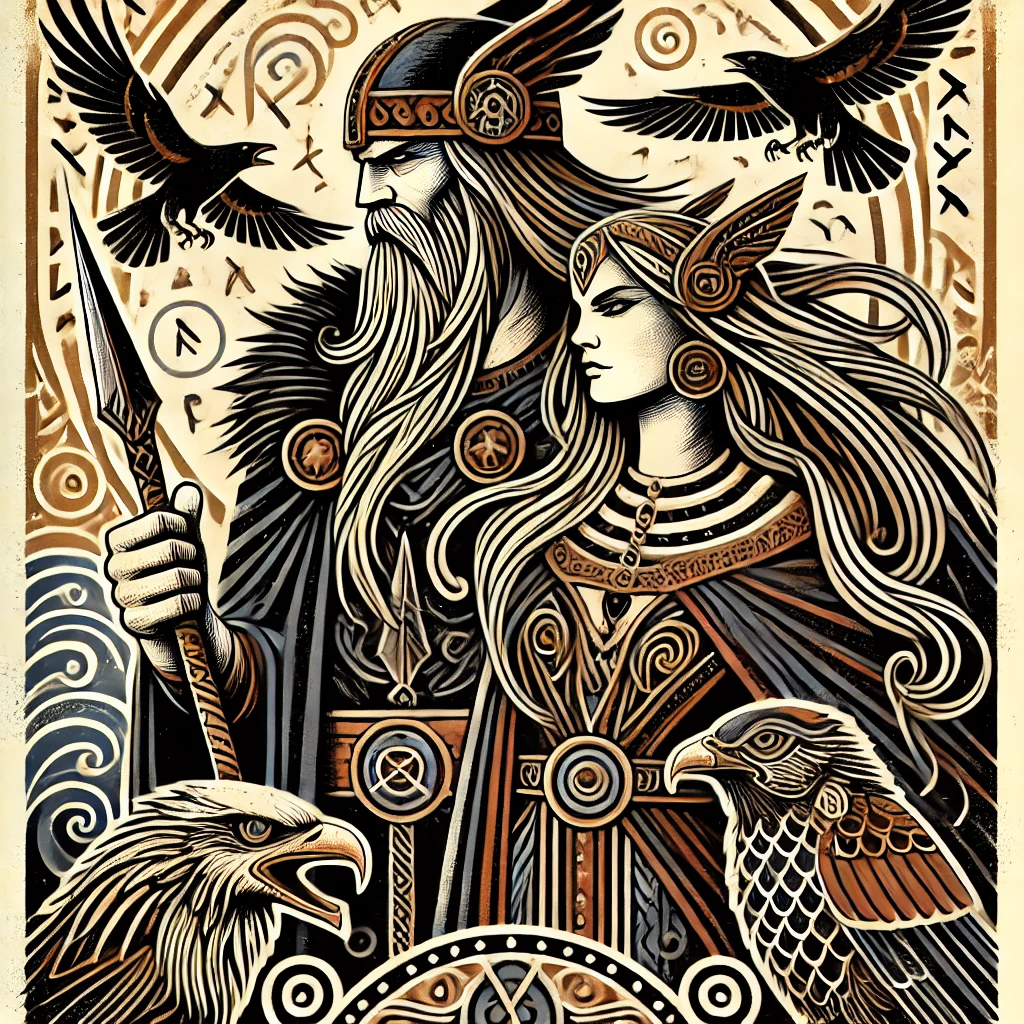
A Tale of Two Tribes: The Aesir and the Vanir
The Norse gods are divided into two distinct groups:
The Aesir: The warlike, ruling gods of Asgard. Odin, Thor and Loki belong to this camp, focusing on battle, wisdom and power.
The Vanir: The gods of nature, fertility and prosperity. Freyja, Freyr and Njord are part of this mysterious older group.
The two groups weren’t always allies. They started out as enemies, locked in a brutal war that ended in a truce and an exchange of hostages. The Aesir and Vanir eventually merged into a single pantheon, but their differences remain: One is bound by war and fate; the other by nature’s cycles.
Now, let’s meet the major players.

The Norse Pantheon: A Who’s Who of the Gods of Norse Mythology
ODIN
Dominion: Wisdom, war, death
Gave up an eye for knowledge
THOR
Dominion: Thunder, strength, protection
Wields the hammer Mjölnir
LOKI
Dominion: Trickery, shapeshifting
Fathered a giant wolf, serpent and eight-legged horse
FREYJA
Dominion: Love, magic, battle
Slept with four dwarves to get a necklace
FREYR
Dominion: Fertility, prosperity, peace
Has a golden boar and a self-fighting sword
TYR
Dominion: Justice, law, sacrifice
Lost his hand to the giant wolf Fenrir
BALDER
Dominion: Light, beauty, hope
Was killed by a mistletoe arrow
HEIMDALL
Dominion: Guardianship, perception
Has golden teeth and guards the Rainbow Bridge
FRIGG
Dominion: Fate, foresight, motherhood
Can see the future but doesn't speak of it
NJORD
Dominion: Sea, wind, wealth
Hated living in the mountains with his wife
HODR
Dominion: Darkness, mystery
Accidentally killed his brother Balder
HEL
Dominion: Death, the underworld
Rules over those who die of illness or old age
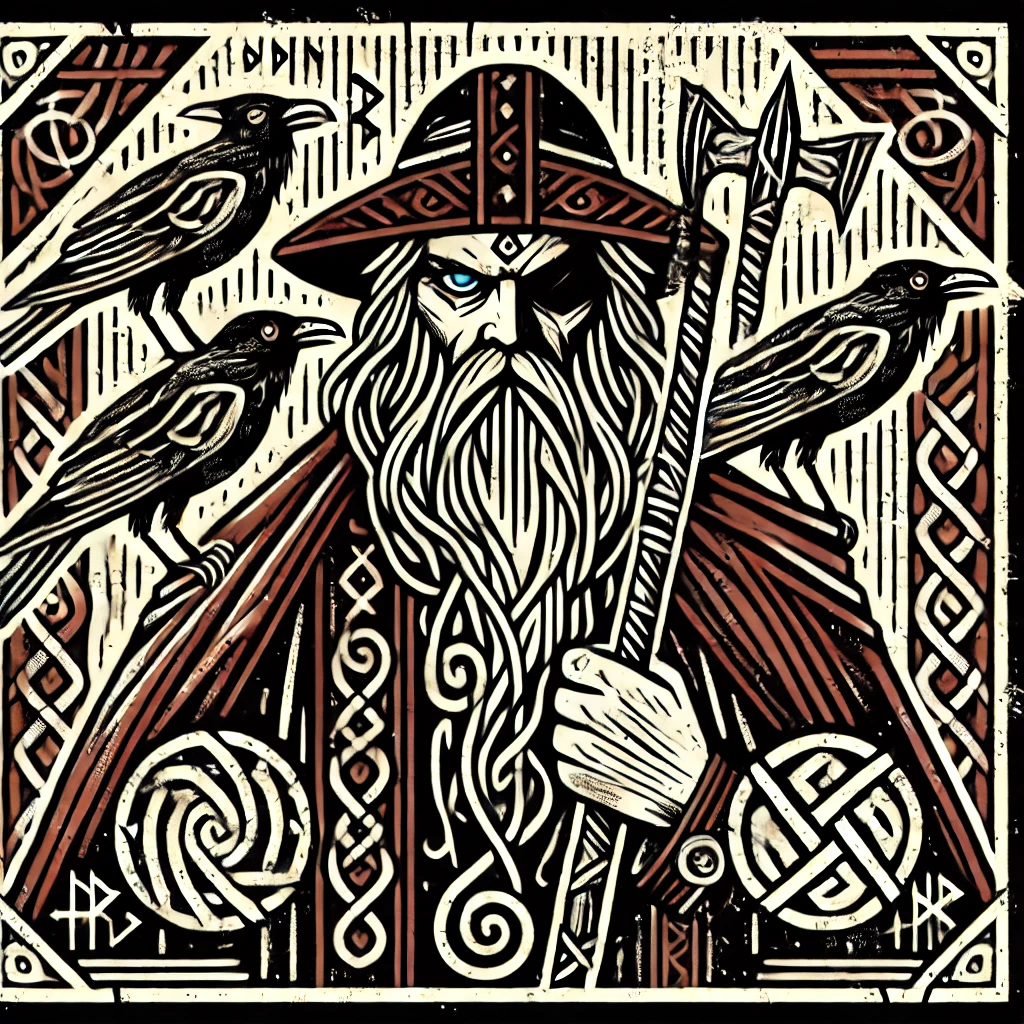
Odin
Divine Dominion: Wisdom, war, poetry, death and generally knowing more than everyone else
Temperament and Tendencies: Odin isn’t your typical benevolent all-father. He’s the kind of guy who trades his own eye for knowledge and thinks that’s a fair deal. He wanders the world in disguise, testing mortals with riddles and cryptic wisdom, all while hoarding every scrap of magical power he can get his hands on. He’s half battle god, half poetry nerd, and 100% obsessed with avoiding his own fate — though deep down, he knows it’s inevitable.
Signature Style:
Gungnir, a spear that never misses its mark
Huginn and Muninn, his two ravens who fly across the world gathering intel. Basically, his personal spy network
Sleipnir, an eight-legged horse that is technically his grandchild, thanks to Loki’s … creative approach to problem-solving
Inner Circle:
Frigg, his wife, who knows the future but refuses to tell him
Thor, his muscle-bound son who solves everything with his hammer
Loki, his brother and occasional worst enemy
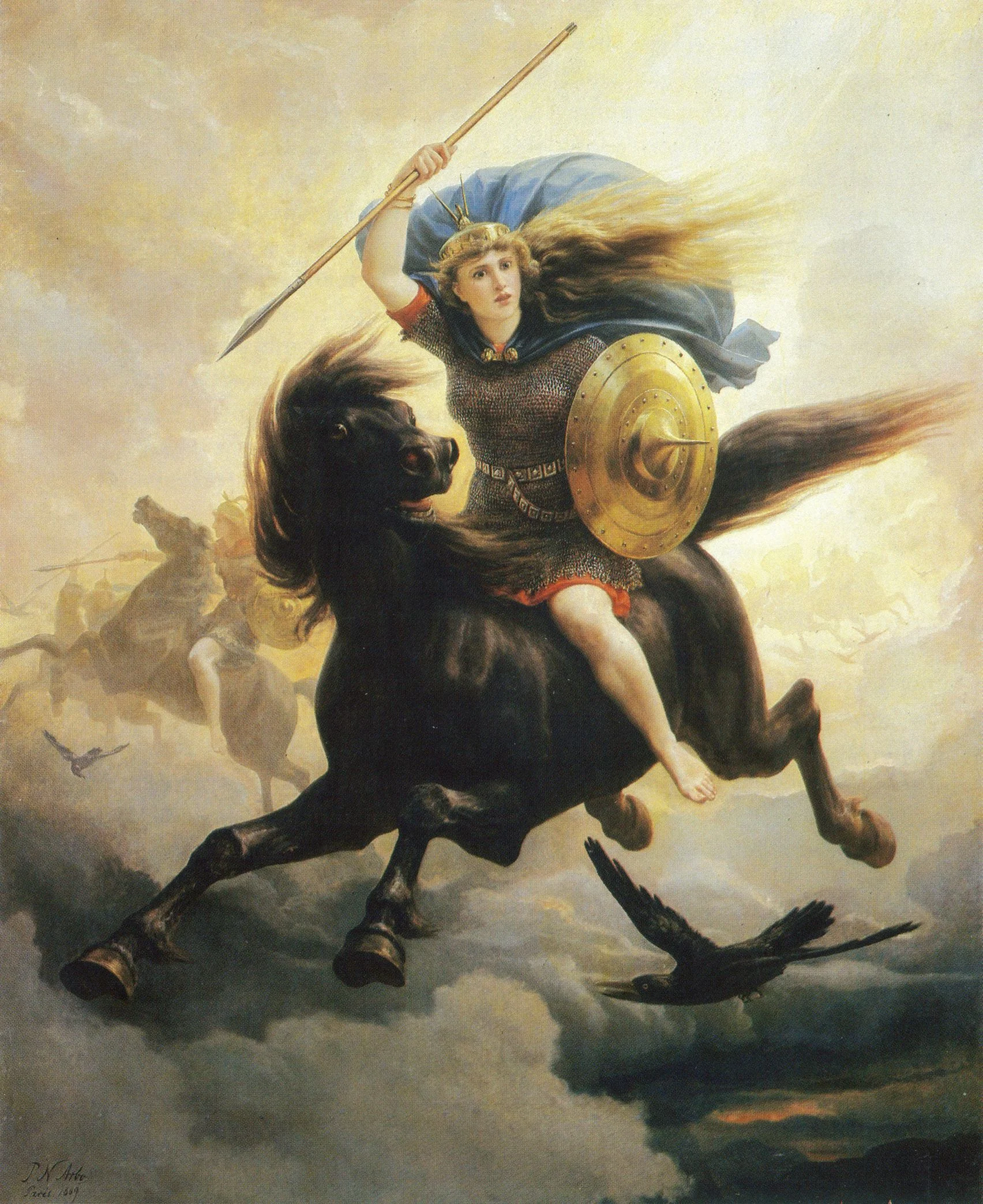
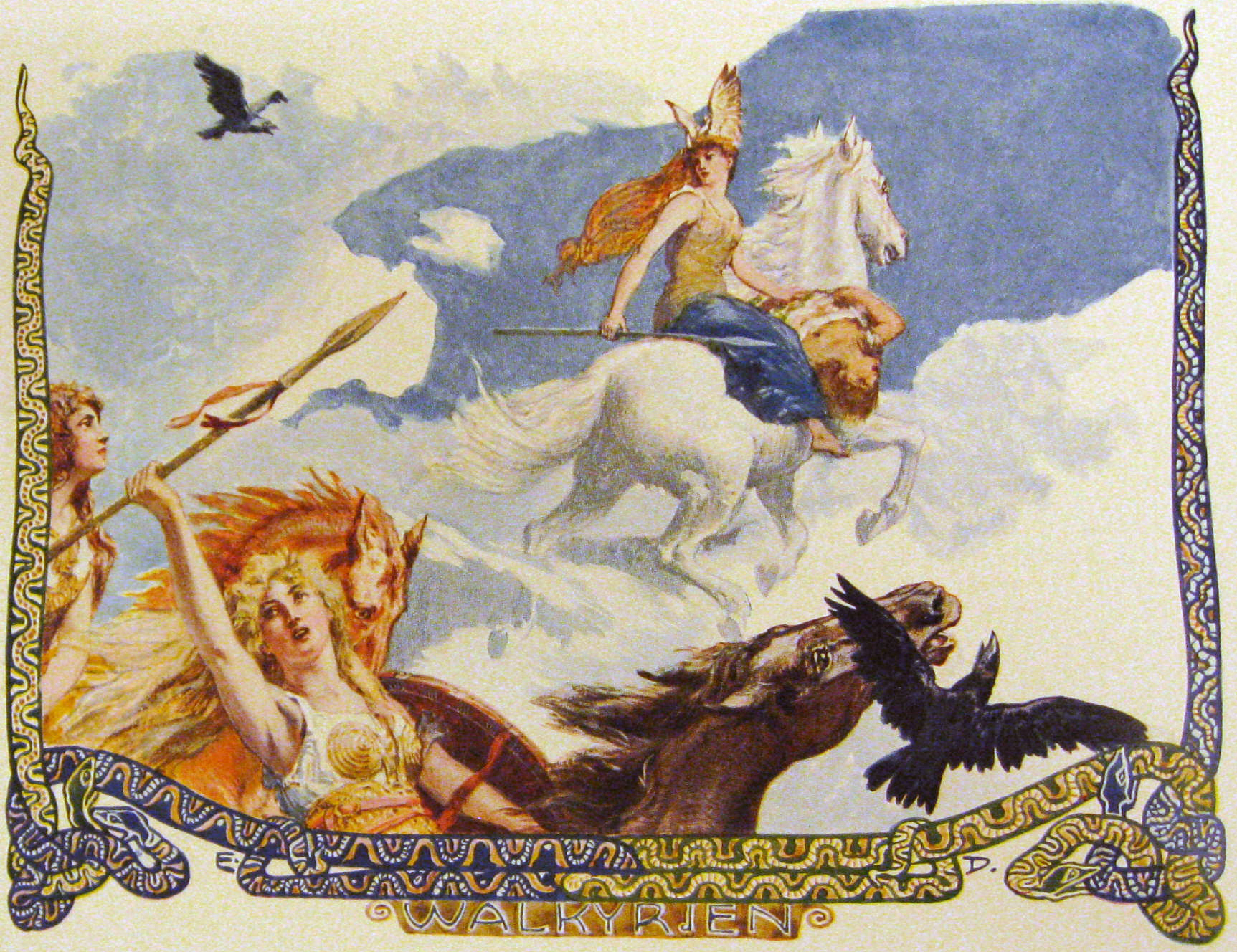
The Valkyries, his elite warrior-maidens who collect the souls of fallen fighters for the heavenly hall of Valhalla
Saga-Worthy Moment: He once hanged himself from the World Tree for nine days just to unlock the secrets of the runes. Talk about commitment.
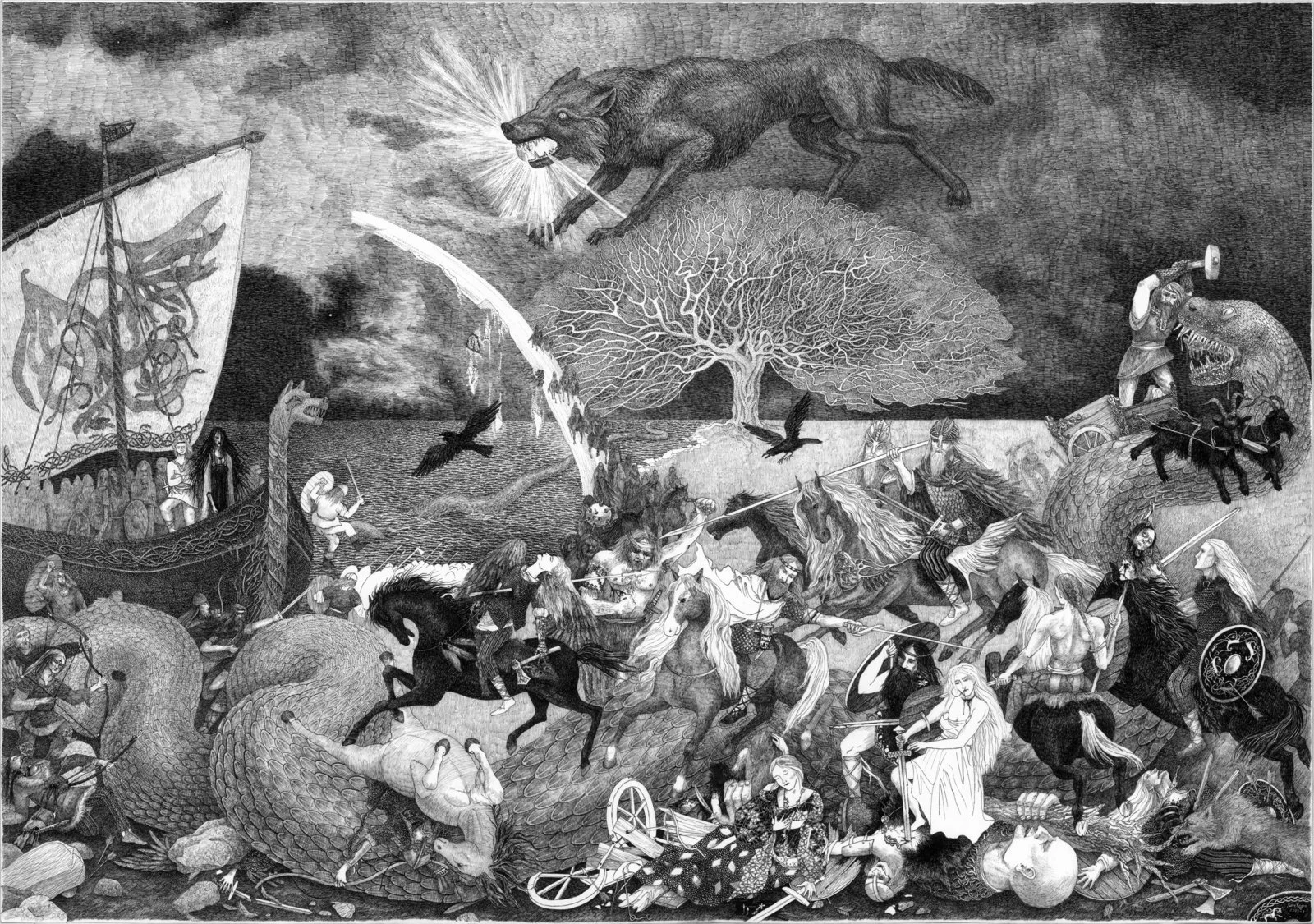
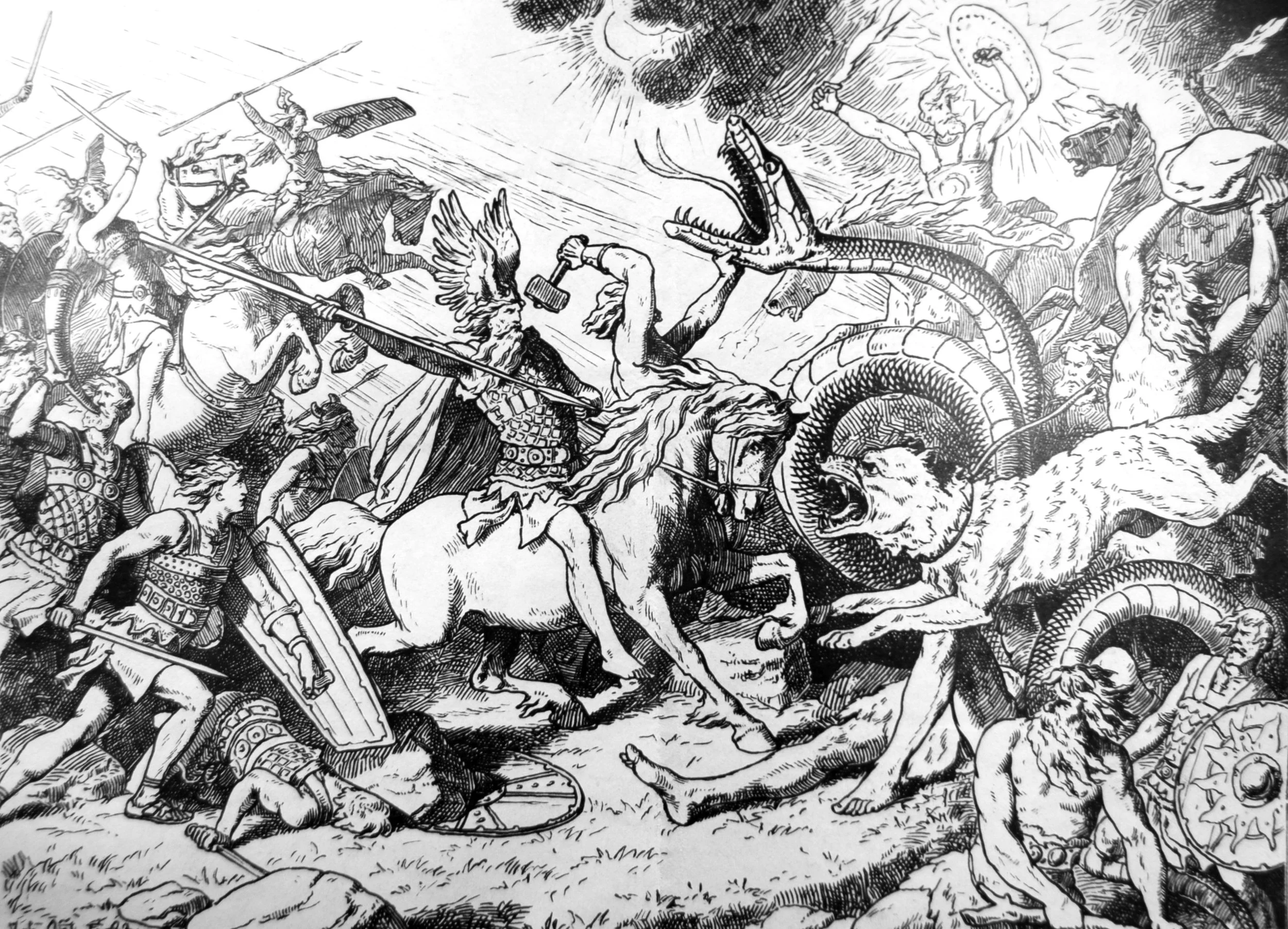
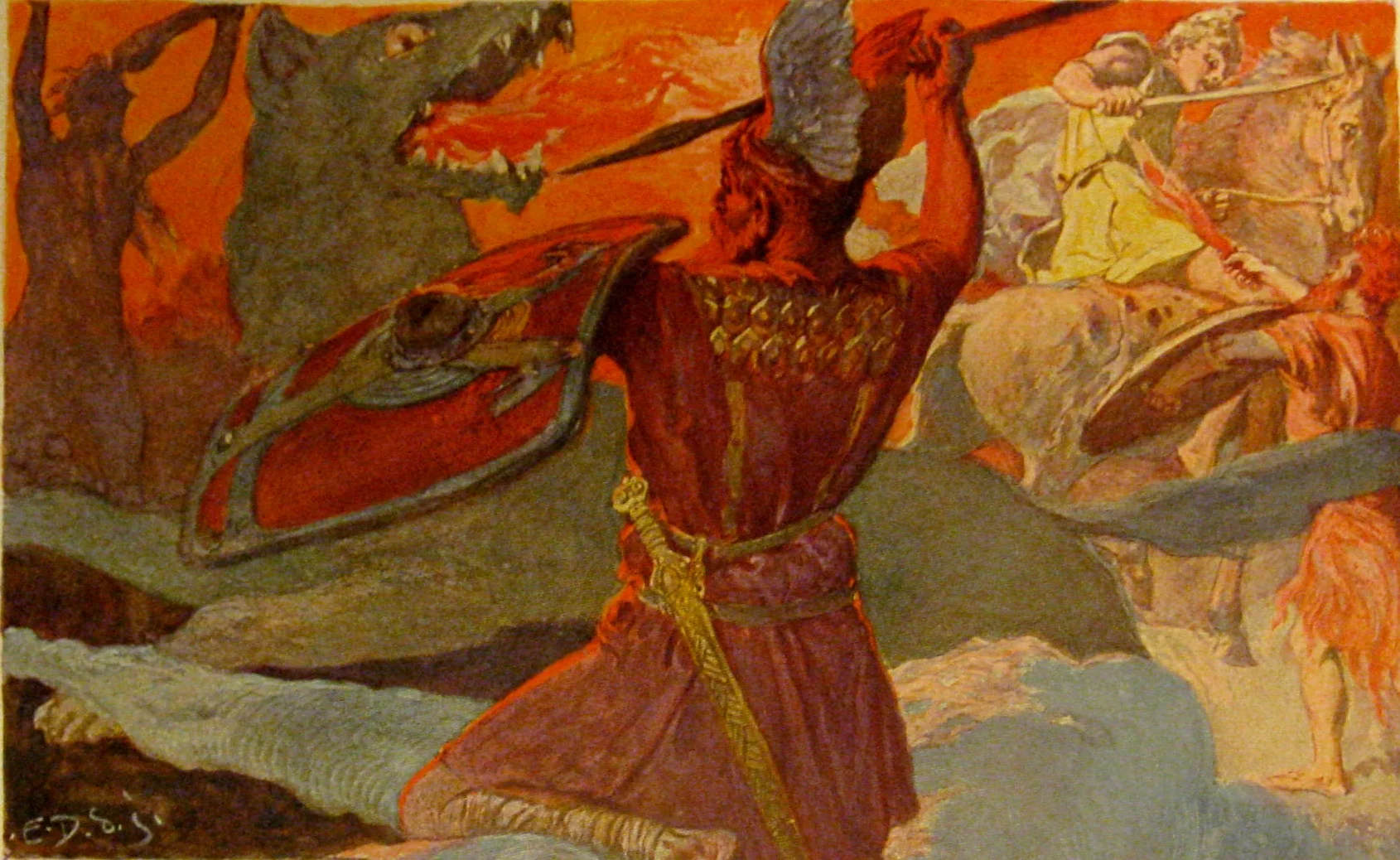
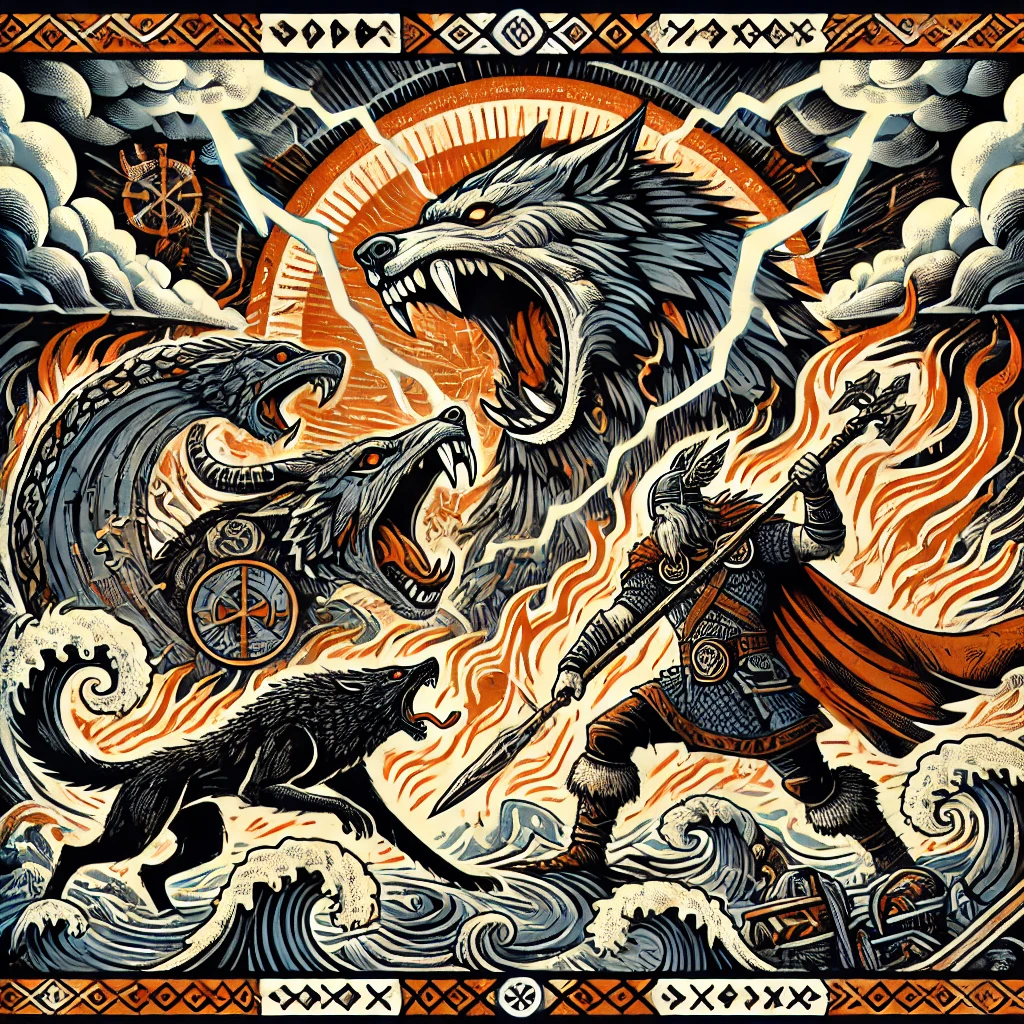
Ragnarök Status: Doomed. He’ll go head-to-head with Fenrir, the giant wolf, and it will not end well for him.
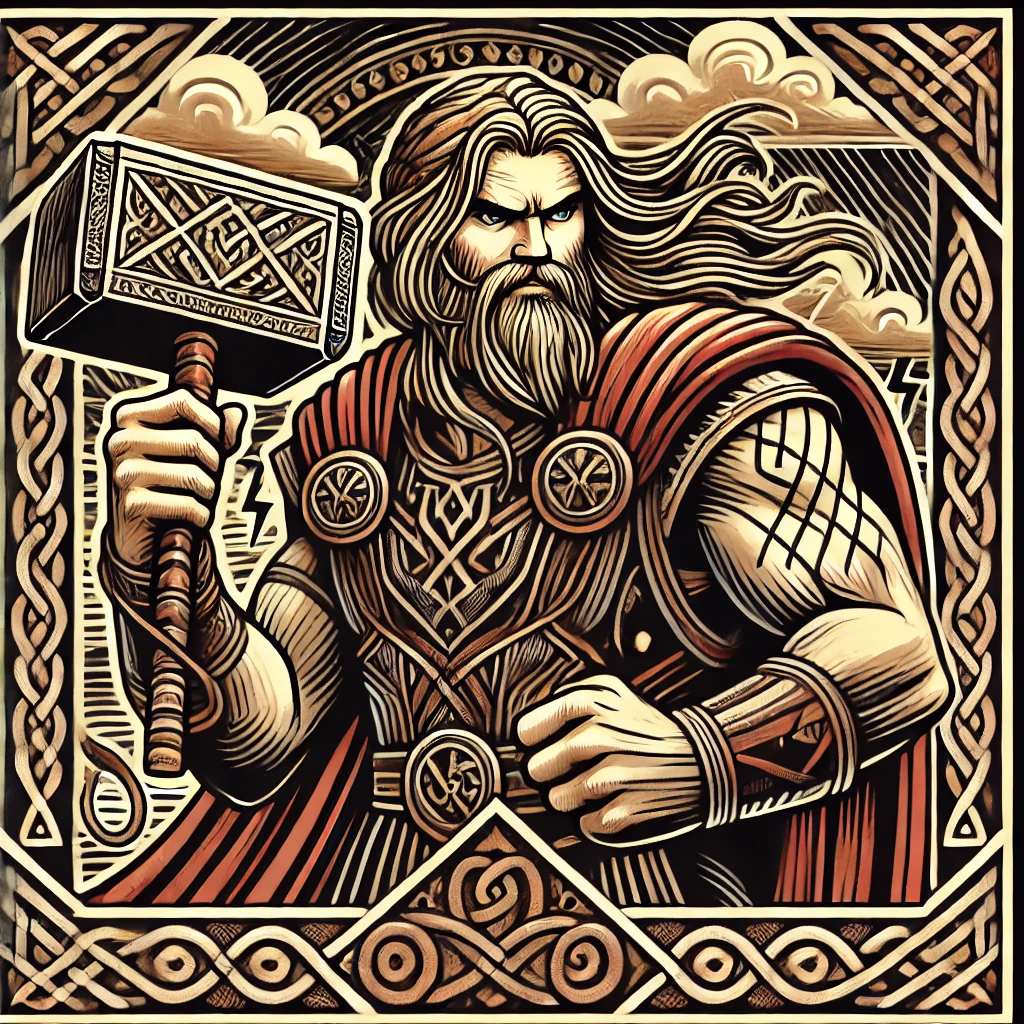
Thor
Divine Dominion: Thunder, strength, protection and smashing things really hard
Temperament and Tendencies: Thor is the kind of guy who kicks down doors instead of knocking. He’s loud, boisterous, fiercely loyal and completely incapable of subtlety. He’s the gods’ first line of defense against giants, trolls and anyone who looks at Asgard funny. Despite being a god of war, he has a soft spot for mortals — probably because they cheer the loudest when he shows up swinging his hammer.
Signature Style:
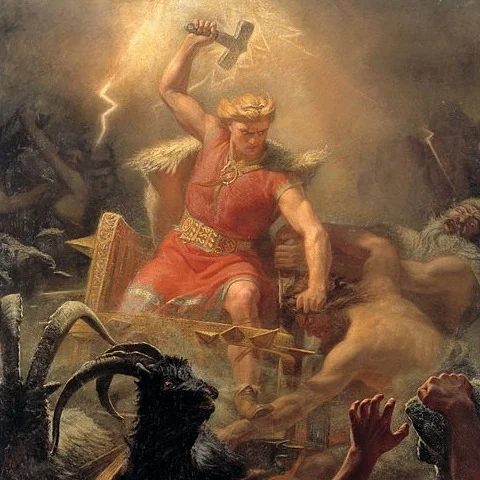
Mjölnir, his hammer, which always returns to his hand after being thrown
A magic belt that doubles his strength
A chariot pulled by two immortal goats, which he occasionally eats and then resurrects the next day
Inner Circle:
Sif, his wife, best known for her golden hair (which Loki once shaved off, and somehow survived)
Odin, his complicated father figure
Loki, his on-again, off-again adventure buddy who causes 95% of his problems
Saga-Worthy Moment: Once had to disguise himself as a bride to retrieve his stolen hammer. It ended in a massacre — but not before some very uncomfortable moments with the groom.
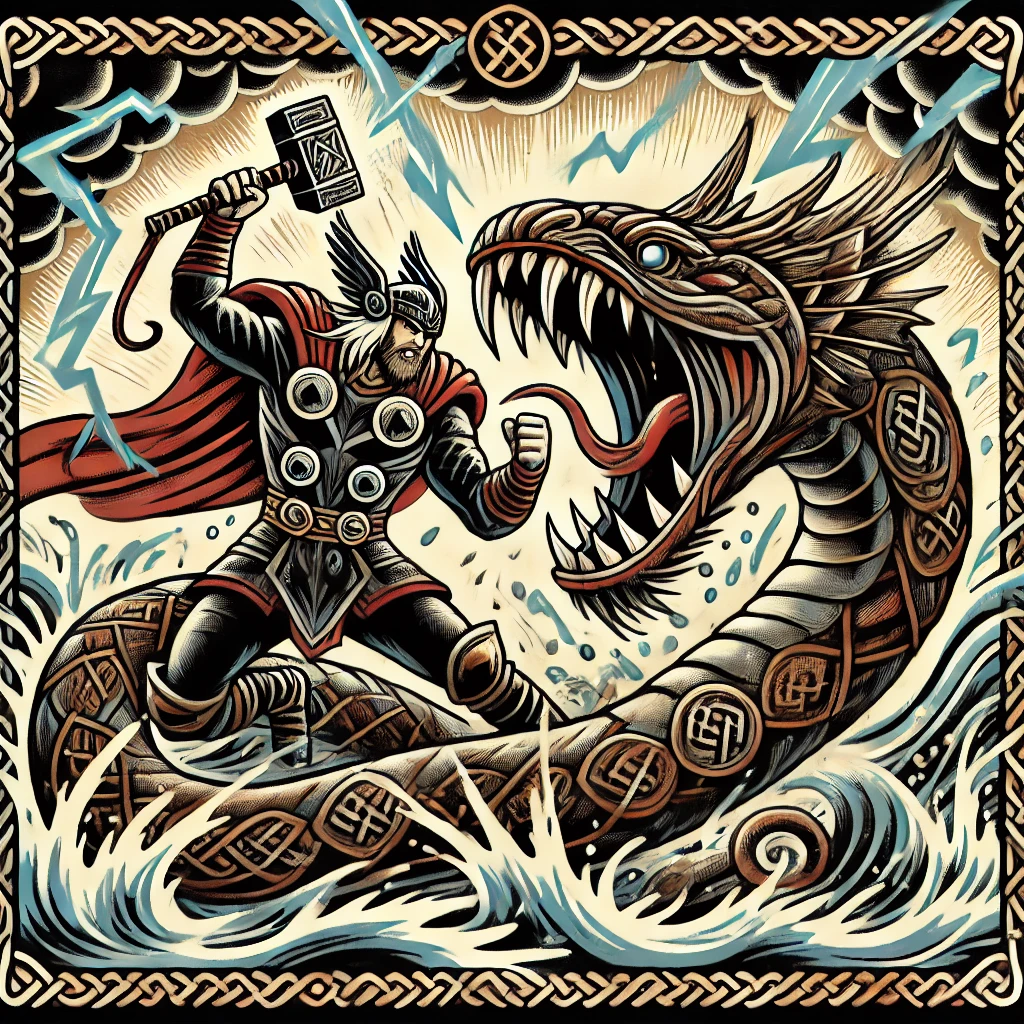
Ragnarök Status: Will go down swinging against Jörmungandr, the world-serpent — he kills it but dies shortly after from its venom
MORE: Norse Mythology That the Movie Thor: Ragnarok Got Wrong
Loki
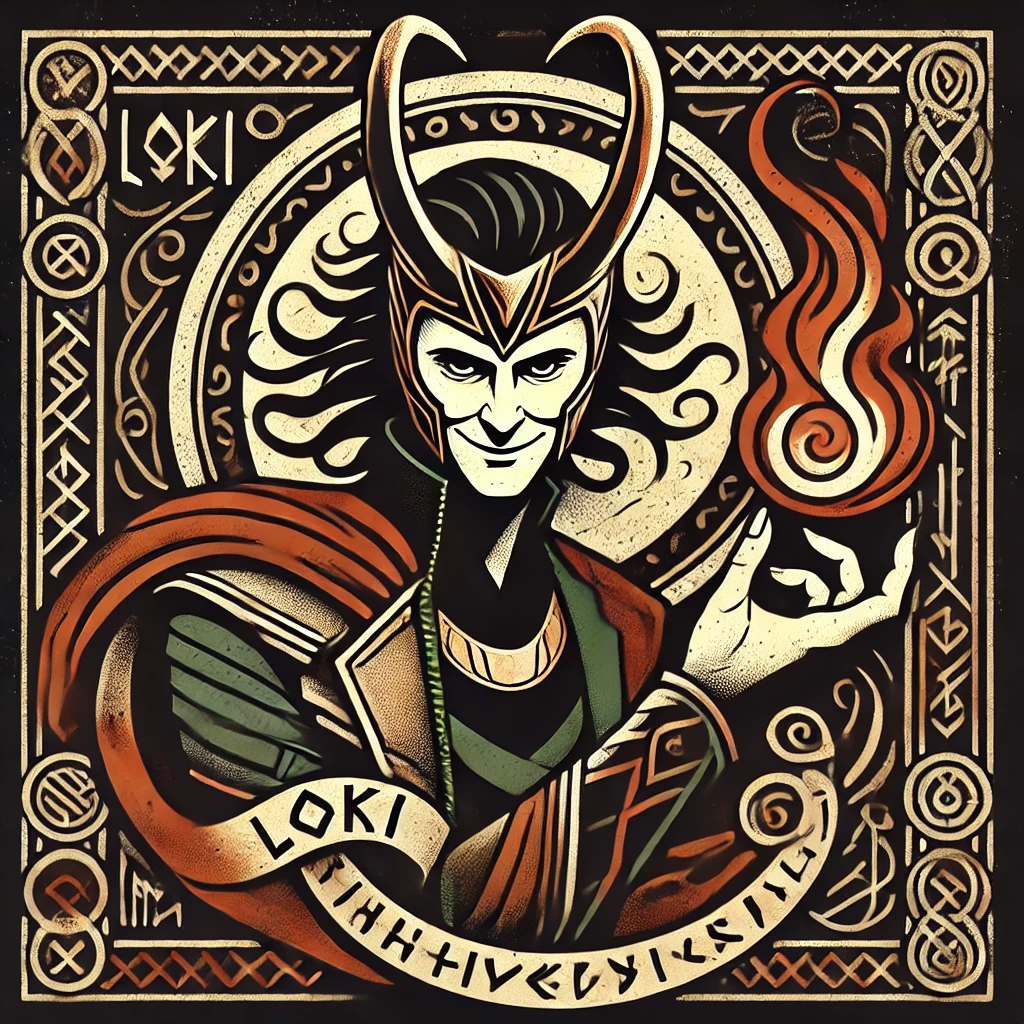
Divine Dominion: Trickery, chaos, fire and making bad decisions seem fun
Temperament and Tendencies: Loki is equal parts hilarious and horrifying. One minute he’s pulling off an elaborate prank on Thor, and the next, he’s indirectly responsible for the downfall of the gods. He’s a shapeshifter, a smooth talker and a chaos magnet. He’s technically Odin’s brother but doesn’t really fit in with the rest of the Aesir — probably because he keeps switching sides.
Signature Style:
Shapeshifting into literally anything, from a fish to a fly to, infamously, a female horse. (Yes, this is how Odin’s eight-legged horse was born. No, we don’t talk about it)
A silver tongue, which gets him both into and out of trouble
A flair for the dramatic, because being subtle is boring
Inner Circle:
Odin, when they’re on good terms
Thor, when they’re not trying to kill each other
His wife, Sigyn, who’s way too patient for her own good
Saga-Worthy Moment: Loki once gatecrashed a feast at the underwater hall of the giant and master brewer Ægir, where he insulted every god in attendance, bragged about sleeping with half of them, and aired everyone’s dirty laundry in verse — all while very drunk. When Thor finally stormed in and threatened to hammer Loki into paste, the trickster decided it was probably time to leave. This delightful trainwreck of a roast is known as Lokasenna, or Loki’s Flyting.
Ragnarök Status: Will lead the charge against the gods and go down in a final showdown with Heimdall.
THINK NORSE MYTHOLOGY IS CRAZY? Wait’ll you get a load of this tale of incest, lettuce and jizz from Egyptian mythology!
Freyja
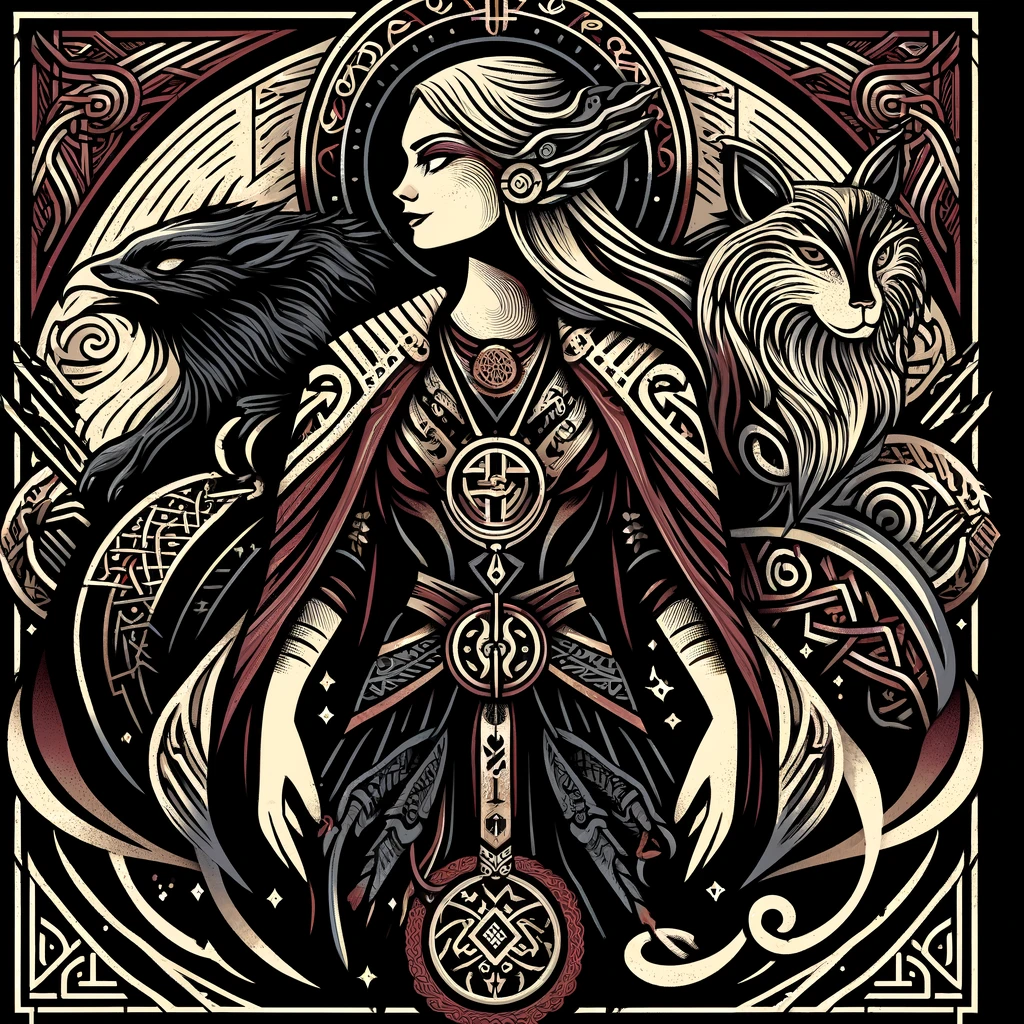
Divine Dominion: Love, beauty, war, magic and getting whatever she wants
Temperament and Tendencies: Freyja’s not your typical love goddess. Sure, she’s beautiful and enchanting — but she’s also a battle-hardened warrior who rides into combat and takes half the fallen warriors before Odin gets his pick. She’s also the queen of sorcery, which makes her both alluring and utterly terrifying.
Signature Style:
Brísingamen, a dazzling necklace that she definitely didn’t have to sleep with four dwarves to obtain. (Except she did)
A chariot pulled by two big cats, because dogs are overrated
A falcon-feathered cloak, allowing her to fly
Inner Circle:
Freyr, her twin brother, also associated with fertility and prosperity
Odin, who learned magic from her
A lot of broken-hearted lovers
Saga-Worthy Moment: Once turned down a marriage proposal from a giant so dramatically that Thor had to step in and smash things.
Ragnarök Status: Unclear. She might survive — because no one tells Freyja what to do.

Freyr
Divine Dominion: Fertility, prosperity, peace and romantic decisions that haunt you forever
Temperament and Tendencies: Freyr is one of the Vanir, a fertility god with a soft spot for beautiful women and good harvests. Unlike his battle-happy Aesir cousins, Freyr prefers peace, feasting and abundance — but when love strikes, he goes full disaster romantic.
Signature Style:
A magic sword that fights on its own (which he gave away to impress a girl… Great call)
Gullinbursti, a glowing golden boar that pulls his chariot
An aura of extremely fertile energy — the kind that makes crops grow just by being near them
Inner Circle:
Freyja, his twin sister and occasional partner-in-crime
Njord, their laidback sea god dad
Gerðr, the giantess he fell for so hard, he handed over his magic weapon
Saga-Worthy Moment: At Ragnarök, Freyr goes into battle unarmed because of that whole sword-for-love swap, and gets absolutely wrecked by Surtr, the fire giant.
Ragnarök Status: Heroic, but very dead
Tyr
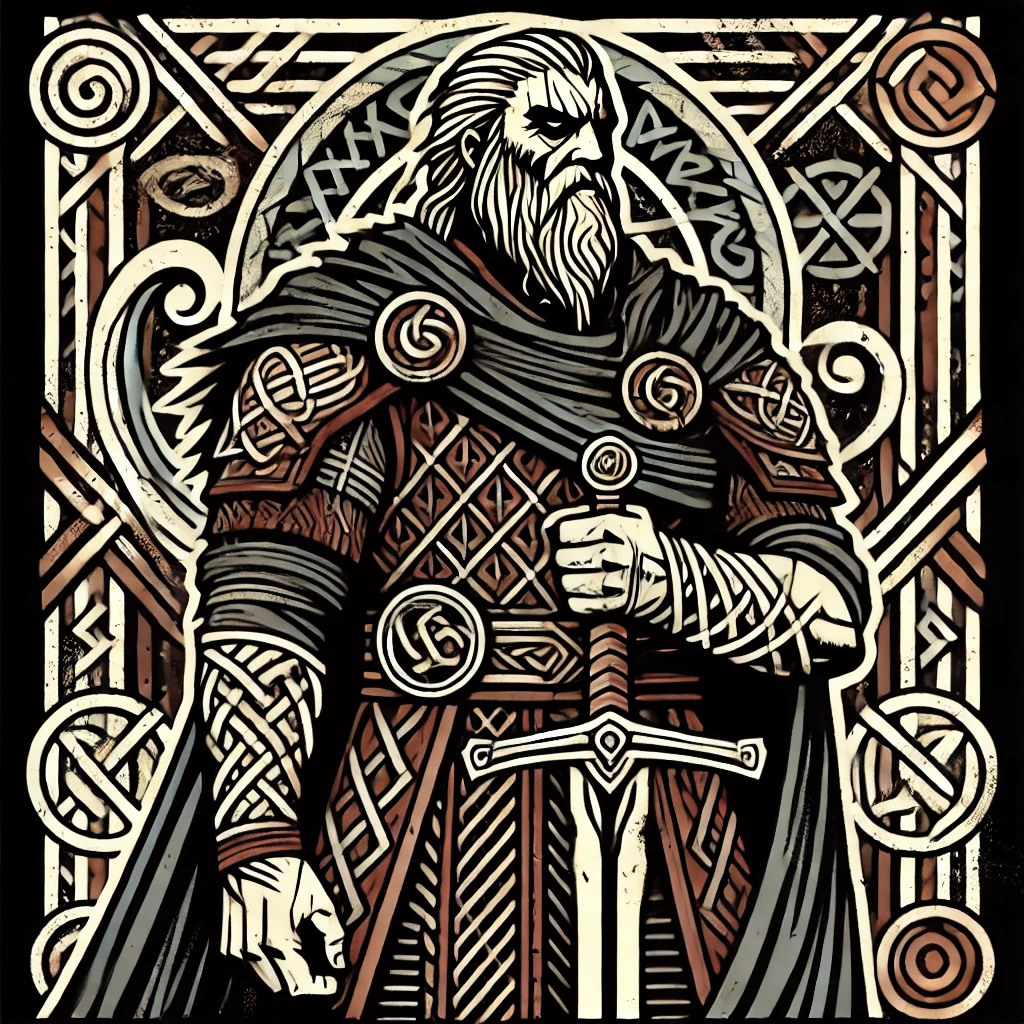
Divine Dominion: Justice, law, honorable combat and making the ultimate sacrifice
Temperament and Tendencies: Tyr is the god you call when things need to be done the right way. He’s honorable, courageous, and possibly the only Norse god who actually thinks before acting. Unlike Thor, who solves problems with a hammer blow, and Odin, who solves them with riddles, Tyr solves them with logic and sheer willpower — and sometimes, by personally sacrificing body parts.
Signature Style:
A missing hand, courtesy of Fenrir the giant wolf. (More on that in a second)
A sword, because even a god of justice needs a way to back it up with force
An aura of quiet competence, which makes him stand out in a pantheon full of drama
Inner Circle:
Odin, when things need a legal expert
The other gods, when they need someone to do the hard job
Not Fenrir, for obvious reasons
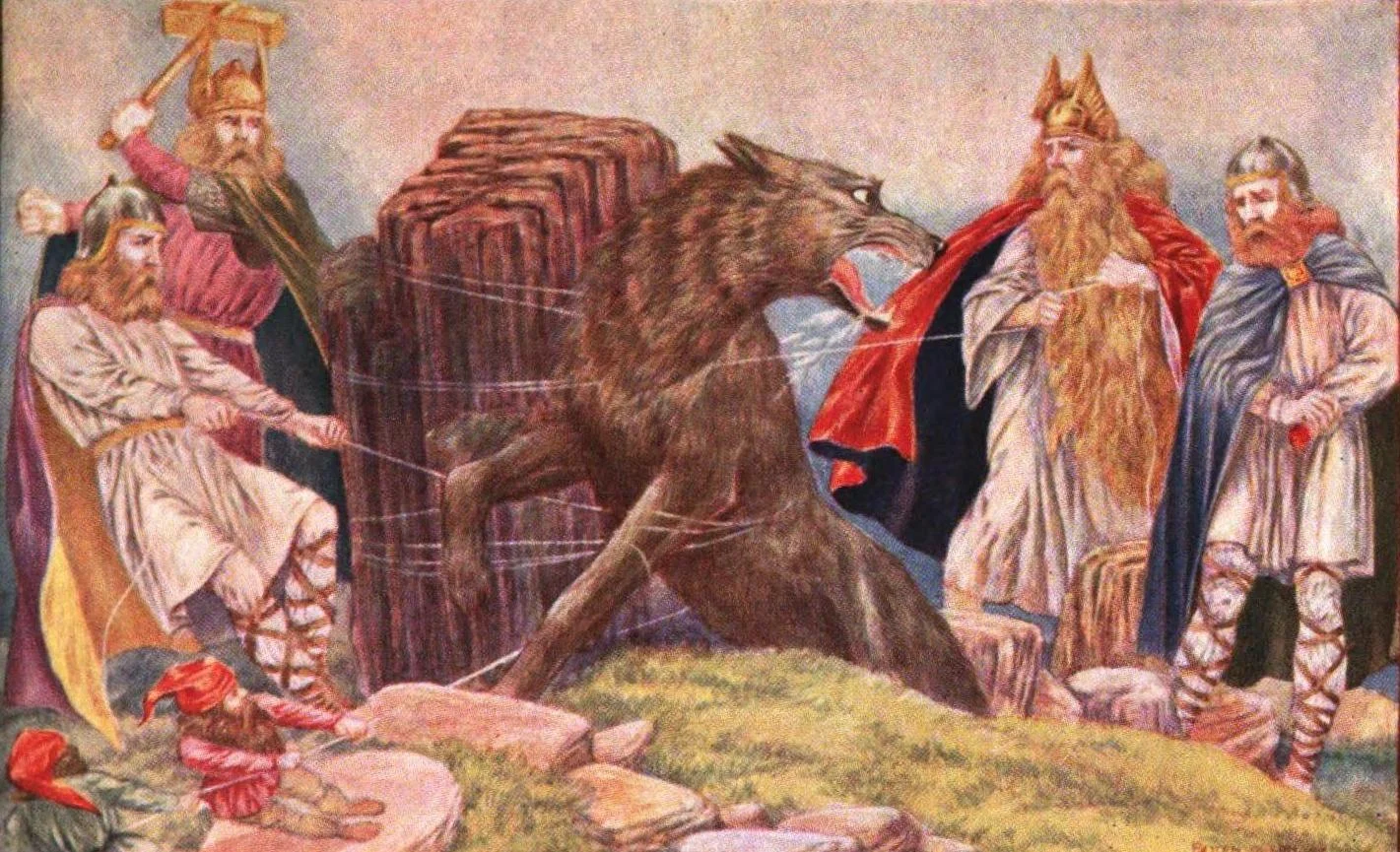
Saga-Worthy Moment: The gods needed to bind Fenrir, the monstrous wolf who would one day help destroy the world. The wolf, being somewhat intelligent, refused to let them tie him up unless one of them put their hand in his mouth as collateral. Tyr immediately stepped up, fully aware of how this was going to end. Sure enough, the second Fenrir realized he was tricked, he bit down — and Tyr didn’t even flinch.
Ragnarök Status: Will fight Garm, the underworld’s monstrous hound, in a final battle. The result? Mutual destruction. But honestly, that’s just how Tyr rolls.
Balder
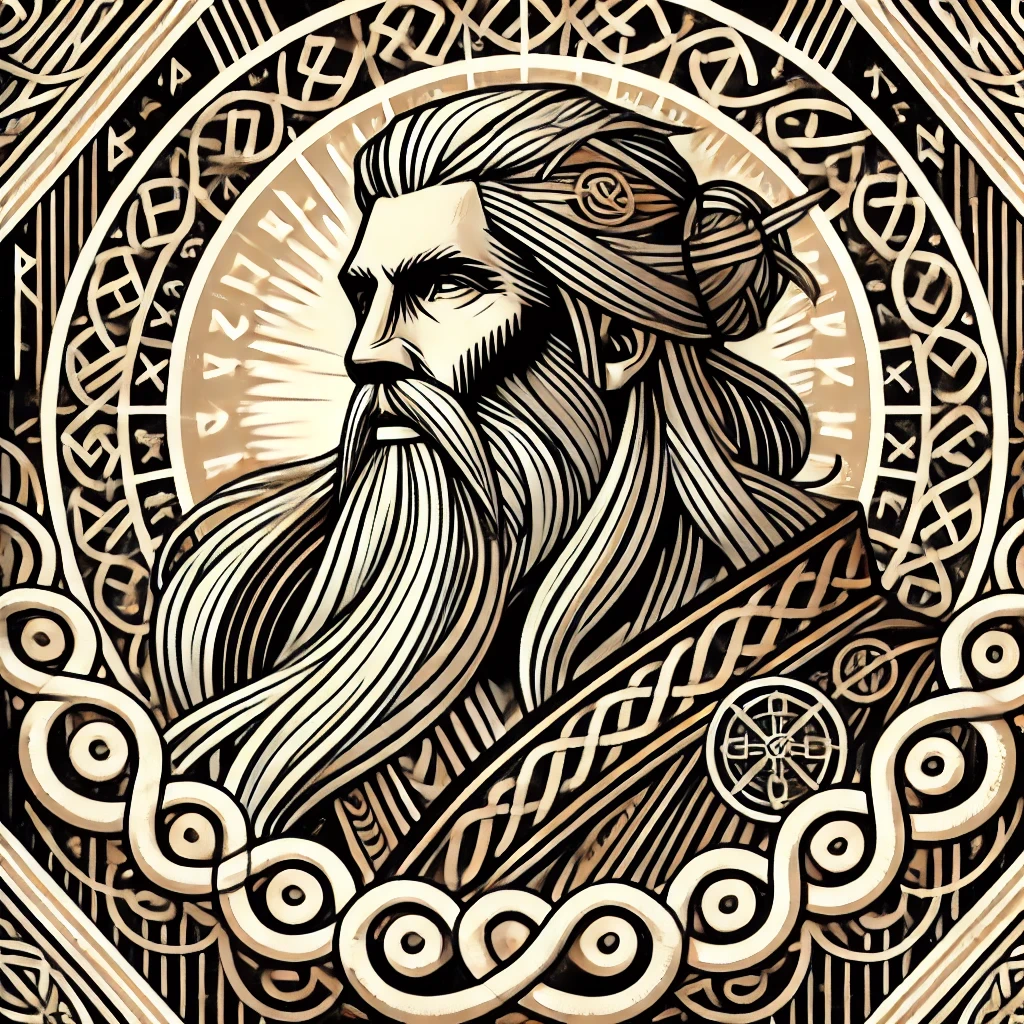
Divine Dominion: Light, purity, joy and making everyone love him (too much)
Temperament &land Tendencies: Balder is the golden boy of the Norse pantheon — literally. He’s charming, kind, handsome and basically too good for this world (which, spoiler alert, is a problem). Everyone adores him: gods, mortals, even inanimate objects — except for Loki, of course.
Signature Style:
Glowing with divine radiance, because normal beauty isn’t enough
Wearing the best armor ever, because Frigg, his mother, made everything in existence promise not to harm him. (Again, almost everything)
Being the center of attention, mostly because the gods liked to throw things at him just to watch them bounce off
Inner Circle:
Frigg and Odin, his doting parents
Hodr, his blind twin brother
Literally everyone (again, except Loki)
Saga-Worthy Moment: Thanks to his mother’s magical oath, nothing in existence could hurt Balder. The gods turned this into a game, throwing weapons at him and laughing as they bounced off. Enter Loki, who found the one thing Frigg forgot to make swear an oath: mistletoe. He handed a mistletoe-tipped arrow to Balder’s blind brother, Hodr, and guided him to shoot. Balder died instantly, and everyone lost their minds.
Ragnarök Status: Already dead, but he’ll make a glorious return after the world ends, because Balder always gets a happy ending.
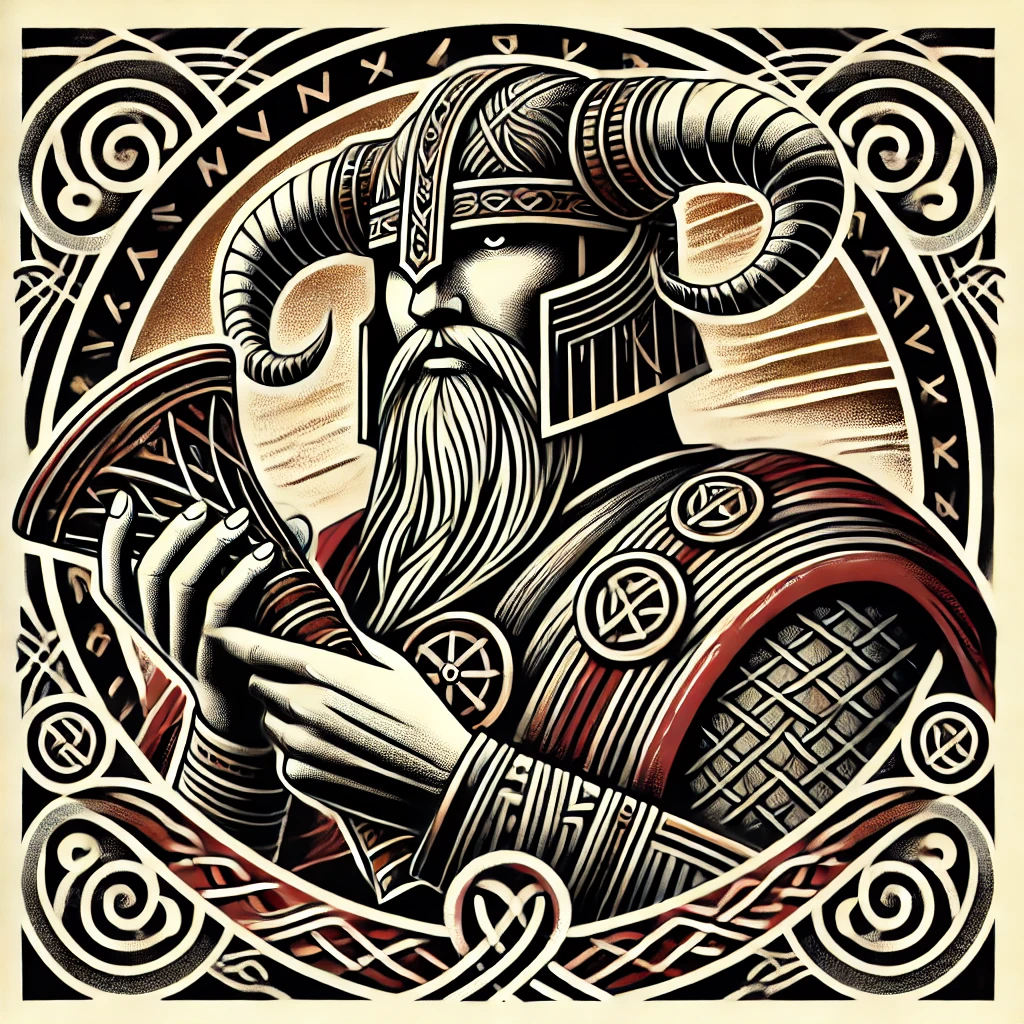
Heimdall
Divine Dominion: Guardianship, foresight and being literally the most alert being in existence
Temperament and Tendencies: Heimdall is the guy who never sleeps. He’s the guardian of Bifröst, the rainbow bridge, and his one job is to watch for any threats to Asgard. And he does it very well — his hearing is so sharp he can hear grass grow, and his vision is so good he can see across the realms. Basically, he’s the divine equivalent of a security system cranked up to 11.
Signature Style:
The Gjallarhorn, the horn he will blow when Ragnarök begins
Golden teeth, cuz why not?
A sword — he’s not just standing guard for fun
Inner Circle:
Odin, because somebody has to be responsible
The other gods, when they actually listen to his warnings
Saga-Worthy Moment: One day, when the world finally starts crumbling, Heimdall will blow the Gjallarhorn, signaling the beginning of the end. And after a lifetime of standing guard, he’ll finally step into battle against Loki himself in a legendary duel where both will die.
Ragnarök Status: As mentioned, he’ll go out in the ultimate grudge match against Loki. No survivors.
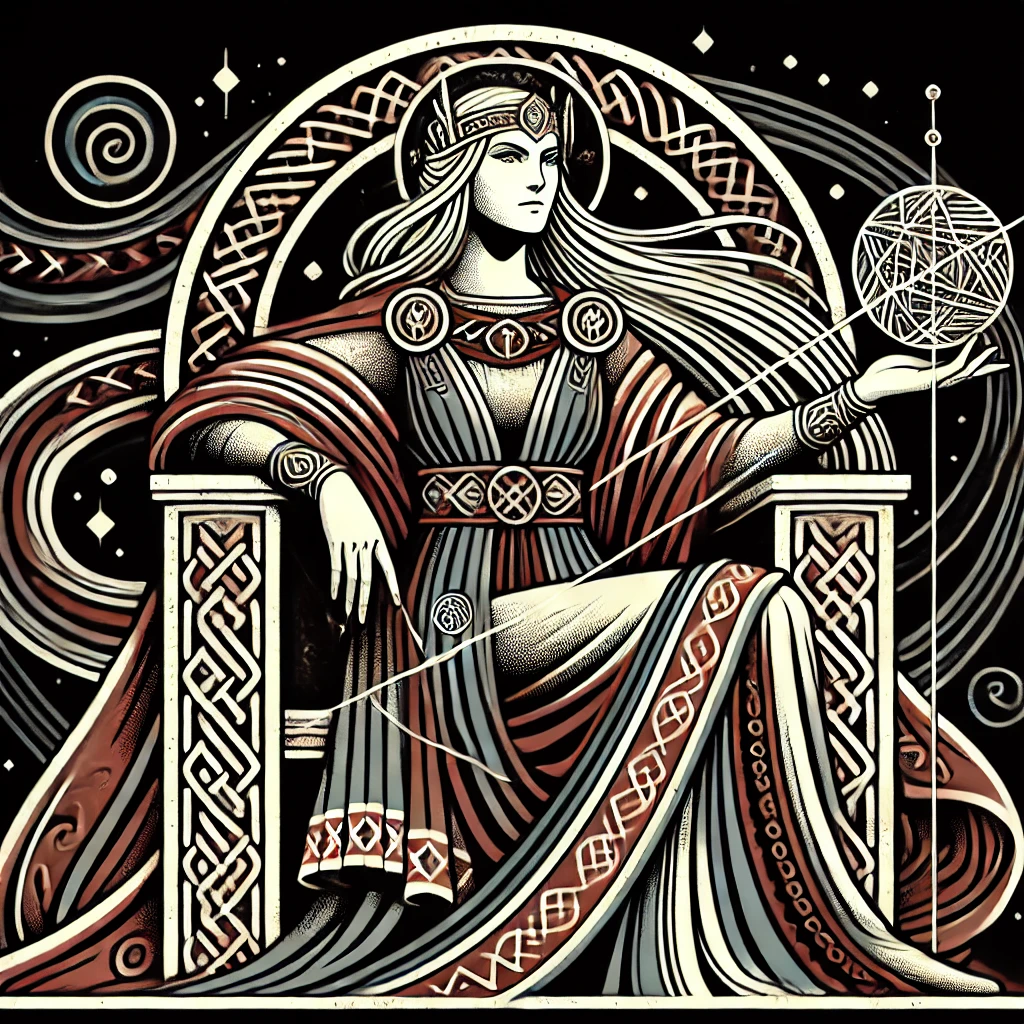
Frigg
Divine Dominion: Fate, motherhood, marriage and knowing absolutely everything — but keeping it to herself
Temperament and Tendencies: Frigg is the ultimate quiet power player. As Odin’s wife and queen of the Aesir, she has the gift of foresight; she knows exactly how everything will end. But does she share this knowledge? Absolutely not. Instead, she spends her time weaving the threads of fate and occasionally trying (and failing) to save her golden boy, Balder.
Signature Style:
A spindle and distaff, because fate doesn’t weave itself
A throne right next to Odin, where she sees everything
A talent for making oaths happen, which works great — until Loki finds a loophole
Inner Circle:
Balder, her beloved son (RIP)
Odin, her mysterious, wandering husband
A host of minor goddesses who help her manage fate
Saga-Worthy Moment: She got everything in existence to swear an oath not to harm Balder … except for mistletoe. That one oversight set off the entire apocalypse countdown.
Ragnarök Status: Survives (but she already knew that)
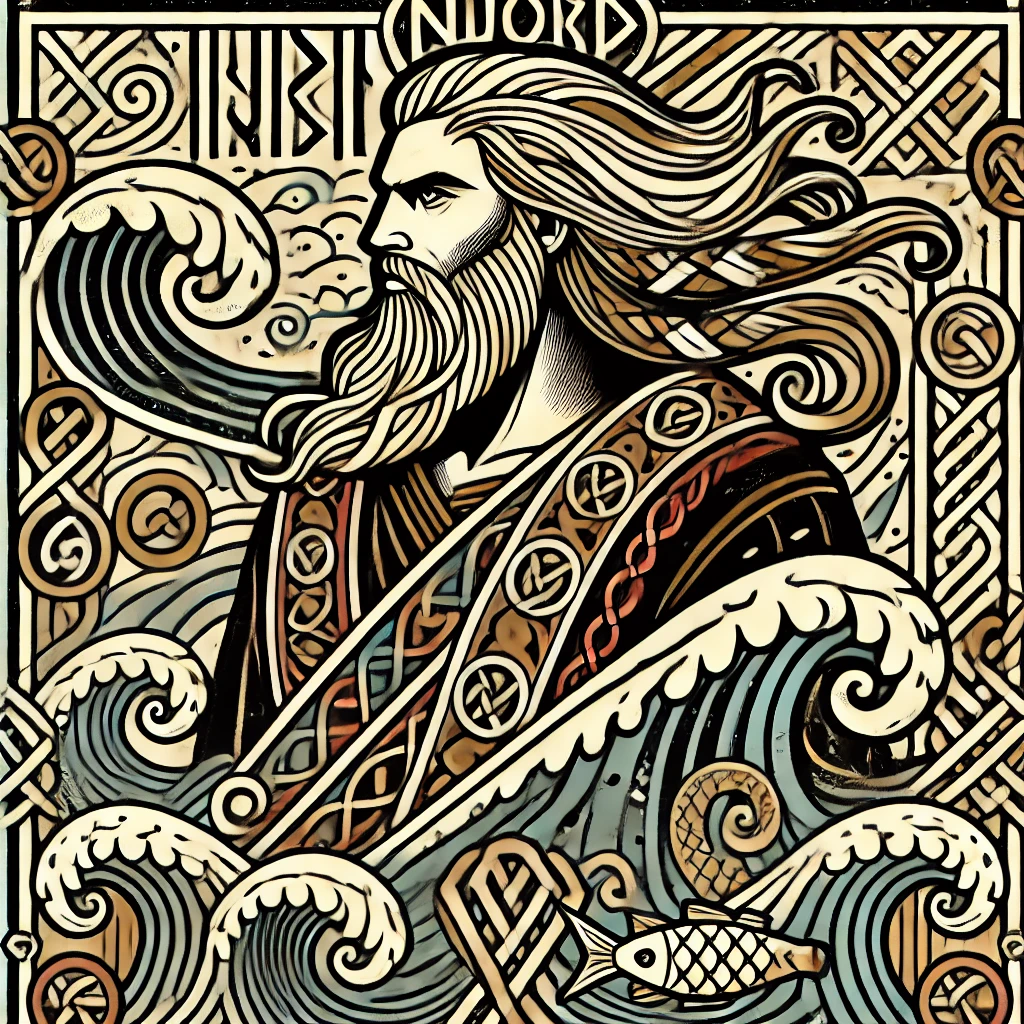
Njord
Divine Dominion: The sea, wealth, boats and awkward family vacations
Temperament and Tendencies: Njord is chill. He’s a sea god who just wants everyone to be rich, happy and sailing the open waves. But thanks to an arranged marriage with Skadi, a snow-loving giantess, his life is one long compromise between the beach and the mountains. Spoiler: Nobody’s happy.
Signature Style:
A ship that can sail on land if needed
An eternal tan, because sea gods don’t do SPF
A lot of treasure — the sea is a profitable business
Inner Circle:
Freyr and Freyja, his beloved kids
Skadi, his extremely outdoorsy ex
Saga-Worthy Moment: He and his wife, Skadi, agreed to split their time between his beach house and her mountain lodge. Both hated each other’s homes, so they split up, making Njord the god of divine irreconcilable differences.
Ragnarök Status: Not really a fighter, so he might just float off into the sunset
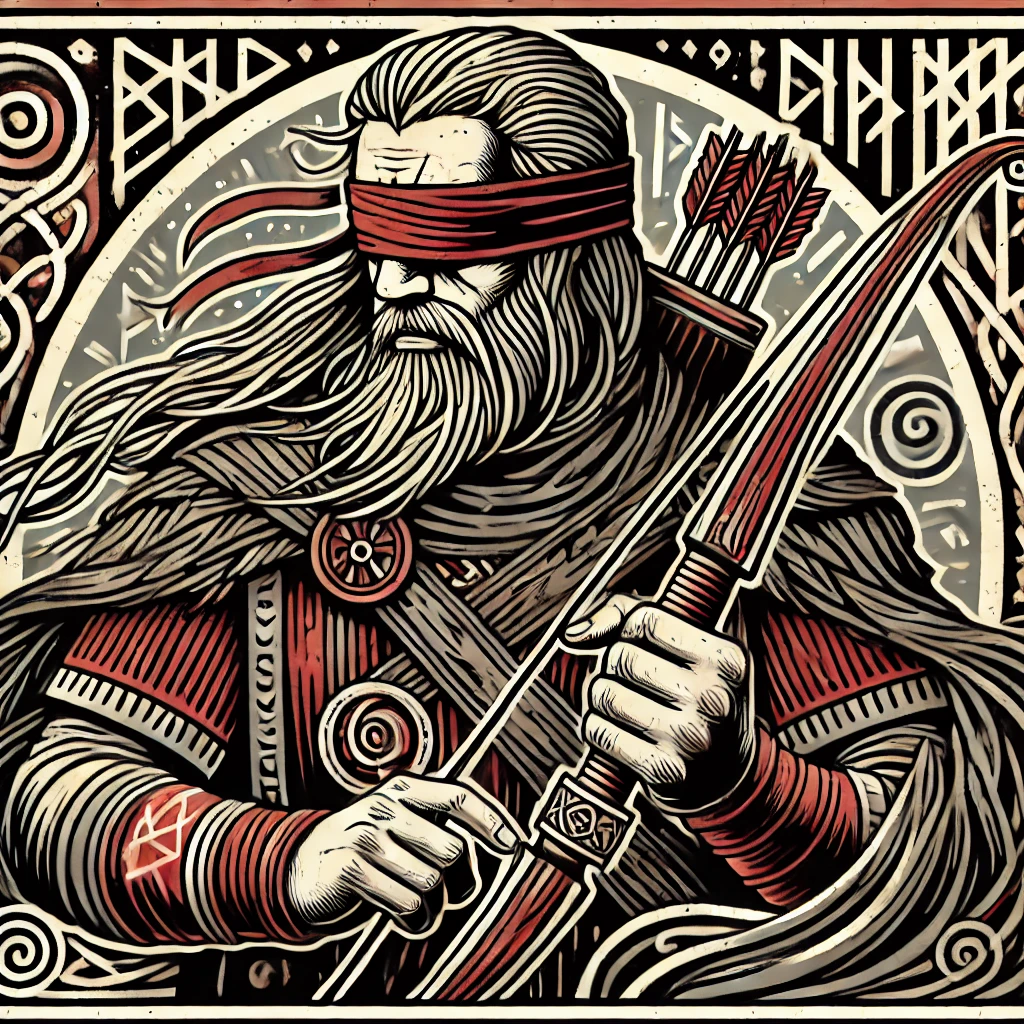
Hodr
Divine Dominion: Darkness, tragic accidents and being way too trusting of Loki
Temperament and Tendencies: Hodr is kind-hearted but doomed, born blind and destined to kill his own brother Balder — which is super-awkward because they actually liked each other. But the gods don’t even blame him. They all know it was Loki’s fault.
Signature Style:
A bow and arrow, because nothing could possibly go wrong handing that to a blind guy
A general vibe of tragic inevitability
Being the saddest pawn in the whole mythology game
Inner Circle:
Balder, his ill-fated brother
Frigg, his mom, who really tried her best
Loki, who hands him the murder weapon like some cosmic prank gone too far
Saga-Worthy Moment: When the gods played their “let’s throw stuff at Balder” game, Hodr got handed a mistletoe-tipped arrow by Loki, who kindly helped him aim. Instant tragedy.
Ragnarök Status: Already dead before Ragnarök even starts. A true overachiever in cosmic misfortune.
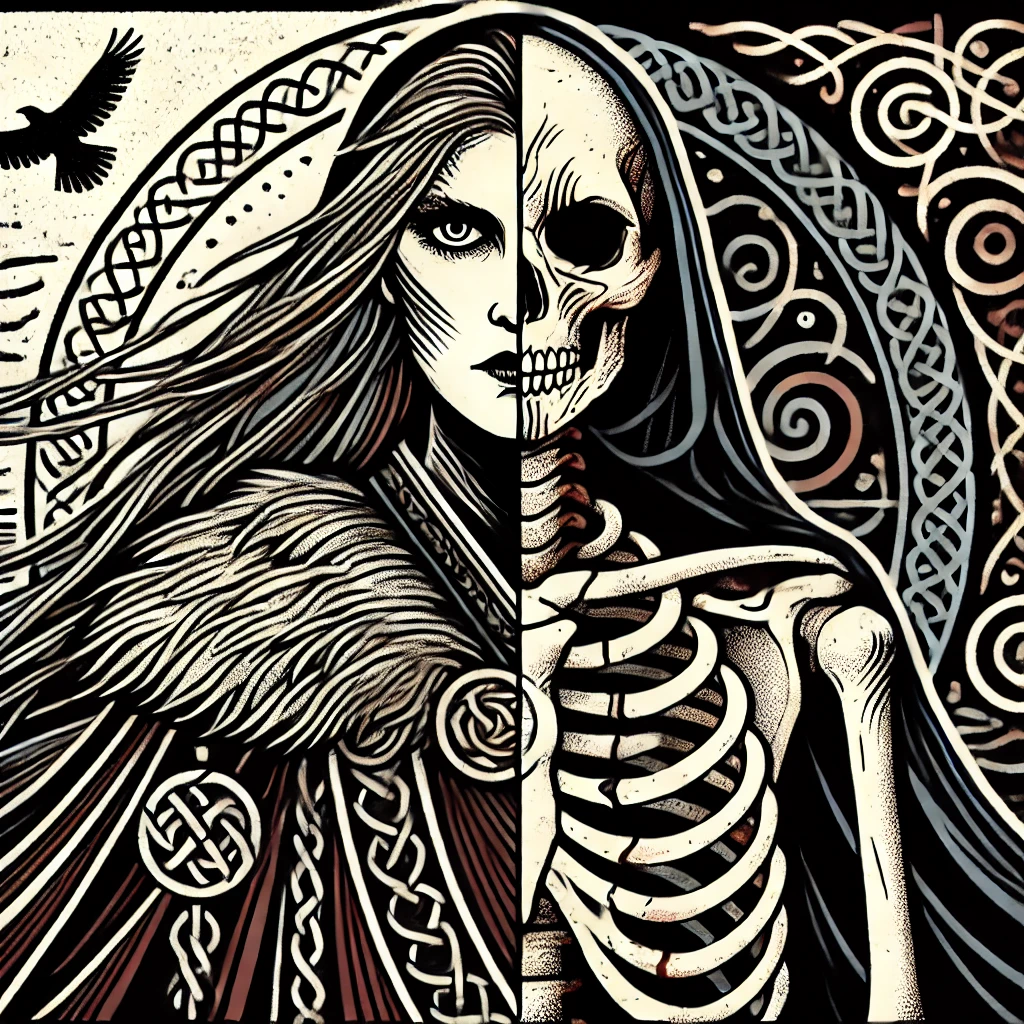
Hel
Divine Dominion: The underworld, death, and giving zero fucks about your feelings
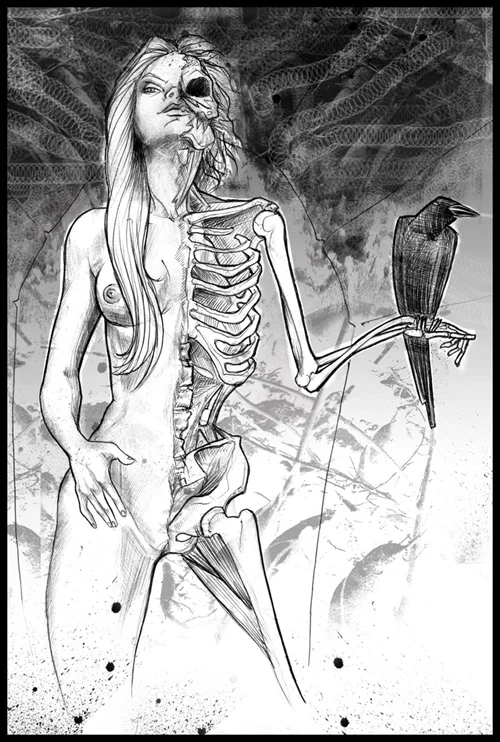
Temperament and Tendencies: Hel is half living woman, half rotting corpse, which really sets the tone. Unlike the fiery torment of some afterlives, Helheim is more of a cold, dreary waiting room for souls who didn’t die in battle. Hel’s not really cruel; she just doesn’t give a shit.
Signature Style:
A kingdom named after herself, because branding matters
An expression that says, “This meeting could’ve been an email.”
A general air of “why are you bothering me?”
Inner Circle:
Loki, her dad, who barely visits
The dead, who don’t exactly have options
Saga-Worthy Moment: When Balder died, Hermod (Odin’s other son) rode into Helheim to beg Hel to release him. Hel said sure — if literally everything in the world would weep for him. When one giantess (Loki in disguise, naturally) refused, she slammed the gates shut and went back to not caring.
Ragnarök Status: Stays put in Helheim, because she has a kingdom to run, thank you very much.
The Norse Pantheon: Gods of Glory and Doom
The Norse gods are a paradox: mighty yet mortal, powerful yet doomed. Unlike the serene and eternal deities of other mythologies, they live in the shadow of an ending they can’t escape.
But rather than despair, they fight harder, love wilder and drink deeper. They’re warriors, tricksters, rulers and seers, but above all, they’re beings who embrace their fate and make every moment count.
And maybe that’s what makes them so compelling. The Norse gods aren’t distant, perfect figures sitting on golden thrones. They struggle, they fail, they sacrifice, and they rage against the inevitable. They’re larger than life — until they die.
So raise a horn of mead, toast to the Aesir and Vanir, and remember: Even gods can fall, but legends live forever. –Wally