A smarter way to stay comfortable in freezing temperatures with the right layers, accessories and footwear. Because toughing it out is overrated.
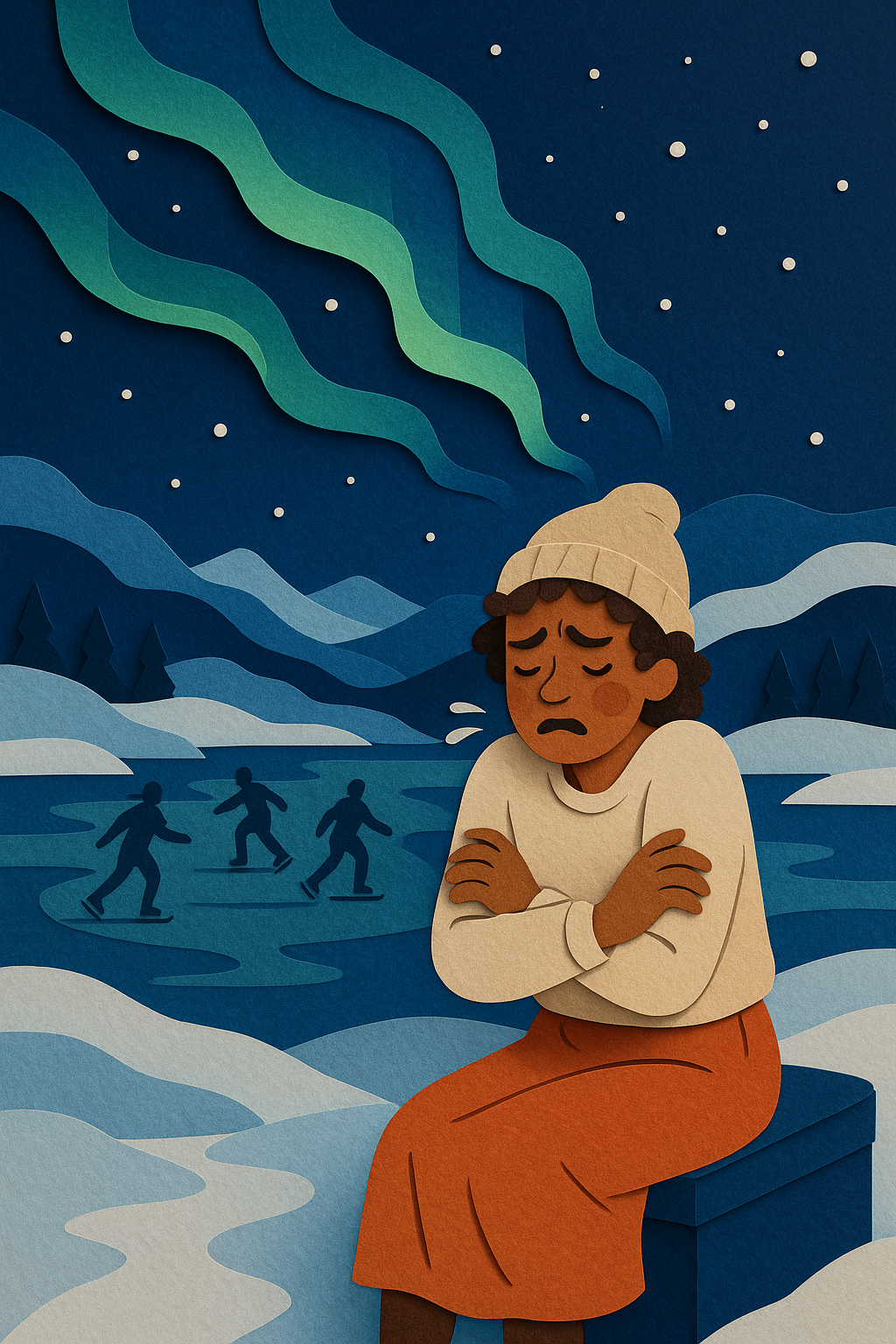
No one should have to fear the cold — not when a suitcase can become armor.
Let the winter lovers have their fun. Let them talk about “bracing air” while hopping in place, insisting they’re fine. Those of us wired for warmth know better. When it comes to winter wilderness travel, we don’t need bravado. We need a plan. Precision. The kind of packing that holds up from airport lounge to icy village street, long after the novelty of snow has worn thin.
Staying comfortable in winter isn’t about overpacking or clearing out the nearest outdoor megastore. There’s elegance in restraint — fabrics that trap heat instead of moisture, layers that adjust instead of suffocate, and socks that quietly determine whether the day continues or ends early. Forget fashion statements on snow-slick sidewalks. Prioritize safety. Let others gamble with numb toes. There’s a smarter way to travel when temperatures drop.
Layering Without Regret
Forget the “one big jacket” fantasy. It has betrayed more travelers than delayed flights.
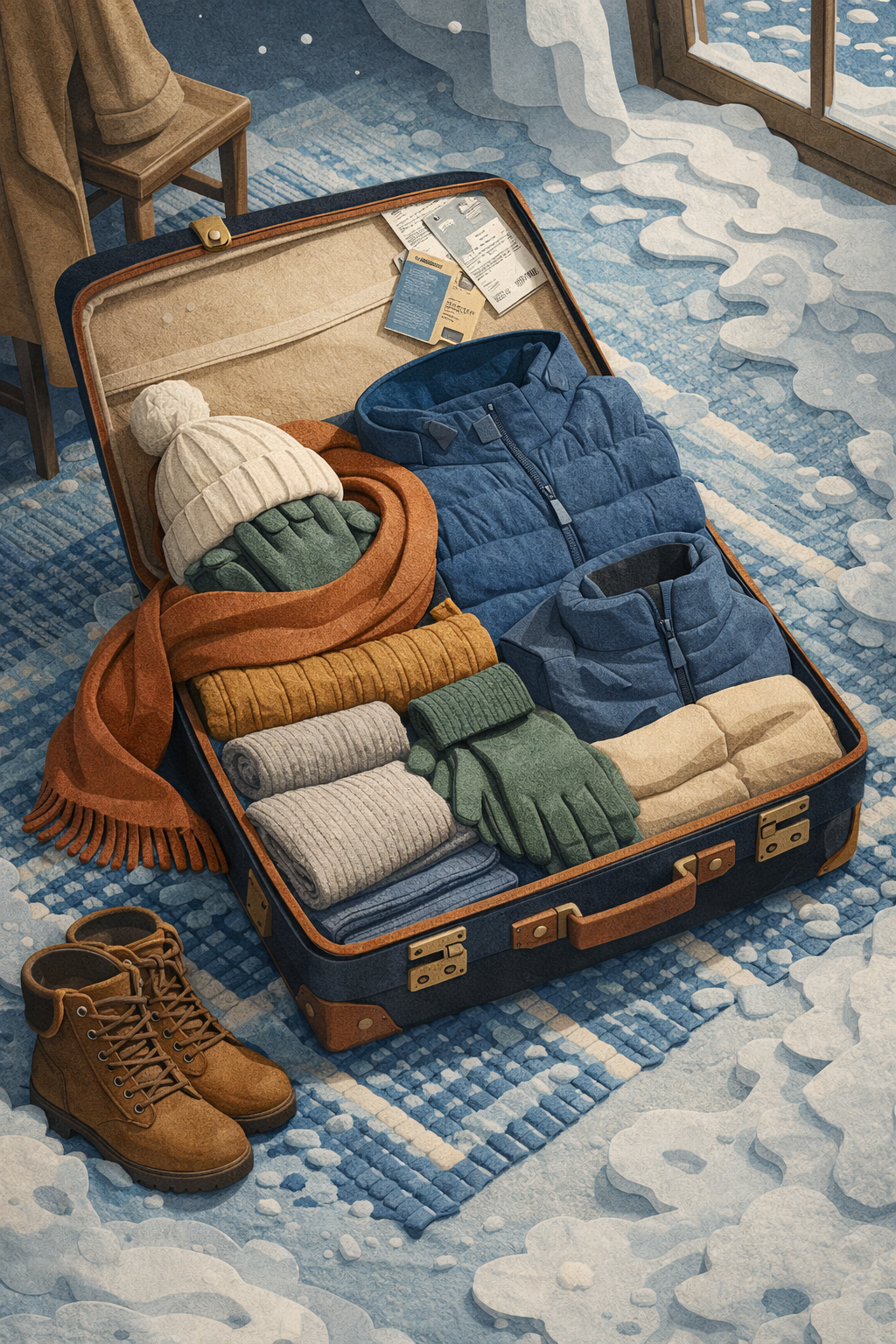
The people who never complain about the cold aren’t tougher. They’ve mastered packing for winter travel — and they know it’s all about layers. They start with a thermal base layer (merino wool or a solid synthetic blend), add insulation like fleece or down, and finish with a weatherproof shell. That’s it. Not glamorous. Extremely effective.
The beauty of layering is control. Planes and cafés insist on tropical heat while the streets outside feel personally hostile. Layers let you adapt without soaking your clothes in sweat, only to step back outside and freeze instantly. Thick sweaters seem comforting until they trap moisture and turn against you. Layers work with the body instead of fighting it.
Pack for flexibility. Winter weather never negotiates, but layers give you leverage.

Accessories That Matter More Than You Think
Scarves aren’t decorative afterthoughts. They seal the gap your coat leaves behind.
Gloves aren’t just about warmth — they’re about function. Being able to unzip a bag, answer a text, or fumble for transit tickets without pain changes how long you’re willing to stay outside.
Hats matter more than anyone wants to admit. Heat loss is real, and cold weather puts real strain on the body. The head is one of the first places it escapes.
And socks — this is where trips quietly succeed or unravel. Cotton gives up the moment it gets damp. Wool keeps going. Standing near slushy curbs or stepping into an icy puddle becomes survivable instead of catastrophic. Feet decide your mood, your stamina, and how far you’re willing to wander before calling it quits.
If these items need to live in an oversized tote, fine. Skip even one and the cold will find the weak spot. It always does.
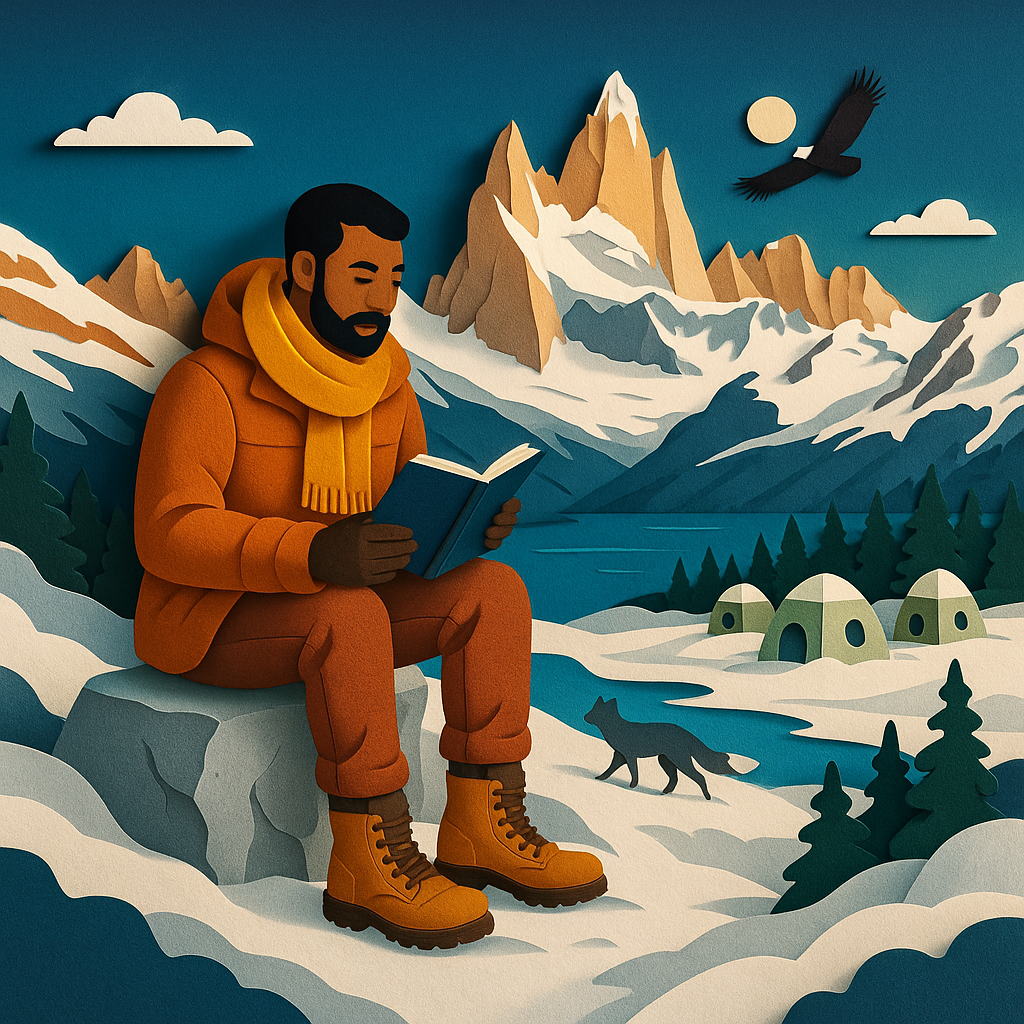
Footwear That Doesn’t Betray
Boots should do two things without debate: keep water out and keep toes unfrozen.
Anything less is a gamble. Cheap sneakers and “stylish” loafers surrender immediately to slush-filled sidewalks and salted streets turned skating rinks overnight. Waterproof leather holds the line. Insulated soles quietly save hours of sightseeing by keeping circulation intact while waiting for transit or wandering blocks too charming to avoid.
Wet socks don’t just ruin the moment — they end the day. Good boots extend it.

Don’t Underestimate Indoor Comfort
The streets may be cold, but indoor neglect is where rookie mistakes thrive.
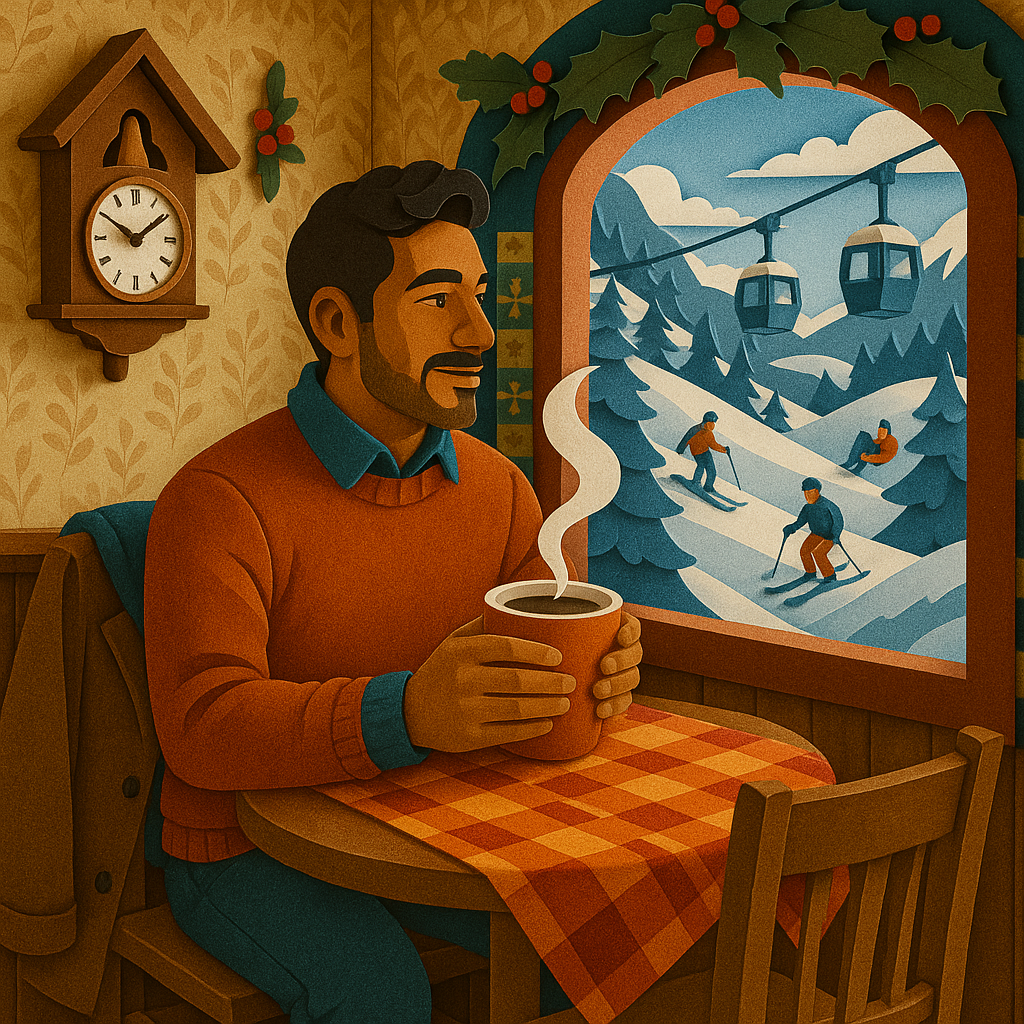
Hotel rooms swing wildly between blast-furnace heat and icy drafts sneaking in through windows older than anyone present. After long days outside, slippers stop being indulgent and start feeling essential — especially when tile floors bite back at midnight while you hunt for a charger that’s migrated under the bed.
Pack pajamas warm enough for a ski chalet but decent enough for the unexpected. Hallway evacuations at 2 a.m. are rare, but winter has a way of producing stranger moments than planned.
How to Travel Comfortably in Cold Weather
Whether the trip involves meetings downtown or sledding outside Reykjavík, the cold doesn’t change. It exposes weak links quickly, especially when travelers try to bluff their way through winter with optimism instead of preparation.
Packing lists built on denial unravel fast — usually by day three. Comfort comes from decisions made back home, when the sun is still warm on packing day and common sense has the floor. With smart layers, reliable accessories, trustworthy boots, and a few creature comforts tucked close, even those who loathe winter can move through it confidently — and maybe even enjoy it — wherever the cold leads next. –Lucy Roberts
MORE PACKING TIPS: Footwear, Clothing and More: What to Pack for Travel to South America