Instagram sells sunsets and spritzes. Literature sells the truth. These novels peel back the glossy veneer of expat life: the loneliness, identity shifts and new versions of ourselves.

Browse any expat-life hashtag and you’ll be greeted with the usual: sun-drenched piazzas, digital nomads perched at beach bars, and enviably plated foreign delicacies. What you rarely see is the silence of a Friday night in a place you don’t yet understand — or the bewildering moment when your sense of humor doesn’t translate.
Travel guides tell you where to eat; novels tell you what it feels like to stay. For anyone navigating life in a new country, books can be a form of quiet companionship — a reassurance that the “expat blues” aren’t a personal failing, but a very normal human response to being unmoored.
“Many expats liken the first months abroad to early childhood: dependent, humbled and frequently misunderstood.”
Below are three novels that resist romanticism and instead capture the emotional, cultural and existential complexities of living abroad.
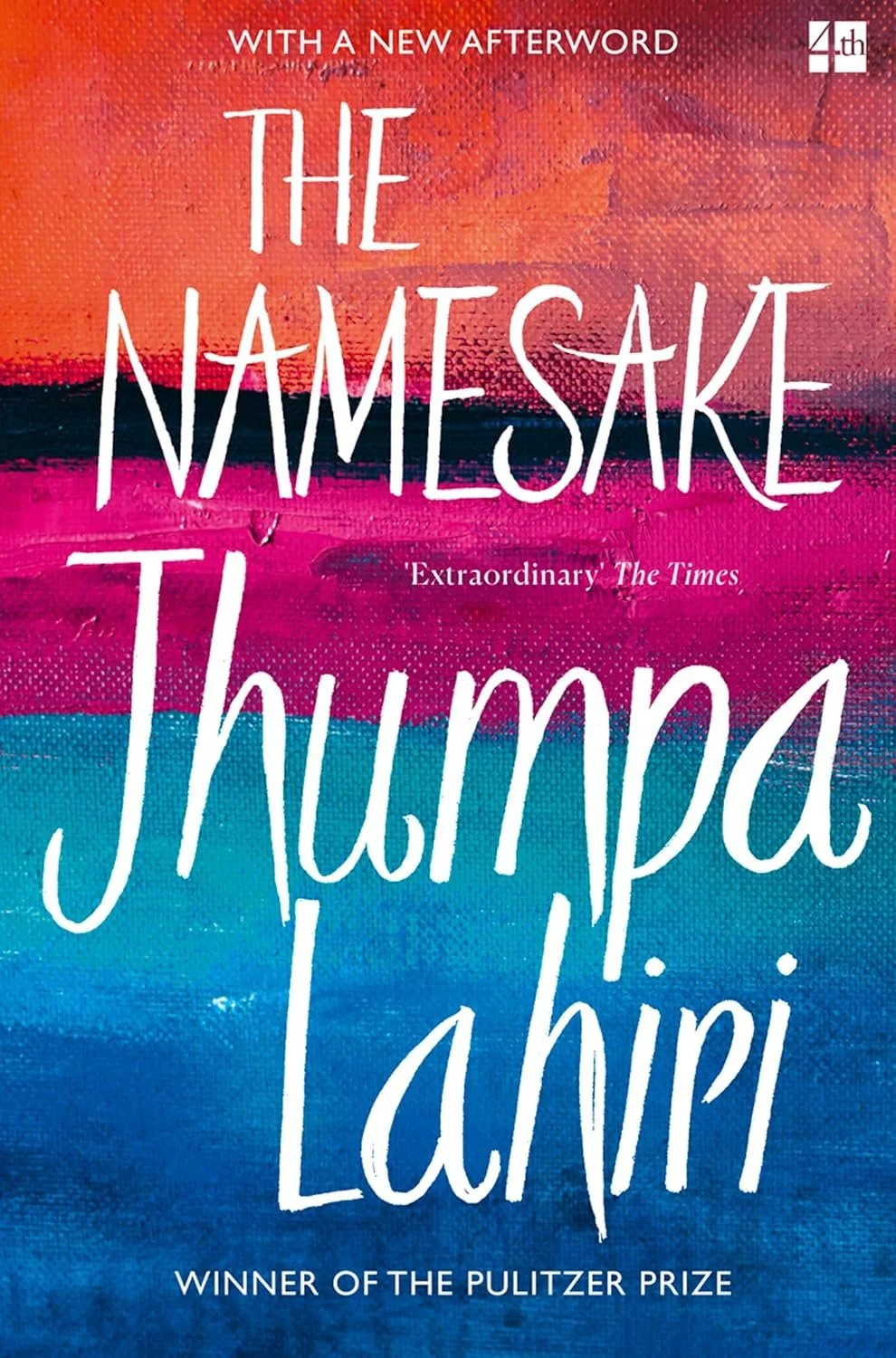
1. The Namesake by Jhumpa Lahiri
The plot: Lahiri traces the Ganguli family from Calcutta to Cambridge, Massachusetts — from arranged marriage to second-generation childhood — chronicling Ashima’s attempts to build a life in icy New England and her son Gogol’s push-pull between Bengali family expectations and American identity.
The emotional reality: Cultural displacement
The Namesake articulates the ache of displacement — not the dramatic kind, but the mundane, lingering kind that creeps into grocery lists and breakfast rituals. Ashima’s loneliness is found in Rice Krispies and peanuts that approximate a snack from home.
For expats, the book affirms what rarely makes it into Instagram captions: that living abroad often splits a life in two — who you were at home versus who you must become to survive.
Tip: Now and then, take a break from the heavy stuff.
Acculturation isn’t always light reading. Sometimes you just need pure escapism: a mafia love story, twisty thriller, or whatever helps you forget visa appointments and tax forms for an hour. Digital platforms make it easy to read novels online and keep entertainment at arm’s reach, wherever you land.
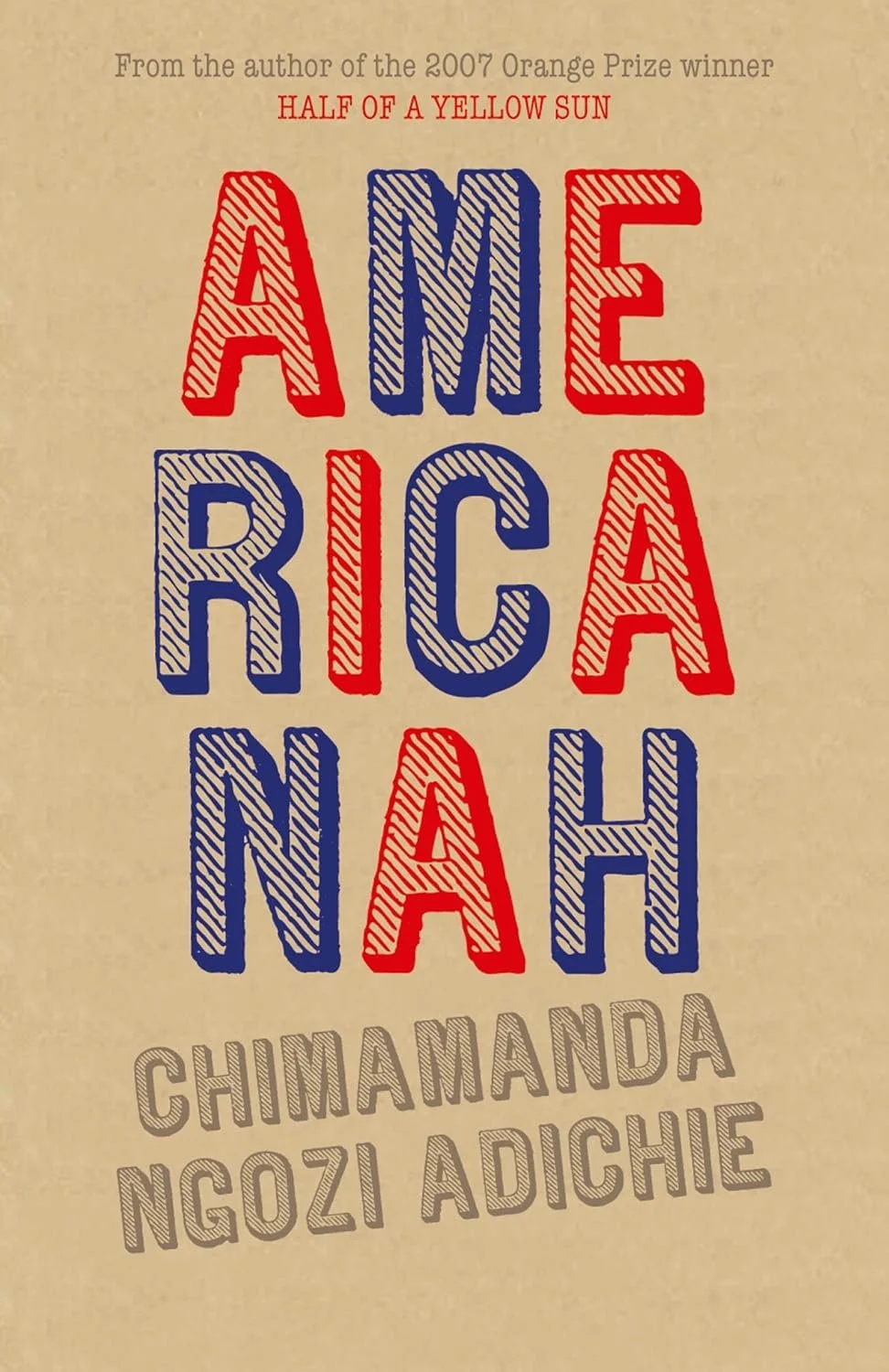
2. Americanah by Chimamanda Ngozi Adichie
The plot: Ifemelu and Obinze leave a military-controlled Nigeria in pursuit of opportunities abroad. In the U.S., Ifemelu thrives academically while confronting race in a way she never had to at home. Obinze navigates the precarious underbelly of life in London.
The emotional reality: Race, identity and reassignment
Where travel writing typically delights in discovery, Americanah examines the shock of racial and social recoding. Adichie renders the exhaustion of learning a new country’s unspoken rules regarding class, language, etiquette, race.
It’s a powerful depiction of what could be called the “expat syndrome”: being a permanent outsider in the country you’ve moved to, yet no longer fully belonging to the country you left.
Tip: Find some freebies.
Apps like FictionMe put an entire library in your pocket at no cost.

3. Brick Lane by Monica Ali
The plot: Nazneen leaves Bangladesh for an arranged marriage in London’s Tower Hamlets. Confined to a small flat, isolated by language, and observing the world through net curtains, her life unfolds at the unsettling intersection of duty, culture and desire.
The emotional reality: Language as barrier and cage
Ali captures the claustrophobia of linguistic exclusion — when you possess a vivid interior world yet lack the vocabulary to make it legible to others. Many expats liken the first months abroad to early childhood: dependent, humbled and frequently misunderstood.
Brick Lane argues that literature’s real power lies in helping immigrants and expats name the parts of the experience that feel otherwise unsayable.

Why Literature Matters When You’re Far From Home
Relocating abroad is not merely a logistical endeavor — it rearranges you at a molecular level. Travel guides help you navigate new streets; novels help you navigate new selves.
Finding stories that mirror your experience — whether through online platforms or a well-loved local bookshop — is a form of self-preservation. It’s the reminder that confusion, loneliness and otherness aren’t evidence of failure but essential parts of transformation.
On the loneliest nights in the most dazzling cities, books insist on the one thing expat life often withholds: that you are not alone. –Layla Young