Learn how to experience local culture respectfully while traveling, with practical advice for festivals, street food, sacred sites and meaningful cultural encounters.
A festival is thundering through the streets. Smoke rises from a food stall. Somewhere nearby, bells ring inside a temple you’re not entirely sure you’re allowed to enter.
These are often the moments travelers remember most. They can also be the moments we handle the worst.
“People are continuing with their lives, not auditioning for a role in your travel story.”
Experiencing another culture more deeply doesn’t require pretending to be a local, chasing “authenticity” into places where visitors aren’t wanted or documenting every encounter for social media. It requires curiosity, patience and enough awareness to recognize when you’re a guest rather than the main character. Done right, travel opens your mind.
Festivals, street food and sacred sites offer three very different doors into local life. The trick is knowing how to walk through each one without trampling over the threshold.
Let the Festival Be About the People Celebrating It
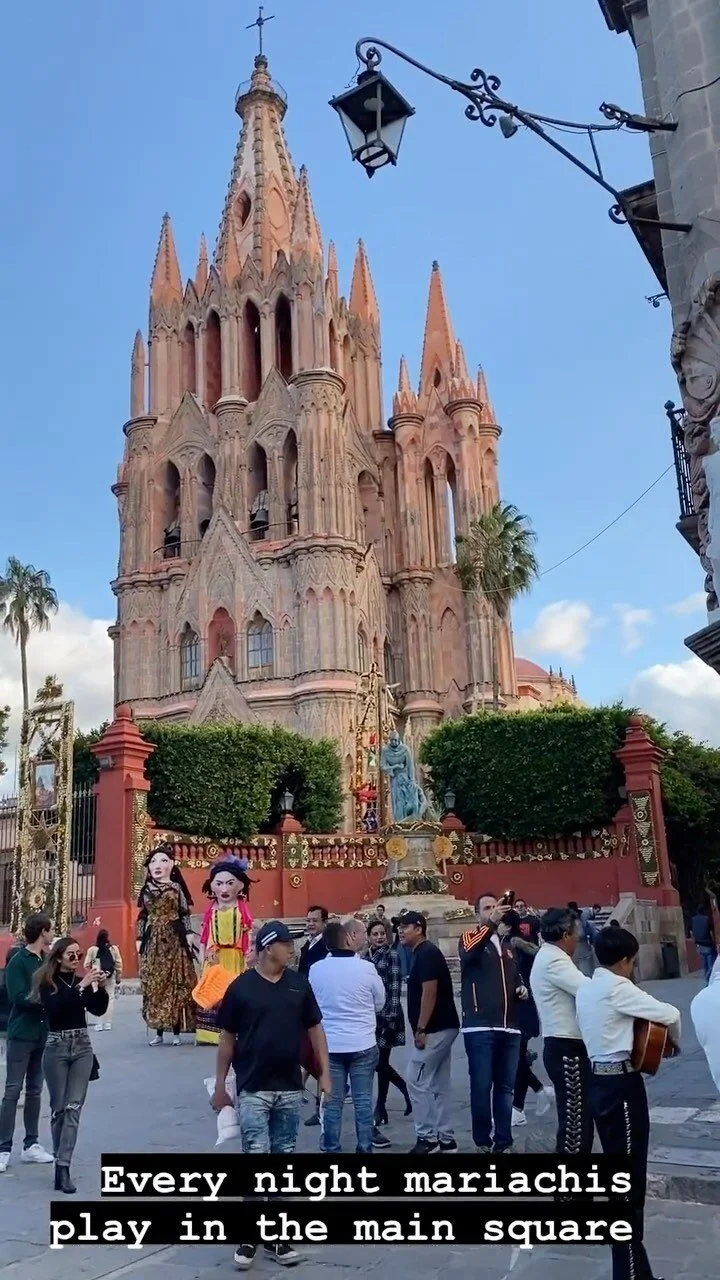
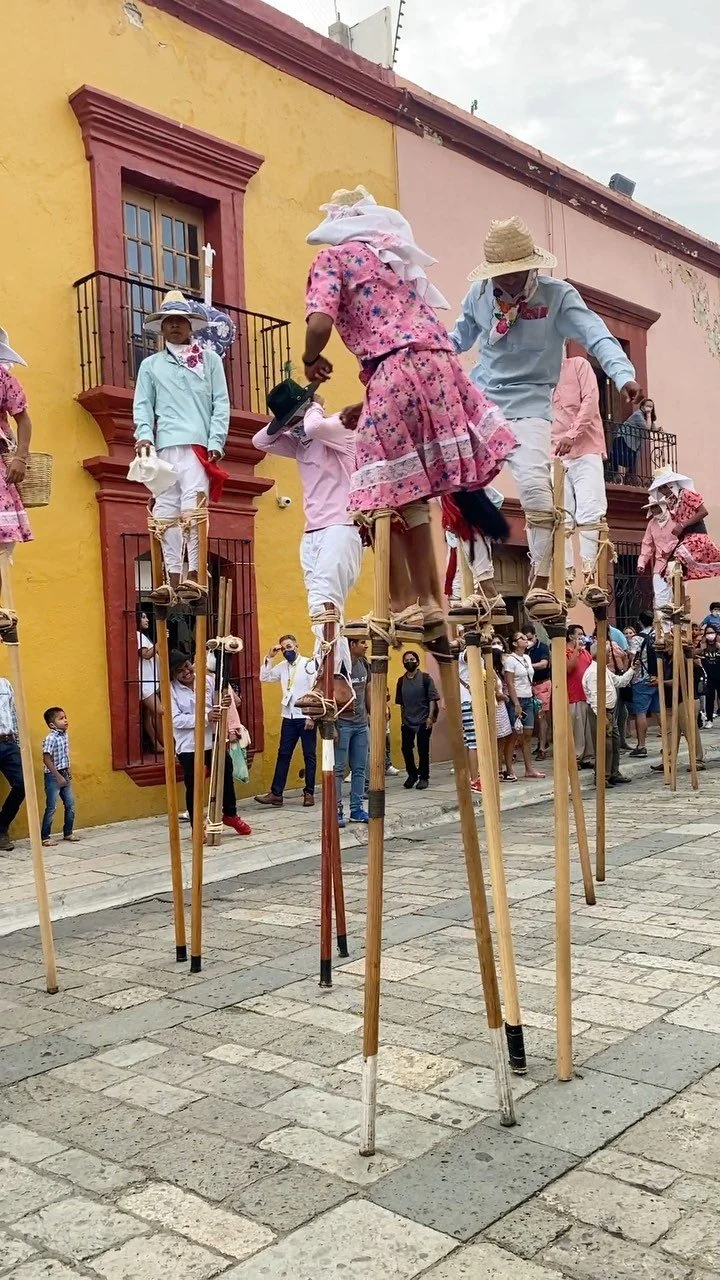
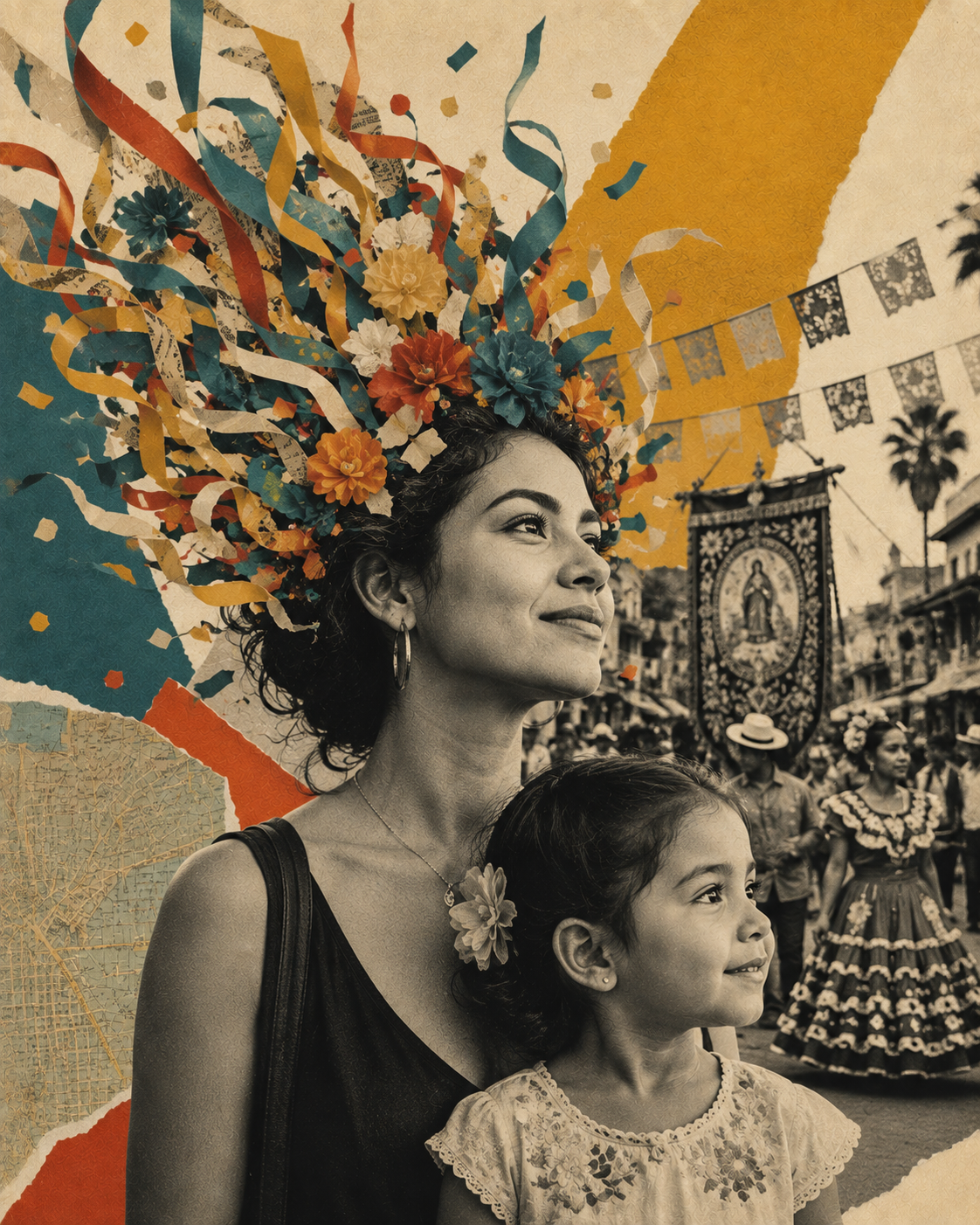
Festivals are irresistible to travelers because ordinary rules appear to have been suspended. Streets close. Costumes emerge. Music gets louder. Entire communities stay awake long past their usual bedtime.
But the parade, procession or public feast you see may be only the visible layer of something much older. A celebration that looks theatrical to an outsider might mark a religious observance, a seasonal transition, a historical event or a promise carried through generations.
Before arriving, learn what the festival actually commemorates. Find out whether its central events are solemn, celebratory or a mixture of both. This matters because cheering, drinking or pushing toward the front may be welcome during one part of the day and wildly inappropriate during another.
Pay attention to who is participating and who is watching. If local spectators remain behind a barrier, don’t assume your visitor status grants you permission to cross it. If everyone becomes quiet when a procession approaches, put the conversation on hold. And if people lower their cameras, that’s usually your cue to do the same.
The most meaningful festival moments often happen away from the main spectacle anyway. Look for families preparing decorations, vendors assembling temporary kitchens or musicians tuning their instruments before the crowds arrive. These quieter scenes reveal how much work, memory and community effort sit behind the celebration.
Eat Where the Menu Requires a Little Courage
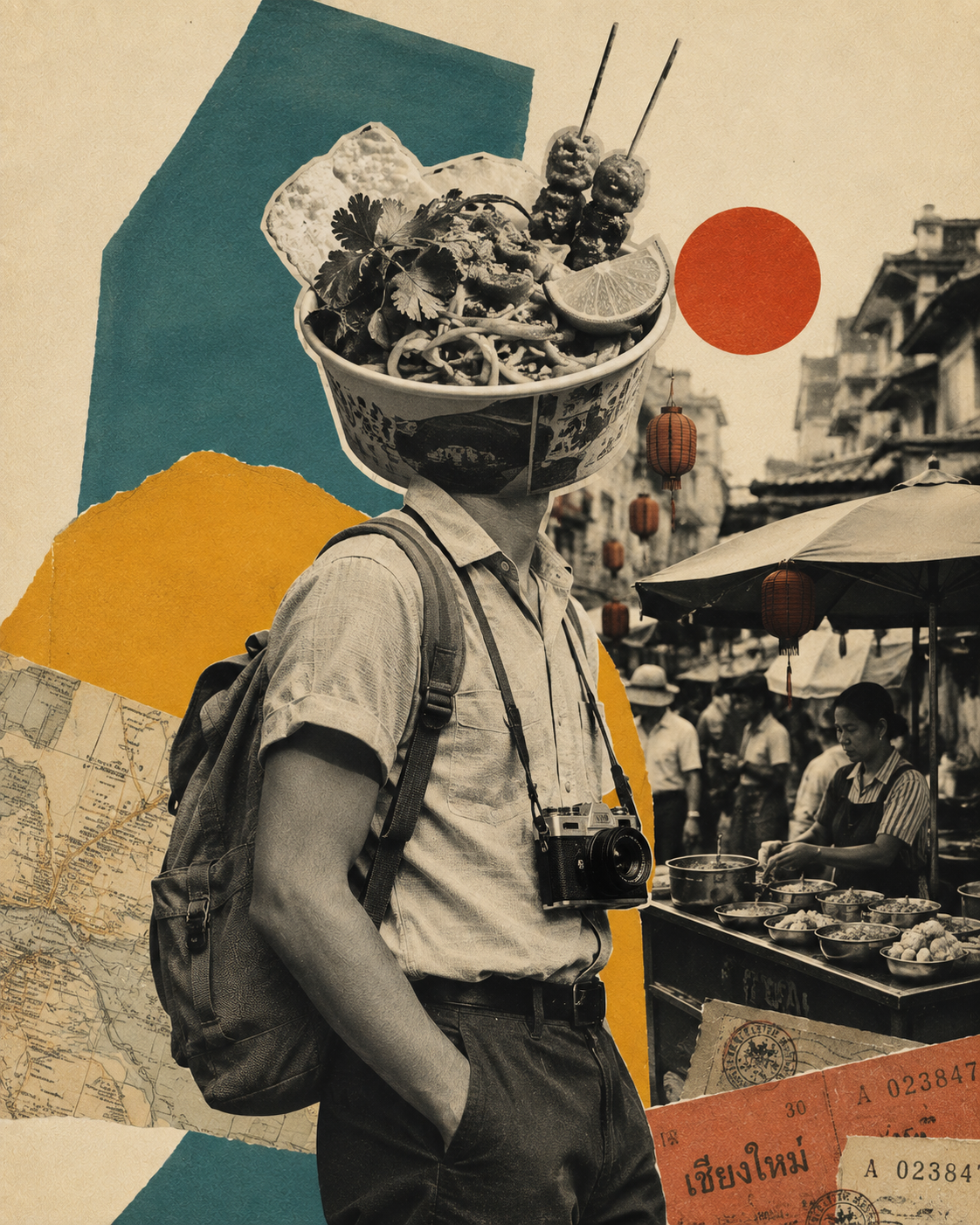
Street food brings you into contact with a place at its most practical. This is not cuisine arranged to explain itself to outsiders. It’s breakfast eaten before work, an afternoon snack grabbed on the way home or a late-night bowl served to people who have been ordering it for years.
Start by watching. Which stalls have a steady stream of customers? What are people ordering repeatedly? Do they eat standing up, sit on plastic stools or carry the food away? Observation answers many questions without forcing a busy vendor to give you a private culinary seminar during the lunch rush.
A short line can be encouraging, but turnover matters more than crowd size. Food that’s cooked in front of you and served quickly has generally spent less time waiting around. In hot climates, be more cautious with raw garnishes, cut fruit exposed for long periods and sauces sitting in open containers. Street food should feel adventurous, not reckless.
Order one item first rather than treating the stall as a tasting menu. If there are several variations, point to what another customer is eating or ask what the vendor recommends. Learn the local words for “spicy,” “no meat,” “peanuts” or any ingredient connected to a serious allergy. Translation apps are useful, but a saved screenshot of those phrases can be faster when the signal disappears or the market is too noisy for voice recognition.
Most importantly, don’t judge a dish by how closely it resembles something from home. The point is not to decide whether one country makes the “better” dumpling, flatbread or grilled skewer. Ask what role the food plays locally. Is it associated with a holiday? Is it eaten at a certain time of day? Does the recipe change by region?
Meals become considerably more interesting once they stop being a competition.

Treat Sacred Sites as Living Places, Not Elaborate Sets
Temples, mosques, churches, shrines and other sacred spaces are frequently among a destination’s most extraordinary buildings. Their artistic and historical importance makes them natural stops for travelers. Yet many remain active places of worship — not museums that happen to contain people praying.
Dress requirements vary, so check them before leaving your hotel. Carrying a lightweight scarf can help when shoulders or heads need to be covered, but don’t assume it solves every situation. Some sites provide coverings, restrict certain garments or have separate entry rules for different areas.
At the entrance, slow down and look around. Are shoes being removed? Are visitors washing their hands or feet? Is photography prohibited only inside, or throughout the complex? Signs don’t always appear in English, which makes the behavior of local worshippers especially useful.
Never photograph someone praying without permission. Avoid blocking entrances, altars or ritual paths while composing a shot. A wide-angle lens doesn’t transform another person’s act of devotion into public scenery.
Some rituals are open to everyone; others aren’t. An invitation to light incense, receive a blessing or join a communal meal can create a genuine point of connection. But participation should come with respect rather than performance. Follow instructions, make an appropriate donation when customary and resist narrating the entire moment into your phone.
Sometimes the most respectful form of participation is simply standing quietly and paying attention.
Plan the Practical Details Before You Need Them
Deeper travel may sound spontaneous, but it works better when the boring logistics have already been handled.
Festival schedules change. Sacred sites may close during services. A night market pinned on an old blog post might now operate on a different street. Public transportation can stop earlier during holidays, while road closures may turn a simple ride back to your hotel into a long walk through an unfamiliar neighborhood.
Save addresses in the local script, not only in English. Download an offline map of the area. Keep screenshots of your accommodation details, return route and any tickets that must be shown at an entrance. Carry some local currency because small food stalls, lockers and donation boxes may not accept cards.
On a journey involving several countries, a global travel eSIM can keep maps, translation tools and transport messages accessible as the route moves across borders, rather than forcing you to solve mobile data separately in every destination.
Connectivity is useful, but it shouldn’t become an excuse to experience everything through a screen. Once the route home is clear and the practical questions are answered, put the phone away for a while.
Ask Better Questions and Accept Short Answers
Travelers often say they want to meet locals. But what they really want is a local person who has unlimited time, speaks their language and is eager to explain an entire culture on demand.
Real interactions are less tidy. A vendor may be friendly but busy. A worshipper may answer one question and return to prayer. Someone at a festival may be happy to explain a costume yet decline a photograph. None of this is rejection. People are continuing with their lives, not auditioning for a role in your travel story.
Ask specific, modest questions. “Is this dish eaten every day or mainly during celebrations?” is easier to answer than “Tell me about your culture.” “Should visitors stand here during the procession?” is more useful than assuming the front row belongs to whoever arrives first.
And when someone does share a story, listen without immediately comparing it to your own experience. Curiosity loses its value when every answer becomes an opening for the traveler to start talking again.
Leave Room for the Place to Surprise You
A tightly packed itinerary can get you to the festival, the market and the temple on time. It can also prevent you from noticing anything that wasn’t already on the schedule.
Build empty space around culturally significant experiences. Arrive before the headline event. Stay after the tour group leaves. Walk one street beyond the market’s busiest entrance. Sit somewhere appropriate and watch how the place changes when nobody is rushing you toward the next attraction.
You may discover that the festival’s best moment is a grandmother fixing a child’s costume. The meal you remember might be a simple snack eaten beside commuters. The sacred site may become most affecting only after you stop photographing its ceiling.
Traveling deeply is about becoming more attentive to what’s already happening — and understanding that not every beautiful, strange or sacred moment needs to belong to you. –Josh Warner