You don’t need a shared language to understand someone — just an open mind, a curious heart and maybe a meal together. Discover the simple, human gestures that turn strangers into friends anywhere in the world.
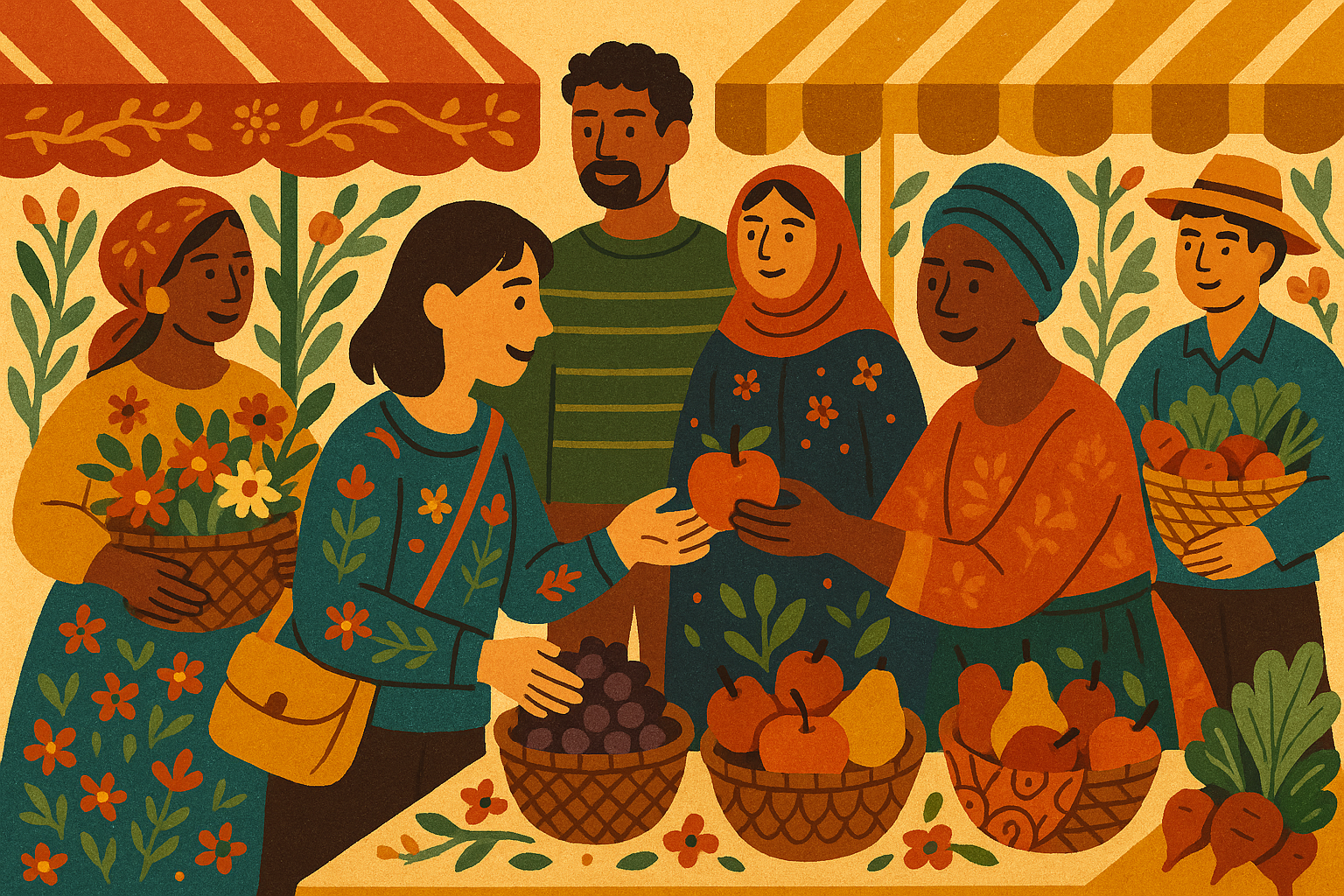
It doesn’t matter where you go — the language, the food or even the way people cross the street can feel alien. Yet, beneath all that difference, a pulse remains the same: People want to connect. In a world that moves faster than your next flight, finding common ground is more than just being polite; it’s survival for the modern traveler, the curious mind and the restless soul.
Travel is a series of encounters. And in every one, culture becomes both a bridge and a wall. According to a recent survey by Arival, over 65% of travelers say their most memorable experiences come from interactions with locals, not sightseeing. That statistic tells a quiet truth — shared understanding turns destinations into stories.
Here’s how to find common ground and make connections no matter where you travel:
1. Start with listening — not talking.
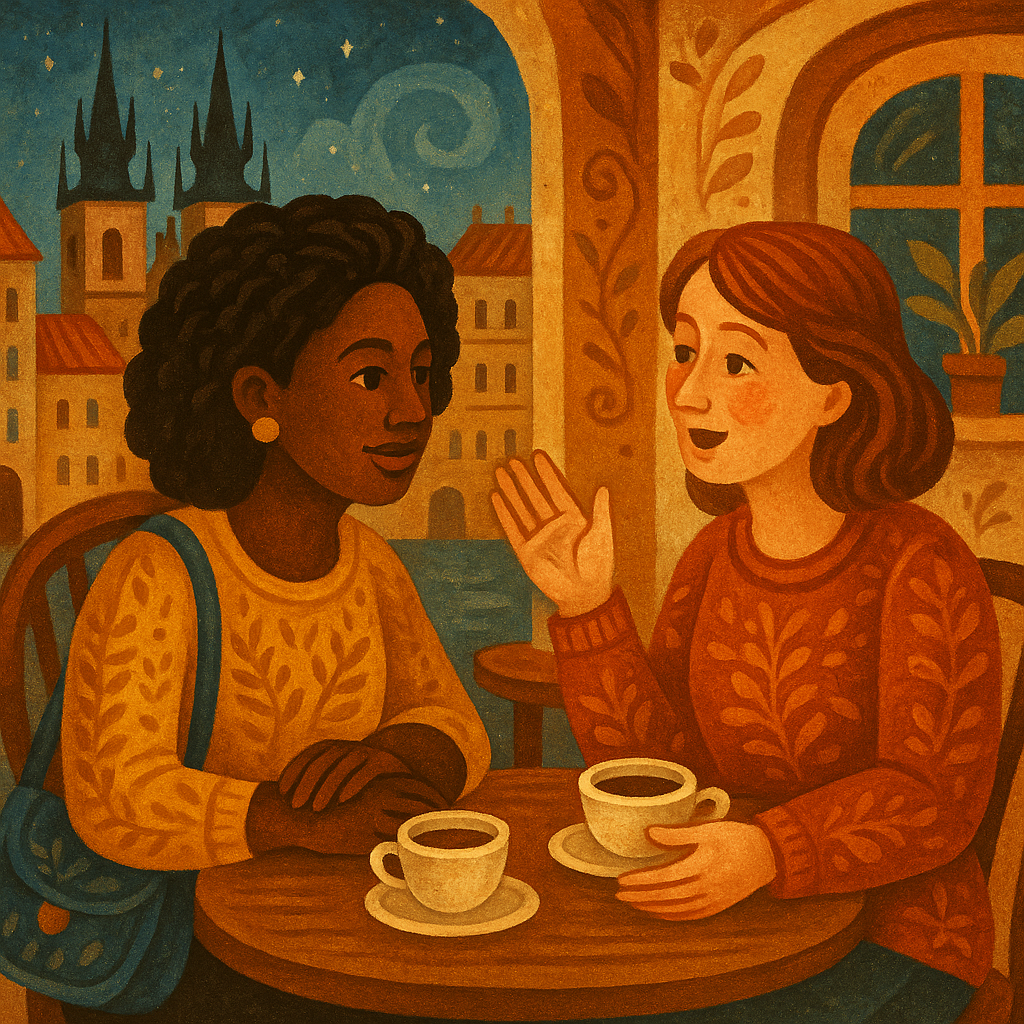
The first and most underestimated secret is silence. People often mistake connection for conversation, but the reality is gentler. Listening is what opens the door. When traveling to new cultures, the rhythm of speech, tone and pauses can often tell more than words themselves.
Think about it. When you’re in a market in Morocco, in a café in Prague or waiting for a train in Japan, what makes you part of that place isn’t what you say — it’s how you observe. Active listening, psychologists note, improves empathy and helps form trust almost 40% faster than normal conversation.
So, whether you’re in the middle of an adventure through remote villages or navigating a big city, the rule holds: The quieter you become, the more you hear.
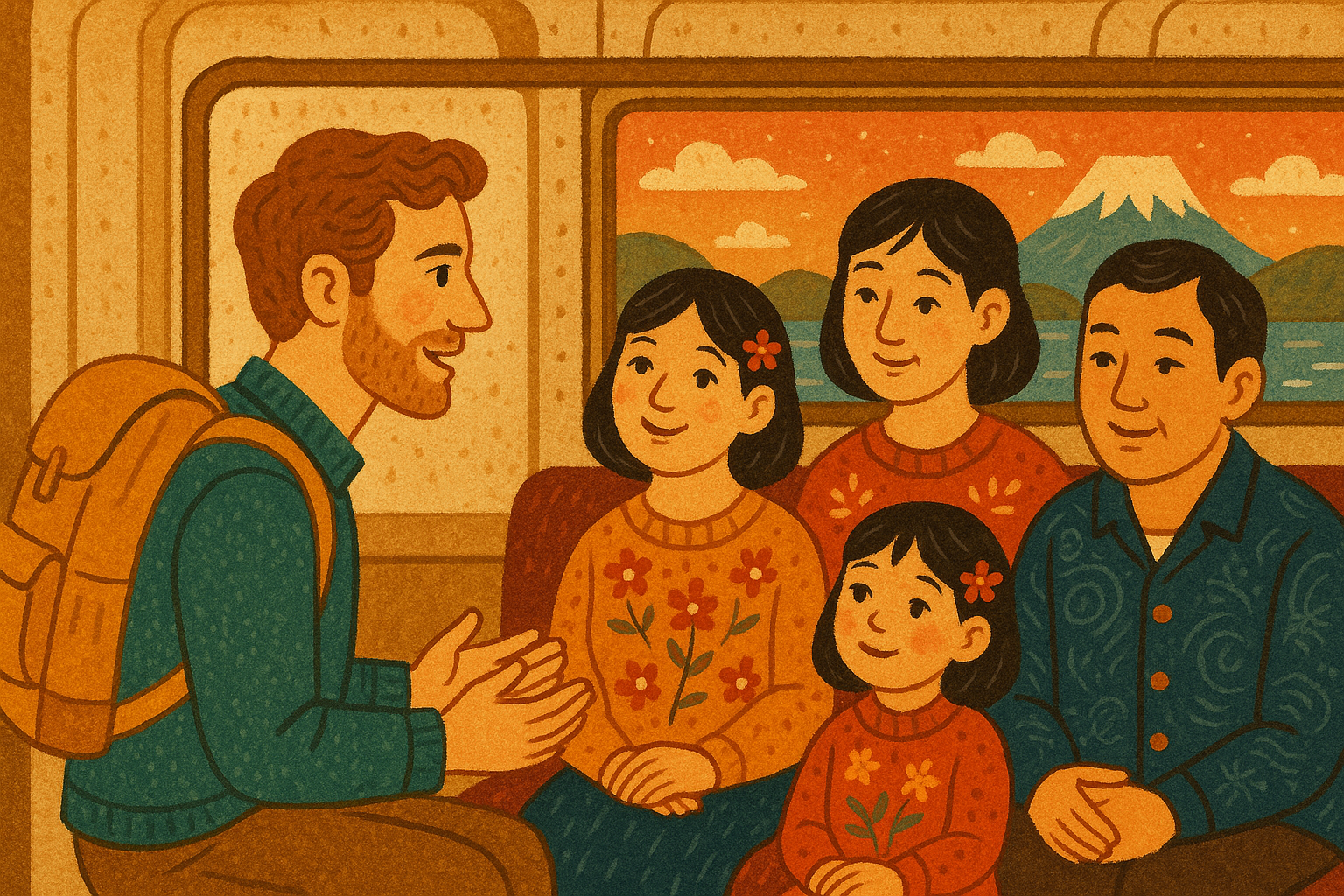
2. Learn the little things.
Culture isn’t always grand architecture or traditional festivals. Sometimes it hides in how people greet each other or how they serve tea. A traveler who learns to notice those things becomes less of an outsider.
Try saying just one word in the local language — not perfectly, just honestly. A study from the University of Cambridge showed that even a small attempt at local language increases positive reactions by nearly 70% in social encounters abroad. Why? Because effort is universal respect.
Adventure can also be about humility — learning from others without trying to prove that you already know something.
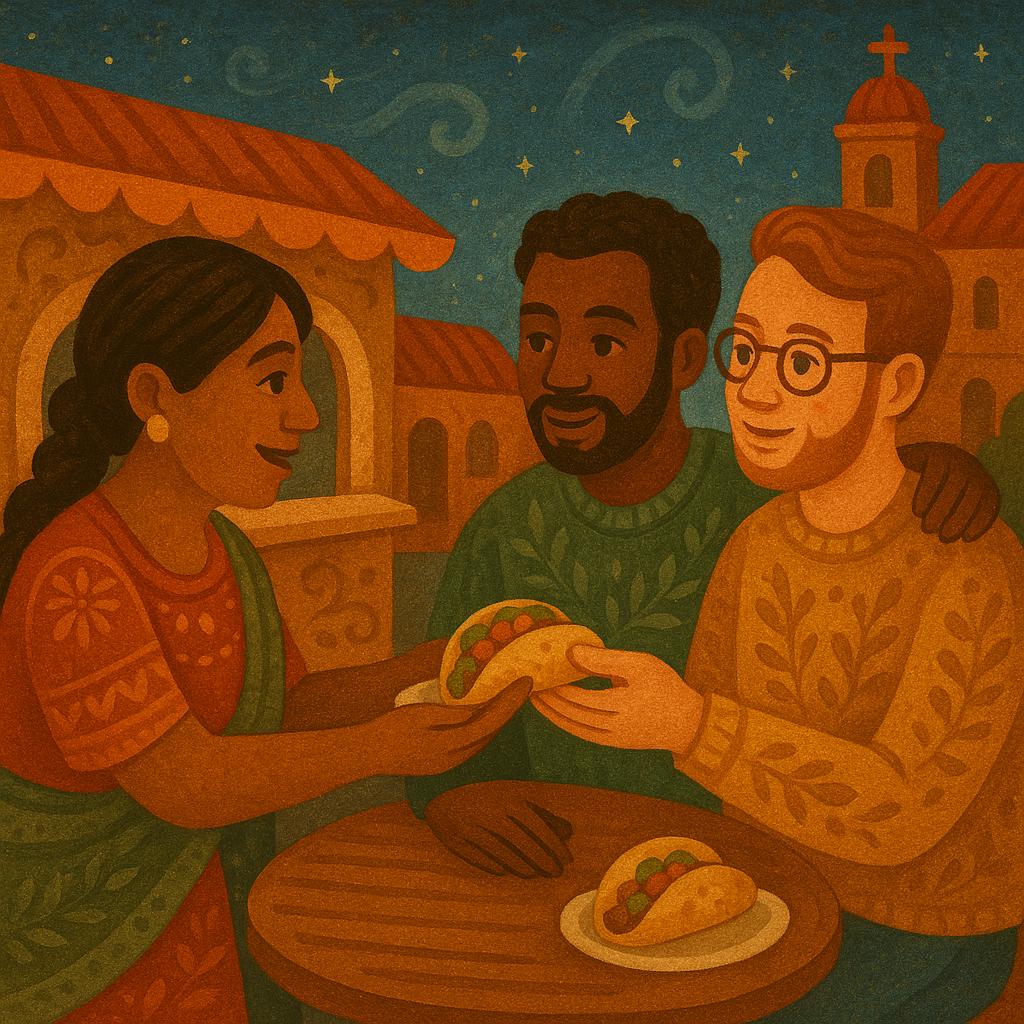
3. Share food, share worlds.
There’s no faster way to find common ground than by sharing a meal. Every dish is a cultural message — spicy, sweet, bitter or subtle, it tells a story of geography, history and survival. Sitting at a table, even in silence, can melt barriers faster than words.
In Thailand, you’ll see travelers and locals sharing street food without hesitation. In Italy, long lunches turn strangers into family. In Mexico, a tortilla passed from one hand to another carries warmth that no translation can express. Food, in essence, is diplomacy in disguise.
And yet, it’s more than that. Eating together reminds us that human adventure is shared — that we all need nourishment, warmth, laughter.
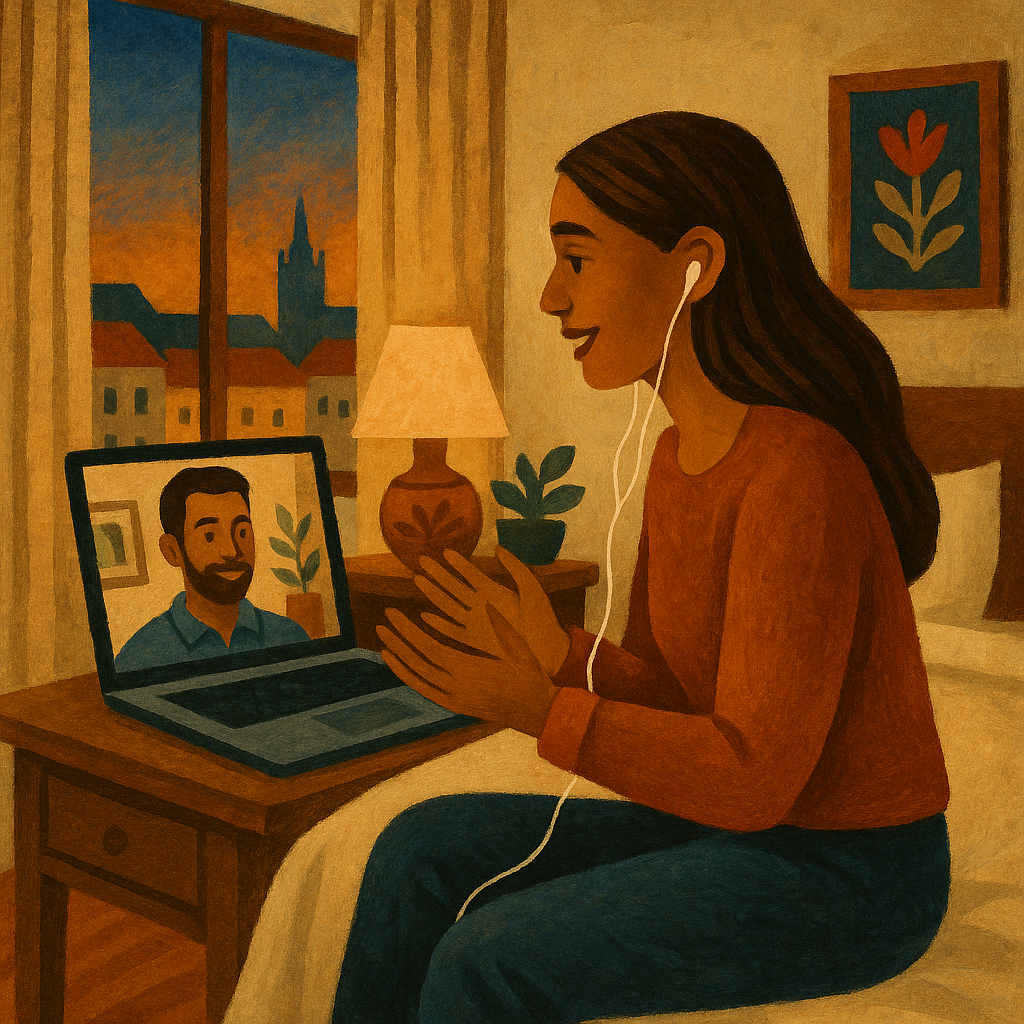
4. Be curious, not judgmental.
It’s tempting to compare. To measure one culture by another. But to find common ground, curiosity must replace judgment. Curiosity leads to stories. Judgment leads to silence.
When you ask, ”Why?” instead of saying, “That’s strange,” you invite the world to explain itself to you. A traveler once said, “The moment you stop being surprised, you stop traveling.” And you don’t have to physically travel the world; you can open a window through live video platforms like CallMeChat and similar services. Chatting online helps you get to know new cultures and people, and develop your curiosity right from your smartphone or PC.

5. Use shared emotions.
You may not share a language, but you share emotions. Laughter, surprise, gratitude — these are cultural passports. A smile can speak faster than Google Translate ever could. In moments of misunderstanding, humor eases the tension.
When someone helps you find your way or teaches you something local, gratitude bridges the gap. Travel is a lesson in vulnerability — in allowing yourself to be seen not as a tourist, but as a fellow human being.
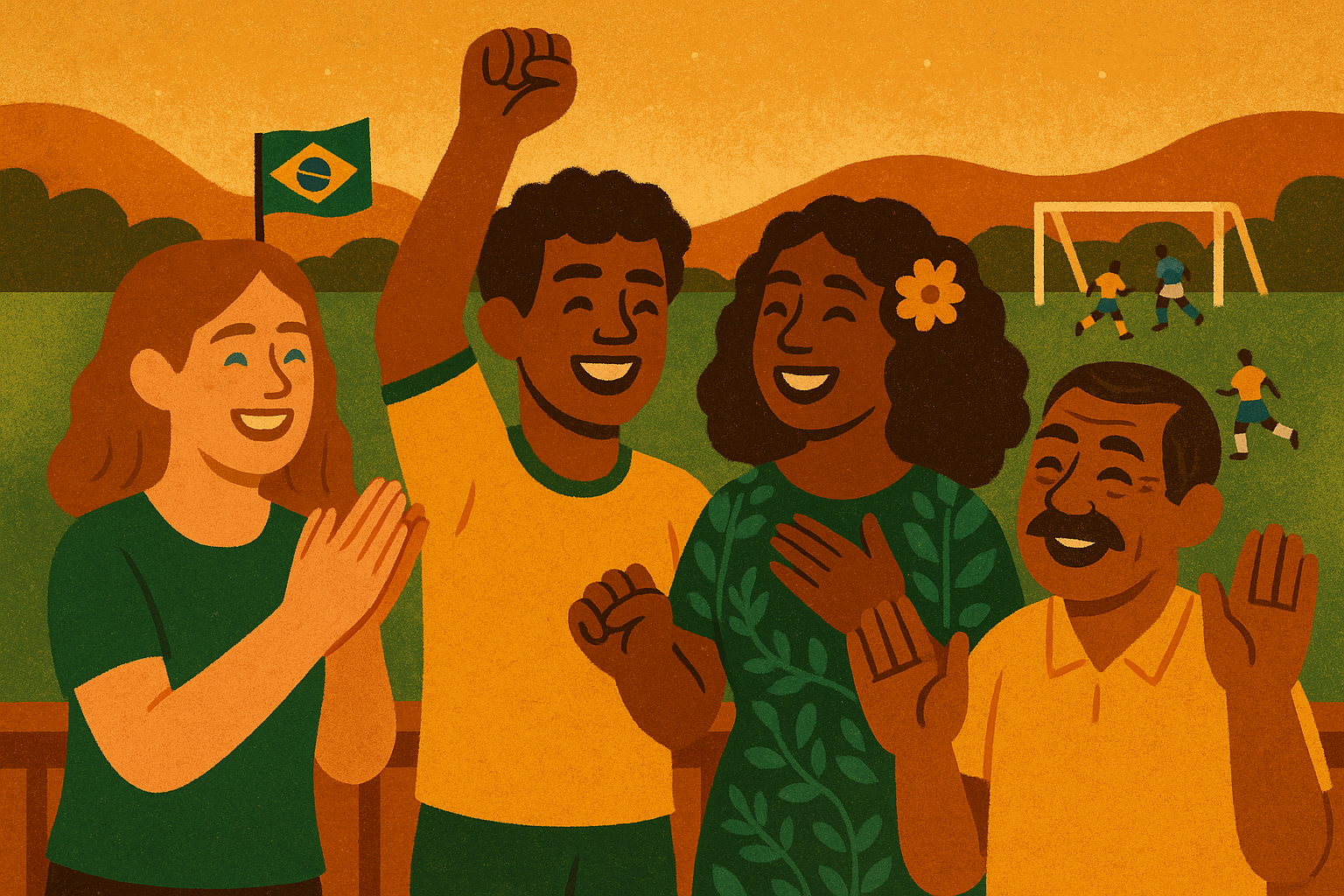
6. Join local life, even briefly.
To find common ground, you must step into daily rhythms — even if just for a short time. Take a bus, visit a community market, attend a local game or help in a small project. When you participate, you cross the line between observer and participant.
In studies, cultural immersion is said to increase empathy after a week or so of active engagement. That means walking the same streets, sharing the same weather, even facing the same small inconveniences — because in those moments, you stop being a visitor and start being part of the place.
Adventure becomes a two-way story. You take memories, yes, but you also leave traces — laughter, kindness, maybe a promise to return.
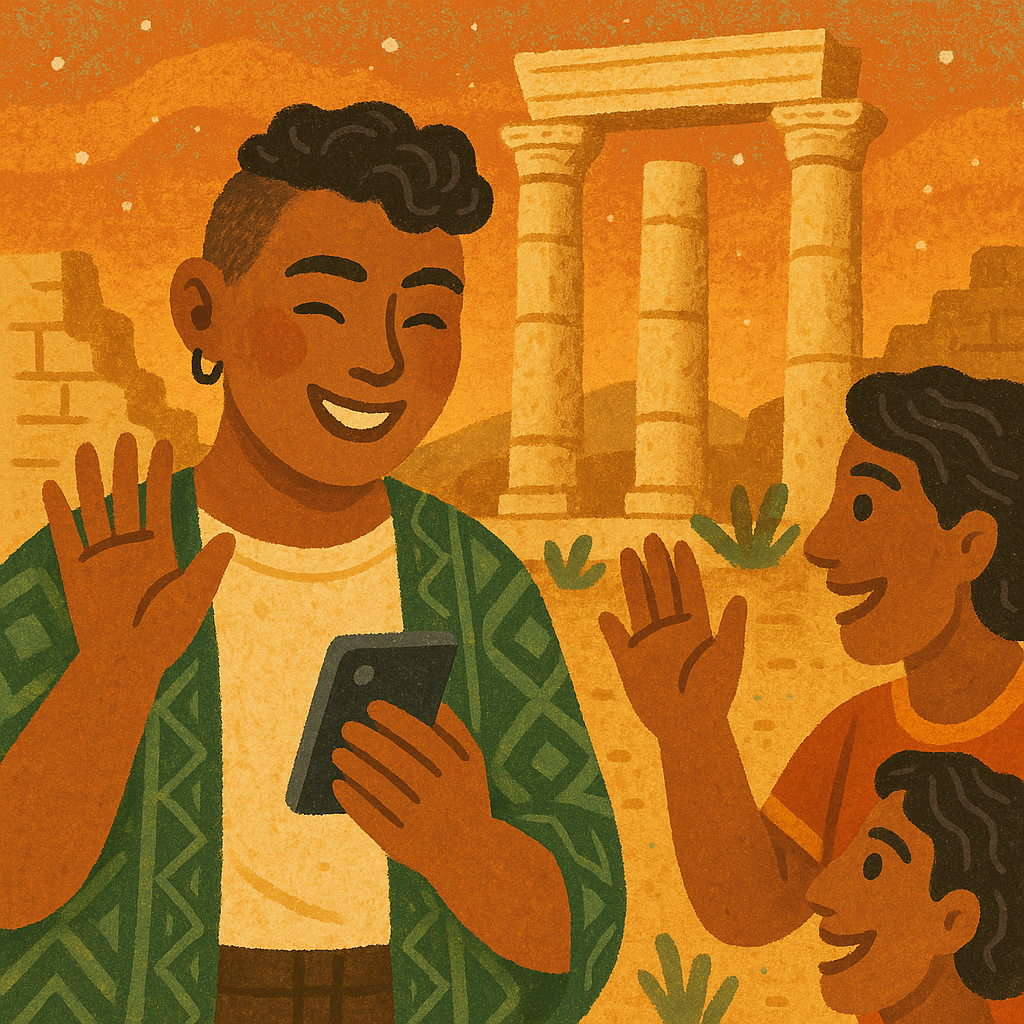
7. Let technology help — but not lead.
It’s tempting to rely on translation apps, maps or social platforms to connect. Yes, they’re useful — essential even. But the risk is losing the raw, human unpredictability that makes connection real.
Technology should foster connection, not isolation. It can help you learn a few words, understand customs or find cultural events nearby. Yet the deepest understanding happens offline — when you look up, make eye contact and exchange gestures instead of data.

Respect: The Core of Connection
Respect is the quiet foundation of all shared ground. It’s not about agreement; it’s about acknowledgment. You can admire another culture without adopting it. You can disagree without disrespecting.
When you travel through new lands, remember that your exploration unfolds in someone else’s home. Remember that. The more respect you give, the more culture gives back.
In fact, surveys across multiple countries show that travelers rated “respect for local customs” as the most appreciated trait in foreigners — above generosity or politeness. That says everything.
Finding Universal Ground
Every culture is a mirror — sometimes clear, sometimes foggy — reflecting a version of humanity back at you. Finding common ground isn’t about losing your identity; it’s about expanding it.
Travel, when done right, teaches that there is no them. There’s only us, in different forms, languages and stories. And adventure — the real kind — begins when you start to see yourself in others.
In the end, the best secret to finding common ground anywhere is simple: Be human, and let others be, too. Everything else — the smiles, the shared food, the laughter, the lessons — will follow naturally. –William Charest