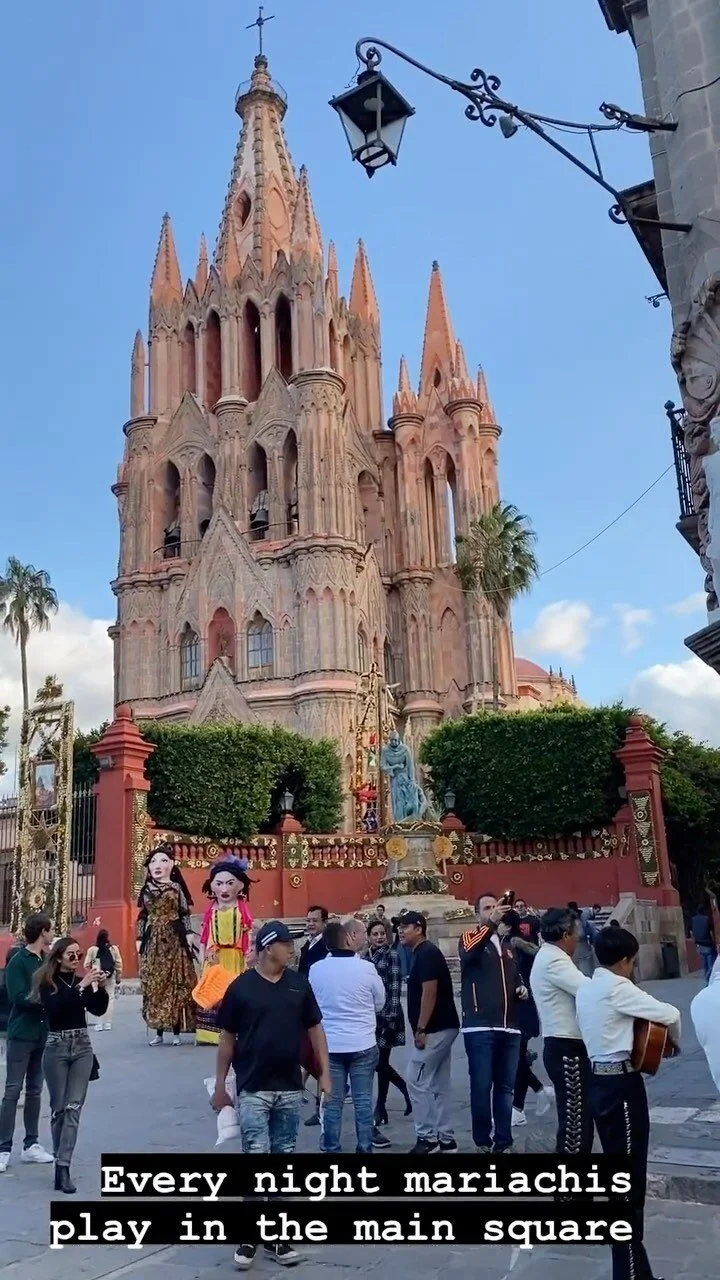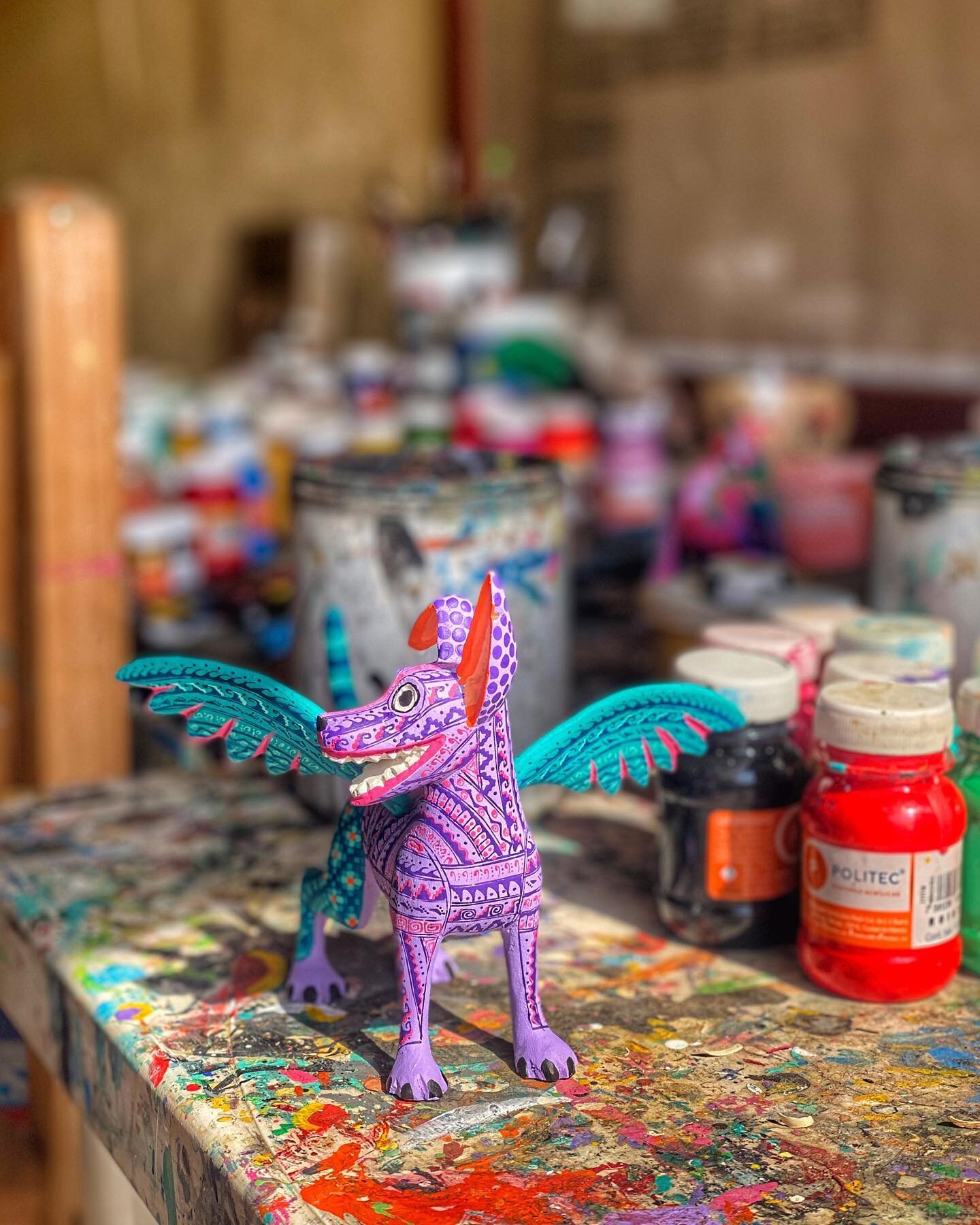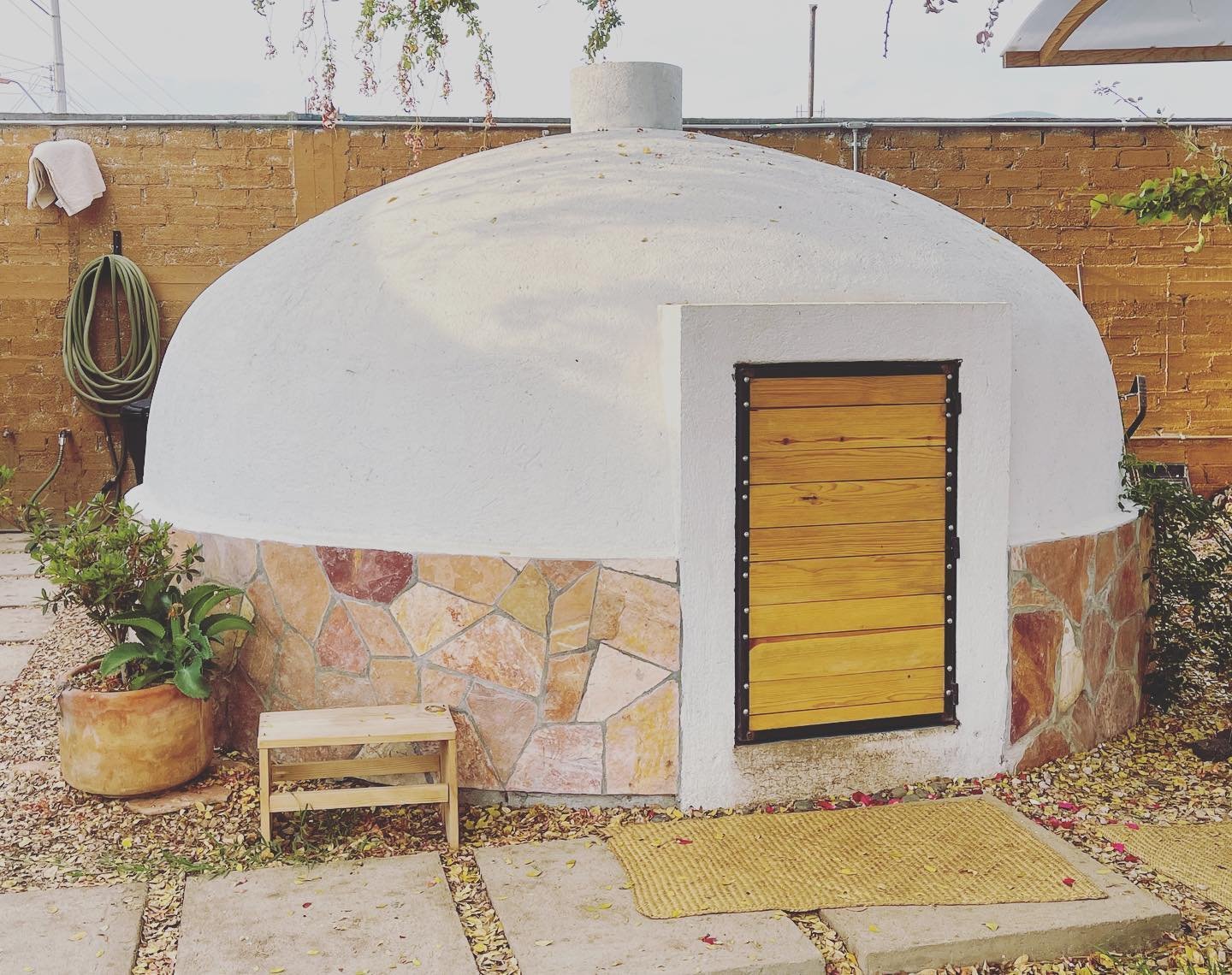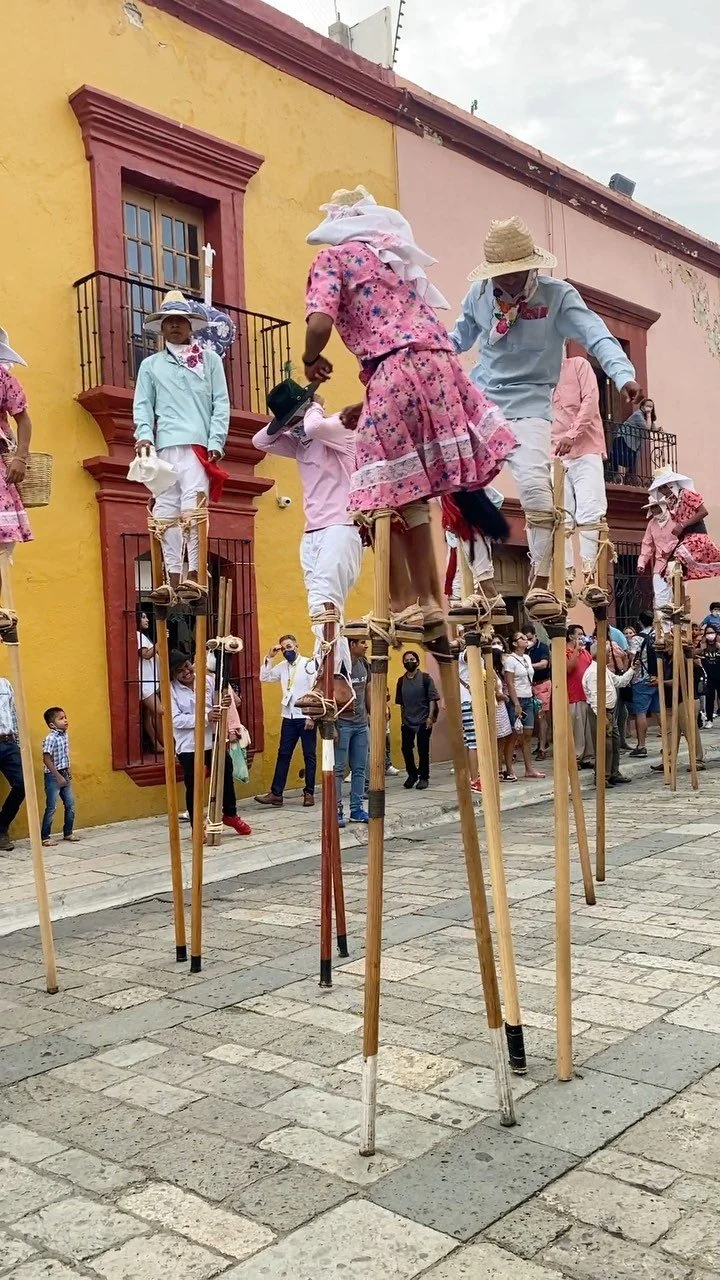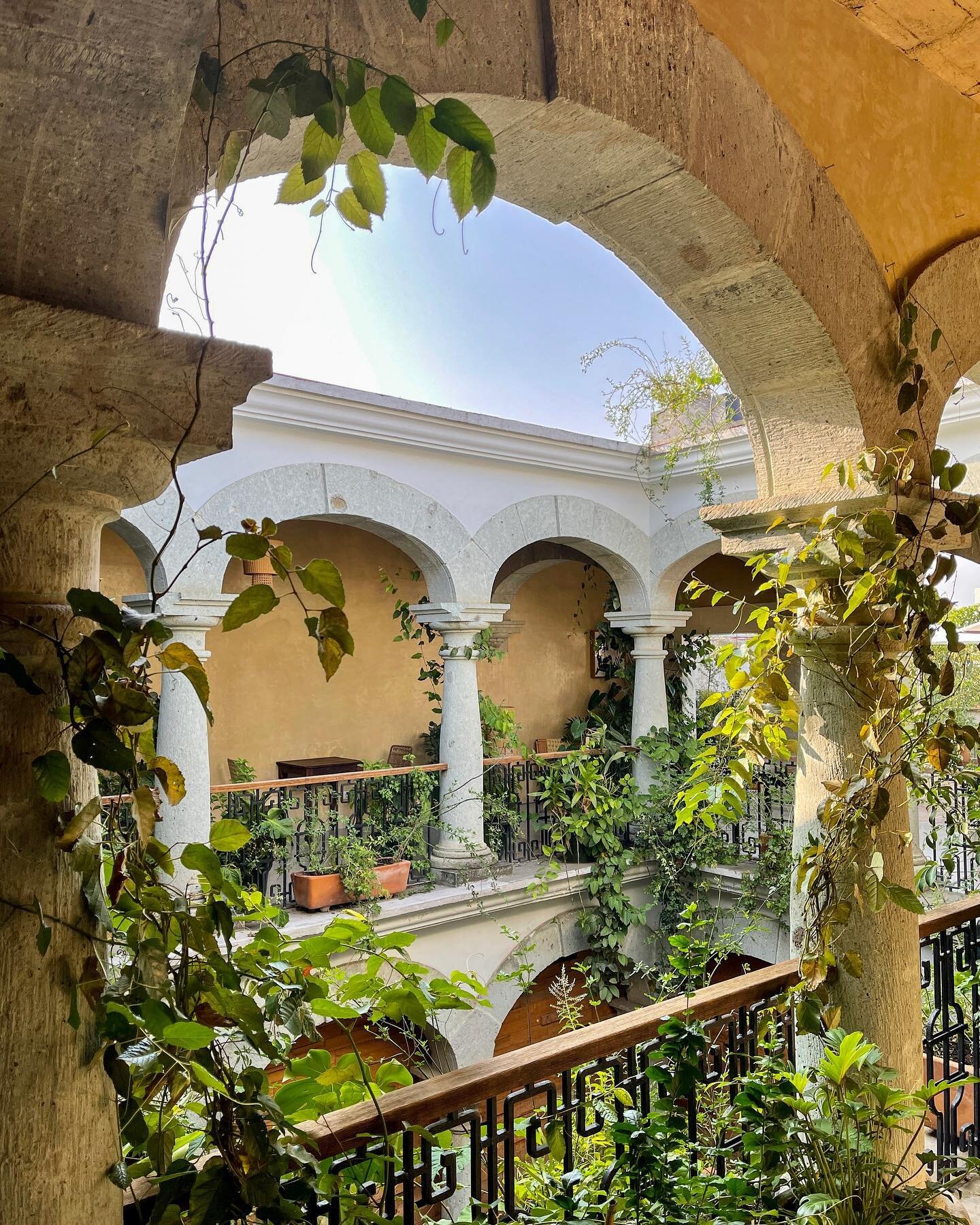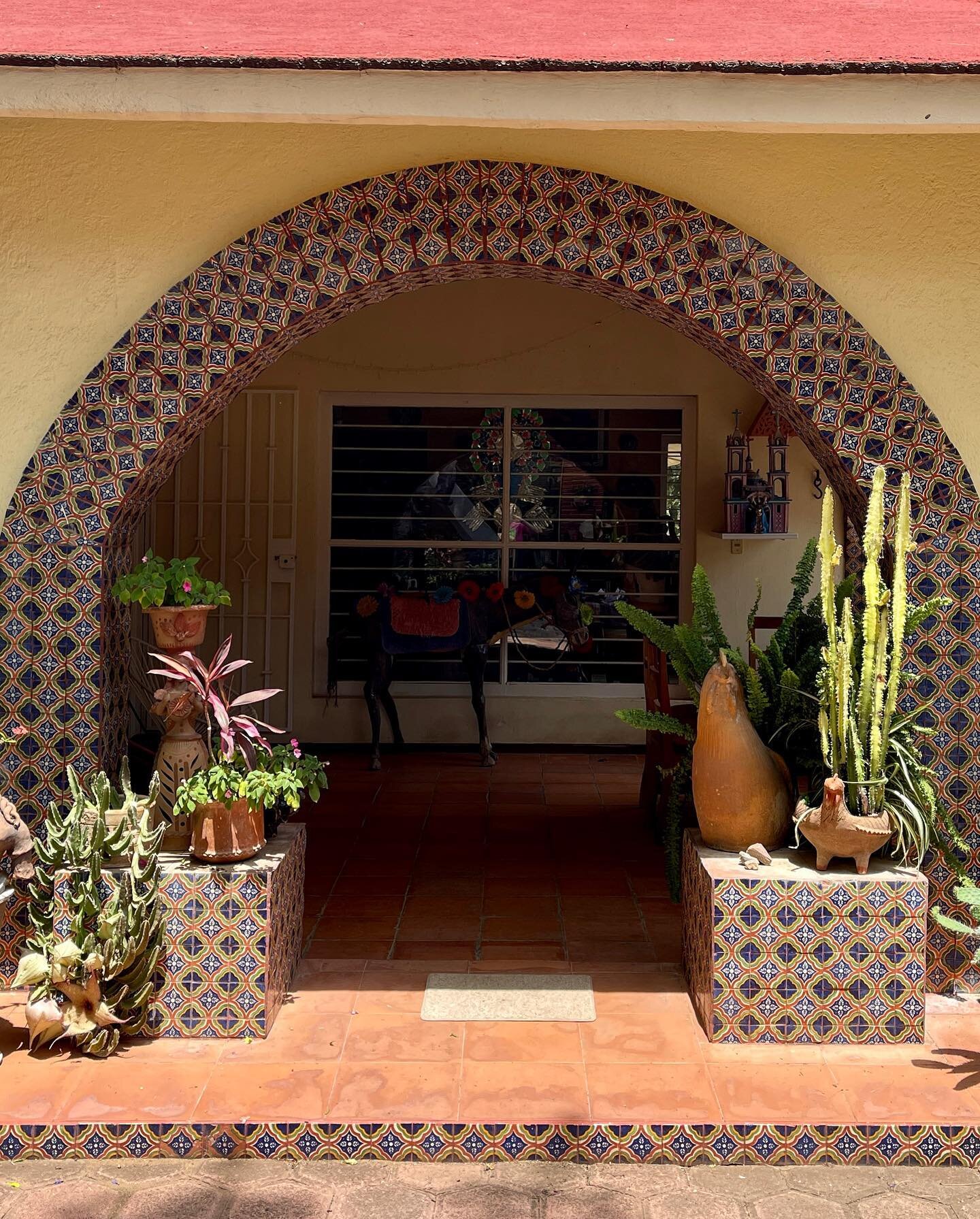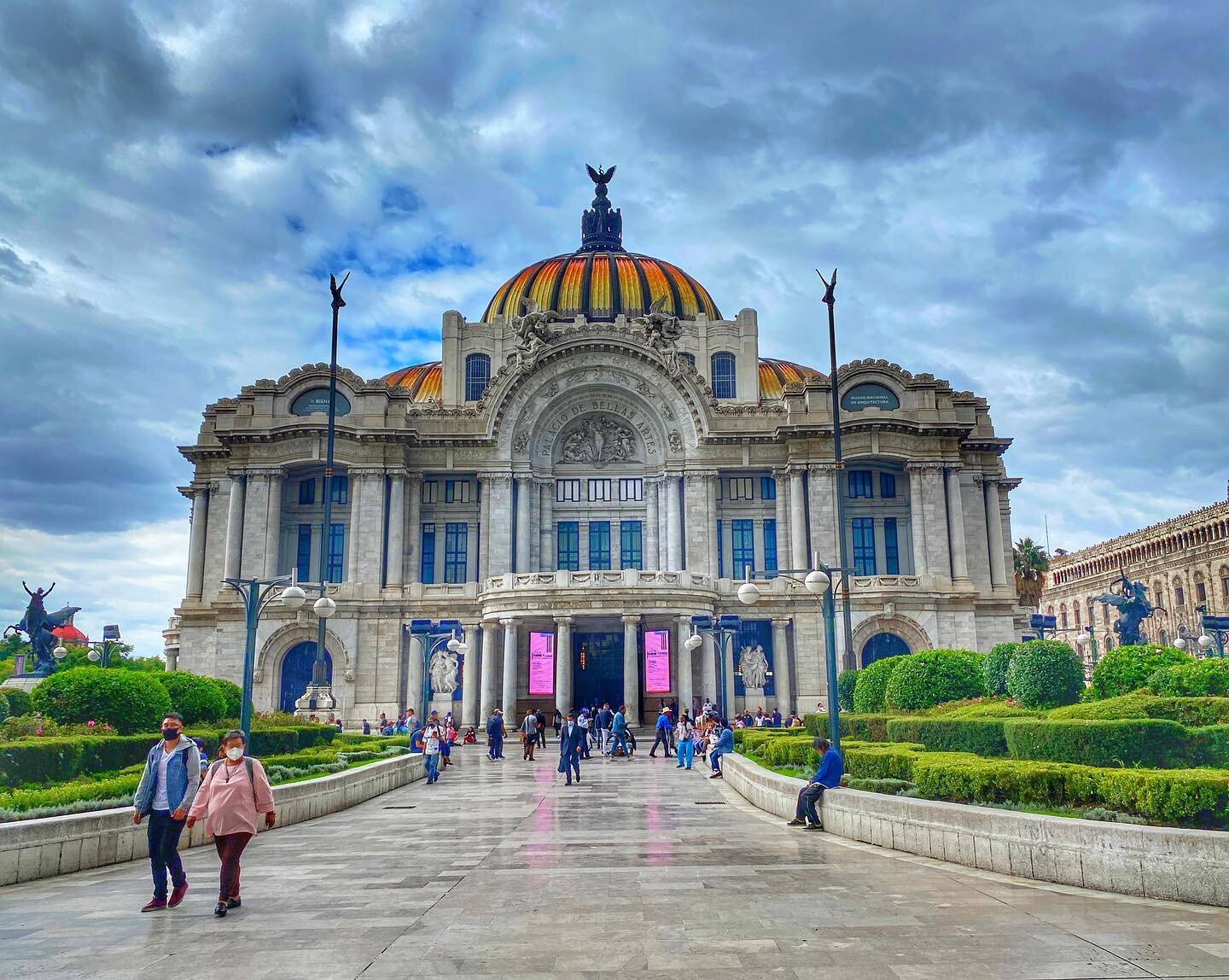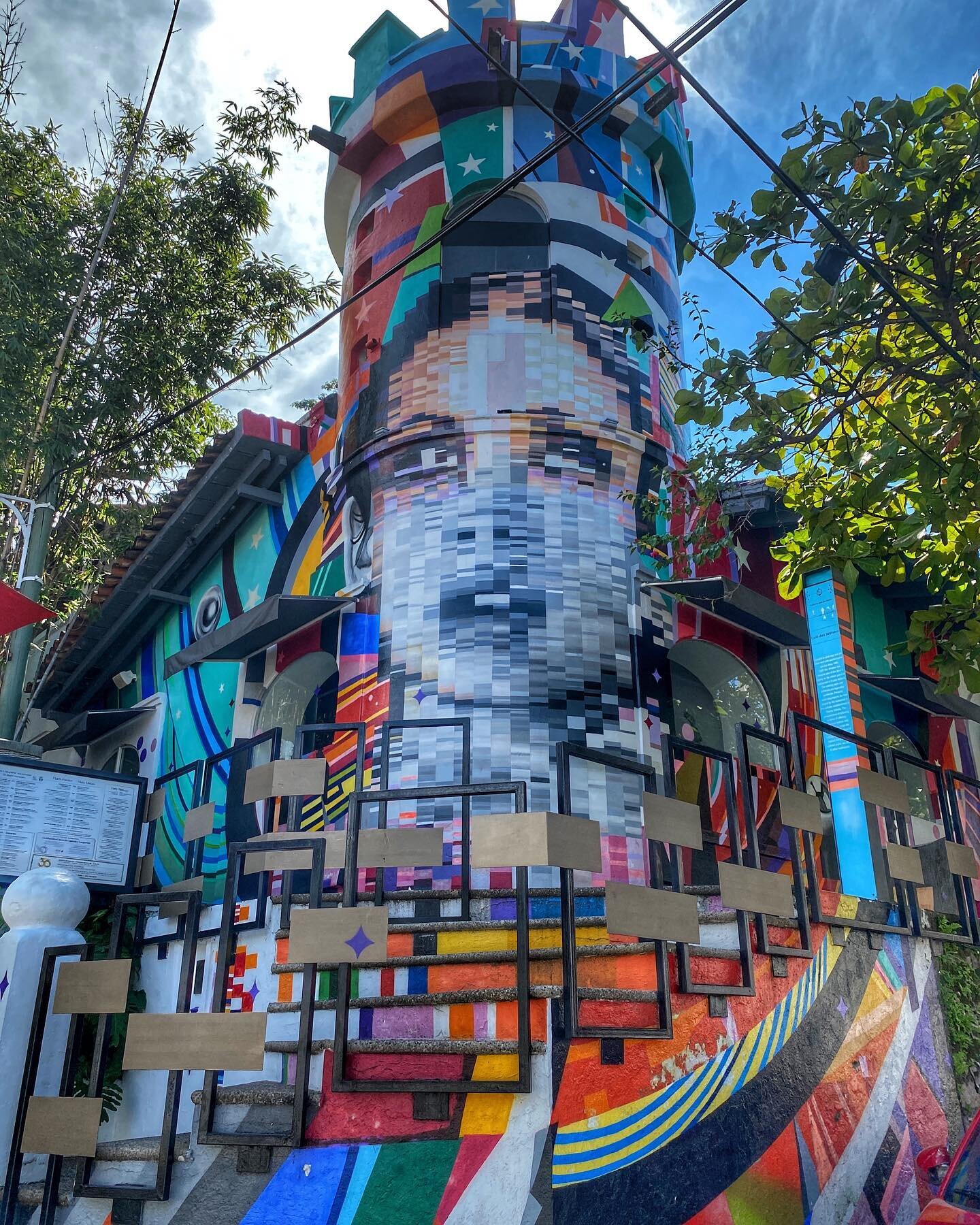
Some cities simply make more sense at walking speed. Exploring on foot reveals the details you miss in cars and trains.
Some cities don’t want to be rushed.
You feel it almost immediately — usually about 10 minutes after you’ve tried to “efficiently” see them by bus or rideshare and realized you’ve spent more time staring at brake lights than at anything remotely interesting.
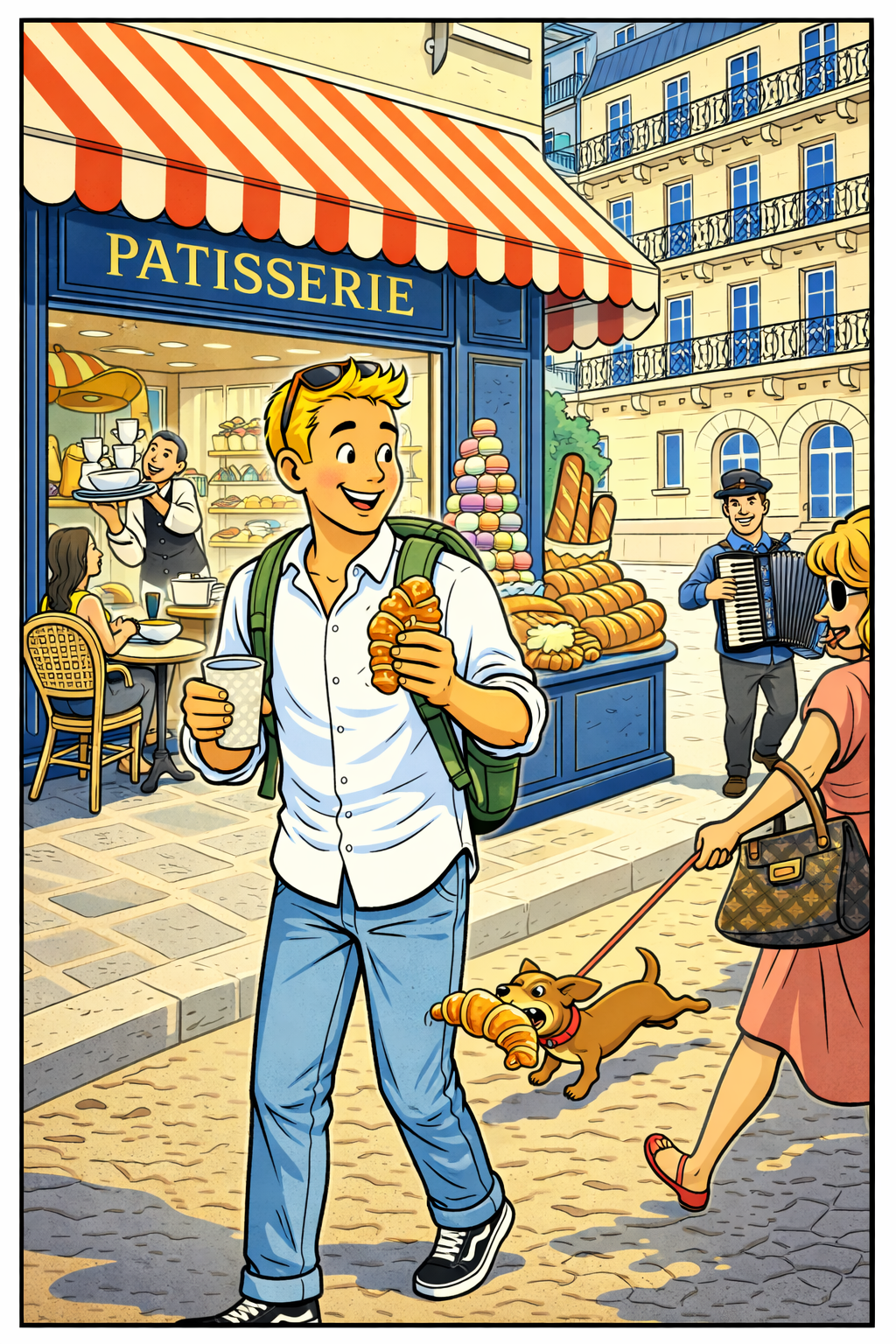
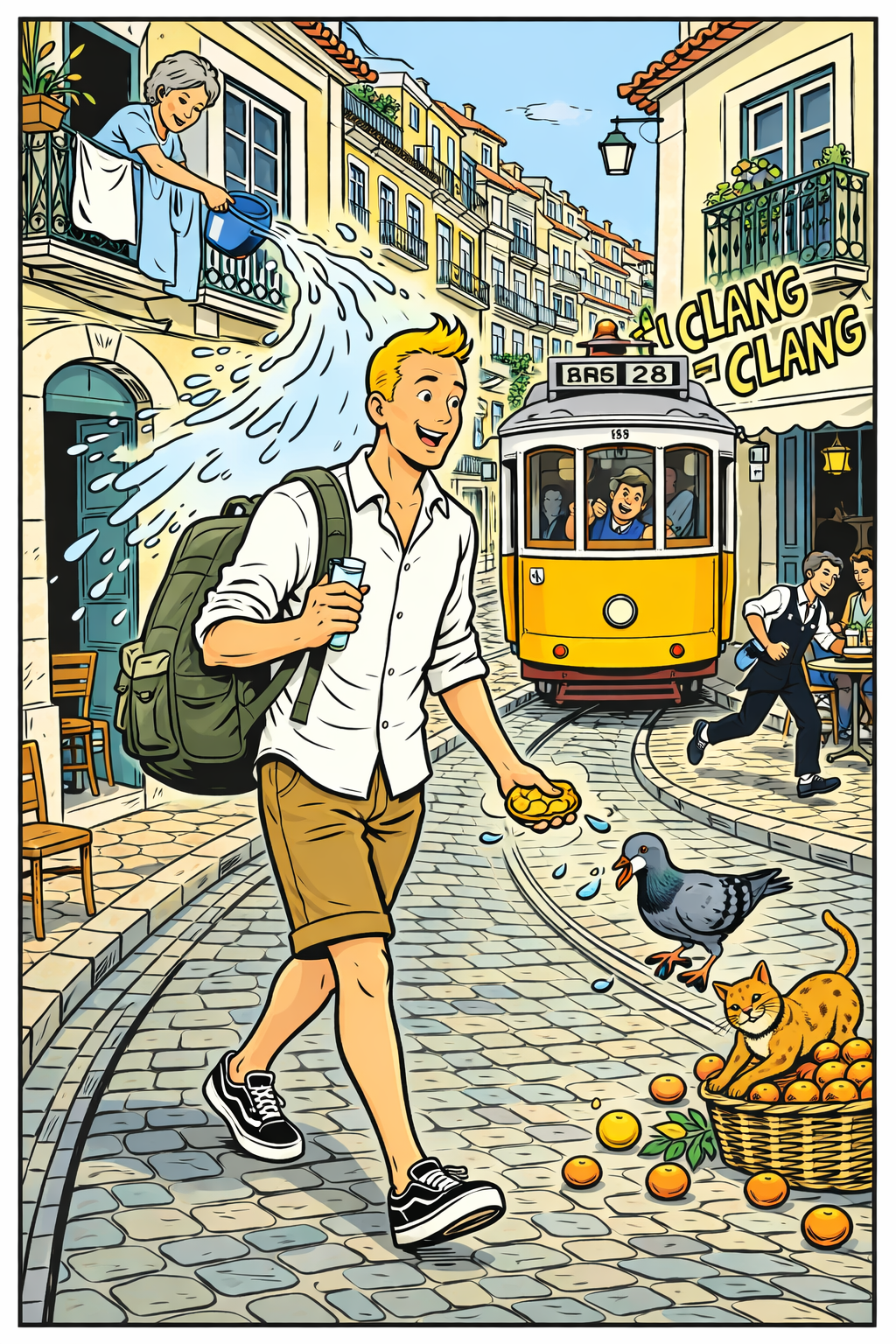
Then you step onto the sidewalk, start walking, and suddenly everything clicks. Conversations spill out of cafés. Someone’s grandmother is watering plants from a second-floor balcony. A bakery you didn’t plan to visit smells so good you abandon all self-control and buy a pastry the size of your head.
The city stops feeling like a list of attractions and starts feeling like a place people actually live.
Walking is a key element of slow travel. It doesn’t just move you through a destination. It lets you participate in it.
Walking changes your relationship with a city.
When you’re on foot, distances shrink and details multiply. A neighborhood that looked far apart on a map turns out to be a pleasant 10-minute stroll. A random side street becomes the highlight of your day.
Instead of jumping from landmark to landmark like you’re collecting stamps, you begin to notice how everything connects — how the residential blocks blend into the commercial ones, how a quiet morning street becomes lively by evening, how the same coffeeshop fills with completely different people throughout the day.
Urban planners have been saying this for years. Walkable streets tend to foster stronger connections between people and their surroundings — something the folks at Project for Public Spaces have documented extensively. But you don’t need research to feel it. Spend an afternoon wandering and you’ll understand instinctively.
Walking turns travel into a series of small discoveries instead of a checklist.
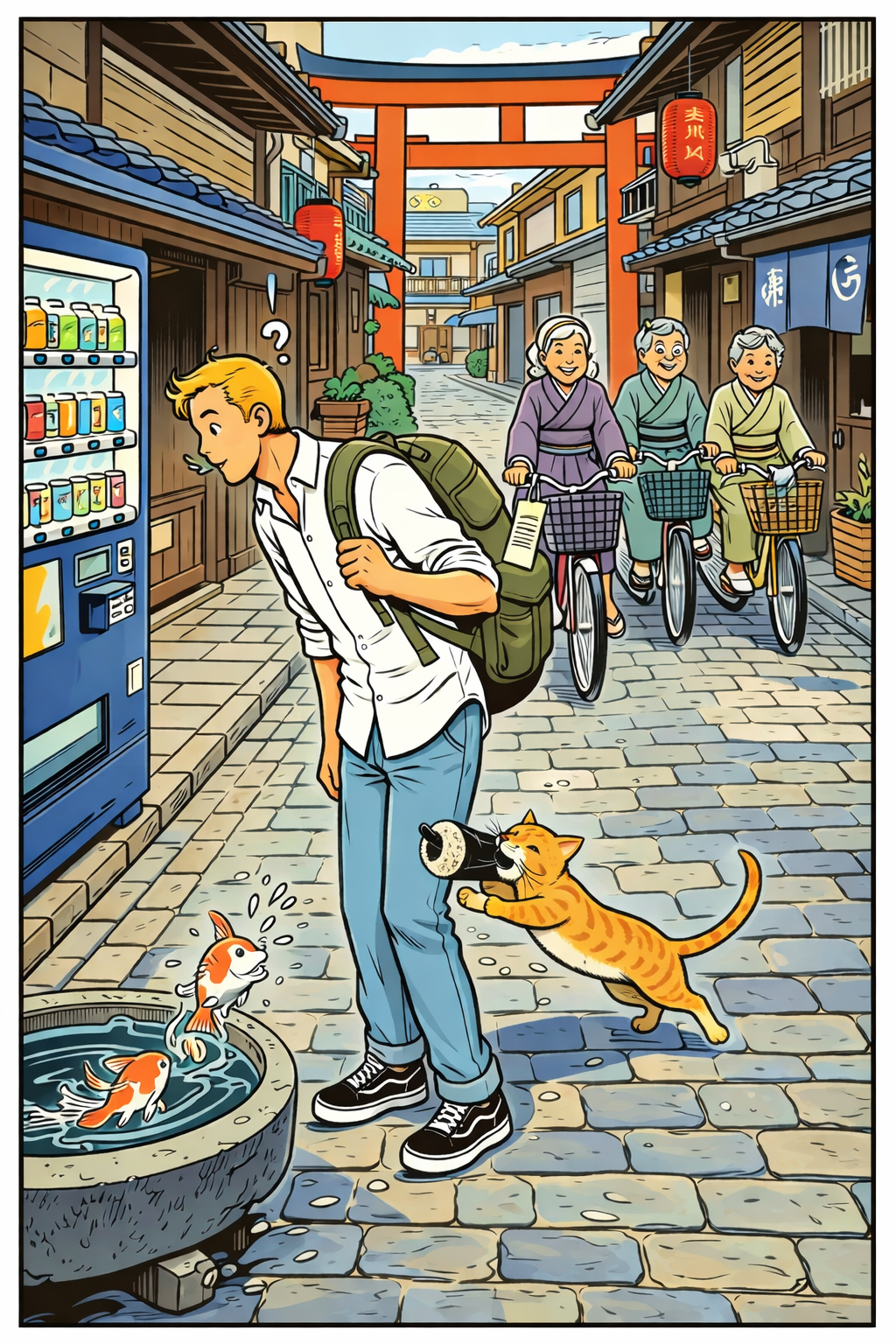
Many cities were built for human scale.
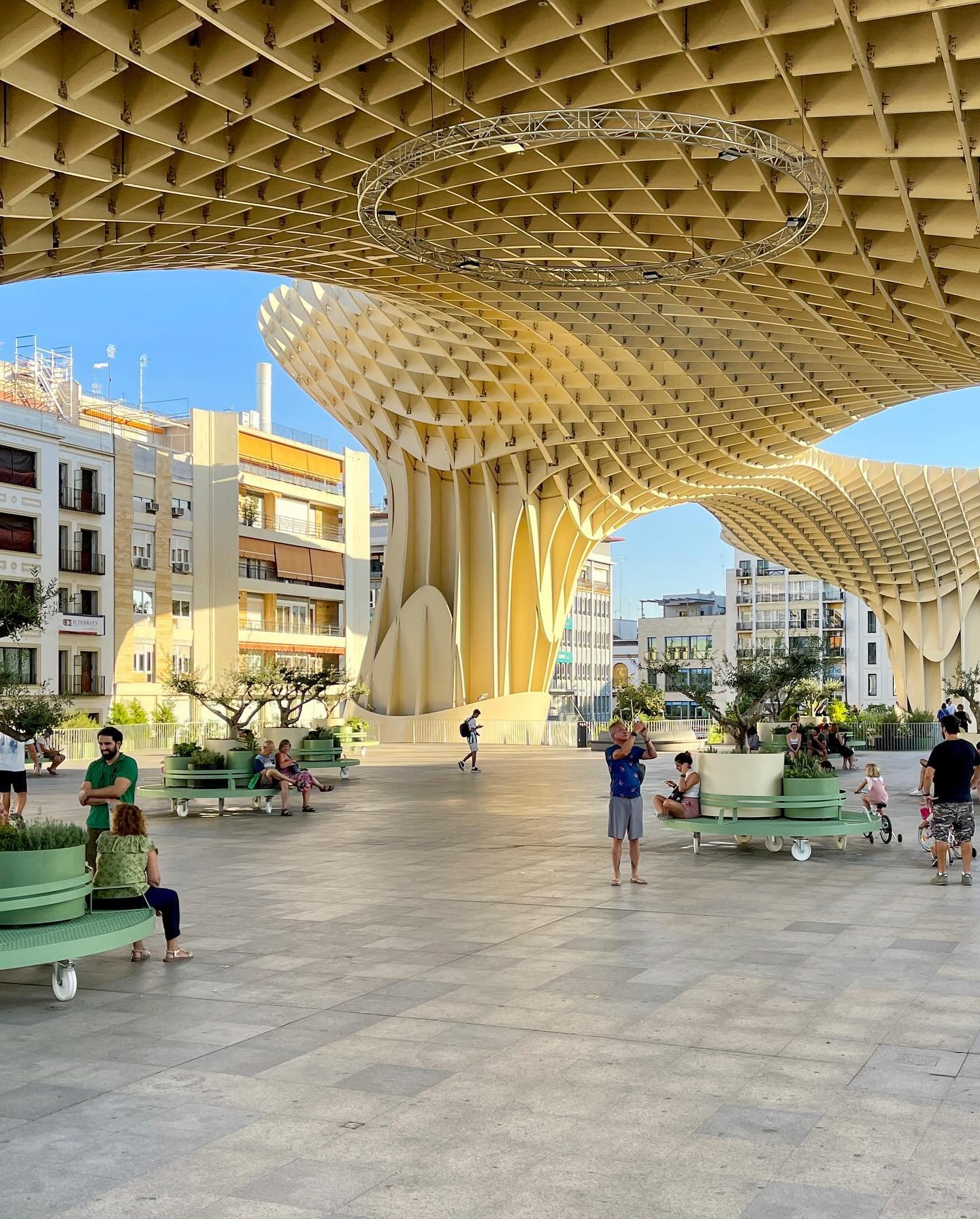
Many of the world’s most memorable cities were designed long before cars took over. They were built for feet, not traffic patterns.
Narrow lanes. Central squares. Shops tucked beneath apartments. Everything within reach of a short walk.
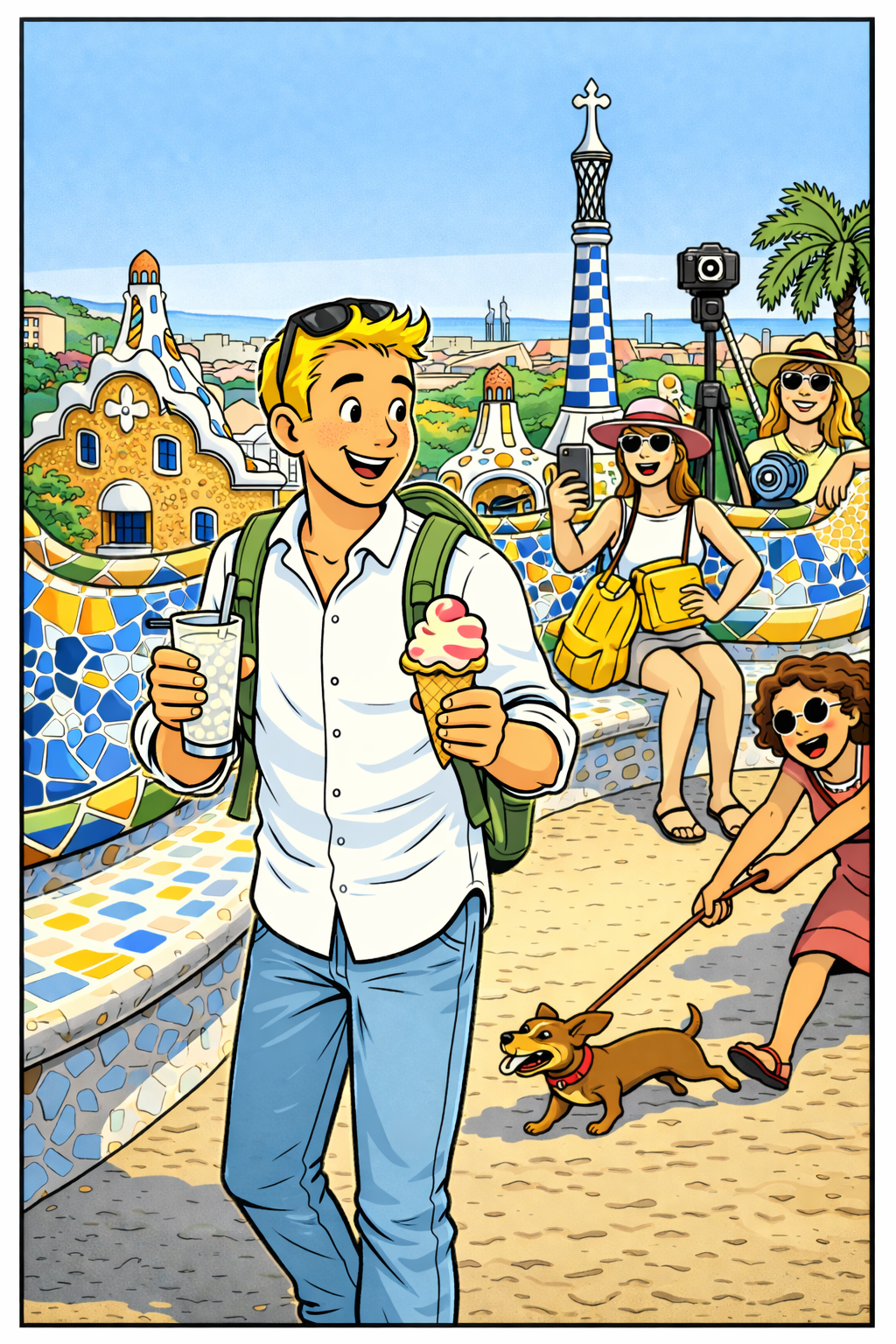
Places like Lisbon, Kyoto, Paris and Barcelona practically beg you to explore without a plan. Even when public transit is excellent, the most memorable moments often happen between the stops — the tiny wine bar you duck into to escape the rain or the quiet plaza where you end up people-watching for an hour longer than intended.
These cities reveal themselves slowly, layer by layer. And walking is the only way to peel those layers back.
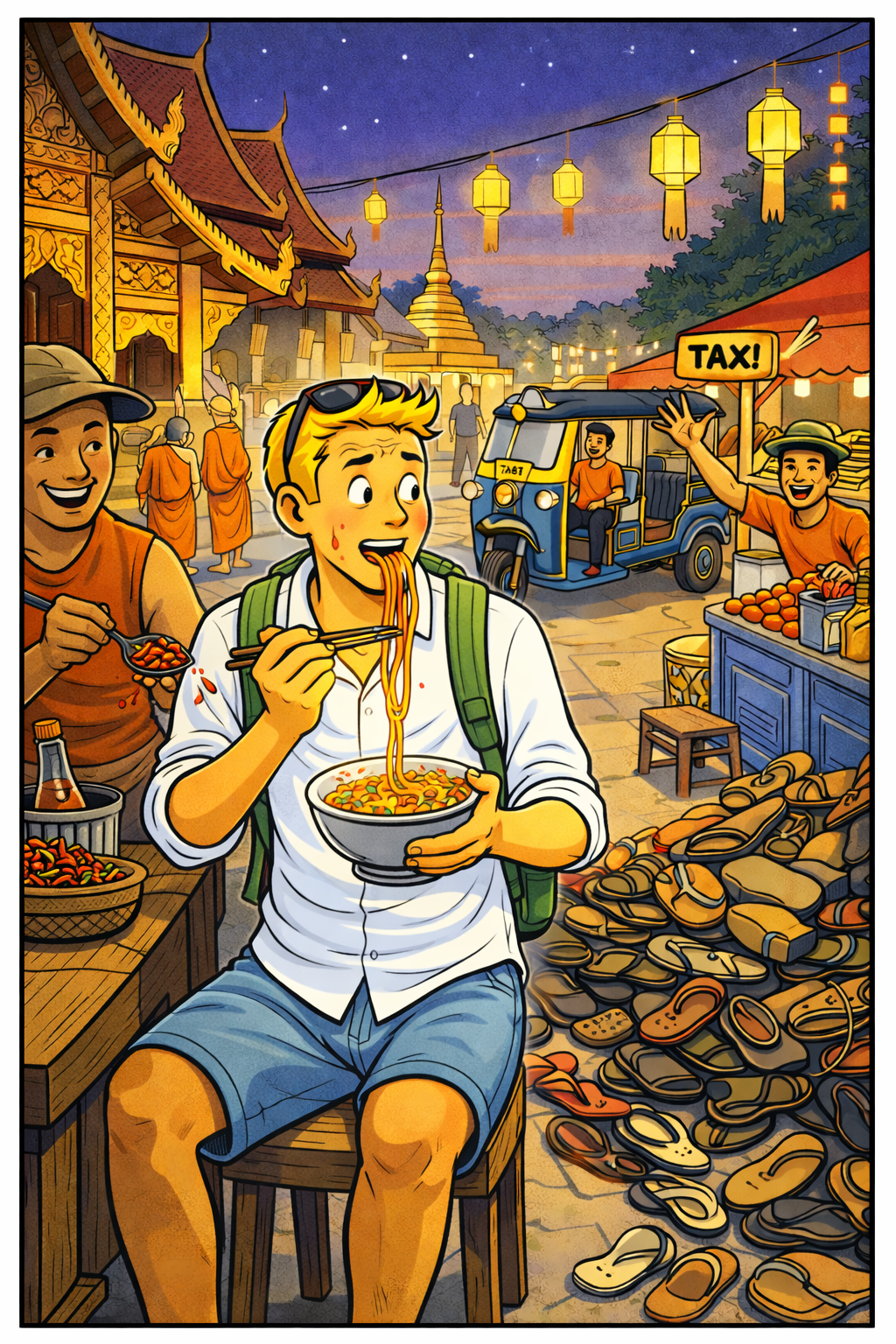
You notice what locals notice.
There’s a subtle shift that happens when you explore on foot. You stop feeling like a tourist passing through and start feeling, at least temporarily, like you belong.
You wait at the same crosswalks locals do. You pop into the corner market for water. You start recognizing faces. You develop completely irrational loyalty to one specific café as if you’ve been going there your whole life.
You notice where people gather after work, which streets feel lively at night, which ones empty out by sunset. Those small observations build familiarity, and familiarity builds comfort.
It’s the difference between seeing a city and understanding it.
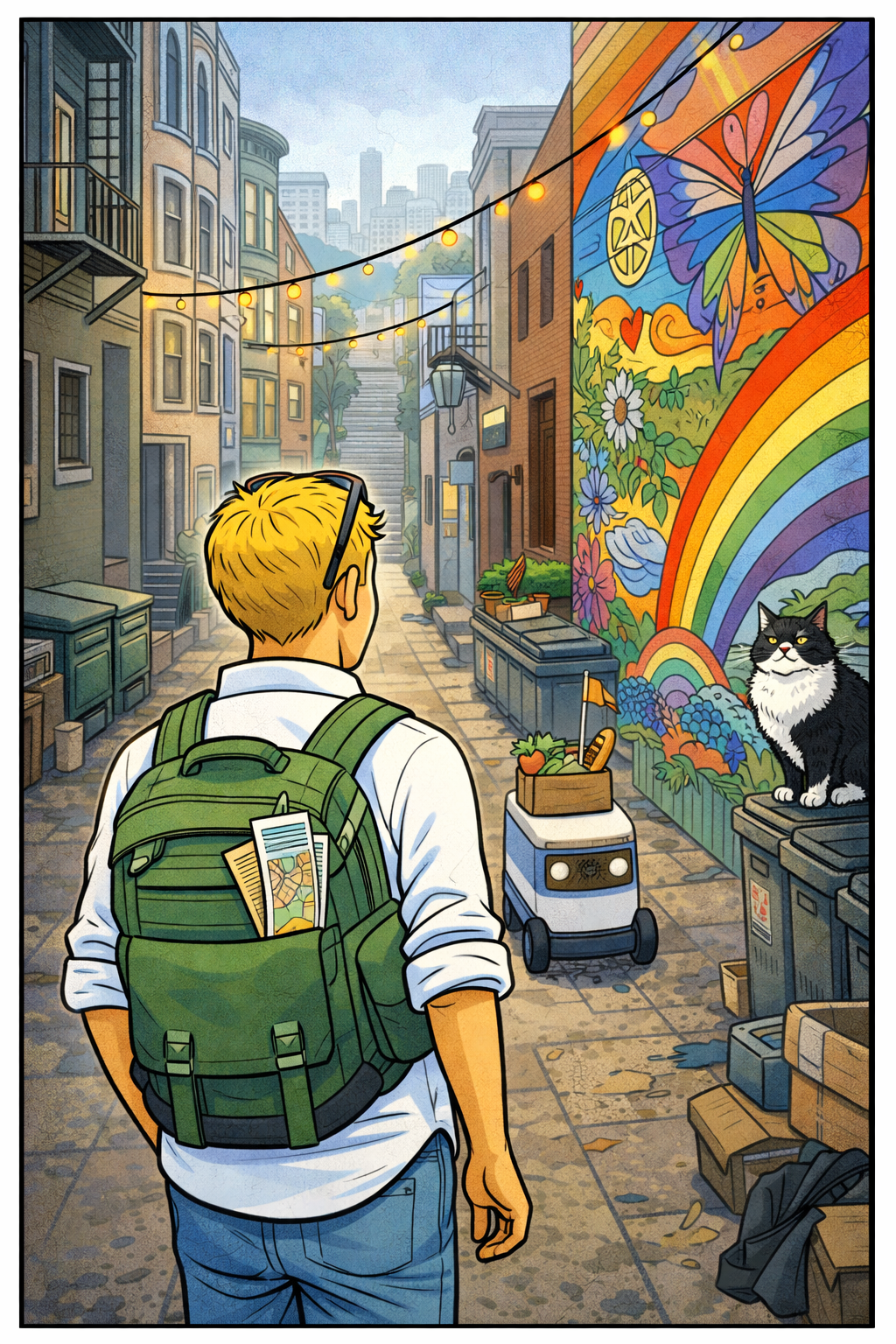
Flexibility leads to the best stories.
The most memorable travel moments rarely come from the itinerary. They come from detours.
A wrong turn leads to a street market. A quick walk before dinner turns into a sunset along the river. You spot something interesting down an alley and think, “Why not?” and suddenly you’ve stumbled into the best meal of the trip.
That kind of serendipity only happens when you’re moving slowly enough to notice it. Slow, walk-focused travel tends to create more meaningful experiences because it emphasizes presence over efficiency.
In other words, walking leaves room for magic.
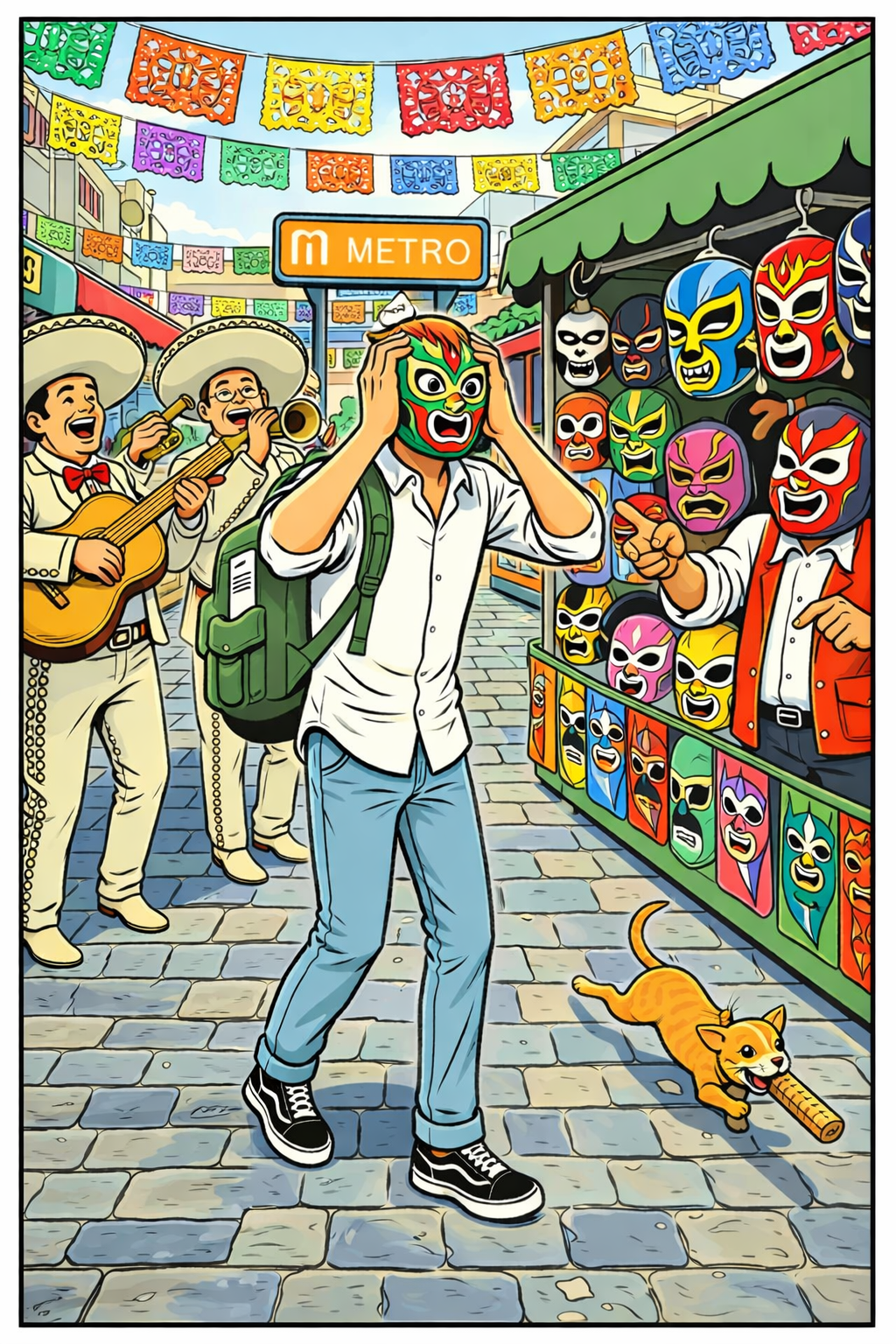
Comfortable shoes make all the difference.
Of course, none of this sounds romantic if your feet hurt.
Nothing ruins a charming cobblestone street faster than blisters and that slow, tragic shuffle back to your hotel while everyone else is still happily wandering into wine bars.
Supportive, cushioned shoes make city walking infinitely more enjoyable. Styles built for durability and stability — including skate-inspired sneakers — can be surprisingly perfect for long days on pavement. Solid construction and real support matter far more than looking cute for exactly 14 minutes and then regretting everything.
We usually pack something sturdy and broken-in, whether that’s a pair of Globes that can take a beating, classic, casual styles from Vans that work with literally everything in a carry-on, or lightweight runners from Nike. The goal isn’t Fashion Week. It’s “we somehow walked nine miles before dinner.”
Fit and breathability matter just as much as style. Your feet will decide how much of the city you actually get to see.
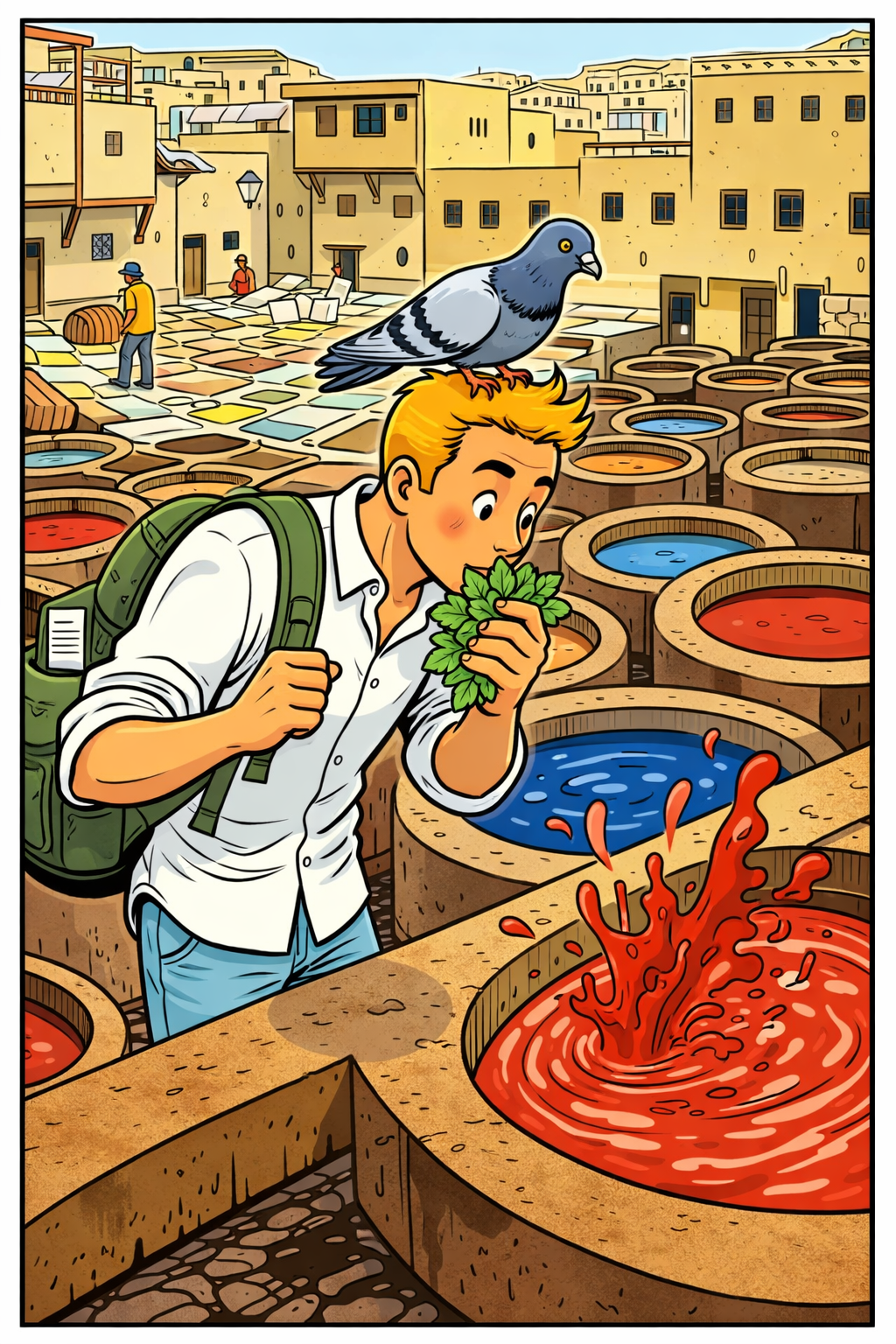
Walking connects neighborhoods — not just attractions.
Public transport is great for covering distance, but it tends to move you between highlights. Walking shows you everything in between.
You see how residential streets blend into busy shopping areas. You notice the hardware store that’s been there for decades, the tiny bakery locals line up for every morning, the park where kids kick a ball around after school.
That context transforms a destination from a collection of landmarks into a living, breathing place.
And that’s usually what we’re traveling for in the first place.
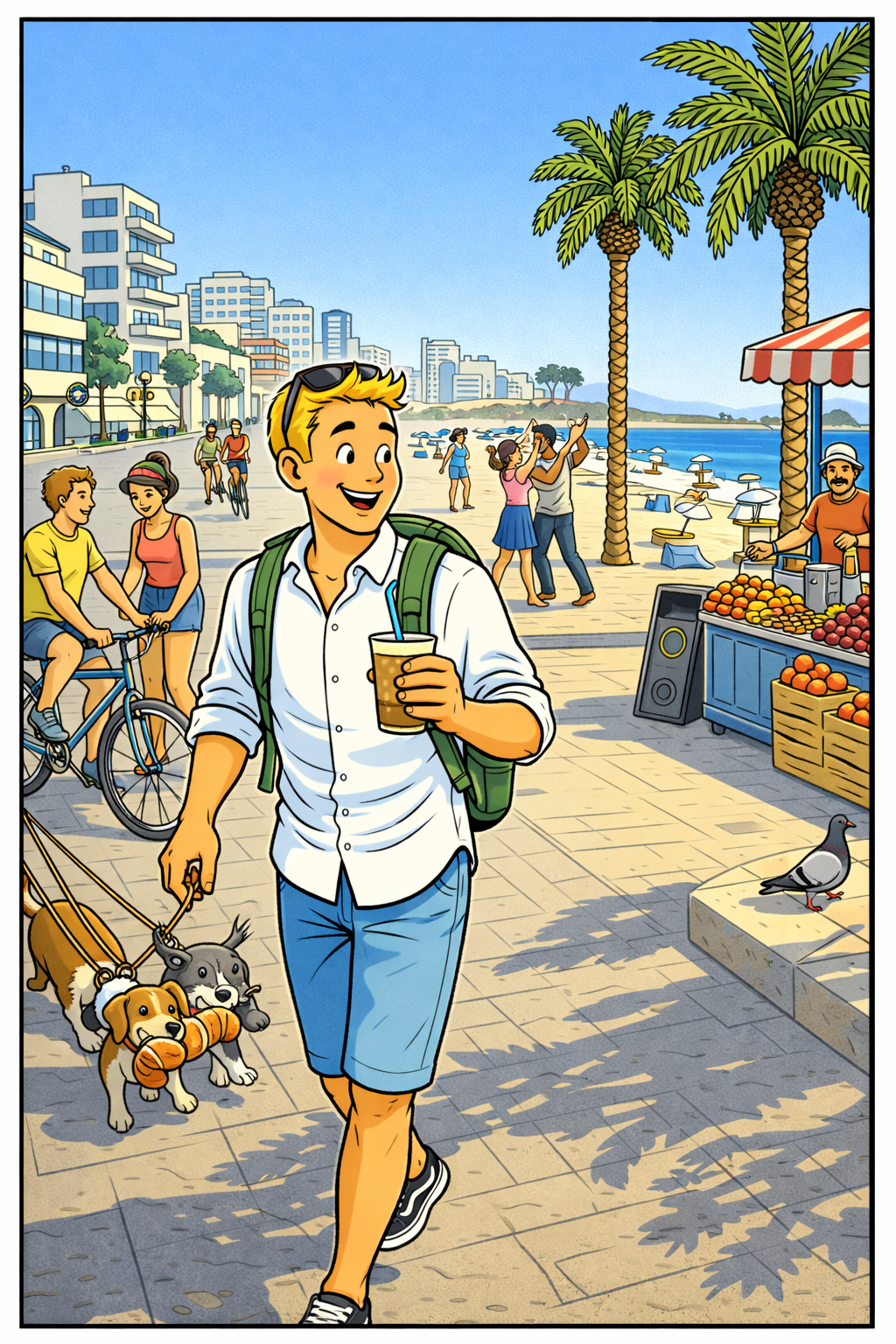
Bringing the Walking Mindset Home
Once you experience a city this way, it’s hard to go back to rushing. You start choosing accommodations based on walkability. You plan days around neighborhoods instead of attractions. Sometimes you even wander your own hometown with fresh eyes and realize you’ve been missing things all along.
Walking slows you down just enough to notice what’s right in front of you.
And often, that’s where the good stuff is.
Some cities are best experienced on foot because walking aligns with how they were meant to be lived in. With comfortable shoes, a flexible mindset and time to wander, travel becomes less about covering ground and more about connecting with a place.
Step outside. Start walking. Let the city do the rest. –Rai Sadi