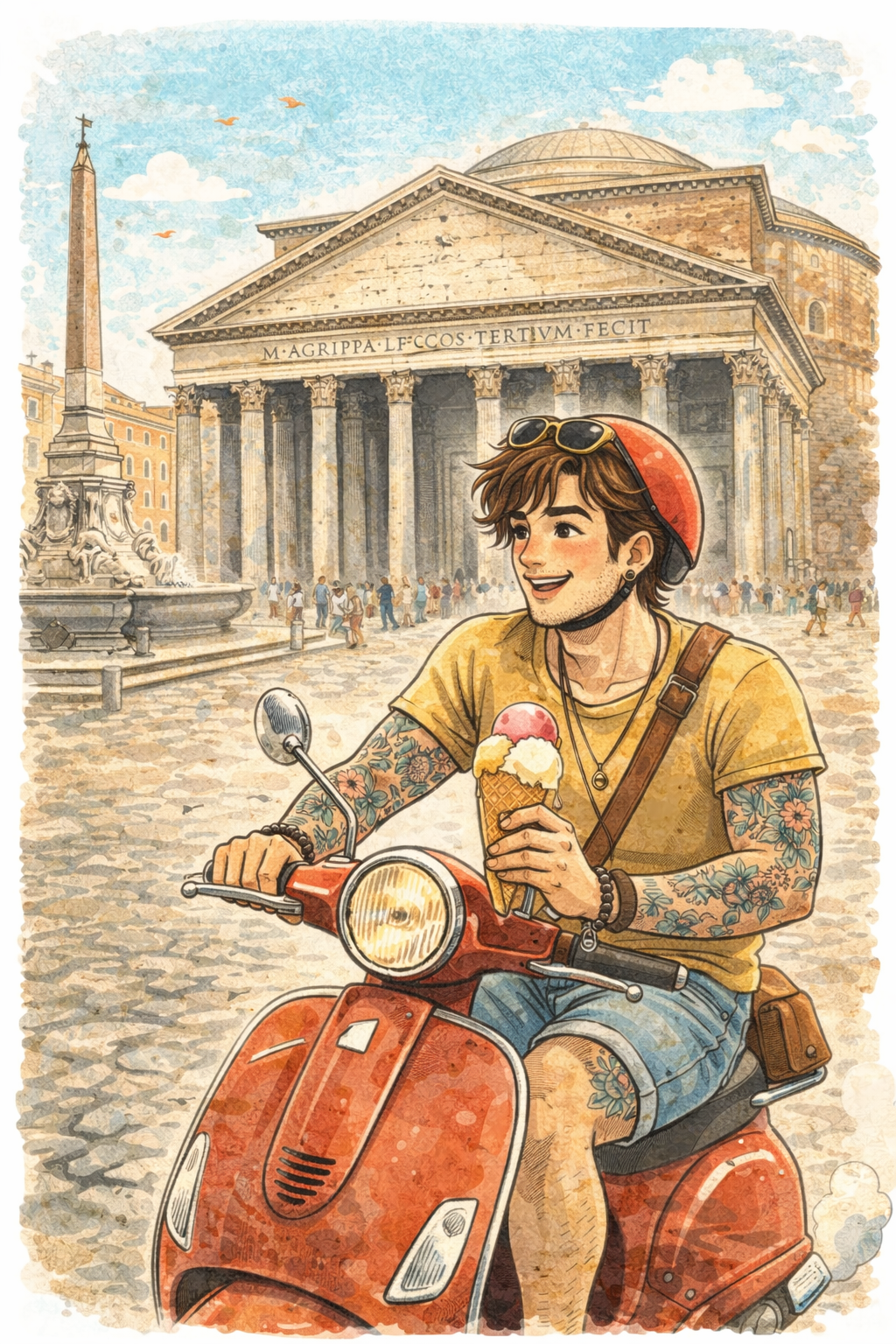
Slow down, ditch the checklist and discover how meaningful, local experiences turn ordinary vacations into the stories you’ll still be telling years later.
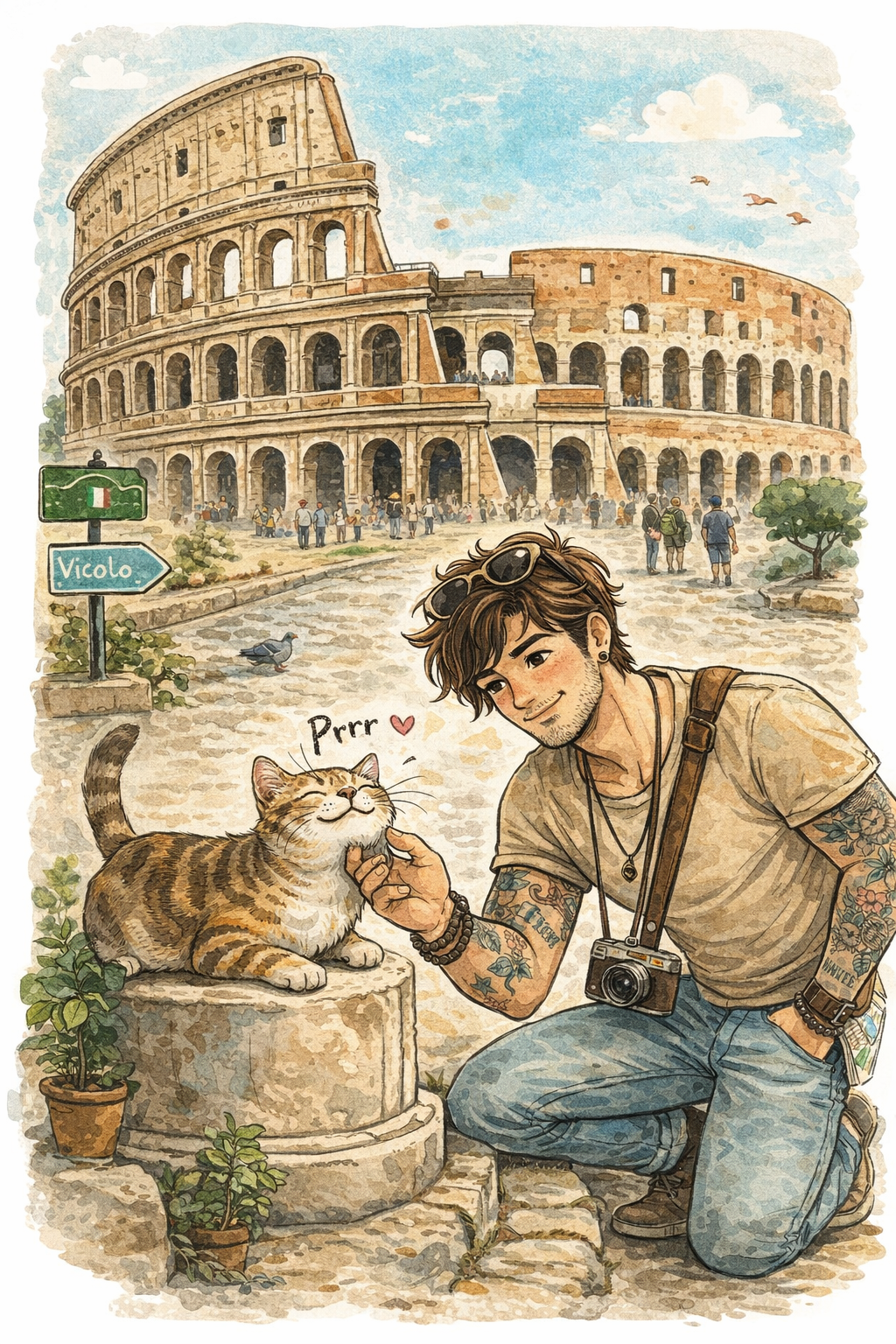
Ever scrolled through your own vacation photos and thought, Wait… was I actually there?
You recognize the landmark — the Eiffel Tower, the Colosseum, that one aggressively blue Greek church dome everyone photographs — but the memory itself feels fuzzy. You remember the angle of the selfie more clearly than the air, the noise, the way the place actually felt to stand inside it. Thirty seconds, one obligatory shot and then you were hustling off to the next stop because the museum tickets were timed and dinner was across town and somehow you were already late.
By the end of the day, you’d “seen everything.” And experienced… what exactly?
Travel, somewhere along the way, turned into a checklist.
The Problem With Bucket Lists
Bucket lists aren’t evil. They’re the reason we start dreaming in the first place. They get us through February. They give us something to Google at midnight. But they’ve also trained us to treat cities like tasks — as if Rome or Paris were items to complete rather than places to inhabit.
Success becomes a numbers game. How many cities in one week. How many landmarks before lunch. How many “must-sees” squeezed into five days like you’re cramming for an exam.
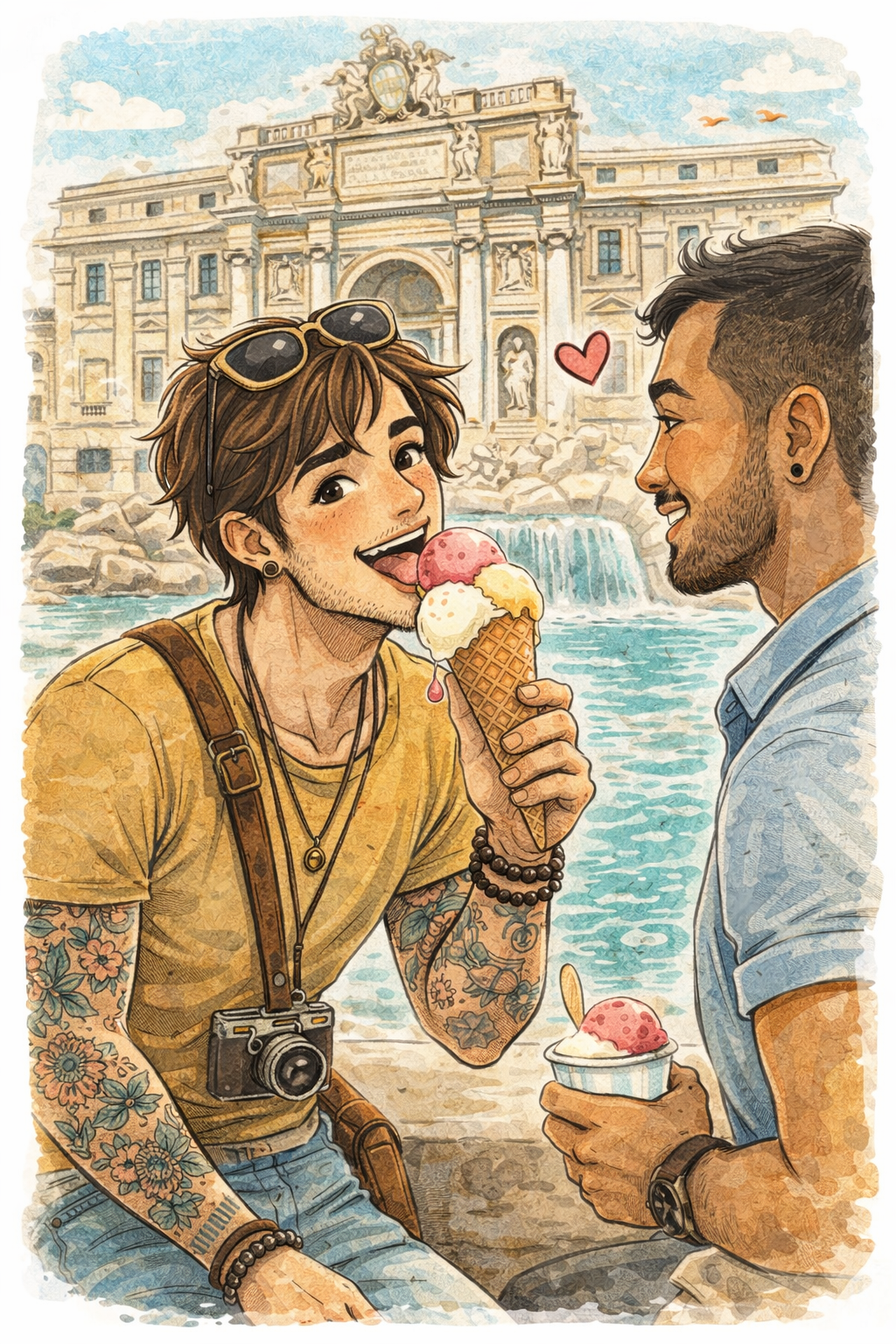
You see it everywhere. Two days in Rome and people are speed-walking between the Colosseum, the Vatican and the Trevi Fountain, phones held high above the crowd, eyes glued to Google Maps. They’ve technically done the city, but if you asked what they smelled, tasted or heard, they’d probably say, “Uh… traffic?”
Rome — a city built slowly and gloriously over thousands of years — deserves better than a drive-by. Most places do.
What Storyliving Actually Means
Here’s where things get interesting. What if, instead of trying to see Rome, you tried to live a tiny slice of Roman life?
Not forever. Not dramatically. Just enough to let the place seep in.
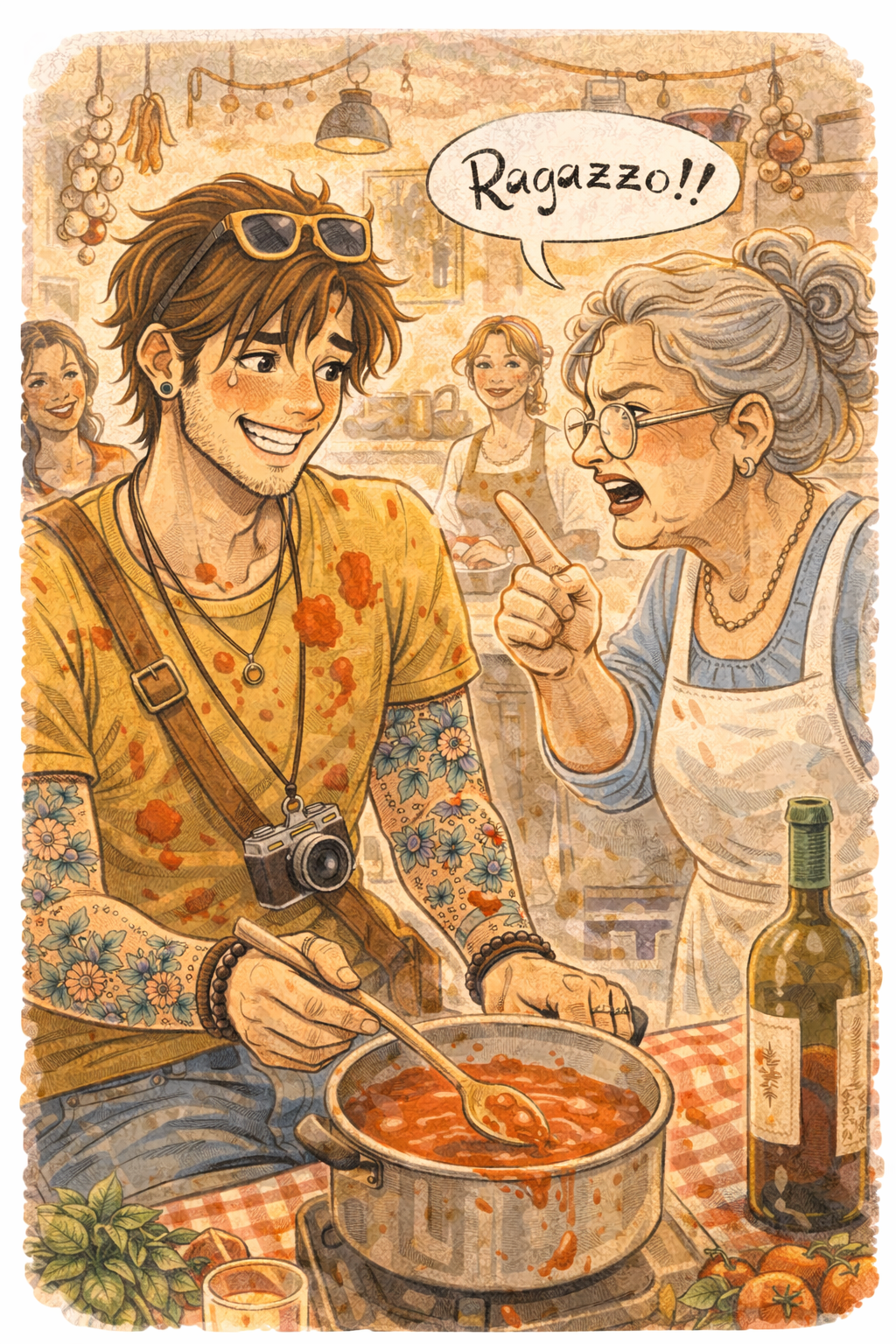
Maybe that looks like skipping one monument and wandering into Trastevere instead, where laundry hangs between buildings and Vespas buzz past your ankles. Maybe you duck into a tiny cooking class because the sign in the window looks charmingly chaotic and suddenly you’re covered in flour while someone’s nonna scolds you for overworking the dough.
Hours later, you’ve learned to make pasta badly but enthusiastically. You’re laughing with strangers. You smell like garlic and tomatoes. You don’t have a single photo that screams “bucket list achievement.”
And yet, ten years from now, that’s the moment you’ll remember. That’s storyliving. Not collecting destinations like Pokémon cards, but collecting experiences that actually become part of you.

Small Moments Make the Best Memories
If you think about your favorite travel stories, they’re rarely about the obvious stuff. They’re about the accidents.
Missing a train and stumbling into the best café of your life. Getting lost and discovering a neighborhood you never would’ve planned for. Asking for directions and ending up sharing a bottle of wine on someone’s balcony while the sun sets over the rooftops.
None of it shows up on a Top 10 list. But those are the stories you tell later — the ones that make people lean in at dinner parties. Not “we stood in line for an hour,” but “you won’t believe what happened…”

Making The Switch From Sightseeing To Storyliving
The shift is surprisingly simple, and it doesn’t require giving up museums or famous sights. It just means loosening your grip on the itinerary. Immersing yourself in the culture.
Build in breathing room. Leave entire afternoons unscheduled and let yourself wander. When you’re not rushing from place to place, you start noticing things — the way morning light hits a quiet piazza, the old men arguing over espresso, the rhythm of daily life that tourists usually blur past.
Then say yes more often than feels logical. Follow the interesting side street. Take the restaurant recommendation from the shop owner instead of the guidebook. Accept the invitation to something slightly random. Travel has a funny way of rewarding mild recklessness. Give a place space, and it usually gives something back.
RELATED: How Traveling Opens the Mind and Nurtures Empathy and Innovation
Why Europe Is Perfect For Slower, More Meaningful Travel
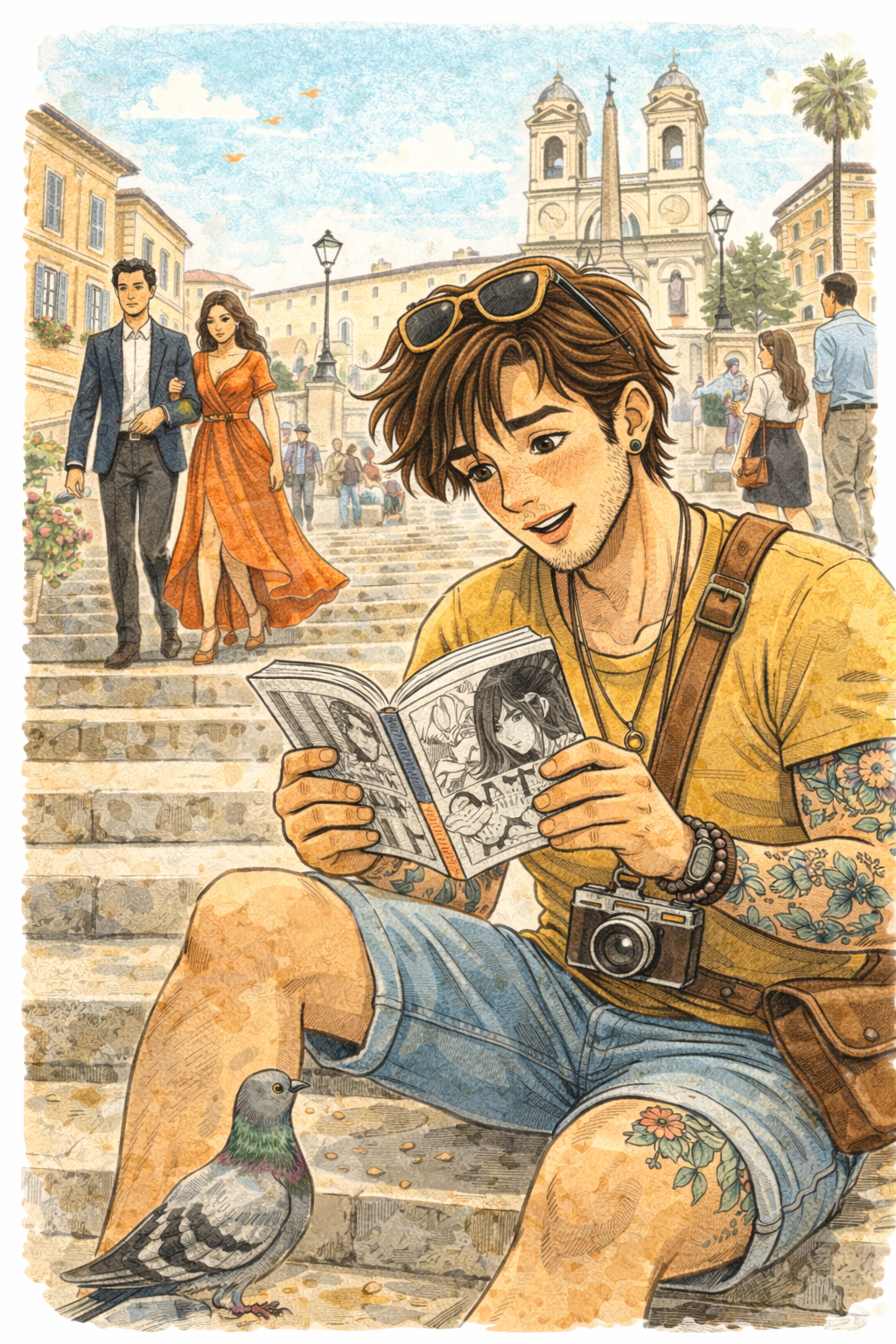
Europe, especially, seems built for this style of wandering. History isn’t tucked neatly into museums — it’s layered into everyday life. You’ll pass a 400-year-old church on the way to buy toothpaste. People live above Roman ruins. Markets pop up in medieval squares like it’s the most normal thing in the world.
It’s the kind of place where you can spend the morning learning a traditional craft in a tiny Italian village, the afternoon biking along a canal in Amsterdam and the evening listening to local musicians in a candlelit bar in Prague, wondering how the day unfolded so perfectly when you barely planned it at all.
That’s also the philosophy behind Phil Hoffmann Travel, which focuses less on rushing travelers through a greatest-hits tour and more on helping them connect with places in ways that feel personal and authentic. Because the best trips aren’t the ones where you check every box. They’re the ones where you come home with stories you couldn’t have scheduled even if you tried.
The Stories You’ll Actually Tell
Here’s a quick test: Years from now, what are you more likely to talk about — the exact angle of the photo you took in front of a famous monument, or the time you got caught in a sudden rainstorm in Prague and ended up hiding in a tiny bar with three locals and a very questionable playlist?
Exactly. The second one wins every time. Because it’s yours.
The moments that surprise us are the ones that stick. And they’re usually waiting just off the main street, a little past the crowd, if we slow down enough to notice.

So the next time you’re planning a trip, try asking a different question. Not “What should I see?” but “What might I discover?”
It sounds small, but it changes everything. You stop looking at places through your phone. And start actually being there. –Charlie Smith