EUROPE

How to Apply for English Teaching Jobs in Europe

Teach English in Europe and use your paycheck for weekend trips. Here’s the FAQ guide to making it happen: visas, qualifications, best countries, salary expectations and the insider stuff the other blogs don’t tell you.

A teacher leads a lesson in Barcelona, with La Sagrada Familia behind them, with a globe, chalkboard and laptop

Europe is a buffet of languages, castles, budget airlines and carbs.

The challenge? Experiencing it without coming home to a credit card bill that looks like a Greek tragedy.

Enter: Teaching English in Europe.

It’s flexible, it pays, and it gives you the greatest perk of all: time. Time to wander. Time to travel. Time to pretend you’re in Under the Tuscan Sun.

Whether you picture yourself in a Catalonian classroom or teaching business English in Prague, here’s how to make your European teaching fantasy a real-life paycheck.
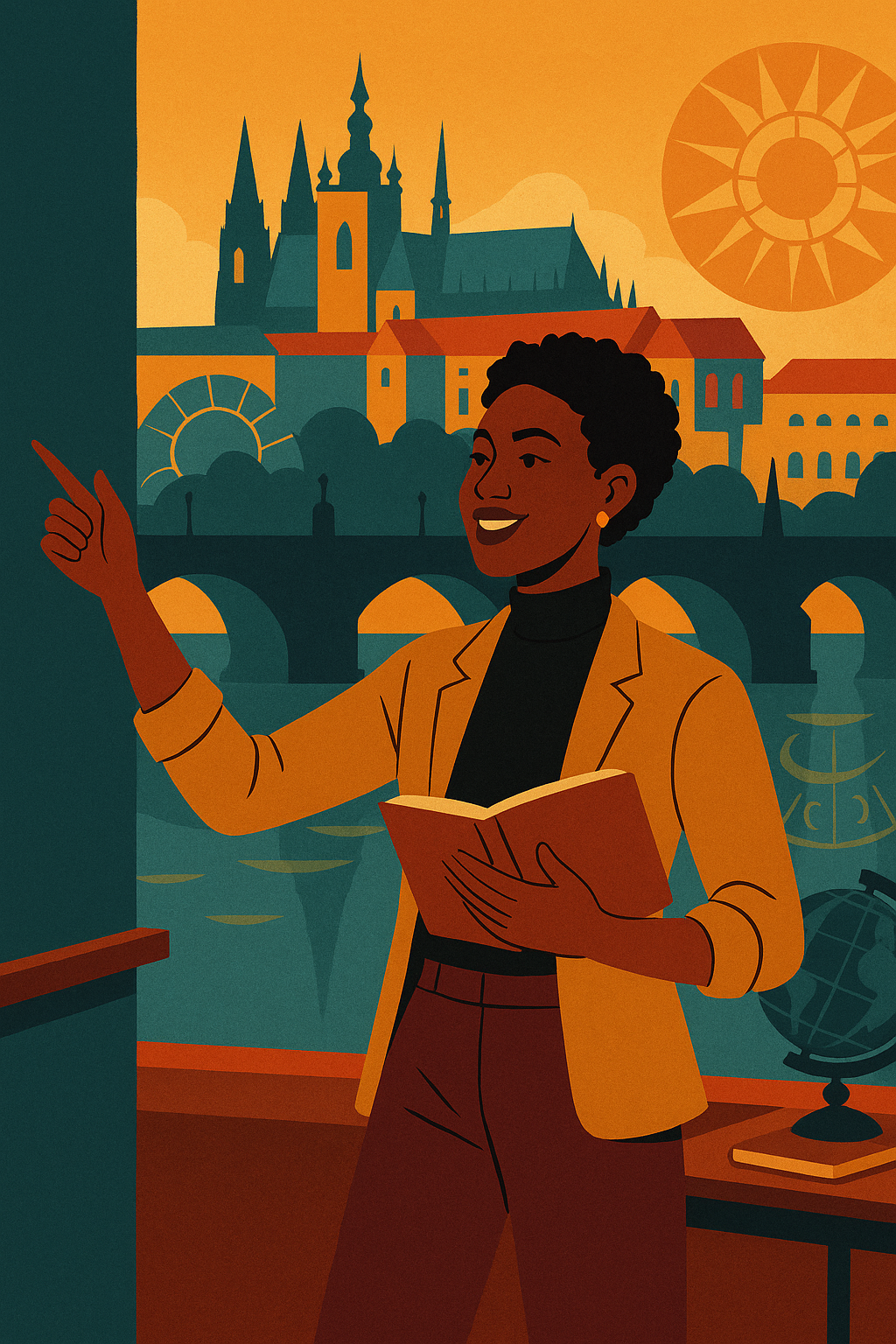
A teacher holds a book and leads a lesson in Prague, with a bridge and castle behind her

FAQ: Teaching English in Europe

Is there demand for English teachers in Europe?

Short answer: Yes.

Longer answer: Yes, and your inbox will start to resemble a talent agent’s.

English is still the language of business worldwide, and studies show that over 20% of job listings in Europe require English proficiency. Everyone from university students to professionals to retirees wants to level up their English, and they need native (or near-native) speakers to help.

A man teaches English in London, with Big Ben, the London Eye and a historic building behind him

Why teach English in Europe? 

Besides the croissants, you get:

1. A dreamy work/life balance

Most contracts average around 35 hours a week (or less). Weekends are for hopping trains to a different country because… well… Europe.

2. Attractive pay + perks

Salaries vary by country, but many schools include:

  • Housing assistance

  • Transportation stipends

  • Health insurance

Translation: Your money goes to travel, not rent.

3. Easy, affordable travel

Cheap regional flights. Trains that actually run on time. Buses for €3.

You’ll become the person who says, “Well since we’re already in Slovenia…”

4. Food worth relocating for

Eat pasta in Rome. Bratwurst in Berlin. Brie in Lyon. Fish ’n’ chips in the U.K.
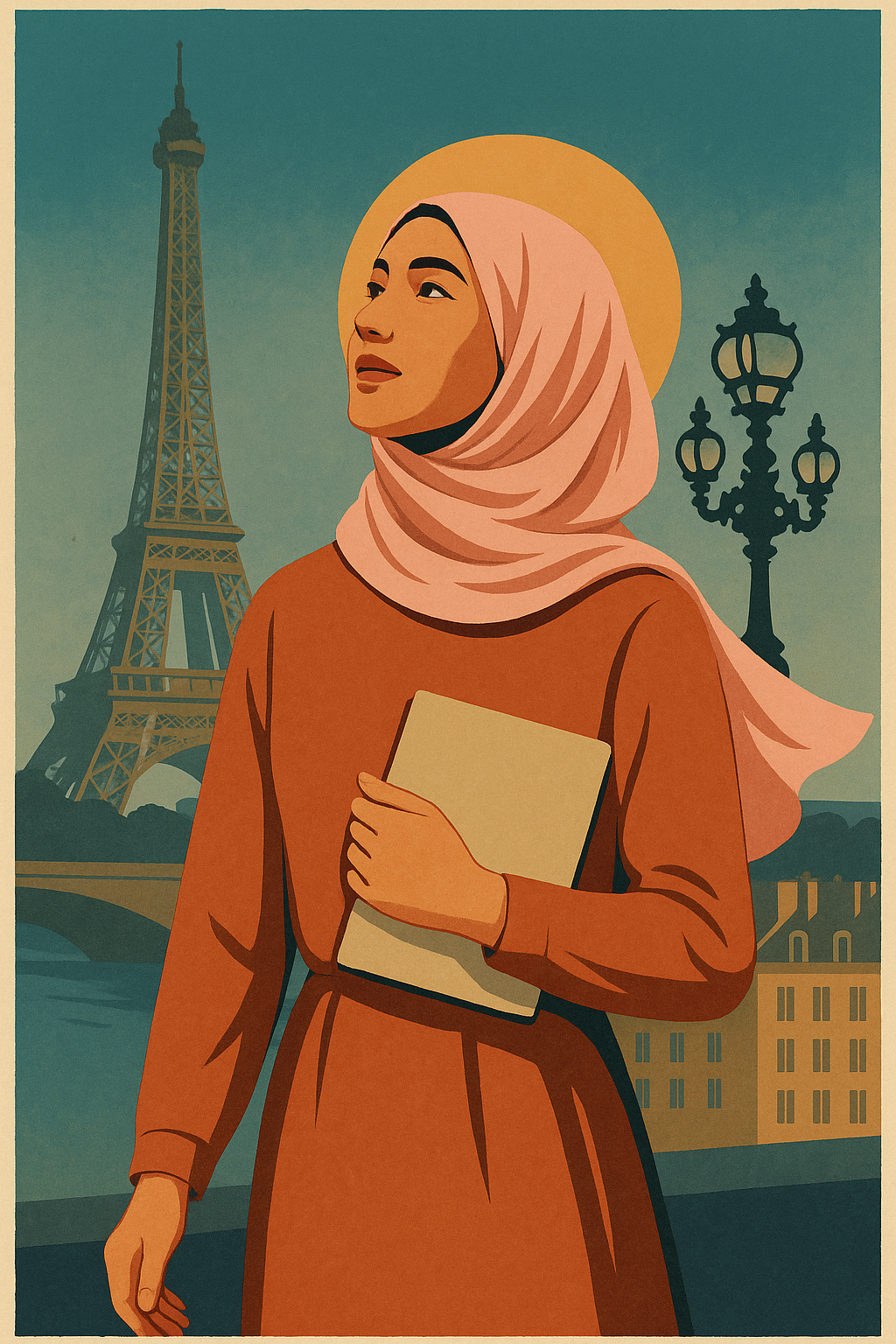
A teacher in a hijab in Paris, clutching a notebook, with the Eiffel Tower and an ornate streetlamp behind her

Where can I teach English in Europe?

You can find work almost anywhere, but these destinations are the greatest hits:

  • Spain: Madrid and Barcelona are classics for a reason: big expat community, tons of language schools.

  • Italy: Milan, Florence and Rome are magnets for teachers who want culture + carbs.

  • Czechia: Prague gives fair salaries, low cost of living and a built-in community of teachers.

  • Poland: A rapidly growing market, excellent work/life balance and very affordable living.
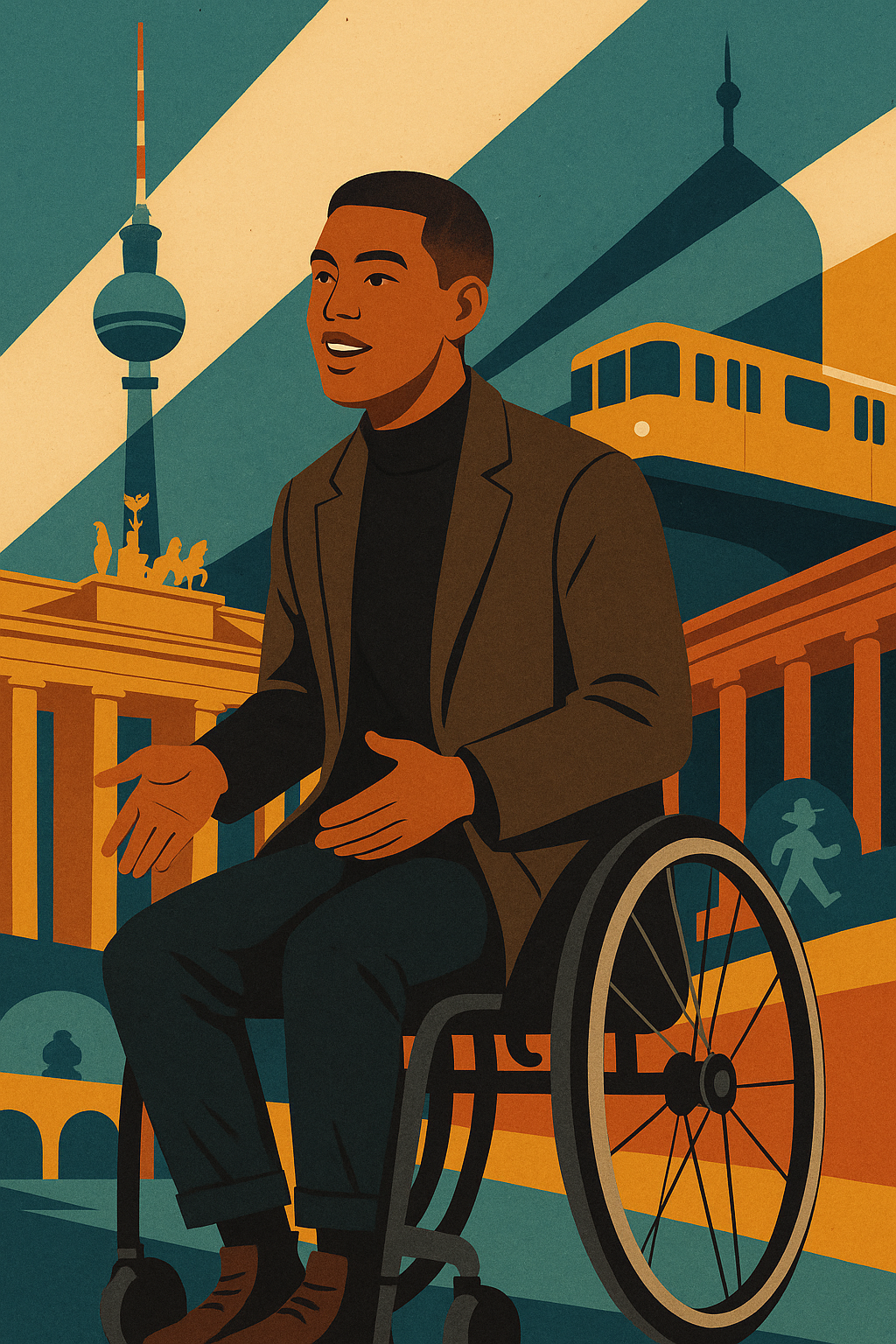
A man in a wheelchair teaches English in Berlin, Germany, with the Brandenburg Gate and a train behind him

What qualifications do I need to teach English in Europe?

You don’t need a degree for many adult and language school roles.

You do need:

  • A TEFL (Teaching English as a Foreign Language) certification, which takes a minimum of 120 hours, from a reputable provider

It tells employers you know how to structure a lesson — and you didn’t just wake up and say, “I think I’ll be a teacher today.”

It also helps with visas and sponsorship in several countries.
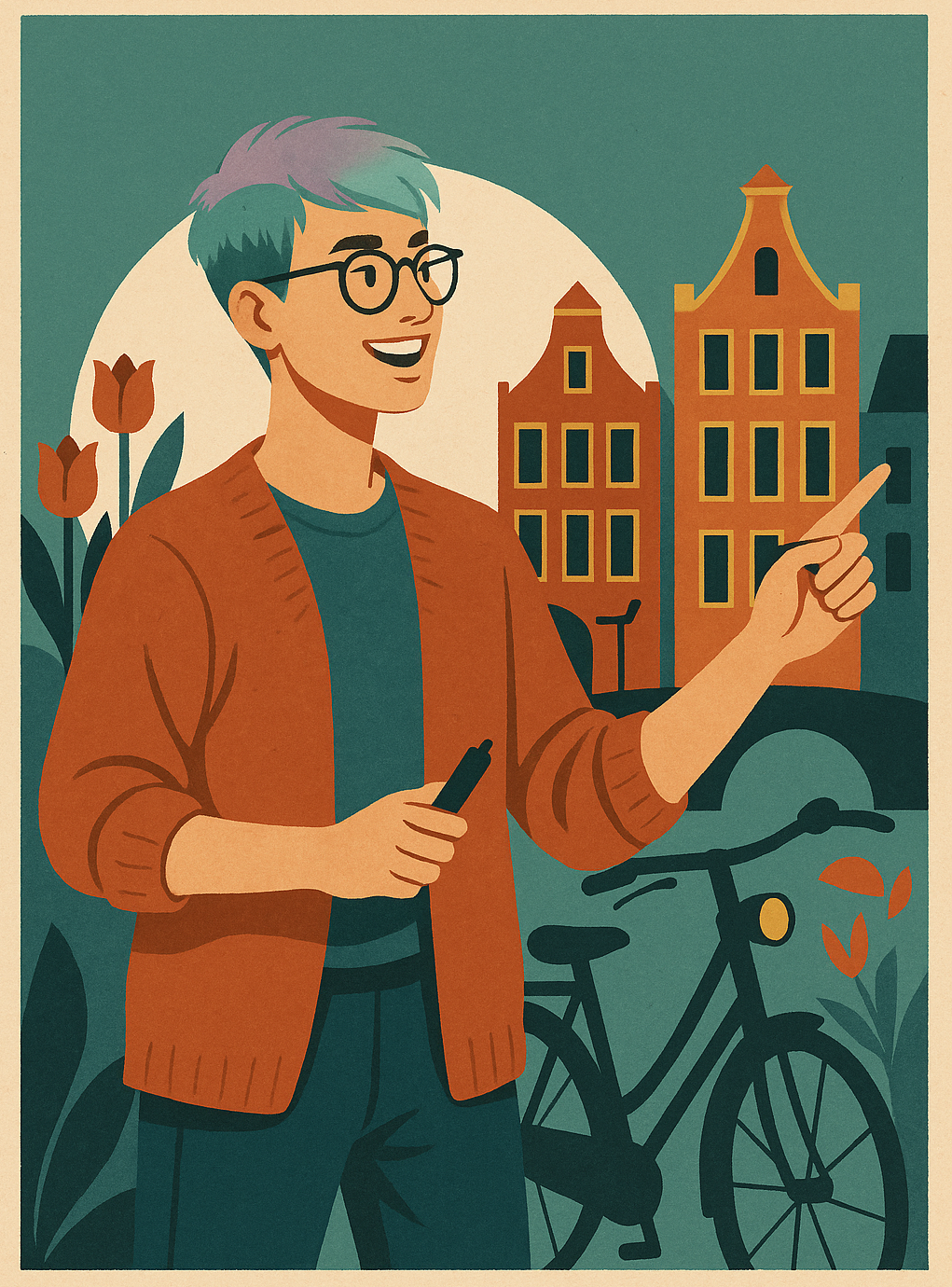
A nonbinary person wearing glasses with pastel-dyed hair teaches English in Amsterdam, with narrow buildings, tulips and a bike around them

Do I need a visa to teach English in Europe?

If you’re an EU citizen, it’s easy.

If you’re not (hi, Americans), it’s still doable, there’s just more paperwork.

Options include:

  • Working visas (school sponsorship)

  • Working holiday visas (depends on nationality)

  • Language assistant programs (government-run placements)

  • Digital nomad visas (if teaching online)

Moral of the story: Research the specific visa rules before you start sending applications.

A woman teaches English in Lisbon, Portugal, surrounded by a globe, the Belem Tower, a streetcar and bridge

What teaching roles are available?

You’re not limited to standing in front of a chalkboard.

You can teach:

  • In public or private schools

  • At language academies

  • Business English inside companies

  • At summer camps

  • Online (live anywhere, work from everywhere)
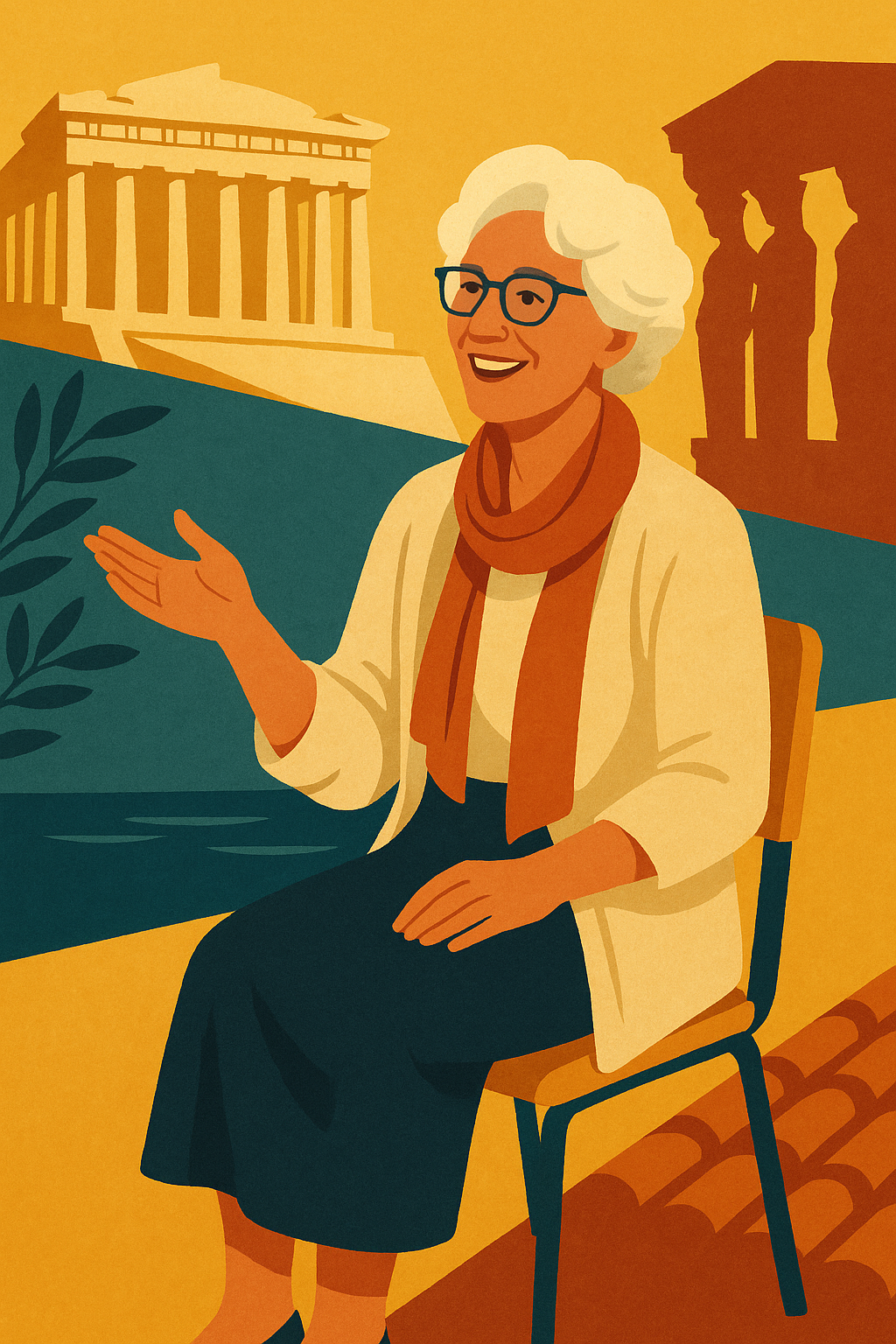
An older woman sits in a chair, teaching English in Athens, Greece, with the Parthenon and nearby temple behind her

What are the steps to becoming an English teacher in Europe?

  1. Get your TEFL certification (120+ hours). This shows you’re serious and gives you the basics: lesson planning, classroom management, etc.

  2. Search for jobs. Try:

    • Major language school chains

    • TEFL job boards

    • Local career sites in your target country

  3. Consider government programs. Spain and France, for example, both have teacher placement programs.

  4. Research visas early. Visas tend to move slowly. (European bureaucracy loves paperwork. And stamps.)

  5. Budget your move. Understand the cost of living and how long until that first paycheck lands.
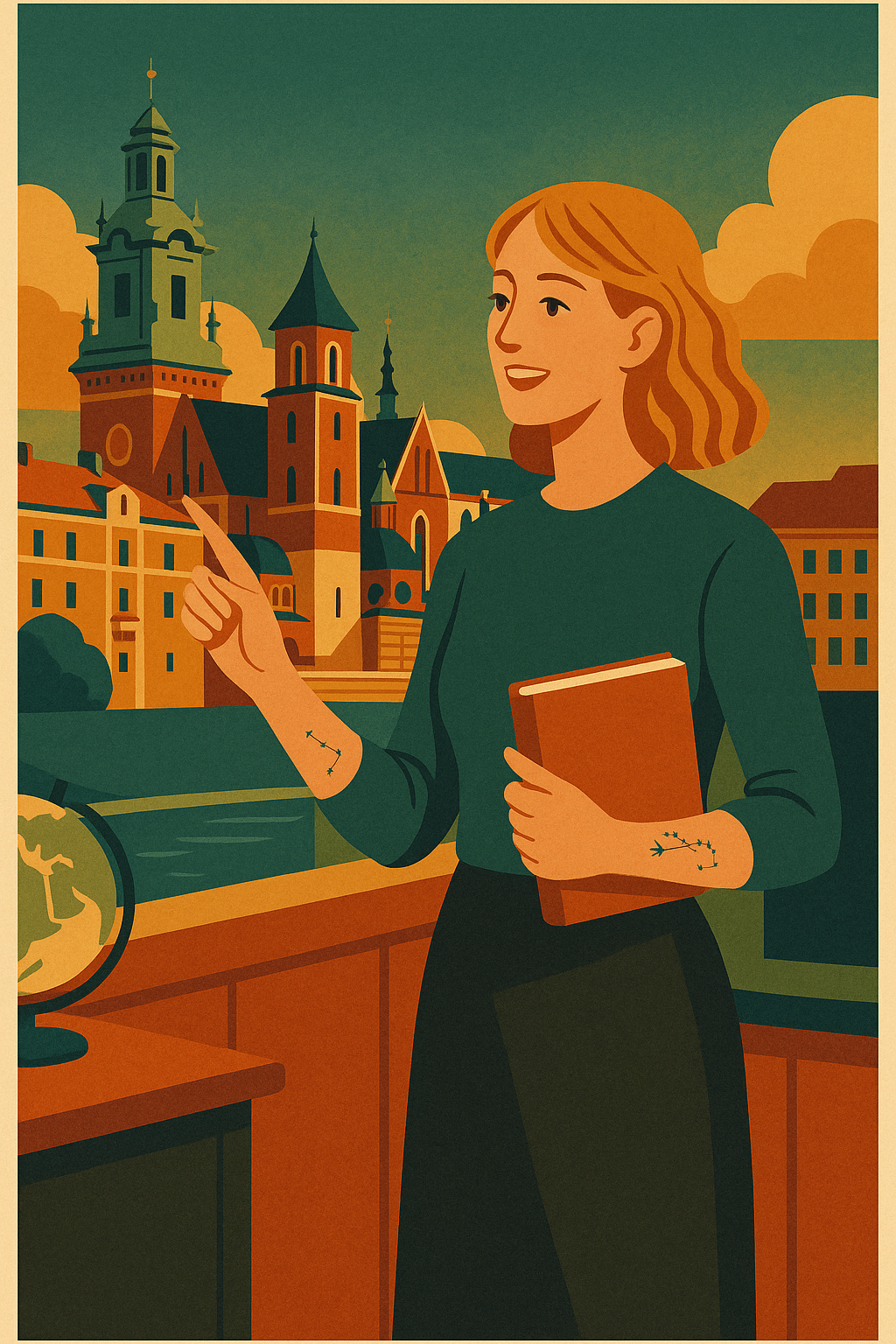
A young woman with constellation tattoos teaches English in Krakow, Poland, with the city behind her

So… is this really a good way to experience Europe?

Absolutely. Instead of visiting Europe, you get to live Europe. Living abroad, you become a regular at a café. You have favorite bakery staff who know your order. You find yourself muttering, “Ugh, tourists,” like you didn’t arrive on the same flight.

And before you know it, you’re planning weekend trips based on whatever city is calling your name.

Ready to make Europe your classroom?

Get the TEFL, send the applications, and book the one-way ticket. Your future self — living near a 14th century cathedral and eating €2 gelato — will thank you. –Shahroz Yousaf


ANOTHER OPTION: Have you thought about being a licensed practical nurses (LPNs) abroad?

A Journey Through Benelux’s Timeless Charms

All aboard for a Benelux train tour! Add Amsterdam, Brussels, Bruges and Luxembourg City to your itinerary of Europe’s Low Countries. 

The high-speed Thalys train from Amsterdam to Brussels travels at speeds of up to 186 mph (300 km/h), covering the distance in under two hours.

As someone who loves to travel and discover Europe’s hidden gems, I embarked on an exciting adventure through the lowlands of Belgium, the Netherlands and Luxembourg. Collectively known as Benelux, the name comes from the first letters of each country’s name. 

Fields of purple and pink tulips by a windmill in the Netherlands

Windmills and tulips are part of the appeal of Benelux (the Low Countries of Belgium, the Netherlands and Luxembourg).

From the picturesque canals of Amsterdam to the medieval streets of Bruges, and the cosmopolitan allure of Brussels to the historical landmarks of Luxembourg City, each destination offered a special blend of culture, history and charm waiting to be discovered.

I spent hours wandering along Amsterdam’s waterways, admiring the elegant canal houses, quaint bridges and bustling houseboats that lined the banks.

I felt like I had stepped into a painting by Vermeer or Rembrandt.
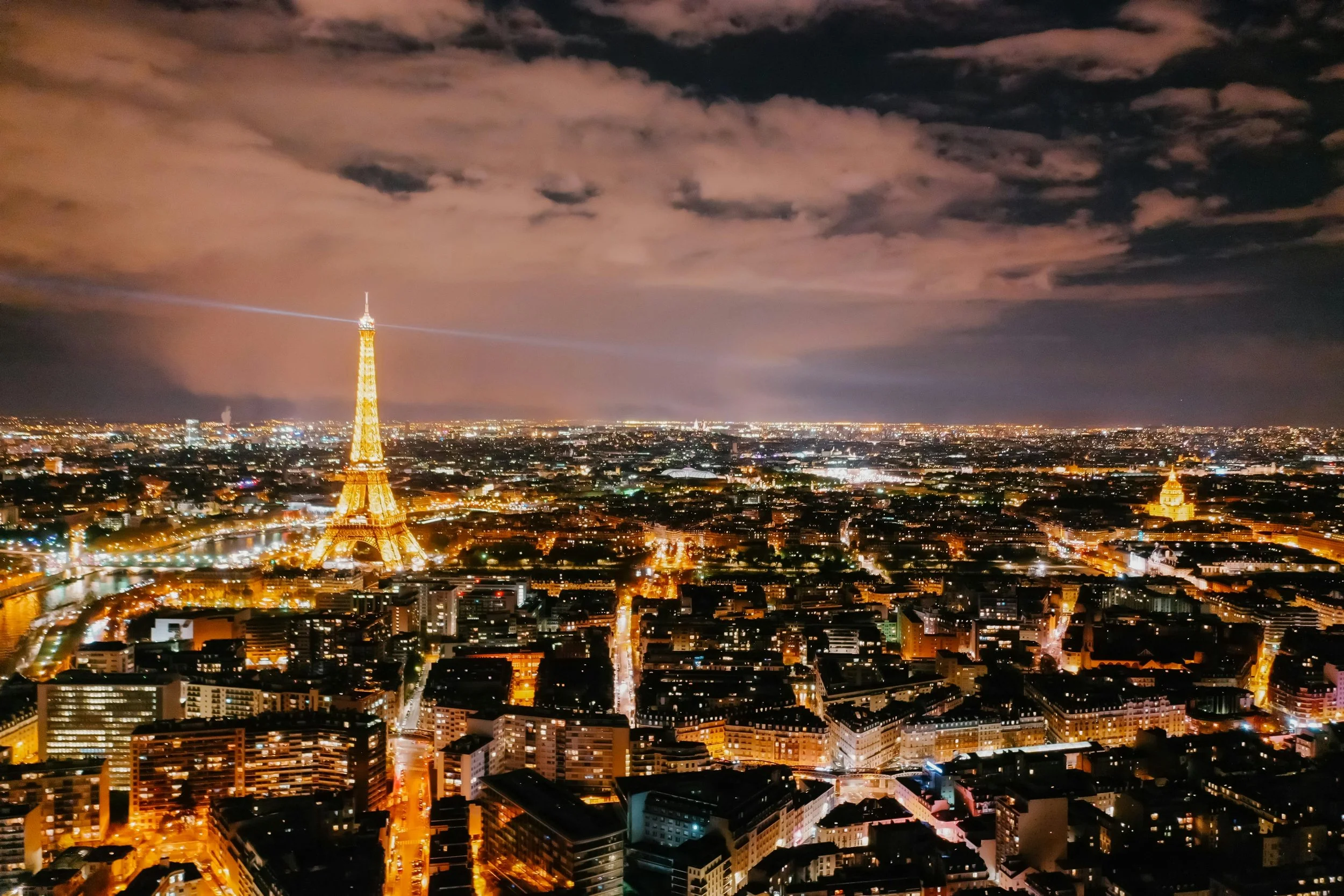
Aerial view of Paris at night, with the city and the Eiffel Tower lit up

Paris, the City of Light and of Love, has a timeless allure.

Beginning the Benelux Adventure

First Stop: Paris 

Setting off from London, my journey began with a train from London to Paris, a swift and seamless trip that whisked me across the English Channel and into the heart of France’s vibrant capital.

Upon arriving in Paris, I was greeted by the city’s unmistakable energy and elegance. From the iconic landmarks of the Eiffel Tower and Notre-Dame Cathedral to the world-class art collections of the Louvre and Musée d’Orsay, Paris exudes a timeless allure that captivated me at every turn. After indulging in a croissant breakfast and a leisurely stroll along the Seine, it was time to continue my journey toward the lowlands of Benelux.

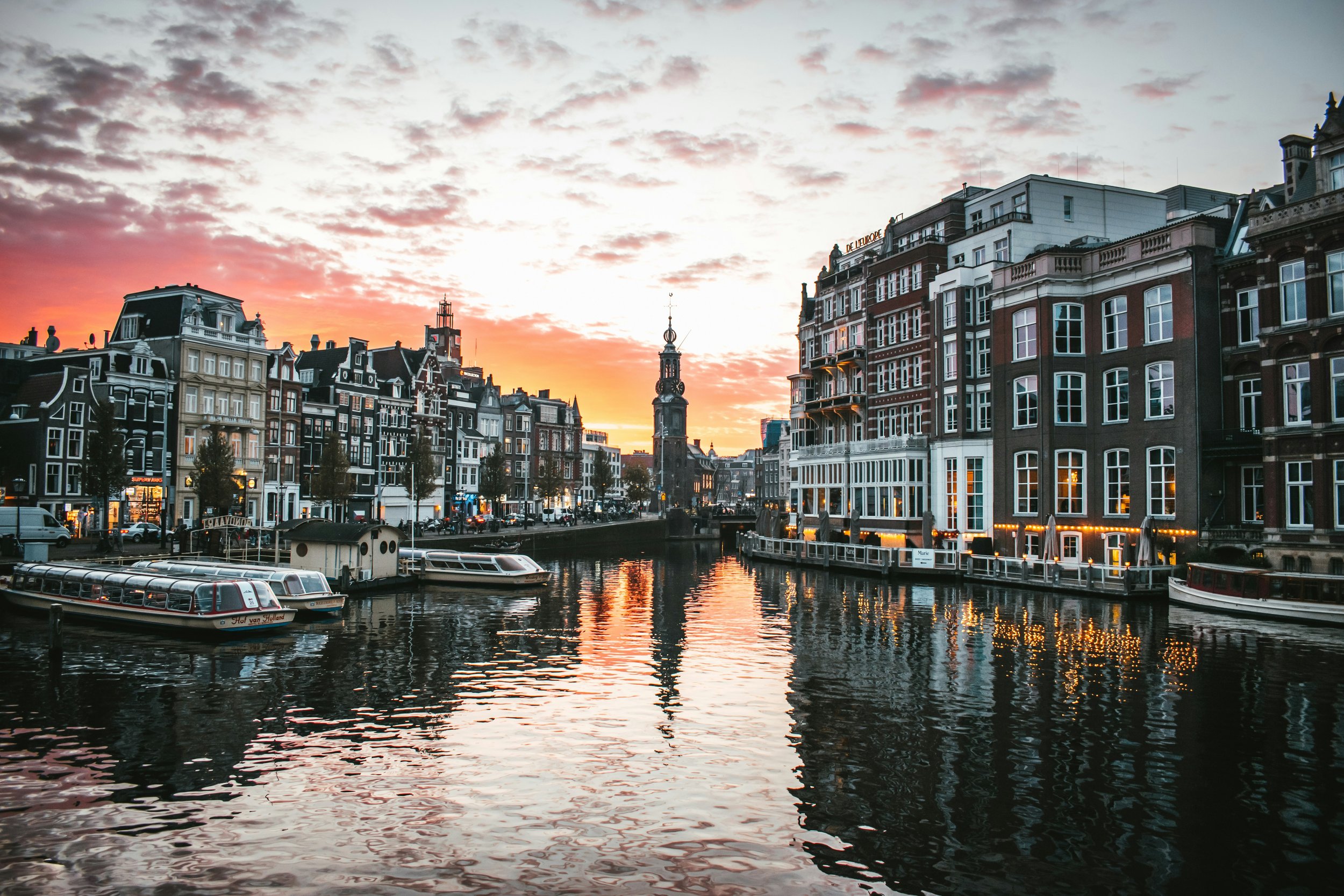
Amsterdam is home to almost 62 miles of canals, 90 islands and 1,500 bridges. In fact, there are more waterways than roads!

Second stop: Amsterdam

After boarding the train to Amsterdam in the Netherlands, I found myself eagerly anticipating the adventures that lay ahead. As the train glided through the scenic countryside, I couldn’t help but marvel at the beauty of the bucolic landscapes unfolding before my eyes: lush green meadows dotted with windmills and quaint villages nestled along winding rivers, all viewed from the cozy confines of my seat.

Arriving in Amsterdam, I was immediately enchanted by the city’s unique blend of old world charm and vibrant modernity. One of the highlights of my trip was wandering along the iconic canals, which crisscross the city like a network of veins, pulsating with life and energy. I spent hours wandering along the waterways, admiring the elegant canal houses, quaint bridges and bustling houseboats that lined the banks. I felt like I had stepped into a painting by Vermeer or Rembrandt.

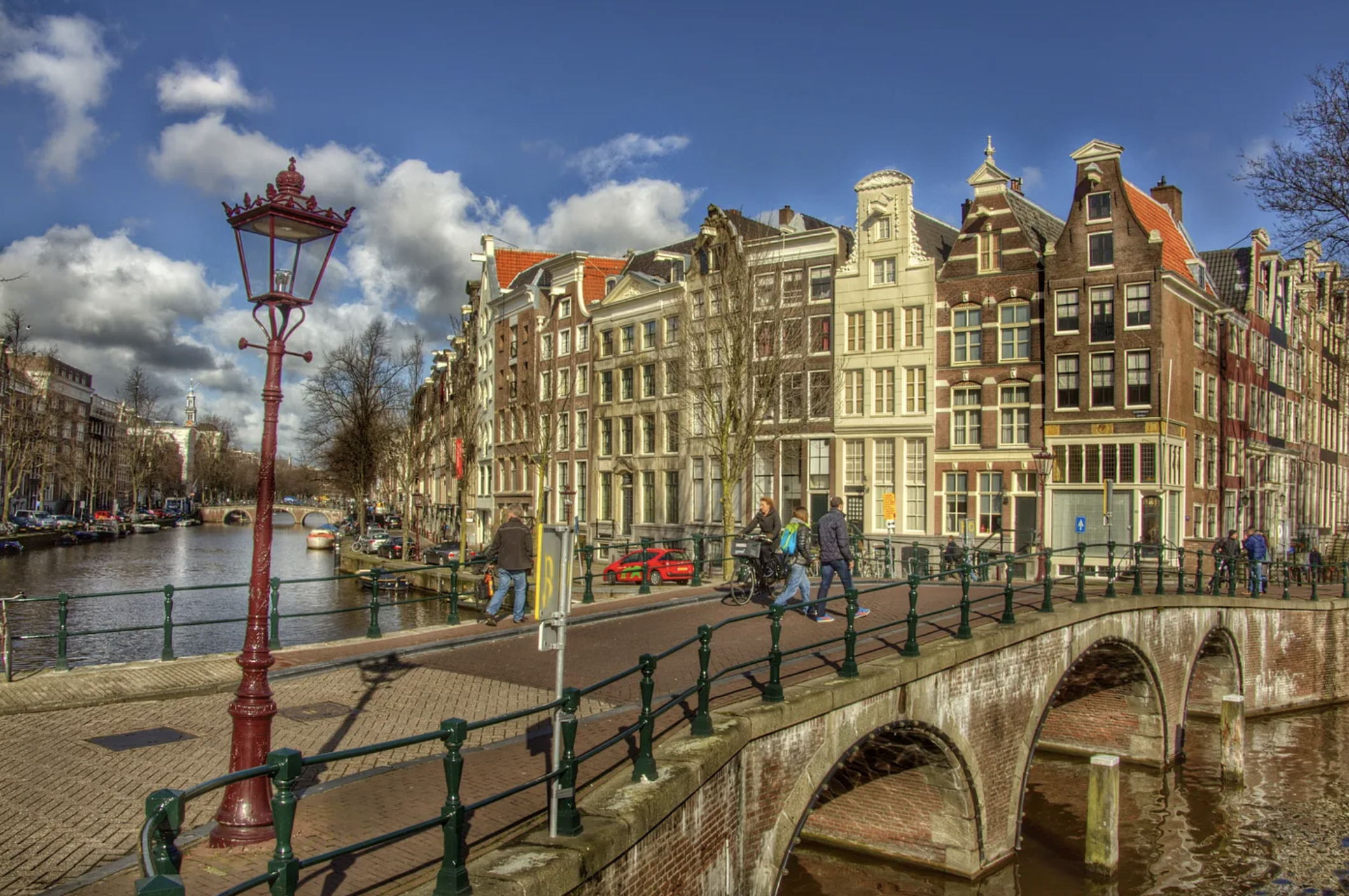
Tall narrow buildings up against each other in Amsterdam, with street lamp and people crossing a bridge

Taxes were charged based on the width of a building — which explains Amsterdam’s tall and narrow houses.

During my time in the capital city, I visited the Anne Frank House. Its poignant exhibits and haunting history were a sobering reminder of Amsterdam’s tumultuous past. 

Additionally, the Van Gogh Museum provided a fascinating glimpse into the brilliant yet troubled genius of one of the world’s most renowned artists.

The gorgeous Baroque and Gothic buildings lining Grand Place, covered with designs created with flowers, in Brussels, Belgium

Gorgeous Baroque and Gothic buildings line la Grand-Place in Brussels.

Third stop: Brussels

I hopped on the Amsterdam to Brussels train to visit the cosmopolitan capital of Belgium. Stepping off the train, I was greeted by the city's lively atmosphere and architectural splendor. Brussels is a melting pot of culture, cuisine, and creativity. The Grand Place, with its ornate guild houses and towering spires, was a sight to behold, especially when illuminated at night. 

The silver balls connected by thin tubes of the futuristic Atomium in Brussels, Belgium

The Atomium, built for the the 1958 World Expo in Brussels, stands tall at 335 feet (102 meters) and was designed to resemble an enlarged iron crystal.

The Atomium, a futuristic marvel built for the 1958 World’s Fair, offers panoramic views of the city from its lofty spheres, and the quirky Manneken Pis, a statue of a small boy urinating in perpetuity, never fails to draw a crowd.

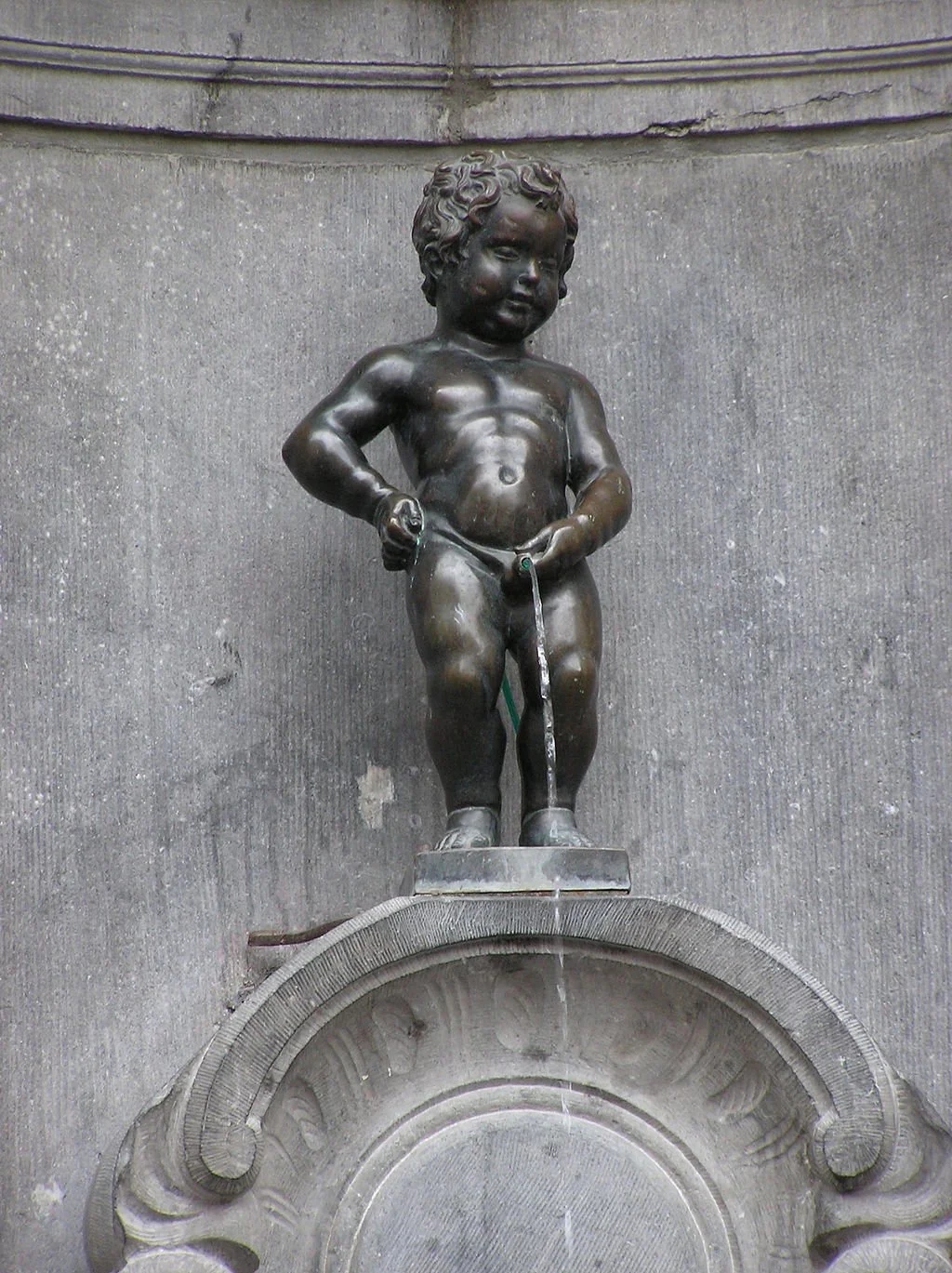
Manneken Pis, the small statue of a naked boy peeing into a fountain in Brussels, Belgium

Young Duke Godfrey III of Leuven, the inspiration behind Manneken Pis, is said to have brought luck to troops by pissing on the enemies.

And who was I to say no to the city’s culinary offerings? I sampled my way through Brussels’ famous chocolatiers, indulging in pralines, truffles and decadent hot chocolate. Then it was on to waffles and frites — crisp, fried matchstick-cut potatoes served in a paper cone with mayo — all washed down, of course, with delectable Belgian beer.

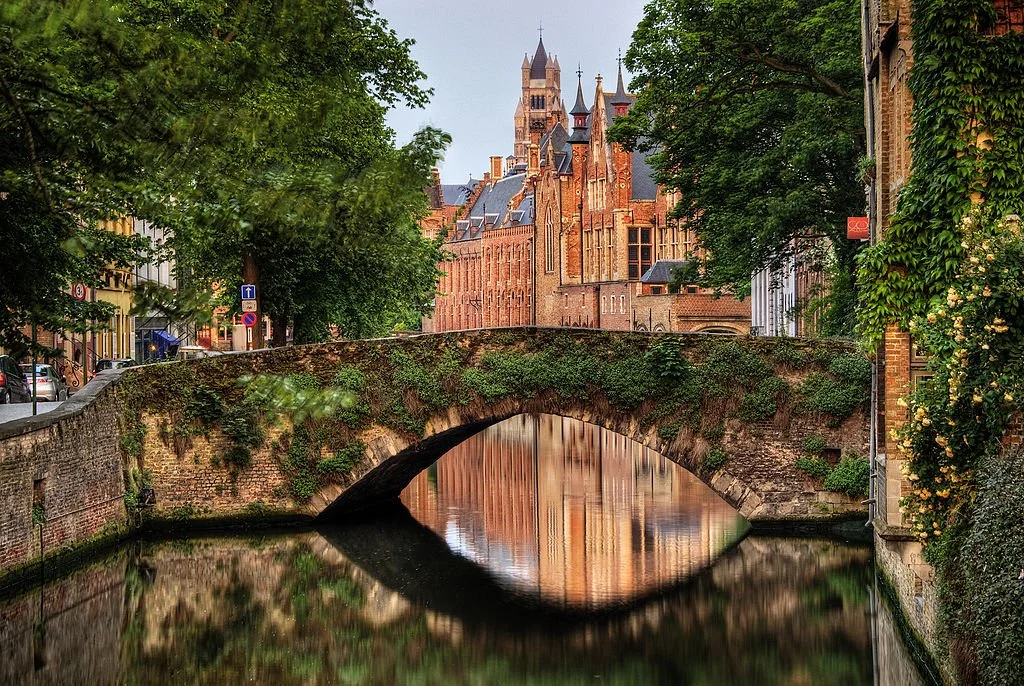
Rose-colored buildings along a tree-lined river with a cute plant-covered bridge in Bruges, Belgium

The medieval town of Bruges is known for its fairy-tale charm.

Fourth Stop: Bruges

Continuing my journey, I made my way to another city in Belgium, Bruges, a medieval gem nestled amid the lush greenery of Flanders. With its fairy tale charm, cobbled roads, romantic canals and well-preserved Gothic architecture, the town felt like something out of a storybook. I wandered through its maze of narrow streets, passing historic guild halls, peaceful canals and tucked-away courtyards. 

People sit on the curb by a statue near the Belfry tower in Bruges, Belgium

The Belfry of Bruges, a medieval marvel dating back to around 1240, stands 272 feet (83 meters) tall and served as a treasury and observation post to spot fires.

While climbing the narrow staircase of the Belfry, a medieval bell tower built around the year 1240, I was rewarded with panoramic views of the Bruges’ rooftops and spires.

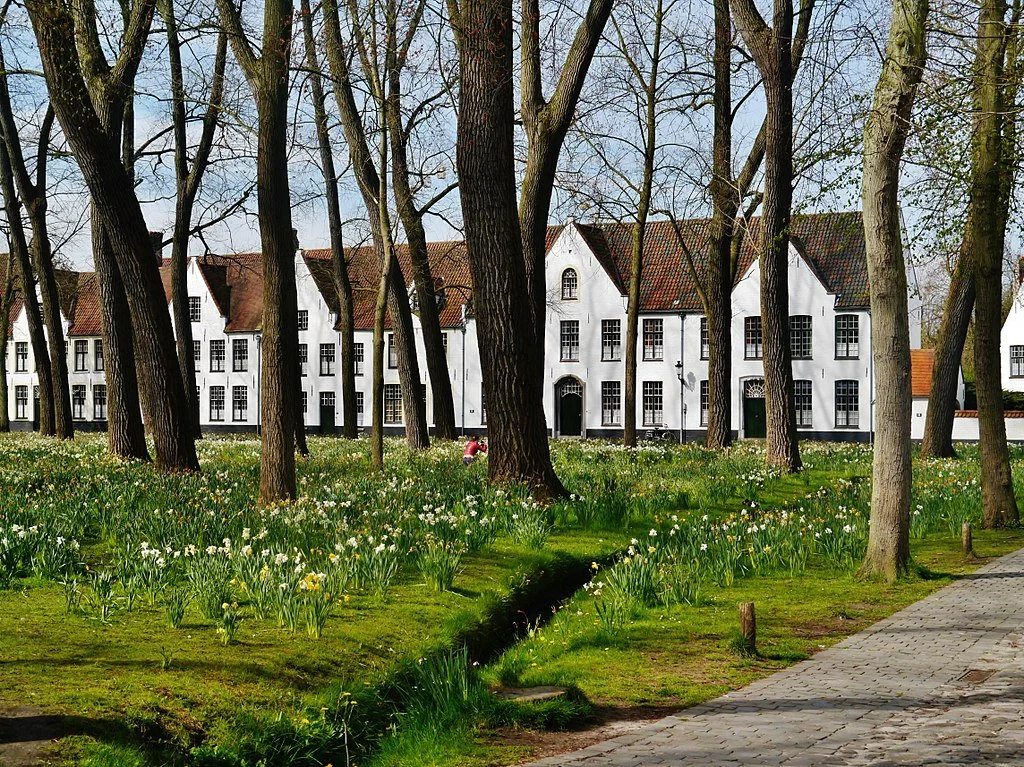
Long white monastic buildings at the Begijnhof (Beguinage Ten Wijngaerd) seen through the trees by grass with white flowers in Bruges, Belgium

Founded in 1245, the UNESCO World Heritage Site of Begijnhof was once home to Beguines, independent lay women leading pious lives, and is now inhabited by Benedictine nuns and single women, offering a tranquil retreat in the heart of Bruges.

I found serenity at the Begijnhof (Beguinage Ten Wijngaerd), a tranquil monastic community that was once home to Beguines, women who led lives of religious devotion without joining a formal religious order. The complex includes a Gothic church and about 30 white-painted houses dating from the late 16th, 17th and 18th centuries built around a central yard.

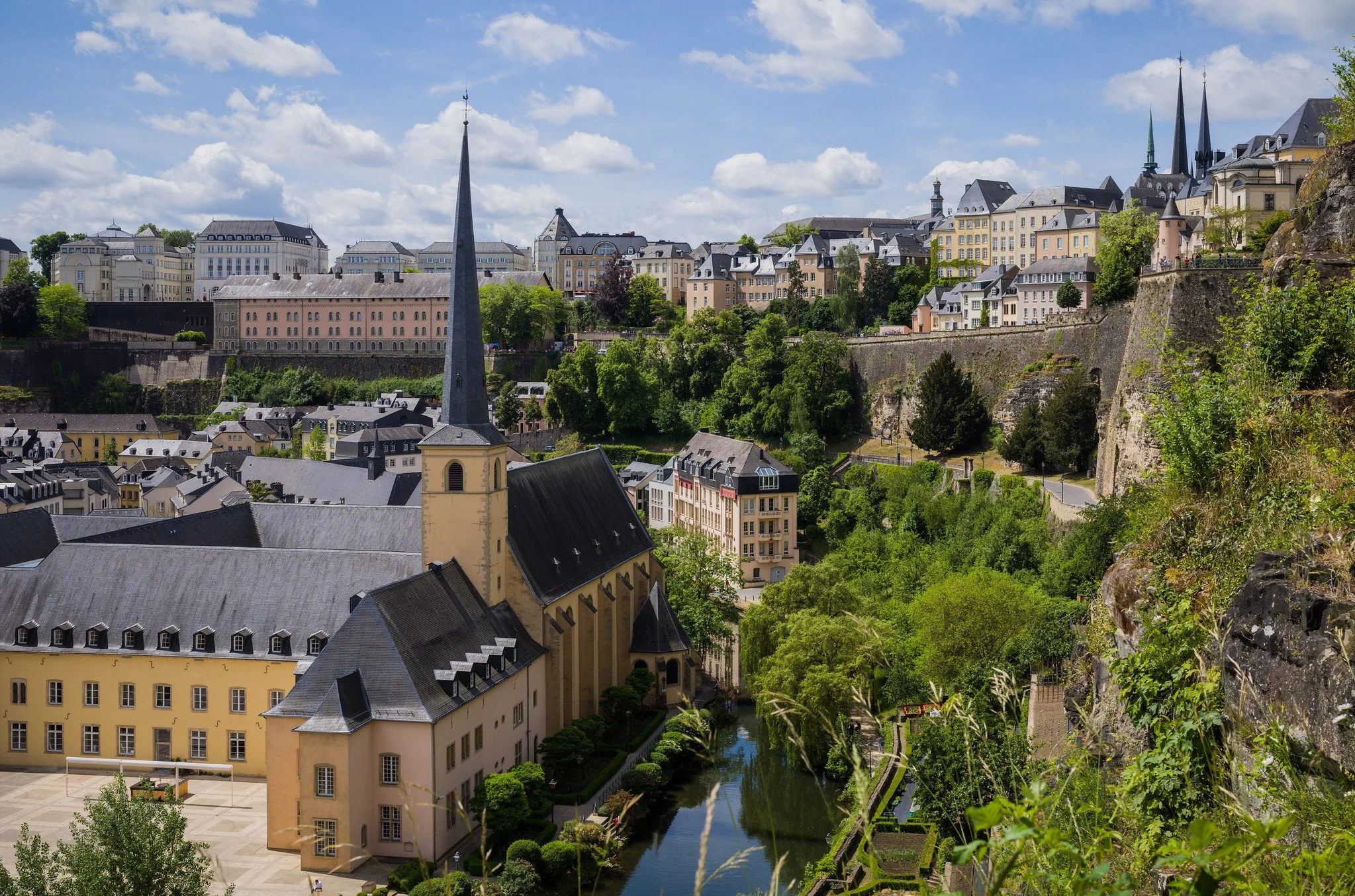
The buildings of Luxembourg City and the plant-filled remains of the fortress wall

Luxembourg City boasts the world’s second-highest GDP per capita and has three official languages: German, French and Luxembourgish.

Fifth Stop: Luxembourg City

The final leg of my adventure took me to Luxembourg City, the capital of the Grand Duchy of Luxembourg. A fitting end to my journey, the fortified multi-tiered city is perched atop cliffs with dramatic views overlooking the Alzette and Pétrusse Rivers below.

The Grand Ducal Palace in Luxembourg

During the German occupation of Luxembourg in World War II, the Nazis caused a lot of damage to the Grand Ducal Palace using it as a concert hall and tavern.

Sandwiched between Belgium, France and Germany,  the city is a captivating blend of ancient fortifications, lush parks and sleek modern structures. Wander through the UNESCO World Heritage Site of Ville Haute, Luxembourg’s Old Town, where medieval ramparts and towers stand side by side with elegant pastel-colored townhouses and charming cafés. The Kirchberg Plateau, home to the European Union institutions, offered a striking contrast with its sleek glass buildings and manicured parks. And you can’t miss the Grand Ducal Palace, the official residence of Luxembourg’s grand duke and duchess.

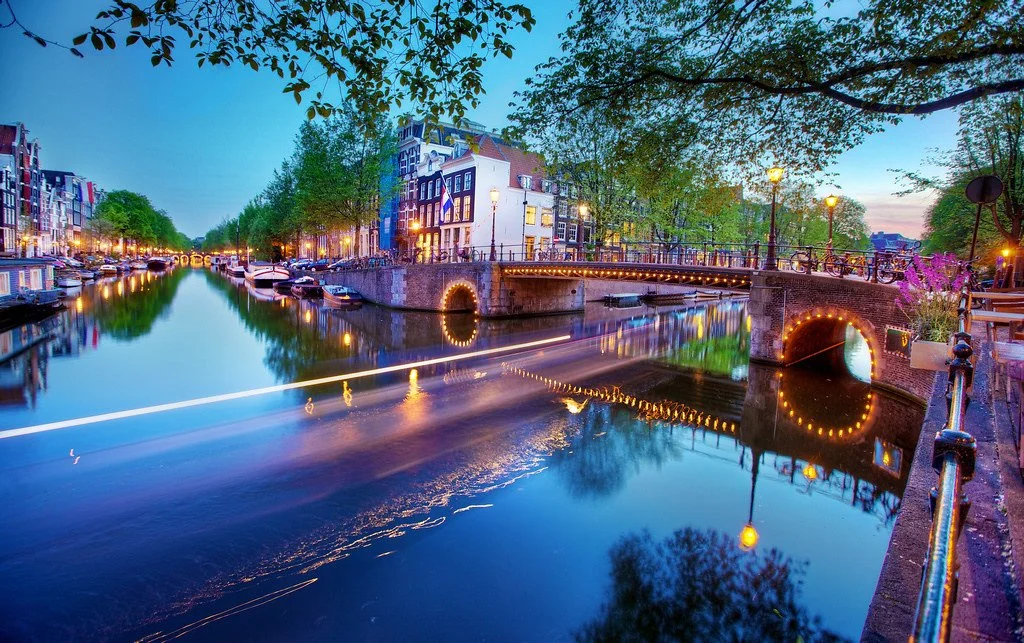
Amsterdam bridge lined with lights reflecting in the canal at twilight

The charming canals of Amsterdam are but one highlight of a trip through Benelux.

Exploring the Low Countries of Benelux

My Benelux trip was a truly amazing experience, allowing me to immerse myself in the vibrant energy of these dynamic cities and uncover the hidden gems that lie within. Whether I was enjoying delicious Belgian chocolates in Brussels or admiring the picture-perfect Gothic architecture of Bruges, every moment was packed with excitement and new discoveries.

As my journey came to an end, I cherished the memories that will stay with me forever, inspiring me to continue to seek out new adventures and explore the world.

Farewell for now, Benelux — your legacy left an indelible impression on me and will forever hold a special place in my heart. –Brayden Sterling 

A Perfect Afternoon in Málaga Centro

What to do in Malaga? Hit these three sites: the Malaga Cathedral, a hidden abbey and a shop filled with amazing local ceramics.

One of the highlights of Málaga Centro is its impressive cathedral

There’s no shortage of centuries-old landmarks in the historic Málaga Centro — the entire city center is an open-air museum of sorts, dotted with monuments, restaurants, cafés and shops.

When we found ourselves leisurely wandering through the Moorish-inspired cobblestone streets of Málaga Centro one afternoon with our friend and guide Jo, she did not disappoint, sharing a few of her favorite spots with us.

Here is our short list of three sights worth checking out (the food and drink stops will follow shortly in other posts). From iconic landmarks like the Catedral de Málaga to hidden gems like the Santa Ana Abbey, these are all within a short walking distance of each other.


The quiet Santa Ana Abbey was a fun discovery

The quiet Santa Ana Abbey was a fun discovery

Stop 1: Santa Ana Abbey

Tucked into a narrow alleyway in Málaga, we stumbled upon the Santa Ana Abbey. More commonly known as the Cistercian Abbey, the vibrant coral-hued façade contains an 18th century statue of Santa Ana.

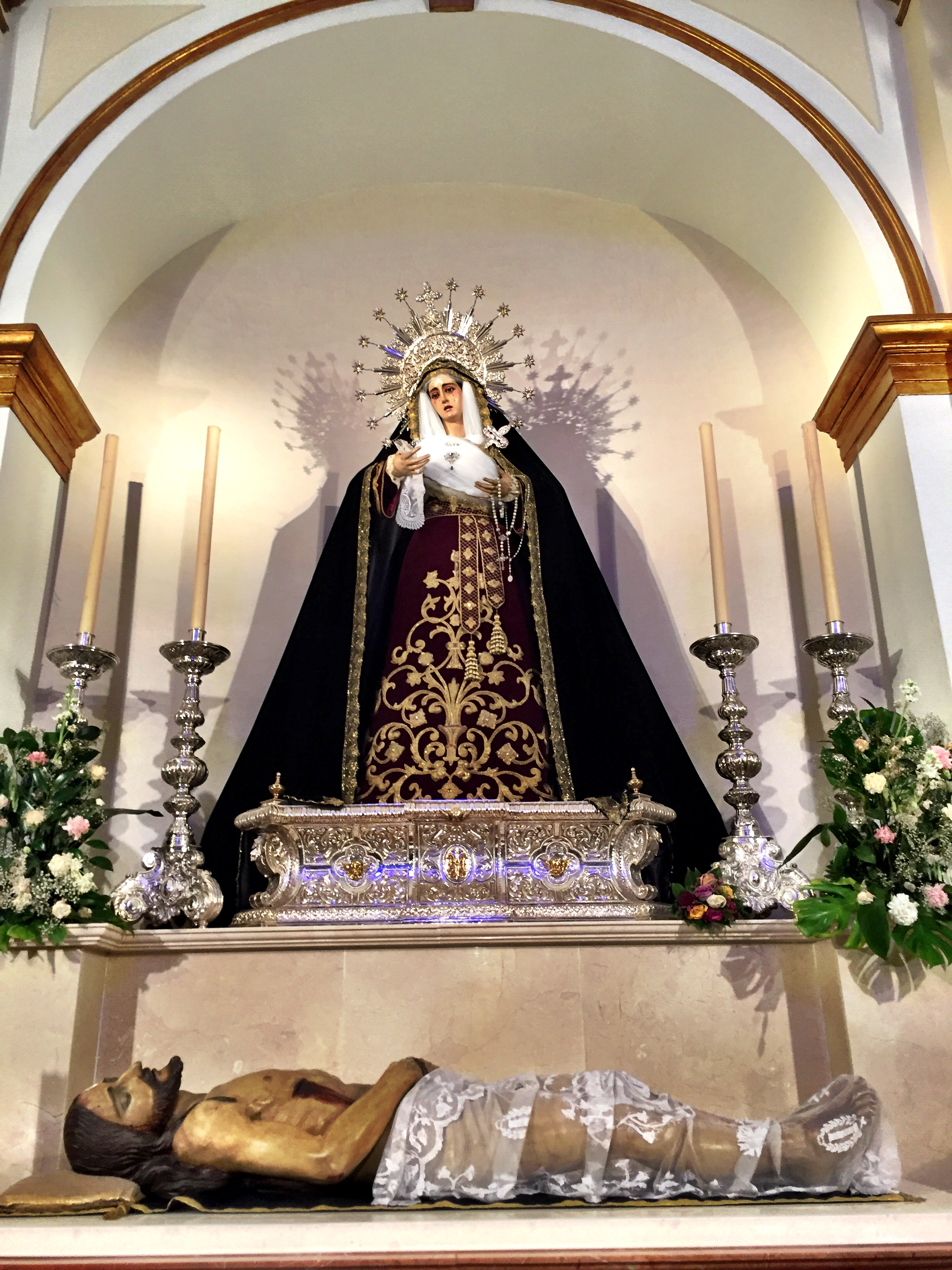
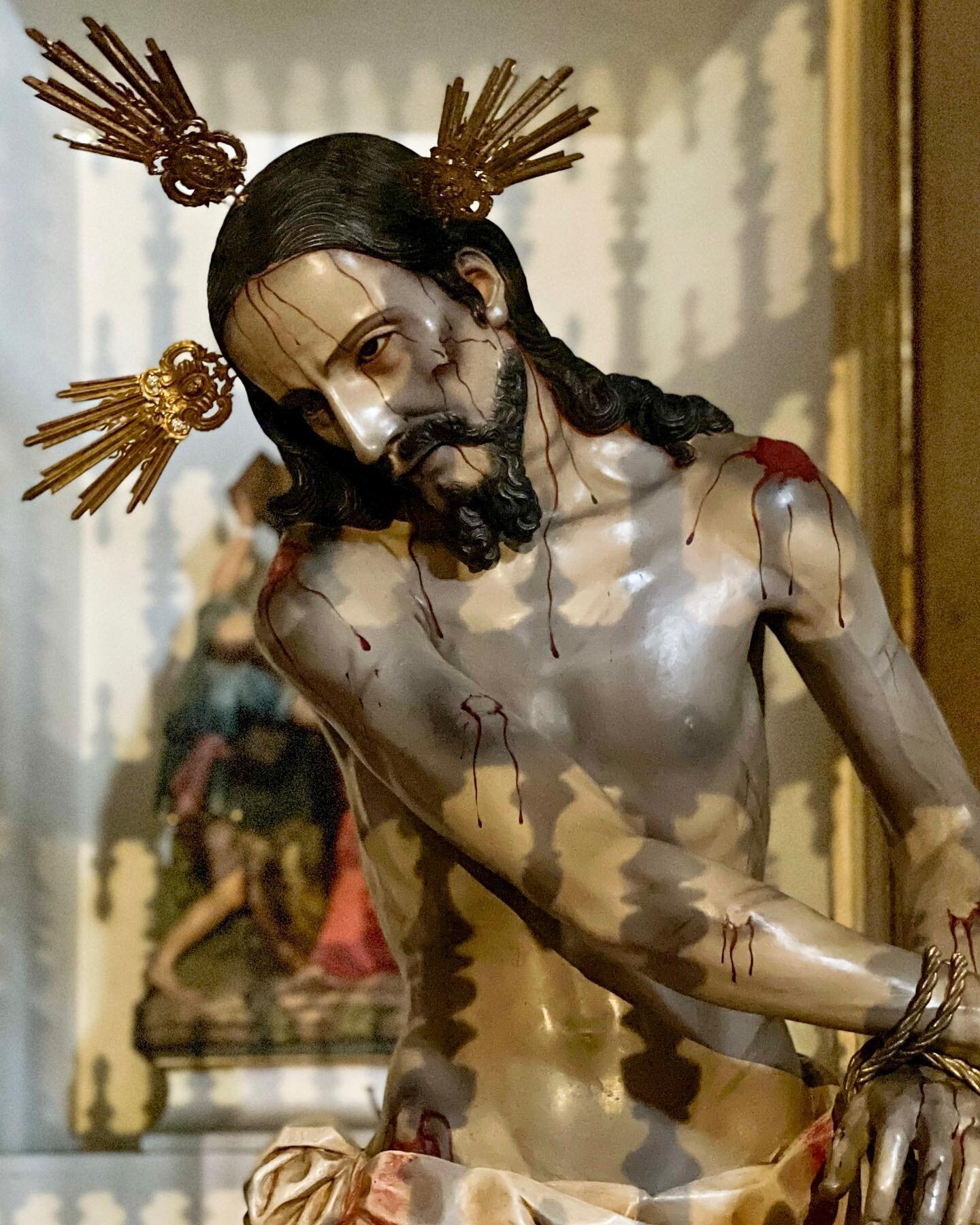
A statue of Jesus in a niche at Santa Ana Abbey

This could be Santa Ana herself…or it might be Mary

The abbey comprises a sole nave and includes works by celebrated Spanish Baroque sculptor Pedro de Mena and his daughters, Andrea and Claudia, both of whom were Cistercian nuns. De Mena dedicated his life's work to producing sculptures depicting religious imagery, just as his father had done before him.

Off to the right of the sanctuary is a small candlelit nave

Originally from Granada, de Mena had a studio in the nearby Calle de los Alfligidos, and by his request was interred and buried at the entrance. According to local lore, the artist’s wish was “that he should lay in a place where his remains could be trodden on by the faithful because of his humble person.”


While shopping at Alfajar, Duke and Wally ended up buying this ceramic handcrafted dove, a symbol connected to Picasso, who loved to paint them

Stop 2: Alfajar

You’re bound to find something at Alfajar, a boutique shop specializing in high-quality contemporary handmade ceramics created by local artists.

The store is located within the historic Zea-Salvateria Palace, a Baroque-period structure built in the late 17th century. The building was originally host to the City Council of Málaga during the reign of Isabel ll and subsequently home to the post office for many years after.

The fanciful signed pieces are displayed on open shelving among the white walls and high ceilings of the former estate. Inspired by the heritage of regional pottery craft, the shop’s philosophy is to celebrate these divergent influences and breathe originality into the medium.

Wally and I knew we had to take one home, but it was difficult to make a decision, as each piece was unexpected and unique. The colors employed are the result of metallic oxide glazes that are only revealed once the piece has been kiln-fired and cooled. We finally decided upon a ceramic dove on a wooden stand — emblematic of hometown hero Picasso — and a horse in the Nazari style. These pieces were quite affordable, and the shopkeeper took great care in wrapping our purchases.


The single tower gives the cathedral a lopsided feel — and earned it the nickname la Manquita, the One-Armed Lady

Stop 3: Catedral de Málaga

It’s time to go for Baroque (amongst other styles)! Across from Alfajar is the Catedral de Málaga, the main church of the city. Built on the foundations of a former mosque, the cathedral façade is Baroque, the floor plan Gothic and its interior Renaissance. This mishmash of styles is due to the fact that construction took more than three centuries to complete.

Apparently the original plan of its architect, Diego de Siloe had two towers. However, the second is incomplete and earned the structure the nickname la Manquita, the One-Armed Lady.

Jo and Wally on the front steps of the Malaga Cathedral

Jo and Wally on the front steps of the Malaga Cathedral

A plaque located at the base of the tower states that funds raised by the parish were sent to aid colonists who had fled Great Britain to gain their independence — although there is evidence that the money actually went to fund emergency public works in the province.

The cathedral gardens are worth exploring

We were unable to enter the cathedral proper that day (get there before 5 p.m.), but followed a wedding party smoking cigarettes in the side garden before the ceremony in the Church of El Sagrario, an ancillary chapel on the property filled with impressive religious artworks. We popped into the church only briefly, not up for actually crashing the wedding (as Wally pointed out, Catholic mass takes way too long).

We decided not to crash the wedding at the Church of El Sagrario after all

Returning the following day, we were able to see the cathedral’s interior. The space is majestic, with ribbed vaulted ceilings, an impressive 18th century pipe organ and finely carved statues of the saints by de Mena. 

Photography was not permitted, as a service was taking place, and I got yelled at by one of the guards who were watching us closely, and quickly put my camera away. (Wally, however, is more fearless than me and was able to sneak in a shot.) Don’t dare try taking interior photos if you don’t want to get scolded. 

Wally took this one shot of the interior of the Málaga Cathedral, before the guards gestured violently at him

If you don’t make it inside, don’t feel too badly — the exterior courtyard and gardens are worth exploring. I’m not sure if the no-photography policy was only when services are taking place, but you can always wander around the over-the-top Church of the Holy Martyrs instead. They let you take as many photos as you want. You can see ours here. –Duke


ALSO ON THE MALAGA CENTRO LIST: The Alcazaba Fortress

The Ups and Downs of Running a Somerset Inn

The Bowlish House, a gem of Georgian architecture near Bath and Wells, honors the past, while the English village of Shepton Mallet marches into the modern era.

The Bowlish House in the village of Shepton Mallet is a beautiful inn and wedding venue


I met Len and Martin many years ago when they were living in a three flat they owned in Evanston, Illinois that they had lovingly restored. Their home, on the top floor, was tastefully appointed with a mix of traditional furnishings and antiques (Martin ran an antique business, which I briefly worked for, and Len ran the Chicago Children's Memorial White Elephant Resale Shop).

According to Len, the property was haunted, particularly the front entrance hall and basement. “I never saw the bearded man who walked up and down the front stairs, but others did. In the basement, you would get an occasional sighting of a woman in 1920s dress. You always knew when she was around, as the scent of patchouli was in the air.”

The Bowlish House’s drawing room was featured in the compelling BBC series “Broadchurch.”

Len and I caught up recently and it was not a complete surprise to discover that he and Martin had moved to the U.K. and purchased the Bowlish House, a storied historic guesthouse in the town of Shepton Mallet. The drawing room was featured in the compelling BBC series Broadchurch. –Duke

You don’t have to be staying at the Bowlish House to enjoy tea or a drink in the Georgian Room, modeled after an English country house

What led you to the village of Shepton Mallet?

When we first moved to Britain, we tried to find jobs that we thought would be satisfactory, but what we were used to does not exist. So we decided to either run a pub or an inn. After looking for a year, we found the Bowlish House listed on an online real estate site. It was the right size and also the right price.


How’d the town get its unusual name?
The town got its name from two brothers, Roger and Robert Mallet (pronounced “mal-lay”) who fought with William the Conqueror when the Normans invaded England in 1066. Shepton is an old word for a sheep enclosure. All the money here was made in the woolen trade.

One of the bedrooms at the Bowlish House

How did you decide to start a B&B?
We actually bought the business that was up and running, though not doing well. We then set to turning it around, which has been quite successful. However, the downside is that the amount of maintenance required on a 300-year-old house is shocking.


Did you renovate at all?

We are continuously working on the house to upgrade it and also to bring back the look of a country house in the 18th century.

Breakfast, lunch and dinner are available in the Cape Cod Room at the Bowlish House, where diners can enjoy panoramic views of the gardens

Are there any fun local traditions?

Unfortunately, the most popular local activity seems to be getting drunk and brawling on the high street, with an occasional bit of Morris dancing thrown in.


What is there to do in town?

The town is minute and suffers the same fate of most rural English villages have: the shopping mall. All the little shops are gone and have been replaced by Chinese takeaways. It is much better to drive 10 minutes to the city of Wells. Farther afield are Bath and Bristol, which are worth a visit.


What’s Bath like?

Bath is second only to London where style, fashion and the arts are concerned. Lots of beautiful and occasionally quirky architecture, interesting museums and nice restaurants. It is also very expensive to live there. I like going there when I need to reconnect with my inner city persona.


Any interesting or funny stories about guests or running the inn?
Yes there are stories — most are gross or indecent or both, though.


What’s the most charming part of British village life?

Nice pubs, when you come across them. Market days, some of the antiques shops, castles and gardens and the most amazing wildlife. You can see foxes and hedgehogs in the wild. I’m not too wild about the giant slugs, though. Some of the smells are not so good, particularly from the pig farms.


Has Brexit affected you at all?

It’s too early to tell about Brexit. The pound has certainly dropped, but it is a benefit to me, as my pensions are in U.S. dollars (yes, I am that old), so I get more than I did a few months ago.


And what the heck do Brits think about Trump?

The Donald is considered a huge joke here. There is a sort of horror and amusement regarding him and his politics. There is absolutely no way that any politician here would ever get away the stuff he does. Another aside is that is any politician here started in about their religion, it would be total political suicide.

The Best Spots to Hit When Visiting Utrecht

One of Morgan’s paintings depicts a street scene from Utrecht, Netherlands

A day trip from Amsterdam and Den Haag, Utrecht, Netherlands has an amazing flower market, a bar in a converted church, a nearby national park and other don’t-miss spots.

The gorgeous fall foliage along the edge of the canal in Utrecht, Netherlands

Morgan always has a smile on her face and an amazing sense of style. Heck, she rocked a side ponytail before it was on trend.

I’ve lived vicariously through her artistic endeavors via social media (and exchanged several Cats of Instagram videos).

No one believes me when I say this, but the Dutch live and die for fried food.

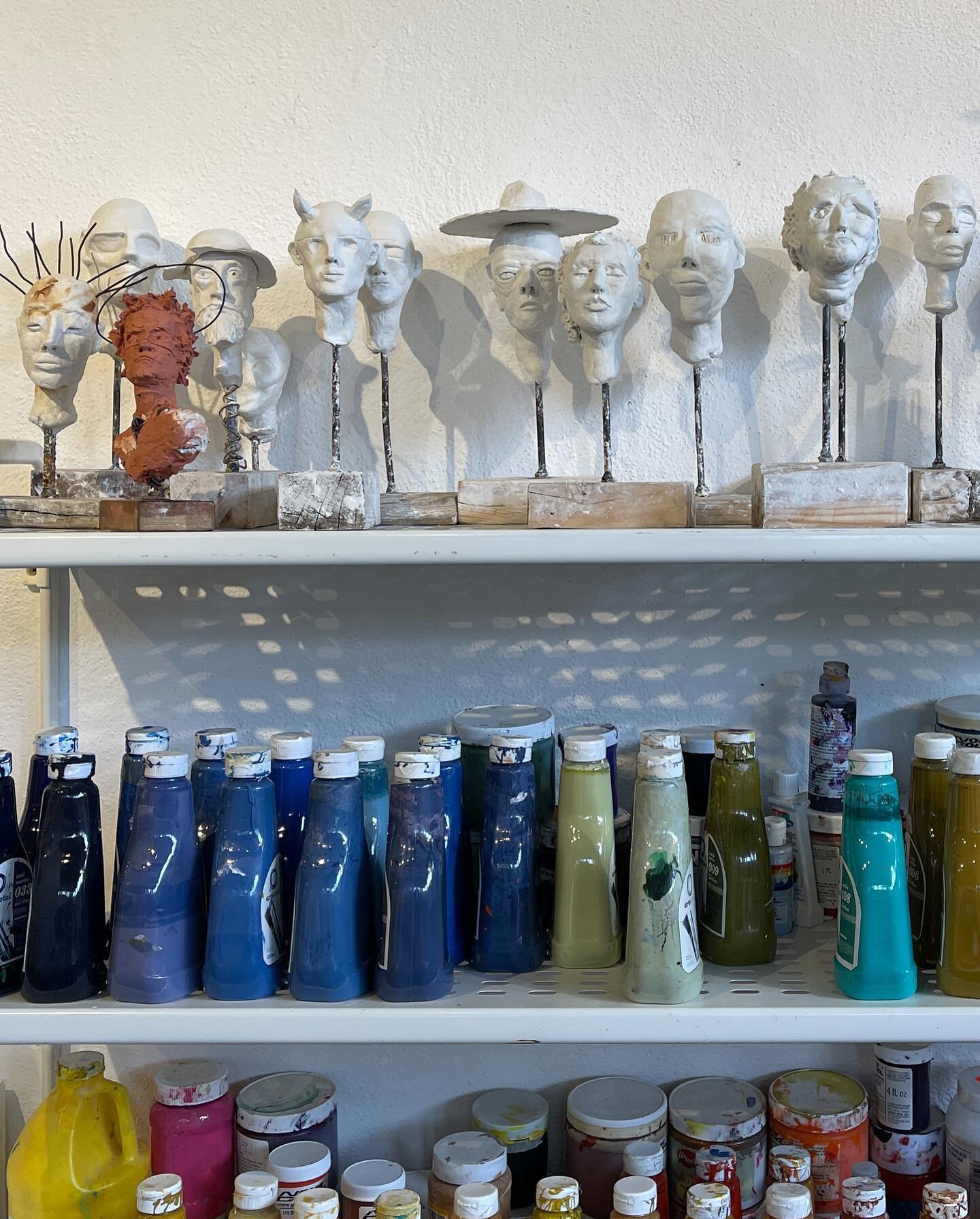
Morgan’s lovely studio in her Utrecht apartment

Sensing a kindred spirit, I couldn’t resist checking in and finding out more about her expat experience in Utrecht Netherlands, where she and her boyfriend moved in early 2015.


RELATED: American Expats Tell What It’s Really Like to Live in Paris


Utrecht is a day trip destination from Amsterdam and Den Haag

How did you and Matt end up in Utrecht?

Matt’s company gave him the opportunity to open their European office, and we were allowed to pick where that office would be. So we spent two weeks traveling to four different countries to see if they felt like a place we could make a home.

After much deliberation, we decided on Belgium! But after telling everyone in our families the big plan, we ended up not able to get a visa for me there.

So next best thing: the Netherlands! Except we had visited Amsterdam during our tour — and hated it. It felt like Chicago’s Navy Pier during the 4th of July.

In typical Morgan and Matt fashion, we decided on Utrecht without having been there, without knowing a soul here, without performing any sort of research. And just jumped in!

The Janskerkhof flower market is the best part about Utrecht, according to Morgan

What do you like best about Utrecht?

I’m absolutely in love with the Saturday flower market at Janskerkhof!


What do you like least?

It annoys me to no end that the stores close at 5 p.m. every day of the week and are completely closed on Mondays. But we’re coming from Chicago, where we did our grocery shopping at 10:30 at night. We know we need to adjust.


Tell us about a strange custom you’ve encountered while living there.

When Dutch people greet you as a friend, they kiss you on your right cheek, left cheek and again on the right cheek. That third kiss was very unexpected at the beginning and resulted in a few misplanted kisses.


What are your favorite day trips from Utrecht?

Now that we’ve been here for a while, Amsterdam has definitely grown on us. In fact, we head into Amsterdam almost every weekend and dream about buying a house there! Other favorite day trips are Den Haag for the beach and the museums, Otterlo to bike through a national park, and Maastricht, where they have their own dialect.


What are your favorite places in town?

Margaret Wines is our absolute favorite wine shop in the world! We also love Cafe Olivier — a converted church now functioning as a Belgian beer bar! Our go-to bakery is Bond & Smolders.


What’s the local cuisine like?

No one believes me when I say this, but the Dutch live and die for fried food. And their mayonnaise! Other, more traditional foods, are herring and stamppot [mashed potatoes mixed with other veggies].

Morgan and her boyfriend moved to Utrecht on a whim

Flowers are a source of inspiration for Morgan

What got you into painting?

I’ve been painting ever since I can remember. I used to color pictures of myself living in Paris as a painter when I was a little kid (I’m a dreamer!). I studied painting at the College of Charleston in South Carolina and again at the School of the Art Institute of Chicago for a prior degree program.


Morgan paints en plein air in Monet’s garden at Giverny

Could you describe your process?

My process is actually something I’m really working on changing right now. Before, I would set up a still life, paint a ground color in acrylic paint, and paint a traditional, realistic still life. Right now I’m working on a more abstract series about change. I still paint a colorful ground, but instead of working out the composition before painting, I jump right in and concentrate on making interesting brush strokes and creating a composition of areas of color. I’m very excited about where this series is going!


You can find more of Morgan’s artwork on her site, ReSource Designs. –Duke


RELATED: The Truth About Living in China