cruises

Svalbard vs. Antarctica: Which Polar Adventure Belongs on Your Bucket List?

From polar bears and Arctic fjords to penguins and towering icebergs, discover the key differences between Svalbard and Antarctica travel. 

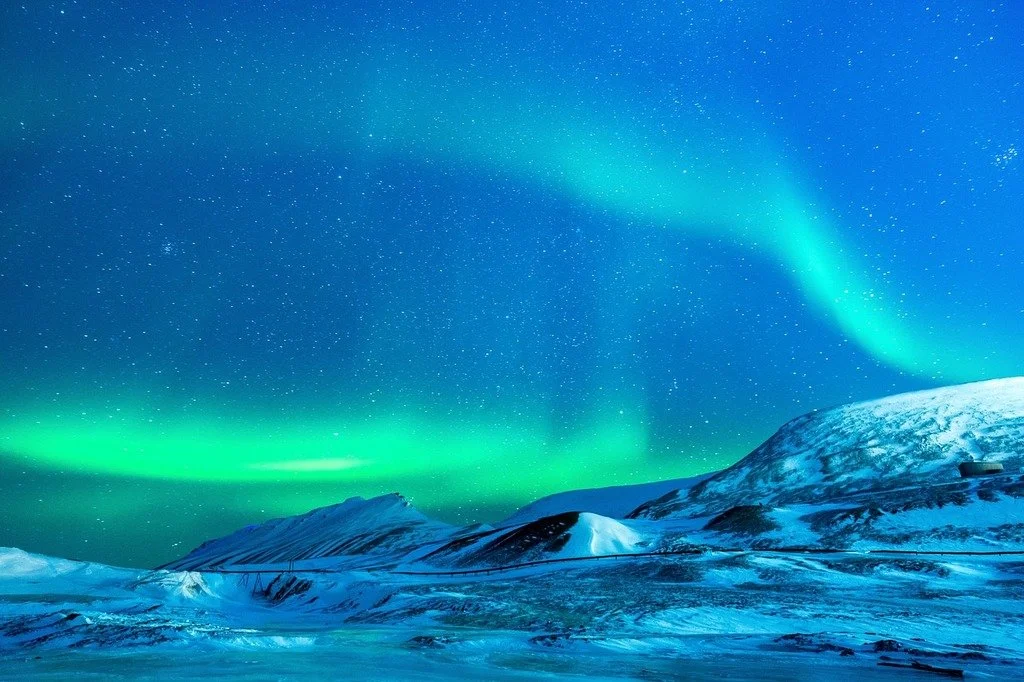
The greenish lights of the Aurora Borealis above the snowy mountains of Svalbard, Norway

Some trips are easy to explain.

A beach week. A city break. A long weekend somewhere warm.

A polar trip is different.

It’s harder to put into words because it isn’t only about where you go. It’s about what happens to you when you get there. The air feels sharper. The sky seems too big. The silence has a kind of weight to it. You notice your own footsteps. You notice the wind. You notice how small you are — but not in a bad way. Winter wilderness travel is intense and mindblowing.

Maybe that’s the real pull of places like Svalbard and Antarctica. They remind you that the world is enormous.

Svalbard shows you how humans live near the edge.

Antarctica reminds you that the edge might be too extreme for humans.

Both destinations sit close to the edge of the map. Both give you ice, wildlife, long horizons and that strange feeling of being far away from your ordinary life. But they aren’t the same trip. Not at all.

Svalbard is in the Arctic. It sits north of mainland Norway, deep in polar bear country, with fjords, glaciers, tundra, old mining history and a small but real community in Longyearbyen. Antarctica is the other end of the planet. It’s a continent of ice, penguins, research stations, wild seas and a kind of silence that feels almost untouched.

So, which one belongs on your bucket list? It depends on what kind of wonder you want to come home with.

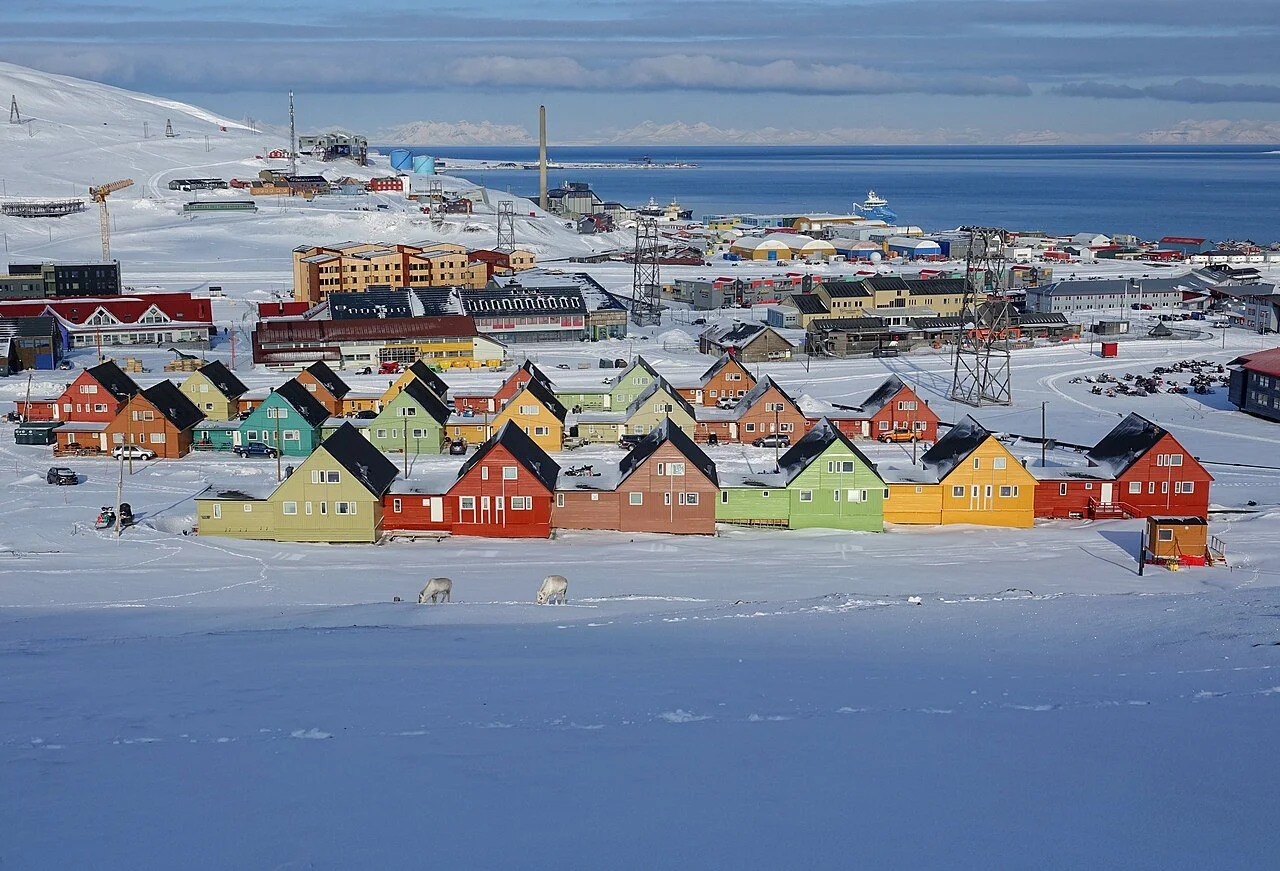
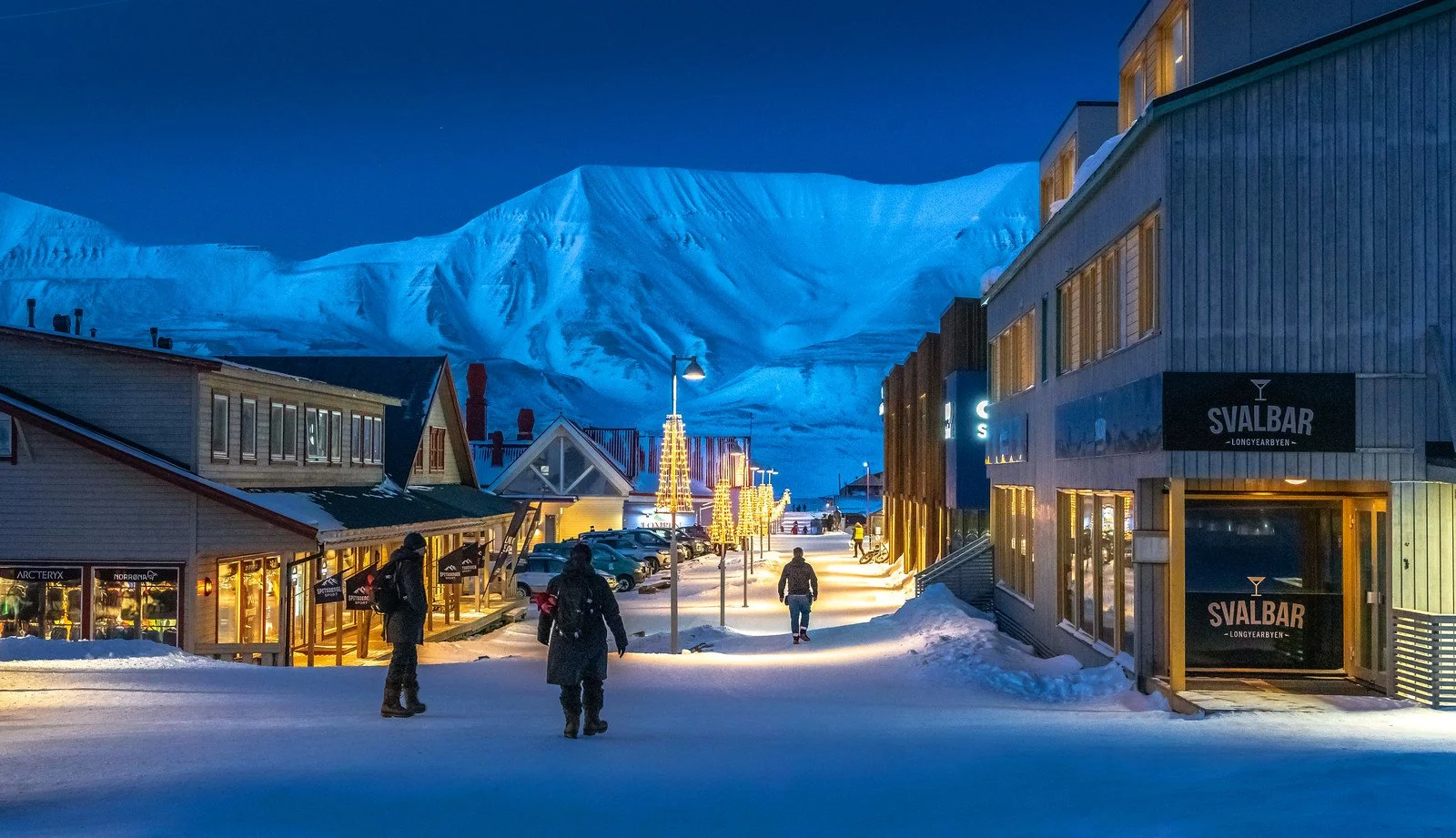
The colorful buildings of Longyearbyen, Norway in Svalbard in the snow

Svalbard Feels Remote But Not Unreachable

Svalbard has this odd, beautiful mix of wildness and daily life. You can land in Longyearbyen, check into a hotel, order coffee and still be very aware that you are in one of the northernmost inhabited places on Earth. There are streets and shops and guides loading gear. There are people walking home from work. And beyond all that, there are mountains, ice, cold water and animals that don’t care about your travel plans.

That contrast gives Svalbard its character. It doesn’t feel staged. It feels lived in.

You can sense that people have had to adapt here. The weather decides things. The light decides things. The seasons aren’t background details; they shape everything. Even before you board a ship or head deeper into the wilderness, you can feel that this place has its own rules.

And honestly, that makes it more interesting.

In summer, the midnight sun changes the whole rhythm of travel. The sky stays bright when your body expects darkness. You may look outside at midnight and see soft light sitting over the fjord, as if the day simply forgot to end.

It’s strange at first. Then it becomes wonderful.

You stop checking the time so much. You stop waiting for evening to close things down. The day stretches out in a way that feels loose and generous. If you’re used to a life of alarms, calendars and constant little deadlines, that can feel almost like a relief.

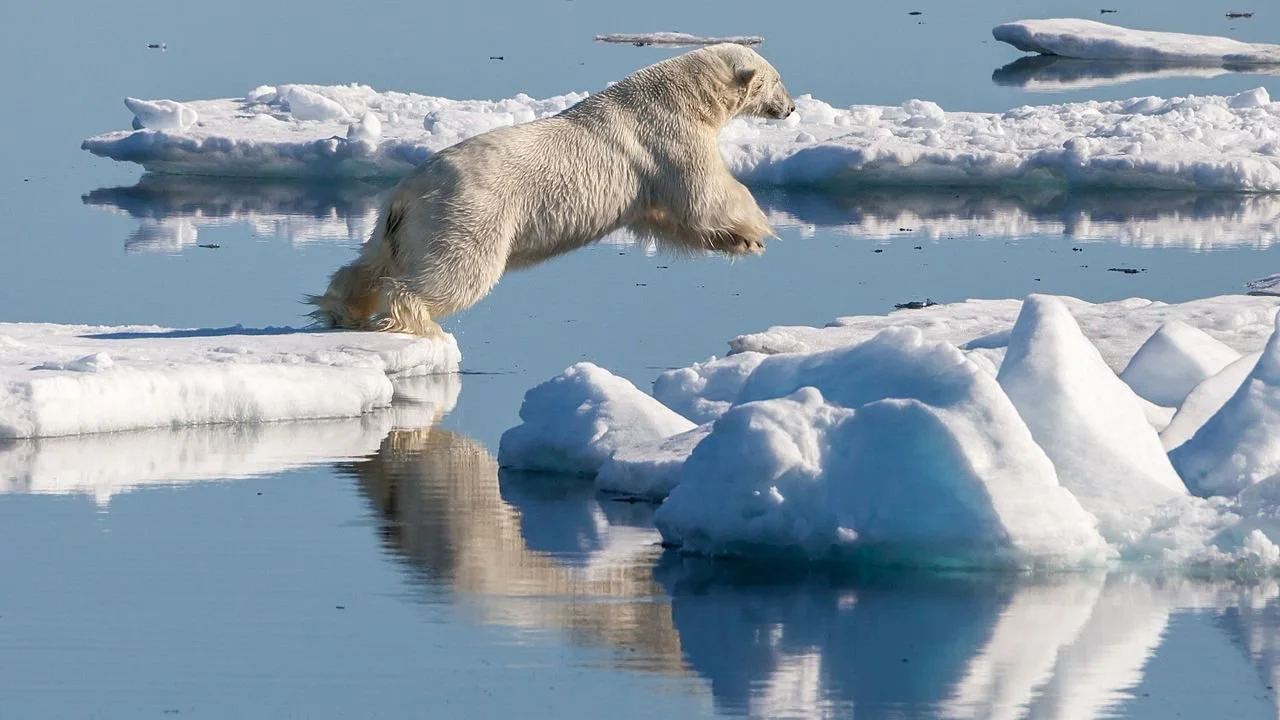
A polar bear jumps from one ice floe to another in Svalbard, Norway

The Arctic Has Its Own Kind of Tension

For many people, Svalbard starts with one dream: a polar bear. Not behind glass. Not in a documentary. A real one, somewhere out on the ice or moving along a distant shore. Of course, no responsible trip can promise that. Wildlife is wildlife. It appears when it appears. Sometimes it doesn’t.

But the possibility changes the way you look. You scan ridges differently. You watch the shoreline. You listen when guides point out tracks or movement. There’s a quiet tension in it, but it’s not fear exactly. It’s respect.

And you feel that respect in your body.

Svalbard isn’t only about polar bears, though. Walruses may be hauled out together in heavy, noisy groups. Arctic foxes can flash across the ground. Reindeer graze in places that look too sparse to support anything. Seals rest near ice. Whales surface and disappear before you fully process what you saw. Seabirds crowd cliffs and fill the air with sound.

It’s not a single big moment. It’s a collection of small ones. That’s part of Svalbard’s charm. You have to pay attention.

For travelers comparing ships, routes and comfort levels, looking closely at the full Arctic cruise price can make the planning feel less vague. In Svalbard, the details matter. The vessel, the guides, the itinerary, the pace of each day and the way the crew approaches the environment all shape what the trip becomes.

Because you’re not just going there to look at ice. You're going there to experience the landscape, not simply observe it.

Antarctica Feels Farther Than Far

Just saying you are going to Antarctica feels serious. It’s not a casual destination. You don’t tack it onto another trip as an afterthought. Most people have to plan for it, save for it, think about it and then commit. That commitment becomes part of the experience.

Many travelers reach Antarctica by sailing from Ushuaia, Argentina, across the Drake Passage. And yes, the Drake has a reputation. Some crossings are calm. Some are rough. Some make you question your life choices for a day and then reward you with a horizon full of ice.

That’s the thing about Antarctica. It makes you earn the arrival.

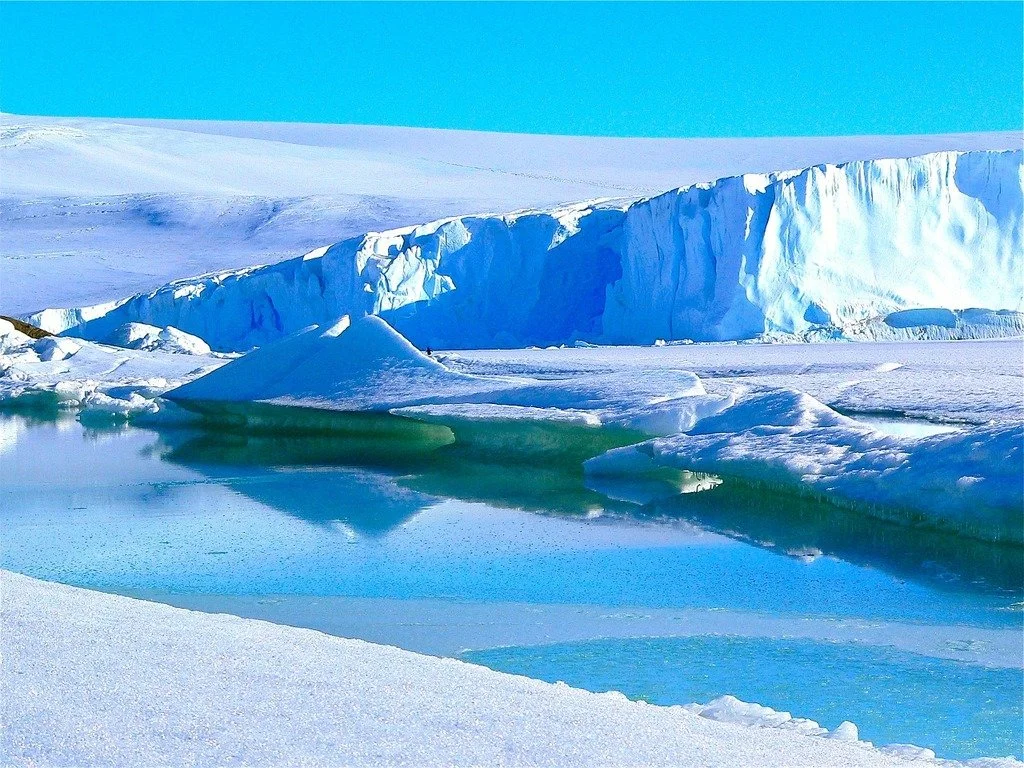
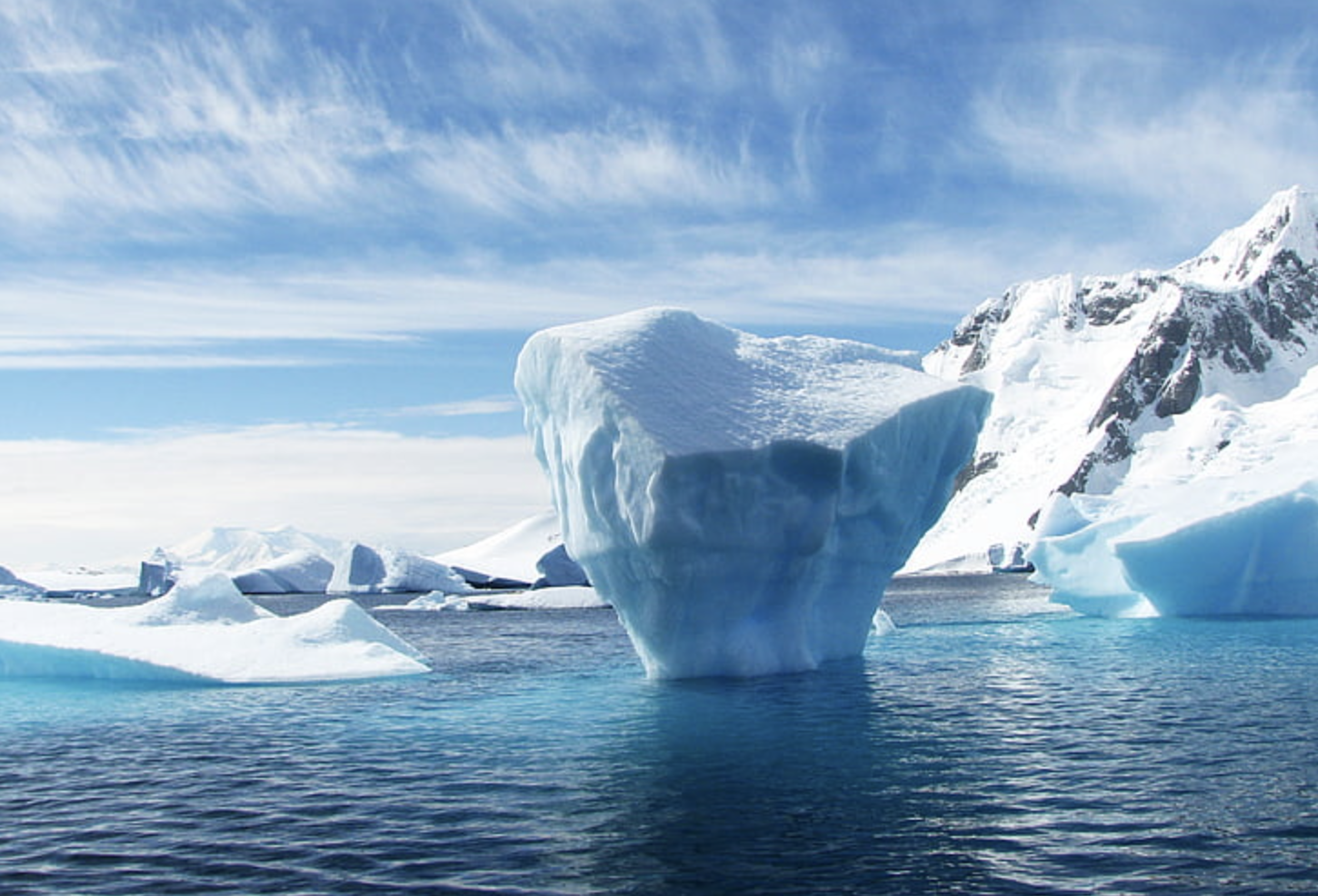
And when the ice finally appears, it doesn’t feel like normal scenery. It feels like the world has changed materials. Icebergs rise out of the water like towers, walls, broken sculptures or pieces of some huge unfinished building. The colors are simple, but they aren’t plain. Blue, white, gray, black, silver. Sometimes a little gold when the light shifts.

You may find yourself standing on deck and saying nothing. Not because you’re bored. Because the place is bigger than your reaction to it.

Penguins Make Antarctica Feel Alive

From far away, Antarctica can sound empty. Ice, wind, ocean, silence.

But then there are penguins. And penguins change everything.

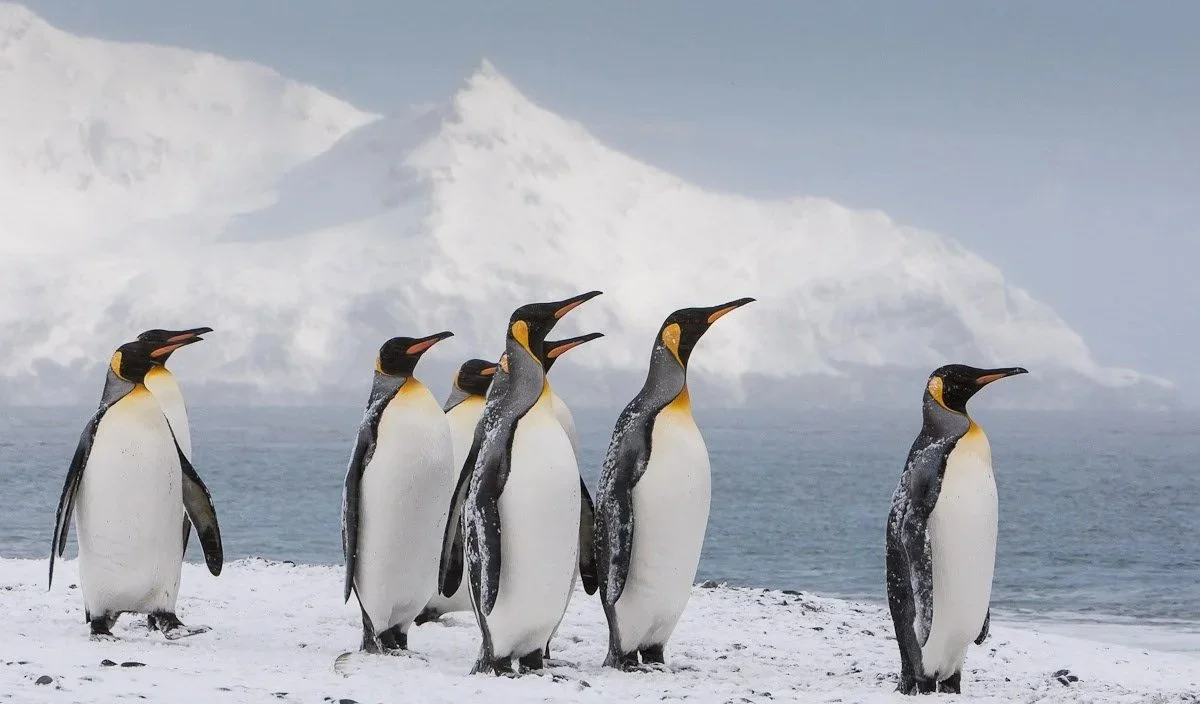
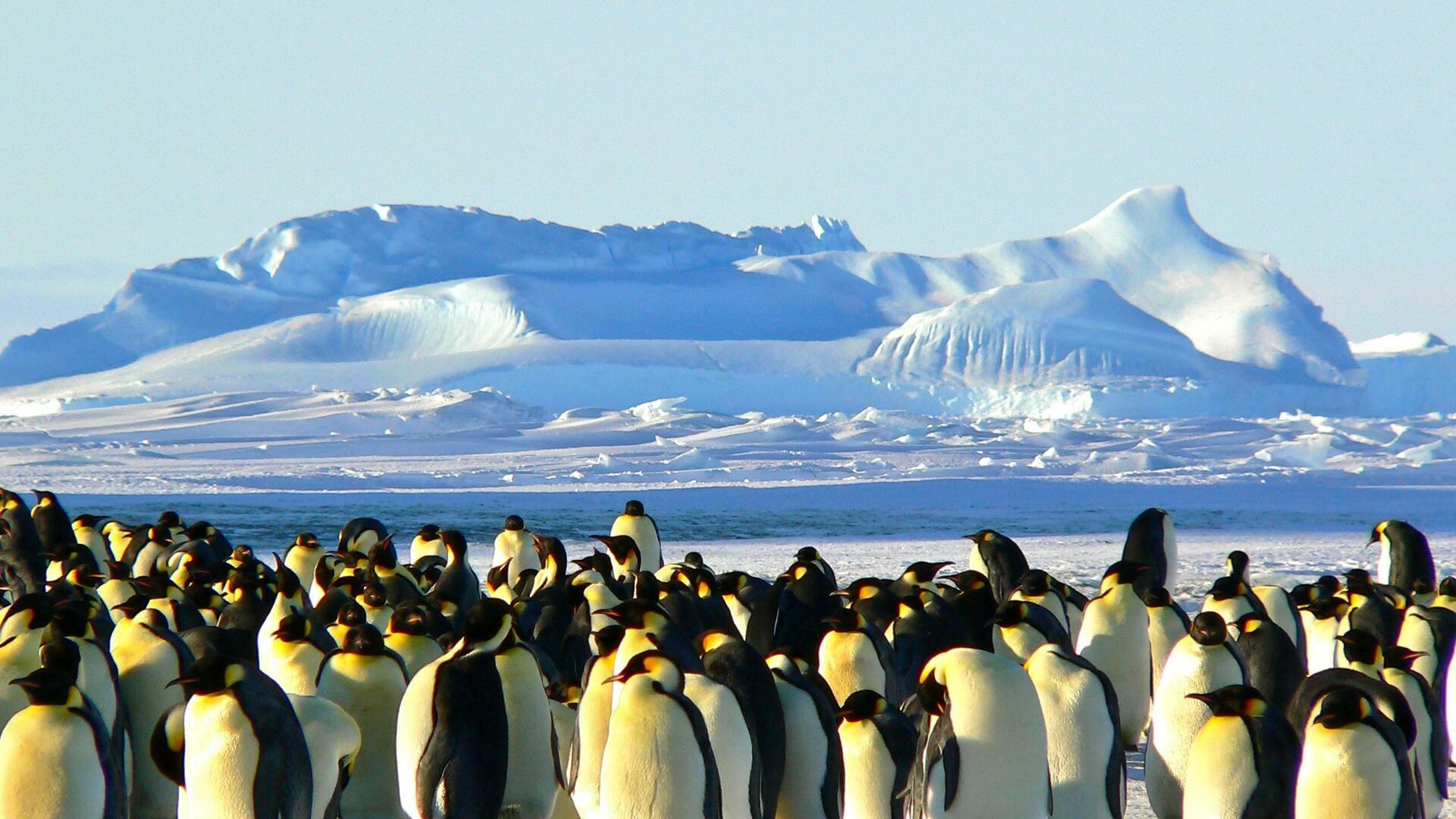
They bring noise, movement, awkwardness, determination and a delightful amount of personality. They slip, shuffle, call, argue, gather, wander and somehow make one of the most extreme places on Earth feel full of life.

There’s something oddly touching about watching them. Maybe it’s because they look so small against the scale of the place. Maybe it’s because they keep going, even when the ground is rough, and the weather isn’t kind. Or maybe we just recognize something familiar in their busyness.

That sounds a little sentimental, I know. But Antarctica does that. It catches people off guard.

You may also see seals resting on ice, whales surfacing near the ship, and seabirds moving through hard wind as if the air belongs to them. In the right season, Antarctica can feel almost crowded with life, even though the landscape itself remains vast and severe.

It’s a strange combination. Harsh and tender at the same time.

What Wildlife Are You Really Hoping For?

This might be the simplest question. 

If your dream is polar bears, choose Svalbard. The Arctic is their home, and even the chance of seeing one responsibly, from a safe distance, brings a kind of electricity to the trip.

If your dream is penguins, choose Antarctica. Penguins don’t live in the Arctic, and polar bears don’t live in Antarctica. That one fact clears away a lot of confusion.

But the answer isn’t always logical. Sometimes you already know. Maybe you’ve pictured a bear moving across sea ice since you were a kid. Maybe you've imagined penguins gathered below blue-white mountains for years. That one image matters.

Travel planning often looks practical from the outside. Dates, routes, budgets, flights, gear. But underneath all that, there’s usually one feeling you’re trying to reach. Run with that.

A plain full of snow formations in Svalbard, Norway

Antarctica Is Bigger; Svalbard Is More Layered

If you want ice drama, Antarctica is hard to beat. The scale is almost unreasonable. Glaciers seem endless. Icebergs look carved. Mountains rise out of the cold in sharp black and white. The whole place feels stripped down to the basics of water, ice, rock and sky.

It can overwhelm you. In a good way.

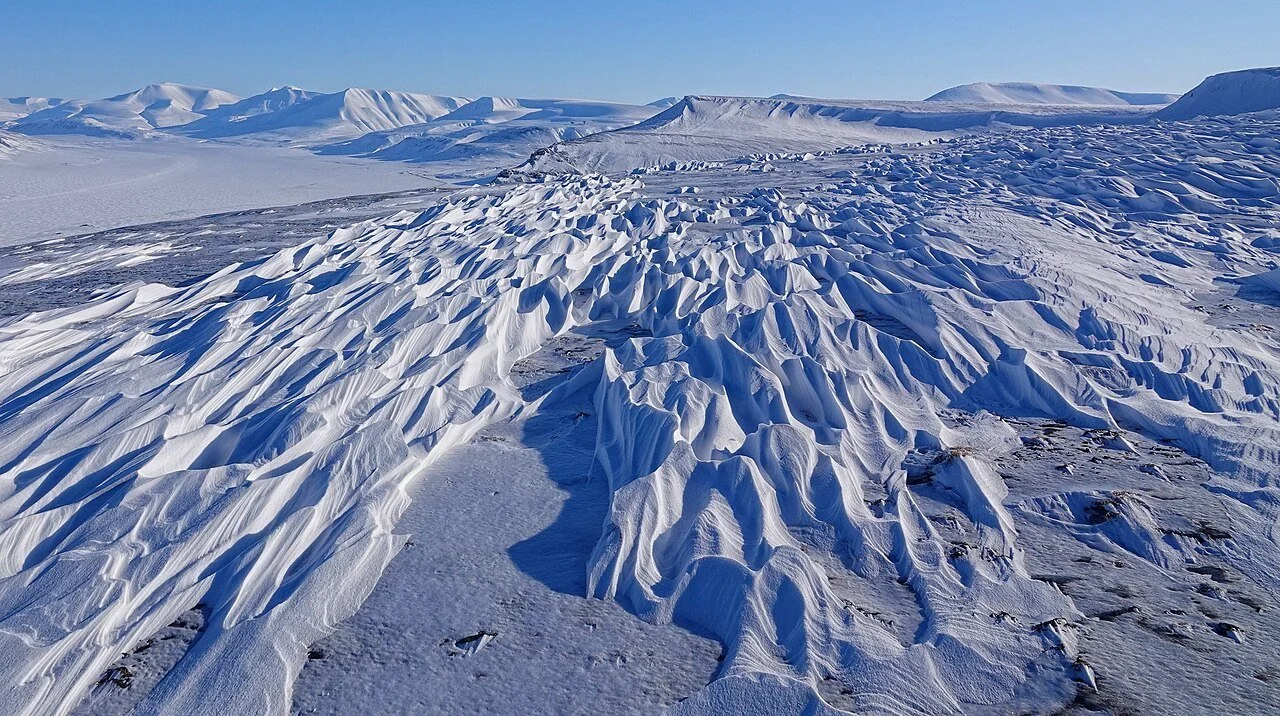
Svalbard works differently. It does have glaciers and sea ice, but it also has tundra, fjords, beaches, dark mountains, old settlements and traces of human history. It doesn’t hit you with one single grand impression. It unfolds.

One day may feel gray and moody, with low cloud over the water. Another may feel bright and open, with birds moving across the sky and light lingering much too late. You might pass an old mining site and then, not long after, see a seal near a sheet of ice. The place keeps changing its tone.

Antarctica feels monumental.

Svalbard feels intimate.

That’s not a perfect rule, but it’s close enough.

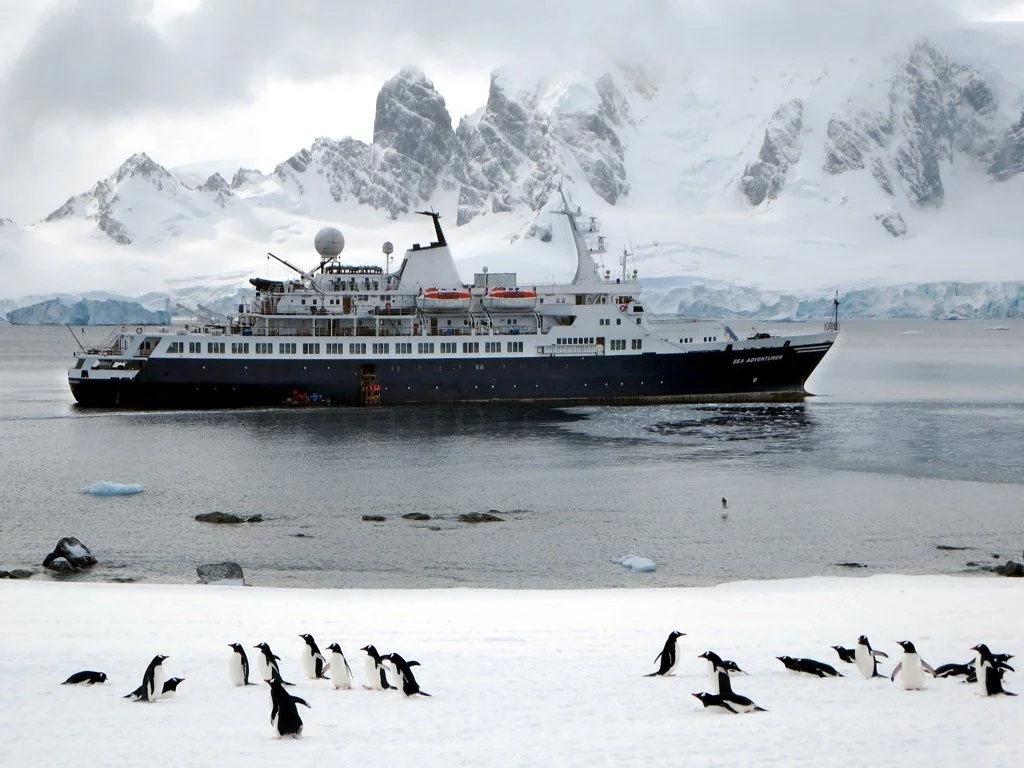
Penguins frolic as a large cruise ship sails by in the Antarctic

Think About the Journey, Not Just the Destination

Svalbard is usually easier to fit into a shorter trip. Most travelers connect through Norway and fly into Longyearbyen. From there, the adventure can begin fairly quickly. You still feel remote, but you don’t usually need the same long sea crossing that defines many Antarctic itineraries.

That makes Svalbard a strong first polar trip for many people.

Antarctica asks for more time. More patience too. Here’s what to know before you plan an Antarctica trip. You need to reach the departure point, cross the Drake Passage, explore and cross back. There’s more travel wrapped around the travel.

For some people, that’s part of the magic. The distance makes Antarctica feel earned. The long approach gives the whole journey a sense of ceremony. For others, it may feel like too much. And that’s fine. Not every bucket list trip has to be the hardest version of itself.

Comfort Isn’t a Small Thing

People sometimes talk about polar travel as if comfort doesn’t matter. It does.

After hours in cold wind, a warm cabin matters. Dry socks matter. A good meal matters. A quiet place to sit with a cup of tea after seeing something extraordinary matters more than you might expect.

The right ship can change the whole experience. So can the right guides. You want people who know the place, respect it and help you notice what you might otherwise miss. 

You also want a pace that lets you actually absorb things. Because what’s the point of going that far if you’re too rushed or too uncomfortable to take it in?

Adventure doesn’t have to mean pretending you’re not tired. Sometimes the best part of the day is coming back cold, windblown and happy, then warming your hands around a mug while everyone quietly processes what they just saw. That’s part of the trip too.

So, Which Place Feels More Personal?

Svalbard often feels more personal because people live there. You can imagine daily life. Someone walking home under winter darkness. Someone stepping outside in summer when the sun is still up at 2 a.m. Someone checking the weather before making even a simple plan. The Arctic isn’t an idea there. It’s everyday reality. There’s something moving about that.

Antarctica feels less personal, but maybe more humbling. It doesn’t make room for ordinary human life in the same way. It doesn’t feel designed around us. That can be uncomfortable at first, then strangely peaceful.

Svalbard shows you how humans live near the edge.

Antarctica reminds you that the edge might be too extreme for humans.

Both lessons stay with you, just in different ways.

Which Polar Adventure Belongs on Your Bucket List?

Choose Svalbard if you want polar bears, Arctic wildlife, fjords, tundra, settlement history and a trip that feels remote without feeling completely disconnected from human life. It’s varied, atmospheric and easier to imagine as a first polar adventure.

Choose Antarctica if you want penguins, huge ice, the seventh continent, and the deep satisfaction of reaching one of the most remote places on Earth. It’s bigger, farther, more demanding and probably more dramatic from start to finish.

The honest answer is that both are worthy.

But if you’re choosing one, start with the image that stays with you. Is it a polar bear under the endless Arctic light? Penguins moving across ice at the bottom of the world? A quiet fjord near midnight? A blue iceberg rising out of dark water?

One of those scenes probably pulls harder than the others. Follow that.

Because in the end, you’re not only choosing between Svalbard and Antarctica. You’re choosing the kind of awe you want to carry home. –Brenda Wanjiku

Alaska’s Natural Wonders: An Adventurous Traveler’s Guide to the Last Frontier

The best of Alaska: the glaciers, boreal forests, grizzlies, moose, eagles, orcas and rugged coastlines of the Alaska wilderness.

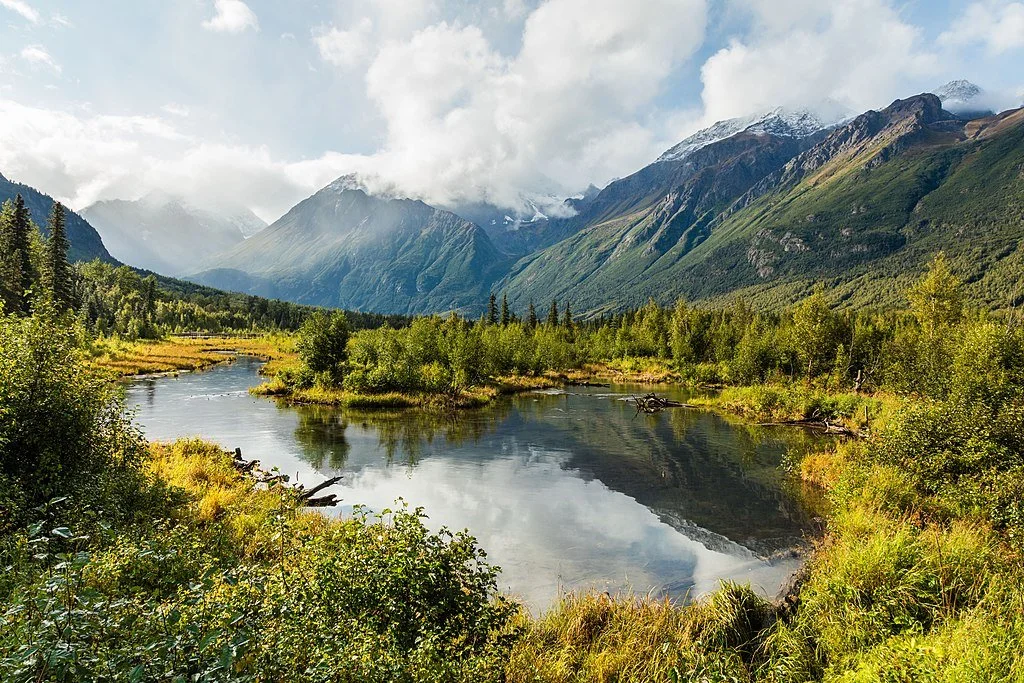
Alaska pond and stream surrounded by greenery with mountains in the background

True explorers can discover the untamed beauty of Alaska: glaciers, forests, wildlife and rugged coastlines.

It’s been referred to as the “Last Frontier” — and for good reason. Alaska is one of the few great wildernesses remaining in the United States. This breathtaking, diverse expanse is an extraordinary spectacle: a diverse landscape of towering glaciers, rugged mountain peaks, vast empty tundras and dramatic coastal plains. It’s one of the most exciting places in the world to explore for adventurous travelers and is packed full of natural wonders waiting to be discovered. 

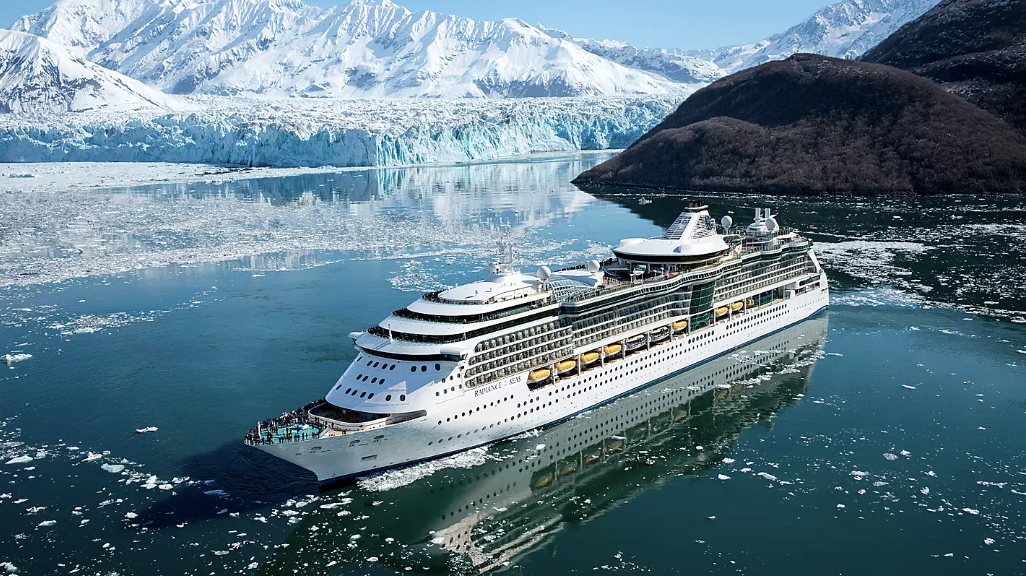
Massive white cruise ship in the ice-filled waters of Alaska with snow-covered mountains in the background

Aboard an Alaskan cruise, every view is a postcard moment.

An Alaskan cruise opens up a world of awe-inspiring beauty and lets you get to the heart of this remote yet stunning corner of the world. Discover the best landscapes of Alaska’s varied and surprisingly diverse wilderness.

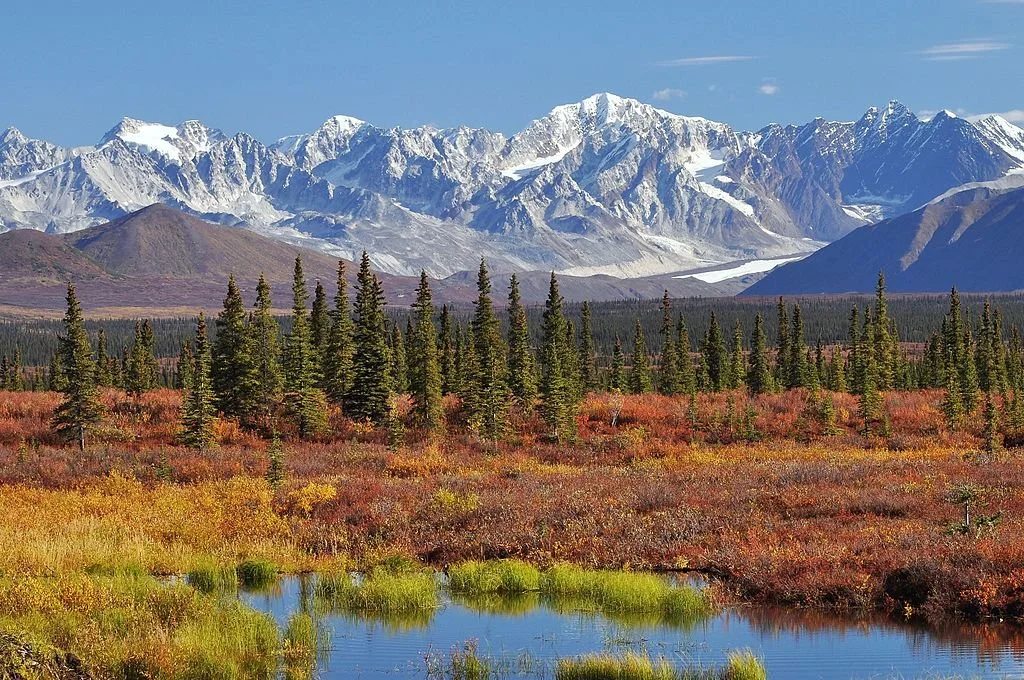
Autumnal tundra with narrow evergreens and snowy mountains of Alaska

Denali, aka Mount McKinley, is the tallest mountain in North America, standing at an impressive height of 20,310 feet (6,190 meters).

Glacier-Carved Mountains

Towering mountain ranges are a constant feature of the Alaskan landscape. Dramatic peaks and rugged ridges dominate the vistas, crowned by snow, ice and glaciers. Some of the continent’s highest summits can be found in the 49th state, including Mount Denali, the tallest mountain in North America. These peaks and valleys, carved over thousands of years by migrating glaciers, are a remarkable place for outdoor enthusiasts to explore, and a great place for hiking, mountaineering and wildlife watching.

Part of a glacier in Alaska slides into the water

Some of the numerous glaciers in Alaska are 30,000 years old!

Majestic Glaciers

Alaska’s glaciers are some of the state’s most popular attractions. The vast ice fields that cover over 100,000 square miles are actually ancient rivers of ice, constantly shifting and imperceptibly flowing, and are responsible for sculpting most of what constitutes the landscape of Alaska. 

While exploring Alaska’s glaciers isn’t for the faint-hearted, a hike over one of these frozen monuments is a unique and breathtaking experience, and you will stand gaping in awe at the towering ice walls, deep crevasses and shimmering blue ice caves. It truly is transcendental. For the less adventurous, a helicopter ride over the ice is also a treat.

Foggy Alaskan forest at sunset with mountains lining the rose-colored horizon

The boreal forest in Alaska takes up about 65% of the state’s land mass.

Wildlife-Rich Forests

Many people think of Alaska as a barren wasteland, but its boreal forests are actually teeming with life and offer an important habitat for a huge variety of flora and fauna. Enormous stands of spruce, fir and cedar spread far and wide across the state and are home to a remarkable variety of ecosystems and natural beauty.

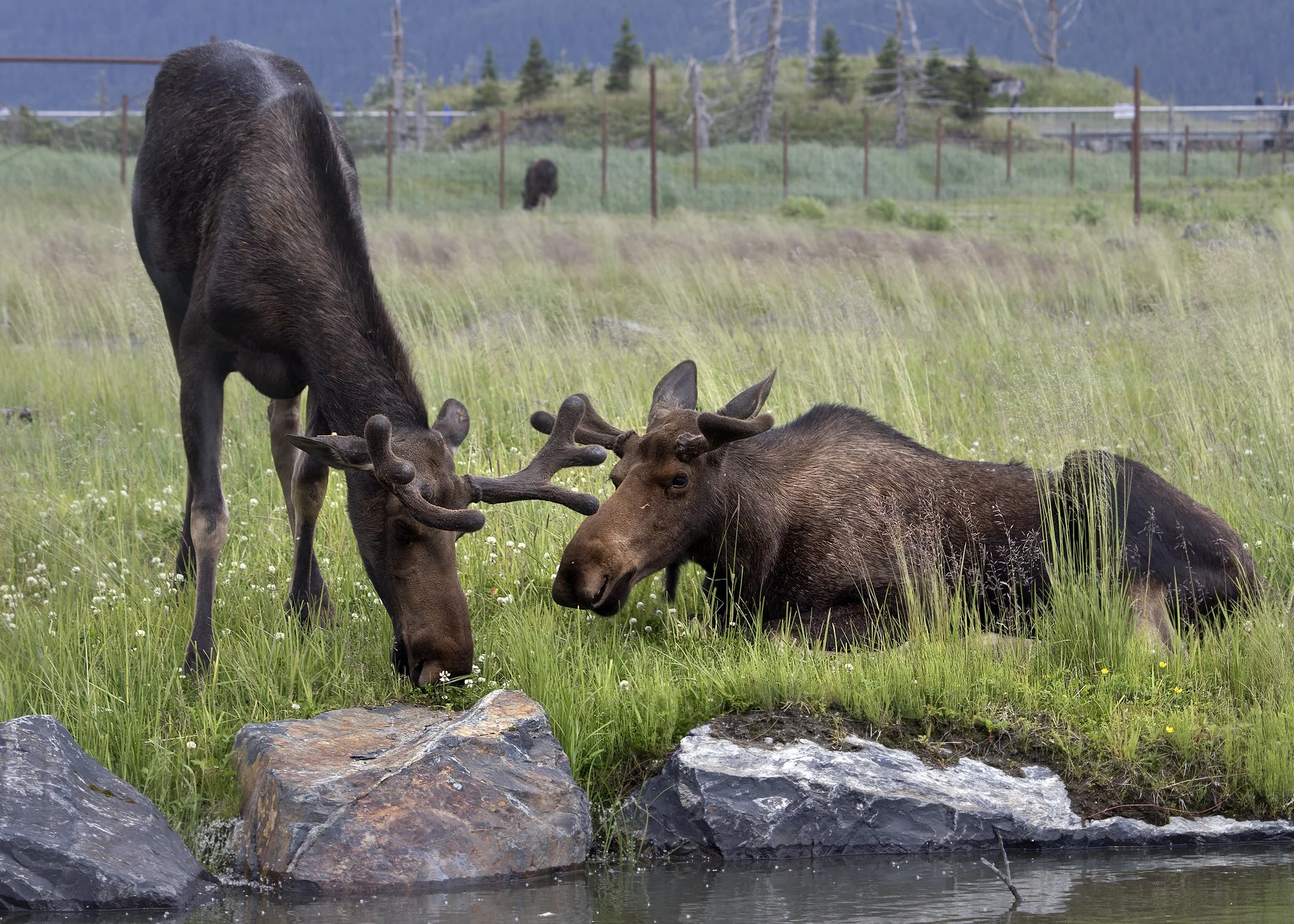
Two moose (one standing, one laying down) in the grass in Alaska

Up to 8,000 moose are hunted every year in Alaska.

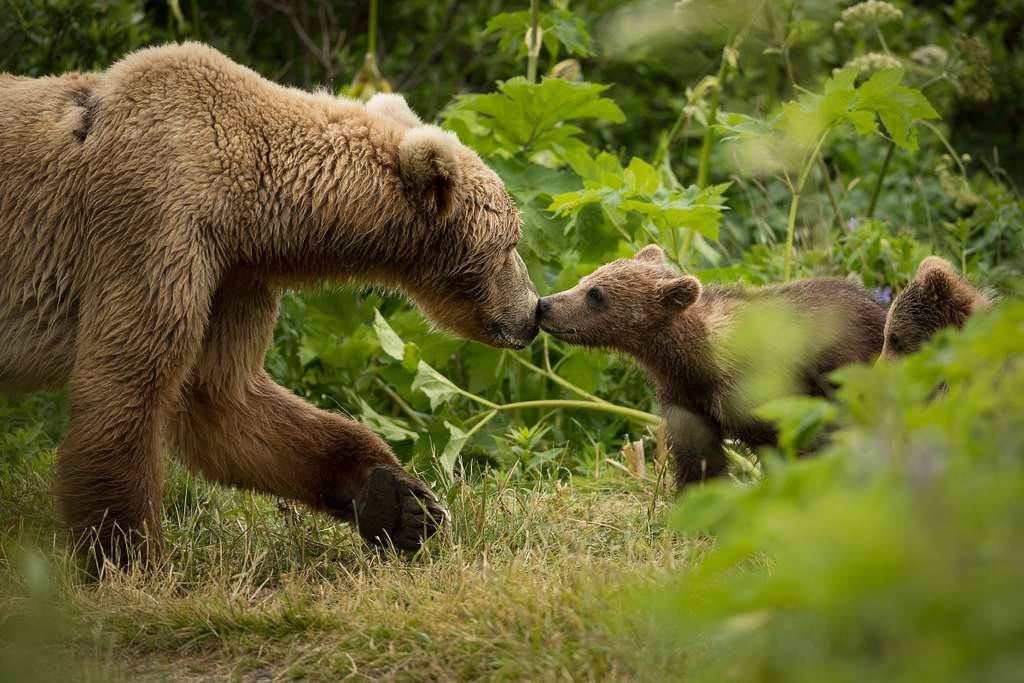
Kodiak bear touches its nose to the nose of its cub in Alaska amid plants

Kodiak are members of the grizzly family and are only found on an archipelago in Alaska.

Filled with meandering rivers, tranquil lakes and pristine wetlands, Alaska’s forests are a wonderful way to see the richness and diversity of the state up close. They also offer the chance to encounter some of the Last Frontier’s most iconic wildlife, including grizzlies, moose, wolves and eagles, as well as some more hidden gems such as caribou, lynx and wolverines. 

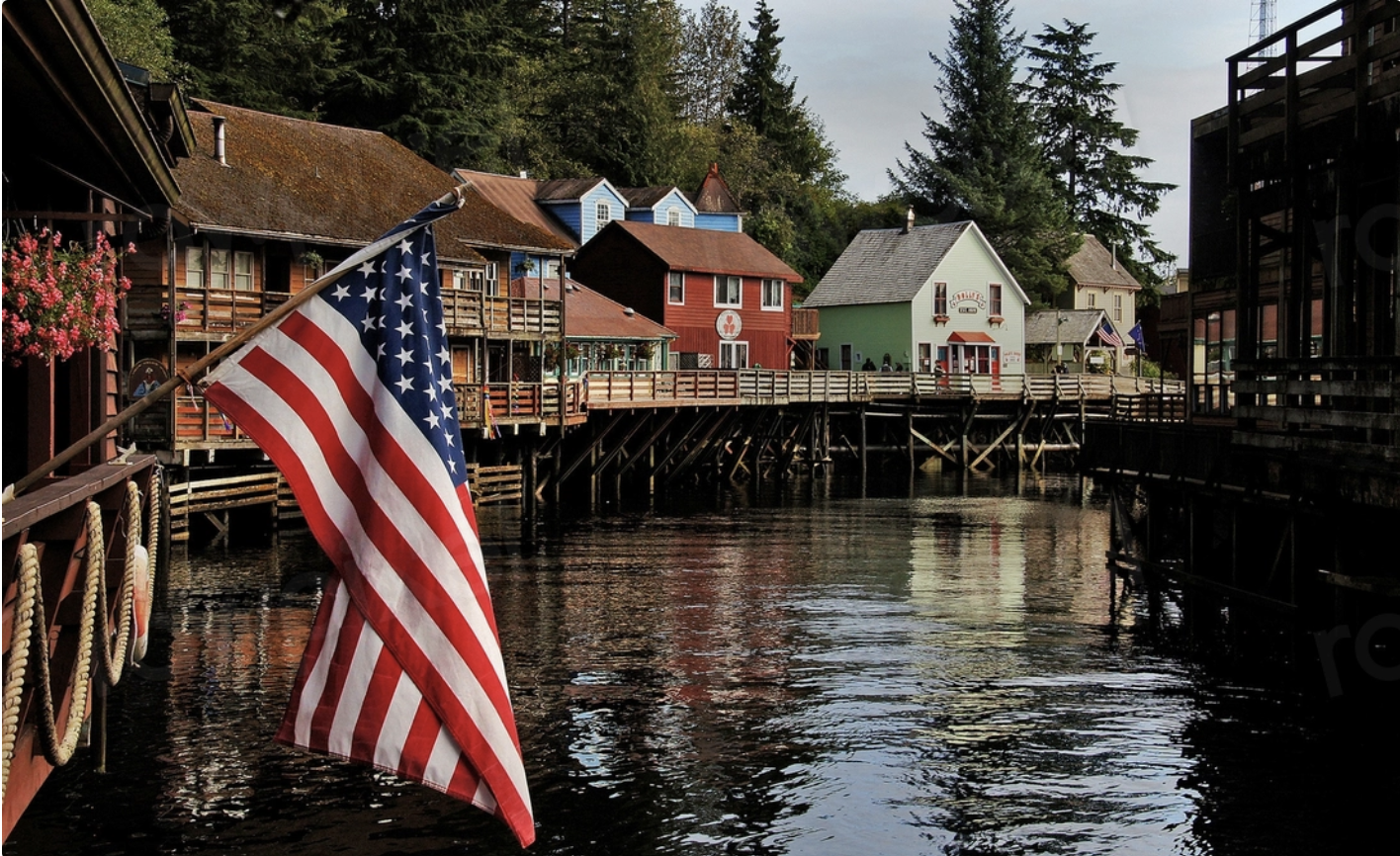
An American flag flies by colorful building on wooden supports over a creek in Ketchikan, Alaska

Ketchikan, known as Alaska’s “first city,” sure looks quaint — but this strip is its historic red light district.

Coastal Marvels

It’s hard to do justice to the rough, rugged magnificence of Alaska’s coastline. Stretching for over 6,600 miles, it stands in stark contrast to the wilderness of the interior, serving up a landscape of rocky cliffs, hidden coves and eye-catching beaches, as well as charming fishing villages and delightful old towns.

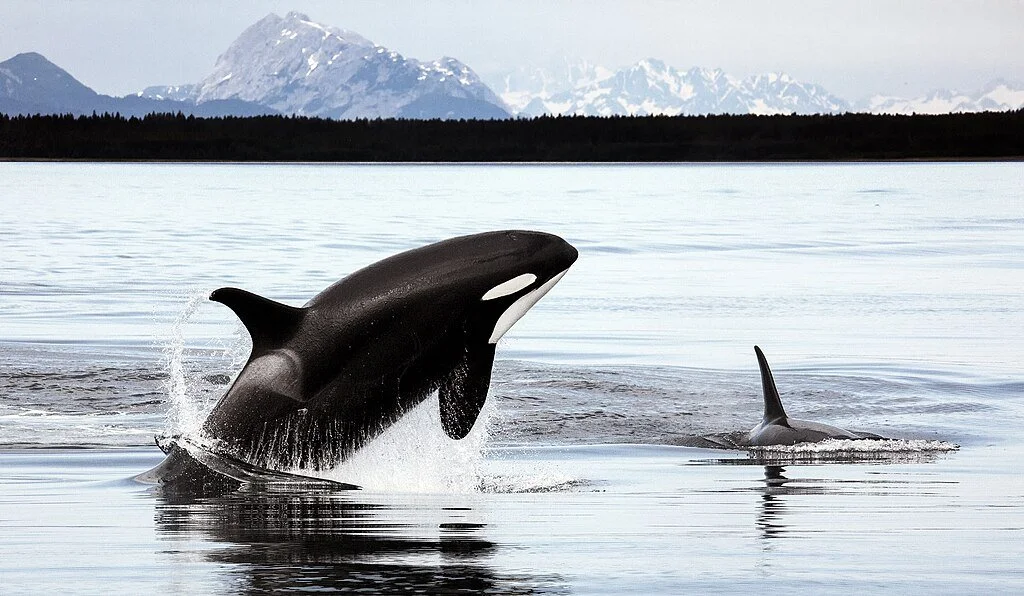
An orca jumps in the water by another with just its fin visible in the waters of Alaska

Orcas, aka killer whales, are actually dolphins. But the other part of their name is apt: They’re apex predators that hunt and consume sharks, baby whales and seals.

The coastline also gives visitors the chance to discover Alaska’s marine marvels, with whale watching a particular highlight. The abundant wildlife just offshore includes orcas, sea otters, dolphins and harbor seals. 

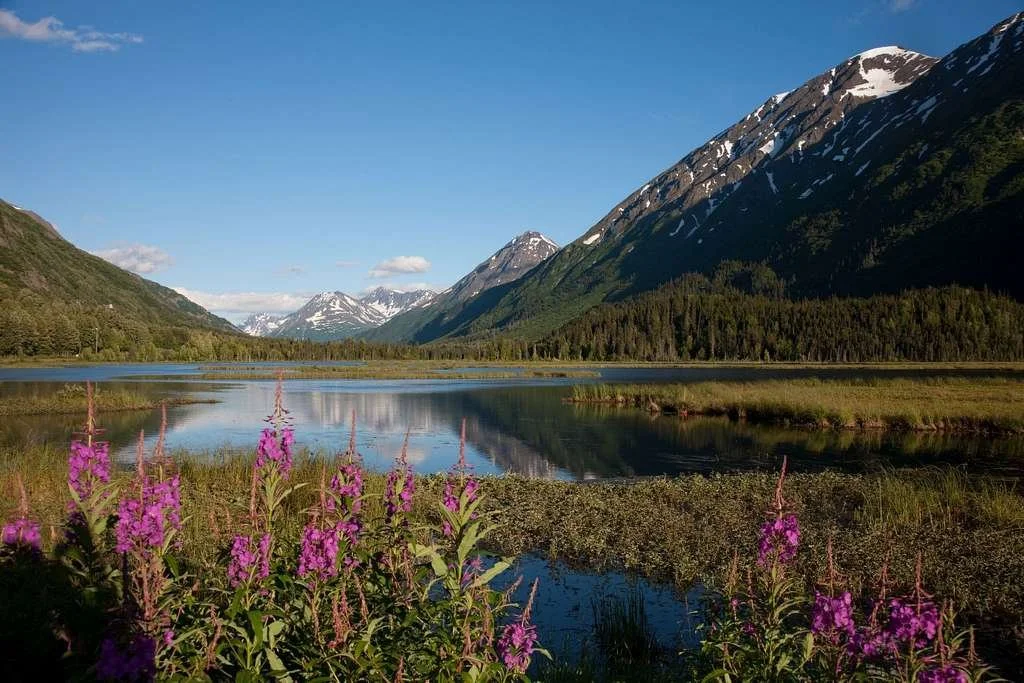
Purple flowers by a pond and snow-flecked mountains in Alaska

Alaska: where adventure meets awe-inspiring beauty.

The beauty and diversity of Alaska’s landscapes cannot be overstated, and a trip to this wonderful state provides adventure, excitement and natural wonders in equal measure. This stunning destination offers a chance to reconnect with nature and should be on every traveler’s bucket list! –Boris Dzhingarov

What to Know Before Embarking on an Antarctic Peninsula Cruise

Penguins and glaciers and icebergs, oh my! Pro tips and incredible sights to see in the Antarctic, including Drake Passage, Graham Land, Port Lockroy, Palmer Station, Deception Island, Half Moon Island and Paradise Bay. 

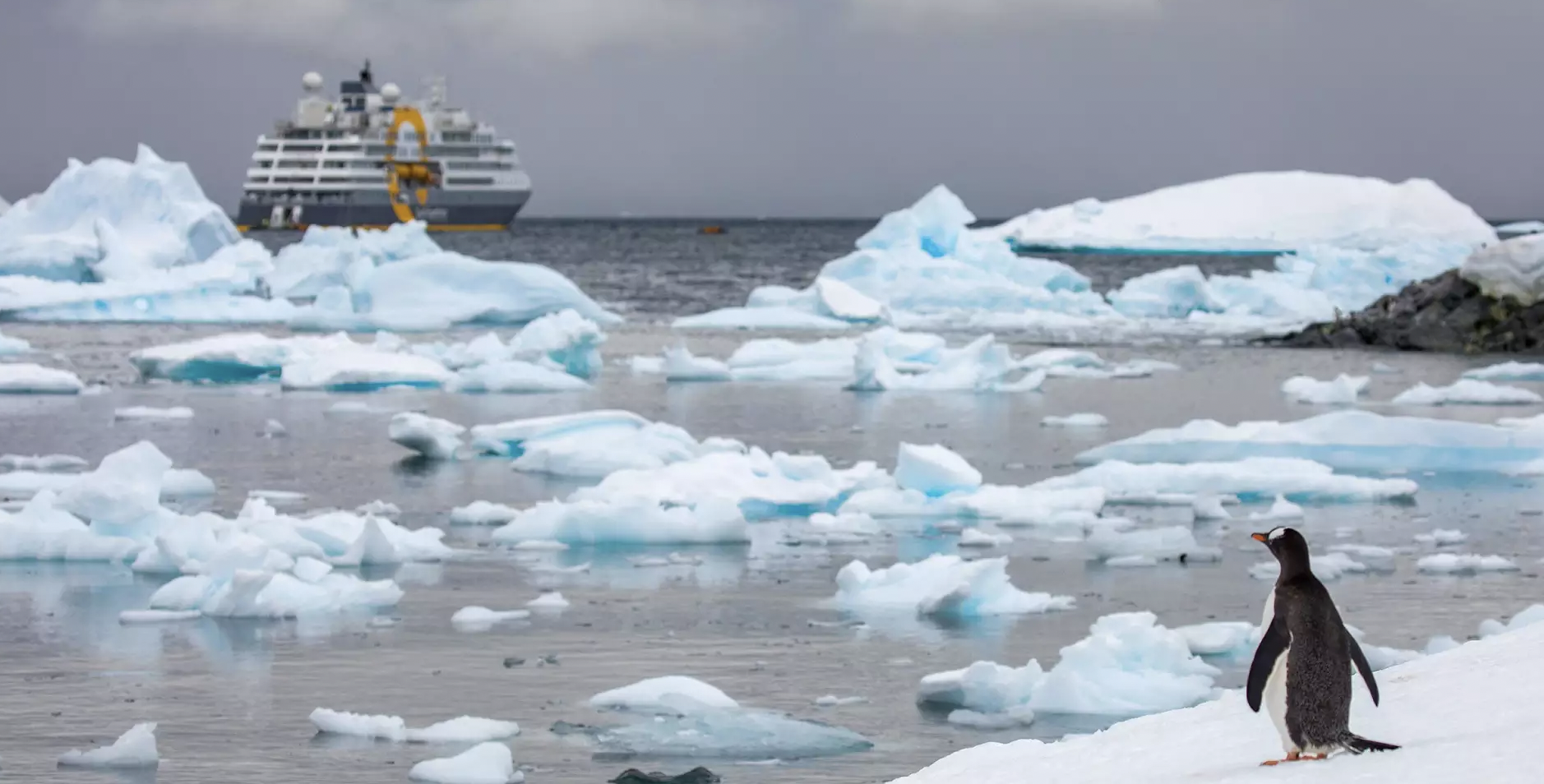
Penguin looks out at icebergs and large cruise ship in the Antarctic

A cruise through the Antarctic isn’t for the faint of heart — but could be the trip of a lifetime.

If you’re an adventure seeker, the Antarctic Peninsula is the ultimate extreme destination. The Antarctic Peninsula, also known as Graham Land or Palmer Peninsula, is the northernmost part of Antarctica and part of the larger West Antarctic Peninsula. It lies about 600 miles south of South America.

The landscape is mountainous, and there are numerous volcanoes in the region. You can expect to see a wide range of wildlife, including emperor penguins, killer whales and seals.

Altitude sickness might not be something you think of when visiting the Antarctic, but the highest point is 2.5 miles above sea level.

Taking an Antarctic Peninsula cruise is the best way to explore this remote, inhospitable region.

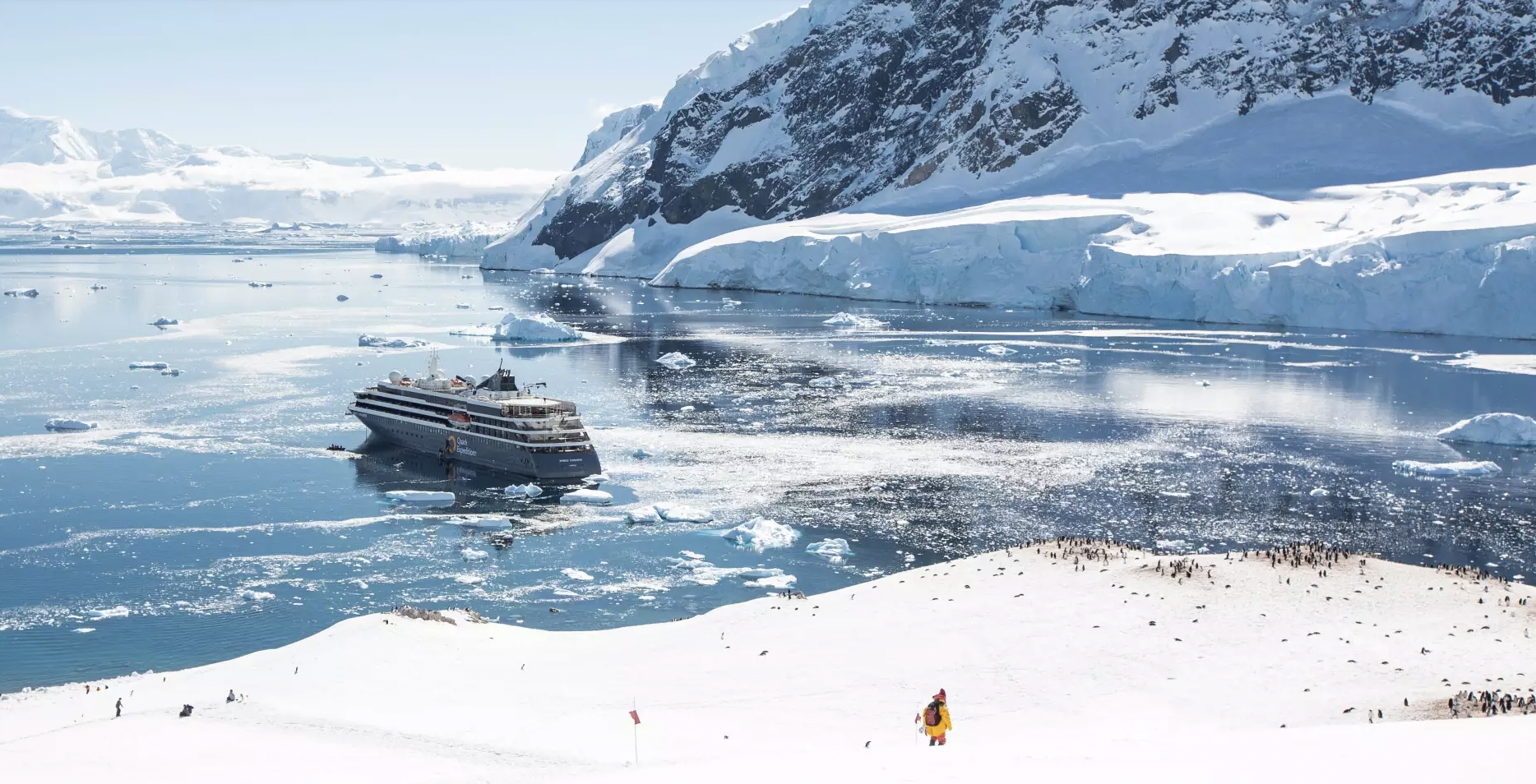
Large cruise ship offshore of Antarctic Peninsula, where a person in yellow coat and backpack walks
This isn’t your typical cruise, that’s for sure!

Essential Tips for an Antarctic Peninsula Cruise

Find the right time to go

The best time to take a cruise to the Antarctic Peninsula is during the austral summer, which runs from November to March. During this period, the weather is more stable and the days are longer. 

Sunsets can last up to three hours — making for some spectacular photographs. 

Plus, you’re more likely to see wildlife, as animals are more active during the summer. The first penguin chicks hatch in mid-December, so if you want to catch a glimpse of them, this is the ideal time to go. The whales also begin to arrive in mid-December, and there are plenty of them in January. The ice thins a bit, too, allowing tourists to explore farther south.

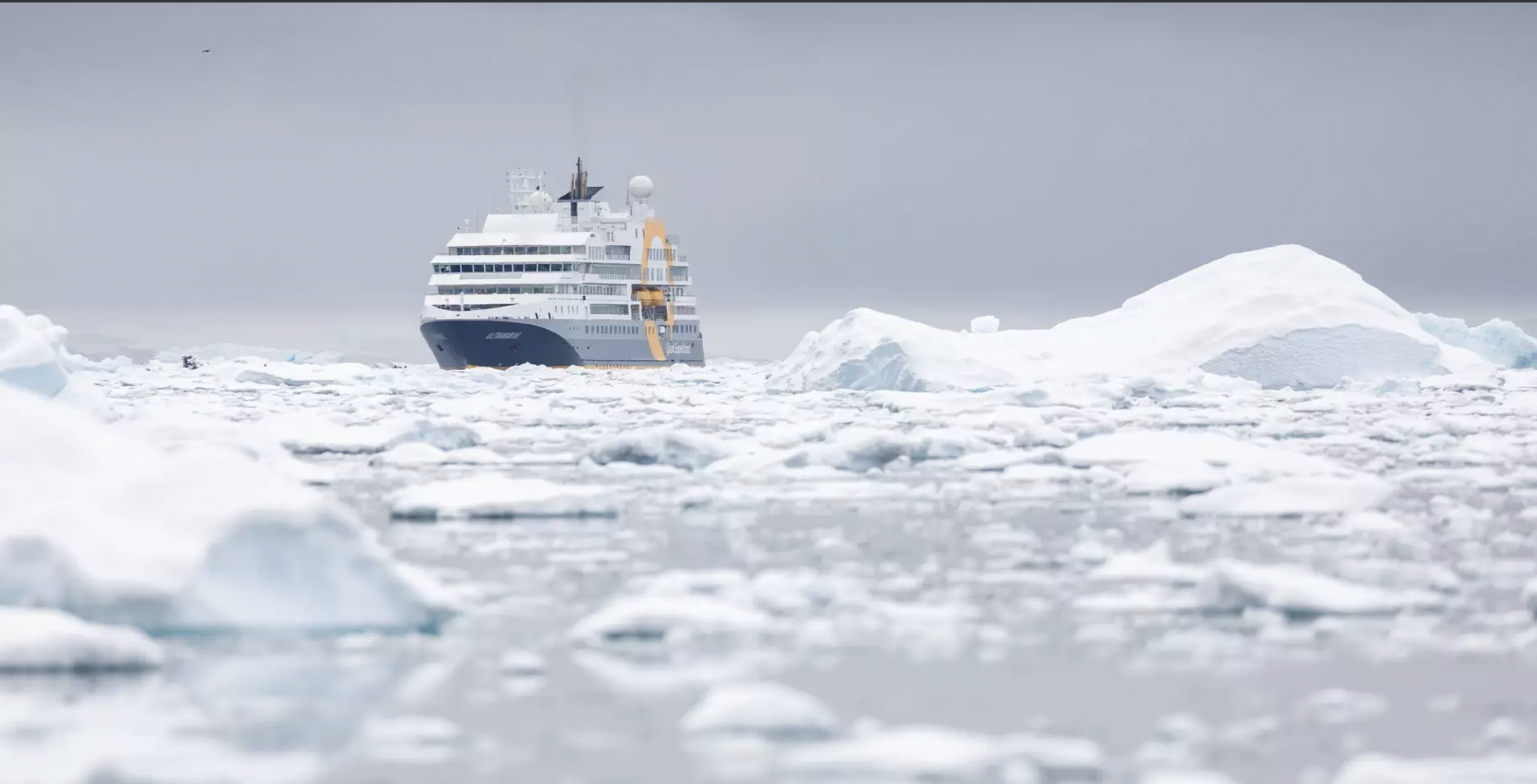
Antarctic cruise ship in ice-filled water

A luxury cruise ship plies the ice-filled water of the Antarctic.

Choose the right cruise. 

Luxury cruise ships are popular as they offer a variety of itineraries and amenities such as all-suite accommodations, fine dining and experienced guides. However, don’t just settle for any cruise. Conduct ample research to decide if a large or small boat is more suitable for your needs.

A top factor to consider when choosing an Antarctic Peninsula cruise is your budget. You should decide first how much you’re willing to spend. You don’t want to go too high and break the bank, but you also don’t want to go too low and risk a subpar experience. With these criteria in mind, you can narrow down your options and find a cruise that best fits your budget and interests. 

Pack properly. 

The Antarctic Peninsula is cold and windy, so it’s essential to pack the right clothes for the trip. Bring lots of layers and wear waterproof winter gear. 

Don’t forget sun protection, as the sun can be very strong even during the cold season.

Bring several pairs of gloves, a hat, a scarf and sunglasses to protect yourself from the elements. Ensure your clothing is comfortable and non-bulky so you can easily move around during shore visits.

Finally, if you’re an amateur photographer, bring enough memory cards and batteries for your camera. 

Pro tip: Pack a power strip, as the cabins on cruise ships usually have limited electrical outlets.

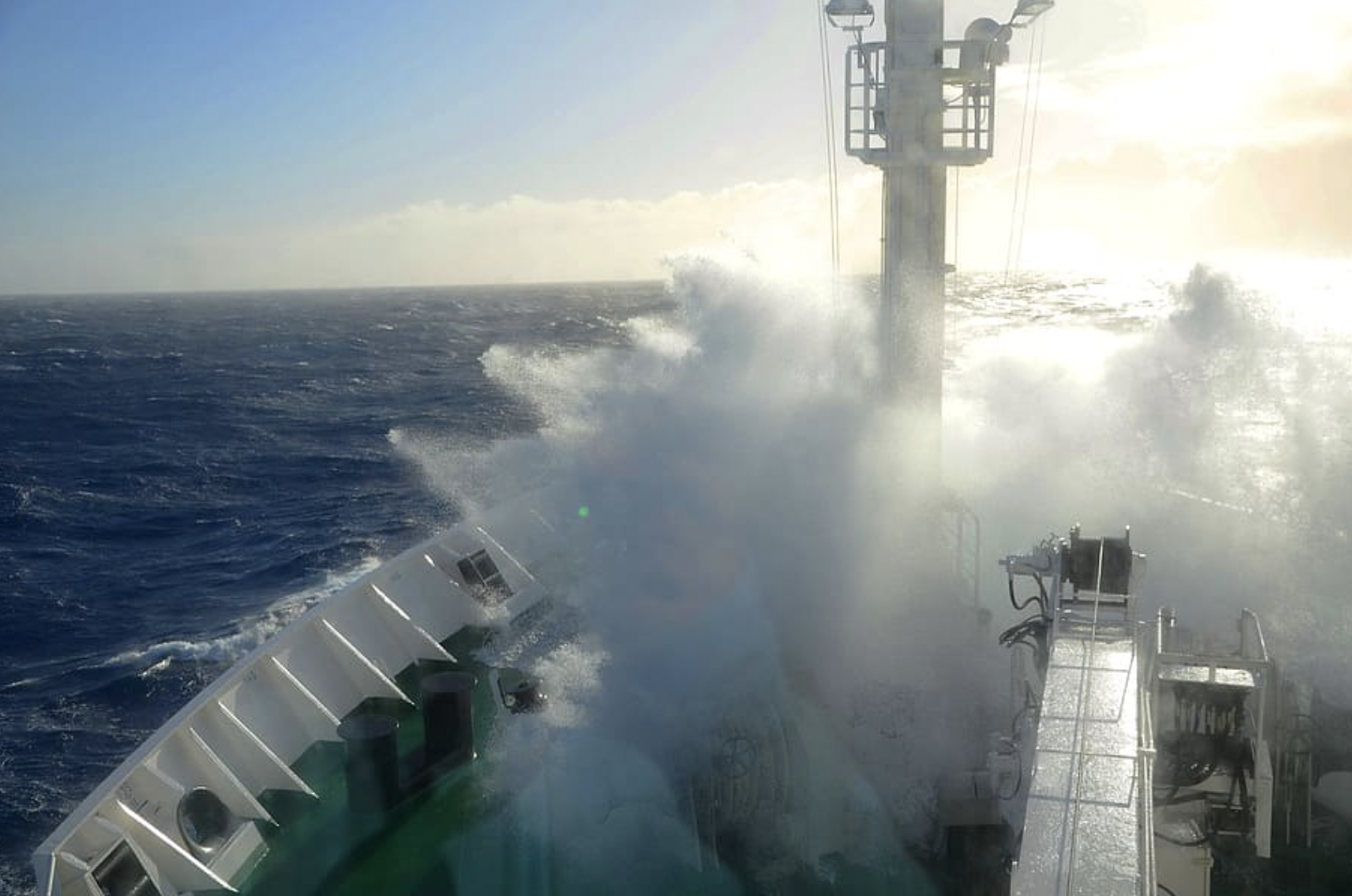
Waves crashing over the bow of a large ship while crossing the Drake Passage

The roughest stretch of water is the Drake Passage — one of the most turbulent areas in the world.

Prepare for rough seas. 

Be ready to face the unique challenges of sea travel, including:

The Drake crossing: To reach the peninsula, your cruise ship will cross the Drake Passage, where the Atlantic and Pacific Oceans meet. This is one of the roughest stretches of sea in the world. So you never know if you’re going to experience the turbulent “Drake shake” or the tranquil “Drake lake.” I recommend contacting your doctor for any advice before you go and packing enough anti-seasickness medication for this stretch.

Altitude sickness: It might not be something you think of, but the highest point in Antarctica is 2.5 miles (over 4,000 meters) above sea level. On top of that, the average temperature in summer is around -13°F. Drier air, less oxygen, intense cold and harsh winds can trigger altitude sickness. The best thing to do is to drink lots of water to keep yourself hydrated. 

Know the Antarctic regulations. 

To minimize environmental impact on the peninsula, the cruise industry participates in detailed environmental assessments. They also must obey international maritime laws and coordinate itineraries through pre-season planning.

While in the Antarctic Peninsula, you have to follow International Association of Antarctica Tour Operators (IAATO) guidelines:

  • Protect the wildlife.

  • Respect restrictions in protected areas.

  • Keep the peninsula pristine. 

  • Respect scientific research stations. 

Gorgeous blue skies, waters and icebergs in Antarctica

Thanks to the plays of light in the Antarctic, you can end up with some gorgeous photos.

Photographing the Antarctic Peninsula

There’s no shortage of picturesque views in the Antarctic Peninsula. Here are my tips to capture spectacular photos:

  • During the polar summer, from November to February, the sun stays above the horizon and never sets — a phenomenon known as the midnight sun. Take advantage of the unusual plays of light to take pictures of the same features from different angles and at different times of day.

  • To capture more focused and vibrant photos, use the color contrast between land and sea. The turquoise water will provide an eye-catching backdrop for pictures with icebergs and wildlife.

  • You don’t want your camera to freeze during the expedition, so keep it warm in an insulated case.

Red tents set up in the snow on the Antarctic Peninsula

For the brave, there are outdoor activities on the Antarctic Peninsula, including camping.

Adventure Activities on an Antarctic Peninsula Cruise

Here are some activities to look forward to on the Antarctic Peninsula:

Kayaking: Kayaks are a great way to explore the nearby glaciers and islands up close and personal. Just make sure there are lifejackets and drysuits for this adventure.

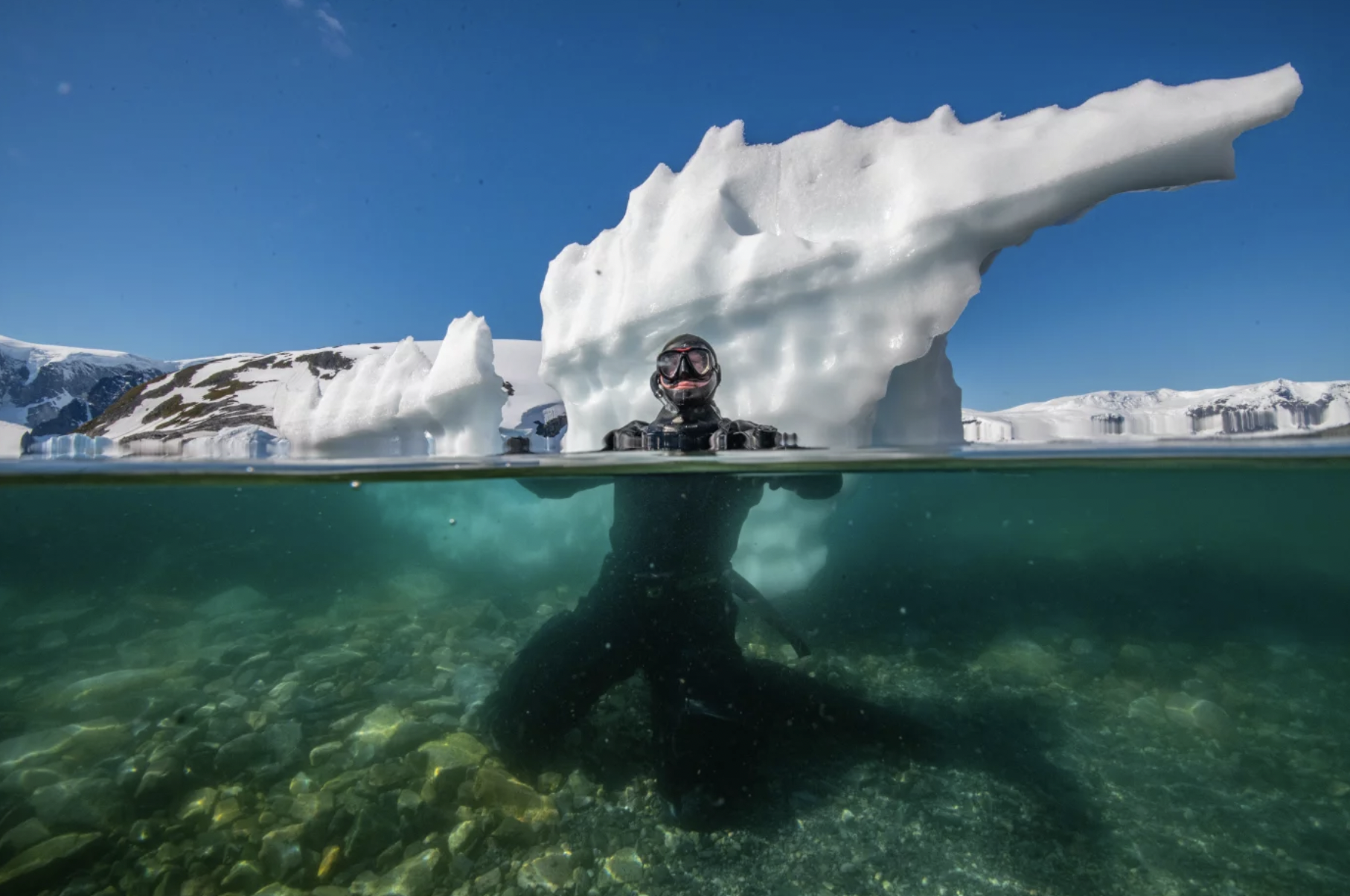
Scuba diver with head out of the water by ice formations in the Antarctic

Believe it or not, diving is an option in the Antarctic.

Diving: For certified divers, you can go 20 meters beneath the surface of the icy water. That should be deep enough to see the fascinating sea life. Whether you can dive largely depends on the weather conditions. 

Camping: Camp overnight in Antarctica under the stars for a once-in-a-lifetime experience. Just be sure to bring thermal underwear, breathable down jackets, turtlenecks, thick socks, and thermal under-gloves or warm mittens.

Hiking and mountaineering: Take guided hikes to explore some of the most stunning landscapes in the world. For experienced climbers, there are also challenging mountains to scale. Pack a pair of sturdy boots with rigid soles. Your tour operator will provide climbing gear, such as ropes. 

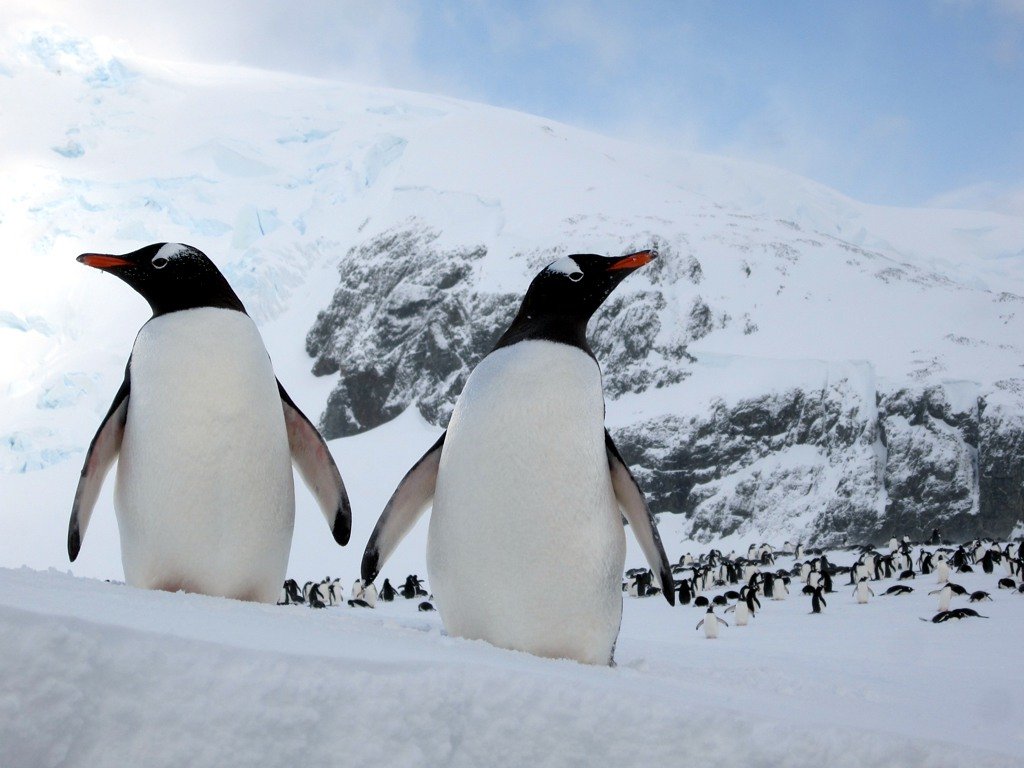
Two gentoo penguins in the foreground, with large group of other penguins on the snowy slopes of Antarctica

Let’s face it: Penguins, like these gentoos, are a big draw of this region.

Sights to See on an Antarctic Peninsula Cruise

Landscapes and Wildlife

Some of the natural wonders to look forward to seeing in Antarctica include:

Unique landscapes: There are many volcanic beaches, frozen tundras and ice caves to explore. Also, melting snow exposes a rugged mountain chain that’s habitat for interesting plant life and invertebrates. 

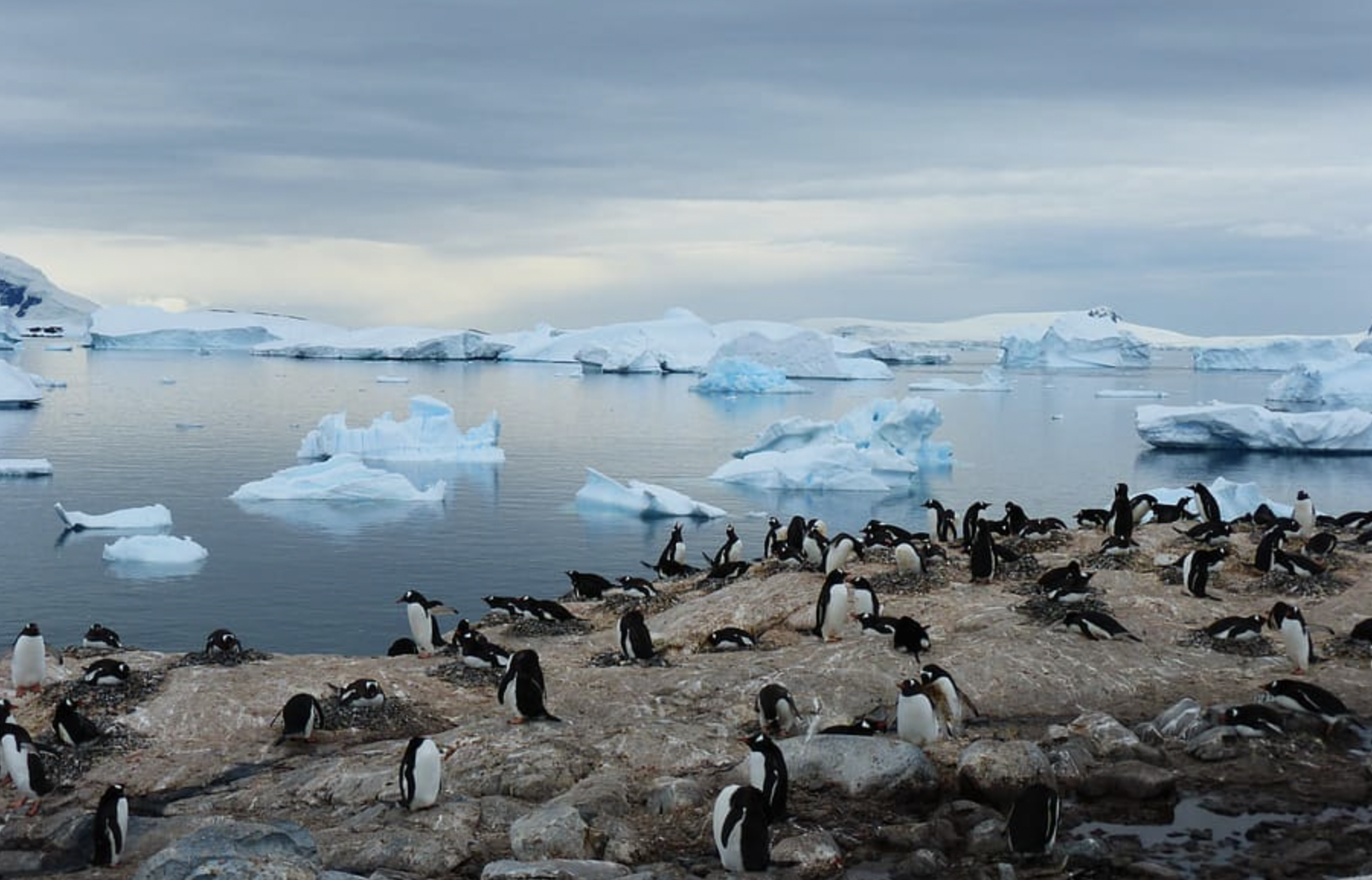
Penguins on the rocks by iceberg-filled water of the Antarctic

In addition to penguins, look out for seals, whales and other seabirds.

Wildlife: The Antarctic Peninsula has numerous wildlife species, including majestic whales and albatrosses and other seabirds. You’re sure to see different types of penguins, including the gentoo, chinstrap and Adélie penguins, as well as crabeater, leopard and Ross seals.

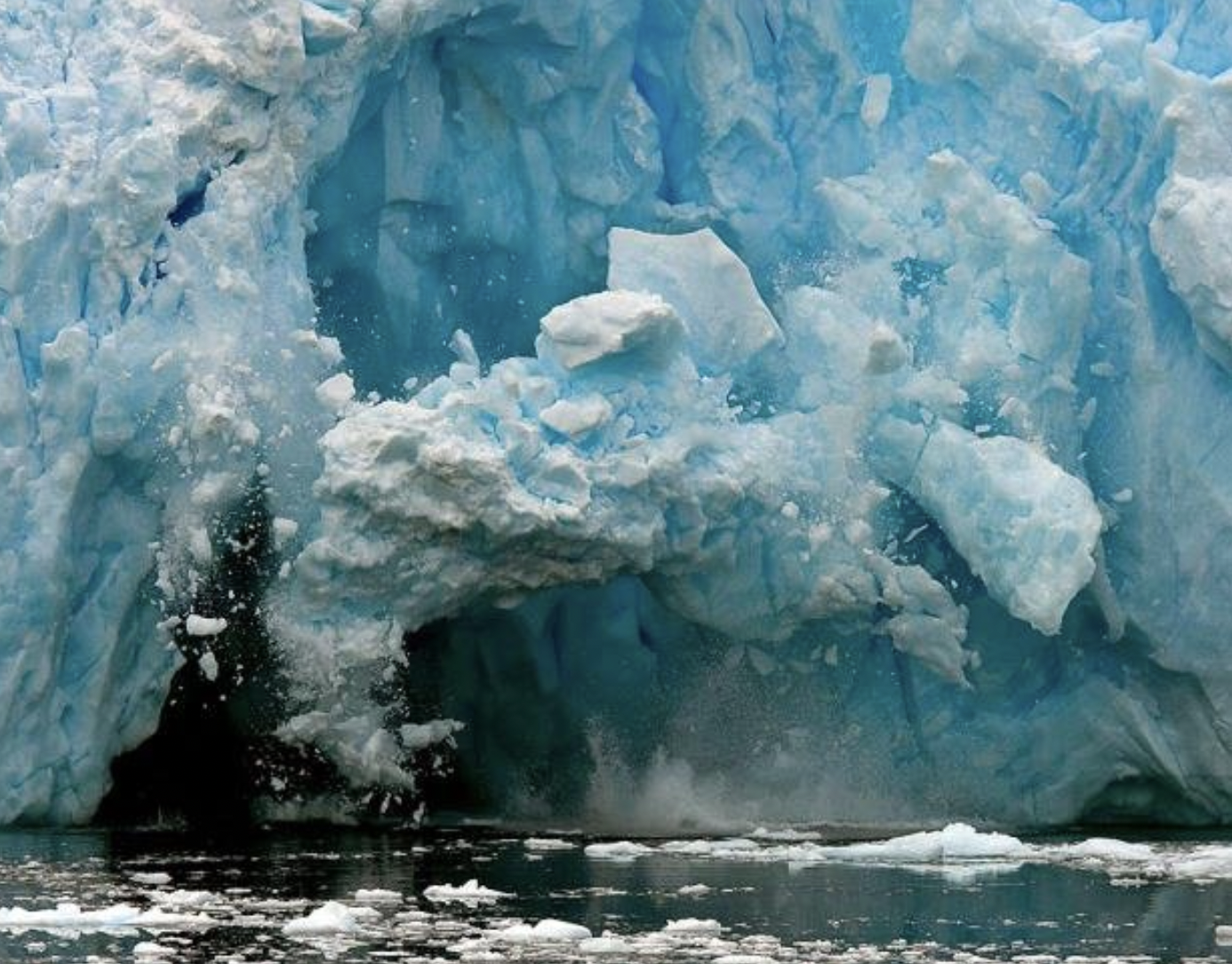
Calving glacier with parts crashing down into Neko Harbor

Neko Harbor is a good spot to try to catch a calving glacier as it sheds massive chunks of ice.

Glaciers: Witness the beauty of massive glaciers, from those towering above Lemaire Channel to the calving ones in Neko Harbor, which shed massive chunks as they go through valleys and deep fjords. Those pieces that have broken off? We call them icebergs. 

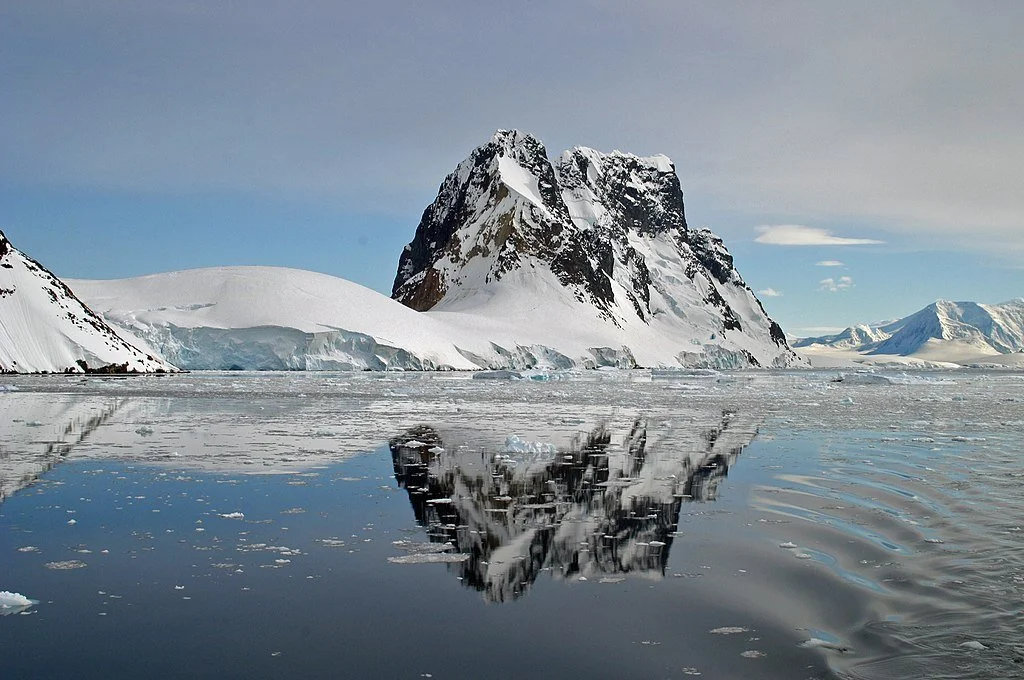
Snow-covered rock formation in Lemaire Channel, Antarctica

Lemaire Channel

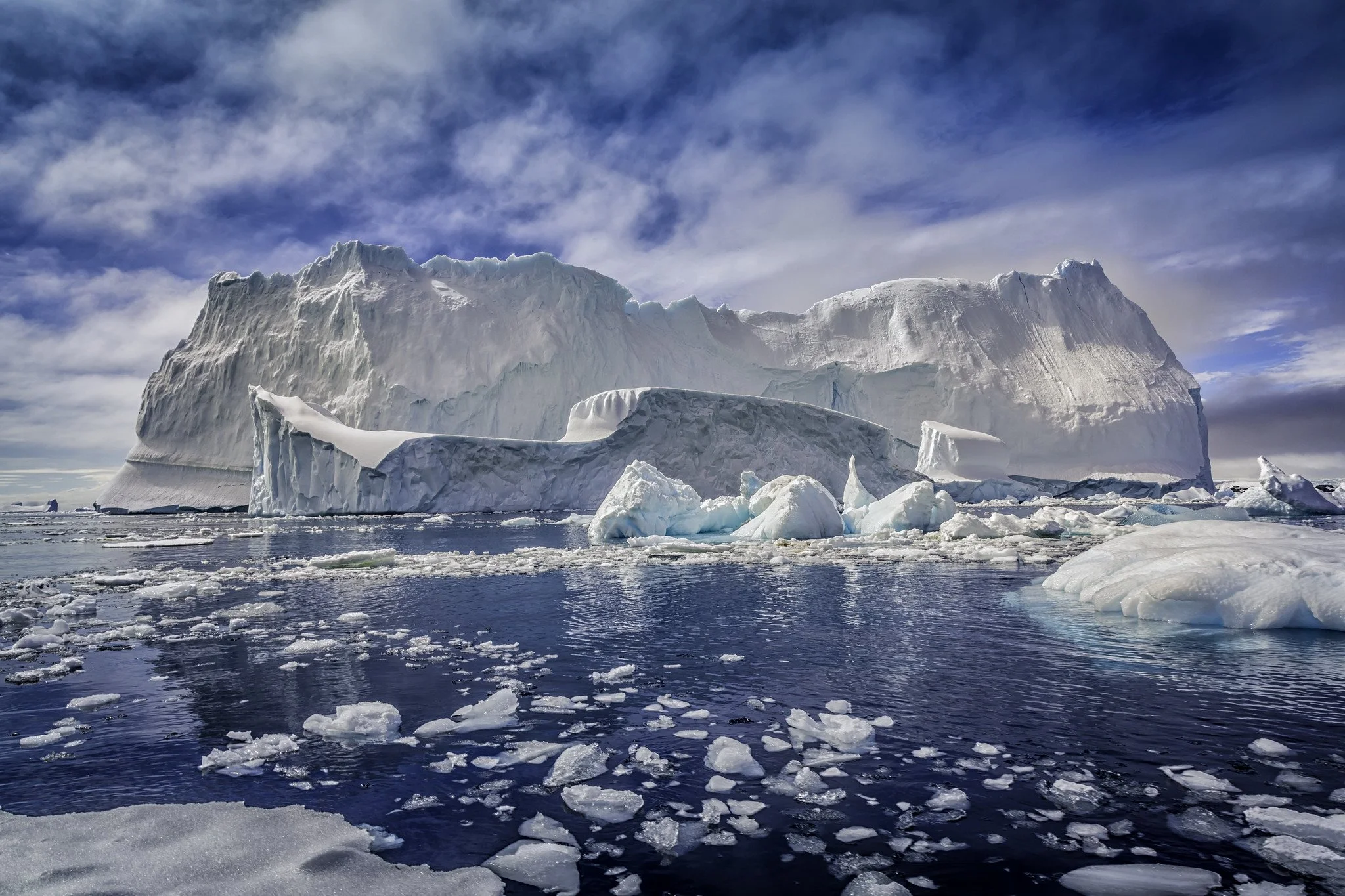
Giant icebergs: The Antarctic Peninsula is home to some of the world’s largest and most spectacular icebergs. These floating giants are awe-inspiring sights not to be missed.

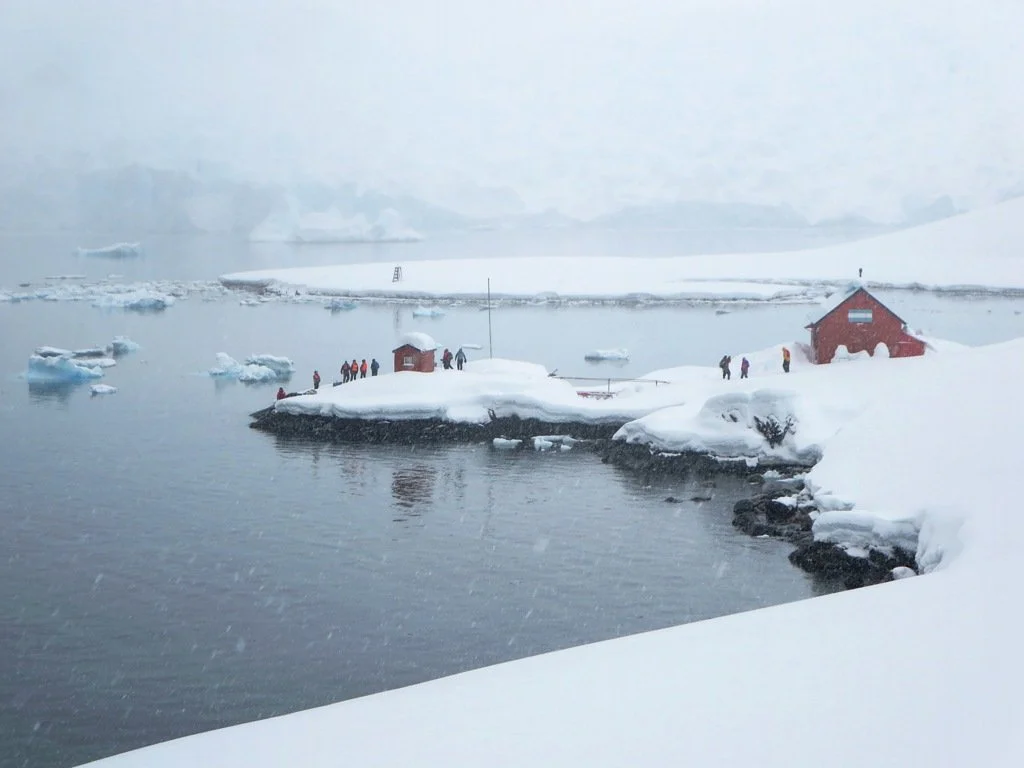
Red buildings of the Paradise Bay Research Station, with people outside on the snow of the Antarctic Peninsula

Paradise Bay Research Station

Must-Visit Locations on an Antarctic Peninsula Cruise

Deception Island

First discovered by seal hunters in 1820, the island was named for the way it deceived explorers — both by its concealed entry point, called Neptune’s Passage, and by its seemingly safe harbor, Port Foster, which sits within an active volcano. The harbor is actually a caldera, where the top of the volcano collapsed and gives the island its ringlike shape. 

More than 50% of the island is covered by thick glaciers and is home to various wildlife species. The harbor and its black sand beaches are popular destinations for tourists and scientists alike. There are also hot springs, where visitors can take a dip in the 98.6ºF water.

Half Moon Island

Half Moon Island is home to many penguins, seals and seabird species. Part of the South Shetland Islands, Half Moon boasts incredible views made even more spectacular by its crescent shape.

Paradise Bay

Paradise Bay is a popular cruise ship destination and one of the two main Antarctic ports. It’s rich in wildlife, including penguins, seals and whales. It is also home to a research station where visitors can learn more about the Antarctic environment. On a clear day, you can see the snow-covered peaks of Adelaide Island in the distance. 

Historical Sites

Visit abandoned research stations, such as Palmer Station and Port Lockroy, to learn about the history of human exploration and habitation in Antarctica.

These sites offer a fascinating glimpse into the past, with artifacts and photographs from many decades ago providing insight into what it was like to be a scientist in the Antarctic. 

Breathtaking Sunrises and Sunsets

Finally, don’t miss the breathtaking sunrises and sunsets in Antarctica. Get up early to catch the first light of dawn and watch as the sky changes colors from pastel shades to deep orange-red. 

At night, witness the mesmerizing beauty of the stars twinkling above the icy landscape. It’s an experience you’ll never forget! –Kayla Gallocher

Icebergs in the Antarctic, with purplish sky and water

The white of icebergs and glaciers contrast sharply with the beautiful blues and purples of the sky and water.