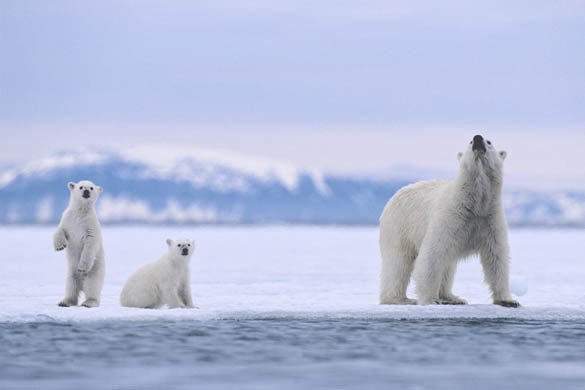
From polar bears and Arctic fjords to penguins and towering icebergs, discover the key differences between Svalbard and Antarctica travel.
Some trips are easy to explain.
A beach week. A city break. A long weekend somewhere warm.
A polar trip is different.
It’s harder to put into words because it isn’t only about where you go. It’s about what happens to you when you get there. The air feels sharper. The sky seems too big. The silence has a kind of weight to it. You notice your own footsteps. You notice the wind. You notice how small you are — but not in a bad way. Winter wilderness travel is intense and mindblowing.
Maybe that’s the real pull of places like Svalbard and Antarctica. They remind you that the world is enormous.
“Svalbard shows you how humans live near the edge.
Antarctica reminds you that the edge might be too extreme for humans.”
Both destinations sit close to the edge of the map. Both give you ice, wildlife, long horizons and that strange feeling of being far away from your ordinary life. But they aren’t the same trip. Not at all.
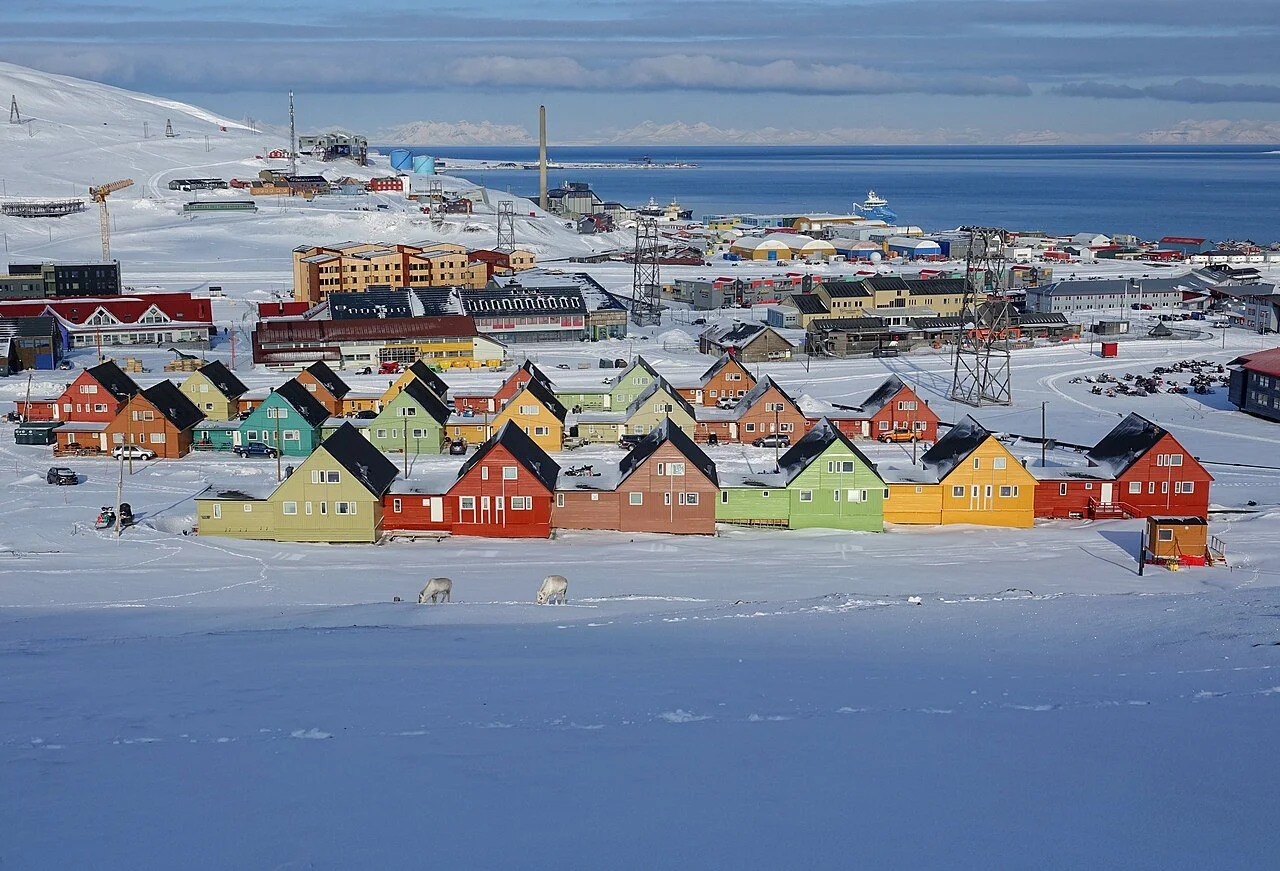
Svalbard is in the Arctic. It sits north of mainland Norway, deep in polar bear country, with fjords, glaciers, tundra, old mining history and a small but real community in Longyearbyen. Antarctica is the other end of the planet. It’s a continent of ice, penguins, research stations, wild seas and a kind of silence that feels almost untouched.
So, which one belongs on your bucket list? It depends on what kind of wonder you want to come home with.
Svalbard Feels Remote But Not Unreachable
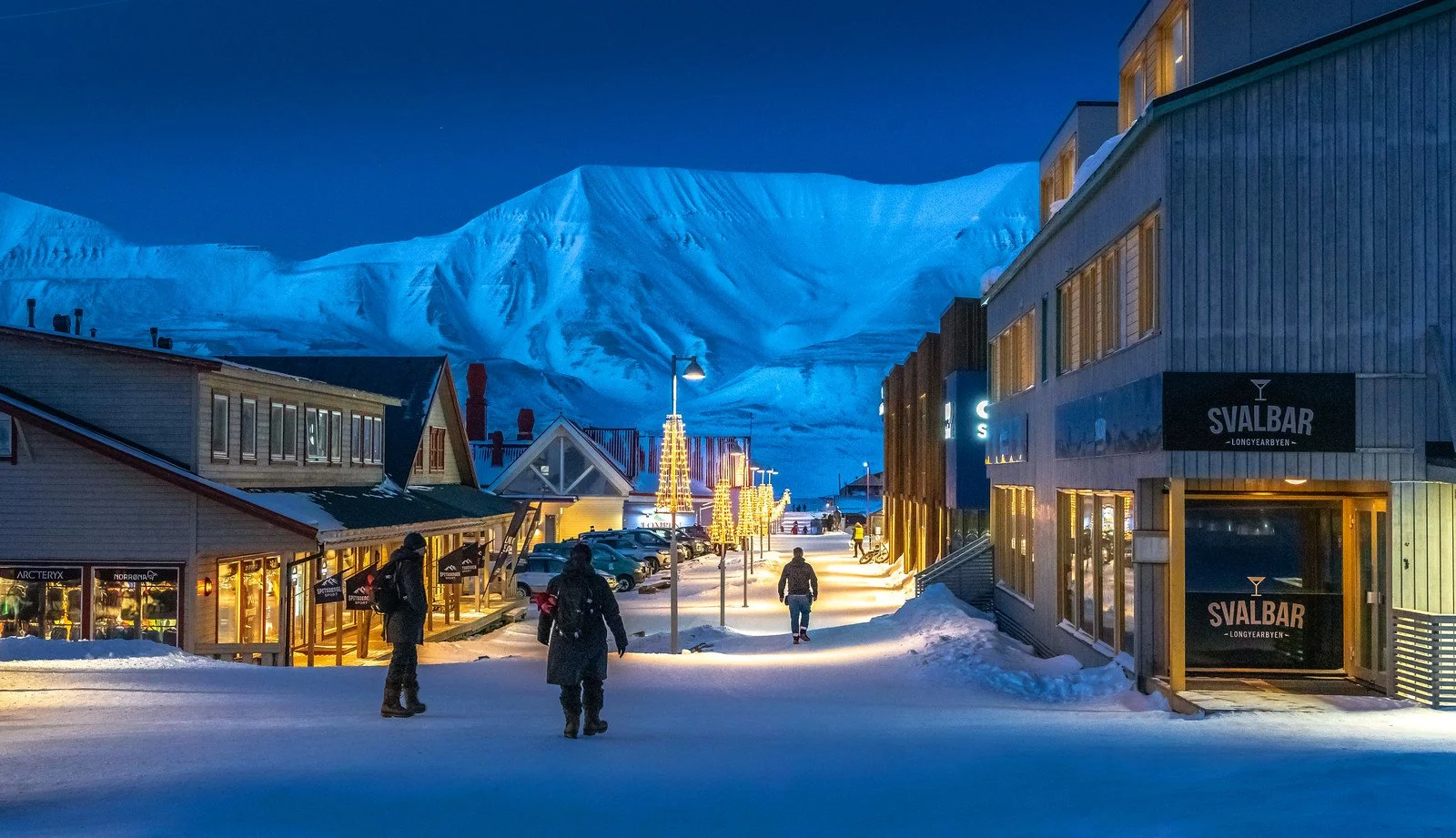
Svalbard has this odd, beautiful mix of wildness and daily life. You can land in Longyearbyen, check into a hotel, order coffee and still be very aware that you are in one of the northernmost inhabited places on Earth. There are streets and shops and guides loading gear. There are people walking home from work. And beyond all that, there are mountains, ice, cold water and animals that don’t care about your travel plans.
That contrast gives Svalbard its character. It doesn’t feel staged. It feels lived in.
You can sense that people have had to adapt here. The weather decides things. The light decides things. The seasons aren’t background details; they shape everything. Even before you board a ship or head deeper into the wilderness, you can feel that this place has its own rules.
And honestly, that makes it more interesting.
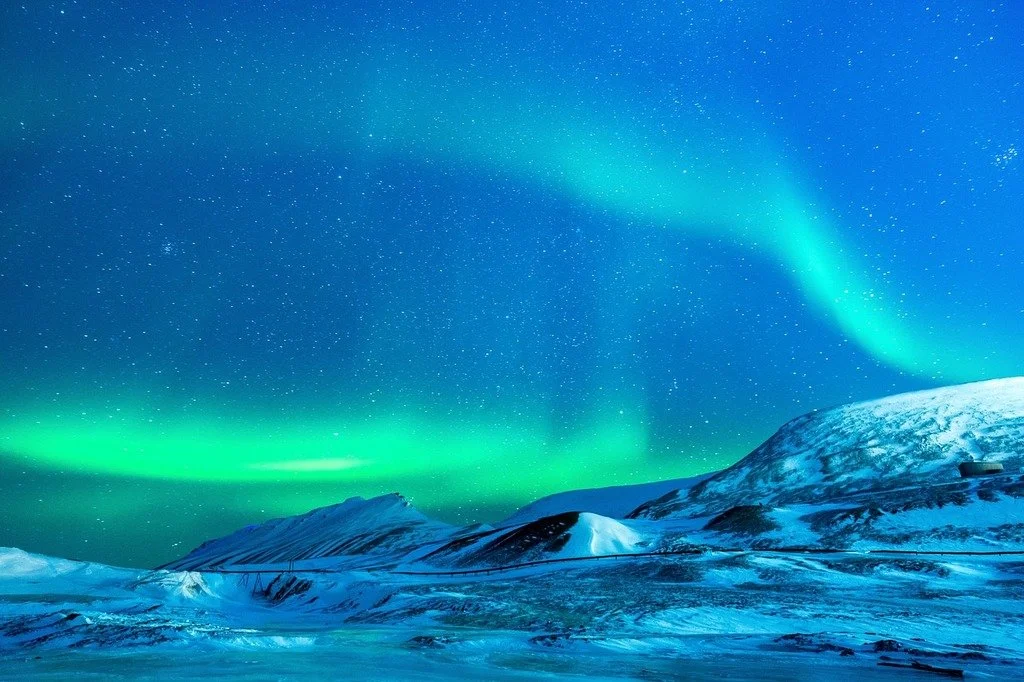
In summer, the midnight sun changes the whole rhythm of travel. The sky stays bright when your body expects darkness. You may look outside at midnight and see soft light sitting over the fjord, as if the day simply forgot to end.
It’s strange at first. Then it becomes wonderful.
You stop checking the time so much. You stop waiting for evening to close things down. The day stretches out in a way that feels loose and generous. If you’re used to a life of alarms, calendars and constant little deadlines, that can feel almost like a relief.
The Arctic Has Its Own Kind of Tension
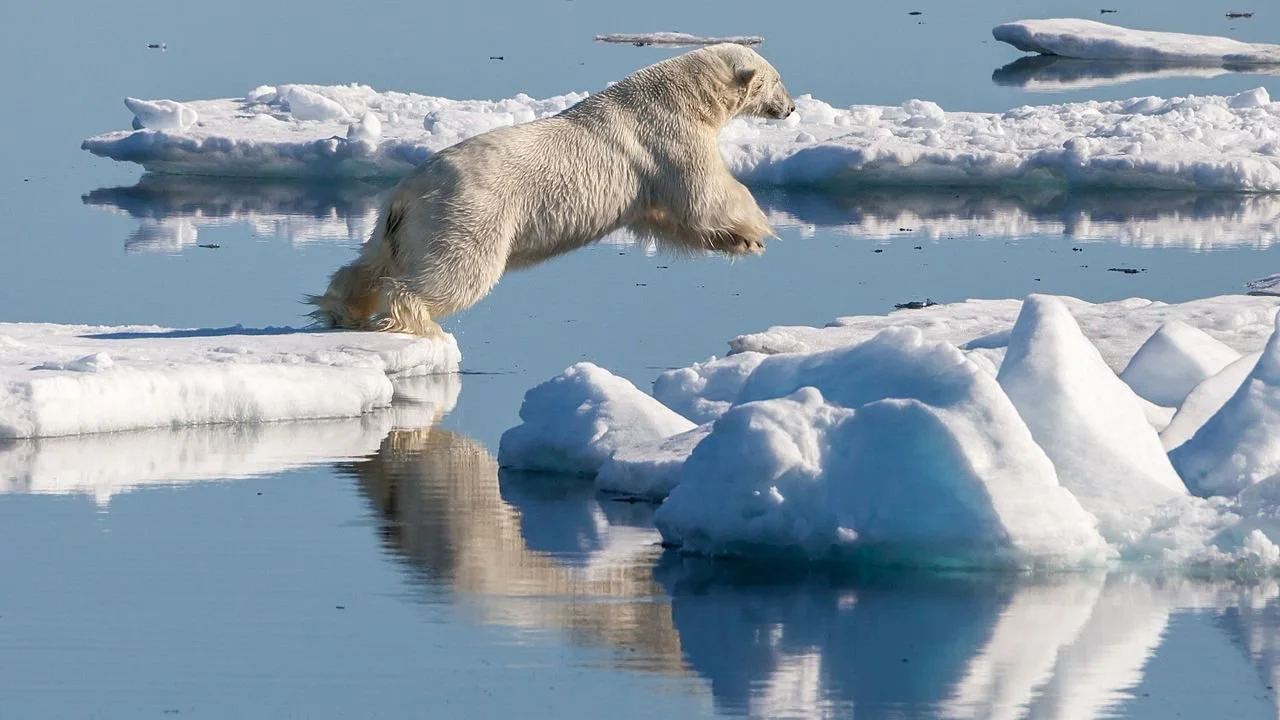
For many people, Svalbard starts with one dream: a polar bear. Not behind glass. Not in a documentary. A real one, somewhere out on the ice or moving along a distant shore. Of course, no responsible trip can promise that. Wildlife is wildlife. It appears when it appears. Sometimes it doesn’t.
But the possibility changes the way you look. You scan ridges differently. You watch the shoreline. You listen when guides point out tracks or movement. There’s a quiet tension in it, but it’s not fear exactly. It’s respect.
And you feel that respect in your body.
Svalbard isn’t only about polar bears, though. Walruses may be hauled out together in heavy, noisy groups. Arctic foxes can flash across the ground. Reindeer graze in places that look too sparse to support anything. Seals rest near ice. Whales surface and disappear before you fully process what you saw. Seabirds crowd cliffs and fill the air with sound.
It’s not a single big moment. It’s a collection of small ones. That’s part of Svalbard’s charm. You have to pay attention.
For travelers comparing ships, routes and comfort levels, looking closely at the full Arctic cruise price can make the planning feel less vague. In Svalbard, the details matter. The vessel, the guides, the itinerary, the pace of each day and the way the crew approaches the environment all shape what the trip becomes.
Because you’re not just going there to look at ice. You're going there to experience the landscape, not simply observe it.
Antarctica Feels Farther Than Far
Just saying you are going to Antarctica feels serious. It’s not a casual destination. You don’t tack it onto another trip as an afterthought. Most people have to plan for it, save for it, think about it and then commit. That commitment becomes part of the experience.
Many travelers reach Antarctica by sailing from Ushuaia, Argentina, across the Drake Passage. And yes, the Drake has a reputation. Some crossings are calm. Some are rough. Some make you question your life choices for a day and then reward you with a horizon full of ice.
That’s the thing about Antarctica. It makes you earn the arrival.
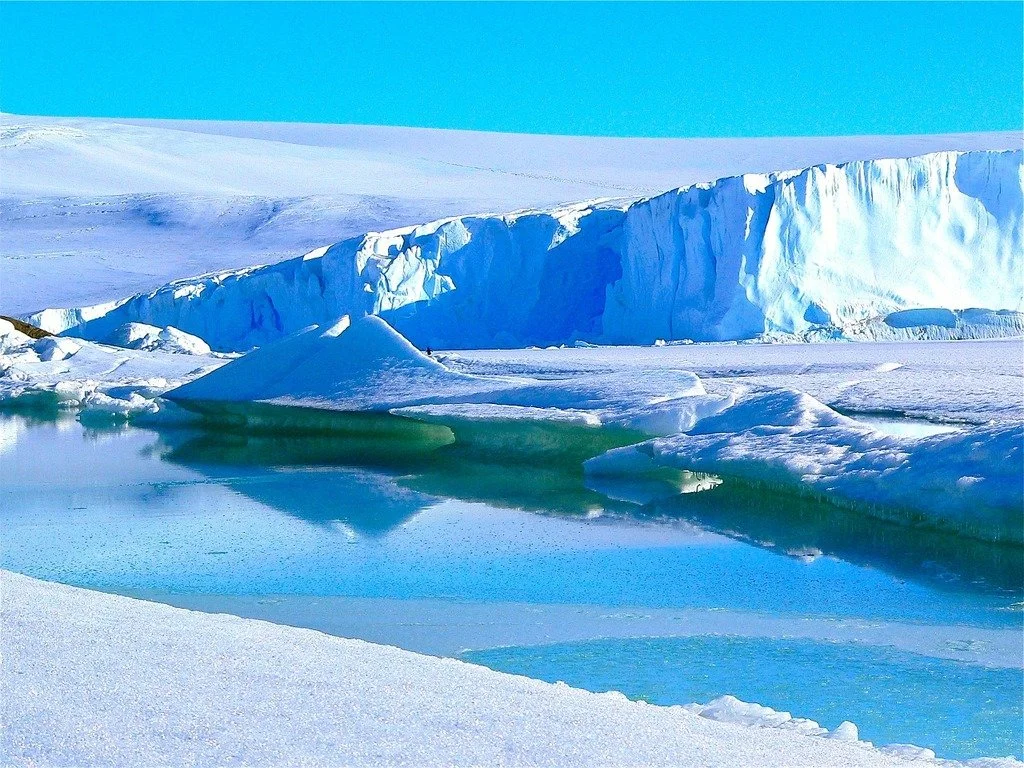
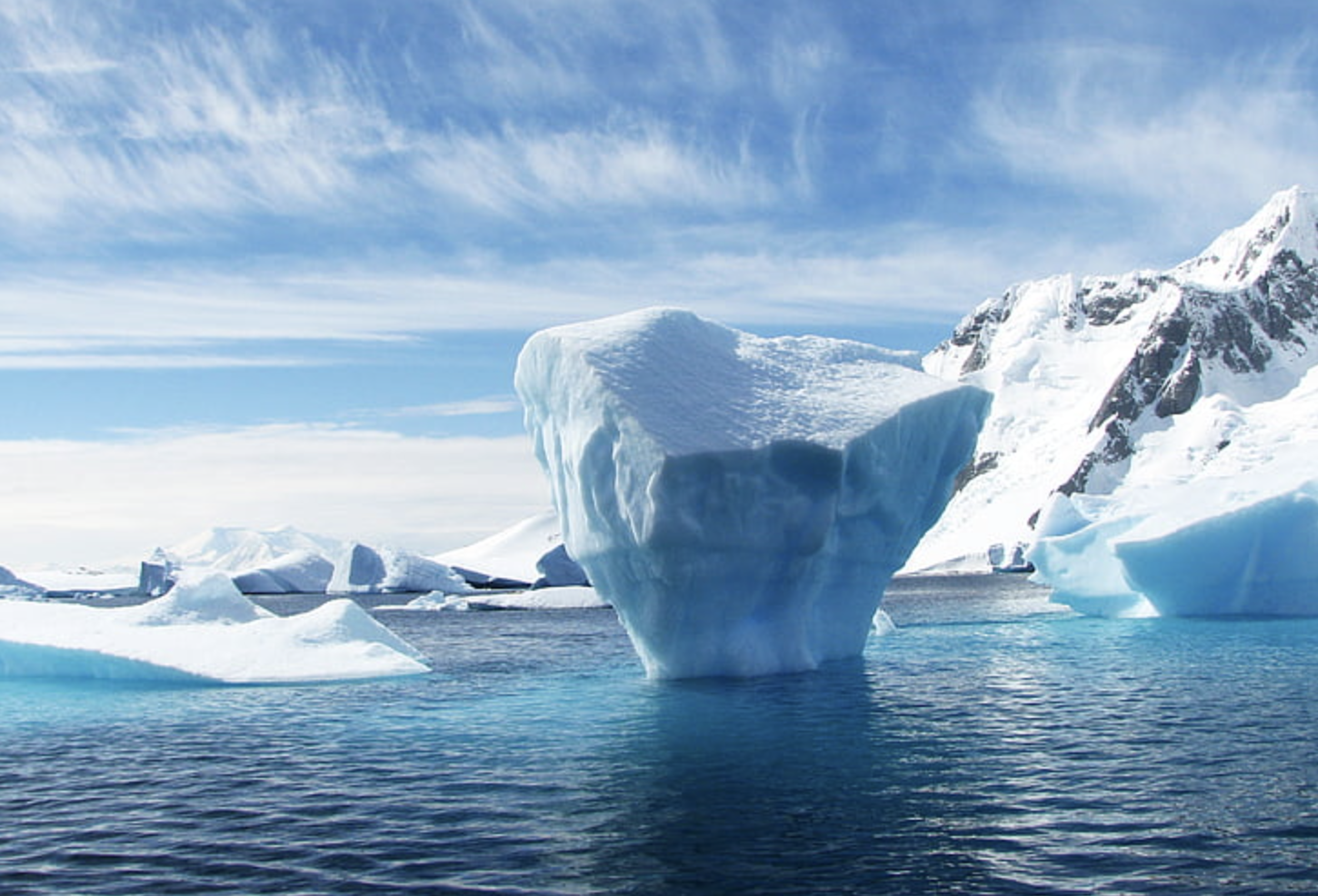
And when the ice finally appears, it doesn’t feel like normal scenery. It feels like the world has changed materials. Icebergs rise out of the water like towers, walls, broken sculptures or pieces of some huge unfinished building. The colors are simple, but they aren’t plain. Blue, white, gray, black, silver. Sometimes a little gold when the light shifts.
You may find yourself standing on deck and saying nothing. Not because you’re bored. Because the place is bigger than your reaction to it.
Penguins Make Antarctica Feel Alive
From far away, Antarctica can sound empty. Ice, wind, ocean, silence.
But then there are penguins. And penguins change everything.
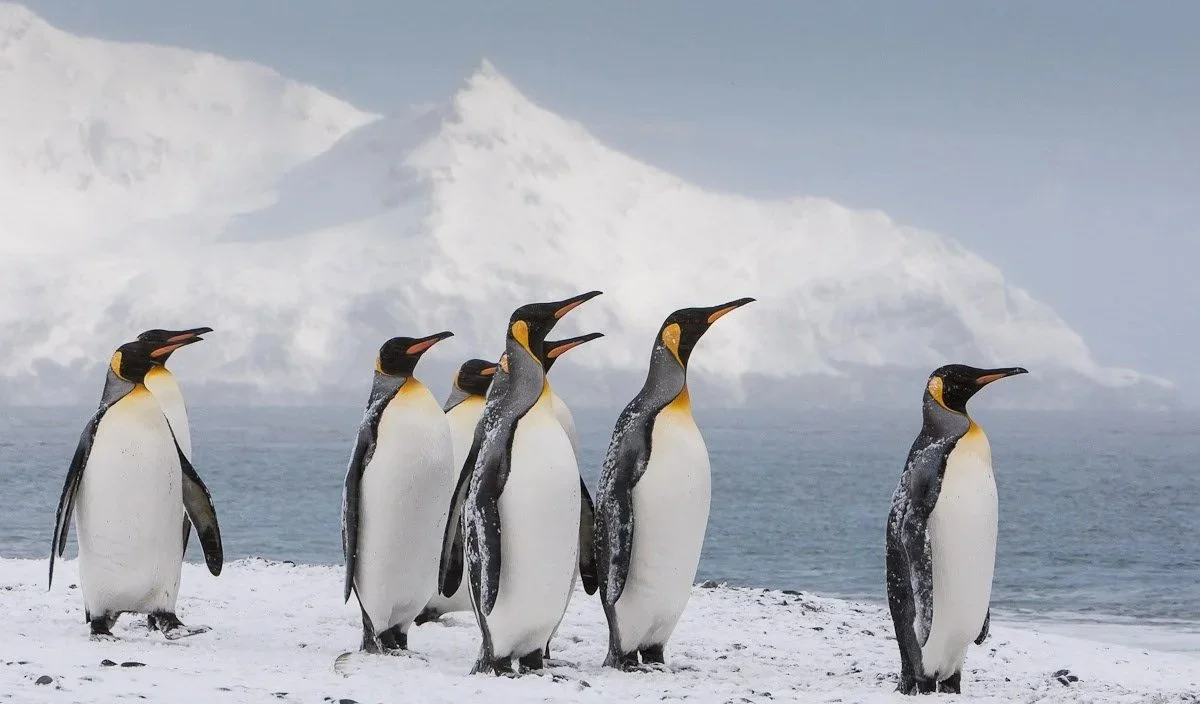
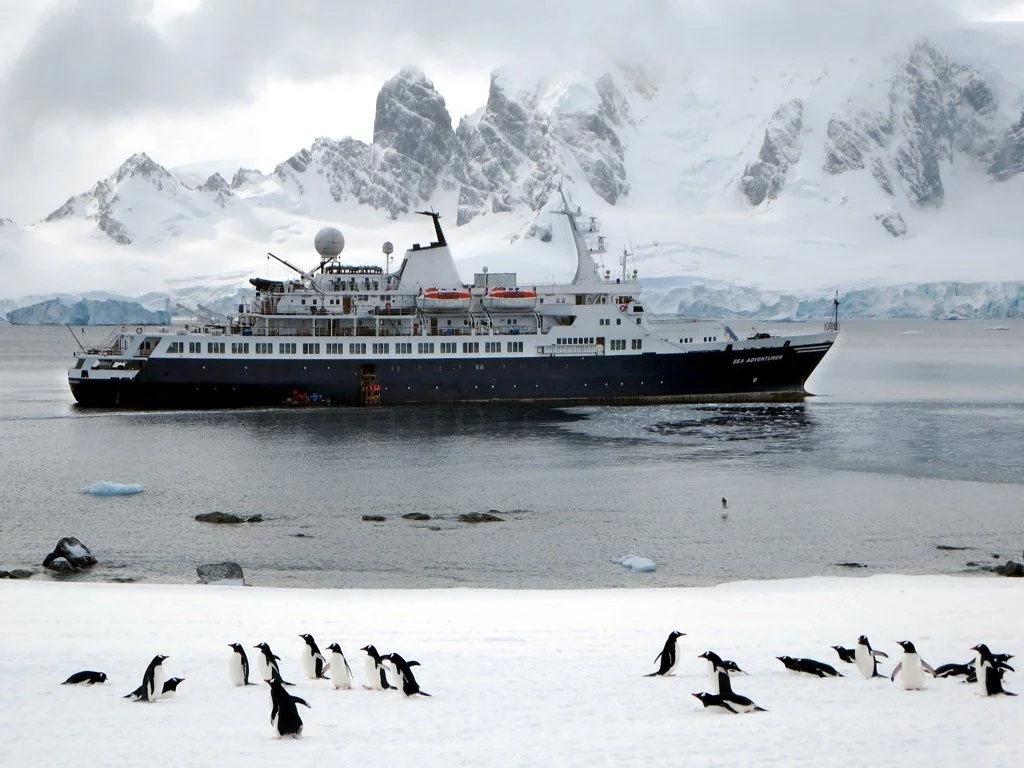
They bring noise, movement, awkwardness, determination and a delightful amount of personality. They slip, shuffle, call, argue, gather, wander and somehow make one of the most extreme places on Earth feel full of life.
There’s something oddly touching about watching them. Maybe it’s because they look so small against the scale of the place. Maybe it’s because they keep going, even when the ground is rough, and the weather isn’t kind. Or maybe we just recognize something familiar in their busyness.
That sounds a little sentimental, I know. But Antarctica does that. It catches people off guard.
You may also see seals resting on ice, whales surfacing near the ship, and seabirds moving through hard wind as if the air belongs to them. In the right season, Antarctica can feel almost crowded with life, even though the landscape itself remains vast and severe.
It’s a strange combination. Harsh and tender at the same time.
What Wildlife Are You Really Hoping For?
This might be the simplest question.
If your dream is polar bears, choose Svalbard. The Arctic is their home, and even the chance of seeing one responsibly, from a safe distance, brings a kind of electricity to the trip.
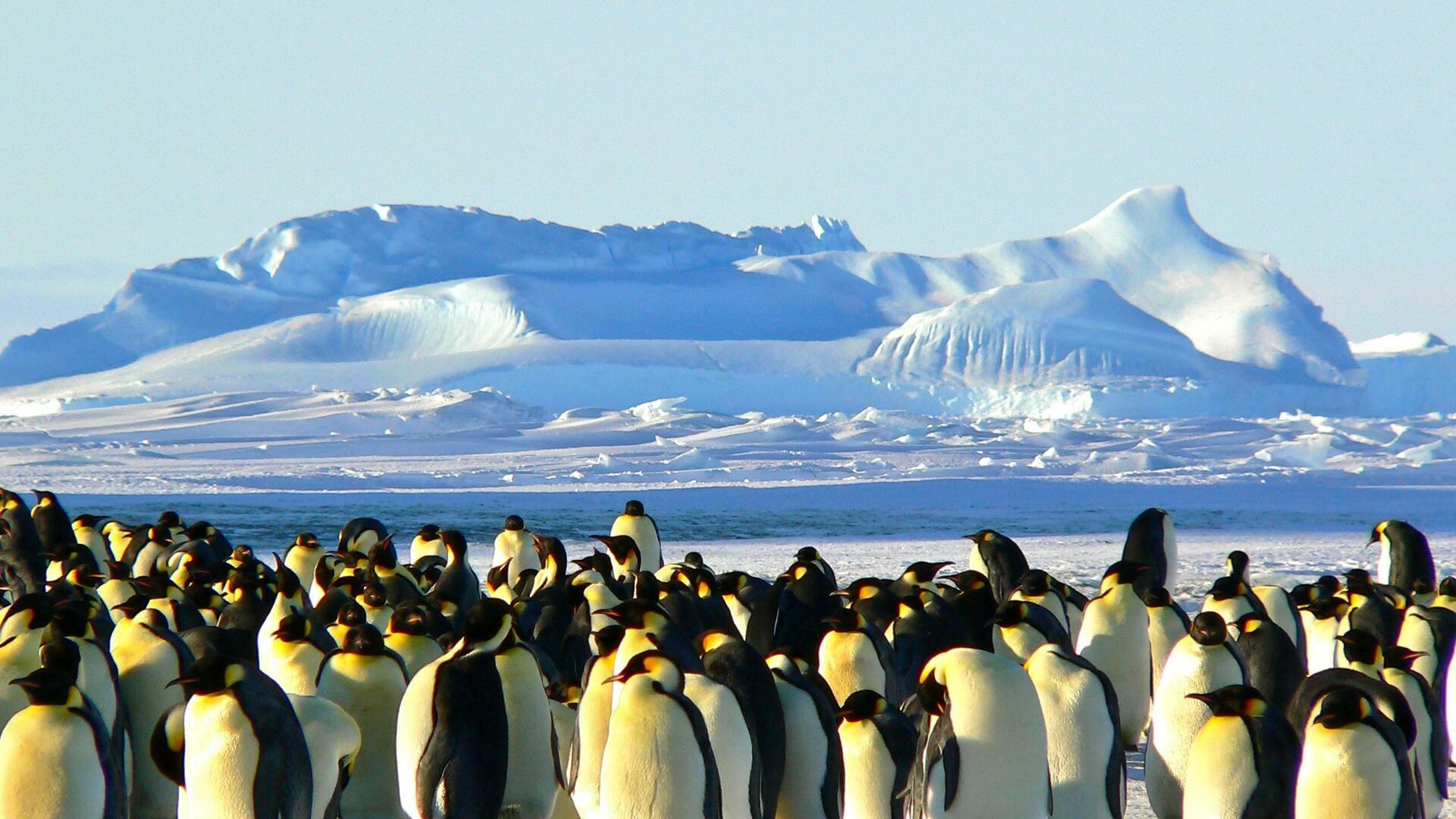
If your dream is penguins, choose Antarctica. Penguins don’t live in the Arctic, and polar bears don’t live in Antarctica. That one fact clears away a lot of confusion.
But the answer isn’t always logical. Sometimes you already know. Maybe you’ve pictured a bear moving across sea ice since you were a kid. Maybe you've imagined penguins gathered below blue-white mountains for years. That one image matters.
Travel planning often looks practical from the outside. Dates, routes, budgets, flights, gear. But underneath all that, there’s usually one feeling you’re trying to reach. Run with that.
Antarctica Is Bigger; Svalbard Is More Layered
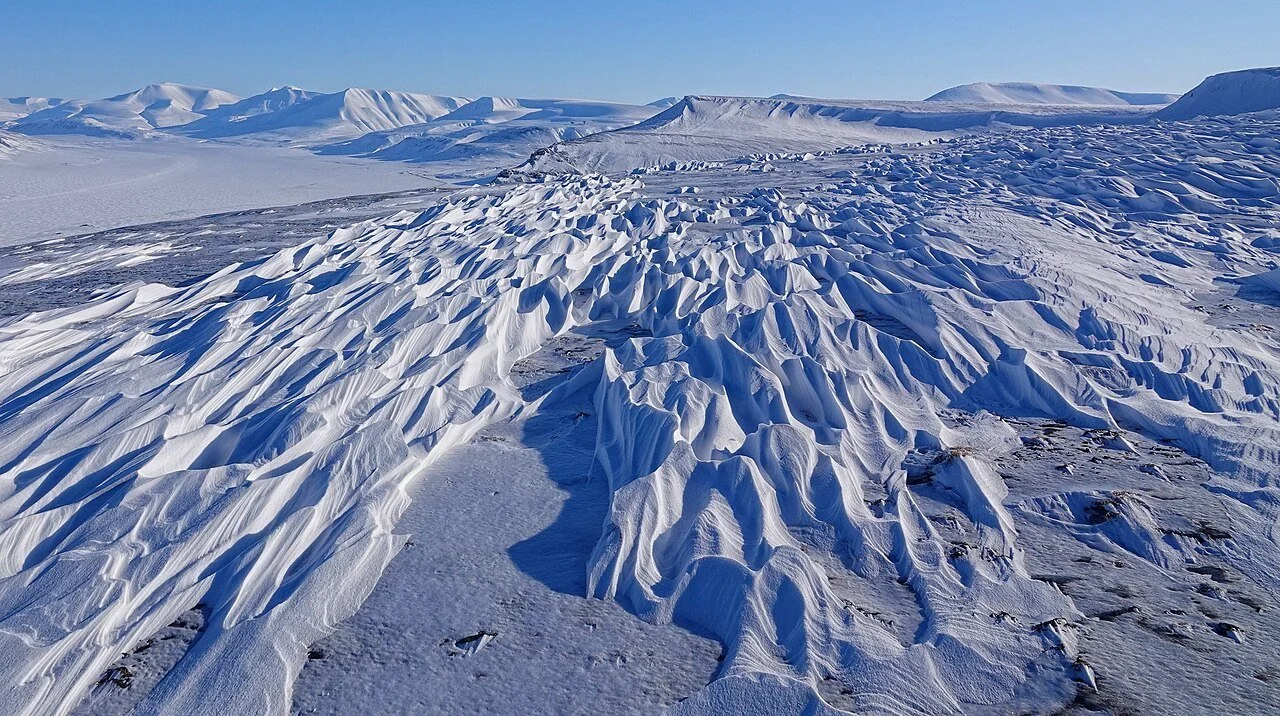
If you want ice drama, Antarctica is hard to beat. The scale is almost unreasonable. Glaciers seem endless. Icebergs look carved. Mountains rise out of the cold in sharp black and white. The whole place feels stripped down to the basics of water, ice, rock and sky.
It can overwhelm you. In a good way.
Svalbard works differently. It does have glaciers and sea ice, but it also has tundra, fjords, beaches, dark mountains, old settlements and traces of human history. It doesn’t hit you with one single grand impression. It unfolds.
One day may feel gray and moody, with low cloud over the water. Another may feel bright and open, with birds moving across the sky and light lingering much too late. You might pass an old mining site and then, not long after, see a seal near a sheet of ice. The place keeps changing its tone.
Antarctica feels monumental.
Svalbard feels intimate.
That’s not a perfect rule, but it’s close enough.
Think About the Journey, Not Just the Destination
Svalbard is usually easier to fit into a shorter trip. Most travelers connect through Norway and fly into Longyearbyen. From there, the adventure can begin fairly quickly. You still feel remote, but you don’t usually need the same long sea crossing that defines many Antarctic itineraries.
That makes Svalbard a strong first polar trip for many people.
Antarctica asks for more time. More patience too. Here’s what to know before you plan an Antarctica trip. You need to reach the departure point, cross the Drake Passage, explore and cross back. There’s more travel wrapped around the travel.
For some people, that’s part of the magic. The distance makes Antarctica feel earned. The long approach gives the whole journey a sense of ceremony. For others, it may feel like too much. And that’s fine. Not every bucket list trip has to be the hardest version of itself.
Comfort Isn’t a Small Thing
People sometimes talk about polar travel as if comfort doesn’t matter. It does.
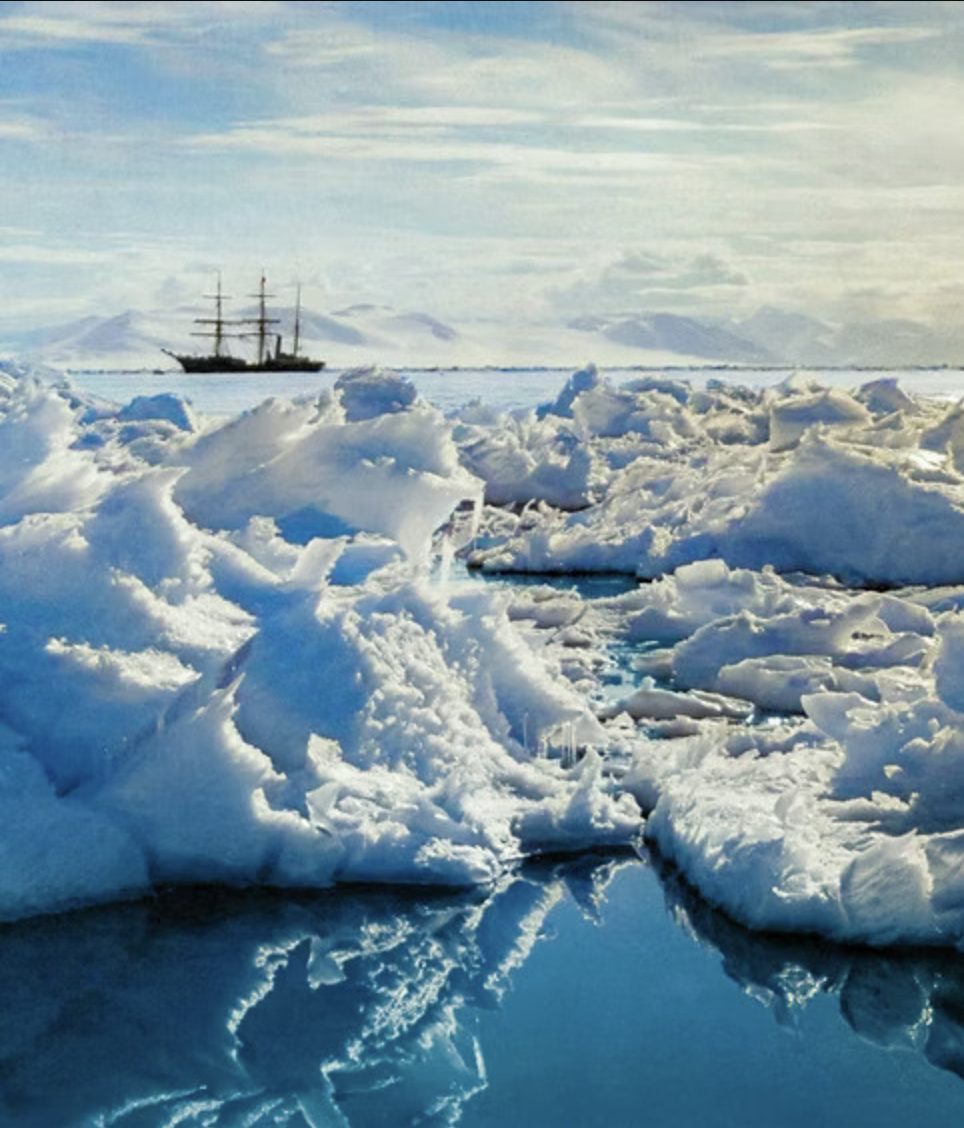
After hours in cold wind, a warm cabin matters. Dry socks matter. A good meal matters. A quiet place to sit with a cup of tea after seeing something extraordinary matters more than you might expect.
The right ship can change the whole experience. So can the right guides. You want people who know the place, respect it and help you notice what you might otherwise miss.
You also want a pace that lets you actually absorb things. Because what’s the point of going that far if you’re too rushed or too uncomfortable to take it in?
Adventure doesn’t have to mean pretending you’re not tired. Sometimes the best part of the day is coming back cold, windblown and happy, then warming your hands around a mug while everyone quietly processes what they just saw. That’s part of the trip too.
So, Which Place Feels More Personal?
Svalbard often feels more personal because people live there. You can imagine daily life. Someone walking home under winter darkness. Someone stepping outside in summer when the sun is still up at 2 a.m. Someone checking the weather before making even a simple plan. The Arctic isn’t an idea there. It’s everyday reality. There’s something moving about that.
Antarctica feels less personal, but maybe more humbling. It doesn’t make room for ordinary human life in the same way. It doesn’t feel designed around us. That can be uncomfortable at first, then strangely peaceful.
Svalbard shows you how humans live near the edge.
Antarctica reminds you that the edge might be too extreme for humans.
Both lessons stay with you, just in different ways.
Which Polar Adventure Belongs on Your Bucket List?
Choose Svalbard if you want polar bears, Arctic wildlife, fjords, tundra, settlement history and a trip that feels remote without feeling completely disconnected from human life. It’s varied, atmospheric and easier to imagine as a first polar adventure.
Choose Antarctica if you want penguins, huge ice, the seventh continent, and the deep satisfaction of reaching one of the most remote places on Earth. It’s bigger, farther, more demanding and probably more dramatic from start to finish.
The honest answer is that both are worthy.
But if you’re choosing one, start with the image that stays with you. Is it a polar bear under the endless Arctic light? Penguins moving across ice at the bottom of the world? A quiet fjord near midnight? A blue iceberg rising out of dark water?
One of those scenes probably pulls harder than the others. Follow that.
Because in the end, you’re not only choosing between Svalbard and Antarctica. You’re choosing the kind of awe you want to carry home. –Brenda Wanjiku