You don’t need a plane ticket or a weekend getaway to feel better — microadventures offer a quick, affordable way to clear your head, spark a sense of novelty, and support emotional well-being right where you already are.

Some days you wake up tired and somehow get more tired as the day goes on. You want a reset — something that makes the world feel a little bigger and your thoughts a little lighter — but you don’t have time, money or energy for anything elaborate. That’s exactly where microadventures help.
What is a microadventure?
A microadventure is a short, simple adventure that fits into everyday life — usually close to home, low-cost and easy to do. The term was popularized by adventurer Alastair Humphreys, who describes microadventures as small escapes that bring a sense of exploration and novelty without requiring time off, special gear or long-distance travel.
In practice, a microadventure might be a walk down an unfamiliar street, a bike ride at sunset, sitting somewhere new for 20 minutes or noticing your surroundings with fresh attention. You’re not disappearing for a weekend — you’re stepping just far enough out of your routine for your brain to reset.
That small dose of novelty is where the benefits start.
Why Small Adventures Support Emotional Stability
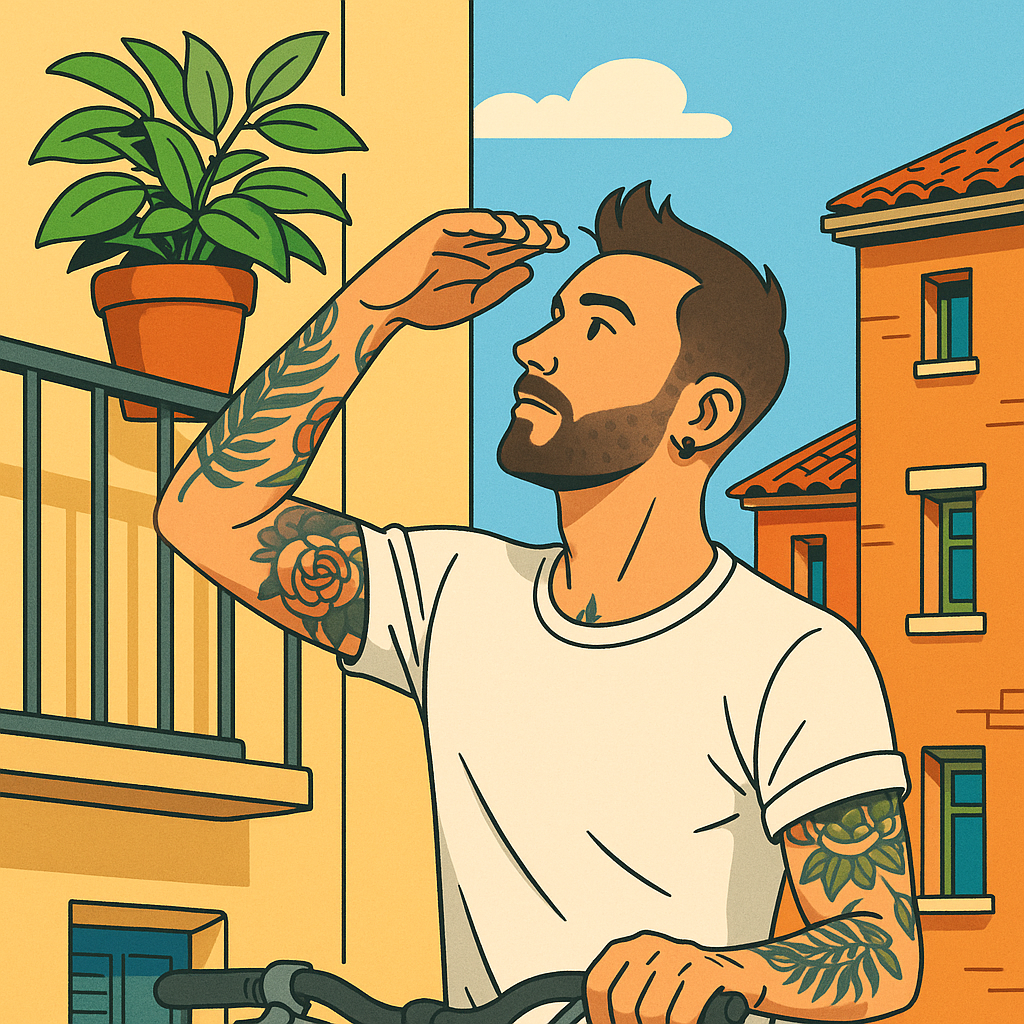
A small dose of novelty is surprisingly powerful. When you take a different street, slow down your pace or notice something you’ve walked past a hundred times, your brain shifts out of autopilot. It stops replaying the same thoughts and starts paying attention again. Even the smallest change — new sounds, fresh air, unexpected color — gives your mind a moment of relief.
How to practice:
Choose an unfamiliar focal point: Find a balcony plant you’ve never noticed, a crooked tree, an oddly shaped roofline.
Move as if you’re seeing the route for the first time: Listen for distant traffic, feel the temperature, catch shifting shadows.
Pause after a minute: Note one detail that felt different and how it changed your internal mood, even slightly.
Or try this version:
Make one small shift: Change the lighting, switch your music or move to another room.
Notice what resonates: Is there a color, a rhythm, a quiet corner you didn’t realize felt calming?
Ask yourself: “What did I feel differently?” Let the answer be simple.
How a Change of Scenery Reduces Stress
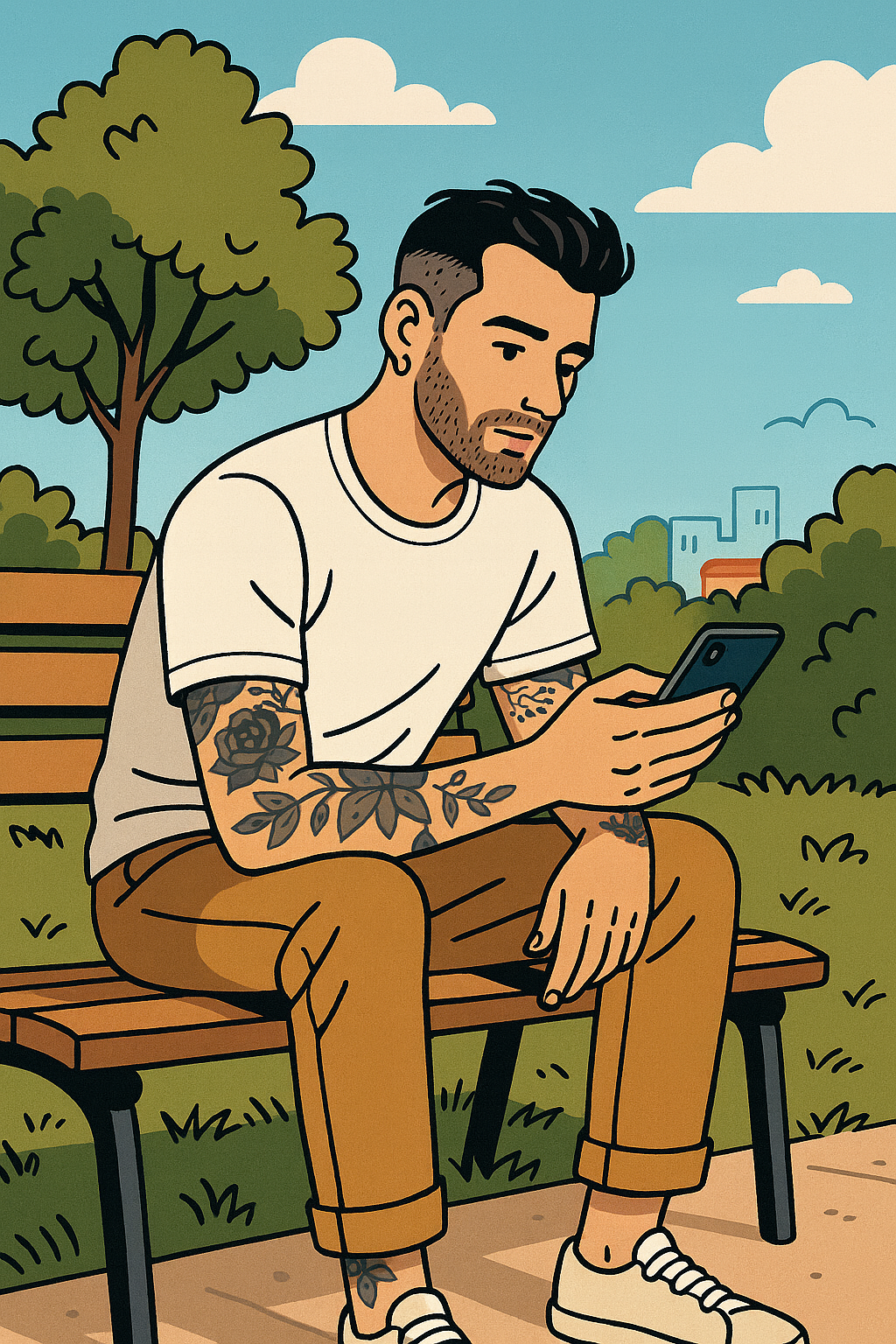
Context shifts can soften stress faster than most of us expect. You might leave your desk feeling overwhelmed, then step outside and instantly get hit with fresh air, new sounds and a sense that your thoughts aren’t stuck after all. When your surroundings change, your emotional reactions often follow — becoming gentler, slower, easier to navigate.
This is also a great moment to use a wellbeing app. A short check-in, breathing prompt or mood reflection while you shift spaces helps your mind register the reset. It makes the moment intentional and helps you track what actually calms you over time.
How to practice:
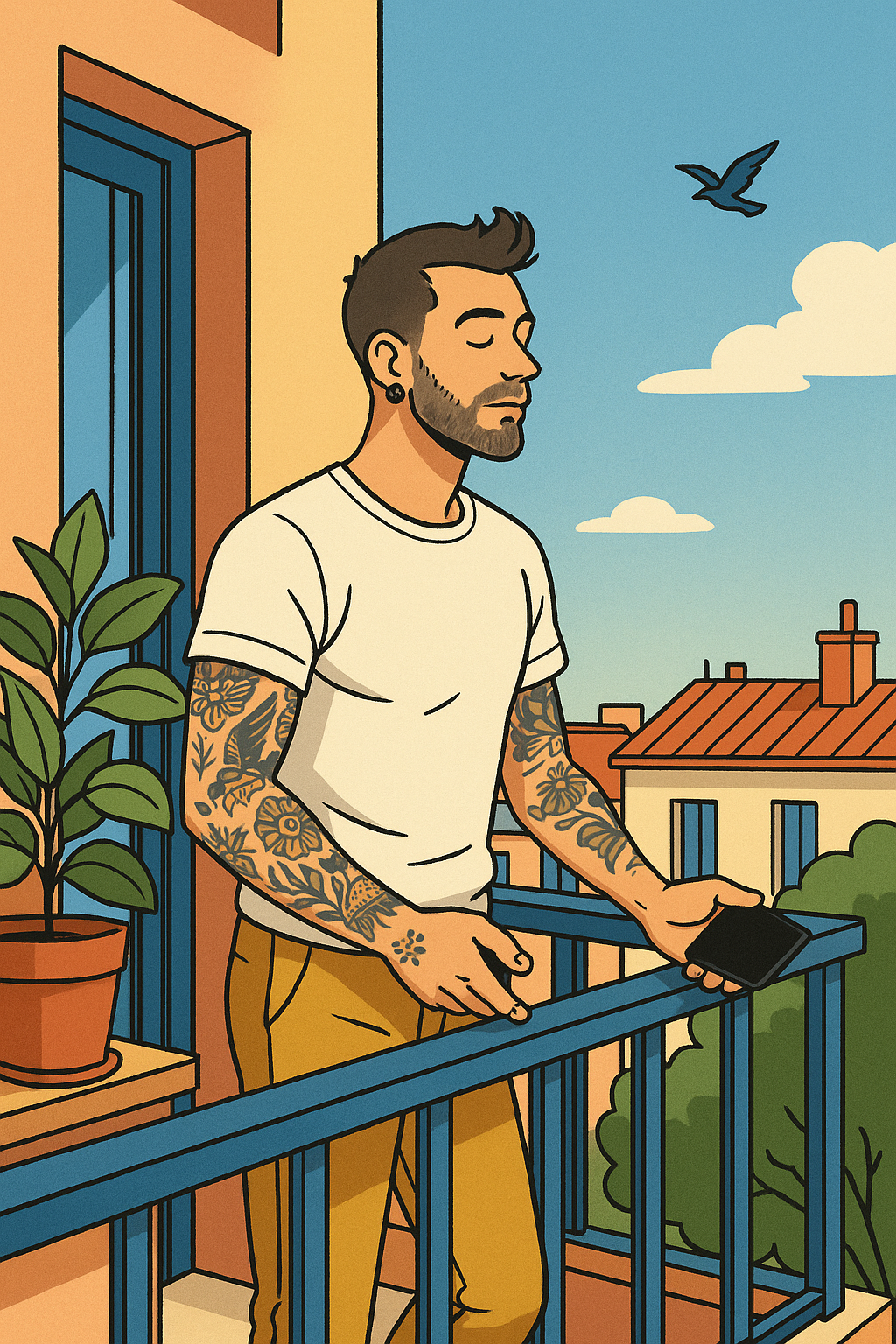
Move to a different location: This can be another room, a balcony or a bench outside.
Let your senses reorient: What’s warmer, cooler, louder, softer?
Open your well-being app: Complete a quick reflection or breath cue to anchor the shift.
Practical Tools for Microadventures
How to Plan a Microadventure Without Stress
You don’t need a complicated plan — but having a loose frame makes it easier to actually go. Microadventures work best when they feel effortless and accessible, especially on days when everything feels heavy or overfull.
How to practice:
Define your “adventure radius”: anywhere within a 10- to 20-minute walk
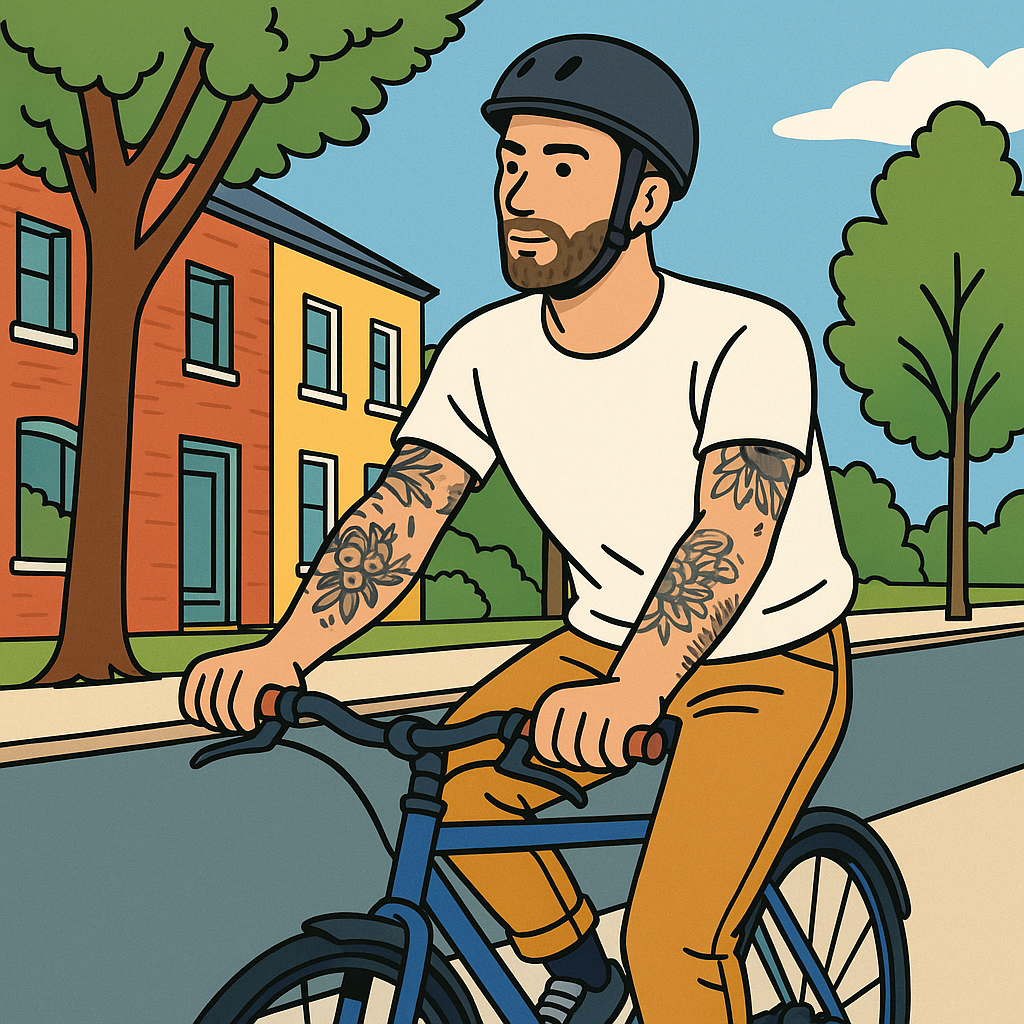
Choose your mode of movement: walk, bike, bus, car — whatever feels easy
Set a duration: 20 to 40 minutes or up to an hour
Bring only the essentials: water, a charged phone, comfortable clothes
A simple framework reduces resistance and makes it more likely you’ll keep doing it.
Seasonal Microadventures: Using the Environment
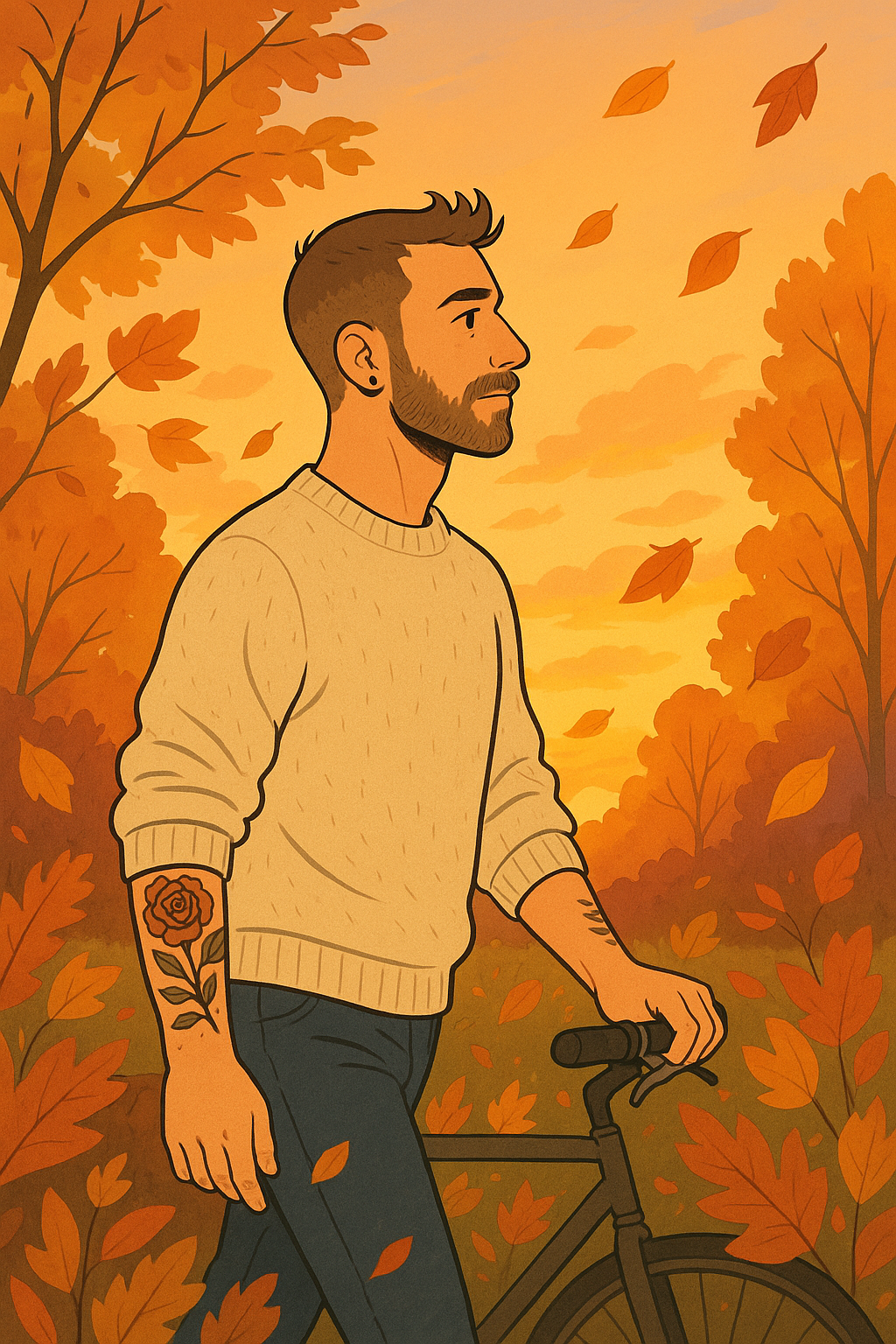
The world looks and feels different each season, even if you never leave your neighborhood. Winter offers sharp sounds and crisp air. Spring brings shifting scents and new greenery. Summer slows you down with heat and offers pockets of shade. Autumn wraps everything in wind, color and texture. Let the season guide you.
How to practice:
In winter: Tune into the sound of footsteps, wind and the cold on your face.
In spring: Notice changing scents and tiny signs of new growth.
In summer: Seek shade, water and quiet corners where the air moves.
In autumn: Watch the way leaves scrape across the sidewalk and how the light softens.
Each season helps you feel the movement of time — even on the same streets.
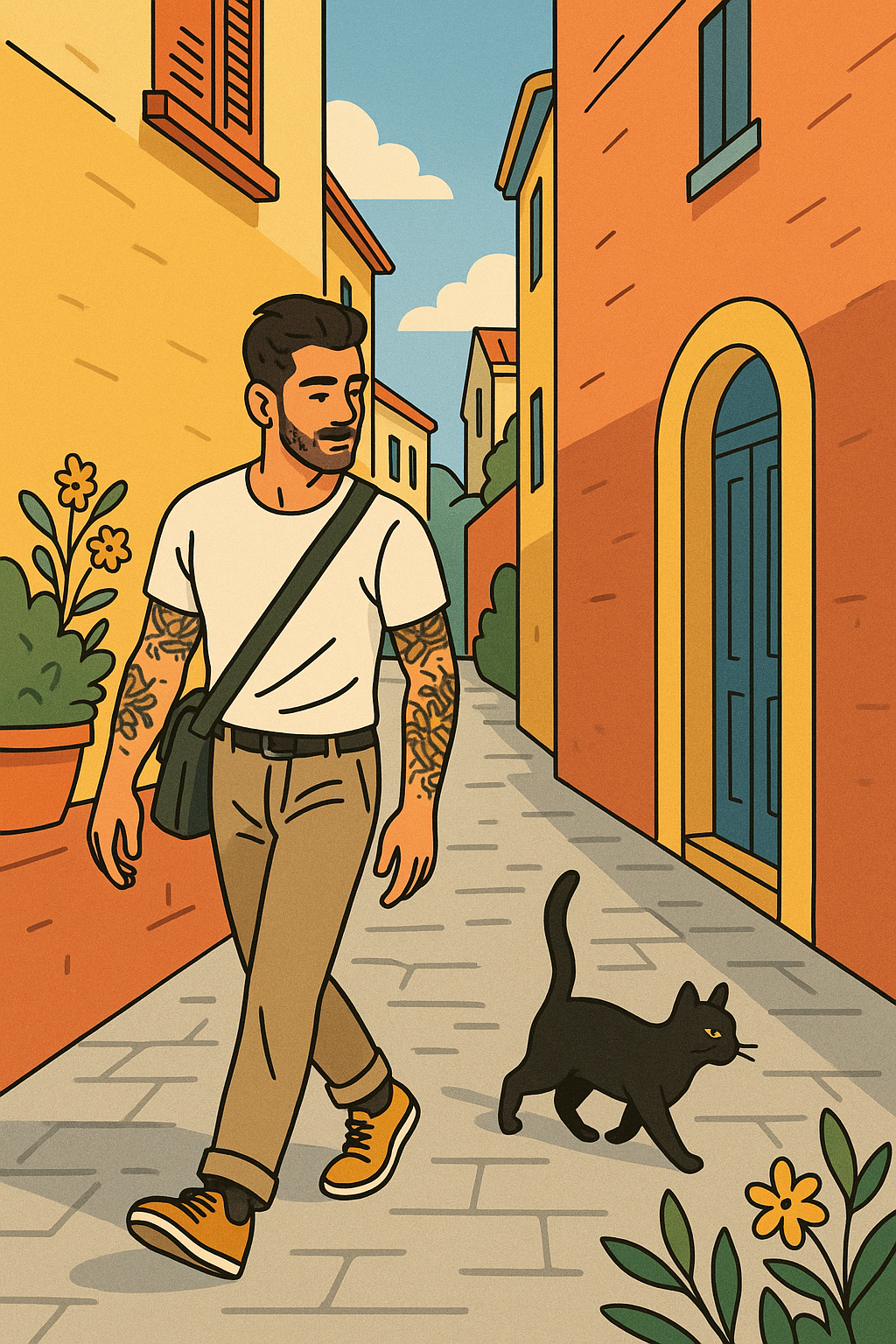
Microadventures for Decision Clarity
When your mind feels overloaded, moving your body often gives your thoughts room to settle. A slow walk helps reduce internal noise, making decisions feel less foggy. You’re not forcing an answer — you’re letting your brain loosen its grip and reorganize itself naturally.
How to practice:
Name one question or problem that’s draining your energy.
Walk slowly for 10 to 15 minutes without trying to solve it. Let your thoughts drift.
Notice afterward when relief appeared — even if the answer isn’t fully formed.
This gentle reset often makes your real priorities clearer.
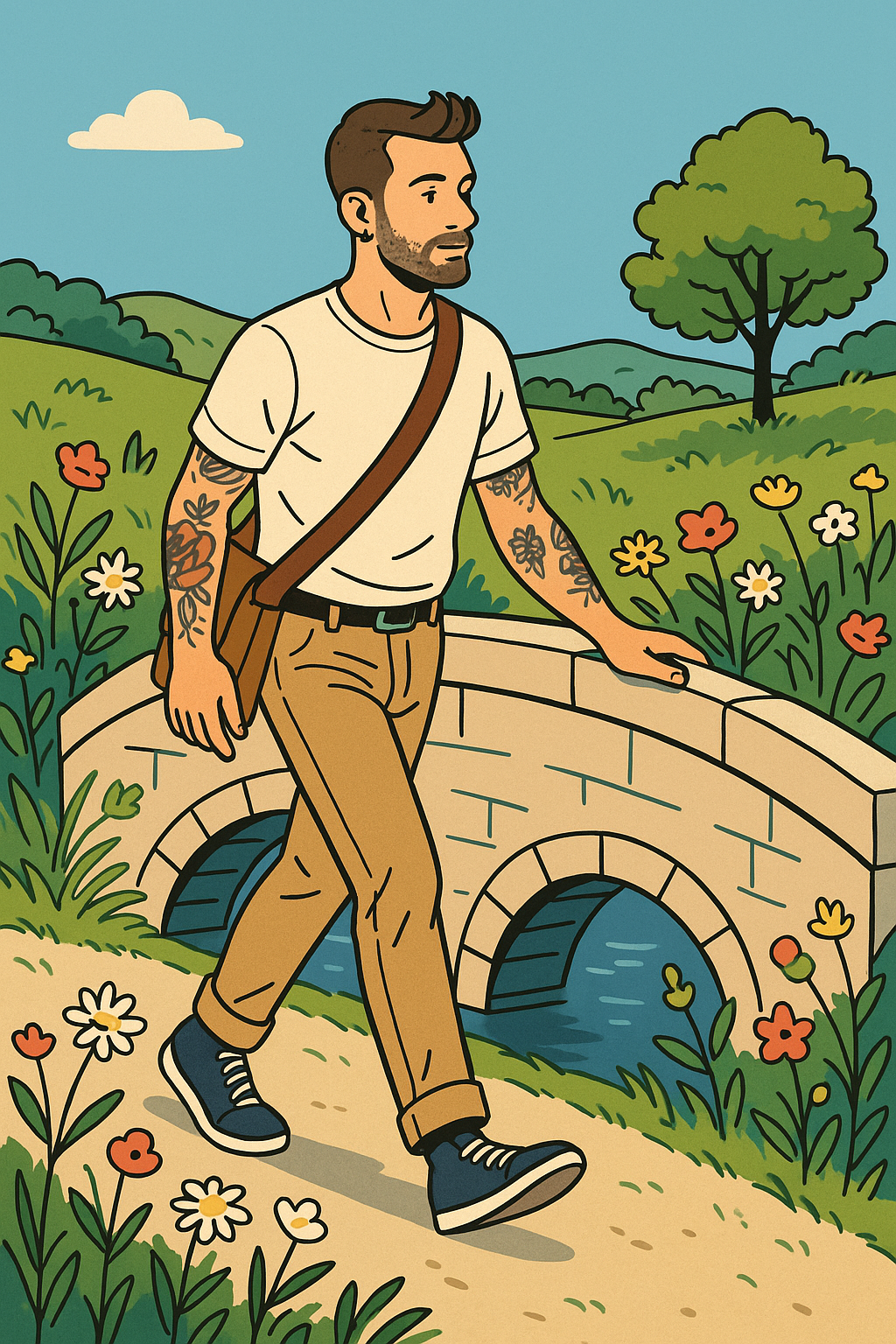
Microadventures Based on Curiosity
Curiosity is one of the easiest ways to interrupt stress. When you let yourself wander toward whatever catches your attention, your mind slips into a lighter mode — playful, open, less tense. There’s no goal except noticing something new.
How to practice:
Choose one thing to explore: a sound, a sign, a narrow street, a tree
Follow your attention wherever it pulls you: no pressure, no destination
When you return, reflect: What surprised you? What delighted you? What made you pause?
Curiosity refreshes the mind without feeling like work.
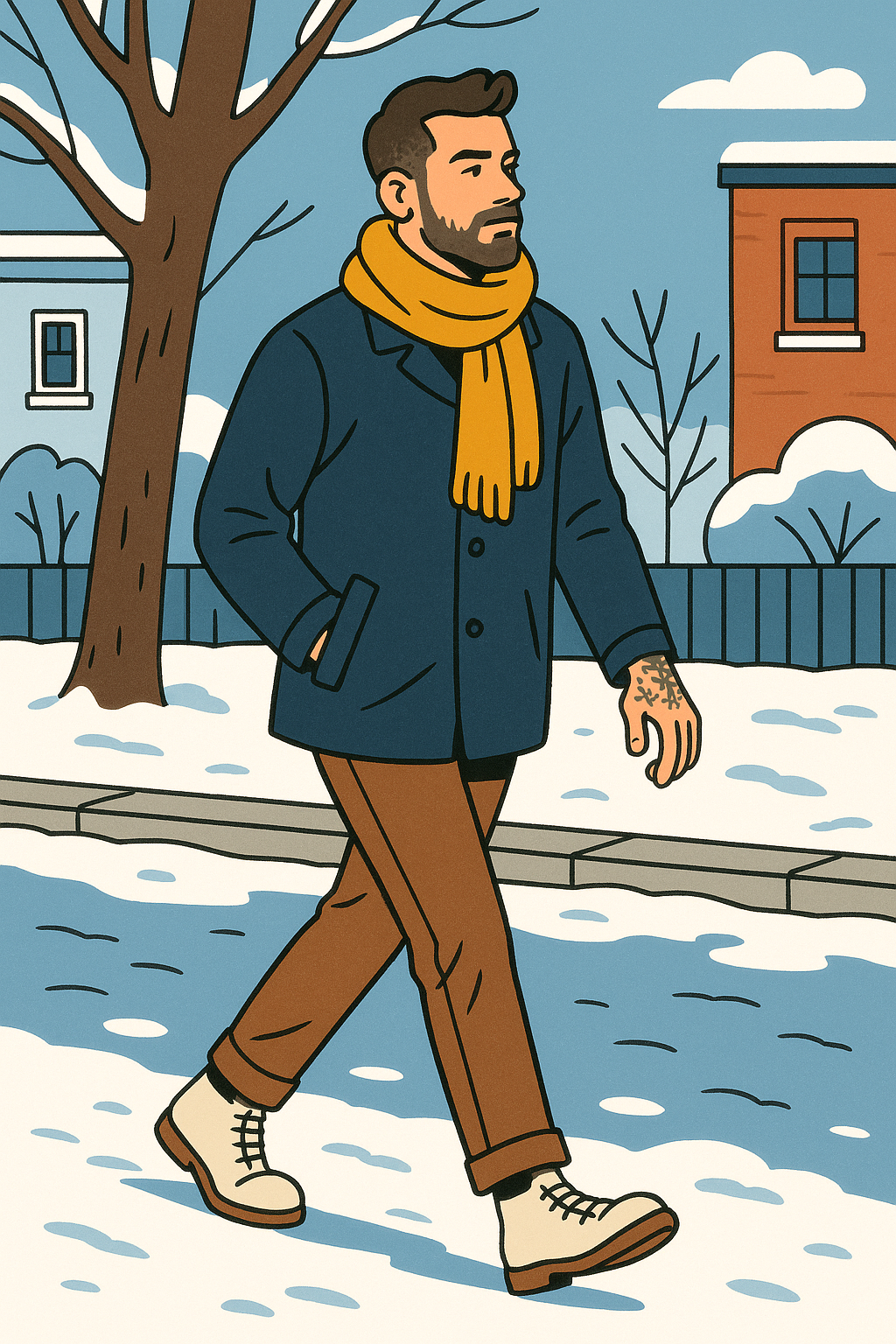
Building a Weekly Microadventure Habit
Microadventures don’t demand extra time, money or planning — but they offer a real sense of renewal. They help you see familiar spaces differently, ease emotional tension and reconnect with the present moment. Pick one format to try this week and keep it simple. New experiences, even tiny ones, create breathing room inside your routine.
A microadventure might be short, but the shift it creates can carry through your whole day. –Victoria Samokhval
Victoria Samokhval is a certified clinical psychologist and psychotherapist with expertise in Gestalt therapy and cognitive behavioral therapy (CBT).