Discover practical travel booking tips, money-saving travel hacks and ways to find better travel deals before your next trip.

A booking screen can feel like the finish line, but expert travelers treat it more like a checkpoint. It’s the moment where small details either get caught … or quietly slip through.
You know that feeling when everything looks good, you’ve found the perfect flight or charming boutique hotel, and you’re ready to hit “Confirm”? That’s usually when people miss things.
“Saving $30 a night rarely feels worth it if it costs you time, convenience and energy every single day.”
The difference is simple. Experienced travelers pause — not because they’re indecisive, but because they’ve learned where problems tend to hide. Usually from discovering them firsthand. There are some simple tricks to mastering budget travel.
The Real Cost Behind the First Price You See
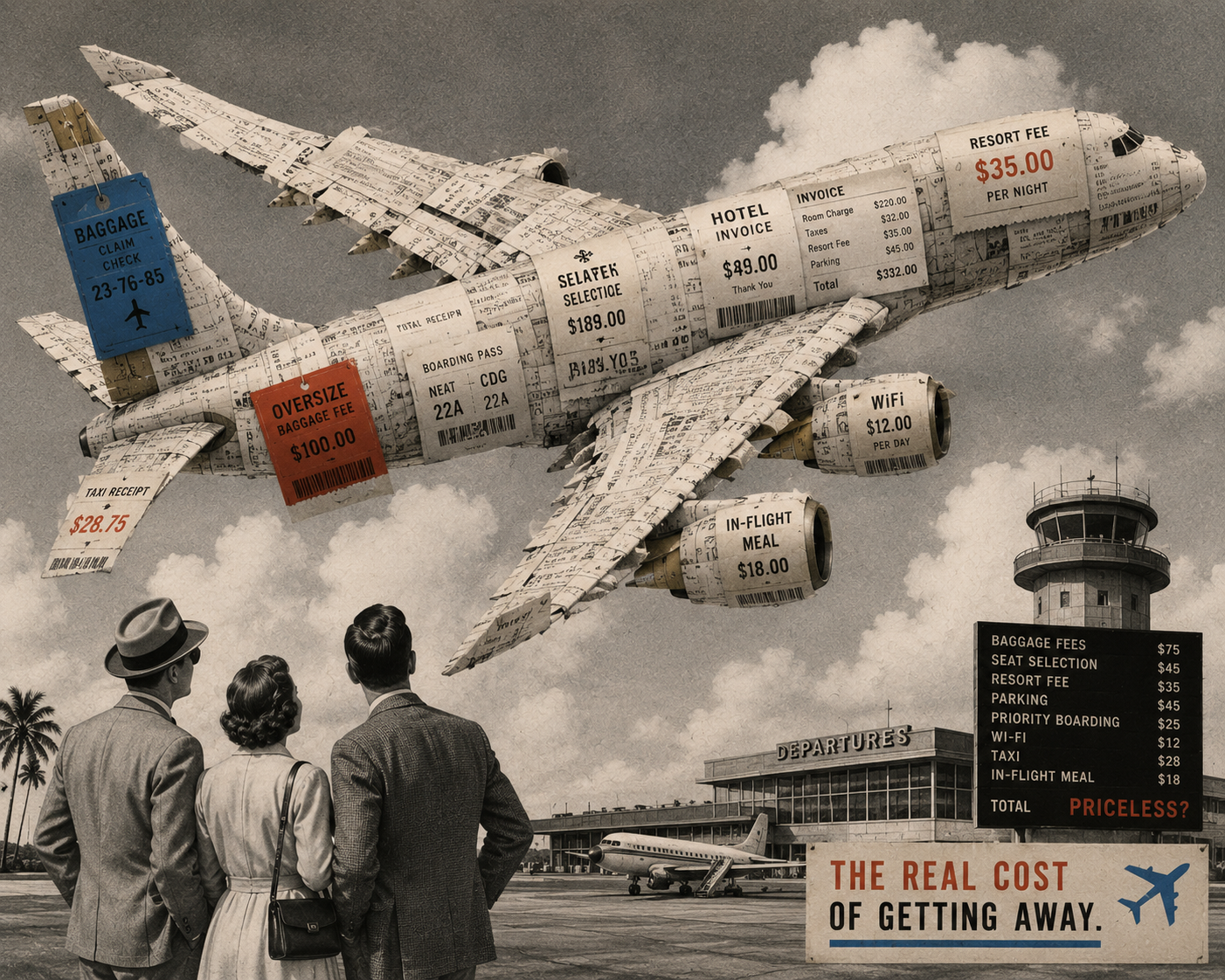
The first number you see is almost never the final one. It sets expectations, but it doesn’t tell the full story.
Airlines are the obvious example. That bargain fare somehow transforms once you’ve added a carry-on bag and chosen a seat that doesn’t require yoga-level flexibility to access. But hotels do it just as often. You move through the booking process, and suddenly the total looks very different from where you started.
It usually comes down to a few common additions:
Baggage and seat selection on flights
Taxes and resort fees on hotels
Payment or service charges at checkout
None of these are surprising on their own. The issue is how easy they are to overlook when you’re moving quickly or already mentally sipping cocktails on a rooftop terrace somewhere.
Take your time here. Click through the full process once before deciding. That alone can save you from choosing something that only looked cheaper at the start.
Timing Isn’t Random. It Follows Patterns
Travel prices aren’t as unpredictable as they seem. Once you start paying attention, you begin to notice a rhythm.
Flights in the middle of the week are often cheaper. Early morning departures and red-eyes usually cost less because, frankly, most people would rather not set an alarm for 3 a.m. Hotels follow similar patterns, especially in destinations popular with weekend travelers.
Then there’s timing across the year. Traveling just outside peak season often gives you the best of everything: lower prices, better availability, and the ability to admire famous landmarks without accidentally becoming part of someone else’s family vacation photos.
If you have flexibility, even shifting your trip by a few days can make a noticeable difference.
Location vs. Transport Trade-Offs
This is where a lot of “great deals” fall apart.
A hotel that looks like a steal on the map can become significantly less appealing when you’re spending 45 minutes commuting into the city each day, trying to decipher public transit schedules in a language you don’t speak, or paying for taxis every evening because the metro stops running at midnight.
Think about how your trip will actually play out.
Before you book, check:
Real travel times to the places you’ll visit most
Transport options at the times you’ll actually use them
Whether taxis become the default, especially late at night
For short trips, this matters even more. Saving $30 a night rarely feels worth it if it costs you time, convenience and energy every single day.
Where Discounts Actually Make a Difference
Discounts aren’t about luck. They’re about developing a habit of checking one more place before booking.
Most people find an option they like and move on. Experienced travelers tend to open one more tab, just to see whether there’s a better deal hiding elsewhere.
Aggregated deal sites make this easy because they collect offers that aren’t always visible during booking. For example, checking the Expedia deals page on Discoup can reveal discounts that apply directly at checkout. It’s a quick step, but it can make a real difference to the final price.
And if you’ve ever discovered a better deal immediately after paying full price, you’ll understand why seasoned travellers take those extra 30 seconds.
Loyalty Programs: Useful or Overrated?
Loyalty programs can absolutely be worthwhile, but mostly if you’re traveling enough for the points to add up into something meaningful.
The bigger trap is letting points dictate your choices.
It’s surprisingly easy to convince yourself that a more expensive hotel or inconvenient flight is “worth it” because you’re earning rewards. Sometimes it is. Often it isn’t.
Many experienced travelers settle into a simple approach:
Use loyalty programs when they align with good pricing
Ignore them when better value exists elsewhere
That balance tends to work better over time.
The Restaurant and Tourist Zone Markup Trap
You’ll notice this quickly once you’re traveling.
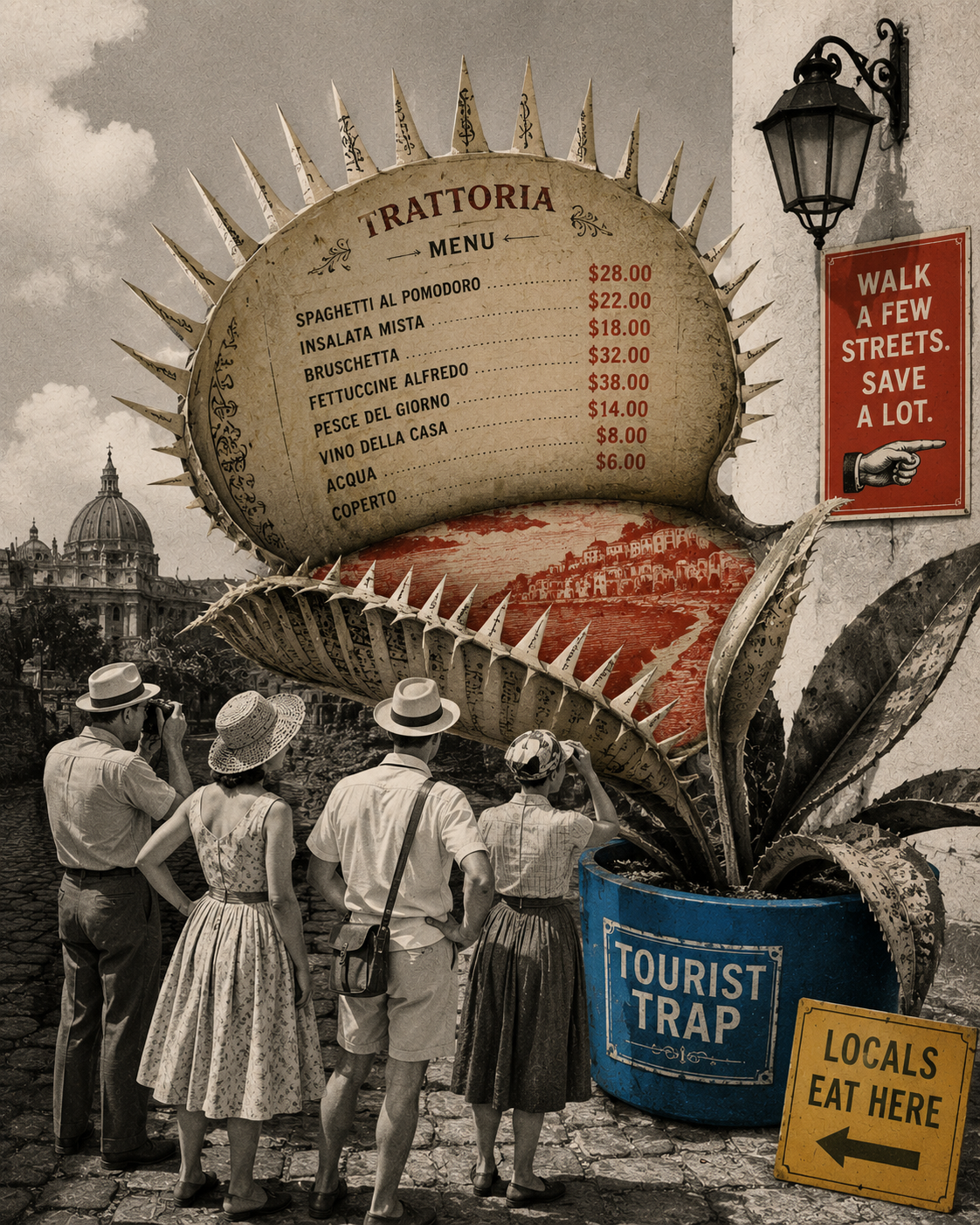
Restaurants directly beside major attractions almost always charge more. Sometimes significantly more.
That doesn’t necessarily mean the food is better. Often, you’re paying for proximity to the landmark and the convenience of not having to decide where else to eat. It’s the classic tourist trap.
I’ve learned that walking just a few streets away can completely change the experience. Prices become more reasonable, the atmosphere feels less rushed, and you’re more likely to find yourself surrounded by locals rather than fellow tourists clutching guidebooks.
One small habit helps more than anything else: Pause before sitting down.
Look at the menu posted outside. See who’s eating there. Compare one or two nearby options.
It takes two minutes and often leads to a much better meal.
Reading Between the Reviews
It’s easy to rely on an overall rating, but that number rarely tells the full story.
What matters more is consistency. When the same comments appear again and again, they usually point to something real.
Focus on recent feedback, especially around things that directly affect your stay: cleanliness, noise levels and service tend to be the most reliable indicators.
Traveler photos help, too. Professional photography shows a property at its absolute best. Guest photos reveal what you’ll actually encounter after checking in.
The truth usually lives somewhere between the two.
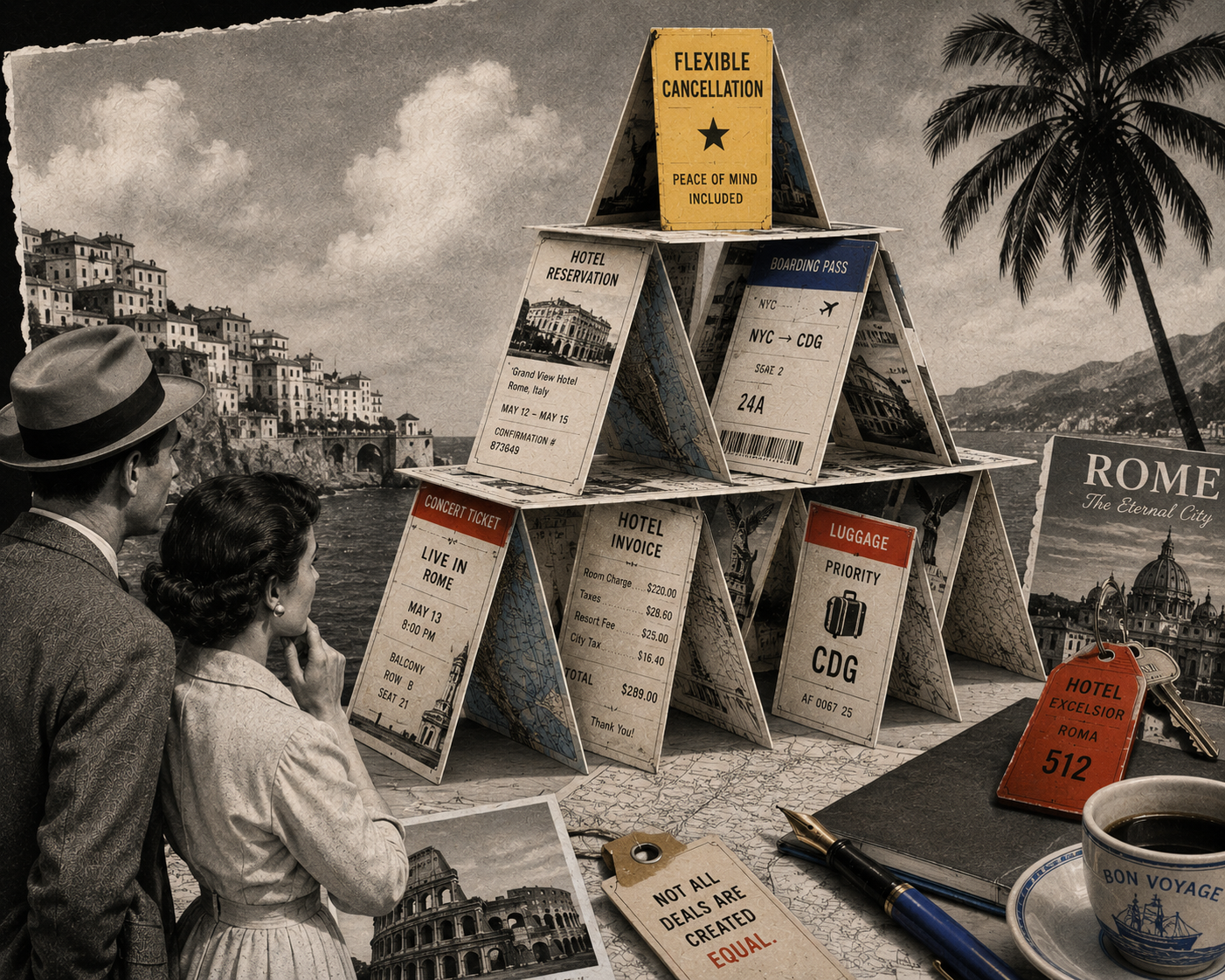
Flexibility Can Be Worth Paying For
Travel plans change. Flights get canceled. Work obligations appear unexpectedly. Sometimes life simply has other ideas.
Flexible bookings exist for that reason.
They often cost a little more up front, but they can save a lot of money and stress if something shifts.
The important part is understanding exactly what “flexible” means.
Check:
How close to your travel dates you can cancel
Whether changes come with fees
What type of refund you’ll receive
For short trips with fixed plans, you may not need the added flexibility. For anything booked well in advance, it’s often worth considering.

Ready to Book Smarter Next Time?
Most travel mishaps aren’t dramatic disasters. They’re small details that get missed in a hurry.
Fortunately, that final booking screen gives you one last opportunity to catch them.
Next time you get there, slow down for a moment. Look beyond the headline price. Think about how the trip will actually work. Check the details that are easiest to overlook.
It’s a simple habit, but after enough trips, you realize it’s often the difference between a good travel experience and spending your vacation wondering why you didn’t look just a little closer before clicking “Book.” –Alexandra Frunza
RELATED: Understanding Your Rights When Your Flight Is Delayed