
Learn how to handle travel emergencies with unshakable confidence, from medical issues to lost passports. Discover how to stay secure and confident while abroad.

No trip goes exactly as planned. A flight could get delayed or canceled. Your bags might get lost. You or someone you’re traveling with may even have a medical emergency abroad. Sometimes things happen while adventuring, and knowing how to react can make all the difference. It’s especially important if you’re young, female and/or traveling alone.
The biggest factor is preparation, and that’s what this guide is for. I’ll show you how to manage emergencies, no matter where in the world you may be visiting. Every emergency becomes more manageable when you know what steps to take. Travel may not always be 100% certain, but preparation can give you a tremendous edge.

Medical Emergencies Abroad
An injury or illness in a foreign country can be nerve-wracking, especially for those traveling with medical concerns.
The first step is knowing how to reach local emergency services. Whether it’s 911 or 999, research it before you go. Then, store it in your phone because you’re not going to remember it in an emergency.
Then, get a comprehensive travel insurance policy. This can be a lifesaver (literally) when it comes to evacuation or hospital costs. Keep your policy details in digital and printed formats.
If there’s a language barrier, have a translation app downloaded already. Bonus points if it has an offline mode. If the situation really gets out of hand, you can always contact the embassy of your home country.

Lost or Stolen Travel Documents
Losing your wallet abroad is bad enough. But passports are one of the most commonly targeted items for theft. Losing yours or having it stolen is one of the most stressful situations imaginable while traveling.
Here’s what to do: Report it to local authorities immediately, and get a police report if you can. You’ll usually need one to process the replacement.
Next, contact your embassy or consulate. They’ll guide you through getting an emergency travel document. This is where digital copies can help out a lot. Finally, before you travel, store scans of those important documents in a secure cloud location. Always carry copies separate from the originals. If you need replacement identification, being prepared can make it far easier.

Transportation Disruptions and Delays
Travel plans tend to change frequently. Flights get cancelled, or connections are missed. During peak travel seasons, this happens even more frequently. There are some great transportation travel hacks to follow, but always remember to stay calm and reach out to airline staff quickly for rebooking options. Sometimes apps can also help you secure new seats faster if lines are long.
Missed connections need a carrier communication immediately. Some airlines can help with accommodation or meal vouchers. If you have travel insurance, there may also be coverage for related expenses. If you’re traveling to or from the EU, travelers have certain rights.
When ground transportation fails, alternatives are typically available. It may be a regional bus or train connection, or even a private car rental.
Try to stay flexible with your plans and always budget extra time just in case you need to adapt.

Communication Breakdowns During a Crisis on a Trip
Communication problems are one way to make any emergency worse, right off the bat. You might be dealing with language barriers, cell coverage issues, or devices that are lost or have been stolen. Communication shortfalls can leave you feeling isolated. A little prep can help fight that.
Download offline translation apps before you hit the road. Be sure you’ve saved key phrases that might be useful in health, travel or safety emergencies. For individuals who rely on their phone, consider an eSIM for data alongside a backup physical SIM card or enabling international roaming ahead of time. Be sure to stay in touch with someone back home. A trusted domestic contact can help speed things up.

Staying Secure on Public Networks While Traveling
Emergencies often force you to rely on public Wi-Fi in airports, hospitals or hotels. These networks are convenient but can expose personal data. Avoid logging into banking or sensitive accounts unless absolutely necessary — and always try a personal hotspot with your phone first.
Use secure connections whenever possible. Many travelers wonder, is public Wi-Fi safe when they're forced to connect during emergencies. While these networks provide necessary access, they often lack proper security measures and put your personal data at risk.
Whenever possible, use trusted networks, enable two-factor authentication, and log out of important accounts after use. Protecting your data during a crisis prevents additional problems. It’s all part of confident card management while abroad.
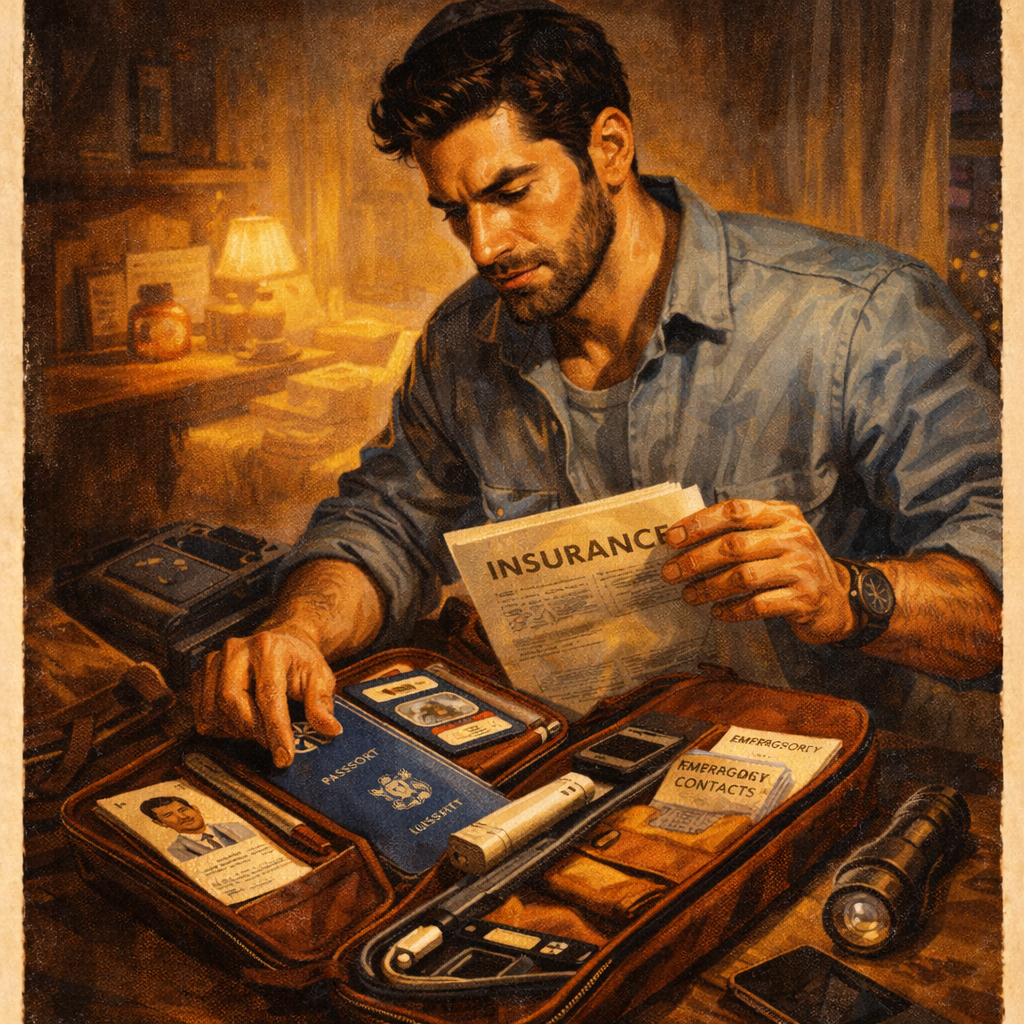
Building a Travel Emergency Preparedness Toolkit
There are a lot of things you forgot to pack, and instantly regret. But even the most prepared individuals can’t be ready for everything. A small emergency kit can be crucial.
The kit should have your printed copies of everything important, like insurance and your passport. Digital backups should be available in cloud storage. Always have offline maps downloaded and updated, along with emergency contacts. Don’t forget a portable charger and a power bank if you’ll be away from power for long periods — especially important for off-grid travel.

Getting Confident and Prepared for Travel
Travel emergencies are stressful, but they are rarely unmanageable. Preparation allows you to respond calmly instead of reacting in panic. By planning ahead, you can limit risk and travel more confidently. The smartest travelers focus on readiness, not regret. –Hector Norman
RELATED: The Rules of Traveling With Your Human (A Dog’s Guide to Pet Travel Etiquette)