Traveling solo at 18 for the first time? Here’s how to choose a safe hotel, protect your room and travel with confidence on your first independent trip.
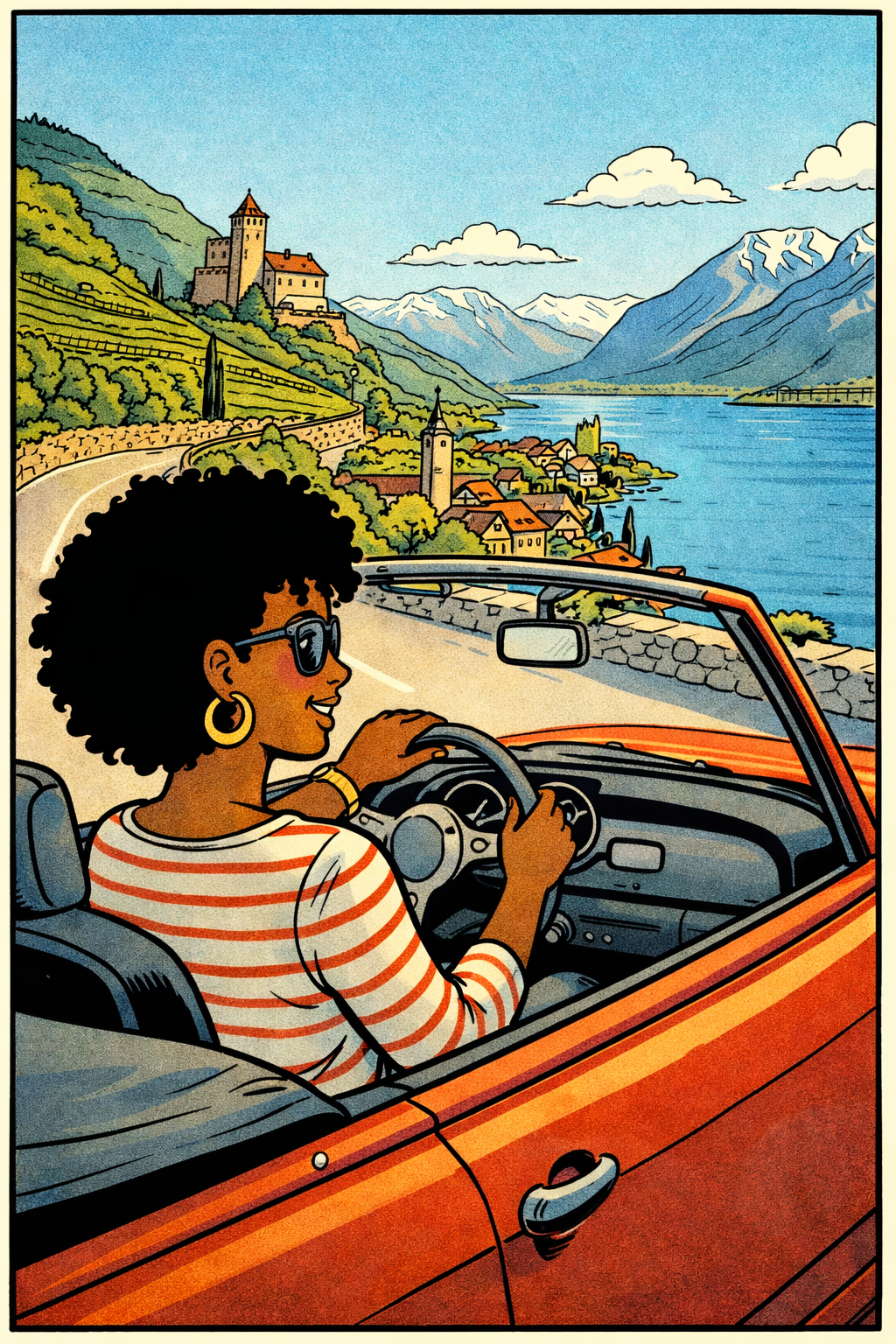
Turning 18 comes with a new kind of freedom — including the chance to travel on your own. Your first solo trip can feel exhilarating, a little nerve-wracking and completely unforgettable all at once.
One of the most important decisions you’ll make is where you stay. The right hotel can make you feel safe, confident and ready to explore. The wrong one can leave you uneasy before your trip even begins.
“One of the most powerful safety tools you have while traveling is your intuition.
If a situation feels wrong — whether it’s a strange interaction, an uncomfortable hotel environment or a neighborhood that doesn’t feel safe — listen to that instinct.”
From choosing the right neighborhood to securing your room once you arrive, a little preparation goes a long way. Here are practical safety tips to help you enjoy your first solo hotel stay with confidence.
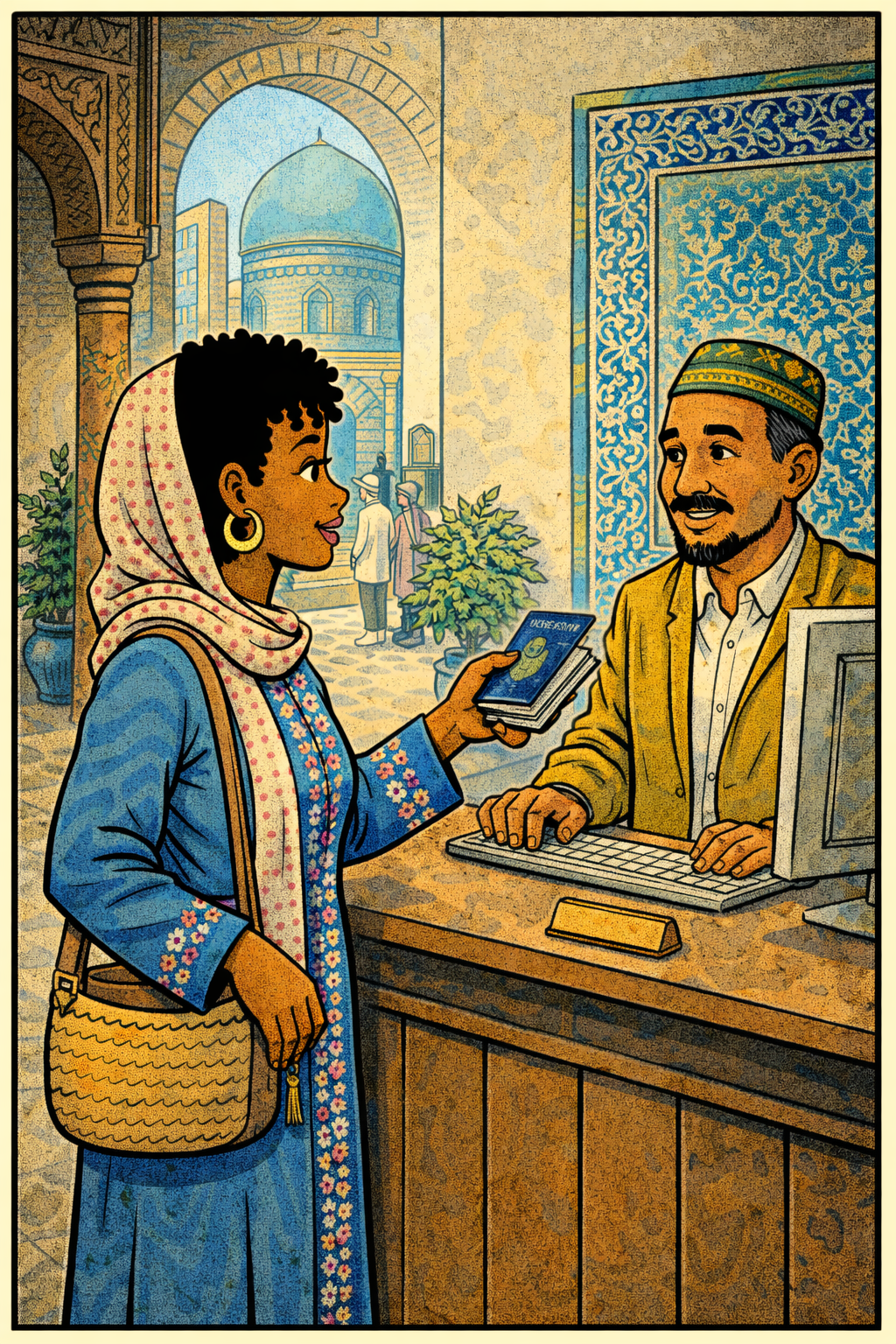
How to Choose a Safe Hotel for Your Solo Trip
The hotel you pick will shape your entire experience, so it’s worth taking the time to research carefully.
Start by looking at properties in well-lit, busy neighborhoods where restaurants, shops and public transit are nearby. Areas with consistent foot traffic tend to feel safer, especially if you’re arriving late in the evening.
Next, check reviews — particularly from other solo travelers. These can reveal useful details about how safe guests felt, whether the staff were attentive and how secure the building actually is.
If you’re booking by phone or directly through the property, it’s also smart to confirm: Can you get a hotel room at 18 at that specific hotel? Check before making final arrangements, since some properties have age restrictions.
Whenever possible, plan to arrive during daylight hours. It’s easier to get your bearings and evaluate the area when you can clearly see your surroundings.
And above all, trust your instincts. If a hotel or neighborhood feels uncomfortable, keep looking.
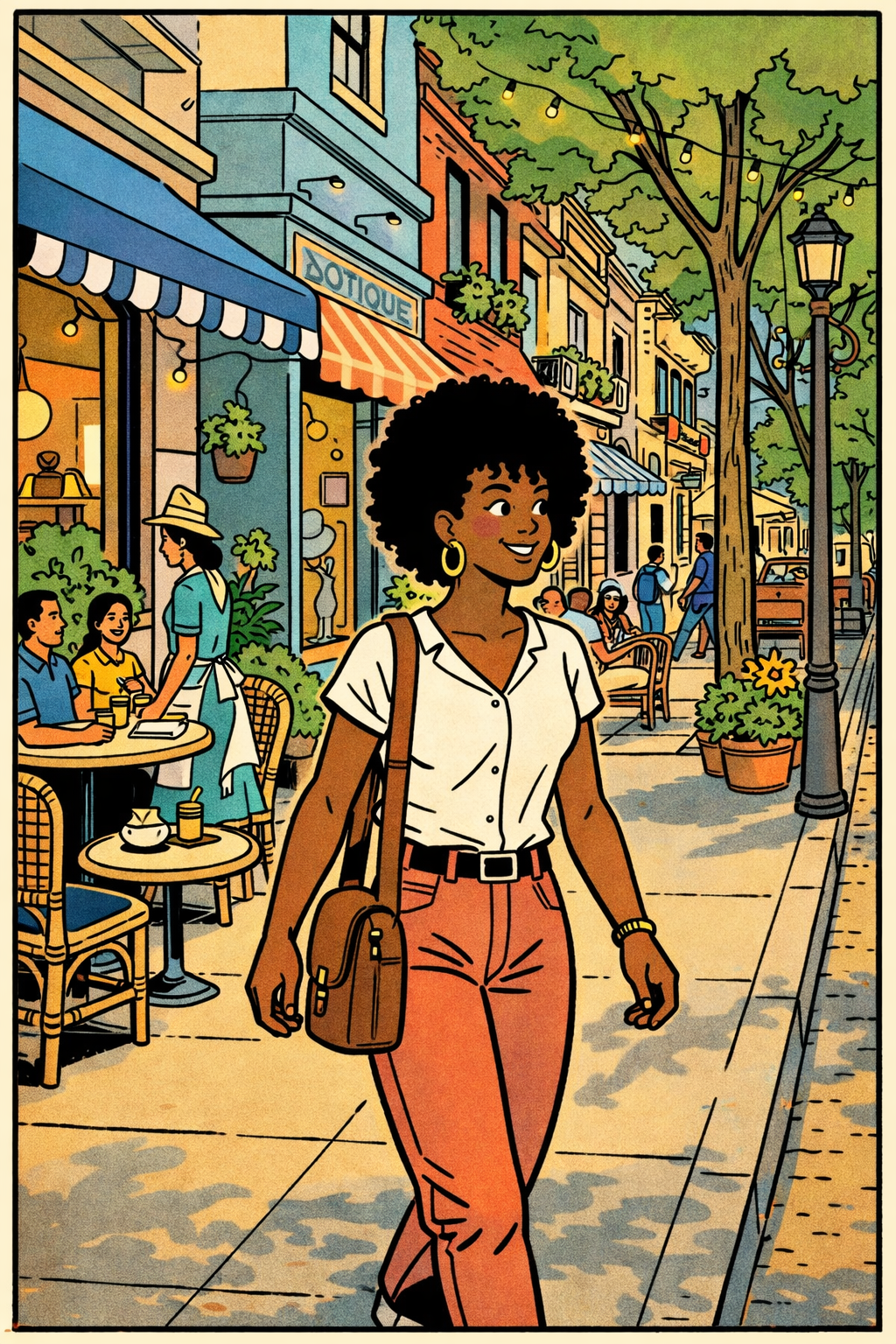
Solo Travel Safety Tips Before You Check In
Preparation is one of the best safety tools a traveler can have.
Before your trip begins, take a little time to learn about your destination, confirm your accommodation details and make sure someone you trust knows your plans.
Research your destination.
Understanding your destination helps you travel more confidently and avoid surprises.
Start by learning about local customs and cultural norms so you can blend in and avoid unintentional faux pas. Look up which neighborhoods are popular with visitors and which areas are best avoided after dark.
You should also familiarize yourself with transportation options so you know how to get from the airport or train station to your hotel safely.
Online travel communities, forums and social media groups can also provide useful firsthand insights from other travelers who’ve recently visited.
Finally, check travel advisories issued by your government. These can highlight any safety concerns that may affect your trip.
Find a safe place to stay.
Choosing safe accommodation can have a huge impact on how comfortable and secure you feel during your trip.
When comparing hotels or hostels, prioritize places located in active neighborhoods. Read reviews carefully and pay attention to comments from other solo travelers about safety and staff responsiveness.
And don’t hesitate to ask questions before booking. A hotel that responds quickly and clearly to safety questions is often a good sign that the staff takes guest security seriously.
If something about a place feels off during your research, move on. Peace of mind is worth the extra effort.
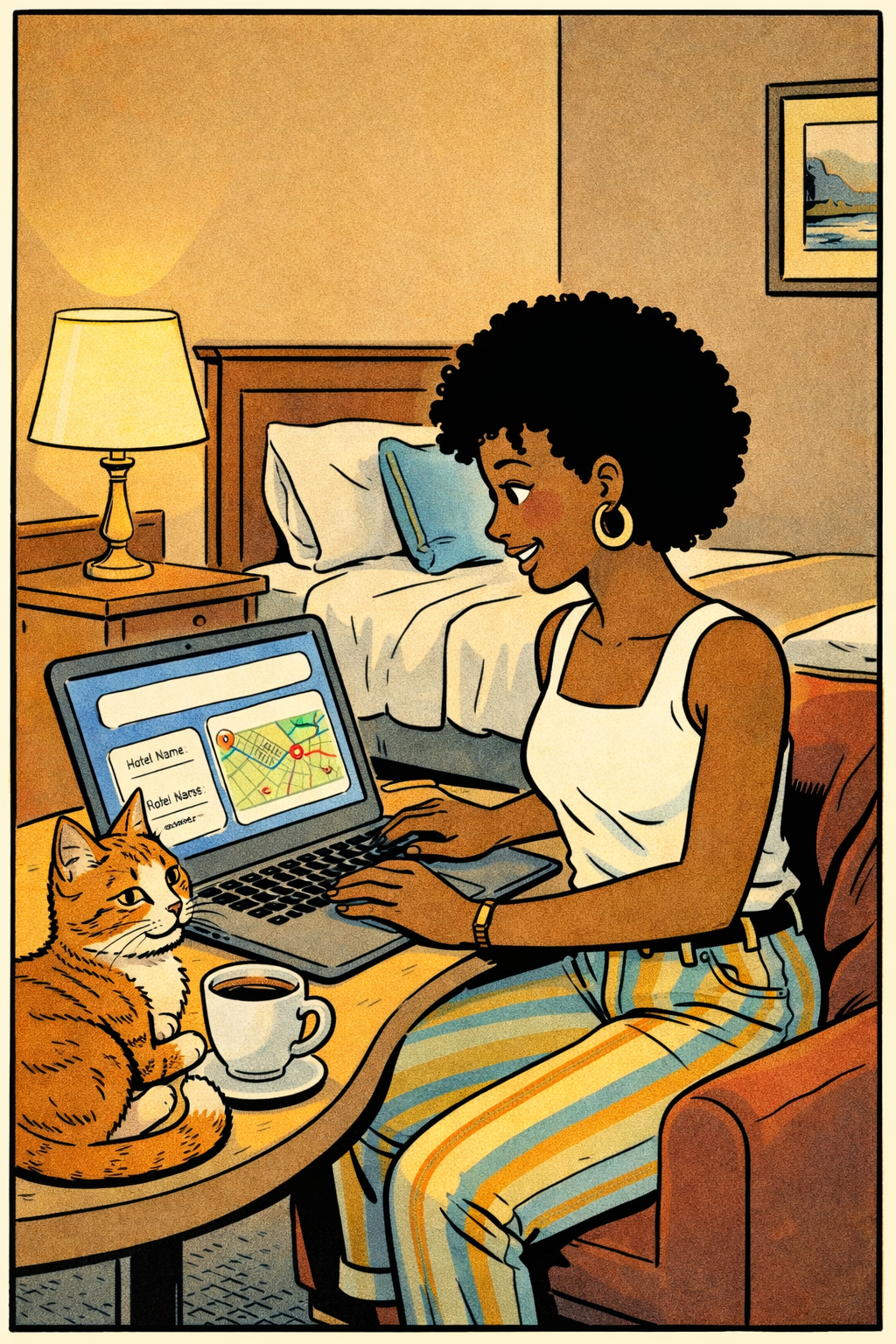
Share your itinerary with someone you trust.
Before you leave, send your travel details to a friend or family member.
Include your hotel name, address, reservation dates and a general outline of your plans. This ensures someone knows where you’re staying and how to reach you if needed.
You can share this information through email, messaging apps or shared documents that can be updated if your plans change.
It’s a simple step that adds an extra layer of safety — and reassurance for both you and the people who care about you.
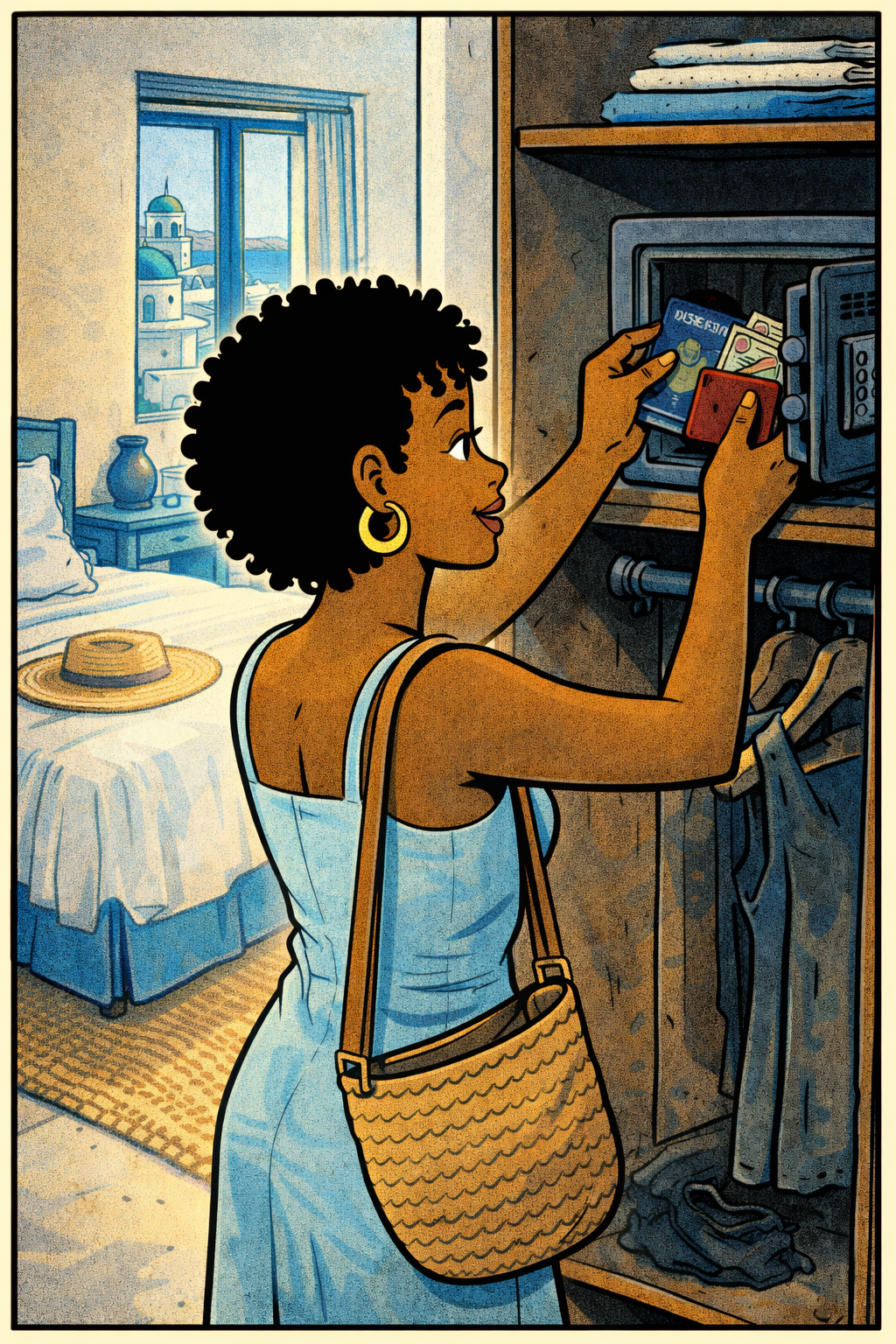
Securing Your Hotel Room When You’re a Solo Traveler
Once you arrive at your hotel, take a few moments to check that everything in your room feels secure.
Make sure the door locks work properly and use the deadbolt or chain lock whenever you’re inside. If anything seems broken or unsafe, ask the front desk to fix it or request a different room.
Other small precautions can help you feel safer during your stay:
Store valuables in the hotel safe
Use the peephole before opening the door
Never let strangers into your room
Consider using a small doorstop or travel door lock for extra security
If your room location makes you uncomfortable — for example, if it’s isolated or near an exterior entrance — it’s perfectly reasonable to ask for a different room.
Your comfort and safety come first.
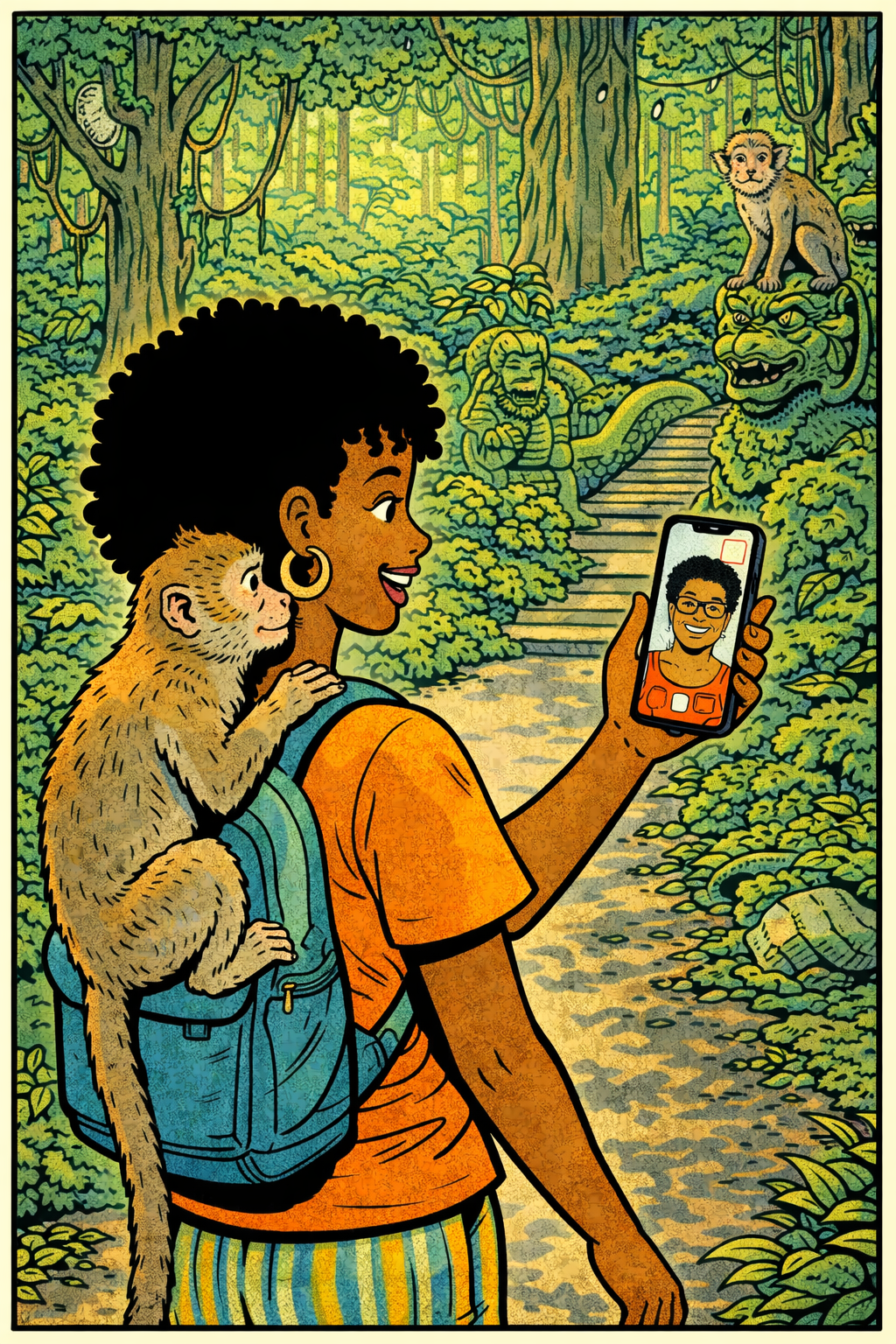
Staying Connected With Family and Friends on Solo Travel
Traveling solo doesn’t mean disappearing off the grid.
Staying in touch with people back home can provide reassurance and help you feel supported while you explore.
Set a regular check-in schedule.
Choose a consistent time each day — or every couple of days — to send a quick message or make a call.
Let your friends or family know where you are, what you’ve been doing and where you’ll be next. Messaging apps like WhatsApp or FaceTime make this quick and easy.
If your plans change or you feel uneasy, reach out sooner. Knowing someone is keeping an eye on your journey can make solo travel feel much more comfortable.
Share updates along the way.
Updating your itinerary as your trip unfolds helps your support network stay informed.
You might share a quick text about a day trip you’re taking, a new city you’ve arrived in or the hotel you’ve just checked into.
It’s not about constant reporting — just enough communication so someone knows where you are if anything unexpected happens.
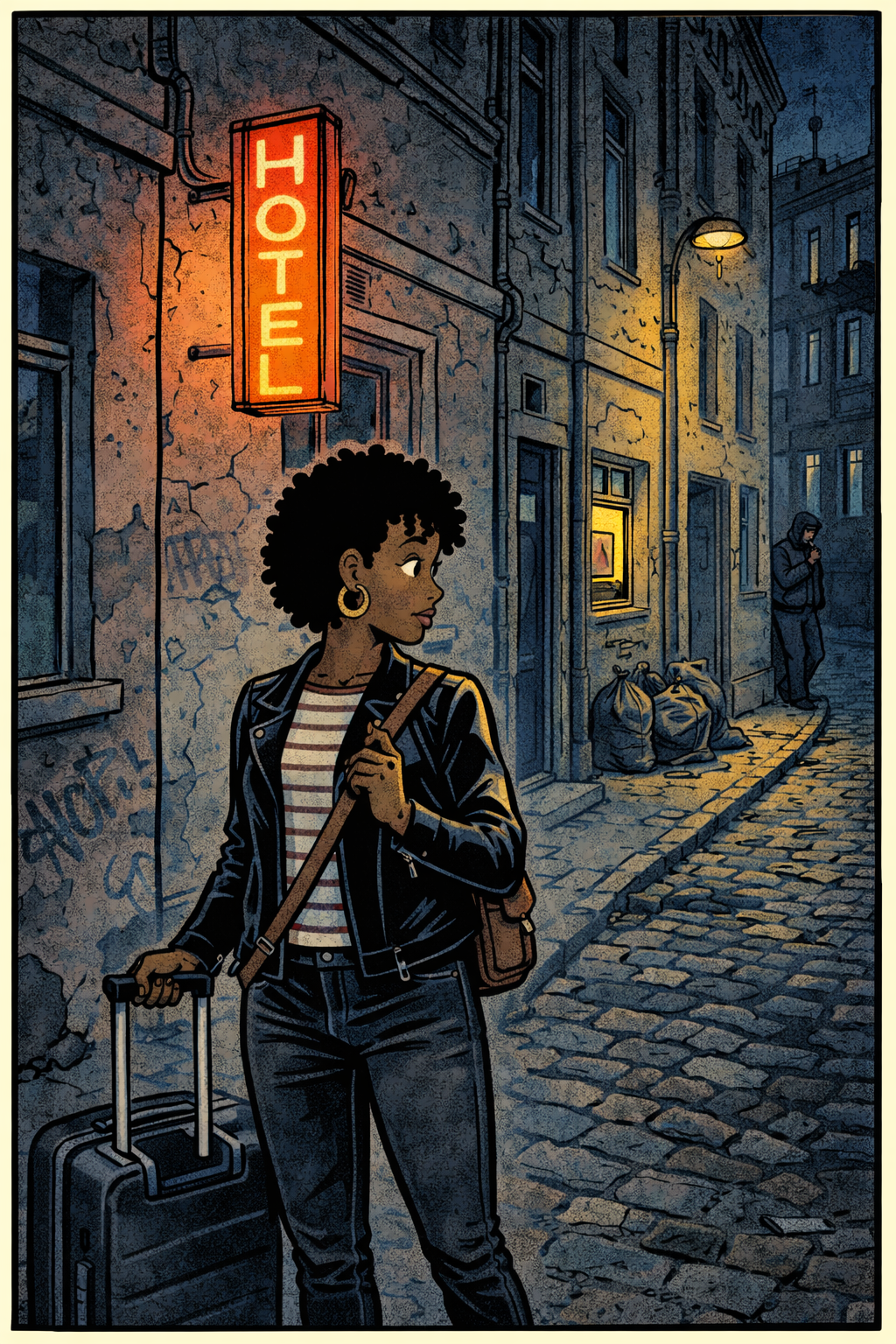
Trusting Your Instincts in Uncomfortable Situations
One of the most powerful safety tools you have while traveling is your intuition.
If a situation feels wrong — whether it’s a strange interaction, an uncomfortable hotel environment or a neighborhood that doesn’t feel safe — listen to that instinct.
You’re never obligated to stay in a situation that makes you uneasy. Change plans, leave the area or ask for help if necessary.
Confidence grows with experience, but trusting your gut is always a smart starting point.
What to Do If Something Goes Wrong as a Solo Traveler
Even the best-planned trips can run into unexpected situations. Having a simple emergency plan can help you stay calm if something happens.
Before your trip, make sure you know:
the location of the nearest hospital or urgent care center
the contact number for your hotel
local emergency numbers
the contact information for your country’s embassy or consulate
Keep these numbers saved on your phone and written down somewhere accessible.
If you find yourself in trouble, hotel staff can often help you navigate local services or contact authorities. You can also carry a small personal alarm or whistle to attract attention if needed.
Preparation allows you to respond quickly and focus on staying safe.

Solo Female Travel: Playing It Safe
Traveling solo at 18 is an exciting milestone. With the right preparation and a few smart precautions, it can also be an incredibly empowering experience.
Choose your accommodation carefully, stay aware of your surroundings and keep trusted people informed about your journey. Most importantly, trust yourself.
With a little planning and confidence, your first independent trip can become the beginning of a lifetime of unforgettable adventures. –Mashum Mollah