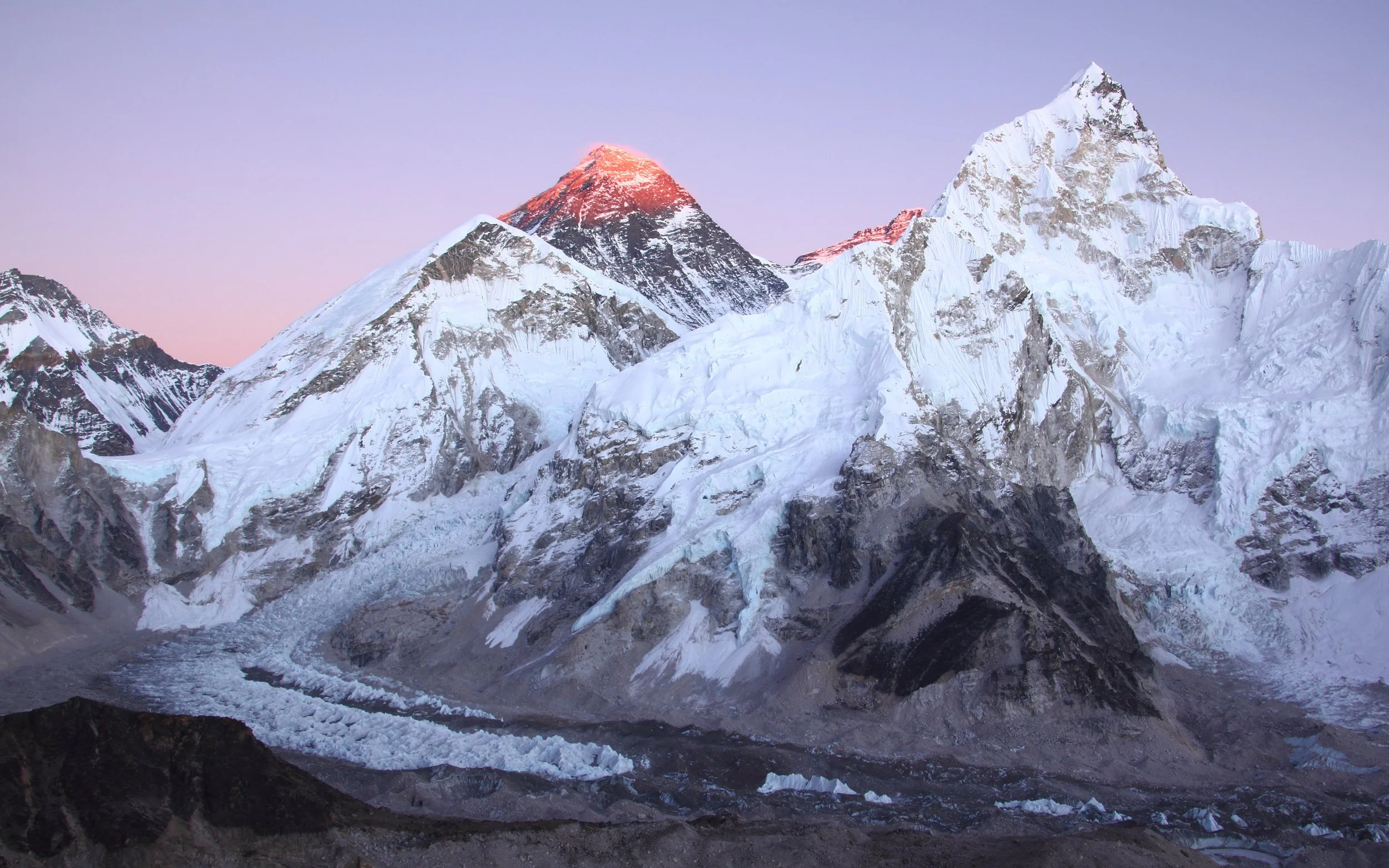
mount everest

Best Time to Visit Nepal: Trekking, Mad Honey and a Few Reality Checks

Clear mountain views, forests in bloom or dogs wearing garlands? Here’s when to visit Nepal for trekking, honey hunts, festivals and fewer weather-related regrets.
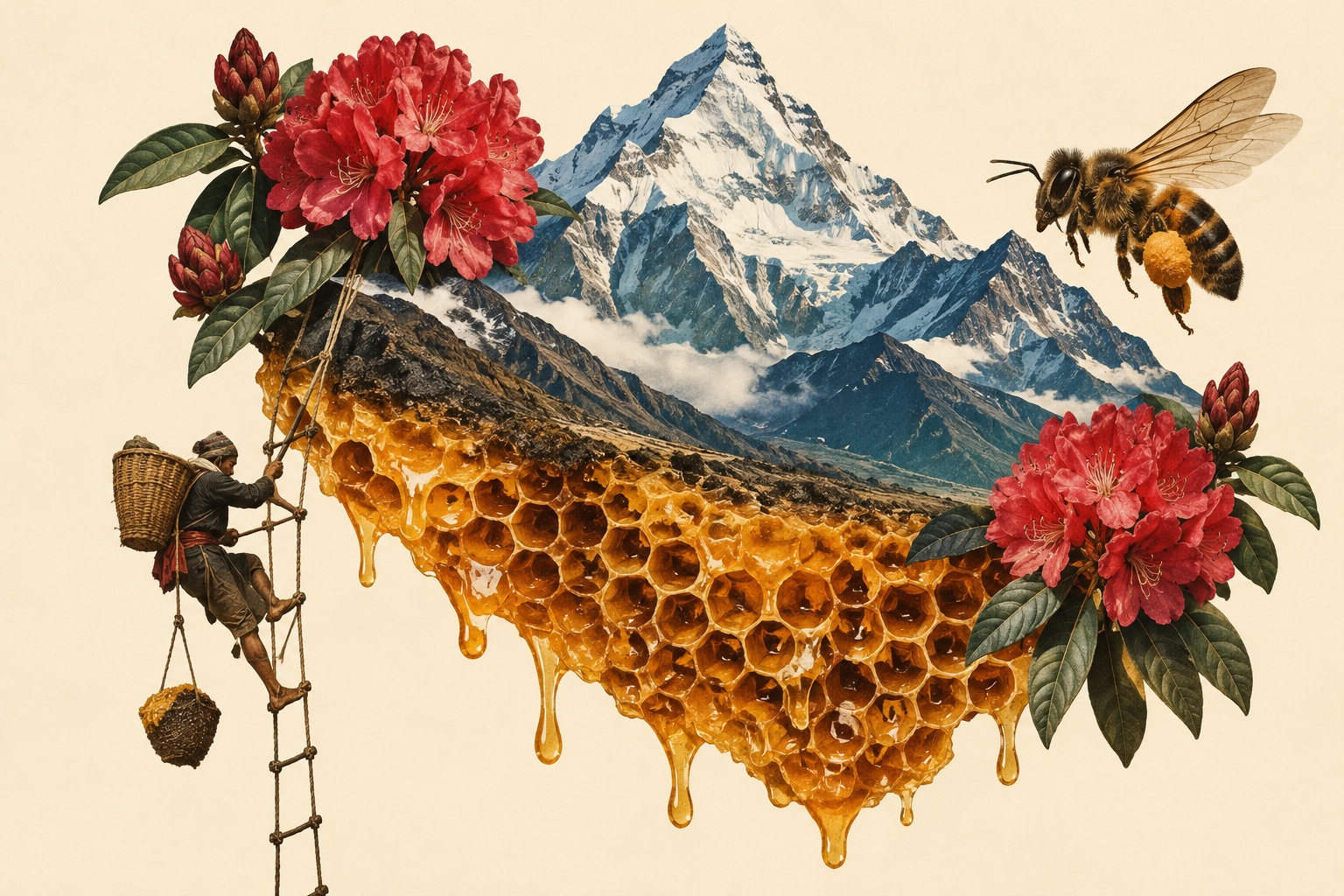
Collage of trekker carrying a basket and climbing a rope ladder, dripping honeycomb, rhododendrons, a bee and the mountains of Nepal

When’s the best time to visit Nepal? Spring (March to May) and autumn (especially October and November) are generally the best seasons to visit Nepal. Autumn offers some of the clearest Himalayan views, while spring brings blooming rhododendrons and Everest expedition season. Winter can suit lower-elevation trips; the summer monsoon calls for much more selective planning.

That’s the calendar answer. The packing answer gets complicated.

Nepal can have you sweating in the lowlands, reaching for a sweater in Kathmandu and wondering whether you still have toes high in the mountains. Altitude has a way of making your weather app look spectacularly underqualified.

So the best time to go depends on what you want to do: trek beneath snowy peaks, explore temples, watch a traditional cliffside honey harvest or join a festival where dogs get the recognition they so clearly deserve.

Nepal’s Seasons at a Glance

For trip planning, it helps to group Nepal’s weather into four broad periods. The monsoon often extends into September, so the boundaries are approximate.

Season Typical months What to expect
Spring March to May Warmer days, rhododendron blooms and increasing haze toward late spring
Summer and monsoon June to September Heavy rain in much of the country, lush landscapes and disrupted transport
Autumn Late September to November Generally drier weather and clearer mountain views once the monsoon retreats
Winter December to February Cold nights, often clear skies, and snow or closures on high routes

Choose your region before you commit to dates. A sunny forecast for Kathmandu tells you very little about conditions on a high mountain pass.

When is the best time to trek in Nepal?

March to May and October to November are the main trekking windows in Nepal. Late September can also work, depending on when the monsoon retreats and the condition of your route.
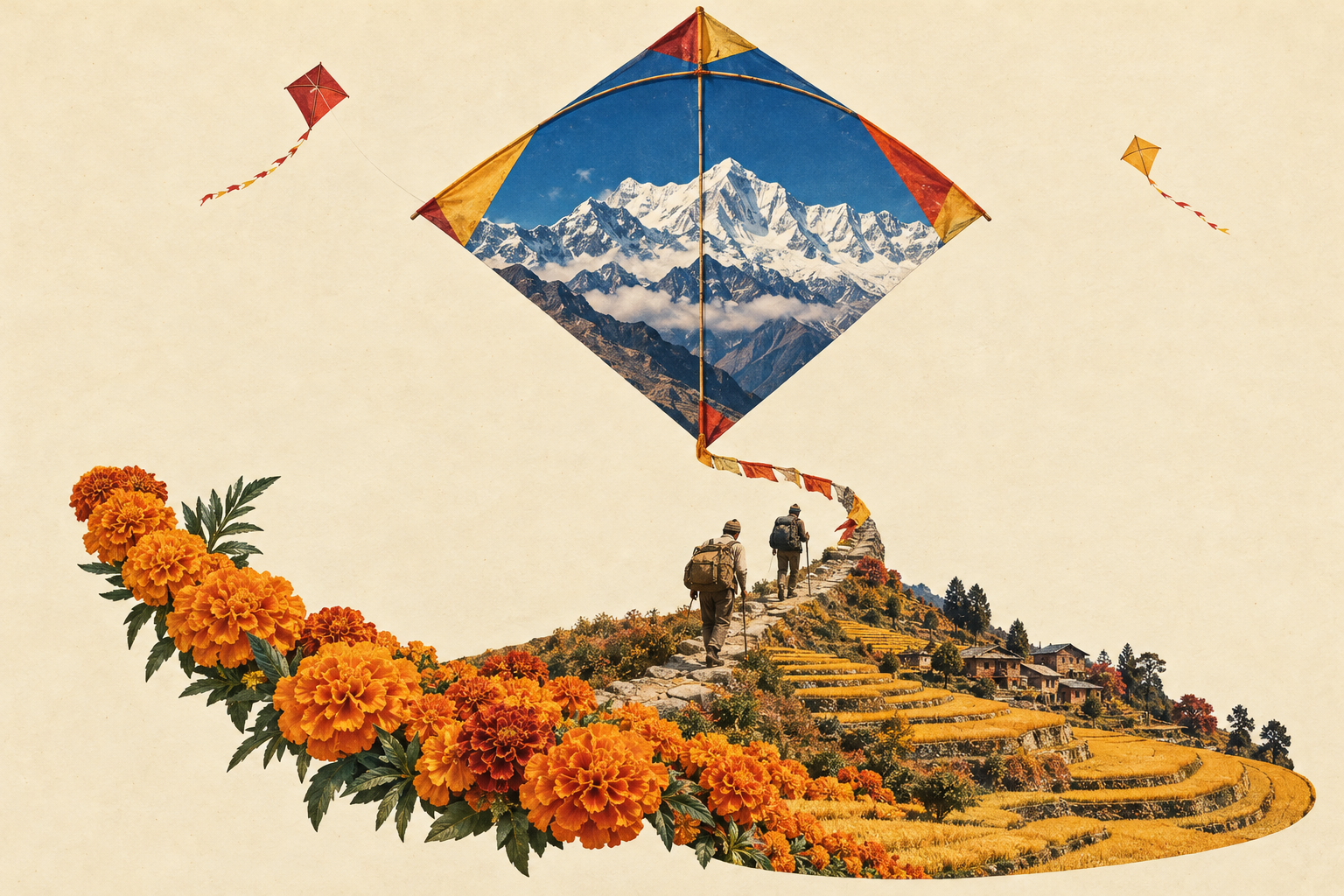
Collage of Nepal in autumn, with marigolds, trekkers, prayer flags forming the tail of a kite with mountains on it, flying above a terraced landscape

Autumn: Big views, plenty of company

Once the monsoon clears, autumn delivers the mountain scenery people cross oceans for: snowy ridgelines, crisp air and peaks that finally emerge from behind the clouds.

Naturally, other people have also seen the photos.

October is a popular month on the Everest Base Camp and Annapurna routes. Expect company on the trail and competition for teahouse rooms. Book ahead, allow room for transport delays and accept that your Himalayan escape may involve making some new friends over dinner.

If Everest is the goal, start with the practicalities of planning an Everest Base Camp trek, including training, acclimatization and choosing an itinerary. A lovely forecast won’t do the walking for you.

And before the budget develops its own altitude problem, look at ways to keep an Everest Base Camp trek affordable. Saving money should still leave you enough time to acclimatize and handle delays.
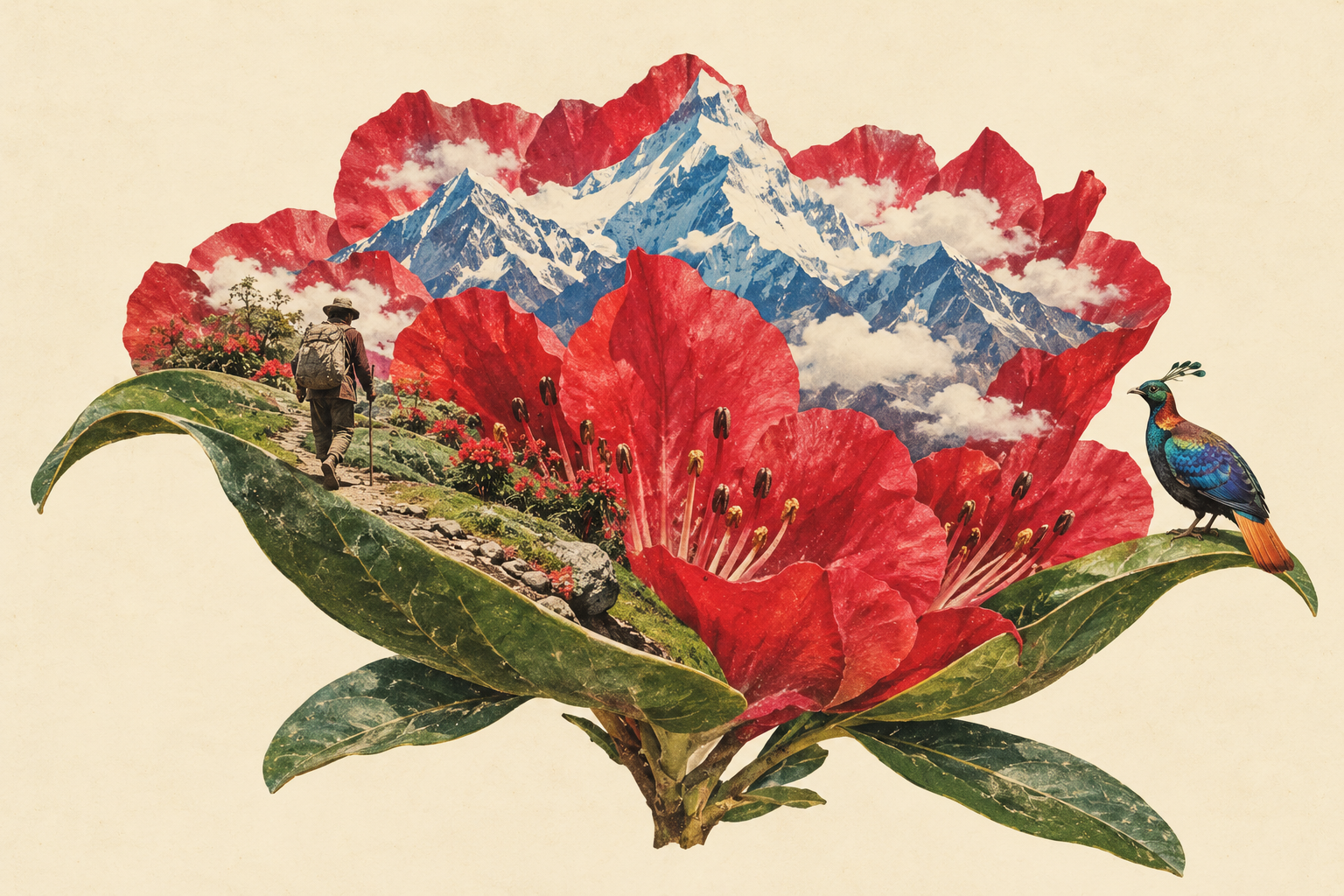
A collage of a rhododendron with an exotic bird, mountain peaks and a trekker in Nepal

Spring: Flowers with a mountain backdrop

Spring brings rhododendron blooms to Nepal’s hills and forests, adding reds, pinks and whites below the snow line. The mountains provide the backdrop. Subtle, they are not.

March and April are appealing for walkers who want flowers as well as views. As May progresses, warmer weather, haze and afternoon clouds can make distant peaks less reliable subjects for your camera.

If you’re considering a different route, the Manaslu Circuit offers villages, forests and a demanding high pass. Read up on preparing for the Manaslu Circuit before deciding that a few scenic walks at home have you covered. Restricted-area permits don’t guarantee an empty trail, and a less familiar route deserves just as much preparation.
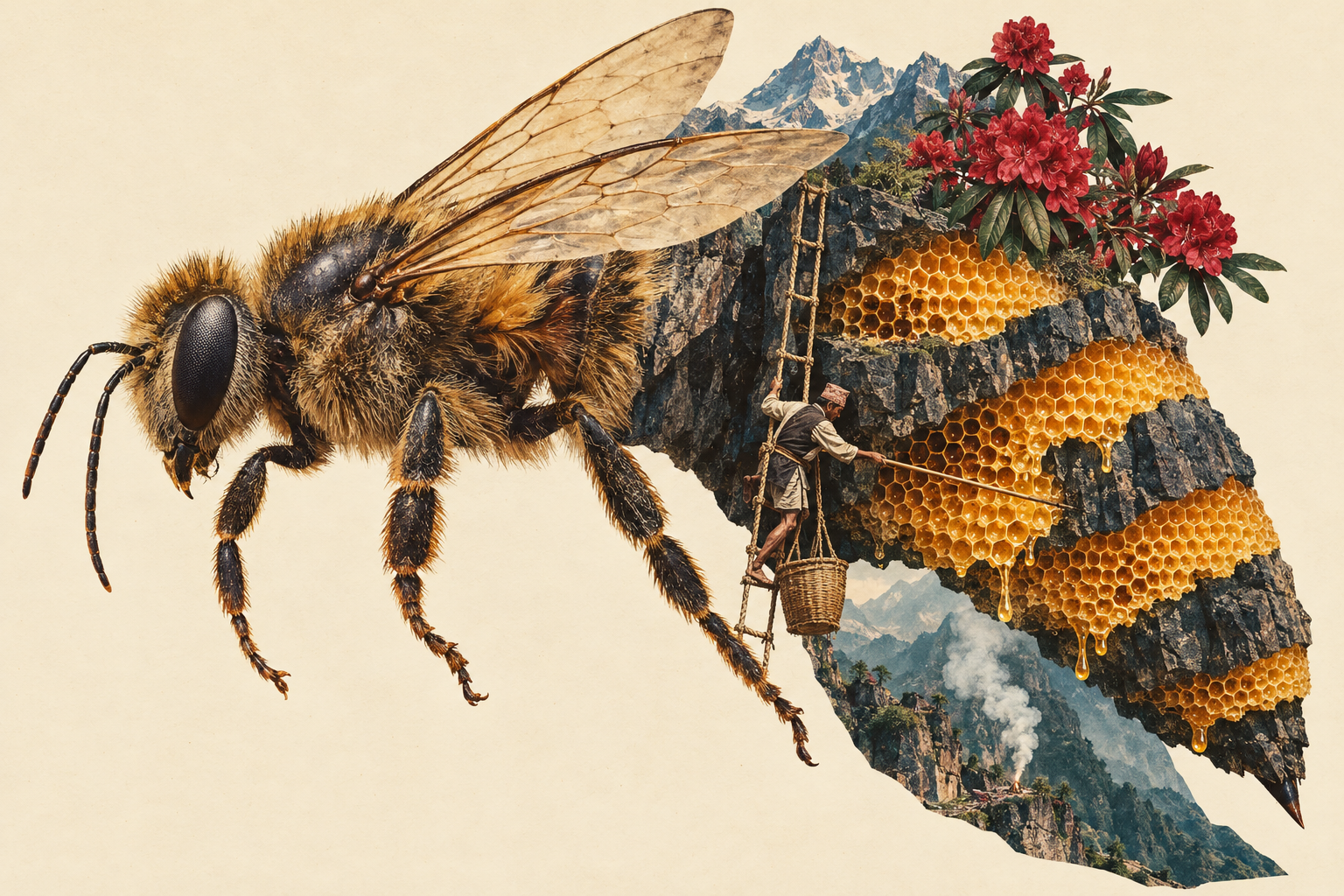
Collage of a bee, with its hindquarters honeycomb and rocks, as a man harvests honey from a rope ladder, with rhododendrons and mountains of Nepal

When is honey hunting season in Nepal?

Traditional honey hunts generally take place in spring and autumn, often around April to May and October to November. Timing varies by village, elevation, weather and the condition of the colonies. Confirm a specific harvest with local organizers before building a trip around it.

This is where Nepal’s seasonal calendar gets particularly gripping. Literally: Someone is holding on to a rope ladder halfway down a cliff.

In communities including Gurung villages in central Nepal, experienced honey hunters harvest combs from the cliffside nests of Himalayan giant honeybees, Apis laboriosa. Using rope ladders and long poles, they work above a drop that would make most of us reconsider our relationship with breakfast.

Smoke helps manage the bees during the harvest. The bees, understandably, have objections.

Honey hunting draws on generations of local knowledge, and some communities hold rituals before the harvest. Visitors should arrange access through local hosts, respect their rules and stay wherever the hunters say it’s safe to watch. Nobody needs an adventurous tourist improvising on a cliff.

What makes mad honey “mad”?

Some cliff-harvested honey contains grayanotoxins from certain rhododendron species. That’s what gives Nepal’s mad honey its unusual reputation.

Mad honey deserves a little respect: Its potency varies, and consuming too much can cause dizziness, nausea and a drop in blood pressure. The harvest season alone won’t tell you how strong a particular batch is.

Spring harvests coincide with rhododendron blooms, connecting the honey to the forests surrounding the cliffs. Watching the hunters at work gives you a whole new appreciation for what goes into a jar. Suddenly, the supermarket honey bear seems a little less adventurous.

When is Nepal’s mountaineering season?

Spring is the main season for Everest expeditions, while autumn is popular for several other Himalayan climbs. The right window depends on the mountain, route and conditions that year.

Everest teams typically arrive at Base Camp in April, then spend weeks acclimatizing and waiting for a suitable summit window, often in May. Forecasts drive those decisions. The mountain has never shown much interest in anyone’s return flight.

Autumn is a popular season for Manaslu and Ama Dablam. Peaks such as Island Peak and Mera Peak are also climbed in spring and autumn, but the term “trekking peak” deserves a raised eyebrow. These are high-altitude climbs requiring suitable skills, equipment and support.

Everest also requires a substantial budget. Nepal’s spring climbing permit for foreign climbers on the standard south route increased to $15,000 per person, effective September 1, 2025. That’s before guides, oxygen, equipment and the rest of the expedition bill.

For trekkers, spring offers a chance to see the bustle around Everest Base Camp without attempting the summit. You can admire an expedition’s ambition while remaining entirely comfortable with the limits of your own.

What’s Nepal like month by month?

These are typical patterns, rather than a forecast for a particular year. Elevation and location can change the picture considerably.

Month Typical conditions Trips to consider
January Cold, often dry; severe cold at altitude Kathmandu Valley, Chitwan and suitable lower routes
February Still cold, with gradual warming Cultural sightseeing and selected lower treks
March Spring warming and early blooms Trekking, temple visits and rhododendron walks
April Warmer days and spring flowers Trekking, expedition activity and locally confirmed honey hunts
May Hot lowlands; increasing haze and clouds Early-month treks, spring honey harvests and climbing expeditions
June Monsoon begins in much of Nepal Carefully planned rain-shadow itineraries
July Heavy monsoon rain Selected rain-shadow regions, subject to access conditions
August Continued rain and lush landscapes Selective regional trips with flexible transport plans
September Monsoon may linger before easing Later-month treks if conditions allow
October Generally clearer and drier; popular trails Trekking and autumn cultural trips
November Cooler weather and often clear views Trekking and locally confirmed autumn honey hunts
December Cold nights and winter conditions developing Cultural trips, Chitwan and suitable lower treks

Is Nepal worth visiting outside peak season?

Yes, if you choose a route and activities that suit the conditions. Winter and monsoon trips require different expectations from a classic autumn trek.
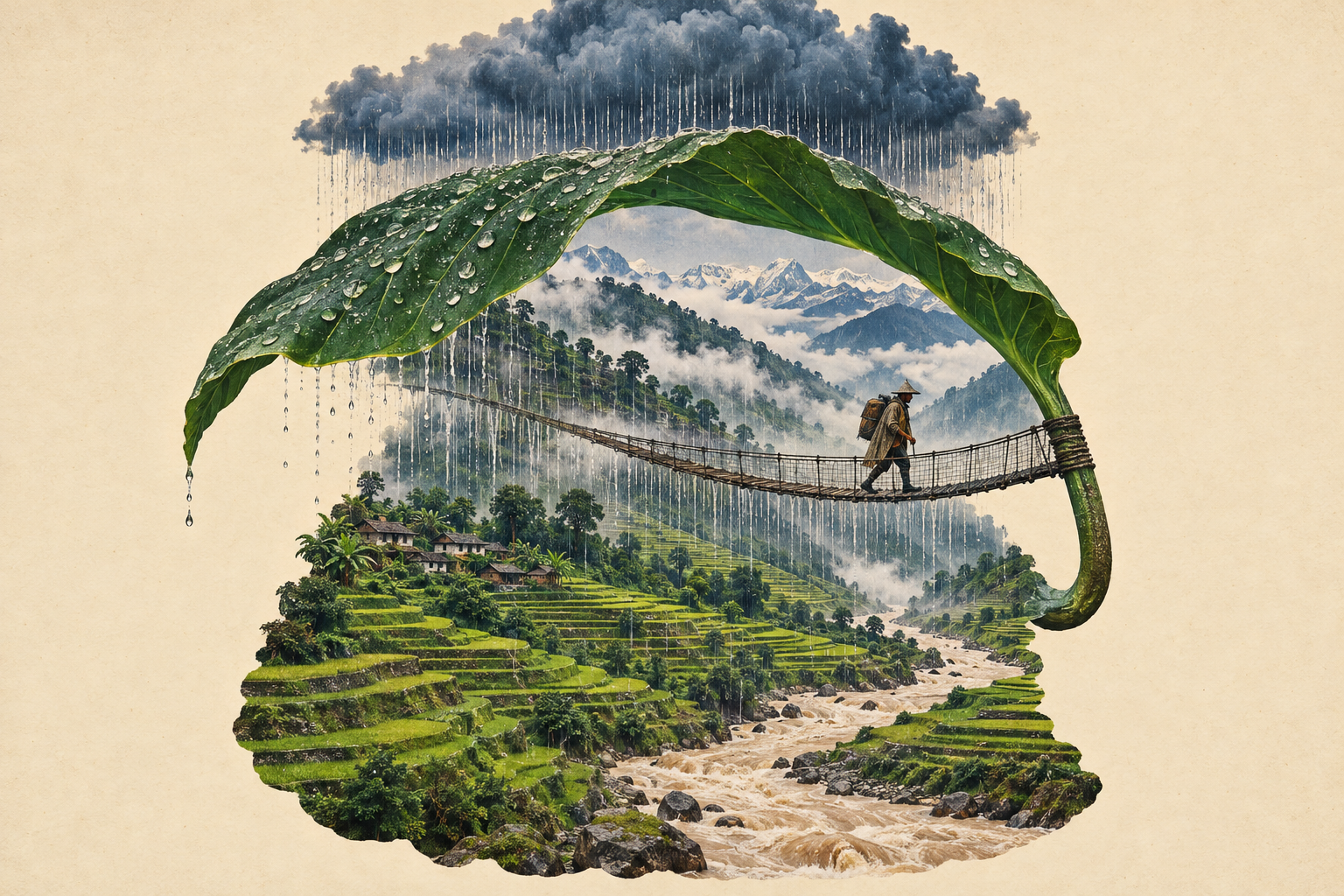
Collage of monsoon season in Nepal, with a trekker crossing a rope bridge, rainclouds, a leaf acting as an umbrella over green terraced fields and a rushing river

Winter: Clear skies, cold toes

December through February can appeal to travelers exploring Kathmandu Valley or heading to the warmer lowlands around Chitwan. Some lower trekking routes may also be suitable, with local advice and appropriate gear.

Higher routes are another matter. Snow can make passes dangerous or impassable, and accommodation availability can change. Fewer people on the trail is appealing; a closed pass is a rather decisive downside.

Monsoon: Choose the region carefully

From June through September, much of Nepal receives heavy rain. Landslides, flooding, slippery trails, and disrupted roads or flights can complicate travel. Clouds may hide the peaks you came to see.

Upper Mustang sits in a Himalayan rain shadow and can be an option during the monsoon. Parts of Dolpo also have different rainfall patterns from the wetter southern slopes. But a drier destination doesn’t guarantee an easy journey there: Access roads and flights may still be affected.

A cheaper room is a perk. It’s a poor reason to ignore a weather warning.

Which Nepal festivals are worth planning around?

Dashain and Tihar are major autumn festivals, while Holi and Maha Shivaratri usually fall in late winter or early spring. Dates follow lunar calendars, so check the year you intend to travel.

  • Dashain, usually September or October: This 15-day Hindu festival brings family reunions, blessings, feasts, kite flying and village swings. Domestic travel can be busy, and some businesses close.

  • Tihar, usually October or November: Nepal’s festival of lights includes days honoring animals and family bonds. During Kukur Tihar, dogs are honored with garlands and treats. An excellent use of a festival day, frankly.

  • Holi, usually February or March: Celebrations involve colored powders and water. Wear something you’re prepared to sacrifice to the occasion, and ask before joining in or photographing people.

  • Maha Shivaratri, usually February or March: Devotees gather at Kathmandu’s Pashupatinath Temple to honor Shiva. Expect crowds and follow local guidance around worship and access.
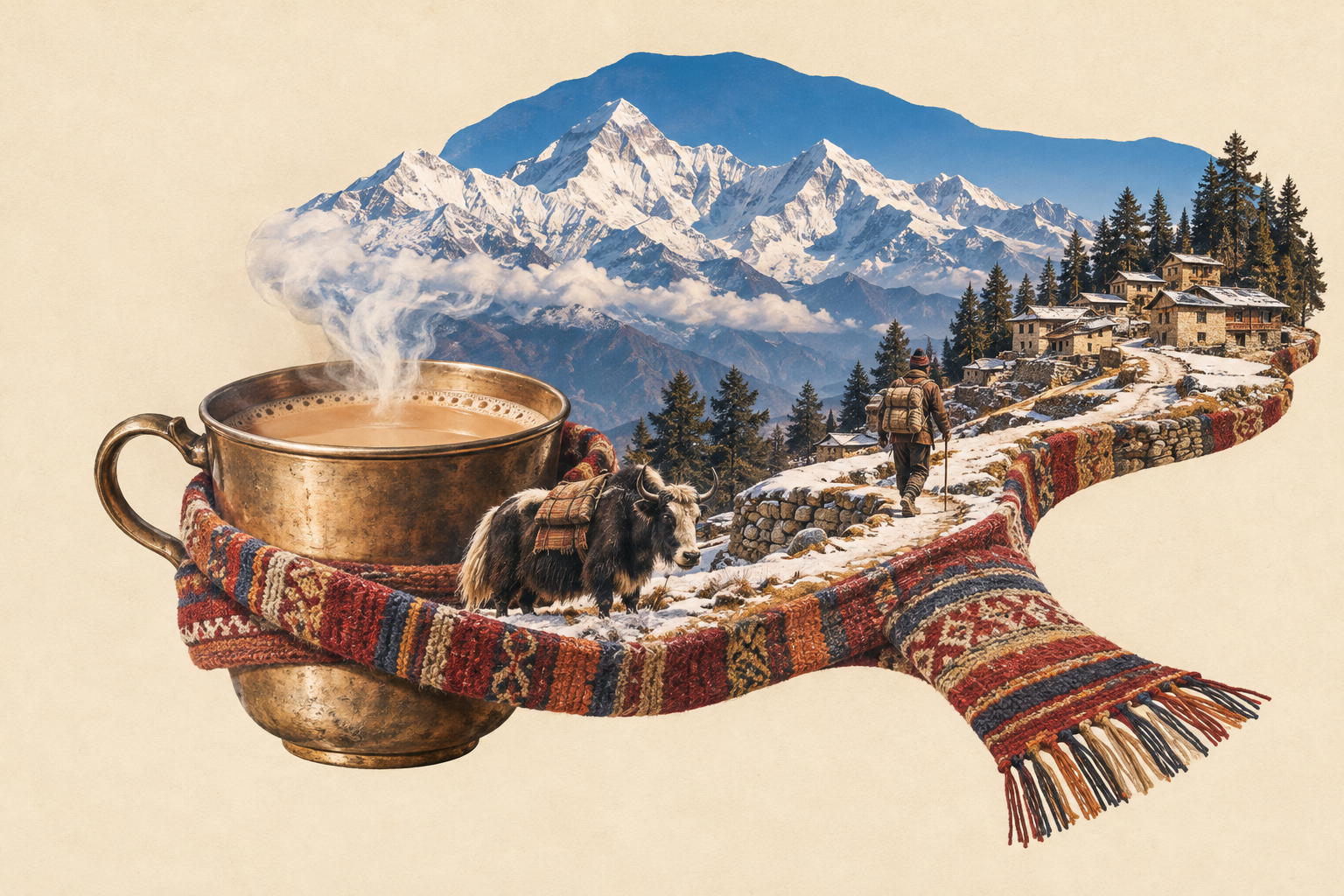
Collage of Nepal in cold weather, with a scarf wrapped around a cup of tea, a yak, a trekker in the snow, teahouses and mountain peaks

So, when should you visit Nepal?

For a first trekking trip, start by considering October or November. For rhododendrons and spring mountain walks, look at March or April. For honey hunting, plan around a locally confirmed spring or autumn harvest. For winter, focus on cultural sightseeing, the lowlands and suitable lower routes.

And if Everest has made Nepal seem intimidating, remember how much of the country you can experience without aiming for a summit. That broader appeal earned it a place among many travelers’ favorite underrated adventure destinations.

Pick the experience first, then choose the season and check current conditions. Nepal offers plenty of ways to feel small in the best possible sense. You get to decide how much uphill walking that involves. –Barsha Kafle
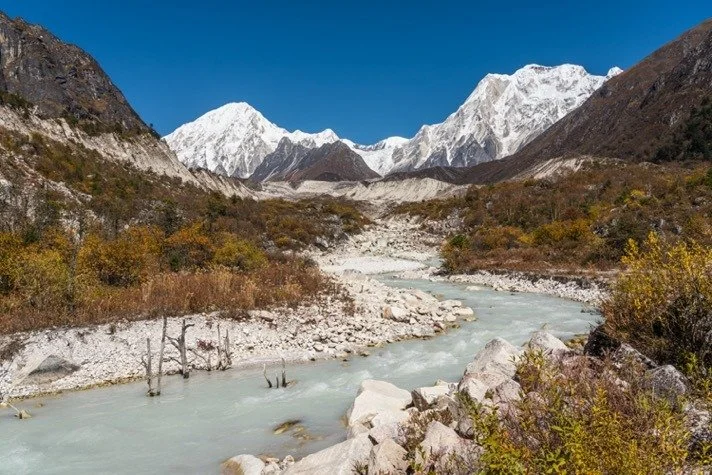
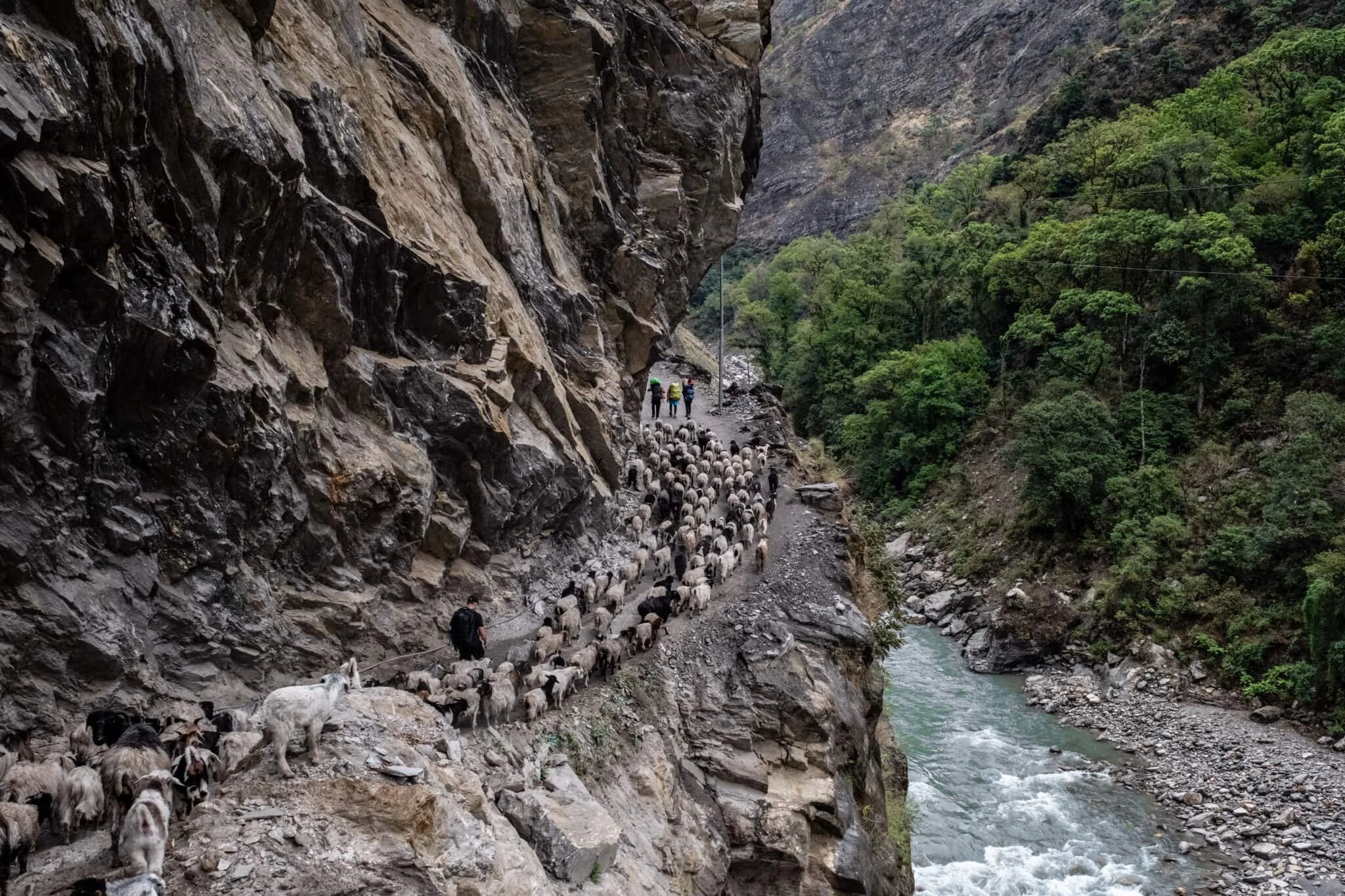
Things to Consider When Planning an Everest Base Camp Trek

Planning to hike to Everest Base Camp? Between altitude, weather swings and two weeks of tough trekking, preparation is everything. Here’s what you need to know before you lace up and head for the Himalayas.

Planning a hike to Everest Base Camp is no casual stroll through the park. It’s a high-stakes adventure that tests your endurance, resilience and ability to function at oxygen-light altitudes. Sure, the views are jaw-dropping — but so are the logistics if you’re not prepared. Altitude sickness, sudden weather shifts and red tape can turn your dream trek into a long, uphill regret. That’s why planning isn’t just helpful, it’s essential.

Whether you’re heading straight to the Everest Base Camp or eyeing an alternate route, knowing what lies ahead can mean the difference between a transcendent experience and a miserable slog. From the best months to go, to the gear you’ll need and how to train without breaking yourself, here’s everything you need to know before you lace up your boots.
When is the best time to hike Everest?

Timing your Everest Base Camp trek well is half the battle. While you technically can go year-round, not all seasons are created equal.

1. Spring (March to May): Best for views and blooms

Spring is prime time. Think clear skies, blooming rhododendrons and stable weather — ideal for trail selfies and spotting Himalayan monals, the brightly colored pheasants that are the national bird of Nepal. 

  • Daytime temps: 50°F to 59°F (10°C to 15°C) at lower elevations

  • Nights: Cold, especially over 4,000 meters

  • Sherpa tip: April is the sweet spot: fewer crowds than May, still great conditions. 

2. Autumn (September to November): Peak trekking season

After the monsoon washes away the dust and haze, fall treks serve up postcard-perfect mountain views.

  • Similar temps to spring

  • Heaviest trail traffic in October

  • Guide insight: Late October has unbeatable Everest views. Just book early — lodges fill up fast.

3. Winter (December to February): Quiet trails, harsh conditions

If solitude calls and you’re not afraid of the cold, winter trekking has its perks. But it’s not for the faint of heart.

  • Temps can drop below 5°F (-15°C). 

  • Snow may close passes and delay flights. 

  • Expert tip: Only attempt with proper gear — think sleeping bags rated to -4°F (-20°C) or colder.

4. Monsoon (June to August): Lush, wet and leech-y

The monsoon season is a hard pass for most.

  • Trails are muddy and slick.

  • Clouds often block the mountain views. 

  • Local advice: Only consider this season if trekking in rain-shadow regions like Mustang. 

How should you prepare physically for an Everest Base Camp hike?

Let’s get one thing straight: Trekking to Everest Base Camp isn’t mountaineering — but it is tough. You’ll be hiking five to eight hours a day for nearly two weeks, often uphill, sometimes in thin air, and occasionally wondering what possessed you to do this for fun. Here are some tips to make the most of your adventure:

1. Focus on endurance, not speed.

This isn’t a race; it’s a test of stamina.

  • Build aerobic fitness with hiking, cycling or jogging three to five times a week. 

  • Practice long hikes with a loaded backpack. 

  • Stair climbing is your new best friend — seriously, it’s eerily similar to some of the trails. 

  • Trek leader tip: “Go slow, rest often, and breathe deep. Rushing is the fastest way to get sick.”

2. Strength and core training help, too.

Your legs and core will take the brunt of the work — give them some love before you go.

  • Add squats, lunges and step-ups to your workout routine. 

  • Planks and other core moves boost balance on uneven ground. 

  • Don’t skip stretching — tight muscles are injury magnets. 

3. Altitude acclimatization matters more than fitness.

Even if you’re in marathon shape, the altitude doesn’t care.

  • Build in rest and acclimatization days. 

  • Hydrate constantly, eat well and prioritize sleep. 

  • Learn the signs of acute mountain sickness (AMS) — some of which include headache, nausea, dizziness, fatigue, loss of appetite and insomnia. 

  • Sherpa insight: Drink garlic soup. Locals swear by it for altitude. Can’t hurt (besides your breath)!

4. Simulate trail conditions if you can.

If you live at sea level, you’ll need to get creative.

  • Do weighted hikes and back-to-back long treks. 

  • Train in your actual boots — break them in now, not on the mountain. 

  • If you can get to high altitude before the trip, do it. 

Bottom line: Consistent training will pay off. It won’t just help you reach Base Camp; it’ll help you enjoy getting there.

How do you choose the right itinerary for your Everest trek?

Picking the right itinerary is about matching the trek to your fitness, time and what you want to get out of the experience (besides sore calves and amazing photos).

1. Classic Everest Base Camp Trek (12 to 14 days)

The “standard” route starts with that thrilling flight into Lukla and winding through Sherpa villages and high alpine valleys.

  • Great for first-timers with solid fitness

  • Teahouse accommodations with decent creature comfort

  • Includes a sunrise hike up Kala Patthar for front-row Everest views

  • Sherpa tip: Never skip acclimatization days. They’re the secret weapon to reaching Base Camp healthy and happy.

2. Gokyo Lakes and Cho La Pass Route (16 to 18 days)

Want a little more adventure and a little less crowd? This one’s for you.

  • Crosses the dramatic Cho La Pass (expect a little scrambling)

  • Passes turquoise lakes and the Ngozumpa Glacier

  • Reconnects with the classic trail near Lobuche

  • Guide insight: Perfect for strong hikers or those coming back for round two.

3. Jiri to Everest Base Camp (20+ days)

Feeling old-school? Follow the original path of early Everest expeditions — before Lukla’s airport existed.

  • Adds 6 to 8 days of lush mid-hill trekking

  • Builds in natural acclimatization with a slow, steady climb

  • Deeper look at rural Nepalese life away from touristy trails

  • Local advice: Expect basic lodges early on — but also some of the most authentic cultural experiences.

Itinerary planning tips:

  • Always build in 2 to 3 extra days for weather delays or recovery. 

  • Stick to the “climb high, sleep low” rule to help your body adjust. 

  • Consider hiring a local guide — they’re game-changers for logistics, safety and connecting with the culture. 

  • Pick a route that fits your pace, not your ego. Base Camp is a milestone, but the journey is where the real magic happens.

What permits and documents are required for the Everest trek?

You can’t just show up with hiking boots and a grin — there’s paperwork involved. Fortunately, it’s not too complicated once you know what’s required.

1. Khumbu Pasang Lhamu Rural Municipality Permit

This local permit funds development in the Everest region and replaced the old TIMS card system.

  • Cost: 2,000 Nepalese rupee, or currently about $15, per person (first four weeks)

  • Buy it in Lukla or Monjo (easy-peasy after you land)

  • Sherpa insight: Most guides handle this for you, but if you’re trekking solo, get it done at Lukla airport.

2. Sagarmatha National Park Entry Permit

Because you’re trekking through a national park — and Everest’s backyard doesn’t maintain itself.

  • Cost: NPR 3,000, or about $23, per person for foreigners

  • Grab it in Kathmandu or at the park gate in Monjo

  • Guide tip: Save time by getting the permit in Kathmandu if you can — one less thing to stress about at the trailhead.

3. Gaurishankar Conservation Area Permit (for Jiri Route only)

If you’re taking the long way via Jiri, you’ll need this extra permit.

  • Cost: NPR 2,000 ($15)

  • Only necessary if you’re starting below Lukla

  • Issued in Kathmandu at the National Trust for Nature Conservation (NTNC) office

Required documents checklist:

  • Valid passport (at least 6 months before expiration)

  • 2 to 4 passport-sized photos (for permits)

  • Cash in Nepali rupees for permit fees

  • Pro tip: Keep your permits handy — you’ll flash them at multiple checkpoints. (Lose them, and you might be turned back. Not fun.)

What gear and equipment do you need for the Everest hike?

There’s no bad weather, only bad gear. On Everest trails, the weather can go from “sunburn season” to “snowpocalypse” in the time it takes to eat a granola bar. Smart packing is survival.

1. Layered clothing

The mountain demands flexibility. Dress like an onion: Peel or add layers as needed.

  • Base layer: Moisture-wicking thermal tops and bottoms

  • Mid layer: Fleece jacket or lightweight down sweater

  • Outer shell: Waterproof, windproof jacket and pants

  • Extras: Warm hat, neck gaiter, insulated gloves, UV-protective sunglasses

  • Sherpa tip: Bring a buff or scarf — perfect for battling wind, sun and the occasional yak dust storm.

2. Footwear and trekking essentials

Your boots are your best friends — or worst enemies if you don’t break them in first.

  • Waterproof trekking boots with ankle support (broken in, not brand new!)

  • Lightweight camp shoes or sandals for evenings

  • Wool or synthetic socks (plus spares to rotate)

  • Trekking poles for downhill stability (your knees will thank you)

  • Guide advice: Even if you feel young and invincible, use the poles. They’ll save your joints for future adventures.

3. Sleeping and personal gear

Teahouses provide beds and blankets, but you’ll need extra warmth at night.

  • Sleeping bag rated to at least -15°C, or 5ºF (or colder)

  • 35- to 50-liter backpack for your daily essentials

  • Headlamp with extra batteries (early starts are a thing)

  • Water bottles plus purification tablets or filters

  • Local insight: Purify all water. Bottled water is expensive, wasteful and often unavailable past Namche.

4. Optional but useful items

  • Microspikes or lightweight crampons (for winter treks)

  • Power bank or solar charger

  • Quick-dry towel and toiletries

  • Your favorite trail snacks (trust me, you’ll crave familiar tastes)

Packing smart means fewer worries — and more time gawking at Everest without numb fingers or blisters stealing the show.

Alternatives to the Everest Hike: Explore Other Iconic Treks in Nepal

Dreaming of the Himalayas, but not feeling the Everest traffic jam? Nepal’s got options — plenty of them — and some are just as epic (without the crowds).

Manaslu Circuit Trek: Remote and culturally rich

If you want adventure and authenticity, Manaslu delivers.

  • Duration: 14 to 18 days

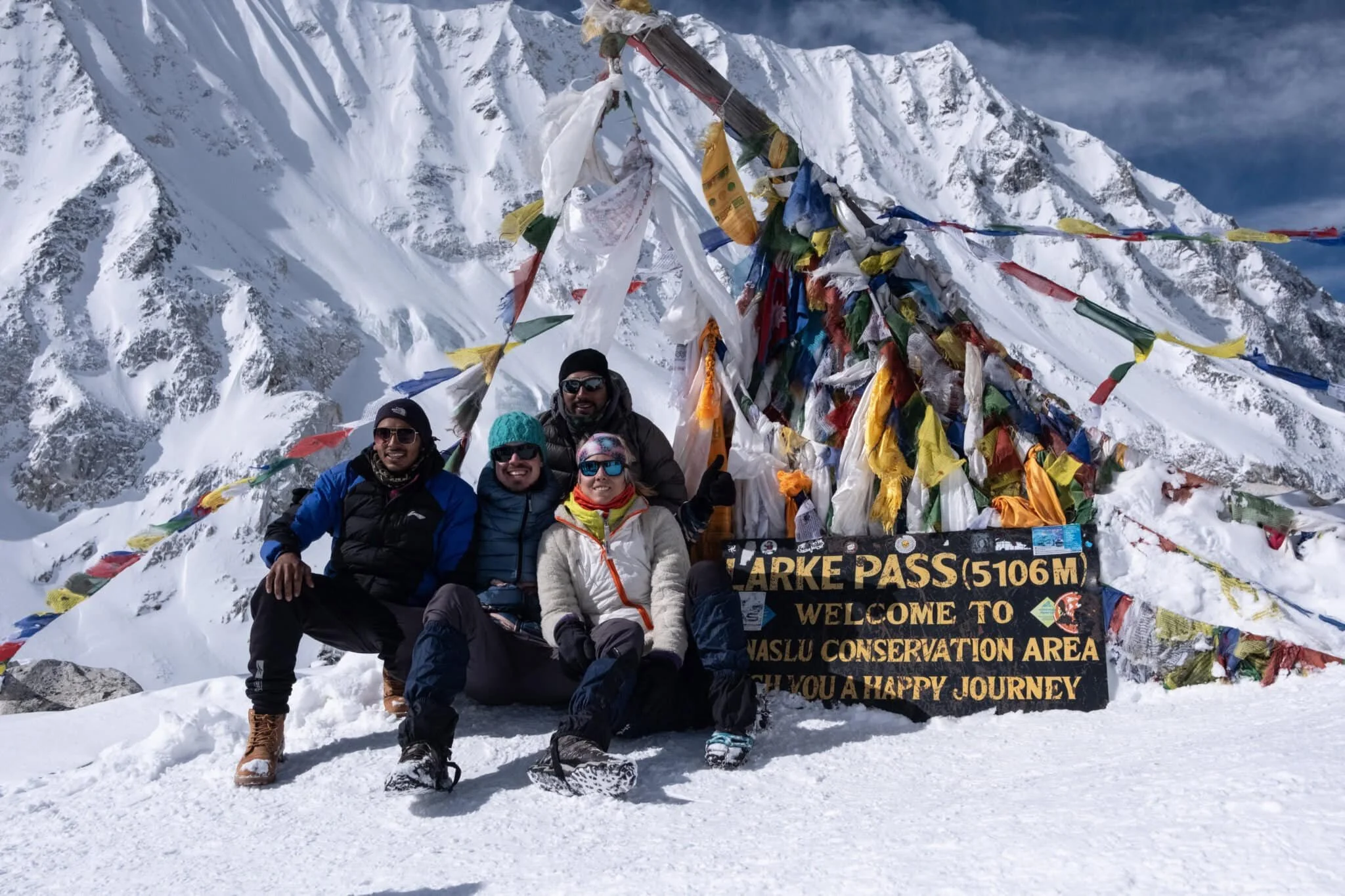
  • Max altitude: 5,160 meters at Larkya La Pass

  • Special permit and guide required (it’s a restricted area)

  • Local insight: Think traditional villages, Tibetan influences and lodges that feel a world away from commercial trekking routes.

Annapurna Base Camp (ABC): Shorter and scenic

Want killer mountain views without hitting extreme altitudes? Annapurna’s your trail.

  • Duration: 7 to 11 days

  • Max altitude: 4,130 meters

  • A lush mix of jungle, terraced fields and jaw-dropping peaks

Langtang Valley Trek: Close to Kathmandu, big on heart

After the 2015 earthquake, Langtang rebuilt — and it’s more welcoming than ever.

  • Duration: 6 to 9 days

  • Max altitude: 4,984 meters (Tserko Ri summit)

  • Deep cultural immersion with the Tamang community

Why consider alternatives?

  • Fewer crowds = more peaceful trails

  • Simpler logistics and lower costs

  • A deeper connection to Nepalese culture and landscapes

Choosing an alternative doesn’t mean settling. It means opening yourself up to trails just as soul-stirring — and maybe even more memorable.

Final Thoughts: Your Everest Hike Starts With Smart Planning

Trekking to Everest Base Camp is going to be a bucket-list brag and one of those top life experiences. And like any great adventure, it rewards those who plan smart, pace themselves and stay flexible when the mountain inevitably throws a curveball.

From picking the right season to training your body, from securing the right permits to packing gear that can handle a Himalayan weather tantrum, every choice you make now sets you up for success later. Preparation means freeing yourself to fully soak in the magic of the trail, the villages, the prayer flags whipping in the wind, and that first surreal glimpse of Everest itself. It can also mean survival.

Whether you end up at Base Camp or exploring a quieter circuit like Manaslu or Annapurna, one thing’s certain: The Himalayas will leave a mark on you. (And it won’t just be sore calves.)

Ready to start planning? Lace up, dream big and let the mountains handle the rest. –Sulabh Basnet

Budget-Friendly Everest Base Camp Trek Secrets

A thrilling Himalayan adventure can be within your reach. Here’s how to save money by staying and eating at teahouses, renting equipment, joining a group tour and other little-known tips from a local expert. 

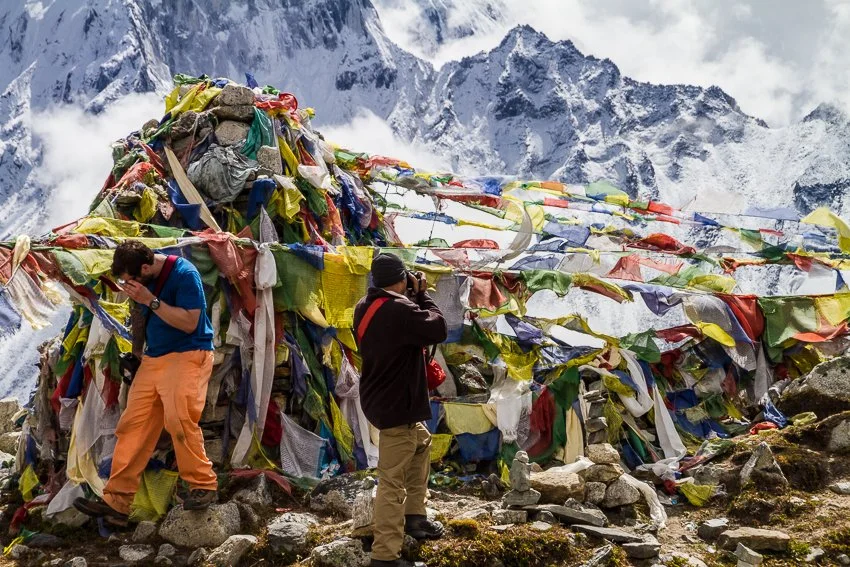
Pile of colorful prayer flags and two men at the Everest Base Camp

A trek to the Everest Base Camp doesn’t have to break the bank! A local tour operator offers his money-saving tips.

Undertaking the legendary Everest base camp trek is a dream shared by many adventure enthusiasts around the world. The appeal of standing at the base of the world’s highest mountain, surrounded by awe-inspiring Himalayan landscapes and experiencing Sherpa culture, is a truly once-in-a-lifetime trip. 

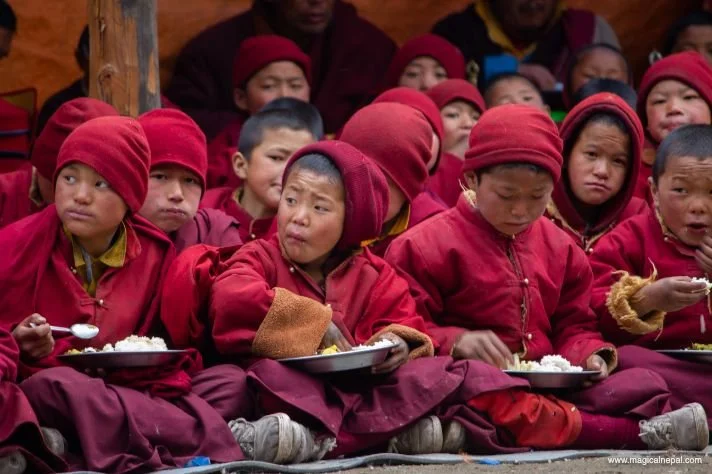
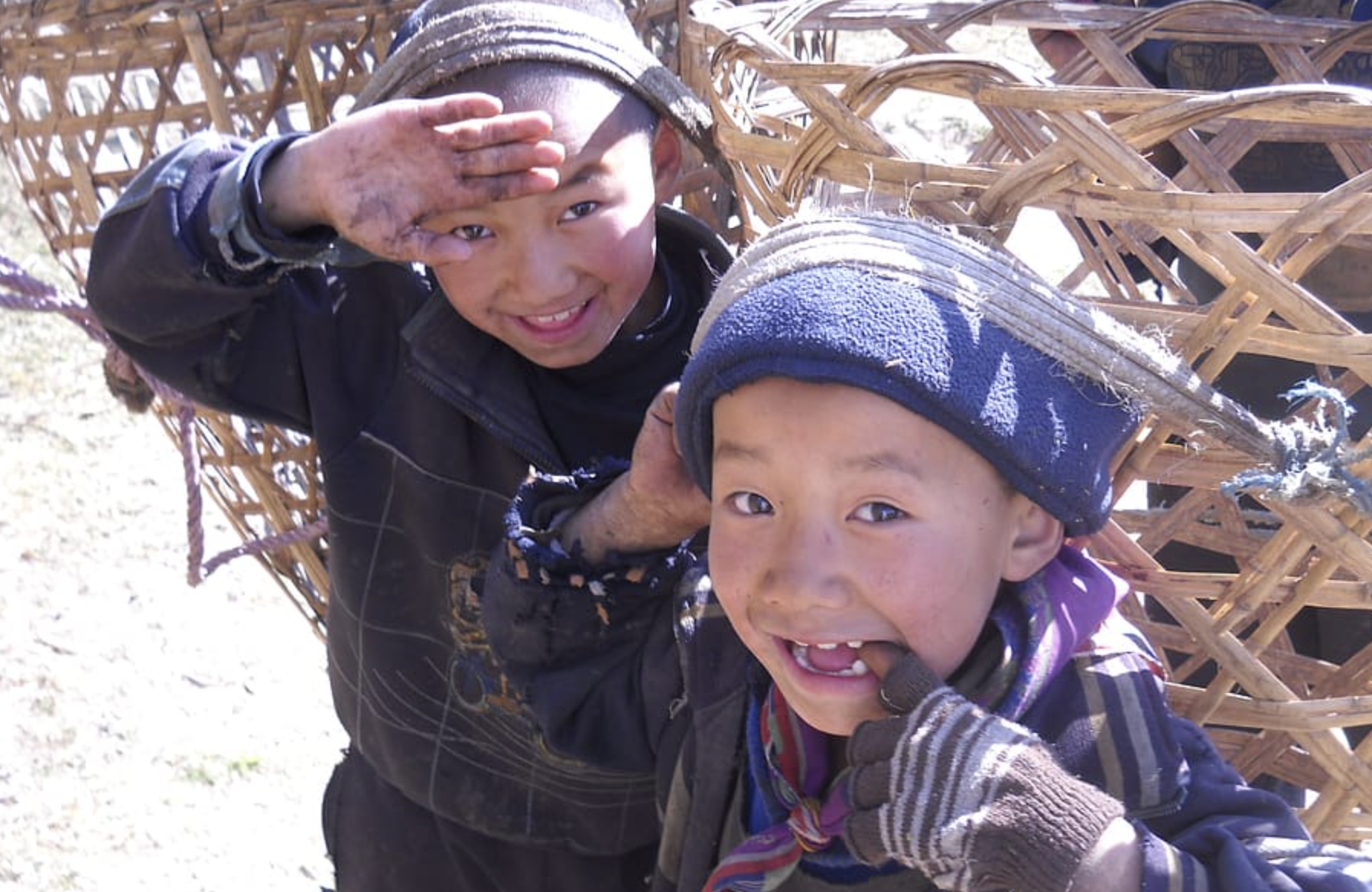
Two young Sherpa boys wearing hats, one with hand on forehead, the other with a finger in his mouth

Take the time to meet some Sherpas and learn some of their customs.

While it may seem like an expensive undertaking, as a co-founder of a local tour operator, I’m here to reveal budget-friendly tips and insights that will make your Everest base camp trek an affordable reality. Get ready to immerse yourself in the breathtaking beauty of the Himalayas…without worrying much about breaking the bank.

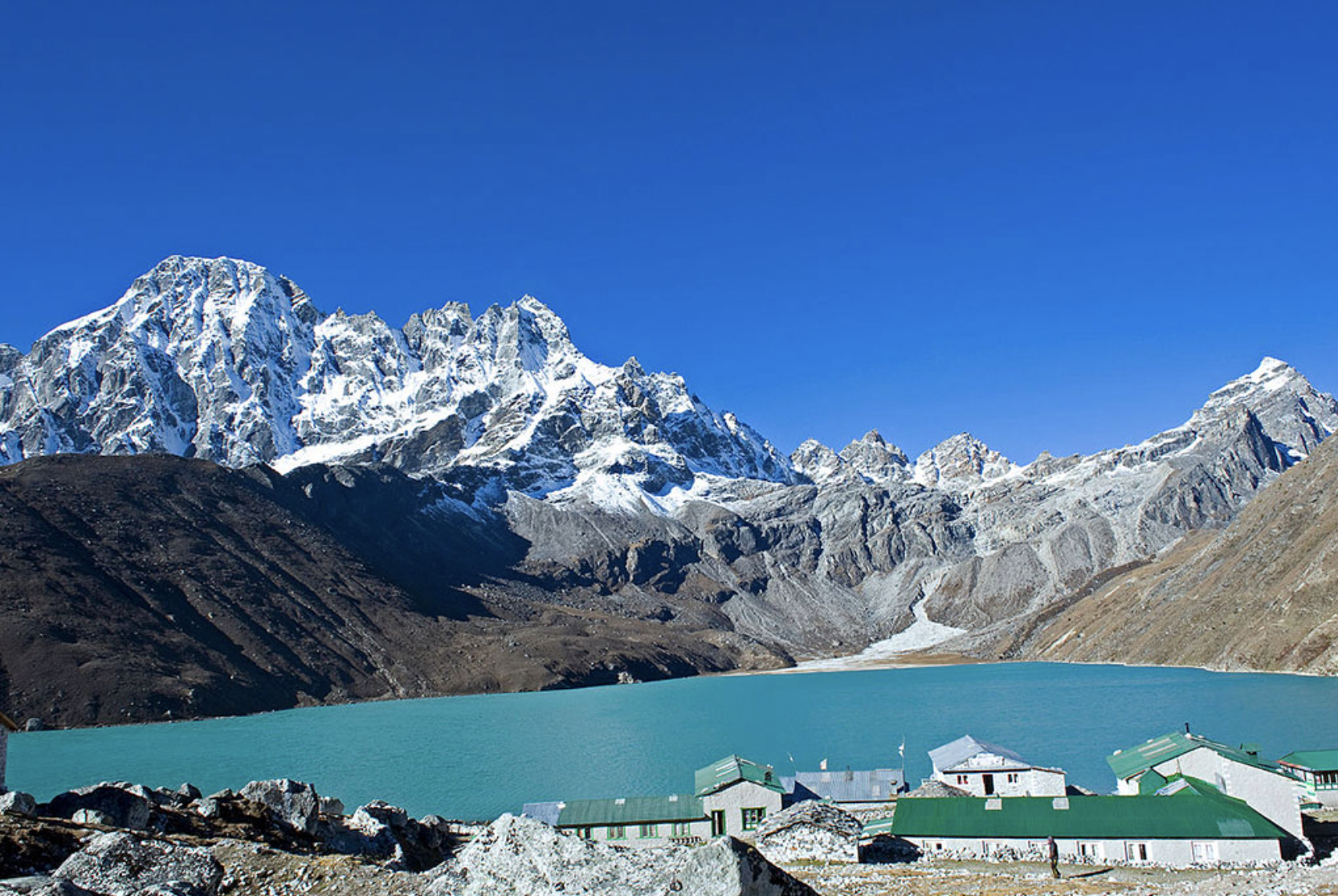
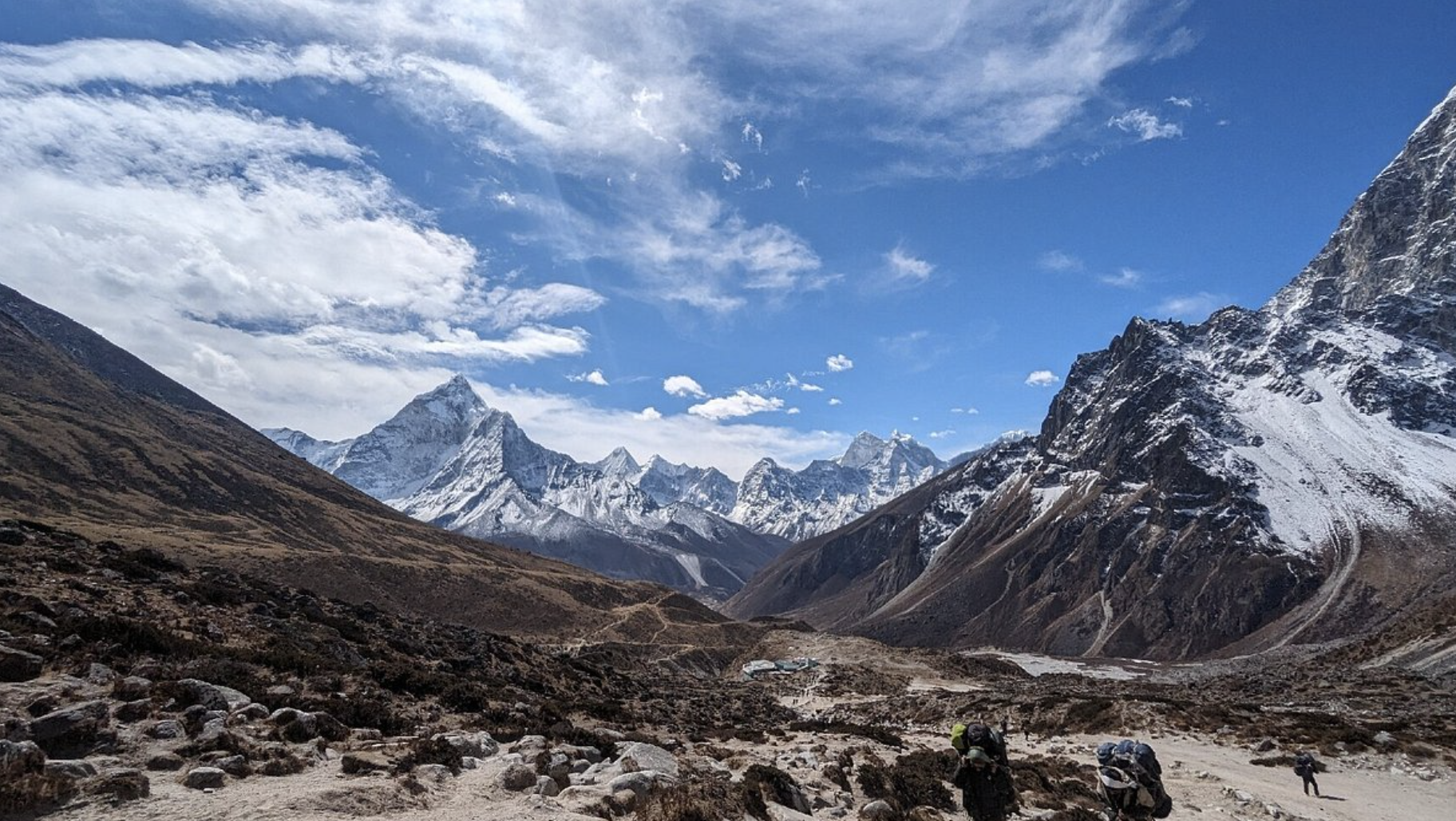
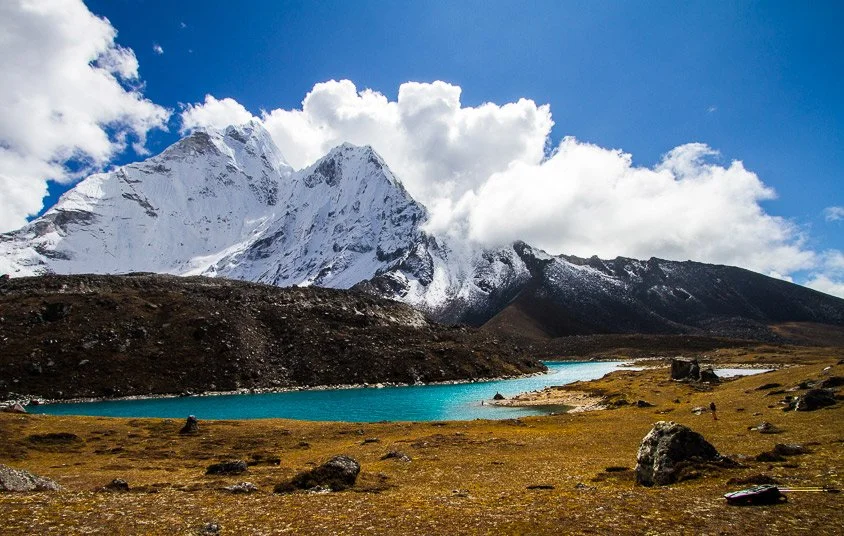
The backside of Ama Dablam, with Mount Everest, covered in snow, in the distance, and a gorgeous turquoise lake in the foreground

The backside of Ama Dablam with its gorgeous turquoise lake

Planning and Preparation for an Affordable Everest Base Camp Trek

Here are some key points to consider:


Go in the low seasons. 

Planning for the trek during the off-peak seasons (December to February and June to August) can significantly reduce the overall cost. Not only will you avoid the peak tourist flow on the trail, but you may also find discounted lodges and domestic and international flights.

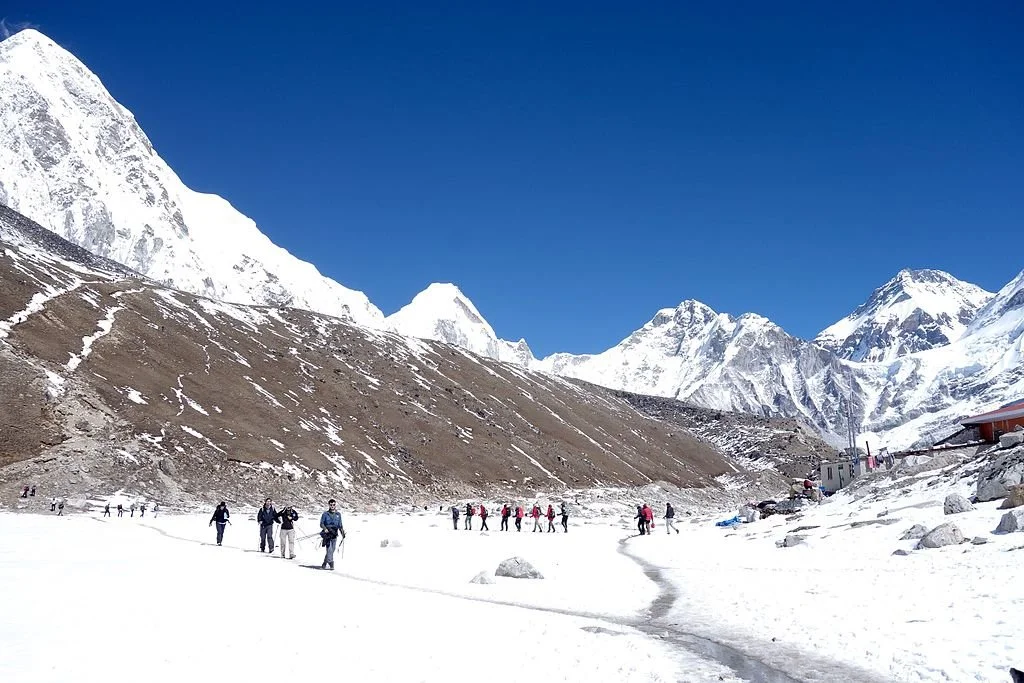
Groups of trekkers against the snow on Everest Base Camp adventure

Share the cost of a tour by joining a group.

Take a group tour. 

While independent trekking can be convenient and offer personal support from a guide and porter, joining a group is more cost-effective — you’ll be sharing the charges to hire a guide and porters. 

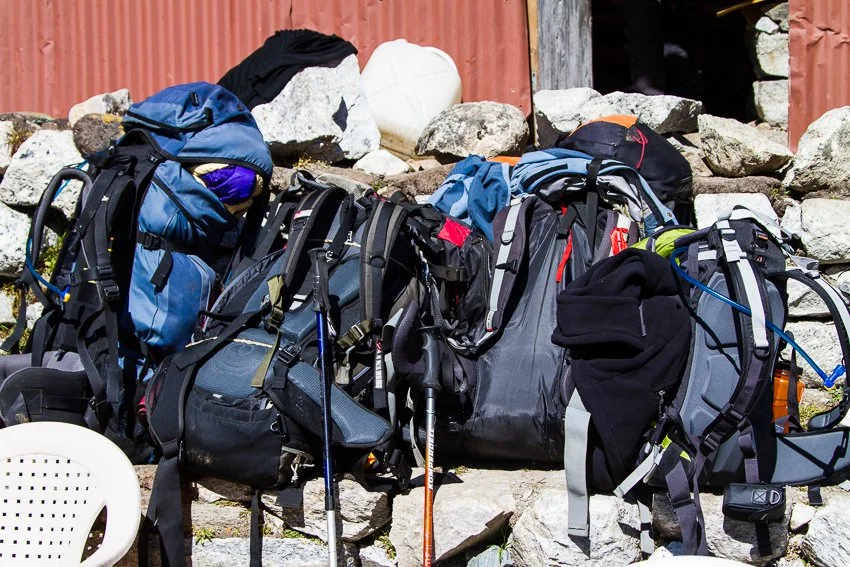
Line of backpacks and gear on ground on Everest Base Camp trek

There are opportunities to rent or borrow gear if you don’t want to make the investment.

Rent or borrow trekking gear. 

Make a detailed list of essential items, such as sleeping bags, trekking poles, hiking boots and waterproof jackets. Look for gear rental shops in Thamel or consider borrowing equipment from fellow trekkers. You also might be able to borrow items like a sleeping bag or down jacket from some of the major Kathmandu-based tour operators.

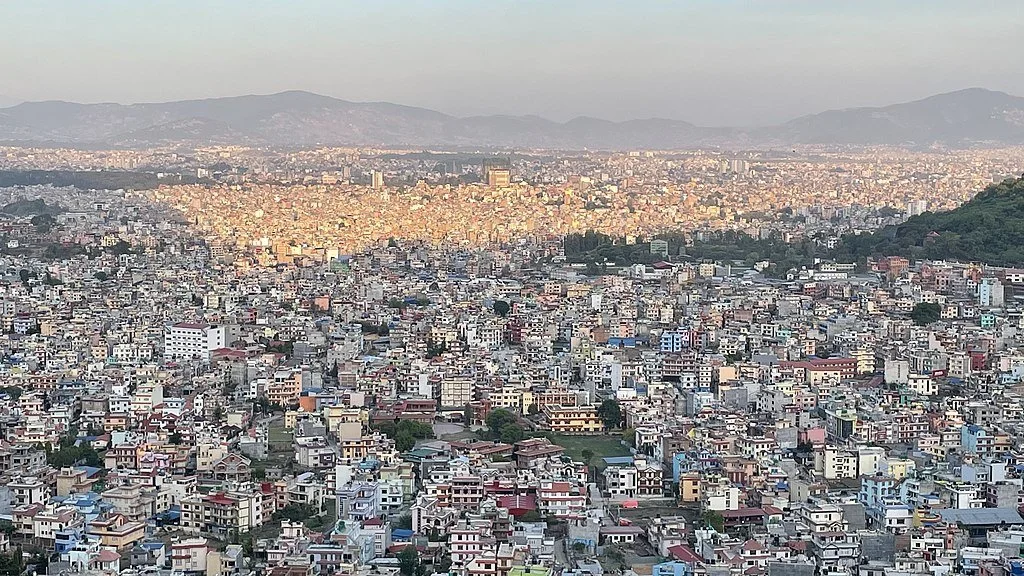
The city of Kathmandu sprawls out, jampacked with colorful buildings in this aerial view

The sprawl of Kathmandu. You can bus to Salleri, the jumping-off point for the trek, which is cheaper than flying.

Take the bus. 

A public bus or shared jeep from Kathmandu to Salleri may be a longer journey, but it’s a cheaper alternative to flying to and from Lukla.

Budget-Friendly Accommodations Along the Everest Base Camp Route

Getting affordable accommodation is entirely possible with following tips:

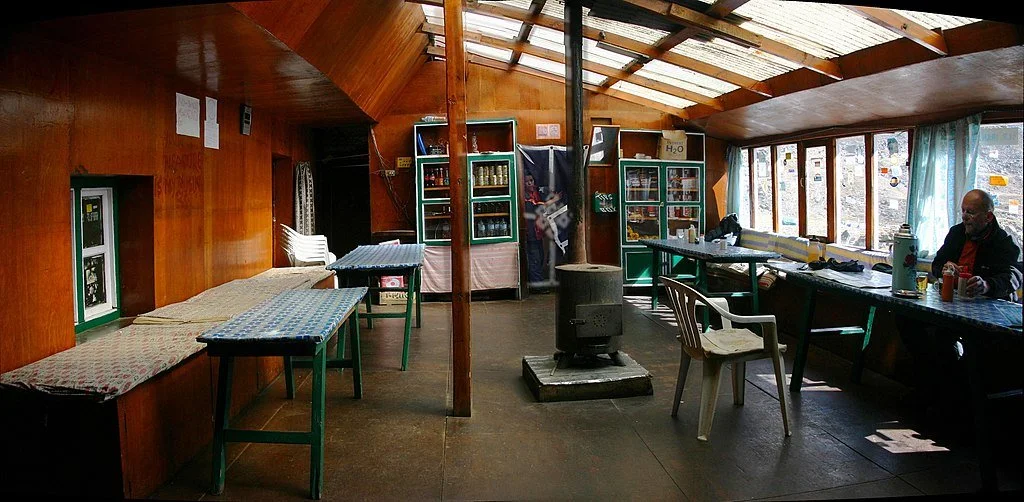
Interior of teahouse lodge on Everest Base Camp trek, with man at table

The teahouse lodges are much more affordable than their luxury counterparts.

Stay in teahouse lodges. 

Along the trail, there are numerous teahouse lodges that offer basic accommodation and meals. These no-frills lodges are more budget-friendly compared to luxury lodges like Yeti Mountain Home. Embrace the simplicity and warmth of teahouse stays, which also provide an opportunity to connect with other like-minded trekkers.


Share a room. 

To further minimize trip costs, consider sharing rooms with other trekkers. Many teahouses offer twin and triple sharing rooms, allowing you to split the bill. 

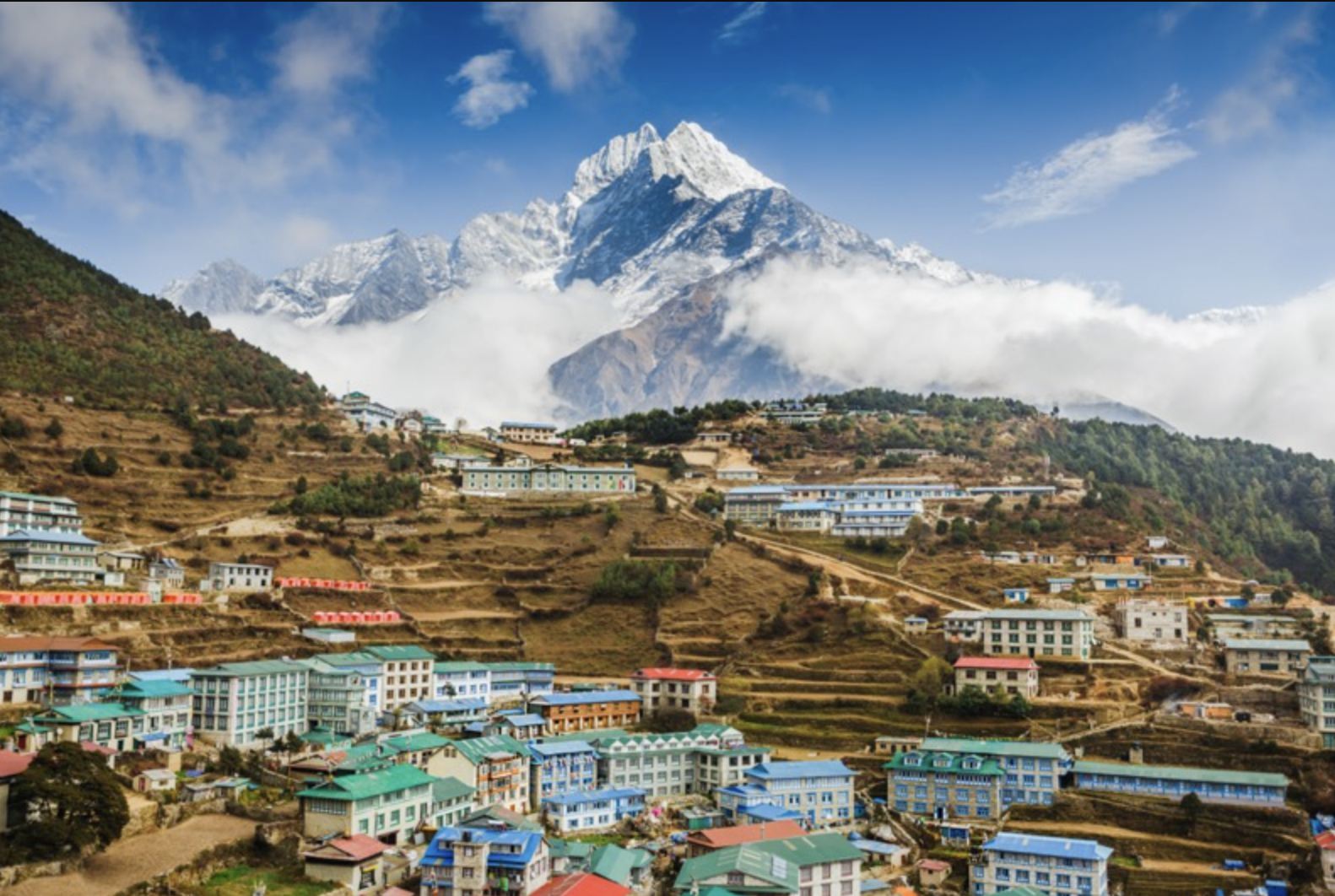
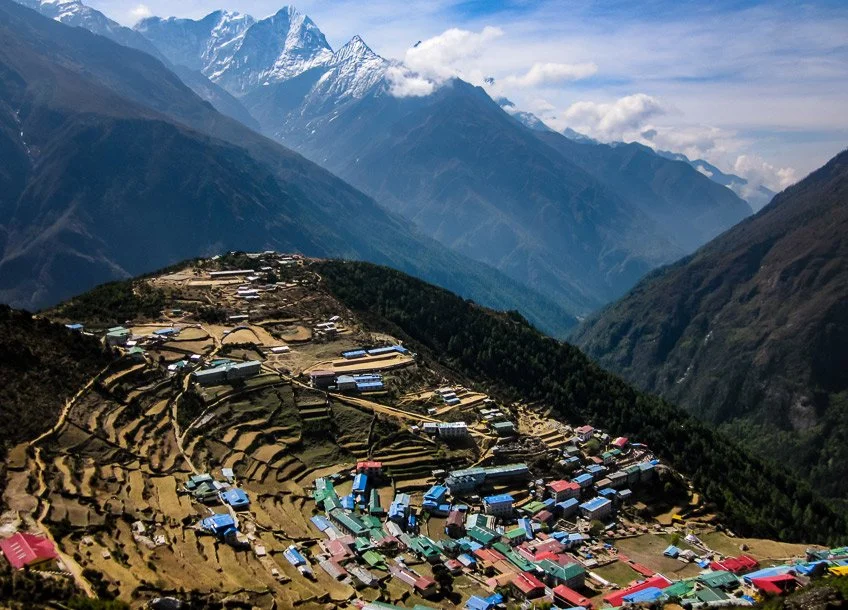
Aerial view of the colorful buildings built into the mountain in the village of Namche Bazaar along the Everest Base Camp trek

Colorful Namache Bazaar is built into the side of a hill and is home to most of the Sherpas in the travel biz.

 Shoot for lower-altitude villages. 

As you go higher, the cost of teahouse stays tend to increase. Choosing to stay more in lower-altitude villages, such as Namche Bazaar and Tengboche, can help save money and, at the same time, help you acclimatize to the altitude.


Everest Trek Food on a Budget

These handy tips on food options will help cut down costs of an Everest trek:

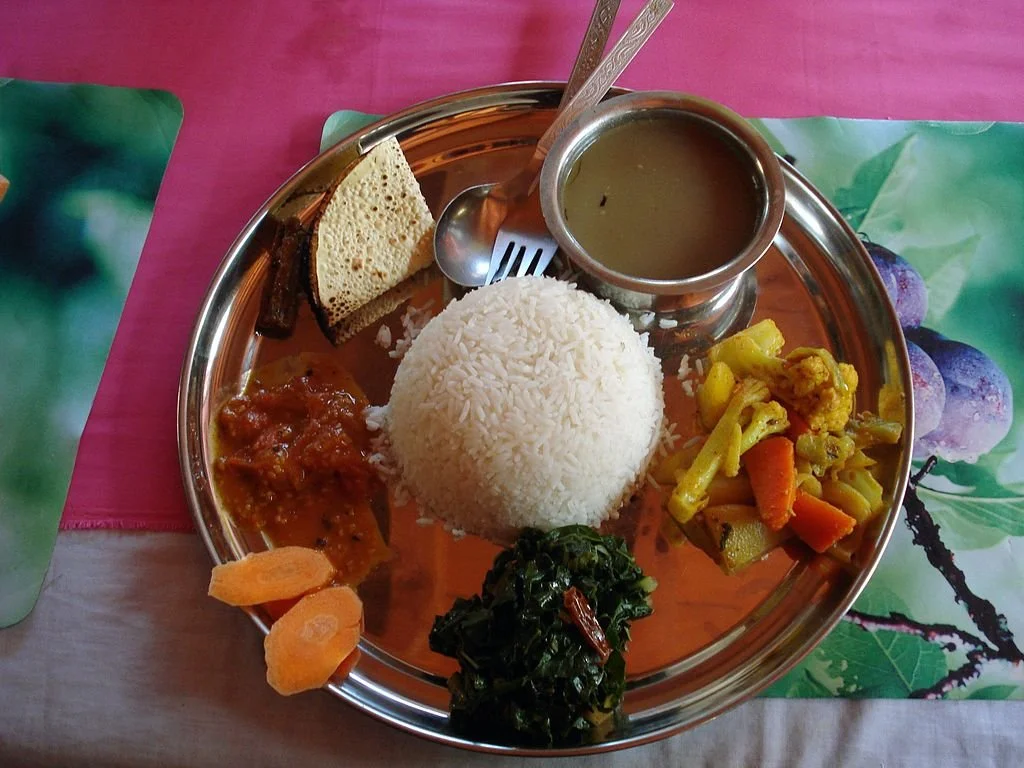
Nepalese dish dal bhat, with rice, curried veggies, spinach and broth

Teahouses serve dhal bhat, a traditional Nepalese dish — and it’s often all-you-can-eat.

Eat at teahouses. 

Go for local cuisine and enjoy the traditional dhal bhat (rice and lentil soup) offered in all teahouses. The meal provides a hearty — and affordable — source of energy. And you can get refills at no additional cost.

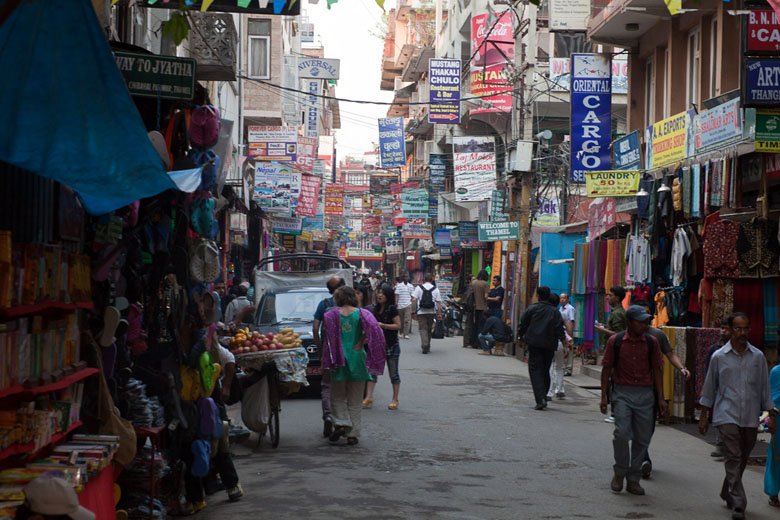
Kathmandu, Nepal street, with lots of colorful signs, stores and pedestrians

When you’re in Kathmandu, make sure to get a bunch of snacks to take with you.

Pack snacks. 

Stock up on energy bars, nuts and dried fruit in Kathmandu to avoid higher-cost options along the trail. These snacks are really helpful to quickly and cost-effectively boost your energy on the trail.

Sunset view from Kala Patthar, Khumbu Glacier in the foreground

The sunset over Kala Patthar is a highlight of the excursion.

Permits for an Everest Base Camp Trek

Navigating the permit process and organizing trip logistics can be overwhelming. But the good news is they’re not too expensive. Here’s what you need to know:


TIMS Card

Cost: 2000 Nepalese rupees (about $15)

The Trekkers’ Information Management System card (commonly known as a TIMS card) is a necessary permit for Everest base camp trek. Get the card in Kathmandu by visiting the Nepal Tourism Board or the office of the Trekking Agencies Association of Nepal.


Sagarmatha National Park Permit

Cost: NPR 3000 (about $23)

You must get a pass for Sagarmatha National Park to complete an Everest base camp trek. Obtain an SNP permit in Kathmandu, or you can get one on the trail.


Khumbu Gau Palika Card

Cost: NPR 2000 (about $15)

Another essential permit you need to enter the trail is the Khumbu Gau Palika Card. You can also obtain one on the trail. However, fill out the form in advance and keep the submission number for quick processing. Follow this link to register for the permit.

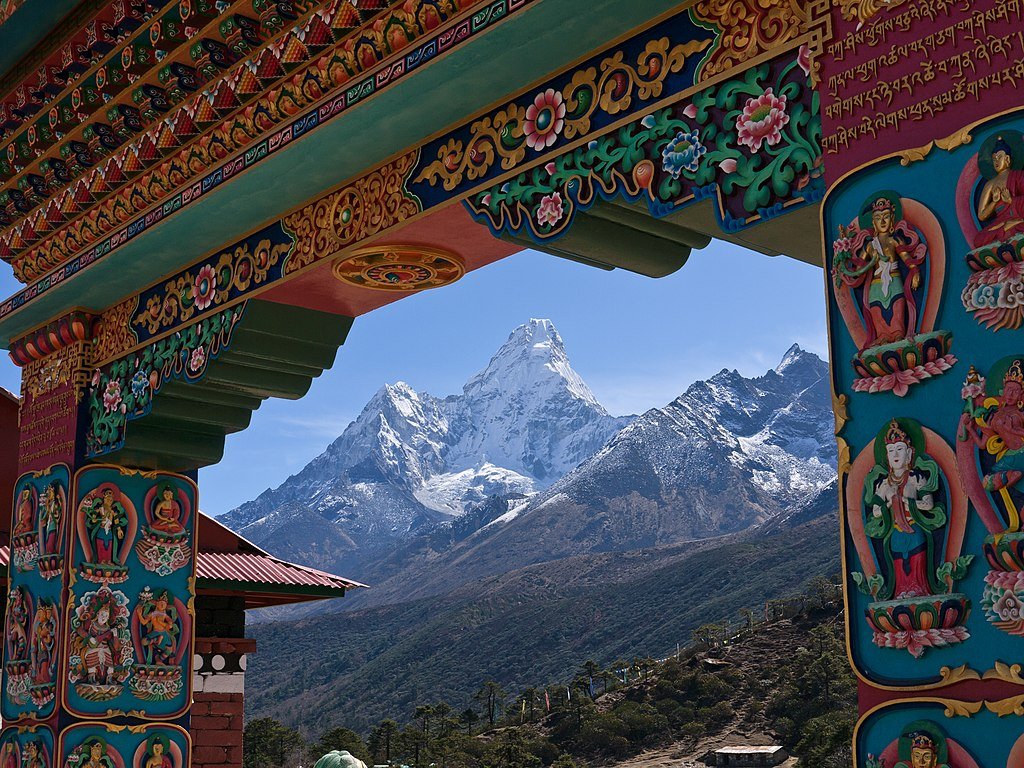
The colorfully painted archway leading to the Tengboche Monastery in Nepal with Mount Everest visible in the distance

A trek to the Everest Base Camp may be a priceless spiritual experience — but it doesn’t have to cost a fortune.

Everest Base Camp on a Budget

Planning for a budget-friendly Everest base camp trek allows you to experience the beauty of the Himalayas without worrying too much about your budget. By carefully planning your trek, choosing teahouses, eating local cuisine, and managing permits and logistics competently, you can make your dream of a Mount Everest base camp trek a reality. Get ready for breathtaking landscapes, meet Sherpas, experience their culture and experience unforgettable memories on a Himalayan adventure.

An Everest base camp trek is an exciting journey of self discovery, and with the right approach, it can be both affordable and life-changing. So, tie up your hiking boots, pack your backpack, and prepare for an impressive Himalayan adventure without the hefty cost. –Madhav Prasad 


Madhav is the tour coordinator and co-founder of Mosaic Adventure in Kathmandu.