Clear mountain views, forests in bloom or dogs wearing garlands? Here’s when to visit Nepal for trekking, honey hunts, festivals and fewer weather-related regrets.
When’s the best time to visit Nepal? Spring (March to May) and autumn (especially October and November) are generally the best seasons to visit Nepal. Autumn offers some of the clearest Himalayan views, while spring brings blooming rhododendrons and Everest expedition season. Winter can suit lower-elevation trips; the summer monsoon calls for much more selective planning.
That’s the calendar answer. The packing answer gets complicated.
Nepal can have you sweating in the lowlands, reaching for a sweater in Kathmandu and wondering whether you still have toes high in the mountains. Altitude has a way of making your weather app look spectacularly underqualified.
So the best time to go depends on what you want to do: trek beneath snowy peaks, explore temples, watch a traditional cliffside honey harvest or join a festival where dogs get the recognition they so clearly deserve.
Nepal’s Seasons at a Glance
For trip planning, it helps to group Nepal’s weather into four broad periods. The monsoon often extends into September, so the boundaries are approximate.
| Season | Typical months | What to expect |
|---|---|---|
| Spring | March to May | Warmer days, rhododendron blooms and increasing haze toward late spring |
| Summer and monsoon | June to September | Heavy rain in much of the country, lush landscapes and disrupted transport |
| Autumn | Late September to November | Generally drier weather and clearer mountain views once the monsoon retreats |
| Winter | December to February | Cold nights, often clear skies, and snow or closures on high routes |
Choose your region before you commit to dates. A sunny forecast for Kathmandu tells you very little about conditions on a high mountain pass.
When is the best time to trek in Nepal?
March to May and October to November are the main trekking windows in Nepal. Late September can also work, depending on when the monsoon retreats and the condition of your route.
Autumn: Big views, plenty of company
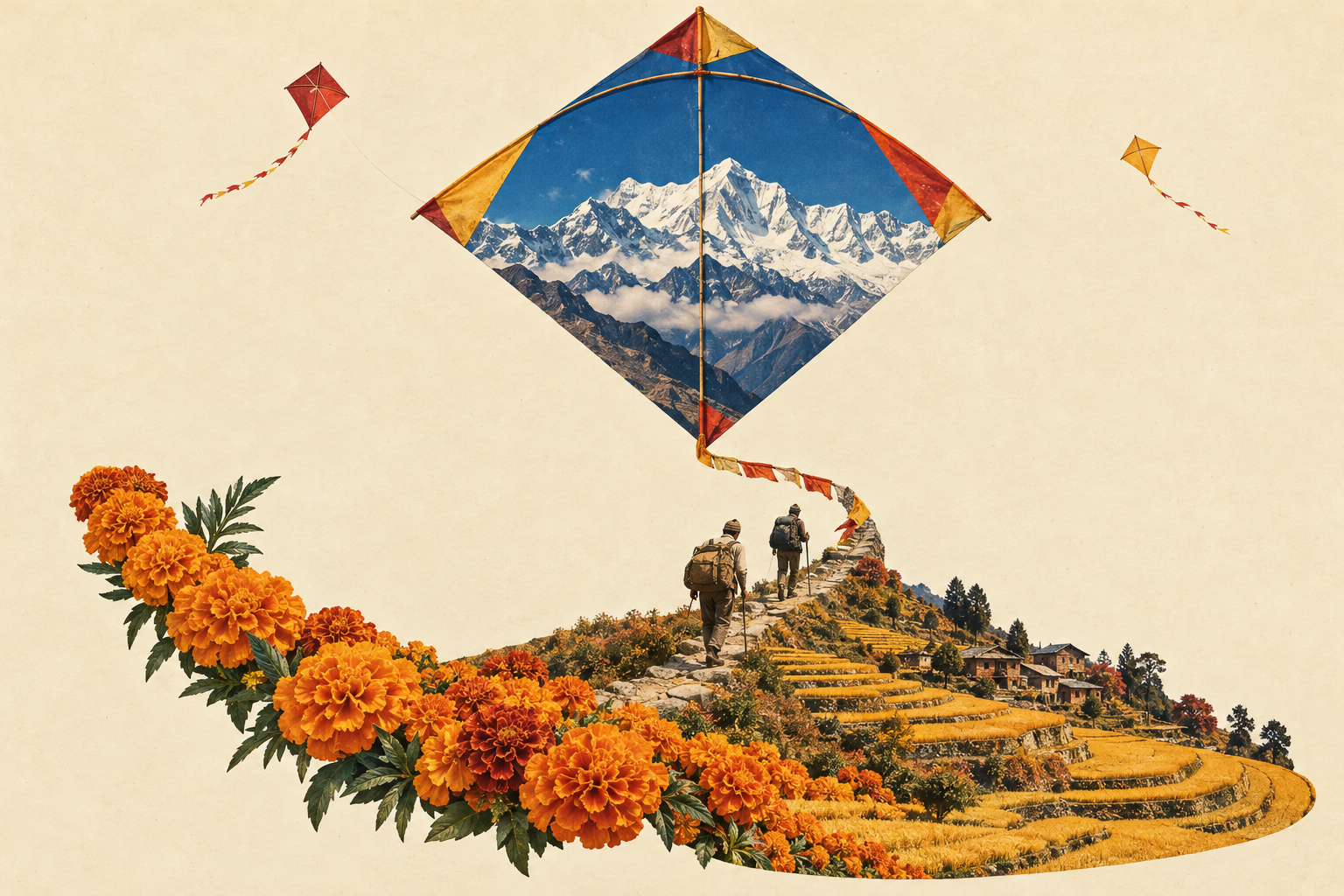
Once the monsoon clears, autumn delivers the mountain scenery people cross oceans for: snowy ridgelines, crisp air and peaks that finally emerge from behind the clouds.
Naturally, other people have also seen the photos.
October is a popular month on the Everest Base Camp and Annapurna routes. Expect company on the trail and competition for teahouse rooms. Book ahead, allow room for transport delays and accept that your Himalayan escape may involve making some new friends over dinner.
If Everest is the goal, start with the practicalities of planning an Everest Base Camp trek, including training, acclimatization and choosing an itinerary. A lovely forecast won’t do the walking for you.
And before the budget develops its own altitude problem, look at ways to keep an Everest Base Camp trek affordable. Saving money should still leave you enough time to acclimatize and handle delays.
Spring: Flowers with a mountain backdrop
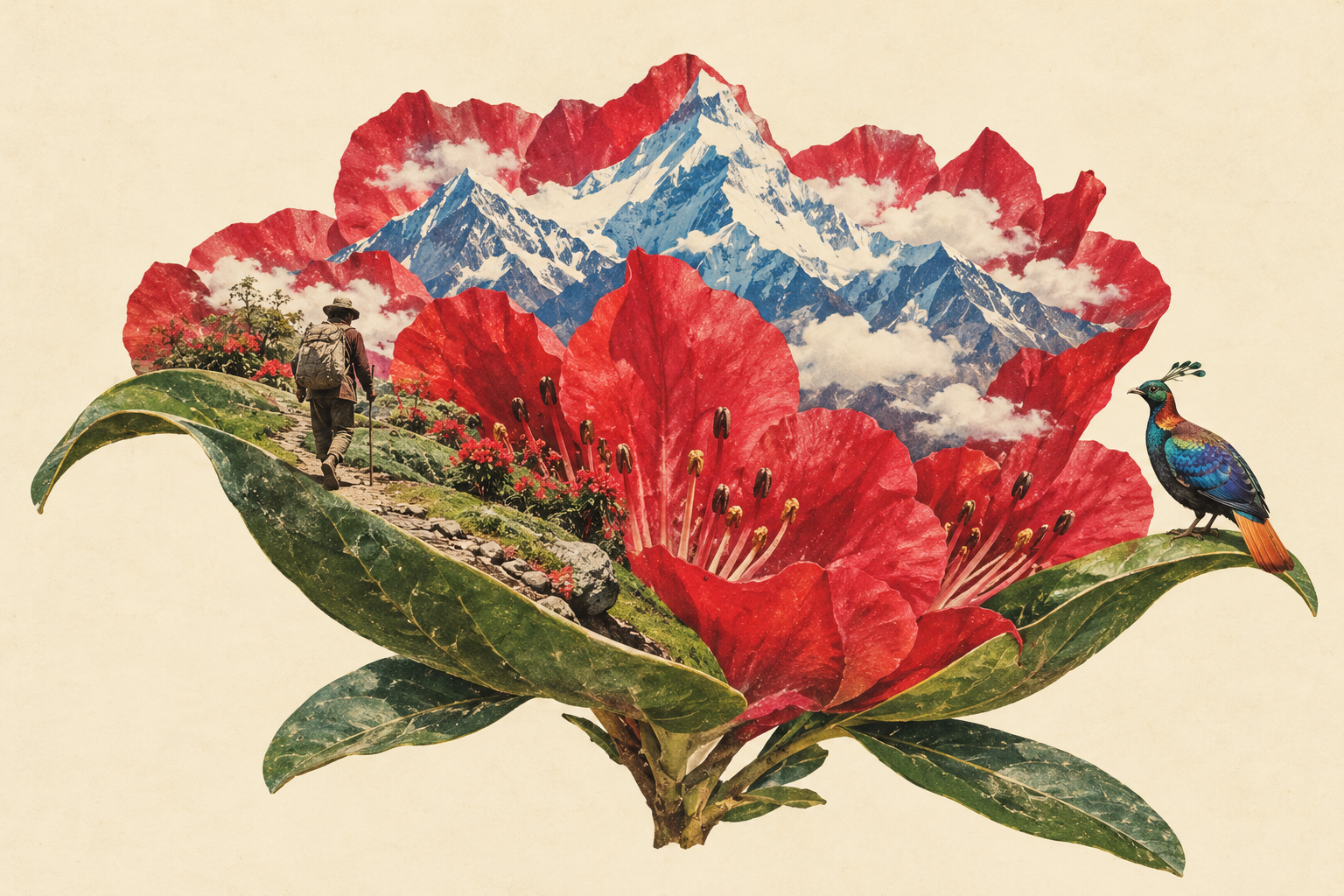
Spring brings rhododendron blooms to Nepal’s hills and forests, adding reds, pinks and whites below the snow line. The mountains provide the backdrop. Subtle, they are not.
March and April are appealing for walkers who want flowers as well as views. As May progresses, warmer weather, haze and afternoon clouds can make distant peaks less reliable subjects for your camera.
If you’re considering a different route, the Manaslu Circuit offers villages, forests and a demanding high pass. Read up on preparing for the Manaslu Circuit before deciding that a few scenic walks at home have you covered. Restricted-area permits don’t guarantee an empty trail, and a less familiar route deserves just as much preparation.
When is honey hunting season in Nepal?
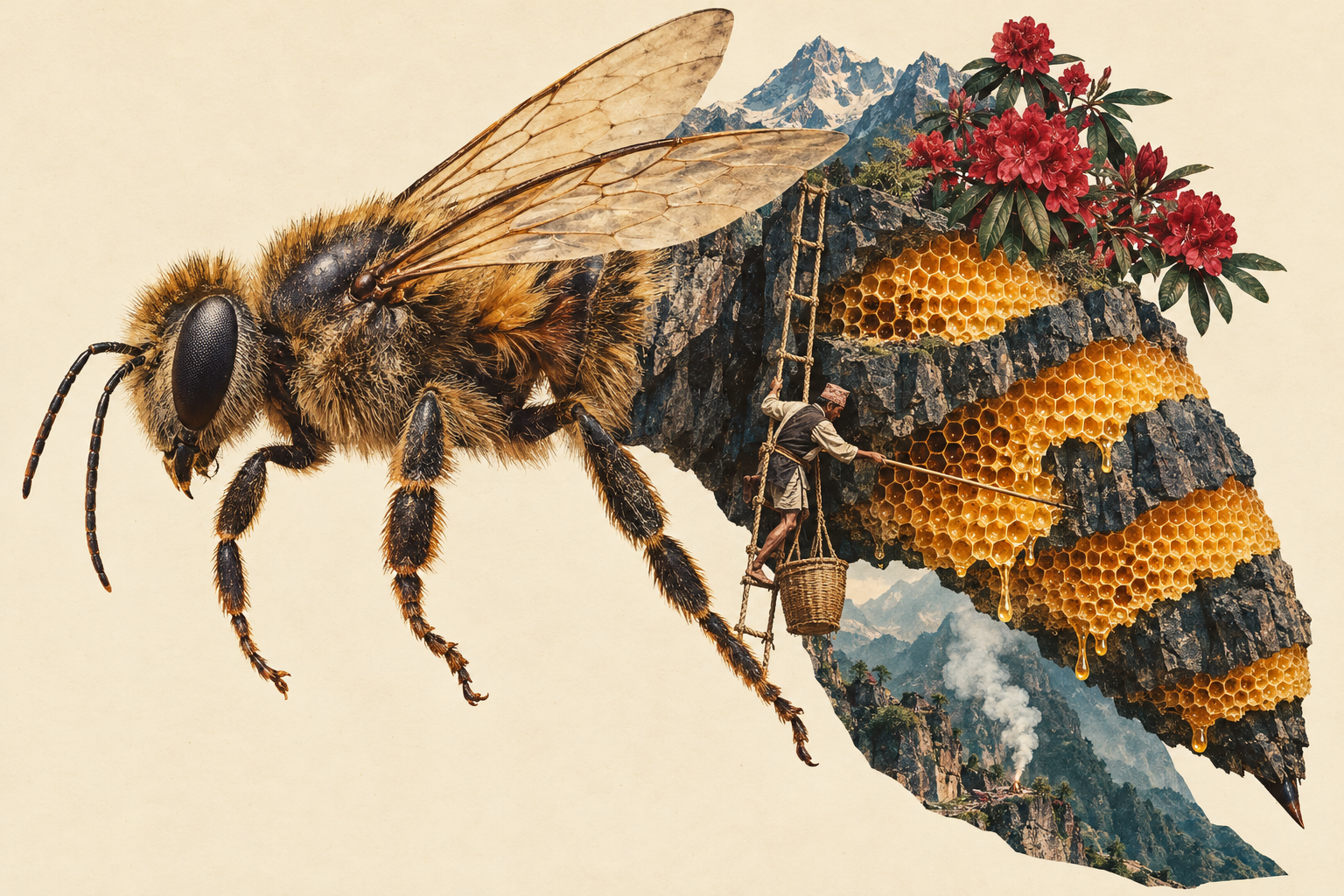
Traditional honey hunts generally take place in spring and autumn, often around April to May and October to November. Timing varies by village, elevation, weather and the condition of the colonies. Confirm a specific harvest with local organizers before building a trip around it.
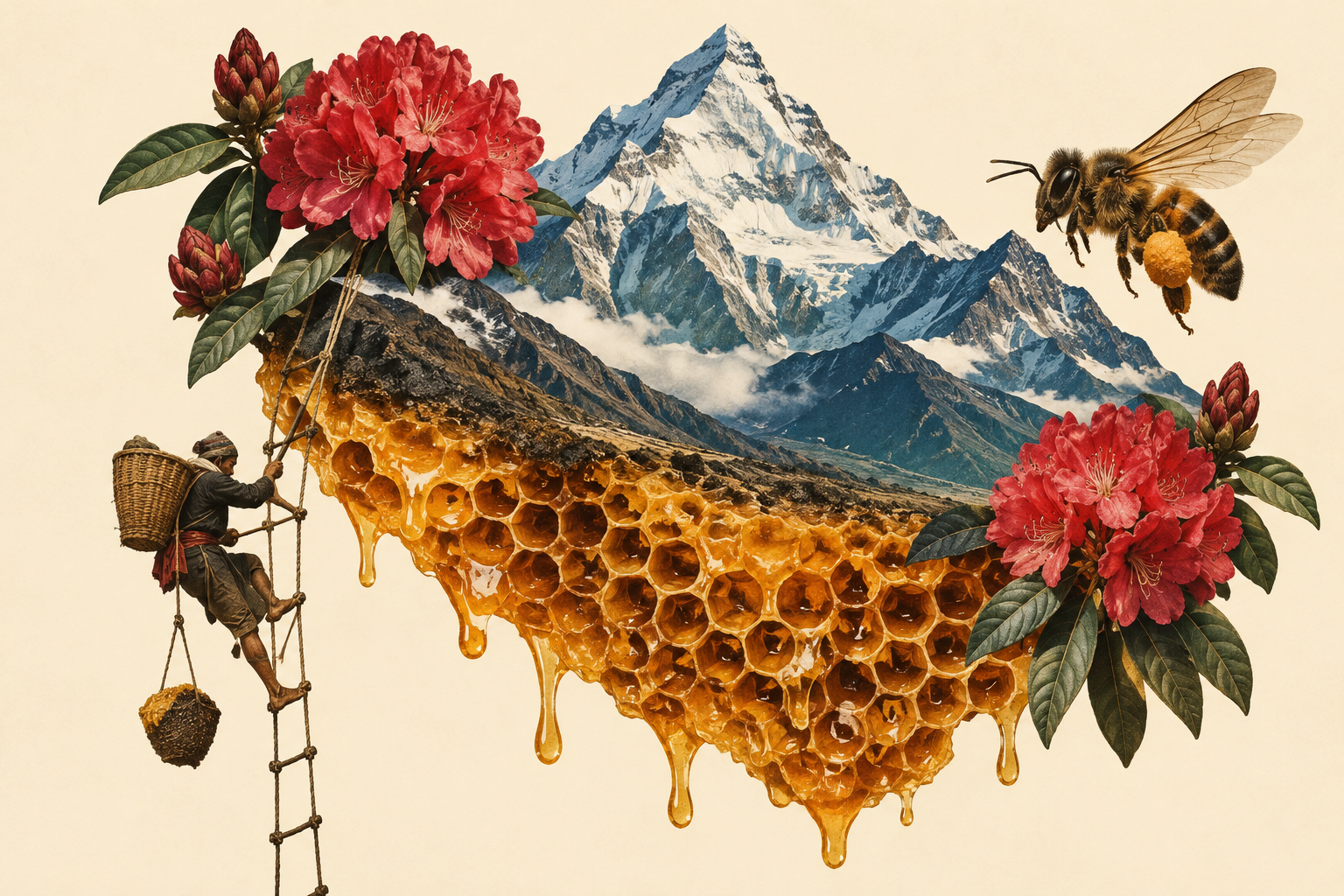
This is where Nepal’s seasonal calendar gets particularly gripping. Literally: Someone is holding on to a rope ladder halfway down a cliff.
In communities including Gurung villages in central Nepal, experienced honey hunters harvest combs from the cliffside nests of Himalayan giant honeybees, Apis laboriosa. Using rope ladders and long poles, they work above a drop that would make most of us reconsider our relationship with breakfast.
Smoke helps manage the bees during the harvest. The bees, understandably, have objections.
Honey hunting draws on generations of local knowledge, and some communities hold rituals before the harvest. Visitors should arrange access through local hosts, respect their rules and stay wherever the hunters say it’s safe to watch. Nobody needs an adventurous tourist improvising on a cliff.
What makes mad honey “mad”?
Some cliff-harvested honey contains grayanotoxins from certain rhododendron species. That’s what gives Nepal’s mad honey its unusual reputation.
Mad honey deserves a little respect: Its potency varies, and consuming too much can cause dizziness, nausea and a drop in blood pressure. The harvest season alone won’t tell you how strong a particular batch is.
Spring harvests coincide with rhododendron blooms, connecting the honey to the forests surrounding the cliffs. Watching the hunters at work gives you a whole new appreciation for what goes into a jar. Suddenly, the supermarket honey bear seems a little less adventurous.
When is Nepal’s mountaineering season?
Spring is the main season for Everest expeditions, while autumn is popular for several other Himalayan climbs. The right window depends on the mountain, route and conditions that year.
Everest teams typically arrive at Base Camp in April, then spend weeks acclimatizing and waiting for a suitable summit window, often in May. Forecasts drive those decisions. The mountain has never shown much interest in anyone’s return flight.
Autumn is a popular season for Manaslu and Ama Dablam. Peaks such as Island Peak and Mera Peak are also climbed in spring and autumn, but the term “trekking peak” deserves a raised eyebrow. These are high-altitude climbs requiring suitable skills, equipment and support.
Everest also requires a substantial budget. Nepal’s spring climbing permit for foreign climbers on the standard south route increased to $15,000 per person, effective September 1, 2025. That’s before guides, oxygen, equipment and the rest of the expedition bill.
For trekkers, spring offers a chance to see the bustle around Everest Base Camp without attempting the summit. You can admire an expedition’s ambition while remaining entirely comfortable with the limits of your own.
What’s Nepal like month by month?
These are typical patterns, rather than a forecast for a particular year. Elevation and location can change the picture considerably.
| Month | Typical conditions | Trips to consider |
|---|---|---|
| January | Cold, often dry; severe cold at altitude | Kathmandu Valley, Chitwan and suitable lower routes |
| February | Still cold, with gradual warming | Cultural sightseeing and selected lower treks |
| March | Spring warming and early blooms | Trekking, temple visits and rhododendron walks |
| April | Warmer days and spring flowers | Trekking, expedition activity and locally confirmed honey hunts |
| May | Hot lowlands; increasing haze and clouds | Early-month treks, spring honey harvests and climbing expeditions |
| June | Monsoon begins in much of Nepal | Carefully planned rain-shadow itineraries |
| July | Heavy monsoon rain | Selected rain-shadow regions, subject to access conditions |
| August | Continued rain and lush landscapes | Selective regional trips with flexible transport plans |
| September | Monsoon may linger before easing | Later-month treks if conditions allow |
| October | Generally clearer and drier; popular trails | Trekking and autumn cultural trips |
| November | Cooler weather and often clear views | Trekking and locally confirmed autumn honey hunts |
| December | Cold nights and winter conditions developing | Cultural trips, Chitwan and suitable lower treks |
Is Nepal worth visiting outside peak season?
Yes, if you choose a route and activities that suit the conditions. Winter and monsoon trips require different expectations from a classic autumn trek.
Winter: Clear skies, cold toes
December through February can appeal to travelers exploring Kathmandu Valley or heading to the warmer lowlands around Chitwan. Some lower trekking routes may also be suitable, with local advice and appropriate gear.
Higher routes are another matter. Snow can make passes dangerous or impassable, and accommodation availability can change. Fewer people on the trail is appealing; a closed pass is a rather decisive downside.
Monsoon: Choose the region carefully
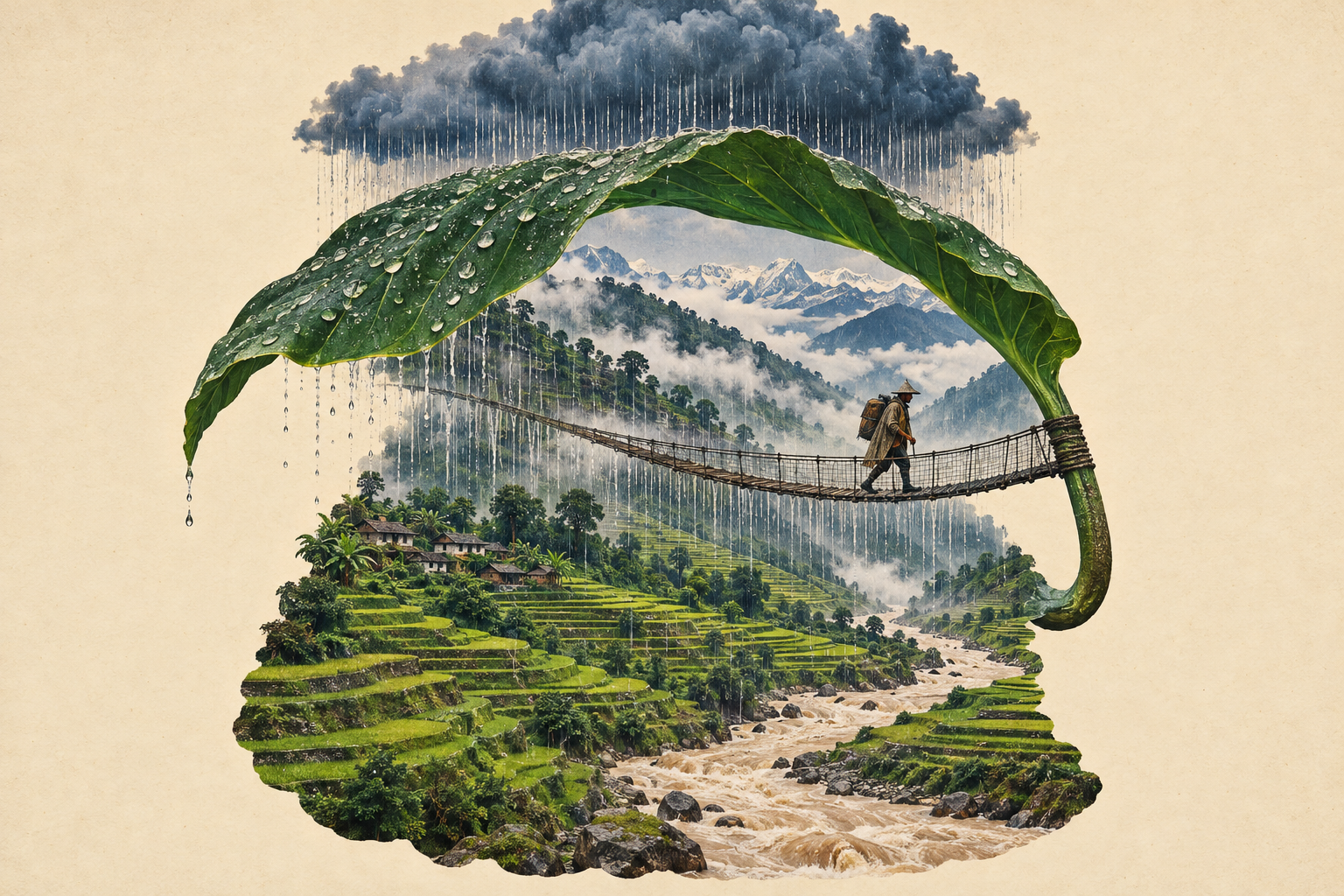
From June through September, much of Nepal receives heavy rain. Landslides, flooding, slippery trails, and disrupted roads or flights can complicate travel. Clouds may hide the peaks you came to see.
Upper Mustang sits in a Himalayan rain shadow and can be an option during the monsoon. Parts of Dolpo also have different rainfall patterns from the wetter southern slopes. But a drier destination doesn’t guarantee an easy journey there: Access roads and flights may still be affected.
A cheaper room is a perk. It’s a poor reason to ignore a weather warning.
Which Nepal festivals are worth planning around?
Dashain and Tihar are major autumn festivals, while Holi and Maha Shivaratri usually fall in late winter or early spring. Dates follow lunar calendars, so check the year you intend to travel.
Dashain, usually September or October: This 15-day Hindu festival brings family reunions, blessings, feasts, kite flying and village swings. Domestic travel can be busy, and some businesses close.
Tihar, usually October or November: Nepal’s festival of lights includes days honoring animals and family bonds. During Kukur Tihar, dogs are honored with garlands and treats. An excellent use of a festival day, frankly.
Holi, usually February or March: Celebrations involve colored powders and water. Wear something you’re prepared to sacrifice to the occasion, and ask before joining in or photographing people.
Maha Shivaratri, usually February or March: Devotees gather at Kathmandu’s Pashupatinath Temple to honor Shiva. Expect crowds and follow local guidance around worship and access.
So, when should you visit Nepal?
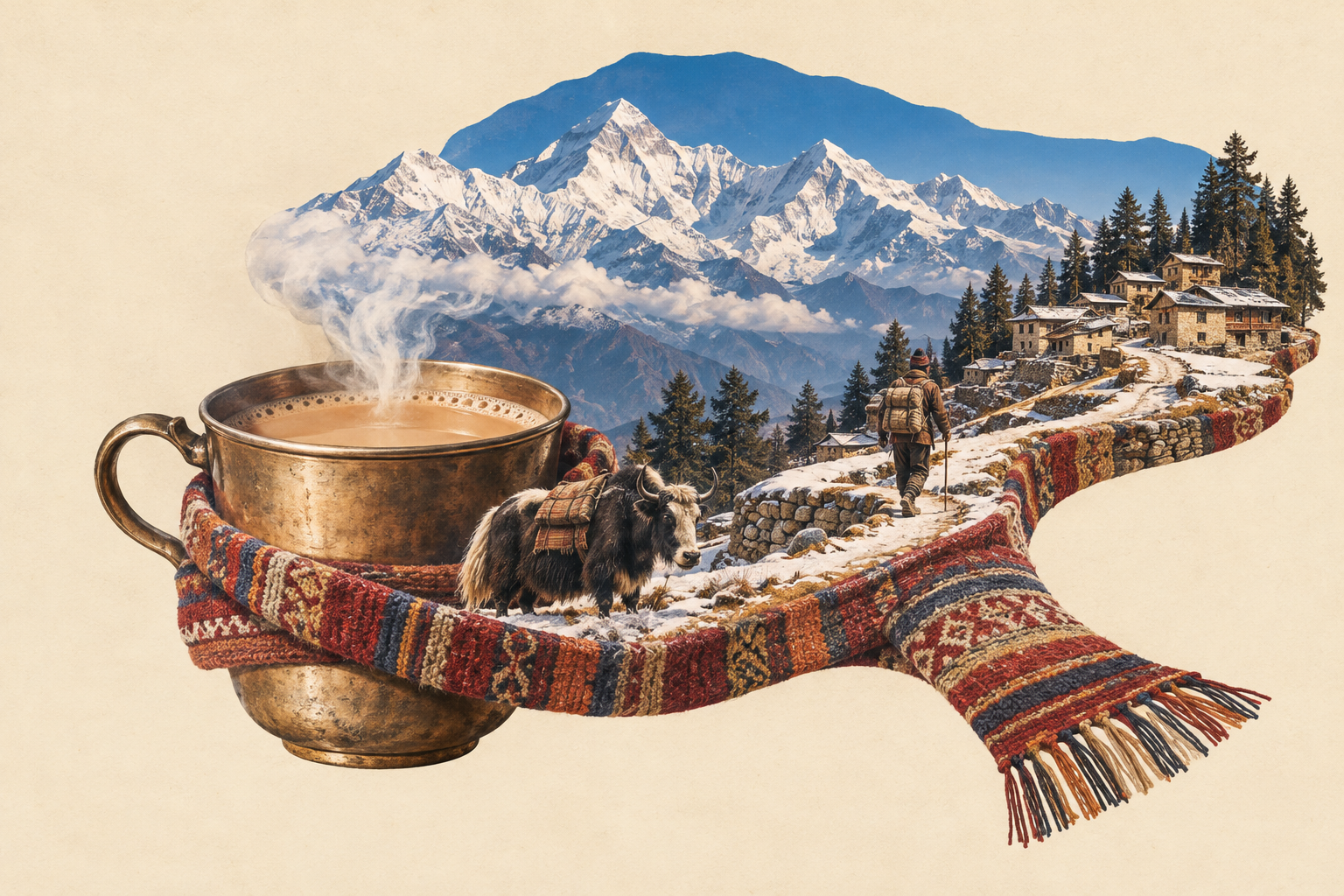
For a first trekking trip, start by considering October or November. For rhododendrons and spring mountain walks, look at March or April. For honey hunting, plan around a locally confirmed spring or autumn harvest. For winter, focus on cultural sightseeing, the lowlands and suitable lower routes.
And if Everest has made Nepal seem intimidating, remember how much of the country you can experience without aiming for a summit. That broader appeal earned it a place among many travelers’ favorite underrated adventure destinations.
Pick the experience first, then choose the season and check current conditions. Nepal offers plenty of ways to feel small in the best possible sense. You get to decide how much uphill walking that involves. –Barsha Kafle