You don’t need to be an elite athlete to trek around Manaslu. Here’s how to build the endurance, strength and stamina you’ll need before hitting the trail.
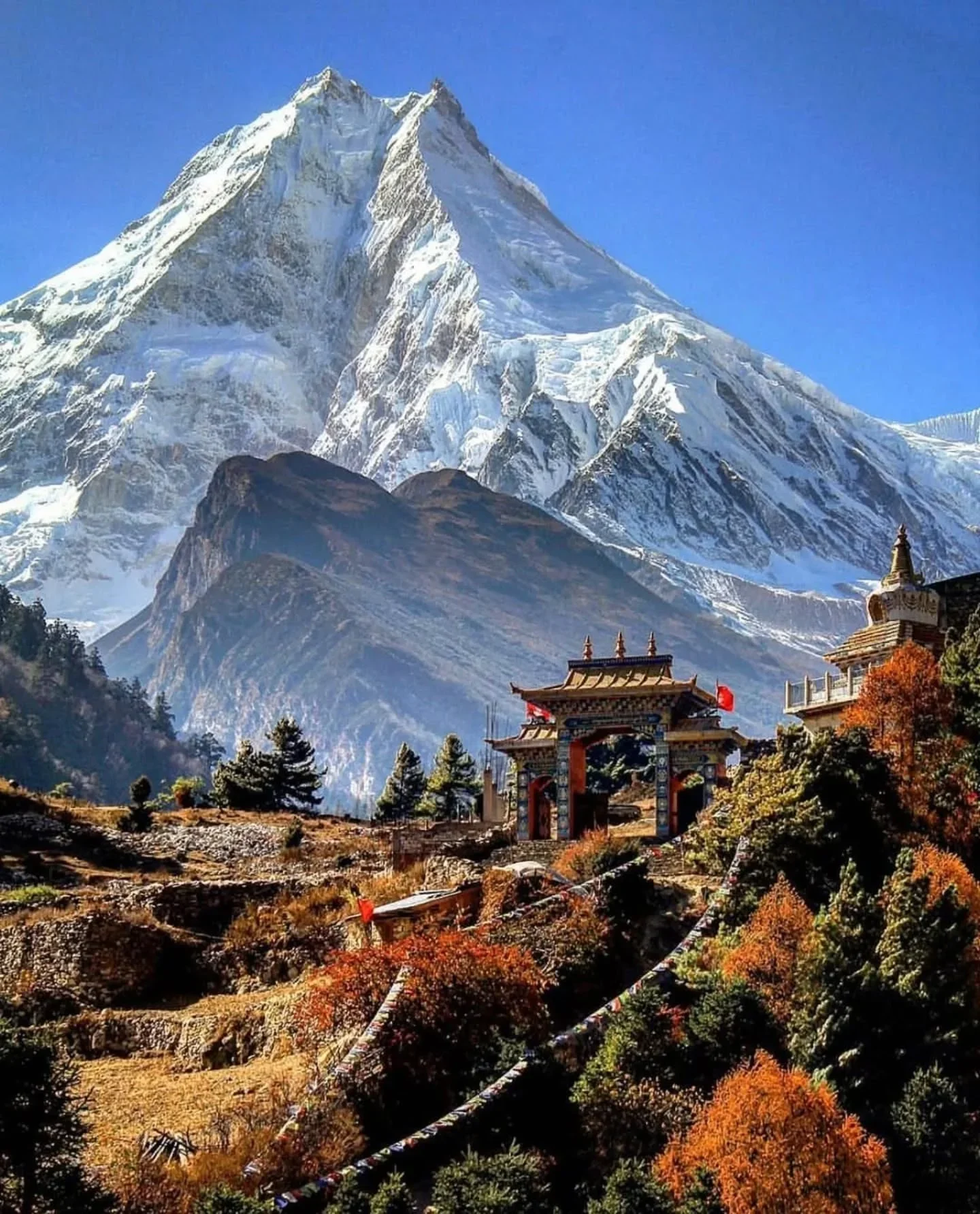
The Manaslu Circuit trek in Nepal has all the ingredients of a Himalayan epic: remote mountain villages, swaying suspension bridges, forests that give way to stark alpine landscapes and, looming over it all, 26,781-foot (8,163-meter) Mount Manaslu, the eighth-highest mountain on Earth.
It’s exactly the sort of experience that makes Nepal one of the world’s most underrated adventure travel destinations — especially once you venture beyond Everest. Of course, getting that far off the beaten path requires some serious legwork.
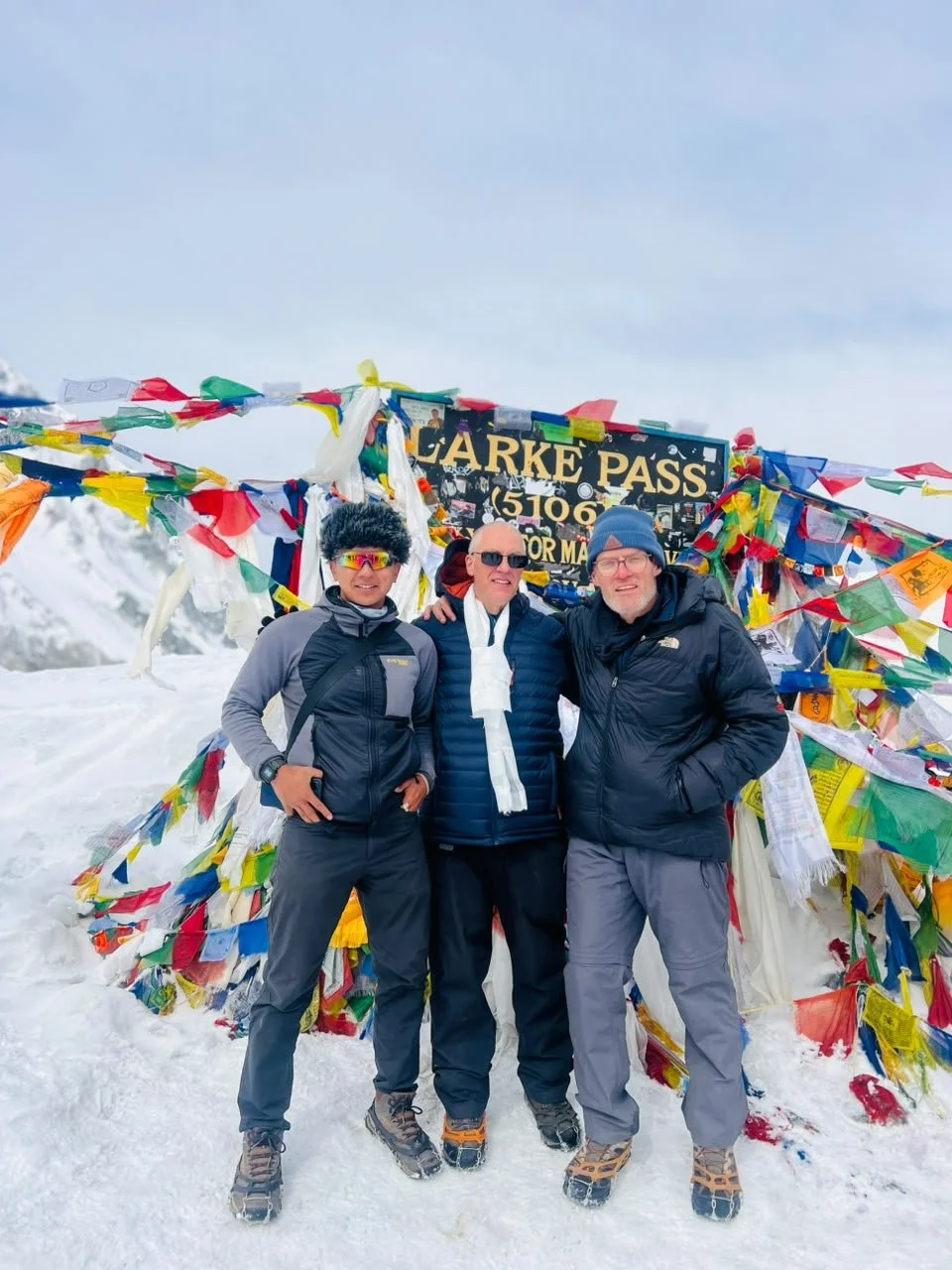
Like Larkya La. At 16,929 feet (5,160 meters), Larkya La Pass is the literal and figurative high point of the trek. By the time you reach it, you’ll have spent days steadily gaining elevation, sleeping in increasingly remote villages and discovering that what looked like a perfectly reasonable incline from a distance is, in fact, another freakin’ hill.
The good news? You don’t need technical climbing skills — or the physique of someone who spends weekends dangling from cliffs — to complete the Manaslu Circuit trek.
You do, however, need stamina.
Most itineraries take around 13 to 16 days, with six to eight hours of walking on many days. The challenge isn’t one heroic burst of athleticism. It’s getting up the next morning and doing it again.
And again.
At altitude.
That kind of stamina is one of the biggest things to consider when planning an Everest Base Camp trek — and it matters just as much on the Manaslu Circuit.
Here’s how to prepare your body for the Manaslu Circuit so you can spend more time admiring the Himalayas and less time wondering why you thought this was a good idea.
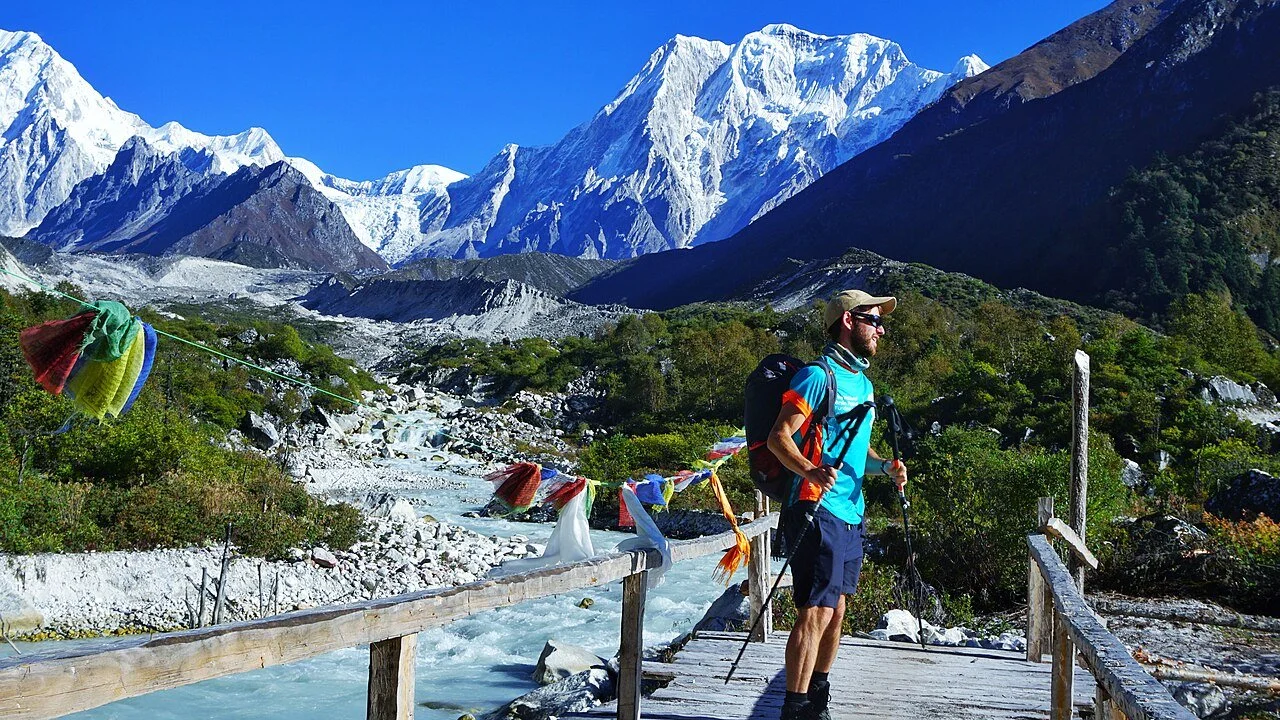
How fit do you need to be for the Manaslu Circuit trek?
Let’s get this out of the way first: You do not need to be an elite athlete.
The Manaslu Circuit is physically demanding, but nobody’s timing you. There’s no medal waiting at Larkya La for whoever gets there first. In fact, at high altitude, trying to be the fastest person on the trail is a particularly bad strategy.
What matters more is cardiovascular endurance, leg strength and the ability to keep moving for several hours at a comfortable pace.
On a typical trekking day, you might walk for six to eight hours across a mixture of dirt trails, stone steps, forest paths, suspension bridges, and long ascents and descents.
Then you’ll wake up and do something similar tomorrow.
That cumulative effort is what catches people off guard.
If you’ve already completed something like the Langtang Valley Trek — or tackled the Everest Base Camp trek on a budget — you’ll have a useful idea of what Nepalese teahouse trekking entails. Manaslu goes higher and can involve longer days, but the basic preparation is similar: Build endurance, strengthen the muscles that will carry you up and down the mountains and resist the temptation to treat trekking like a race.
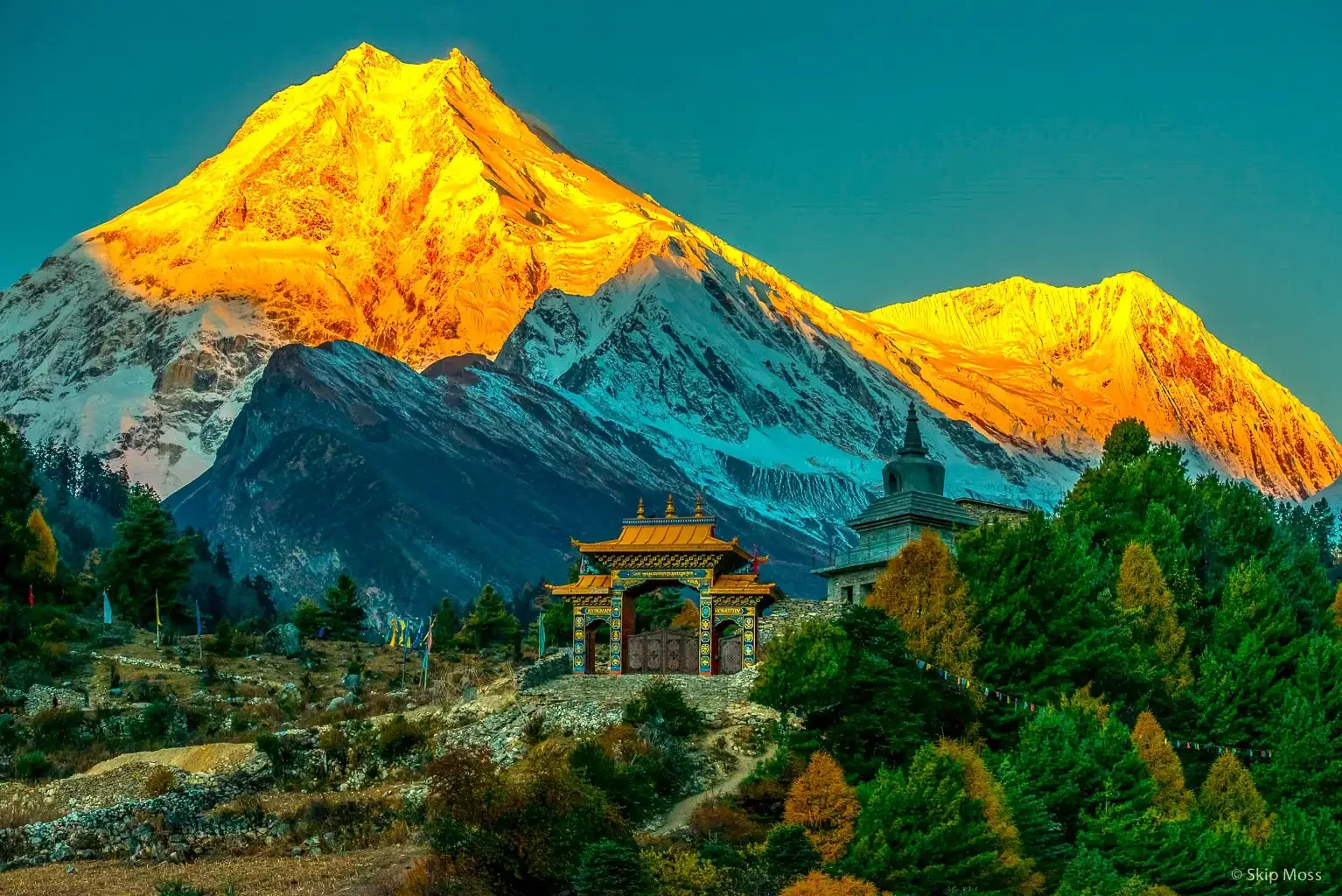
Why is the Manaslu Circuit trek so difficult?
No single part of the Manaslu Circuit requires superhuman fitness. Instead, several challenges pile on top of one another.
You’re walking all day — for days.
Depending on your itinerary, a trekking day can cover roughly 6 to 12 miles (10 to 20 kilometers).
That might not sound intimidating if you regularly walk or hike at home. But your neighborhood stroll probably doesn’t include several thousand feet of elevation change, rocky trails and a Himalayan mountain pass.
The real test is repetition. A six-hour hike is one thing. Six hours today, another six tomorrow and another six the day after that is something else entirely.
That’s why endurance training for the Manaslu Circuit matters more than being able to run a particularly fast mile.
The air gets thin.
Altitude is the great equalizer.
As you climb, atmospheric pressure drops, which means less oxygen is available to your body with each breath. Above roughly 9,800 feet (3,000 meters), you’ll probably notice that activities that seemed easy lower down suddenly require considerably more effort.
A staircase can become an event.
The Manaslu Circuit gradually takes trekkers through increasingly high settlements:
You can train your heart and legs before you leave home. You can’t completely train your body for how it will respond to altitude.
That’s why proper acclimatization on the Manaslu Circuit trek is essential. A sensible itinerary builds in enough time for your body to adjust rather than rushing upward.
What goes up must eventually come down.
Everyone worries about climbing.
Your knees would like a word.
Long descents put considerable stress on your quadriceps, knees and ankles. After hours of downhill trekking, even people with strong cardiovascular fitness can end up with trembling legs.
That’s one reason your Manaslu Circuit training plan should include strength work, not just cardio.
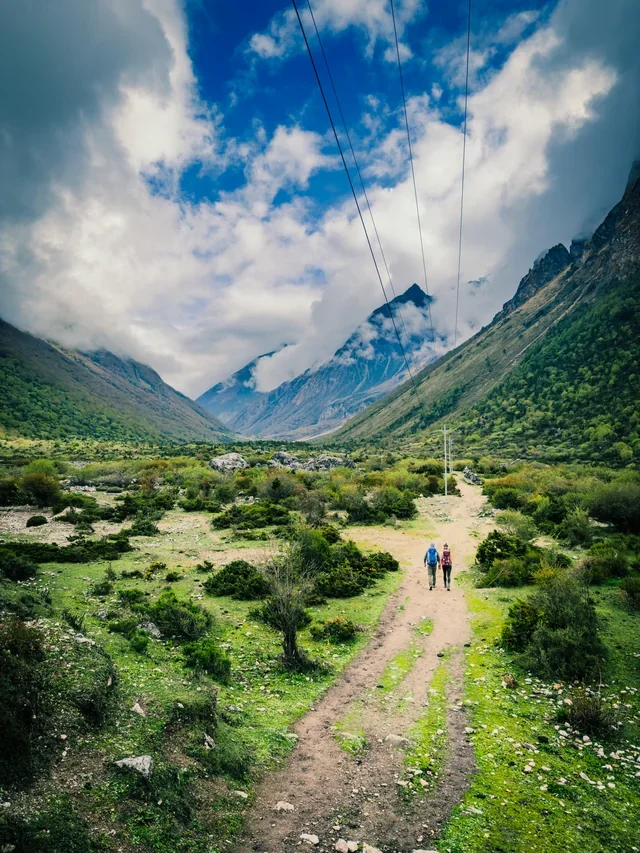
When should you start training for the Manaslu Circuit?
Ideally, start about eight to 12 weeks before your trek.
That gives you enough time to gradually increase your endurance and strength without suddenly subjecting your body to an ambitious boot camp because you remembered you’re going to Nepal next month.
If you did remember you’re going to Nepal next month, don’t panic.
Four weeks of consistent walking, hiking and strength training is still considerably better than four weeks of sitting on the couch worrying about Larkya La.
The key word is gradual. Increasing your mileage or workout intensity too quickly is an excellent way to arrive in Nepal with an injury, which rather defeats the purpose.
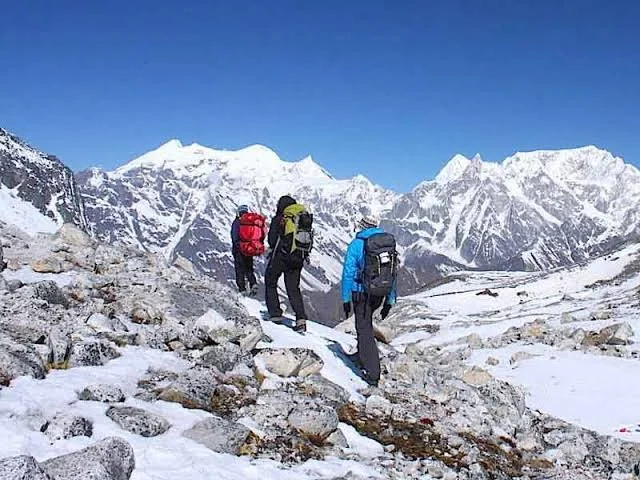
An 8-Week Manaslu Circuit Training Plan
You don’t need an elaborate fitness program. You need consistency.
Weeks 1–4: Build Your Base
For the first month, concentrate on getting your body accustomed to regular activity.
Aim for:
Four or five walks per week of about 45 to 60 minutes
One weekend hike lasting two to three hours
Regular stair or hill climbing
Two light strength sessions per week
At least one proper rest day
Don’t obsess over speed.
You’re training your body to remain active for increasingly long periods, not preparing for the 100-meter dash.
If you have access to hills, use them. If you live somewhere aggressively flat, stairs and an incline treadmill are your new mountains.
Weeks 5–8: Make It Harder
Once you’ve established a base, start increasing the duration and difficulty of your workouts.
Try adding:
Brisk walks of 4 to 6 miles (6 to 10 kilometers)
Weekend hikes lasting four to six hours
Longer stair or incline-treadmill sessions
Two strength-training sessions per week
Hikes while carrying a daypack
Gradually work toward carrying around 11 to 15 pounds (5 to 7 kilograms), assuming that’s similar to the weight you’ll carry in Nepal.
And if you can find a trail with lots of elevation change, even better. Your legs need to learn that downhill is work too.
The Final Two Weeks: Stop Trying to Become Superman
The fortnight before your trip isn’t the time to suddenly double your mileage.
You’re unlikely to make dramatic fitness gains at this point. You are capable of exhausting yourself or getting injured.
Gradually reduce your training volume while continuing to walk and stay active. Prioritize sleep, hydration and recovery.
The goal is to step onto the trail rested and healthy — not to limp into Kathmandu because you decided to squeeze in one last monster workout.
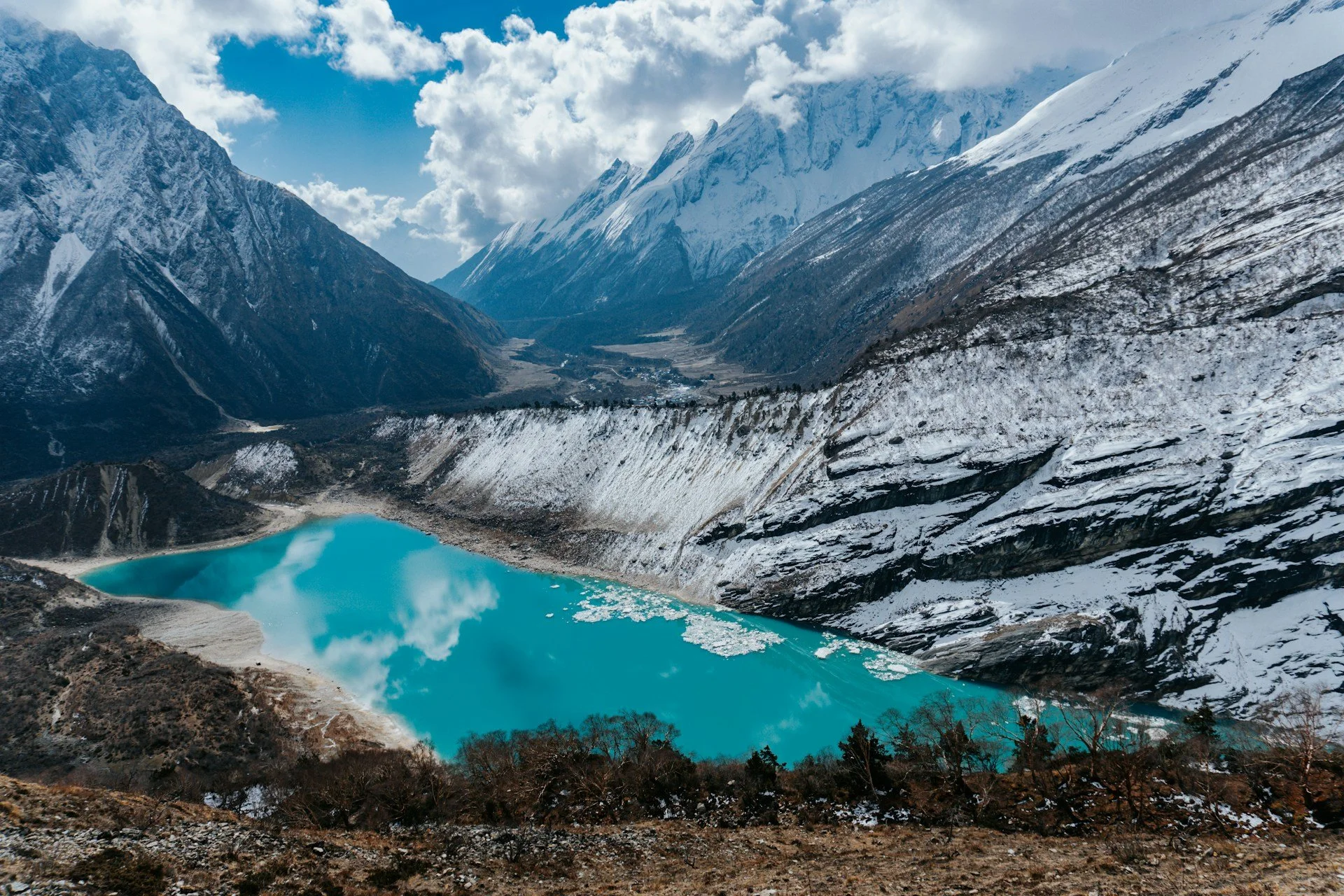
The Best Cardio for the Manaslu Circuit Trek
If you only choose one form of cardio, make it hiking.
Nothing prepares you for walking uphill for hours quite like walking uphill for hours.
But you don’t have to spend every weekend in the wilderness. Useful cardio exercises include:
Hiking
Brisk walking
Incline treadmill walking
Stair climbing
Cycling
Swimming
Rowing
Trail running
A general target of 150 to 300 minutes of moderate aerobic exercise per week is a useful starting point for many adults, but your training should gradually include longer sessions that mimic actual trekking days.
More important than hitting a magic number is being able to remain active comfortably for several hours.
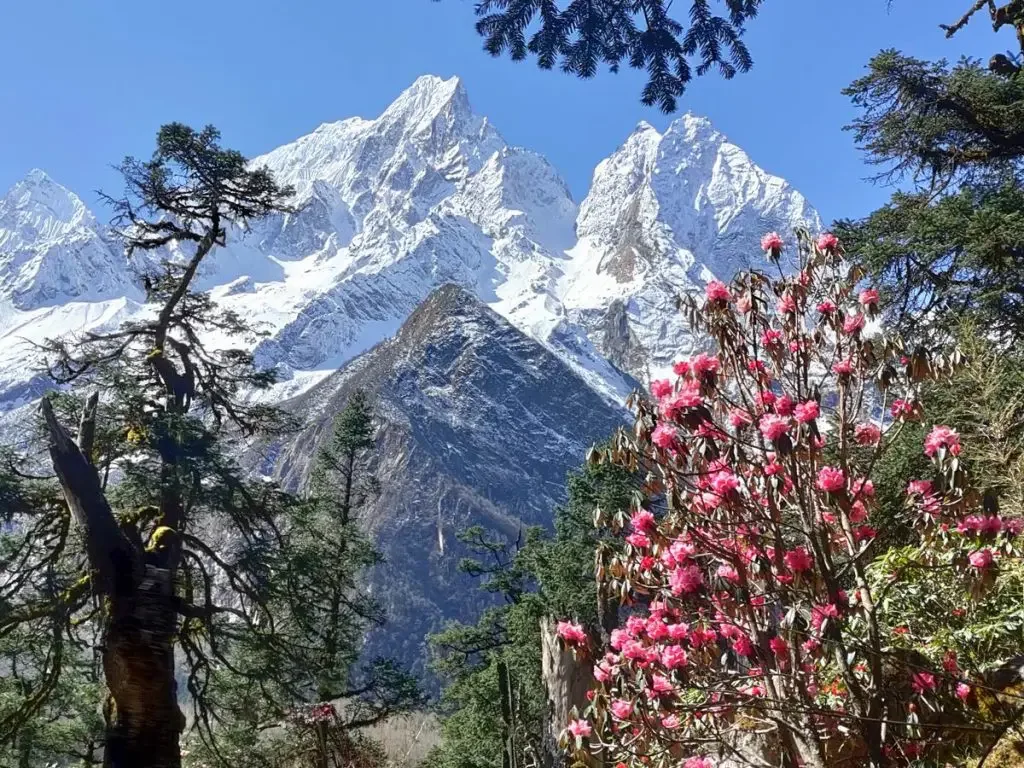
Strength Training for the Manaslu Circuit
You don’t need to become enormous.
This isn’t that kind of vacation.
For trekking, functional strength is what matters: strong legs to propel you uphill and control your descents, a stable core for uneven terrain and enough upper-body strength to comfortably carry your daypack.
Train Your Legs
Focus on exercises such as:
Squats
Lunges
Step-ups
Bulgarian split squats
Calf raises
Step-ups are particularly useful because they mimic one of the great recurring themes of Himalayan trekking: Oh look, more steps.
For downhill preparation, controlled lunges, step-downs and slow lowering movements can help strengthen the muscles used to stabilize your body during descents.
Strengthen Your Core
A strong core helps with balance and stability, particularly when you’re negotiating rocks, steps and uneven trails with a backpack.
Try:
Planks
Side planks
Bird dogs
Dead bugs
Mountain climbers
You don’t need a six-pack.
You need to remain upright.
Don’t completely ignore your upper body.
Even with porter support, you’ll probably carry a daypack for hours at a time.
Push-ups, rows and shoulder presses can help strengthen your shoulders and upper back so your pack doesn’t become your mortal enemy by Day 4.
Train with the backpack you’ll actually carry.
This is one of the easiest parts of preparing for the Manaslu Circuit Trek to overlook.
Walking for five hours is different when several pounds are hanging off your shoulders.
Even if a porter carries your main luggage, your daypack will probably contain things like:
Water
Extra layers
Rain gear
Snacks
Camera or phone
Sunscreen
Personal medication
Work up gradually to a pack weighing around 11 to 15 pounds (5 to 7 kilograms), or whatever you realistically expect to carry.
Better yet, train with the actual pack you’re taking to Nepal. This gives you time to adjust the straps, figure out where it rubs and discover that the water bottle pocket you thought was ingenious is impossible to reach without dislocating a shoulder.
Hike on consecutive days.
Here’s where weekend warriors can get fooled.
You finish a six-hour hike on Saturday and feel fantastic. Success!
But on the Manaslu Circuit, Sunday isn’t a recovery day.
It’s another trekking day.
As your training progresses, occasionally schedule hikes or long walks on two consecutive days. If your fitness and schedule allow, try three.
You’re teaching your body something extremely useful: how to recover overnight and keep going when your legs aren’t entirely thrilled about it.
Work on flexibility and mobility.
Stretching won’t magically carry you over Larkya La, but maintaining good mobility can make repeated days of walking considerably more comfortable.
After workouts, pay particular attention to your:
Hamstrings
Hip flexors
Calves
Glutes
Lower back
Yoga can also complement a trekking program by improving flexibility, balance and body awareness.
Just don’t replace your hiking with yoga and assume your chakras will carry you up the mountain.
Eat like someone who’s training for a trek.
The weeks before a major trek are not the ideal time for a crash diet.
Your body needs fuel to adapt to increasing amounts of exercise.
A balanced training diet should include plenty of carbohydrates for energy, protein for muscle recovery, healthy fats and a variety of fruits and vegetables. Staying well hydrated during training is also a useful habit to establish before you arrive in Nepal.
There’s no need for an exotic “Himalayan training diet.”
Eat well. Eat enough. Drink water.
Your legs will appreciate it.
Your brain needs training, too.
There’s another “muscle” you’ll need on the Manaslu Circuit: your brain.
Long-distance trekking requires patience. Weather changes. Trails get muddy. Accommodation becomes basic. You may sleep badly. Your legs will ache. Someone will inevitably tell you that today’s destination is “just another hour” away.
And sometimes the mountain simply wins the argument.
Mental preparation means accepting that discomfort is part of the experience without turning every difficult moment into a crisis.
Experienced trekking guides understand something that gym statistics can’t measure: A steady trekker who listens to their body and maintains a positive attitude often does better than a fitter person who pushes too hard.
Slow down. Take breaks. Eat. Drink. Listen to your guide.
The mountain isn’t going anywhere.
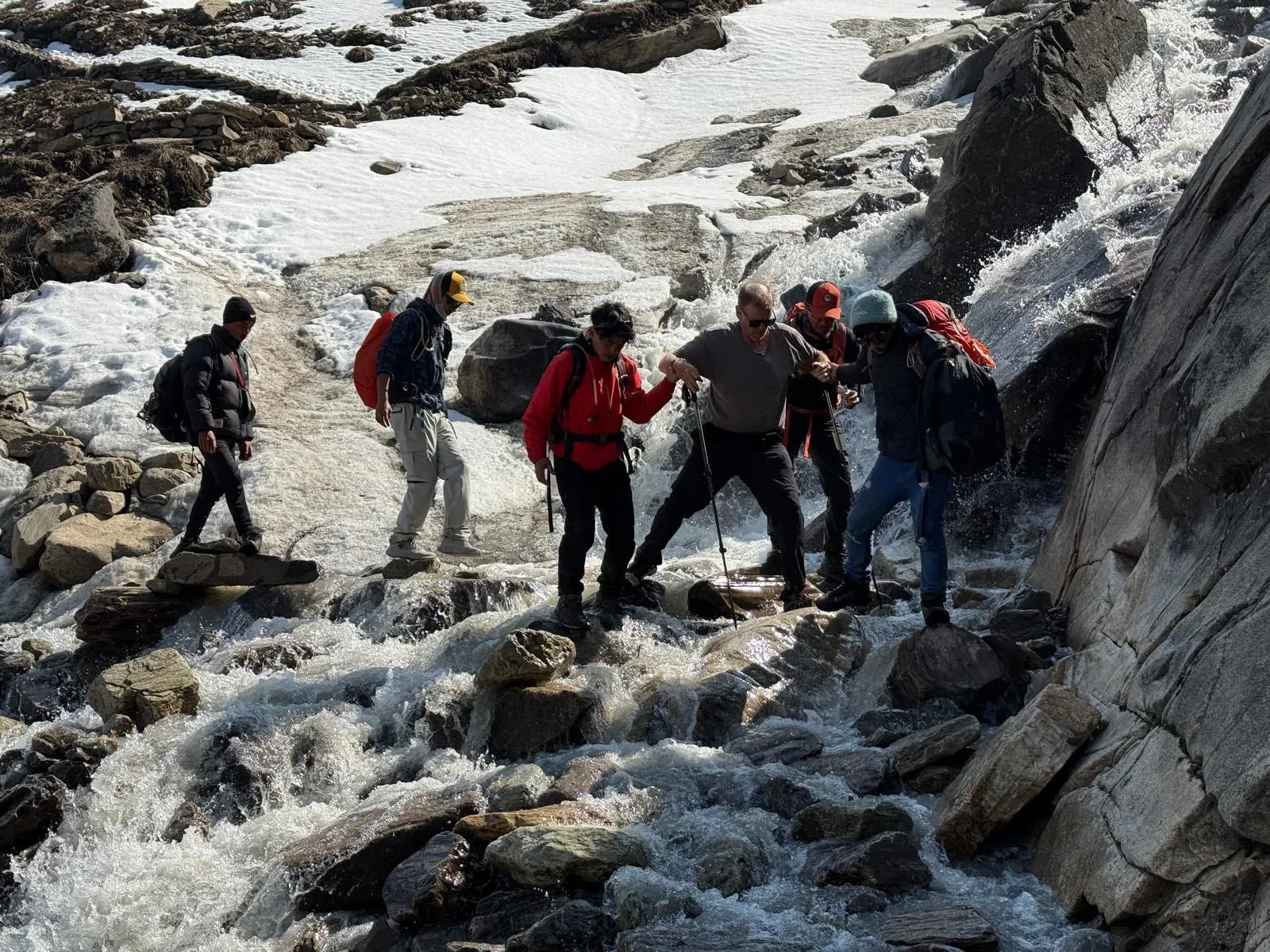
Common Manaslu Circuit Training Mistakes
A few mistakes can make an already challenging trek considerably harder:
Waiting until the last few weeks to start training
Running exclusively instead of practicing long walks or hikes
Training only for uphill climbs
Ignoring leg and core strength
Never hiking with a backpack
Increasing mileage too quickly
Skipping rest and recovery days
Arriving in Nepal exhausted from overtraining
Trying to maintain your sea-level walking pace at altitude
Perhaps most importantly, don’t compare your pace with everyone else’s.
At altitude, slow isn’t failure.
Slow is strategy.
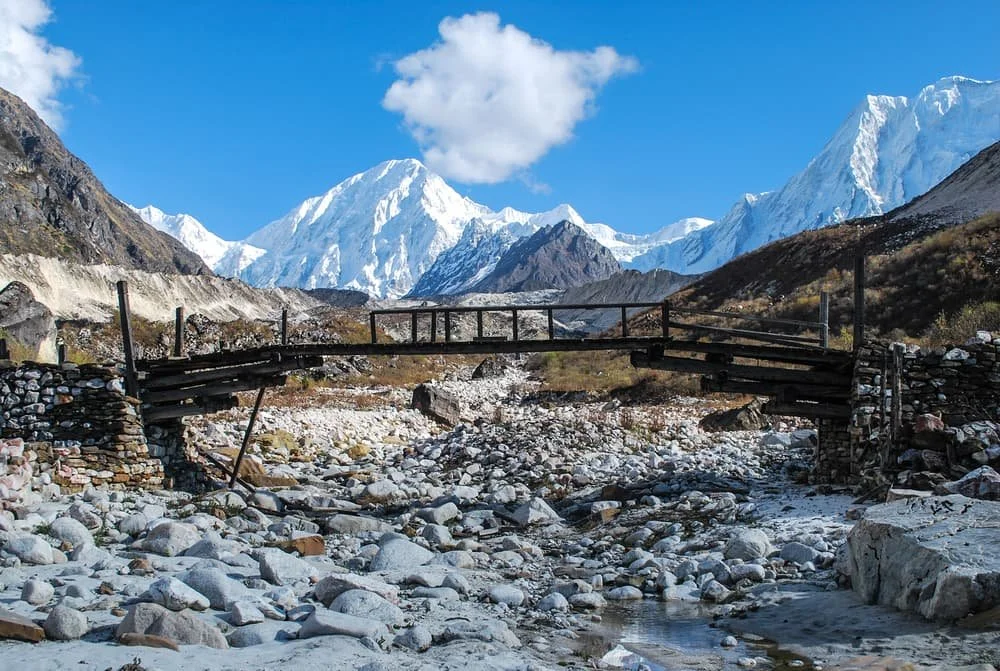
You’re training to enjoy Manaslu, not just survive it.
There’s a big difference between being physically capable of completing the Manaslu Circuit trek and actually enjoying it.
That’s the real reason to train.
You’re traveling halfway around the world to walk through one of Nepal’s most spectacular mountain landscapes, passing Buddhist monasteries, mani walls, forests, rivers and villages influenced by centuries of Tibetan culture.
You want enough energy left to notice them.
Start training eight to 12 weeks before departure if you can. Build cardiovascular endurance. Strengthen your legs and core. Walk hills and stairs. Carry a backpack. Practice hiking on consecutive days.
Then give your body time to acclimatize once you reach the Himalayas.
Because when you finally reach Larkya La Pass, surrounded by a sweep of snow-covered peaks, you probably won’t care how quickly you got there.
You’ll just be very, very glad you trained for it. –Samita Maharjan