Skip the tourist checklist and discover Egypt through local food, hidden gems, cultural traditions and authentic experiences with these practical Egypt travel tips.
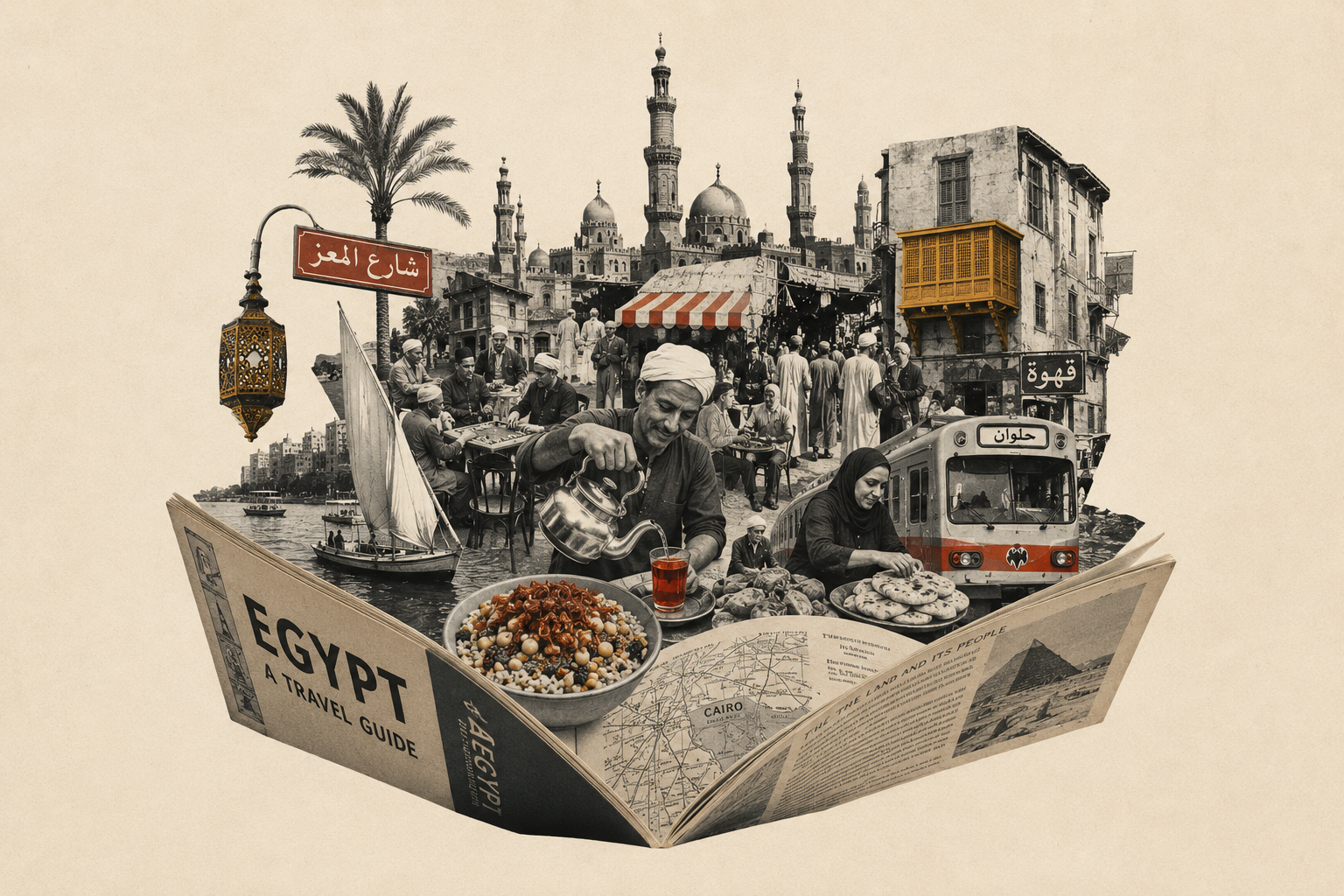
Most travelers arrive in Egypt with a mental checklist already prepared: See the Pyramids. Take a photo with the Sphinx. Cruise the Nile. Buy something that may or may not be authentic papyrus.
And while there’s a reason those experiences top so many Egypt itineraries, they’re only part of the story.
“If you’re looking for Egypt travel tips that go beyond the standard guidebook recommendations, the secret is simple: Spend less time checking off attractions and more time experiencing daily life.”
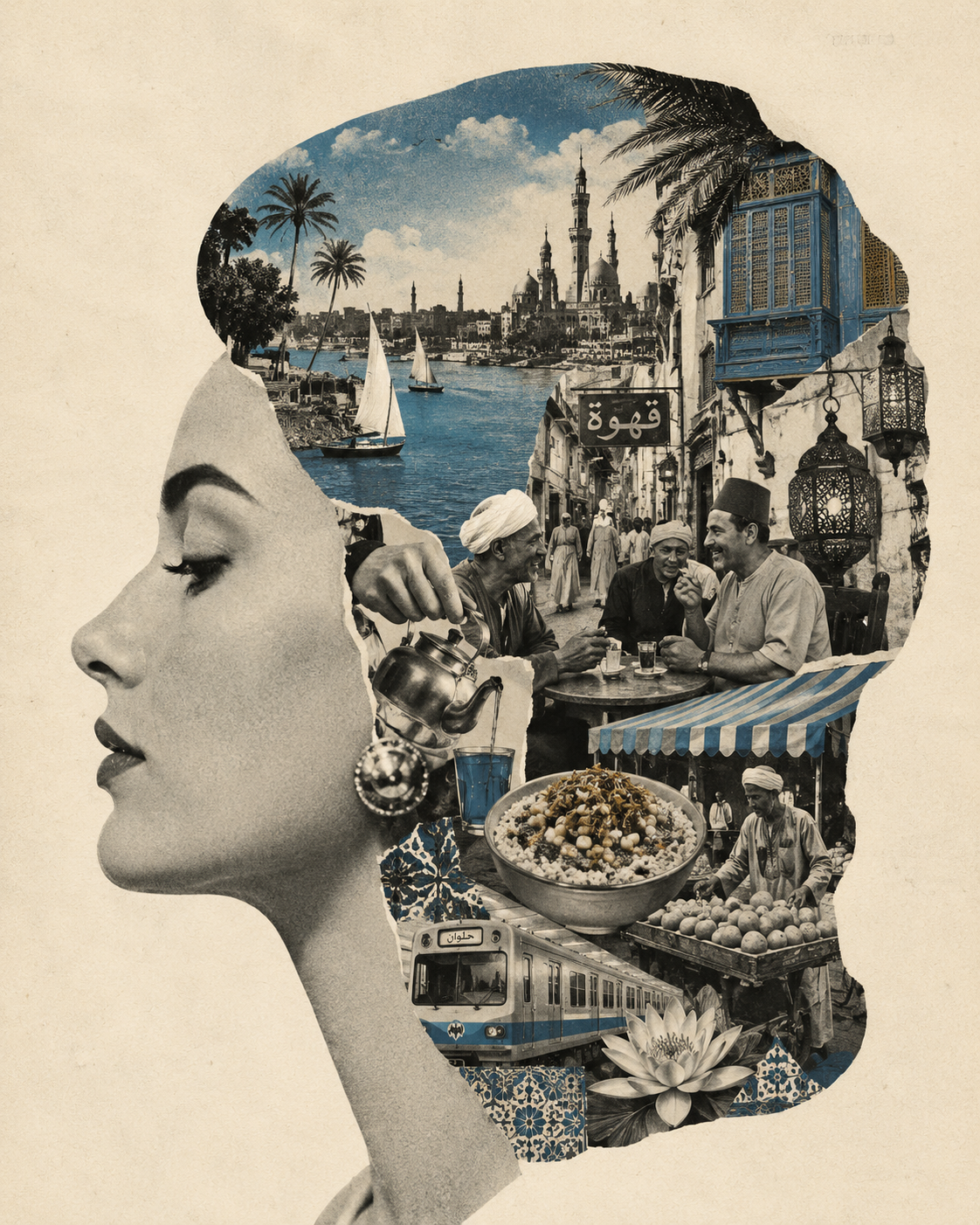
The Egypt that stays with you long after your flight home isn’t always found among the country’s most famous monuments. It’s the smell of fresh bread drifting from a neighborhood bakery. It’s the old men gathered around a café table debating football with the intensity of world leaders negotiating a peace treaty. It’s the shopkeeper who insists you sit down for tea before discussing anything as trivial as a purchase.
A true traveler seeks cultural immersion. If you’re looking for Egypt travel tips that go beyond the standard guidebook recommendations, the secret is simple: Spend less time checking off attractions and more time experiencing daily life.
Here’s how to travel Egypt like a local and discover the authentic experiences many visitors miss.
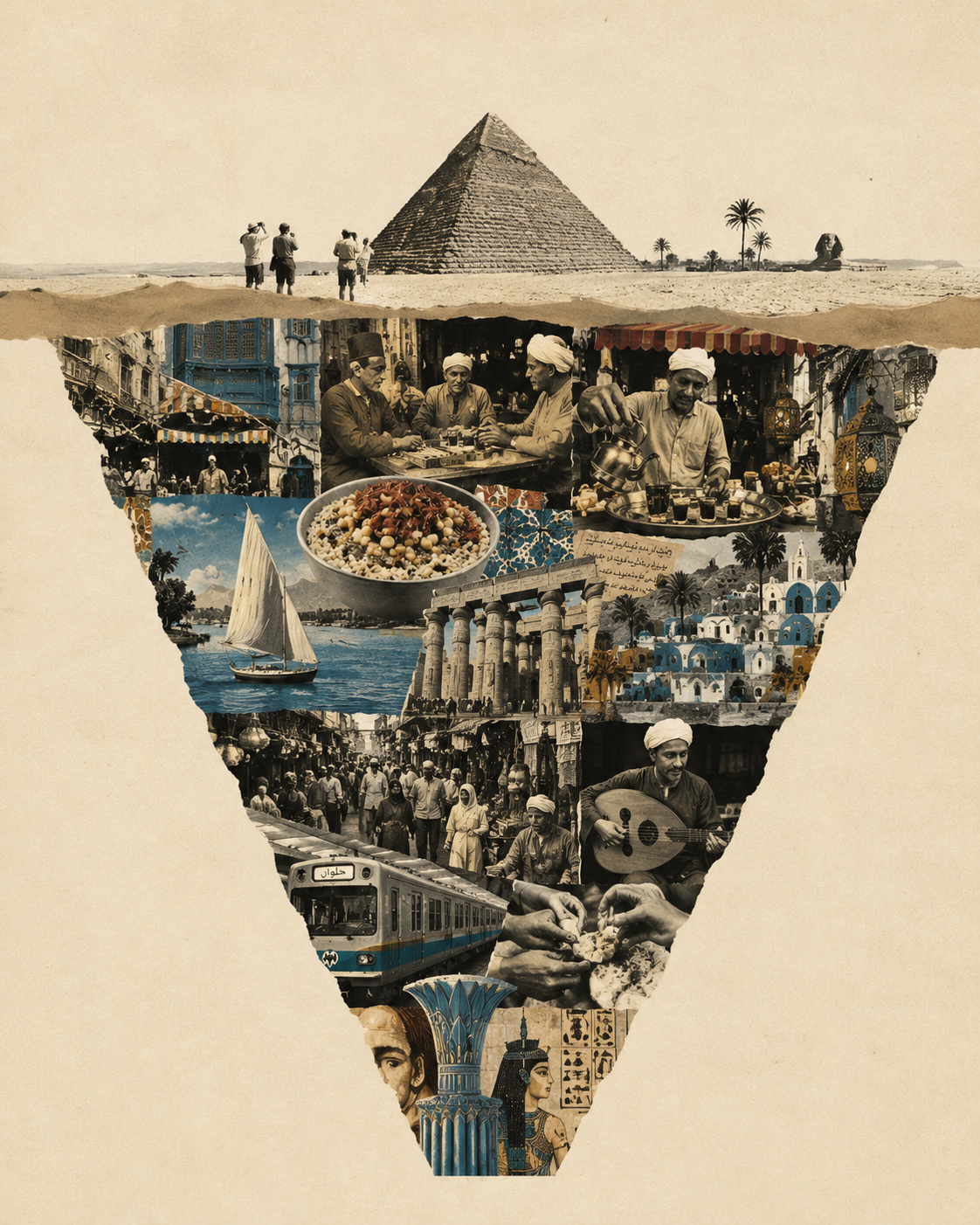
Go Beyond the Pyramids to Find Egypt’s Hidden Gems
The Pyramids deserve every bit of their fame. Standing before them is one of those rare travel moments that somehow lives up to centuries of hype.
But some of the best places to visit in Egypt besides the Pyramids are the ones that rarely make the front page of a guidebook.
Take Alexandria. Founded by Alexander the Great, Egypt’s second-largest city feels refreshingly different from Cairo. The Mediterranean breeze replaces the desert heat, seafood dominates menus, and locals spend evenings strolling the Corniche as the sun sinks into the sea.
Farther south, Aswan offers a completely different pace. The Nile seems calmer here, colorful Nubian villages line the riverbanks, and visitors can spend hours watching traditional feluccas drift past without feeling the need to rush anywhere.
Then there are places that feel almost disconnected from modern Egypt altogether. Desert oases, small villages and lesser-known archaeological sites often provide a far more personal experience than the country’s biggest attractions.
The best way to discover these Egypt hidden gems? Ask locals.
Whether you’re chatting with a hotel owner, café server or taxi driver, you’ll often receive recommendations that never appear in travel guides. Those conversations can lead to family-run restaurants, neighborhood markets and authentic things to do in Egypt that most tourists never experience.
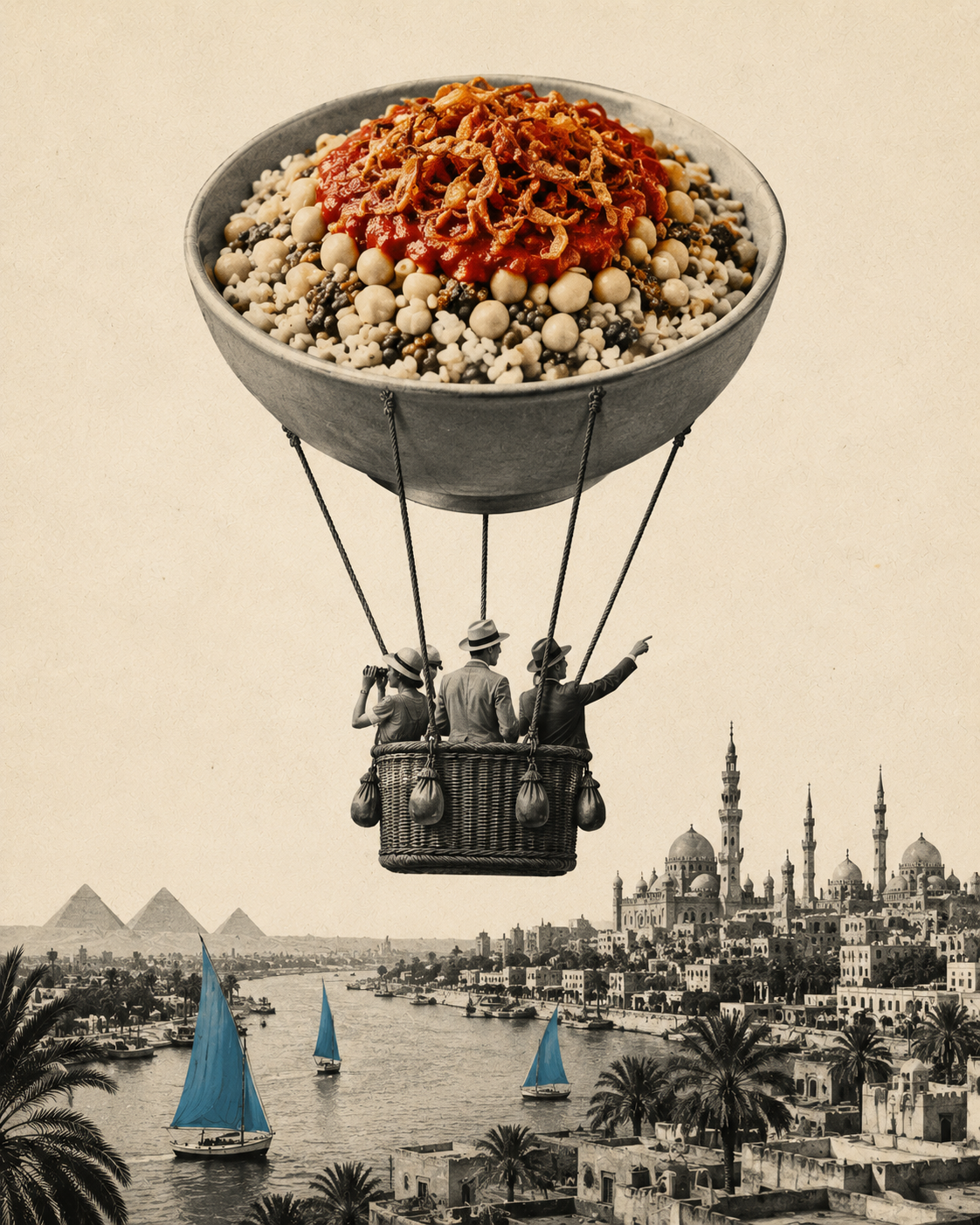
Eat Like a Local With Egyptian Street Food and Classic Dishes
Want to understand a country? Start with lunch.
One of the biggest mistakes travelers make is eating exclusively in restaurants designed for other travelers. If you really want to experience Egyptian culture, follow the crowds and look for the plastic chairs.
Wondering what to eat in Egypt? Start with koshary. This beloved Egyptian staple combines rice, lentils, pasta, tomato sauce and crispy onions into a dish that sounds like someone cleaned out their pantry and accidentally created perfection. It’s filling, inexpensive and found everywhere from Cairo side streets to neighborhood cafés in Alexandria.
Breakfast often revolves around foul medames, a savory fava bean dish that has fueled Egyptians for centuries. Pair it with taameya, Egypt’s version of falafel made from fava beans rather than chickpeas, and you’ll quickly understand why locals are so passionate about their food.
And when temperatures begin climbing, few things are more refreshing than a glass of freshly pressed sugarcane juice purchased from a street vendor.
The real magic of Egyptian food isn’t just the dishes themselves. It’s the experience. Meals are social events. Plates are shared. Conversations stretch long after the food is gone. Don’t be surprised if someone insists you try “just one more bite.” In Egypt, hospitality often arrives on a plate.
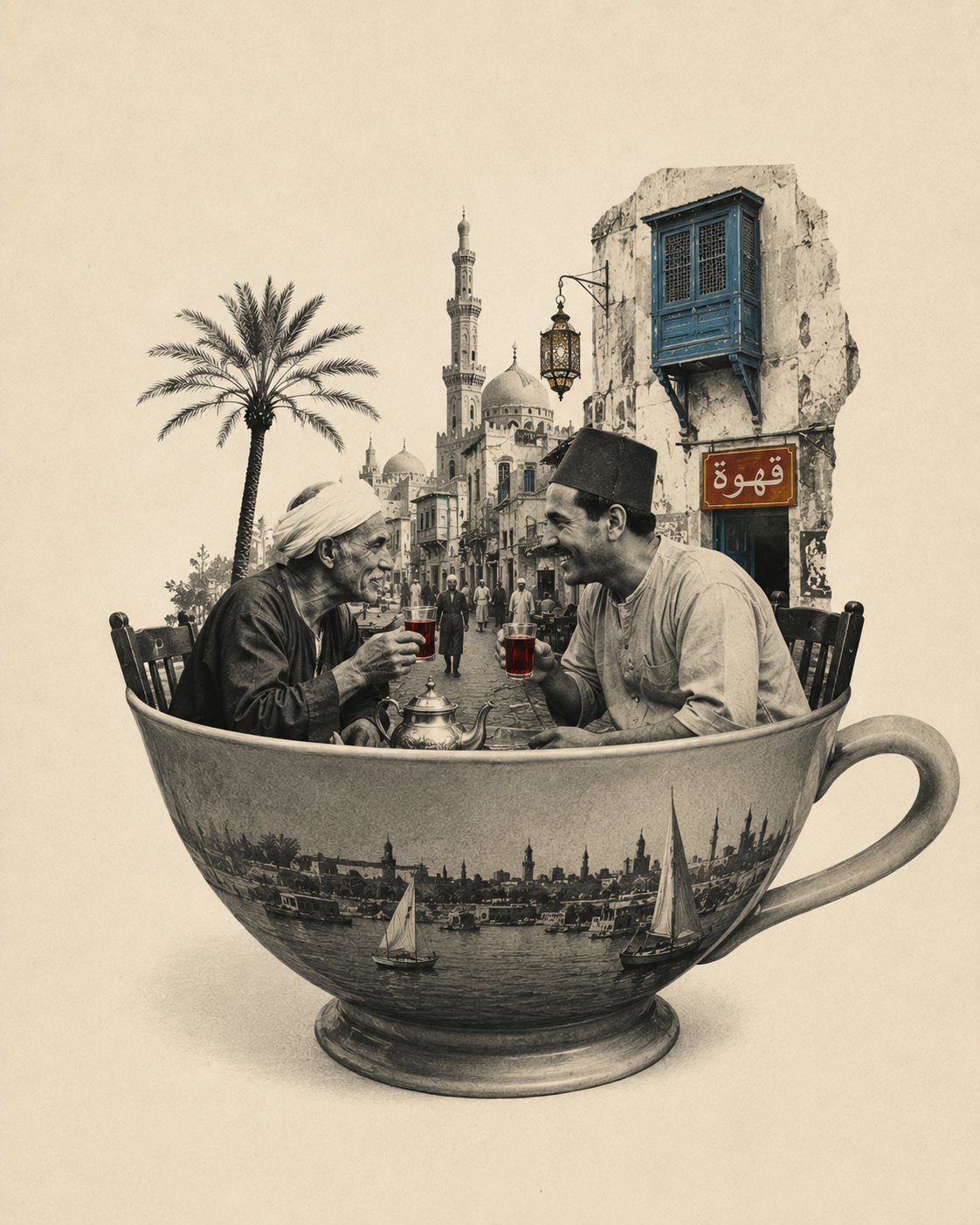
Experience Egyptian Hospitality Firsthand
If ancient monuments like Dendara Temple, Abu Simbel and Karnak Temple are Egypt’s most famous attractions, its people are a close second.
Egyptians are known throughout the region for their warmth and hospitality. Visitors are often surprised by how quickly a simple question can turn into a lengthy conversation, a cup of tea or an invitation to sit and chat.
You might find yourself discussing local history with a shopkeeper, learning about family traditions from a restaurant owner or receiving detailed directions that include an enthusiastic personal escort halfway to your destination. It’s surprisingly easy to find common ground.
These interactions often become the stories travelers remember most.
For those seeking deeper cultural connections and local experiences, organizations like Inside Egypt help visitors move beyond traditional sightseeing and discover a more authentic side of the country through personalized experiences and local expertise.
The goal isn’t simply to see Egypt. It’s to meet it.
Explore Egypt’s Natural Wonders Beyond the Nile
The Nile deserves its legendary status. For thousands of years, it has shaped Egyptian civilization, agriculture and daily life.
But Egypt’s landscapes extend far beyond the riverbanks.
The White Desert looks like something from another planet. Wind and sand have sculpted chalk formations into bizarre shapes that rise from the desert floor like giant mushrooms, towers and frozen waves. Spending a night beneath the stars here is about as far from modern city life as you can get.
Then there’s the Red Sea coast. Places like Marsa Alam, Hurghada and Sharm El Sheikh attract divers and snorkelers from around the globe thanks to their crystal-clear waters and colorful coral reefs. Even travelers who have never touched a snorkel before often leave wondering why they waited so long.
For hikers and outdoor enthusiasts, the Sinai Peninsula offers rugged mountain scenery and dramatic desert landscapes that reveal a completely different side of the country.
Many visitors arrive expecting history. They leave surprised by nature.
Learn Egyptian Customs, Etiquette and Basic Arabic Phrases
One of the best pieces of Egypt travel advice has nothing to do with transportation, hotels or attractions: Be curious. Be respectful. Be willing to learn.
Egyptians generally appreciate visitors who make an effort to understand local customs. Dressing modestly when visiting mosques and religious sites shows respect and helps avoid unwanted attention. Women should cover their shoulders and knees, while men should avoid overly casual attire in sacred spaces.
Learning a few Arabic phrases can also transform interactions. A simple “shukran” for thank you or “salaam alaikum” as a greeting often earns an immediate smile. You don’t need to become fluent overnight. The effort itself is usually appreciated.
Dining customs are worth noting as well. Traditional etiquette encourages eating with the right hand, and refusing hospitality too quickly can sometimes seem impolite.
The good news? Egyptians are generally forgiving of honest mistakes. Respect and good intentions go a long way.

Use Public Transportation for a Glimpse of Everyday Life
Among the most useful Cairo travel tips is this: Ride the Metro. At least once.
No, it isn’t glamorous. It won’t appear on many Instagram feeds. But it offers something far more valuable: a glimpse into daily life.
The Cairo Metro is affordable, efficient and used by millions of residents. During a single ride, you might see students heading to class, families running errands and office workers making their daily commute.
If you’re researching how to get around Cairo, public transportation can be an excellent option for certain routes while also providing a more authentic perspective on the city.
For adventurous travelers, local minibuses offer an even deeper immersion into everyday life. They’re not always intuitive for first-time visitors, but they’re certainly memorable.
Sometimes the most interesting parts of a trip happen between destinations.
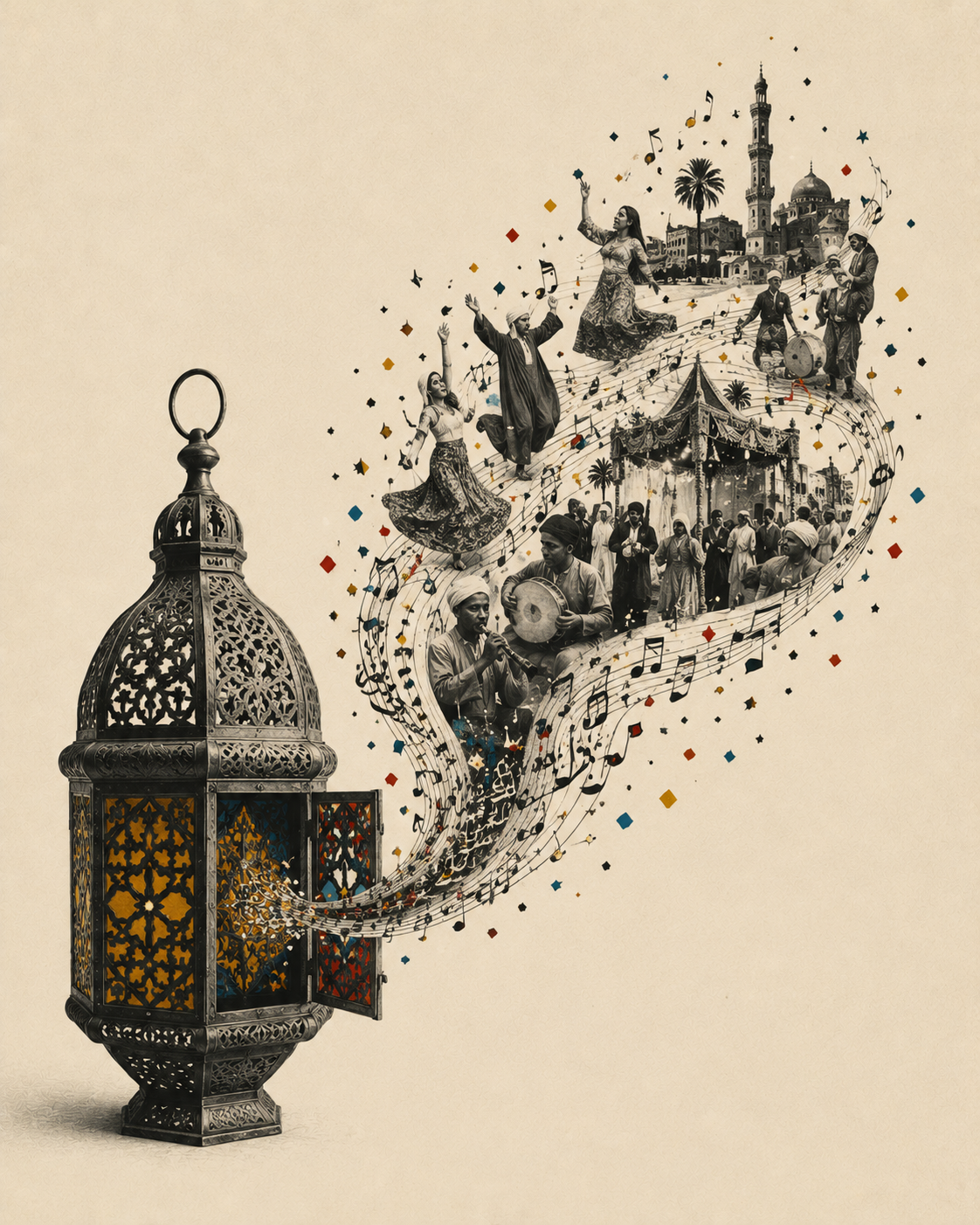
Attend Local Events and Celebrate Egyptian Culture
Museums tell you about a country’s past. Festivals show you its present.
Egypt hosts a wide variety of cultural events throughout the year. The Cairo International Film Festival attracts filmmakers and movie lovers from around the world, while regional celebrations provide opportunities to experience traditional music, dance and food.
If you’re lucky enough to be invited to a family celebration, wedding or holiday gathering, say yes. These occasions often reveal more about Egyptian culture than any guidebook chapter ever could. The music gets louder. The food keeps coming. The dancing becomes contagious.
Before long, you may find yourself wondering whether you’re still a visitor at all.
Why Authentic Travel Experiences Make Egypt Unforgettable
The Pyramids are extraordinary. The temples are breathtaking. The ancient history is unlike anything else on Earth.
But years from now, the moments you’ll remember most may be entirely different: The café owner who taught you a few words of Arabic. The stranger who insisted on helping you find your destination. The plate of koshary that cost less than a cup of coffee back home but somehow became one of your favorite meals of the trip.
Those moments can’t be found on a map.
They’re what happen when you slow down, stay curious and allow yourself to experience Egypt as more than a collection of famous landmarks.
Traveling like a local isn’t about avoiding the iconic sights. It’s about discovering everything that exists around them.
And in Egypt, that’s where some of the best stories begin. –Antoine Fischer