TRAVEL TIPS

Timeshares vs. Flexible Travel: Why Modern Nomads Choose Freedom and Adventure

Timeshares lock you in. Flexible travel lets you live free. Explore why expats are saying goodbye to contracts and hello to flexibility. 

A family walks past a pool and ice cream vendor at a timeshare complex, with Disney World's castle and a roller coaster in the background

In a world where travel has become more accessible than ever, the debate between timeshares and flexible travel options is heating up. Modern nomads value freedom and spontaneity, seeking experiences that adapt to their ever-changing lifestyles. Timeshares, with their fixed schedules and locations, often feel restrictive in contrast to the allure of flexible travel.

As digital nomadism gains traction, many are opting for the freedom to explore new destinations without the constraints of a timeshare commitment. This shift reflects a broader trend toward personalized travel experiences that cater to individual preferences. Understanding why travelers are gravitating toward flexibility reveals insights into the future of vacationing.

Timeshares provide a consistent getaway for people who prefer routine holiday planning.

In contrast, those who embrace flexible travel typically prioritize adventure and variety.
A-frame chalets in the snow at Aspen, with people sitting in hot tubs out front and a chairlift above them

Understanding Timeshares

Timeshares represent a popular option for individuals seeking vacation ownership, where multiple parties share the rights to use a property. Typically, owners purchase a specific time period each year at a designated resort. This model allows access to a pre-selected location, creating a sense of stability and planning for vacations. For those who find this arrangement too restrictive, learning how to cancel my timeshare has become an important step in transitioning to more flexible, experience-driven travel.

A couple walk by a pool and Mid-Century Modern buildings with palm trees and mountains in Palm Springs, California

What Is a Timeshare and How Does It Work?

Timeshares function primarily through fixed or floating weeks. Fixed weeks assign owners a specific week each year, while floating weeks offer flexibility in choosing dates within a designated season. 

Ownership can be deeded, granting real estate rights, or non-deeded, operating like a lease. Usually, owners pay annual maintenance fees, covering property upkeep and related expenses. This structured approach appeals to many, as it simplifies vacation planning and provides a degree of predictability.

An amber streetcar goes up a hill in colorful Lisbon, with the castle atop the hill, a bridge and a man playing guitar

Pros and Cons of Timeshares

Timeshares come with notable advantages as well as downsides. Benefits include guaranteed accommodations, often at lower rates than traditional hotel bookings. 

Owners also enjoy amenities offered by resorts, such as pools and fitness centers. 

Conversely, drawbacks include high upfront costs and ongoing maintenance fees, which may spike over time. Limited flexibility in scheduling can frustrate some owners, making it challenging to adapt travel plans. 

Additionally, selling a timeshare can be difficult, impacting its overall desirability.

A gay couple walk through the Majorelle Gardens in Marrakech, Morocco

The Allure of Flexible Travel

Travelers today cherish the freedom that comes with spontaneity. Many seek experiences that allow them to explore destinations without the constraints of fixed itineraries. This desire to embrace the unknown encourages individuals to make last-minute decisions and pursue unique adventures. 

Flexibility leads to discovering hidden gems, whether it's a quaint café in a bustling city or a serene beach off the beaten path. Travelers can adapt their plans based on personal interests, weather conditions or local recommendations. This dynamic approach makes each journey an embodiment of adventure and self-discovery.

Embracing Spontaneity

Spontaneity characterizes modern travel, appealing to those who reject rigid structures. Individuals relish the opportunity to change direction in their journeys based on newfound inspiration. They often use technology to book accommodations or transportation on the fly, enhancing their ability to seize fleeting opportunities. 

This freedom fosters a sense of empowerment and excitement, with many travelers reporting increased satisfaction from unplanned escapades. Whether hiking a mountain or wandering through local markets, the ability to pivot enhances personal experiences and fuels deeper connections with destinations.
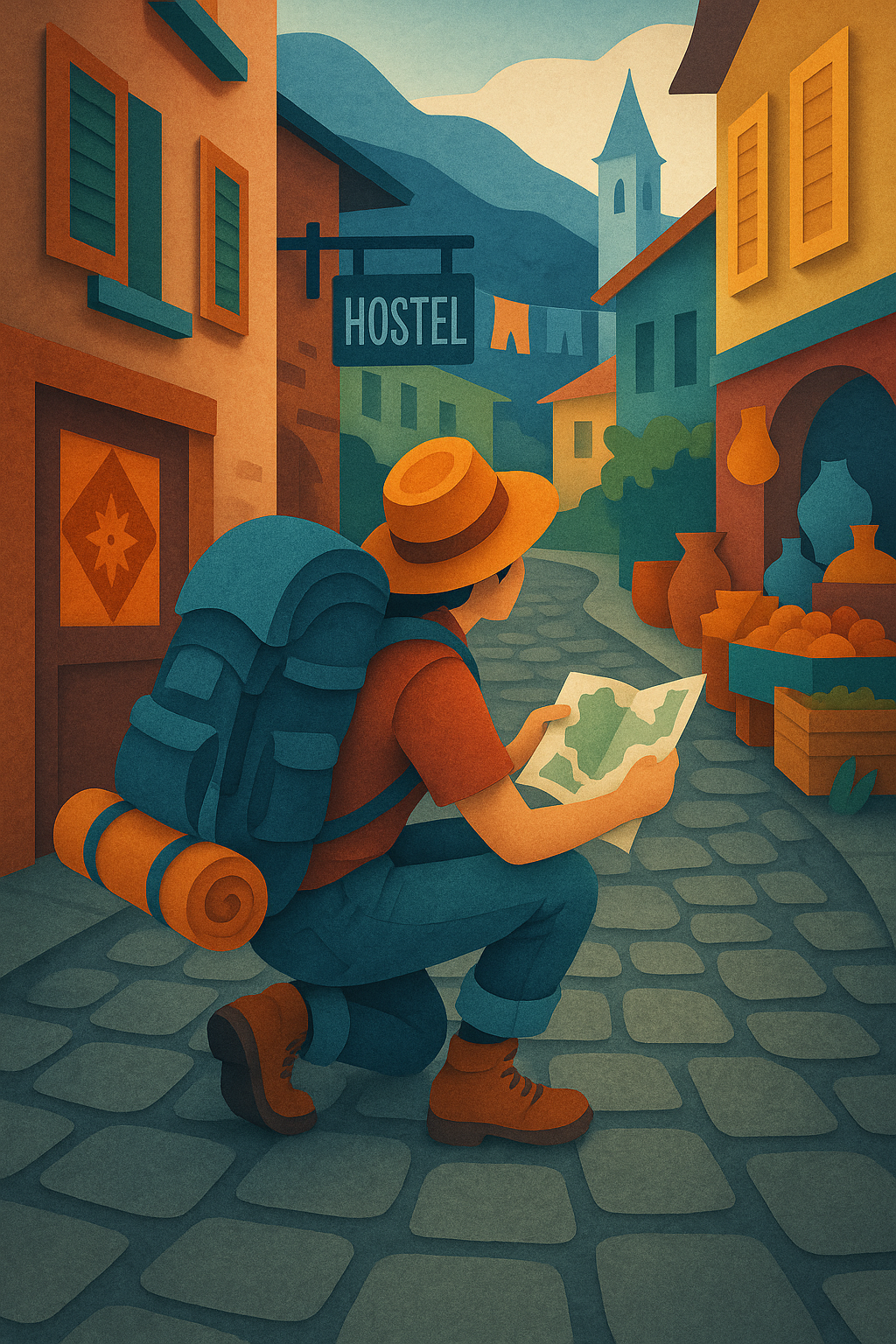
A backpacker looks at a map outside a hostel near a market in a European town

Types of Flexible Travel Options

Numerous flexible travel options cater to diverse preferences. Backpacking allows adventurers to traverse multiple countries with minimal planning, while roadtrips provide the freedom of the open road. Vacation rentals offer customizable accommodations, allowing travelers to tailor their stay according to their needs. 

Digital nomadism promotes a lifestyle where remote work supports ongoing travel, enabling longer stays in various locales. 

Furthermore, short-term rentals and hostels present unique opportunities for social interaction among travelers. Each option reflects the evolving landscape of travel, emphasizing adaptability and individuality.

Cats hang out by a cafe near a spice and rug market in Istanbul, Turkey, with the river and the Hagia Sophia across the way

Freedom: The Modern Nomad's Priority

Flexibility defines the contemporary travel experience. Today's travelers favor personalized adventures that cater to individual preferences. This desire for customization impacts how people approach their journeys, leading to diverse options that allow for spontaneity. Travelers can easily adjust itineraries based on interests or local insights, embracing the unexpected.

Personalization of Travel Experiences

Personalized travel experiences cater to individual preferences, allowing travelers to choose destinations that resonate with them. Less-corporate accommodations, such as boutique hotels and vacation rentals, provide the freedom to explore varied environments, enhancing overall enjoyment. 

And customized itineraries enable travelers to pick activities aligning with their interests, from cultural experiences to outdoor adventures. This level of personalization fosters a sense of ownership over the travel experience, making each trip more tailored and memorable.

Budget Considerations 

Budget plays a significant role in choosing travel methods. Flexible options often present more cost-effective alternatives to traditional vacation packages. Travelers can seek affordable accommodations, local dining experiences and transportation solutions that fit their budgets. This adaptability allows individuals to allocate resources towards activities that amplify their experiences. 

Moreover, last-minute travel deals and off-peak season discounts permit travelers to maximize their spending power, enabling them to enjoy enriching experiences — with minimal financial strain.

A woman does yoga while looking out at rice terraces, a temple gate and a volcano on Bali, Indonsesia

Comparing Timeshares vs. Flexible Travel

The distinction between traditional vacation ownership models and adaptable travel options shows a significant shift in consumer preferences. This contrast highlights the varying costs and lifestyle effects associated with each choice.

Cost Analysis

Timeshare ownership often requires a substantial upfront investment, with prices ranging from $10,000 to $50,000. Prospective owners face additional ongoing maintenance fees that usually range from $500 to $2,500 annually. These costs add to the financial burden, particularly for those who may not regularly use the property. 

Conversely, adaptable travel options offer more variety in pricing. Costs vary significantly based on destination, time of year and traveler flexibility. Budget-conscious individuals can often secure affordable accommodations and activities, allowing for cost-effective travel experiences that suit their financial circumstances. This adaptability encourages last-minute bookings and spontaneous adventures, which can lead to overall lower expenses.

A beach in Rio, Brazil, where people sit in chairs, play soccer, and a man sells treats from a cart, with buildings on the hill, a sky tram and the giant statue of Christ

Lifestyle Impact

Lifestyle greatly influences traveler choices, with commitment levels differing between ownership and flexibility. Timeshare arrangements provide a consistent getaway experience for families or individuals who prefer routine holiday planning. However, this predictability can also restrict spontaneity, limiting exploration to established locations. 

In contrast, those who embrace flexible travel typically prioritize adventure and variety. They often seek meaningful experiences that foster personal growth and connection to new places. This lifestyle is appealing, as it allows travelers to immerse yourself in local cultures and adapt their itineraries based on personal preferences. 

Ultimately, the choice between ownership and flexibility reflects differing lifestyles, with each option catering to specific travel aspirations and desires.

Two men walk through a street food market in Seoul, Korea at night

From Ownership to Adventure: A New Way to See the World

The shift toward flexible travel signals a new era for modern nomads who value freedom and spontaneity. As travelers increasingly seek personalized experiences that cater to their unique interests, the rigid structure of timeshares falls short. Flexible travel options not only accommodate diverse preferences but also offer budget-friendly solutions that align with today’s dynamic lifestyle.

This transformation in travel preferences reflects a broader desire for adventure and adaptability. The future of travel is undoubtedly leaning toward flexibility, empowering individuals to create memorable journeys on their own terms. –Vivek Singh


Aging Abroad: What Happens When Wanderlust Meets Healthcare Reality?

Dreaming of retiring overseas? Just don’t forget the part where healthcare abroad can make or break the adventure.

Picture it: a cocktail in hand, sea breeze in your hair, and the smug glow of knowing your rent costs less than a latte back home. Retiring overseas is no longer a pipe dream — it’s a lifestyle choice gaining traction. Some chase affordability, others crave warmer climates, slower living, or cultures that actually value elders rather than treating them as invisible.

There’s also the undeniable thrill of slipping out of old routines — endless medical bills, icy driveways, and cookie-cutter schedules. Aging abroad feels like a second adolescence, only this time with better wine and an expat WhatsApp group. But while the sunsets are real, so are the shadows. And the biggest one? Healthcare.

When Health Complicates the Journey

A sprained ankle in your 30s is a funny travel story. A sprained ankle in your 70s can derail the whole adventure. Suddenly those cobblestoned streets aren’t charming — they’re a liability. Even with good insurance, medical care abroad is a maze. Some expats luck into private clinics with glossy waiting rooms. Others meet Kafka in scrubs: long waits, opaque procedures, and paperwork that makes taxes look fun.

And if independence starts slipping — dementia, chronic pain, mobility loss — distance from family can morph from liberating to isolating. The dream of freedom abroad can curdle into the nightmare of facing it all alone.

Elder Care: A Global Comparison

Here’s the truth: no country has cracked the code on perfect elder care.

  • Japan: robust policies, but family caregiving still carries much of the load.

  • Sweden: enviable systems, but coverage depends on region.

  • Latin America & Southeast Asia: private care may be affordable, but it’s often unregulated.

  • U.S.: many lean on nursing homes — structured, yes, but not risk-free. Understaffing and neglect have made more than a few families call a trusted nursing home abuse lawyer to fight for loved ones’ dignity.

The global patchwork is evolving, but consistency remains elusive. For expats, the question is less “Will care be available?” and more “Will it be available for me?”

Expat Vulnerabilities: No One Plans to Need Help

Living abroad comes with a seductive aura of independence. But aging can puncture that bubble fast. Falls, misdiagnoses, or slow-creeping memory loss all carry heavier consequences when there’s no family nearby to intervene.

And let’s be blunt: non-citizens aren’t always top of the priority list in public health systems. Residency status, language barriers, and red-tape legalities can turn an ER visit into a bureaucratic endurance test. Even fluent speakers get tripped up on medical jargon. And in cultures where elder care is expected to be family-driven, expats may find themselves dangling without a safety net.

These quiet risks don’t make glossy Instagram posts — but they’re part of the full picture, as this reflection on the deeper challenges of expat life reminds us.

Planning for the “What-Ifs”

The antidote to uncertainty? A plan — preferably before things get messy. That means:

  • Legal documents: local wills, power of attorney, medical directives.

  • Healthcare intel: know what’s included, what isn’t, and how private options stack up.

  • Residency requirements: some countries restrict benefits to permanent residents, others mandate proof of insurance.

  • Provider prep: research elder care facilities and caregivers now, not in crisis.

  • Social scaffolding: build strong community ties; they’ll matter more than you think.

As one account of how living abroad reshapes people over time suggests, optimism alone doesn’t cut it — perspective and preparation do. For a bigger-picture view, the World Health Organization’s global strategy on aging and health lays out how nations are trying (and sometimes failing) to meet the needs of their graying populations.

The Bottom Line on Aging Abroad

Aging abroad can be dazzling — full of freedom, discovery, and a life less ordinary. But it isn’t a fairy tale. It’s a story that requires honesty about frailty, foresight in planning, and the right community around you.

Preparation doesn’t diminish the dream. It sustains it. With the right groundwork, expats can age not with fear, but with clarity — knowing the sunsets and slow mornings will keep coming, even when health takes a turn. –Shahroz Yousaf

Choosing the Perfect Proposal Destination: 3 Top Tips

Proposing abroad adds magic to the moment — but picking the right spot can be tricky. These tips will help you create a moment worth saying yes to.

A man proposes to his boyfriend down on one knee in Kyoto, Japan, amid pink cherry blossoms

The moment you get down on one knee to pop the question to your significant other deserves a magical location unlike any other. For many, that means heading abroad — to somewhere with the perfect climate, stunning scenery and plenty of lively spots to celebrate your engagement together.

With so many destinations to choose from, picking the right one can feel tricky — and even potentially overwhelming if you don’t know what to look for. To help ease your nerves and make it a stress-free process, here are my top tips to follow to guide you toward the proposal location of your dreams.

A man on one knee proposes to his girlfriend in the snow in Lapland, with a reindeer and cabin nearby, and the Northern Lights streaking above

1. Pick somewhere significant.

Think back over the history of your relationship. Perhaps you met in a foreign country, took a special holiday together, or share dreams of the same bucket list location you’d both love to visit. Choosing a destination that’s significant to you and your other half is guaranteed to make for a meaningful proposal that feels unique to your love story.

Want to make it even more magical? Travel to your chosen destination for Valentine’s Day, your anniversary or Christmas. If you don’t usually take trips for these occasions, your partner may catch wind of your plans — in which case, you may want to travel during the off-peak season instead to keep the big moment a surprise. Not only will this approach keep your love guessing, but you’ll likely benefit from reduced costs, leaving more money in your budget to make the trip one to treasure.

READ: Planning a Wedding in the UK

A couple toasts red wine at a picnic in the Champs de Mars in Paris, by the Eiffel Tower

2. Look for unusual activities.

Enjoying some fun activities together will help to build the excitement and romance between you both in time for your proposal. You might want to try something new and thrilling — like skiing in Switzerland, or skydiving in New Zealand. Or plan something more relaxed, like a picnic beneath the Eiffel Tower or swimming in crystal-clear Caribbean waters. Just make sure your plans are different enough from your usual activities to make the trip a memorable one from start to finish.

Of course, there’s something to be said for simply taking it easy, too. Delicious food, sunny skies and breathtaking views will help to relax you both. In fact, a quiet moment spent in a beautiful location may work wonders for those pre-proposal nerves.

READ: A Romantic Getaway in Aspen

A man gets down on one knee and proposes to his boyfriend at a temple in Egypt

3. Consider cultural norms

It’s important to research your chosen destination before planning your proposal, as some countries are more conservative than others when it comes to things like holding hands, hugging and kissing, or celebrating with an alcoholic beverage in public. While this shouldn’t stop you from proposing in a place that’s special to you, it does mean that you’ll need to be aware of cultural norms, and plan your proposal to be in line with local rules and etiquette expectations.
The UAE, Egypt, Indonesia and India, for example, each have public decency laws or social guidelines around being affectionate in public with one another in public. If you want to get engaged at one of these locations, it’s best to plan a private proposal. It’ll only help to make the moment that much more intimate and meaningful.

READ: The Best Place to Make Out in Public in India

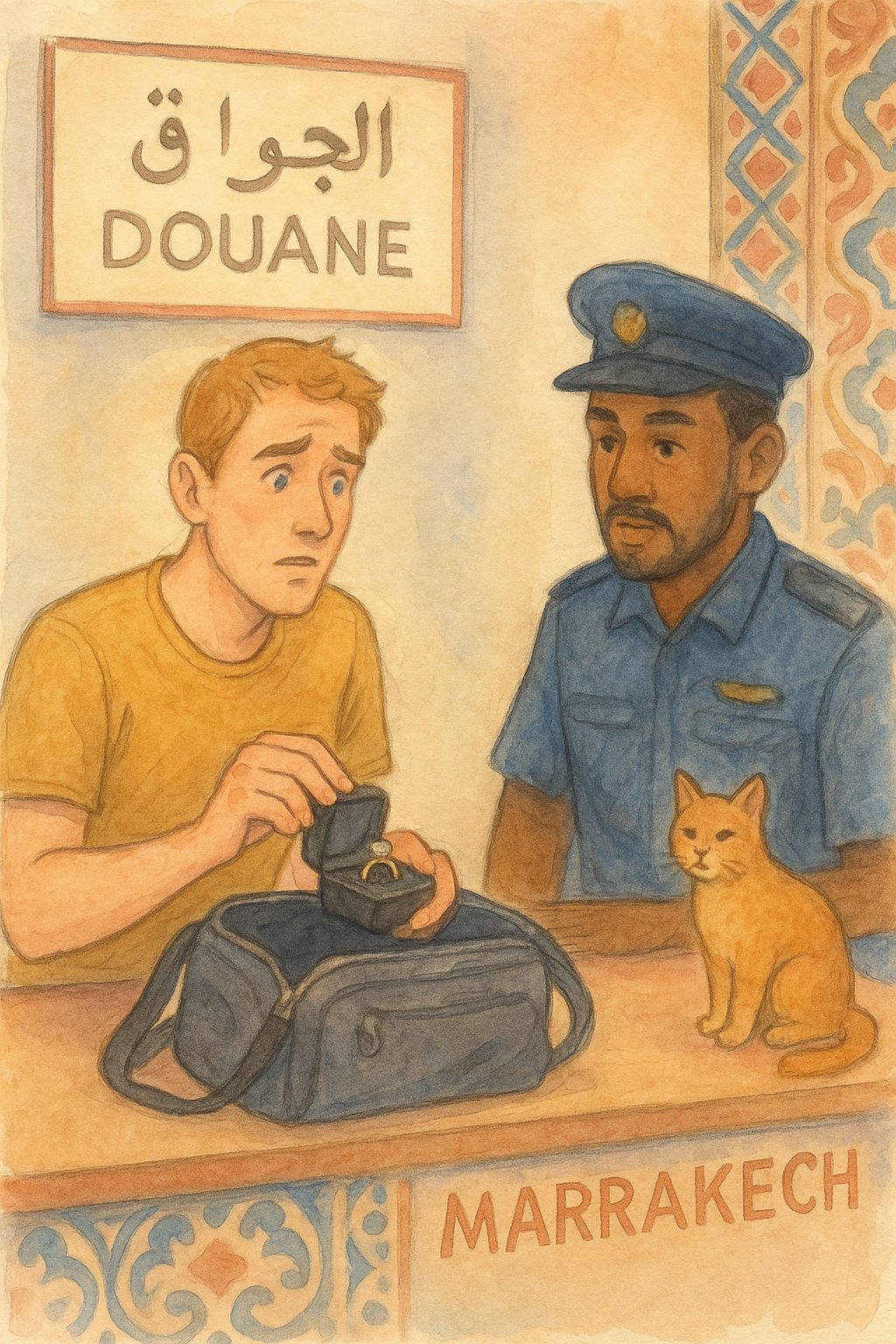
A man nervously shows a Customs agent in Morocco the engagement ring he has brought, while a cat watches on

Keeping the ring safe

It might be the least fun part of planning the proposal, but knowing what you need to do to keep the ring safe is essential.  Thwarted plans as a result of a lost diamond is a nightmare scenario for any proposer. It’s a good idea to get the ring insured before traveling, research your airline’s security policies, and look into the customs regulations for your chosen destination. 

Make sure you store the ring properly, too.  It’s best to keep it securely tucked away in your hand luggage, to protect from damage, loss or, in extreme circumstances, theft.

A woman on one knee proposes to her girlfriend at Machu Picchu in Peru, while an alpaca watches

Proposing Abroad

Once you’ve covered the logistics of getting you, your partner and the all-important ring to your destination safely, all that’s left to do is plan the finishing touches your loved one will appreciate. Whether it’s floral décor, a champagne picnic or a concealed photographer ready to capture your special moment — or perhaps all three of those things — going that extra mile will show your significant other how much you really care. –Samantha Lewis

Lost Your Wallet Abroad? Here’s How to Not Freak Out

Losing your wallet while traveling is stressful, but you don’t have to panic. Here’s a step-by-step guide to protect your money, identity and peace of mind — wherever you are.

A man leaves a cafe in Morocco, having left his wallet on a table while a cat looks on

Losing your wallet on vacation can quickly turn your dream trip into a stressful scramble. Say you’re in Morocco. Between the twisting medinas, bustling souks and nonstop adventures, it’s surprisingly easy to misplace something important. But before panic sets in, take a breath. There’s a calm, practical way to handle the situation — and we’ve got your back.


A man is frantic, trying to find his wallet in a Moroccan souk

Here’s exactly what to do if you’ve lost your wallet abroad.

1. Retrace your steps. 

Though it may sound obvious, the quickest way to find anything misplaced is to stop and immediately retrace your steps. Adrenaline can cloud your memory, so take a few deep, slow breaths as you consider where you have been since you last saw or used your wallet. Was it that café where you had lunch? The market you went to afterward? A taxi? If you can, go back place by place and ask the nearby merchants — many people have luck finding lost items that have been handed in by locals and passersby.

If they don’t speak English well, don’t panic. Most Moroccans, for example, speak French, so try, “As-tu trouvé un portefeuille?” (pronounced a bit like: “Ah tew troo-vay uhn port-foy?”) That means, “Have you found a wallet?” 

Or, you could use a translation app such as Google Translate to speak a more specific phrase, detailing the wallet. Stay calm — people in Morocco and other parts of the world honor hospitality and are generally very helpful.

A man sits by a fountain in a courtyard of a riad, talking on a cellphone, as a cat watches

2. Cancel your cards. 

If it becomes clear that you aren’t going to find your wallet anytime soon, you need to cancel your credit and debit cards immediately. You could call your bank or use a mobile banking app — look for free Wi-Fi in a hotel or café, or hotspot off one of a travel companion if you don’t have roaming access. 

Most major banks have protective measures in place for international travelers and will know what to do to keep your money safe. They may even be able to provide a replacement card for you to use on the remainder of your vacation.

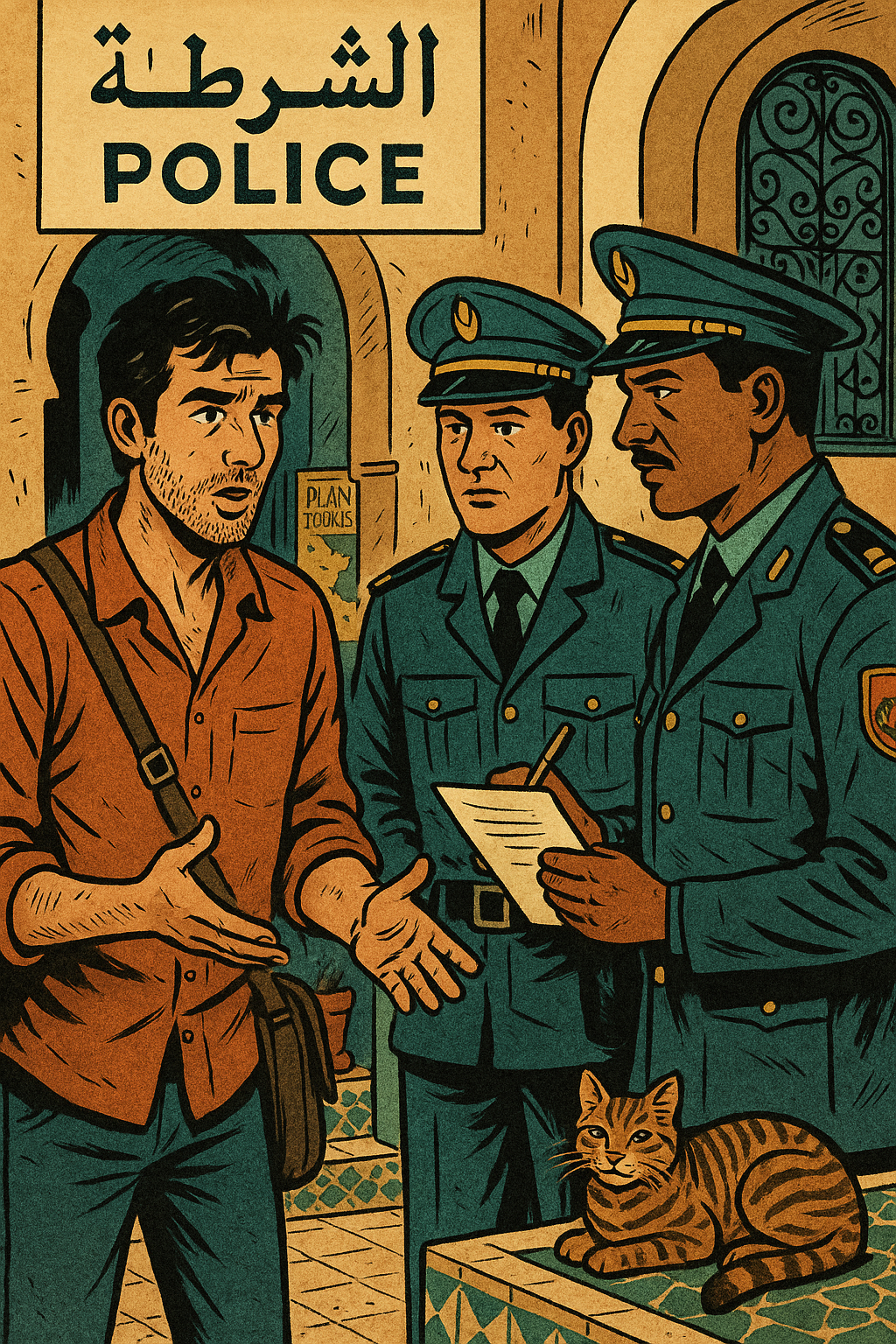
A man talks to two gendarmes policemen filling out a report in Morocco while a cat sits nearby

3. Report it to the police. 

Even if you don’t suspect your wallet was stolen, it’s still useful to report it to the local police. You may need the official report as documentation for your travel insurance, and if anyone hands it in, they can get in touch and return it to you. In big cities like Casablanca and Marrakech, tourist police are often stationed near major landmarks.

If you were unlucky enough to have your ID and/or passport in your wallet, contact your home country’s embassy or consulate. They can help you with emergency travel documents and a replacement passport, and can also offer advice and assistance. 

You’ll likely need the police report, a passport photo (easily done in a camera shop), and proof of address (bank statements or similar).

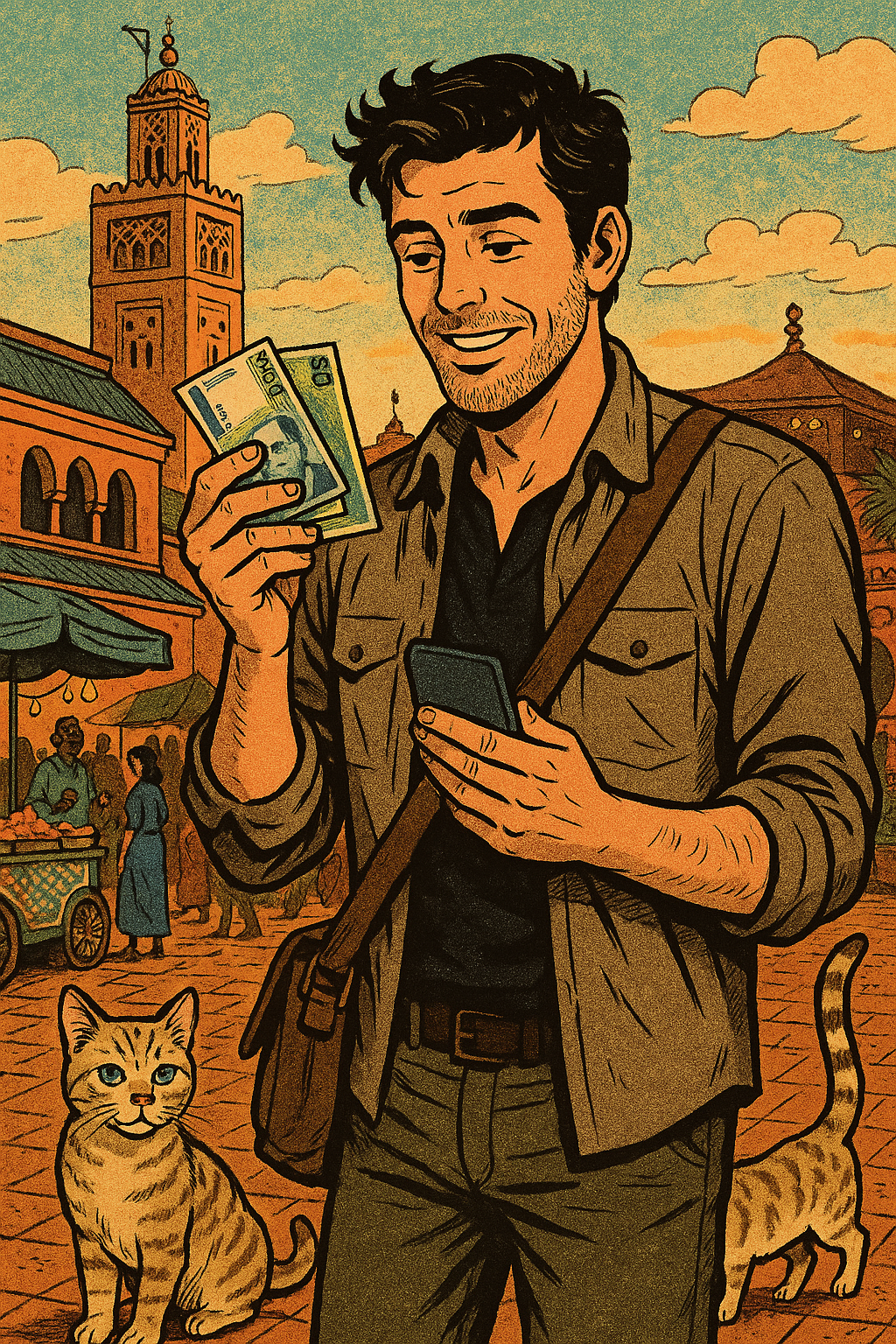
A man smiles, looking at Moroccan dirhams in Jemaa el-Fnaa square in Marrakech

4. Get some emergency funds. 

If you stashed some emergency cash in your luggage or hotel room, now is the time to use it. Otherwise, you can ask someone from back home to send you funds using a reputable money transfer company like Remitly. 

Some banking apps like Revolut or Monzo may allow you to freeze physical cards but continue to use virtual cards, which can be a lifesaver for booking transport or buying food until you get sorted.

Remember, you don’t have to cancel your trip and start planning your return journey early — just maybe skip the expensive dinner for now. 

Many cities in Morocco, for instance, are easily walkable and full of delicious street food, inexpensive riads and budget-friendly experiences. The loss of your wallet may force you to enjoy a slower travel experience until you are reassured that your money is safe. That’s could be a blessing in disguise.

A man talks with a caleche driver by two black cats in Morocco by the Majorelle Gardens

How to Prevent Losing Your Wallet Abroad

Once you’ve secured your finances and hopefully regained your wallet, it can be useful to consider what went wrong. Was your wallet in your back pocket? Did you drop it into your backpack and forget to zip it up? Crowded markets and tourist hotspots are prime areas for pickpockets, no matter where you are in the world, so it’s worth remembering to be extra careful in the future.

Next time you go away, why not invest in an under-clothes wallet pouch or a money belt, or split your cash and cards between different spots in your luggage. You should also take a photo of your passport, visa and cards before traveling, or use a travel card and leave your real ones safely behind at the hotel.

Learn from the experience. 

Though it can be a real test of patience to lose your wallet abroad, it doesn’t have to ruin your trip. With the right steps and a bit of support, you can keep your cool and still have a great adventure. Travel isn’t about perfection; it’s about learning to adapt and smile through the challenges we face along the way. –Amanda Gardner


How to Survive (and Actually Enjoy) Off-Grid Travel

Thinking of ditching the grid for a few days of wilderness and wonder? From forest cabins to desert van life, here’s how to do remote travel right — with the help of a few modern upgrades.

A phone connected to a portable charger sits on a flat rock  over fjords with a tent in the distance

Let’s be honest: Most of us aren’t heading into the wild to prove we can rub two sticks together and make fire. We’re there for the views, the peace, and maybe to post a smug little sunrise story once we’ve brewed our campsite coffee.

But remote travel isn’t always as romantic as the drone shots make it look. Get too cocky, and “off the grid” becomes “off your rocker”: You’re hangry, lost and out of power as the sun is setting.

Off-grid doesn’t mean punishment. You don’t have to summit Everest or poop into a hole in the rain to prove you’re badass.

The good news? With a little planning, a few creature comforts, and the right gear (like a portable power station that keeps your phone, fridge and flashlight going strong), you can actually enjoy your unplugged adventure.

Let’s break it down — from what to pack to the biggest surprises no one tells you about going remote. Spoiler: You’ll want extra snacks, backup socks and just enough signal to cue up your hiking playlist.

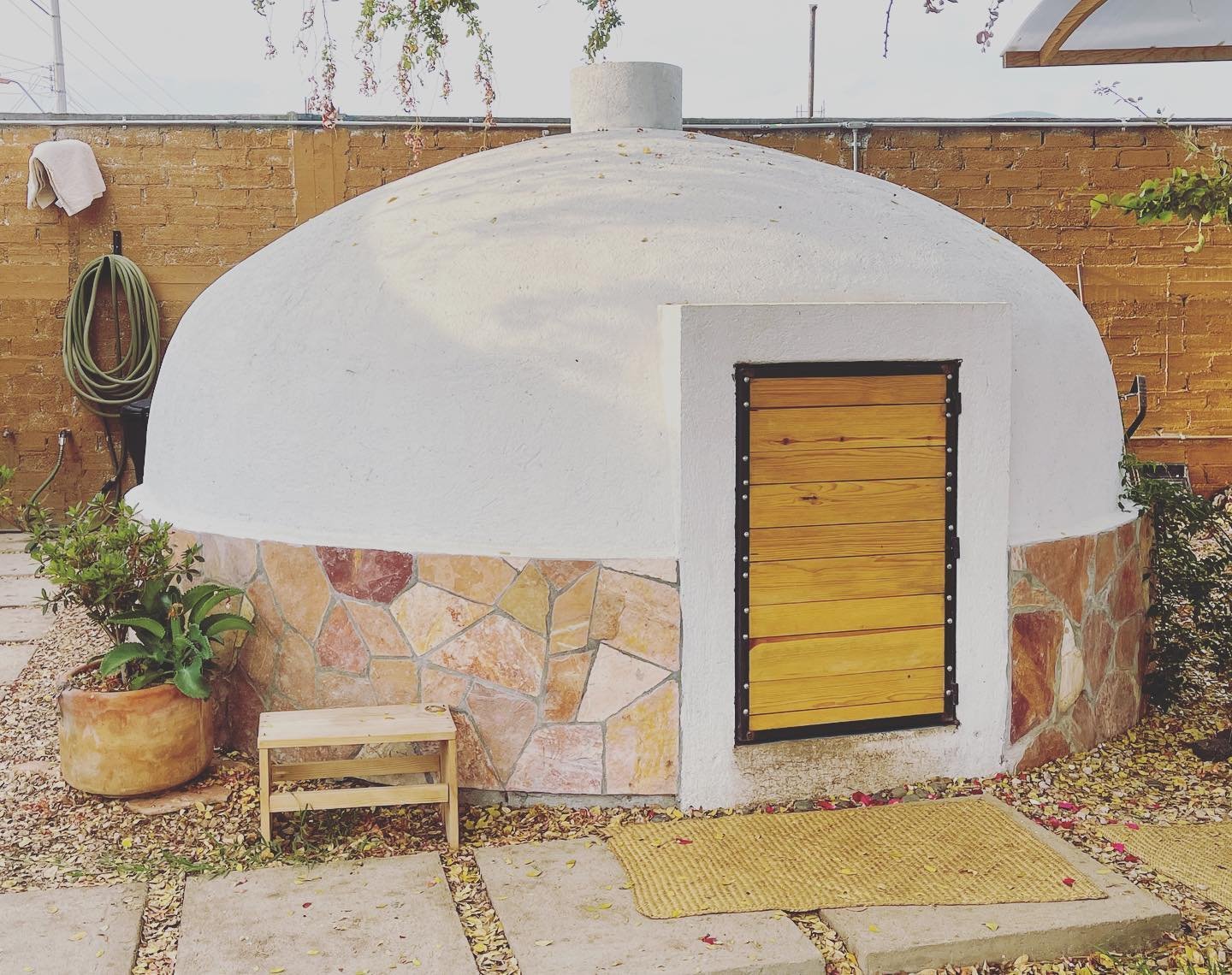
A stargazing dome in Joshua Tree national park

1. Choose your wild wisely

Off-grid doesn’t mean punishment. You don’t have to summit Everest or poop into a hole in the rain to prove you’re badass. Remote travel can look like a stargazing dome in the desert, a lakeside yurt, or a national forest cabin with a wood-burning stove and exactly zero bars of service.

Start with a place that thrills and comforts you. Is there a stream to dip your feet in? A boulder to pose dramatically on? A backup gas station within 45 minutes? All valid considerations.

Pro tip: Check trail conditions, weather, and the closest place to get both tacos and gas. If either is over an hour away, you’re in real “better-have-a-power-source” territory.

A string of solar lights hangs above a tent and picnic table with a portable stove, pour-over coffeemaker and mug

2. Pack for your mood, not just the map

Sure, you’ve got hiking boots, granola and a bandana. But what about a fan for when your camper turns into a sweat lodge? Or a way to light up your tent with soft fairy lights instead of blinding headlamps? 

Modern adventurers don’t just pack for survival. They pack to set the mood — for cooking, journaling, reading, vibing. That might mean a camp stove for real meals, a portable pour-over coffeemaker, or a solar string of fairy lights that turns your tent into a woodland cocktail lounge. Bonus points if you’ve got a way to power a fan or charge your Kindle without draining your car battery.

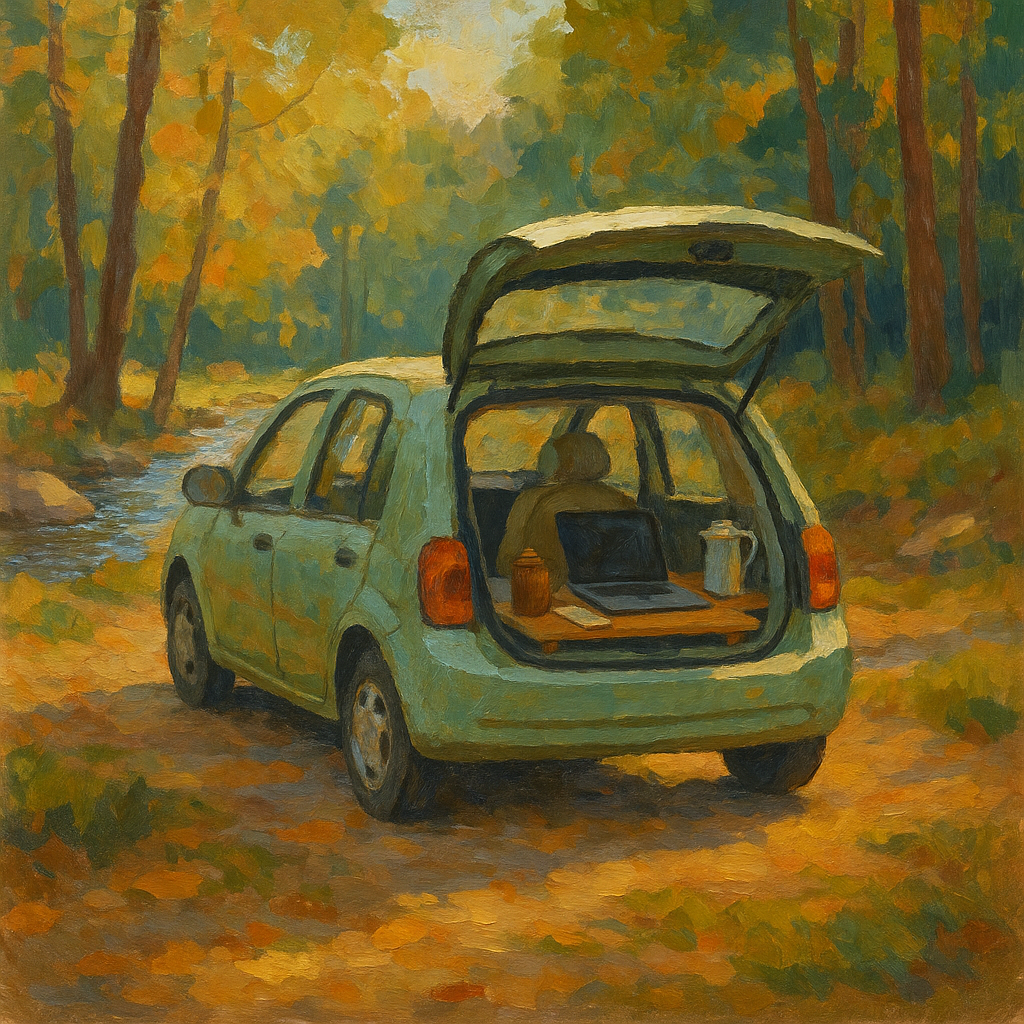
A hatchback  is open, with a workstation with laptop and percolator

3. Make your car your command center

In remote areas, your car isn’t just for transport; it’s your fortress, pantry and power hub. Whether you’re camping out of it or just relying on it to get back to town, treat it like mission control.

Stock it with snacks, water, emergency gear and something that doesn’t run off your car battery. That way, your GPS can stay juiced and your cooler can hum along without draining your vehicle’s life force.

A hammock hangs above a blanket with an e-reader, fruit and thermos, with a lantern on a stump nearby

4. Unplug intentionally

Going remote doesn’t mean disappearing. The goal isn’t to vanish like a 2013 Facebook friend. It’s to choose when and how to disconnect.

Want to film your hike? Great. Want to read an ebook in a hammock with your phone on airplane mode? Fab.

The trick is to prep before you lose signal: Download maps, cue your playlist, set that away message. And bring backup power so you’re not stuck watching your battery die at 12% while you argue over whether the trail split left or right.

A stack of pancakes with a thermos and mug on a rock looking over the hills at sunrise

5. Eat like you’re on a picnic, not a survival show

We all love a good challenge — but soggy oatmeal and a melted protein bar does not a wilderness feast make. 

Just because you’re off the grid doesn’t mean you need to live like a raccoon. A mini stove, a small cooler and a foldable pan can turn a clearing into a forest bistro. Pancakes hit different at 10,000 feet.

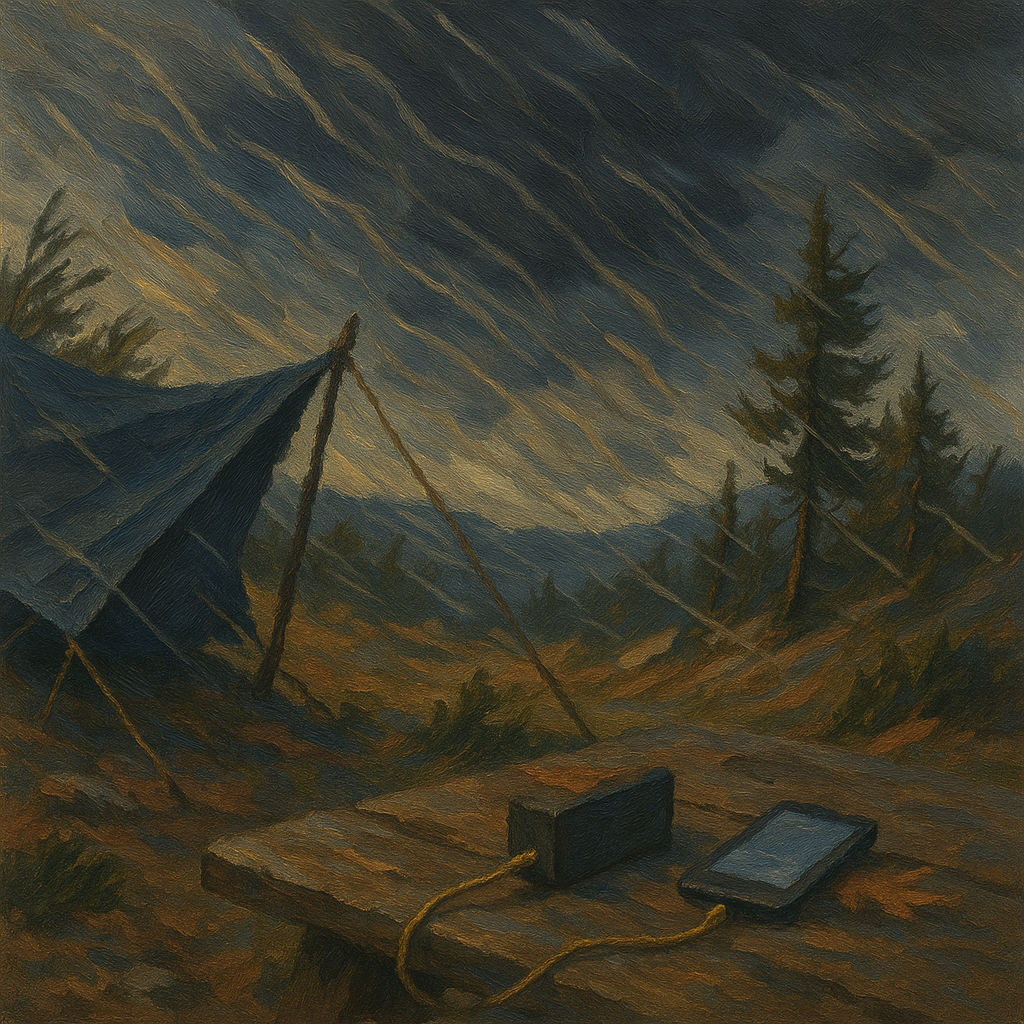
A portable charger connected to a device on a table by a tarp acting as a windbreak as a storm hits

6. Embrace the elements — but also outsmart them

Nature is stunning. It’s also rude. It will throw wind at your tent, sunburn you while you nap, and laugh while your map disintegrates in the rain.

Smart adventurers embrace the elements, sure — but they also plan like they’ve been bitch-slapped by Mother Nature before. 

Bring layers, slather on sunblock, stay hydrated — and always have a backup battery when the wind kills your power line and you need to Google “how to build a windbreak with a tarp.”

A cozy yurt with a bed, rugs and lanterns

7. Sleep smarter, not harder

There’s nothing quite like a night under the stars. Until your air mattress deflates, your lantern dies, and something snuffles around your tent at 3 a.m.

Here’s the fix: Prep your sleep zone like it’s the Ritz-Carlton of canvas. Pack a cozy sleeping bag, throw in some soft lantern lighting (pro tip: solar-powered lights save you the panic of dead batteries), and make peace with the fact that every twig snap will sound like a bear.

A fish, portable fan, cups and bottle of wine on a table by a bonfire in the woods

8. Make your trip your own kind of wild

Not every off-grid trip needs to look like a Patagonia ad. Some people want to summit peaks. Others want to write poetry in a hammock, sip local wine, or catch their dinner in a creek.

Build your experience around what you love. And make sure you’ve got the power — literal and metaphorical — to do it.

Whether you’re filming waterfalls with your drone or journaling by lantern light, build your own version of wild. Download your maps ahead of time. Pack a rechargeable fan if it’s going to be toasty — or a pocket hand warmer if you’re chasing frost-kissed views.

A hiking trail in the American Southwest with rock formations and cacti

Get Lost — Just Not Completely

Remote travel isn’t about proving you can suffer. It’s about trading noise for birdsong, to-do lists for trail maps, and overhead fluorescents for moonlight. And honestly? It’s a lot more magical when you’re not fumbling in the dark with 2% battery.

With a little prep, a healthy respect for the unexpected, and a few modern lifesavers, you can leave chaos behind — without going full caveman.

So go off-grid-ish. Hike until your legs hurt. Eat grilled cheese in the forest. Read by lantern light. And when someone says, “I could never do that,” smile — because you know the secret: The wild’s a lot more fun when you’re ready for it. –Wally

Tips for Finding LPN Jobs Abroad With Travel Opportunities

Dreaming of nursing overseas? Here's how licensed practical nurses (LPNs) can find jobs abroad — plus what to watch out for before you go.

An LPN walks across a bridge in London, with the London Eye, Parliament and Big Ben in the background

Let’s be honest: The dream of working abroad isn’t just for tech bro digital nomads with a laptop and a hammock. If you’re a licensed practical nurse (LPN), you may have a serious case of wanderlust — and a skillset the world genuinely needs.

Maybe you’ve always imagined yourself helping underserved communities in rural clinics. Maybe you want a taste of life in a totally different healthcare system. Either way, the good news is this: Gone are the days when nurses were expected to spend their entire career in one hospital corridor. Today, opportunities to live and work abroad are growing — and they’re not just for RNs.

So, how do you land one of these gigs? Start here. 

A female nurse talks with an older male patient in a hospital bed

What to Know About LPN Jobs Abroad

Before you pack your stethoscope and passport, it’s worth noting that every country has its own rules and red tape. Some of it’s navigable. Some of it’s…less so. Either way, you’ll want to keep the following in mind:

  • Licensing. Many countries require you to complete local training, pass an exam, or jump through a few bureaucratic hoops before you’re cleared to work. This can take time — so plan ahead.

  • Languages. Not every hospital abroad operates in English. (Shocking, I know.) But some hospitals offer language support or cultural onboarding. It’s worth asking.

  • Visas. Just because someone wants to hire you doesn’t mean you’ll get a visa. International politics can make things tricky — so always double-check the latest entry requirements for healthcare workers.

  • Cultural adaptation. Working abroad isn’t just about a change of scenery; it’s a whole new way of life. From patient expectations to hierarchy and hours, the differences can be monumental. Try to connect with other nurses who’ve worked in your target country. Nothing beats firsthand insight.

A male nurse talks to a female nurse over coffee, pointing to a map near a laptop

Where to Look for LPN Jobs Abroad

Let’s talk logistics: Where do you actually find these jobs? Below are some of the best avenues for finding LPN jobs with a side of adventure.

1. Travel agencies for nurses

Yes, they exist. But before diving headfirst into agency life, we recommend starting with a broad search for travel nursing jobs on a platform like Jooble. It’s a great way to get a lay of the land: what’s out there, which countries are hiring, and what the job descriptions actually look like.

Once you have a clearer sense of your options, consider reaching out to travel nursing agencies. When comparing agencies, don’t forget to ask about:

  • Salary and benefits. Make sure you’re covered — literally. That includes health insurance, housing stipends, travel expenses and any relocation support.

  • Assignments offered. Some agencies specialize in urban hospitals. Others focus on rural or humanitarian work. Pick your adventure wisely.

  • Reputation. Read reviews, join nursing forums and ask tough questions. A flashy website doesn’t guarantee reliable support once you’re overseas.

A female LPN in a head scarf walks through Dubai at sunset, the Burj Khalifa in the background

2. Hospital websites abroad

Many hospitals recruit directly, especially in countries facing nursing shortages. Some top destinations for international LPNs include:

  • The United Kingdom. The NHS (National Health Service) is actively recruiting from abroad and offers solid benefits and onboarding support. If you’re considering the UK, check out this guide to the best neighborhoods in London to find the right place to live and work as a nurse abroad.

  • The UAE and Saudi Arabia. These Middle East countries offer high pay, tax-free income and accommodations — but be sure to research cultural norms before you go.

  • Ireland. With a growing demand for healthcare professionals, Ireland has been expanding its recruitment efforts for international nurses.

If a particular country intrigues you, search for major hospital websites and check their careers page. Bonus points if you reach out directly — they may have openings that aren’t widely posted.

A male nurse with tattoos walks along a grassy cliffside over the water in Ireland

3. Professional nursing organizations

These aren’t just for continuing education credits or annual dues. They can also be powerful tools for international job hunting. Look to:

  1. ICN (International Council of Nurses). Active in over 130 countries, this organization offers job listings, policy info, and resources on nursing rights worldwide.

  2. The American Nurses Association (ANA). If you’re U.S.-based, ANA is a great hub for networking, certification guidance and career resources.

  3. NMC (The Nursing and Midwifery Council) in the UK. If you’re eyeing Britain, this is your official go-to.

Most countries have a version of these organizations. Find yours, and see if they have a global or outreach division.

4. Online job boards

Don’t sleep on the classics. Sites like Indeed, Glassdoor and LinkedIn often list international nursing jobs. While they may not all cater specifically to LPNs, many roles are labeled more broadly as “nurses” or “practical nurses.” Use multiple boards, track your applications carefully, and don’t be afraid to follow up.

Pro tip: Set up alerts for keywords like “LPN abroad,” “international nurse” or “travel nurse” plus the country name to stay ahead of new postings.

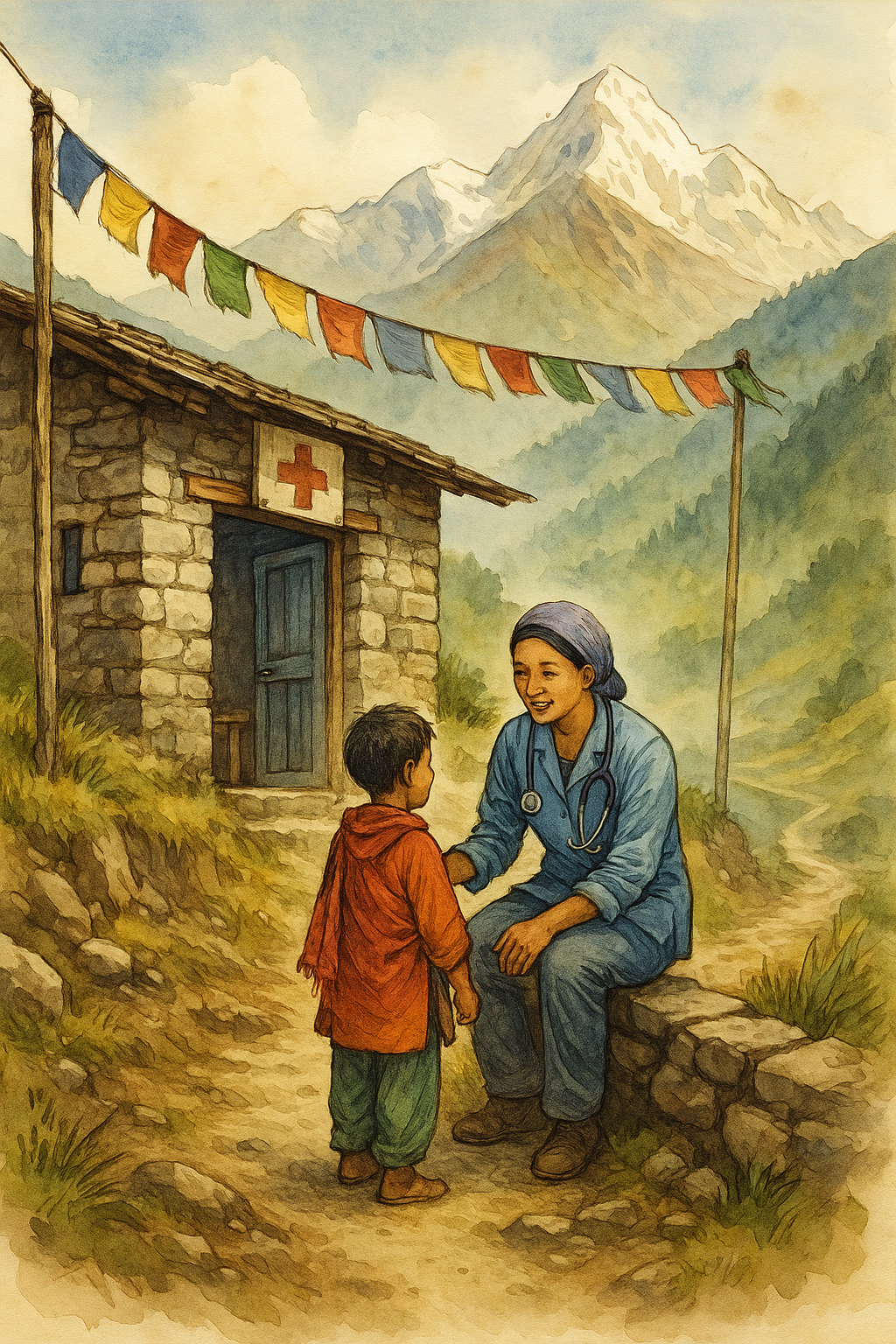
A female nurse sits on a stone wall talking to a young boy outside a clinic in the mountains of Nepal

Get Ready to Move!

You’re already in one of the most respected and needed professions on the planet. Why not take those talents global?

Whether you’re hoping to work in a bustling London hospital, a remote health outpost in Nepal, or a sleek clinic in the Emirates, your nursing license could be your ticket to a whole new life. Just do your homework, check your credentials, and trust that the right opportunity is out there.

It’s not about escaping your current life — it’s about expanding it. It could be just what the doctor ordered. –Dmytro Leiba

What Solo Travelers Secretly Love About Group Travel

From flexible structure to emotional backup, here’s why the solo set is giving group trips a second look.

A group of travelers in a Jeep on an African safari, with one looking through binoculars, another is holding a lizard, with a monkey on his backpack, and one frightened while taking a picture, with giraffes and a lion

There’s something undeniably satisfying about crafting your own itinerary, eating when you want, and never compromising on which waterfall or street food stall to visit. 

But let’s be honest: While solo travel has its perks, it’s not always sunshine and Instagram-worthy sunsets. Sometimes, you crave a little structure, a spontaneous laugh with someone who gets it, or just someone else to help navigate the chaotic train station.

You can still explore the world on your own terms — but with the bonus of shared stories, unexpected friendships and fewer awkward selfies.

That’s where group travel comes in — and not the old-school, flag-waving, follow-the-leader kind. Today, there are new ways of traveling that blend independence with meaningful connection. You can still explore the world on your own terms — but with the bonus of shared stories, unexpected friendships and fewer awkward selfies.

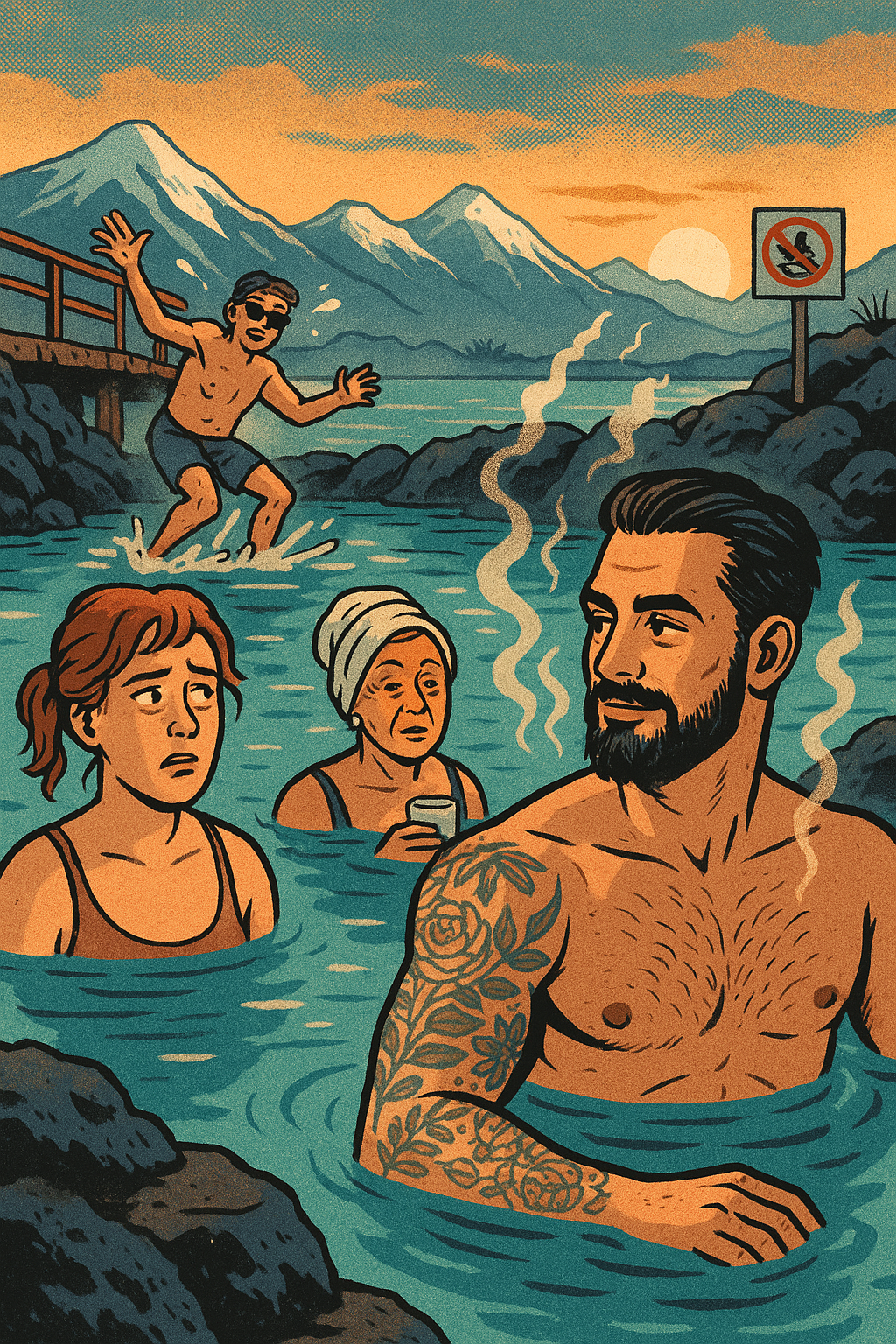
People enjoy the warm water of the Blue Lagoon in Iceland, including a bearded man with tattoos

Even Lone Wolves Like a Pack (Sometimes)

You’re the kind of person who books one-way tickets. Who happily eats solo at a buzzing night market, and finds joy in being the mysterious figure on the night bus. There’s power in that kind of freedom — in choosing your own rhythm, without compromise.

But confession time: Sometimes you find yourself tempted by the idea of a group trip. Not the awkward, name-tag-wearing kind, but something different — something that doesn’t scream “tourist,” yet still gives you the perks of not doing everything alone.

There are group travel options designed for solo travelers who value their independence but also enjoy human connection. Some even group travelers by age, so the people you meet are likely in the same stage of life — ready to co-create the kind of story you’ll still be telling (loudly and proudly) years from now.

It’s all about balance: enough structure to keep things flowing, enough freedom to make it feel like yours. The right group trip doesn’t take away your solo identity — it enhances it. With richer conversations, less isolation and group photos you’ll actually want to keep. 

So what makes group travel so unexpectedly appealing — even to the most fiercely independent travelers? Let’s break it down.

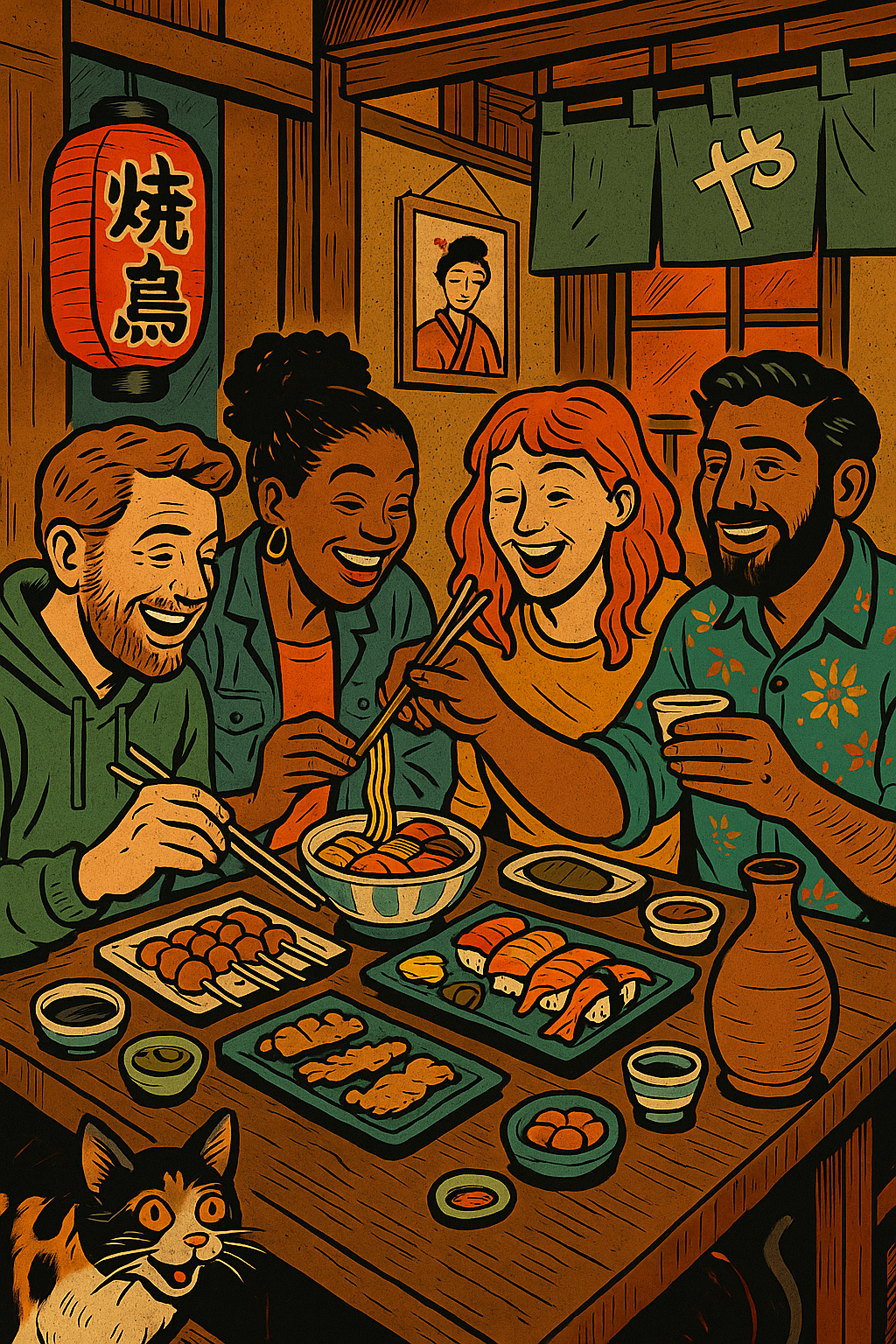
A group of travelers crowd around a table at a restaurant in Japan

Why Solo Travelers Do Group Travel (Once in a While) 

1. Independence, reimagined

Traveling alone is all about freedom, doing what you want, when you want. But who says being part of a group takes that away? One fanny pack-wearing group of tourists doesn’t define all groups. The right kind of group travel lets you keep your autonomy while adding just enough connection to make the journey richer. Being part of the right kind of group doesn’t mean independence has to go away. It just means you’re free to stay in the experience, choose how to show up and decide when it’s time to go it alone.

A group of travelers are mostly frustrated while kayaking in Croatia

2. Built-in “social battery” recharges

You don’t have to talk if you don’t want to. Traveling with a group means you can also enjoy the sound of silence when you feel like it. And it’s even better if you’re one of those travelers who prefer to go solo. Because let’s face it: You’re not always up for managing group dynamics, and the last thing you need on holiday is a schedule full of “compulsory fun.”

No, you prefer a real travel companion who won’t blink if you share dinner and then head off on your own for a sunset walk. That’s the sweet spot. The possibility of being able to make the most of a life-enriching experience within a small, reliable circle of people who share your same vibes: no strings attached, no pressure, no expectations — just the freedom to connect or disconnect as needed.

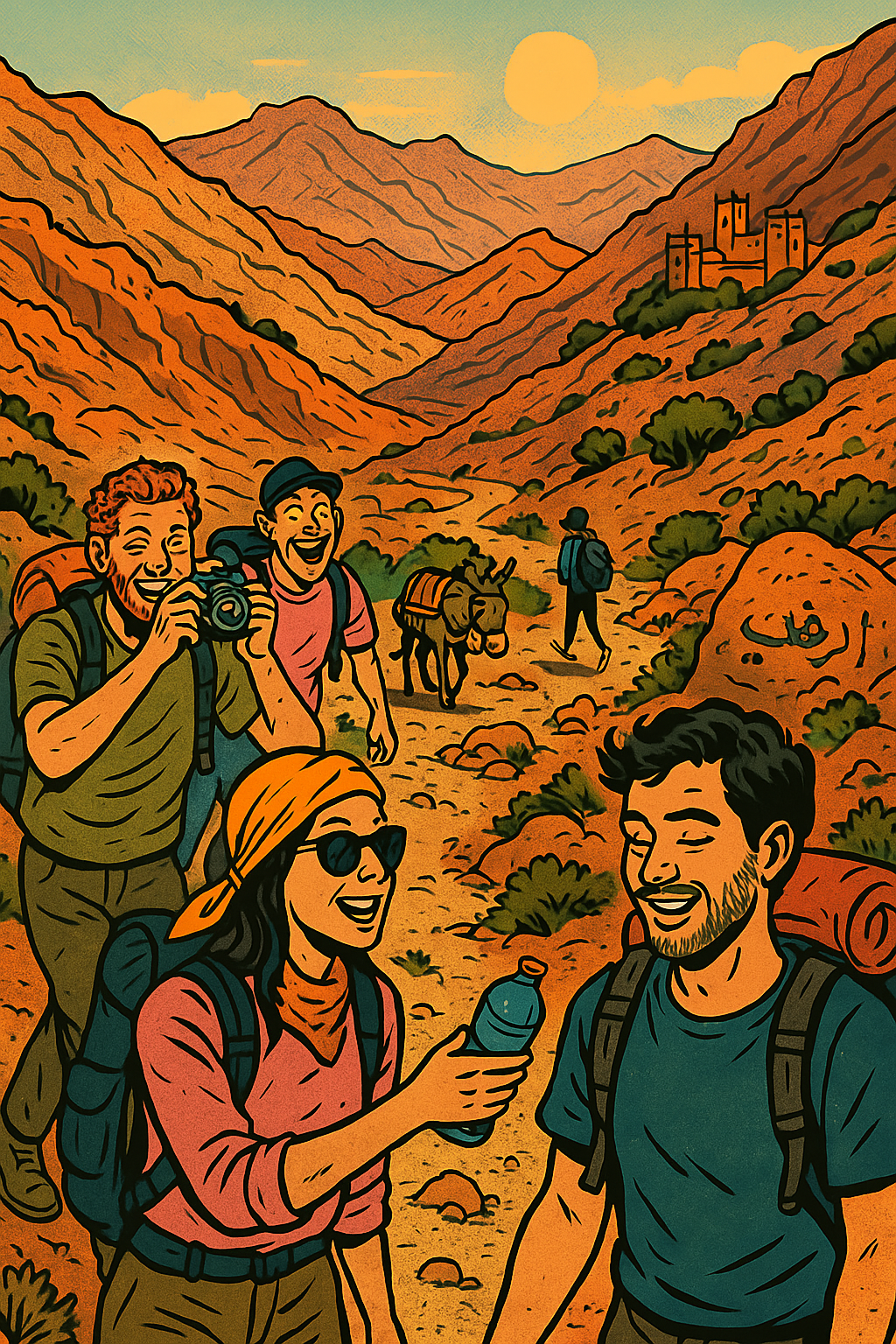
A group hikes through the American Southwest, with a woman offering a man her water bottle

3. Freedom within structure

The best group trips offer just enough structure to keep things flowing, but never feel rigid or overplanned. The kind where you can dip out of an excursion, take a detour, or spend an afternoon on your own without feeling like you’re breaking any rules.

That’s what makes certain group travel experiences so appealing to solo travellers — they keep your independence intact, while giving you the option to connect when it matters.

Some travel communities have found this balance — offering flexible itineraries, shared energy, and just enough freedom to feel like your own journey. One example? WeRoad, a community of travelers that groups people by age and lets you choose how much to engage, without ever feeling boxed in. Curious? Discover some group trips perfect for solo travelers.

4. The joy of shared firsts

The first time you eat durian. The first time you swim in glowing water. A powerful art exhibit. These things hit differently when you’re not the only one experiencing them. There’s a special kind of magic in the collective gasp, the shared laughter, or the look you exchange when something completely unexpected happens.

You can travel solo all you want — and it’s great — but some stories are simply better when there’s someone else to nod and say, “Yup, that really happened.”

5. Emotional backup when things go sideways

Missed planes, lost bags and violent food poisoning — vacations don’t always go exactly as planned. And in those moments, having a group by your side makes all the difference. Whether it’s someone offering their last electrolyte packet, helping you figure out a plan B, or just laughing with you when things get ridiculous — it’s these little human moments that turn travel fails into favorite stories.

Plus, when you’re traveling with people in a similar phase of life, it’s easier to feel seen, supported and genuinely understood — without needing to explain why you’re skipping the 6 a.m. hike in favor of sleeping in.

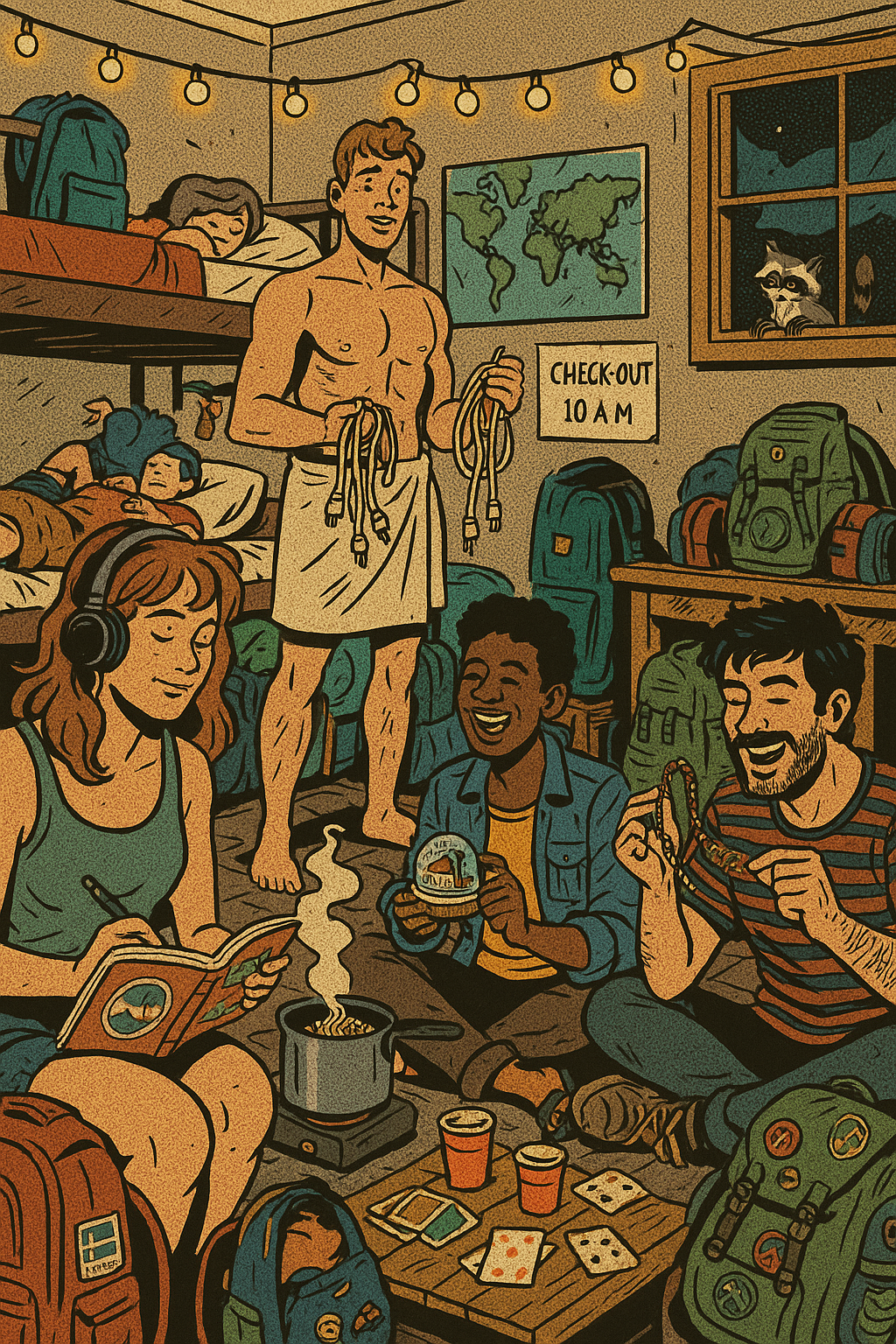
A group of travelers at a hostal: a man on a bunkbed, one in a towel holding cords, one writing in a journal, and two with souvenirs

You’re Still a Solo Traveler (Just Smarter Now)

You haven’t sold out by joining a group; you’ve upgraded. You’re still curious, independent and spontaneous — you just know when it’s okay to let someone else carry the snacks and make the dinner plans. 

Today, more and more solo travelers are choosing group trips that strike the right balance between freedom and connection. Experiences designed with flexibility, community and shared curiosity in mind — where you can explore the world on your own terms, but in good company. 

Whether it’s hiking in Morocco, eating your way through Japan or chasing sunsets in Tanzania, the beauty of this kind of travel is in the mix: meaningful moments on your own, and others you’ll want to share. –Tomasz Rezik

Budget Travel Secrets That Won’t Make You Miserable

Traveling on a budget doesn’t have to mean sacrificing fun or comfort. Discover real money-saving travel tips — from off-peak deals and cheap eats to affordable destinations and smarter booking strategies.

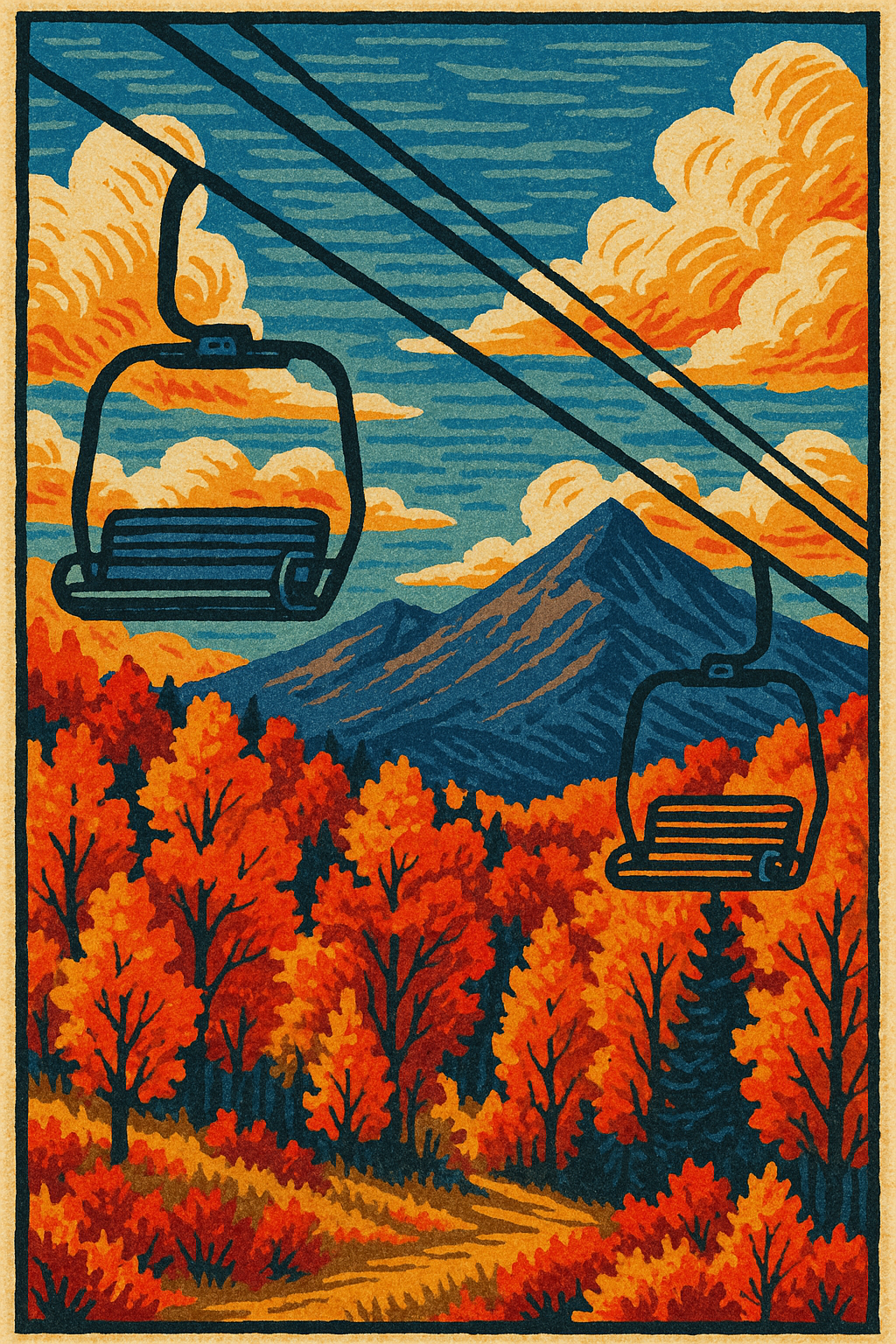
A chairlift at a ski resort in the fall

Being broke doesn’t mean your travel dreams have to be. With the right hacks, you can skip the endless compromises, itchy sheets on hostel bunk beds, and surviving solely on instant noodles. 

In fact, mastering a few simple strategies can stretch your dollars further than you ever imagined, allowing you to fully enjoy your destination without constantly checking your bank balance. The trick lies in smart planning, knowing when to book, where to stay, and how to handle unexpected costs without panic or regret.

Think of your vacation fund like a monthly bill — set up a separate savings account and automate small deposits from each paycheck.

What about loans for travel expenses or credit cards? When used responsibly and with smart budgeting, these financial tools can enhance your trip rather than burden it. Whether covering an emergency abroad or simply managing cash flow more comfortably, thoughtful use of financing can provide peace of mind, turning potential travel headaches into stress-free experiences.

Chinese junks sail through Ha Long Bay in Vietnam

Real Money-Saving Travel Tips for Smart, Budget-Friendly Trips

Are you looking for budget travel tips that save real cash? Here you are: 

Consider cheap vacation ideas. 

For affordable travel destinations, timing is everything. Travel during shoulder seasons — late fall or early spring — when crowds thin out and prices drop. Europe in October or some of the best places to visit in April in the U.S. can offer the same beauty — without the crowds or high season prices. In 2024, the average U.S. airfare was $384, but savvy travelers found roundtrips under $200 by booking one to three months in advance or flying midweek.

Think beyond the usual tourist traps. Vietnam, Cambodia and Sri Lanka offer rich culture, beaches and meals under $5 — far more budget-friendly than Japan or Australia. Within the U.S., avoid overpriced beach towns and try hidden gems like Flagstaff, Arizona for red rock hikes, or Chattanooga, Tennessee for riverside views and free downtown shuttles. From mountain retreats to small art towns, your dollar goes further when you travel smart.

Three people walk through an airport, as a plane flies by outside

Book early to travel on a budget. 

Earlier is generally cheaper. As travel analyst Ted Rossman advises, “Book sooner rather than later.” Aim to get your tickets and reservations two to three months in advance and be flexible with dates. 

Try flying mid-week (Tuesdays and Wednesdays) or use fare alerts on Google Flights and Kayak to catch flash sales. Don’t be afraid of layovers: A connecting flight can save hundreds on long trips.

If you can swing it, take a red-eye or an early train — the ungodly hours usually cost less. 

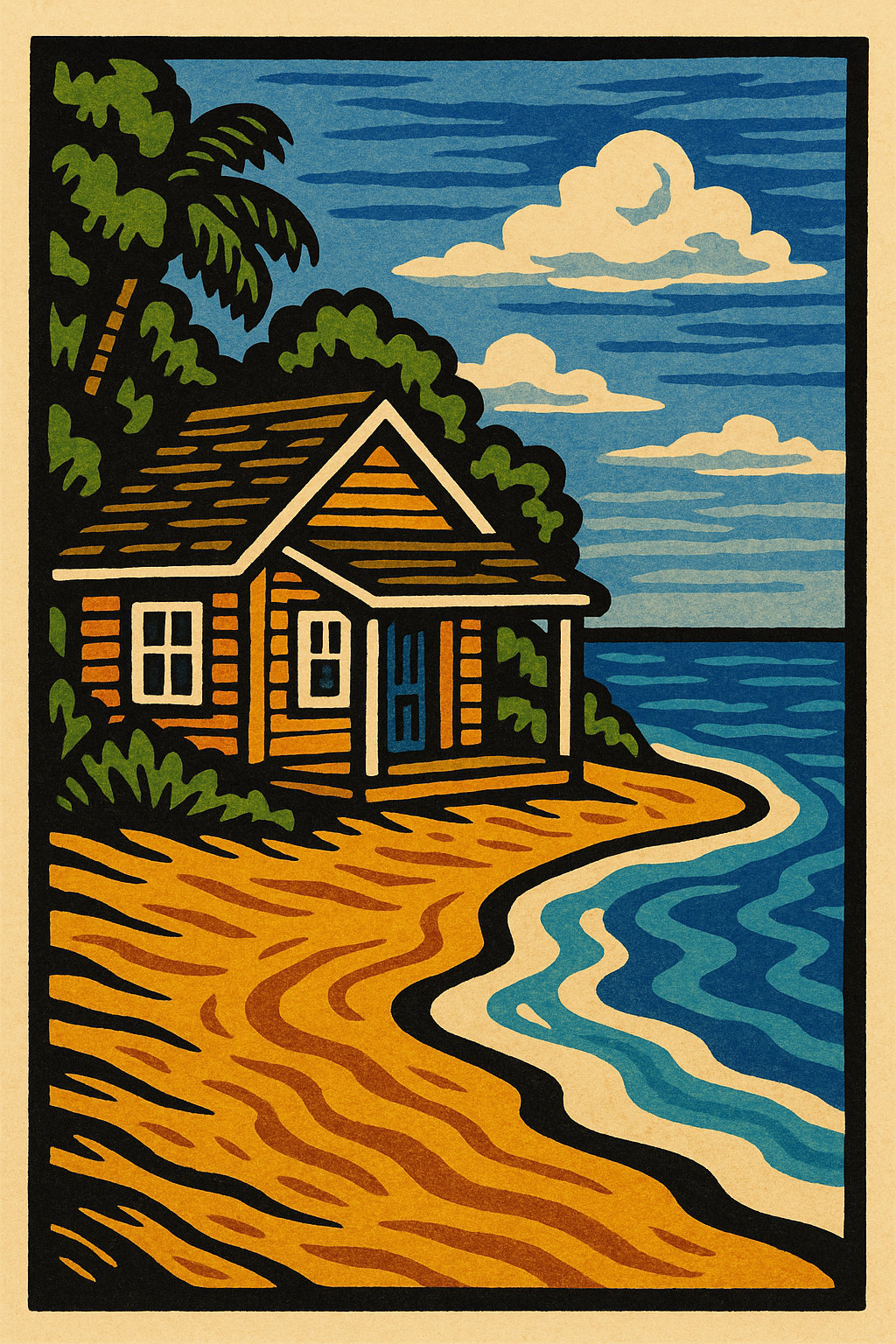
A cabin on the beach

Travel off-peak for deals. 

Hotels follow the same rule. Many offer free cancellation, so you can rebook if a better deal arises. Using Kayak can tell you if your flight or room drops in price.

And think outside the big-name hotels: A resort three blocks from the beach is often pricier than a beachfront Airbnb down the street. The point is simple: Be the early bird and the savvy shopper.

For example, Caribbean beach resorts can be half-price in late spring, and ski towns are dirt-cheap in October, when the lifts are still snoozing and the slopes are bare. 

A motorbike on the sidewalk in a European city

Ditch taxis and Ubers. 

Transportation can quietly drain your travel budget. Instead of flagging down a $30 taxi, opt for public transit — most bus or subway rides cost under $3, and all-day passes in cities like Chicago, Madrid and Bangkok run just $10 to $15. That’s your whole day of getting around for the price of a single cab. 

Many cities also offer bike-share or scooter-share options through apps like Citybike, with rides starting at just $1 to $3. You’ll not only save money but also experience the city more like a local.

A train crosses a bridge in a mountainous landscape

Control travel expenses on rentals. 

For longer trips, skip the car or nonstop flight if you can. Long-distance buses or trains can be much cheaper, and you often see more scenery. For example, an overnight bus from New York to Washington, D.C. might cost $30, while a plane ticket is $150. 

If a car is really necessary, consider carpooling with friends. Splitting gas and tolls among four people means a $200 rental is suddenly $50 each. 

Take the city bus, join an UberPool, or carpool on road trips. Your wallet will thank you.

Two men eat street tacos at a small table in Mexico

Eat local for under $10. 

Dining and activities are two big areas where you can  cut costs. First, food: Hit grocery stores, markets and street vendors instead of restaurants for every meal. Buy bread, cheese and fruit for picnics, or cook in your hostel or rental’s kitchen. Even making coffee or tea in your room can save you a few bucks daily.

Dining in at least once daily can cut your food bill in half. Local markets and small hole-in-the-wall eateries serve tastier food for less money than tourist traps. And look for happy hour and lunch specials. 

Two people hike through the U.S. Southwest, with beautiful rock formations

Hunt for free activities everywhere. 

Now, for free fun: Every city has options if you look hards. Google “free things to do” in the city you’re visiting, and you’ll find walking tours, public concerts, museum days (every Smithsonian museum in Washington, D.C., is free, for example), churches and parks.

Check local event calendars for street fairs and cultural festivals that cost nothing. Hiking, beach days and neighborhood walks are also free. 

When you crave a paid attraction, hunt for city passes or combo tickets. 

Remember: The best souvenirs are memories, which don’t cost a thing.

An airplane flies through the clouds

Save for travel with loyalty and rewards.  

Leverage loyalty programs and travel rewards. Use credit cards responsibly, and they can give you hundreds (or even thousands) of dollars back. Many cards offer big bonus points when you sign up. 

Airlines and hotels also run free loyalty and frequent-flyer programs. Even if you fly once a year, you can earn perks, such as a free checked bag or upgrade. The secret is not to overspend chasing points. Only charge what you’d buy anyway, and always pay the bill on time to get discounts on top of discounts.

Two women stand in a square in front of a monastery in Bulgaria

Budget for your trip to make it come true.  

The easiest travel budget starts with money you save ahead of time. Think of your vacation fund like a monthly bill — set up a separate savings account and automate small deposits from each paycheck. 

Even daily habits can shift the math: Instead of spending $5 on coffee every morning, invest in a home coffee maker. That one-time purchase can save you over $150 a month — nearly $2,000 a year you could put toward your next adventure.

With a little planning, you can unlock affordable adventures that feel anything but cheap. From traveling during shoulder seasons to hunting flight deals, skipping tourist traps, and embracing local eats, these strategies can stretch your budget and enrich your journey.

So pack your bags — affordable travel is waiting, and it’s more fun than you ever imagined. –Dawnesha Burns

Tips for a Healing Getaway for Travelers With Medical Concerns

How to plan a restorative trip when you’re managing implants, recovery or ongoing health needs. 

Travel is often seen as a chance to unwind — but for many people, it doesn’t always work that way. Disrupted routines, unexpected discomfort and medical concerns can quickly turn a trip from restful to draining.

Even the most peaceful destination can feel overwhelming if your body isn’t cooperating. And when you’re traveling with an implant or managing recovery, comfort depends on far more than the location or hotel rating.

So how do you truly recharge on the road? This guide offers tips for travelers navigating medical concerns — and what it really takes to turn your getaway into a healing one.

Planning your ideal relaxing getaway

Choosing the right destination is key to how your trip feels. Look for spots that naturally support rest and wellness — quiet coastal towns, scenic parks or slow-paced mountain villages.

If you’re traveling with an implant or recovering from a procedure, avoid destinations that require high altitudes or strenuous activity. Seek places with built-in tranquility, where birdwatching, yoga or nature walks are the norm.

Here are some of the best relaxing vacation options in the United States, according to U.S. News:

  • Cannon Beach, Oregon offers stunning coastal views and a welcoming arts scene. 

  • Pagosa Springs, Colorado is known for its healing hot springs and mountain backdrop. 

  • Amelia Island, Florida charms with quiet beaches and historic streets. 

  • Carmel-by-the-Sea, California impresses with ocean views and a relaxed, walkable town center. 

Should I plan for rest days during my trip?

Yes, wherever you go, build in rest time. Even the most enjoyable plans can become exhausting without breaks. Rest days give your body time to adapt and recover. Spacing out activities prevents fatigue and supports a more relaxing, enjoyable experience.

Maintaining comfort on the road

When you’re traveling with health concerns, comfort becomes a top priority. Medical implants — from pacemakers to IUDs — are common, and while they make life easier, they may require extra attention while away from home.

Air travel, changes in climate or increased physical activity can amplify discomfort. Hormonal or copper-based IUDs, for instance, can cause cramping or irregular cycles. Non-hormonal versions like the Paragard IUD have also raised concerns, with some users reporting breakage, expulsion or perforation. In fact, there’s a Paragard lawsuit over safety issues — with patients seeking compensation for physical injuries and emotional distress.

Traveling with a medical device doesn’t mean you have to be uncomfortable. The right preparation — from packing heating pads to knowing your physical limits — can help you stay well and enjoy the journey.

What precautions should travelers with implants take when flying?

Secure your device and avoid lifting heavy luggage. Book seats with extra legroom if possible, and bring any comfort aids you might need — like pain relievers or travel cushions.

Choosing activities that promote relaxation

High-energy adventures might look exciting on paper, but they don’t always deliver the rest your body craves. Focus on activities that allow your body and mind to relax without added strain.

For travelers with implants or medical concerns, this is a necessity. Even moderate exertion can trigger discomfort or complicate healing.

Stick to slow walks, spa visits or gentle yoga. These low-impact activities improve circulation and reduce stress without taxing your system.

Wellness tourism is growing fast — expected to top $1 trillion by 2030, according to Everyday Health. And it’s easy to see why. Travel focused on rest, mindfulness and well-being has real benefits, from improved sleep to reduced anxiety.

How do I choose activities that respect my energy levels?

Start with options that match your current capacity — like soaking in a thermal spring or strolling through a garden. Schedule breaks between activities to protect your energy and allow space for rest.

Staying hydrated and eating well

Good hydration and balanced meals go a long way toward supporting comfort and recovery on the road. 

Here are a few essentials:

  • Drink plenty of water — especially in warm or dry climates.

  • Choose meals with fresh produce, whole grains and lean proteins.

  • Avoid overly rich or processed foods that can lead to bloating or fatigue.

Travelers with IUDs sometimes notice reduced cramping and inflammation when they stay hydrated. Drinking enough water and getting enough rest can ease discomfort and support your body’s natural rhythms.

A healthy diet also supports the immune system, promotes better sleep and can boost your mood — all of which are crucial when you’re far from your normal routine.

Why is nutrition important for travelers with medical implants?

It helps reduce inflammation, supports recovery and keeps your energy steady. Nutritious meals also protect your immune system — something especially important when managing any chronic condition on the road.

Preparing for unexpected discomfort

Even well-planned trips come with surprises. If you’re managing recovery or living with a medical device, bring a few essentials to help you respond to discomfort as it arises.

Pack a small kit with pain relievers, heating pads and any prescribed medications. Research local clinics and pharmacies before you go, just in case.

For those with hip or joint implants, be aware that swelling or pain can flare up after a day of sightseeing. This is part of the normal healing process — trauma from surgery leads to inflammation, which can persist for months post-op.

The solution? Build in flexibility. Take breaks when needed, and be willing to change plans if your body asks for rest. You’ll feel better and enjoy the experience more when you listen to your needs.

What should I do if the pain becomes unbearable during travel?

Don’t try to push through. Get medical help if needed, and adjust your itinerary so you can rest. Taking care of your body is the most important part of a healing getaway.

A restorative trip isn’t about doing less; it’s about doing what serves you best. For travelers with medical concerns, thoughtful planning, gentle activities and self-awareness go a long way.

When you prioritize your health, you create space for calm, clarity and renewal. And that’s what turns a getaway into a true opportunity to heal.

What Is an eSIM?

Lost without service? Here’s an explanation of what eSIMs are — and how they’re changing the game for travelers. 

A fabulous woman in a long colorful sundress stands on a pier in Bora Bora by huts over the water, looking at her phone

Your bags are packed, your itinerary is set, and you’re ready to explore. But the moment you step off the plane, your phone flashes a dreaded message: No Service.

You scramble to connect to airport WiFi (if it’s even available), fumble with a local SIM card you bought at a kiosk, and pray you remember your hotel’s address before getting into a taxi. Meanwhile, your friends and family have no idea where you are. Sound familiar?

ESIMs eliminate roaming charges, simplify setup, and ensure you’re never stranded without service.

Because the only thing you should be worrying about on your trip is where to explore next.

For years, travelers have been caught in this all-too-common nightmare — disconnected, disoriented and sometimes downright lost. But thanks to eSIM technology, staying connected abroad is no longer a hassle.

A handsome man holds his phone in the French Quarter of New Orleans, passing jazz musicians

What Is an eSIM?

An eSIM (embedded SIM) is a digital SIM card built directly into your phone. Unlike traditional SIM cards, eSIMs don’t require swapping out tiny plastic chips. Instead, you can activate a data plan by scanning a QR code — no waiting, no extra hardware.

And eSIMs are quickly becoming the standard. The number of eSIM-enabled devices is expected to grow from 1.2 billion in 2021 to 3.4 billion by 2025, according to a study by Juniper Research. That’s a 180% increase.

How Do eSIMs Work?

Setting up an eSIM is incredibly simple:

  1. Make sure your phone is compatible. 

  2. Purchase an eSIM plan from a provider online.

  3. Receive a QR code via email.

  4. Scan the code with your phone’s camera.

  5. Boom — you’re connected!

With an eSIM, you can store multiple data plans on a single device, meaning you can switch between providers with just a few taps. Many travelers keep their home number active while using an eSIM for data abroad — no more expensive roaming fees.

Why Travelers Are Ditching Traditional SIMs for eSIMs

1. Instant Connectivity

Gone see those frantic airport searches for a SIM card vendor. You can activate your eSIM before you even take off.

2. No More Roaming Nightmares

International roaming fees can be brutal. A 2023 study by WhistleOut found that some U.S. carriers charge up to $10 per day for international data, while pay-as-you-go rates can skyrocket to $2.05 per MB (that’s $2,050 for 1 GB!). ESIMs offer flat-rate, prepaid data plans that can save travelers hundreds of dollars per trip.

3. Eco-Friendly and Hassle-Free

ESIMs eliminate the need for plastic SIM cards, packaging and shipping, making them a greener choice. Plus, no more losing or damaging those tiny chips.

4. Dual SIM Capability

Need to keep your regular number active for calls and texts? No problem. Many eSIM-compatible phones let you use your primary number for calls while using an eSIM for data abroad.

5. Hotspot and Data Sharing

Some eSIM plans even allow tethering, so you can share your data with a laptop or travel companion — perfect for digital nomads or group travelers.

What to Know Before Using an eSIM

While eSIMs are a game-changer, they aren’t perfect for everyone. Here are a few things to keep in mind before making the switch:

1. Your phone must be compatible. 

Not all phones support eSIMs. As of now, only newer models from Apple, Samsung, Google and a few other brands work with eSIMs. If you’re unsure, check your phone’s settings or the provider’s compatibility list before purchasing.

2. You need WiFi for setup.  

To install an eSIM, you must be connected to WiFi. This means you should set it up before leaving home or from a hotel with stable internet. Forget to do it? You might struggle to get online when you land.

3. You don’t get a phone number on data-only plans. 

Most travel eSIMs are data-only, meaning they don’t provide a phone number for calls or texts. If you need to make calls, you’ll have to use WhatsApp, FaceTime or Google Voice instead.

4. Data sharing isn’t available everywhere. 

Not all eSIM plans allow hotspot sharing. If you plan to connect your laptop or share data with a travel partner, check whether your plan supports it — especially if you’re traveling in a remote area.

5. Coverage can vary. 

ESIMs rely on local networks, meaning signal strength and speeds depend on where you are. If you’re in a rural or mountainous area, you might experience weaker coverage — just like with a regular SIM card.

6. Switching providers may take a few steps. 

While eSIMs make it easier to change carriers, some phones require a manual reset when switching networks. If you’re juggling multiple providers, this could cause minor delays.

FAQs About eSIMs for Travelers

What exactly is an eSIM?

If you have a newer phone (like an iPhone XR or later, Google Pixel 3 or later, or a recent Samsung Galaxy model), the eSIM technology is already built into your device. You don’t need any extra hardware — just activate an eSIM plan by scanning a QR code or entering details manually, and your phone connects to a local network.

Since it’s embedded in your device, an eSIM can’t be lost, stolen or damaged like a traditional SIM card.

Why would I need an eSIM?

If you travel internationally, an eSIM lets you stay connected without expensive roaming fees or the hassle of swapping physical SIM cards. With an eSIM, you can activate a local or global data plan before your trip and have internet access the moment you land.

Does an eSIM replace an international data plan?

An eSIM is an international data plan, but instead of using your home carrier’s potentially expensive roaming package, it connects to local networks at a better rate. Unlike traditional international data plans that require carrier contracts, eSIMs are prepaid and flexible.

Can I use an eSIM and my regular SIM at the same time?

Yes. Most eSIM-compatible phones have dual SIM functionality, meaning you can keep your regular SIM active for calls and texts while using an eSIM for data. This is great for people who need to receive calls on their primary number while using a local data plan abroad.

Do eSIMs work in every country?

ESIM providers offer coverage in most major travel destinations, but coverage quality varies depending on local networks. Always check if your destination supports eSIMs before purchasing a plan.

What happens if I lose my phone while using an eSIM?

If you lose your phone, your eSIM is tied to that device and cannot be removed or swapped like a physical SIM card. However, you can still access your account from another device to transfer your eSIM, depending on your provider’s policy.

Can I share my eSIM data with other devices?

Some eSIMs allow hotspot sharing, while others restrict tethering. If you plan to use your phone’s hotspot for a laptop or another device, make sure your eSIM provider supports this feature in your destination.

Are eSIMs secure?

Yup. ESIMs cannot be physically stolen or removed, making them more secure than traditional SIM cards. However, like any digital service, it’s important to use strong passwords and enable remote tracking features on your phone in case of loss or theft.

How do I switch back to my regular SIM after my trip?

It’s easy! Simply go into your phone’s SIM settings and switch back to your primary SIM. If you don’t plan to use your eSIM again, you can delete it from your device.

Say Hello to Holafly: A Seamless eSIM Solution

While there are several eSIM providers out there, Holafly has made a name for itself by offering a frictionless, traveler-friendly experience. They’ve got:

  • ESIMs for 190+ destinations worldwide

  • Instant email delivery — no waiting or physical shipping

  • 24/7 support via WhatsApp, chat or email

  • Flat-rate pricing — no surprise fees or roaming charges

  • Data sharing supported in 30+ destinations

With over 1 million travelers already using Holafly, the company is helping make international connectivity effortless.

ESIMs: The Future of Travel Connectivity

ESIMs eliminate roaming charges, simplify setup, and ensure you’re never stranded without service.

If you’re ready to ditch the SIM-swapping stress, check out Holafly and get an exclusive 5% discount. Use the code: NOTSOINNOCENTS

This works whether or not you’re a new customer — and it’s valid for top-ups, too.

Because the only thing you should be worrying about on your trip is where to explore next. –Wally