TRAVEL TIPS

What Solo Travelers Secretly Love About Group Travel

From flexible structure to emotional backup, here’s why the solo set is giving group trips a second look.
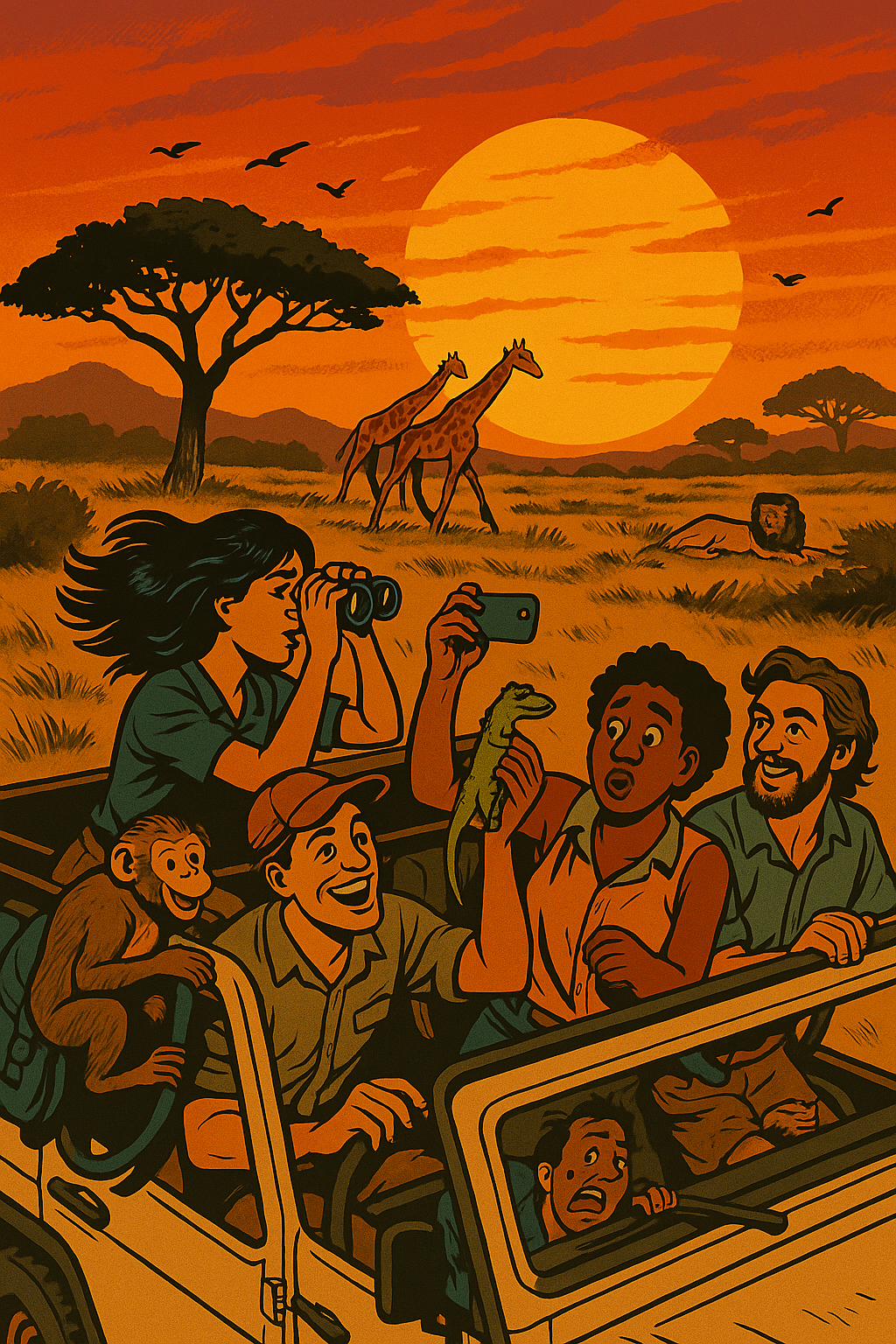
A group of travelers in a Jeep on an African safari, with one looking through binoculars, another is holding a lizard, with a monkey on his backpack, and one frightened while taking a picture, with giraffes and a lion

There’s something undeniably satisfying about crafting your own itinerary, eating when you want, and never compromising on which waterfall or street food stall to visit. 

But let’s be honest: While solo travel has its perks, it’s not always sunshine and Instagram-worthy sunsets. Sometimes, you crave a little structure, a spontaneous laugh with someone who gets it, or just someone else to help navigate the chaotic train station.

You can still explore the world on your own terms — but with the bonus of shared stories, unexpected friendships and fewer awkward selfies.
That’s where group travel comes in — and not the old-school, flag-waving, follow-the-leader kind. Today, there are new ways of traveling that blend independence with meaningful connection. You can still explore the world on your own terms — but with the bonus of shared stories, unexpected friendships and fewer awkward selfies.

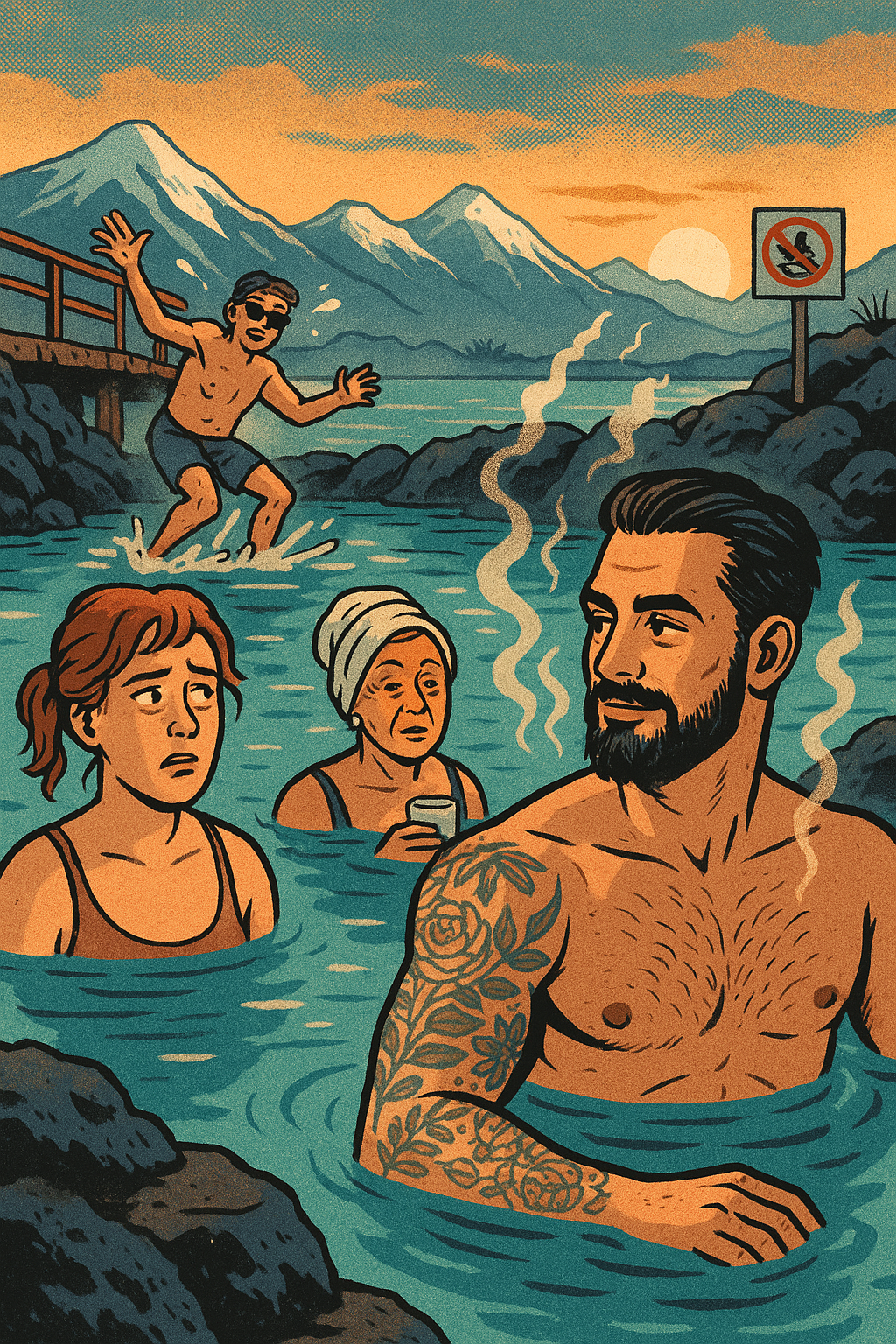
People enjoy the warm water of the Blue Lagoon in Iceland, including a bearded man with tattoos

Even Lone Wolves Like a Pack (Sometimes)

You’re the kind of person who books one-way tickets. Who happily eats solo at a buzzing night market, and finds joy in being the mysterious figure on the night bus. There’s power in that kind of freedom — in choosing your own rhythm, without compromise.

But confession time: Sometimes you find yourself tempted by the idea of a group trip. Not the awkward, name-tag-wearing kind, but something different — something that doesn’t scream “tourist,” yet still gives you the perks of not doing everything alone.

There are group travel options designed for solo travelers who value their independence but also enjoy human connection. Some even group travelers by age, so the people you meet are likely in the same stage of life — ready to co-create the kind of story you’ll still be telling (loudly and proudly) years from now.

It’s all about balance: enough structure to keep things flowing, enough freedom to make it feel like yours. The right group trip doesn’t take away your solo identity — it enhances it. With richer conversations, less isolation and group photos you’ll actually want to keep. 

So what makes group travel so unexpectedly appealing — even to the most fiercely independent travelers? Let’s break it down.
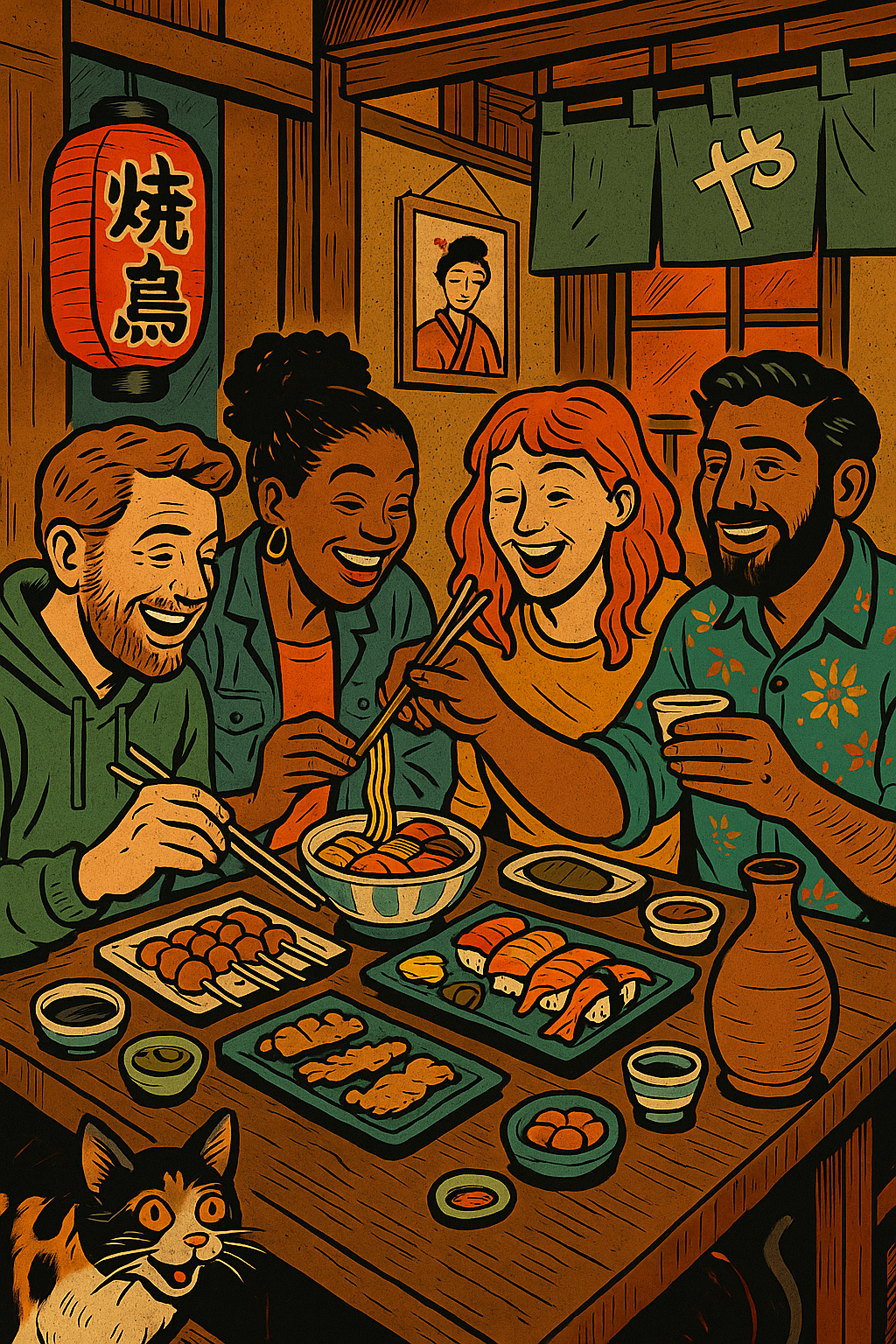
A group of travelers crowd around a table at a restaurant in Japan

Why Solo Travelers Do Group Travel (Once in a While) 

1. Independence, reimagined

Traveling alone is all about freedom, doing what you want, when you want. But who says being part of a group takes that away? One fanny pack-wearing group of tourists doesn’t define all groups. The right kind of group travel lets you keep your autonomy while adding just enough connection to make the journey richer. Being part of the right kind of group doesn’t mean independence has to go away. It just means you’re free to stay in the experience, choose how to show up and decide when it’s time to go it alone.

A group of travelers are mostly frustrated while kayaking in Croatia

2. Built-in “social battery” recharges

You don’t have to talk if you don’t want to. Traveling with a group means you can also enjoy the sound of silence when you feel like it. And it’s even better if you’re one of those travelers who prefer to go solo. Because let’s face it: You’re not always up for managing group dynamics, and the last thing you need on holiday is a schedule full of “compulsory fun.”

No, you prefer a real travel companion who won’t blink if you share dinner and then head off on your own for a sunset walk. That’s the sweet spot. The possibility of being able to make the most of a life-enriching experience within a small, reliable circle of people who share your same vibes: no strings attached, no pressure, no expectations — just the freedom to connect or disconnect as needed.
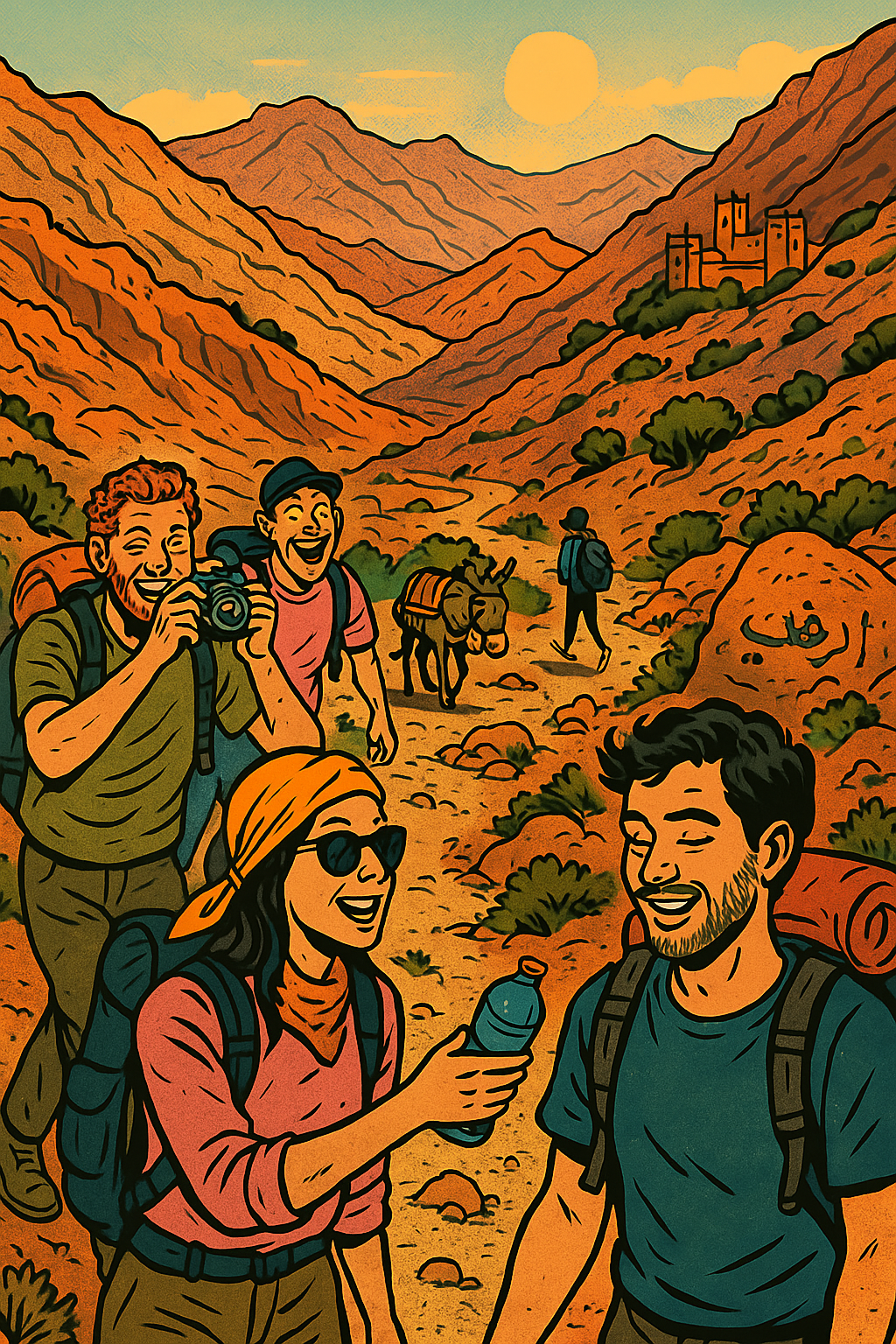
A group hikes through the American Southwest, with a woman offering a man her water bottle

3. Freedom within structure

The best group trips offer just enough structure to keep things flowing, but never feel rigid or overplanned. The kind where you can dip out of an excursion, take a detour, or spend an afternoon on your own without feeling like you’re breaking any rules.

That’s what makes certain group travel experiences so appealing to solo travellers — they keep your independence intact, while giving you the option to connect when it matters.

Some travel communities have found this balance — offering flexible itineraries, shared energy, and just enough freedom to feel like your own journey. One example? WeRoad, a community of travelers that groups people by age and lets you choose how much to engage, without ever feeling boxed in. Curious? Discover some group trips perfect for solo travelers.

4. The joy of shared firsts

The first time you eat durian. The first time you swim in glowing water. A powerful art exhibit. These things hit differently when you’re not the only one experiencing them. There’s a special kind of magic in the collective gasp, the shared laughter, or the look you exchange when something completely unexpected happens.

You can travel solo all you want — and it’s great — but some stories are simply better when there’s someone else to nod and say, “Yup, that really happened.”
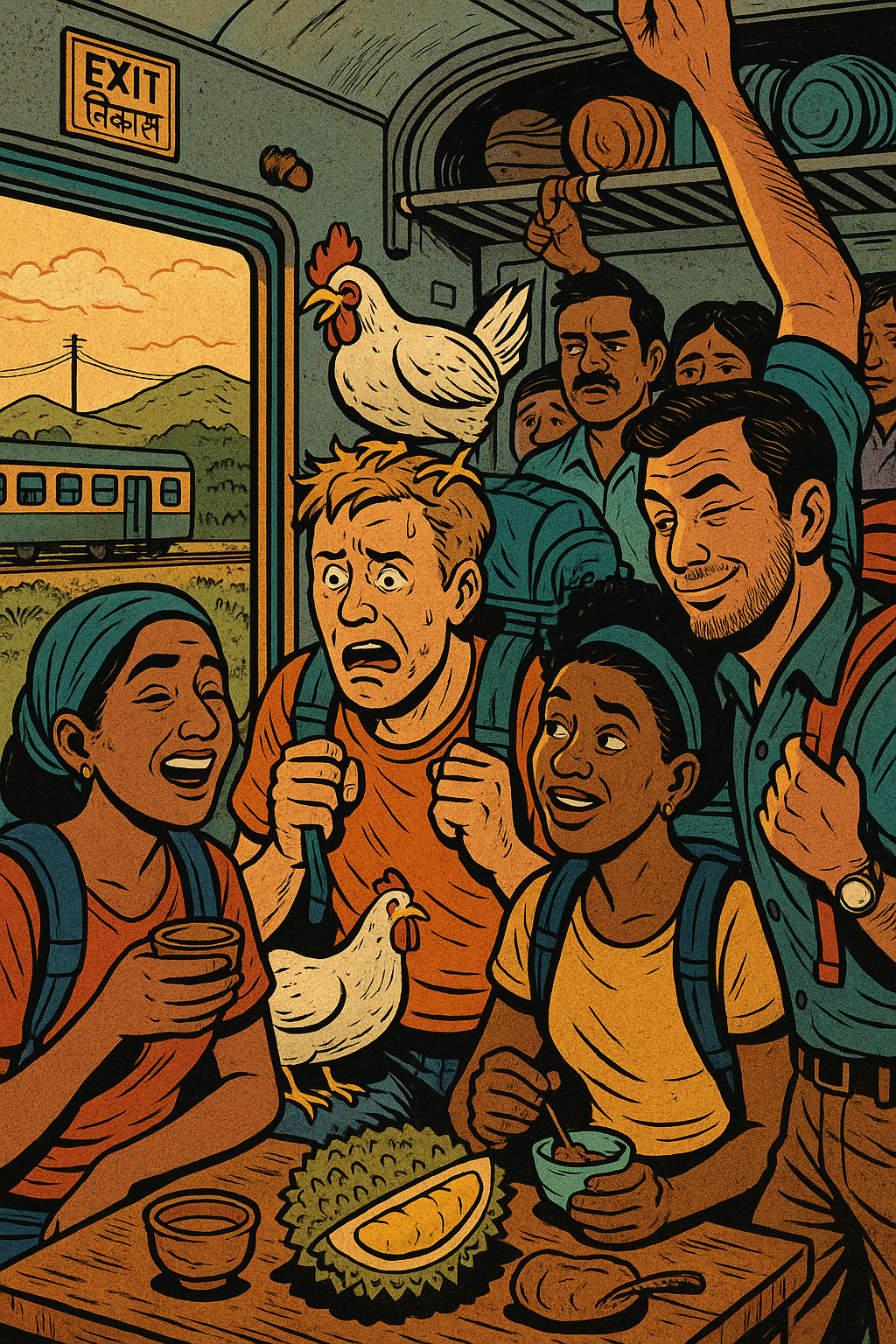
5. Emotional backup when things go sideways

Missed planes, lost bags and violent food poisoning — vacations don’t always go exactly as planned. And in those moments, having a group by your side makes all the difference. Whether it’s someone offering their last electrolyte packet, helping you figure out a plan B, or just laughing with you when things get ridiculous — it’s these little human moments that turn travel fails into favorite stories.

Plus, when you’re traveling with people in a similar phase of life, it’s easier to feel seen, supported and genuinely understood — without needing to explain why you’re skipping the 6 a.m. hike in favor of sleeping in.
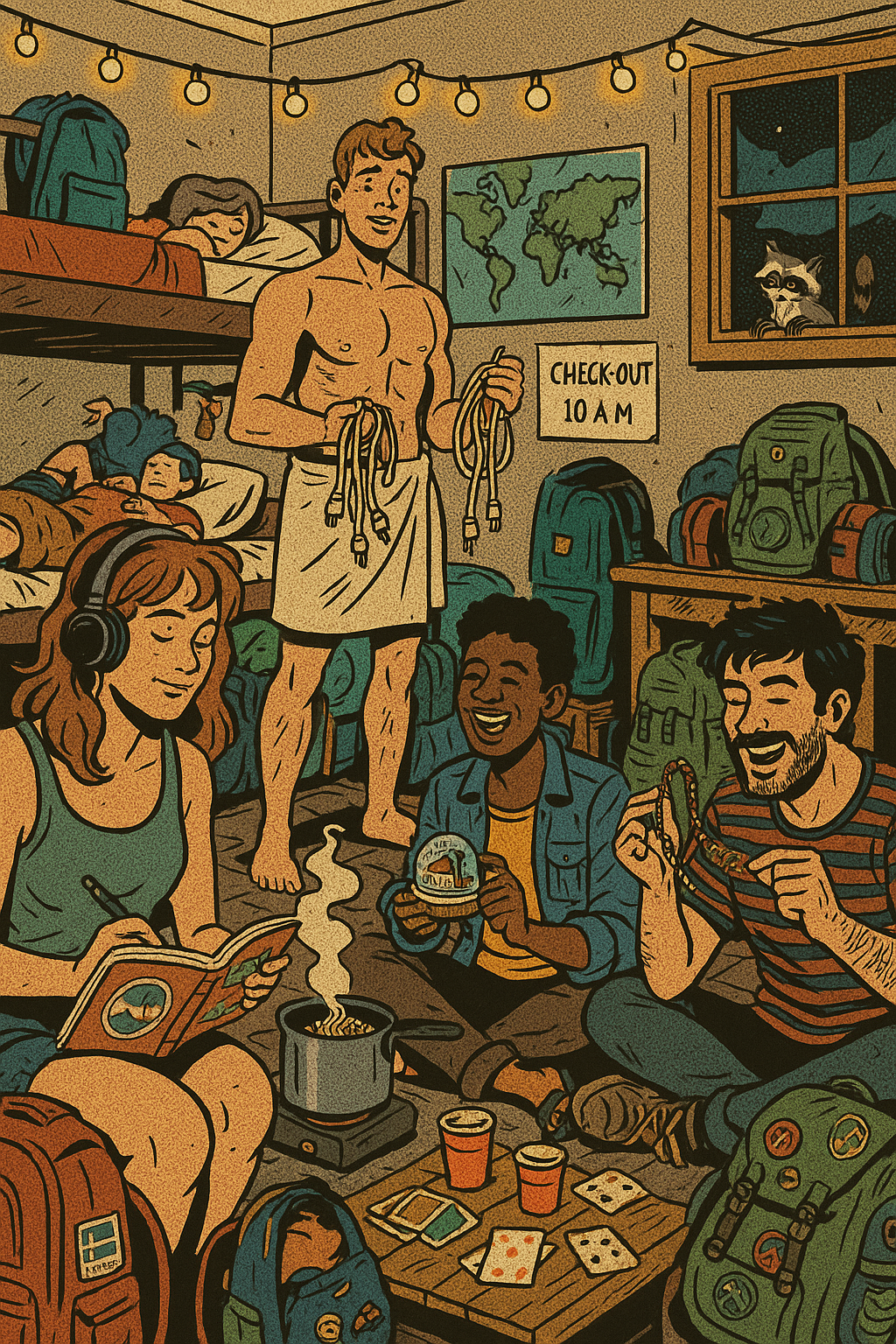
A group of travelers at a hostal: a man on a bunkbed, one in a towel holding cords, one writing in a journal, and two with souvenirs

You’re Still a Solo Traveler (Just Smarter Now)

You haven’t sold out by joining a group; you’ve upgraded. You’re still curious, independent and spontaneous — you just know when it’s okay to let someone else carry the snacks and make the dinner plans. 

Today, more and more solo travelers are choosing group trips that strike the right balance between freedom and connection. Experiences designed with flexibility, community and shared curiosity in mind — where you can explore the world on your own terms, but in good company. 

Whether it’s hiking in Morocco, eating your way through Japan or chasing sunsets in Tanzania, the beauty of this kind of travel is in the mix: meaningful moments on your own, and others you’ll want to share. –Tomasz Rezik

Budget Travel Secrets That Won’t Make You Miserable

Traveling on a budget doesn’t have to mean sacrificing fun or comfort. Discover real money-saving travel tips — from off-peak deals and cheap eats to affordable destinations and smarter booking strategies.
A chairlift at a ski resort in the fall

Being broke doesn’t mean your travel dreams have to be. With the right hacks, you can skip the endless compromises, itchy sheets on hostel bunk beds, and surviving solely on instant noodles. 

In fact, mastering a few simple strategies can stretch your dollars further than you ever imagined, allowing you to fully enjoy your destination without constantly checking your bank balance. The trick lies in smart planning, knowing when to book, where to stay, and how to handle unexpected costs without panic or regret.

Think of your vacation fund like a monthly bill — set up a separate savings account and automate small deposits from each paycheck.

What about loans for travel expenses or credit cards? When used responsibly and with smart budgeting, these financial tools can enhance your trip rather than burden it. Whether covering an emergency abroad or simply managing cash flow more comfortably, thoughtful use of financing can provide peace of mind, turning potential travel headaches into stress-free experiences.

Chinese junks sail through Ha Long Bay in Vietnam

Real Money-Saving Travel Tips for Smart, Budget-Friendly Trips

Are you looking for budget travel tips that save real cash? Here you are: 

Consider cheap vacation ideas. 

For affordable travel destinations, timing is everything. Travel during shoulder seasons — late fall or early spring — when crowds thin out and prices drop. Europe in October or some of the best places to visit in April in the U.S. can offer the same beauty — without the crowds or high season prices. In 2024, the average U.S. airfare was $384, but savvy travelers found roundtrips under $200 by booking one to three months in advance or flying midweek.

Think beyond the usual tourist traps. Vietnam, Cambodia and Sri Lanka offer rich culture, beaches and meals under $5 — far more budget-friendly than Japan or Australia. Within the U.S., avoid overpriced beach towns and try hidden gems like Flagstaff, Arizona for red rock hikes, or Chattanooga, Tennessee for riverside views and free downtown shuttles. From mountain retreats to small art towns, your dollar goes further when you travel smart.

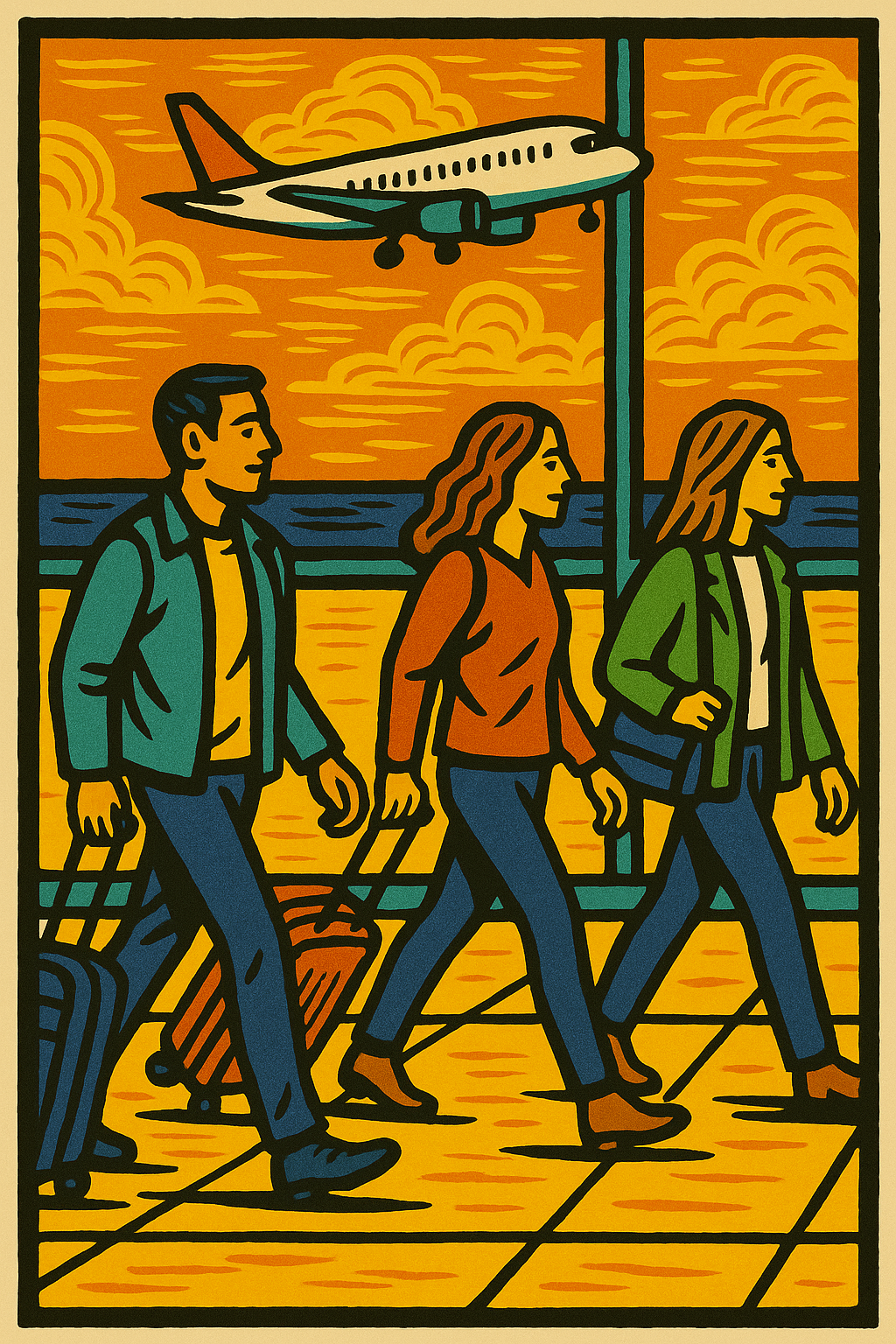
Three people walk through an airport, as a plane flies by outside

Book early to travel on a budget. 

Earlier is generally cheaper. As travel analyst Ted Rossman advises, “Book sooner rather than later.” Aim to get your tickets and reservations two to three months in advance and be flexible with dates. 

Try flying mid-week (Tuesdays and Wednesdays) or use fare alerts on Google Flights and Kayak to catch flash sales. Don’t be afraid of layovers: A connecting flight can save hundreds on long trips.

If you can swing it, take a red-eye or an early train — the ungodly hours usually cost less. 

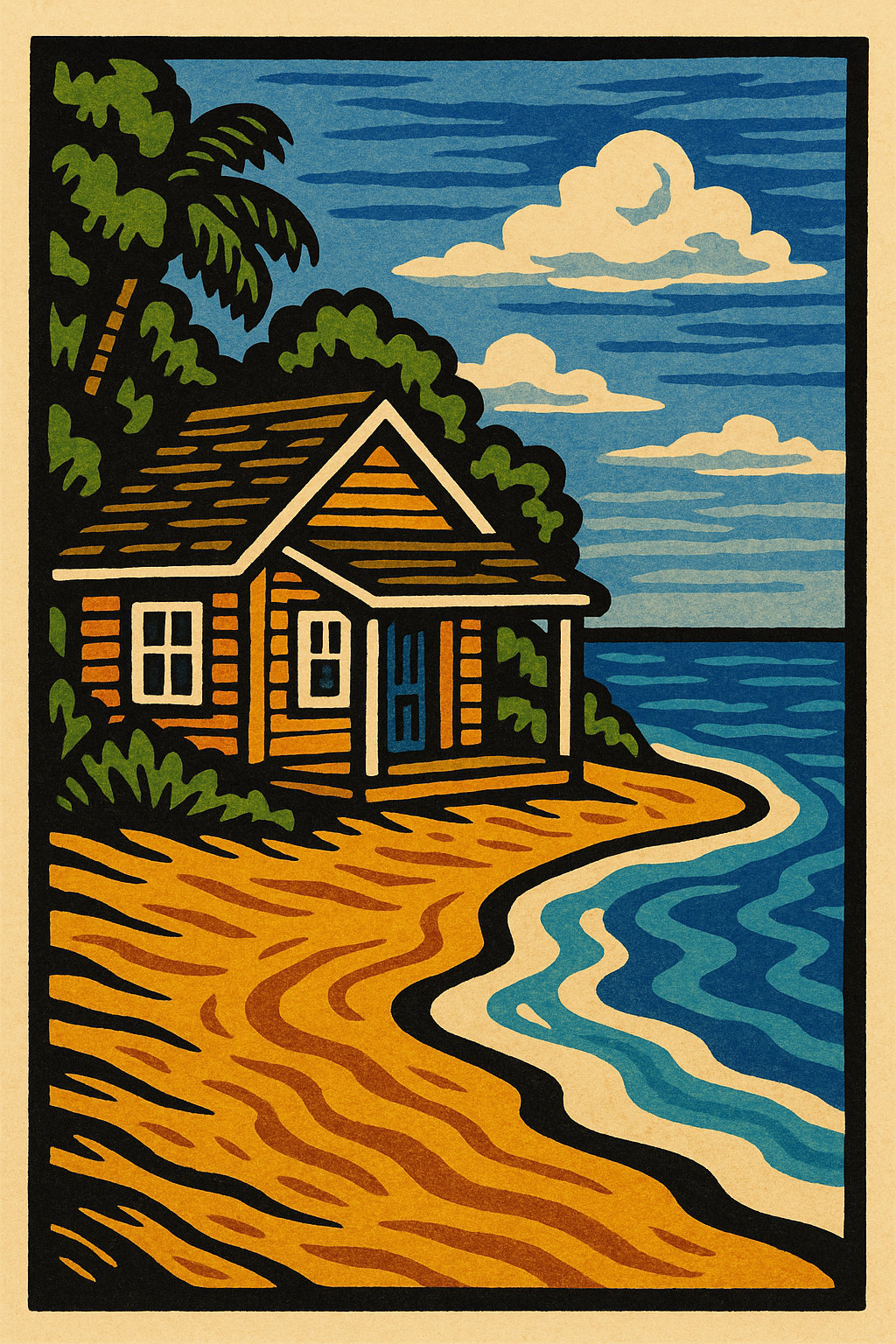
A cabin on the beach

Travel off-peak for deals. 

Hotels follow the same rule. Many offer free cancellation, so you can rebook if a better deal arises. Using Kayak can tell you if your flight or room drops in price.

And think outside the big-name hotels: A resort three blocks from the beach is often pricier than a beachfront Airbnb down the street. The point is simple: Be the early bird and the savvy shopper.

For example, Caribbean beach resorts can be half-price in late spring, and ski towns are dirt-cheap in October, when the lifts are still snoozing and the slopes are bare. 

A motorbike on the sidewalk in a European city

Ditch taxis and Ubers. 

Transportation can quietly drain your travel budget. Instead of flagging down a $30 taxi, opt for public transit — most bus or subway rides cost under $3, and all-day passes in cities like Chicago, Madrid and Bangkok run just $10 to $15. That’s your whole day of getting around for the price of a single cab. 

Many cities also offer bike-share or scooter-share options through apps like Citybike, with rides starting at just $1 to $3. You’ll not only save money but also experience the city more like a local.

A train crosses a bridge in a mountainous landscape

Control travel expenses on rentals. 

For longer trips, skip the car or nonstop flight if you can. Long-distance buses or trains can be much cheaper, and you often see more scenery. For example, an overnight bus from New York to Washington, D.C. might cost $30, while a plane ticket is $150. 

If a car is really necessary, consider carpooling with friends. Splitting gas and tolls among four people means a $200 rental is suddenly $50 each. 

Take the city bus, join an UberPool, or carpool on road trips. Your wallet will thank you.

Two men eat street tacos at a small table in Mexico

Eat local for under $10. 

Dining and activities are two big areas where you can  cut costs. First, food: Hit grocery stores, markets and street vendors instead of restaurants for every meal. Buy bread, cheese and fruit for picnics, or cook in your hostel or rental’s kitchen. Even making coffee or tea in your room can save you a few bucks daily.

Dining in at least once daily can cut your food bill in half. Local markets and small hole-in-the-wall eateries serve tastier food for less money than tourist traps. And look for happy hour and lunch specials. 

Two people hike through the U.S. Southwest, with beautiful rock formations

Hunt for free activities everywhere. 

Now, for free fun: Every city has options if you look hards. Google “free things to do” in the city you’re visiting, and you’ll find walking tours, public concerts, museum days (every Smithsonian museum in Washington, D.C., is free, for example), churches and parks.

Check local event calendars for street fairs and cultural festivals that cost nothing. Hiking, beach days and neighborhood walks are also free. 

When you crave a paid attraction, hunt for city passes or combo tickets. 

Remember: The best souvenirs are memories, which don’t cost a thing.

An airplane flies through the clouds

Save for travel with loyalty and rewards.  

Leverage loyalty programs and travel rewards. Use credit cards responsibly, and they can give you hundreds (or even thousands) of dollars back. Many cards offer big bonus points when you sign up. 

Airlines and hotels also run free loyalty and frequent-flyer programs. Even if you fly once a year, you can earn perks, such as a free checked bag or upgrade. The secret is not to overspend chasing points. Only charge what you’d buy anyway, and always pay the bill on time to get discounts on top of discounts.

Two women stand in a square in front of a monastery in Bulgaria

Budget for your trip to make it come true.  

The easiest travel budget starts with money you save ahead of time. Think of your vacation fund like a monthly bill — set up a separate savings account and automate small deposits from each paycheck. 

Even daily habits can shift the math: Instead of spending $5 on coffee every morning, invest in a home coffee maker. That one-time purchase can save you over $150 a month — nearly $2,000 a year you could put toward your next adventure.

With a little planning, you can unlock affordable adventures that feel anything but cheap. From traveling during shoulder seasons to hunting flight deals, skipping tourist traps, and embracing local eats, these strategies can stretch your budget and enrich your journey.

So pack your bags — affordable travel is waiting, and it’s more fun than you ever imagined. –Dawnesha Burns

Tips for a Healing Getaway for Travelers With Medical Concerns

How to plan a restorative trip when you’re managing implants, recovery or ongoing health needs. 

Travel is often seen as a chance to unwind — but for many people, it doesn’t always work that way. Disrupted routines, unexpected discomfort and medical concerns can quickly turn a trip from restful to draining.

Even the most peaceful destination can feel overwhelming if your body isn’t cooperating. And when you’re traveling with an implant or managing recovery, comfort depends on far more than the location or hotel rating.

So how do you truly recharge on the road? This guide offers tips for travelers navigating medical concerns — and what it really takes to turn your getaway into a healing one.

Planning your ideal relaxing getaway

Choosing the right destination is key to how your trip feels. Look for spots that naturally support rest and wellness — quiet coastal towns, scenic parks or slow-paced mountain villages.

If you’re traveling with an implant or recovering from a procedure, avoid destinations that require high altitudes or strenuous activity. Seek places with built-in tranquility, where birdwatching, yoga or nature walks are the norm.

Here are some of the best relaxing vacation options in the United States, according to U.S. News:

  • Cannon Beach, Oregon offers stunning coastal views and a welcoming arts scene. 

  • Pagosa Springs, Colorado is known for its healing hot springs and mountain backdrop. 

  • Amelia Island, Florida charms with quiet beaches and historic streets. 

  • Carmel-by-the-Sea, California impresses with ocean views and a relaxed, walkable town center. 

Should I plan for rest days during my trip?

Yes, wherever you go, build in rest time. Even the most enjoyable plans can become exhausting without breaks. Rest days give your body time to adapt and recover. Spacing out activities prevents fatigue and supports a more relaxing, enjoyable experience.

Maintaining comfort on the road

When you’re traveling with health concerns, comfort becomes a top priority. Medical implants — from pacemakers to IUDs — are common, and while they make life easier, they may require extra attention while away from home.

Air travel, changes in climate or increased physical activity can amplify discomfort. Hormonal or copper-based IUDs, for instance, can cause cramping or irregular cycles. Non-hormonal versions like the Paragard IUD have also raised concerns, with some users reporting breakage, expulsion or perforation. In fact, there’s a Paragard lawsuit over safety issues — with patients seeking compensation for physical injuries and emotional distress.

Traveling with a medical device doesn’t mean you have to be uncomfortable. The right preparation — from packing heating pads to knowing your physical limits — can help you stay well and enjoy the journey.

What precautions should travelers with implants take when flying?

Secure your device and avoid lifting heavy luggage. Book seats with extra legroom if possible, and bring any comfort aids you might need — like pain relievers or travel cushions.

Choosing activities that promote relaxation

High-energy adventures might look exciting on paper, but they don’t always deliver the rest your body craves. Focus on activities that allow your body and mind to relax without added strain.

For travelers with implants or medical concerns, this is a necessity. Even moderate exertion can trigger discomfort or complicate healing.

Stick to slow walks, spa visits or gentle yoga. These low-impact activities improve circulation and reduce stress without taxing your system.

Wellness tourism is growing fast — expected to top $1 trillion by 2030, according to Everyday Health. And it’s easy to see why. Travel focused on rest, mindfulness and well-being has real benefits, from improved sleep to reduced anxiety.

How do I choose activities that respect my energy levels?

Start with options that match your current capacity — like soaking in a thermal spring or strolling through a garden. Schedule breaks between activities to protect your energy and allow space for rest.

Staying hydrated and eating well

Good hydration and balanced meals go a long way toward supporting comfort and recovery on the road. 

Here are a few essentials:

  • Drink plenty of water — especially in warm or dry climates.

  • Choose meals with fresh produce, whole grains and lean proteins.

  • Avoid overly rich or processed foods that can lead to bloating or fatigue.

Travelers with IUDs sometimes notice reduced cramping and inflammation when they stay hydrated. Drinking enough water and getting enough rest can ease discomfort and support your body’s natural rhythms.

A healthy diet also supports the immune system, promotes better sleep and can boost your mood — all of which are crucial when you’re far from your normal routine.

Why is nutrition important for travelers with medical implants?

It helps reduce inflammation, supports recovery and keeps your energy steady. Nutritious meals also protect your immune system — something especially important when managing any chronic condition on the road.

Preparing for unexpected discomfort

Even well-planned trips come with surprises. If you’re managing recovery or living with a medical device, bring a few essentials to help you respond to discomfort as it arises.

Pack a small kit with pain relievers, heating pads and any prescribed medications. Research local clinics and pharmacies before you go, just in case.

For those with hip or joint implants, be aware that swelling or pain can flare up after a day of sightseeing. This is part of the normal healing process — trauma from surgery leads to inflammation, which can persist for months post-op.

The solution? Build in flexibility. Take breaks when needed, and be willing to change plans if your body asks for rest. You’ll feel better and enjoy the experience more when you listen to your needs.

What should I do if the pain becomes unbearable during travel?

Don’t try to push through. Get medical help if needed, and adjust your itinerary so you can rest. Taking care of your body is the most important part of a healing getaway.

A restorative trip isn’t about doing less; it’s about doing what serves you best. For travelers with medical concerns, thoughtful planning, gentle activities and self-awareness go a long way.

When you prioritize your health, you create space for calm, clarity and renewal. And that’s what turns a getaway into a true opportunity to heal.

What Is an eSIM?

Lost without service? Here’s an explanation of what eSIMs are — and how they’re changing the game for travelers. 

A fabulous woman in a long colorful sundress stands on a pier in Bora Bora by huts over the water, looking at her phone

Your bags are packed, your itinerary is set, and you’re ready to explore. But the moment you step off the plane, your phone flashes a dreaded message: No Service.

You scramble to connect to airport WiFi (if it’s even available), fumble with a local SIM card you bought at a kiosk, and pray you remember your hotel’s address before getting into a taxi. Meanwhile, your friends and family have no idea where you are. Sound familiar?

ESIMs eliminate roaming charges, simplify setup, and ensure you’re never stranded without service.

Because the only thing you should be worrying about on your trip is where to explore next.

For years, travelers have been caught in this all-too-common nightmare — disconnected, disoriented and sometimes downright lost. But thanks to eSIM technology, staying connected abroad is no longer a hassle.

A handsome man holds his phone in the French Quarter of New Orleans, passing jazz musicians

What Is an eSIM?

An eSIM (embedded SIM) is a digital SIM card built directly into your phone. Unlike traditional SIM cards, eSIMs don’t require swapping out tiny plastic chips. Instead, you can activate a data plan by scanning a QR code — no waiting, no extra hardware.

And eSIMs are quickly becoming the standard. The number of eSIM-enabled devices is expected to grow from 1.2 billion in 2021 to 3.4 billion by 2025, according to a study by Juniper Research. That’s a 180% increase.

How Do eSIMs Work?

Setting up an eSIM is incredibly simple:

  1. Make sure your phone is compatible. 

  2. Purchase an eSIM plan from a provider online.

  3. Receive a QR code via email.

  4. Scan the code with your phone’s camera.

  5. Boom — you’re connected!

With an eSIM, you can store multiple data plans on a single device, meaning you can switch between providers with just a few taps. Many travelers keep their home number active while using an eSIM for data abroad — no more expensive roaming fees.

Why Travelers Are Ditching Traditional SIMs for eSIMs

1. Instant Connectivity

Gone see those frantic airport searches for a SIM card vendor. You can activate your eSIM before you even take off.

2. No More Roaming Nightmares

International roaming fees can be brutal. A 2023 study by WhistleOut found that some U.S. carriers charge up to $10 per day for international data, while pay-as-you-go rates can skyrocket to $2.05 per MB (that’s $2,050 for 1 GB!). ESIMs offer flat-rate, prepaid data plans that can save travelers hundreds of dollars per trip.

3. Eco-Friendly and Hassle-Free

ESIMs eliminate the need for plastic SIM cards, packaging and shipping, making them a greener choice. Plus, no more losing or damaging those tiny chips.

4. Dual SIM Capability

Need to keep your regular number active for calls and texts? No problem. Many eSIM-compatible phones let you use your primary number for calls while using an eSIM for data abroad.

5. Hotspot and Data Sharing

Some eSIM plans even allow tethering, so you can share your data with a laptop or travel companion — perfect for digital nomads or group travelers.

What to Know Before Using an eSIM

While eSIMs are a game-changer, they aren’t perfect for everyone. Here are a few things to keep in mind before making the switch:

1. Your phone must be compatible. 

Not all phones support eSIMs. As of now, only newer models from Apple, Samsung, Google and a few other brands work with eSIMs. If you’re unsure, check your phone’s settings or the provider’s compatibility list before purchasing.

2. You need WiFi for setup.  

To install an eSIM, you must be connected to WiFi. This means you should set it up before leaving home or from a hotel with stable internet. Forget to do it? You might struggle to get online when you land.

3. You don’t get a phone number on data-only plans. 

Most travel eSIMs are data-only, meaning they don’t provide a phone number for calls or texts. If you need to make calls, you’ll have to use WhatsApp, FaceTime or Google Voice instead.

4. Data sharing isn’t available everywhere. 

Not all eSIM plans allow hotspot sharing. If you plan to connect your laptop or share data with a travel partner, check whether your plan supports it — especially if you’re traveling in a remote area.

5. Coverage can vary. 

ESIMs rely on local networks, meaning signal strength and speeds depend on where you are. If you’re in a rural or mountainous area, you might experience weaker coverage — just like with a regular SIM card.

6. Switching providers may take a few steps. 

While eSIMs make it easier to change carriers, some phones require a manual reset when switching networks. If you’re juggling multiple providers, this could cause minor delays.

FAQs About eSIMs for Travelers

What exactly is an eSIM?

If you have a newer phone (like an iPhone XR or later, Google Pixel 3 or later, or a recent Samsung Galaxy model), the eSIM technology is already built into your device. You don’t need any extra hardware — just activate an eSIM plan by scanning a QR code or entering details manually, and your phone connects to a local network.

Since it’s embedded in your device, an eSIM can’t be lost, stolen or damaged like a traditional SIM card.

Why would I need an eSIM?

If you travel internationally, an eSIM lets you stay connected without expensive roaming fees or the hassle of swapping physical SIM cards. With an eSIM, you can activate a local or global data plan before your trip and have internet access the moment you land.

Does an eSIM replace an international data plan?

An eSIM is an international data plan, but instead of using your home carrier’s potentially expensive roaming package, it connects to local networks at a better rate. Unlike traditional international data plans that require carrier contracts, eSIMs are prepaid and flexible.

Can I use an eSIM and my regular SIM at the same time?

Yes. Most eSIM-compatible phones have dual SIM functionality, meaning you can keep your regular SIM active for calls and texts while using an eSIM for data. This is great for people who need to receive calls on their primary number while using a local data plan abroad.

Do eSIMs work in every country?

ESIM providers offer coverage in most major travel destinations, but coverage quality varies depending on local networks. Always check if your destination supports eSIMs before purchasing a plan.

What happens if I lose my phone while using an eSIM?

If you lose your phone, your eSIM is tied to that device and cannot be removed or swapped like a physical SIM card. However, you can still access your account from another device to transfer your eSIM, depending on your provider’s policy.

Can I share my eSIM data with other devices?

Some eSIMs allow hotspot sharing, while others restrict tethering. If you plan to use your phone’s hotspot for a laptop or another device, make sure your eSIM provider supports this feature in your destination.

Are eSIMs secure?

Yup. ESIMs cannot be physically stolen or removed, making them more secure than traditional SIM cards. However, like any digital service, it’s important to use strong passwords and enable remote tracking features on your phone in case of loss or theft.

How do I switch back to my regular SIM after my trip?

It’s easy! Simply go into your phone’s SIM settings and switch back to your primary SIM. If you don’t plan to use your eSIM again, you can delete it from your device.

Say Hello to Holafly: A Seamless eSIM Solution

While there are several eSIM providers out there, Holafly has made a name for itself by offering a frictionless, traveler-friendly experience. They’ve got:

  • ESIMs for 190+ destinations worldwide

  • Instant email delivery — no waiting or physical shipping

  • 24/7 support via WhatsApp, chat or email

  • Flat-rate pricing — no surprise fees or roaming charges

  • Data sharing supported in 30+ destinations

With over 1 million travelers already using Holafly, the company is helping make international connectivity effortless.

ESIMs: The Future of Travel Connectivity

ESIMs eliminate roaming charges, simplify setup, and ensure you’re never stranded without service.

If you’re ready to ditch the SIM-swapping stress, check out Holafly and get an exclusive 5% discount. Use the code: NOTSOINNOCENTS

This works whether or not you’re a new customer — and it’s valid for top-ups, too.

Because the only thing you should be worrying about on your trip is where to explore next. –Wally

Footwear, Clothing and More: What to Pack for Travel to South America

From sunny coastlines to chilly mountain towns, here’s how to pack smart, stay stylish and show respect while exploring South America’s diverse landscapes.

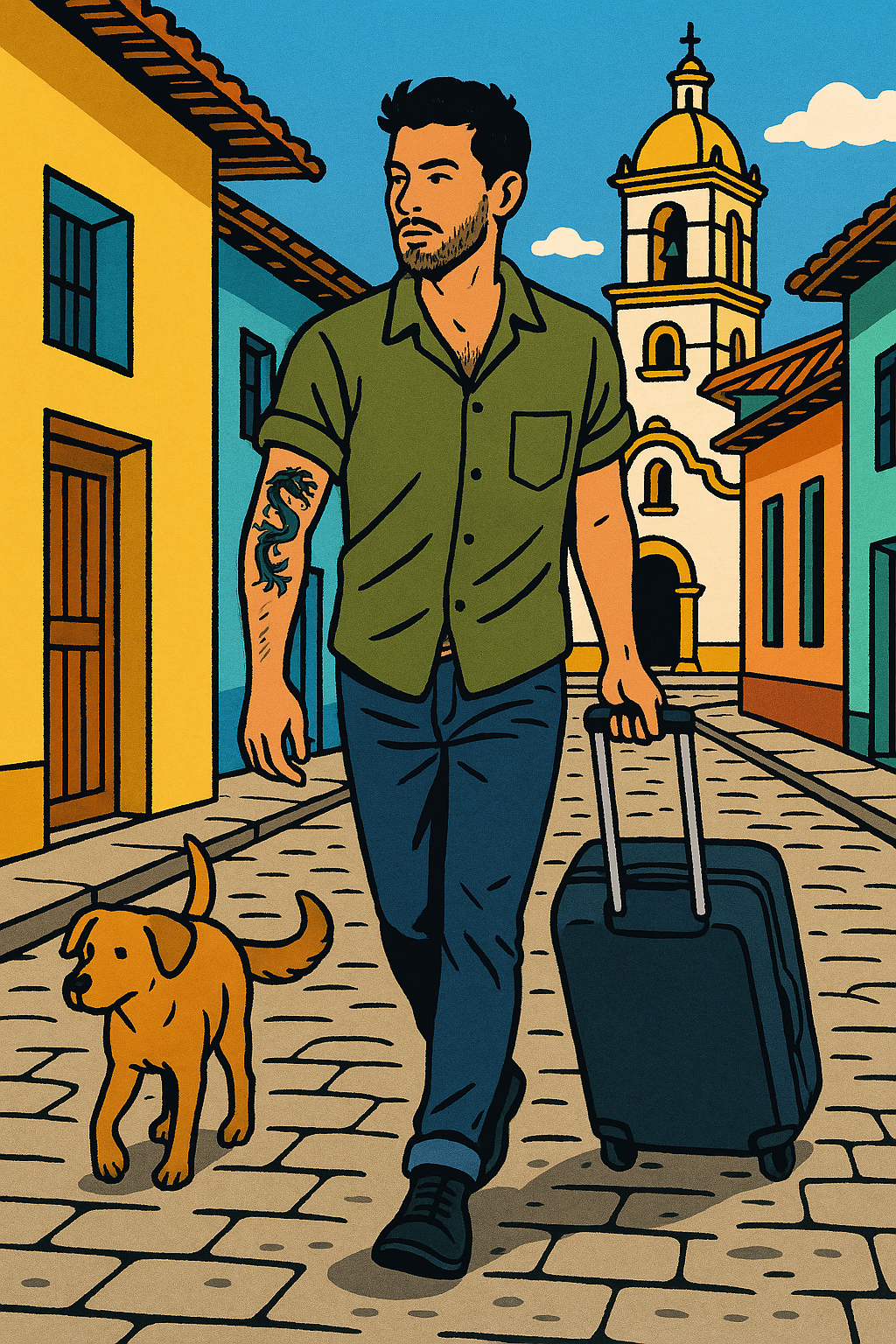
A man with a dragon tattoo walks down a street in South America, pulling his roller suitcase as a dog follows

South America has officially entered its main-character era. With stunning natural backdrops, vibrant cities and prices that won’t make your wallet weep, it’s no surprise this diverse continent is topping travel bucket lists. In fact, a 2024 study from Statista revealed that 7 out of the 10 most affordable backpacking destinations are in South America.

But with great variety comes great packing responsibility. From sizzling sun to sudden downpours, from rainforest trails to chic city strolls, your suitcase needs to be ready for it all. Here’s your guide to packing smart — prioritizing safety, style and cultural savvy.

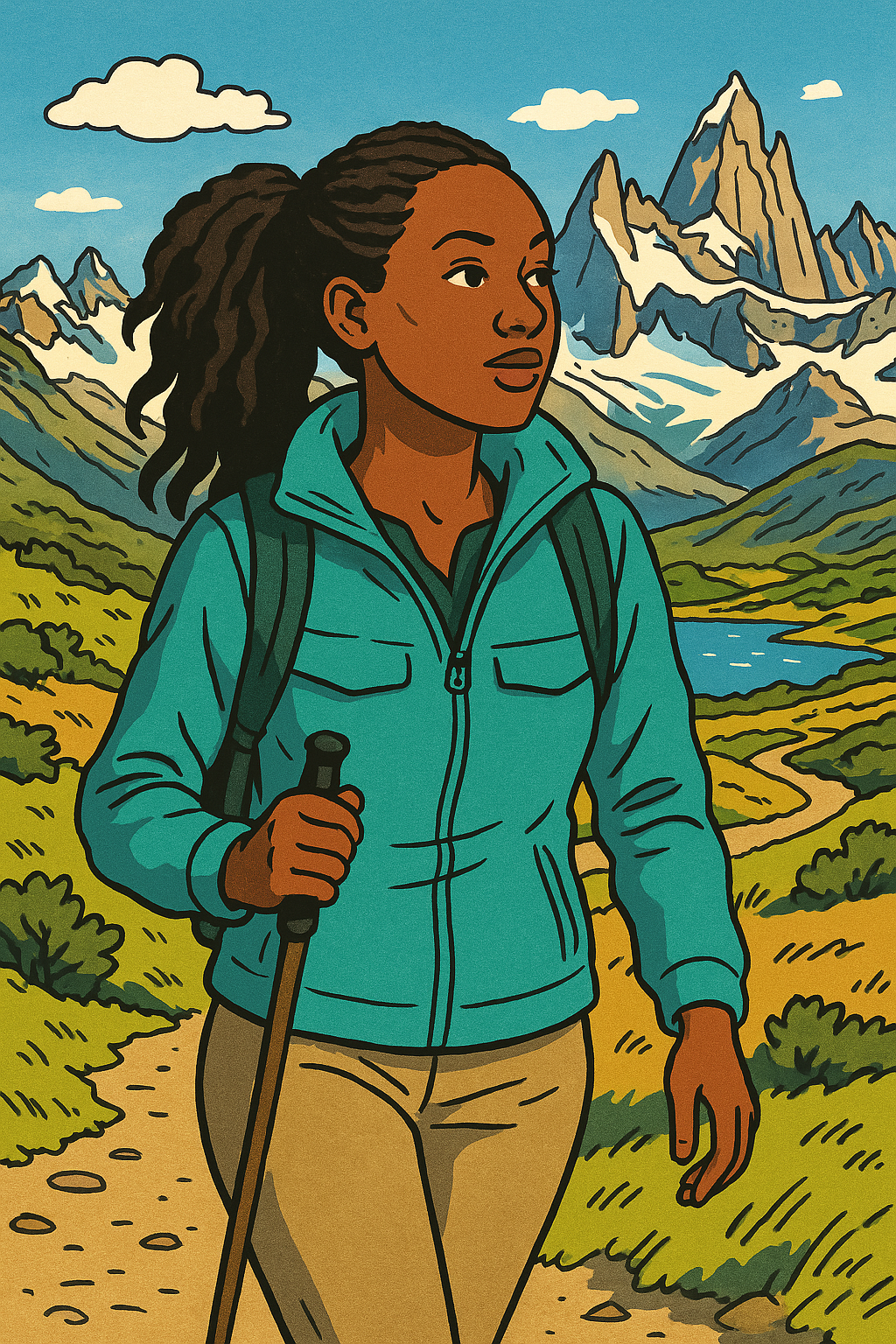
A woman in a light jacket holds a walking stick on a hike in Patagonia

Clothing: Layer Up, Live Easy

When it comes to clothes, think breathable, mix-and-match and travel-friendly. Lightweight fabrics like cotton and linen will be your MVPs — they’re made to handle the heat, the rain, and the bottom of your backpack.

In cities like Bogotá, Colombia, jeans work just fine. But if you’re heading inland or uphill (hello, Andes), swap in hiking shorts or joggers. And yes, even tropical South America can get chilly — especially in high-altitude towns like Argentina’s Bariloche or Ushuaia — so pack a thermal layer or two.

Brands like Patagonia offer adventure-ready outfits, but you don’t need to go on a shopping spree. Most of South America is laidback and tourist-friendly, so start with what’s in your closet. 

A woman in a burgundy dress and tan wrap and sandals walks along a street at night in Buenos Aires

Footwear: Leave the Stilettos at Home

Much like Oaxaca, Mexico, South American cities are surprisingly walkable. Take Buenos Aires, Argentina for instance — its leafy, European-style boulevards practically beg to be explored on foot. Translation: You’ll be walking. A lot.

Unless your itinerary includes a gala or glam night out, skip the heels and formal leather shoes. Opt for comfortable, stylish, all-day-wearable footwear. QVC’s Revitalign and White Mountain shoes are a strong choice: supportive, adjustable, and cute enough to take you from a seaside stroll to a rooftop cocktail.

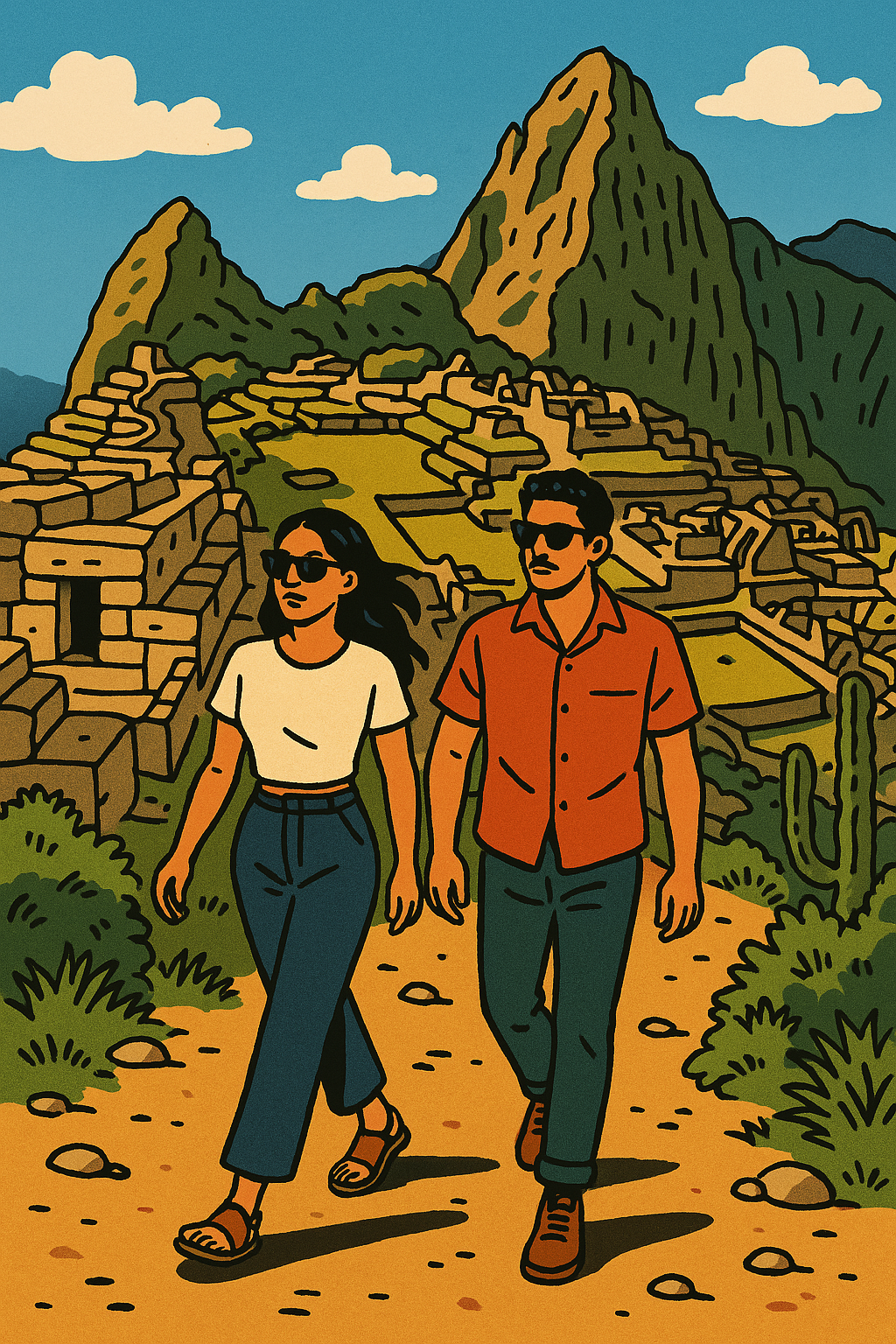
A woman and man wearing sunglasses walk through the ruins of an ancient civilization in the mountains of South America

Accessories: Sun-Savvy and Stylish

Tropical climate? Check. High UV index? Also check. While South America’s sun-drenched skies are part of its charm (Chile gets sunshine during more than half its daylight hours), they also call for serious sun protection.

Sunscreen is a must, but don’t overlook your eyes. Sunglasses from brands like Ray-Ban blend fashion with function, blocking up to 100% of UV rays. Polarized lenses cut glare — essential whether you’re boating through the Amazon or exploring a sun-bleached plaza.

Bonus: They make you look effortlessly cool in every photo.

A woman covers up her shoulders and chest with a shawl in a church in South America

Cultural Cues: Dress With Respect

South America is warm and welcoming, but it’s also deeply rooted in tradition — especially when it comes to religion. With Catholicism widely practiced, modesty is key when visiting churches or sacred sites like Brazil’s Basilica of Our Lady of Aparecida. If in doubt, toss a scarf, shawl or lightweight jacket into your day bag to cover up when needed.

Attending a local party or dinner? Even if the vibe is casual, it’s polite to step it up a notch. Smart casual is your safest bet — save the tank top and flip-flops for the beach.

Two men in fun shirts ride a motorbike through a town in South America

Pack for Adventure, With Style and Awareness

Packing for South America is about being ready for a little of everything: mountain chill, coastal heat, unexpected rain and spontaneous rooftop parties. Prioritize comfort, respect local culture, and bring a few pieces that can keep up with wherever the day (or night) takes you.

With the right gear — and the right attitude — you’ll be more than ready to take on this incredible continent, one step at a time. –Francesca Chamberlain

Navigating the World With Confidence: Your Guide to SafetyWing Nomad Insurance

FAQs about Nomad Essential and Nomad Complete: What’s covered? How do I file a claim? Which plan is right for me?

A digital nomad works on a laptop outside in Bali, with palms and a thatched hut behind him

Imagine this: You’re trekking through the lush landscapes of Bali, your laptop safely tucked away after a morning of remote work. The sun is setting, painting the sky with hues of orange and pink. Suddenly, you trip over an unseen root, and before you know it, you’re nursing a fractured wrist miles away from home. Or perhaps you’re exploring the bustling streets of Barcelona, and your backpack — with your essential gadgets — is nowhere to be found. As a digital nomad, freelancer or avid traveler, these scenarios can be part and parcel of the adventurous life you’ve chosen. 

But with adventure comes unpredictability, and that’s where SafetyWing Nomad insurance steps in, ensuring you’re covered, no matter where the journey takes you.

A woman on crutches wearing sunglasses and a striped dress walks through a spice market in Marrakech

Frequently Asked Questions about SafetyWing Nomad Insurance

What is SafetyWing Nomad insurance?

SafetyWing's Nomad insurance is a comprehensive insurance solution tailored for individuals who live and work remotely across the globe. It offers two distinct plans: Essential and Complete, designed to cater to varying needs of travelers, digital nomads, and remote workers. Whether you're seeking coverage for unexpected medical emergencies or a full-fledged health insurance plan with added travel protections, SafetyWing has got you covered.

A gay couple in sunglasses hold hands and walk through the white facades of Medellin, Colombia

What’s the difference between the Nomad Essential and Nomad Complete plans?

  • Essential Plan: This plan focuses on travel medical insurance, covering treatment for new and unexpected medical issues while you're traveling. It includes hospital stays, surgeries, medications, emergency evacuations, and even lost luggage. However, it doesn't cover routine check-ups, pre-existing conditions, maternity care, or cancer treatment. It's ideal for those seeking coverage primarily for unforeseen incidents during their travels.

  • Complete Plan: Building upon the Essential Plan, the Complete Plan offers full health insurance with additional travel protections. It covers routine medical care, wellness therapies, mental health support, and cancer treatment. Additionally, it provides coverage for burglary, canceled accommodations, and delayed luggage. This plan is perfect for long-term travelers or digital nomads seeking comprehensive health coverage alongside travel insurance.

Can I purchase Nomad insurance if I’m already abroad?

Absolutely! SafetyWing allows you to sign up for Nomad insurance before you depart or at any point during your travels or while living abroad. There's no need to be in your home country to purchase a policy. 

Does Nomad insurance cover COVID-related expenses?

Yes, medical treatment for COVID-19 is covered under both the Essential and Complete plans, provided the virus was contracted after your policy start date. Routine testing or preventive measures are not covered unless deemed medically necessary due to symptoms. 

Are there any age restrictions for the plans?

The Essential plan is available for individuals up to 69 years old. The Complete Plan, however, is available for individuals up to 64 years old. Premiums vary based on age brackets.

How does home country coverage work?

  • Essential Plan: After being abroad for 90 days, you retain medical coverage for 30 days when you visit your home country (15 days if your home country is the U.S.). This is designed to provide short-term coverage during brief visits back home.

  • Complete Plan: This plan offers full coverage in your country of residence without any time limitations, making it suitable for those who split their time between multiple countries or frequently return home.

What add-ons are available to customize my coverage?

SafetyWing offers several add-ons to enhance your coverage:

  • Adventure Sports: Extends coverage to include high-risk activities such as scuba diving, skydiving, white-water rafting, and more.

  • Electronics Theft: Provides reimbursement for stolen electronics, ensuring your gadgets are protected.

  • U.S. Coverage: For non-residents, this add-on includes coverage for trips to the United States.

A man sips coffee at an outdoor cafe, working on a laptop, in the Canary Islands, with a volcano in the background

How do I file a claim if something goes wrong?

Filing a claim with SafetyWing is straightforward:

  1. Report the incident. Notify SafetyWing as soon as possible about the incident.

  2. Gather documentation. Collect all relevant documents, such as medical reports, receipts, police reports (in case of theft), and any other supporting evidence.

  3. Submit the claim. Log in to your SafetyWing account and fill out the claim form, attaching all necessary documents.

SafetyWing aims to process claims efficiently, ensuring you receive reimbursement promptly. 

What are pre-existing conditions, and are they covered?

A pre-existing condition refers to any illness or injury that you have been diagnosed with or received treatment for before your SafetyWing policy start date. Unfortunately, both the Essential and Complete plans do not cover pre-existing conditions. It's crucial to review the policy details to understand the specifics of this exclusion. 

A nonbinary person wearing a knit cap and warm coat walks along Lake Bled in Slovenia in the fall

How do I choose between the Nomad Essential and Nomad Complete plans?

Think of it this way:

  • Nomad Essential is great if you want solid travel medical coverage for unexpected illnesses, injuries, or hospital visits while abroad. It’s ideal if you’re generally healthy and don’t need coverage for routine checkups or ongoing medical care.

  • Nomad Complete is for nomads who want full health insurance, including preventative care, mental health support, and trip protections like lost luggage, trip cancellations, and liability coverage. If you plan to be abroad long-term or need a safety net beyond medical emergencies, this plan makes more sense.

Still unsure? Ask yourself: Do I need routine doctor visits, dental care or mental health support? If yes, go for Nomad Complete. If not, Nomad Essential will likely be enough.

Coverage Nomad Essential Nomad Complete
Medical Emergencies ✅ Yes ✅ Yes
COVID Coverage ✅ Yes ✅ Yes
Emergency Dental 🚫 No ✅ Yes
Trip Cancellation / Interruption 🚫 No ✅ Yes
Trip Delay 🚫 No ✅ Yes
Lost / Stolen Luggage 🚫 No ✅ Yes
Electronics Theft 🚫 No ✅ Yes
Natural Disaster / Political Evacuation 🚫 No ✅ Yes
Personal Liability 🚫 No ✅ Yes
Routine Checkups 🚫 No ✅ Yes
Mental Health Support 🚫 No ✅ Yes
Pre-Existing Conditions 🚫 No 🚫 No
Home Country Coverage ✅ Limited (30 days after 90 days abroad, 15 days for U.S.) ✅ Full Coverage
Adventure Sports 🔹 Available as add-on 🔹 Available as add-on
U.S. Coverage 🔹 Available as add-on 🔹 Available as add-on
An aging hippie holds a basket full of fruit while he shops at a market

Ready to Travel Smarter?

Nomad life is unpredictable — that’s part of the fun. But having the right coverage means you can focus on adventure instead of worrying about hospital bills, stolen gear or canceled flights. –Wally

Get covered with SafetyWing and travel with confidence.

Digital Nomad Life: What No One Tells You About Working From Anywhere

Remote work from anywhere isn’t always a dream. From visa runs to Wi-Fi fails, here’s what digital nomads really face.

You’ve seen the Instagram posts: Laptop perched on a sunlit café table, feet buried in the sand, a coconut drink in hand. It’s the digital nomad dream, right?

But let’s be honest: Remote work from paradise isn’t always as effortless as it looks. Nobody posts about their Wi-Fi dropping mid-Zoom call, the sketchy hostel that overbooked their room, or the unexpected trip to a foreign hospital (because, yes, street food roulette is real).

So, let’s get real about what working from anywhere actually means — and how to keep your sanity (and your wallet) intact.

1. Your “office” might be a disaster waiting to happen. 

You imagine working from a trendy coworking space in Bali, but reality often looks more like:

  • A café where the Wi-Fi is slower than dial-up.

  • A beach where your laptop overheats in the sun.

  • A hostel with one power outlet…that isn’t compatible with your plug.

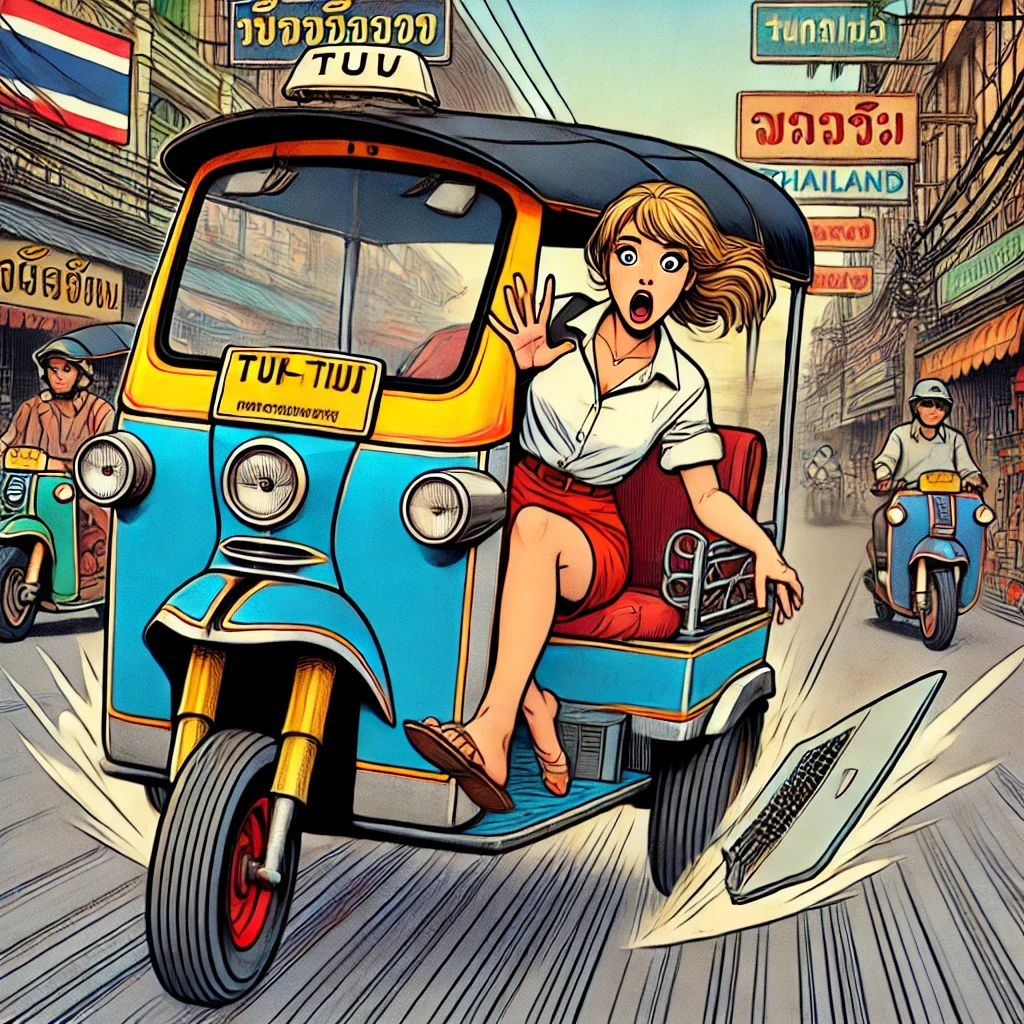
Solution? Research before you go. Check coworking spots, invest in a portable Wi-Fi hotspot, and always have an offline backup of important files. And, of course, make sure you’re covered if your laptop takes an unfortunate dive off a tuk-tuk (because, yes, that can happen).

2. Visa runs can feel like a full-time job. 

Digital nomads often get by on tourist visas, which means every few months, you’ll be scrambling for a visa run. Cheap flights to nearby countries sound fun — until you’re stuck in an immigration office explaining why you’re back again after only 24 hours.

Pro tip: Some countries are getting strict about this. If you’re hopping around, check visa policies before you arrive, and consider places with long-stay digital nomad visas.

3. You will get sick at the worst time possible.

It’s not if, it’s when. One day, you’ll eat the wrong street taco, get a surprise ear infection before a long-haul flight, or sprain your ankle trying to look cool on a scooter.

And unless you want to drain your savings on an ER visit in Thailand, having travel medical insurance is a non-negotiable.

Consider a policy specially designed for your lifestyle, like Nomad Essential so you’re covered for the basics, like unexpected medical bills, emergencies and even COVID. And if you want full coverage, including trip protection, electronics theft and liability insurance, Nomad Complete has you covered. Because the only thing worse than getting sick abroad is getting stuck with the bill.

4. Loneliness is real (even when you’re in a crowded hostel).

Digital nomad life can be thrilling, but it also means constantly saying goodbye. It’s easy to feel untethered when your friends are scattered across five continents.

Fix it: Join local digital nomad communities, coworking spaces and online groups. And if you can, pick a few “home bases” instead of constantly moving — it helps with routine, friendships and, let’s be honest, finding a reliable coffee spot.

5. The nomad life isn’t a vacation (though it can feel like one). 

Working from the beach sounds cool…until you realize the sand, sun and people having actual vacations are just distractions. Finding work-life balance while constantly on the move is an art form. Some tips:

✅ Set work hours.

✅ Take real days off.

✅ Don’t burn out in the name of “freedom.”

Because at the end of the day, being a digital nomad isn’t about escaping reality — it’s about designing a life that works for you.

Stay Covered, Stay Nomadic

Whether you’re bouncing between continents or settling into a new home base, Nomad Essential and Nomad Complete insurance plans are designed for remote workers like you. They’re flexible and built for life on the move — so you can focus on the adventure, not the what-ifs.

Get covered today and travel with peace of mind. Learn more about SafetyWing Nomad insurance. –Wally

The Art of Slow Travel: Savoring Every Moment of Your Journey

Slow travel is about taking your time, embracing detours and connecting deeply with a place. Here’s how to make your trips more intentional.

Travel isn’t a race. You shouldn’t be rushing to complete a checklist or collecting sites like Pokémon. The real magic of travel happens in the in-between moments — the ones that don’t come with an audio guide or a perfect Instagram angle.

When you slow down, you notice things. The way light shifts in a quiet café, the rhythm of a city waking up, the unexpected kindness of a stranger who points you to the best food you’ve ever eaten. Instead of hustling from one attraction to the next, you let a place sink in. You give yourself time to get lost, to linger, to just be somewhere.

There’s no single way to embrace slow travel, but there are plenty of ways to make your trips more intentional. Here’s how.

1. Choose destinations that let you slow down. 

Some places practically force you to take it easy. Cities built for strolling, towns where café tables spill into the streets, regions where “mañana” is the closest thing to a schedule.

Instead of cramming six destinations into one trip, pick just one or two and let yourself settle in. Stay long enough to recognize faces, to find your favorite corner café, to not need Google Maps.

Smaller towns and rural areas tend to do slow travel best. There’s no rush, no urgency — just the quiet hum of daily life. But even in cities, you can carve out your own slow-travel pocket by choosing neighborhoods over tourist centers. A place’s soul isn’t in its top 10 attractions; it’s in its markets, its parks, its ordinary moments.

2. Travel in a way that enhances the experience. 

The way you move through a place shapes what you see. Walking lets you pause whenever something catches your eye. Public transport throws you into the rhythm of local life. Biking? That’s the sweet spot between getting places and experiencing the in-between.

And if you’re thinking, Biking sounds nice, but hills? No thanks — there’s an answer for that. Electric bikes. They let you glide through cities, coast up inclines, and cover more ground without looking like you just ran a marathon.

If you’re bringing an e-bike on your travels, Velosurance has your back. It offers some of the best e-bike insurance, covering theft, damage and all the unpredictable moments that make travel exciting (but sometimes expensive). Because nothing kills the slow-travel vibe faster than a missing bike.

3. Create a flexible itinerary.

There’s a time and place for spreadsheets, and it’s not on vacation. Overloading your schedule turns travel into a job, and no one enjoys a trip that feels like an assembly line.

Some of the best travel moments happen when plans go sideways — when you follow a local’s recommendation instead of Yelp, when you stumble into a festival you didn’t know existed, when you decide to stay just one more day.

So plan some things — just not everything. Pick a few experiences that actually excite you, then leave room for surprises. Let curiosity, not a schedule, dictate your next move.

4. Immerse yourself in local culture. 

Slow travel isn’t just about moving at a leisurely pace; it’s about actually engaging with where you are. Enter cultural immersion

That means skipping the chain restaurants in favor of the tiny hole-in-the-wall spot where the menu is only in the local language. It means wandering through neighborhood markets instead of souvenir shops. It means striking up conversations — not just with hotel staff but with the young woman making your morning espresso.

Food is often the easiest way in. Try the regional specialties. Eat at places where the locals eat, not where the guidebooks tell you to go. If you’re really committed, take a cooking class or visit a farm and see where the magic begins.

And if you want bonus points, learn a few words in the local language. Even just “hello” and “thank you” go a long way. It’s about showing respect and making human connections.

5. Discover hidden gems.

The most unforgettable places are rarely the ones that pop up first on Google. The best experiences often happen when you wander off-script — whether you’re in Barcelona or Dallas, Texas

One of the easiest ways to find hidden gems? Ask. Not the internet — actual humans. Hotel clerks, bartenders, bookstore owners, the person next to you at the coffeeshop. They’ll know where to go, what to eat, and what’s worth your time.

Taking the road less Google-mapped also helps. Instead of the busiest streets, slip into quiet alleyways, walk a few extra blocks, take the longer scenic route. You’d be amazed at what’s hiding just beyond the tourist zones.

And sometimes, the hidden gems aren’t places at all. Maybe it’s a musician playing in the park, a perfectly aged wooden door, a shopkeeper who tells you their life story. When you stop rushing, you start noticing.

6. Balance adventure with doing absolutely nothing. 

Not every moment of travel needs to be productive. Some of the best parts of a trip happen in the spaces between doing things.

Give yourself permission to just exist in a place. Sit at a café and watch the world go by. Read in a park. Take an aimless walk. Have a drink on a terrace with no agenda beyond enjoying it.

Because here’s the thing: You don’t have to earn rest. Slowing down isn’t laziness — it’s the whole point.

7. Make the most of staying put. 

The longer you stay somewhere, the deeper you sink into it. You stop being just a visitor and start belonging — even if only for a little while.

Return to the same café a few times, and the barista might start remembering your order. Walk the same streets at different times of day, and you’ll see how a place shifts and breathes.

Some of the best discoveries happen when you’re not seeking them, just being present enough to let them unfold.

Take It Slow

Slow travel isn’t about how many places you go — it’s about how deeply you experience them. It’s about stepping away from itineraries and expectations and just being in a place.

So walk more. Linger longer. Say yes to detours. Talk to strangers. And if nothing else, remember: The best part of a journey isn’t always where you go, but how you feel while you’re there. –Lewis Bagshaw

The Rules of Traveling With Your Human (A Dog’s Guide to Pet Travel Etiquette)

Traveling with a pet? From hotels to restaurant patios to transport, here’s the travel advice your dog would tell you if they could. 

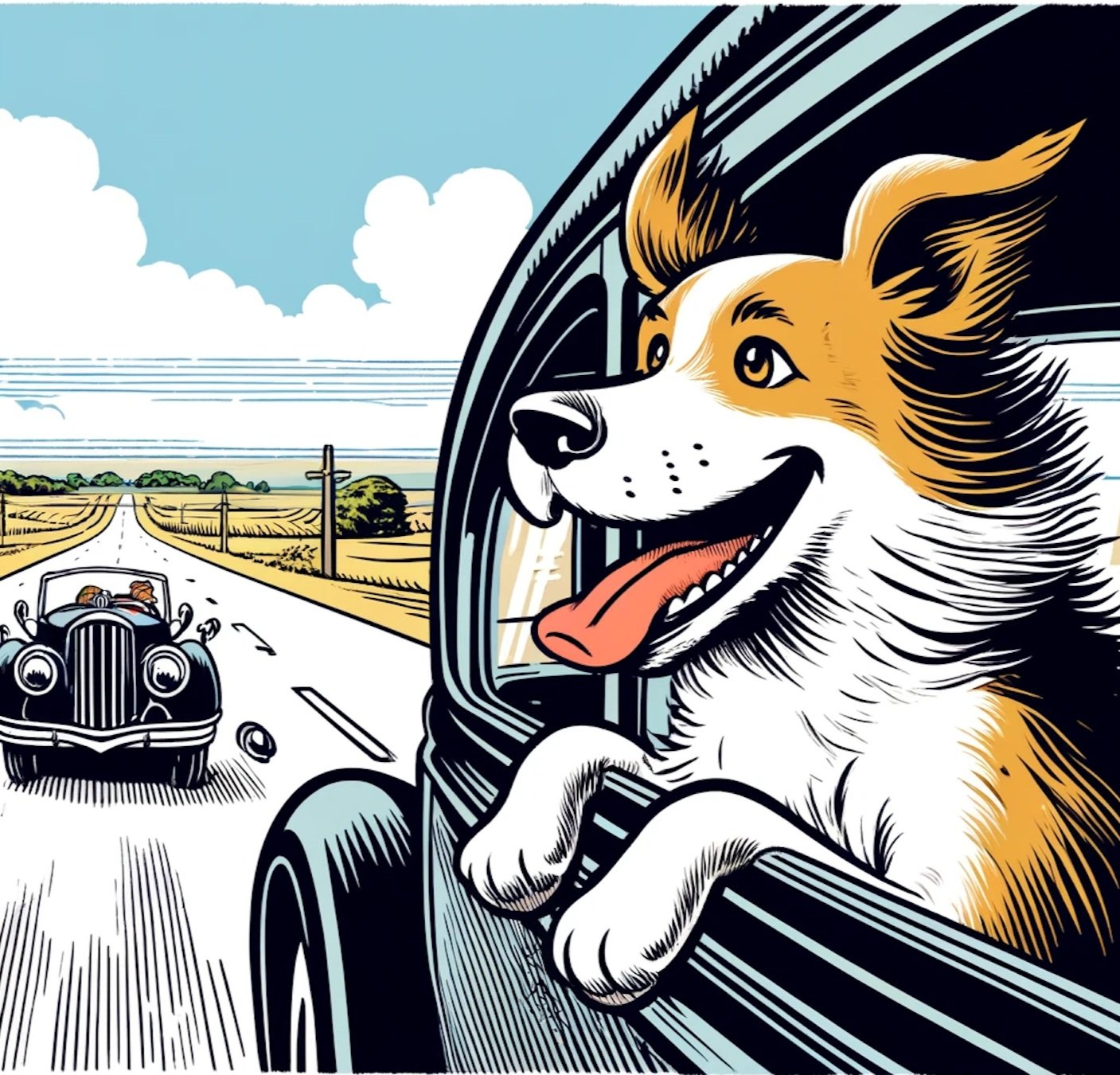
A dog sticks its head out a car window

Oh, you lucky dog! Your human has decided you get to join them on a grand adventure. Whether it’s a road trip, a flight, or a weekend at that place they call a “hotel” (where they inexplicably pay to sleep somewhere else), you’re in for a ride.

Listen, I love traveling with my human.

But if they don’t follow the rules, us pets might end up banned from places — and that means fewer adventures.
A dark-haired tattooed man sits in the backseat of a car with his dog, Tintin, in a carrier next to him

But listen, not all humans are great at this whole “traveling with a pet” thing. Some think the world is our personal playground. Others forget that not everyone is thrilled to see our adorable, slobbery faces (weird, right?). So, as the responsible one in this relationship, let me walk you through how to make sure your human doesn’t embarrass you.

A female vet examines a large white cat

Pre-Trip Prep: Making Sure Your Human Gets It Together

Before we even leave, we need to make sure our human has done their homework. Here’s what you need to demand:

  • Check the rules: Airlines, hotels and rideshares all have different pet policies. Your human needs to read them. We don’t have opposable thumbs, so it’s on them.

  • Pack the essentials: Food, water, a leash, poop bags, a comfy carrier or blanket, and maybe a toy so you have something to chew on…besides their expensive headphones.

  • Visit the vet: If we’re flying, crossing borders or just feeling a little “off,” a vet check is a good idea. You never know when travel might cause issues like stress colitis — and no one wants to deal with that mid-trip. Plus, it’s always fun to watch your human panic when they forget to bring proof of vaccinations.

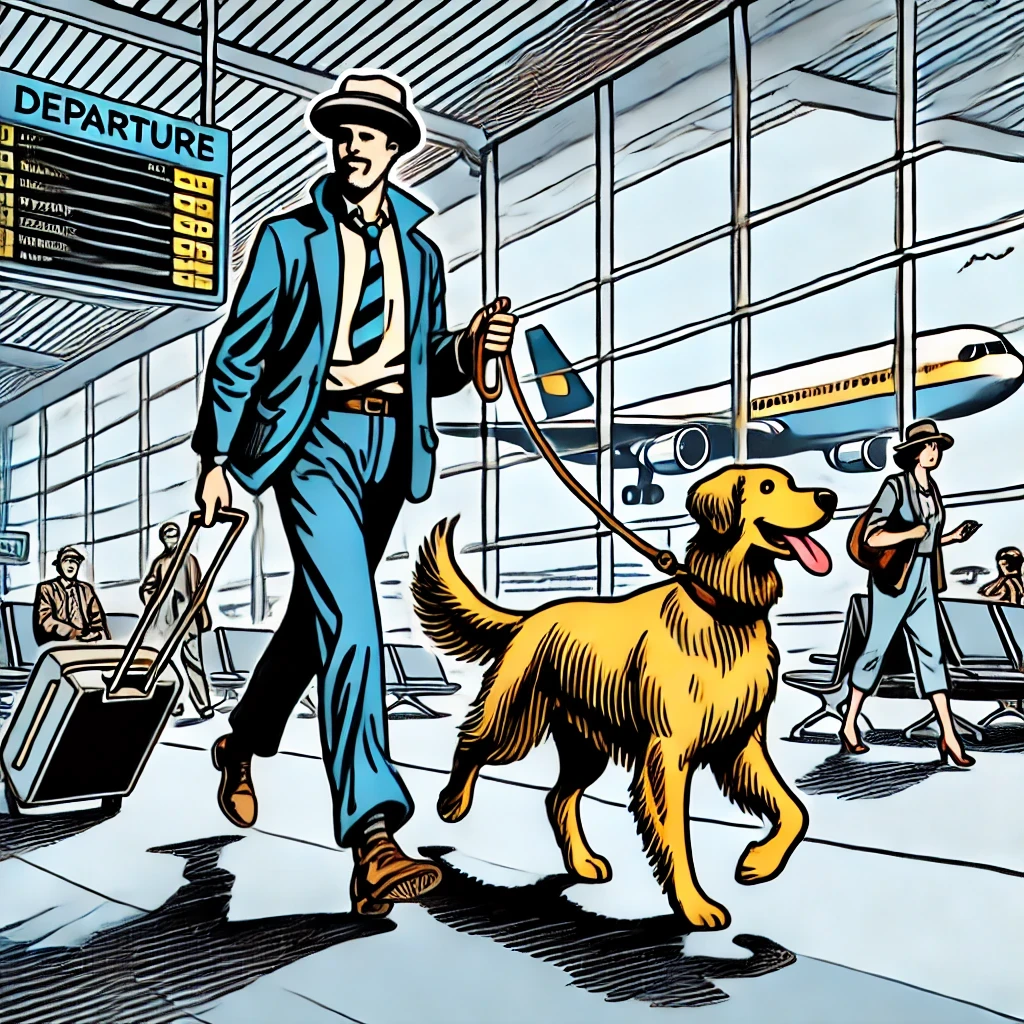
A man in a suit walks his golden retriever through the airport

Flying With a Pet: The Sky Is Not the Limit (Unless You Fit Under the Seat)

Okay, let’s talk about air travel. I don’t love it, but if I must be stuffed into a carrier, I expect my human to do the following:

  • Pick the right spot: Some airlines let dogs in the cabin; others want to chuck us in cargo. Cargo?! You put your luggage in cargo, not your best friend!

  • Make my crate cozy: If I have to sit in there for hours, at least throw in a blanket that smells like home. Maybe a chew toy. Maybe my favorite sock.

  • Pre-flight bathroom breaks: I can hold it longer than you think, but come on — nobody wants an in-flight accident.

  • No mid-air introductions: I get it, I’m adorable. But that doesn’t mean I need to meet every passenger on the plane. Keep me calm, keep me contained, and for the love of bacon, don’t do anything that makes me feel like I have to bark.

A woman with ponytail and hiking gear walks her dog along the side of the road

Road Trips With a Pet: Open Windows, Sniffing the Breeze and Not Eating the Seatbelt

Ahhh, road trips. The dream: We head out on the highway, wind in my fur, nose detecting every scent for miles. The reality: Humans often forget the basics:

  • Buckle up: No, I will not sit on your lap while you drive. Yes, I do need a harness or a crate. Safety first.

  • Gimme breaks, please: I love a long drive — but not so long that I start considering peeing in the cup holder. Stop every couple of hours.

  • Provide snacks and water: If you’re munching on gas station snacks, I want something too. Fair is fair.

  • Music matters: Maybe don’t blast heavy metal for eight hours straight? A little classical, some soft rock — I have refined tastes.

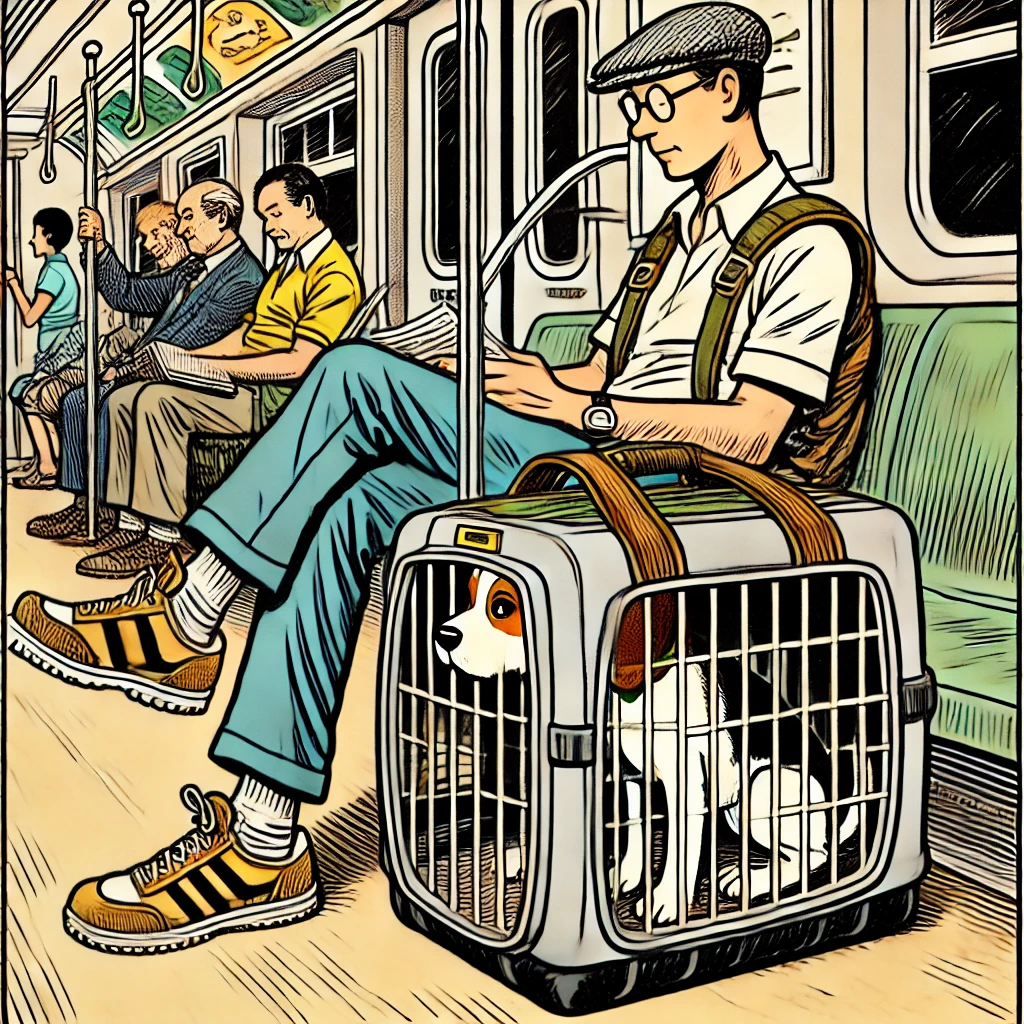
A man with glasses and a backpack reads on the subway, a dog in a crate at his feet

Public Transit and Rideshares With a Pet: Navigating the Human World

Some places let us ride the train, bus or even an Uber. But let’s not give other dogs a bad name:

  • Stay in the carrier (if required): No one wants my fur in their morning coffee.

  • Help me stay in chill mode: I won’t bark, growl or give stink-eye to other passengers if you keep me calm.

  • Respect people’s space: Some humans get real weird about sitting next to a dog. That’s their loss.

An interracial gay couple checks into a hotel with their small fluffy white dog

Hotels and Airbnbs With a Pet: New Place, Same Rules

Your human booked us a stay somewhere fancy? Nice. But they need to remember:

  • Not every hotel loves dogs: Just because we’re cute doesn’t mean we’re automatically welcome.

  • Respect the property: No chewing the furniture, no marking new territory indoors.

  • No midnight zoomies: Apparently, running full speed across the room at 3 a.m. is “disruptive.” Who knew?

  • Tip the housekeeping staff: If I shed all over the place, my human better leave a little extra cash.

A rockabilly chick sits on a step at a bar patio, smoking a cigarette with her bulldog

Restaurants and Cafés With a Dog: The Ultimate Test of Restraint

Ah, the café patio — the place where humans gather to drink overpriced coffee while we sit quietly and judge them. Let’s make sure we stay welcome:

  • Leash up: Help me with temptation. Don’t let me run free. 

  • No begging: Keep an eye on me. Even if that steak smells amazing, I will try my best not to stare at the diners like they owe me something.

  • No table hopping: I get it — some humans look friendlier than others. But I can’t just wander over and get up in a stranger’s business, no matter how much I want to say hi.

A white dog lays down, curled up, on a hotel bed

Be the Goodest Boy (or Girl) and Make Travel With Pets Easier

Listen, I love traveling with my human. But if they don’t follow the rules, we might end up banned from places and that means fewer adventures. So here’s the deal:

  • Be respectful.

  • Follow the rules.

  • Leave no trace (aka no fur, no mess, no complaints).

Because if we do this right, more places will keep their doors open to us. And that means more road trips, more vacations, and more sniffing exciting new things. What more could a dog ask for?

Now, where’s my treat for being such a good travel buddy? –As told to Wally

New Horizons: How Living Abroad Will Challenge and Change You

Discover how living abroad shatters old perspectives, immerses you in vibrant cultures, and enriches your life in ways you never imagined.

A diverse group of friends from all around the world have dinner together

Packing your bags and leaving behind the comforts of home for a foreign land is a journey of courage and discovery. The first time you wander into a grocery store abroad and realize you can’t decipher half the labels, you’ll feel it. The moment you attempt to order a coffee and inadvertently insult someone’s grandmother in their native tongue, it hits you again. Living abroad doesn’t just transform your worldview; it flips it upside down, shakes out the loose change, and hands it back to you a little more wrinkled but infinitely richer.

This isn’t a vacation. It’s real life, lived through the lens of another culture, and it will challenge every “normal” you’ve ever known. Whether you’re discovering the joy of a two-hour siesta or enduring the agony of a midnight call to your bank back home, the journey forces you to adapt, learn and grow in ways you didn’t know you needed. And, spoiler alert: You might not even recognize the person you’ve become by the end of it.

Living abroad is about collecting moments that transform you, piece by piece, into a more resourceful, curious and confident version of yourself.

Living abroad isn’t for the faint of heart. But for those brave enough to take the leap, the rewards — personal growth, cultural immersion and an entirely new perspective — are worth every awkward interaction and misplaced piece of luggage.

Understanding the Decision: The Moment You Choose Adventure Over Comfort

Deciding to uproot your life and move abroad is rarely a spur-of-the-moment decision (unless you’re running from something — and that’s a different article entirely). For most, it begins with a whisper: a curiosity about what life could look like beyond the borders you’ve always known. Maybe it’s a chance to study abroad, a late-night Google search about expat life in Paris or a conversation with a friend who couldn’t stop raving about their year in Tokyo. Slowly, the whisper grows louder, turning into a call for adventure.

But let’s be honest — this isn’t just about chasing sunsets and Instagrammable skylines. The decision to move abroad means stepping away from the familiar. It’s about weighing the excitement of discovering new cultures, foods and friendships against the inevitable challenges: learning to navigate a bureaucracy in a foreign language, figuring out how to convert Fahrenheit to Celsius without melting your brain, or realizing you’ll have to start from scratch to find “your” coffeeshop.

A man walks through a gay neighborhood

For some, the tipping point comes when the allure of growth outweighs the comfort of routine. You recognize that the risks — getting lost, feeling out of place, battling homesickness — are part of the reward. After all, what’s life without a little discomfort? It’s in those awkward, uncertain moments that transformation begins.

And here’s the best part: You don’t need to have it all figured out before you go. Sure, research helps (read: do not move abroad without understanding visa requirements), but the decision to move is more about courage than preparation. The logistics will follow. What matters is that first step — the one where you decide to trade the known for the unknown and see what kind of person you’ll become when the world opens its arms to you.

Overcoming Initial Challenges: The Beautiful Chaos of Starting Over

Moving abroad is exhilarating — until you try to buy toothpaste and accidentally grab denture cream because you didn’t understand the label. The honeymoon phase of living abroad fades quickly when you’re grappling with language barriers, societal norms that seem to make no sense, and the gnawing ache of homesickness. But here’s the truth: Every misstep is a building block in your transformation.

Partnering with a professional international mover can take the edge off the chaos of relocating, letting you save your energy for the real adventure — settling in and making your new home feel like yours.

Because, of course, there’s plenty to deal with when you move abroad, starting with the language barrier. If you thought a quick Duolingo streak would make you fluent, welcome to reality. Whether it’s fumbling through a dinner order or mispronouncing the name of your own street, language barriers can be humbling. But they’re also hilarious and oddly unifying. Smiling, pointing and a little humility go a long way. Bonus tip: Learn the phrase for “I’m sorry” immediately — it will be your best friend.

Then there’s the culture shock. Maybe you’re thrown by the fact that people in Spain eat dinner at 10 p.m., or you’re wondering why no one in Germany jaywalks even when the street is empty. The trick? Lean in. Observe. Adapt. It’s less about becoming a local overnight and more about showing respect for the way things are done while finding your own rhythm.

And yes, homesickness is real, even if you swore you wouldn’t miss your cousin’s weekly game nights. But you’ll survive. Create a support network early — join expat groups, take a class, or become a regular at a local café where someone eventually remembers your name (or at least your coffee order).

The secret to overcoming challenges abroad isn’t perfection — it’s perseverance. Every wrong turn, awkward moment and unexpected obstacle is a chance to build resilience. The struggles don’t just toughen you up; they make the victories — like successfully navigating a foreign pharmacy — feel like winning the lottery. Keep going. The chaos is part of the beauty.

Building Relationships Across Borders: Turning Strangers Into Your Global Family

When you move abroad, relationships become your lifeline. The good news? Living in a new country is like speed-dating for friendships — your shared adventures (and misadventures) with locals and fellow expats form bonds that run deep and fast. The bad news? Building these relationships takes effort, patience and a willingness to embrace awkward moments.

Start with the locals. Whether it’s your neighbor who politely chuckles at your botched pronunciation or the barista who teaches you how to order coffee properly, these small connections are the seeds of something bigger. Pro tip: Show genuine interest in their culture. Ask about traditions, learn a few key phrases in their language, and, for the love of everything holy, never compare their country unfavorably to your own. You’re here to connect, not critique.

Then there’s the expat community — a band of misfits just as lost as you are. These are the people who will help you figure out how to open a local bank account or commiserate over your craving for peanut butter (if you’re lucky, one of them smuggled some in their suitcase). Expats may not always share your cultural background, but they’ll share your journey, creating a uniquely diverse support system.

Building relationships abroad is about growth. Every interaction teaches you something new — about others, about yourself and about the world. You’ll learn to navigate cultural differences, appreciate new perspectives, and, most importantly, laugh at yourself when you inevitably make mistakes.

These connections often become your global family — people who will send you postcards from their next adventure and crash on your couch when they’re passing through. They’ll remind you that home isn’t just a place; it’s a feeling. And that feeling? It grows stronger with every relationship you build across borders.

Cultural Immersion: A New Lens on Life

Cultural immersion isn’t just about snapping selfies at festivals or trying the local delicacies (though both are highly encouraged). It’s about stepping into the rhythm of a place, seeing the world through its people’s eyes, and letting their traditions reshape your own understanding of life. Spoiler alert: It’s going to be messy, humbling — and utterly transformative.

The first step? Leave your tourist mindset at the airport. Cultural immersion means going beyond the guidebook highlights and diving headfirst into the quirks and nuances of daily life. Learn to love the things that feel strange at first — whether it’s eating soup for breakfast in Vietnam or navigating the labyrinth of Italian bureaucracy with more patience than you thought humanly possible.

The key to immersion is curiosity. Ask questions about traditions, try your hand at local customs and don’t be afraid to mess up. Attempting to master a salsa step at a neighborhood party or fumbling through a traditional toast at a wedding might make you feel foolish in the moment, but those experiences are where the magic happens.

And let’s not forget the food. If you’re not exploring a country’s culture through its cuisine, you’re missing half the story. That doesn’t mean you have to love everything you try (I’m looking at you, pickled herring), but tasting unfamiliar dishes opens a window into the heart of a culture.

True cultural immersion happens in the little things: chatting with the street vendor who sells your morning coffee, celebrating a local holiday with your coworkers, or simply watching life unfold from a park bench. It’s in these moments that you begin to see the world not as a collection of “others,” but as a vibrant, interconnected tapestry.

By the time you’ve fully embraced the culture, something remarkable happens — your perspective shifts. You stop seeing your host country as “different” and start seeing it as a part of you. That new lens? It stays with you, coloring every experience long after you’ve packed your bags.

How Living Abroad Can Transform Your Worldview: A Lesson in Seeing Differently

Living abroad doesn’t just expand your horizons; it dismantles them entirely. It challenges the very foundations of what you once believed to be universal truths — like the “right” way to line up for something, what’s considered a delicacy, or how loud is too loud on public transport. If you’re living abroad in China, for example, you’ll have to give up Facebook for the time being.

You’ll learn that there is no universal truth, only cultural preferences. And once you learn to let go of your assumptions, the transformation begins.

It’s about seeing the world — and yourself — with new eyes. You’ll learn to navigate not just unfamiliar streets but unfamiliar perspectives, realizing that what you once thought was “weird” is simply different.

Take stereotypes, for example. Living abroad forces you to confront them head-on. Spend enough time immersed in another culture, and you’ll start noticing the nuances that stereotypes miss. You might be surprised to have your ideas of gender norms challenged, like how the masculine ideal in Bali is wearing a skirt and putting a flower behind your ear. 

The “reserved” Brit might just be hilariously witty after their second pint, and the “effortlessly chic” Parisian has likely perfected the art of looking fabulous while walking a barking dog and juggling a baguette. 

Everyday moments become lessons in humility and curiosity. Whether it’s figuring out how to recycle in a country with six different bins (and none of them labeled in your language) or experiencing a holiday you’ve never heard of, living abroad teaches you to question, adapt and appreciate. These moments strip away arrogance and replace it with empathy.

Perhaps the most profound change is how you begin to see your own culture. Stepping outside it allows you to notice the unspoken rules, the traditions, and even the contradictions you once took for granted. You’ll find yourself defending some aspects and cringing at others, but always with a deeper understanding of where you come from.

In the end, the greatest gift of living abroad is perspective. You’ll learn to see the world as a mosaic of cultures, each with its own beauty, challenges and wisdom. And maybe — just maybe — you’ll find yourself a little less certain of your own answers and a lot more curious about everyone else’s.

A woman teaches in a classroom in Asia

Personal Growth Through New Experiences: Trial, Error and Triumph

Living abroad has a way of turning the mundane into the extraordinary — or at least the unexpected. You thought you’d just be buying groceries, but now you’re in an intense pantomime with a shopkeeper trying to explain that you need baking soda, not powdered sugar. Each small victory, each tiny failure, becomes part of your growth story.

Adapting to a new culture tests you in ways you never saw coming. That first attempt to navigate public transit? It might end with you on the wrong side of town, hungry and clutching a map like a relic from a bygone era. But by the second or third attempt, you’re navigating like a local — or at least blending in enough to fake it.

The real magic of these experiences lies in what they teach you. Forget the classroom; this is real-world problem-solving at its finest. Need to pay a utility bill but can’t read the instructions? You’ll learn to ask for help, overcome language barriers and maybe even laugh at your own ineptitude. These moments of trial and error sharpen your adaptability and build a quiet confidence that sneaks up on you when you least expect it.

And then there’s the joy of trying something new just because you can. Taking a pottery class in Kyoto, attempting flamenco lessons in Seville, or trying street food that looks like it might fight back — these experiences push you beyond your comfort zone, sometimes literally. Each one stretches your perspective and shows you how capable you really are.

The beauty of personal growth abroad is that it doesn’t stop when you move somewhere else. The resilience you develop while figuring out life in another country sticks with you. It shapes how you handle challenges, interact with others and view the world. By the time you’ve returned home — or moved on to your next adventure — you’re no longer the same person who stepped off that plane.

Living abroad is about collecting moments that transform you, piece by piece, into a more resourceful, curious and confident version of yourself.

Professional Opportunities in a Globalized World: More Than Just a Fancy Line on Your Résumé

Living abroad csn also supercharge your career in ways you probably didn’t anticipate. Sure, it’s a killer talking point in interviews, but the professional benefits of an international stint go far beyond a polished anecdote about that time you negotiated a deal in a foreign language.

First, there’s the adaptability factor. Employers love a candidate who can roll with the punches, and nothing says “I can handle pressure” like navigating a workplace where meetings happen over three-hour lunches, deadlines are “suggestions,” or office etiquette includes kissing your boss on both cheeks. 

Then there’s cross-cultural communication. Working abroad teaches you to find common ground with people who may not share your language, background or sense of humor. Whether it’s collaborating with a diverse team or working with a client from a culture entirely different from your own, these skills are invaluable in today’s interconnected job market. And let’s not forget: Being able to mediate between the office tea enthusiasts and the coffee loyalists is a skill in itself.

Exposure to different work environments also gives you a fresh perspective on problem-solving and innovation. Maybe your time in Japan taught you the value of precision, or your stint in Brazil showed you how to embrace flexibility. These lessons don’t just make you a better employee — they make you a more thoughtful and resourceful one.

And the professional growth doesn’t stop at soft skills. Many industries actively seek out candidates with international experience, particularly if they’ve picked up a second (or third) language along the way. Companies operating in a global market value employees who can navigate cultural complexities with ease — and who understand that mañana doesn’t always mean tomorrow.

Living abroad also broadens your network. The connections you make — colleagues, mentors and even that woman from HR who always knew the best lunch spots — can open doors to opportunities you never imagined. These relationships often transcend borders, becoming valuable assets as your career evolves.

Ultimately, professional growth abroad complements personal growth, creating a well-rounded, globally minded individual. Employers notice that. And while living abroad might begin as an adventure, it often ends with a career advantage that lasts a lifetime.

The Journey Home: Seeing the Familiar Through Fresh Eyes

Coming home after living abroad isn’t as simple as unpacking your suitcase and falling back into old routines. It’s a full-circle moment that challenges you in unexpected ways. You’ve changed. Your worldview is broader, your patience (hopefully) longer, and your stories far more entertaining. But the place you once called home? That hasn’t changed nearly as much, and that’s where the real adjustment begins.

At first, you may feel like a stranger in your own life. The roads are the same, but they somehow look smaller. The conversations feel familiar, but you’re itching to share stories of that café in Rome where the barista knew your name, or how you mastered the art of haggling in a bustling Moroccan souk. Don’t be surprised if your enthusiasm is met with glazed-over eyes — reverse culture shock is real, and not everyone will understand the depth of your transformation.

But it’s not all disconnection. Distance gives you perspective, and perspective brings clarity. You’ll notice the beauty in things you once overlooked — like the smell of a family dinner or the comfort of hearing everyone around you speak the same language. You’ll also see cracks you didn’t notice before, whether it’s outdated customs or societal blind spots that now stand out against the broader cultural tapestry you’ve experienced. Maybe, after living abroad in Qatar, where booze is monitored and hard to get, you find yourself less of a lush.

Coming home is also an opportunity. It’s a chance to blend the best of both worlds: the traditions and values of your home country with the lessons and habits you’ve picked up abroad. Maybe you’ll bring home a love for siestas or a newfound commitment to public transport. Maybe you’ll start cooking dishes from your host country, turning dinnertime into a celebration of your journey.

And the reintegration process might inspire more than nostalgia — it might spark change. Living abroad doesn’t just transform how you see the world; it changes how you want to interact with it. You may find yourself advocating for more diversity in your community, traveling more consciously, or simply encouraging others to step out of their comfort zones.

In the end, the journey home is just as transformative as the one that took you abroad. It’s a chance to reflect on who you were, who you’ve become and who you want to be. And while home may feel different, that’s the point — it is different, because now, so are you.

Embracing the Transformation: Living Abroad as a Catalyst for Change

Living abroad rewires how you see the world, your place in it and even yourself. It’s not always easy, and it’s rarely picture-perfect. You’ll stumble over unfamiliar words, question your decisions and find yourself longing for the comforts of home. But those very challenges are what make the experience so profound.

Every misstep teaches you resilience. Every cultural exchange broadens your perspective. And every new connection reminds you that humanity, in all its diversity, is more interconnected than you ever imagined. 

The transformation doesn’t happen all at once; it sneaks up on you in moments — like when you suddenly realize you’re navigating your new life with confidence or when your old assumptions feel too narrow to contain your new worldview. It teaches you that stepping out of your comfort zone is where the real magic happens.

Whether you’re chasing personal growth, professional opportunities or simply an adventure, living abroad is a testament to the transformative power of saying yes to the unknown. So pack your bags, take the leap and embrace the world — not just as a traveler, but as someone ready to be changed by it. –Ramona Lucia